
The Evolution of the Hard Hat
Image credit: Shutterstock/Sach336699
The lowly hard hat may not be much to look at, but its contribution to the health and safety of millions of workers around the world has been immeasurable. Designed to protect workers from falling objects, this century-old item of personal protective equipment (PPE) has been, quite literally, a lifesaver. While at first, wearing one of these safety hats was optional, it’s now a non-negotiable for many in industry, from gold and copper miners to shipbuilding and construction workers.
Let’s take a look at the history of the hard hat, how it has evolved over the years, and how it’s had to be modified in modern times to adhere to newer safety standards.
The Hard Hat—A Brief History

Rumor has it (heavy on the “rumor”; there’s no known evidence to support this claim) that famed writer Franz Kafka actually invented the first ever hard hat in 1912 during his 14-year stint at the Kingdom of Bohemia’s Workers’ Accident Insurance Institute. The evidence that is available, however, credits father and son duo, E.D. Bullard and E.W. Bullard, as the inventors of the hard hat in 1919.
Founded in 1898 by E.D. Bullard, the Bullard Company—now a leading manufacturer of PPE—started out as a mining equipment business in San Francisco. When E.W. came home from serving in World War I with a “doughboy” (a steel helmet used in the army), he and his dad—who had 20 years of experience in industrial safety—came up with the idea of a head protection device for industrial use. In 1919, they patented the “Hard-Boiled Hat”.
The Hard Boiled Hat
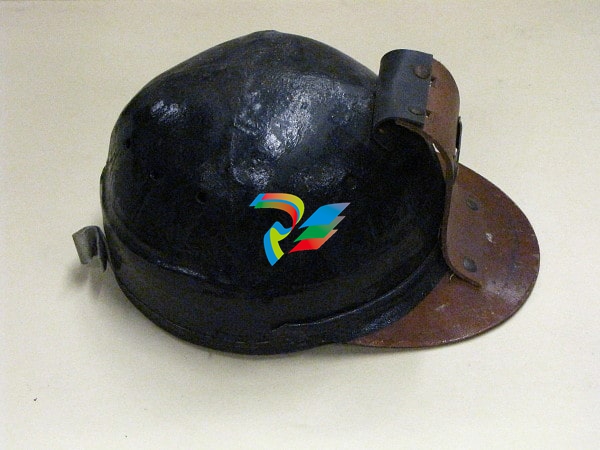
Image credit: The National Museum of American History
The Bullards’ first version of the hard hat was made from canvas and glue, and covered in black paint. It also had a leather and metal bracket at the front which is believed to have served as a torch holder. The “Hard-Boiled” name came about due to the steam used during manufacturing (and not because it makes wearers look like an egg). This new hat was a major improvement from the DIY tar-covered soft canvas cap used by miners and shipbuilding workers up until that point.
The Hard Boiled hat, understandably, was a total hit—a contract came in from the U.S. Navy for Bullard to develop protective headgear for shipyard workers, and the rest, as they say, is history. The use of hard hats only increased as time went by, with further designs getting better and more efficient, and paving the way for the modern hard hats worn today.
In the 1930s, American safety equipment manufacturer, MSA, created an advanced version of the hard hat, the Skullgard Helmet. Made from non-conductive thermoplastic and a lightweight, impact-resistant bakelite resin, this new rendition could withstand heat of up to 350°F, and keep the wearer protected from electrical shock. The helmet is still in production today in over 20 different variations for many industries.

Some of the first pictures of workers wearing hard hats—which you may recall from the history books—were taken during the building of the Hoover Dam. Before that, wearing hard hats was optional, so many proactive workers brought their own safety helmet to the job site. For the Hoover Dam project, however, management made hard hats mandatory. Two years later, during the construction of the Golden Gate Bridge, the project’s chief engineer Joseph Strauss also made hard hats a requirement.
In 2021, the hard hat market in the U.S. was valued at around $894.9 million, and is expected to grow to $1.7 billion by 2030. Some of the companies leading the market are 3M, Delta Plus Group, Bullard, Honeywell, MSA, JSP Limited, Milwaukee, and Uline.
Hard Hat Types Over the Years

After the Hard Boiled hat, Bullard started experimenting with new and improved protective helmet designs. In the 1930s, the company introduced the first aluminum hard hat that was lighter and more durable than canvas, and used in shipbuilding and construction. It wasn’t suitable for electric work, due to the metal’s conductivity. This was addressed a decade later in the 40s, when Bullard made non-conductive and heat-resistant fiberglass hard hats.
In the 1950s and 1960s, plastics entered industry with a bang, and Bullard jumped on board. The company introduced the first thermoplastic hard hat in 1952, which was even lighter and more durable than aluminum or fiberglass options, as well as more cost-effective. Plus, they had the extra advantage of being moldable into different shapes and sizes. In the 1980s, extra features were added to these protective helmets to make them safer and more comfortable, including ventilation, adjustable suspension systems, and better heat resistance.
Today, the top-selling hard hats in the U.S. are made from high-density polyethylene, with polycarbonate, and acrylonitrile butadiene styrene hats following. Carbon fiber options can also be found. In 2023, a new safety helmet design was introduced in Japan made from 100% recycled scallop shells. Apparently, it’s 33% stronger than regular helmets, and generates 36% fewer greenhouse gases.
Other recent advances in the hard hat sector include the addition of augmented reality (AR) and enhanced communication features that provide real-time data overlays to improve safety and efficiency on job sites. For example, Milwaukee Tool and construction firm Boldt have created a line of helmets that can stay on all day, and allow for on-the-head adjustments when workers are switching tasks so that they don’t need to remove it. It also comes with a chin strap to ensure it stays in place, even in the unfortunate event of a fall.
Although aesthetics aren’t a priority when it comes to safety wear, a Portland-based startup, Studson, created a line of hard hats that are not only a little more stylish than your regular safety helmet, but also provide more ventilation, keeping workers cool in hot weather.
Hard Hat Safety Standards

In 1959, the American National Standards Institute (ANSI) published the first comprehensive standard for industrial helmets, ANSI Z89.1. This set the requirements for the impact resistance and durability of hard hats. The Occupational Safety and Health Administration (OSHA) later included the use of hard hats in its regulations. OSHA mandates that hard hats meeting ANSI Z89.1 standards be worn in areas where there is a risk of head injury from falling objects, electrical hazards, or other impacts. The standards also necessitate hard hats to be tested for impact resistance, penetration resistance, and electrical insulation.
In later revisions, ANSI introduced classifications for hard hats based on their ability to protect against electrical hazards. These include Class G (general use), Class E (electrical use), and Class C (conductive, without electrical protection). Testing procedures have become more rigorous over time, too, incorporating tests for temperature resilience and aging effects. Modern standards also stress the importance of improved design features, such as adjustable suspensions, ventilation, and lighter construction, so that workers are less likely to avoid compliance.
Why Wear Hard Hats

Hard hats should be worn on construction sites and other industrial jobs for the obvious reasons: to prevent head injuries—which could lead to death—from falling objects or equipment, bumping into fixed objects, and from falls, slips, or trips. They can also protect workers against electrical shock. In the U.S., one of the biggest causes of death and disability is TBI (traumatic brain injury), which accounts for around 30% of all injury-related deaths. To put the importance of hard hats on the job into perspective, consider some recent statistics:
Of the 5,486 fatal work injuries recorded in the U.S. in 2022, approximately 1,000 were due to head injuries.
Only 16% of those with head injuries were wearing hard hats.
Construction and extraction workers had the second most reported fatalities, half of which were due to falls/slips.
From 2021–2022, there were almost 196,000 head injuries to workers (684 fatal), and less than half of them were wearing head protection.
A mild head injury could cost a company over $100k, and moderate injuries around $941,000. More severe cases can cost $3 million or more.
While workers have much more to lose by not wearing head protection, it’s safe to say that mandatory hard hat use is in the best interests of workers and companies alike.
Hard Hats: The Ultimate Personal Protective Equipment

Hard hats have come a long way from the early steamed canvas and glue designs; nowadays, these important head protectors are much stronger, more durable, and come with lots of features that make them comfortable to wear while ensuring maximum protection. Over the last century, these hats have adapted to new materials, changing safety standards, and modern-day needs. Most importantly, however, they have prevented numerous injuries and saved countless lives.
-
 IS200BPPBH2CAA Mark VIe Power Supply Module
 -
 IS210MACCH2AEG Motor Control and Communication Module
 -
 IS210MACCH2AGG Mark VIe Speedtronic Turbine Control Module
 -
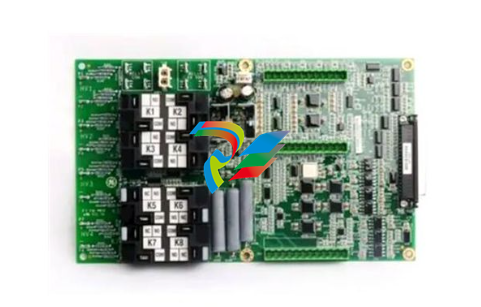 IS200AEPAH1AFD Printed circuit board
 -
IS200AEPAH1ACB Analog I/O Module
-
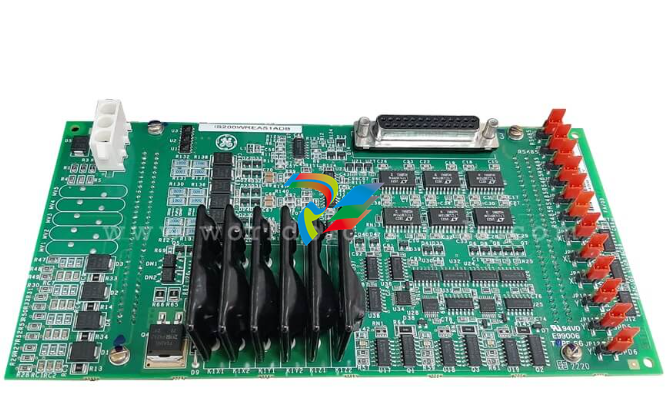 IS200WREAS1ADB AERO TRIP TB DBRD sub-board
 -
 IS200WETAH1AEC large board component made Mark VI system
 -
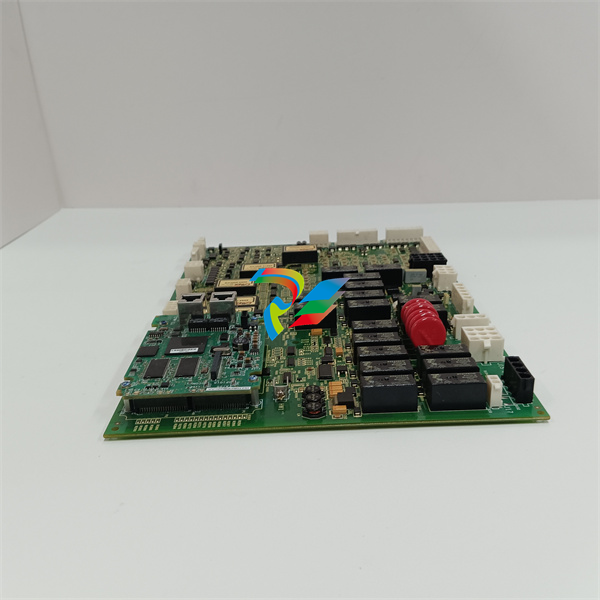 IS200AEPAH1AHD A High-Precision Excitation Control Board for Turbine Systems
 -
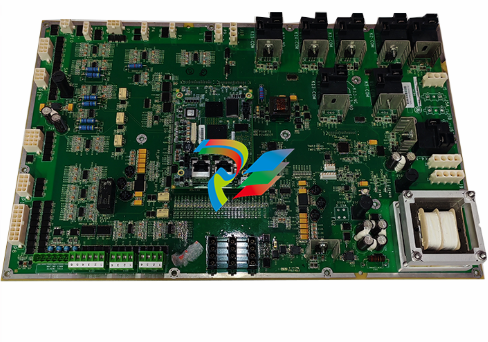 IS200WEMAH1AEA Control board
 -
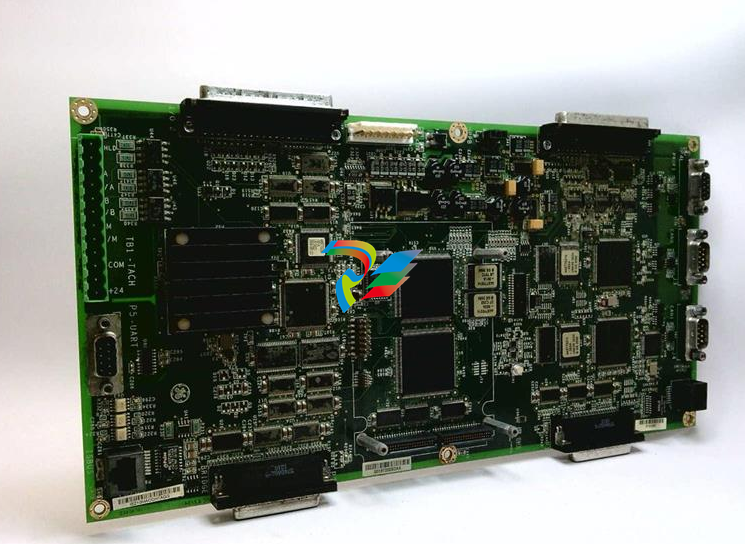 IS210MACCH1AGG processor card
 -
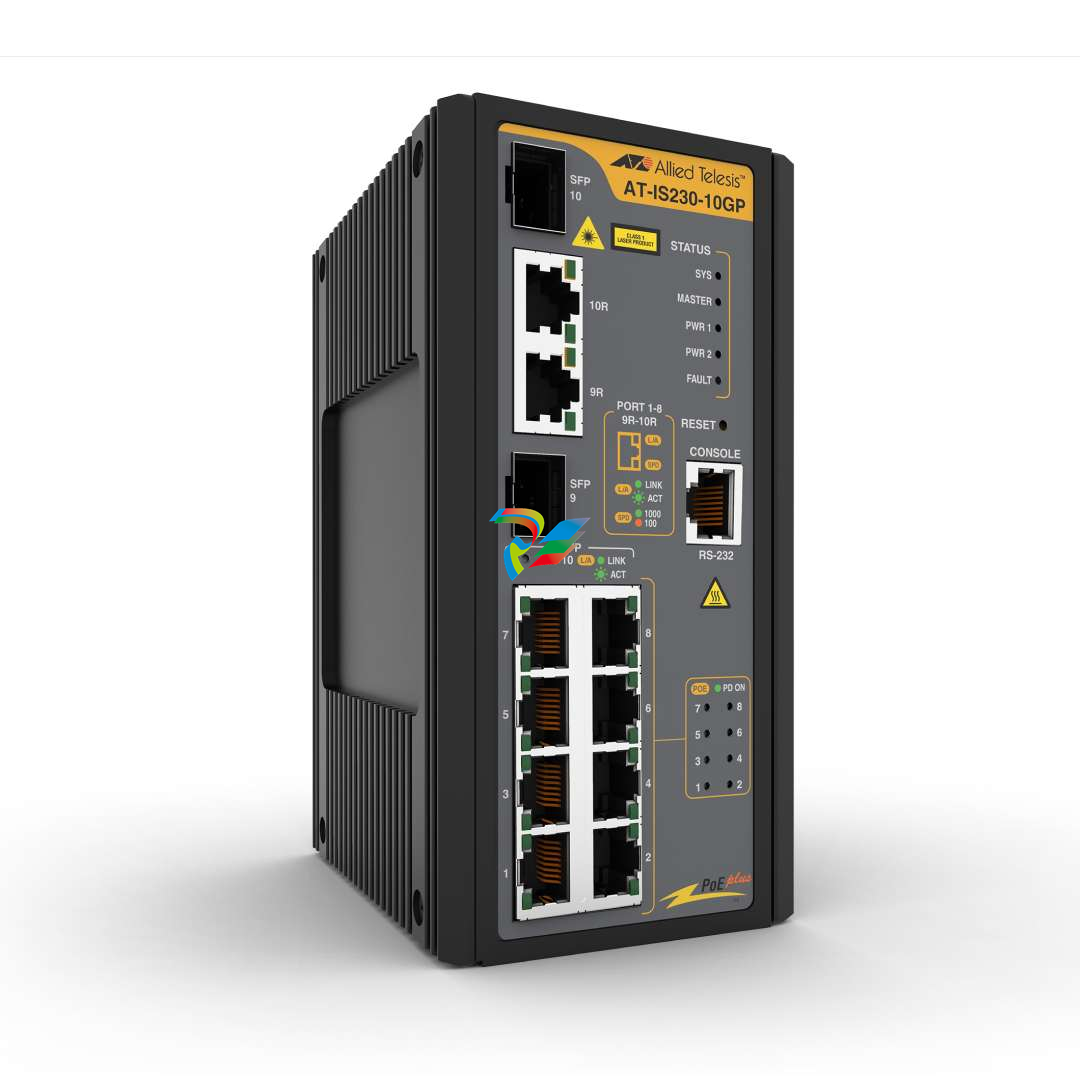 IS230TNRLH1B Discrete Output Modular Assembly
 -
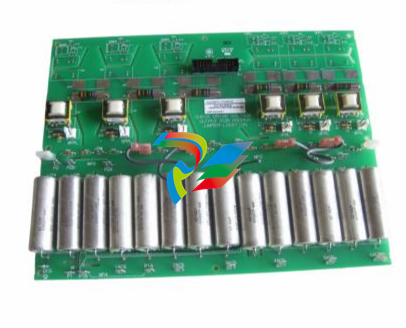 Mark V Series DS200PCCAG1ACB PCB Power Connect Card
 -
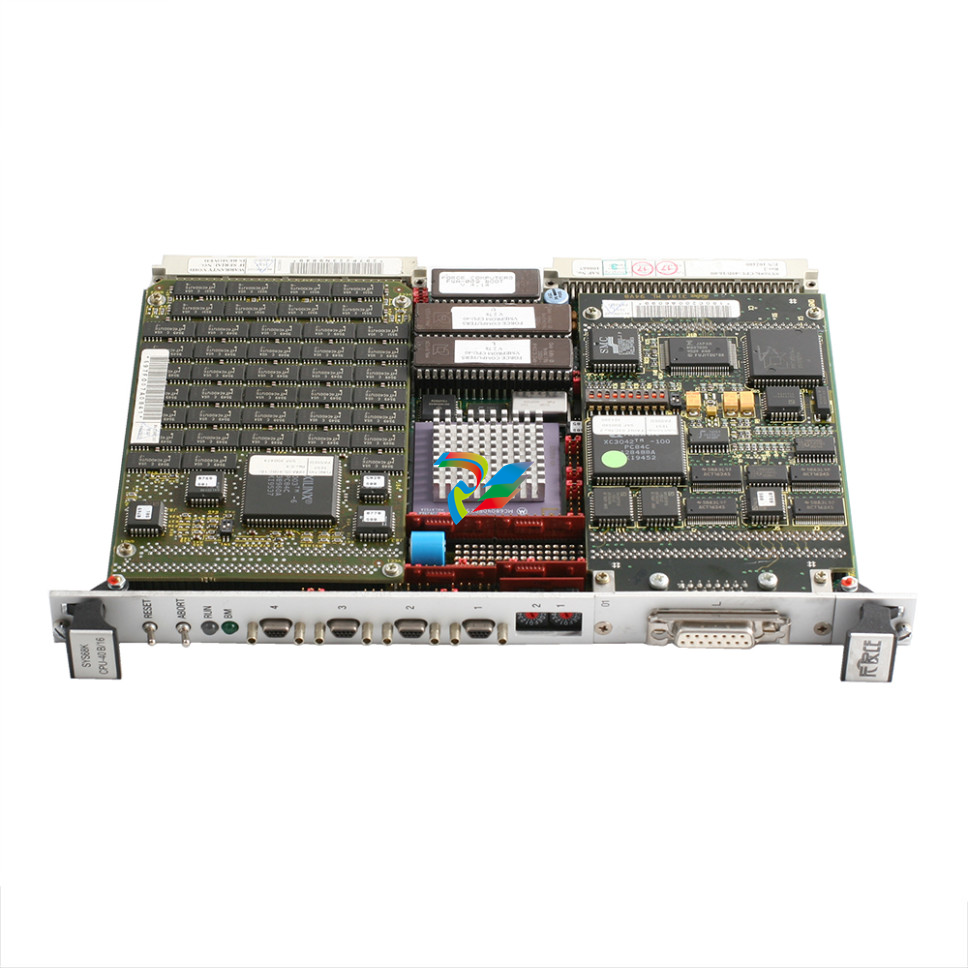 DS200SI0CG1AEA Instantaneous overcurrent card
 -
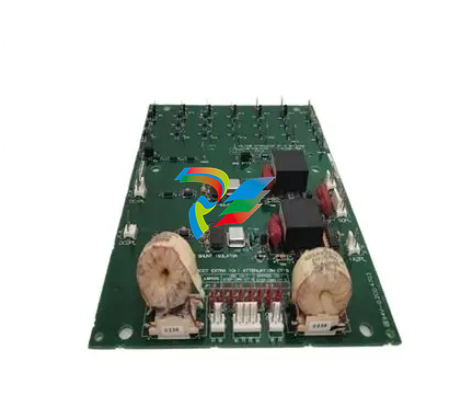 DS200SHVMG1AGE Analog I/O board
 -
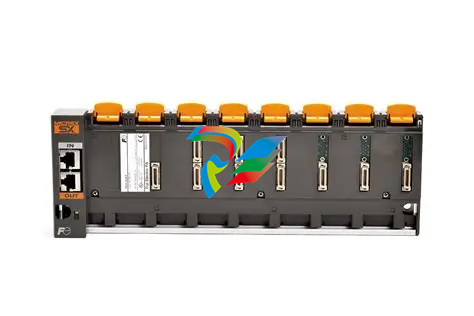 DS200SI0CG1A6A Input/Output Module
 -
 DS200SHVMG1AFE SCR High Voltage Interface Board
 -
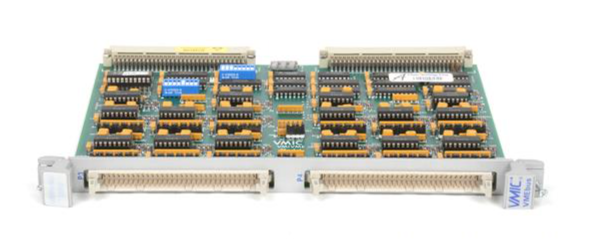 DS200RT8AG3AHC Relay Output Terminal Board
 -
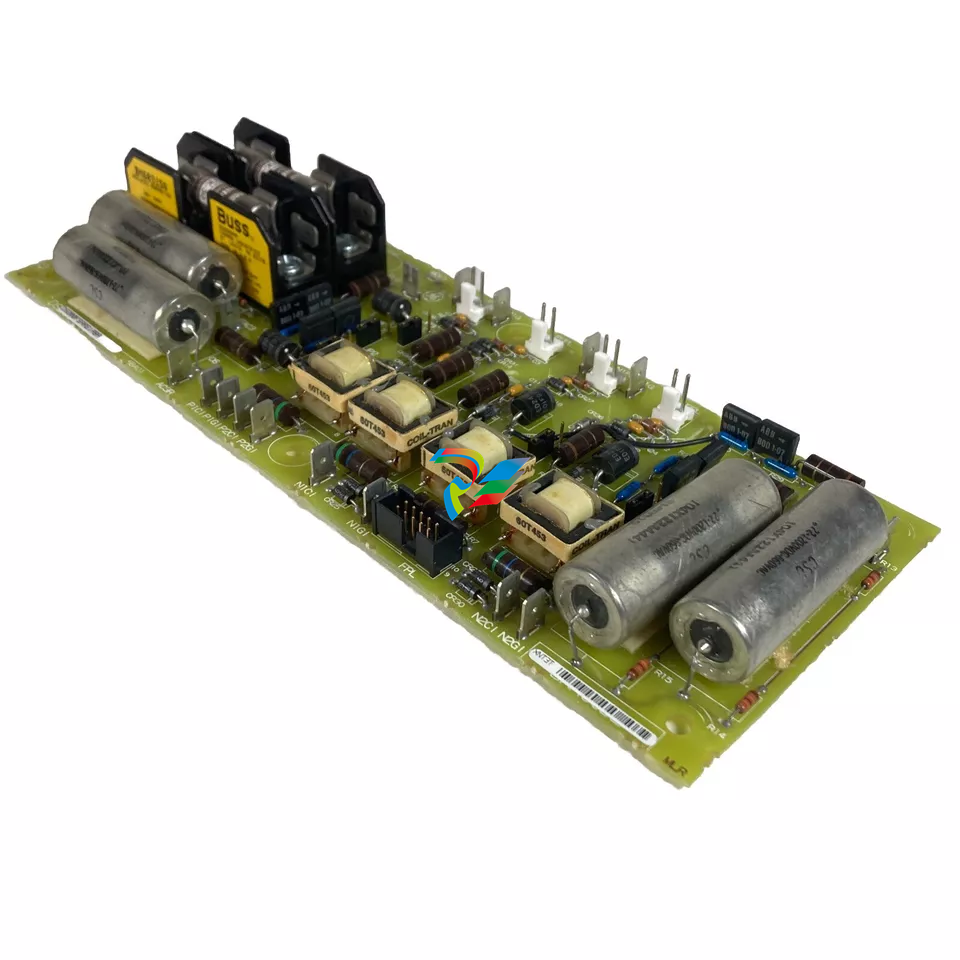 DS200FSAAG1ABA PCB Field Supply Gate Amplifier Board
 -
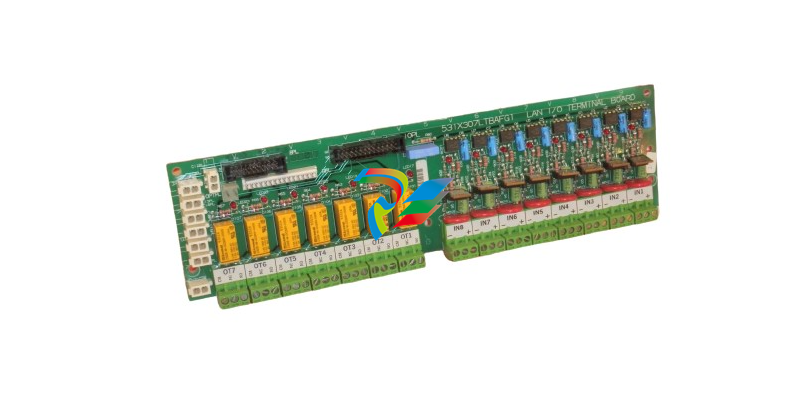 531X307LTBAFG1 F31X307LTBA LAN I/O Terminal Board
 -
 ABB AFS670 19" Ruggedized Switch AFS670-EREEDDDSSEEEEEEEPZYX05.1.0
 -
 NI Controller for VXI VXIPC-871B
 -
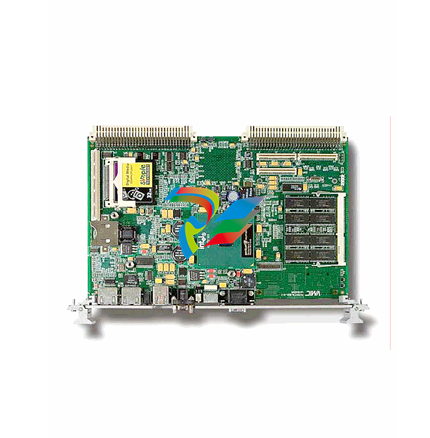 IS200EPMCH1GE Mark VIe Patch Cord Power Distribution Card
 -
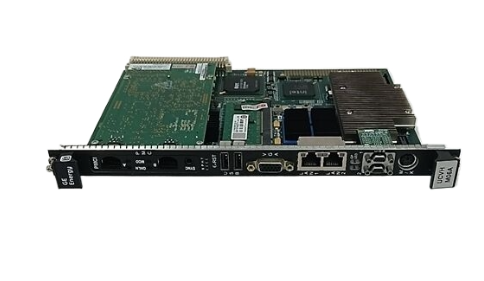 VMICPCI-7632-03310 IS215UCCAH3A 350-657362-003310J GE gas turbine system control processor board
 -
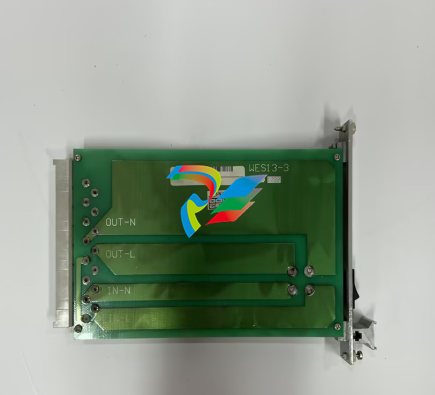 WEA13-13 2508-21001 Control Module / I/O Board
 -
.jpg) WES5120 2340-21004 Controller Main Module
WES5120 2340-21004 Controller Main Module -
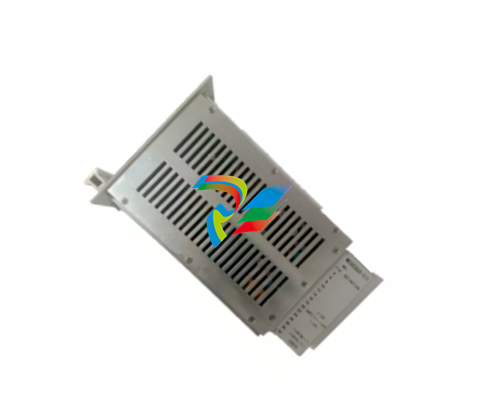 WES5120 2340-21006 Field Controller Master Unit Module
 -
WESDAC D20ME 18-MAR-13 Excitation Control Module
-
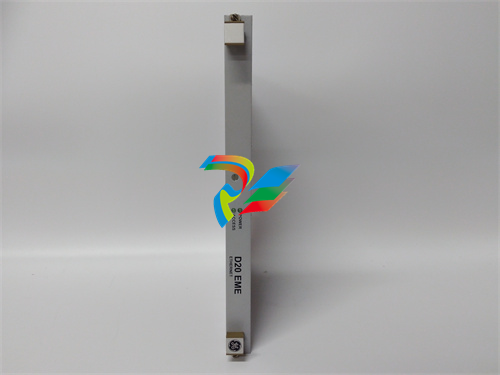 D20 EME 2400-21004 Ethernet communication and expansion module
 -
 GE DS3800XTFP1E1C Thyristor Fan Out Board Brand
 -
 GE SR745-W2-P1-G1-HI-A-L-R-E Feeder protection relay
 -
 GE IS230TNDSH2A Discrete Output Relay Module Brand
 -
 GE Fanuc IS200TDBSH2ACC Mark VI Terminal Board Brand
 -
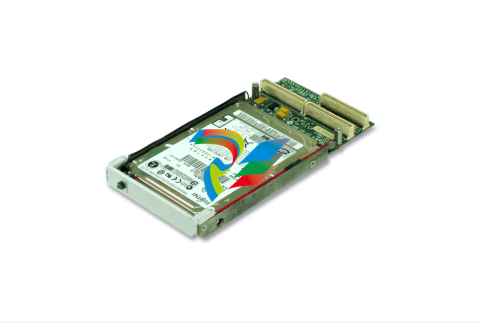 GE PMC-0247RC-282000 350-93750247-282000F Disk Drive
 -
GE PMC-0247RC-282000 350-93750247-282000F Disk Drive
-
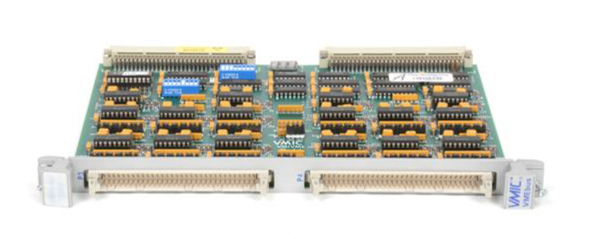 GE VMIVME-1150 Serial Communications Controller
 -
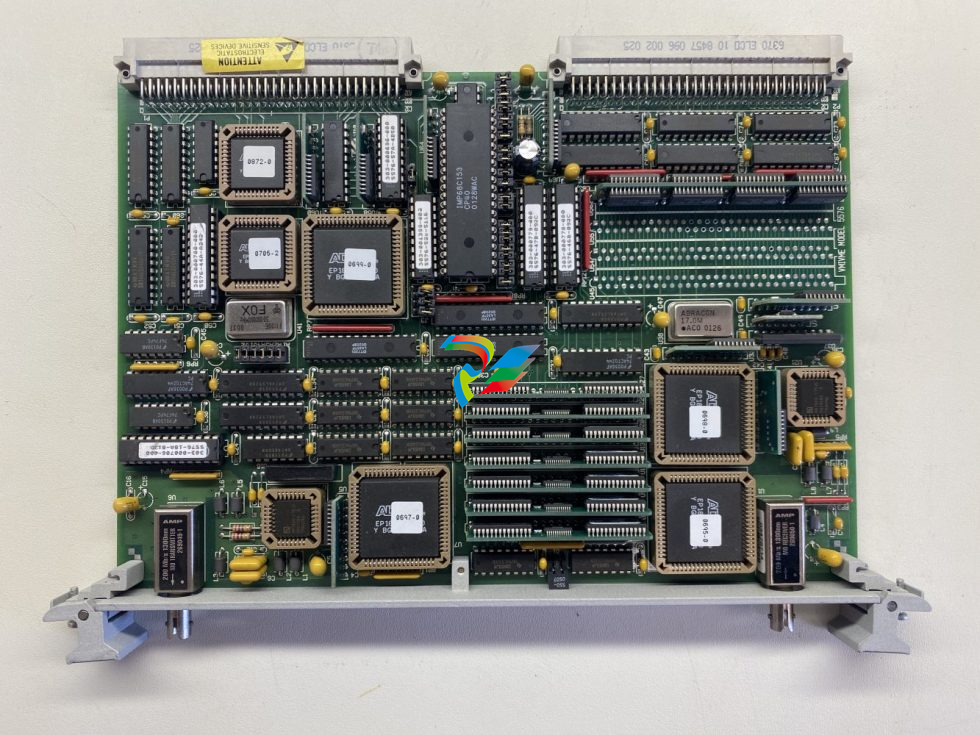 GE VMIVME-5576 Fiber-Optic Reflective Memory with Interrupts
 -
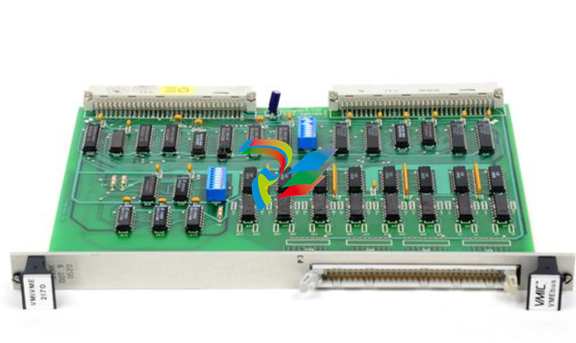 GE VMIC Isolated Digital Output VMIVME-2170A
 -
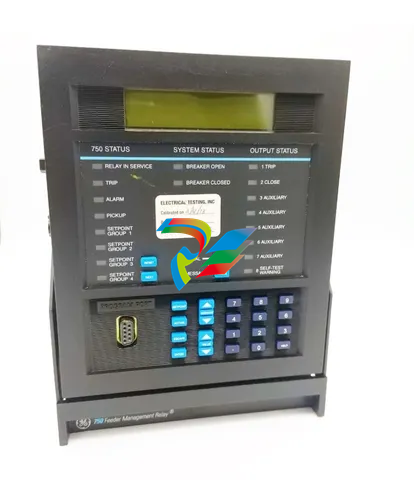 GE MULTILIN 760 FEEDER MANAGEMENT RELAY 760-P5-G5-S5-HI-A20-R-E
 -
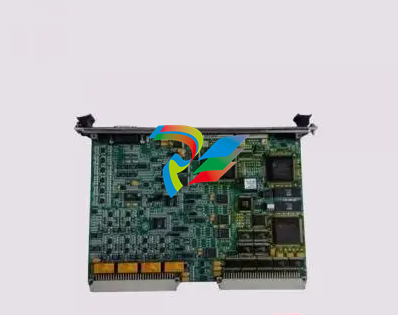 GE IS200AEPAH1BKE IS215WEPAH2BB Printed circuit board
 -
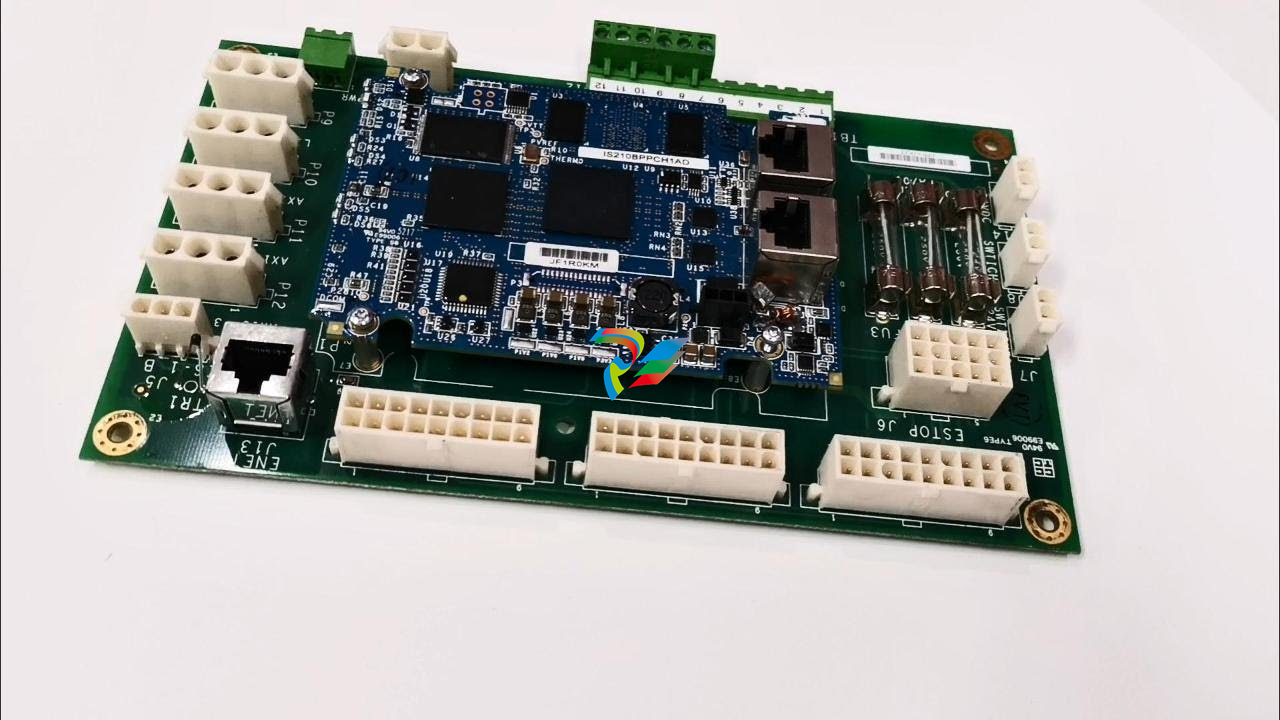 GE IS210BPPCH1A Mark VIe I/O Pack Processor Card
 -
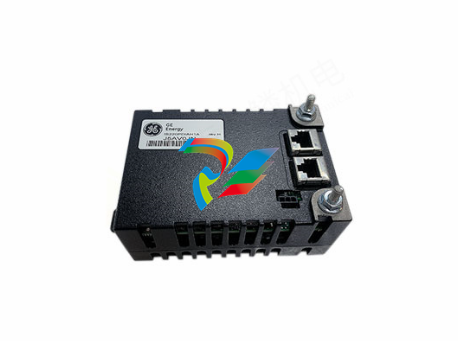 GE IS220PRTDH1A 336A4940CSP6 High-Performance RTD Input Module
 -
GE IS220PDIAH1BE 336A5026ADP4 Discrete Input Module
-
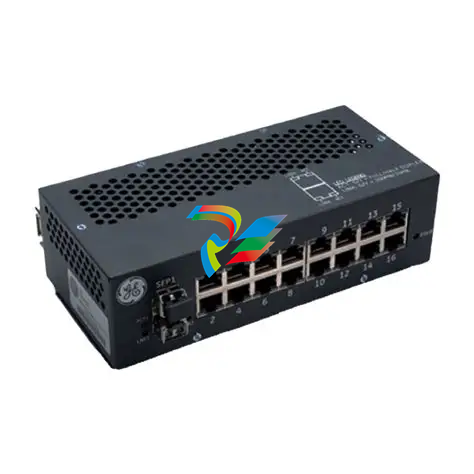 GE IS420ESWBH3A IONET Switch Module
 -
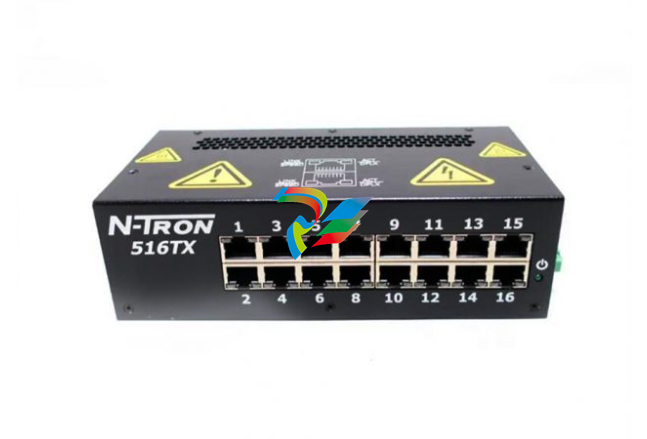 GE 516TX 336A4940DNP516TX 16-port Ethernet switch
 -
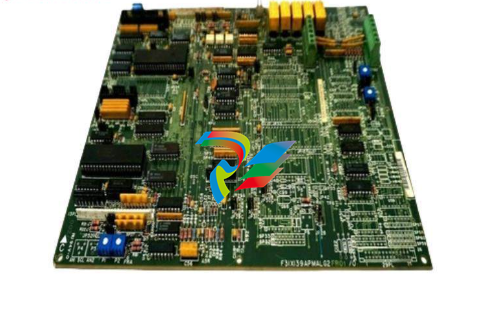 GE EVMECNTM13 Embedded control module
 -
GE EVPBDP0001 EVPBDP032 control module
-
 GE Hydran M2-X Enhanced Monitoring with Extended Sensor Life
 -
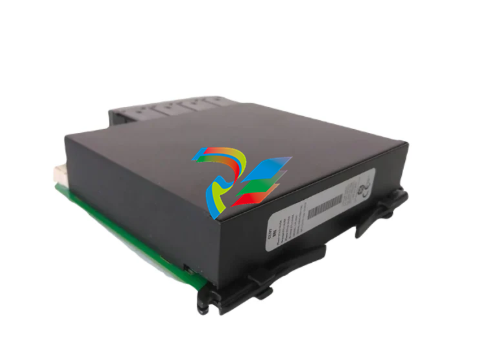 GE UR6CH Digital I/O Module
 -
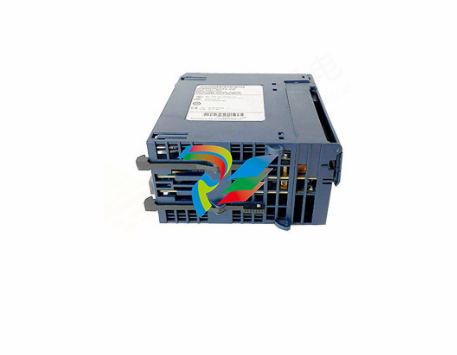 GE IC695CPU315-CD Central processing unit
 -
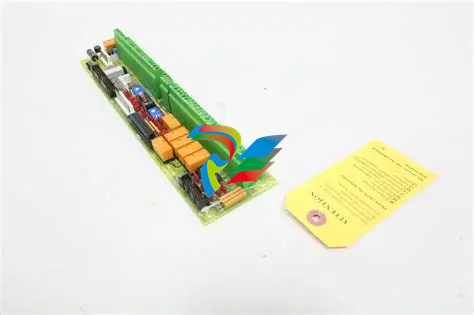 GE 531X305NTBAMG1 DR Terminal Board
 -
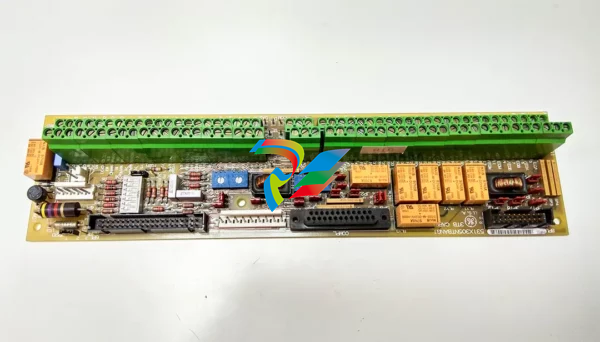 GE 531X305NTBALG1 NTB/3TB Terminal Board 531X Series
 -
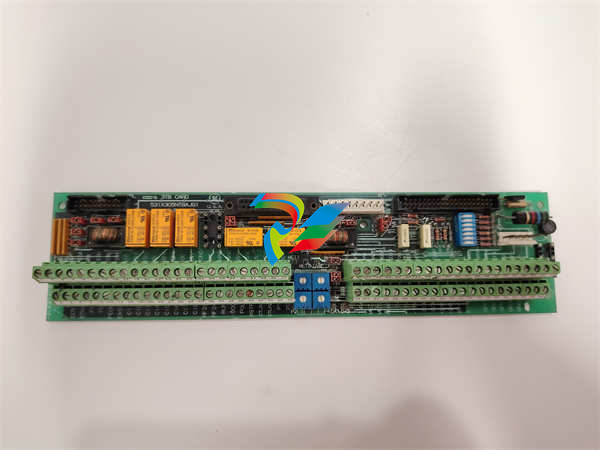 GE 531X305NTBAJG1 NTB/3TB Terminal Board.
 -
GE 531X305NTBAHG1 NTB/3TB Terminal Board 531X
-
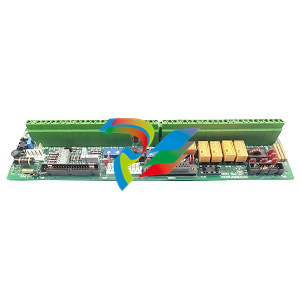 GE 531X305NTBAEG1 is a PCB that functions as a DR terminal board.
 -
General Electric 531X305NTBACG1 NTB/3TB Terminal Board 531X
-
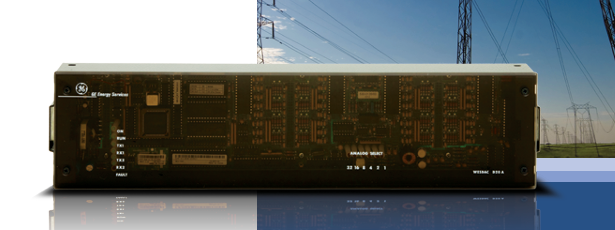 GE Digital Energy D20 Analog Input Module
 -
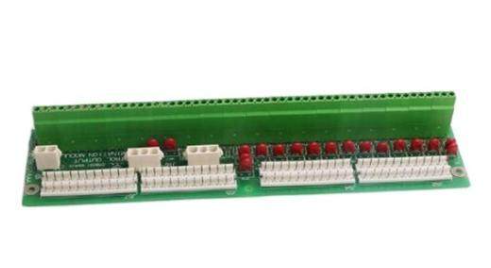 GE 94-164136-001 main board Control board
 -
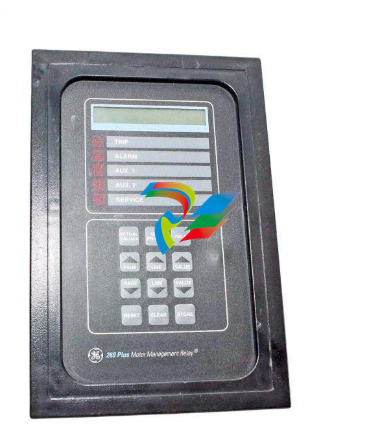 GE 269 PLUS-D/O-100P-125V Digital motor relay
 -
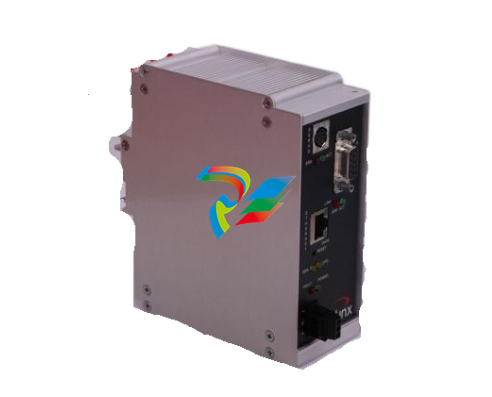 GALIL DMC-9940 High-performance motion controller
 -
FUJI NP1BS-08 base plate
-
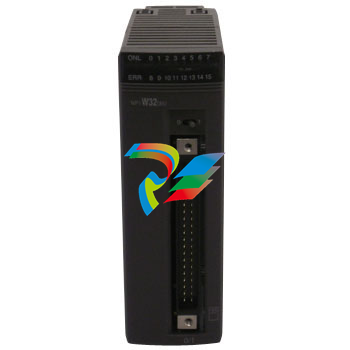 FUJI NP1Y32T09P1 Transistor drain type digital output module
 -
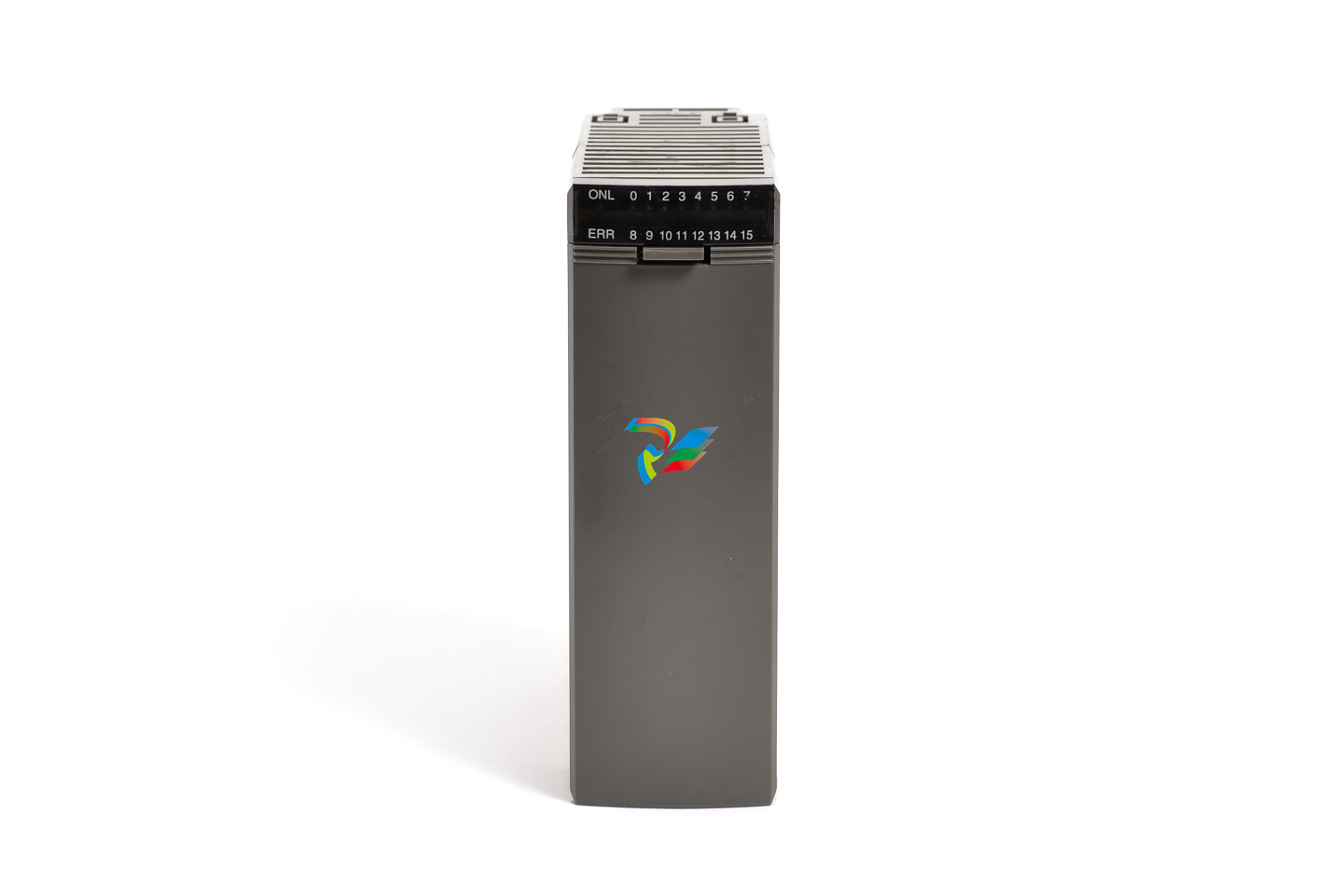 FUJI NP1Y16R-08 Digital Output Module
 -
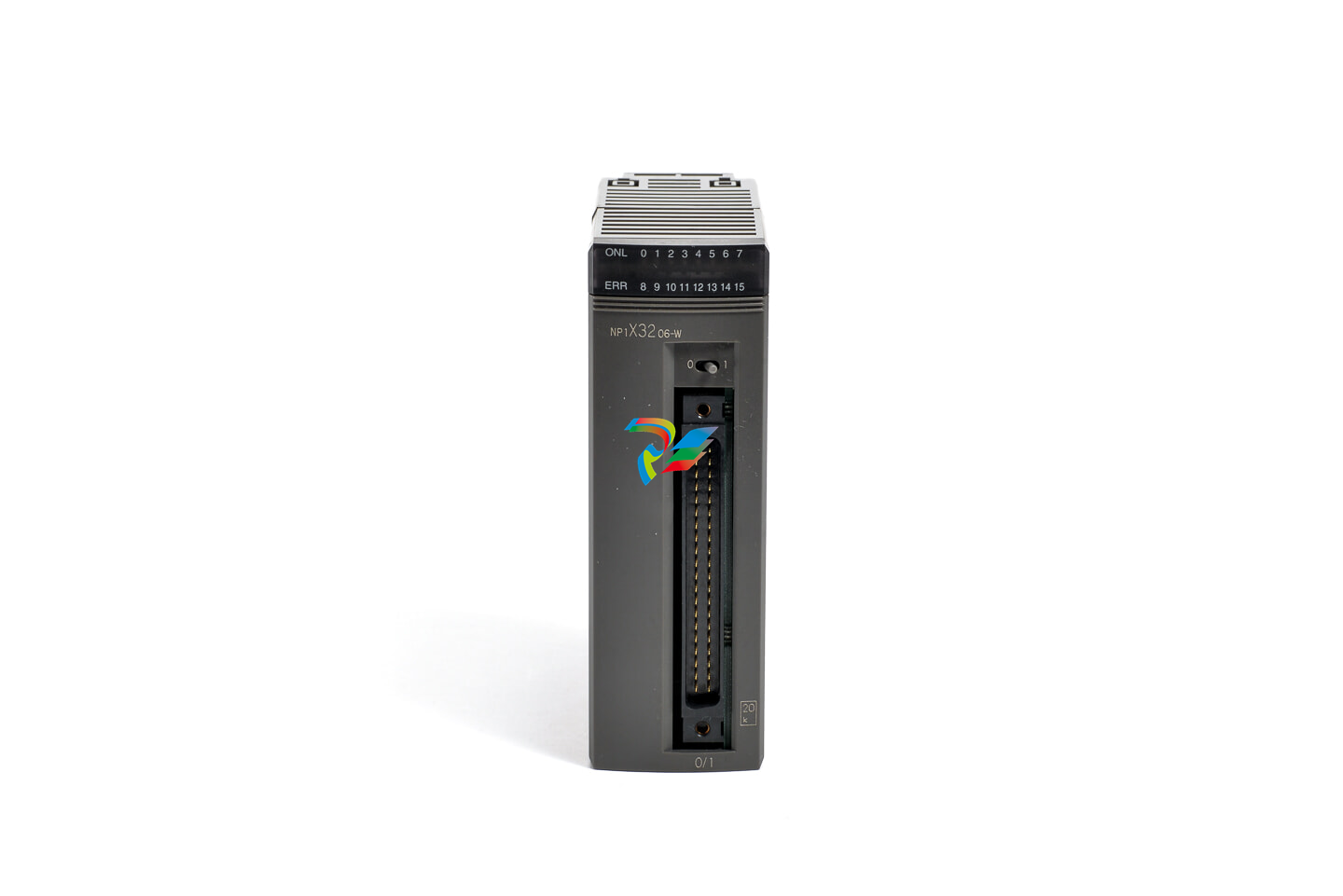 FUJI NP1X3206-A High-speed digital input module
 -
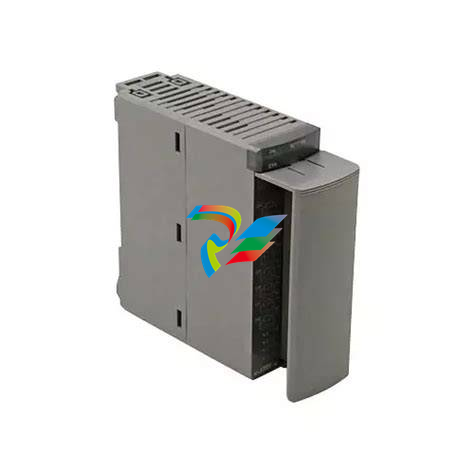 FUJI NP1AYH4I-MR current output module
 -
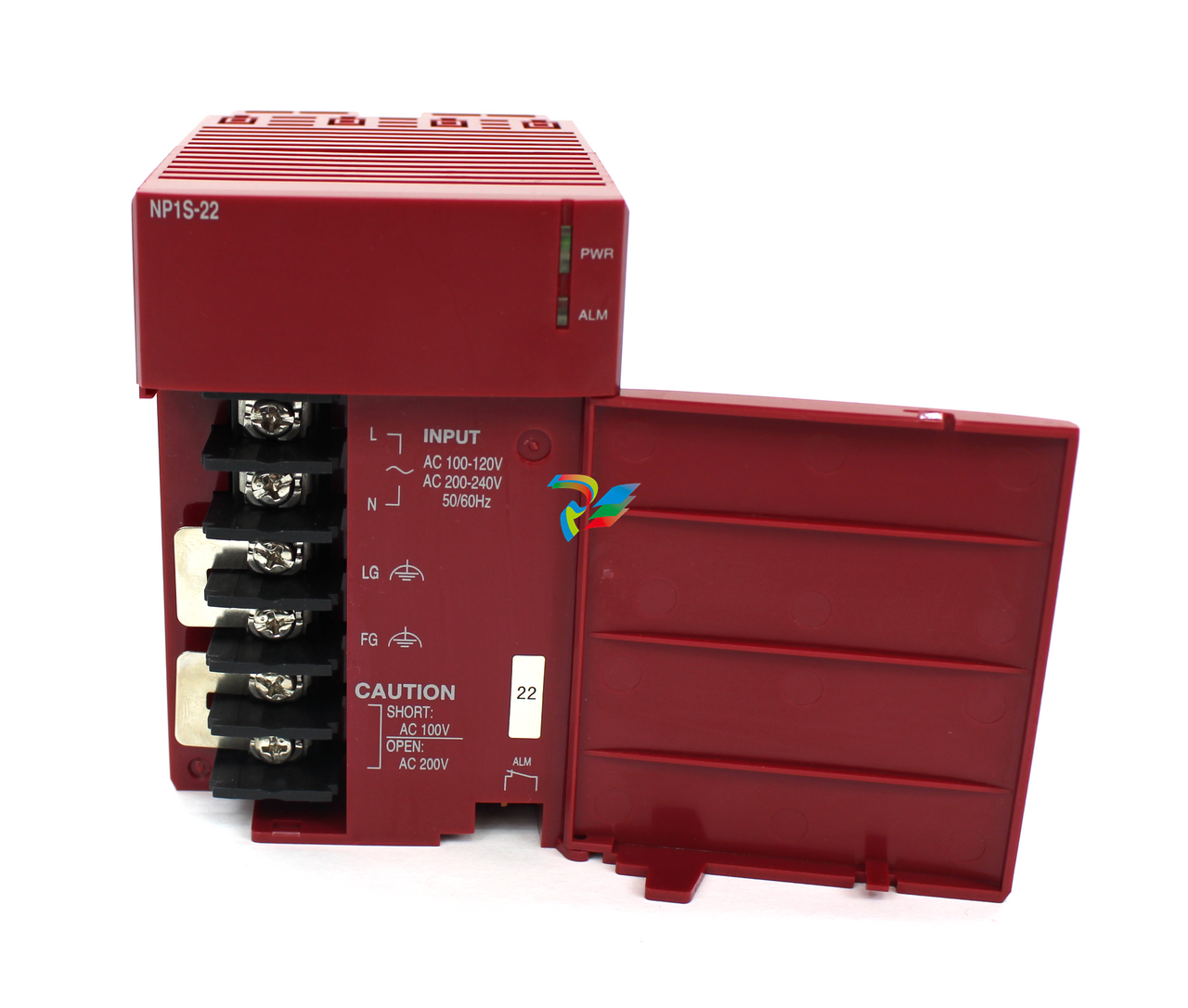 FUJI NP1S-22 Power module redundancy
 -
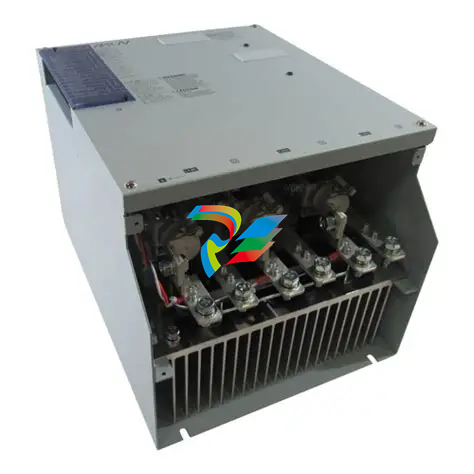 FUJI RPXD2150-1T servo drive module
 -
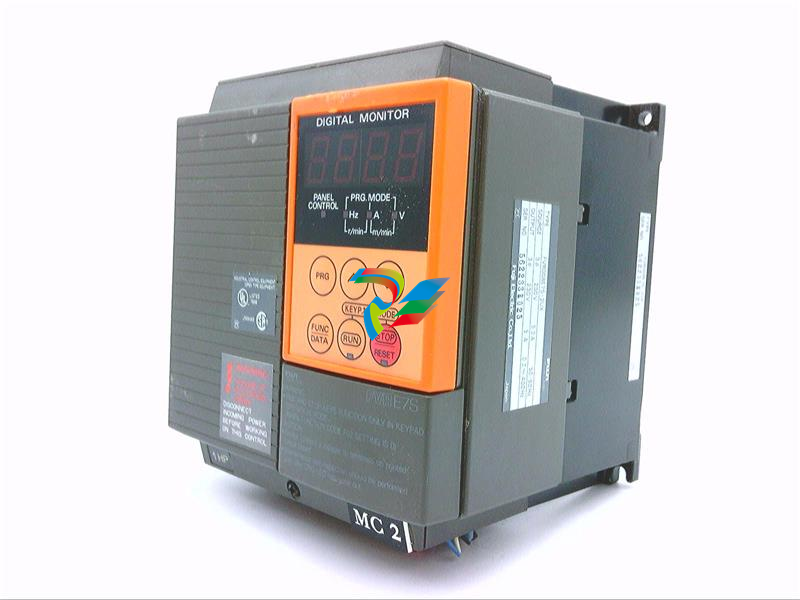 FUJI FVR008E7S-2UX Ac frequency converter
 -
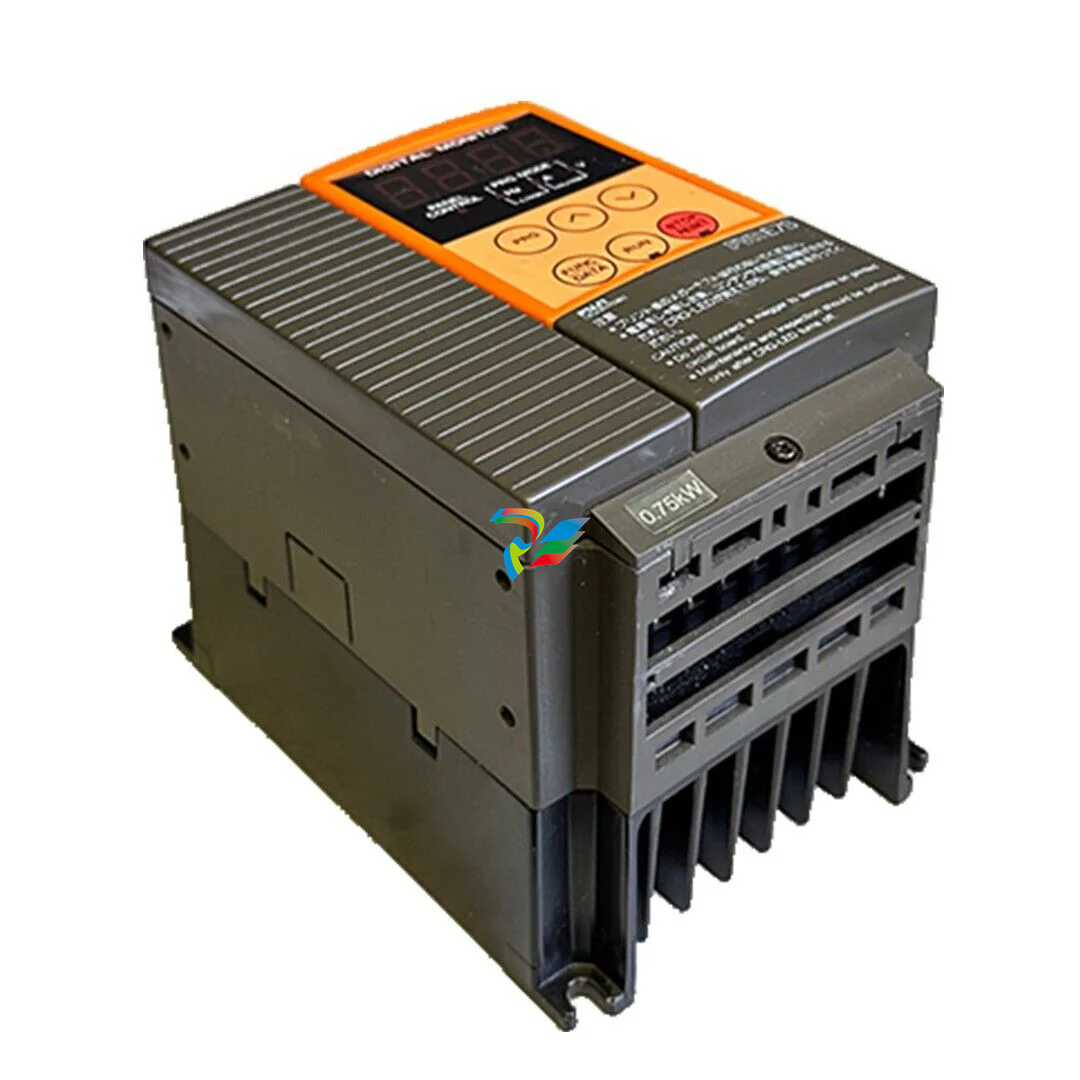 FUJI Ac frequency converter FVR008E7S-2
 -
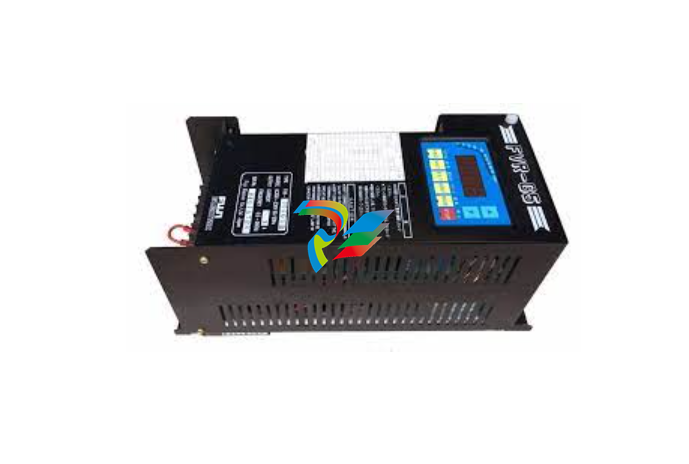 FUJI FVR004G5B-2 Small general-purpose frequency converter
 -
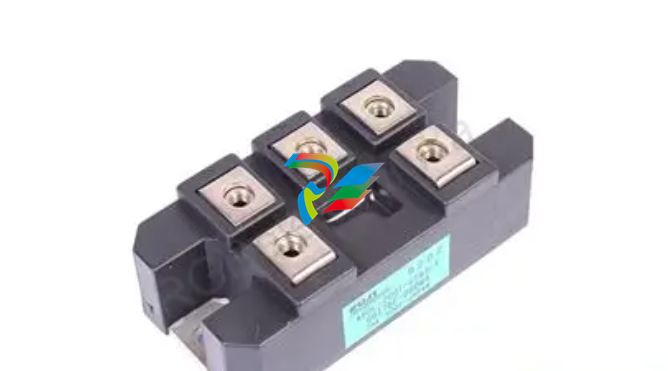 FUJI A50L-2001-0232 Industrial control module
 -
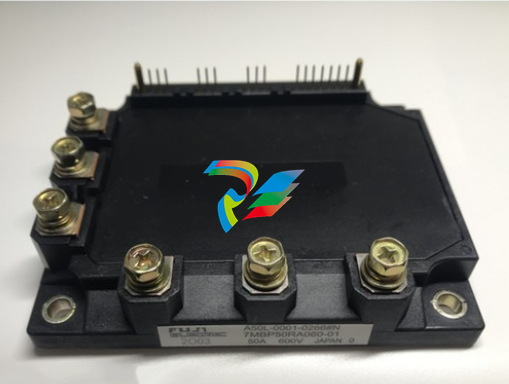 FUJI A50L-001-0266#N High-performance servo amplifier
 -
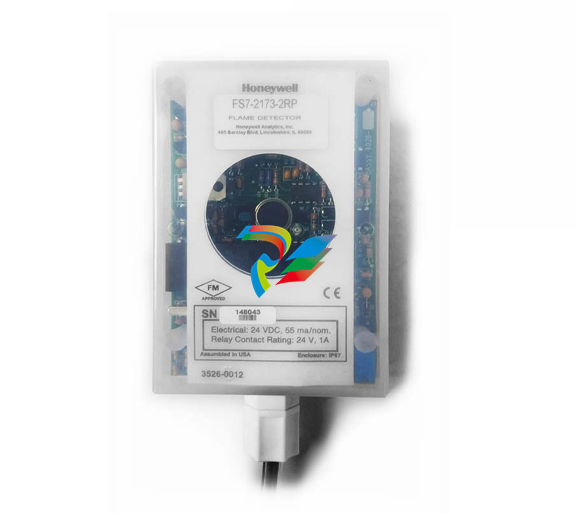 Honeywell FS7-2173-2RP Gas sensor
 -
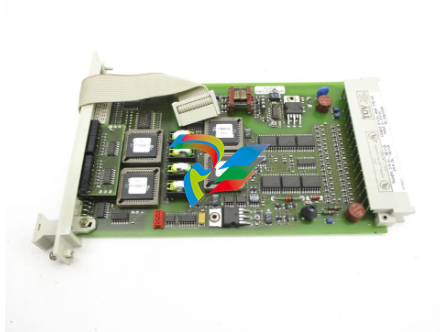 Honeywell 10106/2/1 Digital Input Module in Stock
 -
FRCE SYS68K CPU-40 B/16 PLC core processor module
-
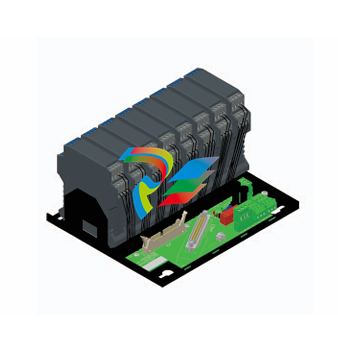 Foxboro FBM I/O cards PBCO-D8-009
 -
 Foxboro AD916AE Digital Control System (DCS) Module
 -
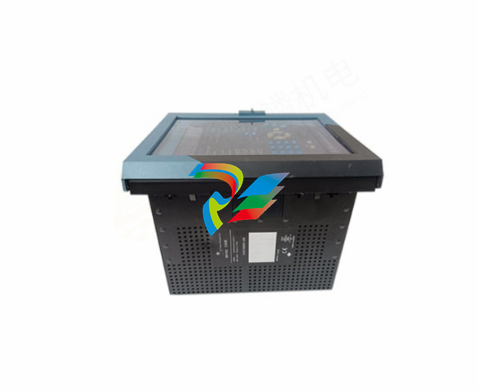 GE SR750-P5-G5-S5-HI-A20-R-E Multilin Relay
 -
.jpg) FOXBORO H90 H90C9AA0117S Industrial Computer Workstation
FOXBORO H90 H90C9AA0117S Industrial Computer Workstation -
FOXBORO RH928AW | I/A Series Relay Output Module
-
.jpg) Foxboro N-2AX+DIO Multi-functional input/output module
Foxboro N-2AX+DIO Multi-functional input/output module -
 Foxboro RH924WA FCP280 Fiber Optic Network Adapter
 -
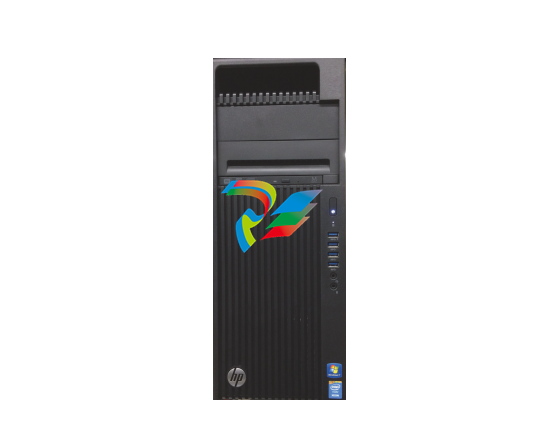 FOXBORO H92 Versatile Hardware Component In
 -
 Foxboro FBM218 P0922VW HART® Communication Redundant Output Interface Module
 -
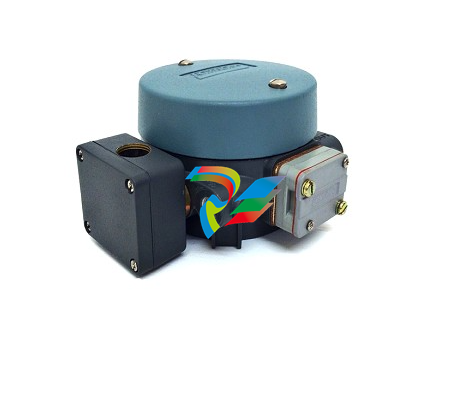 Foxboro E69F-TI2-J-R-S E69F Series Current-To-Pneumatic Signal Converter
 -
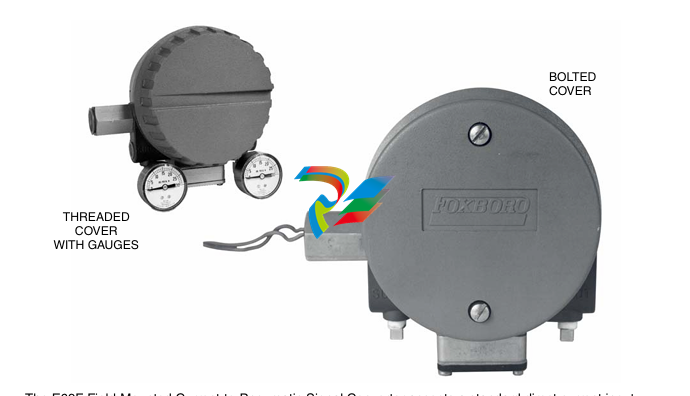 Foxboro E69F-BI2-S Converter
 -
.jpg) Foxboro H92A049E0700 The host of the DCS control station
Foxboro H92A049E0700 The host of the DCS control station -
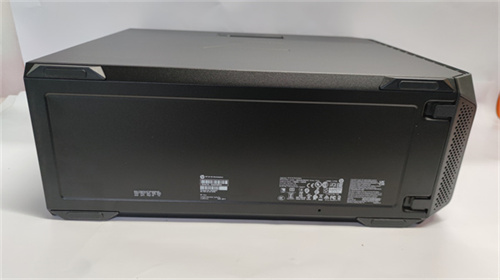 Foxboro H90C9AA0117S Industrial computer workstation
 -
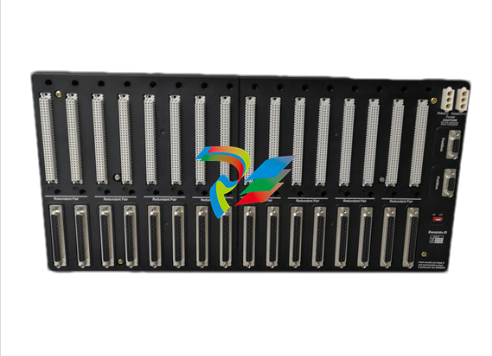 Foxboro RH101AA High-performance industrial control module
 -
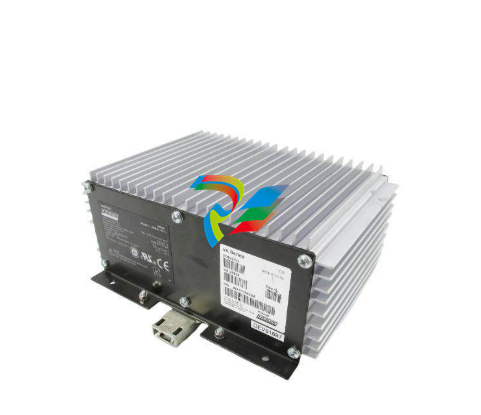 Foxboro P0922YU FPS400-24 I/A Series Power supply
 -
.png) FOXBORO P0973LN Chassis-based managed switch with independent power supply
FOXBORO P0973LN Chassis-based managed switch with independent power supply -
.jpg) FOXBORO P0926PA Input/output module
FOXBORO P0926PA Input/output module -
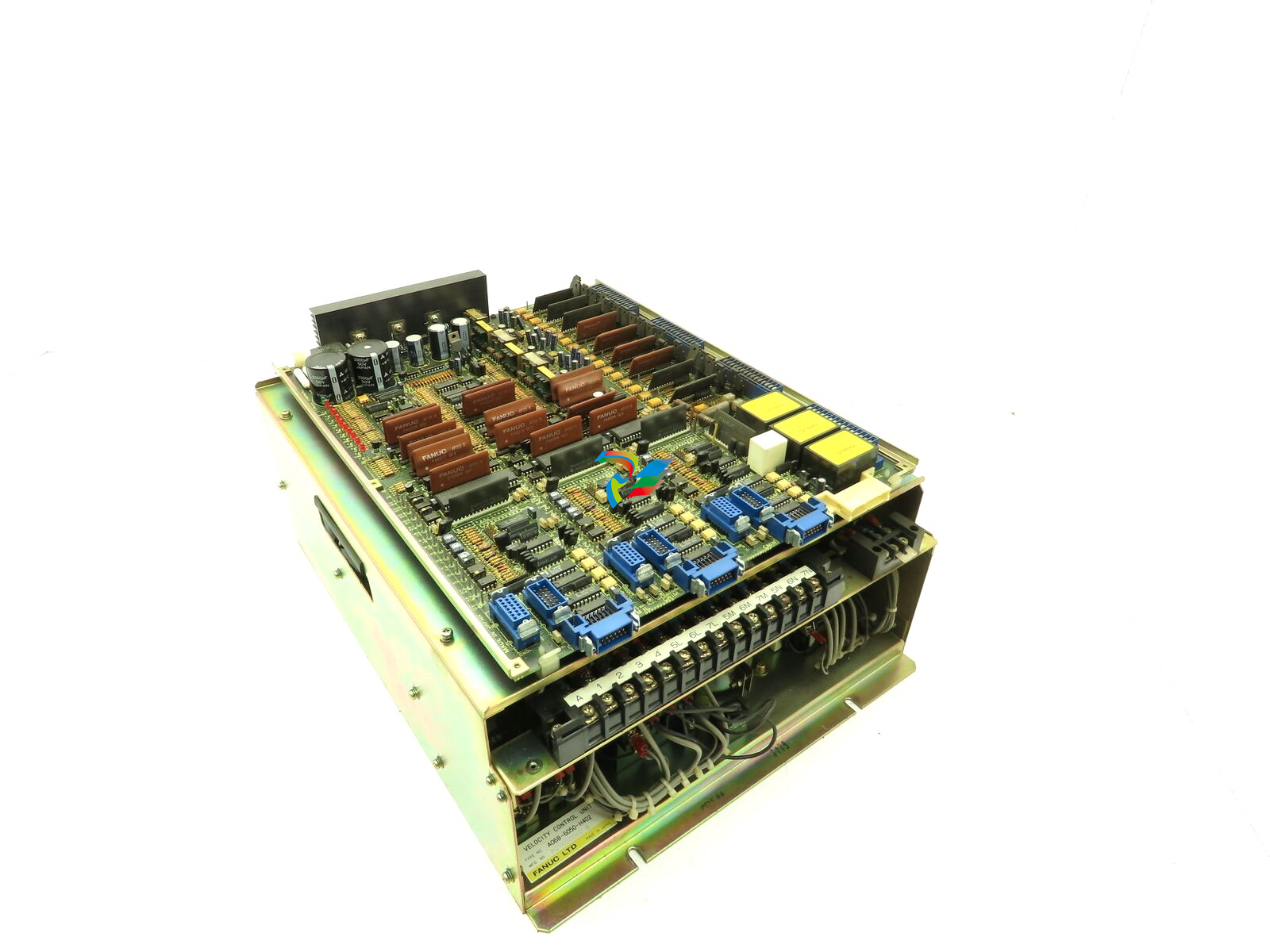 Fanuc A06B-6050-H402 3 AXIS ANALOG AC SERVO DRIVE
 -
.jpg) FOXBORO L0130AD L0130AE-0H Power module group
FOXBORO L0130AD L0130AE-0H Power module group -
_lVjBYb.jpg) FOXBORO 0399085B 0303440C+0303458A Combination Control Module
FOXBORO 0399085B 0303440C+0303458A Combination Control Module -
 FOXBORO SY-0399095E (SY-0303451D+SY-0303460E) Process control board
 -
.jpg) FOXBORO 0399071D 0303440C+0303443B Input/Output (I/O) Module
FOXBORO 0399071D 0303440C+0303443B Input/Output (I/O) Module -
.jpg) FOXBORO RH924UQ Redundant Controller module
FOXBORO RH924UQ Redundant Controller module -
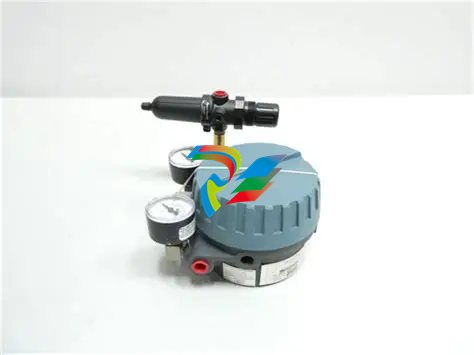 FFOXBORO E69F-TI2-S current pneumatic converter
 -
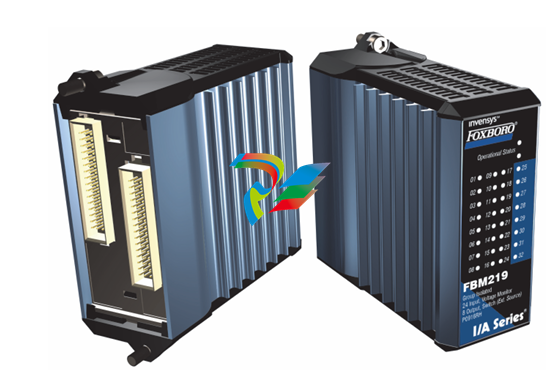 FOXBORO FBM219 RH916RH Discrete I/O Module
 -
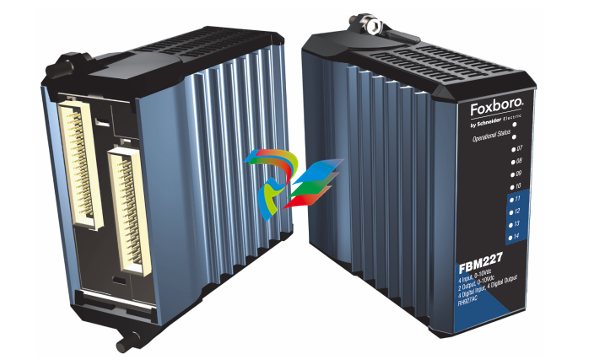 FOXBORO FBM227 P0927AC Module
 -
.jpg) FOXBORO 0399144 SY-0301059F SY-1025115C/SY-1025120E I/O module
FOXBORO 0399144 SY-0301059F SY-1025115C/SY-1025120E I/O module -
.jpg) FOXBORO SY-60399001R SY-60301001RB Industrial Control Module
FOXBORO SY-60399001R SY-60301001RB Industrial Control Module -
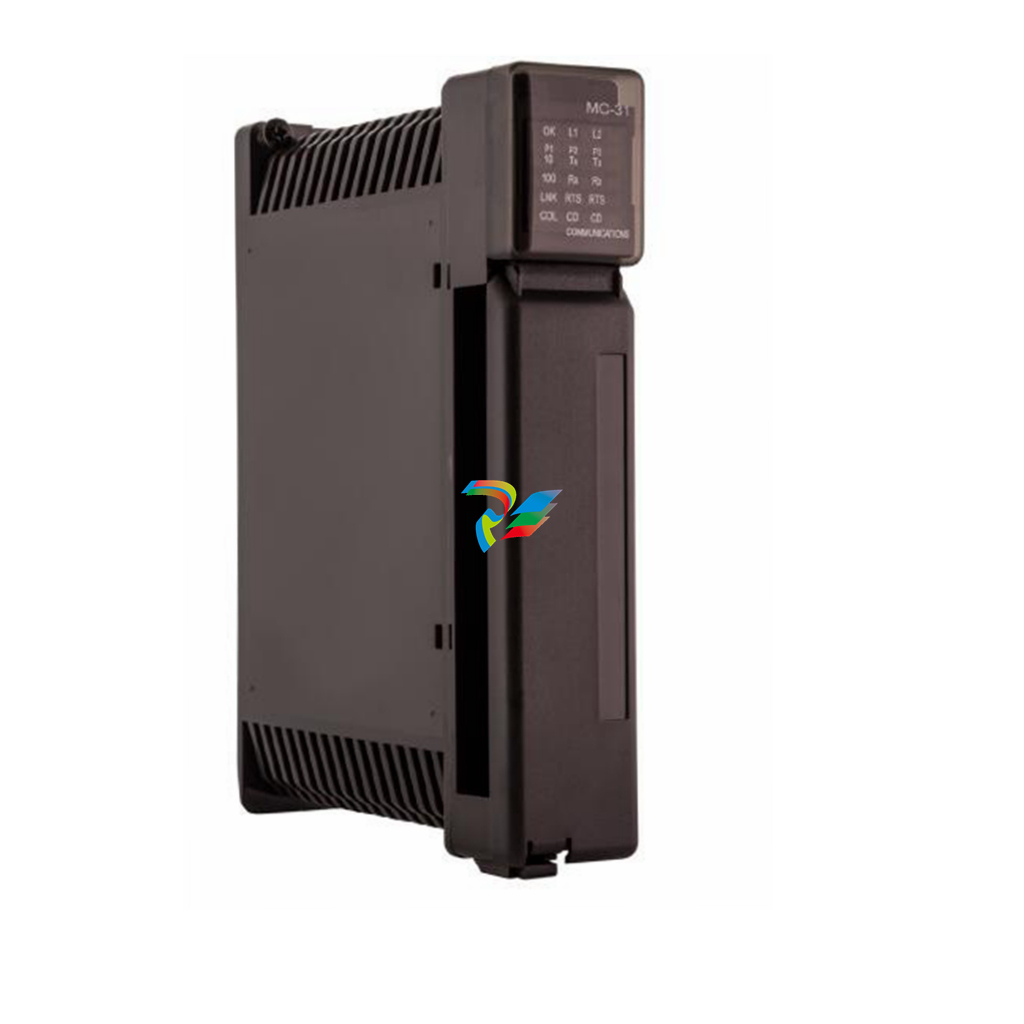 FOXBORO 0399143 SY-0301060R SY-1025115C SY-1025120E Combined control board
 -
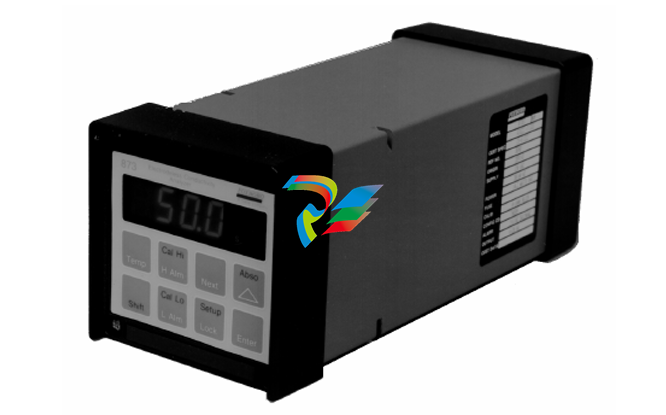 FOXBORO 873EC-JIPFGZ electrodeless conductivity analyzer
 -
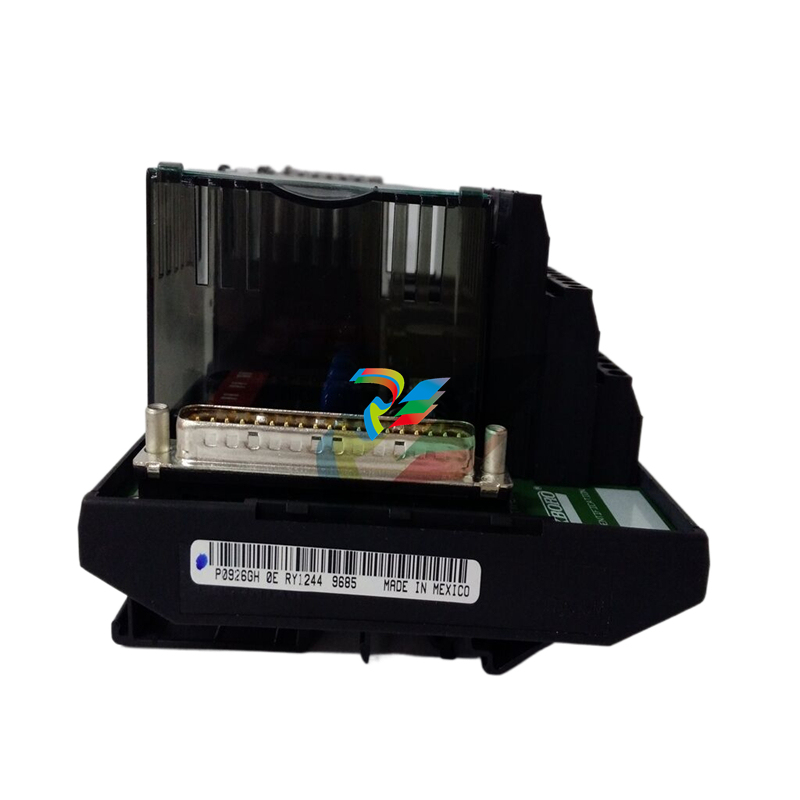 FOXBORO P0916PH (High-density HART I/O Module)
 -
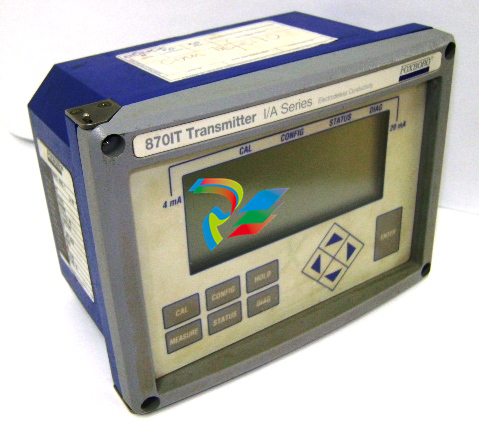 FOXBORO 870ITEC-AYFNZ-7 Intelligent Electrochemical Transmitters
 -
 FOXBORO Compact FBM240. Redundant with Readback, Discrete
 -
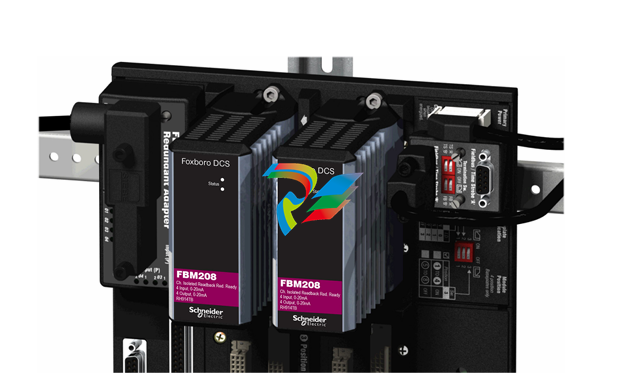 FOXBORO FBM208/b, Redundant with Readback, 0 to 20 mA I/O Module
 -
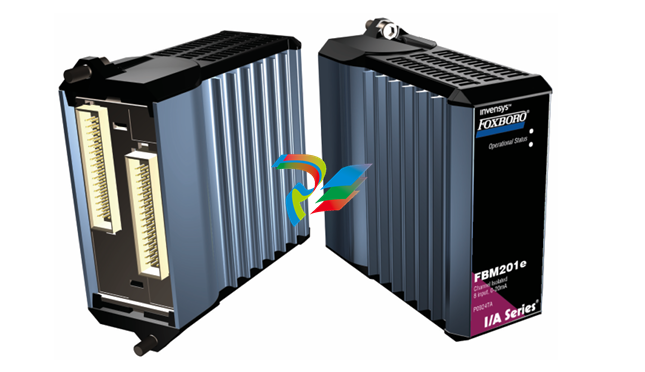 FOXBORO FBM201e Analog Input (0 to 20 mA) Interface Modules
 -
.jpg) FOXBORO P0916WG Terminal cable
FOXBORO P0916WG Terminal cable -
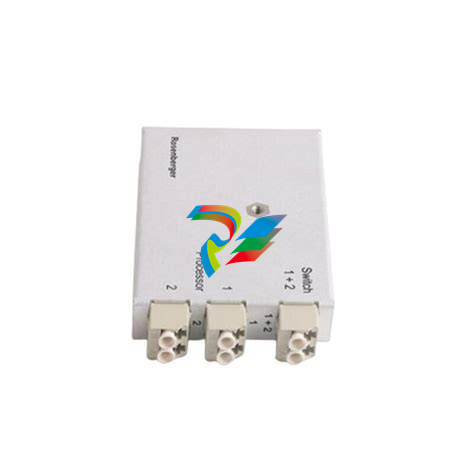 FOXBORO P0926MX 2-Port Splitter
 -
.jpg) FOXBORO AD908JQ High-Frequency Module
FOXBORO AD908JQ High-Frequency Module -
.jpg) FOXBORO AD916CC Processor module
FOXBORO AD916CC Processor module -
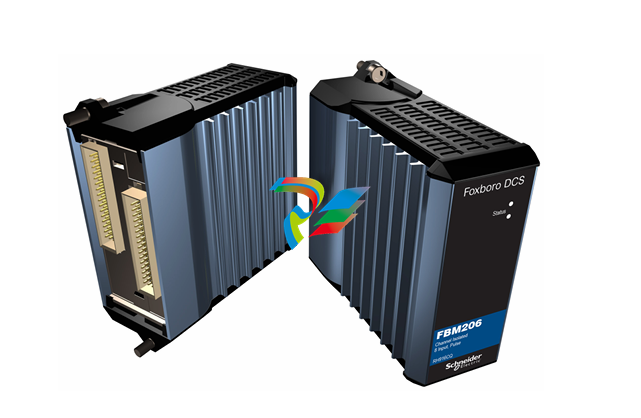 Foxboro DCS FBM206 Pulse Input Module
 -
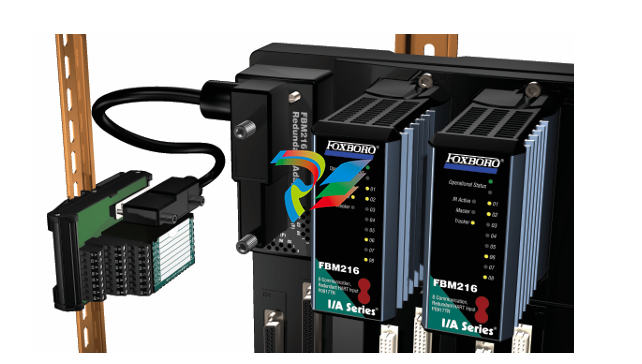 FOXBORO FBM216 HART® Communication Redundant Input Interface Module
 -
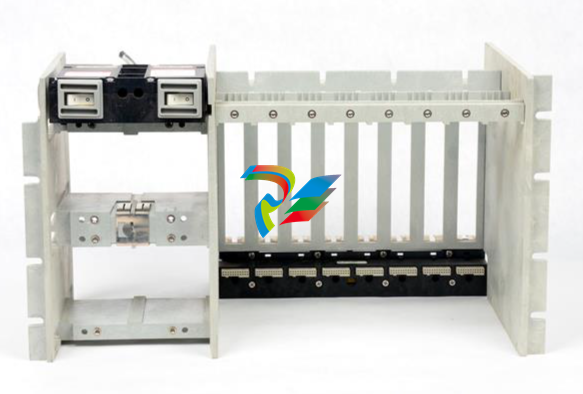 Foxboro p0903nu 1×8 unit sub-component module
 -
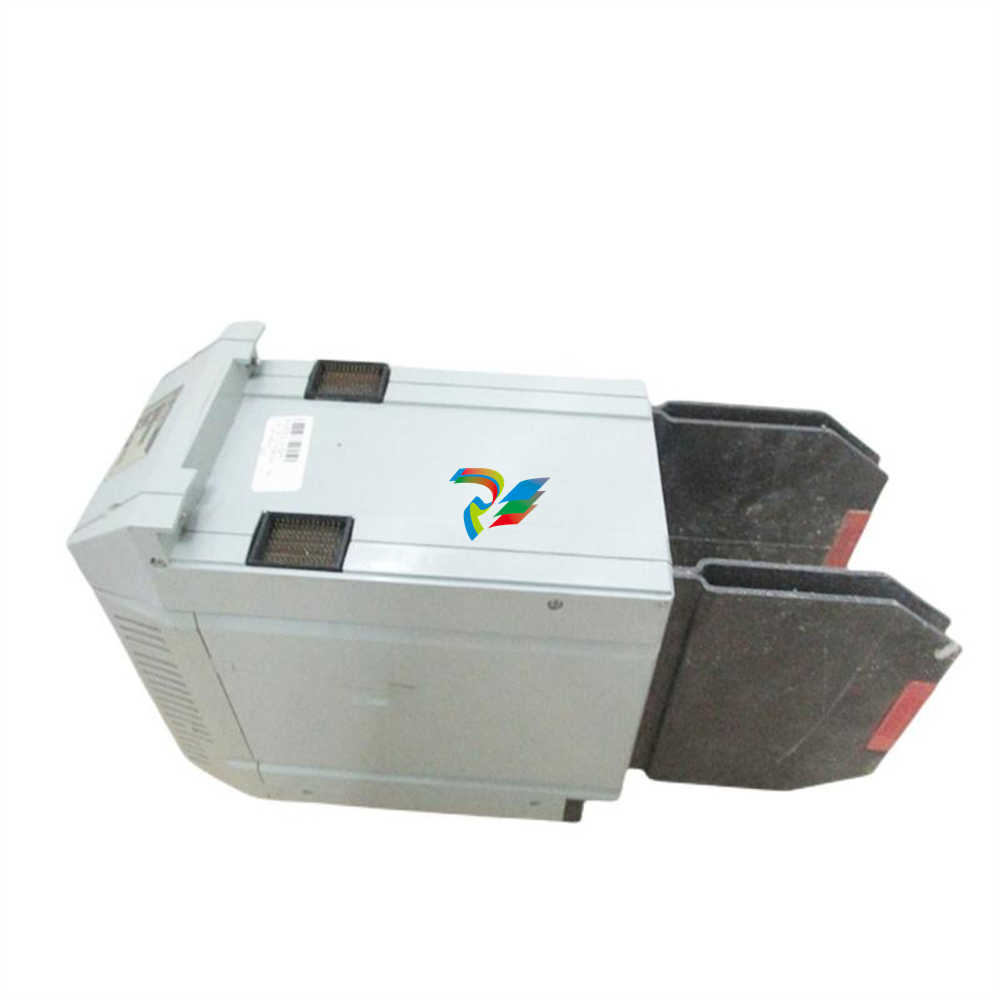 Foxboro P0911SM Industrial control module
 -
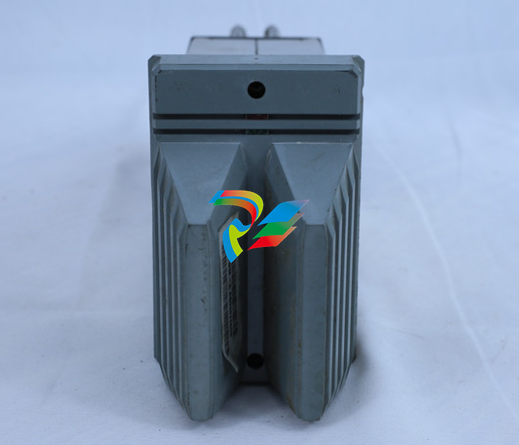 Foxboro CM902WM I/O module
 -
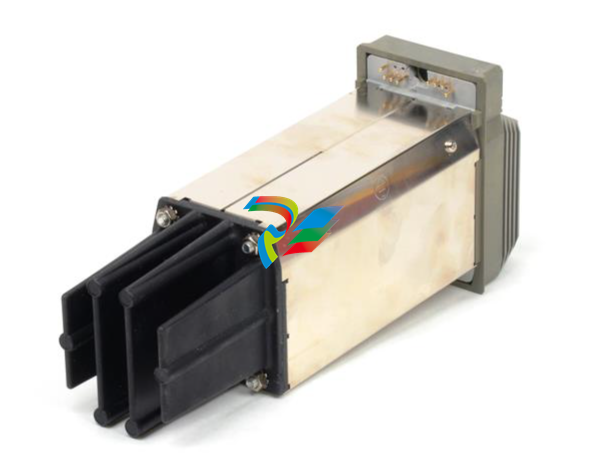 Foxboro CM902WL Power module
 -
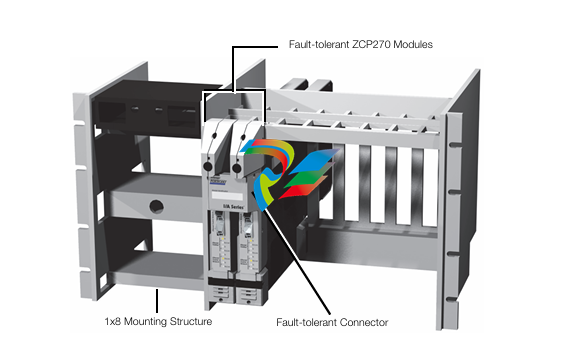 Foxboro P0972VA Industrial Control Module
 -
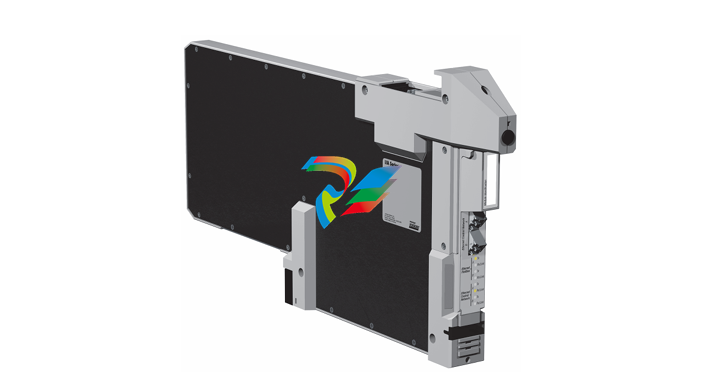 Foxboro Z-Module Control Processor 270 (ZCP270)
 -
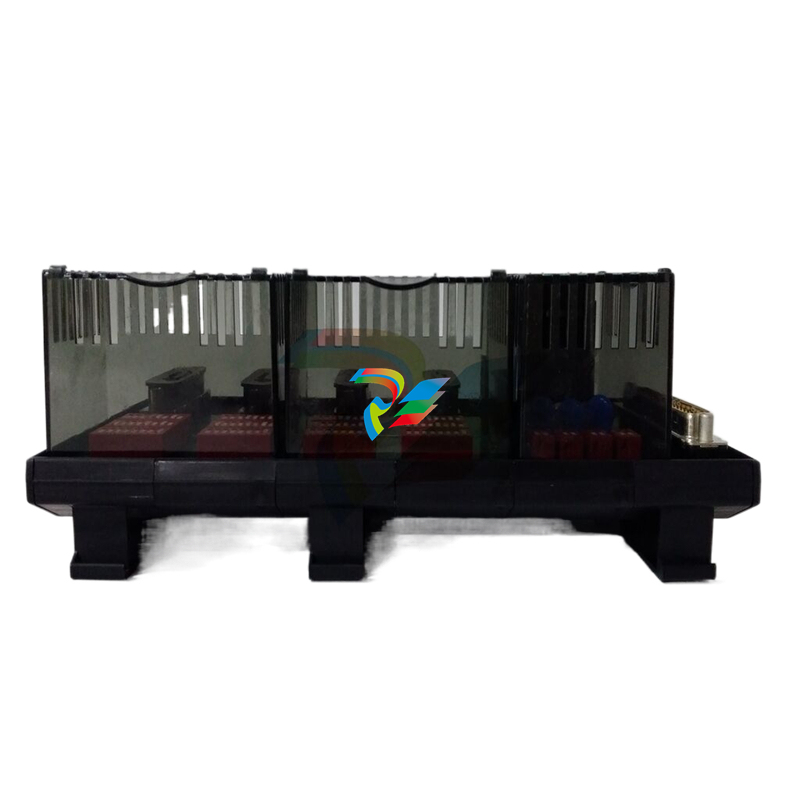 Foxboro PO916JS 16-channel terminal block module
 -
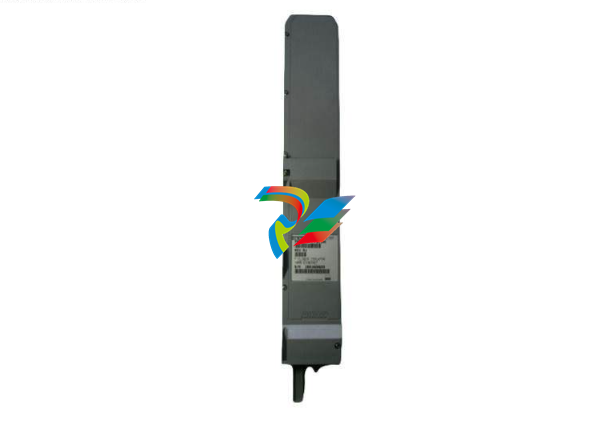 Foxboro PO911SM High-performance digital/analog input/output module
 -
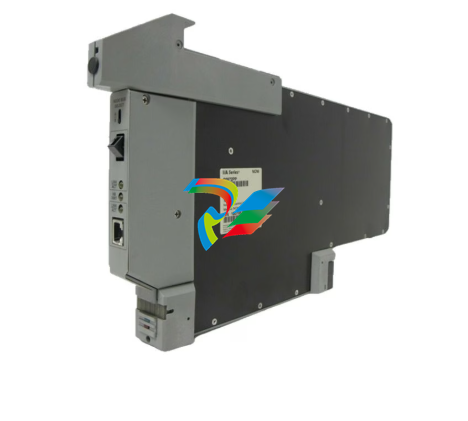 Foxboro P0972PP-NCNI Network Interface Module
 -
.jpg) FOXBORO P0971QZ controller module
FOXBORO P0971QZ controller module -
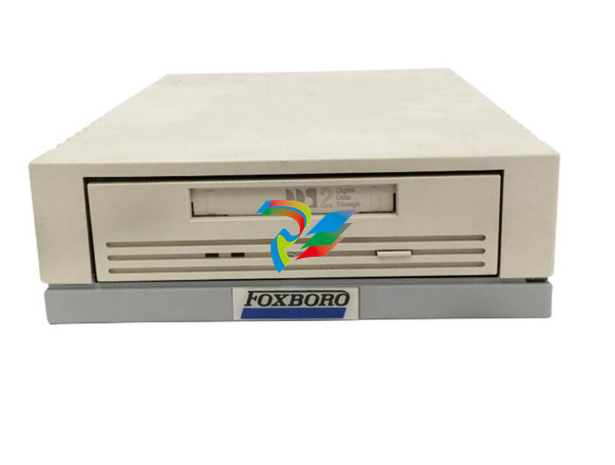 FOXBORO P0971DP Thermal resistance input/output module
 -
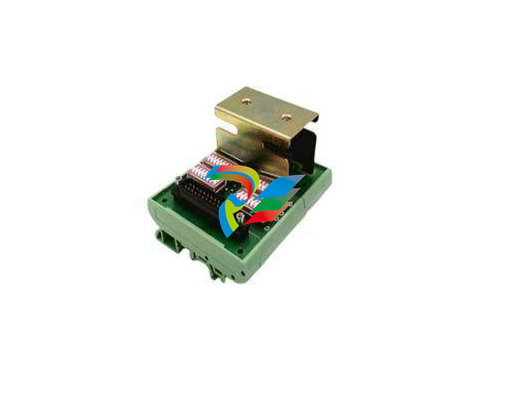 FOXBORO P0970VB Cable connector
 -
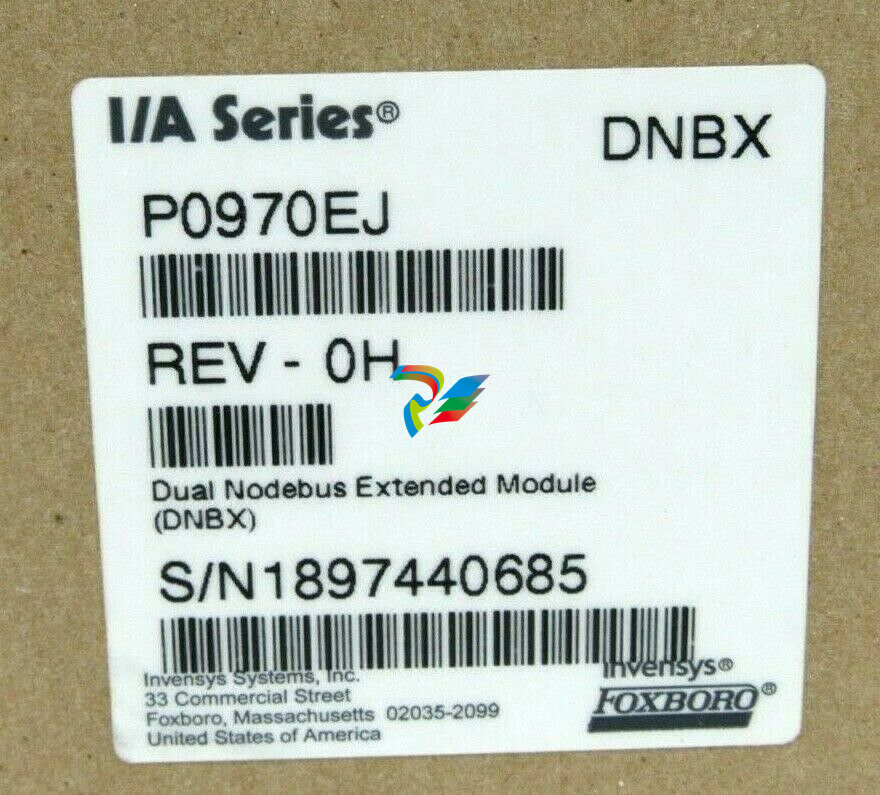 FOXBORO P0970EJ-DNBX Dual-node bus expansion module