
Packaging providers aim to meet dairy processor demands
Packaging is evolving with eco-friendly solutions that also enhance food quality.
Dairy packaging is in a dynamic state.
Demands from brands for attractive designs that are eco-friendly while enhancing food quality and safety is triggering the launch of new primary packaging solutions.
Technology developers, meanwhile, are engineering packaging systems that are simpler to maintain and provide processors with greater operating efficiencies.
The greater interest by brands in using packaging as marketing tools will lead to further upgrades, analysts say.
“Dairy processors strive to develop packaging that is easy to use, while also being distinctive enough to be eye-catching and jump off the grocery self,” says Jonathan Veins, North American sales manager for Osgood Industries LLC, an Oldsmar, Fla.-based manufacturer of inline and rotary cup filling machines for preformed containers.

Occurring simultaneously is a shift toward sustainable packaging that includes the development of products that are either recyclable, use recycled content, or are compostable, says Tim Kieny, vice president of marketing — dairy, protein, and pet, for TC Transcontinental, a Montreal-based flexible packaging provider.
“With rising environmental concerns, the leading dairy companies are adopting eco-friendly packaging to reduce their environmental impact and to preserve natural resources,” reports IMARC Group, a Brooklyn, N.Y.-based management strategy advisory and market research firm. Such packaging formats include Tetra Packs, glass bottles, clear tubs, and squeezable pouches, the firm states.
Sustainability takes center stage
Dairy food producer Nestlé S.A., for instance, says it is seeking to eventually prevent all its packaging from ending up in landfills or becoming litter. The Vevey, Switzerland-based developer reports that 85.8% of its total packaging was recyclable or reusable in 2022; 36% was made from recycled and/or renewable materials; and its total packaging weight of 3.6 million tons was down from 4.5 million tons in 2020.
“Shoppers are connecting more with brands that are responsible from the product itself to the packaging,” Kieny says. “They want to affect change by their choices and are demanding that brands take a responsible stance.”
Such interest is leading more processors to reduce the amount of material, or lightweighting, in product packaging, which for instance, might include reducing the length of cheese packaging by 15 to 20 millimeters, says Carlo Bergonzi, product manager — Mondini Tray Seal, at Taunton, Mass.-based Harpak-ULMA Packaging LLC.
“Dairy food packaging is evolving and adapting to become an integral part of a circular economy where packaging never ends up in a landfill but is recycled and used to package the next sweet treat,” says Harrison Carney, account manager, consumer goods division, for Huhtamäki Oyj, an Espoo, Finland-based packaging developer.
Dairy processors, he notes, are seeking packaging with elements that enhance food safety and prevent food waste while contributing to a low-carbon system.
In addition to leveraging packaging with sustainable properties, operators are seeking designs with protective features. Producers, for instance, are offering yogurt in high-density polyethylene bottles sealed with either aluminum foil, laminated heat-seal closures, or low-density polyethylene caps or lids to guard the contents from oxidation and delay the fading of light-sensitive colors, IMARC Group states.
Packaging manufacturers also are providing modified atmosphere packaging with aseptic and antimicrobial properties to help extend the shelf life of dairy products up to 90 days under refrigeration storage by controlling the associated fungal contamination, IMARC Group notes.
“The evolution of dairy packaging is being driven by a combination of sustainability, innovation, and technological advancements, all of which aim to create more effective and environmentally friendly solutions,” Kieny states.
Packaging lines become more potent
This evolution includes the incorporation of sensors and inspection systems in packaging lines that allow processors to control upstream and downstream processes and maximize line performance, says Rudy Sanchez, food handling systems product manager at Key Technology, a Walla Walla, Wash.-based equipment provider.
Sensors, for instance, can collect operational data on one machine to automatically cause adjustments to other line machines without human intervention, he notes.
Such measures include the transmission of information on product flow to trigger upstream gates or diverters on distribution shakers to control feed rates, Sanchez states. Integrating plant-wide networks into lines enables processors to monitor and control the entire line from one location inside the plant as well as remotely via smartphones and other devices, he adds.
Performance, sanitation, and reliability, meanwhile, are key elements for dairy processors to consider when choosing conveying systems for packaging lines, Sanchez says.
“Processors will want to understand how the packaging supplier’s recommended solution will achieve their objectives, including transporting product and distributing and feeding other packaging machinery effectively, while maintaining the desired throughput and maximizing reliability and uptime,” he states.
Dairy product developers should team with equipment suppliers that have experience with comparable products and applications to determine the packaging system that best fits their requirements, Sanchez says.
This can include analyzing the ease of cleaning the equipment, which can be as important as its operation, Osgood Industries’ Veins notes.
“Resistance to corrosive and caustic cleaning chemicals is an absolute must,” he states. “We joke that machine sensors must resist being dowsed with a fire hose. This all should be the base line for dairy processors looking into wet packaging room equipment before even starting the traditional conversations of machine operation, efficiency, maintenance, and changeover process.”
The greater market focus on sustainability will impact packaging technology selection as well, Veins says, noting that equipment must support newer and more environmentally friendly packaging materials. “Different materials equally need evolving equipment designs,” he states, including systems that can disinfect packaging materials to eliminate mold and bacteria.
Seek the perfect fit
The optimal package attributes, meanwhile, will vary by product and are dependent on such elements as cost, sustainability, resiliency, waste reduction, and recloseability, Harpak-ULMA Packaging’s Bergonzi says.
“The idea is to align packaging with the product,” he states. A premium item will benefit from higher-end packaging, which might be rigid with more bulk, have sustainable materials, and feature peel and reseal lids, while lower-cost packaging will typically suffice for a less-expensive product, such as shredded cheese, Bergonzi explains.
Processors also will benefit from analyzing their competitors’ packaging and then determining how to effectively differentiate their selections, he adds.
The intended use and distribution of the dairy product also plays a key role in packaging selection, Veins says.
Operators, for instance, should consider if the packaging will hold dairy product for food service or retail; if it is single serve for groceries, restaurants, and institutions, or multiple use and stored in a consumer’s refrigerator after the initial opening; and if the product and package will be sent through the cold chain or require shelf stable aseptic, retort, or high-pressure processing.
“The packaging system must serve the use, look, and channel of the product through the marketplace,” Veins states.
Implementations bring obstacles
Incorporating the optimal packaging system and materials, however, can be arduous, Veins says, with higher packaging material expenses a key impediment.
“The goal to minimize costs is never ending,” he states, noting, for instance, that “we are approached at least once a week by a customer looking to replace the aluminum foil lids that seal cups” because of the greater weight of aluminum compared to lightweight plastic foils, which affects shipping expenses, along with uncertain aluminum availability.
Utilizing packaging that is recyclable, reusable or incorporates post-consumer recycled plastics while maintaining functionality can be burdensome as well, TC Transcontinental’s Kieny says. This is resulting in the greater consideration of innovative technologies or materials “that change what is possible,” he notes.
Processors seeking the most effective packaging also must tackle such issues as compatibility with existing equipment; meeting evolving consumer preferences and governmental regulations; and managing supply chain disruptions, he states.
Kieny adds that because of the stronger interest in sustainable solutions, “there's going to be more demand for transparency and visibility within the supply chain and it will require collaboration with suppliers and partners to present that information to the consumer.”
Providing data on sustainability and other elements on product packaging, for instance, will help improve the marketability of the product, IMARC Group notes.
The growing demand for sustainable packaging that also enhances food safety and food quality will likely lead to further changes in packaging design, materials, distribution, and shelf presence, Veins says.
This includes the launch of more sanitary equipment options that strengthen food safety by reducing areas where pathogens can accumulate and are easier to clean. Among such elements is the elimination or minimization of metal-to-metal overlaps, the use of 100% welded seams, and the incorporation of removable equipment parts, Key Technology’s Sanchez says.
Effective designs also will have the flexibility to support greater processing speeds as operations evolve, Sanchez notes. Yet, it also will require a willingness by processors to invest and embrace modern technologies and solutions, Kieny adds.
“The intelligent packaging system is capable of winding up intelligent functions including sensing, tracing, detecting, recording, and communicating,” states Lewes, Del.-based Verified Market Research. “This system in dairy products packaging can help to improve quality and enhance safety. With intense competition and a complex supply chain globally in the dairy packaging market, companies are deploying innovative solutions to provide better protection and safety.”
Indeed, the evolution of packaging will build upon the recent movement from glass bottles to polyethylene pouches, paperboard cartons and tins, Tetra Packs, and aluminum cans, IMARC Group reports.
The firm adds that packaging will continue to play “a vital role in the distribution of dairy products which are highly perishable in nature,” with effective packaging protecting the contents from contamination.
-
.jpg) 2400-21004 / 2010-3101-0442 – Redundant Power Supply Module for Mark VIe Turbine Control
2400-21004 / 2010-3101-0442 – Redundant Power Supply Module for Mark VIe Turbine Control -
 PACSystems™ IC695CPE400 RX3i 64 MB
 -
 DS200DCFBG2BNC DC2000 DC Feedback Board
 -
 OLDI Ethernet interface module 56SAM-844
 -
 IS200BPPBH2CAA Mark VIe Power Supply Module
 -
 IS210MACCH2AEG Motor Control and Communication Module
 -
 IS210MACCH2AGG Mark VIe Speedtronic Turbine Control Module
 -
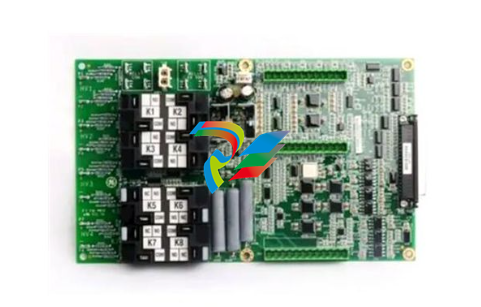 IS200AEPAH1AFD Printed circuit board
 -
IS200AEPAH1ACB Analog I/O Module
-
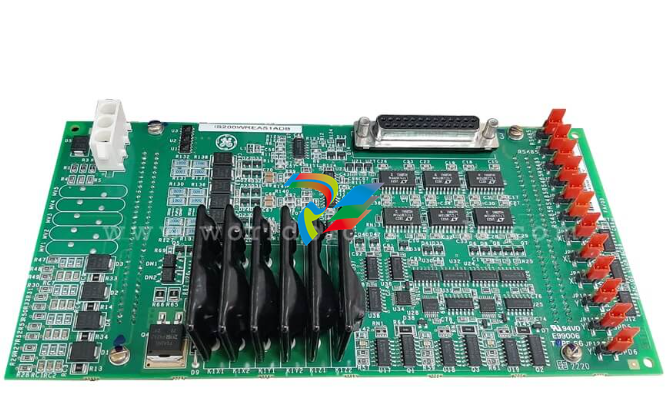 IS200WREAS1ADB AERO TRIP TB DBRD sub-board
 -
 IS200WETAH1AEC large board component made Mark VI system
 -
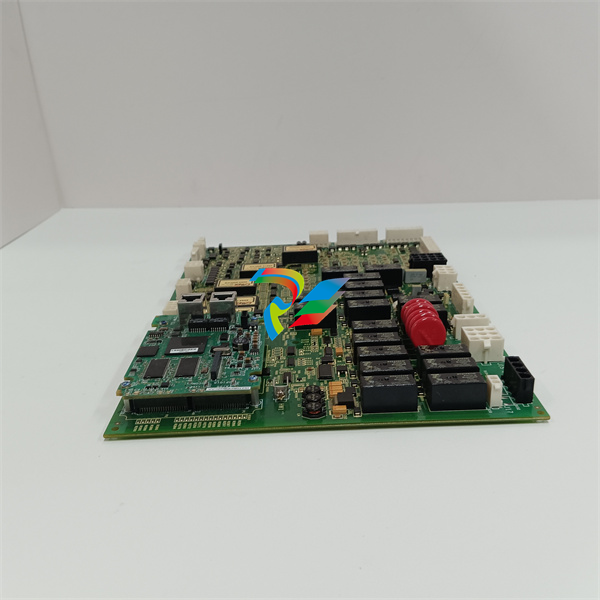 IS200AEPAH1AHD A High-Precision Excitation Control Board for Turbine Systems
 -
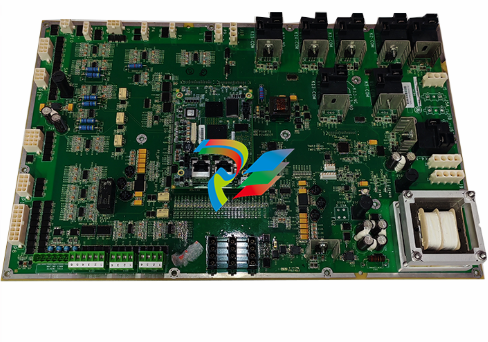 IS200WEMAH1AEA Control board
 -
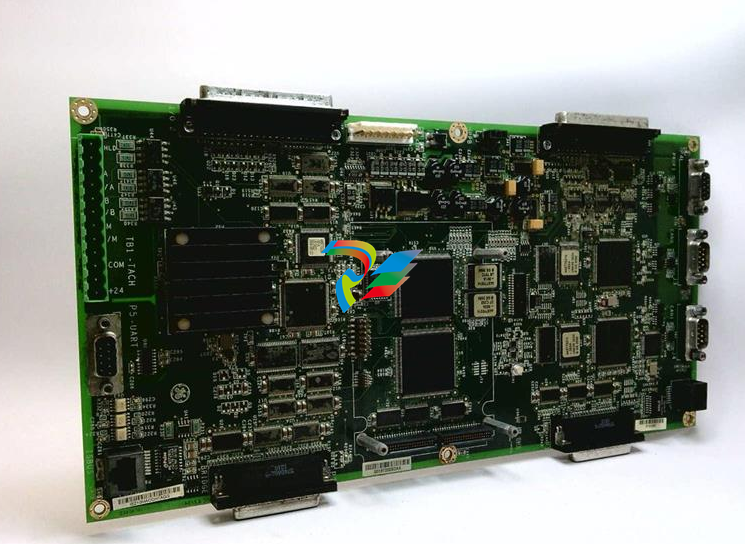 IS210MACCH1AGG processor card
 -
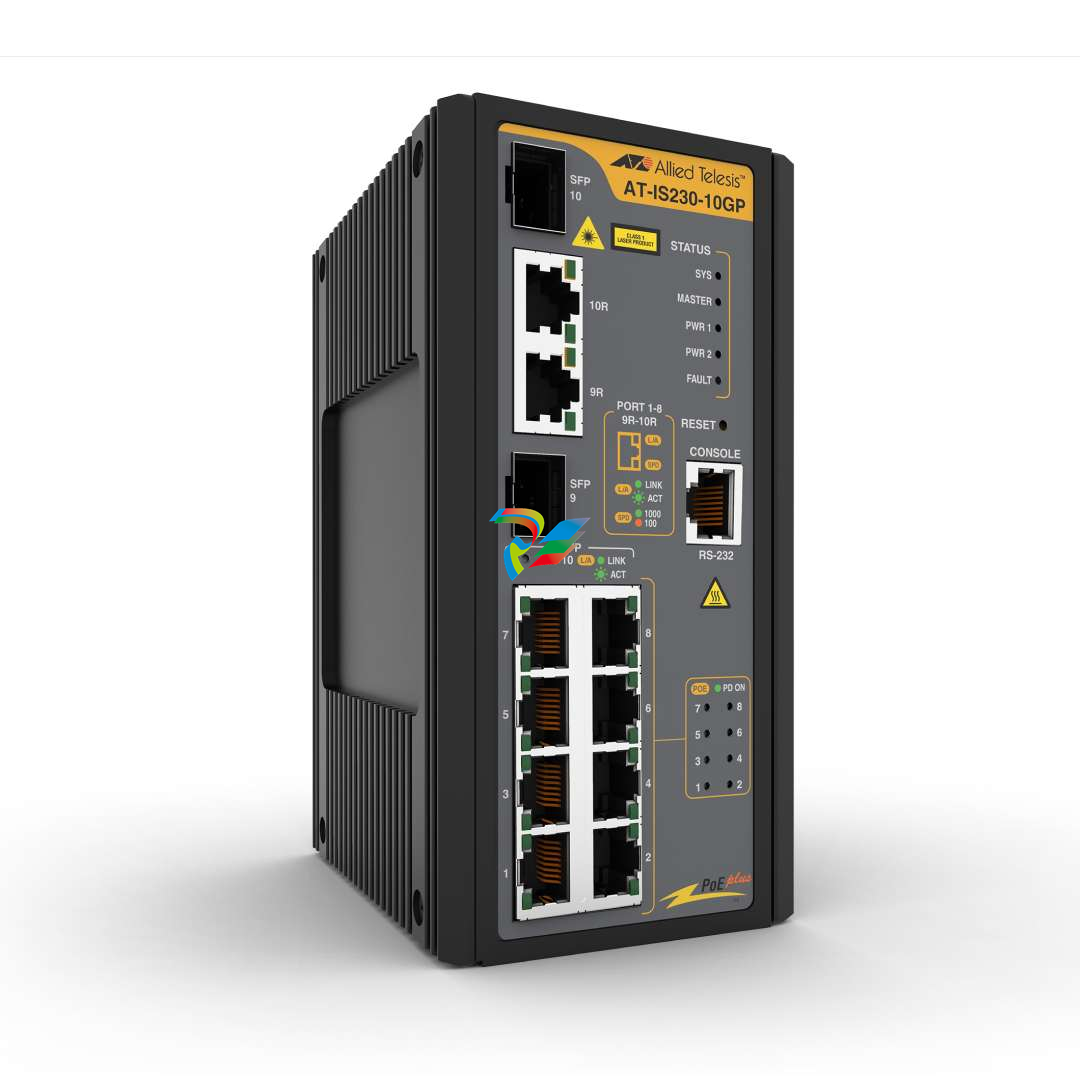 IS230TNRLH1B Discrete Output Modular Assembly
 -
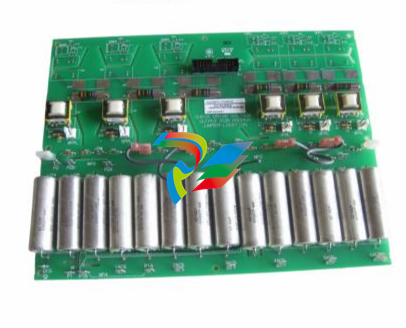 Mark V Series DS200PCCAG1ACB PCB Power Connect Card
 -
 DS200SI0CG1AEA Instantaneous overcurrent card
 -
 DS200SHVMG1AGE Analog I/O board
 -
 DS200SI0CG1A6A Input/Output Module
 -
 DS200SHVMG1AFE SCR High Voltage Interface Board
 -
 DS200RT8AG3AHC Relay Output Terminal Board
 -
 DS200FSAAG1ABA PCB Field Supply Gate Amplifier Board
 -
 531X307LTBAFG1 F31X307LTBA LAN I/O Terminal Board
 -
 ABB AFS670 19" Ruggedized Switch AFS670-EREEDDDSSEEEEEEEPZYX05.1.0
 -
 NI Controller for VXI VXIPC-871B
 -
 IS200EPMCH1GE Mark VIe Patch Cord Power Distribution Card
 -
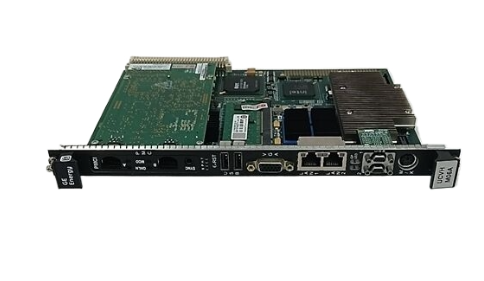 VMICPCI-7632-03310 IS215UCCAH3A 350-657362-003310J GE gas turbine system control processor board
 -
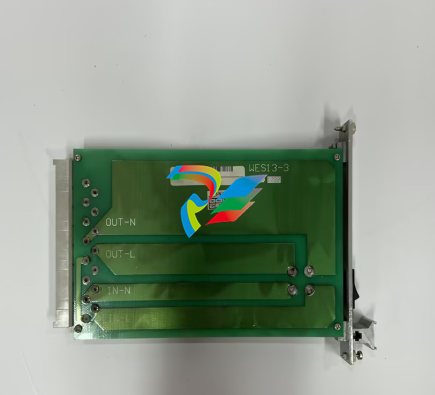 WEA13-13 2508-21001 Control Module / I/O Board
 -
WES5120 2340-21004 Controller Main Module
-
 WES5120 2340-21006 Field Controller Master Unit Module
 -
WESDAC D20ME 18-MAR-13 Excitation Control Module
-
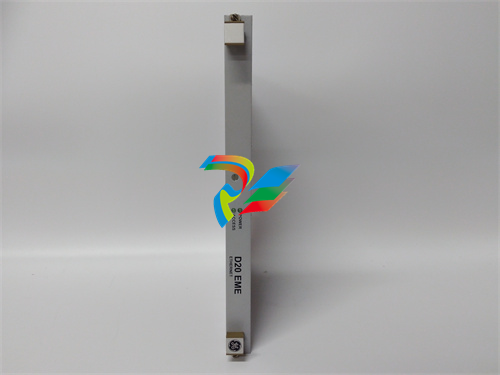 D20 EME 2400-21004 Ethernet communication and expansion module
 -
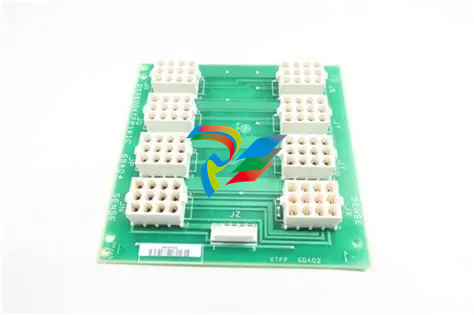 GE DS3800XTFP1E1C Thyristor Fan Out Board Brand
 -
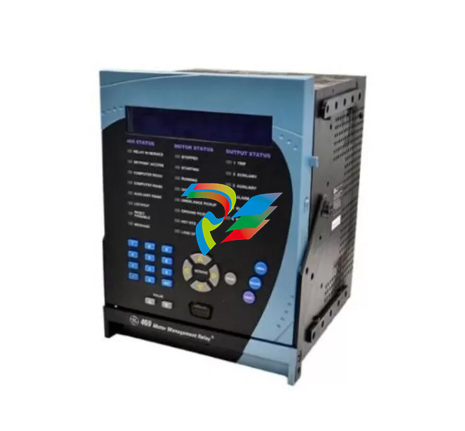 GE SR745-W2-P1-G1-HI-A-L-R-E Feeder protection relay
 -
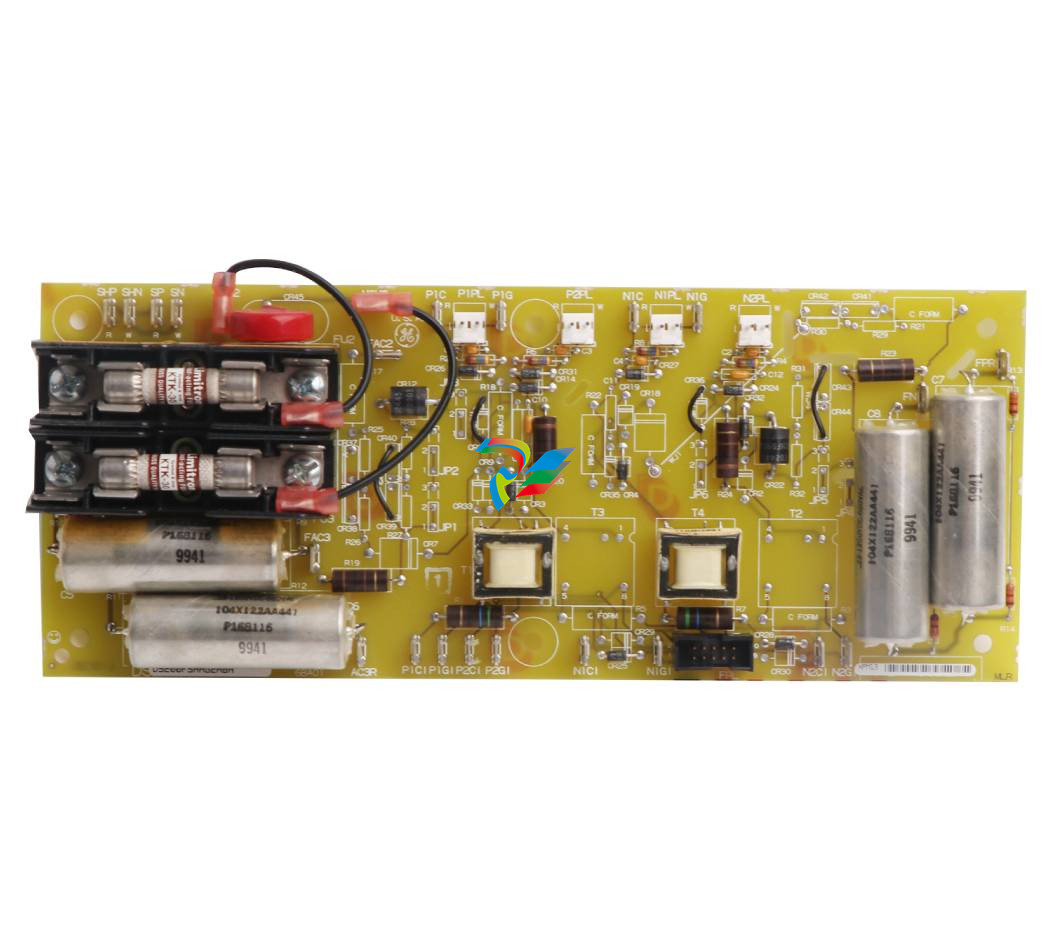 GE IS230TNDSH2A Discrete Output Relay Module Brand
 -
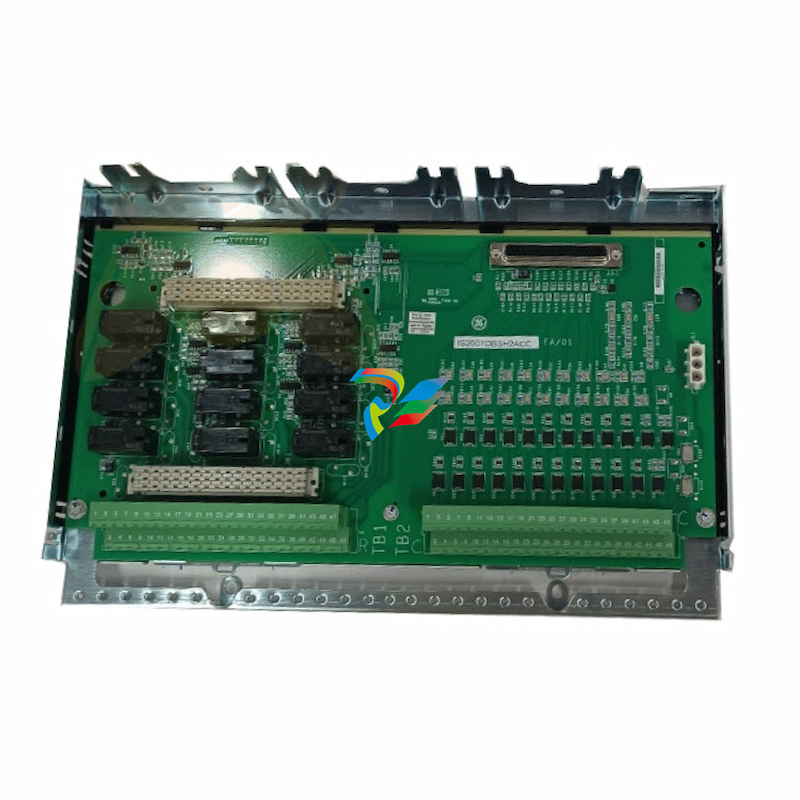 GE Fanuc IS200TDBSH2ACC Mark VI Terminal Board Brand
 -
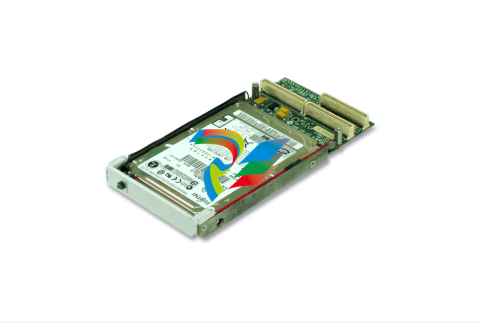 GE PMC-0247RC-282000 350-93750247-282000F Disk Drive
 -
GE PMC-0247RC-282000 350-93750247-282000F Disk Drive
-
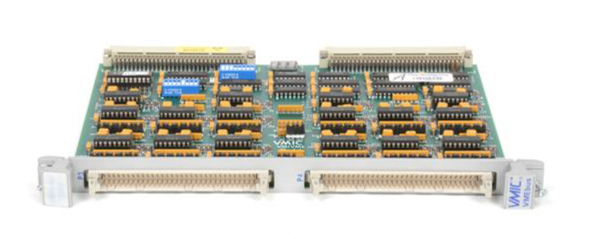 GE VMIVME-1150 Serial Communications Controller
 -
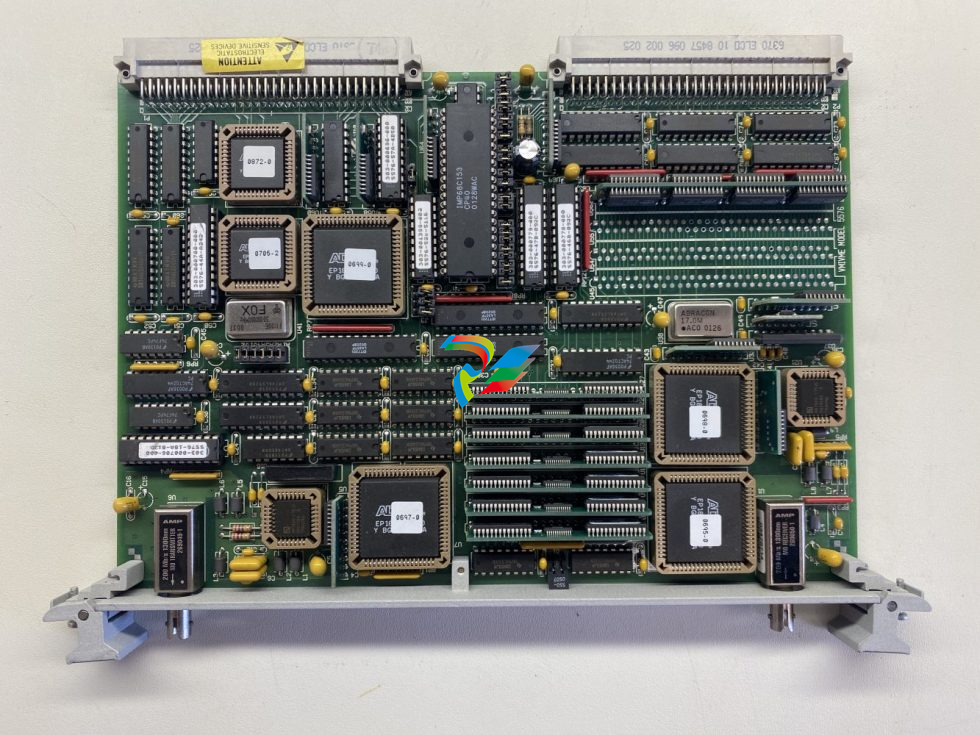 GE VMIVME-5576 Fiber-Optic Reflective Memory with Interrupts
 -
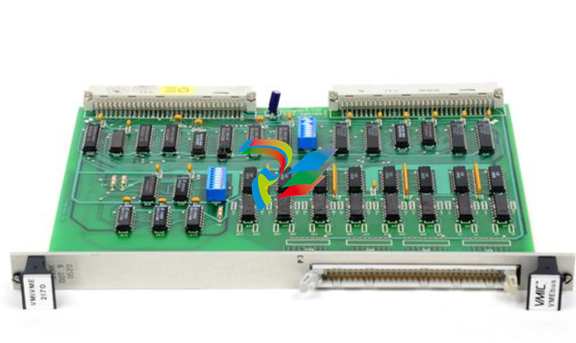 GE VMIC Isolated Digital Output VMIVME-2170A
 -
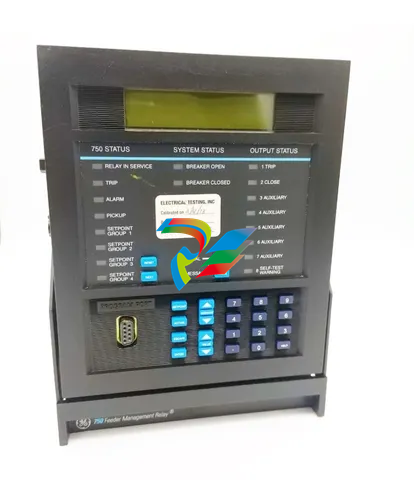 GE MULTILIN 760 FEEDER MANAGEMENT RELAY 760-P5-G5-S5-HI-A20-R-E
 -
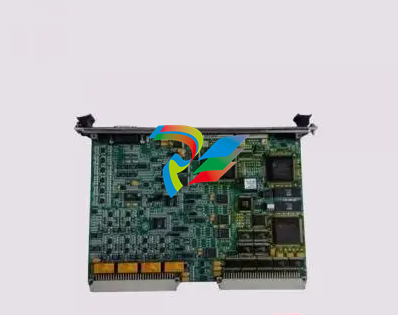 GE IS200AEPAH1BKE IS215WEPAH2BB Printed circuit board
 -
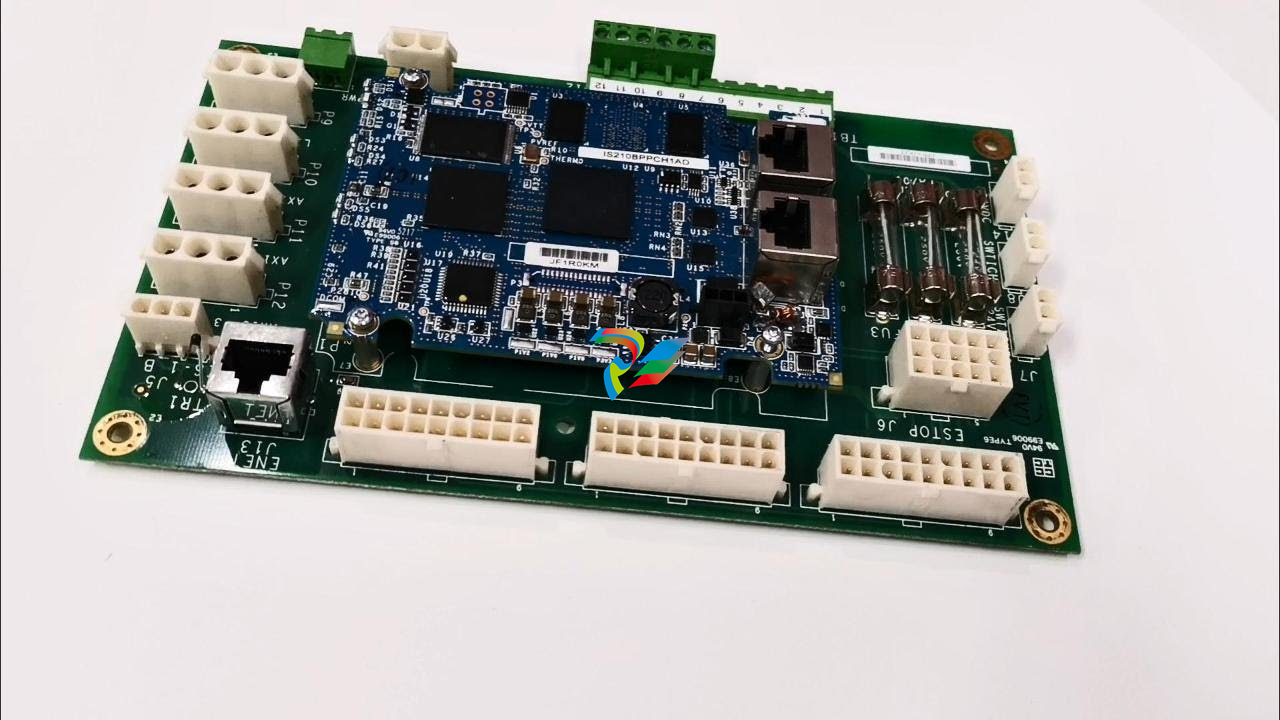 GE IS210BPPCH1A Mark VIe I/O Pack Processor Card
 -
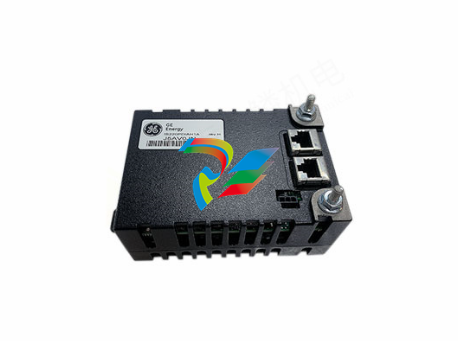 GE IS220PRTDH1A 336A4940CSP6 High-Performance RTD Input Module
 -
GE IS220PDIAH1BE 336A5026ADP4 Discrete Input Module
-
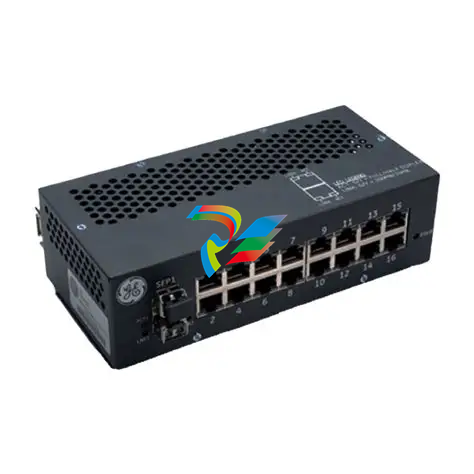 GE IS420ESWBH3A IONET Switch Module
 -
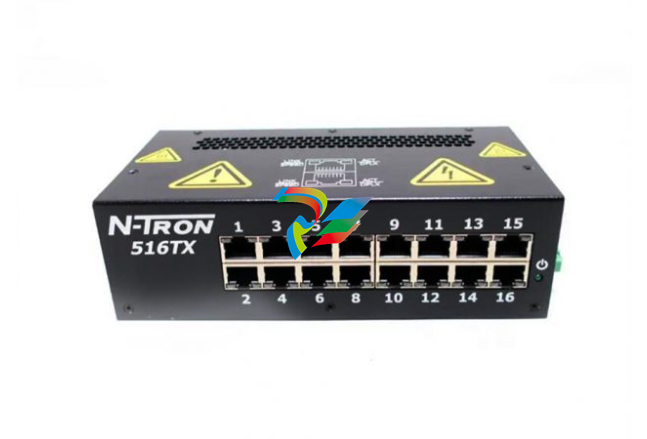 GE 516TX 336A4940DNP516TX 16-port Ethernet switch
 -
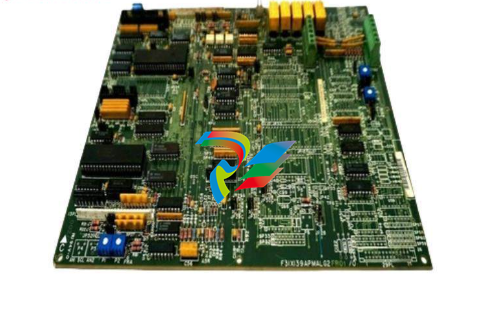 GE EVMECNTM13 Embedded control module
 -
GE EVPBDP0001 EVPBDP032 control module
-
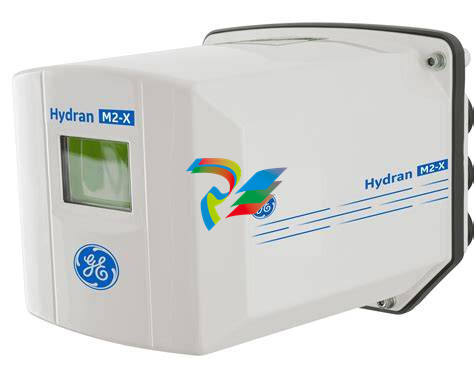 GE Hydran M2-X Enhanced Monitoring with Extended Sensor Life
 -
 GE UR6CH Digital I/O Module
 -
 GE IC695CPU315-CD Central processing unit
 -
 GE 531X305NTBAMG1 DR Terminal Board
 -
 GE 531X305NTBALG1 NTB/3TB Terminal Board 531X Series
 -
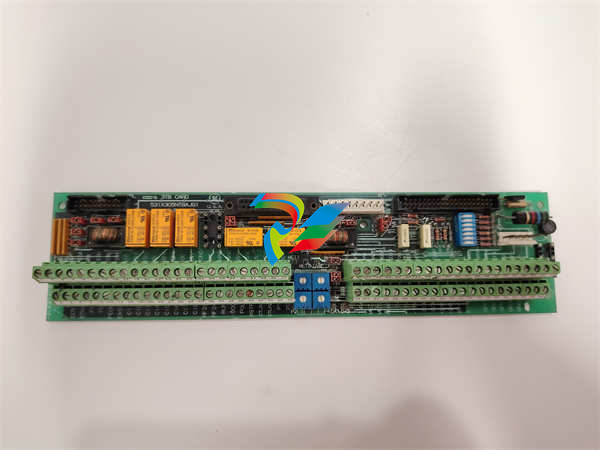 GE 531X305NTBAJG1 NTB/3TB Terminal Board.
 -
GE 531X305NTBAHG1 NTB/3TB Terminal Board 531X
-
 GE 531X305NTBAEG1 is a PCB that functions as a DR terminal board.
 -
General Electric 531X305NTBACG1 NTB/3TB Terminal Board 531X
-
 GE Digital Energy D20 Analog Input Module
 -
 GE 94-164136-001 main board Control board
 -
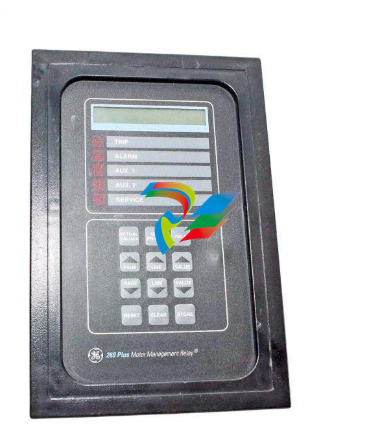 GE 269 PLUS-D/O-100P-125V Digital motor relay
 -
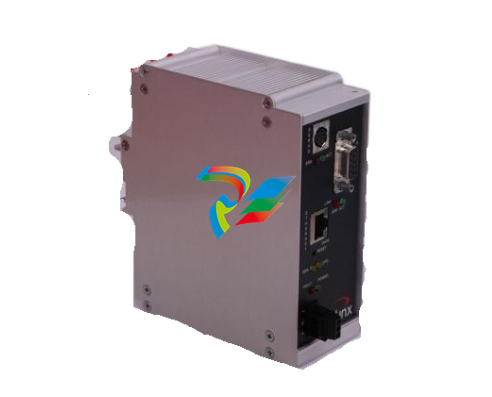 GALIL DMC-9940 High-performance motion controller
 -
FUJI NP1BS-08 base plate
-
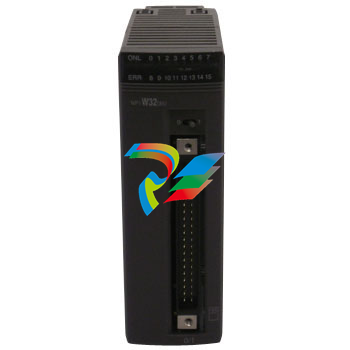 FUJI NP1Y32T09P1 Transistor drain type digital output module
 -
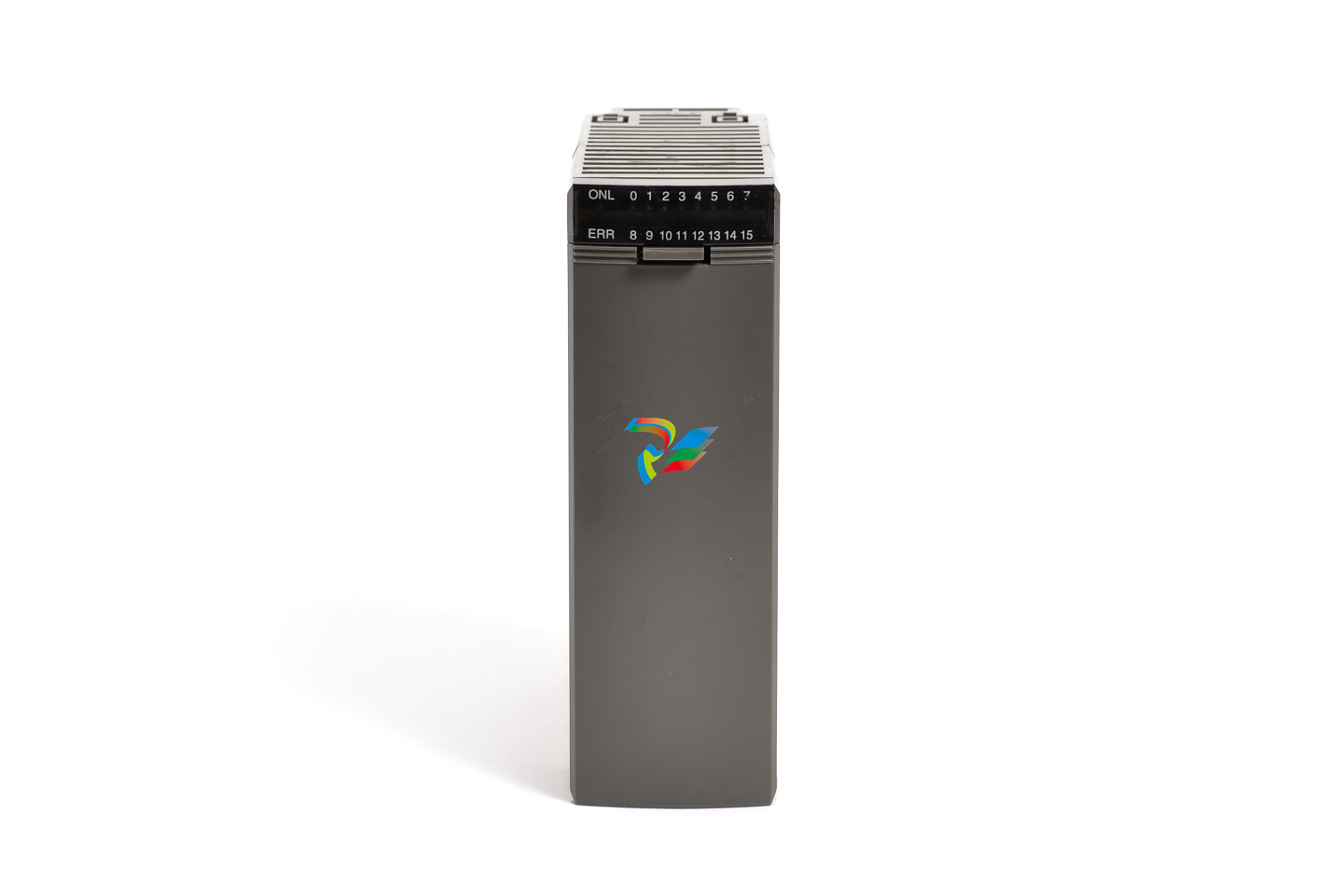 FUJI NP1Y16R-08 Digital Output Module
 -
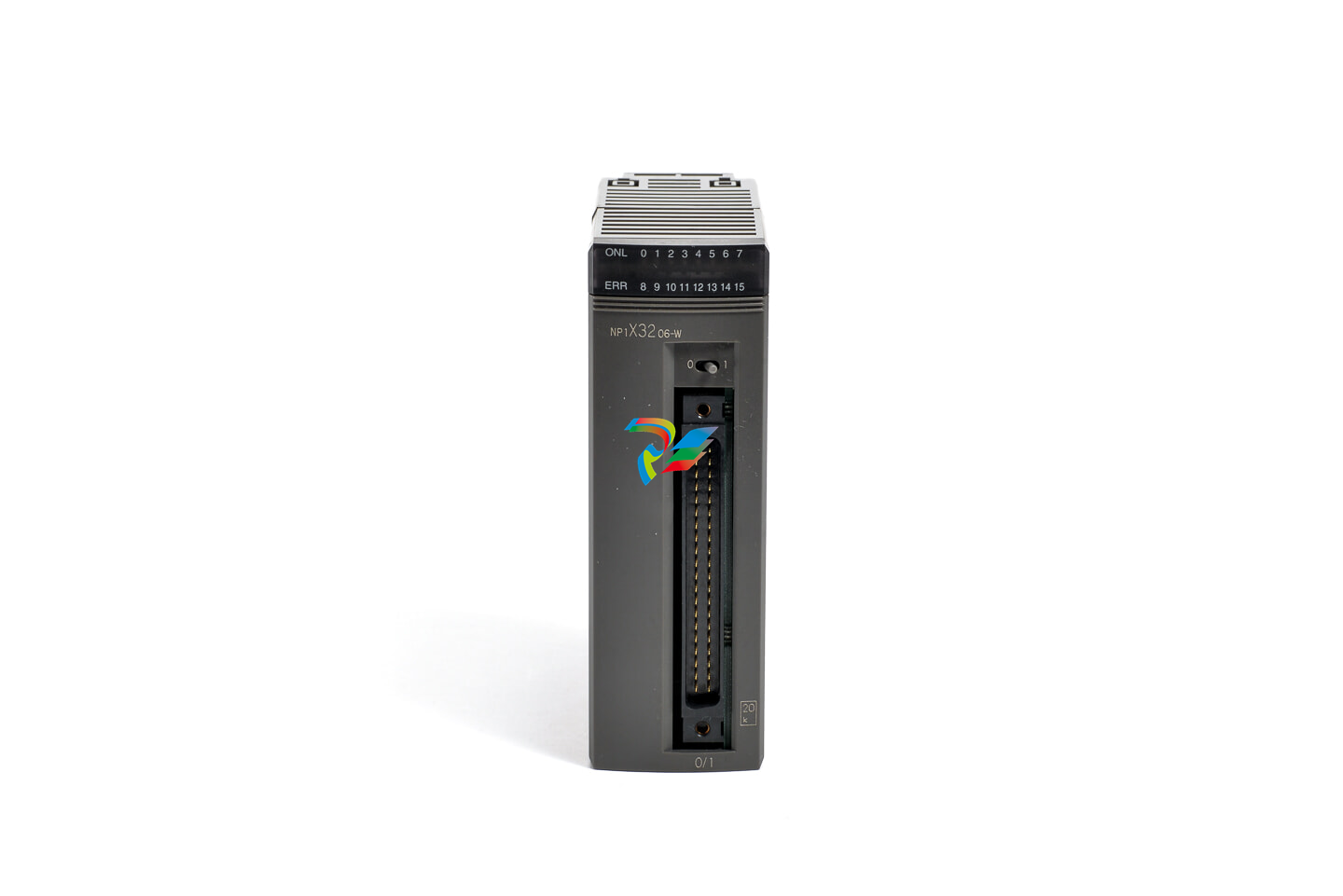 FUJI NP1X3206-A High-speed digital input module
 -
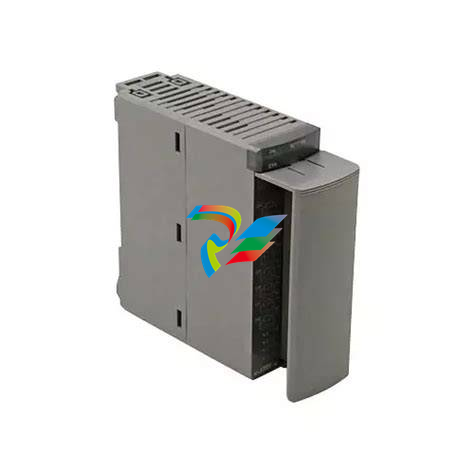 FUJI NP1AYH4I-MR current output module
 -
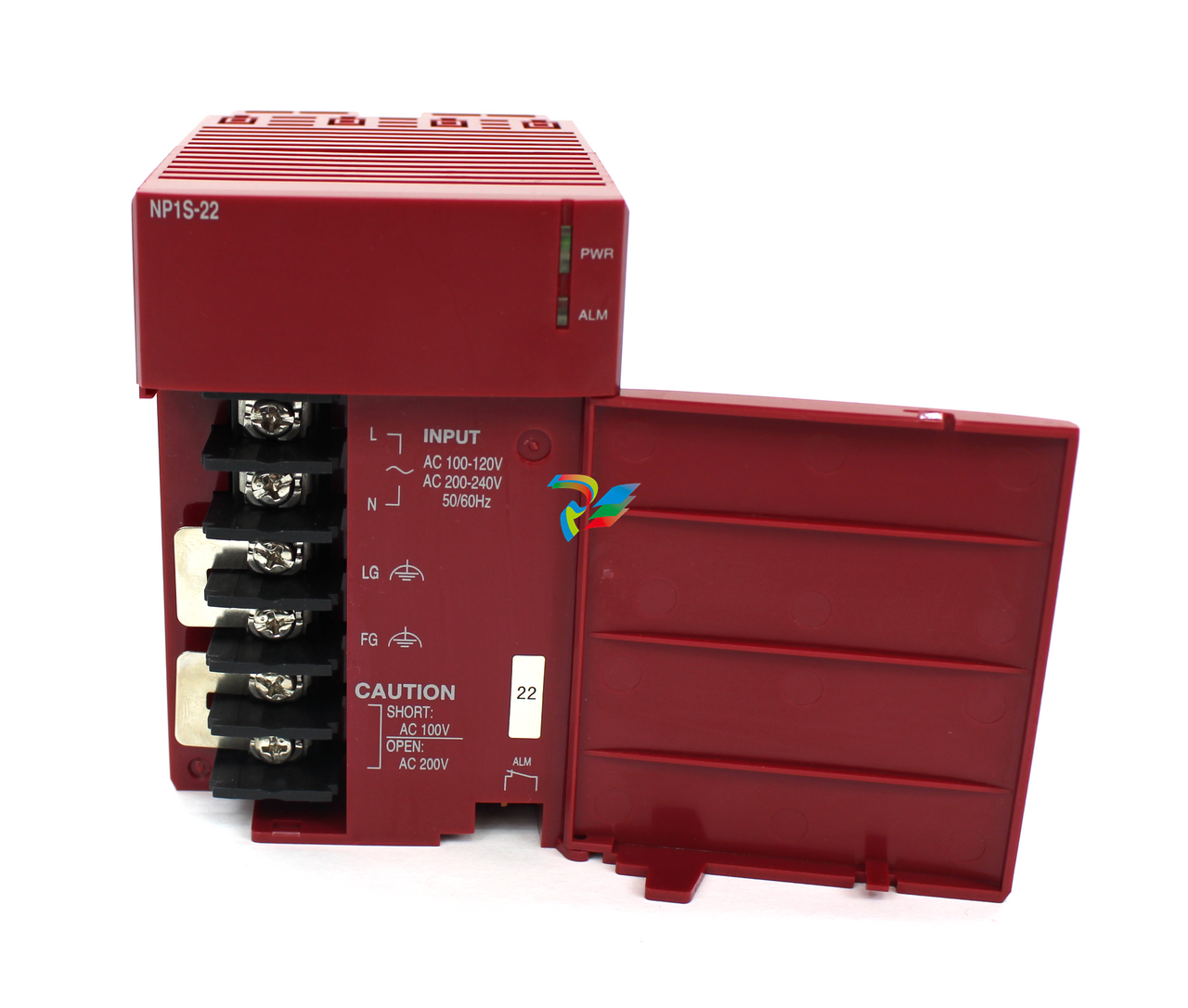 FUJI NP1S-22 Power module redundancy
 -
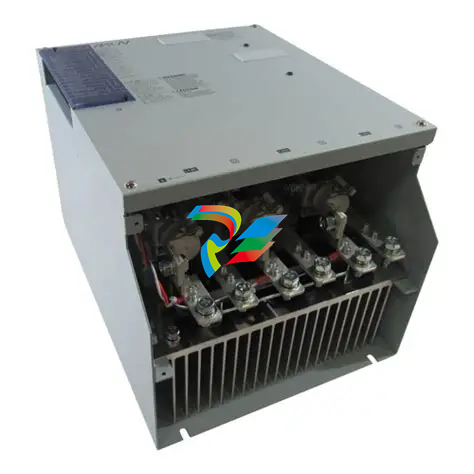 FUJI RPXD2150-1T servo drive module
 -
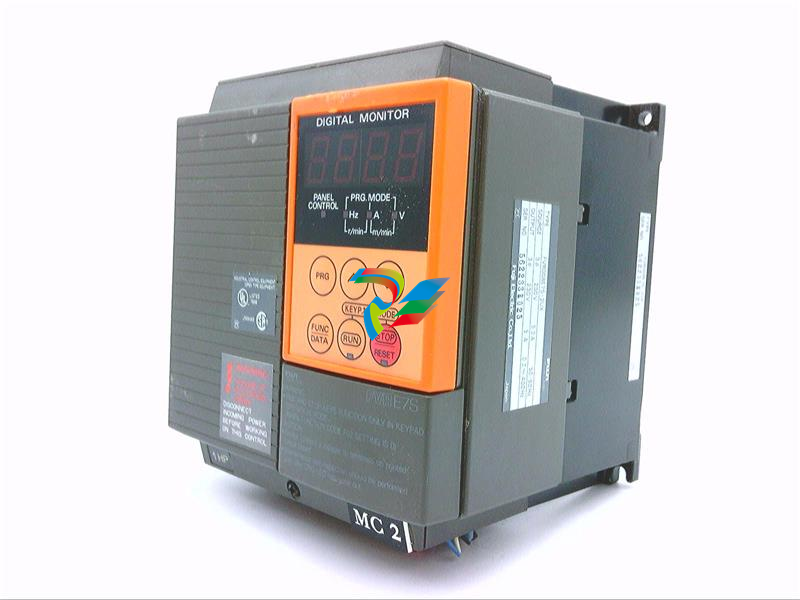 FUJI FVR008E7S-2UX Ac frequency converter
 -
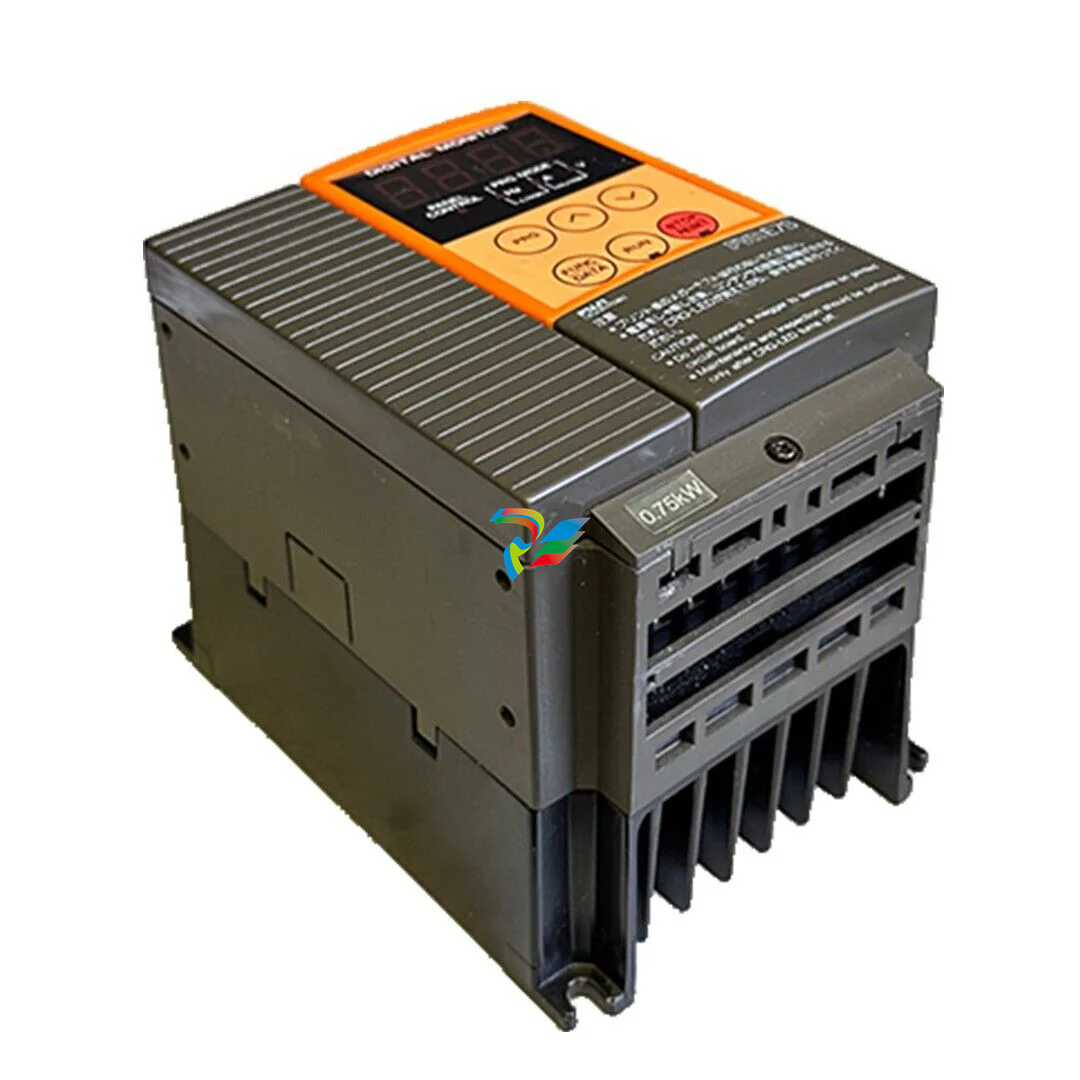 FUJI Ac frequency converter FVR008E7S-2
 -
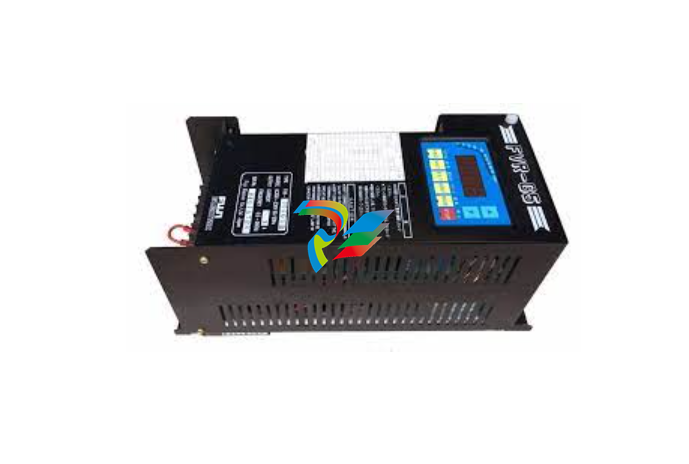 FUJI FVR004G5B-2 Small general-purpose frequency converter
 -
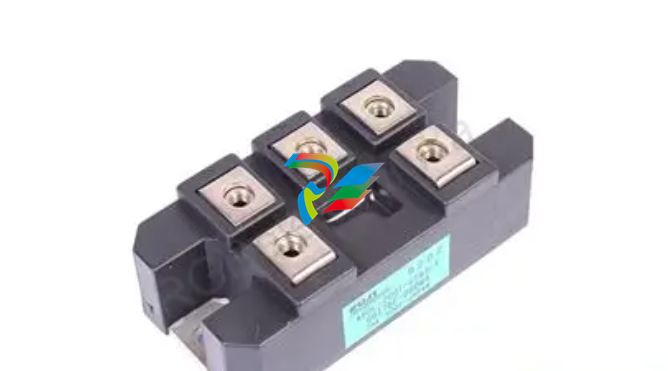 FUJI A50L-2001-0232 Industrial control module
 -
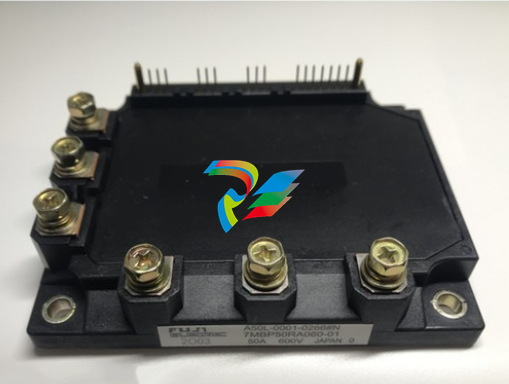 FUJI A50L-001-0266#N High-performance servo amplifier
 -
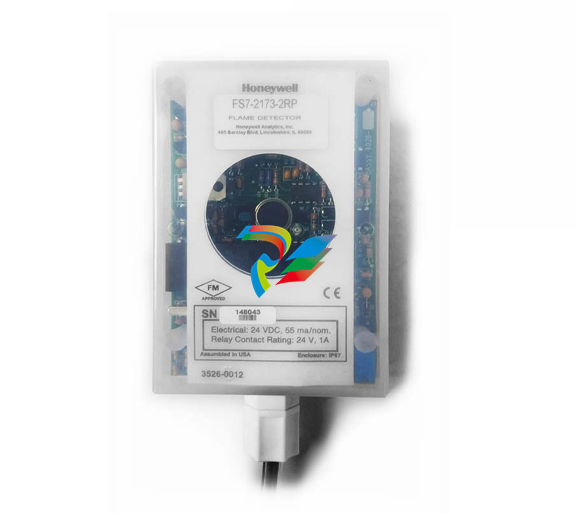 Honeywell FS7-2173-2RP Gas sensor
 -
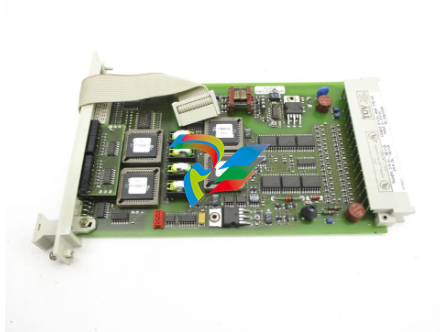 Honeywell 10106/2/1 Digital Input Module in Stock
 -
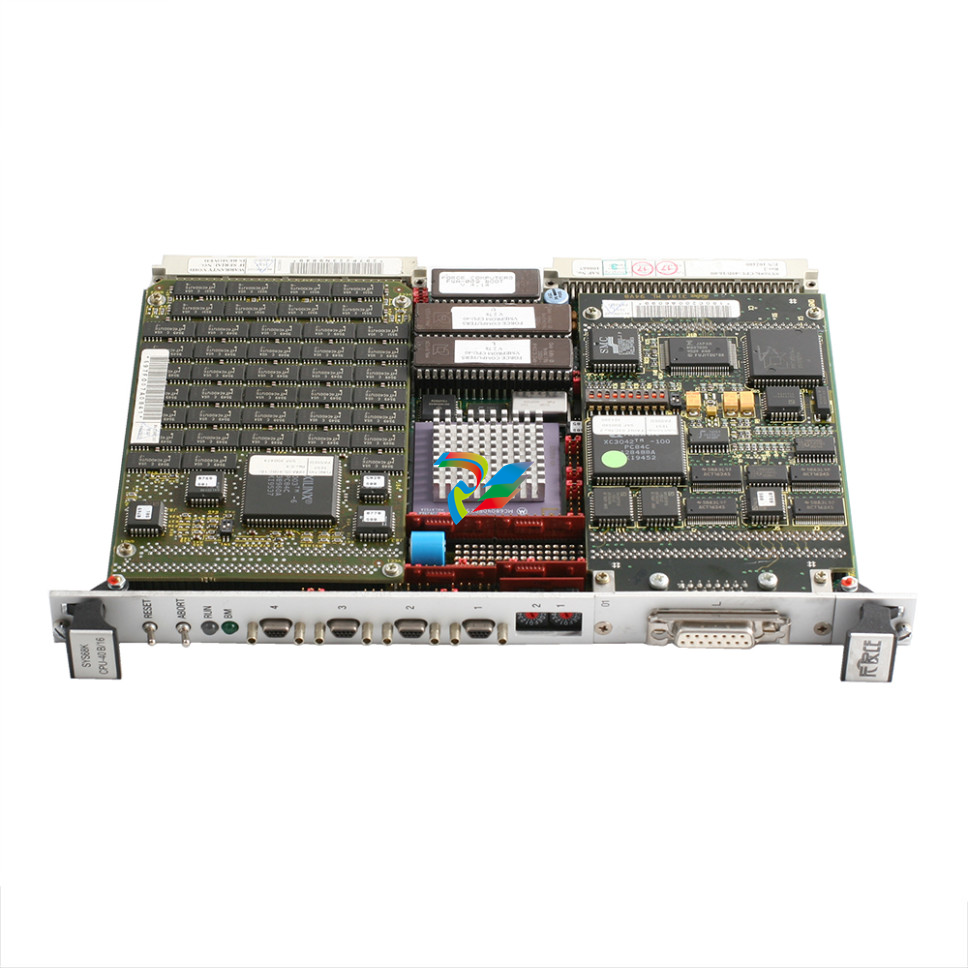
FRCE SYS68K CPU-40 B/16 PLC core processor module
-
 Foxboro FBM I/O cards PBCO-D8-009
 -
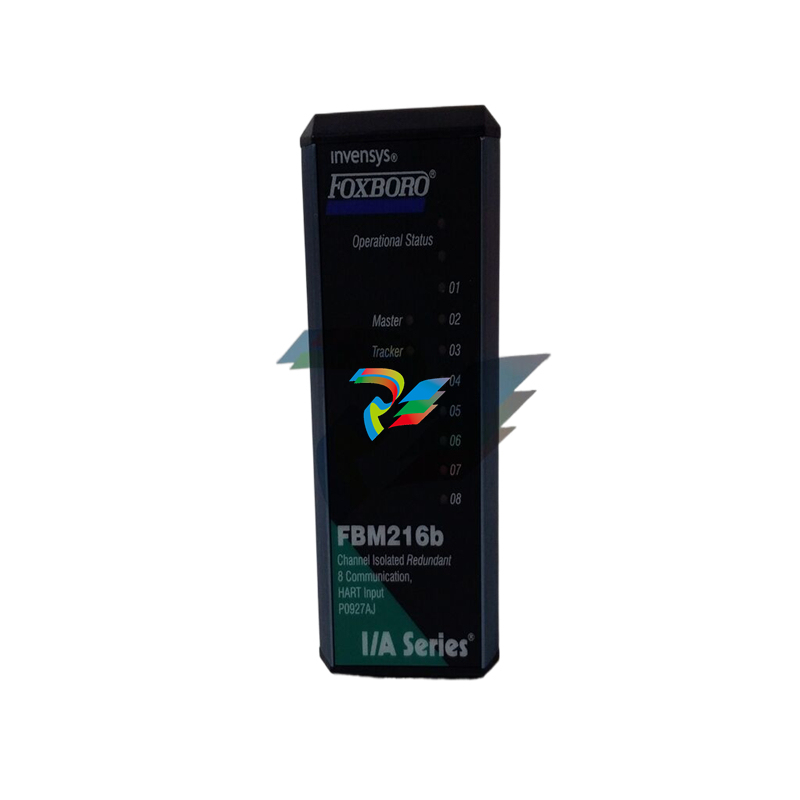 Foxboro AD916AE Digital Control System (DCS) Module
 -
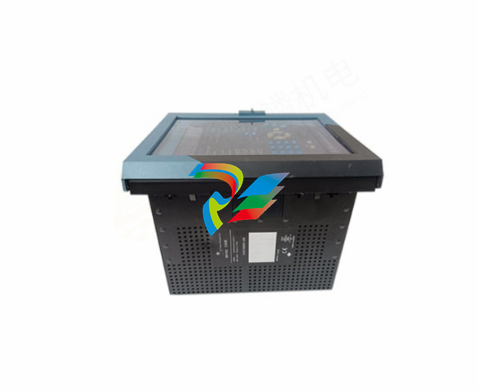 GE SR750-P5-G5-S5-HI-A20-R-E Multilin Relay
 -
.jpg) FOXBORO H90 H90C9AA0117S Industrial Computer Workstation
FOXBORO H90 H90C9AA0117S Industrial Computer Workstation -
FOXBORO RH928AW | I/A Series Relay Output Module
-
.jpg) Foxboro N-2AX+DIO Multi-functional input/output module
Foxboro N-2AX+DIO Multi-functional input/output module -
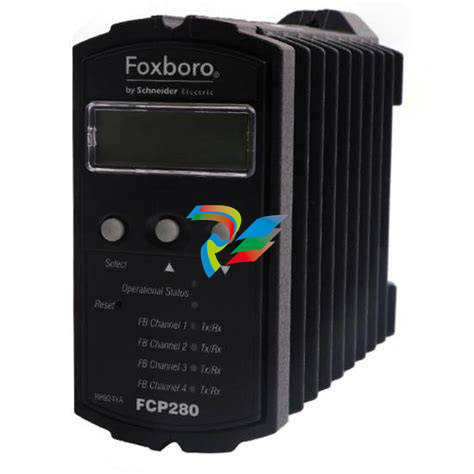 Foxboro RH924WA FCP280 Fiber Optic Network Adapter
 -
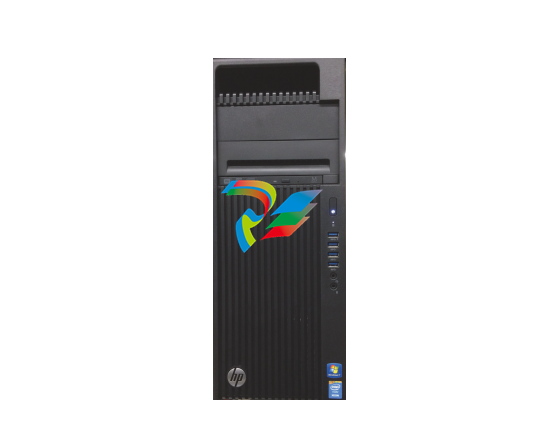 FOXBORO H92 Versatile Hardware Component In
 -
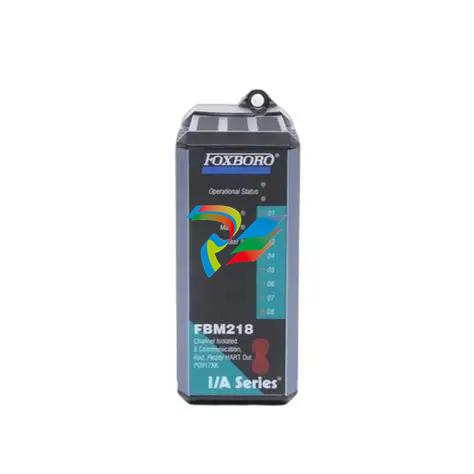 Foxboro FBM218 P0922VW HART® Communication Redundant Output Interface Module
 -
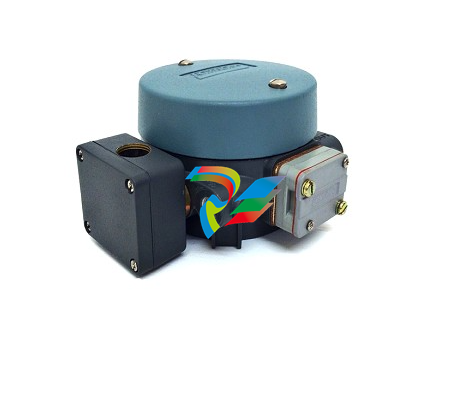 Foxboro E69F-TI2-J-R-S E69F Series Current-To-Pneumatic Signal Converter
 -
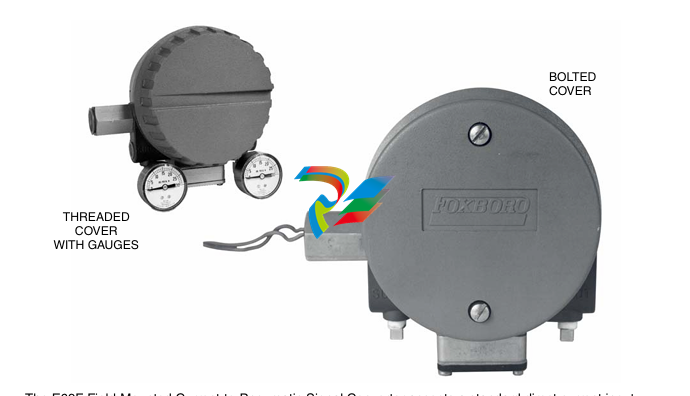 Foxboro E69F-BI2-S Converter
 -
.jpg) Foxboro H92A049E0700 The host of the DCS control station
Foxboro H92A049E0700 The host of the DCS control station -
 Foxboro H90C9AA0117S Industrial computer workstation
 -
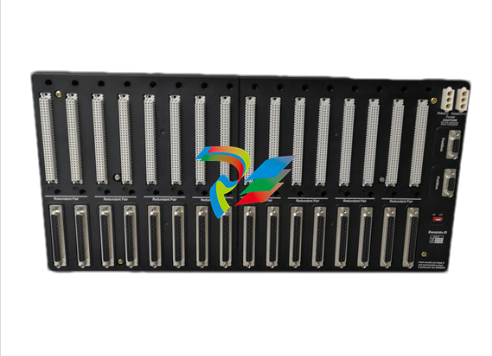 Foxboro RH101AA High-performance industrial control module
 -
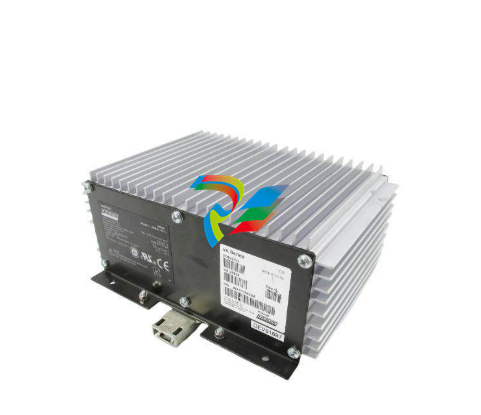 Foxboro P0922YU FPS400-24 I/A Series Power supply
 -
.png) FOXBORO P0973LN Chassis-based managed switch with independent power supply
FOXBORO P0973LN Chassis-based managed switch with independent power supply -
.jpg) FOXBORO P0926PA Input/output module
FOXBORO P0926PA Input/output module -
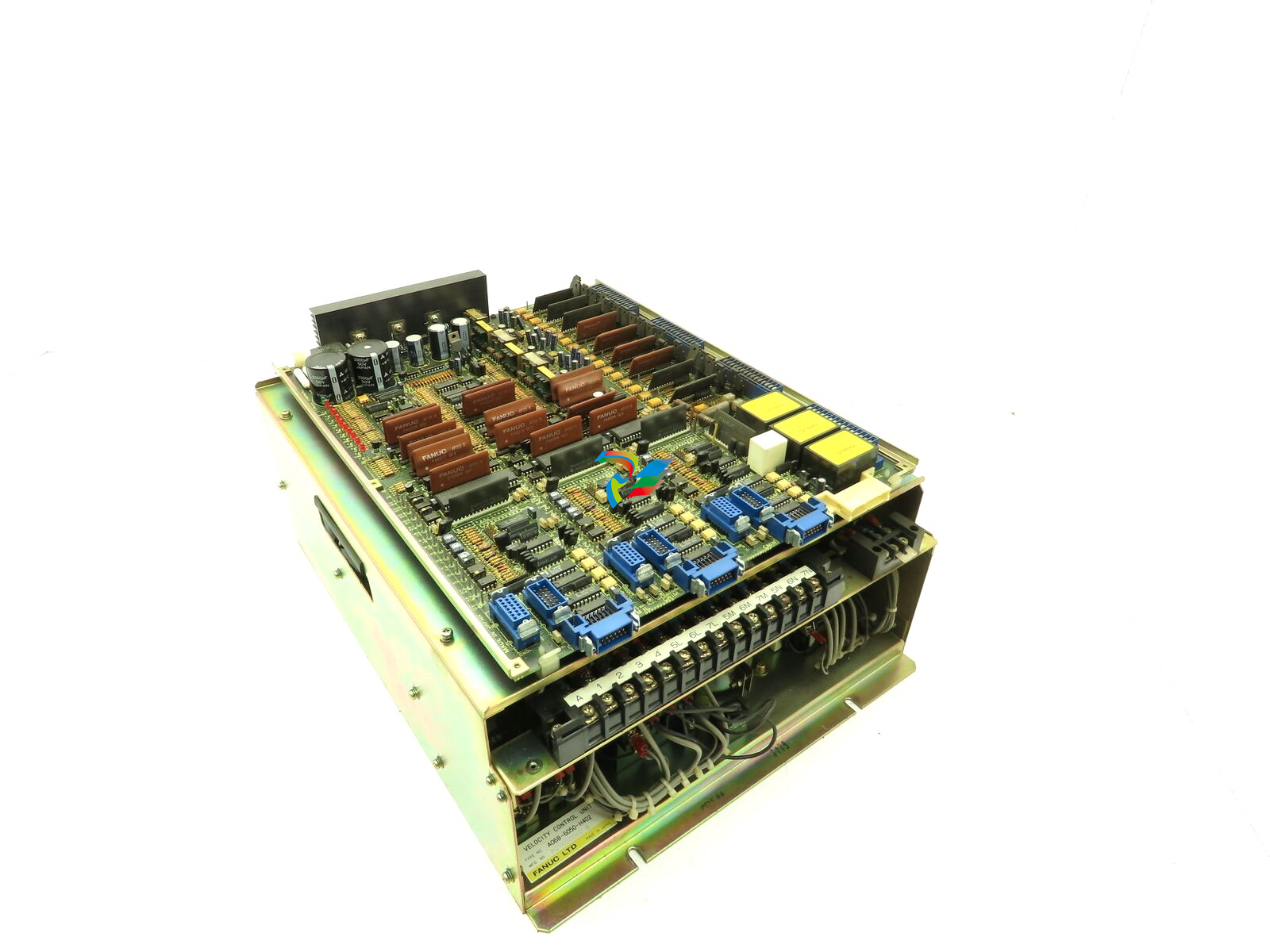 Fanuc A06B-6050-H402 3 AXIS ANALOG AC SERVO DRIVE
 -
.jpg) FOXBORO L0130AD L0130AE-0H Power module group
FOXBORO L0130AD L0130AE-0H Power module group -
_lVjBYb.jpg) FOXBORO 0399085B 0303440C+0303458A Combination Control Module
FOXBORO 0399085B 0303440C+0303458A Combination Control Module -
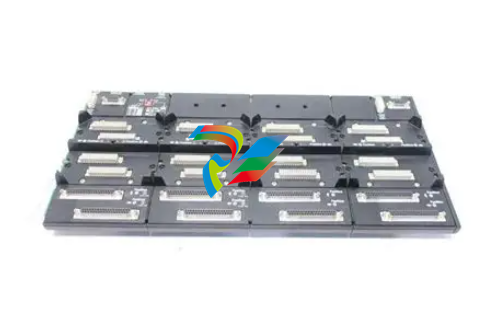 FOXBORO SY-0399095E (SY-0303451D+SY-0303460E) Process control board
 -
.jpg) FOXBORO 0399071D 0303440C+0303443B Input/Output (I/O) Module
FOXBORO 0399071D 0303440C+0303443B Input/Output (I/O) Module -
.jpg) FOXBORO RH924UQ Redundant Controller module
FOXBORO RH924UQ Redundant Controller module -
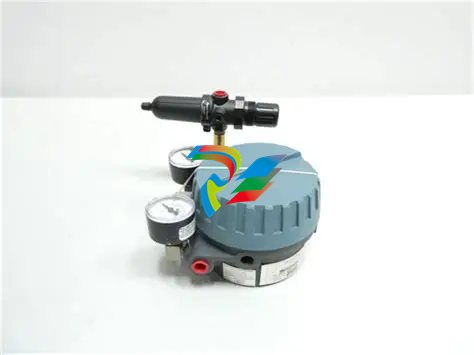 FFOXBORO E69F-TI2-S current pneumatic converter
 -
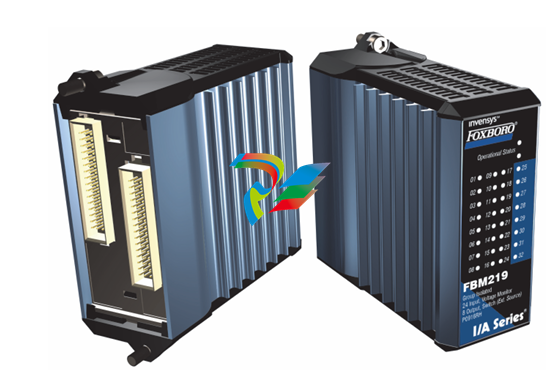 FOXBORO FBM219 RH916RH Discrete I/O Module
 -
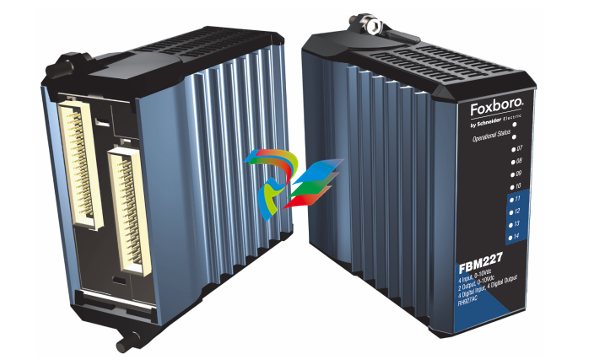 FOXBORO FBM227 P0927AC Module
 -
.jpg) FOXBORO 0399144 SY-0301059F SY-1025115C/SY-1025120E I/O module
FOXBORO 0399144 SY-0301059F SY-1025115C/SY-1025120E I/O module -
.jpg) FOXBORO SY-60399001R SY-60301001RB Industrial Control Module
FOXBORO SY-60399001R SY-60301001RB Industrial Control Module -
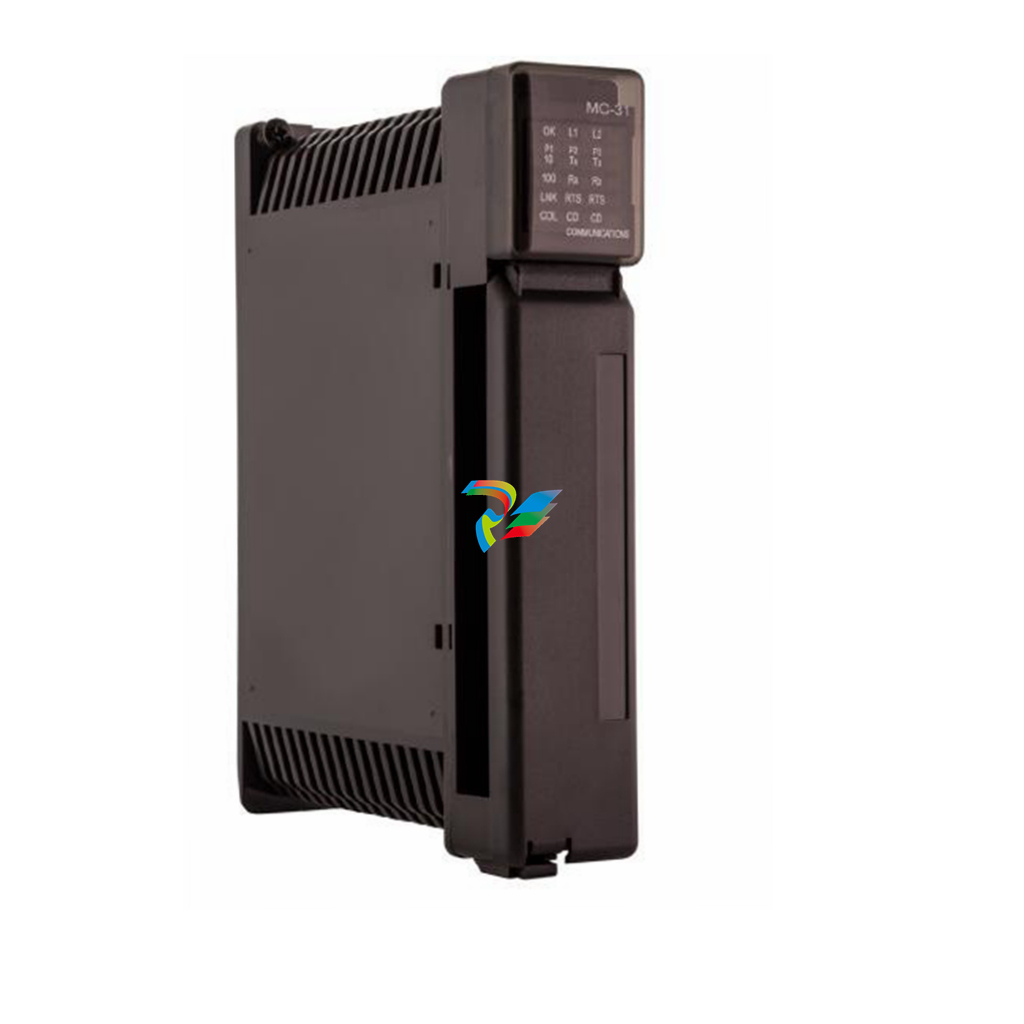 FOXBORO 0399143 SY-0301060R SY-1025115C SY-1025120E Combined control board
 -
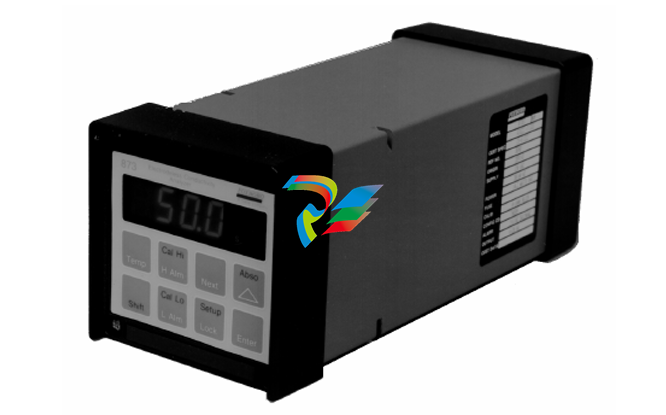 FOXBORO 873EC-JIPFGZ electrodeless conductivity analyzer
 -
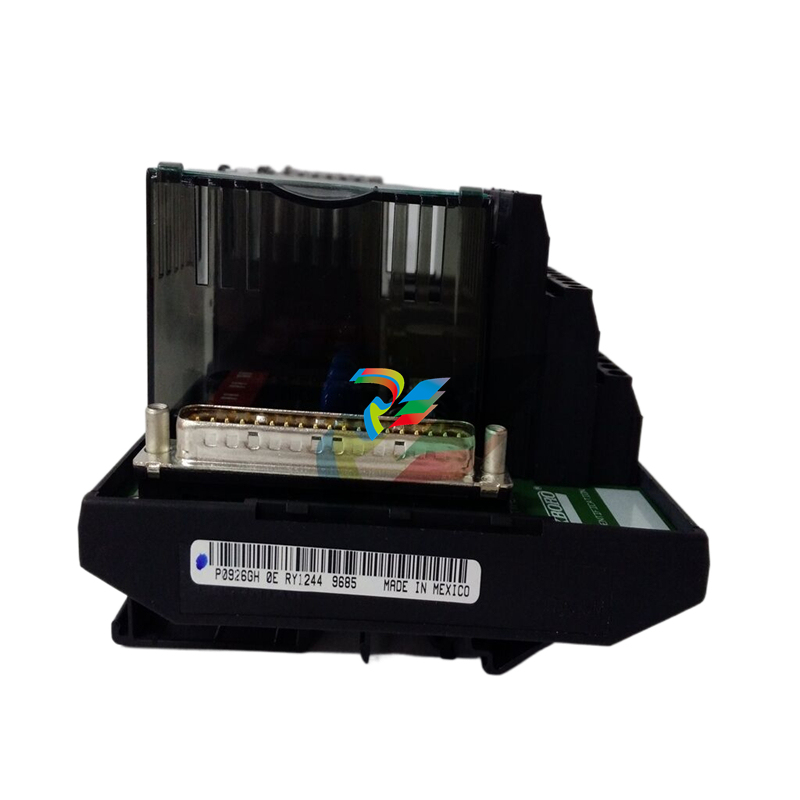 FOXBORO P0916PH (High-density HART I/O Module)
 -
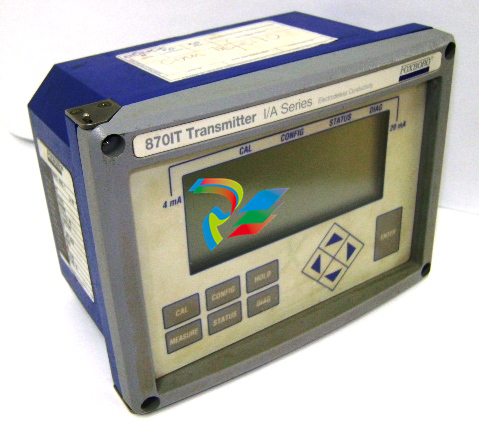 FOXBORO 870ITEC-AYFNZ-7 Intelligent Electrochemical Transmitters
 -
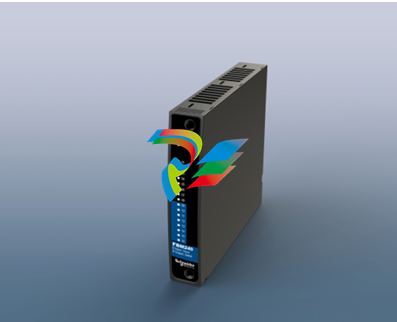 FOXBORO Compact FBM240. Redundant with Readback, Discrete
 -
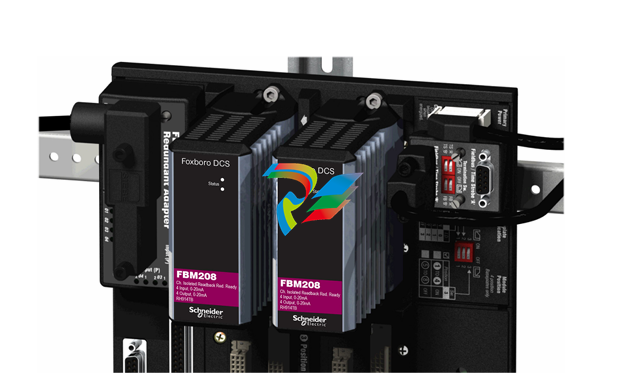 FOXBORO FBM208/b, Redundant with Readback, 0 to 20 mA I/O Module
 -
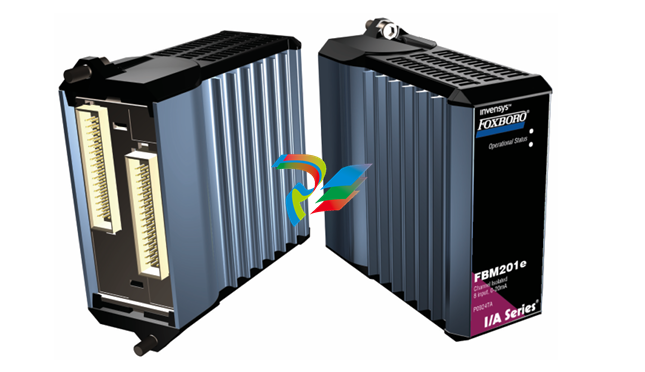 FOXBORO FBM201e Analog Input (0 to 20 mA) Interface Modules
 -
.jpg) FOXBORO P0916WG Terminal cable
FOXBORO P0916WG Terminal cable -
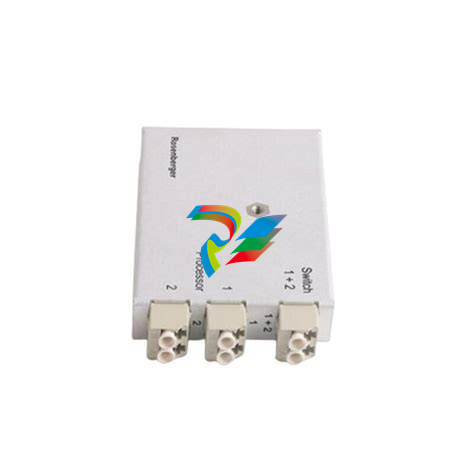 FOXBORO P0926MX 2-Port Splitter
 -
.jpg) FOXBORO AD908JQ High-Frequency Module
FOXBORO AD908JQ High-Frequency Module -
.jpg) FOXBORO AD916CC Processor module
FOXBORO AD916CC Processor module -
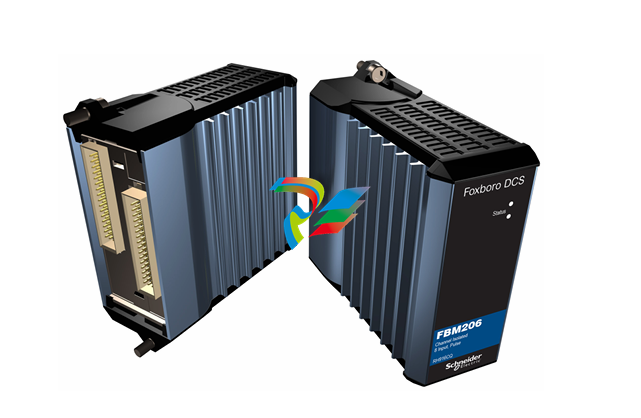 Foxboro DCS FBM206 Pulse Input Module
 -
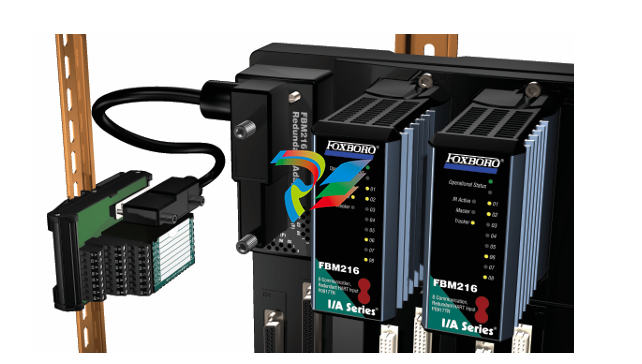 FOXBORO FBM216 HART® Communication Redundant Input Interface Module
 -
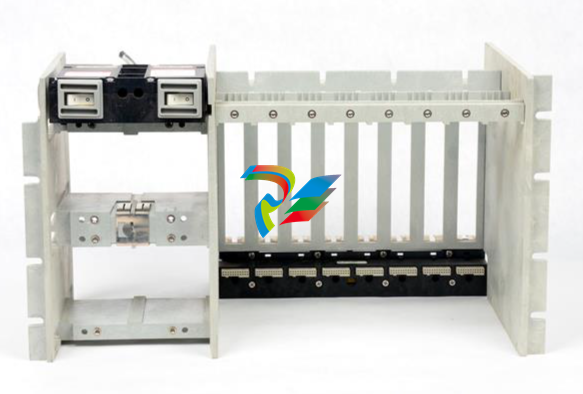 Foxboro p0903nu 1×8 unit sub-component module
 -
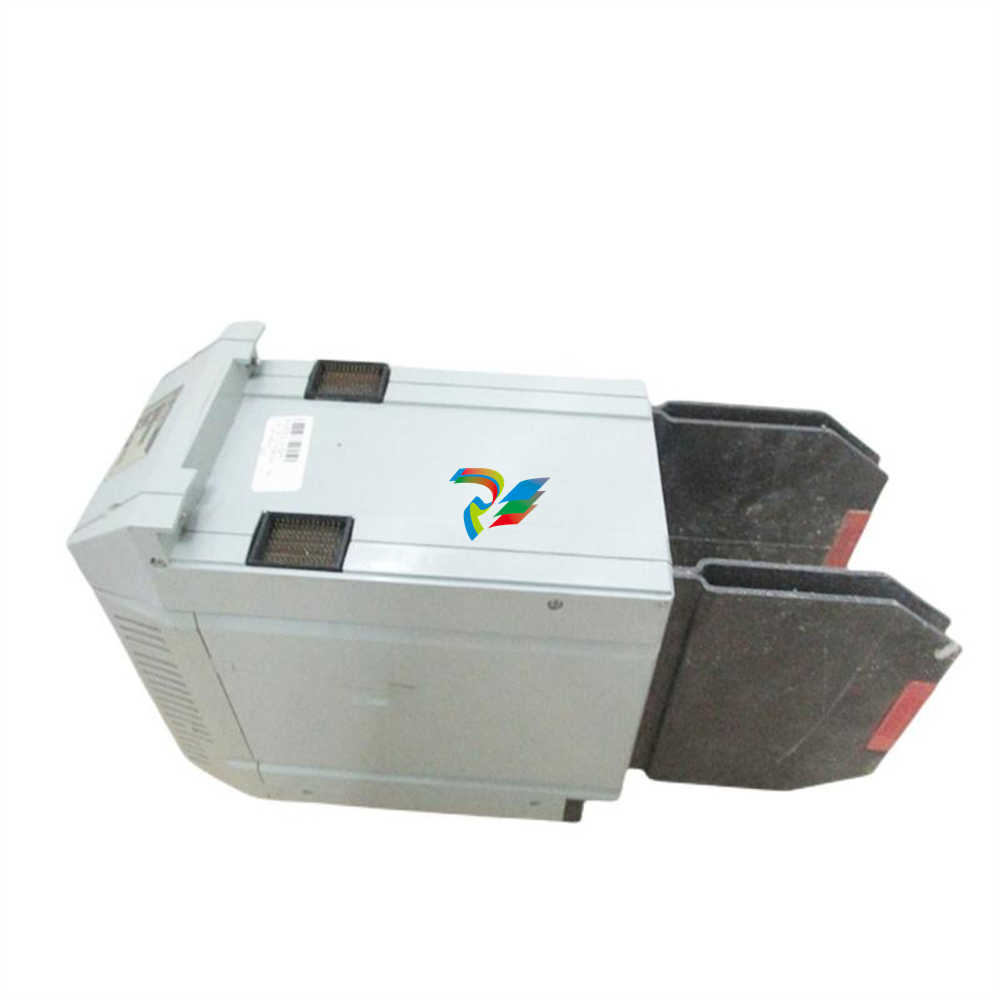 Foxboro P0911SM Industrial control module
 -
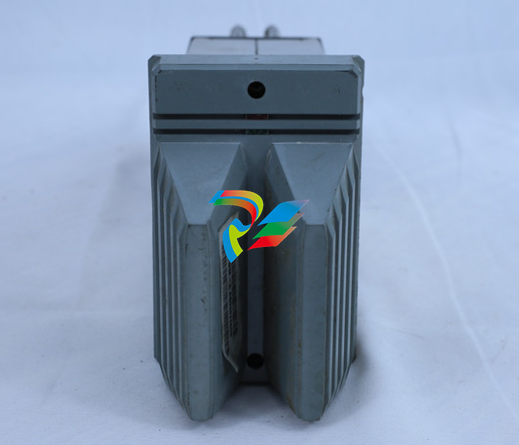 Foxboro CM902WM I/O module
 -
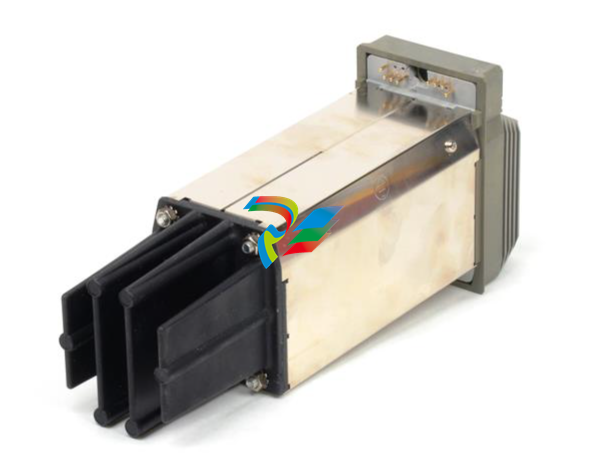 Foxboro CM902WL Power module
 -
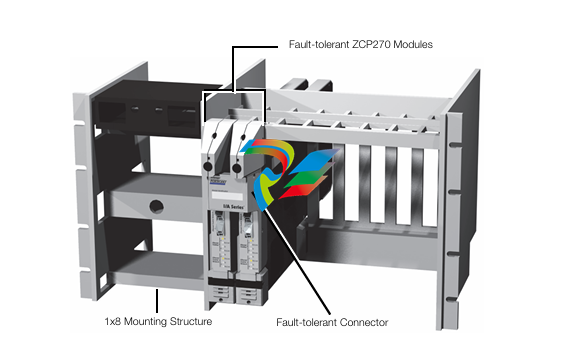 Foxboro P0972VA Industrial Control Module
 -
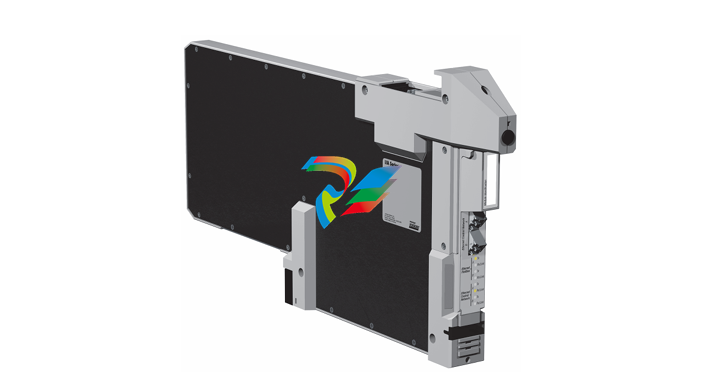 Foxboro Z-Module Control Processor 270 (ZCP270)
 -
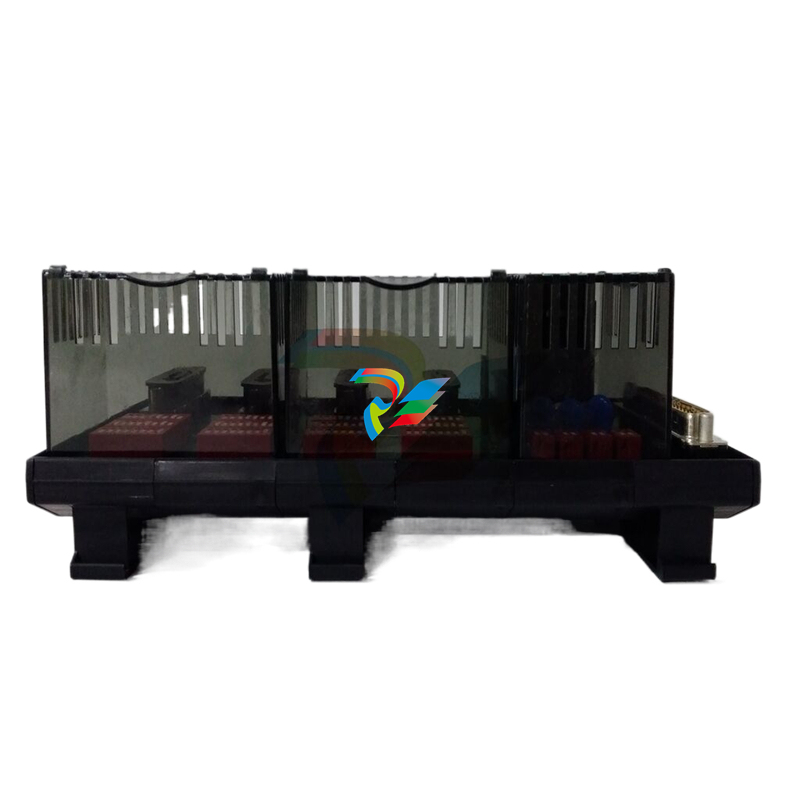 Foxboro PO916JS 16-channel terminal block module
 -
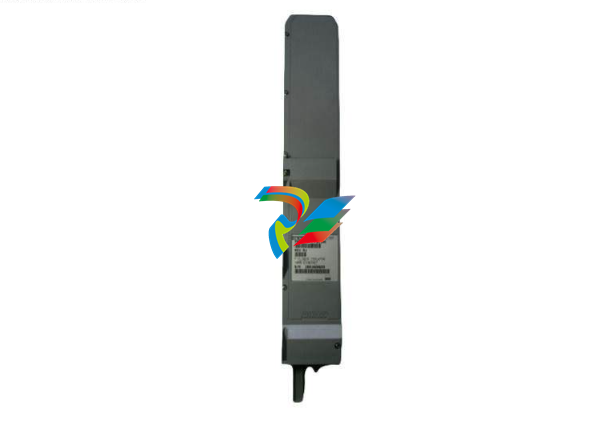 Foxboro PO911SM High-performance digital/analog input/output module
 -
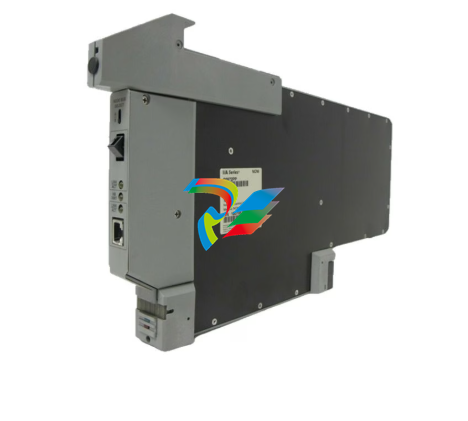 Foxboro P0972PP-NCNI Network Interface Module