
DOE Confirms Fusion Energy Milestone at California Lab
The first nuclear fusion reaction to result in a net energy gain has been successfully completed by scientists at a laboratory in California, a milestone in the decades-long pursuit of a way to produce unlimited energy with no carbon emissions or nuclear waste.
U.S. Energy Secretary Jennifer Granholm made the official announcement Dec. 13 during a news conference at the Dept. of Energy (DOE) in Washington, D.C. Granholm confirmed the news that was first reported Sunday, when news outlets including POWER cited sources that said researchers at the National Ignition Facility (NIF) at the Lawrence Livermore National Laboratory on Dec. 5 had produced a fusion reaction that created more energy than it consumed.
Granholm on Tuesday said the fusion experiment at the NIF replicated “certain conditions that are only found in the stars and sun.” Officials said the results of the Dec. 5 reaction needed to be analyzed and peer reviewed before an official announcement of the breakthrough, which is why it was not immediately publicized.
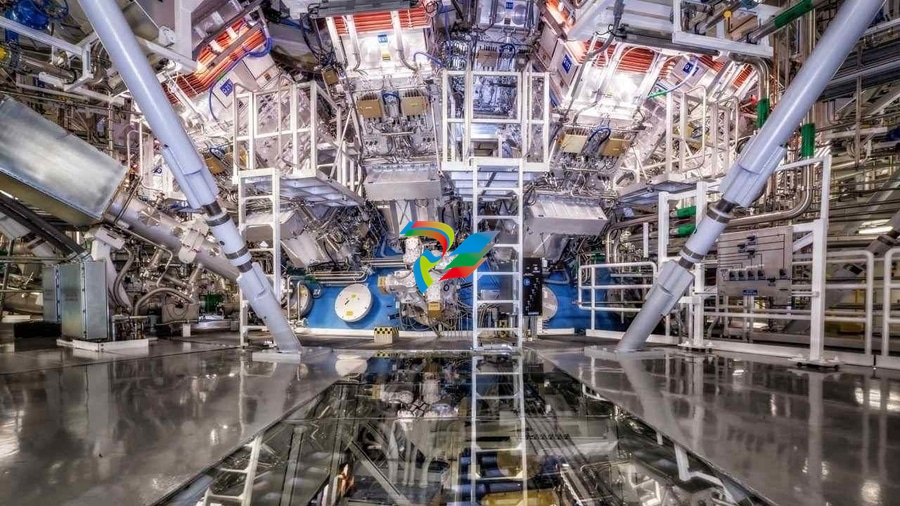
Said Granholm: “Ignition allows us to replicate for the first time certain conditions that are only found in the stars and sun. This milestone moves us one significant step closer to the possibility of zero carbon abundant fusion energy powering our society. This is what it looks like for America to lead, and we’re just getting started. If we can advance fusion energy, we could use it to produce clean electricity, transportation fuels, power, heavy industry and so much more.”
Nuclear power experts applauded Tuesday’s announcement, while acknowledging that progress in showing conceptual viability for fusion is just another stop on what most if not all think is a long scientific, technical, and financial road to commercializing this long-elusive technology.
“Today’s announcement from U.S. Department of Energy Secretary Jennifer Granholm marks a new milestone, decades in the making, in the tradition of American-led energy innovations,” said Josh Freed, senior vice president for the Climate and Energy Program. “The fusion breakthrough shows the vitality and dynamism in the U.S. clean energy ecosystem. Policymakers should lean into investments in innovation to supercharge technological breakthroughs across a suite of technologies that will be critical to reaching net zero. Each advance that we make in these areas of research creates strategic benefits that will boost U.S. competitiveness globally and spur economic growth domestically.
Freed continued: “American national laboratories have always reached for the stars, and today’s announcement exemplifies that is not just theoretical, but achievable. That’s worth celebrating.”
Engineering Marvel
“This is very important because from an energy perspective, it can’t be an energy source if you’re not getting out more energy than you’re putting in,” Julio Friedmann, chief scientist at Carbon Direct and a former chief energy technologist at Lawrence Livermore, told CNN. “Prior breakthroughs have been important but it’s not the same thing as generating energy that could one day be used on a larger scale.”
White House Office of Science and Technology Director Dr. Arati Prabhakar said during Tuesday’s news conference: “This is an amazing example of America’s enterprise … I want to congratulate the entire Dept. of Energy under Secretary Granholm’s leadership.” Prabhakar called the fusion net energy reaction “an engineering marvel.”
Said Prabhakar: “It’s a century since we figured out it was fusion that was going on in our sun and all the other stars. And in that century, it took so many different kinds of advances that ultimately came together to the point that we could replicate that fusion activity in a laboratory.”
Jill Hruby, under secretary for Nuclear Security for the DOE, and National Nuclear Security Administration administrator, said that “going forward,” the work on fusion will have further “breakthroughs” and “setbacks.” Hruby said her agency’s work is focused on “promoting national security” while “pushing towards … a clean energy future.” She called Tuesday’s announcement “unprecedented” for the scientific community.
The Process of Fusion
The process of fusion works when nuclei of two atoms are subjected to extreme heat of more than 100 million degrees Celsius—that’s 180 million degrees Fahrenheit. This causes the atoms to fuse into a new larger atom, which gives off massive amounts of energy. It’s the same process that powers the sun and the stars.
The process, though, also consumes enormous amounts of energy. A goal of fusion scientists has been to make the process self-sustaining, and most importantly to get more energy out of the process than it uses—hence, to produce net energy. It’s also a goal for the process to work continuously, instead of just for brief moments.
Reaching those goals could lead to commercialization of fusion, which industry experts have said could happen within the next decade, though they acknowledge it could take longer. What has many researchers excited is the potential to create essentially an unlimited supply of carbon-free energy, which could help fight climate change—and do it without the nuclear waste produced by today’s fission reactors.
“The fact that we were able to get more energy out than we put in provides an existence proof that this is possible,” said Mark Herrmann, program director for weapons physics and design at the Livermore lab. “It can be built on and improved upon and made better and could potentially be a source of energy in the future.”
Many Steps Needed
Successfully producing net energy, though, is just one of many steps needed to deliver the promise of fusion. The energy produced by fusion would need to be harvested, and then transferred to the power grid as electricity. Many scientists, even after Tuesday’s announcement, still say it will take years (some say decades) before fusion would be able to produce unlimited amounts of clean energy.
Tony Roulstone, a nuclear engineer at Cambridge University in the UK, told NPR (National Public Radio) that unless more significant progress is made, fusion would be unlikely to have a major role in power generation for another 40 to 50 years.
“I think the science is great,” said Roulstone, who has done an economic analysis of fusion power. “We don’t really know what the power plant would look like.”
Irina Tsukerman, a geopolitical analyst and president of Scarab Rising, a New York-based advisory company, told POWER that “fusion research needs better PR [public relations]. It is extremely underrated. So far, most of the energy-related focus has been on climate-related applications, such as carbon emission reduction. There is not a wide commercial awareness of potential fusion applications … so there is no significant private sector incentive to devote resources to that type of research, when the overall social push lies with other types of energy.”
Tsukerman said “stereotypes related to nuclear energy research in general” also have been a limiting factor for investment in fusion research. “If fusion is seen as ‘sexy’, safe, and spreading, it will take off just as anything that is seen as trendy and exciting has done up until now.” She continued: “There is also a great need for non-government actors to fund this space and to diversify the research in general.”
Global Research
There are several fusion projects ongoing in the U.S., as well as the UK and Europe. France is home to the International Thermonuclear Experimental Reactor, or ITER, a program in which 35 countries are collaborating. Those countries include the U.S., China, the European Union, Russia, South Korea, Japan, and India.
Much of the work in the U.S. is happening at the NIF at Lawrence Livermore, in a massive, 10-story-tall building the size of three U.S. football fields. The NIF opened in 2009, but many officials questioned the billions of dollars being poured into the project, which is researching what’s called “thermonuclear inertial fusion.” Scientists fire pellets containing hydrogen fuel (with two isotopes of hydrogen) into an array of 192 lasers, which essentially creates a series of very fast, repeated explosions at a rate of 50 times per second. The energy collected from the resulting neutrons and alpha particles is extracted as heat, as the isotopes of hydrogen fuse together and release massive amounts of energy.
“Unlike coal, you only need a small amount of hydrogen, and it is the most abundant thing found in the universe,” said Friedmann in his comments to CNN. “Hydrogen is found in water so the stuff that generates this energy is wildly unlimited and it is clean.”
In August 2021, physicists at Lawrence Livermore were able to “ignite” the hydrogen inside the capsule, which created a self-sustaining burn. Riccardo Betti, the chief scientist of the laboratory for laser energetics at the University of Rochester in New York, told NPR that the process is analogous to lighting gasoline. “You start with a little spark, and then the spark gets bigger and bigger and bigger, and then the burn propagates through.”
Researchers with the ITER project, and scientists in the UK, are working with tokamaks, large circular machines outfitted with giant magnets, to produce the same result as their U.S. counterparts. The tokamak confines plasma using magnetic fields in a donut shape that scientists call a torus. After fuel is put into a tokamak, its magnets are turned on. The temperatures inside are raised exponentially to create plasma. The plasma must reach at least 150 million degrees Celsius, which is 10 times hotter than the core of the sun. The neutrons then escape the plasma, hitting a so-called “blanket” lining the walls of the tokamak, and transferring their kinetic energy as heat.
-
 D20MIC10BASE-T 820-0756 Network card
 -
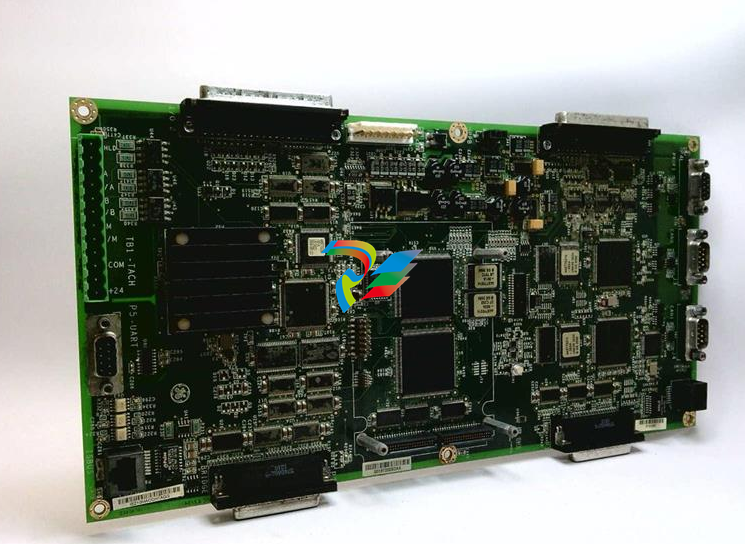 WES13-3 5167-0001-0210 CPU/Auxiliary Control board
 -
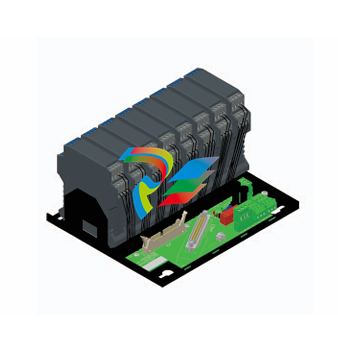 WES13-3 2508-21001 Embedded digital module
 -
D20ME 526-2005-216943 control module
-
 D20EME 0526-21170-1 Enhanced Master Communications Module for D20 Substation RTUs
 -
.jpg) 2400-21004 / 2010-3101-0442 – Redundant Power Supply Module for Mark VIe Turbine Control
2400-21004 / 2010-3101-0442 – Redundant Power Supply Module for Mark VIe Turbine Control -
 PACSystems™ IC695CPE400 RX3i 64 MB
 -
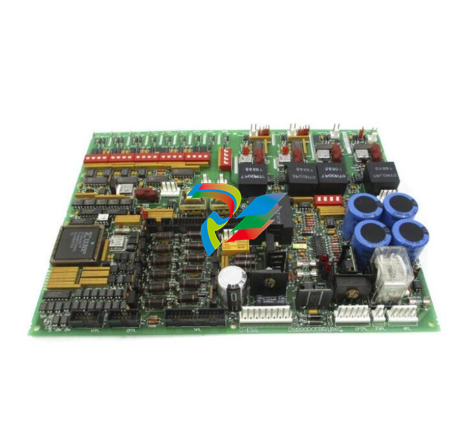 DS200DCFBG2BNC DC2000 DC Feedback Board
 -
 OLDI Ethernet interface module 56SAM-844
 -
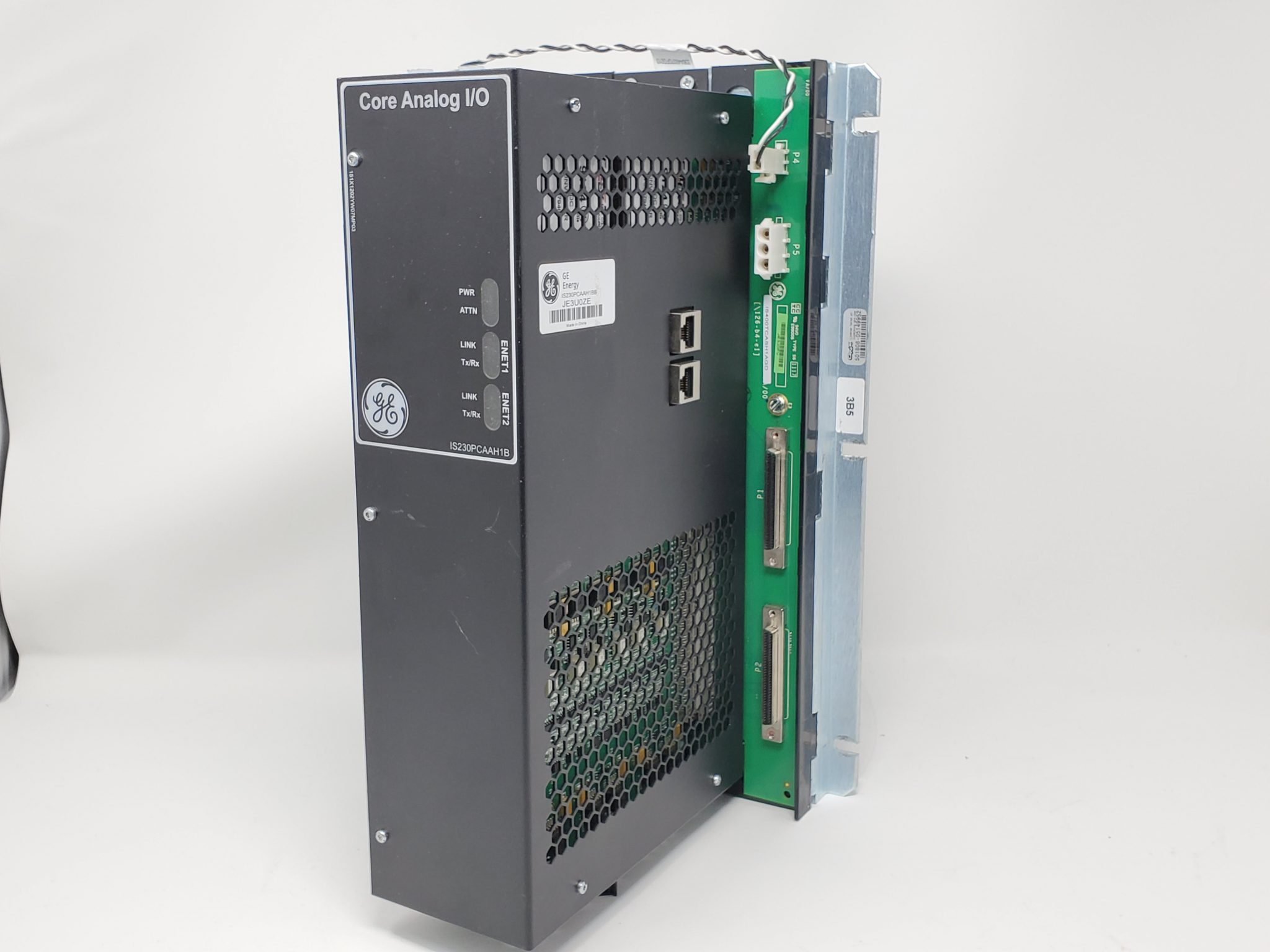 IS200BPPBH2CAA Mark VIe Power Supply Module
 -
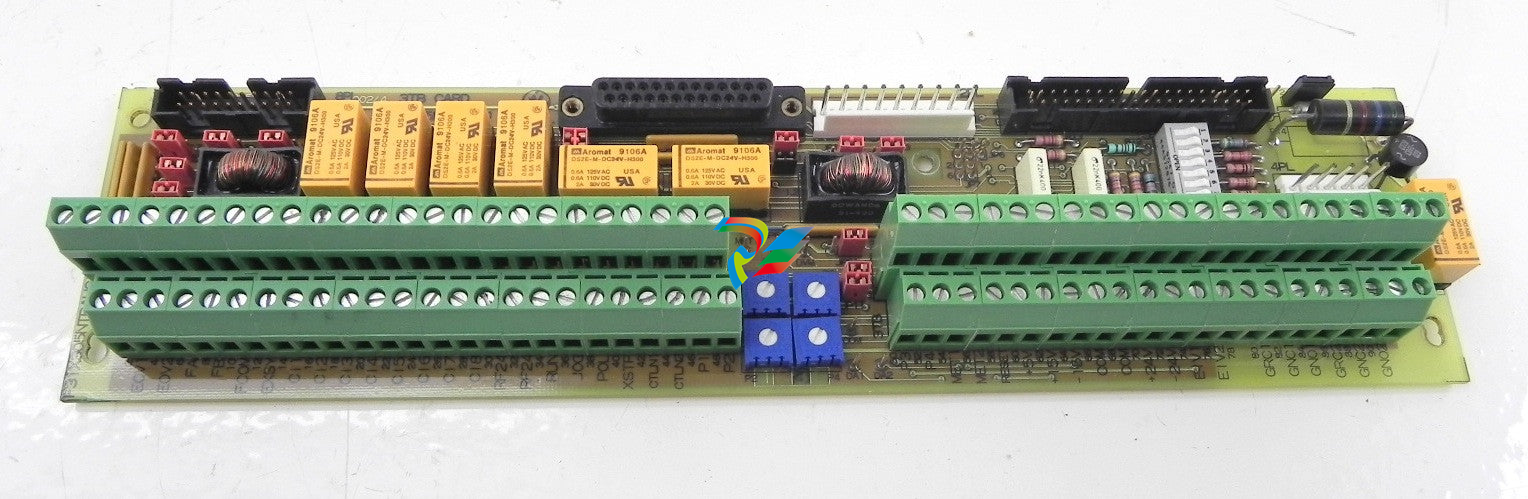 IS210MACCH2AEG Motor Control and Communication Module
 -
 IS210MACCH2AGG Mark VIe Speedtronic Turbine Control Module
 -
 IS200AEPAH1AFD Printed circuit board
 -
IS200AEPAH1ACB Analog I/O Module
-
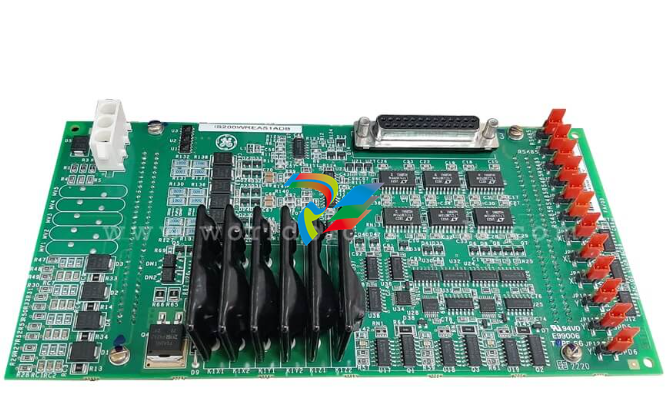 IS200WREAS1ADB AERO TRIP TB DBRD sub-board
 -
 IS200WETAH1AEC large board component made Mark VI system
 -
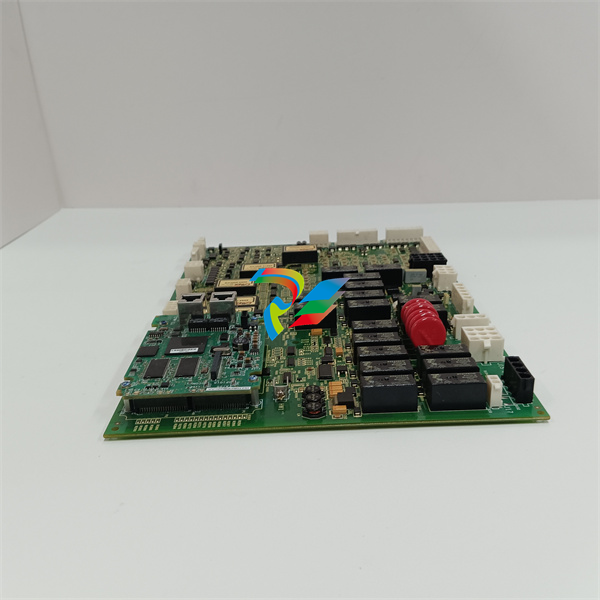 IS200AEPAH1AHD A High-Precision Excitation Control Board for Turbine Systems
 -
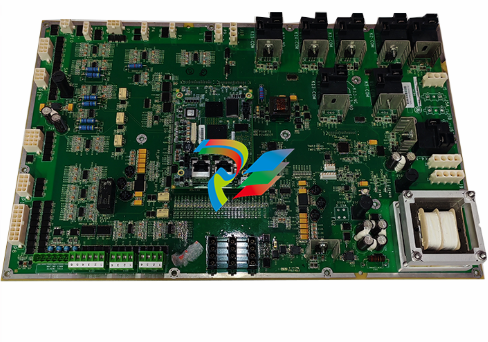 IS200WEMAH1AEA Control board
 -
IS210MACCH1AGG processor card
-
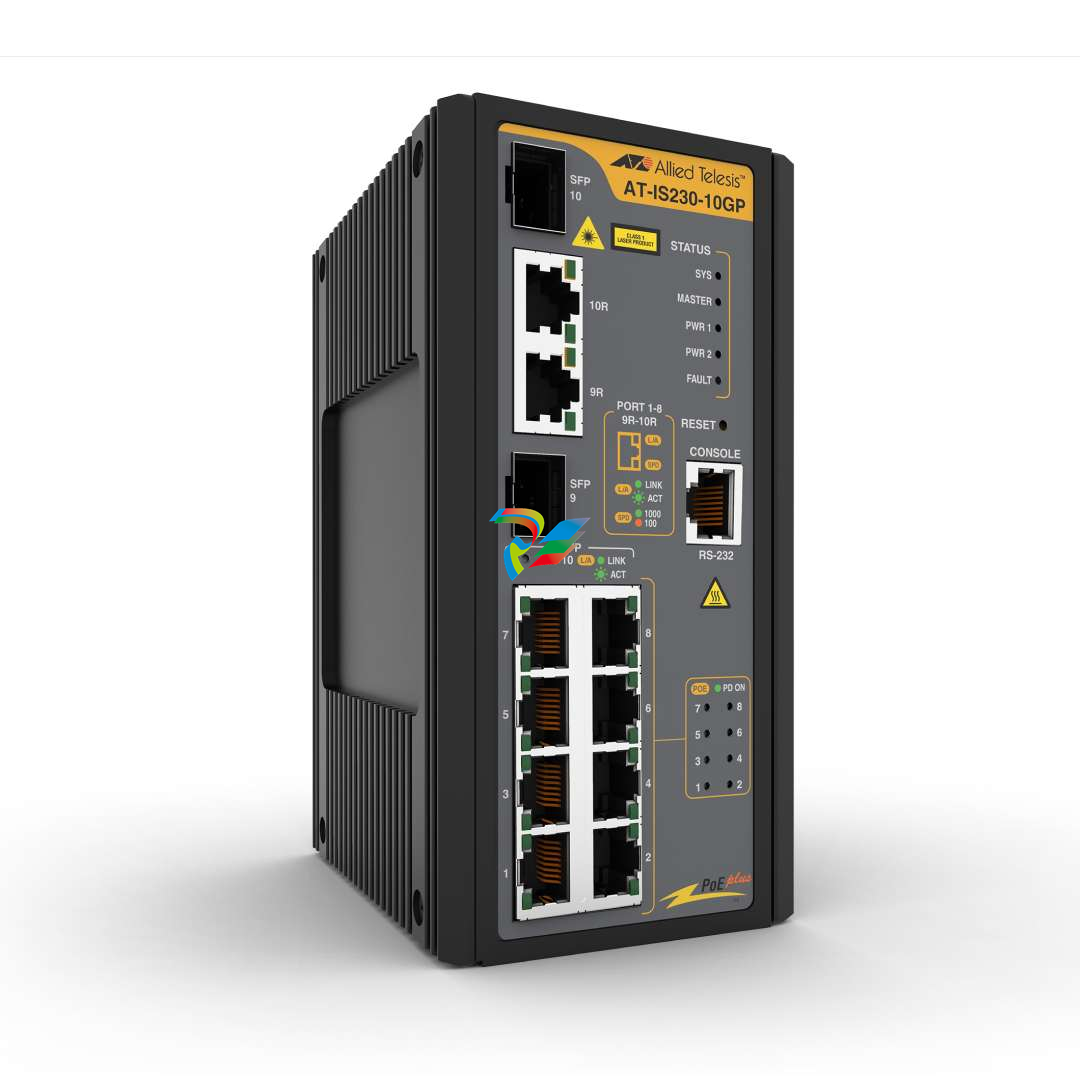 IS230TNRLH1B Discrete Output Modular Assembly
 -
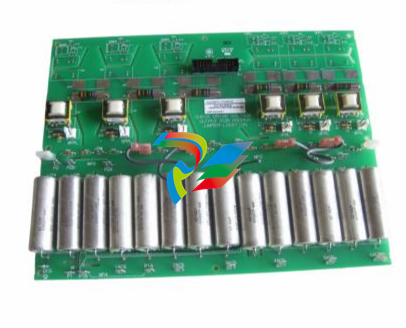 Mark V Series DS200PCCAG1ACB PCB Power Connect Card
 -
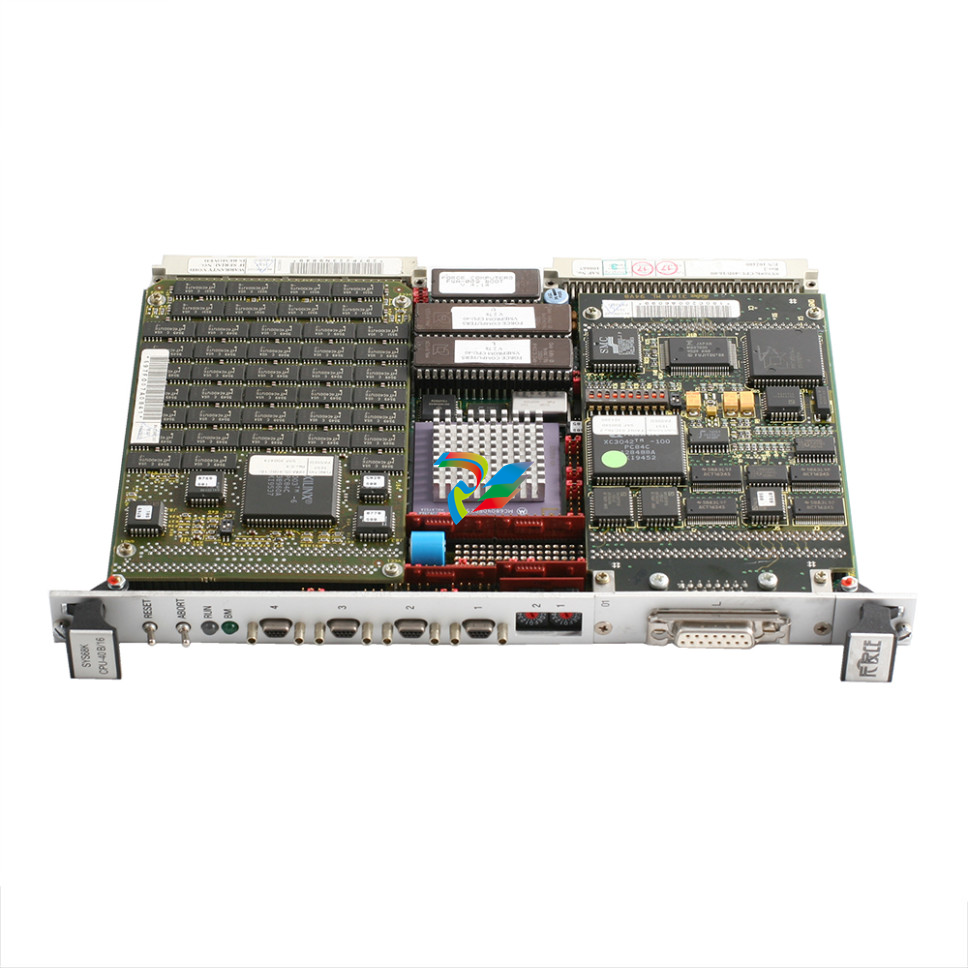 DS200SI0CG1AEA Instantaneous overcurrent card
 -
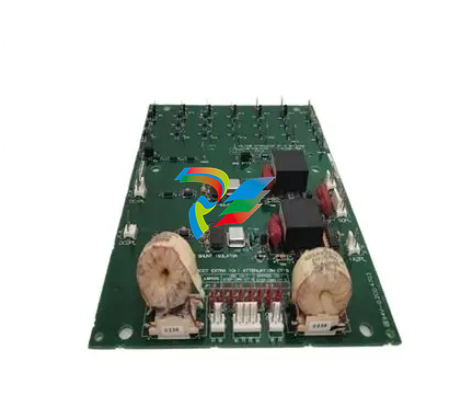 DS200SHVMG1AGE Analog I/O board
 -
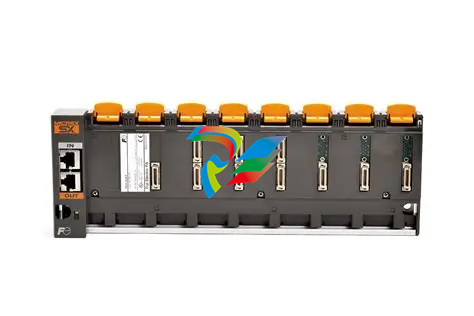 DS200SI0CG1A6A Input/Output Module
 -
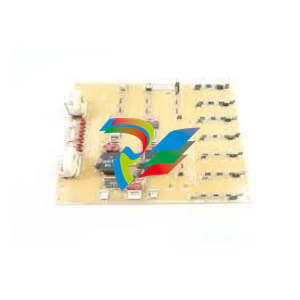 DS200SHVMG1AFE SCR High Voltage Interface Board
 -
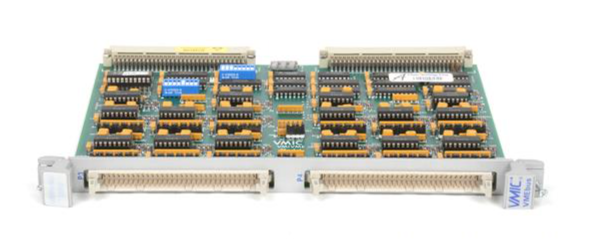 DS200RT8AG3AHC Relay Output Terminal Board
 -
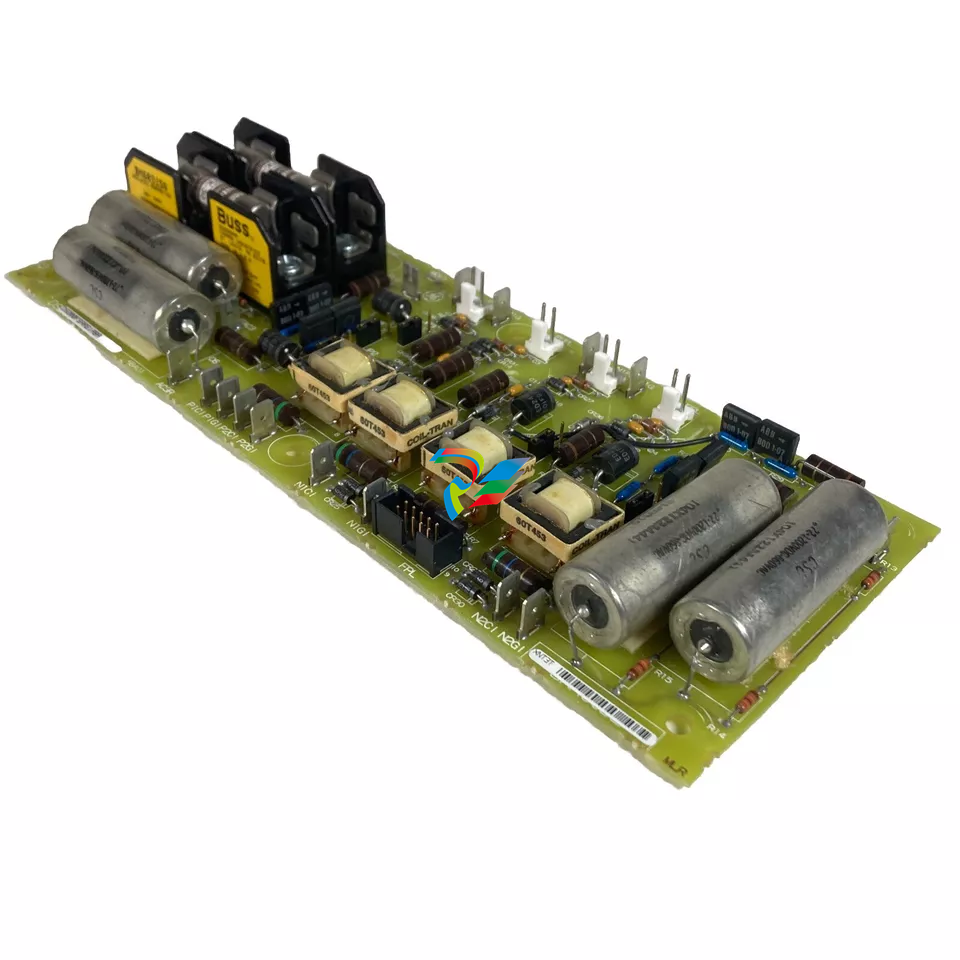 DS200FSAAG1ABA PCB Field Supply Gate Amplifier Board
 -
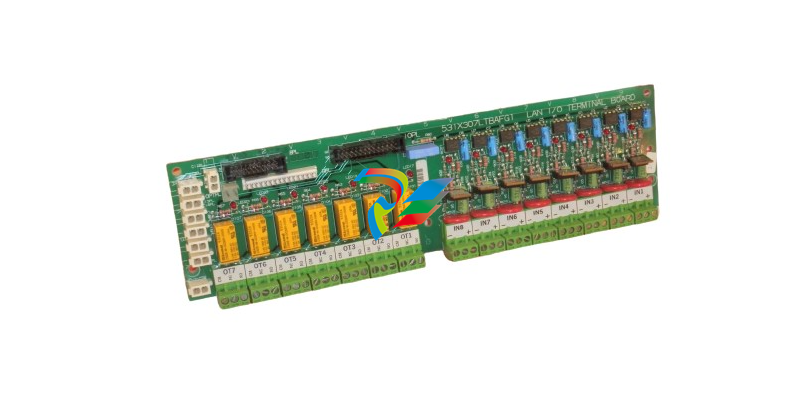 531X307LTBAFG1 F31X307LTBA LAN I/O Terminal Board
 -
 ABB AFS670 19" Ruggedized Switch AFS670-EREEDDDSSEEEEEEEPZYX05.1.0
 -
 NI Controller for VXI VXIPC-871B
 -
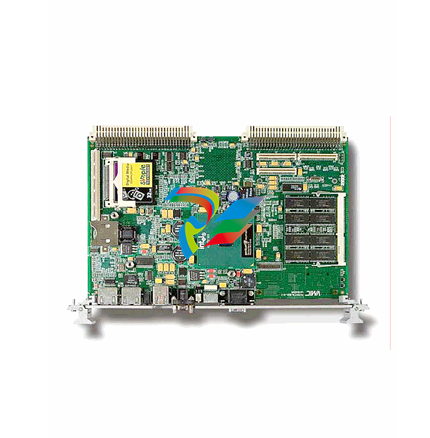 IS200EPMCH1GE Mark VIe Patch Cord Power Distribution Card
 -
 VMICPCI-7632-03310 IS215UCCAH3A 350-657362-003310J GE gas turbine system control processor board
 -
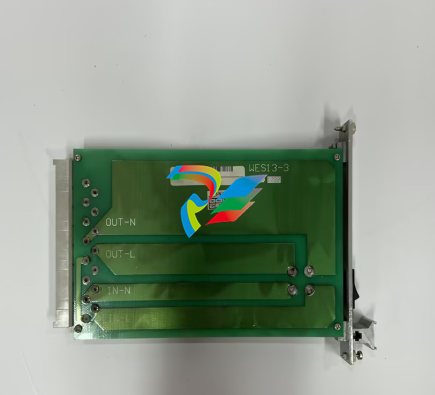 WEA13-13 2508-21001 Control Module / I/O Board
 -
WES5120 2340-21004 Controller Main Module
-
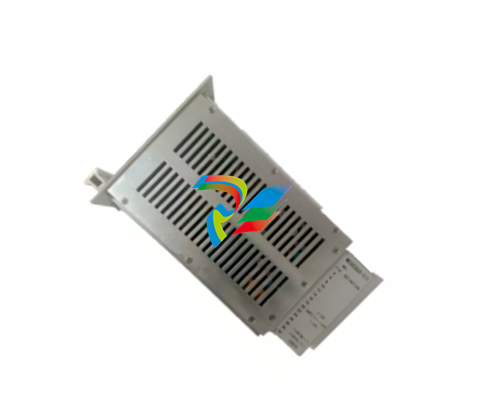 WES5120 2340-21006 Field Controller Master Unit Module
 -
WESDAC D20ME 18-MAR-13 Excitation Control Module
-
 D20 EME 2400-21004 Ethernet communication and expansion module
 -
 GE DS3800XTFP1E1C Thyristor Fan Out Board Brand
 -
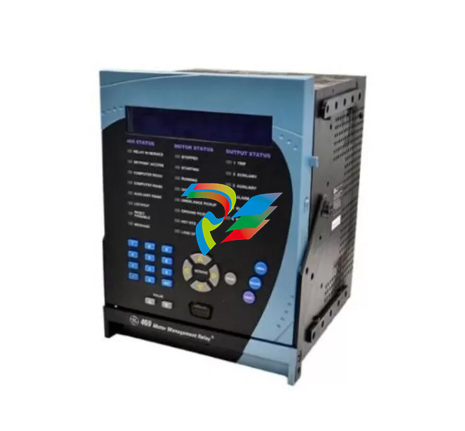 GE SR745-W2-P1-G1-HI-A-L-R-E Feeder protection relay
 -
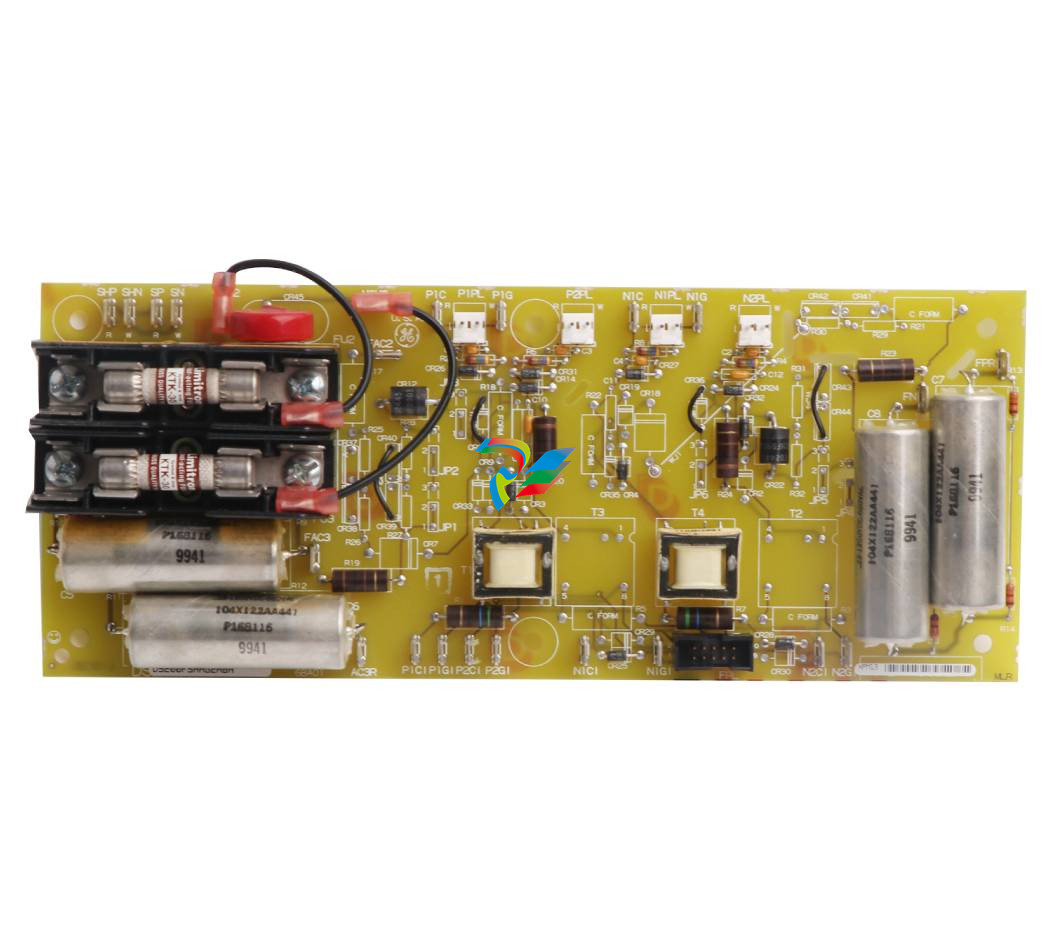 GE IS230TNDSH2A Discrete Output Relay Module Brand
 -
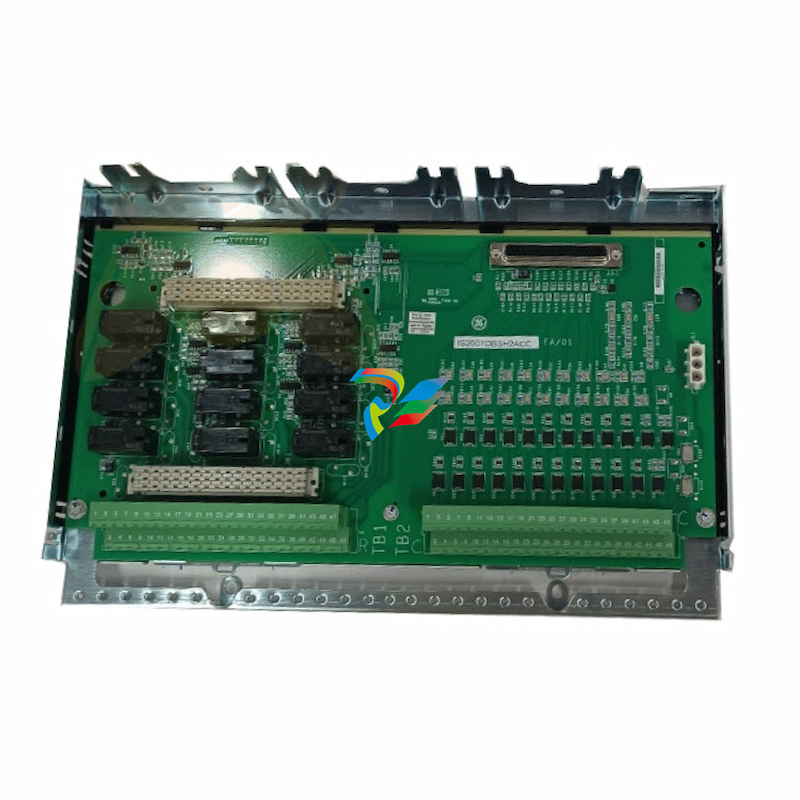 GE Fanuc IS200TDBSH2ACC Mark VI Terminal Board Brand
 -
 GE PMC-0247RC-282000 350-93750247-282000F Disk Drive
 -
GE PMC-0247RC-282000 350-93750247-282000F Disk Drive
-
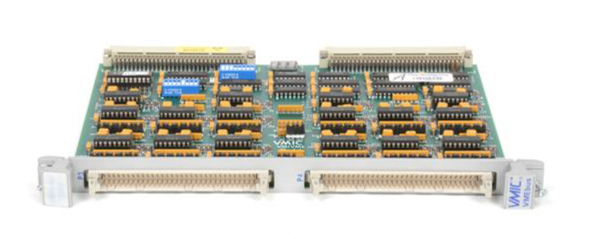 GE VMIVME-1150 Serial Communications Controller
 -
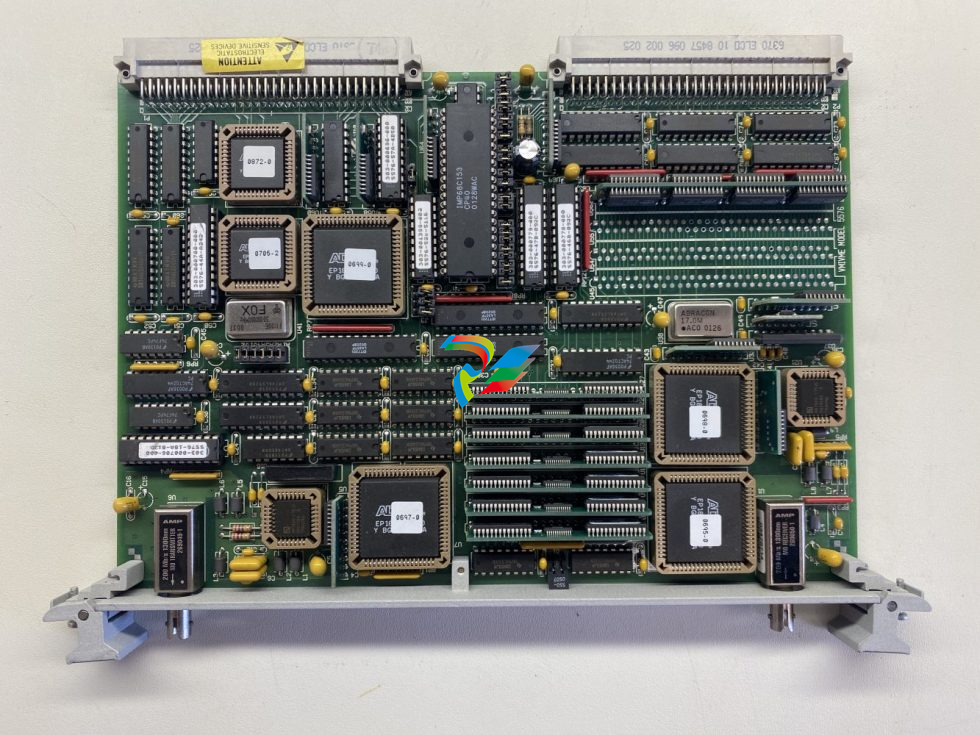 GE VMIVME-5576 Fiber-Optic Reflective Memory with Interrupts
 -
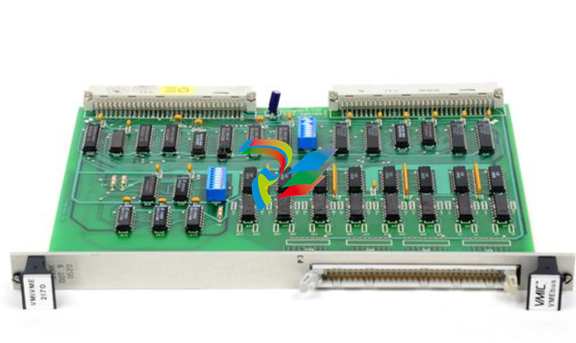 GE VMIC Isolated Digital Output VMIVME-2170A
 -
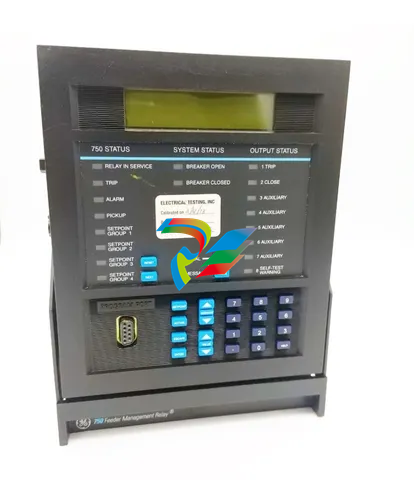 GE MULTILIN 760 FEEDER MANAGEMENT RELAY 760-P5-G5-S5-HI-A20-R-E
 -
GE IS200AEPAH1BKE IS215WEPAH2BB Printed circuit board
-
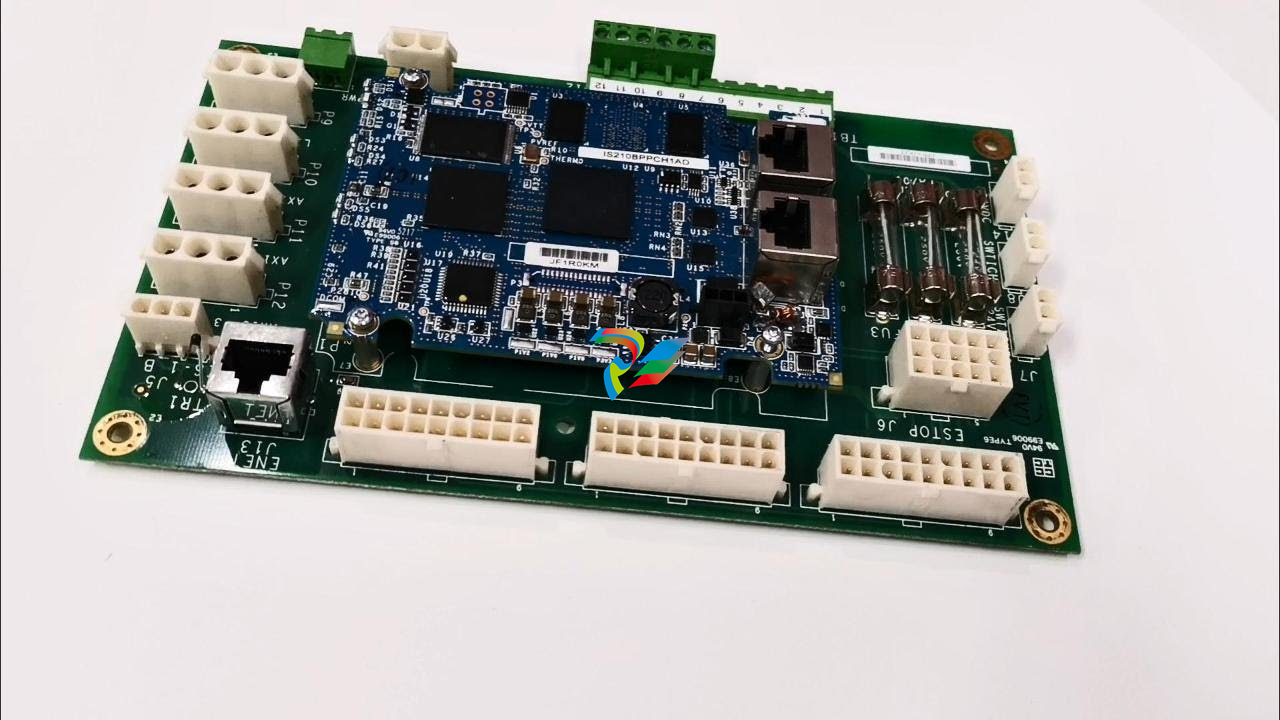 GE IS210BPPCH1A Mark VIe I/O Pack Processor Card
 -
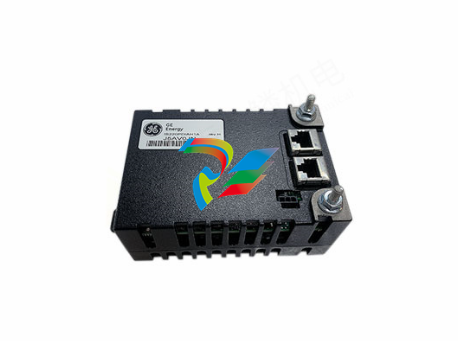 GE IS220PRTDH1A 336A4940CSP6 High-Performance RTD Input Module
 -
GE IS220PDIAH1BE 336A5026ADP4 Discrete Input Module
-
 GE IS420ESWBH3A IONET Switch Module
 -
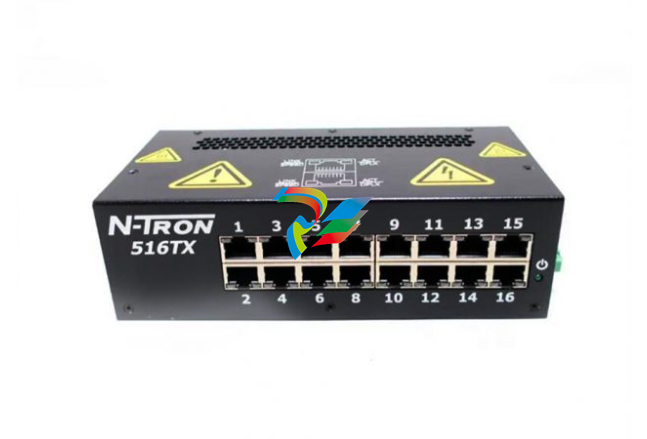 GE 516TX 336A4940DNP516TX 16-port Ethernet switch
 -
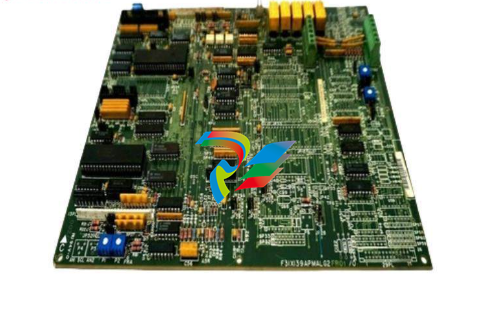 GE EVMECNTM13 Embedded control module
 -
GE EVPBDP0001 EVPBDP032 control module
-
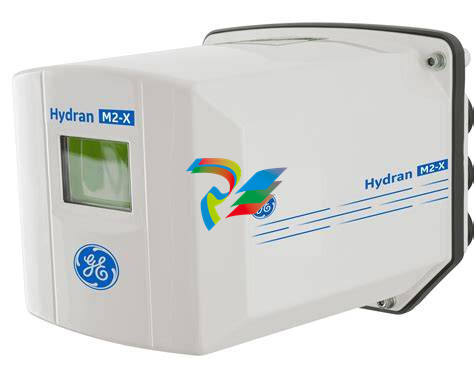 GE Hydran M2-X Enhanced Monitoring with Extended Sensor Life
 -
 GE UR6CH Digital I/O Module
 -
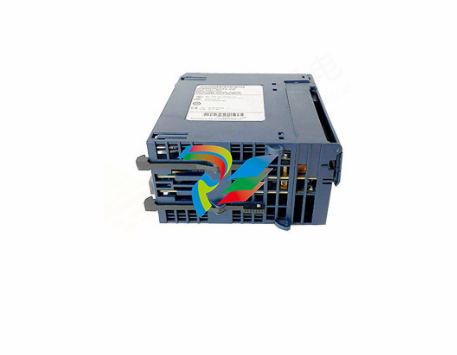 GE IC695CPU315-CD Central processing unit
 -
 GE 531X305NTBAMG1 DR Terminal Board
 -
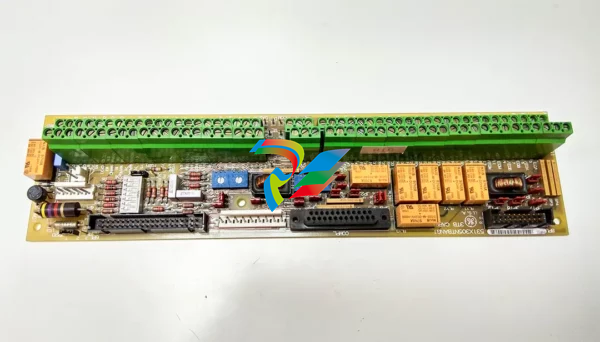 GE 531X305NTBALG1 NTB/3TB Terminal Board 531X Series
 -
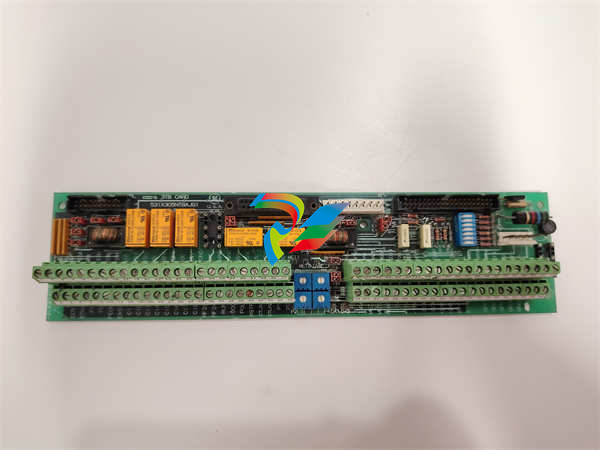 GE 531X305NTBAJG1 NTB/3TB Terminal Board.
 -
GE 531X305NTBAHG1 NTB/3TB Terminal Board 531X
-
 GE 531X305NTBAEG1 is a PCB that functions as a DR terminal board.
 -
General Electric 531X305NTBACG1 NTB/3TB Terminal Board 531X
-
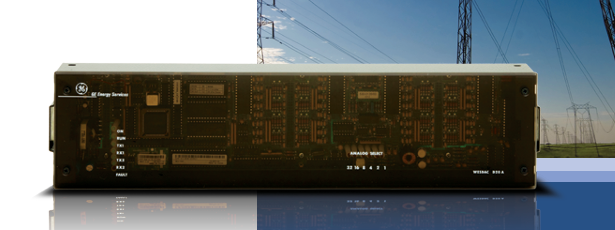 GE Digital Energy D20 Analog Input Module
 -
 GE 94-164136-001 main board Control board
 -
 GE 269 PLUS-D/O-100P-125V Digital motor relay
 -
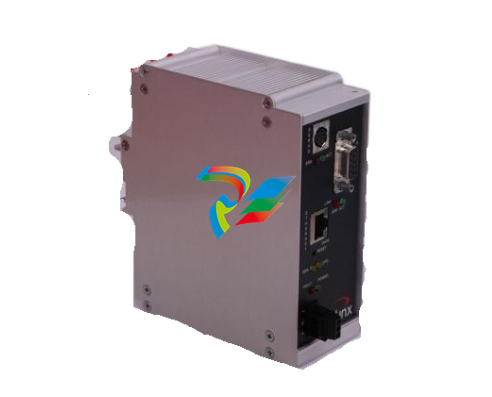 GALIL DMC-9940 High-performance motion controller
 -
FUJI NP1BS-08 base plate
-
 FUJI NP1Y32T09P1 Transistor drain type digital output module
 -
 FUJI NP1Y16R-08 Digital Output Module
 -
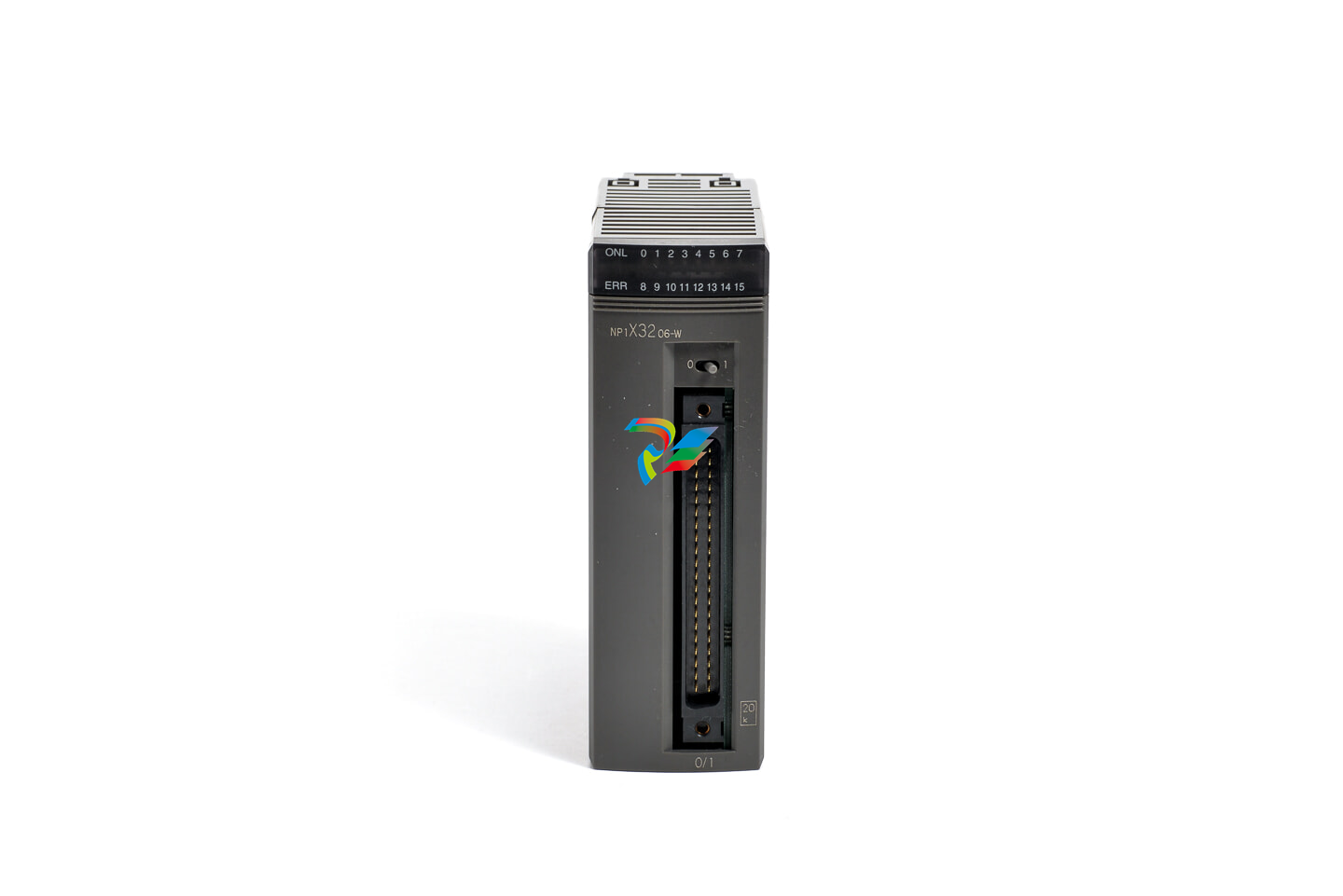 FUJI NP1X3206-A High-speed digital input module
 -
 FUJI NP1AYH4I-MR current output module
 -
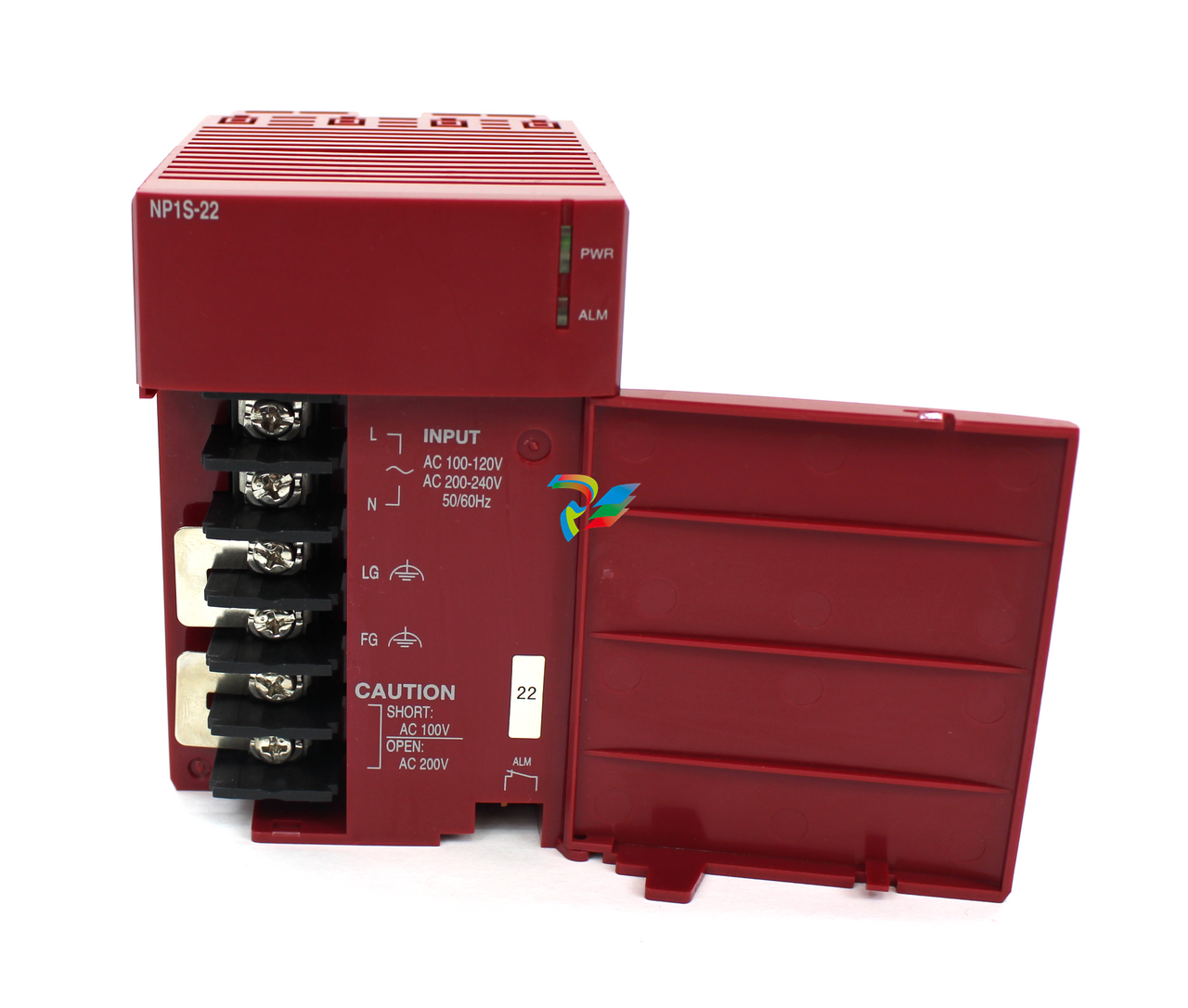 FUJI NP1S-22 Power module redundancy
 -
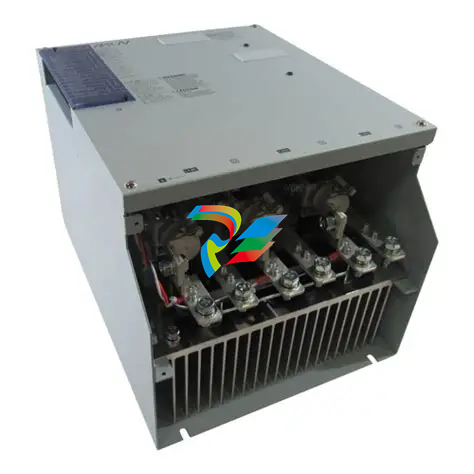 FUJI RPXD2150-1T servo drive module
 -
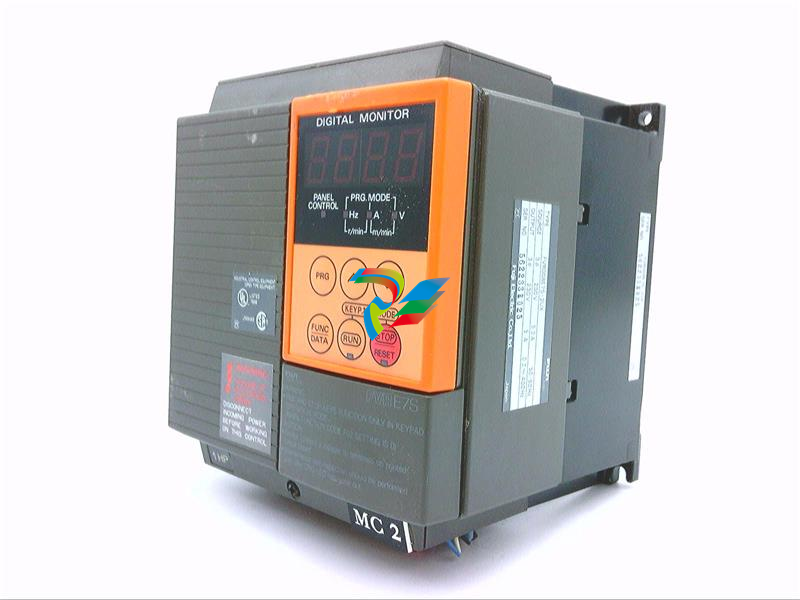 FUJI FVR008E7S-2UX Ac frequency converter
 -
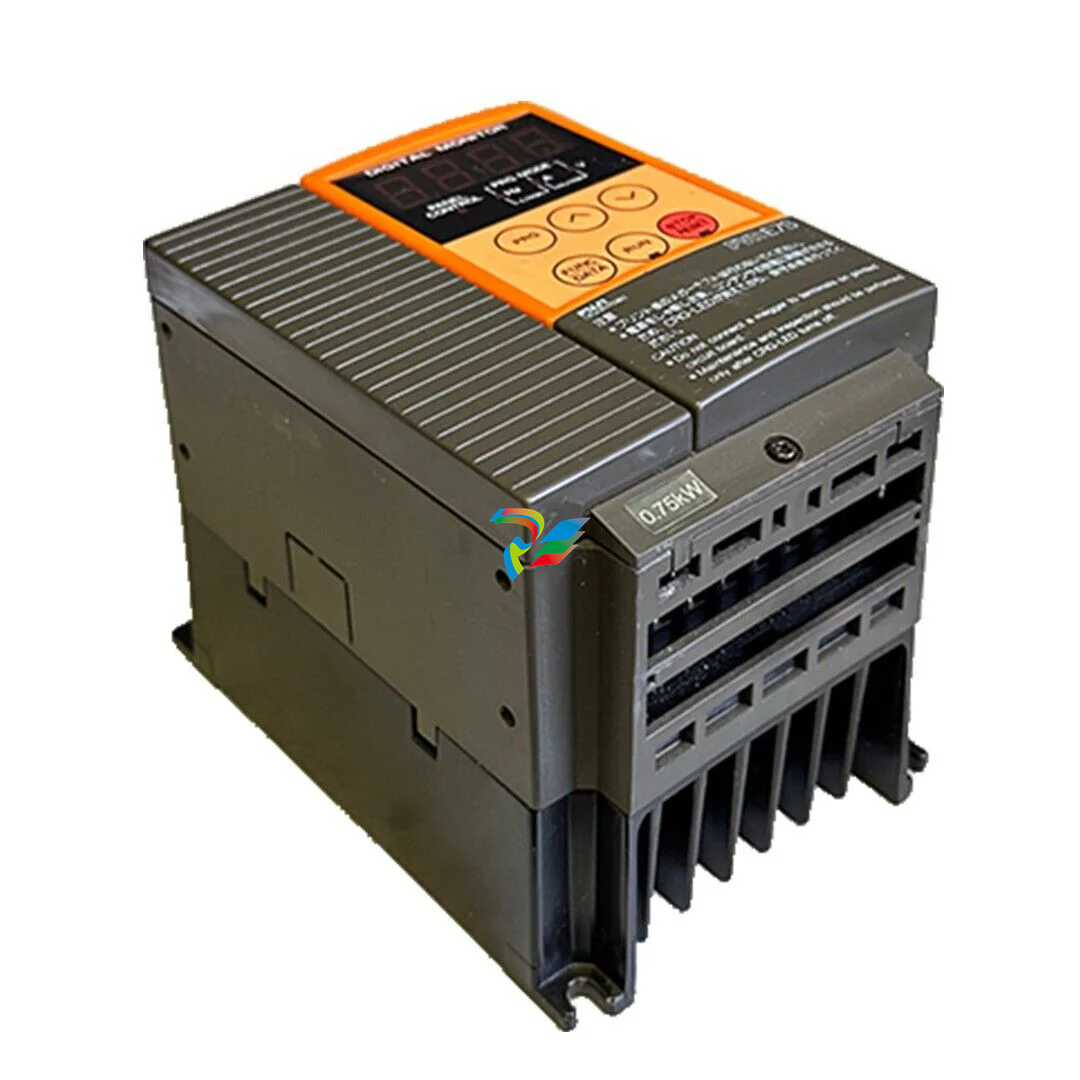 FUJI Ac frequency converter FVR008E7S-2
 -
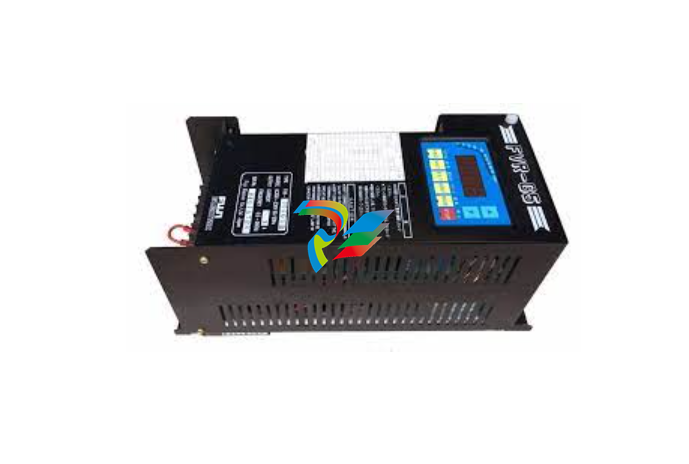 FUJI FVR004G5B-2 Small general-purpose frequency converter
 -
 FUJI A50L-2001-0232 Industrial control module
 -
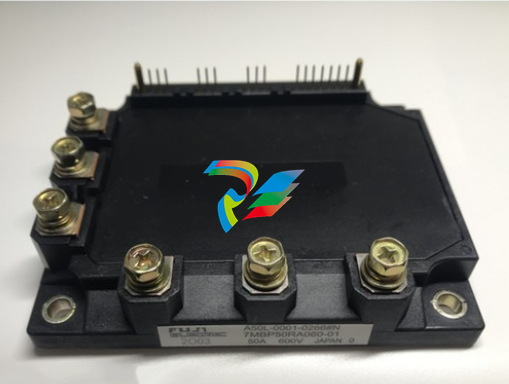 FUJI A50L-001-0266#N High-performance servo amplifier
 -
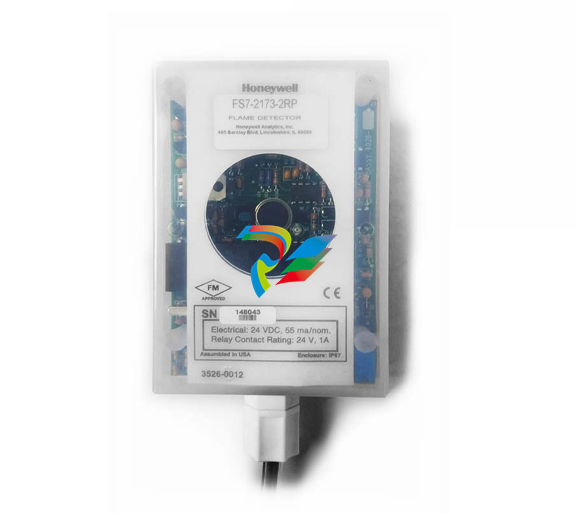 Honeywell FS7-2173-2RP Gas sensor
 -
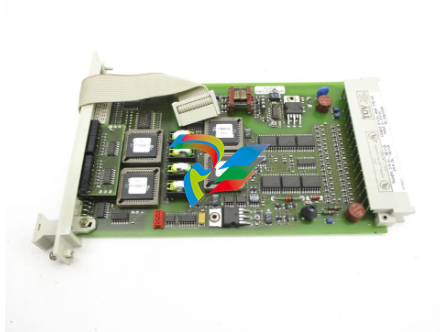 Honeywell 10106/2/1 Digital Input Module in Stock
 -
FRCE SYS68K CPU-40 B/16 PLC core processor module
-
Foxboro FBM I/O cards PBCO-D8-009
-
 Foxboro AD916AE Digital Control System (DCS) Module
 -
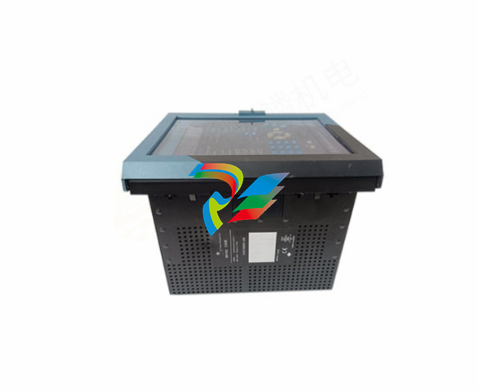 GE SR750-P5-G5-S5-HI-A20-R-E Multilin Relay
 -
.jpg) FOXBORO H90 H90C9AA0117S Industrial Computer Workstation
FOXBORO H90 H90C9AA0117S Industrial Computer Workstation -
FOXBORO RH928AW | I/A Series Relay Output Module
-
.jpg) Foxboro N-2AX+DIO Multi-functional input/output module
Foxboro N-2AX+DIO Multi-functional input/output module -
 Foxboro RH924WA FCP280 Fiber Optic Network Adapter
 -
 FOXBORO H92 Versatile Hardware Component In
 -
 Foxboro FBM218 P0922VW HART® Communication Redundant Output Interface Module
 -
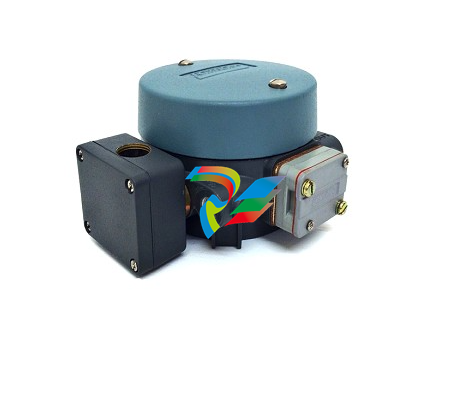 Foxboro E69F-TI2-J-R-S E69F Series Current-To-Pneumatic Signal Converter
 -
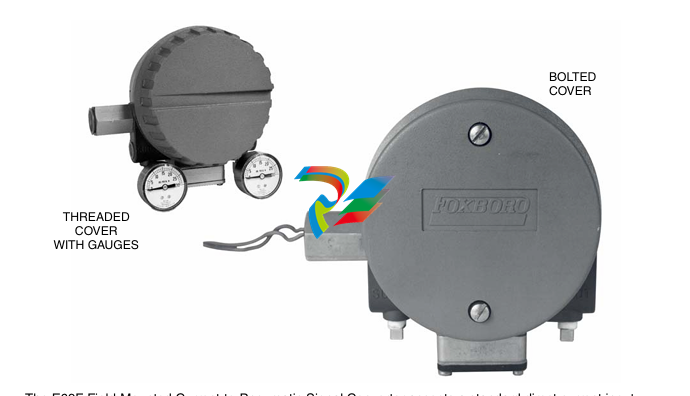 Foxboro E69F-BI2-S Converter
 -
.jpg) Foxboro H92A049E0700 The host of the DCS control station
Foxboro H92A049E0700 The host of the DCS control station -
 Foxboro H90C9AA0117S Industrial computer workstation
 -
 Foxboro RH101AA High-performance industrial control module
 -
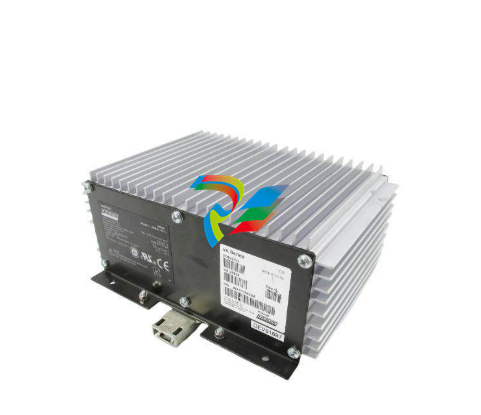 Foxboro P0922YU FPS400-24 I/A Series Power supply
 -
.png) FOXBORO P0973LN Chassis-based managed switch with independent power supply
FOXBORO P0973LN Chassis-based managed switch with independent power supply -
.jpg) FOXBORO P0926PA Input/output module
FOXBORO P0926PA Input/output module -
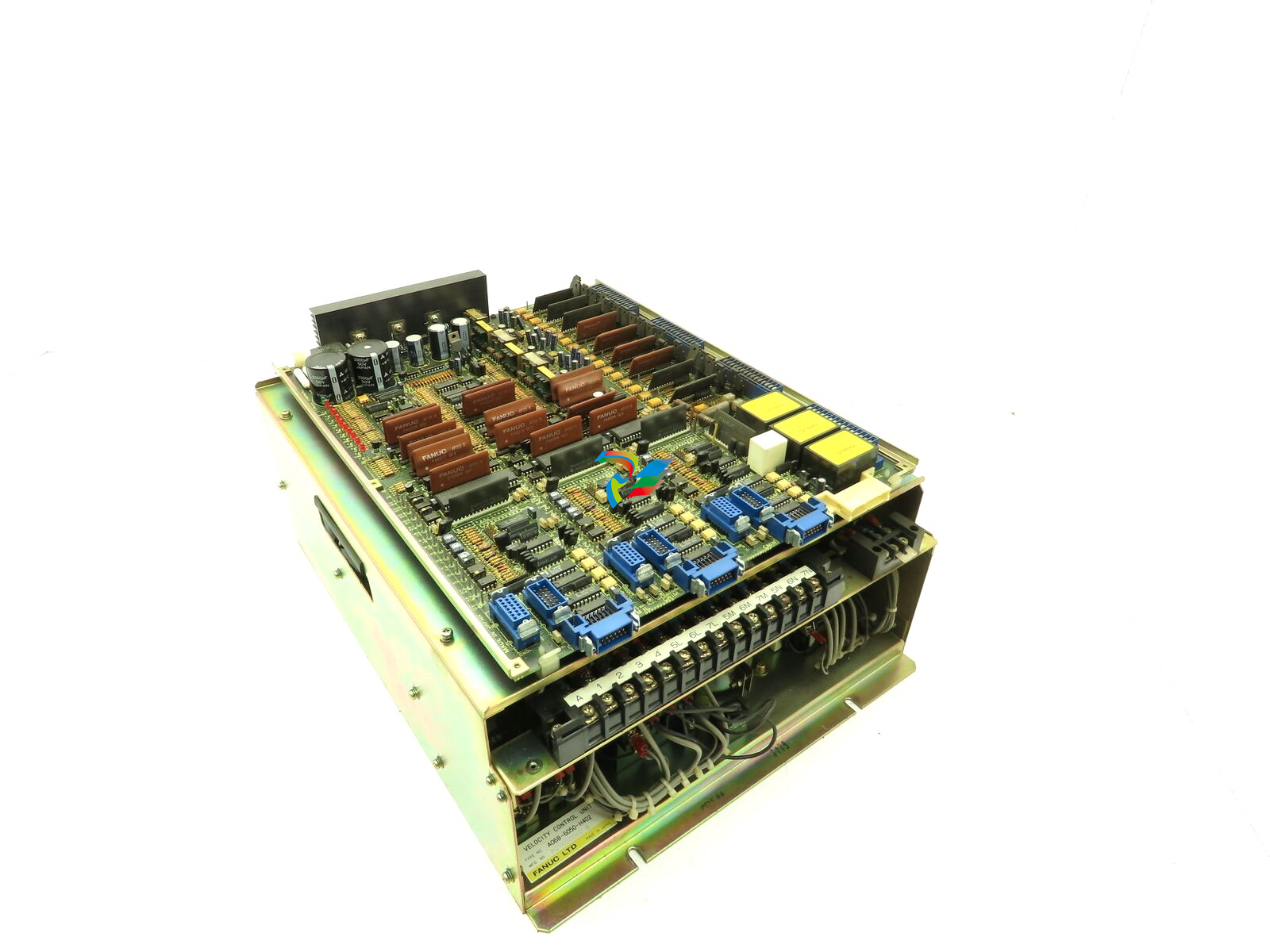 Fanuc A06B-6050-H402 3 AXIS ANALOG AC SERVO DRIVE
 -
.jpg) FOXBORO L0130AD L0130AE-0H Power module group
FOXBORO L0130AD L0130AE-0H Power module group -
_lVjBYb.jpg) FOXBORO 0399085B 0303440C+0303458A Combination Control Module
FOXBORO 0399085B 0303440C+0303458A Combination Control Module -
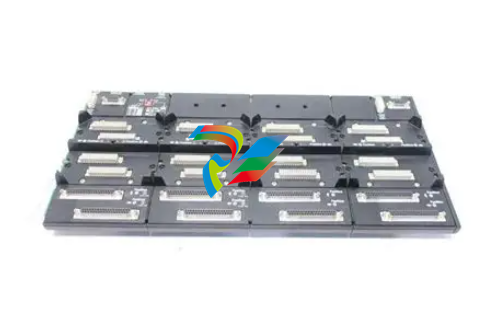 FOXBORO SY-0399095E (SY-0303451D+SY-0303460E) Process control board
 -
.jpg) FOXBORO 0399071D 0303440C+0303443B Input/Output (I/O) Module
FOXBORO 0399071D 0303440C+0303443B Input/Output (I/O) Module -
.jpg) FOXBORO RH924UQ Redundant Controller module
FOXBORO RH924UQ Redundant Controller module -
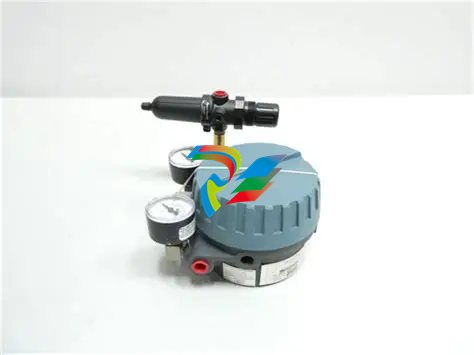 FFOXBORO E69F-TI2-S current pneumatic converter
 -
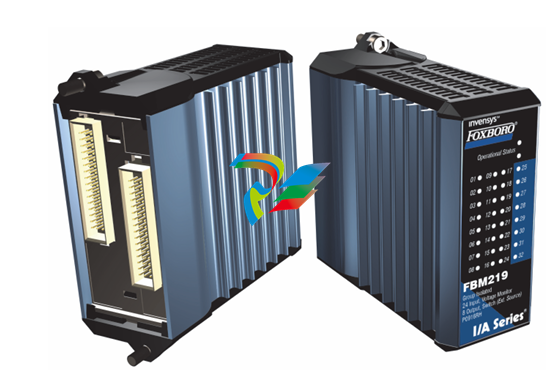 FOXBORO FBM219 RH916RH Discrete I/O Module
 -
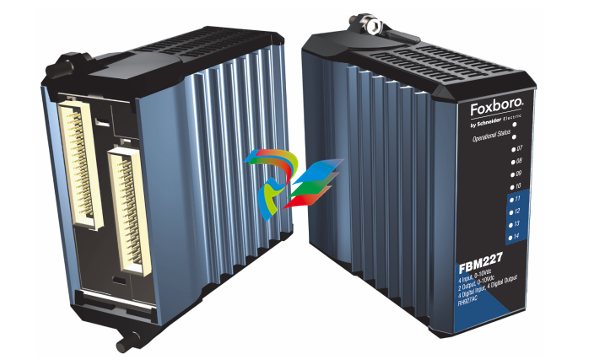 FOXBORO FBM227 P0927AC Module
 -
.jpg) FOXBORO 0399144 SY-0301059F SY-1025115C/SY-1025120E I/O module
FOXBORO 0399144 SY-0301059F SY-1025115C/SY-1025120E I/O module -
.jpg) FOXBORO SY-60399001R SY-60301001RB Industrial Control Module
FOXBORO SY-60399001R SY-60301001RB Industrial Control Module -
 FOXBORO 0399143 SY-0301060R SY-1025115C SY-1025120E Combined control board
 -
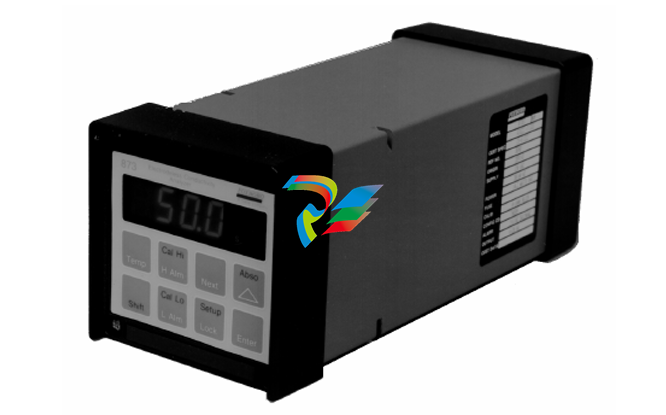 FOXBORO 873EC-JIPFGZ electrodeless conductivity analyzer
 -
 FOXBORO P0916PH (High-density HART I/O Module)
 -
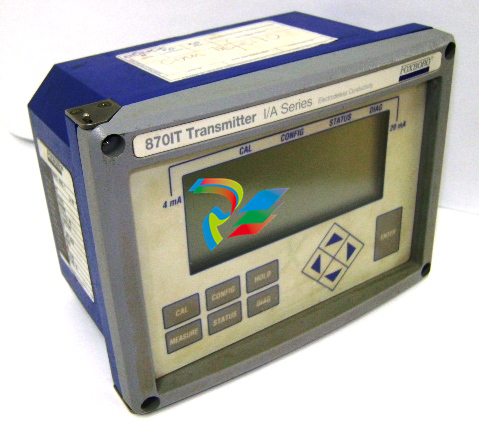 FOXBORO 870ITEC-AYFNZ-7 Intelligent Electrochemical Transmitters
 -
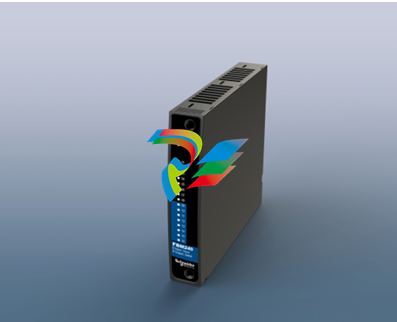 FOXBORO Compact FBM240. Redundant with Readback, Discrete
 -
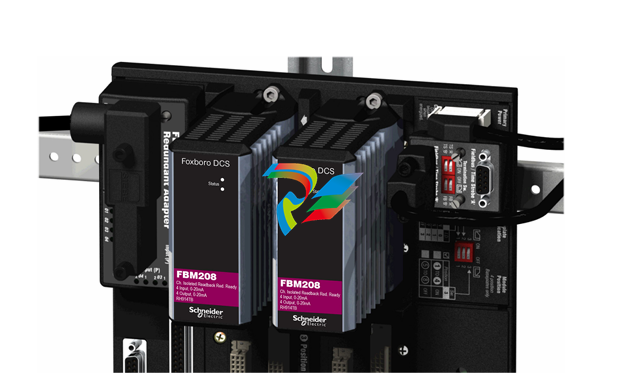 FOXBORO FBM208/b, Redundant with Readback, 0 to 20 mA I/O Module
 -
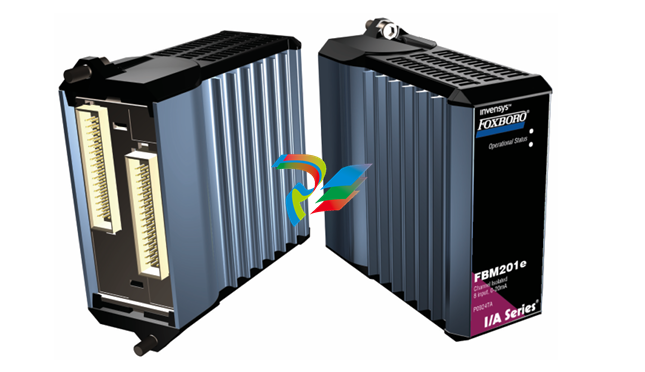 FOXBORO FBM201e Analog Input (0 to 20 mA) Interface Modules
 -
.jpg) FOXBORO P0916WG Terminal cable
FOXBORO P0916WG Terminal cable -
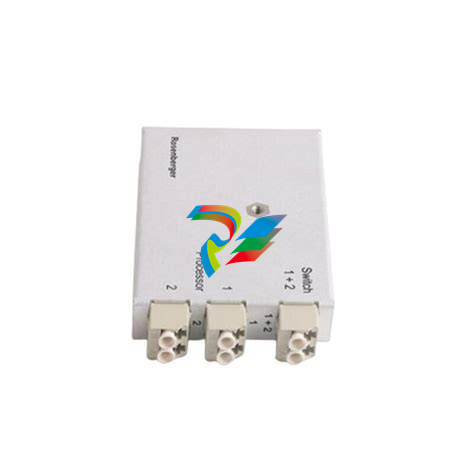 FOXBORO P0926MX 2-Port Splitter
 -
.jpg) FOXBORO AD908JQ High-Frequency Module
FOXBORO AD908JQ High-Frequency Module -
.jpg) FOXBORO AD916CC Processor module
FOXBORO AD916CC Processor module -
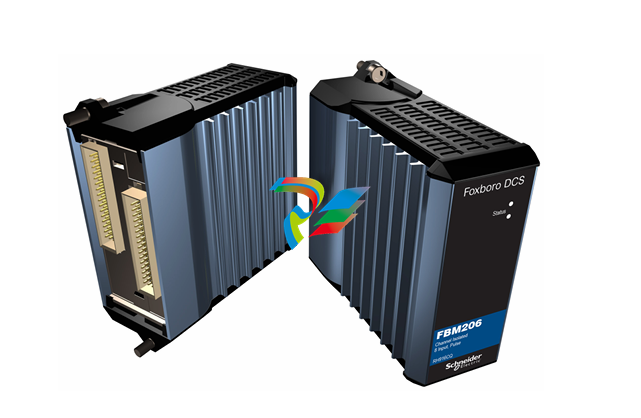 Foxboro DCS FBM206 Pulse Input Module
 -
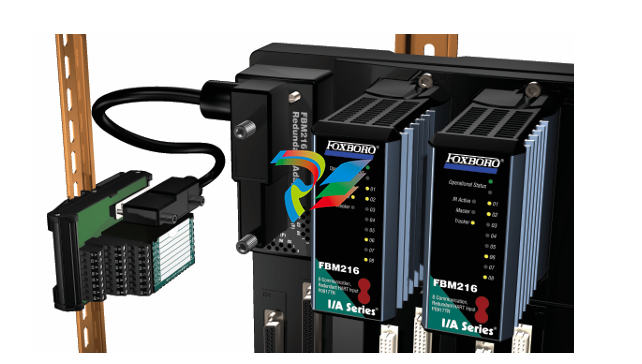 FOXBORO FBM216 HART® Communication Redundant Input Interface Module
 -
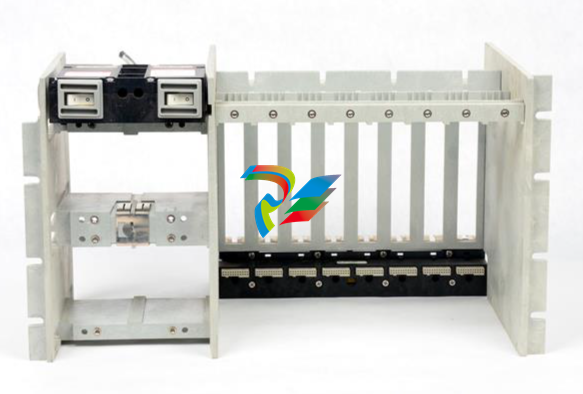 Foxboro p0903nu 1×8 unit sub-component module
 -
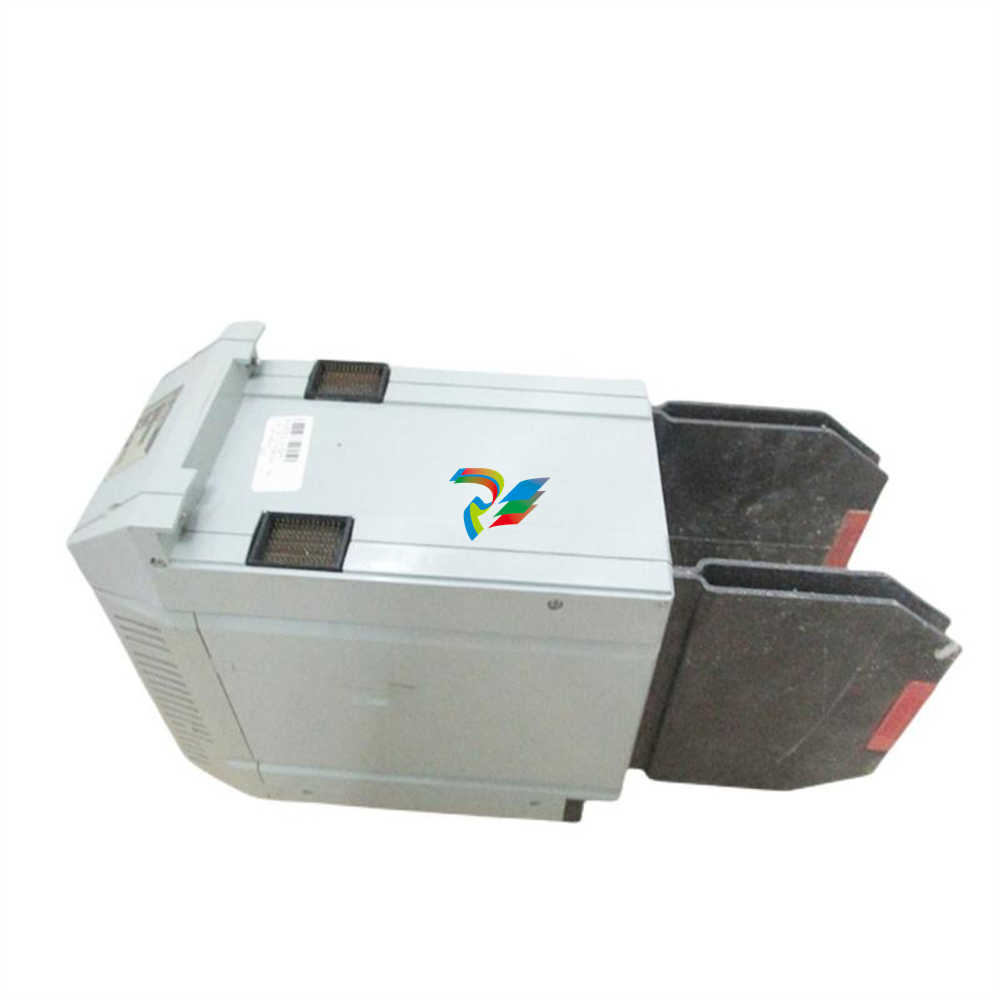 Foxboro P0911SM Industrial control module
 -
 Foxboro CM902WM I/O module
 -
 Foxboro CM902WL Power module