
Wireless Lessons from Construction Sites

Construction sites, especially industrial or commercial construction, can be highly dynamic environments characterized by heavy machinery, tools and people in constant motion. Activities within the construction environment must be coordinated and monitored to efficiently achieve daily goals, monitor the health of equipment, monitor the ambient environment and assure the safety of the people working within the construction environment. As with the industrial plants that will ultimately be built, reliable and rapid wireless communication is a key requirement for construction sites and the 5G network is a lead contender in supporting its mix of applications. Exploring private 5G service classes enriches our understanding of tailoring next-generation wireless communications networks to industry needs.
At the Communications Technology Laboratory of the National Institute of Standards and Technology (NIST) in Gaithersburg, MD, USA, we’ve been addressing the challenges of integrating 5G networks and exploring ways to test and predict wireless network performance in dynamic environments. This is an excerpt of our recently published whitepaper in which we explore deploying wireless communication networks within construction projects, introduce a comparison approach to assessing deployment difficulty at each project phase, and discuss our plans for a testbed for 5G communications that can help shape the future of wireless communications.
Physical environment considerations
During our investigation, we discovered that the key elements affecting the viability of a construction network and simplified them to three principal considerations relating to the physical environment:
the geometry of the work zone,
the number and materials of the walls being constructed, and
the types of materials used to construct floors and ceilings.
Much research has been undertaken to characterize the propagation characteristics of construction spaces primarily focusing on the finished industrial spaces. While it is important to understand all of the impacting factors of a work zone, we must be careful to capture the factors such that they minimally overlap in their impacts on wireless system performance. This approach is synonymous with maintaining the linear independence of variables in a system of linear equations, and we attempt to maintain this independence throughout this work.
We should also note that the focus so far has been on the physical environment, yet construction has other factors that can otherwise degrade the performance of the construction network such as radio frequency interference from welding, unshielded power electronics, and co-existing network traffic. Additionally, the impact attributes for each scenario were assigned a value for three stages of construction: Early-Stage, Mid-Stage and Late-Stage.
5G service categories
Exploring 5G service classes for construction enriches our understanding of tailoring next-generation wireless communications networks to industry needs. Why consider 5G at all? Its versatile wireless technology accommodates diverse communication needs and deployment structures, making it suitable for various construction applications. While other wireless solutions are viable, we opt for 5G stand-alone (SA) private networks for several reasons:
Firstly, 5G’s built-in determinism, leveraging time and frequency diversity supports channel resource allocation. Spatial diversity is enhanced with multiple-input multiple-output (MIMO) antennas, including massive MIMO systems for optimal device support and beam directionality, ensuring a higher quality of service.
Secondly, 5G offers quality of service (QoS) support and flexibility in enforcing reliability policies through different service classes and network slicing.
Additionally, it supports licensed and unlicensed deployment options, expanding available RF bands and is progressing towards supporting various industrial protocols for improved interoperability in automation systems.
There are three main 5G service categories: enhanced mobile broadband (eMBB), massive machine type communication (mMTC) and ultra-reliable low-latency communication (URLLC). A new service class, reduced capability (RedCap) is emerging that offers reduced capabilities compared to that of URLLC class with less stringent latency and reliability requirements. This makes it more cost-effective and energy efficient.
URLLC, with 1 ms latency and reliability exceeding 99.999%, is particularly relevant for construction applications. However, considering cost and battery life, RedCap may become a preferred choice for some applications. URLLC achieves low latency by allowing transmissions to interrupt lower-priority ones through the mini-slot concept and periodic grant-free transmission. URLLC can support connectivity for automated guided vehicles, mobile robots, teleoperated heavy machinery and safety equipment in various construction scenarios.
The eMBB category, with peak data rates up to 10 Gbit/s, benefits high-data-rate applications like augmented reality and remote operation video feedback. The mMTC category, with a node density of up to 100 nodes/m2, is suitable for massive wireless sensor networks, site 11 asset management and various monitoring applications.
A 5G network is not confined to a specific service category, as these categories represent network performance limits from different perspectives. Generally, a 5G implementation can meet specific communication demands through QoS guarantees enforced by the user plane function (UPF) in the 5G core network.
5G enabling capabilities
Various 5G releases offer capabilities to meet diverse service category demands, including those vital for construction communication networks. Key features such as network slicing, QoS support, software-defined networking (SDN) and network function virtualization (NFV) enable dynamic resource allocation and separation of user and control plane functions. Network slices, tailored to specific QoS requirements, span core network to radio access network (RAN) domains, while multi-access edge computing (MEC) places computing resources closer to the RAN and within construction sites for low-latency applications.
Specific capabilities introduced for industrial wireless support in 5G include 5G-time-sensitive networking (TSN) integration and Open Platform Communications Unified Architecture (OPC UA) support. In release 18, 5G-TSN integration achieved centralized TSN implementation, ensuring time synchronization and timely data delivery through traffic shaping and scheduling. The generic precision time protocol (gPTP) facilitates time synchronization between nodes.
Additionally, OPC UA (IEC 62541-1) standardizes data communications in industrial automation, enabling vendor-neutral interoperability. Integrating 5G with OPC UA allows construction applications to operate over 5G, facilitating coexistence and communication with legacy systems. Interaction with OPC UA devices can occur through TSN middleware or directly via the network exposure function (NEF) introduced in release-16.
5G uses cases in construction
Many 5G use cases in the construction industry are being considered at other industrial sites and each makes use of specific 5G service categories described in our paper. As shown at the top of Figure 1, streaming video would utilize the eMBB service category. Streaming video enables situational awareness of construction activities as well as security monitoring of the work zone. Additionally, streaming video has become an essential part of the teleoperation of machinery and drone-based inspection. Streaming video is, therefore, an essential component of most, if not all, construction projects.
Streaming high-definition (HD) video at a rate of 60 frames per second equates to a minimum of 5 Mbps with a peak bit rate of 10 Mbps. The high video quality may seem excessive, but it’s likely necessary for teleoperating heavy machinery around people in the work zone and for drone-based inspections. Furthermore, several of these activities operating concurrently would have a multiplying effect on the 5G system.
[optional pullquote] Streaming video enables situational awareness of construction activities, security monitoring, the teleoperation of machinery and drone-based inspection. Several of these activities operating concurrently would have a multiplying effect on the 5G system.

Teleoperation and mobile robotic platforms, apart from video-based observation, require a service category that guarantees latency and reliability targets. As an example, teleoperation requires that control messages reach the vehicle being controlled by recurring deadlines on the scale of milliseconds. Every type of remotely operated machine is different, therefore, the service category may be either URLLC or RedCap.
A teleoperated front loader requires the ability to move forward, and backward, turn left and right, raise and lower its bucket and control the orientation of its front, rear and side cameras. A heavy-grade mobile manipulator would need similar control mechanisms and more degrees of freedom to control its end-effector. Additionally, haptic and audible feedback which are also latency and reliability sensitive are required as these signals provide important sensory feedback to the remote driver.
Safety mechanisms such as fall detection, emergency stops, alarms, or the ability to stop or slow a nearby vehicle while a human is crossing in its path in a loud and confusing environment require strict latency and reliability requirements. Hence, the URLLC service category is indicated. It is expected that actual safety execution be controlled at the edge, at the construction site itself, to minimize latency concerns. General safety conditions could be monitored remotely through the cloud.
Machine and environmental condition monitoring through Industrial Internet of Things (IIoT) devices indicates the use of the mMTC service category. The mMTC service category was specified in the 5G standard to support IIoT use cases such as environment sensing and machine health monitoring. Generally, within a construction site, mMTC would be used to monitor environmental conditions within and around the structure being built and the machines that are being used and left on-site. Depending on the scenario, the mMTC use cases could scale from a few to hundreds of sensors.
Given these use cases and the requirements for each, one must also consider that the use cases would exist concurrently such that video, teleoperation, safety and monitoring would be operating simultaneously. The deployment architecture, type of service provider and RF band or bands should be selected carefully to support the requirements of the construction project. The requirements of each scenario would then determine if a 5G private network could be deployed locally, a large service provider would need to be employed, or a combination of both. We recommend that the selection of deployment architectures be an area of study for construction activities.
5G testbed for construction
To enhance our understanding and practical application of expertise in 5G construction environments, we conducted a literature review for applicable testbeds and channel measurements. Despite finding various experiments on 5G propagation in indoor and outdoor settings, we did not identify a suitable 5G testbed specifically designed for construction environments.
The literature highlighted limitations in current wireless communication capabilities in construction, and discussed the need for 5G applications in construction. Given the lack of comprehensive coverage for construction scenarios, we recommend and plan to develop a dedicated 5G testbed for researching construction-specific concerns.
Unlike conducting wireless network tests directly in an actual construction environment, our testbed would offer enhanced flexibility for system validation and testing. It allows emulation of real-world environments without affecting operational settings, easily adapts to diverse use cases and provides more accurate results than simulations.
The testbed includes 5G system hardware, various 5G-compatible user equipment (UEs) from different vendors, PCs, industrial collaborative robotic manipulators and networking devices. Our current focus is establishing a remote operation control scenario with different IIoT traffic and interference, a common use case in construction.
More about the design of the testbed can be found in our whitepaper.
Looking ahead
The advancement of wireless communications in the construction industry presents a myriad of exciting research opportunities that can shape the future of infrastructure development. These research opportunities offer a road map for research engineers and industry practitioners to collaborate and contribute to the evolution of wireless communication technologies tailored to the unique demands of construction and industry.
Our whitepaper addresses complex wireless communication challenges in the construction industry and provides a way forward for further research and development. It introduces a systematic scoring system to assess wireless connectivity difficulty throughout construction phases, incorporating a comprehensive set of attributes. We also present a novel testbed design for deploying and exploring strategies in a simulated construction environment.
This feature originally appeared in the June 2024 issue of InTech digital magazine.
-
 IS200BPPBH2CAA Mark VIe Power Supply Module
 -
 IS210MACCH2AEG Motor Control and Communication Module
 -
 IS210MACCH2AGG Mark VIe Speedtronic Turbine Control Module
 -
 IS200AEPAH1AFD Printed circuit board
 -
IS200AEPAH1ACB Analog I/O Module
-
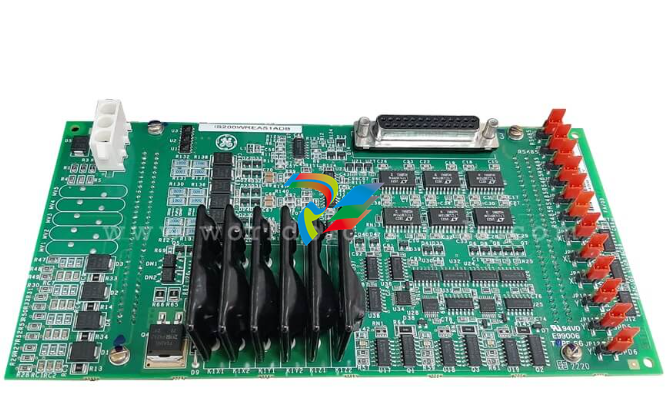 IS200WREAS1ADB AERO TRIP TB DBRD sub-board
 -
 IS200WETAH1AEC large board component made Mark VI system
 -
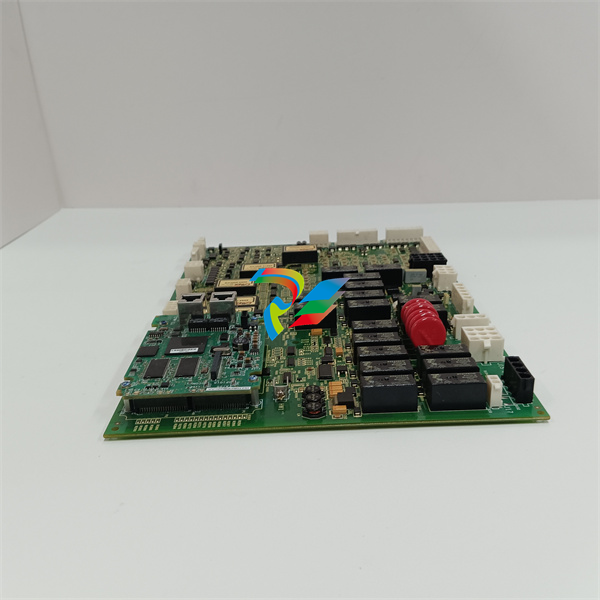 IS200AEPAH1AHD A High-Precision Excitation Control Board for Turbine Systems
 -
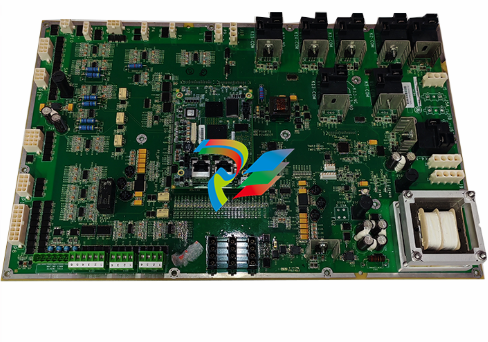 IS200WEMAH1AEA Control board
 -
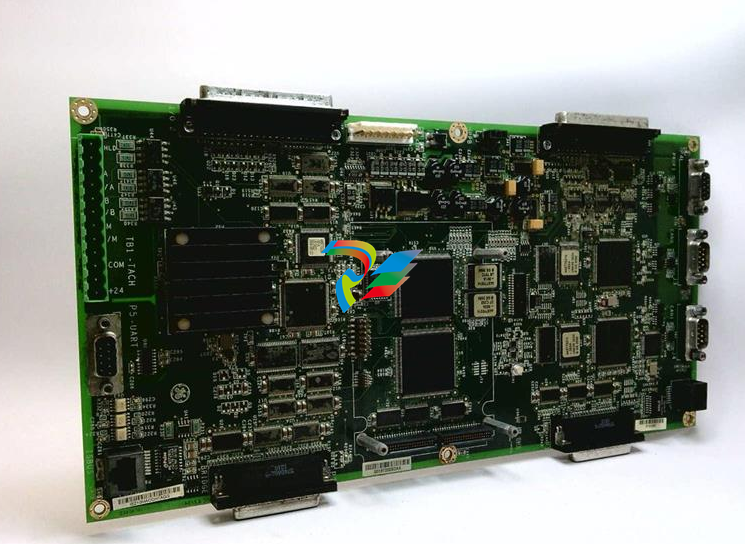 IS210MACCH1AGG processor card
 -
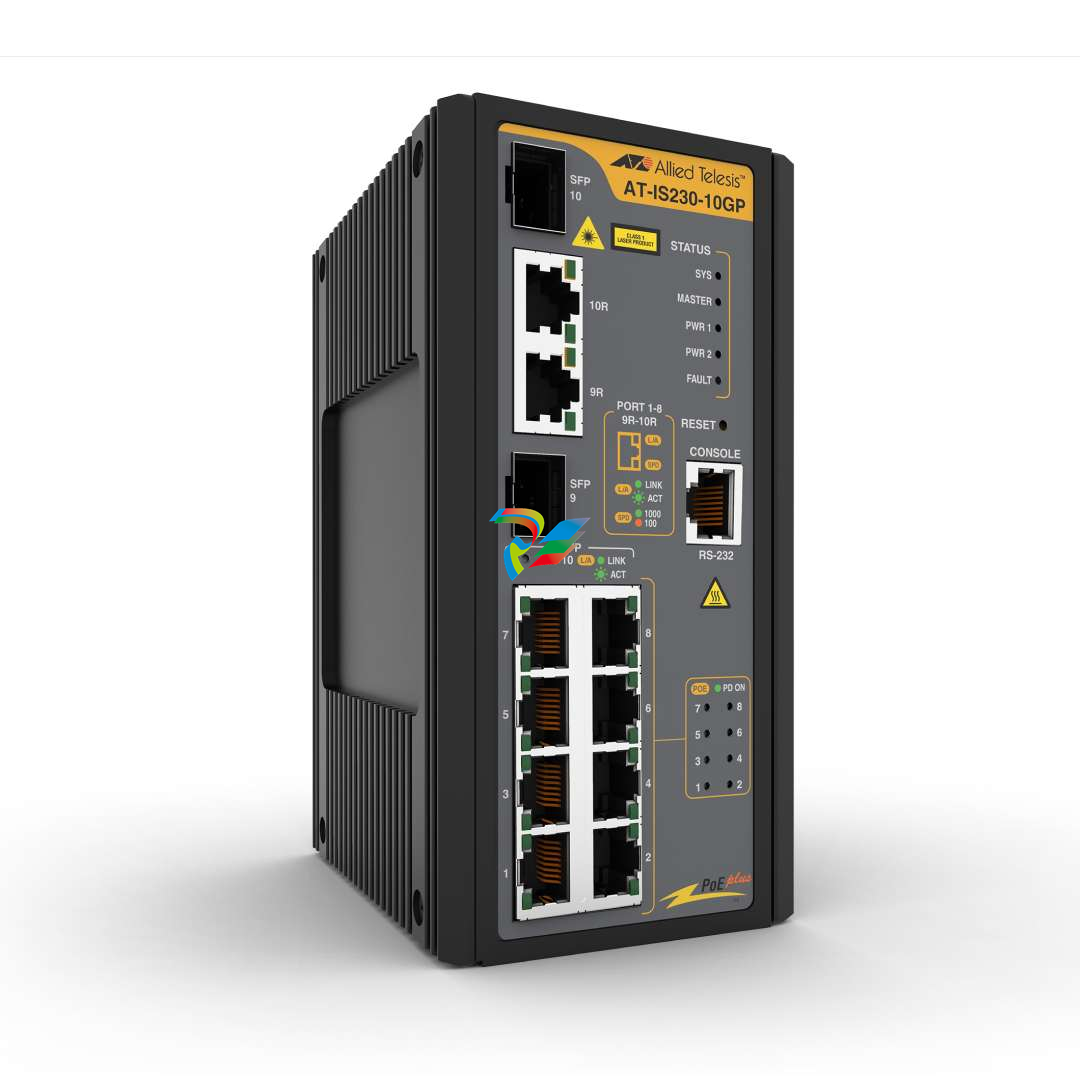 IS230TNRLH1B Discrete Output Modular Assembly
 -
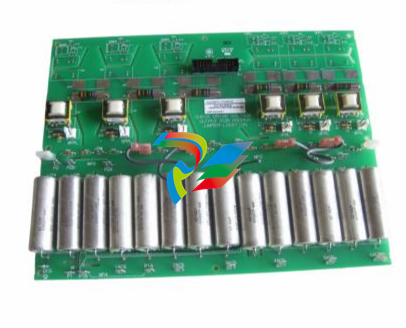 Mark V Series DS200PCCAG1ACB PCB Power Connect Card
 -
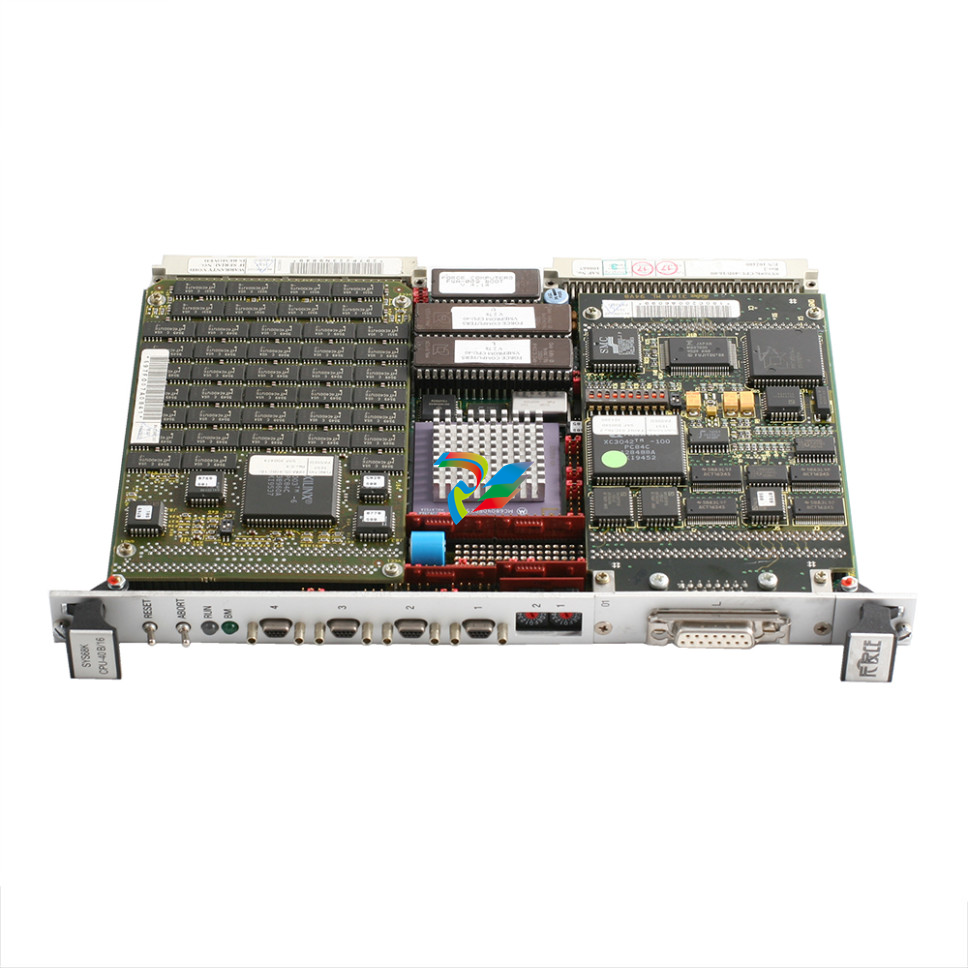 DS200SI0CG1AEA Instantaneous overcurrent card
 -
 DS200SHVMG1AGE Analog I/O board
 -
 DS200SI0CG1A6A Input/Output Module
 -
 DS200SHVMG1AFE SCR High Voltage Interface Board
 -
 DS200RT8AG3AHC Relay Output Terminal Board
 -
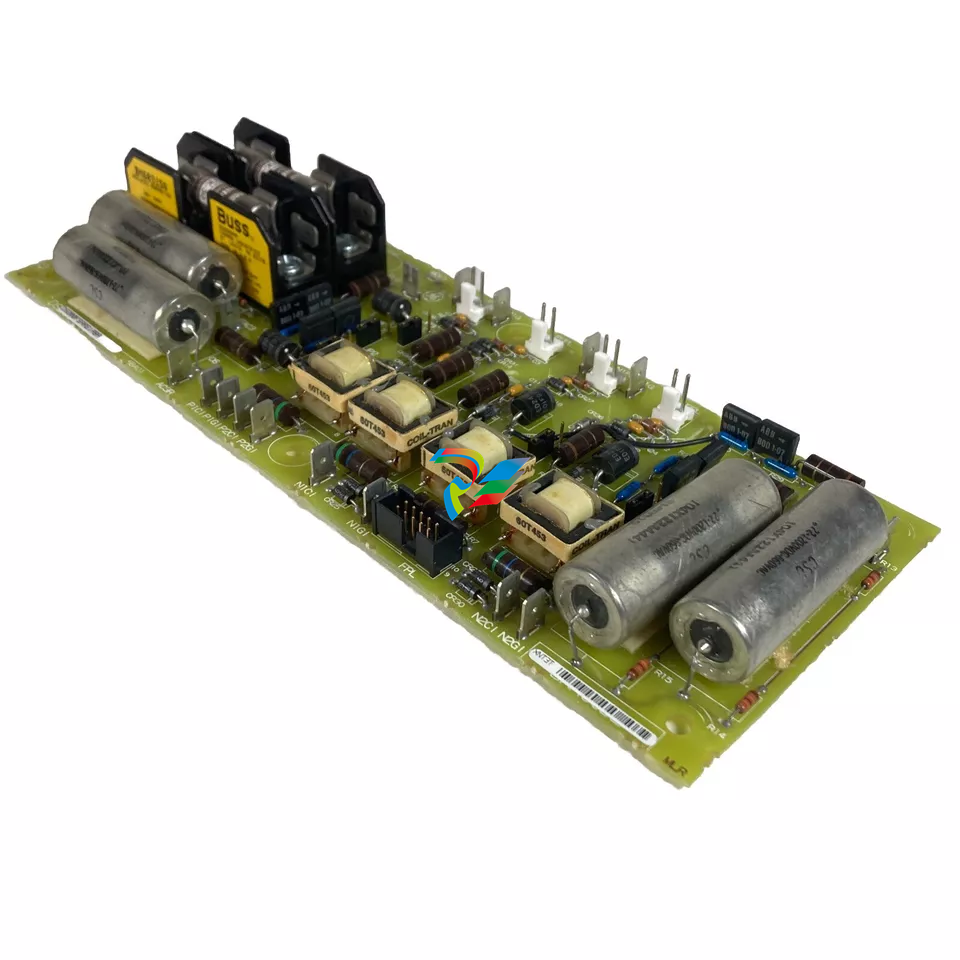 DS200FSAAG1ABA PCB Field Supply Gate Amplifier Board
 -
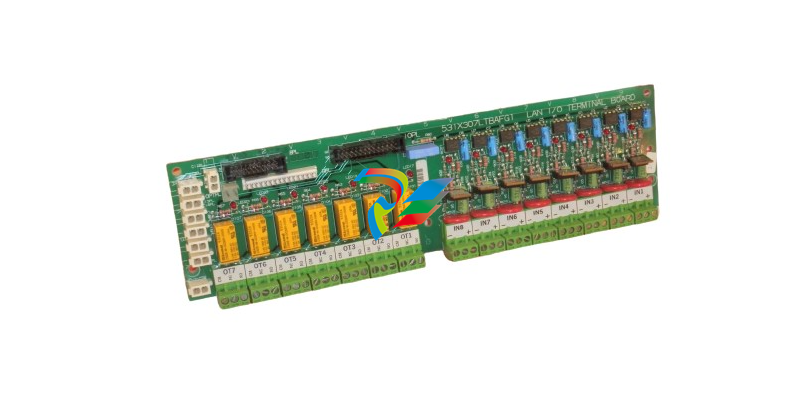 531X307LTBAFG1 F31X307LTBA LAN I/O Terminal Board
 -
 ABB AFS670 19" Ruggedized Switch AFS670-EREEDDDSSEEEEEEEPZYX05.1.0
 -
 NI Controller for VXI VXIPC-871B
 -
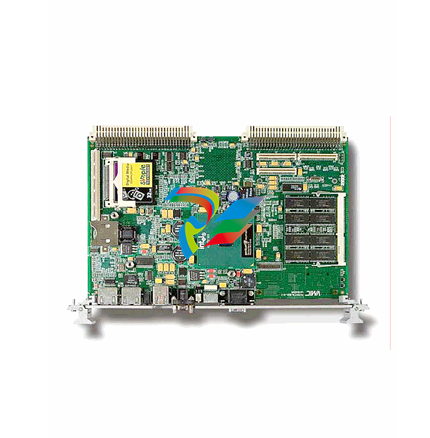 IS200EPMCH1GE Mark VIe Patch Cord Power Distribution Card
 -
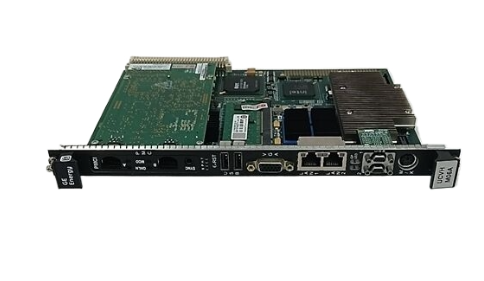 VMICPCI-7632-03310 IS215UCCAH3A 350-657362-003310J GE gas turbine system control processor board
 -
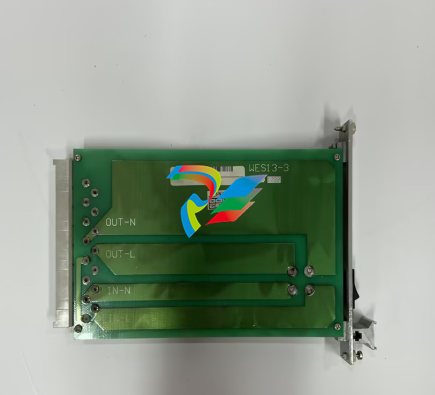 WEA13-13 2508-21001 Control Module / I/O Board
 -
.jpg) WES5120 2340-21004 Controller Main Module
WES5120 2340-21004 Controller Main Module -
 WES5120 2340-21006 Field Controller Master Unit Module
 -
WESDAC D20ME 18-MAR-13 Excitation Control Module
-
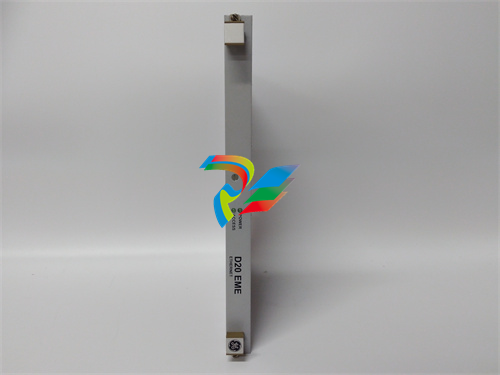 D20 EME 2400-21004 Ethernet communication and expansion module
 -
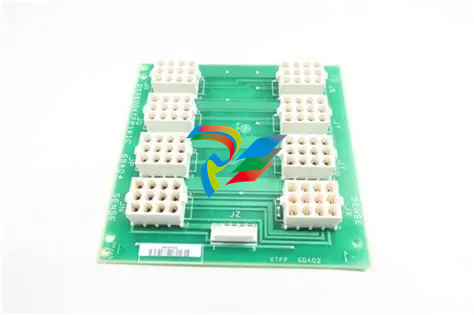 GE DS3800XTFP1E1C Thyristor Fan Out Board Brand
 -
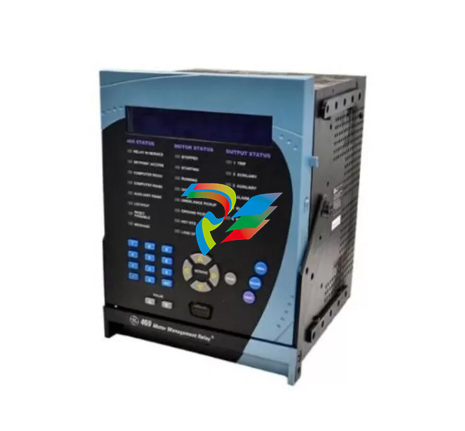 GE SR745-W2-P1-G1-HI-A-L-R-E Feeder protection relay
 -
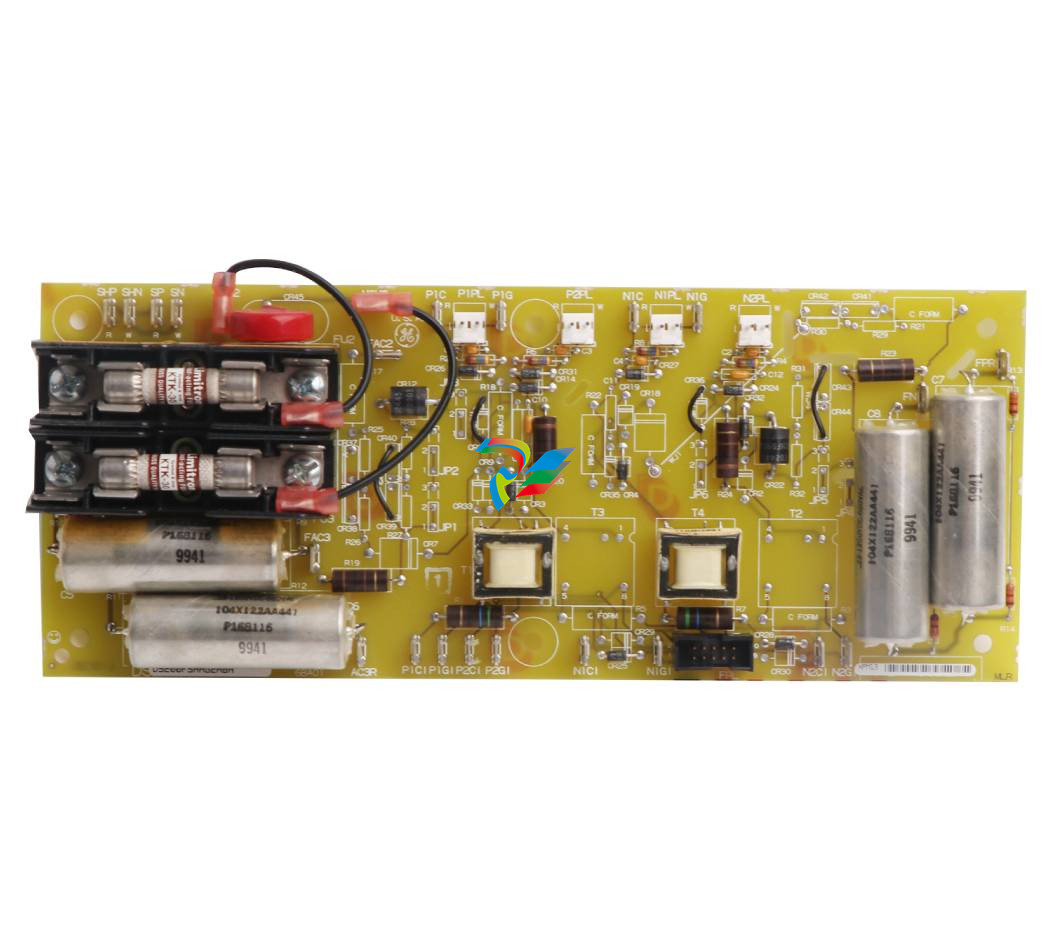 GE IS230TNDSH2A Discrete Output Relay Module Brand
 -
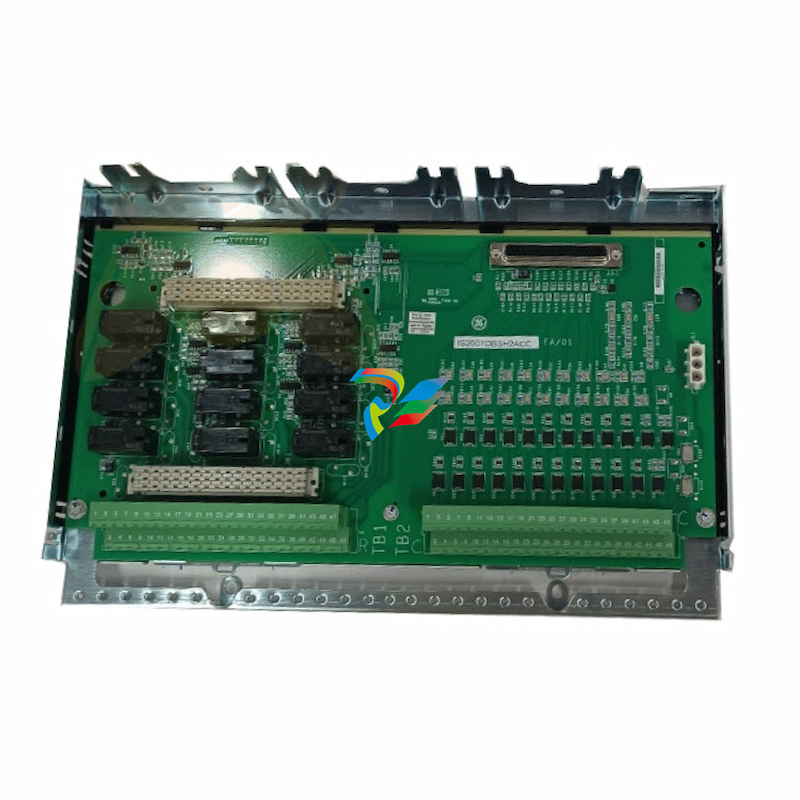 GE Fanuc IS200TDBSH2ACC Mark VI Terminal Board Brand
 -
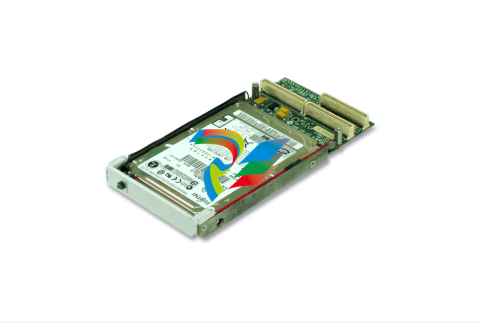 GE PMC-0247RC-282000 350-93750247-282000F Disk Drive
 -
GE PMC-0247RC-282000 350-93750247-282000F Disk Drive
-
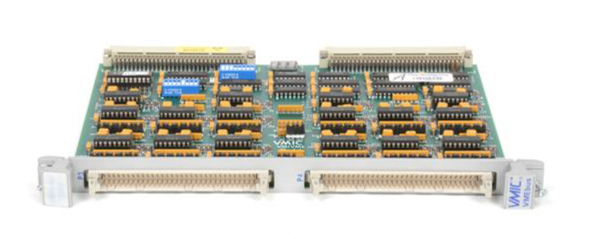 GE VMIVME-1150 Serial Communications Controller
 -
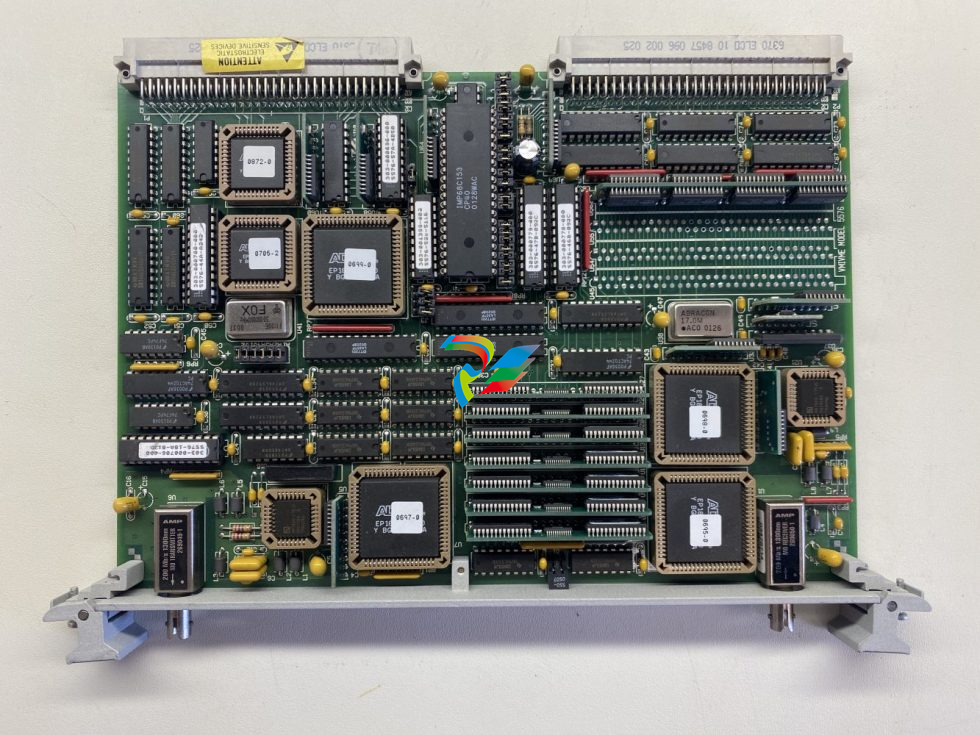 GE VMIVME-5576 Fiber-Optic Reflective Memory with Interrupts
 -
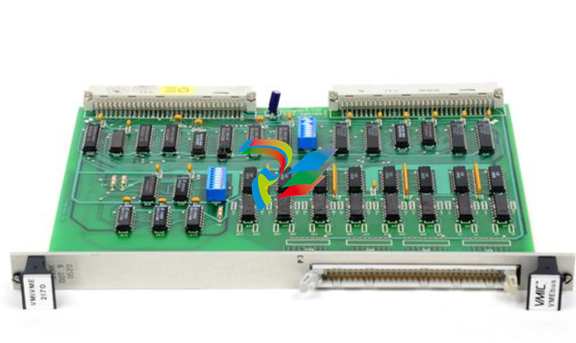 GE VMIC Isolated Digital Output VMIVME-2170A
 -
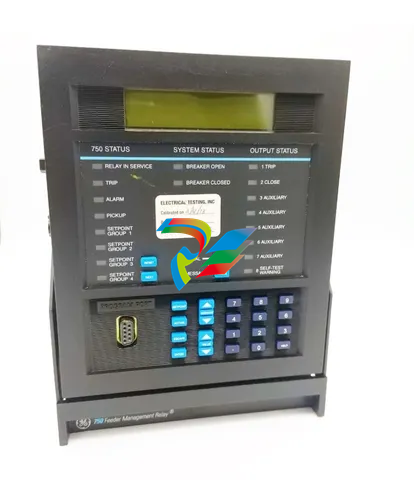 GE MULTILIN 760 FEEDER MANAGEMENT RELAY 760-P5-G5-S5-HI-A20-R-E
 -
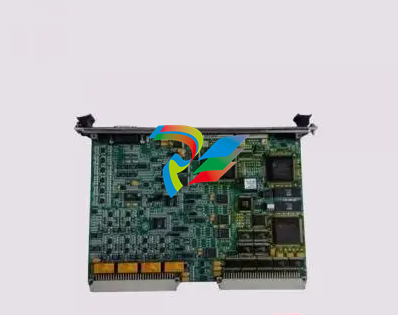 GE IS200AEPAH1BKE IS215WEPAH2BB Printed circuit board
 -
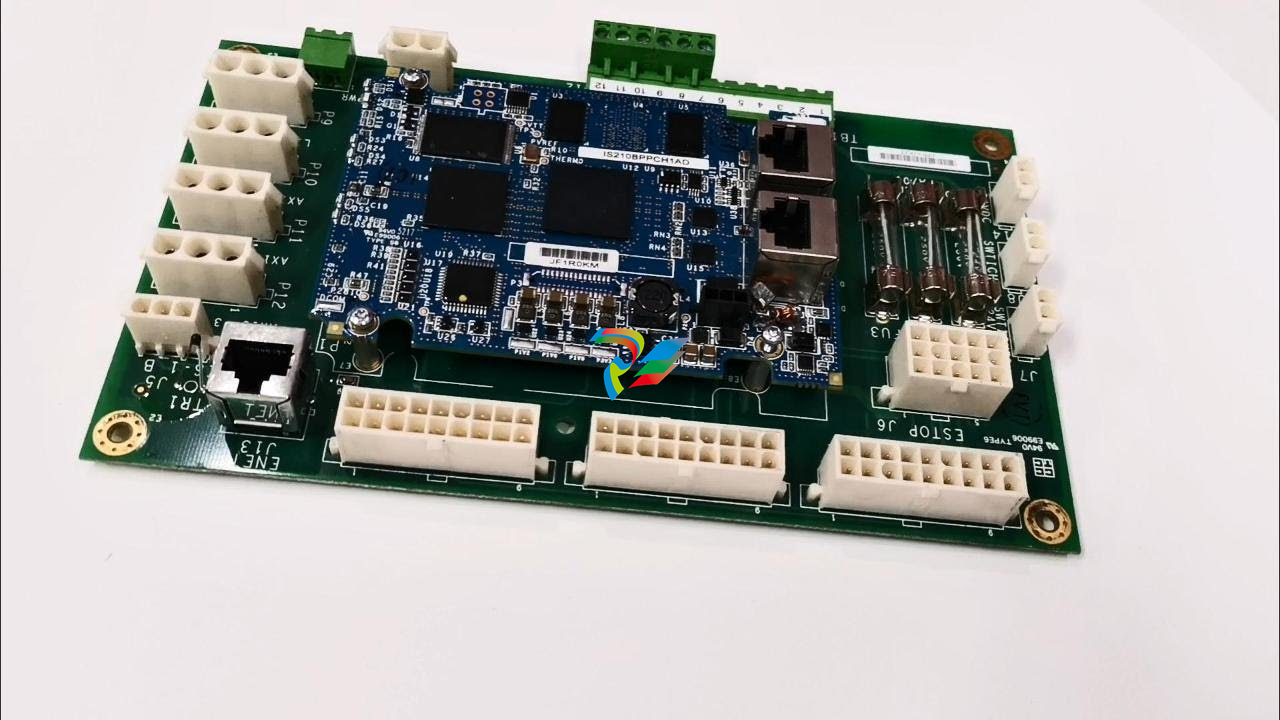 GE IS210BPPCH1A Mark VIe I/O Pack Processor Card
 -
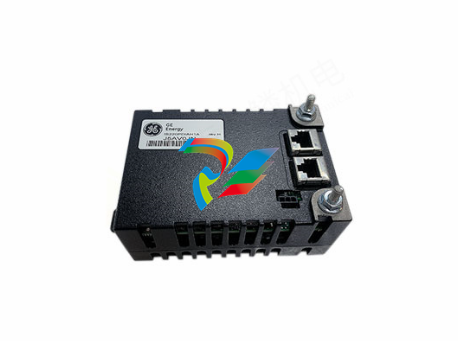 GE IS220PRTDH1A 336A4940CSP6 High-Performance RTD Input Module
 -
GE IS220PDIAH1BE 336A5026ADP4 Discrete Input Module
-
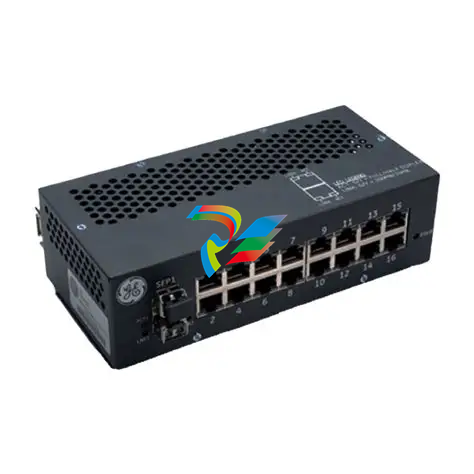 GE IS420ESWBH3A IONET Switch Module
 -
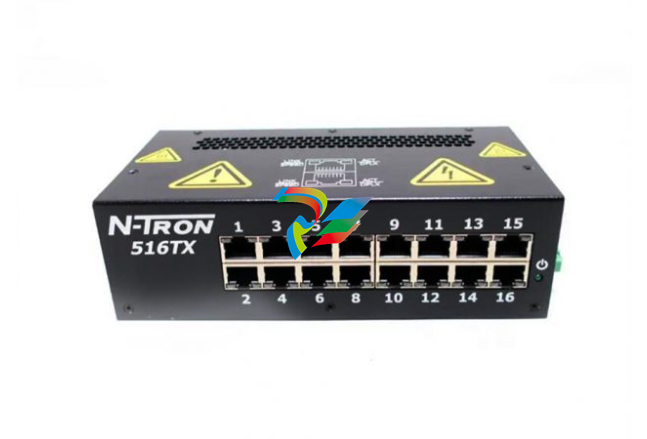 GE 516TX 336A4940DNP516TX 16-port Ethernet switch
 -
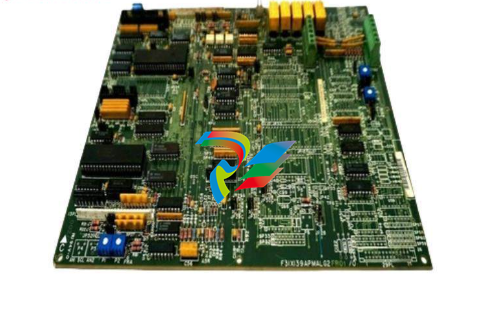 GE EVMECNTM13 Embedded control module
 -
GE EVPBDP0001 EVPBDP032 control module
-
 GE Hydran M2-X Enhanced Monitoring with Extended Sensor Life
 -
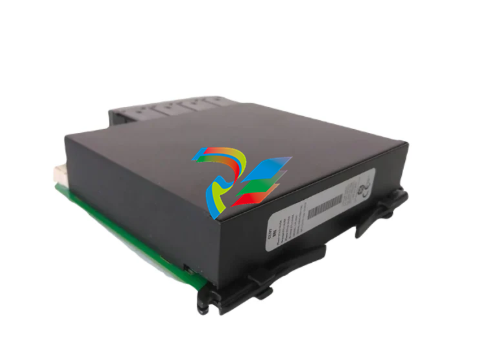 GE UR6CH Digital I/O Module
 -
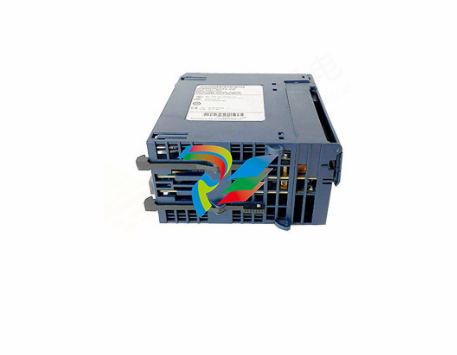 GE IC695CPU315-CD Central processing unit
 -
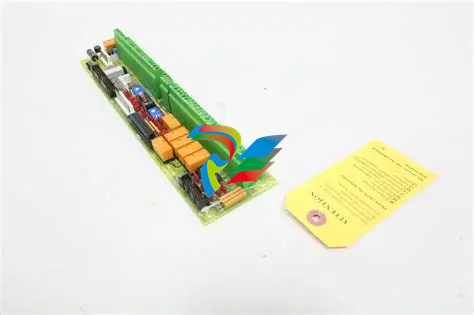 GE 531X305NTBAMG1 DR Terminal Board
 -
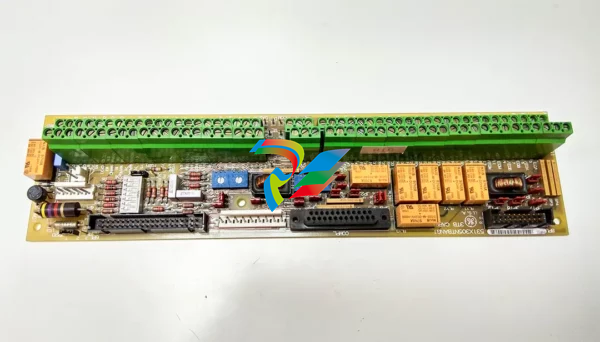 GE 531X305NTBALG1 NTB/3TB Terminal Board 531X Series
 -
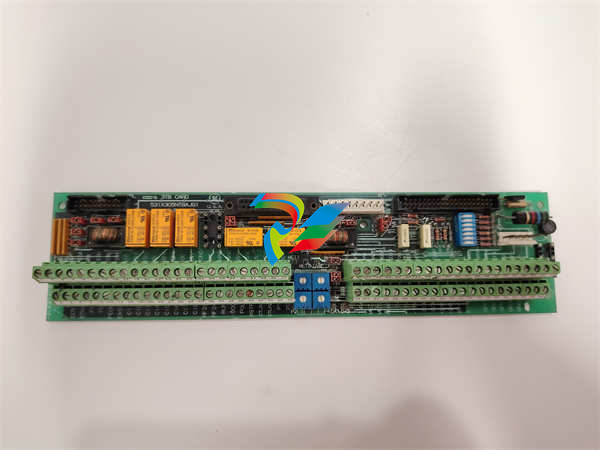 GE 531X305NTBAJG1 NTB/3TB Terminal Board.
 -
GE 531X305NTBAHG1 NTB/3TB Terminal Board 531X
-
 GE 531X305NTBAEG1 is a PCB that functions as a DR terminal board.
 -
General Electric 531X305NTBACG1 NTB/3TB Terminal Board 531X
-
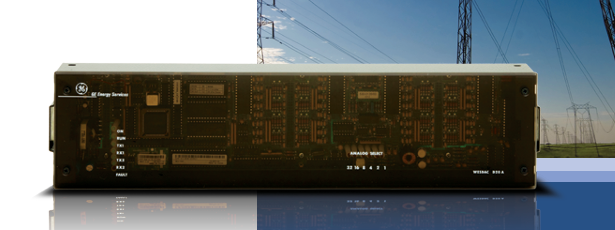 GE Digital Energy D20 Analog Input Module
 -
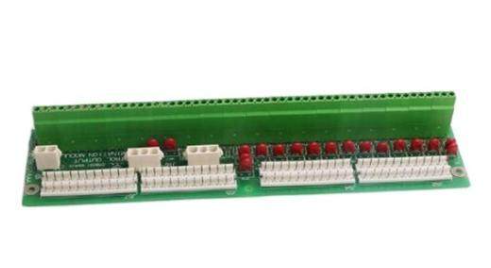 GE 94-164136-001 main board Control board
 -
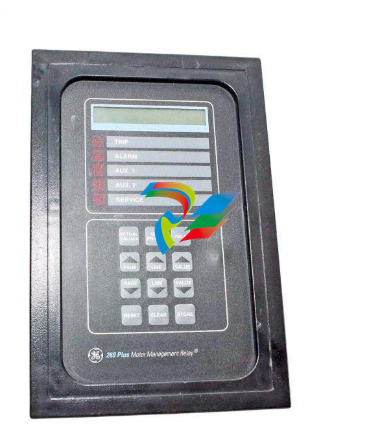 GE 269 PLUS-D/O-100P-125V Digital motor relay
 -
 GALIL DMC-9940 High-performance motion controller
 -
FUJI NP1BS-08 base plate
-
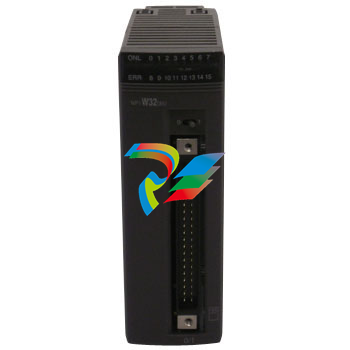 FUJI NP1Y32T09P1 Transistor drain type digital output module
 -
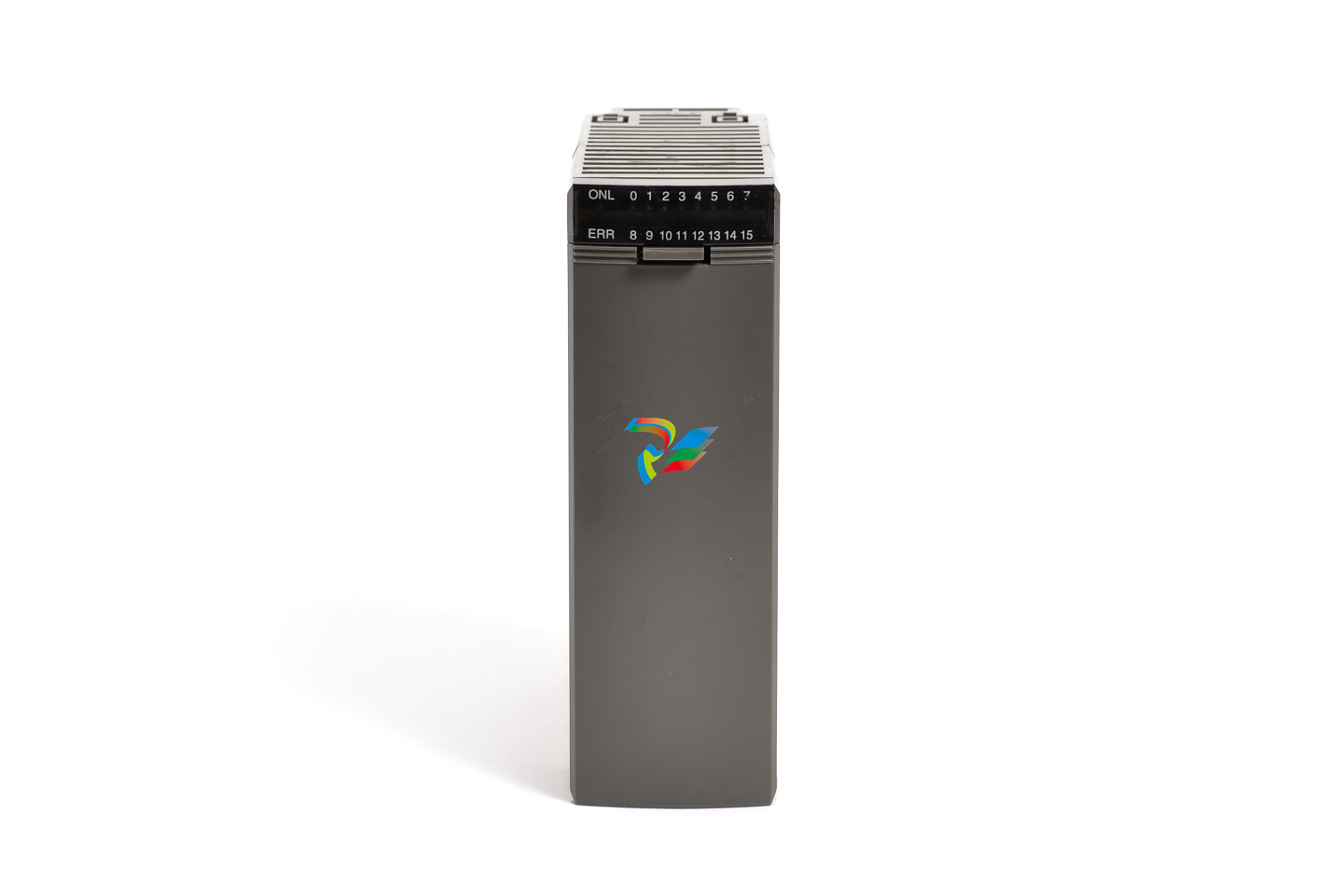 FUJI NP1Y16R-08 Digital Output Module
 -
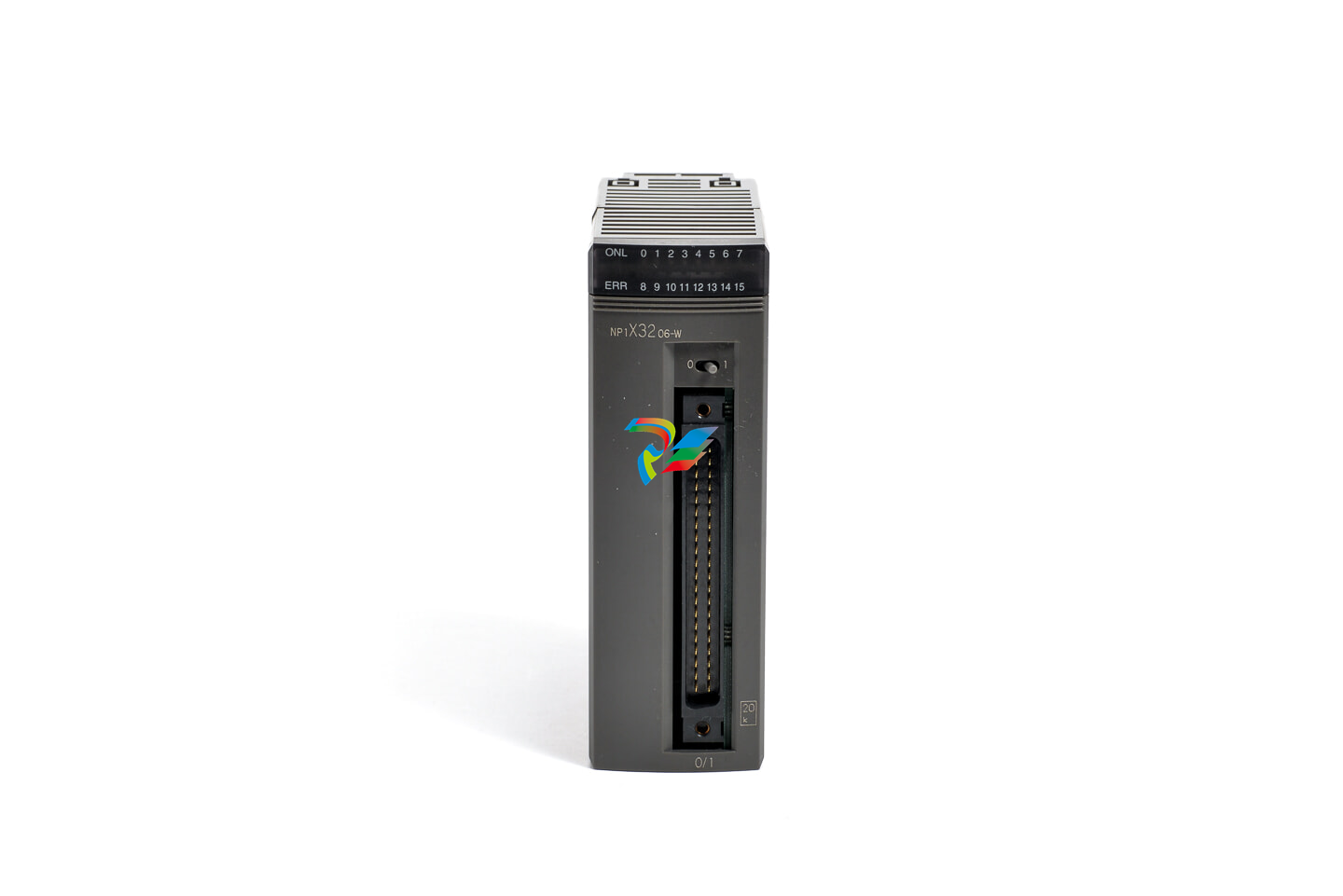 FUJI NP1X3206-A High-speed digital input module
 -
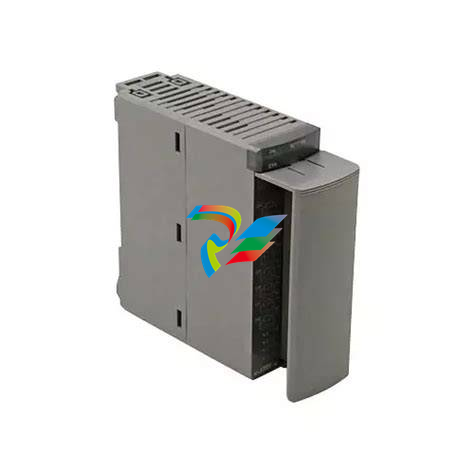 FUJI NP1AYH4I-MR current output module
 -
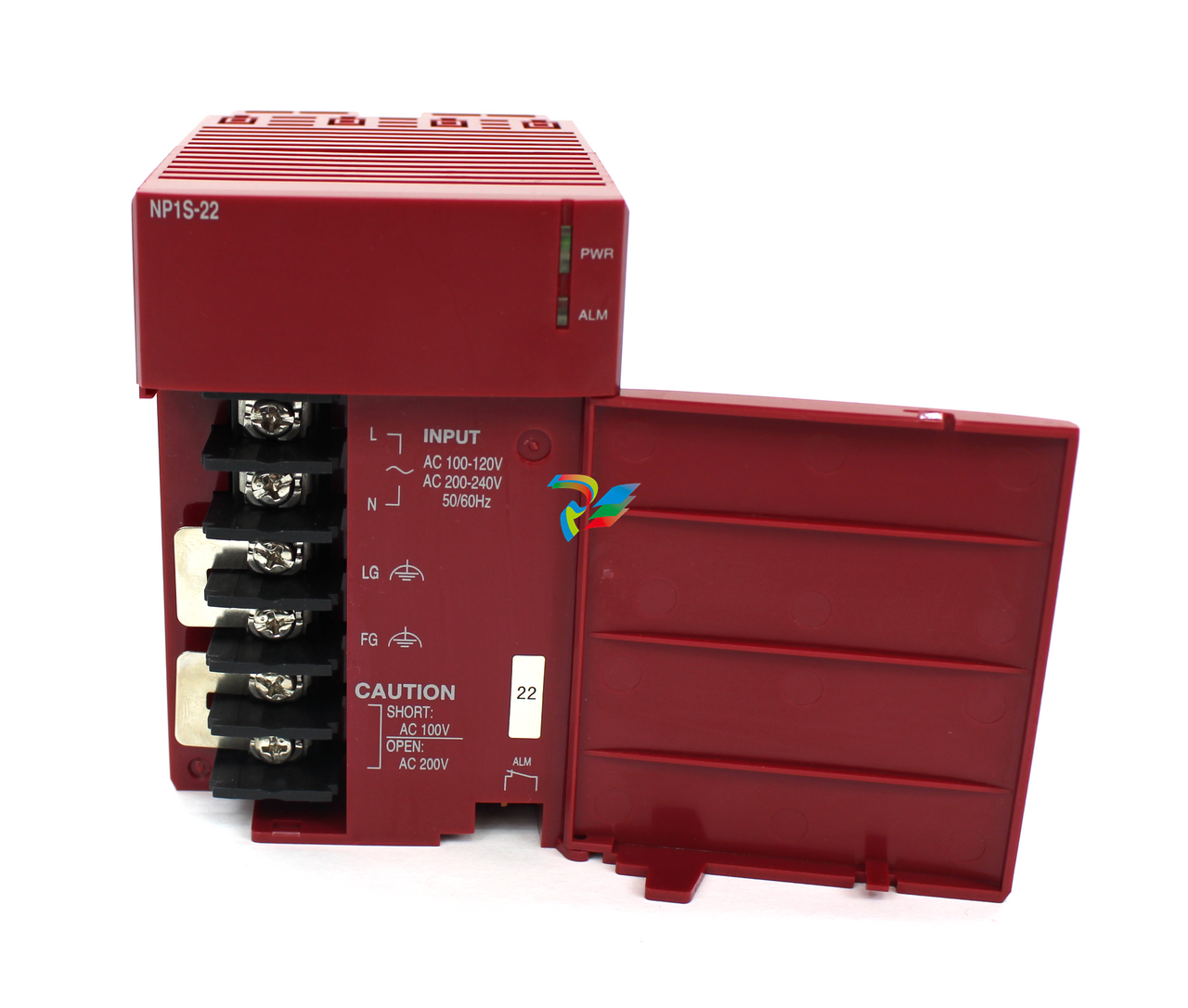 FUJI NP1S-22 Power module redundancy
 -
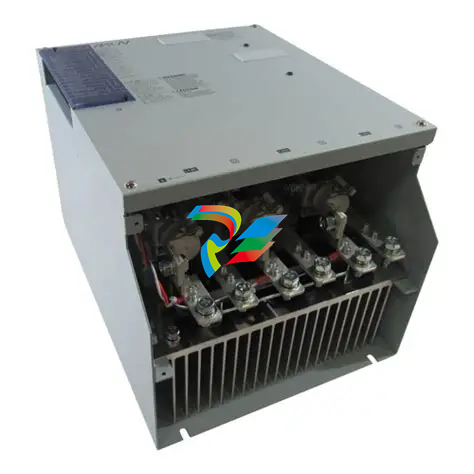 FUJI RPXD2150-1T servo drive module
 -
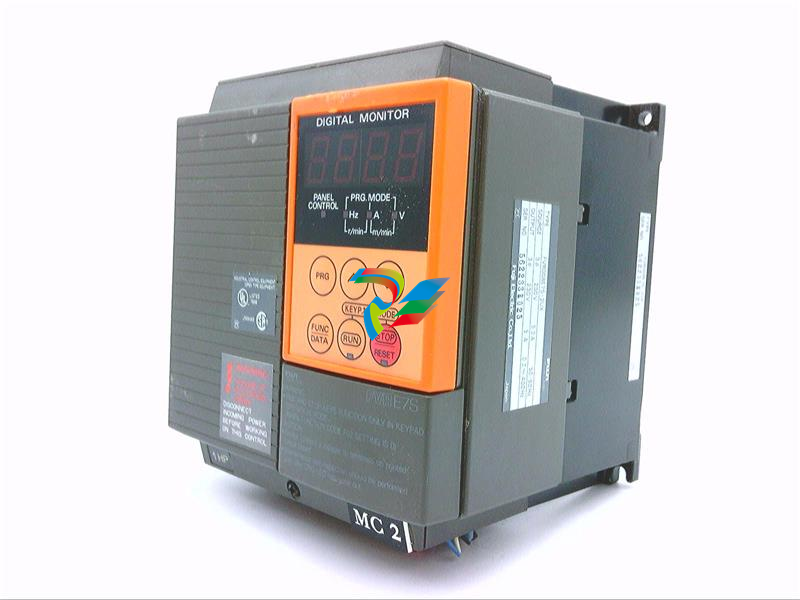 FUJI FVR008E7S-2UX Ac frequency converter
 -
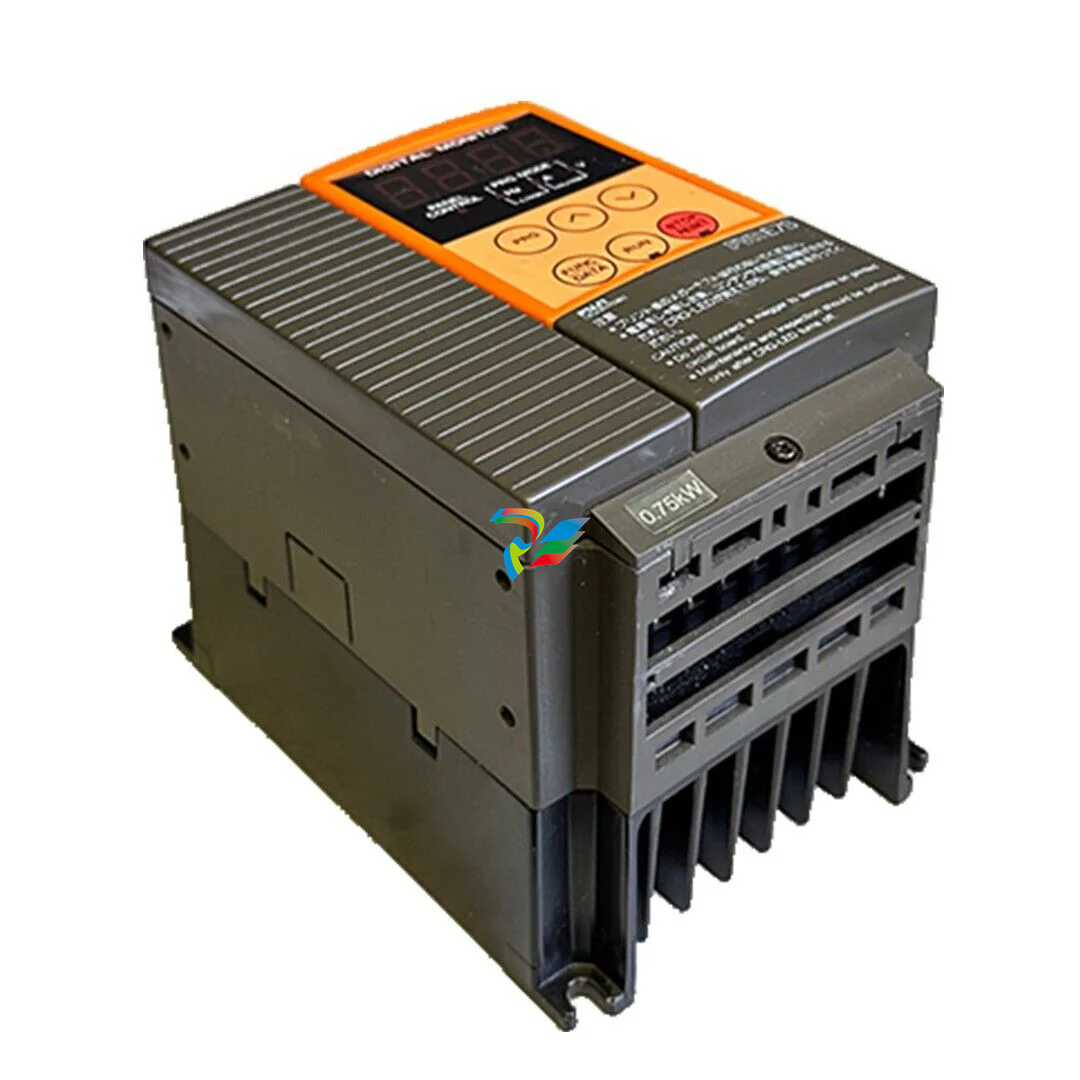 FUJI Ac frequency converter FVR008E7S-2
 -
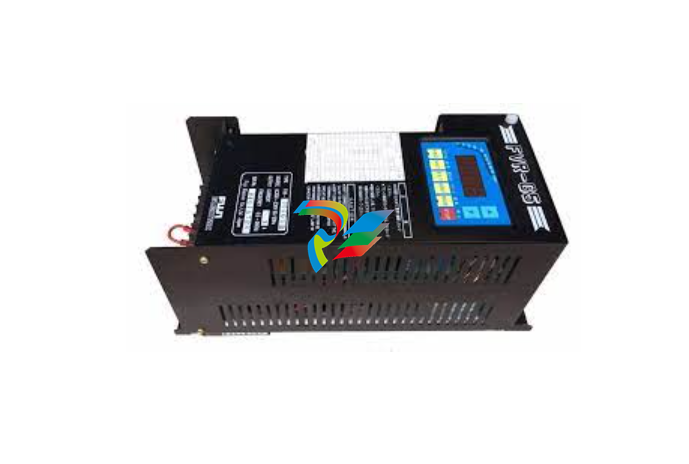 FUJI FVR004G5B-2 Small general-purpose frequency converter
 -
 FUJI A50L-2001-0232 Industrial control module
 -
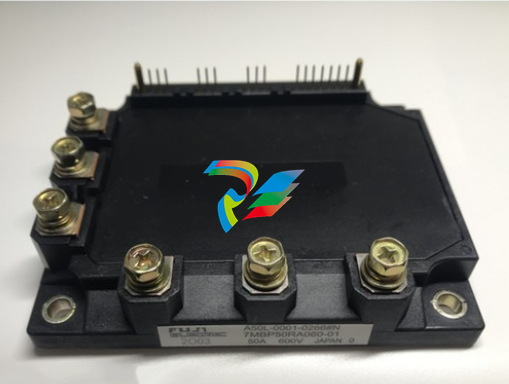 FUJI A50L-001-0266#N High-performance servo amplifier
 -
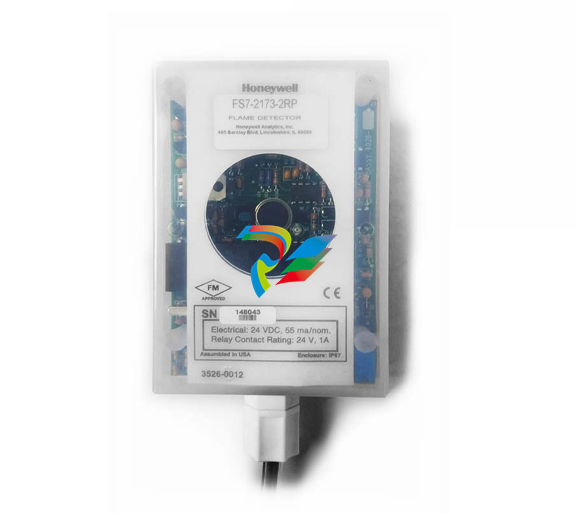 Honeywell FS7-2173-2RP Gas sensor
 -
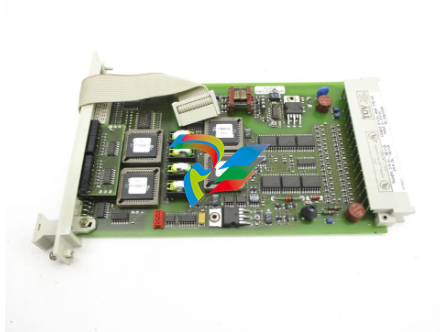 Honeywell 10106/2/1 Digital Input Module in Stock
 -
FRCE SYS68K CPU-40 B/16 PLC core processor module
-
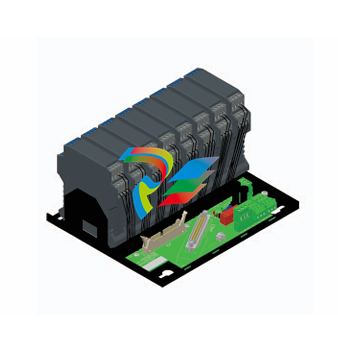 Foxboro FBM I/O cards PBCO-D8-009
 -
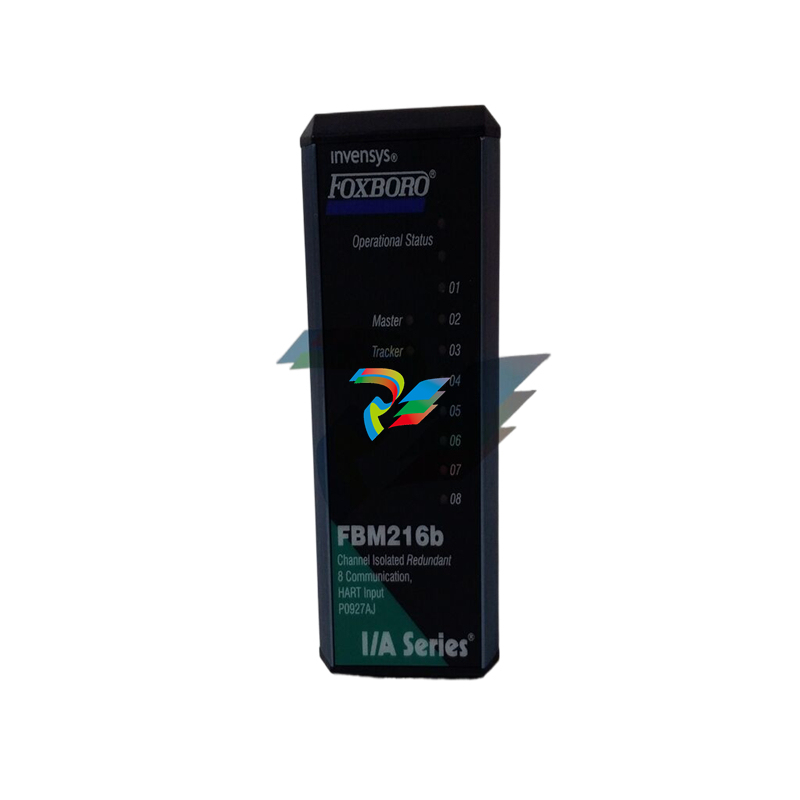 Foxboro AD916AE Digital Control System (DCS) Module
 -
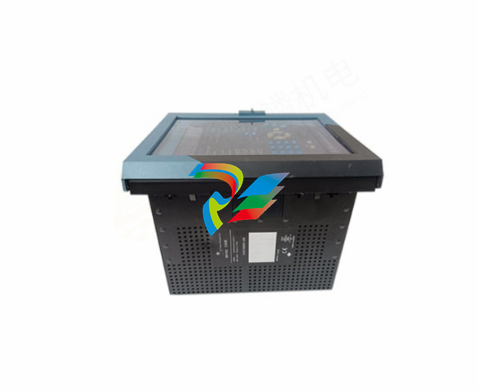 GE SR750-P5-G5-S5-HI-A20-R-E Multilin Relay
 -
.jpg) FOXBORO H90 H90C9AA0117S Industrial Computer Workstation
FOXBORO H90 H90C9AA0117S Industrial Computer Workstation -
FOXBORO RH928AW | I/A Series Relay Output Module
-
.jpg) Foxboro N-2AX+DIO Multi-functional input/output module
Foxboro N-2AX+DIO Multi-functional input/output module -
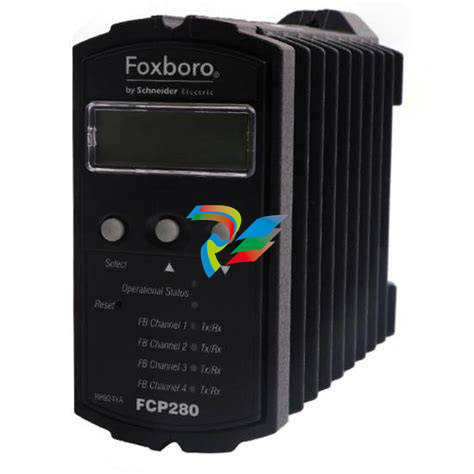 Foxboro RH924WA FCP280 Fiber Optic Network Adapter
 -
 FOXBORO H92 Versatile Hardware Component In
 -
 Foxboro FBM218 P0922VW HART® Communication Redundant Output Interface Module
 -
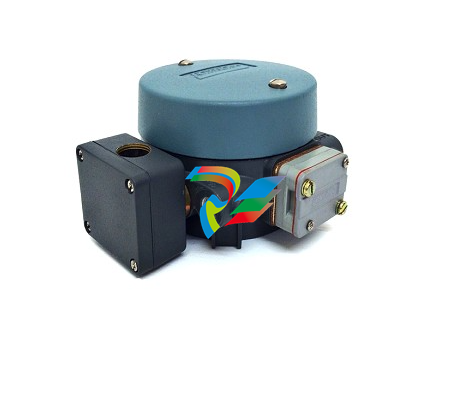 Foxboro E69F-TI2-J-R-S E69F Series Current-To-Pneumatic Signal Converter
 -
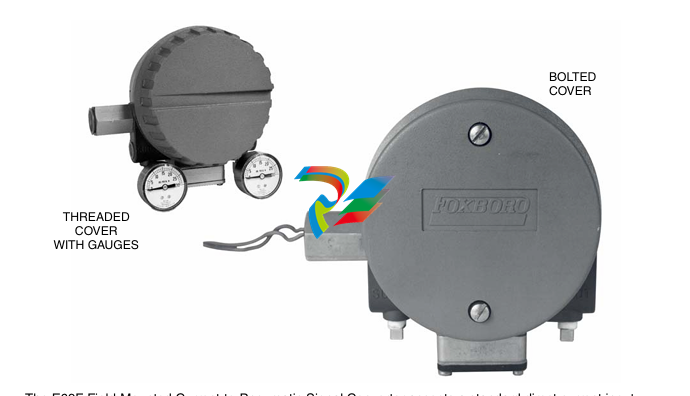 Foxboro E69F-BI2-S Converter
 -
.jpg) Foxboro H92A049E0700 The host of the DCS control station
Foxboro H92A049E0700 The host of the DCS control station -
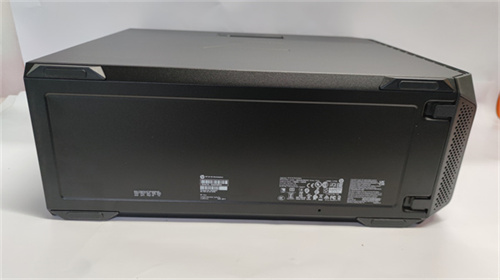 Foxboro H90C9AA0117S Industrial computer workstation
 -
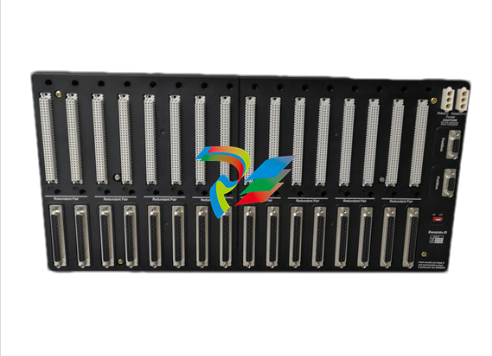 Foxboro RH101AA High-performance industrial control module
 -
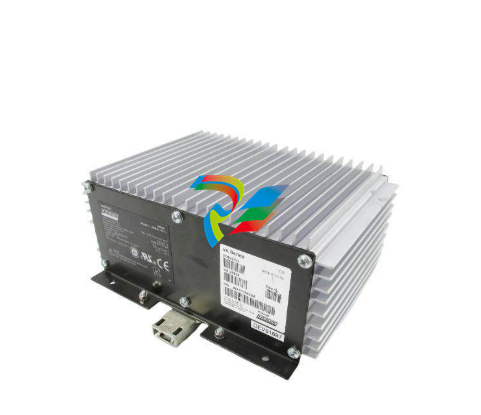 Foxboro P0922YU FPS400-24 I/A Series Power supply
 -
.png) FOXBORO P0973LN Chassis-based managed switch with independent power supply
FOXBORO P0973LN Chassis-based managed switch with independent power supply -
.jpg) FOXBORO P0926PA Input/output module
FOXBORO P0926PA Input/output module -
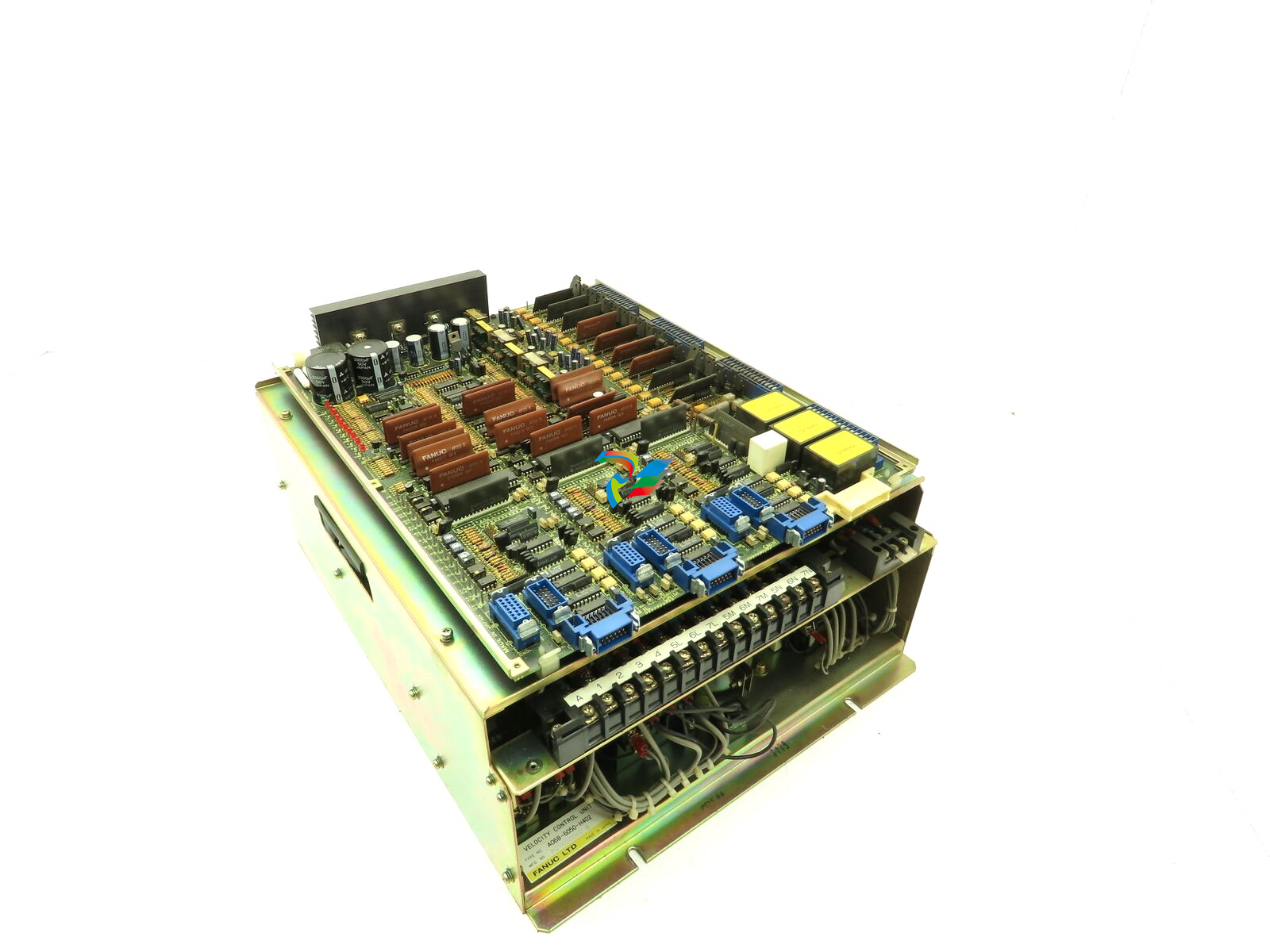 Fanuc A06B-6050-H402 3 AXIS ANALOG AC SERVO DRIVE
 -
.jpg) FOXBORO L0130AD L0130AE-0H Power module group
FOXBORO L0130AD L0130AE-0H Power module group -
_lVjBYb.jpg) FOXBORO 0399085B 0303440C+0303458A Combination Control Module
FOXBORO 0399085B 0303440C+0303458A Combination Control Module -
 FOXBORO SY-0399095E (SY-0303451D+SY-0303460E) Process control board
 -
.jpg) FOXBORO 0399071D 0303440C+0303443B Input/Output (I/O) Module
FOXBORO 0399071D 0303440C+0303443B Input/Output (I/O) Module -
.jpg) FOXBORO RH924UQ Redundant Controller module
FOXBORO RH924UQ Redundant Controller module -
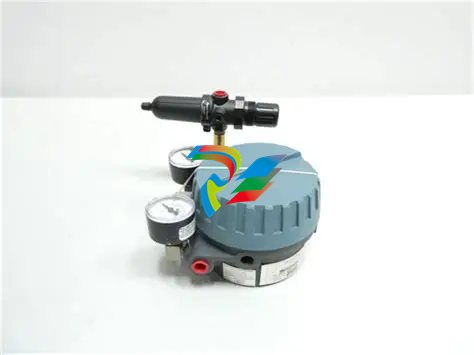 FFOXBORO E69F-TI2-S current pneumatic converter
 -
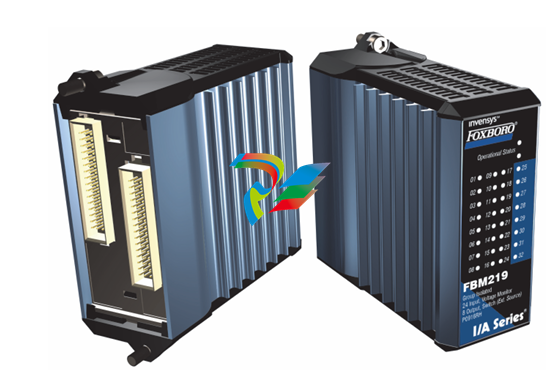 FOXBORO FBM219 RH916RH Discrete I/O Module
 -
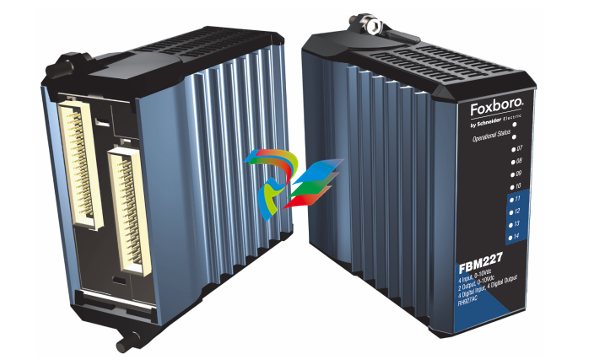 FOXBORO FBM227 P0927AC Module
 -
.jpg) FOXBORO 0399144 SY-0301059F SY-1025115C/SY-1025120E I/O module
FOXBORO 0399144 SY-0301059F SY-1025115C/SY-1025120E I/O module -
.jpg) FOXBORO SY-60399001R SY-60301001RB Industrial Control Module
FOXBORO SY-60399001R SY-60301001RB Industrial Control Module -
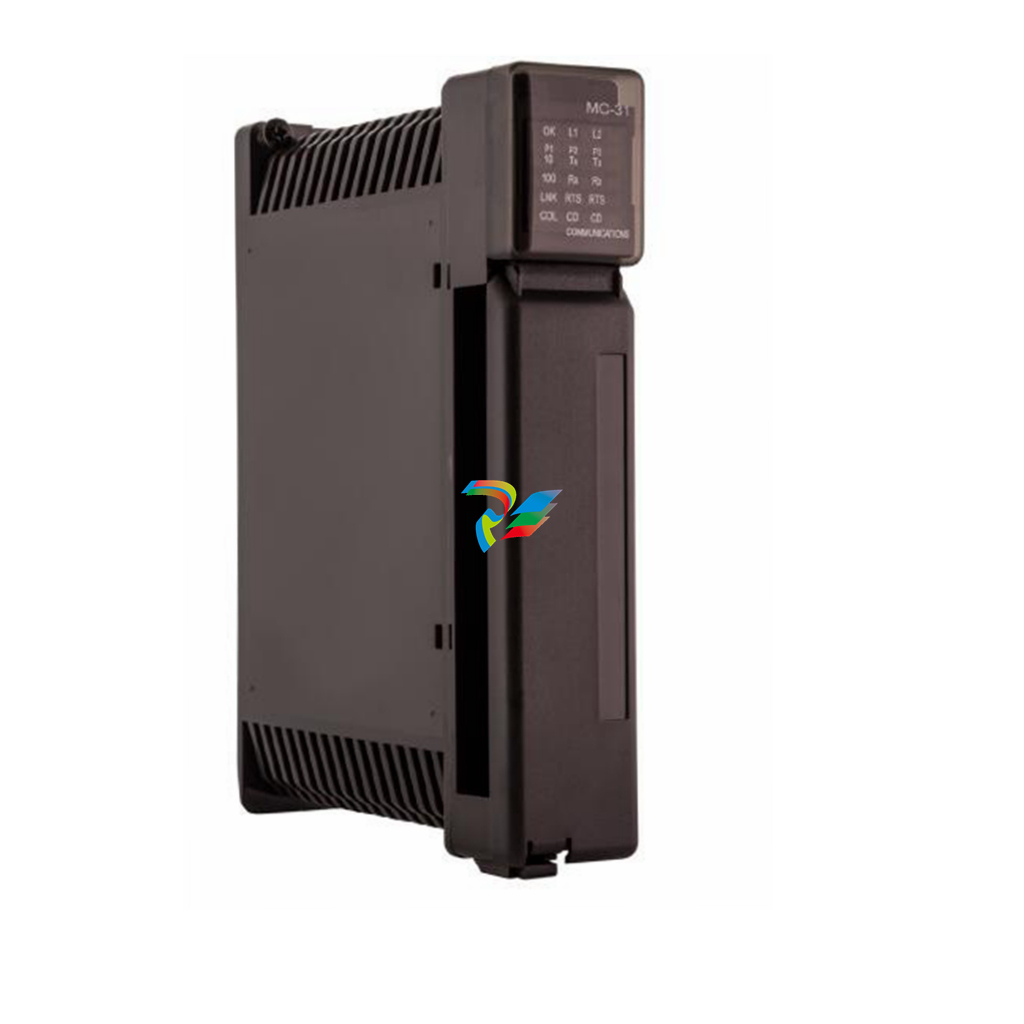 FOXBORO 0399143 SY-0301060R SY-1025115C SY-1025120E Combined control board
 -
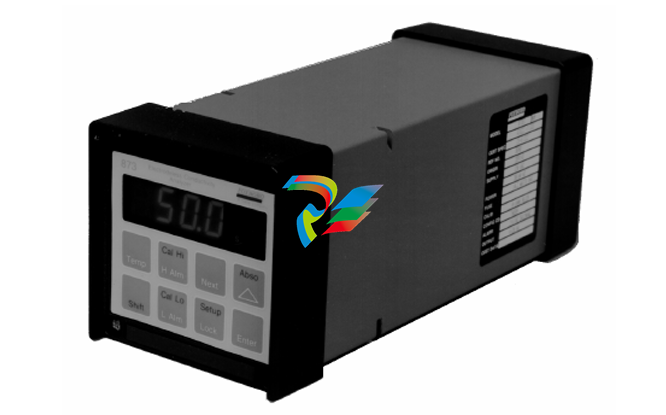 FOXBORO 873EC-JIPFGZ electrodeless conductivity analyzer
 -
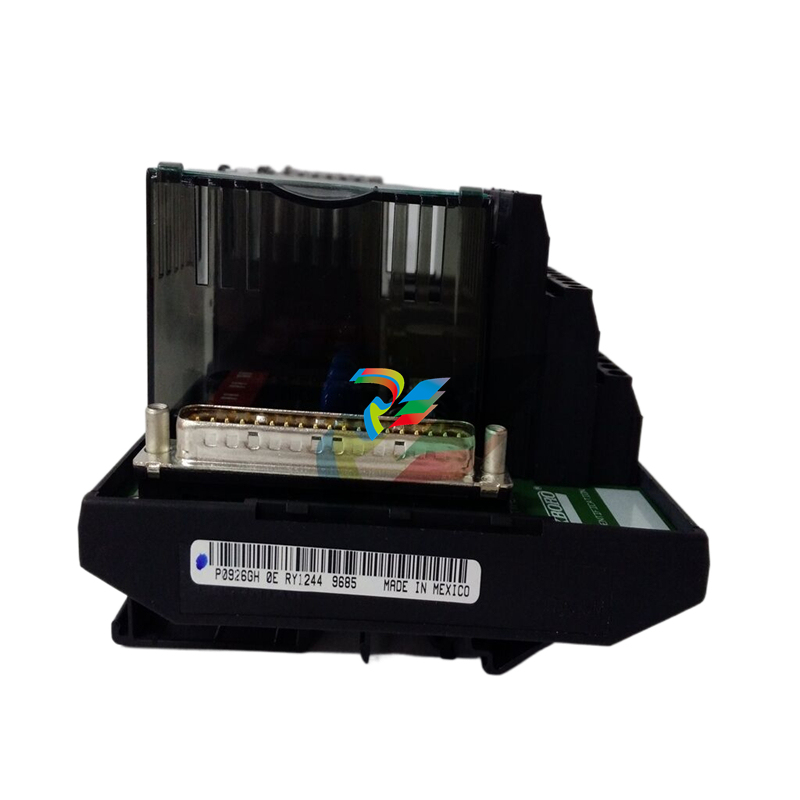 FOXBORO P0916PH (High-density HART I/O Module)
 -
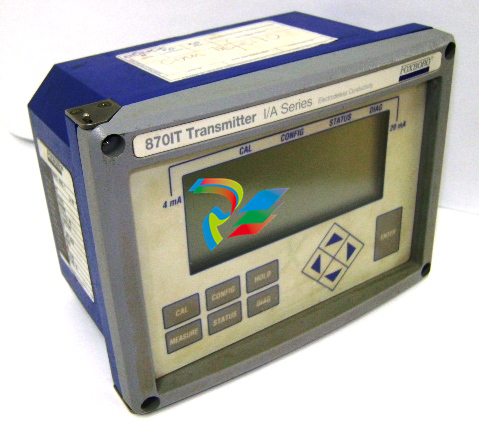 FOXBORO 870ITEC-AYFNZ-7 Intelligent Electrochemical Transmitters
 -
 FOXBORO Compact FBM240. Redundant with Readback, Discrete
 -
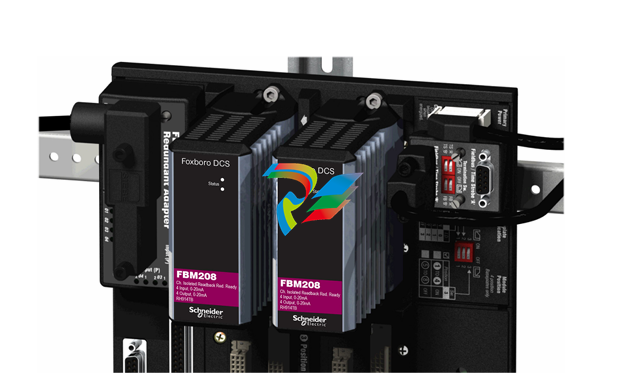 FOXBORO FBM208/b, Redundant with Readback, 0 to 20 mA I/O Module
 -
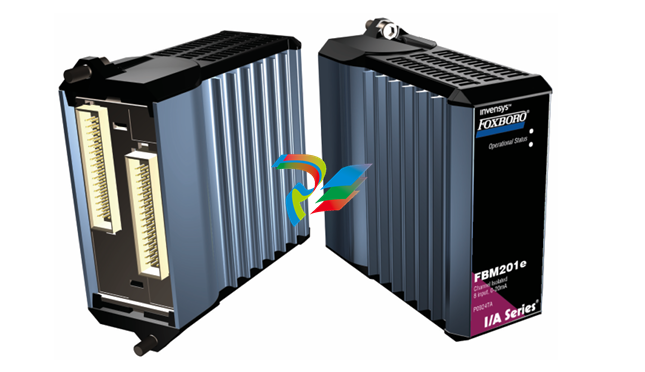 FOXBORO FBM201e Analog Input (0 to 20 mA) Interface Modules
 -
.jpg) FOXBORO P0916WG Terminal cable
FOXBORO P0916WG Terminal cable -
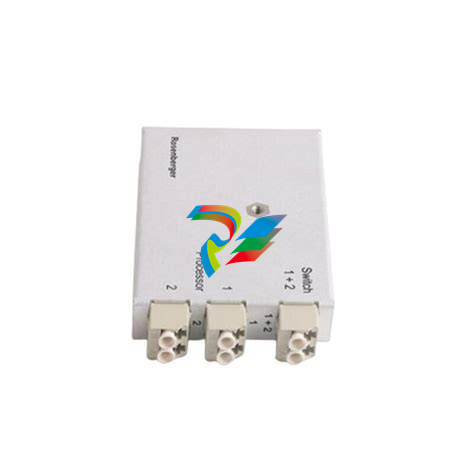 FOXBORO P0926MX 2-Port Splitter
 -
.jpg) FOXBORO AD908JQ High-Frequency Module
FOXBORO AD908JQ High-Frequency Module -
.jpg) FOXBORO AD916CC Processor module
FOXBORO AD916CC Processor module -
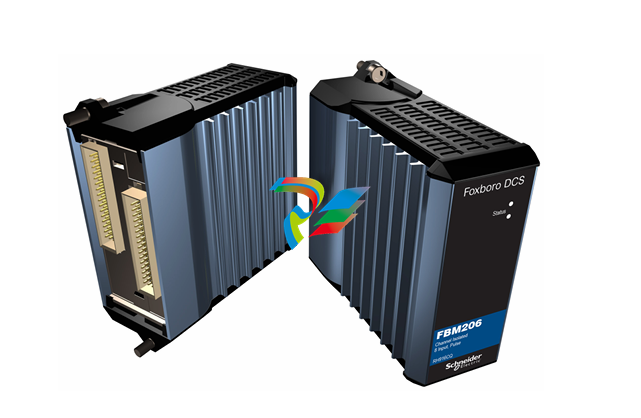 Foxboro DCS FBM206 Pulse Input Module
 -
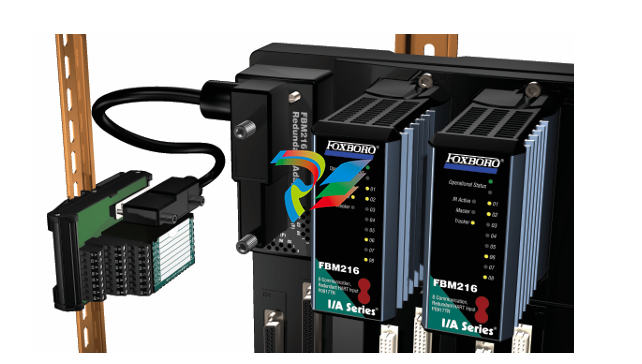 FOXBORO FBM216 HART® Communication Redundant Input Interface Module
 -
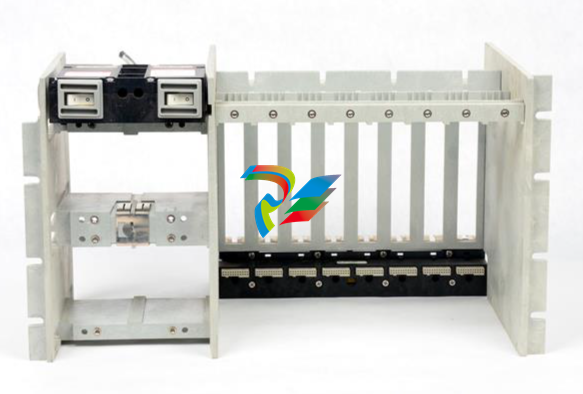 Foxboro p0903nu 1×8 unit sub-component module
 -
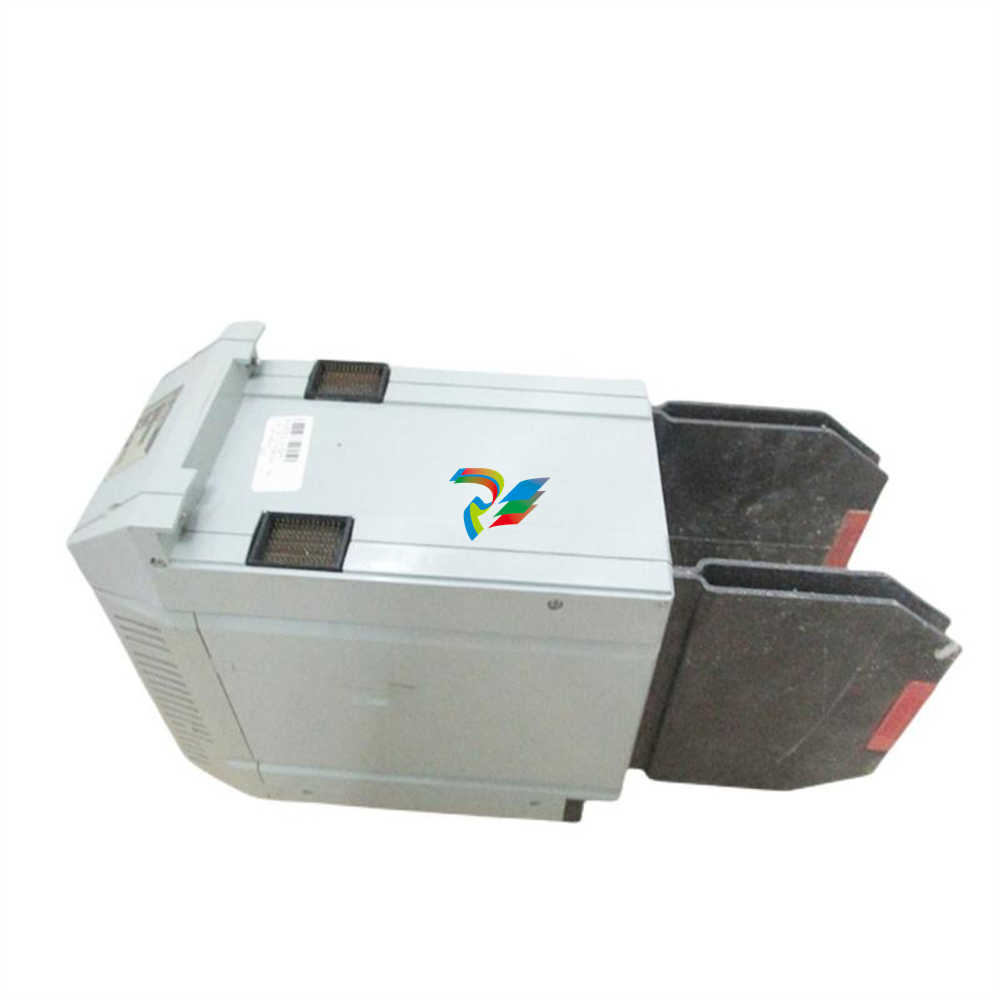 Foxboro P0911SM Industrial control module
 -
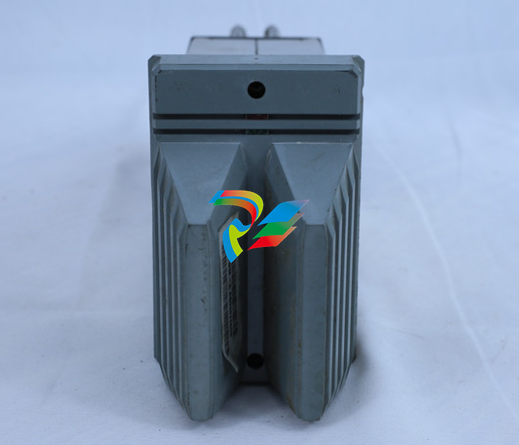 Foxboro CM902WM I/O module
 -
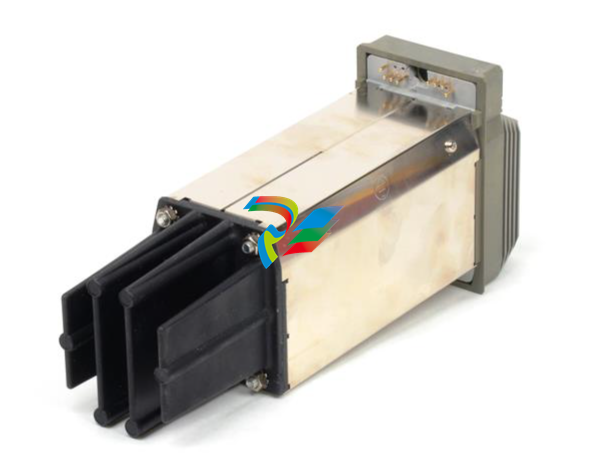 Foxboro CM902WL Power module
 -
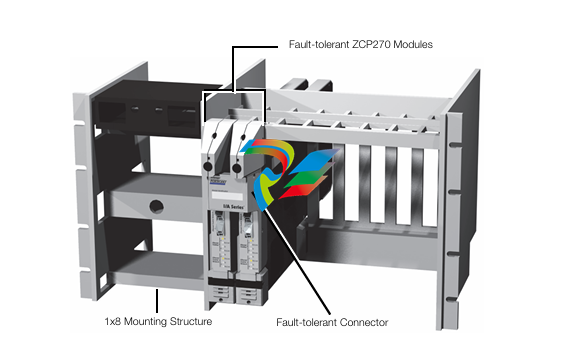 Foxboro P0972VA Industrial Control Module
 -
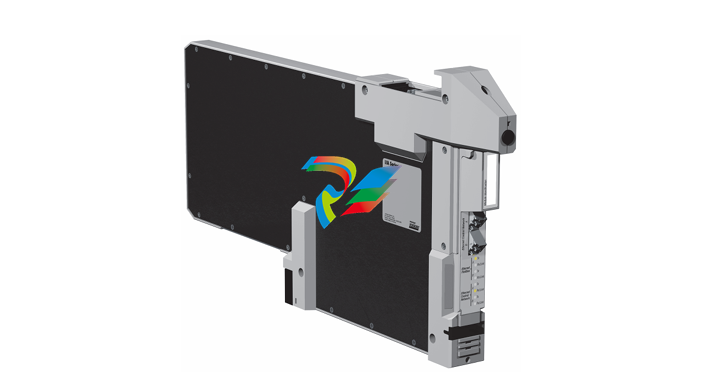 Foxboro Z-Module Control Processor 270 (ZCP270)
 -
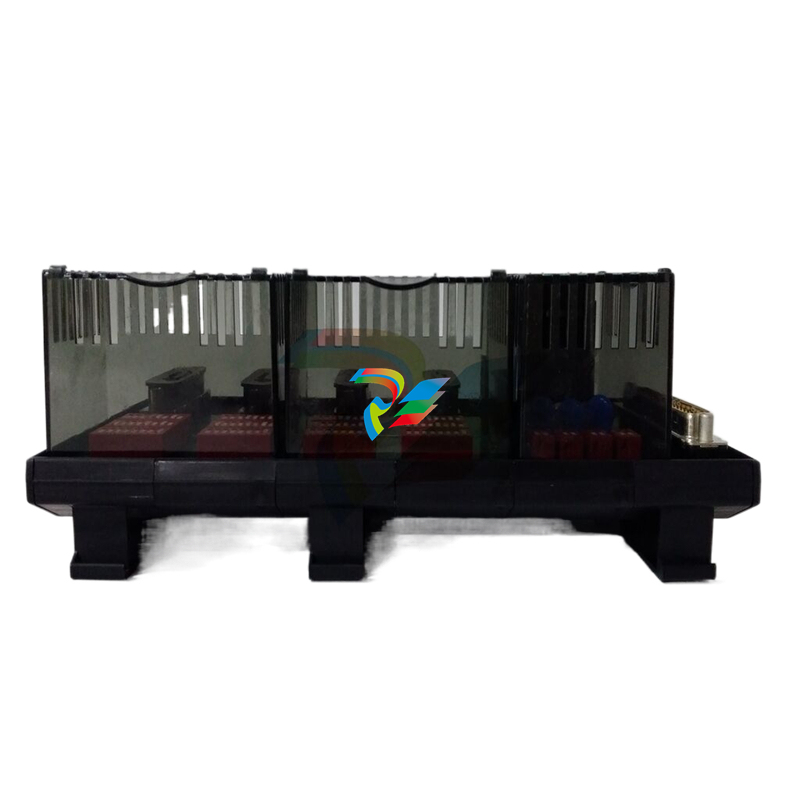 Foxboro PO916JS 16-channel terminal block module
 -
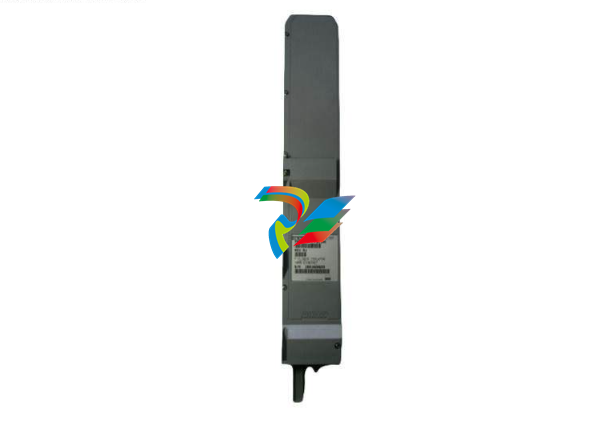 Foxboro PO911SM High-performance digital/analog input/output module
 -
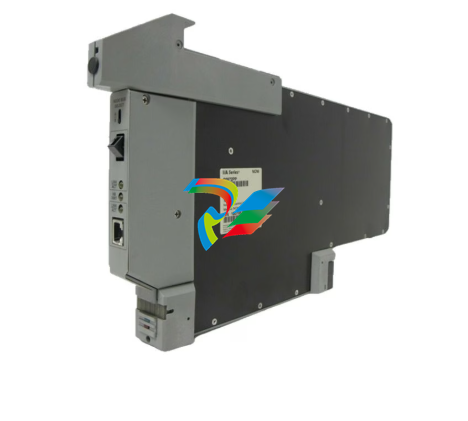 Foxboro P0972PP-NCNI Network Interface Module
 -
.jpg) FOXBORO P0971QZ controller module
FOXBORO P0971QZ controller module -
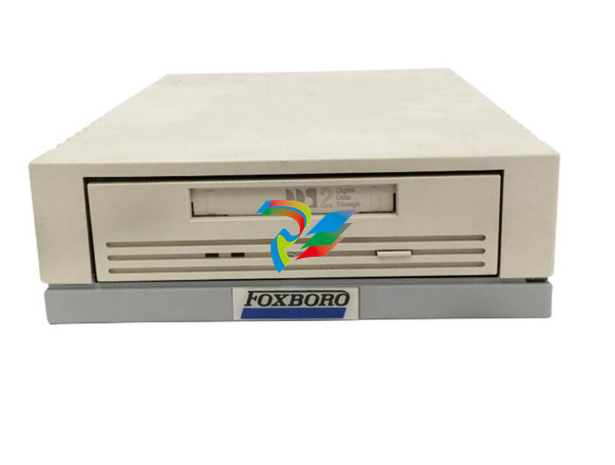 FOXBORO P0971DP Thermal resistance input/output module
 -
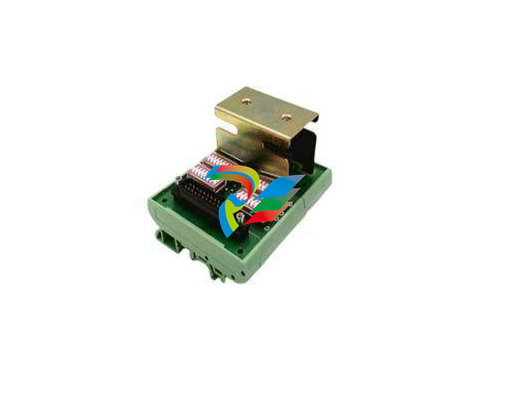 FOXBORO P0970VB Cable connector
 -
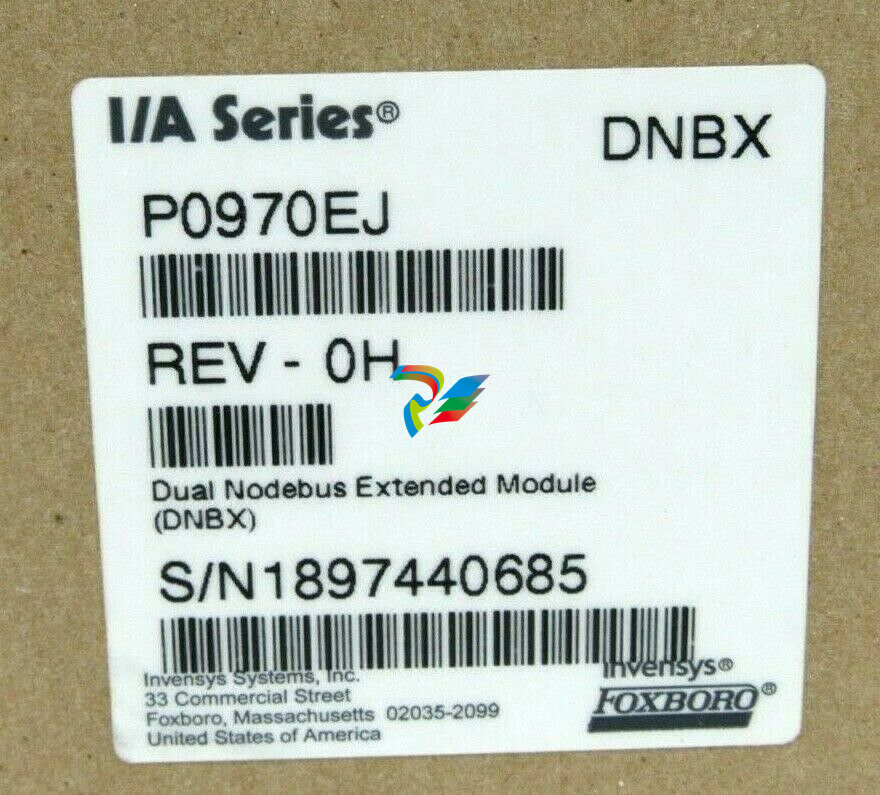 FOXBORO P0970EJ-DNBX Dual-node bus expansion module