
What Control Engineers Should Know About Industry 4.0
Control engineering is a well-established discipline with a long and prominent history. It is diverse in its applications but has a strong unifying core to it: the notion of dynamic systems and control theory. Many engineers will have encountered it as part of their education, as control engineering courses are taught to electrical, mechanical, chemical, aerospace, and industrial engineers. Quite often, though, this is the only time that engineers consciously encounter the subject of control systems.
While control engineering is rooted in mathematical theory and tools, Industry 4.0 relies on a variety of technologies. Industry 4.0 is a new and still-evolving paradigm in which digitalization is expected to revolutionize industry and core technologies are still emerging. The term was coined in 2011 by a German government taskforce and has been adopted by the World Economic Forum (WEF)ii. Its concepts are known to engineers, corporate managers and policy makers, but it can be difficult to grasp and define.
In this article, we address the intersection of control engineering and Industry 4.0 by examining the underlying methods and technologies as well as one vertical industry—steelmaking—so readers can discover how control engineering is helping to drive the development of this new production era of Industry 4.0.
History and definitions
Industry 4.0, the fourth industrial revolution, is now roughly 10 years old and there is increasing agreement and clearer definitions of what it comprises. The first three industrial revolutions had concrete drivers: mechanization, electrification and the advent of computers. Industry 4.0 has no single technology association; several technological advances and design principles drive it. Its underlying principle is digitalization.
Originally, there were nine pillars or technologies on which the vision of Industry 4.0 relied. These technologies have been adaptediii somewhat but the originals introduced in 2011 include: simulation; cyber-physical systems (a computer system in which a mechanism is controlled or monitored by computer-based algorithmiv); robotics; and artificial intelligence (AI), big data and data analytics.
So why is control not listed as one of the important technologies of Industry 4.0? One answer is that control engineering itself could have been singled out as a technological driver because control is one aspect of most—if not all—pillars. Another reason is that control engineering and Industry 4.0 terms overlap but address different functions in different applications.
As shown in Figure 1, control engineering relies on several—mostly mathematical—tools and techniques such as system analysis, state estimation and modeling and simulation to perform different types of control including optimal, adaptive, linear, non-linear and intelligent. Similarly, Industry 4.0 uses its core technologies and techniques to enable new technologies that can be applied to manufacturing and industrial processes as well as consumer products, financial services and more.
With simulation used by both control engineering and Industry 4.0, and one could easily jump to the conclusion that this is the most obvious intersection of the two areas. But the truth is more complex. The different mathematical models that underlie a simulation need to be distinguished. Are they dynamic models relating to the driving of a vehicle? Are they modelling the body of a car? The first concerns control engineering, the second does not.
The narrow aspect of individual control strategies separates them from the broad application of new Industry 4.0-related technologies like Internet of Things, augmented reality, 5G/cloud computing and the rest. In fact, unlike control engineering, Industry 4.0 has gained so much traction that it has entered the consciousness of the general public. As the new technologies’ spawn are applied to more than just industrial production, the term has grown beyond its original definition.
For example, a cell phone app that allows you to book an apartment in your city or autonomous robots delivering food or packages is not an example of the latest industrial revolution. But their developers are using the Industry 4.0 technologies to enable them. Simulation, robotics and AI/data analytics are being not just to produce smart phone or delivery robots, but they are being used within manufactured products.
On that point, Industry 4.0 is similar to control engineering. In the automobile industry, for example, Industry 4.0 technologies and concepts affect the actual manufacture and assembly of cars. But “control engineering” in the automotive industry often concerns the development of algorithms for speed control, shock absorption and so on within the car—which is not necessarily related to the production of the vehicles.
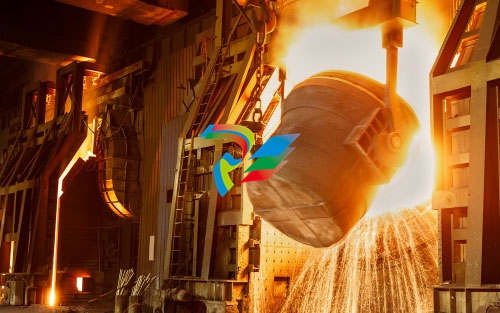
It is impossible to list all the applications of control in every Industry 4.0 technology. The reason is not only the fuzzy nature of Industry 4.0 definitions, but also the complex structure of modern production technology and the different applications of control specific to different vertical industries. So here we will examine one metals industry example for which control engineering is crucial: steelmaking.

Control: Key points for Industry 4.0 practitioners
At the core of control engineering lies the task of making a physical quantity follow a desired trajectory over time. Many separate aspects of control engineering are required to make this happen: modeling, analyzing and simulating the system, selecting sensors to measure or estimate variables, finding an actuator and designing a controller.
The time-varying behavior of a process, modeled by a dynamic system, can be found in many aspects of engineering and beyond, thus making control engineering a truly multidisciplinary subject. Other aspects of control engineering include implementation and assessment of the performance of a control system. Control engineering is sometimes referred to as control systems, feedback control, or automatic control. For brevity, in this article we also refer to control engineering as simply “control.”
Three important building blocks make up a control system: the sensor, the actuator and the controller itself. These blocks are arranged in a feedback loop, comparing the process variable to a desired setpoint. In its most trivial form, a human can act as all three building blocks: Eyes and ears are sensors, manual interventions by hand are the actuator, and the brain is the controller. In the most complex form, the three building blocks are substituted with automatic actions, electronic sensing and optimized software.
Control engineering is a hidden technology; it can be found almost everywhere, often without anyone (except the control engineers) knowing about it. Without control, many technical applications would not work, implying that control engineering is of great importance in our lives.
While functioning control systems can operate under the radar, control systems that fail are very visible: airplane crashes, nuclear power plant meltdowns and autonomous vehicles going astray are some examples of failed control systems.
Control engineering is always a means to an end, such as keeping the temperature in a reactor constant to produce a new product. No one does control engineering because they want a control system; there is always a purpose.

Industry 4.0: Key points for control engineers
Industry 4.0 refers to the increase in automation and digitalization in manufacturing and production processes and process industries. It reaches beyond earlier industrial innovations like the introduction of the steam engine, electricity and computers—all of which have significantly changed industry in past “industrial revolutions.”
In each industrial revolution, new disruptive technologies appeared and paved the ground for a new wave of innovations. When the effect of the innovations was large enough, it revolutionized the norm of how things were seen and done. These revolutions also had a great positive impact on nations’ economic growth and living standards.
When it was first introduced in 2011, by a strategic think tank of the German government, Industry 4.0 had nine underlying pillars: the Internet of Things (IoT), augmented reality (AR), simulation, additive manufacturing, system integration, cloud computing, autonomous systems, cybersecurity and big data analytics.
The diversity of these technologies shows the complex and nebulous nature of Industry 4.0, but uniting all pillars is the increased “digitalization” of processes and the resulting availability, interchangeability and connectivity of information. One uniting aspect of Industry 4.0 technologies is connectivity. It is now possible to connect machines and operational systems, locally and remotely, and exchange data, commands and information among different systems. The data and information existed before, but it was difficult to integrate and use.
There is criticism that Industry 4.0 may only be a hype topic and not a tangible revolution. The previous three revolutions were built on concrete technologies (mechanization, electrification, computerization), whereas Industry 4.0 is built on the somewhat more intangible concept of digitalization. Some proponents argue that this is only because we are in the middle of this new era and therefore cannot see it clearly.
Industry 4.0 has gained much traction through government initiatives in many countries, sometimes referred to with alternative names such as smart industry or smart manufacturing. Companies who embrace change and invest in research and new technologies fare better in an uncertain world with changed prerequisites. This speaks for the paradigm shift that is Industry 4.0.

An application viewpoint: Steelmaking
An entry point to understanding the intersection of Industry 4.0 and control is to focus on an industry and different applications within it. We chose the metals industry for several reasons:
First, the steelmaking process is made up of consecutive processing steps that are similar across the globe.
Second, while the processing steps are continuous, they are sequenced discretely, resulting in a variety of operating practices.
Third, a large number of resources and amount of energy is required during the production stages. As a result, sophisticated process optimization and improvement schemes are important and financially worthwhile.
Figure 2 shows the standard steps in a steelmaking process: In the melt shop, scrap metal or iron ore is melted in a furnace and various chemicals are added before the melted material is cast continuously. Slabs of metal are then formed into long sheets of metal in a hot rolling mill. The metal sheets are rolled out further in a profile or cold rolling mill. The surface of the sheets is further treated chemically and mechanically before storing them in a warehouse for further use in cars, ships, or household appliances. Because of the large and precise amounts of energy required, the stages of the steelmaking process require integration with the electricity grid.
All the processing steps, from melt shop to warehouse, require individual control solutions, as shown in Figure 3.
Control in continuous casting is related to the level of molten steel as the ladle is emptied into the tundish. Controlling the level is critical for high-quality steel and, while level control is a standard application, it is hard to measure the level in the tundish and empty the ladle according to the control instruction.
Hot and cold rolling mills also require control of the mass flow, the gap of the rollers and control of the motor speed. While these individual control objectives are achieved with feedback as well as feedforward control strategies, there is also a need for multivariate control as an overarching strategy in the cold rolling millv. 
The control aspects—implemented in an industrial control system—interact directly with the process. They are shown at the bottom of Figure 3. Other automation solutions that involve feedback elements and decision making over different time scales are depicted on top of the basic control layer.
For example, scheduling solutions calculate which batch will be produced at what time on a specified piece of equipment. Energy management solutions are concerned with managing the overall use of electricity or other sources of energy such as heat. Anomaly detection is important for quality management and draws its information from the basic control layer. Planning solutions are concerned with a large time scale and determine in what order customer order are fulfilled.
When manufacturing and processing companies speak about vertical and horizontal integration, they usually refer to the exchange of information between the different automation levels and across the entire supply chainvi. Since Industry 4.0 facilitates the exchange of data and information, it enables horizontal and vertical integration.
Although there are many different aspects of integration depending on the industry and setup of the production, steelmaking is tied in with electricity management because it is an energy-intensive process—particularly in the melt shop, casting and hot rolling mill processes where heating is required. The electricity grid may pose constraints on production or may make production more profitable if carried out at specific times. This will influence the schedule. As a result, it is necessary to share information between the different levels of automation. So, the vertical integration of scheduling is one aspect of steelmaking where Industry 4.0 shines.
Standards are required to facilitate the information exchange efficiently and the main standard here is ISA95, which describes the integration of the enterprise system and the control systemvii. At ABB, it was demonstrated how the ISA95 standard can be used to provide the production schedule data so that it can be shared with the energy grid.
Another option to improve overall process efficiency is to connect the scheduling and the control layer using key performance indicatorsix (KPIs). Metals solution provider Hitachi demonstrated how to integrate planning and scheduling, and the control systems, thus improving the production yield as well as productionx.This is one example of IT and OT integration.
When data can be exchanged between process steps and between different planning and scheduling solutions, energy can be used more efficiently. Energy can also be used at times when electricity is more affordable, and production quality can be more consistent.
Implications and challenges
What implication does Industry 4.0 have for control engineers and how will control engineering impact Industry 4.0? Here are some emerging research directions, implementation considerations and potential challenges.
Distributed control and network control. What the authors see in many different areas—such as in the energy or telecommunication industries—is the desire for distributed and network modeling and associated control strategies. Distributed systems and network theory provide modeling and control strategies; however, these have not yet found their way into process manufacturing on a widespread basis.
The authors are only aware of academic works in this area but are expecting to see success stories soon. A hindrance is the lack of accurate dynamic models for many production processes. Even if it would be possible to derive such models in a concerted effort, there is a need to update them continuously.
Control assessment. Before taking the next leap and developing, for example, a plant-wide control strategyxi, it is important to assess the performance of existing technology. The assessment forms the foundation to motivate further investment in new technologies: Is it worth investing in a new scheduling solution or a new integrated controller technology? The business case and assessment should never be ignored.
Currently, it is possible to assess the performance of a plant to point toward problems with individual PID loops, but this is by no means standard technology, implemented everywherexii. When it comes to the assessment of the performance and maintenance of MPC controllers, the task is even more complicated. There are some reports in the literaturexiii, but it is not typically done in industry in a systematic way.
Lack of standards for information exchange. Vertical and horizontal integration requires that information and data be easily exchanged between different systems. It is one thing to draw a line between two boxes representing solutions, but it is another to transfer data from one to the other practically. There are some standards such as OPC that address this problem, but it is still a challenge to configure adapters that can interpret the data correctly.
In particular, it is necessary to build an asset structure as has been proposed in other standards such as ISA95, Namur Open Architecture (NOA), AutomationML and others. Arguably, control engineers should participate more in the standardization bodies to keep the control perspective in mind.
Cross-discipline knowledge required. Control engineering has always been a multidisciplinary subject. Control engineers have their homes in electrical, mechanical, chemical, industrial, process and aeronautical engineering departments, sometimes even in mathematics. As a result, control engineers may not combine forces as much as may be necessary. If you are a control engineer in a production related field, you will have a large exposure to Industry 4.0. In addition, new skill sets are required. Besides the knowledge of control theory as well as of the application, software skills are increasingly important in the era of Industry 4.0.
Engineering education changes. The difficulty is knowing what students should learn in their syllabus. Should control engineers be able to program a PLC or a DCS? Should they learn about software required to exchange information with, for example, a scheduling solution system? We need new degrees to deal with challenges in automation. An understanding of Industry 4.0 and control engineering is required if we really want to reap the benefit of this new revolution, understanding all aspects of production systems and software implementation.
Final thoughts
How do control engineering and Industry 4.0 relate? In this article we have demonstrated that control engineering is an underlying technology of Industry 4.0. However, it is not cited as an underlying pillar in presentations on Industry 4.0, unlike, for example, simulation or robotics.
One could argue that control is such a fundamental engineering science that it contributes to all the different technologies of Industry 4.0. But the real reason could simply be the poor understanding of control among policy makers. Control engineering bodies should try harder to push the topic into the general public. One approach would be to participate more in industrial forums and standardization bodies to work against the alarming trend of increasing disconnect between control engineering and industry.
At the same time, control engineers are sought after by industry, especially as they venture into different domains. Control engineers have a versatile, applicable and comprehensive skill set. Their skills include analysis, simulation, optimization and data analytics. These are sought-after in the context of Industry 4.0.
It often happens that control engineers—academics included—start in one control area and then move outside of what is traditionally understood as “control.” Industry 4.0 relies on control engineering knowledge and skill sets, while control remains a foundation of many of its driving technologies. With the advent of Industry 4.0, the inclusion of control in the syllabus of various engineering disciplines is more important than ever before.
-
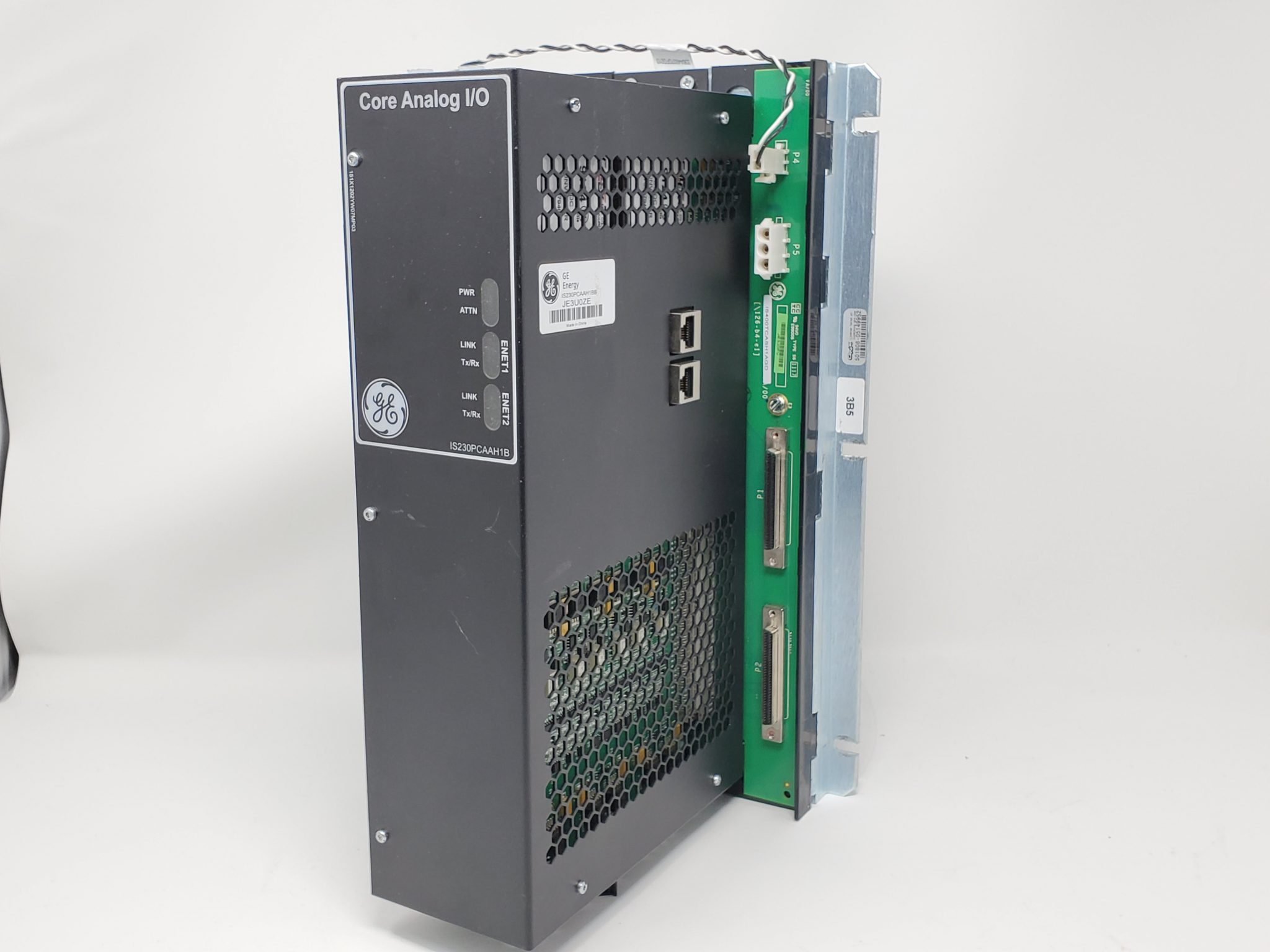 IS200BPPBH2CAA Mark VIe Power Supply Module
 -
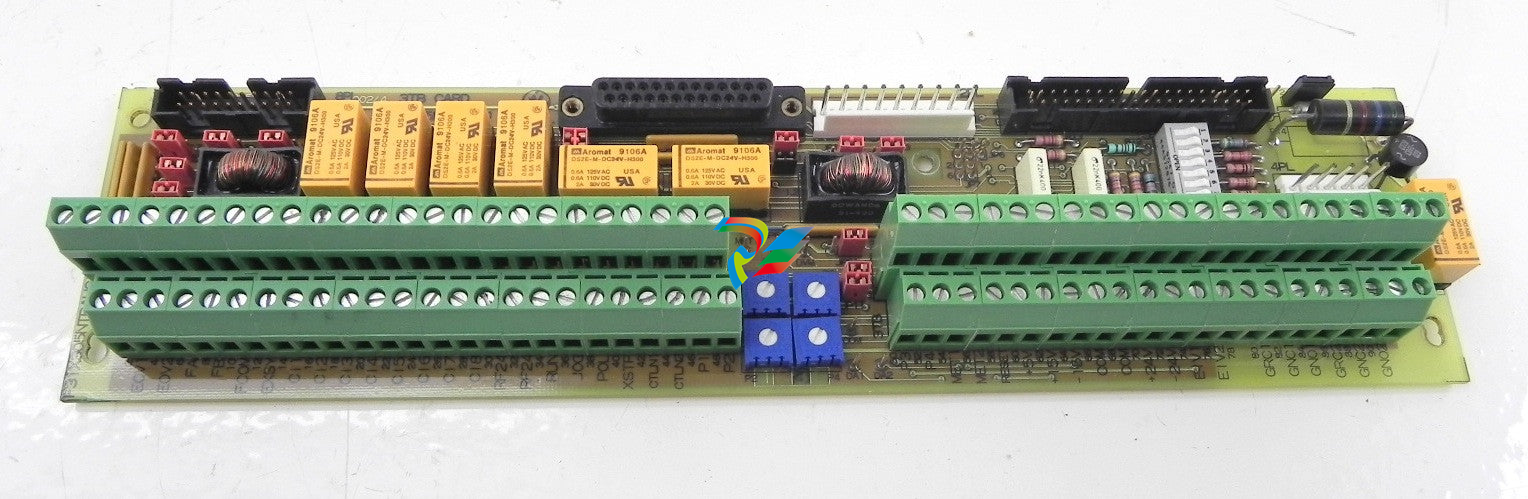 IS210MACCH2AEG Motor Control and Communication Module
 -
 IS210MACCH2AGG Mark VIe Speedtronic Turbine Control Module
 -
 IS200AEPAH1AFD Printed circuit board
 -
IS200AEPAH1ACB Analog I/O Module
-
 IS200WREAS1ADB AERO TRIP TB DBRD sub-board
 -
 IS200WETAH1AEC large board component made Mark VI system
 -
 IS200AEPAH1AHD A High-Precision Excitation Control Board for Turbine Systems
 -
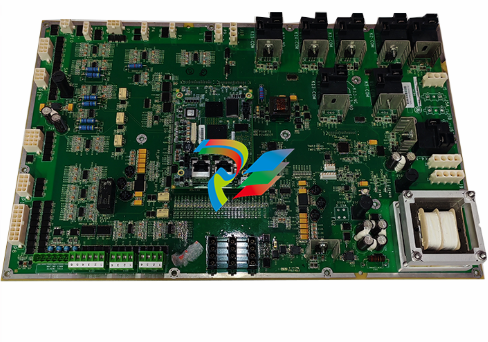 IS200WEMAH1AEA Control board
 -
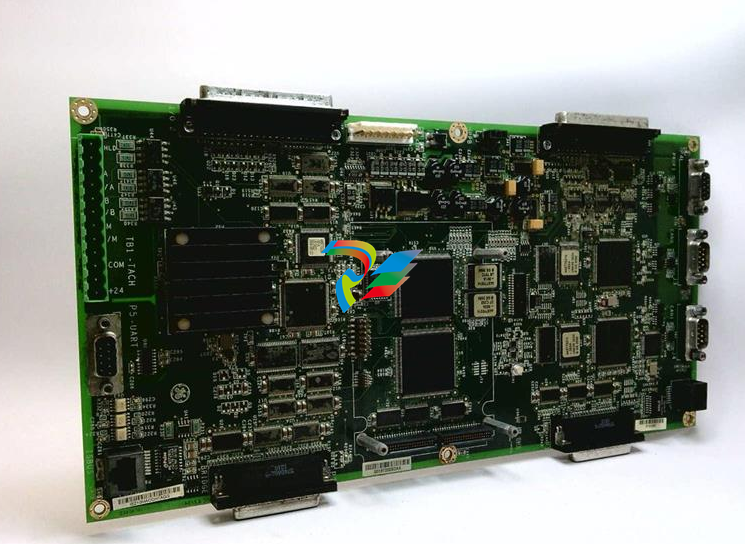 IS210MACCH1AGG processor card
 -
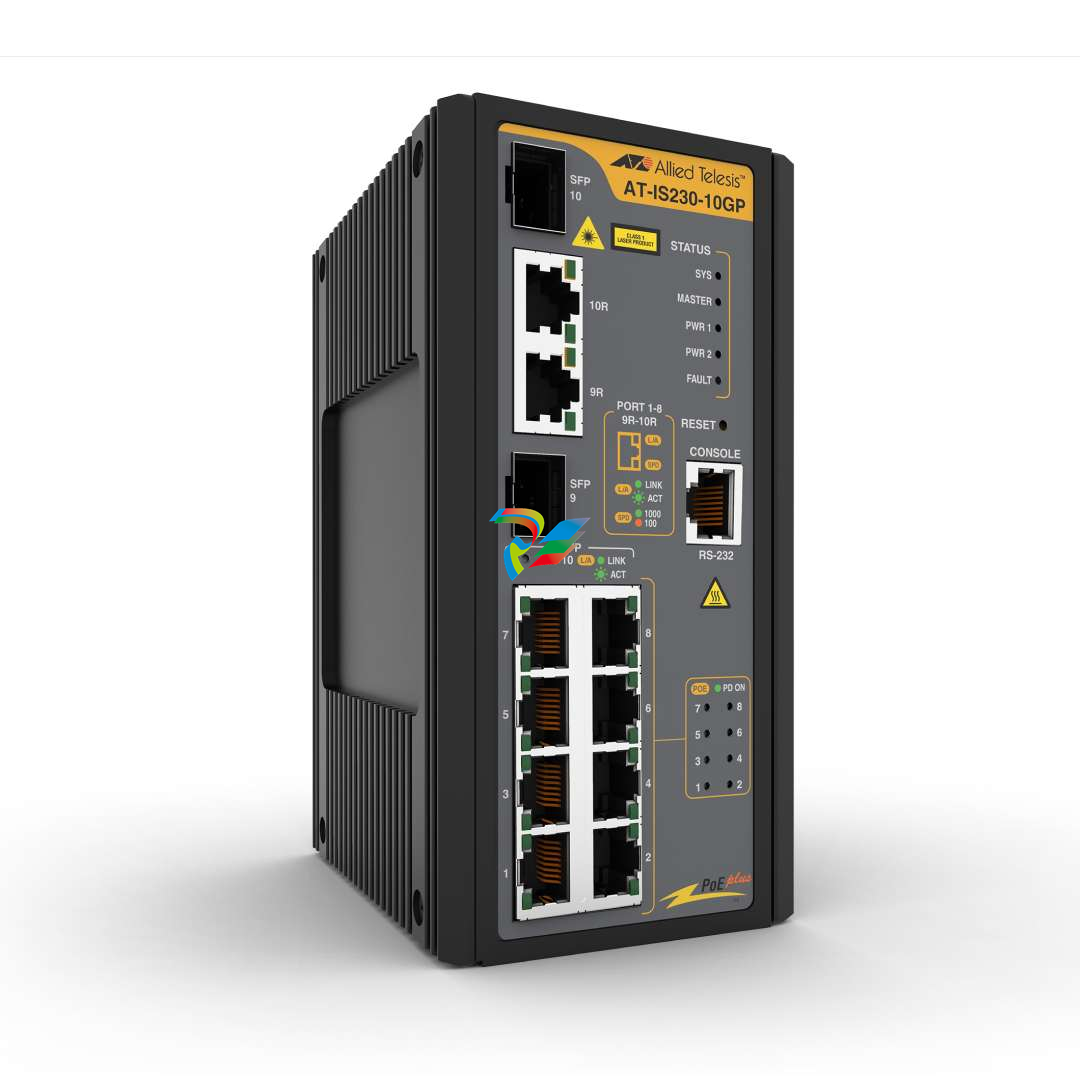 IS230TNRLH1B Discrete Output Modular Assembly
 -
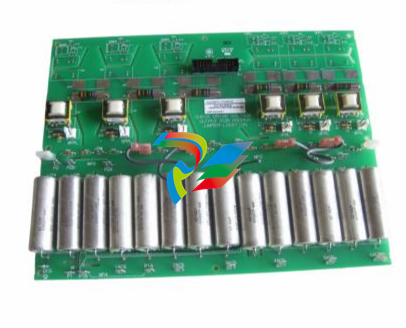 Mark V Series DS200PCCAG1ACB PCB Power Connect Card
 -
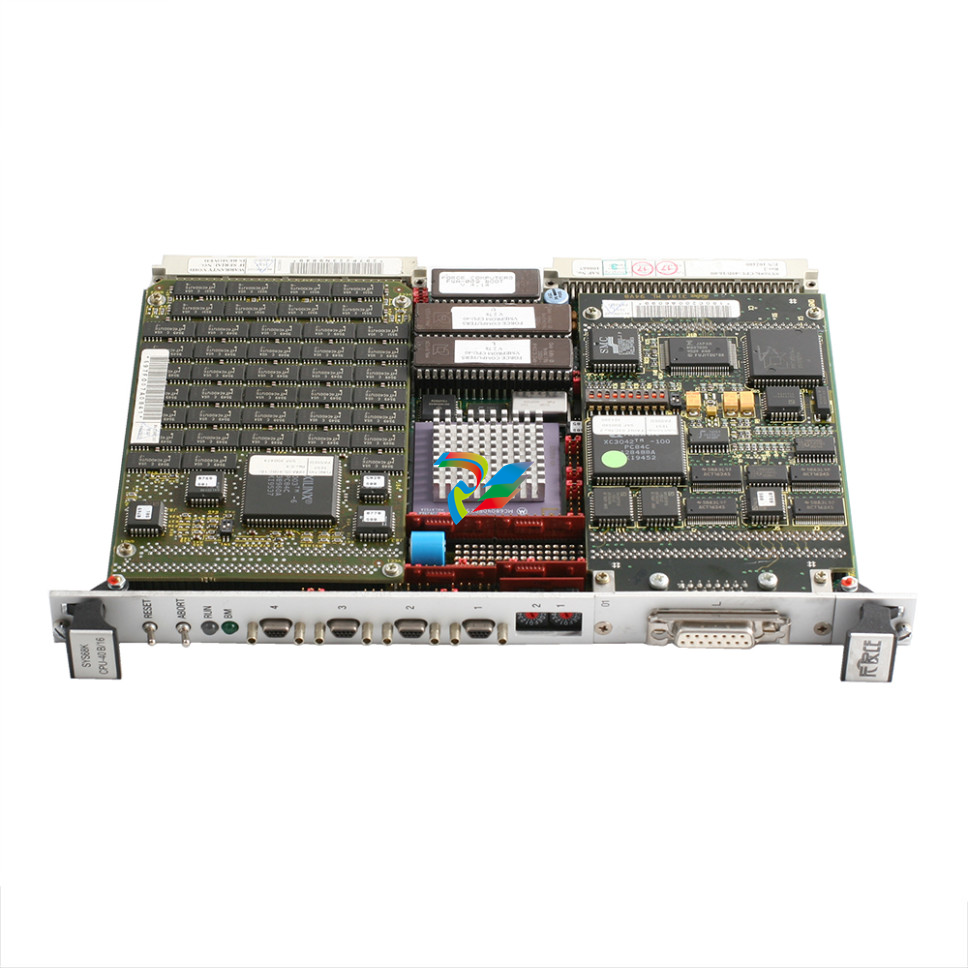 DS200SI0CG1AEA Instantaneous overcurrent card
 -
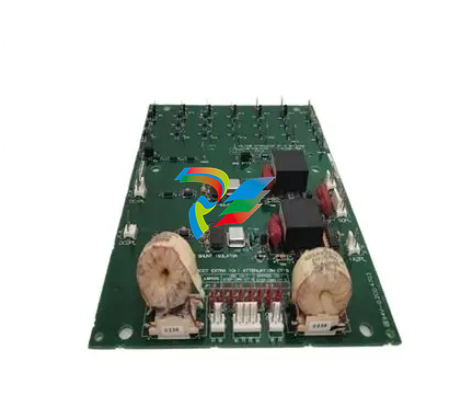 DS200SHVMG1AGE Analog I/O board
 -
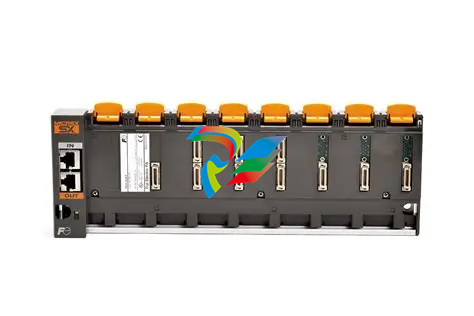 DS200SI0CG1A6A Input/Output Module
 -
 DS200SHVMG1AFE SCR High Voltage Interface Board
 -
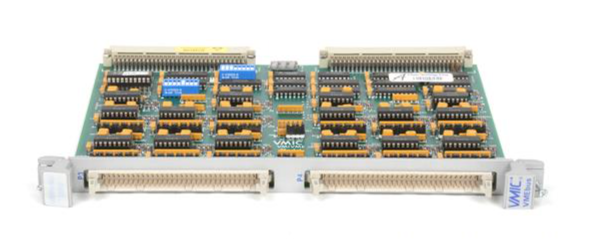 DS200RT8AG3AHC Relay Output Terminal Board
 -
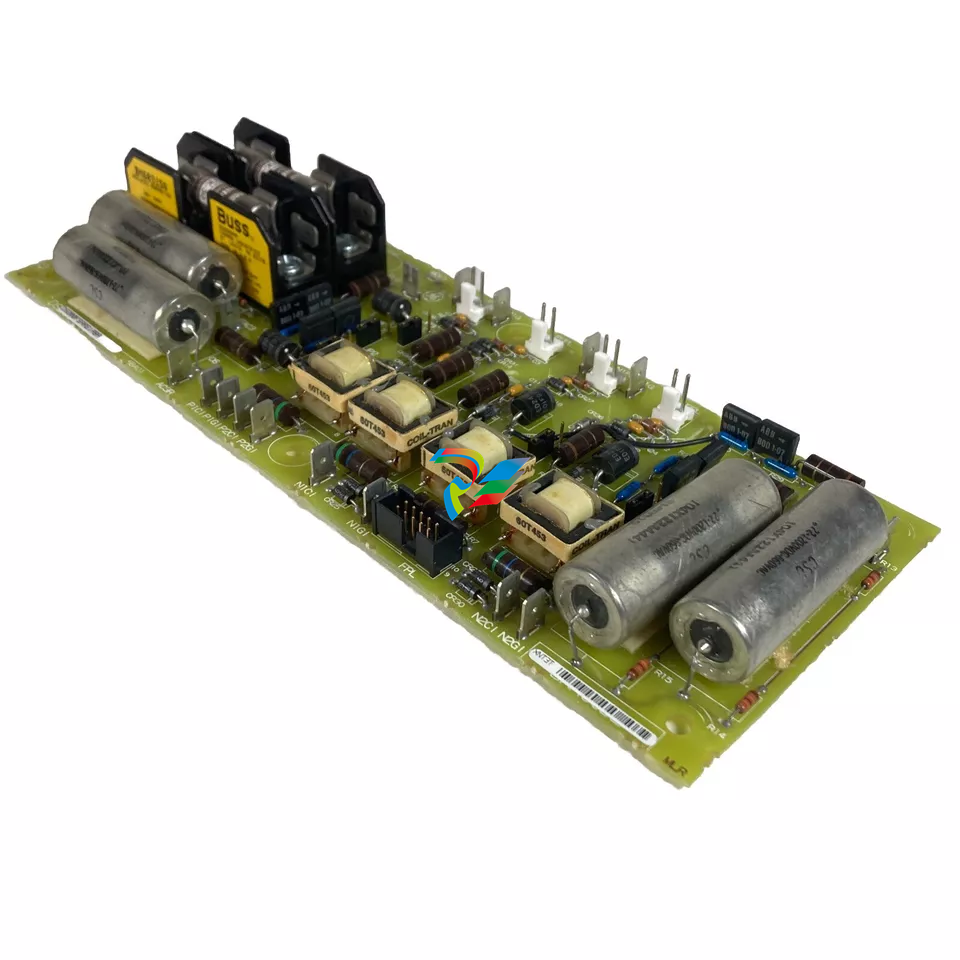 DS200FSAAG1ABA PCB Field Supply Gate Amplifier Board
 -
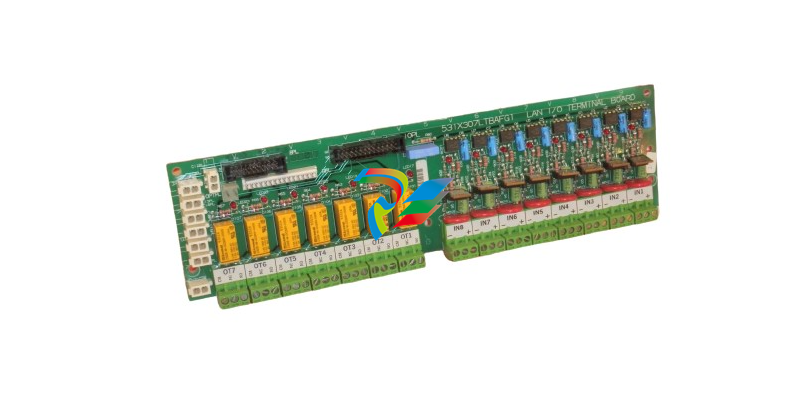 531X307LTBAFG1 F31X307LTBA LAN I/O Terminal Board
 -
 ABB AFS670 19" Ruggedized Switch AFS670-EREEDDDSSEEEEEEEPZYX05.1.0
 -
 NI Controller for VXI VXIPC-871B
 -
 IS200EPMCH1GE Mark VIe Patch Cord Power Distribution Card
 -
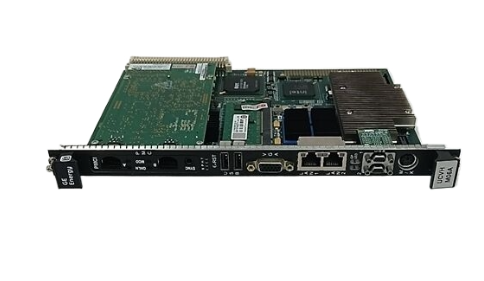 VMICPCI-7632-03310 IS215UCCAH3A 350-657362-003310J GE gas turbine system control processor board
 -
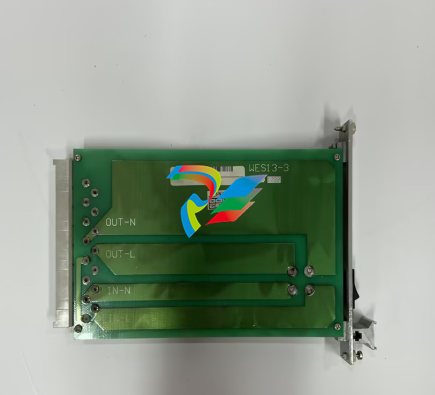 WEA13-13 2508-21001 Control Module / I/O Board
 -
.jpg) WES5120 2340-21004 Controller Main Module
WES5120 2340-21004 Controller Main Module -
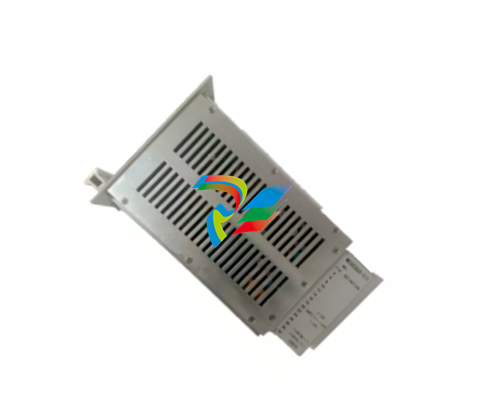 WES5120 2340-21006 Field Controller Master Unit Module
 -
WESDAC D20ME 18-MAR-13 Excitation Control Module
-
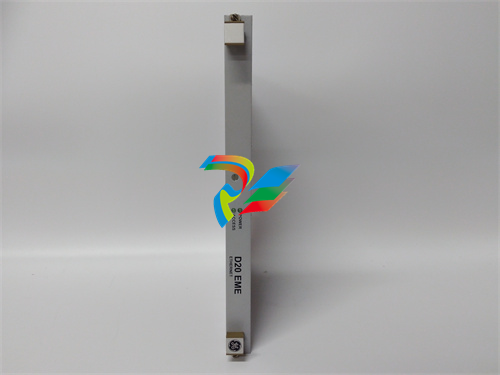 D20 EME 2400-21004 Ethernet communication and expansion module
 -
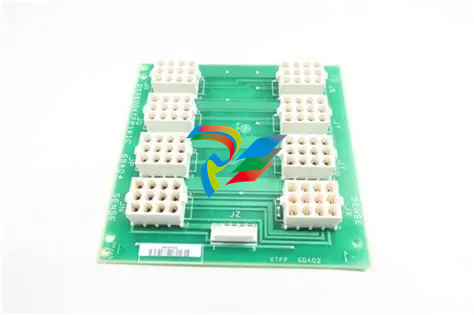 GE DS3800XTFP1E1C Thyristor Fan Out Board Brand
 -
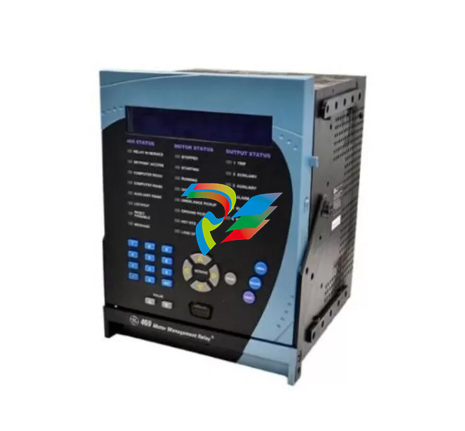 GE SR745-W2-P1-G1-HI-A-L-R-E Feeder protection relay
 -
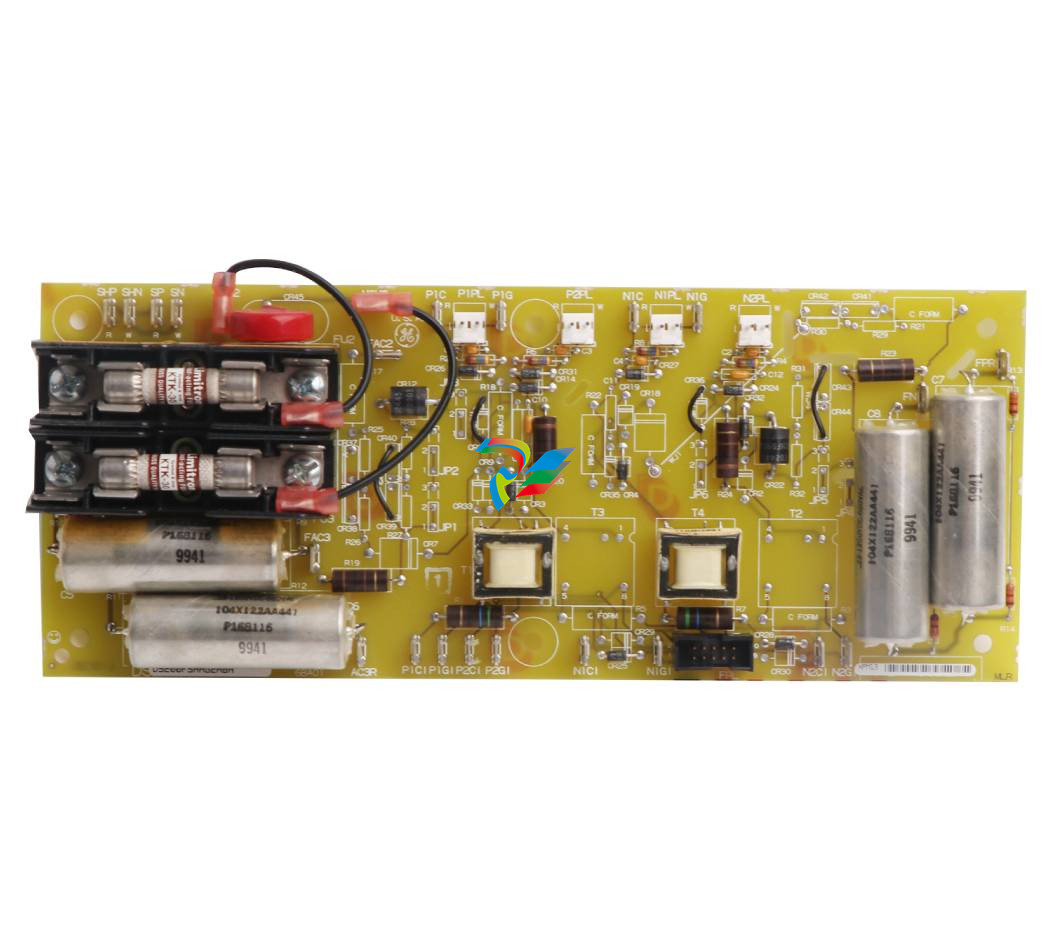 GE IS230TNDSH2A Discrete Output Relay Module Brand
 -
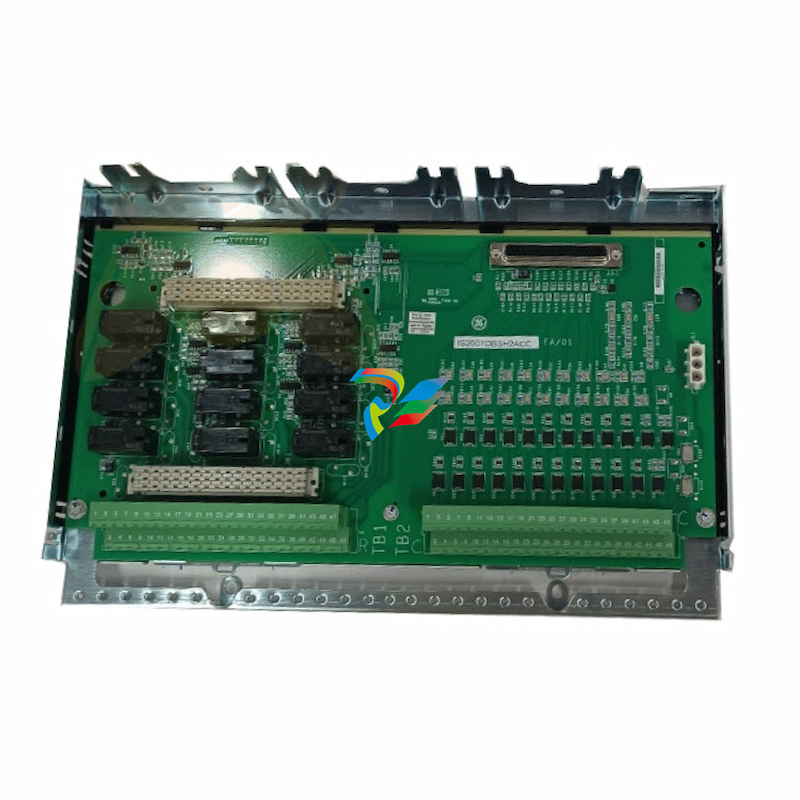 GE Fanuc IS200TDBSH2ACC Mark VI Terminal Board Brand
 -
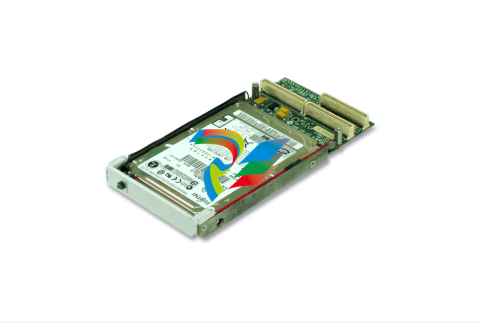 GE PMC-0247RC-282000 350-93750247-282000F Disk Drive
 -
GE PMC-0247RC-282000 350-93750247-282000F Disk Drive
-
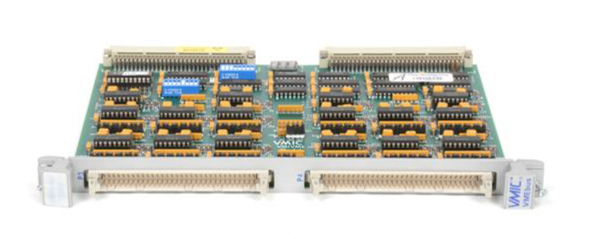 GE VMIVME-1150 Serial Communications Controller
 -
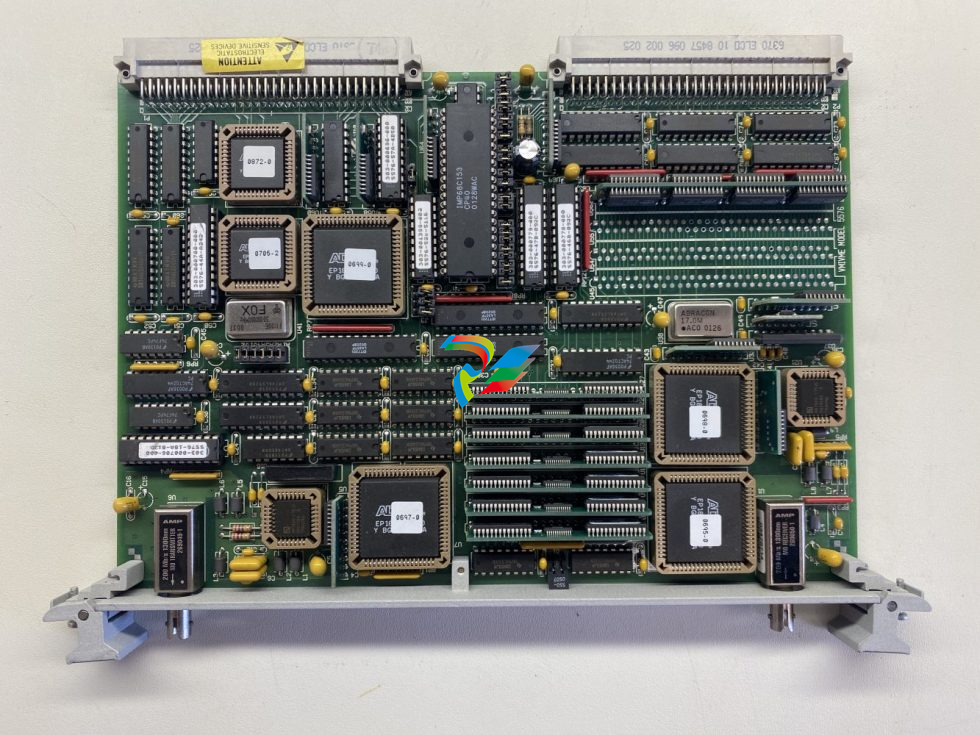 GE VMIVME-5576 Fiber-Optic Reflective Memory with Interrupts
 -
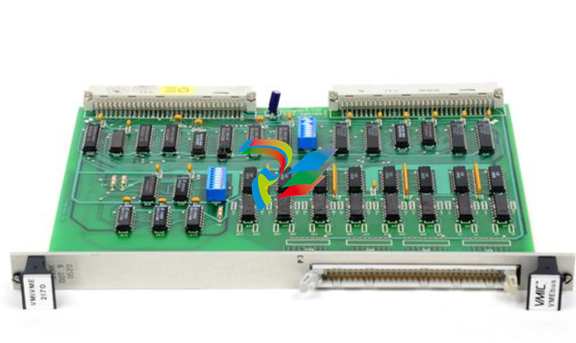 GE VMIC Isolated Digital Output VMIVME-2170A
 -
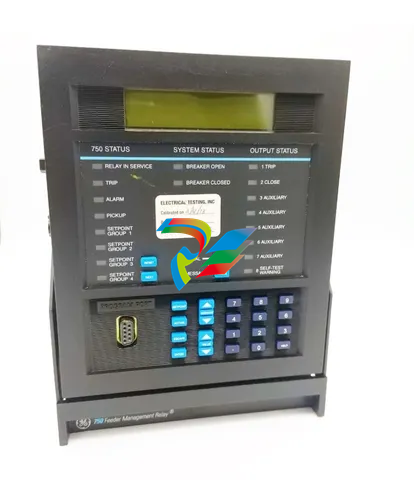 GE MULTILIN 760 FEEDER MANAGEMENT RELAY 760-P5-G5-S5-HI-A20-R-E
 -
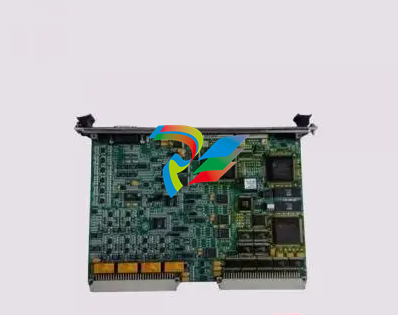 GE IS200AEPAH1BKE IS215WEPAH2BB Printed circuit board
 -
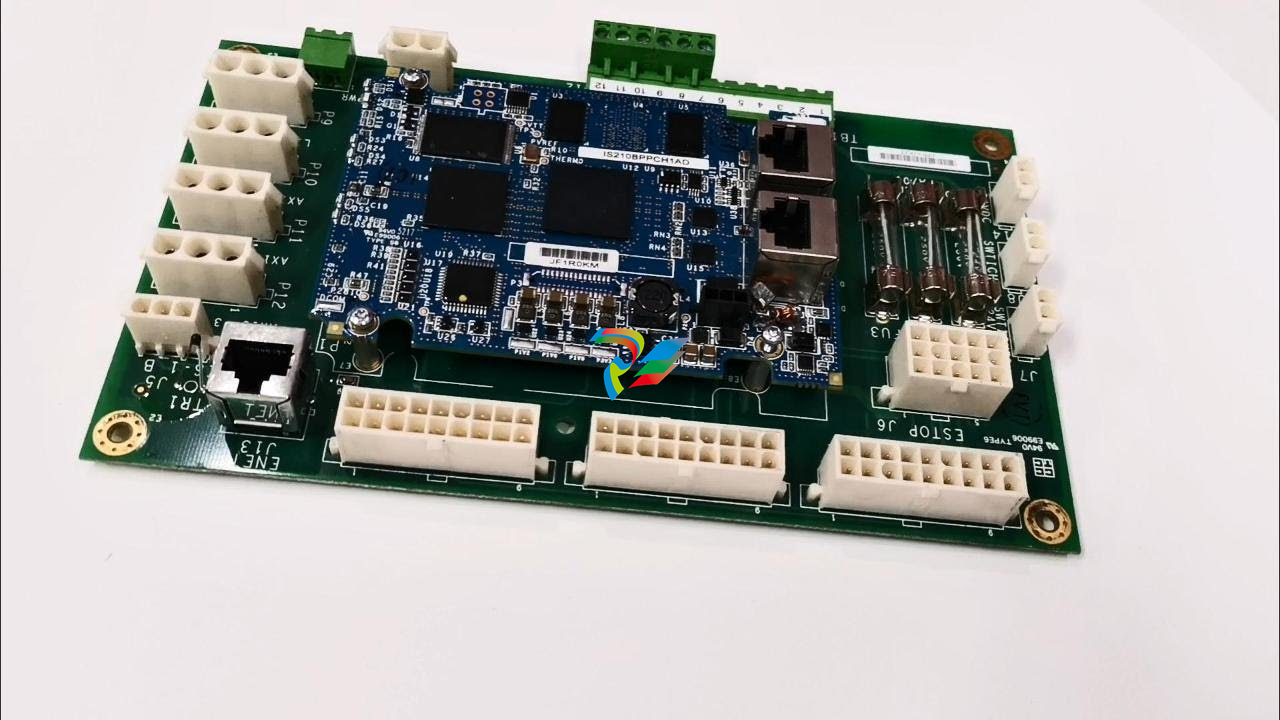 GE IS210BPPCH1A Mark VIe I/O Pack Processor Card
 -
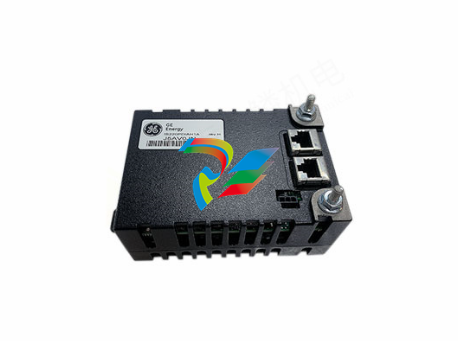 GE IS220PRTDH1A 336A4940CSP6 High-Performance RTD Input Module
 -
GE IS220PDIAH1BE 336A5026ADP4 Discrete Input Module
-
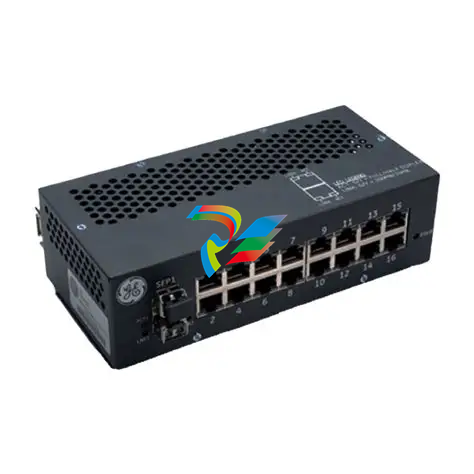 GE IS420ESWBH3A IONET Switch Module
 -
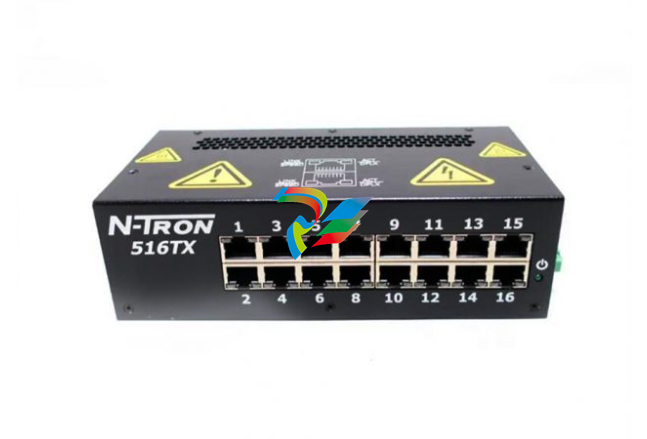 GE 516TX 336A4940DNP516TX 16-port Ethernet switch
 -
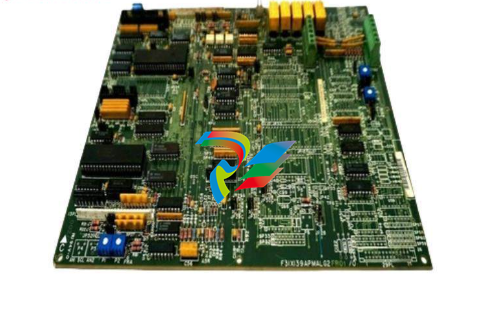 GE EVMECNTM13 Embedded control module
 -
GE EVPBDP0001 EVPBDP032 control module
-
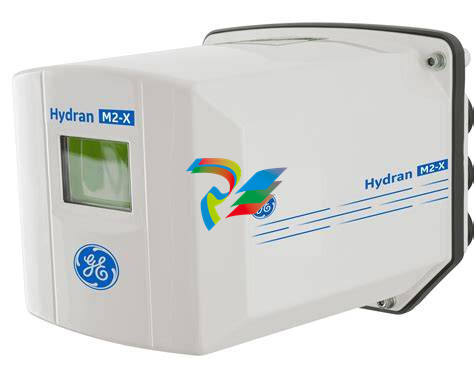 GE Hydran M2-X Enhanced Monitoring with Extended Sensor Life
 -
 GE UR6CH Digital I/O Module
 -
 GE IC695CPU315-CD Central processing unit
 -
 GE 531X305NTBAMG1 DR Terminal Board
 -
 GE 531X305NTBALG1 NTB/3TB Terminal Board 531X Series
 -
 GE 531X305NTBAJG1 NTB/3TB Terminal Board.
 -
GE 531X305NTBAHG1 NTB/3TB Terminal Board 531X
-
 GE 531X305NTBAEG1 is a PCB that functions as a DR terminal board.
 -
General Electric 531X305NTBACG1 NTB/3TB Terminal Board 531X
-
 GE Digital Energy D20 Analog Input Module
 -
 GE 94-164136-001 main board Control board
 -
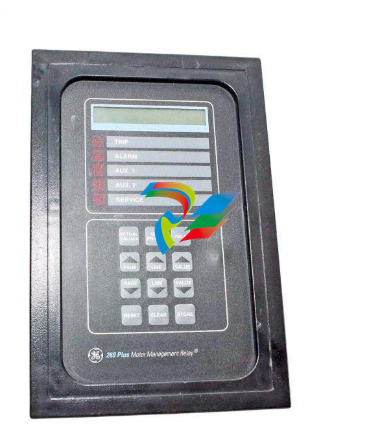 GE 269 PLUS-D/O-100P-125V Digital motor relay
 -
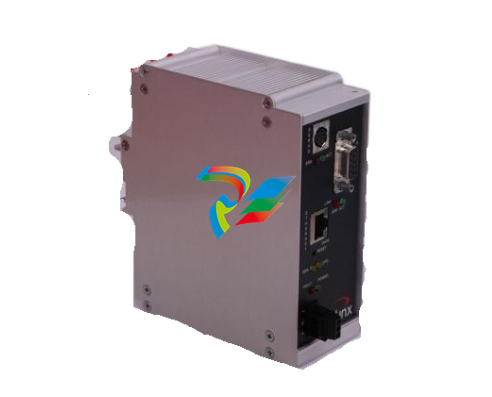 GALIL DMC-9940 High-performance motion controller
 -
FUJI NP1BS-08 base plate
-
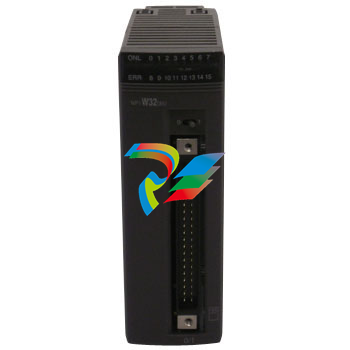 FUJI NP1Y32T09P1 Transistor drain type digital output module
 -
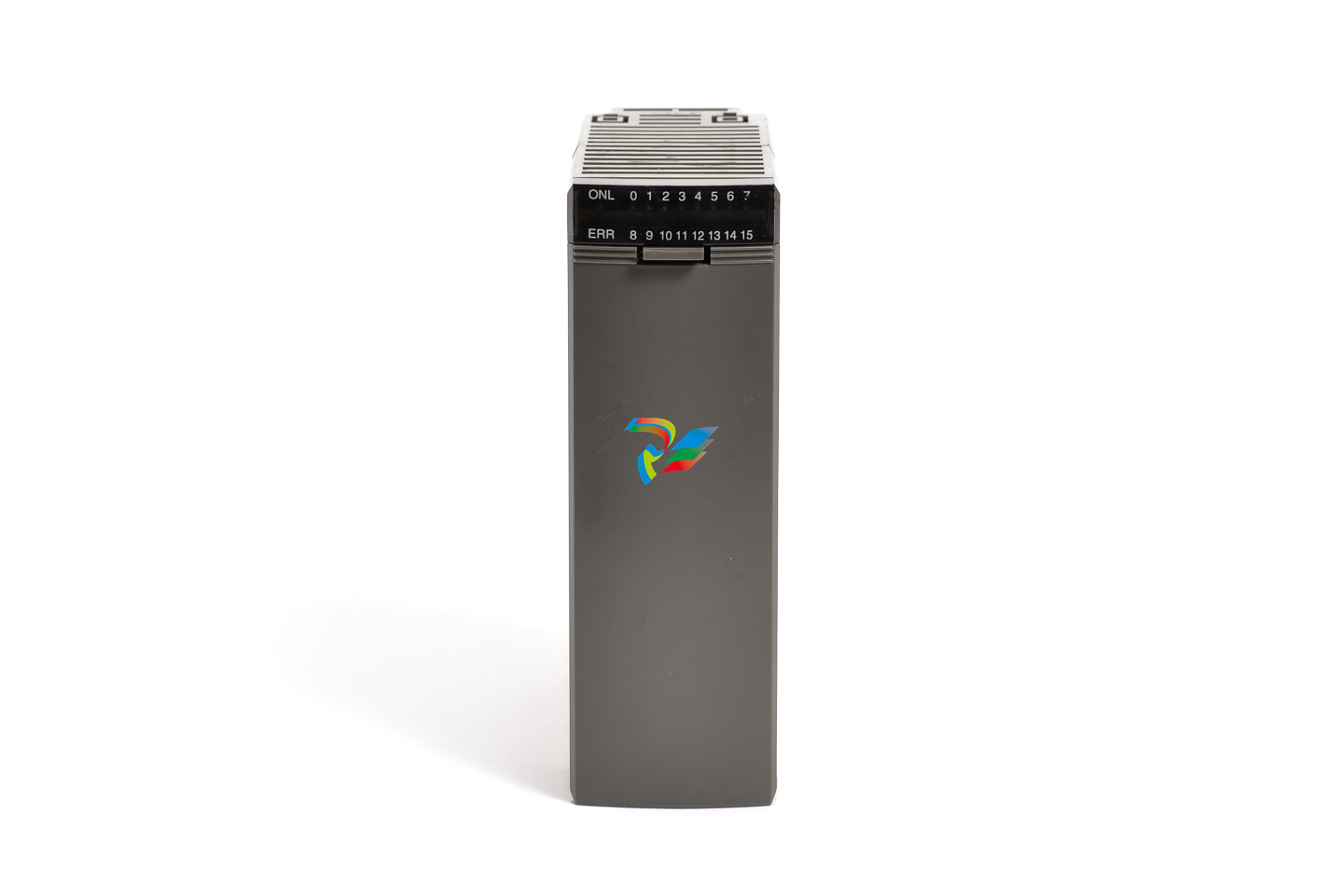 FUJI NP1Y16R-08 Digital Output Module
 -
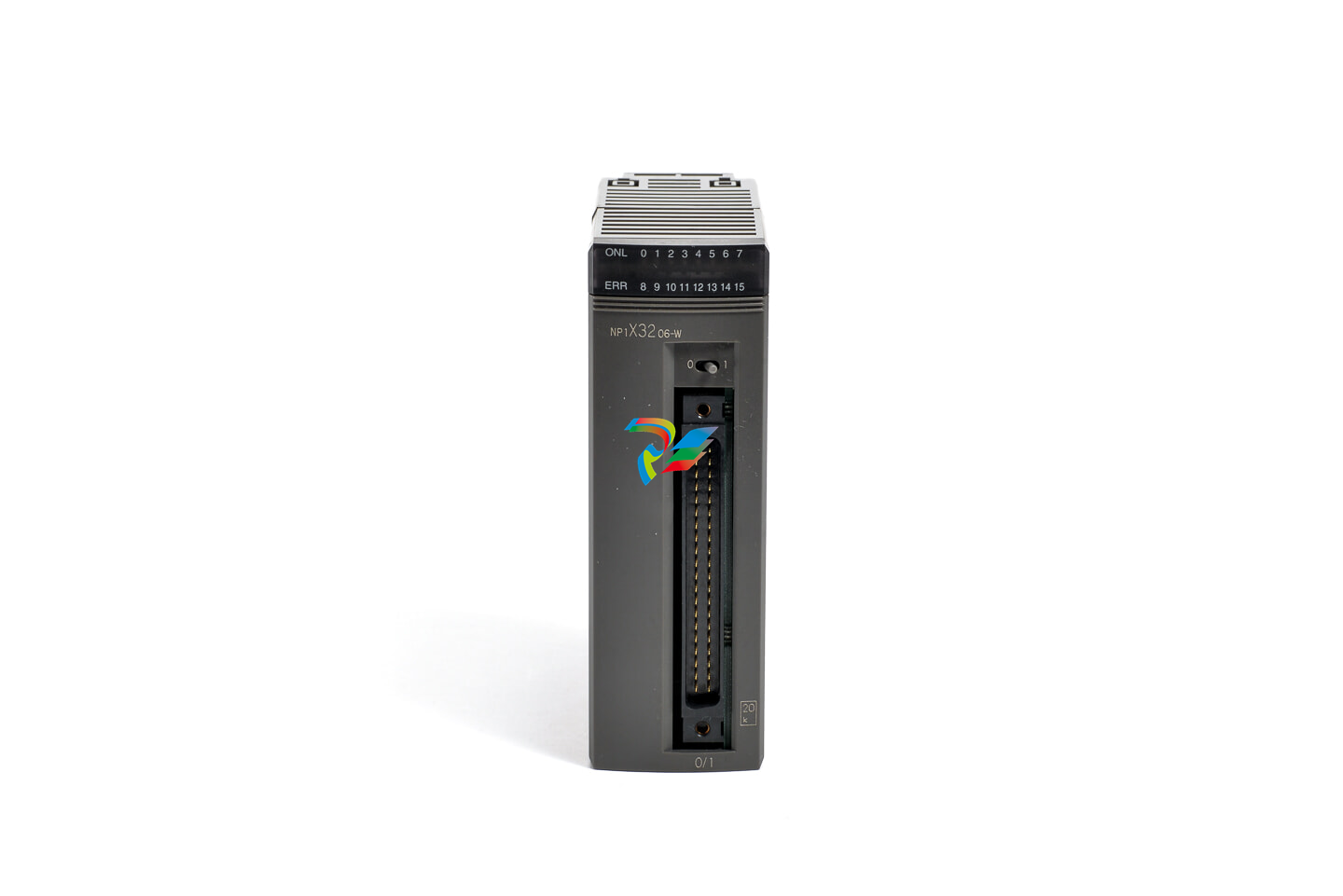 FUJI NP1X3206-A High-speed digital input module
 -
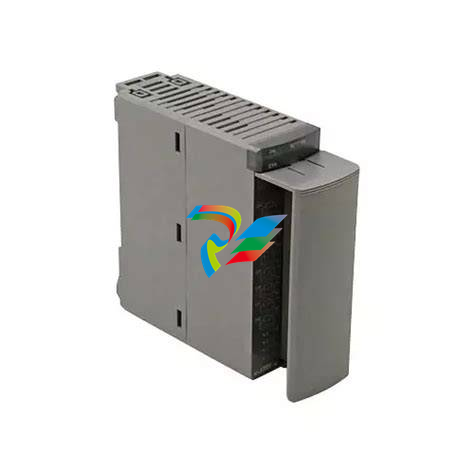 FUJI NP1AYH4I-MR current output module
 -
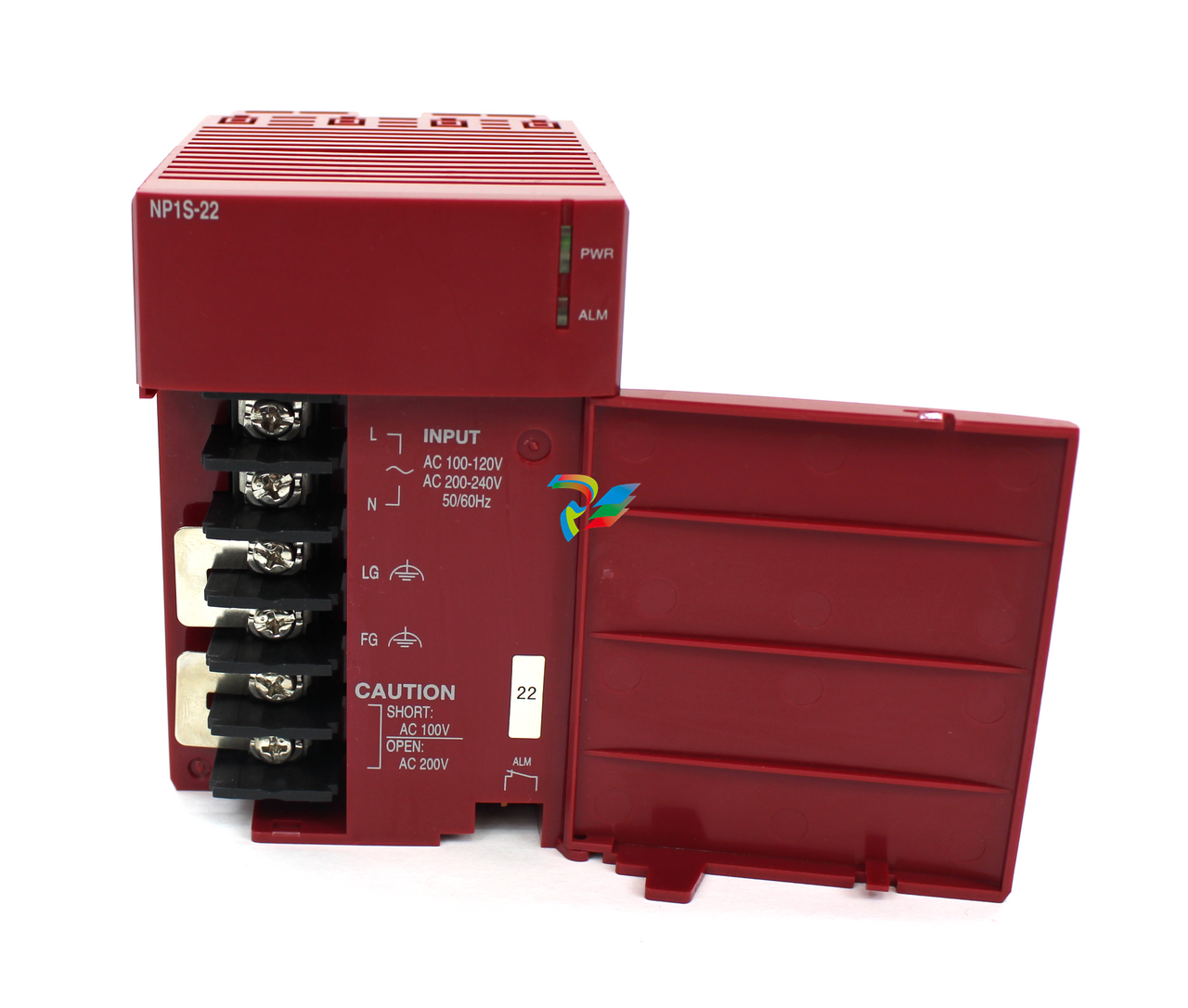 FUJI NP1S-22 Power module redundancy
 -
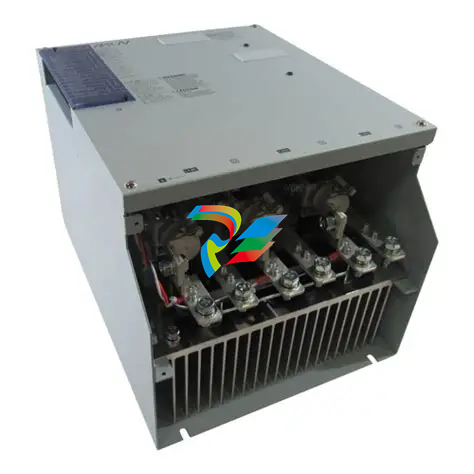 FUJI RPXD2150-1T servo drive module
 -
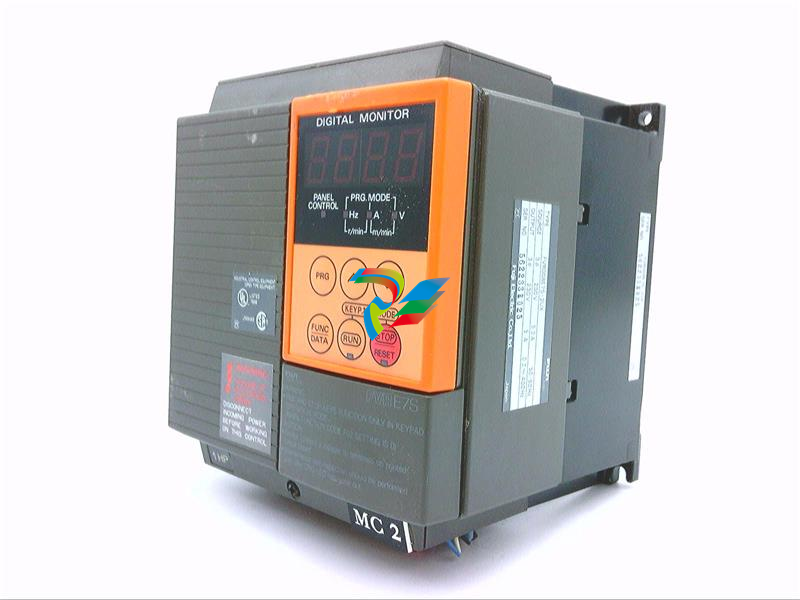 FUJI FVR008E7S-2UX Ac frequency converter
 -
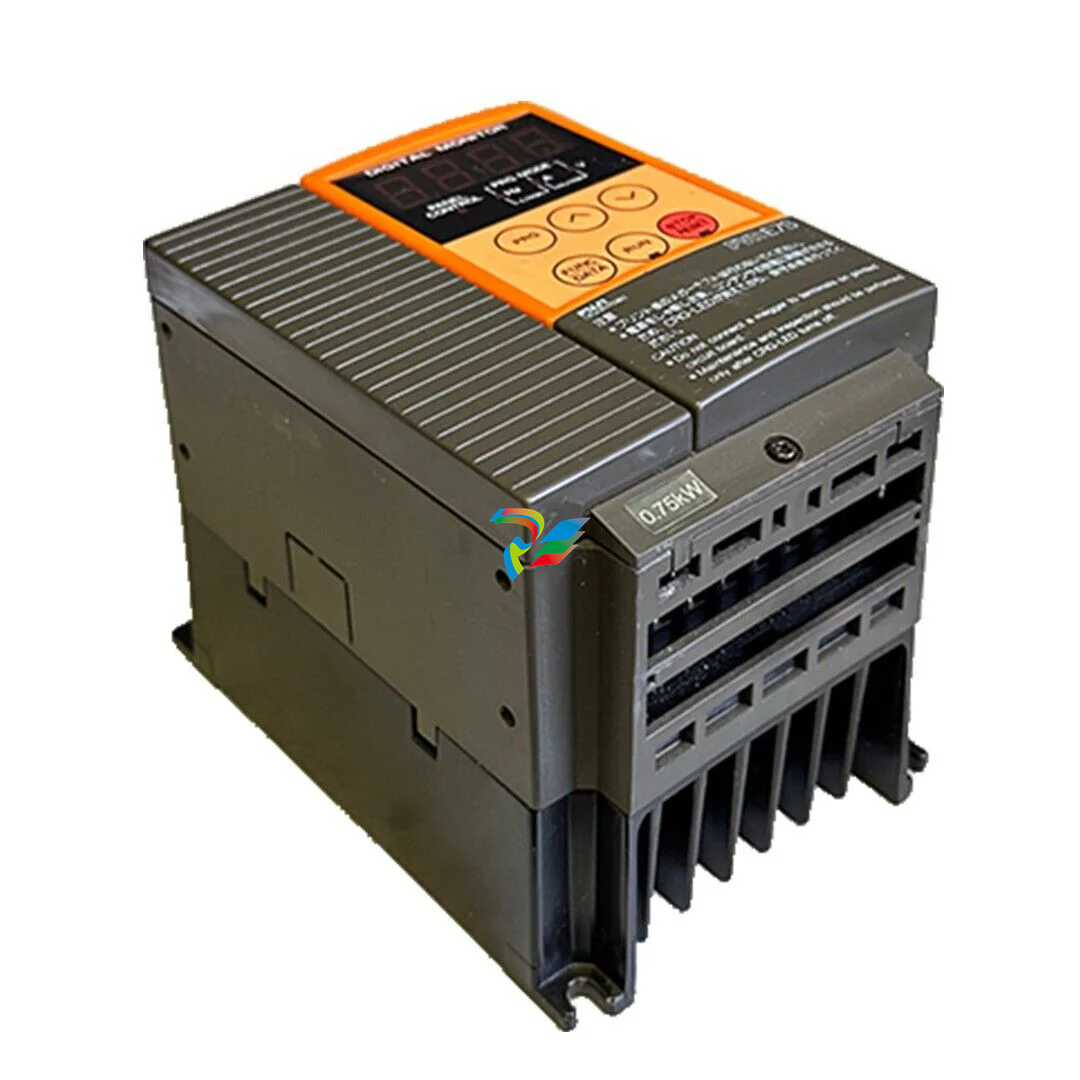 FUJI Ac frequency converter FVR008E7S-2
 -
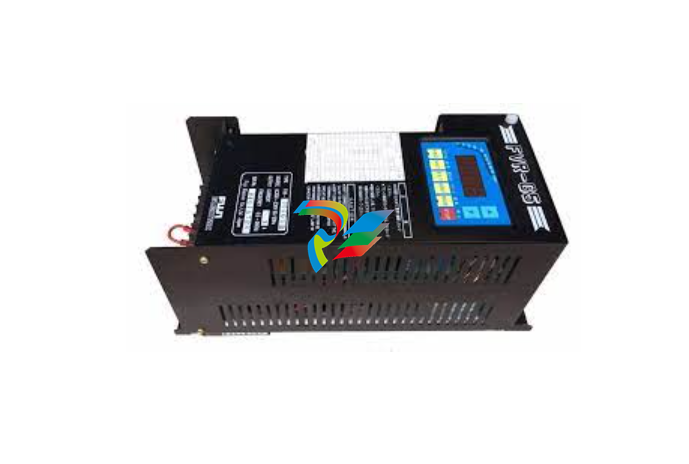 FUJI FVR004G5B-2 Small general-purpose frequency converter
 -
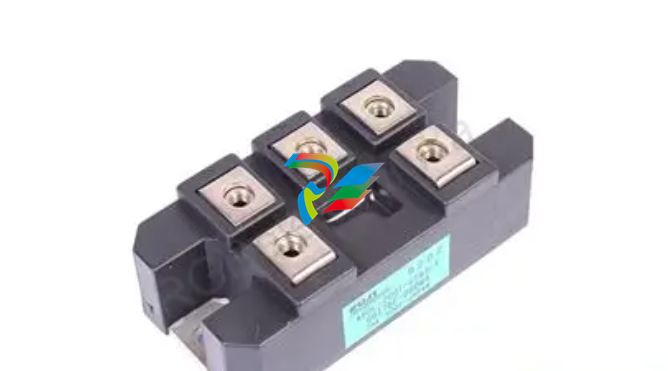 FUJI A50L-2001-0232 Industrial control module
 -
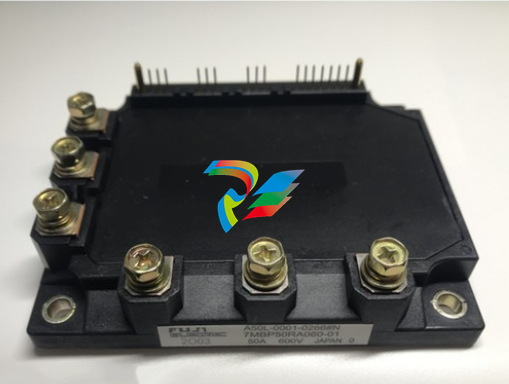 FUJI A50L-001-0266#N High-performance servo amplifier
 -
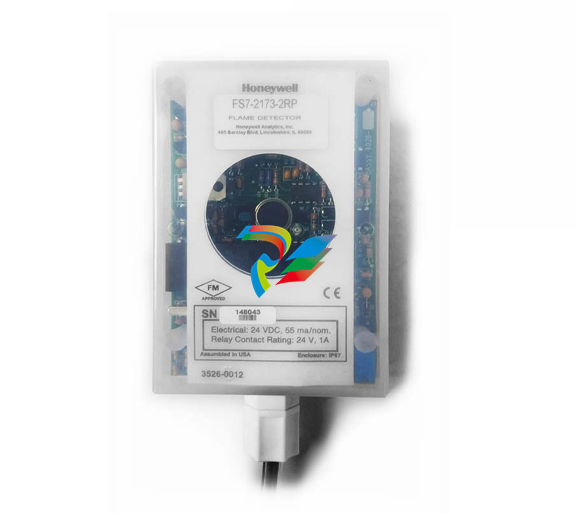 Honeywell FS7-2173-2RP Gas sensor
 -
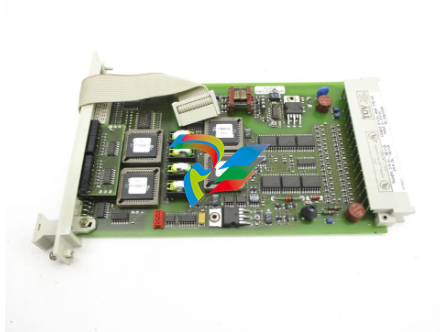 Honeywell 10106/2/1 Digital Input Module in Stock
 -
FRCE SYS68K CPU-40 B/16 PLC core processor module
-
 Foxboro FBM I/O cards PBCO-D8-009
 -
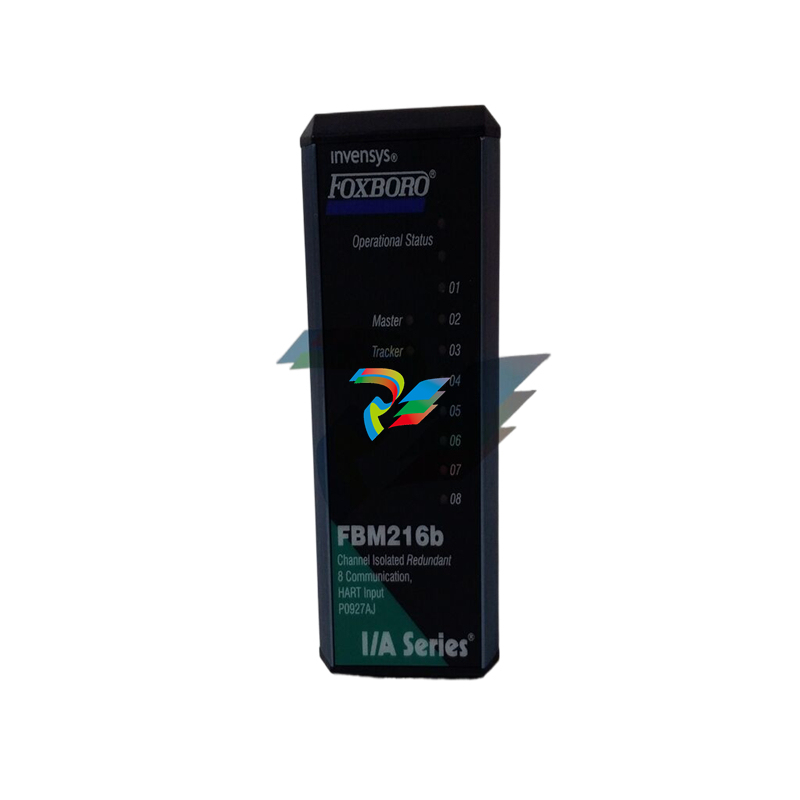 Foxboro AD916AE Digital Control System (DCS) Module
 -
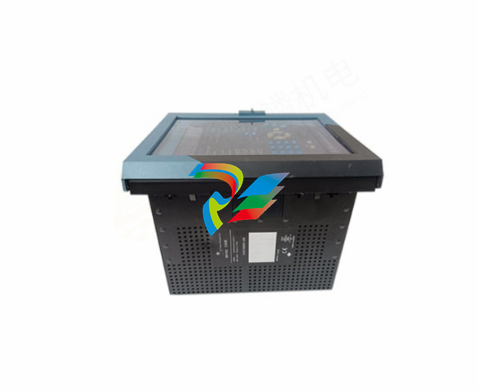 GE SR750-P5-G5-S5-HI-A20-R-E Multilin Relay
 -
.jpg) FOXBORO H90 H90C9AA0117S Industrial Computer Workstation
FOXBORO H90 H90C9AA0117S Industrial Computer Workstation -
FOXBORO RH928AW | I/A Series Relay Output Module
-
.jpg) Foxboro N-2AX+DIO Multi-functional input/output module
Foxboro N-2AX+DIO Multi-functional input/output module -
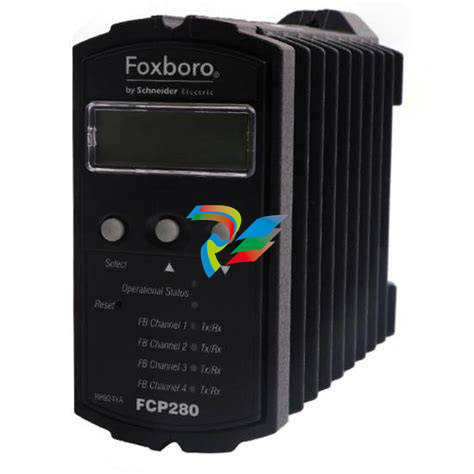 Foxboro RH924WA FCP280 Fiber Optic Network Adapter
 -
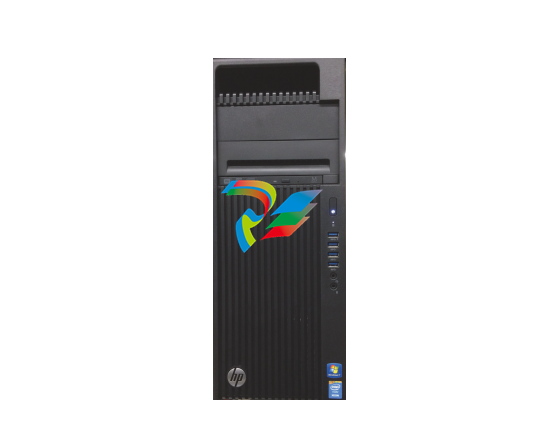 FOXBORO H92 Versatile Hardware Component In
 -
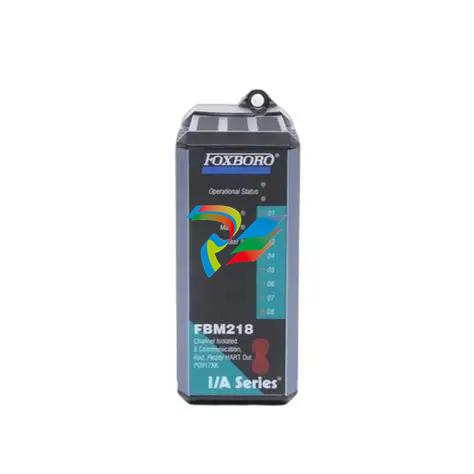 Foxboro FBM218 P0922VW HART® Communication Redundant Output Interface Module
 -
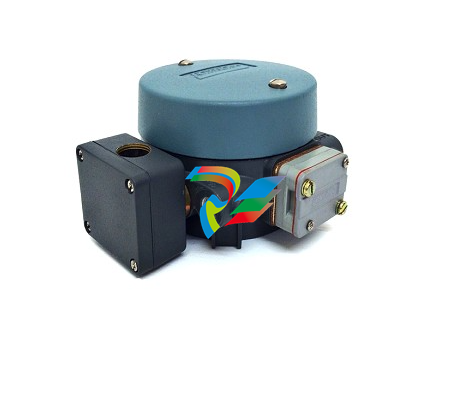 Foxboro E69F-TI2-J-R-S E69F Series Current-To-Pneumatic Signal Converter
 -
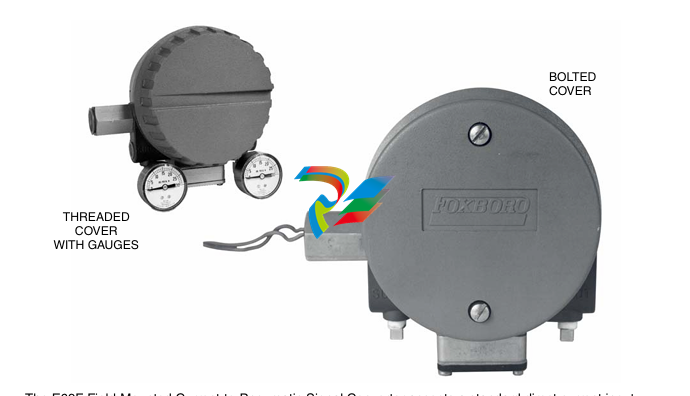 Foxboro E69F-BI2-S Converter
 -
.jpg) Foxboro H92A049E0700 The host of the DCS control station
Foxboro H92A049E0700 The host of the DCS control station -
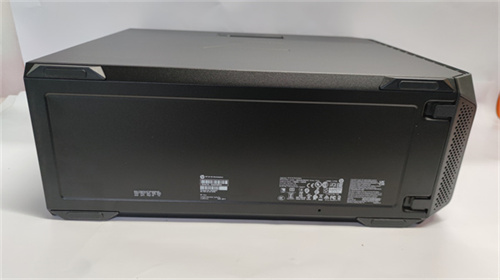 Foxboro H90C9AA0117S Industrial computer workstation
 -
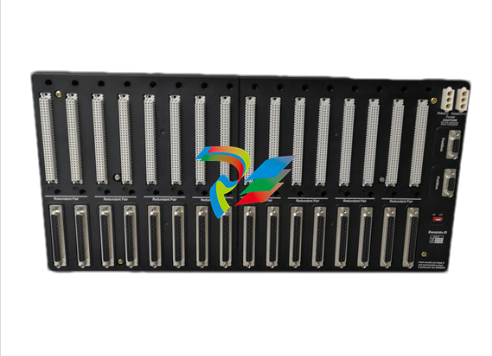 Foxboro RH101AA High-performance industrial control module
 -
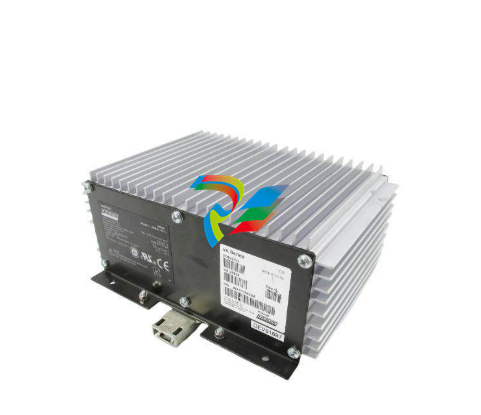 Foxboro P0922YU FPS400-24 I/A Series Power supply
 -
.png) FOXBORO P0973LN Chassis-based managed switch with independent power supply
FOXBORO P0973LN Chassis-based managed switch with independent power supply -
.jpg) FOXBORO P0926PA Input/output module
FOXBORO P0926PA Input/output module -
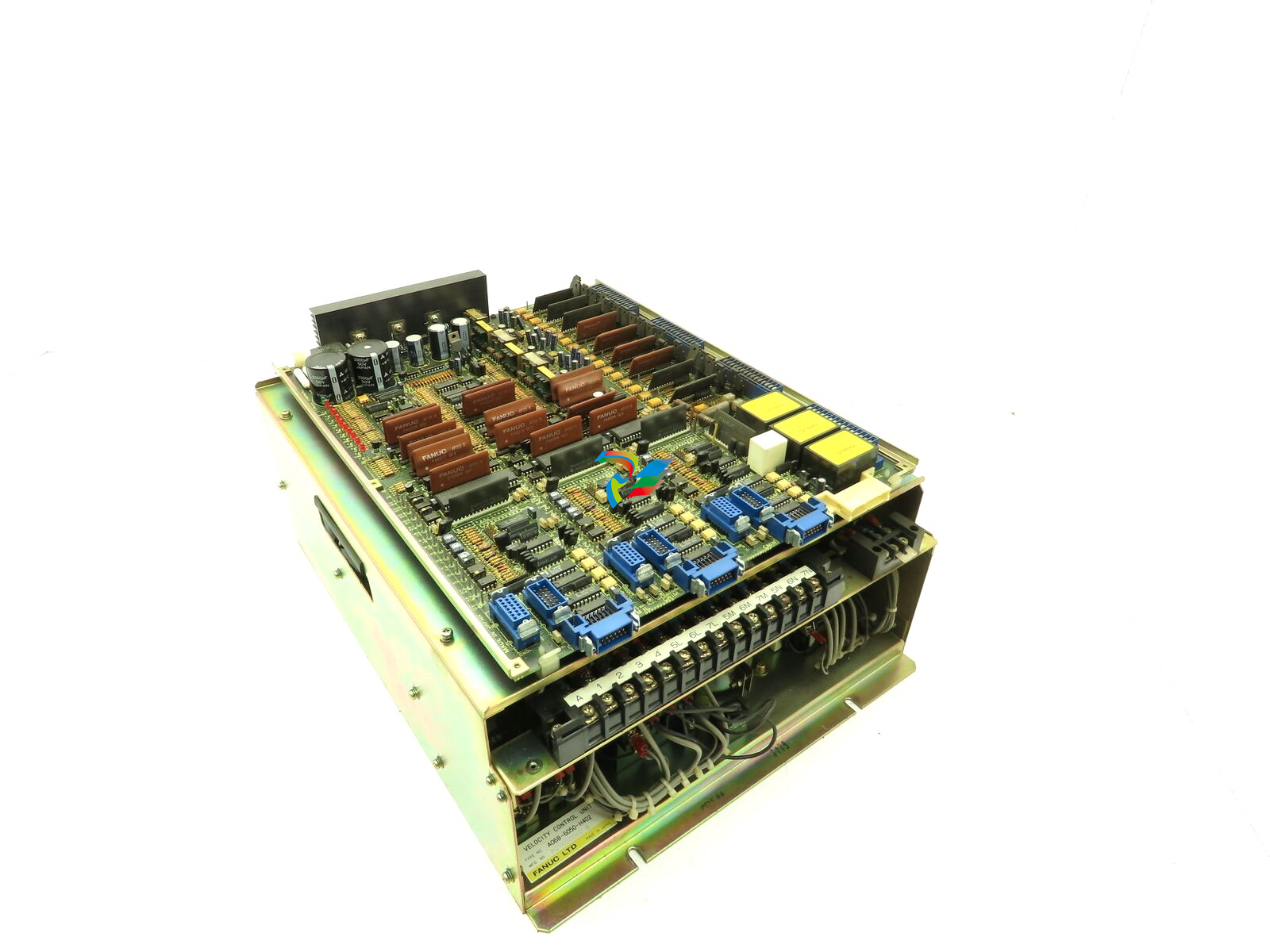 Fanuc A06B-6050-H402 3 AXIS ANALOG AC SERVO DRIVE
 -
.jpg) FOXBORO L0130AD L0130AE-0H Power module group
FOXBORO L0130AD L0130AE-0H Power module group -
_lVjBYb.jpg) FOXBORO 0399085B 0303440C+0303458A Combination Control Module
FOXBORO 0399085B 0303440C+0303458A Combination Control Module -
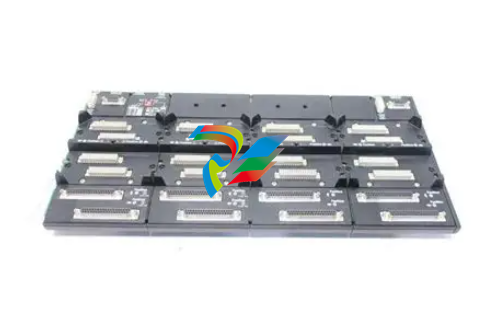 FOXBORO SY-0399095E (SY-0303451D+SY-0303460E) Process control board
 -
.jpg) FOXBORO 0399071D 0303440C+0303443B Input/Output (I/O) Module
FOXBORO 0399071D 0303440C+0303443B Input/Output (I/O) Module -
.jpg) FOXBORO RH924UQ Redundant Controller module
FOXBORO RH924UQ Redundant Controller module -
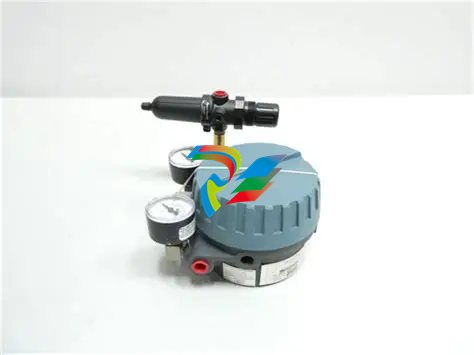 FFOXBORO E69F-TI2-S current pneumatic converter
 -
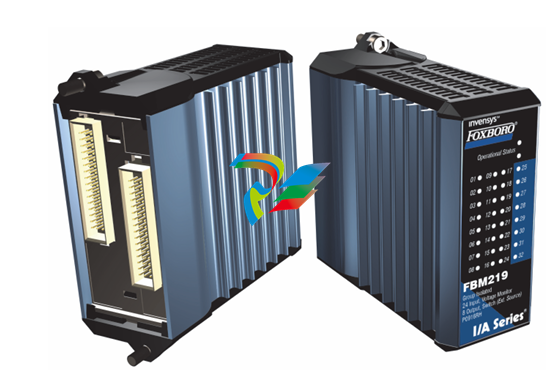 FOXBORO FBM219 RH916RH Discrete I/O Module
 -
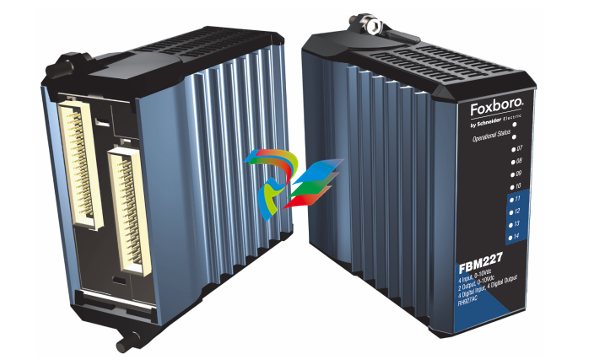 FOXBORO FBM227 P0927AC Module
 -
.jpg) FOXBORO 0399144 SY-0301059F SY-1025115C/SY-1025120E I/O module
FOXBORO 0399144 SY-0301059F SY-1025115C/SY-1025120E I/O module -
.jpg) FOXBORO SY-60399001R SY-60301001RB Industrial Control Module
FOXBORO SY-60399001R SY-60301001RB Industrial Control Module -
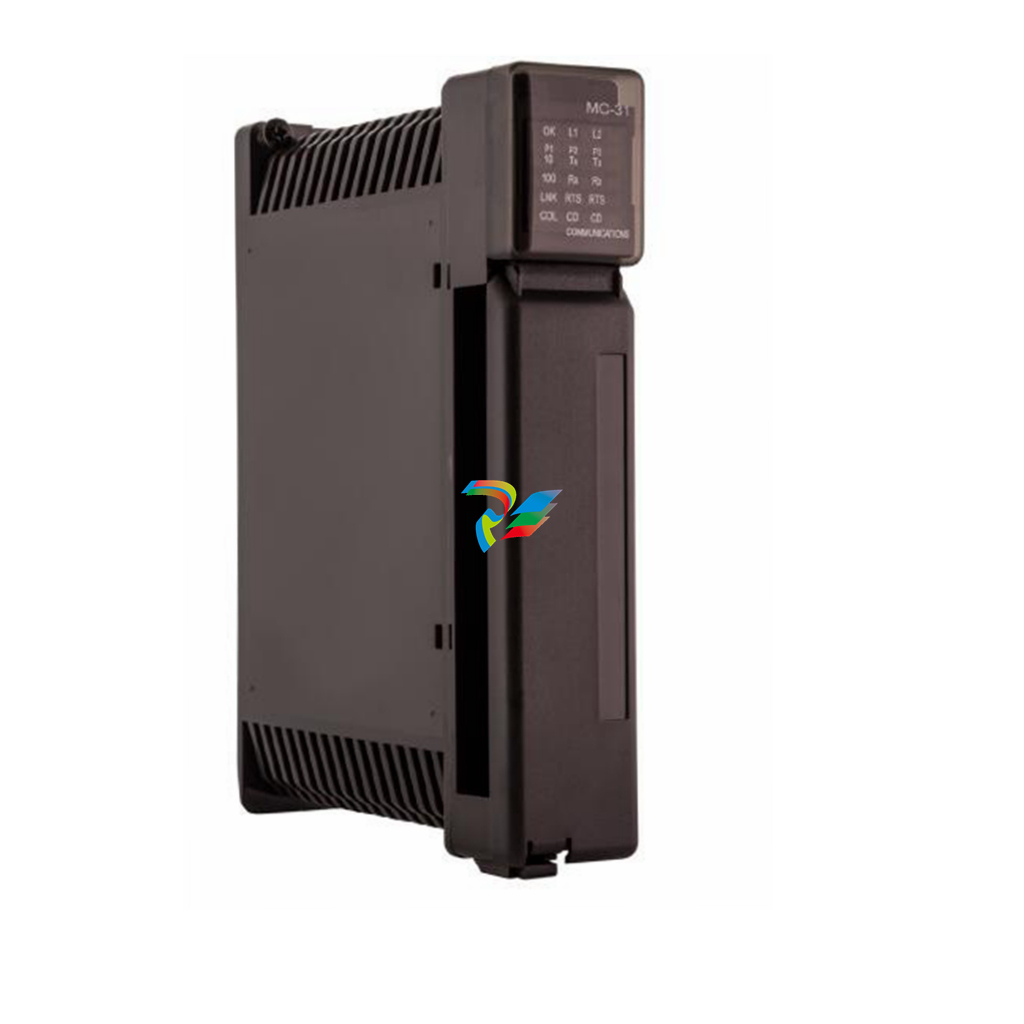 FOXBORO 0399143 SY-0301060R SY-1025115C SY-1025120E Combined control board
 -
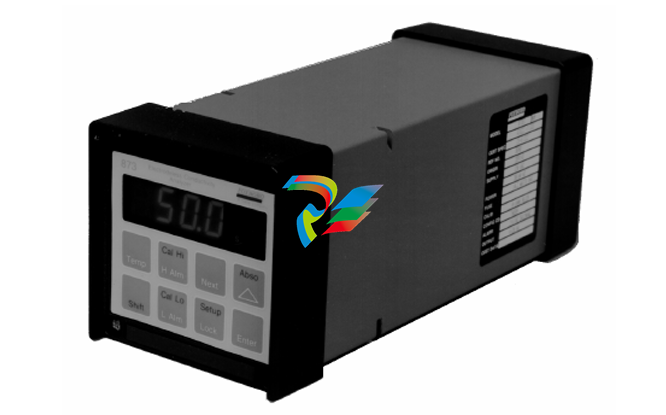 FOXBORO 873EC-JIPFGZ electrodeless conductivity analyzer
 -
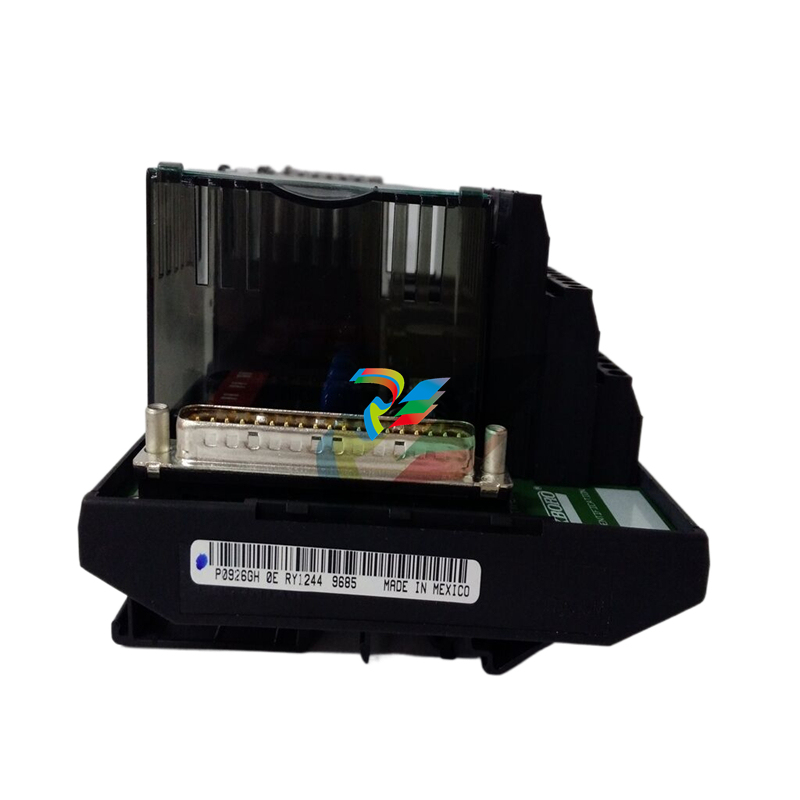 FOXBORO P0916PH (High-density HART I/O Module)
 -
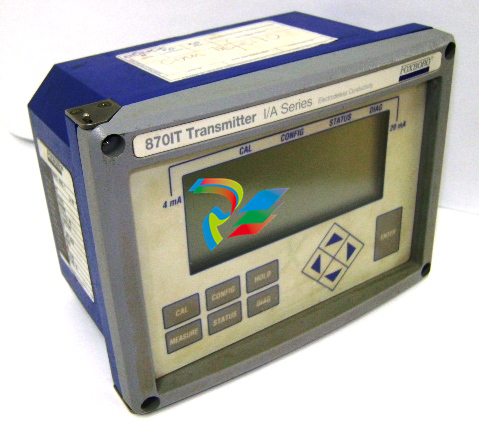 FOXBORO 870ITEC-AYFNZ-7 Intelligent Electrochemical Transmitters
 -
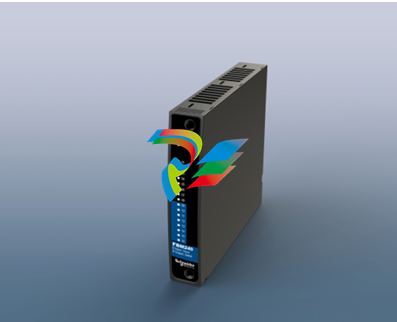 FOXBORO Compact FBM240. Redundant with Readback, Discrete
 -
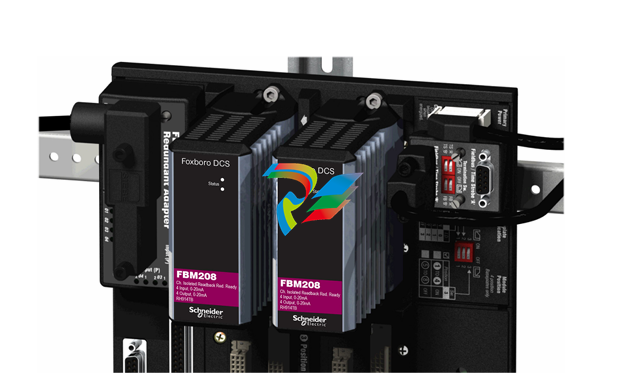 FOXBORO FBM208/b, Redundant with Readback, 0 to 20 mA I/O Module
 -
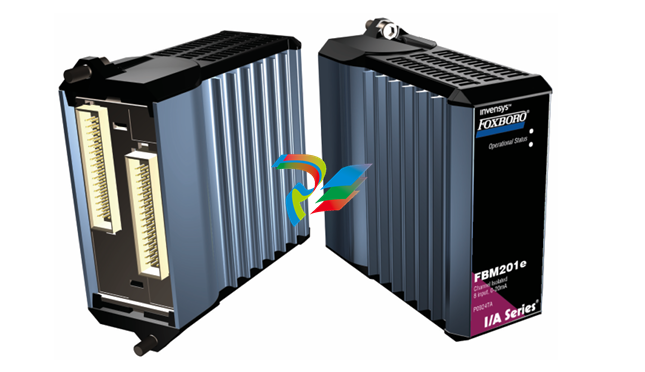 FOXBORO FBM201e Analog Input (0 to 20 mA) Interface Modules
 -
.jpg) FOXBORO P0916WG Terminal cable
FOXBORO P0916WG Terminal cable -
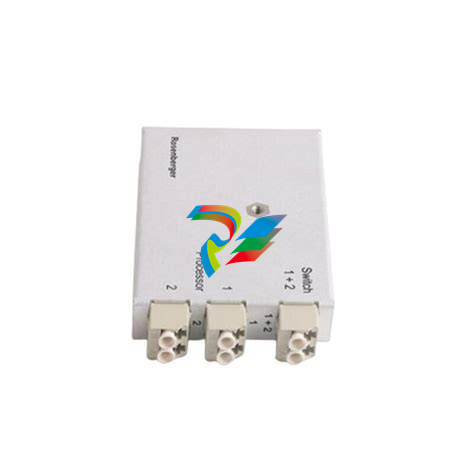 FOXBORO P0926MX 2-Port Splitter
 -
.jpg) FOXBORO AD908JQ High-Frequency Module
FOXBORO AD908JQ High-Frequency Module -
.jpg) FOXBORO AD916CC Processor module
FOXBORO AD916CC Processor module -
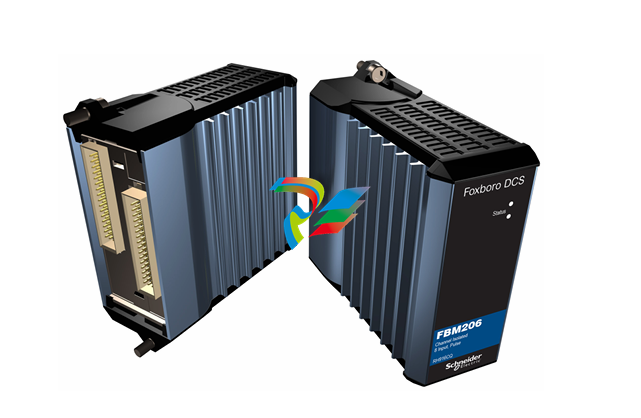 Foxboro DCS FBM206 Pulse Input Module
 -
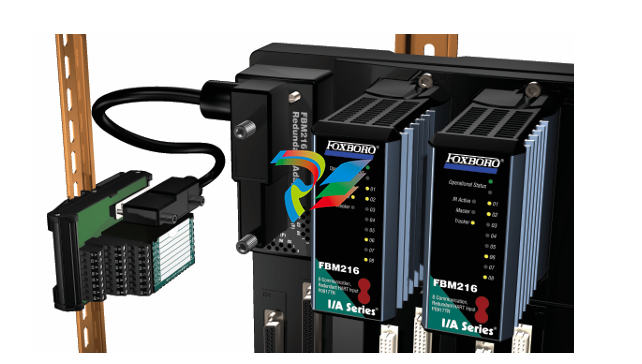 FOXBORO FBM216 HART® Communication Redundant Input Interface Module
 -
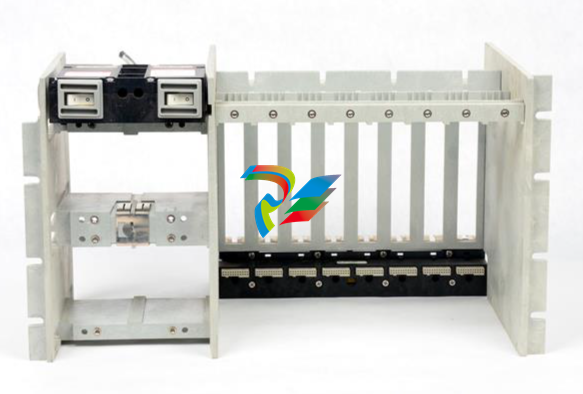 Foxboro p0903nu 1×8 unit sub-component module
 -
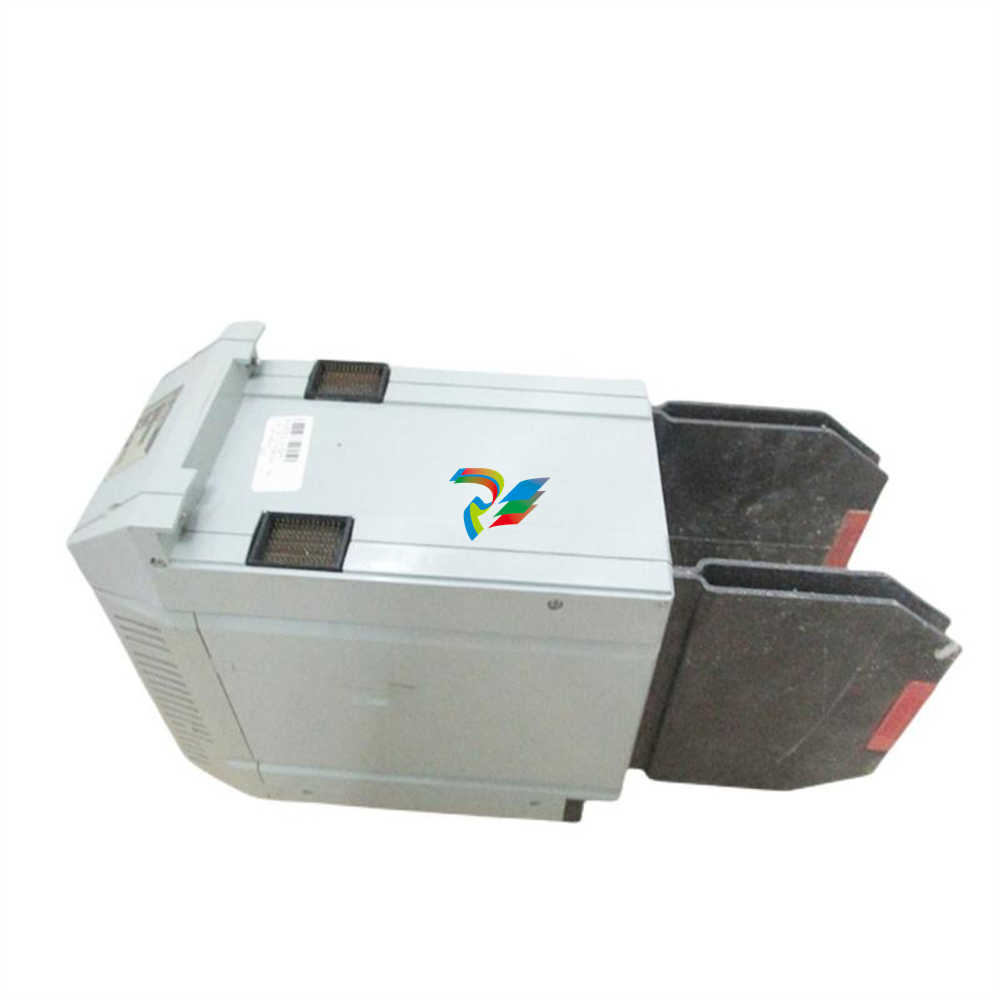 Foxboro P0911SM Industrial control module
 -
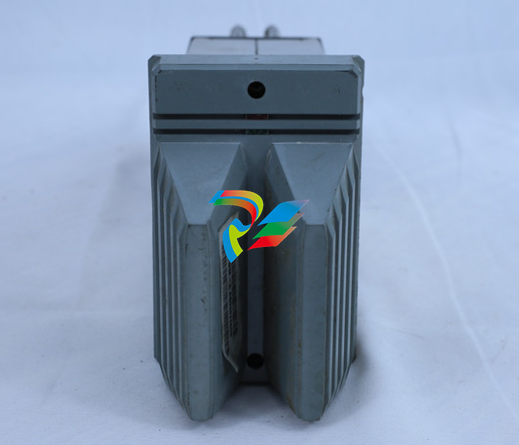 Foxboro CM902WM I/O module
 -
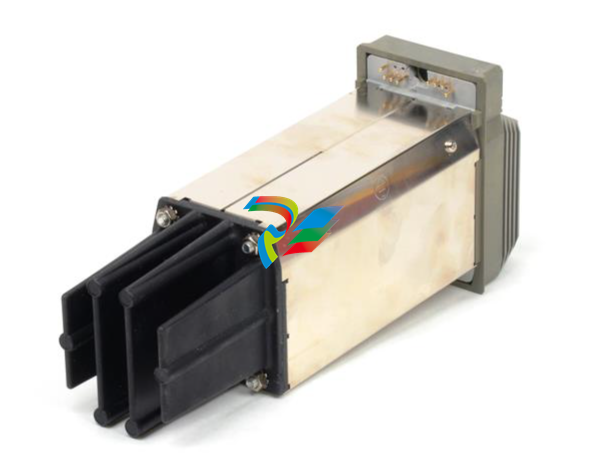 Foxboro CM902WL Power module
 -
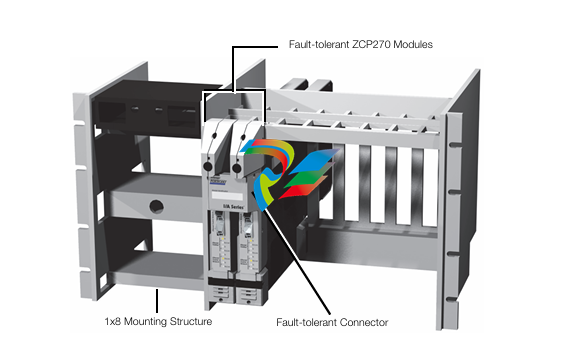 Foxboro P0972VA Industrial Control Module
 -
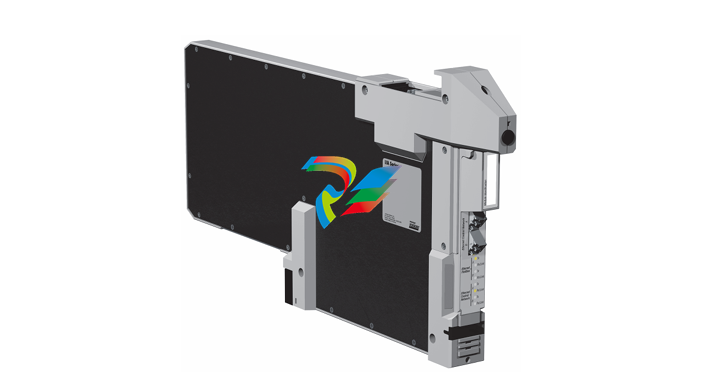 Foxboro Z-Module Control Processor 270 (ZCP270)
 -
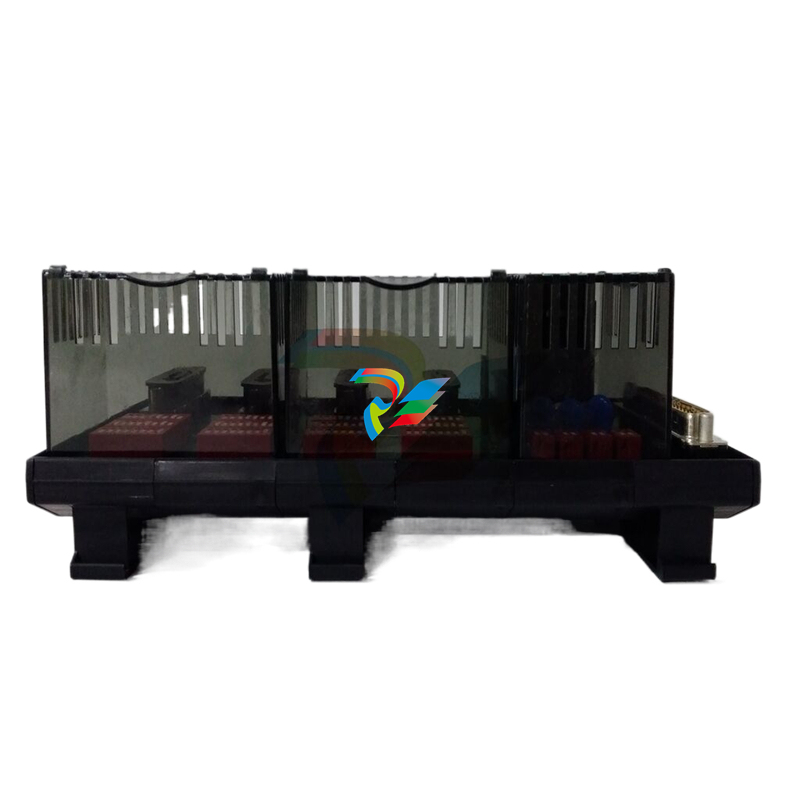 Foxboro PO916JS 16-channel terminal block module
 -
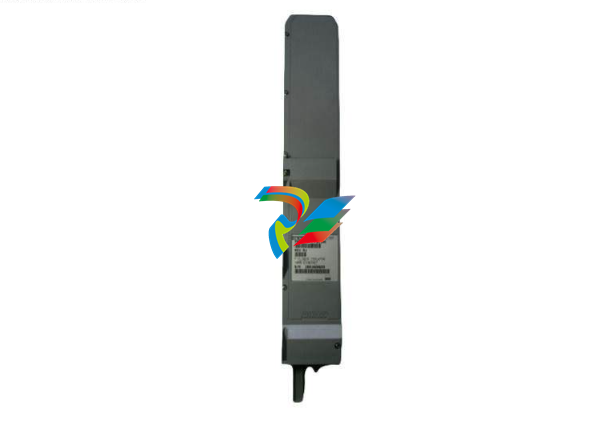 Foxboro PO911SM High-performance digital/analog input/output module
 -
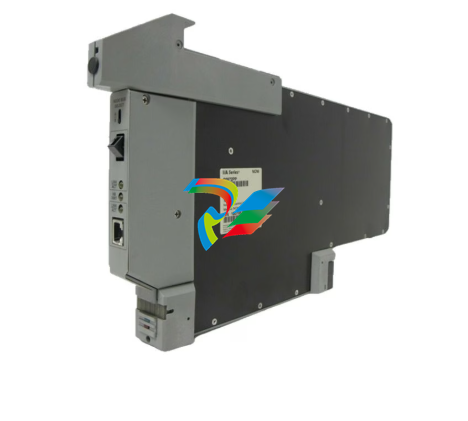 Foxboro P0972PP-NCNI Network Interface Module
 -
.jpg) FOXBORO P0971QZ controller module
FOXBORO P0971QZ controller module -
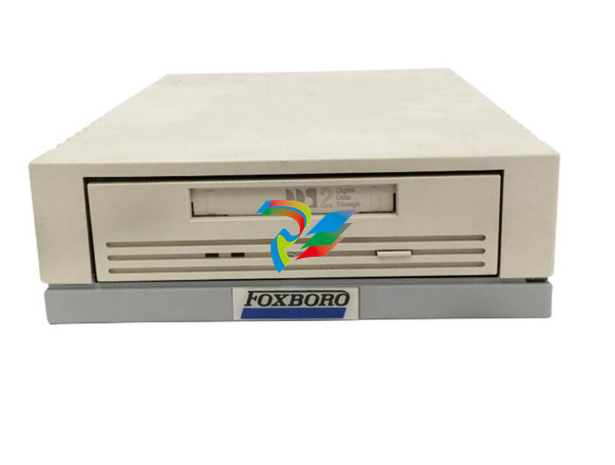 FOXBORO P0971DP Thermal resistance input/output module
 -
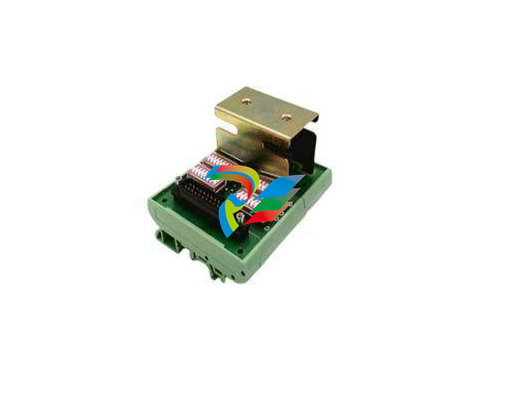 FOXBORO P0970VB Cable connector
 -
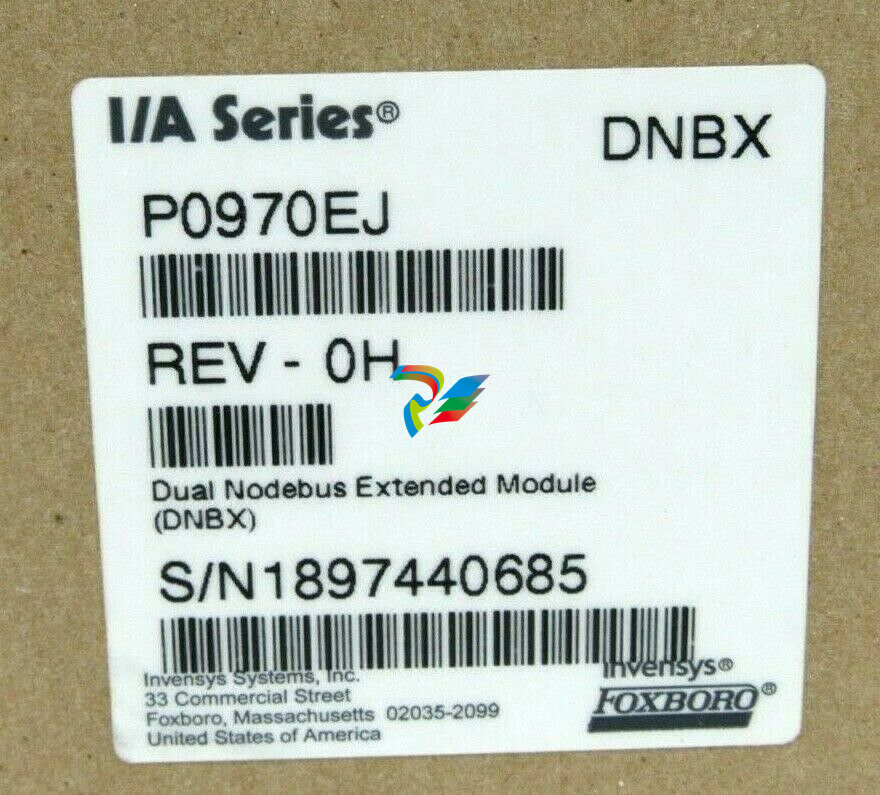 FOXBORO P0970EJ-DNBX Dual-node bus expansion module