
Virtualization Technologies: Visualizing Data to Improve Operations

Artificial and virtual reality help manufacturers digitally transform and train new workers.
Augmented reality (AR) and virtual reality (VR) technologies are conduits of information to the plant floor. They are answers to the questions, “What do I do with all this data I’ve collected?” and “How do I attract and train new workers at a much faster rate than in the past?”
AR and VR use similar technology but are very different. Both have been popularized by gaming culture, and both are focused on changing what is visually presented to the user, but their industrial use cases are completely different.
Augmented reality, which uses devices such as smart eyeglasses, smartphones, or tablets, changes what a user sees in his or her real environment. AR is very popular with games and entertainment applications, of which perhaps the most famous example is Pokémon Go. This mobile game lets users see Pokémon creatures in their own real-world environment when looking at their phone screens. Combined with global positioning system technology, the game allows players to find Pokémon associated with a specific real location.
Augmented reality is the most popular term to refer to such technology, but it is also called “mixed reality” or “computer-mediated reality.” The devices that have helped it become popular are Google Glass and Microsoft Hololens smart glasses. Although Google Glass had a short life, it helped other companies, such as Vuzix, create their own products using the Android operating system for smart devices.
Smart glasses use AR to help operators get machine and system information that would usually require them to access another interface, such as a human-machine interface (HMI). Wearing smart glasses, operators can just look at an asset like a machine and get its entire real-time context—its current status, speed, last downtime event, current job and so on. And this is just one of the possible industrial use cases.
Virtual reality is also referred to as “alternate reality.” Unlike AR, which mixes reality with computer-assisted information presented to the user’s eyes, VR immerses the user in a completely virtual environment. Although it can be experienced on devices such as a laptop or a phone, the most popular and useful way to use VR is with virtual reality glasses or goggles. While using a VR device, the user has no vision of the real world, and his or her view range can reach only what is being shown by the VR lenses.
As with AR, games and other entertainment applications are helping to take VR mainstream. Meta (Facebook’s parent company) Oculus Quest 2 is one of the most popular VR devices. It was created to provide a complete experience for the user without requiring a connection to a computer or powerful video game console, which was a big breakthrough.
So, while it makes sense to wear AR smart glasses to take a walk through the shop floor, the same cannot be said for VR, as they take complete vision and attention. The use cases are different, such as for training new employees on facilities and equipment they have never been exposed to before, or even to allow colleagues to join in a virtual environment and collaborate by sharing computer screens and whiteboards, which is possible with an immersed app.
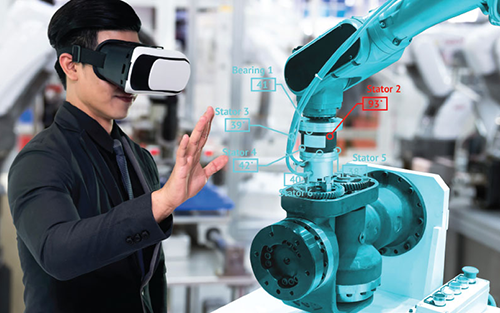
Why are AR and VR so important right now?
AR and VR have been in the market for quite a long time. According to Wikipedia, the U.S. military started the first AR tests in the early 1990s, while VR with immersive devices was introduced in 1979 at NASA. During the 1980s, several companies, including ATARI, started substantial investment in research and development. In the 1990s, many gaming VR headsets were available from companies like SEGA and Nintendo.
The fact is that the technology at that time was not robust or cost effective enough to allow people to really feel immersed in a world-like environment. Just like handheld devices for business and daily tasks became ubiquitous only after the first iPhone was introduced, the same can be said for AR and VR devices.
As little as five years ago, the best VR devices required an expensive computer or a video game console. Today, devices like Oculus Quest 2 are available at a viable price point and comfortably deliver lifelike simulated worlds: If a colleague calls to you from behind, you hear the voice as if the person was right at your back. The headset comes with its own processing unit and graphical processing unit (GPU), and you can use it hands free. And the battery, always an issue, now lasts for four hours.
Now that these gadgets are being taken more seriously, and not just for games, there are many possibilities for applications on both AR and VR in business, especially manufacturing. Manufacturers need to digitally transform, and AR and VR can help them in this process in a cost-effective way.
Current trends related to AR and VR bode well for its adoption by industrial companies. Devices are getting cheaper and more physically robust. In addition to Google Glass and Microsoft Hololens, dozens of new devices have been launched at various prices, notably RealWear, Vuzix, Hololens 2, and new versions from Google and Apple. In a major shift, most of the AR/VR platforms can run on the Android operating system now. Manufacturers can hand people inexpensive tablets or leverage the phones in their pockets.
Applications abound
With so much data available on the shop floor, AR glasses help contextualize the processes for operators by providing information that layers over the assets. This information might be something as simple as an andon could show, or something that would require visiting spreadsheets, PDF project documents, and other HMIs. With a well-customized system on the back end, the smart glasses do not only present the information from these various systems, but they also present it in a processed and contextualized way.
Here is an example: By looking at an enterprise resource planning system HMI, operators can see which work order is next and then look at a PDF document to check the correct tool. With AR, they can look at the machine and immediately receive the information that the current job is done and the next work order is ready to start, with a list of the required tools. Microsoft presented a Hololens use case at Toyota in which inspection time was reduced by 20 percent. The time for manual and repetitive jobs can also be reduced by allowing the user to check for next steps right from the glasses, without having to look in paper documents.
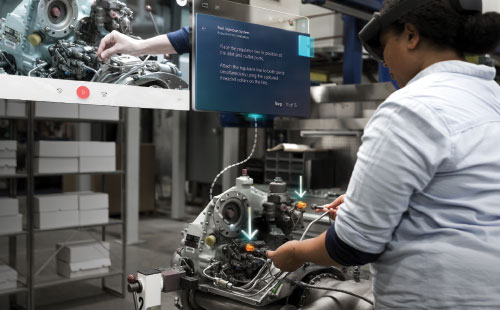
VR can be used to train for dangerous situations that might never happen but require operators to be ready for corrective operations. AR could be very important in situations where the technician cannot go into the field for maintenance and is working remotely. In such a case, an operator in the field with smart glasses can give the remote technician the same visualization while both are in a call, so instructions can be placed.
One thing holds true for new pieces of technology: People find innovative ways to use them. Some of the initial applications for AR and VR technology included maintenance information, the creation of workflows, quality checks, and QR-code access to cloud-stored information. But give this technology to smart people with a need, and the applications become endless.
How can AR and VR help in a smart factory?
Today, we are seeing virtual training applications where people can practice spraying coatings without causing issues in production. We are seeing underground nuclear facilities with secure data and hands-free workflows. There are fully processed 3D models that allow executive board members to walk around their facility without going into the field. Tomorrow’s applications will only be limited by the demands and our imaginations.
Companies are being forced to adopt technologies at a fever pitch. The lack of skilled resources is forcing companies to leverage technology to complete their work and attract new talent. The ability to upskill and train employees in a mock environment has never been more important, and younger employees want interesting technology to learn and grow with over the course of their careers. AR and VR are two of those technologies with extremely low costs of entry.
This is now a reality. AR/VR is the path to putting the correct information in the hands (or should we say, eyes) of workers when they need it.
This feature originally appeared in InTech magazine's August issue, a special edition from ISA's Smart Manufacturing and IIoT Division.
-
 Alstom IRVI20 - REGULATION INTERFACE BOARD
 -
 ABB DRIVEMONITOR VERSION 4000 DRIVE MODULE RBOX316-ABB-00
 -
D20MIC10BASE-T 820-0756 Network card
-
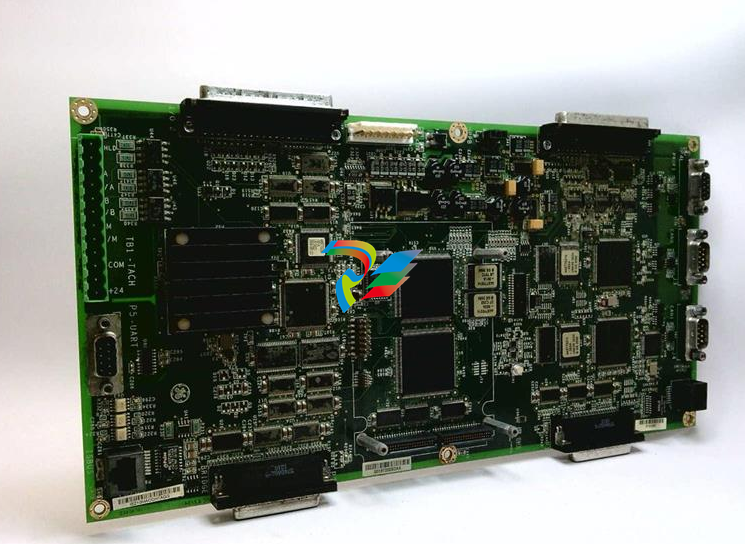 WES13-3 5167-0001-0210 CPU/Auxiliary Control board
 -
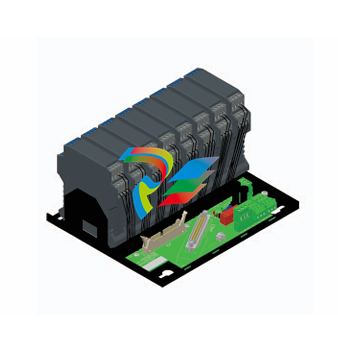 WES13-3 2508-21001 Embedded digital module
 -
D20ME 526-2005-216943 control module
-
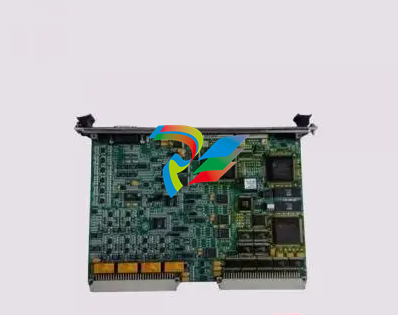 D20EME 0526-21170-1 Enhanced Master Communications Module for D20 Substation RTUs
 -
.jpg) 2400-21004 / 2010-3101-0442 – Redundant Power Supply Module for Mark VIe Turbine Control
2400-21004 / 2010-3101-0442 – Redundant Power Supply Module for Mark VIe Turbine Control -
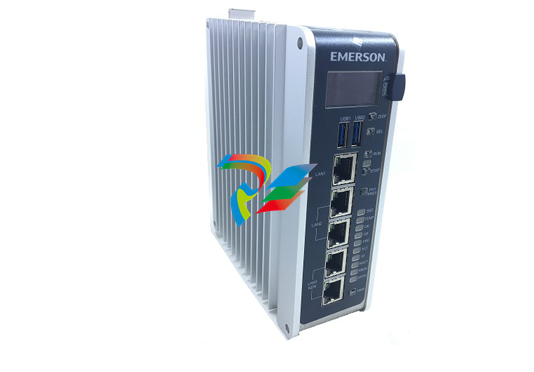 PACSystems™ IC695CPE400 RX3i 64 MB
 -
 DS200DCFBG2BNC DC2000 DC Feedback Board
 -
 OLDI Ethernet interface module 56SAM-844
 -
 IS200BPPBH2CAA Mark VIe Power Supply Module
 -
 IS210MACCH2AEG Motor Control and Communication Module
 -
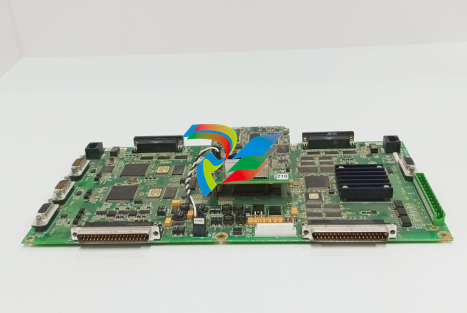 IS210MACCH2AGG Mark VIe Speedtronic Turbine Control Module
 -
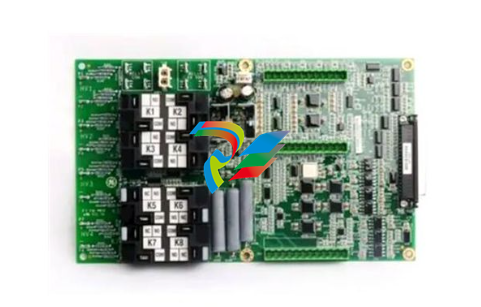 IS200AEPAH1AFD Printed circuit board
 -
IS200AEPAH1ACB Analog I/O Module
-
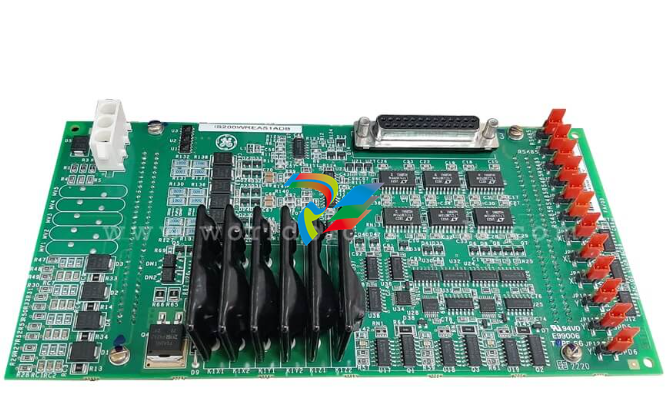 IS200WREAS1ADB AERO TRIP TB DBRD sub-board
 -
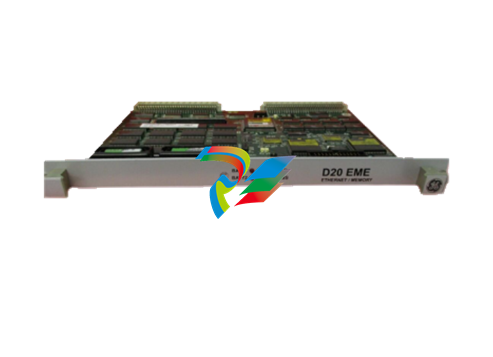 IS200WETAH1AEC large board component made Mark VI system
 -
 IS200AEPAH1AHD A High-Precision Excitation Control Board for Turbine Systems
 -
 IS200WEMAH1AEA Control board
 -
IS210MACCH1AGG processor card
-
 IS230TNRLH1B Discrete Output Modular Assembly
 -
 Mark V Series DS200PCCAG1ACB PCB Power Connect Card
 -
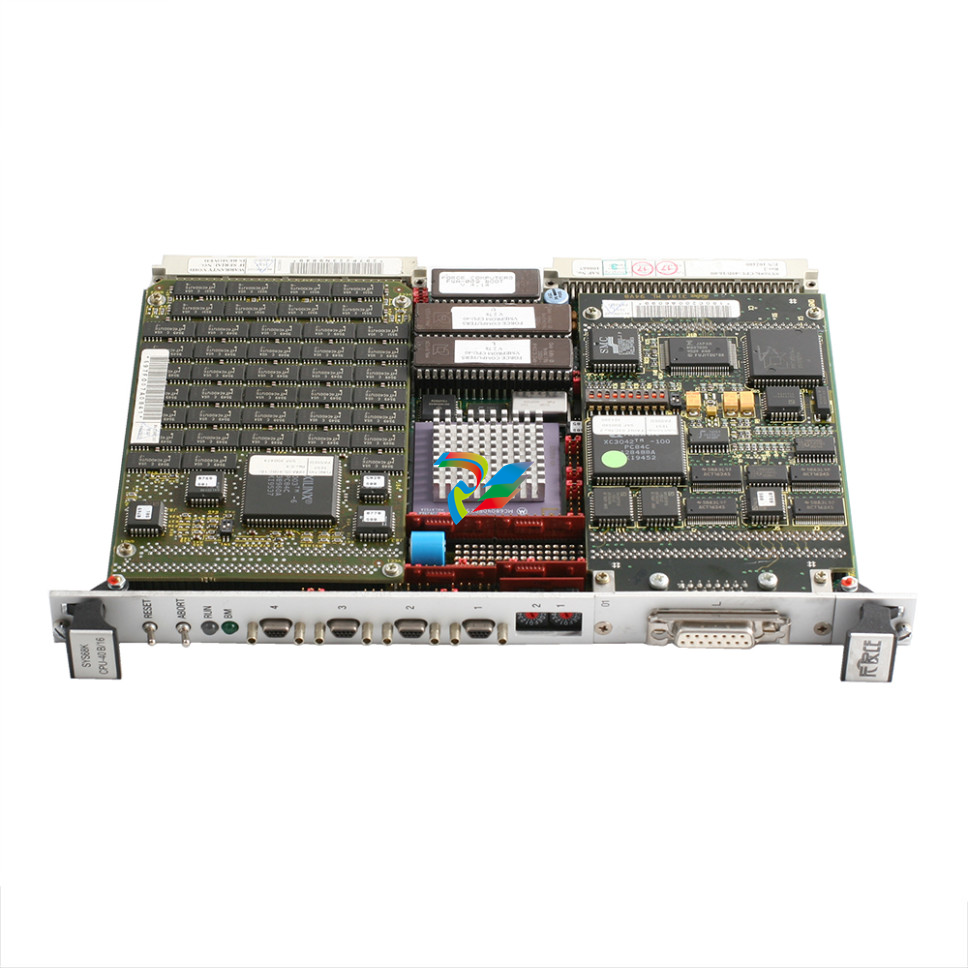 DS200SI0CG1AEA Instantaneous overcurrent card
 -
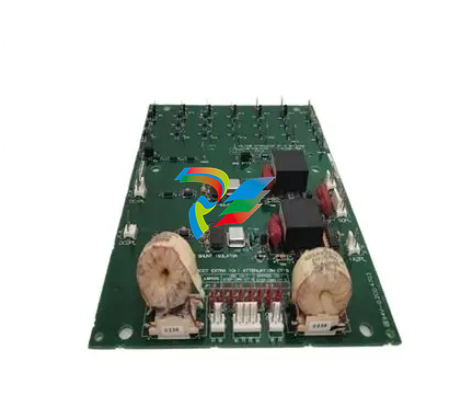 DS200SHVMG1AGE Analog I/O board
 -
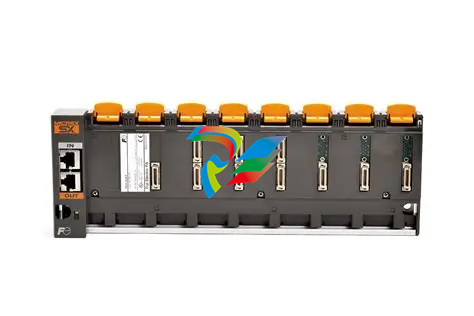 DS200SI0CG1A6A Input/Output Module
 -
 DS200SHVMG1AFE SCR High Voltage Interface Board
 -
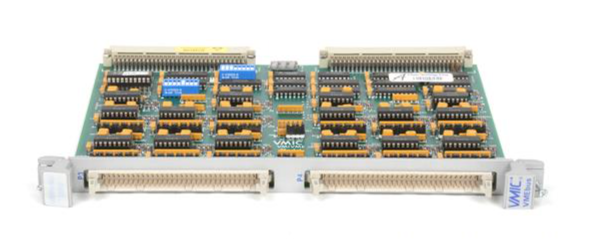 DS200RT8AG3AHC Relay Output Terminal Board
 -
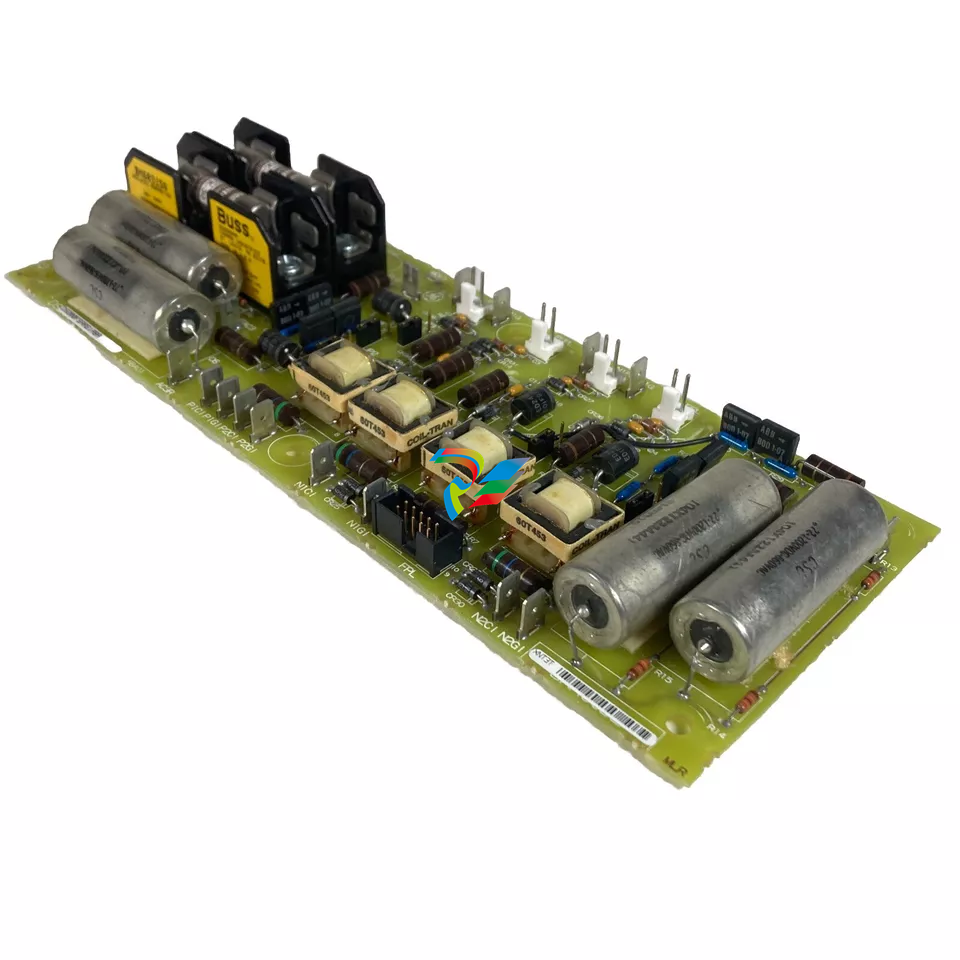 DS200FSAAG1ABA PCB Field Supply Gate Amplifier Board
 -
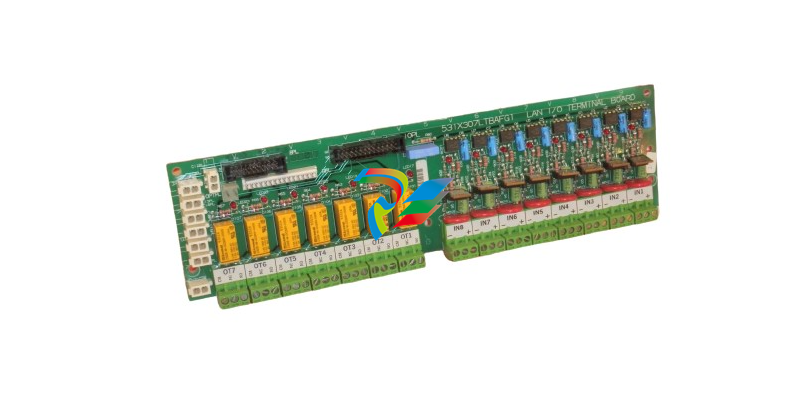 531X307LTBAFG1 F31X307LTBA LAN I/O Terminal Board
 -
 ABB AFS670 19" Ruggedized Switch AFS670-EREEDDDSSEEEEEEEPZYX05.1.0
 -
 NI Controller for VXI VXIPC-871B
 -
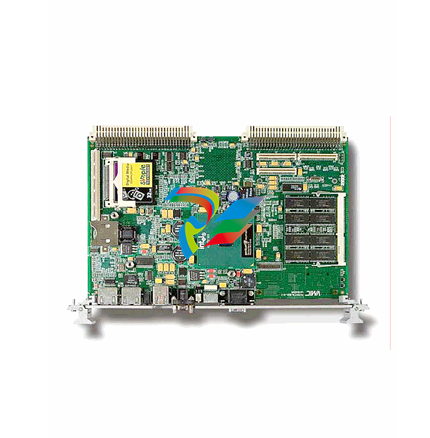 IS200EPMCH1GE Mark VIe Patch Cord Power Distribution Card
 -
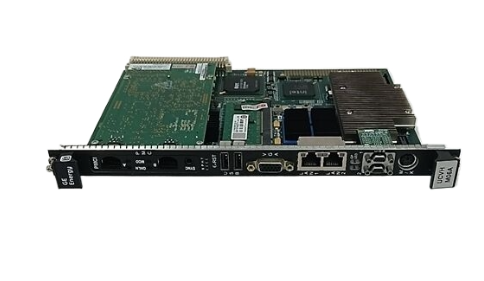 VMICPCI-7632-03310 IS215UCCAH3A 350-657362-003310J GE gas turbine system control processor board
 -
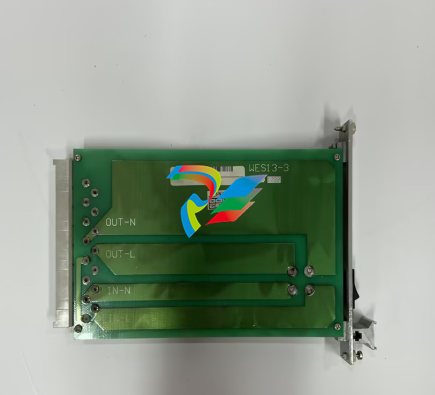 WEA13-13 2508-21001 Control Module / I/O Board
 -
WES5120 2340-21004 Controller Main Module
-
 WES5120 2340-21006 Field Controller Master Unit Module
 -
WESDAC D20ME 18-MAR-13 Excitation Control Module
-
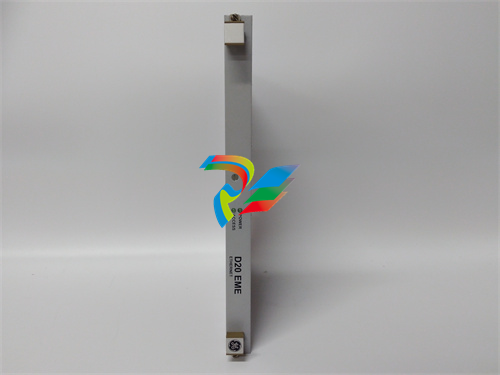 D20 EME 2400-21004 Ethernet communication and expansion module
 -
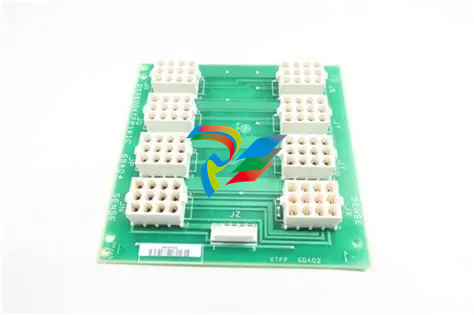 GE DS3800XTFP1E1C Thyristor Fan Out Board Brand
 -
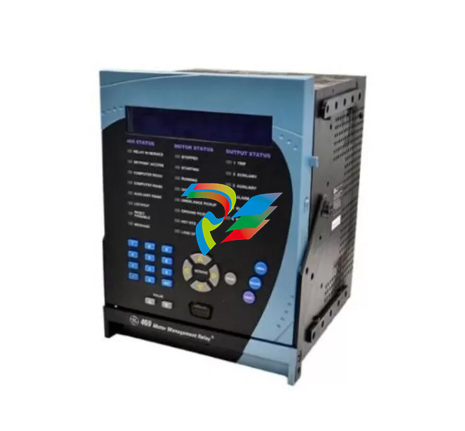 GE SR745-W2-P1-G1-HI-A-L-R-E Feeder protection relay
 -
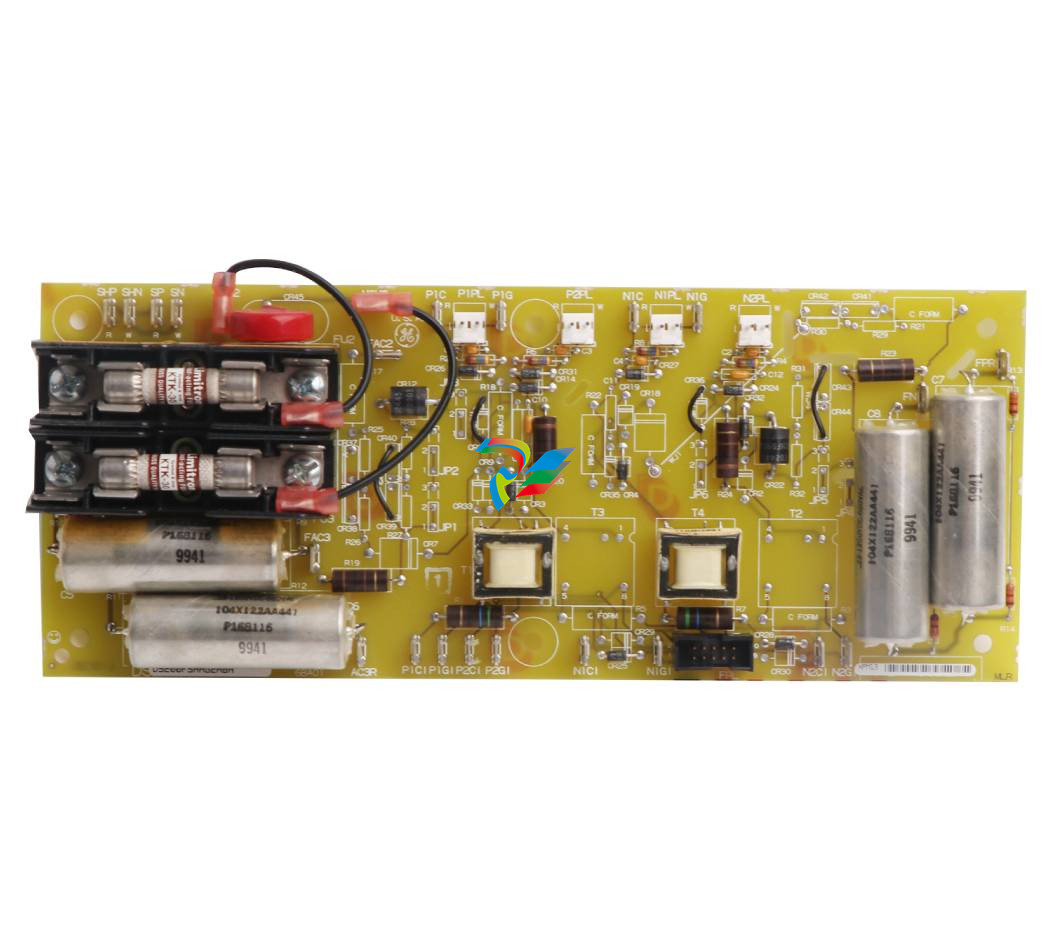 GE IS230TNDSH2A Discrete Output Relay Module Brand
 -
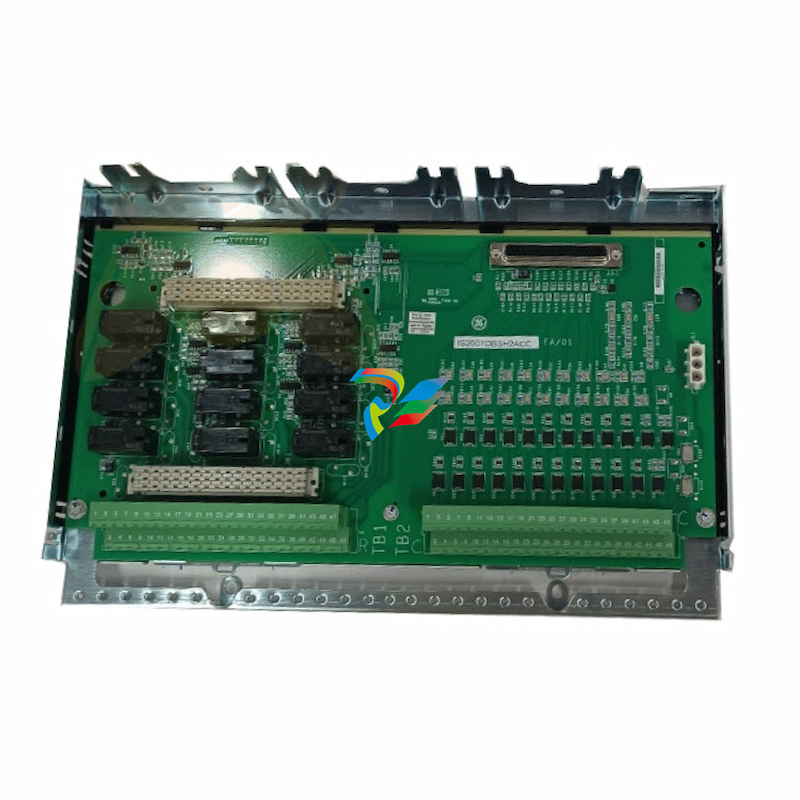 GE Fanuc IS200TDBSH2ACC Mark VI Terminal Board Brand
 -
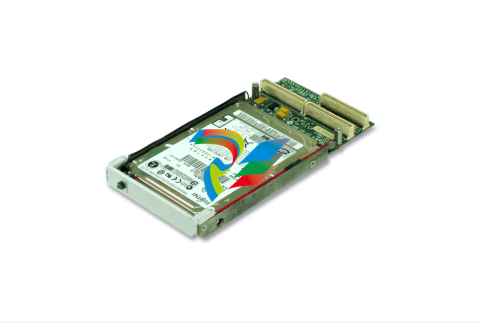 GE PMC-0247RC-282000 350-93750247-282000F Disk Drive
 -
GE PMC-0247RC-282000 350-93750247-282000F Disk Drive
-
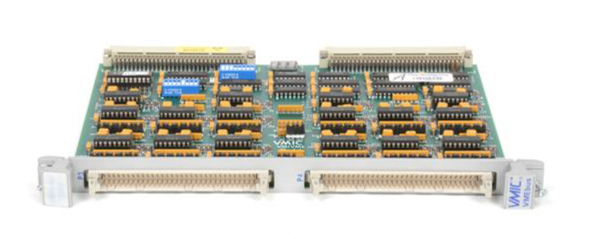 GE VMIVME-1150 Serial Communications Controller
 -
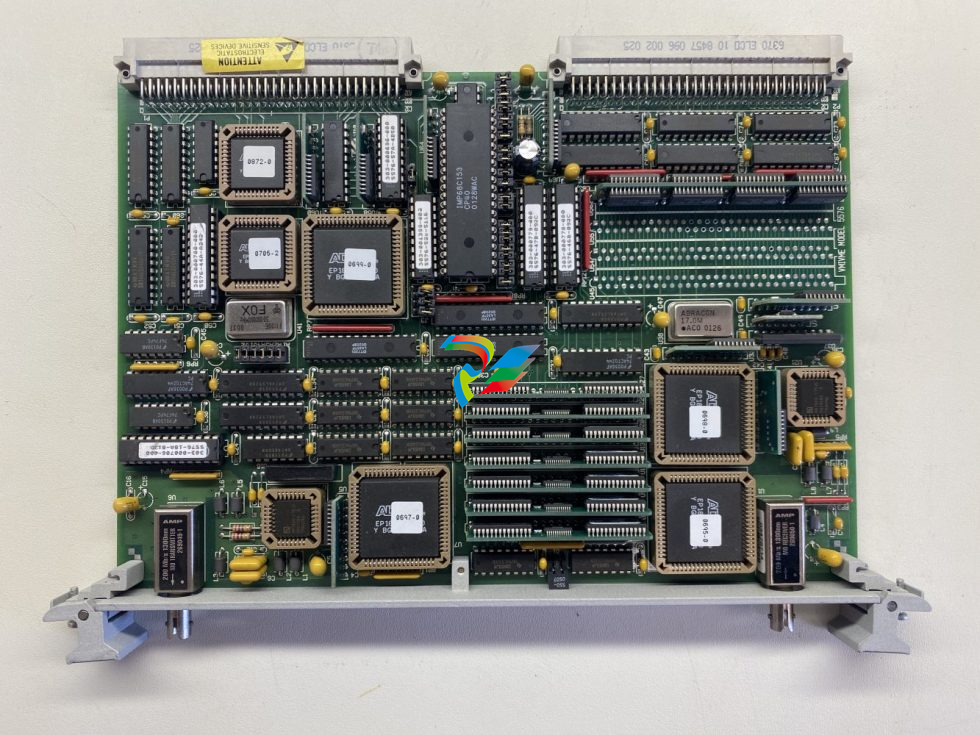 GE VMIVME-5576 Fiber-Optic Reflective Memory with Interrupts
 -
GE VMIC Isolated Digital Output VMIVME-2170A
-
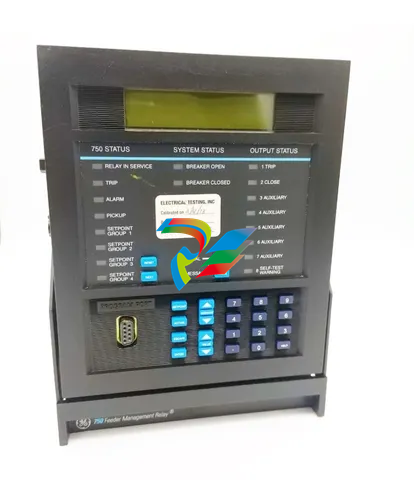 GE MULTILIN 760 FEEDER MANAGEMENT RELAY 760-P5-G5-S5-HI-A20-R-E
 -
GE IS200AEPAH1BKE IS215WEPAH2BB Printed circuit board
-
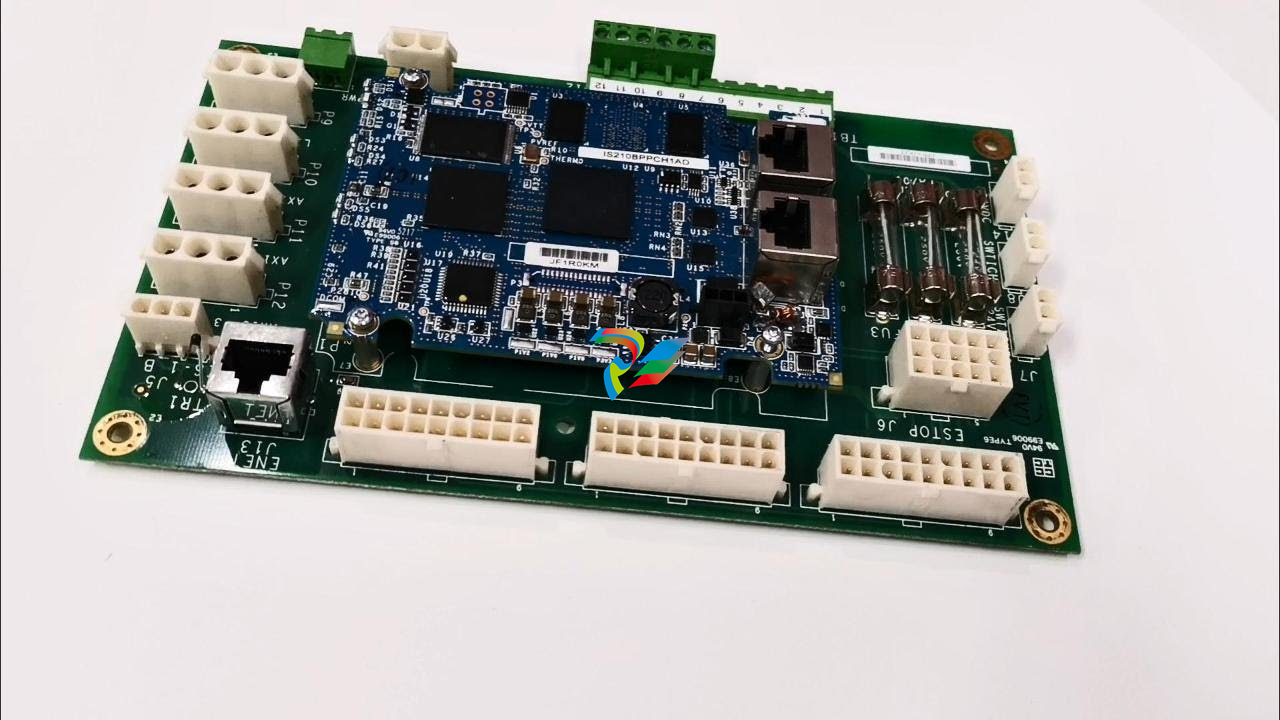 GE IS210BPPCH1A Mark VIe I/O Pack Processor Card
 -
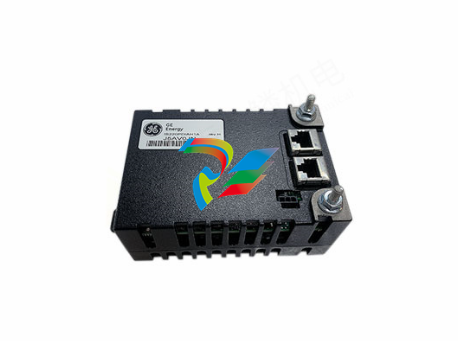 GE IS220PRTDH1A 336A4940CSP6 High-Performance RTD Input Module
 -
GE IS220PDIAH1BE 336A5026ADP4 Discrete Input Module
-
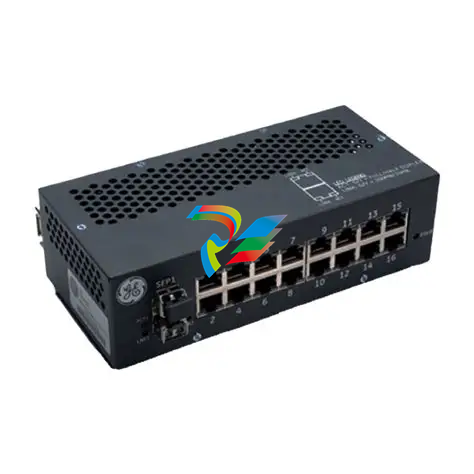 GE IS420ESWBH3A IONET Switch Module
 -
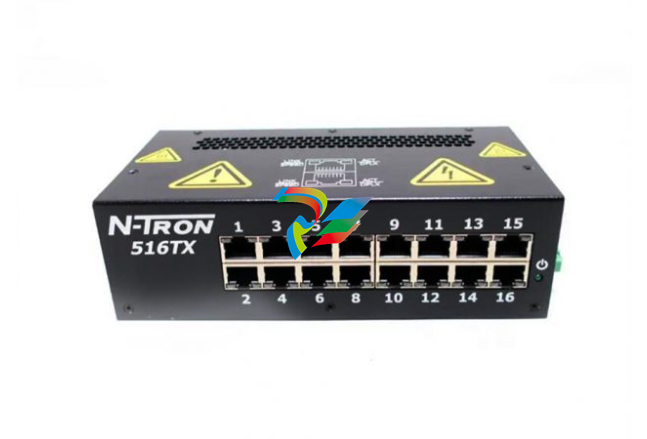 GE 516TX 336A4940DNP516TX 16-port Ethernet switch
 -
 GE EVMECNTM13 Embedded control module
 -
GE EVPBDP0001 EVPBDP032 control module
-
 GE Hydran M2-X Enhanced Monitoring with Extended Sensor Life
 -
 GE UR6CH Digital I/O Module
 -
 GE IC695CPU315-CD Central processing unit
 -
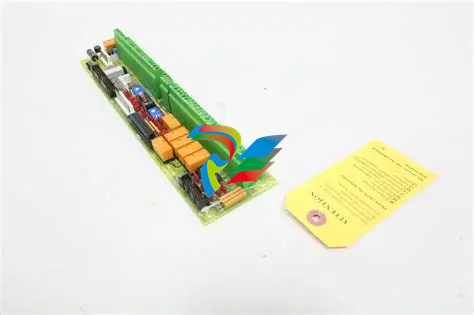 GE 531X305NTBAMG1 DR Terminal Board
 -
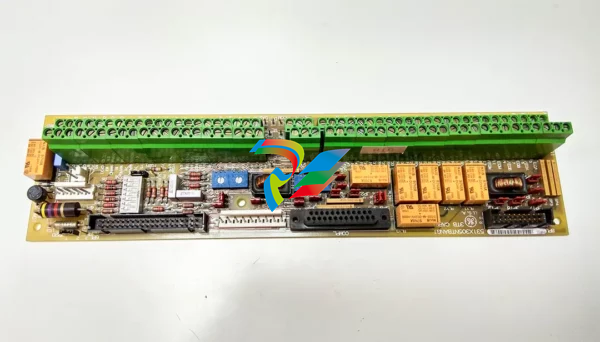 GE 531X305NTBALG1 NTB/3TB Terminal Board 531X Series
 -
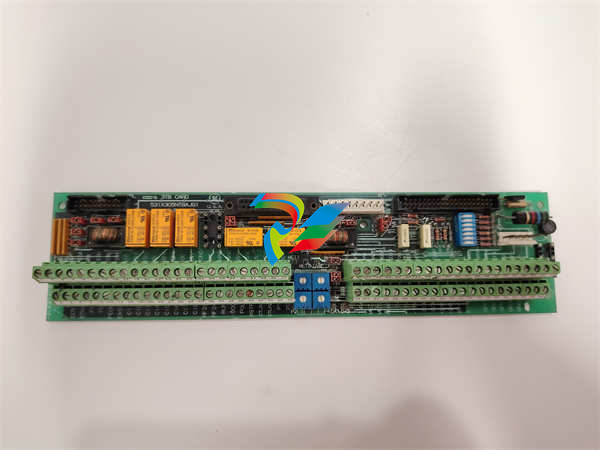 GE 531X305NTBAJG1 NTB/3TB Terminal Board.
 -
GE 531X305NTBAHG1 NTB/3TB Terminal Board 531X
-
 GE 531X305NTBAEG1 is a PCB that functions as a DR terminal board.
 -
General Electric 531X305NTBACG1 NTB/3TB Terminal Board 531X
-
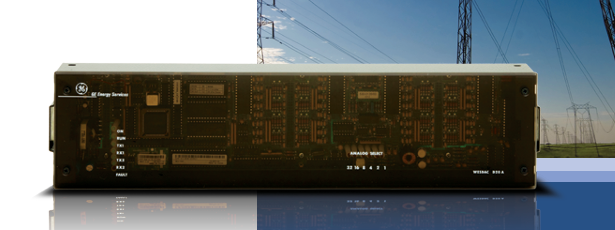 GE Digital Energy D20 Analog Input Module
 -
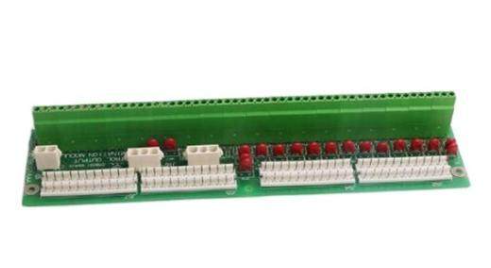 GE 94-164136-001 main board Control board
 -
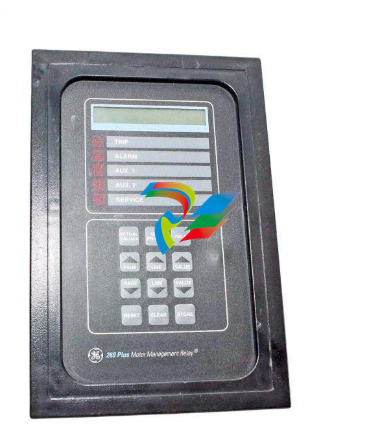 GE 269 PLUS-D/O-100P-125V Digital motor relay
 -
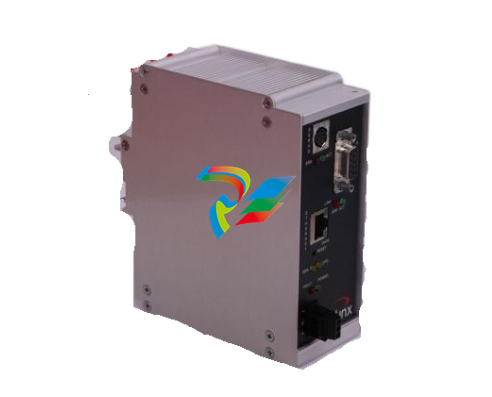 GALIL DMC-9940 High-performance motion controller
 -
FUJI NP1BS-08 base plate
-
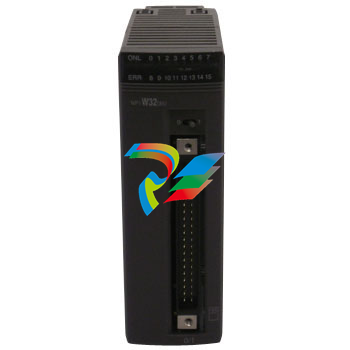 FUJI NP1Y32T09P1 Transistor drain type digital output module
 -
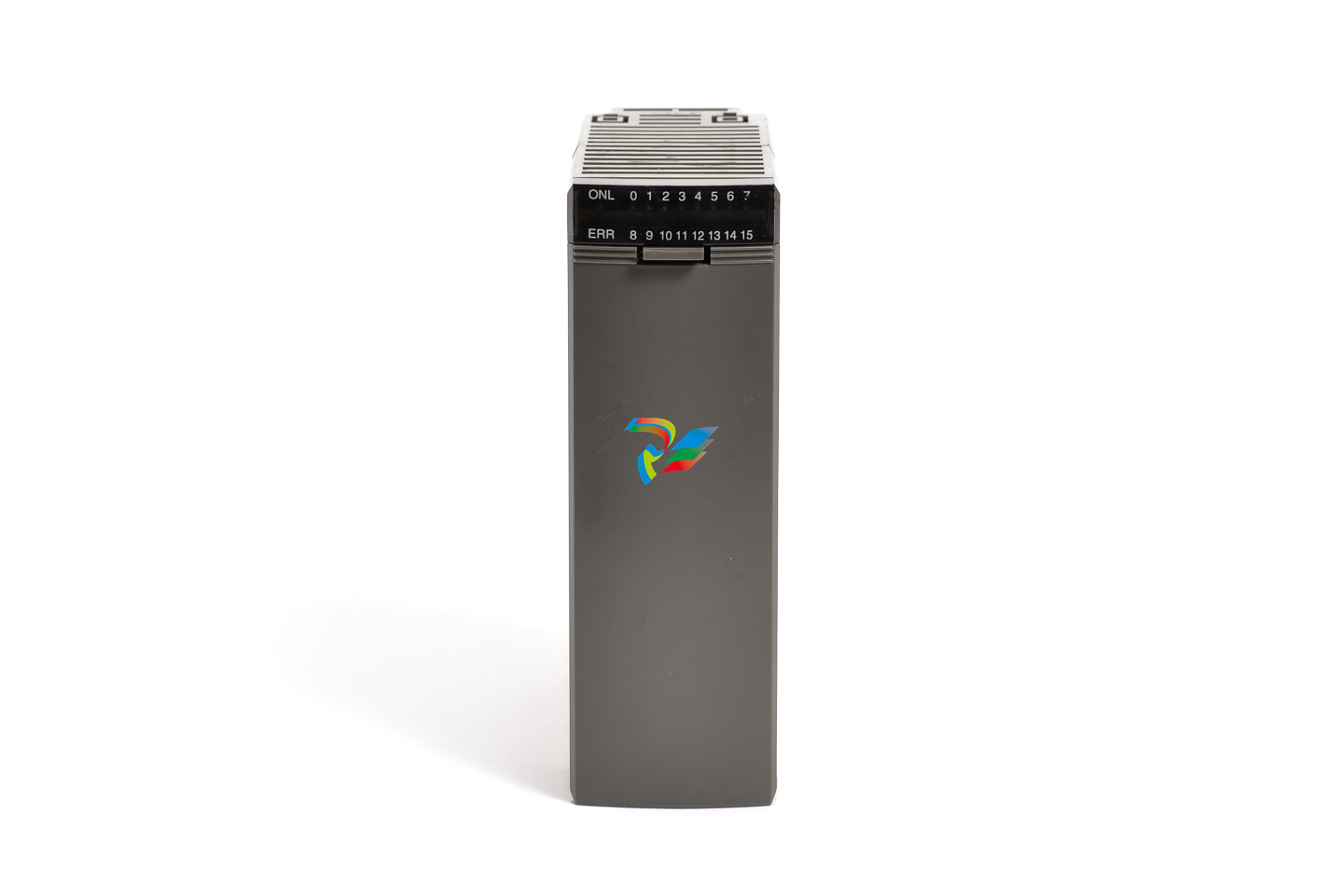 FUJI NP1Y16R-08 Digital Output Module
 -
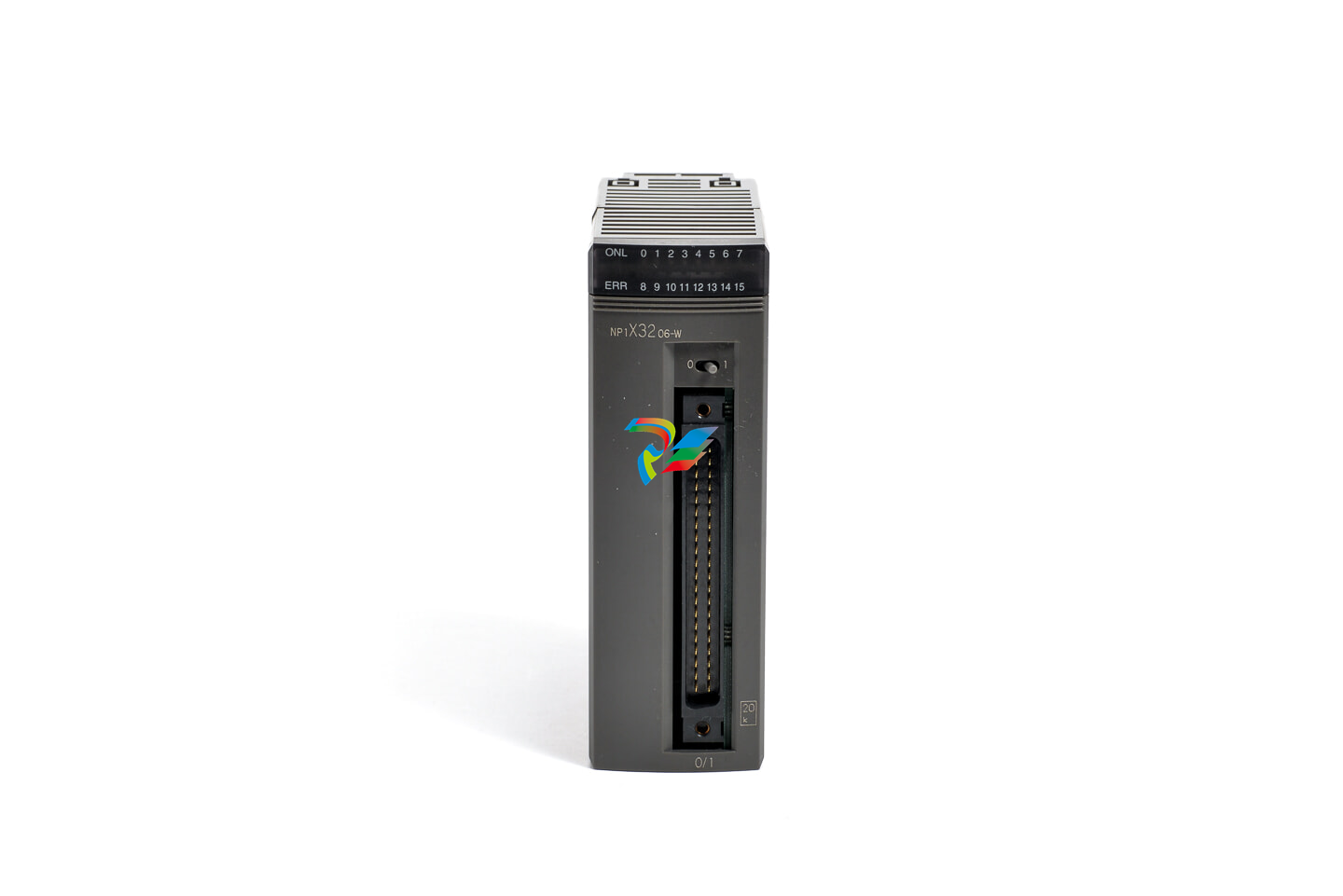 FUJI NP1X3206-A High-speed digital input module
 -
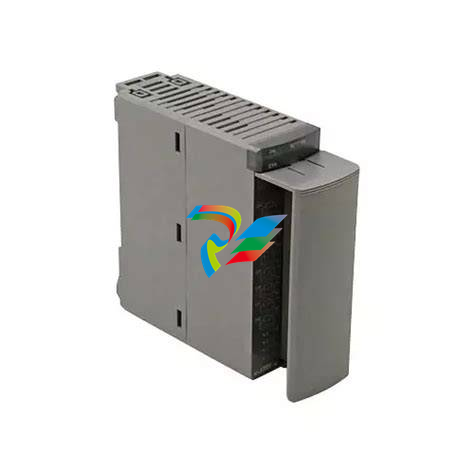 FUJI NP1AYH4I-MR current output module
 -
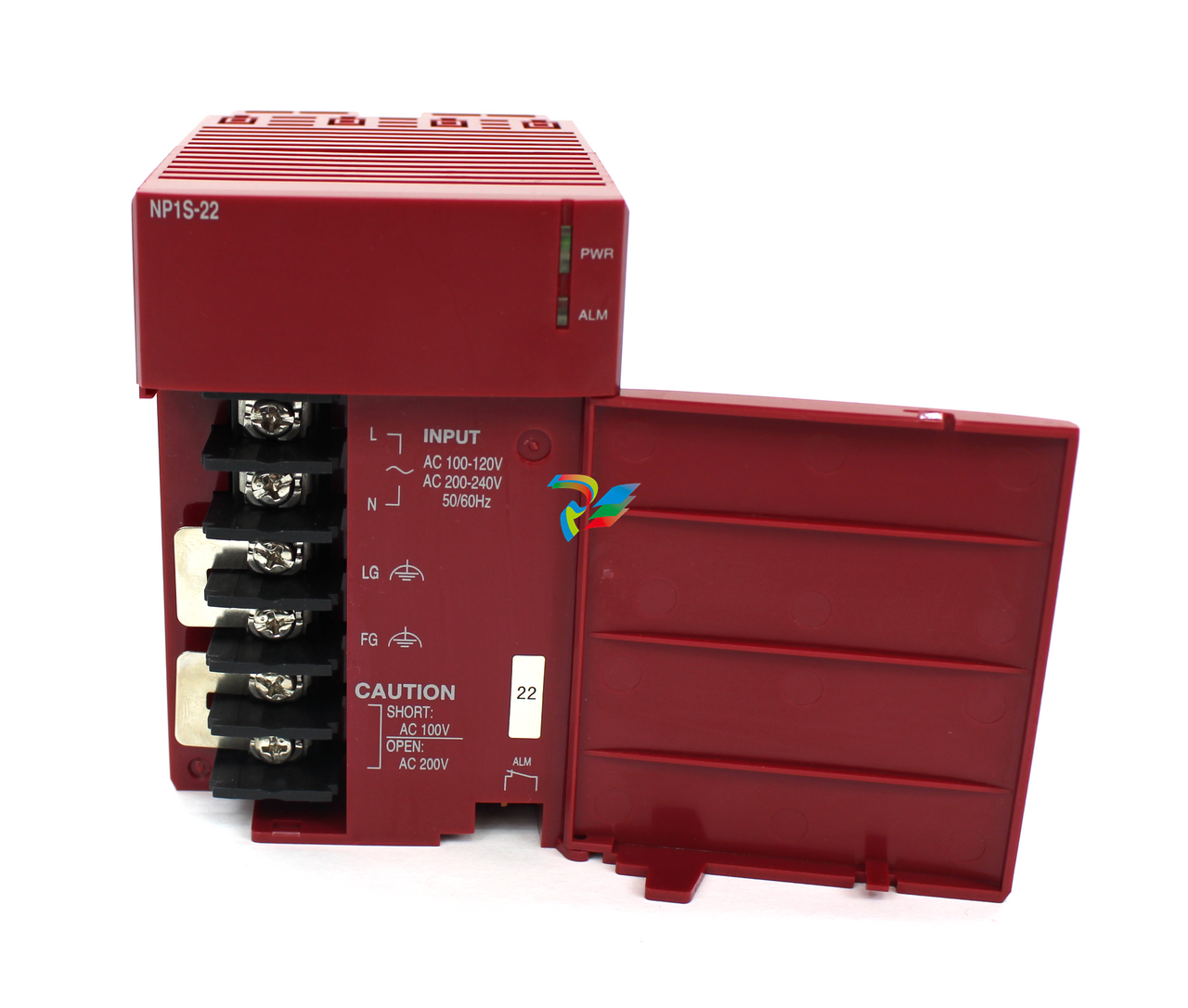 FUJI NP1S-22 Power module redundancy
 -
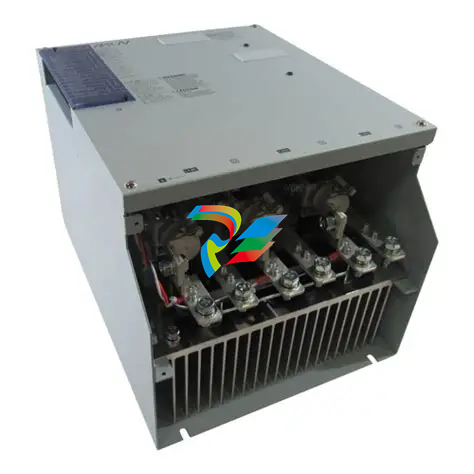 FUJI RPXD2150-1T servo drive module
 -
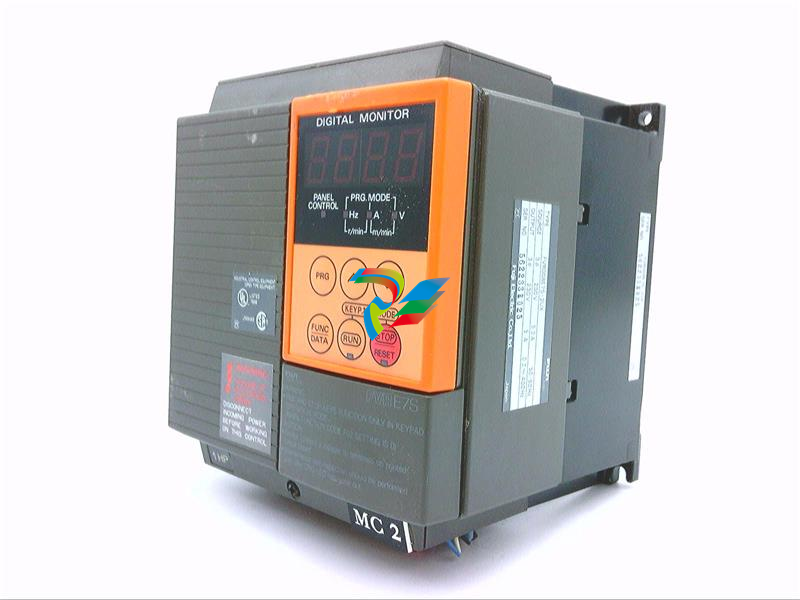 FUJI FVR008E7S-2UX Ac frequency converter
 -
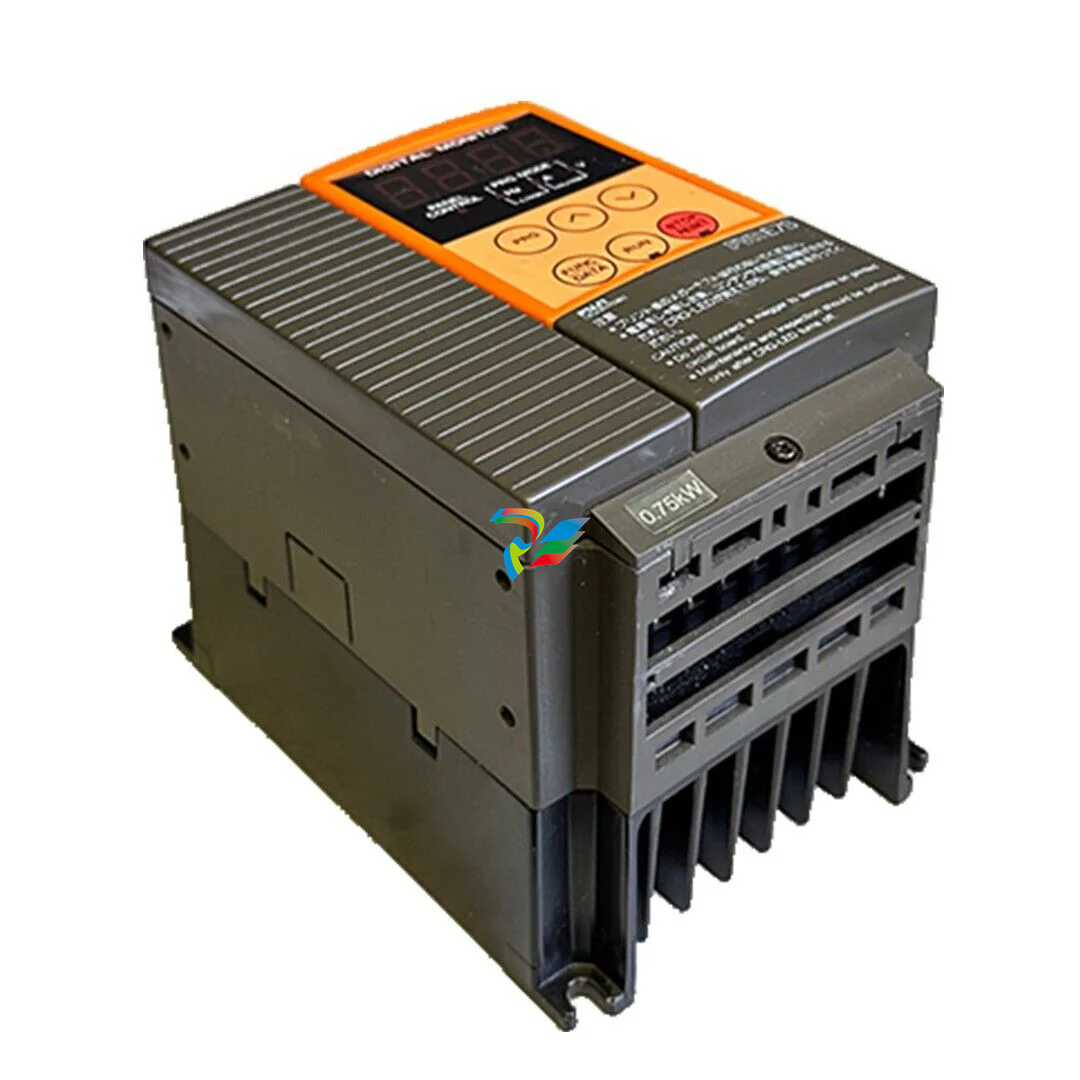 FUJI Ac frequency converter FVR008E7S-2
 -
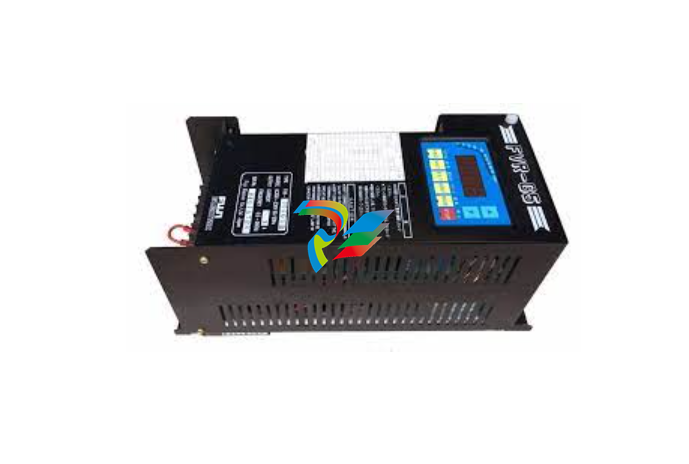 FUJI FVR004G5B-2 Small general-purpose frequency converter
 -
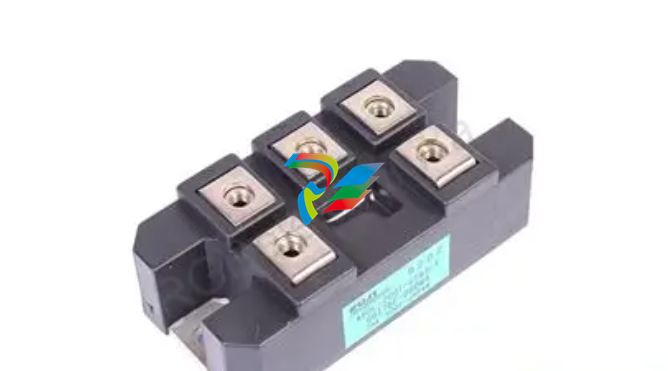 FUJI A50L-2001-0232 Industrial control module
 -
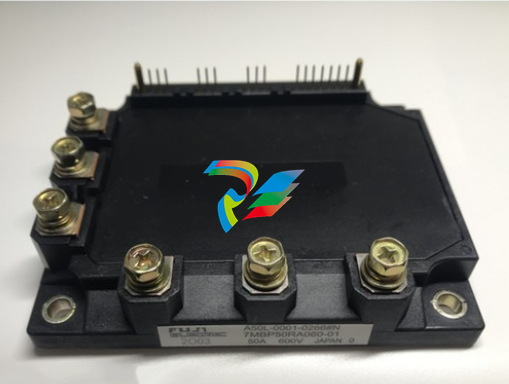 FUJI A50L-001-0266#N High-performance servo amplifier
 -
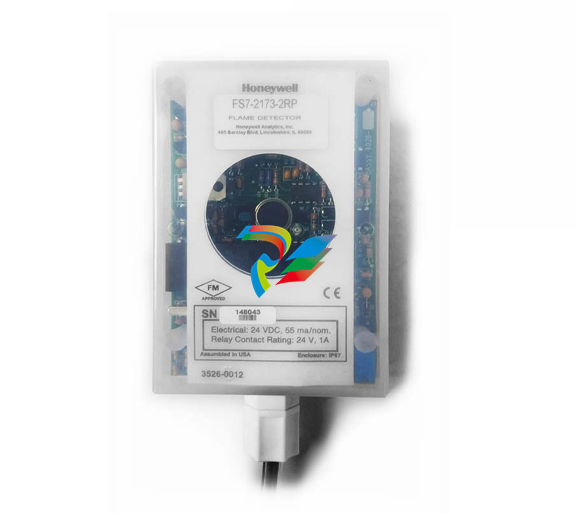 Honeywell FS7-2173-2RP Gas sensor
 -
 Honeywell 10106/2/1 Digital Input Module in Stock
 -
FRCE SYS68K CPU-40 B/16 PLC core processor module
-
Foxboro FBM I/O cards PBCO-D8-009
-
 Foxboro AD916AE Digital Control System (DCS) Module
 -
 GE SR750-P5-G5-S5-HI-A20-R-E Multilin Relay
 -
.jpg) FOXBORO H90 H90C9AA0117S Industrial Computer Workstation
FOXBORO H90 H90C9AA0117S Industrial Computer Workstation -
FOXBORO RH928AW | I/A Series Relay Output Module
-
.jpg) Foxboro N-2AX+DIO Multi-functional input/output module
Foxboro N-2AX+DIO Multi-functional input/output module -
 Foxboro RH924WA FCP280 Fiber Optic Network Adapter
 -
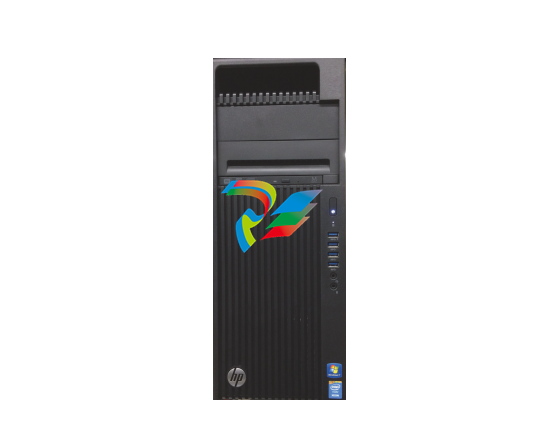 FOXBORO H92 Versatile Hardware Component In
 -
 Foxboro FBM218 P0922VW HART® Communication Redundant Output Interface Module
 -
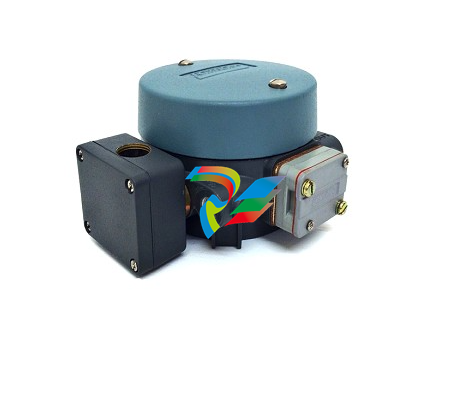 Foxboro E69F-TI2-J-R-S E69F Series Current-To-Pneumatic Signal Converter
 -
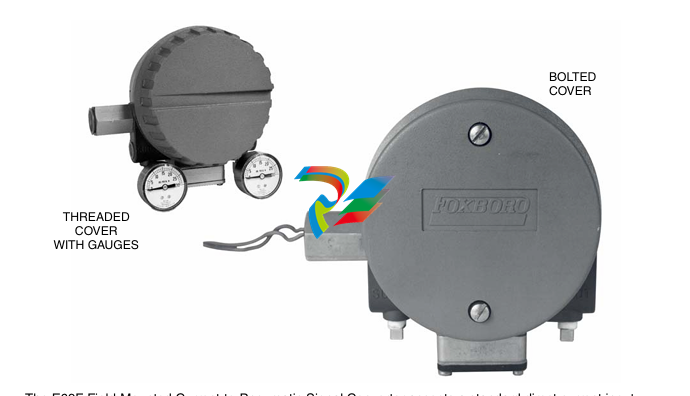 Foxboro E69F-BI2-S Converter
 -
.jpg) Foxboro H92A049E0700 The host of the DCS control station
Foxboro H92A049E0700 The host of the DCS control station -
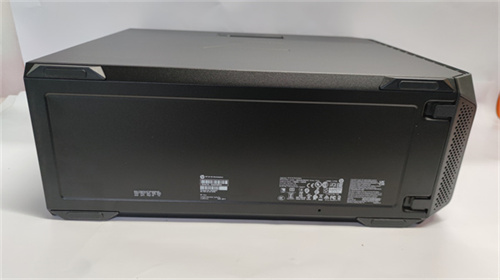 Foxboro H90C9AA0117S Industrial computer workstation
 -
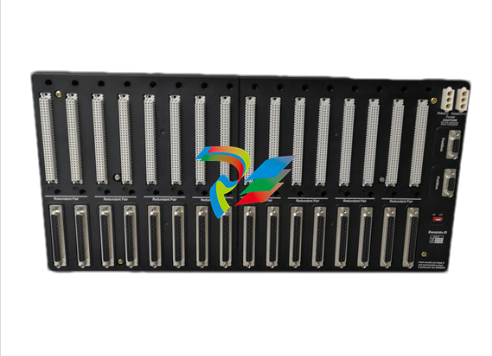 Foxboro RH101AA High-performance industrial control module
 -
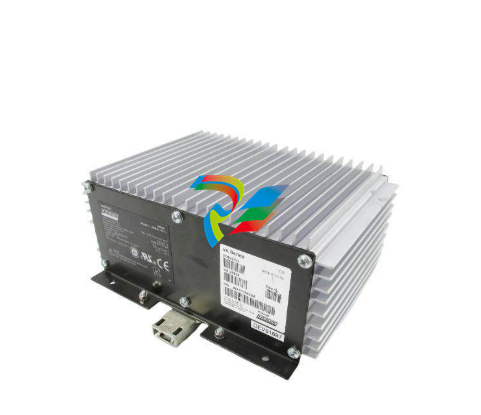 Foxboro P0922YU FPS400-24 I/A Series Power supply
 -
.png) FOXBORO P0973LN Chassis-based managed switch with independent power supply
FOXBORO P0973LN Chassis-based managed switch with independent power supply -
.jpg) FOXBORO P0926PA Input/output module
FOXBORO P0926PA Input/output module -
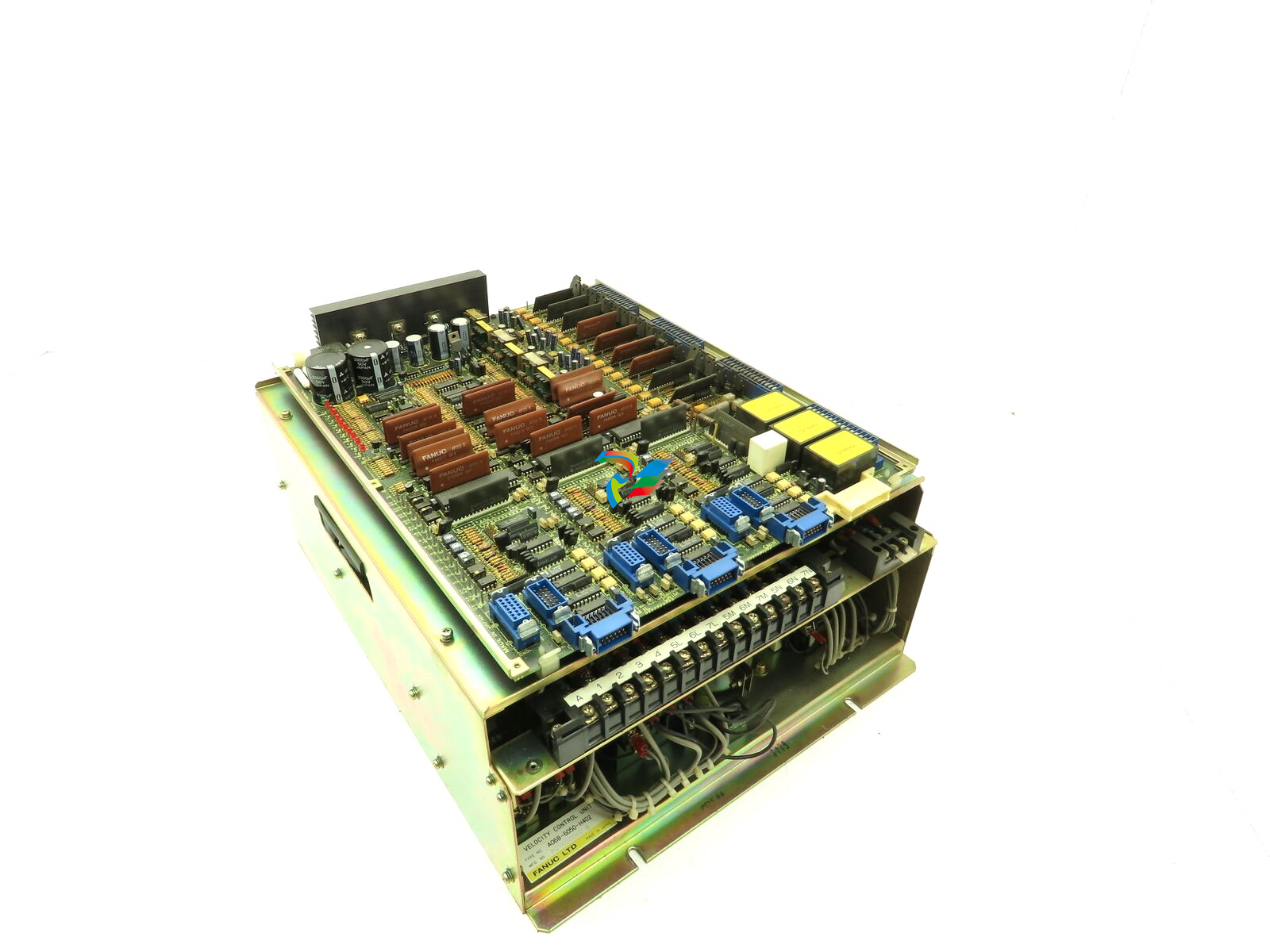 Fanuc A06B-6050-H402 3 AXIS ANALOG AC SERVO DRIVE
 -
.jpg) FOXBORO L0130AD L0130AE-0H Power module group
FOXBORO L0130AD L0130AE-0H Power module group -
_lVjBYb.jpg) FOXBORO 0399085B 0303440C+0303458A Combination Control Module
FOXBORO 0399085B 0303440C+0303458A Combination Control Module -
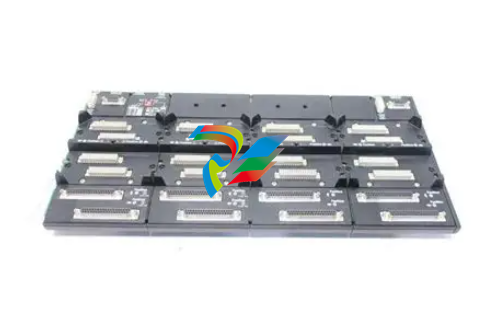 FOXBORO SY-0399095E (SY-0303451D+SY-0303460E) Process control board
 -
.jpg) FOXBORO 0399071D 0303440C+0303443B Input/Output (I/O) Module
FOXBORO 0399071D 0303440C+0303443B Input/Output (I/O) Module -
.jpg) FOXBORO RH924UQ Redundant Controller module
FOXBORO RH924UQ Redundant Controller module -
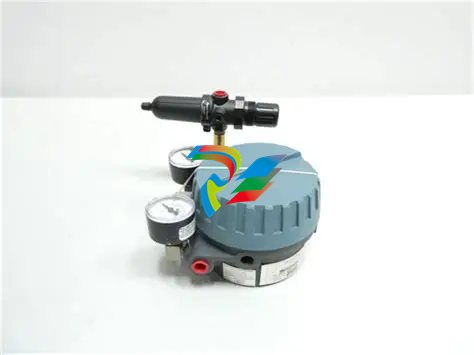 FFOXBORO E69F-TI2-S current pneumatic converter
 -
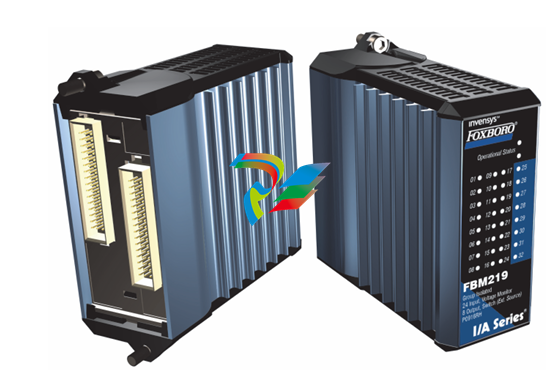 FOXBORO FBM219 RH916RH Discrete I/O Module
 -
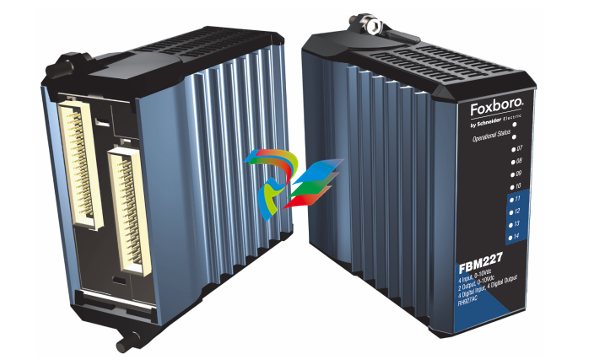 FOXBORO FBM227 P0927AC Module
 -
.jpg) FOXBORO 0399144 SY-0301059F SY-1025115C/SY-1025120E I/O module
FOXBORO 0399144 SY-0301059F SY-1025115C/SY-1025120E I/O module -
.jpg) FOXBORO SY-60399001R SY-60301001RB Industrial Control Module
FOXBORO SY-60399001R SY-60301001RB Industrial Control Module -
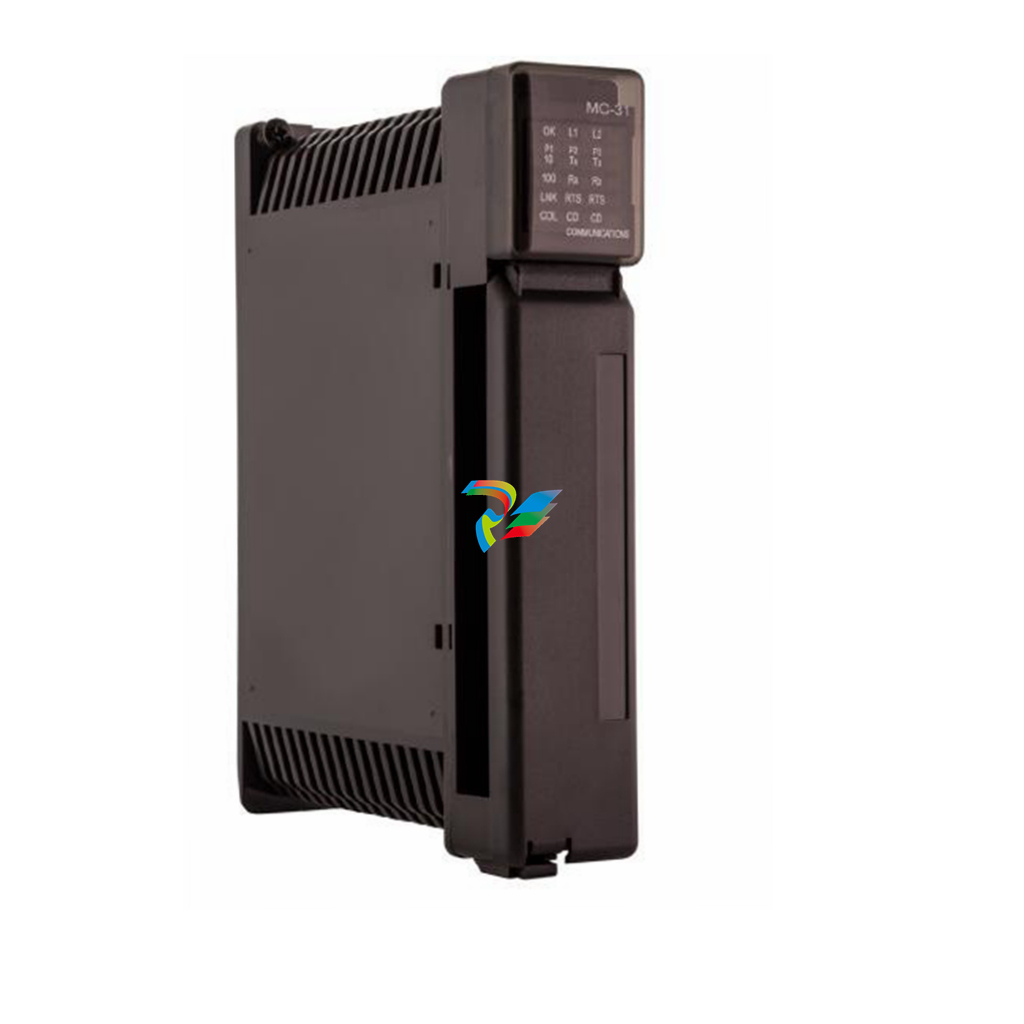 FOXBORO 0399143 SY-0301060R SY-1025115C SY-1025120E Combined control board
 -
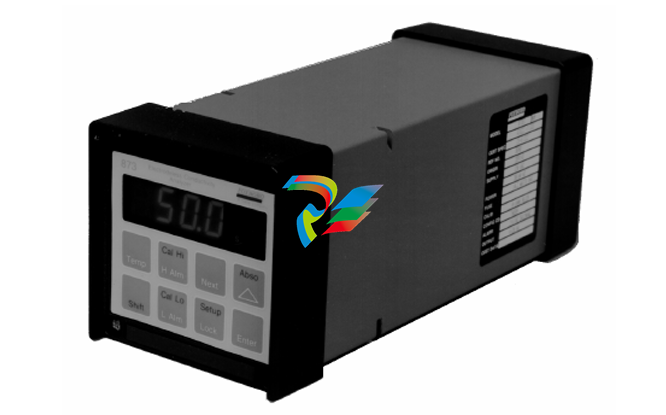 FOXBORO 873EC-JIPFGZ electrodeless conductivity analyzer
 -
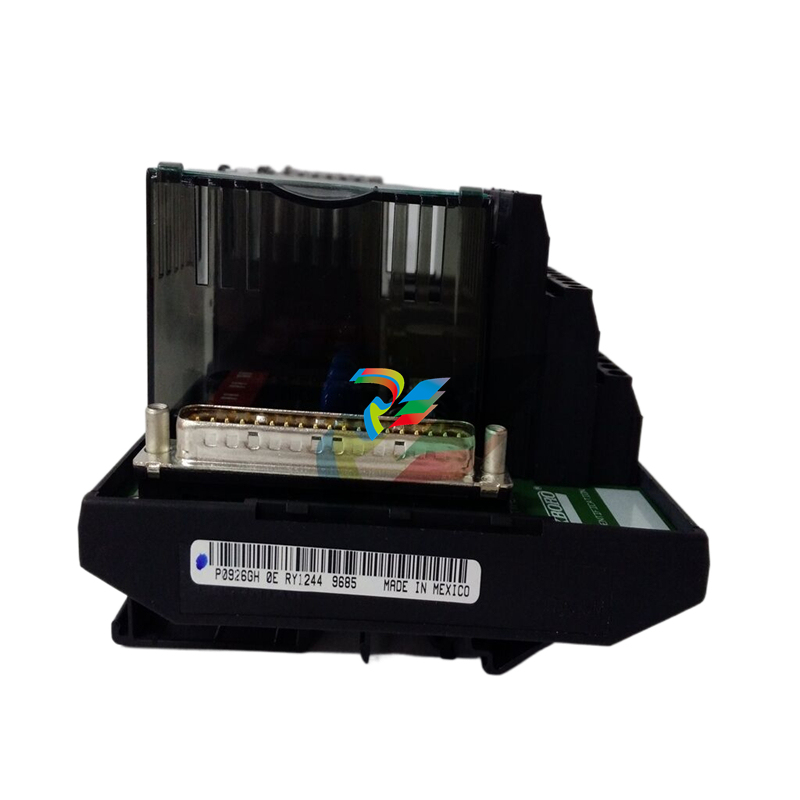 FOXBORO P0916PH (High-density HART I/O Module)
 -
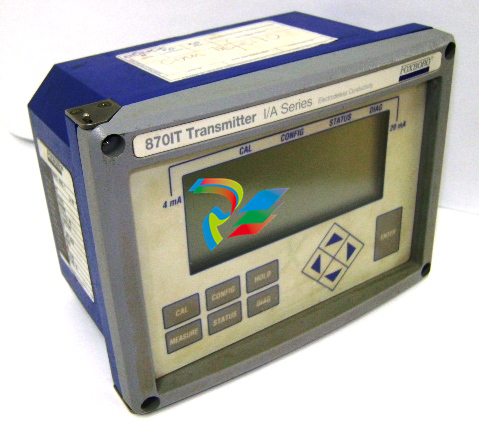 FOXBORO 870ITEC-AYFNZ-7 Intelligent Electrochemical Transmitters
 -
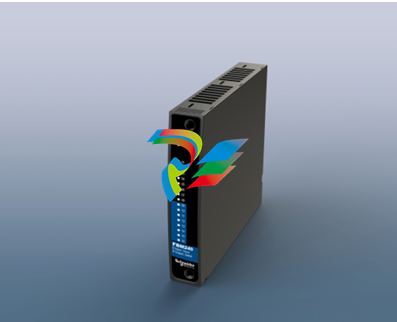 FOXBORO Compact FBM240. Redundant with Readback, Discrete
 -
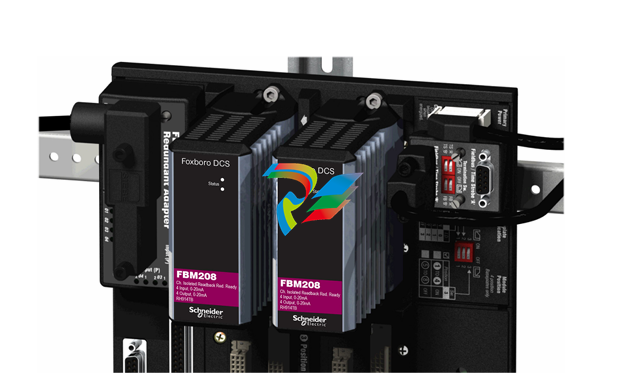 FOXBORO FBM208/b, Redundant with Readback, 0 to 20 mA I/O Module
 -
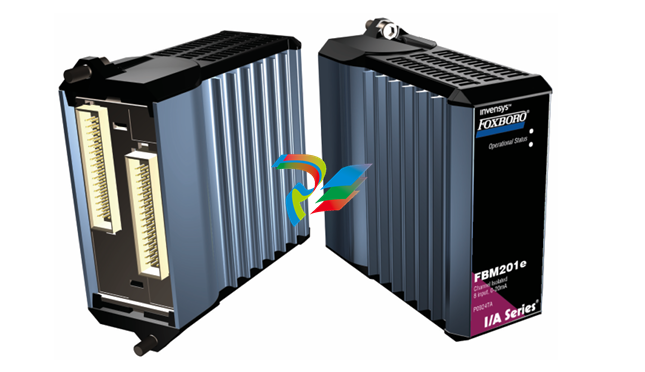 FOXBORO FBM201e Analog Input (0 to 20 mA) Interface Modules
 -
.jpg) FOXBORO P0916WG Terminal cable
FOXBORO P0916WG Terminal cable -
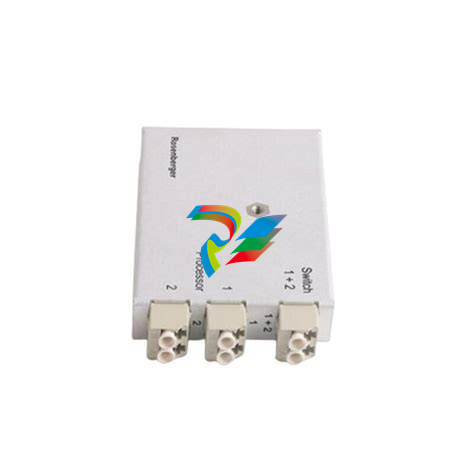 FOXBORO P0926MX 2-Port Splitter
 -
.jpg) FOXBORO AD908JQ High-Frequency Module
FOXBORO AD908JQ High-Frequency Module -
.jpg) FOXBORO AD916CC Processor module
FOXBORO AD916CC Processor module -
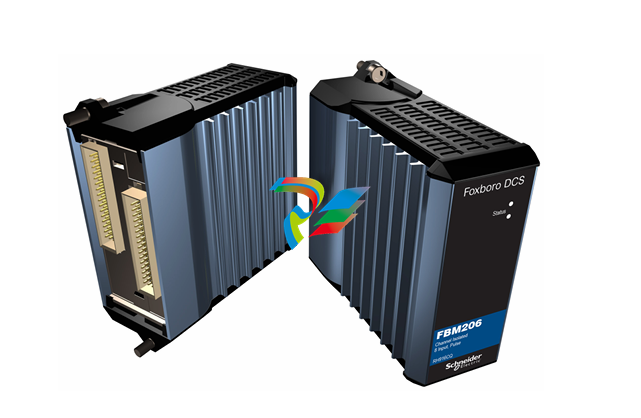 Foxboro DCS FBM206 Pulse Input Module
 -
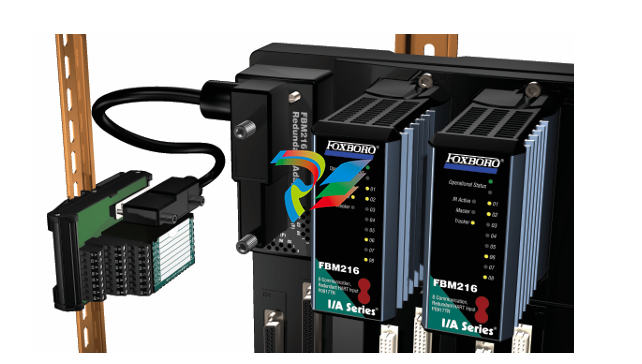 FOXBORO FBM216 HART® Communication Redundant Input Interface Module
 -
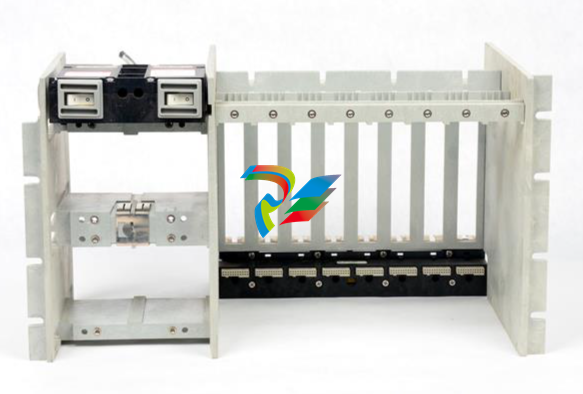 Foxboro p0903nu 1×8 unit sub-component module
 -
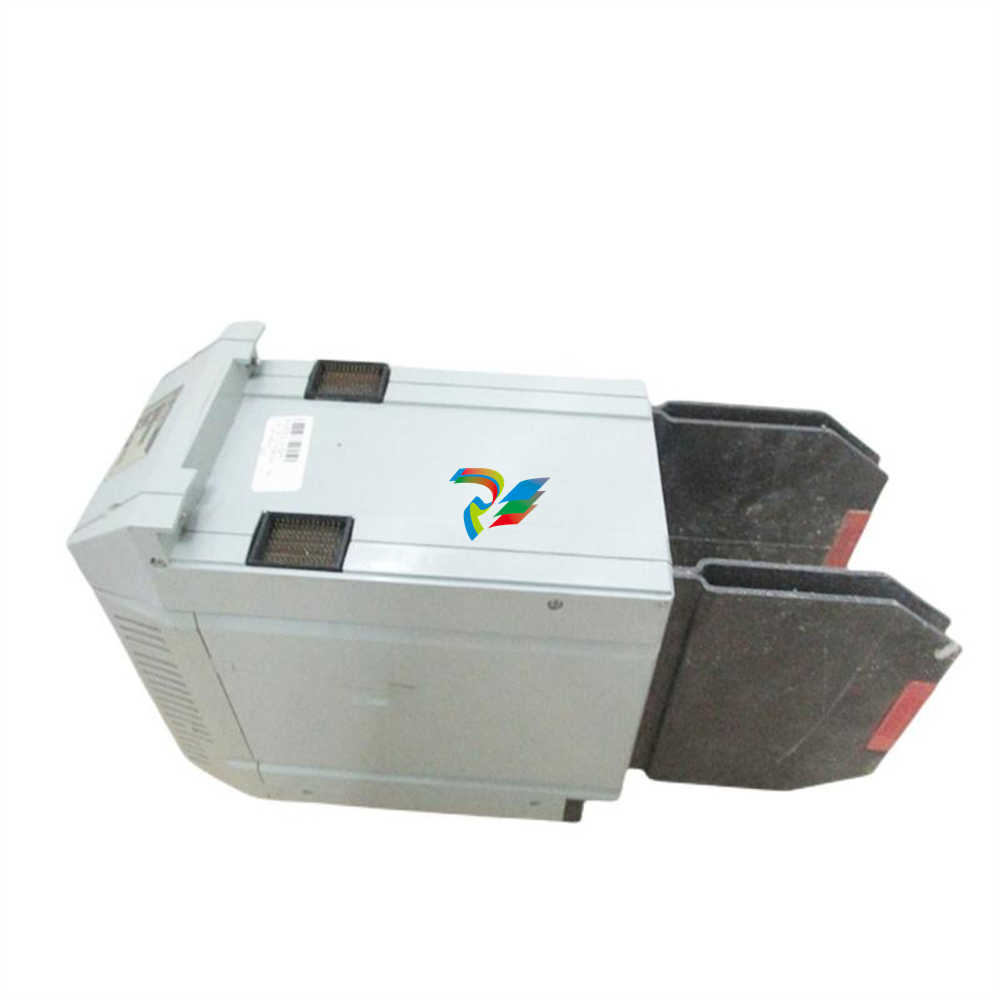 Foxboro P0911SM Industrial control module