
Industrial Autonomy on the Horizon

The era of the remote workforce has brought to light a cross-industry need for resilient, futureproof industrial control systems supporting more efficient, sustainable, and safe manufacturing plants. Through the integration of autonomous software and technologies along the production line, and the innovation of process control systems, plant operators can achieve long-term operational benefits.
Ongoing advancements in process automation have enabled users to create steady-state and dynamic models for plant and control design, assess equipment performance and troubleshoot issues, evaluate process design, and resolve operating problems. By using software, including advanced control and alarm management, industrial organizations have optimized industrial processes to improve business results and safety. This progress has also provided greater visibility into process risk—notably, advanced control-defined optimal limits and rigorously executed controls to maintain those limits.
Today, the introduction of new digital technologies at the plant and enterprise levels has the potential to augment people and processes to an unprecedented degree. Advanced functions, such as artificial intelligence and machine learning, are changing how people work in industry.
Autonomous control systems fulfill the growing need to streamline plant communications, provide support for the next generation of industrial workers, and gain a more comprehensive view of process inefficiencies. Autonomous solutions enhance workforce safety and performance while reducing environmental impact and operating costs with more adaptable and accessible system assets.
Process industries have never been under greater pressure to meet production targets, minimize costs, and maximize asset efficiency, all while ensuring health and safety. Moving forward, companies in these sectors will need to better align production strategies with market demand to maximize revenue growth. They must also embrace the adoption of digital technologies to drive efficiency and make investments in plants to reduce carbon footprints. From safety to sustainability and productivity to reliability, the hurdles presented in the remote-work environment amplified the need for more resilient, interconnected plants.
Yet even as industries grapple with structural changes, and as societies and economies pivot to the “new normal,” process industry companies themselves have a window of opportunity: Now is the time to adapt strategies and technologies to help reduce disruption to operations and achieve new levels of performance and profitability.
Current state
Automation systems in continuous-process plants are constantly evolving due to competitive industry pressures, customer demands, external events, and security requirements. Like it or not, most existing systems have changed as a result of numerous small actions taken over the years. A control system originally installed 25 years ago may include a patchwork of small additions made over time, leading to a system that is difficult to maintain because of all its unique quirks. Only some system owners take a strategic lifecycle approach to their control systems. Others are typically reactive, making changes only as needed to correct problems.
Many industrial sites also suffer from the lack of a consistent philosophy in integrating various plant subsystems. The prevailing information technology (IT) focus on the operational technology (OT) space has only exacerbated this problem.
In addition, the current generation of experienced industrial engineers, operators, and technicians is in the process of retiring. As these workers leave the plant, they take with them valuable tribal knowledge of the control system design and evolution, the production processes, and the associated control strategies. This departure is causing the loss of their collective know-how. Recruiting workers to backfill retirements is just one part of addressing this industrial skills gap. Once new employees are on site, they must be trained efficiently so they can up-skill quickly and produce results.
All of these challenges set the stage for a new approach to the control system of tomorrow. The continuous-process industries are at the beginning of an inflection point regarding what they can do with automation solutions. Today’s objectives should be to leverage decades of process know-how, find ways to integrate subsystems and streamline communications, and become more flexible in how to work with control technology in general.
What is (and is not) industrial autonomy?
The topic of “industrial autonomy” is gaining significant interest, with many diverse views—and compelling opinions—on what constitutes the autonomous operation of an industrial facility. According to a recent study by LNS Research, approximately 50% of industrial transformation leaders have an autonomous plant initiative formalized, and an estimated 41% of these leaders are accelerating their autonomous plant efforts because of the global pandemic.

The world of industrial autonomy is a crucial part of what ultimately comprises Industry 4.0, which will enable industrial assets and operations with robust adaptive capabilities. Autonomous control systems will respond without operator interaction to situations within a secure, bounded domain that was not preprogrammed or anticipated in the system design.
Industrial autonomy lets industrial companies harness innovative technologies to create a true digital transformation of operational strategies. Because digitization is not a one-step process, understanding a facility’s capabilities, digital maturity, and state of operations is crucial in identifying its next steps in the industrial evolution.
It is apparent that industrial process plants can move on a trajectory toward industrial autonomy and make similar step-change improvements in benefits by harnessing new technology. In an industrial environment, the trend toward autonomous operation is truly focused on optimal advanced sensing and automation technology in plants.
Industrial autonomy is about leveraging technology for better situational awareness. It is about allowing a system to take an optimal action that achieves desired outcomes in the best way possible. And those outcomes are better production, improved quality, more reliable operation and a much more efficient workforce.
Industrial autonomy helps automate a host of plant floor tasks and verify that they are performed flawlessly and consistently. Most importantly, autonomous operations can mean moving humans out of unsafe environments without inhibiting their access or view to process information.
Levels of autonomous operation
When considering the wide range of operational tasks involved in a typical process plant, from the control room to the field to planning and scheduling, it appears that fully autonomous operations may be out of reach for many companies. The process industries will, however, continue to deploy more intelligent, semi-autonomous subsystems that allow the plant workforce to focus on higher-level tasks, even while simultaneously making the operation safer, more reliable and more efficient.

To move toward autonomy in industrial processes, it is important to look at what can be fully automated, what elements will require human supervision, and which areas will remain manual. Once this clarity is established, it is possible to set a path to autonomy following six progressive levels:
Manual operations: With traditional manual operations, every aspect of the plant enterprise, including instructions and paper-based recordkeeping, is performed manually. Here, no automatic actions occur, with operations relying on humans to make all decisions and perform all functions. Most industrial sites began with significant human intervention required to run and maintain the operations.
Controlled and optimized operations: Given the widescale adoption of control systems and advanced control software, many industrial process facilities fall into the category of controlled and optimized. But just because most are in this category does not imply that most excel at it. Often an abundance of control loops are still running in manual mode or tuned incorrectly. Control loops running manually or those that are poorly tuned hinder optimization of the process. A large percentage of sites also have advanced control models that do not reflect current process dynamics or equipment performance, leading to poor results. In extreme cases, this situation can result in sites giving up on advanced control altogether. Advanced control and optimization must be viewed as a lifecycle solution—one that is continually kept up to date
Intelligent operations: The shift to intelligent operations is the essence of Industry 4.0. It is all about software analytics—collecting data, analyzing it, getting recommendations, and taking specific action. Companies can use digital twins to compare current process and equipment performance against expected performance. The benefit of using a model-based approach is that process and equipment performance is evaluated according to known or physical characteristics of plant processes. Users can model changes in the plant and current behavior, see if models are delivering the expected results, and employ the digital twin to close the loop between process dynamics and process design.
Remote operations: Once process operations are optimized and intelligent, users can think about leveraging the power of remote operations. From remote project execution, service, and support to centrally located remote operations centers, these capabilities are an opportunity to improve workforce efficiency, collaboration, and problem solving, and to effectively serve multiple sites or projects. Remote operations centers are used extensively in the industrial world, particularly in areas with distributed assets.
Resilient operations: Now, more than ever, plant owners require robust technology to help them withstand faults without having a large number of workers on site. They need resiliency measures such as backup power systems to keep equipment operating. Being resilient means that when failures do occur, the system or operation continues to run normally, and recovery is automated. There are many examples where this method occurs—for instance, in process automation systems with redundancy. Control systems are typically built with redundant controllers. If a controller fails, the redundant partner takes over, ensuring normal operations. At the same time, this controller is now nonredundant, and a process upset will occur if the controller also fails. Resilient operations will reallocate the control application to available system resources, ensuring that operations continue undisturbed, and that system resiliency is maintained, completely automated, with no intervention required by operations.
Autonomous operations: Ultimately, the destination of autonomous operations is enabling every day to be the best day of production and all staff to become experts in their assigned roles. The journey to autonomy is characterized by making use of all available digital technologies to realize advances in safety, reliability and efficiency.
For the most part, the far upstream oil and gas business is one of autonomy—wellheads and pipelines are largely unmanned. By reducing the physical presence of people on an offshore platform to the few times it is absolutely necessary, operating companies can dramatically improve human safety while lowering operating costs. The mining industry is also rapidly moving toward autonomy, substantially decreasing the number of people at often very remote process locations in favor of centralized operations.
Although the aforementioned maturity model does have a natural sequence and evolution—it is recognized that most facilities will have a varying degree of capability at each level—plant operators might find that there are manual procedures for some operations, and they also have pieces of equipment that operate largely autonomously. So, it is instructive to assess existing capabilities at each level.
Trending toward the future
The trends are unmistakable: Autonomy is a critical technology that will lead process industry operations into the future. As technology moves beyond automation, autonomy and autonomous systems will bring improvements in many areas.
The latest developments around industrial autonomy provide a timely response to several key industry trends, including the desire for post-COVID-19 preparedness and resilience, growing operational complexity, the aging industrial workforce and upskilling needs.
Regardless of an enterprise’s current tools, design, or talent, integrating autonomous solutions at any level of production serves as a catalyst for increased operational performance by addressing safety, efficiency, and reliability issues to help promote business continuity. An unencumbered vision is necessary to plot the incremental steps to achieve a more autonomous future. This vision requires investing in automation systems in a strategic and consistent manner with the total lifecycle of the plant in mind.
Images courtesy of Honeywell Process Solutions
This feature was originally published in the December 2021 issue of InTech magazine.
-
 IS200BPPBH2CAA Mark VIe Power Supply Module
 -
 IS210MACCH2AEG Motor Control and Communication Module
 -
 IS210MACCH2AGG Mark VIe Speedtronic Turbine Control Module
 -
 IS200AEPAH1AFD Printed circuit board
 -
IS200AEPAH1ACB Analog I/O Module
-
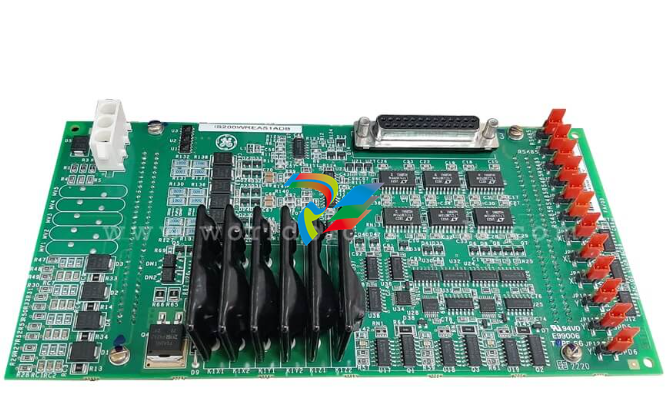 IS200WREAS1ADB AERO TRIP TB DBRD sub-board
 -
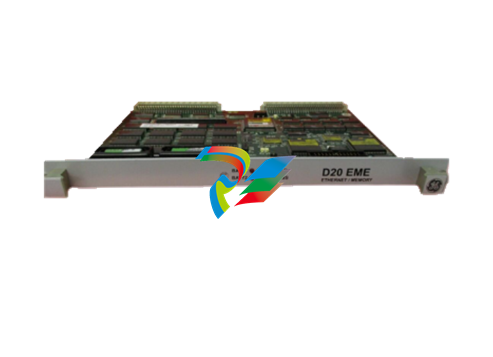 IS200WETAH1AEC large board component made Mark VI system
 -
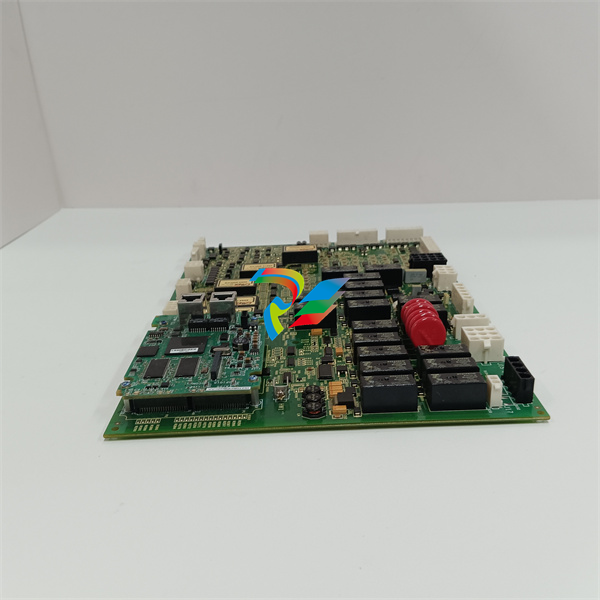 IS200AEPAH1AHD A High-Precision Excitation Control Board for Turbine Systems
 -
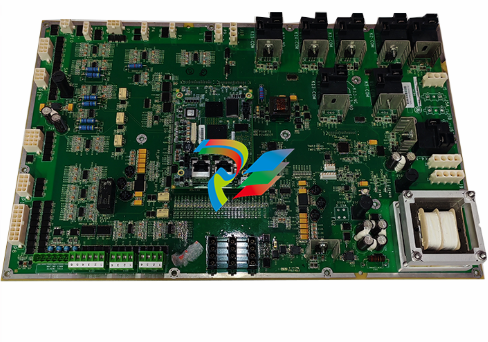 IS200WEMAH1AEA Control board
 -
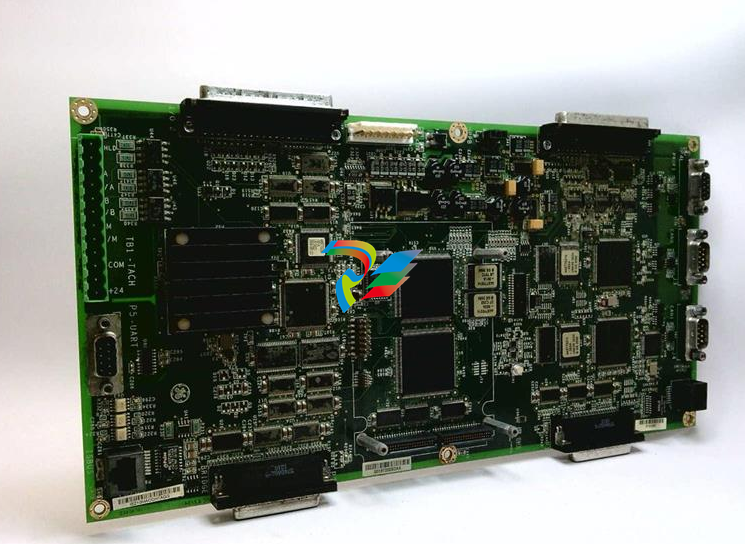 IS210MACCH1AGG processor card
 -
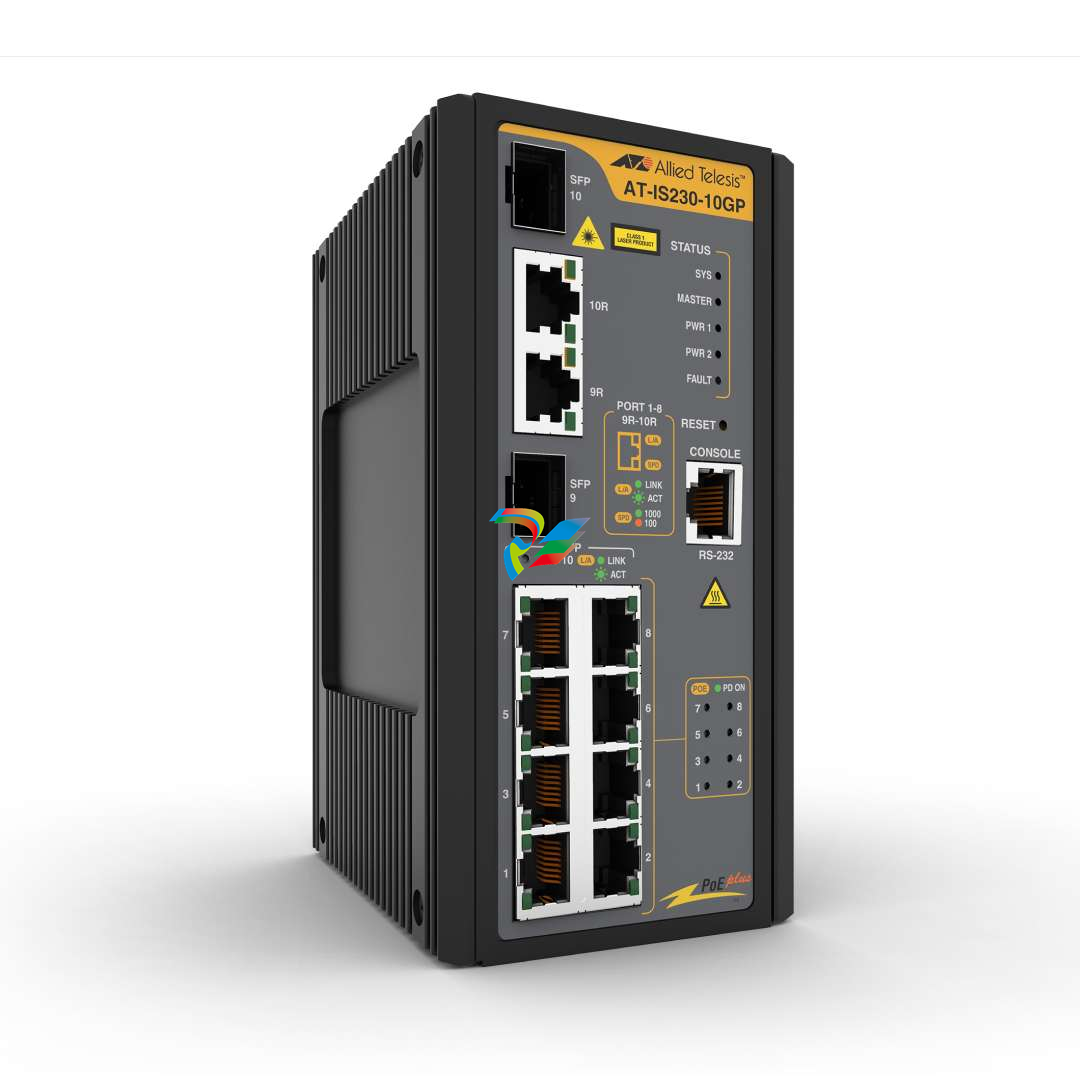 IS230TNRLH1B Discrete Output Modular Assembly
 -
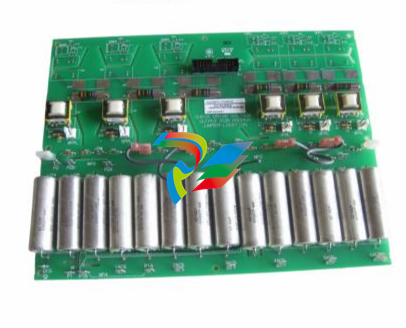 Mark V Series DS200PCCAG1ACB PCB Power Connect Card
 -
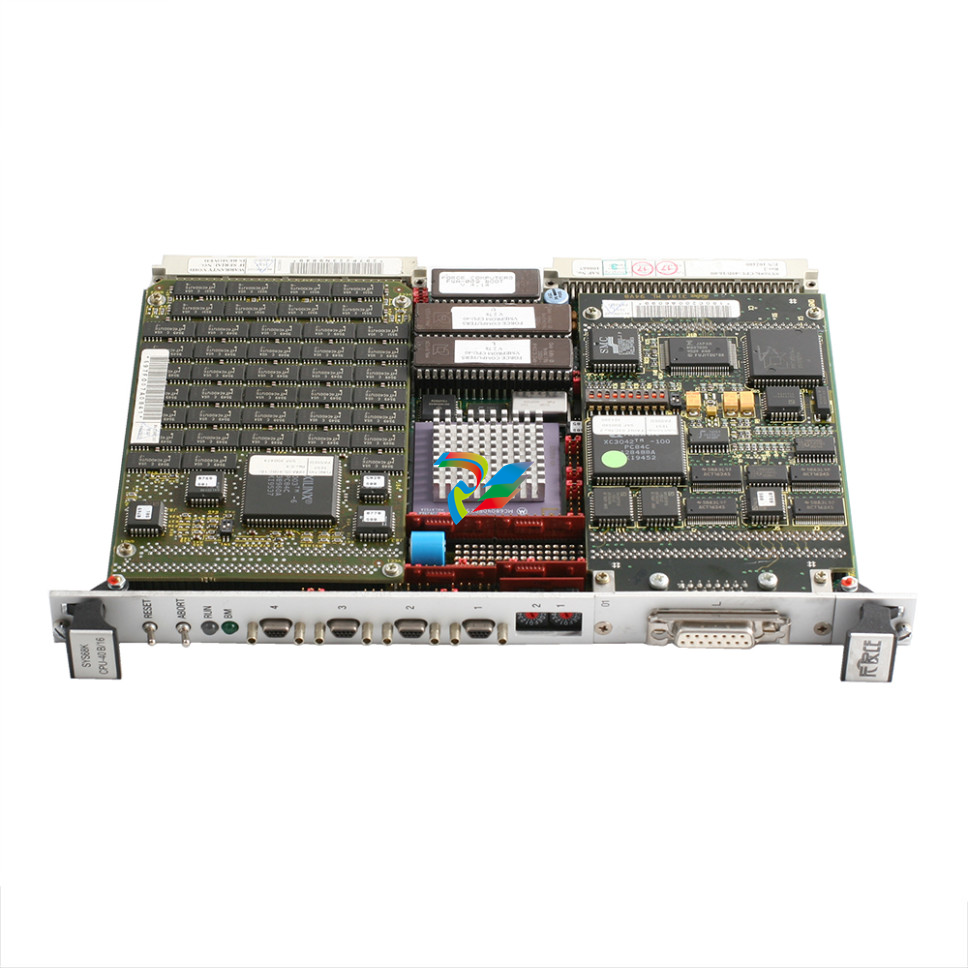 DS200SI0CG1AEA Instantaneous overcurrent card
 -
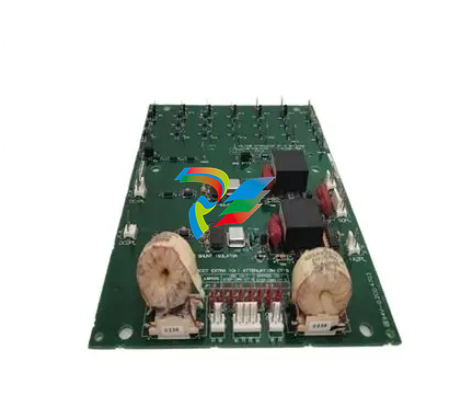 DS200SHVMG1AGE Analog I/O board
 -
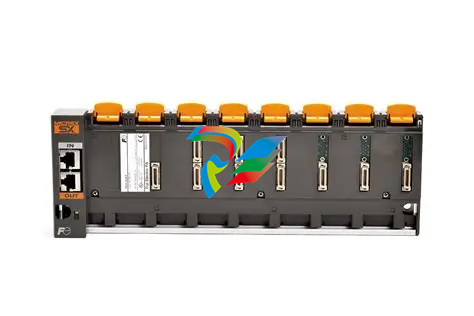 DS200SI0CG1A6A Input/Output Module
 -
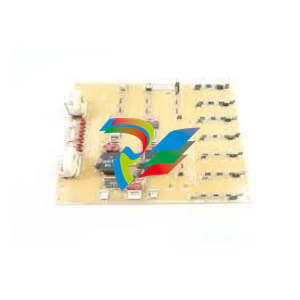 DS200SHVMG1AFE SCR High Voltage Interface Board
 -
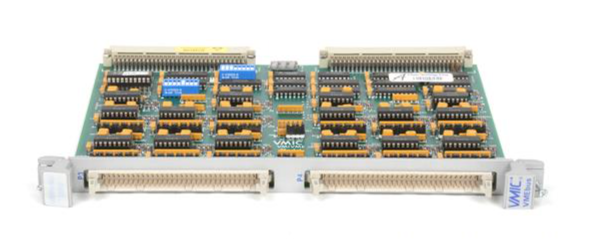 DS200RT8AG3AHC Relay Output Terminal Board
 -
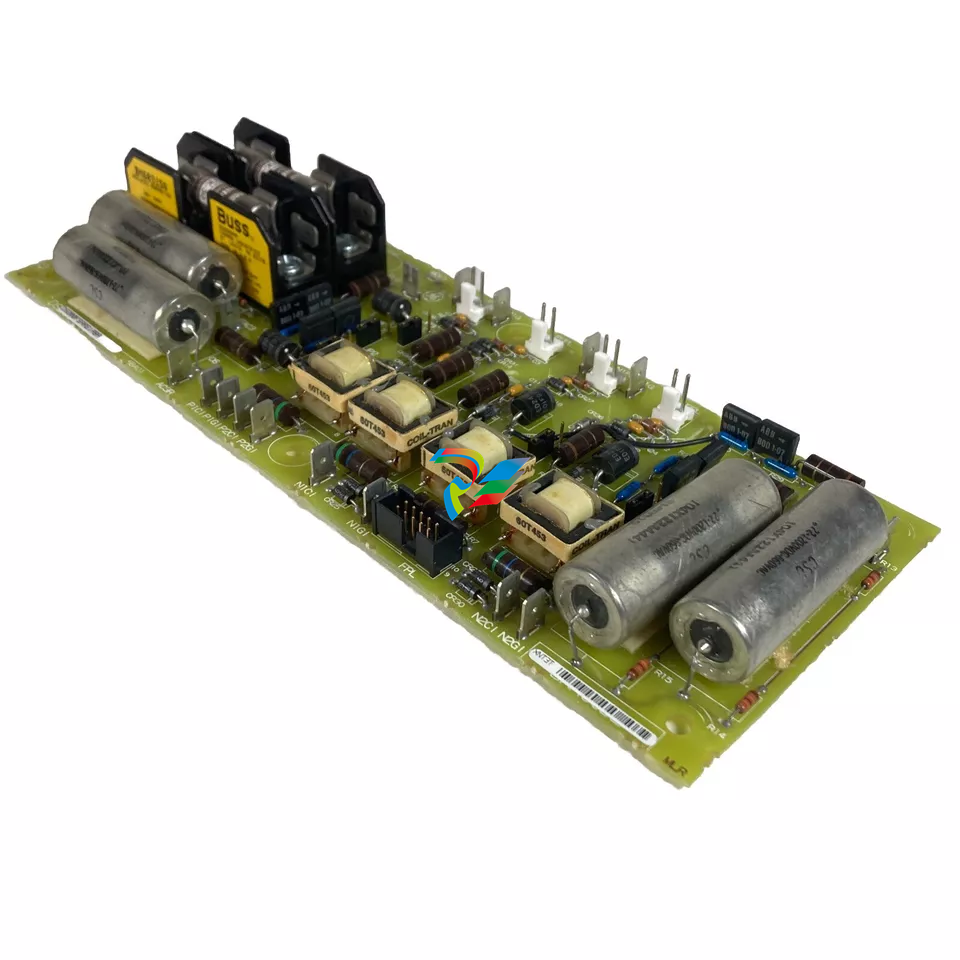 DS200FSAAG1ABA PCB Field Supply Gate Amplifier Board
 -
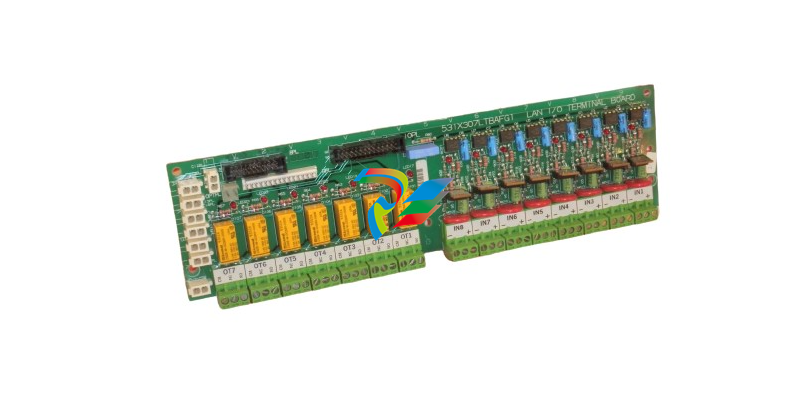 531X307LTBAFG1 F31X307LTBA LAN I/O Terminal Board
 -
 ABB AFS670 19" Ruggedized Switch AFS670-EREEDDDSSEEEEEEEPZYX05.1.0
 -
 NI Controller for VXI VXIPC-871B
 -
 IS200EPMCH1GE Mark VIe Patch Cord Power Distribution Card
 -
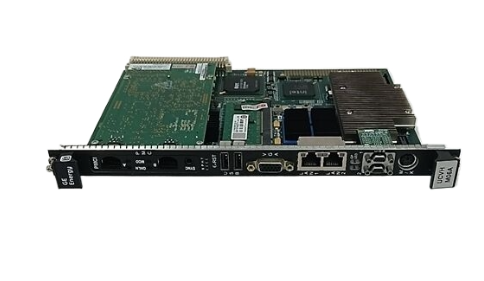 VMICPCI-7632-03310 IS215UCCAH3A 350-657362-003310J GE gas turbine system control processor board
 -
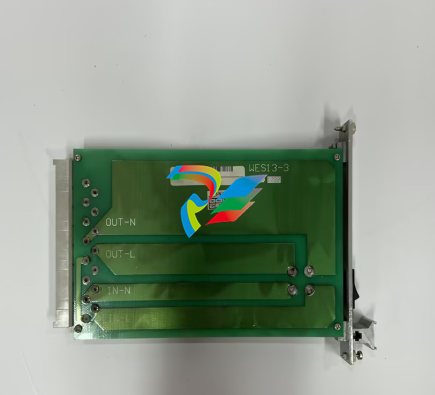 WEA13-13 2508-21001 Control Module / I/O Board
 -
.jpg) WES5120 2340-21004 Controller Main Module
WES5120 2340-21004 Controller Main Module -
 WES5120 2340-21006 Field Controller Master Unit Module
 -
WESDAC D20ME 18-MAR-13 Excitation Control Module
-
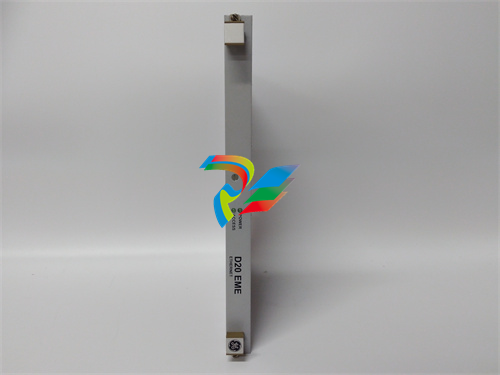 D20 EME 2400-21004 Ethernet communication and expansion module
 -
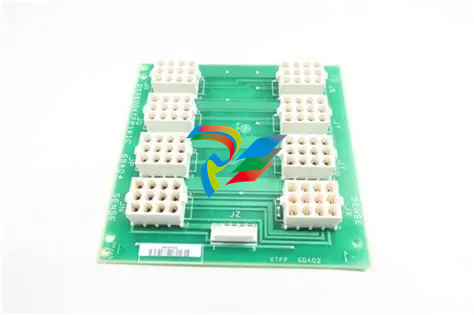 GE DS3800XTFP1E1C Thyristor Fan Out Board Brand
 -
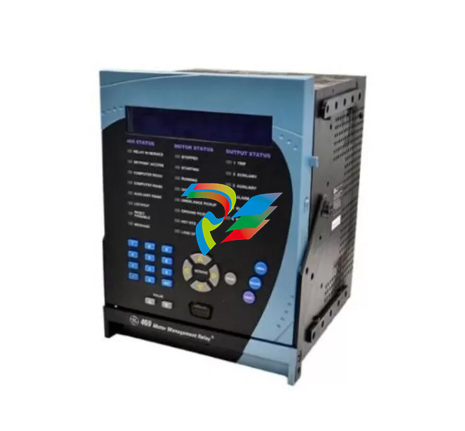 GE SR745-W2-P1-G1-HI-A-L-R-E Feeder protection relay
 -
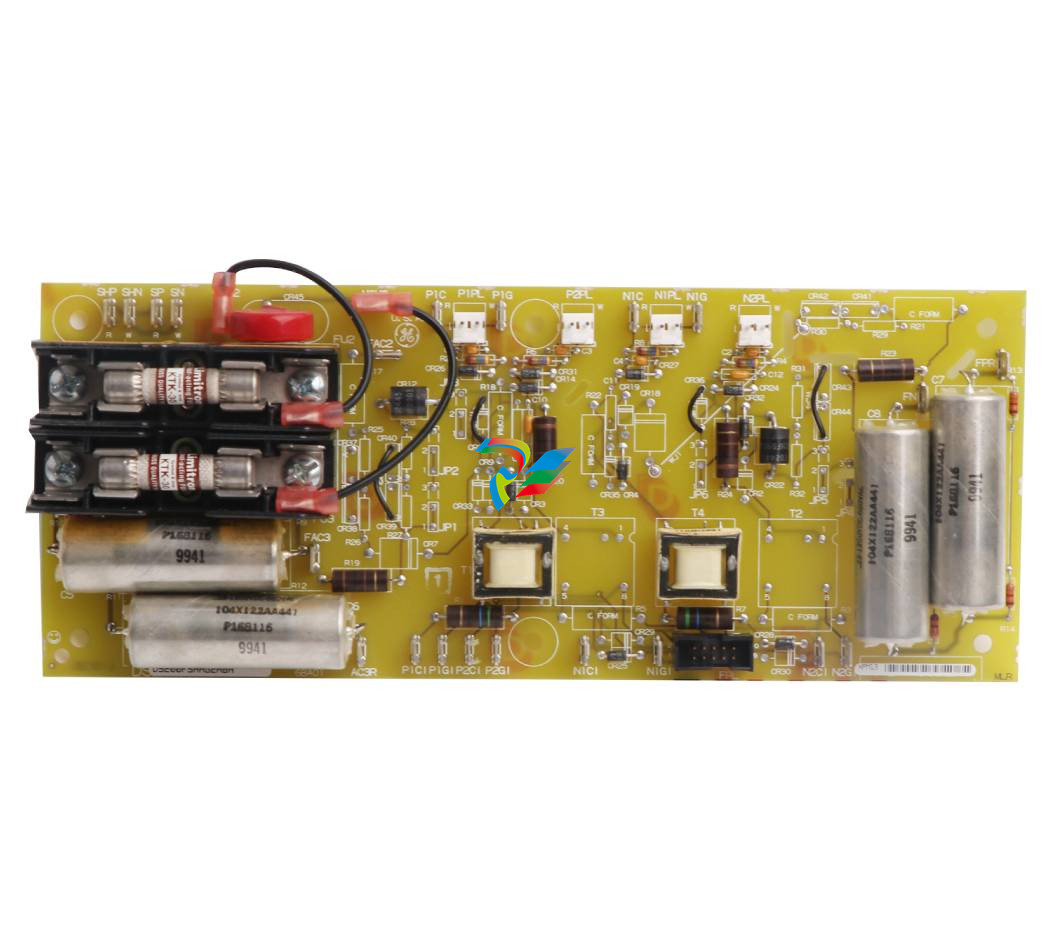 GE IS230TNDSH2A Discrete Output Relay Module Brand
 -
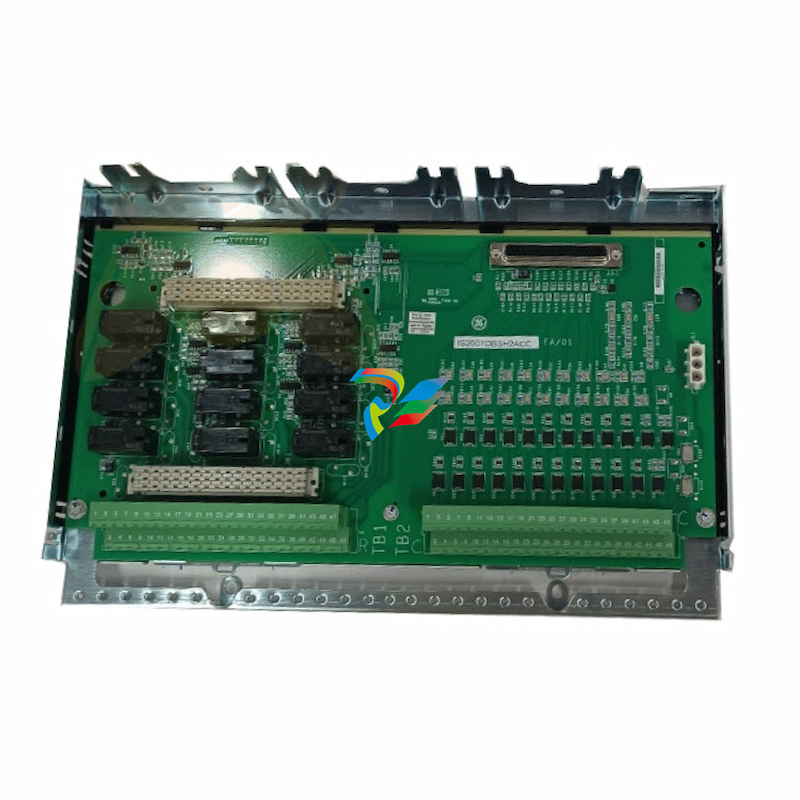 GE Fanuc IS200TDBSH2ACC Mark VI Terminal Board Brand
 -
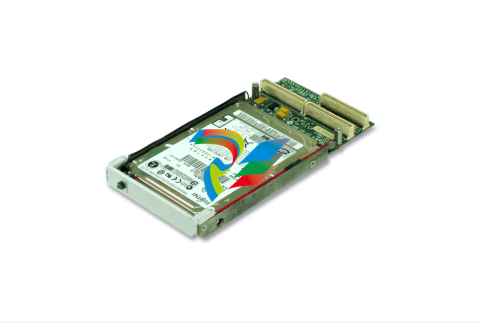 GE PMC-0247RC-282000 350-93750247-282000F Disk Drive
 -
GE PMC-0247RC-282000 350-93750247-282000F Disk Drive
-
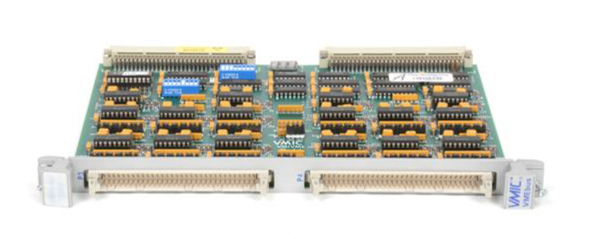 GE VMIVME-1150 Serial Communications Controller
 -
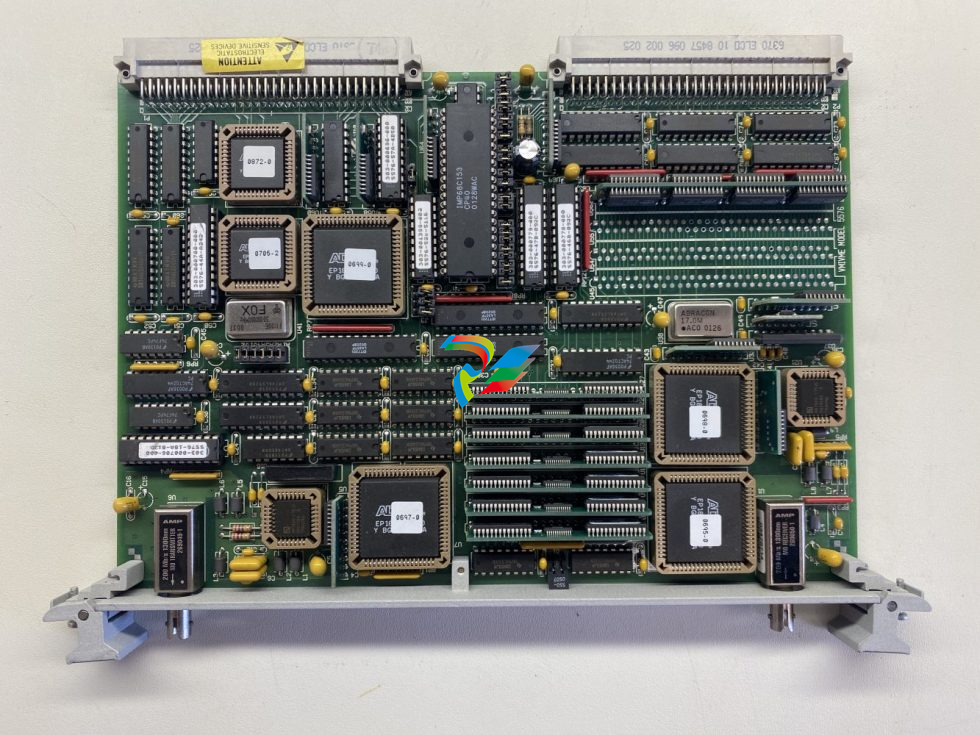 GE VMIVME-5576 Fiber-Optic Reflective Memory with Interrupts
 -
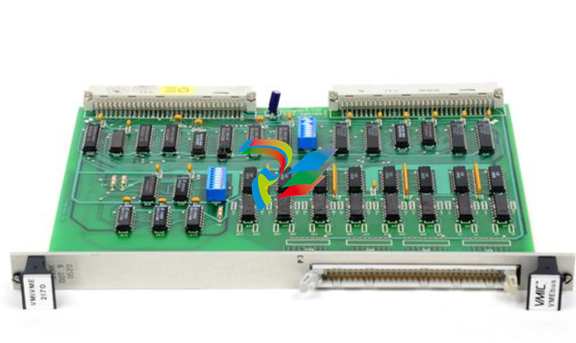 GE VMIC Isolated Digital Output VMIVME-2170A
 -
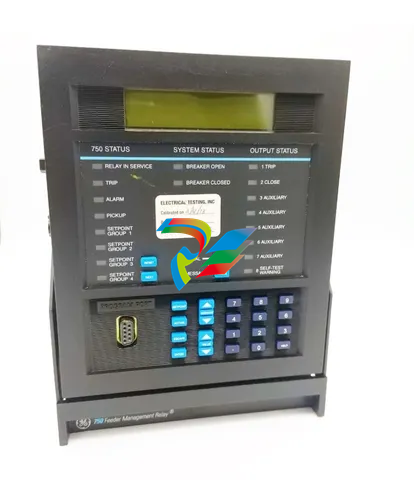 GE MULTILIN 760 FEEDER MANAGEMENT RELAY 760-P5-G5-S5-HI-A20-R-E
 -
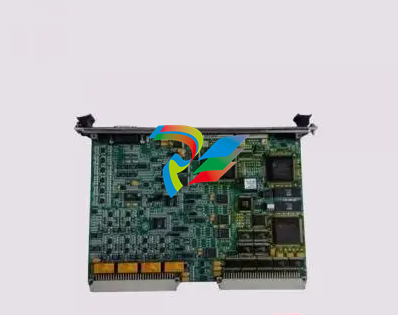 GE IS200AEPAH1BKE IS215WEPAH2BB Printed circuit board
 -
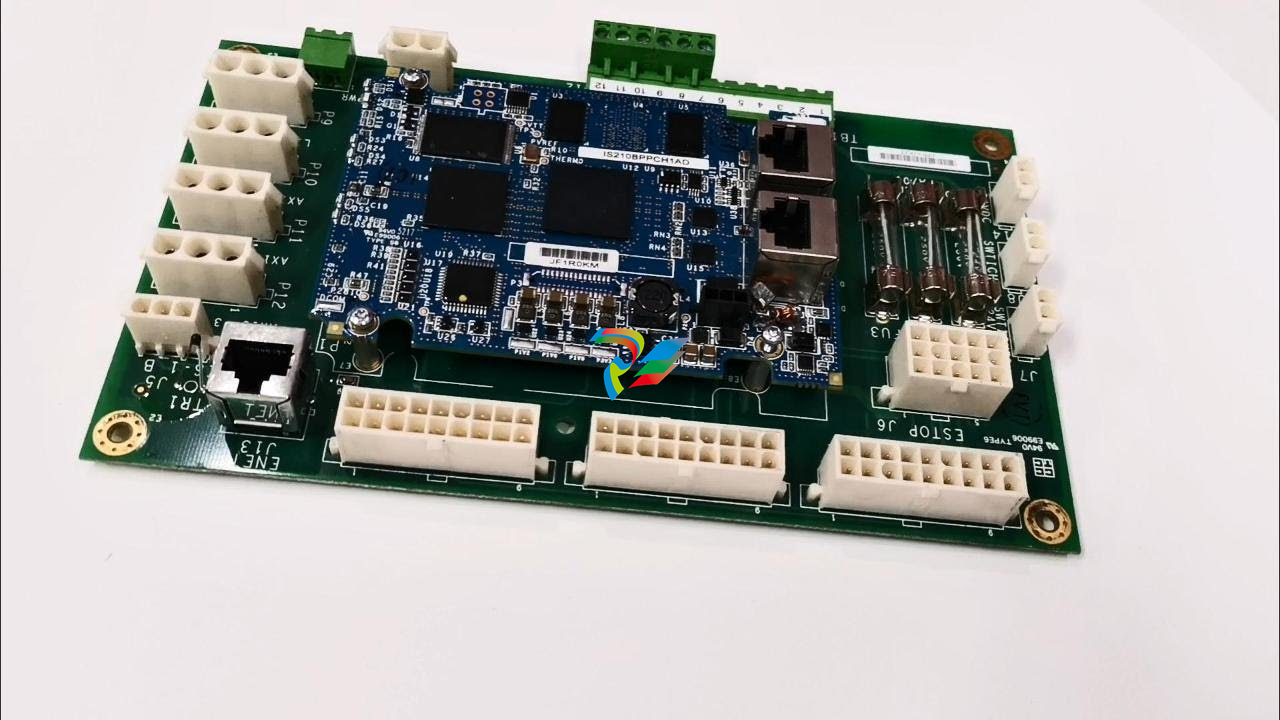 GE IS210BPPCH1A Mark VIe I/O Pack Processor Card
 -
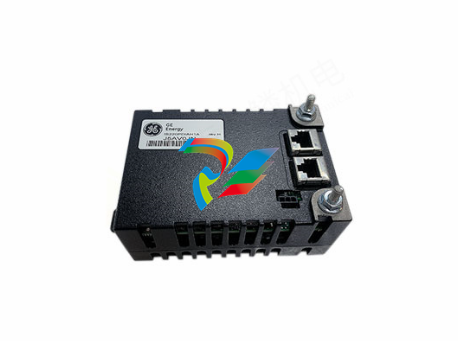 GE IS220PRTDH1A 336A4940CSP6 High-Performance RTD Input Module
 -
GE IS220PDIAH1BE 336A5026ADP4 Discrete Input Module
-
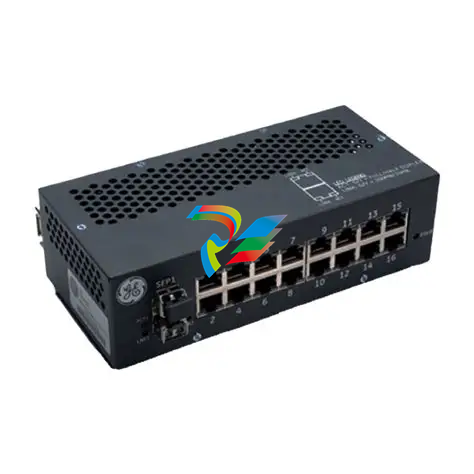 GE IS420ESWBH3A IONET Switch Module
 -
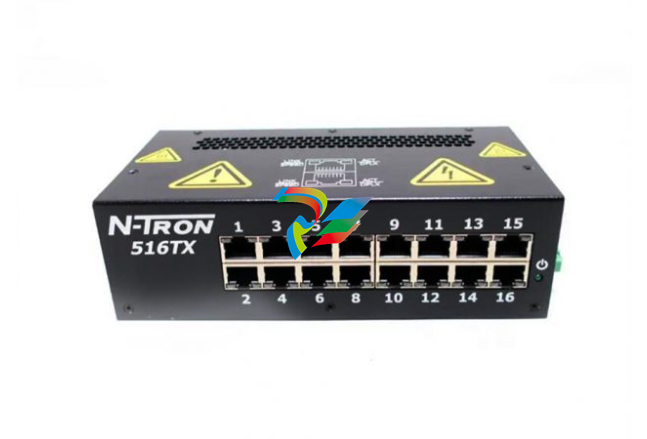 GE 516TX 336A4940DNP516TX 16-port Ethernet switch
 -
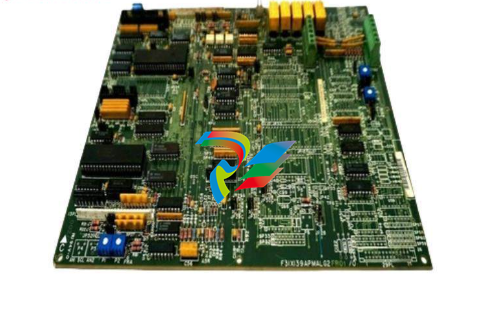 GE EVMECNTM13 Embedded control module
 -
GE EVPBDP0001 EVPBDP032 control module
-
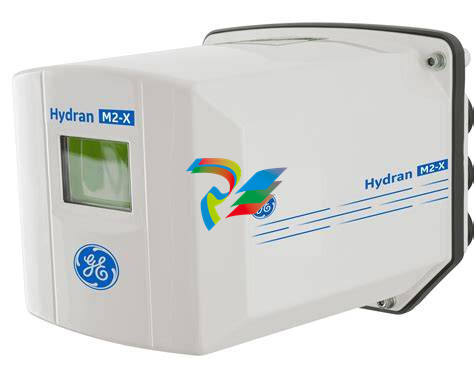 GE Hydran M2-X Enhanced Monitoring with Extended Sensor Life
 -
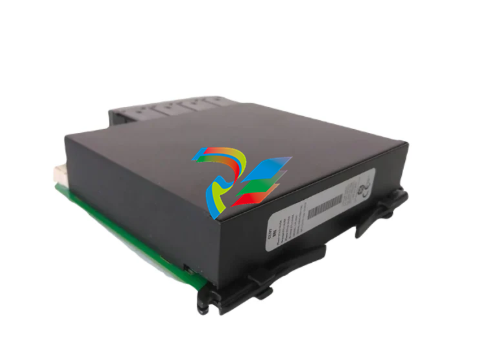 GE UR6CH Digital I/O Module
 -
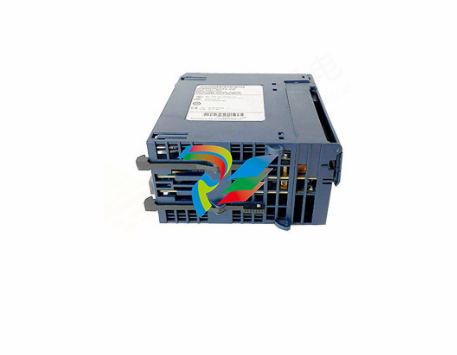 GE IC695CPU315-CD Central processing unit
 -
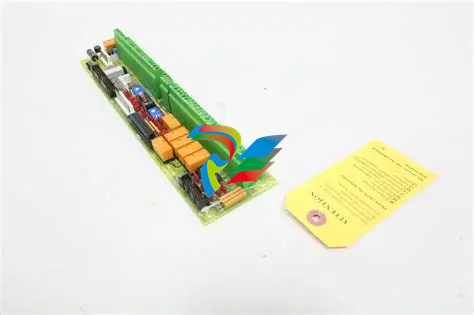 GE 531X305NTBAMG1 DR Terminal Board
 -
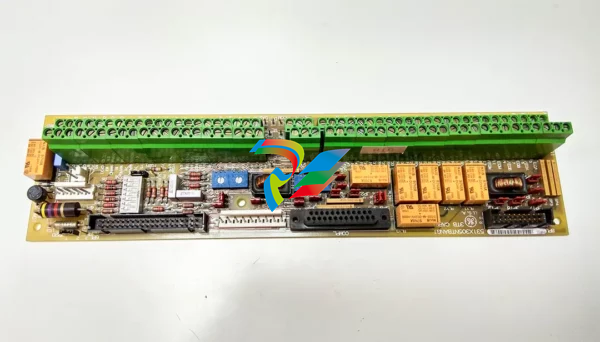 GE 531X305NTBALG1 NTB/3TB Terminal Board 531X Series
 -
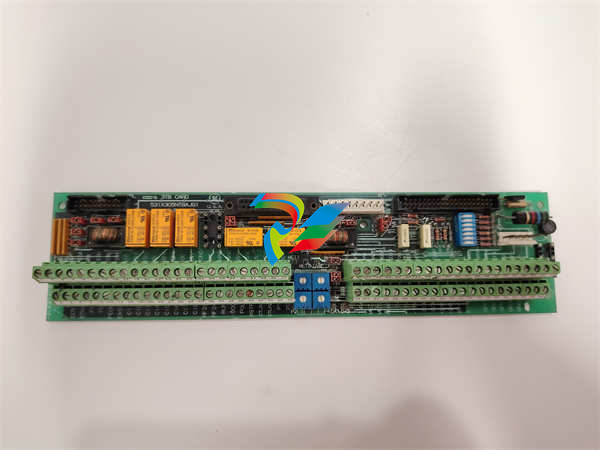 GE 531X305NTBAJG1 NTB/3TB Terminal Board.
 -
GE 531X305NTBAHG1 NTB/3TB Terminal Board 531X
-
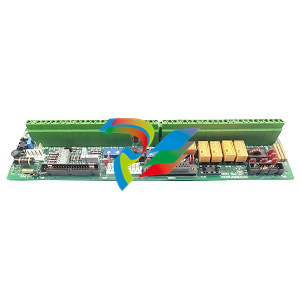 GE 531X305NTBAEG1 is a PCB that functions as a DR terminal board.
 -
General Electric 531X305NTBACG1 NTB/3TB Terminal Board 531X
-
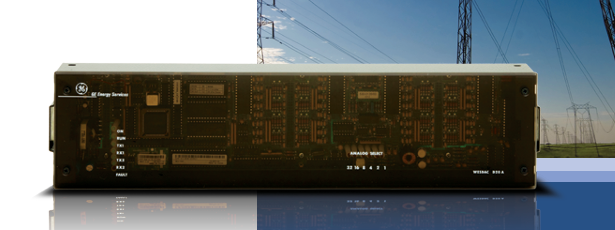 GE Digital Energy D20 Analog Input Module
 -
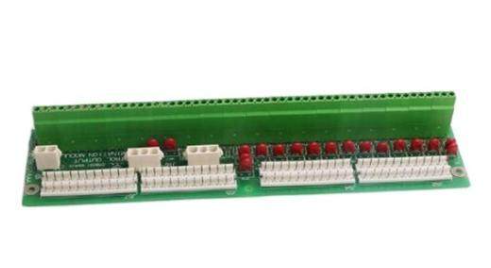 GE 94-164136-001 main board Control board
 -
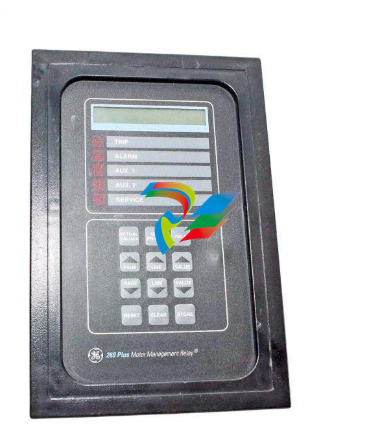 GE 269 PLUS-D/O-100P-125V Digital motor relay
 -
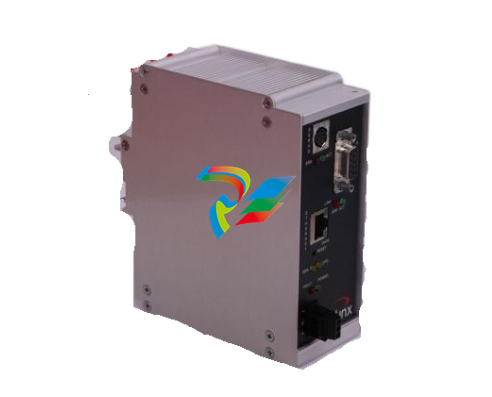 GALIL DMC-9940 High-performance motion controller
 -
FUJI NP1BS-08 base plate
-
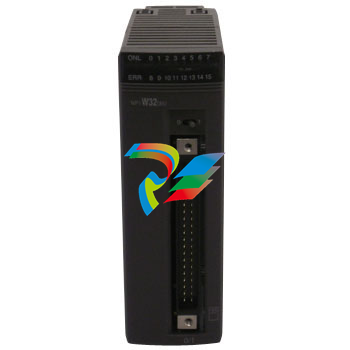 FUJI NP1Y32T09P1 Transistor drain type digital output module
 -
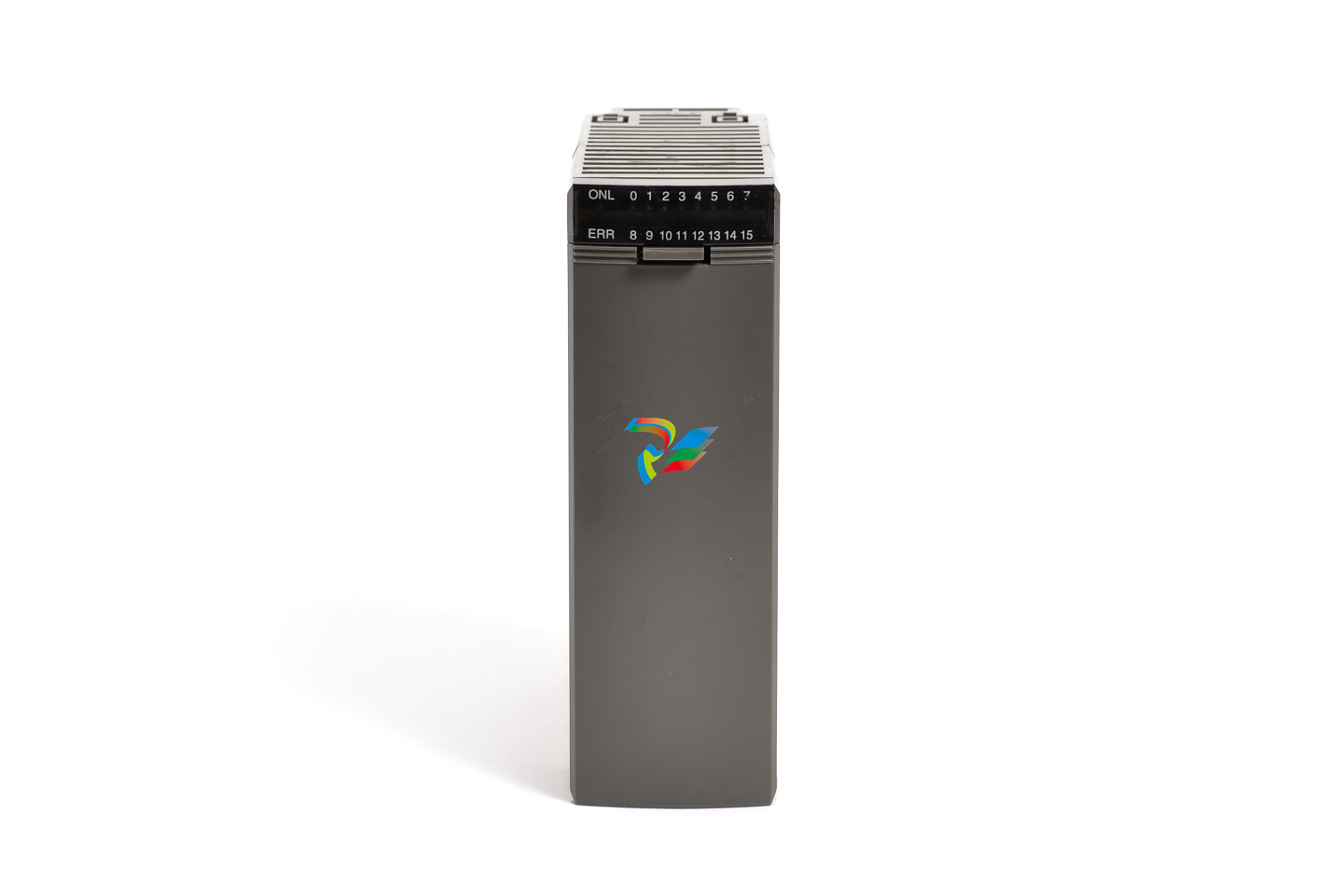 FUJI NP1Y16R-08 Digital Output Module
 -
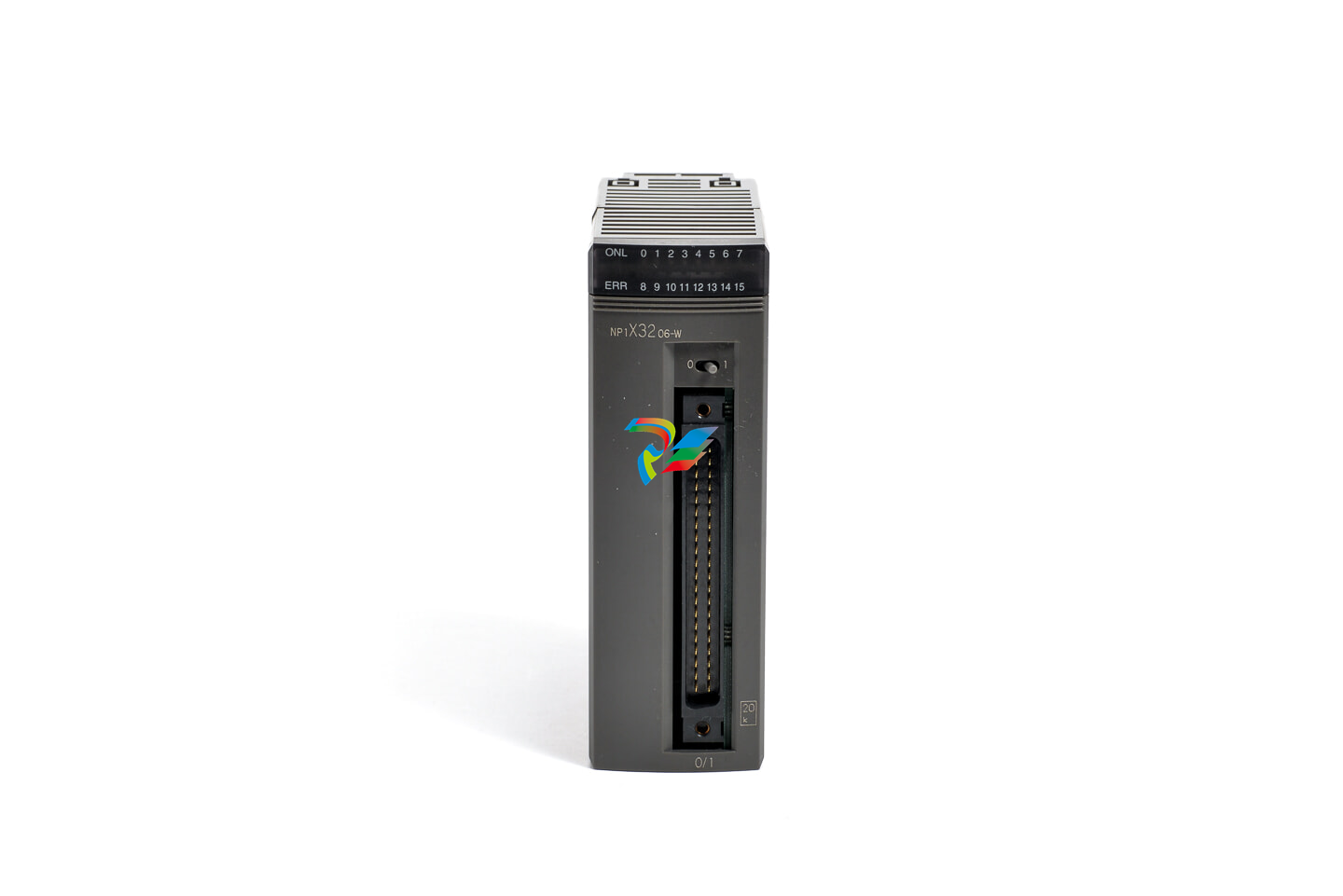 FUJI NP1X3206-A High-speed digital input module
 -
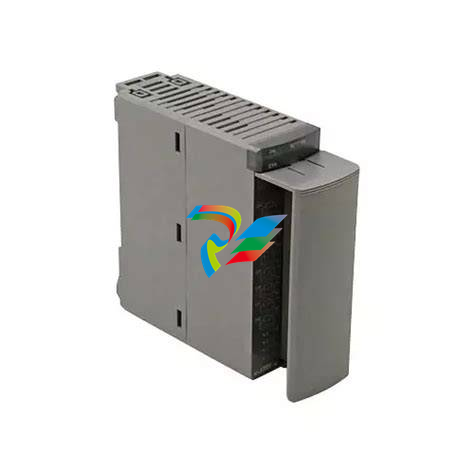 FUJI NP1AYH4I-MR current output module
 -
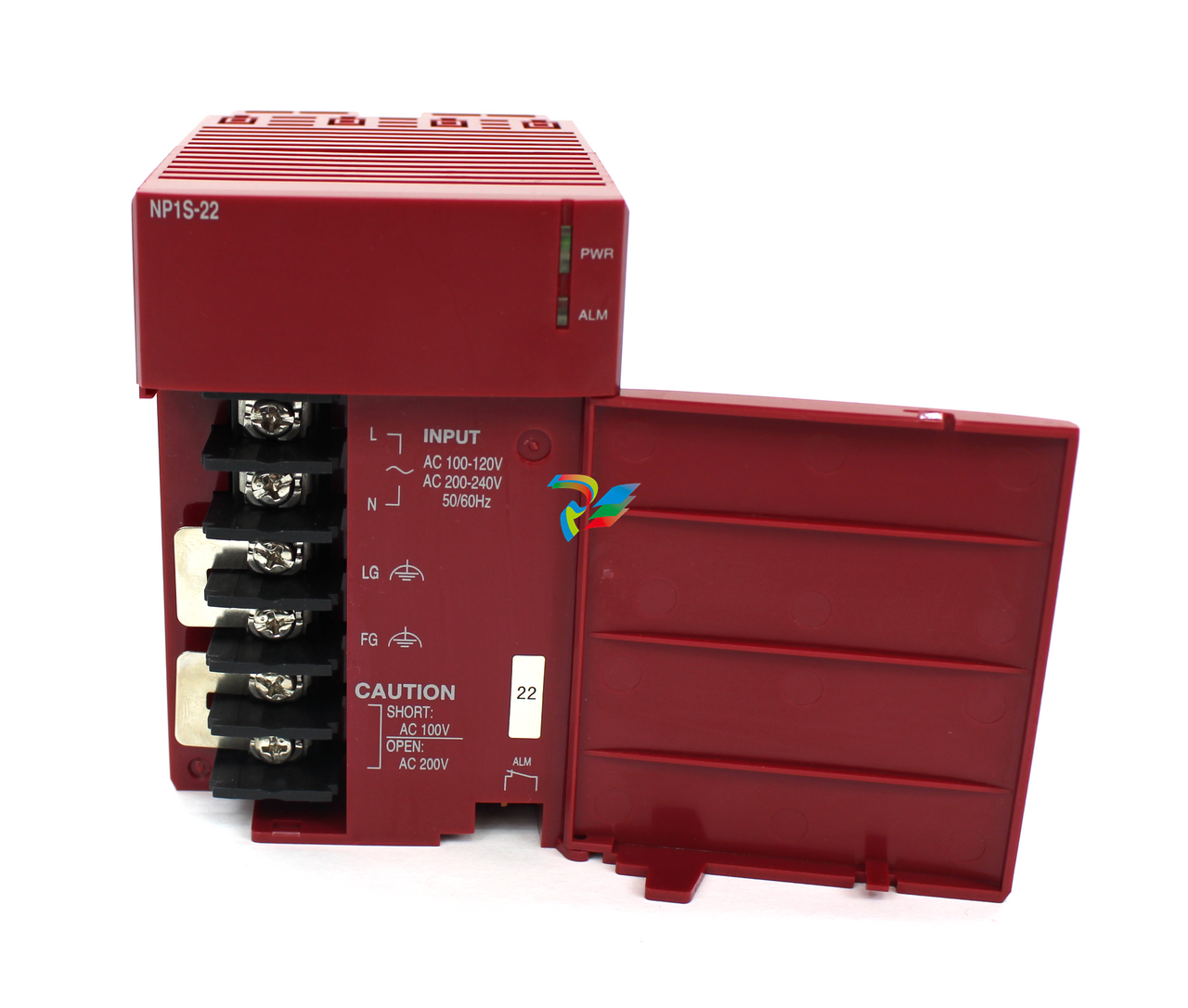 FUJI NP1S-22 Power module redundancy
 -
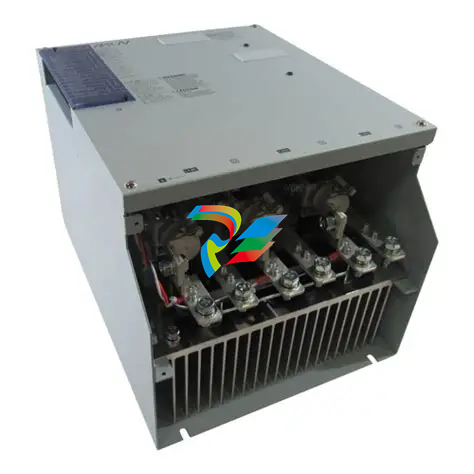 FUJI RPXD2150-1T servo drive module
 -
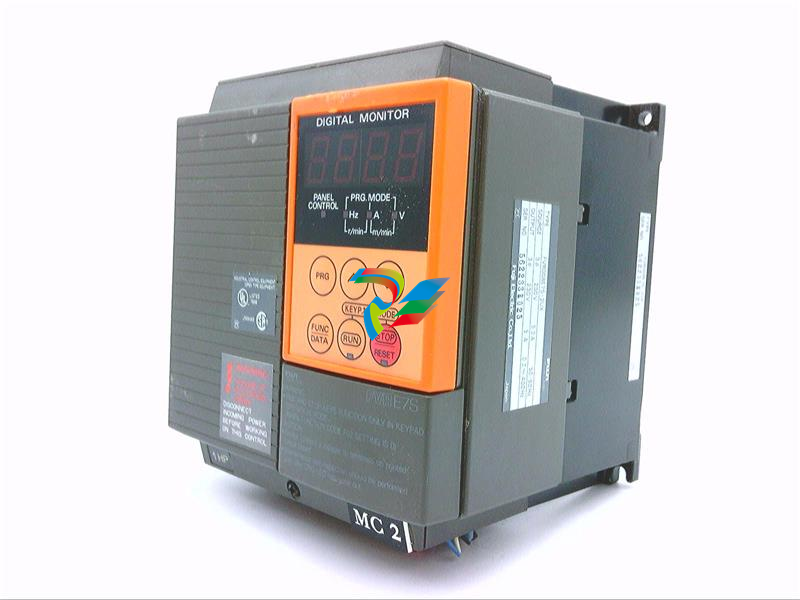 FUJI FVR008E7S-2UX Ac frequency converter
 -
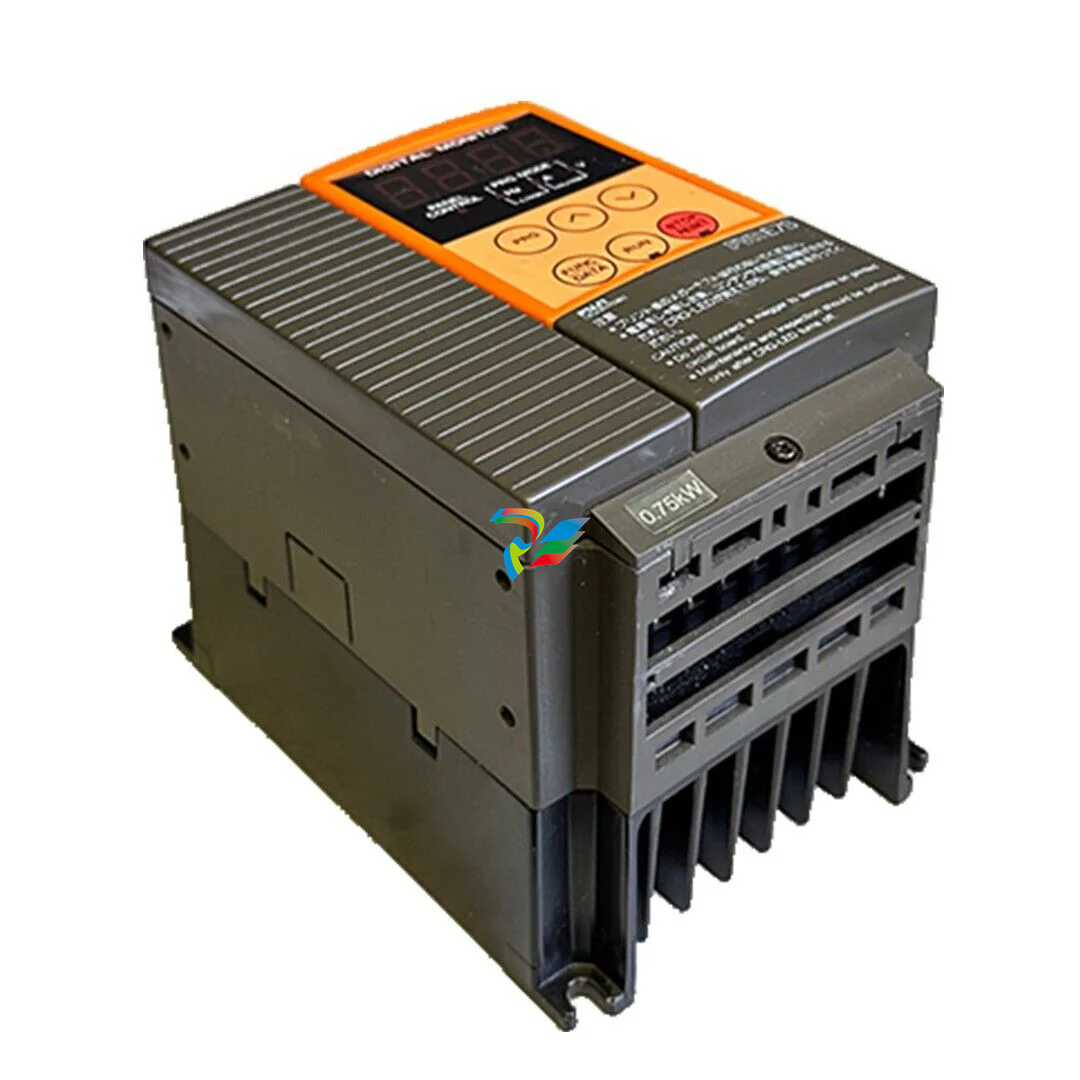 FUJI Ac frequency converter FVR008E7S-2
 -
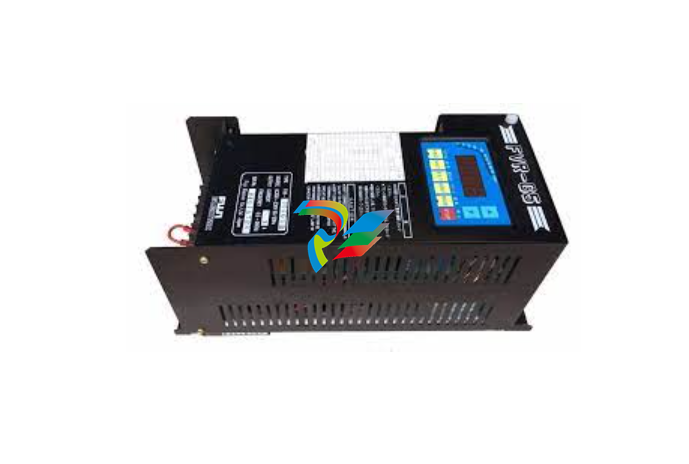 FUJI FVR004G5B-2 Small general-purpose frequency converter
 -
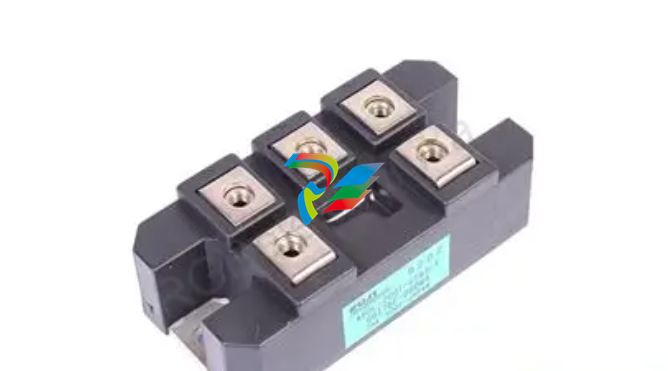 FUJI A50L-2001-0232 Industrial control module
 -
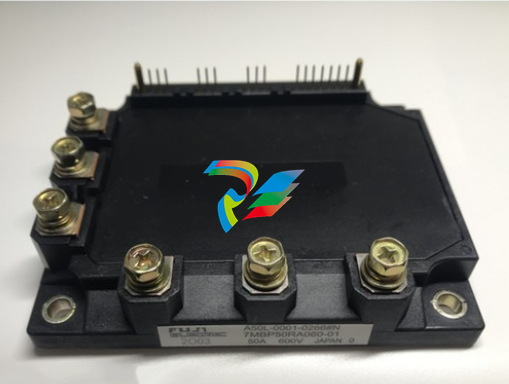 FUJI A50L-001-0266#N High-performance servo amplifier
 -
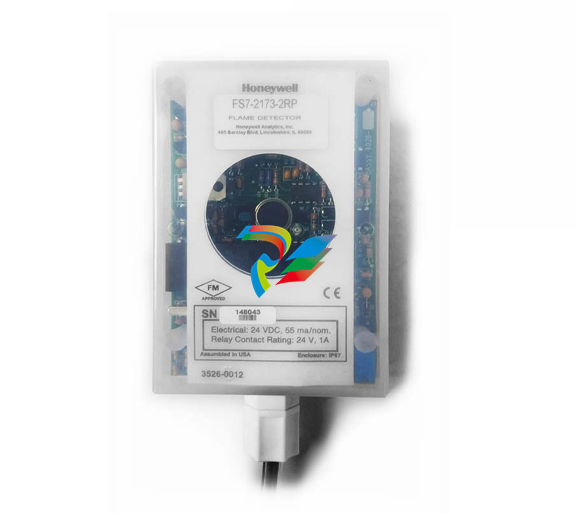 Honeywell FS7-2173-2RP Gas sensor
 -
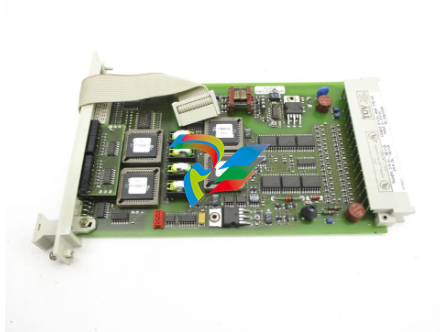 Honeywell 10106/2/1 Digital Input Module in Stock
 -
FRCE SYS68K CPU-40 B/16 PLC core processor module
-
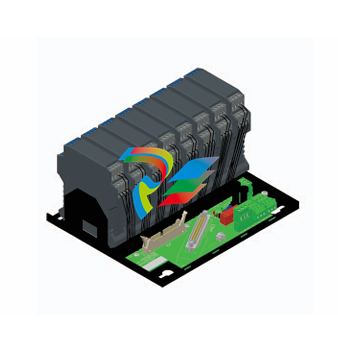 Foxboro FBM I/O cards PBCO-D8-009
 -
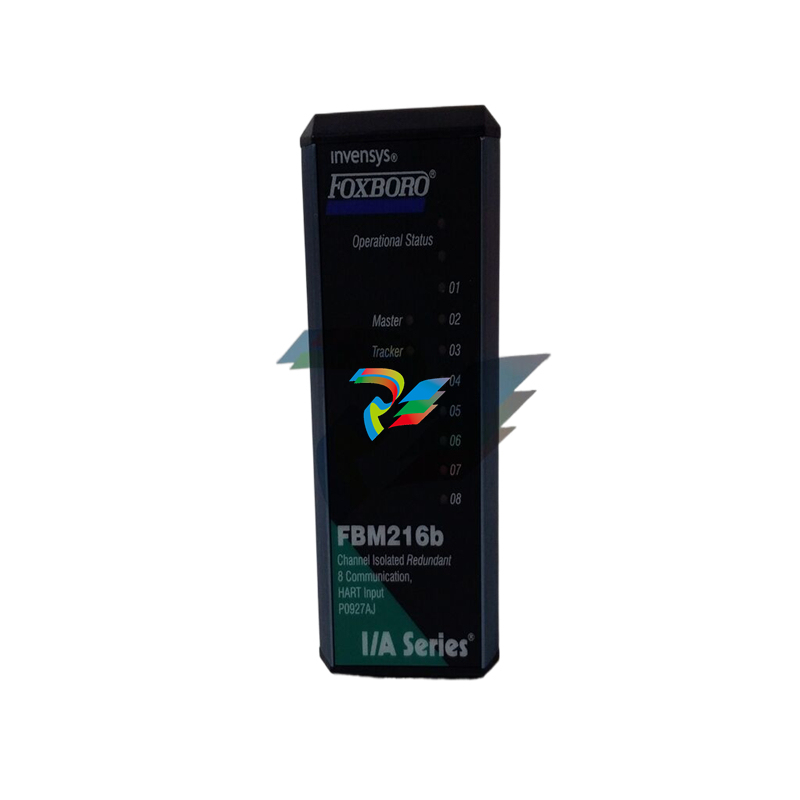 Foxboro AD916AE Digital Control System (DCS) Module
 -
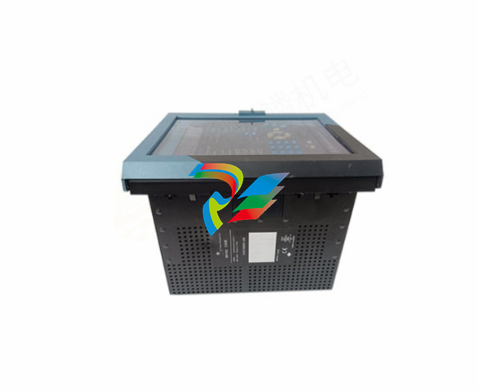 GE SR750-P5-G5-S5-HI-A20-R-E Multilin Relay
 -
.jpg) FOXBORO H90 H90C9AA0117S Industrial Computer Workstation
FOXBORO H90 H90C9AA0117S Industrial Computer Workstation -
FOXBORO RH928AW | I/A Series Relay Output Module
-
.jpg) Foxboro N-2AX+DIO Multi-functional input/output module
Foxboro N-2AX+DIO Multi-functional input/output module -
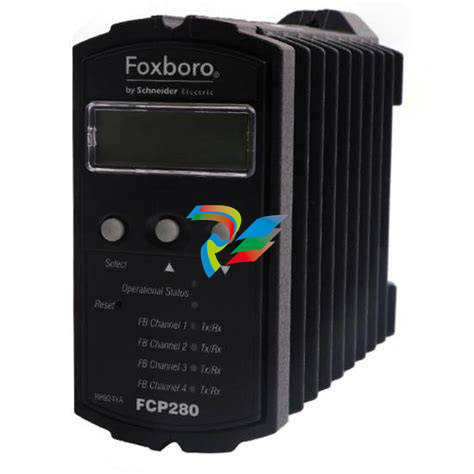 Foxboro RH924WA FCP280 Fiber Optic Network Adapter
 -
 FOXBORO H92 Versatile Hardware Component In
 -
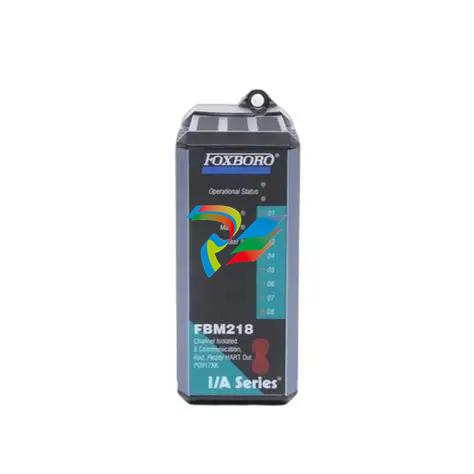 Foxboro FBM218 P0922VW HART® Communication Redundant Output Interface Module
 -
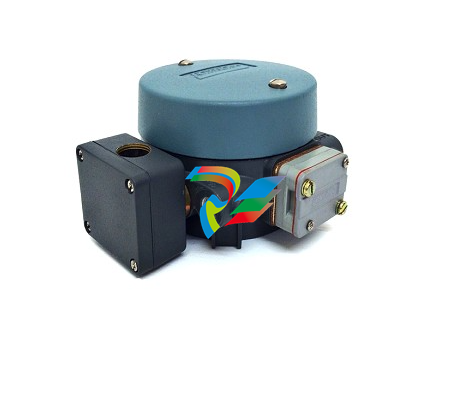 Foxboro E69F-TI2-J-R-S E69F Series Current-To-Pneumatic Signal Converter
 -
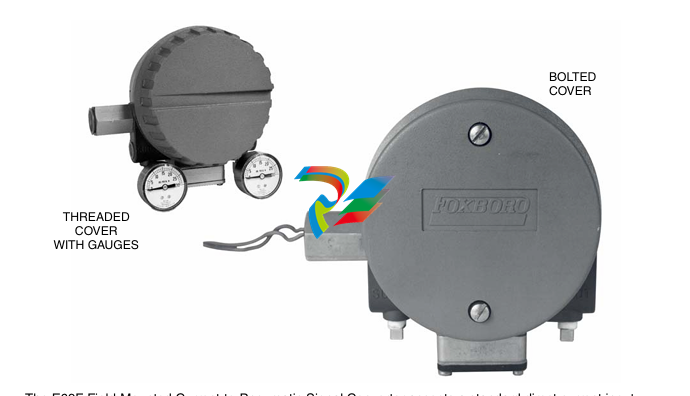 Foxboro E69F-BI2-S Converter
 -
.jpg) Foxboro H92A049E0700 The host of the DCS control station
Foxboro H92A049E0700 The host of the DCS control station -
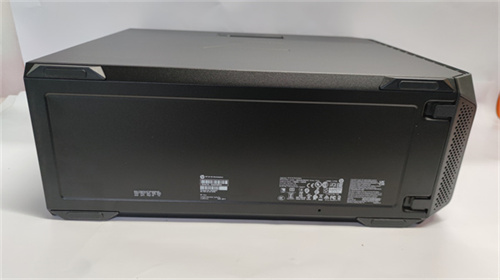 Foxboro H90C9AA0117S Industrial computer workstation
 -
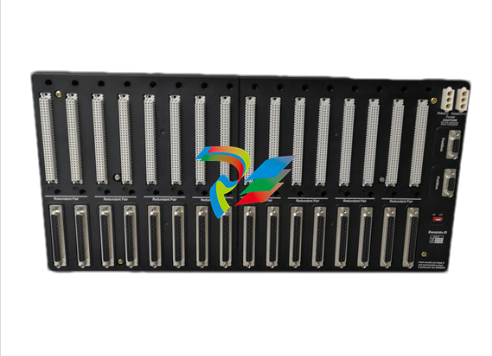 Foxboro RH101AA High-performance industrial control module
 -
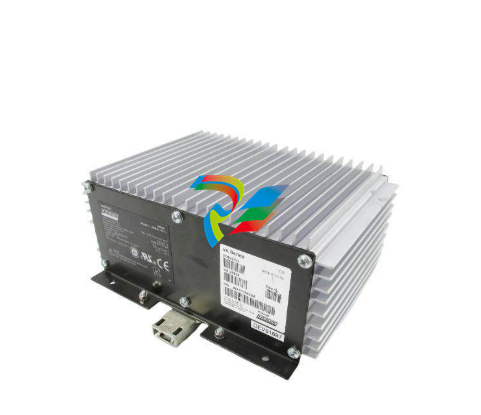 Foxboro P0922YU FPS400-24 I/A Series Power supply
 -
.png) FOXBORO P0973LN Chassis-based managed switch with independent power supply
FOXBORO P0973LN Chassis-based managed switch with independent power supply -
.jpg) FOXBORO P0926PA Input/output module
FOXBORO P0926PA Input/output module -
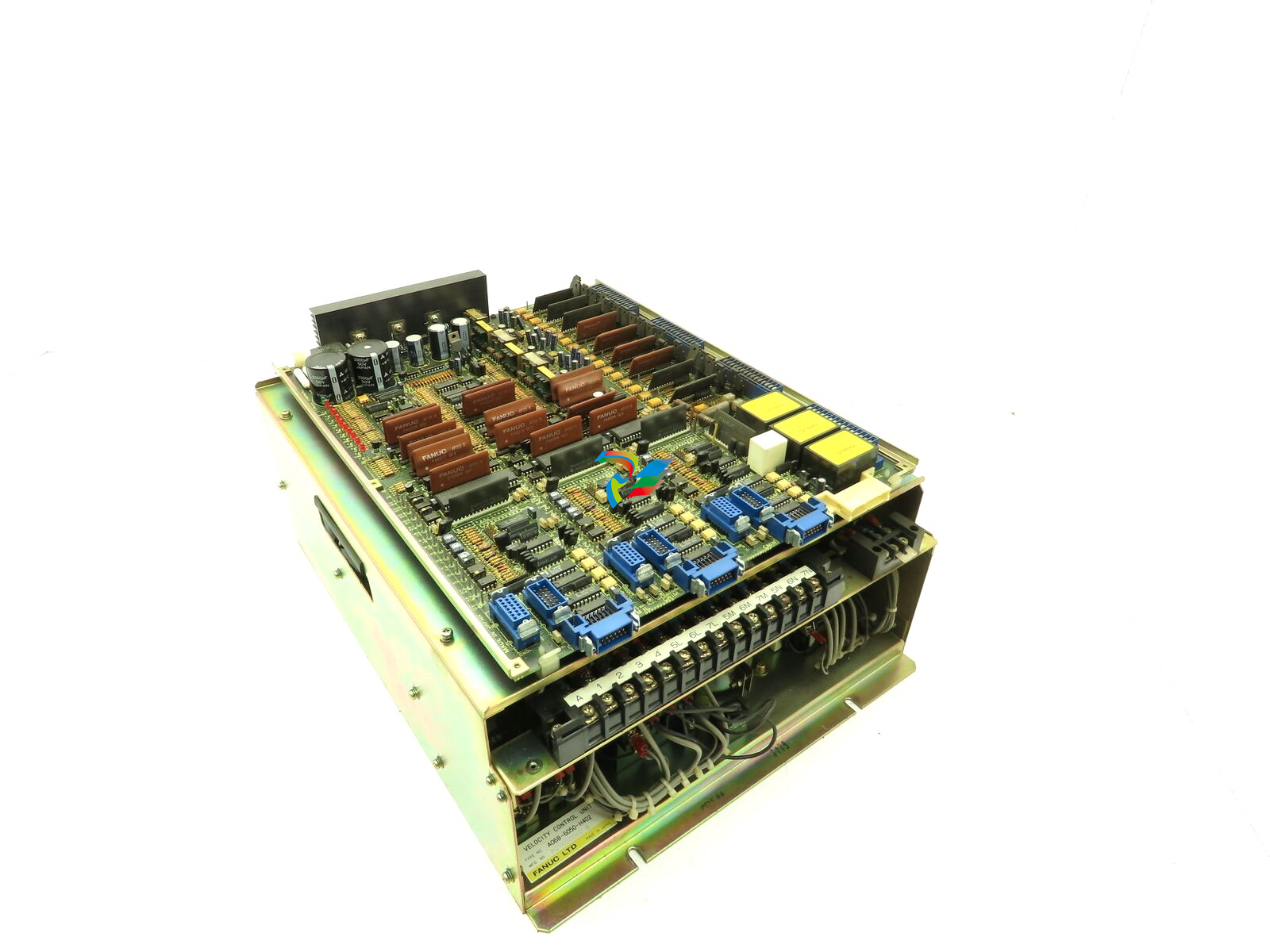 Fanuc A06B-6050-H402 3 AXIS ANALOG AC SERVO DRIVE
 -
.jpg) FOXBORO L0130AD L0130AE-0H Power module group
FOXBORO L0130AD L0130AE-0H Power module group -
_lVjBYb.jpg) FOXBORO 0399085B 0303440C+0303458A Combination Control Module
FOXBORO 0399085B 0303440C+0303458A Combination Control Module -
 FOXBORO SY-0399095E (SY-0303451D+SY-0303460E) Process control board
 -
.jpg) FOXBORO 0399071D 0303440C+0303443B Input/Output (I/O) Module
FOXBORO 0399071D 0303440C+0303443B Input/Output (I/O) Module -
.jpg) FOXBORO RH924UQ Redundant Controller module
FOXBORO RH924UQ Redundant Controller module -
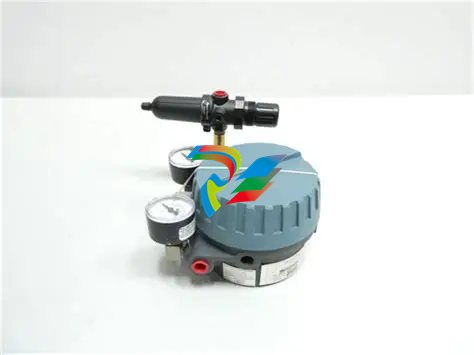 FFOXBORO E69F-TI2-S current pneumatic converter
 -
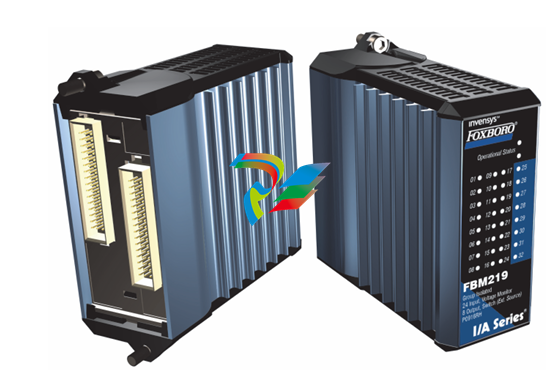 FOXBORO FBM219 RH916RH Discrete I/O Module
 -
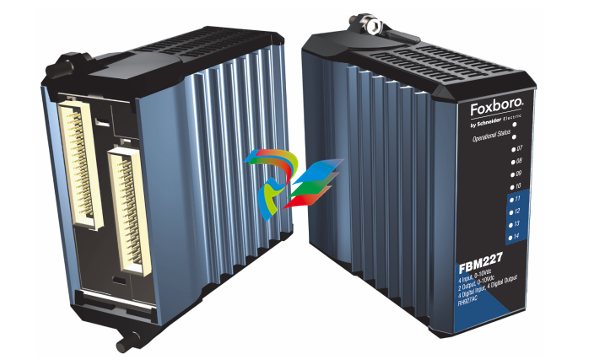 FOXBORO FBM227 P0927AC Module
 -
.jpg) FOXBORO 0399144 SY-0301059F SY-1025115C/SY-1025120E I/O module
FOXBORO 0399144 SY-0301059F SY-1025115C/SY-1025120E I/O module -
.jpg) FOXBORO SY-60399001R SY-60301001RB Industrial Control Module
FOXBORO SY-60399001R SY-60301001RB Industrial Control Module -
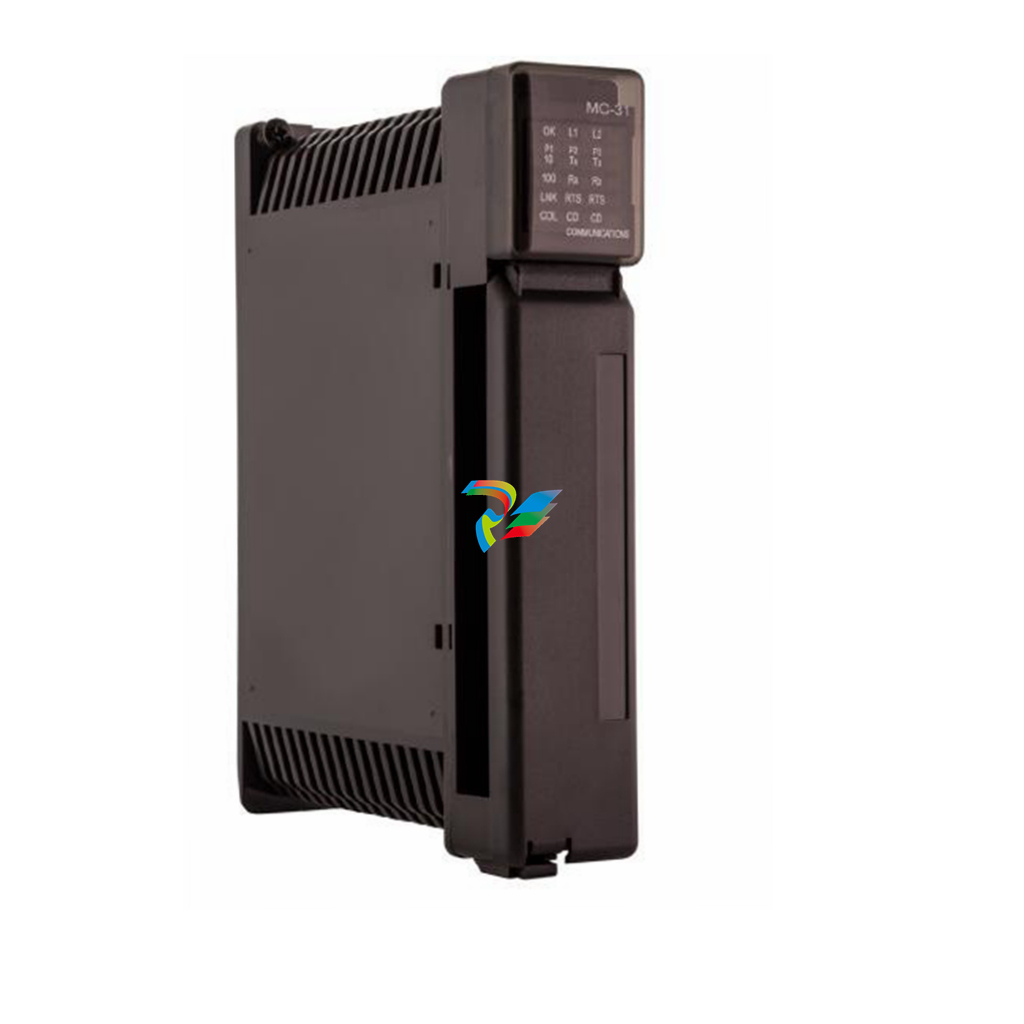 FOXBORO 0399143 SY-0301060R SY-1025115C SY-1025120E Combined control board
 -
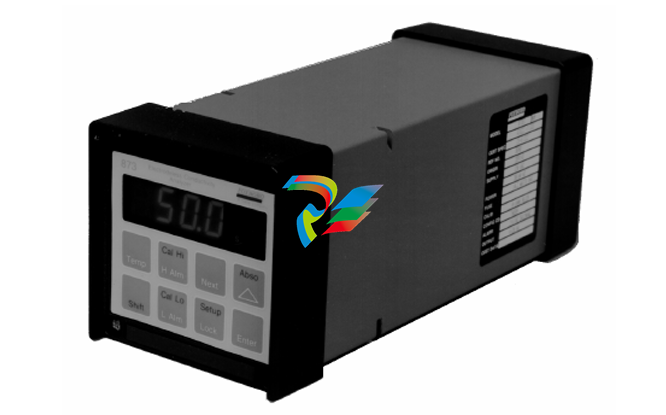 FOXBORO 873EC-JIPFGZ electrodeless conductivity analyzer
 -
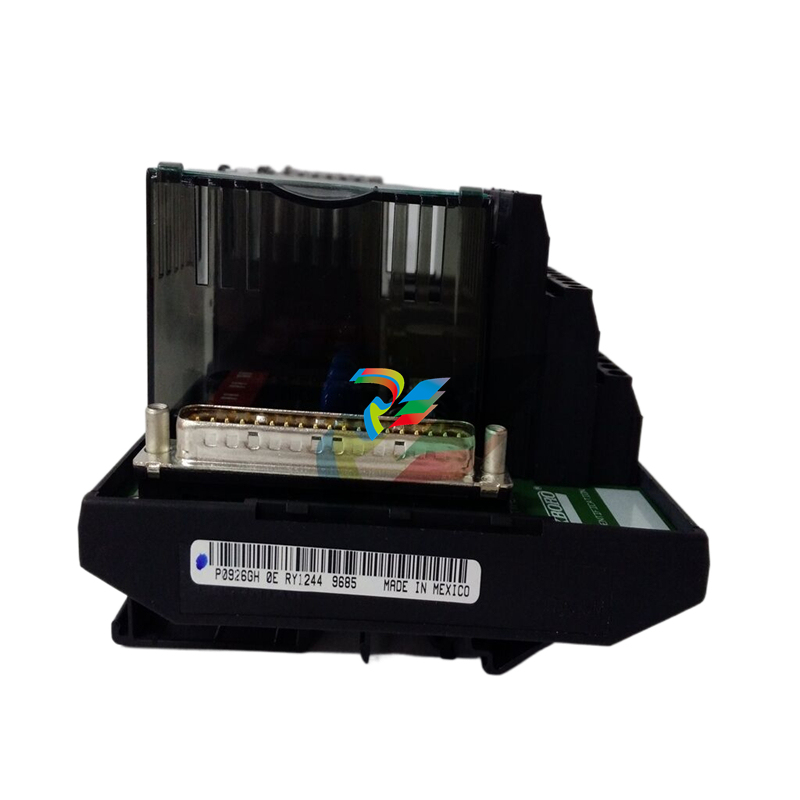 FOXBORO P0916PH (High-density HART I/O Module)
 -
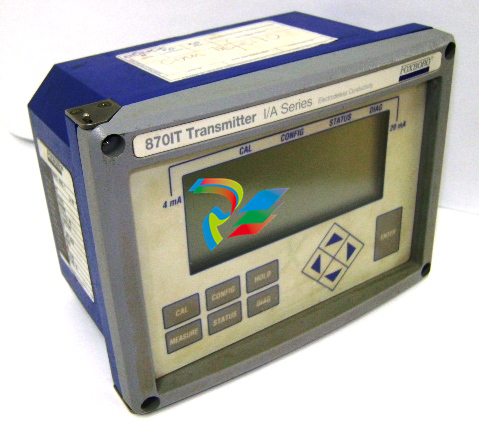 FOXBORO 870ITEC-AYFNZ-7 Intelligent Electrochemical Transmitters
 -
 FOXBORO Compact FBM240. Redundant with Readback, Discrete
 -
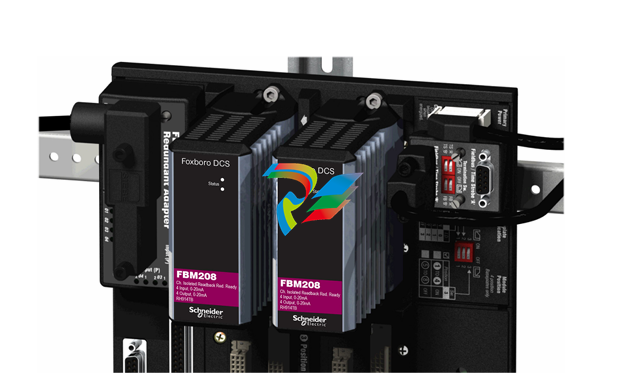 FOXBORO FBM208/b, Redundant with Readback, 0 to 20 mA I/O Module
 -
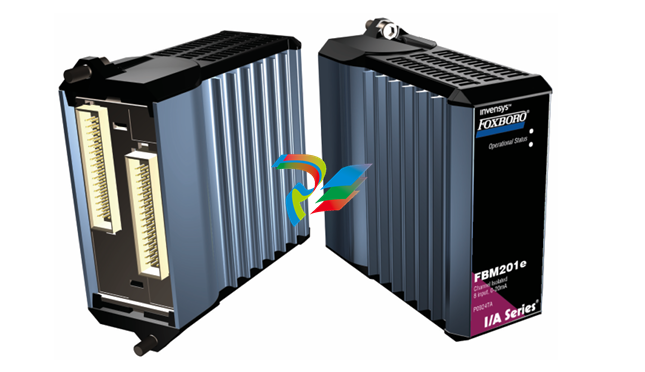 FOXBORO FBM201e Analog Input (0 to 20 mA) Interface Modules
 -
.jpg) FOXBORO P0916WG Terminal cable
FOXBORO P0916WG Terminal cable -
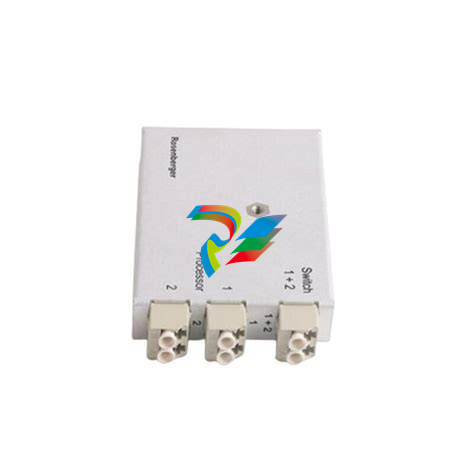 FOXBORO P0926MX 2-Port Splitter
 -
.jpg) FOXBORO AD908JQ High-Frequency Module
FOXBORO AD908JQ High-Frequency Module -
.jpg) FOXBORO AD916CC Processor module
FOXBORO AD916CC Processor module -
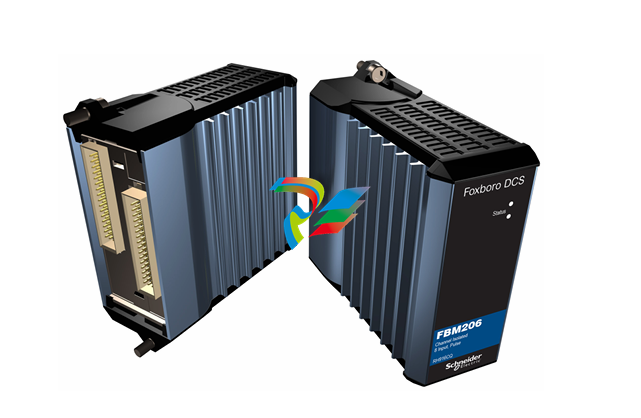 Foxboro DCS FBM206 Pulse Input Module
 -
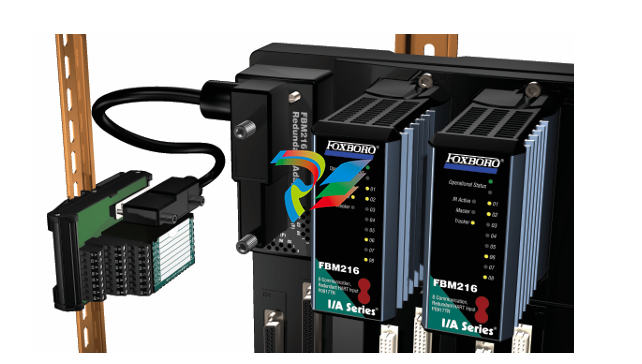 FOXBORO FBM216 HART® Communication Redundant Input Interface Module
 -
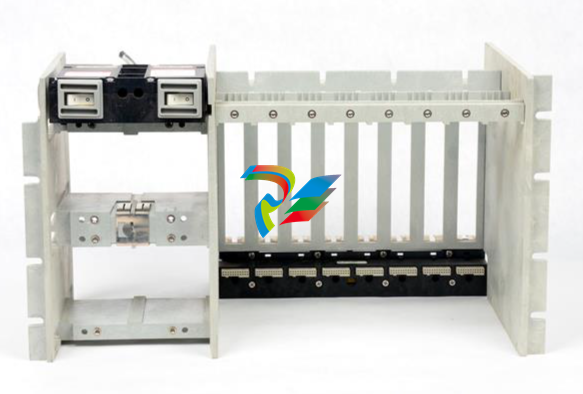 Foxboro p0903nu 1×8 unit sub-component module
 -
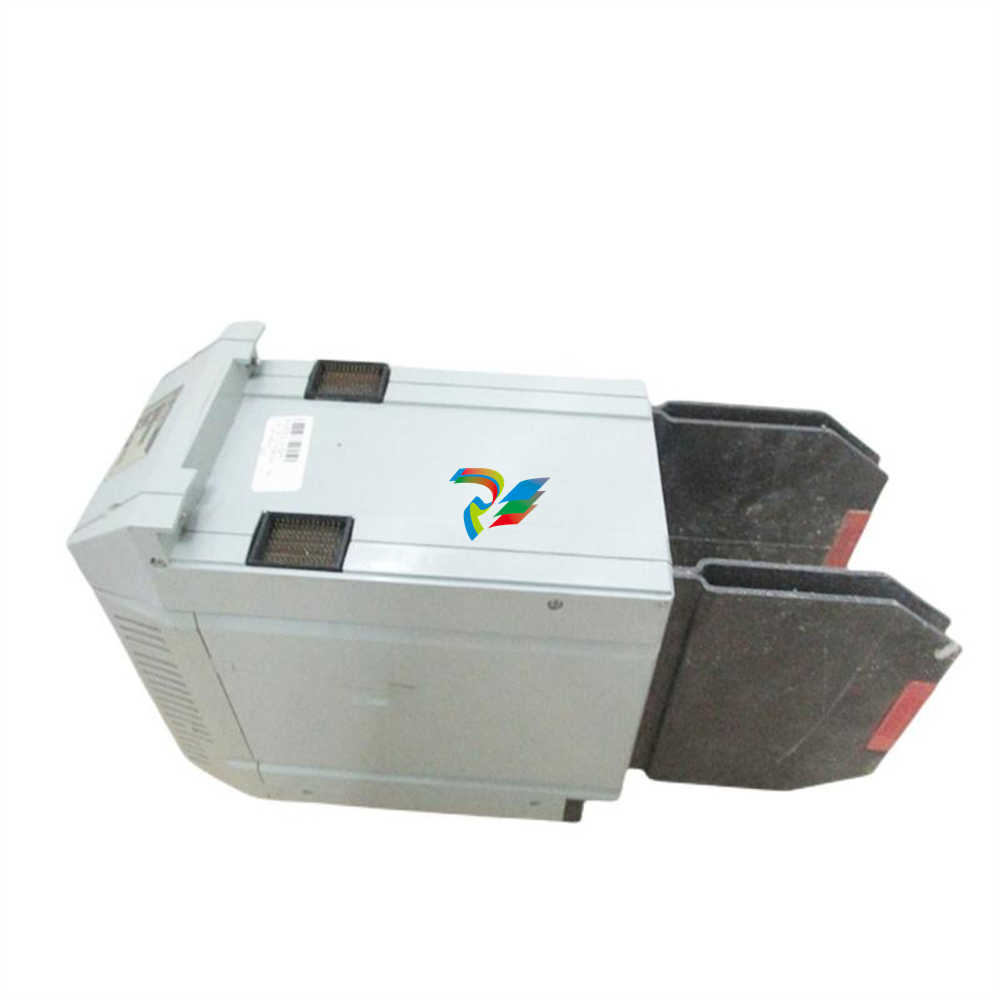 Foxboro P0911SM Industrial control module
 -
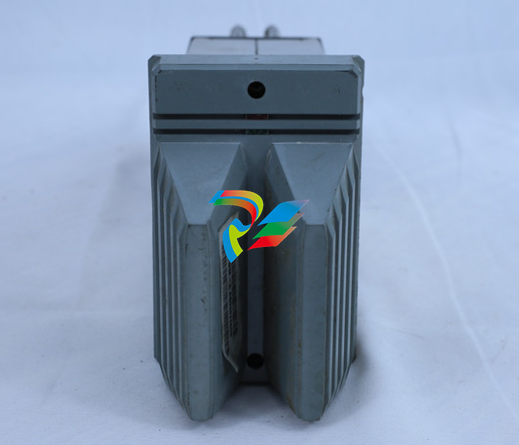 Foxboro CM902WM I/O module
 -
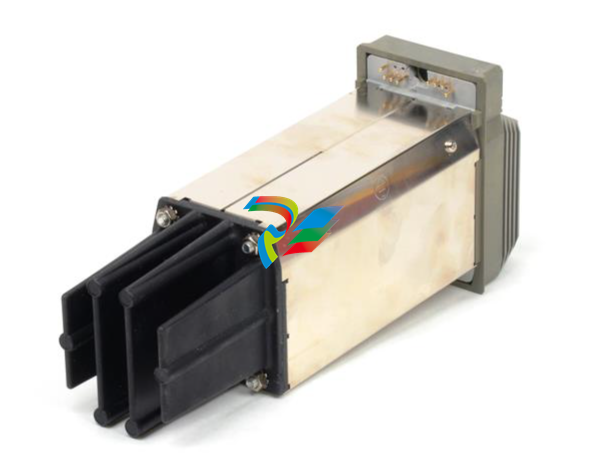 Foxboro CM902WL Power module
 -
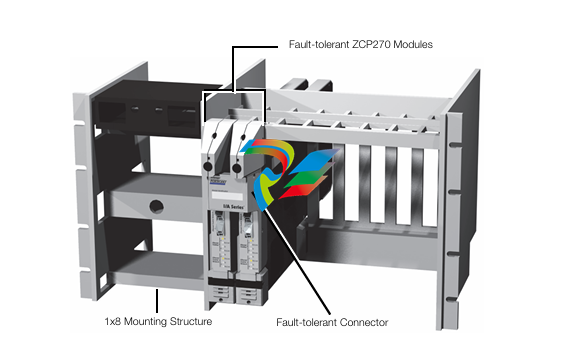 Foxboro P0972VA Industrial Control Module
 -
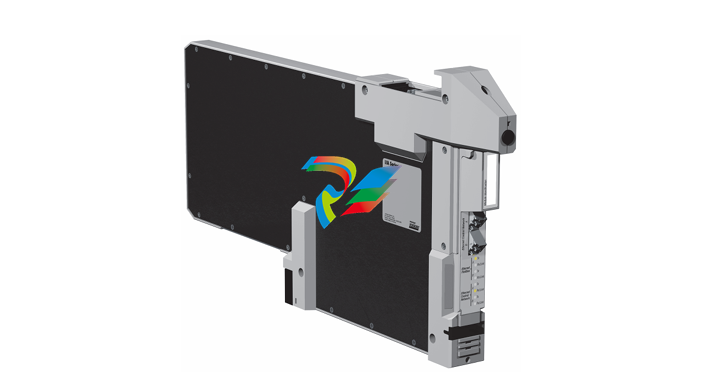 Foxboro Z-Module Control Processor 270 (ZCP270)
 -
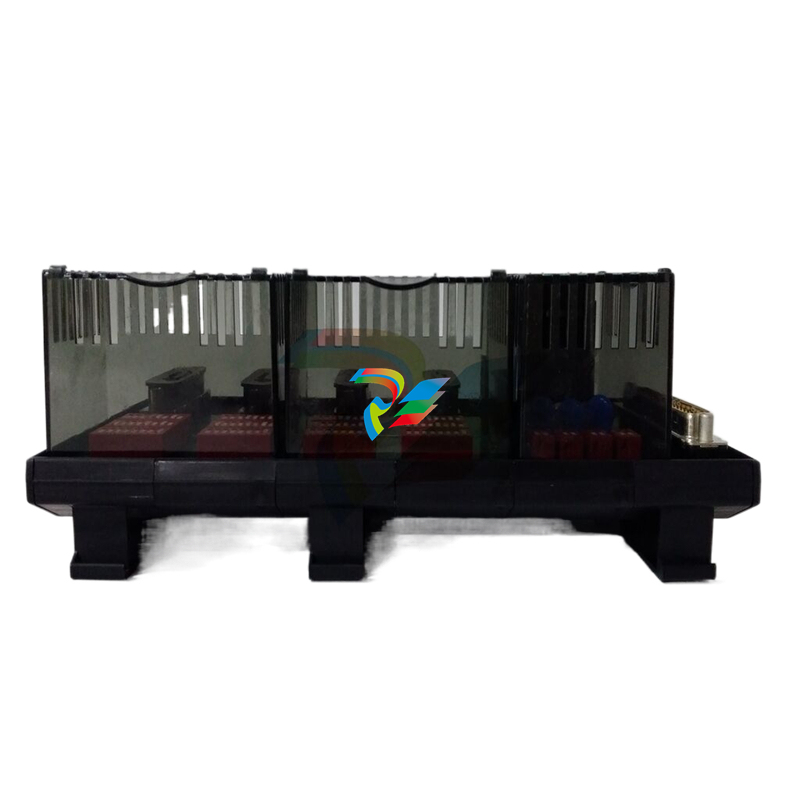 Foxboro PO916JS 16-channel terminal block module
 -
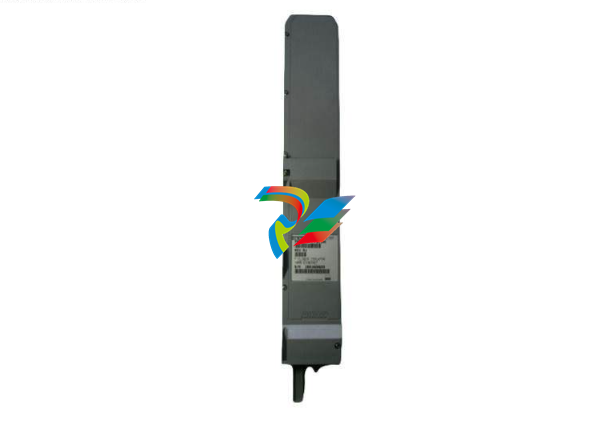 Foxboro PO911SM High-performance digital/analog input/output module
 -
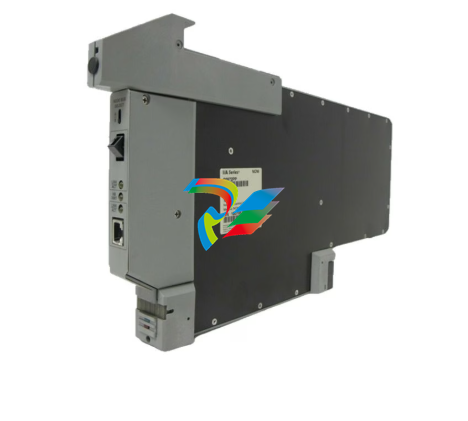 Foxboro P0972PP-NCNI Network Interface Module
 -
.jpg) FOXBORO P0971QZ controller module
FOXBORO P0971QZ controller module -
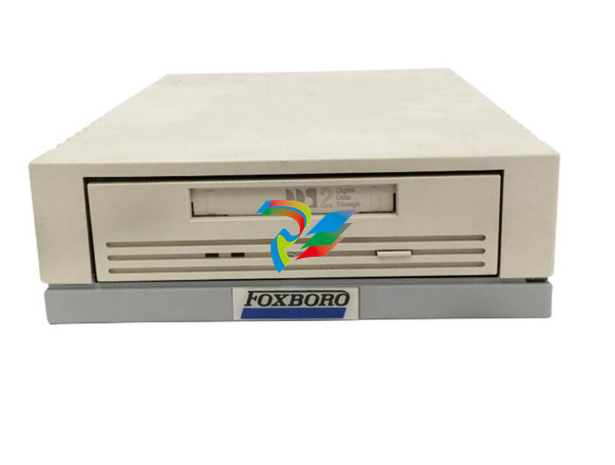 FOXBORO P0971DP Thermal resistance input/output module
 -
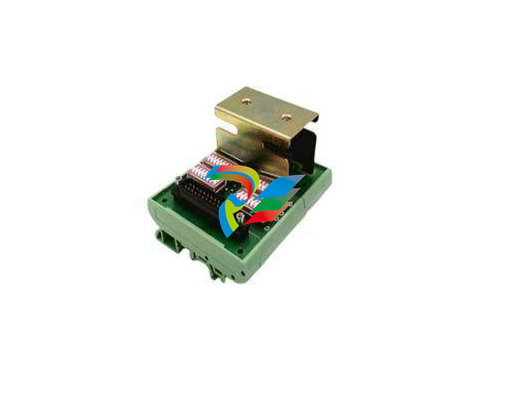 FOXBORO P0970VB Cable connector
 -
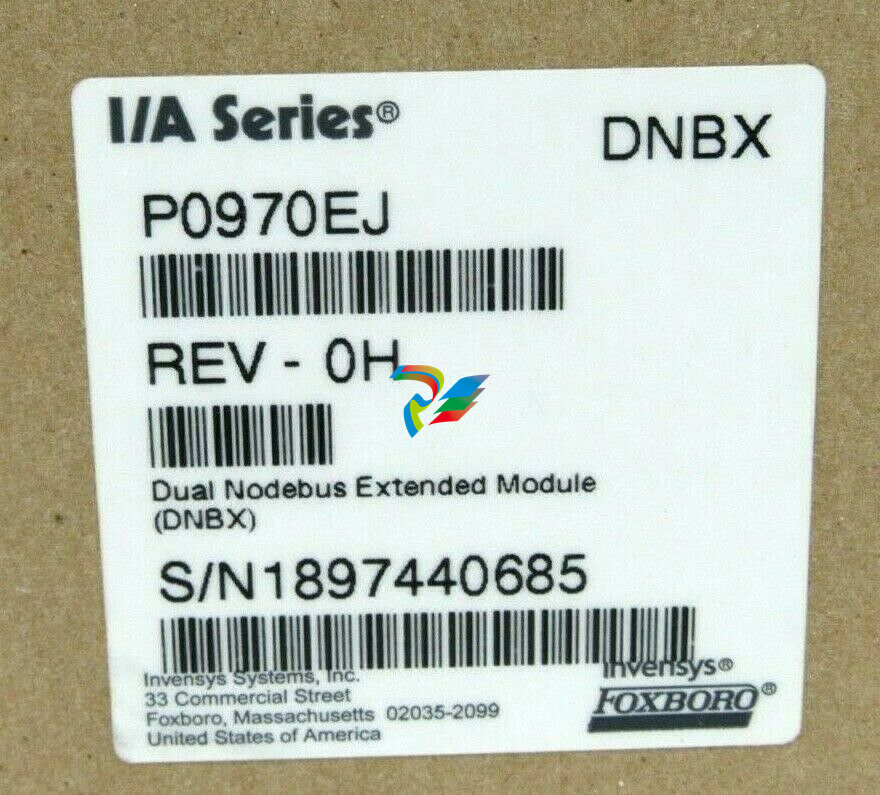 FOXBORO P0970EJ-DNBX Dual-node bus expansion module