
Case Study: Automation Creates Immersive and Interactive Experiences in Escape Rooms

Escape rooms are immersive adventure games where players are “locked” in a themed room and must solve a series of puzzles and challenges to “escape” within a set time limit (Figure 1). At first glance, it may not seem that an escape room would have much in common with industrial and manufacturing processes for the automotive, food and beverage, and entertainment industries. However, one industrial automation systems integrator (SI) has leveraged their normal business expertise to form a unique collaboration with an entertainment company that develops and deploys escapes rooms. As technical effects become more prevalent, the entertainment company needed assistance from an SI with advanced automation knowledge.

Inside the room, players work as a team to uncover hidden clues, solve various puzzles and riddles, and sometimes complete physical tasks. Often, there are a variety of technical elements involved, including sensors that trigger automated responses, interactive lighting and sound effects, countdown timers and camera monitoring systems (Figure 2). With numerous inputs and outputs (I/O) to manage, an industrial programmable logic controller (PLC) is the ideal tool to keep gameplay running smoothly.
Game-changing technology
Andrew Schulman began his career as a mechanic and equipment repair technician, supporting a variety of consumer, commercial and industrial customers. Building on his mechanical and electrical experience, he branched out and began learning about PLCs, which automated much of the equipment he worked on. While mostly self-taught, some formal training and use of other available learning media helped him gain enough expertise to found Schulman Engineering, an SI in Southern California. He has found the experience to be game-changing in more ways than one.
Schulman has worked in many industries, sometimes for end users and other times for other SIs. The ability to troubleshoot and program electrical and PLC systems opened up many traditional opportunities, but one of his most unique clients develops and operates escape rooms.
This client already had a functioning escape room with a PLC managing various tasks, including controlling a multi-channel audio board to play sound effects at precise moments. However, they lacked the ability to support the PLC on their own. They wanted to replicate and enhance this setup for a new escape room they were building.
Schulman was enlisted to write the logic for the PLC, and to support his client so they could understand the system and manage it independently. Although access to versions of code from previous games was available, this project required a careful look at the system architecture because there were some suboptimal programming practices. Ultimately, Schulman delivered a solution in the form of a flexible program structure that not only addressed the immediate needs of the new game, but also facilitated future expansion and game development.
Similar to the way that the games themselves test players’ problem-solving skills and creativity, programming the games can present interesting challenges for developers. This particular game had a variety of inputs to manage, including floor pad sensors, lighting controls, sound effects and movable clock hands with position sensors connected to the PLC. Although many industrial standards don’t apply, the gameplay environment shares many similarities with industrial applications and requires flexible and robust hardware. Due to the interactive and sometimes unpredictable nature of play, the program is subjected to frequent resets and extended bypass periods, which can be initiated automatically by program inputs or input manually by the game operator.
Cracking the code
Schulman was already familiar with the easy-to-use family of AutomationDirect PLCs. In this case, the Productivity1000 PLC, a stackable micro programmable controller, was the ideal choice to oversee the game logic because it is packed with powerful features including a wide-range of discrete, analog and specialty I/O support (up to 752 nodes), extensive communication options (USB, Ethernet, RS-232 and RS-485), and easy device integration—all provided in a compact and affordable package.
During gameplay, effects and automated clues are triggered by actions and inputs throughout the escape room and logic within the controller. The PLC manages more than two hundred unique I/O points (Figure 3), using a combination of serial communication and digital I/O distributed in various locations throughout the game. The digital I/O utilizes best practices and industry standards for field-based industrial devices operating at 12 VDC.

Developing the code for the PLC was straightforward with the free Productivity Suite programming software, which provides many convenient features and instructions. However, the available source code relied heavily on extensive use of latching bits throughout the PLC program as a way to ensure actions occurred in the correct order. While this approach is valid, it requires careful attention throughout the program to ensure that the latches are properly maintained and cleared, and are not inadvertently left in the wrong state.
As game logic, or industrial automation for that matter, increases in complexity and technical effects, latching logic can become cumbersome to manage, especially when new enhancements are added. To address this challenge, Schulman implemented drum sequencer instructions to easily program the complex, multi-step logic used throughout the game. Utilizing the software-based drum sequencer instruction available in the Productivity Suite greatly simplified the program, made it much easier to debug and maintain, and ensured the code could be easily adapted for future games.
Because game operators are not likely to have experience with industrial or automation systems, it was essential to have an intuitive interface. The AutomationDirect C-more headless human-machine interface (HMI) proved to be a great fit, integrating seamlessly with the Productivity PLC. A traditional HMI would have an integrated display for mounting in a control panel. However, the headless HMI has no on-board display, but it does have an HDMI connection and USB port to drive a remote monitor or touchscreen. The headless HMI also supports remote connectivity using a web browser or app on a PC or mobile device.
For this escape room project, operators use a desktop style touchscreen display connected to the HMI, and they also have the ability to connect remotely. The game operators can monitor game progress and initiate certain bypasses using the HMI.
Sound logic
A critical aspect of the immersive experience is sound effects. Sound is used in a variety of different ways to enhance gameplay. Background sounds amplify the theme, and in some cases sound is used to deliver clues.
Specialized electronic audio boards are used to play sound files. Most commercially available boards are typically limited to a single audio port, or jack. However, to manage the many sound effects used throughout the game, the client had developed a custom sound box comprised of printed circuit boards (PCBs) fitted with numerous stereo and mono audio ports. This custom sound box configuration with multiple audio ports allows various sound effects to be played—concurrently if needed—in different rooms and locations throughout the game based on specific triggers from the PLC. The sound effects used during the game are saved as mono WAV files and stored onboard the PCB via an SD card.
The sound box (Figure 4) receives commands from the PLC using serial communication. Serial communication is an efficient way to manage the many sound effects, reducing the number of wires and I/O that would otherwise be required by discrete signals. As the gameplay progresses, the PLC determines which sounds to play. A message is sent from the PLC to the sound board using the built-in RS-232 communication protocol to trigger a specific audio file. Sounds can be played a single-time or looped, depending on the desired effect and the status of the inputs at various points during the game.

Behind the scenes
Due to the lack of on-site support should a technical need arise, as well as the desire to franchise the game to multiple locations, and AutomationDirect StrideLinx VPN router was also included in the system architecture. The VPN router allows remote access via a secure wired, wireless, or cellular connection through a cloud-based server network, and it is specifically compatible with industrial devices such as PLCs and HMIs. With the VPN router, connected devices can be accessed through a secure VPN connection as if you were directly connected on-site.
The VPN router was instrumental during the implementation phase of the project. Remarkably, the entire programming and commissioning process was completed remotely. Utilizing remote VPN access and the C-more mobile app, Schulman did not have to travel to the escape room. This approach resulted in substantial time and cost savings for both the SI and entertainment company.
With a solid commitment to providing intuitive, quality products and exceptional technical support, AutomationDirect was an ideal partner for this unconventional application. Similarly, Schulman’s client was impressed by the resulting system performance, and the training and support provided so they could develop their in-house ability to maintain the system. The products and teamwork proved to be a winning choice for this customer to play the long game.
All photos courtesy of Schulman Engineering
-
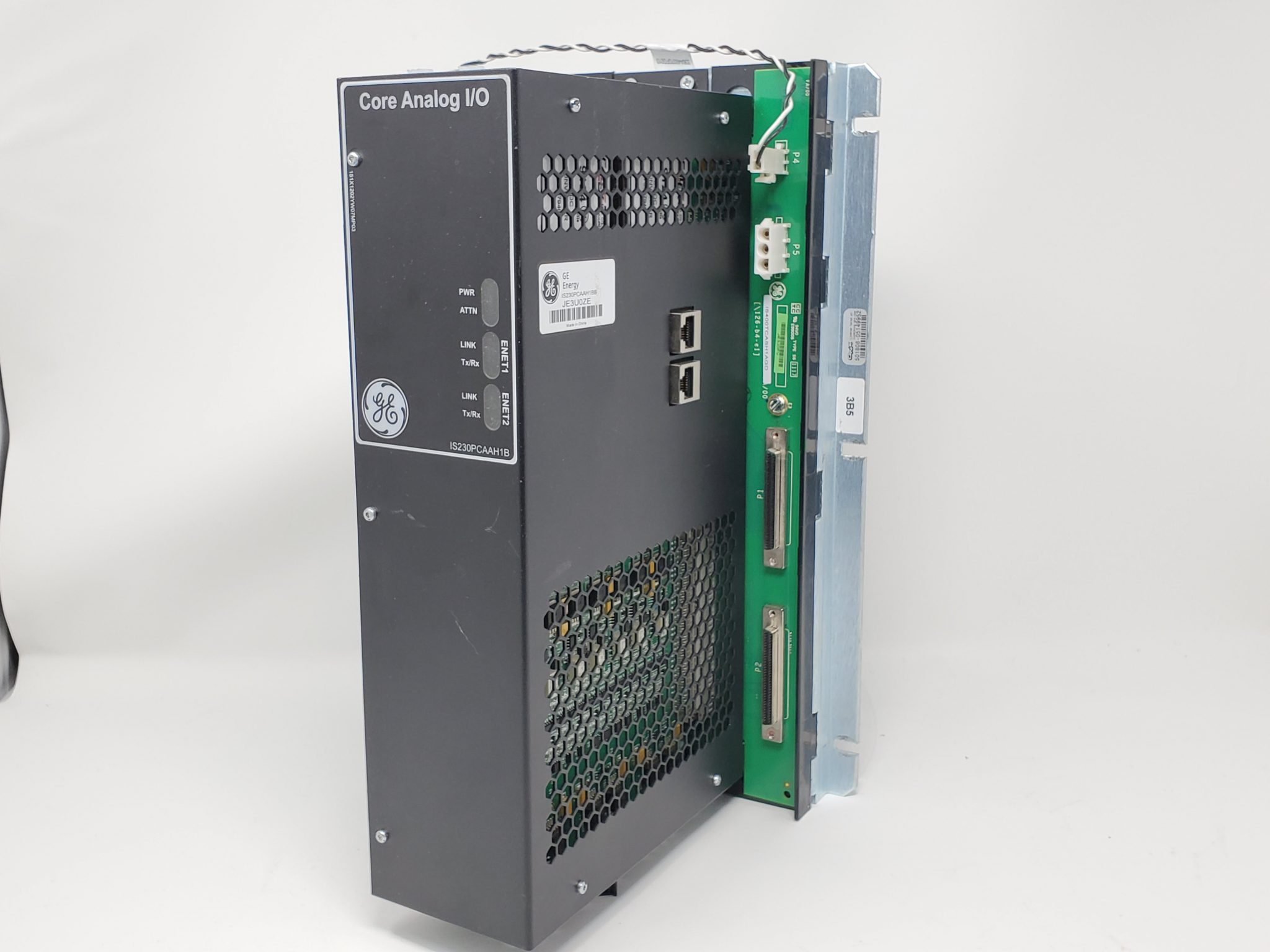 IS200BPPBH2CAA Mark VIe Power Supply Module
 -
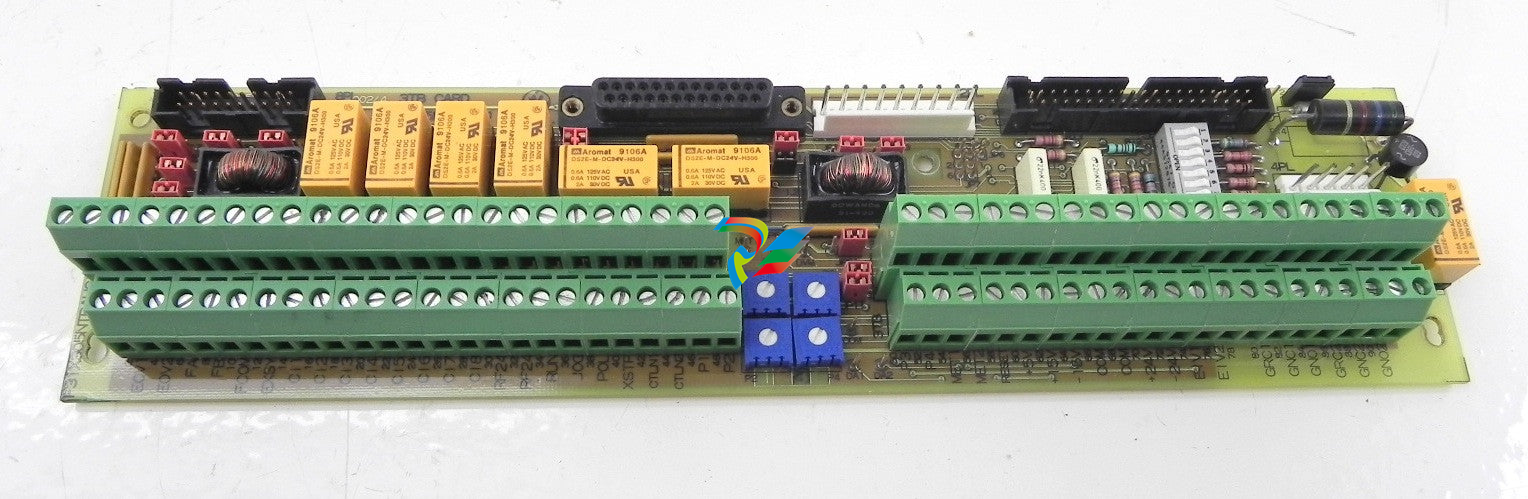 IS210MACCH2AEG Motor Control and Communication Module
 -
 IS210MACCH2AGG Mark VIe Speedtronic Turbine Control Module
 -
 IS200AEPAH1AFD Printed circuit board
 -
IS200AEPAH1ACB Analog I/O Module
-
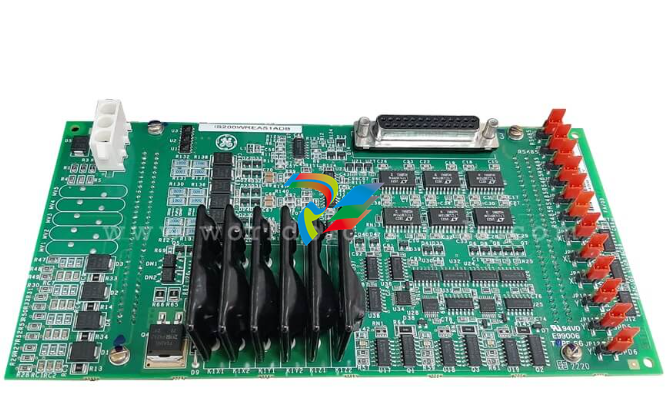 IS200WREAS1ADB AERO TRIP TB DBRD sub-board
 -
 IS200WETAH1AEC large board component made Mark VI system
 -
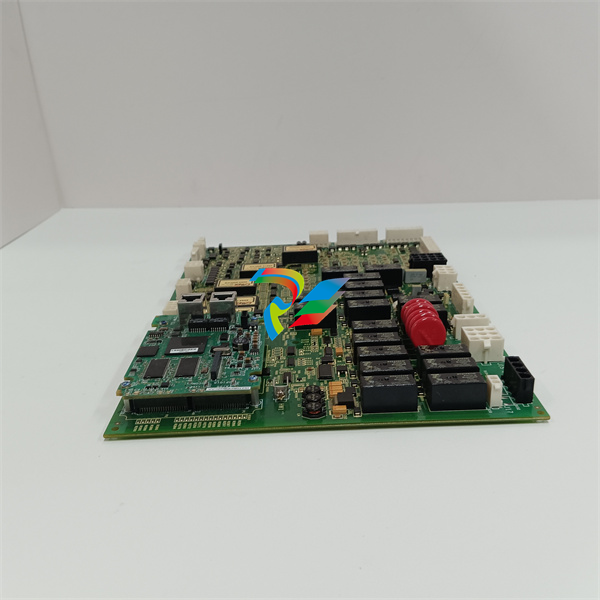 IS200AEPAH1AHD A High-Precision Excitation Control Board for Turbine Systems
 -
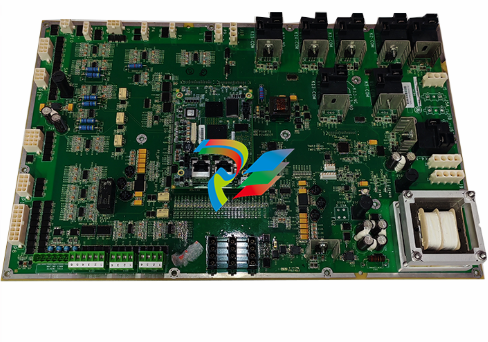 IS200WEMAH1AEA Control board
 -
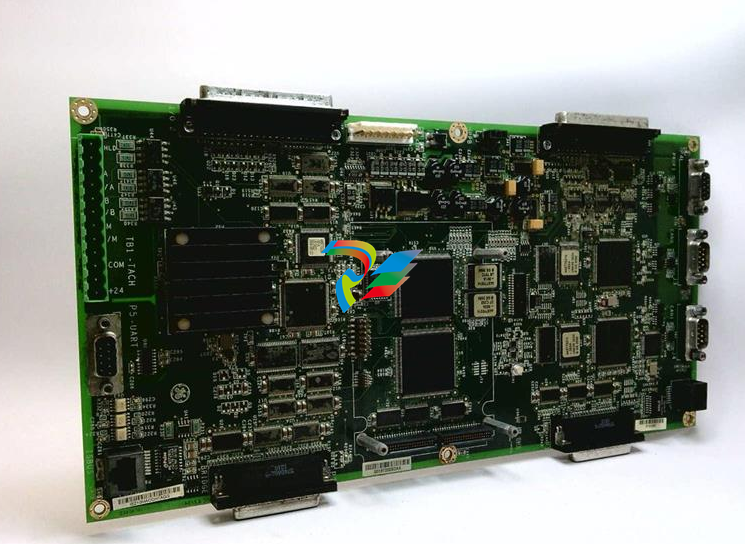 IS210MACCH1AGG processor card
 -
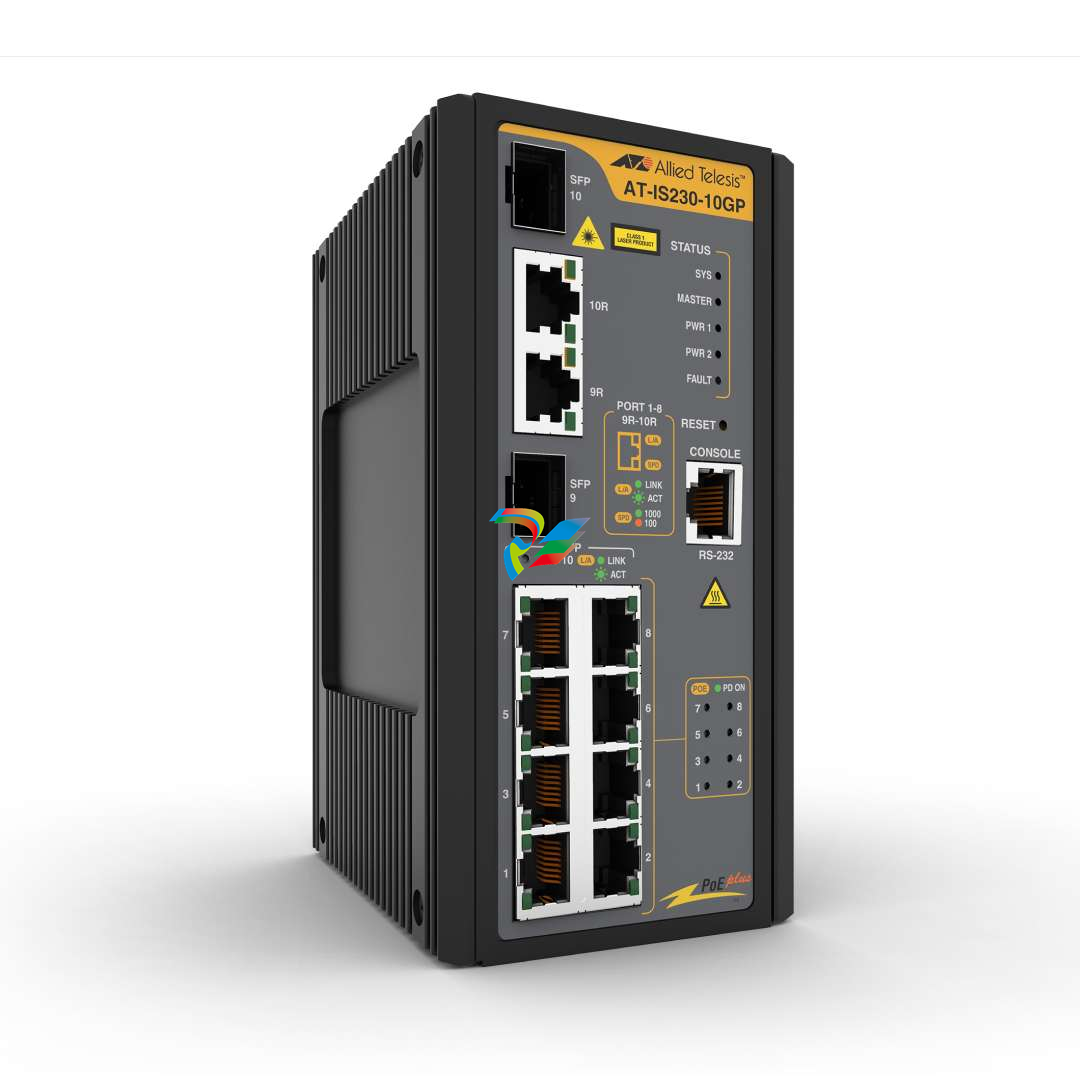 IS230TNRLH1B Discrete Output Modular Assembly
 -
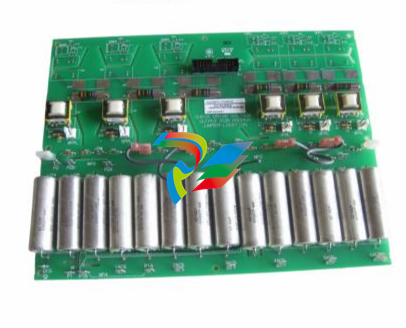 Mark V Series DS200PCCAG1ACB PCB Power Connect Card
 -
 DS200SI0CG1AEA Instantaneous overcurrent card
 -
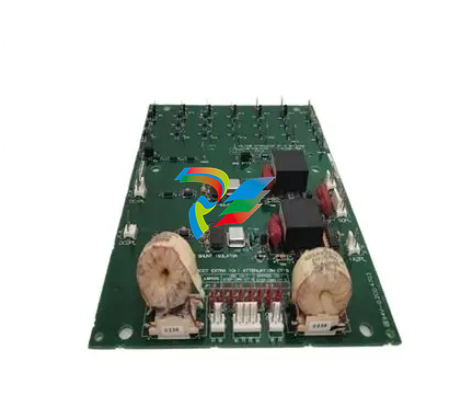 DS200SHVMG1AGE Analog I/O board
 -
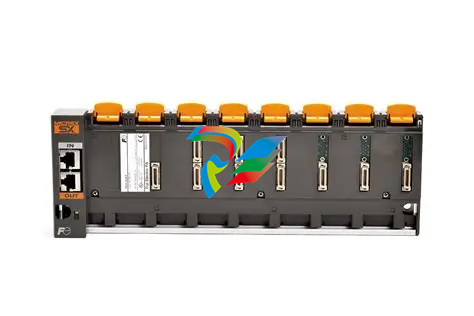 DS200SI0CG1A6A Input/Output Module
 -
 DS200SHVMG1AFE SCR High Voltage Interface Board
 -
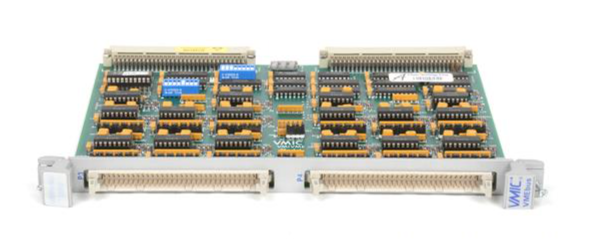 DS200RT8AG3AHC Relay Output Terminal Board
 -
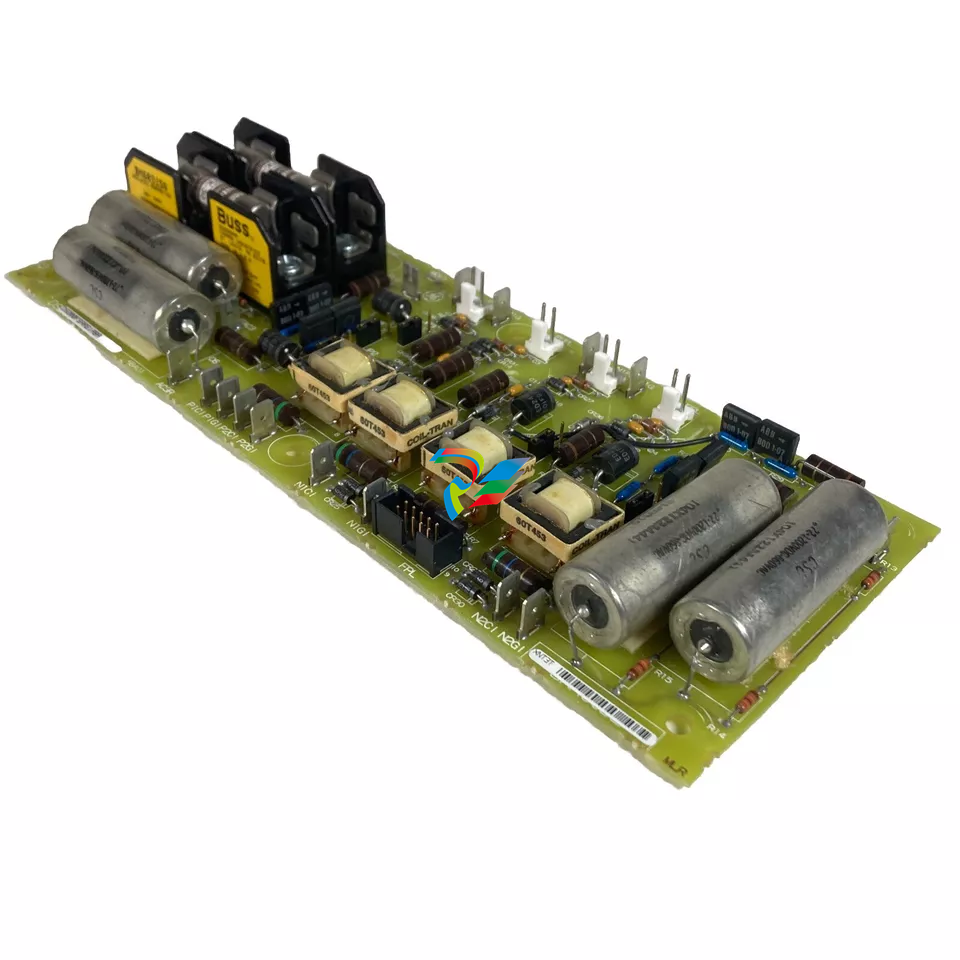 DS200FSAAG1ABA PCB Field Supply Gate Amplifier Board
 -
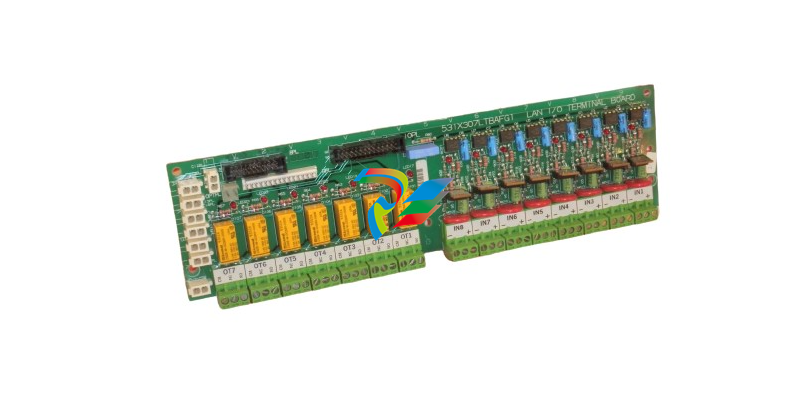 531X307LTBAFG1 F31X307LTBA LAN I/O Terminal Board
 -
 ABB AFS670 19" Ruggedized Switch AFS670-EREEDDDSSEEEEEEEPZYX05.1.0
 -
 NI Controller for VXI VXIPC-871B
 -
 IS200EPMCH1GE Mark VIe Patch Cord Power Distribution Card
 -
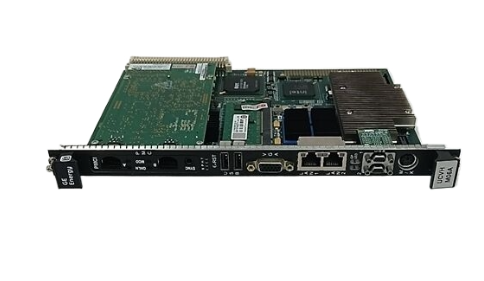 VMICPCI-7632-03310 IS215UCCAH3A 350-657362-003310J GE gas turbine system control processor board
 -
 WEA13-13 2508-21001 Control Module / I/O Board
 -
.jpg) WES5120 2340-21004 Controller Main Module
WES5120 2340-21004 Controller Main Module -
 WES5120 2340-21006 Field Controller Master Unit Module
 -
WESDAC D20ME 18-MAR-13 Excitation Control Module
-
 D20 EME 2400-21004 Ethernet communication and expansion module
 -
 GE DS3800XTFP1E1C Thyristor Fan Out Board Brand
 -
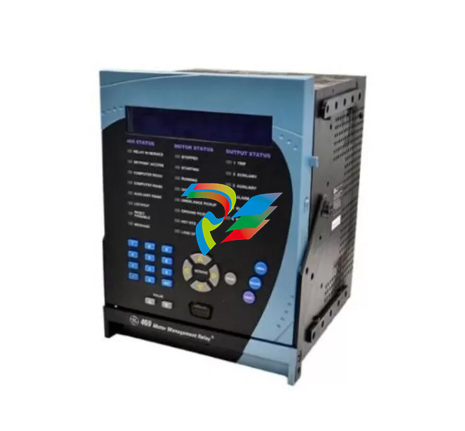 GE SR745-W2-P1-G1-HI-A-L-R-E Feeder protection relay
 -
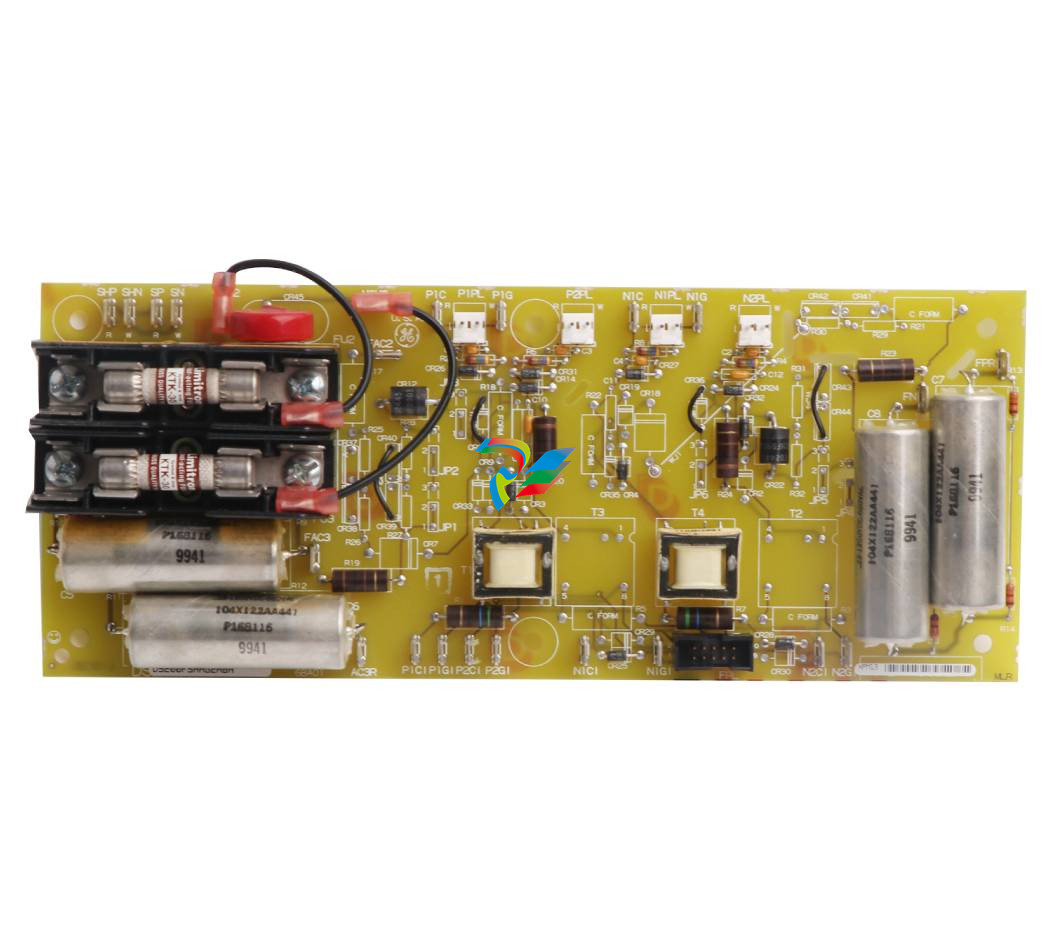 GE IS230TNDSH2A Discrete Output Relay Module Brand
 -
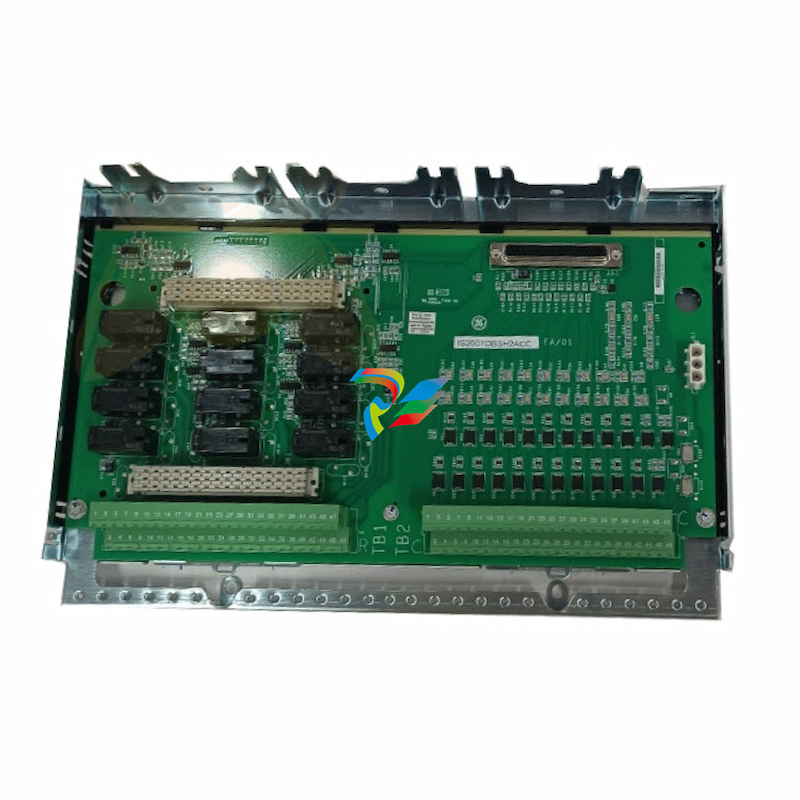 GE Fanuc IS200TDBSH2ACC Mark VI Terminal Board Brand
 -
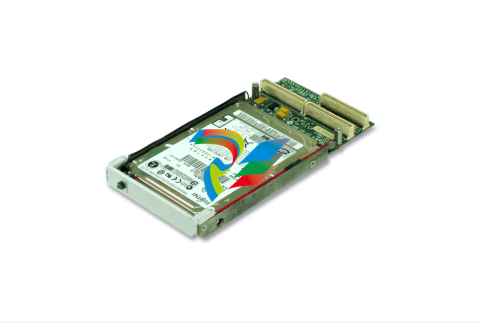 GE PMC-0247RC-282000 350-93750247-282000F Disk Drive
 -
GE PMC-0247RC-282000 350-93750247-282000F Disk Drive
-
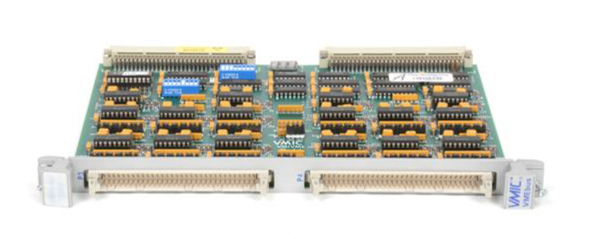 GE VMIVME-1150 Serial Communications Controller
 -
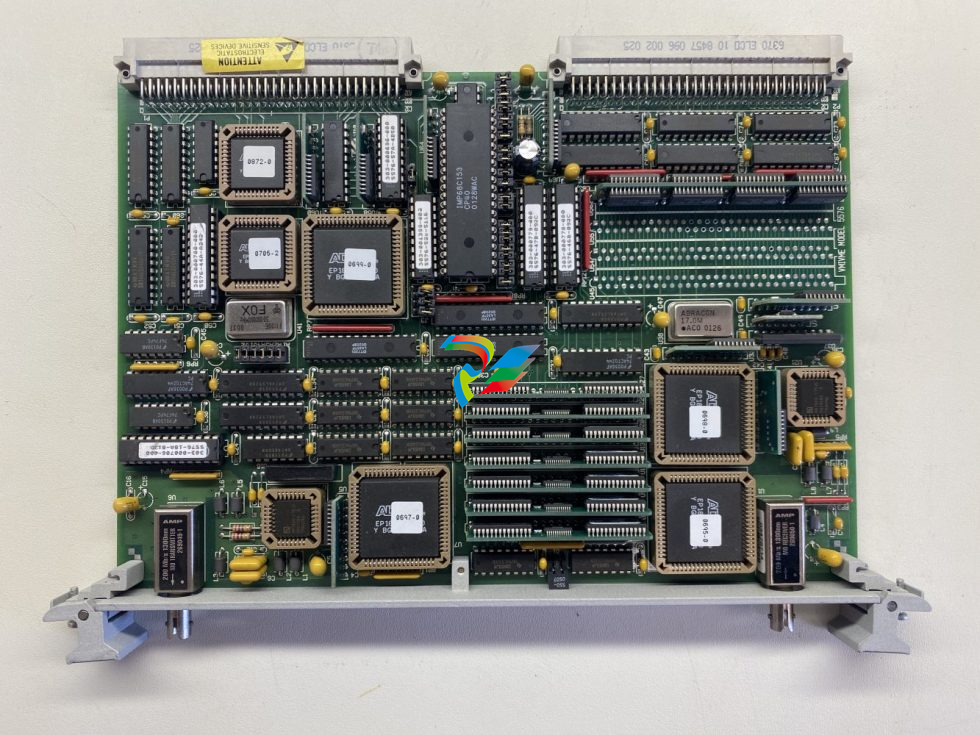 GE VMIVME-5576 Fiber-Optic Reflective Memory with Interrupts
 -
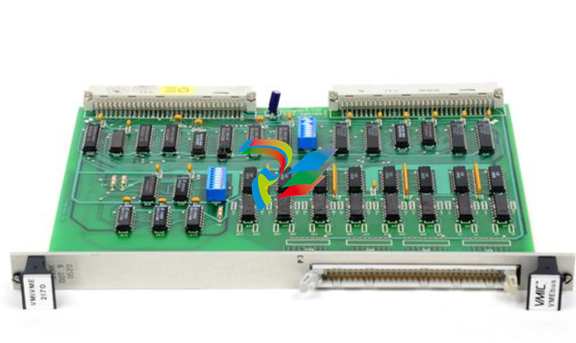 GE VMIC Isolated Digital Output VMIVME-2170A
 -
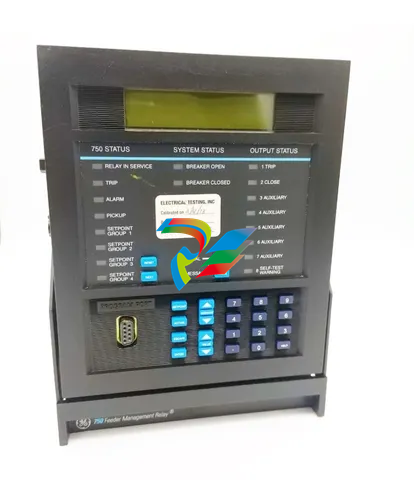 GE MULTILIN 760 FEEDER MANAGEMENT RELAY 760-P5-G5-S5-HI-A20-R-E
 -
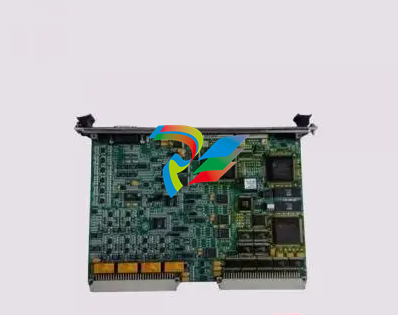 GE IS200AEPAH1BKE IS215WEPAH2BB Printed circuit board
 -
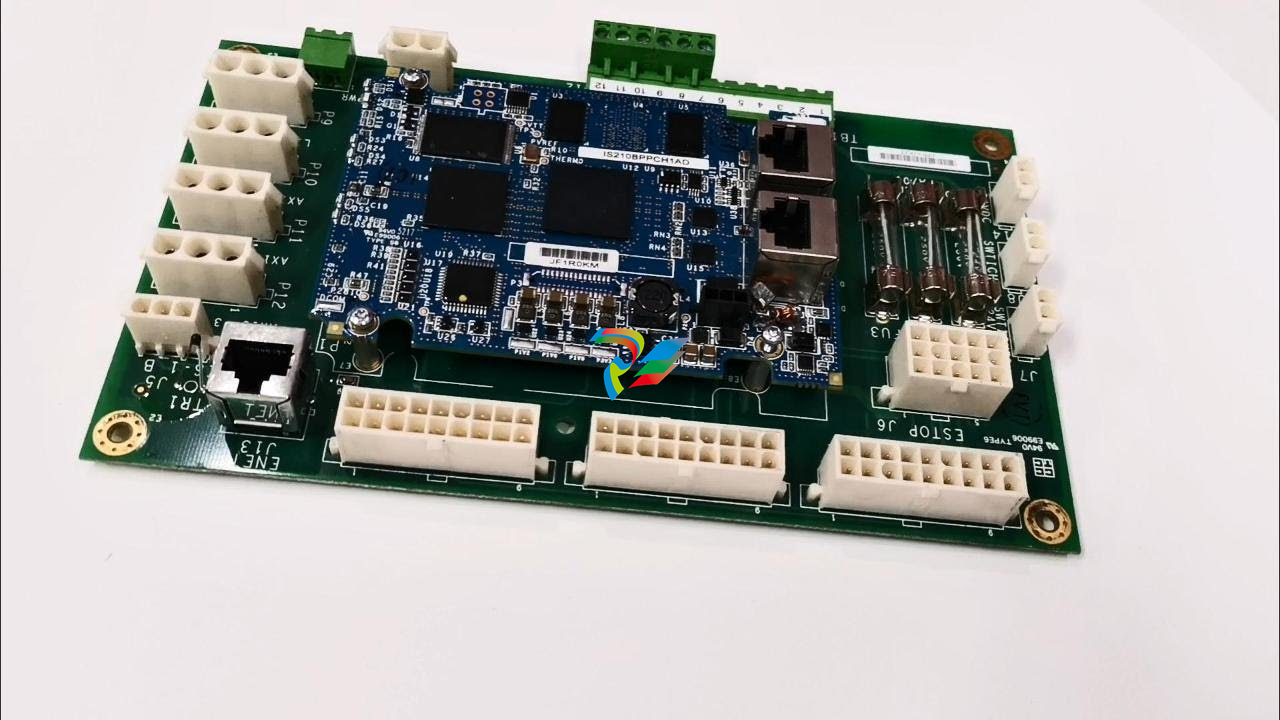 GE IS210BPPCH1A Mark VIe I/O Pack Processor Card
 -
 GE IS220PRTDH1A 336A4940CSP6 High-Performance RTD Input Module
 -
GE IS220PDIAH1BE 336A5026ADP4 Discrete Input Module
-
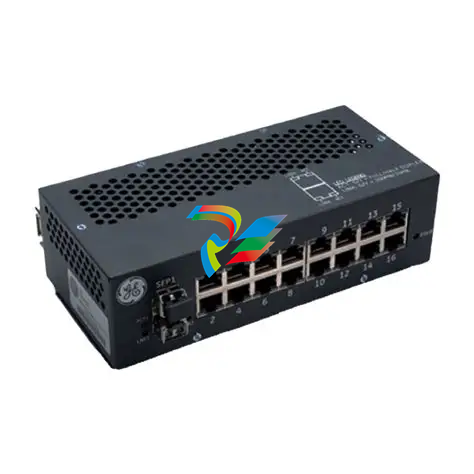 GE IS420ESWBH3A IONET Switch Module
 -
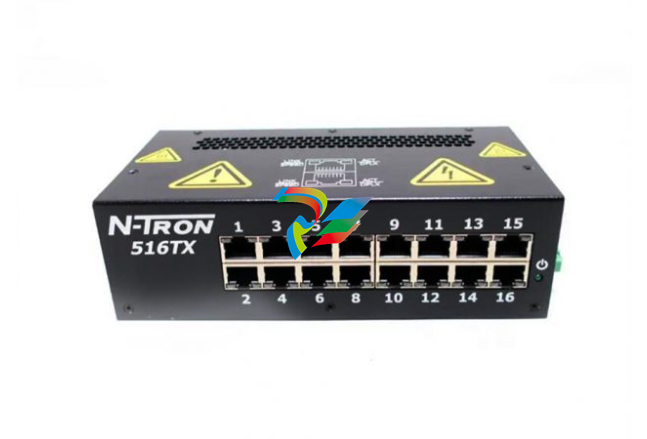 GE 516TX 336A4940DNP516TX 16-port Ethernet switch
 -
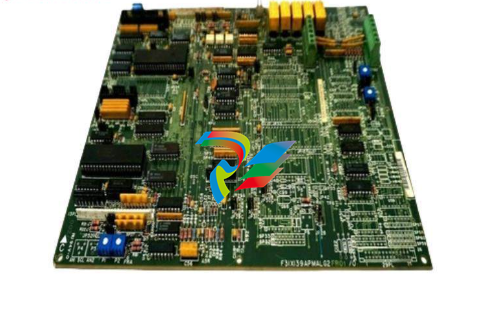 GE EVMECNTM13 Embedded control module
 -
GE EVPBDP0001 EVPBDP032 control module
-
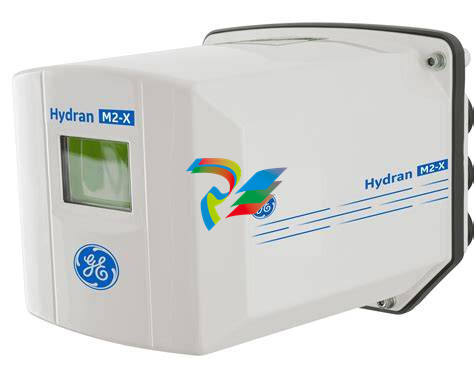 GE Hydran M2-X Enhanced Monitoring with Extended Sensor Life
 -
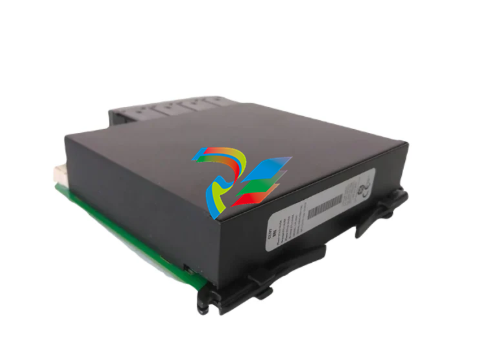 GE UR6CH Digital I/O Module
 -
 GE IC695CPU315-CD Central processing unit
 -
 GE 531X305NTBAMG1 DR Terminal Board
 -
 GE 531X305NTBALG1 NTB/3TB Terminal Board 531X Series
 -
 GE 531X305NTBAJG1 NTB/3TB Terminal Board.
 -
GE 531X305NTBAHG1 NTB/3TB Terminal Board 531X
-
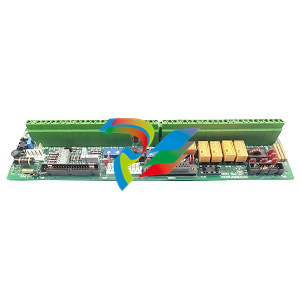 GE 531X305NTBAEG1 is a PCB that functions as a DR terminal board.
 -
General Electric 531X305NTBACG1 NTB/3TB Terminal Board 531X
-
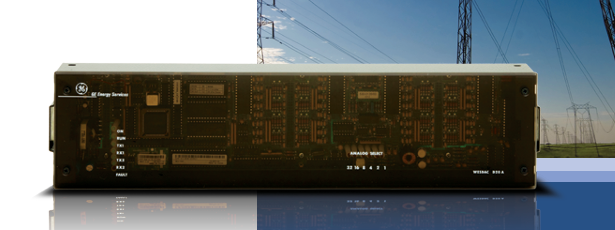 GE Digital Energy D20 Analog Input Module
 -
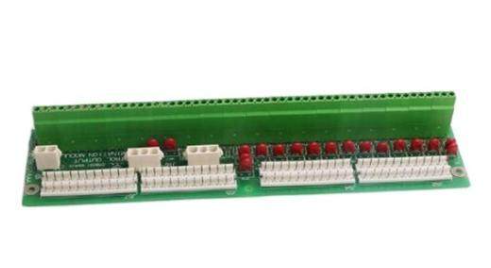 GE 94-164136-001 main board Control board
 -
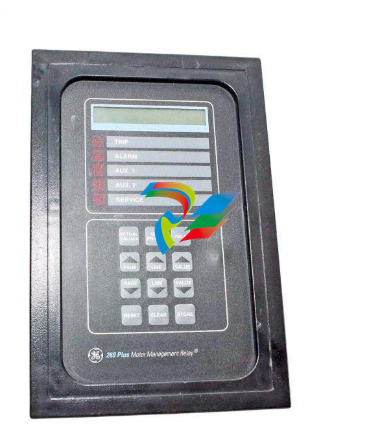 GE 269 PLUS-D/O-100P-125V Digital motor relay
 -
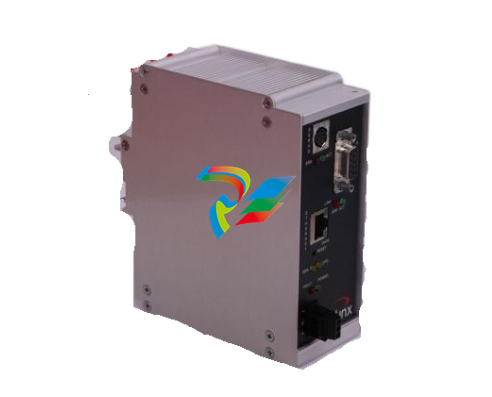 GALIL DMC-9940 High-performance motion controller
 -
FUJI NP1BS-08 base plate
-
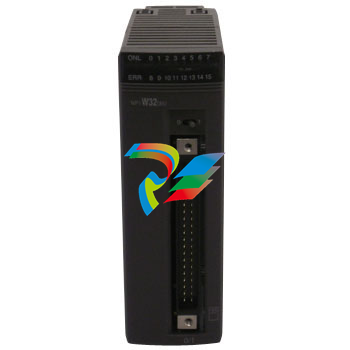 FUJI NP1Y32T09P1 Transistor drain type digital output module
 -
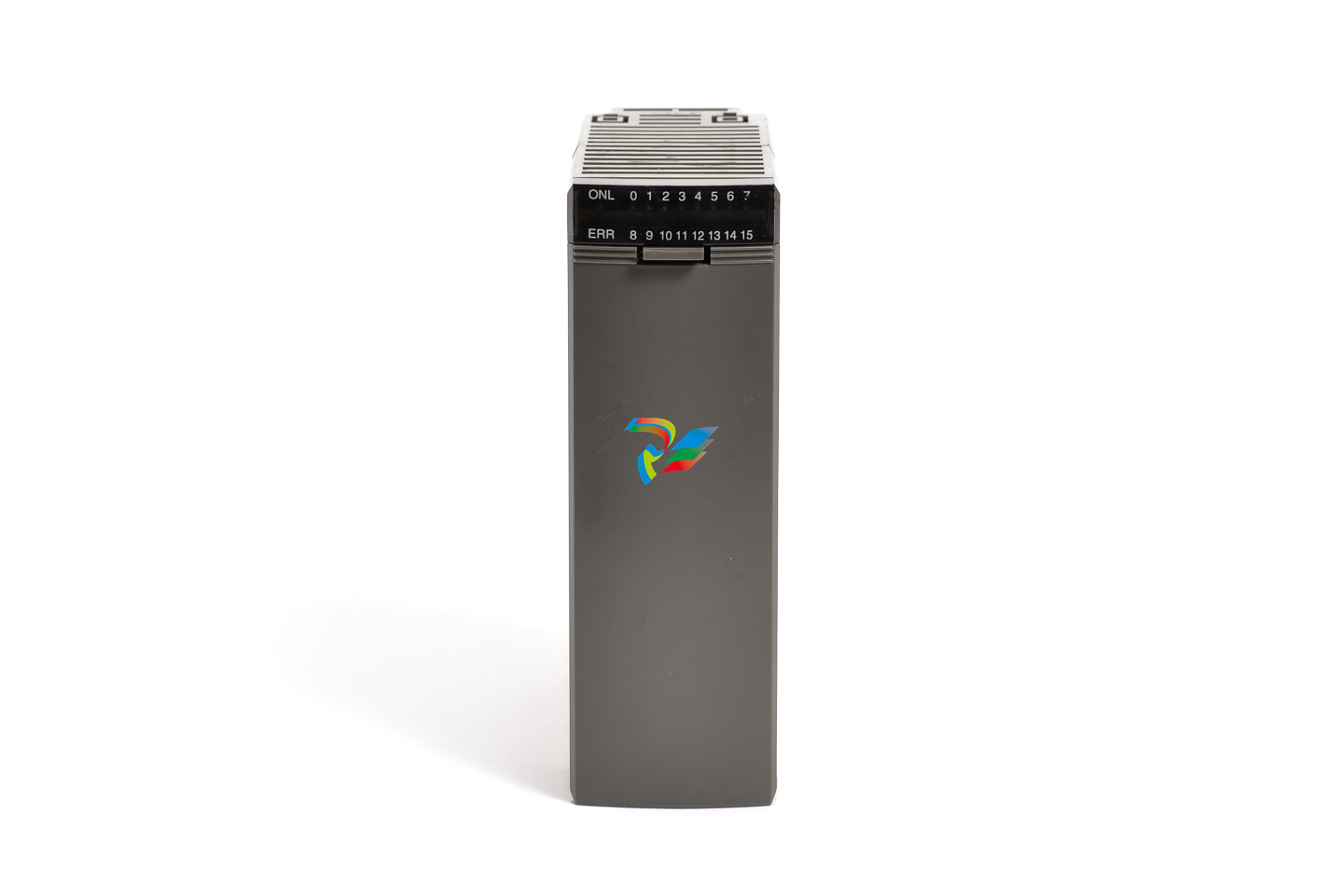 FUJI NP1Y16R-08 Digital Output Module
 -
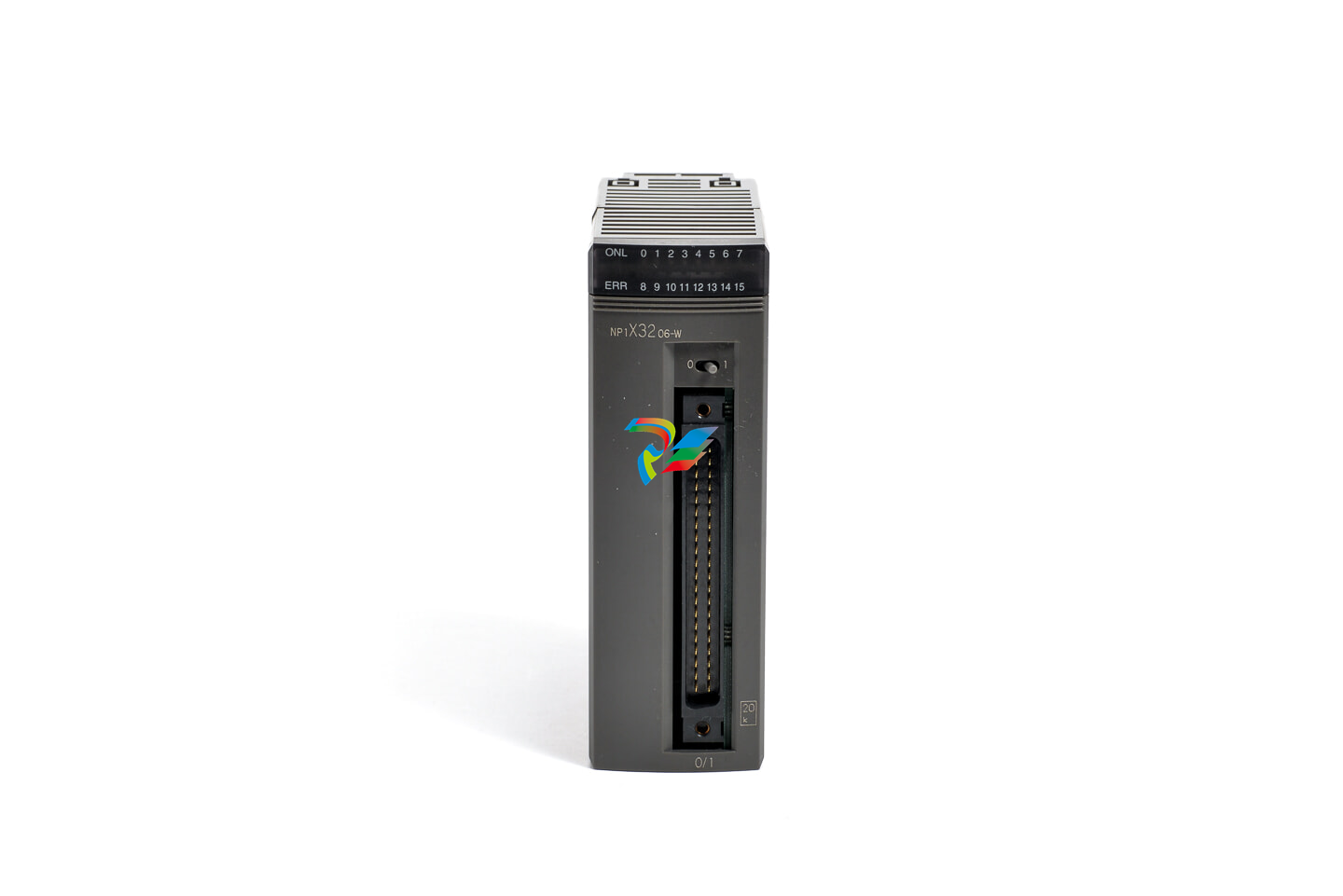 FUJI NP1X3206-A High-speed digital input module
 -
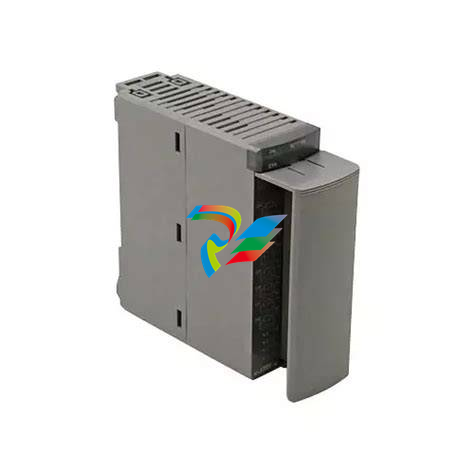 FUJI NP1AYH4I-MR current output module
 -
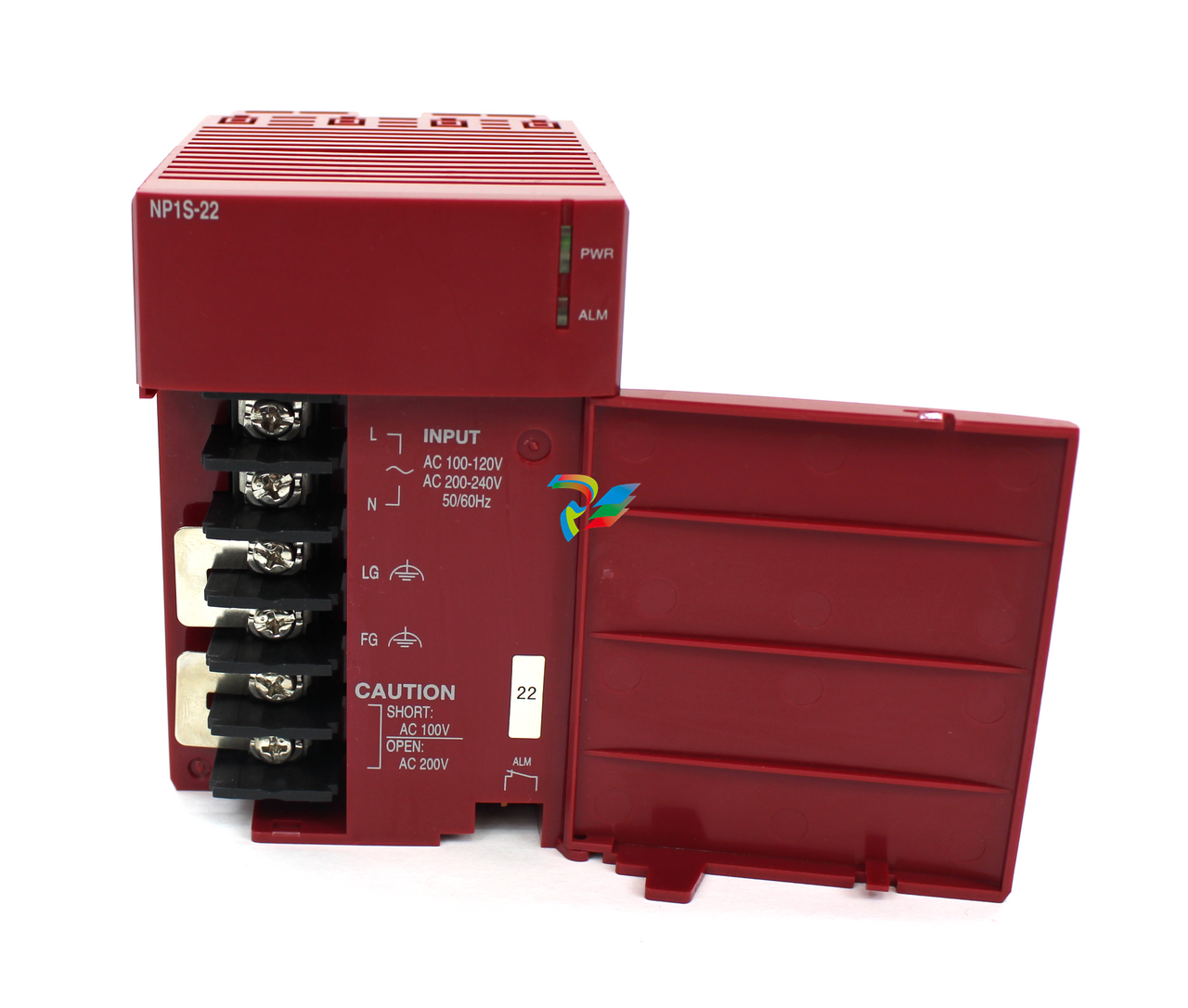 FUJI NP1S-22 Power module redundancy
 -
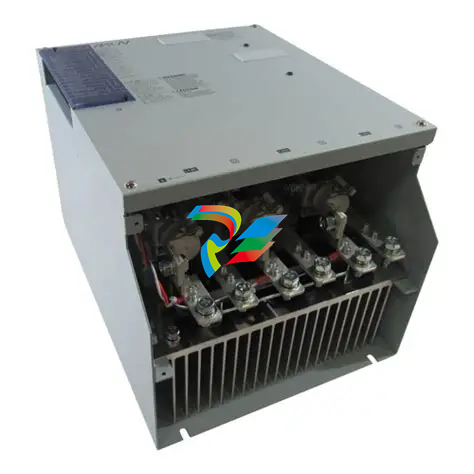 FUJI RPXD2150-1T servo drive module
 -
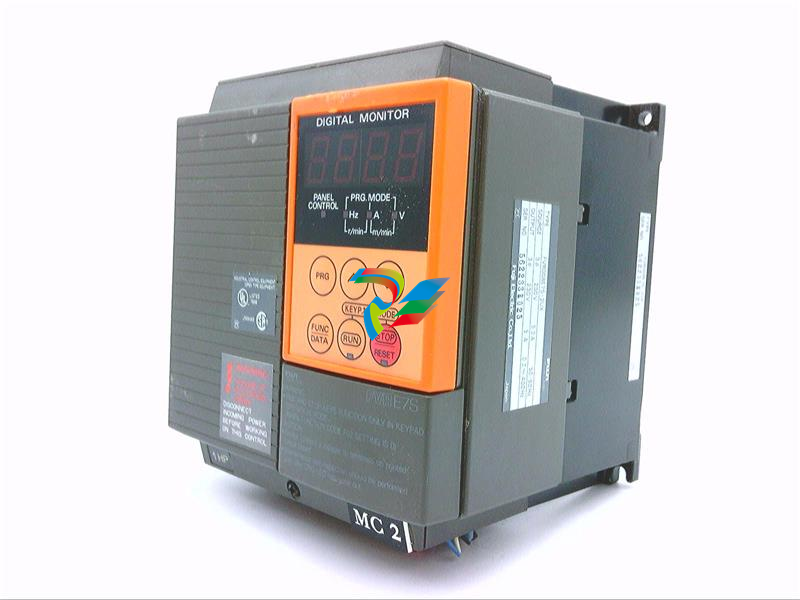 FUJI FVR008E7S-2UX Ac frequency converter
 -
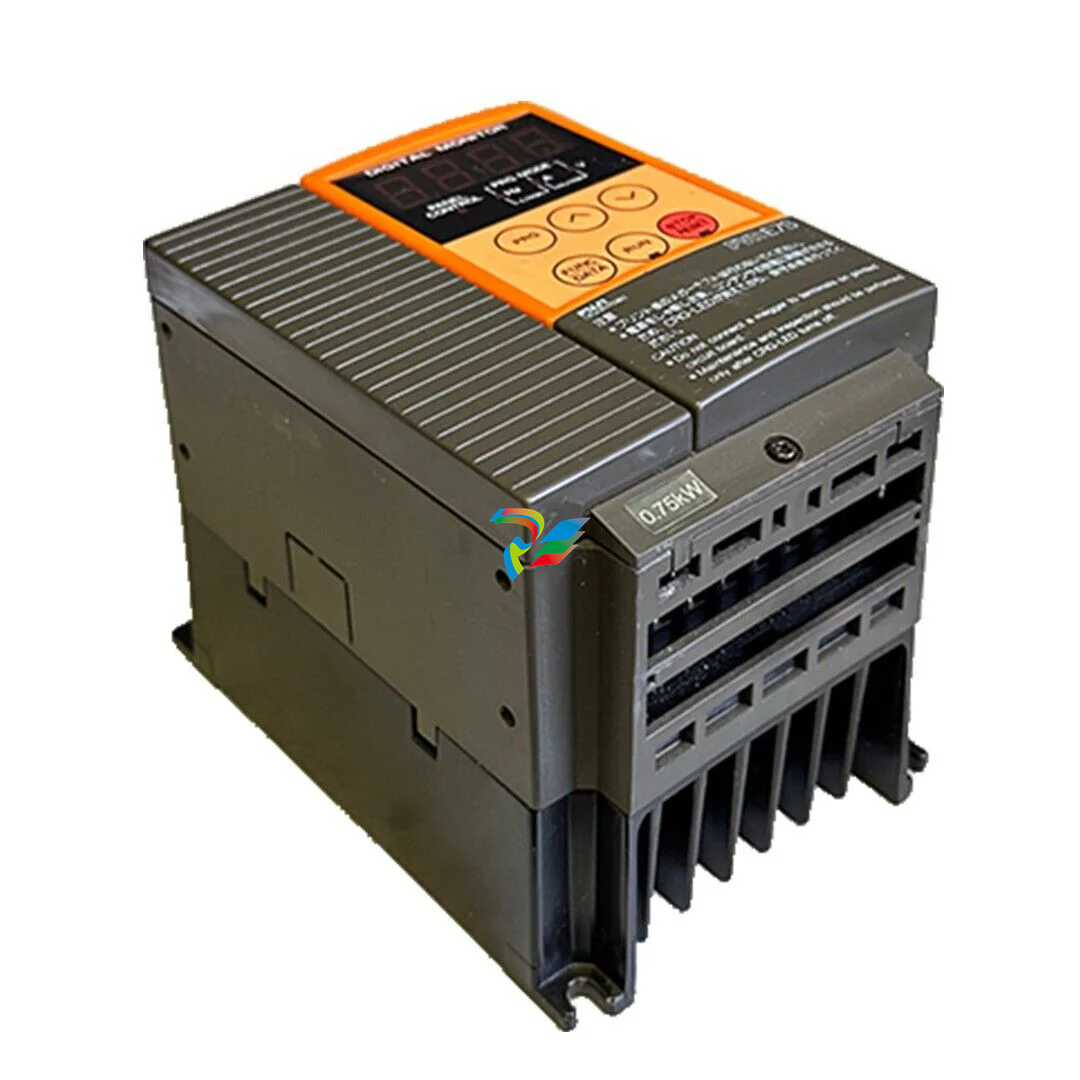 FUJI Ac frequency converter FVR008E7S-2
 -
 FUJI FVR004G5B-2 Small general-purpose frequency converter
 -
 FUJI A50L-2001-0232 Industrial control module
 -
 FUJI A50L-001-0266#N High-performance servo amplifier
 -
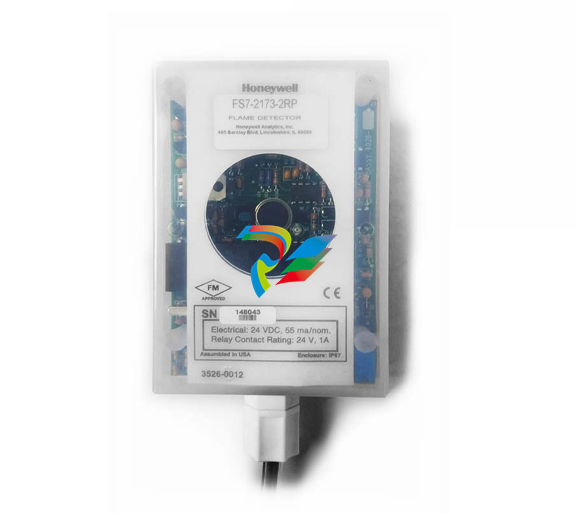 Honeywell FS7-2173-2RP Gas sensor
 -
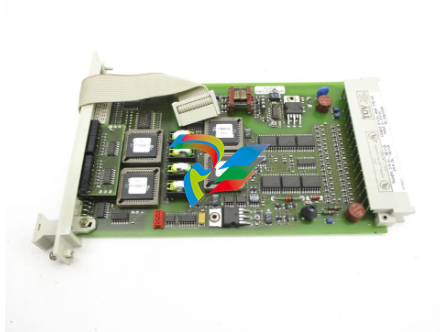 Honeywell 10106/2/1 Digital Input Module in Stock
 -
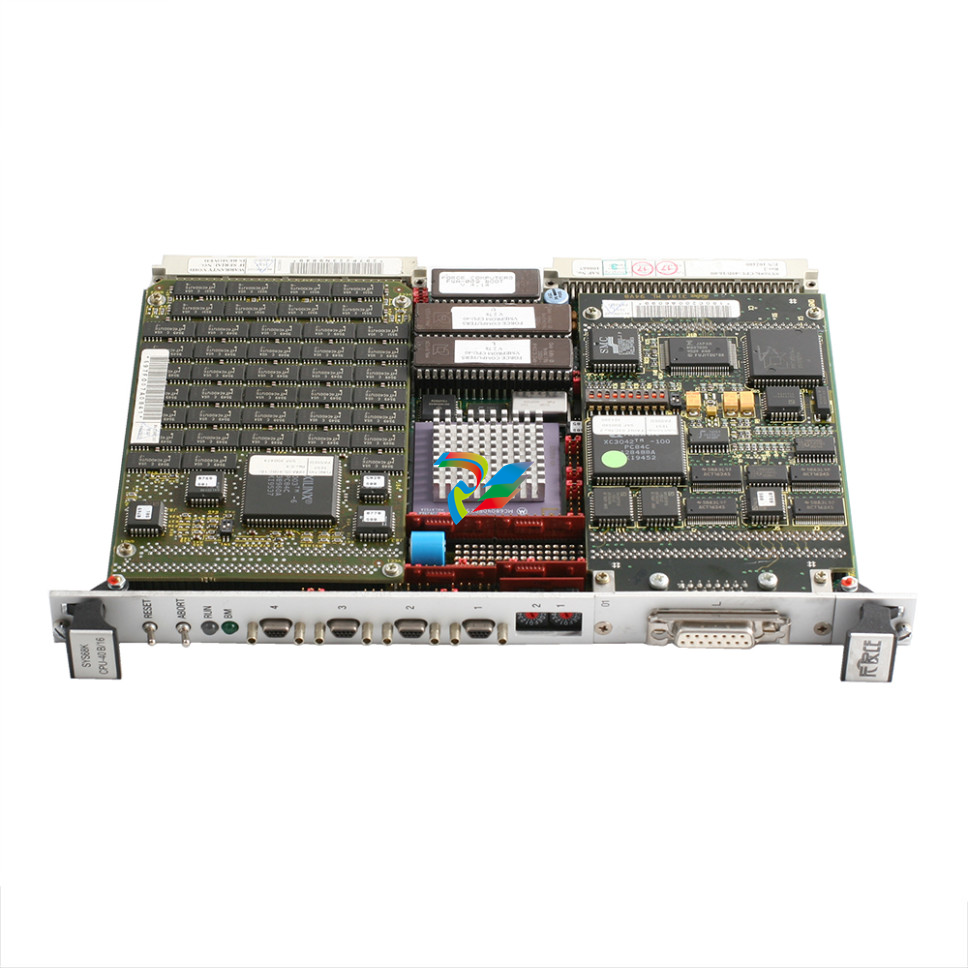
FRCE SYS68K CPU-40 B/16 PLC core processor module
-
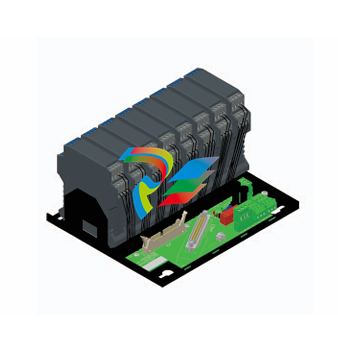 Foxboro FBM I/O cards PBCO-D8-009
 -
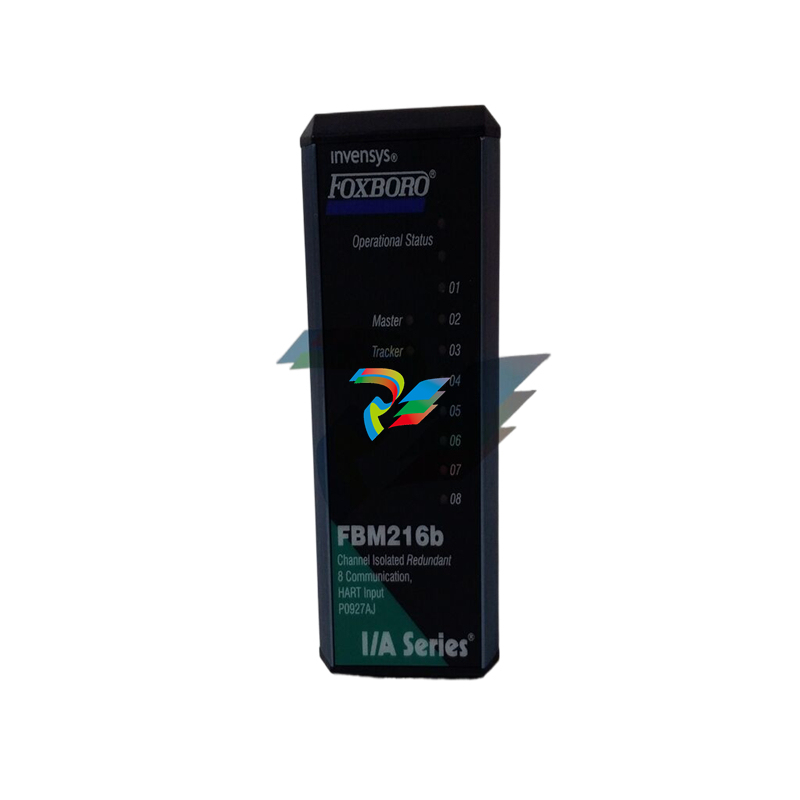 Foxboro AD916AE Digital Control System (DCS) Module
 -
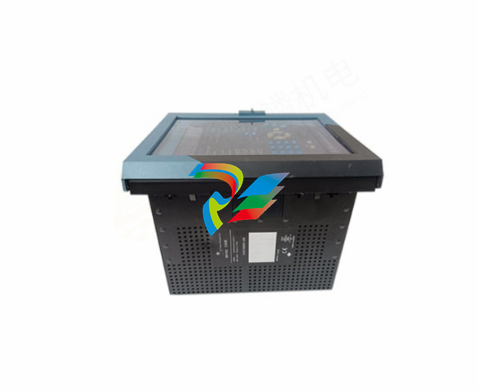 GE SR750-P5-G5-S5-HI-A20-R-E Multilin Relay
 -
.jpg) FOXBORO H90 H90C9AA0117S Industrial Computer Workstation
FOXBORO H90 H90C9AA0117S Industrial Computer Workstation -
FOXBORO RH928AW | I/A Series Relay Output Module
-
.jpg) Foxboro N-2AX+DIO Multi-functional input/output module
Foxboro N-2AX+DIO Multi-functional input/output module -
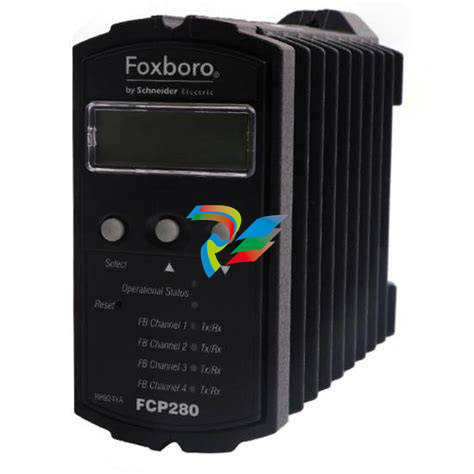 Foxboro RH924WA FCP280 Fiber Optic Network Adapter
 -
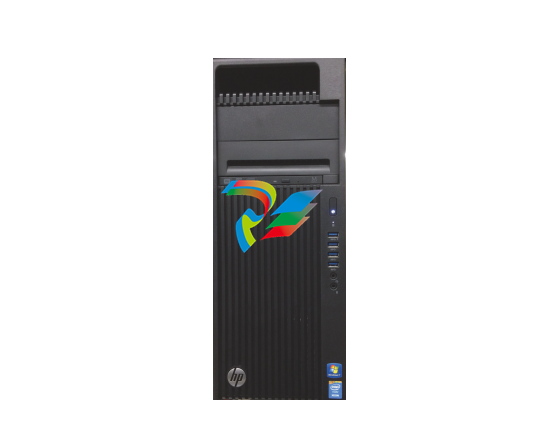 FOXBORO H92 Versatile Hardware Component In
 -
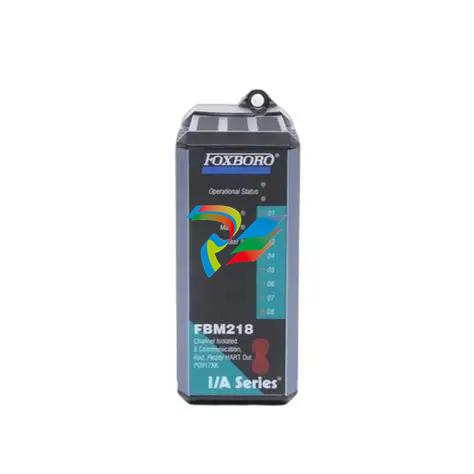 Foxboro FBM218 P0922VW HART® Communication Redundant Output Interface Module
 -
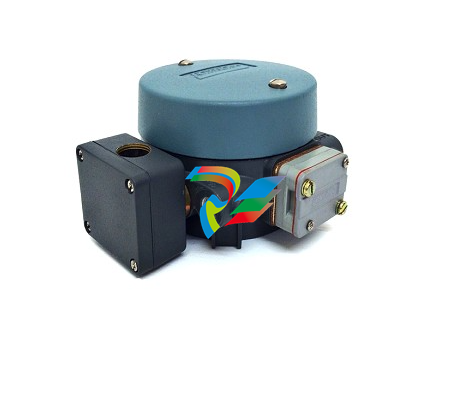 Foxboro E69F-TI2-J-R-S E69F Series Current-To-Pneumatic Signal Converter
 -
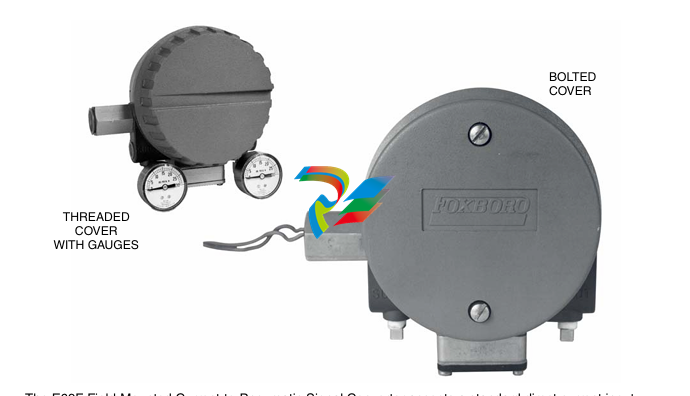 Foxboro E69F-BI2-S Converter
 -
.jpg) Foxboro H92A049E0700 The host of the DCS control station
Foxboro H92A049E0700 The host of the DCS control station -
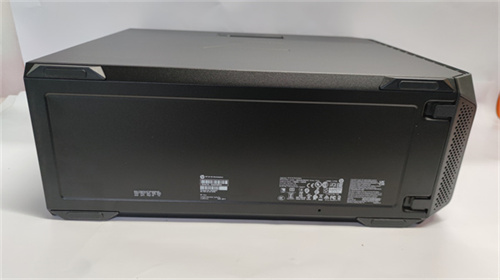 Foxboro H90C9AA0117S Industrial computer workstation
 -
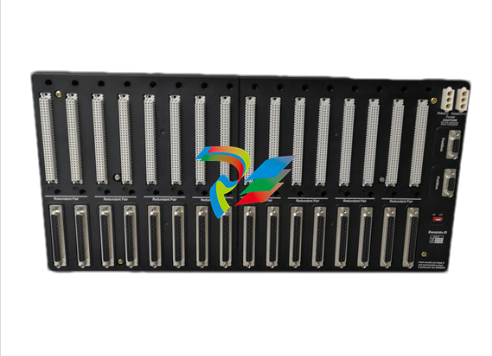 Foxboro RH101AA High-performance industrial control module
 -
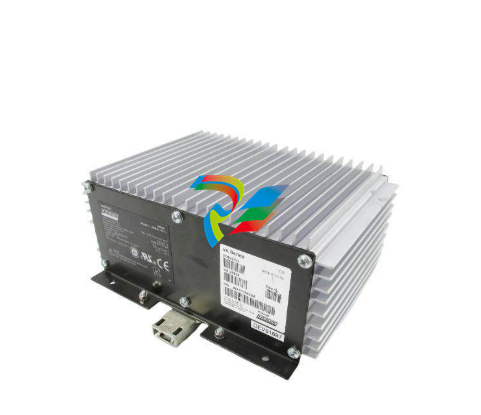 Foxboro P0922YU FPS400-24 I/A Series Power supply
 -
.png) FOXBORO P0973LN Chassis-based managed switch with independent power supply
FOXBORO P0973LN Chassis-based managed switch with independent power supply -
.jpg) FOXBORO P0926PA Input/output module
FOXBORO P0926PA Input/output module -
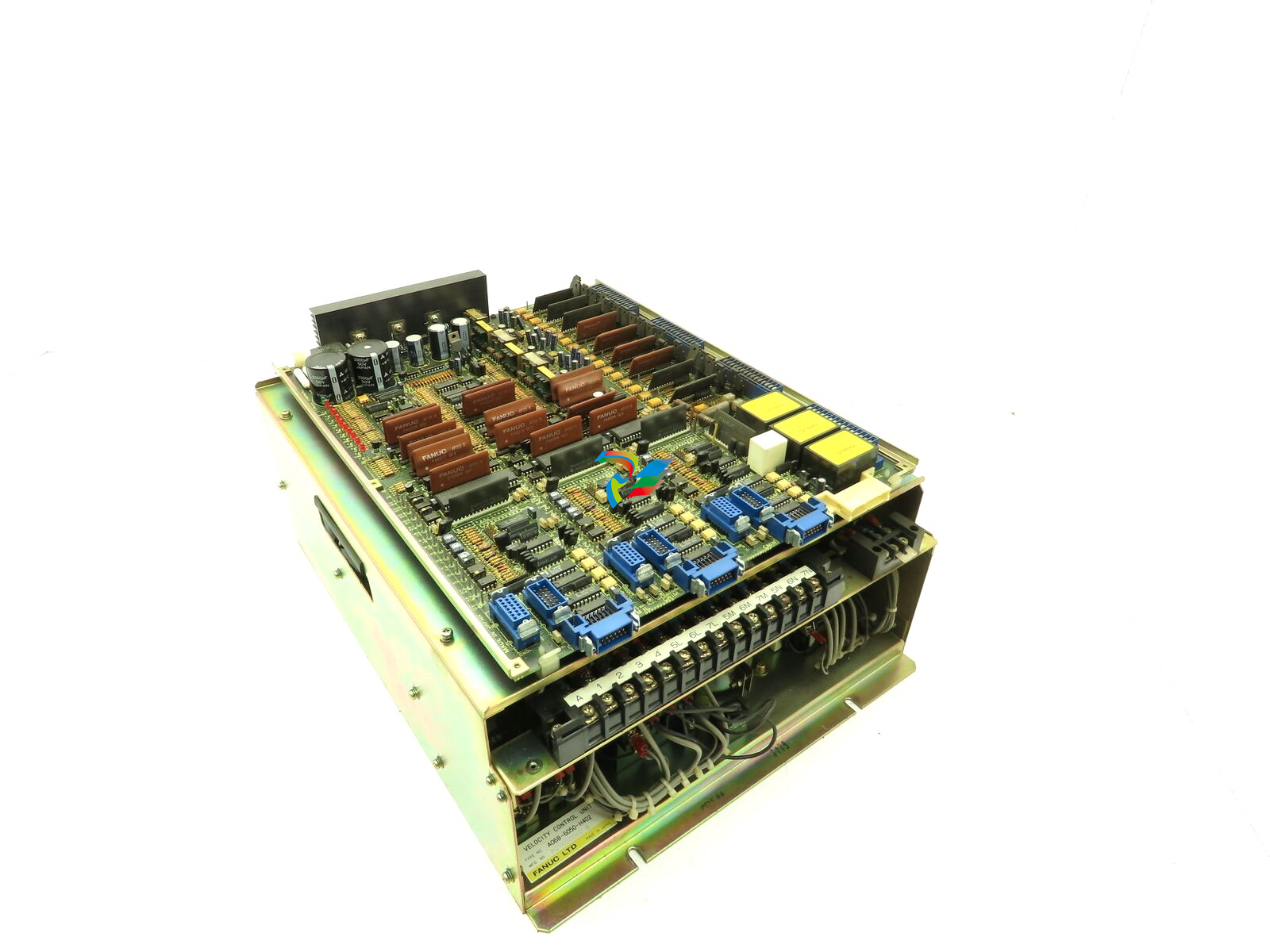 Fanuc A06B-6050-H402 3 AXIS ANALOG AC SERVO DRIVE
 -
.jpg) FOXBORO L0130AD L0130AE-0H Power module group
FOXBORO L0130AD L0130AE-0H Power module group -
_lVjBYb.jpg) FOXBORO 0399085B 0303440C+0303458A Combination Control Module
FOXBORO 0399085B 0303440C+0303458A Combination Control Module -
 FOXBORO SY-0399095E (SY-0303451D+SY-0303460E) Process control board
 -
.jpg) FOXBORO 0399071D 0303440C+0303443B Input/Output (I/O) Module
FOXBORO 0399071D 0303440C+0303443B Input/Output (I/O) Module -
.jpg) FOXBORO RH924UQ Redundant Controller module
FOXBORO RH924UQ Redundant Controller module -
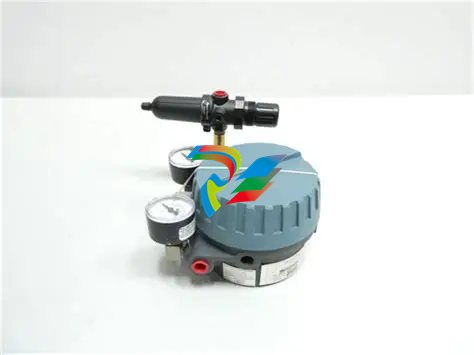 FFOXBORO E69F-TI2-S current pneumatic converter
 -
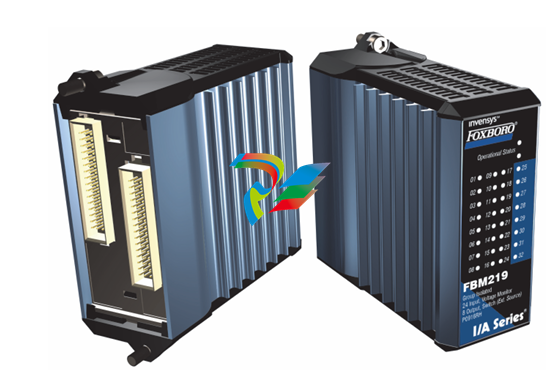 FOXBORO FBM219 RH916RH Discrete I/O Module
 -
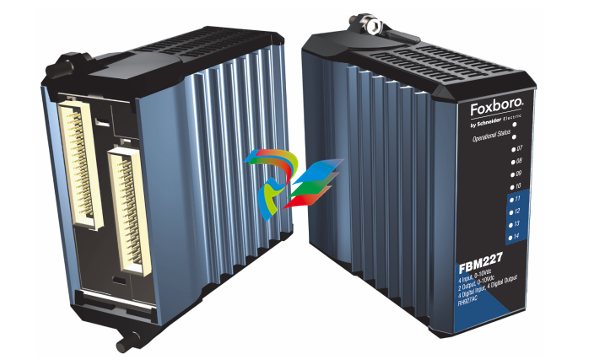 FOXBORO FBM227 P0927AC Module
 -
.jpg) FOXBORO 0399144 SY-0301059F SY-1025115C/SY-1025120E I/O module
FOXBORO 0399144 SY-0301059F SY-1025115C/SY-1025120E I/O module -
.jpg) FOXBORO SY-60399001R SY-60301001RB Industrial Control Module
FOXBORO SY-60399001R SY-60301001RB Industrial Control Module -
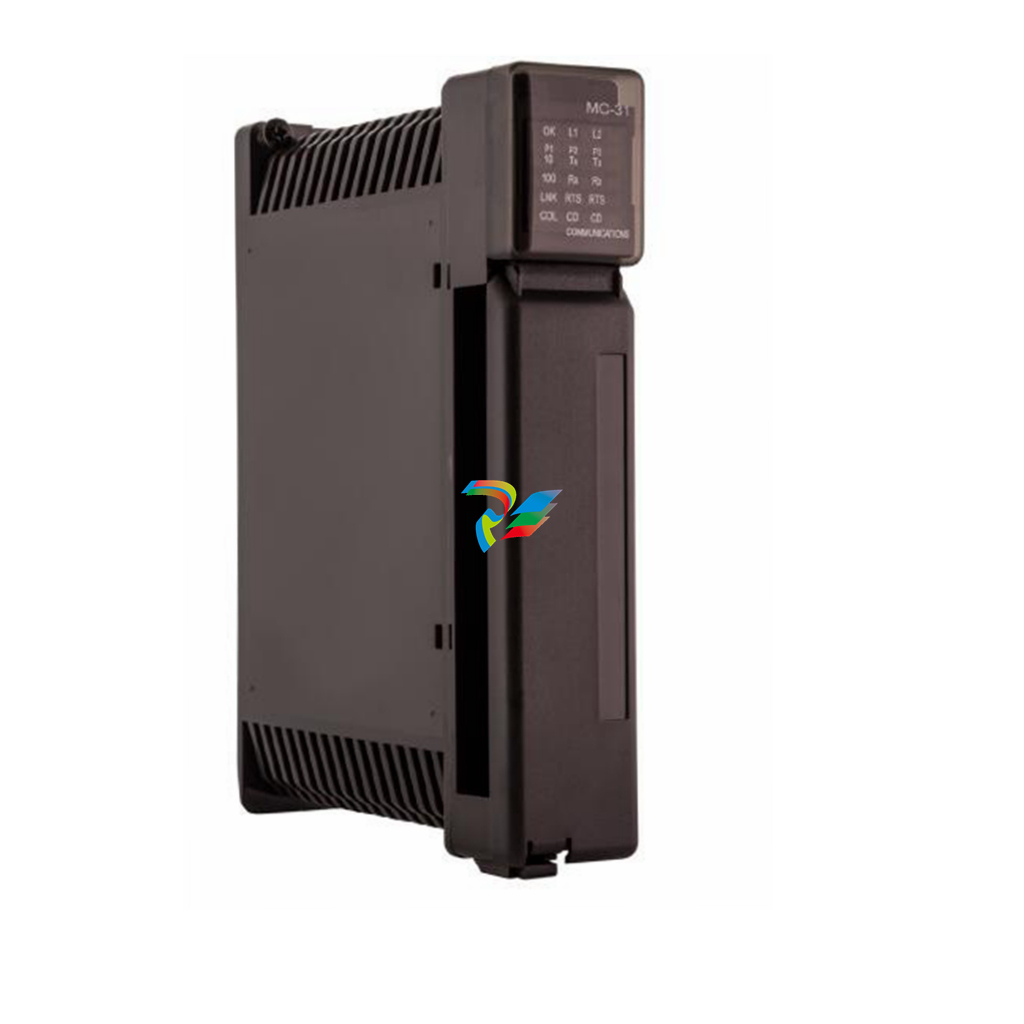 FOXBORO 0399143 SY-0301060R SY-1025115C SY-1025120E Combined control board
 -
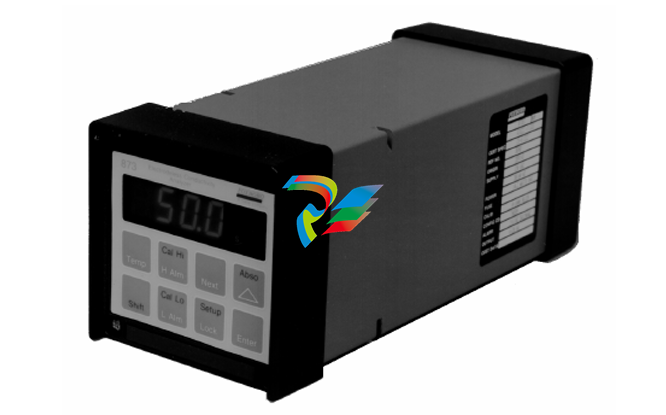 FOXBORO 873EC-JIPFGZ electrodeless conductivity analyzer
 -
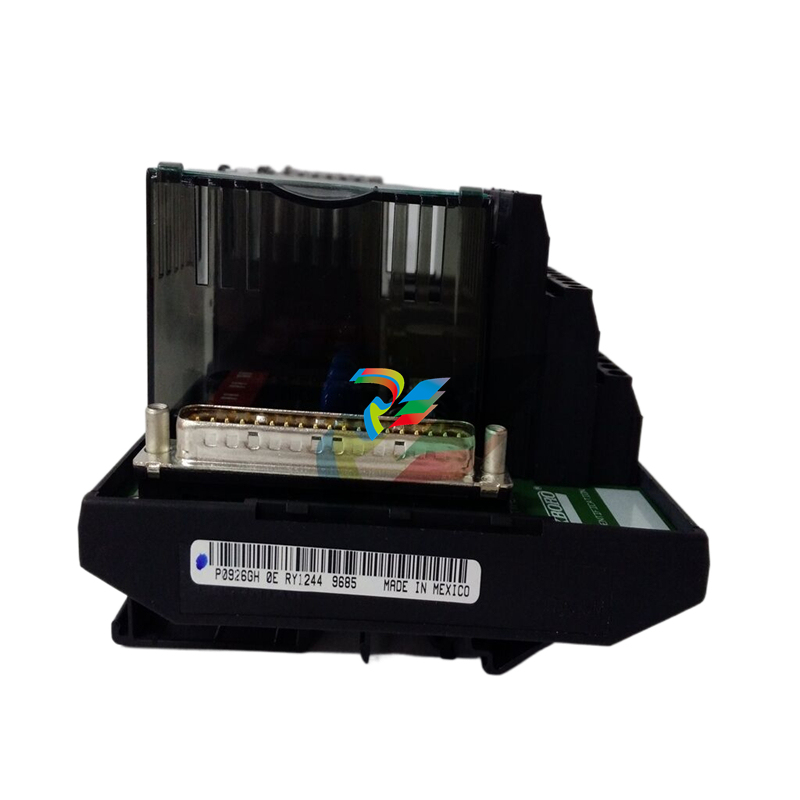 FOXBORO P0916PH (High-density HART I/O Module)
 -
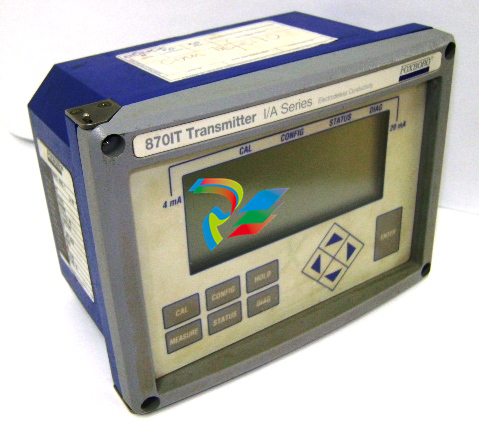 FOXBORO 870ITEC-AYFNZ-7 Intelligent Electrochemical Transmitters
 -
 FOXBORO Compact FBM240. Redundant with Readback, Discrete
 -
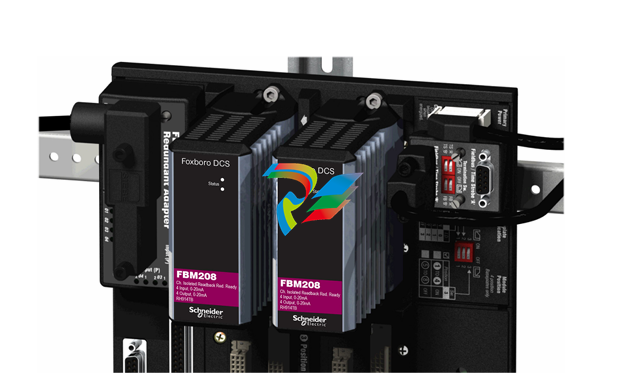 FOXBORO FBM208/b, Redundant with Readback, 0 to 20 mA I/O Module
 -
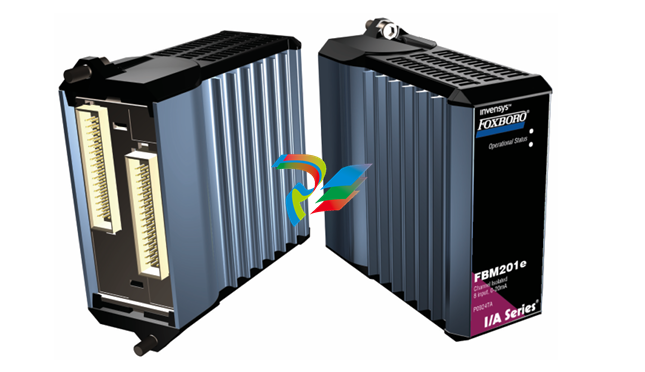 FOXBORO FBM201e Analog Input (0 to 20 mA) Interface Modules
 -
.jpg) FOXBORO P0916WG Terminal cable
FOXBORO P0916WG Terminal cable -
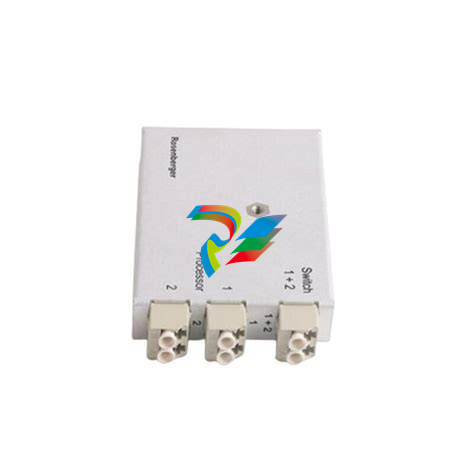 FOXBORO P0926MX 2-Port Splitter
 -
.jpg) FOXBORO AD908JQ High-Frequency Module
FOXBORO AD908JQ High-Frequency Module -
.jpg) FOXBORO AD916CC Processor module
FOXBORO AD916CC Processor module -
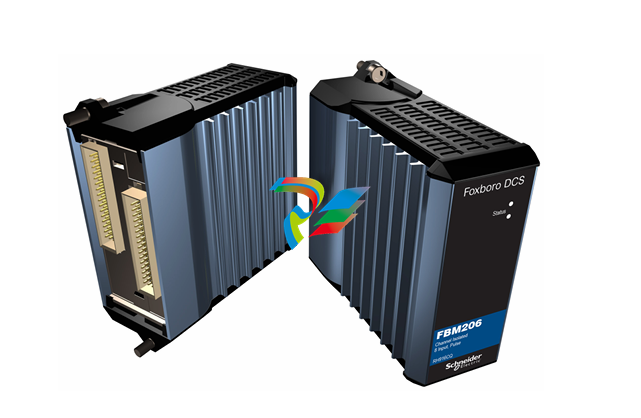 Foxboro DCS FBM206 Pulse Input Module
 -
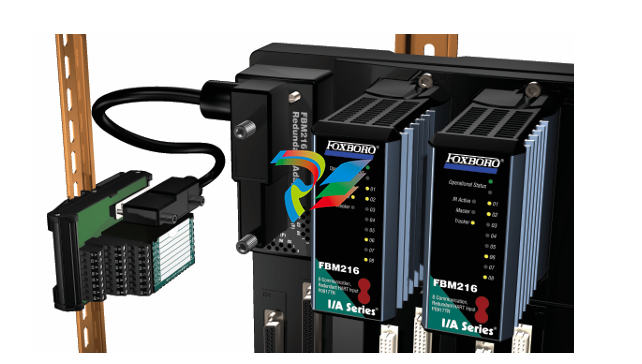 FOXBORO FBM216 HART® Communication Redundant Input Interface Module
 -
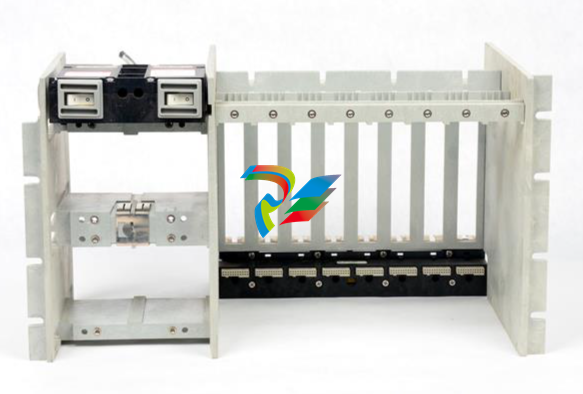 Foxboro p0903nu 1×8 unit sub-component module
 -
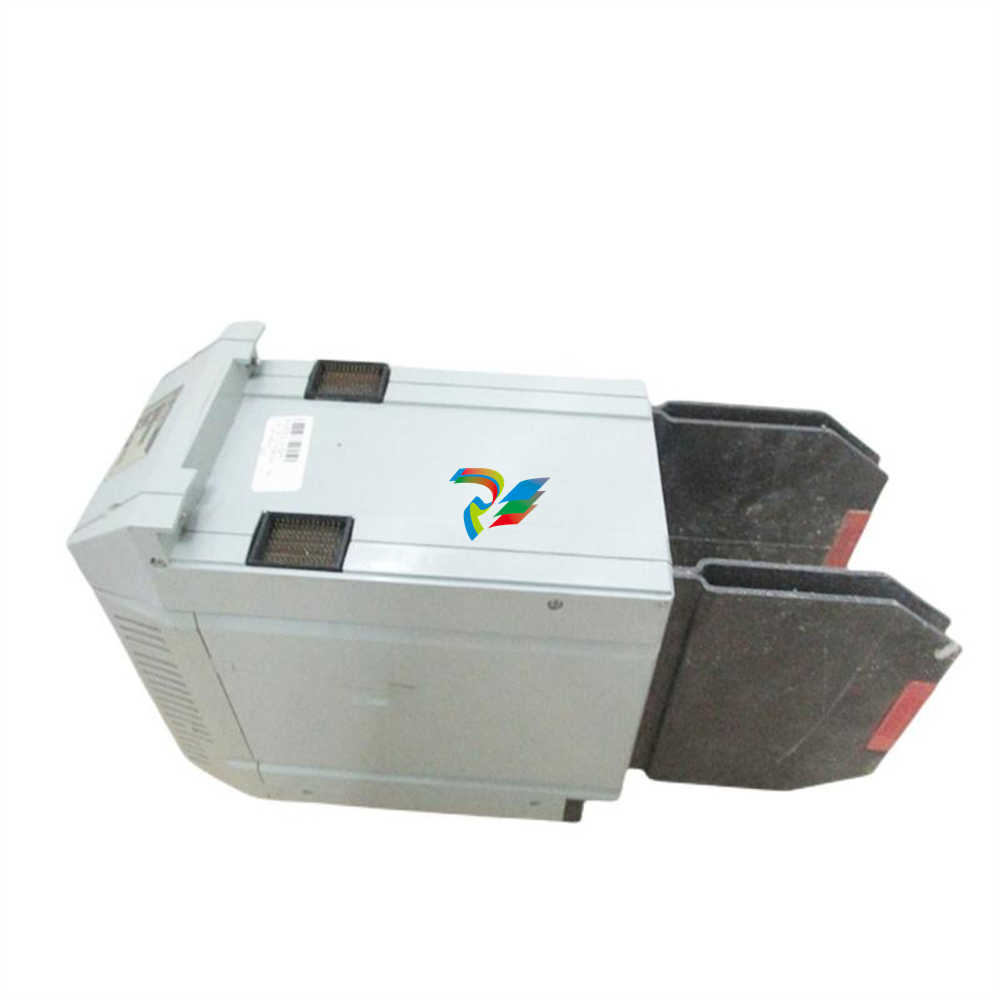 Foxboro P0911SM Industrial control module
 -
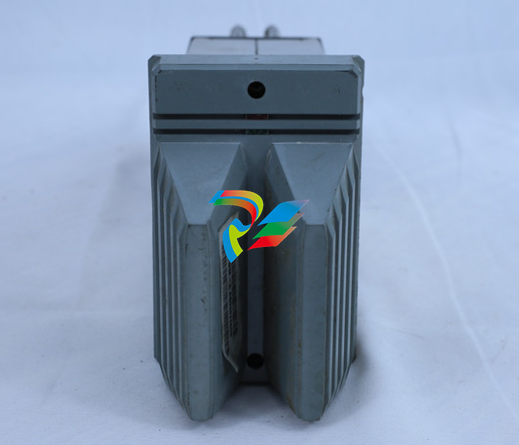 Foxboro CM902WM I/O module
 -
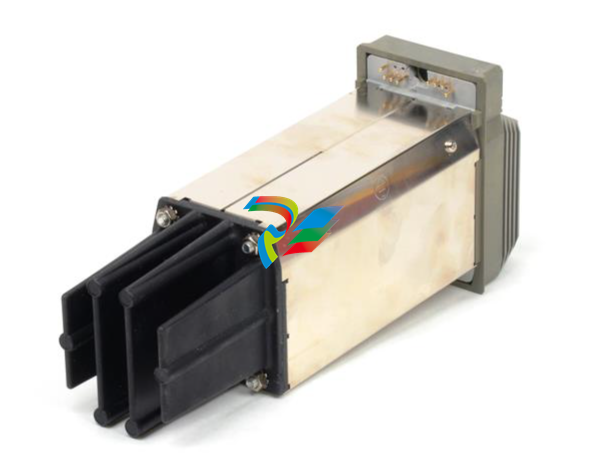 Foxboro CM902WL Power module
 -
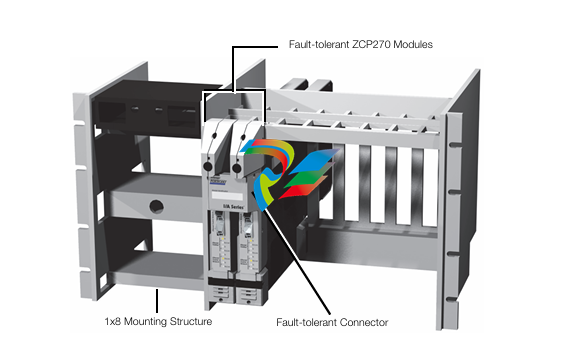 Foxboro P0972VA Industrial Control Module
 -
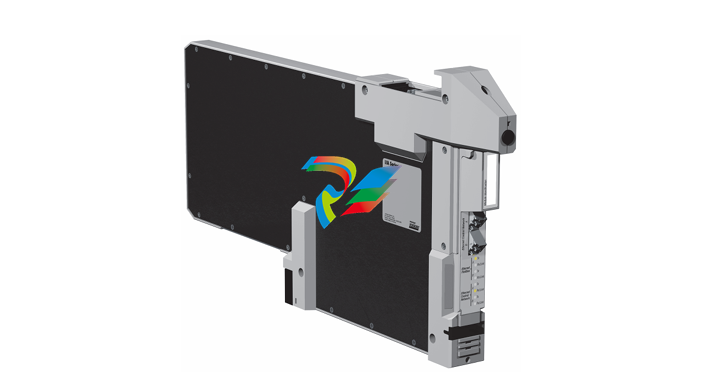 Foxboro Z-Module Control Processor 270 (ZCP270)
 -
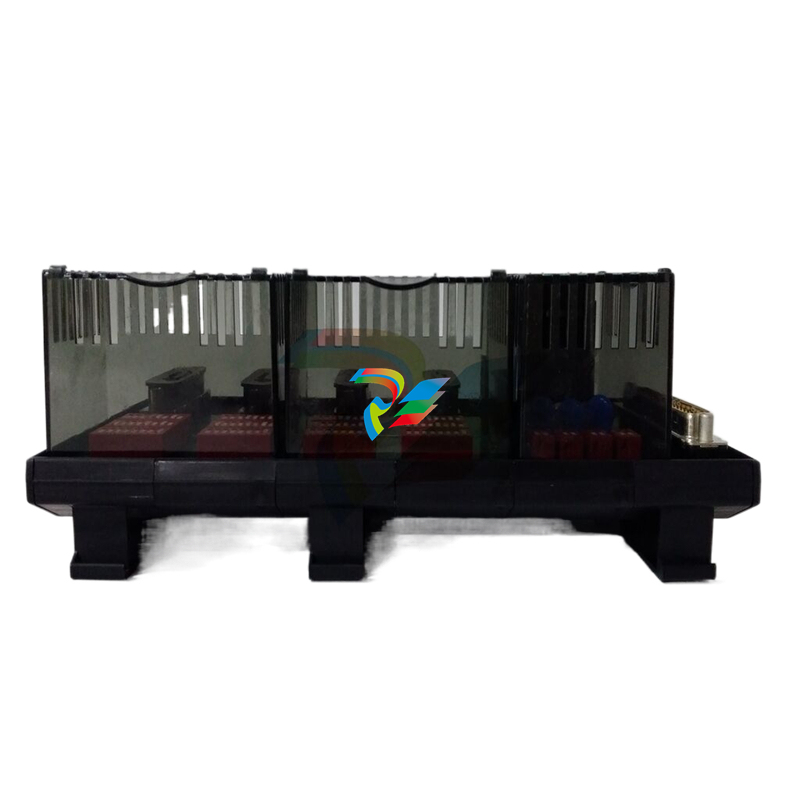 Foxboro PO916JS 16-channel terminal block module
 -
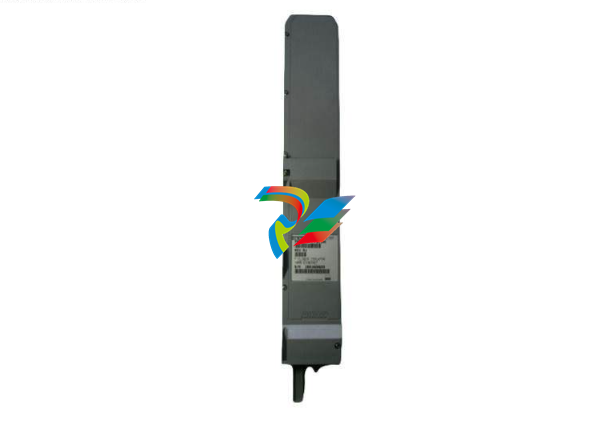 Foxboro PO911SM High-performance digital/analog input/output module
 -
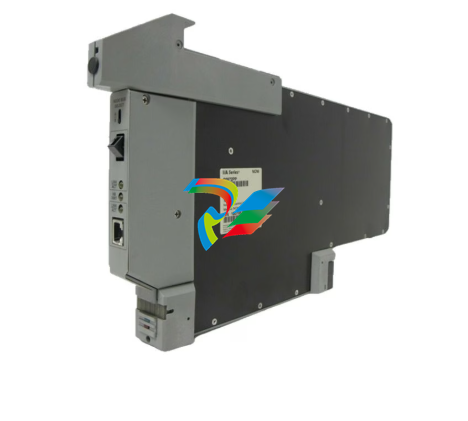 Foxboro P0972PP-NCNI Network Interface Module
 -
.jpg) FOXBORO P0971QZ controller module
FOXBORO P0971QZ controller module -
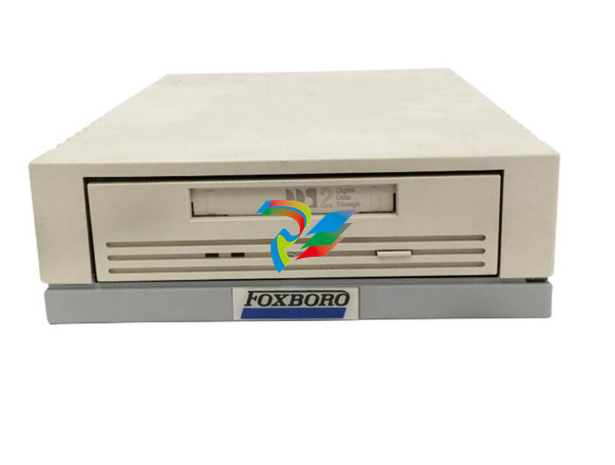 FOXBORO P0971DP Thermal resistance input/output module
 -
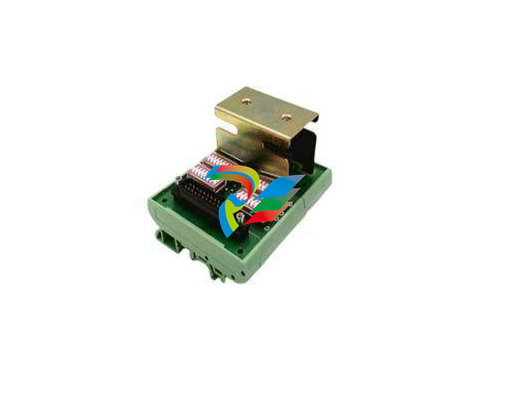 FOXBORO P0970VB Cable connector
 -
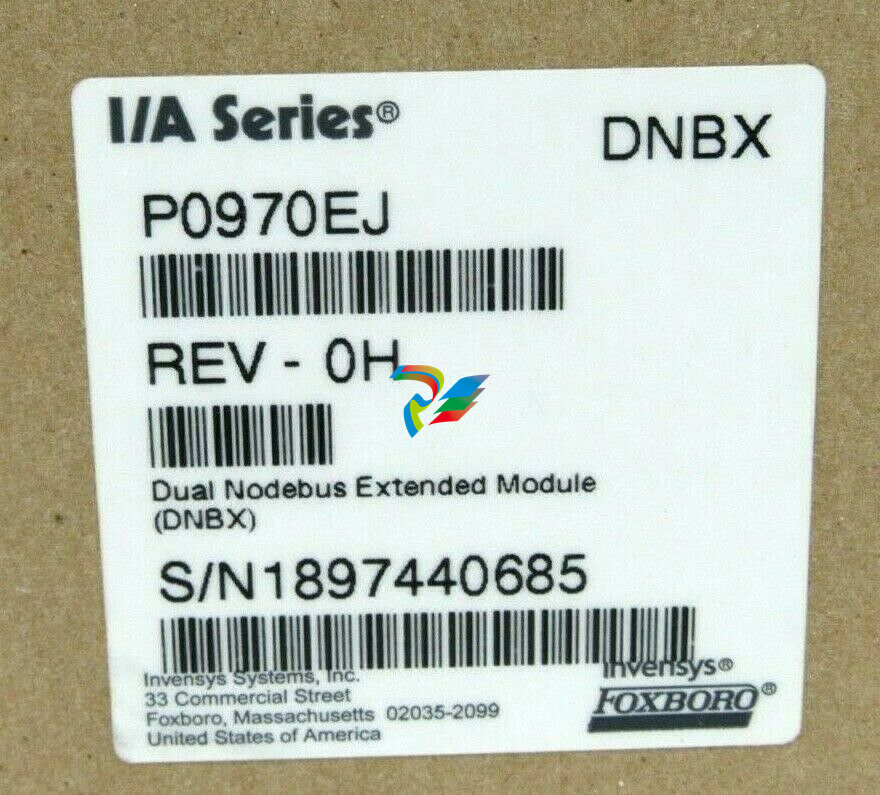 FOXBORO P0970EJ-DNBX Dual-node bus expansion module