
The State of Coal Energy in the U.S. in 2024
Coal has a long and complex history as a fuel source. Humans started mining and burning coal, which is formed from dead plants that sank to the bottom of swamps millions of years ago, during ancient times. By the 19th century, coal was increasingly used to power households, steamboats, and steam-powered trains, and to make oil and gas. Today, coal has taken a back seat to other fuel sources that offer cheaper or more sustainable alternatives.
The U.S. Energy Mix
The biggest energy sources at play in the U.S. are petroleum, which accounts for 38% of total energy consumption and is mainly used in the transportation sector, and natural gas, which accounts for 36% and is used in the industrial, residential, and commercial sectors. Coal, nuclear, and renewable energy account for around 9% each.
Coal’s contribution to total energy consumption in the U.S. has dropped from 37% in 1950, mainly because the electric power sector has steadily been turning to other energy sources.
In 2023, around 60% of electricity was generated from fossil fuels, but this was mostly from natural gas. Coal accounted for about 16% of electricity generation that year, according to the Energy Information Administration (EIA). The remaining 40% of the nation’s electricity was generated through nuclear power (19%) and renewables — mainly wind, hydropower, and solar.

Trajectory of Coal
Coal-fired power output has been steadily decreasing since the mid-2000s as the electric power sector has embraced other sources of fuel. One motivator for this shift is U.S. targets to reduce carbon emissions. Coal power output in the first four months of 2024 was 1.8% lower than the same period in 2023, and 30% less than in 2021.
However, the decline in coal is likely to be slower than anticipated over the coming years. The longer, hotter summers and cold winters across the U.S. demand a large amount of electricity that cannot be fully supplied by more sustainable sources. The U.S. drive to be a leader in artificial intelligence (AI) and manufacturing is also piling on pressure, and electricity demand may grow by 4.7% over the next five years, according to a forecast by consultancy Grid Strategies.
Main Uses of Coal
Almost 90% of the energy produced by coal in the U.S. ends up as electric power. Coal is burned to create heat, which turns water into high-pressure steam that turns turbines, generating electricity.
Eleven percent of the energy produced using coal is used in industry, including in cement plants, paper manufacturers, pharmaceutical industries, and steel production. The steel industry uses a more expensive metallurgical coal — a grade that is low in moisture and high in carbon content — which produces coke when heated. This strong, dense substance burns at extremely high temperatures and is used to smelt iron ore into the molten iron needed to make steel.
With coal use in domestic electricity generation at its lowest in decades, coal exports have increased: exportation of thermal coal (or steam coal — the type used in electricity production) reached a five-year high in 2023 and brought in more than $5 billion. More than a third of U.S. thermal coal exports went to India, where coal is still a core fuel source for generating power.
U.S. Coal Plants
There are coal plants all over the U.S., with the highest density in Pennsylvania, which had 16 stations as of July 2023. Texas and Indiana both had 13 as of that time, and the former is the country’s biggest coal-fired polluter. Three of the country’s 10 “dirtiest” coal plants, which lack pollution controls and are linked to premature deaths, are located in Texas. Kentucky and Wyoming had 10 plants each as of July 2023. Wyoming’s Powder River Basin is the nation’s largest mining region, with the biggest remaining coal deposits in the world.
Coal plants all over the country are being retired, with half of the coal generation capacity that was available at its peak in 2011 due to be shut down by 2026, even with the disruption to timelines caused by the COVID-19 pandemic. The Institute for Energy Economics and Financial Analysis, which has been tracking transitions in the U.S. electricity sector, last year stated that fewer than 200 large-scale coal plants remained that had not already announced retirement dates. The closures are partly driven by aging infrastructure: the majority of the coal units soon to be closed are at least 50 years old.
Replacement Fuels
In 2022, more energy was generated from renewables than from coal for the first time, largely due to growth in the wind and solar sectors, according to EIA data. Advances in these technologies have driven down costs by 70% for wind energy and 90% for solar power over a decade, according to the American Council on Renewable Energy. California is the leading state for solar power, contributing 26% of the U.S. total of sun-powered electricity, followed by Texas, which also contributes the most wind generation in the country.
The EIA expects solar power generation to increase by 75% between 2023 and 2025, and wind generation to increase by 11% during that time. Meanwhile, battery storage capacity, which enables providers to store excess power generated from renewable sources in times of low electricity demand, is expected to almost double in 2024.
Nuclear’s contribution to the U.S. energy mix is predicted to remain at current levels.
Along with widespread closures across the coal industry, more than 100 plants have been replaced by or repurposed to burn natural gas instead. Due to new gas turbine technology, natural gas is not only cheaper and more efficient but also meets emission standards more easily. The higher operation and maintenance costs of aging coal units mean keeping coal generation going is increasingly uneconomical.
Transformations in the Industry
From autonomous mining systems and virtual reality (VR) training for miners to carbon capture and sequestration — where carbon dioxide emissions are injected deep underground — the coal industry has adopted several measures to improve safety, increase efficiency, and reduce greenhouse gasses.
Image Credit: Shutterstock/LarysaPol
-
 IS200BPPBH2CAA Mark VIe Power Supply Module
 -
 IS210MACCH2AEG Motor Control and Communication Module
 -
 IS210MACCH2AGG Mark VIe Speedtronic Turbine Control Module
 -
 IS200AEPAH1AFD Printed circuit board
 -
IS200AEPAH1ACB Analog I/O Module
-
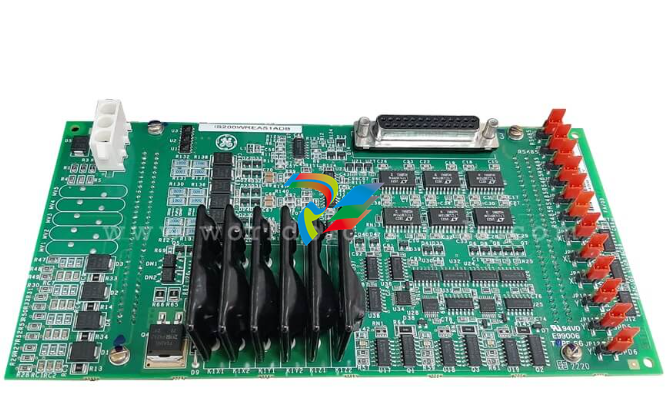 IS200WREAS1ADB AERO TRIP TB DBRD sub-board
 -
 IS200WETAH1AEC large board component made Mark VI system
 -
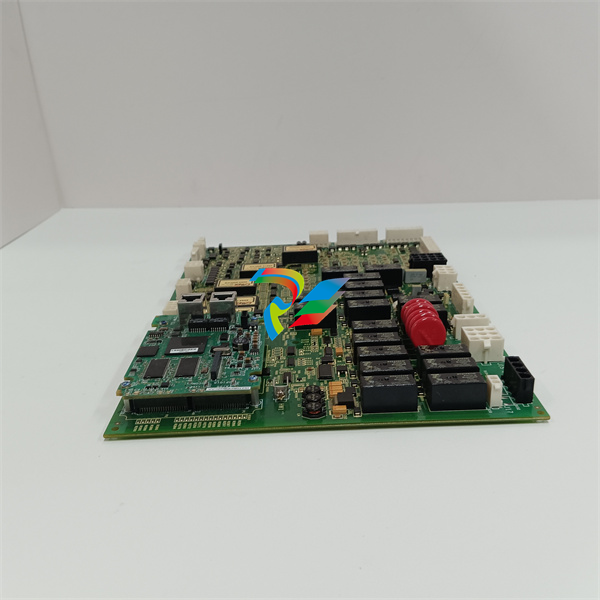 IS200AEPAH1AHD A High-Precision Excitation Control Board for Turbine Systems
 -
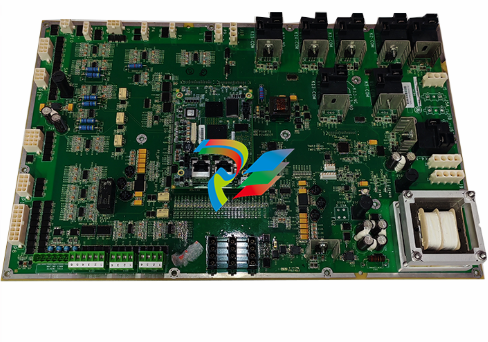 IS200WEMAH1AEA Control board
 -
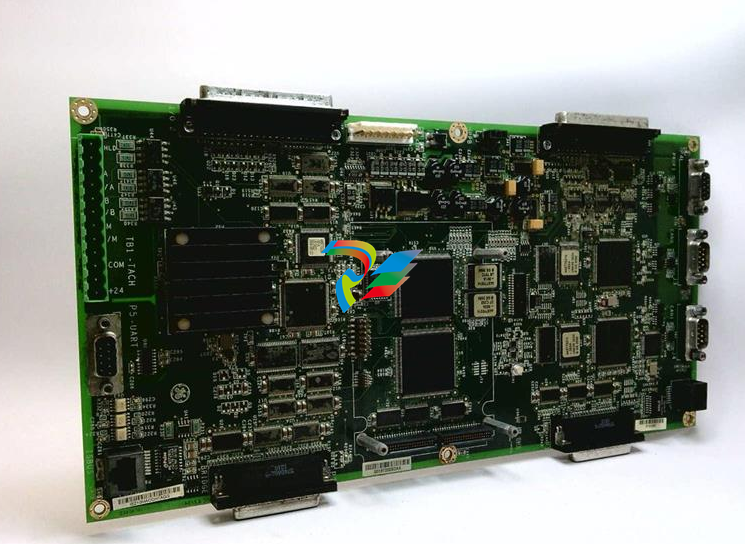 IS210MACCH1AGG processor card
 -
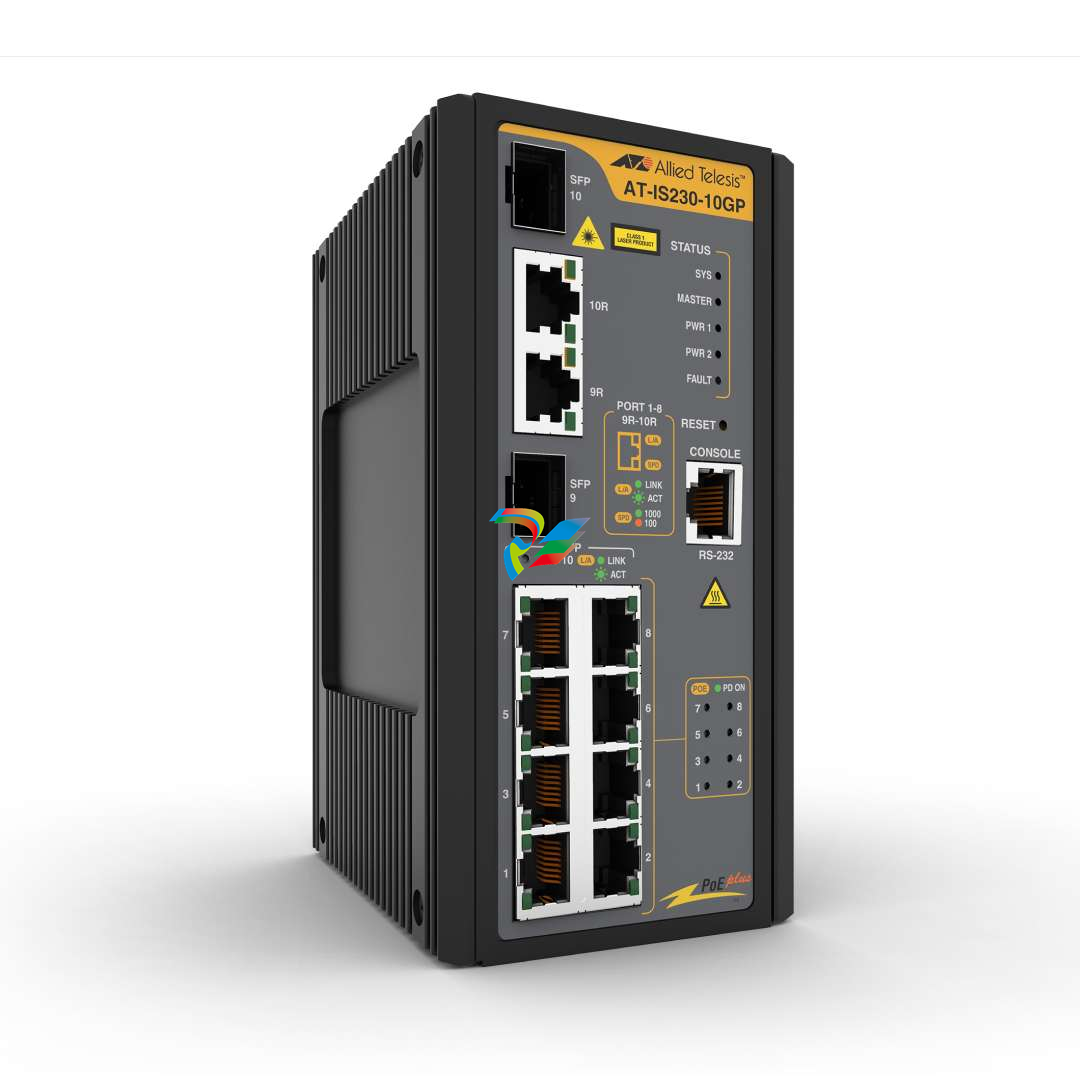 IS230TNRLH1B Discrete Output Modular Assembly
 -
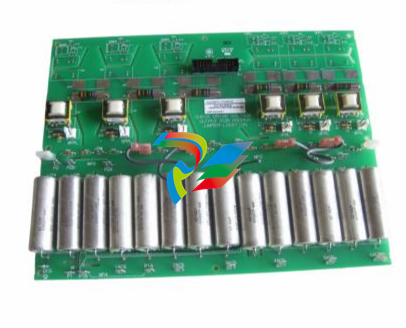 Mark V Series DS200PCCAG1ACB PCB Power Connect Card
 -
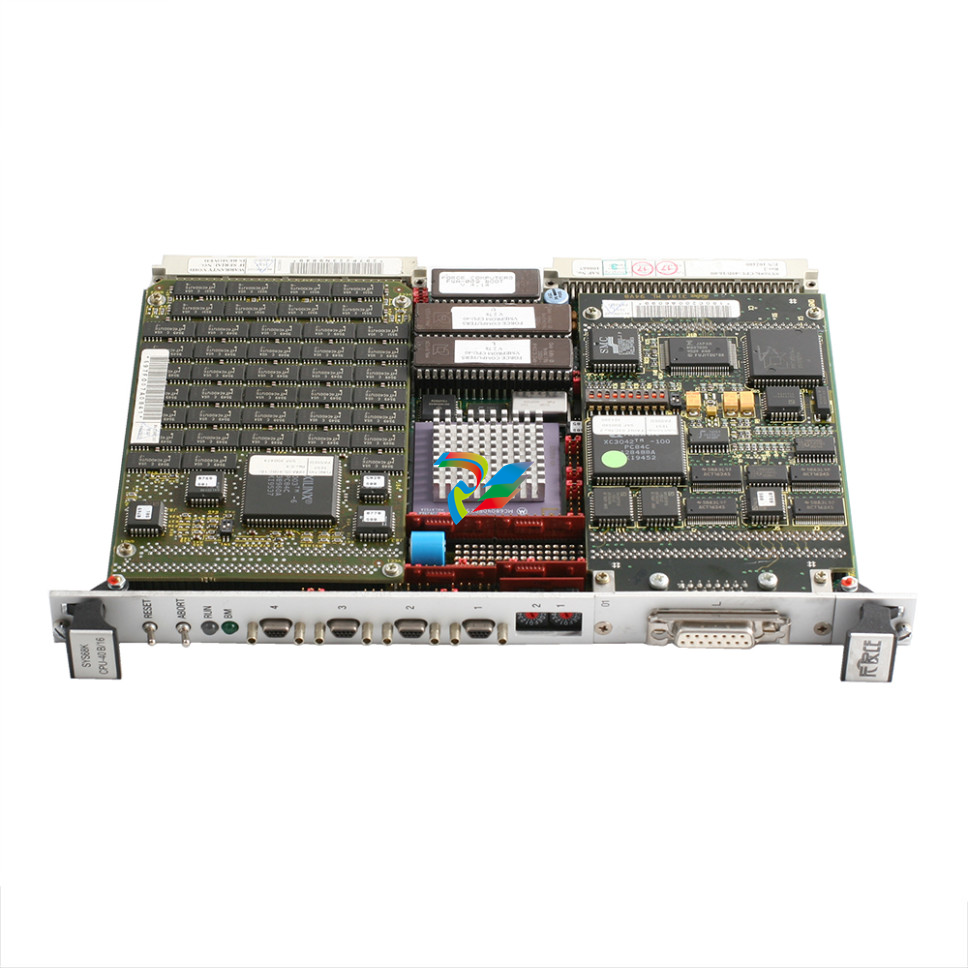 DS200SI0CG1AEA Instantaneous overcurrent card
 -
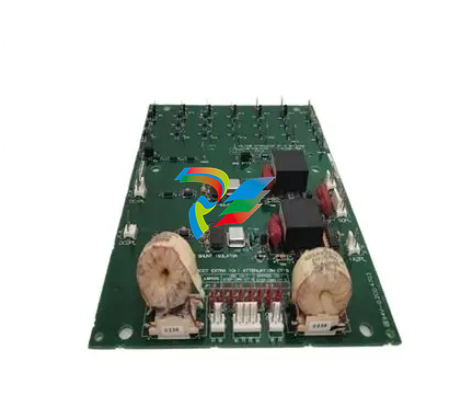 DS200SHVMG1AGE Analog I/O board
 -
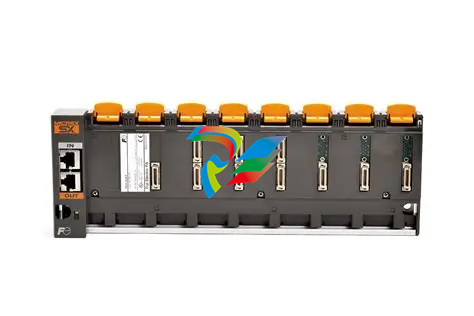 DS200SI0CG1A6A Input/Output Module
 -
 DS200SHVMG1AFE SCR High Voltage Interface Board
 -
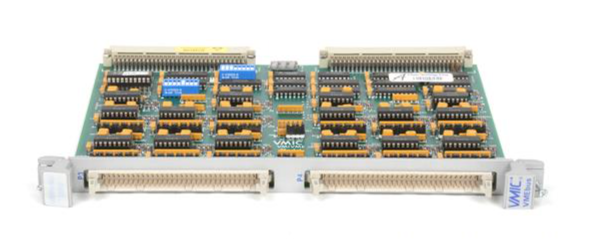 DS200RT8AG3AHC Relay Output Terminal Board
 -
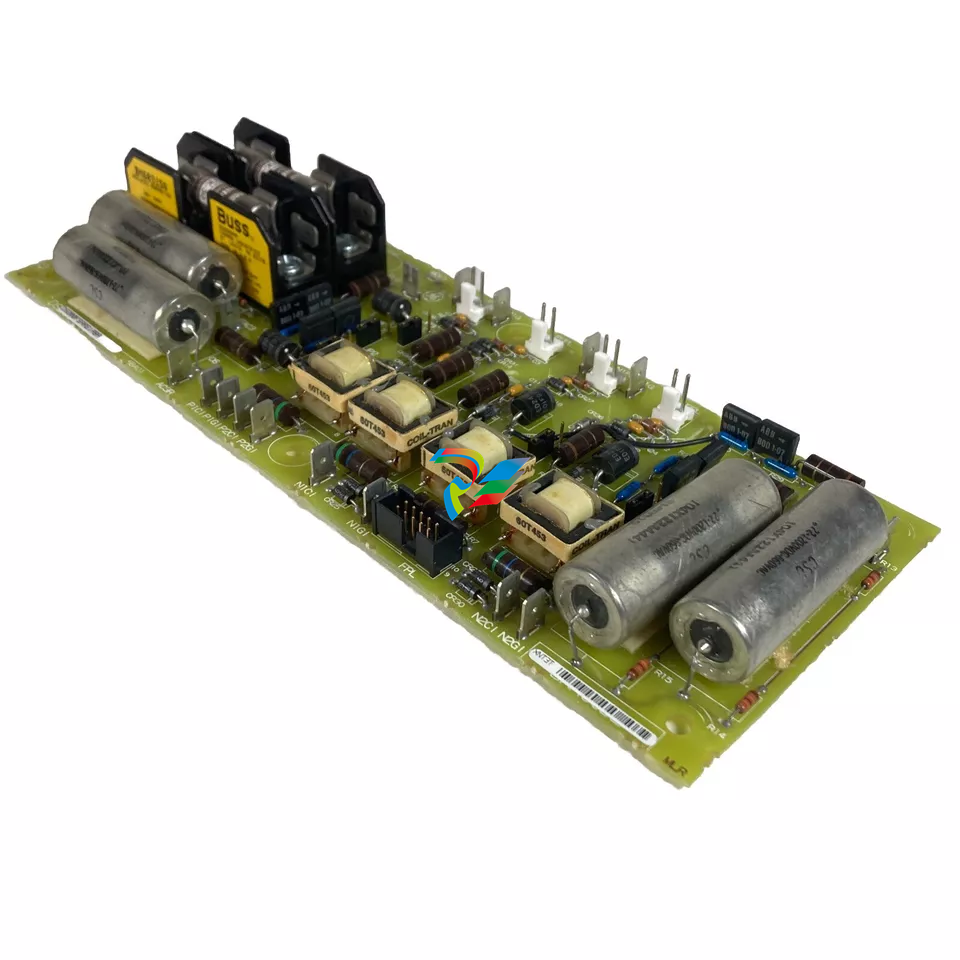 DS200FSAAG1ABA PCB Field Supply Gate Amplifier Board
 -
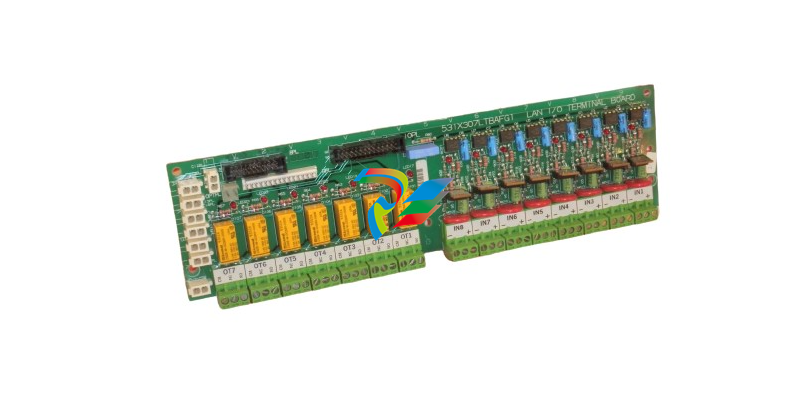 531X307LTBAFG1 F31X307LTBA LAN I/O Terminal Board
 -
 ABB AFS670 19" Ruggedized Switch AFS670-EREEDDDSSEEEEEEEPZYX05.1.0
 -
 NI Controller for VXI VXIPC-871B
 -
 IS200EPMCH1GE Mark VIe Patch Cord Power Distribution Card
 -
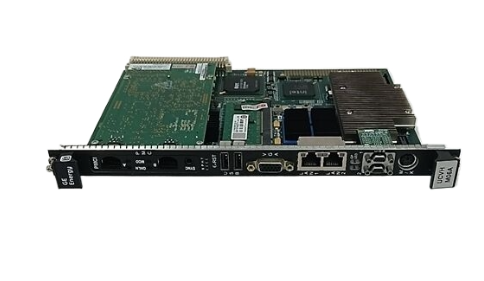 VMICPCI-7632-03310 IS215UCCAH3A 350-657362-003310J GE gas turbine system control processor board
 -
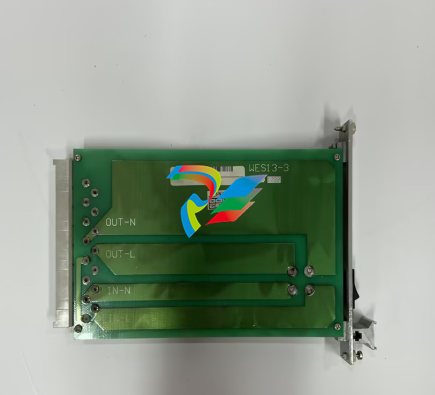 WEA13-13 2508-21001 Control Module / I/O Board
 -
.jpg) WES5120 2340-21004 Controller Main Module
WES5120 2340-21004 Controller Main Module -
 WES5120 2340-21006 Field Controller Master Unit Module
 -
WESDAC D20ME 18-MAR-13 Excitation Control Module
-
 D20 EME 2400-21004 Ethernet communication and expansion module
 -
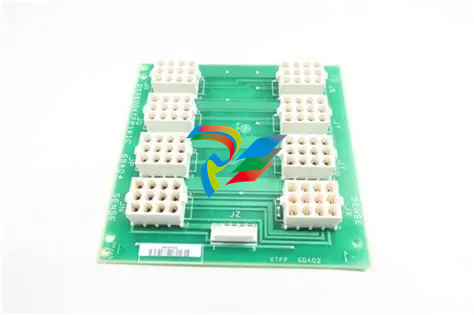 GE DS3800XTFP1E1C Thyristor Fan Out Board Brand
 -
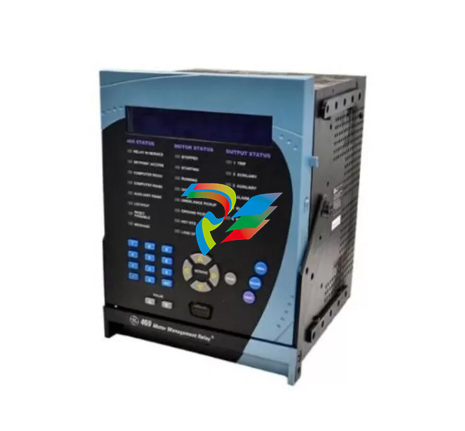 GE SR745-W2-P1-G1-HI-A-L-R-E Feeder protection relay
 -
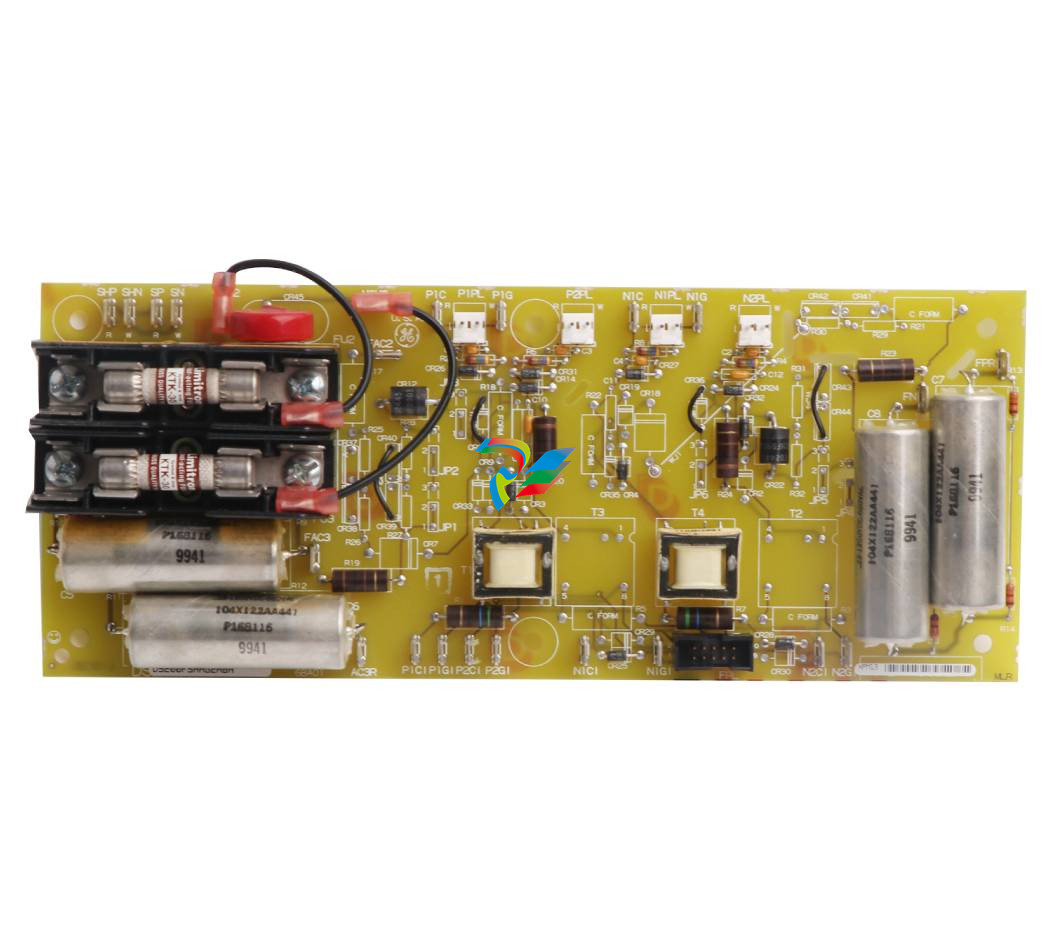 GE IS230TNDSH2A Discrete Output Relay Module Brand
 -
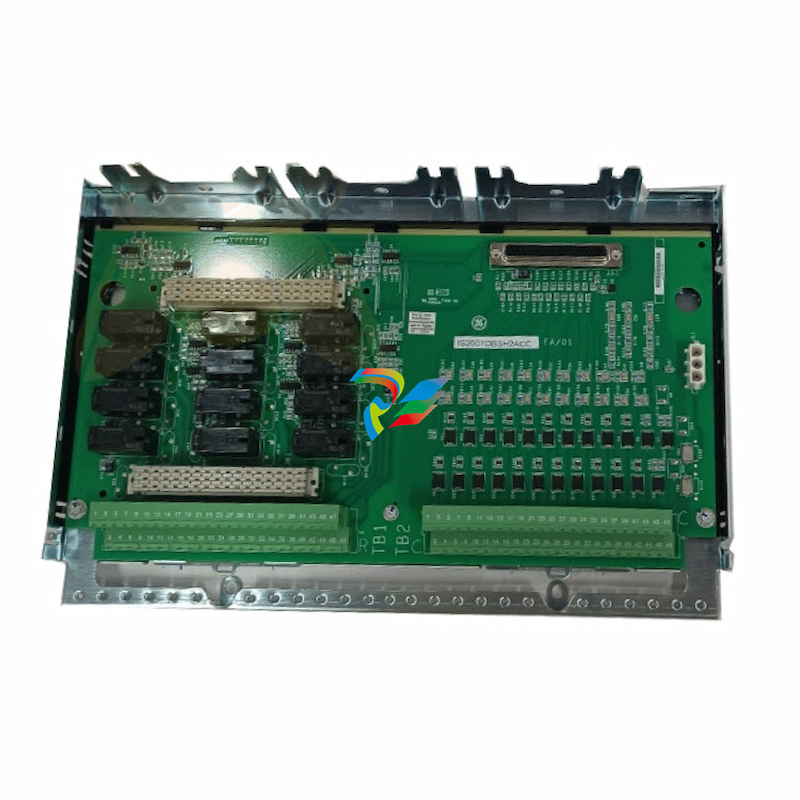 GE Fanuc IS200TDBSH2ACC Mark VI Terminal Board Brand
 -
 GE PMC-0247RC-282000 350-93750247-282000F Disk Drive
 -
GE PMC-0247RC-282000 350-93750247-282000F Disk Drive
-
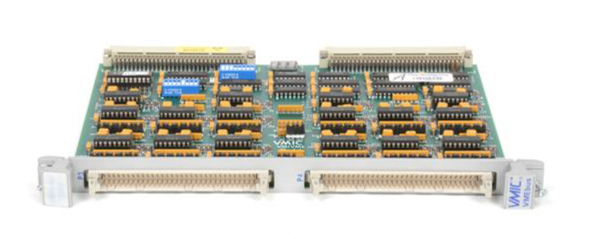 GE VMIVME-1150 Serial Communications Controller
 -
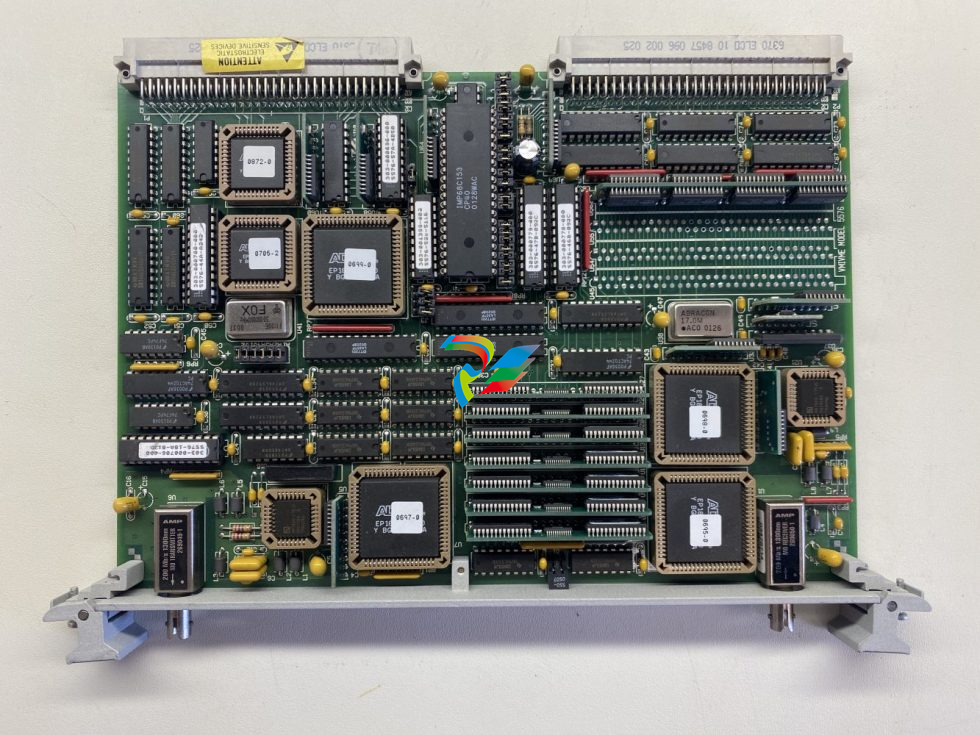 GE VMIVME-5576 Fiber-Optic Reflective Memory with Interrupts
 -
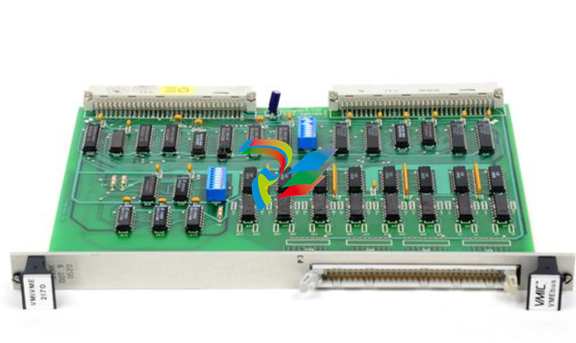 GE VMIC Isolated Digital Output VMIVME-2170A
 -
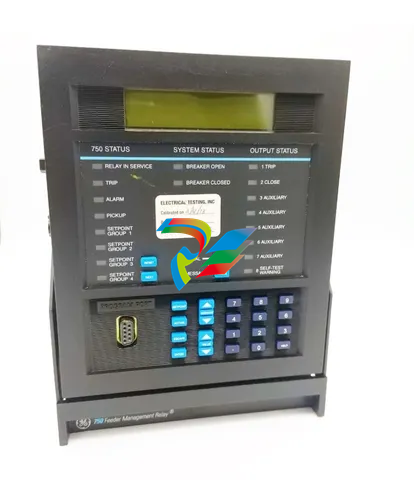 GE MULTILIN 760 FEEDER MANAGEMENT RELAY 760-P5-G5-S5-HI-A20-R-E
 -
 GE IS200AEPAH1BKE IS215WEPAH2BB Printed circuit board
 -
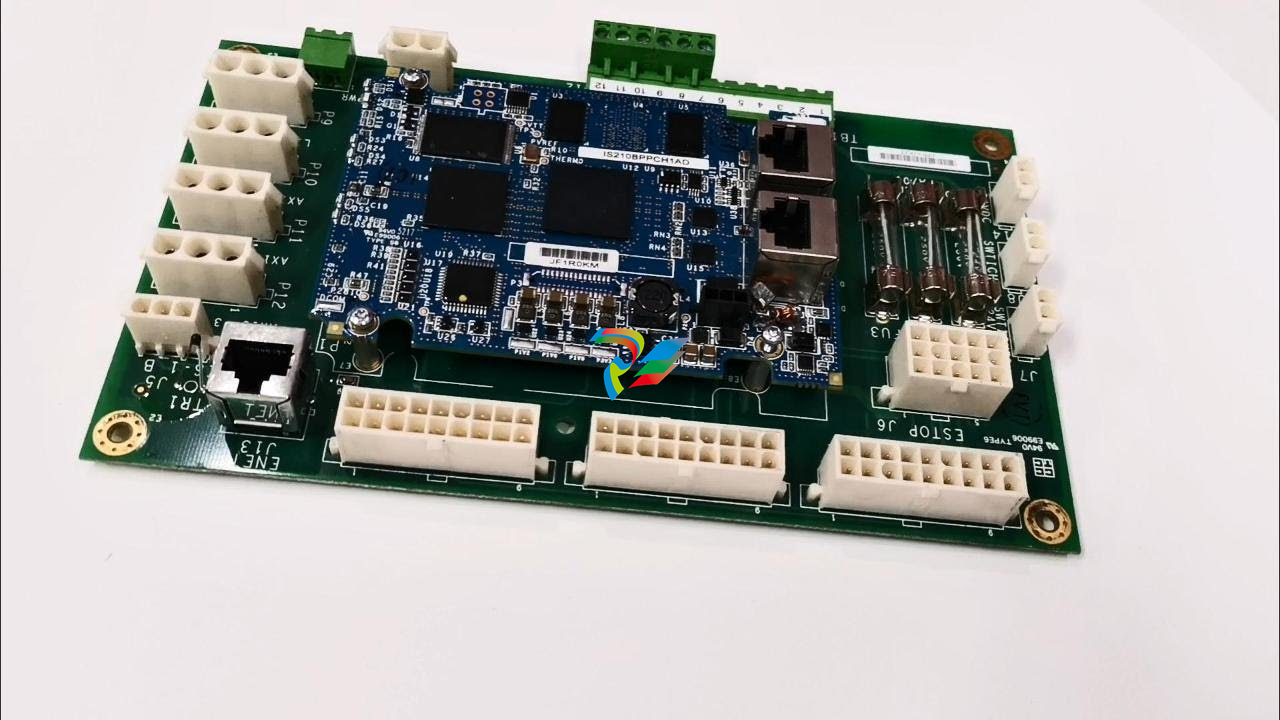 GE IS210BPPCH1A Mark VIe I/O Pack Processor Card
 -
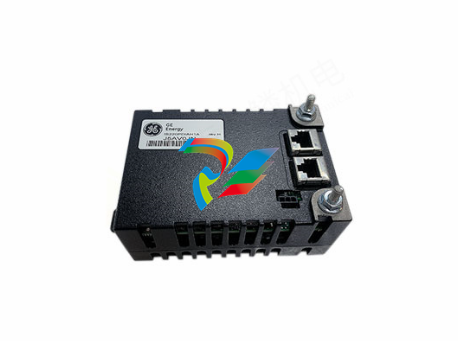 GE IS220PRTDH1A 336A4940CSP6 High-Performance RTD Input Module
 -
GE IS220PDIAH1BE 336A5026ADP4 Discrete Input Module
-
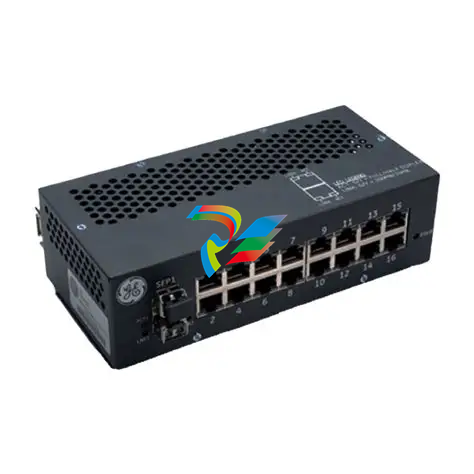 GE IS420ESWBH3A IONET Switch Module
 -
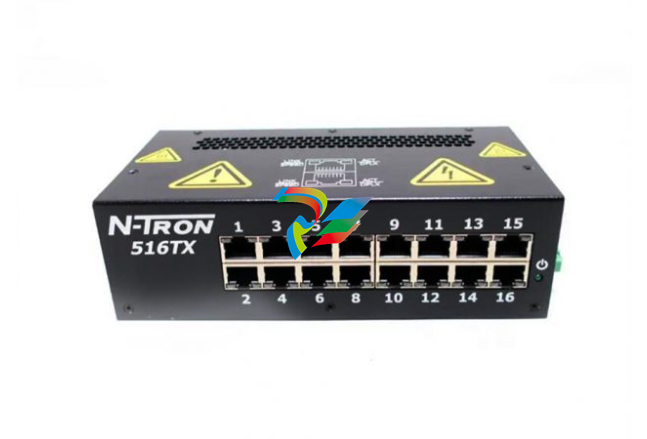 GE 516TX 336A4940DNP516TX 16-port Ethernet switch
 -
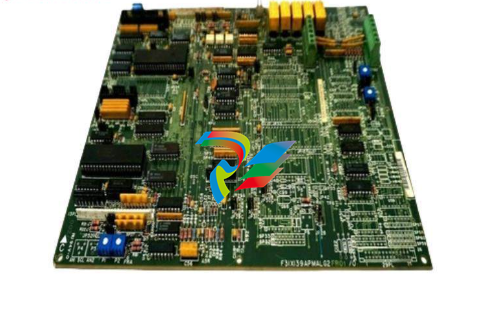 GE EVMECNTM13 Embedded control module
 -
GE EVPBDP0001 EVPBDP032 control module
-
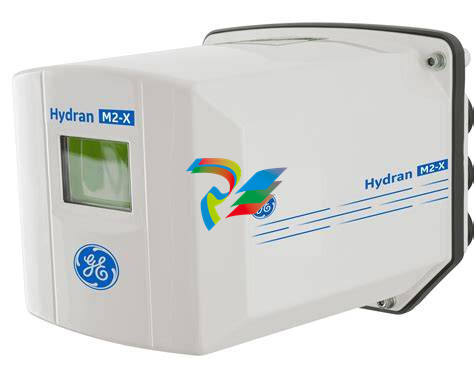 GE Hydran M2-X Enhanced Monitoring with Extended Sensor Life
 -
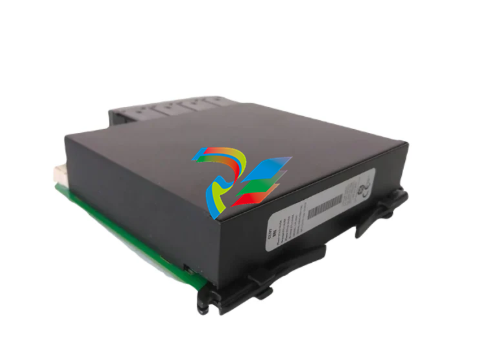 GE UR6CH Digital I/O Module
 -
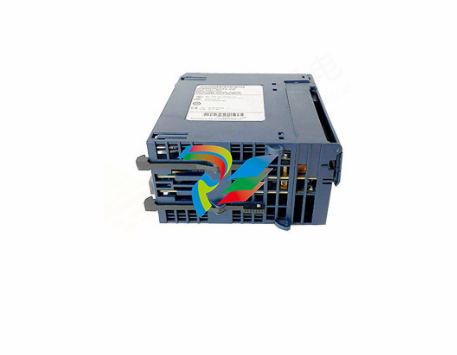 GE IC695CPU315-CD Central processing unit
 -
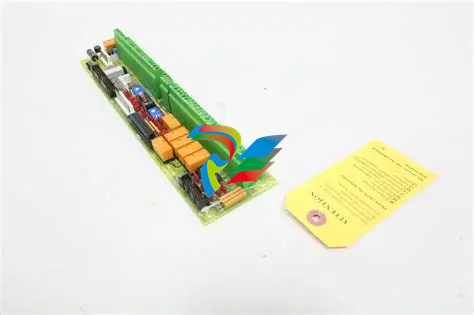 GE 531X305NTBAMG1 DR Terminal Board
 -
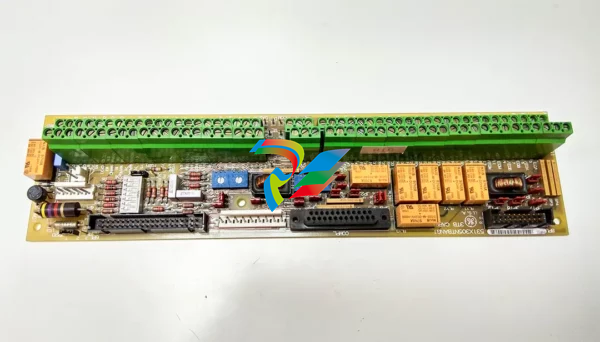 GE 531X305NTBALG1 NTB/3TB Terminal Board 531X Series
 -
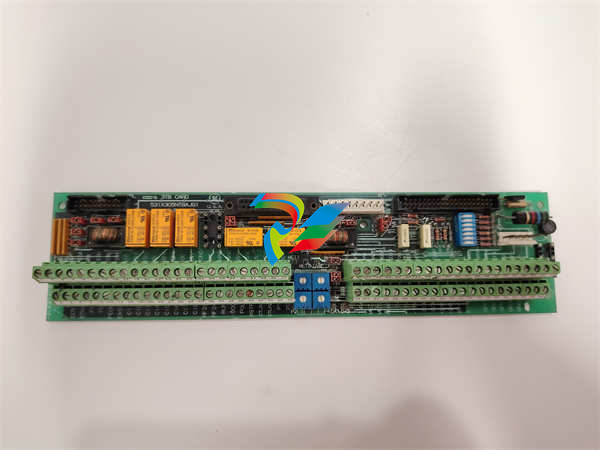 GE 531X305NTBAJG1 NTB/3TB Terminal Board.
 -
GE 531X305NTBAHG1 NTB/3TB Terminal Board 531X
-
 GE 531X305NTBAEG1 is a PCB that functions as a DR terminal board.
 -
General Electric 531X305NTBACG1 NTB/3TB Terminal Board 531X
-
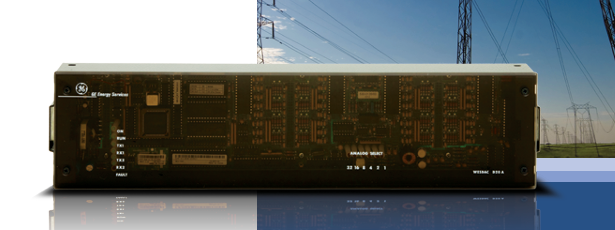 GE Digital Energy D20 Analog Input Module
 -
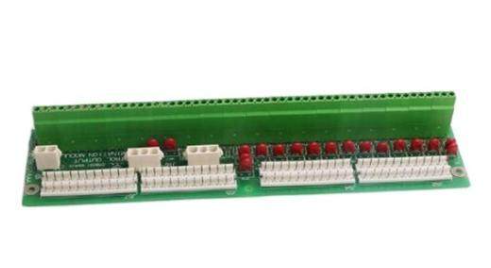 GE 94-164136-001 main board Control board
 -
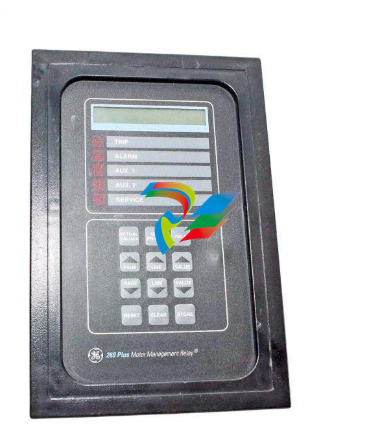 GE 269 PLUS-D/O-100P-125V Digital motor relay
 -
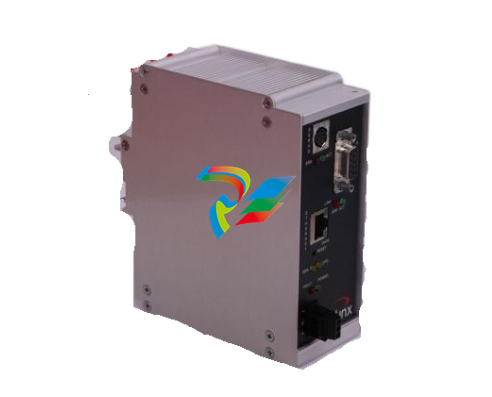 GALIL DMC-9940 High-performance motion controller
 -
FUJI NP1BS-08 base plate
-
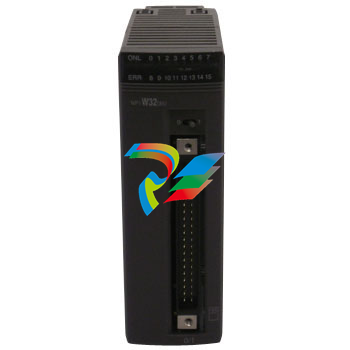 FUJI NP1Y32T09P1 Transistor drain type digital output module
 -
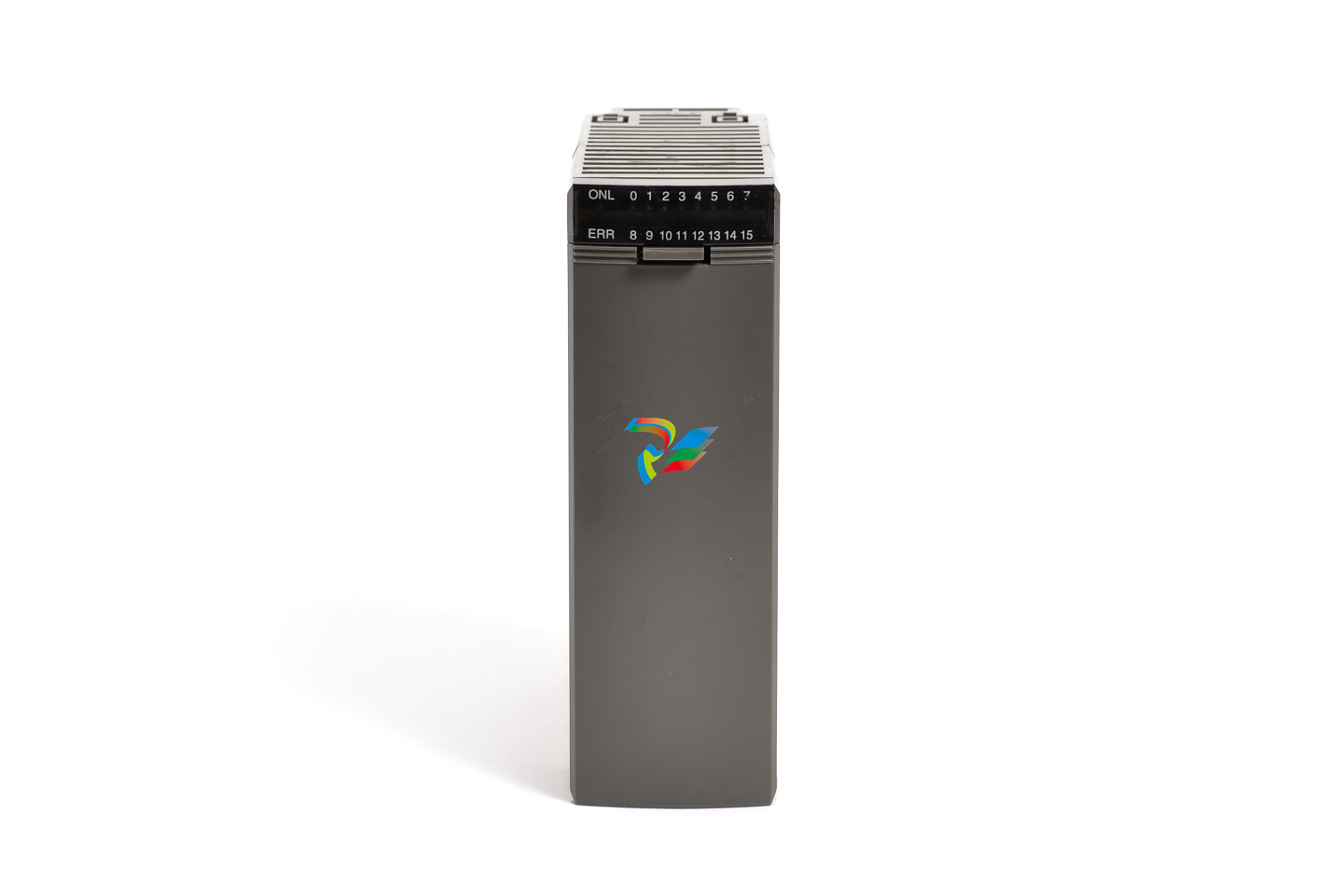 FUJI NP1Y16R-08 Digital Output Module
 -
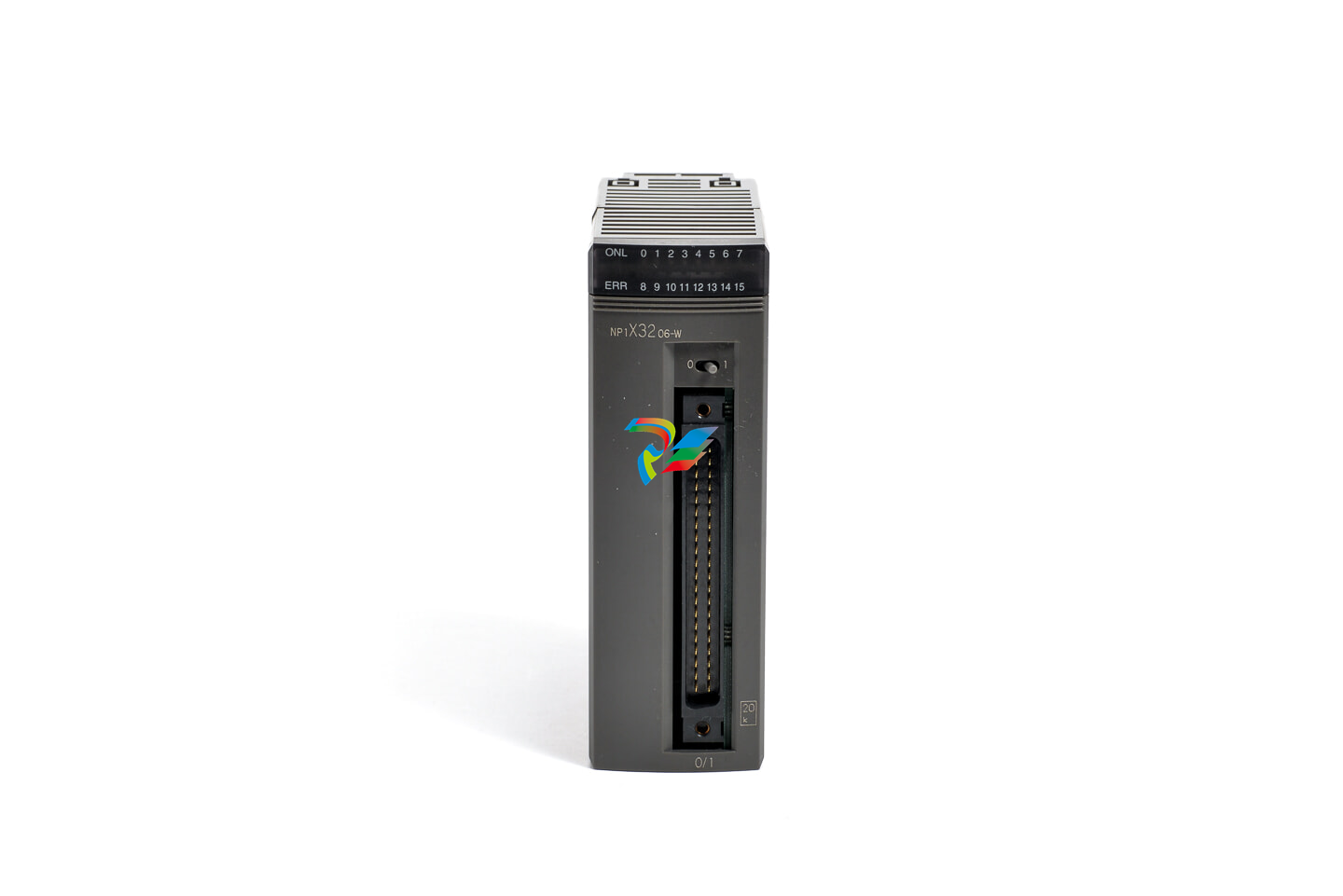 FUJI NP1X3206-A High-speed digital input module
 -
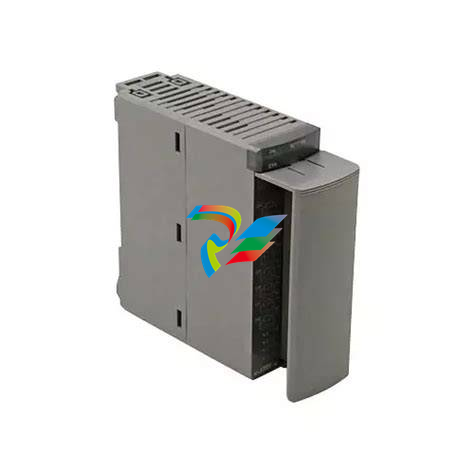 FUJI NP1AYH4I-MR current output module
 -
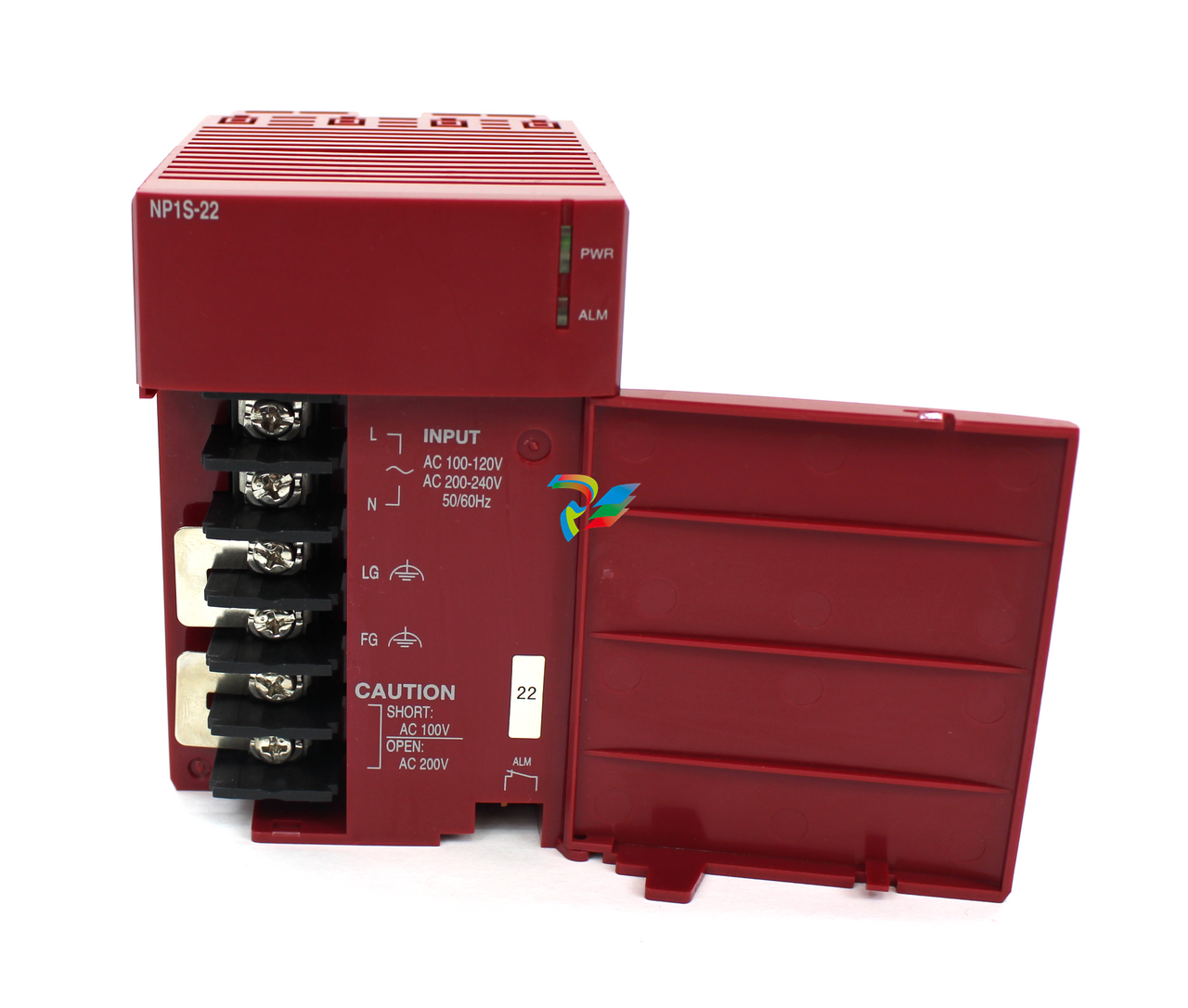 FUJI NP1S-22 Power module redundancy
 -
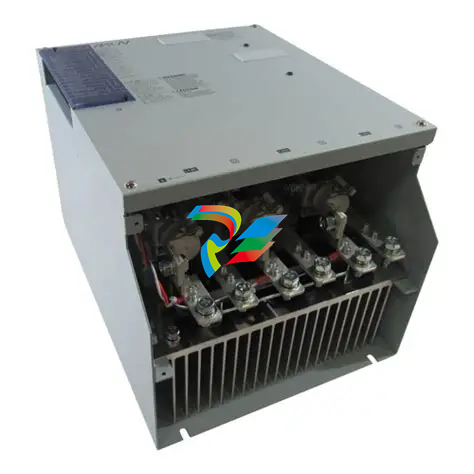 FUJI RPXD2150-1T servo drive module
 -
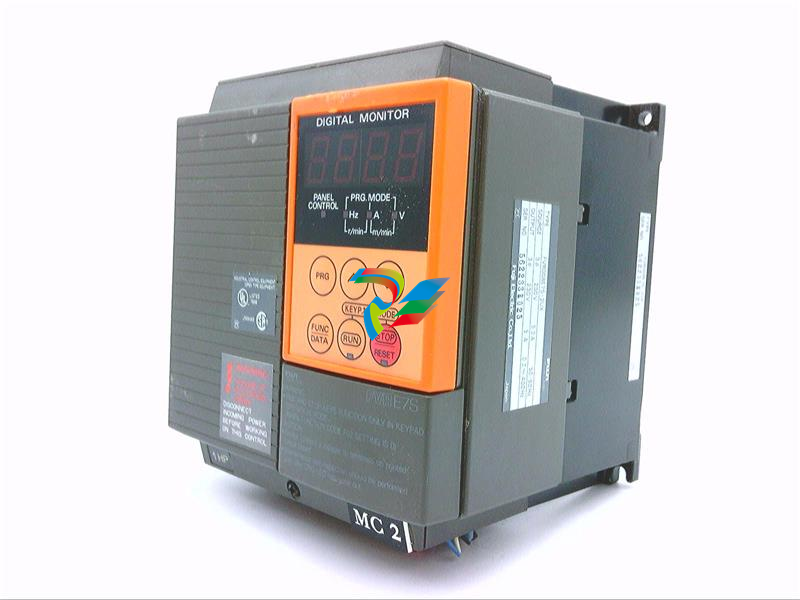 FUJI FVR008E7S-2UX Ac frequency converter
 -
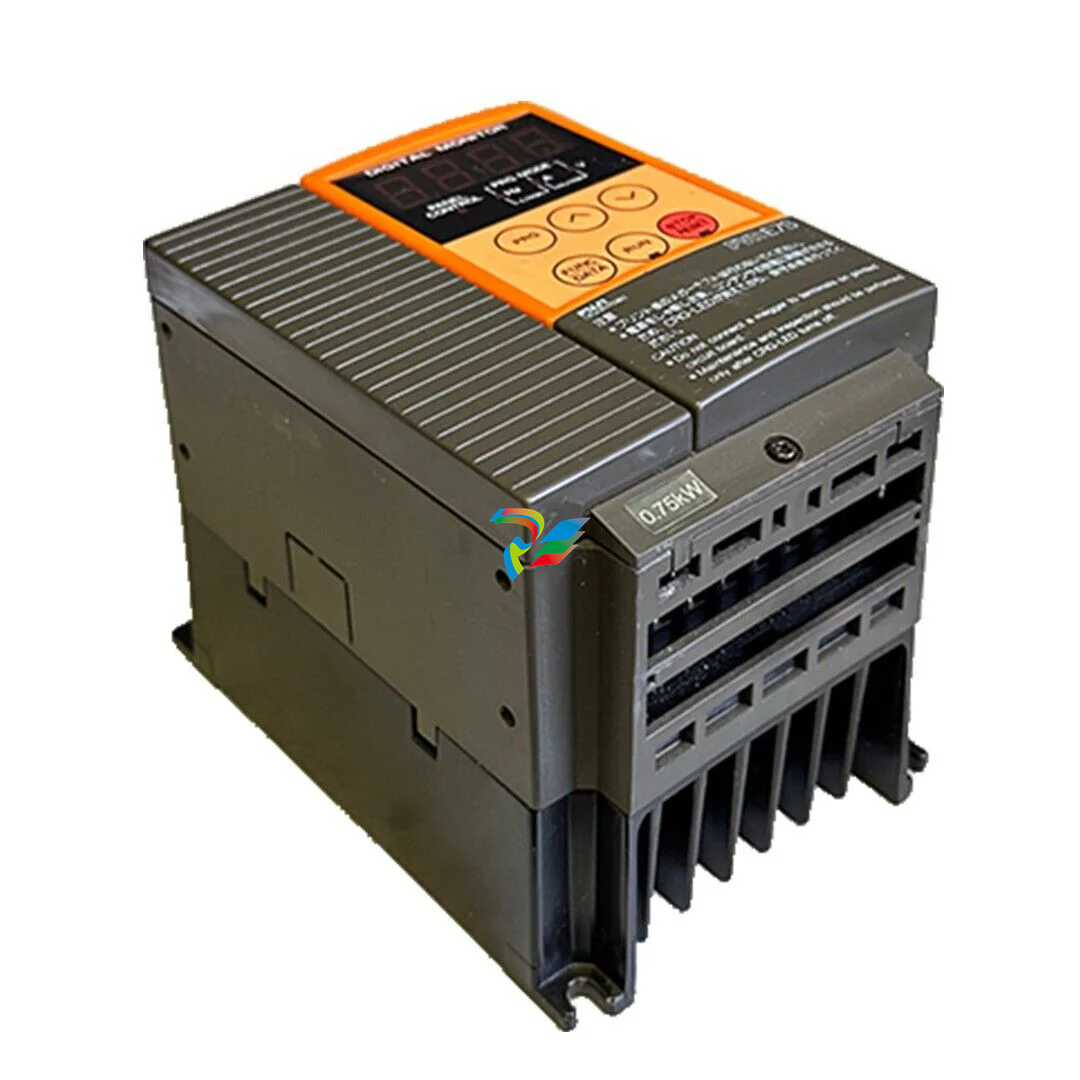 FUJI Ac frequency converter FVR008E7S-2
 -
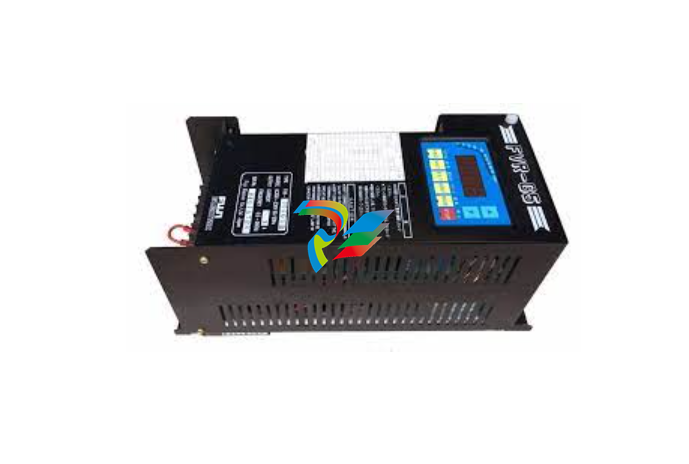 FUJI FVR004G5B-2 Small general-purpose frequency converter
 -
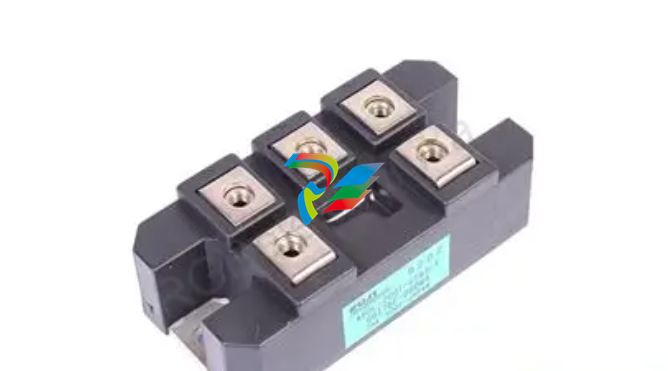 FUJI A50L-2001-0232 Industrial control module
 -
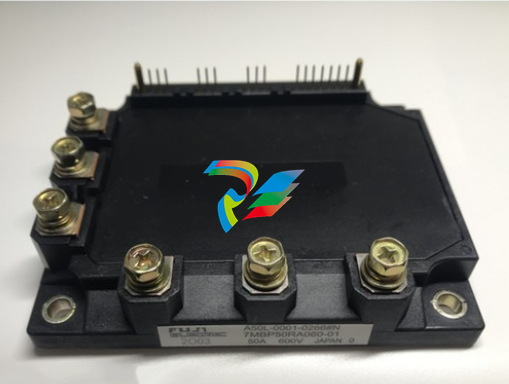 FUJI A50L-001-0266#N High-performance servo amplifier
 -
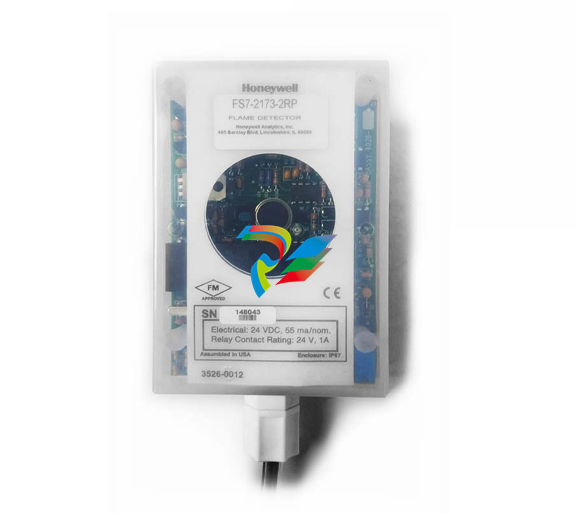 Honeywell FS7-2173-2RP Gas sensor
 -
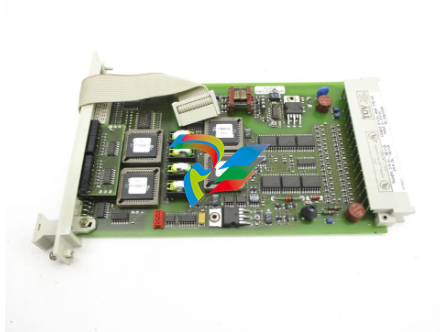 Honeywell 10106/2/1 Digital Input Module in Stock
 -
FRCE SYS68K CPU-40 B/16 PLC core processor module
-
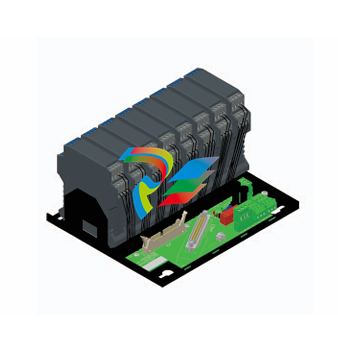 Foxboro FBM I/O cards PBCO-D8-009
 -
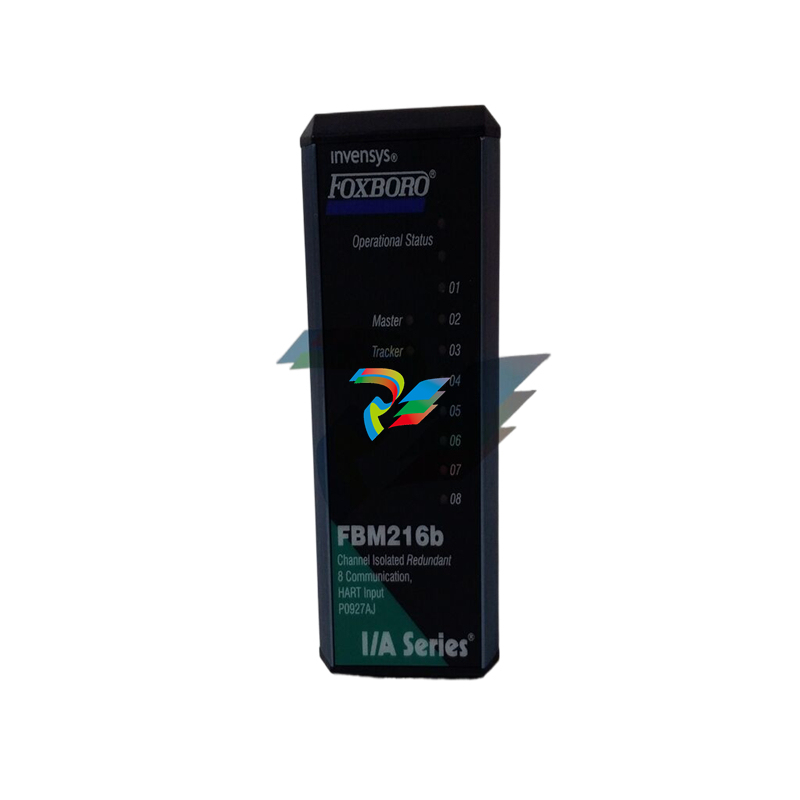 Foxboro AD916AE Digital Control System (DCS) Module
 -
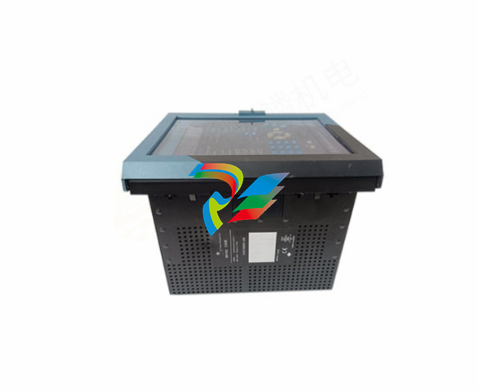 GE SR750-P5-G5-S5-HI-A20-R-E Multilin Relay
 -
.jpg) FOXBORO H90 H90C9AA0117S Industrial Computer Workstation
FOXBORO H90 H90C9AA0117S Industrial Computer Workstation -
FOXBORO RH928AW | I/A Series Relay Output Module
-
.jpg) Foxboro N-2AX+DIO Multi-functional input/output module
Foxboro N-2AX+DIO Multi-functional input/output module -
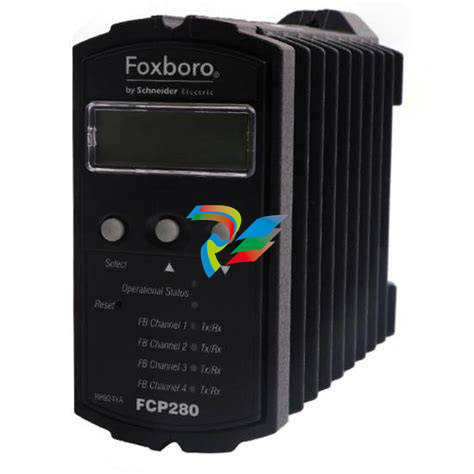 Foxboro RH924WA FCP280 Fiber Optic Network Adapter
 -
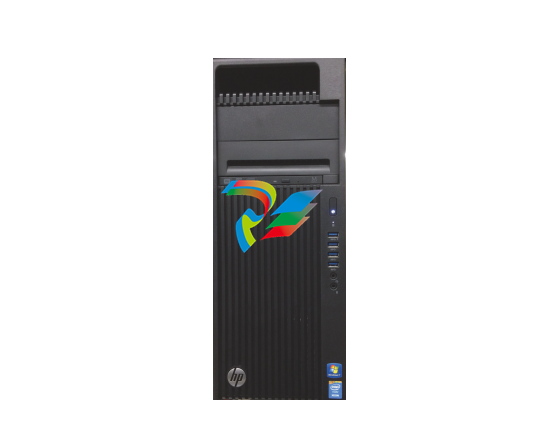 FOXBORO H92 Versatile Hardware Component In
 -
 Foxboro FBM218 P0922VW HART® Communication Redundant Output Interface Module
 -
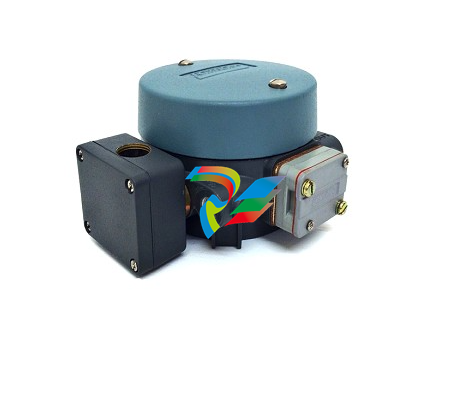 Foxboro E69F-TI2-J-R-S E69F Series Current-To-Pneumatic Signal Converter
 -
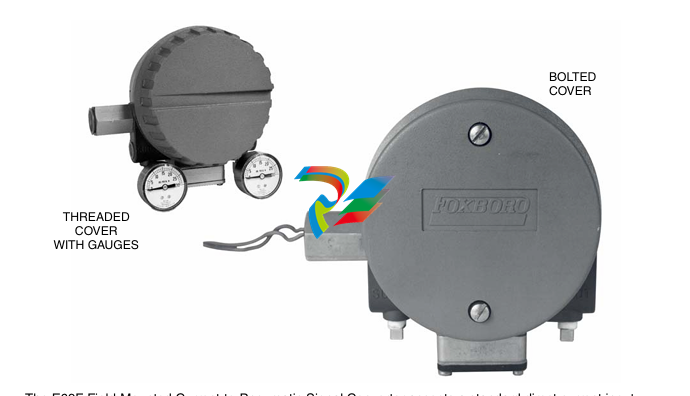 Foxboro E69F-BI2-S Converter
 -
.jpg) Foxboro H92A049E0700 The host of the DCS control station
Foxboro H92A049E0700 The host of the DCS control station -
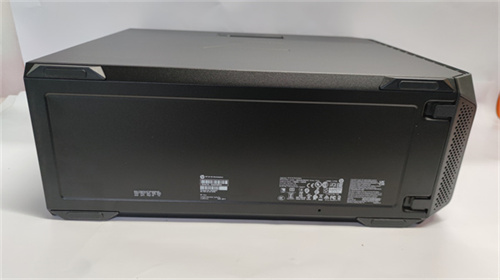 Foxboro H90C9AA0117S Industrial computer workstation
 -
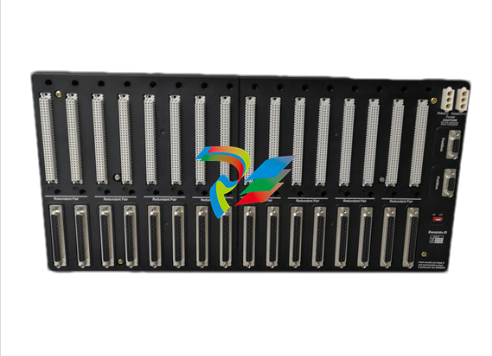 Foxboro RH101AA High-performance industrial control module
 -
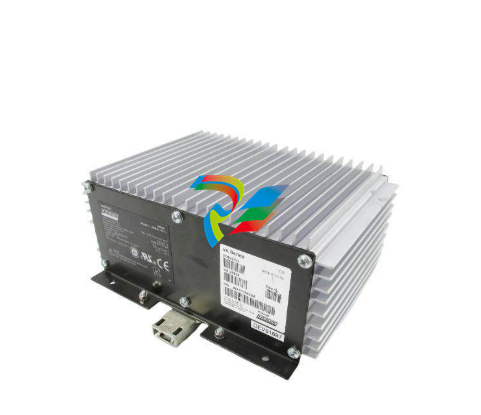 Foxboro P0922YU FPS400-24 I/A Series Power supply
 -
.png) FOXBORO P0973LN Chassis-based managed switch with independent power supply
FOXBORO P0973LN Chassis-based managed switch with independent power supply -
.jpg) FOXBORO P0926PA Input/output module
FOXBORO P0926PA Input/output module -
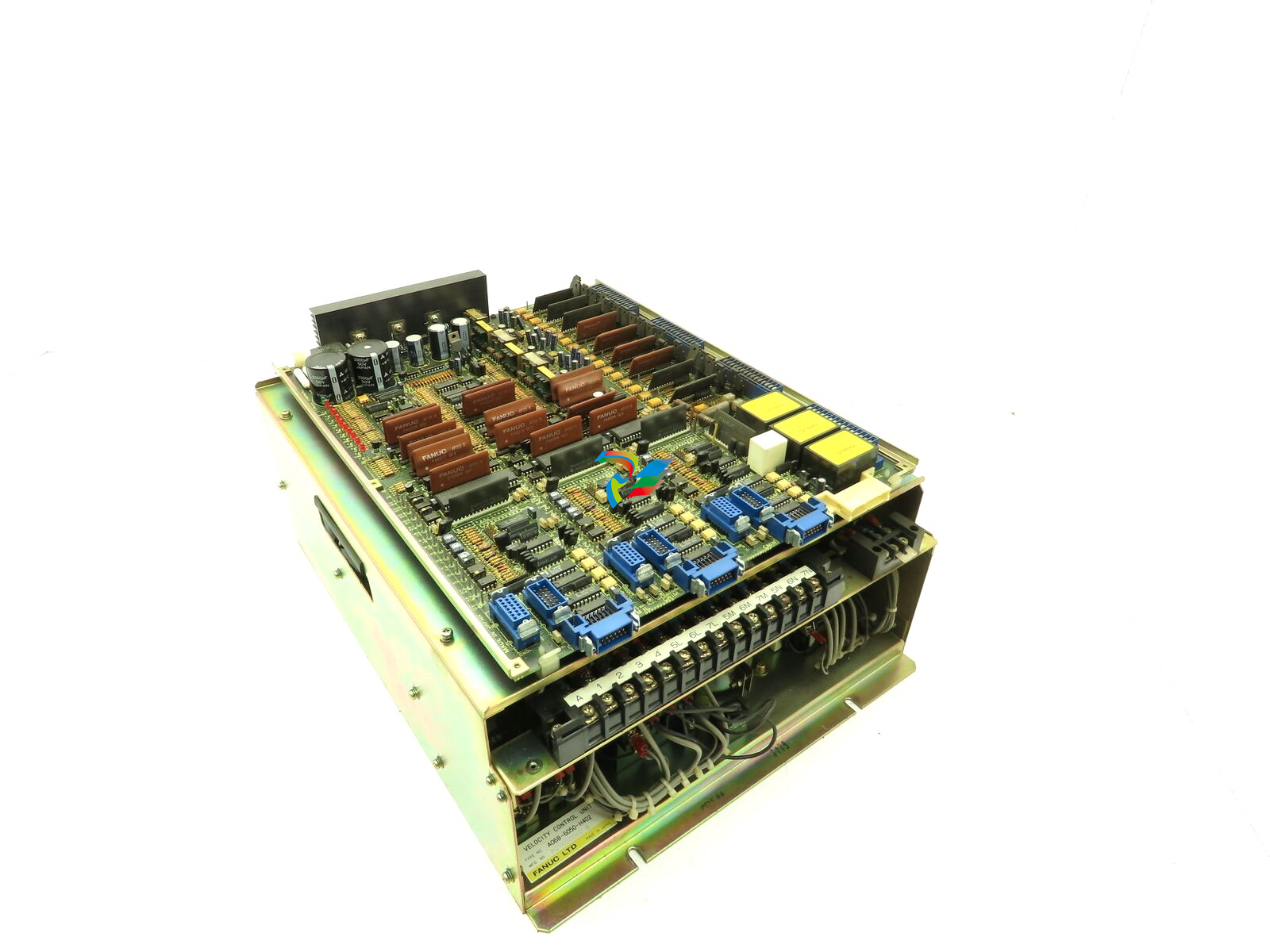 Fanuc A06B-6050-H402 3 AXIS ANALOG AC SERVO DRIVE
 -
.jpg) FOXBORO L0130AD L0130AE-0H Power module group
FOXBORO L0130AD L0130AE-0H Power module group -
_lVjBYb.jpg) FOXBORO 0399085B 0303440C+0303458A Combination Control Module
FOXBORO 0399085B 0303440C+0303458A Combination Control Module -
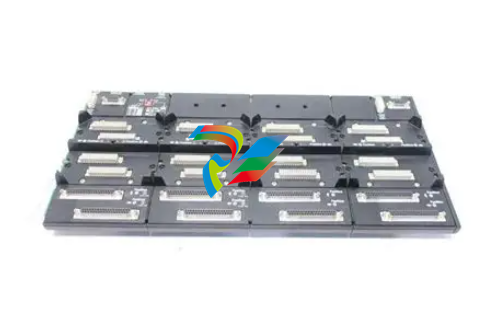 FOXBORO SY-0399095E (SY-0303451D+SY-0303460E) Process control board
 -
.jpg) FOXBORO 0399071D 0303440C+0303443B Input/Output (I/O) Module
FOXBORO 0399071D 0303440C+0303443B Input/Output (I/O) Module -
.jpg) FOXBORO RH924UQ Redundant Controller module
FOXBORO RH924UQ Redundant Controller module -
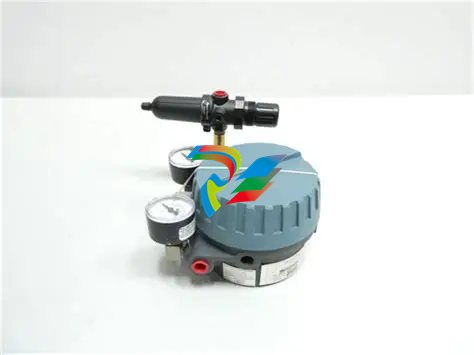 FFOXBORO E69F-TI2-S current pneumatic converter
 -
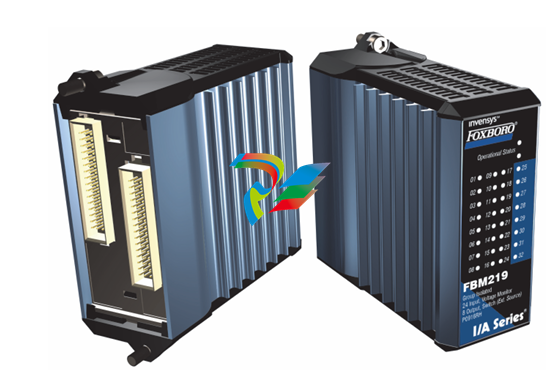 FOXBORO FBM219 RH916RH Discrete I/O Module
 -
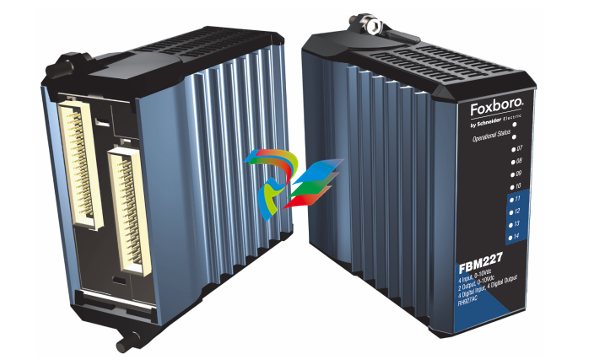 FOXBORO FBM227 P0927AC Module
 -
.jpg) FOXBORO 0399144 SY-0301059F SY-1025115C/SY-1025120E I/O module
FOXBORO 0399144 SY-0301059F SY-1025115C/SY-1025120E I/O module -
.jpg) FOXBORO SY-60399001R SY-60301001RB Industrial Control Module
FOXBORO SY-60399001R SY-60301001RB Industrial Control Module -
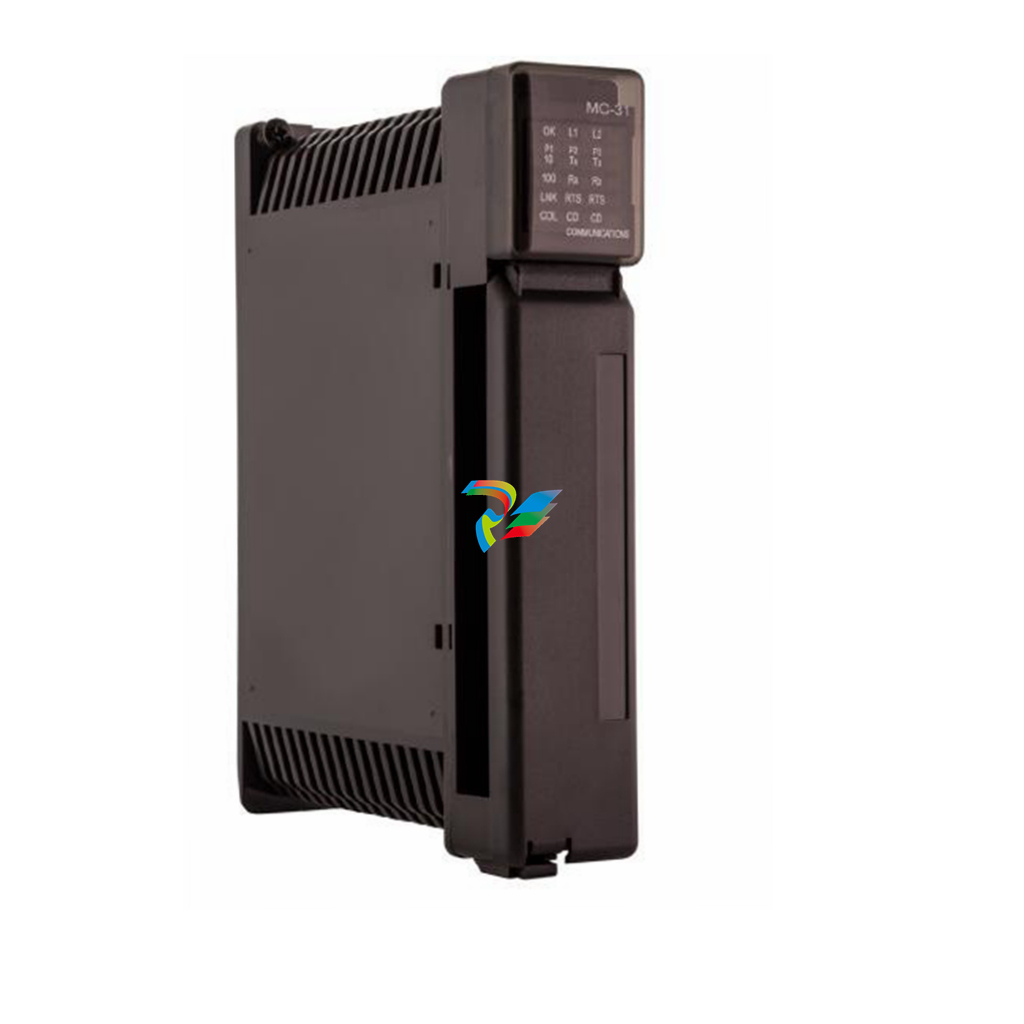 FOXBORO 0399143 SY-0301060R SY-1025115C SY-1025120E Combined control board
 -
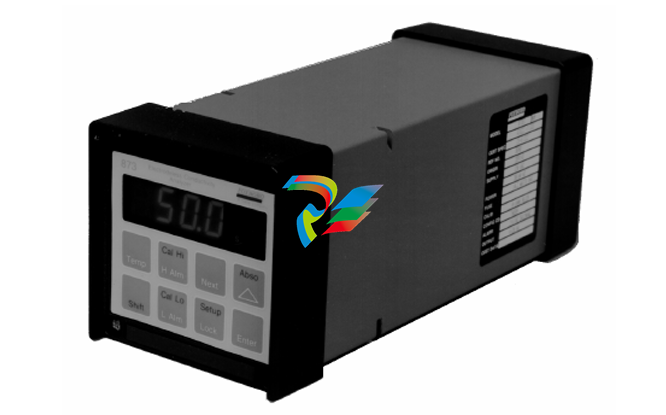 FOXBORO 873EC-JIPFGZ electrodeless conductivity analyzer
 -
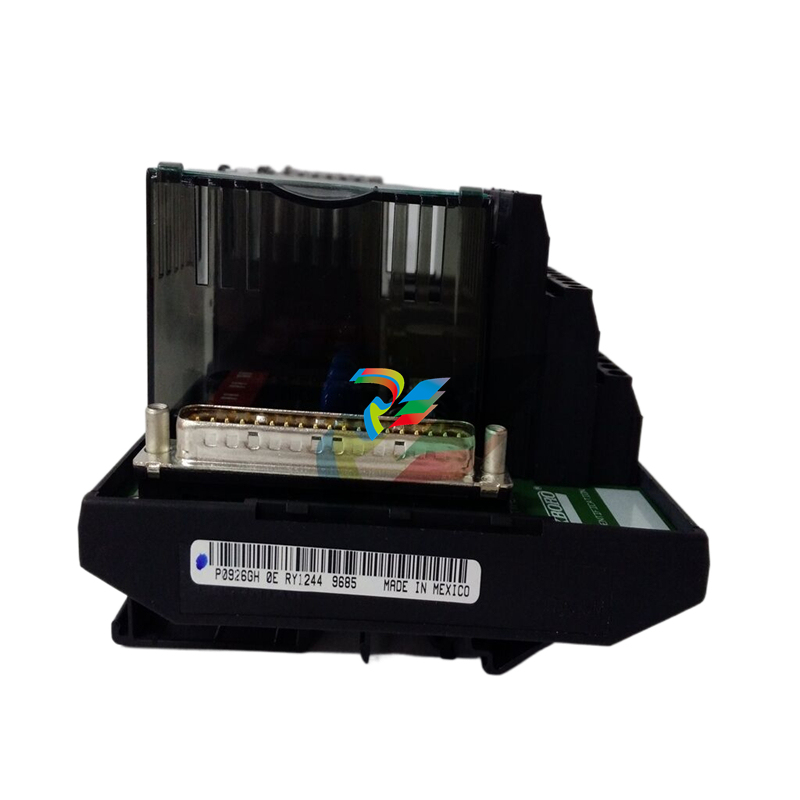 FOXBORO P0916PH (High-density HART I/O Module)
 -
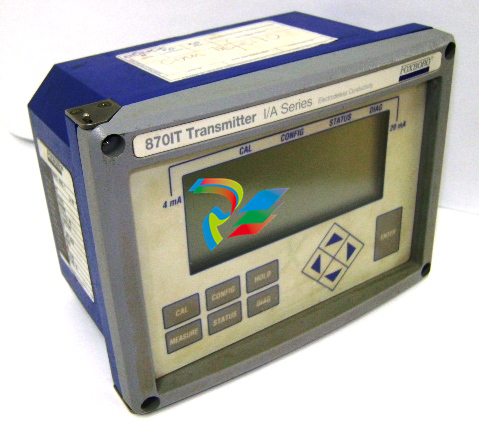 FOXBORO 870ITEC-AYFNZ-7 Intelligent Electrochemical Transmitters
 -
 FOXBORO Compact FBM240. Redundant with Readback, Discrete
 -
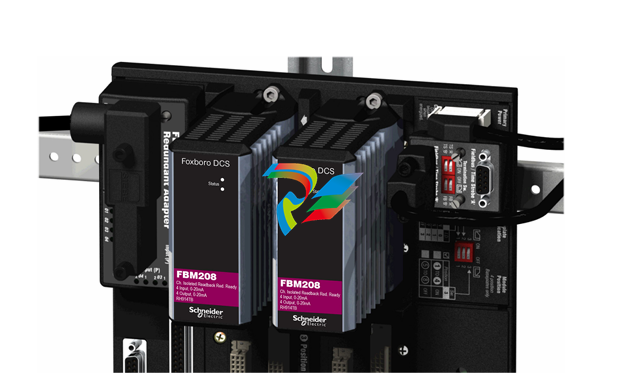 FOXBORO FBM208/b, Redundant with Readback, 0 to 20 mA I/O Module
 -
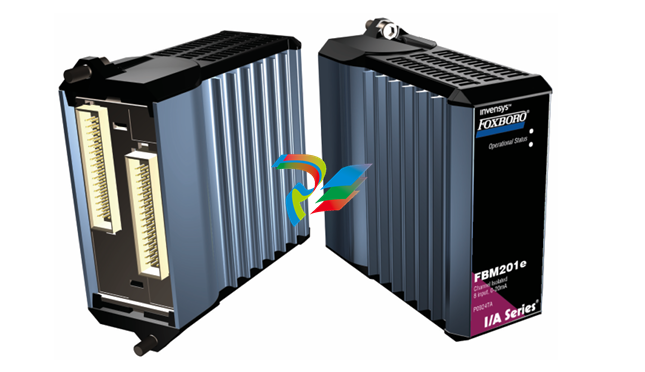 FOXBORO FBM201e Analog Input (0 to 20 mA) Interface Modules
 -
.jpg) FOXBORO P0916WG Terminal cable
FOXBORO P0916WG Terminal cable -
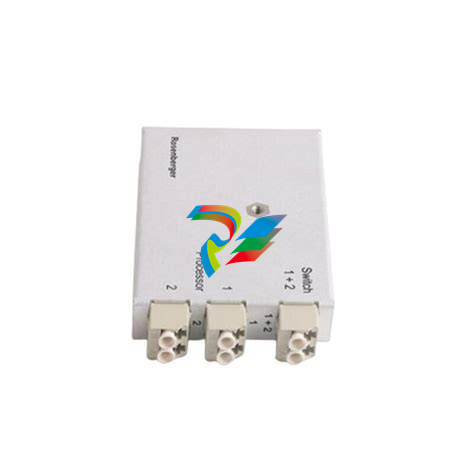 FOXBORO P0926MX 2-Port Splitter
 -
.jpg) FOXBORO AD908JQ High-Frequency Module
FOXBORO AD908JQ High-Frequency Module -
.jpg) FOXBORO AD916CC Processor module
FOXBORO AD916CC Processor module -
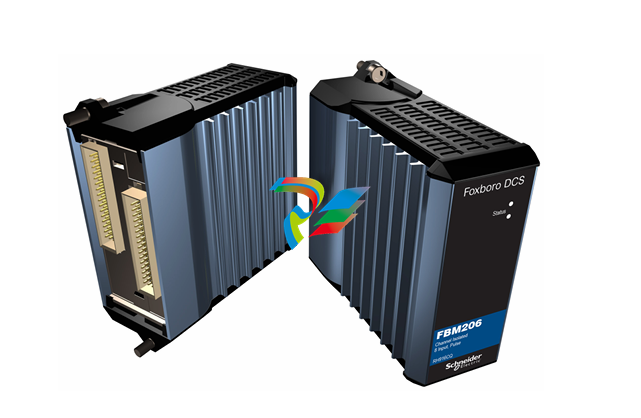 Foxboro DCS FBM206 Pulse Input Module
 -
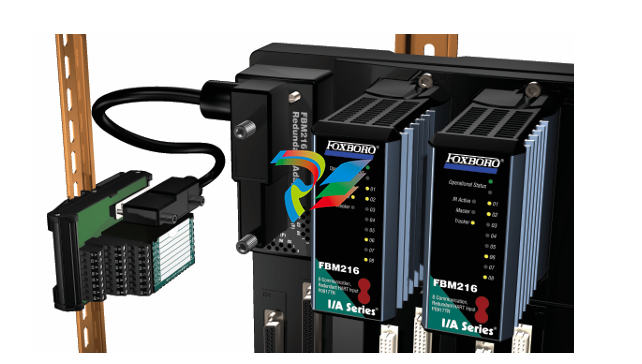 FOXBORO FBM216 HART® Communication Redundant Input Interface Module
 -
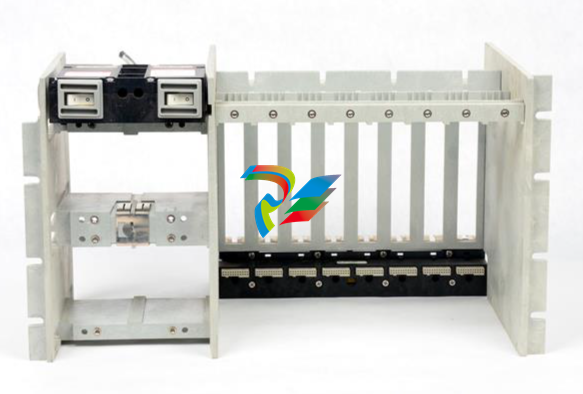 Foxboro p0903nu 1×8 unit sub-component module
 -
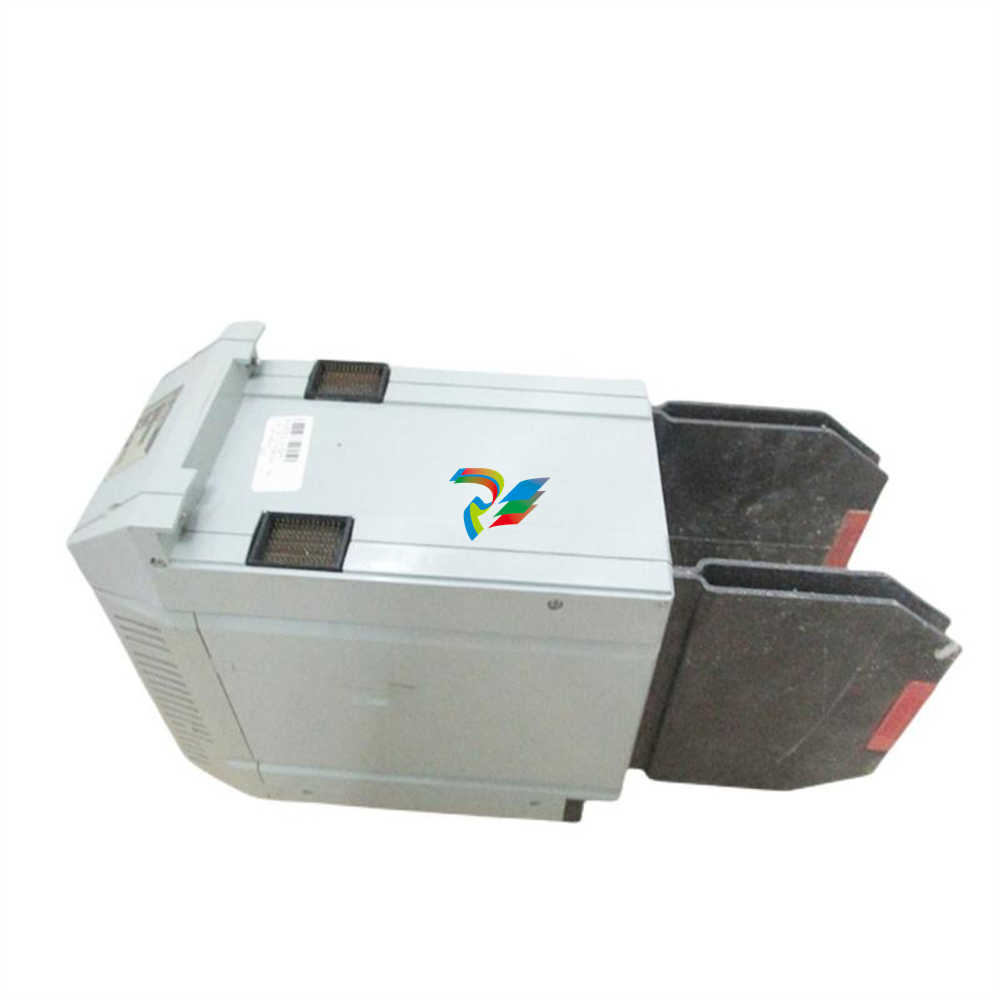 Foxboro P0911SM Industrial control module
 -
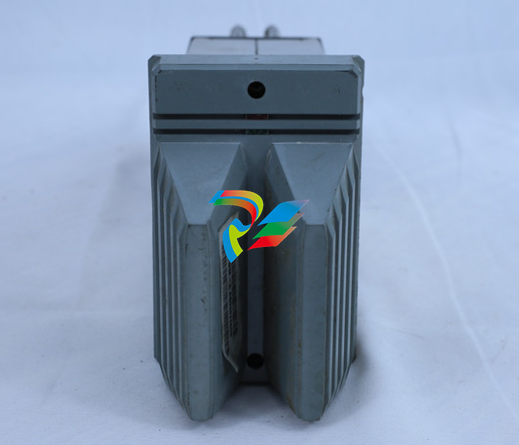 Foxboro CM902WM I/O module
 -
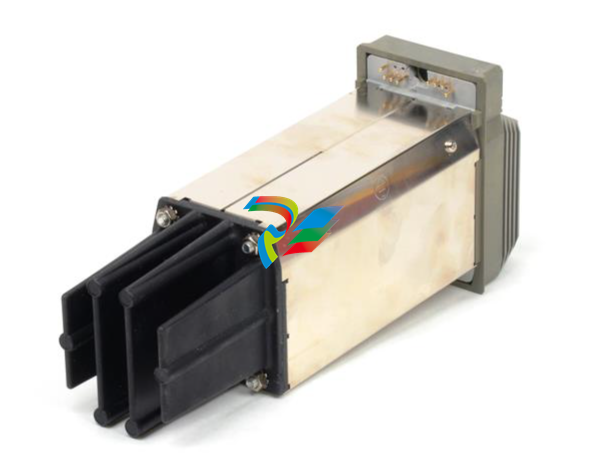 Foxboro CM902WL Power module
 -
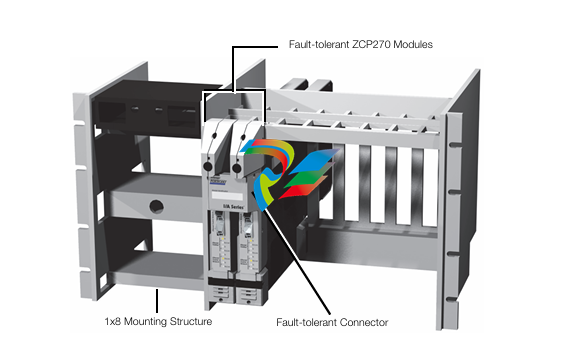 Foxboro P0972VA Industrial Control Module
 -
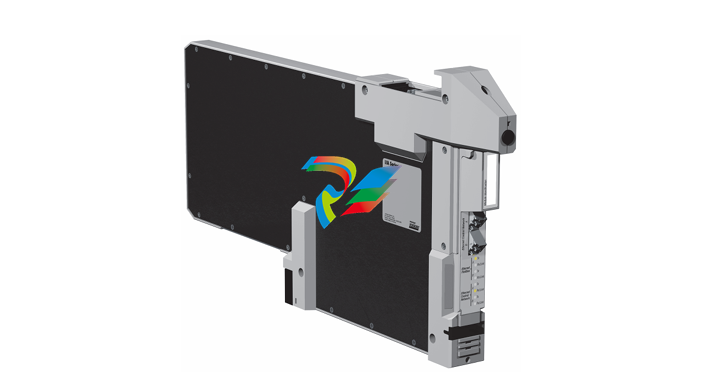 Foxboro Z-Module Control Processor 270 (ZCP270)
 -
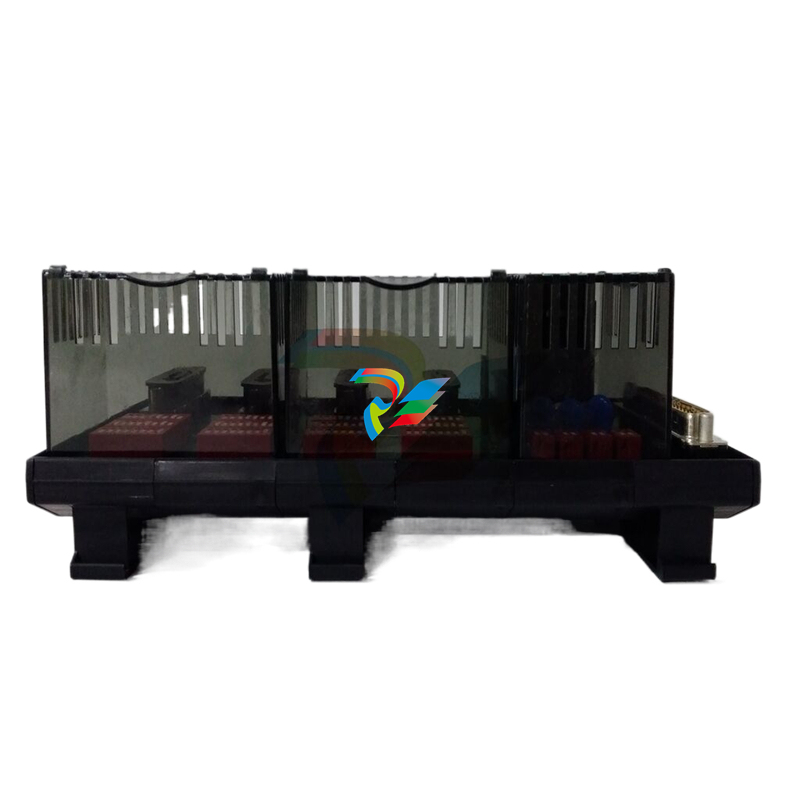 Foxboro PO916JS 16-channel terminal block module
 -
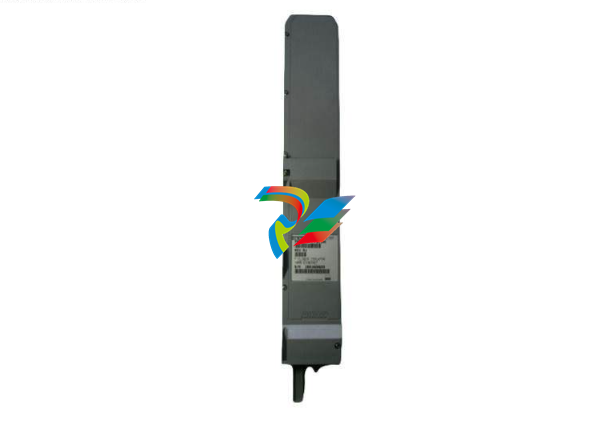 Foxboro PO911SM High-performance digital/analog input/output module
 -
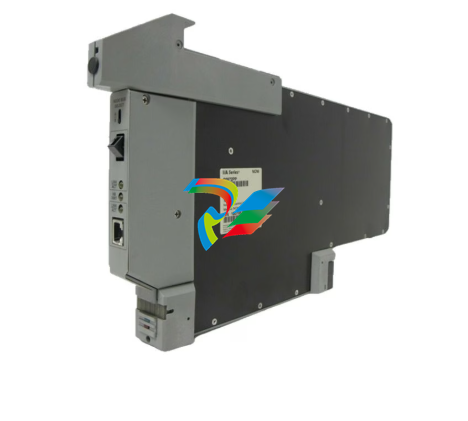 Foxboro P0972PP-NCNI Network Interface Module
 -
.jpg) FOXBORO P0971QZ controller module
FOXBORO P0971QZ controller module -
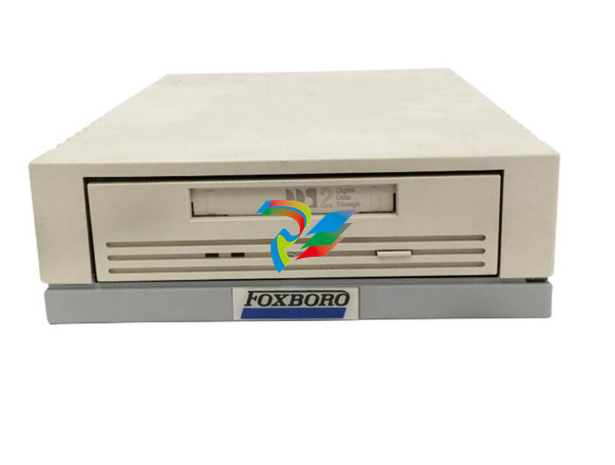 FOXBORO P0971DP Thermal resistance input/output module
 -
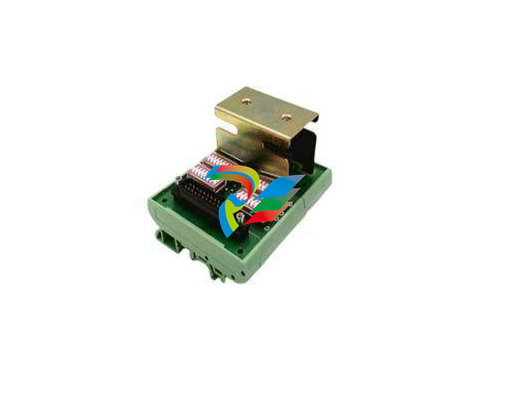 FOXBORO P0970VB Cable connector
 -
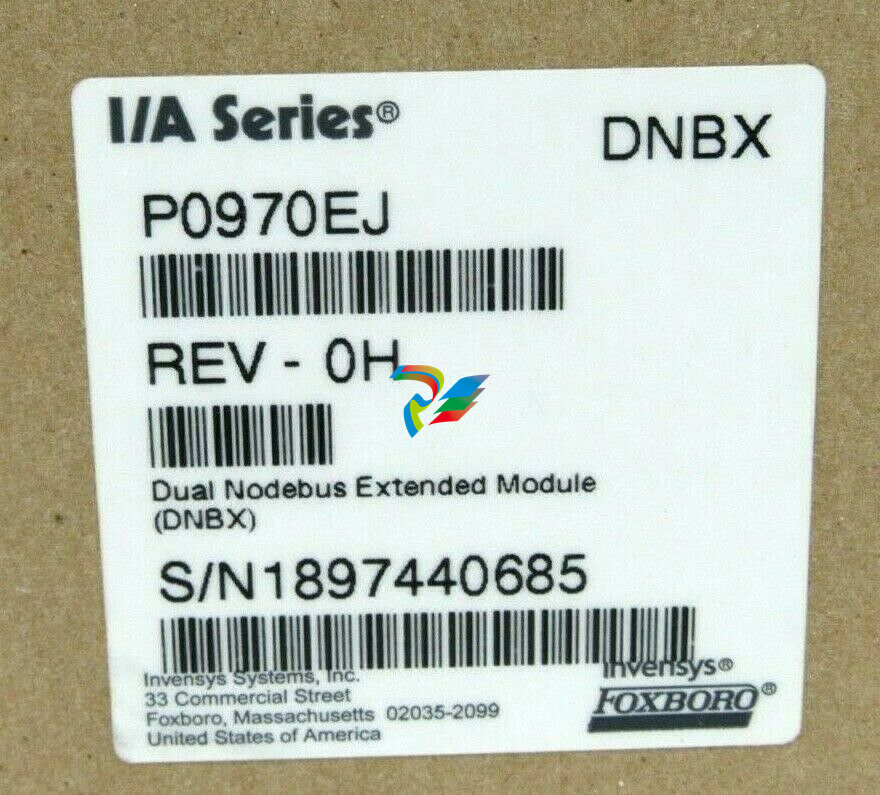 FOXBORO P0970EJ-DNBX Dual-node bus expansion module