
Industrial Robot Automation
### Title: Industrial Robot Automation: Transforming Manufacturing and Beyond In the modern manufacturing landscape, industrial robot automation has emerged as a powerful force that is reshaping industries and driving significant advancements in productivity, quality, and efficiency. Industrial robots are no longer a novelty but an integral part of factories and production lines around the world. #### 1. Introduction to Industrial Robot Automation Industrial robot automation involves the use of robotic systems to perform a wide variety of tasks in industrial settings, replacing or augmenting human labor. These robots are designed with precision engineering and are equipped with advanced sensors, actuators, and control systems that enable them to carry out repetitive, complex, and often physically demanding tasks with high accuracy and speed. Robots used in industrial automation can be categorized into different types based on their structure and functionality. For example, articulated robots have multiple joints that mimic the movement of a human arm, allowing them to reach various positions and orientations in a workspace. Cartesian robots, on the other hand, operate along three linear axes, making them ideal for tasks that require precise positioning in a rectangular coordinate system. SCARA robots (Selective Compliance Assembly Robot Arm) are known for their fast and precise movements in a horizontal plane and are commonly used in assembly operations.
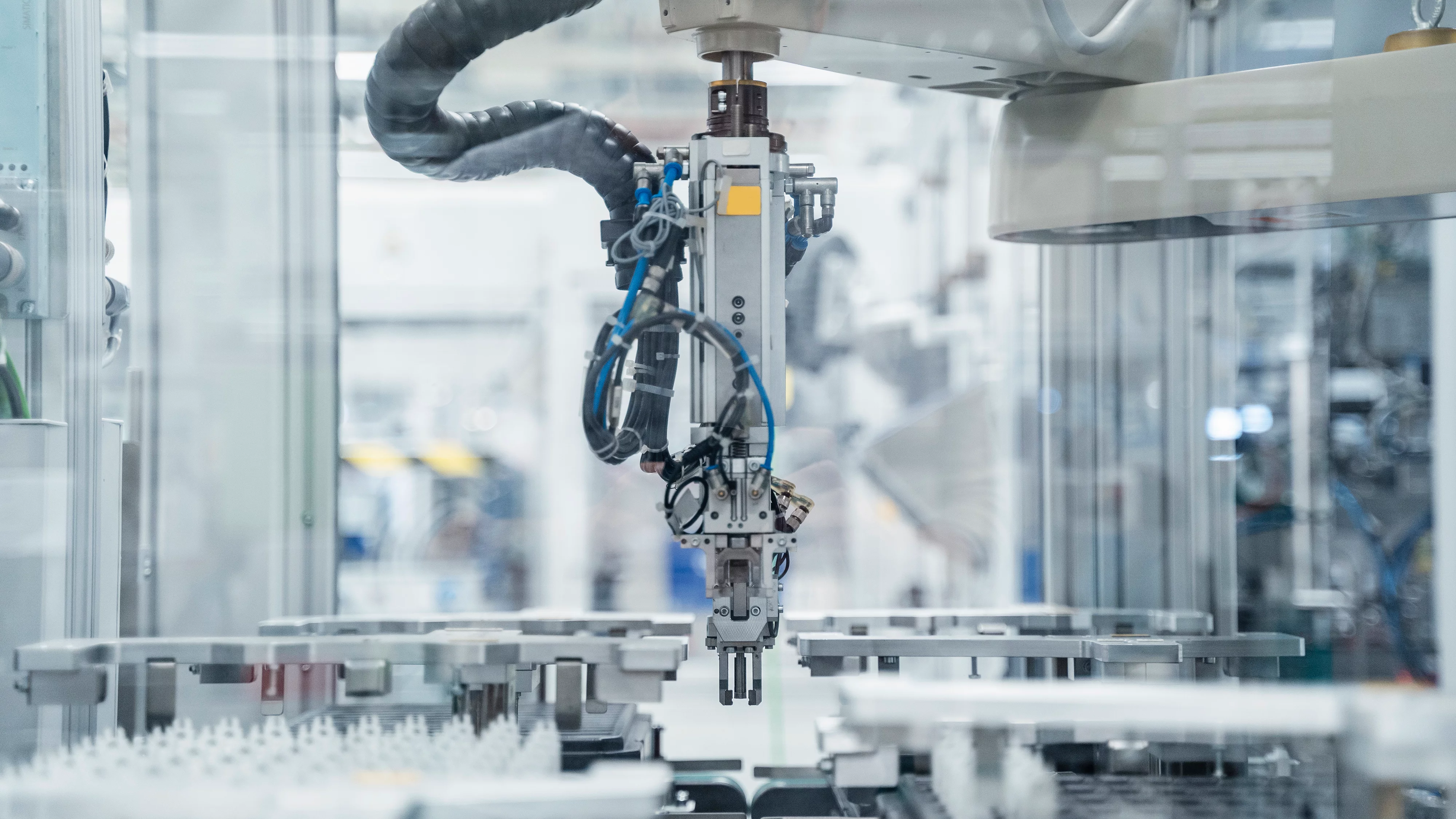
The control systems of industrial robots are highly sophisticated. They are programmed using specialized software that allows operators to define the robot's movements, sequences of operations, and responses to different stimuli. The programming can range from simple point-to-point movements for basic pick-and-place tasks to complex path planning and motion control algorithms for tasks like welding, painting, or intricate assembly work. #### 2. Applications in Different Industrial Sectors - **Automotive Industry**: - Industrial robots have been widely adopted in the automotive industry for decades. They play a crucial role in tasks such as welding car bodies, where precise and consistent welds are essential for structural integrity. Robots can perform hundreds of welds in a short time, ensuring uniformity and high quality. - Assembly operations also heavily rely on robots. They can accurately install components like engines, transmissions, and interior parts with speed and precision. For example, robots can precisely position and fasten bolts, reducing the risk of errors and improving the overall assembly efficiency. - Painting is another area where robots excel. They can apply paint evenly across the surfaces of vehicles, achieving a smooth and consistent finish while minimizing paint waste and exposure of workers to harmful chemicals. - **Electronics Industry**: - In the electronics manufacturing process, robots are used for tasks like component placement on printed circuit boards (PCBs). They can handle tiny electronic components with extreme precision, placing them in the correct positions at a rapid pace. This is vital for the mass production of smartphones, laptops, and other electronic devices. - Testing and inspection of electronic products are also automated using robots. They can check for electrical connectivity, detect defects in components or soldering joints, and ensure that the final products meet quality standards. This helps to improve the overall reliability of electronic goods and reduce the number of faulty items reaching the market. - **Food and Beverage Industry**: - Robots are increasingly being used in food packaging tasks. They can pick up and place food items into containers, seal packages, and label products with speed and hygiene. For example, in a bakery, robots can handle freshly baked loaves of bread and package them neatly, maintaining cleanliness and reducing the risk of contamination. - In beverage production, robots can assist in tasks like palletizing cases of drinks, loading them onto trucks or storage racks. They can handle heavy loads and work continuously, improving the efficiency of the distribution process. #### 3. Benefits of Industrial Robot Automation - **Enhanced Productivity**: Industrial robots can work continuously without breaks, fatigue, or distractions. They can perform tasks at a much faster pace than humans, resulting in increased production output. For example, in a manufacturing plant, a robot can complete dozens of assembly operations in the time it would take a human worker to complete just a few, thereby significantly boosting productivity. - **Improved Quality**: With their high precision and repeatability, robots ensure consistent quality in the products they produce. They can maintain extremely tight tolerances in tasks like machining or welding, reducing the occurrence of defects and variations. This leads to higher-quality finished products that meet or exceed industry standards. - **Increased Workplace Safety**: Many industrial tasks involve working in hazardous environments, handling heavy loads, or being exposed to harmful substances. By automating these tasks with robots, the risk to human workers is greatly reduced. For instance, in a foundry where molten metal is involved, robots can perform pouring and casting operations, protecting workers from burns and other accidents. - **Cost Savings**: Although the initial investment in purchasing and installing industrial robots can be significant, in the long run, they can lead to cost savings. Robots can reduce labor costs as they replace human workers in repetitive tasks. They also minimize material waste due to their precise operations and can lower maintenance costs through predictive maintenance enabled by built-in sensors and data analytics. #### 4. Challenges and Future Trends - **Initial Investment and Return on Investment (ROI)**: The high cost of purchasing, installing, and programming industrial robots can be a deterrent for some small and medium-sized enterprises. Calculating the ROI accurately requires considering factors such as production volume, labor savings, and the lifespan of the robot. However, as the technology advances and prices gradually decline, more companies are finding it feasible to invest in robot automation. - **Workforce Adaptation**: The increasing use of industrial robots may lead to concerns about job displacement. However, it also creates new job opportunities in areas such as robot programming, maintenance, and supervision. There is a need for workforce training and upskilling programs to ensure that employees can transition into these new roles and work effectively alongside robots. - **Complexity of Programming and Integration**: Programming industrial robots to perform complex tasks can be a challenging and time-consuming process. Additionally, integrating robots with existing production systems, such as conveyor belts, automated storage and retrieval systems, and other machinery, requires careful planning and technical expertise. The development of more user-friendly programming interfaces and standardized integration protocols will be crucial to overcome these challenges. - **Advances in Technology**: The future of industrial robot automation will see continued advancements in areas such as artificial intelligence (AI), machine learning (ML), and the Internet of Things (IoT). AI and ML can enable robots to adapt to changing conditions, learn from past experiences, and make more intelligent decisions during operations. IoT connectivity will allow robots to communicate with other devices in the factory, enabling better coordination and optimization of the entire production process. In conclusion, industrial robot automation is transforming the industrial landscape by offering numerous benefits in terms of productivity, quality, safety, and cost savings. Despite the challenges it presents, the continued evolution of this technology will undoubtedly have a profound impact on manufacturing and other industries in the years to come, opening up new possibilities for innovation and growth.
-
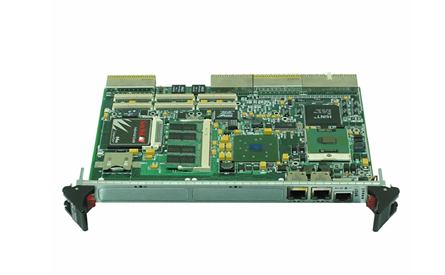 D20MIC10BASE-T 820-0756 Network card
 -
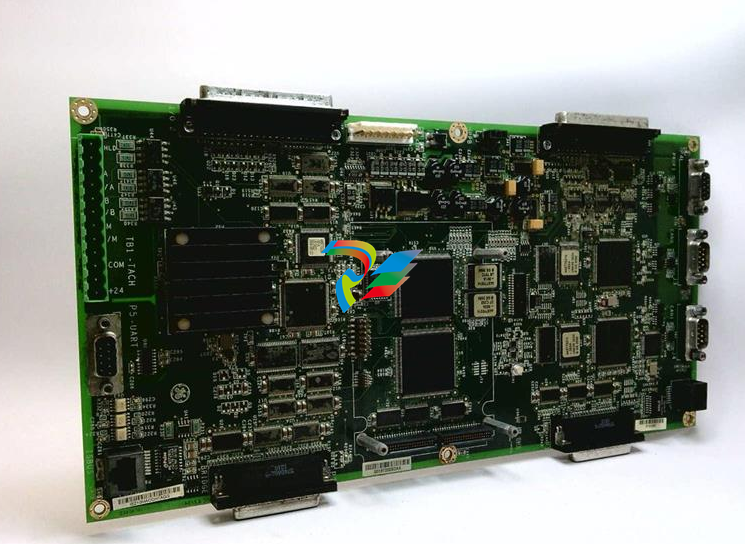 WES13-3 5167-0001-0210 CPU/Auxiliary Control board
 -
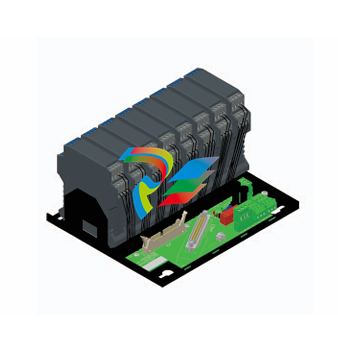 WES13-3 2508-21001 Embedded digital module
 -
D20ME 526-2005-216943 control module
-
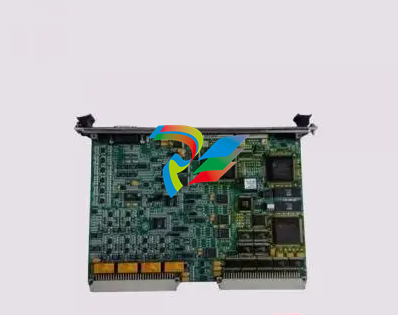 D20EME 0526-21170-1 Enhanced Master Communications Module for D20 Substation RTUs
 -
.jpg) 2400-21004 / 2010-3101-0442 – Redundant Power Supply Module for Mark VIe Turbine Control
2400-21004 / 2010-3101-0442 – Redundant Power Supply Module for Mark VIe Turbine Control -
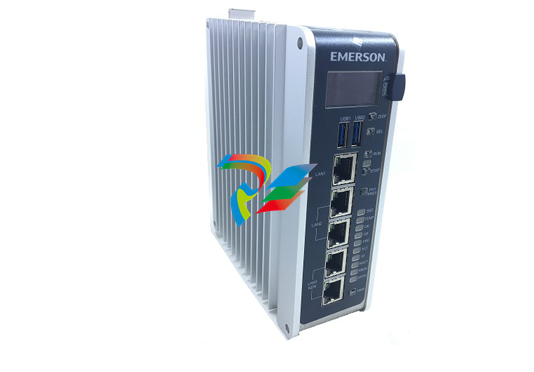 PACSystems™ IC695CPE400 RX3i 64 MB
 -
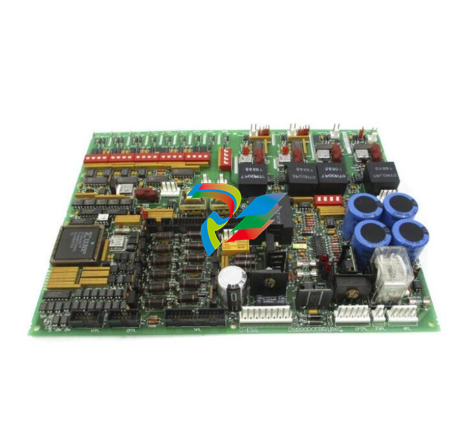 DS200DCFBG2BNC DC2000 DC Feedback Board
 -
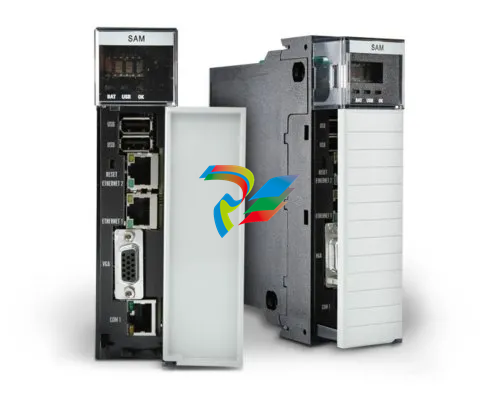 OLDI Ethernet interface module 56SAM-844
 -
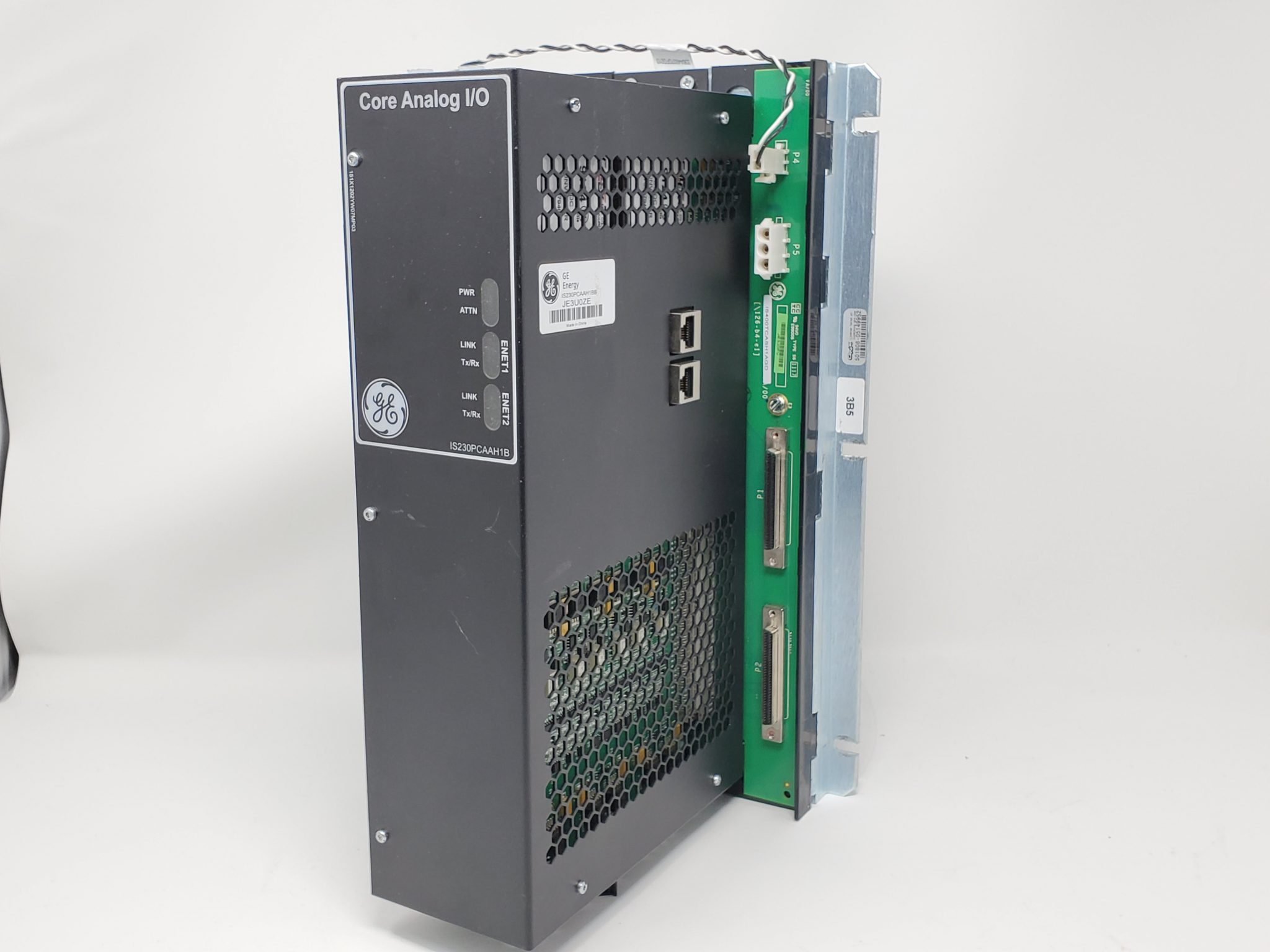 IS200BPPBH2CAA Mark VIe Power Supply Module
 -
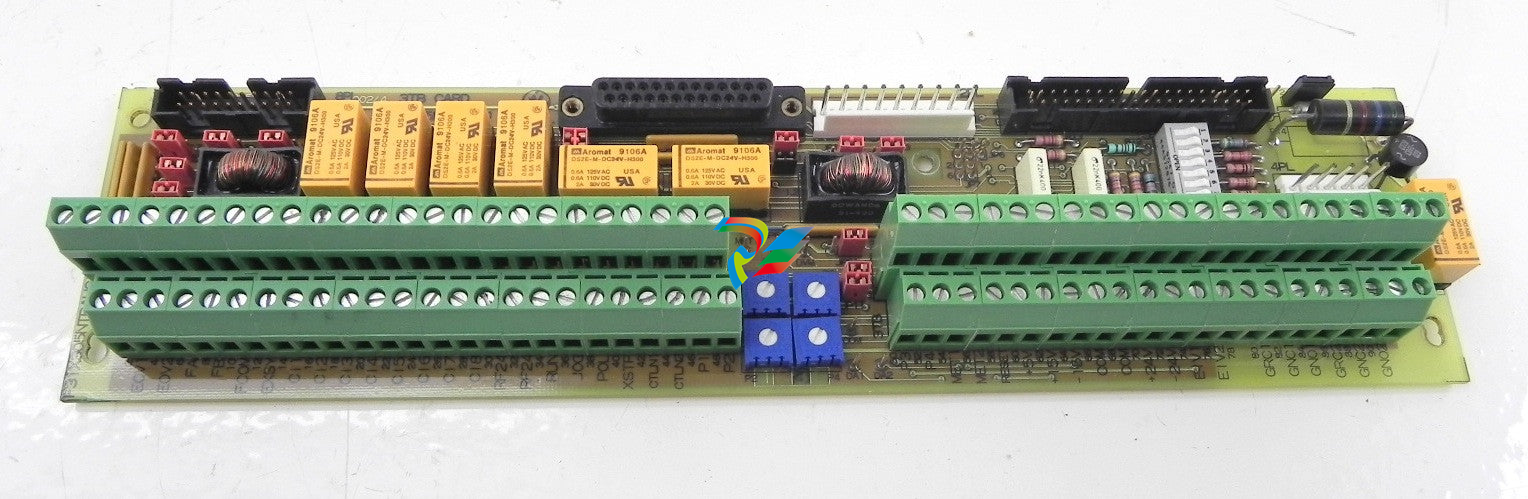 IS210MACCH2AEG Motor Control and Communication Module
 -
 IS210MACCH2AGG Mark VIe Speedtronic Turbine Control Module
 -
 IS200AEPAH1AFD Printed circuit board
 -
IS200AEPAH1ACB Analog I/O Module
-
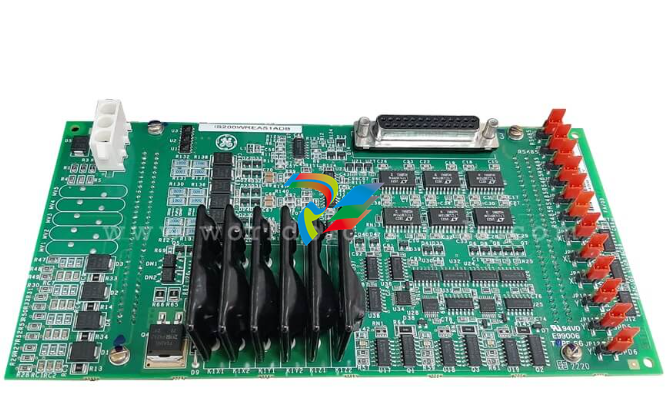 IS200WREAS1ADB AERO TRIP TB DBRD sub-board
 -
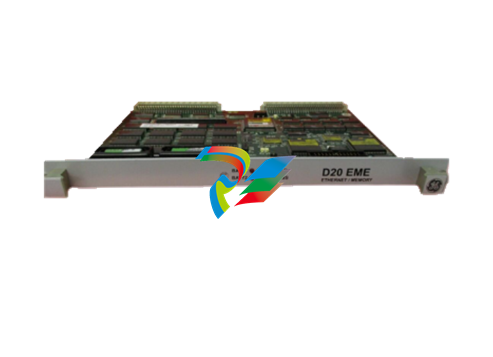 IS200WETAH1AEC large board component made Mark VI system
 -
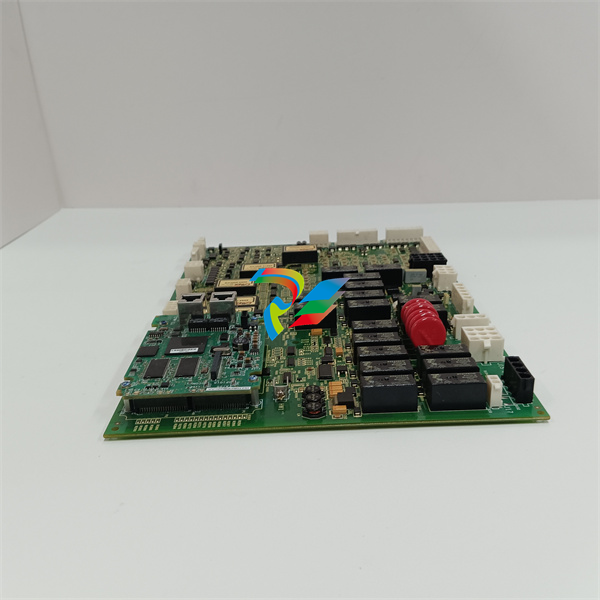 IS200AEPAH1AHD A High-Precision Excitation Control Board for Turbine Systems
 -
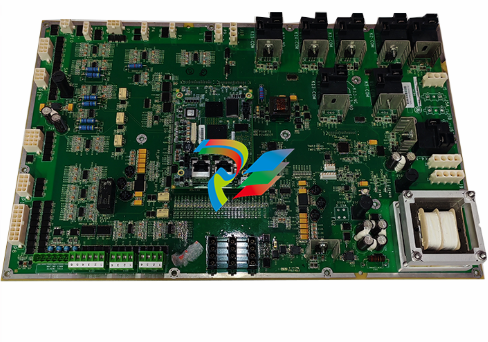 IS200WEMAH1AEA Control board
 -
IS210MACCH1AGG processor card
-
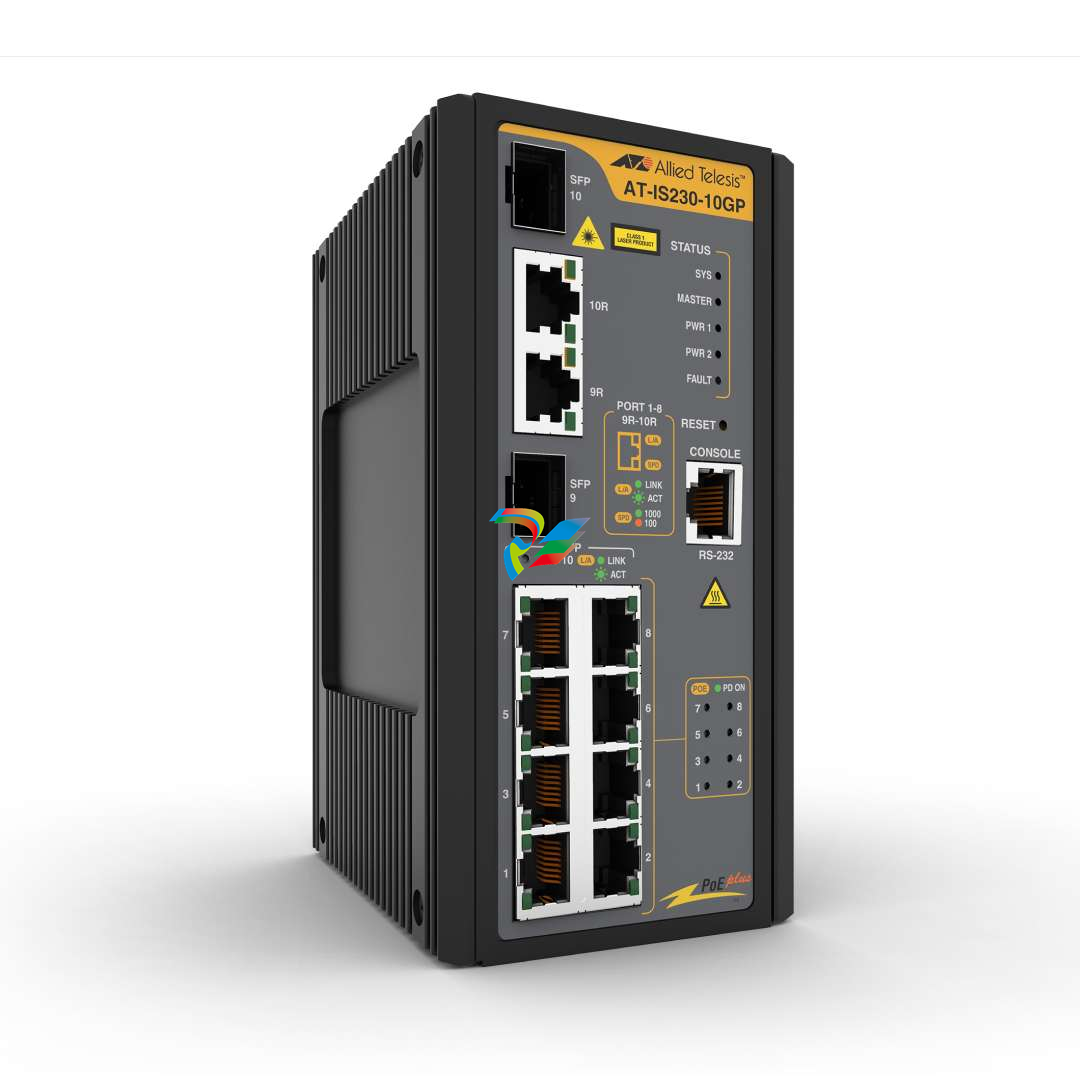 IS230TNRLH1B Discrete Output Modular Assembly
 -
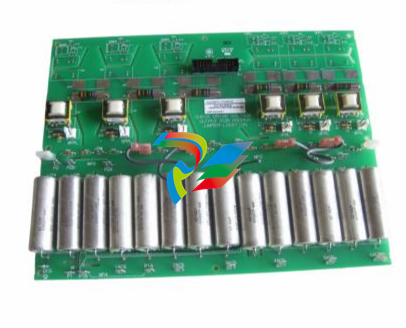 Mark V Series DS200PCCAG1ACB PCB Power Connect Card
 -
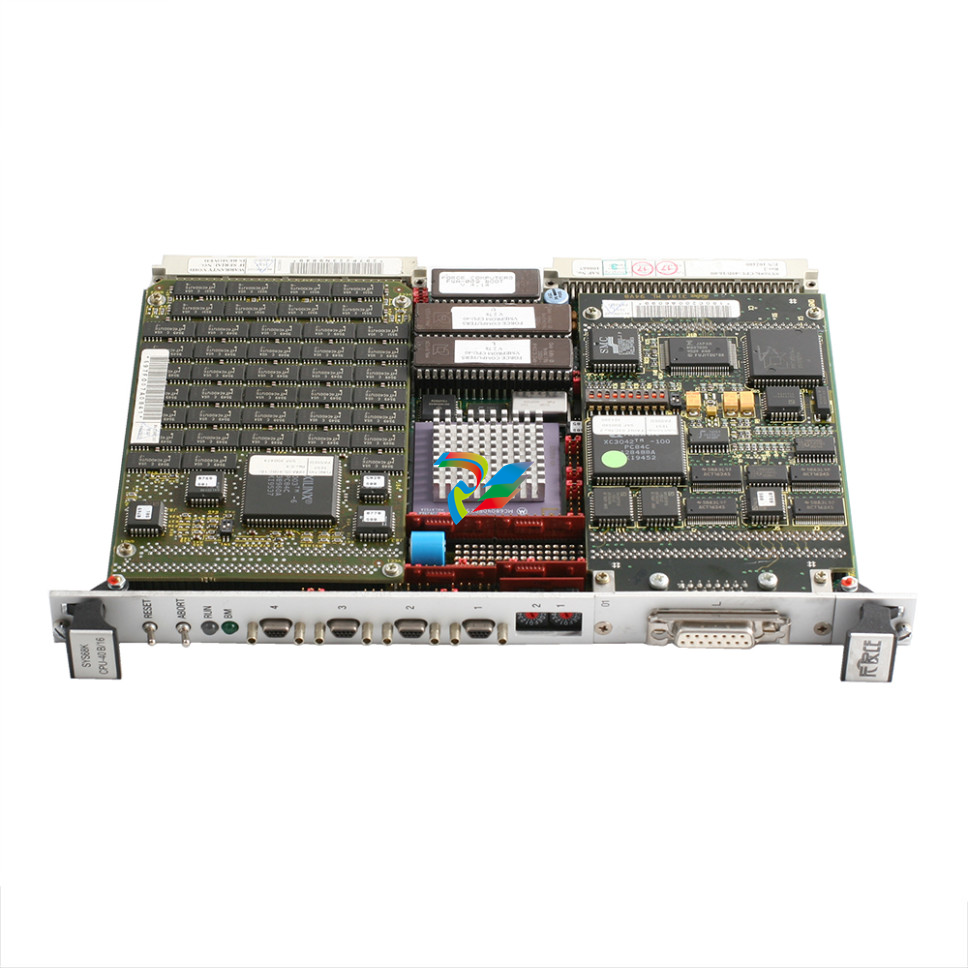 DS200SI0CG1AEA Instantaneous overcurrent card
 -
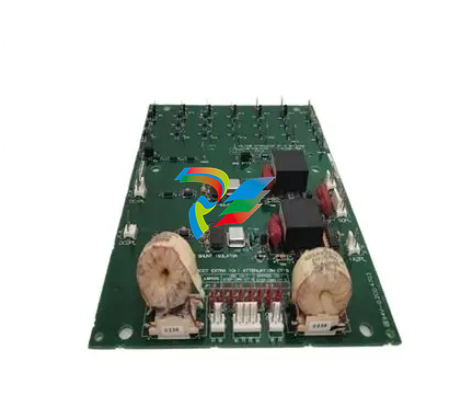 DS200SHVMG1AGE Analog I/O board
 -
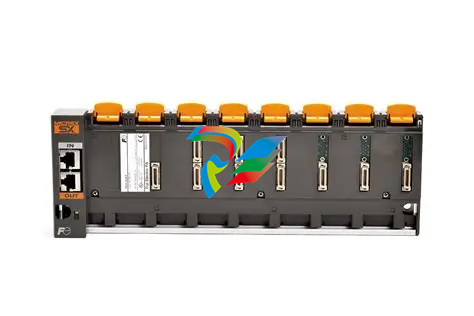 DS200SI0CG1A6A Input/Output Module
 -
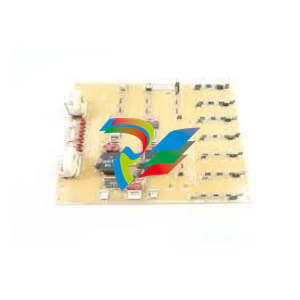 DS200SHVMG1AFE SCR High Voltage Interface Board
 -
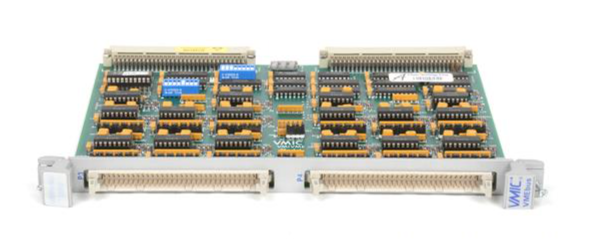 DS200RT8AG3AHC Relay Output Terminal Board
 -
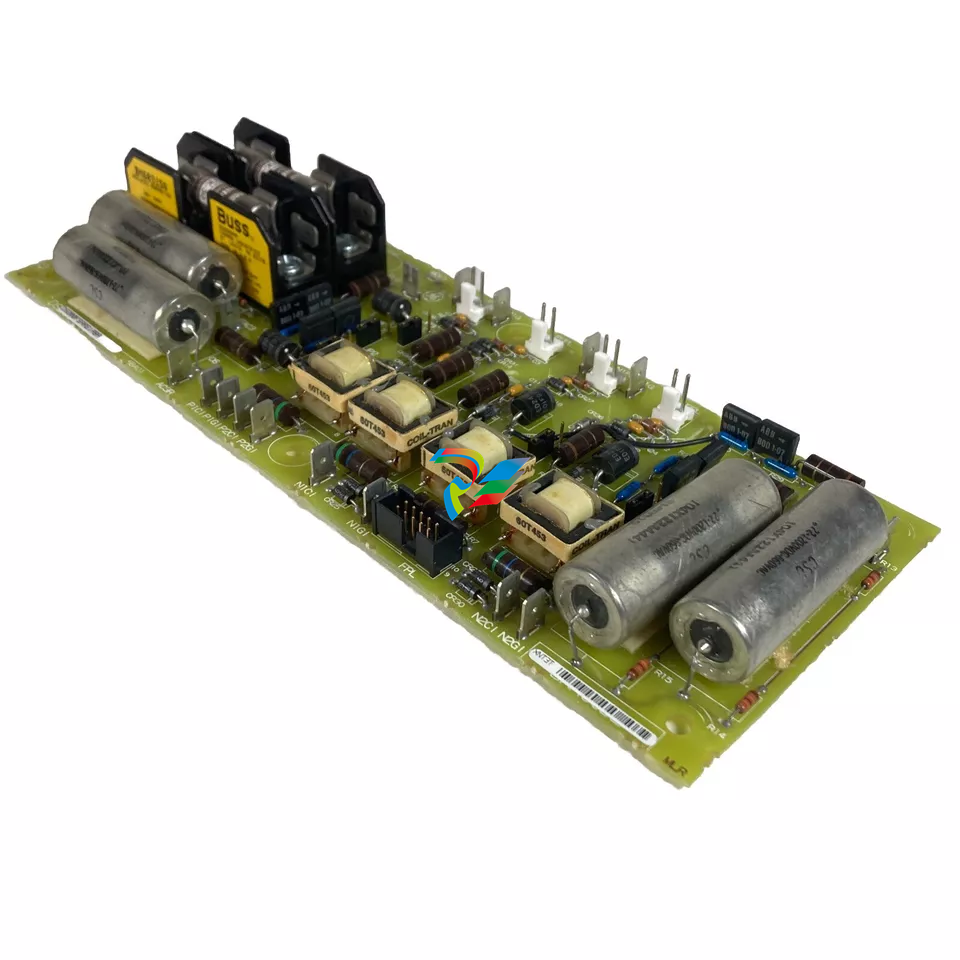 DS200FSAAG1ABA PCB Field Supply Gate Amplifier Board
 -
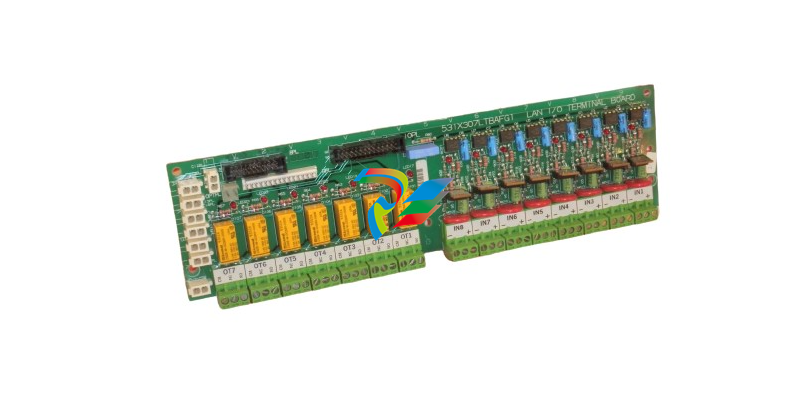 531X307LTBAFG1 F31X307LTBA LAN I/O Terminal Board
 -
 ABB AFS670 19" Ruggedized Switch AFS670-EREEDDDSSEEEEEEEPZYX05.1.0
 -
 NI Controller for VXI VXIPC-871B
 -
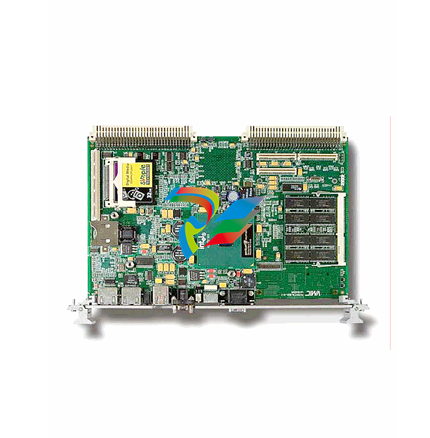 IS200EPMCH1GE Mark VIe Patch Cord Power Distribution Card
 -
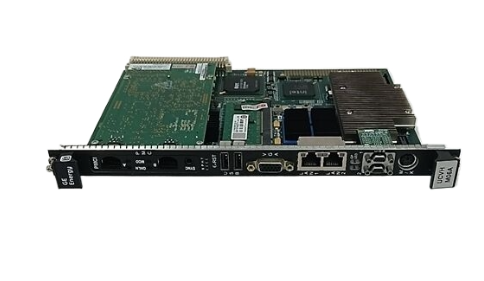 VMICPCI-7632-03310 IS215UCCAH3A 350-657362-003310J GE gas turbine system control processor board
 -
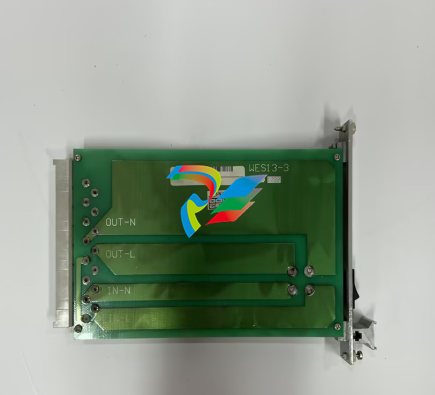 WEA13-13 2508-21001 Control Module / I/O Board
 -
WES5120 2340-21004 Controller Main Module
-
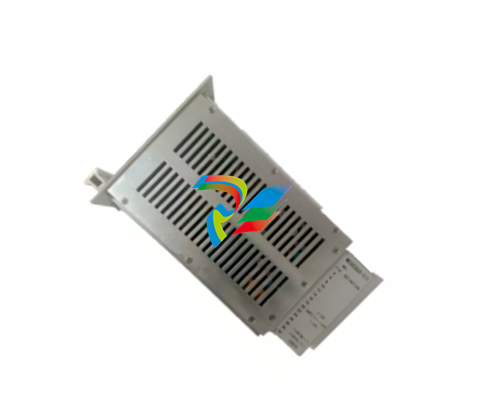 WES5120 2340-21006 Field Controller Master Unit Module
 -
WESDAC D20ME 18-MAR-13 Excitation Control Module
-
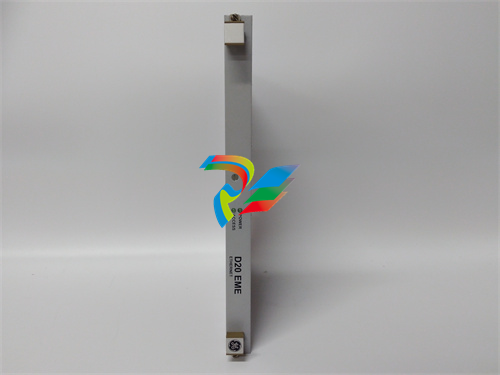 D20 EME 2400-21004 Ethernet communication and expansion module
 -
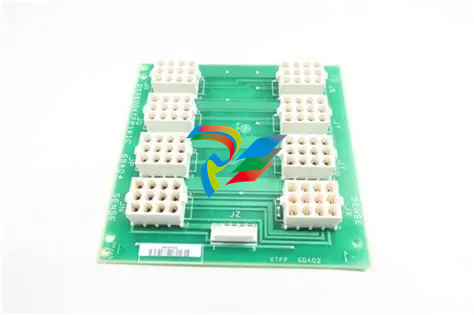 GE DS3800XTFP1E1C Thyristor Fan Out Board Brand
 -
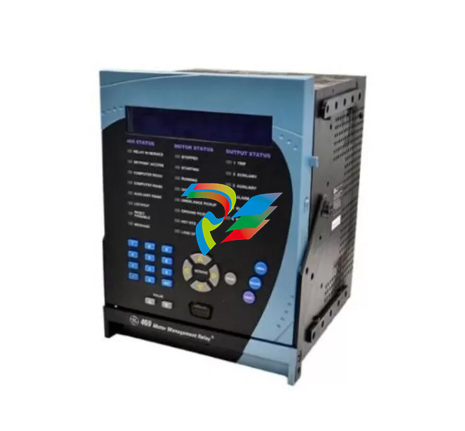 GE SR745-W2-P1-G1-HI-A-L-R-E Feeder protection relay
 -
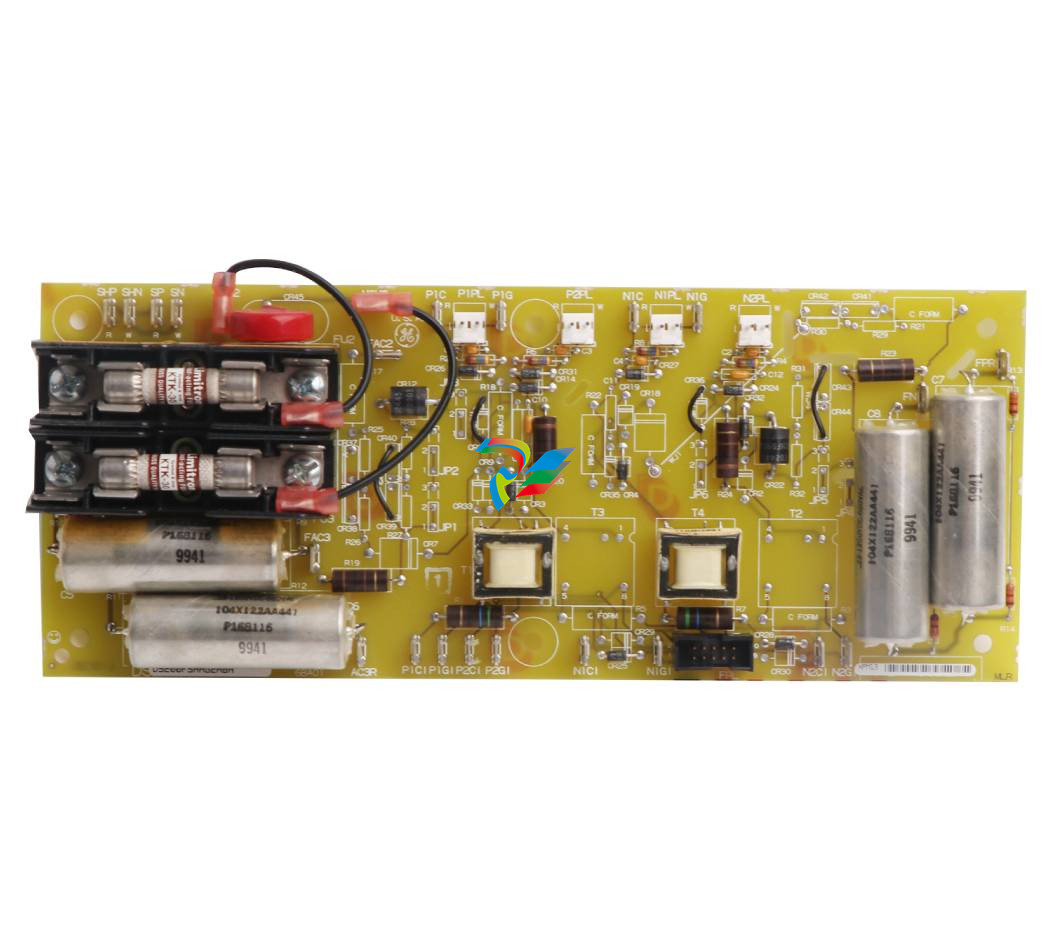 GE IS230TNDSH2A Discrete Output Relay Module Brand
 -
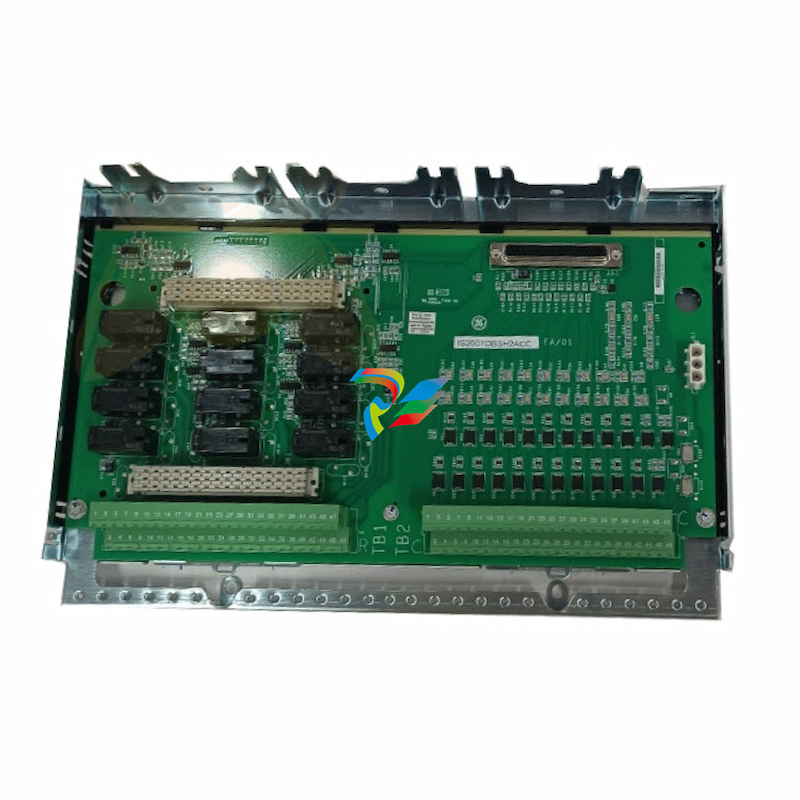 GE Fanuc IS200TDBSH2ACC Mark VI Terminal Board Brand
 -
 GE PMC-0247RC-282000 350-93750247-282000F Disk Drive
 -
GE PMC-0247RC-282000 350-93750247-282000F Disk Drive
-
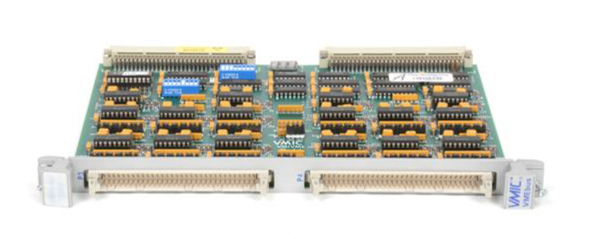 GE VMIVME-1150 Serial Communications Controller
 -
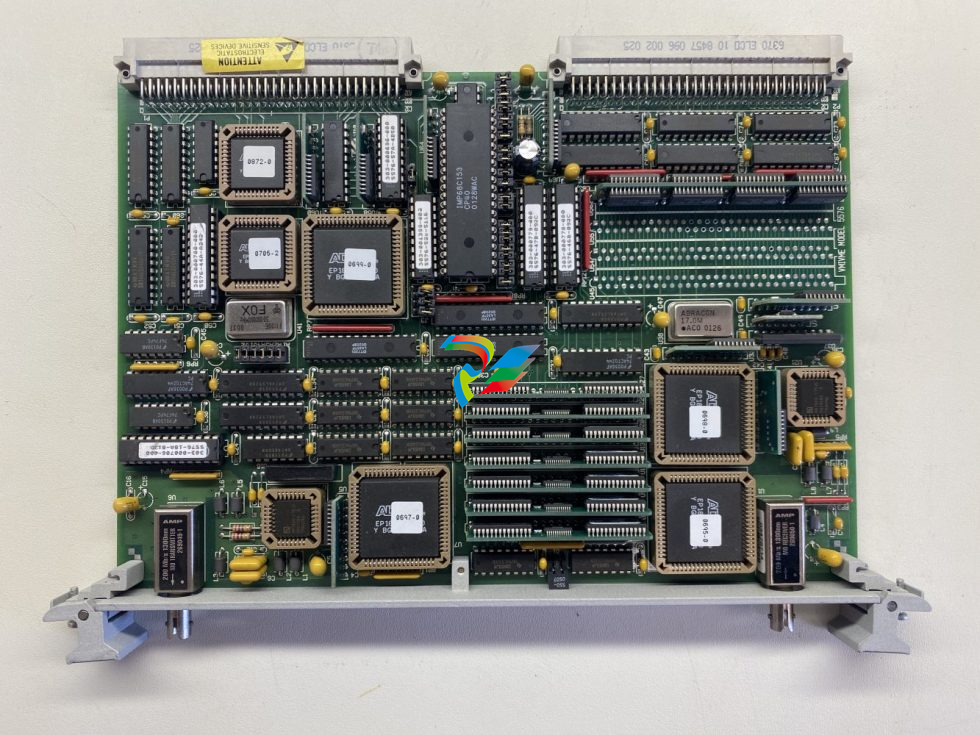 GE VMIVME-5576 Fiber-Optic Reflective Memory with Interrupts
 -
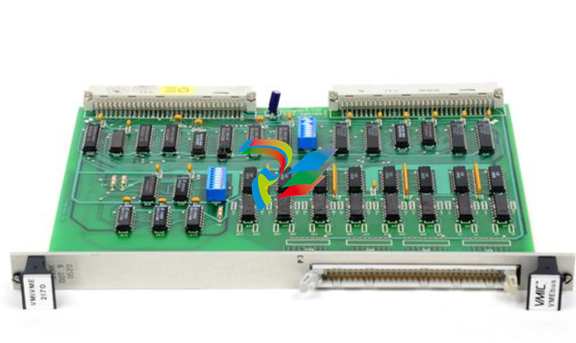 GE VMIC Isolated Digital Output VMIVME-2170A
 -
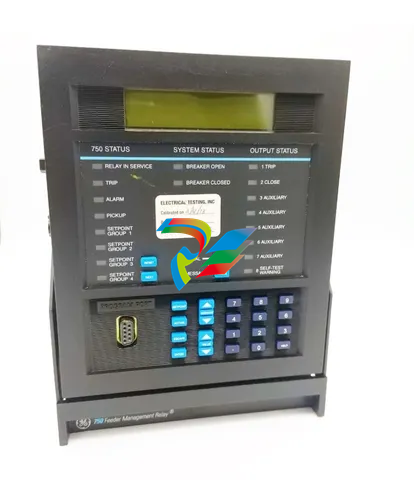 GE MULTILIN 760 FEEDER MANAGEMENT RELAY 760-P5-G5-S5-HI-A20-R-E
 -
GE IS200AEPAH1BKE IS215WEPAH2BB Printed circuit board
-
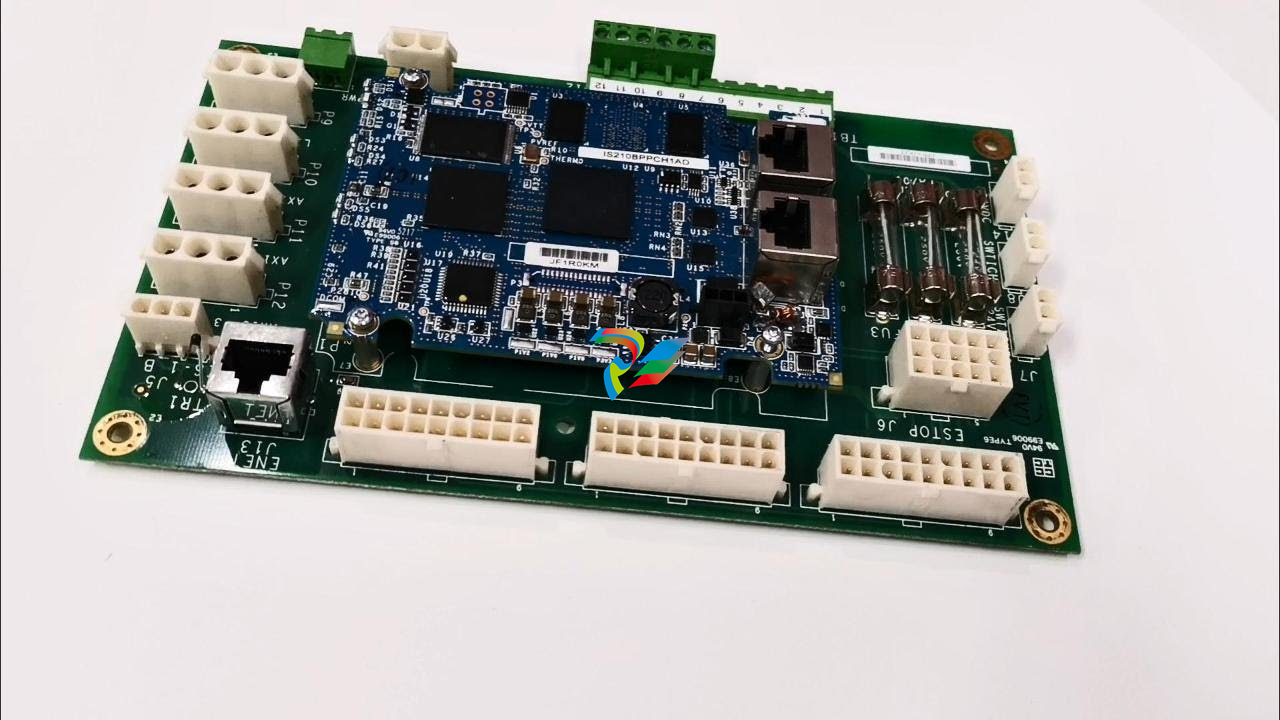 GE IS210BPPCH1A Mark VIe I/O Pack Processor Card
 -
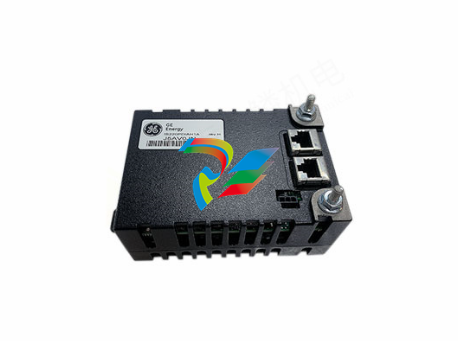 GE IS220PRTDH1A 336A4940CSP6 High-Performance RTD Input Module
 -
GE IS220PDIAH1BE 336A5026ADP4 Discrete Input Module
-
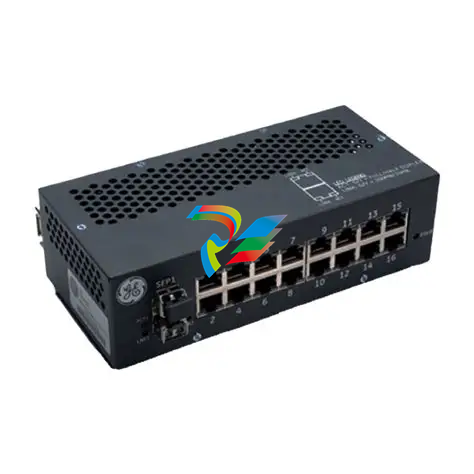 GE IS420ESWBH3A IONET Switch Module
 -
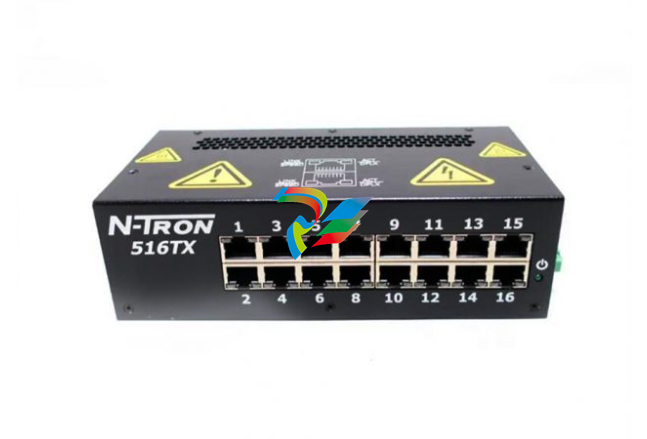 GE 516TX 336A4940DNP516TX 16-port Ethernet switch
 -
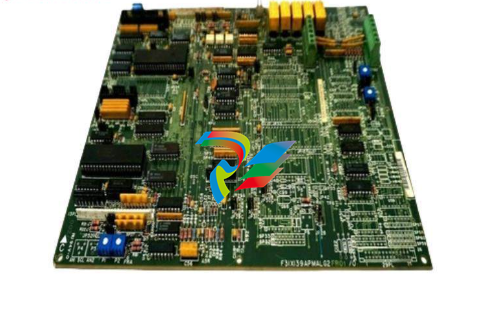 GE EVMECNTM13 Embedded control module
 -
GE EVPBDP0001 EVPBDP032 control module
-
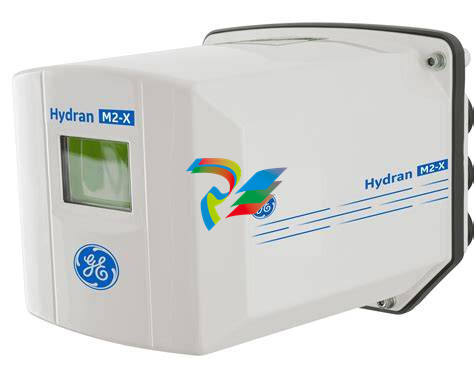 GE Hydran M2-X Enhanced Monitoring with Extended Sensor Life
 -
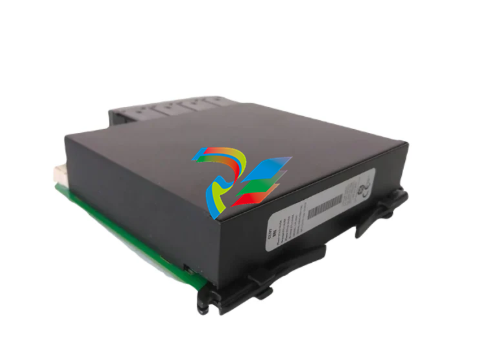 GE UR6CH Digital I/O Module
 -
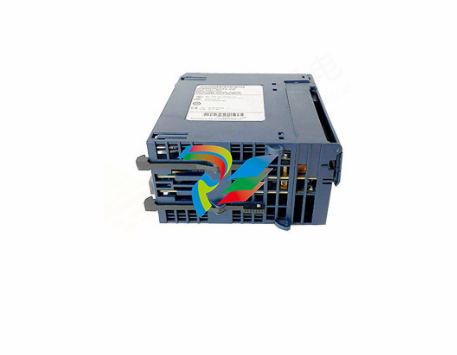 GE IC695CPU315-CD Central processing unit
 -
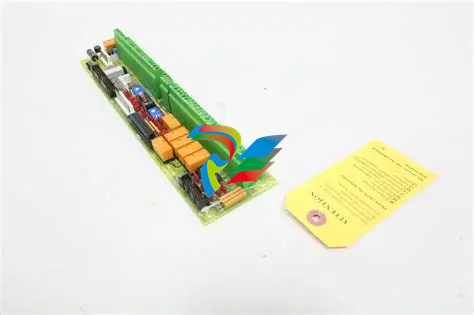 GE 531X305NTBAMG1 DR Terminal Board
 -
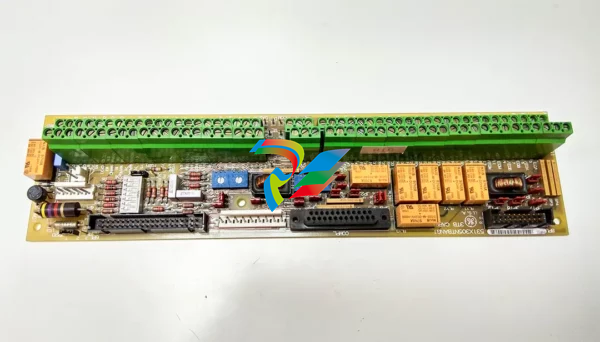 GE 531X305NTBALG1 NTB/3TB Terminal Board 531X Series
 -
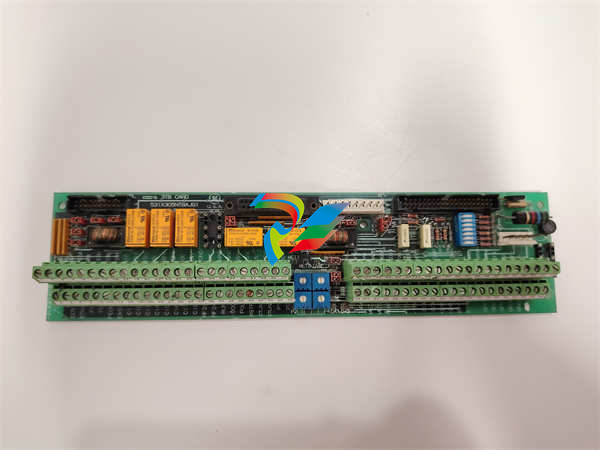 GE 531X305NTBAJG1 NTB/3TB Terminal Board.
 -
GE 531X305NTBAHG1 NTB/3TB Terminal Board 531X
-
 GE 531X305NTBAEG1 is a PCB that functions as a DR terminal board.
 -
General Electric 531X305NTBACG1 NTB/3TB Terminal Board 531X
-
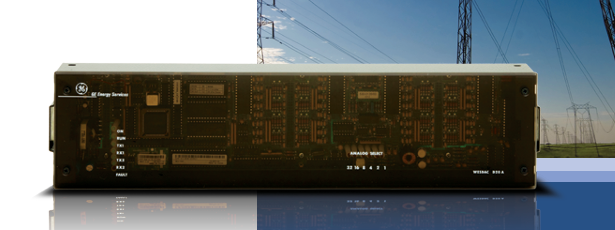 GE Digital Energy D20 Analog Input Module
 -
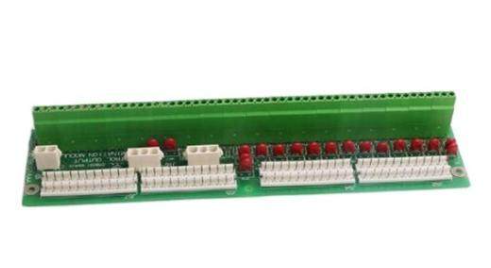 GE 94-164136-001 main board Control board
 -
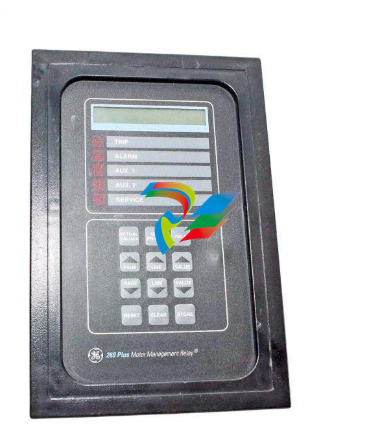 GE 269 PLUS-D/O-100P-125V Digital motor relay
 -
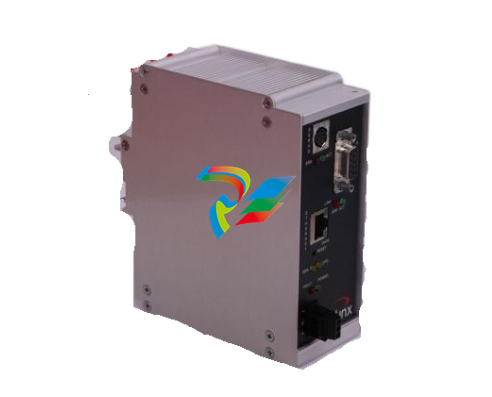 GALIL DMC-9940 High-performance motion controller
 -
FUJI NP1BS-08 base plate
-
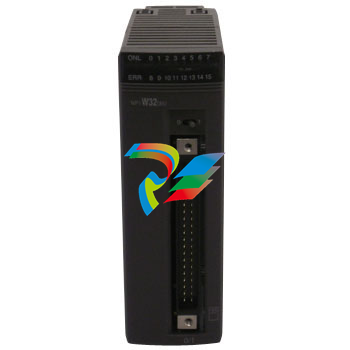 FUJI NP1Y32T09P1 Transistor drain type digital output module
 -
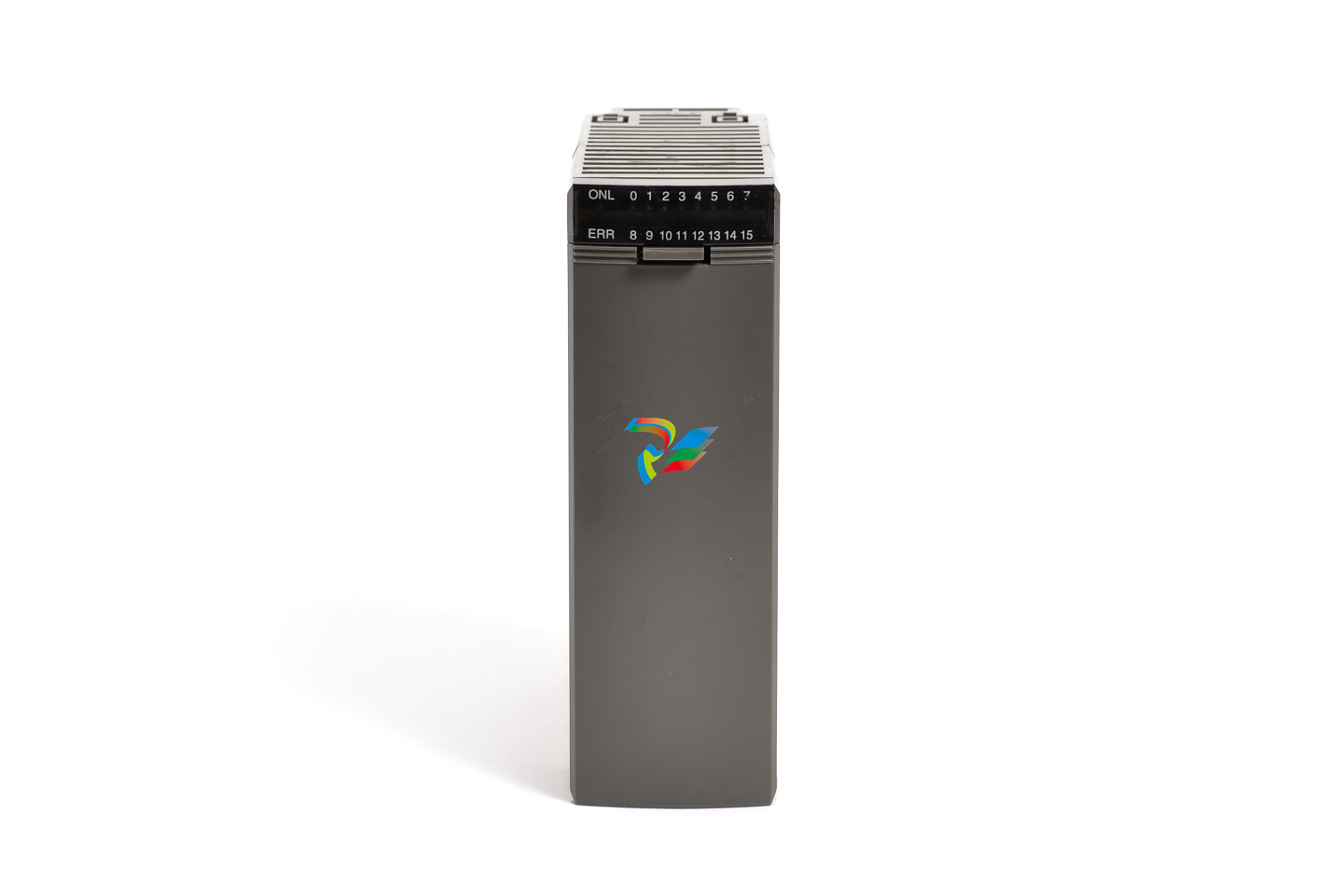 FUJI NP1Y16R-08 Digital Output Module
 -
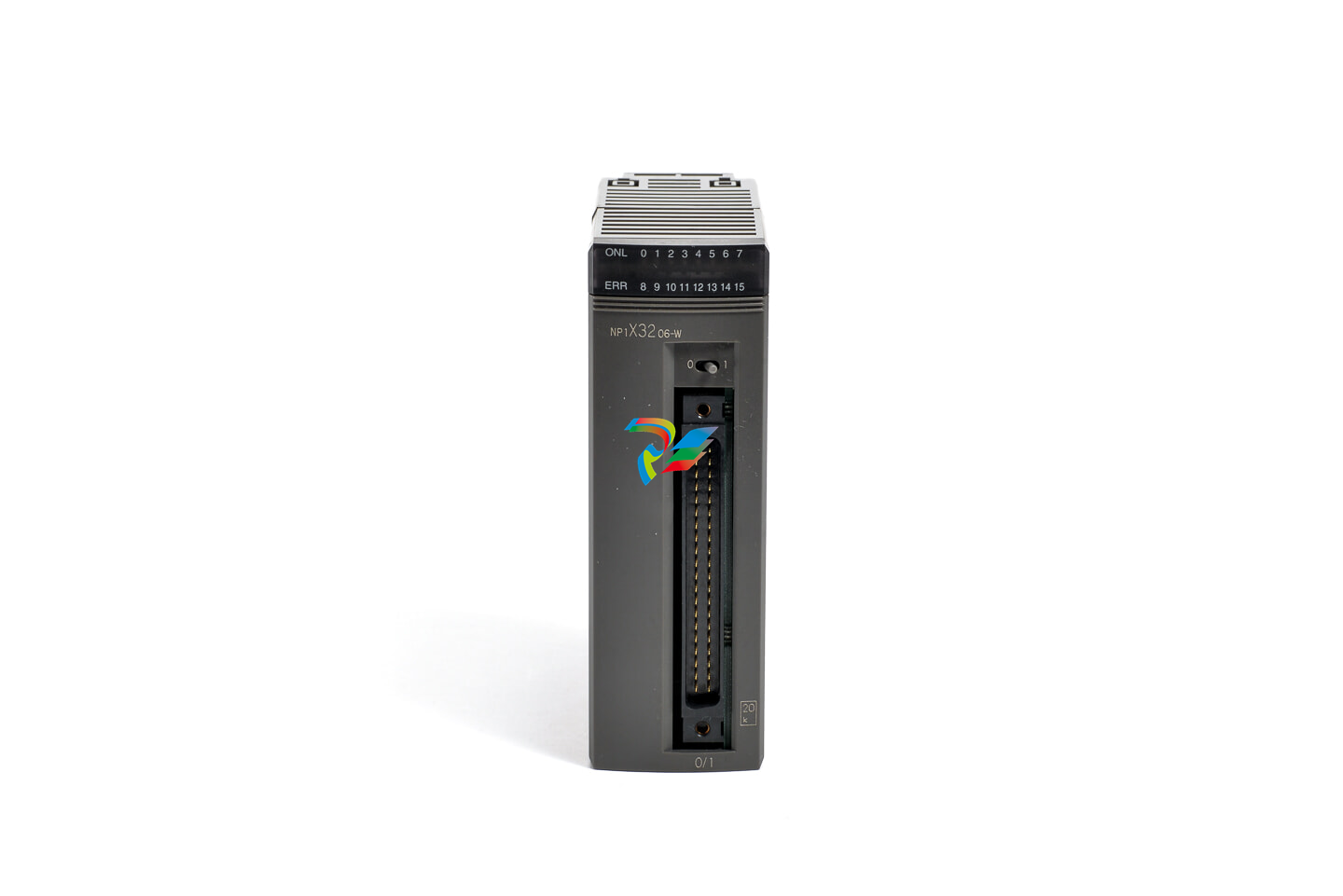 FUJI NP1X3206-A High-speed digital input module
 -
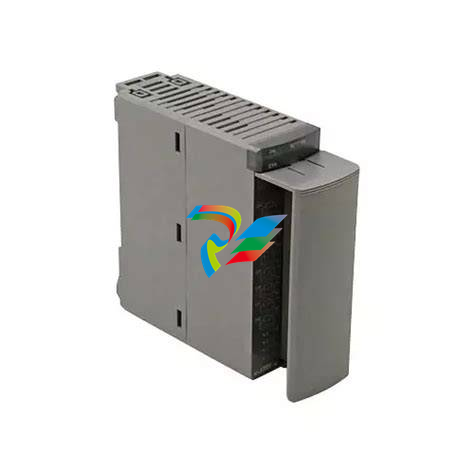 FUJI NP1AYH4I-MR current output module
 -
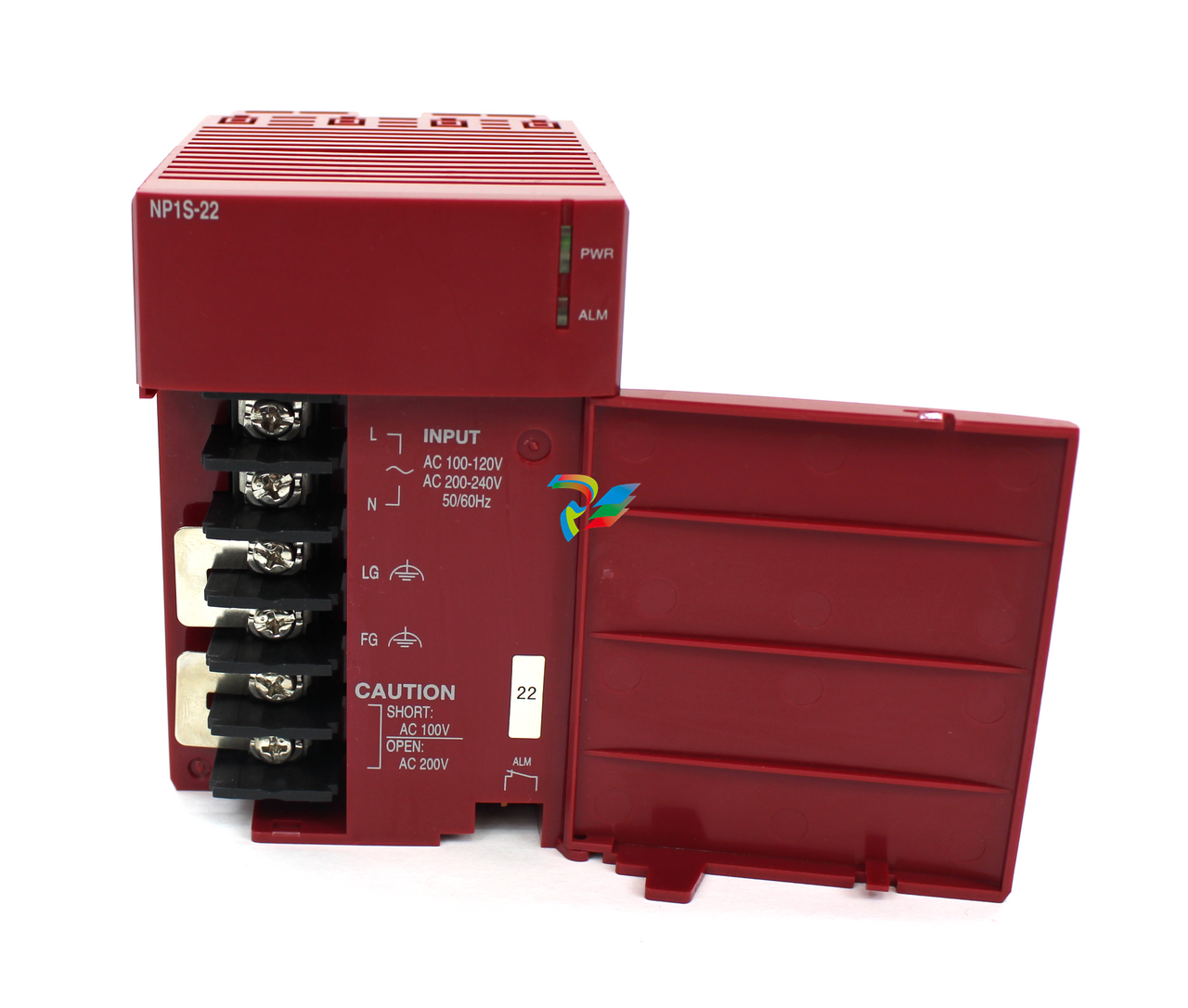 FUJI NP1S-22 Power module redundancy
 -
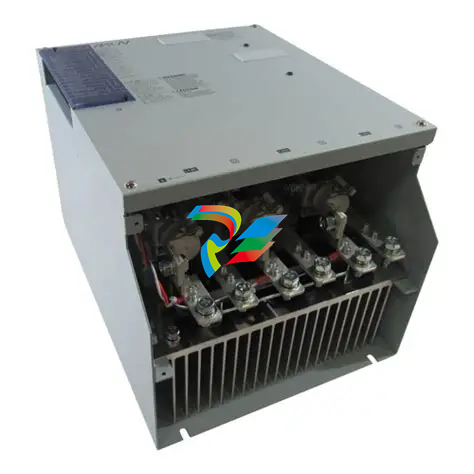 FUJI RPXD2150-1T servo drive module
 -
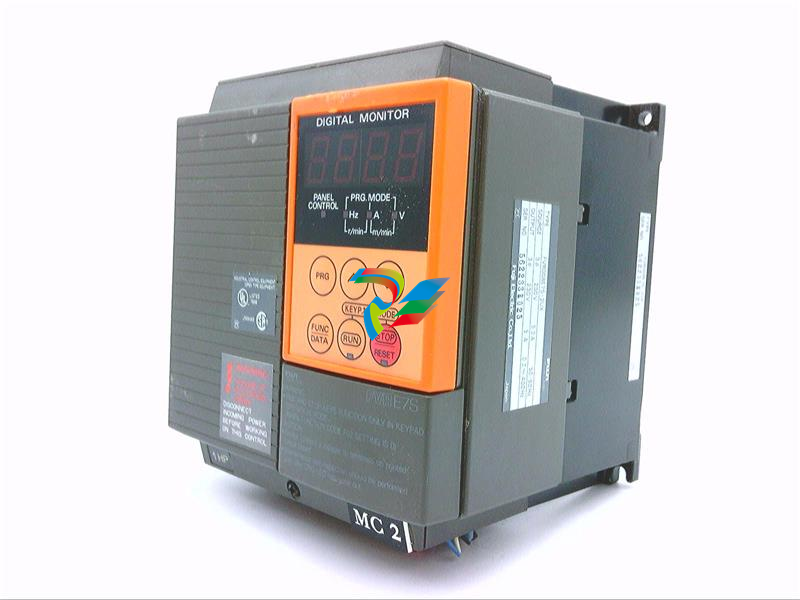 FUJI FVR008E7S-2UX Ac frequency converter
 -
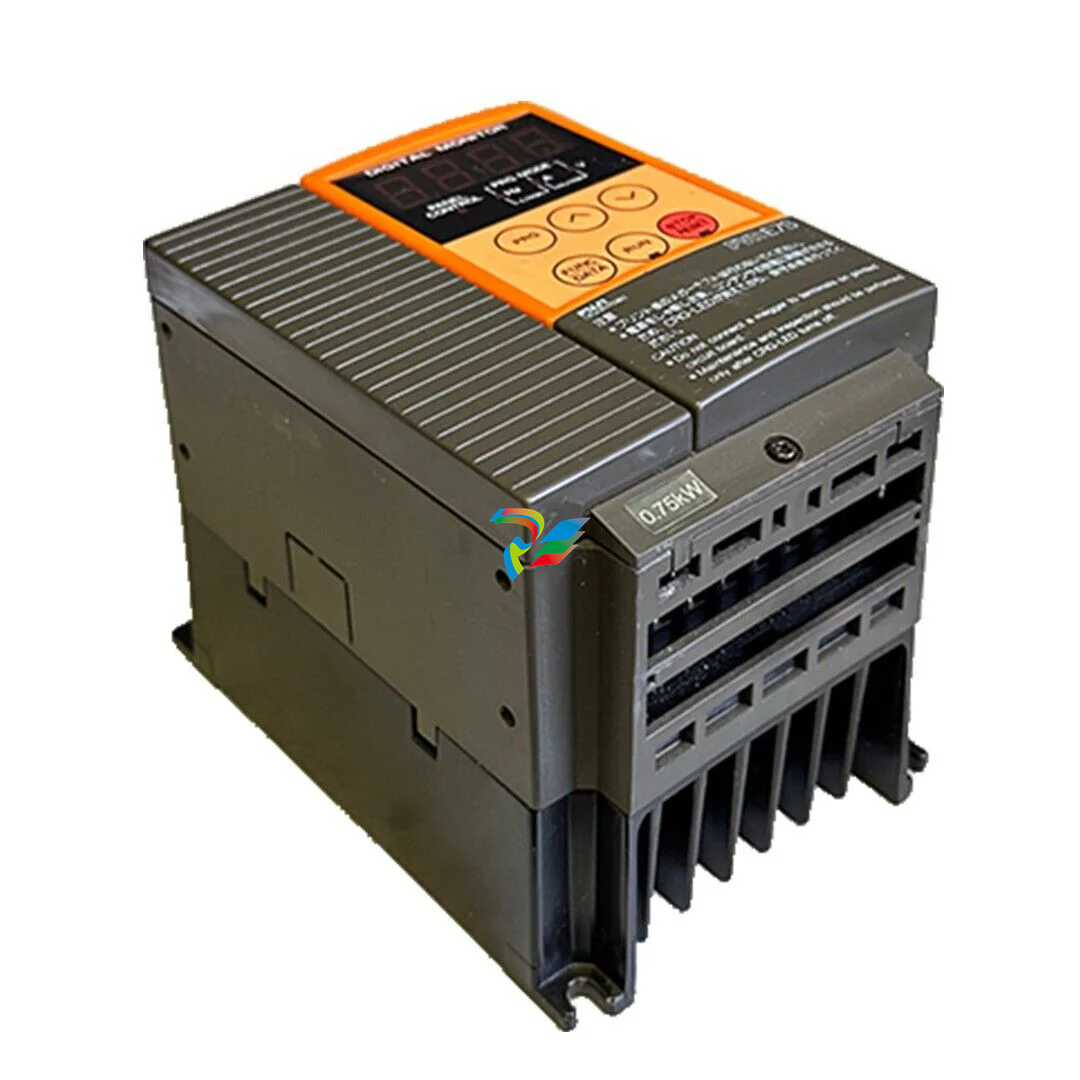 FUJI Ac frequency converter FVR008E7S-2
 -
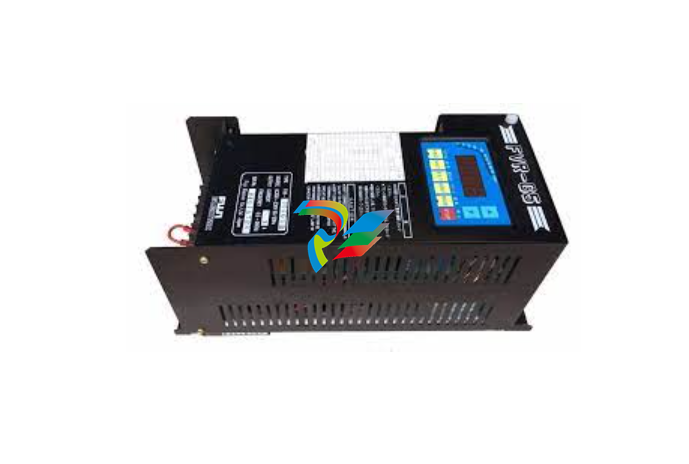 FUJI FVR004G5B-2 Small general-purpose frequency converter
 -
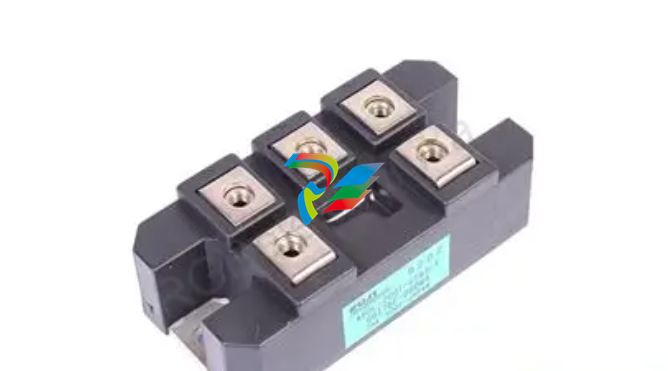 FUJI A50L-2001-0232 Industrial control module
 -
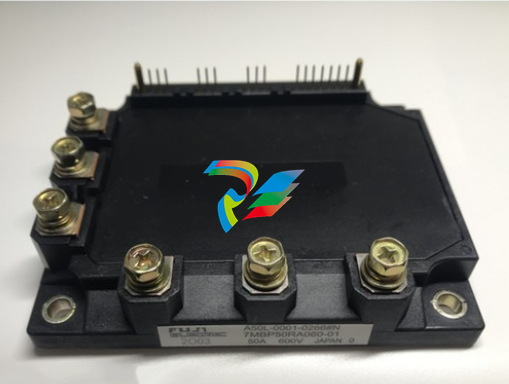 FUJI A50L-001-0266#N High-performance servo amplifier
 -
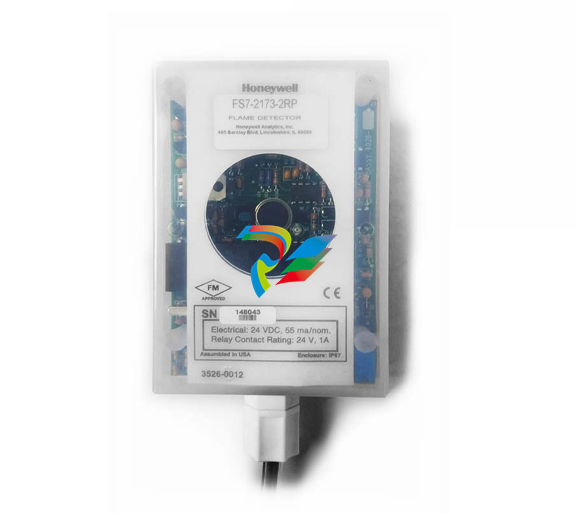 Honeywell FS7-2173-2RP Gas sensor
 -
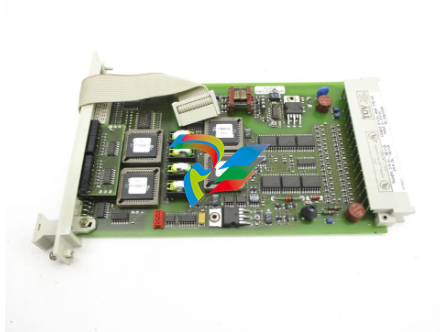 Honeywell 10106/2/1 Digital Input Module in Stock
 -
FRCE SYS68K CPU-40 B/16 PLC core processor module
-
Foxboro FBM I/O cards PBCO-D8-009
-
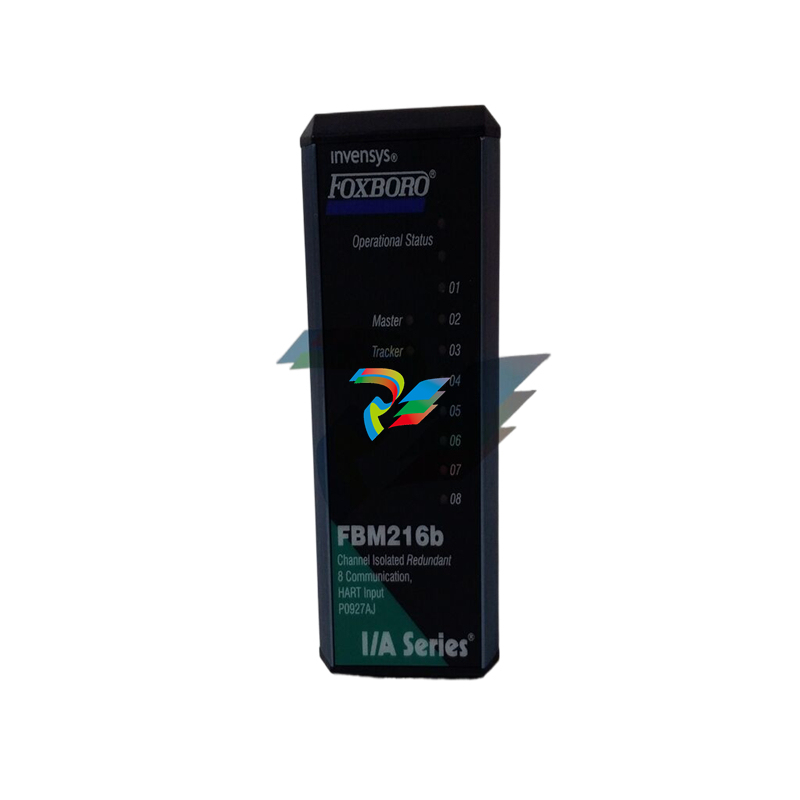 Foxboro AD916AE Digital Control System (DCS) Module
 -
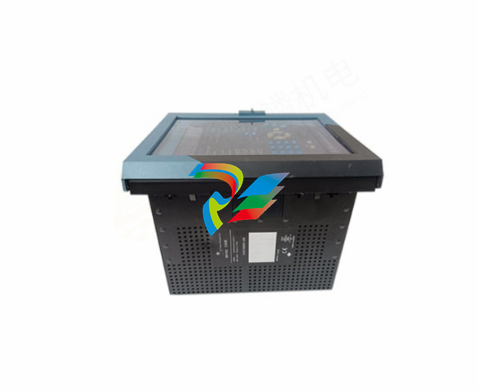 GE SR750-P5-G5-S5-HI-A20-R-E Multilin Relay
 -
.jpg) FOXBORO H90 H90C9AA0117S Industrial Computer Workstation
FOXBORO H90 H90C9AA0117S Industrial Computer Workstation -
FOXBORO RH928AW | I/A Series Relay Output Module
-
.jpg) Foxboro N-2AX+DIO Multi-functional input/output module
Foxboro N-2AX+DIO Multi-functional input/output module -
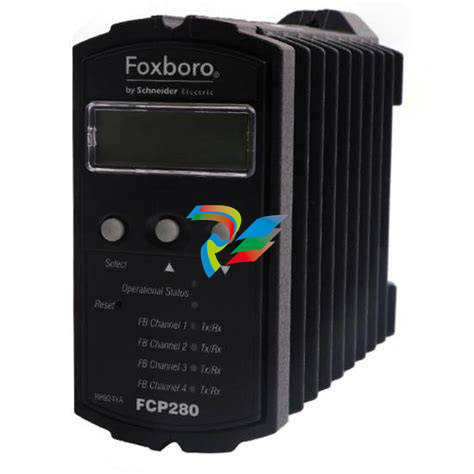 Foxboro RH924WA FCP280 Fiber Optic Network Adapter
 -
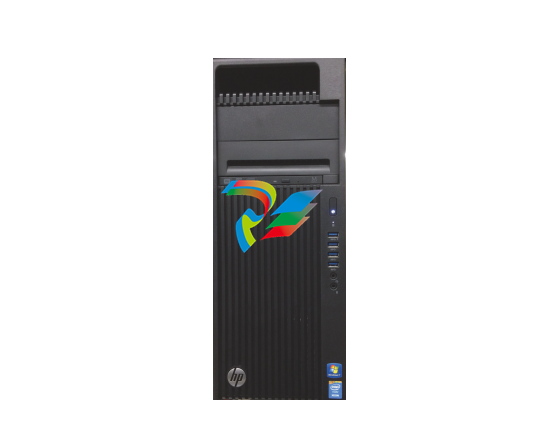 FOXBORO H92 Versatile Hardware Component In
 -
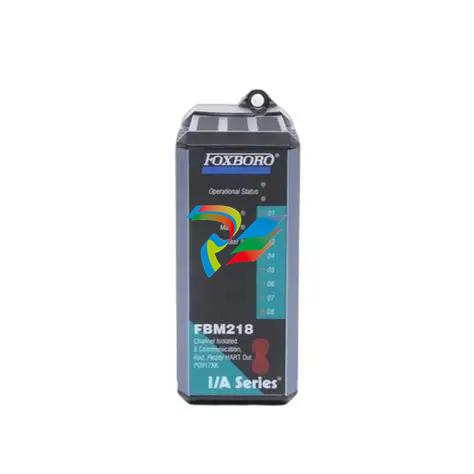 Foxboro FBM218 P0922VW HART® Communication Redundant Output Interface Module
 -
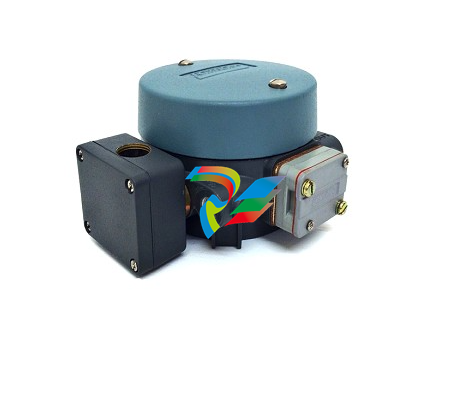 Foxboro E69F-TI2-J-R-S E69F Series Current-To-Pneumatic Signal Converter
 -
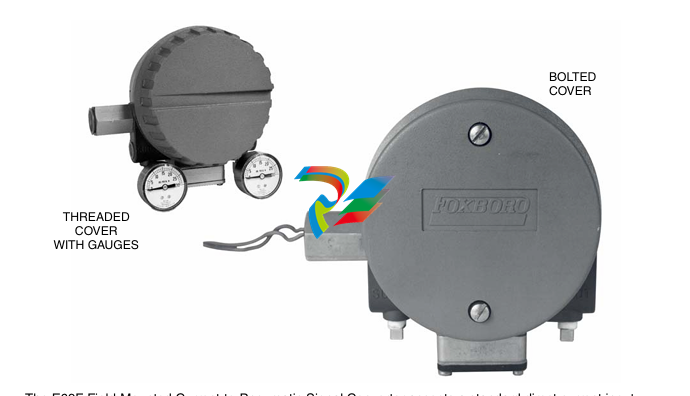 Foxboro E69F-BI2-S Converter
 -
.jpg) Foxboro H92A049E0700 The host of the DCS control station
Foxboro H92A049E0700 The host of the DCS control station -
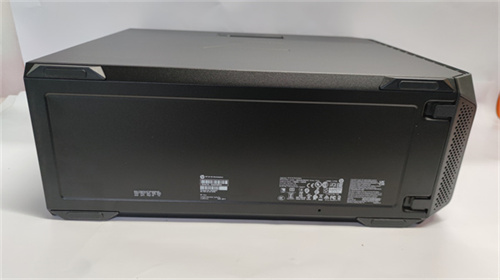 Foxboro H90C9AA0117S Industrial computer workstation
 -
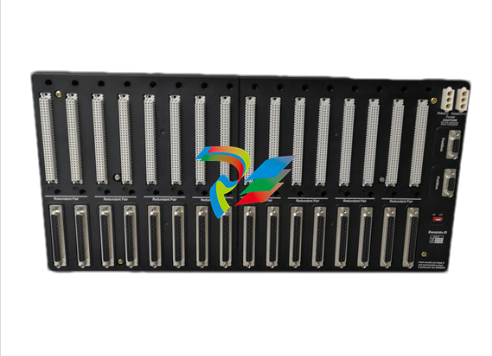 Foxboro RH101AA High-performance industrial control module
 -
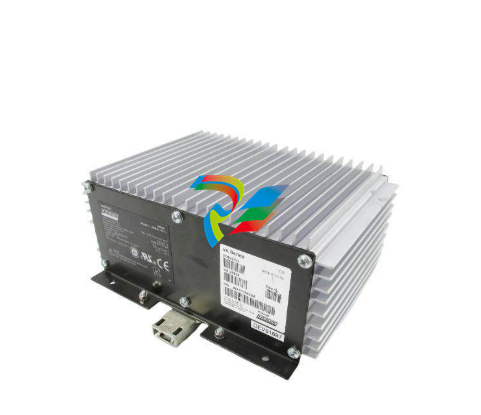 Foxboro P0922YU FPS400-24 I/A Series Power supply
 -
.png) FOXBORO P0973LN Chassis-based managed switch with independent power supply
FOXBORO P0973LN Chassis-based managed switch with independent power supply -
.jpg) FOXBORO P0926PA Input/output module
FOXBORO P0926PA Input/output module -
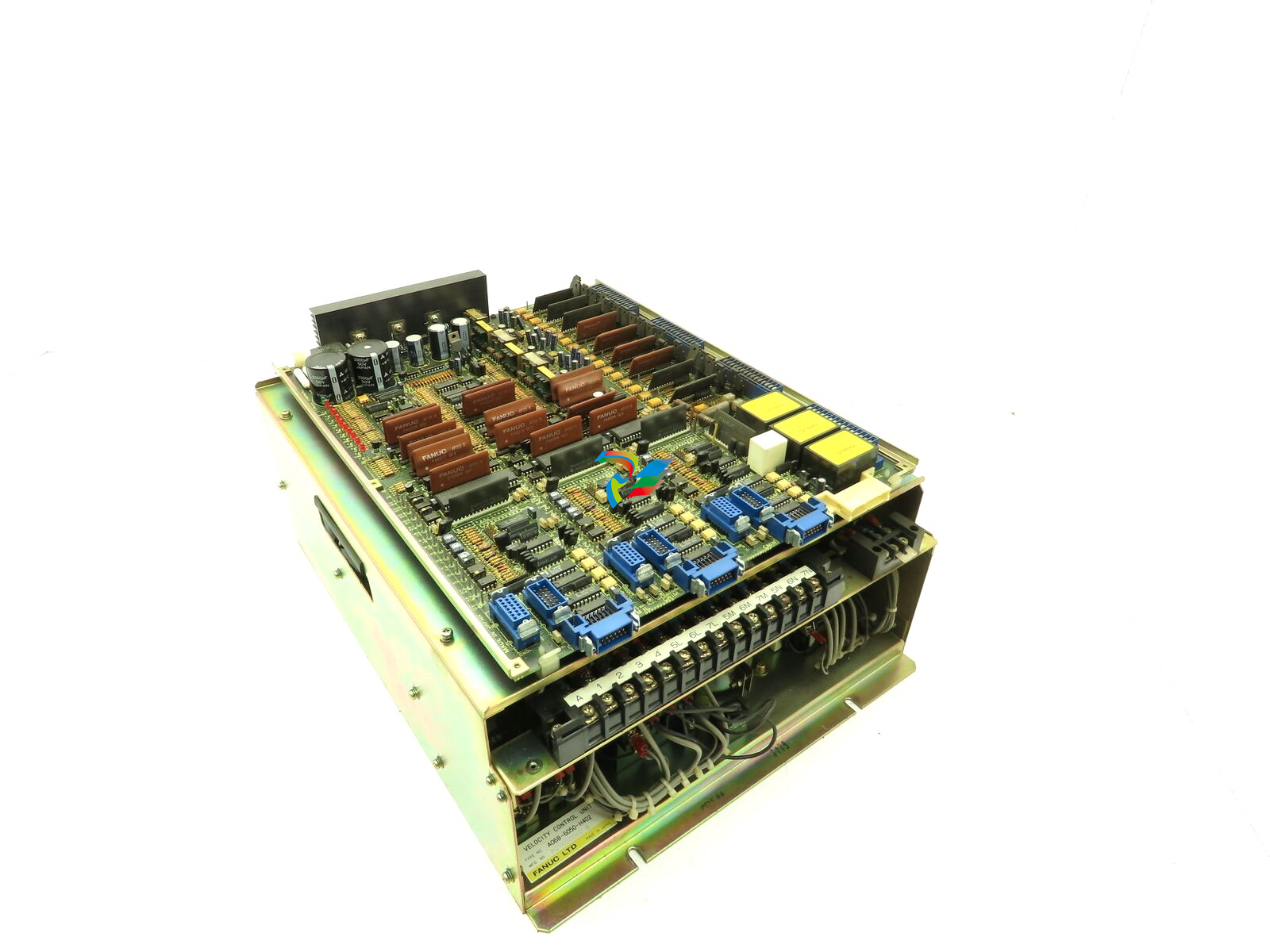 Fanuc A06B-6050-H402 3 AXIS ANALOG AC SERVO DRIVE
 -
.jpg) FOXBORO L0130AD L0130AE-0H Power module group
FOXBORO L0130AD L0130AE-0H Power module group -
_lVjBYb.jpg) FOXBORO 0399085B 0303440C+0303458A Combination Control Module
FOXBORO 0399085B 0303440C+0303458A Combination Control Module -
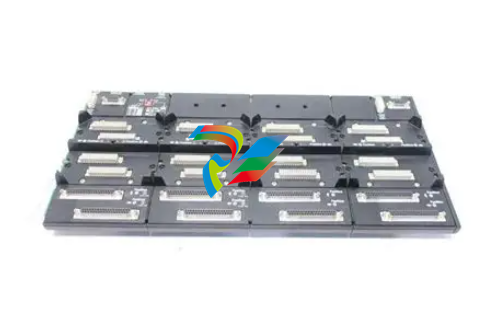 FOXBORO SY-0399095E (SY-0303451D+SY-0303460E) Process control board
 -
.jpg) FOXBORO 0399071D 0303440C+0303443B Input/Output (I/O) Module
FOXBORO 0399071D 0303440C+0303443B Input/Output (I/O) Module -
.jpg) FOXBORO RH924UQ Redundant Controller module
FOXBORO RH924UQ Redundant Controller module -
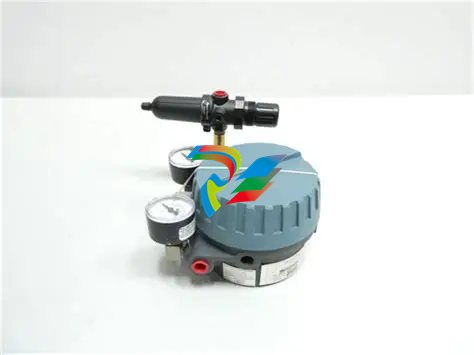 FFOXBORO E69F-TI2-S current pneumatic converter
 -
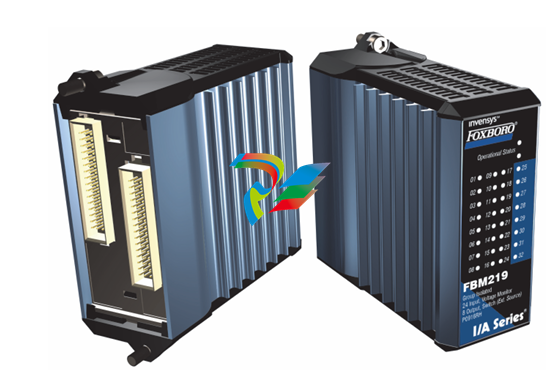 FOXBORO FBM219 RH916RH Discrete I/O Module
 -
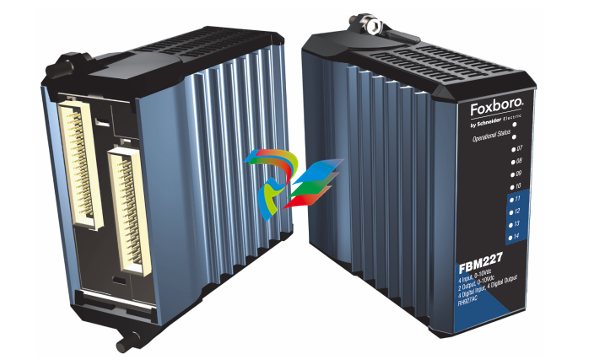 FOXBORO FBM227 P0927AC Module
 -
.jpg) FOXBORO 0399144 SY-0301059F SY-1025115C/SY-1025120E I/O module
FOXBORO 0399144 SY-0301059F SY-1025115C/SY-1025120E I/O module -
.jpg) FOXBORO SY-60399001R SY-60301001RB Industrial Control Module
FOXBORO SY-60399001R SY-60301001RB Industrial Control Module -
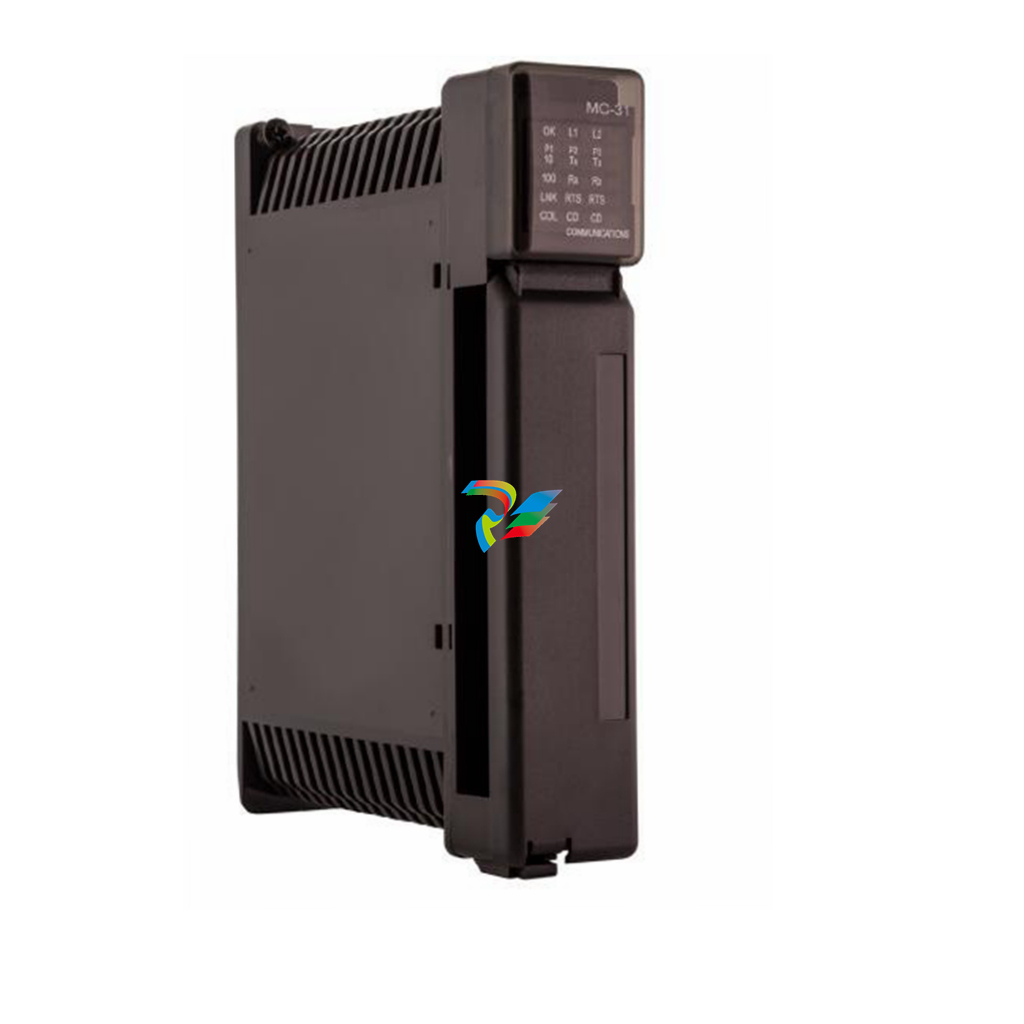 FOXBORO 0399143 SY-0301060R SY-1025115C SY-1025120E Combined control board
 -
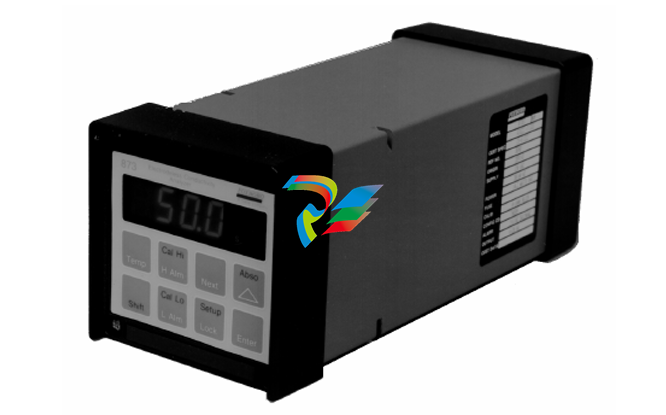 FOXBORO 873EC-JIPFGZ electrodeless conductivity analyzer
 -
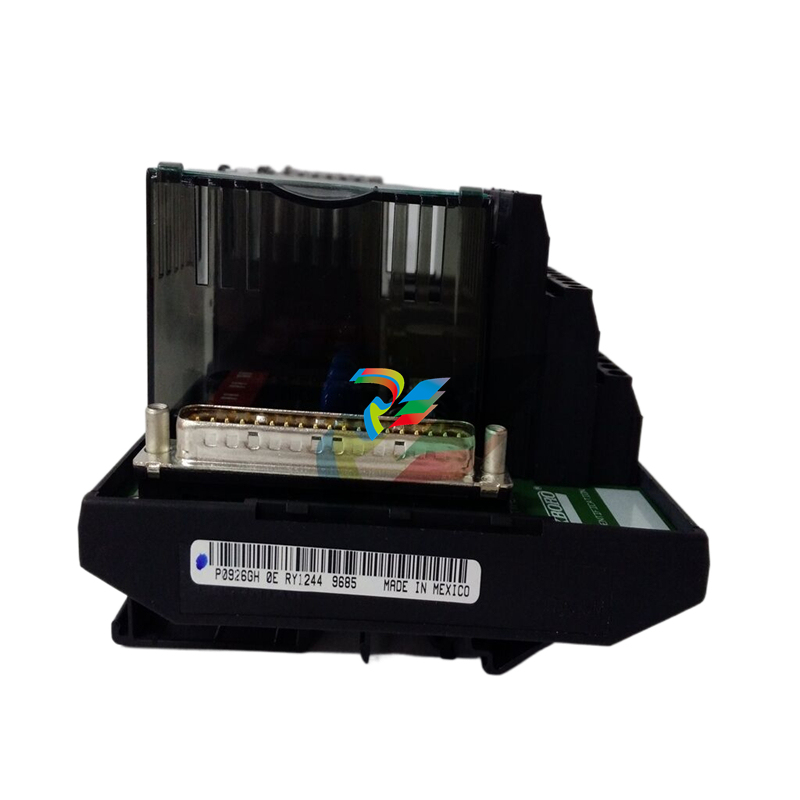 FOXBORO P0916PH (High-density HART I/O Module)
 -
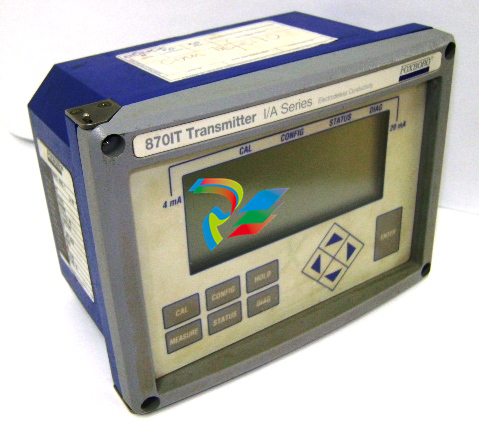 FOXBORO 870ITEC-AYFNZ-7 Intelligent Electrochemical Transmitters
 -
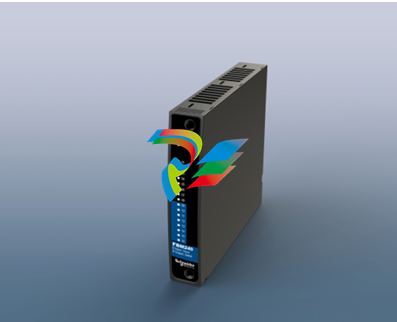 FOXBORO Compact FBM240. Redundant with Readback, Discrete
 -
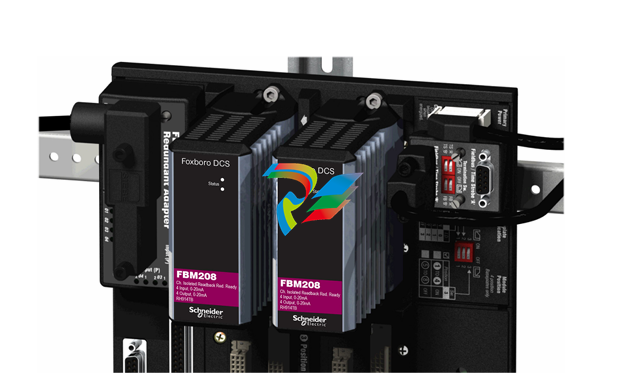 FOXBORO FBM208/b, Redundant with Readback, 0 to 20 mA I/O Module
 -
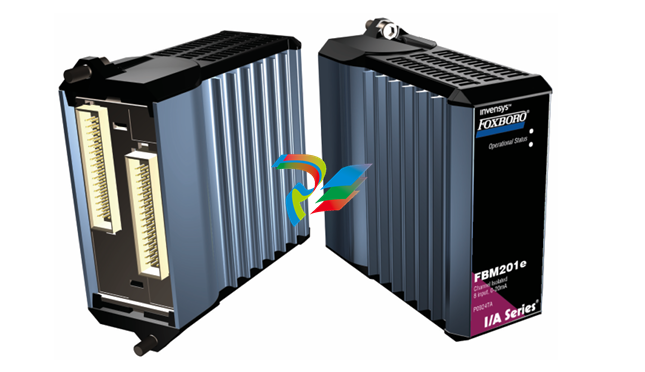 FOXBORO FBM201e Analog Input (0 to 20 mA) Interface Modules
 -
.jpg) FOXBORO P0916WG Terminal cable
FOXBORO P0916WG Terminal cable -
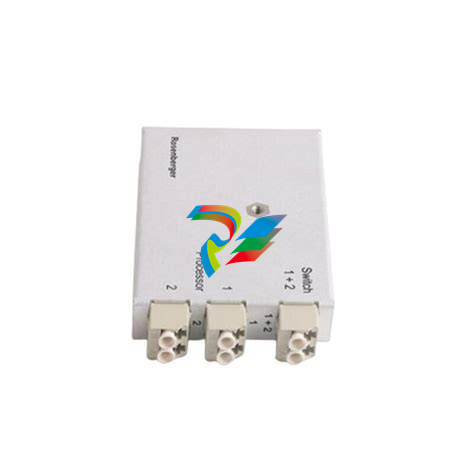 FOXBORO P0926MX 2-Port Splitter
 -
.jpg) FOXBORO AD908JQ High-Frequency Module
FOXBORO AD908JQ High-Frequency Module -
.jpg) FOXBORO AD916CC Processor module
FOXBORO AD916CC Processor module -
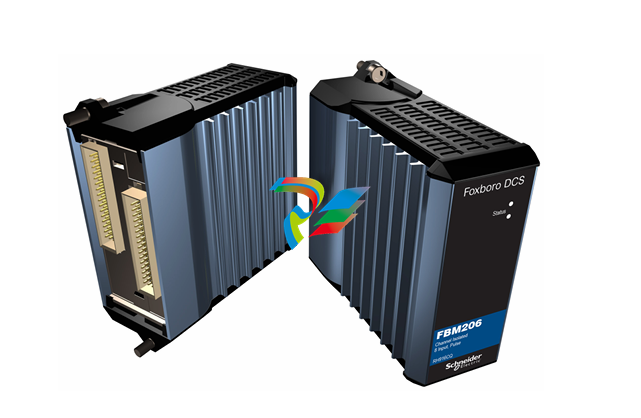 Foxboro DCS FBM206 Pulse Input Module
 -
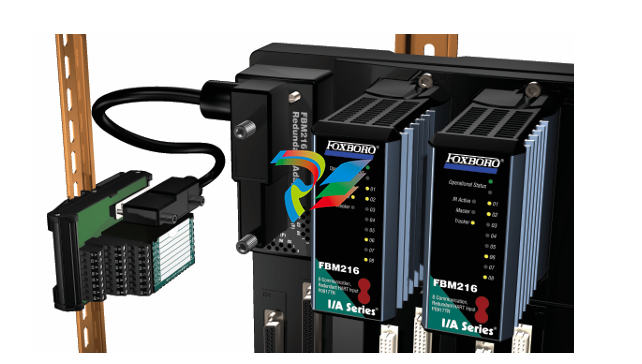 FOXBORO FBM216 HART® Communication Redundant Input Interface Module
 -
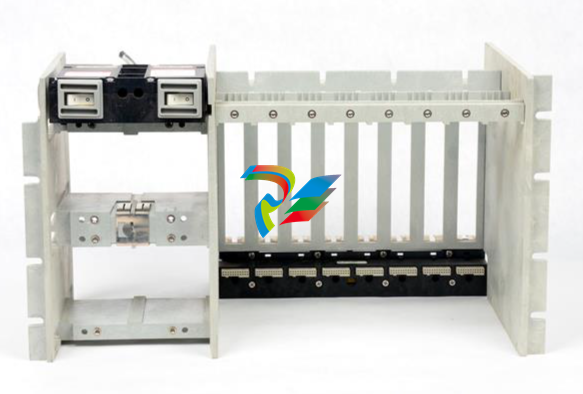 Foxboro p0903nu 1×8 unit sub-component module
 -
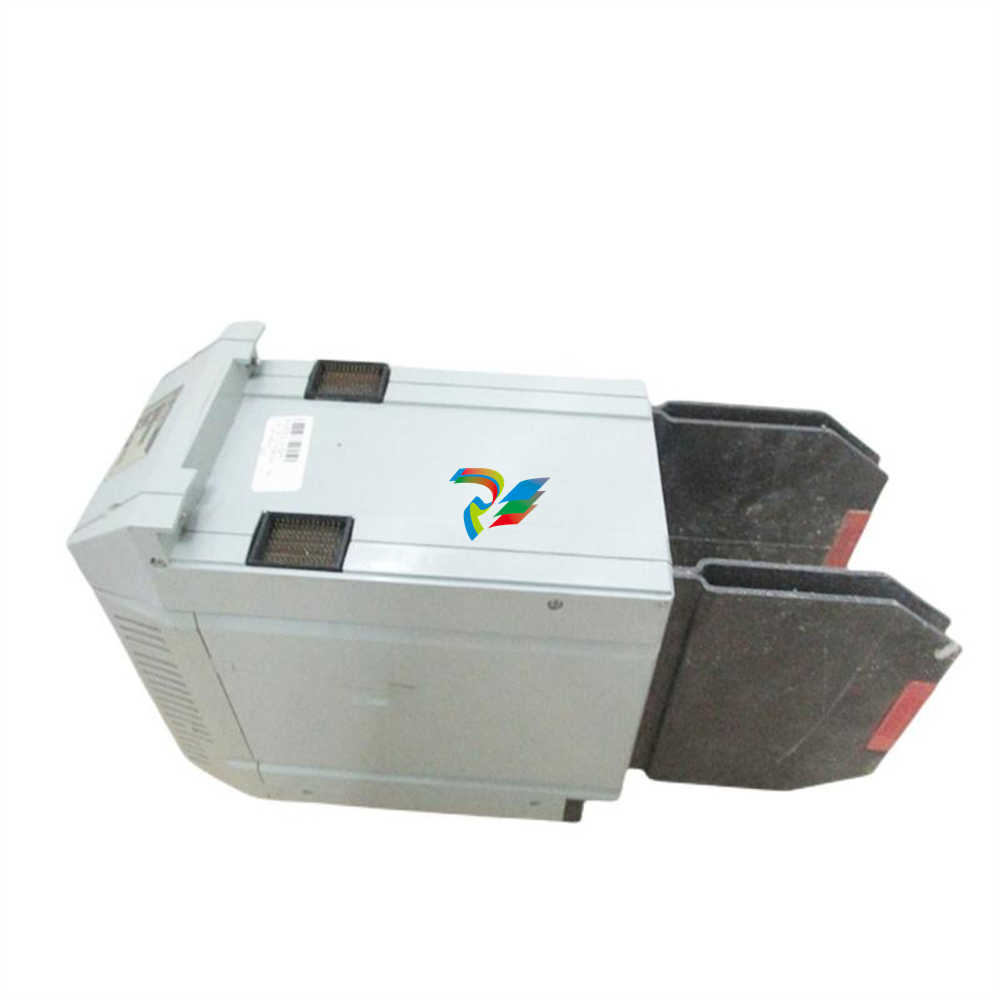 Foxboro P0911SM Industrial control module
 -
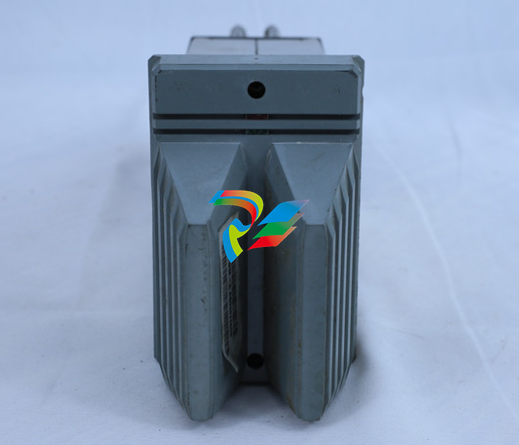 Foxboro CM902WM I/O module
 -
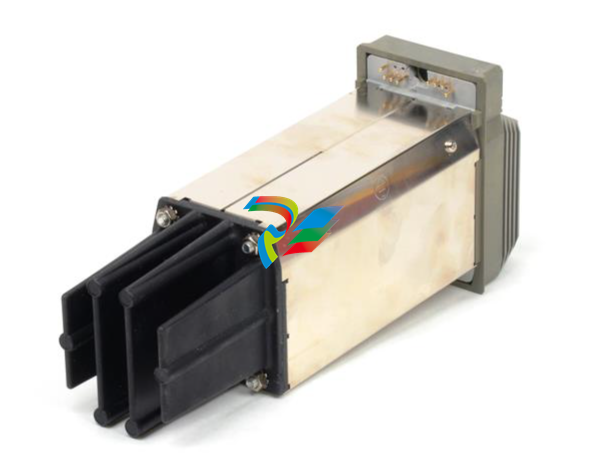 Foxboro CM902WL Power module