
How to Manage Differing Opinions in the Workplace
No manager revels in leading a team that is constantly at odds or causing workplace arguments, but a degree of healthy disagreement and debate is actually good for your business. Conflict in the workplace and differing opinions may be uncomfortable, but it’s common across many job roles and can be beneficial.
Why Having Disagreements and Resolving Conflict is Good

Firstly, it encourages your most stubborn team members to challenge their existing biases and think differently. Facilitating debate is a great way to introduce people to new ideas and new perspectives that they may not otherwise have been exposed to.
Secondly, there’s the fact that the pursuit of concord at all costs doesn’t serve your team’s best interests. By enforcing the mentality that everyone in your team should ultimately agree with one other, you dissuade people from speaking up. As a result, your more introverted or marginalized employees might feel unheard, which can lead to frustration, disengagement, and a lack of motivation.
Thirdly, diversity of thought provides good business outcomes. When everyone thinks in the same way, innovation is stifled and the boldest ideas or solutions go unexplored. Though it sounds counterintuitive, workplace conflict and collaboration come hand in hand. When you nurture a safe environment for your team to think outside the box and share their ideas, even when that means directly challenging their colleagues, you’ll find new ways of overcoming hurdles and resolving conflicts.
So how can managers best prevent their team’s disputes from spiraling out of control and harness them to drive innovation, productivity, and value?
1. Be Respectful, Patient, and Empathetic
You cannot create an environment in which everyone feels comfortable expressing their opinions without building respect and empathy between each team member.
While it’s OK to disagree, no one’s input should be scoffed at or dismissed. Remind your team that by listening to — and striving to understand — a new perspective, they haven’t automatically prescribed to that idea. Rather, they’ve shown their colleagues the courtesy they deserve.
2. Give Everyone a Chance to Speak
Managing strong personalities is perhaps the biggest challenge when it comes to supervising a constructive debate between team members. The confident, extroverted, and more naturally confrontational among them will not only be the dominant voices in the room, and quick to express themselves, but they’ll also be the most likely to double down on their opinions — unafraid of, and unperturbed by, any escalating tensions.
Be prepared to rein in louder voices and elevate the quieter ones, particularly if certain team members will likely back down at the first sign of confrontation. Leaders come with all sorts of personalities, and it is possible to achieve more when you acknowledge everyone and their style of speaking and thinking.
3. Set Boundaries and Dampen Workplace Arguments
Empowering your employees to express themselves doesn’t mean your Monday morning team catch-ups should regularly descend into blazing arguments — there is such thing as too much debate.
Make it clear that raised tones, aggression, or personal jibes have no place in a constructive discussion and will not be tolerated. If debates often get heated or descend into disagreements, try to steer the conversation in a new direction, encourage other employees to chime in on the discussion, or interrogate why they have such opposing views.
In some cases, you might need to give your team a cooling-off period by taking a break or returning to the contentious topic at a later date, allowing them to focus on more crucial tasks.
4. Invite Constructive Criticism
Effective communication and collaboration require honesty and transparency. Your employees will not learn to question their deep-rooted biases and opinions, or grow as professionals, if they are never called out by their colleagues and managers.
Inviting each co-worker to provide their peers with constructive criticism will challenge them to do better. As a leader, it’s your role to ensure feedback is executed with compassion and no individual feels targeted by the group at large.

5. Never Suppress a Workplace Conflict
When a conflict feels impossible to resolve, it might be tempting to put it to one side and hope that the problem goes away by itself — but this is never advisable. An unresolved dispute quickly becomes the elephant in the room and only serves to breed deep-rooted resentment and frustration between team members.
If you’ve struggled to resolve a conflict during a meeting, you might need to conduct follow-up sessions with specific employees. In a more intimate setting, team members might find it easier to listen to one another and find a way to reconcile their differences.
6. Ask for Opinions in Advance of a Team Meeting
Some people might never feel comfortable speaking out against their colleagues in the middle of a team meeting, which is why forward planning is key.
It’s good practice to send out an agenda ahead of important meetings and ask attendees to share their input in advance. That way, you can have a balanced discussion that successfully incorporates everyone’s opinions and ideas. This also gives employees the chance to do research and think carefully about their position, rather than blurting out an ill-considered viewpoint in the heat of the moment.
7. Have a Plan for Conflict Resolution
Because everyone has different opinions and beliefs, conflict is inevitable in many cases, but having a plan in advance will help you as a manager find solutions and stay calm during these debates.
The first step in conflict resolution is to listen actively. Try to understand the point your employee is making before jumping in to address issues. Then, work to determine the root cause of the conflict and see if you and your co-workers can find common ground. Understanding where each person is coming from and reminding everyone what the end goal is can temper emotions, clarify responsibilities, and lead to a more positive outcome. Avoid playing the blame game, too, as this isolates certain parties.
8. Don’t Be Afraid to Ask for Assistance
Dealing with constant conflict can cause a lot of stress for you and your team. Don’t choose to go it alone. Whether you’ve been managing people for one year or three decades, it’s never a bad thing to get a third party’s help. Your HR department, a mentor, or a fellow colleague on a team horizontal to your own can provide tips, methods of working peacefully, and even help identify problems you may be overlooking.
Don’t be afraid to talk or assume you have to find a solution on your own. A business should be structured to support you and your team, as that’s how everyone can be successful in the long run.
-
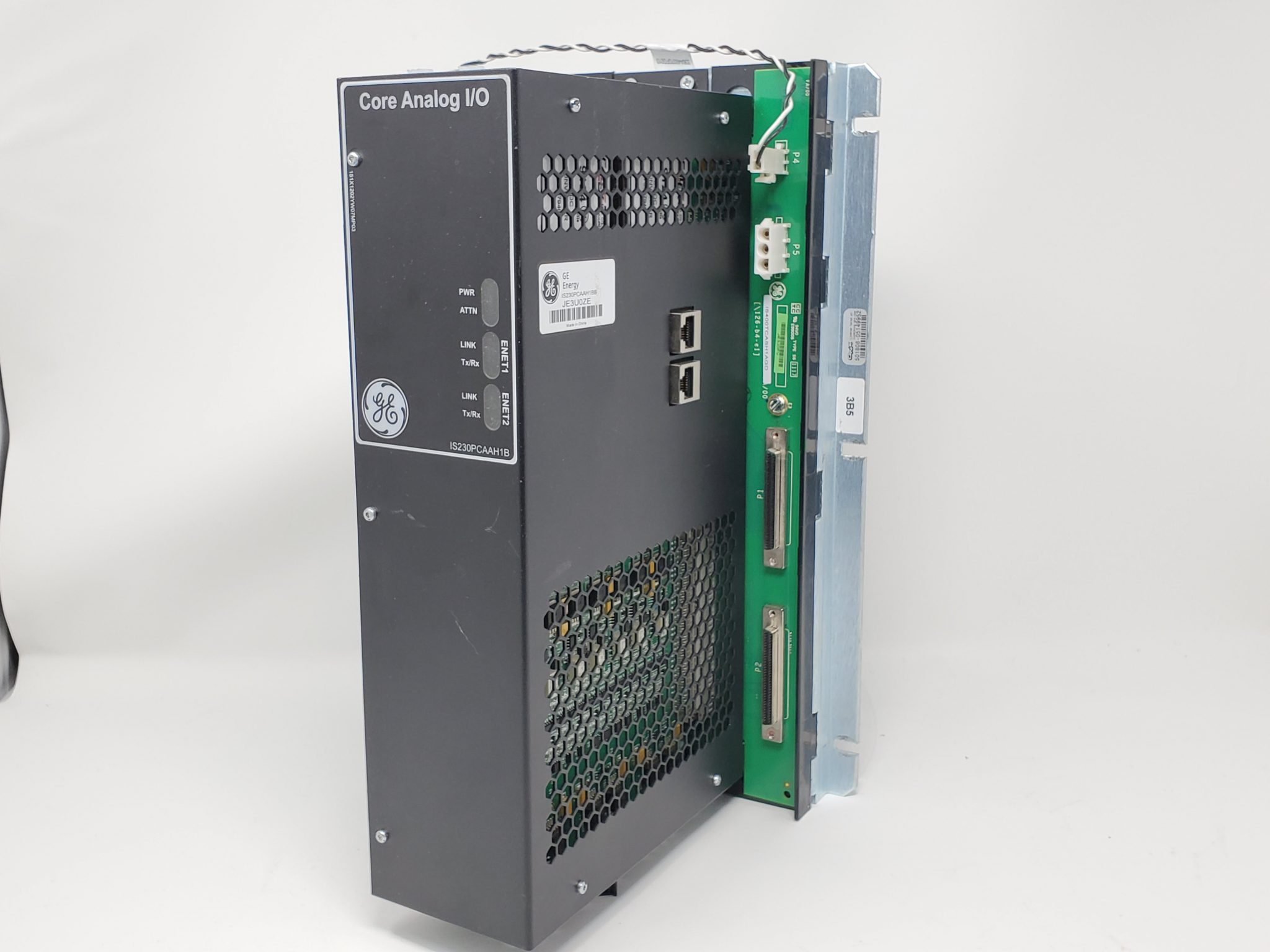 IS200BPPBH2CAA Mark VIe Power Supply Module
 -
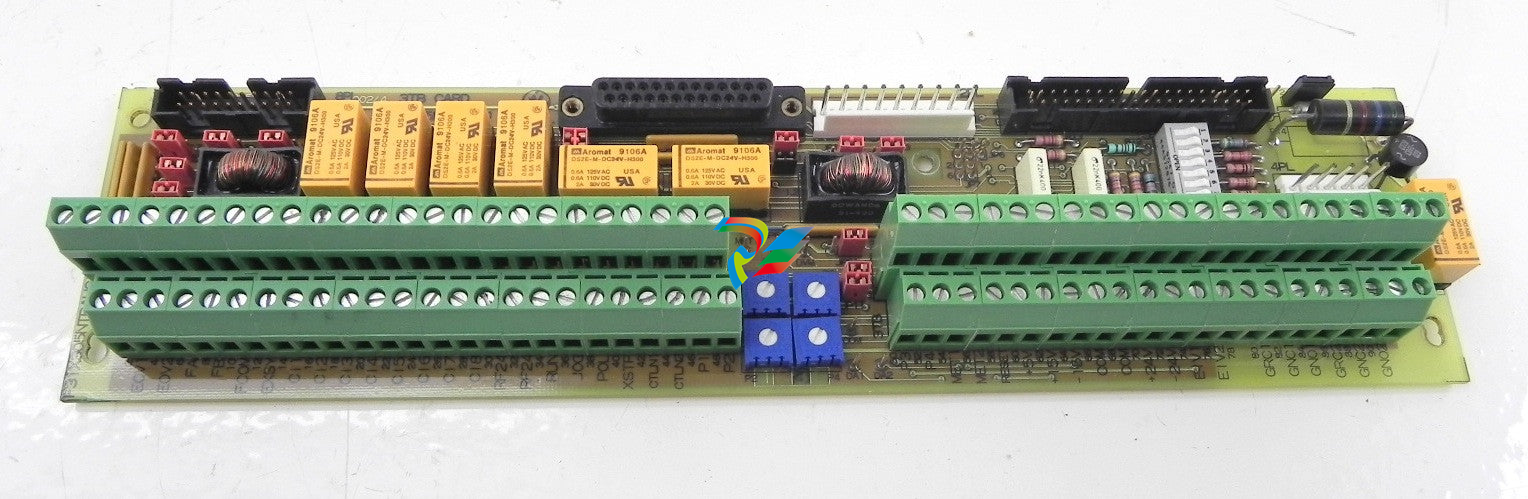 IS210MACCH2AEG Motor Control and Communication Module
 -
 IS210MACCH2AGG Mark VIe Speedtronic Turbine Control Module
 -
 IS200AEPAH1AFD Printed circuit board
 -
IS200AEPAH1ACB Analog I/O Module
-
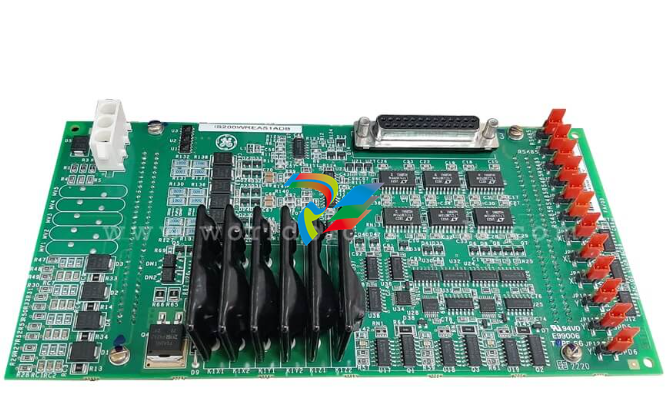 IS200WREAS1ADB AERO TRIP TB DBRD sub-board
 -
 IS200WETAH1AEC large board component made Mark VI system
 -
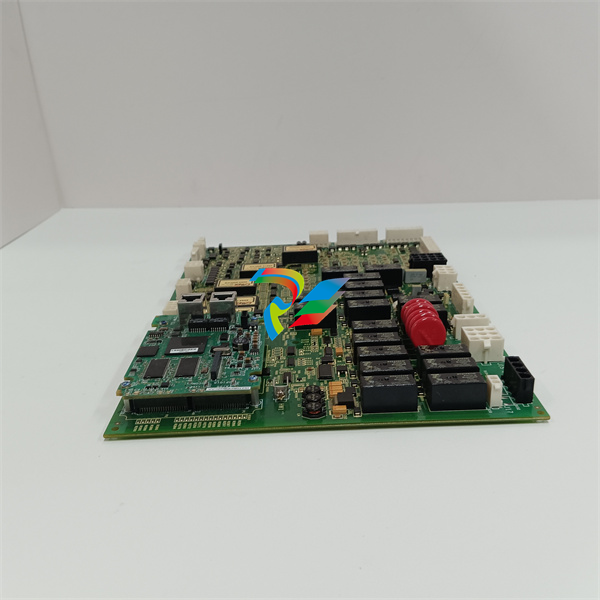 IS200AEPAH1AHD A High-Precision Excitation Control Board for Turbine Systems
 -
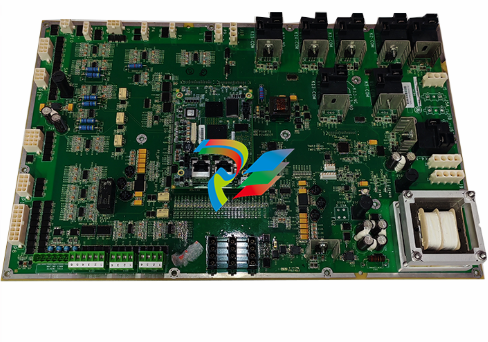 IS200WEMAH1AEA Control board
 -
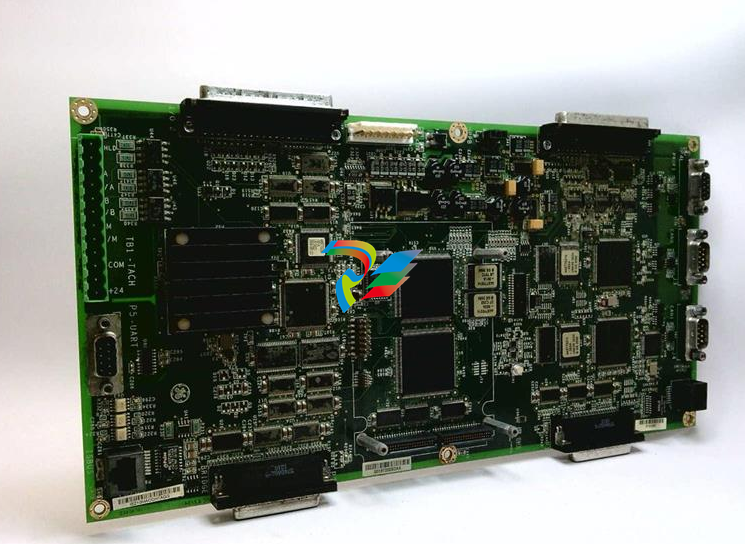 IS210MACCH1AGG processor card
 -
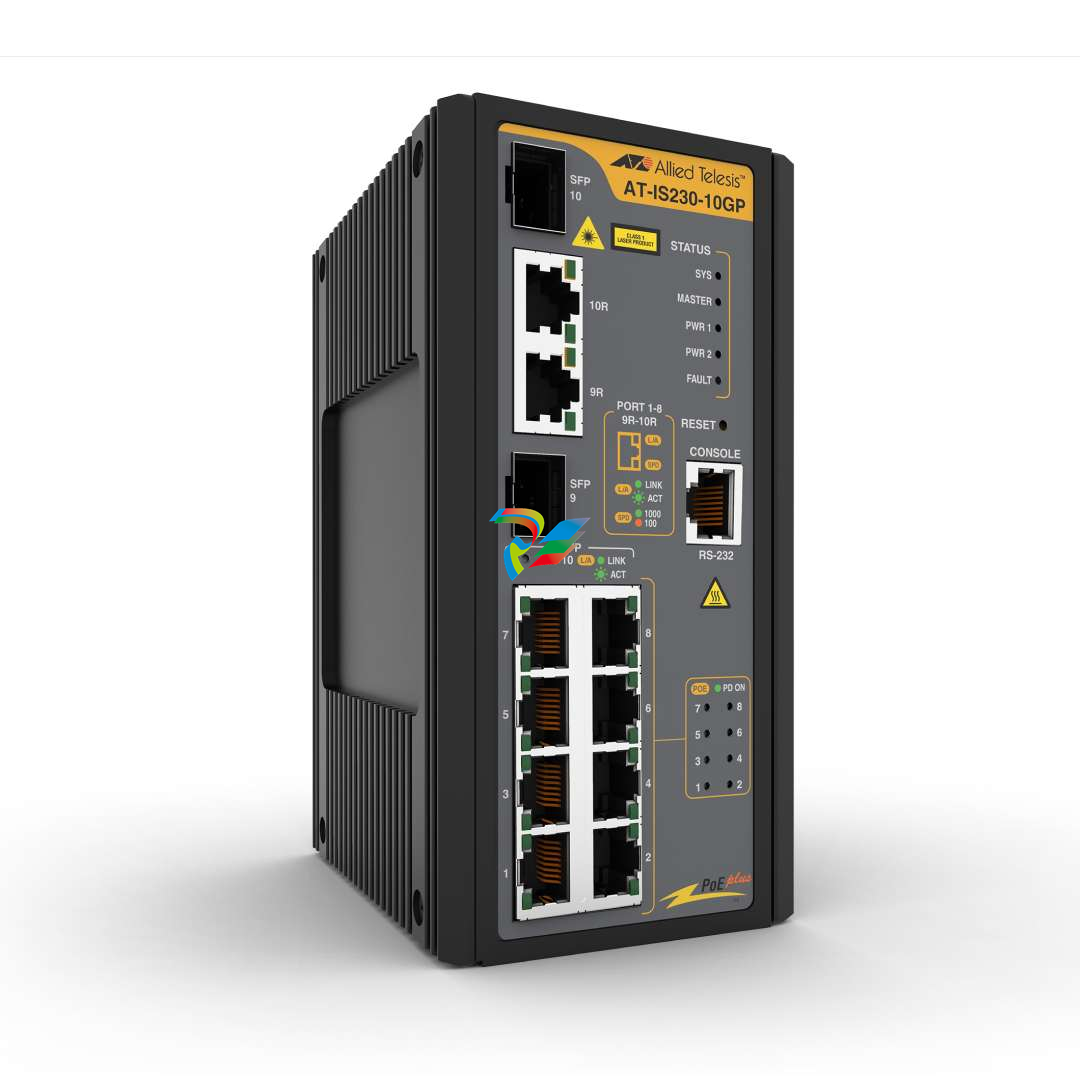 IS230TNRLH1B Discrete Output Modular Assembly
 -
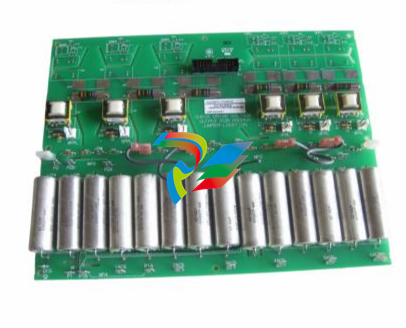 Mark V Series DS200PCCAG1ACB PCB Power Connect Card
 -
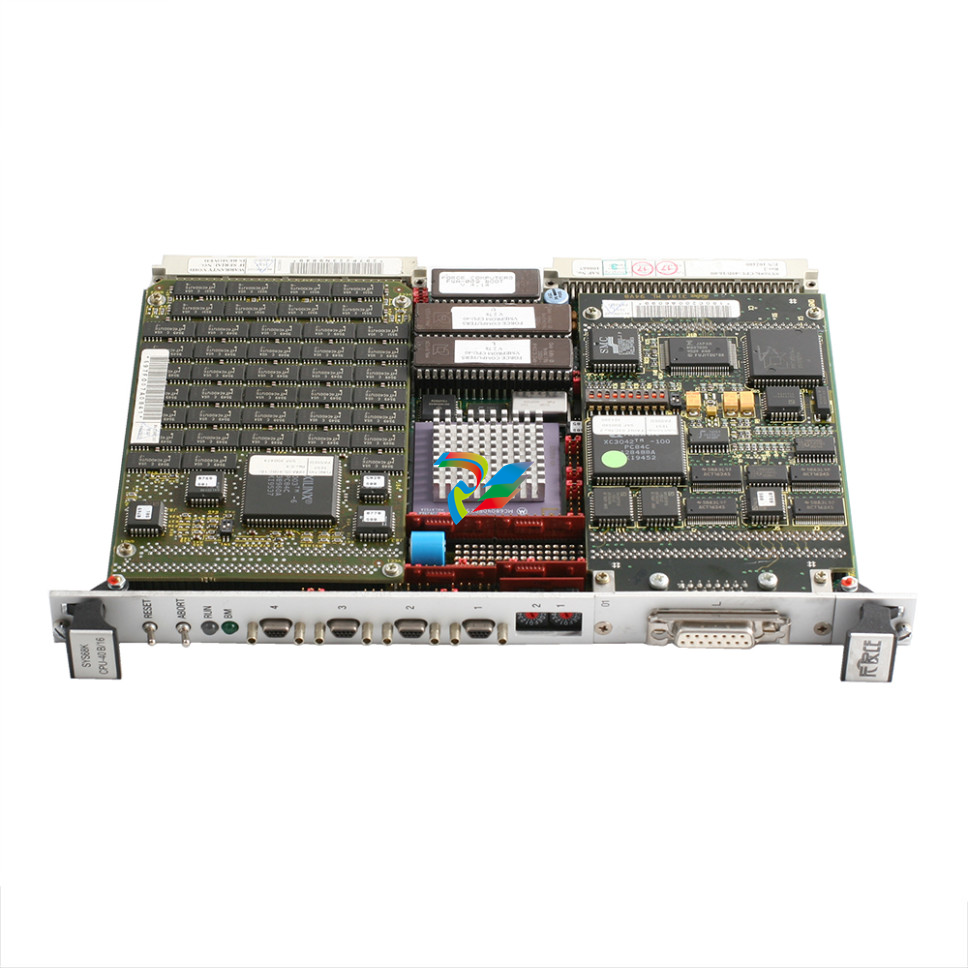 DS200SI0CG1AEA Instantaneous overcurrent card
 -
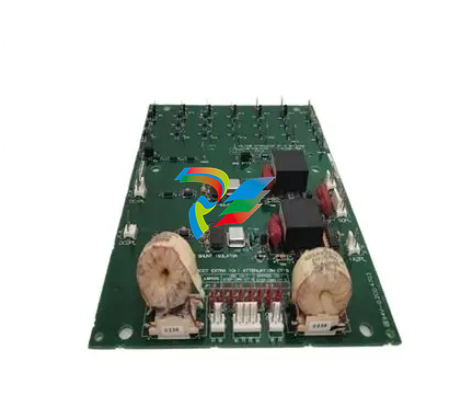 DS200SHVMG1AGE Analog I/O board
 -
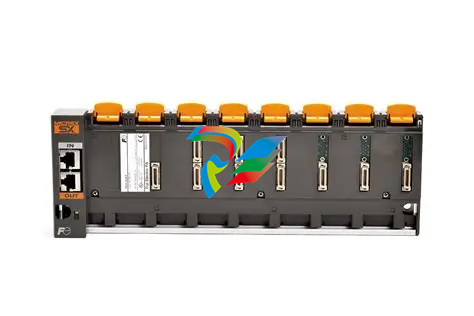 DS200SI0CG1A6A Input/Output Module
 -
 DS200SHVMG1AFE SCR High Voltage Interface Board
 -
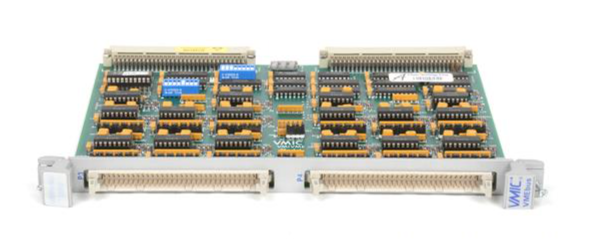 DS200RT8AG3AHC Relay Output Terminal Board
 -
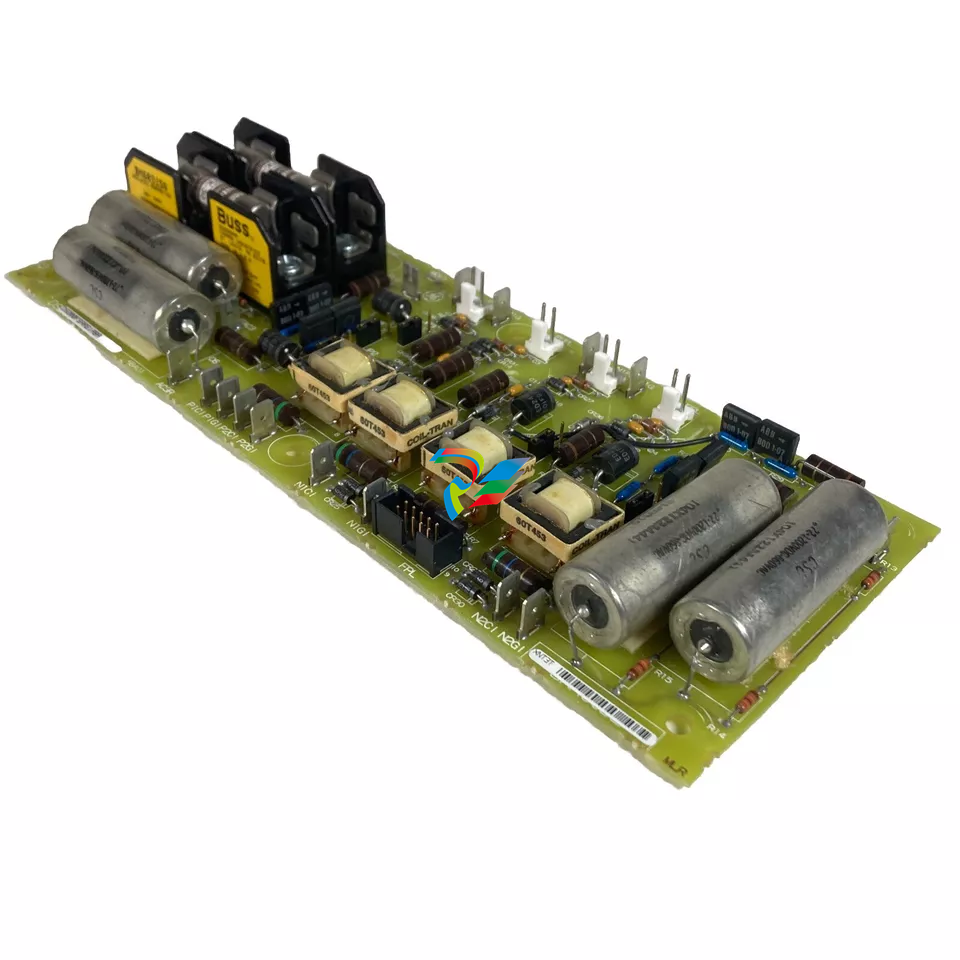 DS200FSAAG1ABA PCB Field Supply Gate Amplifier Board
 -
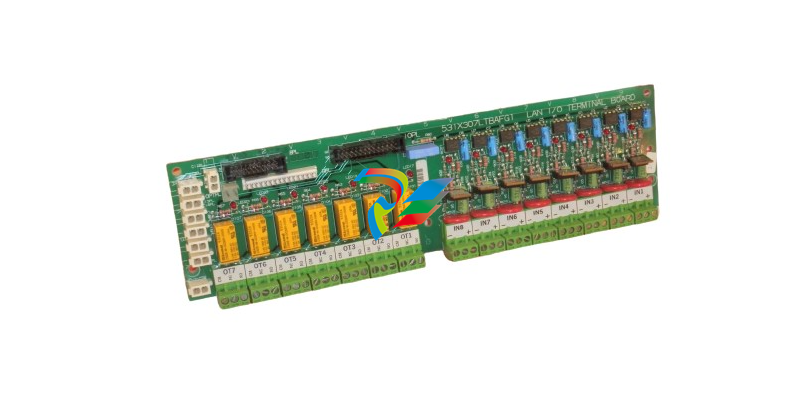 531X307LTBAFG1 F31X307LTBA LAN I/O Terminal Board
 -
 ABB AFS670 19" Ruggedized Switch AFS670-EREEDDDSSEEEEEEEPZYX05.1.0
 -
 NI Controller for VXI VXIPC-871B
 -
 IS200EPMCH1GE Mark VIe Patch Cord Power Distribution Card
 -
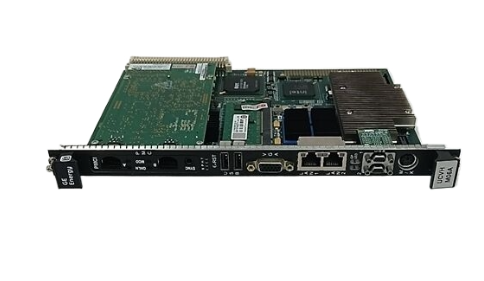 VMICPCI-7632-03310 IS215UCCAH3A 350-657362-003310J GE gas turbine system control processor board
 -
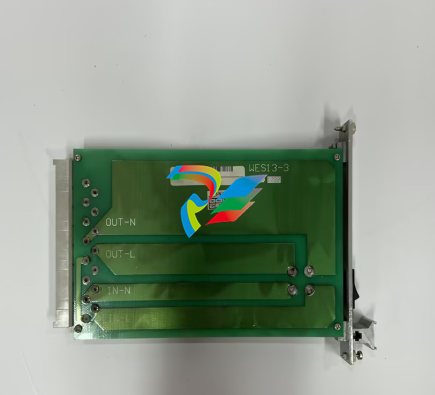 WEA13-13 2508-21001 Control Module / I/O Board
 -
.jpg) WES5120 2340-21004 Controller Main Module
WES5120 2340-21004 Controller Main Module -
 WES5120 2340-21006 Field Controller Master Unit Module
 -
WESDAC D20ME 18-MAR-13 Excitation Control Module
-
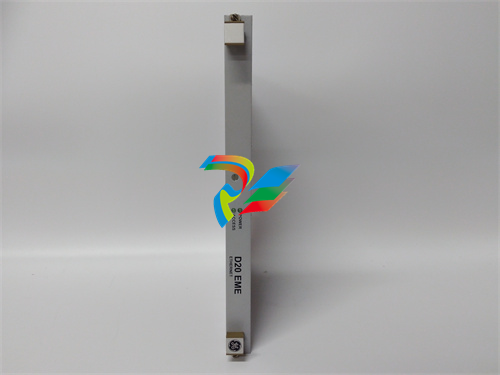 D20 EME 2400-21004 Ethernet communication and expansion module
 -
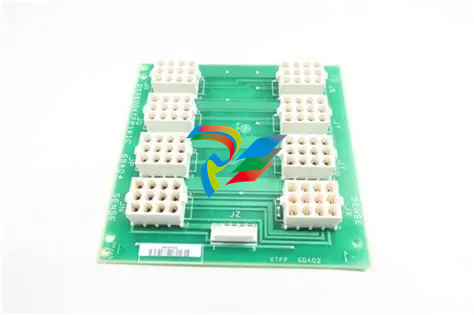 GE DS3800XTFP1E1C Thyristor Fan Out Board Brand
 -
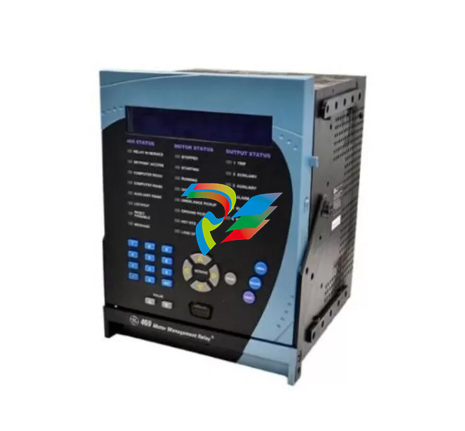 GE SR745-W2-P1-G1-HI-A-L-R-E Feeder protection relay
 -
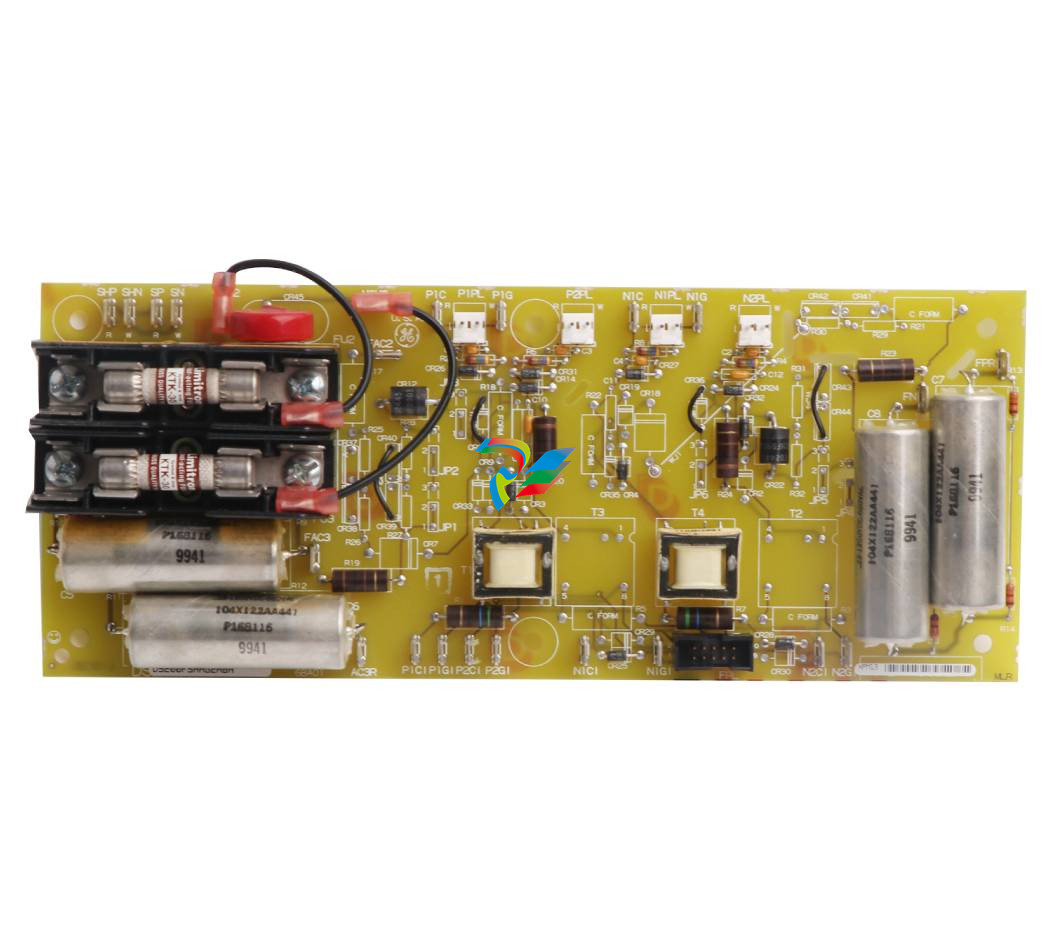 GE IS230TNDSH2A Discrete Output Relay Module Brand
 -
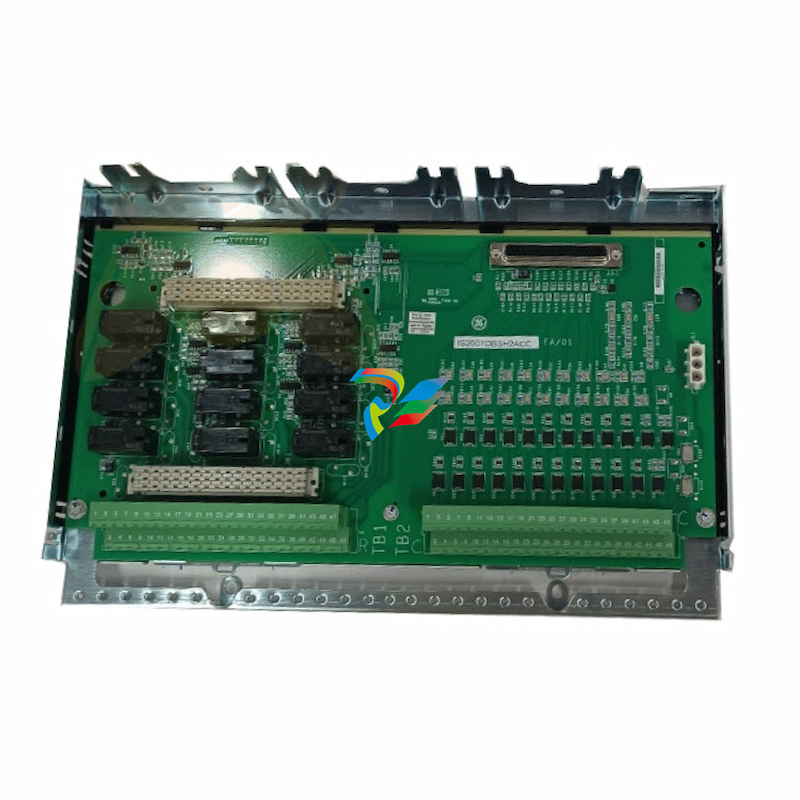 GE Fanuc IS200TDBSH2ACC Mark VI Terminal Board Brand
 -
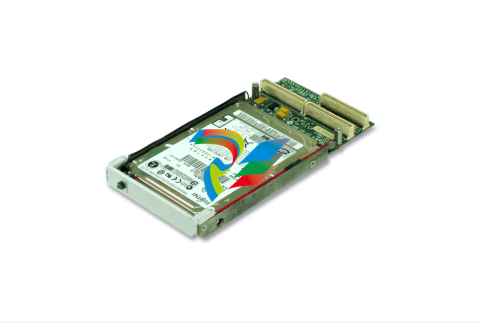 GE PMC-0247RC-282000 350-93750247-282000F Disk Drive
 -
GE PMC-0247RC-282000 350-93750247-282000F Disk Drive
-
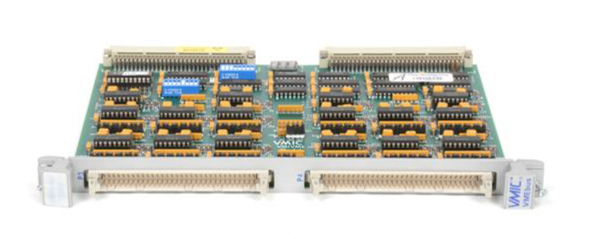 GE VMIVME-1150 Serial Communications Controller
 -
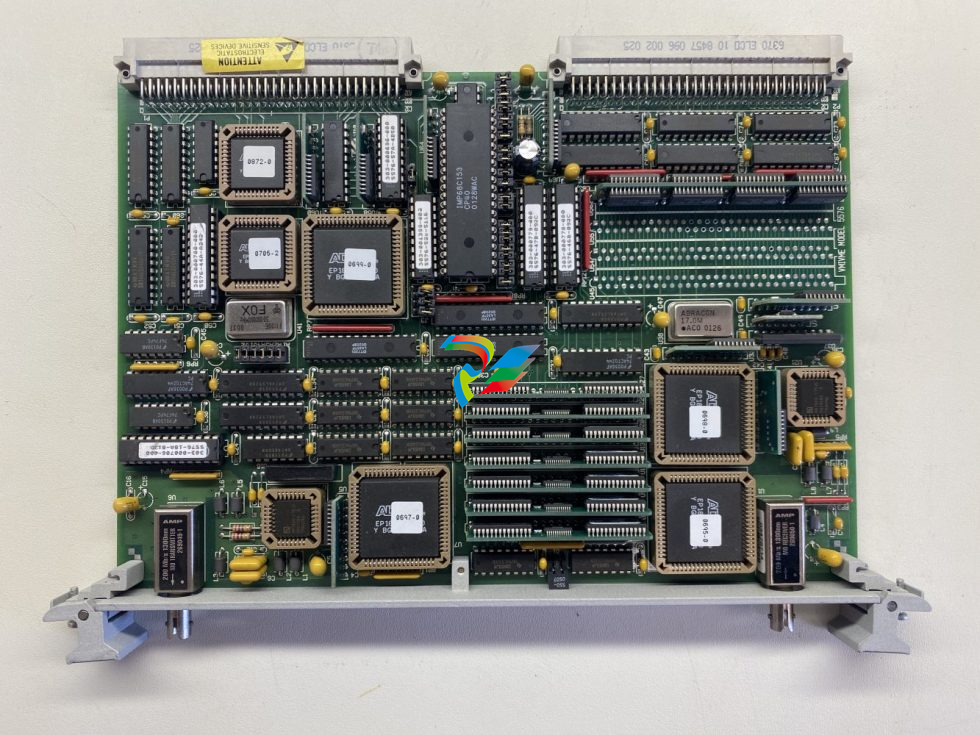 GE VMIVME-5576 Fiber-Optic Reflective Memory with Interrupts
 -
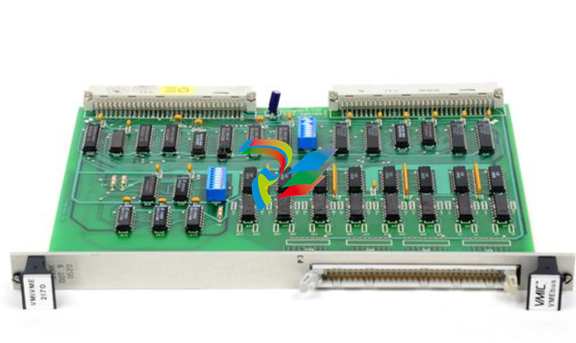 GE VMIC Isolated Digital Output VMIVME-2170A
 -
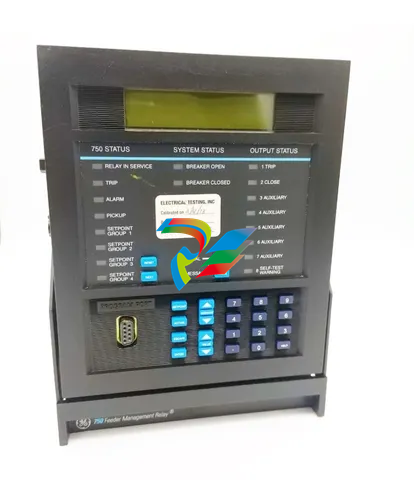 GE MULTILIN 760 FEEDER MANAGEMENT RELAY 760-P5-G5-S5-HI-A20-R-E
 -
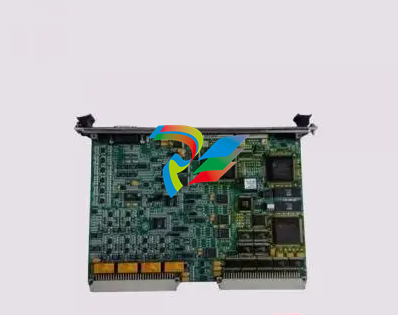 GE IS200AEPAH1BKE IS215WEPAH2BB Printed circuit board
 -
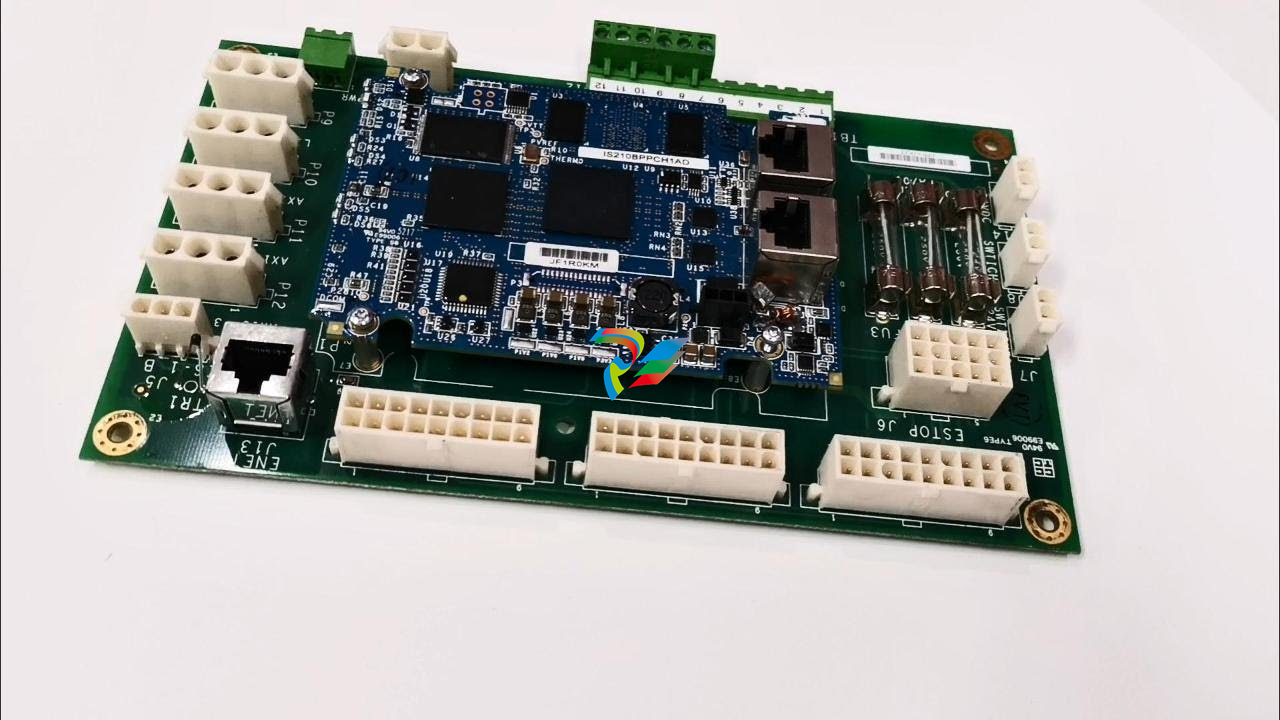 GE IS210BPPCH1A Mark VIe I/O Pack Processor Card
 -
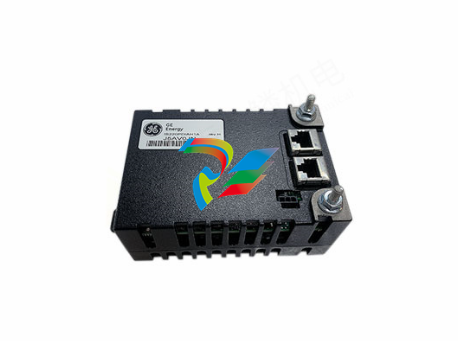 GE IS220PRTDH1A 336A4940CSP6 High-Performance RTD Input Module
 -
GE IS220PDIAH1BE 336A5026ADP4 Discrete Input Module
-
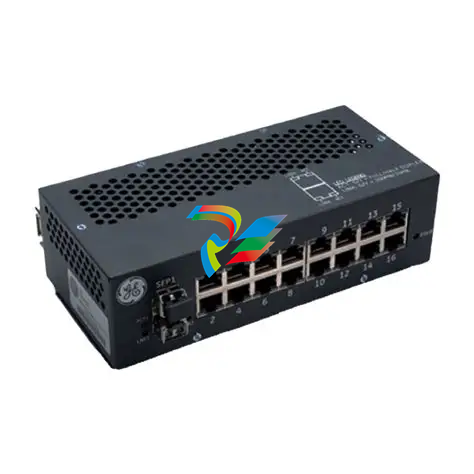 GE IS420ESWBH3A IONET Switch Module
 -
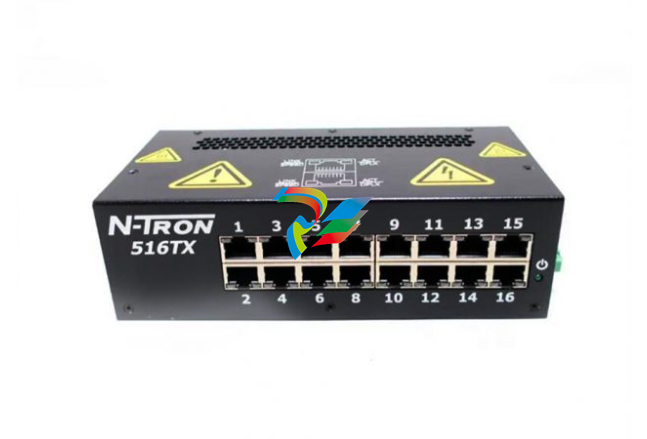 GE 516TX 336A4940DNP516TX 16-port Ethernet switch
 -
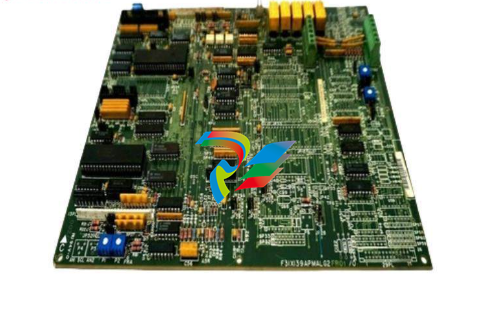 GE EVMECNTM13 Embedded control module
 -
GE EVPBDP0001 EVPBDP032 control module
-
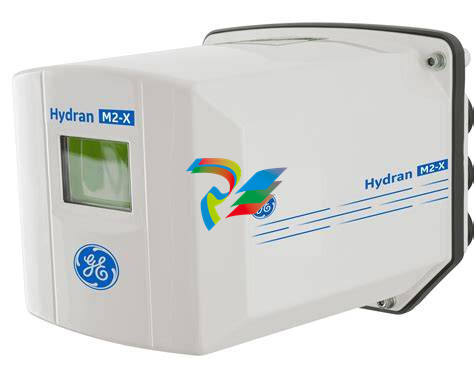 GE Hydran M2-X Enhanced Monitoring with Extended Sensor Life
 -
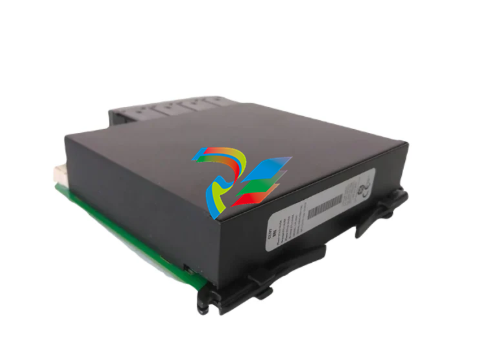 GE UR6CH Digital I/O Module
 -
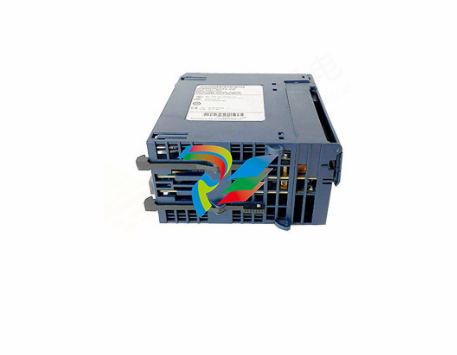 GE IC695CPU315-CD Central processing unit
 -
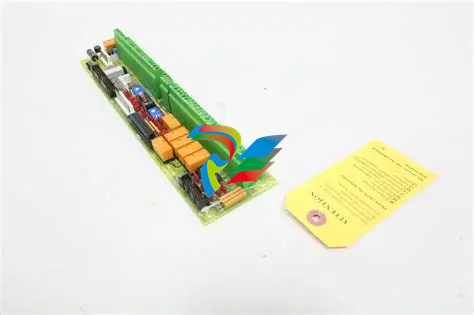 GE 531X305NTBAMG1 DR Terminal Board
 -
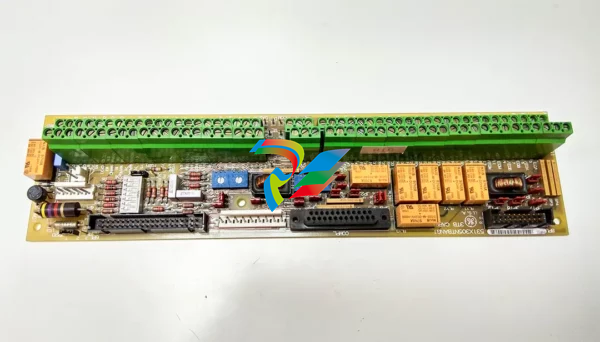 GE 531X305NTBALG1 NTB/3TB Terminal Board 531X Series
 -
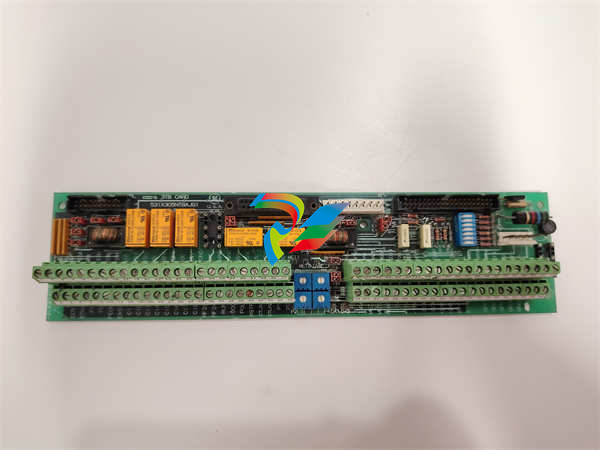 GE 531X305NTBAJG1 NTB/3TB Terminal Board.
 -
GE 531X305NTBAHG1 NTB/3TB Terminal Board 531X
-
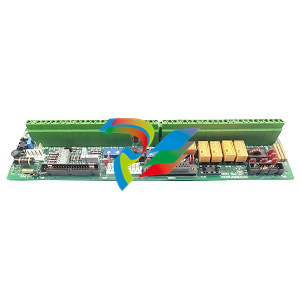 GE 531X305NTBAEG1 is a PCB that functions as a DR terminal board.
 -
General Electric 531X305NTBACG1 NTB/3TB Terminal Board 531X
-
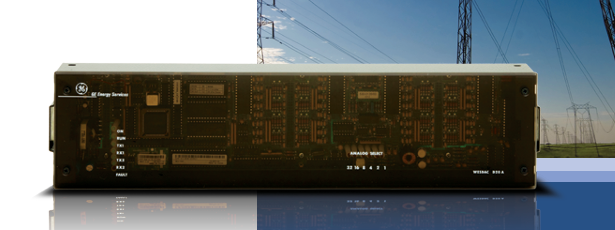 GE Digital Energy D20 Analog Input Module
 -
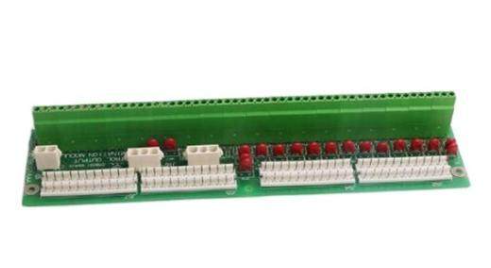 GE 94-164136-001 main board Control board
 -
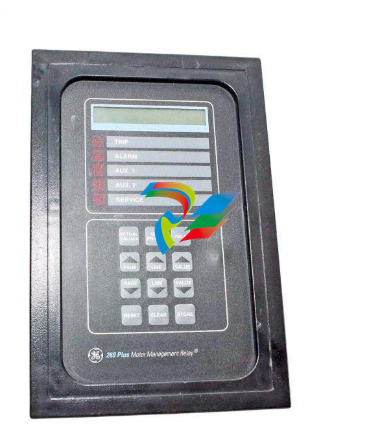 GE 269 PLUS-D/O-100P-125V Digital motor relay
 -
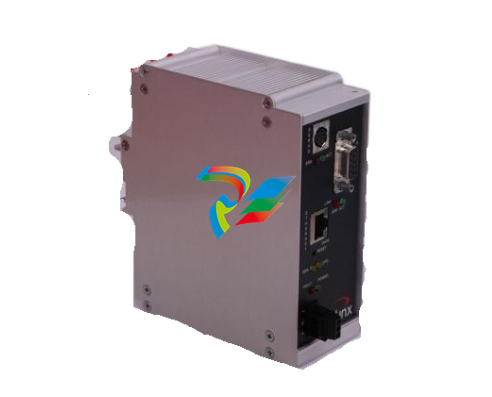 GALIL DMC-9940 High-performance motion controller
 -
FUJI NP1BS-08 base plate
-
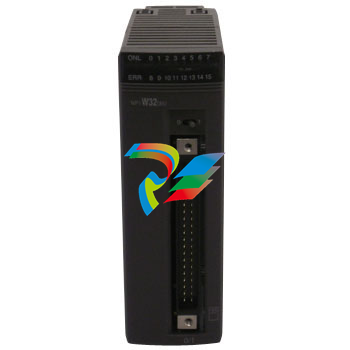 FUJI NP1Y32T09P1 Transistor drain type digital output module
 -
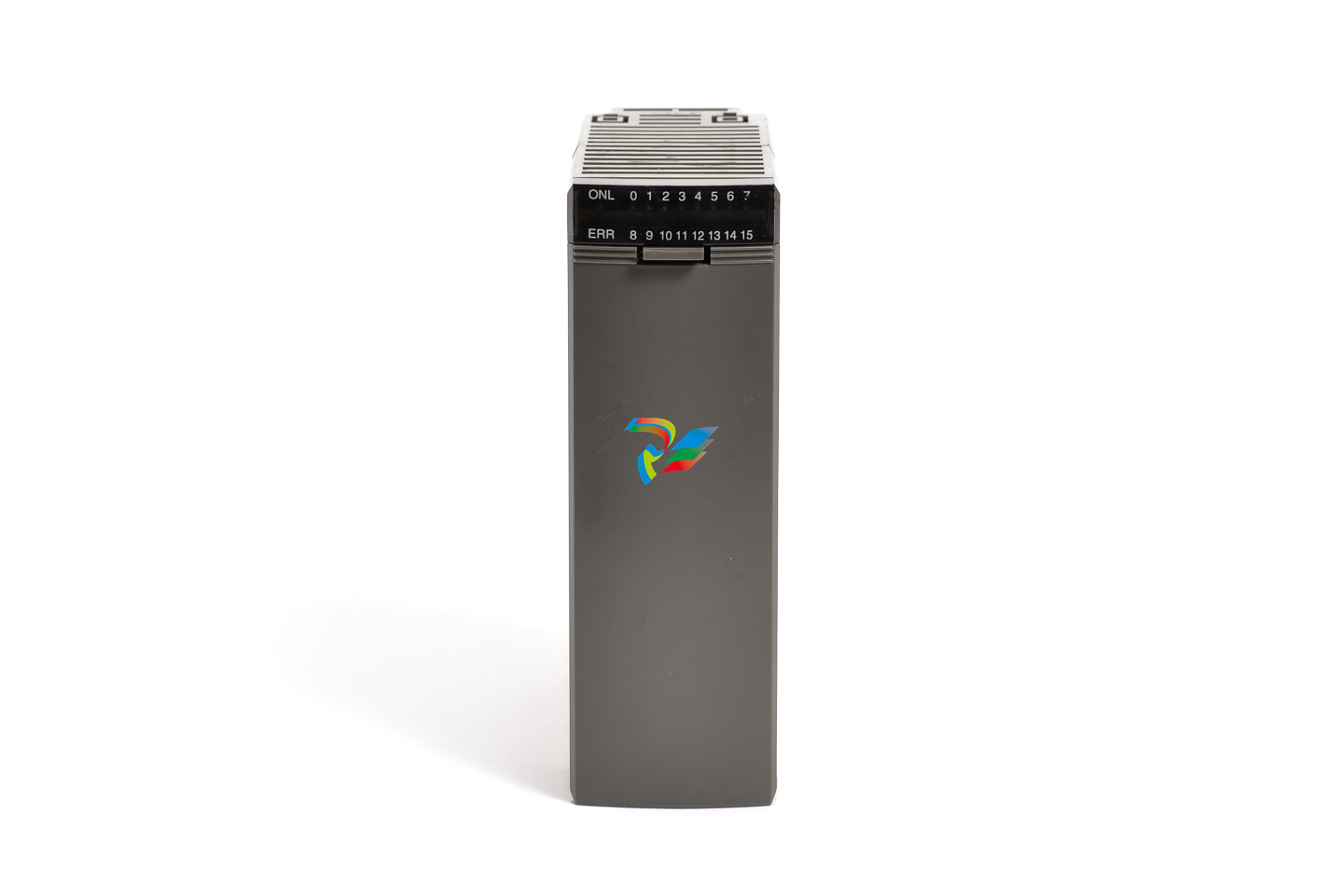 FUJI NP1Y16R-08 Digital Output Module
 -
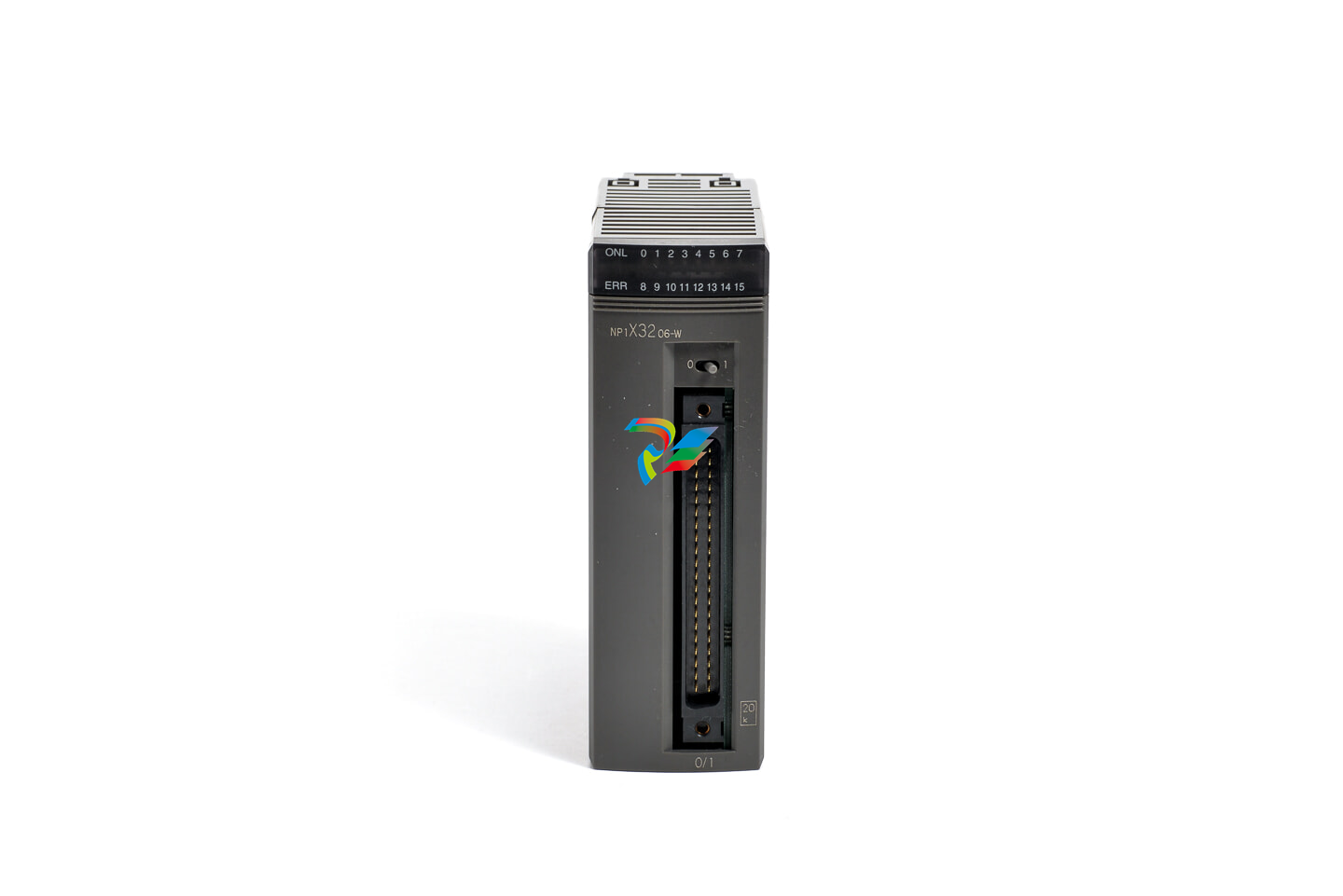 FUJI NP1X3206-A High-speed digital input module
 -
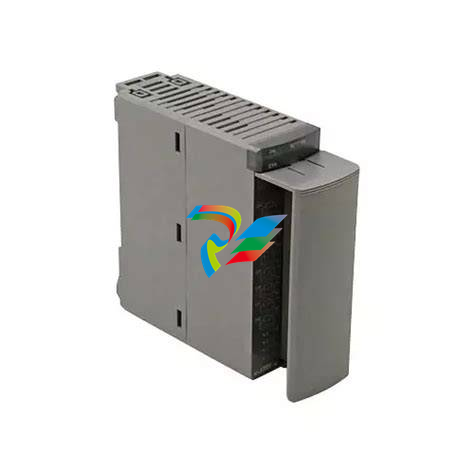 FUJI NP1AYH4I-MR current output module
 -
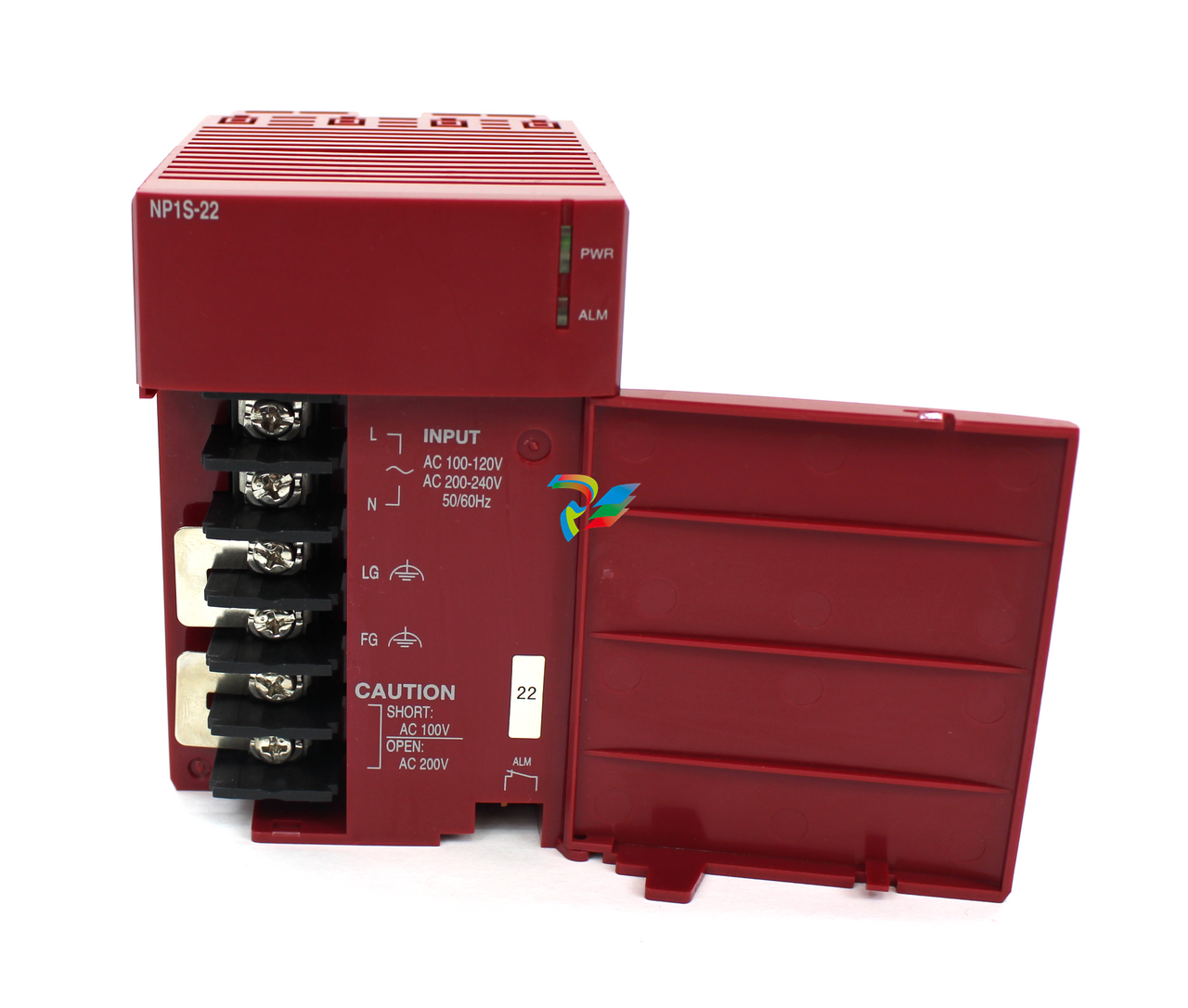 FUJI NP1S-22 Power module redundancy
 -
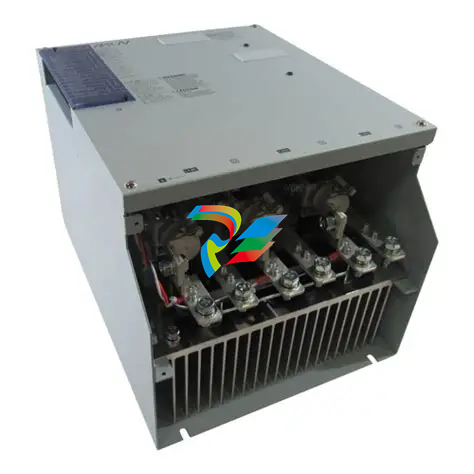 FUJI RPXD2150-1T servo drive module
 -
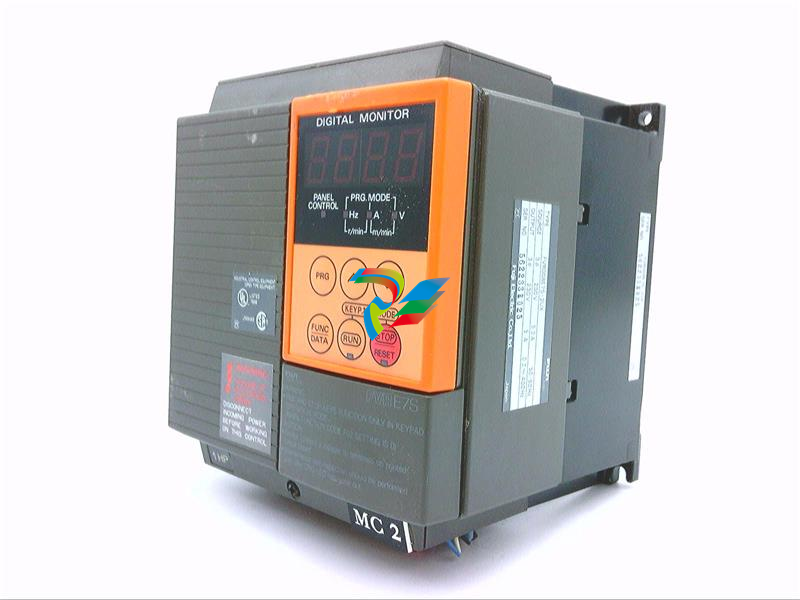 FUJI FVR008E7S-2UX Ac frequency converter
 -
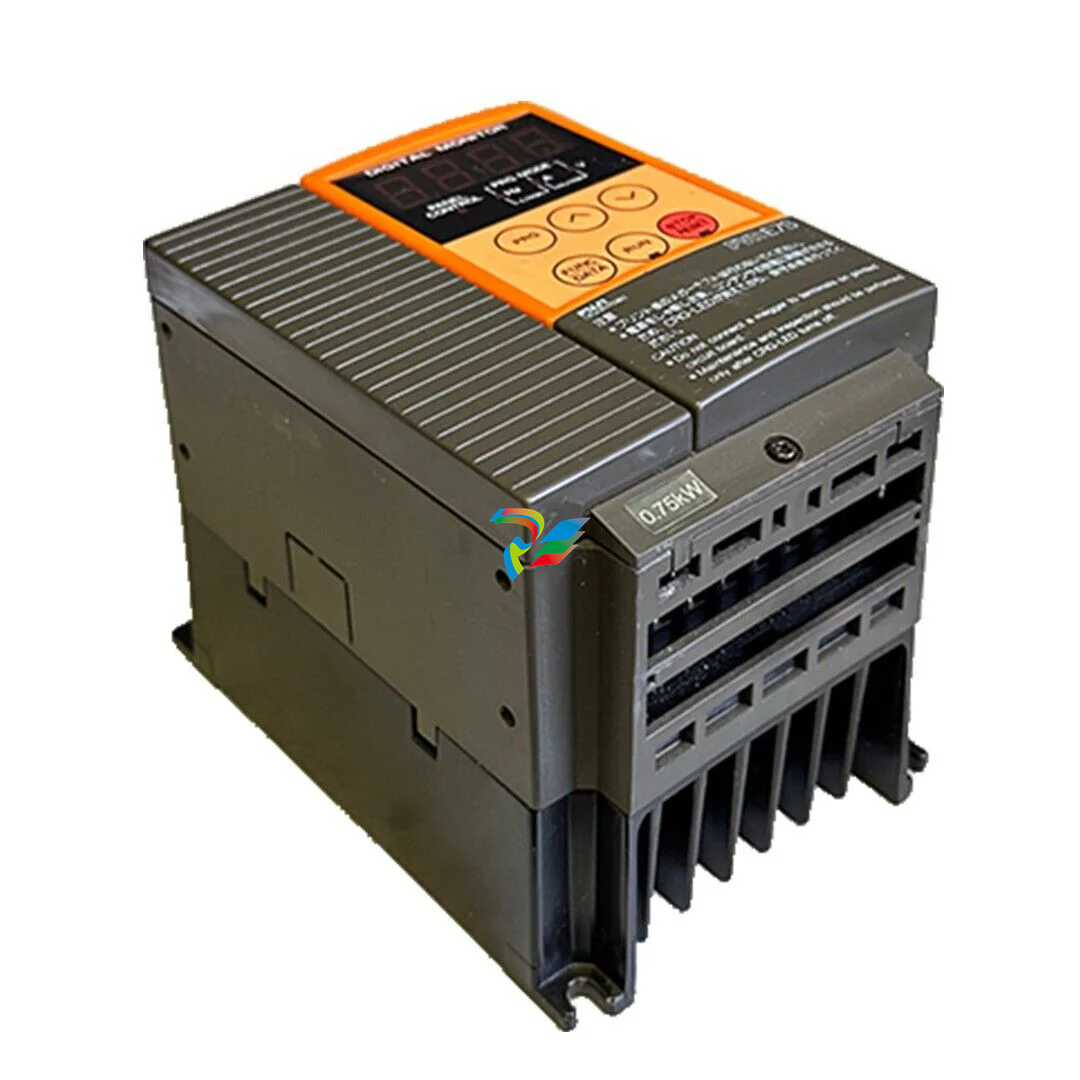 FUJI Ac frequency converter FVR008E7S-2
 -
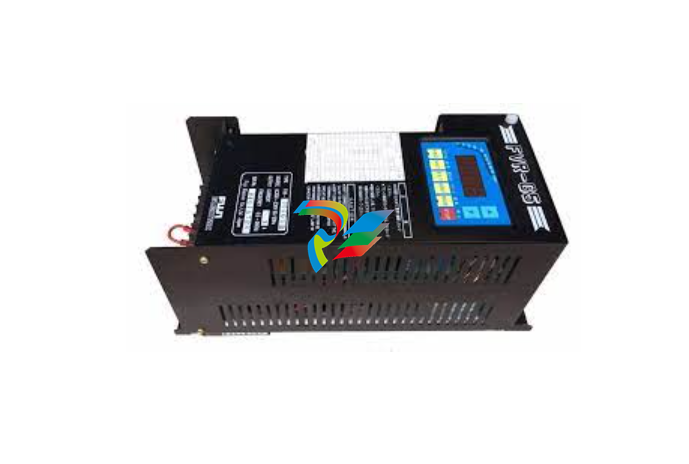 FUJI FVR004G5B-2 Small general-purpose frequency converter
 -
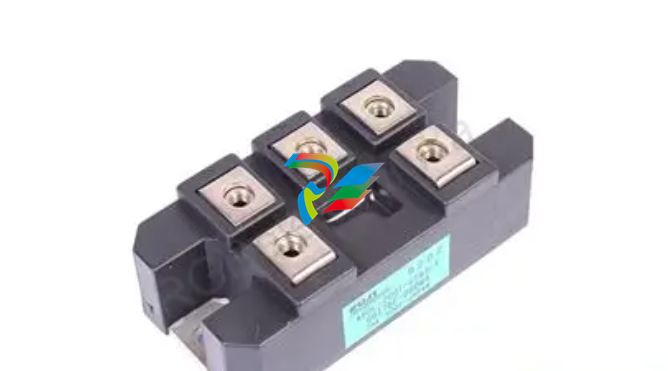 FUJI A50L-2001-0232 Industrial control module
 -
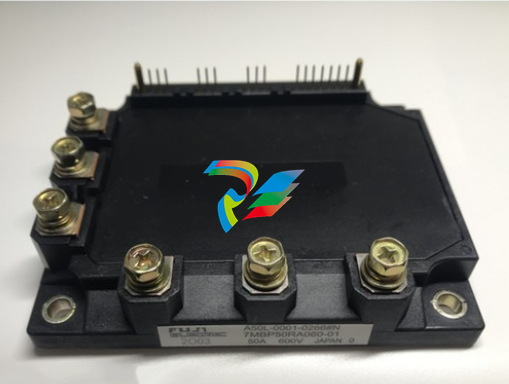 FUJI A50L-001-0266#N High-performance servo amplifier
 -
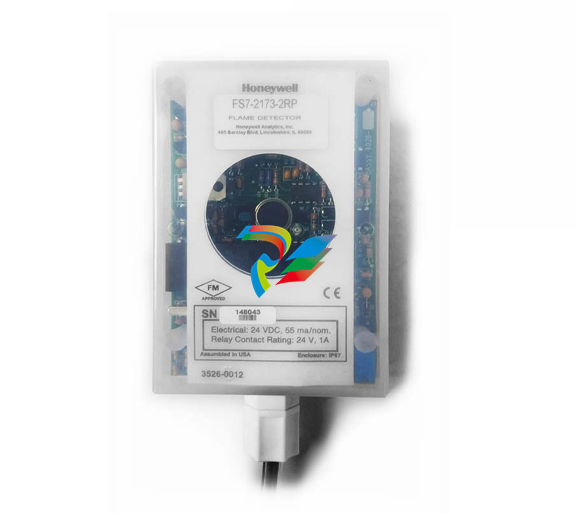 Honeywell FS7-2173-2RP Gas sensor
 -
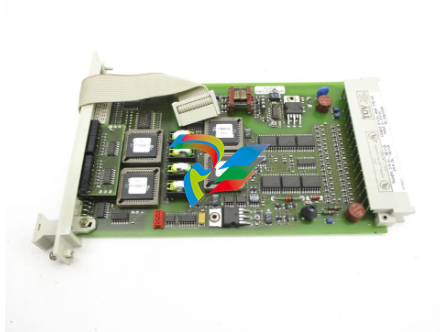 Honeywell 10106/2/1 Digital Input Module in Stock
 -
FRCE SYS68K CPU-40 B/16 PLC core processor module
-
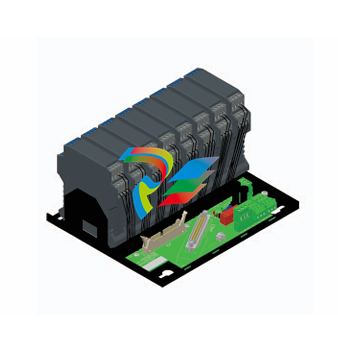 Foxboro FBM I/O cards PBCO-D8-009
 -
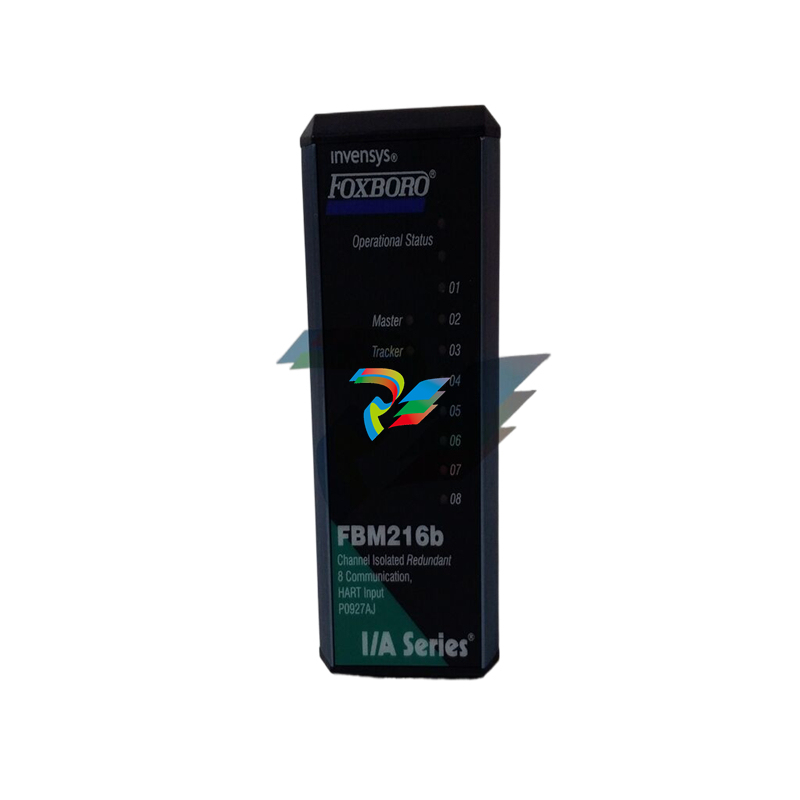 Foxboro AD916AE Digital Control System (DCS) Module
 -
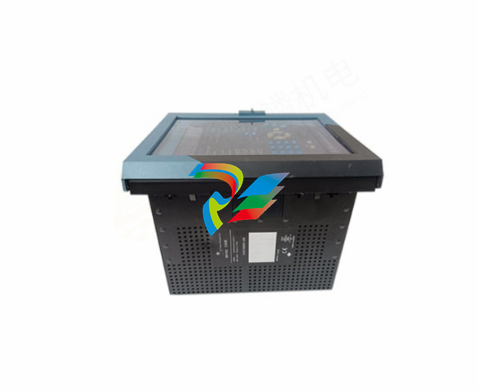 GE SR750-P5-G5-S5-HI-A20-R-E Multilin Relay
 -
.jpg) FOXBORO H90 H90C9AA0117S Industrial Computer Workstation
FOXBORO H90 H90C9AA0117S Industrial Computer Workstation -
FOXBORO RH928AW | I/A Series Relay Output Module
-
.jpg) Foxboro N-2AX+DIO Multi-functional input/output module
Foxboro N-2AX+DIO Multi-functional input/output module -
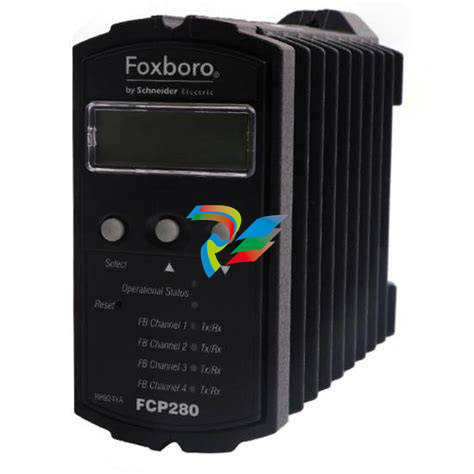 Foxboro RH924WA FCP280 Fiber Optic Network Adapter
 -
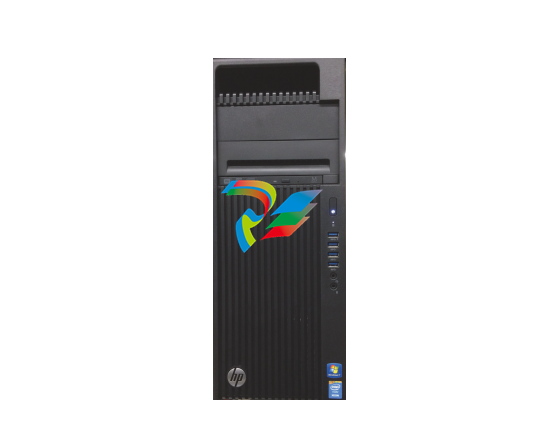 FOXBORO H92 Versatile Hardware Component In
 -
 Foxboro FBM218 P0922VW HART® Communication Redundant Output Interface Module
 -
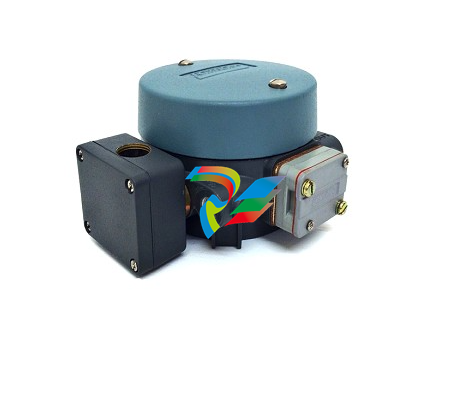 Foxboro E69F-TI2-J-R-S E69F Series Current-To-Pneumatic Signal Converter
 -
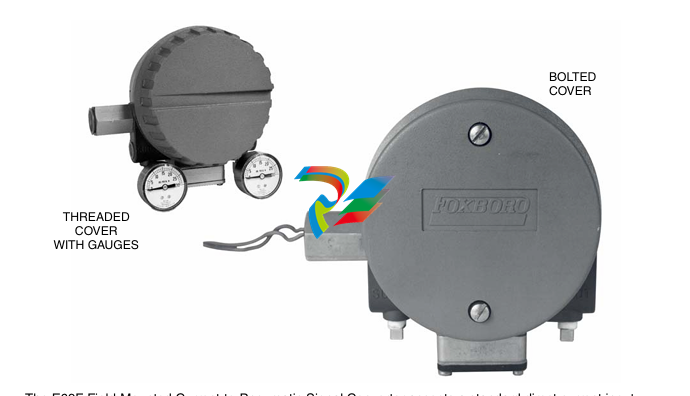 Foxboro E69F-BI2-S Converter
 -
.jpg) Foxboro H92A049E0700 The host of the DCS control station
Foxboro H92A049E0700 The host of the DCS control station -
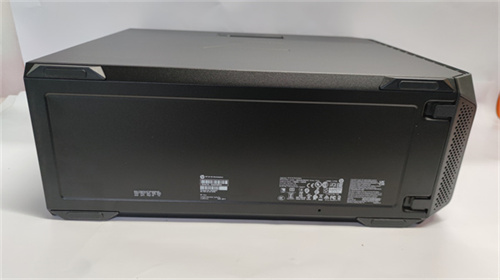 Foxboro H90C9AA0117S Industrial computer workstation
 -
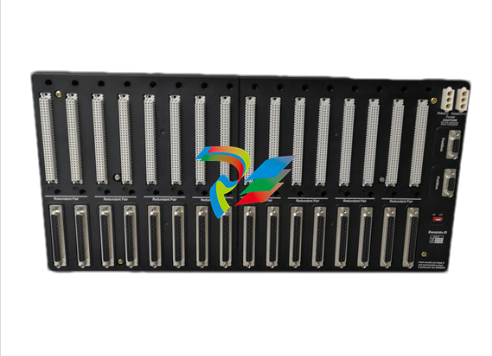 Foxboro RH101AA High-performance industrial control module
 -
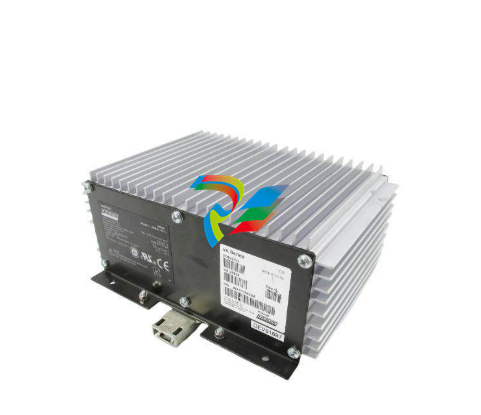 Foxboro P0922YU FPS400-24 I/A Series Power supply
 -
.png) FOXBORO P0973LN Chassis-based managed switch with independent power supply
FOXBORO P0973LN Chassis-based managed switch with independent power supply -
.jpg) FOXBORO P0926PA Input/output module
FOXBORO P0926PA Input/output module -
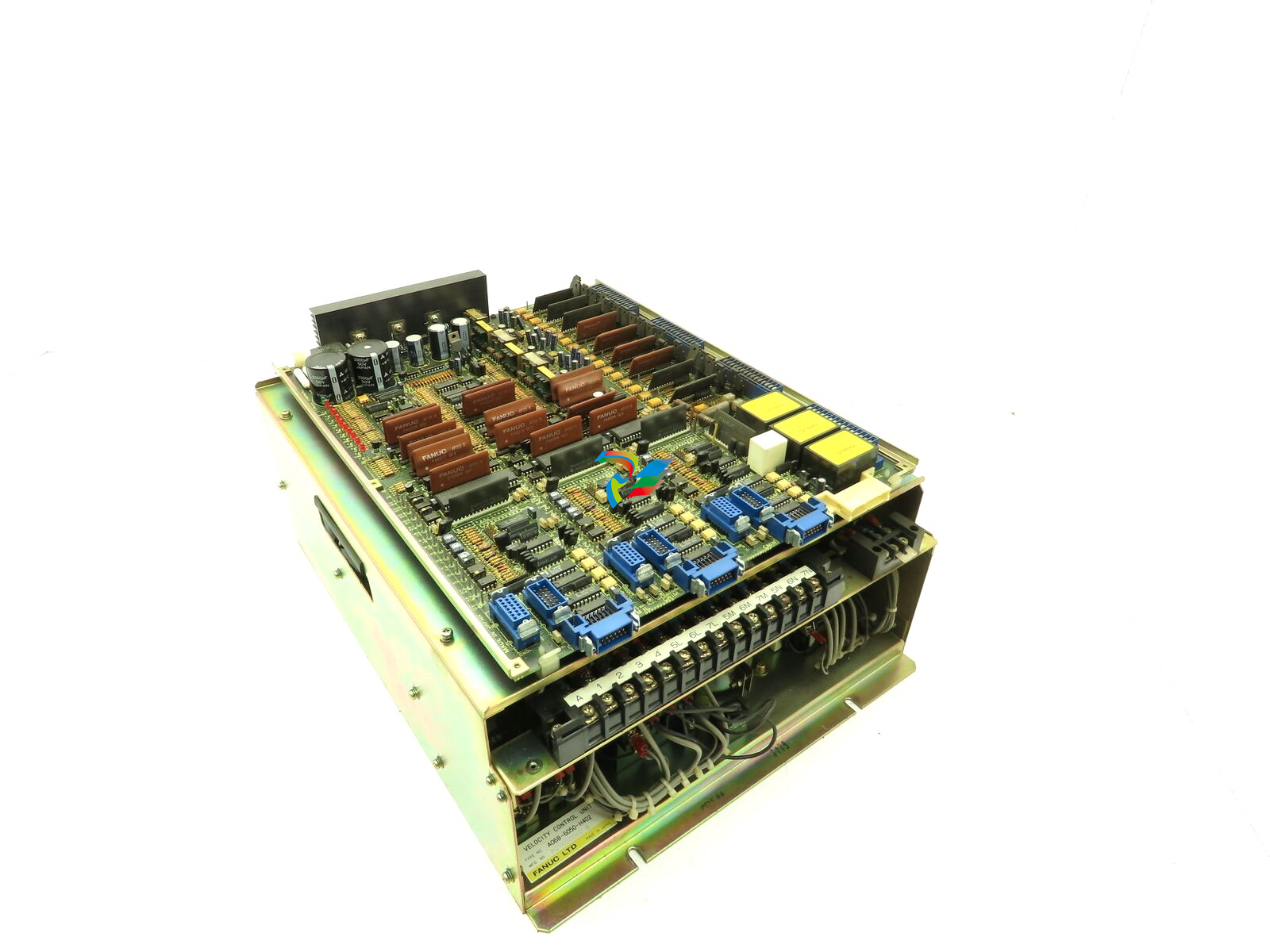 Fanuc A06B-6050-H402 3 AXIS ANALOG AC SERVO DRIVE
 -
.jpg) FOXBORO L0130AD L0130AE-0H Power module group
FOXBORO L0130AD L0130AE-0H Power module group -
_lVjBYb.jpg) FOXBORO 0399085B 0303440C+0303458A Combination Control Module
FOXBORO 0399085B 0303440C+0303458A Combination Control Module -
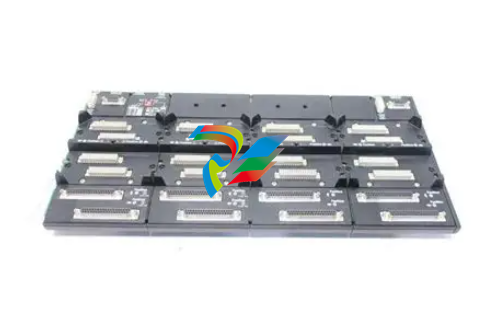 FOXBORO SY-0399095E (SY-0303451D+SY-0303460E) Process control board
 -
.jpg) FOXBORO 0399071D 0303440C+0303443B Input/Output (I/O) Module
FOXBORO 0399071D 0303440C+0303443B Input/Output (I/O) Module -
.jpg) FOXBORO RH924UQ Redundant Controller module
FOXBORO RH924UQ Redundant Controller module -
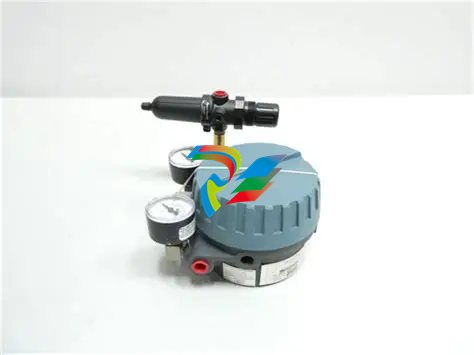 FFOXBORO E69F-TI2-S current pneumatic converter
 -
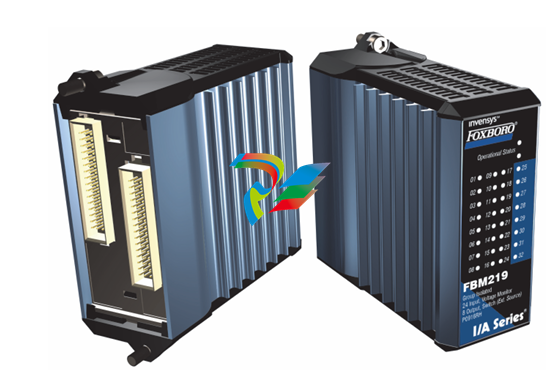 FOXBORO FBM219 RH916RH Discrete I/O Module
 -
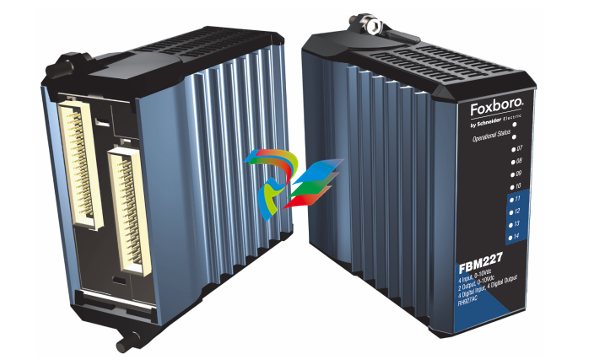 FOXBORO FBM227 P0927AC Module
 -
.jpg) FOXBORO 0399144 SY-0301059F SY-1025115C/SY-1025120E I/O module
FOXBORO 0399144 SY-0301059F SY-1025115C/SY-1025120E I/O module -
.jpg) FOXBORO SY-60399001R SY-60301001RB Industrial Control Module
FOXBORO SY-60399001R SY-60301001RB Industrial Control Module -
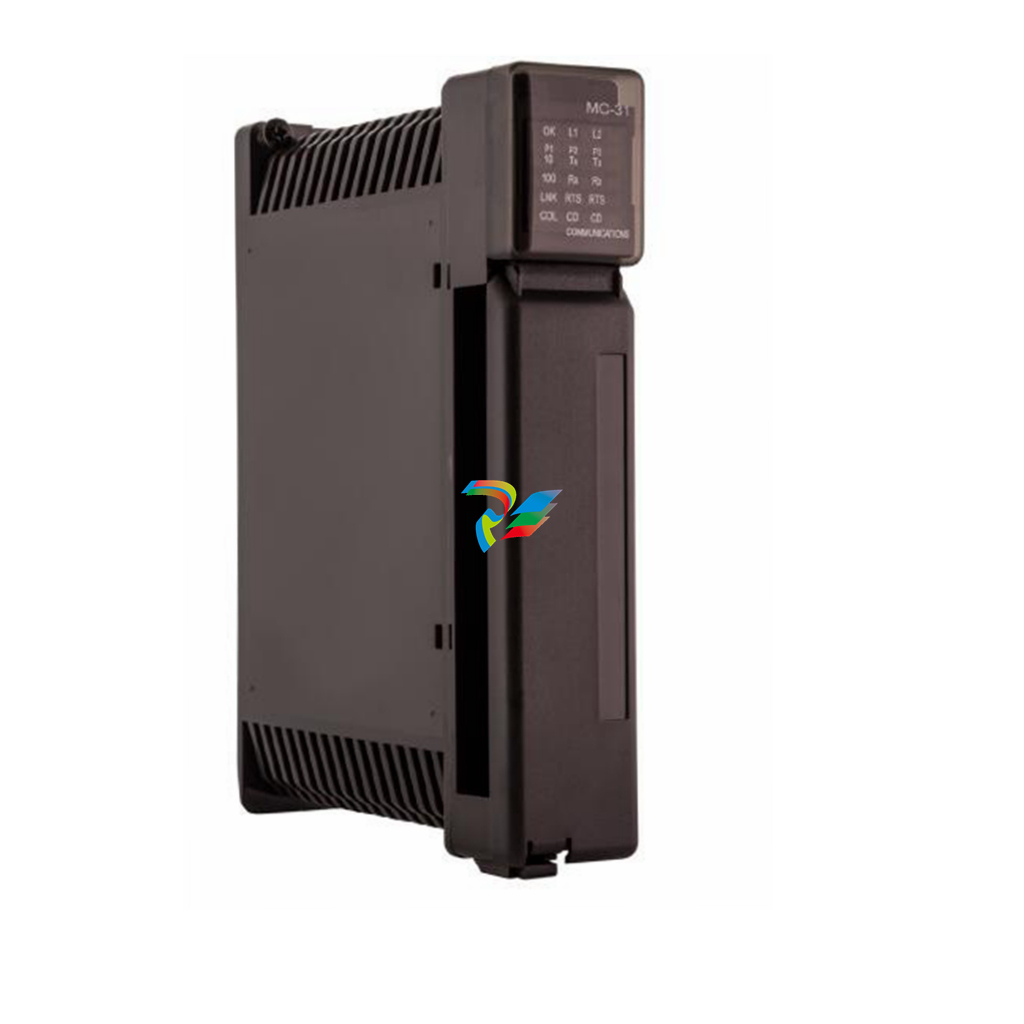 FOXBORO 0399143 SY-0301060R SY-1025115C SY-1025120E Combined control board
 -
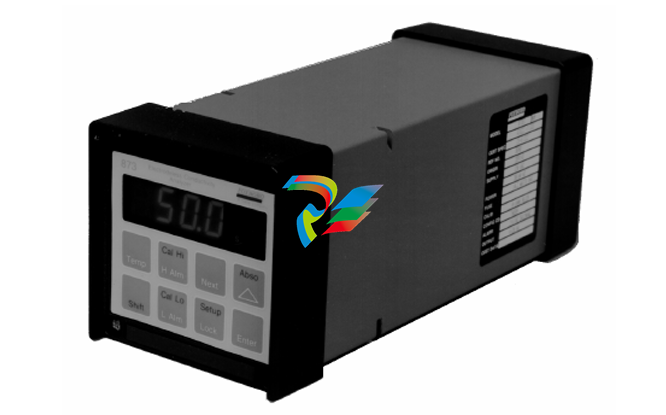 FOXBORO 873EC-JIPFGZ electrodeless conductivity analyzer
 -
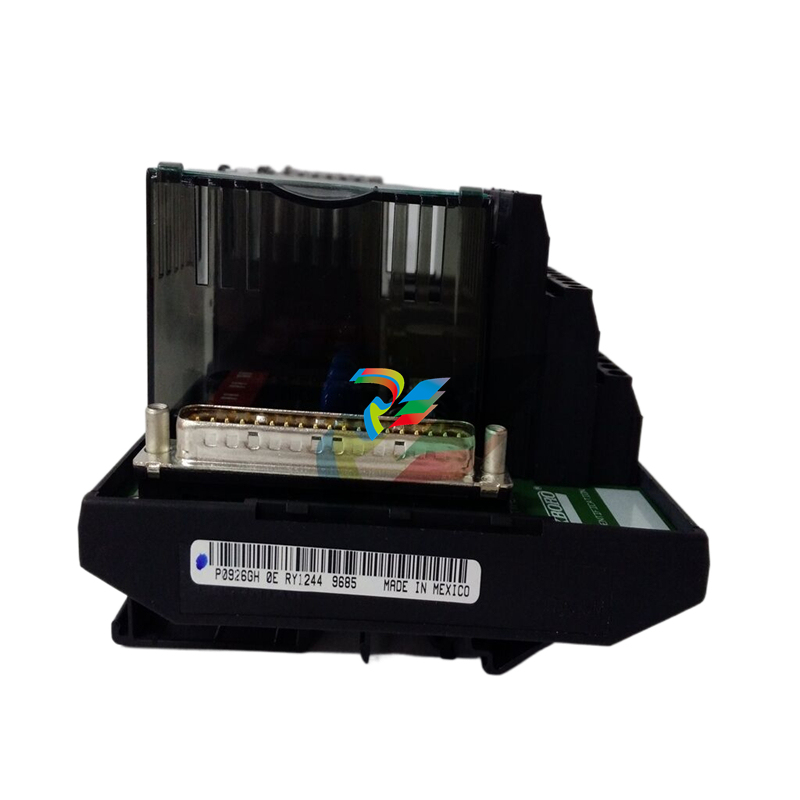 FOXBORO P0916PH (High-density HART I/O Module)
 -
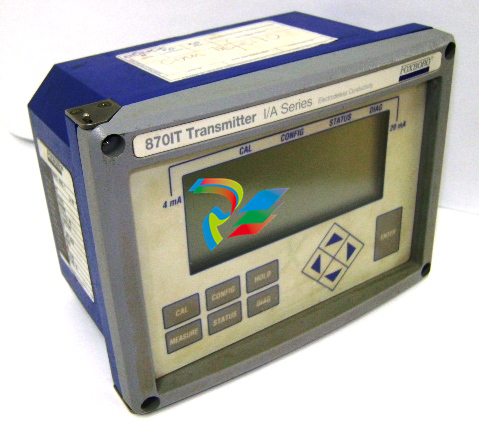 FOXBORO 870ITEC-AYFNZ-7 Intelligent Electrochemical Transmitters
 -
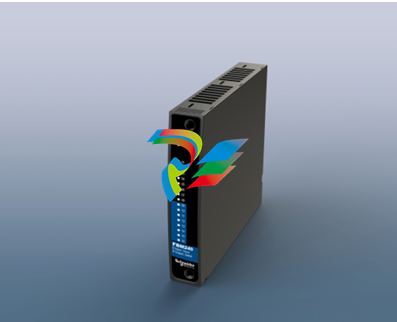 FOXBORO Compact FBM240. Redundant with Readback, Discrete
 -
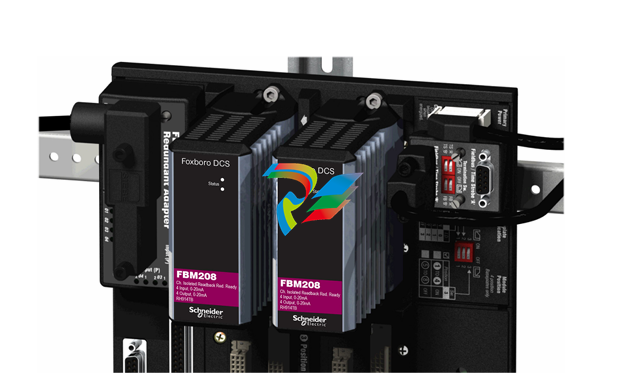 FOXBORO FBM208/b, Redundant with Readback, 0 to 20 mA I/O Module
 -
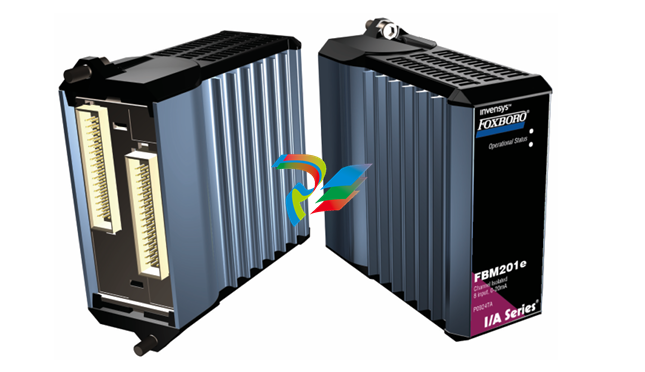 FOXBORO FBM201e Analog Input (0 to 20 mA) Interface Modules
 -
.jpg) FOXBORO P0916WG Terminal cable
FOXBORO P0916WG Terminal cable -
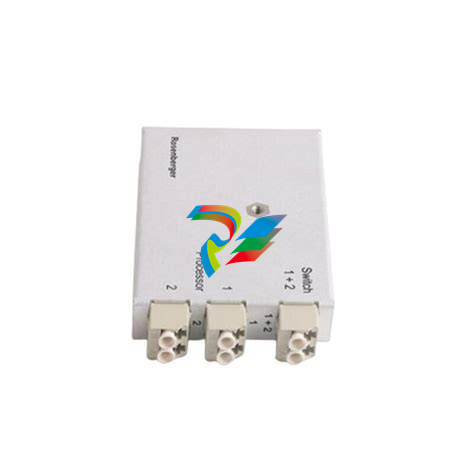 FOXBORO P0926MX 2-Port Splitter
 -
.jpg) FOXBORO AD908JQ High-Frequency Module
FOXBORO AD908JQ High-Frequency Module -
.jpg) FOXBORO AD916CC Processor module
FOXBORO AD916CC Processor module -
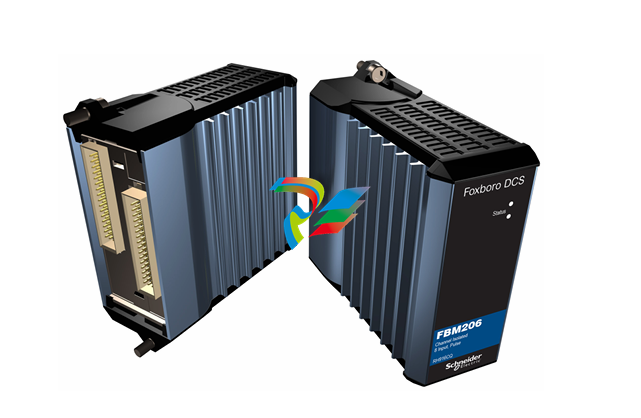 Foxboro DCS FBM206 Pulse Input Module
 -
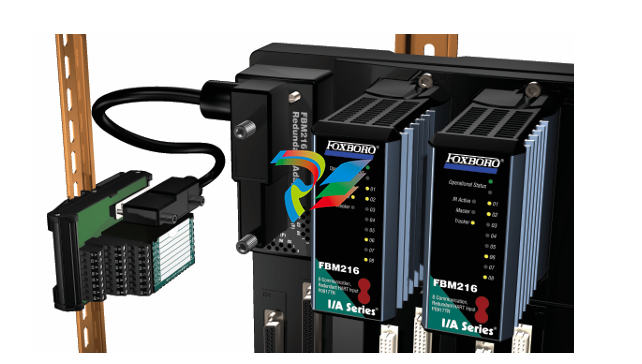 FOXBORO FBM216 HART® Communication Redundant Input Interface Module
 -
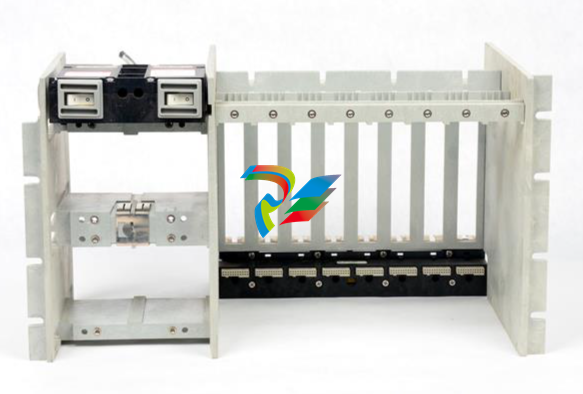 Foxboro p0903nu 1×8 unit sub-component module
 -
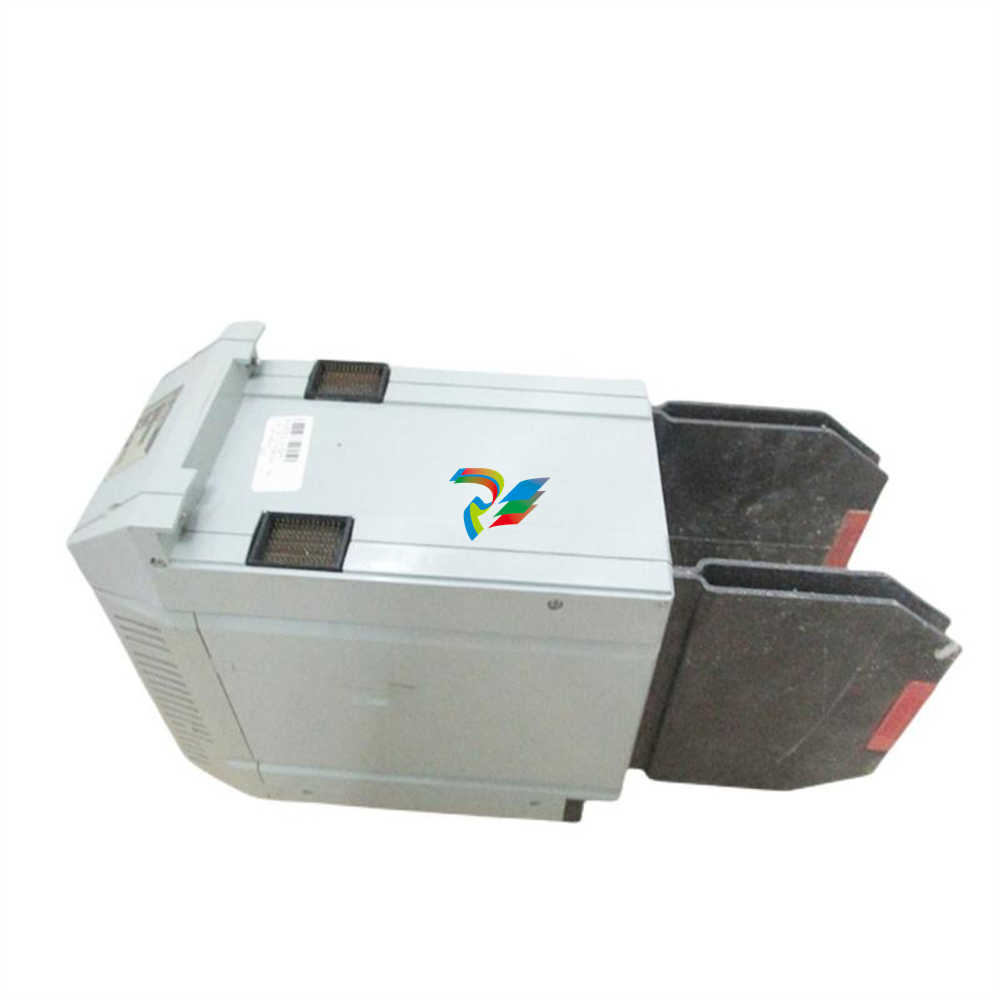 Foxboro P0911SM Industrial control module
 -
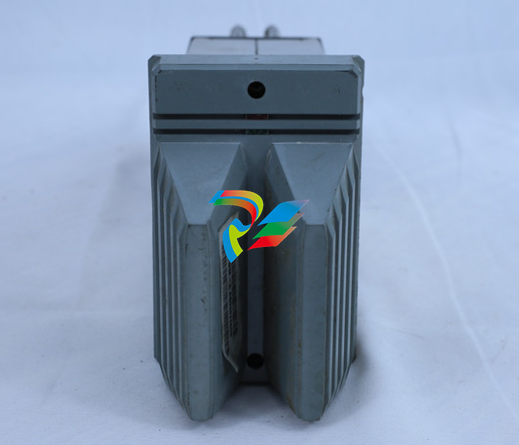 Foxboro CM902WM I/O module
 -
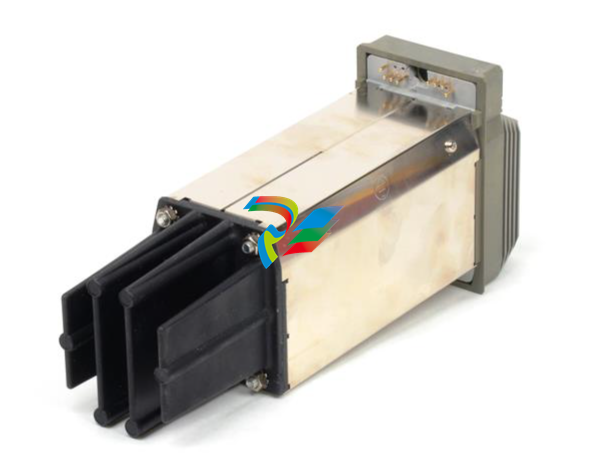 Foxboro CM902WL Power module
 -
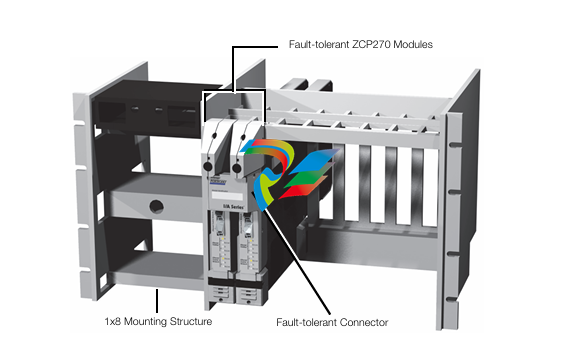 Foxboro P0972VA Industrial Control Module
 -
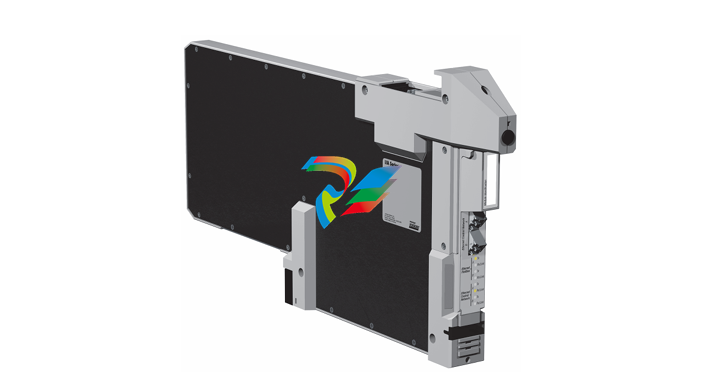 Foxboro Z-Module Control Processor 270 (ZCP270)
 -
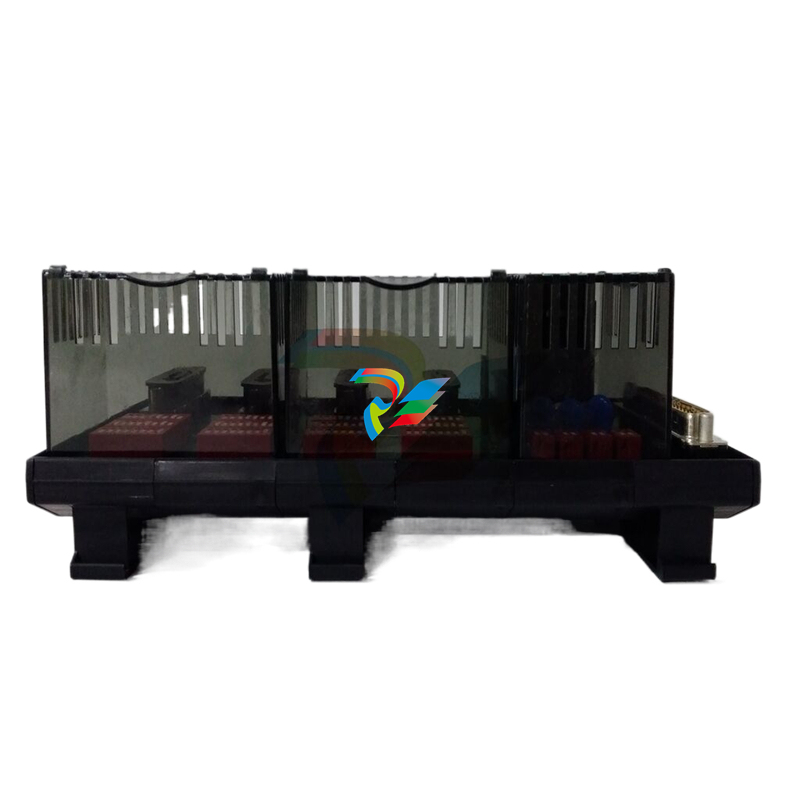 Foxboro PO916JS 16-channel terminal block module
 -
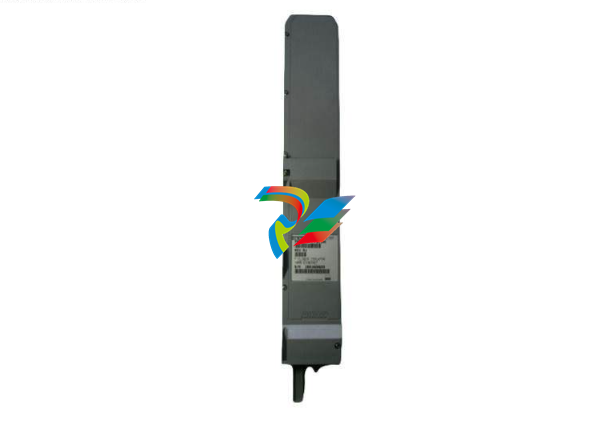 Foxboro PO911SM High-performance digital/analog input/output module
 -
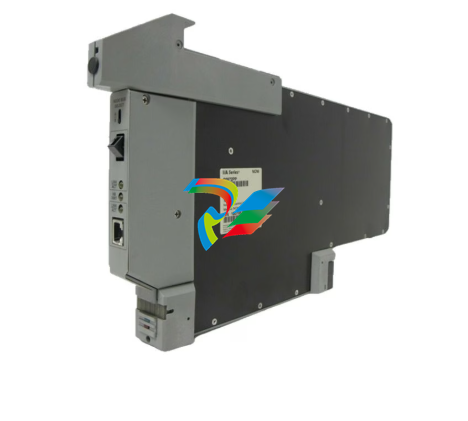 Foxboro P0972PP-NCNI Network Interface Module
 -
.jpg) FOXBORO P0971QZ controller module
FOXBORO P0971QZ controller module -
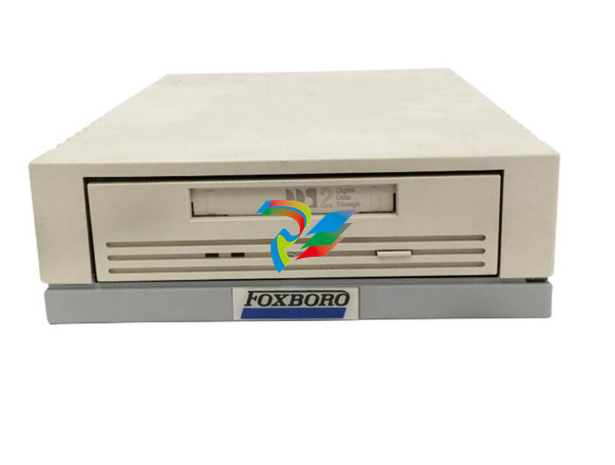 FOXBORO P0971DP Thermal resistance input/output module
 -
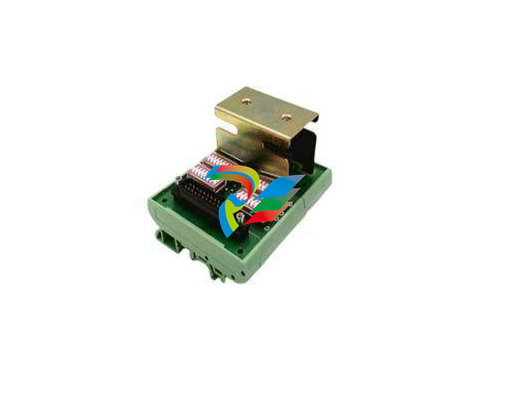 FOXBORO P0970VB Cable connector
 -
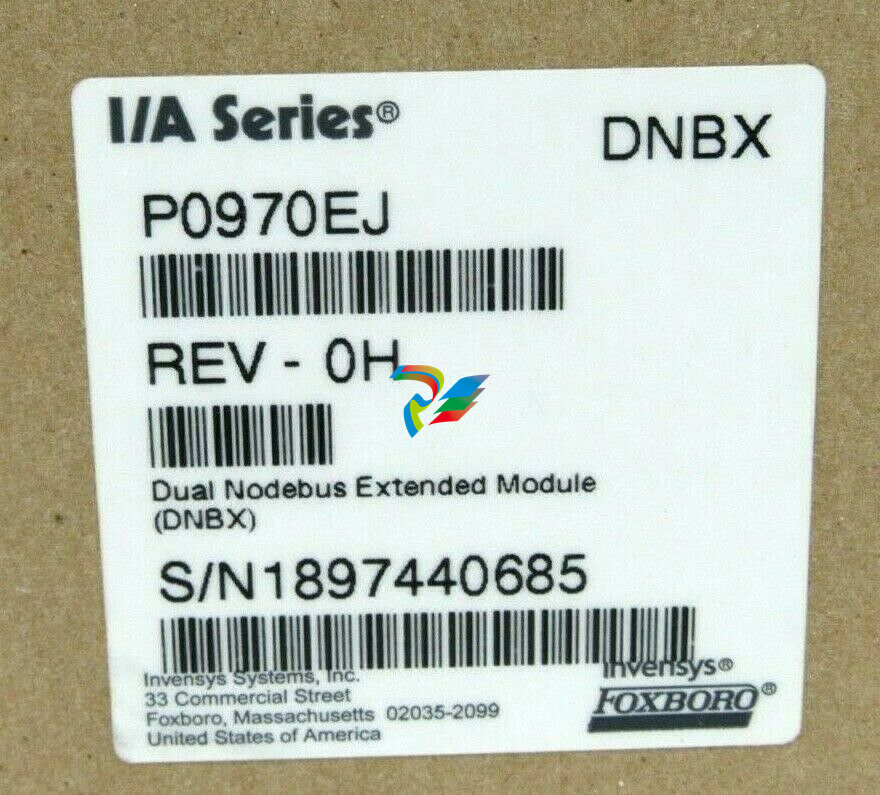 FOXBORO P0970EJ-DNBX Dual-node bus expansion module