
Best Practices for Your Annual Performance Review [Employee Guide]
Performance reviews have a bad reputation. Managers and HR professionals frequently complain that the process takes up a considerable amount of time and effort and rarely results in a happier and more productive workforce.
For employees, fear of criticism and negative consequences can trigger anxiety and dread leading up to a review. Problems also arise when the process is inconsistent, subjective, or biased. This is a particular concern among workers who are not invited to participate in the review process, as managers can then create an incomplete picture of their performance.
According to Gallup, just 14% of employees strongly agree that their performance reviews inspire them to improve. Meanwhile, more than 9 in 10 managers are unhappy with their current annual review process, according to a study by SHRM.
The stats are disheartening, but abolishing performance reviews altogether isn’t the answer.

Benefits of Performance Reviews
When conducted fairly and consistently, the performance review process offers several benefits to workers and managers, including:
Provides Timely Support: Timely and comprehensive performance reviews are used to identify employees who are unhappy, demotivated, overworked, or struggling to meet their objectives. Early detection enables these kinds of challenges to be addressed without further escalation.
Boosts Employee Performance: Employees perform better when empowered to perform meaningful and interesting work. Gartner’s research found that 82% of people want to be treated as individuals and not just workers, highlighting the need to align unique employee career goals with overall business objectives.
Reduces Employee Turnover: Performance reviews provide the perfect opportunity to recognize and reward employee growth, which, according to Deloitte, boosts employee productivity and engagement by 14%.
Drives Collaboration and Innovation: Organizations with employees who are satisfied with their company’s approach to performance management are more than twice as likely to innovate.
Improves Transparency: In the past, organizations that abolished performance reviews continued to assess and rank their employees behind closed doors, increasing the likelihood of them being highly subjective. Establishing a transparent and collaborative performance review process enables organizations to identify high performers without assessor bias.
As an employee, you don’t have the influence to control the process in its entirety, but you can take steps to optimize your experience. Here’s what to do before, during, and after a review.

Before Your Performance Review
1. Ask for Feedback Throughout the Year
Don’t let the day of your annual performance review be the first time you receive feedback from your manager; lack of preparation coupled with heightened trepidation is likely to impact the fruitfulness of the discussion.
Be diligent in requesting feedback from your manager and peers throughout the year, whether it’s during regular one-to-one meetings or upon the completion of key pieces of work. Maintain a written record of all the feedback you’ve received, including during previous performance reviews, and the steps you take to address it.
2. Understand Your Organization’s Performance Review Process
Employee performance reviews feature different types of evaluation, which are typically followed up by an in-person meeting between a manager and their reportee:
Manager Review: Your manager completes a questionnaire to review your performance.
Self-Review: You complete a questionnaire to review your performance.
360-Review: Your peers provide feedback to review your performance and/or comment on their experiences working with you.
Be sure to become knowledgeable about your employer’s performance review methods, including what you need to prepare and when, what you need to bring to your in-person meeting, and how employees are scored and ranked.
3. Prepare Some Conversation Topics
Self-review questionnaires are usually deployed company-wide to ensure a fair and objective process. But your in-person meeting is an opportunity to ask questions, contribute ideas, set goals, and respond to feedback.
Prepare a few topics you’d like to discuss and share them with your manager beforehand. You might like to include some suggestions for increasing your value at the company, as well as highlighting the steps you plan to take to address constructive feedback or request funding for a relevant training program.
4. Showcase the Good and the Bad
Don’t be afraid to highlight your shortcomings. The performance review process is equally an opportunity to celebrate your accomplishments and identify areas for improvement. By providing an honest self-review, you demonstrate your willingness to learn and enable your manager to provide you with the support and resources you need to perform at your best.
5. Gather Evidence of Your Work
Research shows that humans very often overestimate the extent to which other people notice and retain their achievements. Depending on team size, workplace culture, and in-office time, your manager might be even less likely to keep tabs on your day-to-day work.
With this in mind, your performance review is the perfect occasion to showcase your best work. Respond to your self-review questionnaire with real-world examples and provide evidence wherever possible. In addition, familiarize yourself with your employer’s mission and vision, and then try to link your contributions with broader company objectives. This will help you to position yourself as a key organizational player.
6. Consider Your Future Goals
As you reflect on the past 12 months, taking stock of all the things you’ve learned, achieved, enjoyed, and resented, think about what’s next. What are your career goals for the coming year, and how can your manager help you to accomplish them?
During Your Performance Review
1. Graciously Accept Criticism
Be prepared to receive some negative feedback and try not to react defensively. Listen carefully, ask questions to clarify, and, most importantly, try to understand what you can do better, either to improve your performance or avoid similar scenarios arising in the future.
Don’t be pressured to respond in the moment. If you need some time to process the feedback and plan a reasoned response, communicate this to your manager, thank them for their feedback, and schedule a follow-up meeting.
2. Take Notes
To avoid being overloaded with information during your performance review, note down all of the points raised and your immediate action items. These will serve as a useful guide as you forge a plan of action for the coming year and can be referred to in future meetings with your manager to track your progress.
3. Frame Feedback Constructively
Your manager might ask for feedback on their management style and the team’s culture and ask for your suggestions on how to improve. Be prepared to respond honestly but constructively, providing a potential solution and positively framing your responses. For example:
Don’t Say: “Our team struggles to delegate work effectively, which means some people take on additional responsibilities without the proper recognition.”
Do Say: “I think it would be great to introduce a triage system to help us delegate work in the most efficient way possible. This will provide better visibility into everyone’s work assignments and enable us to properly celebrate their accomplishments.”

After Your Performance Review
1. Determine Next Steps
Following your performance review, carefully consult your notes and draw up a list of goals for the coming year. Your action plan should include time frames and achievable target dates. Remember, these should align with the feedback you’ve received, your career goals, and the company’s objectives.
If your performance review has left you feeling disappointed— for example, if you didn’t secure the promotion or pay increase you were hoping for or if the feedback was more negative than you expected — consider scheduling a series of follow-up meetings with your manager, who can help you devise an appropriate performance management plan.
2. Ask More Questions
The discussion shouldn’t stop as your performance review meeting concludes. Continue to ask questions, seek clarification, and schedule follow-up discussions, all of which will help you respond more effectively to the feedback you’ve been given. For example, you might need more context or examples of your performance to understand how to improve.
3. Document Your Achievements and Progress
If you take one thing away from this employee guide, let it be the importance of documenting everything: details of your historical achievements and performance reviews, the questions, comments, and suggestions you plan to raise during your upcoming review, the notes you take mid-discussion, and the progress you’re making to achieve your latest measurable objectives.
In doing so, you demonstrate your problem-solving skills and a commitment to continuous improvement.
-
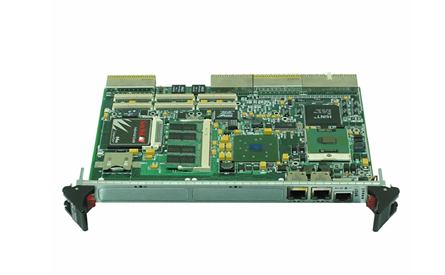 D20MIC10BASE-T 820-0756 Network card
 -
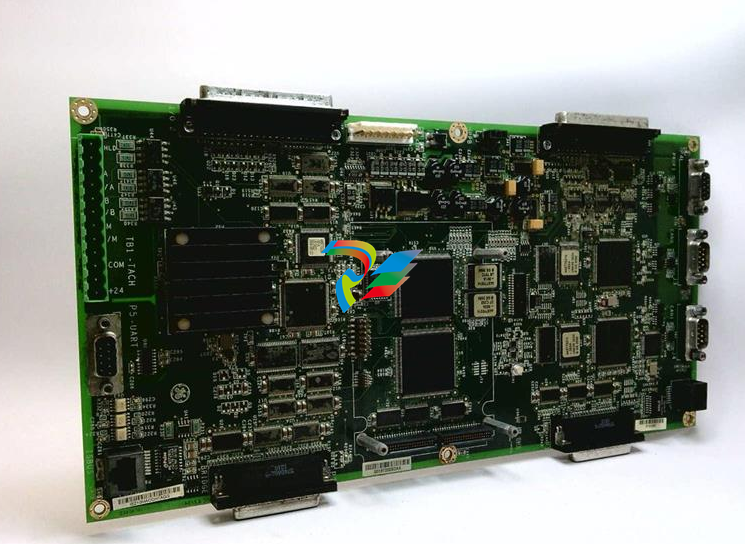 WES13-3 5167-0001-0210 CPU/Auxiliary Control board
 -
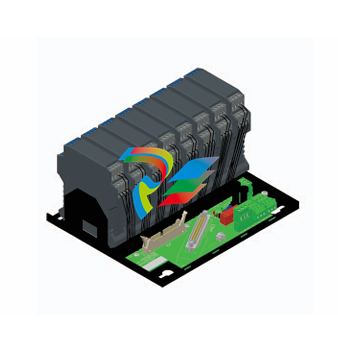 WES13-3 2508-21001 Embedded digital module
 -
D20ME 526-2005-216943 control module
-
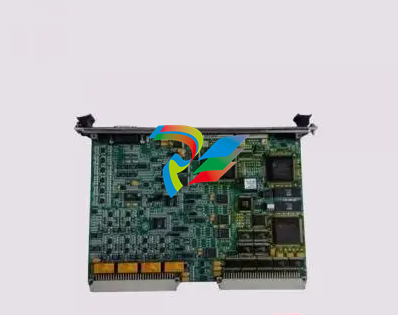 D20EME 0526-21170-1 Enhanced Master Communications Module for D20 Substation RTUs
 -
.jpg) 2400-21004 / 2010-3101-0442 – Redundant Power Supply Module for Mark VIe Turbine Control
2400-21004 / 2010-3101-0442 – Redundant Power Supply Module for Mark VIe Turbine Control -
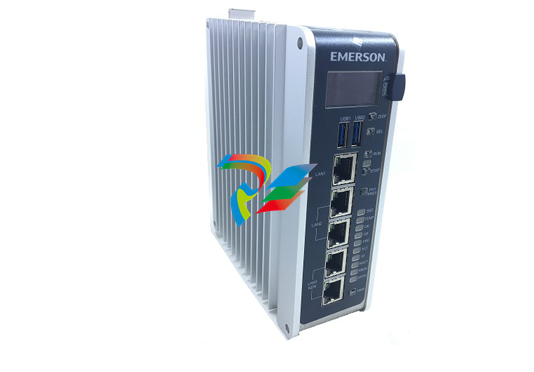 PACSystems™ IC695CPE400 RX3i 64 MB
 -
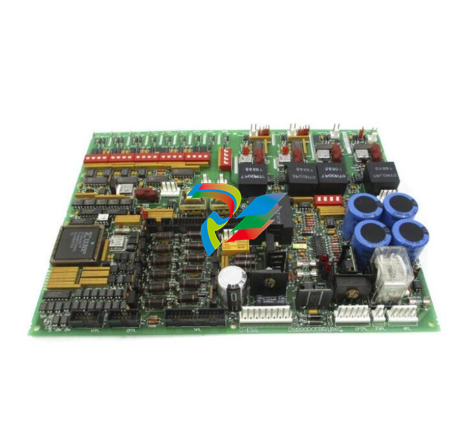 DS200DCFBG2BNC DC2000 DC Feedback Board
 -
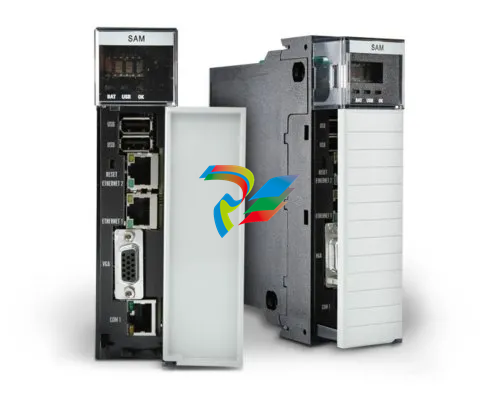 OLDI Ethernet interface module 56SAM-844
 -
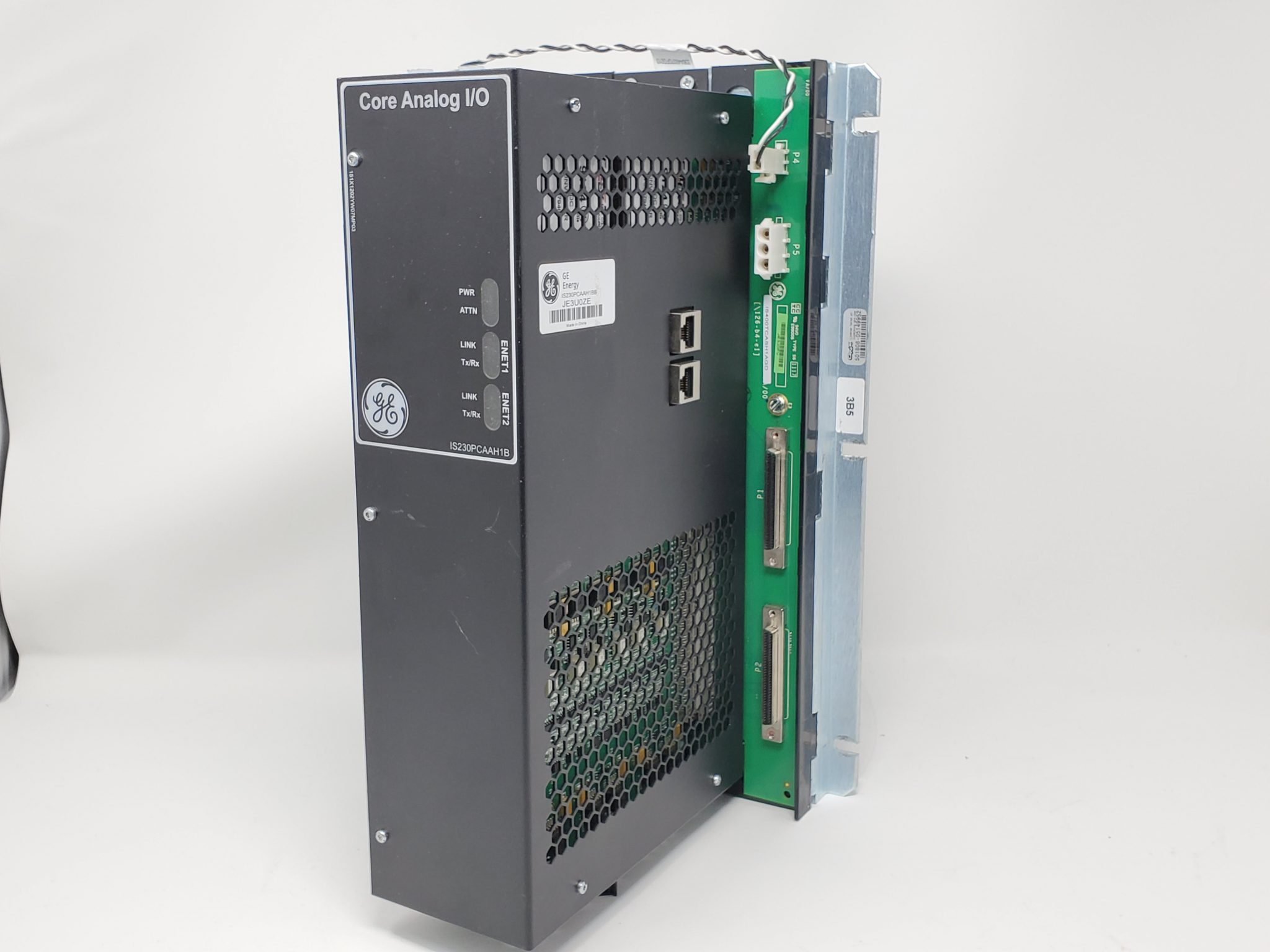 IS200BPPBH2CAA Mark VIe Power Supply Module
 -
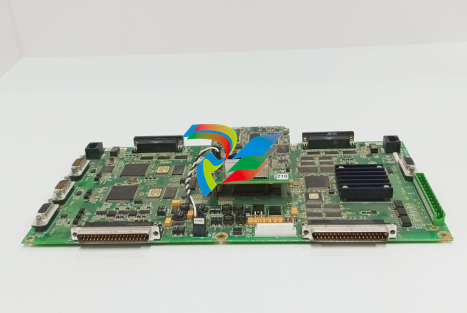
 IS210MACCH2AEG Motor Control and Communication Module
 -
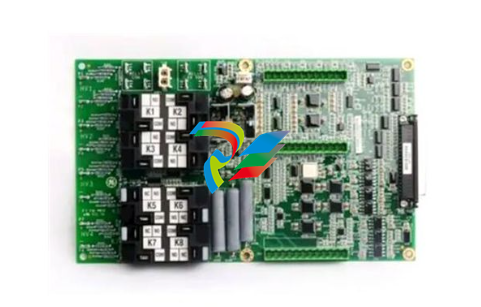
 IS210MACCH2AGG Mark VIe Speedtronic Turbine Control Module
 -
 IS200AEPAH1AFD Printed circuit board
 -
IS200AEPAH1ACB Analog I/O Module
-
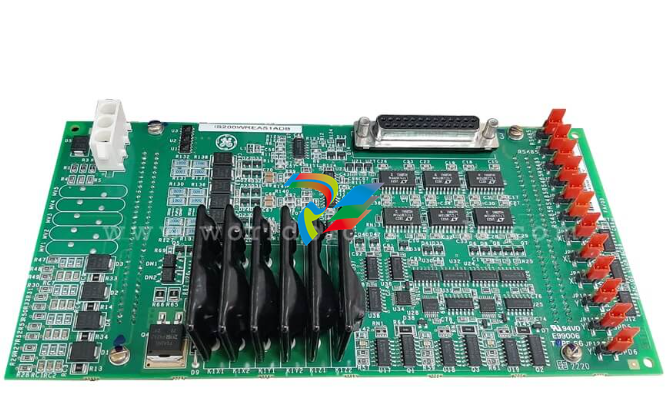 IS200WREAS1ADB AERO TRIP TB DBRD sub-board
 -
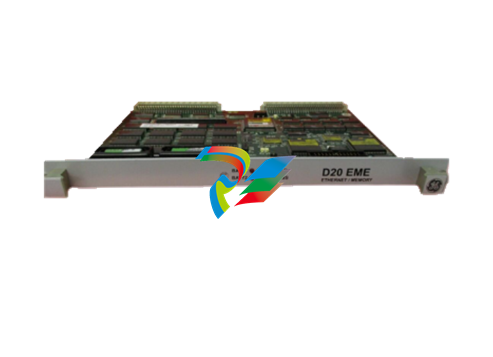 IS200WETAH1AEC large board component made Mark VI system
 -
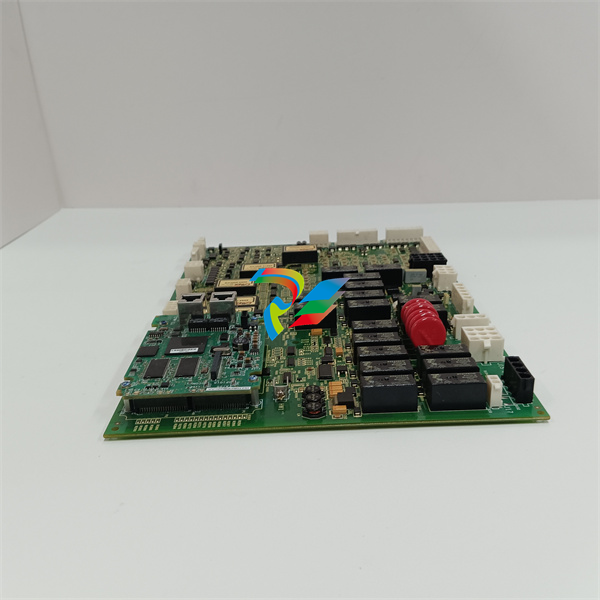 IS200AEPAH1AHD A High-Precision Excitation Control Board for Turbine Systems
 -
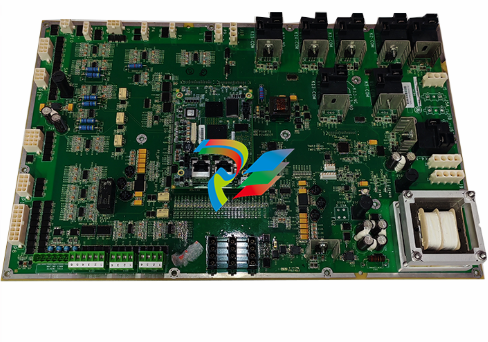 IS200WEMAH1AEA Control board
 -
IS210MACCH1AGG processor card
-
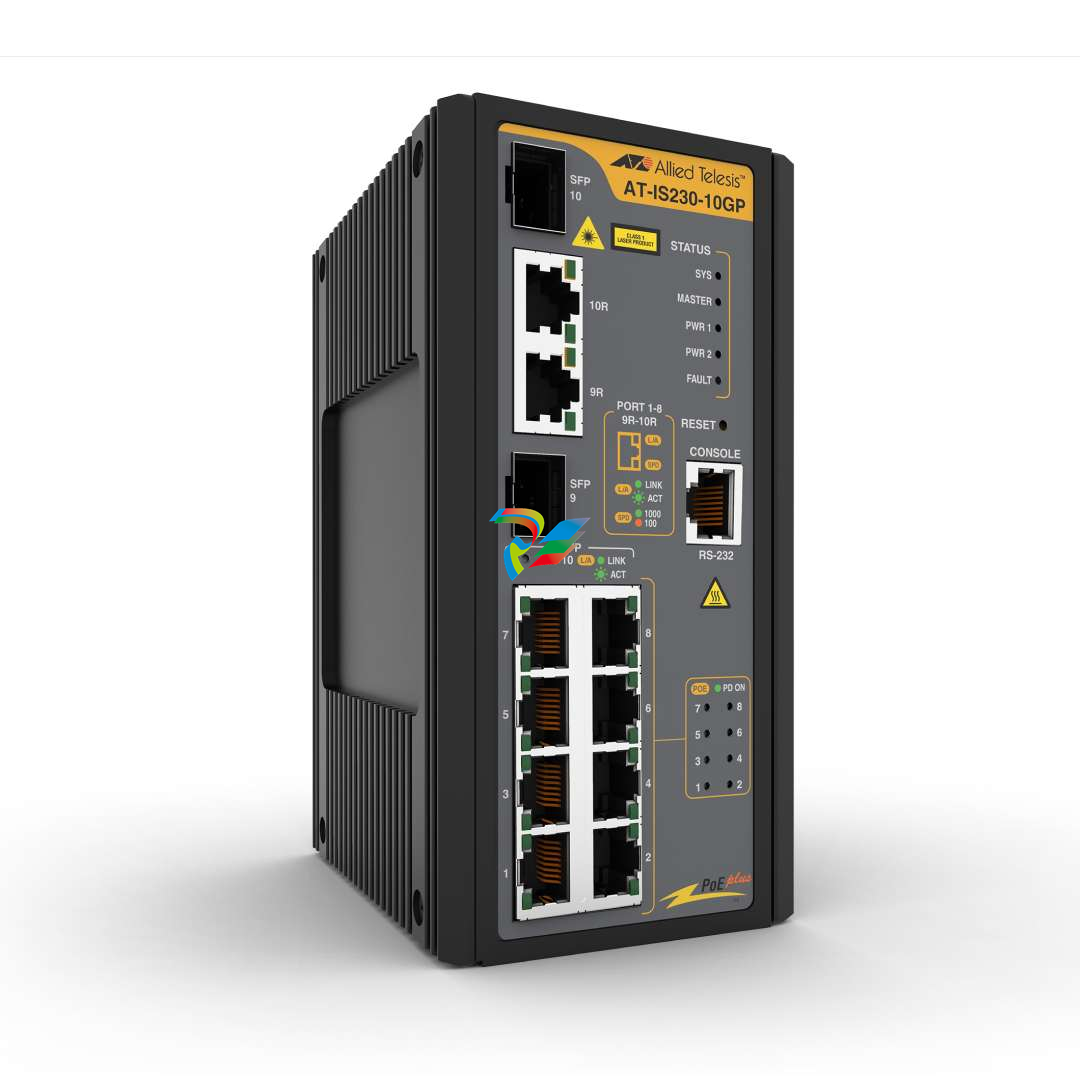 IS230TNRLH1B Discrete Output Modular Assembly
 -
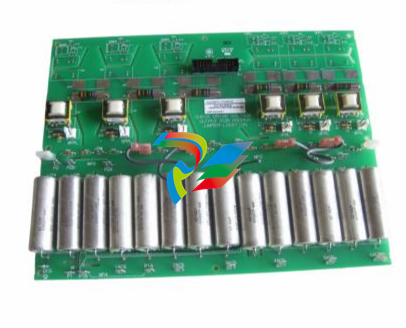 Mark V Series DS200PCCAG1ACB PCB Power Connect Card
 -
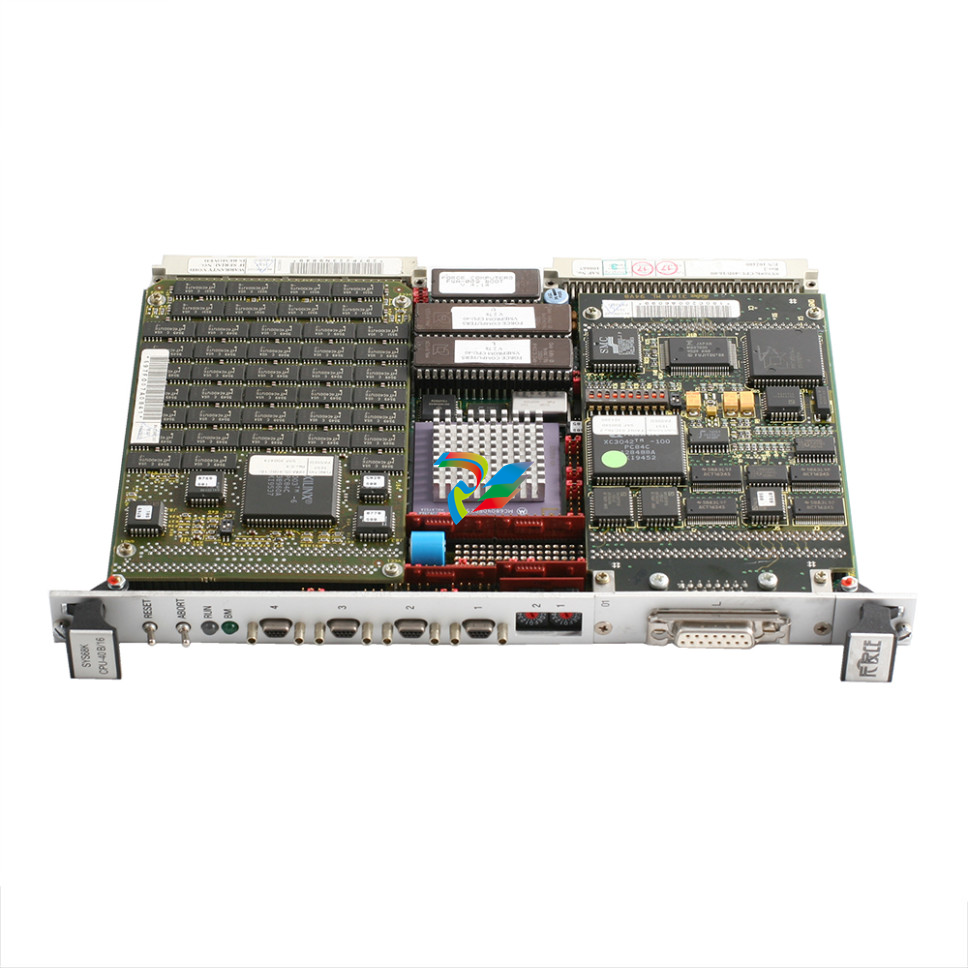 DS200SI0CG1AEA Instantaneous overcurrent card
 -
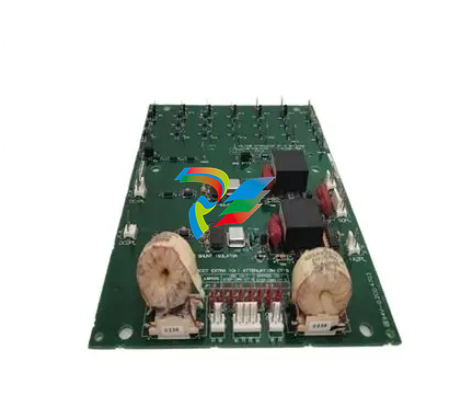 DS200SHVMG1AGE Analog I/O board
 -
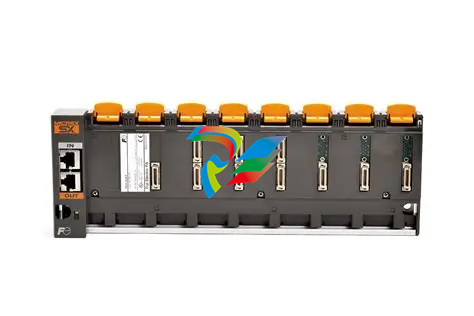 DS200SI0CG1A6A Input/Output Module
 -
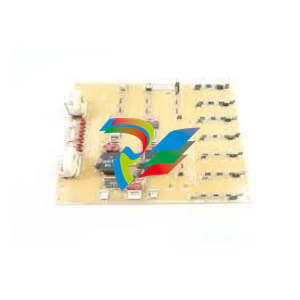 DS200SHVMG1AFE SCR High Voltage Interface Board
 -
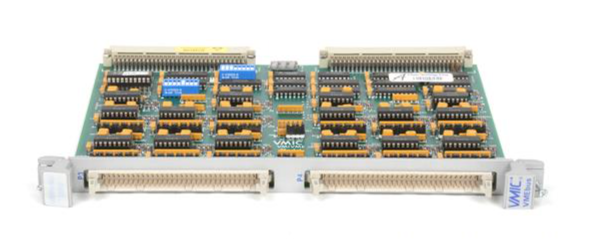 DS200RT8AG3AHC Relay Output Terminal Board
 -
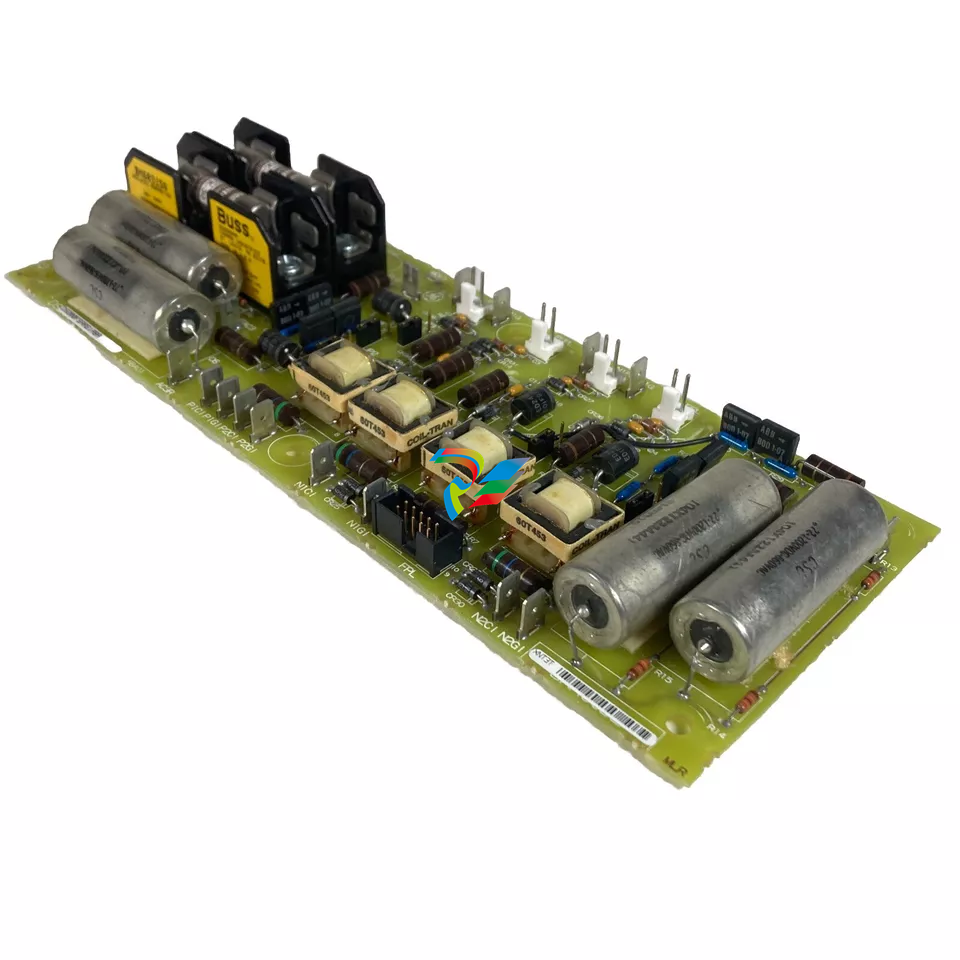 DS200FSAAG1ABA PCB Field Supply Gate Amplifier Board
 -
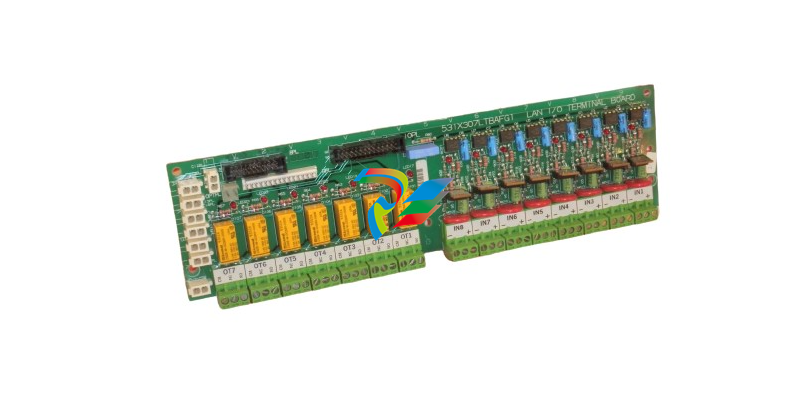 531X307LTBAFG1 F31X307LTBA LAN I/O Terminal Board
 -
 ABB AFS670 19" Ruggedized Switch AFS670-EREEDDDSSEEEEEEEPZYX05.1.0
 -
 NI Controller for VXI VXIPC-871B
 -
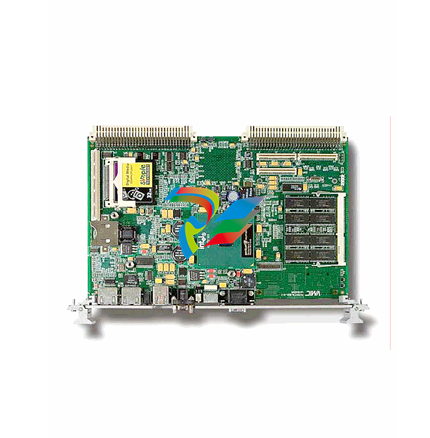 IS200EPMCH1GE Mark VIe Patch Cord Power Distribution Card
 -
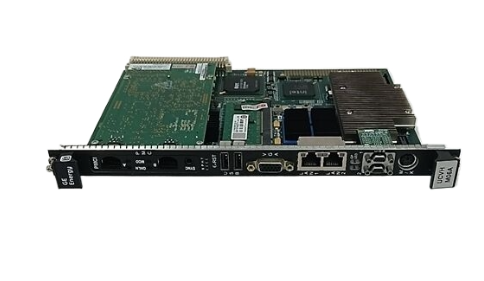 VMICPCI-7632-03310 IS215UCCAH3A 350-657362-003310J GE gas turbine system control processor board
 -
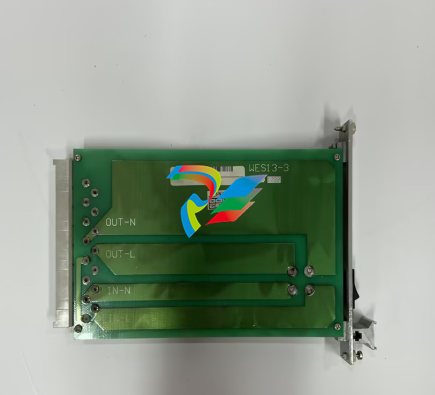 WEA13-13 2508-21001 Control Module / I/O Board
 -
WES5120 2340-21004 Controller Main Module
-
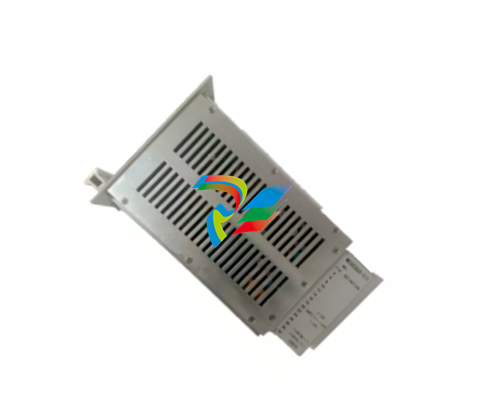 WES5120 2340-21006 Field Controller Master Unit Module
 -
WESDAC D20ME 18-MAR-13 Excitation Control Module
-
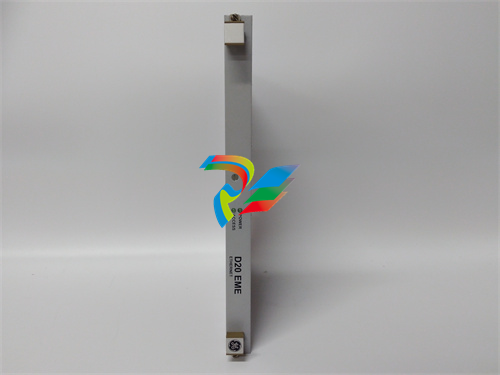 D20 EME 2400-21004 Ethernet communication and expansion module
 -
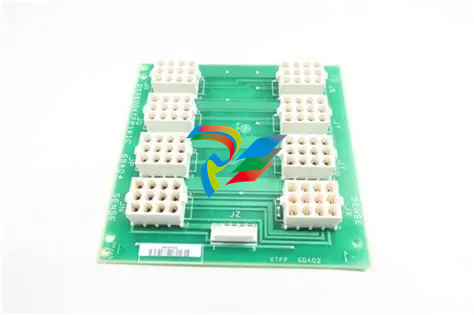 GE DS3800XTFP1E1C Thyristor Fan Out Board Brand
 -
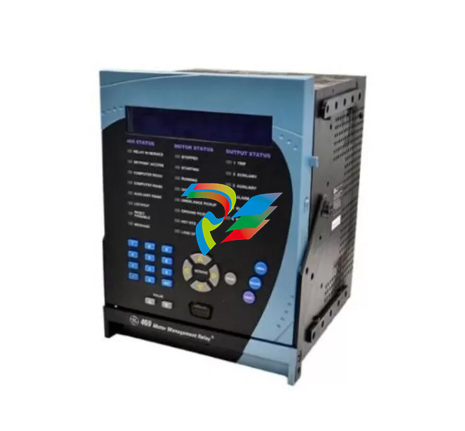 GE SR745-W2-P1-G1-HI-A-L-R-E Feeder protection relay
 -
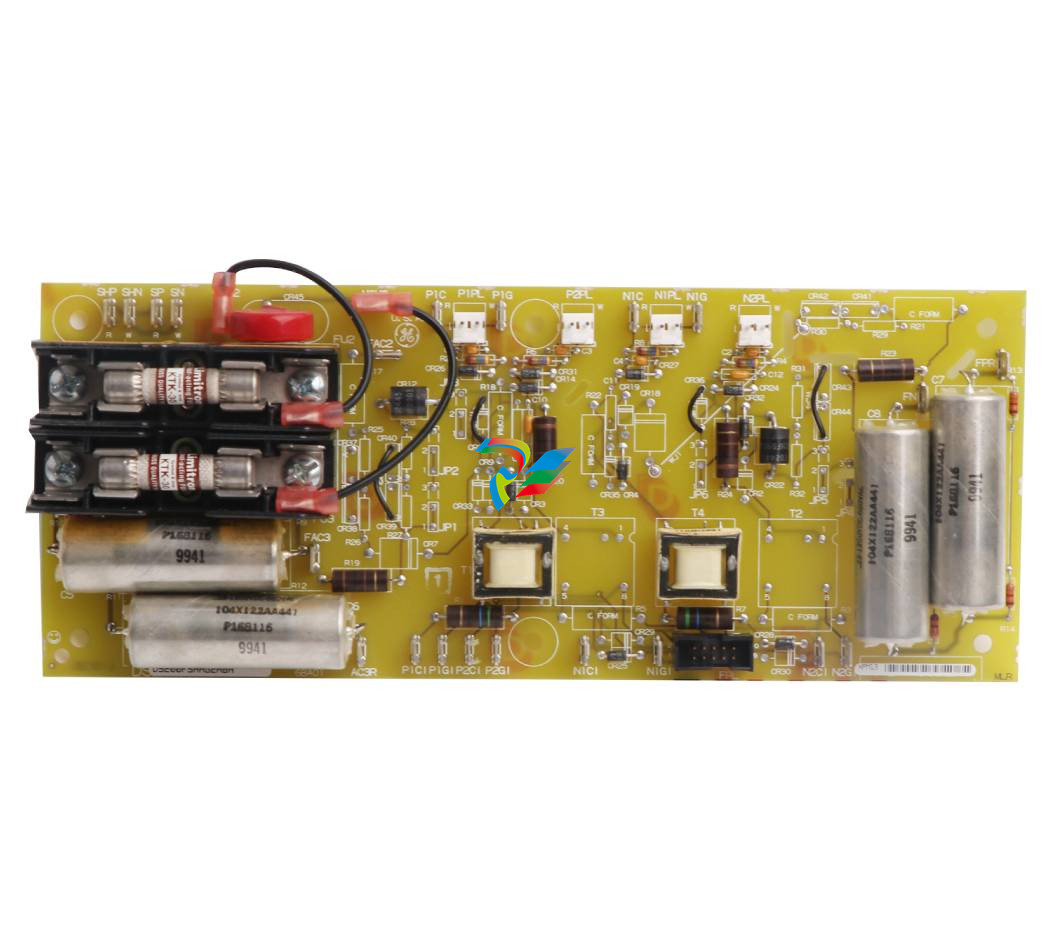 GE IS230TNDSH2A Discrete Output Relay Module Brand
 -
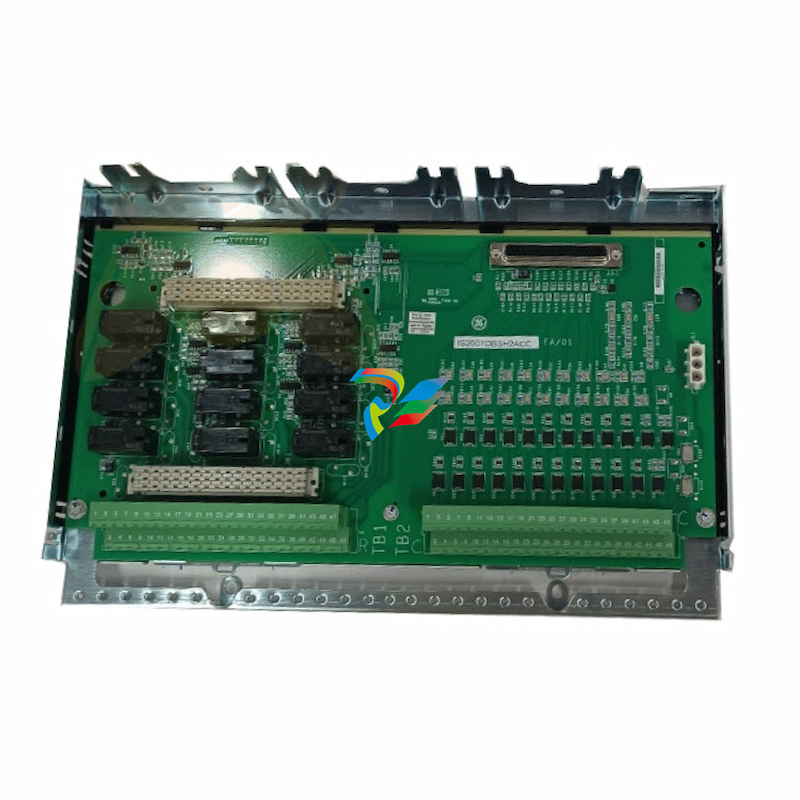 GE Fanuc IS200TDBSH2ACC Mark VI Terminal Board Brand
 -
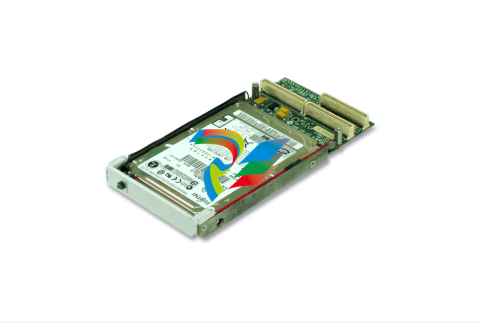 GE PMC-0247RC-282000 350-93750247-282000F Disk Drive
 -
GE PMC-0247RC-282000 350-93750247-282000F Disk Drive
-
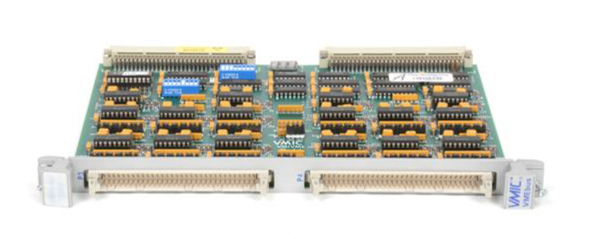 GE VMIVME-1150 Serial Communications Controller
 -
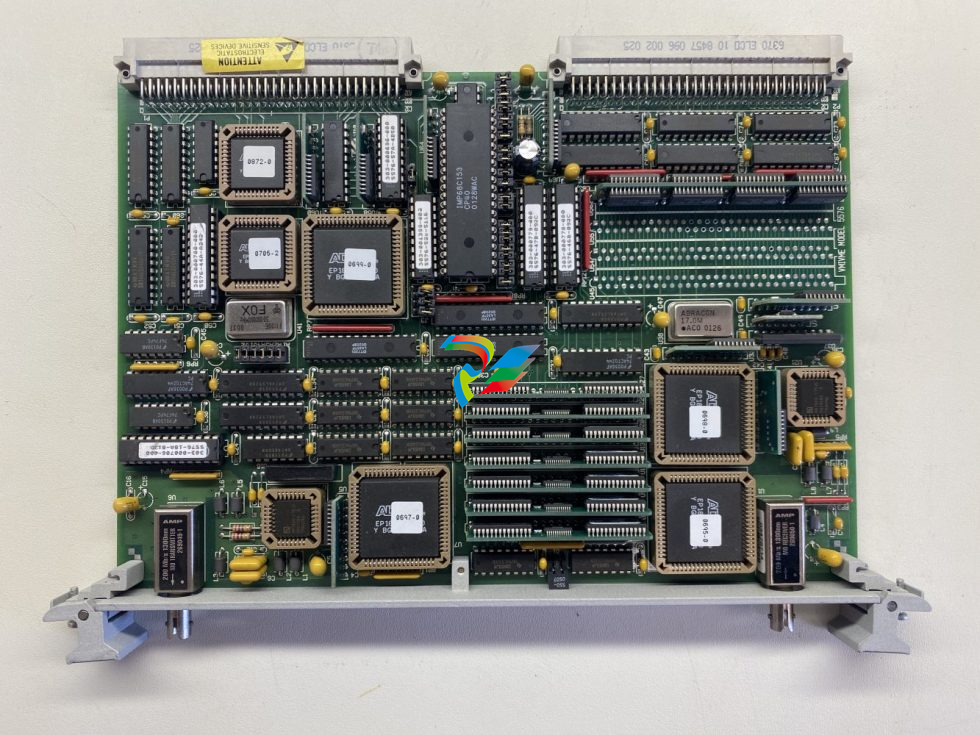 GE VMIVME-5576 Fiber-Optic Reflective Memory with Interrupts
 -
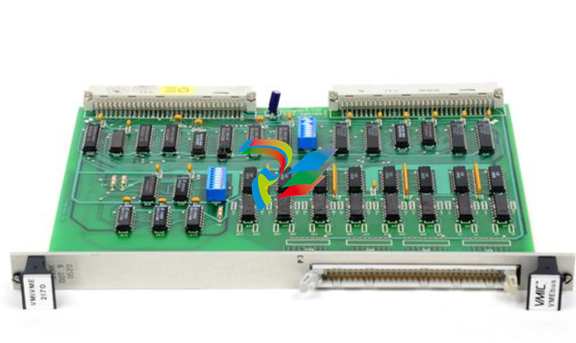 GE VMIC Isolated Digital Output VMIVME-2170A
 -
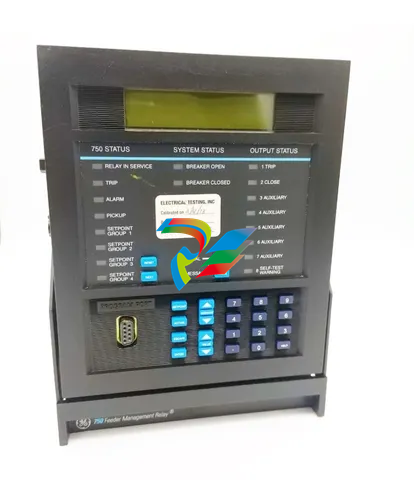 GE MULTILIN 760 FEEDER MANAGEMENT RELAY 760-P5-G5-S5-HI-A20-R-E
 -
GE IS200AEPAH1BKE IS215WEPAH2BB Printed circuit board
-
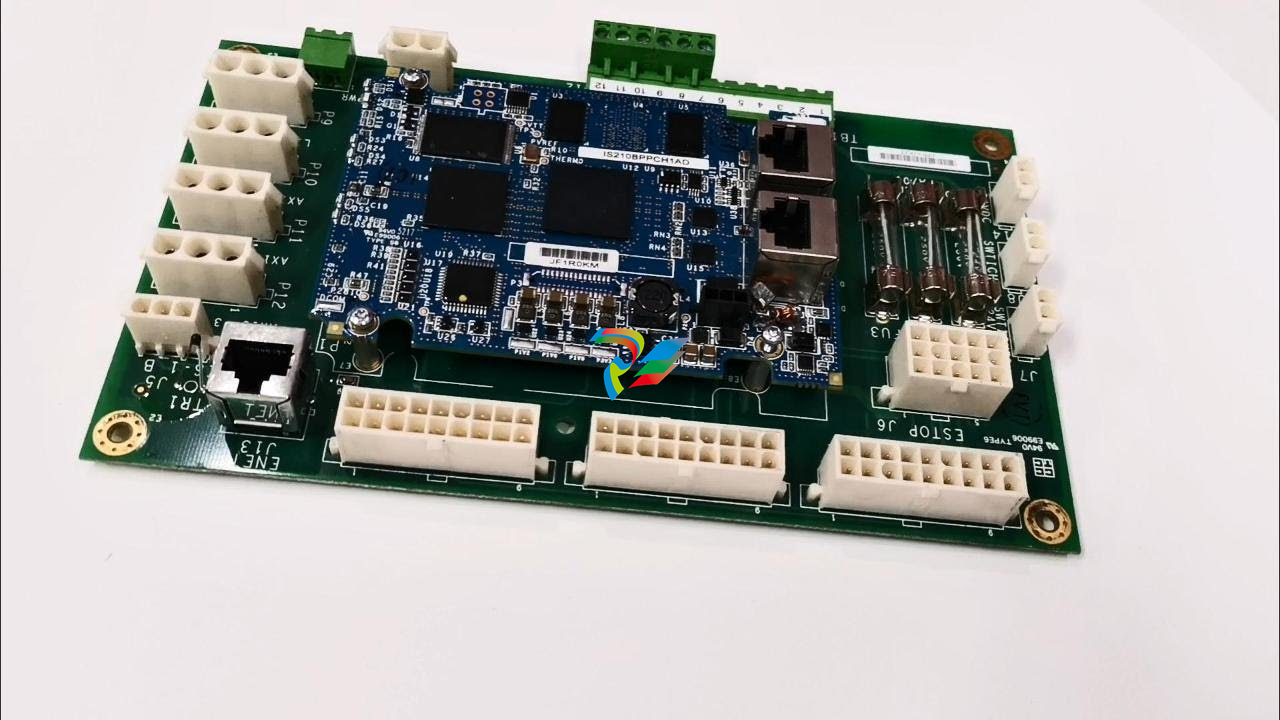 GE IS210BPPCH1A Mark VIe I/O Pack Processor Card
 -
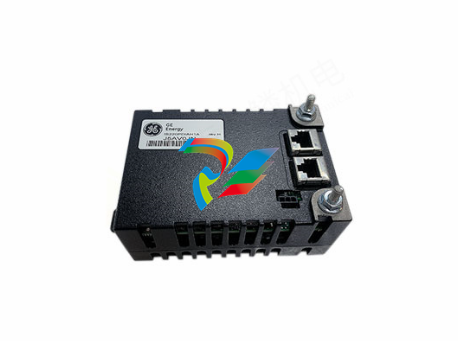 GE IS220PRTDH1A 336A4940CSP6 High-Performance RTD Input Module
 -
GE IS220PDIAH1BE 336A5026ADP4 Discrete Input Module
-
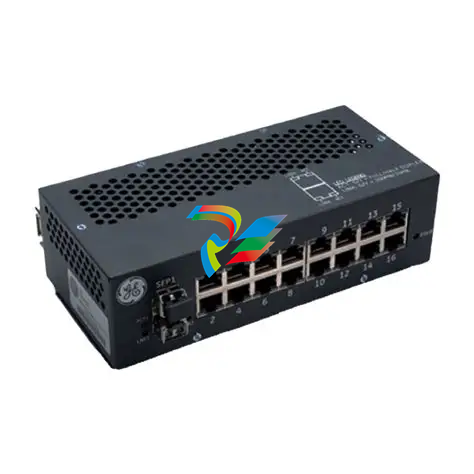 GE IS420ESWBH3A IONET Switch Module
 -
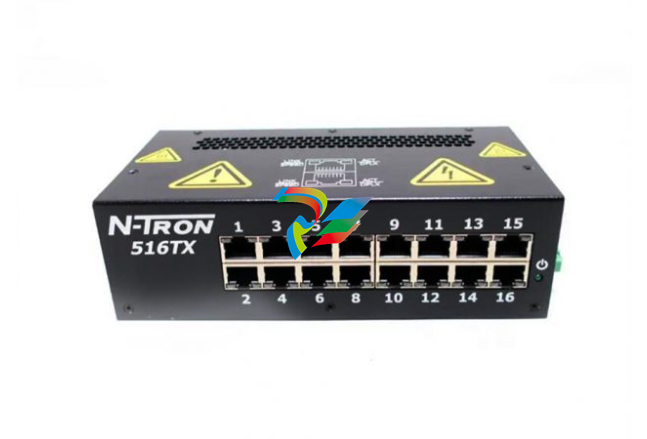 GE 516TX 336A4940DNP516TX 16-port Ethernet switch
 -
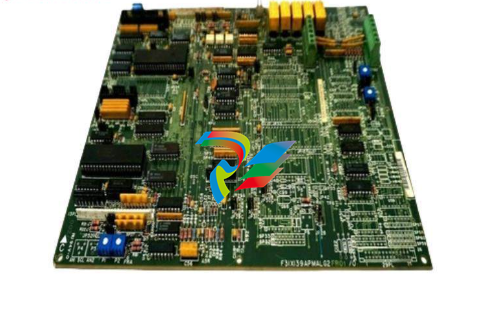 GE EVMECNTM13 Embedded control module
 -
GE EVPBDP0001 EVPBDP032 control module
-
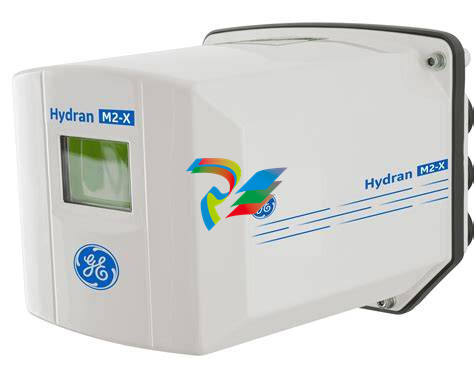 GE Hydran M2-X Enhanced Monitoring with Extended Sensor Life
 -
 GE UR6CH Digital I/O Module
 -
 GE IC695CPU315-CD Central processing unit
 -
 GE 531X305NTBAMG1 DR Terminal Board
 -
 GE 531X305NTBALG1 NTB/3TB Terminal Board 531X Series
 -
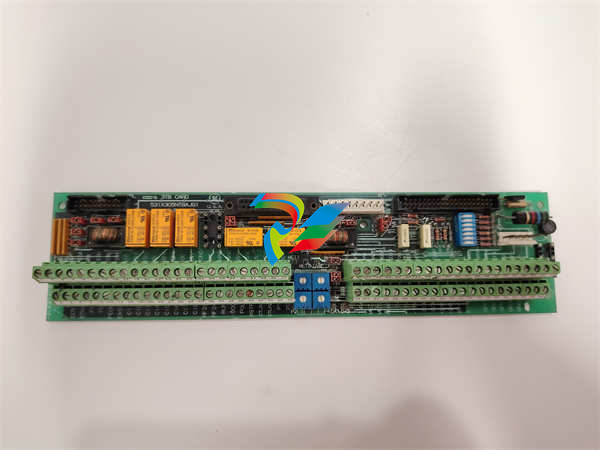 GE 531X305NTBAJG1 NTB/3TB Terminal Board.
 -
GE 531X305NTBAHG1 NTB/3TB Terminal Board 531X
-
 GE 531X305NTBAEG1 is a PCB that functions as a DR terminal board.
 -
General Electric 531X305NTBACG1 NTB/3TB Terminal Board 531X
-
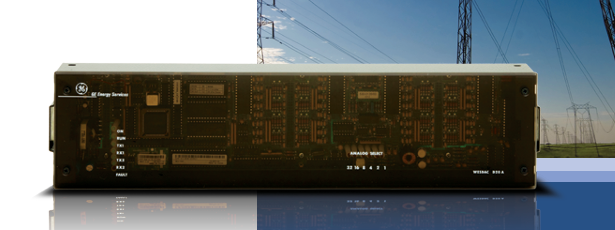 GE Digital Energy D20 Analog Input Module
 -
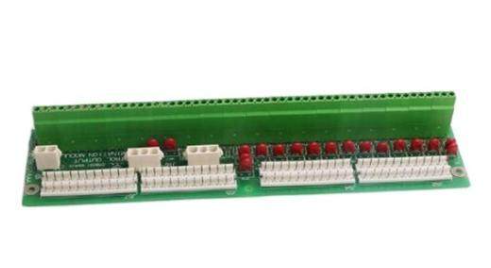 GE 94-164136-001 main board Control board
 -
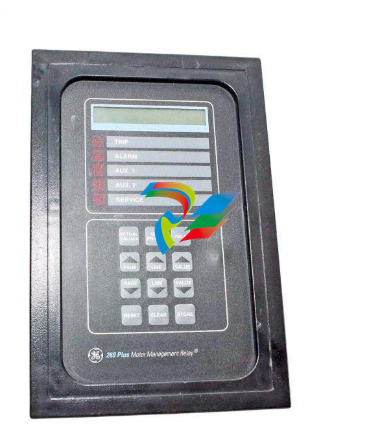 GE 269 PLUS-D/O-100P-125V Digital motor relay
 -
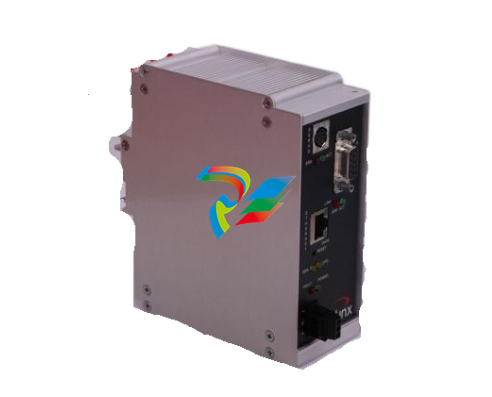 GALIL DMC-9940 High-performance motion controller
 -
FUJI NP1BS-08 base plate
-
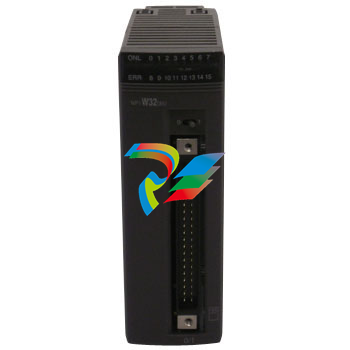 FUJI NP1Y32T09P1 Transistor drain type digital output module
 -
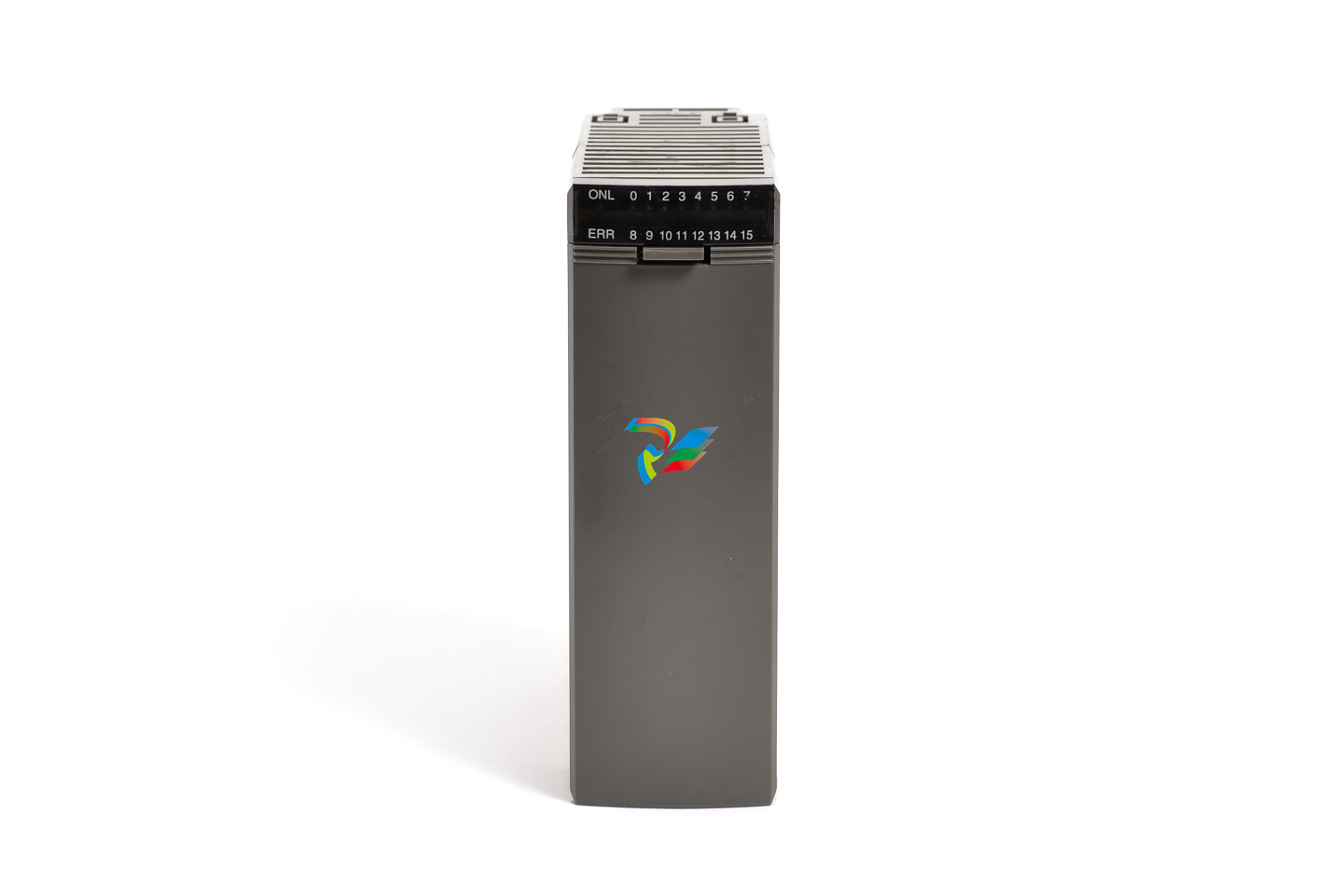 FUJI NP1Y16R-08 Digital Output Module
 -
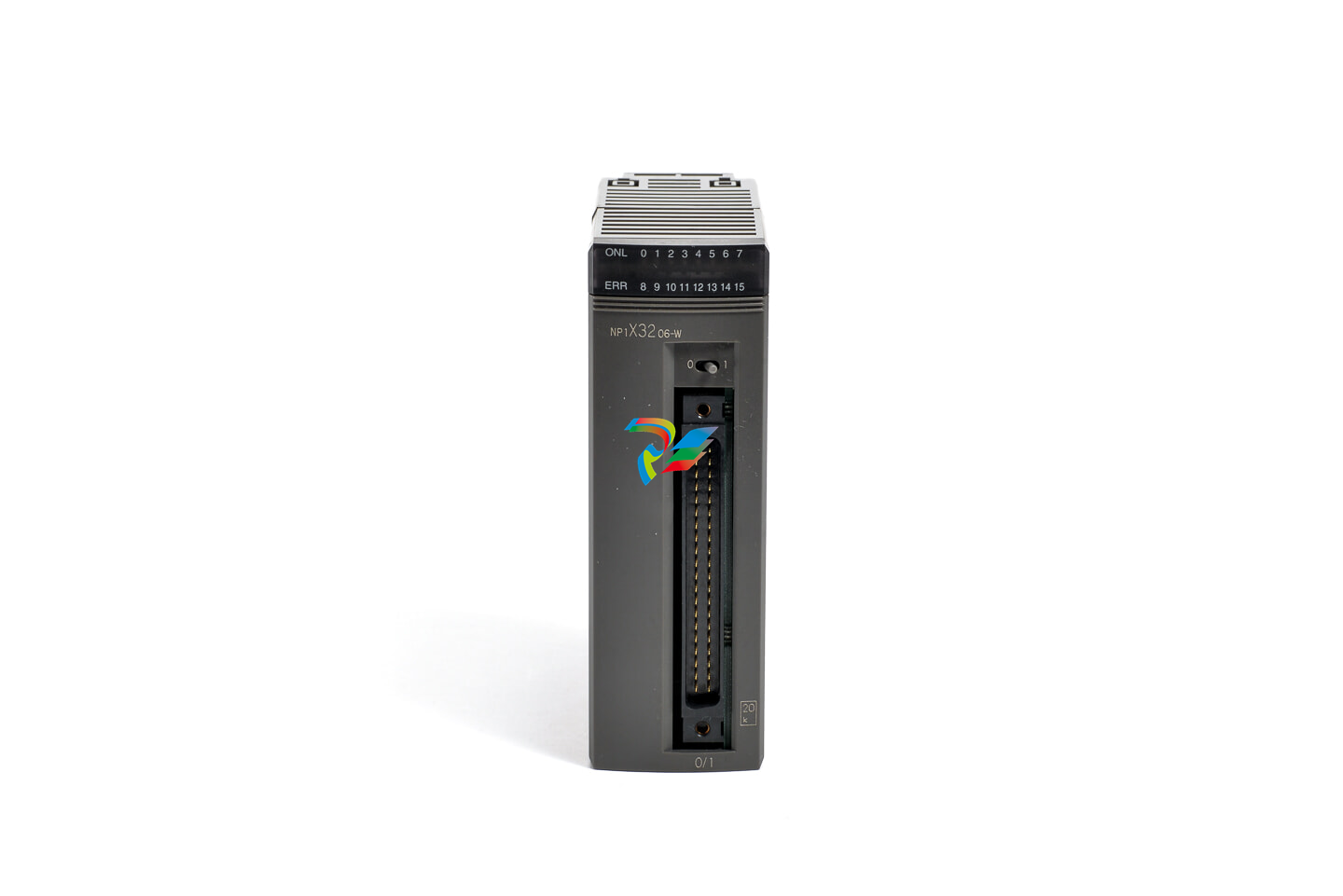 FUJI NP1X3206-A High-speed digital input module
 -
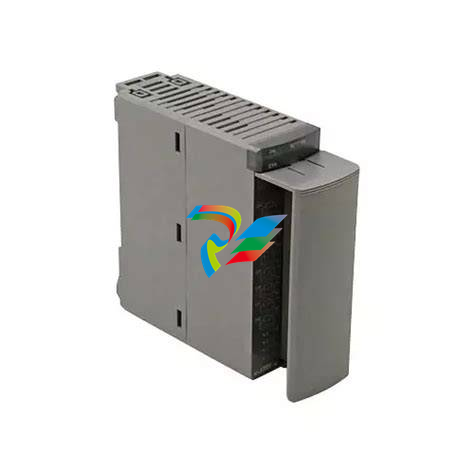 FUJI NP1AYH4I-MR current output module
 -
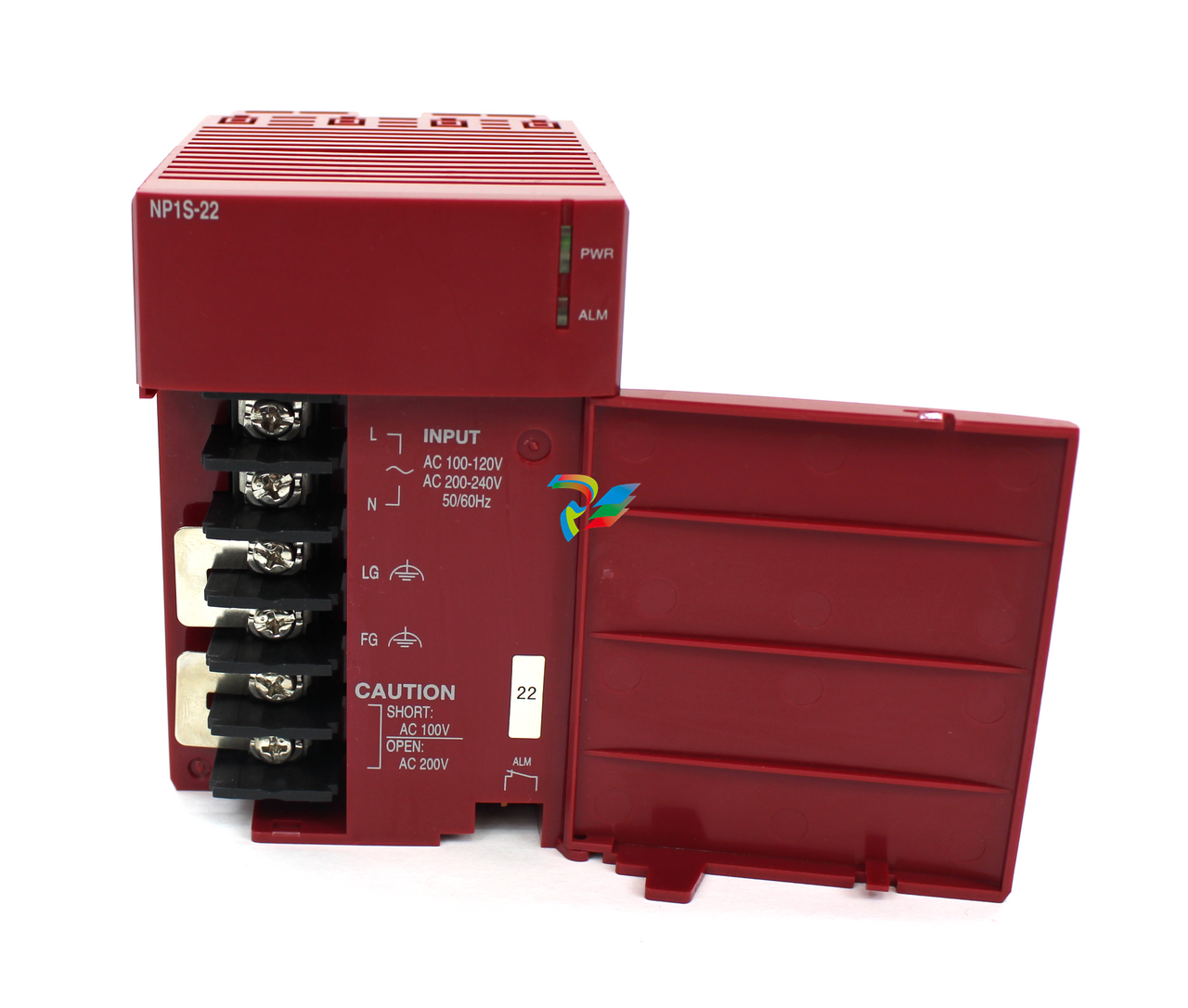 FUJI NP1S-22 Power module redundancy
 -
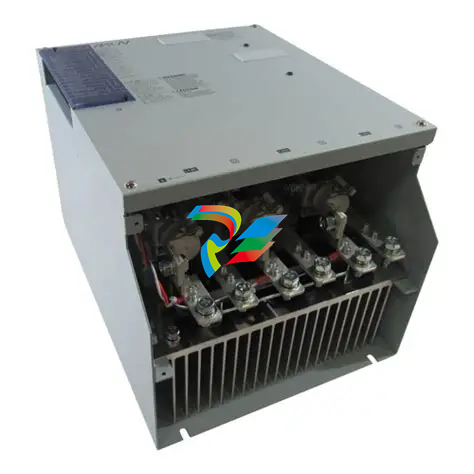 FUJI RPXD2150-1T servo drive module
 -
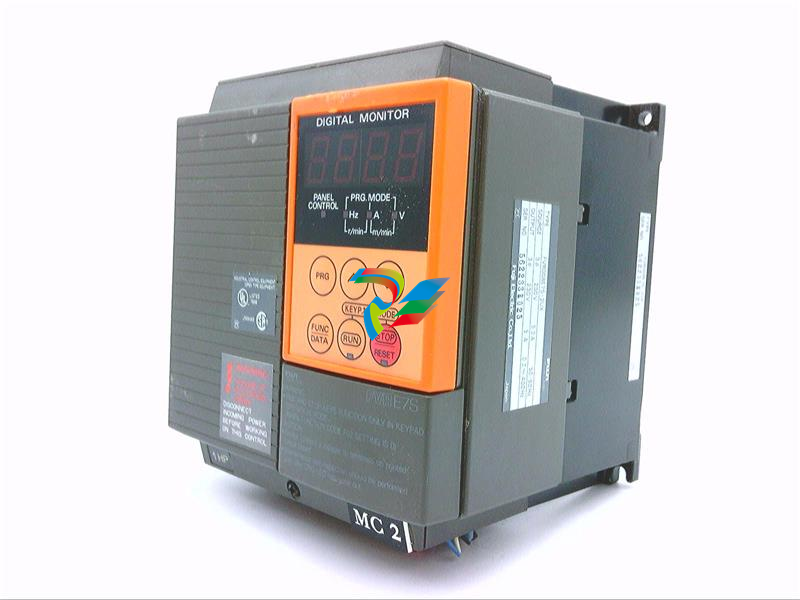 FUJI FVR008E7S-2UX Ac frequency converter
 -
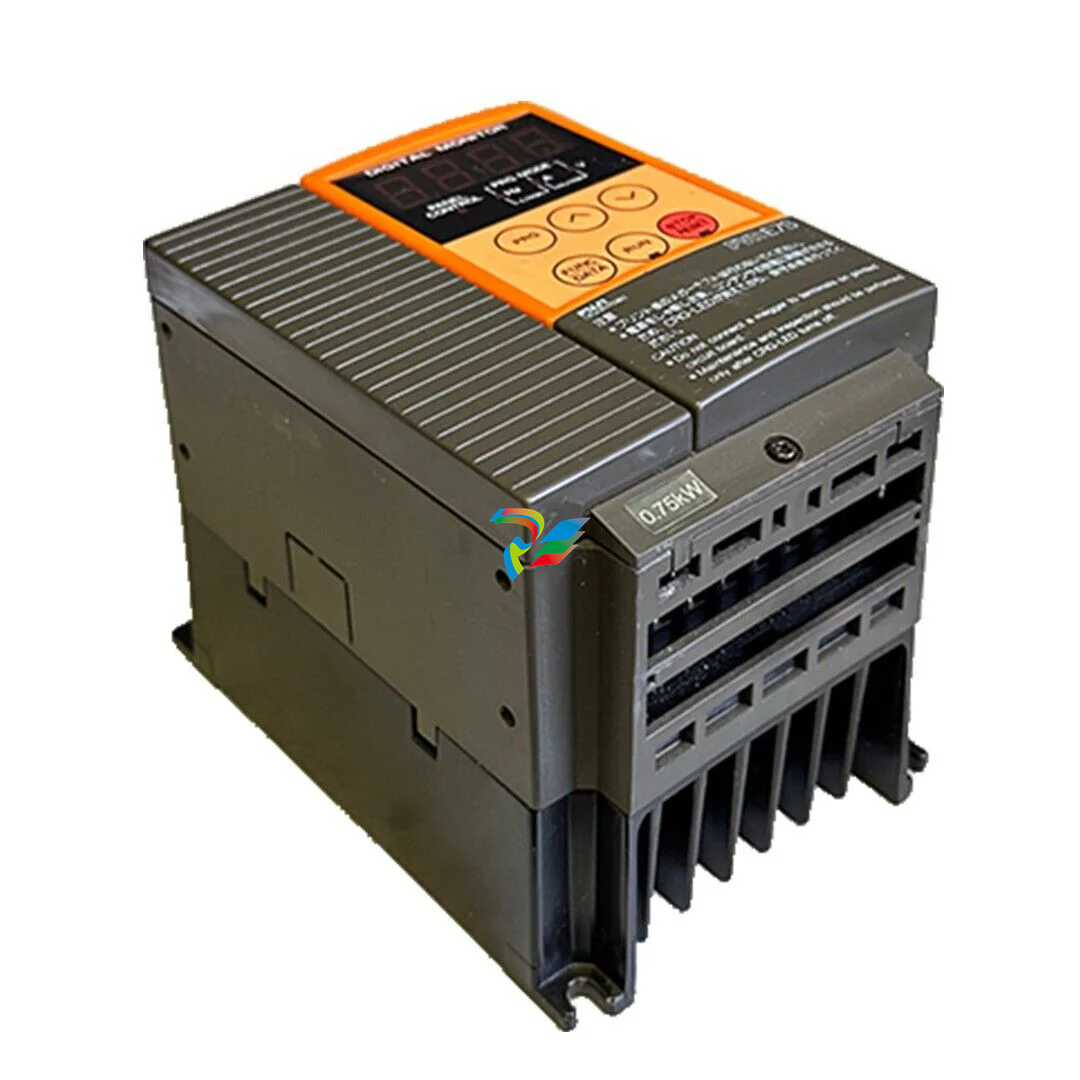 FUJI Ac frequency converter FVR008E7S-2
 -
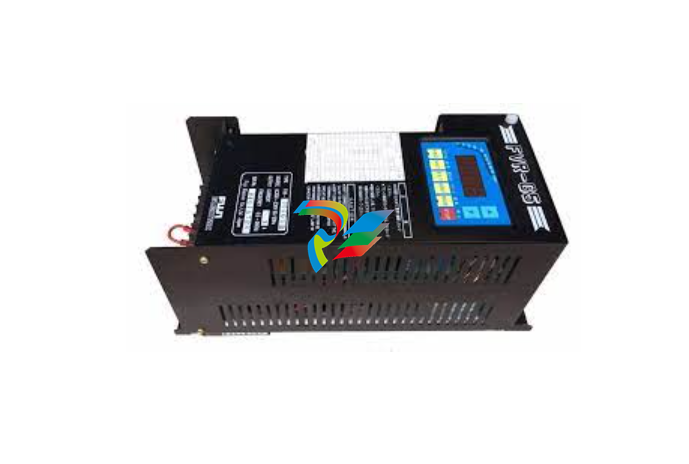 FUJI FVR004G5B-2 Small general-purpose frequency converter
 -
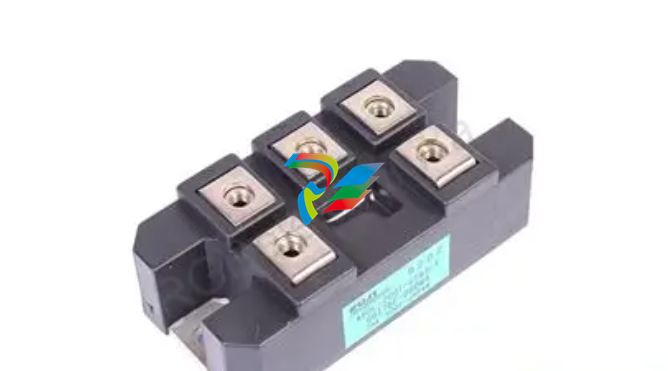 FUJI A50L-2001-0232 Industrial control module
 -
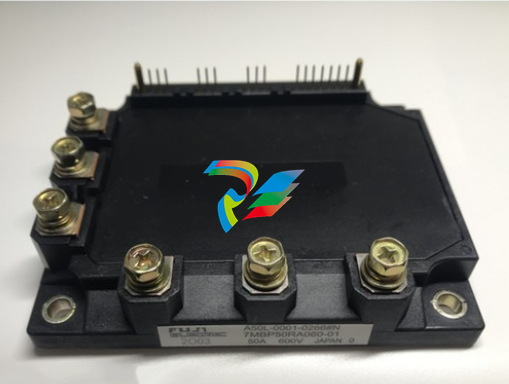 FUJI A50L-001-0266#N High-performance servo amplifier
 -
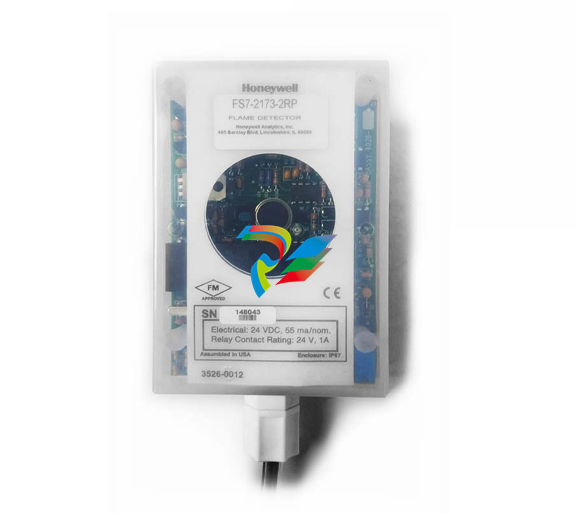 Honeywell FS7-2173-2RP Gas sensor
 -
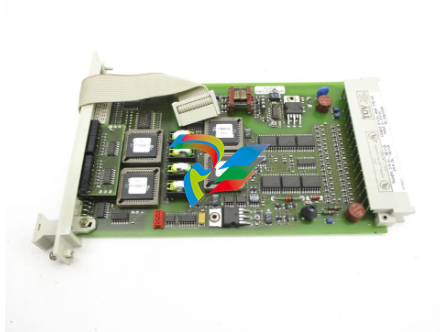 Honeywell 10106/2/1 Digital Input Module in Stock
 -
FRCE SYS68K CPU-40 B/16 PLC core processor module
-
Foxboro FBM I/O cards PBCO-D8-009
-
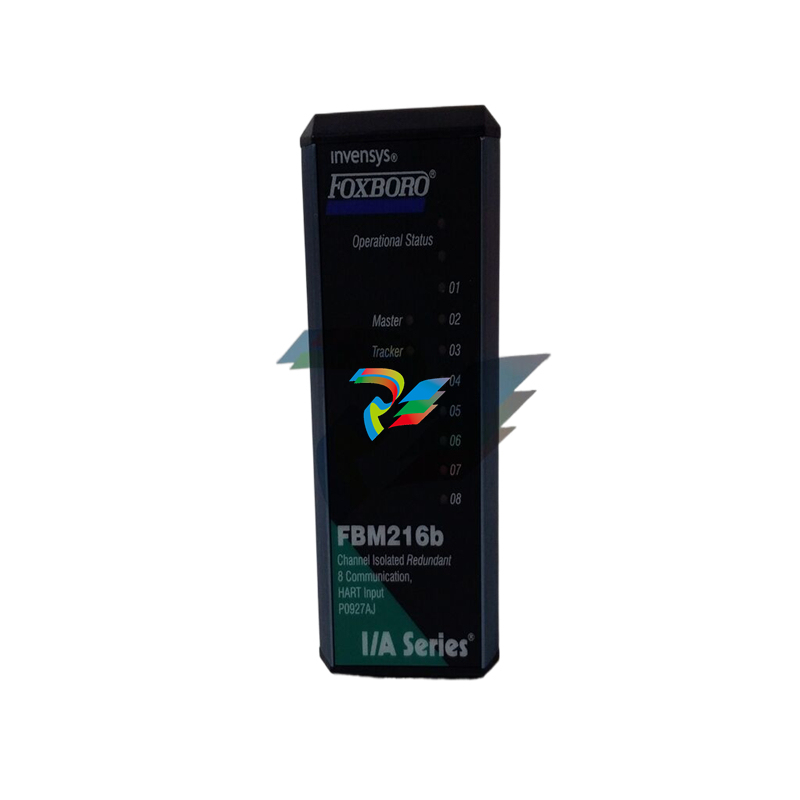 Foxboro AD916AE Digital Control System (DCS) Module
 -
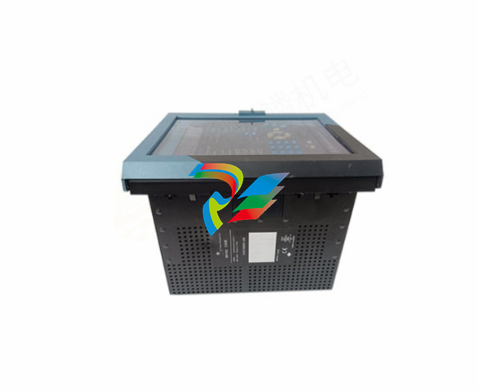 GE SR750-P5-G5-S5-HI-A20-R-E Multilin Relay
 -
.jpg) FOXBORO H90 H90C9AA0117S Industrial Computer Workstation
FOXBORO H90 H90C9AA0117S Industrial Computer Workstation -
FOXBORO RH928AW | I/A Series Relay Output Module
-
.jpg) Foxboro N-2AX+DIO Multi-functional input/output module
Foxboro N-2AX+DIO Multi-functional input/output module -
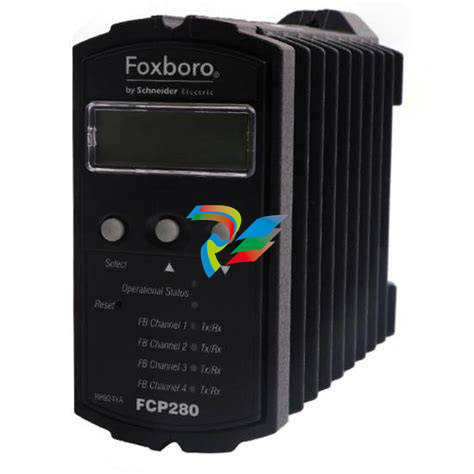 Foxboro RH924WA FCP280 Fiber Optic Network Adapter
 -
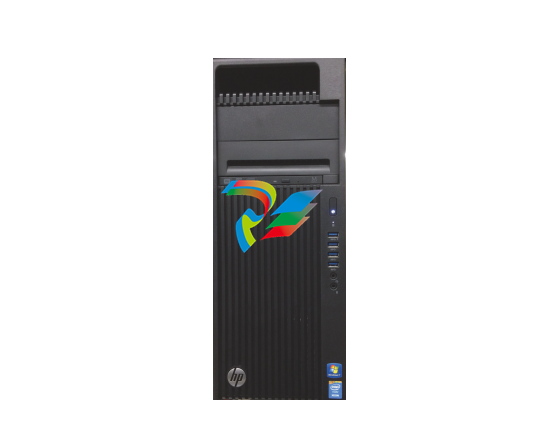 FOXBORO H92 Versatile Hardware Component In
 -
 Foxboro FBM218 P0922VW HART® Communication Redundant Output Interface Module
 -
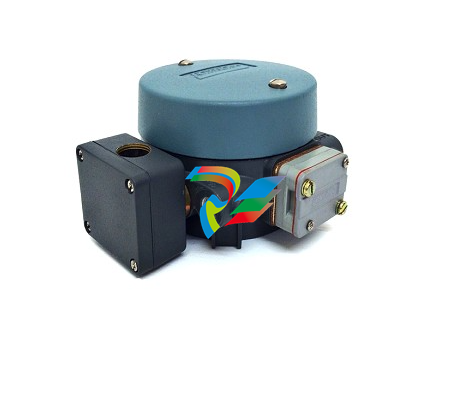 Foxboro E69F-TI2-J-R-S E69F Series Current-To-Pneumatic Signal Converter
 -
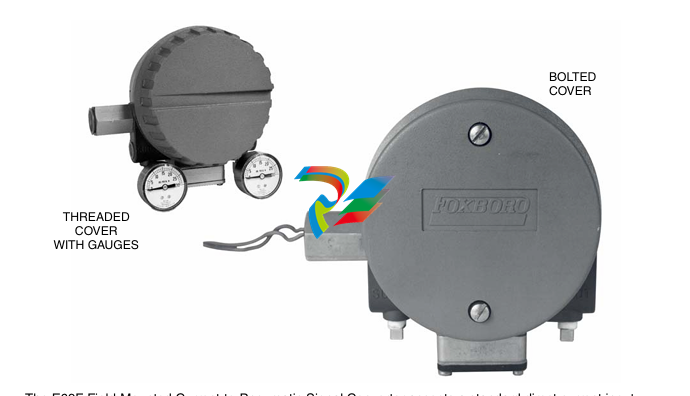 Foxboro E69F-BI2-S Converter
 -
.jpg) Foxboro H92A049E0700 The host of the DCS control station
Foxboro H92A049E0700 The host of the DCS control station -
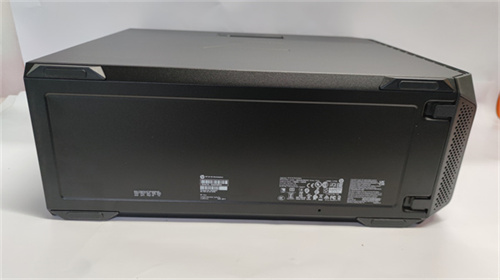 Foxboro H90C9AA0117S Industrial computer workstation
 -
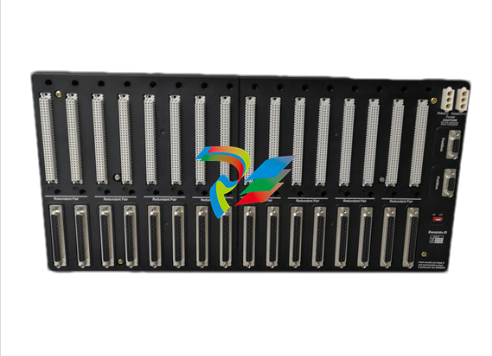 Foxboro RH101AA High-performance industrial control module
 -
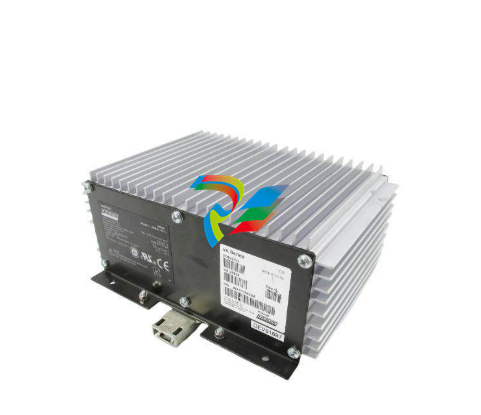 Foxboro P0922YU FPS400-24 I/A Series Power supply
 -
.png) FOXBORO P0973LN Chassis-based managed switch with independent power supply
FOXBORO P0973LN Chassis-based managed switch with independent power supply -
.jpg) FOXBORO P0926PA Input/output module
FOXBORO P0926PA Input/output module -
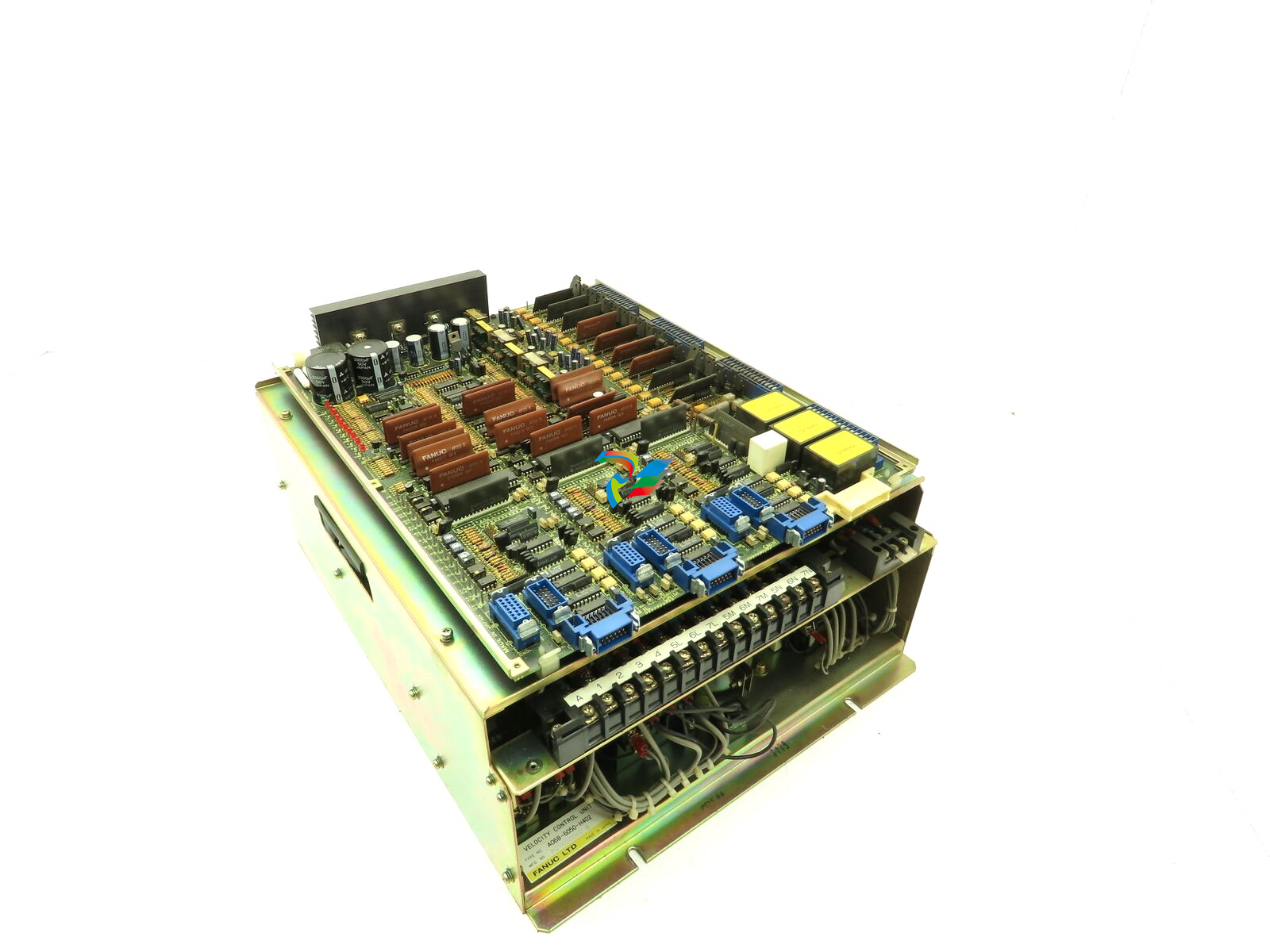 Fanuc A06B-6050-H402 3 AXIS ANALOG AC SERVO DRIVE
 -
.jpg) FOXBORO L0130AD L0130AE-0H Power module group
FOXBORO L0130AD L0130AE-0H Power module group -
_lVjBYb.jpg) FOXBORO 0399085B 0303440C+0303458A Combination Control Module
FOXBORO 0399085B 0303440C+0303458A Combination Control Module -
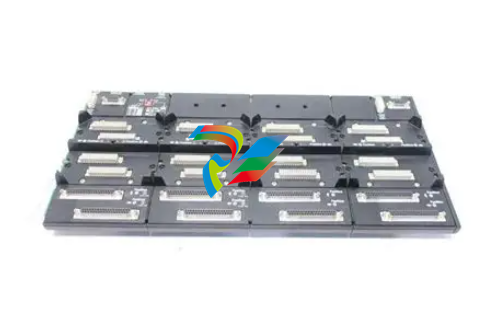 FOXBORO SY-0399095E (SY-0303451D+SY-0303460E) Process control board
 -
.jpg) FOXBORO 0399071D 0303440C+0303443B Input/Output (I/O) Module
FOXBORO 0399071D 0303440C+0303443B Input/Output (I/O) Module -
.jpg) FOXBORO RH924UQ Redundant Controller module
FOXBORO RH924UQ Redundant Controller module -
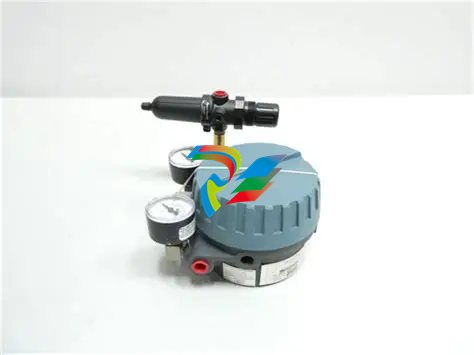 FFOXBORO E69F-TI2-S current pneumatic converter
 -
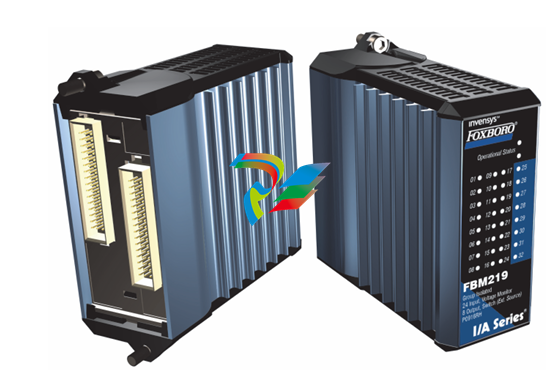 FOXBORO FBM219 RH916RH Discrete I/O Module
 -
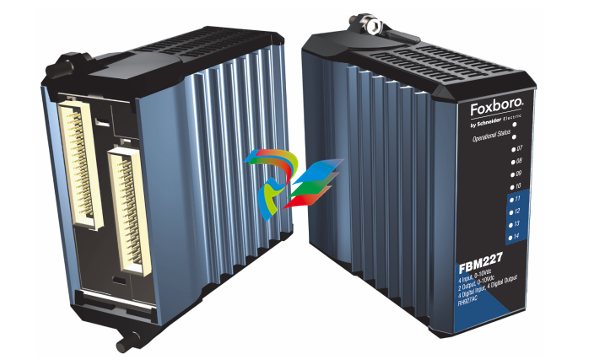 FOXBORO FBM227 P0927AC Module
 -
.jpg) FOXBORO 0399144 SY-0301059F SY-1025115C/SY-1025120E I/O module
FOXBORO 0399144 SY-0301059F SY-1025115C/SY-1025120E I/O module -
.jpg) FOXBORO SY-60399001R SY-60301001RB Industrial Control Module
FOXBORO SY-60399001R SY-60301001RB Industrial Control Module -
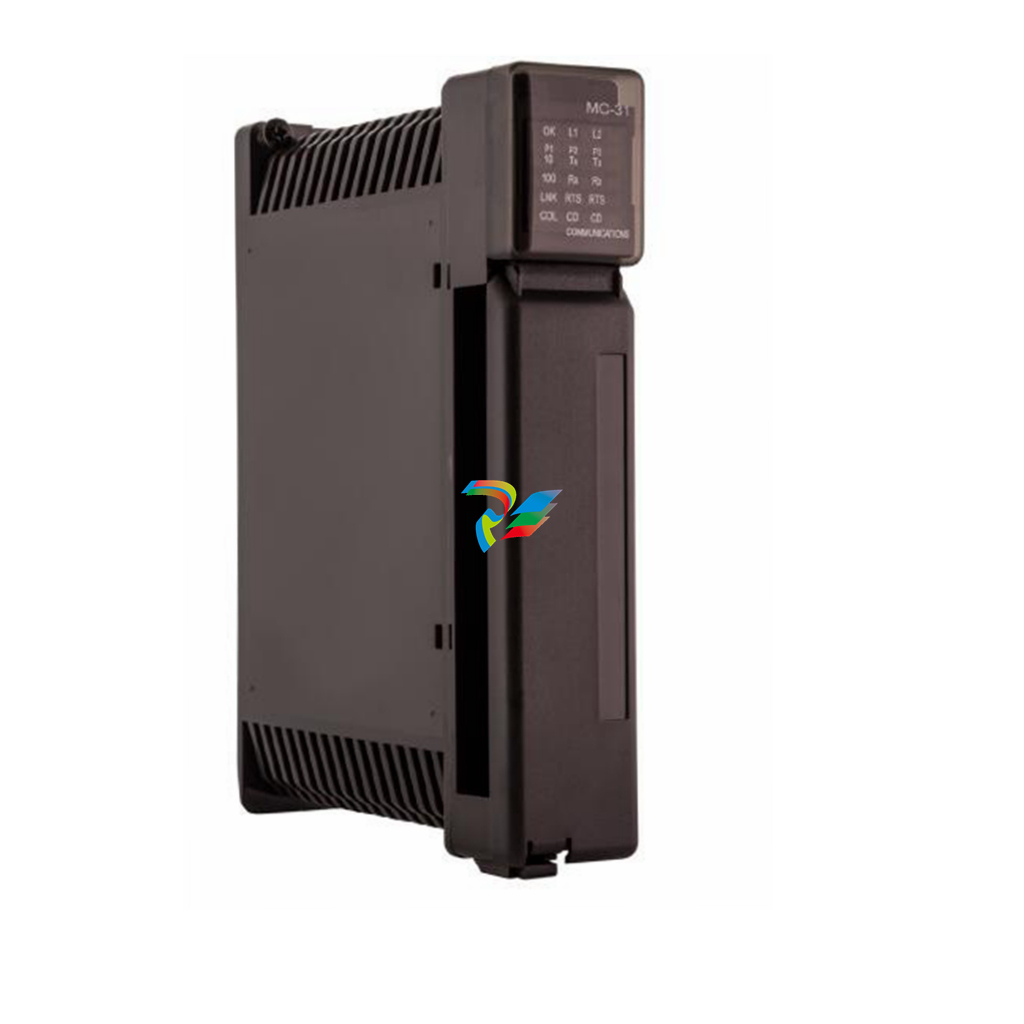 FOXBORO 0399143 SY-0301060R SY-1025115C SY-1025120E Combined control board
 -
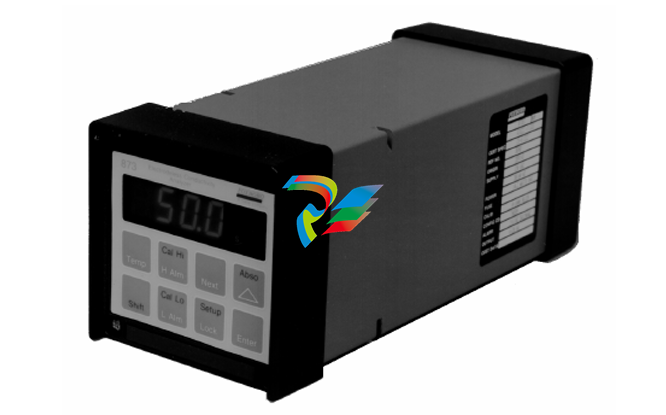 FOXBORO 873EC-JIPFGZ electrodeless conductivity analyzer
 -
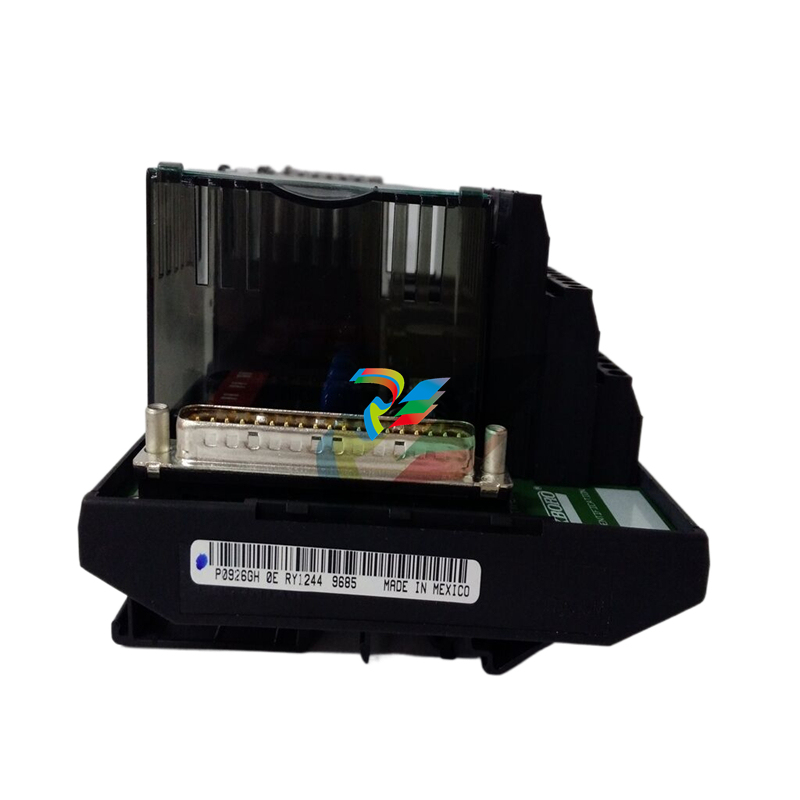 FOXBORO P0916PH (High-density HART I/O Module)
 -
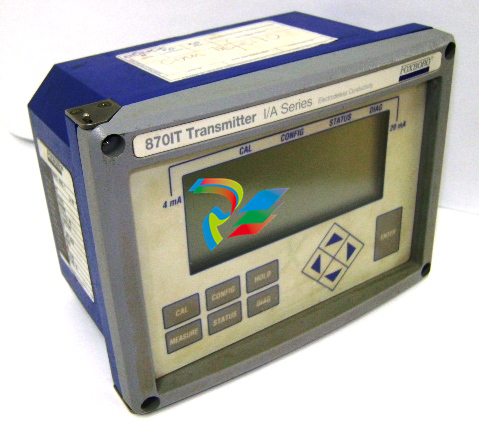 FOXBORO 870ITEC-AYFNZ-7 Intelligent Electrochemical Transmitters
 -
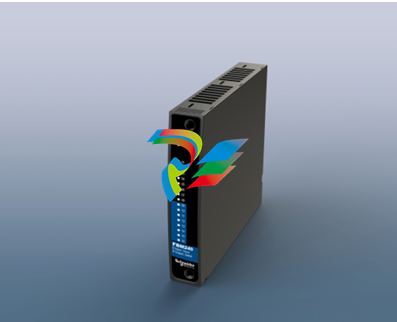 FOXBORO Compact FBM240. Redundant with Readback, Discrete
 -
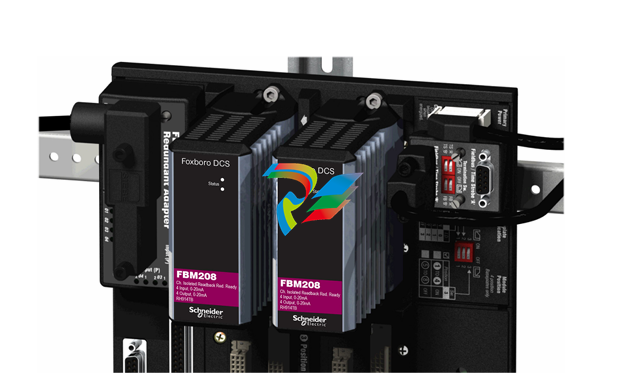 FOXBORO FBM208/b, Redundant with Readback, 0 to 20 mA I/O Module
 -
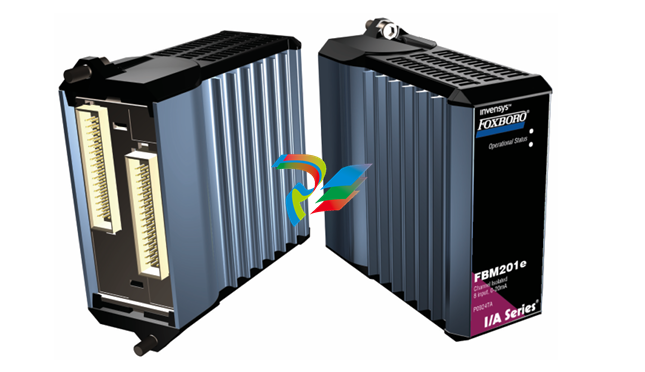 FOXBORO FBM201e Analog Input (0 to 20 mA) Interface Modules
 -
.jpg) FOXBORO P0916WG Terminal cable
FOXBORO P0916WG Terminal cable -
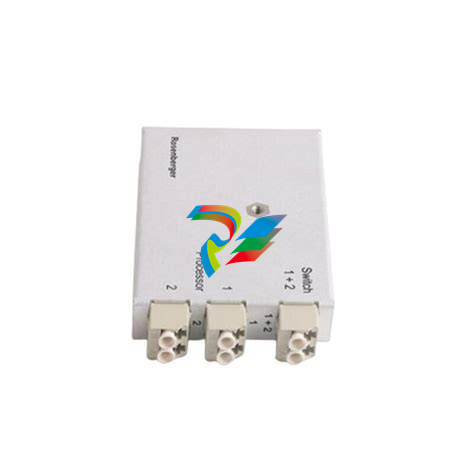 FOXBORO P0926MX 2-Port Splitter
 -
.jpg) FOXBORO AD908JQ High-Frequency Module
FOXBORO AD908JQ High-Frequency Module -
.jpg) FOXBORO AD916CC Processor module
FOXBORO AD916CC Processor module -
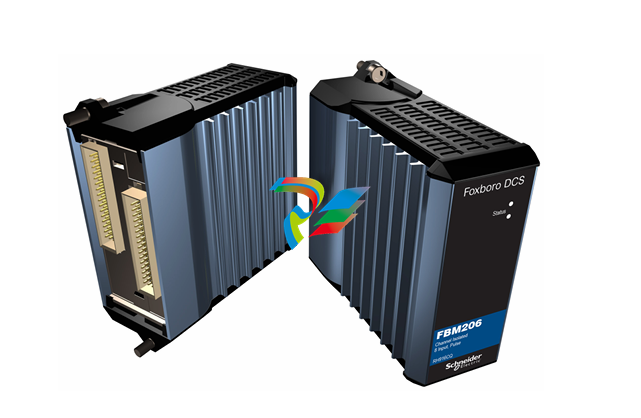 Foxboro DCS FBM206 Pulse Input Module
 -
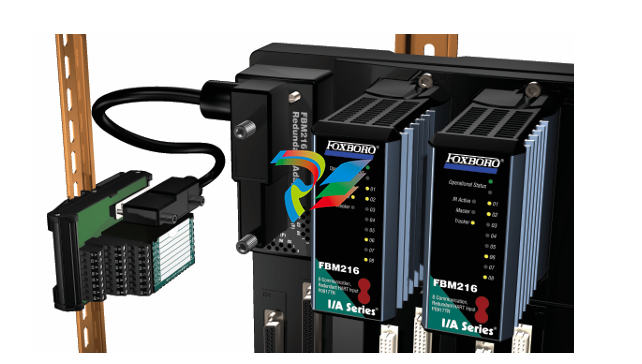 FOXBORO FBM216 HART® Communication Redundant Input Interface Module
 -
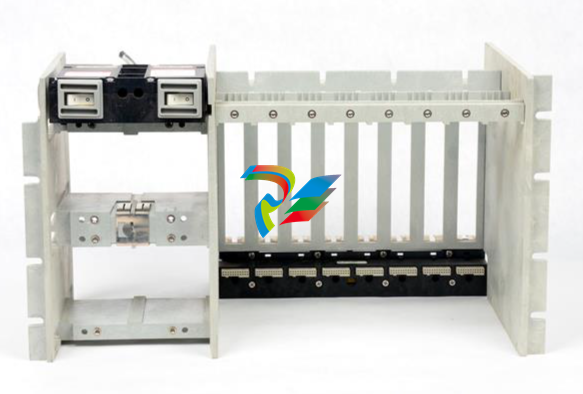 Foxboro p0903nu 1×8 unit sub-component module
 -
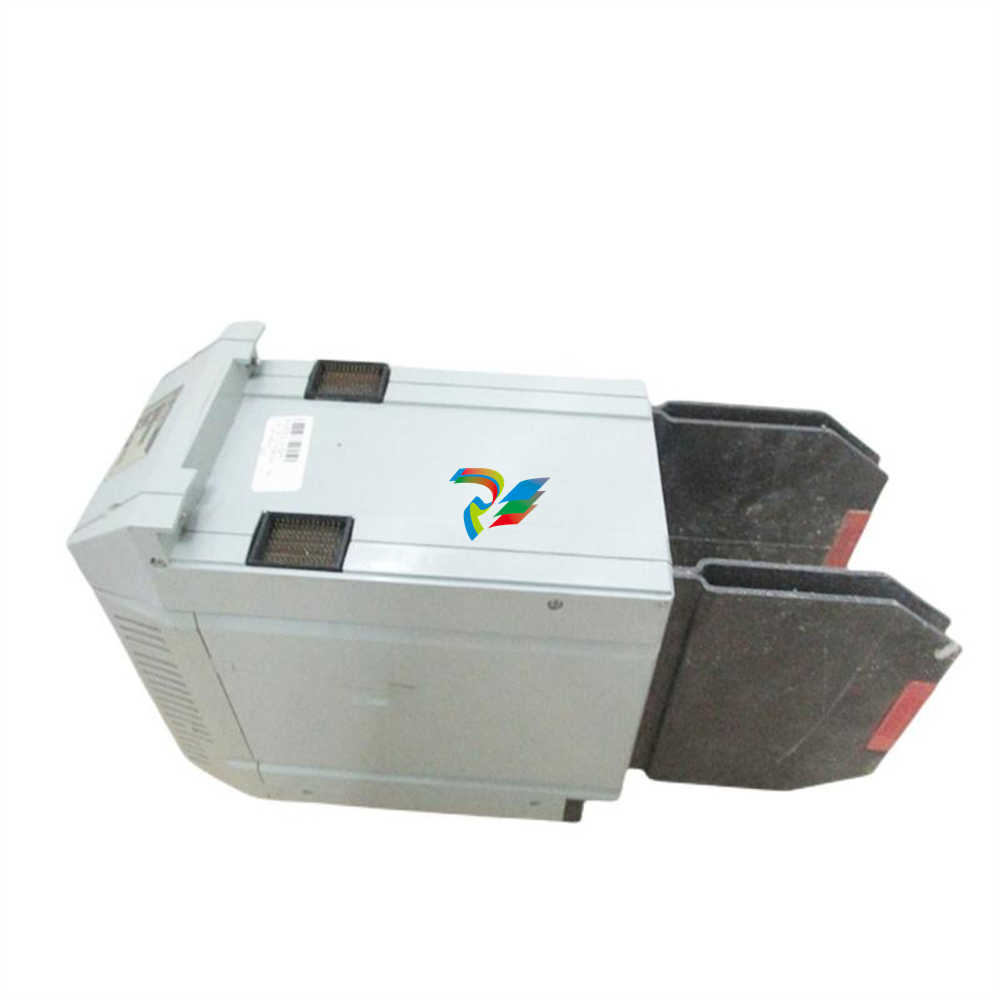 Foxboro P0911SM Industrial control module
 -
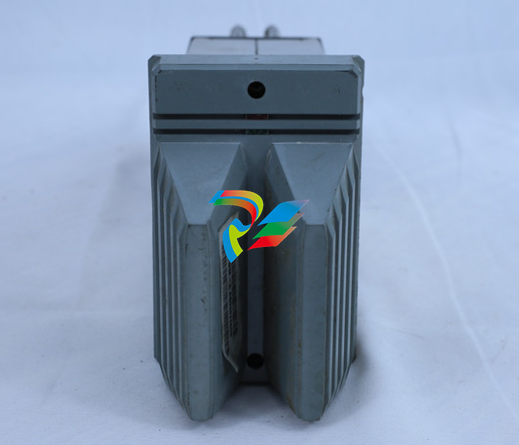 Foxboro CM902WM I/O module
 -
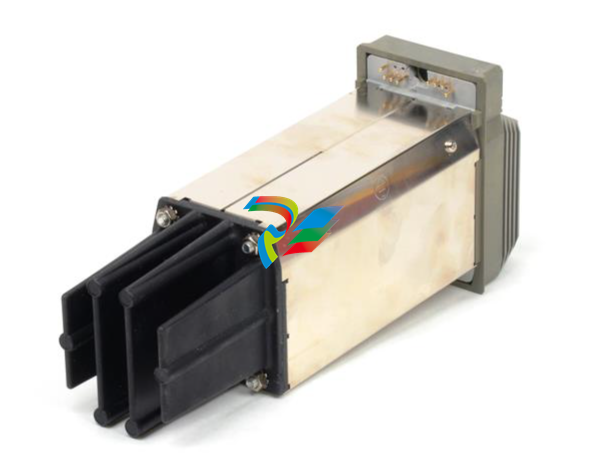 Foxboro CM902WL Power module