
3D Printing in Construction: Materials, Applications, and Advantages
The 3D printing market is fast expanding. It reached $17.38 billion last year and is projected to hit a whopping $98.31 billion by 2032.
Perhaps most excitingly, the technology promises to revolutionize how we design and build structures by improving quality, ensuring worker safety, reducing costs, increasing efficiency, and driving sustainable business practices.
Let’s explore the methods behind 3D printing in construction, its advantages and disadvantages, how the technology is being used today, and what the future holds.

Methods Used in 3D Printing for Construction
In construction, 3D printing — also known as additive manufacturing — refers to the process of printing layer-upon-layer of construction materials to create three-dimensional shapes. 3D printers receive design information via computer-aided design (CAD) or building information modeling (BIM) programs to produce specific components or entire structures.
This is achieved via various methods:
1. Extrusion
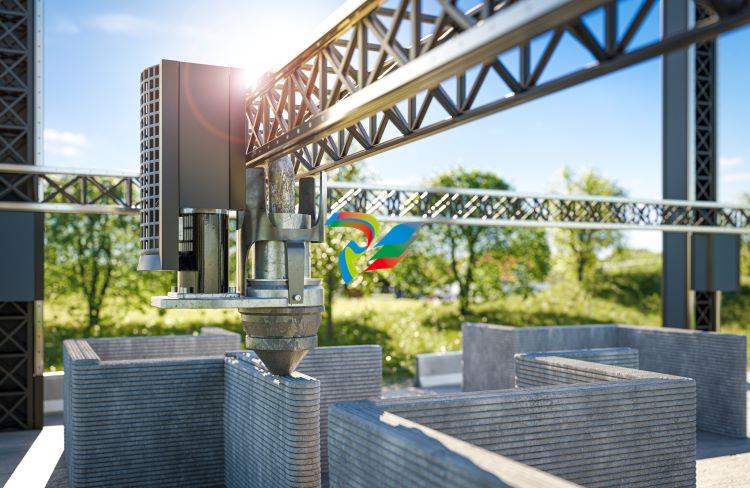
This 3D printing technique works by layering material back and forth via a nozzle mounted onto a gantry system, robotic arm, or crane. Extrusion most often consists of a robotic arm releasing polymers or concrete material.
2. Powder Bonding
For this method, powdered raw materials are the primary component, and prints are created via powder bed fusion or binder jetting. Powder bed fusion melts powder particles with a laser onto a selected object, one layer at a time. Binder jetting uses a print head to deposit a liquid bonding agent to the powder printing bed. This liquid binds the powder particles together to create each of the layers of the print. 3D printers that use powder bed fusion work with a wide range of materials, including metals and silica, and achieve high-level precision.
3. Spraying
Cold spray additive manufacturing leverages a high-velocity gas jet to accelerate construction materials onto a substrate and repeats this process layer by layer. The technique is particularly effective when it comes to repairing corroded or damaged parts, but it can also be used to form an entire component.
Each of these 3D printing techniques can be combined with other technologies. Additive welding, for example, solidifies construction materials into place as they are printed. This is particularly useful for developing structures that don’t have a foundation, such as bridges.
Plastic, concrete, sand, metals, and mortar are among the most popular choices of construction materials for 3D printing. Composites are also used to emulate materials including wood, marble, and ceramic. For example, wood filaments for 3D printing are typically 70% PLA and 30% sawdust and other wood fibers.
The materials used will continue to diversify as 3D printing technology advances.
5 Advantages of 3D Printing in Construction

Fahroni / Shutterstock.com
The key benefits of 3D printing in construction include:
1. Customization
3D printer-aided construction provides companies with greater flexibility than conventional construction to create complex, high-functioning, and completely customized designs.
For example, if a client requests a unique building design, featuring complex shapes or an unconventional layout, it is straightforward to modify the 3D printing software to produce one-of-a-kind components, buildings, and other structures.
2. Sustainability
Globally, the construction sector is responsible for 23% of air pollution, 40% of drinking water pollution, 40% of greenhouse gas emissions, and 50% of landfill.
3D printing drives sustainable construction by ensuring that only the required amount of materials are used, leading to cost savings and significant waste reduction. In addition, 3D printers can work with recycled materials, including plastics and concrete.
3. Efficiency
It’s not uncommon for traditional construction projects to take 20% longer than expected to complete, which can result in as much as 80% in cost overruns.
3D printing technology, which accelerates the prototyping process, prints parts in a matter of hours and quickly adjusts to design changes to reduce overruns by 70%. As well as keeping clients happy, this enables workers to commit to multiple projects and increase their income.
4. Safety
The U.S. Occupational Safety and Health Administration (OSHA) reports that one in 10 workers are injured on construction sites each year. 3D printing reduces accidents by performing some of the most dangerous on-site tasks, thus enabling workers to assume supervisory roles.
5. Cost
3D printing drives operational efficiencies, improves quality, reduces wastage, and lowers labor costs. Not only does this ensure that a project stays within budget, but it also results in happier clients and, ultimately, more repeat customers.
5 Applications of 3D Printing in Construction
guteksk7 / Shutterstock.com
3D printers are used to create architectural models, prototypes, formwork solutions, structural components, and buildings.
1. Architectural Models
These 3D scale models are used to visualize designs and communicate design intent. Depending on the size, complexity, and material requirements, 3D printers can quickly produce accurate architectural models.
2. Prototypes
In construction,a prototype is a preliminary model of a new product. It provides construction companies with a visual representation of the product, while also enabling product testing and informing future design iterations.
3. Formwork Solutions
Formwork provides a mold into which construction materials, like concrete, can be poured. The material is held in place until it has solidified and is strong enough to support itself. Formwork solutions are a particularly useful application for 3D printing since the materials rarely need to be long-lasting or highly durable.
4. Buildings
Increasingly, 3D printers are producing entire buildings and other structures, including temporary shelters, permanent homes and offices, and bridges. This offers a less costly and quicker construction process.
5. Structural Components
When a complete structure or building is too difficult to produce via a 3D printer, companies may opt to print individual components. Manufacturing construction elements is a cost-effective, sustainable, and efficient method for producing specific parts.
6 Challenges and Limitations of 3D Printing in Construction

PeopleImages.com – Yuri A / Shutterstock.com
3D printing promises to revolutionize the construction market, but the technology is not without its challenges:
1. Cost
3D-printed buildings are typically much less expensive to produce than traditionally constructed buildings. Nonetheless, the upfront costs associated with installing a 3D printer are high. In addition, 3D printing devices require ongoing maintenance and can be difficult to transport between construction sites.
2. Labor
Construction labor shortages are an ongoing problem. According to the Xometry Career in Manufacturing Report 2023, 47% of survey respondents strongly agree with the statement “We are experiencing labor shortages,” with another 36% somewhat agreeing.
Indeed, Associated Builders and Contractors estimates that construction firms will need to attract around 546,000 additional workers — surplus to the normal pace of hiring — to meet the growing demand for labor. Skilled workers are needed to operate 3D printing technology, but the industry may not be able to find them.
3. Quality
There are a couple of reasons why 3D printing technology might impact product quality.
Firstly, for quality assurance purposes, it is standard practice for project supervisors to review their teams’ work. 3D printing automates processes like these, which means companies must depend on the technology’s precision and accuracy to produce the desired end product.
Secondly, 3D printers often use raw materials, recycled materials, and composites, which could diminish product quality and longevity. This is somewhat less concerning when models or other temporary structures are being printed. However, companies must carefully consider their material choices when developing permanent structures and buildings.
4. Regulations
Thanks to the technology’s rapid advancements, there are currently no definitive regulations for 3D printing at a construction site. It will take time before universal building regulations reflect new technologies, but companies must be prepared to implement compliant business practices once they do.
5. Materials
The construction industry is experimenting with a wide range of 3D printing materials, but plastics, composites, and concrete are the most commonly used. Until 3D printers can work effectively with all construction materials, the technology won’t be universally serviceable.
6. Scalability
Although large-scale 3D printers can print whole buildings and structures, these machines are neither practical nor widely available.
Case Studies of 3D-Printed Construction Projects
In recent years, the construction industry has achieved some truly incredible feats in 3D printing.
World’s Largest 3D-Printed Building
In June 2023, Printed Farms used COBOD’s BOD2 construction 3D printer to build the world’s largest 3D-printed building. With a total floor area of 10,105 square feet and a height of 13 feet, the luxury horse barn is located in Wellington, Florida.
World’s Tallest 3D-Printed Building
In 2022, COBOD and Dar Al Arkan built the world’s tallest 3D-printed building. The 33-foot-tall building in Saudi Arabia.
Largest 3D-Printed Affordable Housing Project
14Trees is lauded for the largest 3D-printed affordable housing project. The company, which was founded in Africa, seeks to revolutionize the future of construction by accelerating the production and delivery of sustainable buildings. In February, it completed the printing of 10 housing units in Kenya. The project has received IFC-EDGE Advanced Sustainable Design certification by The World Bank.
Headline-Making 3D-Printed Buildings
Chinese company WinSun was responsible for the world’s tallest 3D-printed structure at the time it was built in 2015. WinSun’s impressive structure is a five-story apartment block. A 3D printer measuring 20 feet tall, 33 feet wide, and 132 feet long created the building using materials including fiber, steel, cement, hardening agents, and recycled material waste.
Austin-based startup, Icon, recently celebrated the opening of its first model home at Wolf Ranch, a 100-home community created using 3D printers. The company previously built several small homes in Austin, Texas, which were designed for those experiencing extreme poverty and homelessness. Its Community First! Village is a 51-acre community that provides affordable and permanent housing to those coming out of chronic homelessness.
Amsterdam’s 3D-Printed Pedestrian Bridge
In 2021, Dutch robotics company MX3D unveiled a 12-meter 3D-printed pedestrian bridge, which is made from stainless steel rods. Named the MX3D Bridge, it was designed by the Dutch studio Joris Laarman Lab and used 4,500 kilograms of stainless steel.
Future Trends in 3D Printing in Construction
3D printing provides a wealth of benefits to the entire construction sector. For the most part, it’s cheaper, quicker, and safer than traditional building methods, not to mention that it offers far greater design flexibility.
Today, the technology is used to print everything from prototypes and individual components to complex structures like bridges and apartment blocks.
Though challenges surrounding high upfront costs, scalability, product quality, and regulations do remain, the adoption of 3D printing in construction looks set to rapidly expand in the coming years.
-
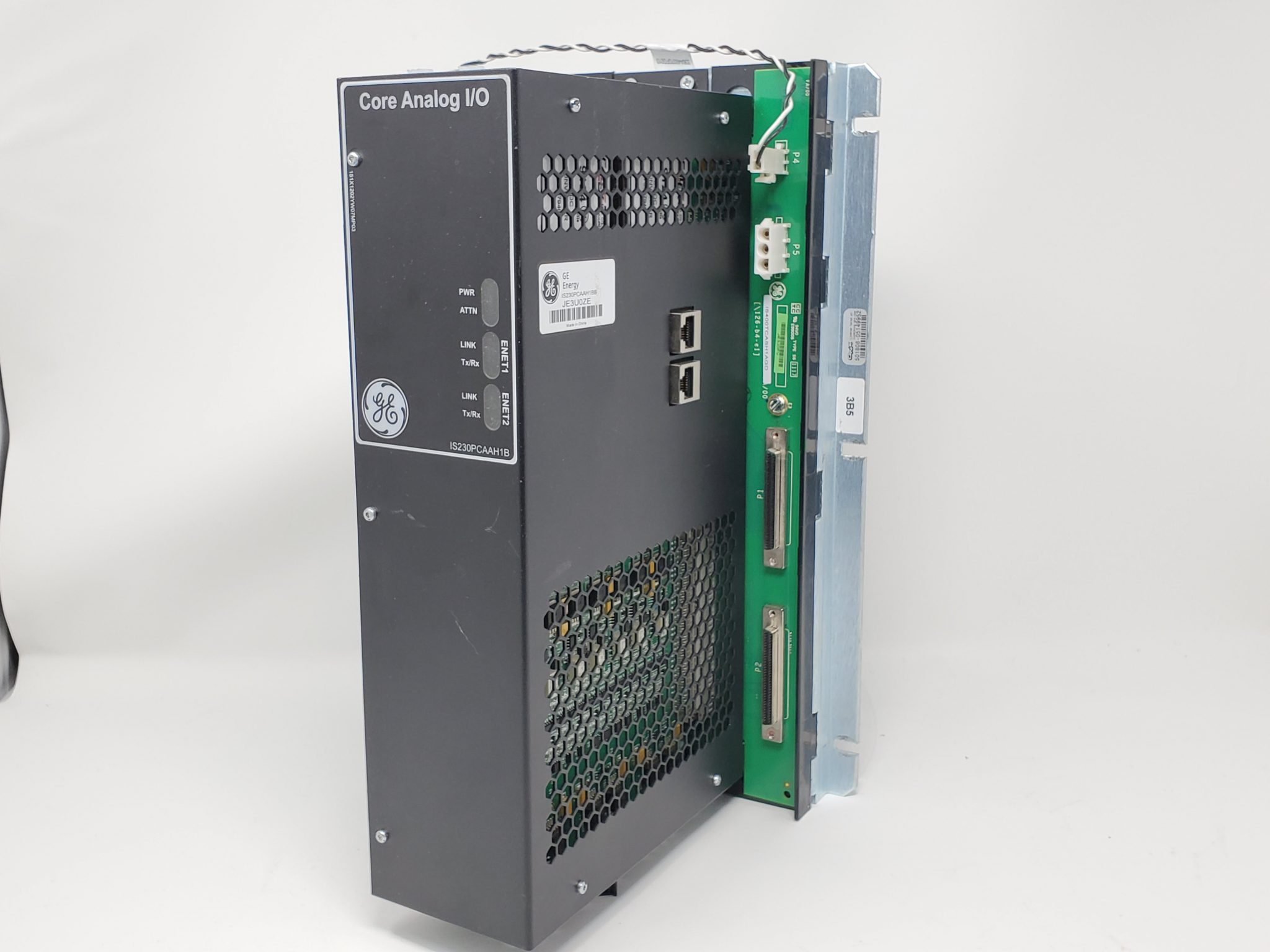 IS200BPPBH2CAA Mark VIe Power Supply Module
 -
 IS210MACCH2AEG Motor Control and Communication Module
 -
 IS210MACCH2AGG Mark VIe Speedtronic Turbine Control Module
 -
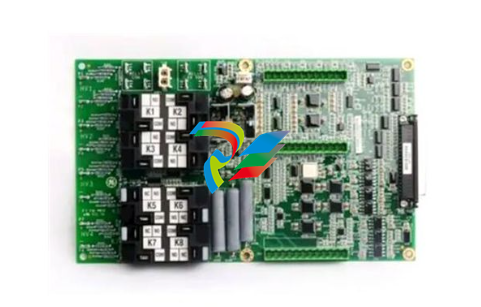 IS200AEPAH1AFD Printed circuit board
 -
IS200AEPAH1ACB Analog I/O Module
-
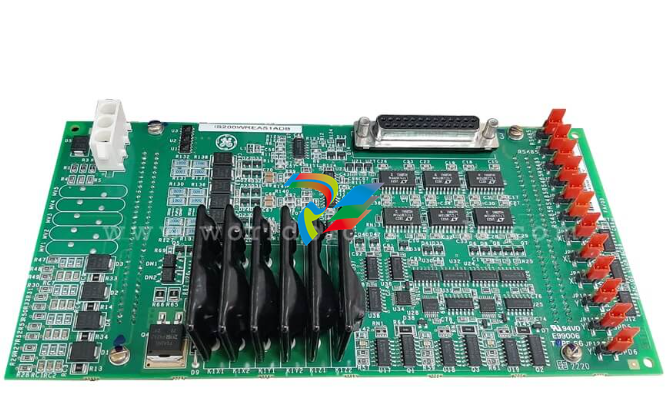 IS200WREAS1ADB AERO TRIP TB DBRD sub-board
 -
 IS200WETAH1AEC large board component made Mark VI system
 -
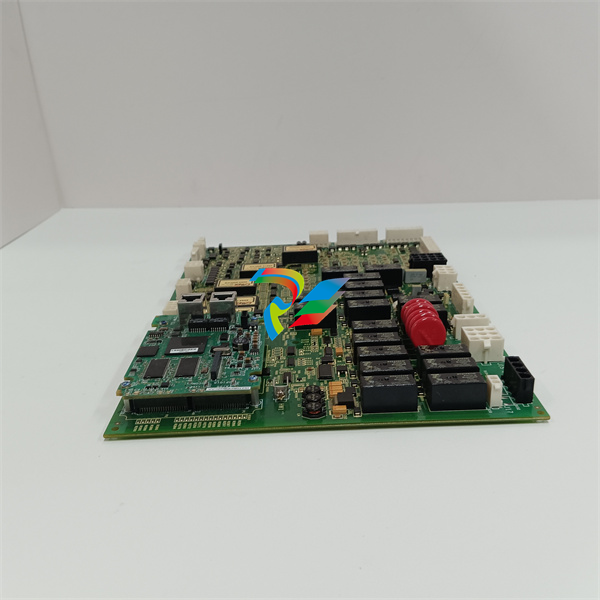 IS200AEPAH1AHD A High-Precision Excitation Control Board for Turbine Systems
 -
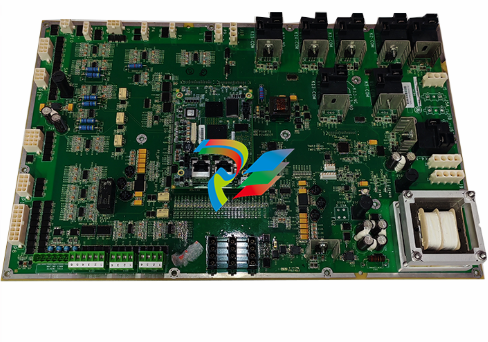 IS200WEMAH1AEA Control board
 -
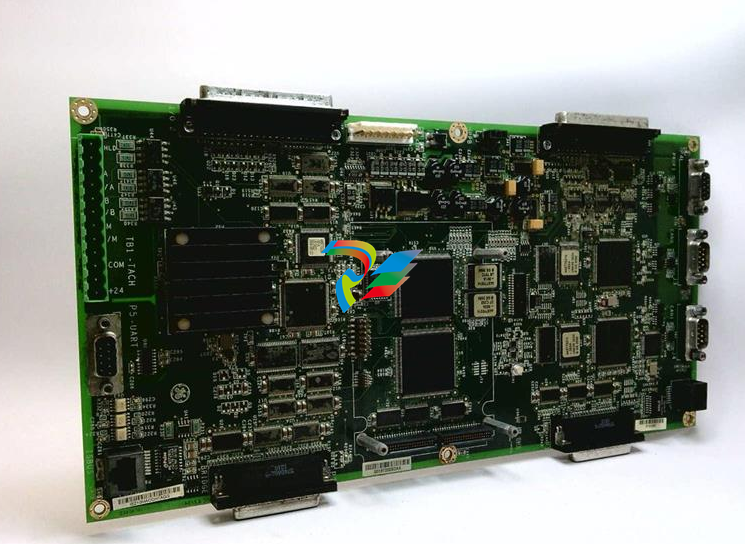 IS210MACCH1AGG processor card
 -
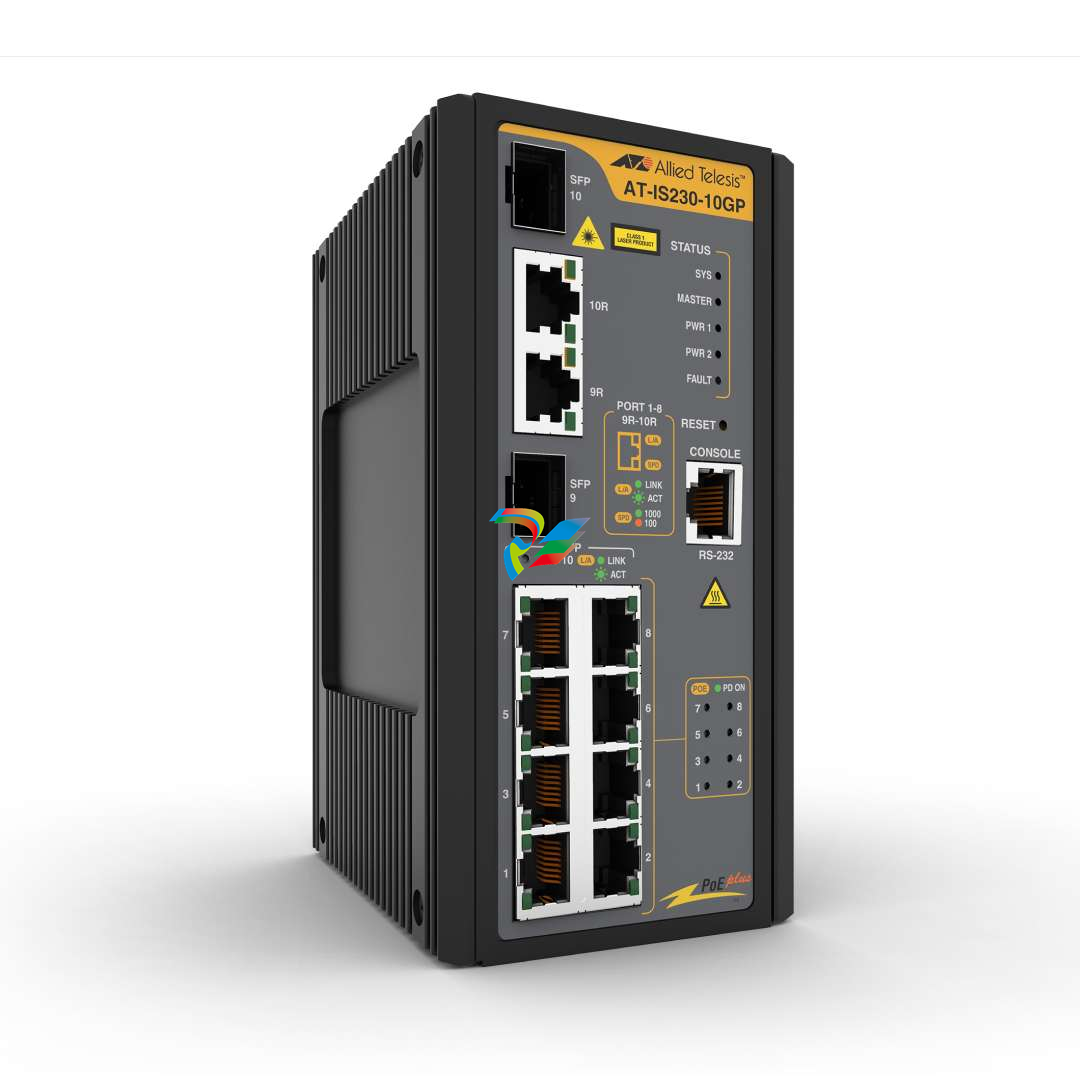 IS230TNRLH1B Discrete Output Modular Assembly
 -
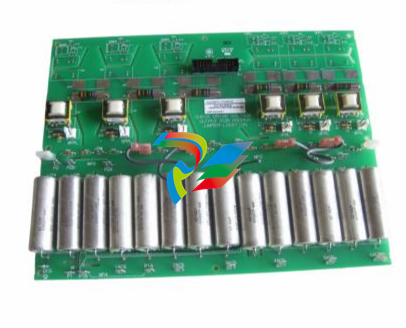 Mark V Series DS200PCCAG1ACB PCB Power Connect Card
 -
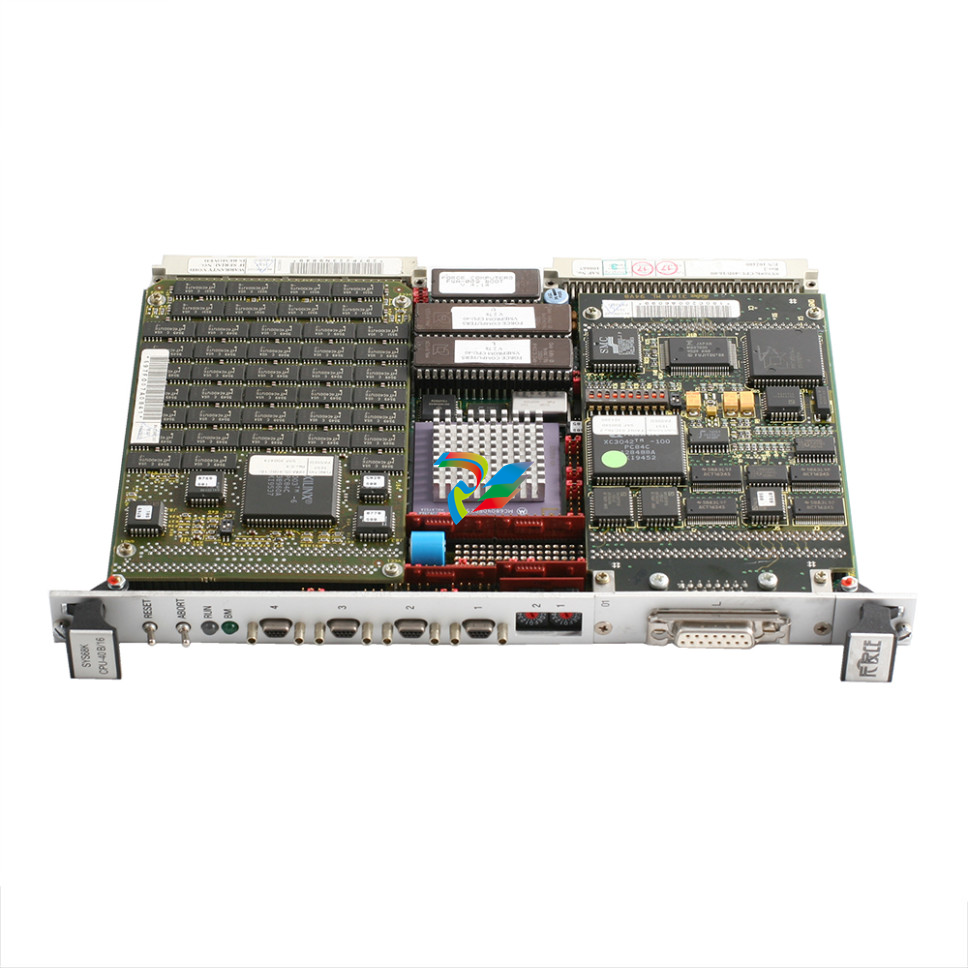 DS200SI0CG1AEA Instantaneous overcurrent card
 -
 DS200SHVMG1AGE Analog I/O board
 -
 DS200SI0CG1A6A Input/Output Module
 -
 DS200SHVMG1AFE SCR High Voltage Interface Board
 -
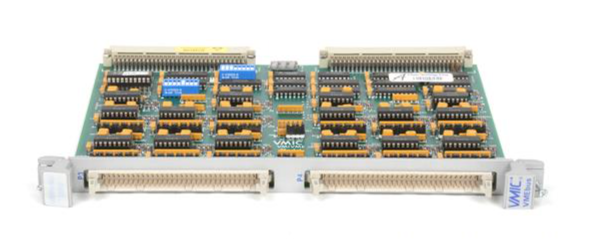 DS200RT8AG3AHC Relay Output Terminal Board
 -
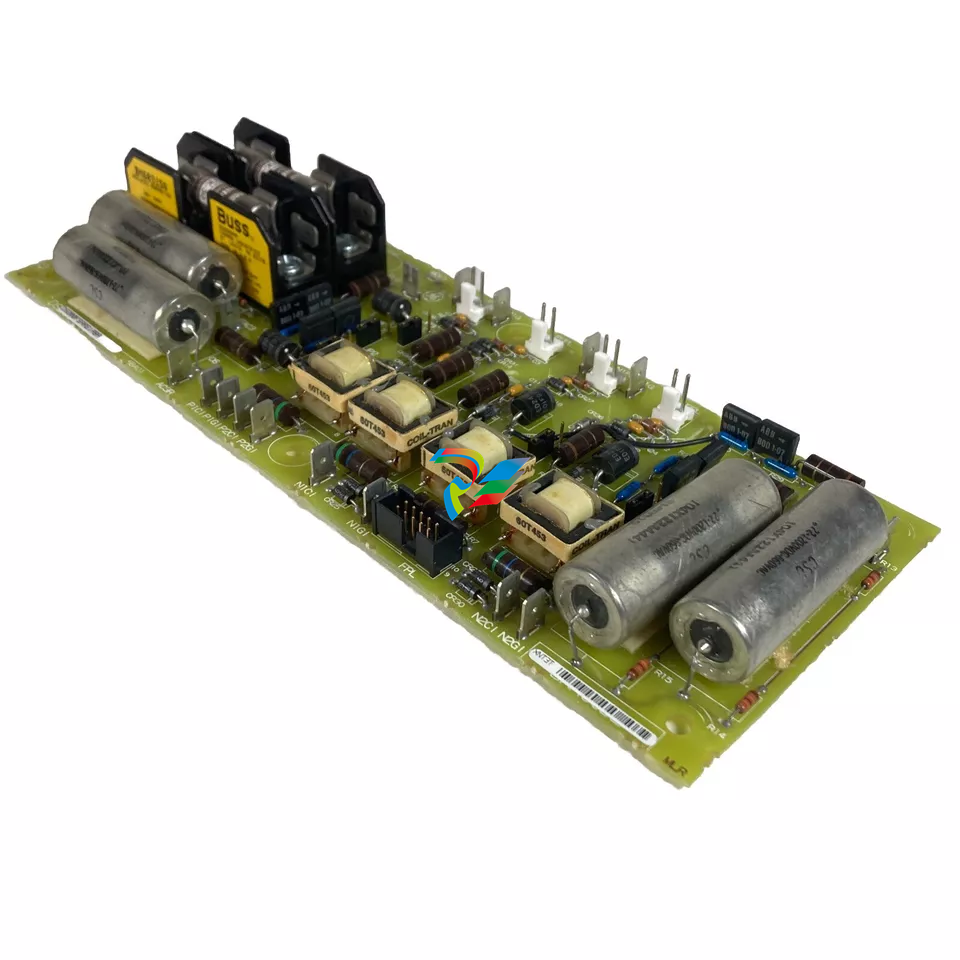 DS200FSAAG1ABA PCB Field Supply Gate Amplifier Board
 -
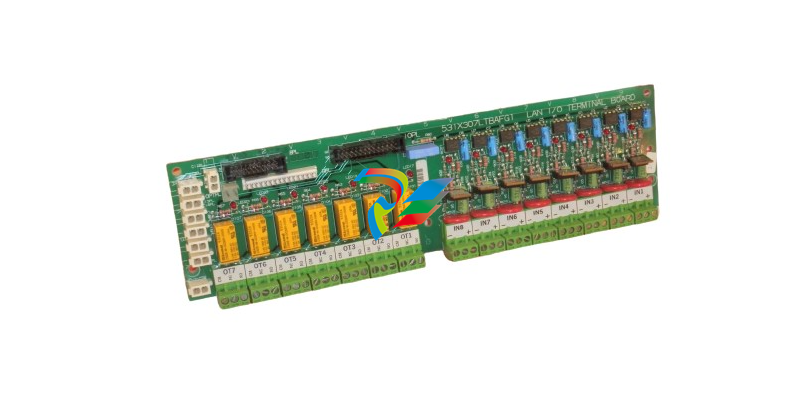 531X307LTBAFG1 F31X307LTBA LAN I/O Terminal Board
 -
 ABB AFS670 19" Ruggedized Switch AFS670-EREEDDDSSEEEEEEEPZYX05.1.0
 -
 NI Controller for VXI VXIPC-871B
 -
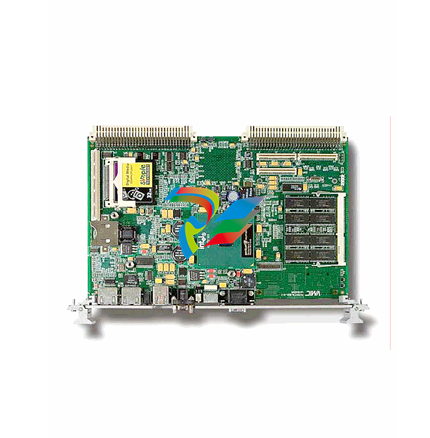 IS200EPMCH1GE Mark VIe Patch Cord Power Distribution Card
 -
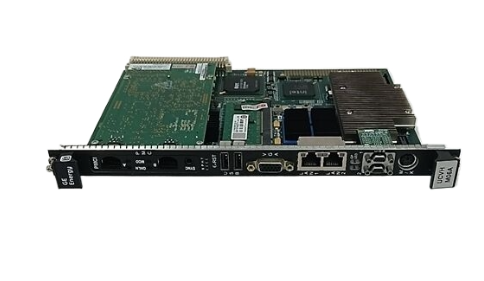 VMICPCI-7632-03310 IS215UCCAH3A 350-657362-003310J GE gas turbine system control processor board
 -
 WEA13-13 2508-21001 Control Module / I/O Board
 -
.jpg) WES5120 2340-21004 Controller Main Module
WES5120 2340-21004 Controller Main Module -
 WES5120 2340-21006 Field Controller Master Unit Module
 -
WESDAC D20ME 18-MAR-13 Excitation Control Module
-
 D20 EME 2400-21004 Ethernet communication and expansion module
 -
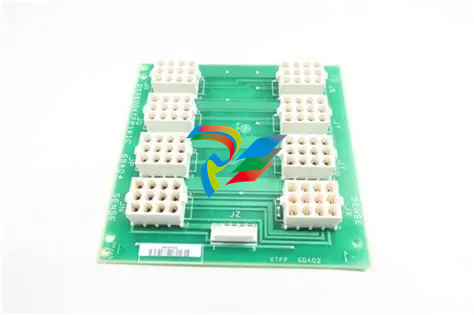 GE DS3800XTFP1E1C Thyristor Fan Out Board Brand
 -
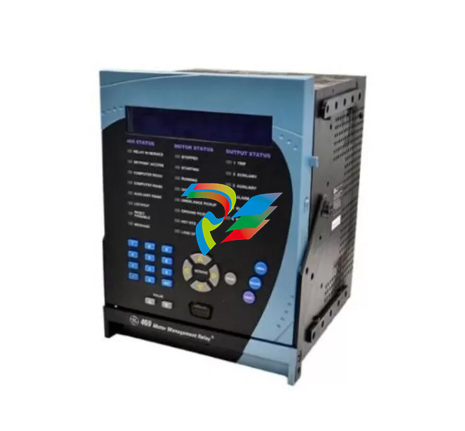 GE SR745-W2-P1-G1-HI-A-L-R-E Feeder protection relay
 -
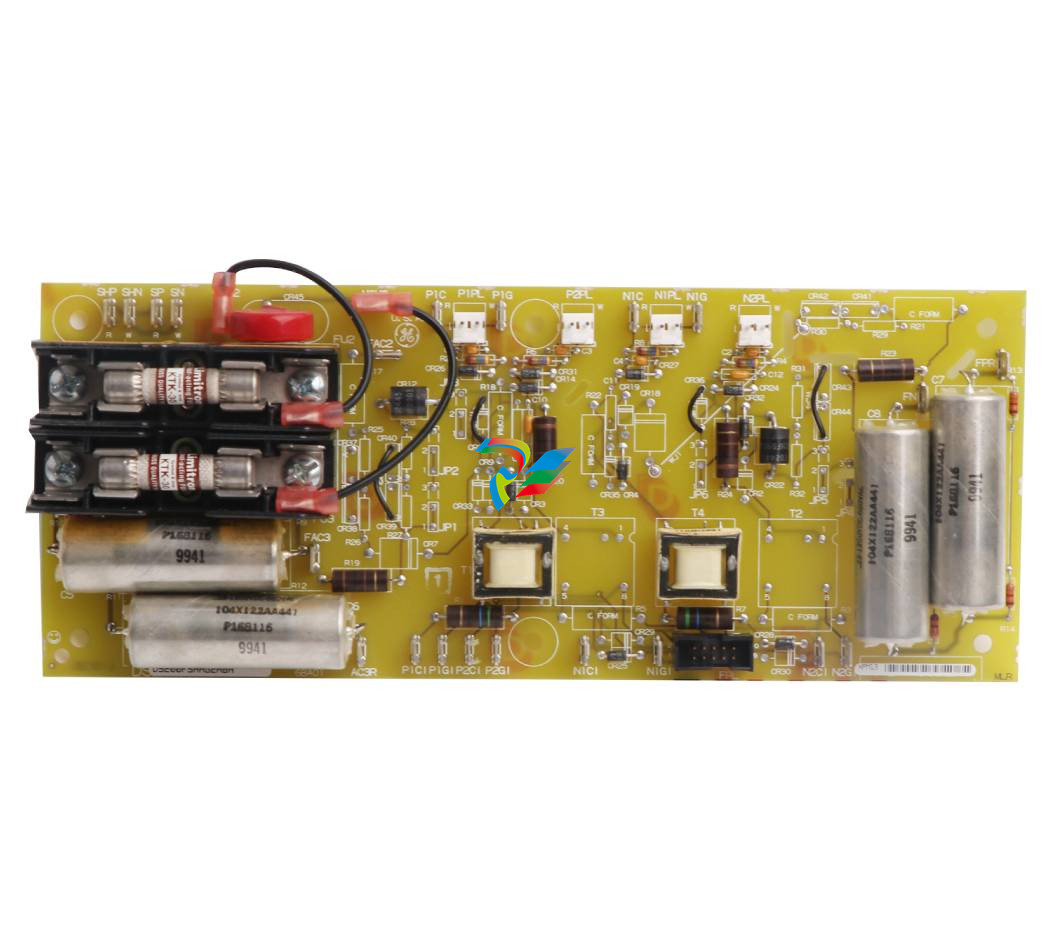 GE IS230TNDSH2A Discrete Output Relay Module Brand
 -
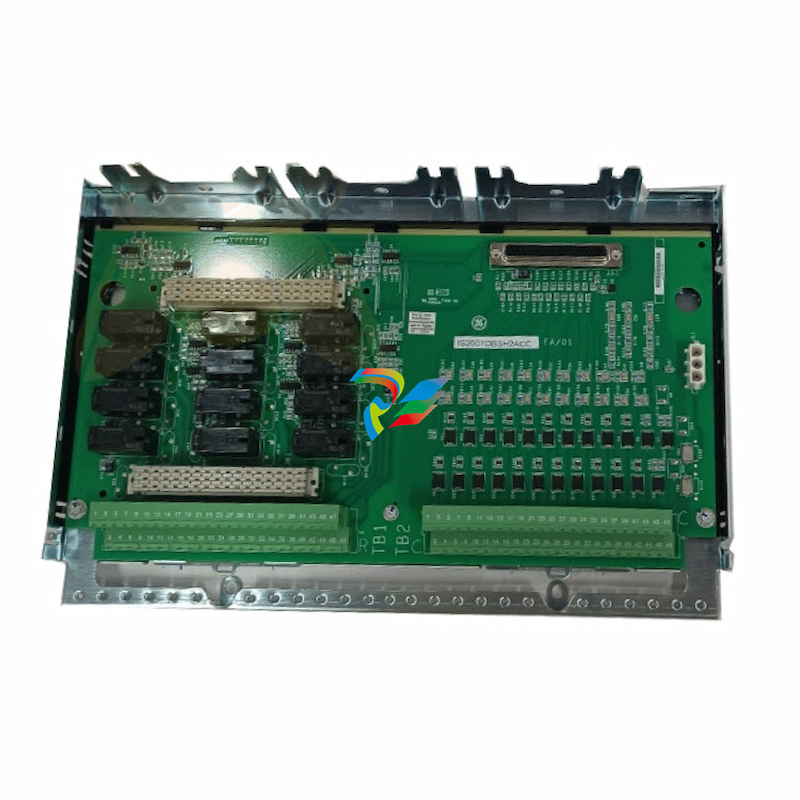 GE Fanuc IS200TDBSH2ACC Mark VI Terminal Board Brand
 -
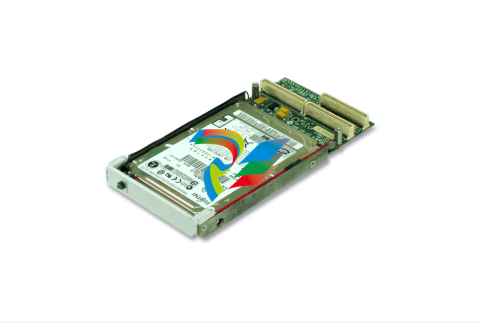 GE PMC-0247RC-282000 350-93750247-282000F Disk Drive
 -
GE PMC-0247RC-282000 350-93750247-282000F Disk Drive
-
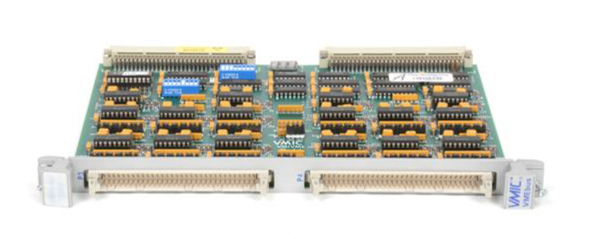 GE VMIVME-1150 Serial Communications Controller
 -
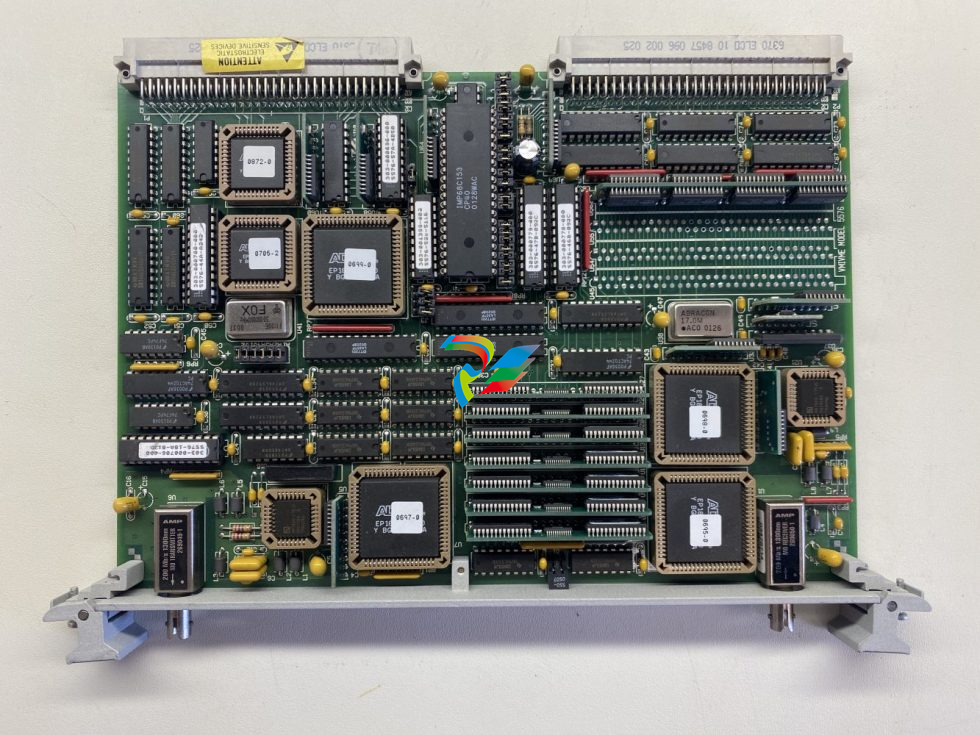 GE VMIVME-5576 Fiber-Optic Reflective Memory with Interrupts
 -
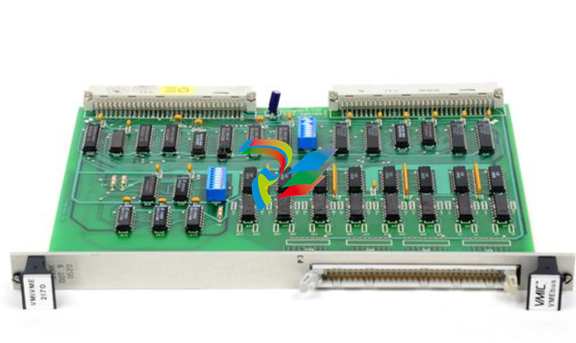 GE VMIC Isolated Digital Output VMIVME-2170A
 -
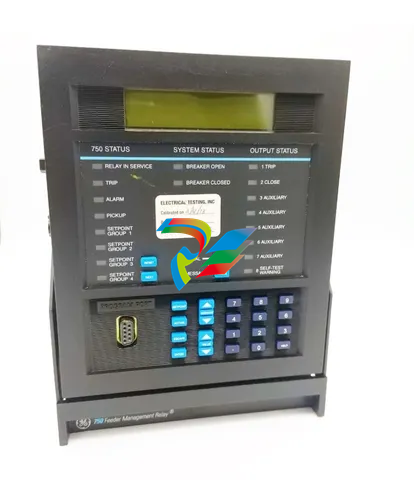 GE MULTILIN 760 FEEDER MANAGEMENT RELAY 760-P5-G5-S5-HI-A20-R-E
 -
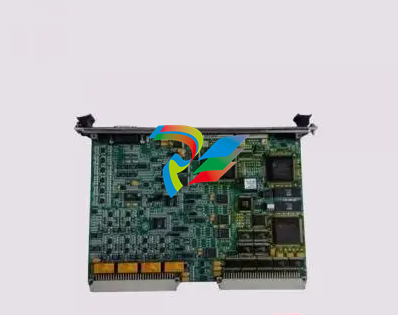 GE IS200AEPAH1BKE IS215WEPAH2BB Printed circuit board
 -
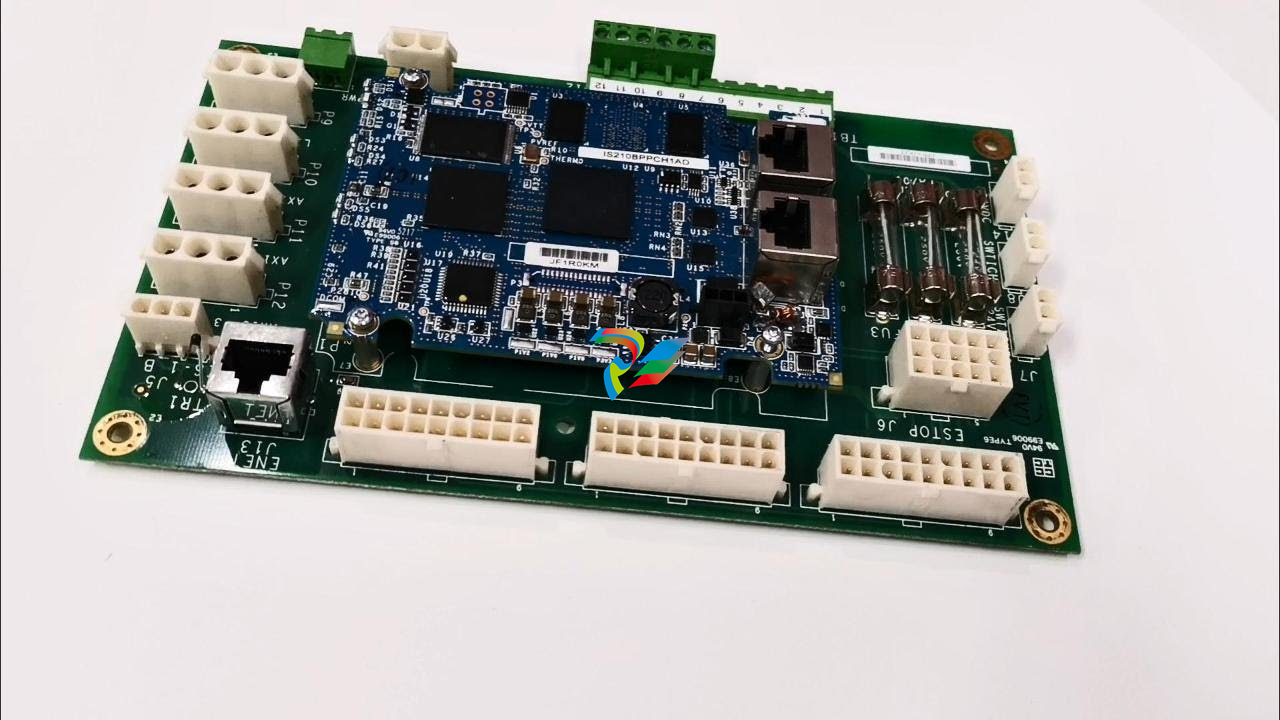 GE IS210BPPCH1A Mark VIe I/O Pack Processor Card
 -
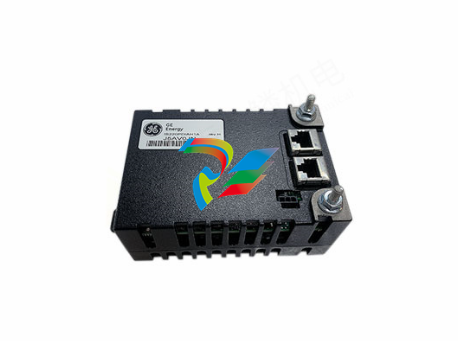 GE IS220PRTDH1A 336A4940CSP6 High-Performance RTD Input Module
 -
GE IS220PDIAH1BE 336A5026ADP4 Discrete Input Module
-
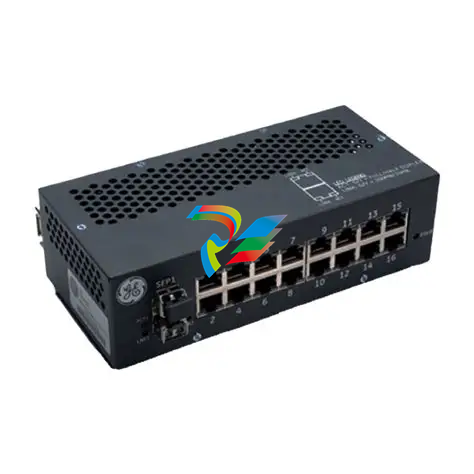 GE IS420ESWBH3A IONET Switch Module
 -
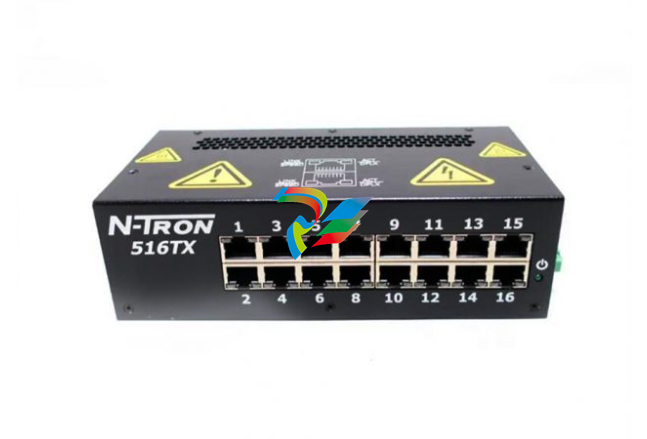 GE 516TX 336A4940DNP516TX 16-port Ethernet switch
 -
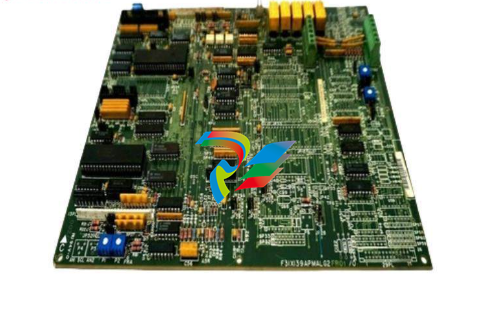 GE EVMECNTM13 Embedded control module
 -
GE EVPBDP0001 EVPBDP032 control module
-
 GE Hydran M2-X Enhanced Monitoring with Extended Sensor Life
 -
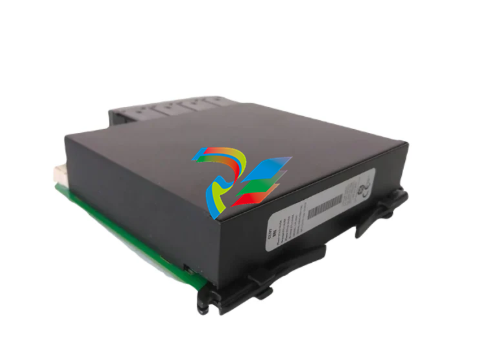 GE UR6CH Digital I/O Module
 -
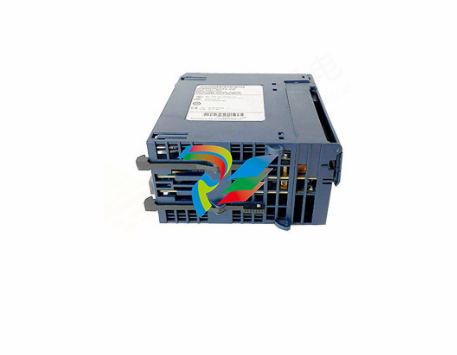 GE IC695CPU315-CD Central processing unit
 -
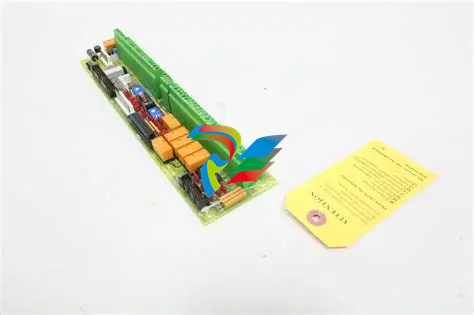 GE 531X305NTBAMG1 DR Terminal Board
 -
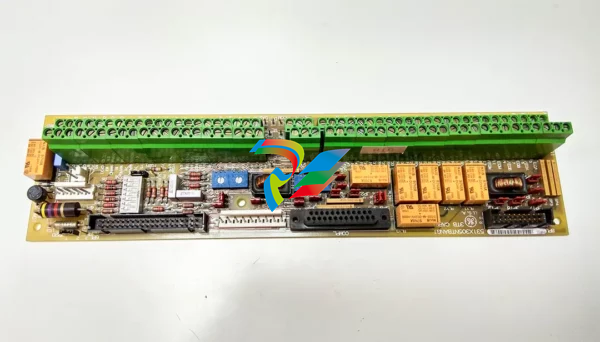 GE 531X305NTBALG1 NTB/3TB Terminal Board 531X Series
 -
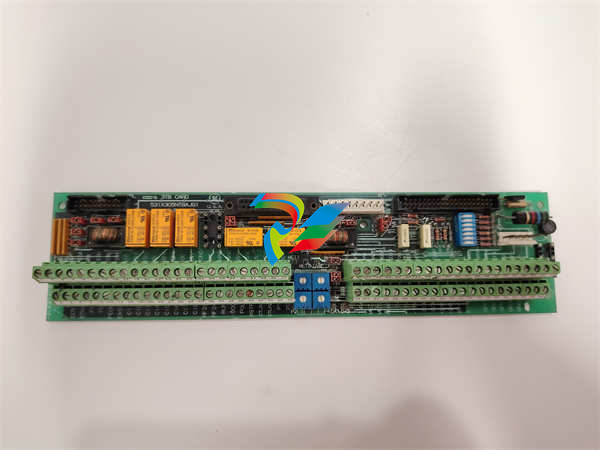 GE 531X305NTBAJG1 NTB/3TB Terminal Board.
 -
GE 531X305NTBAHG1 NTB/3TB Terminal Board 531X
-
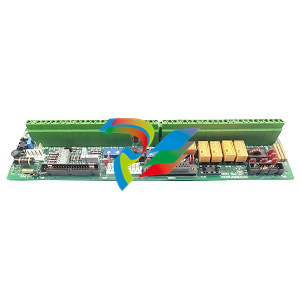 GE 531X305NTBAEG1 is a PCB that functions as a DR terminal board.
 -
General Electric 531X305NTBACG1 NTB/3TB Terminal Board 531X
-
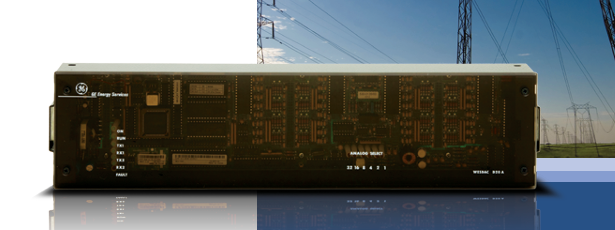 GE Digital Energy D20 Analog Input Module
 -
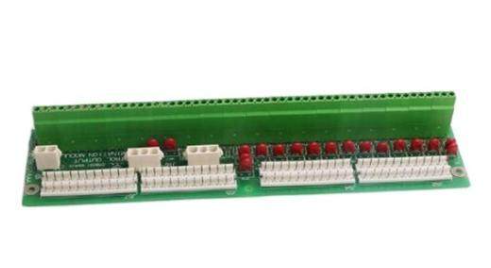 GE 94-164136-001 main board Control board
 -
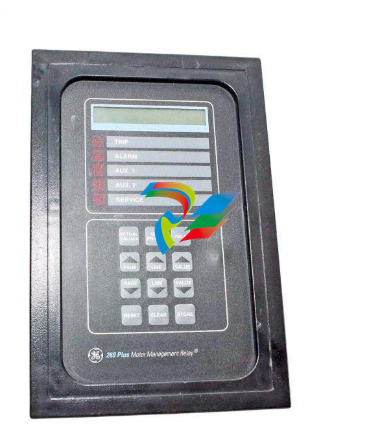 GE 269 PLUS-D/O-100P-125V Digital motor relay
 -
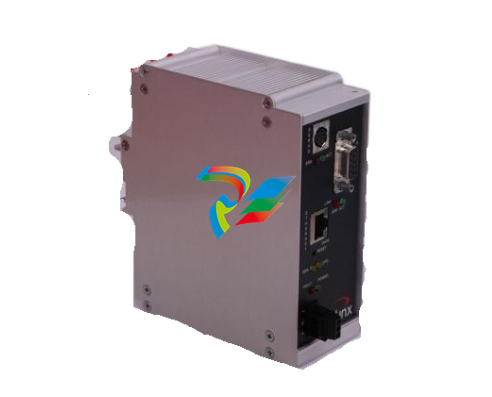 GALIL DMC-9940 High-performance motion controller
 -
FUJI NP1BS-08 base plate
-
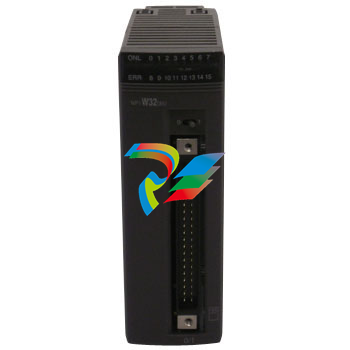 FUJI NP1Y32T09P1 Transistor drain type digital output module
 -
 FUJI NP1Y16R-08 Digital Output Module
 -
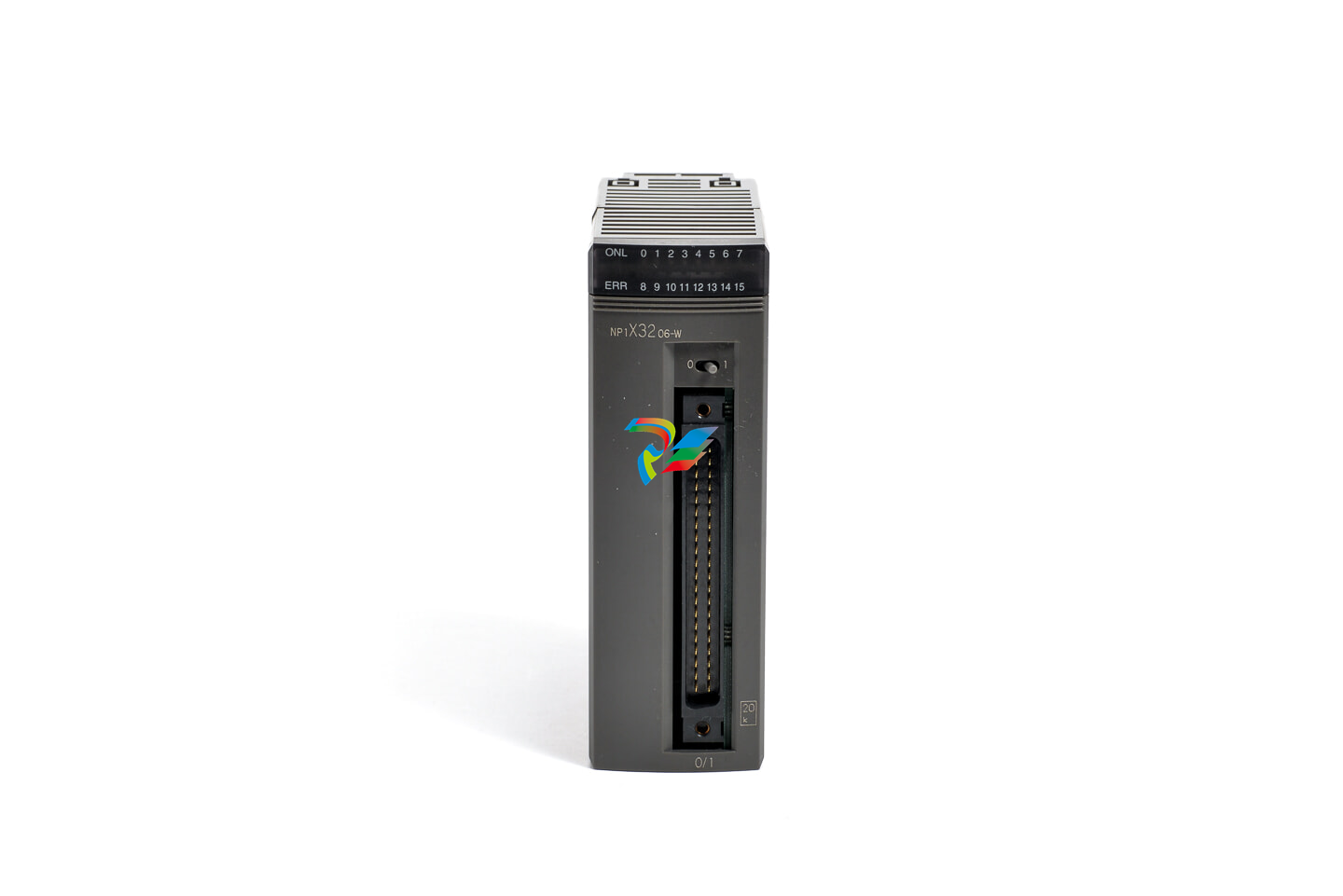 FUJI NP1X3206-A High-speed digital input module
 -
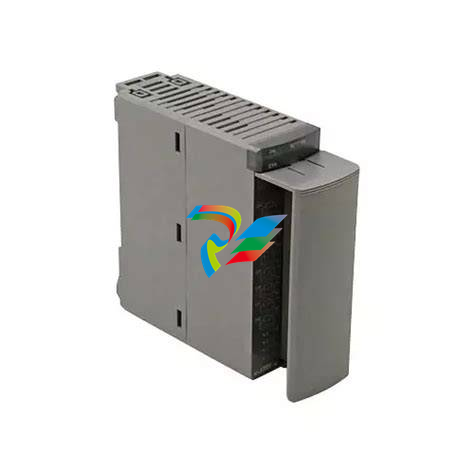 FUJI NP1AYH4I-MR current output module
 -
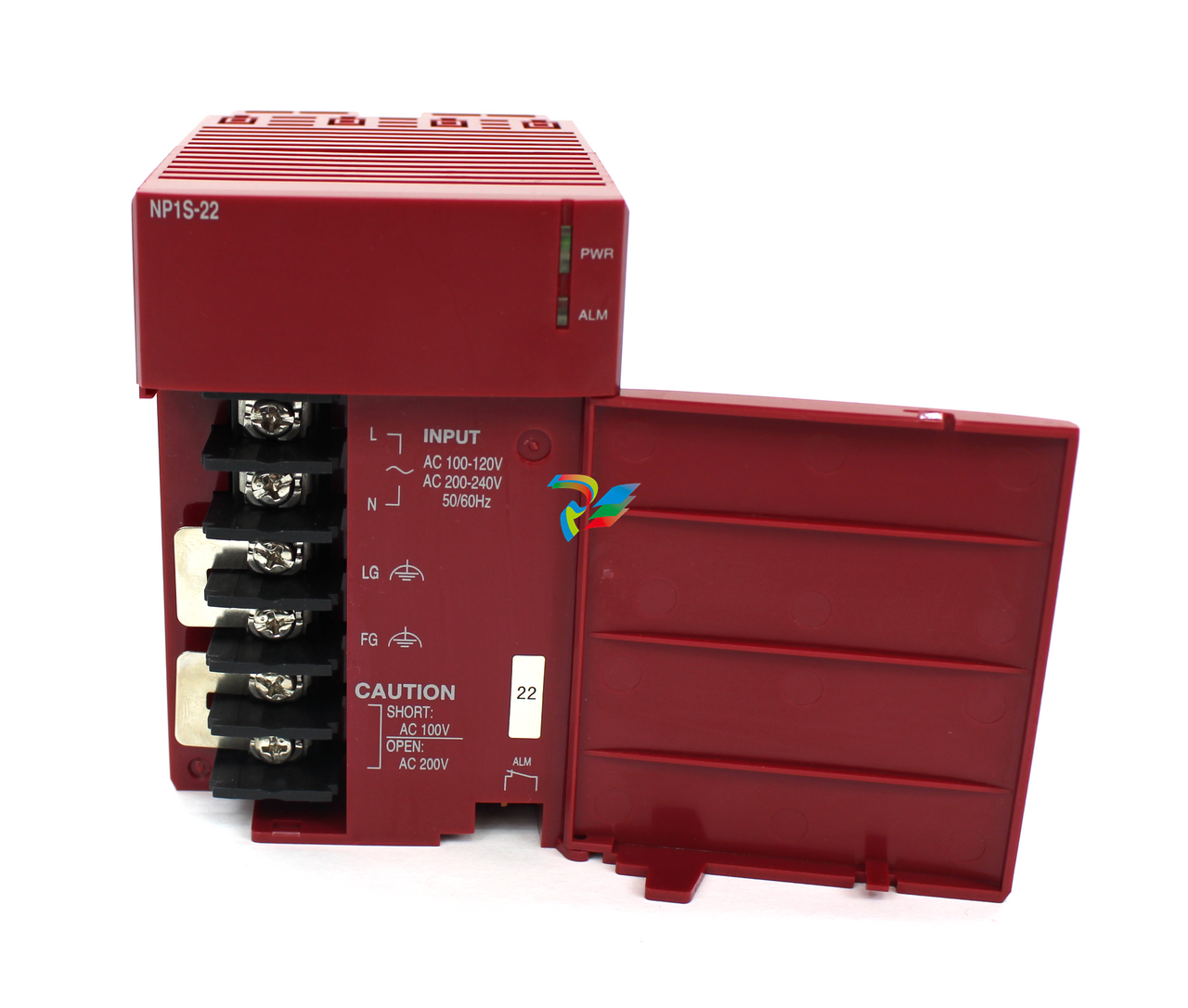 FUJI NP1S-22 Power module redundancy
 -
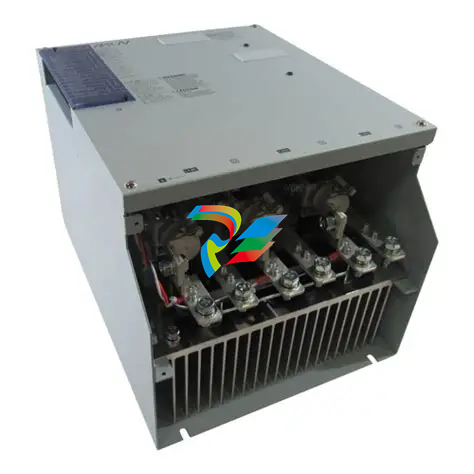 FUJI RPXD2150-1T servo drive module
 -
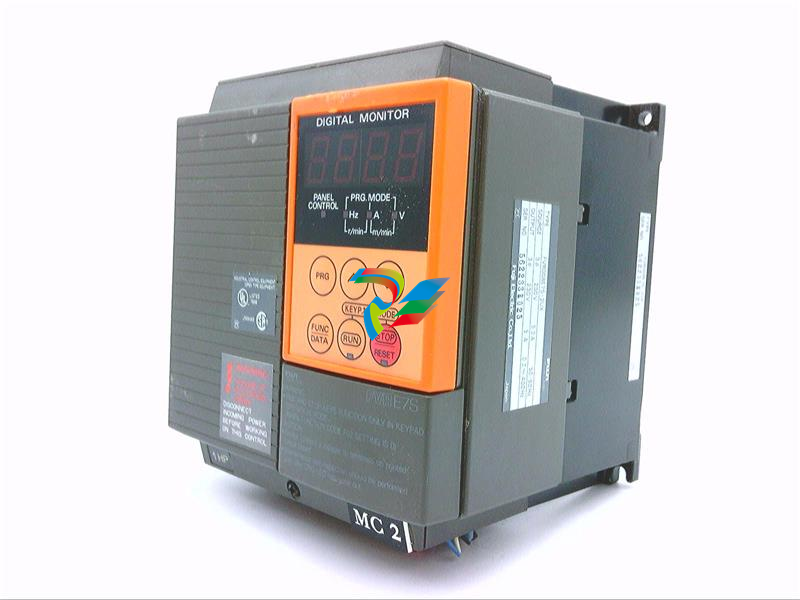 FUJI FVR008E7S-2UX Ac frequency converter
 -
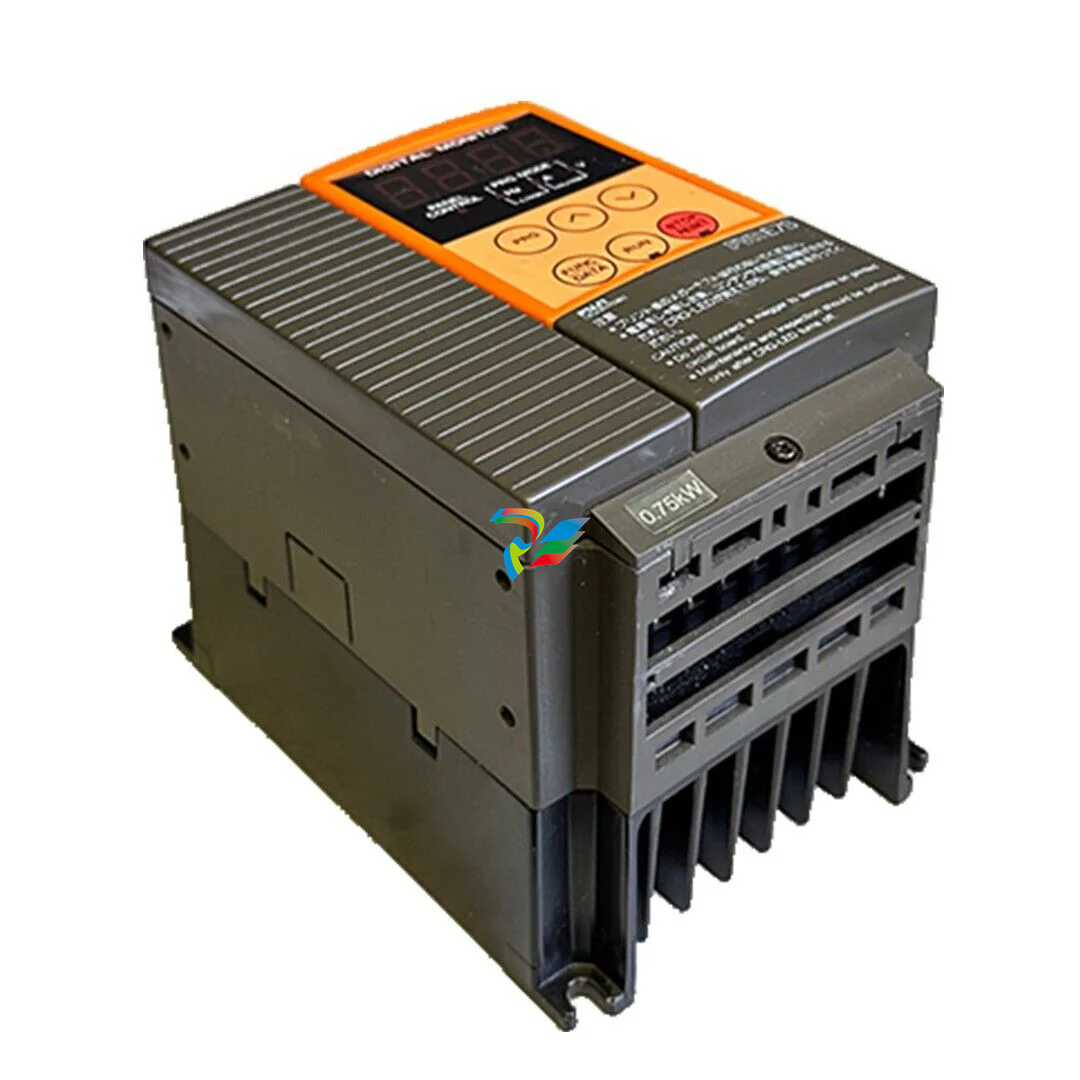 FUJI Ac frequency converter FVR008E7S-2
 -
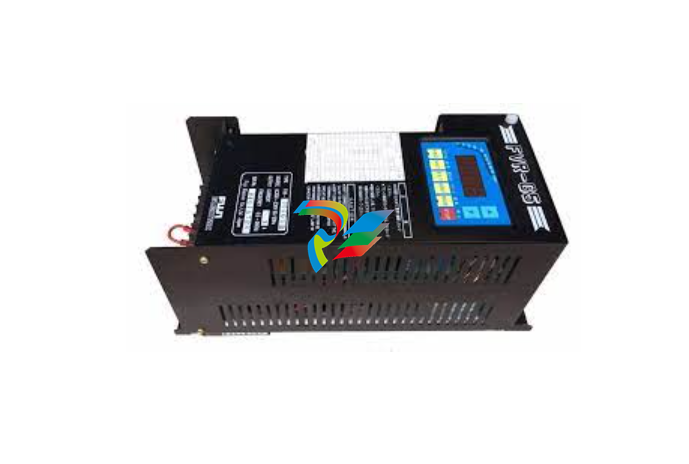 FUJI FVR004G5B-2 Small general-purpose frequency converter
 -
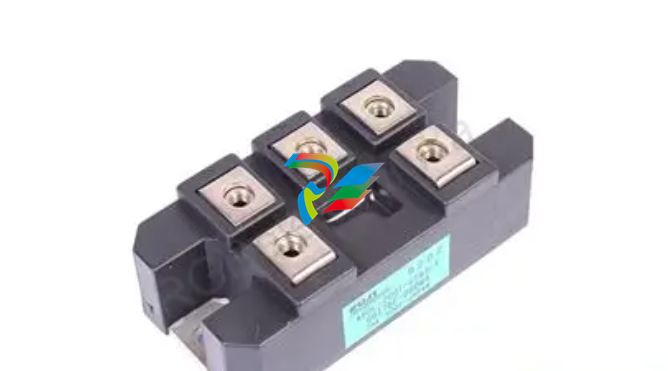 FUJI A50L-2001-0232 Industrial control module
 -
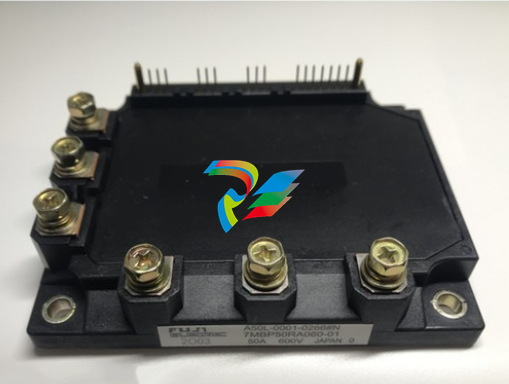 FUJI A50L-001-0266#N High-performance servo amplifier
 -
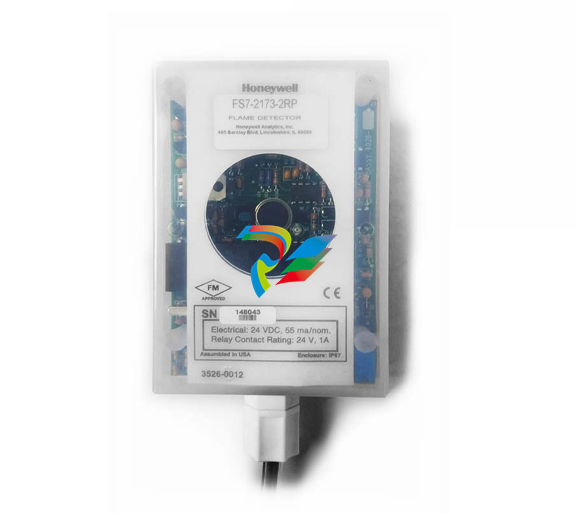 Honeywell FS7-2173-2RP Gas sensor
 -
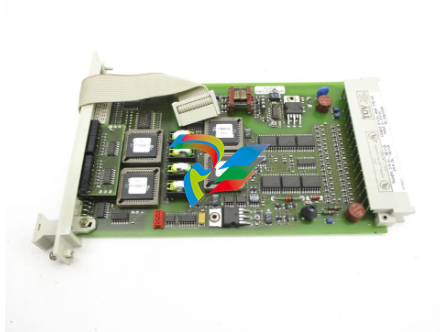 Honeywell 10106/2/1 Digital Input Module in Stock
 -
FRCE SYS68K CPU-40 B/16 PLC core processor module
-
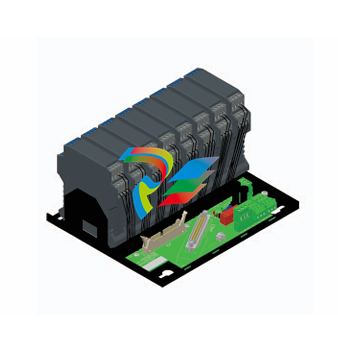 Foxboro FBM I/O cards PBCO-D8-009
 -
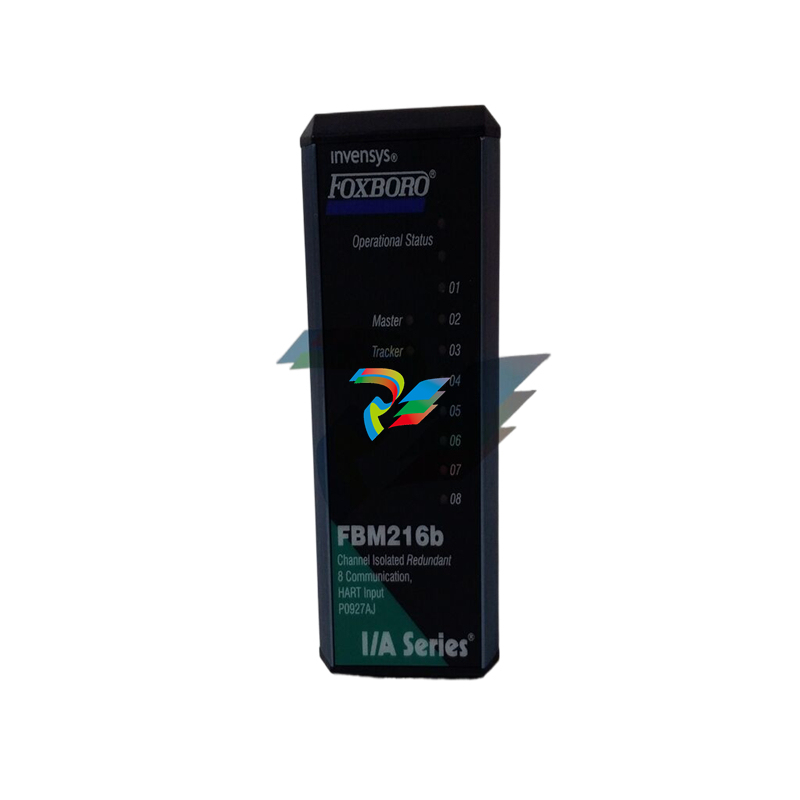 Foxboro AD916AE Digital Control System (DCS) Module
 -
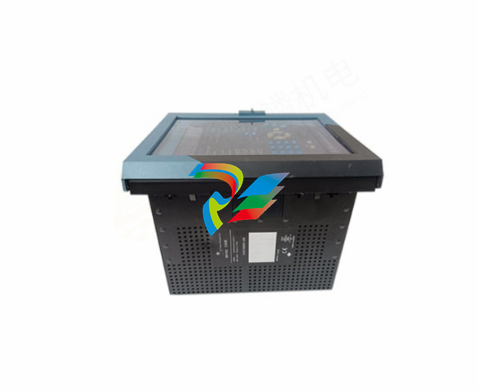 GE SR750-P5-G5-S5-HI-A20-R-E Multilin Relay
 -
.jpg) FOXBORO H90 H90C9AA0117S Industrial Computer Workstation
FOXBORO H90 H90C9AA0117S Industrial Computer Workstation -
FOXBORO RH928AW | I/A Series Relay Output Module
-
.jpg) Foxboro N-2AX+DIO Multi-functional input/output module
Foxboro N-2AX+DIO Multi-functional input/output module -
 Foxboro RH924WA FCP280 Fiber Optic Network Adapter
 -
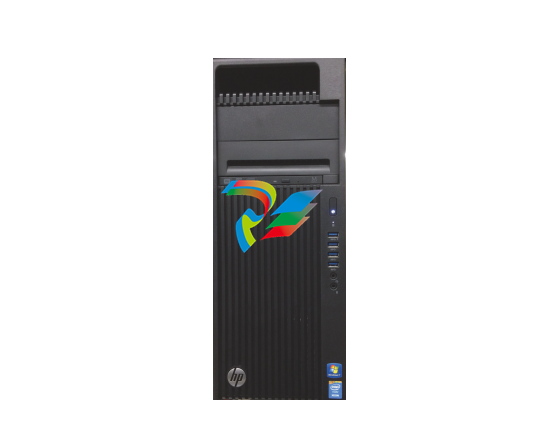 FOXBORO H92 Versatile Hardware Component In
 -
 Foxboro FBM218 P0922VW HART® Communication Redundant Output Interface Module
 -
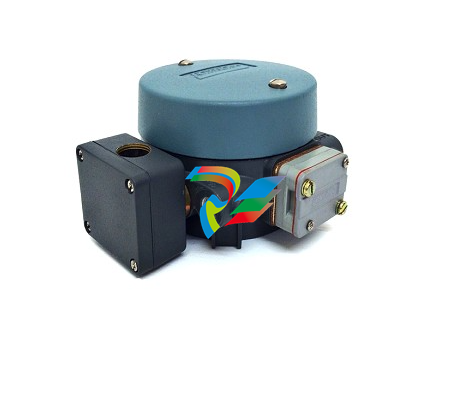 Foxboro E69F-TI2-J-R-S E69F Series Current-To-Pneumatic Signal Converter
 -
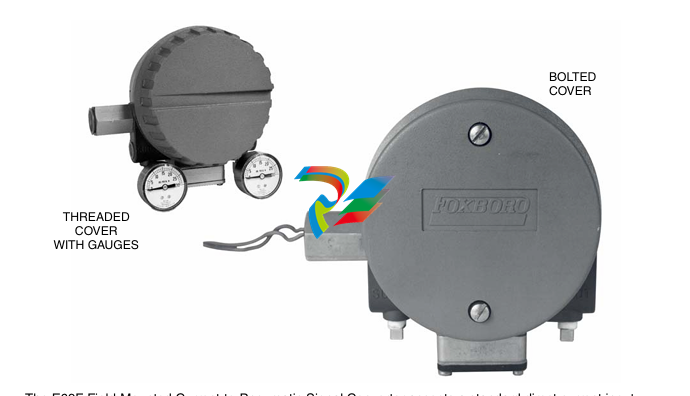 Foxboro E69F-BI2-S Converter
 -
.jpg) Foxboro H92A049E0700 The host of the DCS control station
Foxboro H92A049E0700 The host of the DCS control station -
 Foxboro H90C9AA0117S Industrial computer workstation
 -
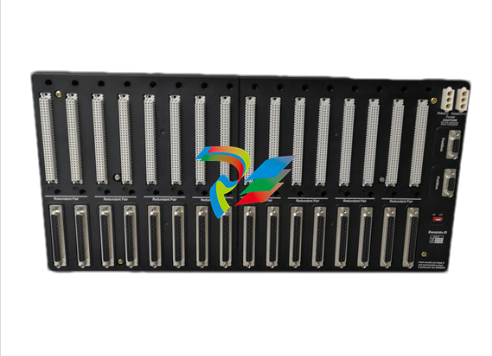 Foxboro RH101AA High-performance industrial control module
 -
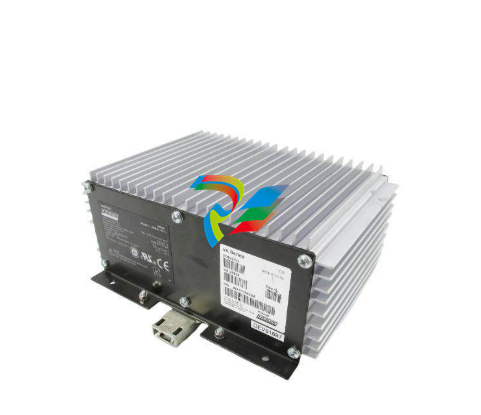 Foxboro P0922YU FPS400-24 I/A Series Power supply
 -
.png) FOXBORO P0973LN Chassis-based managed switch with independent power supply
FOXBORO P0973LN Chassis-based managed switch with independent power supply -
.jpg) FOXBORO P0926PA Input/output module
FOXBORO P0926PA Input/output module -
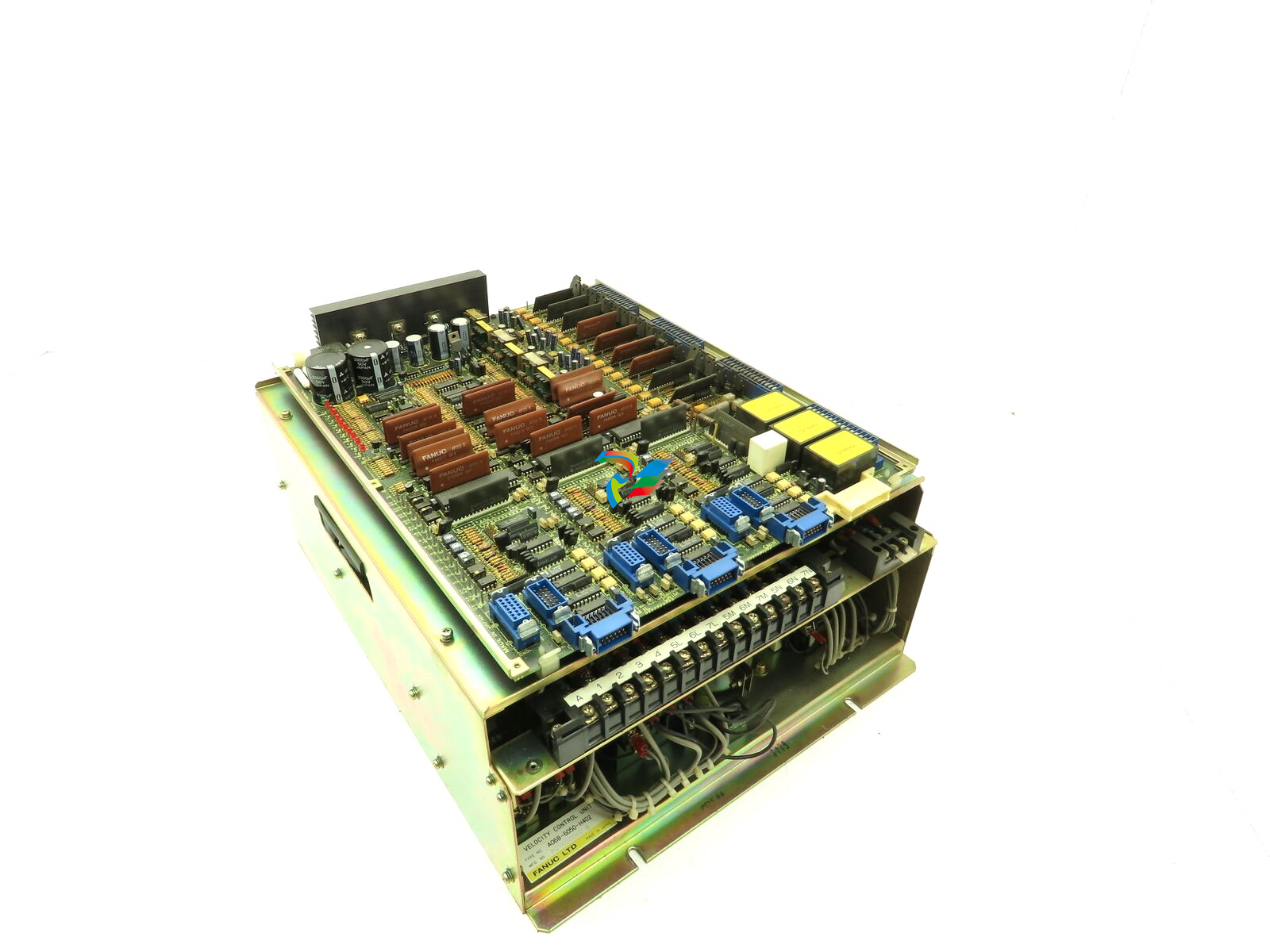 Fanuc A06B-6050-H402 3 AXIS ANALOG AC SERVO DRIVE
 -
.jpg) FOXBORO L0130AD L0130AE-0H Power module group
FOXBORO L0130AD L0130AE-0H Power module group -
_lVjBYb.jpg) FOXBORO 0399085B 0303440C+0303458A Combination Control Module
FOXBORO 0399085B 0303440C+0303458A Combination Control Module -
 FOXBORO SY-0399095E (SY-0303451D+SY-0303460E) Process control board
 -
.jpg) FOXBORO 0399071D 0303440C+0303443B Input/Output (I/O) Module
FOXBORO 0399071D 0303440C+0303443B Input/Output (I/O) Module -
.jpg) FOXBORO RH924UQ Redundant Controller module
FOXBORO RH924UQ Redundant Controller module -
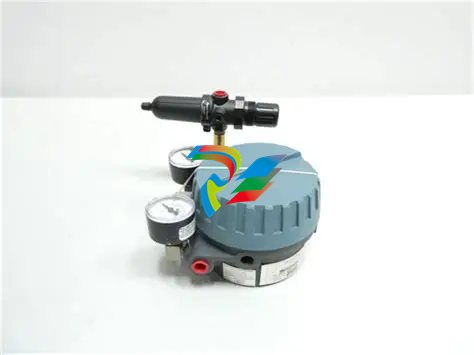 FFOXBORO E69F-TI2-S current pneumatic converter
 -
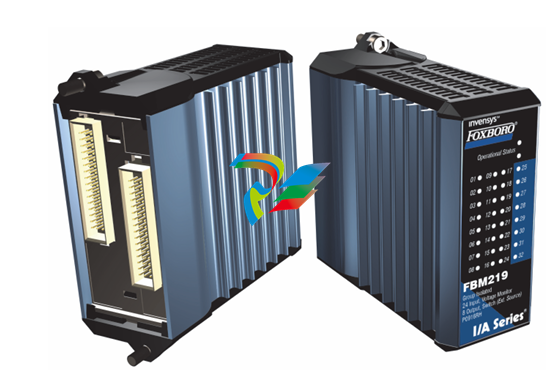 FOXBORO FBM219 RH916RH Discrete I/O Module
 -
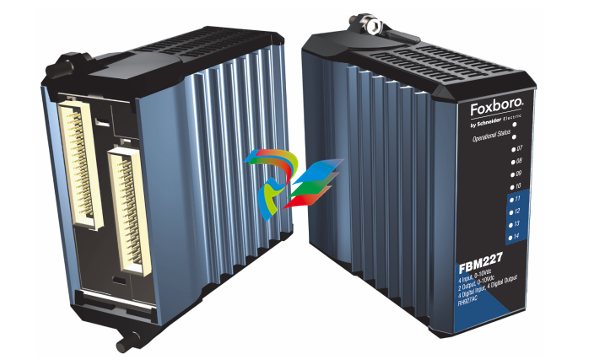 FOXBORO FBM227 P0927AC Module
 -
.jpg) FOXBORO 0399144 SY-0301059F SY-1025115C/SY-1025120E I/O module
FOXBORO 0399144 SY-0301059F SY-1025115C/SY-1025120E I/O module -
.jpg) FOXBORO SY-60399001R SY-60301001RB Industrial Control Module
FOXBORO SY-60399001R SY-60301001RB Industrial Control Module -
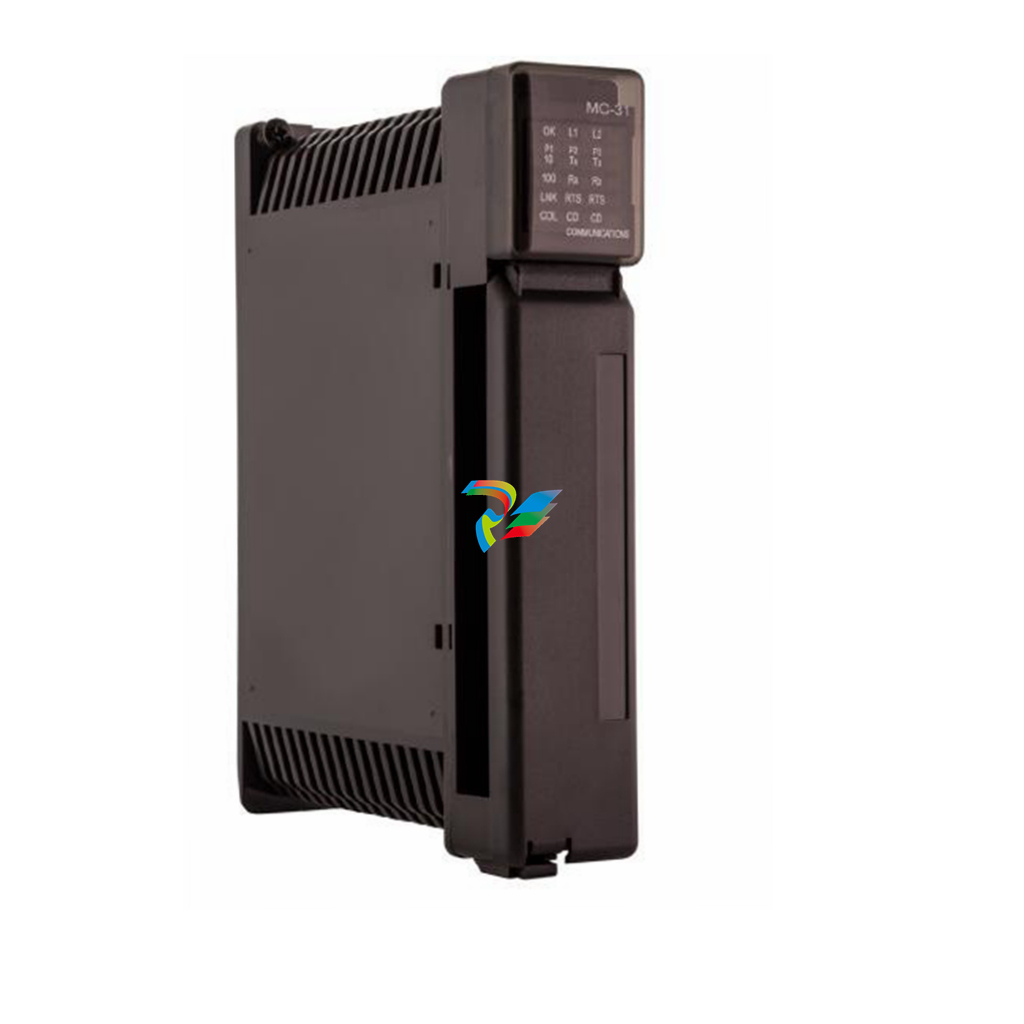 FOXBORO 0399143 SY-0301060R SY-1025115C SY-1025120E Combined control board
 -
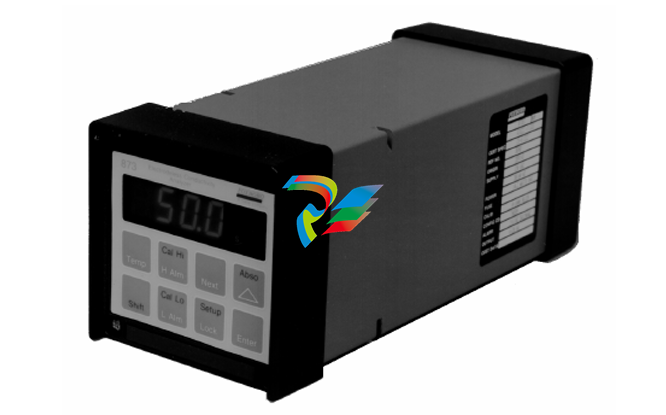 FOXBORO 873EC-JIPFGZ electrodeless conductivity analyzer
 -
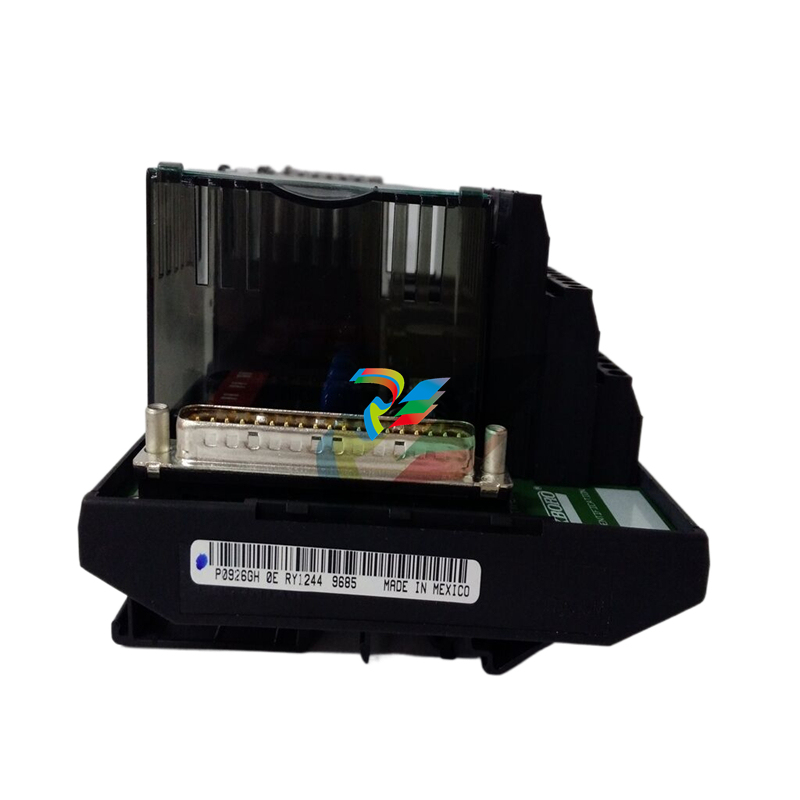 FOXBORO P0916PH (High-density HART I/O Module)
 -
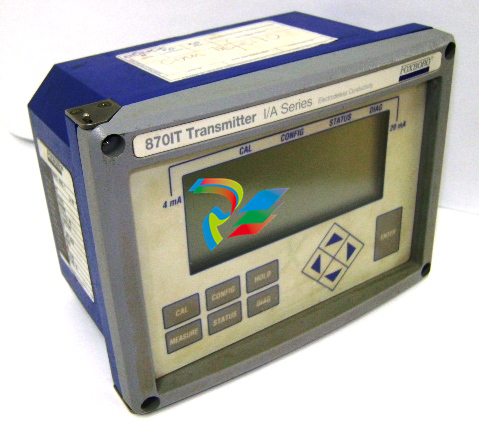 FOXBORO 870ITEC-AYFNZ-7 Intelligent Electrochemical Transmitters
 -
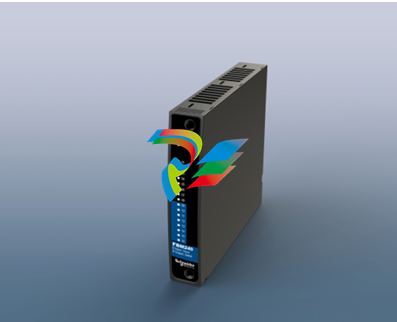 FOXBORO Compact FBM240. Redundant with Readback, Discrete
 -
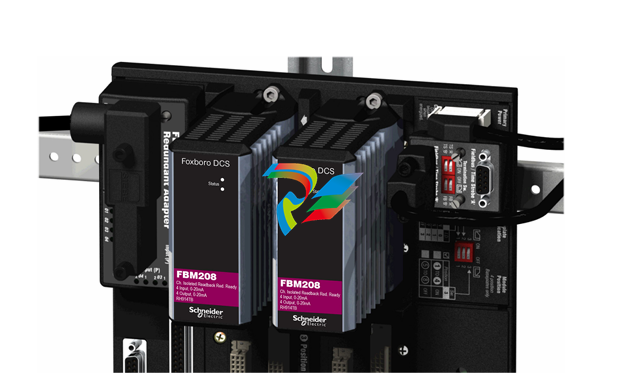 FOXBORO FBM208/b, Redundant with Readback, 0 to 20 mA I/O Module
 -
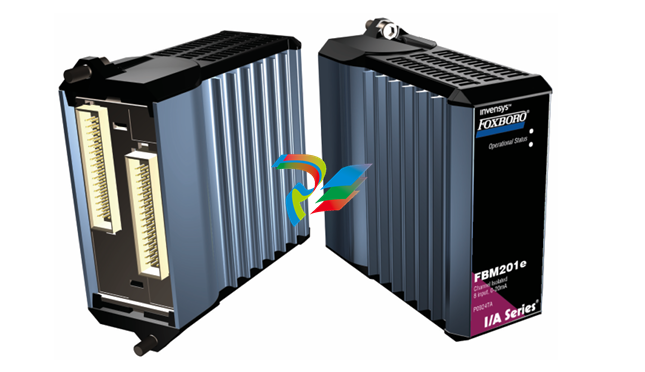 FOXBORO FBM201e Analog Input (0 to 20 mA) Interface Modules
 -
.jpg) FOXBORO P0916WG Terminal cable
FOXBORO P0916WG Terminal cable -
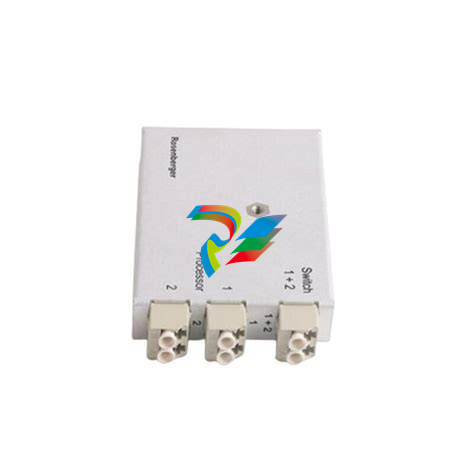 FOXBORO P0926MX 2-Port Splitter
 -
.jpg) FOXBORO AD908JQ High-Frequency Module
FOXBORO AD908JQ High-Frequency Module -
.jpg) FOXBORO AD916CC Processor module
FOXBORO AD916CC Processor module -
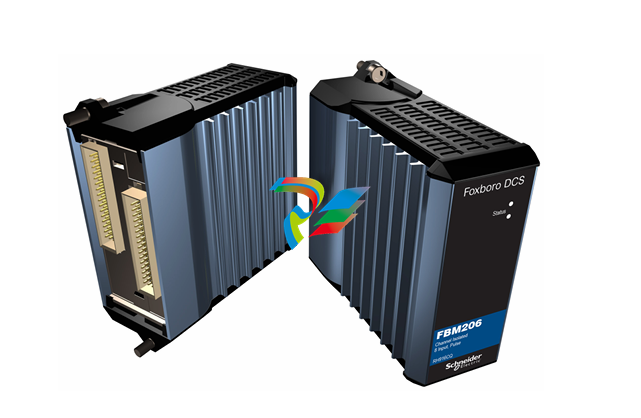 Foxboro DCS FBM206 Pulse Input Module
 -
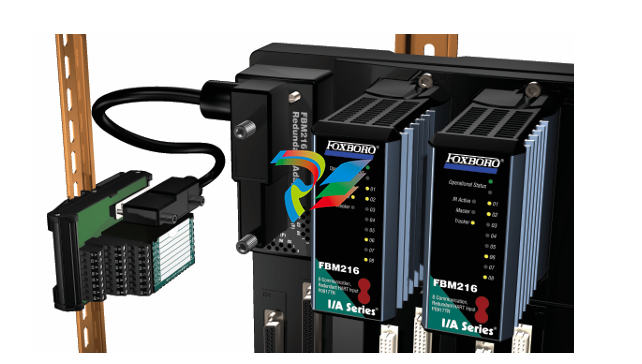 FOXBORO FBM216 HART® Communication Redundant Input Interface Module
 -
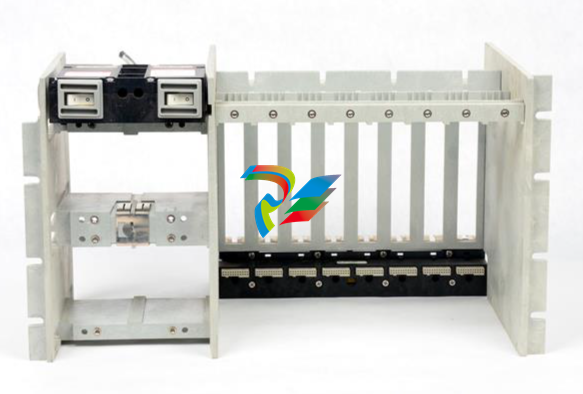 Foxboro p0903nu 1×8 unit sub-component module
 -
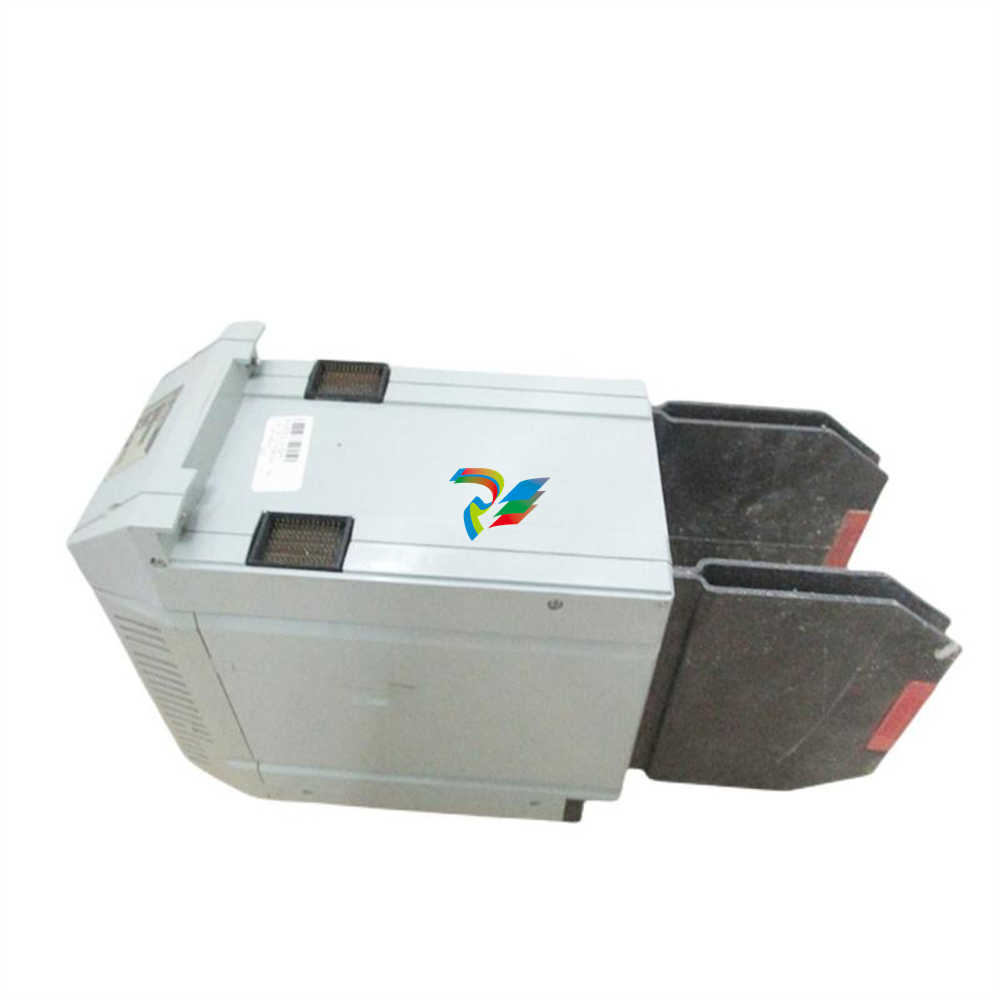 Foxboro P0911SM Industrial control module
 -
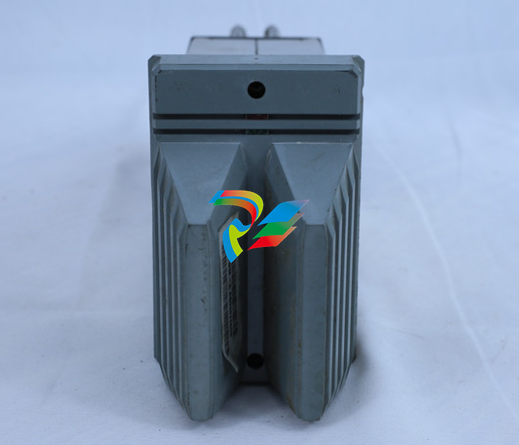 Foxboro CM902WM I/O module
 -
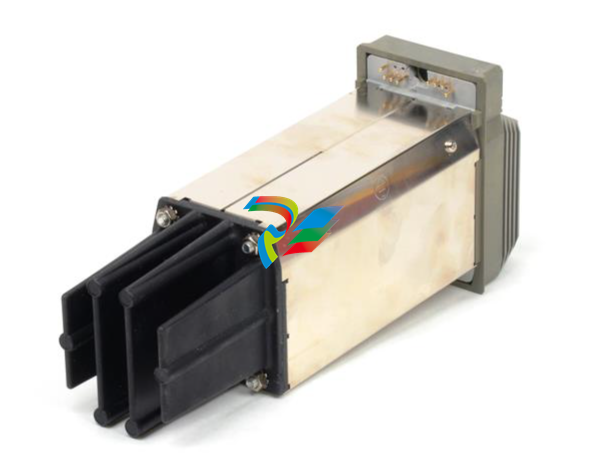 Foxboro CM902WL Power module
 -
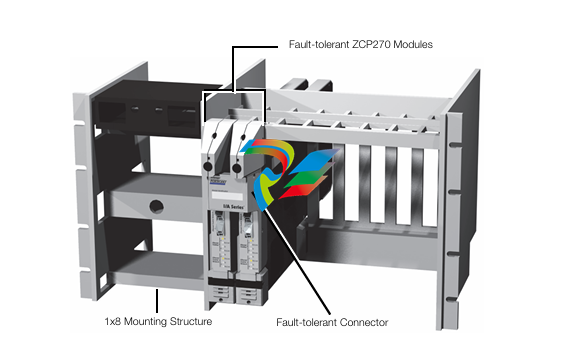 Foxboro P0972VA Industrial Control Module
 -
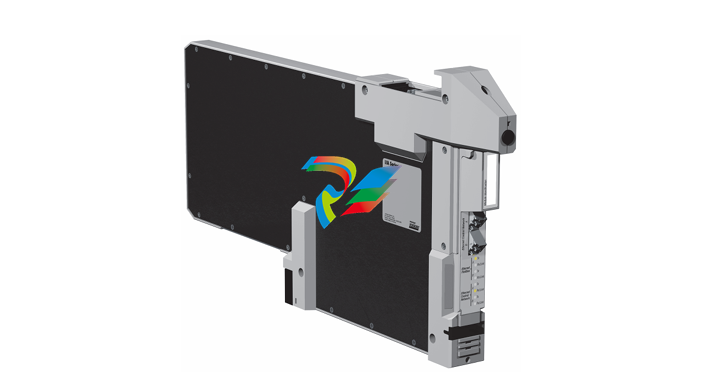 Foxboro Z-Module Control Processor 270 (ZCP270)
 -
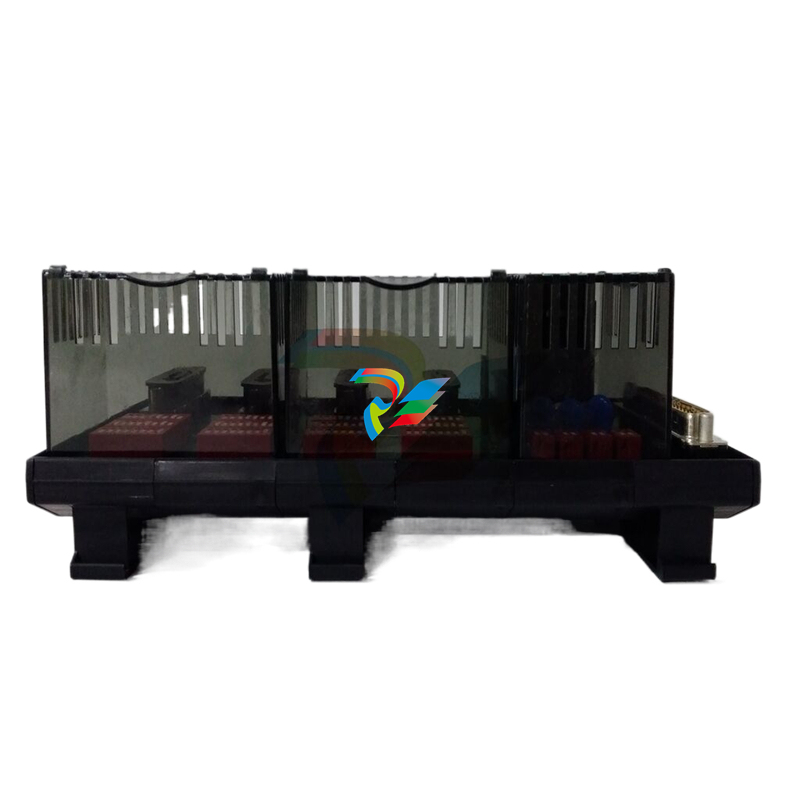 Foxboro PO916JS 16-channel terminal block module
 -
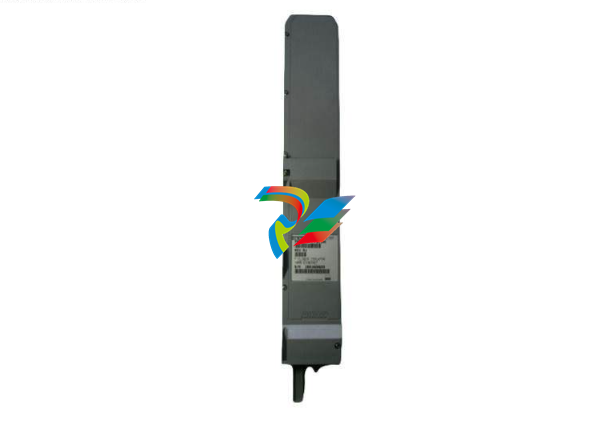 Foxboro PO911SM High-performance digital/analog input/output module
 -
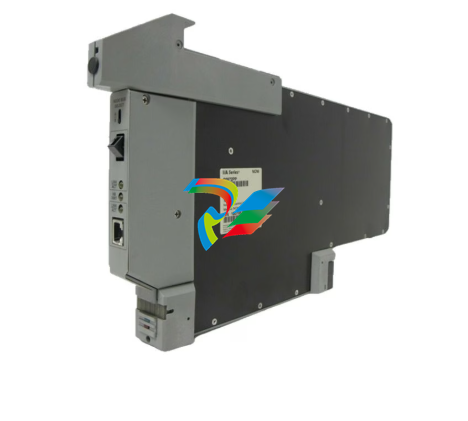 Foxboro P0972PP-NCNI Network Interface Module
 -
.jpg) FOXBORO P0971QZ controller module
FOXBORO P0971QZ controller module -
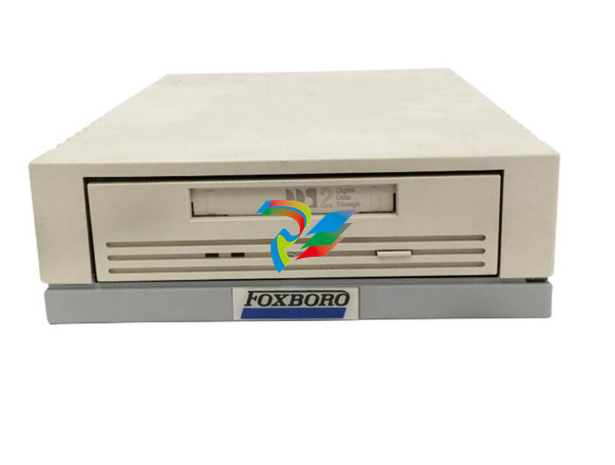 FOXBORO P0971DP Thermal resistance input/output module
 -
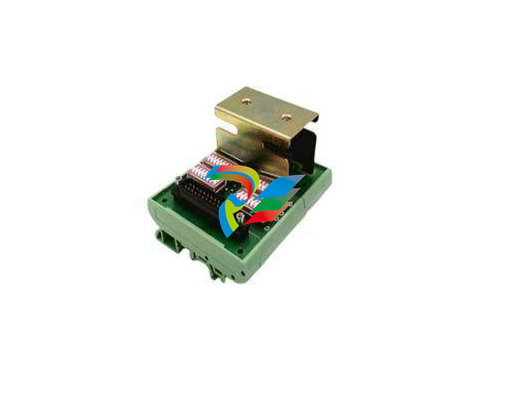 FOXBORO P0970VB Cable connector
 -
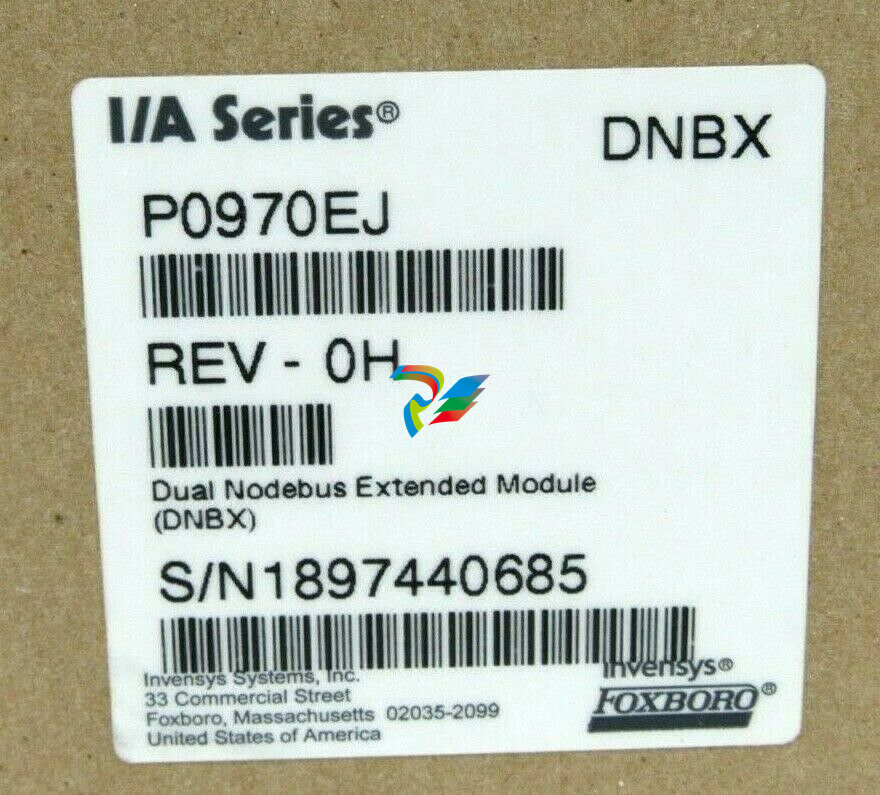 FOXBORO P0970EJ-DNBX Dual-node bus expansion module