
2017 Global Distributed Control Systems Company of the Year Award
Background and Company Performance
Industry Challenges
In 2016, the automation market was beset by several challenges, such as the plunge in oil
prices, the economic slowdown in China, policy uncertainty caused by the new
government in the United States, and political unrest in the Middle East. With the global
investment climate improving following a rise in oil and commodity prices, there is new
interest in automation projects that will boost production capacity and improve
productivity. End-users are now looking for opportunities to evaluate their automation
systems in light of recent advances in engineering methods, automation, and the
connectivity provided by commercial information technology and the Industrial Internet of
Things (IIoT), rather than simply returning to the methodologies of the past such as
upgrading to the latest version of a control system provided by the current automation
vendor.
The process industries’ production assets have never been larger or more complicated, and with increased scale and complexity, there is a growing inability to predictably deliver capital projects on schedule and within budget. In this scenario, the primary concern of the end-users lies in deploying their resources in a cost-effective way and attaining high capital efficiency. This cannot be achieved by just squeezing prices. It requires new methods of executing projects and new ways of looking at things. The attempt to reduce project costs adds pressure to automation costs, which is a prime challenge to the growth of Distributed Control System (DCS) vendors. DCS vendors that address this challenge through the use of innovative technologies in the field of cloud engineering, digital marshaling, virtualization, and automated data management are expected to gain a competitive advantage.
Visionary Innovation & Performance and Customer Impact
Connecting 70 million smart devices through 70,000 control systems, ASEA Brown Boveri (ABB) has one of the largest installed bases of process automation systems when compared to other automation vendors. ABB has been on the leading edge of efforts to streamline the design and delivery of digital automation systems and minimize the associated project risk since its establishment in 1988. As end-user projects get bigger and more complex, the financial risk posed by the inability of end-users to execute projects as planned has intensified over the past several years. This is especially true in the oil and gas segment and power segment, which are more capital intensive compared to other industrial sectors
ABB aligns with market Mega Trends and develops industry-specific DCS solutions to address the demands of different end-user market segments. ABB’s product solution targets Mega Trends such as Urbanization and Innovation to Zero across the end-user industries, enabling them to create new opportunities and values for their customers. This has helped ABB to stay ahead of competition and retain a leadership position in the DCS market. With market growth drivers such as increasing demand to implement advanced control strategies, the need for software-based services, value-added services (including upgrading cyber security, consulting, and training), and optimizing lifecycle costs are
expected to be intact in the short term. ABB is well positioned to retain its leadership position in the future as it is primed to deliver value to its clients in this market
Addressing Unmet Needs
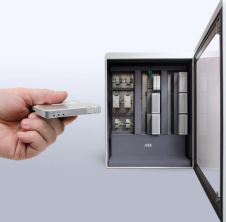
The increasing scale and complexity of automation projects has made it almost impossible
to deliver capital projects on schedule and within budget. A key contributor to the growing
risk of missing DCS project deadlines include late design changes, which tend to cascade
throughout a project. A significant unmet need in the market is decreasing the
dependency of the automation design on the process design. ABB took a significant step
forward in streamlining the execution of its customers’ automation projects with the
release of its Select I/O, an Ethernet-based single channel I/O solution for the ABB
Ability™ System 800xA. This can be configured in the field to address the growing demand
for full redundancy down to the signal conditioning
module. Because the base hardware for every type
of signal is the same, Select I/O effectively allows
each I/O channel to remain flexible and
“undeclared” until very late in the project, often up
until just before commissioning. This effectively
decouples I/O hardware engineering from software
design, which lowers development costs and
shortens the delivery schedule. The Select I/O,
when coupled with the process know-how of ABB,
improves the efficiency of DCS project execution
and provides ABB a distinctive advantage in the
DCS market with respect to competition.
Visionary Scenarios through Mega Trends
The concept of a connected industry is increasingly becoming a reality as industries, such
as oil and gas, chemicals, power, pharmaceuticals, steel, water, mining, food, and
beverage, move towards a digital operating environment to improve connectivity,
productivity, and cost-effectiveness. The recent launch of the ABB Ability platform in 2017
will provide ABB with a competitive edge over its competitors because it provides unified,
cross-industry digital capability—extending from device to edge to cloud—with devices,
systems, solutions, and services. While similar competitor offerings allow end-users to
sense, analyze, and take actions to drive efficiency, ABB has added self-learning
capabilities to its solution that allow it to harvest data, take control, and enable users to
do more. This distinguishes ABB from the rest of the competition in the market.
Implementation of Best Practices
Through its Next Level Strategy, which aims at profitable growth, relentless execution,
and business-led collaboration, ABB has adapted to rapidly changing market dynamics to
serve its clients with a combined power and automation portfolio. In October 2016, it
launched its Stage 3 of the Next Level Strategy, which helps ABB rebuild its successful
transformation momentum and strengthen its position as a pioneering technology leader and global digital champion. ABB places a high focus on increasing its customer value proposition with the help of software-led differentiation, solutions-as-a-service, and technology leadership.
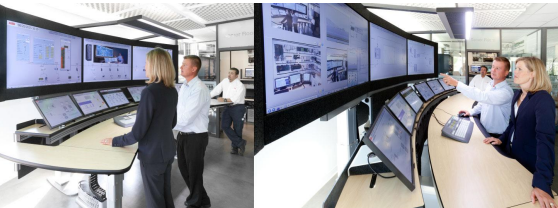
ABB's dedicated service organization focuses on maintaining and continuously improving the performance of customer's equipment and processes through a suite of services. Especially ABB's advanced digital services are in continuous evolution, also in combination with new business models, to address opportunities through digitalization and unmet needs of customers. A key differentiator for ABB is its lifecycle policy. This policy aims at maximizing the useable life of a customer's investment. This means that ABB is committed to maintaining full lifecycle integrity for its products and systems and supports any products for at least 10 years once removed from active sale and an equivalent replacement is available.
In order to take complete advantage of digital transformation, a broader ecosystem of applications is required. For instance, start-ups foster innovation and help automation vendors scale up their digital offerings faster than they would with organic developments. As a leading automation vendor, ABB embraced this trend earlier than many other vendors in the automation space. ABB formed a strategic venture capital unit called the ABB Technology Ventures (ATV) in 2009. ATV focuses on many segments and automation is one core focus area for the organization. The primary objective is to seek out potential automation technology partners who are aligned seamlessly with ABB’s vision of industrial digitalization. Since its inception, ATV has invested about $150 million in technology companies that have a high potential in diverse sectors, including IIoT and cybersecurity. These start-ups function as an extension of ABB and offer innovative services and analytics capabilities to complement its existing digital portfolio. In October 2016, ABB entered into a strategic partnership with Microsoft to develop next-generation digital solutions on an integrated cloud platform that will enable digital transformation for its customers in businesses such as robotics, marine, and eMobility.
Financial Performance
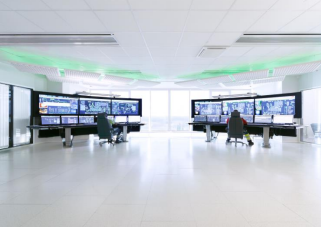
ABB’s penetration and expansion in emerging markets has helped it dominate the DCS market with a 20.5% market share in 2016 and continue its market dominance, while its two closest competitors hold market shares in the range of 15.2% and 14.5%. ABB has unswervingly lead the DCS market across power end-user segment. It’s expertise in developing innovative solutions that match the needs of energy and energy-intensive industries like oil and gas, utilities, and mining operations has reinforced its significant global market share. ABB has the best and widest DCS portfolio across the process automation market. The organization offers the customer-specific control platforms ABB Ability System 800xA, ABB Ability Symphony Plus, Freelance and a Compact Product Suite. ABB’s continued quench to stay ahead of the market is very clear here, as its competitors are progressively introducing compact and low-cost products in the years to come from now. While many competitors have had flat growth in recent years, ABB continues to steam ahead and build on its existing installed base. For instance, in the oil and gas enduser industry where safety is a primary concern, ABB astutely developed the System 800xA HI (High Integrity) solution. This integrates two previously independent automation platforms— safety and process control—into a single system. Also, with rising concerns over minimizing the carbon footprint, ABB has given its clients a greater visibility of energy use with the help of more integrated
and automated systems. Having invested $10 billion in R&D, organic growth, and acquisitions in the United States over the past seven years, ABB is growing in the North American region—a region that contributes 23.5% of revenues to the overall DCS market. Its recent acquisition of Bernecker + Rainer is in line with its growth strategy to improve its number two position in the industrial automation space. The acquisition closes the gap in the machine and factory automation portfolio of ABB and is expected to enhance market coverage, offering a broader solution scope for customers and provide an end-to-end digital offering with the help of this combined innovation power.
Customer Ownership Experience
With the commercial launch of ABB Ability in 2017 and the availability of more than 180
ABB Ability solutions customized for individual end markets, ABB continues to set the
benchmark for digitization, enabling its customers to accelerate towards achieving
operational excellence. ABB Ability Collaborative Operations, for example, connects
customers instantaneously to a subject matter expert from ABB for timely help and
assistance 24/7. Problems are solved before they become failures by utilizing data insights and advanced analytics and through remote collaboration that enables real-time customer interaction. With two DCS product lines - ABB Ability System 800xA and ABB Ability Symphony® Plus - ABB addresses the specific needs of various industries. Both DCS solutions are industryleading and proven over decades evident by their installed base. Symphony Plus is tailored to the power generation and water industries whereas System 800xA is targeted towards all other industries. Both solutions support customers by driving gains in performance, productivity, efficiency, and safety throughout the end-user business operations lifecycle, from the planning stage to the maintenance stage. With the help of domain expertise and process knowledge, ABB has developed an overarching digital architecture that augments the human expertise of the clients to deliver improved performance. ABB also has a footprint across a broad range of industry verticals, more than any other participant in the industrial space. ABB’s years of domain expertise, combined with its huge installed base, distinguishes it from other automation vendors in the Global DCS market. Further, it enables ABB to design its solutions based on the context of each end-user requirement.
Customer Service Experience
In line with its growth strategy, ABB extends its expertise and resources into key target
markets such as power generation, oil and gas, and metals and mining, where process
automation systems have significant growth opportunities in both greenfield and
brownfield projects. The ABB Value Provider Program (VPP), a one-of-its-kind program in
the market, is aimed at developing ABB’s third-party channels including distributors,
technical distributors, system integrators, panel builders, and service providers. With the
help of this program, ABB locates a third-party provider in close proximity to its end-users
in order to reduce the response time to its clients’ sales, support, service, and engineering
needs. The value provider’s in-depth knowledge about local markets coupled with an
expertise in ABB’s products enables it to function as an extension of ABB, resulting in
extensive coverage in targeted regional segments.
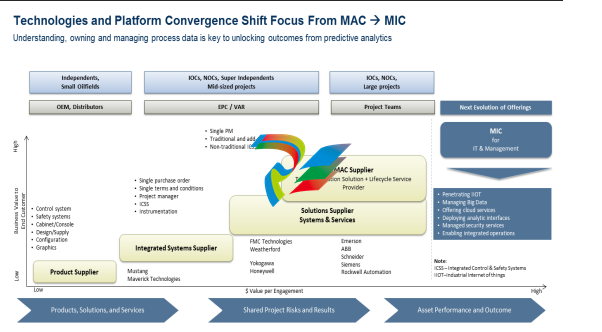
ABB has leveraged its decades of experience in the DCS market to develop the capability of a Main Automation Contractor (MAC). This means that ABB can offer a wider scope than conventional vendors by working proactively with clients to deliver a complete automation solution, from automation/instrumentation selection to commissioning and after-sales support. This helps end-users reduce the project schedule, engineering required, and change requests. Also, with the introduction of Ability, ABB is well qualified to deliver turnkey Main Automation, Electrical and Information Contractor (MAEIC) solutions. Only one other company, apart from ABB can deliver a similar solution. This is another critical differentiating factor for ABB.
Conclusion ABB equips industrial customers with the digital technology and cloud platform to empower every person, team, and business system within an organization to glean new insights and drive smarter, faster and simpler decision-making—thereby helping every customer seize new growth opportunities. By offering ultimate flexibility in the field, ABB sets a new standard in the execution of automation projects. ABB will continue to stay ahead of developments in the DCS market because it takes inspiration directly from evolving customer needs and industry standards. Continuing its decades of innovation history, ABB is a pioneering leader in DCS market and leads the digitalization of the energy industry. With its strong overall performance, ABB is recognized with Frost & Sullivan’s 2017 Company of the Year Award.
Significance of Company of the Year
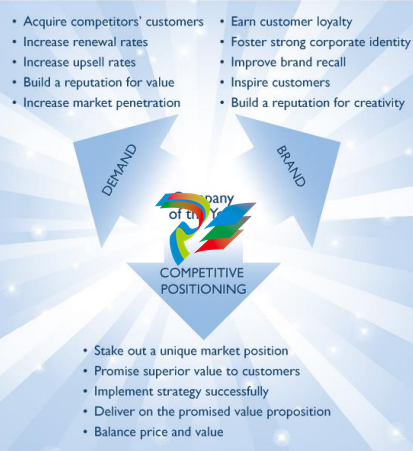
To win the Company of the Year Award (i.e., to be recognized as a leader not only in your
industry, but among your non-industry peers as well) requires a company to demonstrate
excellence in growth, innovation, and leadership. This kind of excellence typically
translates into superior performance in three key areas: demand generation, brand
development, and competitive positioning. These areas serve as the foundation of a
company’s future success and prepare it to deliver on the two criteria that define the
Company of the Year Award (Visionary Innovation & Performance and Customer Impact).
Understanding Company of the Year
As discussed above, driving demand, brand strength, and competitive differentiation all
play a critical role in delivering unique value to customers. This three-fold focus, however,
must ideally be complemented by an equally rigorous focus on Visionary Innovation &
Performance to enhance Customer Impact.
Key Benchmarking Criteri
For the Company of the Year Award, Frost & Sullivan analysts independently evaluated
two key factors—Visionary Innovation & Performance and Customer Impact—according to
the criteria identified below.
Visionary Innovation & Performance Criterion 1: Addressing Unmet Needs
Requirement: Implementing a robust process to continuously unearth customers’ unmet or under-served needs, and creating the products or solutions to address them effectively
Criterion 2: Visionary Scenarios through Mega Trends
Requirement: Incorporating long-range, macro-level scenarios into the innovation
strategy, thereby enabling “first-to-market” growth opportunity solutions
Criterion 3: Implementation of Best Practices
Requirement: Best-in-class strategy implementation characterized by processes, tools, or
activities that generate a consistent and repeatable level of success.
Criterion 4: Blue Ocean Strategy
Requirement: Strategic focus on creating a leadership position in a potentially
“uncontested” market space, manifested by stiff barriers to entry for competitors
Criterion 5: Financial Performance
Requirement: Strong overall business performance in terms of revenues, revenue growth, operating margin, and other key financial metrics
Customer Impact
Criterion 1: Price/Performance Value
Requirement: Products or services offer the best value for the price, compared to similar offerings in the market.
Criterion 2: Customer Purchase Experience
Requirement: Customers feel they are buying the most optimal solution that addresses both their unique needs and their unique constraints
Criterion 3: Customer Ownership Experience
Requirement: Customers are proud to own the company’s product or service and have a
positive experience throughout the life of the product or service.
Criterion 4: Customer Service Experience
Requirement: Customer service is accessible, fast, stress-free, and of high quality
Criterion 5: Brand Equity
Requirement: Customers have a positive view of the brand and exhibit high brand loyalty.
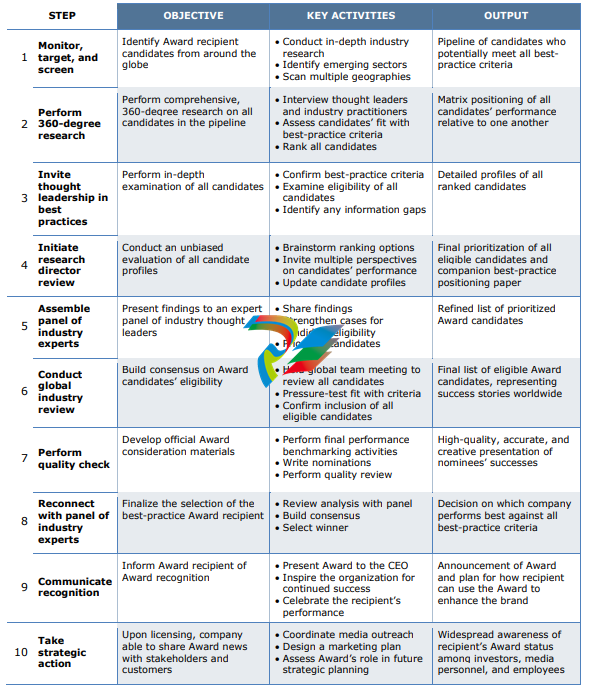
Best Practices Recognition: 10 Steps to Researching, Identifying, and Recognizing Best Practices
Frost & Sullivan analysts follow a 10-step process to evaluate Award candidates and assess their fit with select best practice criteria. The reputation and integrity of the Awards are based on close adherence to this process.
The Intersection between 360-Degree Research and Best
Practices Awards
Research Methodology
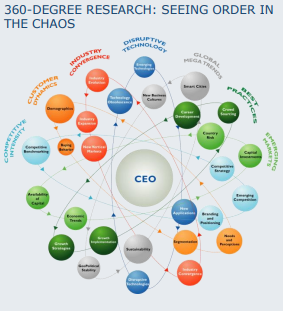
Frost & Sullivan’s 360-degree research
methodology represents the analytical
rigor of our research process. It offers a
360-degree view of industry challenges,
trends, and issues by integrating all 7 of
Frost & Sullivan's research methodologies.
Too often companies make important
growth decisions based on a narrow
understanding of their environment,
leading to errors of both omission and
commission. Successful growth strategies
are founded on a thorough understanding
of market, technical, economic, financial,
customer, best practices, and demographic
analyses. The integration of these research
disciplines into the 360-degree research
methodology provides an evaluation
platform for benchmarking industry
participants and for identifying those performing at best-in-class levels.
About Frost & Sullivan
Frost & Sullivan, the Growth Partnership Company, enables clients to accelerate growth and achieve best-in-class positions in growth, innovation, and leadership. The company's Growth Partnership Service provides the CEO and the CEO's Growth Team with disciplined research and best practice models to drive the generation, evaluation, and implementation of powerful growth strategies. Frost & Sullivan leverages more than 50 years of experience in partnering with Global 1000 companies, emerging businesses, and the investment community from 45 offices on six continents. To join our Growth Partnership, please visit
-
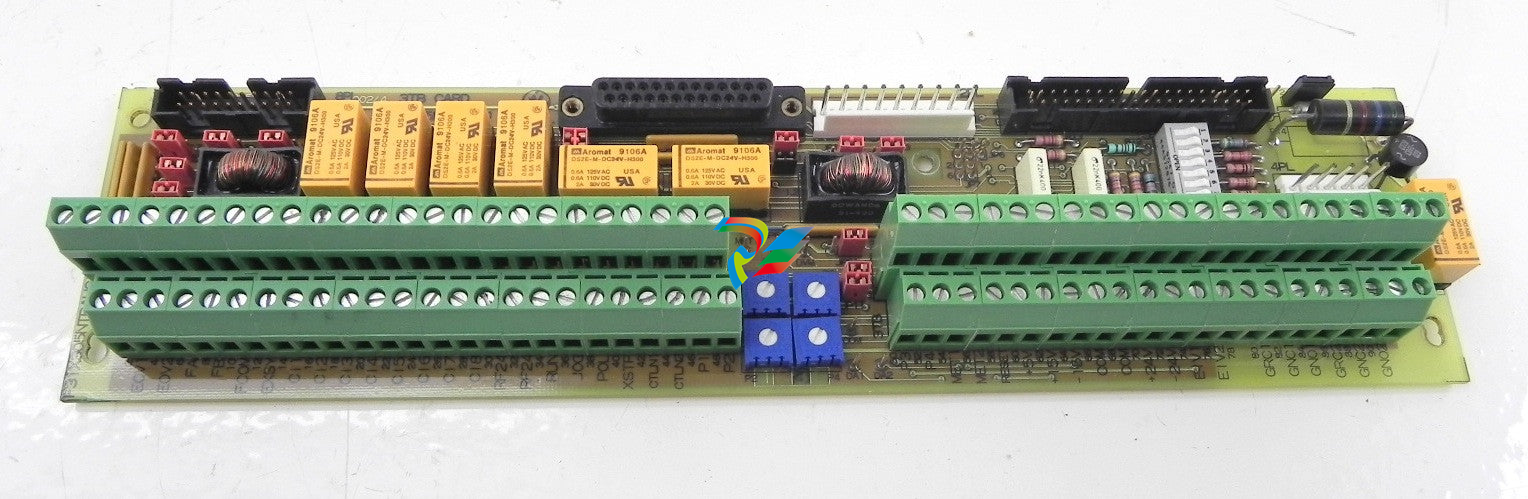
 IS200BPPBH2CAA Mark VIe Power Supply Module
 -
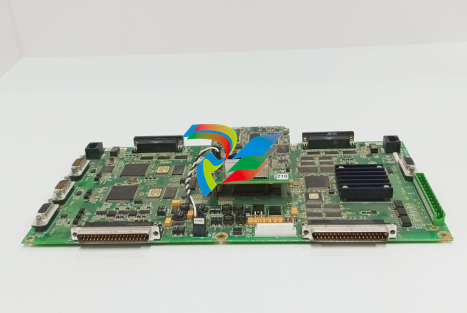
 IS210MACCH2AEG Motor Control and Communication Module
 -
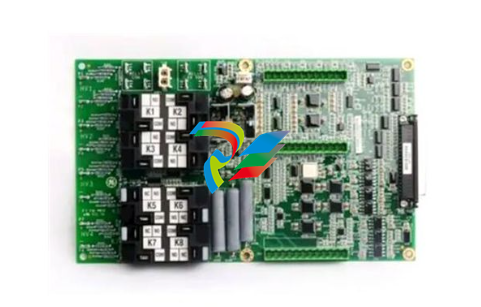
 IS210MACCH2AGG Mark VIe Speedtronic Turbine Control Module
 -
 IS200AEPAH1AFD Printed circuit board
 -
IS200AEPAH1ACB Analog I/O Module
-
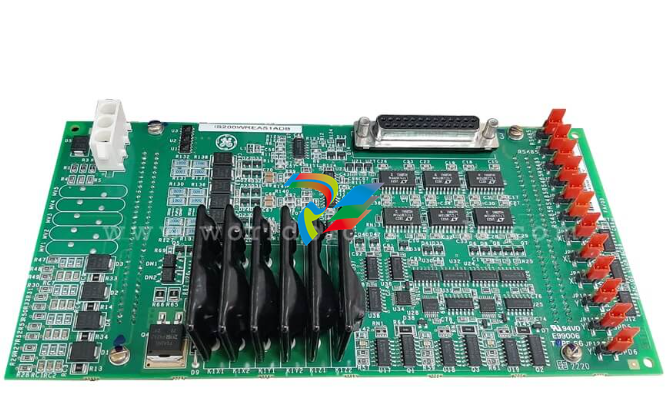 IS200WREAS1ADB AERO TRIP TB DBRD sub-board
 -
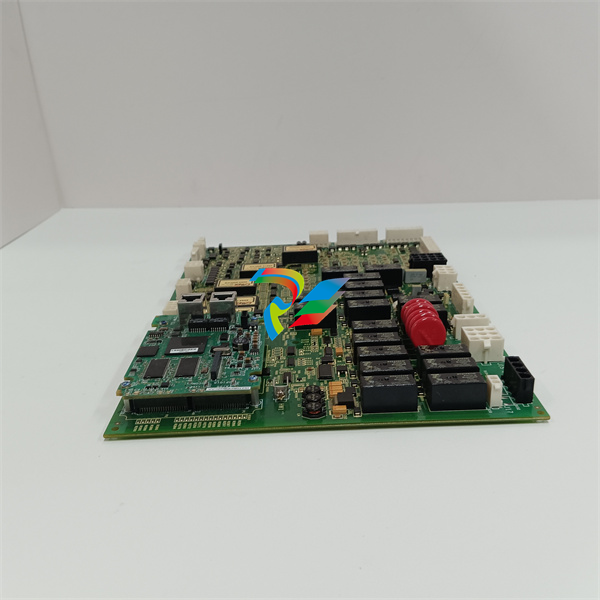
 IS200WETAH1AEC large board component made Mark VI system
 -
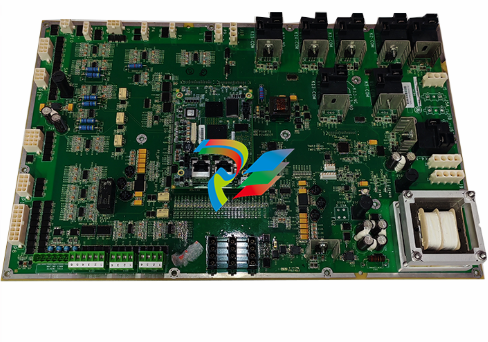
 IS200AEPAH1AHD A High-Precision Excitation Control Board for Turbine Systems
 -
 IS200WEMAH1AEA Control board
 -
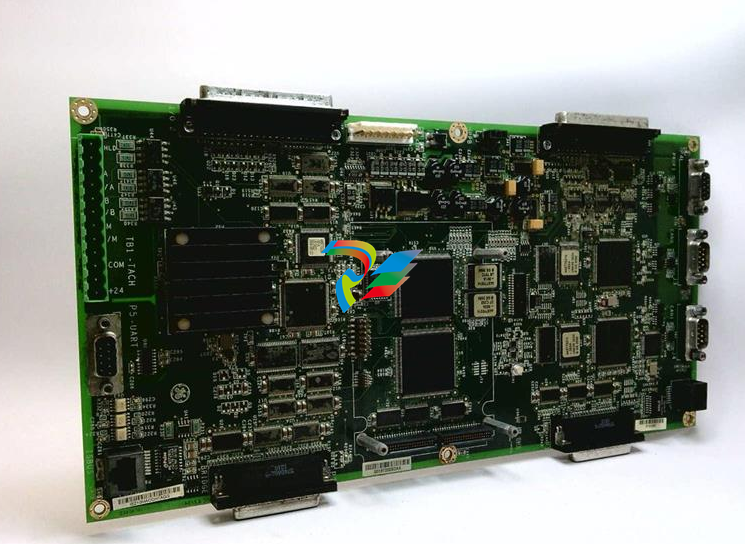 IS210MACCH1AGG processor card
 -
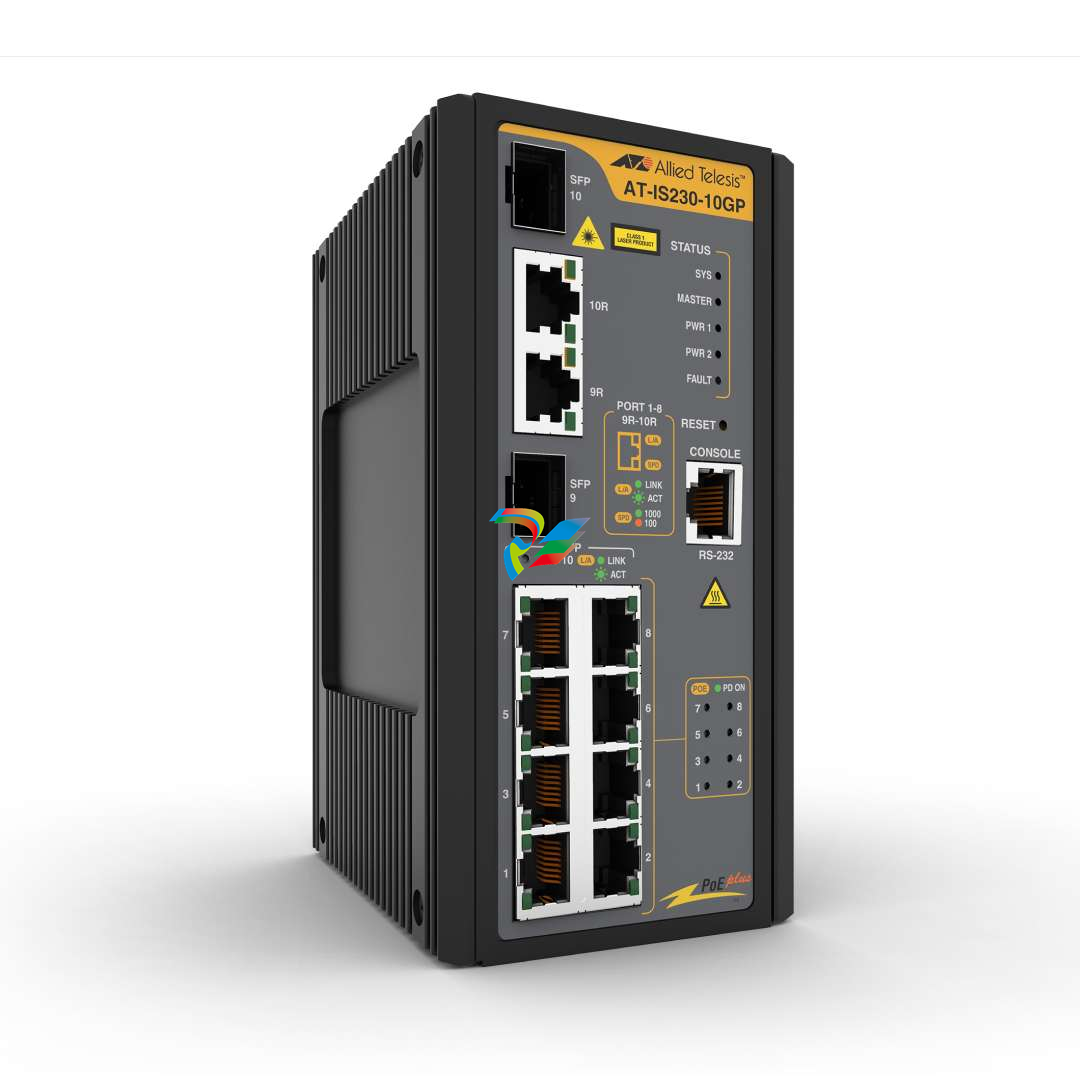 IS230TNRLH1B Discrete Output Modular Assembly
 -
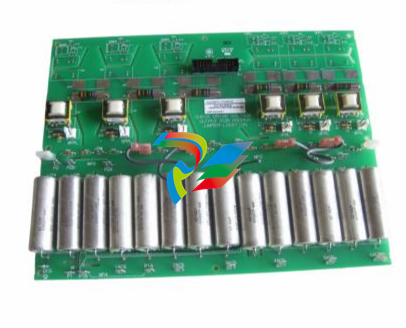 Mark V Series DS200PCCAG1ACB PCB Power Connect Card
 -
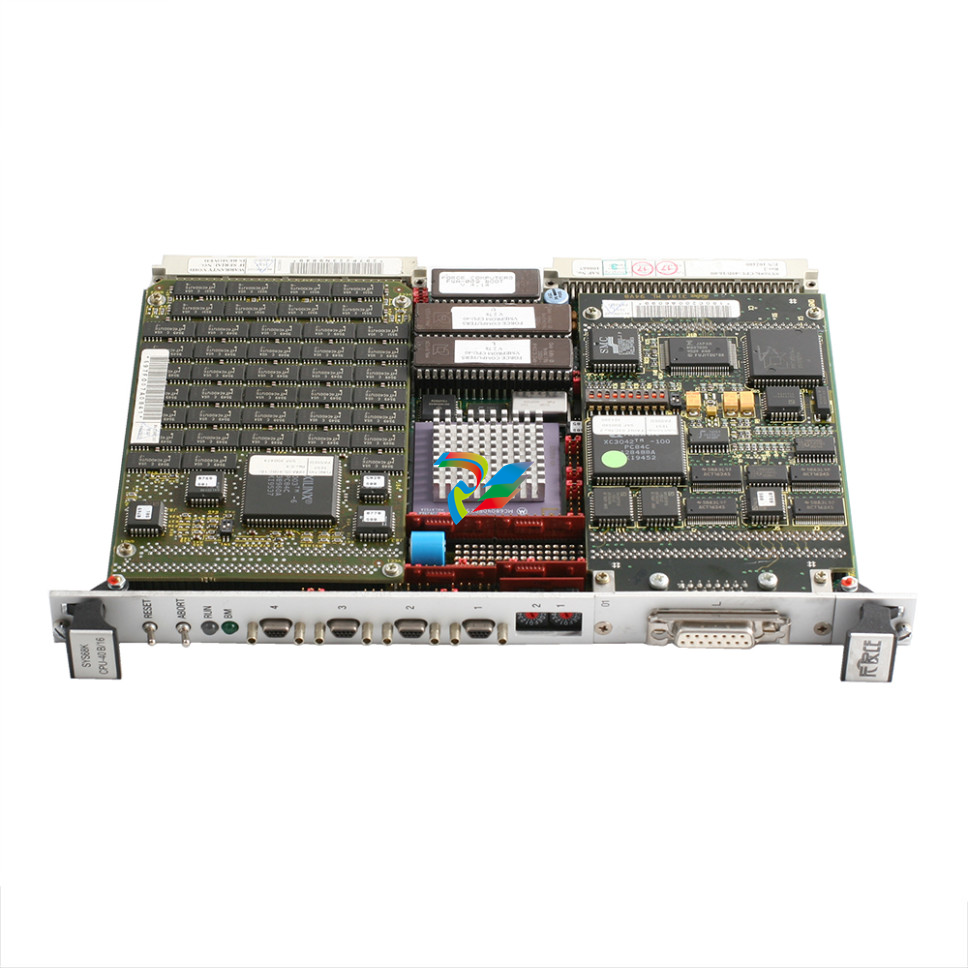 DS200SI0CG1AEA Instantaneous overcurrent card
 -
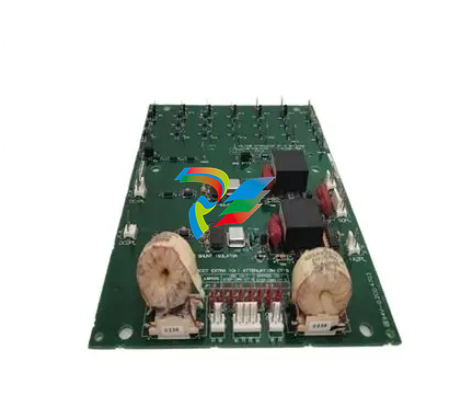 DS200SHVMG1AGE Analog I/O board
 -
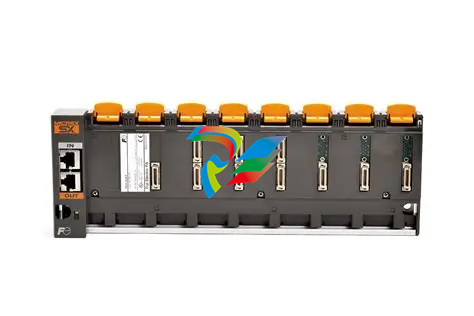 DS200SI0CG1A6A Input/Output Module
 -
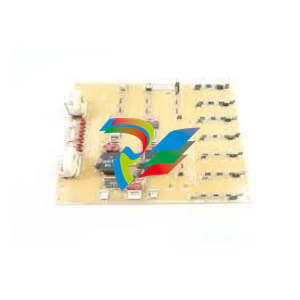 DS200SHVMG1AFE SCR High Voltage Interface Board
 -
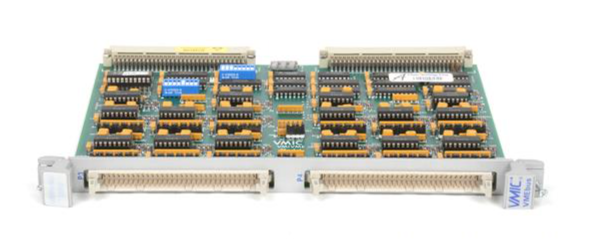 DS200RT8AG3AHC Relay Output Terminal Board
 -
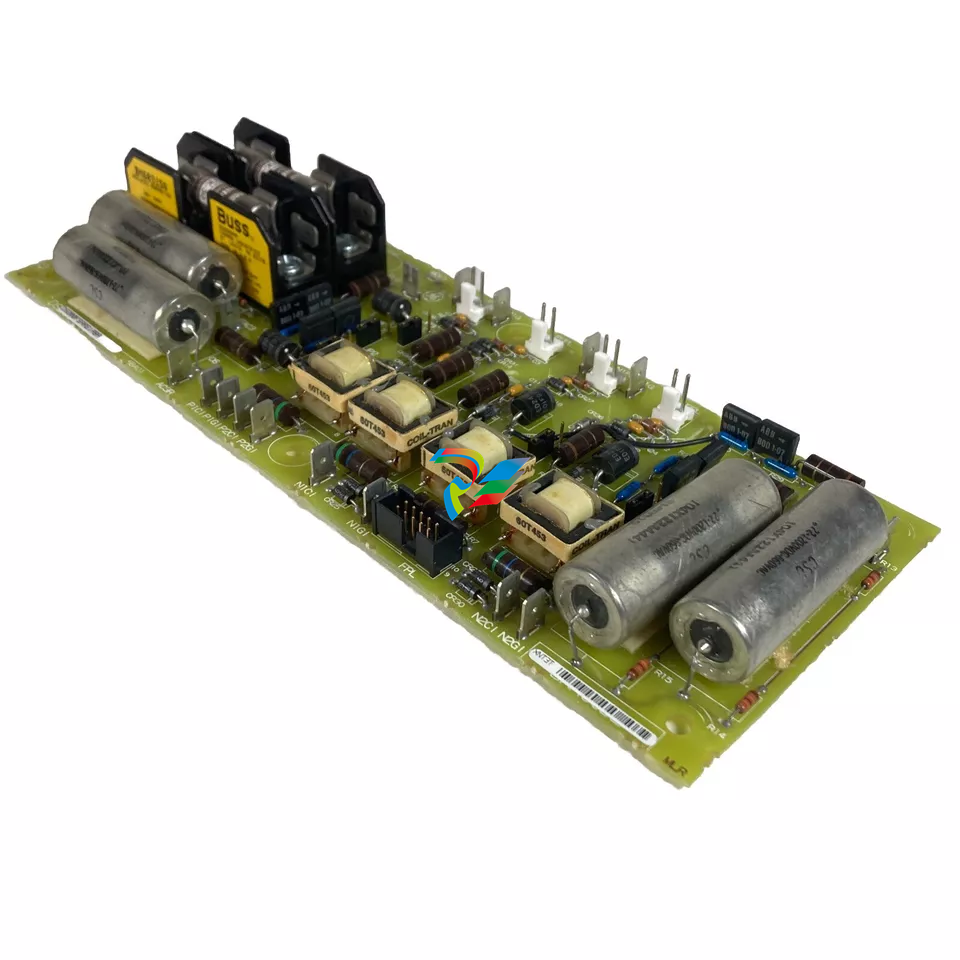 DS200FSAAG1ABA PCB Field Supply Gate Amplifier Board
 -
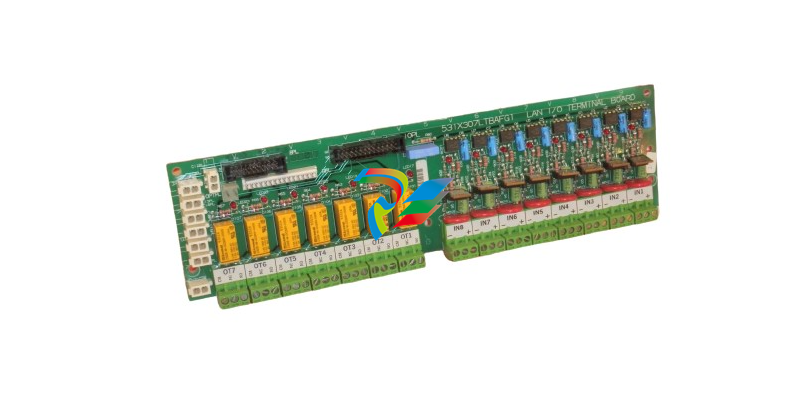 531X307LTBAFG1 F31X307LTBA LAN I/O Terminal Board
 -
 ABB AFS670 19" Ruggedized Switch AFS670-EREEDDDSSEEEEEEEPZYX05.1.0
 -
 NI Controller for VXI VXIPC-871B
 -
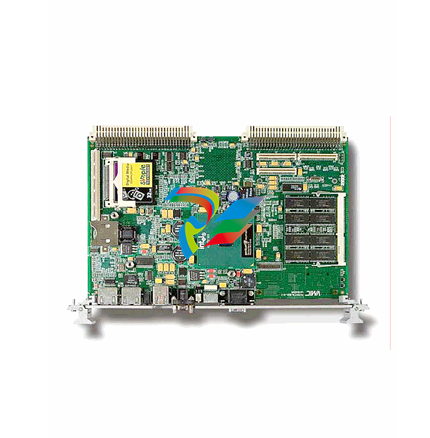 IS200EPMCH1GE Mark VIe Patch Cord Power Distribution Card
 -
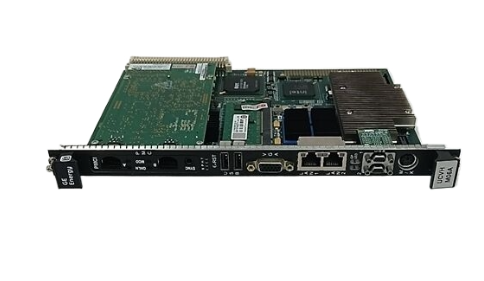 VMICPCI-7632-03310 IS215UCCAH3A 350-657362-003310J GE gas turbine system control processor board
 -
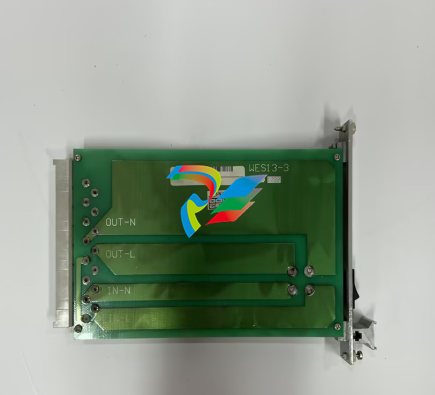 WEA13-13 2508-21001 Control Module / I/O Board
 -
.jpg) WES5120 2340-21004 Controller Main Module
WES5120 2340-21004 Controller Main Module -
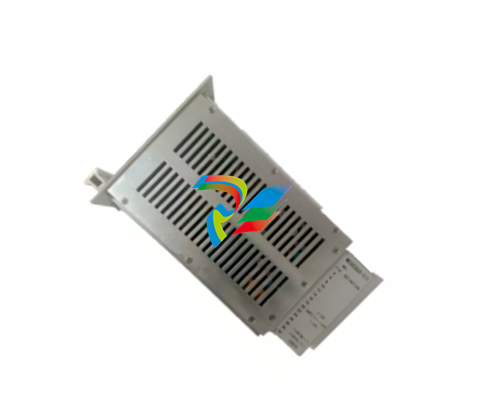 WES5120 2340-21006 Field Controller Master Unit Module
 -
WESDAC D20ME 18-MAR-13 Excitation Control Module
-
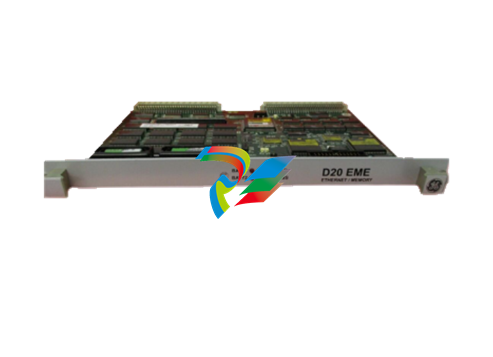
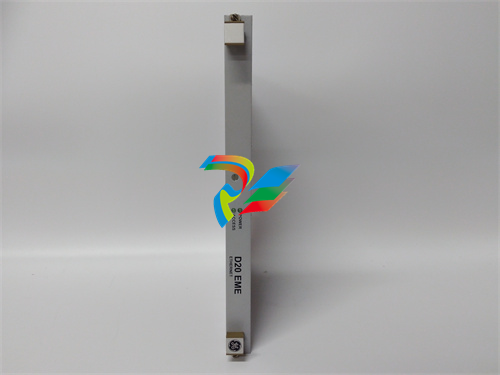 D20 EME 2400-21004 Ethernet communication and expansion module
 -
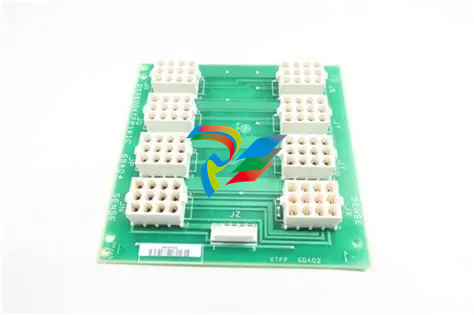 GE DS3800XTFP1E1C Thyristor Fan Out Board Brand
 -
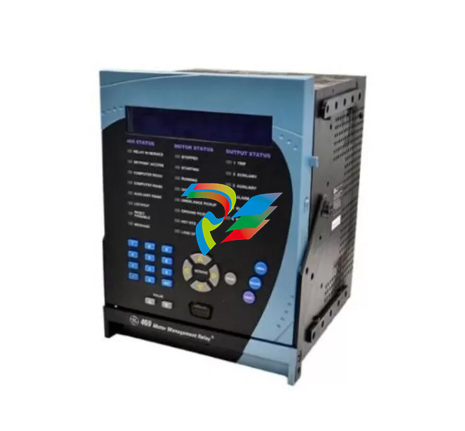 GE SR745-W2-P1-G1-HI-A-L-R-E Feeder protection relay
 -
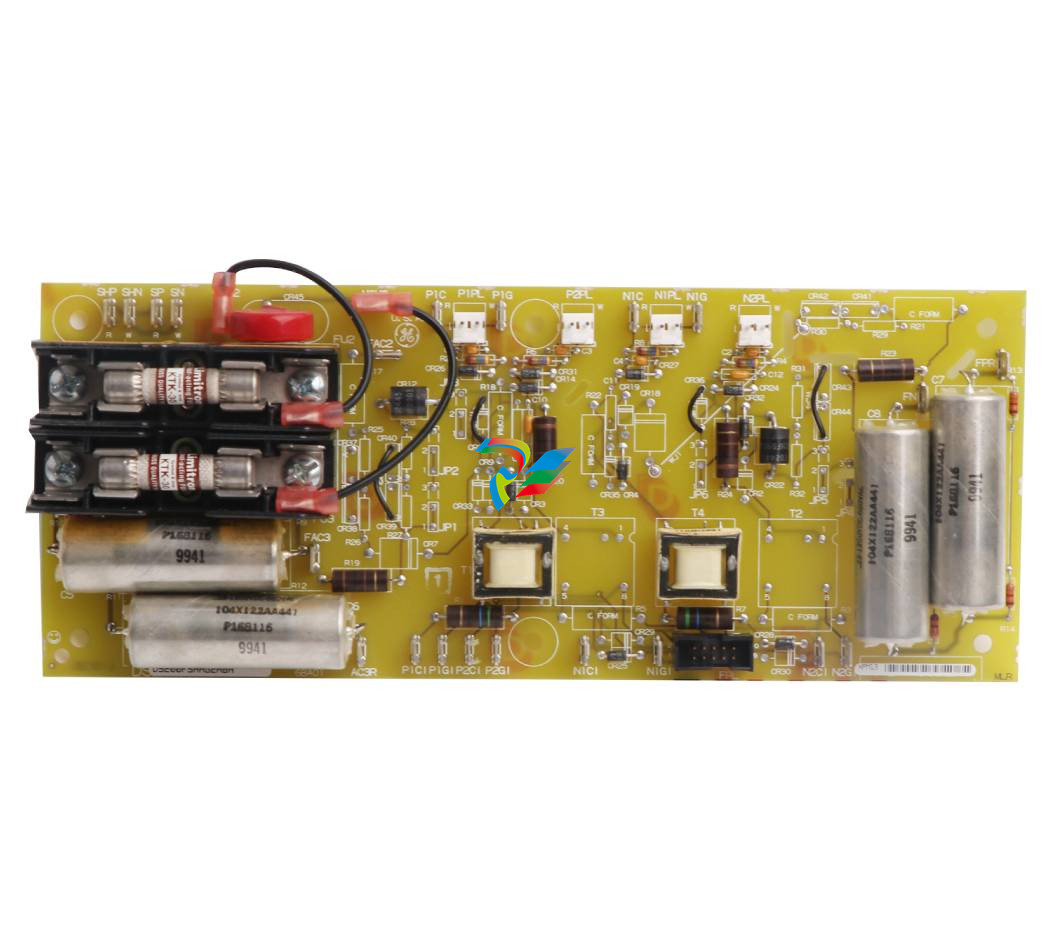 GE IS230TNDSH2A Discrete Output Relay Module Brand
 -
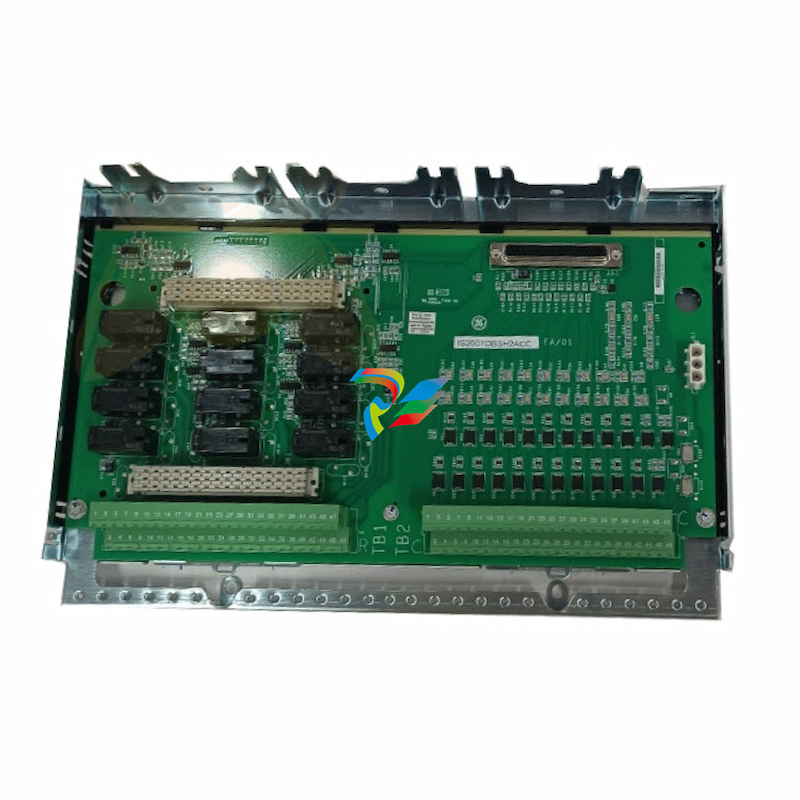 GE Fanuc IS200TDBSH2ACC Mark VI Terminal Board Brand
 -
 GE PMC-0247RC-282000 350-93750247-282000F Disk Drive
 -
GE PMC-0247RC-282000 350-93750247-282000F Disk Drive
-
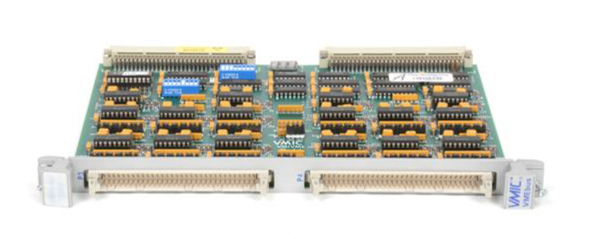 GE VMIVME-1150 Serial Communications Controller
 -
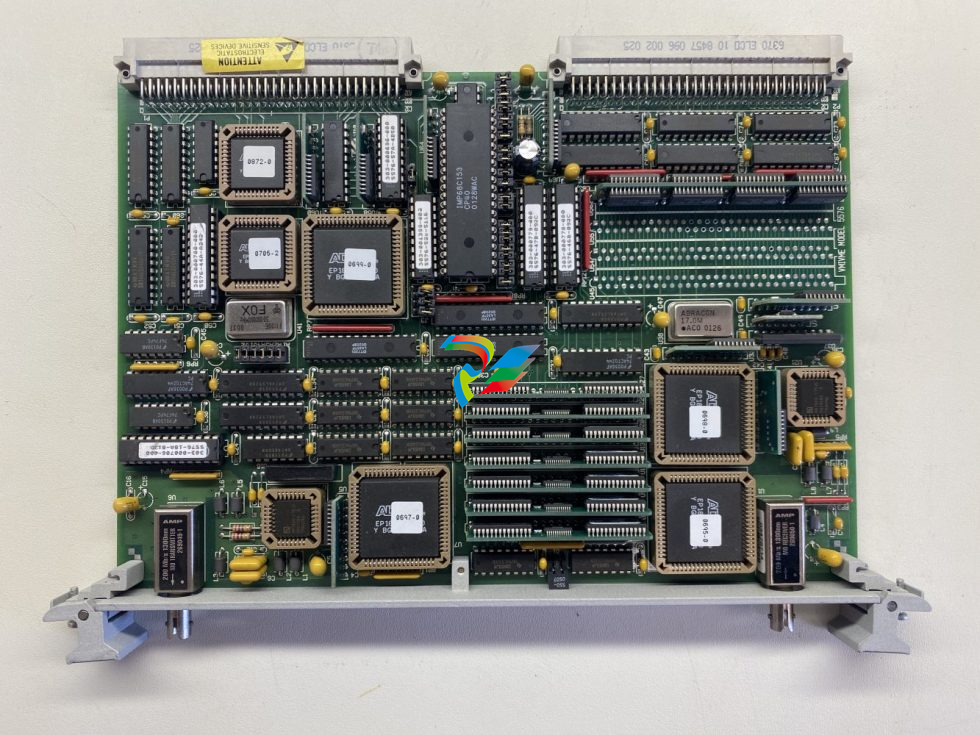 GE VMIVME-5576 Fiber-Optic Reflective Memory with Interrupts
 -
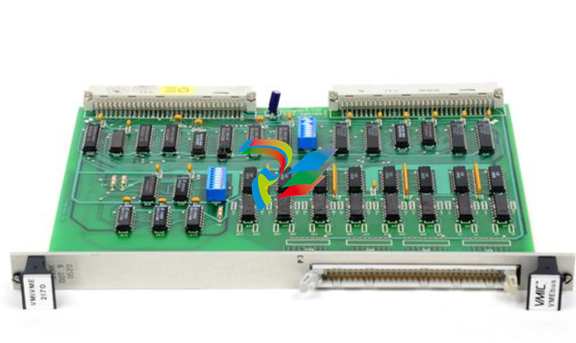 GE VMIC Isolated Digital Output VMIVME-2170A
 -
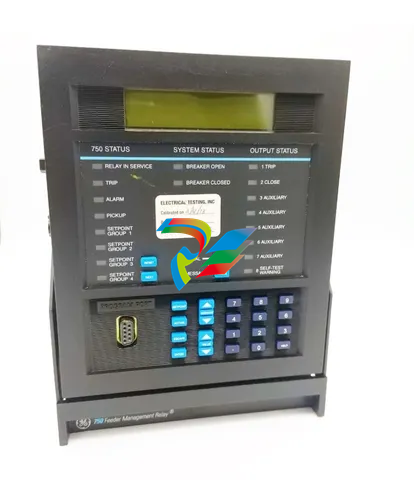 GE MULTILIN 760 FEEDER MANAGEMENT RELAY 760-P5-G5-S5-HI-A20-R-E
 -
 GE IS200AEPAH1BKE IS215WEPAH2BB Printed circuit board
 -
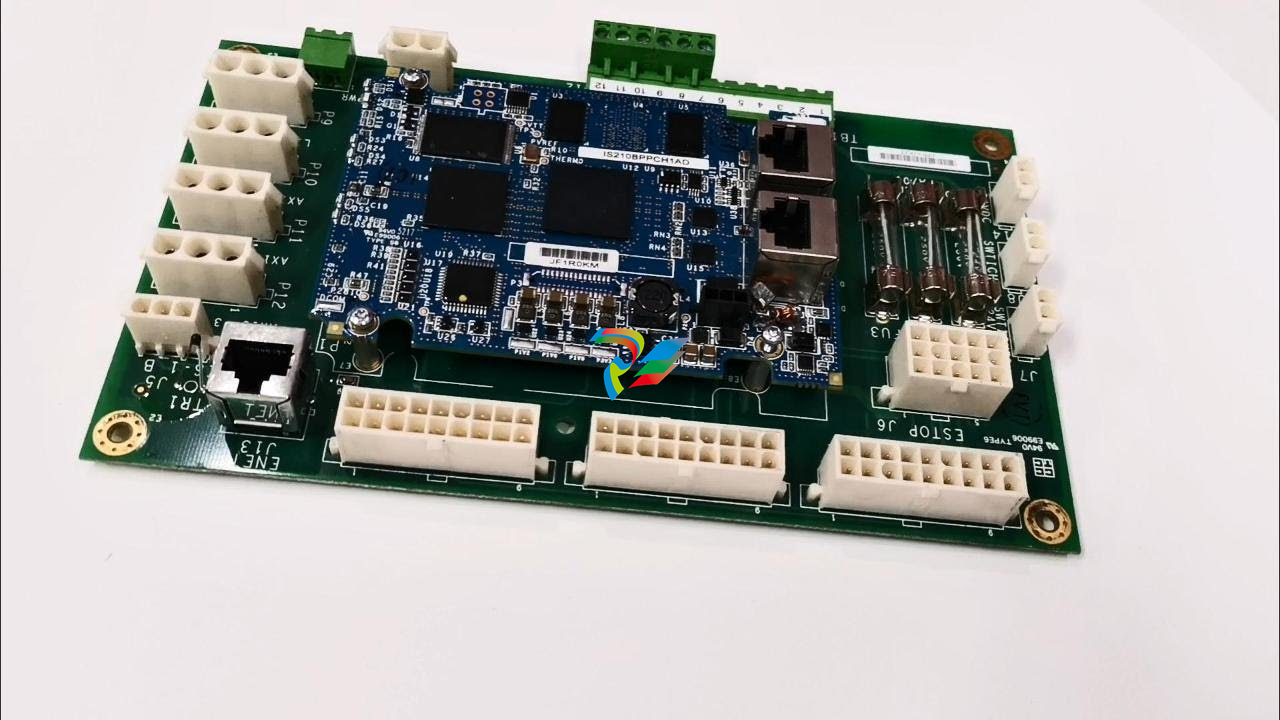 GE IS210BPPCH1A Mark VIe I/O Pack Processor Card
 -
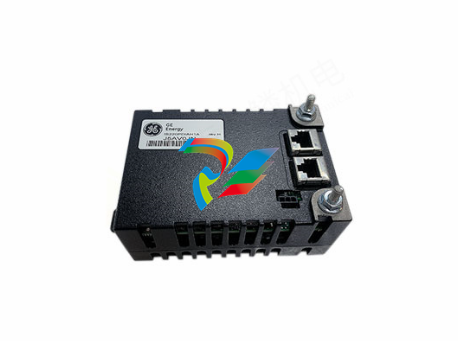 GE IS220PRTDH1A 336A4940CSP6 High-Performance RTD Input Module
 -
GE IS220PDIAH1BE 336A5026ADP4 Discrete Input Module
-
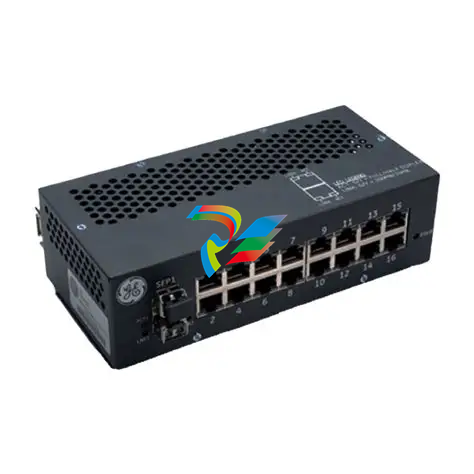 GE IS420ESWBH3A IONET Switch Module
 -
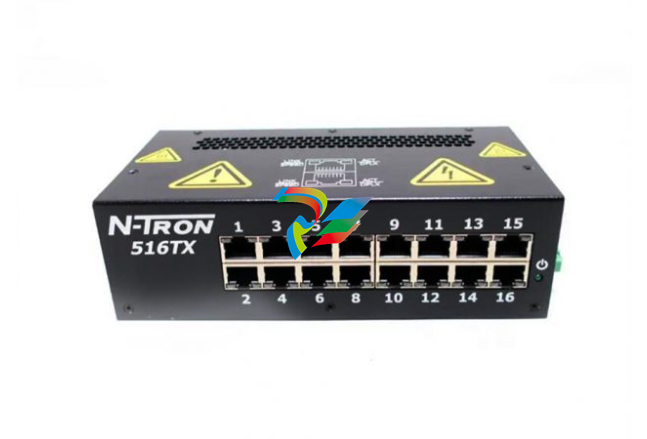 GE 516TX 336A4940DNP516TX 16-port Ethernet switch
 -
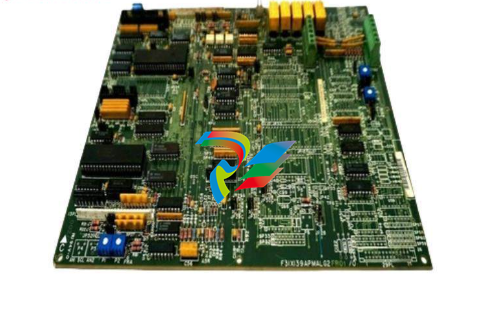 GE EVMECNTM13 Embedded control module
 -
GE EVPBDP0001 EVPBDP032 control module
-
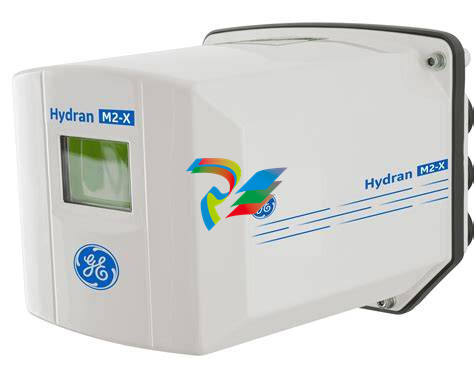 GE Hydran M2-X Enhanced Monitoring with Extended Sensor Life
 -
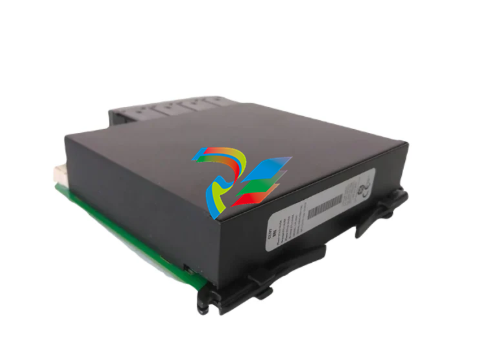 GE UR6CH Digital I/O Module
 -
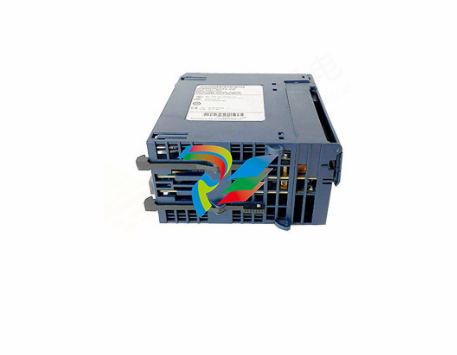 GE IC695CPU315-CD Central processing unit
 -
 GE 531X305NTBAMG1 DR Terminal Board
 -
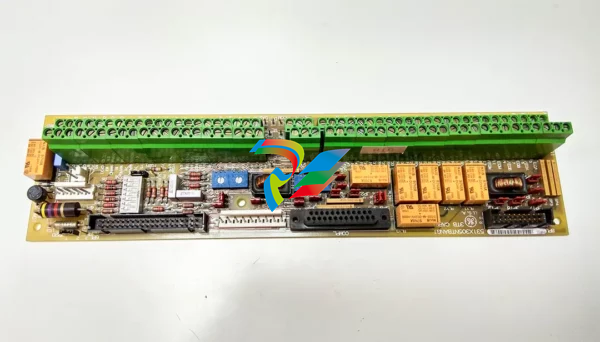 GE 531X305NTBALG1 NTB/3TB Terminal Board 531X Series
 -
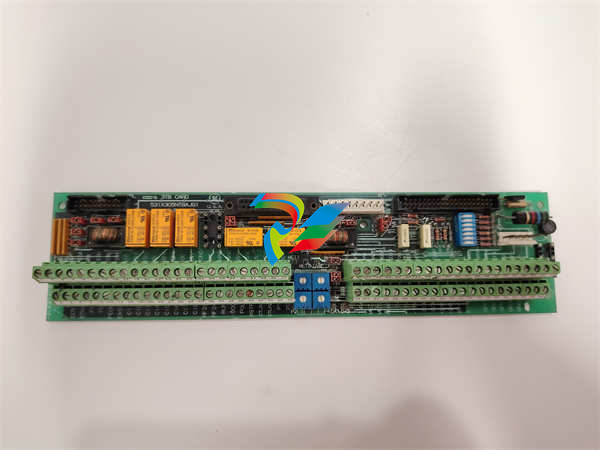 GE 531X305NTBAJG1 NTB/3TB Terminal Board.
 -
GE 531X305NTBAHG1 NTB/3TB Terminal Board 531X
-
 GE 531X305NTBAEG1 is a PCB that functions as a DR terminal board.
 -
General Electric 531X305NTBACG1 NTB/3TB Terminal Board 531X
-
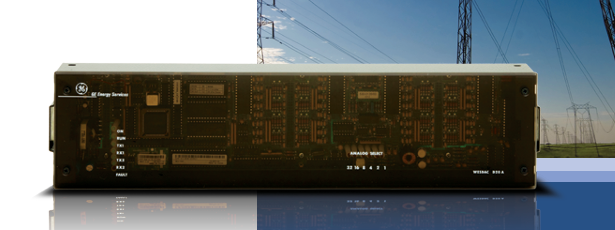 GE Digital Energy D20 Analog Input Module
 -
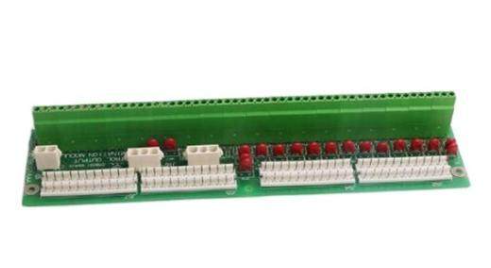 GE 94-164136-001 main board Control board
 -
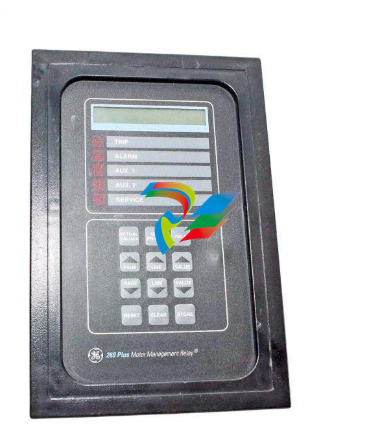 GE 269 PLUS-D/O-100P-125V Digital motor relay
 -
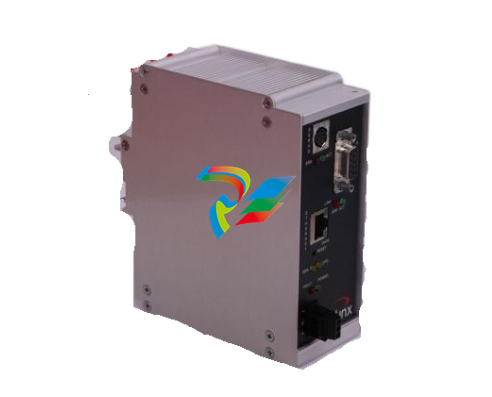 GALIL DMC-9940 High-performance motion controller
 -
FUJI NP1BS-08 base plate
-
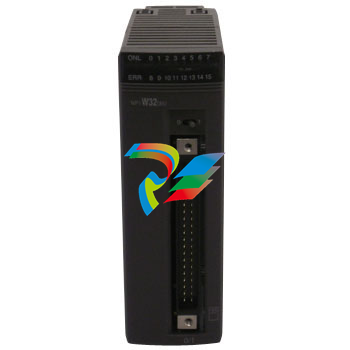 FUJI NP1Y32T09P1 Transistor drain type digital output module
 -
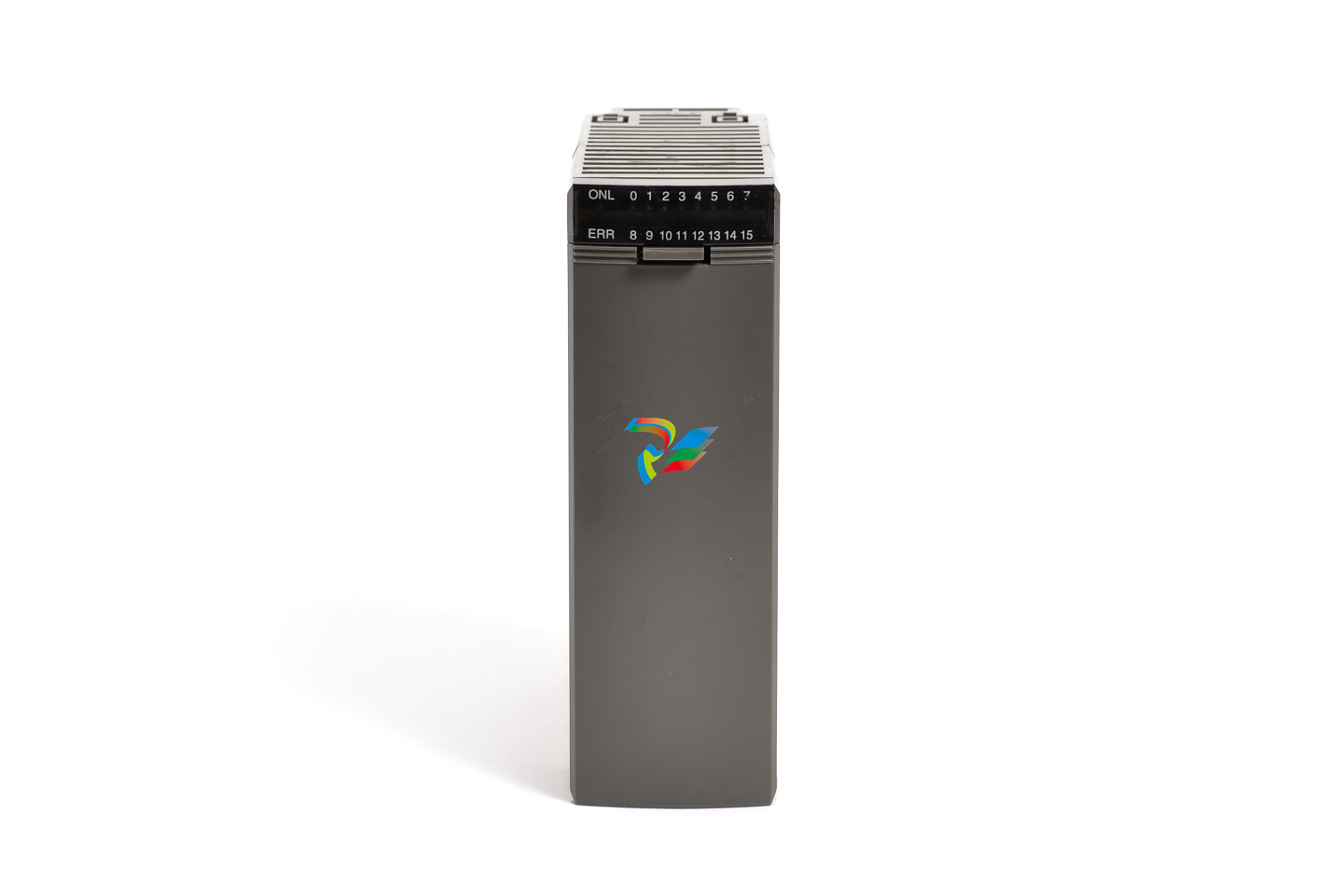 FUJI NP1Y16R-08 Digital Output Module
 -
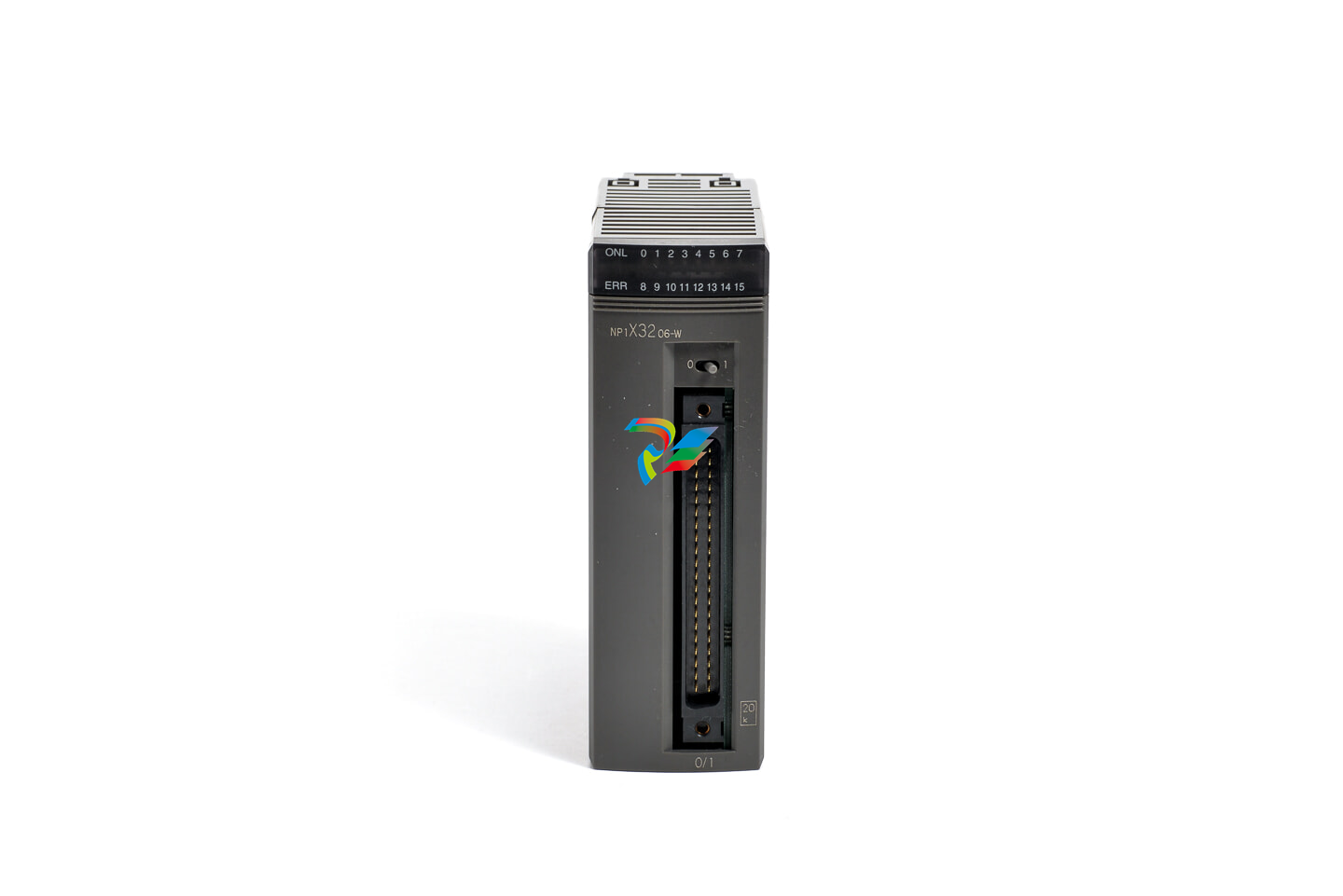 FUJI NP1X3206-A High-speed digital input module
 -
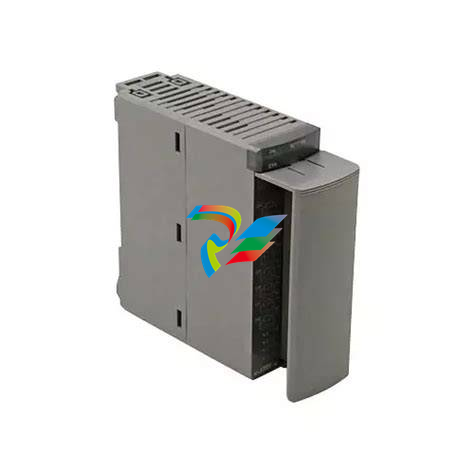 FUJI NP1AYH4I-MR current output module
 -
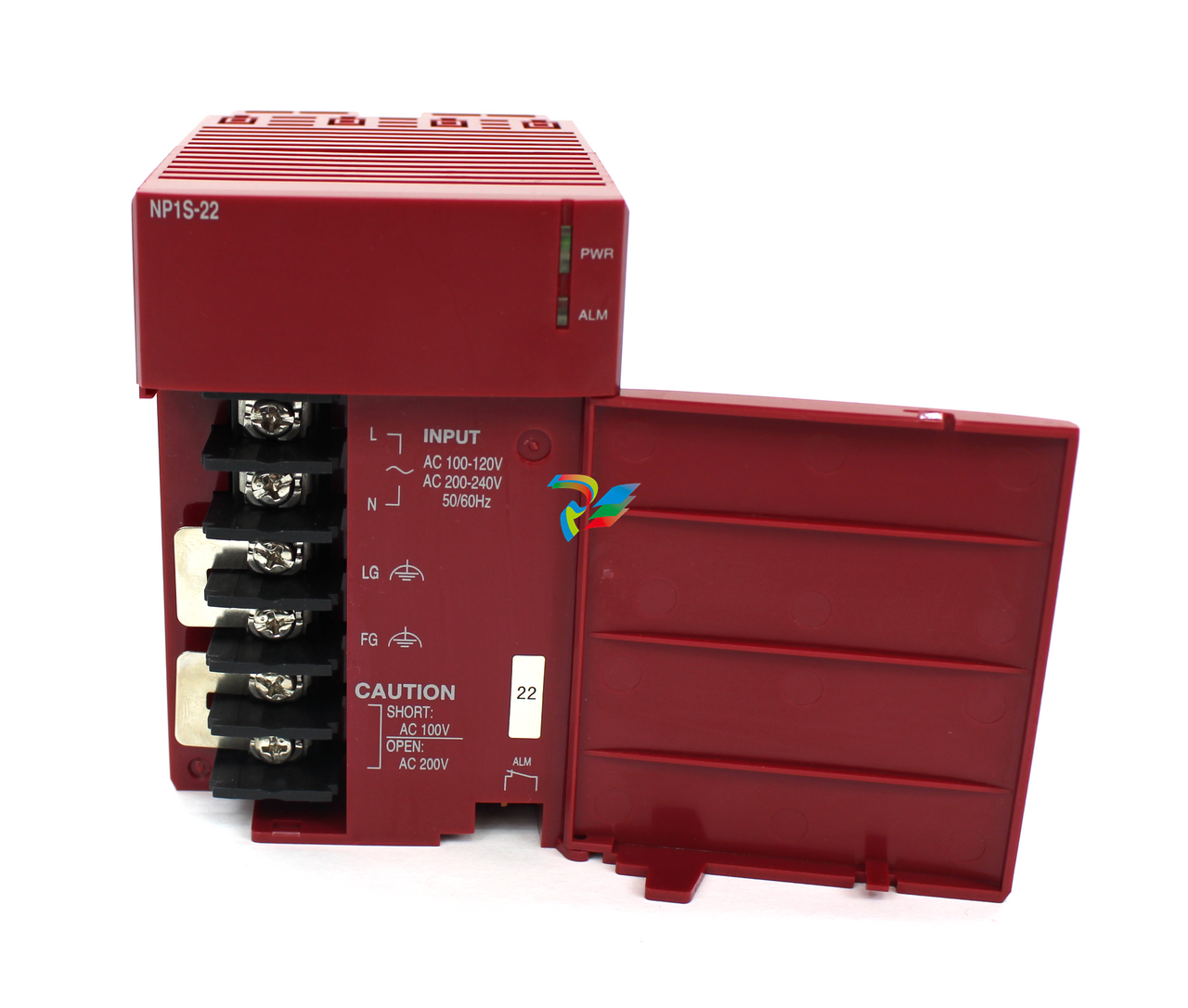 FUJI NP1S-22 Power module redundancy
 -
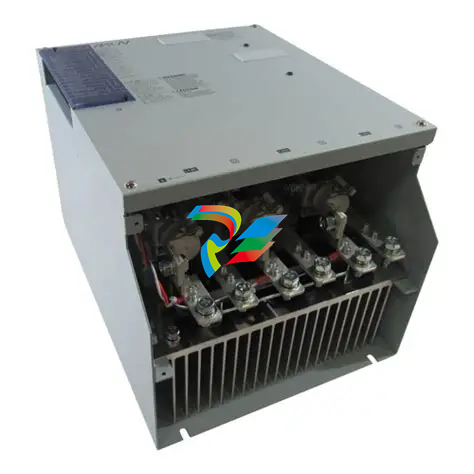 FUJI RPXD2150-1T servo drive module
 -
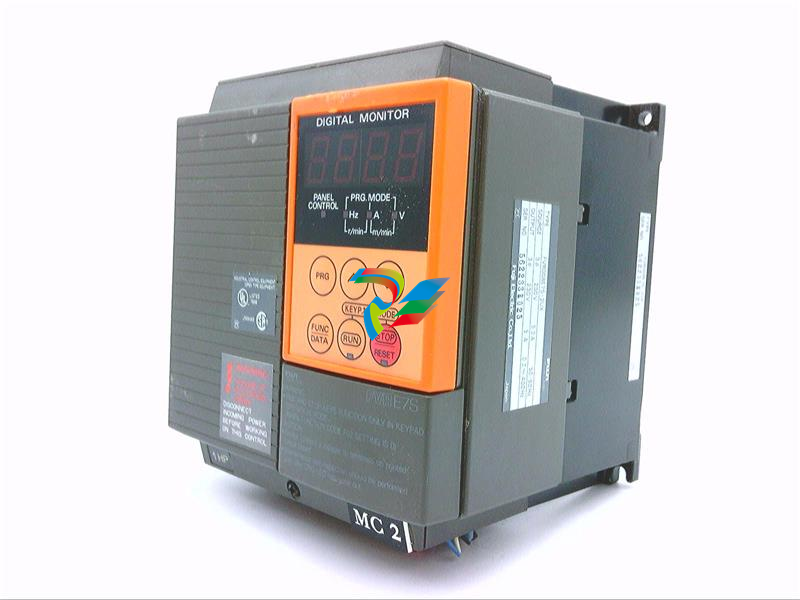 FUJI FVR008E7S-2UX Ac frequency converter
 -
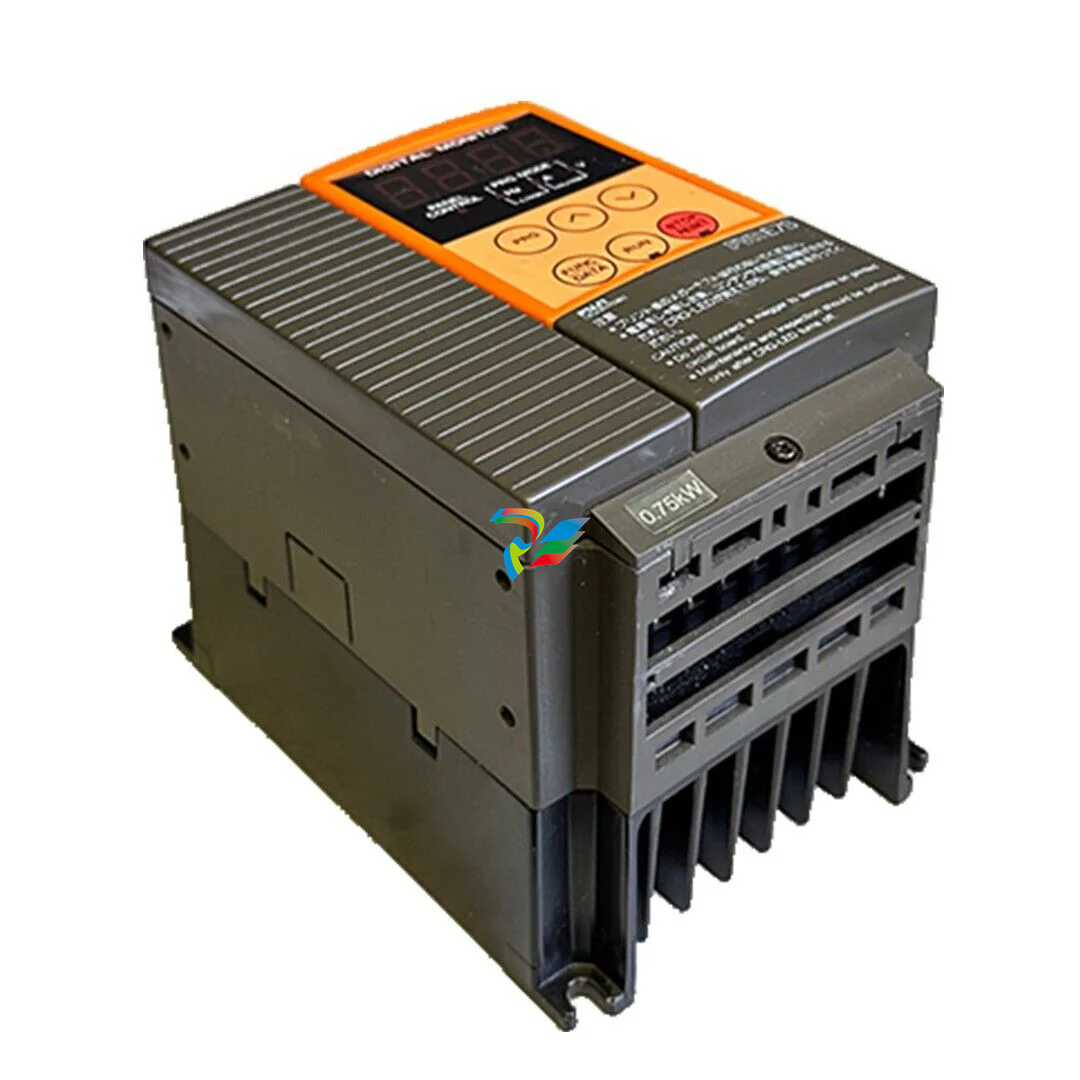 FUJI Ac frequency converter FVR008E7S-2
 -
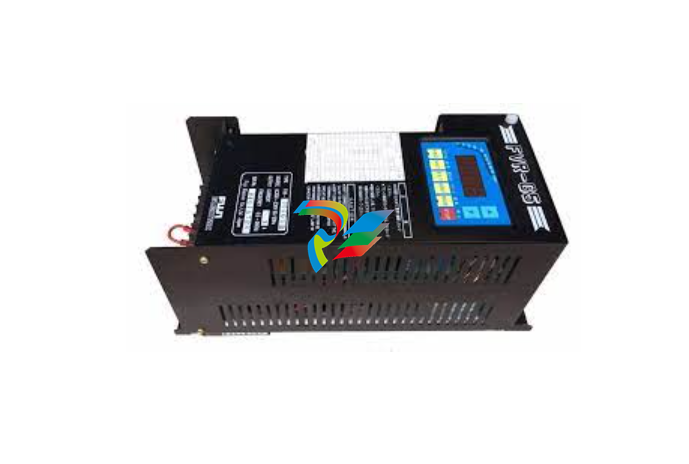 FUJI FVR004G5B-2 Small general-purpose frequency converter
 -
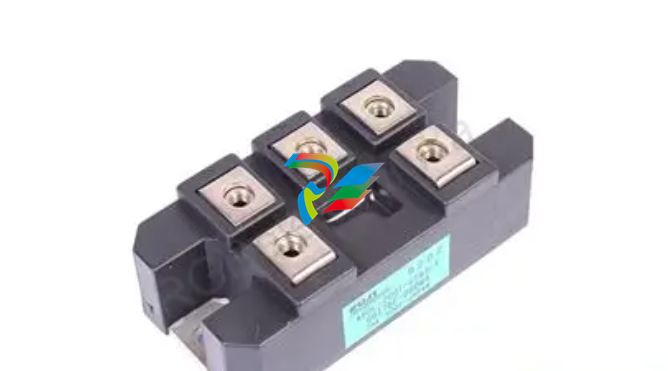 FUJI A50L-2001-0232 Industrial control module
 -
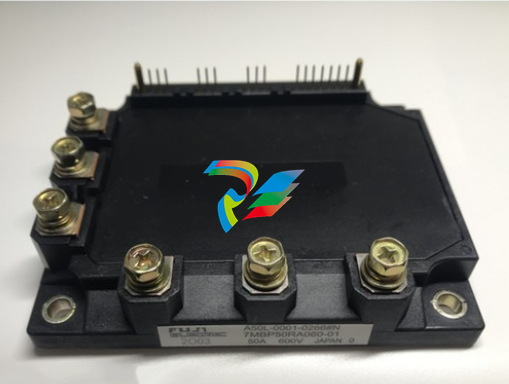 FUJI A50L-001-0266#N High-performance servo amplifier
 -
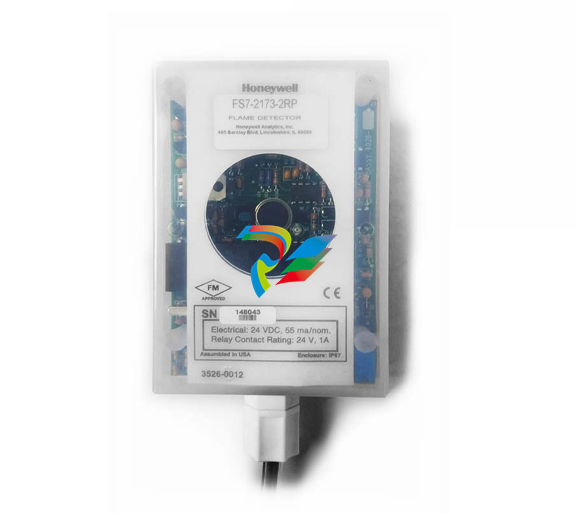 Honeywell FS7-2173-2RP Gas sensor
 -
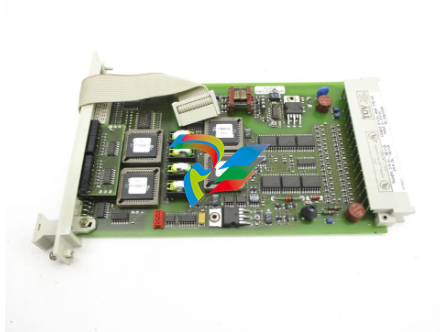 Honeywell 10106/2/1 Digital Input Module in Stock
 -
FRCE SYS68K CPU-40 B/16 PLC core processor module
-
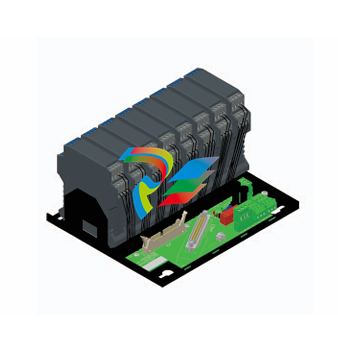 Foxboro FBM I/O cards PBCO-D8-009
 -
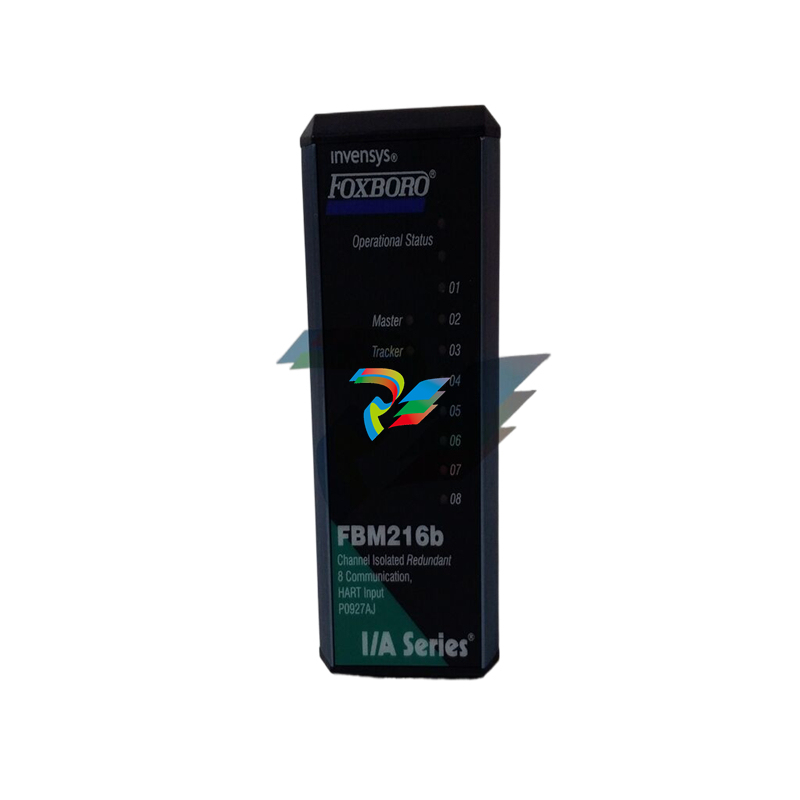 Foxboro AD916AE Digital Control System (DCS) Module
 -
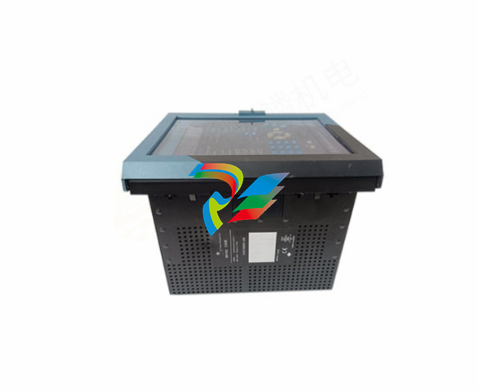 GE SR750-P5-G5-S5-HI-A20-R-E Multilin Relay
 -
.jpg) FOXBORO H90 H90C9AA0117S Industrial Computer Workstation
FOXBORO H90 H90C9AA0117S Industrial Computer Workstation -
FOXBORO RH928AW | I/A Series Relay Output Module
-
.jpg) Foxboro N-2AX+DIO Multi-functional input/output module
Foxboro N-2AX+DIO Multi-functional input/output module -
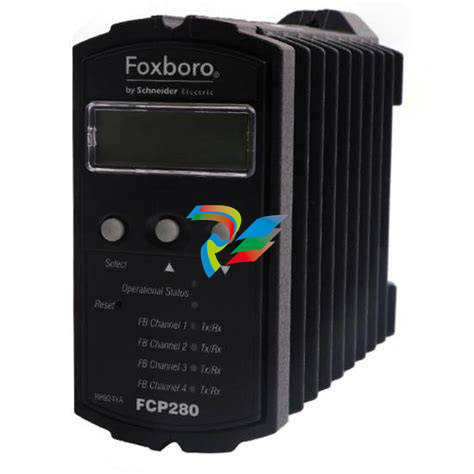 Foxboro RH924WA FCP280 Fiber Optic Network Adapter
 -
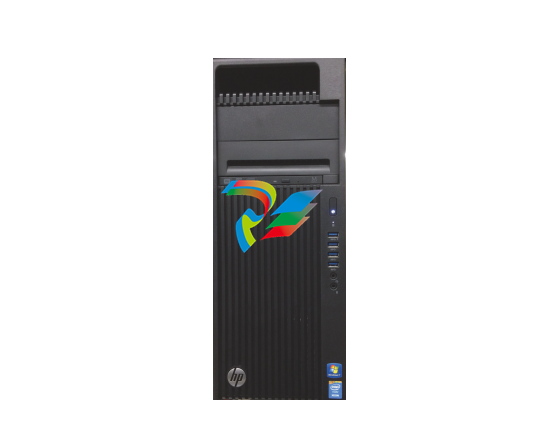 FOXBORO H92 Versatile Hardware Component In
 -
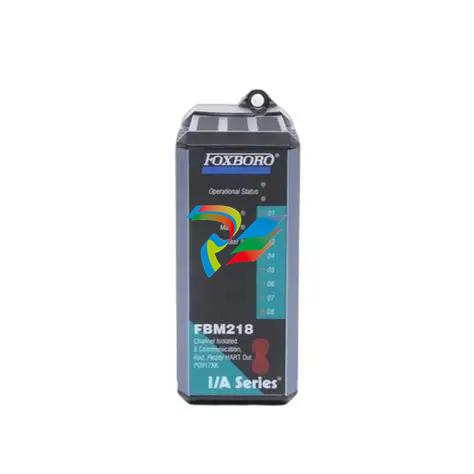 Foxboro FBM218 P0922VW HART® Communication Redundant Output Interface Module
 -
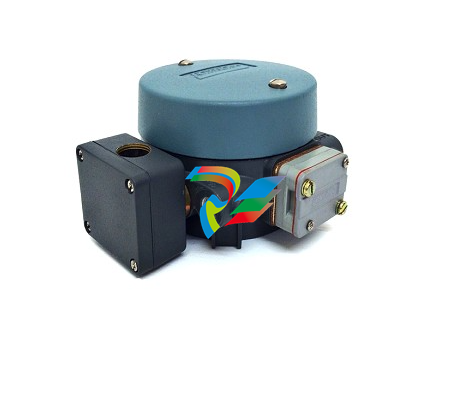 Foxboro E69F-TI2-J-R-S E69F Series Current-To-Pneumatic Signal Converter
 -
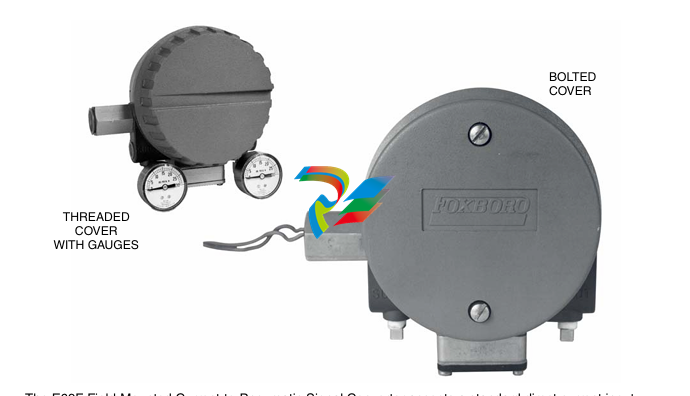 Foxboro E69F-BI2-S Converter
 -
.jpg) Foxboro H92A049E0700 The host of the DCS control station
Foxboro H92A049E0700 The host of the DCS control station -
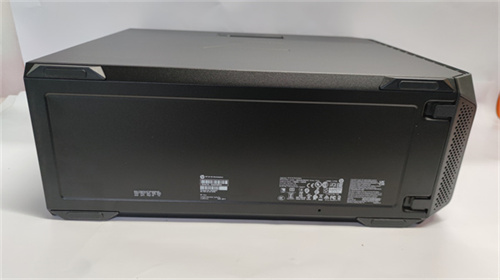 Foxboro H90C9AA0117S Industrial computer workstation
 -
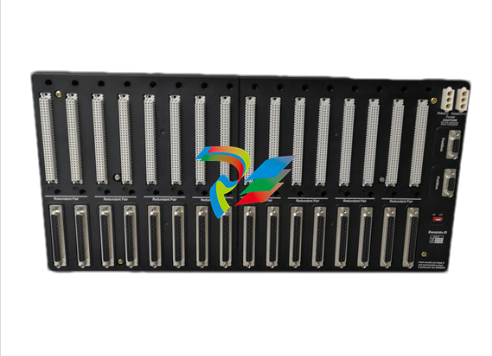 Foxboro RH101AA High-performance industrial control module
 -
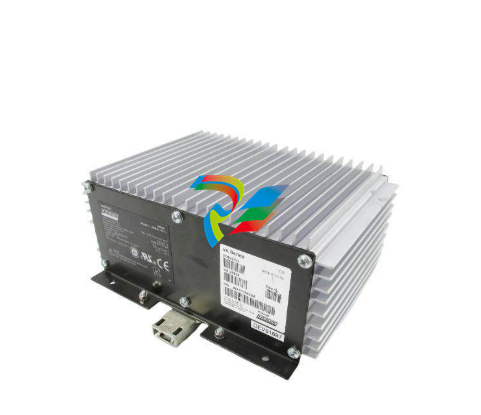 Foxboro P0922YU FPS400-24 I/A Series Power supply
 -
.png) FOXBORO P0973LN Chassis-based managed switch with independent power supply
FOXBORO P0973LN Chassis-based managed switch with independent power supply -
.jpg) FOXBORO P0926PA Input/output module
FOXBORO P0926PA Input/output module -
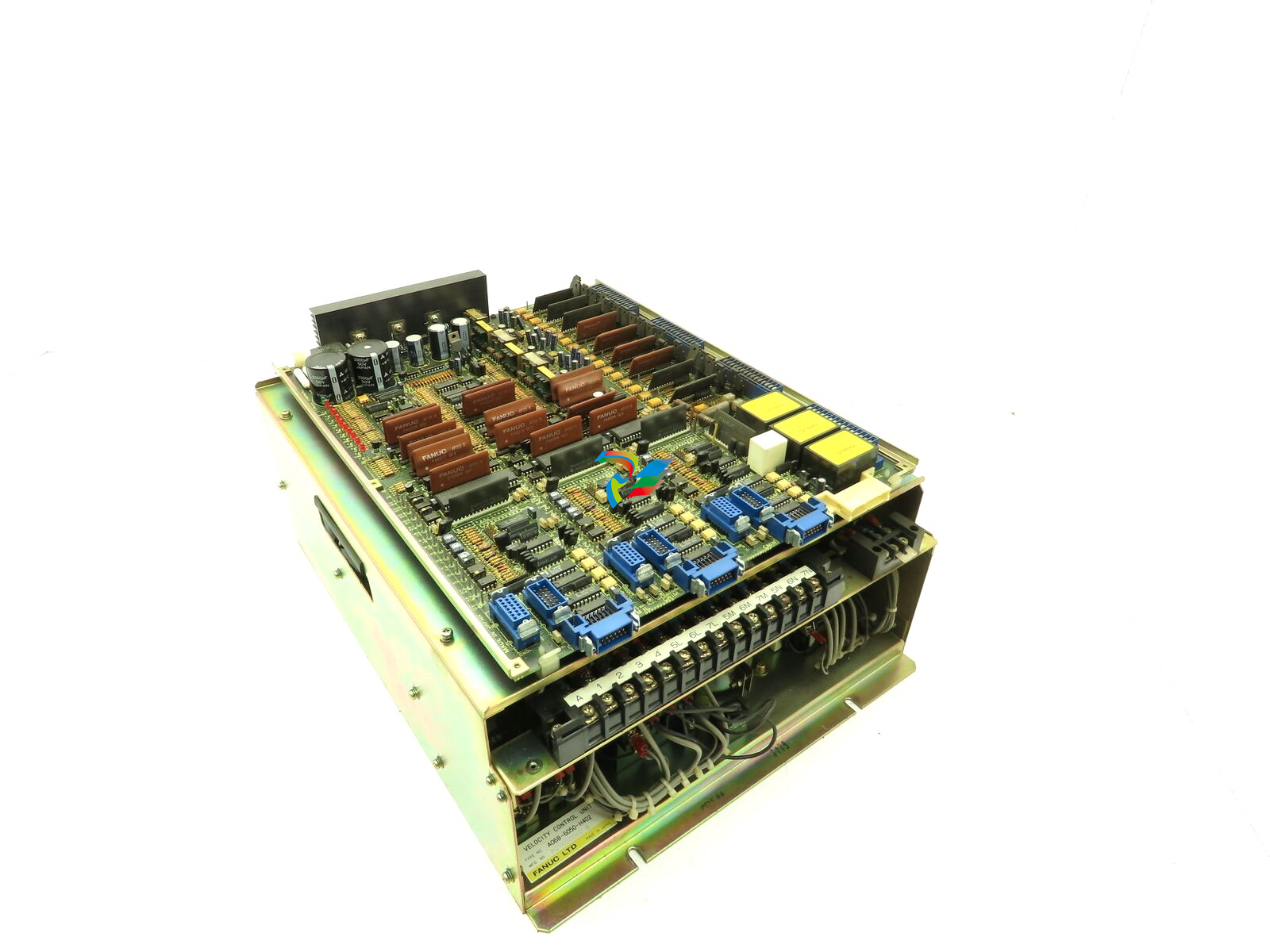 Fanuc A06B-6050-H402 3 AXIS ANALOG AC SERVO DRIVE
 -
.jpg) FOXBORO L0130AD L0130AE-0H Power module group
FOXBORO L0130AD L0130AE-0H Power module group -
_lVjBYb.jpg) FOXBORO 0399085B 0303440C+0303458A Combination Control Module
FOXBORO 0399085B 0303440C+0303458A Combination Control Module -
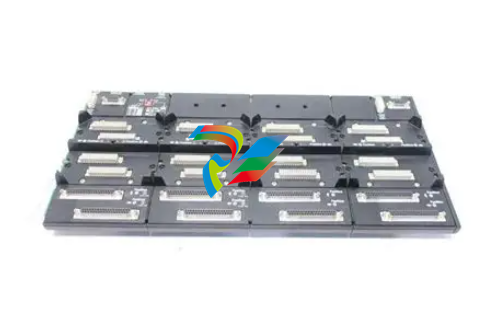 FOXBORO SY-0399095E (SY-0303451D+SY-0303460E) Process control board
 -
.jpg) FOXBORO 0399071D 0303440C+0303443B Input/Output (I/O) Module
FOXBORO 0399071D 0303440C+0303443B Input/Output (I/O) Module -
.jpg) FOXBORO RH924UQ Redundant Controller module
FOXBORO RH924UQ Redundant Controller module -
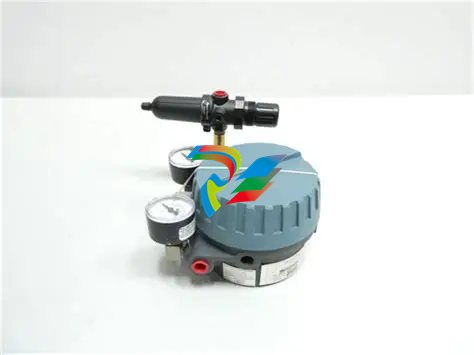 FFOXBORO E69F-TI2-S current pneumatic converter
 -
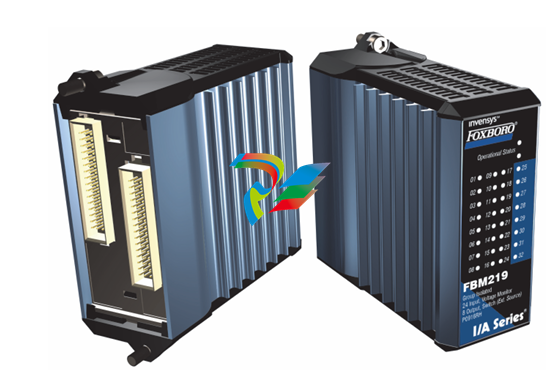 FOXBORO FBM219 RH916RH Discrete I/O Module
 -
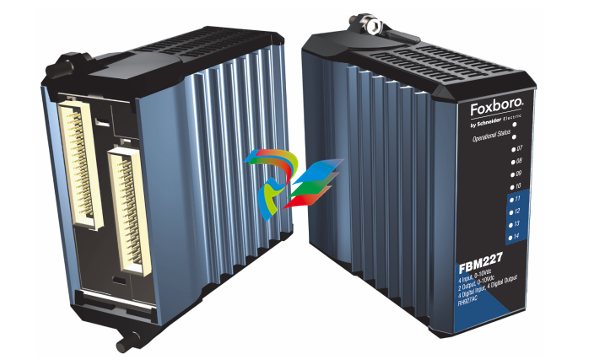 FOXBORO FBM227 P0927AC Module
 -
.jpg) FOXBORO 0399144 SY-0301059F SY-1025115C/SY-1025120E I/O module
FOXBORO 0399144 SY-0301059F SY-1025115C/SY-1025120E I/O module -
.jpg) FOXBORO SY-60399001R SY-60301001RB Industrial Control Module
FOXBORO SY-60399001R SY-60301001RB Industrial Control Module -
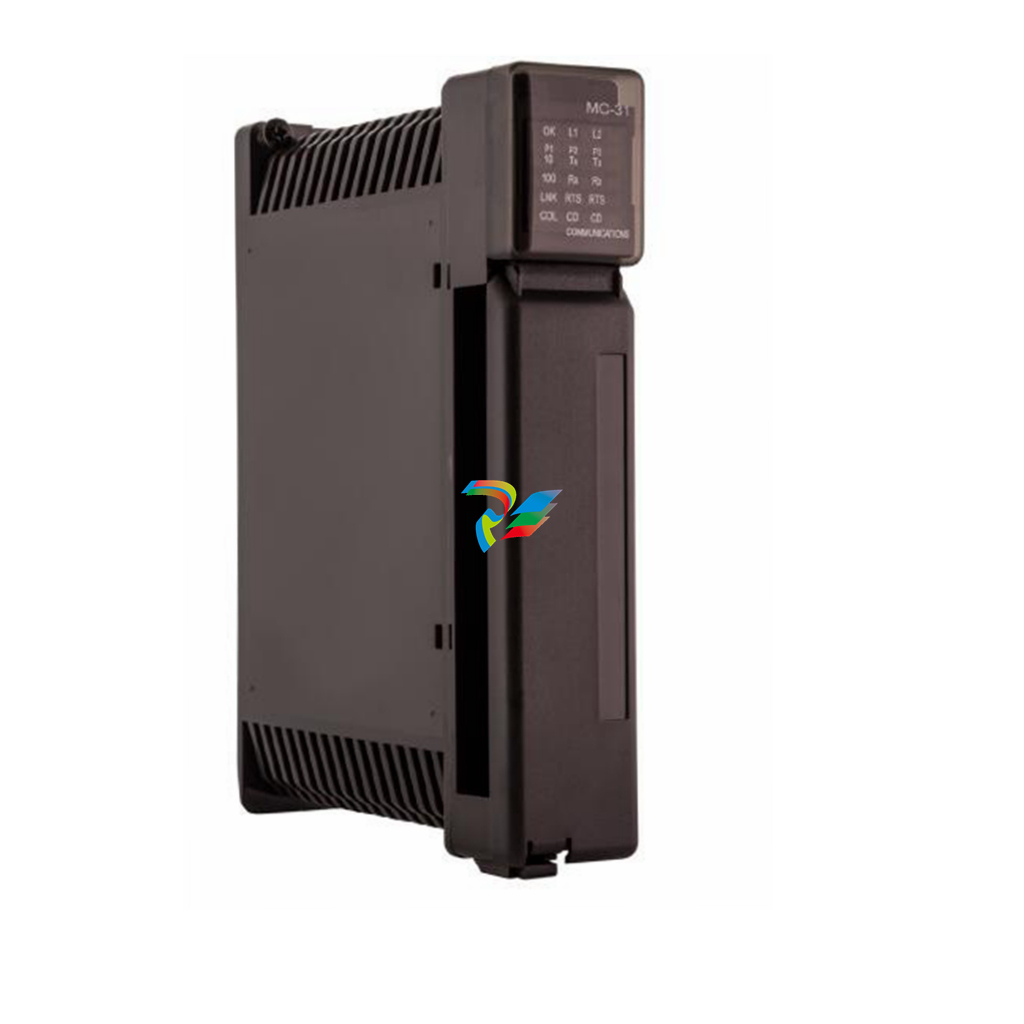 FOXBORO 0399143 SY-0301060R SY-1025115C SY-1025120E Combined control board
 -
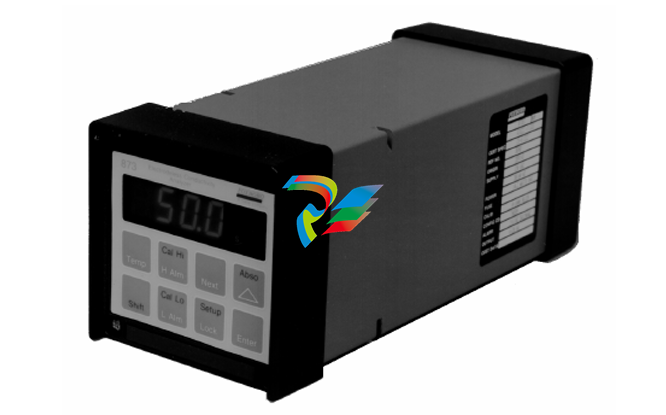 FOXBORO 873EC-JIPFGZ electrodeless conductivity analyzer
 -
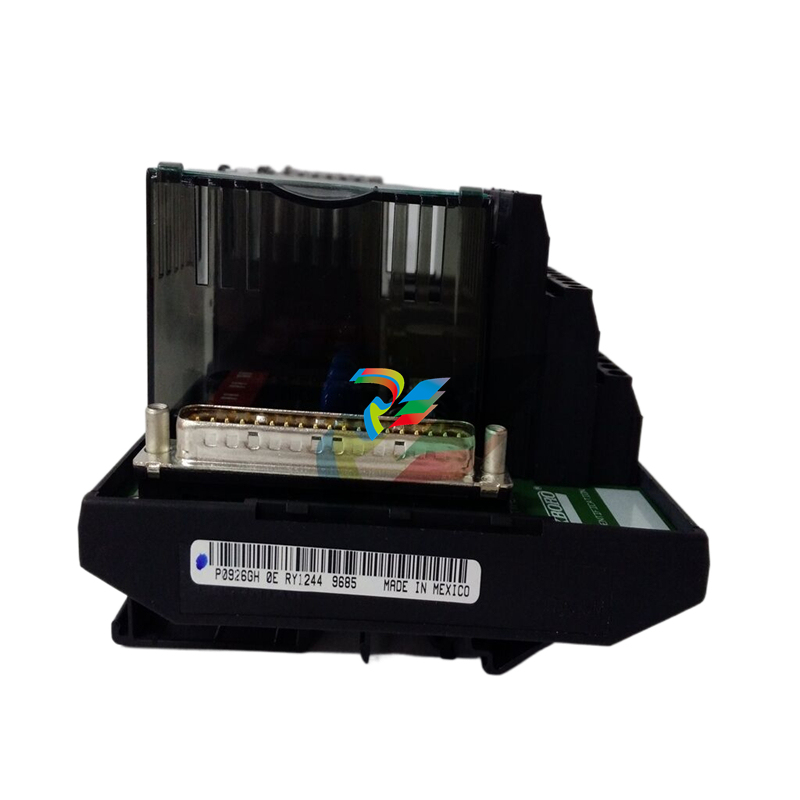 FOXBORO P0916PH (High-density HART I/O Module)
 -
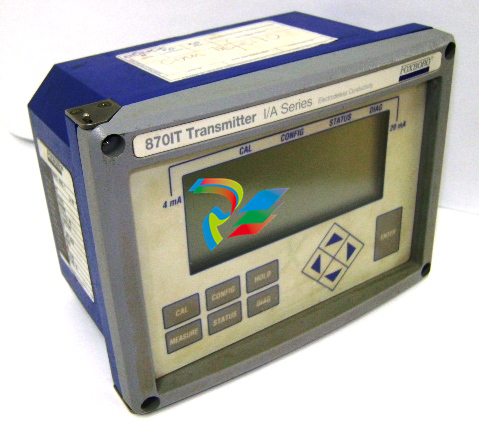 FOXBORO 870ITEC-AYFNZ-7 Intelligent Electrochemical Transmitters
 -
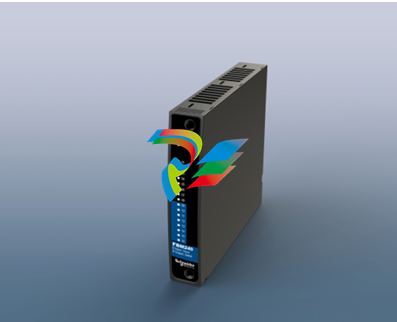 FOXBORO Compact FBM240. Redundant with Readback, Discrete
 -
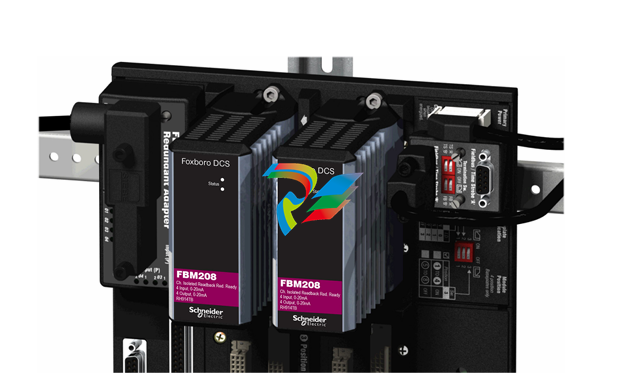 FOXBORO FBM208/b, Redundant with Readback, 0 to 20 mA I/O Module
 -
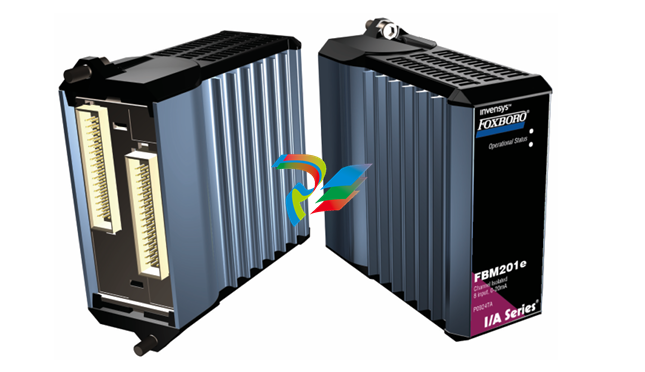 FOXBORO FBM201e Analog Input (0 to 20 mA) Interface Modules
 -
.jpg) FOXBORO P0916WG Terminal cable
FOXBORO P0916WG Terminal cable -
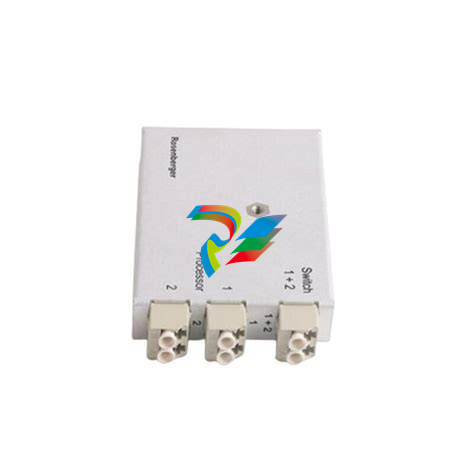 FOXBORO P0926MX 2-Port Splitter
 -
.jpg) FOXBORO AD908JQ High-Frequency Module
FOXBORO AD908JQ High-Frequency Module -
.jpg) FOXBORO AD916CC Processor module
FOXBORO AD916CC Processor module -
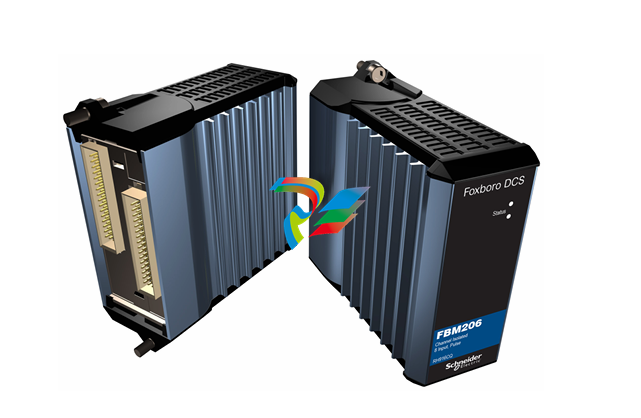 Foxboro DCS FBM206 Pulse Input Module
 -
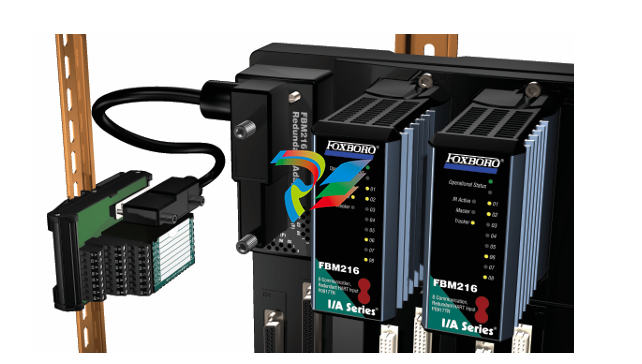 FOXBORO FBM216 HART® Communication Redundant Input Interface Module
 -
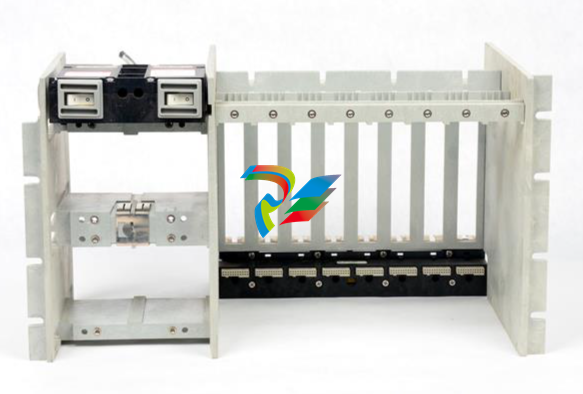 Foxboro p0903nu 1×8 unit sub-component module
 -
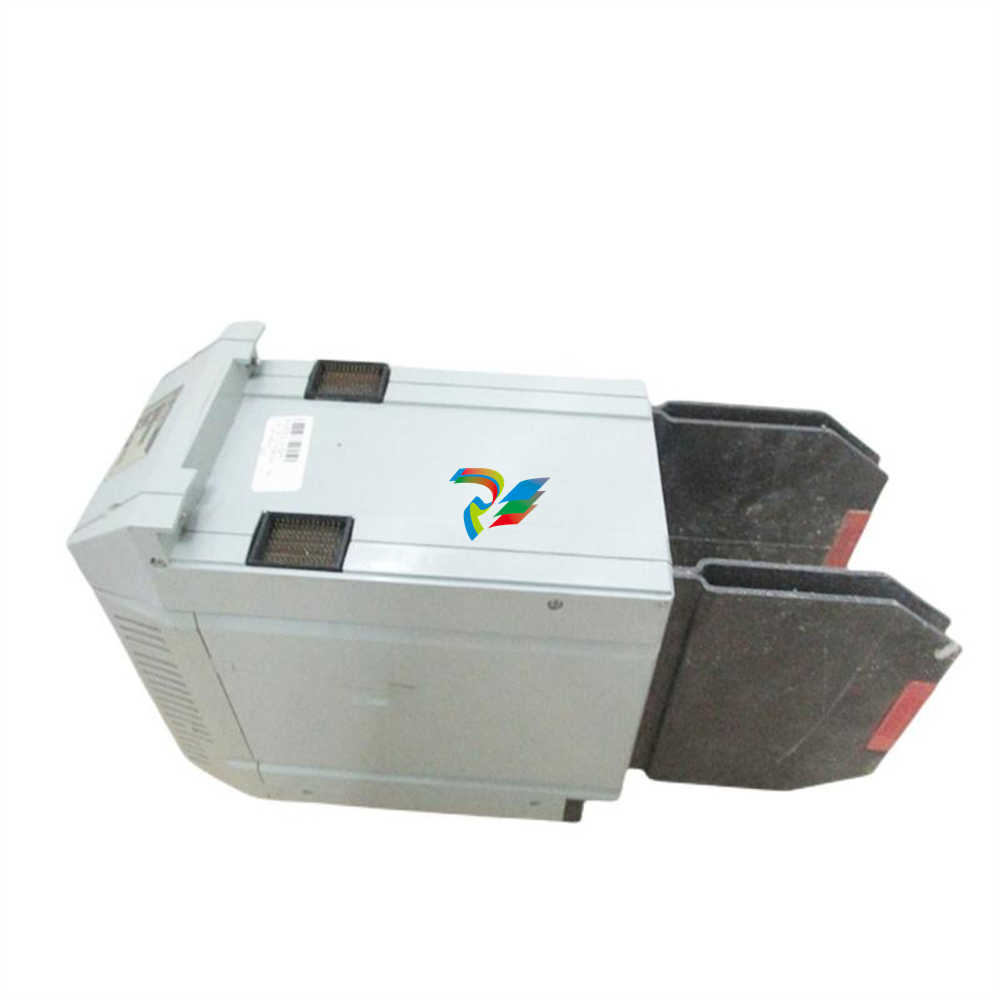 Foxboro P0911SM Industrial control module
 -
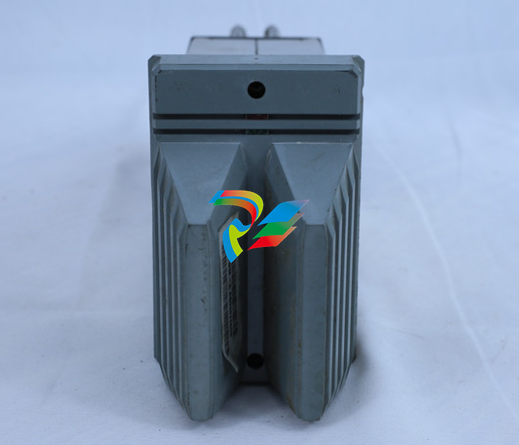 Foxboro CM902WM I/O module
 -
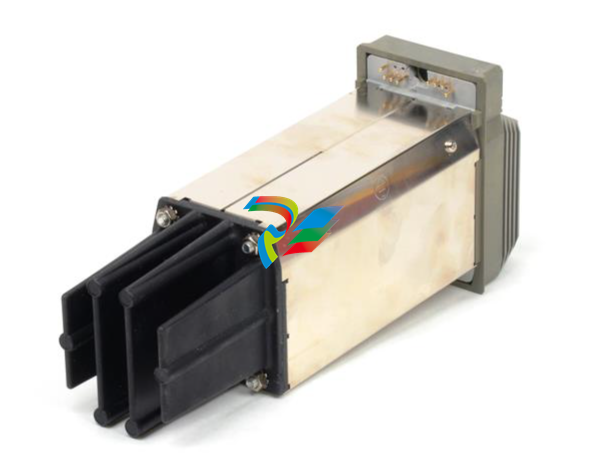 Foxboro CM902WL Power module
 -
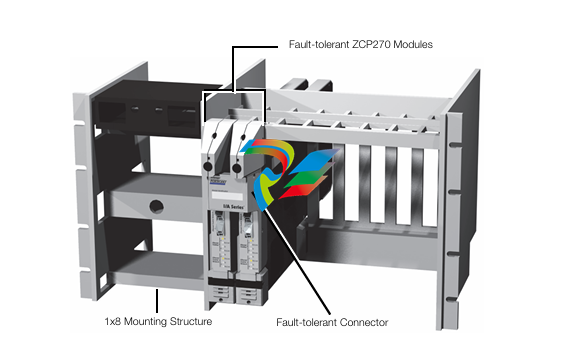 Foxboro P0972VA Industrial Control Module
 -
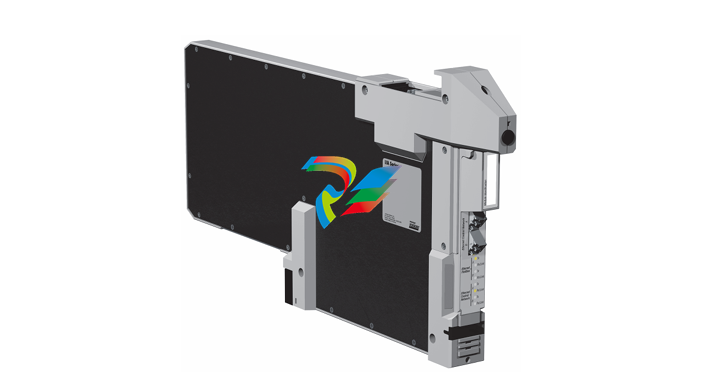 Foxboro Z-Module Control Processor 270 (ZCP270)
 -
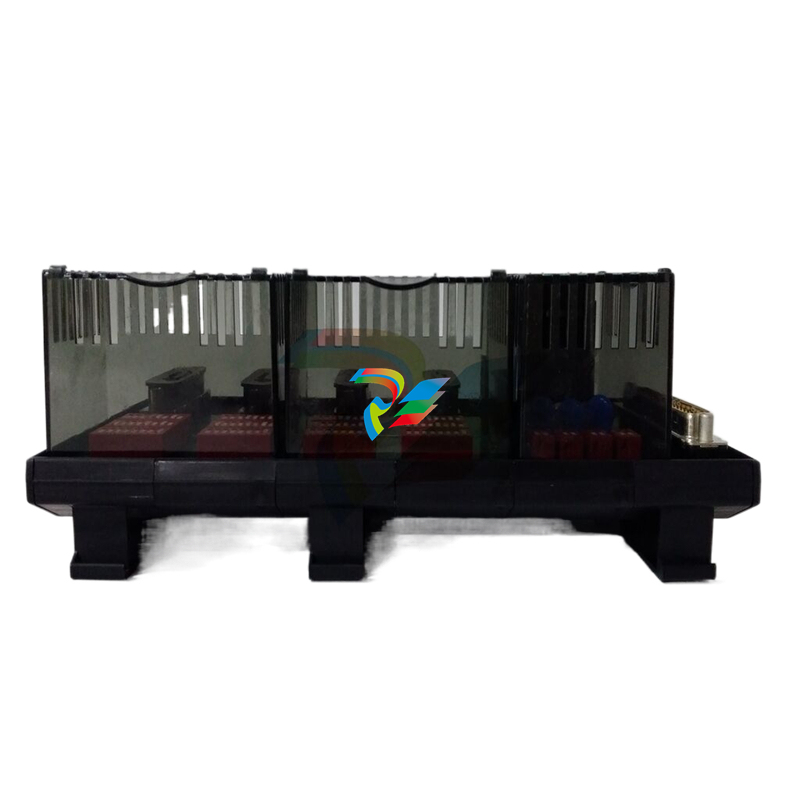 Foxboro PO916JS 16-channel terminal block module
 -
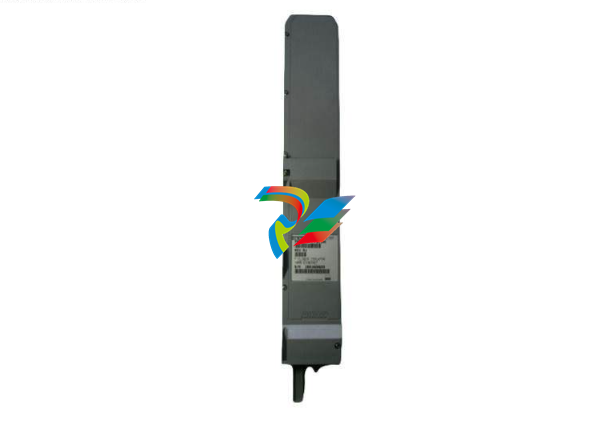 Foxboro PO911SM High-performance digital/analog input/output module
 -
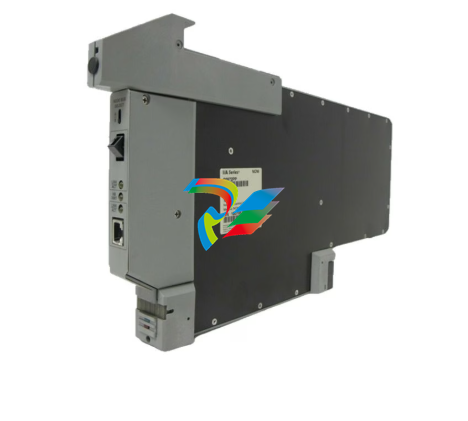 Foxboro P0972PP-NCNI Network Interface Module
 -
.jpg) FOXBORO P0971QZ controller module
FOXBORO P0971QZ controller module -
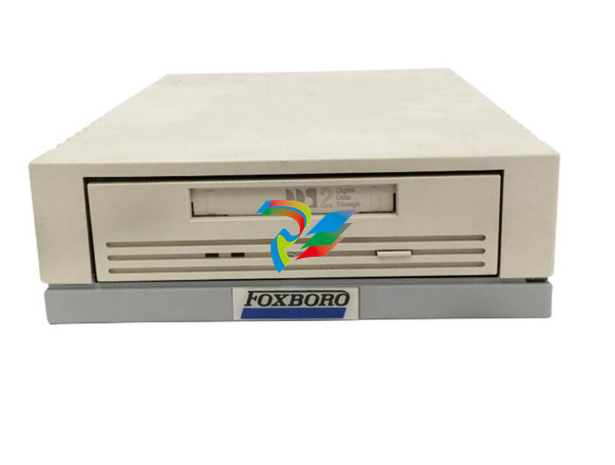 FOXBORO P0971DP Thermal resistance input/output module
 -
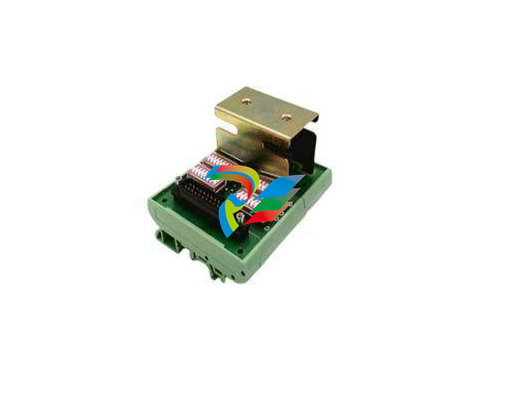 FOXBORO P0970VB Cable connector
 -
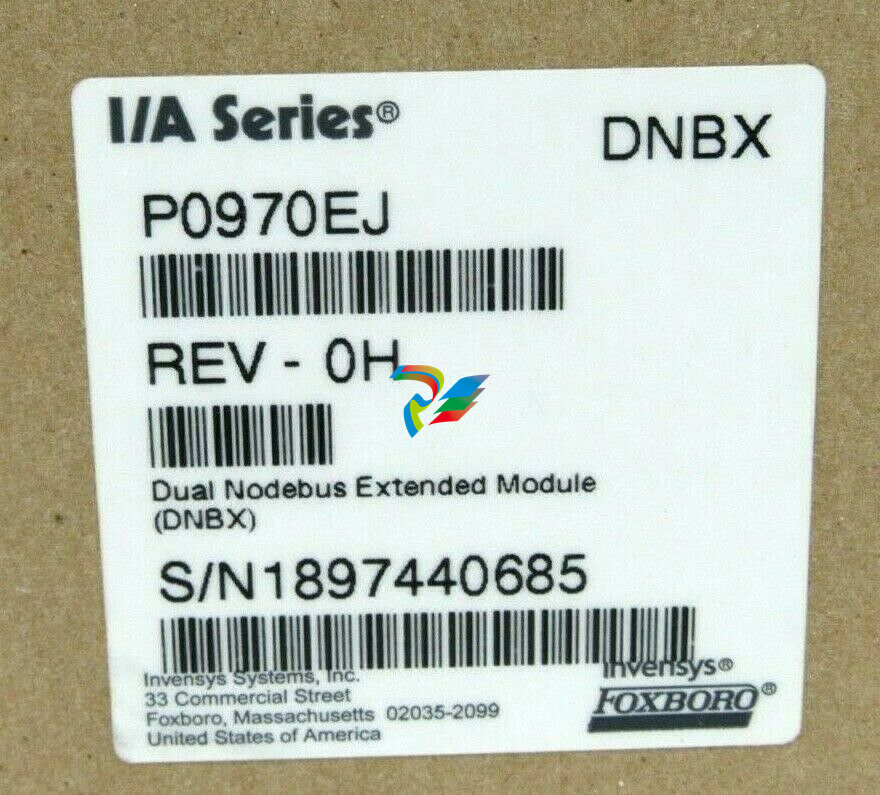 FOXBORO P0970EJ-DNBX Dual-node bus expansion module