
DCS; Industrial control system
Product
Article
NameDescriptionContent
NEW CENTER
Current Location:
The Future and Trends of Petroleum Industry
From:
|
Author:huang
|
Time :2024-11-07
|
320 Browse:
|
Share:
The petroleum industry plays a crucial role in the global economy. Exploration is the first step, where companies search for oil and gas reserves. This involves advanced technologies such as seismic surveys and drilling. Extraction follows, which can be a complex and costly process. Once extracted, the crude oil is transported to refineries.
Refining is a crucial stage in the petroleum industry. It involves separating the different components of crude oil and converting them into useful products such as gasoline, diesel, and jet fuel. Transportation of these refined products is then carried out via pipelines, tankers, and trucks.
The marketing of petroleum products is the final stage. This involves selling the products to consumers through gas stations, industrial users, and other channels.
The petroleum industry is of great importance in the global economy. It is a major source of energy, powering transportation, industry, and households. According to research, the petroleum industry contributes significantly to global GDP and employment.
For example, the petroleum industry is a major contributor to the economies of many countries. In the Middle East, oil and gas exports are a major source of revenue. In developed countries, the petroleum industry provides essential energy for transportation and industry.
Despite its importance, the petroleum industry also faces challenges. One of the major challenges is environmental concerns. The burning of fossil fuels releases greenhouse gases, contributing to climate change. As a result, there is increasing pressure on the industry to reduce its carbon footprint.
In conclusion, the petroleum industry is a complex and important industry that plays a crucial role in the global economy. However, it also faces challenges such as environmental concerns and the need for sustainable development.
二、Historical Development
(一)From Past to Present
The petroleum industry has a long and fascinating history. In ancient times, bitumen was used for various purposes, but it wasn't until the 19th century that the modern petroleum industry began to take shape. The discovery of oil fields in Pennsylvania in 1859 marked a significant milestone. This led to a boom in oil exploration and production.
Over the years, technological advancements have played a crucial role in the industry's development. Seismic technology for exploration became more sophisticated, allowing for more accurate detection of oil reserves. Drilling techniques also improved, enabling deeper drilling and access to previously unreachable reserves.
In the 20th century, the petroleum industry grew rapidly. World War II increased the demand for petroleum products, further fueling the industry's growth. The development of refining processes allowed for the production of a wider range of products, from gasoline to plastics.
(二)Industry Giants and Their Contributions
Some of the major players in the petroleum industry have made significant contributions to its growth. Companies like ExxonMobil, Shell, and BP have been at the forefront. ExxonMobil, for example, has invested heavily in research and development, leading to advancements in exploration and production techniques.
Shell has been known for its innovation in sustainable practices. The company has been working on reducing its carbon footprint and exploring alternative energy sources. BP has also made significant contributions in the areas of safety and environmental protection.
These industry giants have not only contributed to the growth of the petroleum industry but have also played a crucial role in the global economy. They have provided employment opportunities, contributed to GDP, and supported the development of infrastructure in many countries.
三、Current Trends
(一)Technological Advancements
In recent years, technological advancements have had a profound impact on the petroleum industry. In the area of exploration techniques, advanced seismic imaging technologies are enabling more accurate detection of oil and gas reserves. For instance, 3D and 4D seismic surveys provide detailed images of subsurface structures, helping companies identify potential drilling sites with greater precision. This not only reduces exploration costs but also increases the likelihood of discovering new reserves.
In refining processes, new technologies are improving efficiency and product quality. Advanced catalytic cracking and hydroprocessing techniques are allowing for the production of cleaner fuels with lower sulfur content. Additionally, digitalization and automation are being implemented in refineries to optimize operations and reduce downtime.
(二)Environmental Concerns
The petroleum industry is acutely aware of the environmental challenges it faces. The burning of fossil fuels releases greenhouse gases, contributing to climate change. To address these concerns, the industry is taking several steps. Many companies are investing in research and development of cleaner technologies, such as carbon capture and storage (CCS). CCS involves capturing carbon dioxide emissions from power plants and industrial facilities and storing them underground.
Another approach is to increase the production of biofuels. Biofuels are made from renewable sources such as plant matter and can be used as a substitute for traditional petroleum-based fuels. Some companies are also exploring the use of hydrogen as a clean energy source. Although hydrogen is not yet widely used in the petroleum industry, it has the potential to significantly reduce carbon emissions.
(三)Global Market Dynamics
Global economic and political factors play a crucial role in shaping the petroleum industry. Economic growth in emerging markets such as China and India is driving increased demand for petroleum products. At the same time, fluctuations in global oil prices can have a significant impact on the industry's profitability. Political instability in oil-producing regions can also disrupt supply and cause price volatility.
In addition, the shift towards renewable energy sources is also affecting the petroleum industry. As countries around the world strive to reduce their carbon emissions and increase the use of renewable energy, the demand for petroleum products may decline in the long term. However, the petroleum industry is still expected to play a significant role in the global energy mix for many years to come, especially in sectors such as transportation and industry where alternative energy sources are not yet fully developed.
四、Future Outlook
(一)Emerging Technologies and Their Impact
The petroleum industry is on the cusp of significant transformation due to emerging technologies. One of the most promising areas is the development of advanced robotics and artificial intelligence (AI). In exploration and production, robots can be used for tasks such as inspection and maintenance of drilling equipment in hazardous environments. AI algorithms can analyze large amounts of data from seismic surveys and drilling operations to optimize exploration strategies and predict potential reserves more accurately.
Another emerging technology is nanotechnology. Nanomaterials can be used in oil refining processes to improve catalyst performance and increase the efficiency of separation processes. For example, nanocatalysts can reduce the energy consumption and emissions during refining.
Additive manufacturing, also known as 3D printing, has the potential to revolutionize the production of spare parts for the petroleum industry. This can reduce lead times and costs, as well as improve the availability of critical components.
(二)Changing Energy Landscape
The energy landscape is evolving rapidly, with a growing emphasis on renewable energy sources and decarbonization. While the petroleum industry will continue to play a significant role in the short to medium term, it will need to adapt to these changes.
In response to the increasing demand for cleaner energy, many petroleum companies are diversifying their portfolios by investing in renewable energy projects such as solar, wind, and biofuels. This not only helps them reduce their carbon footprint but also provides an opportunity to tap into new markets and revenue streams.
The shift towards electric vehicles is also a major challenge for the petroleum industry. As the number of electric vehicles on the road increases, the demand for gasoline and diesel is expected to decline. However, the petroleum industry can still play a role in providing lubricants and other products for electric vehicles.
Moreover, the development of hydrogen as a clean energy source presents both opportunities and challenges. Some petroleum companies are exploring the production and distribution of hydrogen, either through steam methane reforming or by using renewable electricity to split water. While hydrogen has the potential to significantly reduce carbon emissions, there are still technical and economic challenges to overcome, such as the high cost of production and the need for a comprehensive infrastructure.
(三)Industry Resilience and Adaptability
Despite the challenges posed by emerging technologies and the changing energy landscape, the petroleum industry has shown remarkable resilience and adaptability throughout its history. As the industry continues to evolve, it will need to focus on innovation, collaboration, and sustainable development.
Innovation will be key to staying competitive in the future. This includes investing in research and development of new technologies and processes to improve efficiency, reduce emissions, and enhance product quality. Collaboration among industry players, governments, and research institutions will also be crucial for addressing common challenges and accelerating the development and deployment of clean technologies.
Sustainable development will be essential for the long-term viability of the petroleum industry. This means not only reducing the environmental impact of its operations but also contributing to social and economic development. Petroleum companies can do this by implementing sustainable business practices, such as reducing waste, conserving water, and supporting local communities.
In conclusion, the future of the petroleum industry is 充满不确定性 but also full of opportunities. By embracing emerging technologies, adapting to the changing energy landscape, and focusing on sustainable development, the industry can continue to play a vital role in meeting the world's energy needs while minimizing its environmental impact.
-
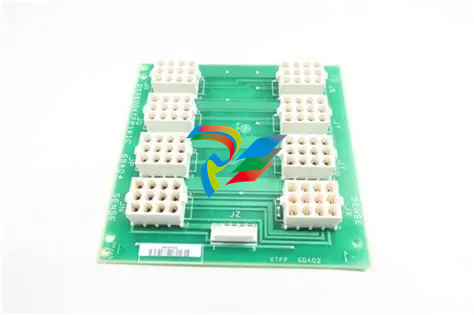 GE DS3800XTFP1E1C Thyristor Fan Out Board Brand
 -
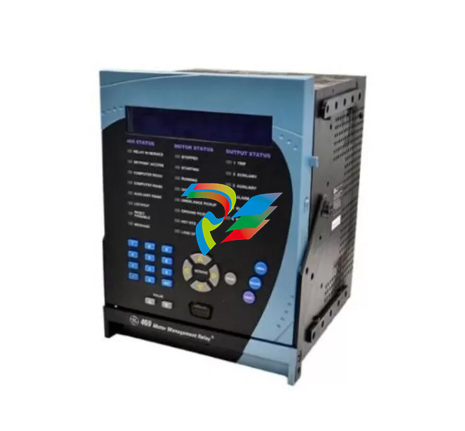 GE SR745-W2-P1-G1-HI-A-L-R-E Feeder protection relay
 -
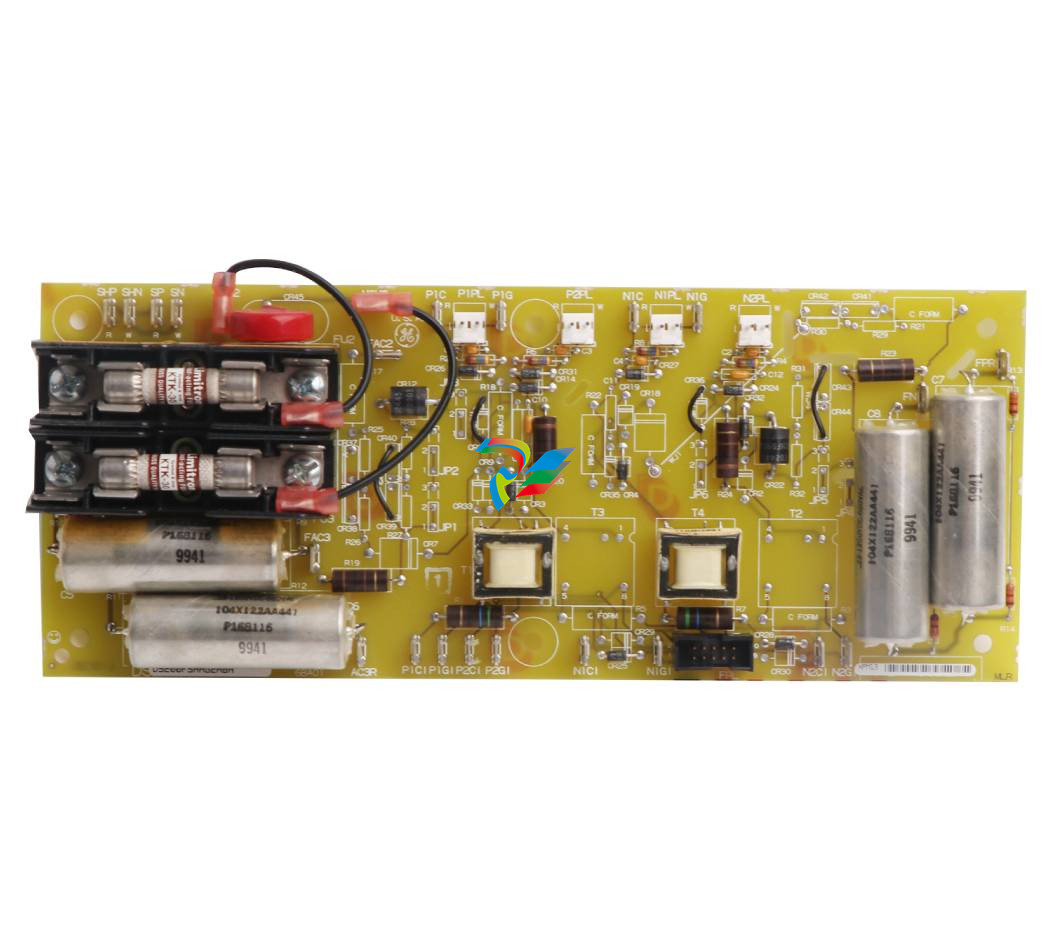 GE IS230TNDSH2A Discrete Output Relay Module Brand
 -
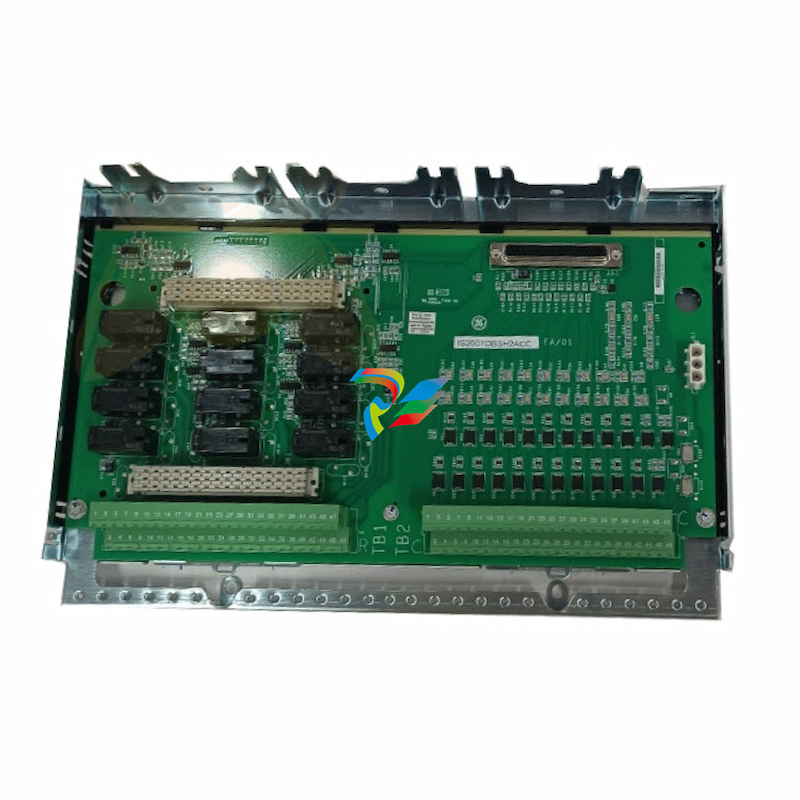 GE Fanuc IS200TDBSH2ACC Mark VI Terminal Board Brand
 -
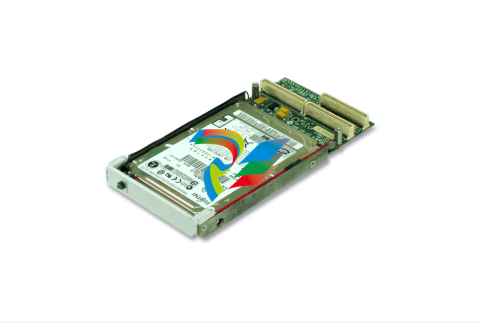 GE PMC-0247RC-282000 350-93750247-282000F Disk Drive
 -
GE PMC-0247RC-282000 350-93750247-282000F Disk Drive
-
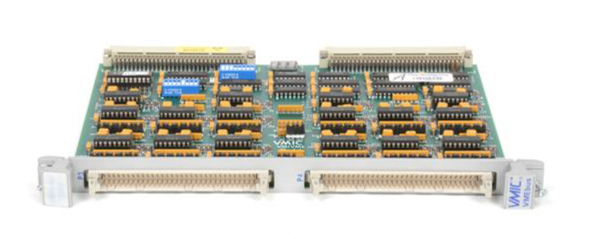 GE VMIVME-1150 Serial Communications Controller
 -
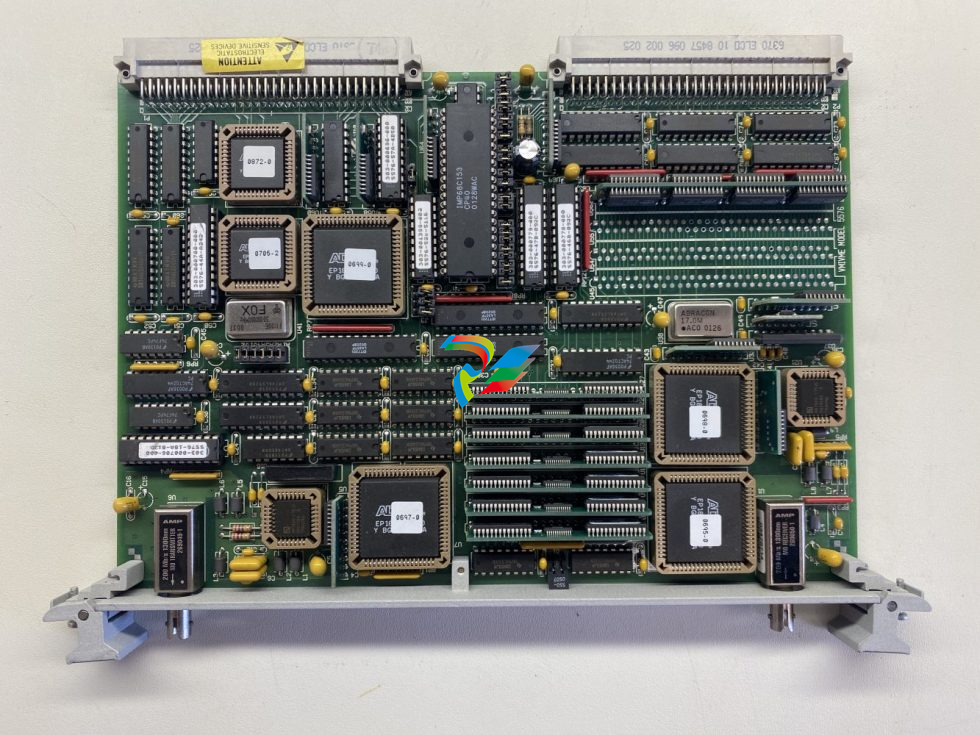 GE VMIVME-5576 Fiber-Optic Reflective Memory with Interrupts
 -
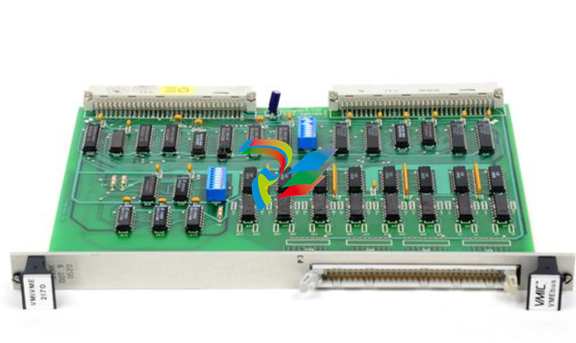 GE VMIC Isolated Digital Output VMIVME-2170A
 -
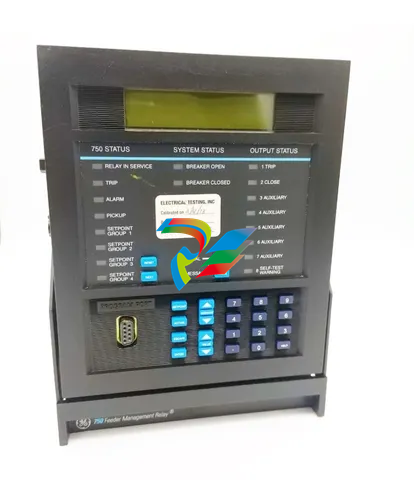 GE MULTILIN 760 FEEDER MANAGEMENT RELAY 760-P5-G5-S5-HI-A20-R-E
 -
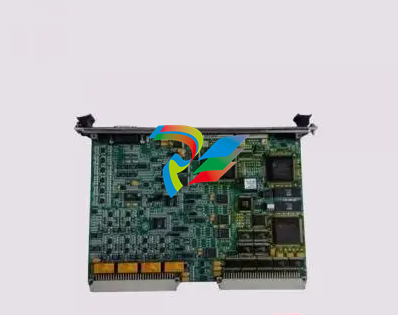 GE IS200AEPAH1BKE IS215WEPAH2BB Printed circuit board
 -
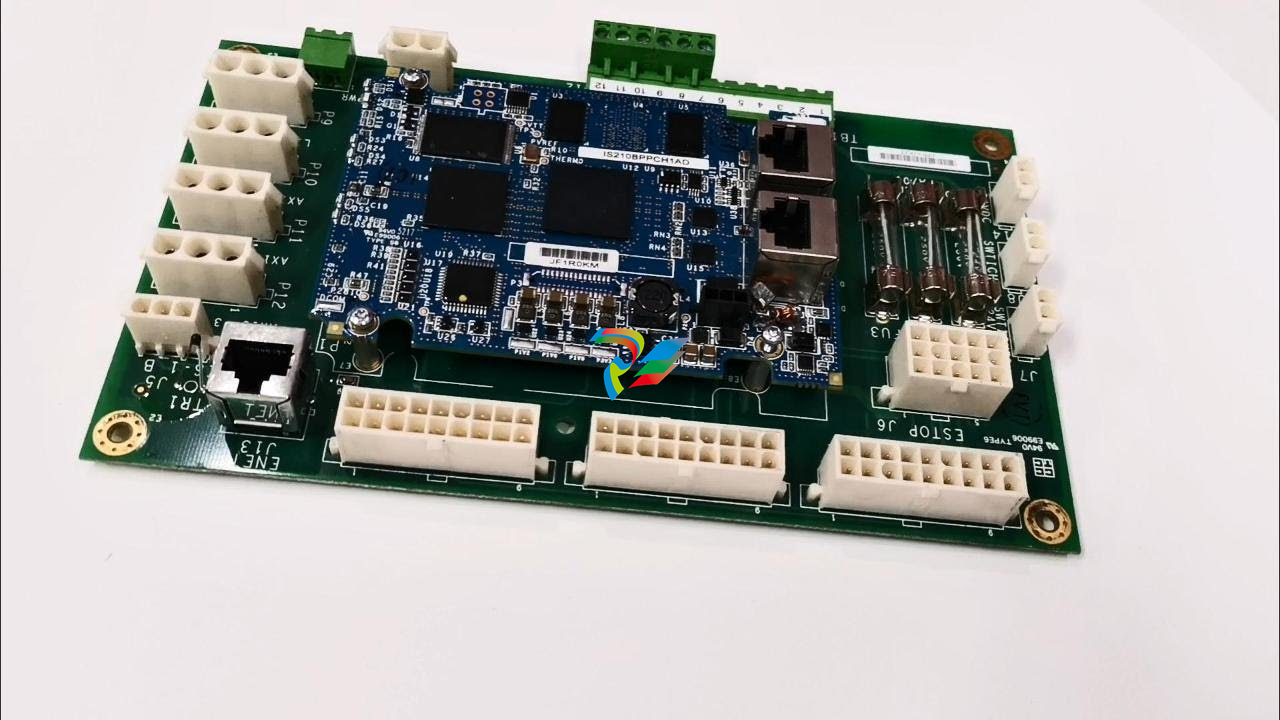 GE IS210BPPCH1A Mark VIe I/O Pack Processor Card
 -
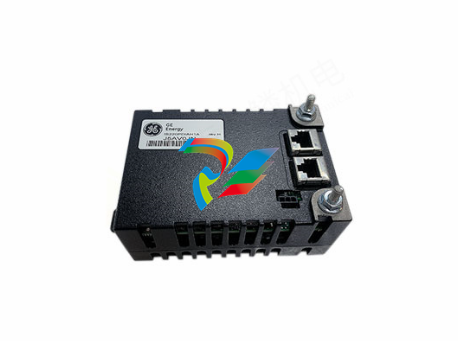 GE IS220PRTDH1A 336A4940CSP6 High-Performance RTD Input Module
 -
GE IS220PDIAH1BE 336A5026ADP4 Discrete Input Module
-
 GE IS420ESWBH3A IONET Switch Module
 -
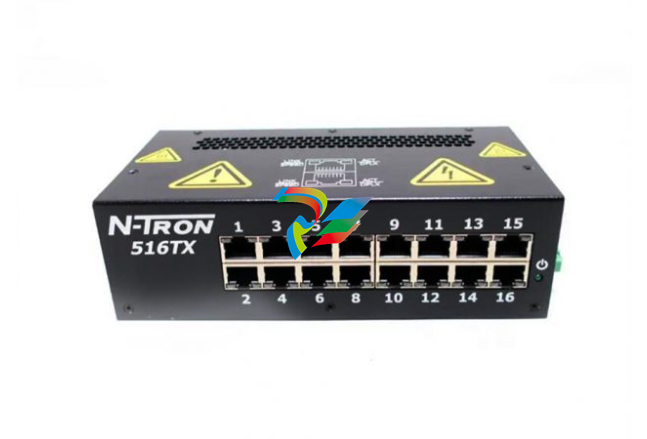 GE 516TX 336A4940DNP516TX 16-port Ethernet switch
 -
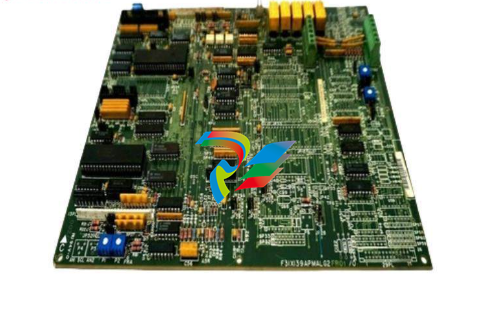 GE EVMECNTM13 Embedded control module
 -
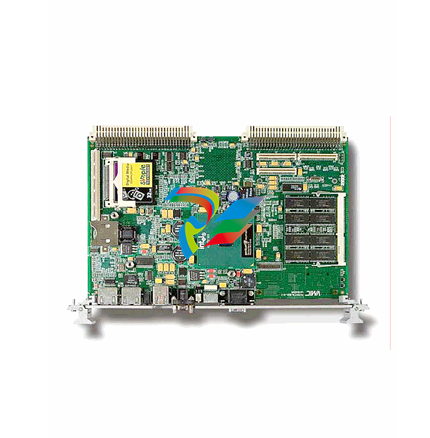 GE EVPBDP0001 EVPBDP032 control module
 -
 GE Hydran M2-X Enhanced Monitoring with Extended Sensor Life
 -
 GE UR6CH Digital I/O Module
 -
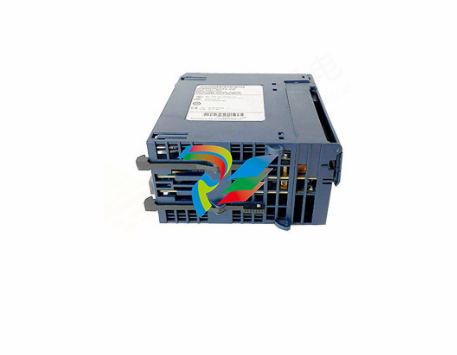 GE IC695CPU315-CD Central processing unit
 -
 GE 531X305NTBAMG1 DR Terminal Board
 -
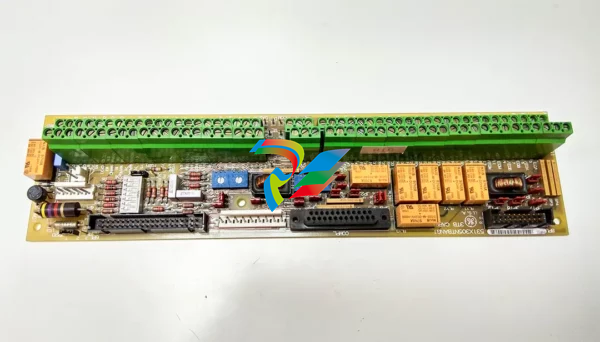 GE 531X305NTBALG1 NTB/3TB Terminal Board 531X Series
 -
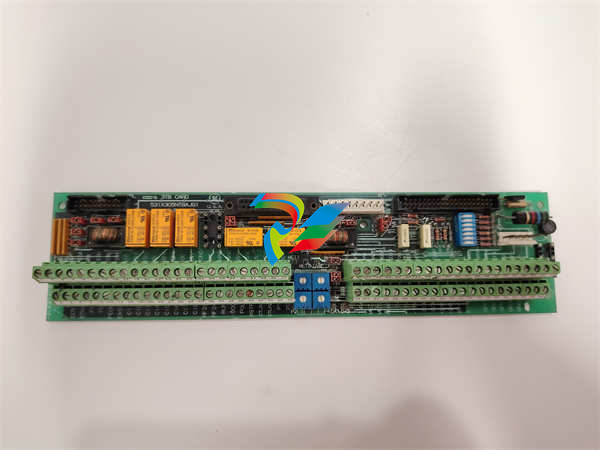 GE 531X305NTBAJG1 NTB/3TB Terminal Board.
 -
 GE 531X305NTBAHG1 NTB/3TB Terminal Board 531X
 -
 GE 531X305NTBAEG1 is a PCB that functions as a DR terminal board.
 -
General Electric 531X305NTBACG1 NTB/3TB Terminal Board 531X
-
 GE Digital Energy D20 Analog Input Module
 -
 GE 94-164136-001 main board Control board
 -
 GE 269 PLUS-D/O-100P-125V Digital motor relay
 -
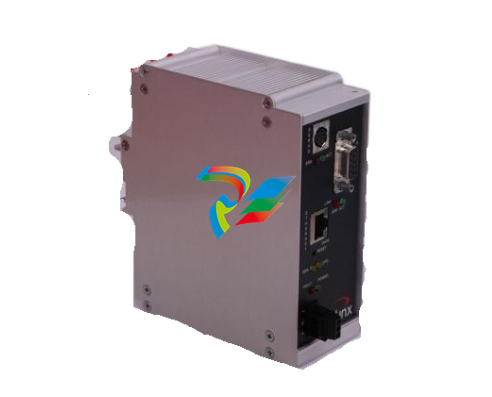 GALIL DMC-9940 High-performance motion controller
 -
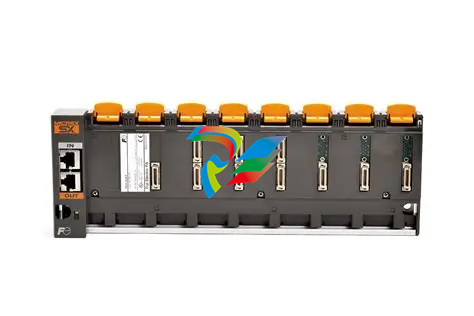 FUJI NP1BS-08 base plate
 -
 FUJI NP1Y32T09P1 Transistor drain type digital output module
 -
 FUJI NP1Y16R-08 Digital Output Module
 -
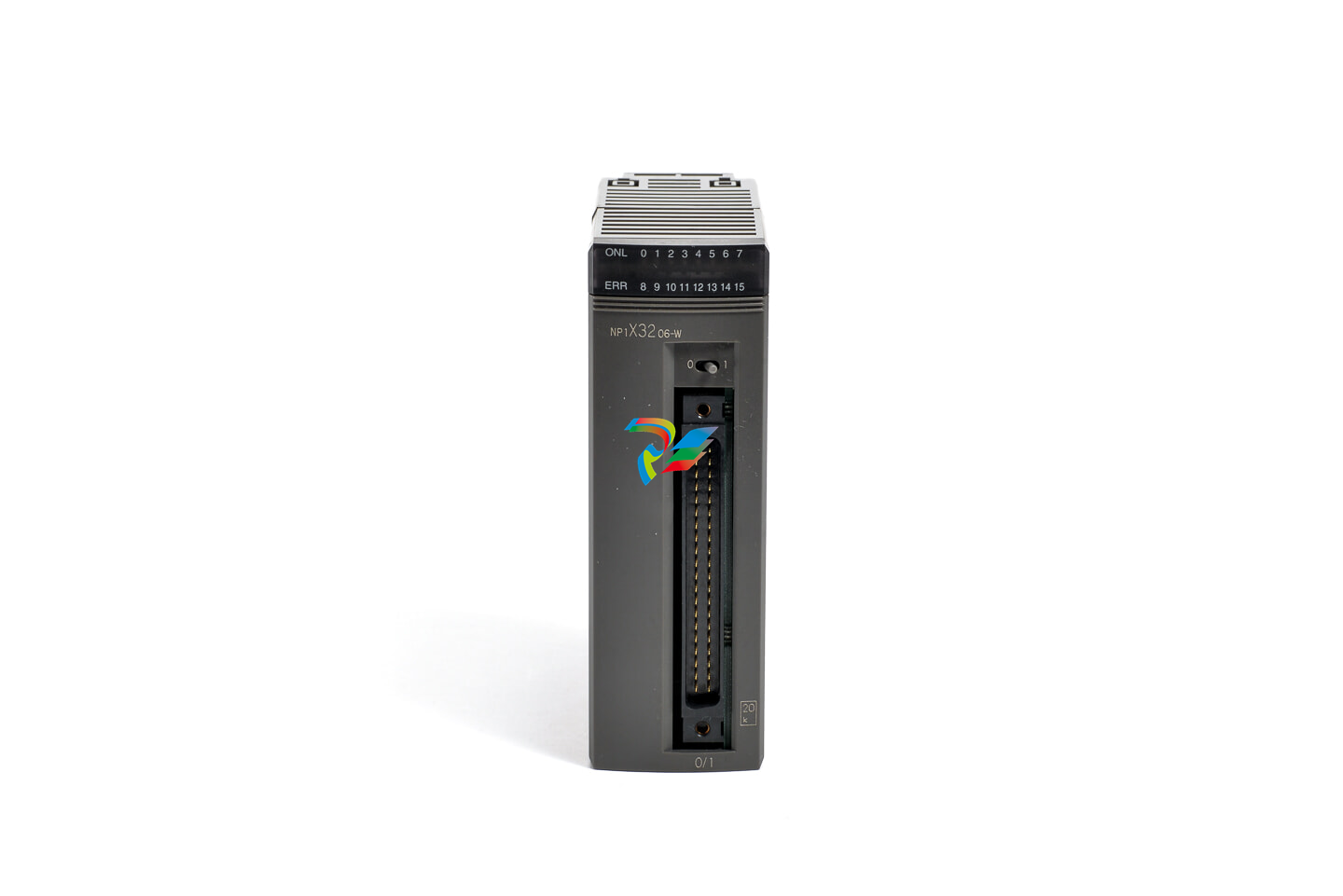 FUJI NP1X3206-A High-speed digital input module
 -
 FUJI NP1AYH4I-MR current output module
 -
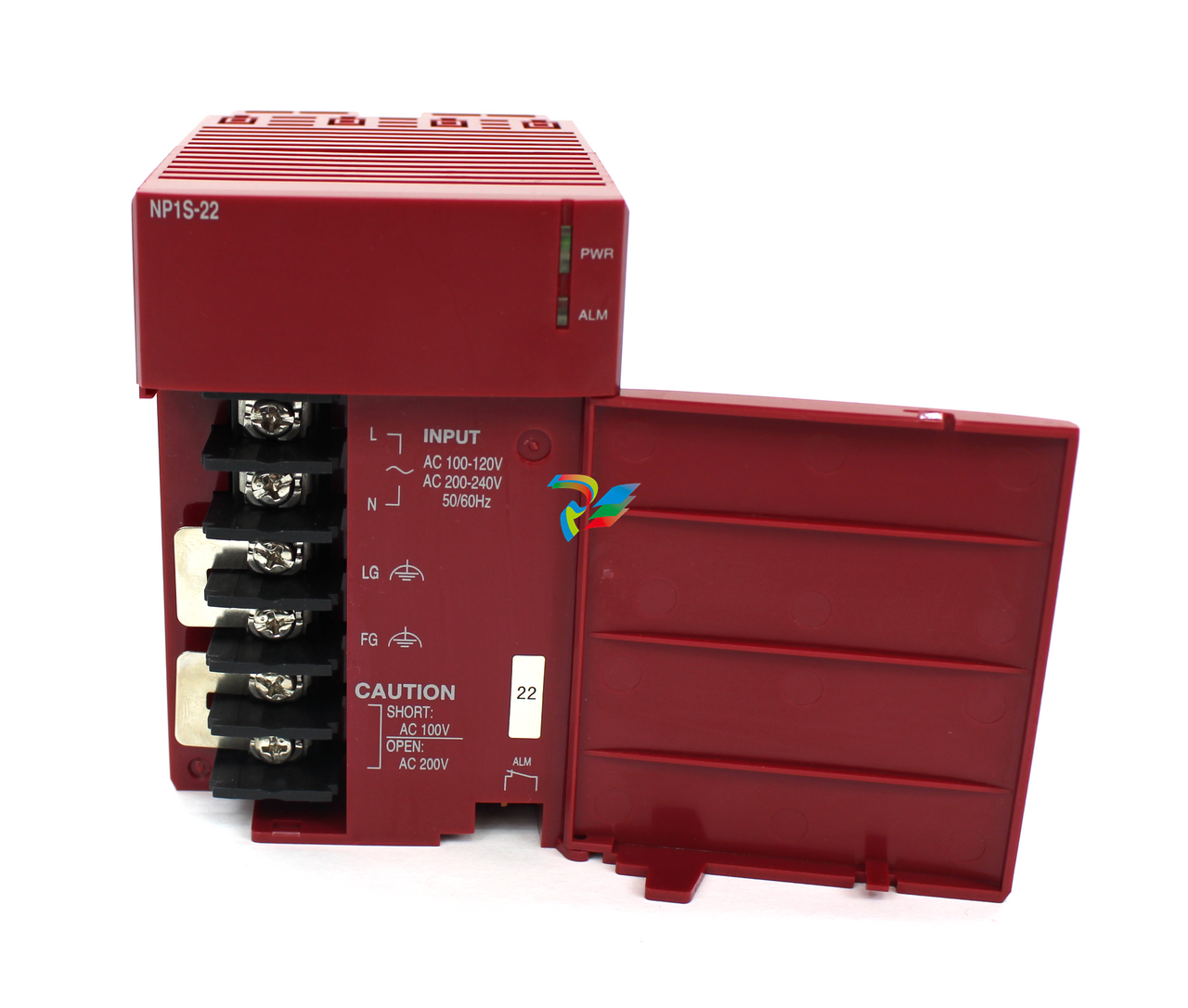 FUJI NP1S-22 Power module redundancy
 -
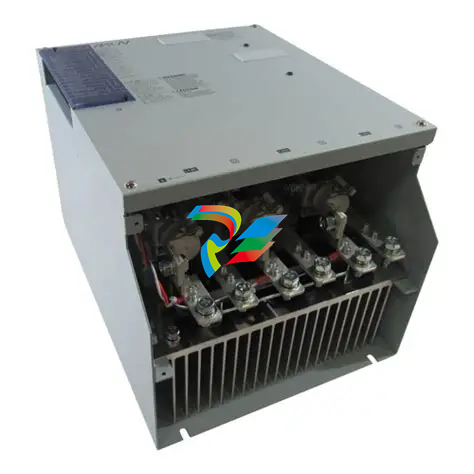 FUJI RPXD2150-1T servo drive module
 -
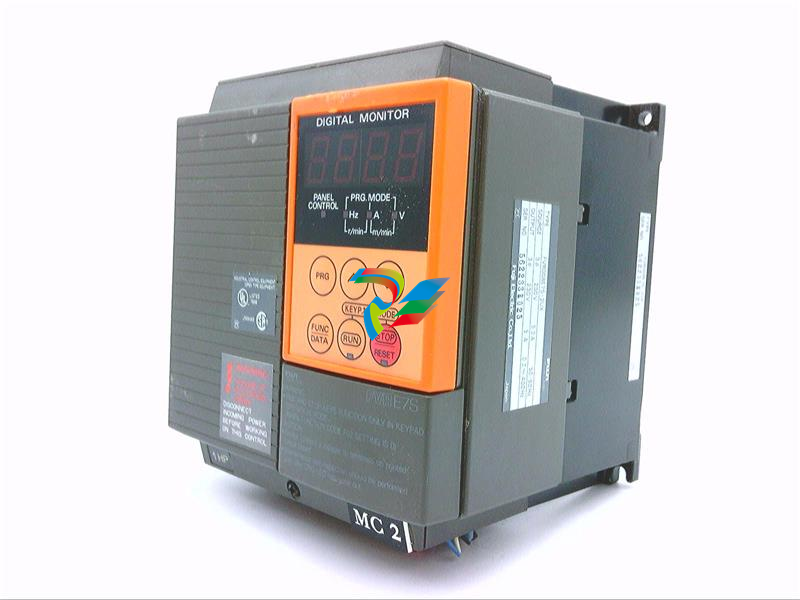 FUJI FVR008E7S-2UX Ac frequency converter
 -
 FUJI Ac frequency converter FVR008E7S-2
 -
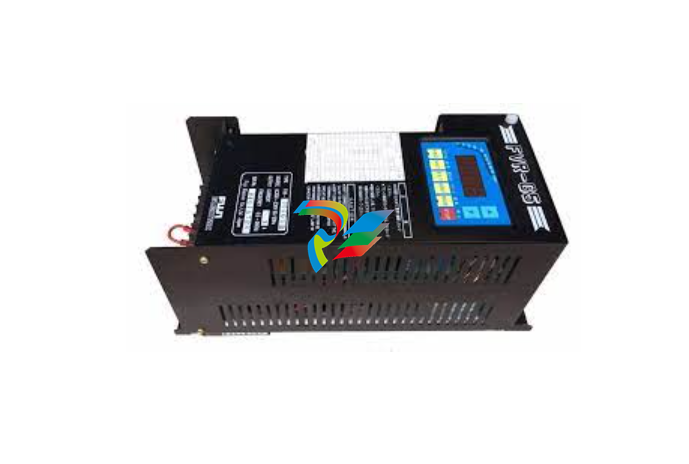 FUJI FVR004G5B-2 Small general-purpose frequency converter
 -
 FUJI A50L-2001-0232 Industrial control module
 -
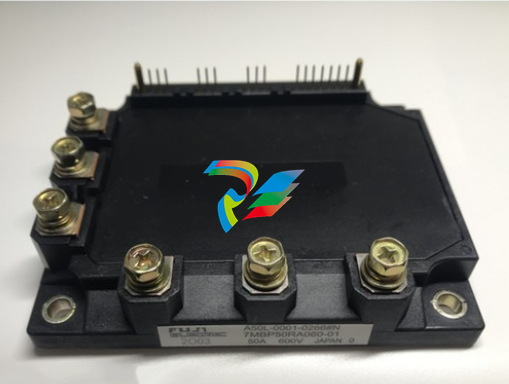 FUJI A50L-001-0266#N High-performance servo amplifier
 -
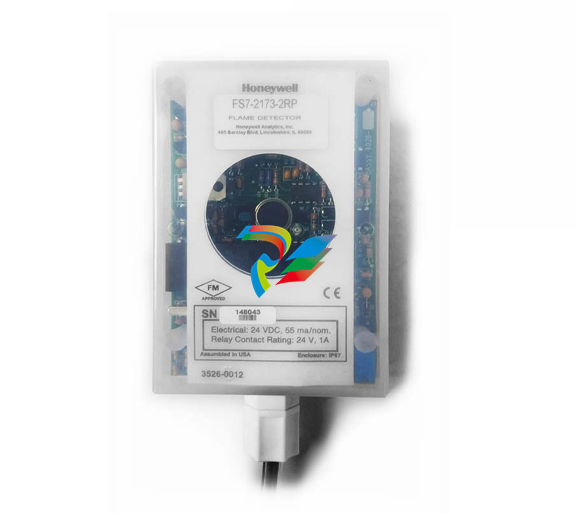 Honeywell FS7-2173-2RP Gas sensor
 -
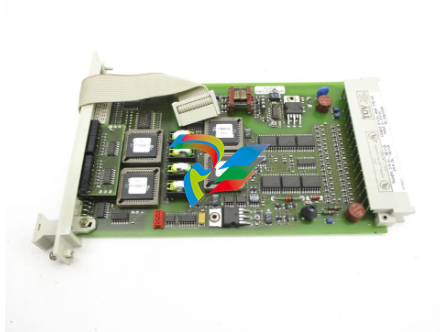 Honeywell 10106/2/1 Digital Input Module in Stock
 -
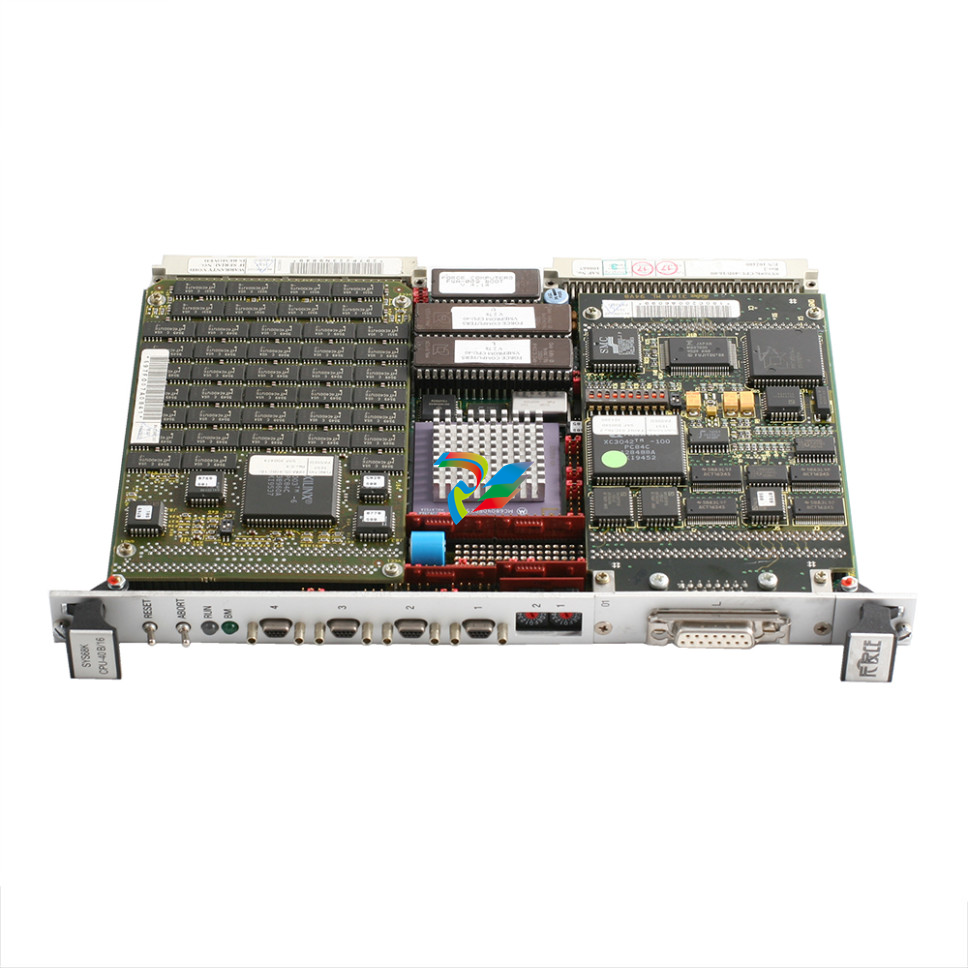 FRCE SYS68K CPU-40 B/16 PLC core processor module
 -
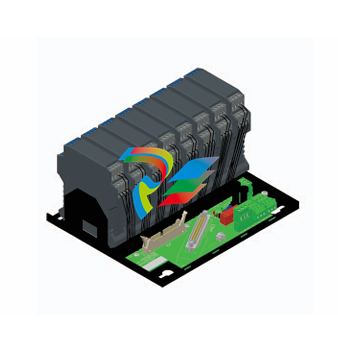 Foxboro FBM I/O cards PBCO-D8-009
 -
 Foxboro AD916AE Digital Control System (DCS) Module
 -
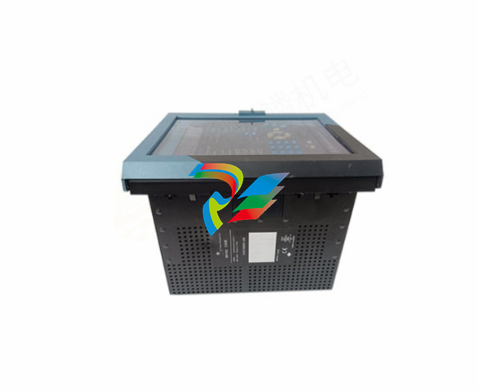 GE SR750-P5-G5-S5-HI-A20-R-E Multilin Relay
 -
.jpg) FOXBORO H90 H90C9AA0117S Industrial Computer Workstation
FOXBORO H90 H90C9AA0117S Industrial Computer Workstation -
.jpg) FOXBORO RH928AW | I/A Series Relay Output Module
FOXBORO RH928AW | I/A Series Relay Output Module -
.jpg) Foxboro N-2AX+DIO Multi-functional input/output module
Foxboro N-2AX+DIO Multi-functional input/output module -
 Foxboro RH924WA FCP280 Fiber Optic Network Adapter
 -
 FOXBORO H92 Versatile Hardware Component In
 -
 Foxboro FBM218 P0922VW HART® Communication Redundant Output Interface Module
 -
 Foxboro E69F-TI2-J-R-S E69F Series Current-To-Pneumatic Signal Converter
 -
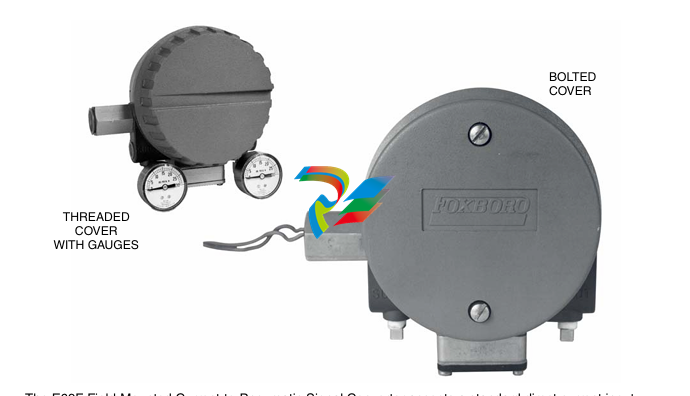 Foxboro E69F-BI2-S Converter
 -
.jpg) Foxboro H92A049E0700 The host of the DCS control station
Foxboro H92A049E0700 The host of the DCS control station -
 Foxboro H90C9AA0117S Industrial computer workstation
 -
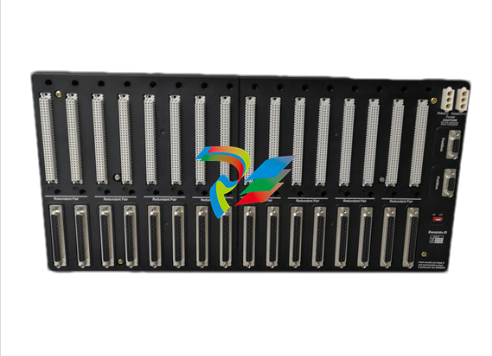 Foxboro RH101AA High-performance industrial control module
 -
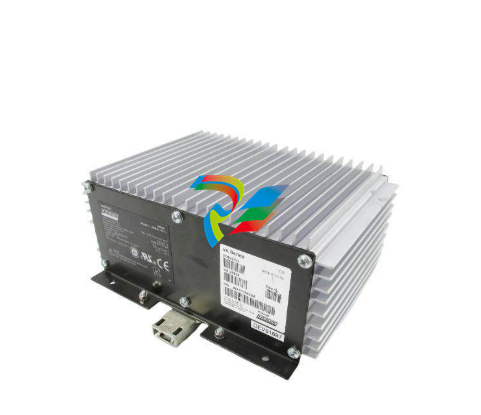 Foxboro P0922YU FPS400-24 I/A Series Power supply
 -
.png) FOXBORO P0973LN Chassis-based managed switch with independent power supply
FOXBORO P0973LN Chassis-based managed switch with independent power supply -
.jpg) FOXBORO P0926PA Input/output module
FOXBORO P0926PA Input/output module -
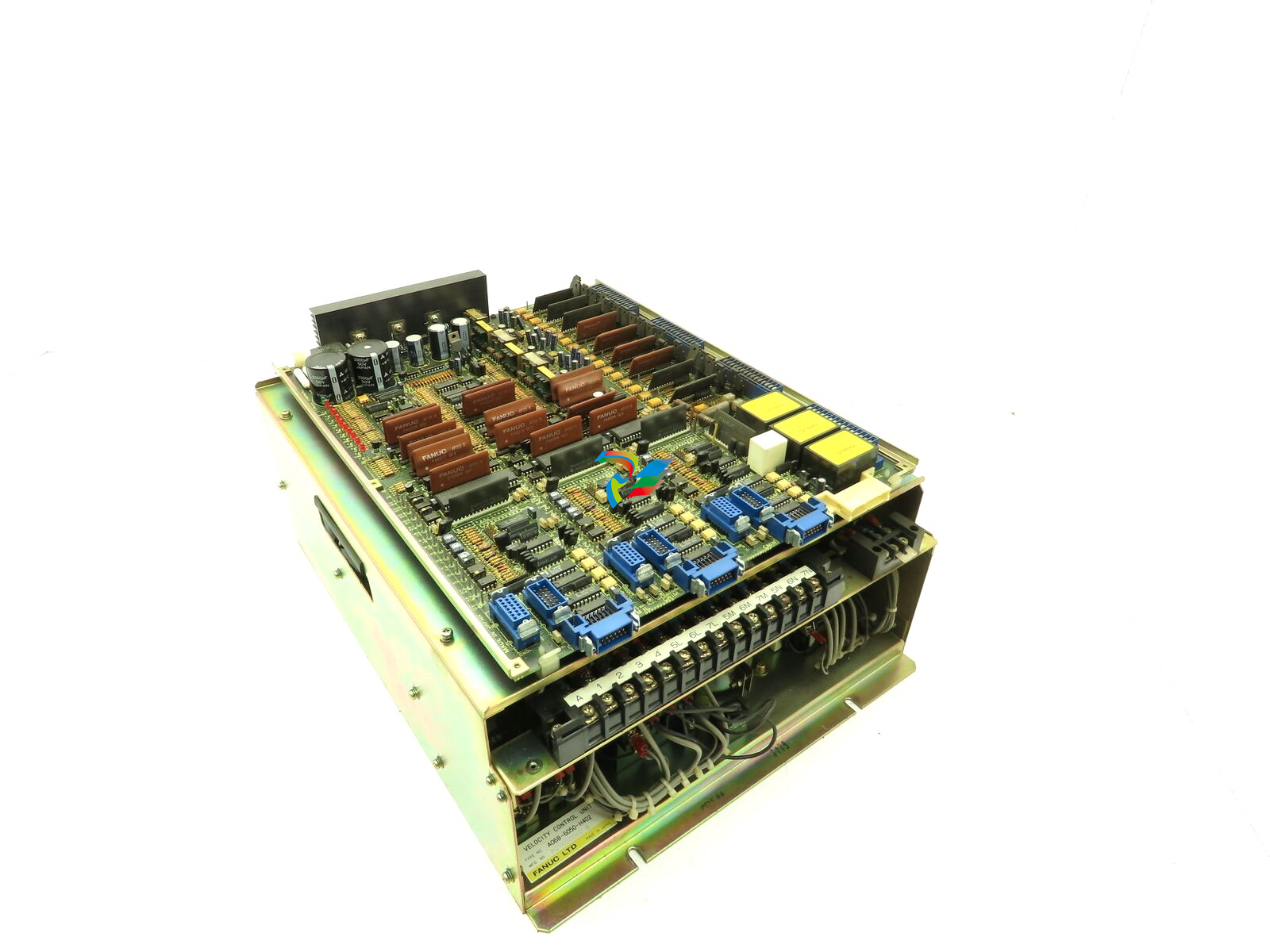 Fanuc A06B-6050-H402 3 AXIS ANALOG AC SERVO DRIVE
 -
.jpg) FOXBORO L0130AD L0130AE-0H Power module group
FOXBORO L0130AD L0130AE-0H Power module group -
_lVjBYb.jpg) FOXBORO 0399085B 0303440C+0303458A Combination Control Module
FOXBORO 0399085B 0303440C+0303458A Combination Control Module -
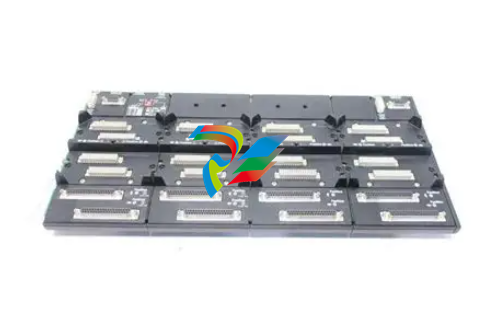 FOXBORO SY-0399095E (SY-0303451D+SY-0303460E) Process control board
 -
.jpg) FOXBORO 0399071D 0303440C+0303443B Input/Output (I/O) Module
FOXBORO 0399071D 0303440C+0303443B Input/Output (I/O) Module -
.jpg) FOXBORO RH924UQ Redundant Controller module
FOXBORO RH924UQ Redundant Controller module -
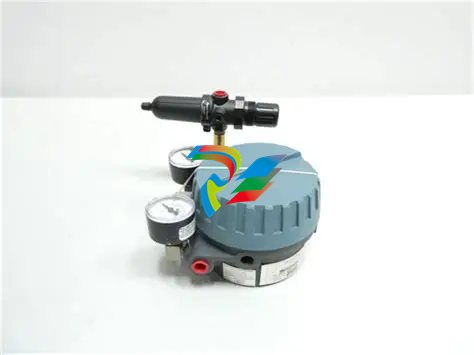 FFOXBORO E69F-TI2-S current pneumatic converter
 -
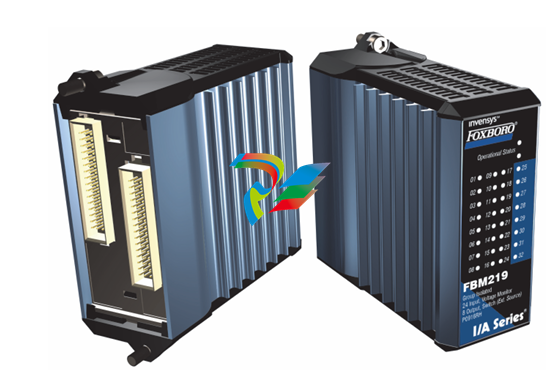 FOXBORO FBM219 RH916RH Discrete I/O Module
 -
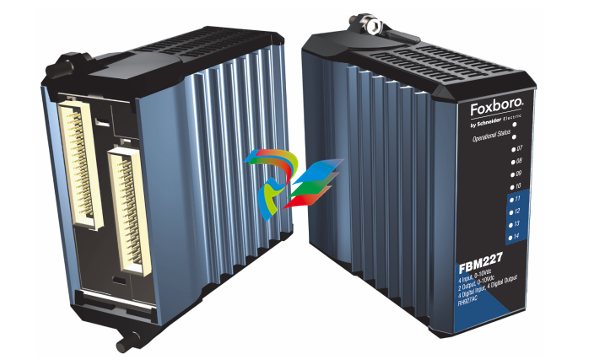 FOXBORO FBM227 P0927AC Module
 -
.jpg) FOXBORO 0399144 SY-0301059F SY-1025115C/SY-1025120E I/O module
FOXBORO 0399144 SY-0301059F SY-1025115C/SY-1025120E I/O module -
.jpg) FOXBORO SY-60399001R SY-60301001RB Industrial Control Module
FOXBORO SY-60399001R SY-60301001RB Industrial Control Module -
 FOXBORO 0399143 SY-0301060R SY-1025115C SY-1025120E Combined control board
 -
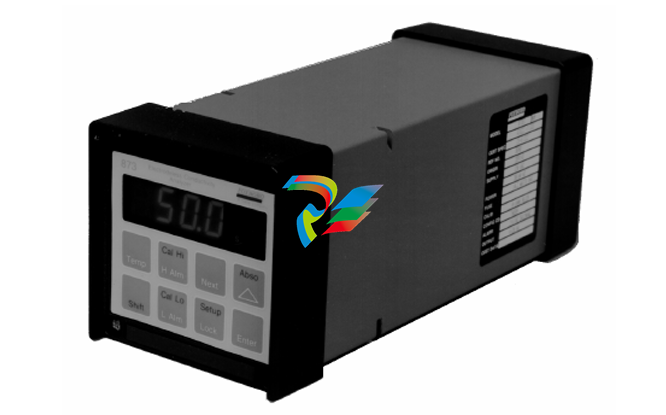 FOXBORO 873EC-JIPFGZ electrodeless conductivity analyzer
 -
 FOXBORO P0916PH (High-density HART I/O Module)
 -
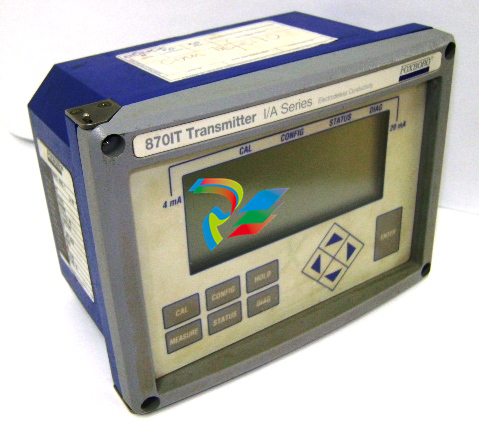 FOXBORO 870ITEC-AYFNZ-7 Intelligent Electrochemical Transmitters
 -
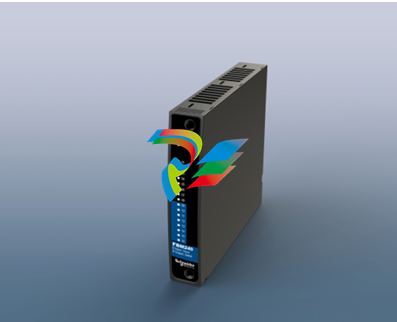 FOXBORO Compact FBM240. Redundant with Readback, Discrete
 -
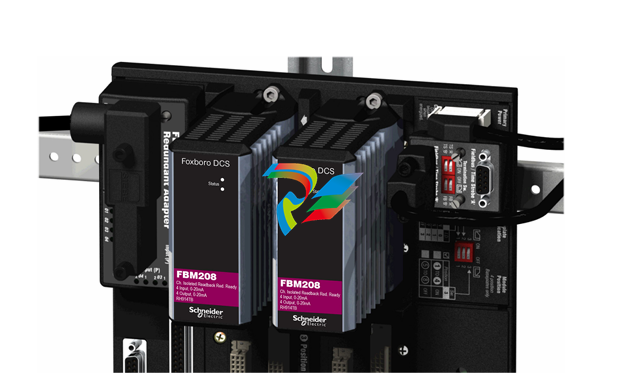 FOXBORO FBM208/b, Redundant with Readback, 0 to 20 mA I/O Module
 -
 FOXBORO FBM201e Analog Input (0 to 20 mA) Interface Modules
 -
.jpg) FOXBORO P0916WG Terminal cable
FOXBORO P0916WG Terminal cable -
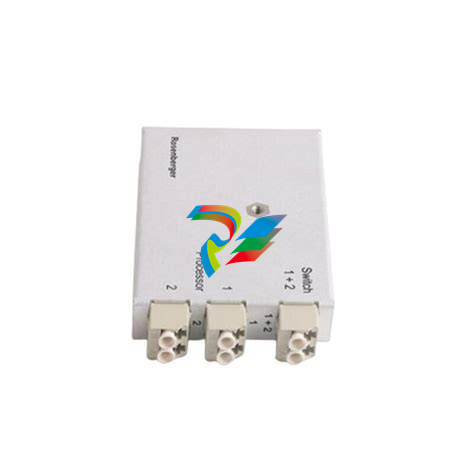 FOXBORO P0926MX 2-Port Splitter
 -
.jpg) FOXBORO AD908JQ High-Frequency Module
FOXBORO AD908JQ High-Frequency Module -
.jpg) FOXBORO AD916CC Processor module
FOXBORO AD916CC Processor module -
 Foxboro DCS FBM206 Pulse Input Module
 -
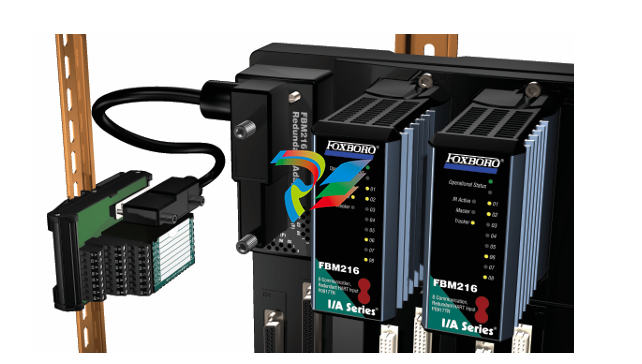 FOXBORO FBM216 HART® Communication Redundant Input Interface Module
 -
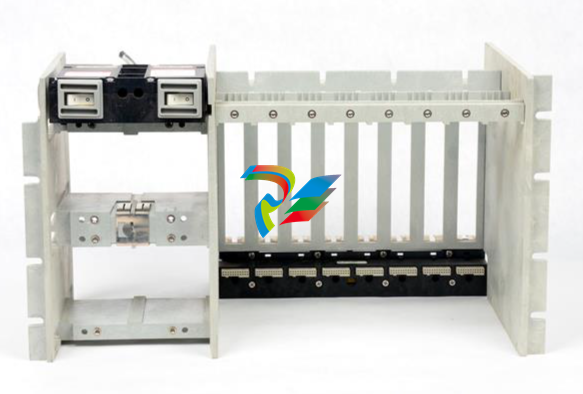 Foxboro p0903nu 1×8 unit sub-component module
 -
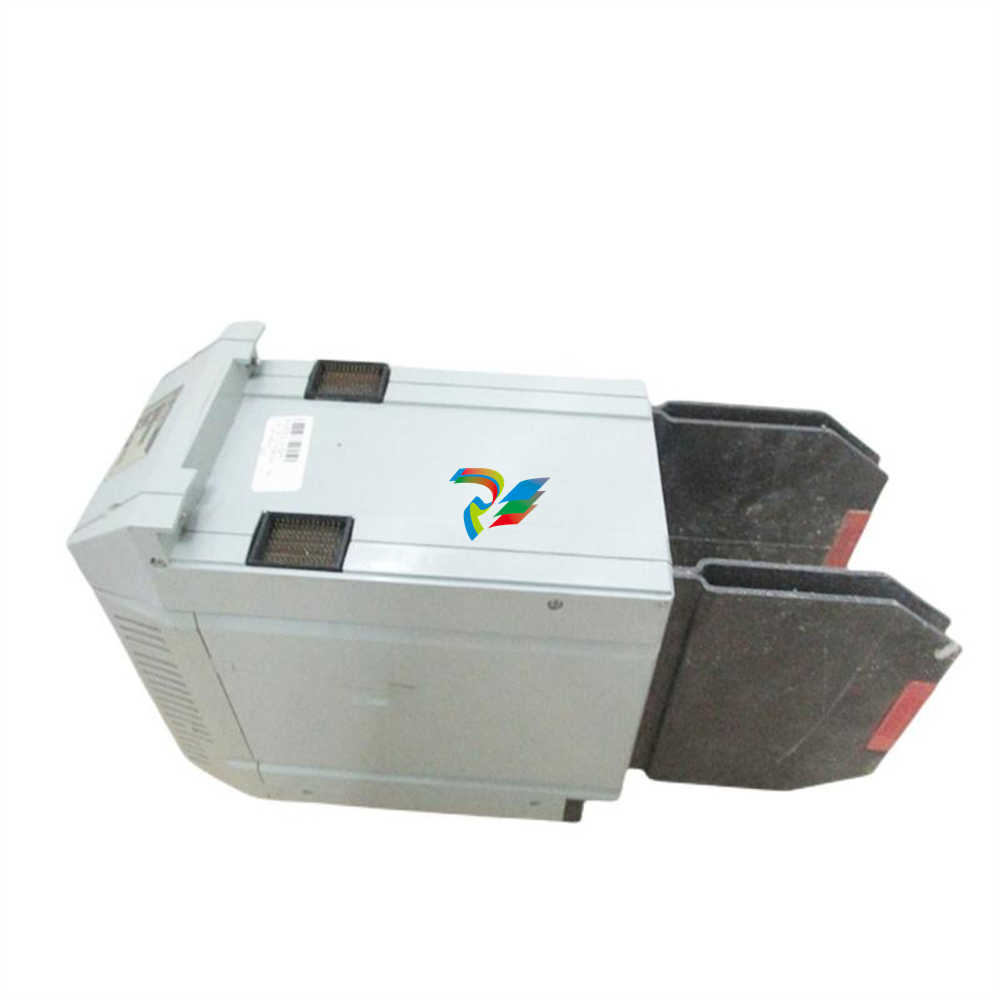 Foxboro P0911SM Industrial control module
 -
 Foxboro CM902WM I/O module
 -
 Foxboro CM902WL Power module
 -
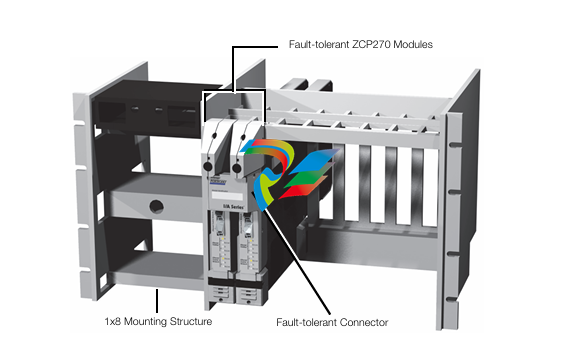 Foxboro P0972VA Industrial Control Module
 -
 Foxboro Z-Module Control Processor 270 (ZCP270)
 -
 Foxboro PO916JS 16-channel terminal block module
 -
 Foxboro PO911SM High-performance digital/analog input/output module
 -
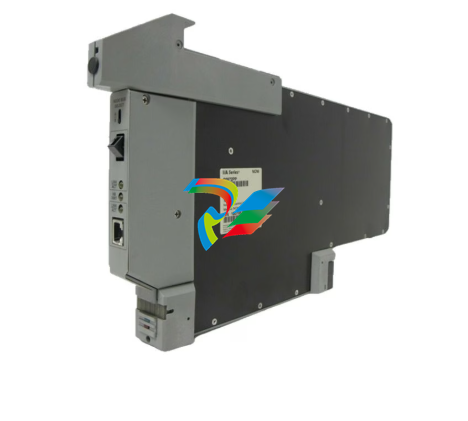 Foxboro P0972PP-NCNI Network Interface Module
 -
.jpg) FOXBORO P0971QZ controller module
FOXBORO P0971QZ controller module -
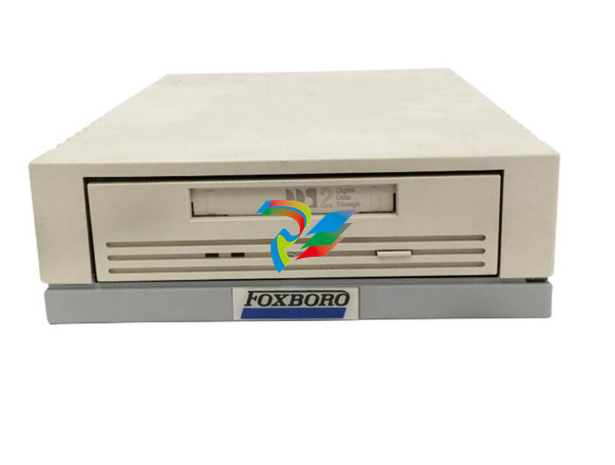 FOXBORO P0971DP Thermal resistance input/output module
 -
 FOXBORO P0970VB Cable connector
 -
 FOXBORO P0970EJ-DNBX Dual-node bus expansion module
 -
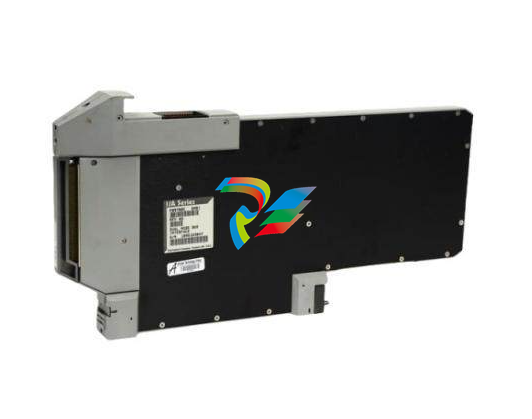 FOXBORO P0970BP Redundant power supply system
 -
.jpg) FOXBORO P0970BC-DNBI DeviceNet bus interface module
FOXBORO P0970BC-DNBI DeviceNet bus interface module -
.jpg) FOXBORO P0961FX-CP60S Main control CPU module
FOXBORO P0961FX-CP60S Main control CPU module -
.jpg) FOXBORO P0961EF-CP30B Network Interface Unit
FOXBORO P0961EF-CP30B Network Interface Unit -
.jpg) FOXBORO P0961CA Optical fiber local area network module
FOXBORO P0961CA Optical fiber local area network module -
.jpg) FOXBORO P0961BD-GW30B gateway processor module
FOXBORO P0961BD-GW30B gateway processor module -
.jpg) FOXBORO P0961BC-CP40B/I/A Series high-performance control processor module
FOXBORO P0961BC-CP40B/I/A Series high-performance control processor module -
FOXBORO P0960JA-CP40 High-performance control processor
-
FOXBORO P0926TM Control module
-
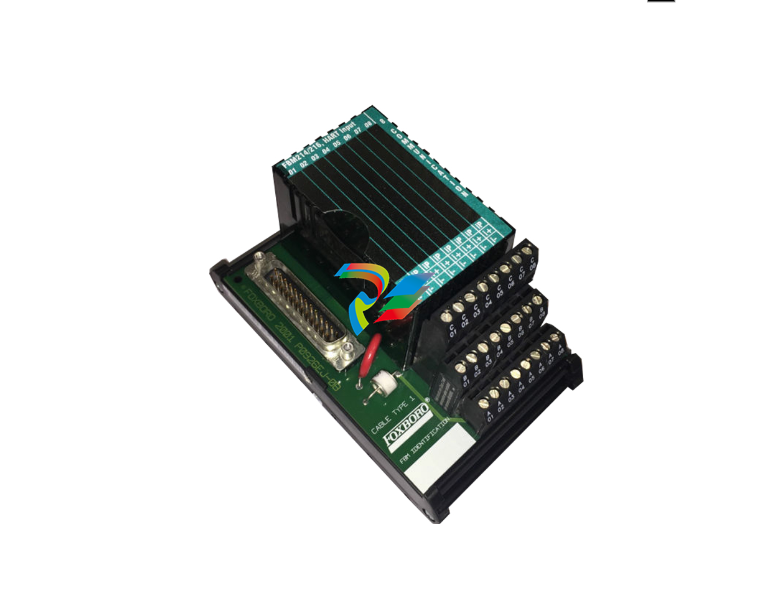 FOXBORO P0916BX Termination Assembly
 -
.jpg) FOXBORO P0916AE P0916AG P0916AW Thermal resistance input type DCS card module
FOXBORO P0916AE P0916AG P0916AW Thermal resistance input type DCS card module -
 FOXBORO P0916AC FOXBORO distributed control system (DCS) compression terminal assembly
 -
.jpg) FOXBORO P0912CB High-performance interface module
FOXBORO P0912CB High-performance interface module -
.jpg) FOXBORO P0911VJ Thermal resistance input output module
FOXBORO P0911VJ Thermal resistance input output module -
.jpg) FOXBORO P0911QH-A High-precision module
FOXBORO P0911QH-A High-precision module -
 FOXBORO P0911QB-C P0911QC-C Thermal resistance input/output module
 -
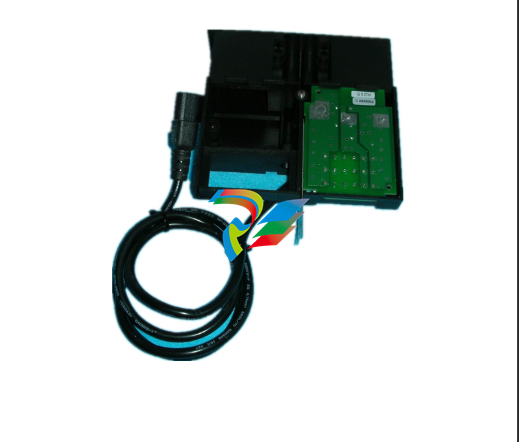 FOXBORO P0904BH P0904FH P0904HB Distributed Control system (DCS) module
 -
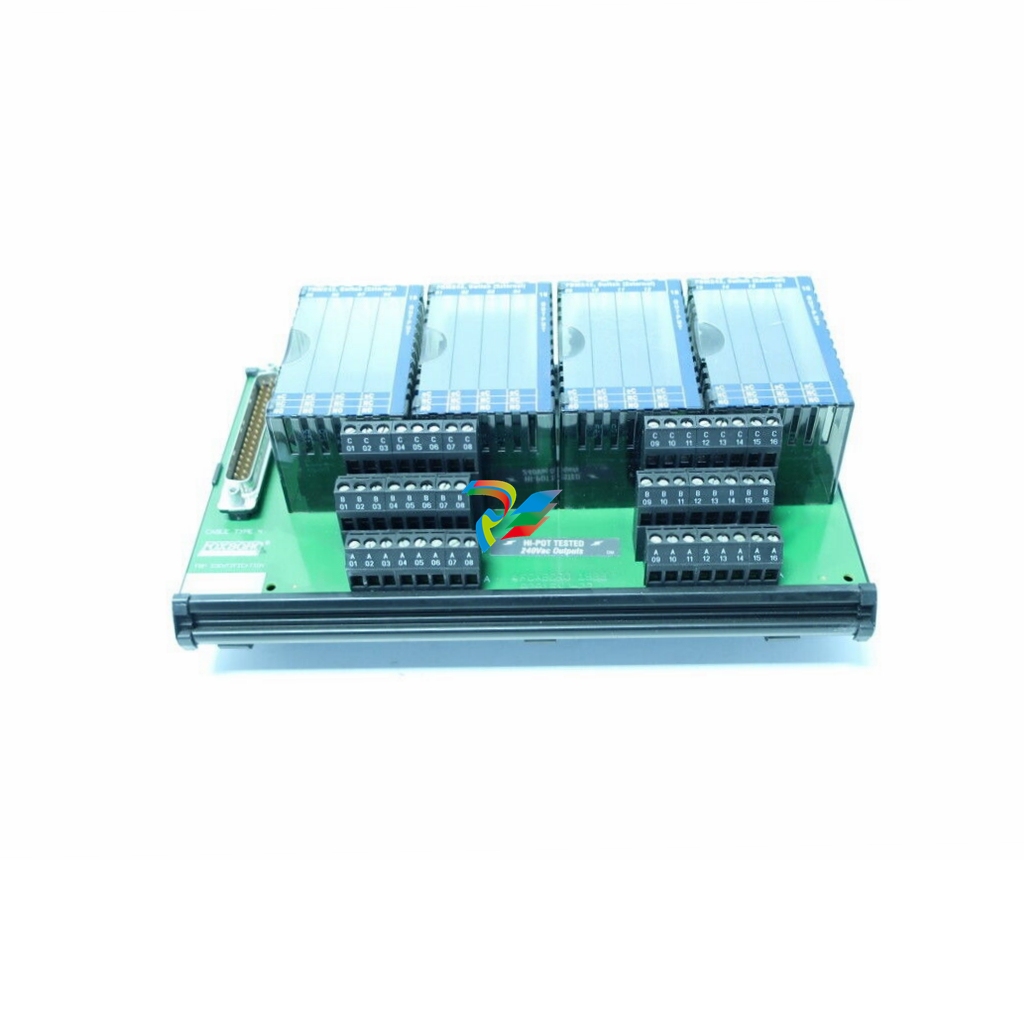 FOXBORO P0903ZP P0903ZQ Embedded System Debugging Module
 -
 Foxboro P0903ZL P0903ZN Industrial power module
 -
 Foxboro P0903ZE I/A Series Fieldbus Isolator Module
 -
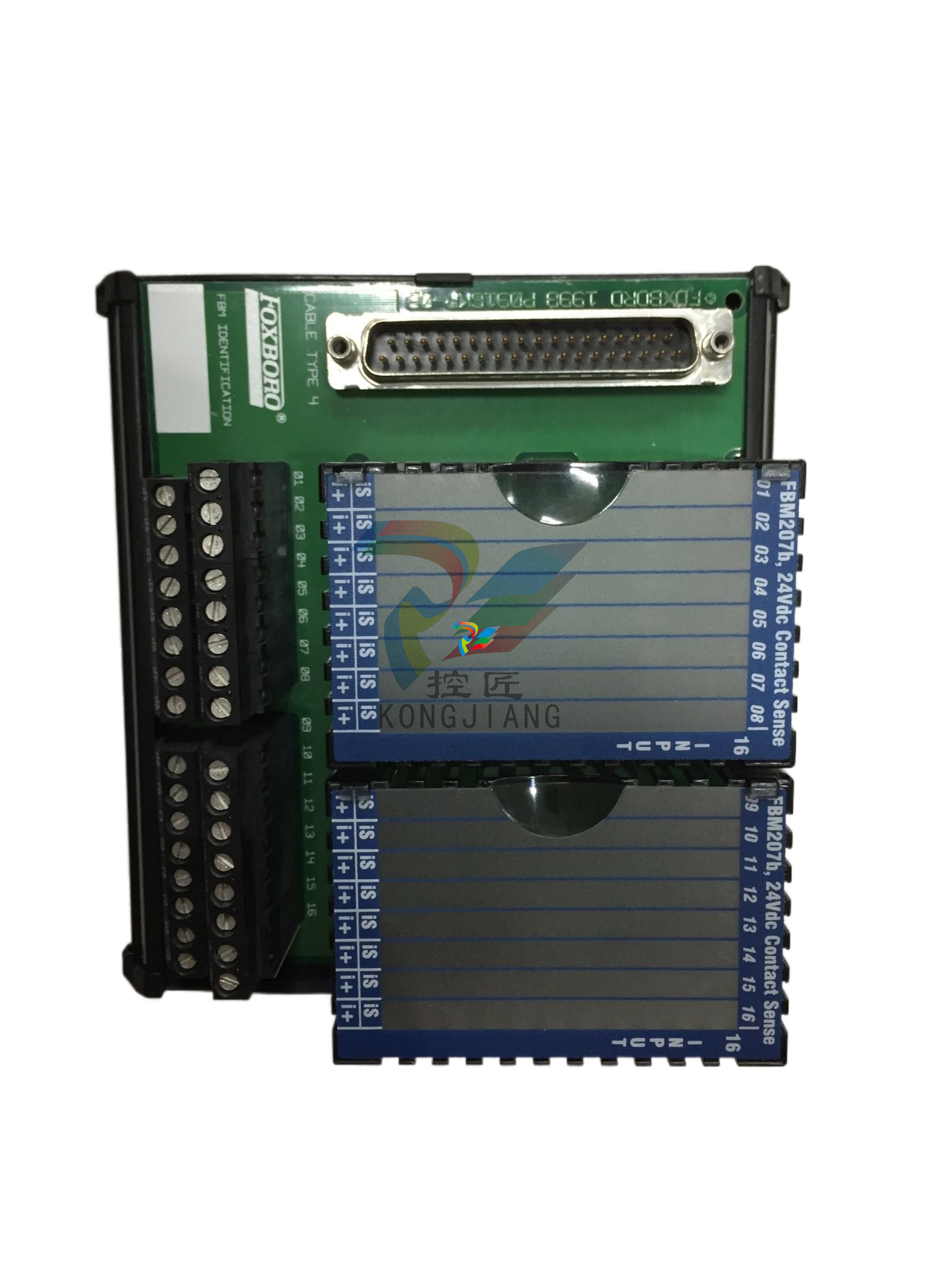 FOXBORO P0903NW Industrial Control Module
 -
.jpg) FFOXBORO P0903NQ Industrial power module
FFOXBORO P0903NQ Industrial power module -
 FFOXBORO P0903AA Control Module
 -
 FOXBORO P0400DL Digital output module
 -
.jpg) FOXBORO P0400BJ Digital output module
FOXBORO P0400BJ Digital output module -
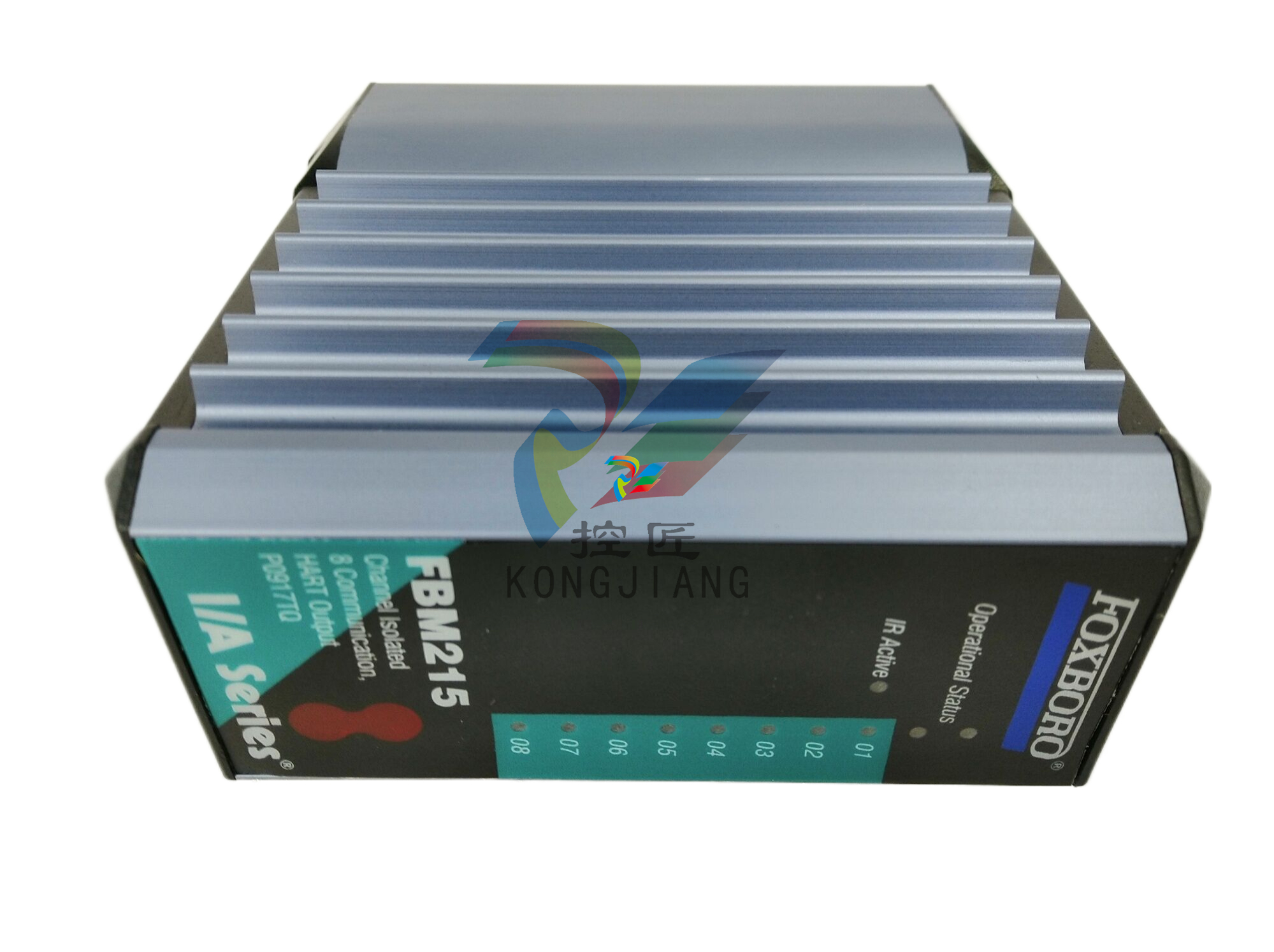 FOXBORO GW30 industrial control module
 -
 FOXBORO FBM231 Communication Output Module
 -
 FOXBORO Fieldbus Communications Module, FCM10Ef