
DCS; Industrial control system
Product
Article
NameDescriptionContent
NEW CENTER
Current Location:
Digital Transformation and Intelligent Development of Industrial Equipment
From:
|
Author:huang
|
Time :2024-11-07
|
607 Browse:
|
Share:

In today's rapidly evolving technological landscape, the digitalization and intelligent development of industrial equipment have become crucial. The background for this transformation lies in the increasing demands of the modern industrial era. As industries strive for greater efficiency, reduced costs, and enhanced quality, digitalization and intelligence offer viable solutions.
Digitalization, as defined by Gartner, is the process of changing from analog to digital form. For industrial equipment, this means converting traditional mechanical processes into digital signals that can be processed and analyzed by computers. For example, sensors can be installed on equipment to collect real-time data on performance, temperature, pressure, and other parameters. This data can then be transmitted to a central system for analysis, enabling predictive maintenance and reducing downtime.
The significance of digitalization and intelligence is multi-faceted. Firstly, it improves operational efficiency. By monitoring equipment in real time, potential issues can be detected early, and maintenance can be scheduled proactively. This reduces unexpected breakdowns and increases the availability of equipment. According to a study, companies that have implemented digitalization in their industrial equipment have seen a significant increase in productivity, with some reporting up to 30% improvement.
Secondly, it enhances product quality. Intelligent equipment can be programmed to perform tasks with greater precision and consistency, reducing human error. For instance, in the manufacturing industry, robotic arms with advanced sensors can ensure that products are assembled with high accuracy, resulting in fewer defects.
Moreover, digitalization and intelligent development also contribute to sustainable production. By optimizing energy consumption and reducing waste, industrial equipment can operate more environmentally friendly. For example, smart factories can adjust production processes based on energy prices and demand, minimizing energy usage.
In conclusion, the digitalization and intelligent development of industrial equipment are not only urgent but also of great significance. They are essential for industries to stay competitive in the digital age and achieve sustainable growth.
二、Progress of Digital Transformation
(一) Concepts and Terminologies of Digital Transformation
Digital transformation in the context of industrial equipment refers to the integration of digital technologies to transform traditional industrial processes. Internet of Things (IoT) plays a crucial role by connecting various industrial equipment through the internet, enabling seamless communication and data exchange. Sensors on the equipment collect real-time data on parameters such as performance, temperature, and pressure, which can be transmitted for analysis.
Cloud computing provides a platform for storing and processing the vast amounts of data generated by industrial equipment. It allows for easy access and sharing of data across different locations and departments. Data analytics then comes into play by analyzing this data to extract valuable insights. For example, it can help identify patterns in equipment performance, predict maintenance needs, and optimize production processes.
(二) Real-World Applications and Success Stories
In many industrial settings, digital transformation is being implemented with great success. For instance, in the automotive industry, smart factories use IoT sensors to monitor production lines in real time. This enables early detection of issues and proactive maintenance, reducing downtime and increasing productivity. According to industry reports, some automotive manufacturers have reported up to 25% improvement in production efficiency through digital transformation.
Another example is in the energy sector. Smart grids use digital technologies to optimize energy distribution and consumption. By integrating IoT sensors and data analytics, energy companies can monitor energy usage in real time and adjust supply accordingly. This not only improves energy efficiency but also enhances the reliability of the power grid.
In the manufacturing industry, companies are using cloud computing and data analytics to optimize production processes. By analyzing data from various sources, such as production lines, inventory systems, and customer orders, manufacturers can make informed decisions about production schedules, inventory management, and resource allocation. This has led to significant cost savings and improved product quality.
Overall, these real-world applications and success stories demonstrate the power of digital transformation in industrial equipment. As industries continue to embrace digital technologies, we can expect to see even more innovative applications and greater benefits in the future.
三、Intelligent Development Trends
(一) The Rise of Industrial Robots
Industrial robots are playing an increasingly crucial role in intelligent development. As defined by sources like , an industrial robot is an integrated production equipment that combines computer technology, manufacturing technology, and automatic control technology.
One of the major advantages of industrial robots is their precision and repeatability. They can perform tasks with high accuracy and consistency, reducing human error and ensuring product quality. For example, in the electronics manufacturing industry, industrial robots can assemble tiny components with great precision, resulting in fewer defects and higher production yields. According to a study, companies that use industrial robots in their production processes can achieve up to a 40% reduction in product defects.
Another advantage is their ability to work in hazardous environments. In industries such as chemical processing and mining, industrial robots can perform tasks that are dangerous for humans, reducing the risk of accidents and protecting workers' safety.
In different industries, industrial robots have found various applications. In the automotive industry, they are widely used for welding, painting, and assembly tasks. Some automotive manufacturers have reported up to 30% improvement in production efficiency by using industrial robots. In the logistics and warehousing industry, robots are used for sorting and packing goods, increasing the speed and accuracy of operations. In the healthcare industry, medical robots are being developed for surgical procedures, offering greater precision and reducing recovery times.
(二) Advancements in Control Systems and Technologies
The latest advancements in robot control systems and other intelligent technologies are driving the intelligent development of industrial equipment. Modern control systems are becoming more sophisticated, incorporating artificial intelligence and machine learning algorithms.
For example, intelligent control systems can learn from past experiences and adapt to changing conditions. They can optimize robot movements and operations based on real-time data, improving efficiency and reducing energy consumption. According to research, intelligent control systems can reduce energy consumption by up to 20% in industrial robots.
In addition to control systems, other intelligent technologies such as vision systems and sensors are also evolving. Vision systems can detect and recognize objects with high accuracy, enabling robots to perform tasks such as picking and placing with greater precision. Sensors can provide real-time feedback on robot performance and environmental conditions, allowing for proactive maintenance and reducing downtime.
The integration of these intelligent technologies is creating smarter and more efficient industrial equipment. As technology continues to advance, we can expect to see even more innovative applications and greater benefits in the industrial sector.
四、Challenges and Opportunities
(一) Challenges Faced in the Process
The digitalization and intelligent development of industrial equipment also face several challenges. One of the major challenges is high costs. As mentioned in the search results, companies may start to invest in plant and equipment abroad where costs may be lower. Implementing digital technologies such as IoT sensors, cloud computing, and data analytics can be expensive. According to some estimates, the cost of equipping an industrial facility with digital technologies can range from hundreds of thousands to millions of dollars. This can be a significant barrier for small and medium-sized enterprises.
Another challenge is the skill requirements. The digitalization and intelligent development of industrial equipment require a workforce with advanced technical skills. As defined by , skill refers to "the ability to do something well, especially because you have learned and practiced it". Workers need to be proficient in areas such as programming, data analysis, and artificial intelligence. However, finding and training such a workforce can be difficult. According to a study, there is a shortage of skilled workers in the field of digitalization and intelligent manufacturing, which could slow down the adoption of these technologies.
Integration difficulties are also a major challenge. As noted in the search results, the planned integration of some technologies may fail to work. Integrating different digital technologies and systems can be complex and time-consuming. For example, integrating IoT sensors with existing production systems may require significant modifications to the infrastructure. Moreover, ensuring the compatibility and interoperability of different systems can be a challenge. This can lead to delays and increased costs.
(二) Future Prospects and Opportunities
Despite the challenges, the future prospects and opportunities for digital and intelligent industrial equipment are immense. As industries continue to evolve and demand for more efficient and sustainable production methods increases, the need for digital and intelligent industrial equipment will grow. opportunities refer to "a possibility due to a favorable combination of circumstances".
One of the major opportunities is the potential for increased productivity. By using digital and intelligent technologies, industrial equipment can operate more efficiently, reducing downtime and increasing output. For example, predictive maintenance enabled by IoT sensors and data analytics can prevent unexpected breakdowns and optimize maintenance schedules. This can lead to significant productivity gains. According to a study, companies that have implemented digital and intelligent technologies in their industrial equipment have reported up to 50% improvement in productivity.
Another opportunity is the potential for improved quality. Intelligent equipment can perform tasks with greater precision and consistency, reducing human error and ensuring product quality. For example, in the manufacturing industry, robotic arms with advanced sensors can ensure that products are assembled with high accuracy, resulting in fewer defects. This can lead to increased customer satisfaction and brand reputation.
Moreover, the digitalization and intelligent development of industrial equipment also offer opportunities for sustainable production. By optimizing energy consumption and reducing waste, industrial equipment can operate more environmentally friendly. For example, smart factories can adjust production processes based on energy prices and demand, minimizing energy usage. This can help industries meet the growing demand for sustainable production methods and reduce their environmental impact.
In conclusion, while the digitalization and intelligent development of industrial equipment face challenges, the future prospects and opportunities are significant. By addressing the challenges and capitalizing on the opportunities, industries can accelerate their digital transformation and achieve sustainable growth.
-
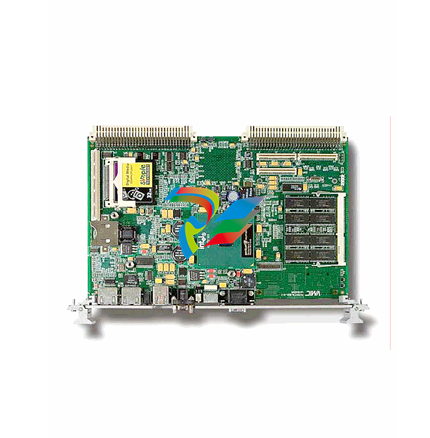 IS200EPMCH1GE Mark VIe Patch Cord Power Distribution Card
 -
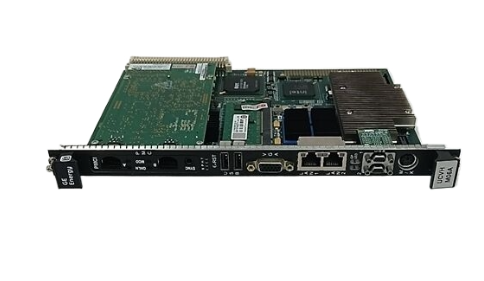 VMICPCI-7632-03310 IS215UCCAH3A 350-657362-003310J GE gas turbine system control processor board
 -
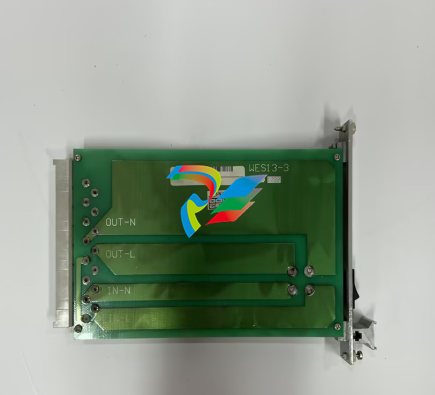 WEA13-13 2508-21001 Control Module / I/O Board
 -
.jpg) WES5120 2340-21004 Controller Main Module
WES5120 2340-21004 Controller Main Module -
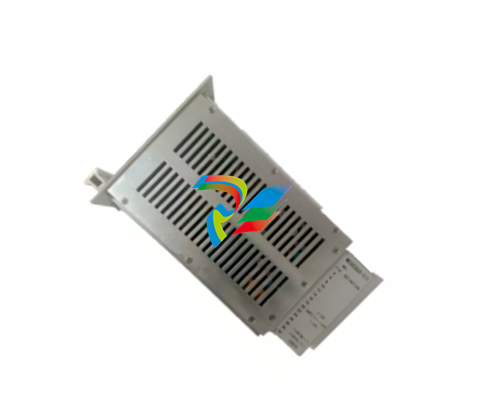 WES5120 2340-21006 Field Controller Master Unit Module
 -
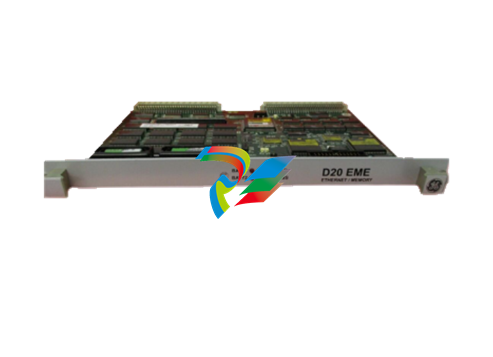 WESDAC D20ME 18-MAR-13 Excitation Control Module
 -
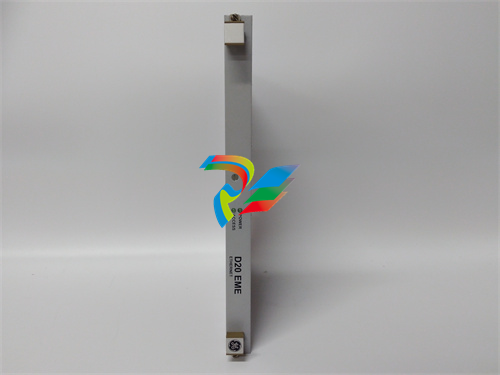 D20 EME 2400-21004 Ethernet communication and expansion module
 -
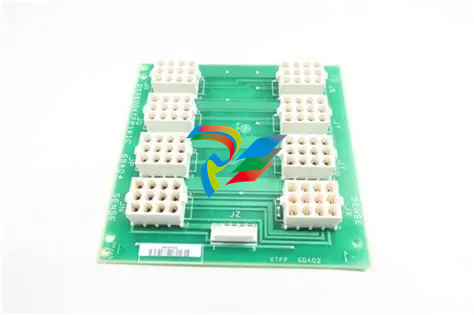 GE DS3800XTFP1E1C Thyristor Fan Out Board Brand
 -
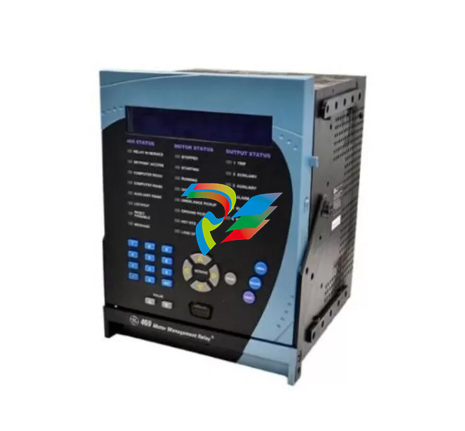 GE SR745-W2-P1-G1-HI-A-L-R-E Feeder protection relay
 -
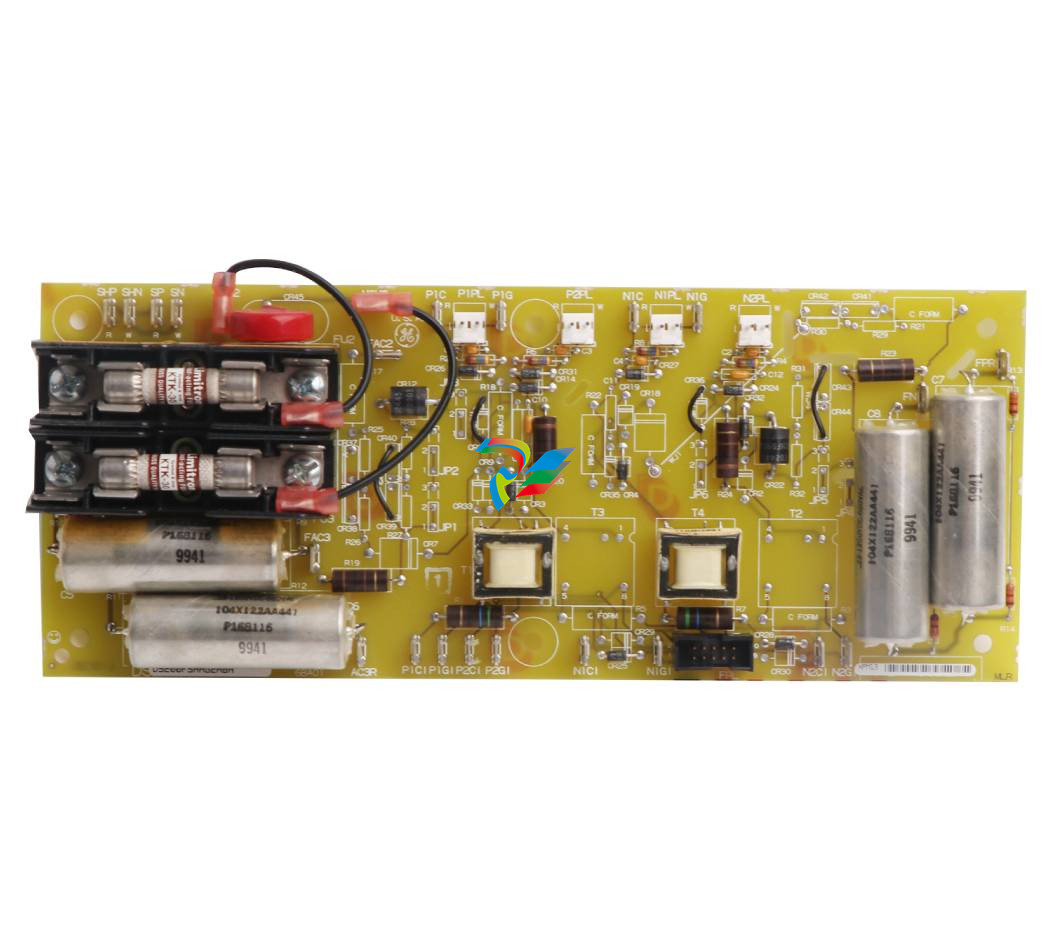 GE IS230TNDSH2A Discrete Output Relay Module Brand
 -
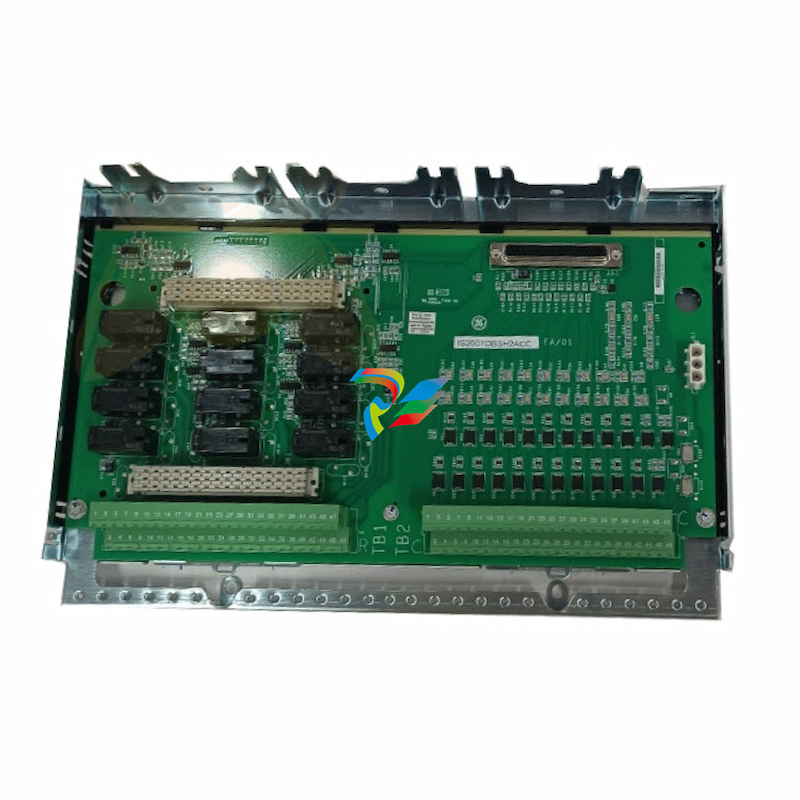 GE Fanuc IS200TDBSH2ACC Mark VI Terminal Board Brand
 -
 GE PMC-0247RC-282000 350-93750247-282000F Disk Drive
 -
GE PMC-0247RC-282000 350-93750247-282000F Disk Drive
-
 GE VMIVME-1150 Serial Communications Controller
 -
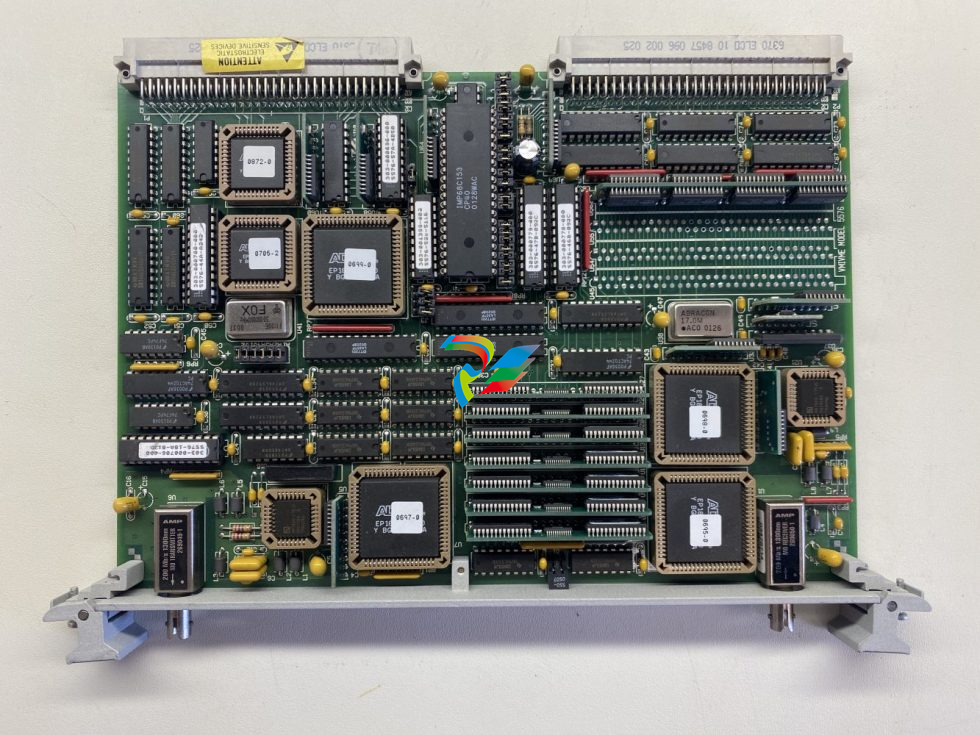 GE VMIVME-5576 Fiber-Optic Reflective Memory with Interrupts
 -
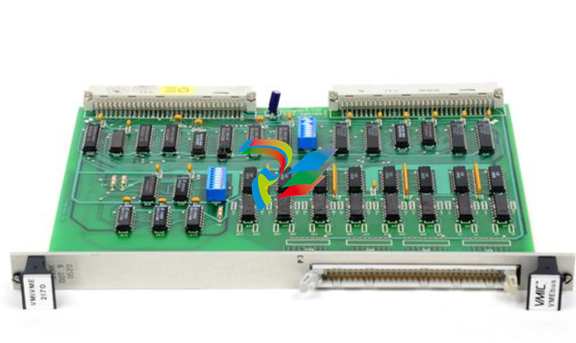 GE VMIC Isolated Digital Output VMIVME-2170A
 -
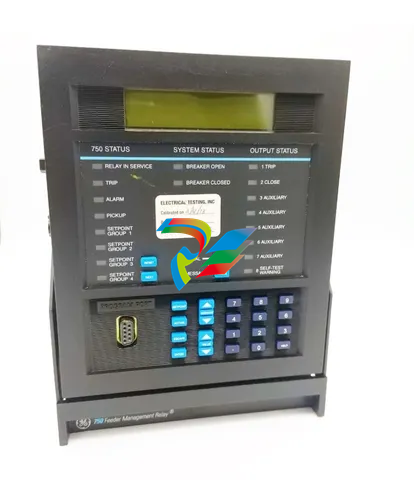 GE MULTILIN 760 FEEDER MANAGEMENT RELAY 760-P5-G5-S5-HI-A20-R-E
 -
 GE IS200AEPAH1BKE IS215WEPAH2BB Printed circuit board
 -
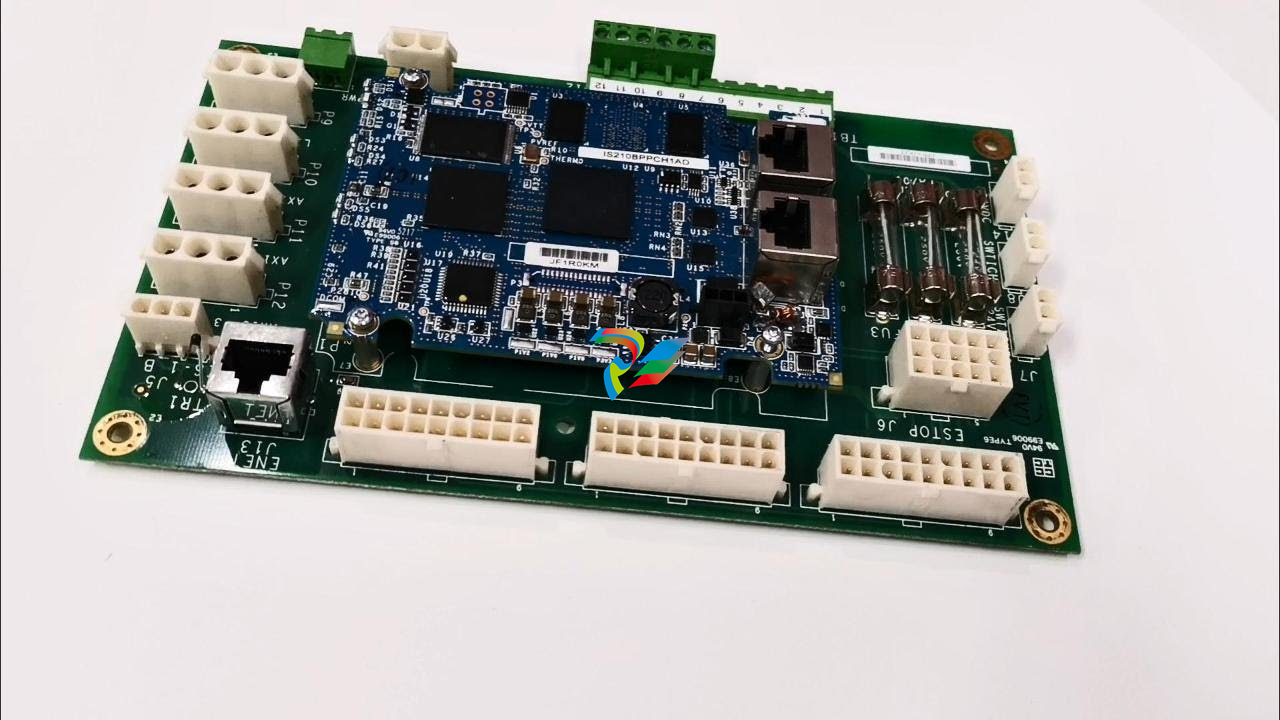 GE IS210BPPCH1A Mark VIe I/O Pack Processor Card
 -
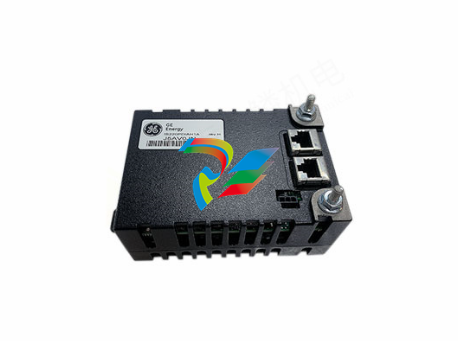 GE IS220PRTDH1A 336A4940CSP6 High-Performance RTD Input Module
 -
GE IS220PDIAH1BE 336A5026ADP4 Discrete Input Module
-
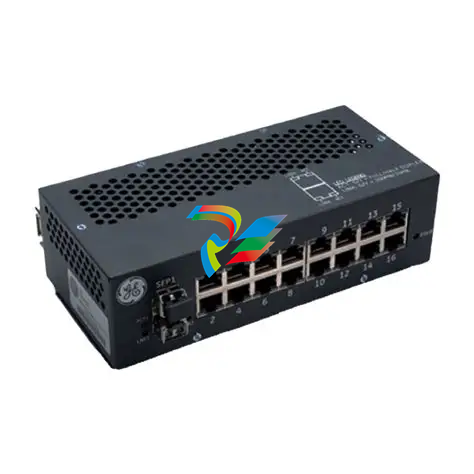 GE IS420ESWBH3A IONET Switch Module
 -
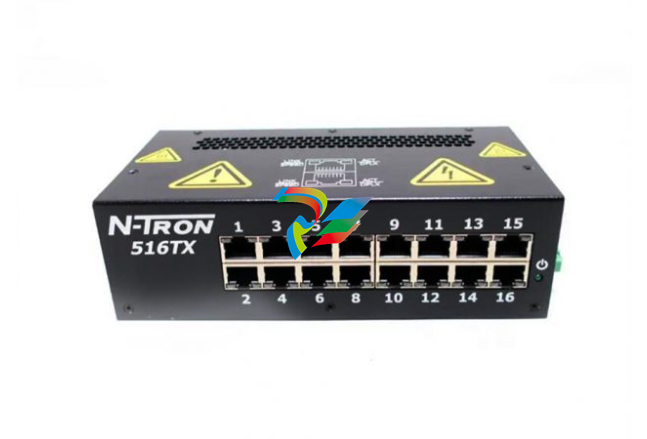 GE 516TX 336A4940DNP516TX 16-port Ethernet switch
 -
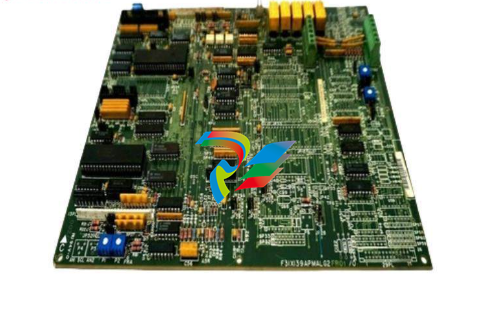 GE EVMECNTM13 Embedded control module
 -
GE EVPBDP0001 EVPBDP032 control module
-
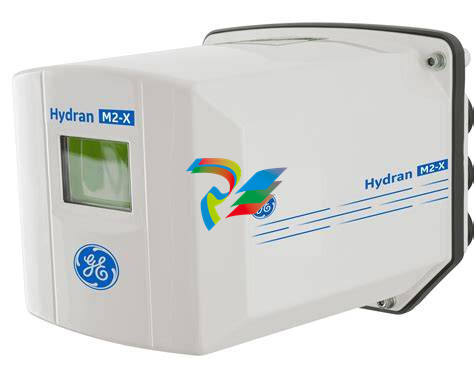 GE Hydran M2-X Enhanced Monitoring with Extended Sensor Life
 -
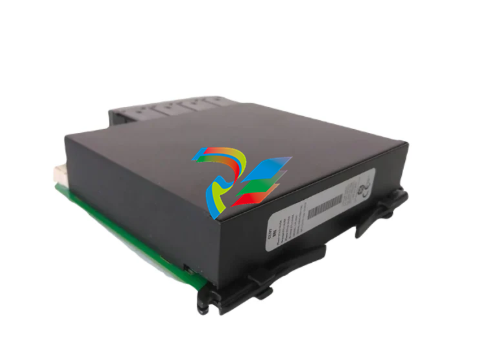 GE UR6CH Digital I/O Module
 -
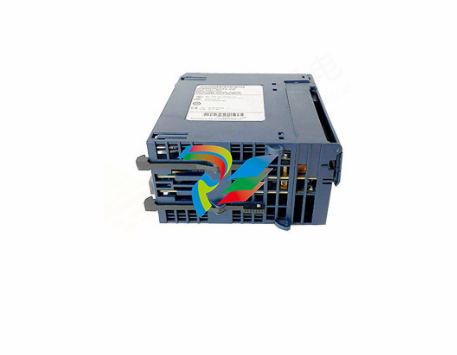 GE IC695CPU315-CD Central processing unit
 -
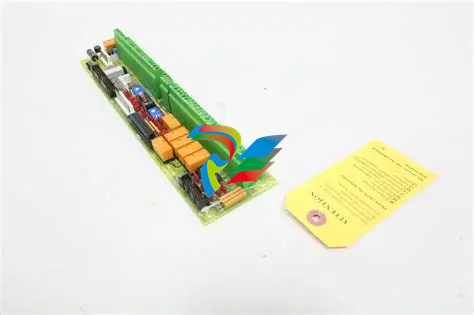 GE 531X305NTBAMG1 DR Terminal Board
 -
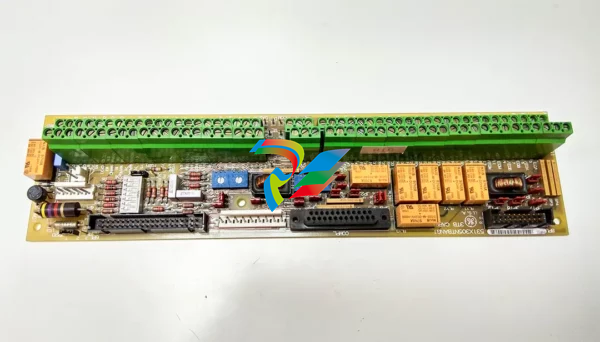 GE 531X305NTBALG1 NTB/3TB Terminal Board 531X Series
 -
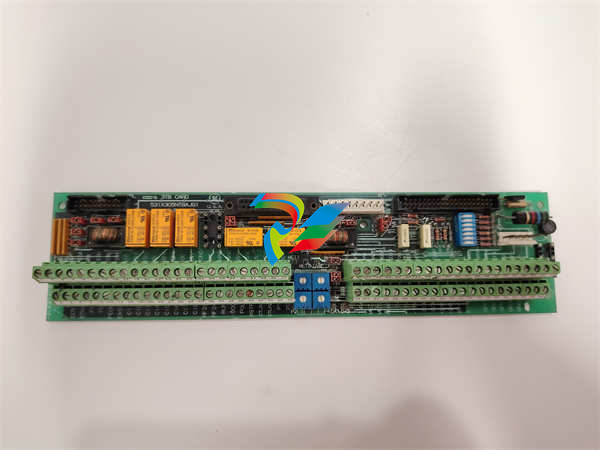 GE 531X305NTBAJG1 NTB/3TB Terminal Board.
 -
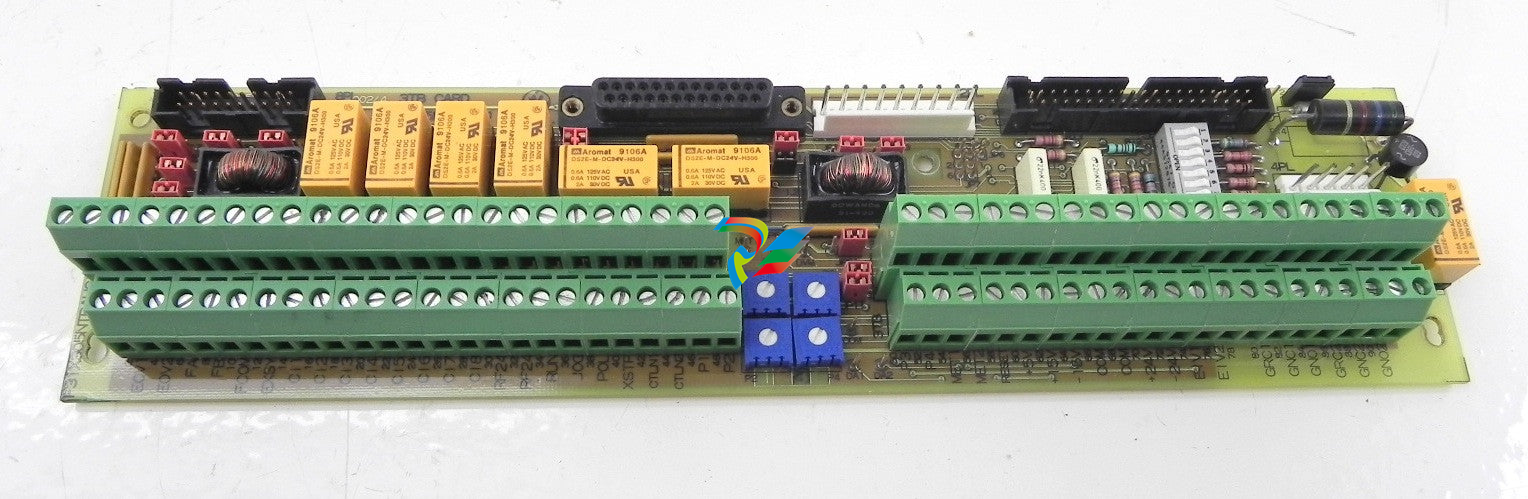 GE 531X305NTBAHG1 NTB/3TB Terminal Board 531X
 -
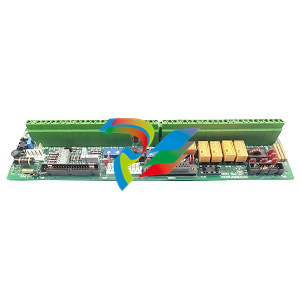 GE 531X305NTBAEG1 is a PCB that functions as a DR terminal board.
 -
General Electric 531X305NTBACG1 NTB/3TB Terminal Board 531X
-
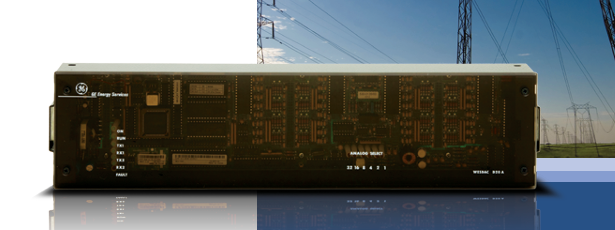 GE Digital Energy D20 Analog Input Module
 -
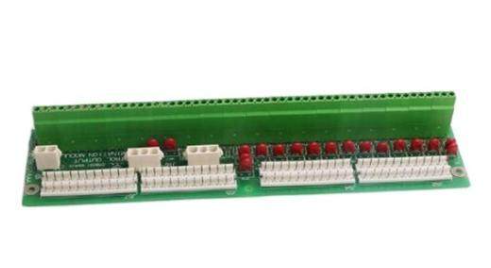 GE 94-164136-001 main board Control board
 -
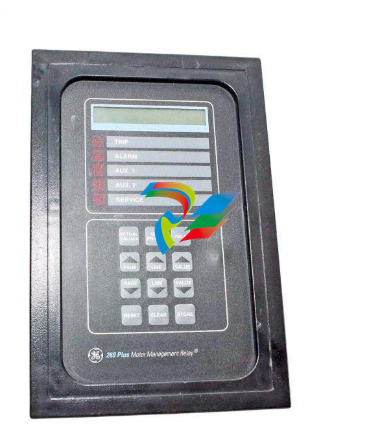 GE 269 PLUS-D/O-100P-125V Digital motor relay
 -
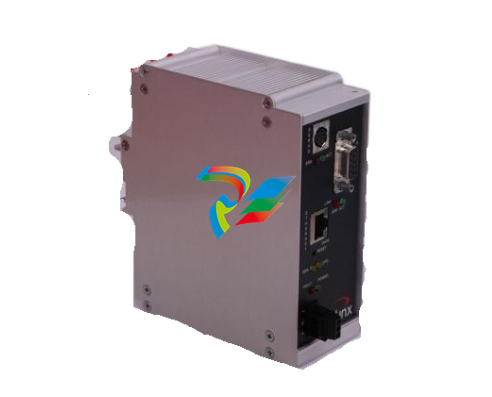 GALIL DMC-9940 High-performance motion controller
 -
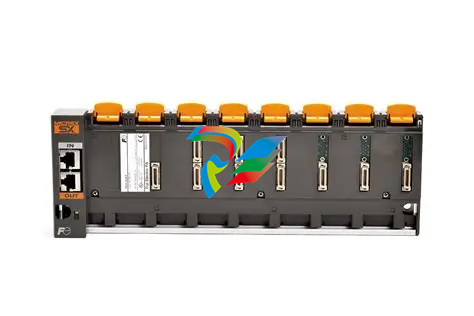 FUJI NP1BS-08 base plate
 -
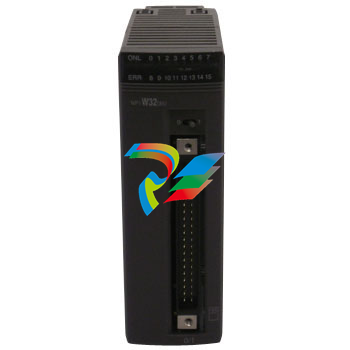 FUJI NP1Y32T09P1 Transistor drain type digital output module
 -
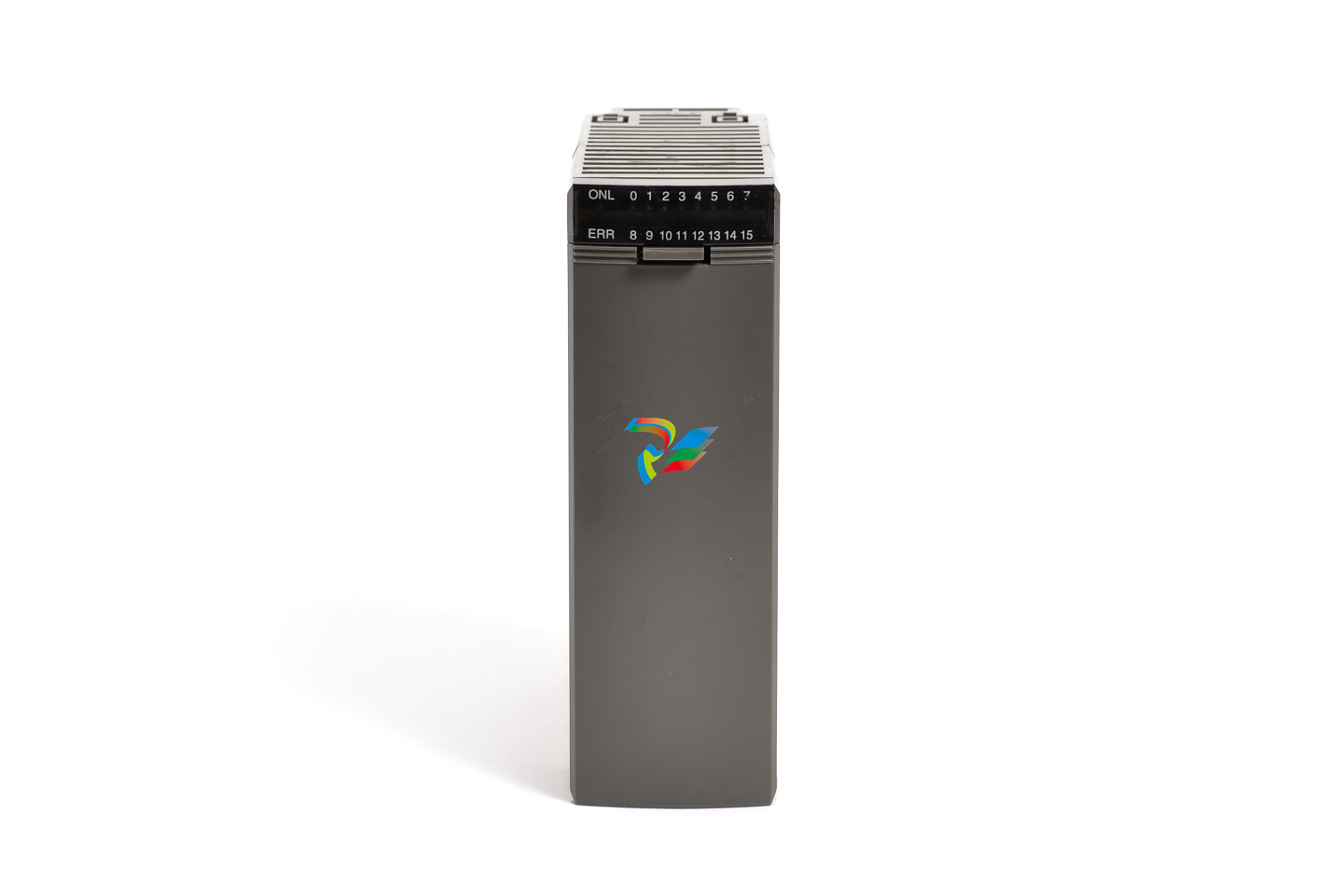 FUJI NP1Y16R-08 Digital Output Module
 -
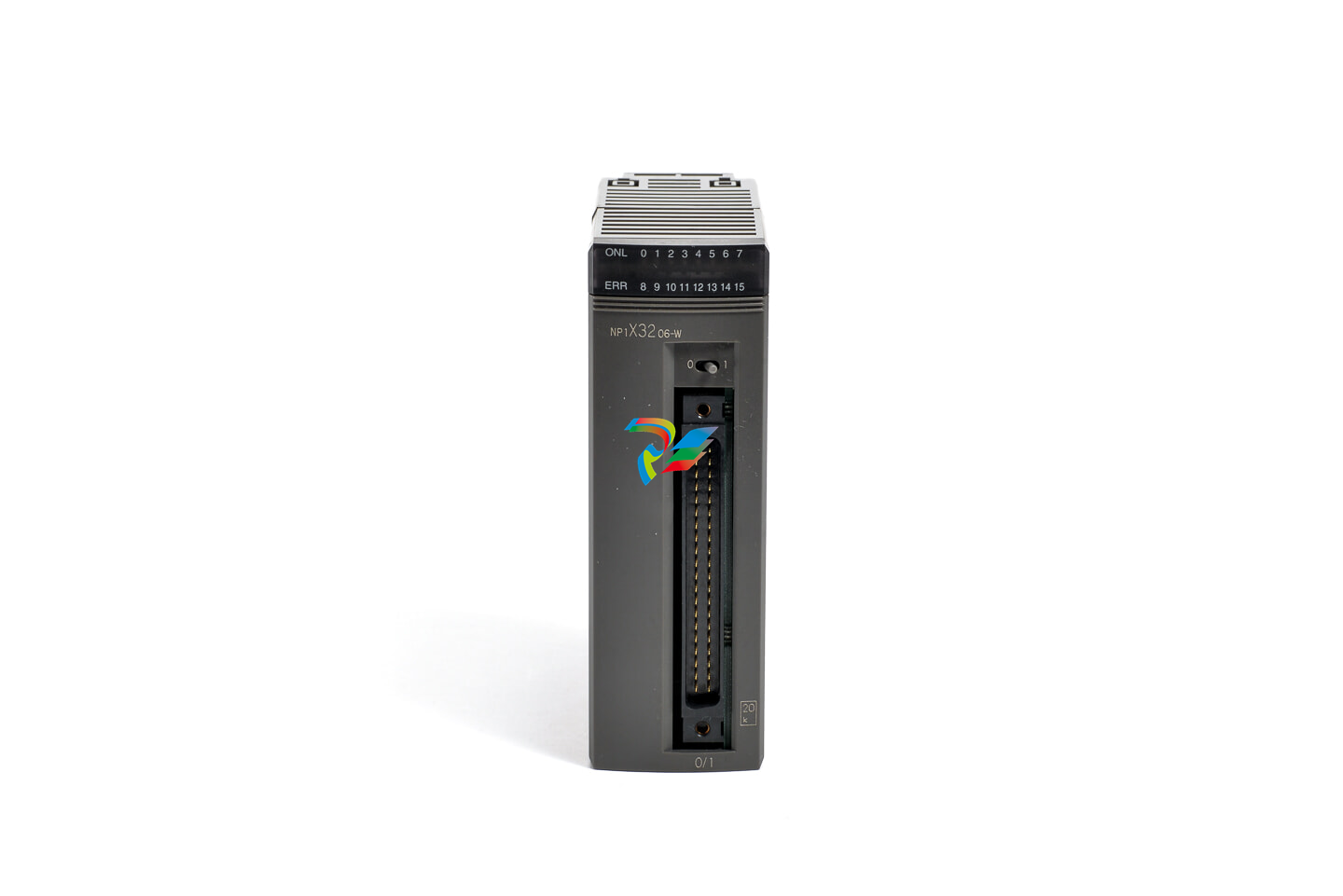 FUJI NP1X3206-A High-speed digital input module
 -
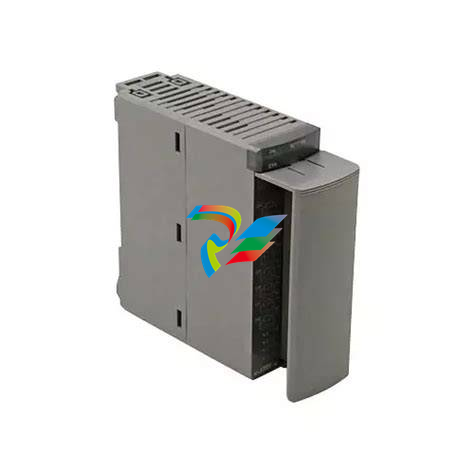 FUJI NP1AYH4I-MR current output module
 -
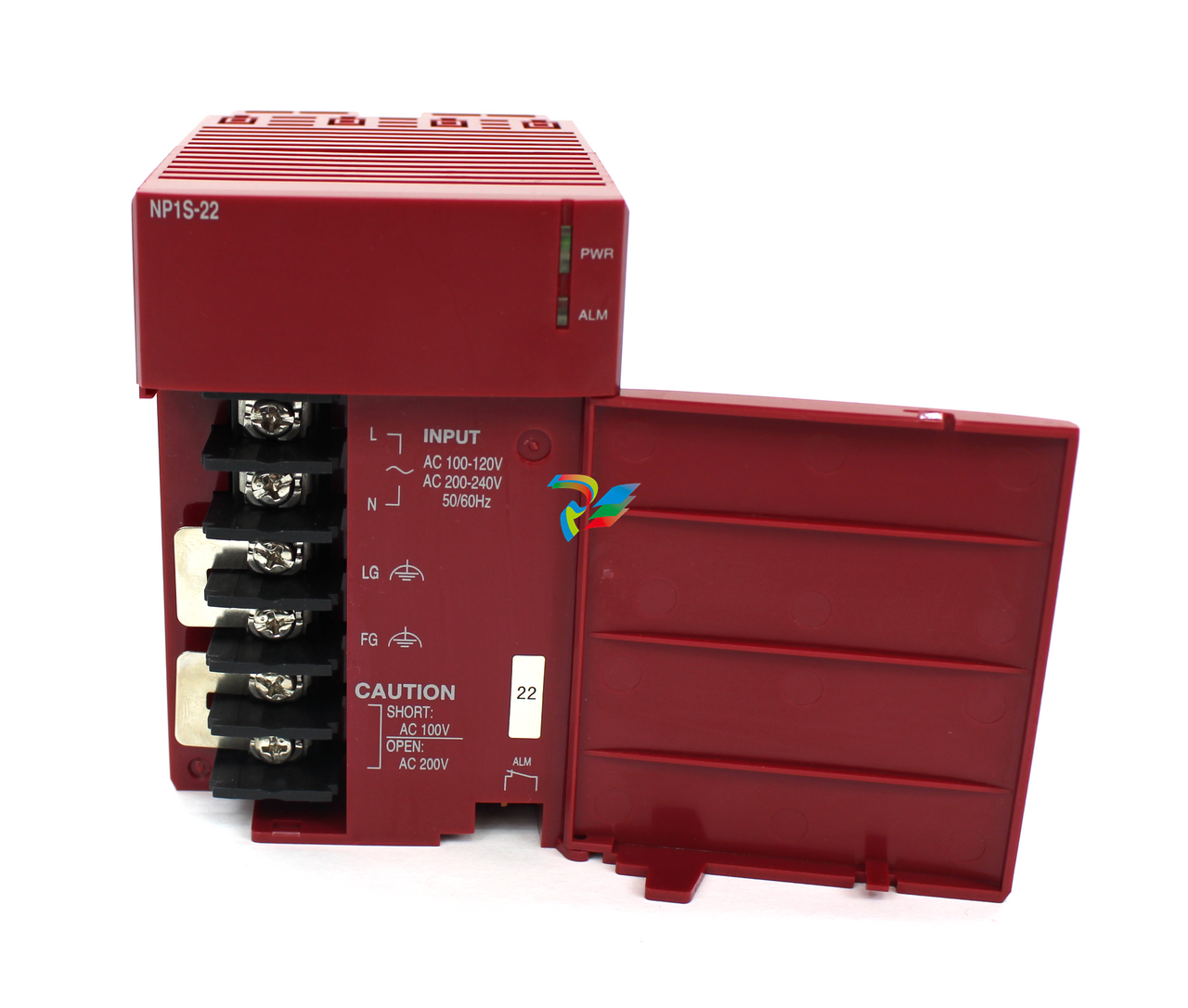 FUJI NP1S-22 Power module redundancy
 -
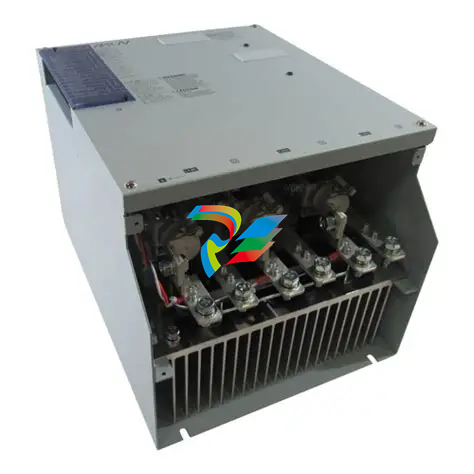 FUJI RPXD2150-1T servo drive module
 -
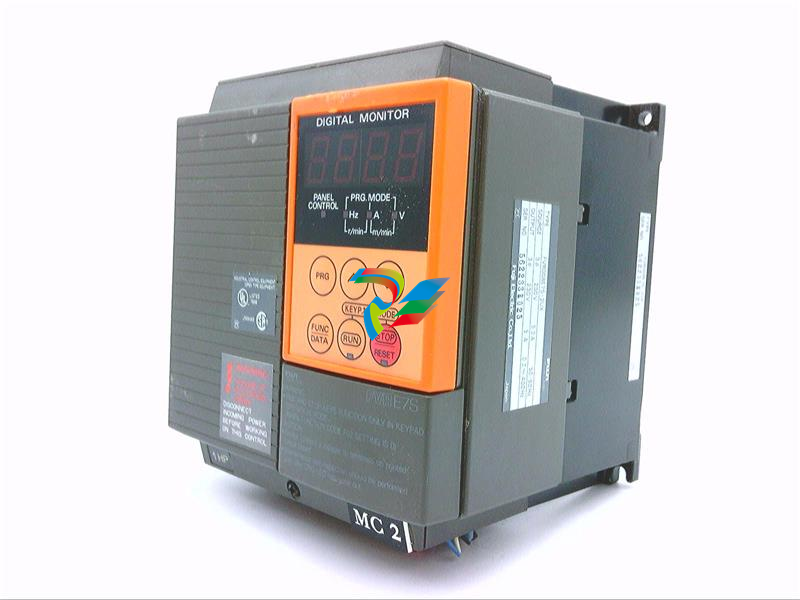 FUJI FVR008E7S-2UX Ac frequency converter
 -
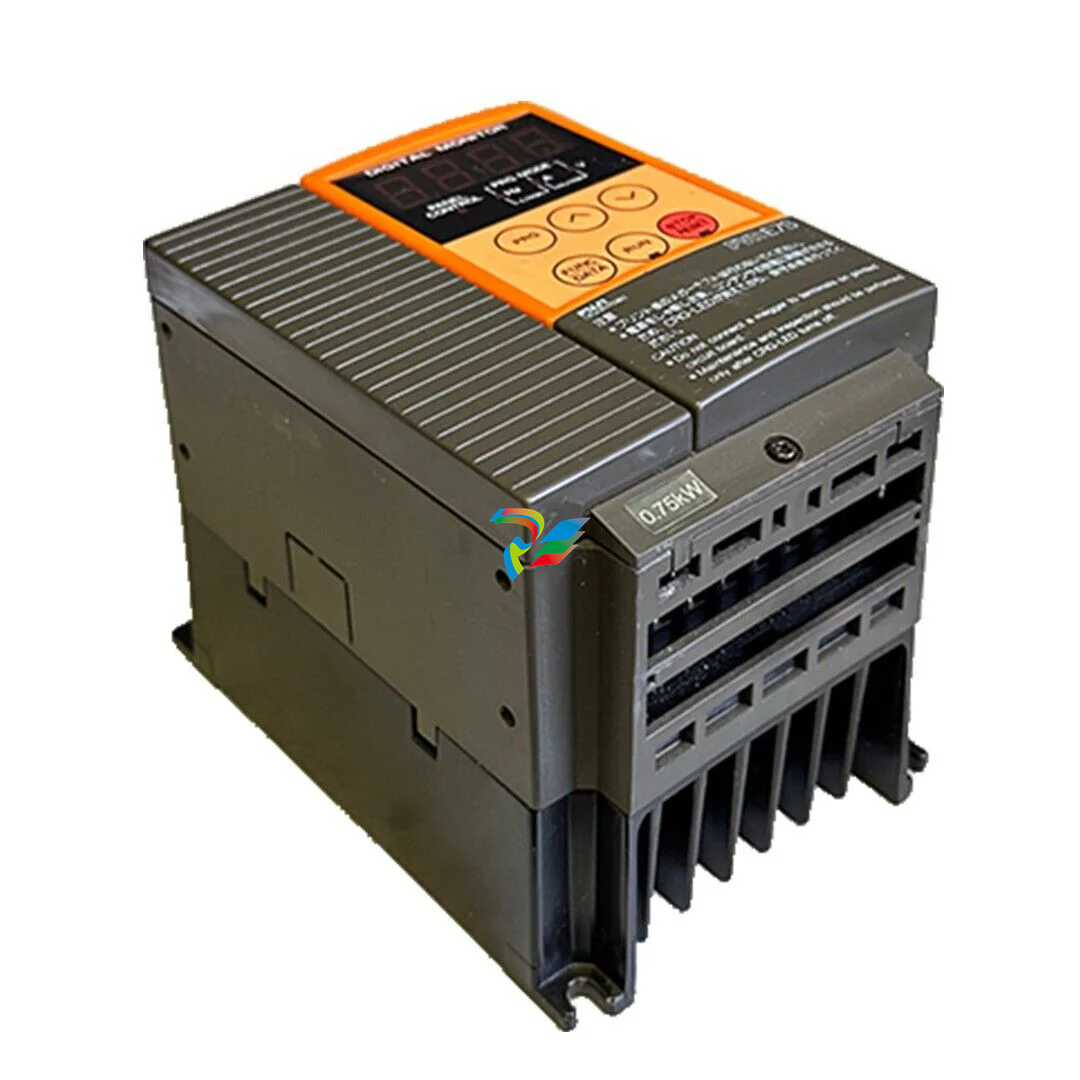 FUJI Ac frequency converter FVR008E7S-2
 -
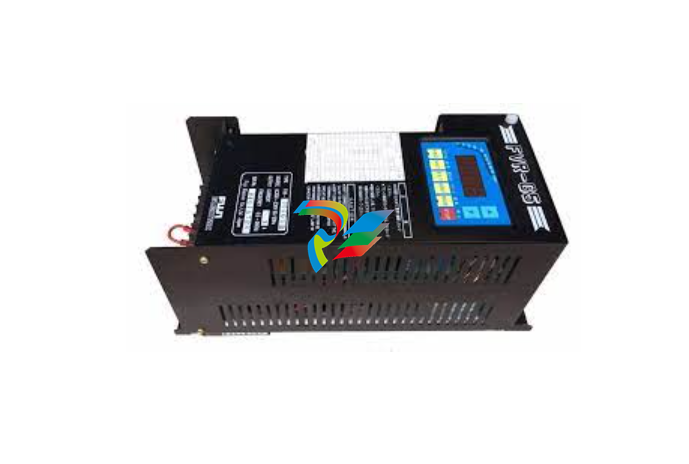 FUJI FVR004G5B-2 Small general-purpose frequency converter
 -
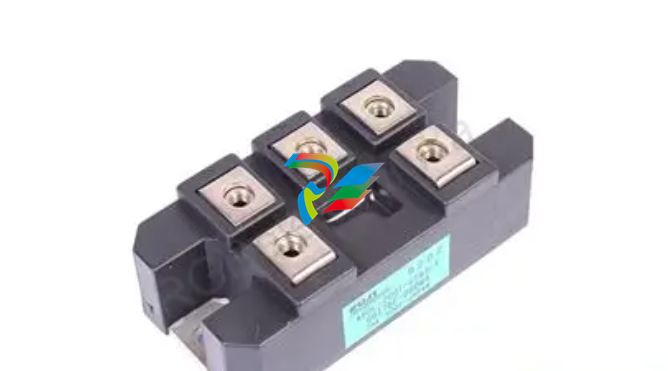 FUJI A50L-2001-0232 Industrial control module
 -
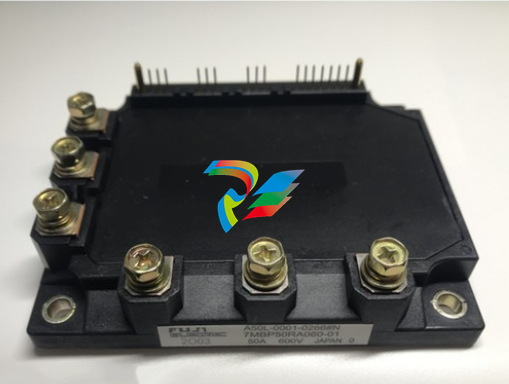 FUJI A50L-001-0266#N High-performance servo amplifier
 -
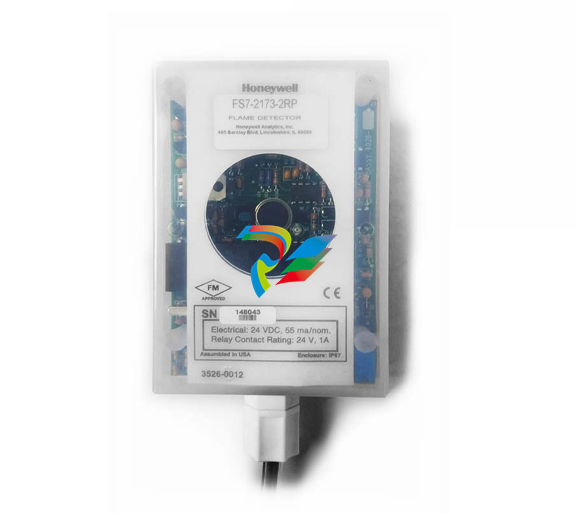 Honeywell FS7-2173-2RP Gas sensor
 -
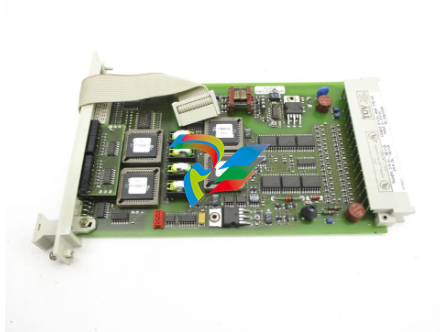 Honeywell 10106/2/1 Digital Input Module in Stock
 -
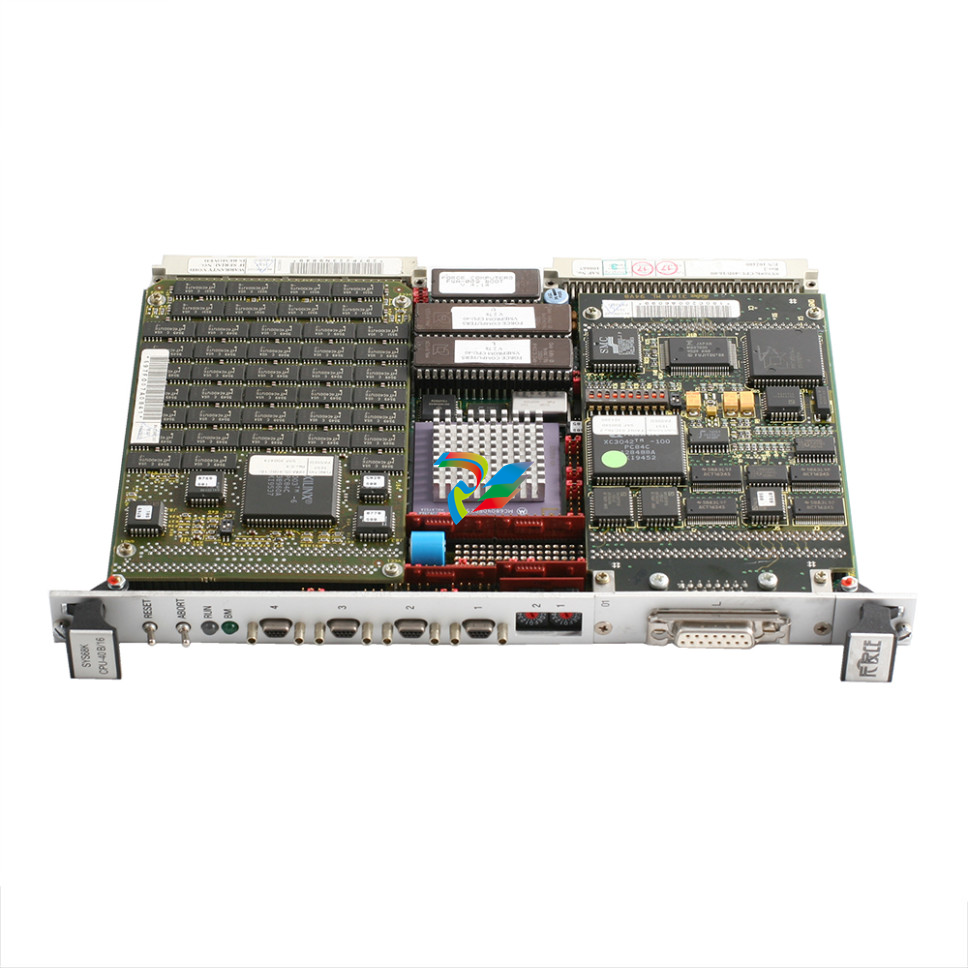 FRCE SYS68K CPU-40 B/16 PLC core processor module
 -
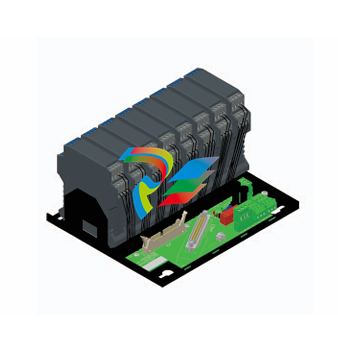 Foxboro FBM I/O cards PBCO-D8-009
 -
 Foxboro AD916AE Digital Control System (DCS) Module
 -
 GE SR750-P5-G5-S5-HI-A20-R-E Multilin Relay
 -
.jpg) FOXBORO H90 H90C9AA0117S Industrial Computer Workstation
FOXBORO H90 H90C9AA0117S Industrial Computer Workstation -
FOXBORO RH928AW | I/A Series Relay Output Module
-
.jpg) Foxboro N-2AX+DIO Multi-functional input/output module
Foxboro N-2AX+DIO Multi-functional input/output module -
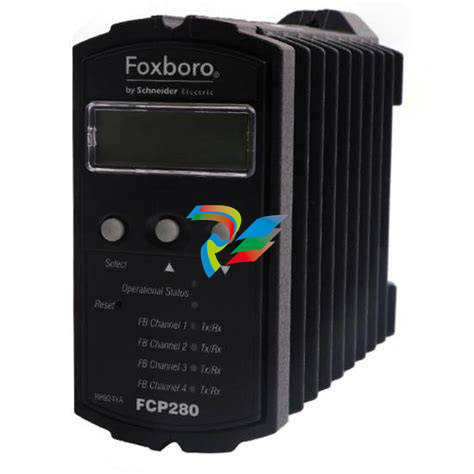 Foxboro RH924WA FCP280 Fiber Optic Network Adapter
 -
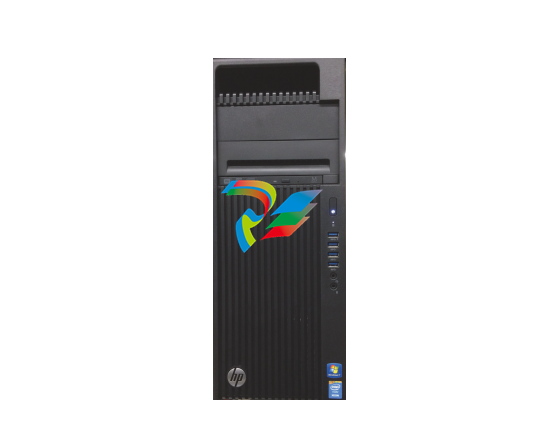 FOXBORO H92 Versatile Hardware Component In
 -
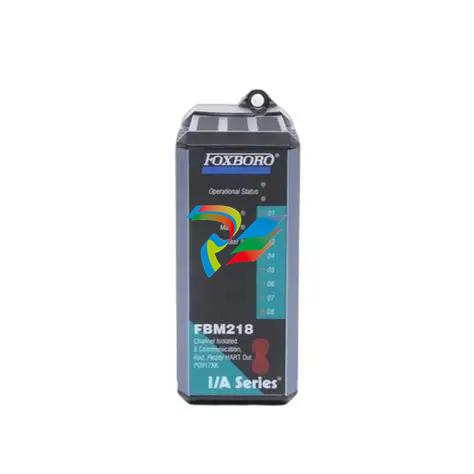 Foxboro FBM218 P0922VW HART® Communication Redundant Output Interface Module
 -
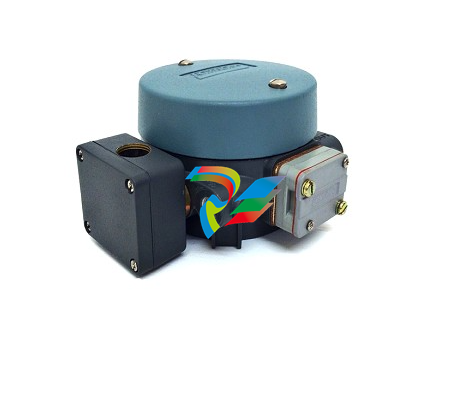 Foxboro E69F-TI2-J-R-S E69F Series Current-To-Pneumatic Signal Converter
 -
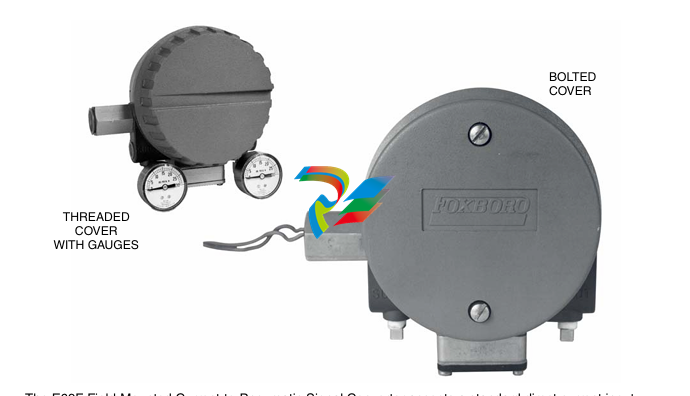 Foxboro E69F-BI2-S Converter
 -
.jpg) Foxboro H92A049E0700 The host of the DCS control station
Foxboro H92A049E0700 The host of the DCS control station -
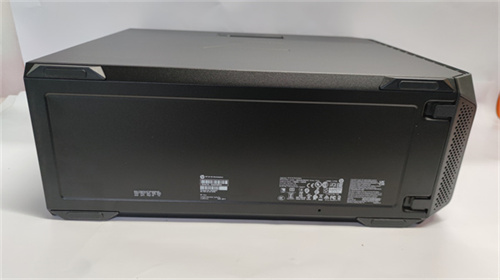 Foxboro H90C9AA0117S Industrial computer workstation
 -
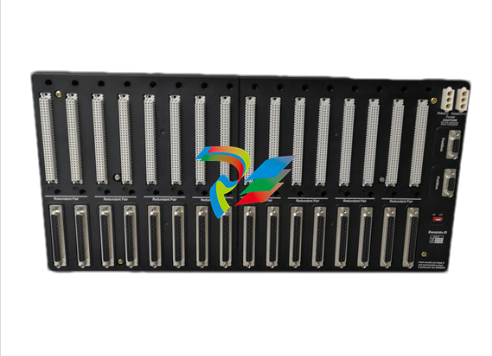 Foxboro RH101AA High-performance industrial control module
 -
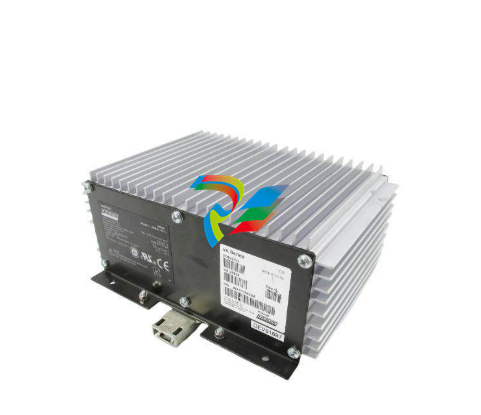 Foxboro P0922YU FPS400-24 I/A Series Power supply
 -
.png) FOXBORO P0973LN Chassis-based managed switch with independent power supply
FOXBORO P0973LN Chassis-based managed switch with independent power supply -
.jpg) FOXBORO P0926PA Input/output module
FOXBORO P0926PA Input/output module -
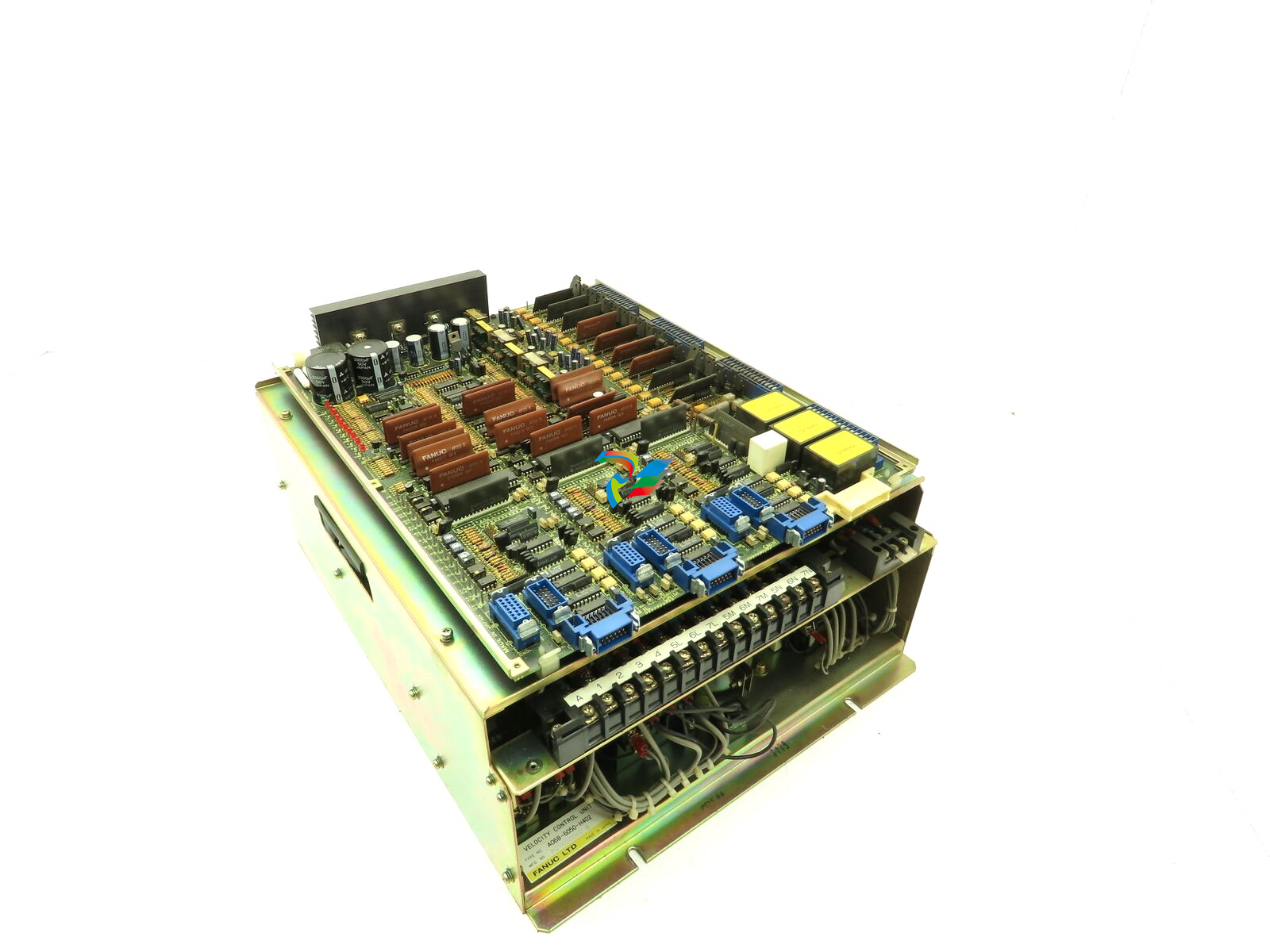 Fanuc A06B-6050-H402 3 AXIS ANALOG AC SERVO DRIVE
 -
.jpg) FOXBORO L0130AD L0130AE-0H Power module group
FOXBORO L0130AD L0130AE-0H Power module group -
_lVjBYb.jpg) FOXBORO 0399085B 0303440C+0303458A Combination Control Module
FOXBORO 0399085B 0303440C+0303458A Combination Control Module -
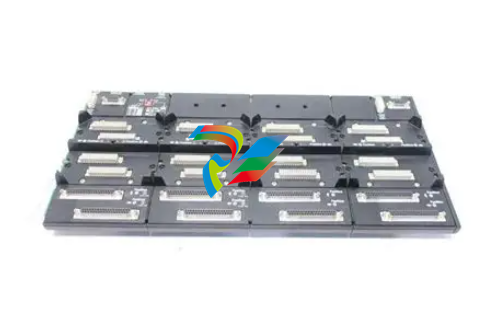 FOXBORO SY-0399095E (SY-0303451D+SY-0303460E) Process control board
 -
.jpg) FOXBORO 0399071D 0303440C+0303443B Input/Output (I/O) Module
FOXBORO 0399071D 0303440C+0303443B Input/Output (I/O) Module -
.jpg) FOXBORO RH924UQ Redundant Controller module
FOXBORO RH924UQ Redundant Controller module -
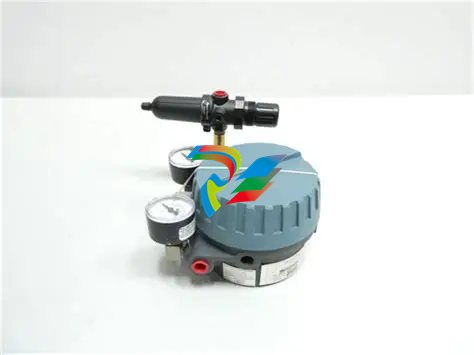 FFOXBORO E69F-TI2-S current pneumatic converter
 -
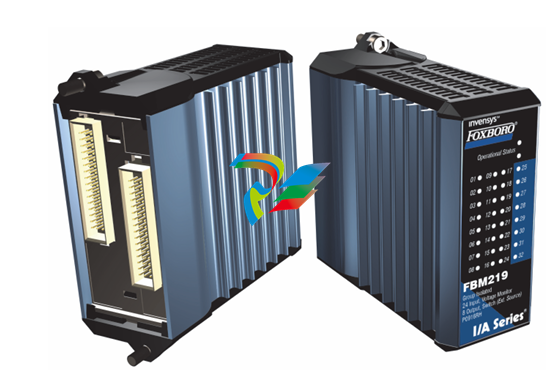 FOXBORO FBM219 RH916RH Discrete I/O Module
 -
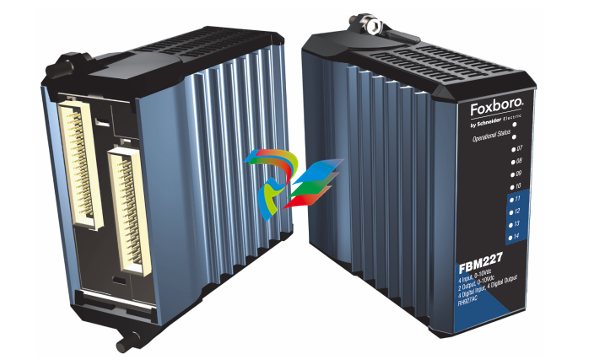 FOXBORO FBM227 P0927AC Module
 -
.jpg) FOXBORO 0399144 SY-0301059F SY-1025115C/SY-1025120E I/O module
FOXBORO 0399144 SY-0301059F SY-1025115C/SY-1025120E I/O module -
.jpg) FOXBORO SY-60399001R SY-60301001RB Industrial Control Module
FOXBORO SY-60399001R SY-60301001RB Industrial Control Module -
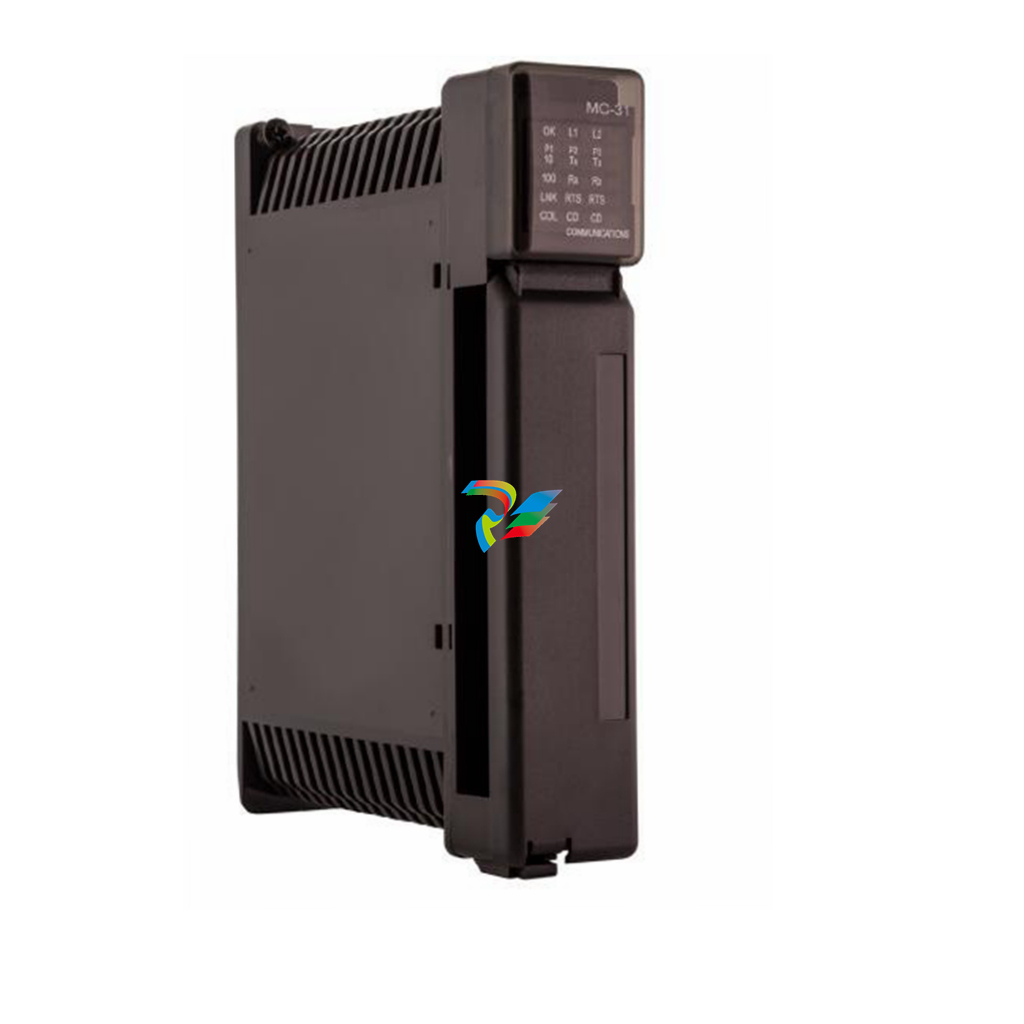 FOXBORO 0399143 SY-0301060R SY-1025115C SY-1025120E Combined control board
 -
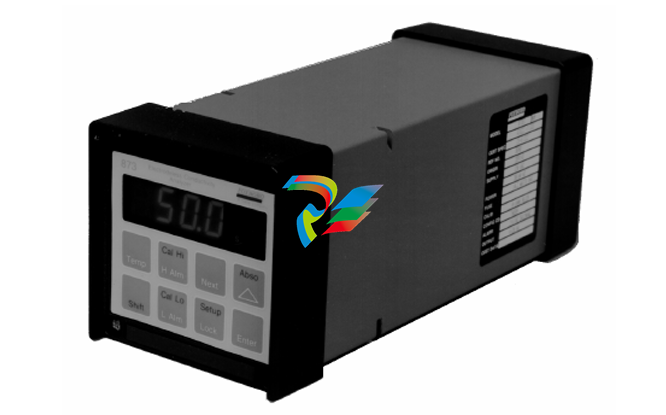 FOXBORO 873EC-JIPFGZ electrodeless conductivity analyzer
 -
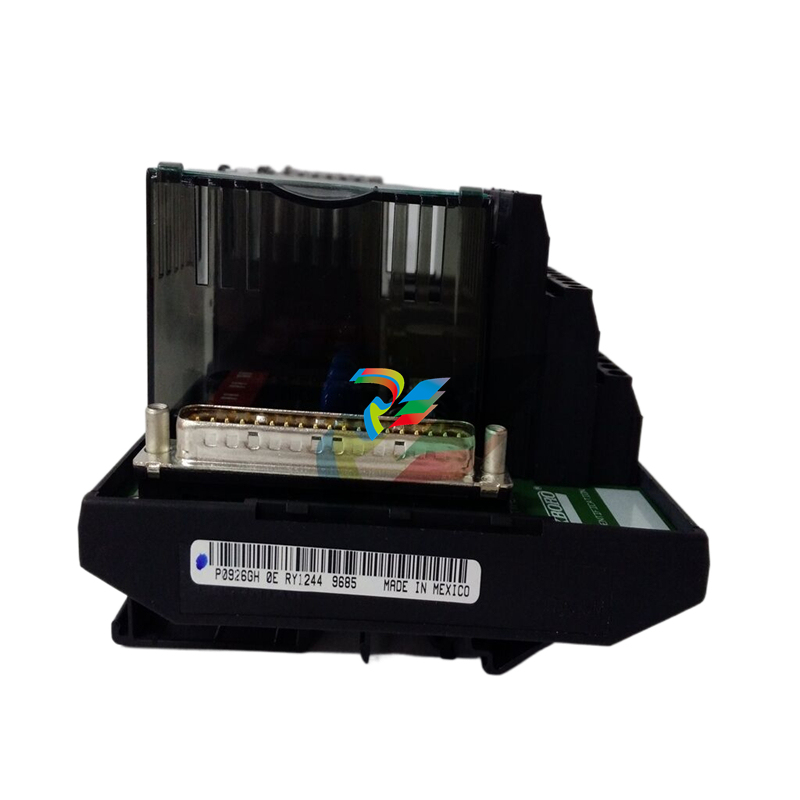 FOXBORO P0916PH (High-density HART I/O Module)
 -
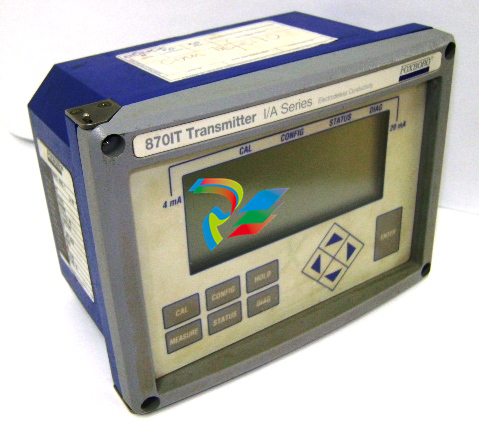 FOXBORO 870ITEC-AYFNZ-7 Intelligent Electrochemical Transmitters
 -
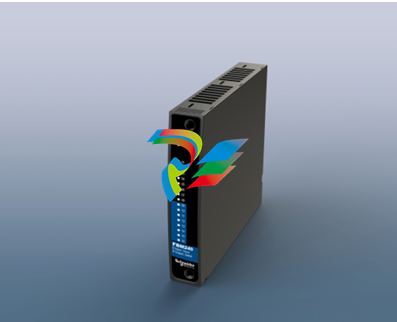 FOXBORO Compact FBM240. Redundant with Readback, Discrete
 -
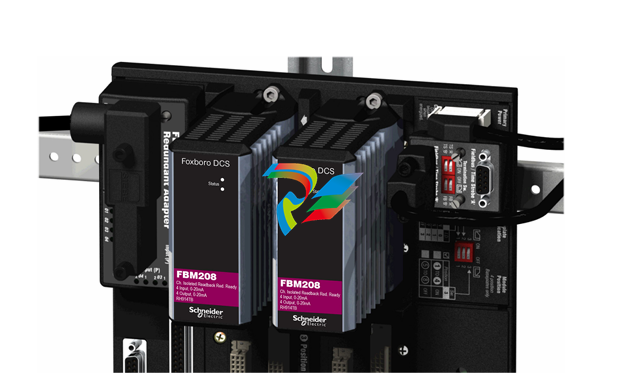 FOXBORO FBM208/b, Redundant with Readback, 0 to 20 mA I/O Module
 -
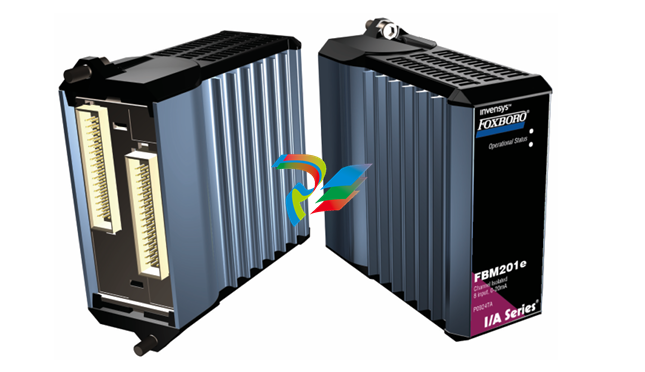 FOXBORO FBM201e Analog Input (0 to 20 mA) Interface Modules
 -
.jpg) FOXBORO P0916WG Terminal cable
FOXBORO P0916WG Terminal cable -
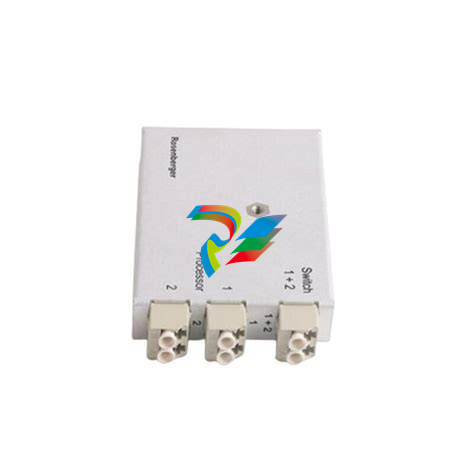 FOXBORO P0926MX 2-Port Splitter
 -
.jpg) FOXBORO AD908JQ High-Frequency Module
FOXBORO AD908JQ High-Frequency Module -
.jpg) FOXBORO AD916CC Processor module
FOXBORO AD916CC Processor module -
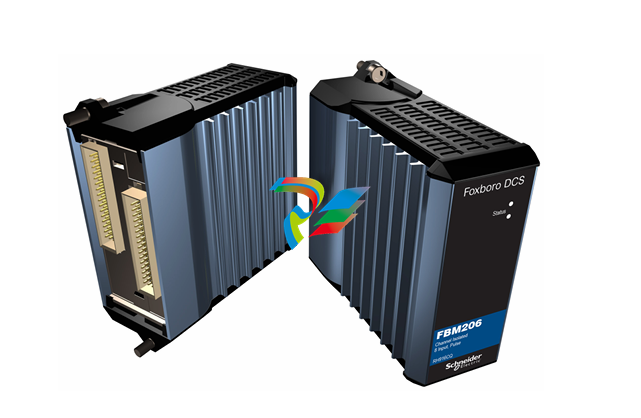 Foxboro DCS FBM206 Pulse Input Module
 -
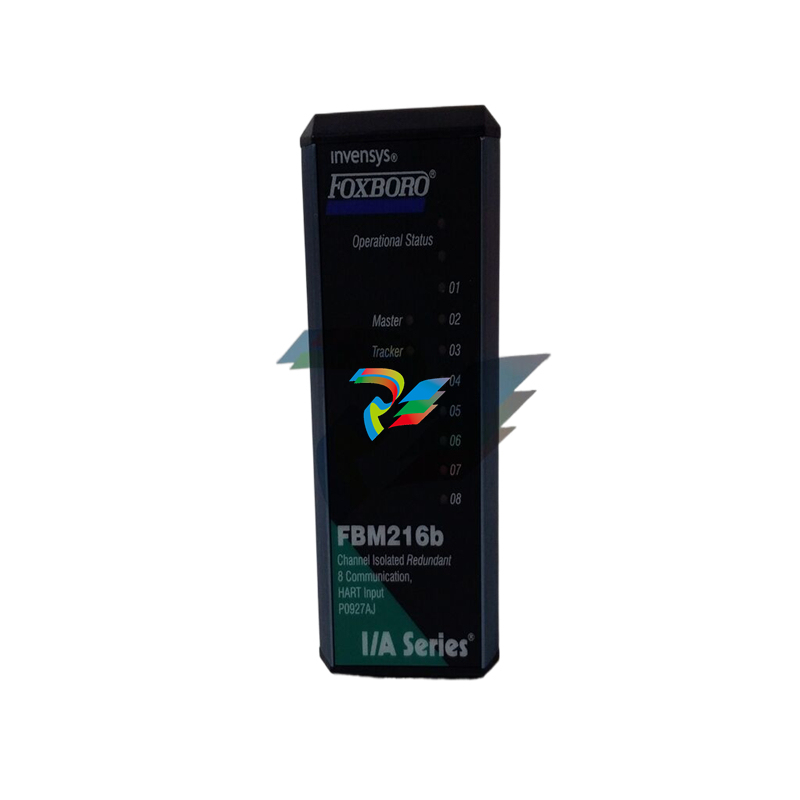
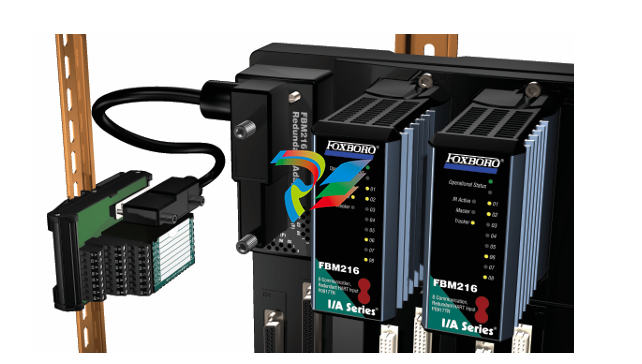 FOXBORO FBM216 HART® Communication Redundant Input Interface Module
 -
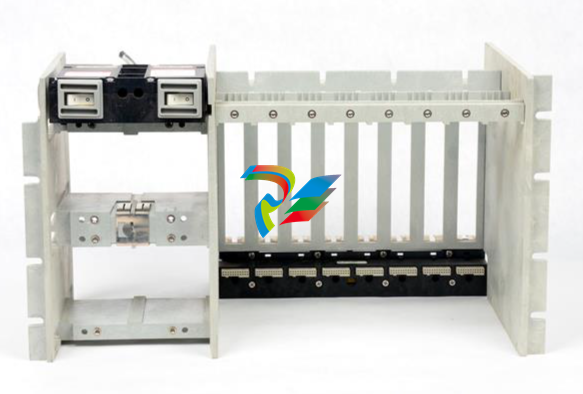 Foxboro p0903nu 1×8 unit sub-component module
 -
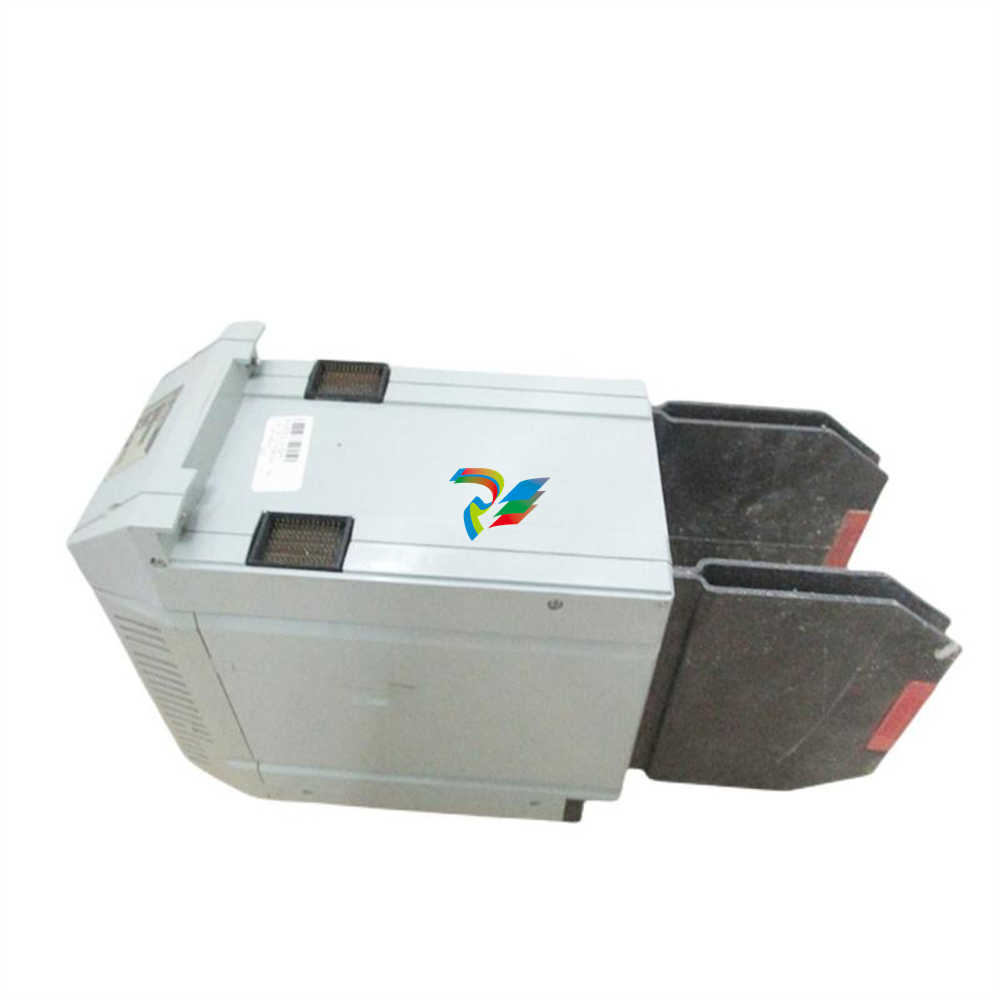 Foxboro P0911SM Industrial control module
 -
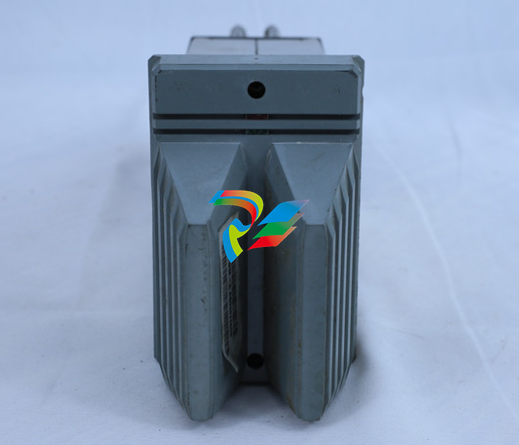 Foxboro CM902WM I/O module
 -
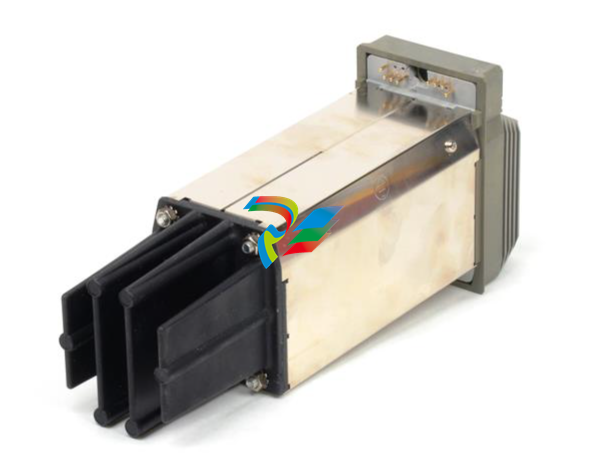 Foxboro CM902WL Power module
 -
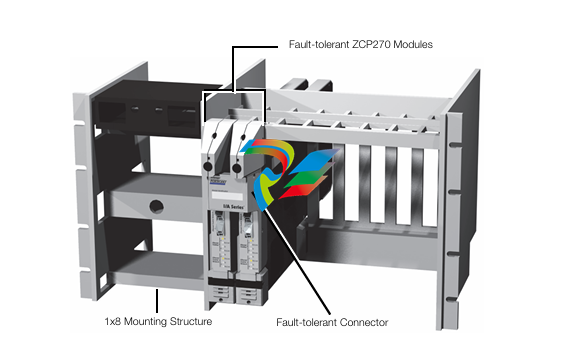 Foxboro P0972VA Industrial Control Module
 -
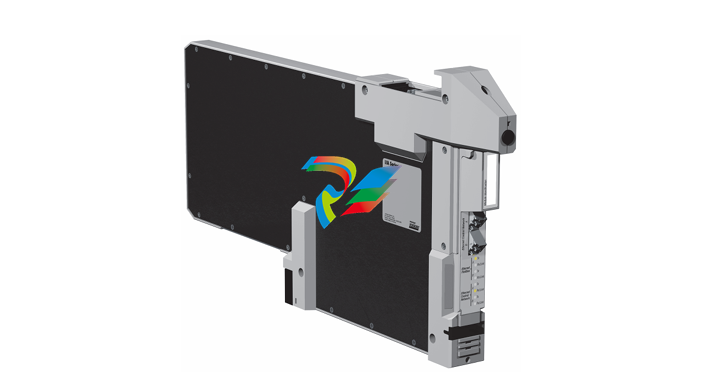 Foxboro Z-Module Control Processor 270 (ZCP270)
 -
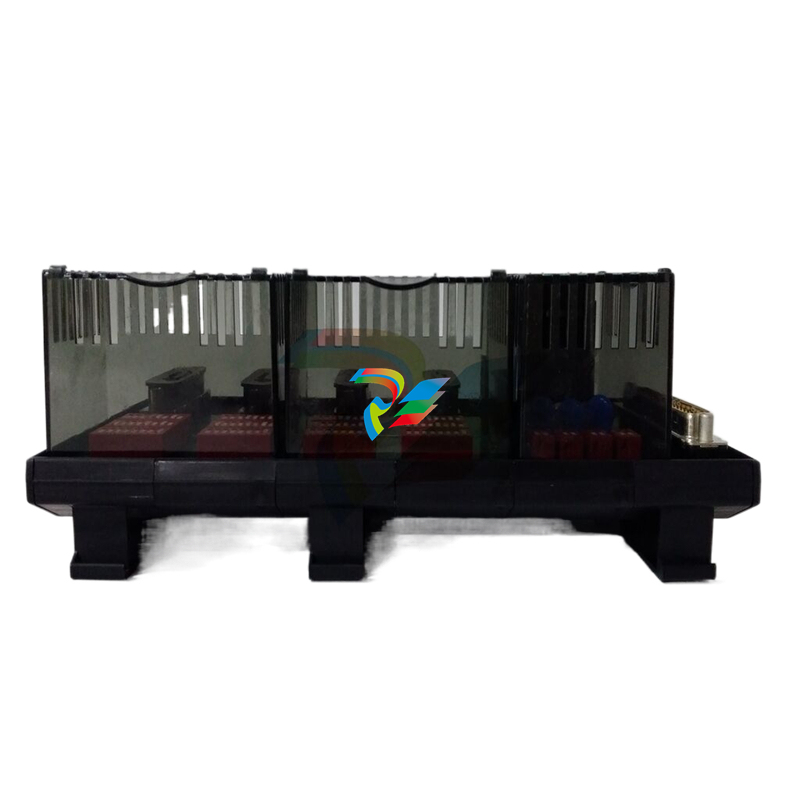 Foxboro PO916JS 16-channel terminal block module
 -
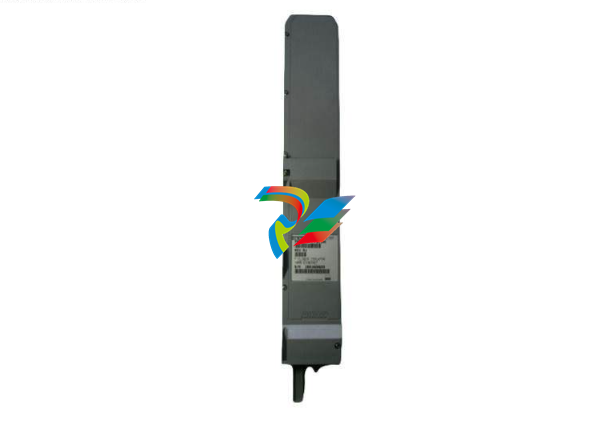 Foxboro PO911SM High-performance digital/analog input/output module
 -
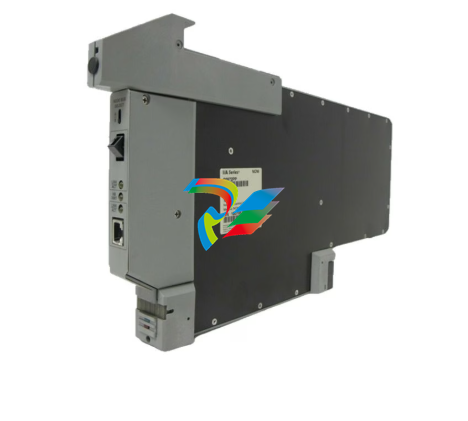 Foxboro P0972PP-NCNI Network Interface Module
 -
.jpg) FOXBORO P0971QZ controller module
FOXBORO P0971QZ controller module -
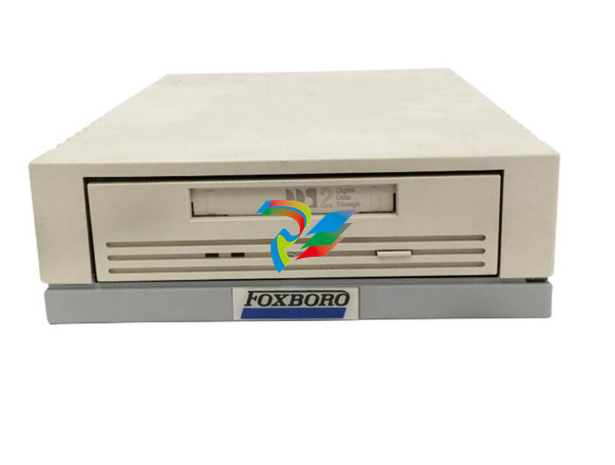 FOXBORO P0971DP Thermal resistance input/output module
 -
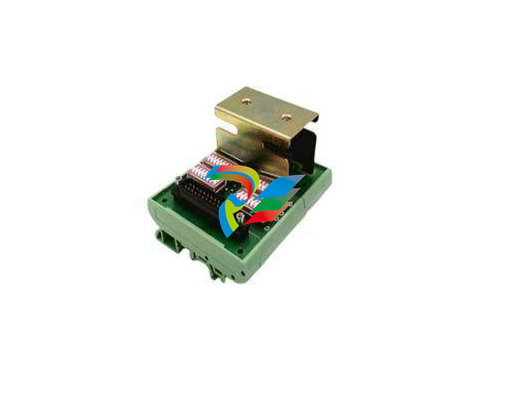 FOXBORO P0970VB Cable connector
 -
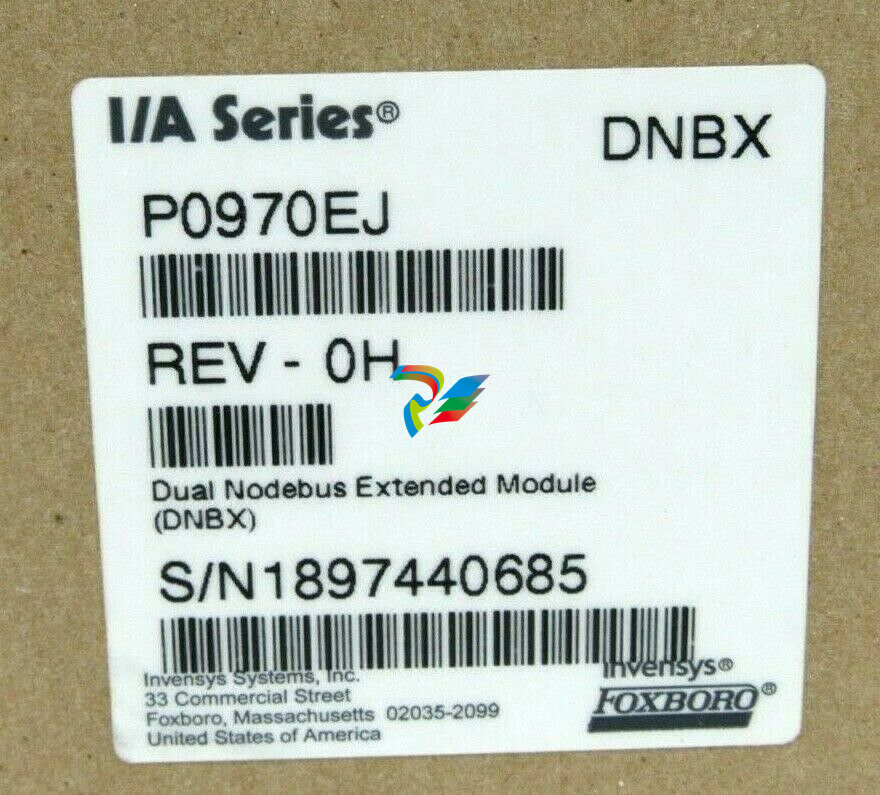 FOXBORO P0970EJ-DNBX Dual-node bus expansion module
 -
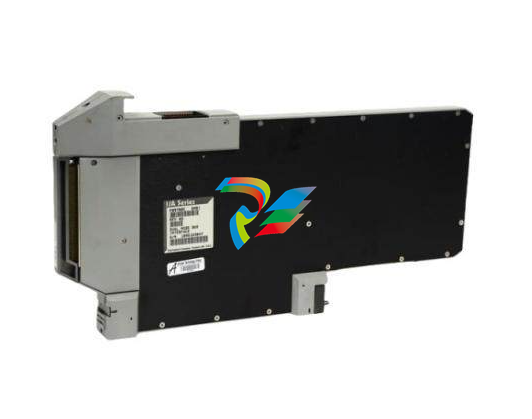 FOXBORO P0970BP Redundant power supply system
 -
.jpg) FOXBORO P0970BC-DNBI DeviceNet bus interface module
FOXBORO P0970BC-DNBI DeviceNet bus interface module -
.jpg) FOXBORO P0961FX-CP60S Main control CPU module
FOXBORO P0961FX-CP60S Main control CPU module -
.jpg) FOXBORO P0961EF-CP30B Network Interface Unit
FOXBORO P0961EF-CP30B Network Interface Unit -
.jpg) FOXBORO P0961CA Optical fiber local area network module
FOXBORO P0961CA Optical fiber local area network module -
.jpg) FOXBORO P0961BD-GW30B gateway processor module
FOXBORO P0961BD-GW30B gateway processor module -
.jpg) FOXBORO P0961BC-CP40B/I/A Series high-performance control processor module
FOXBORO P0961BC-CP40B/I/A Series high-performance control processor module -
FOXBORO P0960JA-CP40 High-performance control processor
-
FOXBORO P0926TM Control module
-
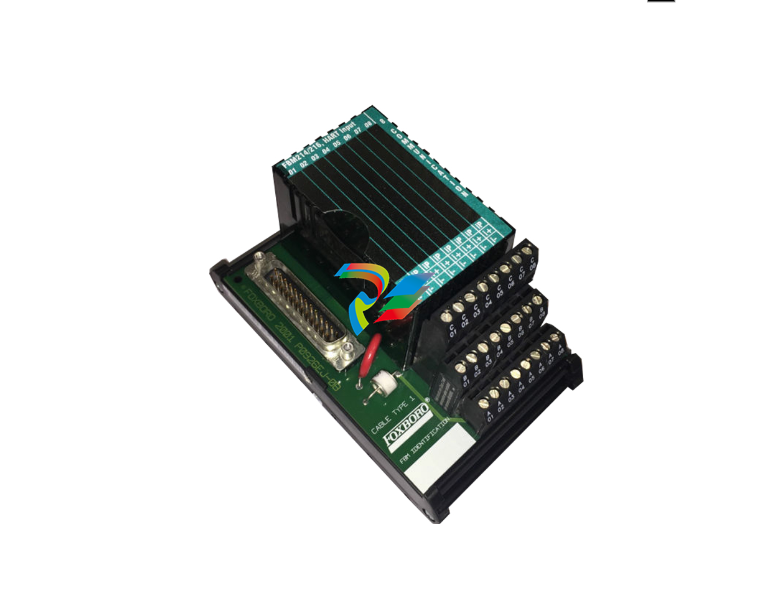 FOXBORO P0916BX Termination Assembly
 -
.jpg) FOXBORO P0916AE P0916AG P0916AW Thermal resistance input type DCS card module
FOXBORO P0916AE P0916AG P0916AW Thermal resistance input type DCS card module -
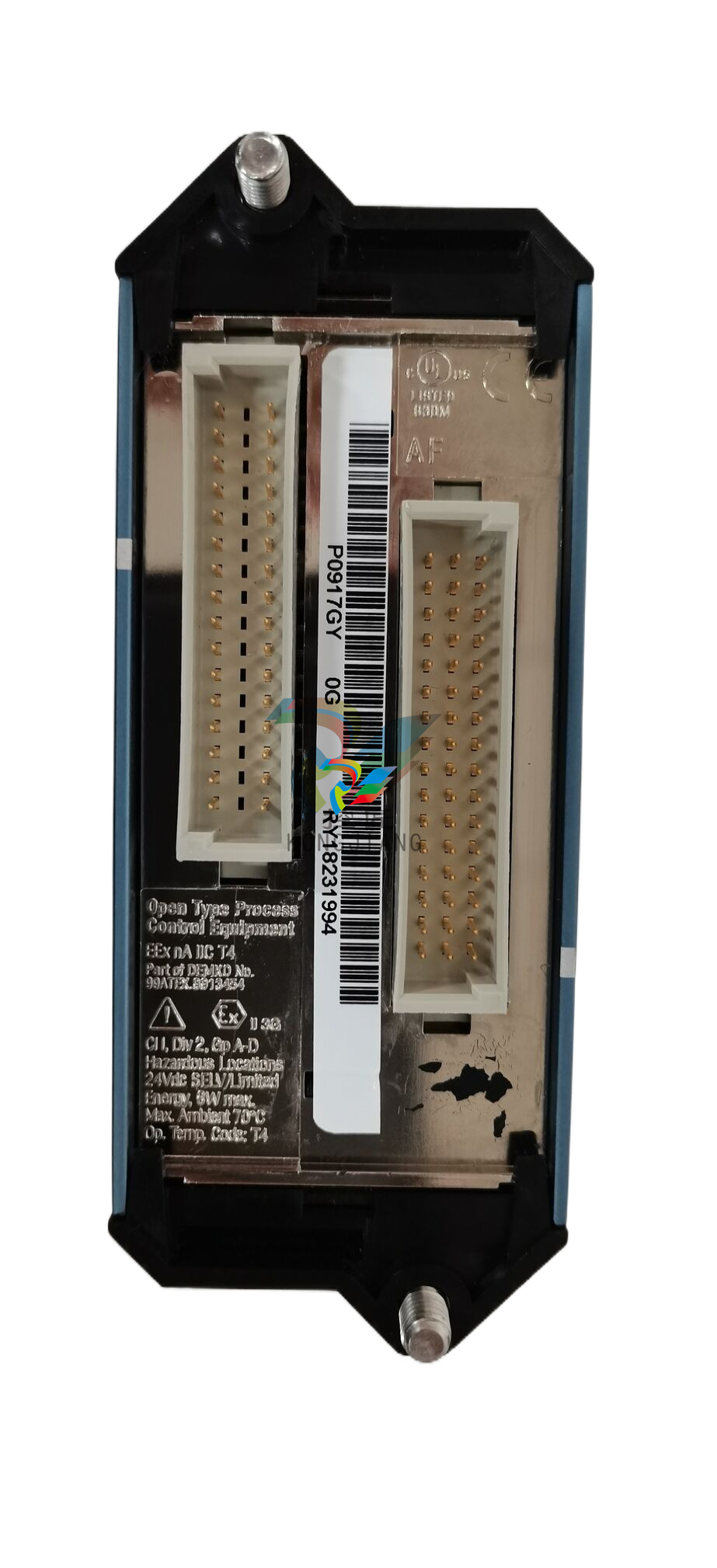 FOXBORO P0916AC FOXBORO distributed control system (DCS) compression terminal assembly
 -
.jpg) FOXBORO P0912CB High-performance interface module
FOXBORO P0912CB High-performance interface module -
.jpg) FOXBORO P0911VJ Thermal resistance input output module
FOXBORO P0911VJ Thermal resistance input output module -
.jpg) FOXBORO P0911QH-A High-precision module
FOXBORO P0911QH-A High-precision module -
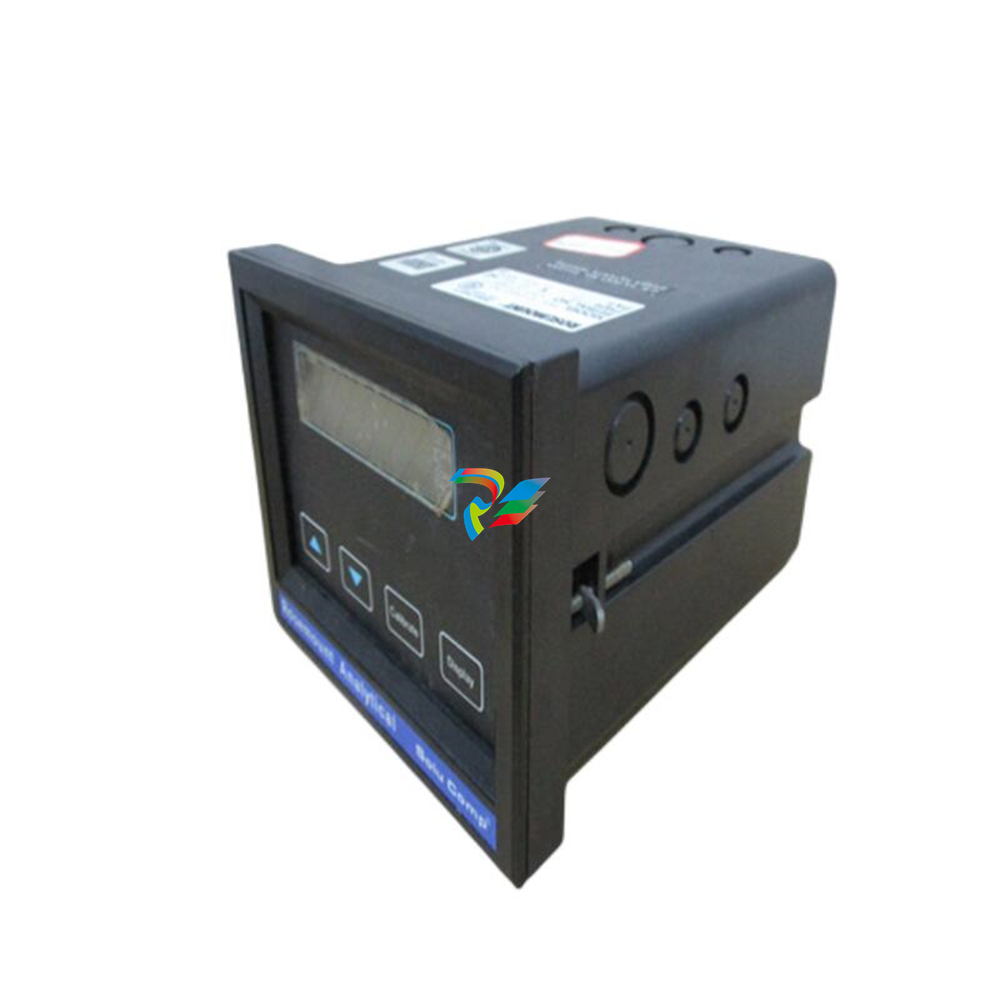 FOXBORO P0911QB-C P0911QC-C Thermal resistance input/output module
 -
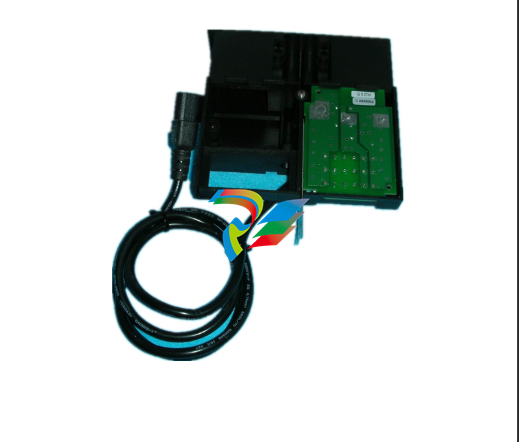 FOXBORO P0904BH P0904FH P0904HB Distributed Control system (DCS) module
 -
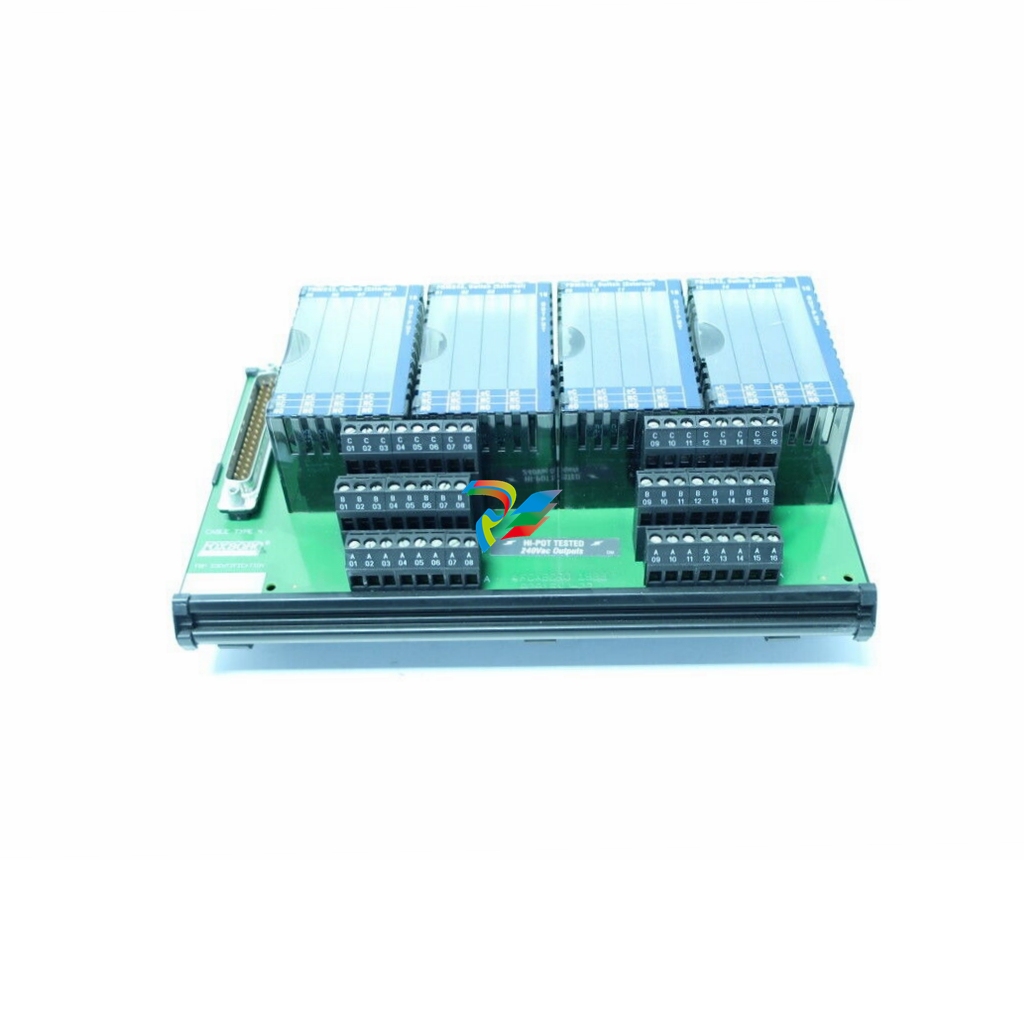 FOXBORO P0903ZP P0903ZQ Embedded System Debugging Module
 -
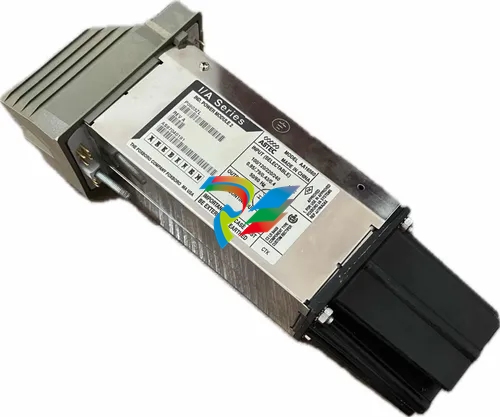 Foxboro P0903ZL P0903ZN Industrial power module
 -
 Foxboro P0903ZE I/A Series Fieldbus Isolator Module
 -
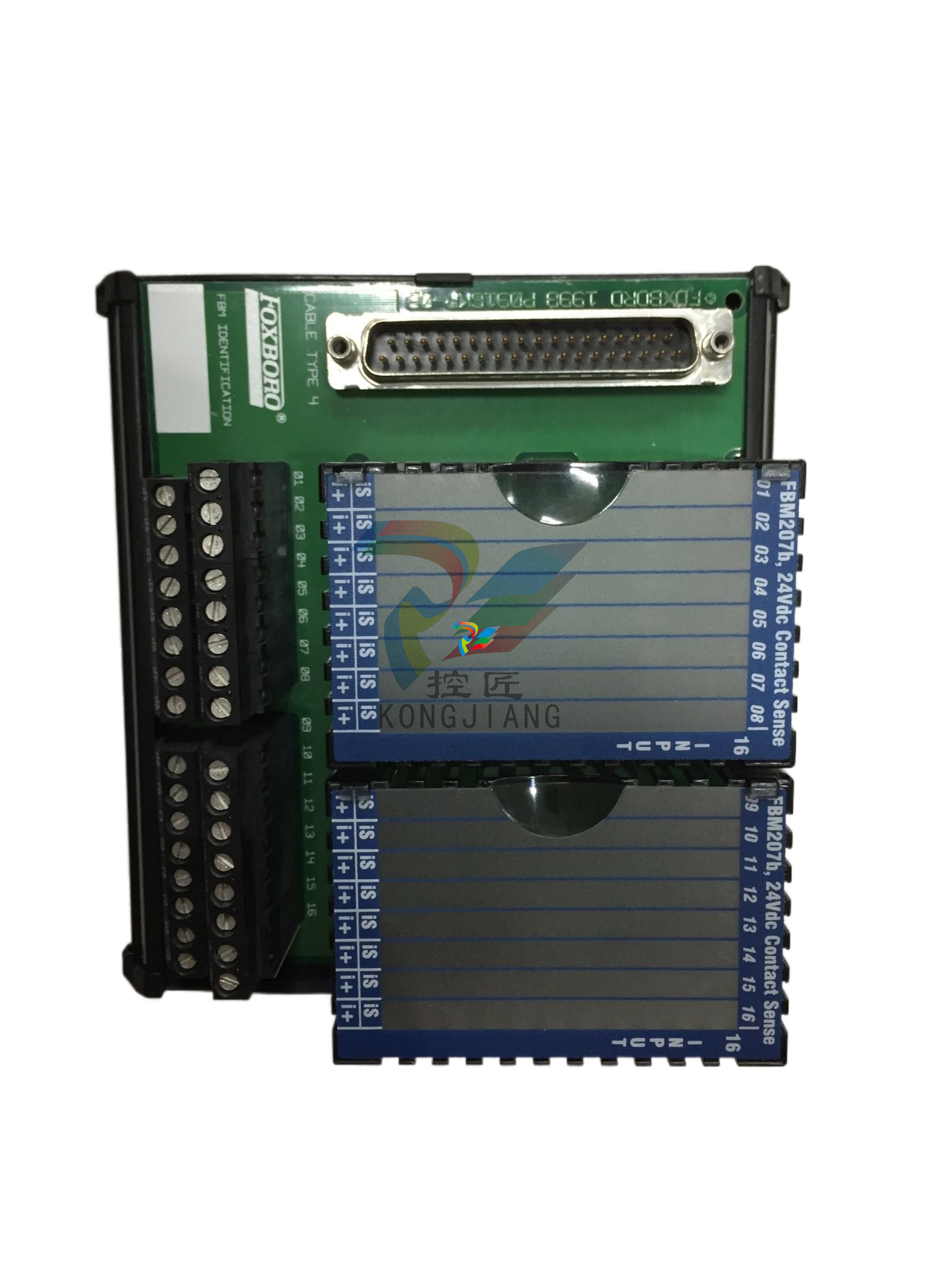 FOXBORO P0903NW Industrial Control Module