
DCS; Industrial control system
Product
Article
NameDescriptionContent
NEW CENTER
Current Location:
Cultivating Interdisciplinary Talents: The Key to Innovation in Automation Equipment Industry
From:
|
Author:huang
|
Time :2024-11-12
|
253 Browse:
|
Share:
The automation equipment industry is vital for economic growth and industrial transformation, enhancing production efficiency and competitiveness. It integrates emerging technologies like AI and IoT, driving innovation and intelligent production processes. Interdisciplinary talents are crucial for the industry's innovation capability, bringing diverse knowledge to develop advanced automation solutions. Educational reforms, industry-academia collaboration, and continuous learning are essential for cultivating these talents. Despite challenges like resistance to change, sustained development strategies are needed to ensure their retention. The future of the industry relies on interdisciplinary talents to drive innovation, create new markets, and maintain global competitiveness.
The automation equipment industry holds immense significance in the current era. In an age of rapid technological advancement, it serves as a driving force for economic growth and industrial transformation.
The industry is crucial for improving production efficiency. With the help of automation equipment, manufacturers can significantly reduce production time and labor costs. For example, in the manufacturing sector, automated production lines can produce products at a much faster rate than traditional manual methods. This not only increases output but also improves product quality consistency.
The automation equipment industry also plays a vital role in enhancing competitiveness. As businesses worldwide strive to stay ahead in the market, investing in advanced automation technology becomes essential. Companies that adopt automation can offer better products at competitive prices, thereby attracting more customers and gaining a larger market share.
Moreover, the industry is closely linked to the development of emerging technologies. Technologies such as artificial intelligence, the Internet of Things, and robotics are being integrated into automation equipment, further enhancing its capabilities. This integration is leading to more intelligent and efficient production processes.
In conclusion, the automation equipment industry is of great importance in the modern era. It not only drives economic growth but also enables businesses to stay competitive in the global market while promoting technological innovation.
二、The Role of Interdisciplinary Talents
(一)Enhancing Innovation Capability
Interdisciplinary talents play a crucial role in enhancing the innovation capability of the automation equipment industry. These talents bring together diverse knowledge and skills from different fields such as engineering, computer science, mathematics, and design. For instance, an engineer with a background in both mechanical engineering and computer programming can develop innovative automation solutions by integrating advanced software algorithms with mechanical systems. This combination can lead to more intelligent and efficient automation equipment.
According to research, companies that employ interdisciplinary teams are more likely to develop breakthrough innovations. In the automation equipment industry, this could mean the development of new types of robots with enhanced capabilities or the creation of more efficient automated production lines. Interdisciplinary talents can also introduce new methods and perspectives, challenging traditional ways of thinking and driving innovation.
(二)Meeting Diverse Industry Needs
The automation equipment industry faces complex challenges and diverse requirements. Interdisciplinary talents are essential for addressing these needs. For example, as the industry becomes more integrated with emerging technologies like artificial intelligence and the Internet of Things, talents with knowledge in both automation engineering and data science are needed to develop intelligent automation systems. These systems can analyze large amounts of data and make real-time decisions to optimize production processes.
Moreover, the industry needs talents who can understand the specific needs of different industries and customize automation solutions accordingly. A person with a background in both electrical engineering and the healthcare industry can design automation equipment for medical device manufacturing that meets the unique requirements of the healthcare sector. Interdisciplinary talents can bridge the gap between different industries and help the automation equipment industry meet the diverse needs of the market.
三、Ways to Cultivate Interdisciplinary Talents
(一)Educational Initiatives
Educational reforms and programs that encourage interdisciplinary learning are of utmost importance. In an era where the automation equipment industry demands a diverse skill set, traditional educational models may fall short. Universities and educational institutions need to design curriculums that break down the silos between different disciplines. For example, offering courses that combine engineering and computer science, or mathematics and design.
According to research, educational institutions that implement interdisciplinary programs see an increase in student engagement and innovation. For instance, a program that brings together students from mechanical engineering and software engineering to work on a real-world automation project can enhance their problem-solving skills and creativity. By exposing students to multiple disciplines, they are better equipped to handle the complex challenges of the automation equipment industry.
Moreover, educational initiatives should also focus on practical learning experiences. Internships, co-op programs, and project-based learning can give students hands-on experience in the industry and help them develop interdisciplinary skills.
(二)Industry-Academia Collaboration
Partnerships between industry and academia play a crucial role in cultivating interdisciplinary talents. Industry can provide real-world problems and challenges for academia to address, while academia can offer research and innovation capabilities. For example, companies in the automation equipment industry can collaborate with universities to develop research projects that focus on emerging technologies like artificial intelligence and robotics.
These partnerships can also lead to the establishment of joint labs and research centers. Students and researchers can work on industry-sponsored projects, gaining practical experience and exposure to the latest technologies. In return, companies can access fresh ideas and talent from academia. According to a survey, companies that collaborate with academia are more likely to develop innovative products and solutions.
Furthermore, industry-academia collaboration can also facilitate the exchange of knowledge and expertise. Industry professionals can serve as guest lecturers and mentors, sharing their practical experience with students. Academic researchers can also provide training and workshops for industry professionals, helping them stay updated with the latest research and trends.
(三)Continuous Learning and Training
In the rapidly evolving field of automation equipment, professionals need to engage in continuous learning to expand their interdisciplinary skills. As new technologies emerge and industry requirements change, professionals must keep up with the latest developments. Online courses, workshops, and conferences are excellent resources for continuous learning.
For example, an engineer working in the automation equipment industry can take an online course in data science to enhance their ability to develop intelligent automation systems. Professionals can also join professional organizations and networks to stay connected with their peers and learn from their experiences.
Continuous learning and training not only help professionals stay competitive but also contribute to the growth and innovation of the industry. By constantly expanding their skills and knowledge, interdisciplinary talents can drive the development of new automation technologies and solutions.
四、Challenges and Solutions
(一)Overcoming Resistance to Change
The cultivation of interdisciplinary talents in the automation equipment industry often faces resistance to change. Some traditional companies may be reluctant to invest in new educational initiatives or industry-academia collaborations due to concerns about costs and uncertainties. Resistance can also come from employees who are accustomed to traditional ways of working and may be hesitant to learn new skills and collaborate with people from different disciplines.
To address these challenges, clear communication is essential. Companies need to explain the benefits of cultivating interdisciplinary talents to all stakeholders, including employees, investors, and customers. Demonstrating successful case studies of companies that have embraced interdisciplinary talent cultivation can help overcome resistance. For example, sharing stories of how companies have increased innovation, improved product quality, and gained a competitive edge through interdisciplinary teams.
Incentives can also be offered to encourage employees to embrace change. This could include financial rewards, promotions, or recognition for those who actively participate in interdisciplinary learning and collaboration. Additionally, providing training and support to help employees adapt to new ways of working can reduce resistance. For instance, offering workshops on teamwork and communication skills for interdisciplinary teams.
(二)Ensuring Sustained Development
To ensure the long-term cultivation and retention of interdisciplinary talents in the automation equipment industry, several strategies can be employed. First, companies need to create a supportive work environment that values and rewards interdisciplinary skills. This can include providing opportunities for professional growth, such as training programs, conferences, and research projects.
Building a strong corporate culture that encourages collaboration and innovation is also crucial. For example, organizing regular team-building activities and innovation challenges can foster a sense of community and creativity among interdisciplinary teams.
Retention strategies should also focus on providing competitive compensation and benefits packages. According to industry surveys, talented professionals are more likely to stay with a company if they feel valued and compensated fairly.
Furthermore, continuous evaluation and improvement of talent cultivation programs are necessary. Companies should regularly assess the effectiveness of their educational initiatives, industry-academia collaborations, and continuous learning programs. Based on feedback and data, adjustments can be made to ensure that these programs are meeting the evolving needs of the industry and the talents.
五、Future Prospects
The future of the automation equipment industry holds great promise with the continued presence and growth of interdisciplinary talents. As technology continues to advance at a rapid pace, these talents will be at the forefront of driving innovation and shaping the industry's trajectory.
Interdisciplinary talents will likely have a profound impact on the development of more intelligent and sophisticated automation equipment. With their diverse skill sets, they can combine expertise from multiple fields to create systems that are not only highly efficient but also adaptable to a wide range of applications. For instance, engineers with backgrounds in both electronics and artificial intelligence may develop automated equipment that can learn and adapt to changing environments, optimizing production processes in real time.
The integration of different disciplines will also lead to the emergence of new business models and markets. Interdisciplinary talents can identify opportunities for cross-industry collaboration, opening up new avenues for growth. For example, the combination of automation technology and healthcare could lead to the development of advanced medical devices and personalized healthcare solutions. According to industry forecasts, the market for smart healthcare devices is expected to grow significantly in the coming years, driven in part by the contributions of interdisciplinary talents.
Moreover, as the automation equipment industry becomes more globalized, interdisciplinary talents will be essential for companies to compete on an international stage. They can bring a global perspective and understanding of different cultures and markets, helping companies adapt their products and services to meet the diverse needs of customers around the world. For instance, a professional with a background in international business and engineering can help a company expand its market reach by designing automation solutions that are tailored to specific regions and industries.
In conclusion, interdisciplinary talents are set to play a crucial role in shaping the future of the automation equipment industry. Their ability to combine diverse knowledge and skills will drive innovation, create new markets, and enable companies to stay competitive in an ever-evolving global landscape.
-
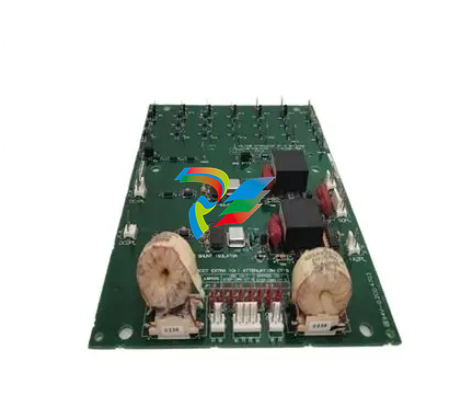 DS200SHVMG1AGE Analog I/O board
 -
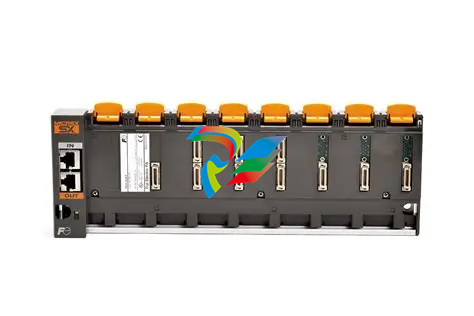 DS200SI0CG1A6A Input/Output Module
 -
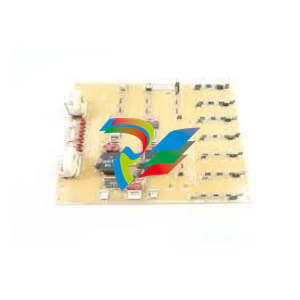 DS200SHVMG1AFE SCR High Voltage Interface Board
 -
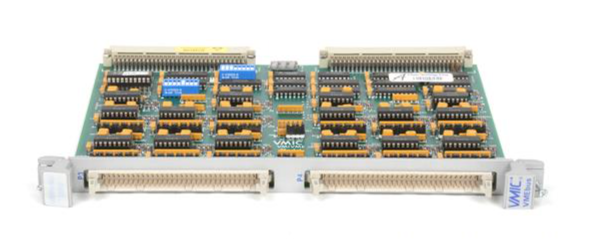 DS200RT8AG3AHC Relay Output Terminal Board
 -
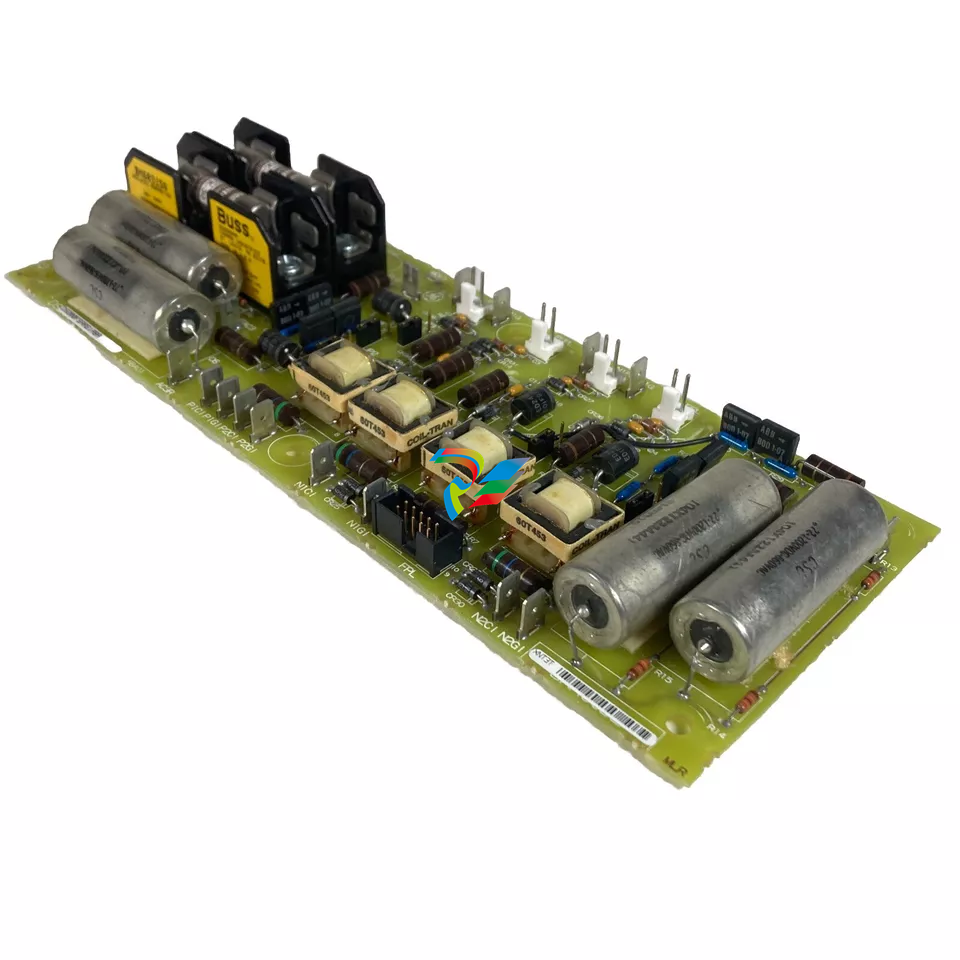 DS200FSAAG1ABA PCB Field Supply Gate Amplifier Board
 -
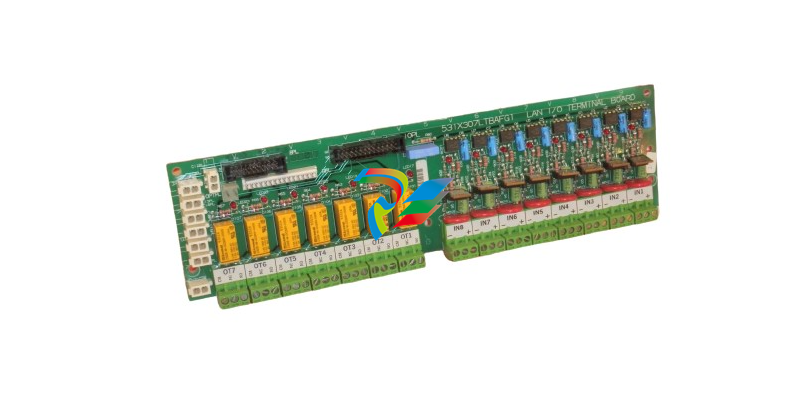 531X307LTBAFG1 F31X307LTBA LAN I/O Terminal Board
 -
 ABB AFS670 19" Ruggedized Switch AFS670-EREEDDDSSEEEEEEEPZYX05.1.0
 -
 NI Controller for VXI VXIPC-871B
 -
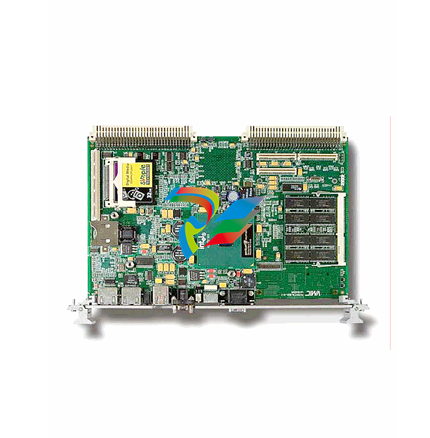 IS200EPMCH1GE Mark VIe Patch Cord Power Distribution Card
 -
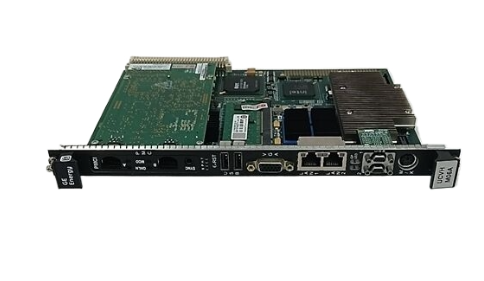 VMICPCI-7632-03310 IS215UCCAH3A 350-657362-003310J GE gas turbine system control processor board
 -
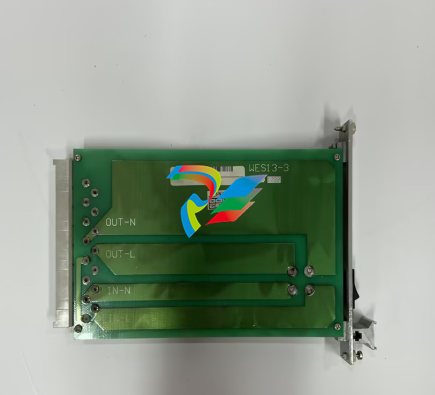 WEA13-13 2508-21001 Control Module / I/O Board
 -
.jpg) WES5120 2340-21004 Controller Main Module
WES5120 2340-21004 Controller Main Module -
 WES5120 2340-21006 Field Controller Master Unit Module
 -
 WESDAC D20ME 18-MAR-13 Excitation Control Module
 -
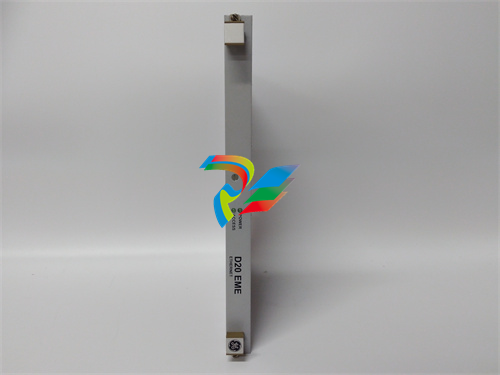 D20 EME 2400-21004 Ethernet communication and expansion module
 -
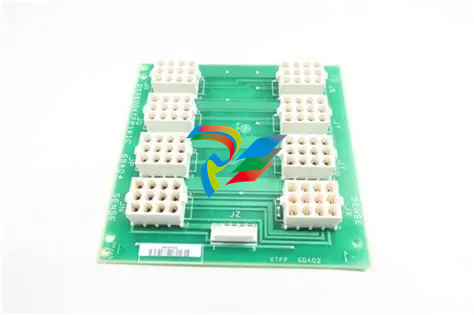 GE DS3800XTFP1E1C Thyristor Fan Out Board Brand
 -
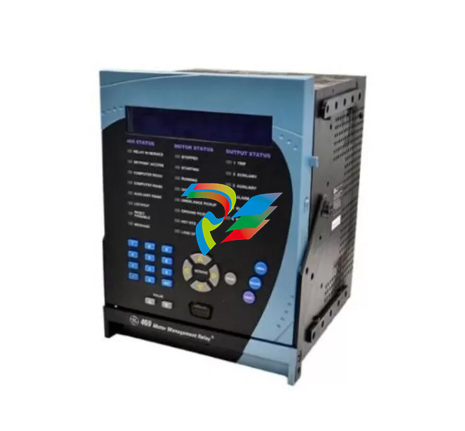 GE SR745-W2-P1-G1-HI-A-L-R-E Feeder protection relay
 -
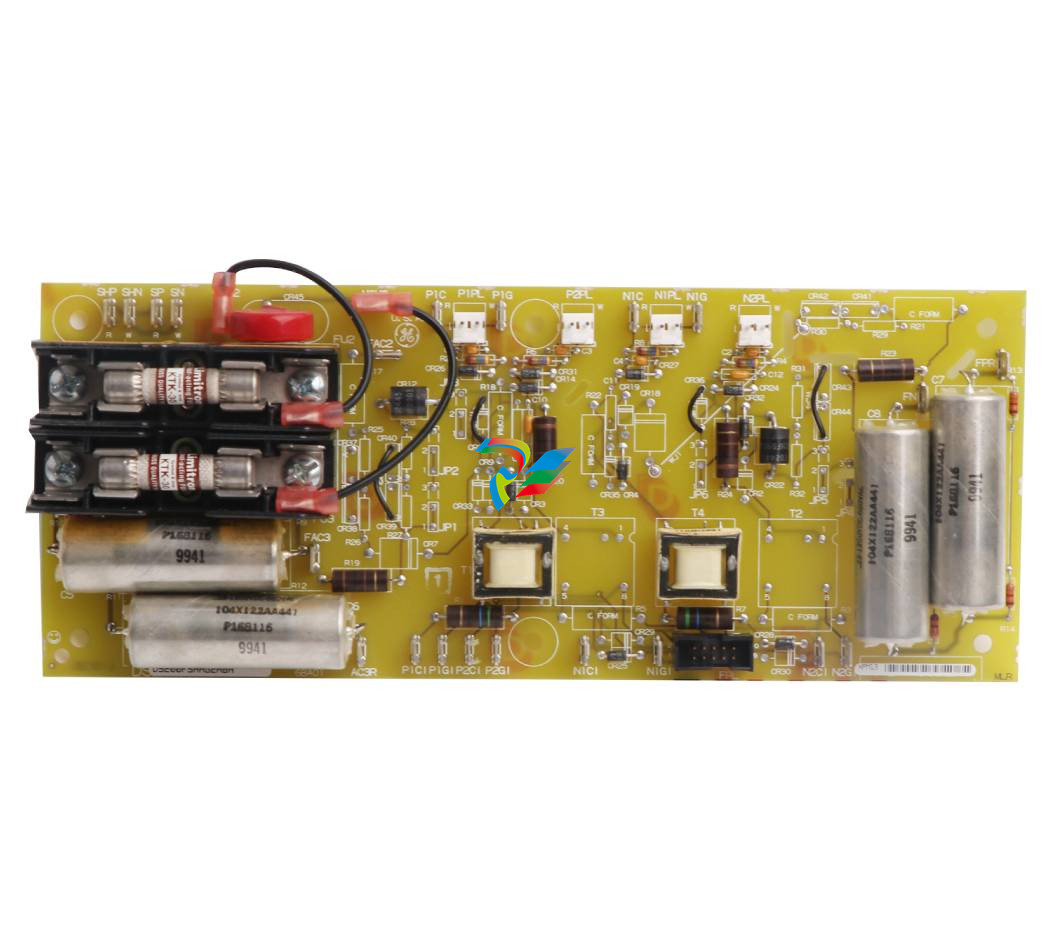 GE IS230TNDSH2A Discrete Output Relay Module Brand
 -
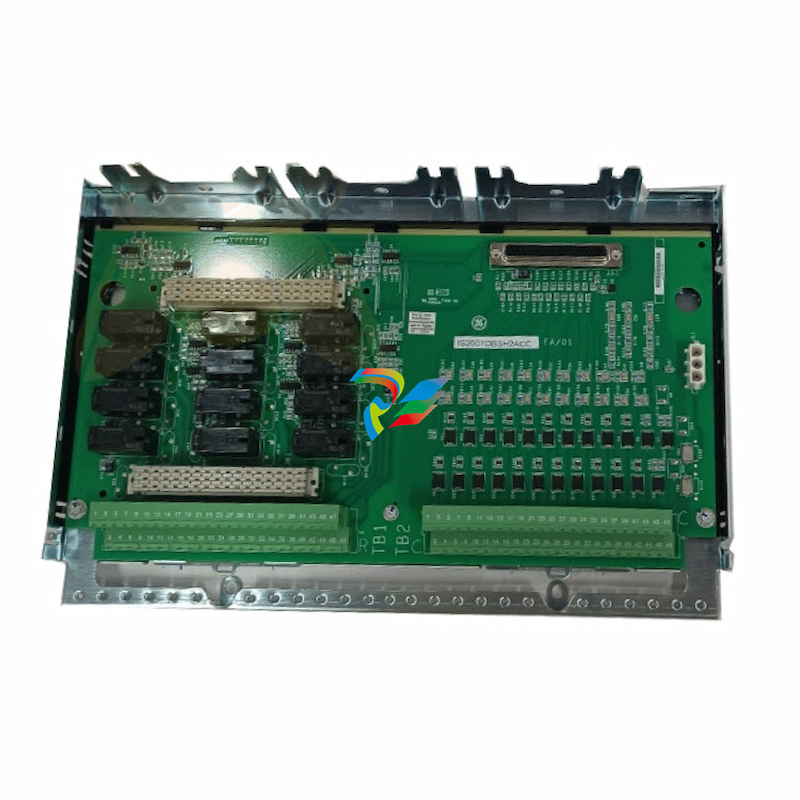 GE Fanuc IS200TDBSH2ACC Mark VI Terminal Board Brand
 -
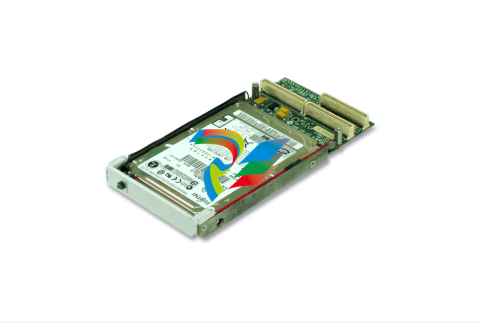 GE PMC-0247RC-282000 350-93750247-282000F Disk Drive
 -
GE PMC-0247RC-282000 350-93750247-282000F Disk Drive
-
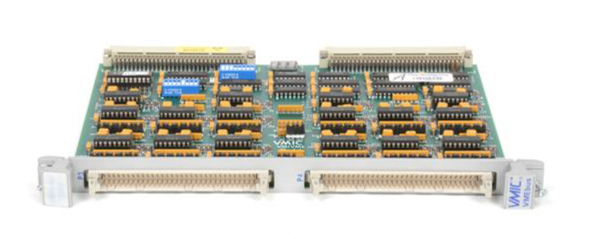 GE VMIVME-1150 Serial Communications Controller
 -
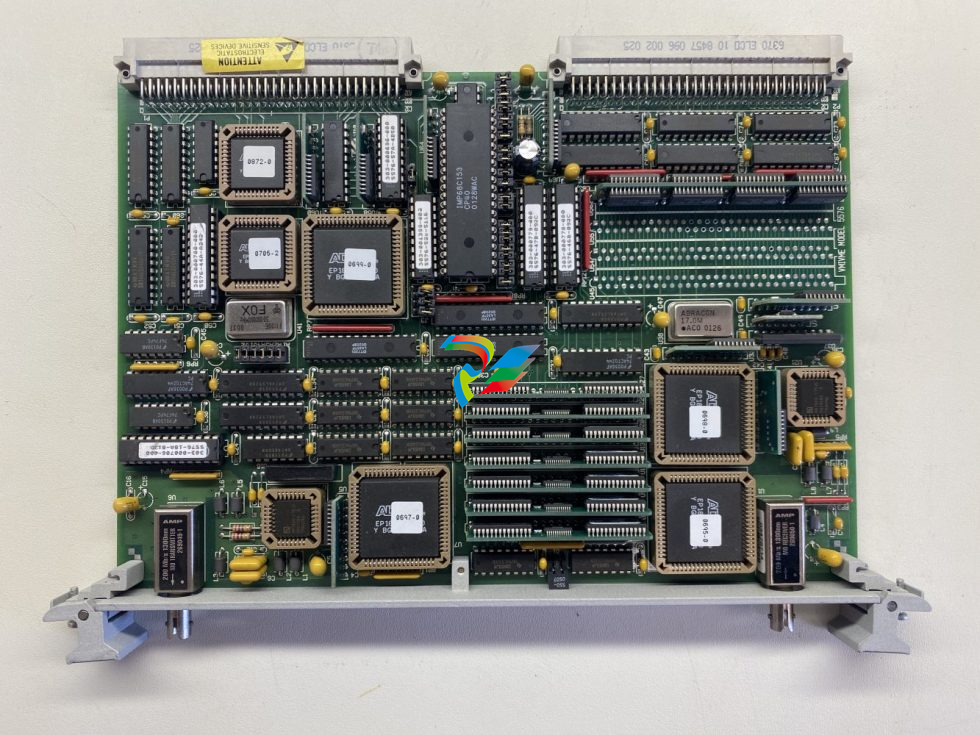 GE VMIVME-5576 Fiber-Optic Reflective Memory with Interrupts
 -
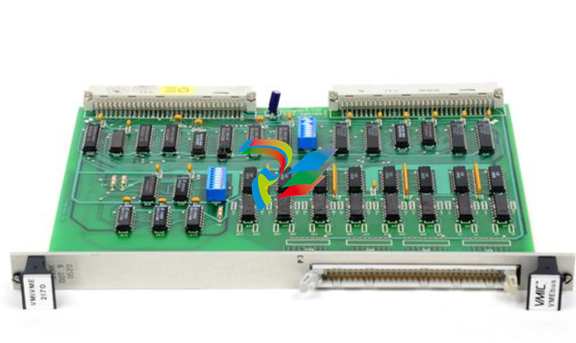 GE VMIC Isolated Digital Output VMIVME-2170A
 -
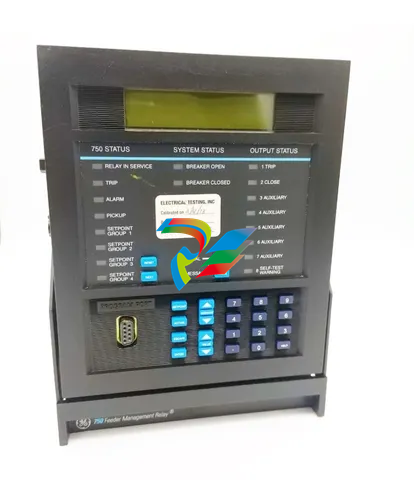 GE MULTILIN 760 FEEDER MANAGEMENT RELAY 760-P5-G5-S5-HI-A20-R-E
 -
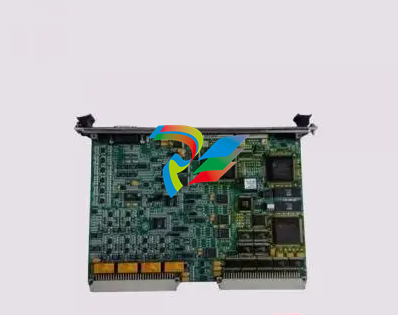 GE IS200AEPAH1BKE IS215WEPAH2BB Printed circuit board
 -
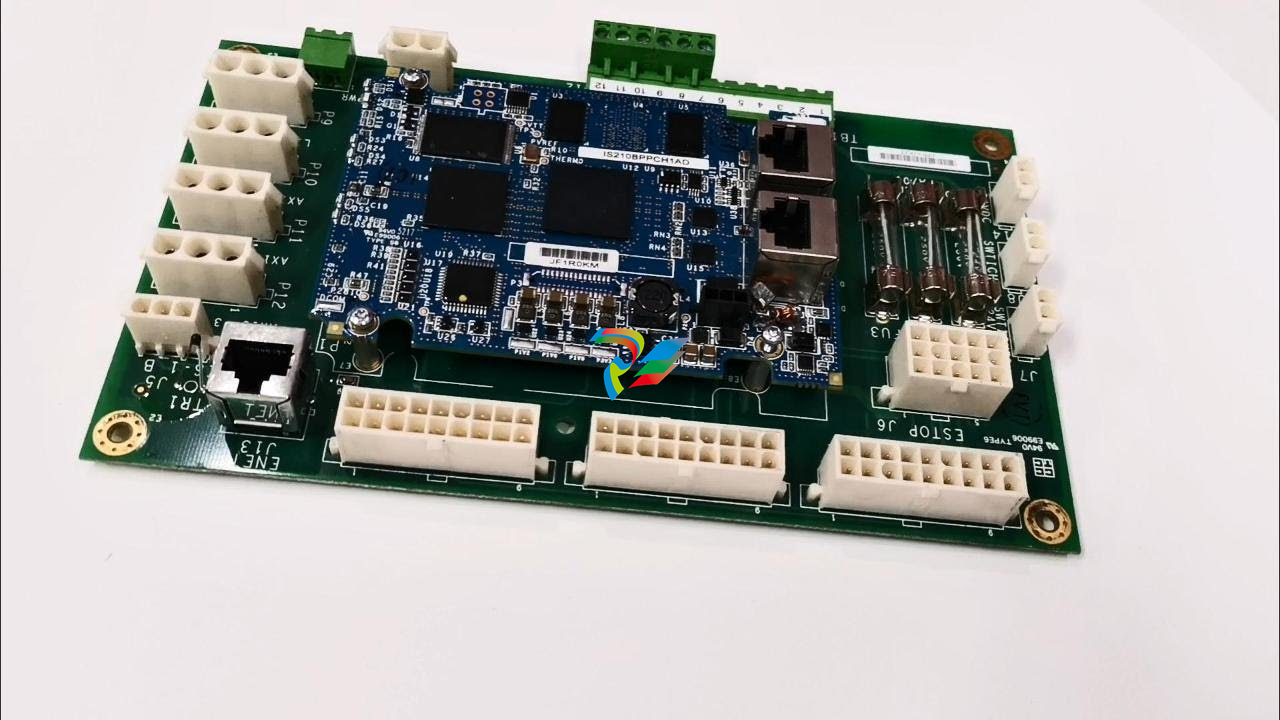 GE IS210BPPCH1A Mark VIe I/O Pack Processor Card
 -
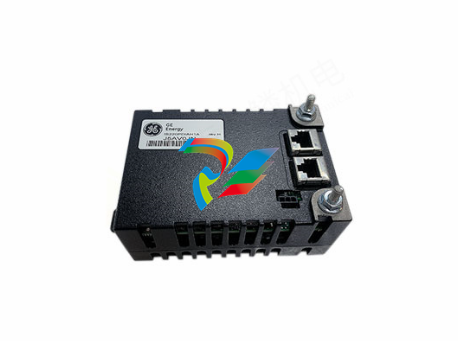 GE IS220PRTDH1A 336A4940CSP6 High-Performance RTD Input Module
 -
GE IS220PDIAH1BE 336A5026ADP4 Discrete Input Module
-
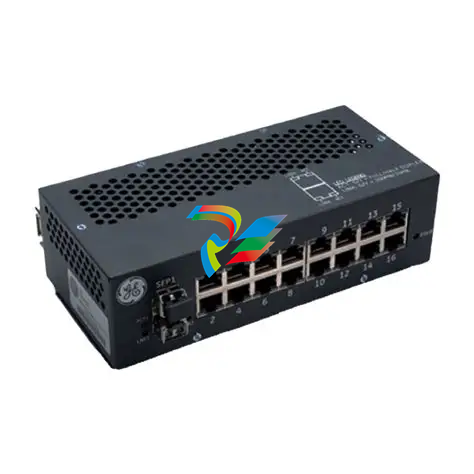 GE IS420ESWBH3A IONET Switch Module
 -
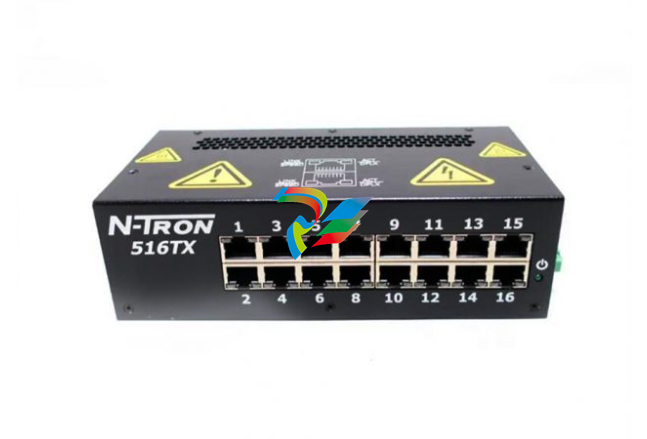 GE 516TX 336A4940DNP516TX 16-port Ethernet switch
 -
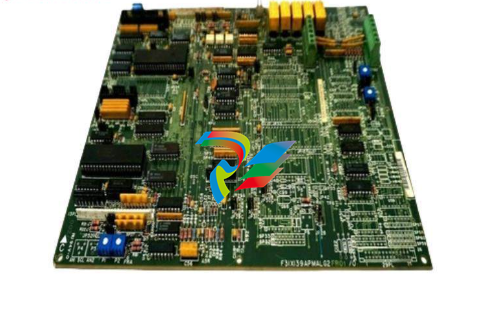 GE EVMECNTM13 Embedded control module
 -
GE EVPBDP0001 EVPBDP032 control module
-
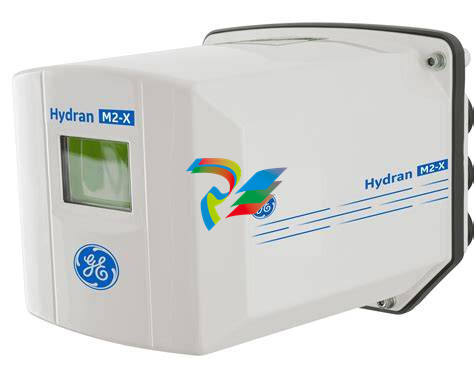 GE Hydran M2-X Enhanced Monitoring with Extended Sensor Life
 -
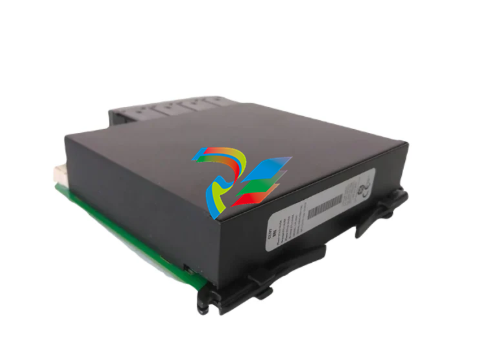 GE UR6CH Digital I/O Module
 -
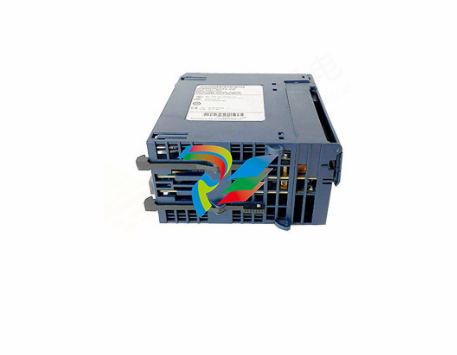 GE IC695CPU315-CD Central processing unit
 -
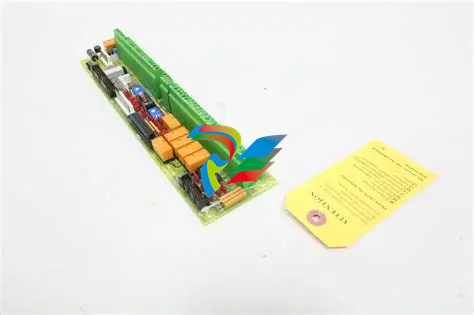 GE 531X305NTBAMG1 DR Terminal Board
 -
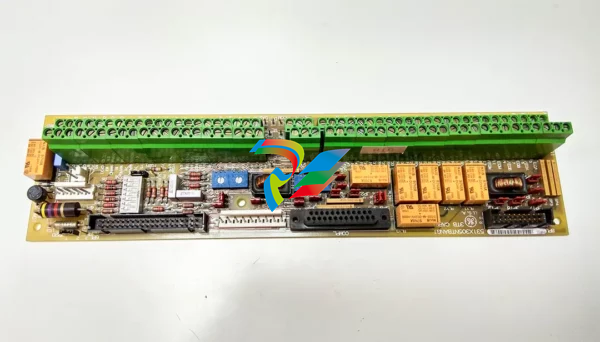 GE 531X305NTBALG1 NTB/3TB Terminal Board 531X Series
 -
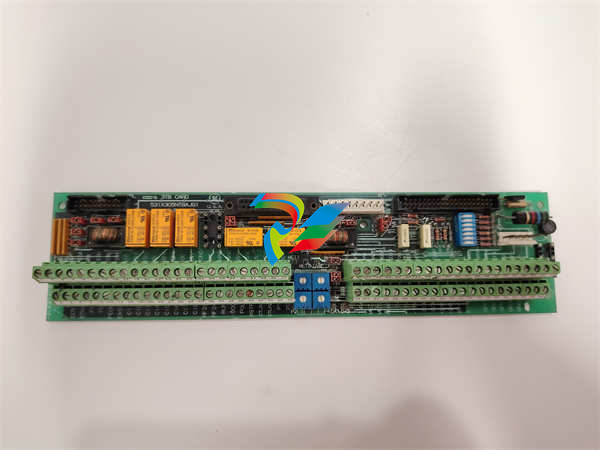 GE 531X305NTBAJG1 NTB/3TB Terminal Board.
 -
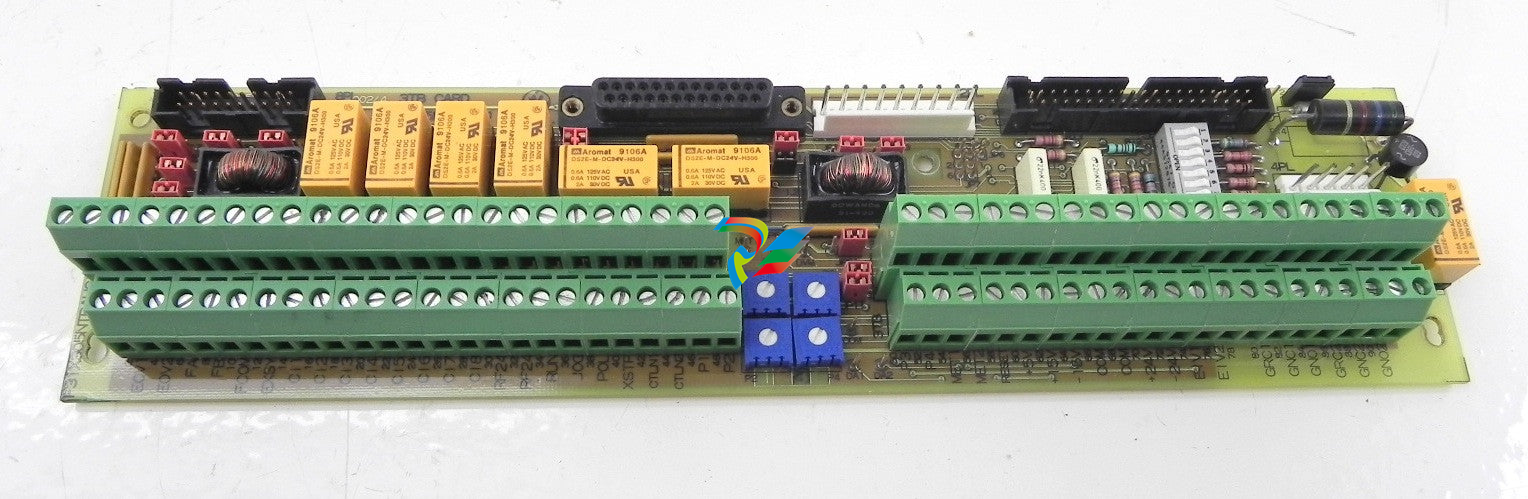 GE 531X305NTBAHG1 NTB/3TB Terminal Board 531X
 -
 GE 531X305NTBAEG1 is a PCB that functions as a DR terminal board.
 -
General Electric 531X305NTBACG1 NTB/3TB Terminal Board 531X
-
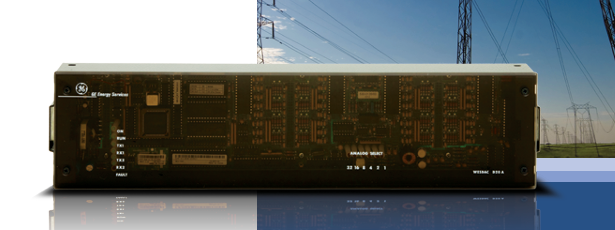 GE Digital Energy D20 Analog Input Module
 -
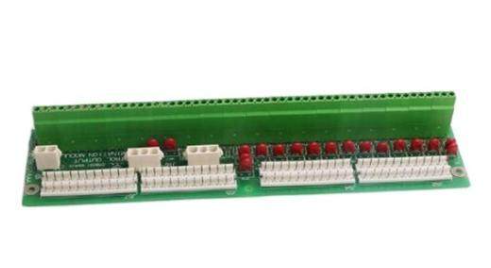 GE 94-164136-001 main board Control board
 -
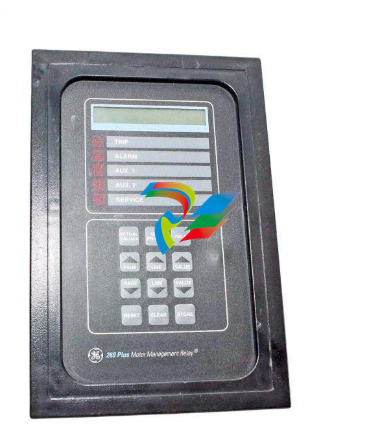 GE 269 PLUS-D/O-100P-125V Digital motor relay
 -
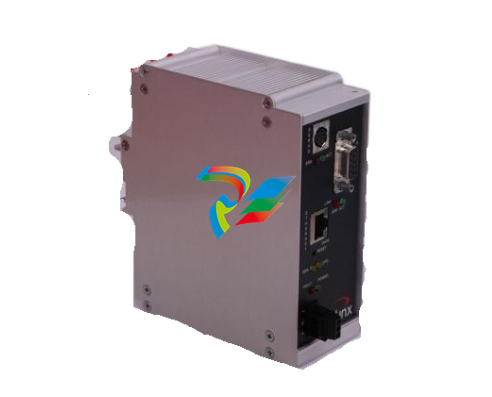 GALIL DMC-9940 High-performance motion controller
 -
FUJI NP1BS-08 base plate
-
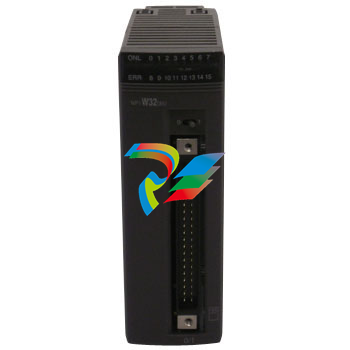 FUJI NP1Y32T09P1 Transistor drain type digital output module
 -
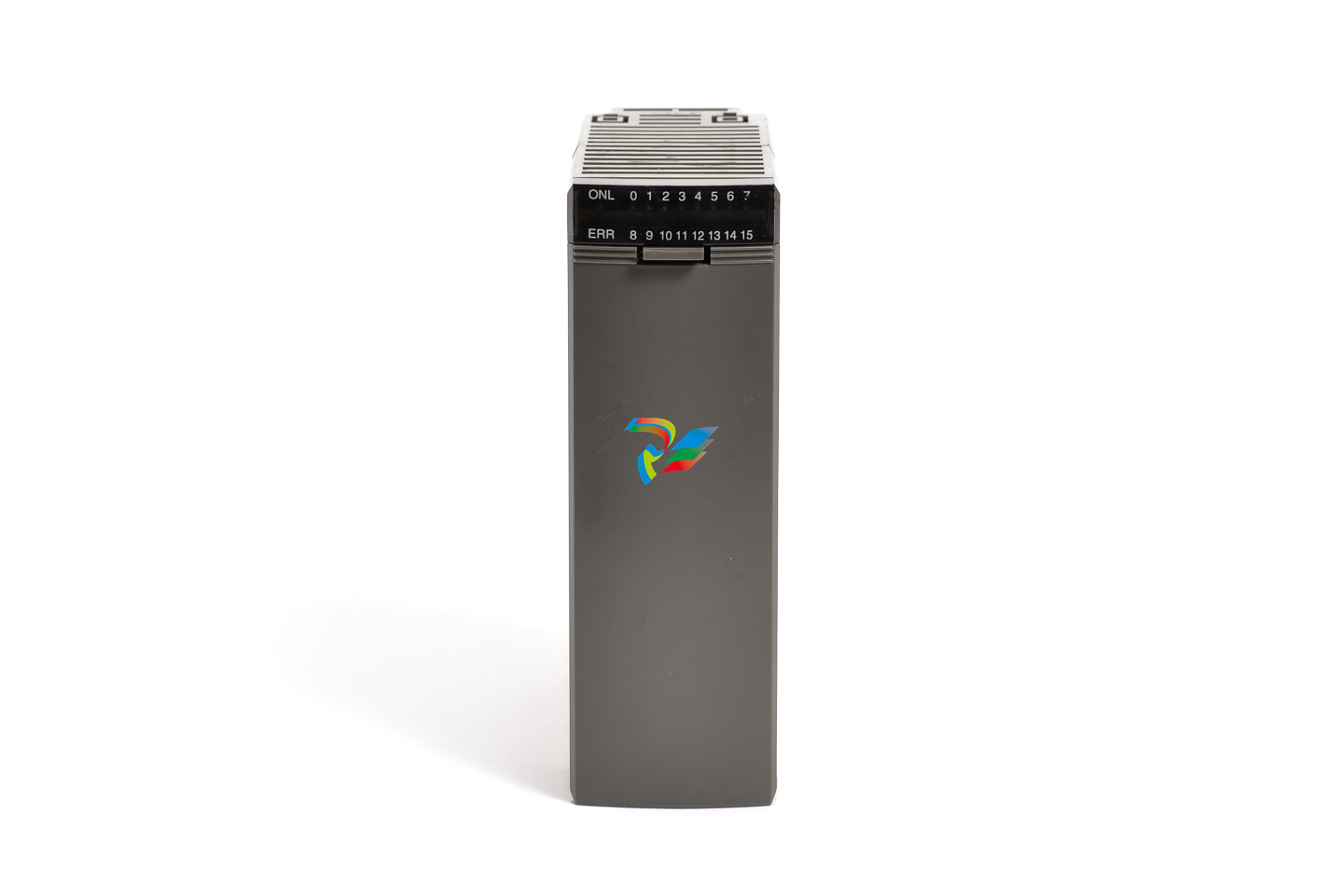 FUJI NP1Y16R-08 Digital Output Module
 -
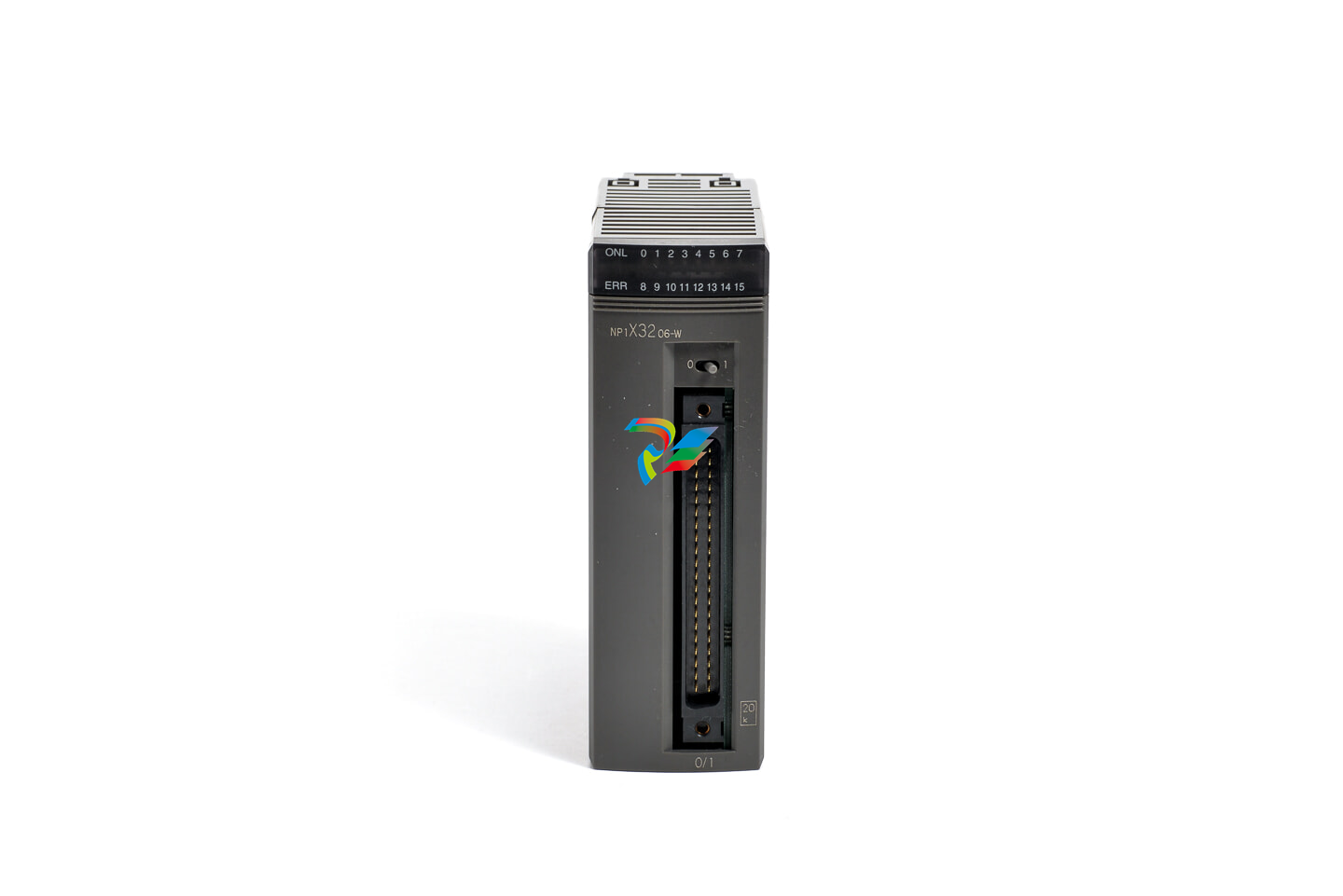 FUJI NP1X3206-A High-speed digital input module
 -
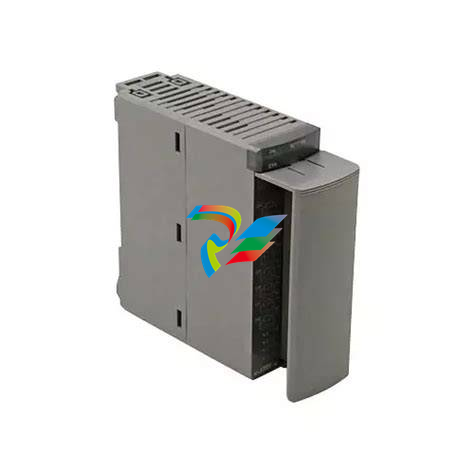 FUJI NP1AYH4I-MR current output module
 -
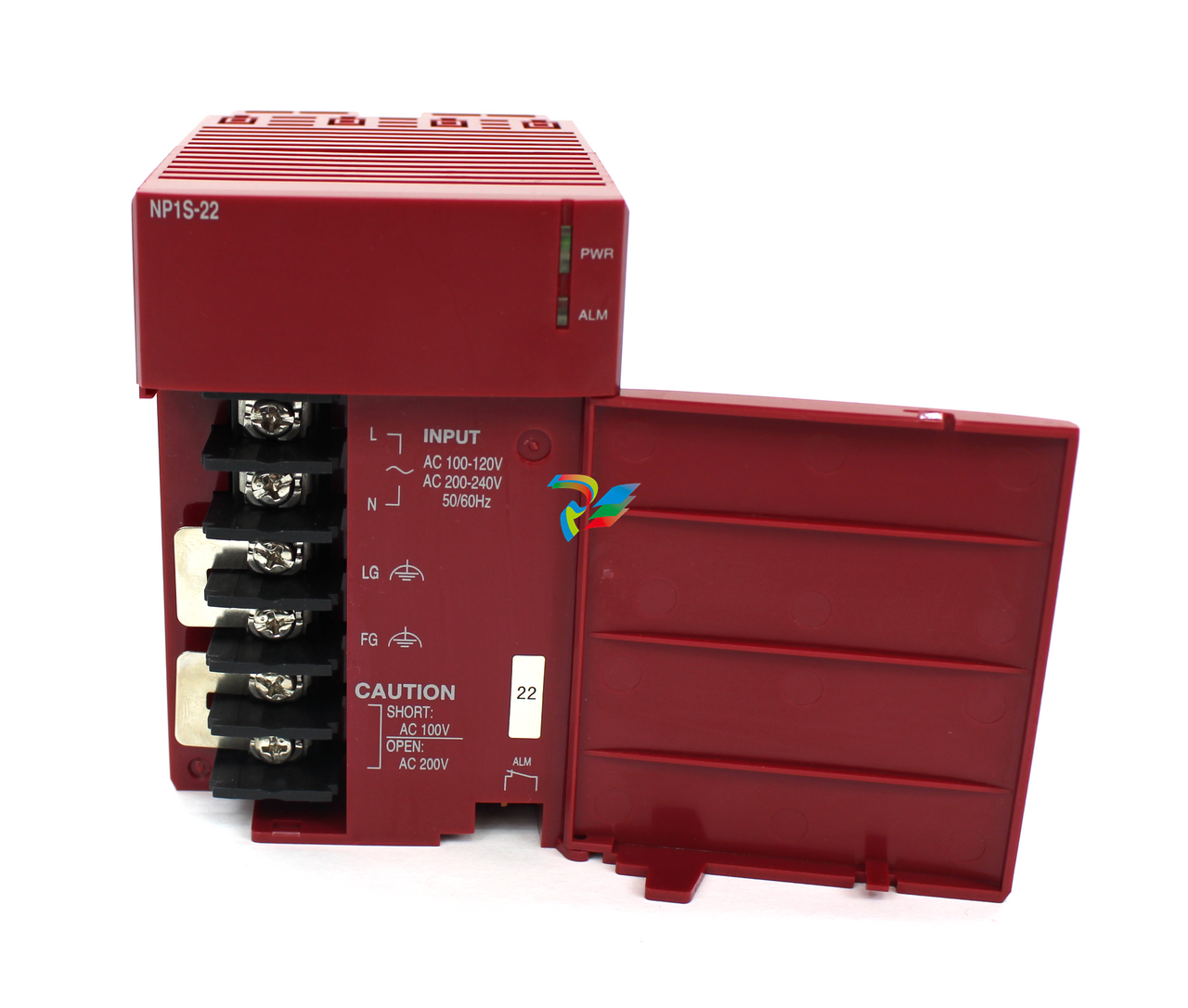 FUJI NP1S-22 Power module redundancy
 -
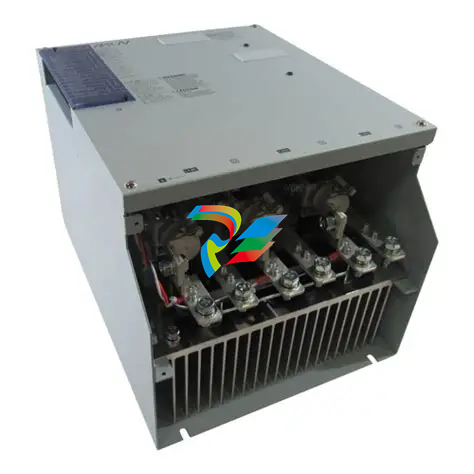 FUJI RPXD2150-1T servo drive module
 -
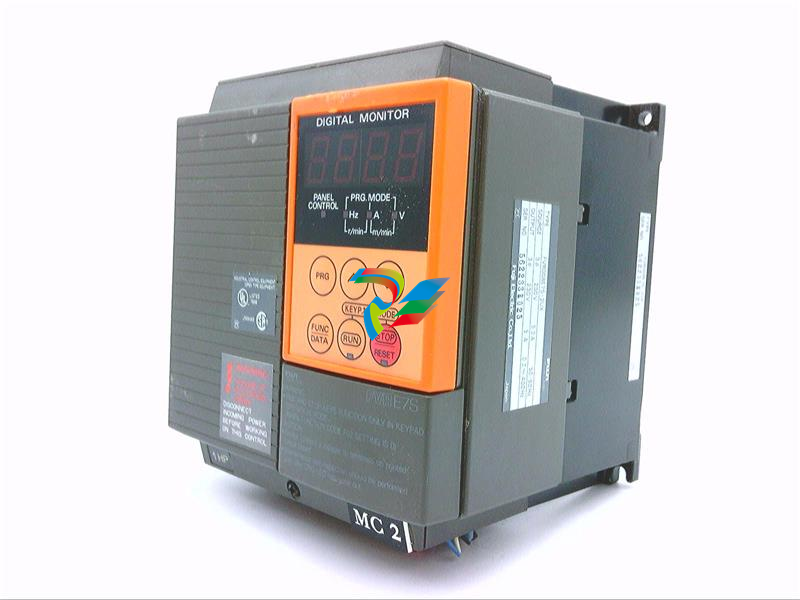 FUJI FVR008E7S-2UX Ac frequency converter
 -
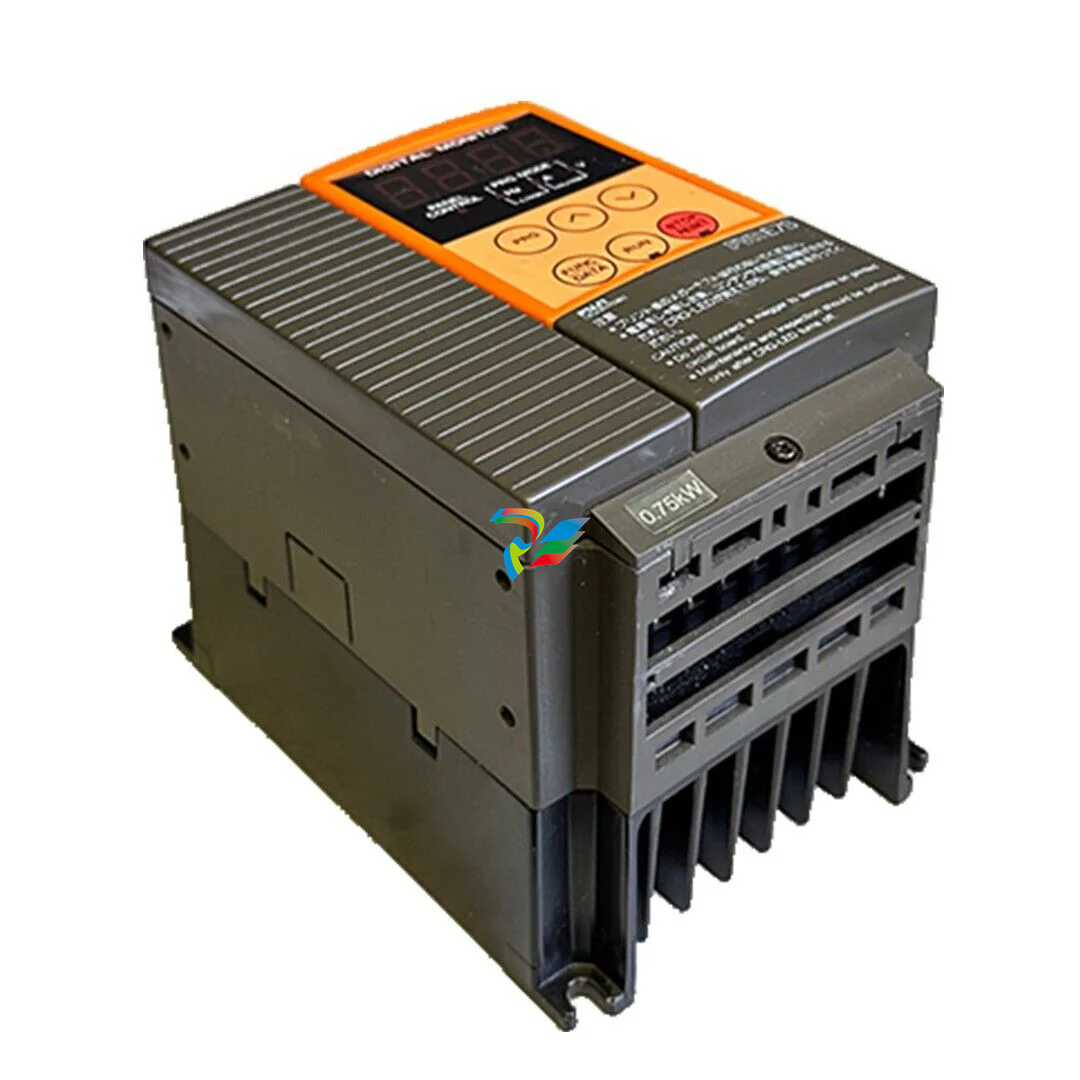 FUJI Ac frequency converter FVR008E7S-2
 -
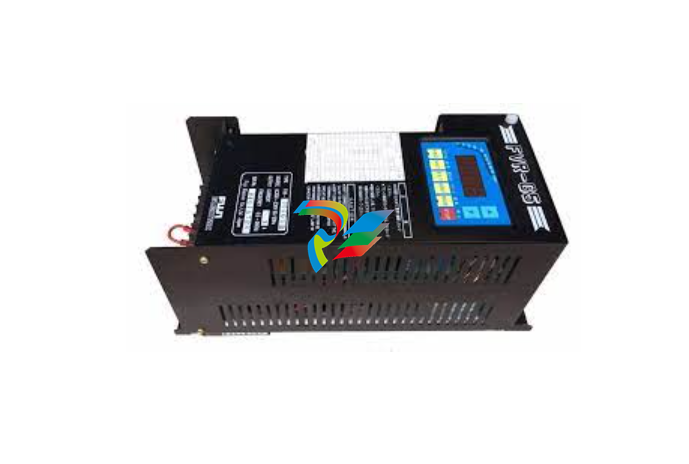 FUJI FVR004G5B-2 Small general-purpose frequency converter
 -
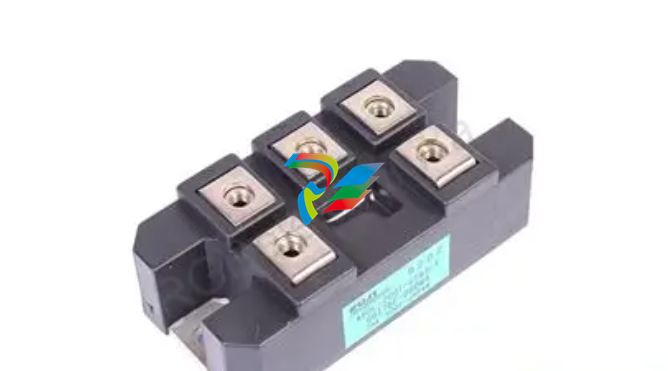 FUJI A50L-2001-0232 Industrial control module
 -
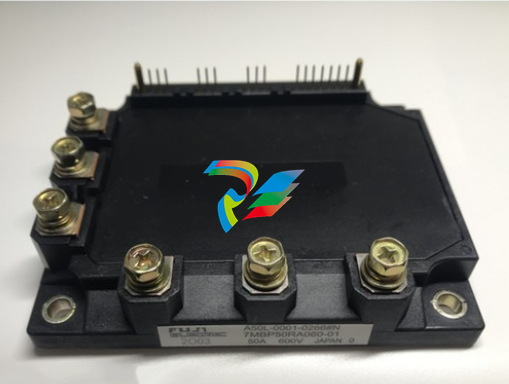 FUJI A50L-001-0266#N High-performance servo amplifier
 -
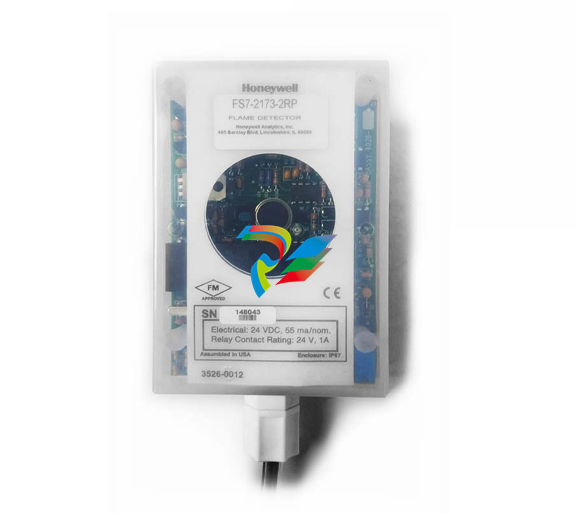 Honeywell FS7-2173-2RP Gas sensor
 -
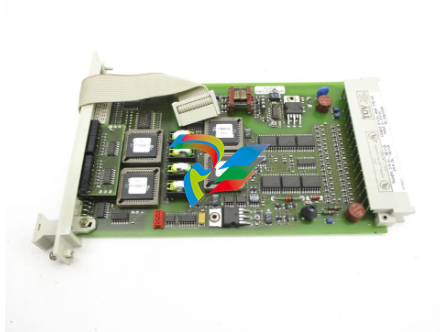 Honeywell 10106/2/1 Digital Input Module in Stock
 -
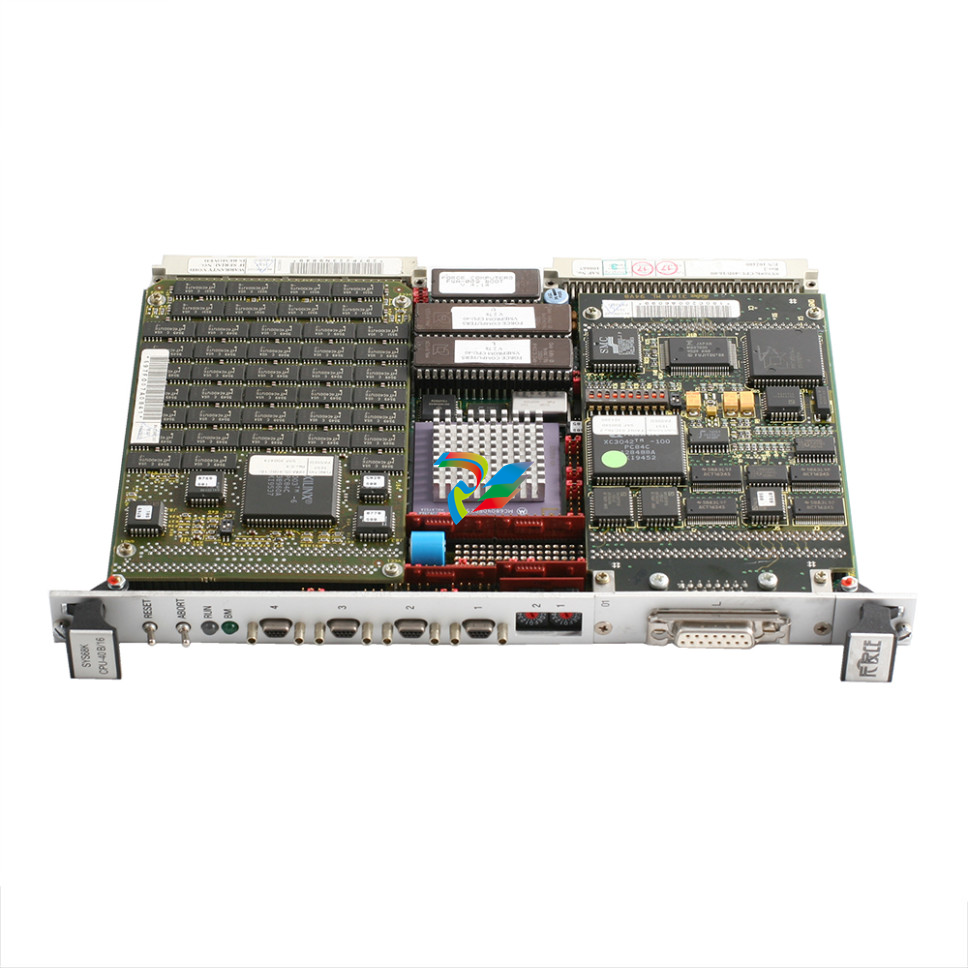 FRCE SYS68K CPU-40 B/16 PLC core processor module
 -
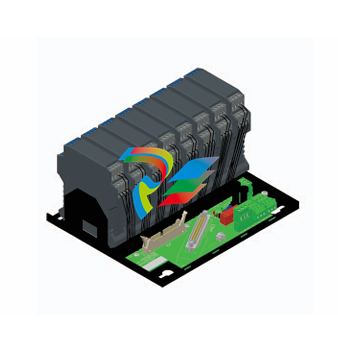 Foxboro FBM I/O cards PBCO-D8-009
 -
 Foxboro AD916AE Digital Control System (DCS) Module
 -
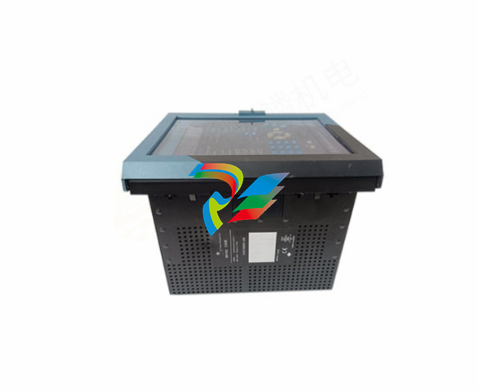 GE SR750-P5-G5-S5-HI-A20-R-E Multilin Relay
 -
.jpg) FOXBORO H90 H90C9AA0117S Industrial Computer Workstation
FOXBORO H90 H90C9AA0117S Industrial Computer Workstation -
FOXBORO RH928AW | I/A Series Relay Output Module
-
.jpg) Foxboro N-2AX+DIO Multi-functional input/output module
Foxboro N-2AX+DIO Multi-functional input/output module -
 Foxboro RH924WA FCP280 Fiber Optic Network Adapter
 -
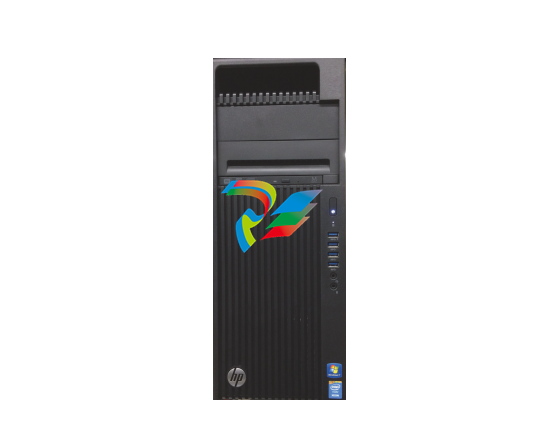 FOXBORO H92 Versatile Hardware Component In
 -
 Foxboro FBM218 P0922VW HART® Communication Redundant Output Interface Module
 -
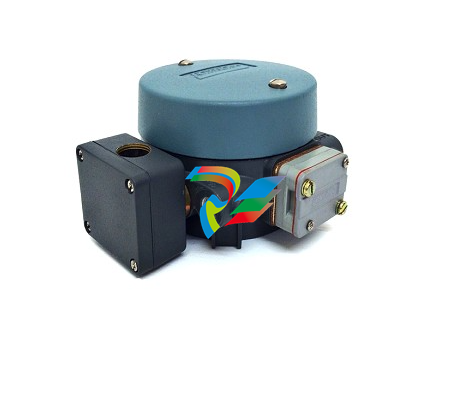 Foxboro E69F-TI2-J-R-S E69F Series Current-To-Pneumatic Signal Converter
 -
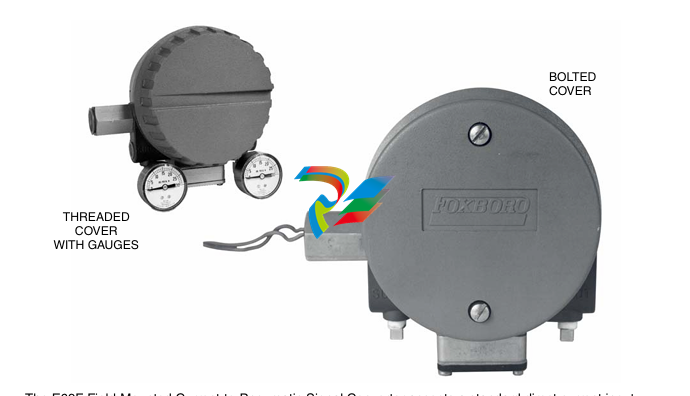 Foxboro E69F-BI2-S Converter
 -
.jpg) Foxboro H92A049E0700 The host of the DCS control station
Foxboro H92A049E0700 The host of the DCS control station -
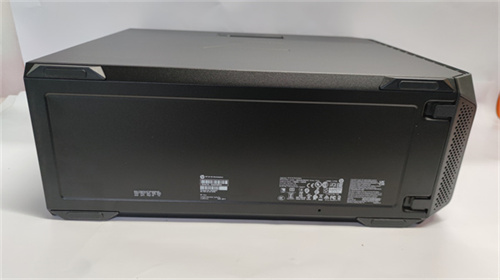 Foxboro H90C9AA0117S Industrial computer workstation
 -
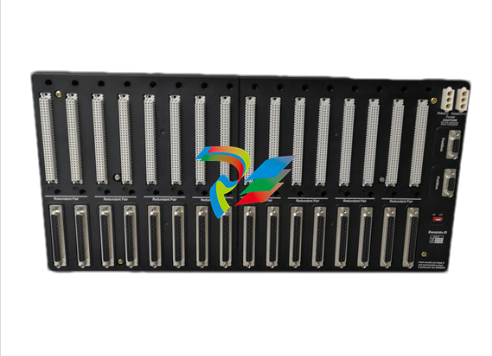 Foxboro RH101AA High-performance industrial control module
 -
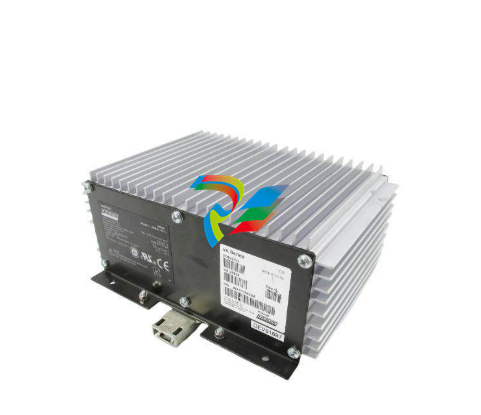 Foxboro P0922YU FPS400-24 I/A Series Power supply
 -
.png) FOXBORO P0973LN Chassis-based managed switch with independent power supply
FOXBORO P0973LN Chassis-based managed switch with independent power supply -
.jpg) FOXBORO P0926PA Input/output module
FOXBORO P0926PA Input/output module -
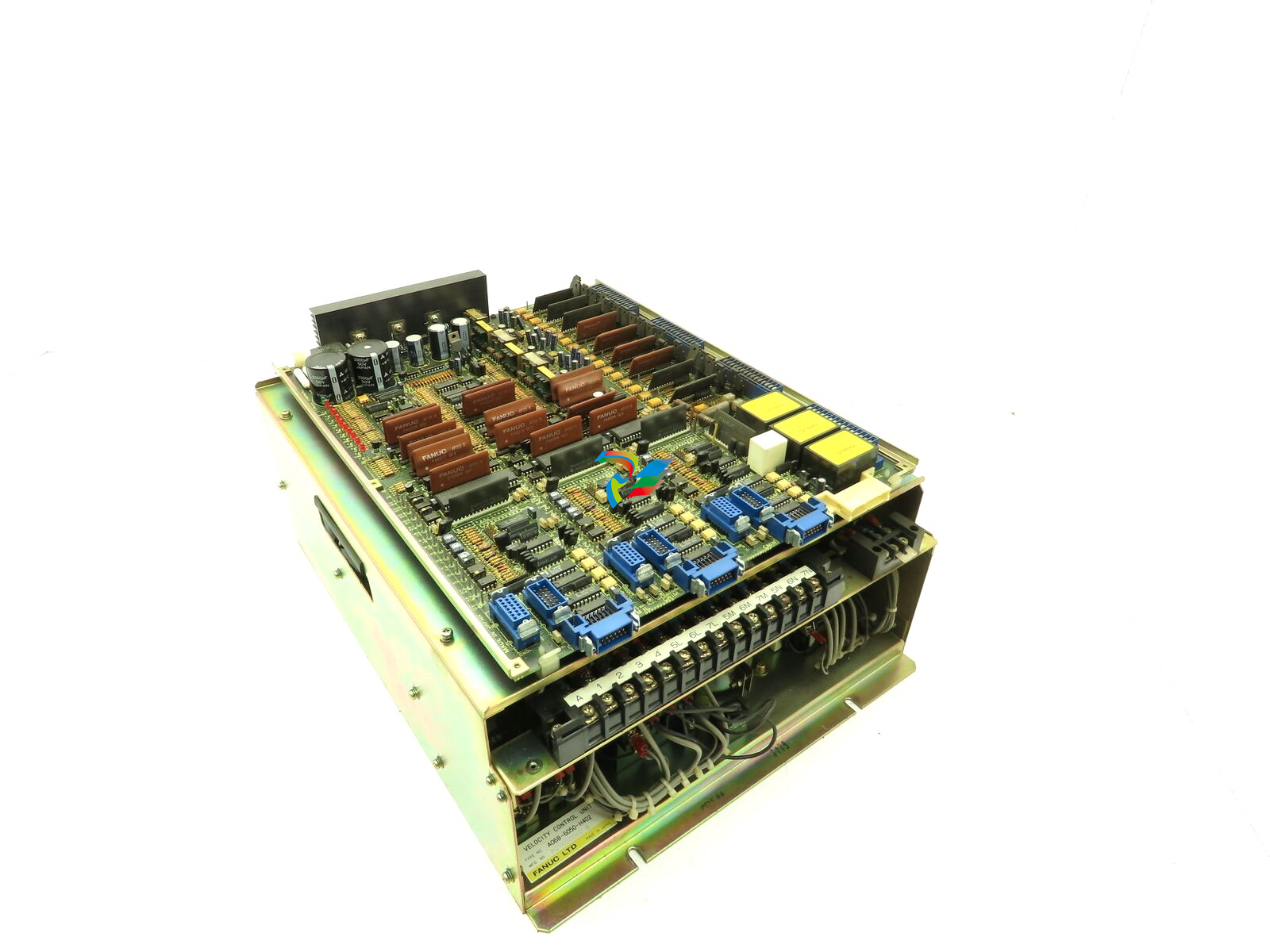 Fanuc A06B-6050-H402 3 AXIS ANALOG AC SERVO DRIVE
 -
.jpg) FOXBORO L0130AD L0130AE-0H Power module group
FOXBORO L0130AD L0130AE-0H Power module group -
_lVjBYb.jpg) FOXBORO 0399085B 0303440C+0303458A Combination Control Module
FOXBORO 0399085B 0303440C+0303458A Combination Control Module -
 FOXBORO SY-0399095E (SY-0303451D+SY-0303460E) Process control board
 -
.jpg) FOXBORO 0399071D 0303440C+0303443B Input/Output (I/O) Module
FOXBORO 0399071D 0303440C+0303443B Input/Output (I/O) Module -
.jpg) FOXBORO RH924UQ Redundant Controller module
FOXBORO RH924UQ Redundant Controller module -
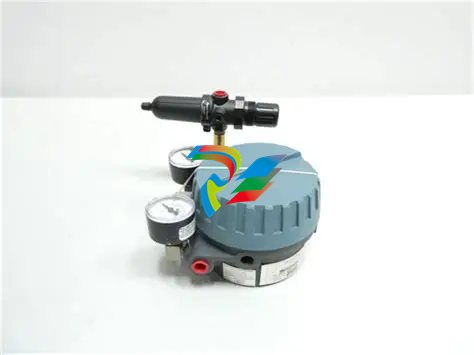 FFOXBORO E69F-TI2-S current pneumatic converter
 -
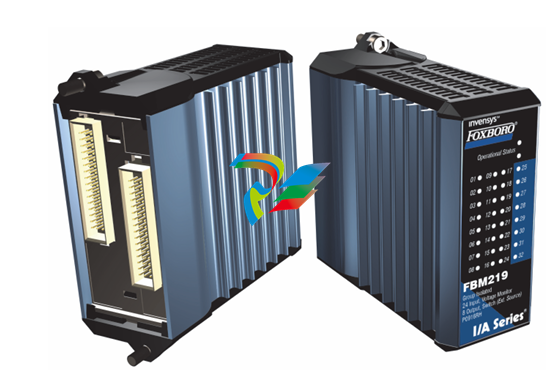 FOXBORO FBM219 RH916RH Discrete I/O Module
 -
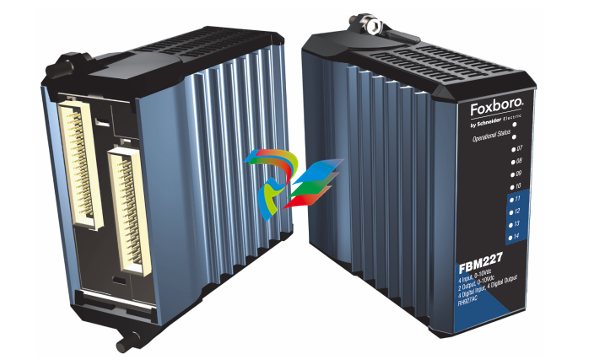 FOXBORO FBM227 P0927AC Module
 -
.jpg) FOXBORO 0399144 SY-0301059F SY-1025115C/SY-1025120E I/O module
FOXBORO 0399144 SY-0301059F SY-1025115C/SY-1025120E I/O module -
.jpg) FOXBORO SY-60399001R SY-60301001RB Industrial Control Module
FOXBORO SY-60399001R SY-60301001RB Industrial Control Module -
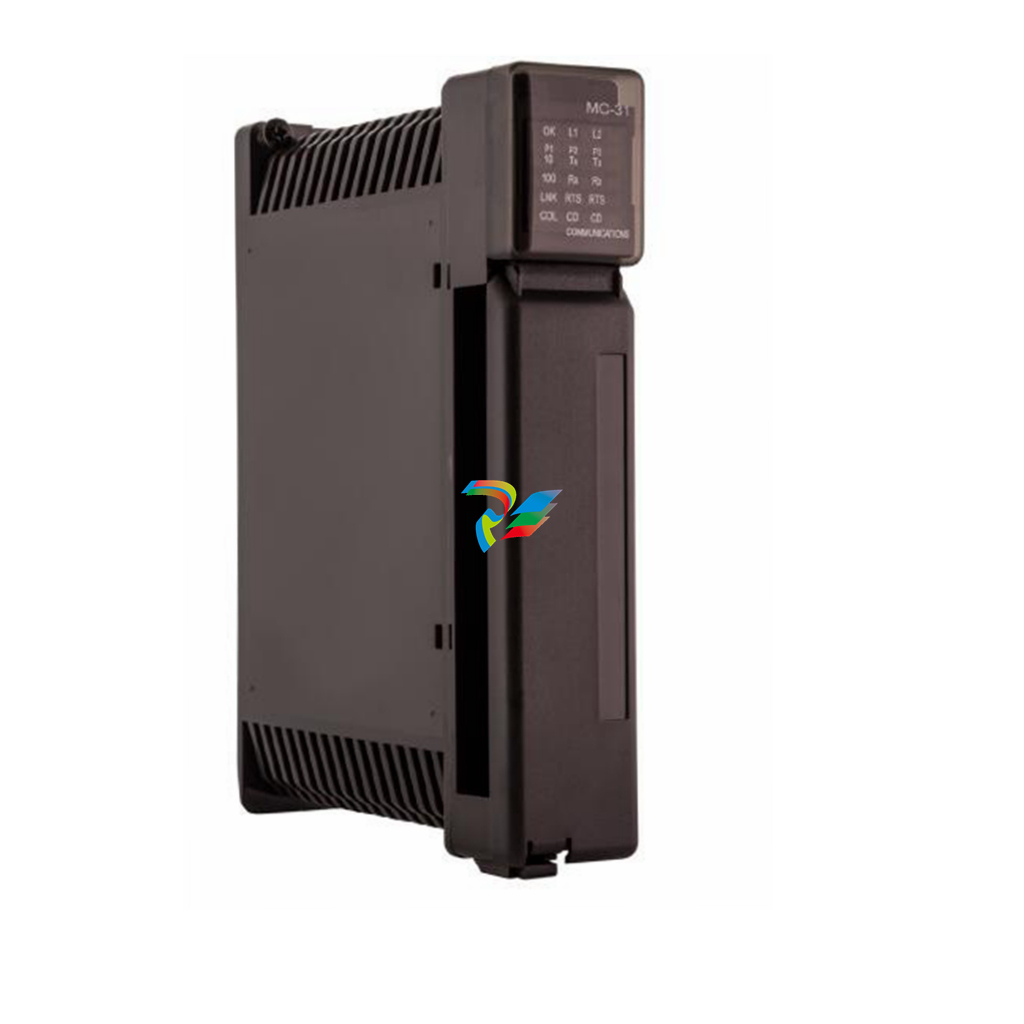 FOXBORO 0399143 SY-0301060R SY-1025115C SY-1025120E Combined control board
 -
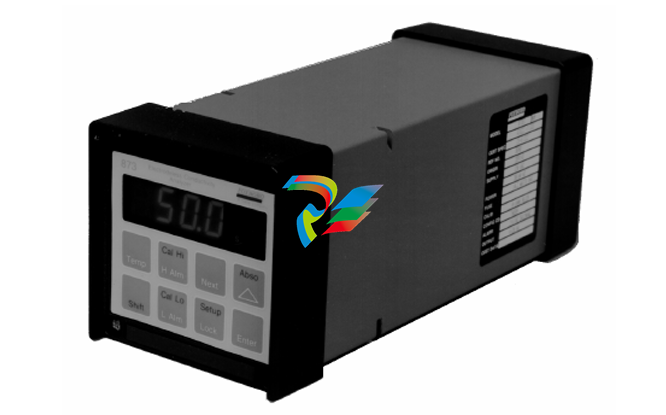 FOXBORO 873EC-JIPFGZ electrodeless conductivity analyzer
 -
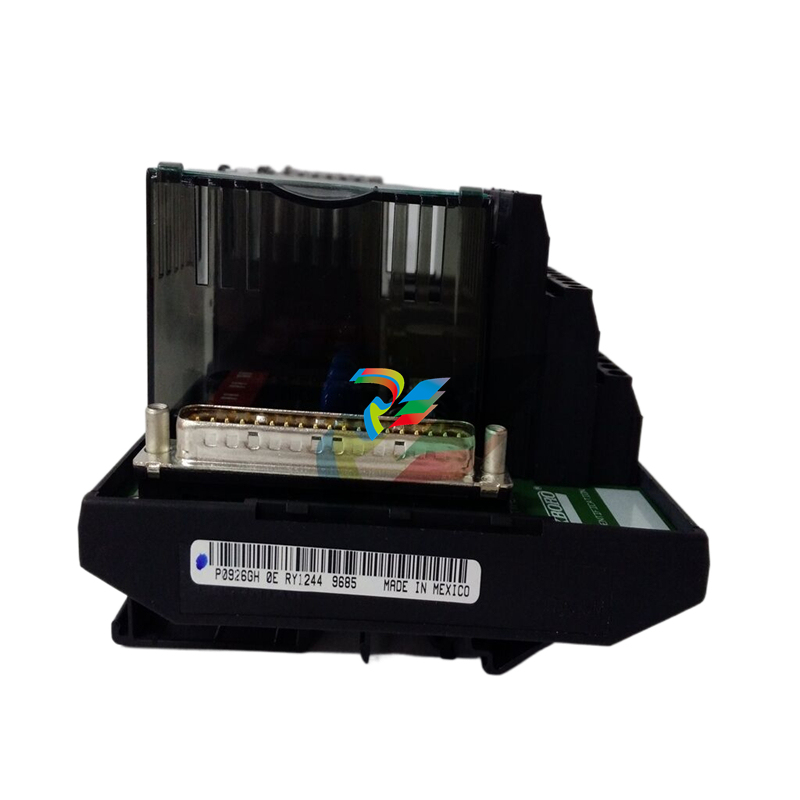 FOXBORO P0916PH (High-density HART I/O Module)
 -
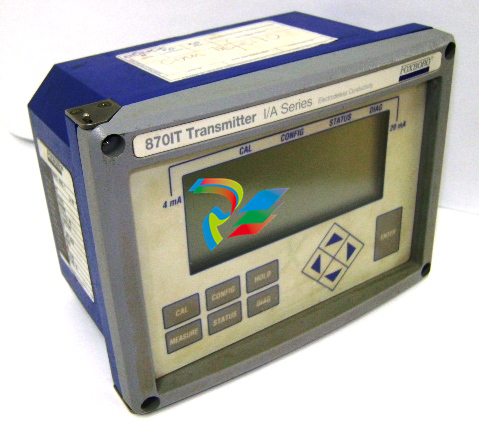 FOXBORO 870ITEC-AYFNZ-7 Intelligent Electrochemical Transmitters
 -
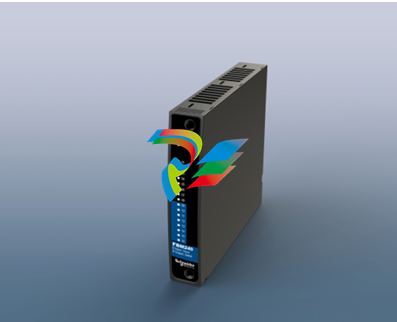 FOXBORO Compact FBM240. Redundant with Readback, Discrete
 -
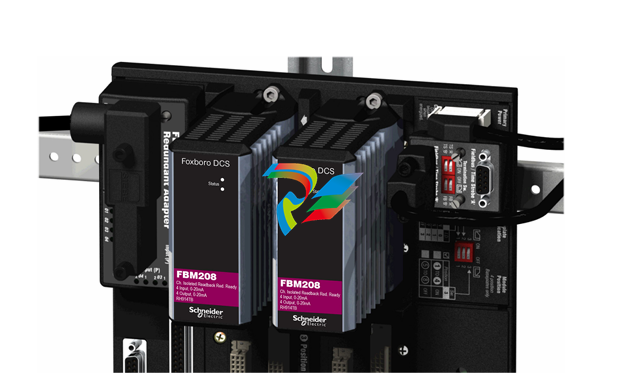 FOXBORO FBM208/b, Redundant with Readback, 0 to 20 mA I/O Module
 -
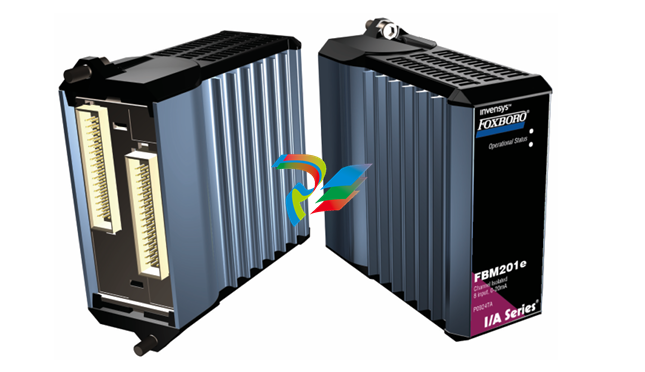 FOXBORO FBM201e Analog Input (0 to 20 mA) Interface Modules
 -
.jpg) FOXBORO P0916WG Terminal cable
FOXBORO P0916WG Terminal cable -
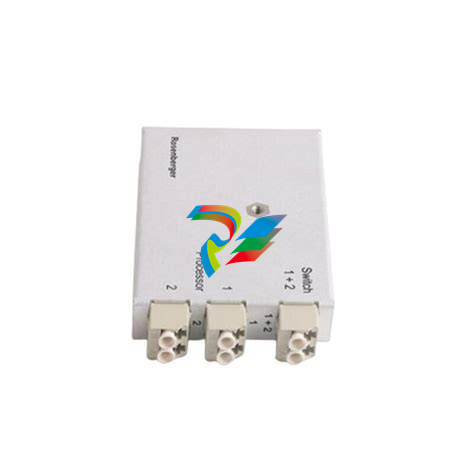 FOXBORO P0926MX 2-Port Splitter
 -
.jpg) FOXBORO AD908JQ High-Frequency Module
FOXBORO AD908JQ High-Frequency Module -
.jpg) FOXBORO AD916CC Processor module
FOXBORO AD916CC Processor module -
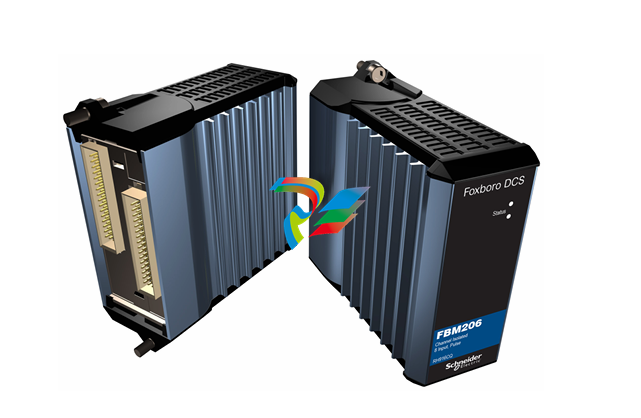 Foxboro DCS FBM206 Pulse Input Module
 -
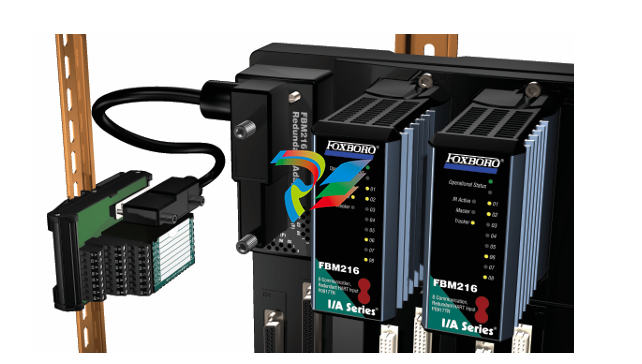 FOXBORO FBM216 HART® Communication Redundant Input Interface Module
 -
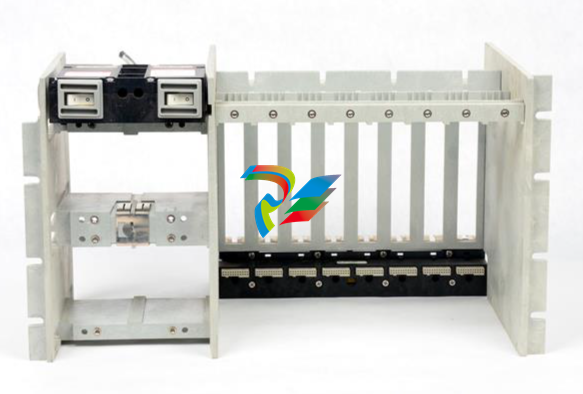 Foxboro p0903nu 1×8 unit sub-component module
 -
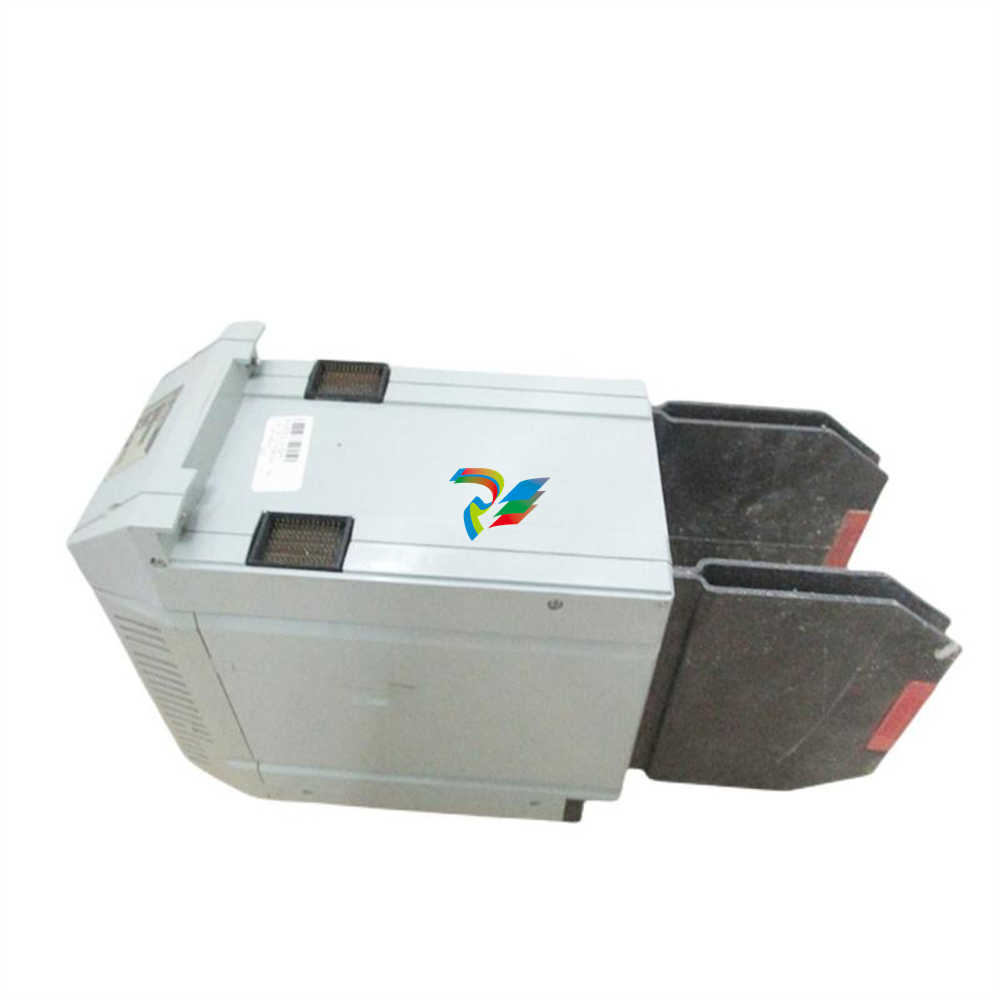 Foxboro P0911SM Industrial control module
 -
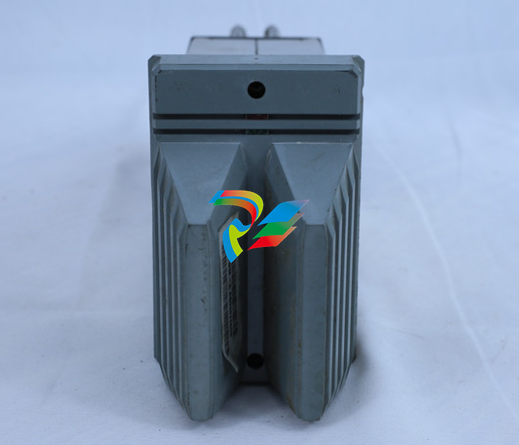 Foxboro CM902WM I/O module
 -
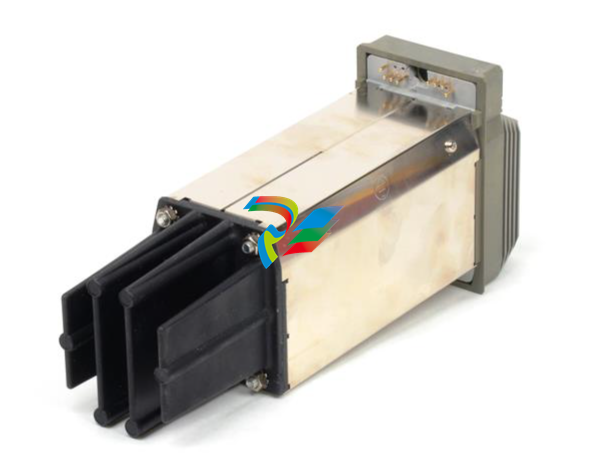 Foxboro CM902WL Power module
 -
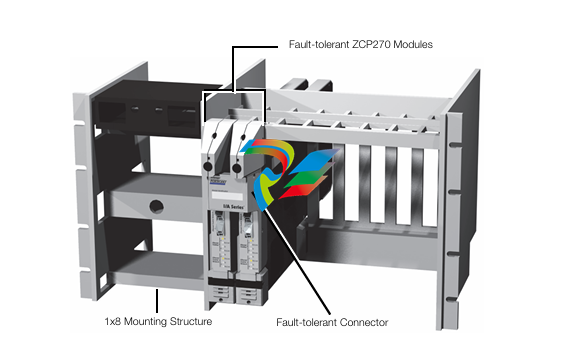 Foxboro P0972VA Industrial Control Module
 -
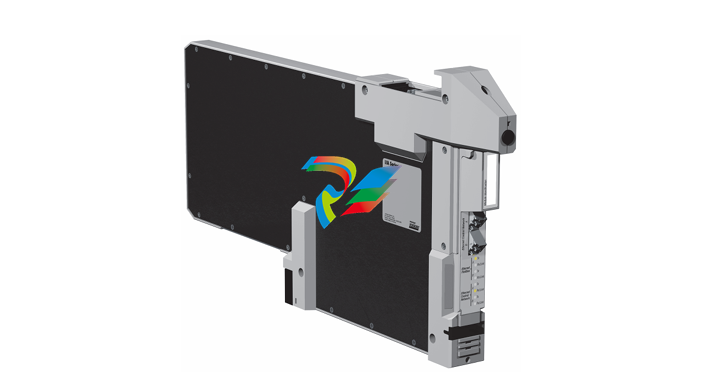 Foxboro Z-Module Control Processor 270 (ZCP270)
 -
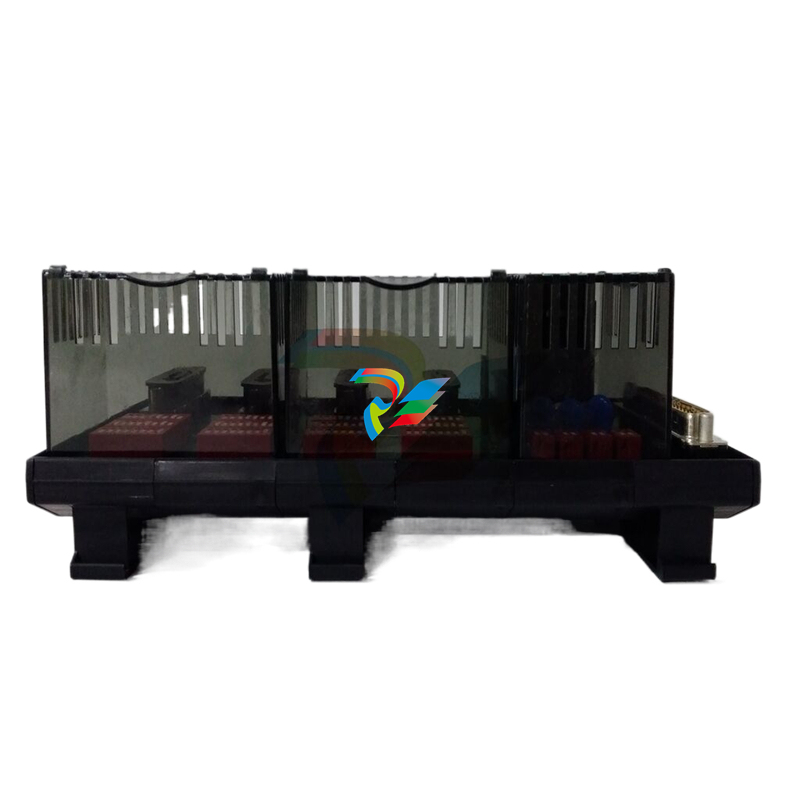 Foxboro PO916JS 16-channel terminal block module
 -
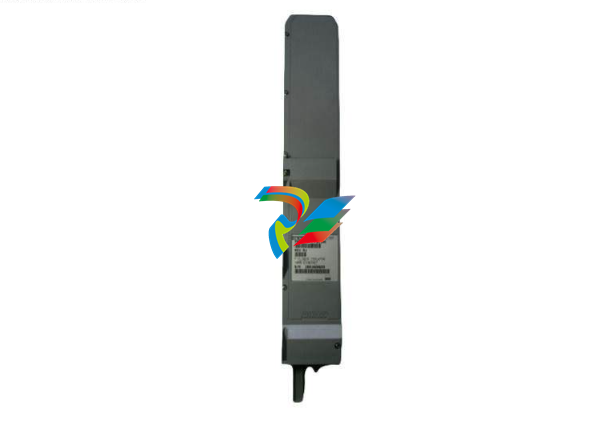 Foxboro PO911SM High-performance digital/analog input/output module
 -
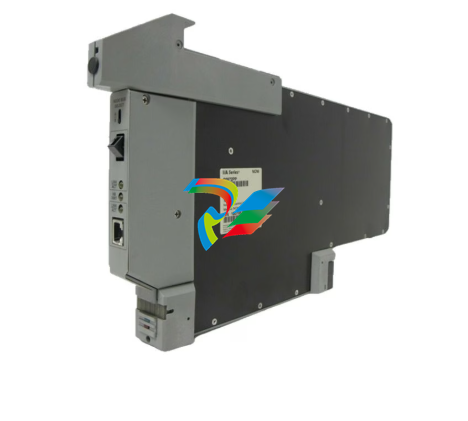 Foxboro P0972PP-NCNI Network Interface Module
 -
.jpg) FOXBORO P0971QZ controller module
FOXBORO P0971QZ controller module -
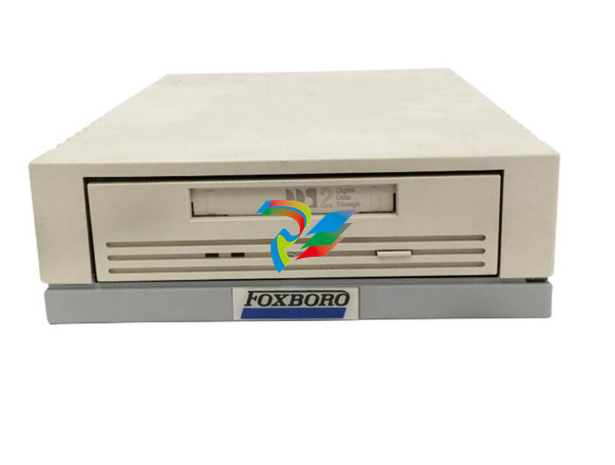 FOXBORO P0971DP Thermal resistance input/output module
 -
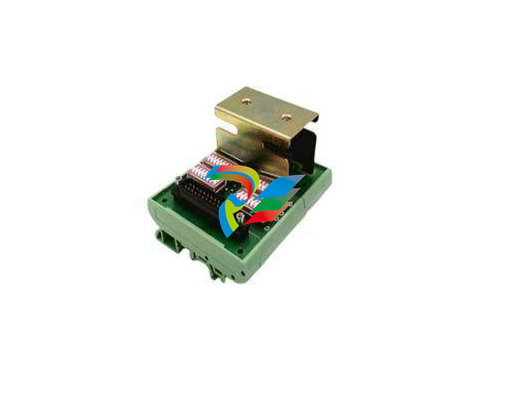 FOXBORO P0970VB Cable connector
 -
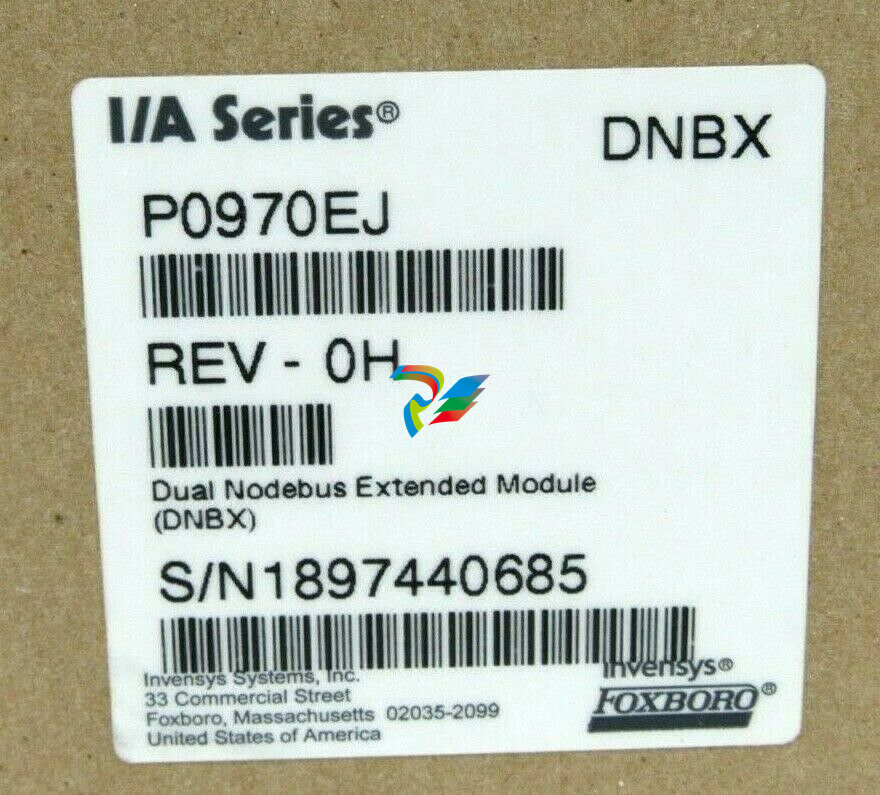 FOXBORO P0970EJ-DNBX Dual-node bus expansion module
 -
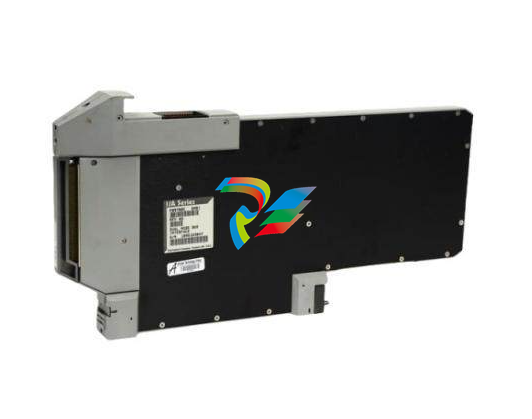 FOXBORO P0970BP Redundant power supply system
 -
.jpg) FOXBORO P0970BC-DNBI DeviceNet bus interface module
FOXBORO P0970BC-DNBI DeviceNet bus interface module -
.jpg) FOXBORO P0961FX-CP60S Main control CPU module
FOXBORO P0961FX-CP60S Main control CPU module -
.jpg) FOXBORO P0961EF-CP30B Network Interface Unit
FOXBORO P0961EF-CP30B Network Interface Unit -
.jpg) FOXBORO P0961CA Optical fiber local area network module
FOXBORO P0961CA Optical fiber local area network module -
.jpg) FOXBORO P0961BD-GW30B gateway processor module
FOXBORO P0961BD-GW30B gateway processor module -
.jpg) FOXBORO P0961BC-CP40B/I/A Series high-performance control processor module
FOXBORO P0961BC-CP40B/I/A Series high-performance control processor module -
FOXBORO P0960JA-CP40 High-performance control processor
-
FOXBORO P0926TM Control module
-
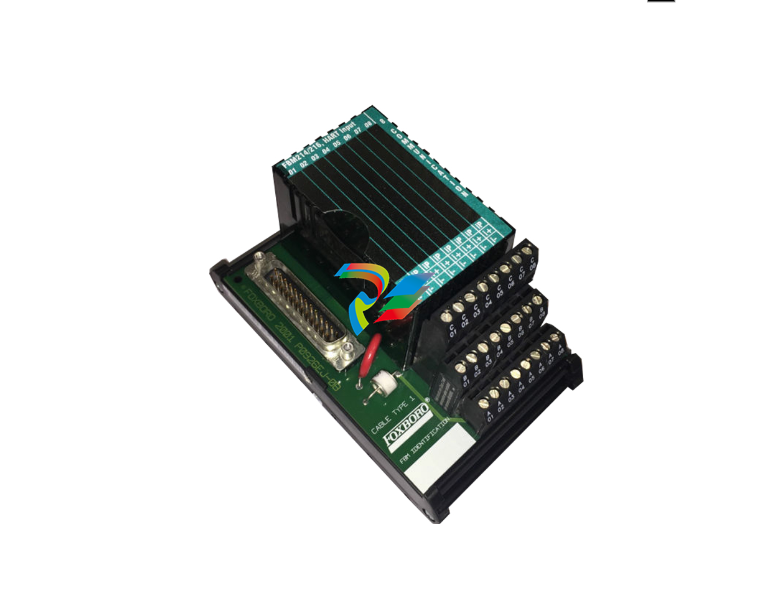 FOXBORO P0916BX Termination Assembly
 -
.jpg) FOXBORO P0916AE P0916AG P0916AW Thermal resistance input type DCS card module
FOXBORO P0916AE P0916AG P0916AW Thermal resistance input type DCS card module -
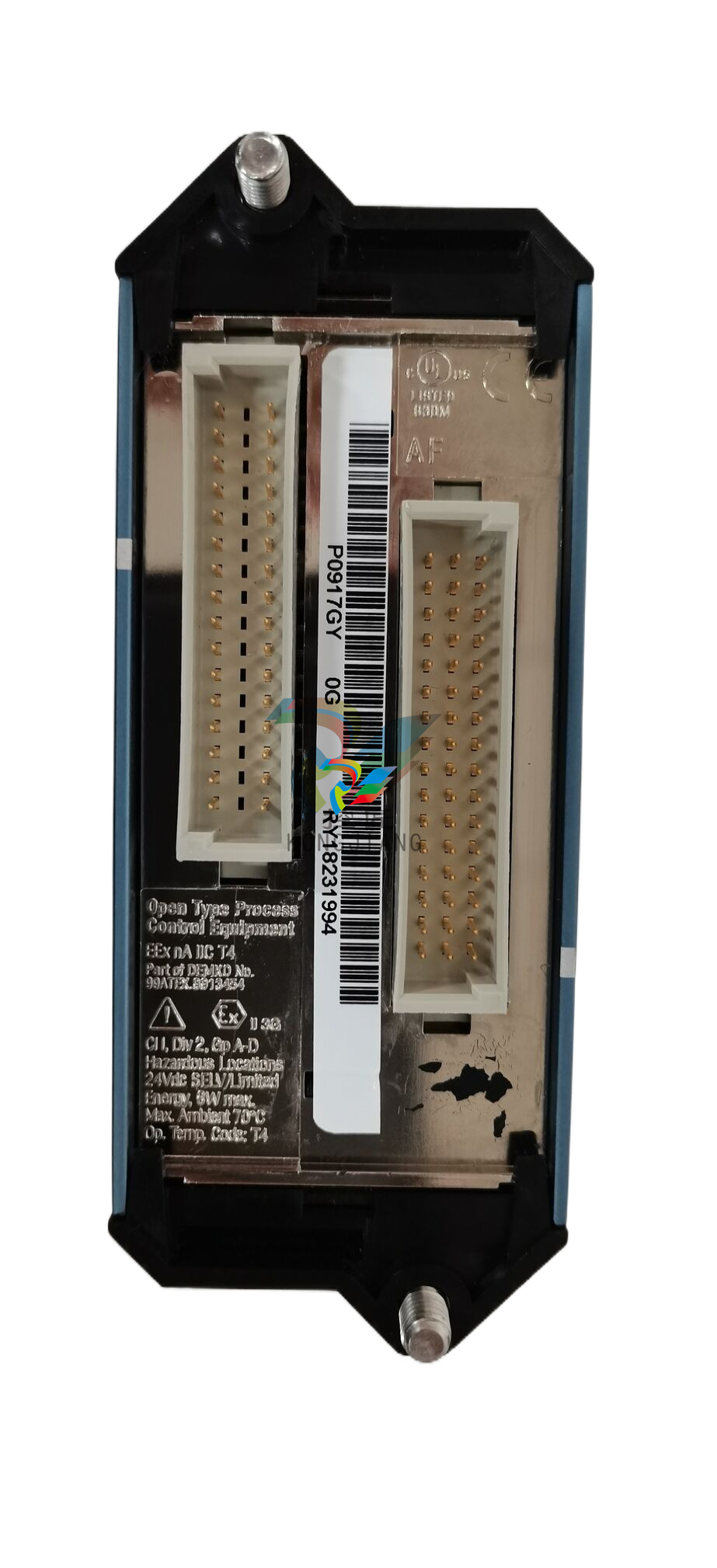 FOXBORO P0916AC FOXBORO distributed control system (DCS) compression terminal assembly
 -
.jpg) FOXBORO P0912CB High-performance interface module
FOXBORO P0912CB High-performance interface module