
When Pneumatic Standalone Controllers Age Out
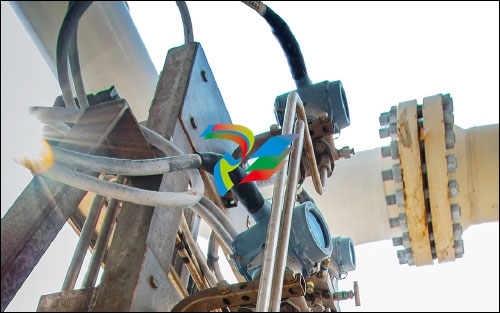
They are out there. Largely ignored and scattered across remote oilfield sites, tank farms and isolated process units they sit, quietly hissing now and again, and steadfastly doing their job as they have for years. Unfortunately, their days are numbered.
Affectionally known as “wind powered” and incorporating temperature or pressure sensors, standalone pneumatic controllers have been used to locally control level, pressure, flow and temperature in remote locations for decades, requiring only low-pressure air or line-pressure natural gas for operation. Despite breathtaking leaps in control technology improvements, these controllers are still a simple and acceptable solution for many niche applications.
More than 2.3 million of these devices are still in service but many vendors no longer make them, and more are abandoning the market every year. So, finding a direct replacement can be difficult. In addition, pneumatic controllers have a range of inherent limitations—not the least of which is finding personnel skilled with maintaining this technology—that make direct replacement less than ideal. This article discusses alternative process controller designs that address the issues with pneumatic controllers while providing a host of additional benefits.
Quietly doing their job, but for how long?
Pneumatic controllers have been around since the 1940s. Through the years, the pneumatic controller has been minimally upgraded (Figure 1), with some devices incorporating remote setpoints and full PID control algorithms, and a few devices adding some means for remote monitoring. Still, the bulk of applications use a simple local controller keeping a process on setpoint in a remote area. Through good weather and bad, these devices operate 24/7, adjusting a pneumatic valve as necessary to keep the process on track.
Unfortunately, there are aspects of pneumatic controllers that limit their utility and can create issues. Pneumatic controllers incorporate many moving parts, and over the years those parts eventually wear and fail. Control to setpoint degrades over time and ultimately stops, creating production losses and downtime. Most of these controllers provide no means of remote monitoring or adjustment, so when control degradation or an outright failure does occur, it is not noticed until deviation from setpoint creates problems affecting production.
Even when the existing pneumatic controller is an acceptable solution, fixing the unit or finding a replacement has become increasingly challenging as few technicians can work on pneumatics, and many pneumatic controller vendors have exited the market.

Remote control alternatives
Control vendors recognized this developing problem and worked to resolve it. Local controller replacements have become available that satisfy the needs of remote, standalone control—yet take advantage of the latest technology to enable significantly improved control performance, while providing remote access, monitoring and control.
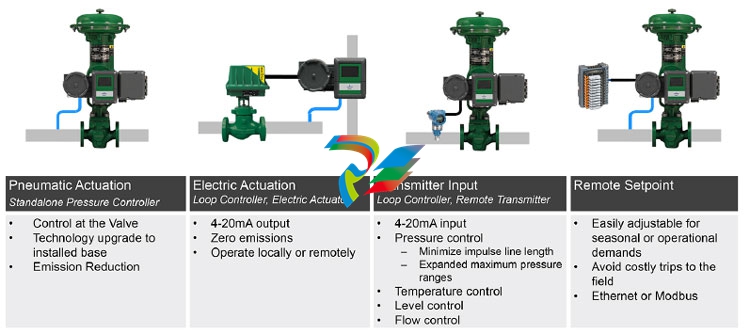
These replacement digital process controllers do require electrical power, but at less than one watt, this can easily be furnished with a small solar panel and battery. However, the addition of such a nominal amount of power yields dramatic improvements in control capability, and it enables remote monitoring and control. These devices also incorporate several configurable I/O options that allow a single device to address a host of control needs (Figure 2).
The latest process controllers incorporate two analog inputs that can accept 2- or 4-wire inputs. The primary input is used as the primary process variable in a PID loop, and the second can be used to accept a remote hardwired PID setpoint, or it be used to pick up a second process variable for internal monitoring. One of these inputs can be replaced with an integrated pressure sensor with ranges from 0-30 to 0-1,500 PSI, and this value can be used as the process variable in the PID control loop. The PID control loop output is a 4-2 0mA signal, or an integrated pneumatic module can provide a 3-15 PSI signal.
The device is rated Class 1 Division 1, and it uses low-bleed Quad O certified components, so it can run on air or natural gas and still meet the latest EPA emission requirements. This allows the controller to be used in a broad range of remote-control applications, including oil and gas industry remote sites and other hazardous locations.
These replacement controllers also include an integral linkless positioner feedback to handle control valve positioning duties. The positioner works on rising stem valves from most control valve vendors, as well as some rotary valve designs. The controller can be mounted on the valve (allowing positioner feedback), or it can be remotely mounted if a positioner is not required. When purchased with the integral pressure sensor and pneumatic output module, this single device can replace a pressure transmitter, controller and valve positioner.
Taking advantage of technology
These types of hybrid controller replacements also take advantage of the latest technology to address the inherent limitations of pneumatic controllers. The digital PID loop operates on 50 millisecond cycles, making it suitable for very fast and difficult to control process applications.
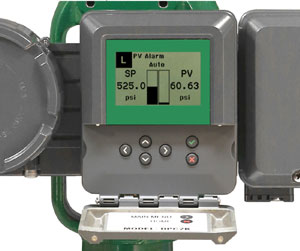
The list of advanced control options and parameters includes anti-reset windup, dynamic reset limiting and configurable deadband, enabling this type of controller to provide far superior tracking to setpoint as compared to its pneumatic predecessor. A local digital interface (Figure 3) displays control data, and it allows easy setpoint and configuration modifications at the device.
In many applications, the most important technological advance will be the remote communication capabilities that are now incorporated within the controller. These types of devices can typically communicate via Modbus TCP, HART IP, and/or Modbus RTU RS-485. The Ethernet port can handle multiple protocols simultaneously using Modbus TCP or HART IP, and all digital protocols provide remote control and monitoring capability.
This communication capability allows the local controller to independently perform its control tasks, while providing a means to remotely change setpoints, gather analog signals from up to two devices, detect alarms and equipment alerts, and reconfigure the device if necessary. With this capability, the pneumatic controller is no longer an isolated island of automation, but it can instead provide process data to indicate developing problems, empowering plant personnel to react proactively to minimize downtime and production loss.
These new controllers have also been designed with ease of use and maintenance in mind. Configuration is simple and straightforward, using intuitive menus at the device, or via a free software application with remote access. Maintenance is greatly reduced due to the lack of moving parts, and when needed it requires little technical knowledge since the pressure sensors and pneumatic output sections are modular and can thus be easily replaced.
Applications for standalone digital process controllers
Standalone digital process controllers are often the preferred solution for a wide variety of single loop control applications. Common use cases include heaters in tank farms, pressure and temperature controllers for heat trace applications, and fuel gas train pressure controllers. These controllers are also frequently used on equipment skids where local control is required.
Another very common application is a back pressure controller for remote wellhead oil separator applications (Figure 4). While oil/water interface and oil level control can be accomplished by other means, backpressure control on the separator usually demands tighter tracking to setpoint, as can be provided with a PID controller.
These new replacement process controllers are tailor made for this application and are often employed during wellhead electrification projects to limit or eliminate methane emissions. The controllers can also be used in advanced oil recovery projects that require local flow or pressure controls at remote wellhead sites.
Another common application is tank blanketing applications. These advanced pneumatic controllers provide local and independent pressure control, and they also provide a means to remotely monitor tank pressure, and alarm if the blanketing system is not operating correctly. This type of solution is far superior to a blanketing pressure regulator, which tends to droop at high flows and offers no means of pressure feedback.

Conclusion
If your plant has a number of aging pneumatic controllers—or if you encounter an application where remote, independent control is necessary—consult with your valve automation vendor to investigate new standalone digital process controllers. The control capability of these new solutions is far superior to what has been available to date, and their flexibility allows them to be used in a very wide variety of flow, pressure, temperature, and level control applications.
These pneumatic controller replacements also offer the ability to monitor, control and even configure these devices remotely, and they provide a wealth of process data previously unavailable from these remote, single-loop control applications. These venerable pneumatic controllers have done their duty for decades, but as they age out, a very capable and superior replacement is now available.
All figures courtesy of Emerson
This feature originally appeared in the April 2024 isue of InTech digital magazine.
-
 IS200EPMCH1GE Mark VIe Patch Cord Power Distribution Card
 -
 VMICPCI-7632-03310 IS215UCCAH3A 350-657362-003310J GE gas turbine system control processor board
 -
 WEA13-13 2508-21001 Control Module / I/O Board
 -
.jpg) WES5120 2340-21004 Controller Main Module
WES5120 2340-21004 Controller Main Module -
 WES5120 2340-21006 Field Controller Master Unit Module
 -
 WESDAC D20ME 18-MAR-13 Excitation Control Module
 -
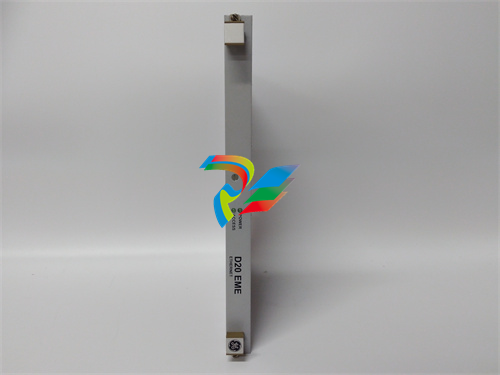 D20 EME 2400-21004 Ethernet communication and expansion module
 -
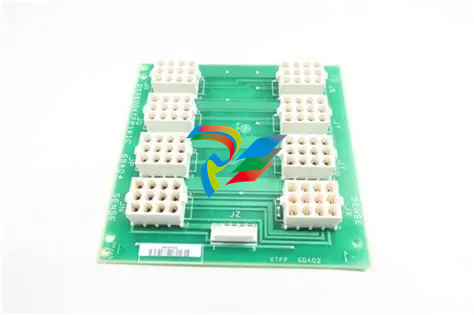 GE DS3800XTFP1E1C Thyristor Fan Out Board Brand
 -
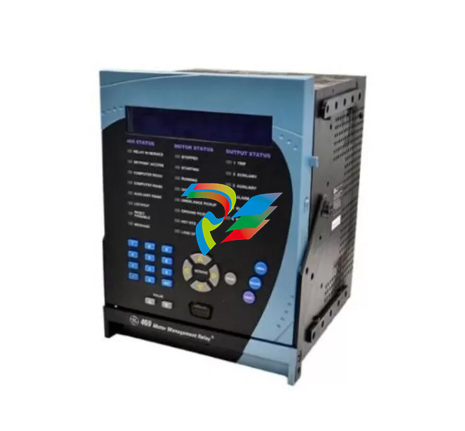 GE SR745-W2-P1-G1-HI-A-L-R-E Feeder protection relay
 -
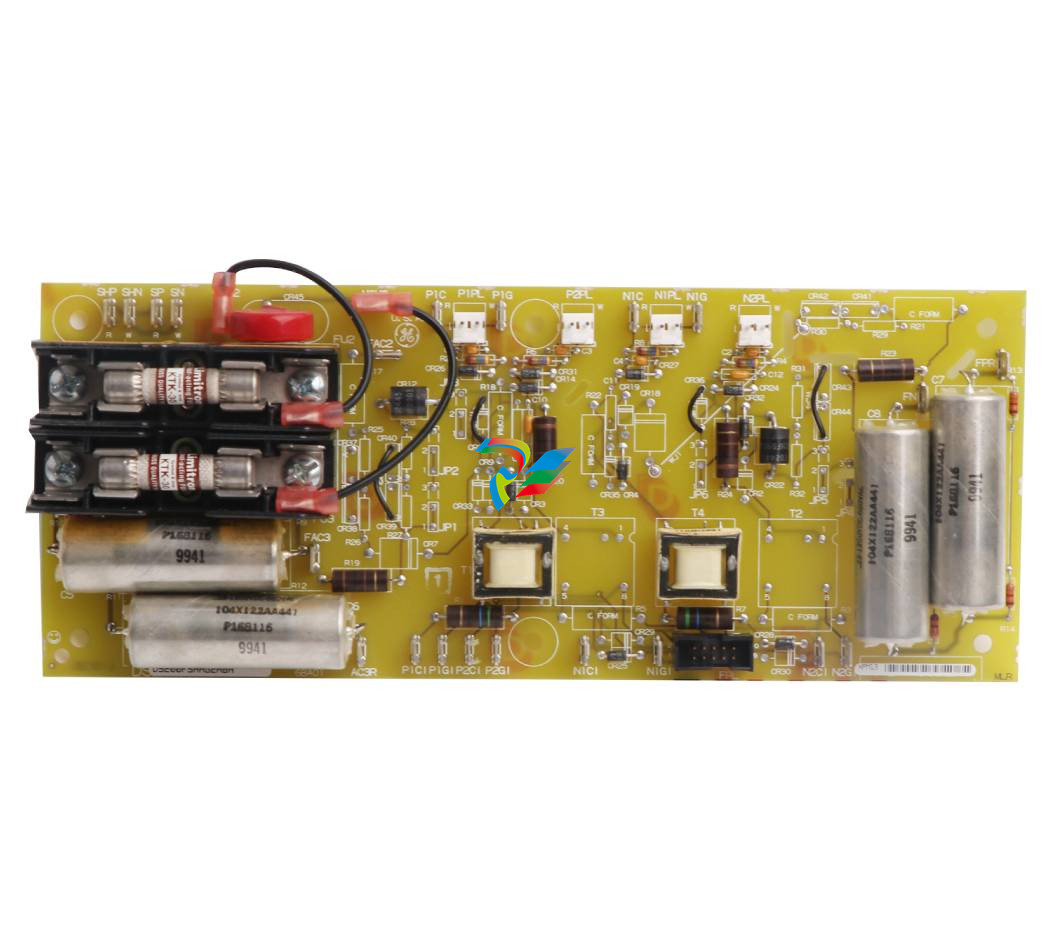 GE IS230TNDSH2A Discrete Output Relay Module Brand
 -
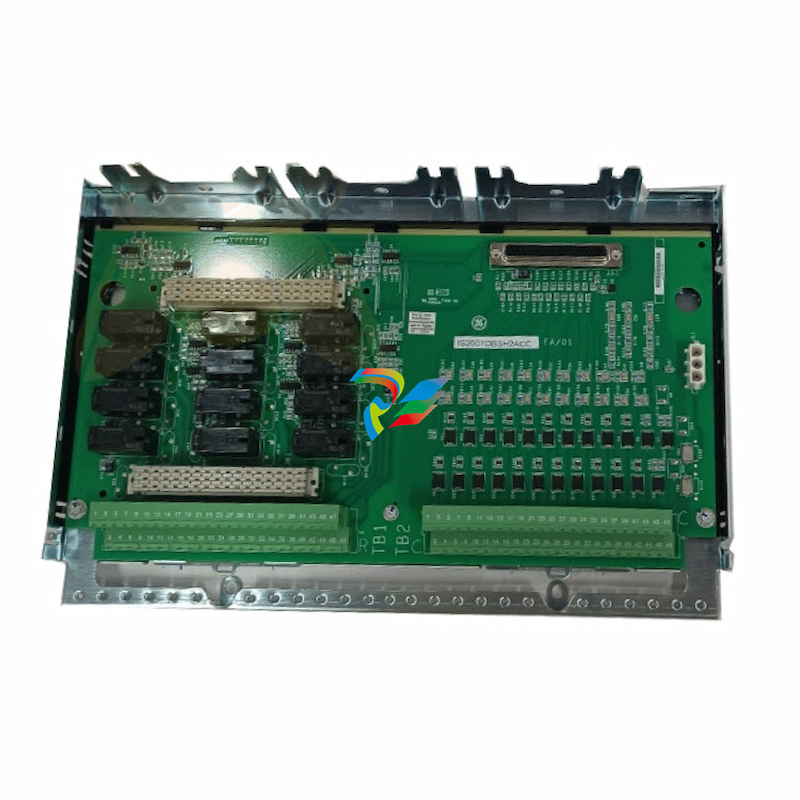 GE Fanuc IS200TDBSH2ACC Mark VI Terminal Board Brand
 -
 GE PMC-0247RC-282000 350-93750247-282000F Disk Drive
 -
GE PMC-0247RC-282000 350-93750247-282000F Disk Drive
-
 GE VMIVME-1150 Serial Communications Controller
 -
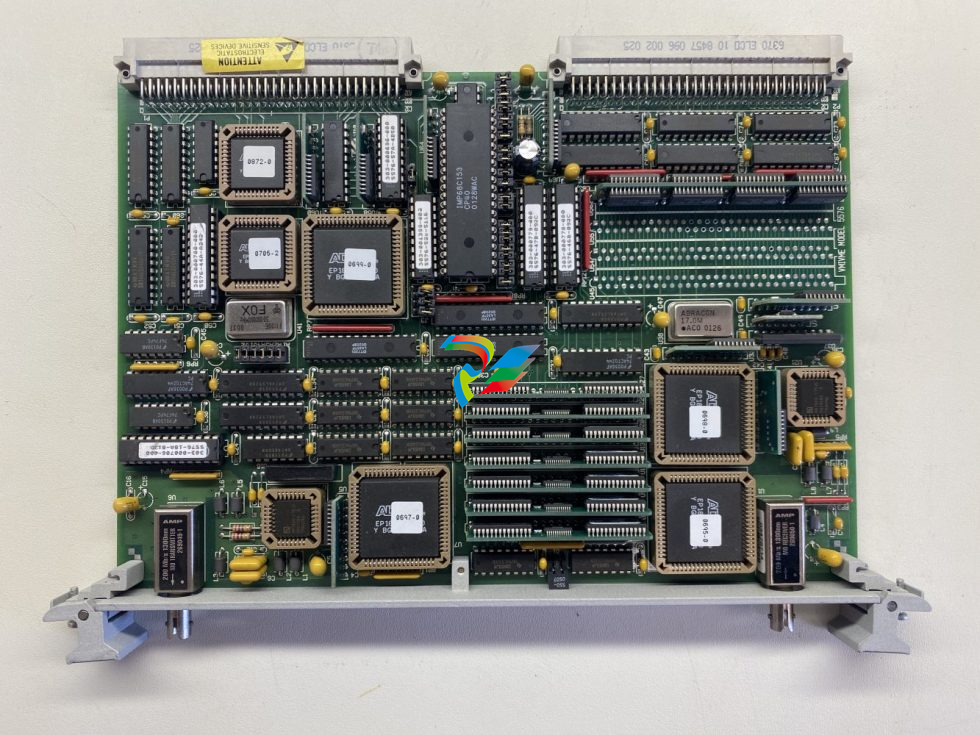 GE VMIVME-5576 Fiber-Optic Reflective Memory with Interrupts
 -
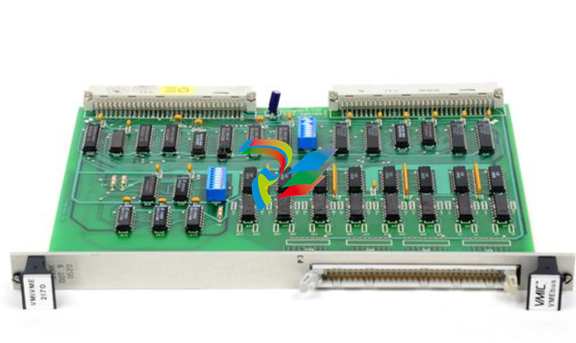 GE VMIC Isolated Digital Output VMIVME-2170A
 -
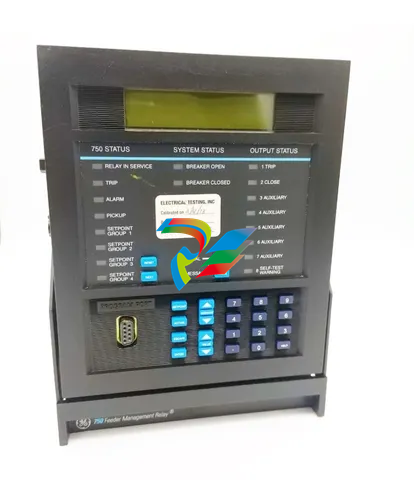 GE MULTILIN 760 FEEDER MANAGEMENT RELAY 760-P5-G5-S5-HI-A20-R-E
 -
 GE IS200AEPAH1BKE IS215WEPAH2BB Printed circuit board
 -
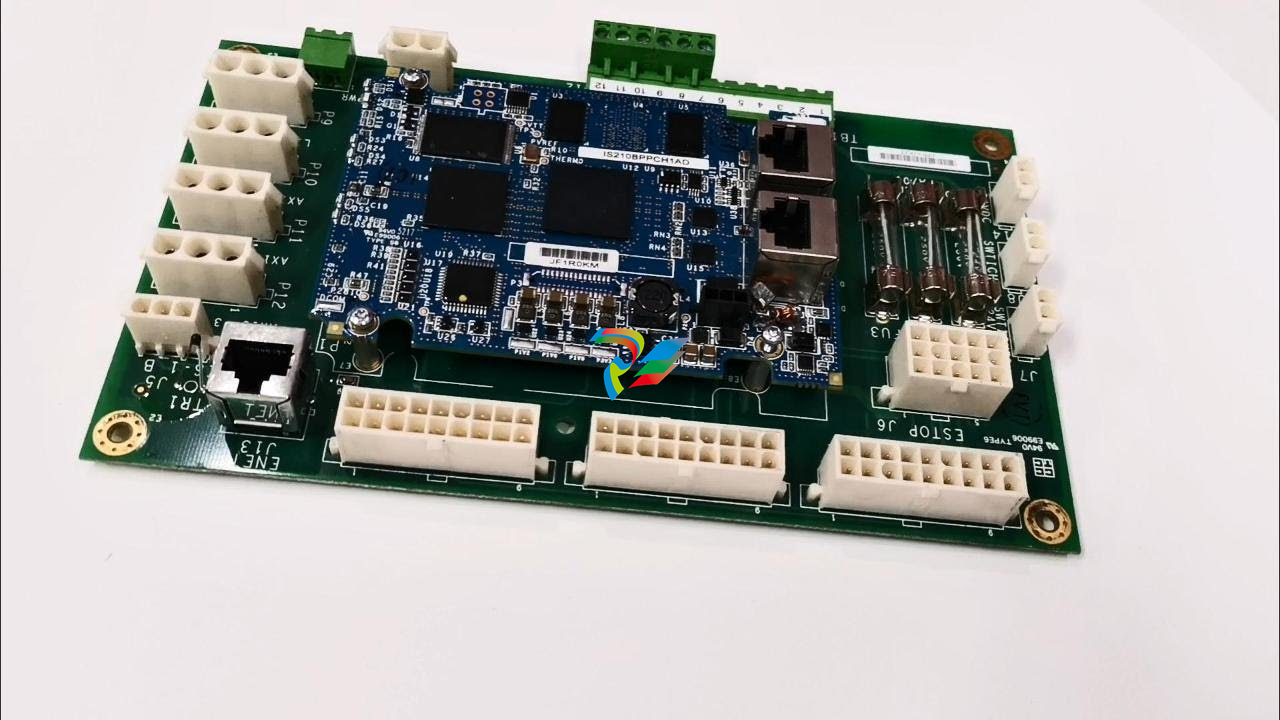 GE IS210BPPCH1A Mark VIe I/O Pack Processor Card
 -
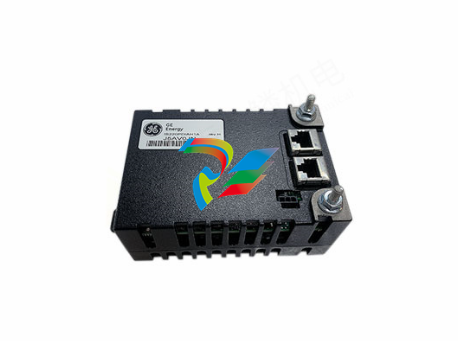 GE IS220PRTDH1A 336A4940CSP6 High-Performance RTD Input Module
 -
GE IS220PDIAH1BE 336A5026ADP4 Discrete Input Module
-
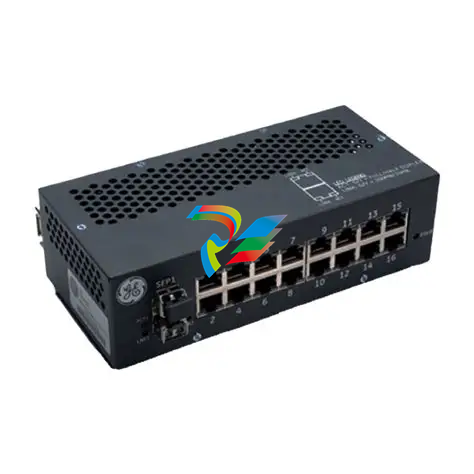 GE IS420ESWBH3A IONET Switch Module
 -
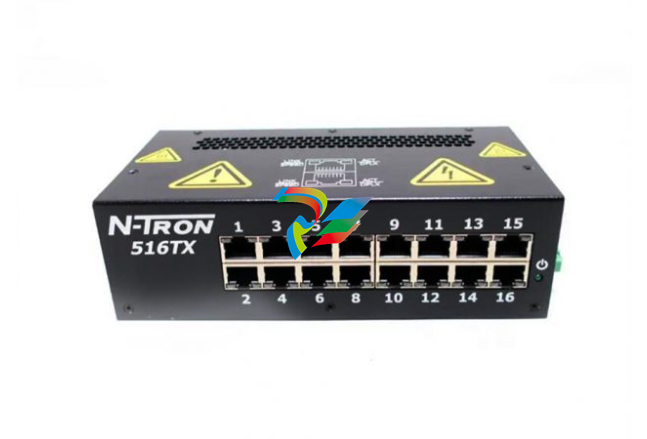 GE 516TX 336A4940DNP516TX 16-port Ethernet switch
 -
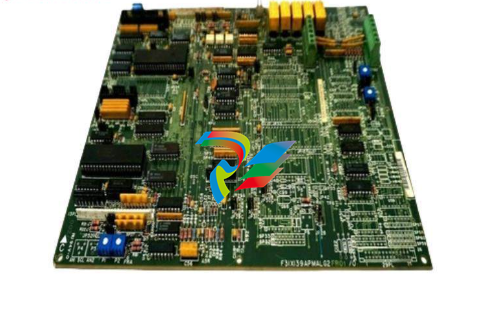 GE EVMECNTM13 Embedded control module
 -
GE EVPBDP0001 EVPBDP032 control module
-
 GE Hydran M2-X Enhanced Monitoring with Extended Sensor Life
 -
 GE UR6CH Digital I/O Module
 -
 GE IC695CPU315-CD Central processing unit
 -
 GE 531X305NTBAMG1 DR Terminal Board
 -
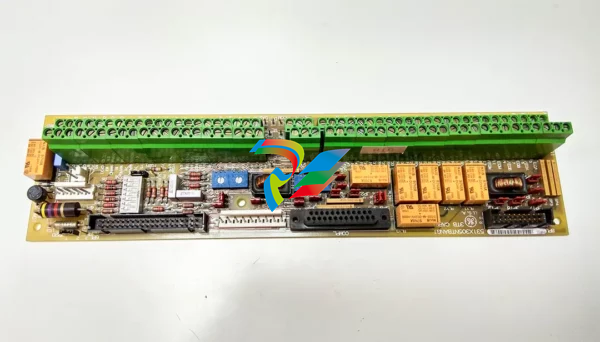 GE 531X305NTBALG1 NTB/3TB Terminal Board 531X Series
 -
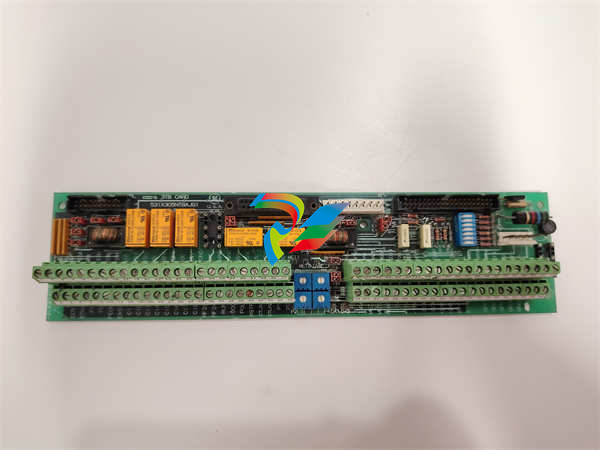 GE 531X305NTBAJG1 NTB/3TB Terminal Board.
 -
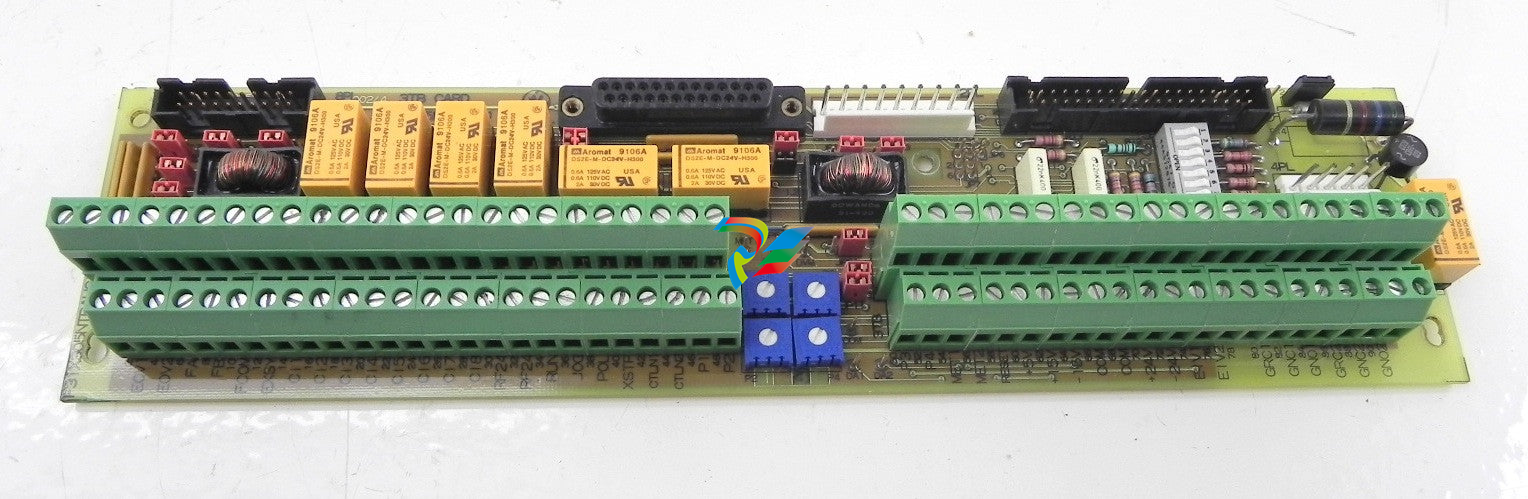 GE 531X305NTBAHG1 NTB/3TB Terminal Board 531X
 -
 GE 531X305NTBAEG1 is a PCB that functions as a DR terminal board.
 -
General Electric 531X305NTBACG1 NTB/3TB Terminal Board 531X
-
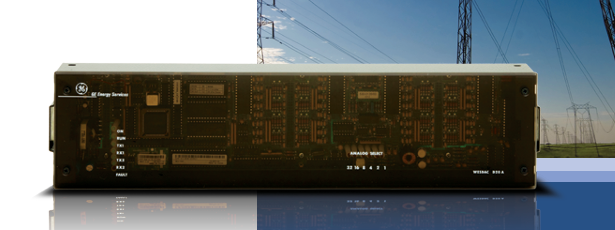 GE Digital Energy D20 Analog Input Module
 -
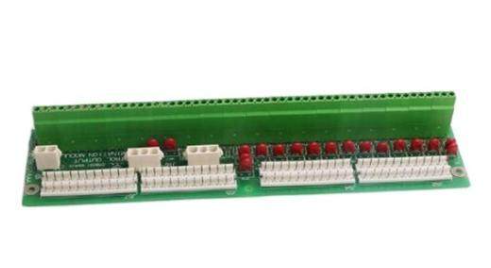 GE 94-164136-001 main board Control board
 -
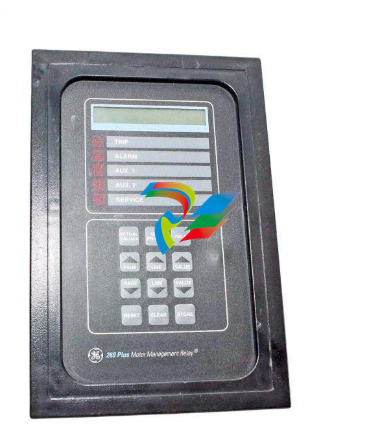 GE 269 PLUS-D/O-100P-125V Digital motor relay
 -
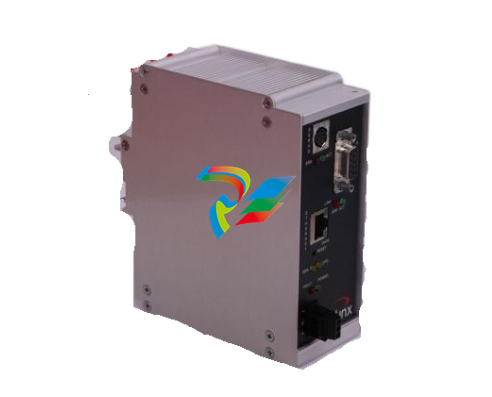 GALIL DMC-9940 High-performance motion controller
 -
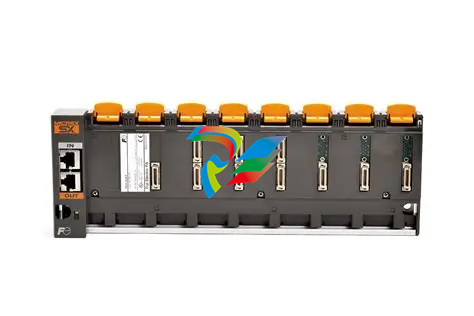 FUJI NP1BS-08 base plate
 -
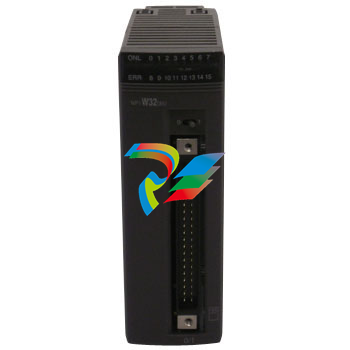 FUJI NP1Y32T09P1 Transistor drain type digital output module
 -
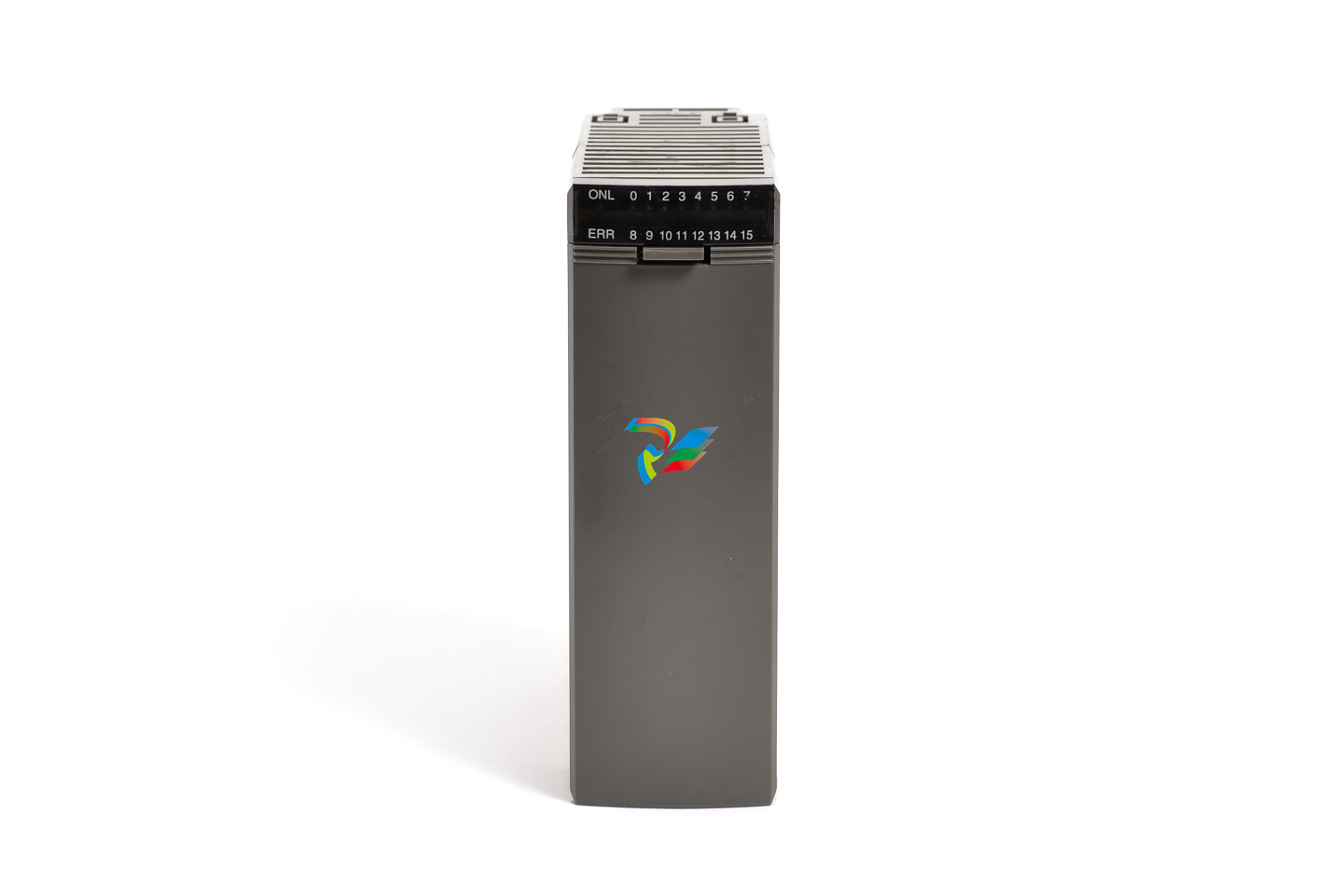 FUJI NP1Y16R-08 Digital Output Module
 -
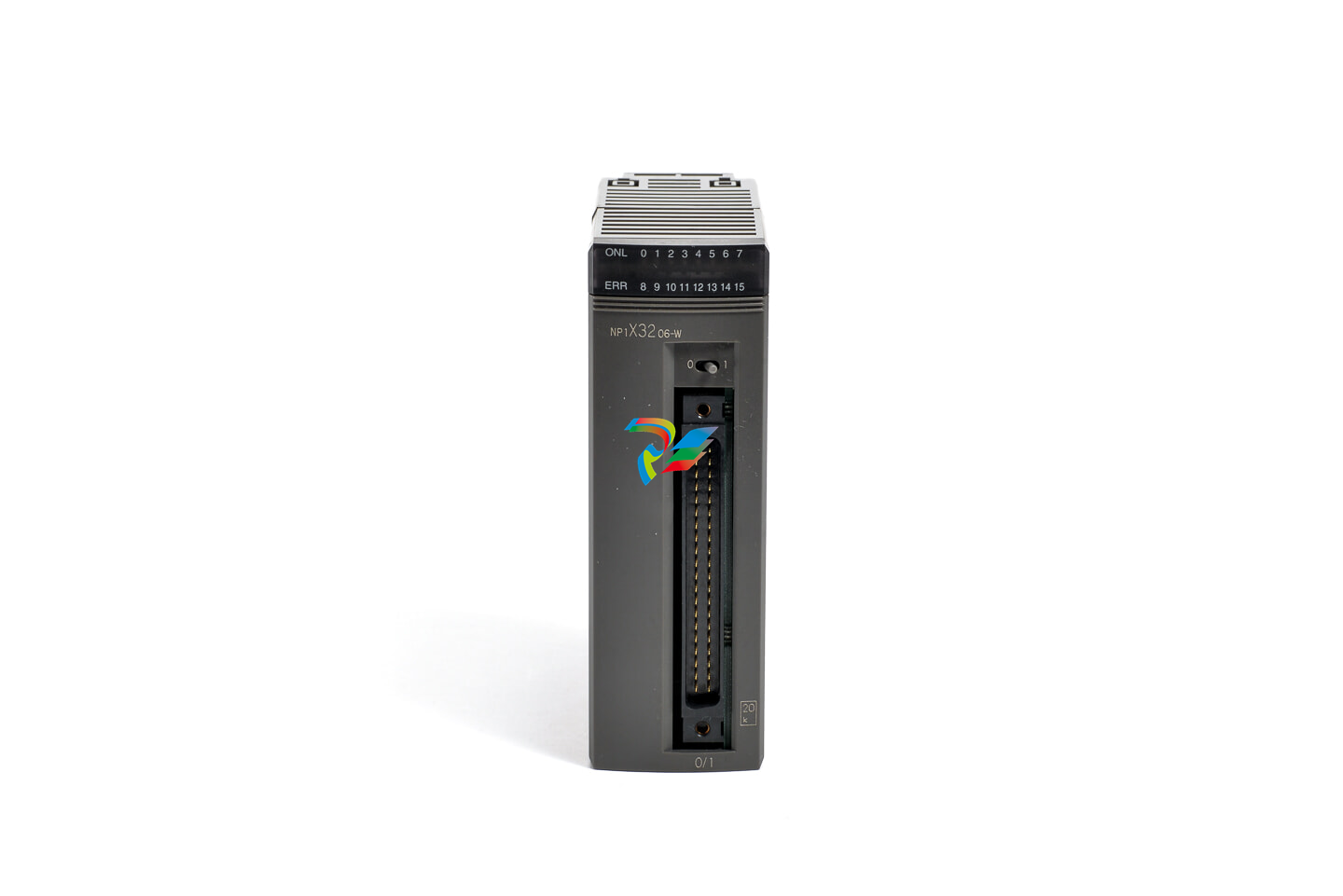 FUJI NP1X3206-A High-speed digital input module
 -
 FUJI NP1AYH4I-MR current output module
 -
 FUJI NP1S-22 Power module redundancy
 -
 FUJI RPXD2150-1T servo drive module
 -
 FUJI FVR008E7S-2UX Ac frequency converter
 -
 FUJI Ac frequency converter FVR008E7S-2
 -
 FUJI FVR004G5B-2 Small general-purpose frequency converter
 -
 FUJI A50L-2001-0232 Industrial control module
 -
 FUJI A50L-001-0266#N High-performance servo amplifier
 -
 Honeywell FS7-2173-2RP Gas sensor
 -
 Honeywell 10106/2/1 Digital Input Module in Stock
 -
 FRCE SYS68K CPU-40 B/16 PLC core processor module
 -
 Foxboro FBM I/O cards PBCO-D8-009
 -
 Foxboro AD916AE Digital Control System (DCS) Module
 -
 GE SR750-P5-G5-S5-HI-A20-R-E Multilin Relay
 -
.jpg) FOXBORO H90 H90C9AA0117S Industrial Computer Workstation
FOXBORO H90 H90C9AA0117S Industrial Computer Workstation -
FOXBORO RH928AW | I/A Series Relay Output Module
-
.jpg) Foxboro N-2AX+DIO Multi-functional input/output module
Foxboro N-2AX+DIO Multi-functional input/output module -
 Foxboro RH924WA FCP280 Fiber Optic Network Adapter
 -
 FOXBORO H92 Versatile Hardware Component In
 -
 Foxboro FBM218 P0922VW HART® Communication Redundant Output Interface Module
 -
 Foxboro E69F-TI2-J-R-S E69F Series Current-To-Pneumatic Signal Converter
 -
 Foxboro E69F-BI2-S Converter
 -
.jpg) Foxboro H92A049E0700 The host of the DCS control station
Foxboro H92A049E0700 The host of the DCS control station -
 Foxboro H90C9AA0117S Industrial computer workstation
 -
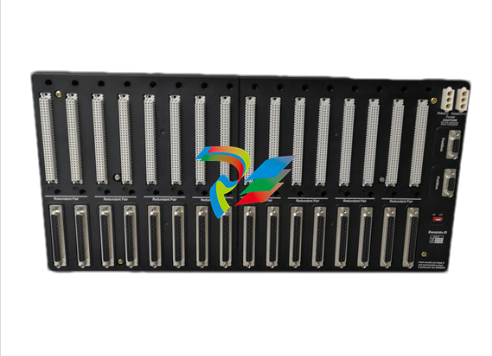 Foxboro RH101AA High-performance industrial control module
 -
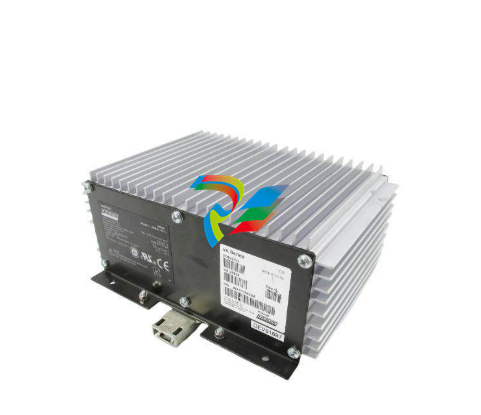 Foxboro P0922YU FPS400-24 I/A Series Power supply
 -
.png) FOXBORO P0973LN Chassis-based managed switch with independent power supply
FOXBORO P0973LN Chassis-based managed switch with independent power supply -
.jpg) FOXBORO P0926PA Input/output module
FOXBORO P0926PA Input/output module -
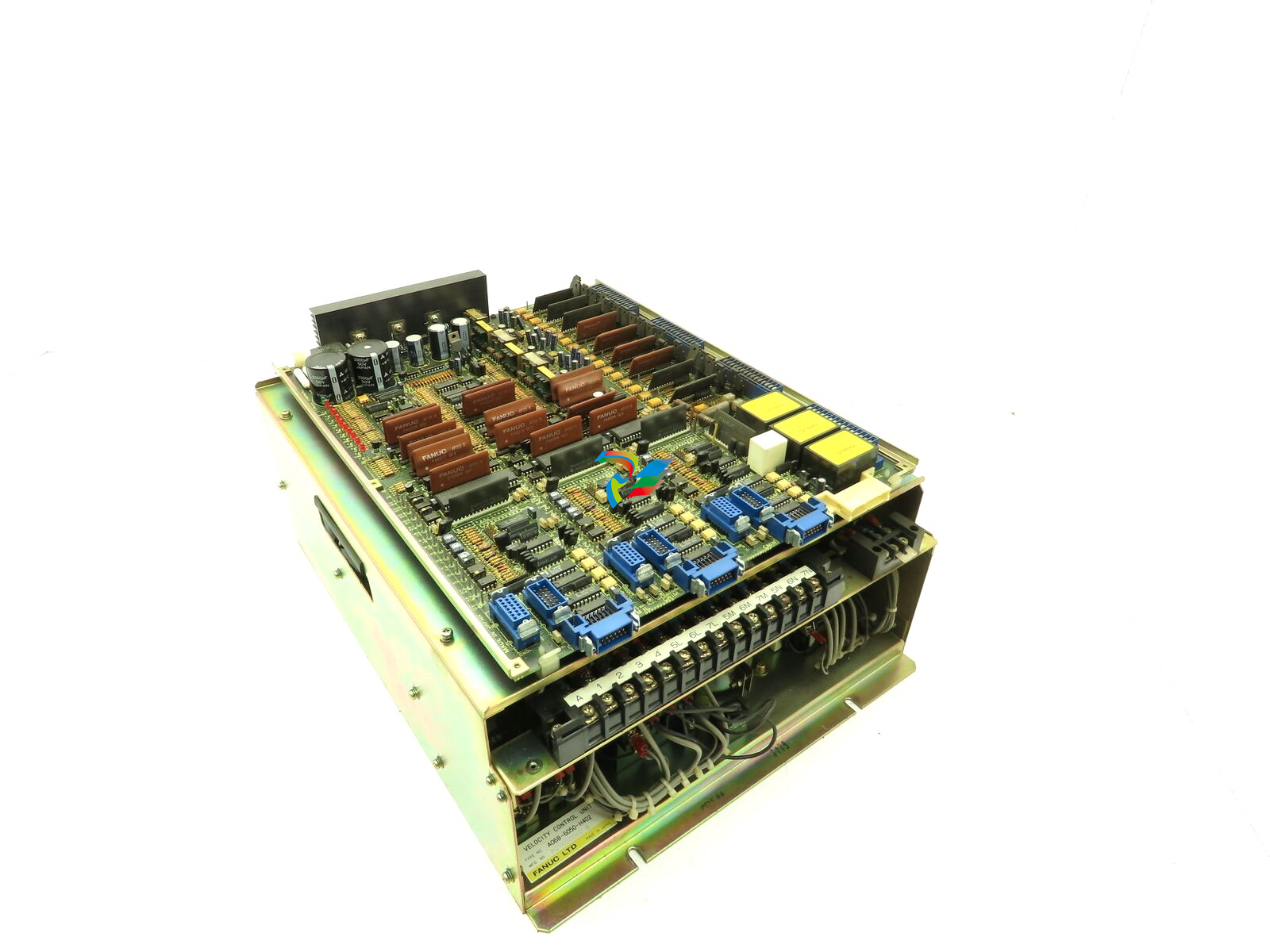 Fanuc A06B-6050-H402 3 AXIS ANALOG AC SERVO DRIVE
 -
.jpg) FOXBORO L0130AD L0130AE-0H Power module group
FOXBORO L0130AD L0130AE-0H Power module group -
_lVjBYb.jpg) FOXBORO 0399085B 0303440C+0303458A Combination Control Module
FOXBORO 0399085B 0303440C+0303458A Combination Control Module -
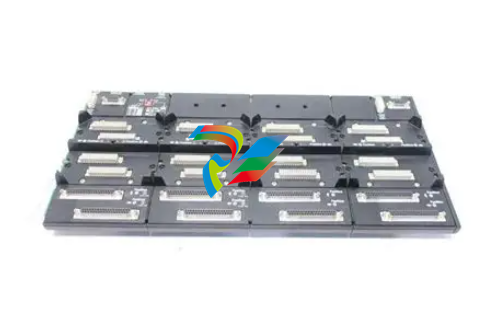 FOXBORO SY-0399095E (SY-0303451D+SY-0303460E) Process control board
 -
.jpg) FOXBORO 0399071D 0303440C+0303443B Input/Output (I/O) Module
FOXBORO 0399071D 0303440C+0303443B Input/Output (I/O) Module -
.jpg) FOXBORO RH924UQ Redundant Controller module
FOXBORO RH924UQ Redundant Controller module -
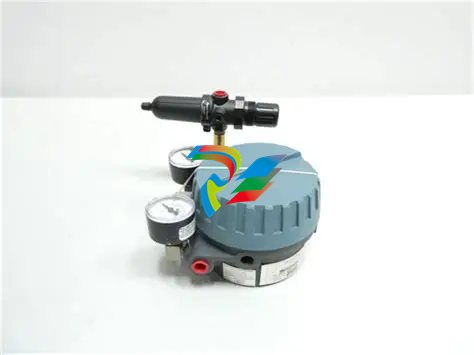 FFOXBORO E69F-TI2-S current pneumatic converter
 -
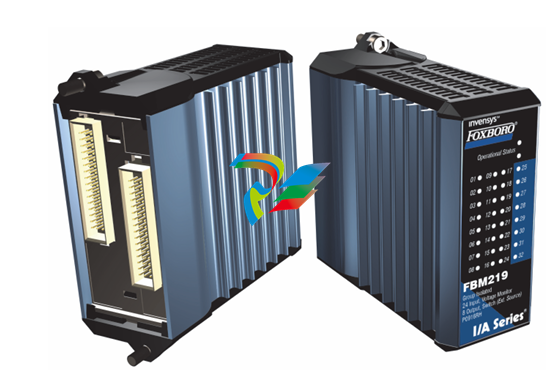 FOXBORO FBM219 RH916RH Discrete I/O Module
 -
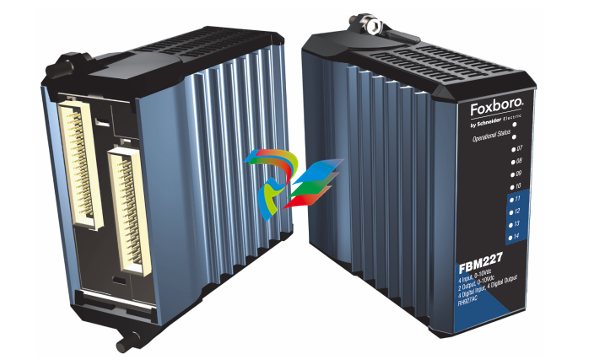 FOXBORO FBM227 P0927AC Module
 -
.jpg) FOXBORO 0399144 SY-0301059F SY-1025115C/SY-1025120E I/O module
FOXBORO 0399144 SY-0301059F SY-1025115C/SY-1025120E I/O module -
.jpg) FOXBORO SY-60399001R SY-60301001RB Industrial Control Module
FOXBORO SY-60399001R SY-60301001RB Industrial Control Module -
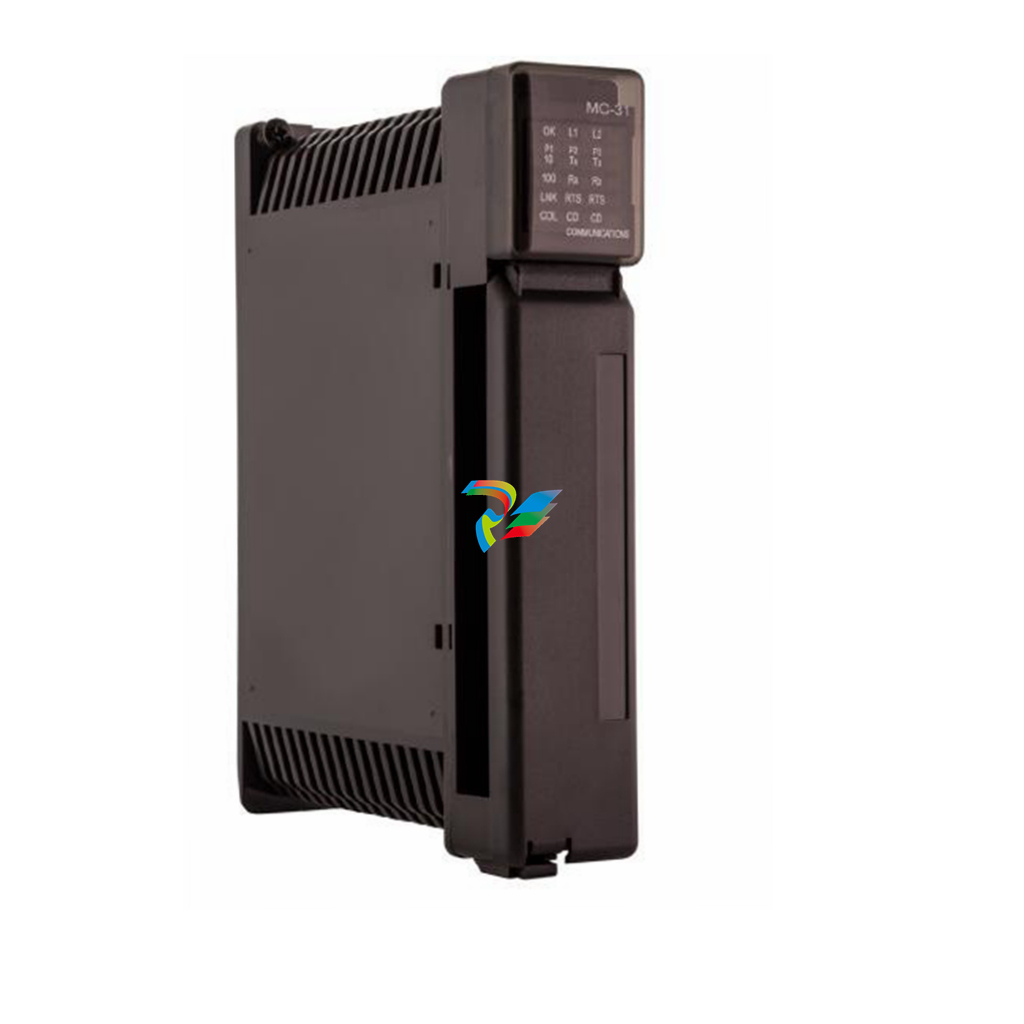 FOXBORO 0399143 SY-0301060R SY-1025115C SY-1025120E Combined control board
 -
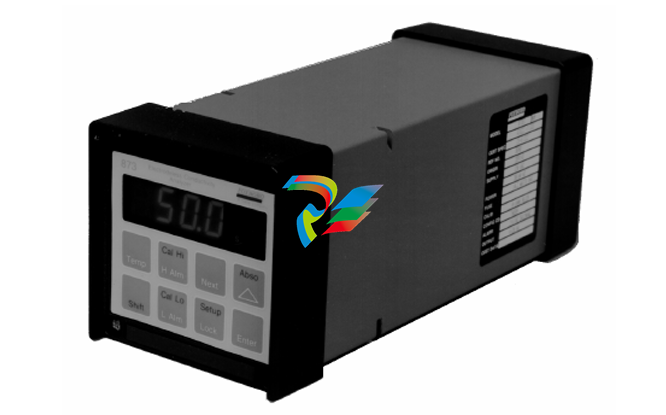 FOXBORO 873EC-JIPFGZ electrodeless conductivity analyzer
 -
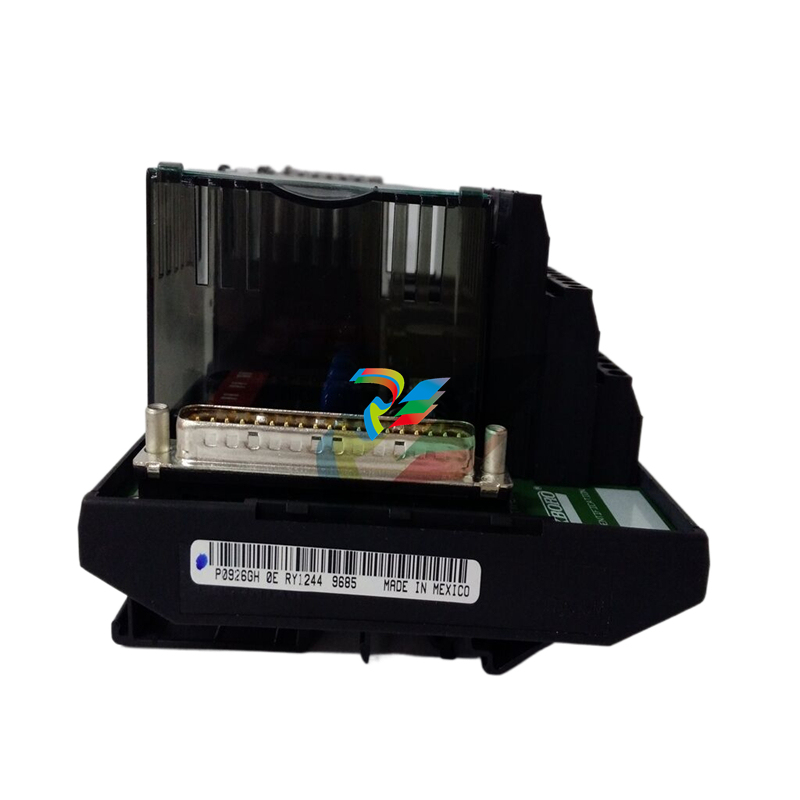 FOXBORO P0916PH (High-density HART I/O Module)
 -
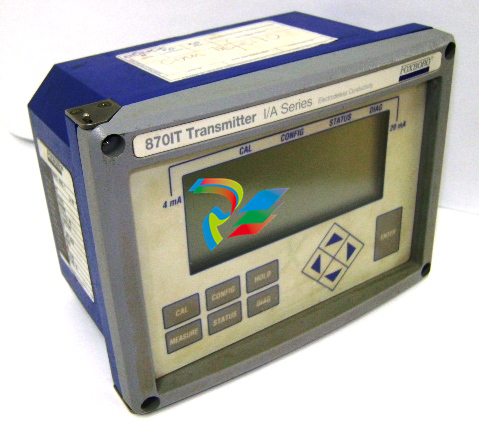 FOXBORO 870ITEC-AYFNZ-7 Intelligent Electrochemical Transmitters
 -
 FOXBORO Compact FBM240. Redundant with Readback, Discrete
 -
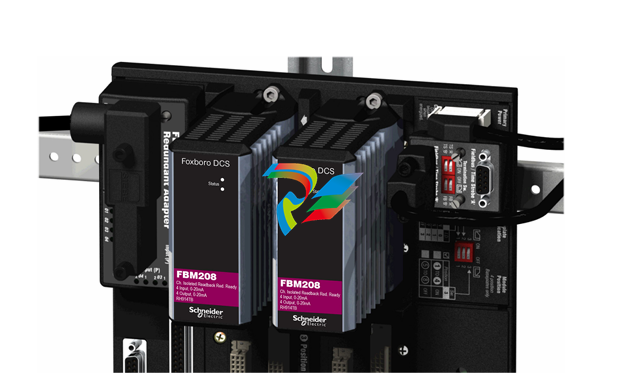 FOXBORO FBM208/b, Redundant with Readback, 0 to 20 mA I/O Module
 -
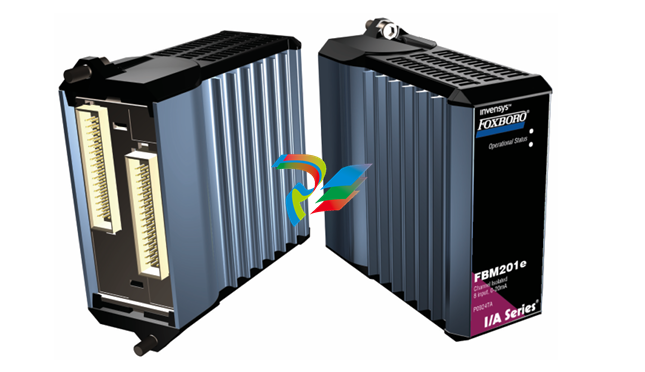 FOXBORO FBM201e Analog Input (0 to 20 mA) Interface Modules
 -
.jpg) FOXBORO P0916WG Terminal cable
FOXBORO P0916WG Terminal cable -
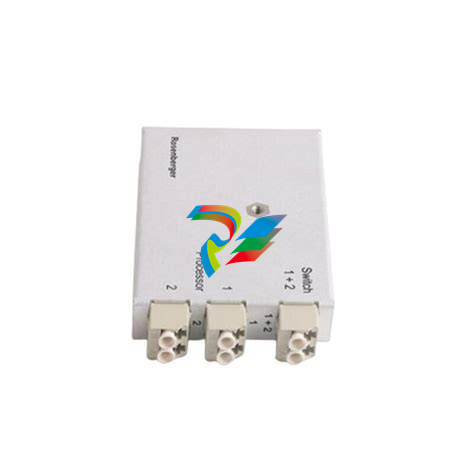 FOXBORO P0926MX 2-Port Splitter
 -
.jpg) FOXBORO AD908JQ High-Frequency Module
FOXBORO AD908JQ High-Frequency Module -
.jpg) FOXBORO AD916CC Processor module
FOXBORO AD916CC Processor module -
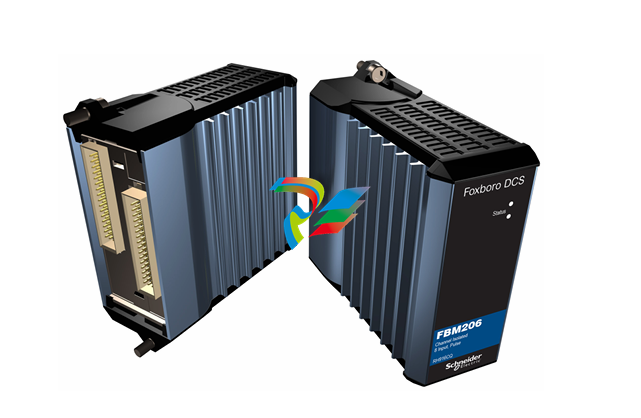 Foxboro DCS FBM206 Pulse Input Module
 -
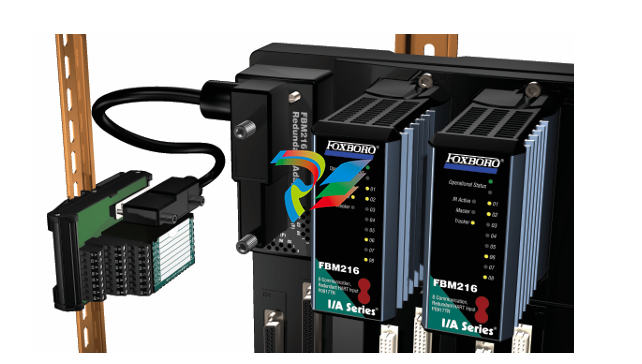 FOXBORO FBM216 HART® Communication Redundant Input Interface Module
 -
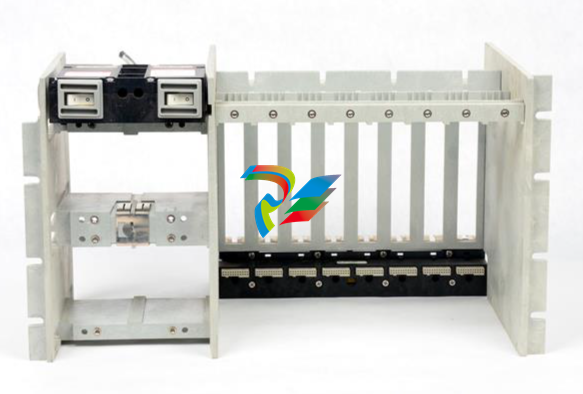 Foxboro p0903nu 1×8 unit sub-component module
 -
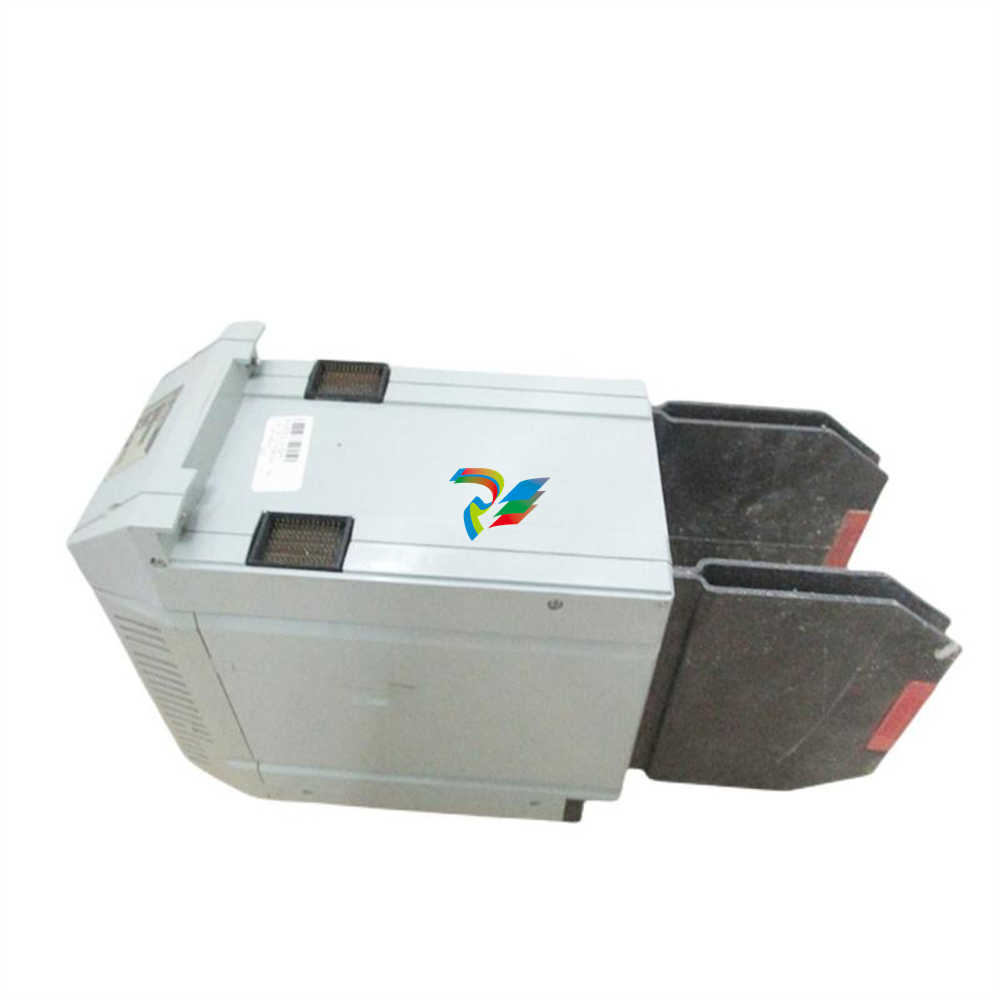 Foxboro P0911SM Industrial control module
 -
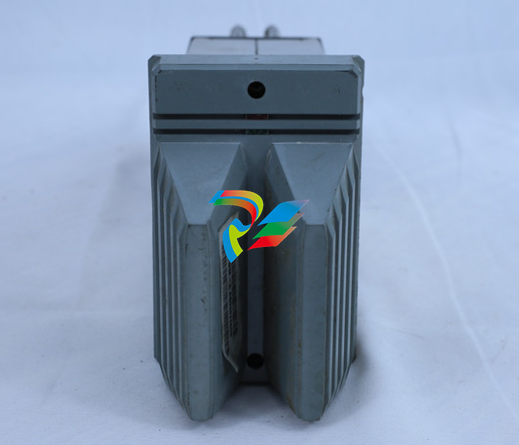 Foxboro CM902WM I/O module
 -
 Foxboro CM902WL Power module
 -
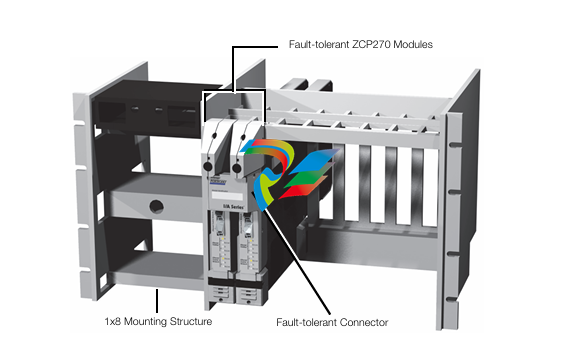 Foxboro P0972VA Industrial Control Module
 -
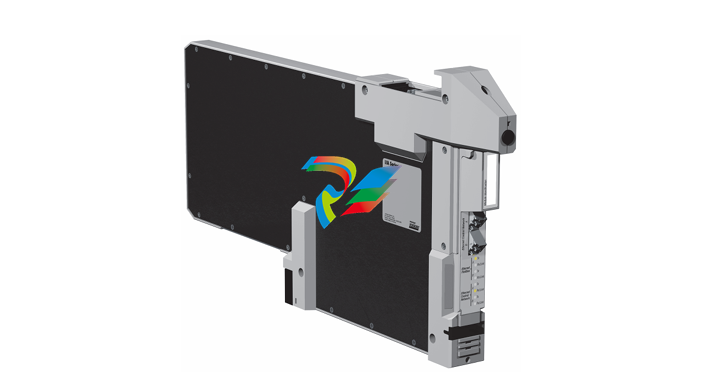 Foxboro Z-Module Control Processor 270 (ZCP270)
 -
 Foxboro PO916JS 16-channel terminal block module
 -
 Foxboro PO911SM High-performance digital/analog input/output module
 -
 Foxboro P0972PP-NCNI Network Interface Module
 -
.jpg) FOXBORO P0971QZ controller module
FOXBORO P0971QZ controller module -
 FOXBORO P0971DP Thermal resistance input/output module
 -
 FOXBORO P0970VB Cable connector
 -
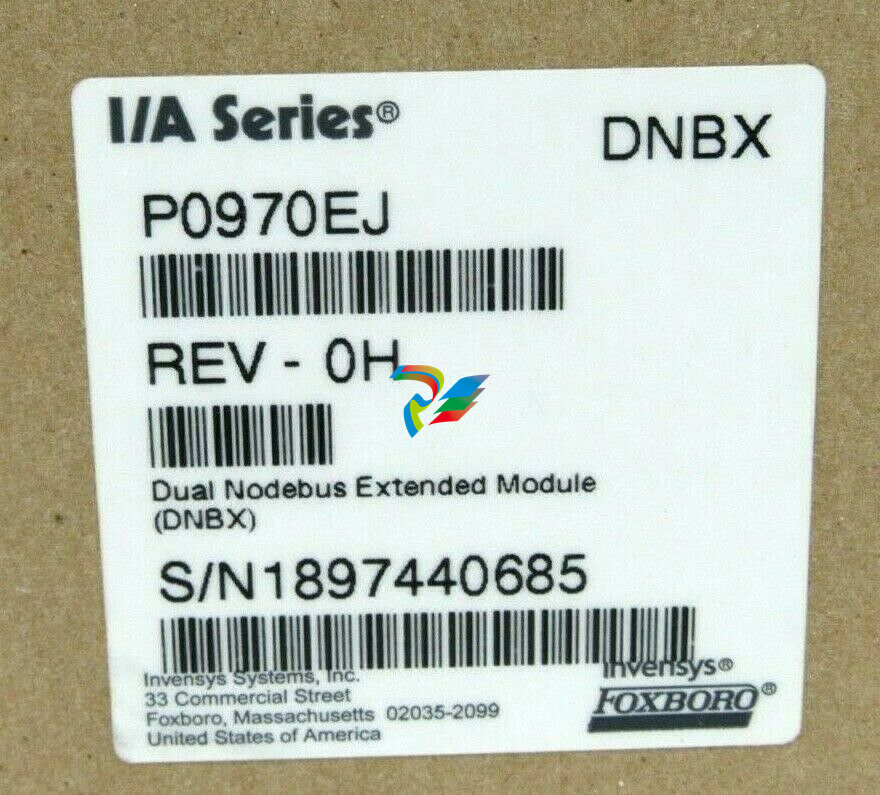 FOXBORO P0970EJ-DNBX Dual-node bus expansion module
 -
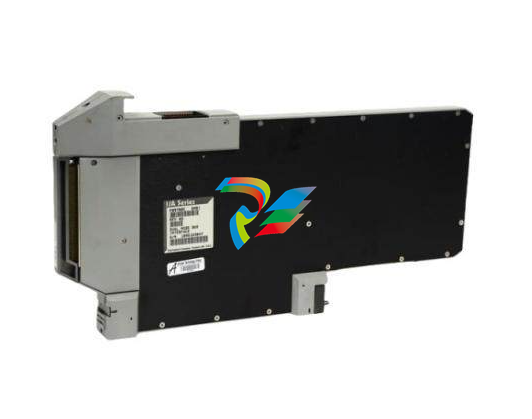 FOXBORO P0970BP Redundant power supply system
 -
.jpg) FOXBORO P0970BC-DNBI DeviceNet bus interface module
FOXBORO P0970BC-DNBI DeviceNet bus interface module -
.jpg) FOXBORO P0961FX-CP60S Main control CPU module
FOXBORO P0961FX-CP60S Main control CPU module -
.jpg) FOXBORO P0961EF-CP30B Network Interface Unit
FOXBORO P0961EF-CP30B Network Interface Unit -
.jpg) FOXBORO P0961CA Optical fiber local area network module
FOXBORO P0961CA Optical fiber local area network module -
.jpg) FOXBORO P0961BD-GW30B gateway processor module
FOXBORO P0961BD-GW30B gateway processor module -
.jpg) FOXBORO P0961BC-CP40B/I/A Series high-performance control processor module
FOXBORO P0961BC-CP40B/I/A Series high-performance control processor module -
FOXBORO P0960JA-CP40 High-performance control processor
-
FOXBORO P0926TM Control module
-
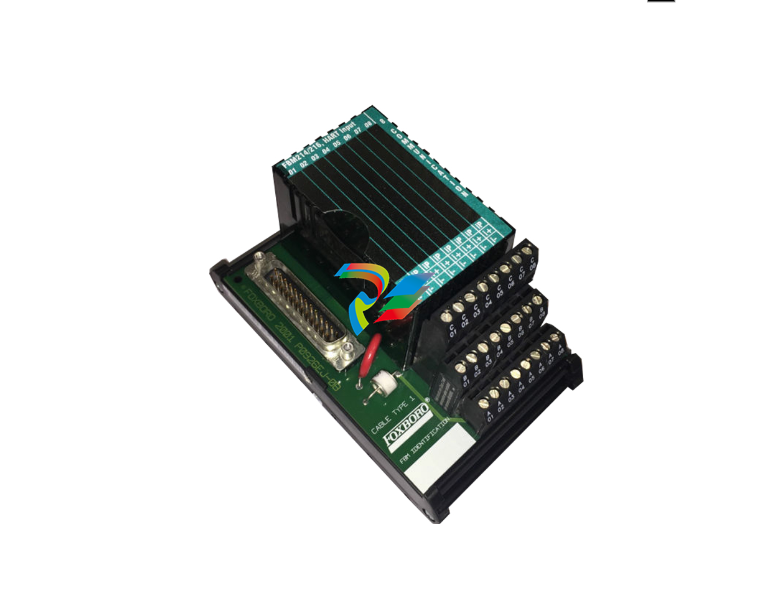 FOXBORO P0916BX Termination Assembly
 -
.jpg) FOXBORO P0916AE P0916AG P0916AW Thermal resistance input type DCS card module
FOXBORO P0916AE P0916AG P0916AW Thermal resistance input type DCS card module -
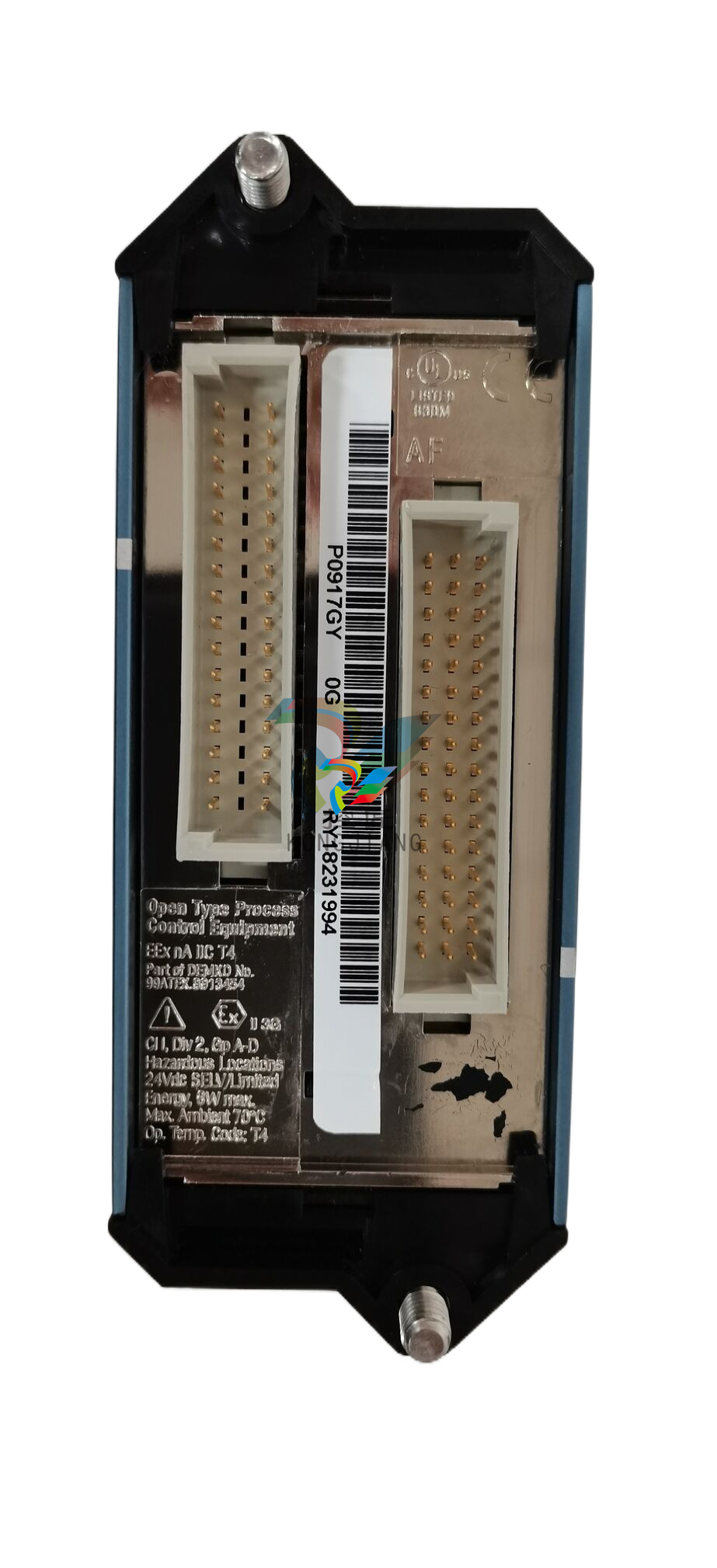 FOXBORO P0916AC FOXBORO distributed control system (DCS) compression terminal assembly
 -
.jpg) FOXBORO P0912CB High-performance interface module
FOXBORO P0912CB High-performance interface module -
.jpg) FOXBORO P0911VJ Thermal resistance input output module
FOXBORO P0911VJ Thermal resistance input output module -
.jpg) FOXBORO P0911QH-A High-precision module
FOXBORO P0911QH-A High-precision module -
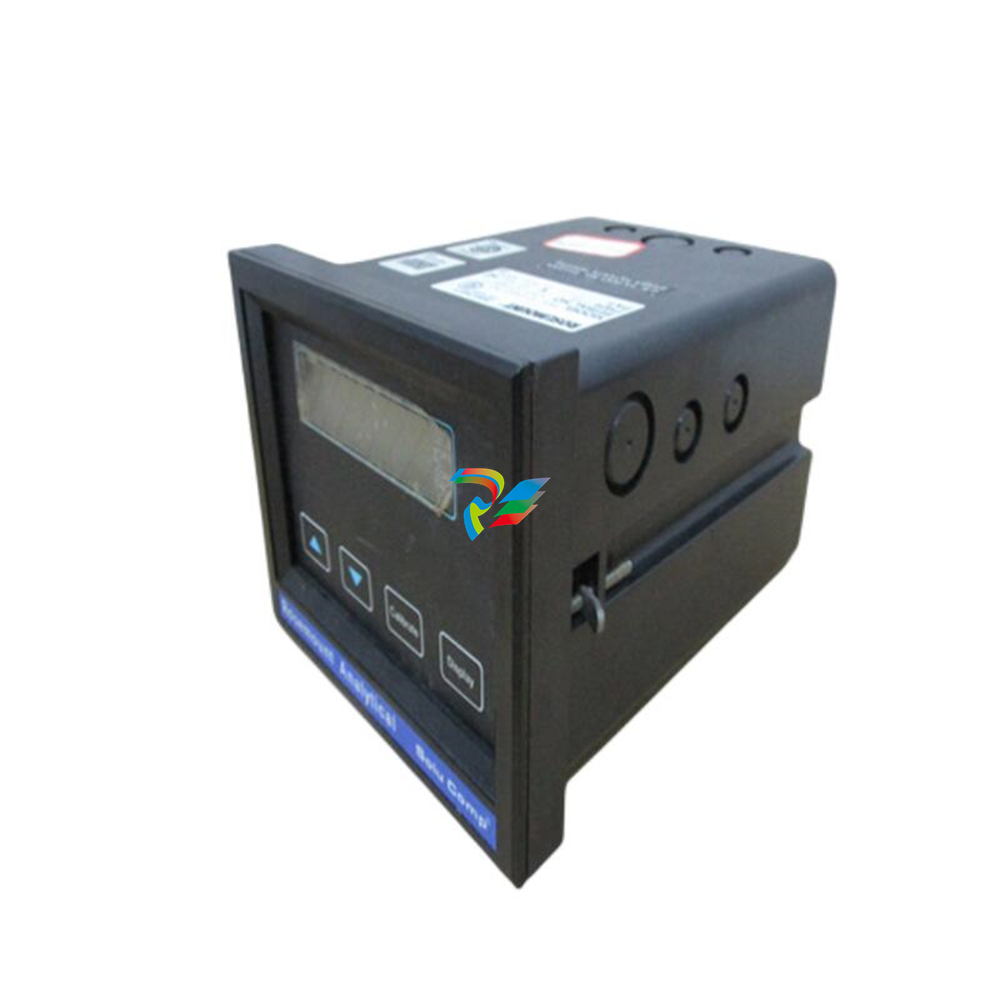 FOXBORO P0911QB-C P0911QC-C Thermal resistance input/output module
 -
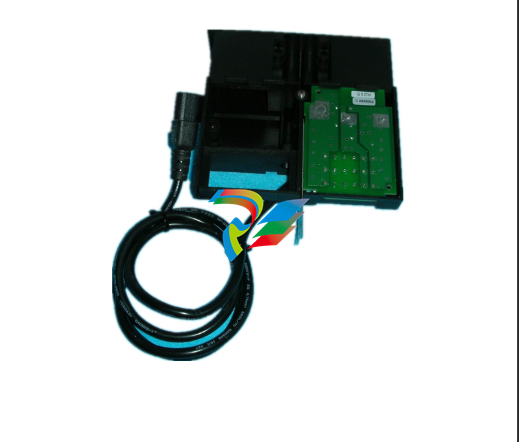 FOXBORO P0904BH P0904FH P0904HB Distributed Control system (DCS) module
 -
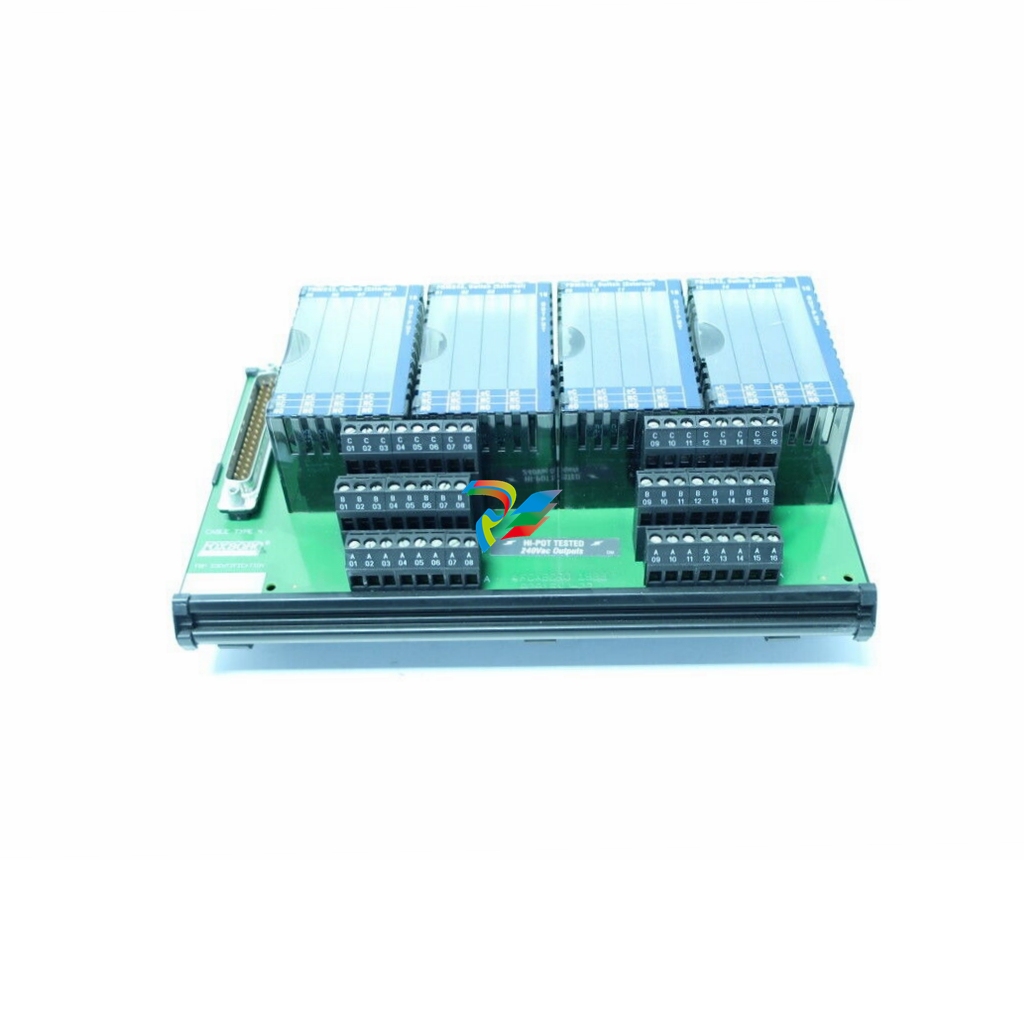 FOXBORO P0903ZP P0903ZQ Embedded System Debugging Module
 -
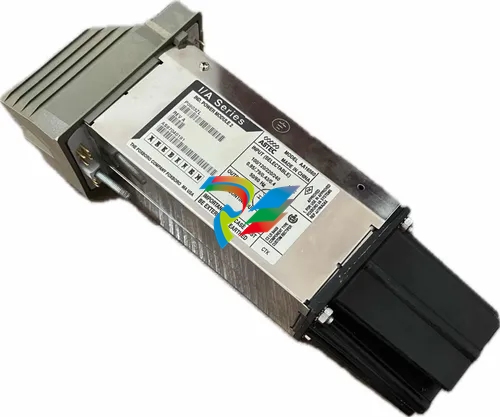 Foxboro P0903ZL P0903ZN Industrial power module
 -
 Foxboro P0903ZE I/A Series Fieldbus Isolator Module
 -
 FOXBORO P0903NW Industrial Control Module