
Introduction: The Birth of Industry 4.0 and Smart Manufacturing

Industry 4.0 and smart manufacturing. What do these terms mean? Can they be used interchangeably or not?
It is nearly impossible to be in the manufacturing or the industrial automation industry and not have heard these buzzwords used in one form or another. They seem to be everywhere, actively discussed by thought leaders, industry experts, strategists, and company executives. They are written in mission statements and are even part of annual goals for a lot of companies, which gives the impression that everyone knows exactly what they are. But if you start asking people what the terms mean, they will either be honest and say, “I have an idea, but I don’t really know,” or they will give you an answer that is totally different from the next person’s.
And if that is the case, it would make using or achieving anything related to these concepts difficult, wouldn’t it
The purpose of this special edition of InTech magazine is to help clarify these concepts by defining them, identifying the technology components, and explaining their relationship to one another and to your organization. Most importantly, we will answer the question: Why are these concepts such a big deal right now?
The birth of Industry 4.0

Industry 4.0 (known as “Industrie 4.0” in Europe) was brought to life as a term and a concept in 2011 at Hannover MESSE, where Bosch described the widespread integration of information and communication technology in industrial production. The entire manufacturing industry, along with the German government, took interest in this idea.
After Industry 4.0 was introduced, the idea turned into the “High-Tech Strategy 2020” action plan in 2012 by the German government. This idea took hold, and soon dozens of other governments developed their own initiatives, all similar in purpose, but different in execution and scope.
China developed “Made in China 2025” to fully modernize the country’s manufacturing industry. The United Kingdom introduced its “Future of Manufacturing” in 2013; the European Union developed its “Factories of the future” in 2014; Singapore came out with its “RIE2020” plan; and yes, the U.S., in 2014, launched the “Manufacturing USA” initiative that created a network of 16 member institutes. Each of the institutes focuses on a specific advanced manufacturing technology. They each pull together private-sector companies, academic institutions, and other stakeholders to pursue collaborative research and development, test applications, train workers and reduce the risks associated with deploying new technologies.
A working group on Industry 4.0 was formed, led by Bosch executive Siegfried Dais and Henning Kagermann, the former chairman and CEO of SAP and president of the German National Academy of Science and Engineering. In 2013, this working group presented a set of Industry 4.0 implementation recommendations to the German federal government. From that moment forward, the fourth industrial revolution had begun, and the working group members were recognized as the founding fathers and driving force behind Industry 4.0.
An 85-page paper developed by the Industry 4.0 working group starts off by explaining how we are entering the fourth industrial revolution—hence the reference to “4” in “Industry 4.0.” To understand the fourth industrial revolution, it helps to remember the first three, and how we got to this point (figure). At the end of the 18th century, the first industrial revolution involved mechanization—using water and steam to increase production beyond that of manual labor. It can be represented by the introduction of the first mechanical loom in 1784. The second industrial revolution saw the development of assembly lines powered by electricity. Electrification typified Industry 2.0, which continued through the start of the 20th century.
Industry 3.0 introduced electronics and computers to replace manual processes. The dawning of this era of “automatization,” according to the Industry 4.0 working group paper, could be represented by the introduction of the first programmable logic controller, the Modicon 084.
Our present era, Industry 4.0, is known as the era of cyber-physical systems—the convergence of physical, digital, and virtual systems and the rise of the Internet of Things (IoT). Industrial IoT (IIoT) emphasizes manufacturing IoT as distinct from retail/consumer, medical, or other IoT devices or architectures. Industry 3.0 is about automation—the reduction of human intervention in processes. Industry 4.0 is about cognition or the process of acquiring knowledge and understanding. These two are separated by the ability to properly capture and harness the power of data.
Trying to define Industry 4.0
Industry 4.0 is not merely a matter of connecting machines and products through the Internet. It encompasses a wide range of advanced technologies, such as digital twins, artificial intelligence, high-speed wireless networks, deterministic wired networks, cloud and edge computing, and virtualization technologies like augmented reality. It is also a paradigm shift in how we organize, manage and approach business to make the most of cyber-physical systems.
The working group characterized Industry 4.0 as a concept that is focused on creating smart products, smart procedures and processes, and smart factories. But that statement is so grandiose and vague that it is almost no help. With all that visionary talk, we can easily get excited and energized, but we still do not have a definition. The Industry 4.0 working group did not really provide one.
Over the past nine years, people have latched onto the concept of Industry 4.0. Each country attempted to define it in its context as it saw fit, which of course meant different ideas everywhere. Several years after the working group convened, two of the largest standards bodies, the International Organization for Standardization (ISO) and the International Electrotechnical Commission (IEC), got together and formed a joint working group called JWG21. Its main intent was defining the concept of Industry 4.0. In the middle of 2021, the JWG21 finally established a definition. For myriad reasons, the term “smart manufacturing” was selected instead of “Industry 4.0.” The group felt it better represented a global viewpoint.
Here is the current formal definition of smart manufacturing:
Manufacturing that improves its performance aspects with integrated and intelligent use of processes and resources in cyber, physical, and human spheres to create and deliver products and services, which also collaborates with other domains within enterprises’ value chains.
Note 1: Performance aspects include agility, efficiency, safety, security, sustainability, or any other performance indicators identified by the enterprise.
Note 2: In addition to manufacturing, other enterprise domains can include engineering, logistics, marketing, procurement, sales, or any other domains identified by the enterprise.
As a society, we are starting to feel the impacts of Industry 4.0 already. Not only are companies investing, but governments around the world are pouring a lot of money into this idea as the way of the future. Smart manufacturing promises improved performance through the digital transformation of manual and mechanical systems, and the further integration of automated systems with business systems and advanced technologies. We all are in the midst of this paradigm shift and are being compelled to move our companies forward. The birth of Industry 4.0 is giving way to growth and change, asking us to help move our companies toward whatever the next revolution might bring.
Visit the ISA website for more InTech articles, ISA Interchange blog posts, and other resources on Industry 4.0 and Smart Manufacturing.
This feature originally appeared in InTech magazine's August issue, a special edition from ISA's Smart Manufacturing and IIoT Division.
-
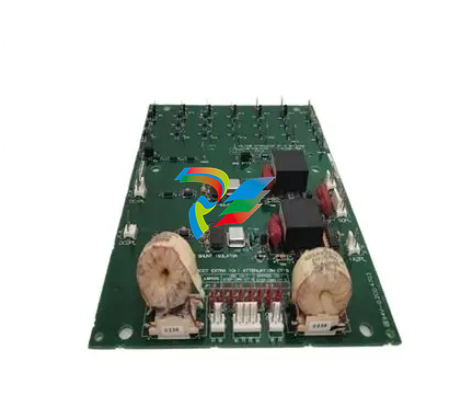 DS200SHVMG1AGE Analog I/O board
 -
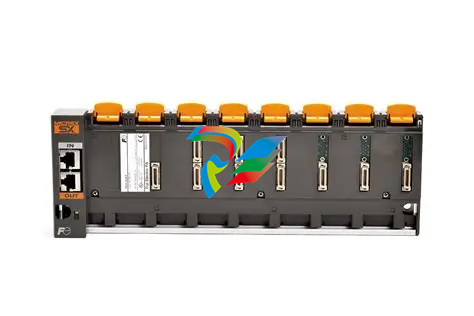 DS200SI0CG1A6A Input/Output Module
 -
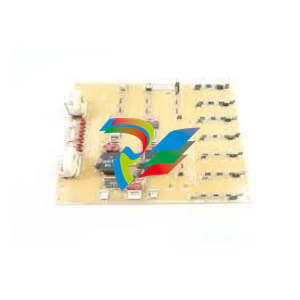 DS200SHVMG1AFE SCR High Voltage Interface Board
 -
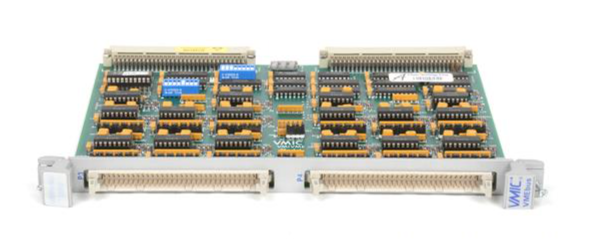 DS200RT8AG3AHC Relay Output Terminal Board
 -
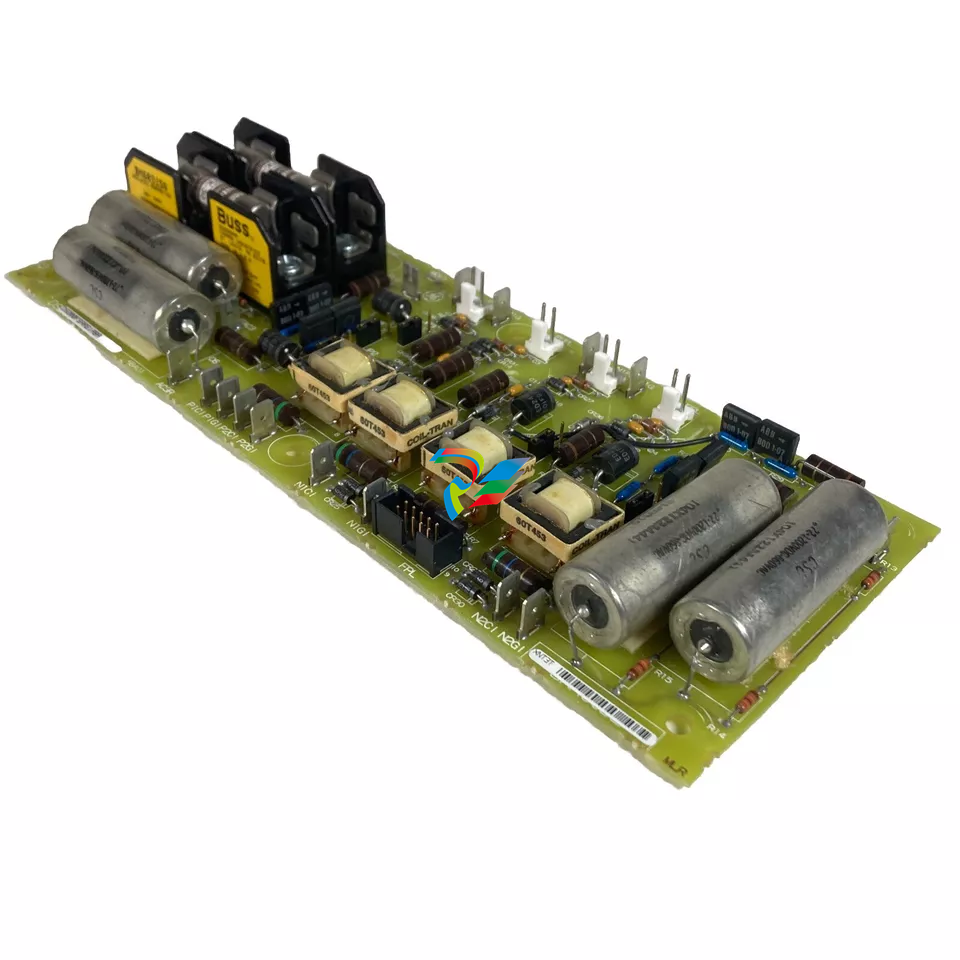 DS200FSAAG1ABA PCB Field Supply Gate Amplifier Board
 -
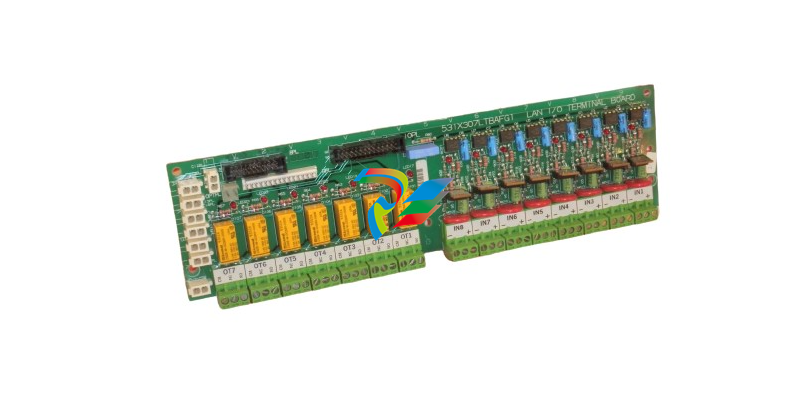 531X307LTBAFG1 F31X307LTBA LAN I/O Terminal Board
 -
 ABB AFS670 19" Ruggedized Switch AFS670-EREEDDDSSEEEEEEEPZYX05.1.0
 -
 NI Controller for VXI VXIPC-871B
 -
 IS200EPMCH1GE Mark VIe Patch Cord Power Distribution Card
 -
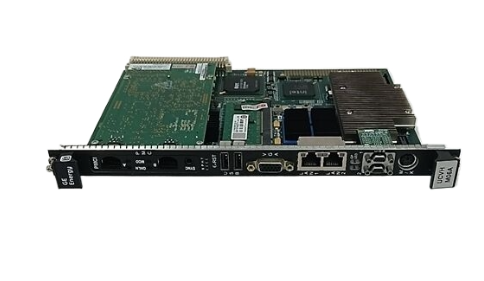 VMICPCI-7632-03310 IS215UCCAH3A 350-657362-003310J GE gas turbine system control processor board
 -
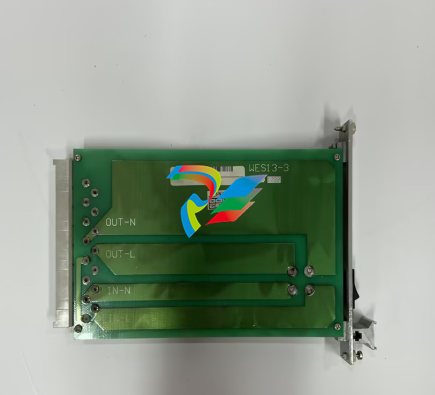 WEA13-13 2508-21001 Control Module / I/O Board
 -
.jpg) WES5120 2340-21004 Controller Main Module
WES5120 2340-21004 Controller Main Module -
 WES5120 2340-21006 Field Controller Master Unit Module
 -
 WESDAC D20ME 18-MAR-13 Excitation Control Module
 -
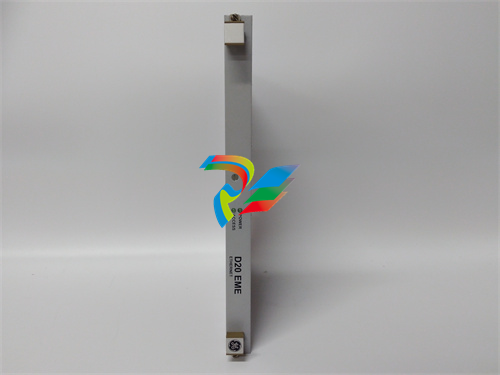 D20 EME 2400-21004 Ethernet communication and expansion module
 -
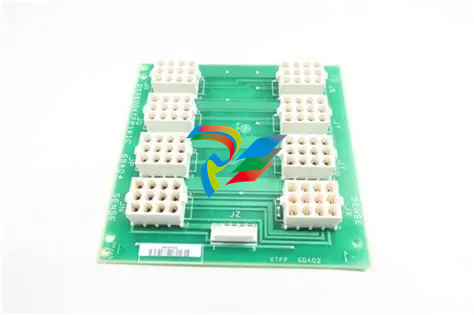 GE DS3800XTFP1E1C Thyristor Fan Out Board Brand
 -
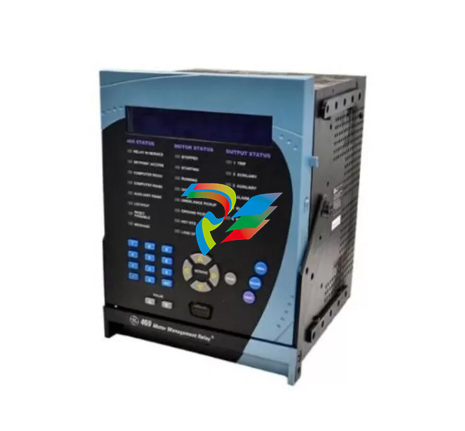 GE SR745-W2-P1-G1-HI-A-L-R-E Feeder protection relay
 -
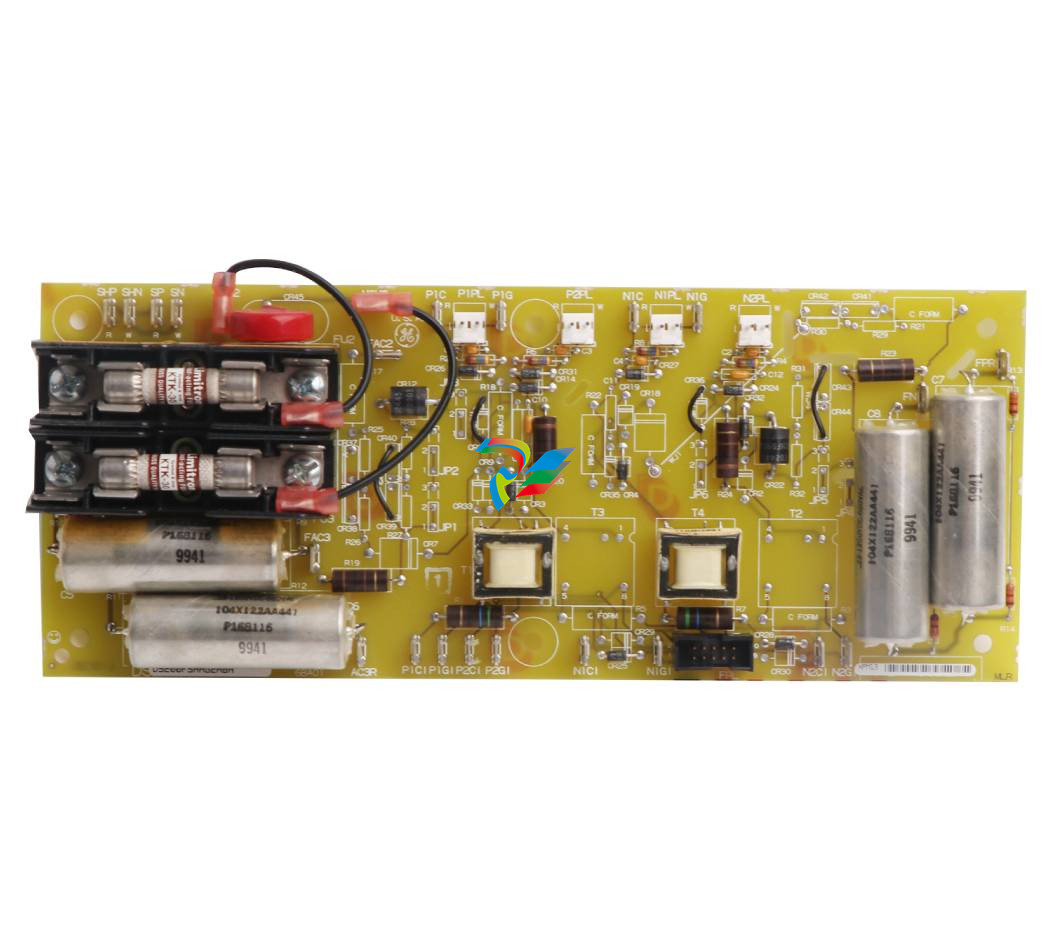 GE IS230TNDSH2A Discrete Output Relay Module Brand
 -
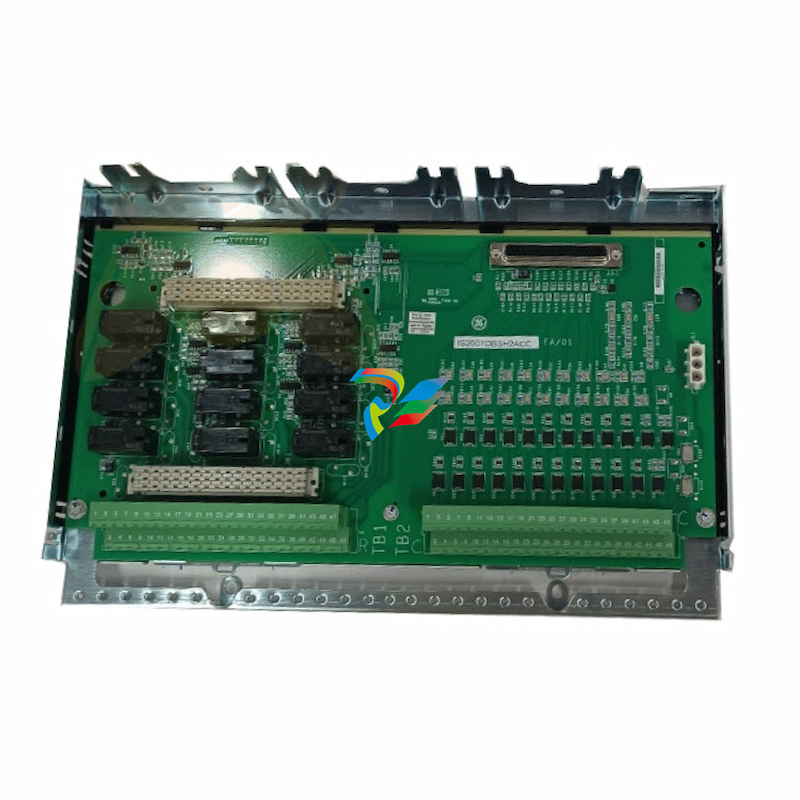 GE Fanuc IS200TDBSH2ACC Mark VI Terminal Board Brand
 -
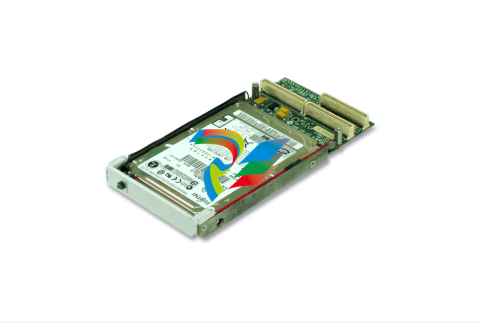 GE PMC-0247RC-282000 350-93750247-282000F Disk Drive
 -
GE PMC-0247RC-282000 350-93750247-282000F Disk Drive
-
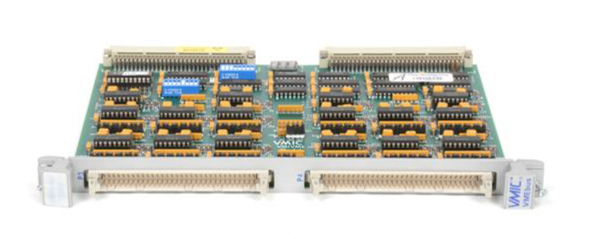 GE VMIVME-1150 Serial Communications Controller
 -
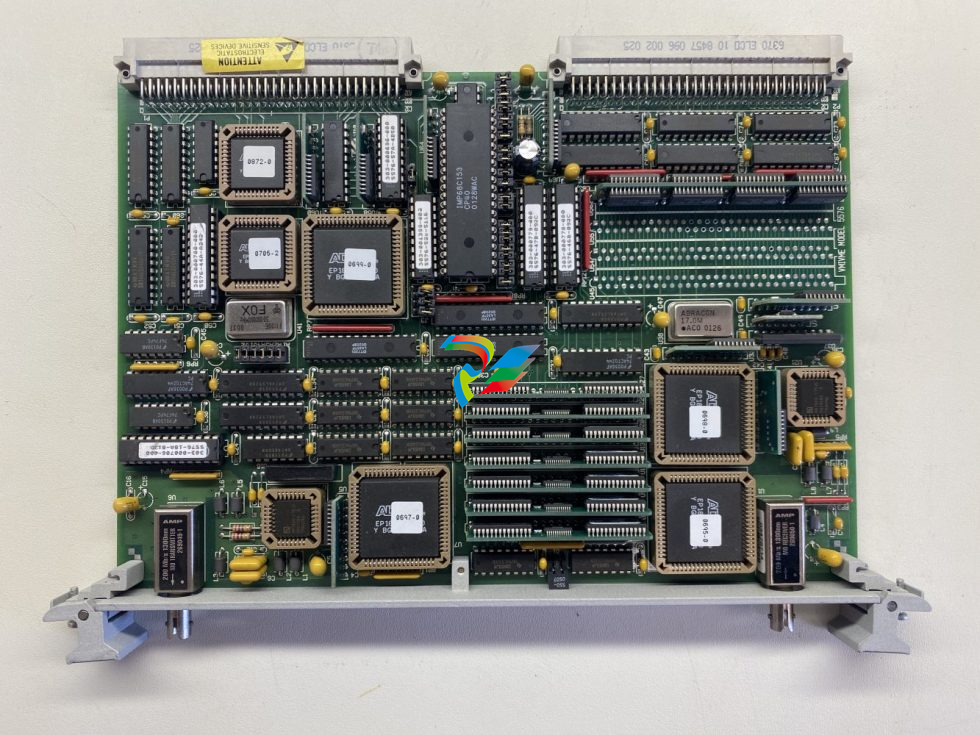 GE VMIVME-5576 Fiber-Optic Reflective Memory with Interrupts
 -
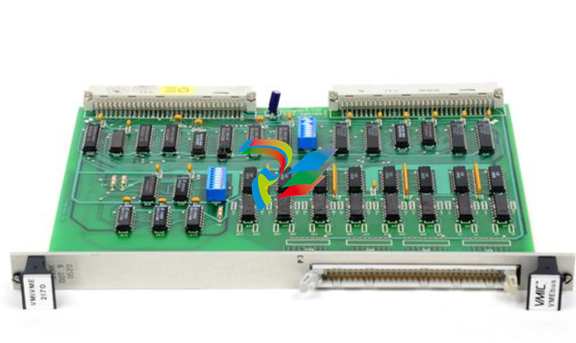 GE VMIC Isolated Digital Output VMIVME-2170A
 -
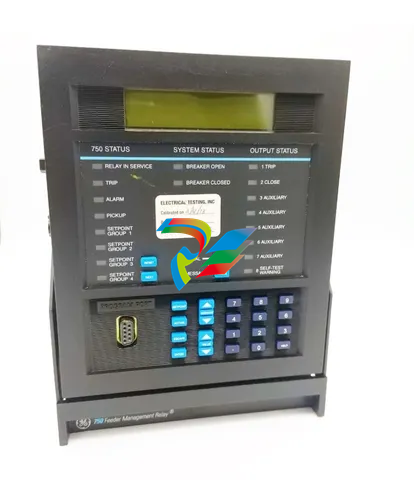 GE MULTILIN 760 FEEDER MANAGEMENT RELAY 760-P5-G5-S5-HI-A20-R-E
 -
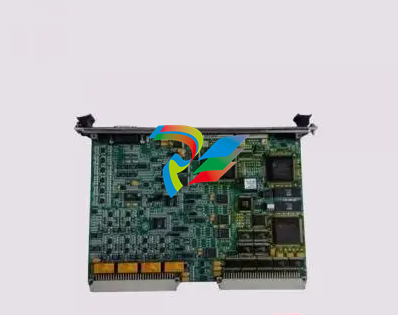 GE IS200AEPAH1BKE IS215WEPAH2BB Printed circuit board
 -
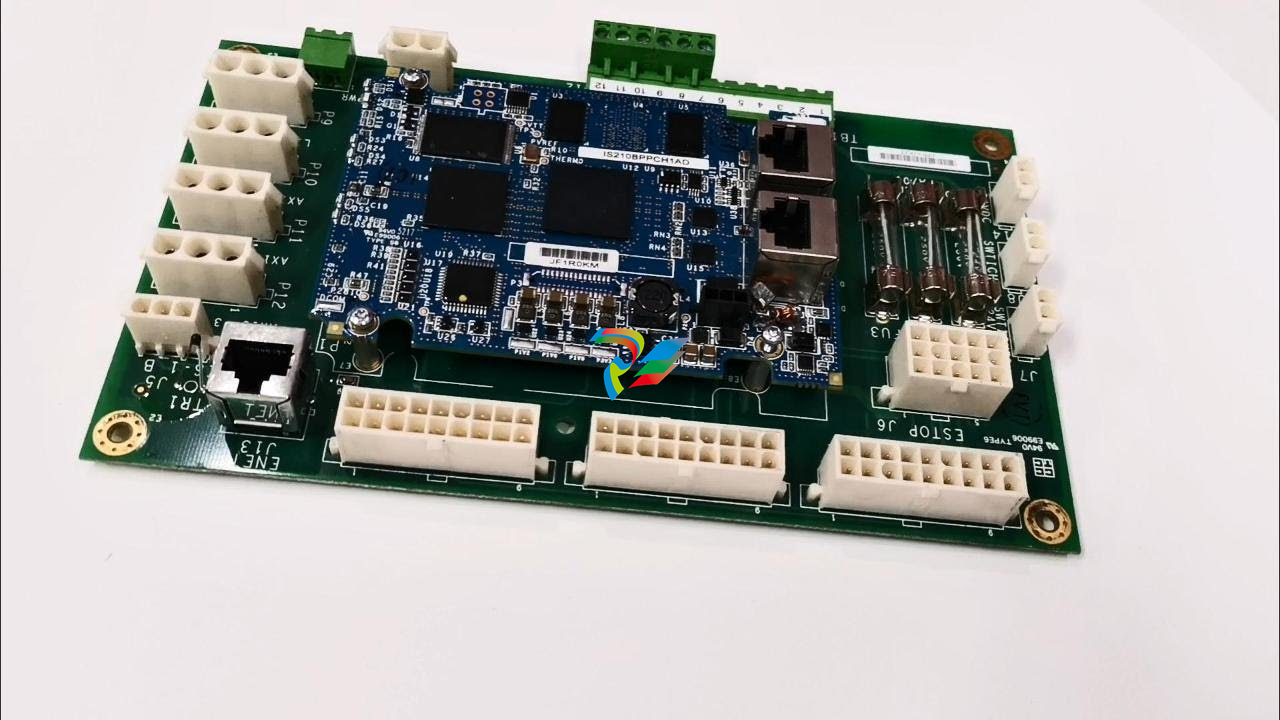 GE IS210BPPCH1A Mark VIe I/O Pack Processor Card
 -
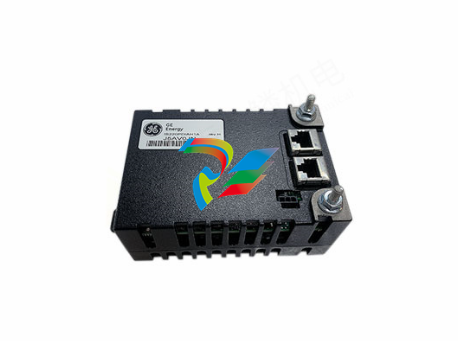 GE IS220PRTDH1A 336A4940CSP6 High-Performance RTD Input Module
 -
GE IS220PDIAH1BE 336A5026ADP4 Discrete Input Module
-
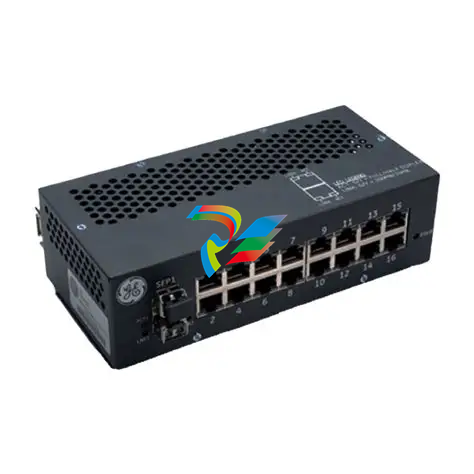 GE IS420ESWBH3A IONET Switch Module
 -
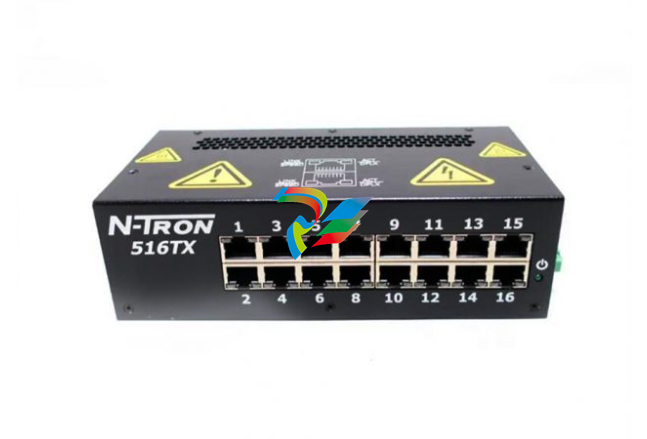 GE 516TX 336A4940DNP516TX 16-port Ethernet switch
 -
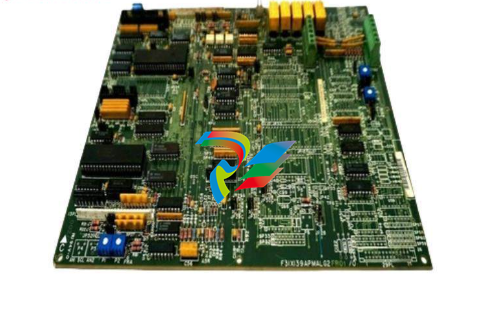 GE EVMECNTM13 Embedded control module
 -
GE EVPBDP0001 EVPBDP032 control module
-
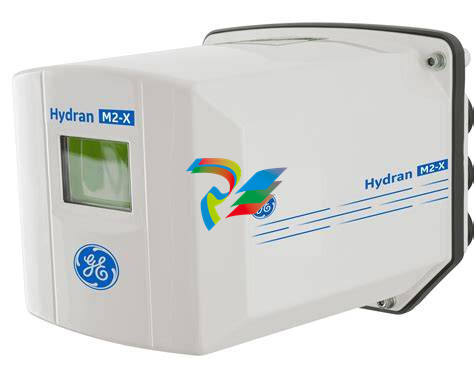 GE Hydran M2-X Enhanced Monitoring with Extended Sensor Life
 -
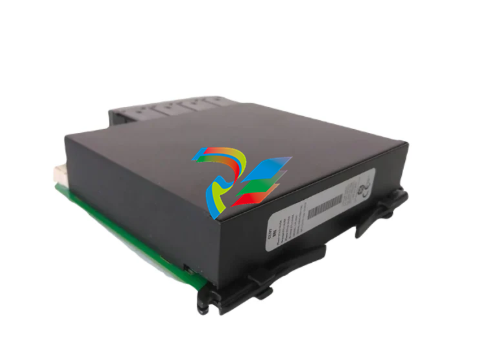 GE UR6CH Digital I/O Module
 -
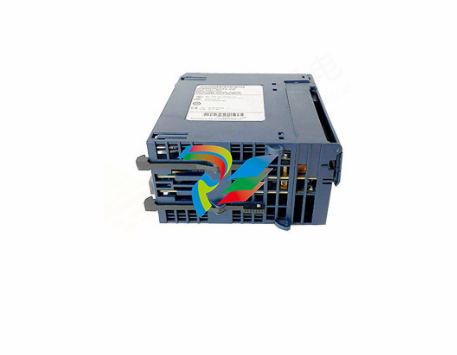 GE IC695CPU315-CD Central processing unit
 -
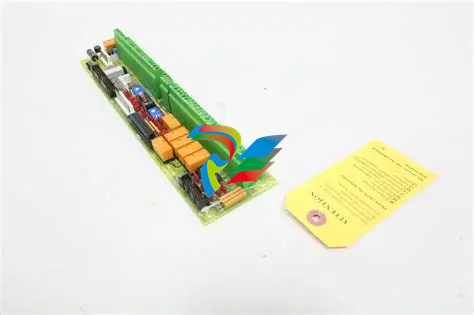 GE 531X305NTBAMG1 DR Terminal Board
 -
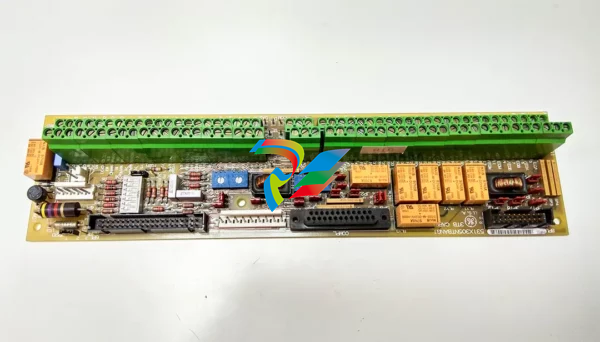 GE 531X305NTBALG1 NTB/3TB Terminal Board 531X Series
 -
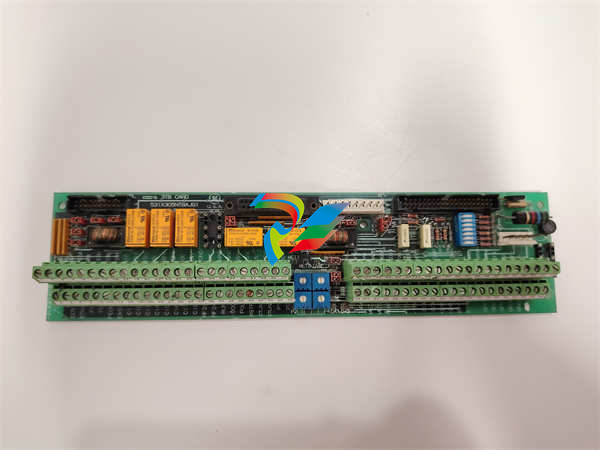 GE 531X305NTBAJG1 NTB/3TB Terminal Board.
 -
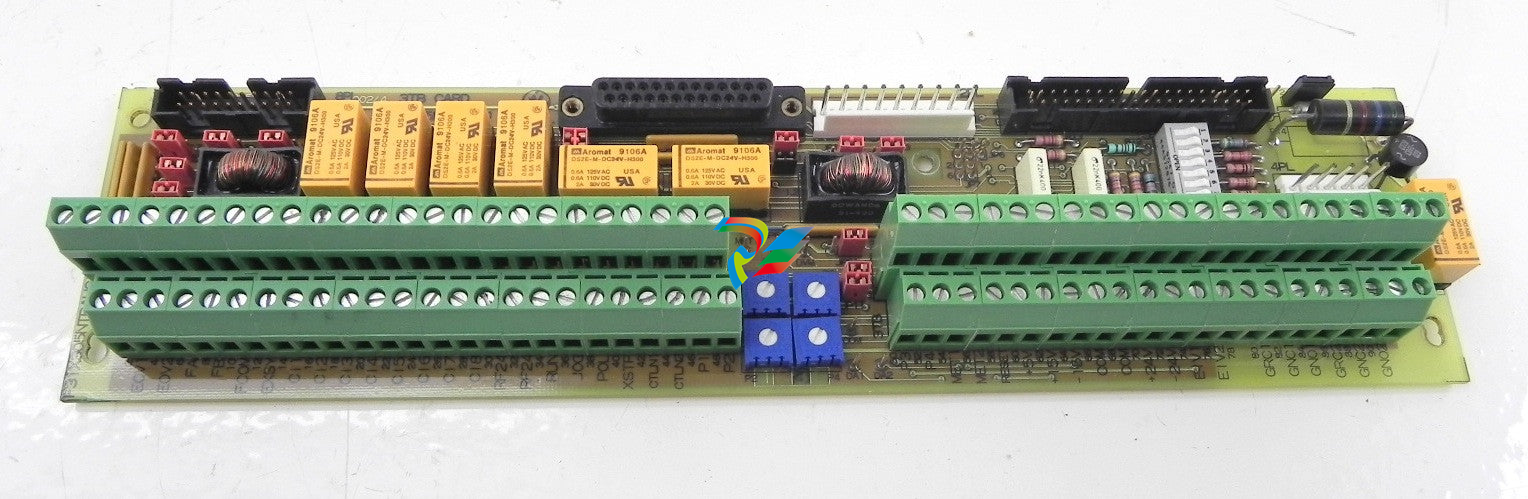 GE 531X305NTBAHG1 NTB/3TB Terminal Board 531X
 -
 GE 531X305NTBAEG1 is a PCB that functions as a DR terminal board.
 -
General Electric 531X305NTBACG1 NTB/3TB Terminal Board 531X
-
 GE Digital Energy D20 Analog Input Module
 -
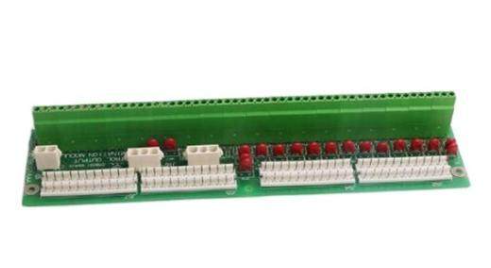 GE 94-164136-001 main board Control board
 -
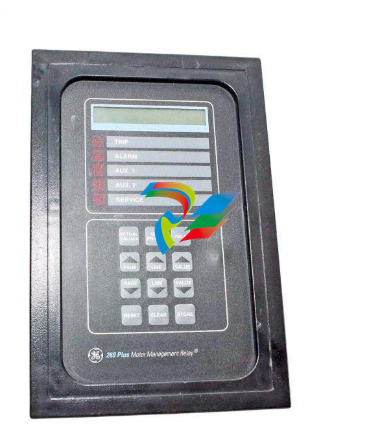 GE 269 PLUS-D/O-100P-125V Digital motor relay
 -
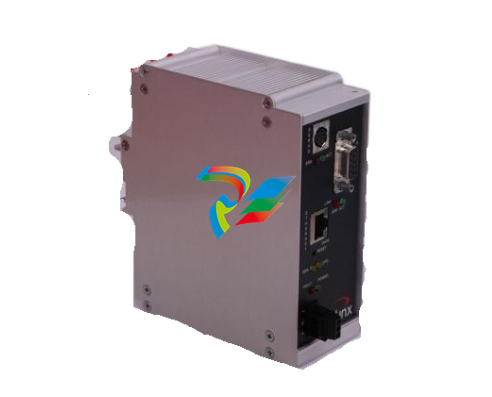 GALIL DMC-9940 High-performance motion controller
 -
FUJI NP1BS-08 base plate
-
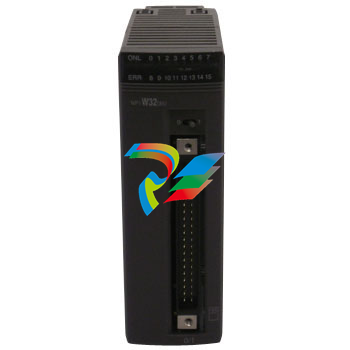 FUJI NP1Y32T09P1 Transistor drain type digital output module
 -
 FUJI NP1Y16R-08 Digital Output Module
 -
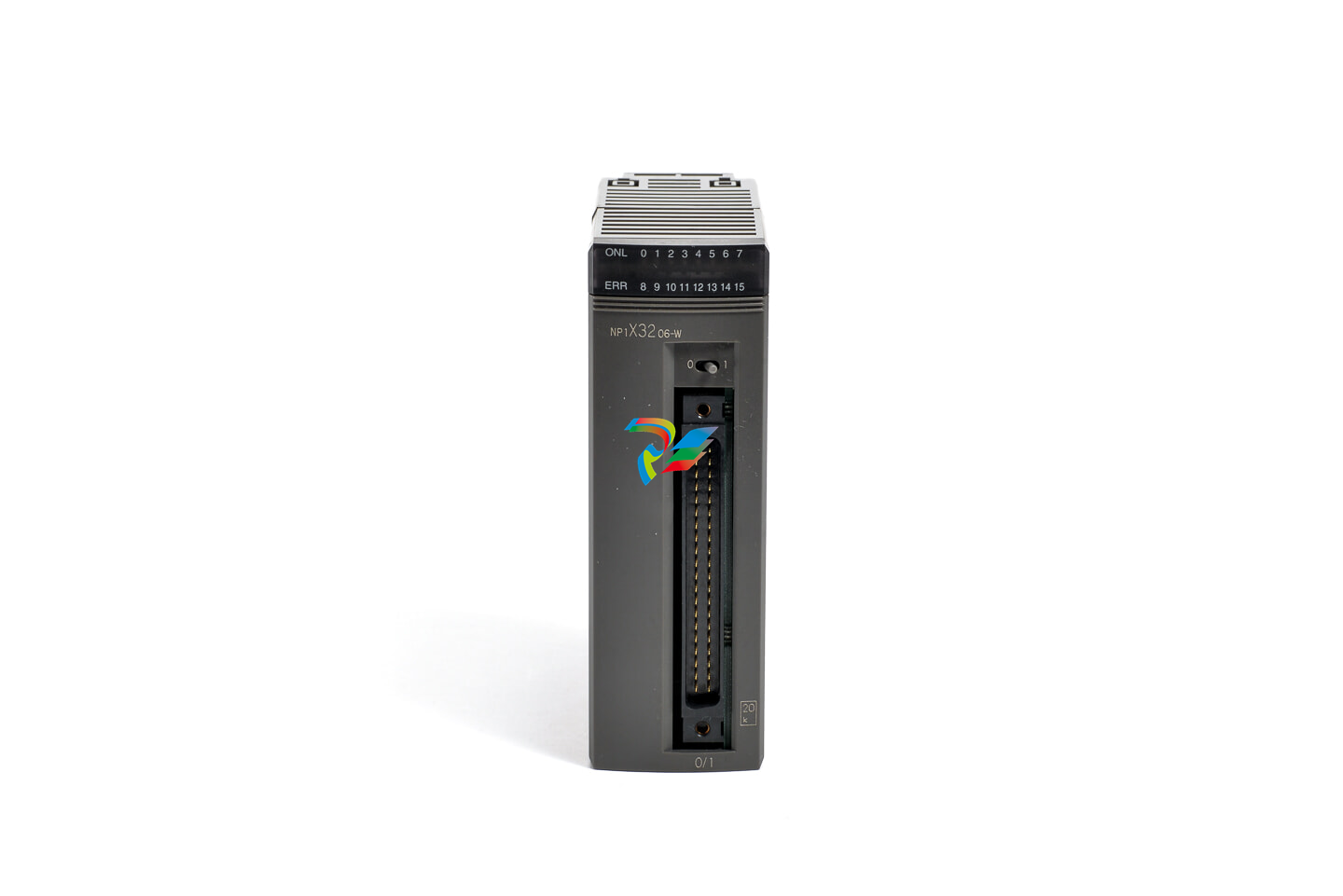 FUJI NP1X3206-A High-speed digital input module
 -
 FUJI NP1AYH4I-MR current output module
 -
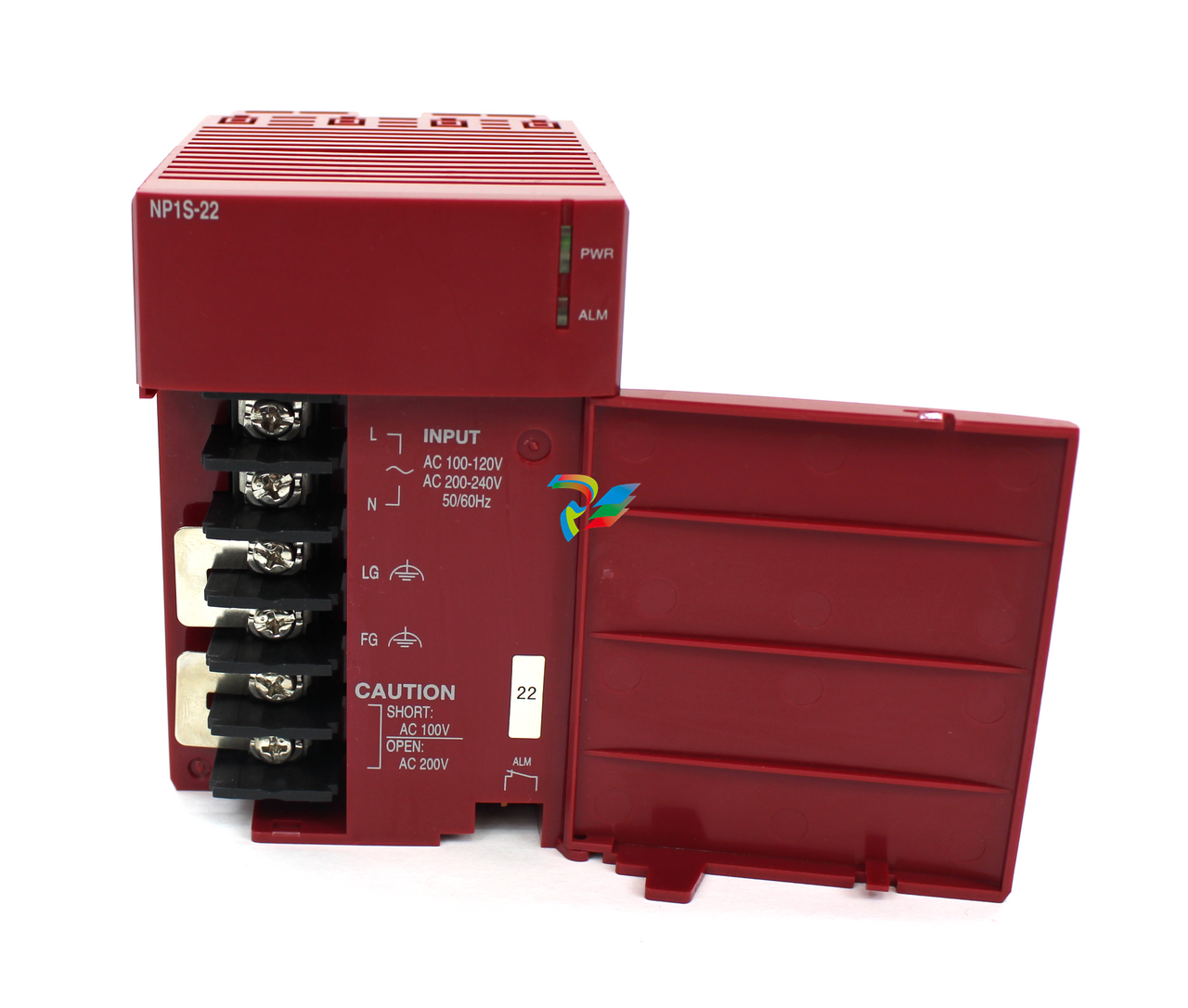 FUJI NP1S-22 Power module redundancy
 -
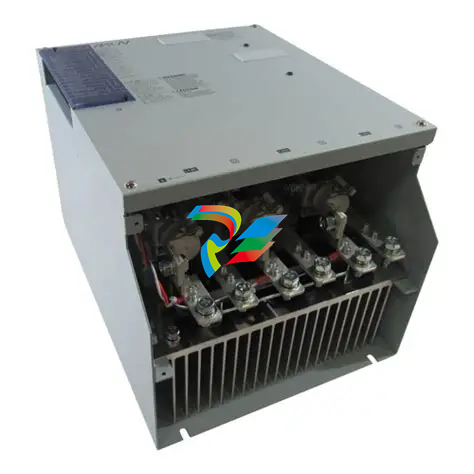 FUJI RPXD2150-1T servo drive module
 -
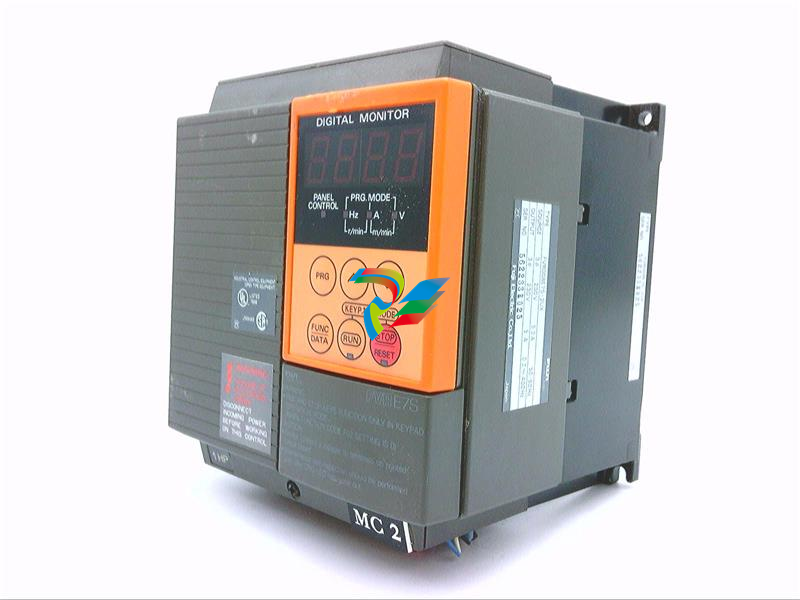 FUJI FVR008E7S-2UX Ac frequency converter
 -
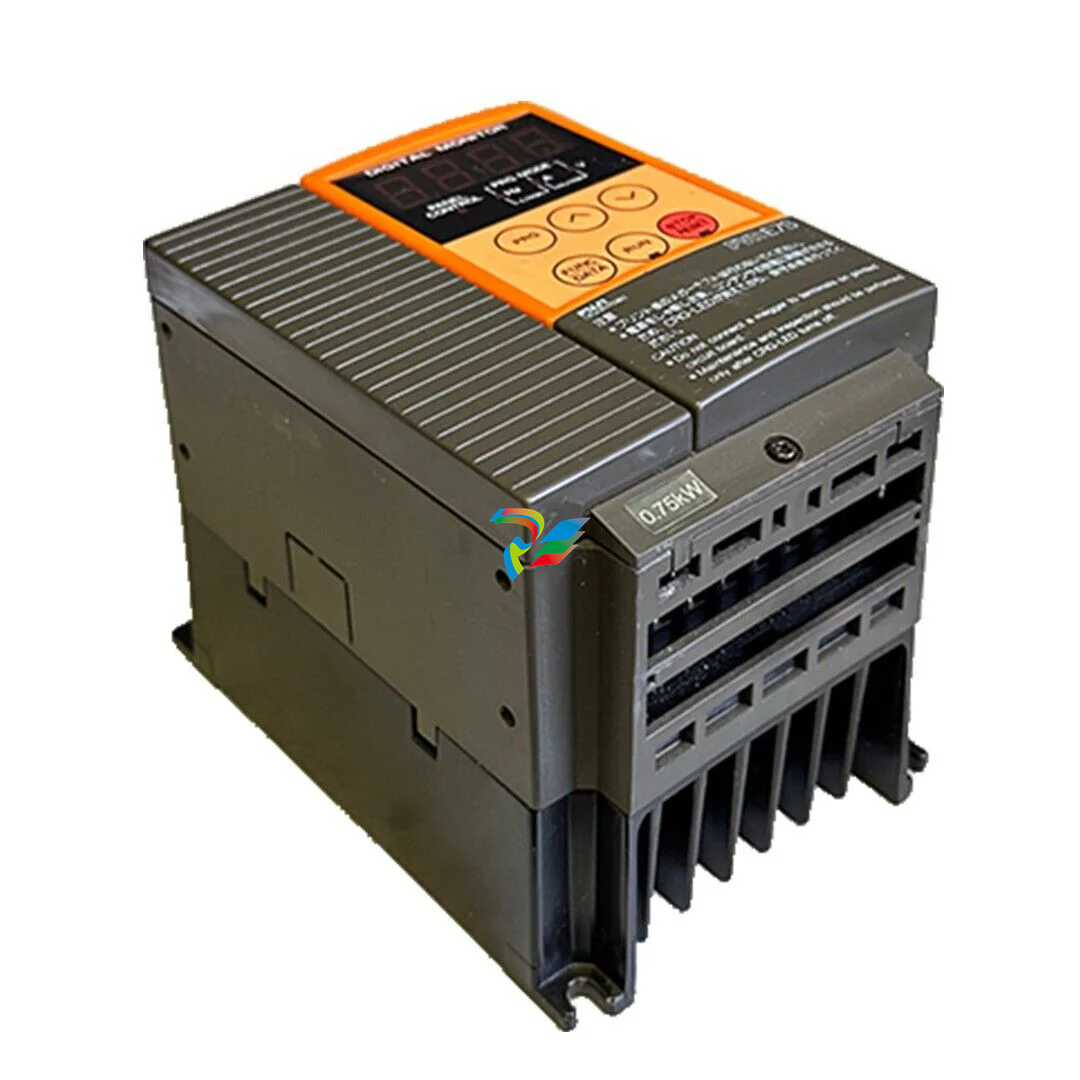 FUJI Ac frequency converter FVR008E7S-2
 -
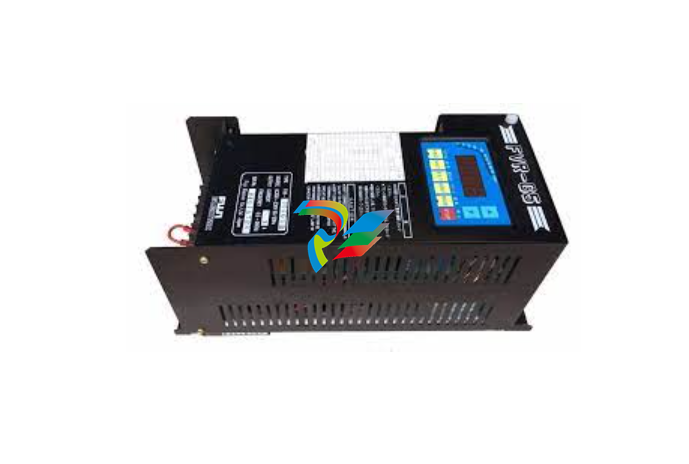 FUJI FVR004G5B-2 Small general-purpose frequency converter
 -
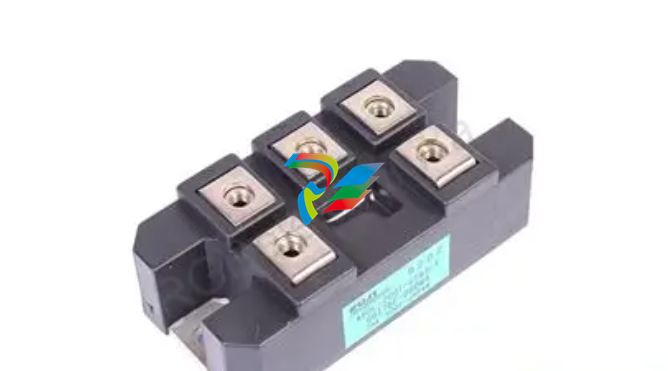 FUJI A50L-2001-0232 Industrial control module
 -
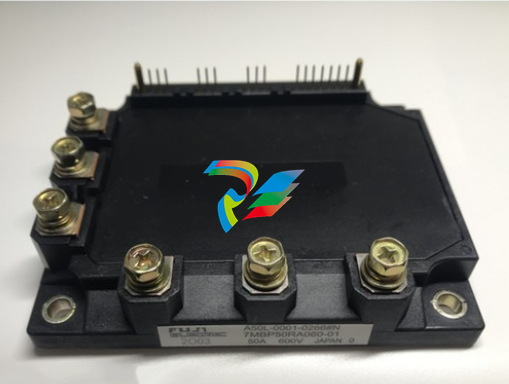 FUJI A50L-001-0266#N High-performance servo amplifier
 -
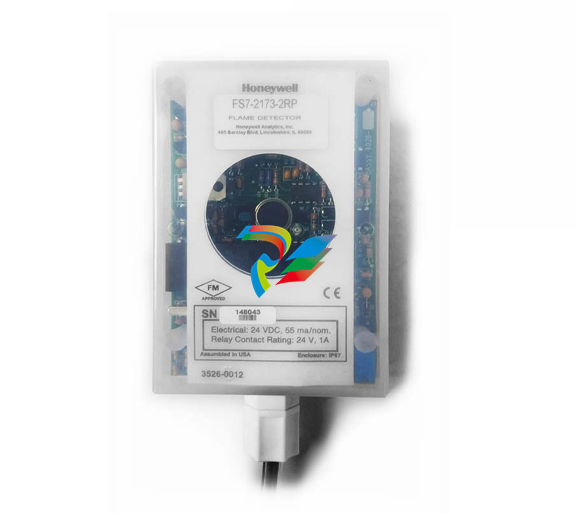 Honeywell FS7-2173-2RP Gas sensor
 -
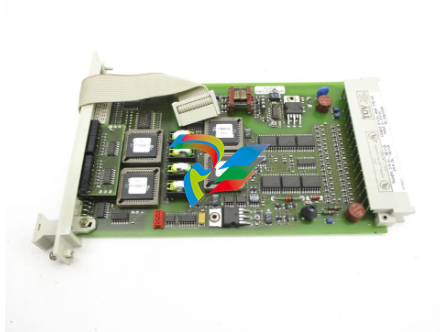 Honeywell 10106/2/1 Digital Input Module in Stock
 -
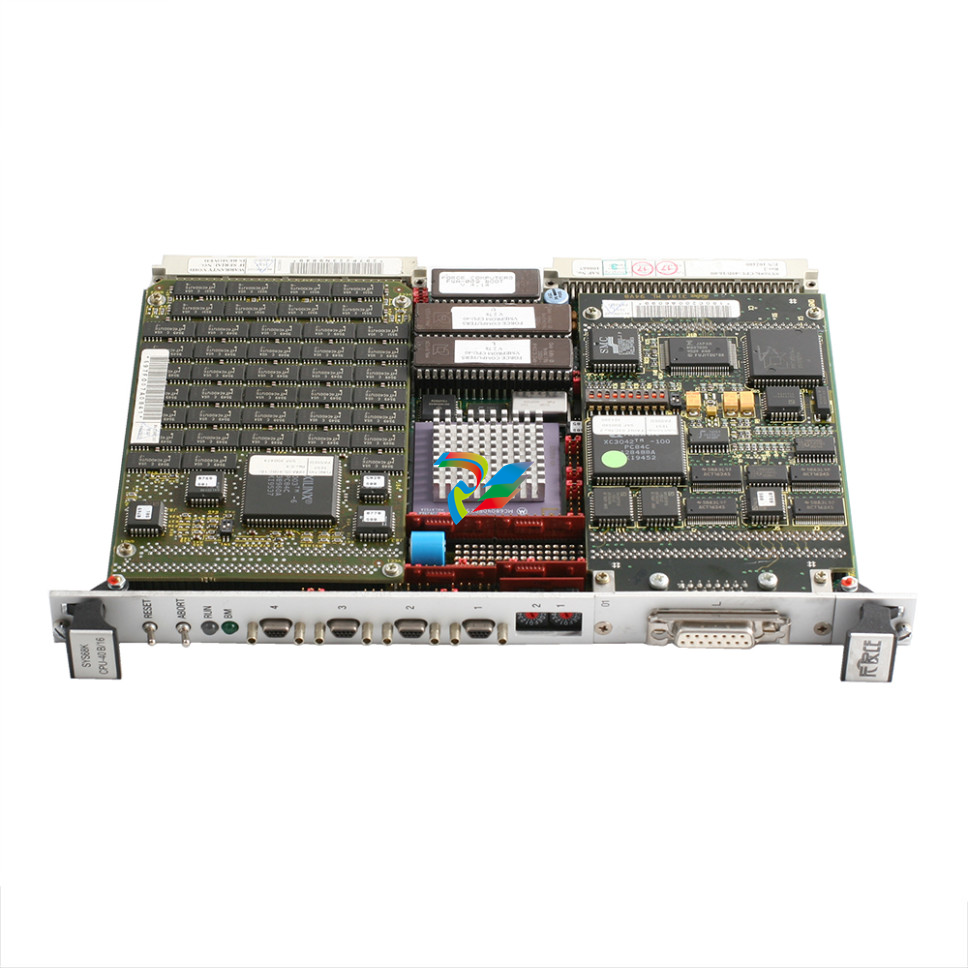 FRCE SYS68K CPU-40 B/16 PLC core processor module
 -
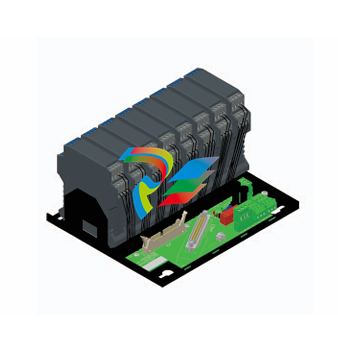 Foxboro FBM I/O cards PBCO-D8-009
 -
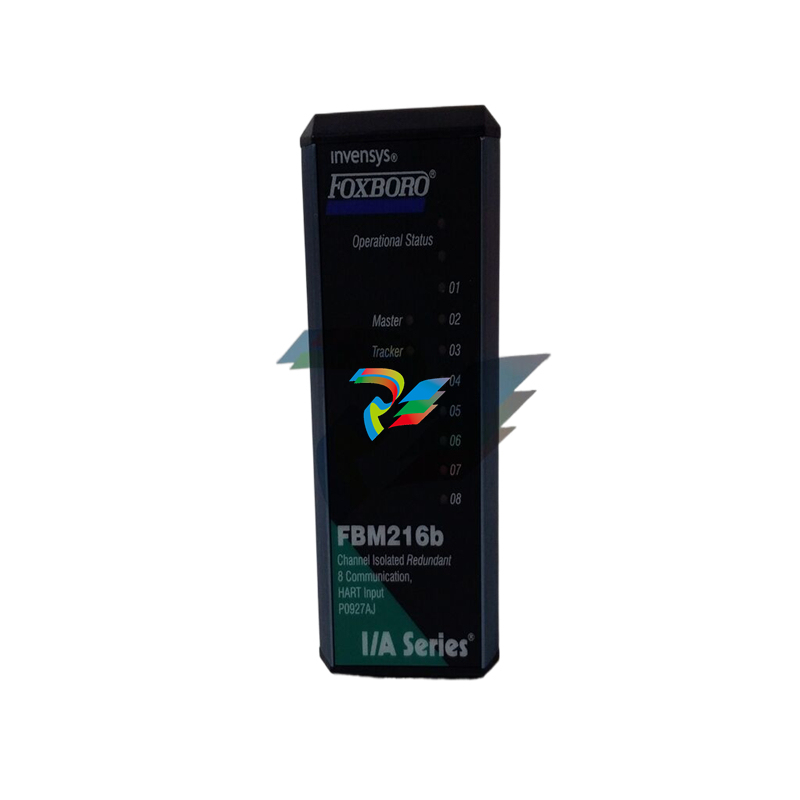 Foxboro AD916AE Digital Control System (DCS) Module
 -
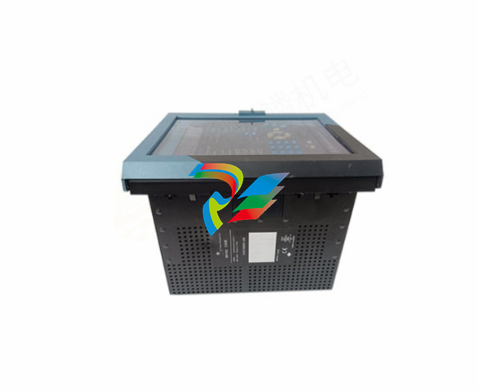 GE SR750-P5-G5-S5-HI-A20-R-E Multilin Relay
 -
.jpg) FOXBORO H90 H90C9AA0117S Industrial Computer Workstation
FOXBORO H90 H90C9AA0117S Industrial Computer Workstation -
FOXBORO RH928AW | I/A Series Relay Output Module
-
.jpg) Foxboro N-2AX+DIO Multi-functional input/output module
Foxboro N-2AX+DIO Multi-functional input/output module -
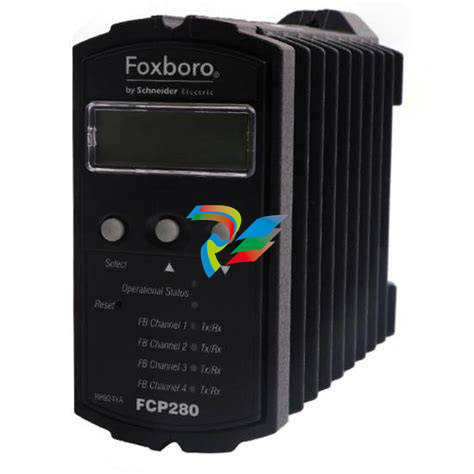 Foxboro RH924WA FCP280 Fiber Optic Network Adapter
 -
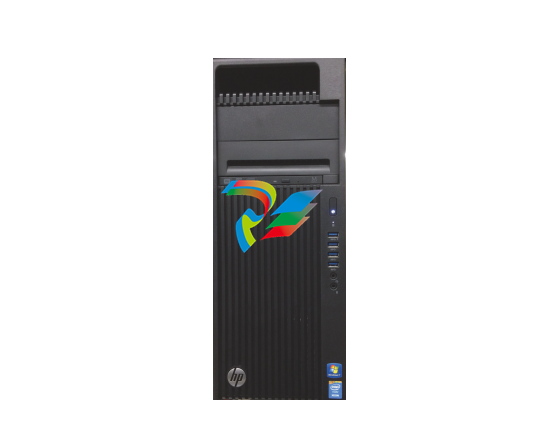 FOXBORO H92 Versatile Hardware Component In
 -
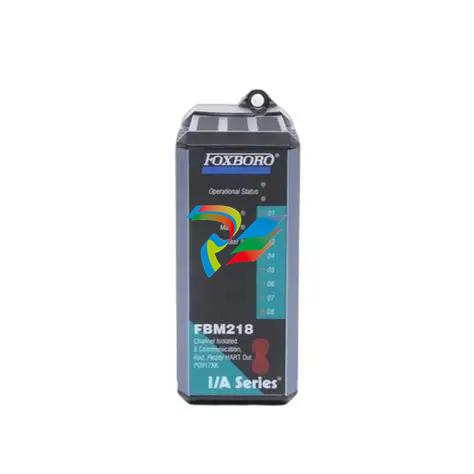 Foxboro FBM218 P0922VW HART® Communication Redundant Output Interface Module
 -
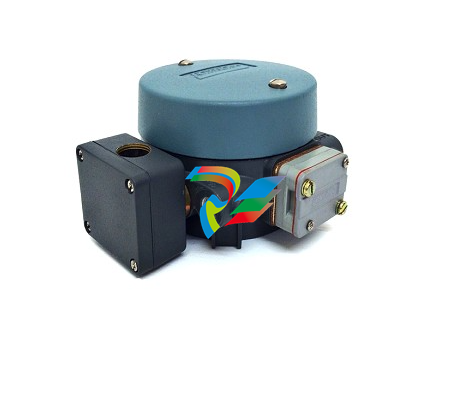 Foxboro E69F-TI2-J-R-S E69F Series Current-To-Pneumatic Signal Converter
 -
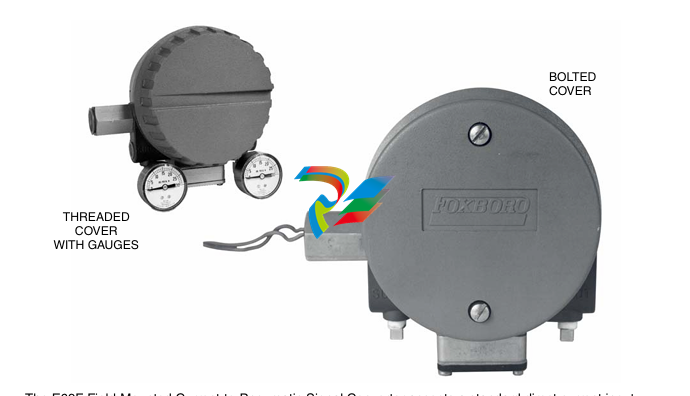 Foxboro E69F-BI2-S Converter
 -
.jpg) Foxboro H92A049E0700 The host of the DCS control station
Foxboro H92A049E0700 The host of the DCS control station -
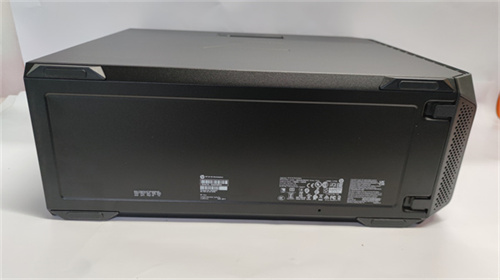 Foxboro H90C9AA0117S Industrial computer workstation
 -
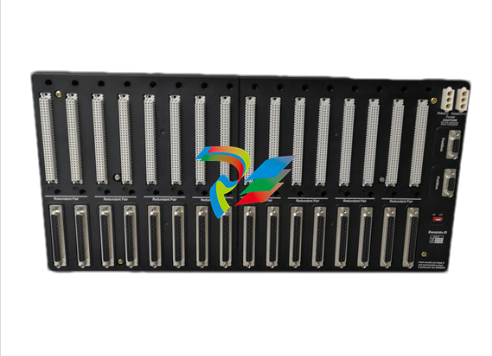 Foxboro RH101AA High-performance industrial control module
 -
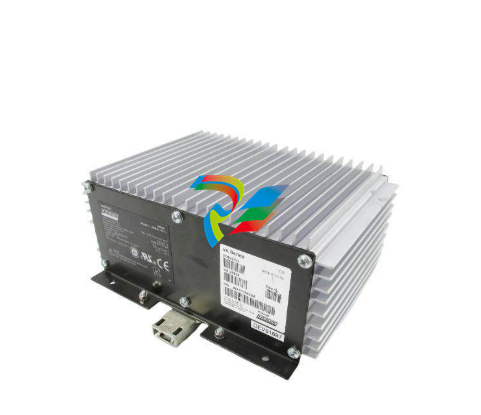 Foxboro P0922YU FPS400-24 I/A Series Power supply
 -
.png) FOXBORO P0973LN Chassis-based managed switch with independent power supply
FOXBORO P0973LN Chassis-based managed switch with independent power supply -
.jpg) FOXBORO P0926PA Input/output module
FOXBORO P0926PA Input/output module -
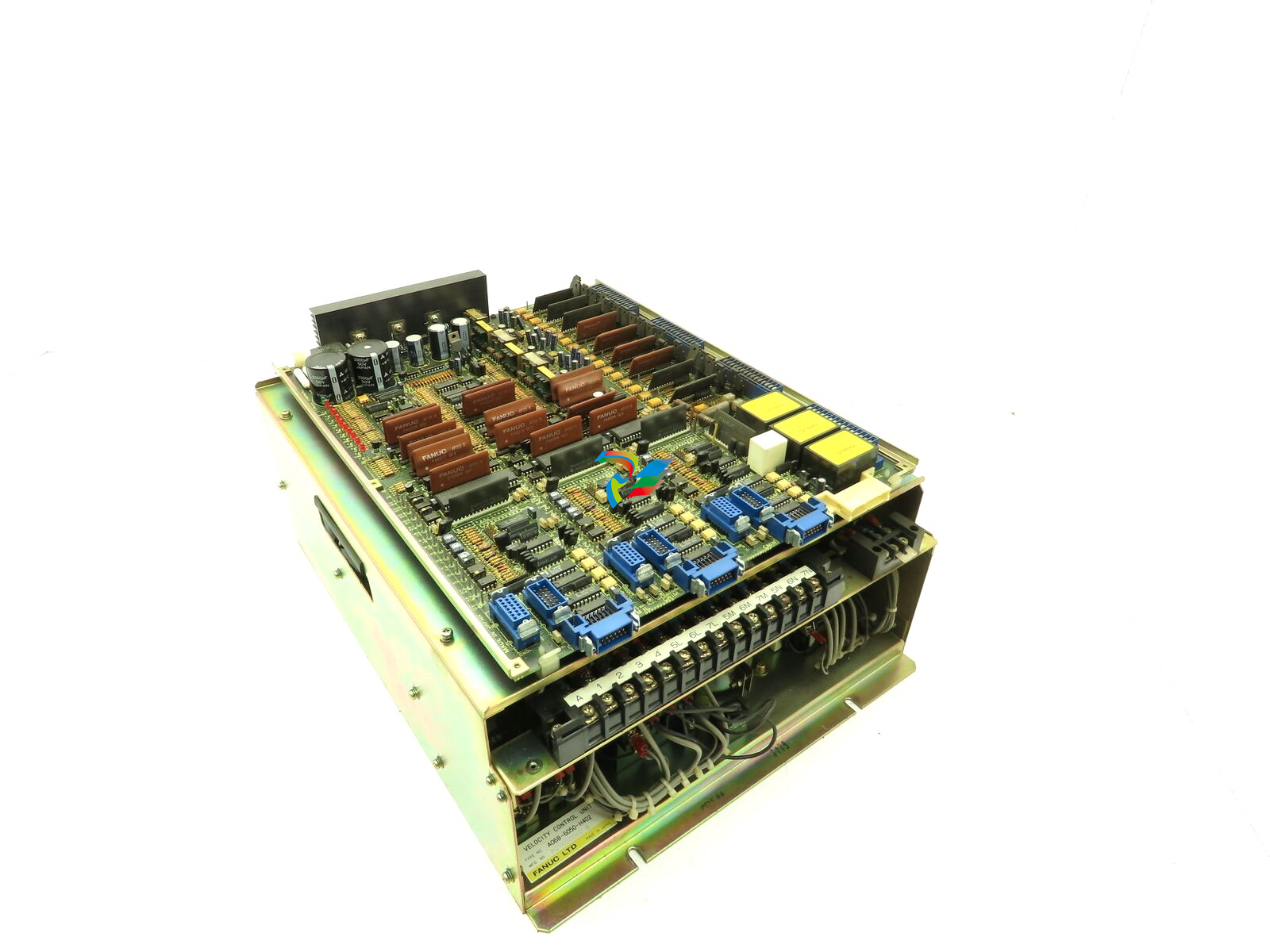 Fanuc A06B-6050-H402 3 AXIS ANALOG AC SERVO DRIVE
 -
.jpg) FOXBORO L0130AD L0130AE-0H Power module group
FOXBORO L0130AD L0130AE-0H Power module group -
_lVjBYb.jpg) FOXBORO 0399085B 0303440C+0303458A Combination Control Module
FOXBORO 0399085B 0303440C+0303458A Combination Control Module -
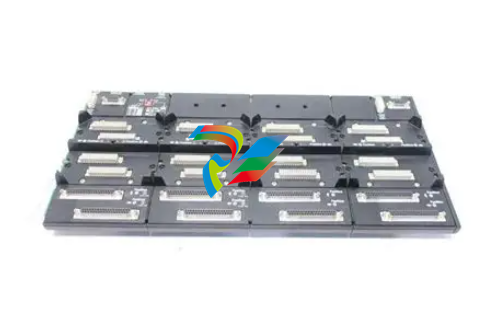 FOXBORO SY-0399095E (SY-0303451D+SY-0303460E) Process control board
 -
.jpg) FOXBORO 0399071D 0303440C+0303443B Input/Output (I/O) Module
FOXBORO 0399071D 0303440C+0303443B Input/Output (I/O) Module -
.jpg) FOXBORO RH924UQ Redundant Controller module
FOXBORO RH924UQ Redundant Controller module -
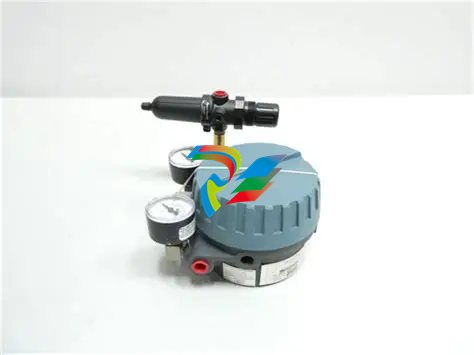 FFOXBORO E69F-TI2-S current pneumatic converter
 -
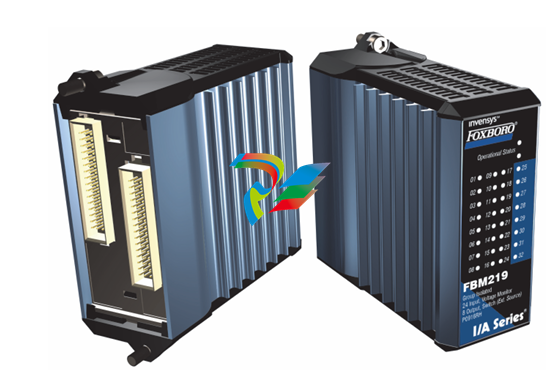 FOXBORO FBM219 RH916RH Discrete I/O Module
 -
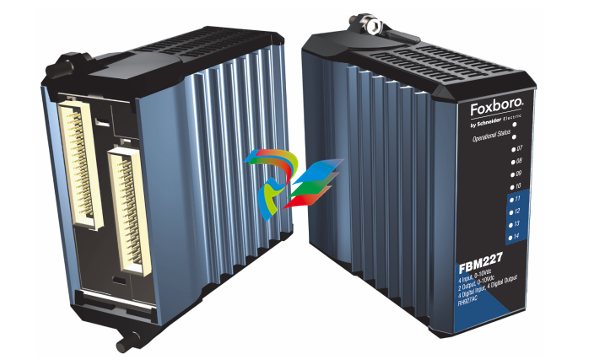 FOXBORO FBM227 P0927AC Module
 -
.jpg) FOXBORO 0399144 SY-0301059F SY-1025115C/SY-1025120E I/O module
FOXBORO 0399144 SY-0301059F SY-1025115C/SY-1025120E I/O module -
.jpg) FOXBORO SY-60399001R SY-60301001RB Industrial Control Module
FOXBORO SY-60399001R SY-60301001RB Industrial Control Module -
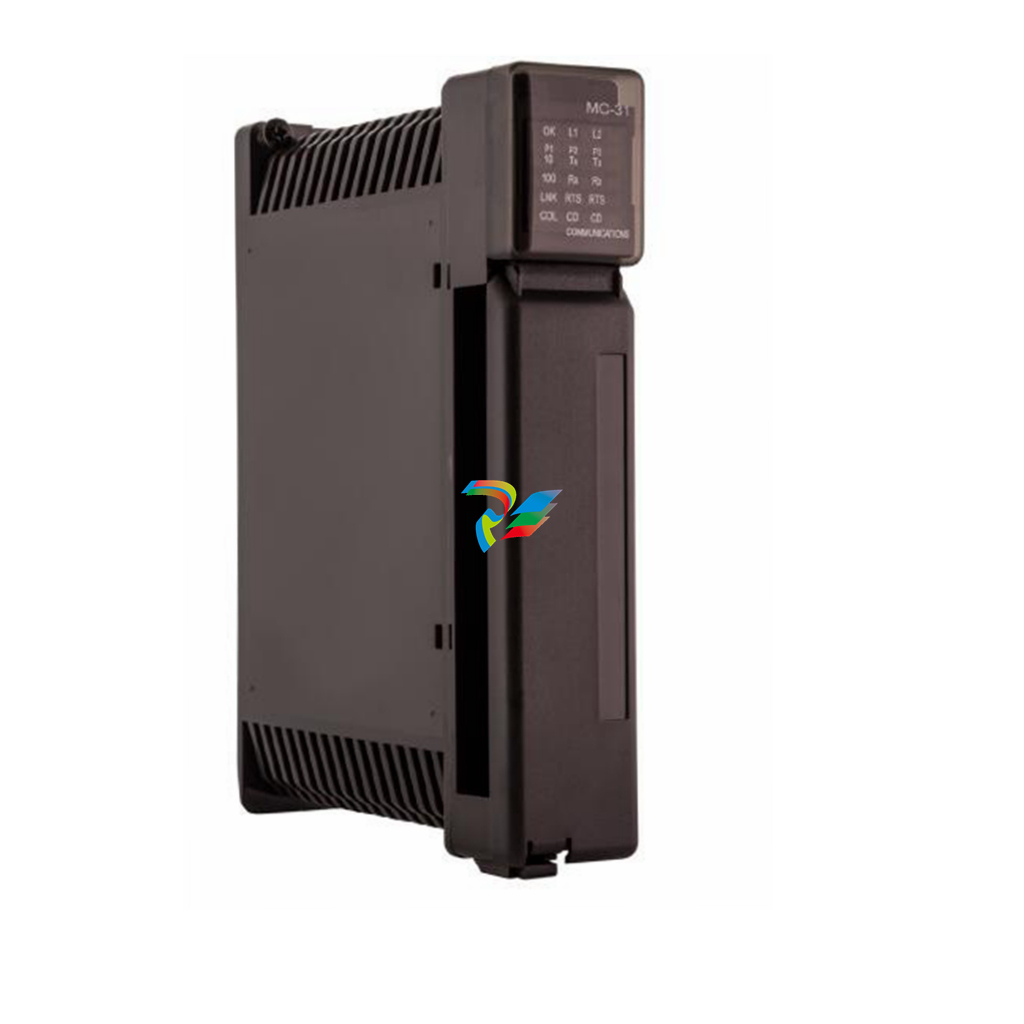 FOXBORO 0399143 SY-0301060R SY-1025115C SY-1025120E Combined control board
 -
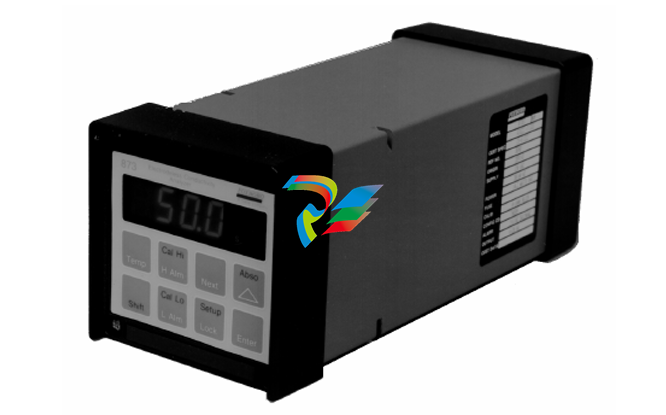 FOXBORO 873EC-JIPFGZ electrodeless conductivity analyzer
 -
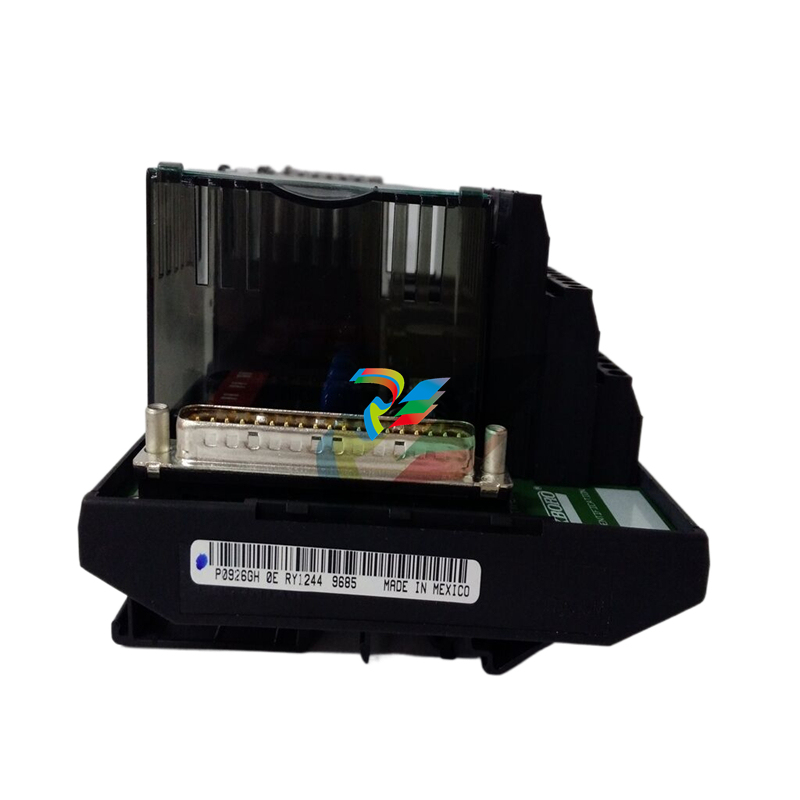 FOXBORO P0916PH (High-density HART I/O Module)
 -
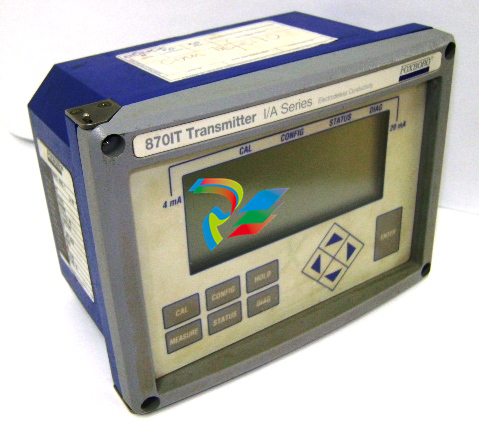 FOXBORO 870ITEC-AYFNZ-7 Intelligent Electrochemical Transmitters
 -
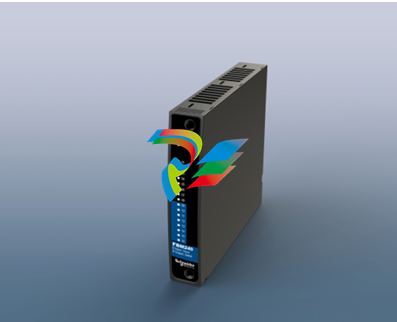 FOXBORO Compact FBM240. Redundant with Readback, Discrete
 -
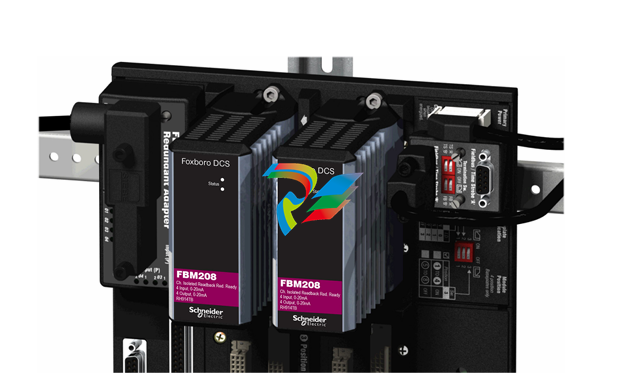 FOXBORO FBM208/b, Redundant with Readback, 0 to 20 mA I/O Module
 -
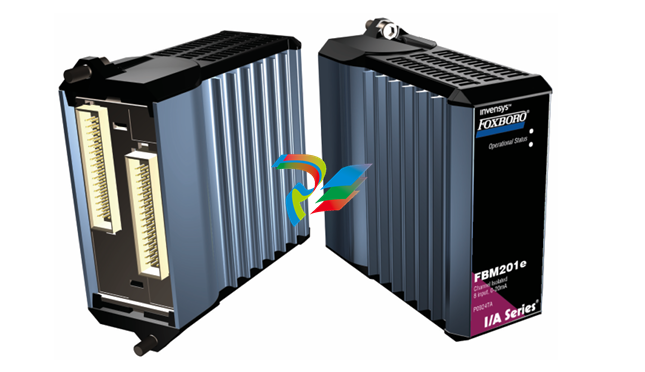 FOXBORO FBM201e Analog Input (0 to 20 mA) Interface Modules
 -
.jpg) FOXBORO P0916WG Terminal cable
FOXBORO P0916WG Terminal cable -
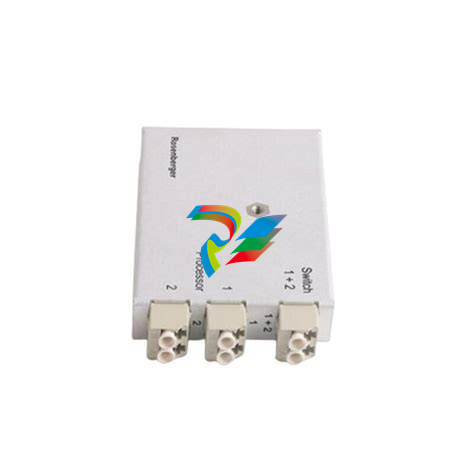 FOXBORO P0926MX 2-Port Splitter
 -
.jpg) FOXBORO AD908JQ High-Frequency Module
FOXBORO AD908JQ High-Frequency Module -
.jpg) FOXBORO AD916CC Processor module
FOXBORO AD916CC Processor module -
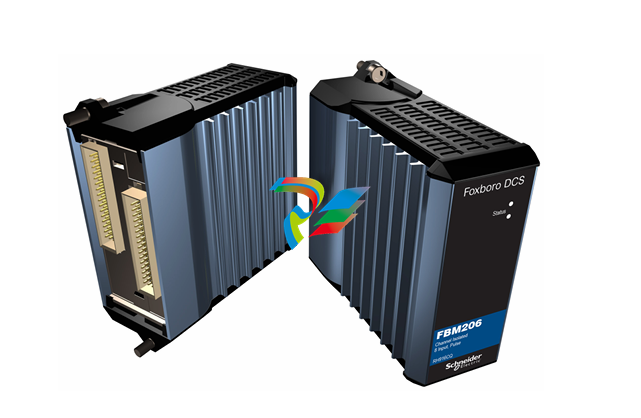 Foxboro DCS FBM206 Pulse Input Module
 -
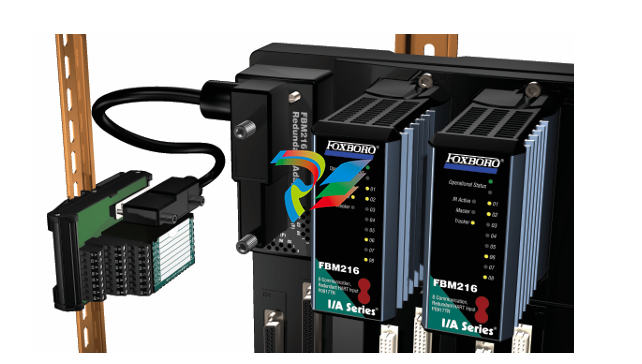 FOXBORO FBM216 HART® Communication Redundant Input Interface Module
 -
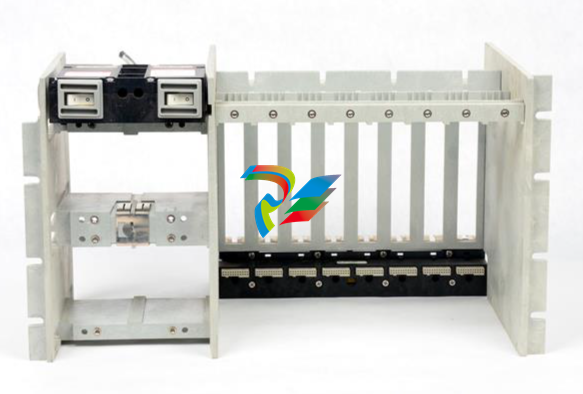 Foxboro p0903nu 1×8 unit sub-component module
 -
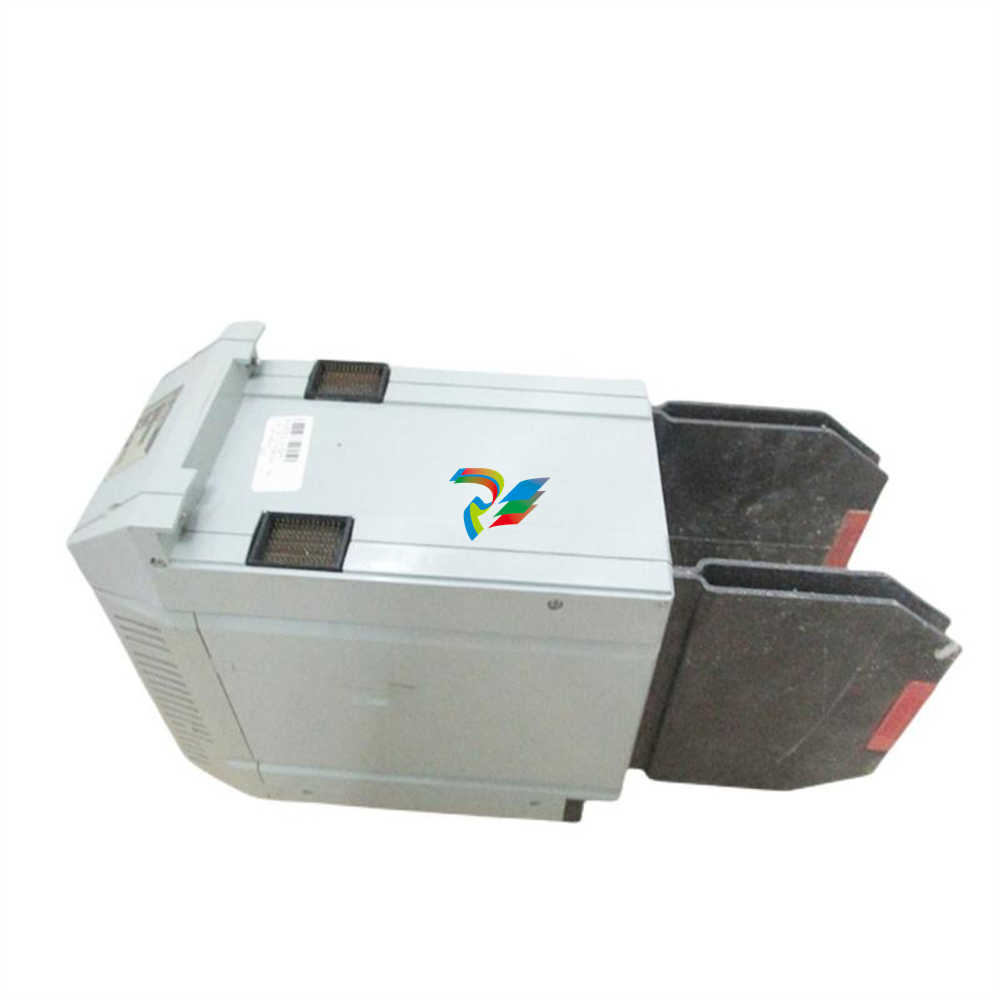 Foxboro P0911SM Industrial control module
 -
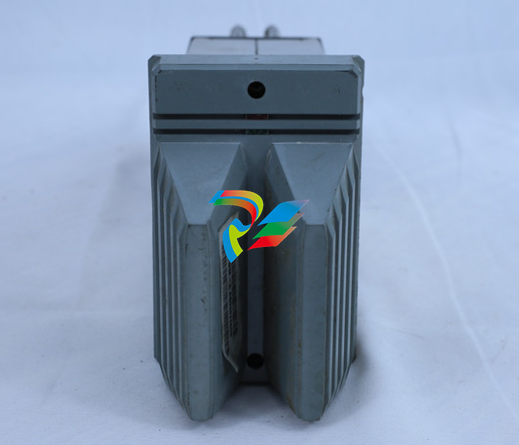 Foxboro CM902WM I/O module
 -
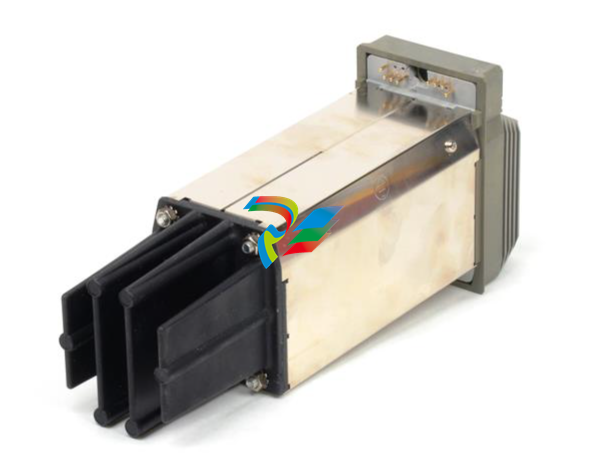 Foxboro CM902WL Power module
 -
 Foxboro P0972VA Industrial Control Module
 -
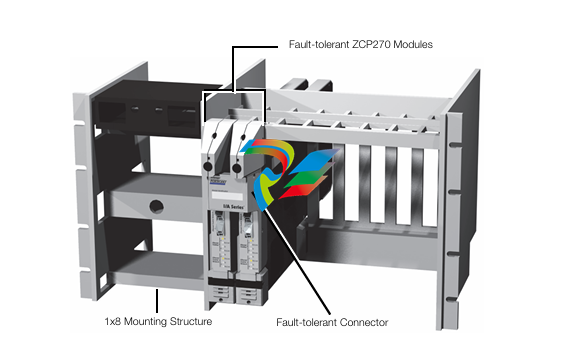
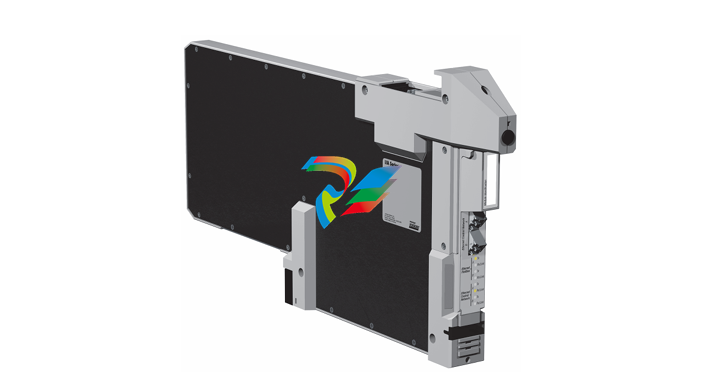 Foxboro Z-Module Control Processor 270 (ZCP270)
 -
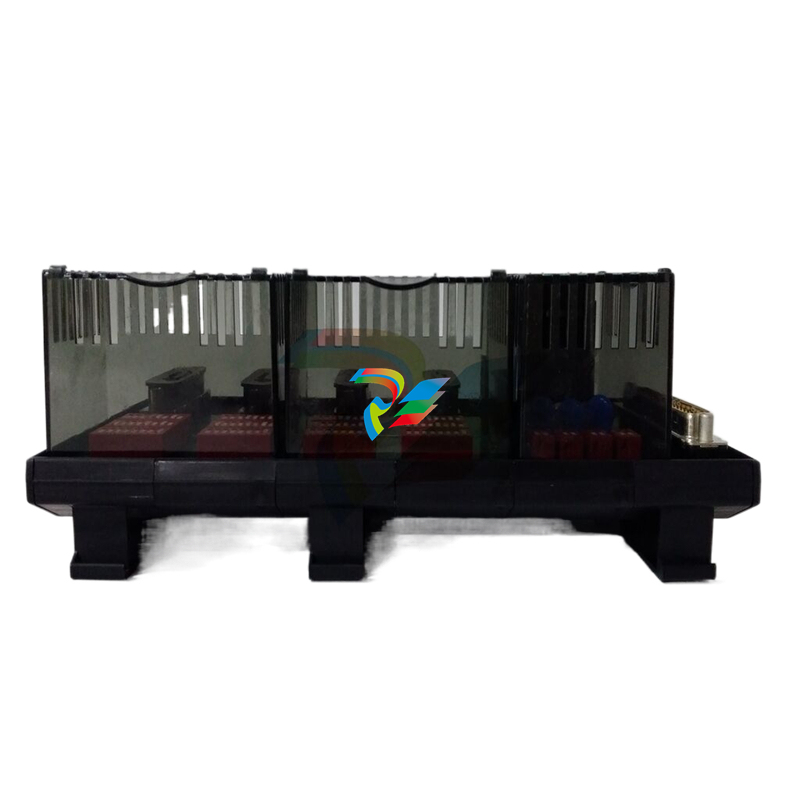 Foxboro PO916JS 16-channel terminal block module
 -
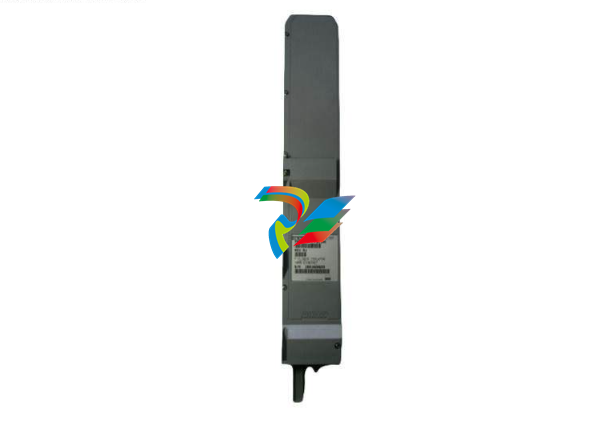 Foxboro PO911SM High-performance digital/analog input/output module
 -
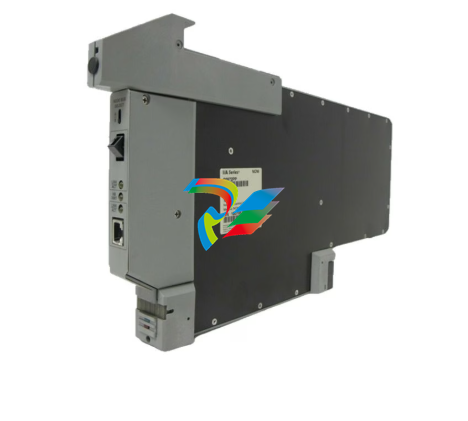 Foxboro P0972PP-NCNI Network Interface Module
 -
.jpg) FOXBORO P0971QZ controller module
FOXBORO P0971QZ controller module -
 FOXBORO P0971DP Thermal resistance input/output module
 -
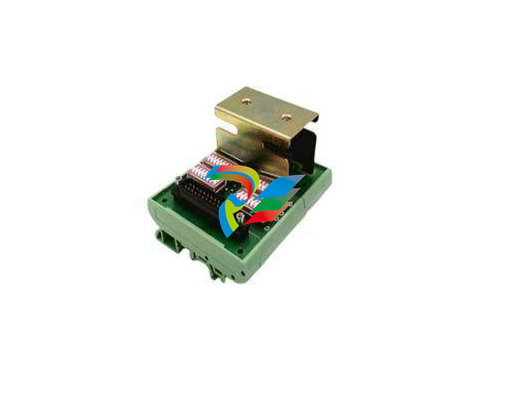 FOXBORO P0970VB Cable connector
 -
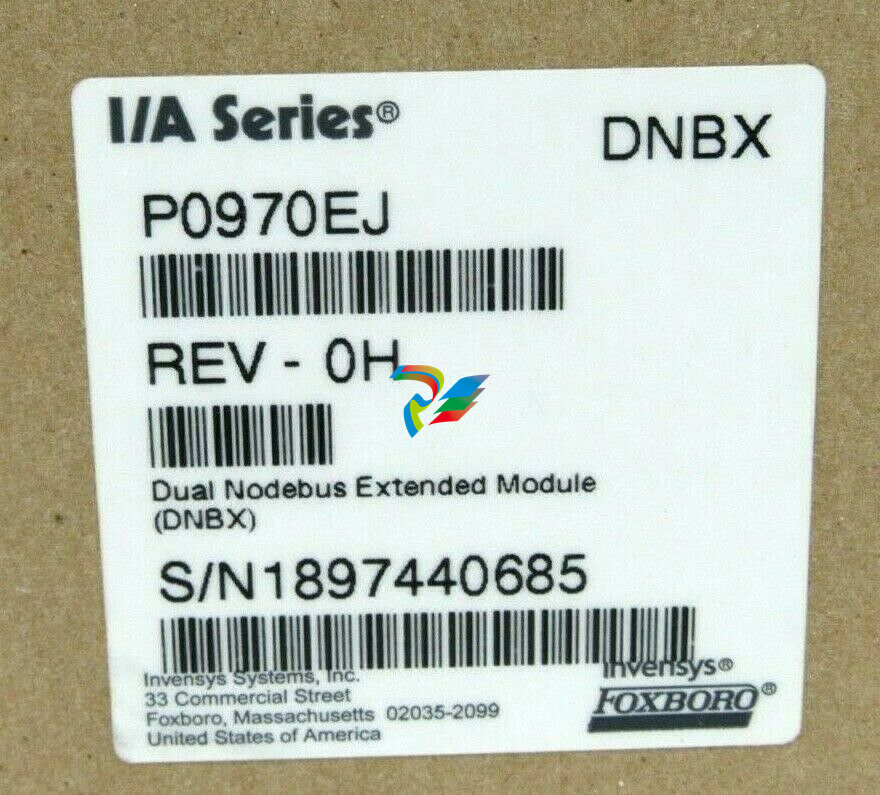 FOXBORO P0970EJ-DNBX Dual-node bus expansion module
 -
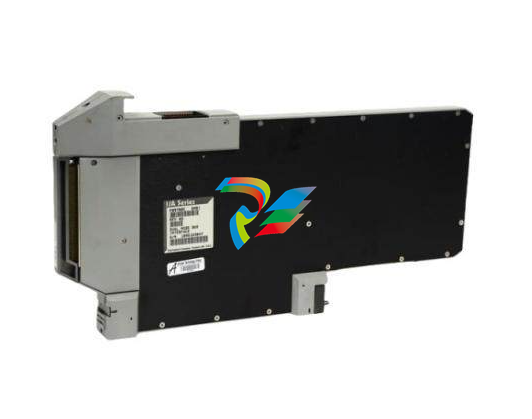 FOXBORO P0970BP Redundant power supply system
 -
.jpg) FOXBORO P0970BC-DNBI DeviceNet bus interface module
FOXBORO P0970BC-DNBI DeviceNet bus interface module -
.jpg) FOXBORO P0961FX-CP60S Main control CPU module
FOXBORO P0961FX-CP60S Main control CPU module -
.jpg) FOXBORO P0961EF-CP30B Network Interface Unit
FOXBORO P0961EF-CP30B Network Interface Unit -
.jpg) FOXBORO P0961CA Optical fiber local area network module
FOXBORO P0961CA Optical fiber local area network module -
.jpg) FOXBORO P0961BD-GW30B gateway processor module
FOXBORO P0961BD-GW30B gateway processor module -
.jpg) FOXBORO P0961BC-CP40B/I/A Series high-performance control processor module
FOXBORO P0961BC-CP40B/I/A Series high-performance control processor module -
FOXBORO P0960JA-CP40 High-performance control processor
-
FOXBORO P0926TM Control module
-
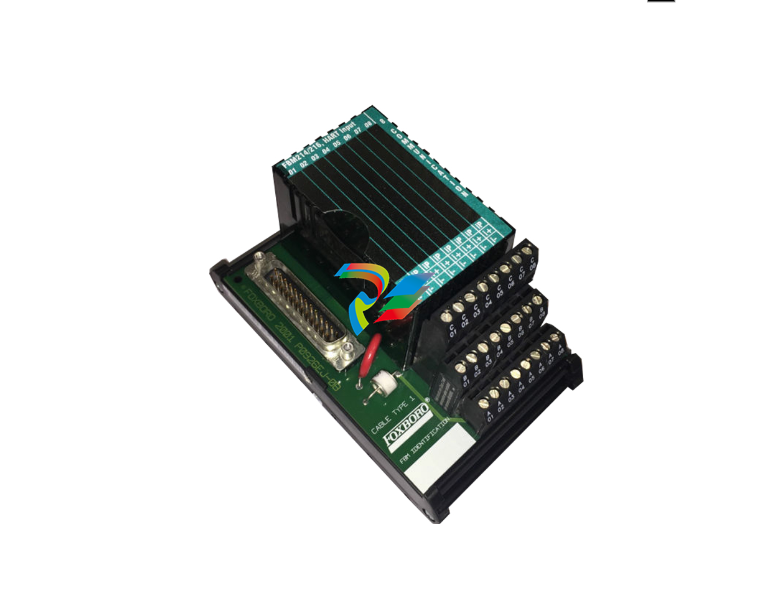 FOXBORO P0916BX Termination Assembly
 -
.jpg) FOXBORO P0916AE P0916AG P0916AW Thermal resistance input type DCS card module
FOXBORO P0916AE P0916AG P0916AW Thermal resistance input type DCS card module -
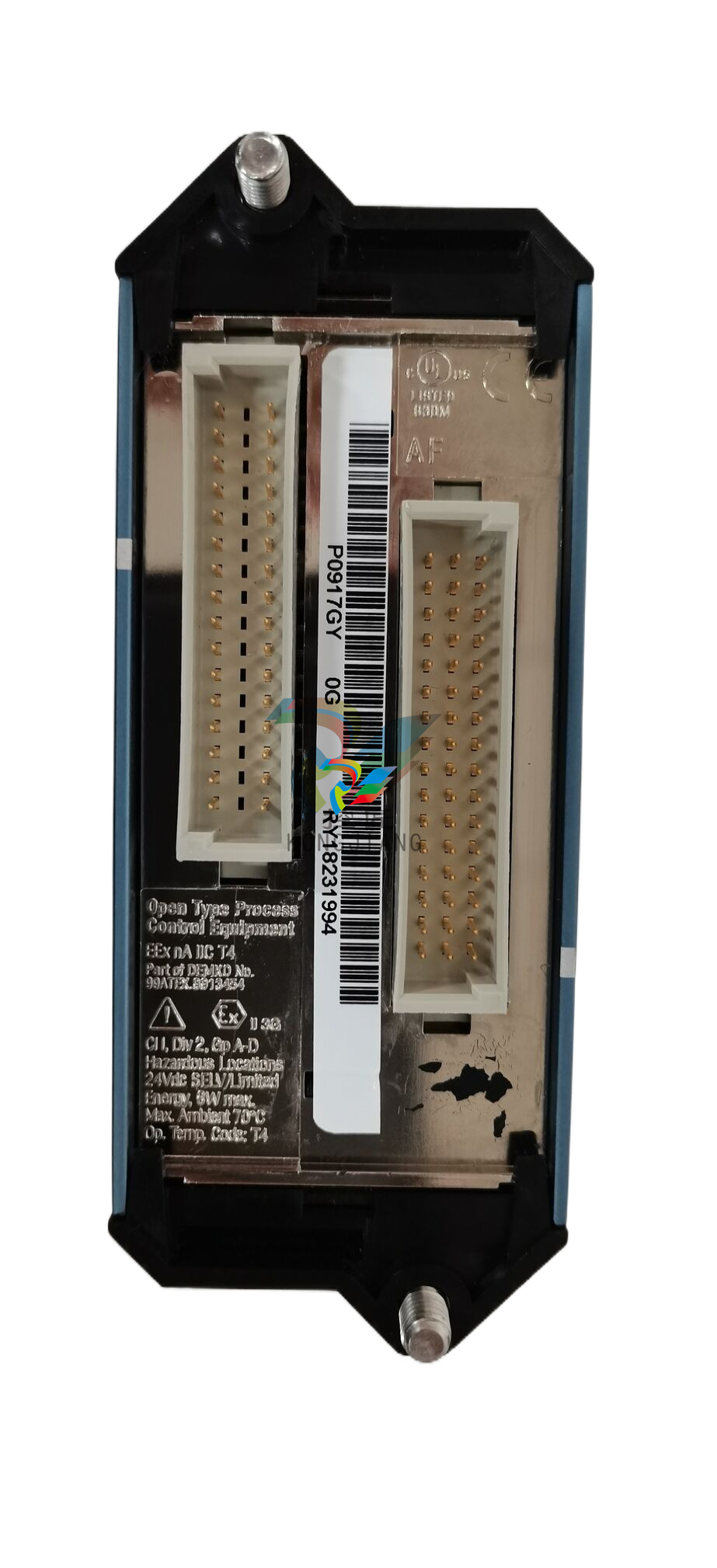 FOXBORO P0916AC FOXBORO distributed control system (DCS) compression terminal assembly
 -
.jpg) FOXBORO P0912CB High-performance interface module
FOXBORO P0912CB High-performance interface module