
Using Control Valve Installed Gain Calculations
For many years, the author has used, and promoted the use of, control valve installed flow and gain graphs as part of the control valve selection process (references 1–3). For all those years, the author has had the benefit of being associated with a valve manufacturer with a publicly available control valve-sizing application that included installed flow and gain graphing capability. Users who preferred other brands of control valves, and thus those manufacturers’ control valve-sizing applications, were hesitant to learn to use a new application to take advantage of the graphing capability.
Recently, the author published an article that included detailed instructions for constructing a Microsoft Excel worksheet that generates installed flow and gain graphs in conjunction with valve-sizing calculations made with any valve-sizing application. This makes it practical for anyone to incorporate graphing installed flow and gain into their valve selection process (reference 4). This article explains how to use control valve installed gain calculations.

Figure 1 is an example of a properly sized valve compared to an oversized valve. One valve manufacturer suggests the following gain criteria for installed gain within the specified flow range:
Gain > 0.5
Gain < 3.0
As constant as possible
As close to 1.0 as possible
Gain (max) / Gain (min) < 2.0.
Extremely low gains are undesirable, because a low gain means when the valve moves, the flow does not change by much. It might not be as obvious why high gains are undesirable. An audio amplifier with a high gain may be desirable. But control valves are mechanical devices, and parts that move while in contact with each other tend to stick when not moving. If a valve, because it tends to stick when not moving, can only be positioned within 2% of the desired position and has a gain of 4, the flow can only be adjusted within 8% steps, which may not be desirable. The reason for limiting the gain change within the required flow range to 2:1 is so it will be easier to tune the controller for stable and fast response throughout the required flow range.
To calculate and graph the installed flow and gain using the reference 4 worksheet, the process model and the worksheet require the following information about the process:
The minimum design flow, Qmin
The maximum design flow, Qmax
The valve inlet pressure at the minimum design flow, P1 minQ
The valve inlet pressure at the maximum design flow, P1 maxQ
The valve outlet pressure at the minimum design flow, P2 minQ (calculated from the user’s input of the valve pressure drop at the minimum design flow, DELTA P minQ)
The valve outlet pressure at the maximum design flow, P2 maxQ (calculated from the user’s input of the valve pressure drop at the maximum design flow, DELTA P maxQ).
The values of P1 and P2 at the minimum and maximum design flow need to be obtained by an analysis of the frictional pressure losses and static pressure changes in the system upstream and downstream of the control valve (references 5–6).
Reference 4 prompted several inquiries as to what applications would be candidates for installed flow and gain graph analysis. Below are some of the most common.
Surprising results
Figure 2 shows a user’s Excel control valve-sizing worksheet. The calculated CV range appears to show a 6-inch segment ball control valve would be operating at about 20% to 78% open from the minimum design flow to the maximum design flow. An installed flow and gain calculation yielded surprising results (Figure 3).

The installed flow graph shows the minimum specified flow intersecting the installed flow graph at 20% relative travel, and the maximum design flow intersecting the installed flow graph just a bit below 80% relative travel, which agrees with the user’s calculation. What the user’s calculation did not show is 95% of the valve’s fully open flow is at the maximum design flow, leaving no safety factor at the high end.
At about 60% travel (relative travel of 0.6), the installed flow graph starts rounding off to a much shallower slope. This fact is identified on the installed gain graph where the installed gain drops to below 0.5, emphasizing the fact that changes in valve position would have only a small effect on flow in the system. The gain change from the maximum design flow (Q/Qmax) and the maximum gain on the graph is greater than 4:1, making it difficult to tune the controller for fast and stable control. It turned out the problem lies with the user’s pump choice.

Reference 4 does not include the ability to graph what is happening to P1 and P2, and thus the pressure differential available to the valve. However, the reference 4 worksheet has a tabulation of P1 and P2, so constructing a graph of P1 and P2 versus relative valve travel was simple. In the installed pressure level graph, as valve relative travel approaches 0.8 (80% valve travel), the pressure drop available to the valve decreases rapidly.
Different pump, different valves
The user found a pump with a slightly higher and flatter head curve. A new analysis of the upstream system gave the revised values of P1 and DELTA P shown in red in Figure 4. Putting these new values of P1 and DELTA P into the user’s valve-sizing program and into the reference 4 worksheet gives the graphs of Figure 4. The valve is now operating between 25% and 75% travel. The maximum design flow is now at slightly less than 80% of the fully open flow, giving ample safety factor at the high end of the range. The installed gain graph is much flatter and well within the suggested limits.

Figure 5 is based on an application where the system designer recommended a 10-inch segment ball valve after examining the installed flow and gain graphs and determining the segment valve was a good choice. The purchasing agent commented that a 10-inch high-performance butterfly valve would cost approximately one-third less than the segment ball valve. The system designer agreed to investigate the applicability of a high-performance butterfly valve, knowing the two valve styles have quite different inherent flow characteristics. Segment ball valves tend to have a nearly perfect equal percentage characteristic. High-performance butterfly valves tend to have an inherent flow characteristic between linear and equal percentage.

The upper right graph in Figure 5 compares the inherent flow characteristics of the two valves being considered. The installed characteristics are linear between the design minimum and maximum flows. The installed gain of each valve meets the suggested gain limits between the minimum and maximum design flows. The gain of the segment valve is slightly closer to 1.0. The maximum gain change of the butterfly valve is 1.4:1, where the maximum gain change of the segment valve is 1.6:1. In this system, either valve would likely control satisfactorily. In a system with different valve pressure drop versus flow characteristics, this might not be the case.
Which pressure drop?
A question arose regarding the pressure drop to use when sizing a control valve. Assuming a system that has already been designed, the sizing pressure cannot be arbitrarily assigned, but the values of P1 and P2 need to be obtained by an analysis of the frictional pressure losses and static pressure changes in the system both upstream and downstream of the control valve. The ideal situation is where the person selecting the control valve has a say in determining what the control valve pressure drop will be, most often by specifying the pump that will be used. Using an installed gain analysis of various pumps that might be suitable can be helpful.
To demonstrate how this can be done, three possible pumps for the system shown in Figure 6 will be considered, and the one that allows satisfactory controllability while minimizing energy consumption will be selected. Curves of P1, the pressure just upstream of the valve, are shown for each of the three pumps, along with the power required by each at a normal flow rate of 400 gpm. These curves slope downward in proportion to the flow squared from the 100 gpm pump head (45, 60, and 75 psig, respectively, for pumps A, B, and C) to a pressure 10 psi lower due to the combined effect of the 5 psi pressure loss in the upstream piping and the 5 psi decrease in pump head from 100 gpm to 600 gpm stated in the figure. The curve for P2, the pressure at the control valve outlet, starts with the 10 psig static head of the tank at very low flows and increases in proportion to the flow squared to 30 psig as the downstream piping and heat exchanger pressure losses increase to their 600 gpm values.

The control valve pressure drops (the difference between P1 and P2) are indicated in the figure by the arrows at the left side of the figure for 100 gpm and at the right side of the figure for 600 gpm. The analysis is performed based on using a segment ball valve. The graph in the lower left of Figure 6 shows the calculated installed flow characteristics. Keep in mind the installed flow graphs generated by the worksheet of the reference 4 graph is relative flow, so 1.0 is 100% of the fully open flow, which is different for each of the three cases. What is interesting is the installed gain graphs.
With the 17-hp pump, besides requiring a more expensive 6-inch valve, the gain graph looks terrible. The installed gain is the highest of the three (meaning a larger flow error for the same valve position error), it drops to 0.4 as it approaches the maximum design flow (the red vertical line at 1.0 on the Q/Qmax scale), and the variation in gain over the flow range is almost 7:1, much greater than the recommendation of 2:1. This is large enough that it would be difficult to come up with proportional-integral-derivative (PID) tuning parameters that would provide good and stable control over the entire required flow range. The gain graphs of the 23-hp and 29-hp pumps fall within the recommended gain criteria, but the 23-hp pump is the winner, because its gain is closer to 1.0, and it also is the more economical of the two to operate.
References
1. Monsen, Jon, Rules of Thumb, Flow Control, November 2012 pp. 24–26
2. Monsen, Jon, An Insider’s Guide to Installed Gain as a Control Valve Sizing Criterion, Flow Control, May 2015, pp. 22-25.
3. Monsen, Jon, Modern Tools for Sizing Control Valves & Actuators, Processing, January 2018 pp. 12-14
4. Monsen, Jon, Calculating the Installed Flow and Gain of a Control Valve, Process Instrumentation, March 2021, pp. 26–30. (The worksheet described in the reference and an enhanced version are available.)
5. Jessee, Peter, Determining Pressure Drop for Control Valve Sizing, Flow Control, August 2000, pp. 12-14.
6. Coggan, D. A, ed., “Fundamentals of Industrial Control,” Second Edition, Research Triangle Park, NC: Instrumentation, Systems, and Automation Society (ISA) (now the International Society of Automation—ISA), 2004. pp. 278–280.
This article was originally published in the December 2021 issue of InTech magazine.
-
 IS200EPMCH1GE Mark VIe Patch Cord Power Distribution Card
 -
 VMICPCI-7632-03310 IS215UCCAH3A 350-657362-003310J GE gas turbine system control processor board
 -
 WEA13-13 2508-21001 Control Module / I/O Board
 -
.jpg) WES5120 2340-21004 Controller Main Module
WES5120 2340-21004 Controller Main Module -
 WES5120 2340-21006 Field Controller Master Unit Module
 -
 WESDAC D20ME 18-MAR-13 Excitation Control Module
 -
 D20 EME 2400-21004 Ethernet communication and expansion module
 -
 GE DS3800XTFP1E1C Thyristor Fan Out Board Brand
 -
 GE SR745-W2-P1-G1-HI-A-L-R-E Feeder protection relay
 -
 GE IS230TNDSH2A Discrete Output Relay Module Brand
 -
 GE Fanuc IS200TDBSH2ACC Mark VI Terminal Board Brand
 -
 GE PMC-0247RC-282000 350-93750247-282000F Disk Drive
 -
GE PMC-0247RC-282000 350-93750247-282000F Disk Drive
-
 GE VMIVME-1150 Serial Communications Controller
 -
 GE VMIVME-5576 Fiber-Optic Reflective Memory with Interrupts
 -
 GE VMIC Isolated Digital Output VMIVME-2170A
 -
 GE MULTILIN 760 FEEDER MANAGEMENT RELAY 760-P5-G5-S5-HI-A20-R-E
 -
 GE IS200AEPAH1BKE IS215WEPAH2BB Printed circuit board
 -
 GE IS210BPPCH1A Mark VIe I/O Pack Processor Card
 -
 GE IS220PRTDH1A 336A4940CSP6 High-Performance RTD Input Module
 -
GE IS220PDIAH1BE 336A5026ADP4 Discrete Input Module
-
 GE IS420ESWBH3A IONET Switch Module
 -
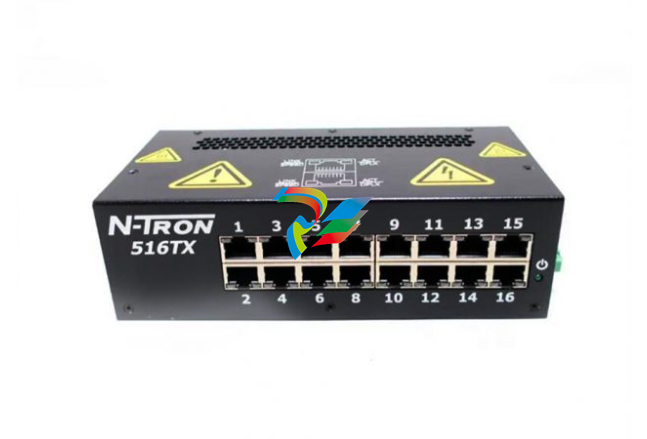 GE 516TX 336A4940DNP516TX 16-port Ethernet switch
 -
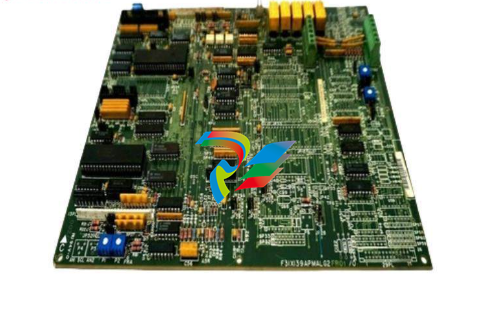 GE EVMECNTM13 Embedded control module
 -
GE EVPBDP0001 EVPBDP032 control module
-
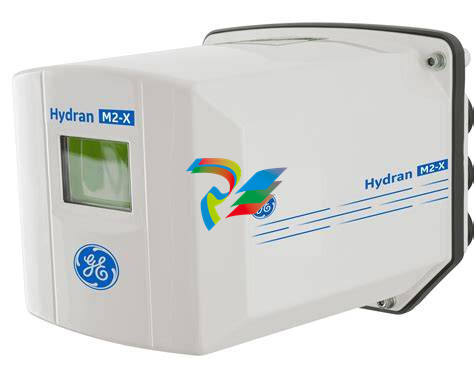 GE Hydran M2-X Enhanced Monitoring with Extended Sensor Life
 -
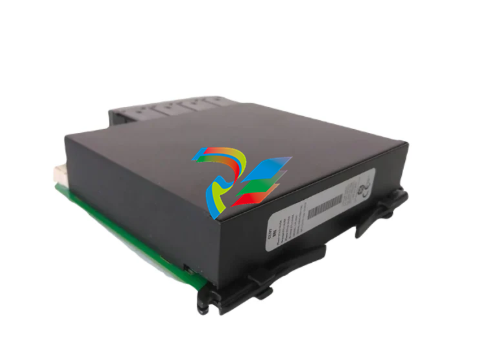 GE UR6CH Digital I/O Module
 -
 GE IC695CPU315-CD Central processing unit
 -
 GE 531X305NTBAMG1 DR Terminal Board
 -
 GE 531X305NTBALG1 NTB/3TB Terminal Board 531X Series
 -
 GE 531X305NTBAJG1 NTB/3TB Terminal Board.
 -
 GE 531X305NTBAHG1 NTB/3TB Terminal Board 531X
 -
 GE 531X305NTBAEG1 is a PCB that functions as a DR terminal board.
 -
General Electric 531X305NTBACG1 NTB/3TB Terminal Board 531X
-
 GE Digital Energy D20 Analog Input Module
 -
 GE 94-164136-001 main board Control board
 -
 GE 269 PLUS-D/O-100P-125V Digital motor relay
 -
 GALIL DMC-9940 High-performance motion controller
 -
 FUJI NP1BS-08 base plate
 -
 FUJI NP1Y32T09P1 Transistor drain type digital output module
 -
 FUJI NP1Y16R-08 Digital Output Module
 -
 FUJI NP1X3206-A High-speed digital input module
 -
 FUJI NP1AYH4I-MR current output module
 -
 FUJI NP1S-22 Power module redundancy
 -
 FUJI RPXD2150-1T servo drive module
 -
 FUJI FVR008E7S-2UX Ac frequency converter
 -
 FUJI Ac frequency converter FVR008E7S-2
 -
 FUJI FVR004G5B-2 Small general-purpose frequency converter
 -
 FUJI A50L-2001-0232 Industrial control module
 -
 FUJI A50L-001-0266#N High-performance servo amplifier
 -
 Honeywell FS7-2173-2RP Gas sensor
 -
 Honeywell 10106/2/1 Digital Input Module in Stock
 -
 FRCE SYS68K CPU-40 B/16 PLC core processor module
 -
 Foxboro FBM I/O cards PBCO-D8-009
 -
 Foxboro AD916AE Digital Control System (DCS) Module
 -
 GE SR750-P5-G5-S5-HI-A20-R-E Multilin Relay
 -
.jpg) FOXBORO H90 H90C9AA0117S Industrial Computer Workstation
FOXBORO H90 H90C9AA0117S Industrial Computer Workstation -
FOXBORO RH928AW | I/A Series Relay Output Module
-
.jpg) Foxboro N-2AX+DIO Multi-functional input/output module
Foxboro N-2AX+DIO Multi-functional input/output module -
 Foxboro RH924WA FCP280 Fiber Optic Network Adapter
 -
 FOXBORO H92 Versatile Hardware Component In
 -
 Foxboro FBM218 P0922VW HART® Communication Redundant Output Interface Module
 -
 Foxboro E69F-TI2-J-R-S E69F Series Current-To-Pneumatic Signal Converter
 -
 Foxboro E69F-BI2-S Converter
 -
.jpg) Foxboro H92A049E0700 The host of the DCS control station
Foxboro H92A049E0700 The host of the DCS control station -
 Foxboro H90C9AA0117S Industrial computer workstation
 -
 Foxboro RH101AA High-performance industrial control module
 -
 Foxboro P0922YU FPS400-24 I/A Series Power supply
 -
.png) FOXBORO P0973LN Chassis-based managed switch with independent power supply
FOXBORO P0973LN Chassis-based managed switch with independent power supply -
.jpg) FOXBORO P0926PA Input/output module
FOXBORO P0926PA Input/output module -
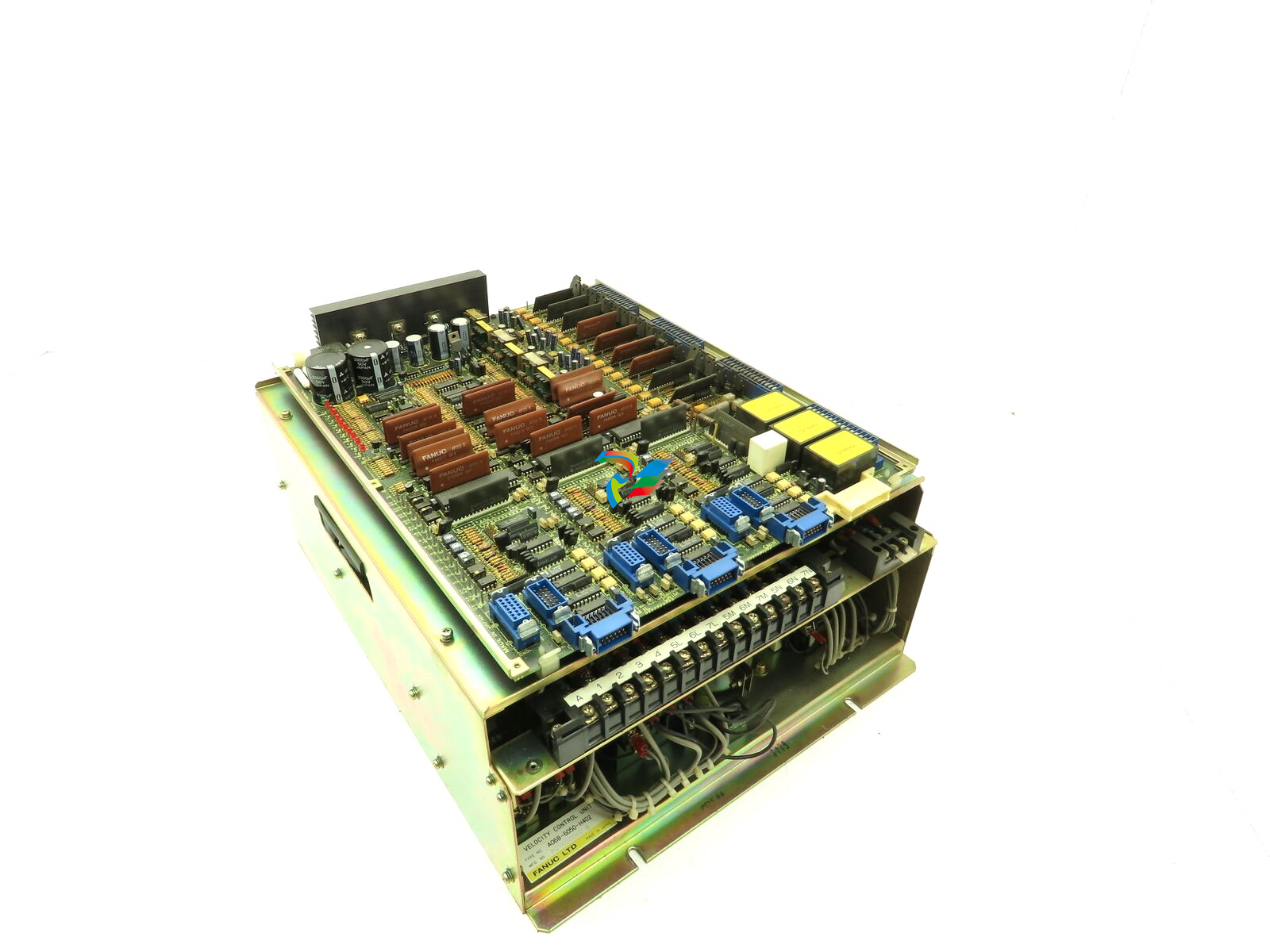 Fanuc A06B-6050-H402 3 AXIS ANALOG AC SERVO DRIVE
 -
.jpg) FOXBORO L0130AD L0130AE-0H Power module group
FOXBORO L0130AD L0130AE-0H Power module group -
_lVjBYb.jpg) FOXBORO 0399085B 0303440C+0303458A Combination Control Module
FOXBORO 0399085B 0303440C+0303458A Combination Control Module -
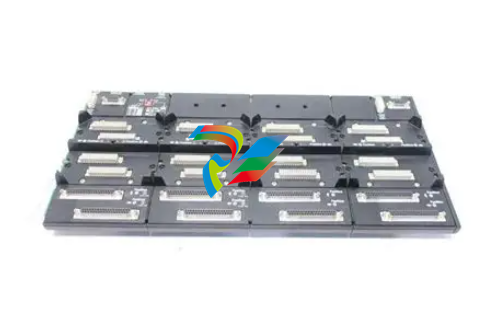 FOXBORO SY-0399095E (SY-0303451D+SY-0303460E) Process control board
 -
.jpg) FOXBORO 0399071D 0303440C+0303443B Input/Output (I/O) Module
FOXBORO 0399071D 0303440C+0303443B Input/Output (I/O) Module -
.jpg) FOXBORO RH924UQ Redundant Controller module
FOXBORO RH924UQ Redundant Controller module -
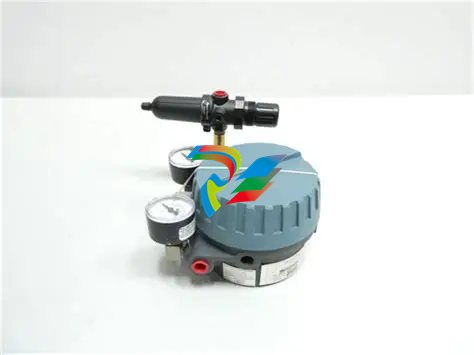 FFOXBORO E69F-TI2-S current pneumatic converter
 -
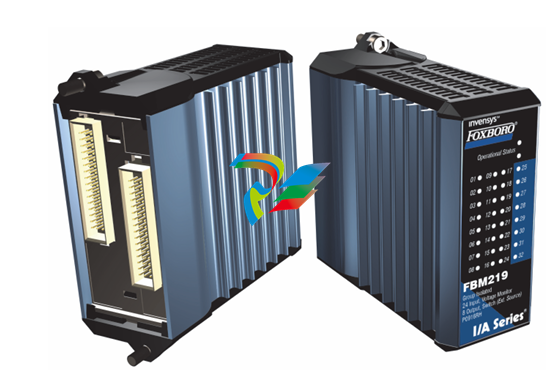 FOXBORO FBM219 RH916RH Discrete I/O Module
 -
 FOXBORO FBM227 P0927AC Module
 -
.jpg) FOXBORO 0399144 SY-0301059F SY-1025115C/SY-1025120E I/O module
FOXBORO 0399144 SY-0301059F SY-1025115C/SY-1025120E I/O module -
.jpg) FOXBORO SY-60399001R SY-60301001RB Industrial Control Module
FOXBORO SY-60399001R SY-60301001RB Industrial Control Module -
 FOXBORO 0399143 SY-0301060R SY-1025115C SY-1025120E Combined control board
 -
 FOXBORO 873EC-JIPFGZ electrodeless conductivity analyzer
 -
 FOXBORO P0916PH (High-density HART I/O Module)
 -
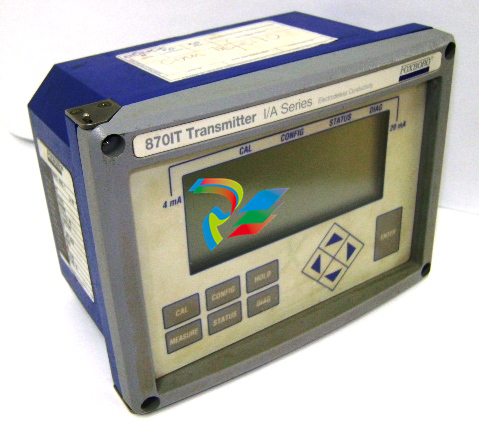 FOXBORO 870ITEC-AYFNZ-7 Intelligent Electrochemical Transmitters
 -
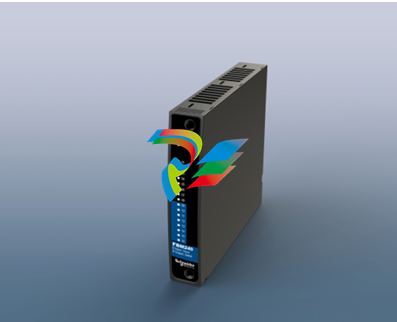 FOXBORO Compact FBM240. Redundant with Readback, Discrete
 -
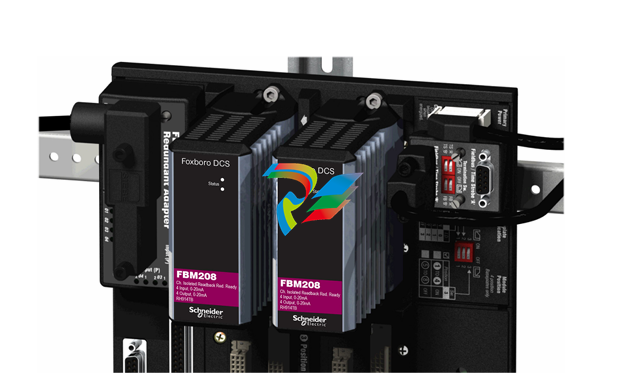 FOXBORO FBM208/b, Redundant with Readback, 0 to 20 mA I/O Module
 -
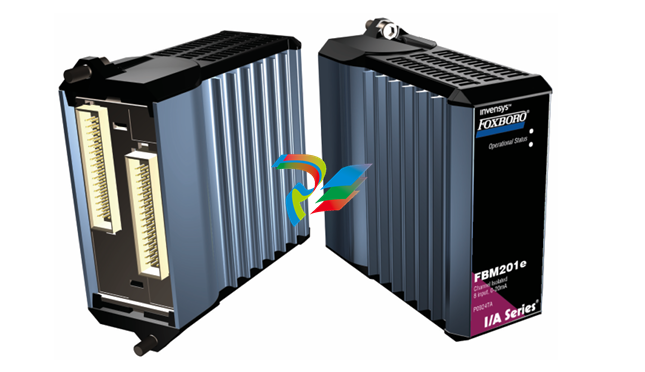 FOXBORO FBM201e Analog Input (0 to 20 mA) Interface Modules
 -
.jpg) FOXBORO P0916WG Terminal cable
FOXBORO P0916WG Terminal cable -
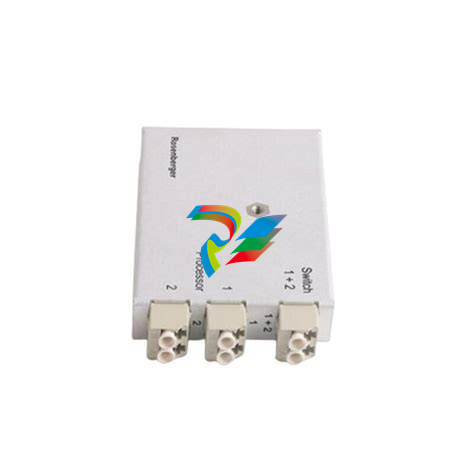 FOXBORO P0926MX 2-Port Splitter
 -
.jpg) FOXBORO AD908JQ High-Frequency Module
FOXBORO AD908JQ High-Frequency Module -
.jpg) FOXBORO AD916CC Processor module
FOXBORO AD916CC Processor module -
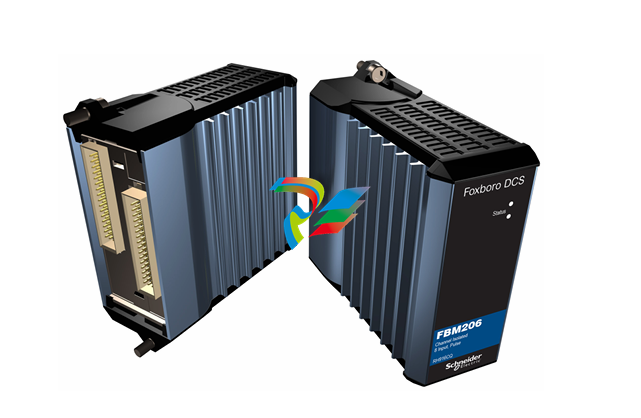 Foxboro DCS FBM206 Pulse Input Module
 -
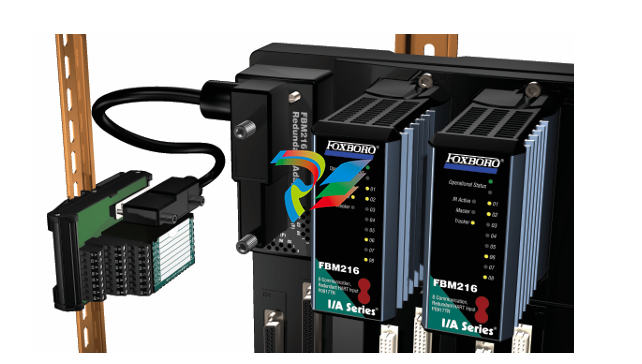 FOXBORO FBM216 HART® Communication Redundant Input Interface Module
 -
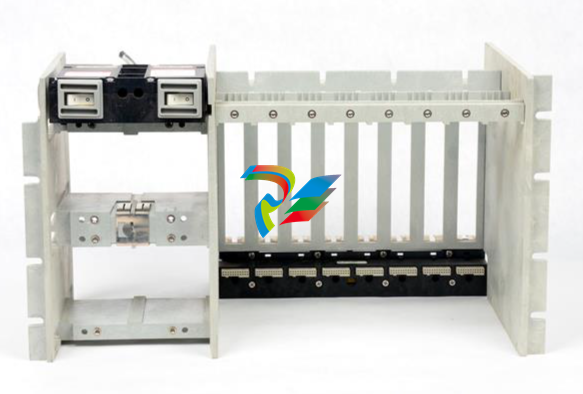 Foxboro p0903nu 1×8 unit sub-component module
 -
 Foxboro P0911SM Industrial control module
 -
 Foxboro CM902WM I/O module
 -
 Foxboro CM902WL Power module
 -
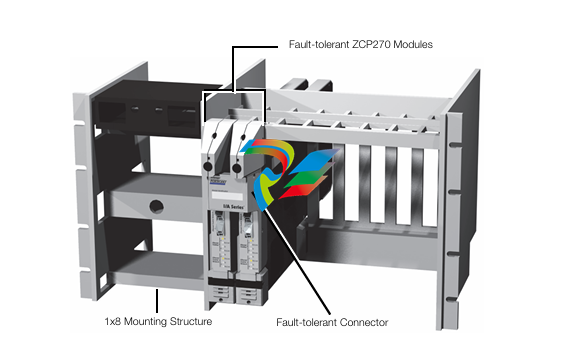 Foxboro P0972VA Industrial Control Module
 -
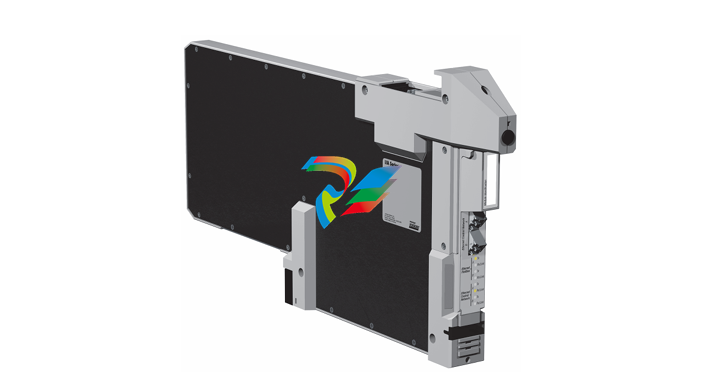 Foxboro Z-Module Control Processor 270 (ZCP270)
 -
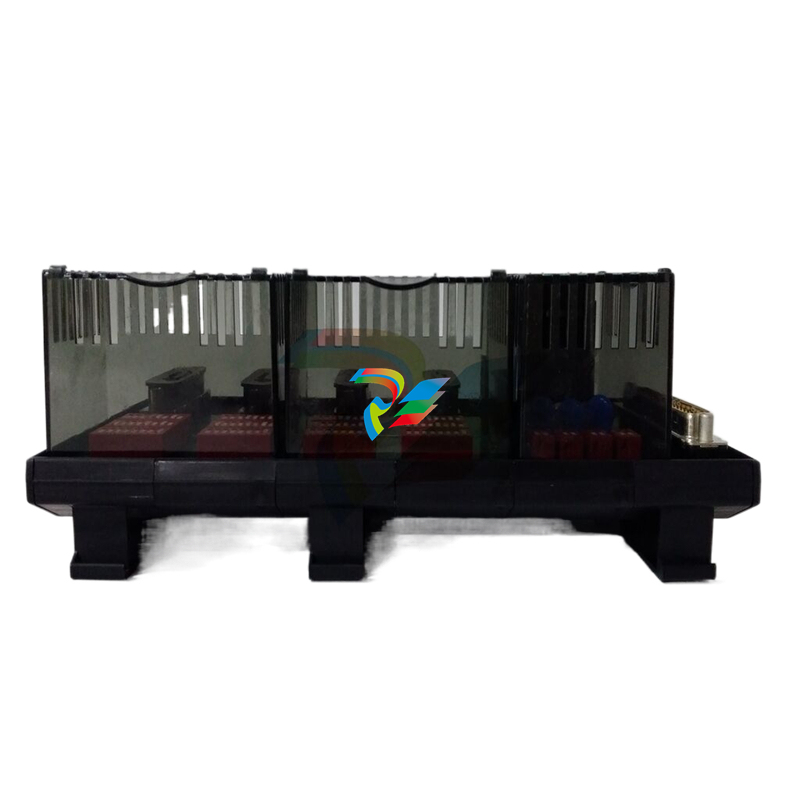 Foxboro PO916JS 16-channel terminal block module
 -
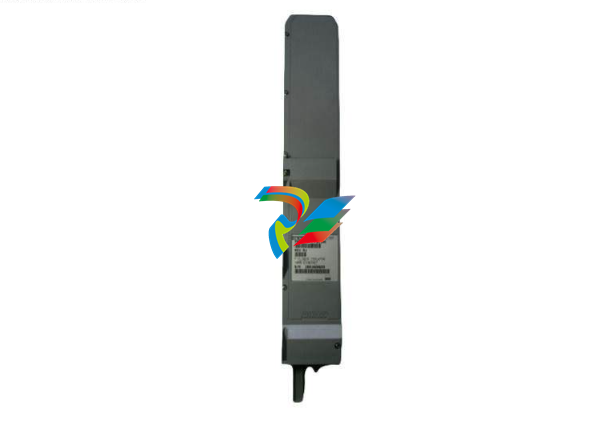 Foxboro PO911SM High-performance digital/analog input/output module
 -
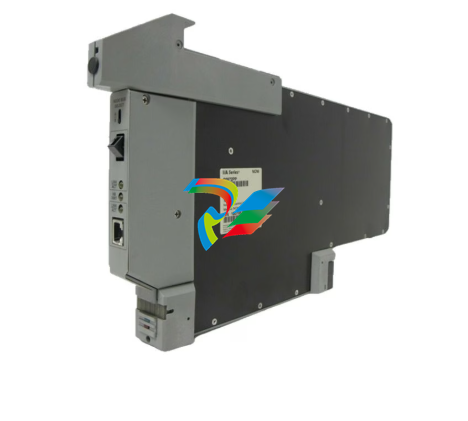 Foxboro P0972PP-NCNI Network Interface Module
 -
.jpg) FOXBORO P0971QZ controller module
FOXBORO P0971QZ controller module -
 FOXBORO P0971DP Thermal resistance input/output module
 -
 FOXBORO P0970VB Cable connector
 -
 FOXBORO P0970EJ-DNBX Dual-node bus expansion module
 -
 FOXBORO P0970BP Redundant power supply system
 -
.jpg) FOXBORO P0970BC-DNBI DeviceNet bus interface module
FOXBORO P0970BC-DNBI DeviceNet bus interface module -
.jpg) FOXBORO P0961FX-CP60S Main control CPU module
FOXBORO P0961FX-CP60S Main control CPU module -
.jpg) FOXBORO P0961EF-CP30B Network Interface Unit
FOXBORO P0961EF-CP30B Network Interface Unit -
.jpg) FOXBORO P0961CA Optical fiber local area network module
FOXBORO P0961CA Optical fiber local area network module -
.jpg) FOXBORO P0961BD-GW30B gateway processor module
FOXBORO P0961BD-GW30B gateway processor module -
.jpg) FOXBORO P0961BC-CP40B/I/A Series high-performance control processor module
FOXBORO P0961BC-CP40B/I/A Series high-performance control processor module -
FOXBORO P0960JA-CP40 High-performance control processor
-
FOXBORO P0926TM Control module
-
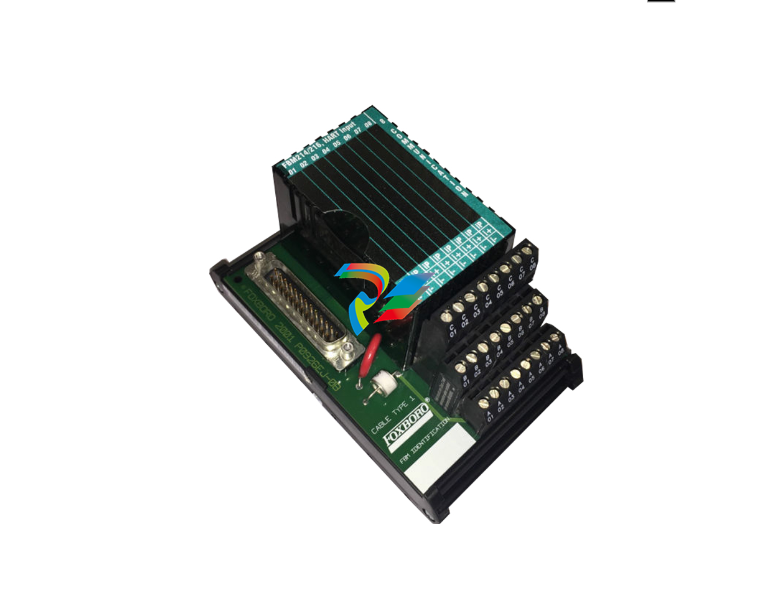 FOXBORO P0916BX Termination Assembly
 -
.jpg) FOXBORO P0916AE P0916AG P0916AW Thermal resistance input type DCS card module
FOXBORO P0916AE P0916AG P0916AW Thermal resistance input type DCS card module -
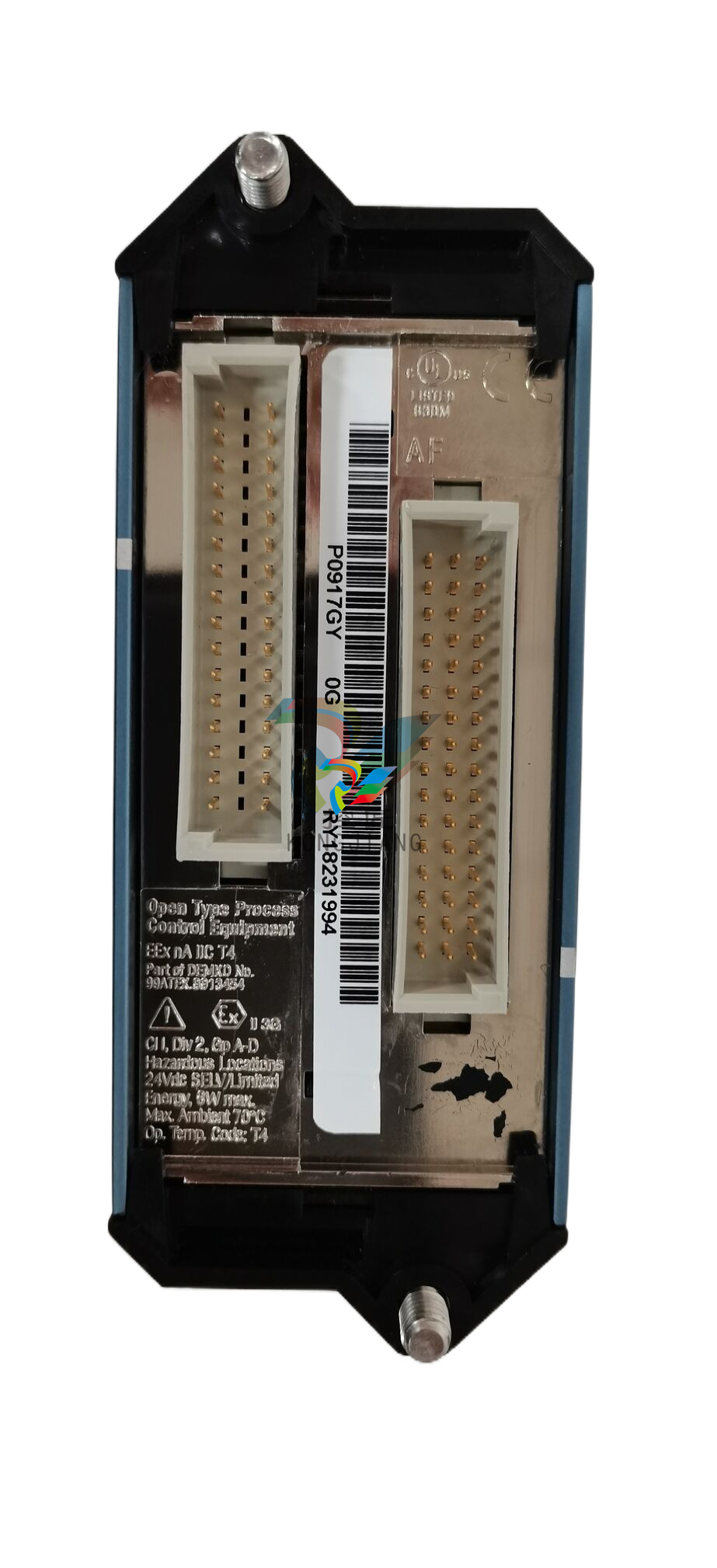 FOXBORO P0916AC FOXBORO distributed control system (DCS) compression terminal assembly
 -
.jpg) FOXBORO P0912CB High-performance interface module
FOXBORO P0912CB High-performance interface module -
.jpg) FOXBORO P0911VJ Thermal resistance input output module
FOXBORO P0911VJ Thermal resistance input output module -
.jpg) FOXBORO P0911QH-A High-precision module
FOXBORO P0911QH-A High-precision module -
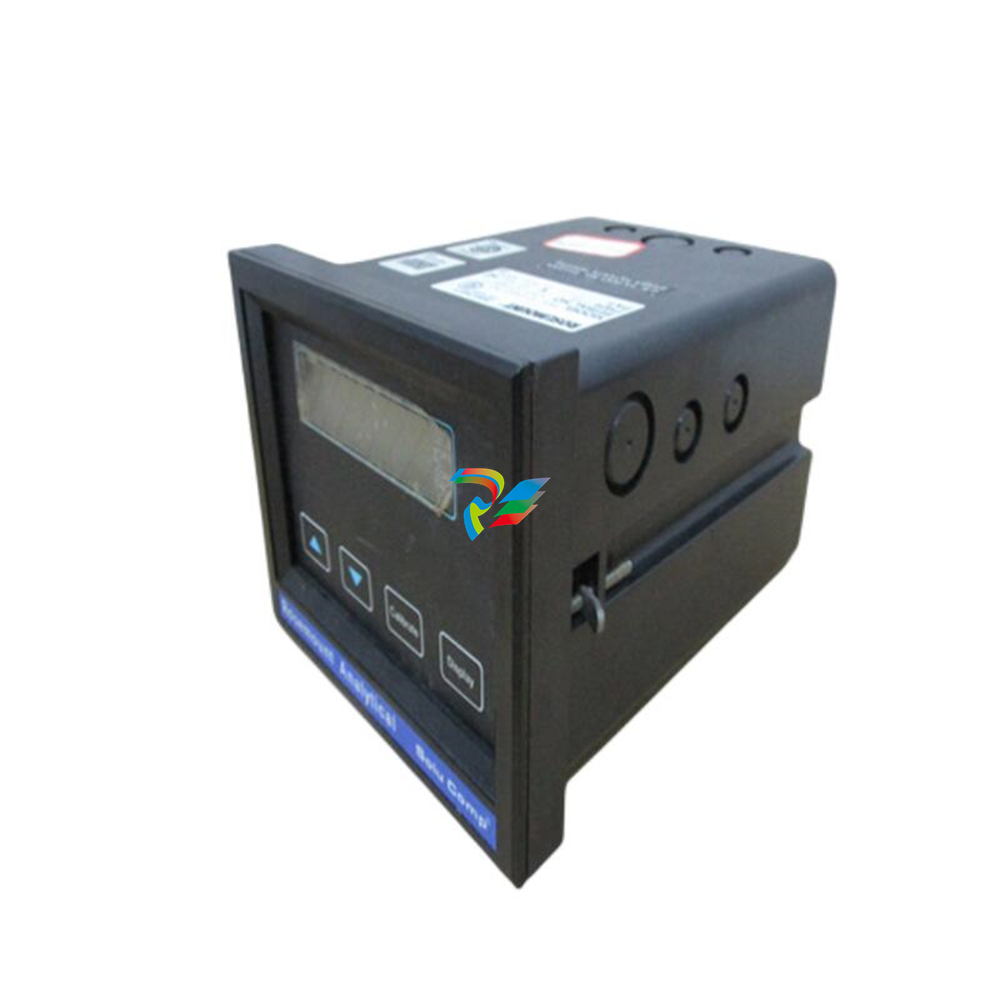 FOXBORO P0911QB-C P0911QC-C Thermal resistance input/output module
 -
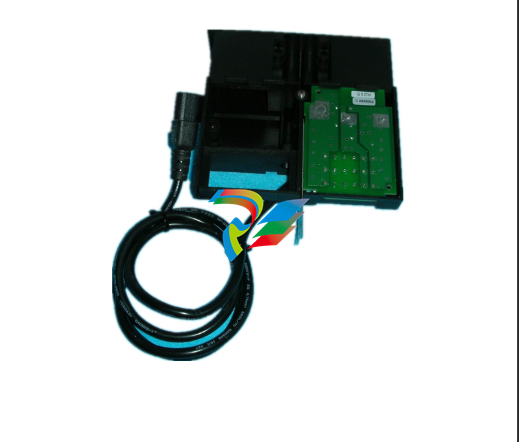 FOXBORO P0904BH P0904FH P0904HB Distributed Control system (DCS) module
 -
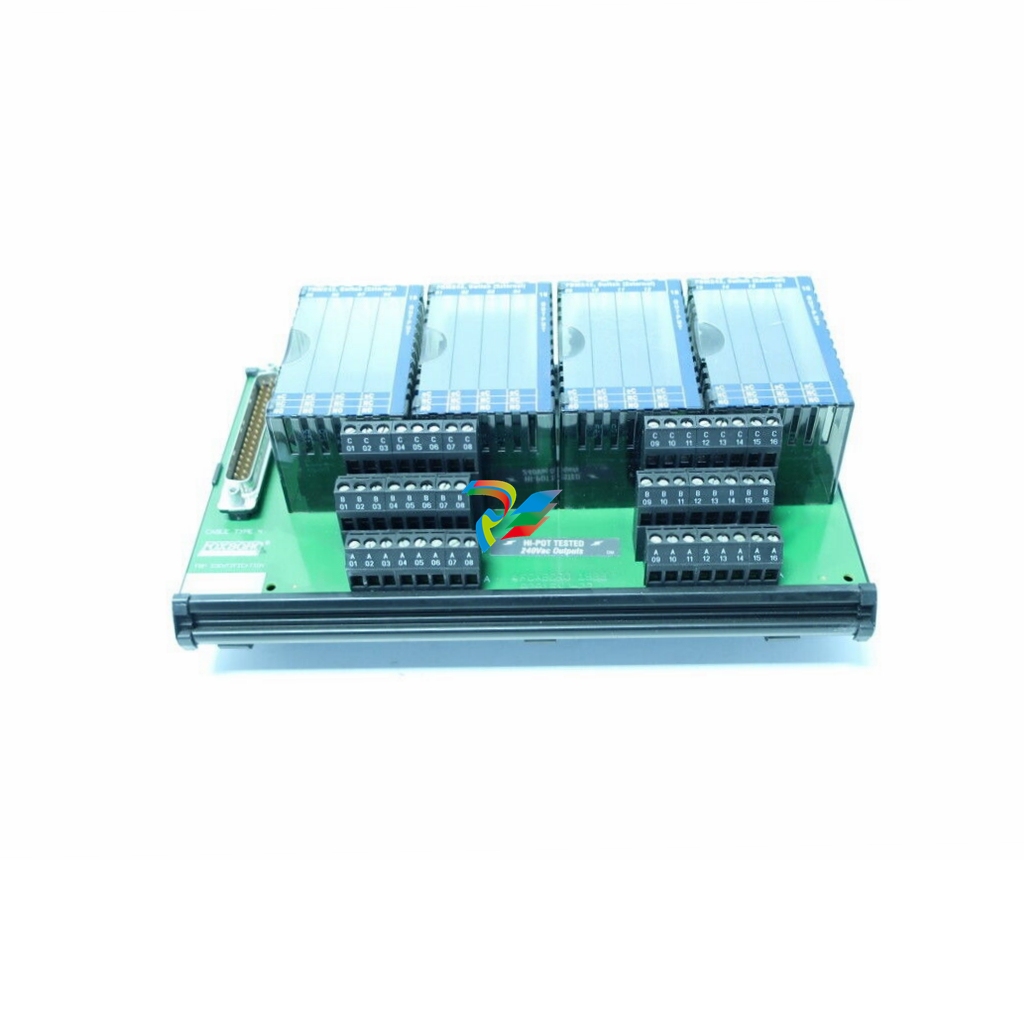 FOXBORO P0903ZP P0903ZQ Embedded System Debugging Module
 -
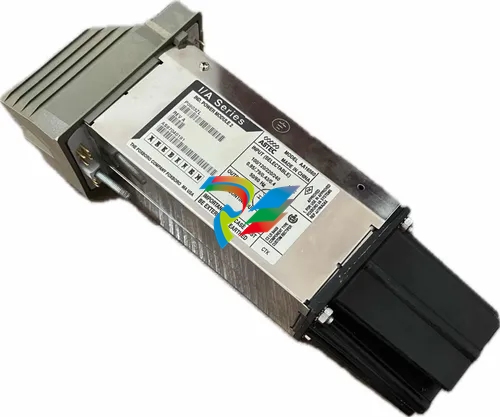 Foxboro P0903ZL P0903ZN Industrial power module
 -
 Foxboro P0903ZE I/A Series Fieldbus Isolator Module
 -
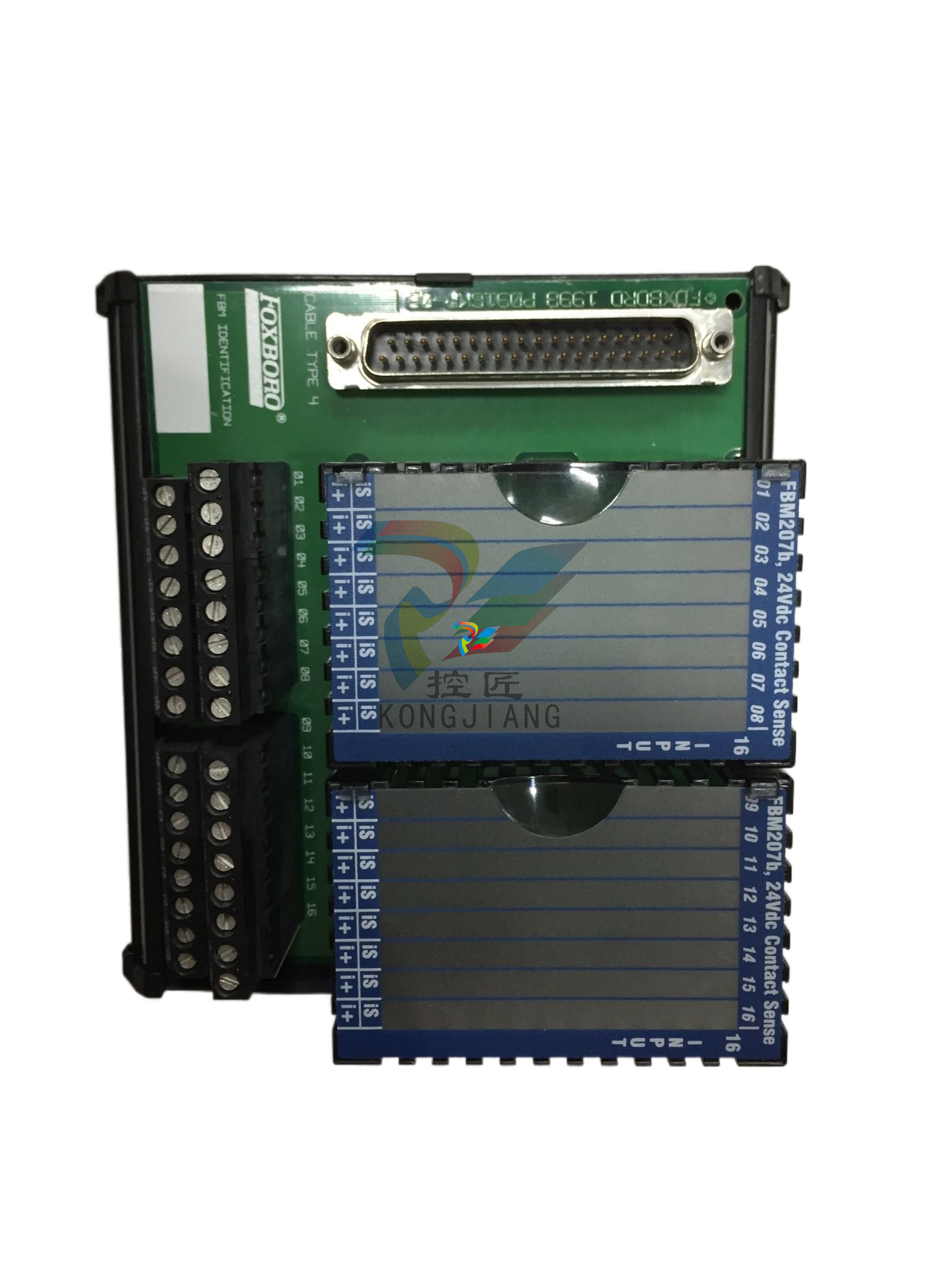 FOXBORO P0903NW Industrial Control Module