Vibro-Meter I/O interface card IOC4 Mk2 600-043
I/O interface card IOC4 Mk2 600-043
DESCRIPTION (continued)
default and condition monitoring functionality is
optional. For VM600Mk2 AMC10Mk2 + IOC10Mk2
modules, both machinery protection and condition
monitoring functionality are available by default. It is
important to note that condition monitoring
functionality also depends on the purchased
VibroSight ® software license.
The RLC16Mk2 relay modules (standard and SIL
versions) are optional modules used to provide
additional relays when the four user-configurable
relays per MPC4Mk2 + IOC4Mk2 module and/or the
two user-configurable relays per
AMC10Mk2 + IOC10Mk2 module are not sufficient for
an application.
The CPUMMk2 + IOCNMk2 rack controller and
communications interface module is an optional
module used to provide additional VM600Mk2 system
functionality such as fieldbus communications;
module data aggregation, processing and sharing;
rack and/or fieldbus communications redundancy;
front-panel alarm reset (AR); MPS rack (CPUx)
security; system event and measurement event
logging.
VM600Mk2 rack-based monitoring systems
complement the VibroSmart ® distributed monitoring
systems that are also available from Parker Meggitt’s
vibro-meter ® product line, and are compatible with
the same VibroSight ® machinery monitoring
software suite.
| Foxboro | FBM216B RH924JH |
| Foxboro | FBM216B RH924DE |
| Foxboro | FBM216B RH924DT |
| triconex | 3720 |
| Pioneer Magnetics | PM3328B-6-1-3-E |
| VESTAS | CT360 51036002 |
| WATLOW | DC21-60F0-0000 |
| ABB | MN:R911378928VRC01-15 AB |
| GE | 04220FL11232A |
| MOOG | G122-829A001 |
| ABB | REF545KB133AAAA |
| Baslar | DECS-250-CN1SN1N |
| ABB | REF620 NBFNAANNNEA1BNN1XF |
| ABB | 1TGE120021R0810 |
| Brad | DRL-DPM-BKF |
| GE | IS200WROBH1A |
| WOODWARD | PEAK200 8200-1509 |
| ALSTOM | EP3-F-4 |
| Woodward | 8290-191 |
| Benninger | FU10125A60 |
| ABB | UNS4881b,V.4 3BHE009949R0004 |
MPC4Mk2 + IOC4Mk2 modules and
VM600Mk2 racks
MPC4Mk2 + IOC4Mk2 machinery protection and
condition monitoring modules are used as part of a
VM600Mk2 rack-based monitoring system.
A MPC4Mk2 module is always used with an
associated IOC4Mk2 module as a pair/set of modules
and can be used in a VM600Mk2 system rack
(ABE04x) or a slimline rack (ABE056).
Both the MPC4Mk2 and the IOC4Mk2 are single-width
modules that occupy a single VM600Mk2 rack slot
(module position). The MPC4Mk2 is installed in the
front of a VM600Mk2 rack and the associated
IOC4Mk2 is installed in the rear of the rack, in the slot
directly behind the MPC4Mk2. Each module connects
directly to the rack’s backplane using two
connectors.
Note: The MPC4Mk2 + IOC4Mk2 modules are
compatible with all VM600Mk2 racks (ABE04x system
racks and ABE056 slimline racks) and later VM600
racks.
System communications
In a VM600Mk2 system (that is, one or more
MPC4Mk2 + IOC4Mk2 modules,
AMC10Mk2 + IOC10Mk2 modules, any associated
RLC16Mk2 modules, and a optional
CPUMMk2 + IOCNMk2 module), the main
communications interface is via Ethernet LAN
connectors on the front panels of the modules
(MPC4Mk2 or IOC4Mk2. AMC10Mk2 or IOC10Mk2. and
IOCNMk2), which are used for communication with
the VibroSight ® software running on an external
computer.
In a VM600Mk2 rack (ABE4x), the VME bus can be
used to share information between modules in the
rack. For example, a MPC4Mk2 or AMC10Mk2 module
can provide information such as measurement, alarm
and/or status data to a CPUMMk2 + IOCNMk2 module
which can then share the information via one of its
industry standard fieldbuses.
In a VM600Mk2 system, RLC16Mk2 modules are
controlled and operated by a associated MPC4Mk2 or
AMC10Mk2 module, as determined by the system’s
configuration. The VM600Mk2 rack’s Open collector
(OC) bus and Raw bus are used to exchange control
and status information between the MPC4Mk2 or
AMC10Mk2 and RLC16Mk2 modules, as required.
Relays
The MPC4Mk2 + IOC4Mk2 module includes five relays.
The four user-configurable relays (RL1 to RL4) can be
used by a VM600Mk2 system to remotely indicate
system alarm and/or status information. While, a
status (common circuit-fault relay (FAULT)) is used to
indicate a problem with the MPC4Mk2 + IOC4Mk2
module, as detected by the module’s internal
diagnostics (BIST).
In general, VM600Mk2 system relays can be
configured as normally energized (NE) or normally
de-energized (NDE), and latched or not latched, as
required by an application.
Most relays in a VM600Mk2 system are driven by
control circuitry that supports a VM600Mk2 system
safety-line, that is, a system-wide control signal that
| User name | Member Level | Quantity | Specification | Purchase Date |
|---|



-
 SAUTER AXT 201. 211: Thermal actuator for unit valves with stroke
 -
 SAUTER AXS 215S: Continuous actuator for unit valves, with stroke
 -
 SAUTER AXM 217S: Motorised actuator for unit valves with positioner
 -
 SAUTER AVM 321S, 322S: Valve actuator
 -
 SAUTER AVM234S: SUT valve actuator with positioner
 -
 SAUTER AVM 105. 115: Valve actuator
 -
SAUTER AVF 234S: SUT valve actuator with spring return
-
 SAUTER AVF124: Actuator with spring return
 -
 SAUTER AKM115SAF332: Smart Actuator for ball valve, BACnet/IP
 -
 SAUTER AKM115SA: Smart Actuator for ball valve
 -
 AKM 105S, 115S: Rotary actuator with SAUTER Universal
 -
SAUTER AKM 105. 115: Rotary actuator for ball valve
-
SAUTER AVM 234S: SUT valve actuator with positioner
-
 SELSEL-T401L Ultra-High-Speed Line Relay
 -
 SEL SEL-T400L Time-Domain Line Protection
 -
 SEL SEL-2664S Stator Ground Protection Relay
 -
 SEL SEL-787-2/-3/-4 Transformer Protection Relay
 -
 SEL SEL-787 Transformer Protection Relay
 -
 SEL SEL-751 Feeder Protection Relay
 -
 SEL SEL-700G Generator Protection Relay
 -
 SEL-487E Transformer Protection Relay
 -
 SEL-400G Advanced Generator Protection System
 -
 SEL SEL-387E Current Differential and Voltage Relay
 -
 SEL SEL-387A Current Differential and Overcurrent Relay
 -
 SEL SEL-387 Current Differential and Overcurrent Relay
 -
 SEL SEL-300G Generator Relay
 -
 SEL SEL-700BT Motor Bus Transfer Relay
 -
 CTI 2500 Series® Slice Ethernet Remote I/O System
 -
 CTI 2500 Series® Compact Programmable Automation Control System
 -
 CTI 2500 Series® Classic Programmable Automation Control System
 -
 CTI 2500 Series® Bases
 -
 SHINKAWA VM-25 Condition Monitoring System UPDATED
 -
 SHINKAWA VM-5 SERIES OPTIONS
 -
 ABB SACO 64D4 Annunciator unit
 -
 ABB SPAU 140 C Synchro-check relay
 -
 EATON Instructions for the FP-5000
 -
 HONEYWELL TDC 3000X Advanced Process Manager
 -
 HONEYWELL ENHANCED MICRO TDC 3000
 -
 VIBRO-METER VM600Mk2/ VM600 RPS6U rack power supplies
 -
 VIBRO-METER VM600Mk2/ VM600 ABE056 slimline rack
 -
 VIBRO-METER VM600Mk2 RLC16Mk2 relay modules
 -
 VIBRO-METER VM600Mk2 MPC4Mk2 + IOC4Mk2 machinery protection and condition monitoring modules
 -
 VIBRO-METER VM600Mk2 CPUMMk2 + IOCNMk2 rack controller and communications interface module
 -
 VIBRO-METER VM600Mk2 CPUMMk2 + IOCNMk2 rack controller and communications interface module
 -
 ADLINK PCI/PCIe-7300A, cPCI-7300 32-CH 80 MB/s High-Speed Digital I/O Cards
 -
 ADLINK cPCI-7248/7249R 48-CH DIO & Timer/Counter Cards
 -
 ADLINK PCI-7230/7233/7234. LPCI/LPCIe/cPCI-7230 32-CH Isolated DIO Cards
 -
 ADLINK cPCI-6965 Series Value 6U CompactPCI® Intel® Core™2 Duo
 -
 ADLINK cPCI-6910 Series 6U CompactPCI® Dual-Core Intel® Xeon® Processor LV / ULV Universal Blade
 -
 ADLINK CPCI-6670 6U CompactPCI Low Power Pentium® III SBC
 -
 ADLINK cPCI-6625/6 Series 6U CompactPCI® PlusIO blade with Intel® Core™ i7/i3 Processor
 -
 ADLINK 3U CompactPCI CPU Modules
 -
 ADLINK CM-435 Extreme Rugged™ PC/104 Single Board Computer
 -
 ADLINK PCI-8254/8258 DSP-based 4/8-axis Advanced Motion Controllers
 -
 ADLINK NuPRO-E43 PICMG® 1.3 Full-Size LGA1151 with 6th/7th Generation Intel® Core™ i7/i5/i3
 -
 ADLINK DLAP-211-JNX/DLAP-211-JT2/ DLAP-211-Nano
 -
 Hirschmann RS30-1602O6O6SDAE compact OpenRail managed Ethernet switches
 -
Hirschmann RS30-0802O6O6SDAE Ethernet switch
-
 Hirschmann RS20-1600T1T1SDAE Management-type Ethernet switch
 -
 Hirschmann OCTOPUS 24M Limited Availability/Passive
 -
 Hirschmann MSP30-24040SCZ9MRHHE3A
 -
 Hirschmann MAR1040-4C4C4C4C9999SMMHRHHXX.X. Gigabit Ethernet Switch configurator
 -
 Hirschmann Industrial Ethernet Rail Switch SPIDER II, SPIDER II Giga, SPIDER II PoE
 -
 Hirschmann Industrial Ethernet Firewall EAGLE One
 -
 Hirschmann Industrial Security Router EAGLE20/30
 -
 Hirschmann Description and operating instructions RS2-xTX/xFX EEC
 -
 Basler Electric DECS-200 Digital Excitation Control System
 -
 Basler Electric GENERATOR PROTECTION SYSTEM BE1-GPS100
 -
 Jaquet FT3000 Speed measurement system
 -
 Hirschmann Industrial Ethernet Ruggedized Switch MACH1000 Family
 -
 Basler Electric BESTCOMSPlus®
 -
 ETEL AccurET MODULAR 300 EA-P2M-300-xxxxxA controller
 -
 Basler Electric ES Series Protection Relays
 -
 ABB Multifunction Protection and Switchbay Control Unit REF542plus
 -
 EMERSON AMS 2140 Machinery Health Analyzer
 -
 Hirschmann Industrial Ethernet Rail Switch RS20 Basic Family
 -
 GE Grid Solutions P40U Px40 USB Adaptor
 -
 ABB ontinuous Gas Analyzers AO2000 Series AO2040CU Ex Central Unit in Category 2G
 -
 ABB Advance Optima AO2000 Series Continuous gas analyzers Models AO2020. AO2040
 -
 Advance Optima Module Uras 14
 -
 SAACKE control optimization
 -
 SAACKE se@vis efficiency monitor
 -
 SAACKE se@vis pro
 -
 SAACKE se@vis eco
 -
 SAACKE se@vis compact
 -
 HIRSCHMANN Industrial ETHERNET Switch MICE MS20/MS30
 -
 HIRSCHMANN MICE Media modules
 -
 Kongsberg GL-10 Level Switch
 -
 B&R ACOPOSinverter P74 frequency converter
 -
 Beckhoff CX2020 | Basic CPU module (service phase)
 -
 Beckhoff CX1010 | Basic CPU module (service phase)
 -
 Beckhoff CX5120 | Embedded PC with Intel Atom® E3815
 -
 Beckhoff CP69xx-xxxx-0010 | Economy built-in Control Panel with DVI/USB Extended interface
 -
 Beckhoff CP29xx-0000 | Multi-touch built-in Control Panel with DVI/USB Extended interface
 -
 SAACKE Monoblock Rotary Cup Burner SKVJ-M
 -
 ABB Plantguard Fault Tolerant Technology Architecture and Software
 -
 OMRON H8PR-8/H8PR-8P H8PR-16/H8PR-16P H8PR-24/H8PR-24P Rotary Positioner
 -
 ABB PFSA107-Z42 DTU Stressometer Digital Transmission Unit
 -
 Nidec Mentor MP
 -
 IBA ibaNet-E
 -
 IBA FO Connection to Reflective Memory
 -
 IBA FO Connection to Siemens Systems
 -
 IBA Interface Cards For Fiber Optic Connections
 -
 IBA Field and Drive Buses
 -
 IBA ibaPADU-S Modular System
 -
 IBA ibaMAQS
 -
 STUCKE SYMAP®ARC
 -
 STUCKE SYMAP®R
 -
 STUCKE SYMAP®Compact
 -
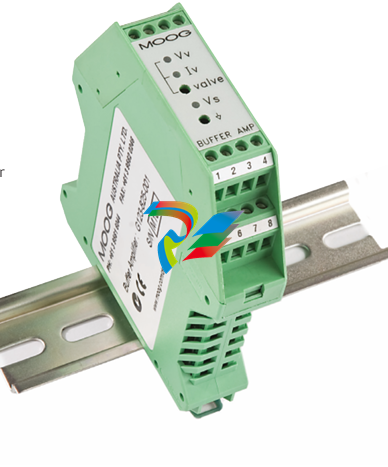 MOOG G123-825-001 BUFFER AMPLIFIER
 -
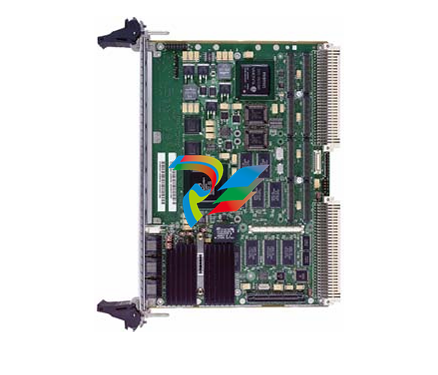 Motorola MVME5100 Series VME Processor Modules
 -
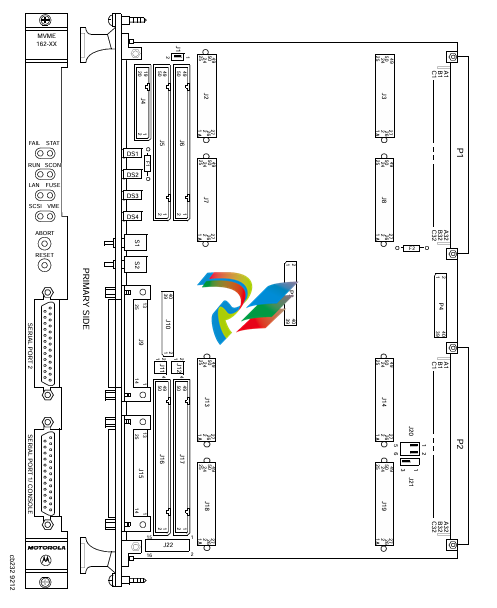 Motorola MVME162 Embedded Controller
 -
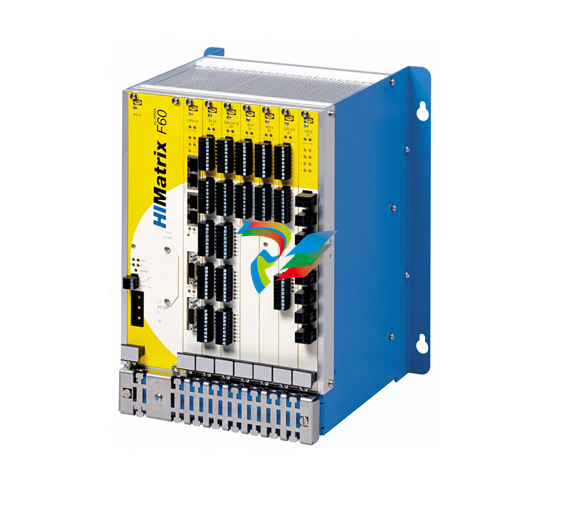 HIMatrix Safety-Related Controller System Manual for the Modular Systems
 -
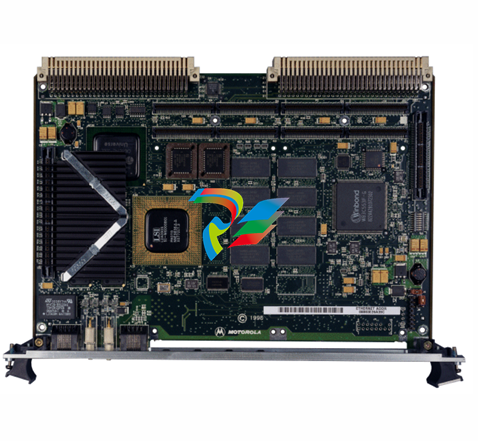 Motorola MVME2400 Series VME Processor Module
 -
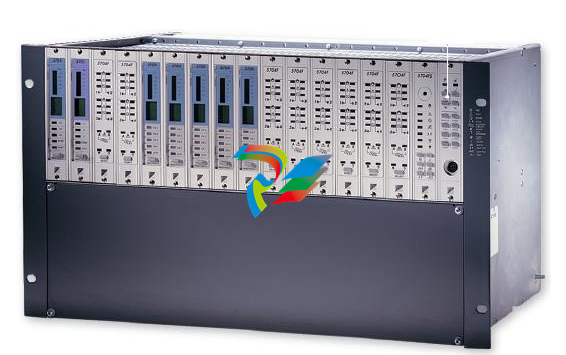 Sieger System 57
 -
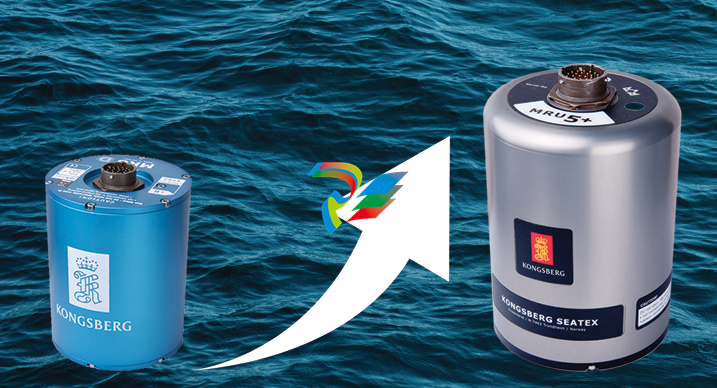 KONGSBERG MRU product line continuation
 -
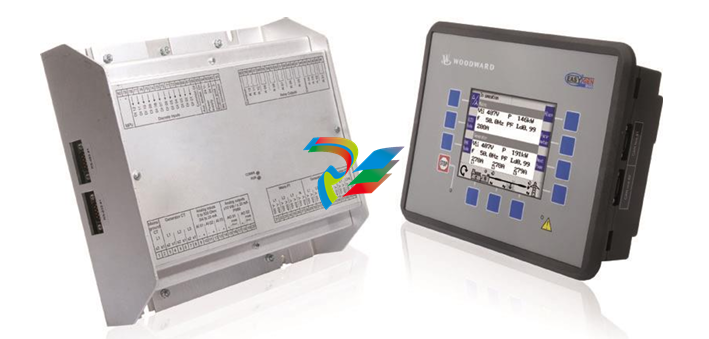 Woodward easYgen-3100/3200 Genset Control for Multiple Unit Operation
 -
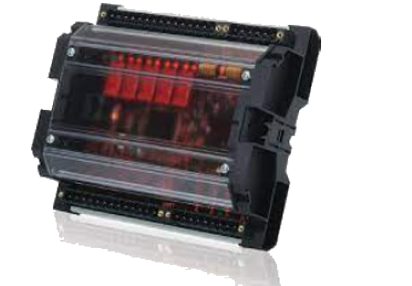 Woodward MFR 300 Multifunction Relay / Measuring
 -
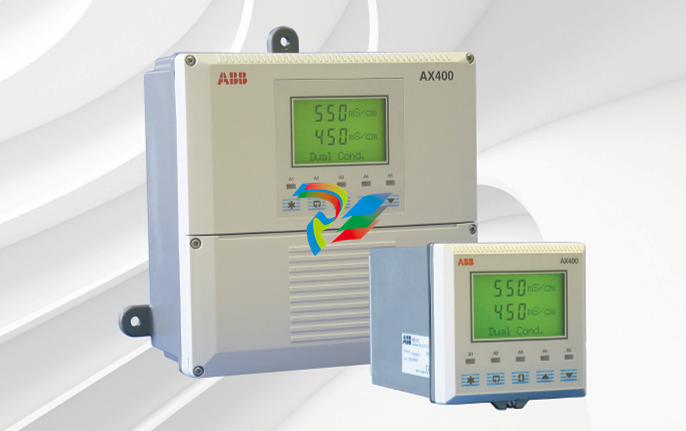 ABB AX410, AX411, AX413, AX416, AX418, AX450, AX455 and AX456 Single and dual input analyzers for low level conductivity
 -
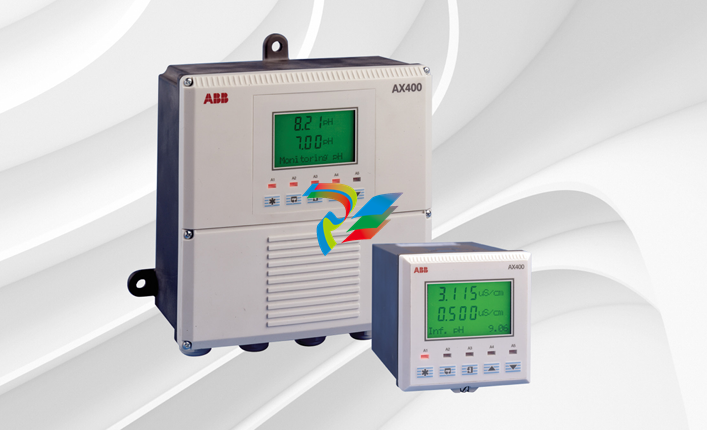 ABB AX410, AX411, AX416, AX450 and AX455 Single and dual input analyzers
 -
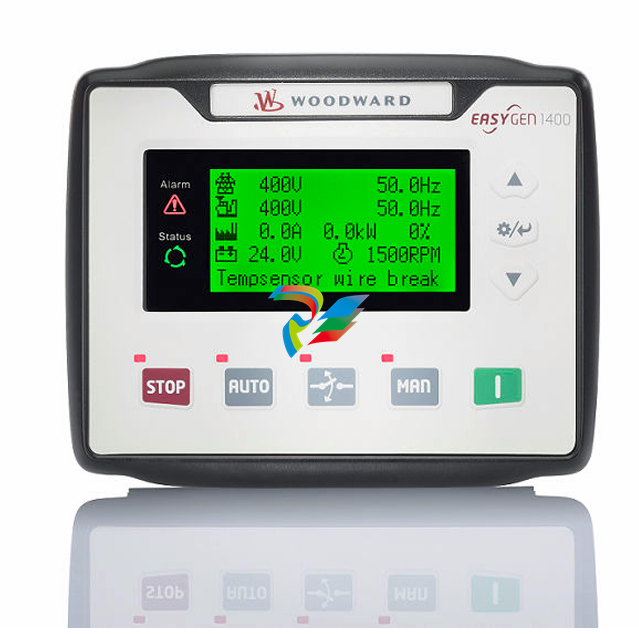 Woodward easYgen-1400 Technical Manual Genset Control
 -
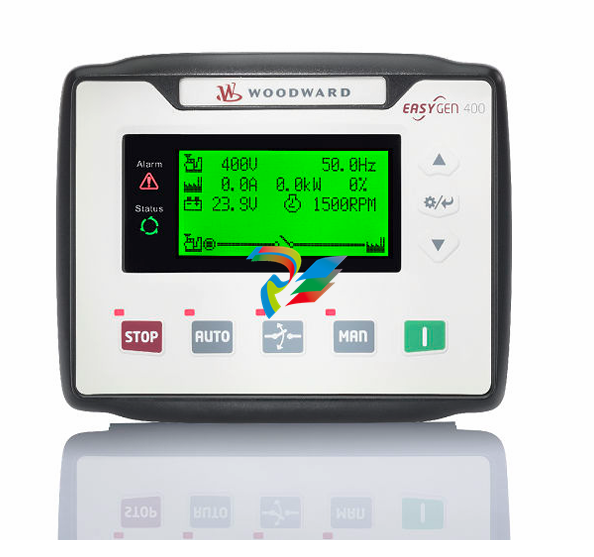 Woodward easYgen-400 Operation Manual Genset Control
 -
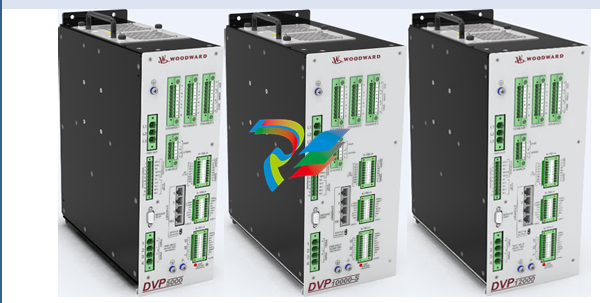 Woodward High Output Digital Valve Positioner (DVP)DVP5000/DVP10000/DVP12000
 -
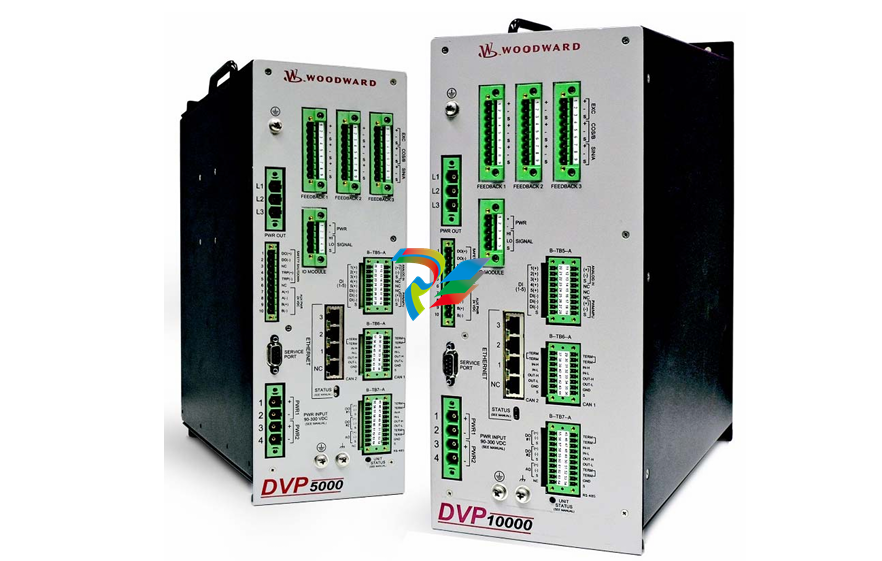 Woodward High Output Digital Valve Positioner DVP5000 and DVP10000
 -
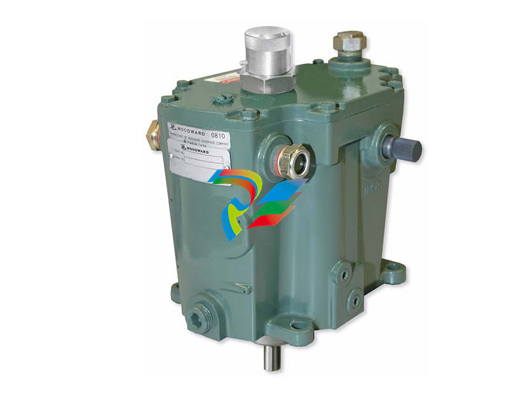 Woodward TG611-13/-17 Overspeed Test Device Conversion Kit
 -
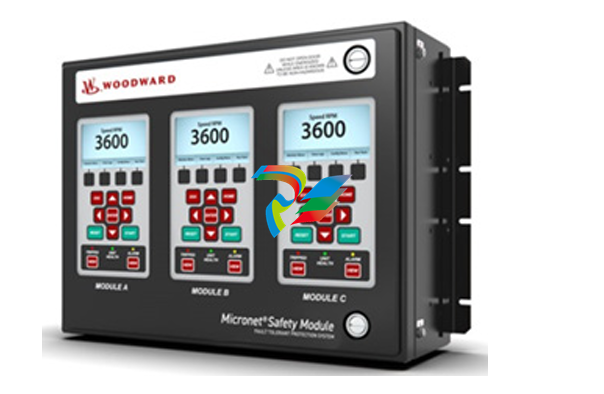 Woodward MicroNet Safety Module (MSM)
 -
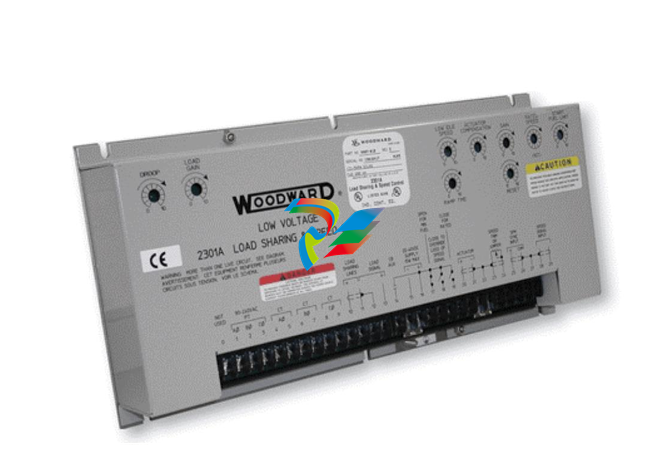 Woodward 2301A Electronic Load Sharing and Speed Control 9905/9907 Series
 -
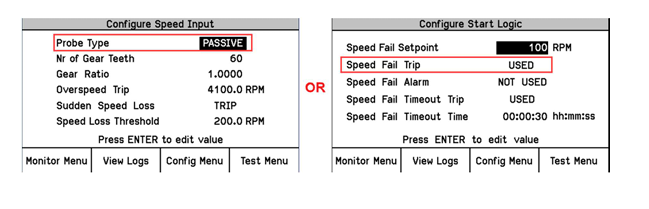 Woodward-Service Bulletin 01671