
DCS; Industrial control system
Product
Article
NameDescriptionContent
NEW CENTER
Current Location:
Frequency Converters: Powering Industries and Beyond
From:
|
Author:huang
|
Time :2024-11-07
|
264 Browse:
|
Share:
Introduce the concept of frequency converters and their basic function in transforming electrical power.
(一)Definition and Principle
A frequency converter, also known as a frequency changer or inverter, is an electrical device that changes the frequency of alternating current (AC). It mainly consists of rectifier (AC to DC converter), filter, re-rectification (DC to AC converter), brake unit, drive unit, detection unit, micro processing unit and so on. The working principle is based on power semiconductor devices and controllers. The rectifier converts the incoming AC power to direct current (DC). The filter smooths the DC output. Then, the re-rectification stage converts the DC back to AC at a different frequency. This allows for precise control of the motor speed. For example, in an induction motor, the speed is proportional to the frequency. By changing the frequency supplied to the motor, the speed can be adjusted.
(二)Classification and Structure
Frequency converters can be classified in several ways. By power type, they can be divided into voltage source inverters and current source inverters. Voltage source inverters have a relatively constant voltage output, while current source inverters have a relatively constant current output. According to output waveform, they can be classified as sine wave inverters and square wave inverters. Sine wave inverters produce a smoother output waveform, which is more suitable for sensitive electrical equipment. Square wave inverters are simpler and less expensive, but the output waveform may cause some interference.
The structure of a frequency converter typically includes an input section for connecting to the power source, a power conversion section with the semiconductor devices and controllers, and an output section for connecting to the motor. Some frequency converters also have additional features such as braking units to control the deceleration of the motor and protection circuits to prevent damage from overvoltage or overcurrent.
二、Applications in Various Fields
(一)In Industrial Automation
In industrial settings, frequency converters play a vital role. They are essential for power regulation, enabling precise control over the speed and torque of motors. This is crucial in applications such as conveyor belts, where the speed needs to be adjusted based on the production flow. By using frequency converters, energy optimization can be achieved as they can match the motor's output to the actual load requirements. This not only reduces energy consumption but also extends the lifespan of the equipment. Additionally, frequency converters contribute to intelligent control in industrial automation. They can be integrated with control systems to monitor and adjust motor operations in real-time, improving overall efficiency and productivity. According to industrial statistics, the use of frequency converters in industrial automation can lead to energy savings of up to 30%.
(二)In Shipbuilding Industry
In the shipbuilding industry, frequency converters have several important roles. They are crucial for meeting the complex environmental needs of ships. Ships operate in harsh conditions, and frequency converters help ensure the stability and reliability of electrical systems. They also promote energy efficiency. By controlling the speed of motors used in various shipboard applications such as pumps and ventilation systems, frequency converters can reduce energy consumption. This is particularly important as fuel costs are a significant expense for ships. Moreover, frequency converters enable digital applications on ships. They can be integrated with ship management systems to provide real-time monitoring and control of electrical equipment. For example, they can detect faults and initiate corrective actions before major problems occur. The shipbuilding industry is rapidly expanding, and frequency converters are playing an increasingly important role in ensuring the performance and efficiency of modern ships.
(三)In Hydropower Facilities
In hydropower facilities, frequency converters have found a new application in variable speed pumped-storage hydroelectric units. These units are important for energy storage and grid stability. Frequency converters allow for precise control of the speed of the reversible pump-turbine, enabling more efficient operation. They can adjust the speed based on the power demand and water flow conditions, maximizing energy generation and storage. This technology also extends the operating range of the turbines and improves their efficiency. For example, in some pumped-storage plants, the use of frequency converters has led to a significant increase in energy output and a reduction in operating costs. Additionally, frequency converters in hydropower facilities contribute to the integration of renewable energy sources into the grid by providing flexible power control.
三、Advantages of Frequency Converters
(一)Energy Saving
Frequency converters play a crucial role in reducing energy consumption and costs across various applications. In industrial settings, they can adjust the motor speed according to the actual load requirements. For instance, when the production demand is low, the frequency converter can slow down the motor, significantly reducing energy usage. According to research, using frequency converters in industrial automation can lead to energy savings of up to 30%. In the shipbuilding industry, by controlling the speed of motors used in pumps and ventilation systems, frequency converters can lower fuel consumption. In hydropower facilities, they enable more efficient operation of reversible pump-turbines, maximizing energy generation and storage while reducing operating costs.
(二)Enhanced Performance
Frequency converters greatly improve system reliability, motor efficiency, and provide better control. By smoothly adjusting the motor speed, they reduce mechanical stress on the motor and associated equipment, increasing their lifespan and reducing maintenance costs. The precise control offered by frequency converters allows for optimal performance in different operating conditions. For example, in industrial conveyor belts, it ensures consistent speed and torque, improving production efficiency. In addition, they can protect the motor from overvoltage and overcurrent, enhancing system reliability.
(三)Environmental Friendliness
Frequency converters have a positive impact on reducing emissions and waste. By reducing energy consumption, they indirectly contribute to a decrease in greenhouse gas emissions. In the shipbuilding industry, for instance, the use of frequency converters can lead to a significant reduction in fuel consumption, thereby reducing carbon emissions. In industrial applications, less energy consumption means less demand for power generation, which can lead to a reduction in emissions from power plants. Moreover, the extended lifespan of equipment due to the use of frequency converters reduces the amount of waste generated from discarded equipment. This makes frequency converters an environmentally friendly choice for various industries.
四、Looking Ahead
Frequency converters have come a long way since their inception and their future looks promising. As technology continues to advance, we can expect several exciting developments in the field of frequency converters.
(一)Technological Advancements
The field of frequency converter technology is constantly evolving. In the future, we can anticipate more advanced semiconductor devices that will offer higher efficiency and greater power handling capabilities. For example, the development of wide bandgap semiconductors like silicon carbide and gallium nitride is likely to revolutionize frequency converter design. These materials have superior electrical properties compared to traditional silicon-based devices, allowing for higher switching frequencies and reduced losses.
Another area of innovation could be in the field of digital control. With the increasing power of microprocessors and digital signal processors, frequency converters will be able to offer more precise and intelligent control. This could include advanced algorithms for motor control, real-time monitoring and diagnostics, and seamless integration with industrial Internet of Things (IoT) platforms.
Moreover, there is potential for the development of new topologies and architectures for frequency converters. For instance, multilevel converters are becoming more popular due to their ability to produce high-quality output waveforms with lower harmonic distortion. Future research may lead to even more efficient and compact multilevel converter designs.
(二)Increased Adoption
As the benefits of frequency converters become more widely known, we can expect to see a growing use of these devices in more industries and applications. In the industrial sector, the demand for energy-efficient solutions and intelligent control systems will drive the adoption of frequency converters. Industries such as manufacturing, mining, and oil and gas will continue to rely on frequency converters to optimize their processes and reduce costs.
In the renewable energy sector, frequency converters will play a crucial role in integrating intermittent sources of power such as wind and solar into the grid. They will be used to control the speed of generators and ensure stable power output. As the world shifts towards a more sustainable energy future, the use of frequency converters in renewable energy applications is expected to grow significantly.
The transportation industry is also likely to see increased adoption of frequency converters. Electric vehicles and hybrid electric vehicles rely on frequency converters to control the speed of the electric motor. As the demand for these vehicles continues to rise, so will the demand for advanced frequency converter technologies.
In conclusion, the future of frequency converters is bright. With technological advancements and increased adoption across various industries, frequency converters will continue to play a vital role in powering our modern world.
-
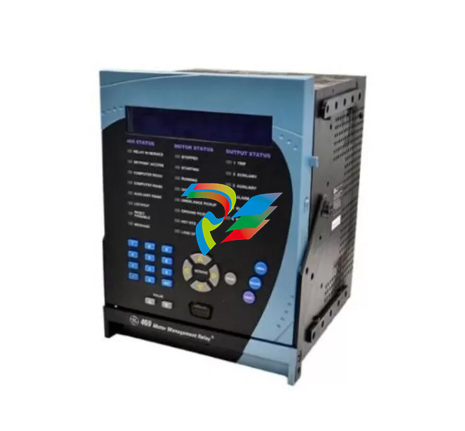 GE SR745-W2-P1-G1-HI-A-L-R-E Feeder protection relay
 -
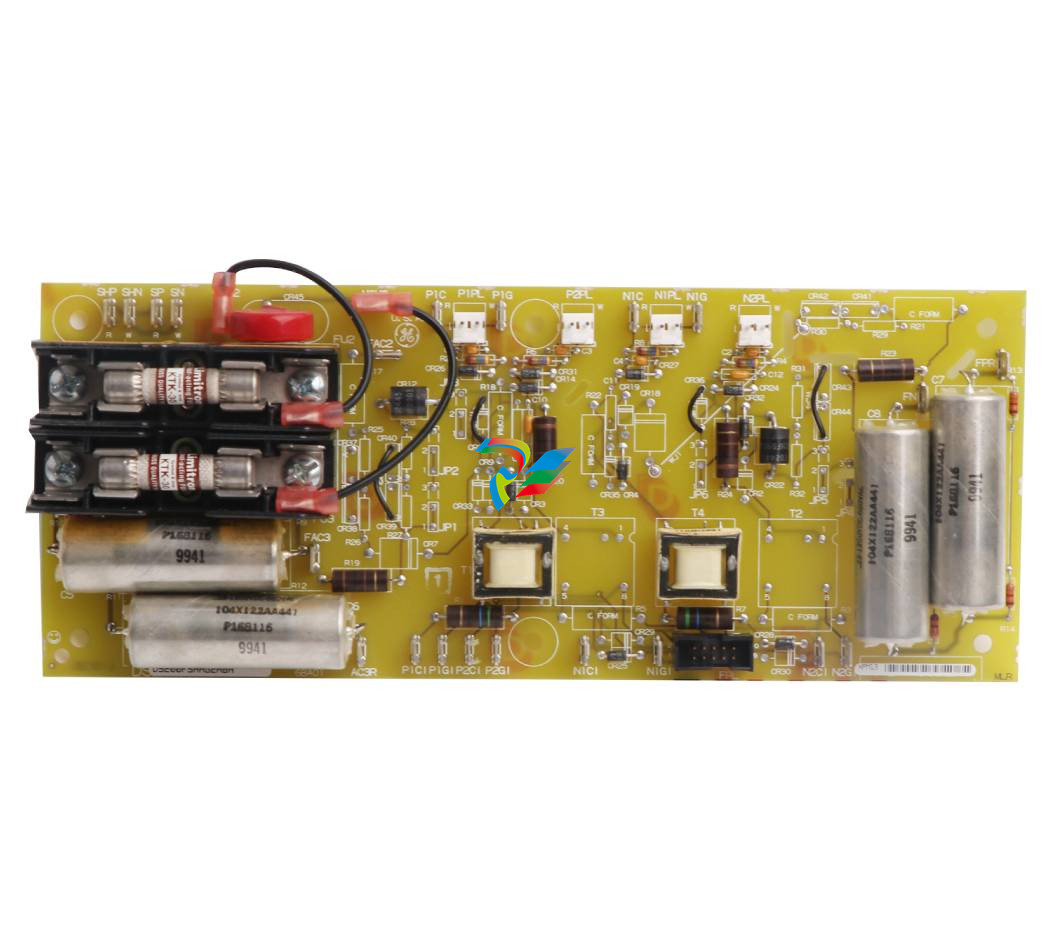 GE IS230TNDSH2A Discrete Output Relay Module Brand
 -
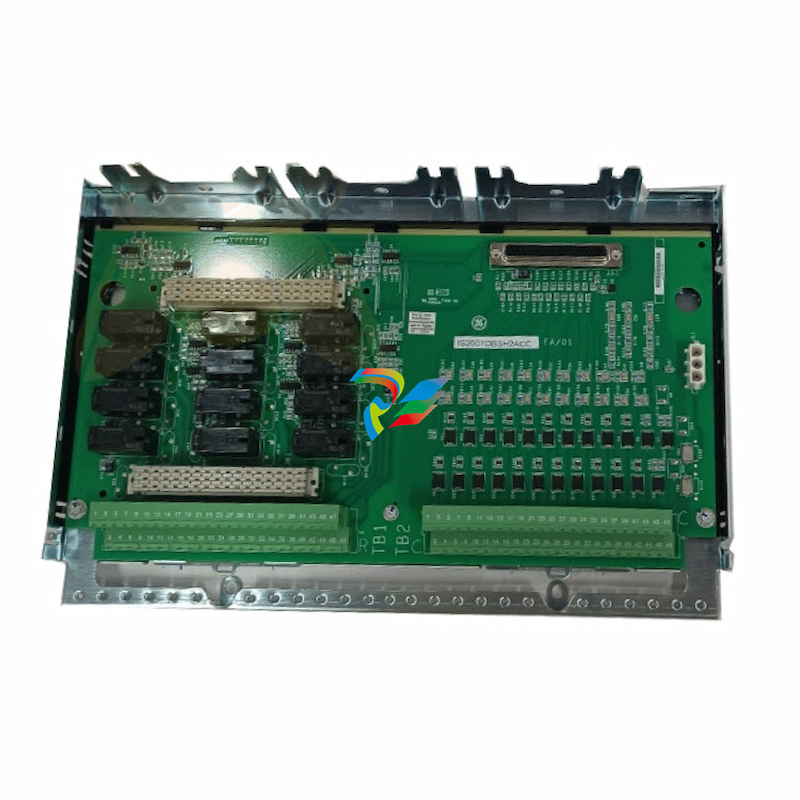 GE Fanuc IS200TDBSH2ACC Mark VI Terminal Board Brand
 -
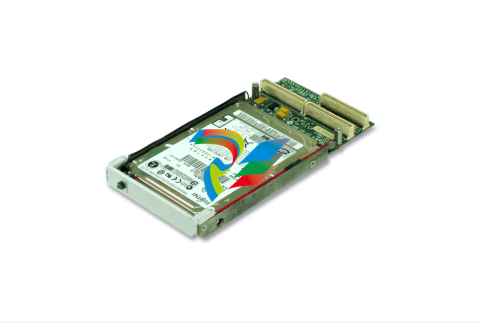 GE PMC-0247RC-282000 350-93750247-282000F Disk Drive
 -
GE PMC-0247RC-282000 350-93750247-282000F Disk Drive
-
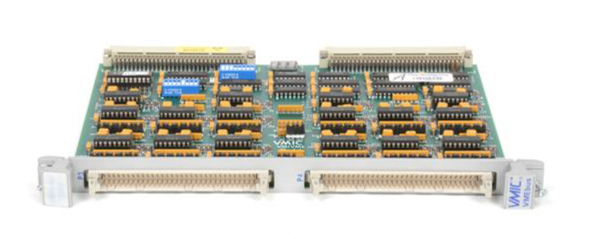 GE VMIVME-1150 Serial Communications Controller
 -
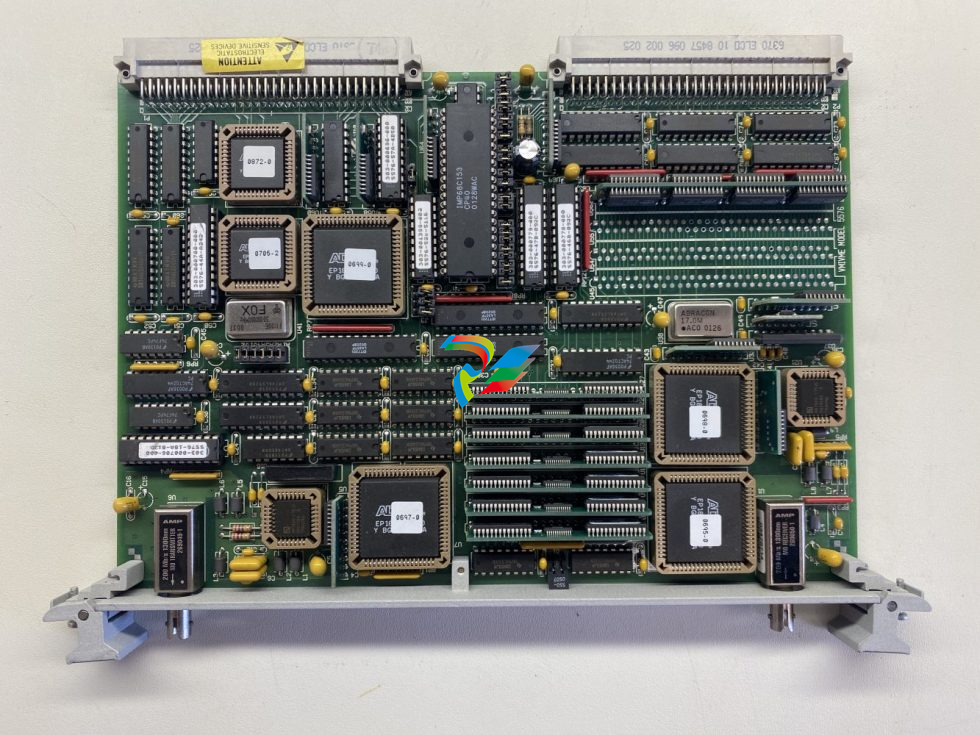 GE VMIVME-5576 Fiber-Optic Reflective Memory with Interrupts
 -
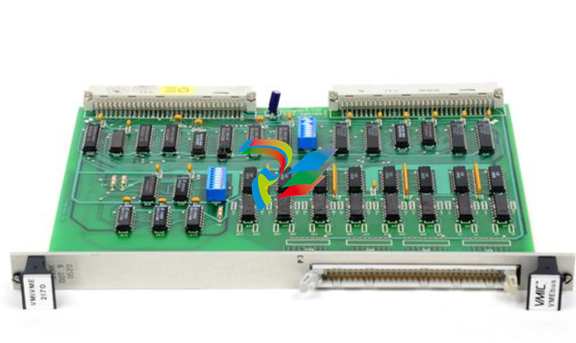 GE VMIC Isolated Digital Output VMIVME-2170A
 -
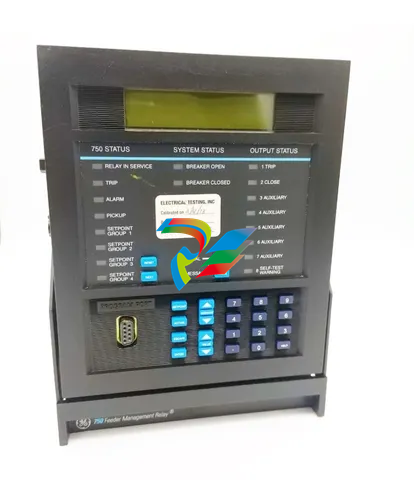 GE MULTILIN 760 FEEDER MANAGEMENT RELAY 760-P5-G5-S5-HI-A20-R-E
 -
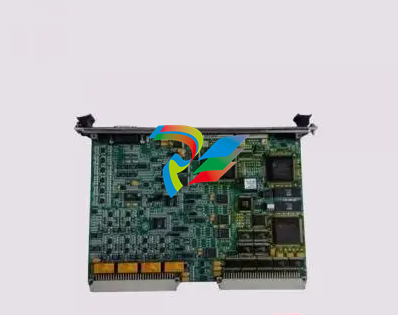 GE IS200AEPAH1BKE IS215WEPAH2BB Printed circuit board
 -
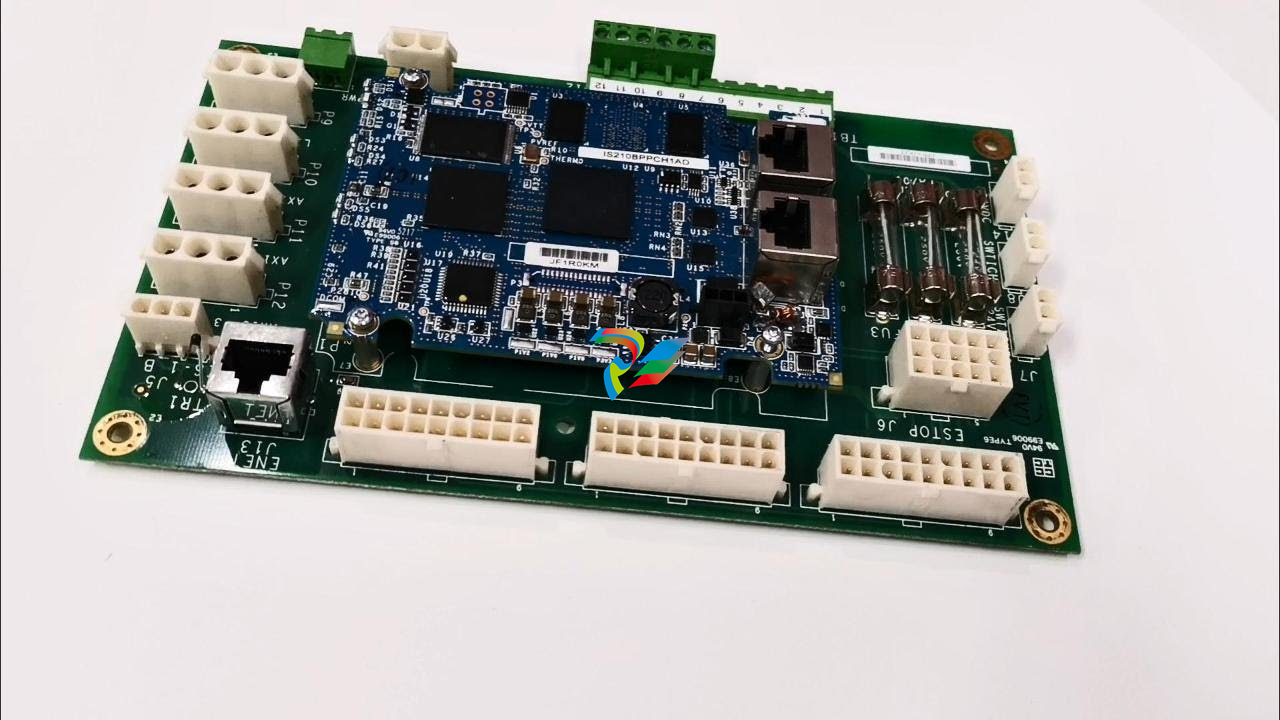 GE IS210BPPCH1A Mark VIe I/O Pack Processor Card
 -
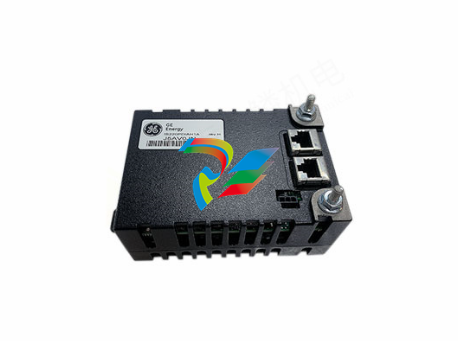 GE IS220PRTDH1A 336A4940CSP6 High-Performance RTD Input Module
 -
GE IS220PDIAH1BE 336A5026ADP4 Discrete Input Module
-
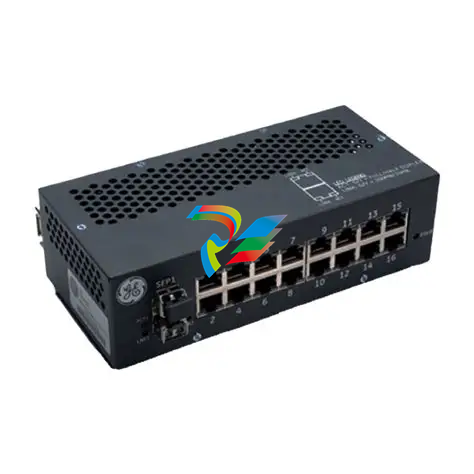 GE IS420ESWBH3A IONET Switch Module
 -
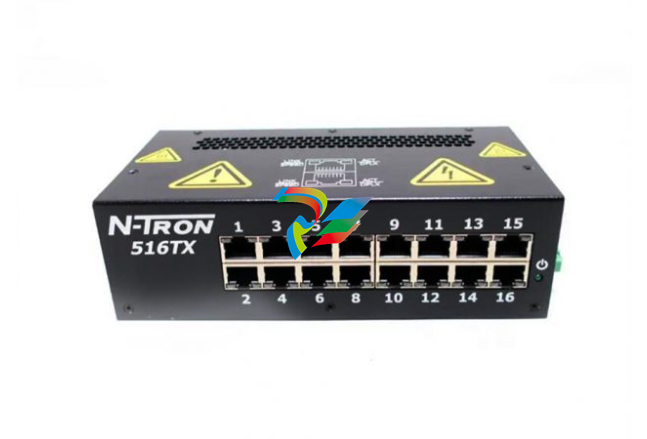 GE 516TX 336A4940DNP516TX 16-port Ethernet switch
 -
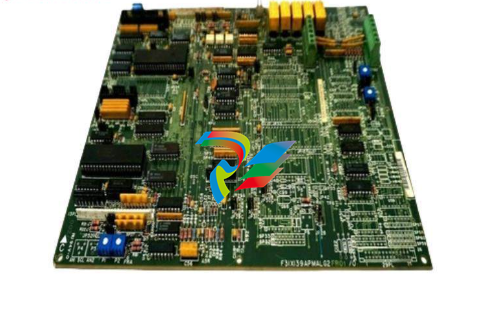 GE EVMECNTM13 Embedded control module
 -
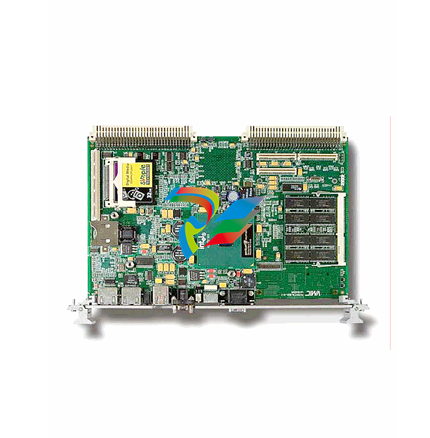 GE EVPBDP0001 EVPBDP032 control module
 -
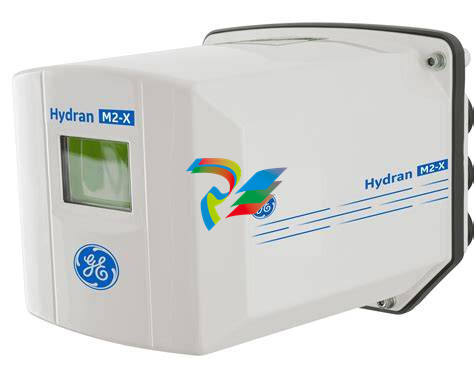 GE Hydran M2-X Enhanced Monitoring with Extended Sensor Life
 -
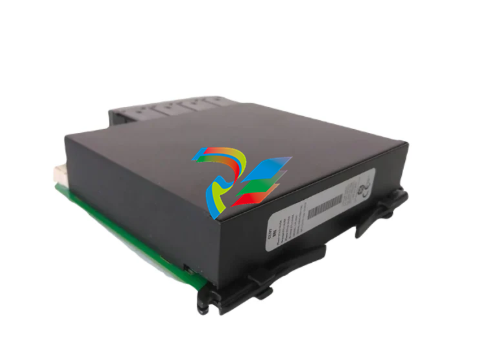 GE UR6CH Digital I/O Module
 -
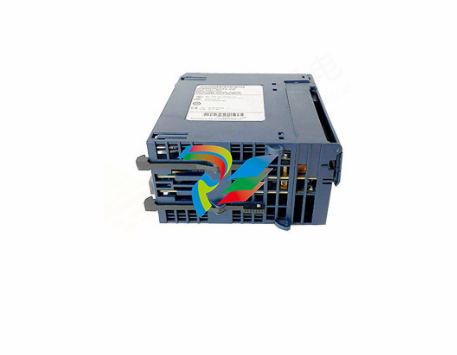 GE IC695CPU315-CD Central processing unit
 -
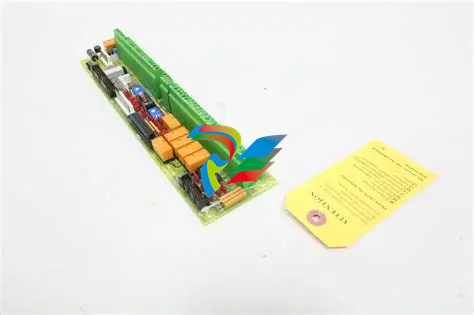 GE 531X305NTBAMG1 DR Terminal Board
 -
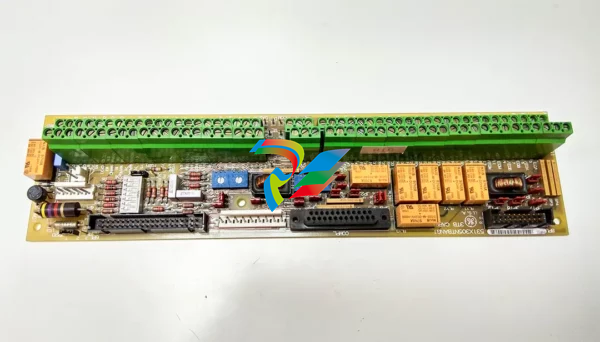 GE 531X305NTBALG1 NTB/3TB Terminal Board 531X Series
 -
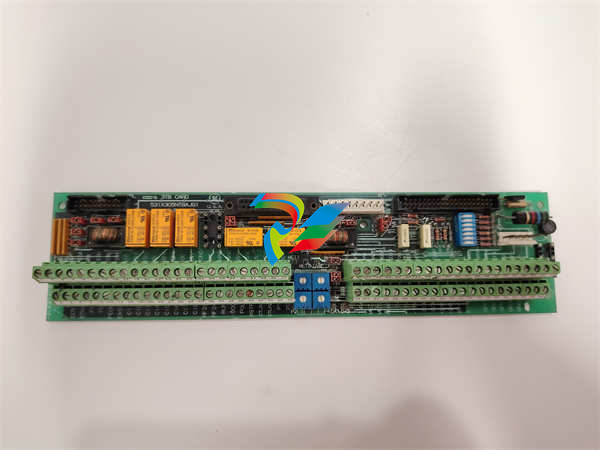 GE 531X305NTBAJG1 NTB/3TB Terminal Board.
 -
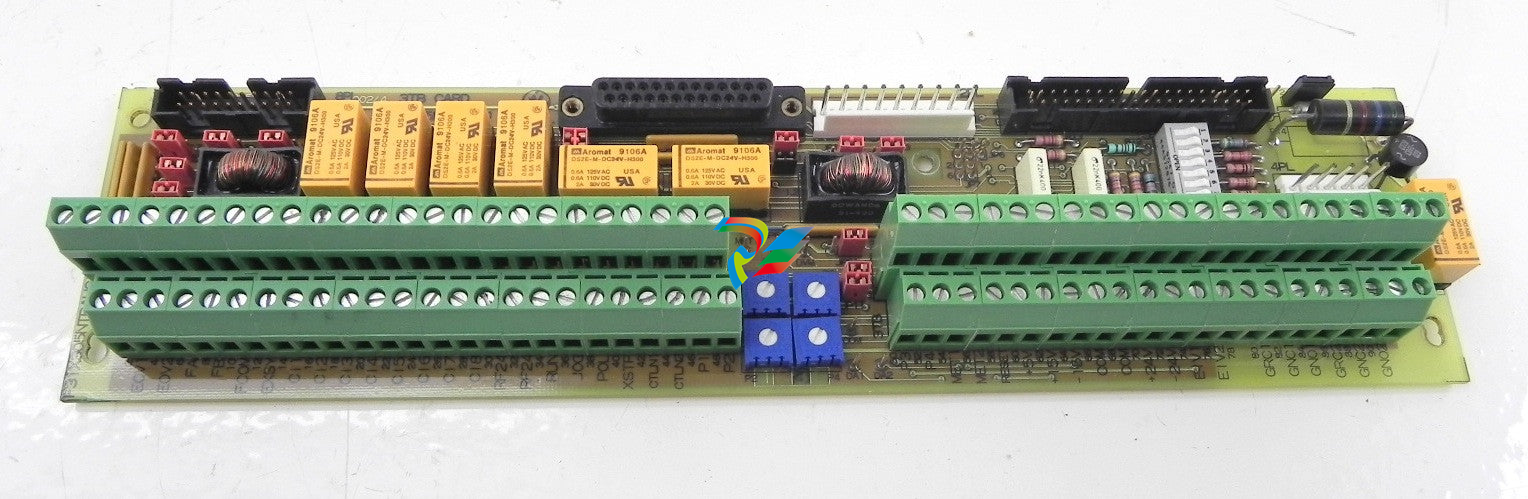 GE 531X305NTBAHG1 NTB/3TB Terminal Board 531X
 -
 GE 531X305NTBAEG1 is a PCB that functions as a DR terminal board.
 -
General Electric 531X305NTBACG1 NTB/3TB Terminal Board 531X
-
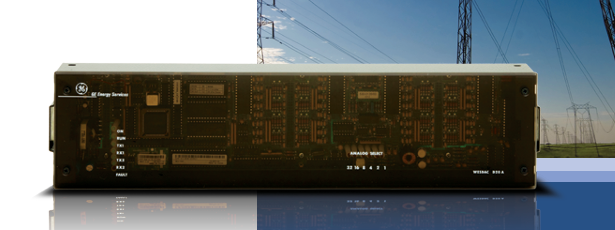 GE Digital Energy D20 Analog Input Module
 -
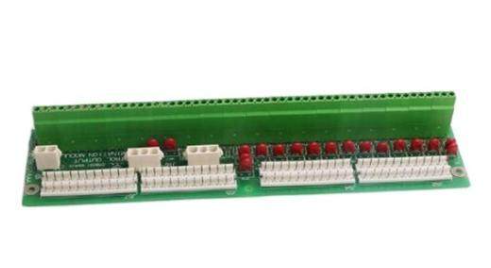 GE 94-164136-001 main board Control board
 -
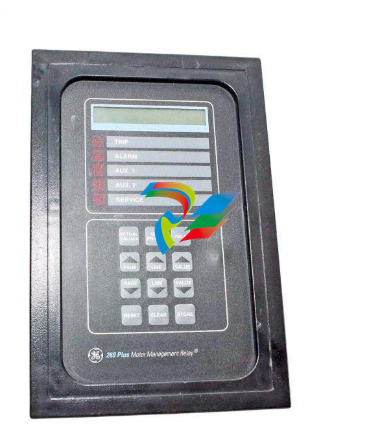 GE 269 PLUS-D/O-100P-125V Digital motor relay
 -
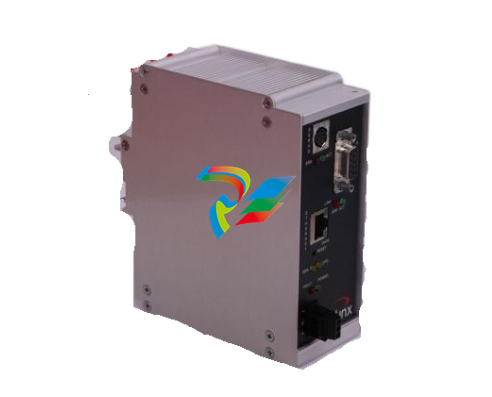 GALIL DMC-9940 High-performance motion controller
 -
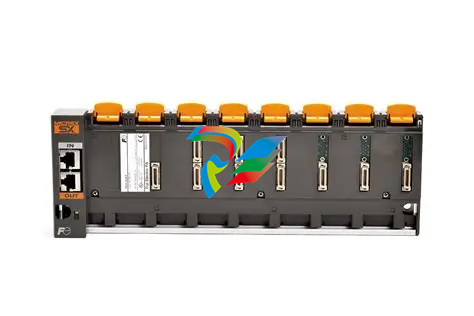 FUJI NP1BS-08 base plate
 -
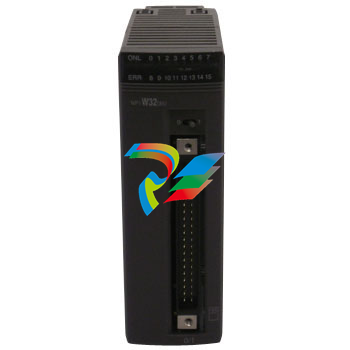 FUJI NP1Y32T09P1 Transistor drain type digital output module
 -
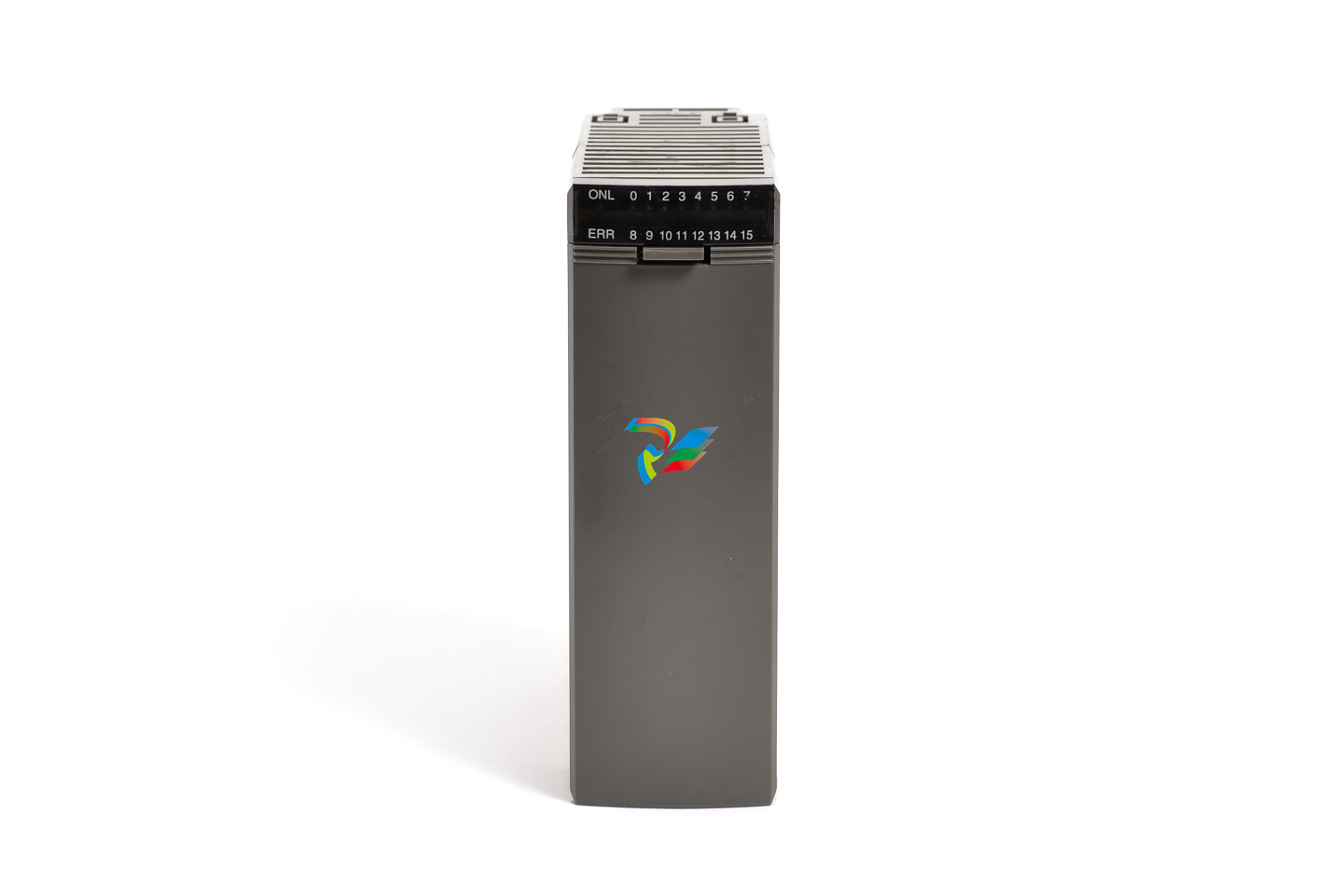 FUJI NP1Y16R-08 Digital Output Module
 -
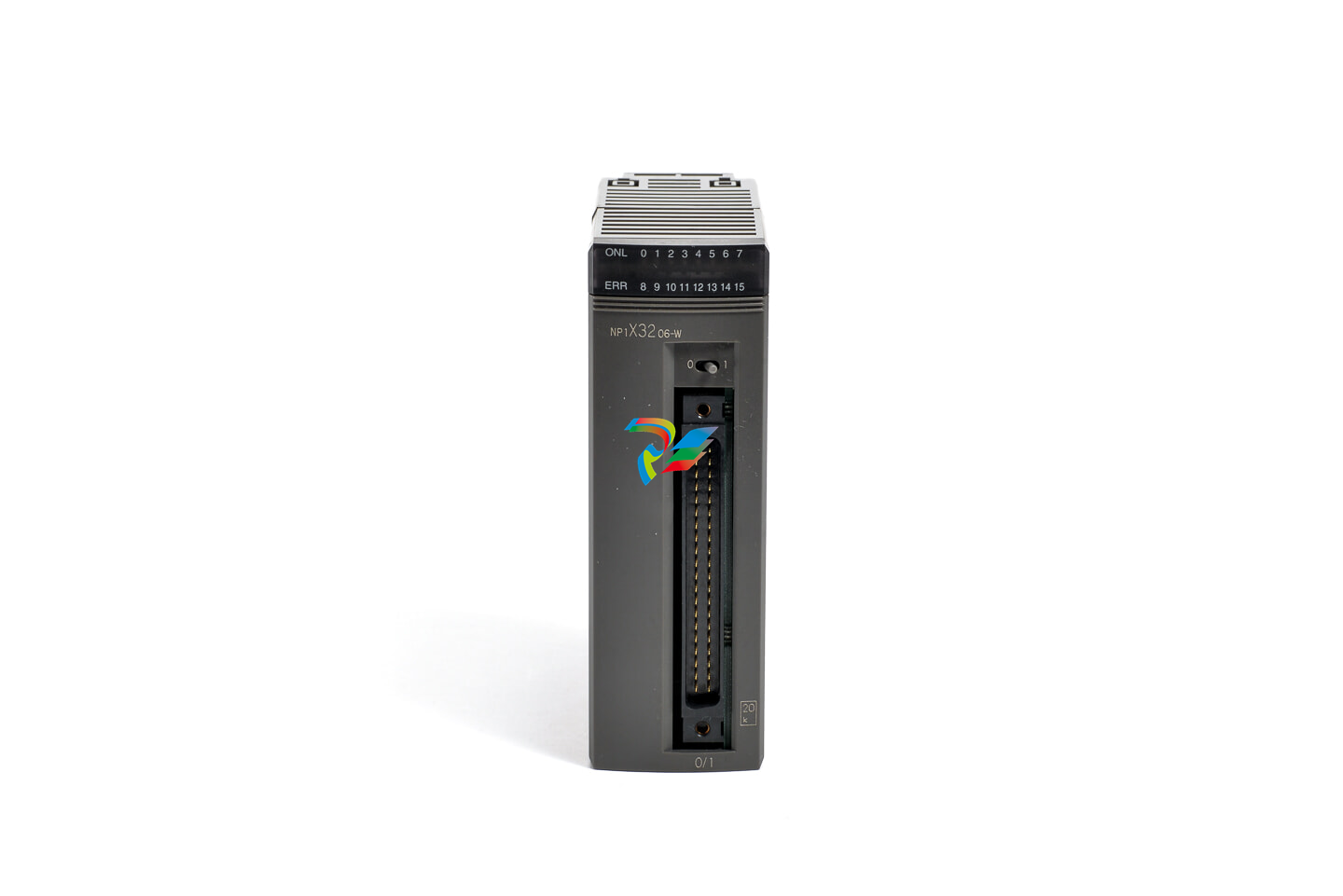 FUJI NP1X3206-A High-speed digital input module
 -
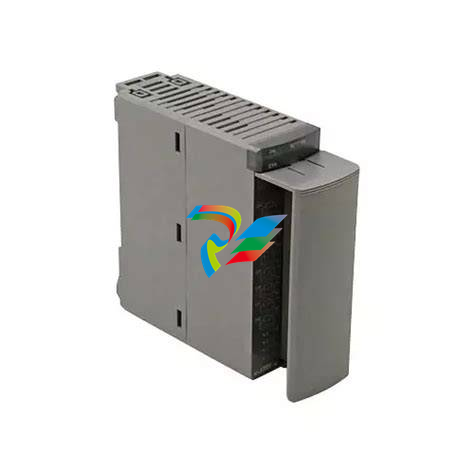 FUJI NP1AYH4I-MR current output module
 -
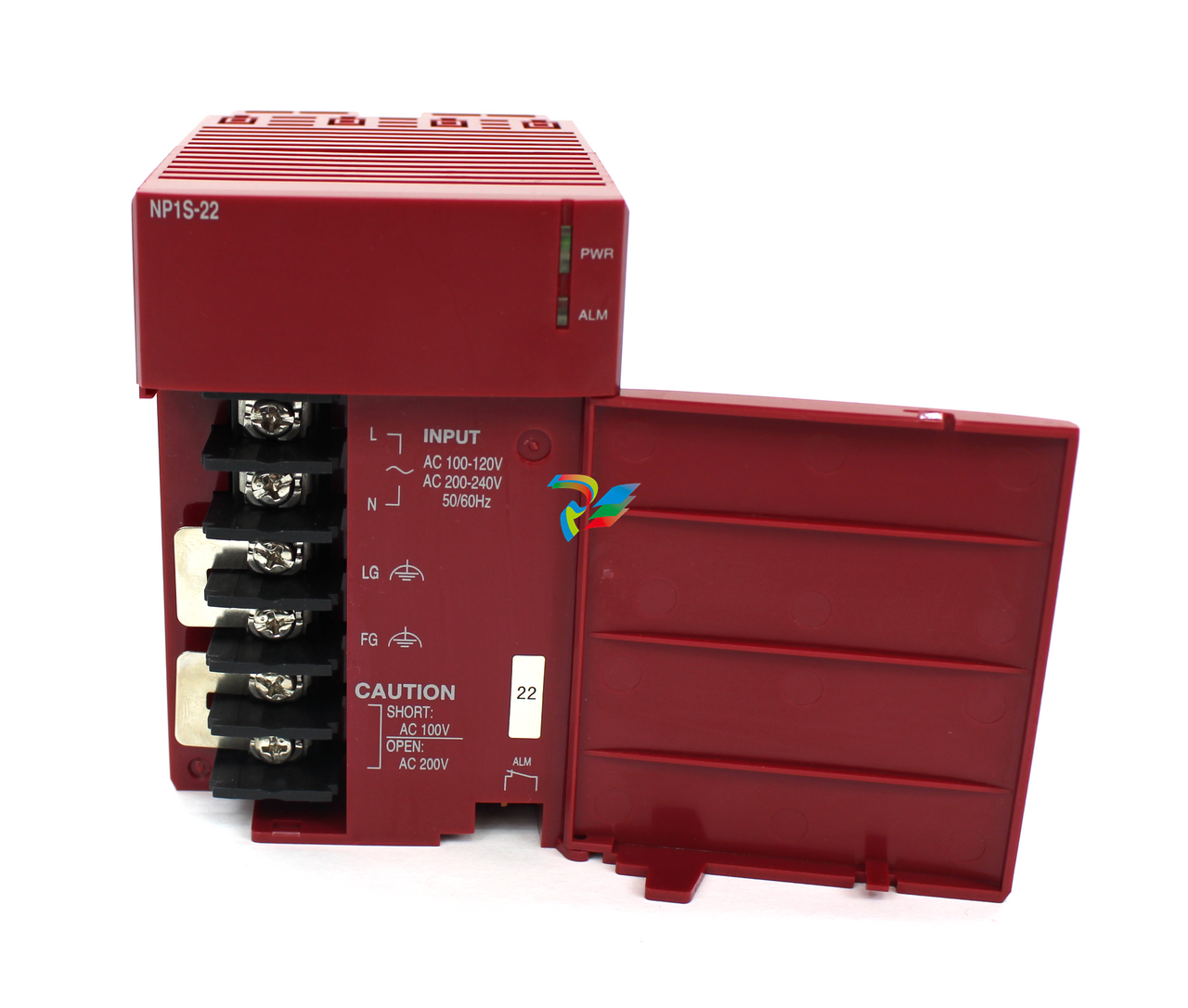 FUJI NP1S-22 Power module redundancy
 -
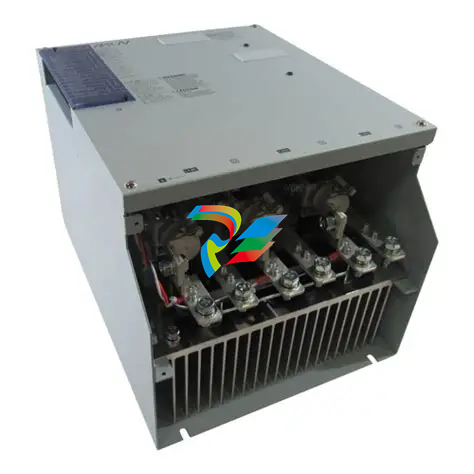 FUJI RPXD2150-1T servo drive module
 -
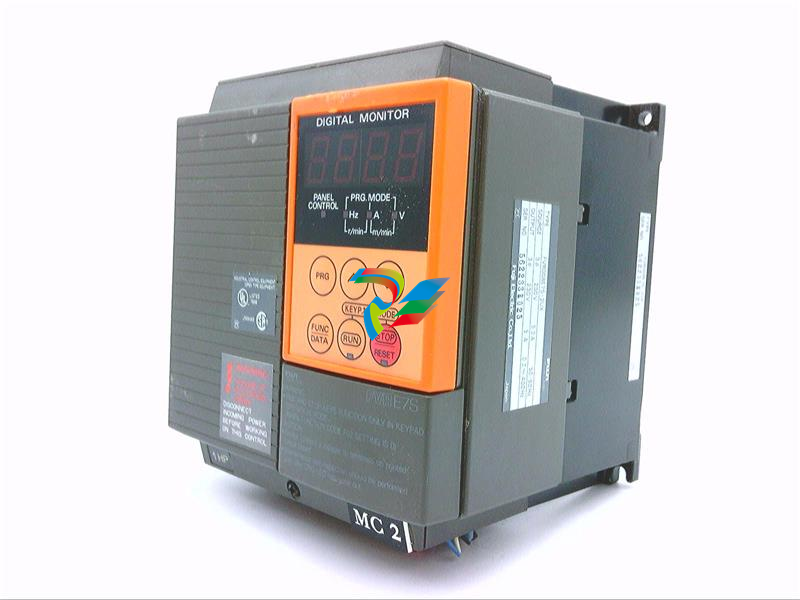 FUJI FVR008E7S-2UX Ac frequency converter
 -
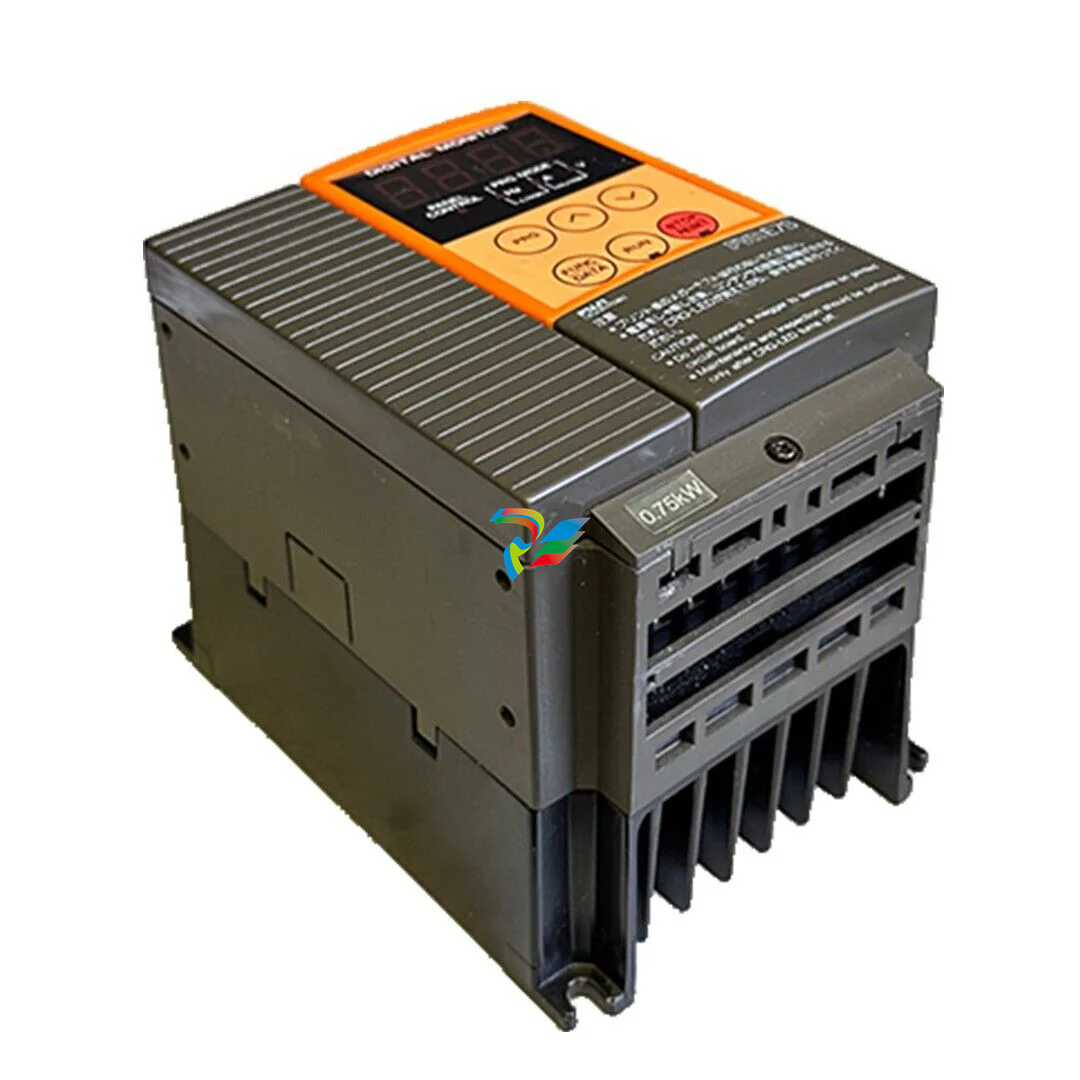 FUJI Ac frequency converter FVR008E7S-2
 -
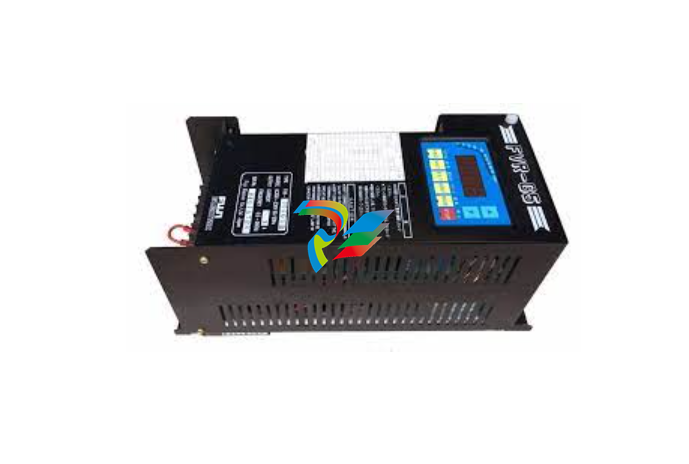 FUJI FVR004G5B-2 Small general-purpose frequency converter
 -
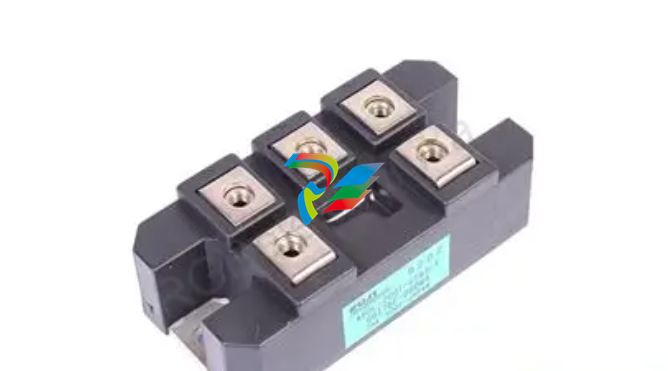 FUJI A50L-2001-0232 Industrial control module
 -
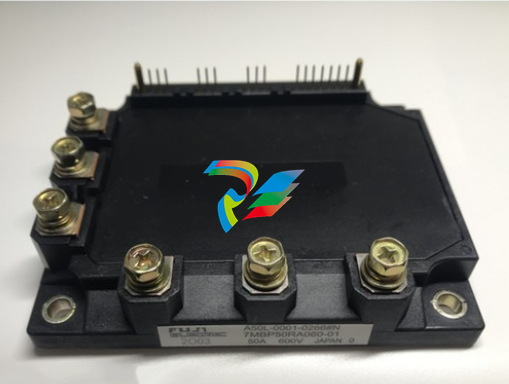 FUJI A50L-001-0266#N High-performance servo amplifier
 -
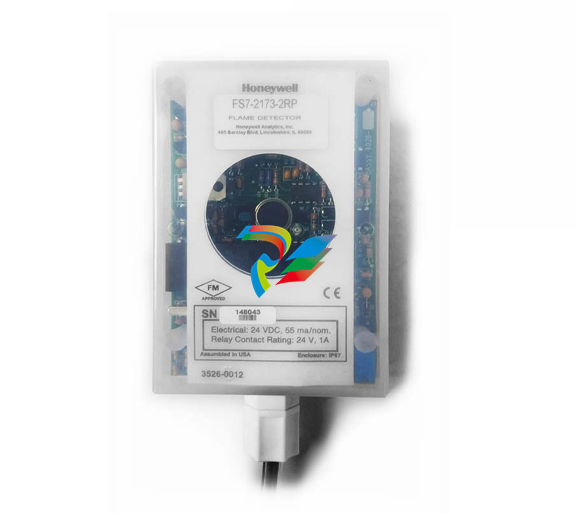 Honeywell FS7-2173-2RP Gas sensor
 -
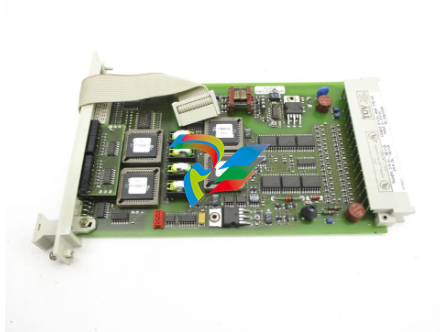 Honeywell 10106/2/1 Digital Input Module in Stock
 -
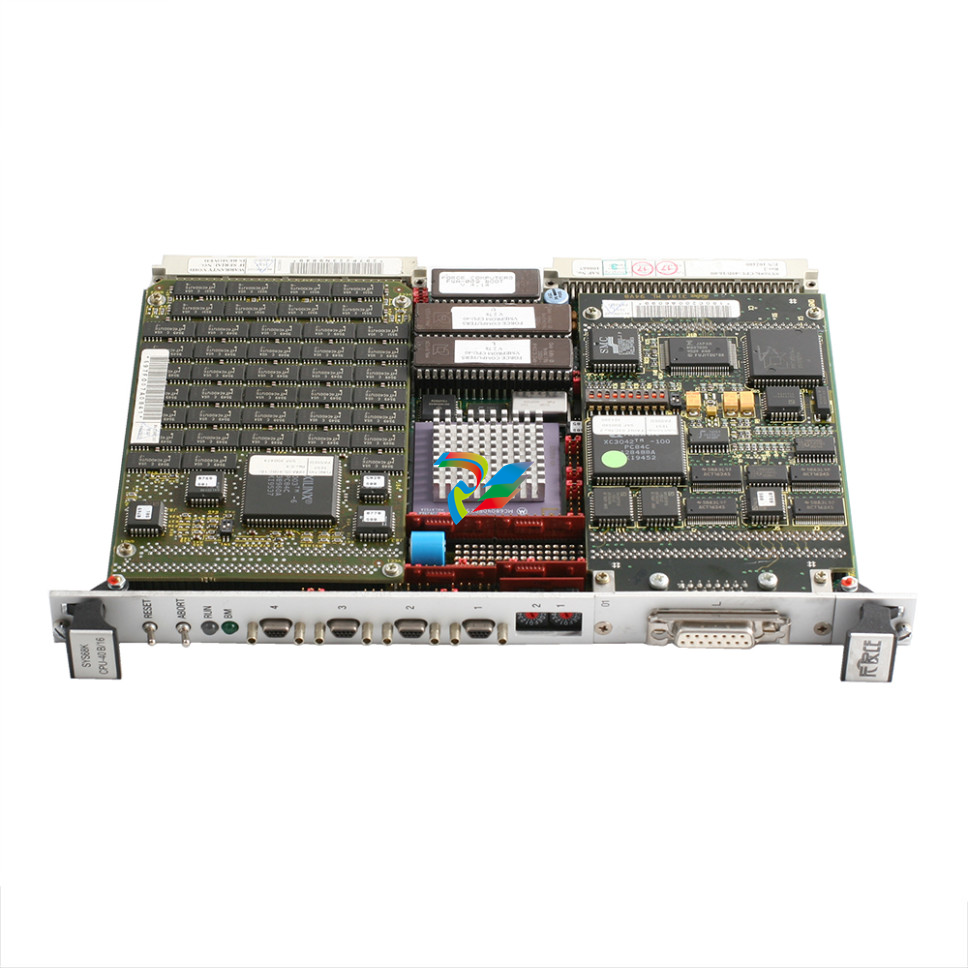 FRCE SYS68K CPU-40 B/16 PLC core processor module
 -
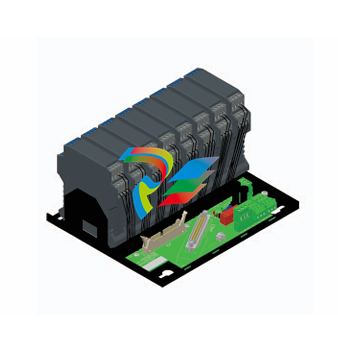 Foxboro FBM I/O cards PBCO-D8-009
 -
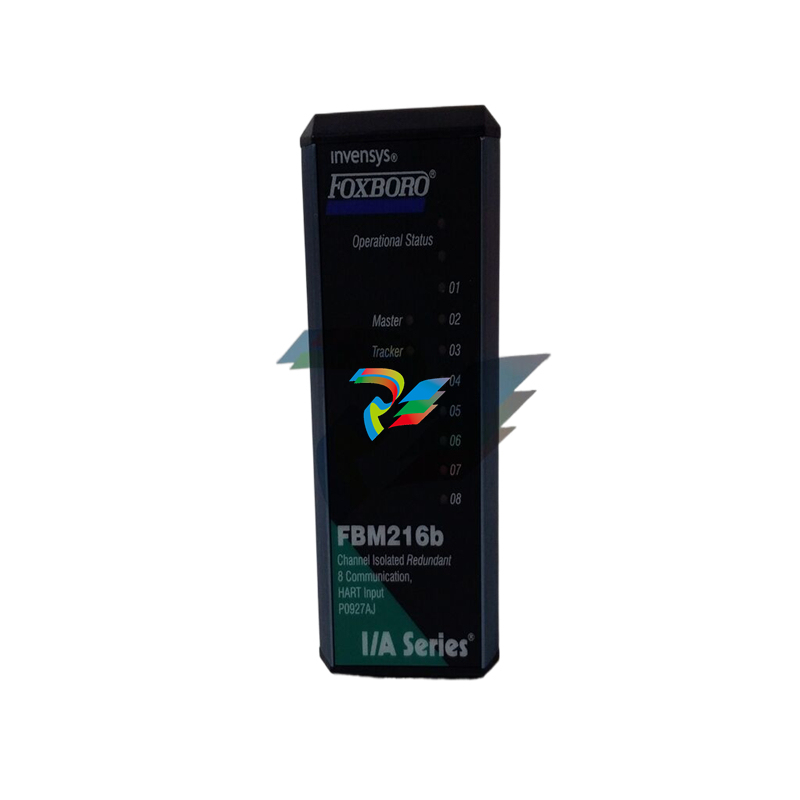 Foxboro AD916AE Digital Control System (DCS) Module
 -
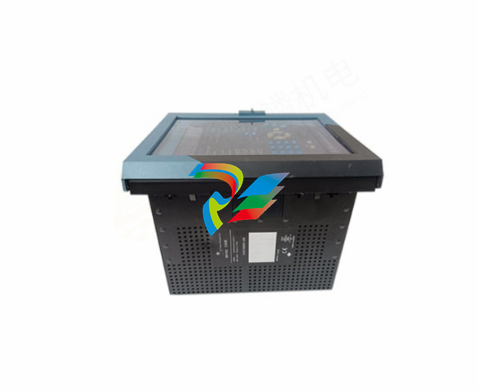 GE SR750-P5-G5-S5-HI-A20-R-E Multilin Relay
 -
.jpg) FOXBORO H90 H90C9AA0117S Industrial Computer Workstation
FOXBORO H90 H90C9AA0117S Industrial Computer Workstation -
.jpg) FOXBORO RH928AW | I/A Series Relay Output Module
FOXBORO RH928AW | I/A Series Relay Output Module -
.jpg) Foxboro N-2AX+DIO Multi-functional input/output module
Foxboro N-2AX+DIO Multi-functional input/output module -
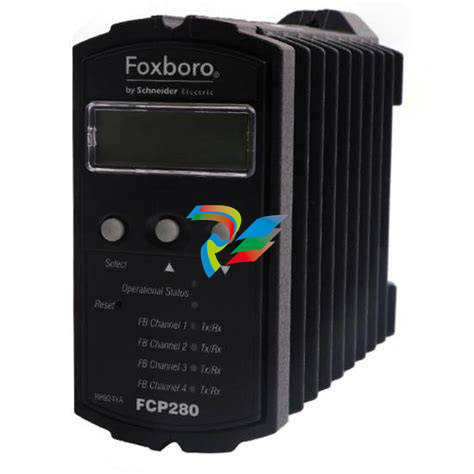 Foxboro RH924WA FCP280 Fiber Optic Network Adapter
 -
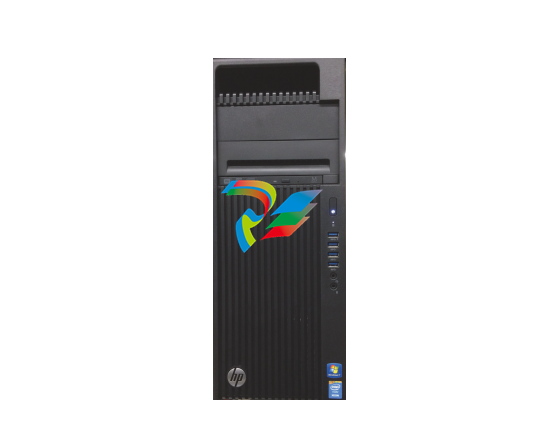 FOXBORO H92 Versatile Hardware Component In
 -
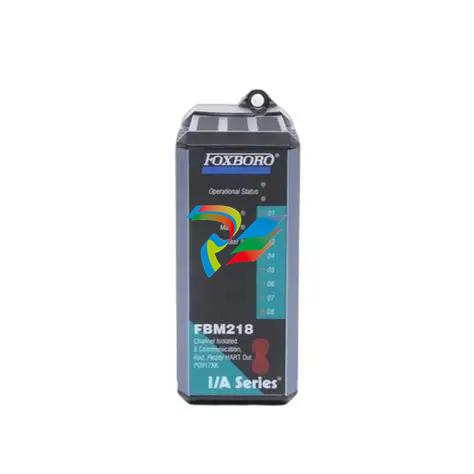 Foxboro FBM218 P0922VW HART® Communication Redundant Output Interface Module
 -
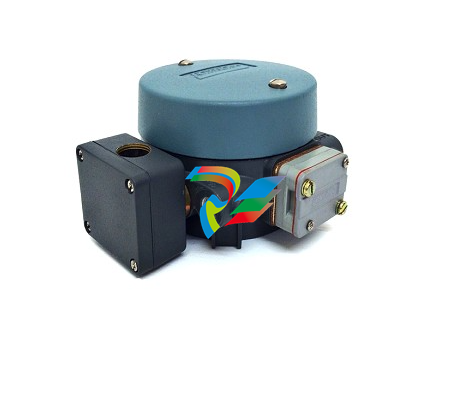 Foxboro E69F-TI2-J-R-S E69F Series Current-To-Pneumatic Signal Converter
 -
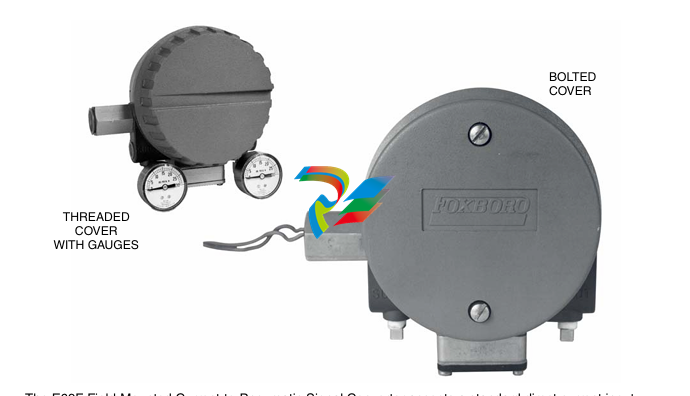 Foxboro E69F-BI2-S Converter
 -
.jpg) Foxboro H92A049E0700 The host of the DCS control station
Foxboro H92A049E0700 The host of the DCS control station -
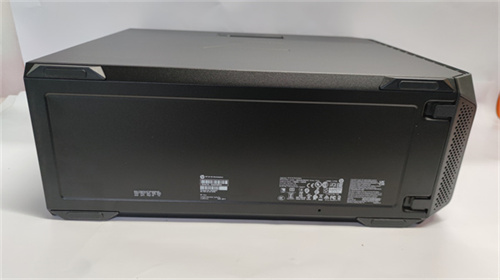 Foxboro H90C9AA0117S Industrial computer workstation
 -
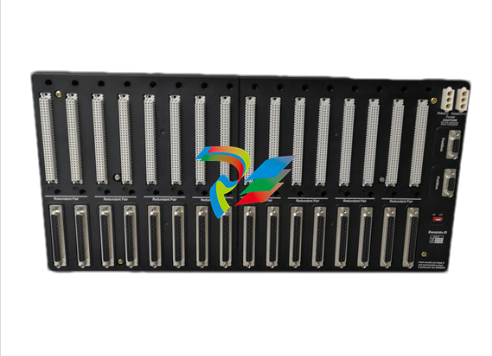 Foxboro RH101AA High-performance industrial control module
 -
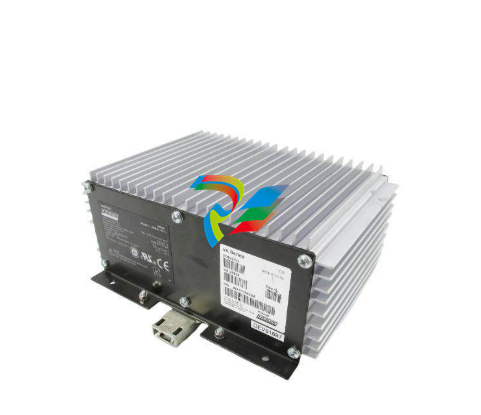 Foxboro P0922YU FPS400-24 I/A Series Power supply
 -
.png) FOXBORO P0973LN Chassis-based managed switch with independent power supply
FOXBORO P0973LN Chassis-based managed switch with independent power supply -
.jpg) FOXBORO P0926PA Input/output module
FOXBORO P0926PA Input/output module -
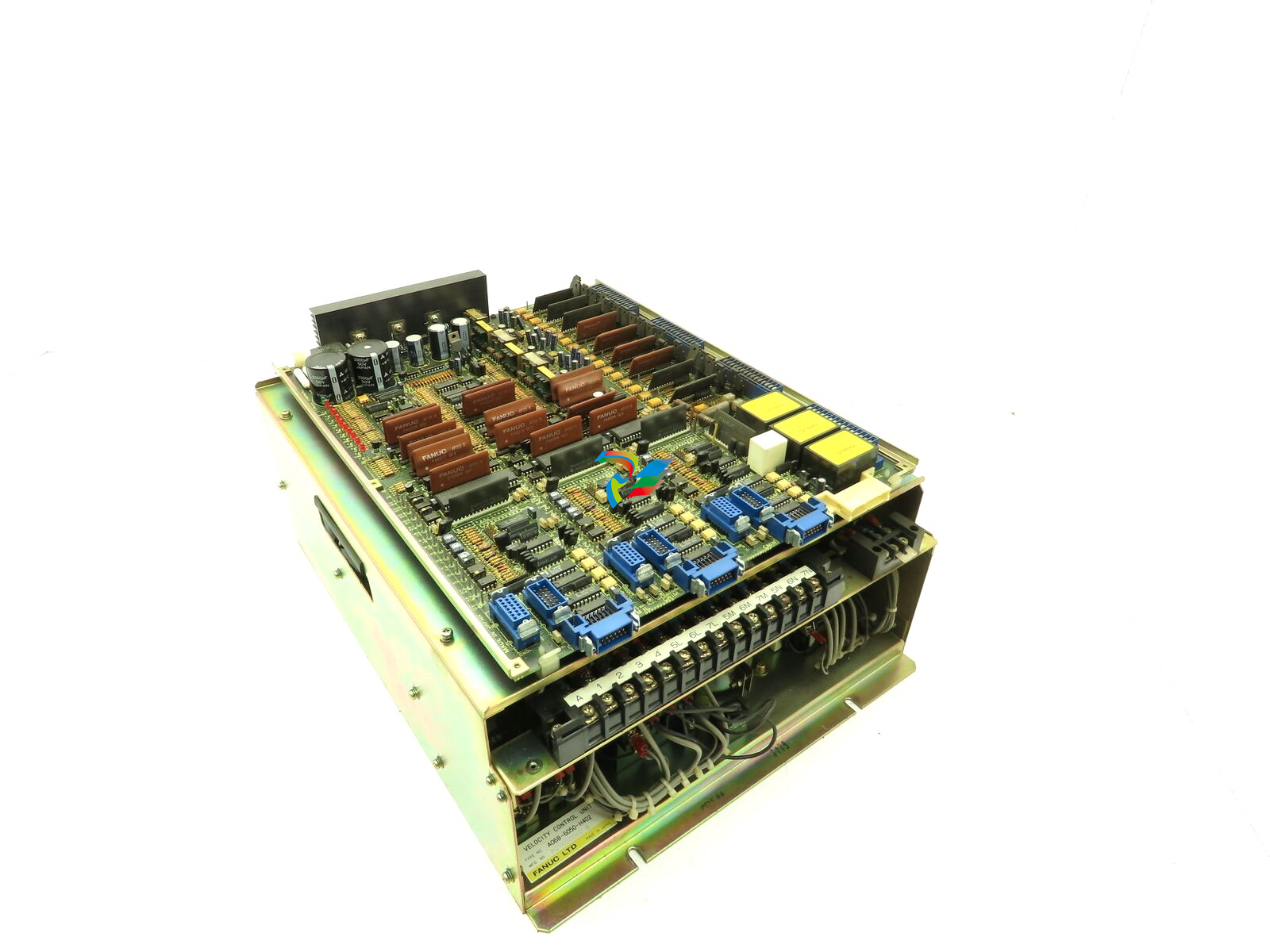 Fanuc A06B-6050-H402 3 AXIS ANALOG AC SERVO DRIVE
 -
.jpg) FOXBORO L0130AD L0130AE-0H Power module group
FOXBORO L0130AD L0130AE-0H Power module group -
_lVjBYb.jpg) FOXBORO 0399085B 0303440C+0303458A Combination Control Module
FOXBORO 0399085B 0303440C+0303458A Combination Control Module -
 FOXBORO SY-0399095E (SY-0303451D+SY-0303460E) Process control board
 -
.jpg) FOXBORO 0399071D 0303440C+0303443B Input/Output (I/O) Module
FOXBORO 0399071D 0303440C+0303443B Input/Output (I/O) Module -
.jpg) FOXBORO RH924UQ Redundant Controller module
FOXBORO RH924UQ Redundant Controller module -
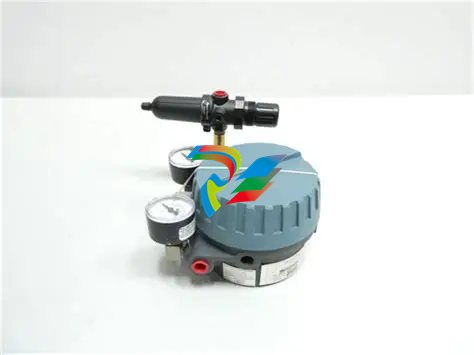 FFOXBORO E69F-TI2-S current pneumatic converter
 -
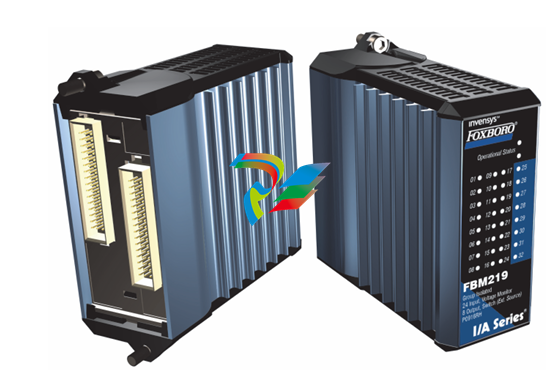 FOXBORO FBM219 RH916RH Discrete I/O Module
 -
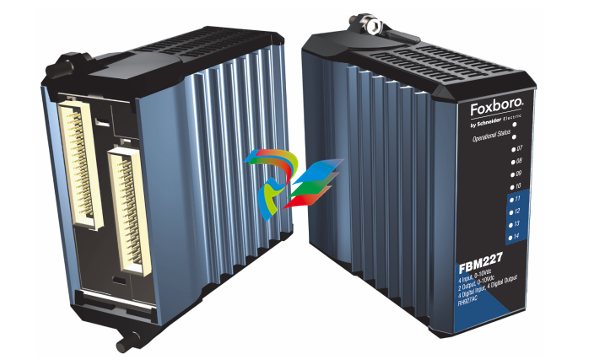 FOXBORO FBM227 P0927AC Module
 -
.jpg) FOXBORO 0399144 SY-0301059F SY-1025115C/SY-1025120E I/O module
FOXBORO 0399144 SY-0301059F SY-1025115C/SY-1025120E I/O module -
.jpg) FOXBORO SY-60399001R SY-60301001RB Industrial Control Module
FOXBORO SY-60399001R SY-60301001RB Industrial Control Module -
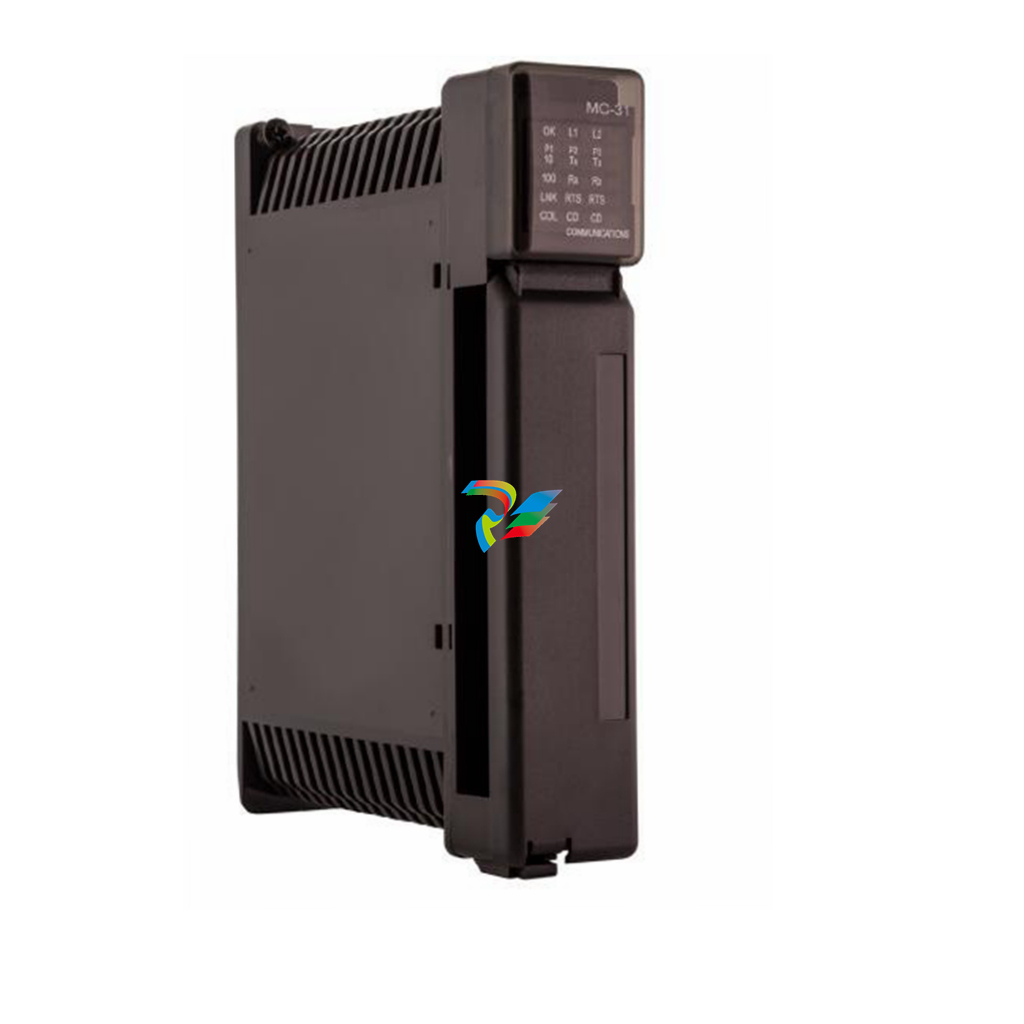 FOXBORO 0399143 SY-0301060R SY-1025115C SY-1025120E Combined control board
 -
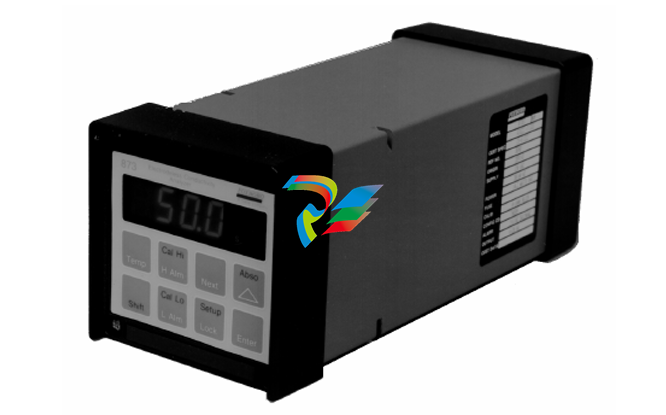 FOXBORO 873EC-JIPFGZ electrodeless conductivity analyzer
 -
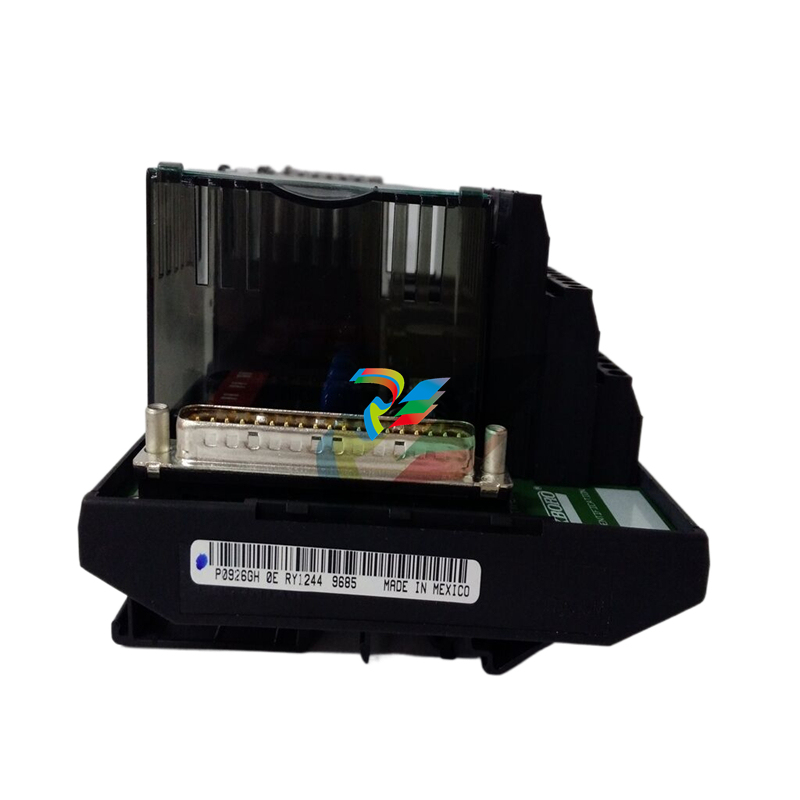 FOXBORO P0916PH (High-density HART I/O Module)
 -
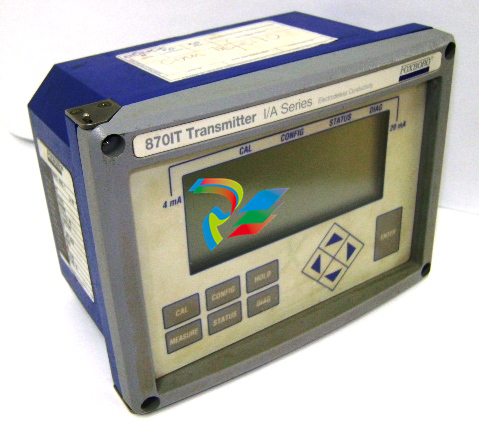 FOXBORO 870ITEC-AYFNZ-7 Intelligent Electrochemical Transmitters
 -
 FOXBORO Compact FBM240. Redundant with Readback, Discrete
 -
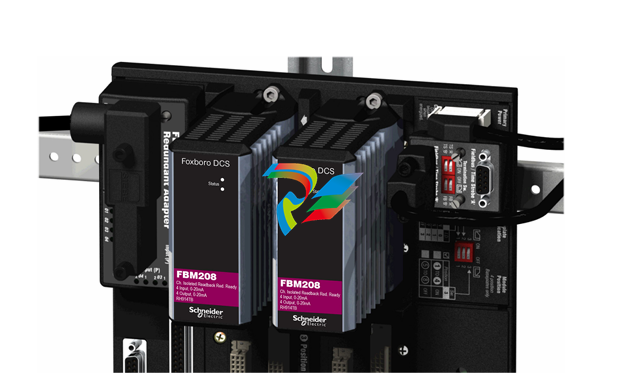 FOXBORO FBM208/b, Redundant with Readback, 0 to 20 mA I/O Module
 -
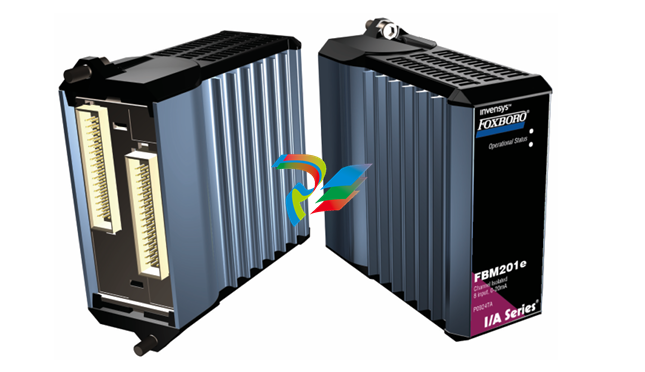 FOXBORO FBM201e Analog Input (0 to 20 mA) Interface Modules
 -
.jpg) FOXBORO P0916WG Terminal cable
FOXBORO P0916WG Terminal cable -
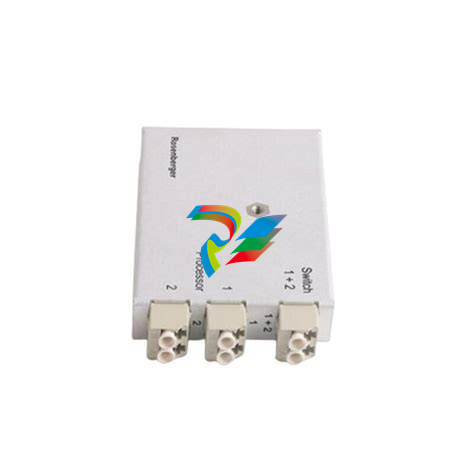 FOXBORO P0926MX 2-Port Splitter
 -
.jpg) FOXBORO AD908JQ High-Frequency Module
FOXBORO AD908JQ High-Frequency Module -
.jpg) FOXBORO AD916CC Processor module
FOXBORO AD916CC Processor module -
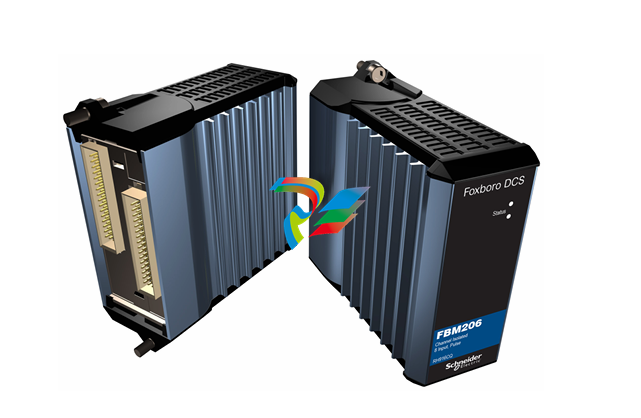 Foxboro DCS FBM206 Pulse Input Module
 -
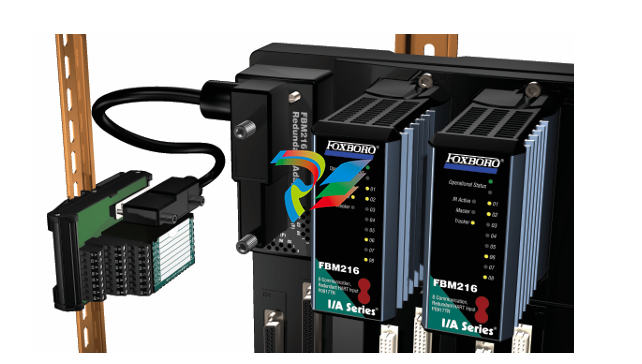 FOXBORO FBM216 HART® Communication Redundant Input Interface Module
 -
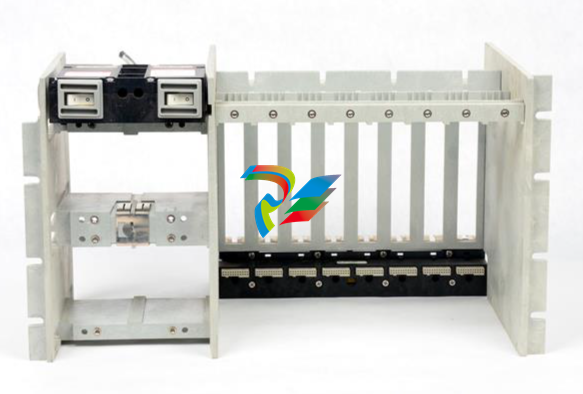 Foxboro p0903nu 1×8 unit sub-component module
 -
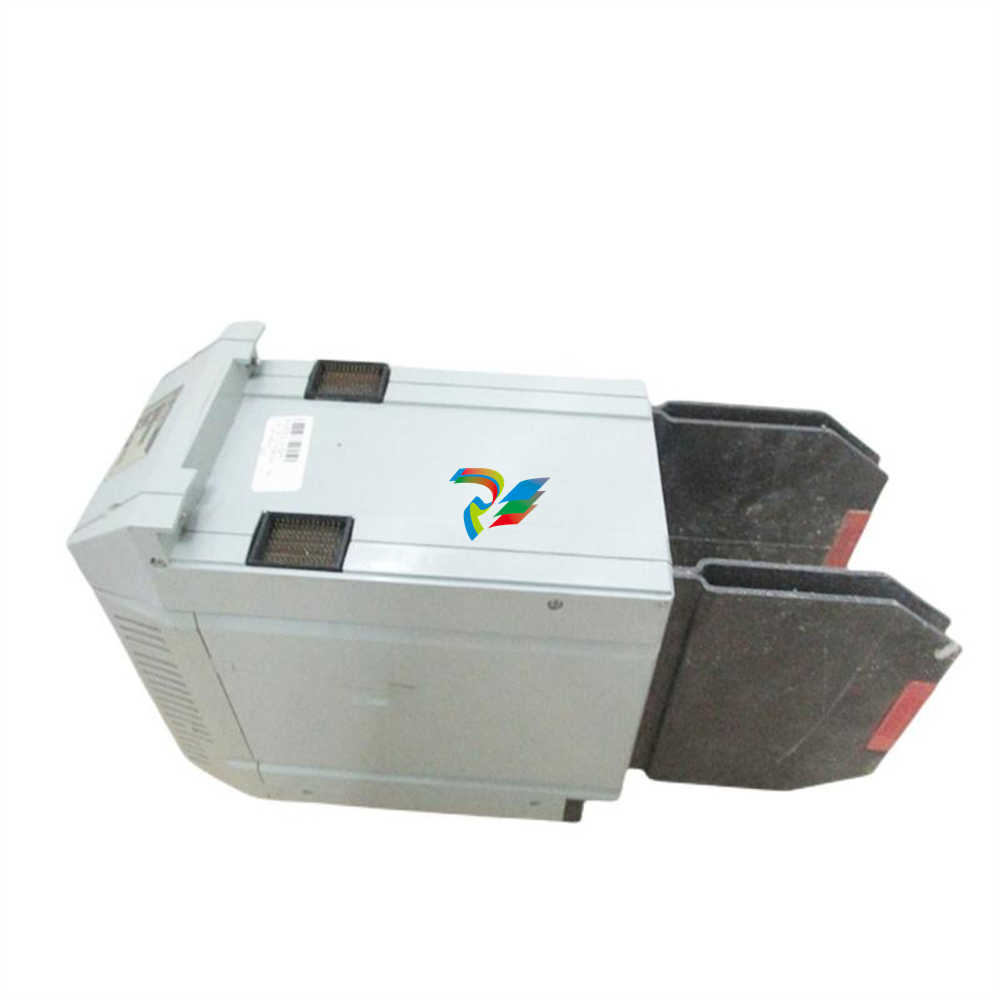 Foxboro P0911SM Industrial control module
 -
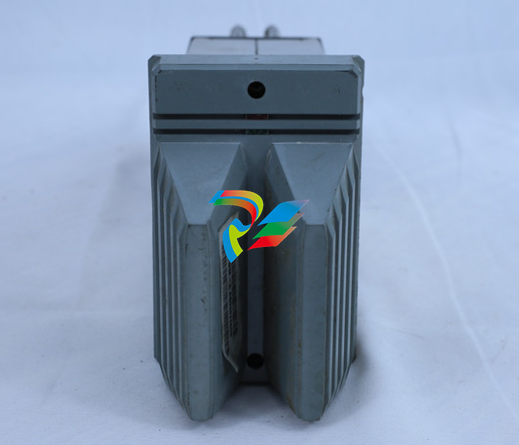 Foxboro CM902WM I/O module
 -
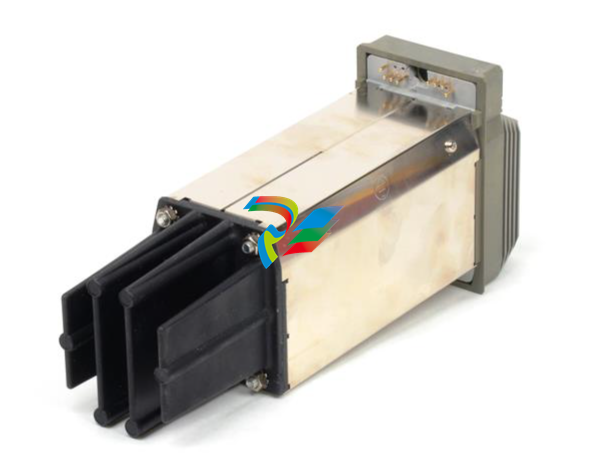 Foxboro CM902WL Power module
 -
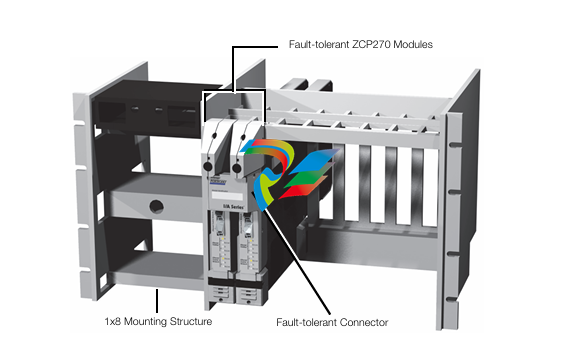 Foxboro P0972VA Industrial Control Module
 -
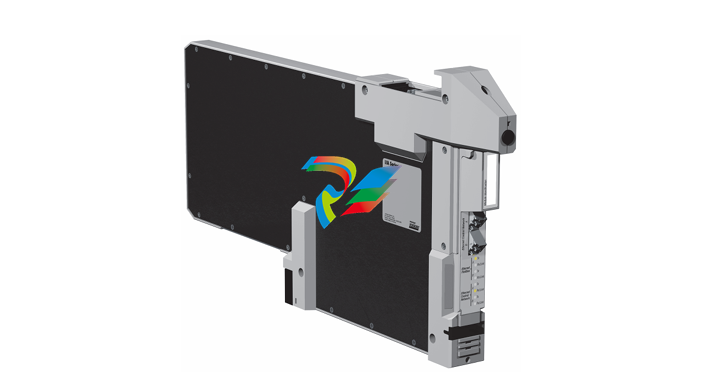 Foxboro Z-Module Control Processor 270 (ZCP270)
 -
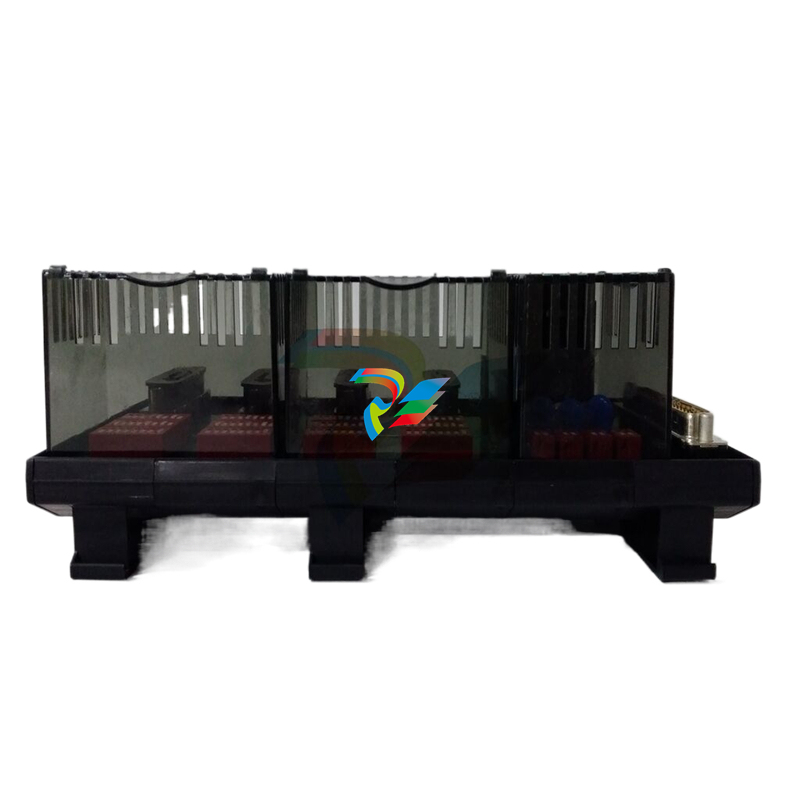 Foxboro PO916JS 16-channel terminal block module
 -
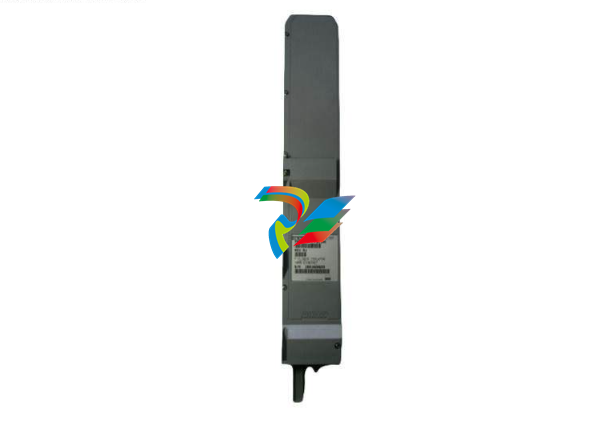 Foxboro PO911SM High-performance digital/analog input/output module
 -
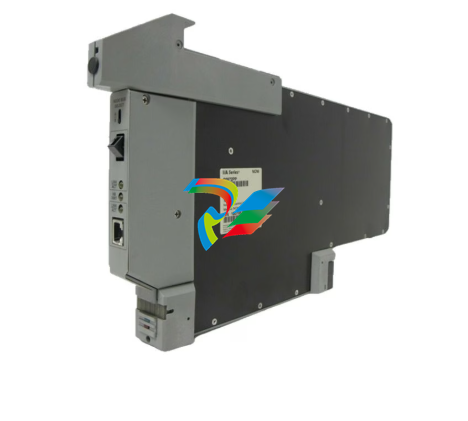 Foxboro P0972PP-NCNI Network Interface Module
 -
.jpg) FOXBORO P0971QZ controller module
FOXBORO P0971QZ controller module -
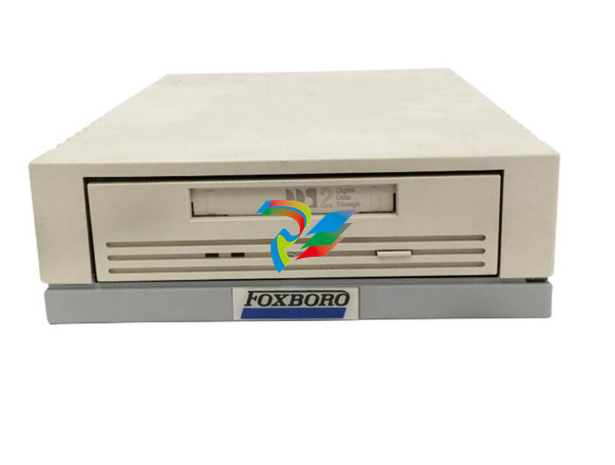 FOXBORO P0971DP Thermal resistance input/output module
 -
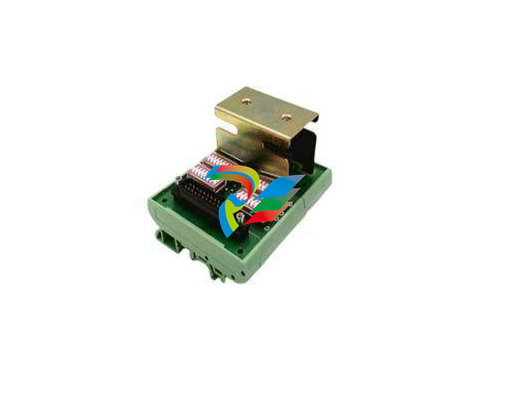 FOXBORO P0970VB Cable connector
 -
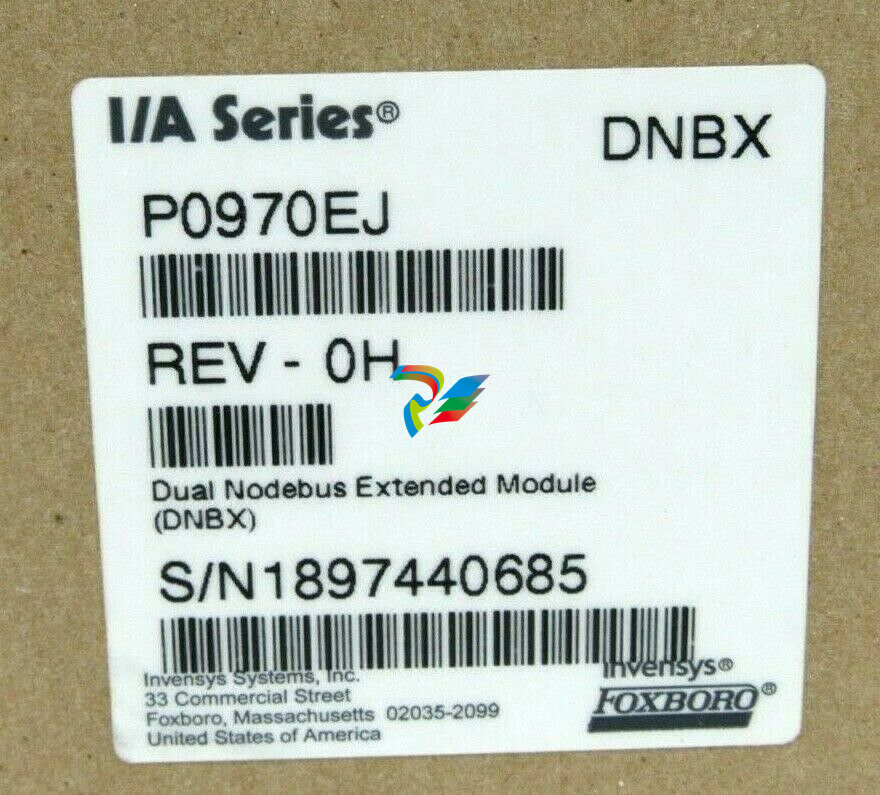 FOXBORO P0970EJ-DNBX Dual-node bus expansion module
 -
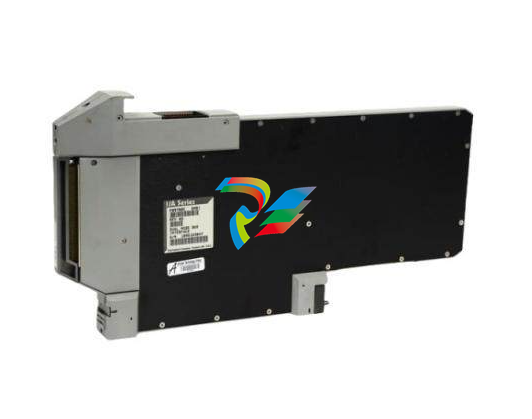 FOXBORO P0970BP Redundant power supply system
 -
.jpg) FOXBORO P0970BC-DNBI DeviceNet bus interface module
FOXBORO P0970BC-DNBI DeviceNet bus interface module -
.jpg) FOXBORO P0961FX-CP60S Main control CPU module
FOXBORO P0961FX-CP60S Main control CPU module -
.jpg) FOXBORO P0961EF-CP30B Network Interface Unit
FOXBORO P0961EF-CP30B Network Interface Unit -
.jpg) FOXBORO P0961CA Optical fiber local area network module
FOXBORO P0961CA Optical fiber local area network module -
.jpg) FOXBORO P0961BD-GW30B gateway processor module
FOXBORO P0961BD-GW30B gateway processor module -
.jpg) FOXBORO P0961BC-CP40B/I/A Series high-performance control processor module
FOXBORO P0961BC-CP40B/I/A Series high-performance control processor module -
FOXBORO P0960JA-CP40 High-performance control processor
-
FOXBORO P0926TM Control module
-
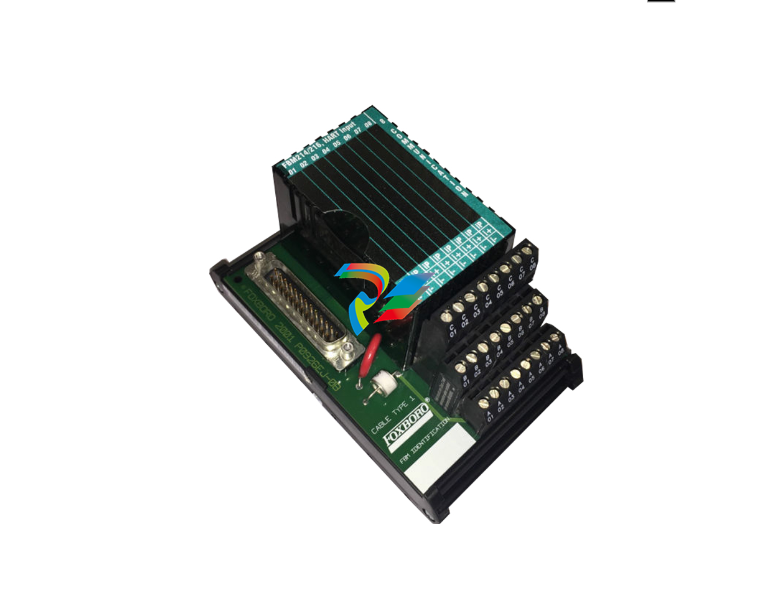 FOXBORO P0916BX Termination Assembly
 -
.jpg) FOXBORO P0916AE P0916AG P0916AW Thermal resistance input type DCS card module
FOXBORO P0916AE P0916AG P0916AW Thermal resistance input type DCS card module -
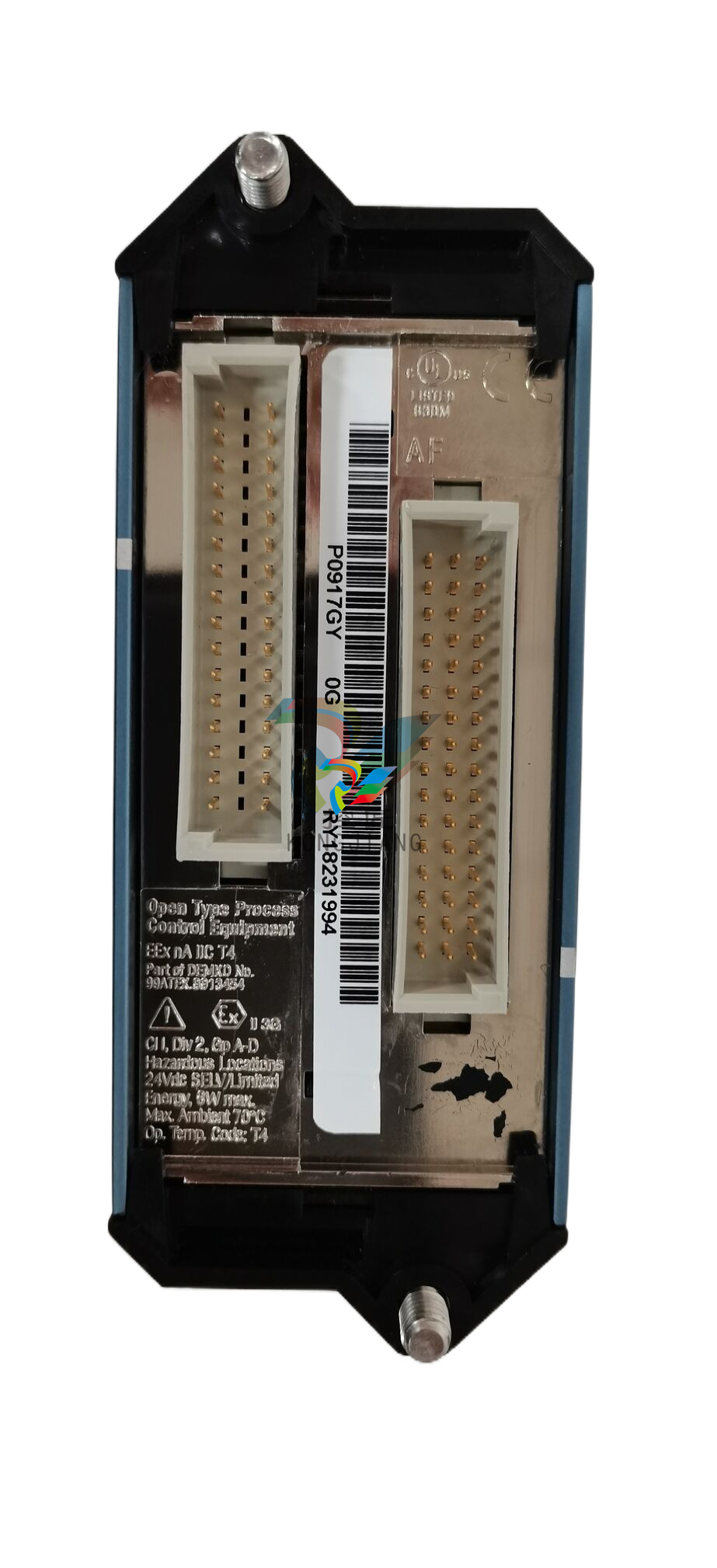 FOXBORO P0916AC FOXBORO distributed control system (DCS) compression terminal assembly
 -
.jpg) FOXBORO P0912CB High-performance interface module
FOXBORO P0912CB High-performance interface module -
.jpg) FOXBORO P0911VJ Thermal resistance input output module
FOXBORO P0911VJ Thermal resistance input output module -
.jpg) FOXBORO P0911QH-A High-precision module
FOXBORO P0911QH-A High-precision module -
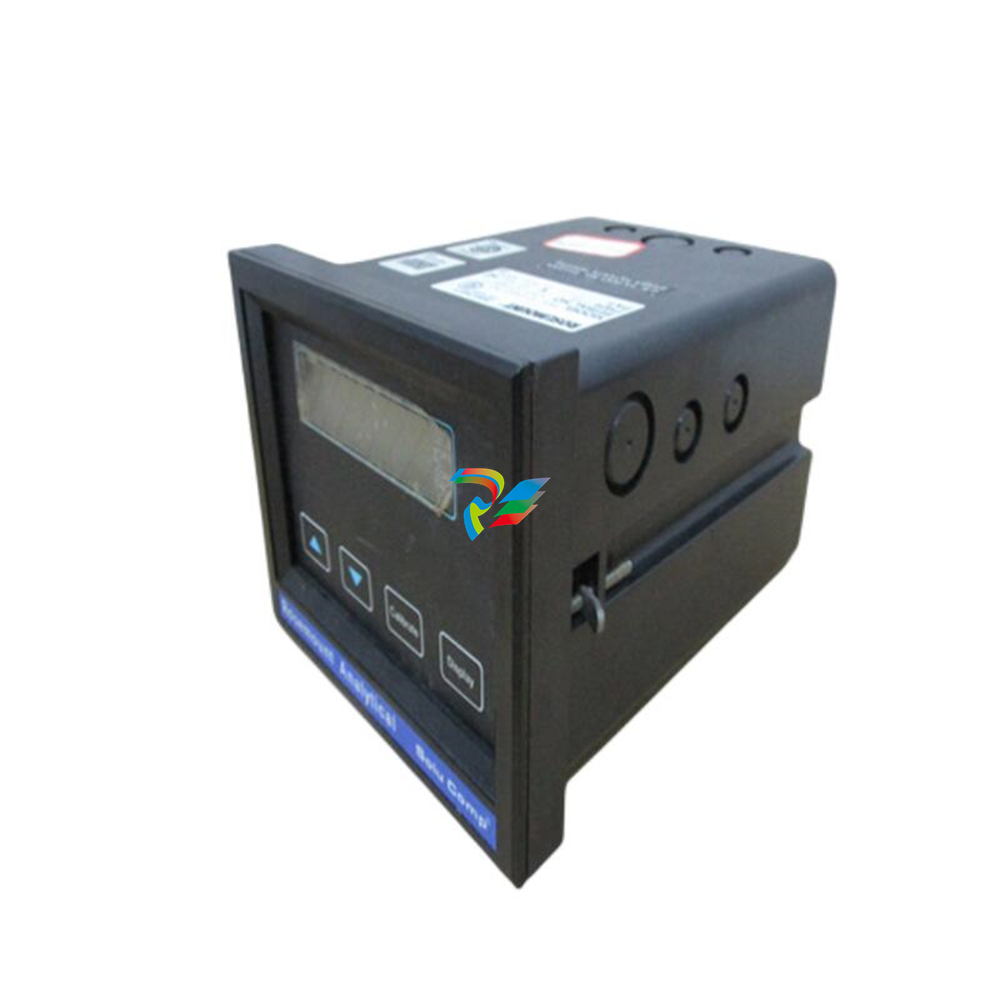 FOXBORO P0911QB-C P0911QC-C Thermal resistance input/output module
 -
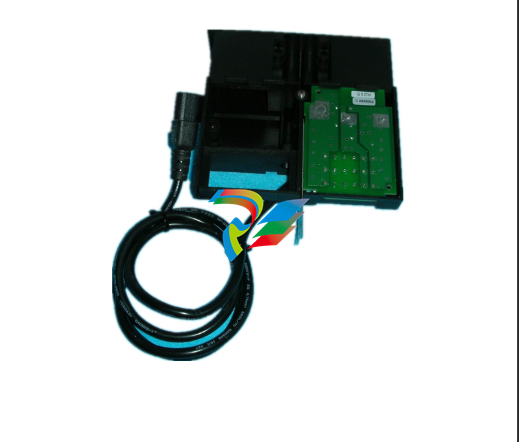 FOXBORO P0904BH P0904FH P0904HB Distributed Control system (DCS) module
 -
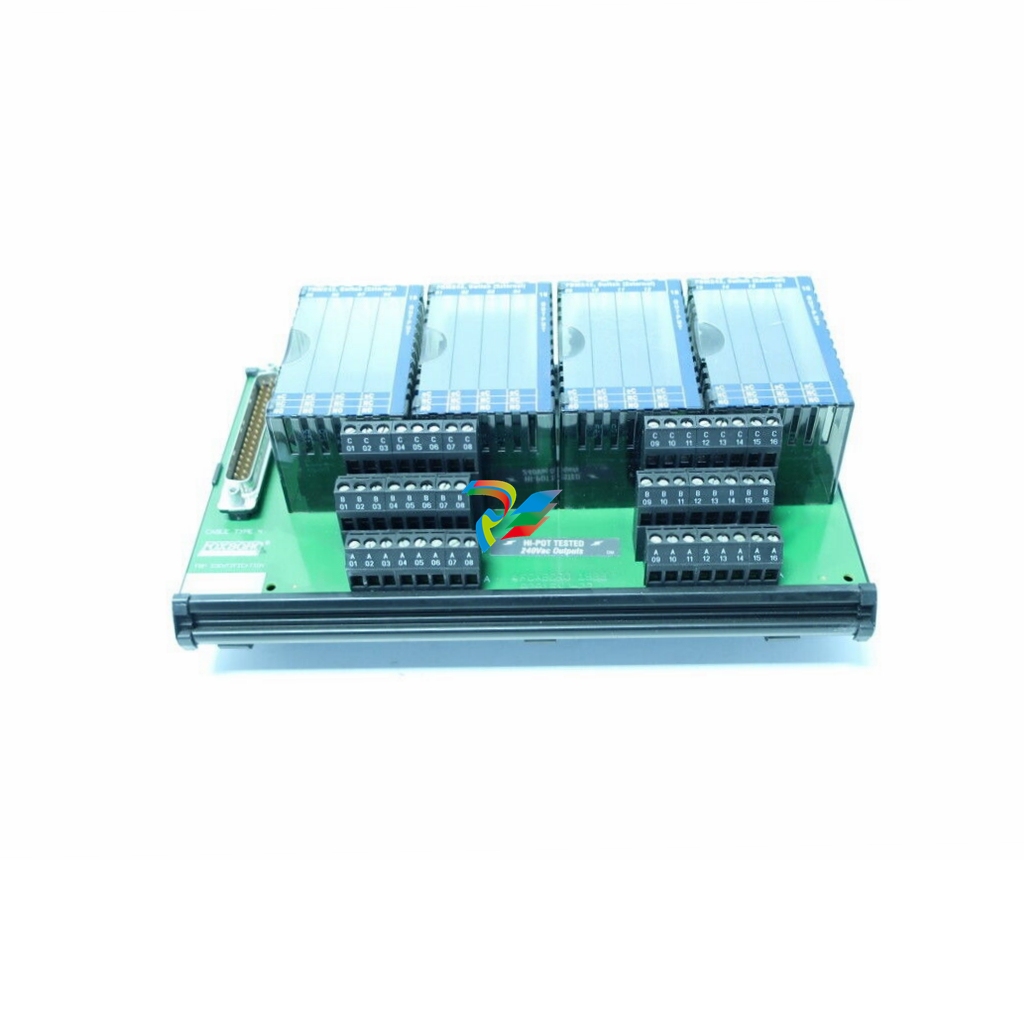 FOXBORO P0903ZP P0903ZQ Embedded System Debugging Module
 -
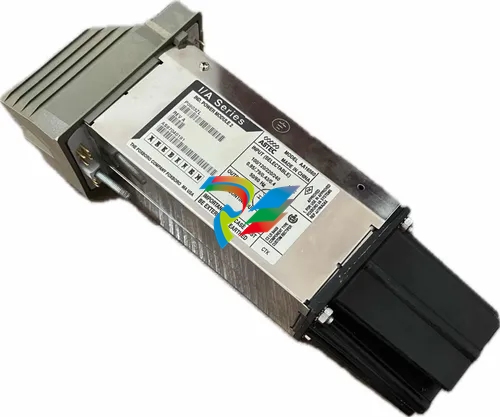 Foxboro P0903ZL P0903ZN Industrial power module
 -
 Foxboro P0903ZE I/A Series Fieldbus Isolator Module
 -
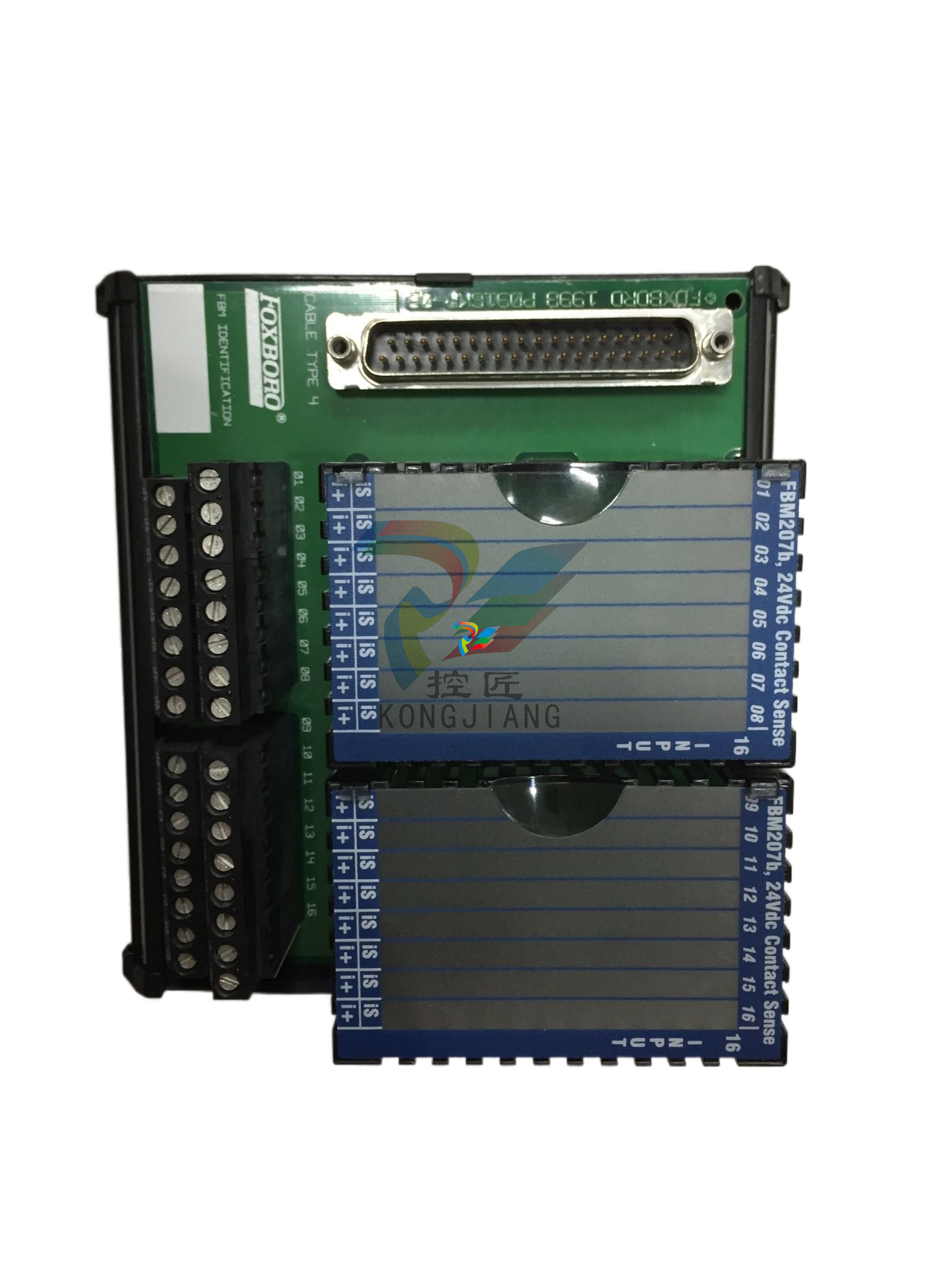 FOXBORO P0903NW Industrial Control Module
 -
.jpg) FFOXBORO P0903NQ Industrial power module
FFOXBORO P0903NQ Industrial power module -
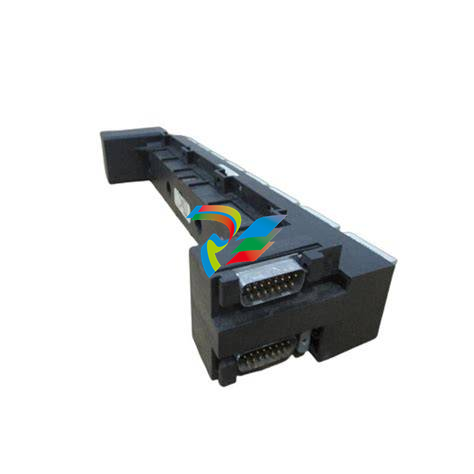 FFOXBORO P0903AA Control Module
 -
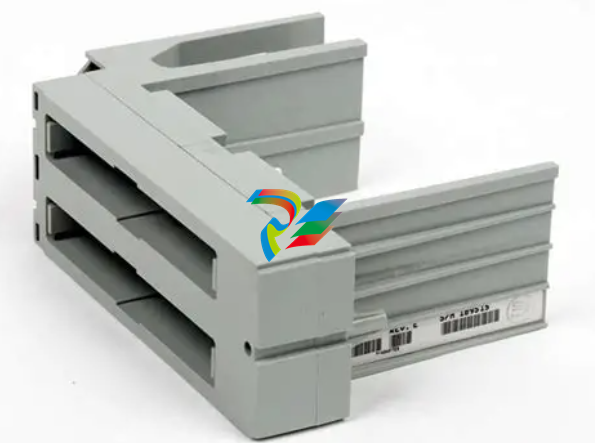 FOXBORO P0400DL Digital output module
 -
.jpg) FOXBORO P0400BJ Digital output module
FOXBORO P0400BJ Digital output module -
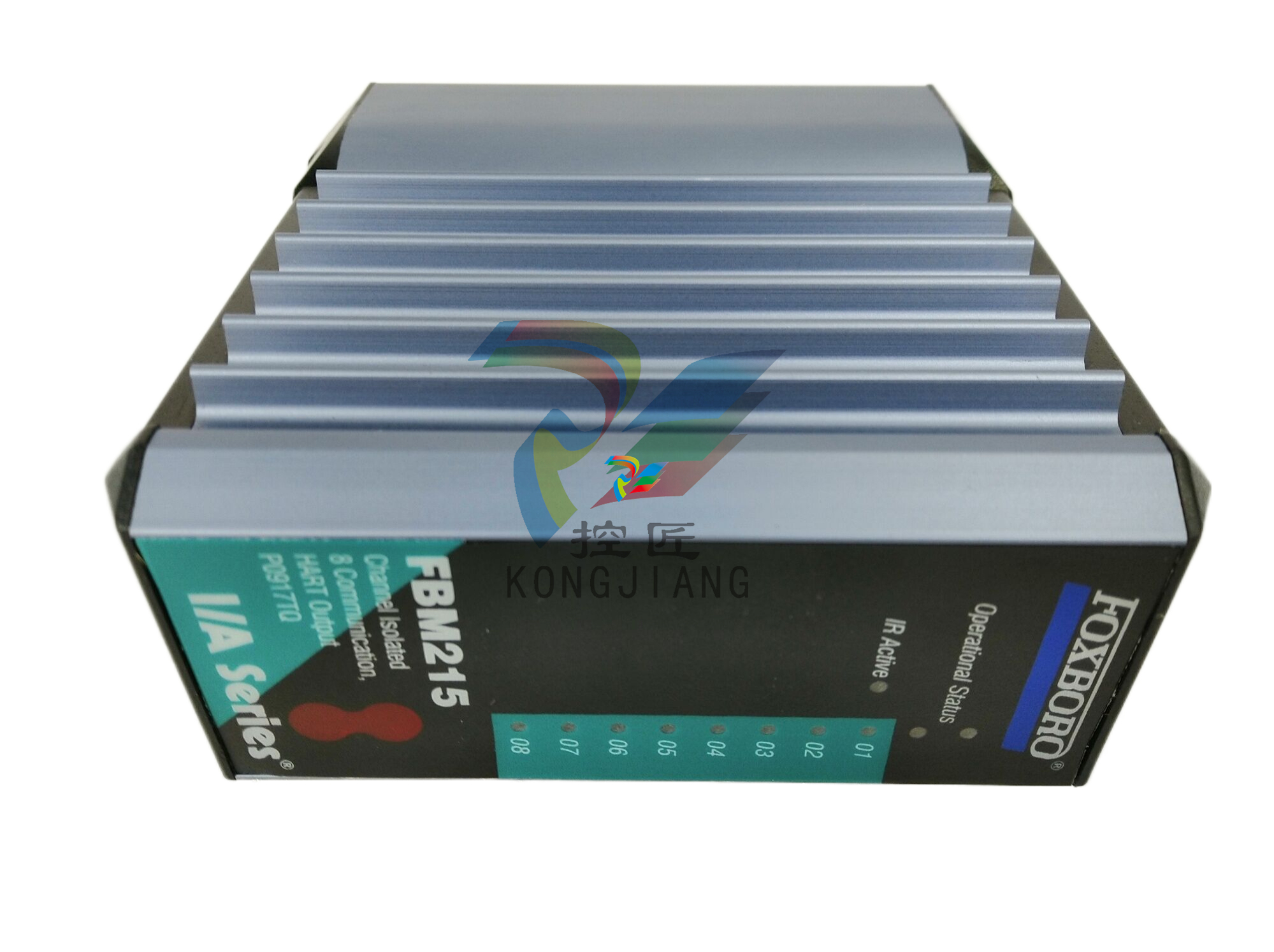 FOXBORO GW30 industrial control module
 -
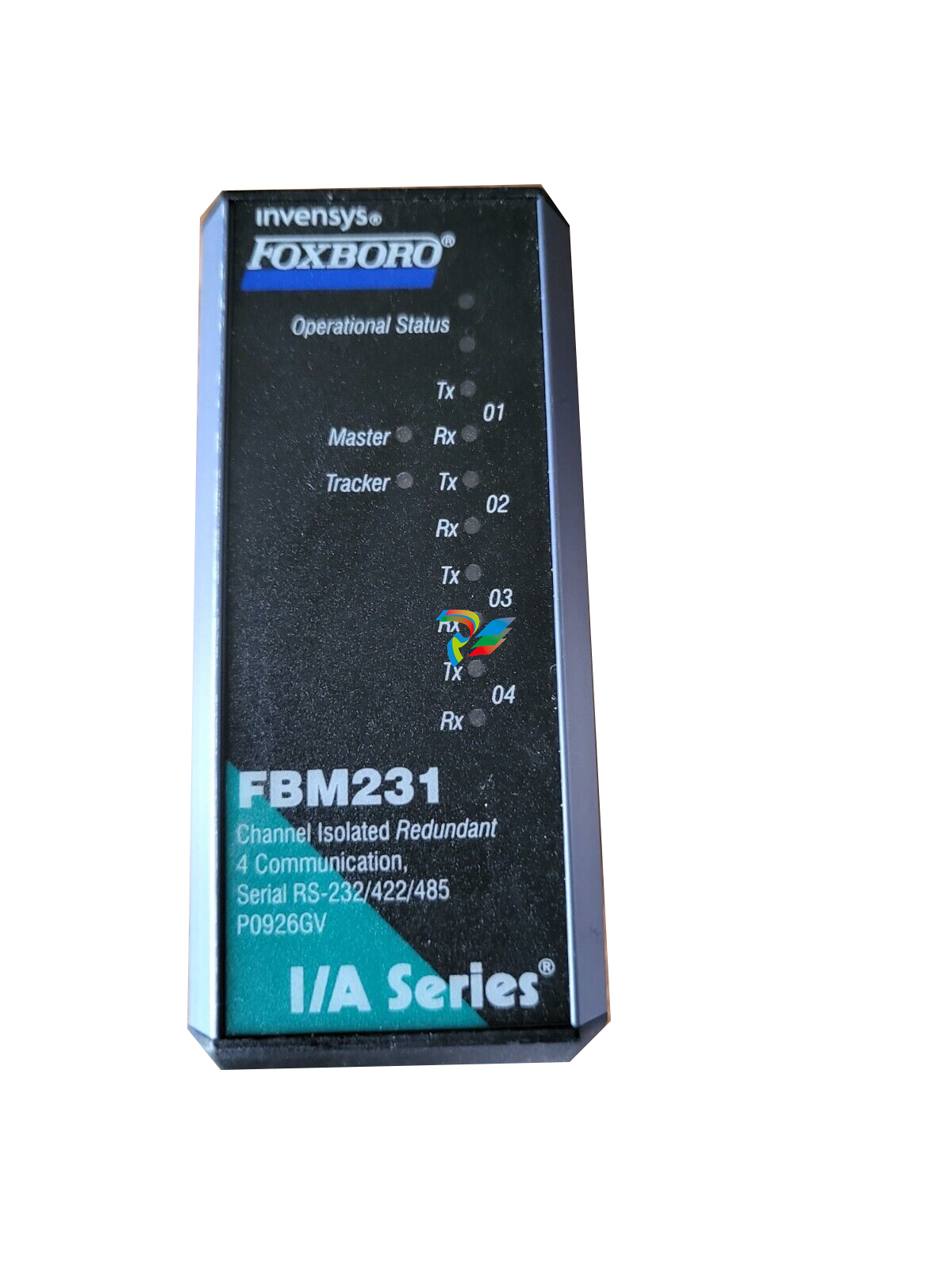 FOXBORO FBM231 Communication Output Module
 -
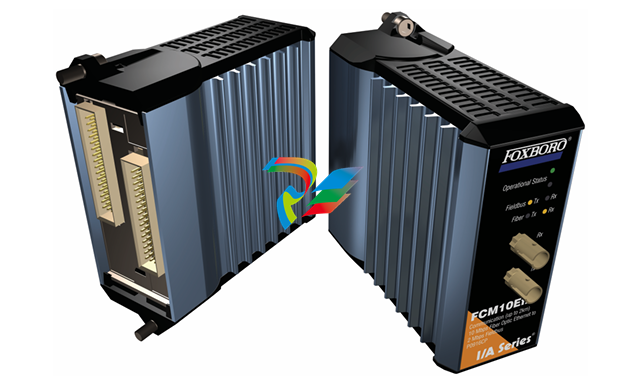 FOXBORO Fieldbus Communications Module, FCM10Ef
 -
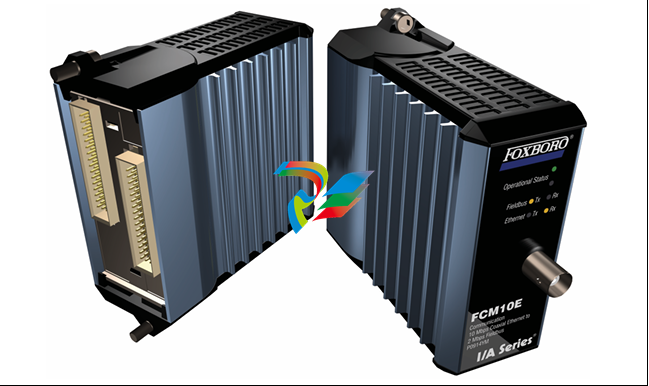 FOXBORO Fieldbus Communications Module, FCM10E