
DCS; Industrial control system
Product
Article
NameDescriptionContent
NEW CENTER
Current Location:
Trump's Presidency and Its Impact on Factories
From:
|
Author:huang
|
Time :2024-11-07
|
232 Browse:
|
Share:
Donald Trump's journey to becoming the president was a remarkable one. He entered the political arena as a businessman with a brash and unapologetic style. His campaign was characterized by bold promises to bring back jobs, build a wall along the southern border, and put America first.
The political climate during that time was highly polarized. Trump's unorthodox approach and controversial statements divided the nation. Supporters were drawn to his outsider status and his promise to shake up the establishment. Opponents, on the other hand, were concerned about his lack of political experience and his sometimes abrasive language.
Trump's campaign tapped into a sense of frustration among many Americans who felt that the political establishment had failed to address their concerns. His message resonated with those who were worried about economic insecurity, immigration, and a perceived loss of American influence on the world stage.
In the election, Trump pulled off a surprise victory, defying the polls and the expectations of many. His ascent to power marked a significant shift in American politics and set the stage for a tumultuous presidency.
二、Economic Landscape Under Trump
(一)Policy Initiatives
During his presidency, Donald Trump implemented several major economic policies. One of the key initiatives was tax cuts. The Tax Cuts and Jobs Act was aimed at stimulating economic growth and business investment. For factories, this could potentially lead to increased capital for expansion and modernization. It may have also encouraged businesses to invest in new technologies and improve productivity.
Another policy was deregulation. Trump's administration rolled back many regulations that were seen as burdensome for businesses. This could have eased the operations of factories by reducing compliance costs and allowing for more flexibility in production.
However, these policies also had potential drawbacks. The tax cuts added to the national debt, which could have long-term economic consequences. And while deregulation may have benefited some factories in the short term, it also raised concerns about environmental protection and worker safety.
(二)Trade Policies
Trump's trade policies had a significant impact on industrial factories. His administration imposed tariffs on a wide range of imports, claiming it was necessary to protect American jobs and industries. This led to a trade war with several countries, which disrupted supply chains and increased costs for factories that rely on imported materials.
On the export side, while some industries benefited from the administration's efforts to open new markets and renegotiate trade deals, others faced retaliatory tariffs that hurt their ability to sell products abroad.
For example, the steel and aluminum industries were initially seen as beneficiaries of the tariffs, but over time, the increased costs of raw materials due to trade tensions affected many downstream factories.
In conclusion, Trump's economic policies and trade actions had a complex and often controversial impact on factories. While some measures may have provided short-term benefits, the long-term consequences remain a subject of debate.
三、Industry-Specific Impacts
(一)Manufacturing Sector
The Trump presidency brought about several notable changes in the manufacturing sector. In terms of job creation, Trump's promises to bring back manufacturing jobs resonated with many. While it's difficult to precisely quantify the exact number of jobs directly attributable to his policies, there was a certain degree of optimism within the sector. Some factories reported increased hiring as a result of the administration's pro-business stance.
For investment, the tax cuts and deregulation measures provided an incentive for businesses to invest in their manufacturing operations. According to data from [reputable source], there was a [X]% increase in manufacturing investment in the year following the implementation of the Tax Cuts and Jobs Act. This led to upgrades in machinery and technology, enhancing productivity.
Regarding technological advancements, although not solely driven by Trump's policies, the push for American competitiveness encouraged some manufacturers to invest in research and development. For instance, factories in the automotive industry began exploring advanced manufacturing techniques such as 3D printing and robotics. This not only improved production efficiency but also positioned American manufacturers to better compete in the global market.
However, challenges remained. The trade tensions resulting from Trump's tariffs sometimes disrupted supply chains and led to increased costs for raw materials. Some manufacturers had to find alternative suppliers or adjust their production processes to mitigate the impact.
(二)Energy Industries
Trump's policies had a significant impact on energy-related factories. In the realm of fossil fuels, the administration showed strong support. Policies were implemented to ease regulations on coal, oil, and natural gas production. This led to increased activity in fossil fuel-related factories, such as coal mines and oil refineries. According to [energy industry report], there was a [X]% increase in production capacity at some coal mines due to the loosening of environmental regulations.
On the other hand, Trump's approach to renewable energy was more complex. While he was skeptical of some renewable energy initiatives, there was still some growth in the sector. Some states continued to invest in solar and wind energy projects, driving demand for related manufacturing. For example, factories producing solar panels and wind turbines still saw some growth, albeit at a slower pace than under a more pro-renewable energy administration.
In conclusion, Trump's policies had a mixed impact on energy-related factories. The emphasis on fossil fuels provided a boost to some sectors, but the uncertainty surrounding renewable energy created challenges for those involved in that industry.
四、Challenges and Opportunities
(一)Labor Market Dynamics
During Trump's presidency, the labor market for factory workers experienced several notable changes. In terms of wages, there was a mixed impact. On one hand, Trump's policies aimed at bringing back manufacturing jobs and promoting economic growth could have potentially led to some increase in wages. For instance, with the implementation of tax cuts and deregulation, businesses may have had more capital available to invest in their workforce. However, the trade tensions and uncertainties created by his trade policies also had the potential to limit wage growth. Some factories faced increased costs due to tariffs on imported materials and retaliatory tariffs on exports, which may have put pressure on profit margins and made it difficult to raise wages significantly.
Regarding skills requirements, Trump's emphasis on American competitiveness and bringing back manufacturing jobs put a spotlight on the need for a skilled workforce. Factories began to look for workers with advanced technical skills, such as proficiency in robotics and 3D printing. According to a survey by [labor market research institute], there was a [X]% increase in demand for workers with skills in advanced manufacturing technologies during Trump's presidency. This led to a greater focus on training and upskilling programs for factory workers.
(二)Future Prospects
In the post-Trump era, factories face both challenges and opportunities. On the one hand, the uncertainties created by the trade tensions and policy shifts during Trump's presidency may continue to have an impact. For example, factories may still be dealing with disrupted supply chains and increased costs. However, there are also potential areas for growth and improvement. The push for technological advancements in manufacturing is likely to continue, driven by the need for increased productivity and competitiveness. Factories that invest in research and development and adopt advanced technologies such as artificial intelligence and automation will be better positioned for success.
Moreover, there is growing awareness of the importance of sustainable manufacturing. As the world moves towards a more environmentally conscious future, factories that can adapt and embrace sustainable practices will have an advantage. This could include investing in renewable energy sources, reducing waste, and implementing eco-friendly production processes.
In conclusion, while the Trump presidency had a significant impact on factories, the future prospects for the industry depend on its ability to adapt to changing market conditions and technological advancements. By focusing on innovation, sustainability, and workforce development, factories can position themselves for long-term growth and success.
-
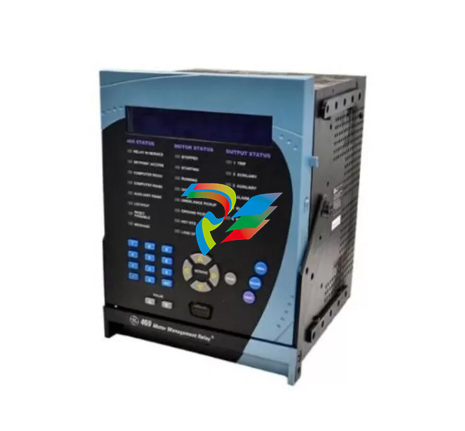 GE SR745-W2-P1-G1-HI-A-L-R-E Feeder protection relay
 -
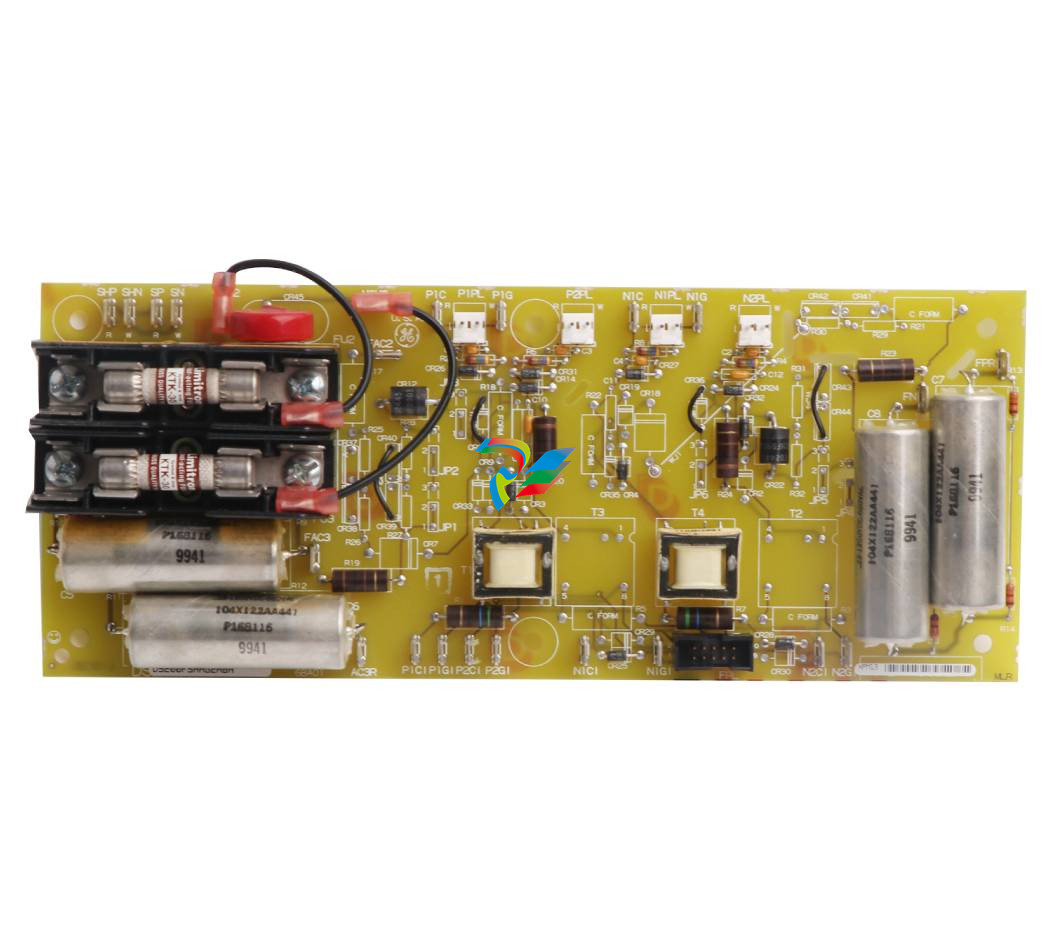 GE IS230TNDSH2A Discrete Output Relay Module Brand
 -
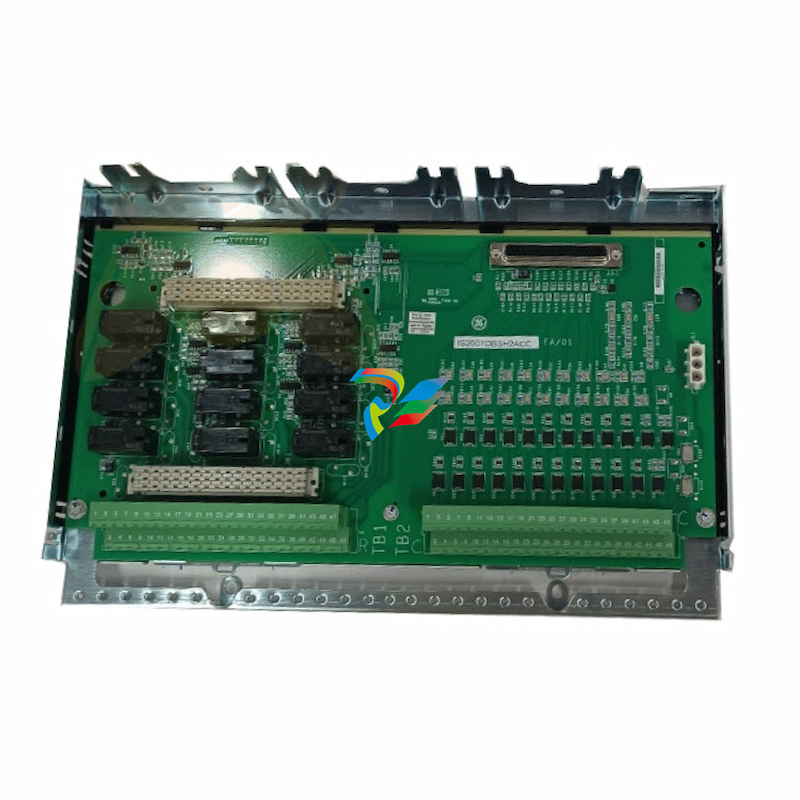 GE Fanuc IS200TDBSH2ACC Mark VI Terminal Board Brand
 -
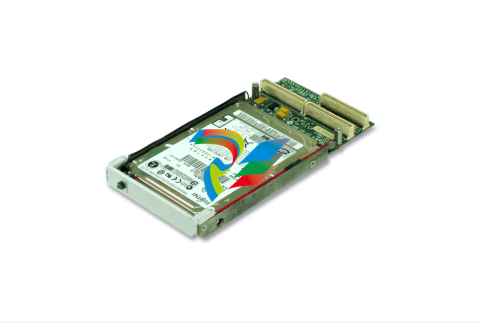 GE PMC-0247RC-282000 350-93750247-282000F Disk Drive
 -
GE PMC-0247RC-282000 350-93750247-282000F Disk Drive
-
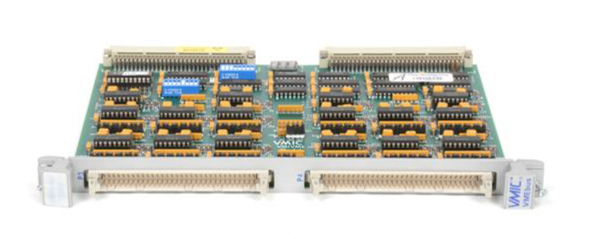 GE VMIVME-1150 Serial Communications Controller
 -
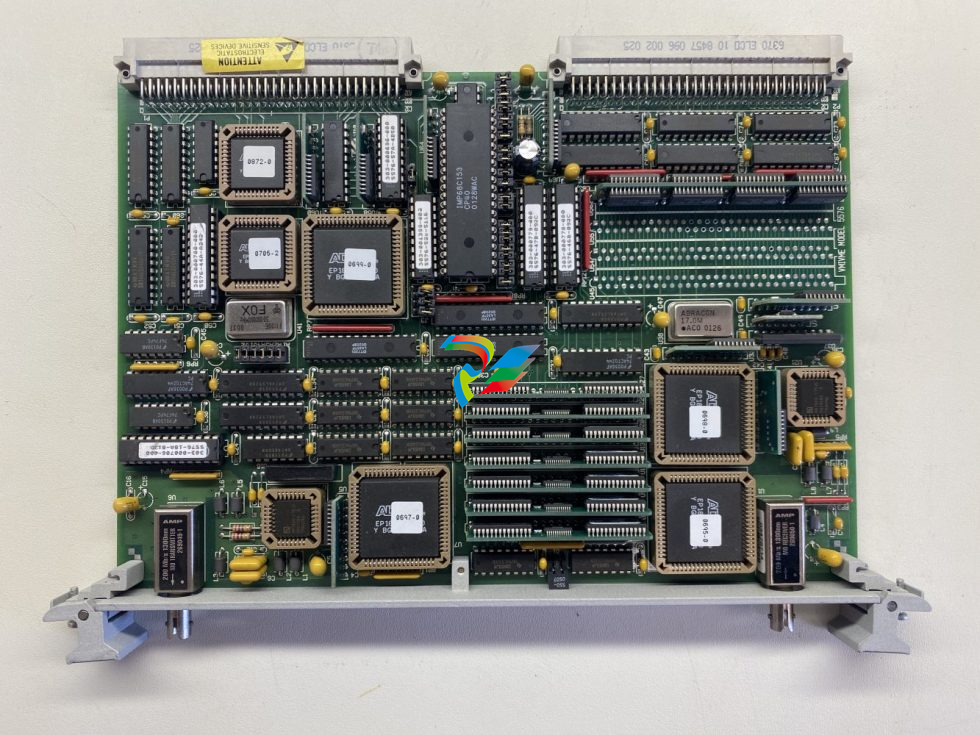 GE VMIVME-5576 Fiber-Optic Reflective Memory with Interrupts
 -
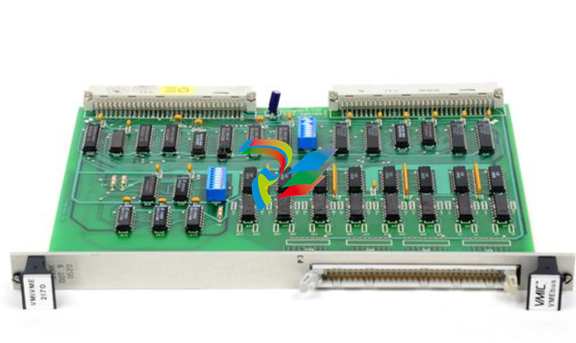 GE VMIC Isolated Digital Output VMIVME-2170A
 -
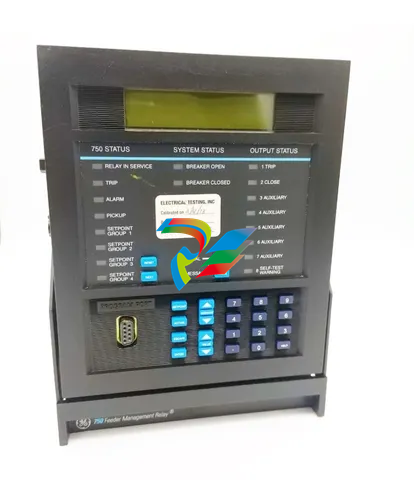 GE MULTILIN 760 FEEDER MANAGEMENT RELAY 760-P5-G5-S5-HI-A20-R-E
 -
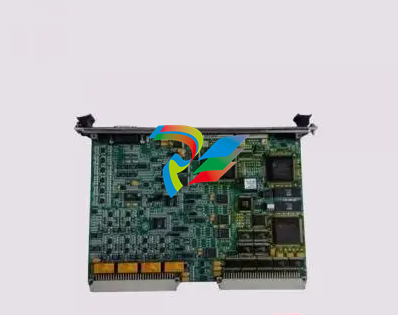 GE IS200AEPAH1BKE IS215WEPAH2BB Printed circuit board
 -
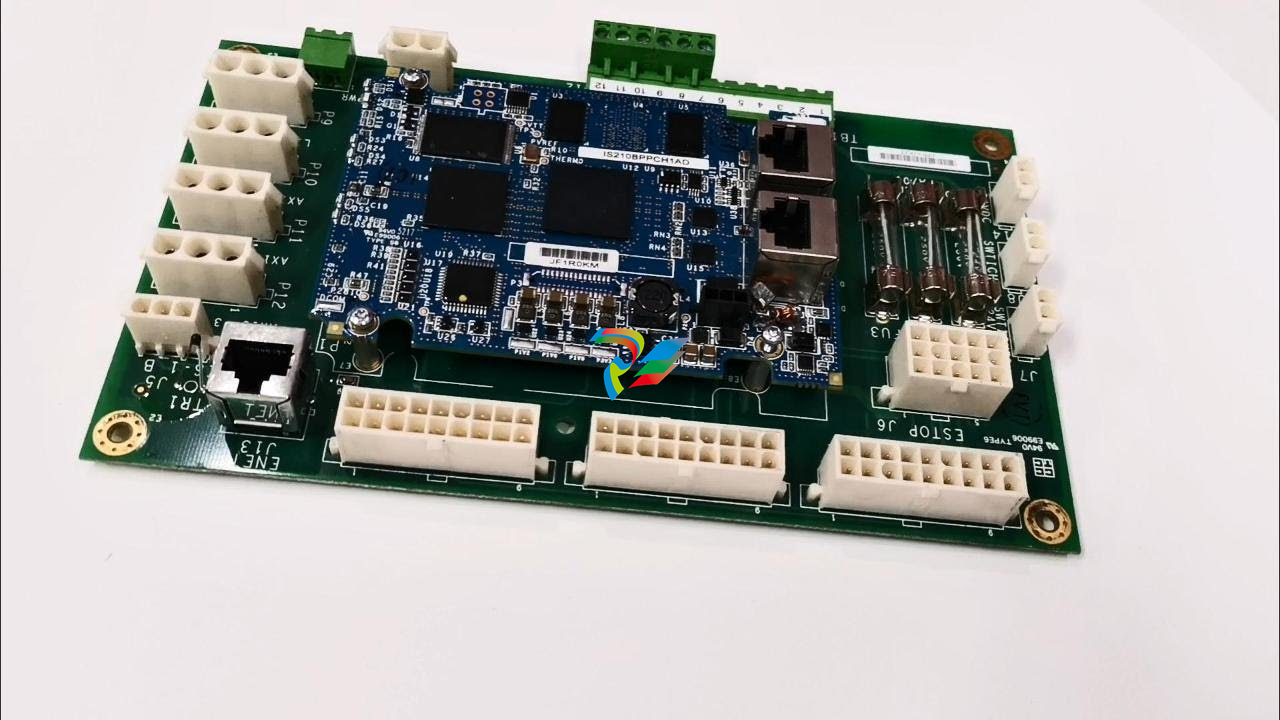 GE IS210BPPCH1A Mark VIe I/O Pack Processor Card
 -
 GE IS220PRTDH1A 336A4940CSP6 High-Performance RTD Input Module
 -
GE IS220PDIAH1BE 336A5026ADP4 Discrete Input Module
-
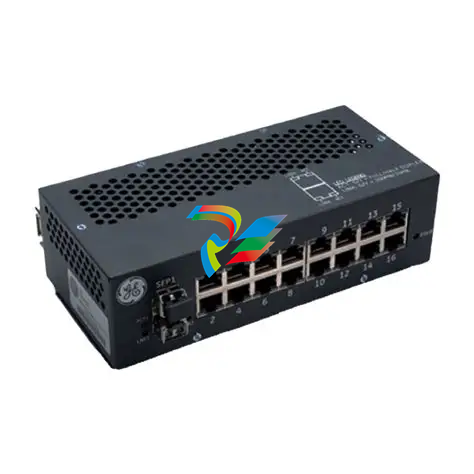 GE IS420ESWBH3A IONET Switch Module
 -
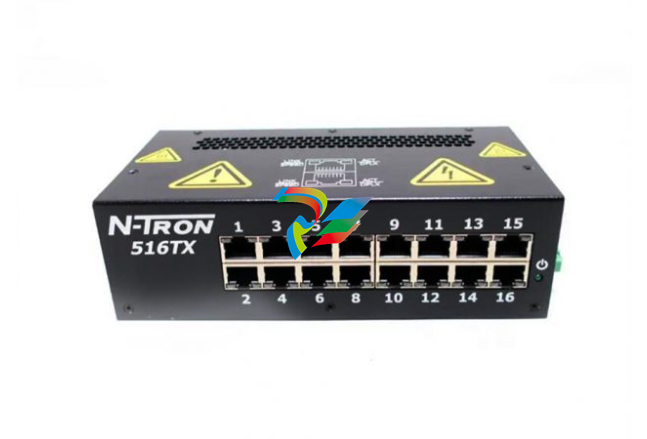 GE 516TX 336A4940DNP516TX 16-port Ethernet switch
 -
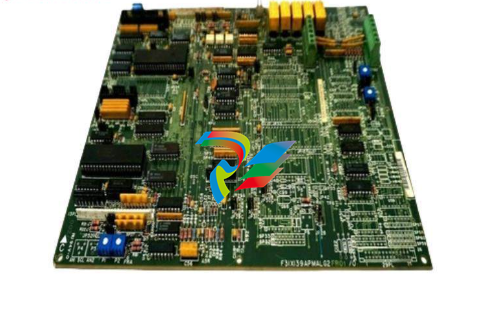 GE EVMECNTM13 Embedded control module
 -
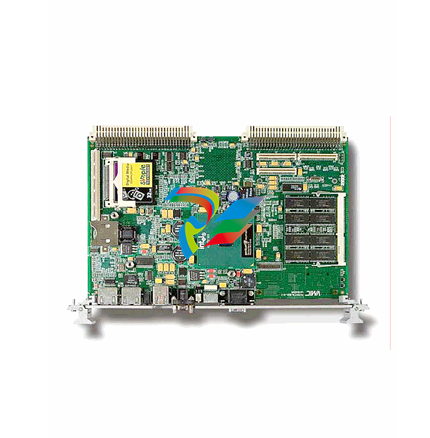 GE EVPBDP0001 EVPBDP032 control module
 -
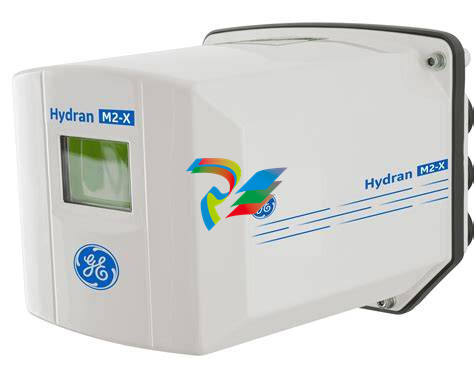 GE Hydran M2-X Enhanced Monitoring with Extended Sensor Life
 -
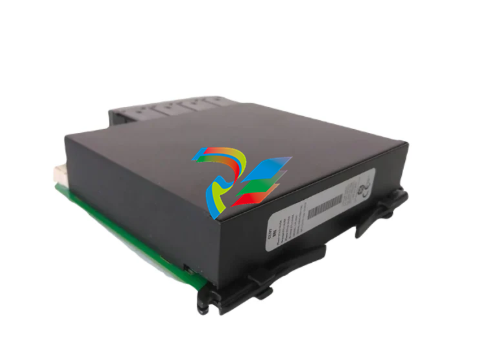 GE UR6CH Digital I/O Module
 -
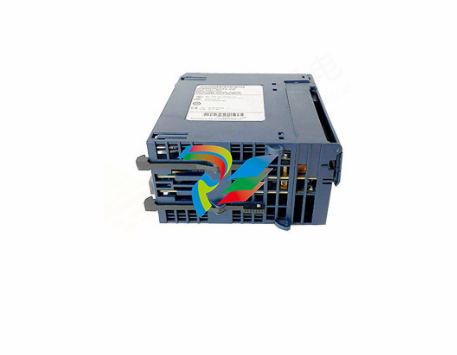 GE IC695CPU315-CD Central processing unit
 -
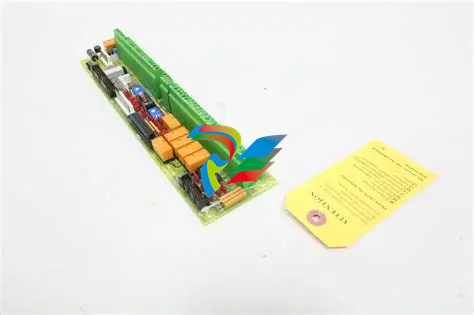 GE 531X305NTBAMG1 DR Terminal Board
 -
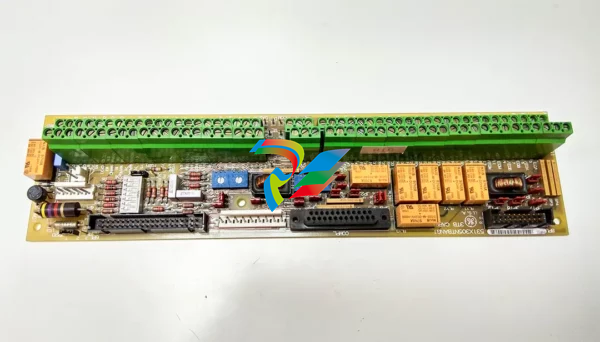 GE 531X305NTBALG1 NTB/3TB Terminal Board 531X Series
 -
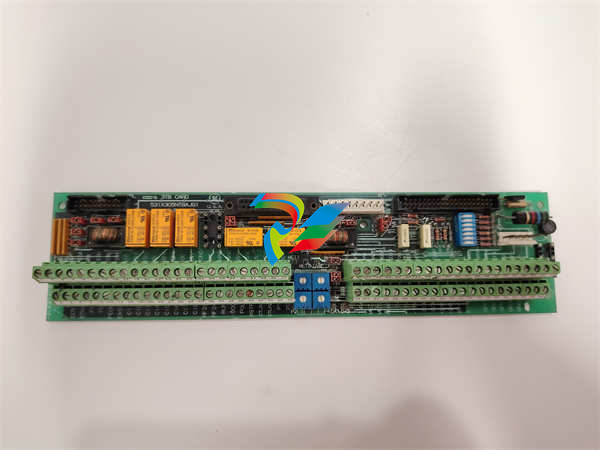 GE 531X305NTBAJG1 NTB/3TB Terminal Board.
 -
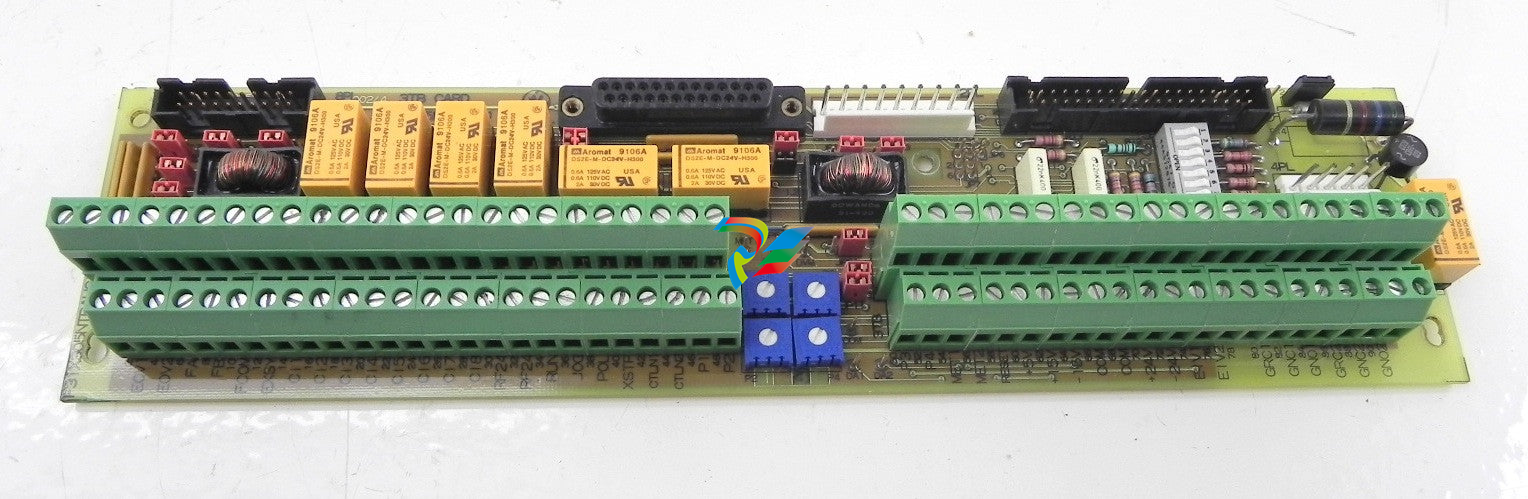 GE 531X305NTBAHG1 NTB/3TB Terminal Board 531X
 -
 GE 531X305NTBAEG1 is a PCB that functions as a DR terminal board.
 -
General Electric 531X305NTBACG1 NTB/3TB Terminal Board 531X
-
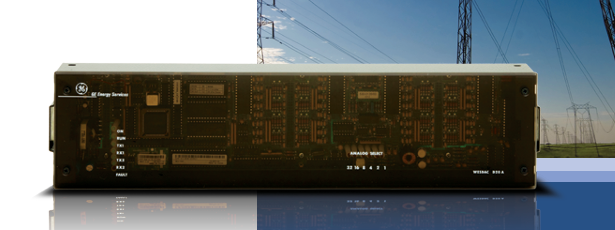 GE Digital Energy D20 Analog Input Module
 -
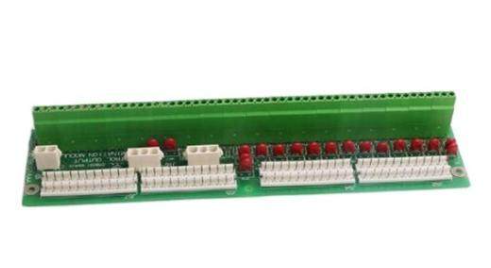 GE 94-164136-001 main board Control board
 -
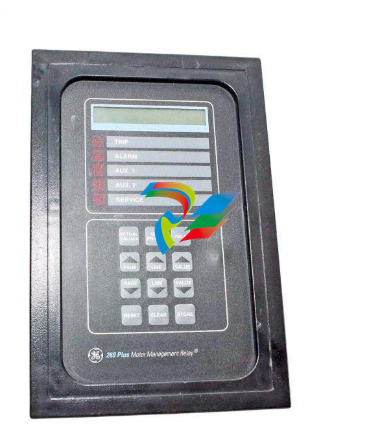 GE 269 PLUS-D/O-100P-125V Digital motor relay
 -
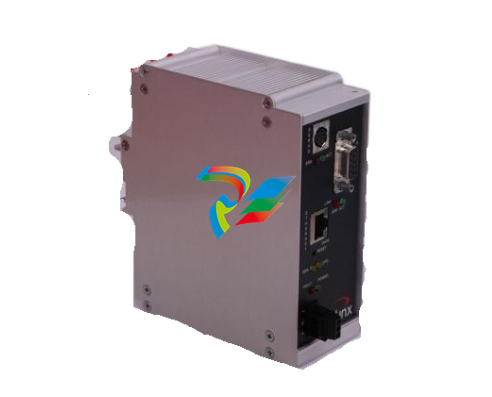 GALIL DMC-9940 High-performance motion controller
 -
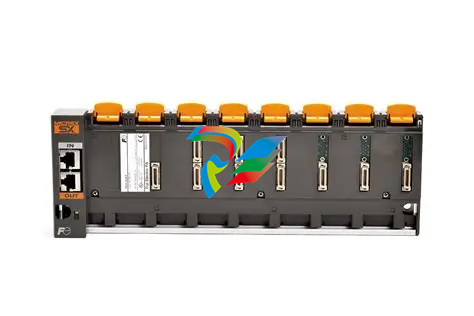 FUJI NP1BS-08 base plate
 -
 FUJI NP1Y32T09P1 Transistor drain type digital output module
 -
 FUJI NP1Y16R-08 Digital Output Module
 -
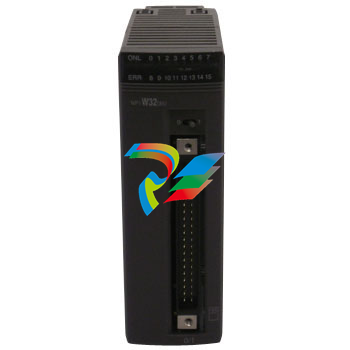
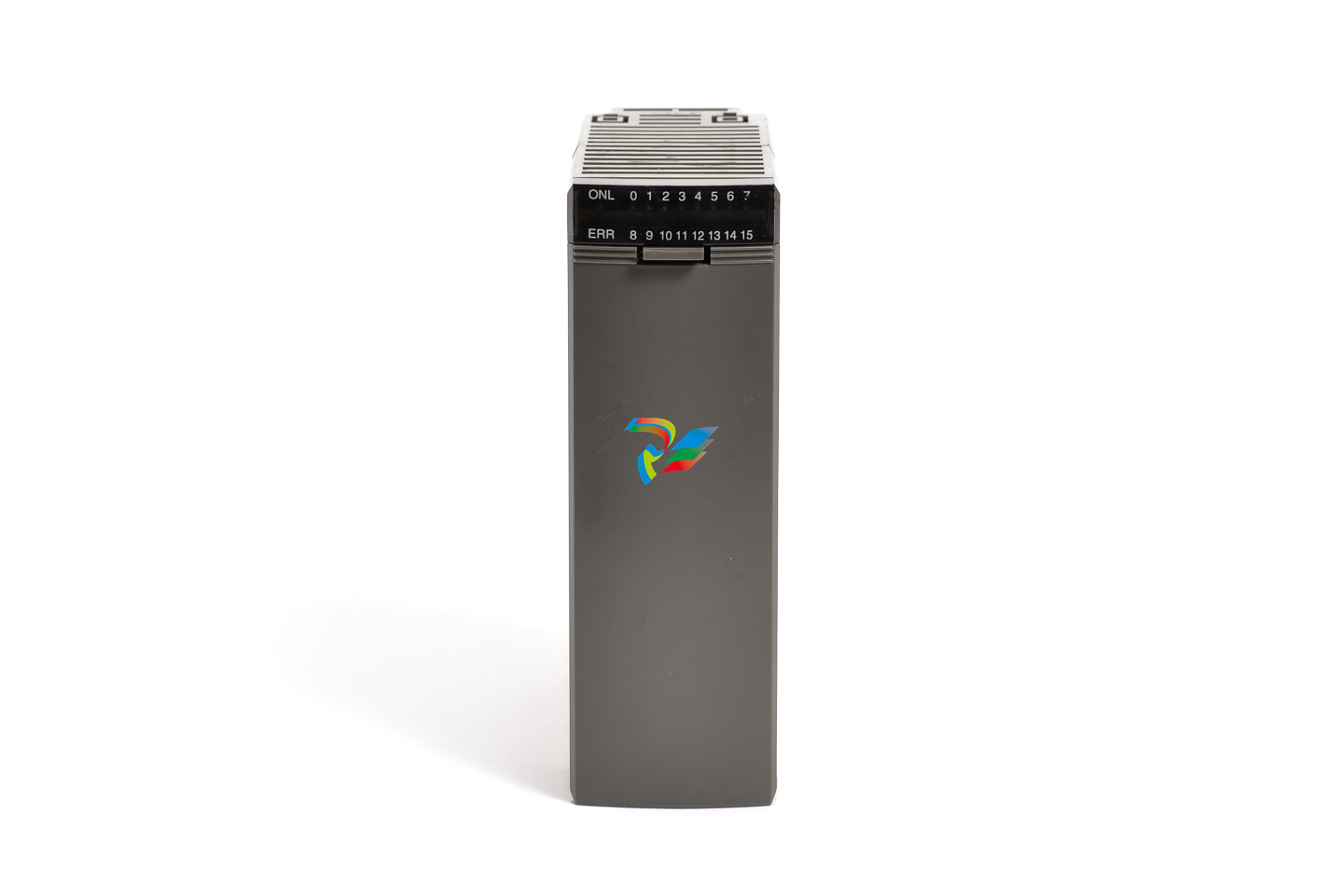
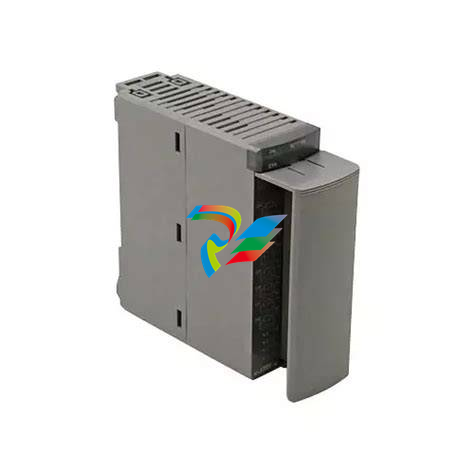
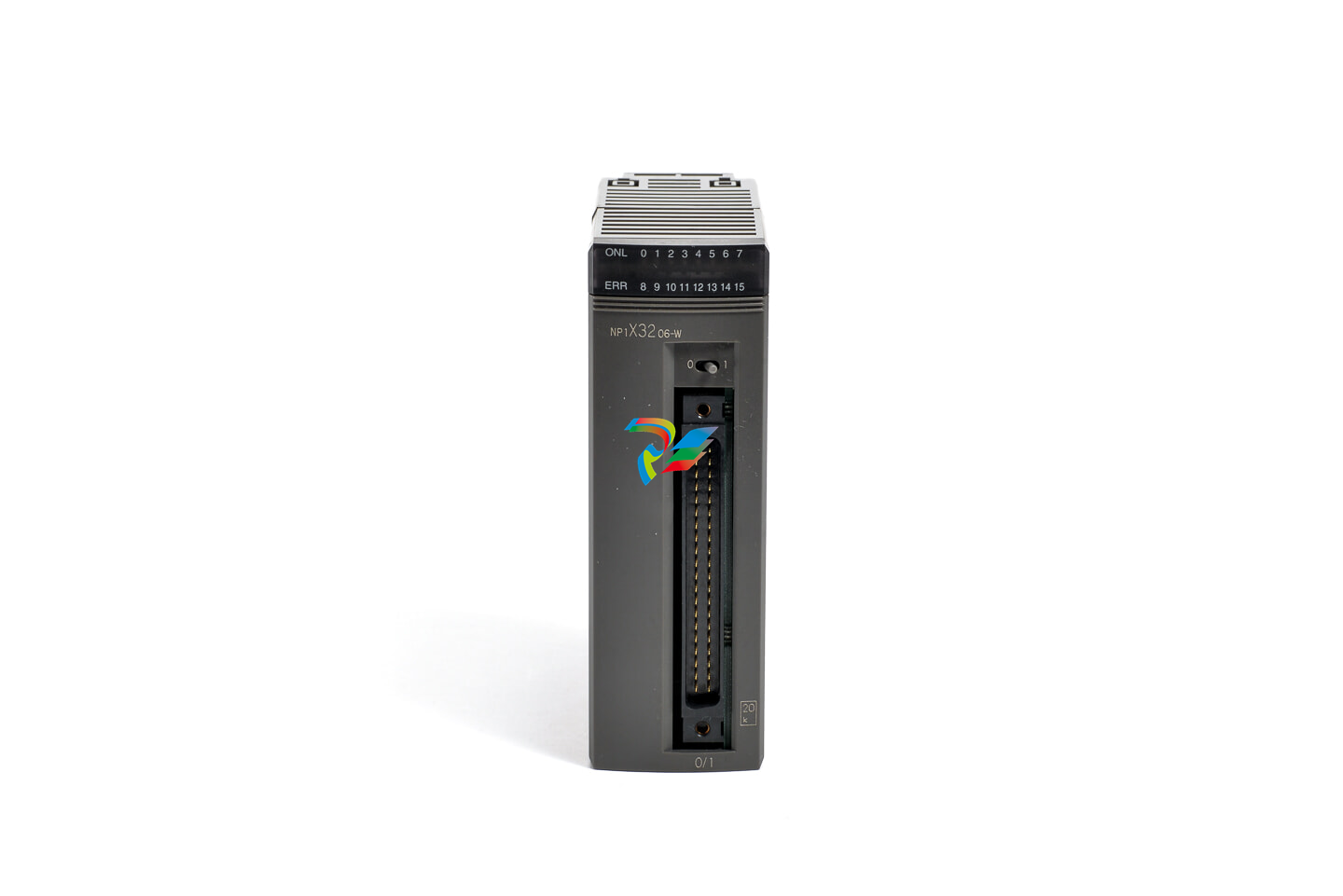 FUJI NP1X3206-A High-speed digital input module
 -
 FUJI NP1AYH4I-MR current output module
 -
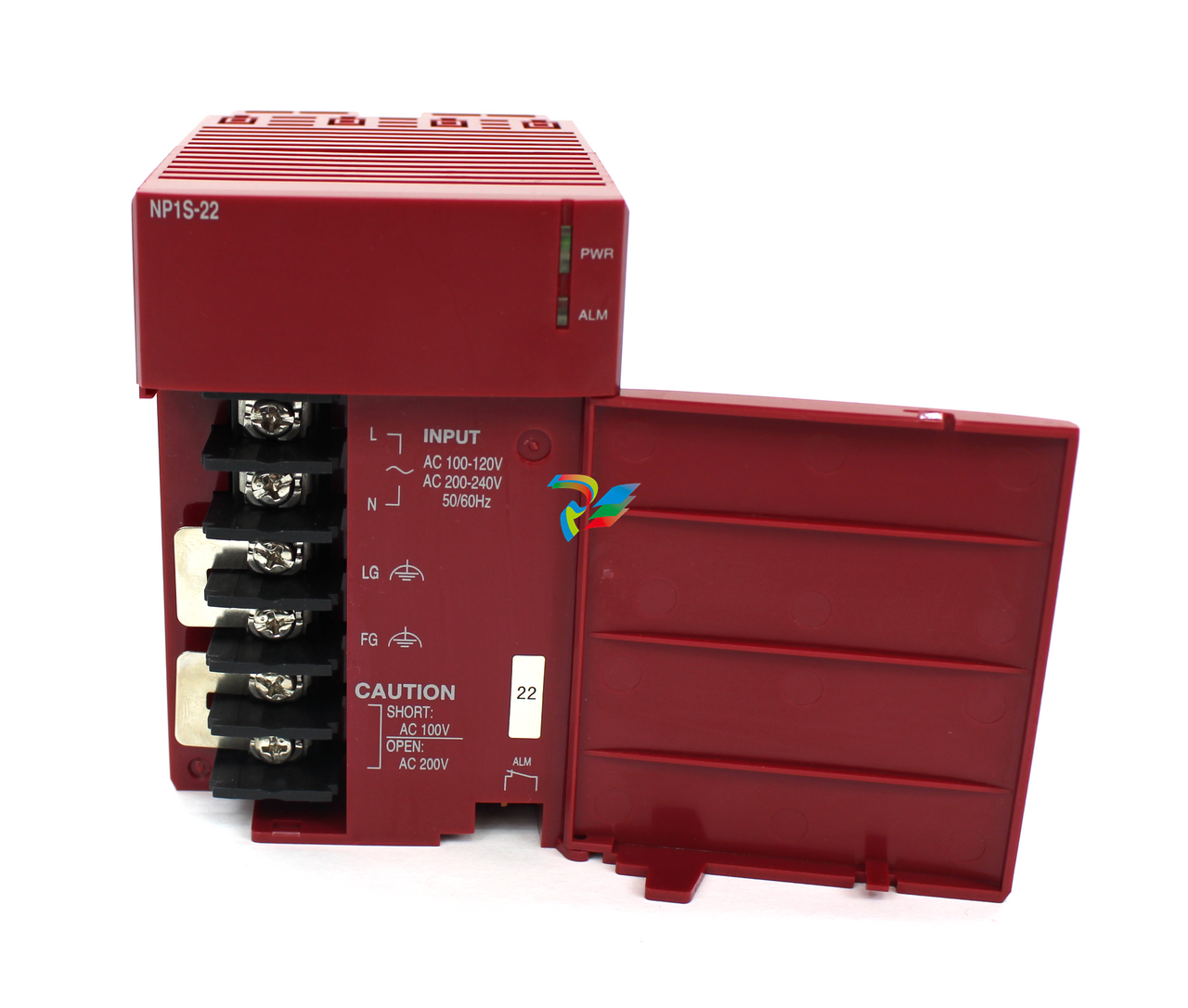 FUJI NP1S-22 Power module redundancy
 -
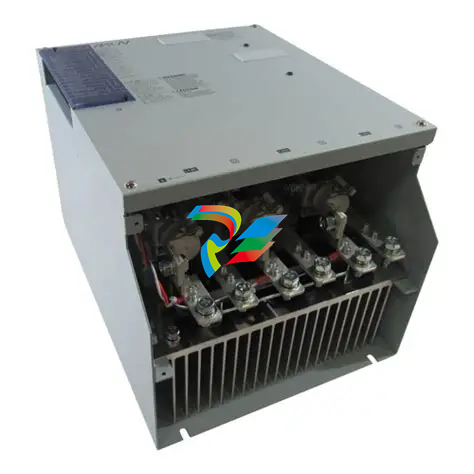 FUJI RPXD2150-1T servo drive module
 -
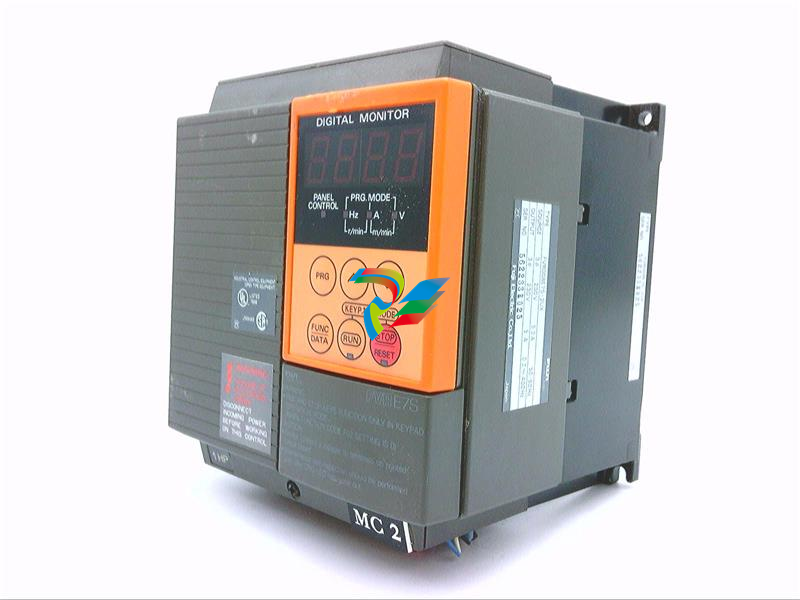 FUJI FVR008E7S-2UX Ac frequency converter
 -
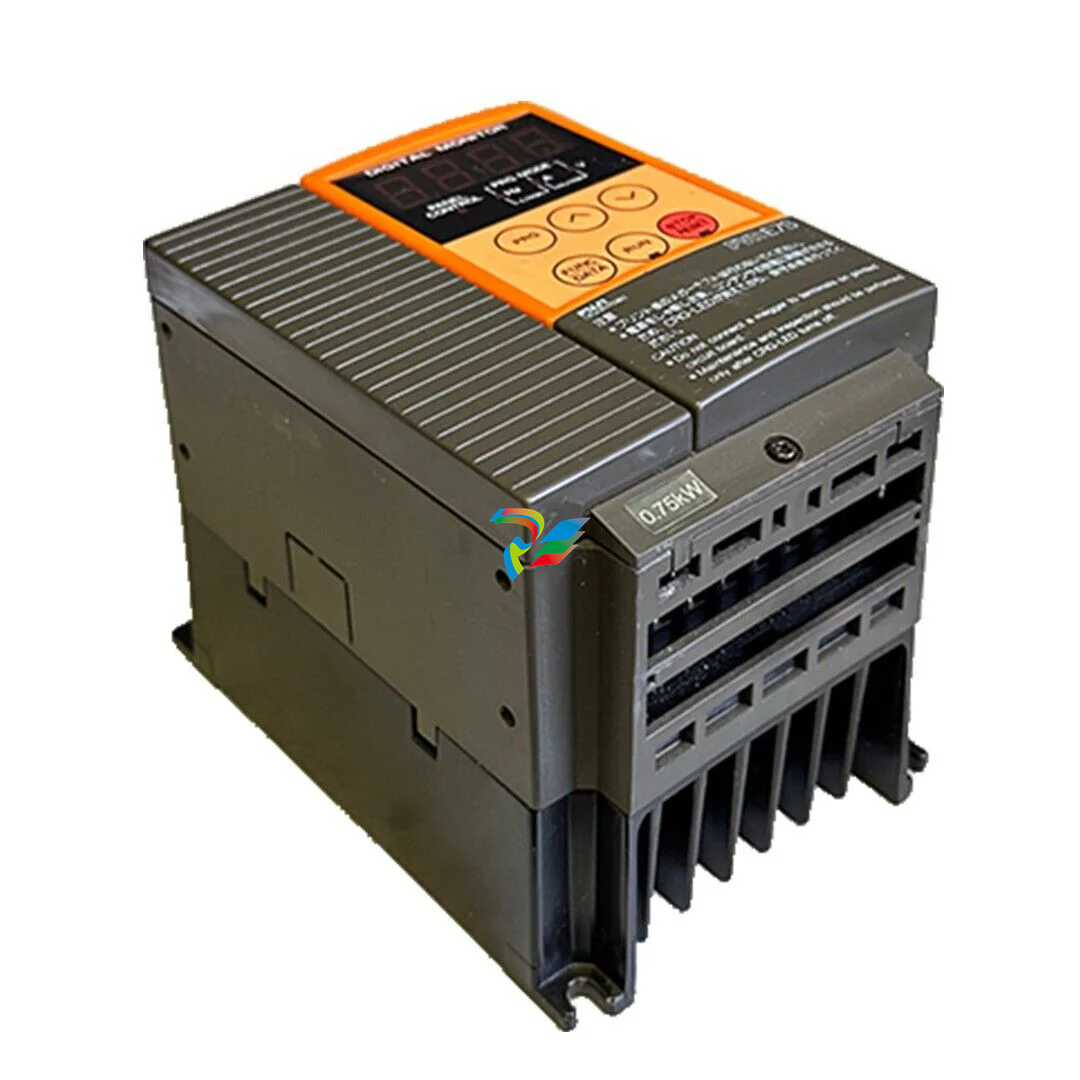 FUJI Ac frequency converter FVR008E7S-2
 -
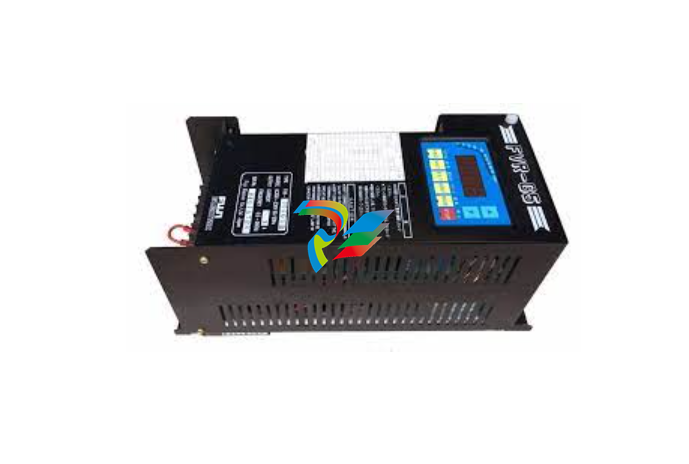 FUJI FVR004G5B-2 Small general-purpose frequency converter
 -
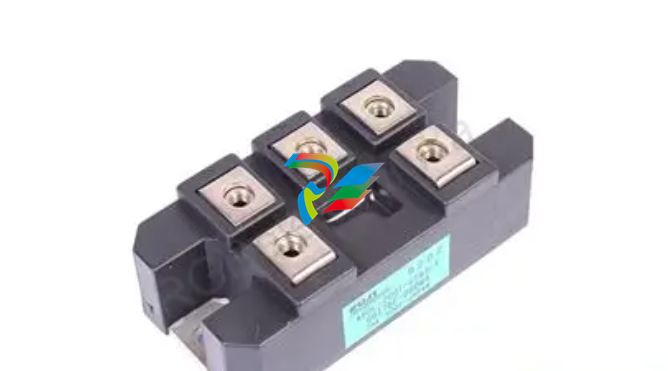 FUJI A50L-2001-0232 Industrial control module
 -
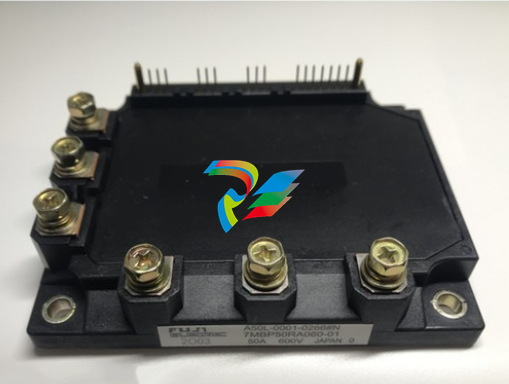 FUJI A50L-001-0266#N High-performance servo amplifier
 -
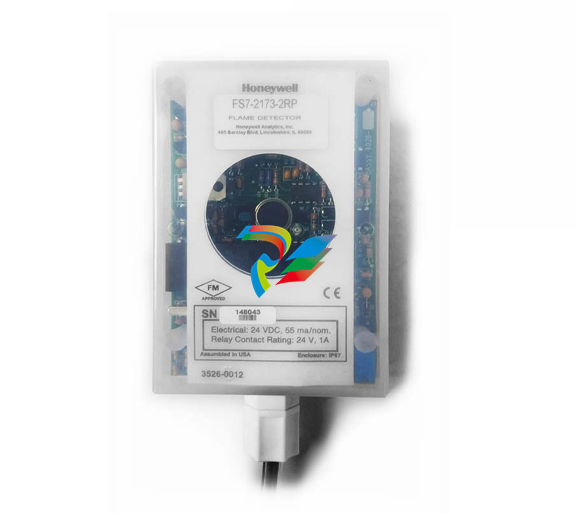 Honeywell FS7-2173-2RP Gas sensor
 -
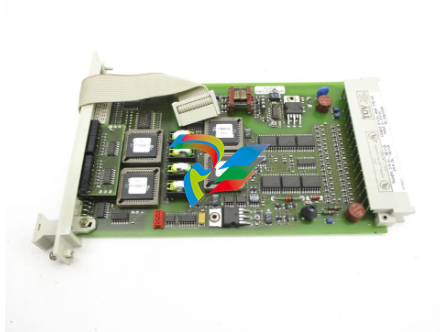 Honeywell 10106/2/1 Digital Input Module in Stock
 -
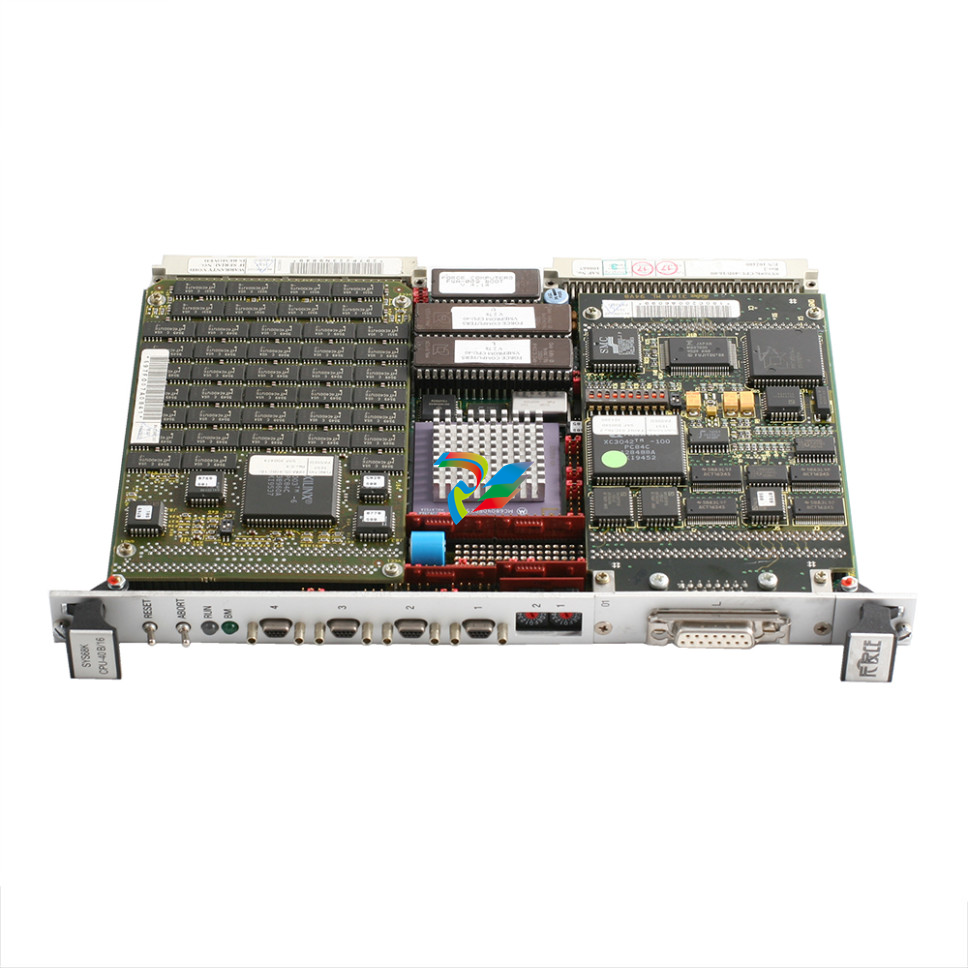 FRCE SYS68K CPU-40 B/16 PLC core processor module
 -
 Foxboro FBM I/O cards PBCO-D8-009
 -
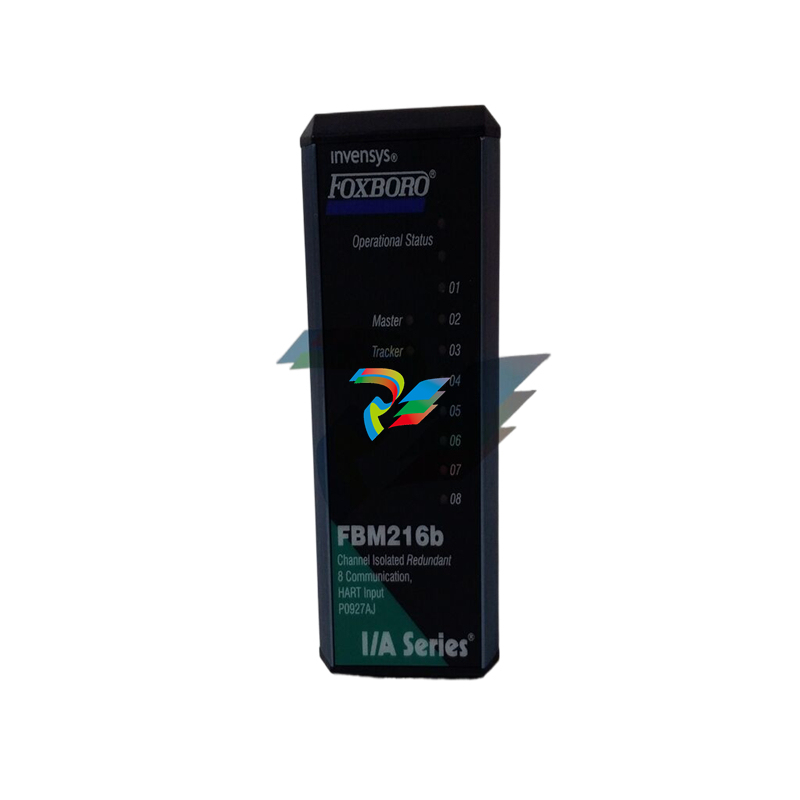 Foxboro AD916AE Digital Control System (DCS) Module
 -
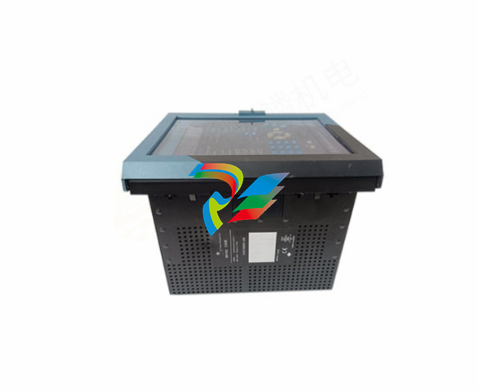 GE SR750-P5-G5-S5-HI-A20-R-E Multilin Relay
 -
.jpg) FOXBORO H90 H90C9AA0117S Industrial Computer Workstation
FOXBORO H90 H90C9AA0117S Industrial Computer Workstation -
.jpg) FOXBORO RH928AW | I/A Series Relay Output Module
FOXBORO RH928AW | I/A Series Relay Output Module -
.jpg) Foxboro N-2AX+DIO Multi-functional input/output module
Foxboro N-2AX+DIO Multi-functional input/output module -
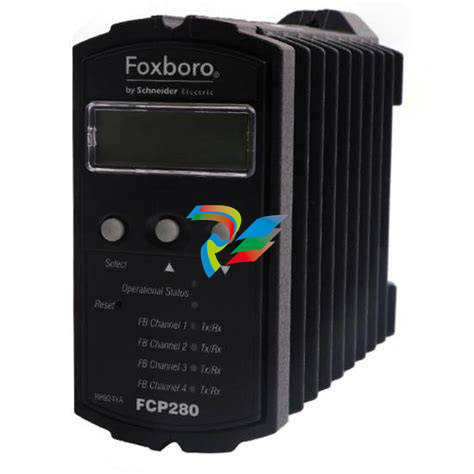 Foxboro RH924WA FCP280 Fiber Optic Network Adapter
 -
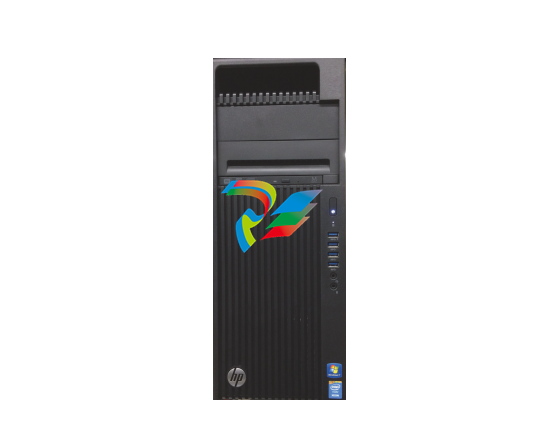 FOXBORO H92 Versatile Hardware Component In
 -
 Foxboro FBM218 P0922VW HART® Communication Redundant Output Interface Module
 -
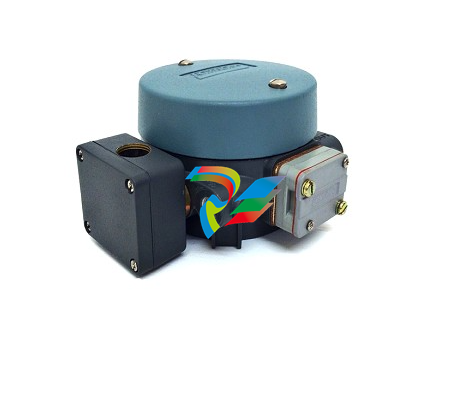 Foxboro E69F-TI2-J-R-S E69F Series Current-To-Pneumatic Signal Converter
 -
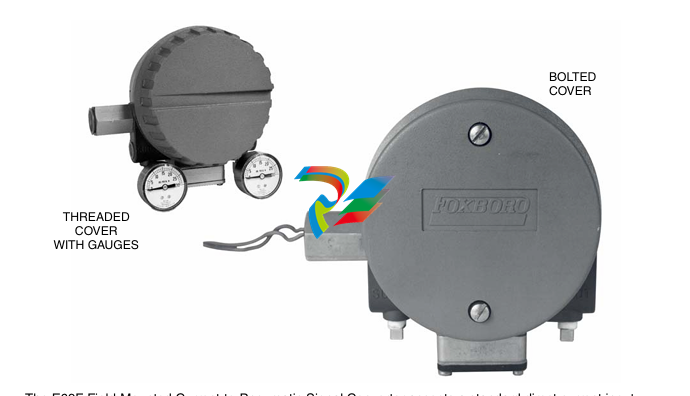 Foxboro E69F-BI2-S Converter
 -
.jpg) Foxboro H92A049E0700 The host of the DCS control station
Foxboro H92A049E0700 The host of the DCS control station -
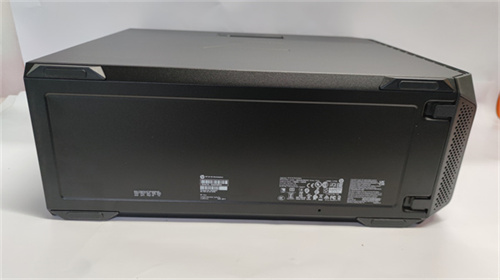 Foxboro H90C9AA0117S Industrial computer workstation
 -
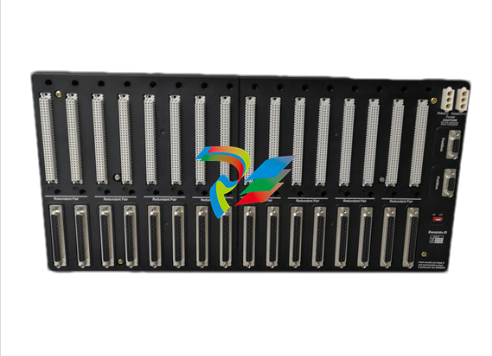 Foxboro RH101AA High-performance industrial control module
 -
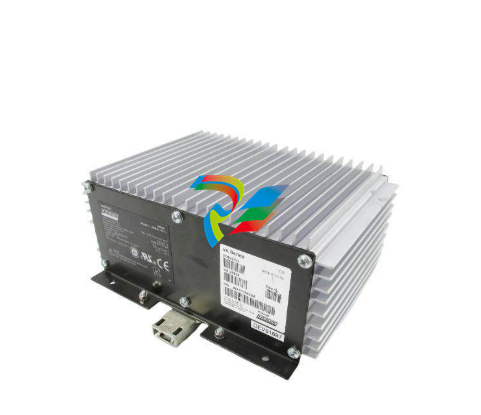 Foxboro P0922YU FPS400-24 I/A Series Power supply
 -
.png) FOXBORO P0973LN Chassis-based managed switch with independent power supply
FOXBORO P0973LN Chassis-based managed switch with independent power supply -
.jpg) FOXBORO P0926PA Input/output module
FOXBORO P0926PA Input/output module -
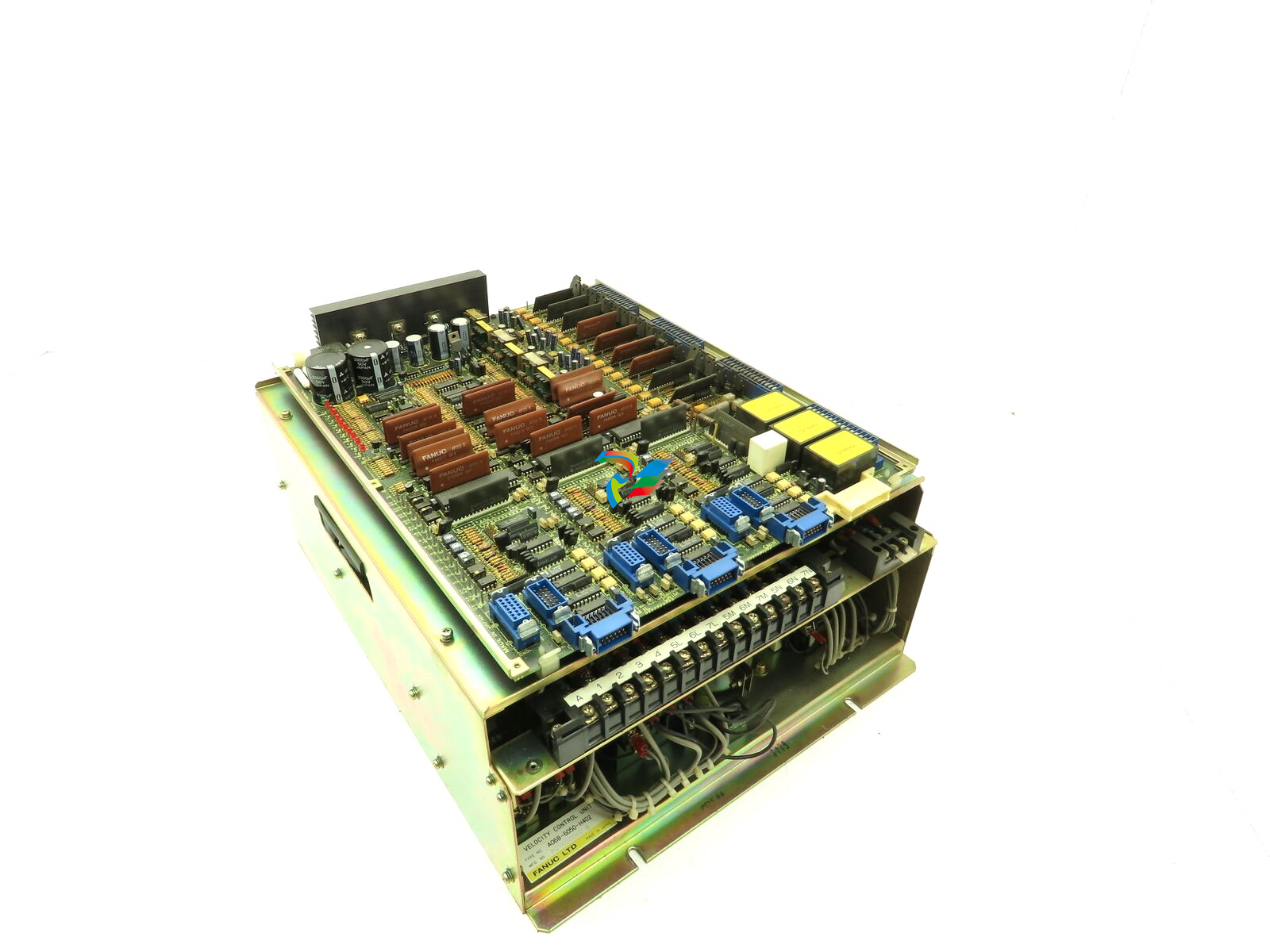 Fanuc A06B-6050-H402 3 AXIS ANALOG AC SERVO DRIVE
 -
.jpg) FOXBORO L0130AD L0130AE-0H Power module group
FOXBORO L0130AD L0130AE-0H Power module group -
_lVjBYb.jpg) FOXBORO 0399085B 0303440C+0303458A Combination Control Module
FOXBORO 0399085B 0303440C+0303458A Combination Control Module -
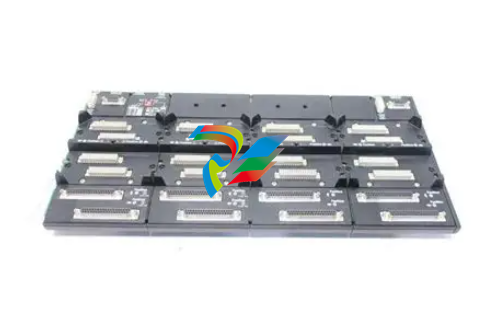 FOXBORO SY-0399095E (SY-0303451D+SY-0303460E) Process control board
 -
.jpg) FOXBORO 0399071D 0303440C+0303443B Input/Output (I/O) Module
FOXBORO 0399071D 0303440C+0303443B Input/Output (I/O) Module -
.jpg) FOXBORO RH924UQ Redundant Controller module
FOXBORO RH924UQ Redundant Controller module -
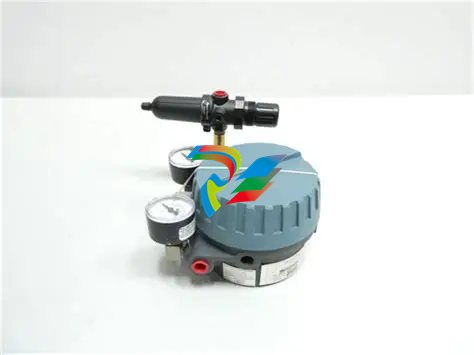 FFOXBORO E69F-TI2-S current pneumatic converter
 -
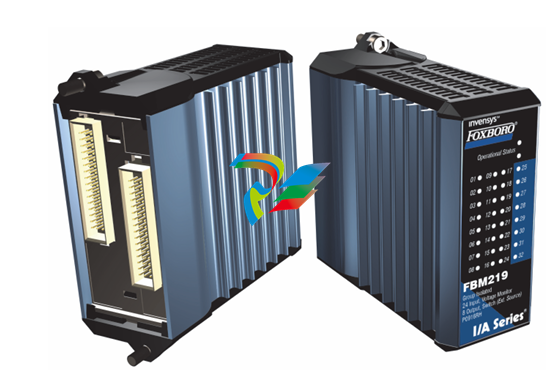 FOXBORO FBM219 RH916RH Discrete I/O Module
 -
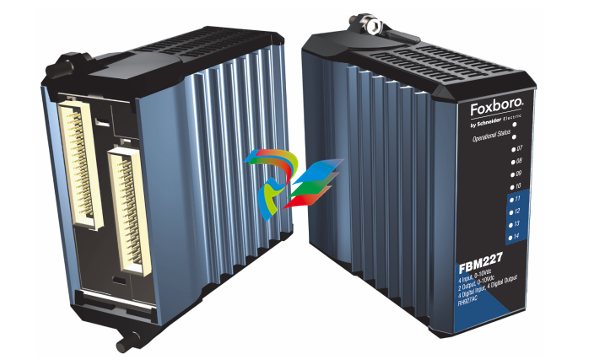 FOXBORO FBM227 P0927AC Module
 -
.jpg) FOXBORO 0399144 SY-0301059F SY-1025115C/SY-1025120E I/O module
FOXBORO 0399144 SY-0301059F SY-1025115C/SY-1025120E I/O module -
.jpg) FOXBORO SY-60399001R SY-60301001RB Industrial Control Module
FOXBORO SY-60399001R SY-60301001RB Industrial Control Module -
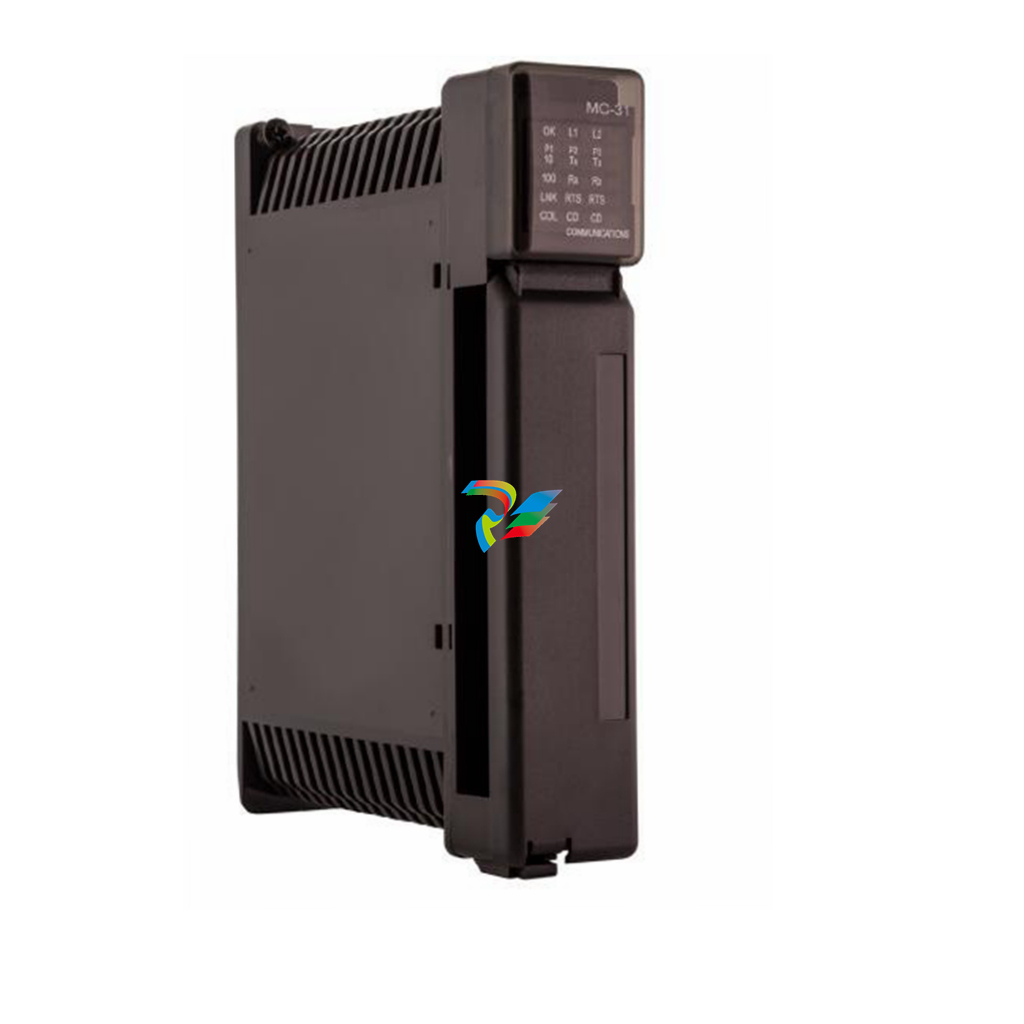 FOXBORO 0399143 SY-0301060R SY-1025115C SY-1025120E Combined control board
 -
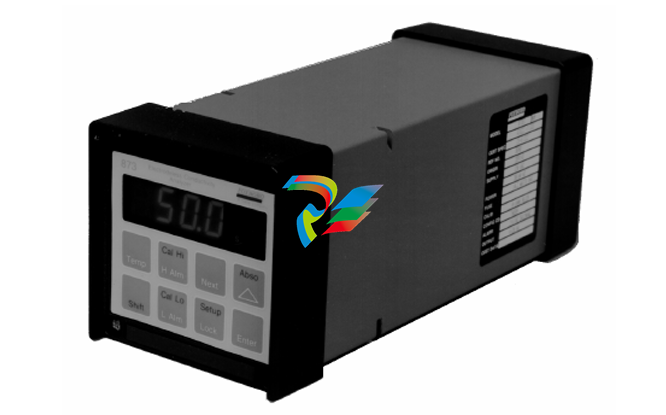 FOXBORO 873EC-JIPFGZ electrodeless conductivity analyzer
 -
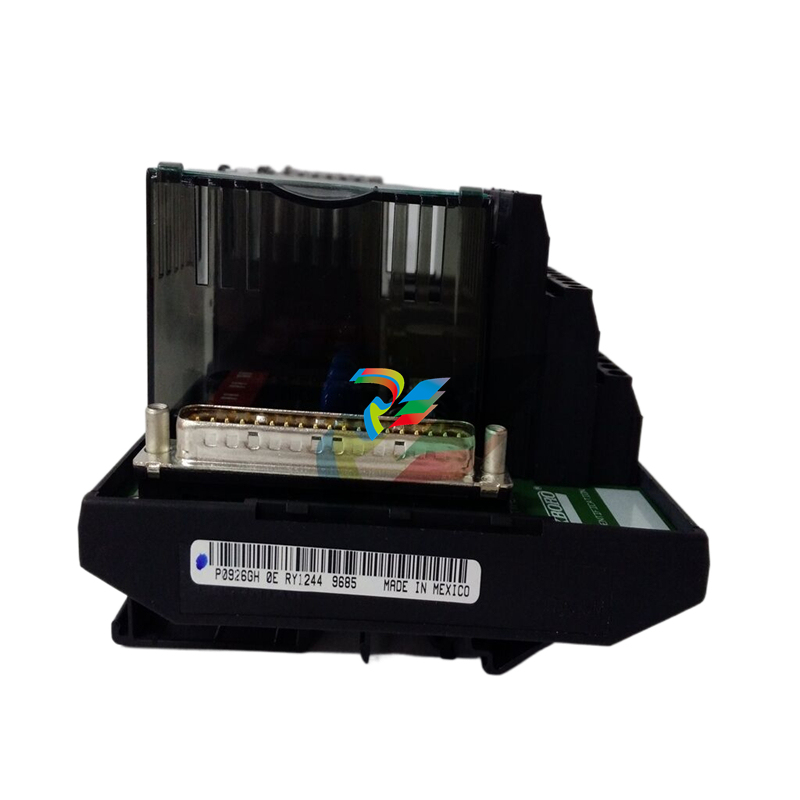 FOXBORO P0916PH (High-density HART I/O Module)
 -
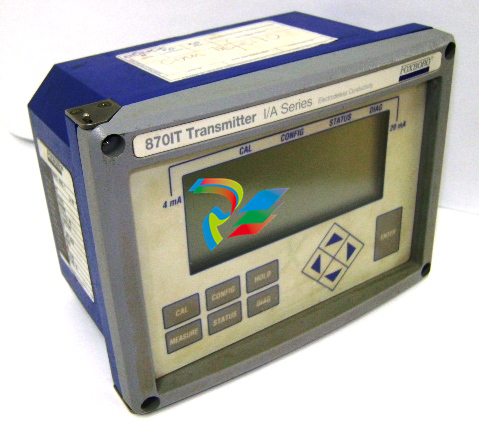 FOXBORO 870ITEC-AYFNZ-7 Intelligent Electrochemical Transmitters
 -
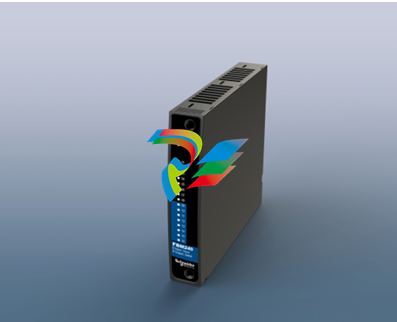 FOXBORO Compact FBM240. Redundant with Readback, Discrete
 -
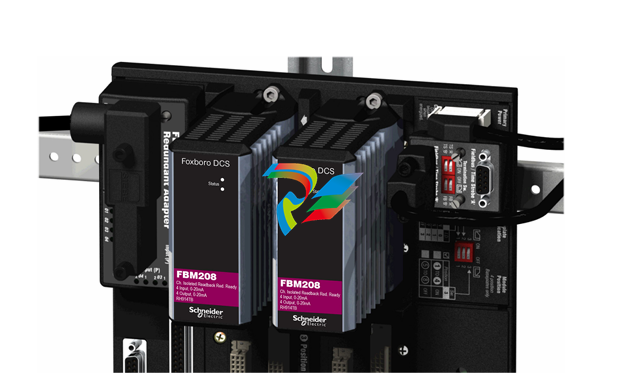 FOXBORO FBM208/b, Redundant with Readback, 0 to 20 mA I/O Module
 -
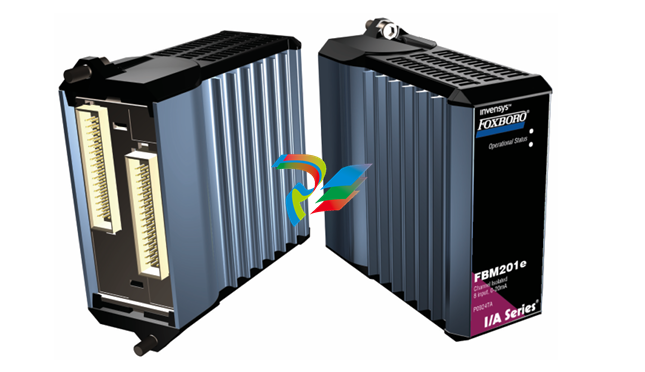 FOXBORO FBM201e Analog Input (0 to 20 mA) Interface Modules
 -
.jpg) FOXBORO P0916WG Terminal cable
FOXBORO P0916WG Terminal cable -
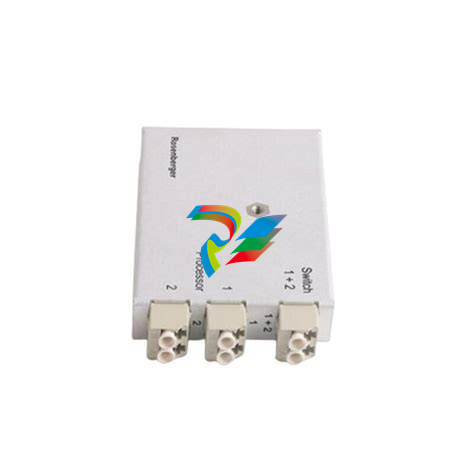 FOXBORO P0926MX 2-Port Splitter
 -
.jpg) FOXBORO AD908JQ High-Frequency Module
FOXBORO AD908JQ High-Frequency Module -
.jpg) FOXBORO AD916CC Processor module
FOXBORO AD916CC Processor module -
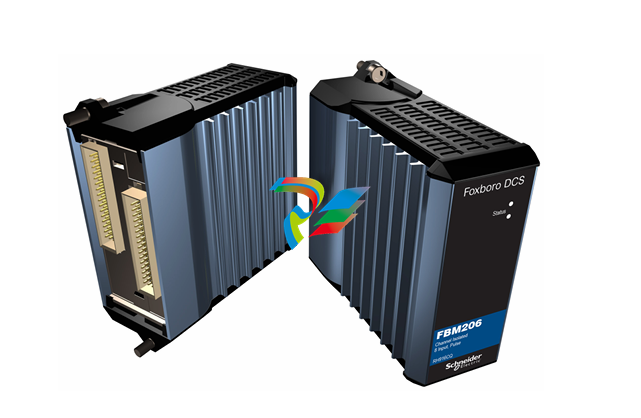 Foxboro DCS FBM206 Pulse Input Module
 -
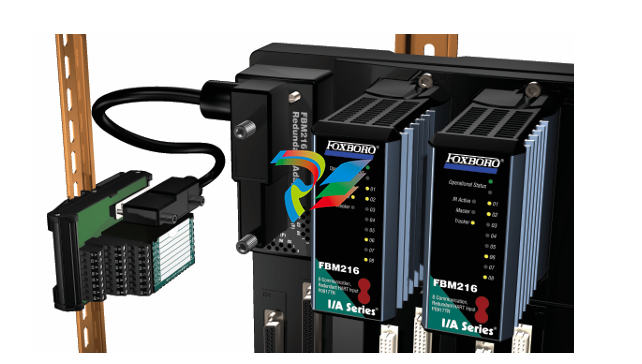 FOXBORO FBM216 HART® Communication Redundant Input Interface Module
 -
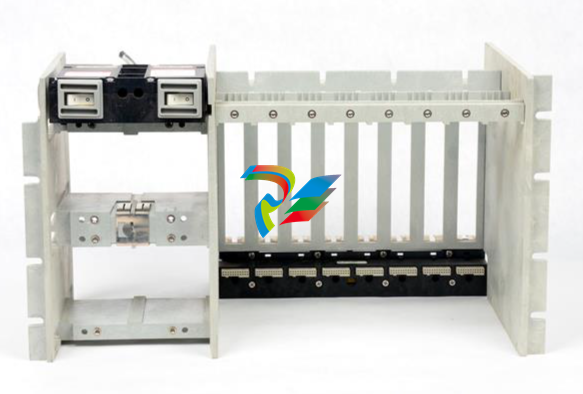 Foxboro p0903nu 1×8 unit sub-component module
 -
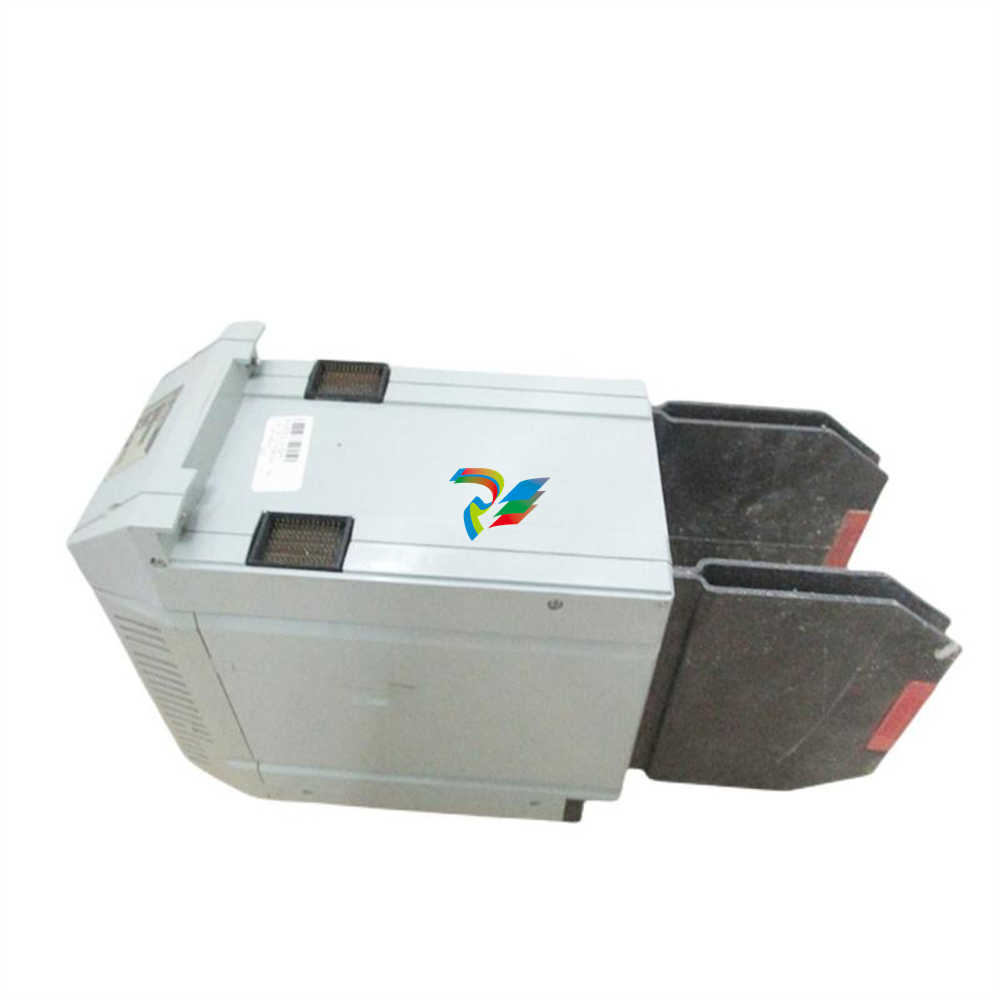 Foxboro P0911SM Industrial control module
 -
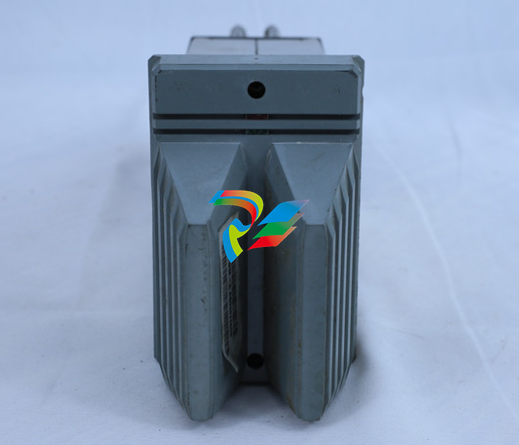 Foxboro CM902WM I/O module
 -
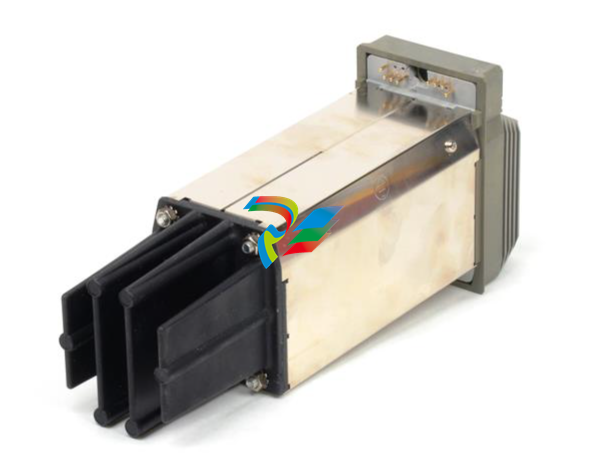 Foxboro CM902WL Power module
 -
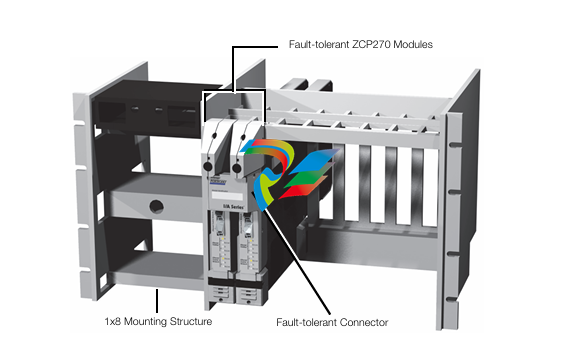 Foxboro P0972VA Industrial Control Module
 -
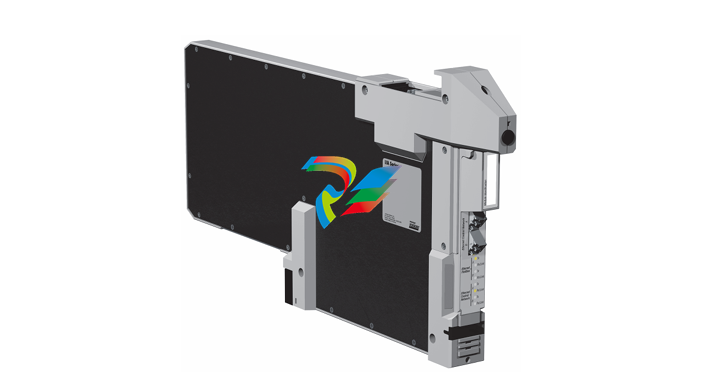 Foxboro Z-Module Control Processor 270 (ZCP270)
 -
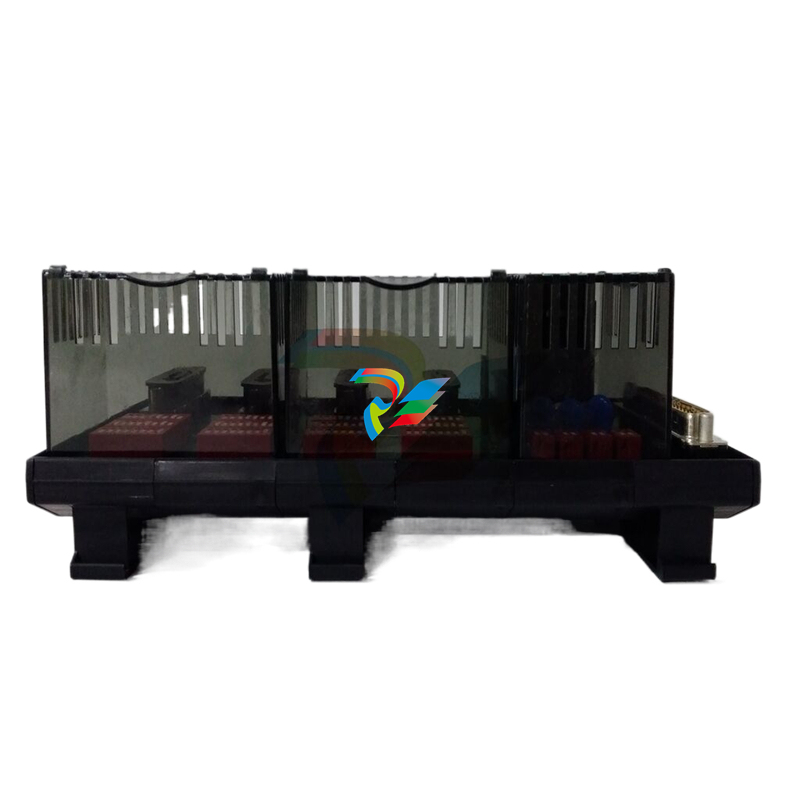 Foxboro PO916JS 16-channel terminal block module
 -
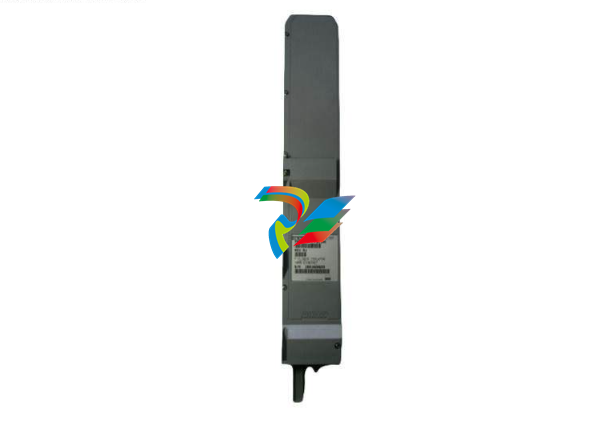 Foxboro PO911SM High-performance digital/analog input/output module
 -
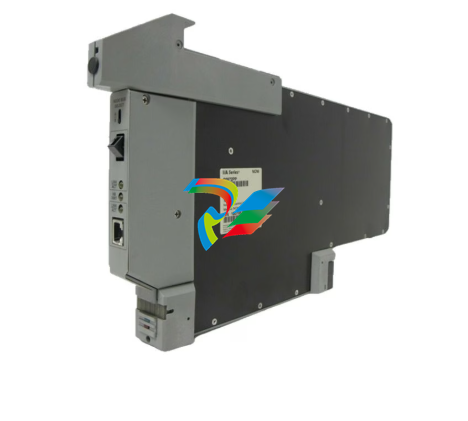 Foxboro P0972PP-NCNI Network Interface Module
 -
.jpg) FOXBORO P0971QZ controller module
FOXBORO P0971QZ controller module -
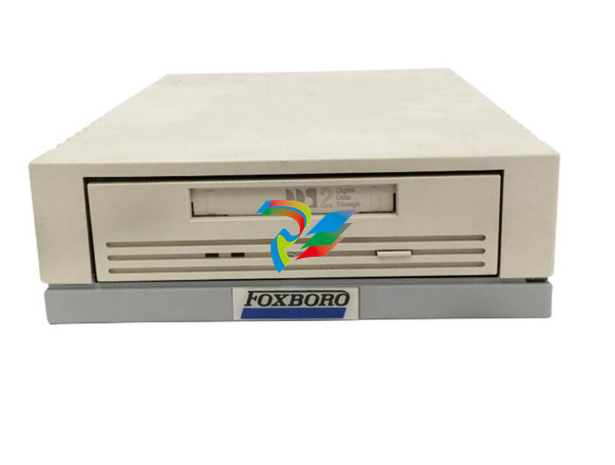 FOXBORO P0971DP Thermal resistance input/output module
 -
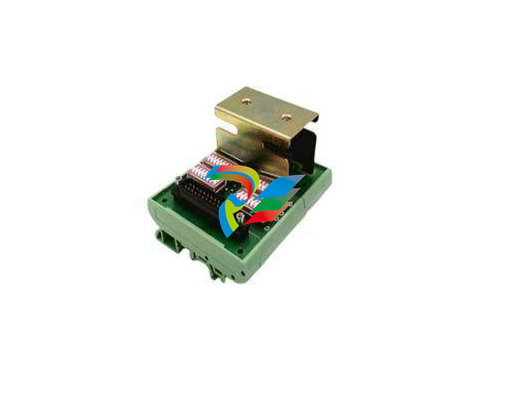 FOXBORO P0970VB Cable connector
 -
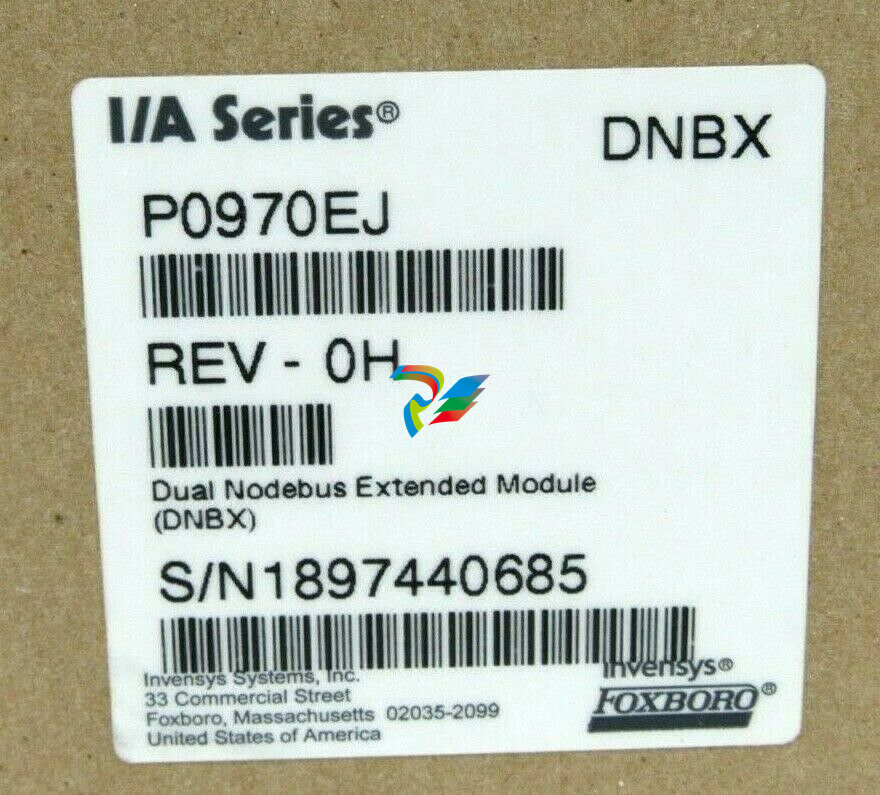 FOXBORO P0970EJ-DNBX Dual-node bus expansion module
 -
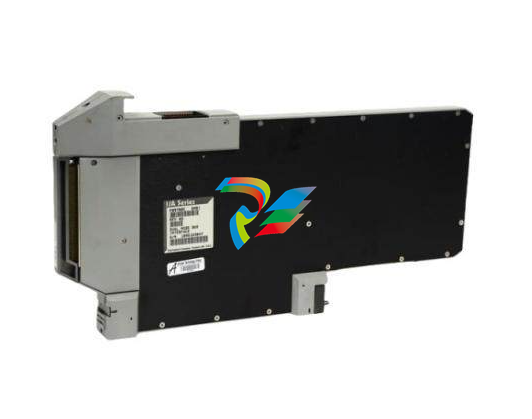 FOXBORO P0970BP Redundant power supply system
 -
.jpg) FOXBORO P0970BC-DNBI DeviceNet bus interface module
FOXBORO P0970BC-DNBI DeviceNet bus interface module -
.jpg) FOXBORO P0961FX-CP60S Main control CPU module
FOXBORO P0961FX-CP60S Main control CPU module -
.jpg) FOXBORO P0961EF-CP30B Network Interface Unit
FOXBORO P0961EF-CP30B Network Interface Unit -
.jpg) FOXBORO P0961CA Optical fiber local area network module
FOXBORO P0961CA Optical fiber local area network module -
.jpg) FOXBORO P0961BD-GW30B gateway processor module
FOXBORO P0961BD-GW30B gateway processor module -
.jpg) FOXBORO P0961BC-CP40B/I/A Series high-performance control processor module
FOXBORO P0961BC-CP40B/I/A Series high-performance control processor module -
FOXBORO P0960JA-CP40 High-performance control processor
-
FOXBORO P0926TM Control module
-
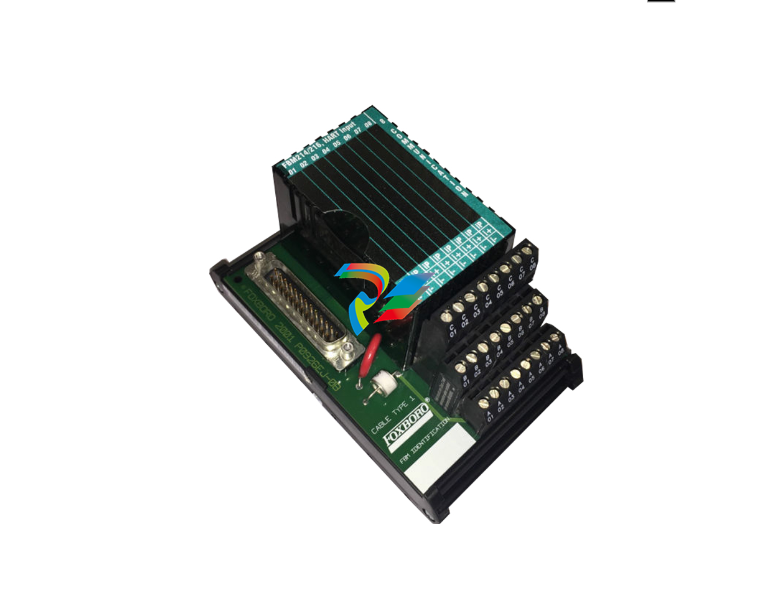 FOXBORO P0916BX Termination Assembly
 -
.jpg) FOXBORO P0916AE P0916AG P0916AW Thermal resistance input type DCS card module
FOXBORO P0916AE P0916AG P0916AW Thermal resistance input type DCS card module -
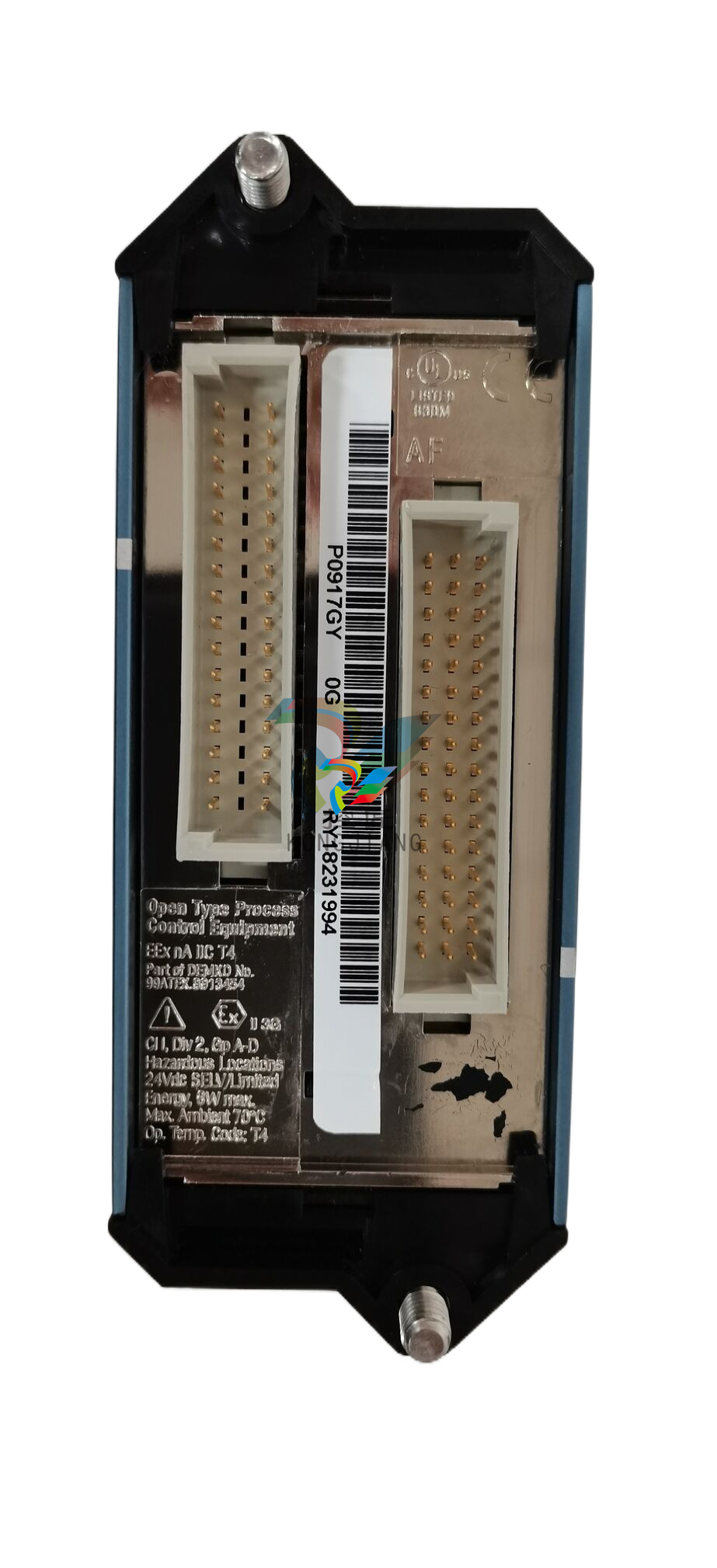 FOXBORO P0916AC FOXBORO distributed control system (DCS) compression terminal assembly
 -
.jpg) FOXBORO P0912CB High-performance interface module
FOXBORO P0912CB High-performance interface module -
.jpg) FOXBORO P0911VJ Thermal resistance input output module
FOXBORO P0911VJ Thermal resistance input output module -
.jpg) FOXBORO P0911QH-A High-precision module
FOXBORO P0911QH-A High-precision module -
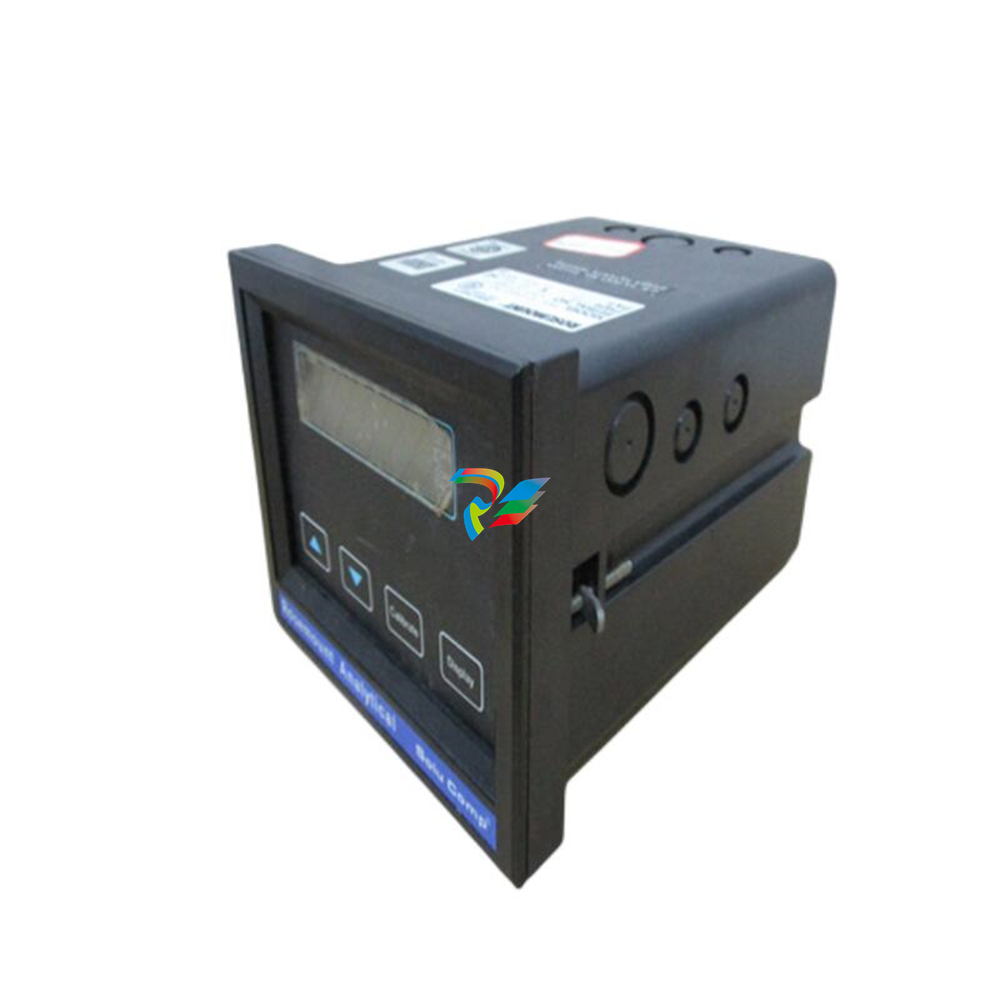 FOXBORO P0911QB-C P0911QC-C Thermal resistance input/output module
 -
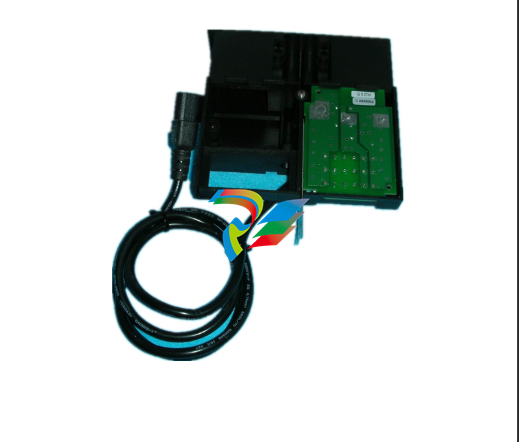 FOXBORO P0904BH P0904FH P0904HB Distributed Control system (DCS) module
 -
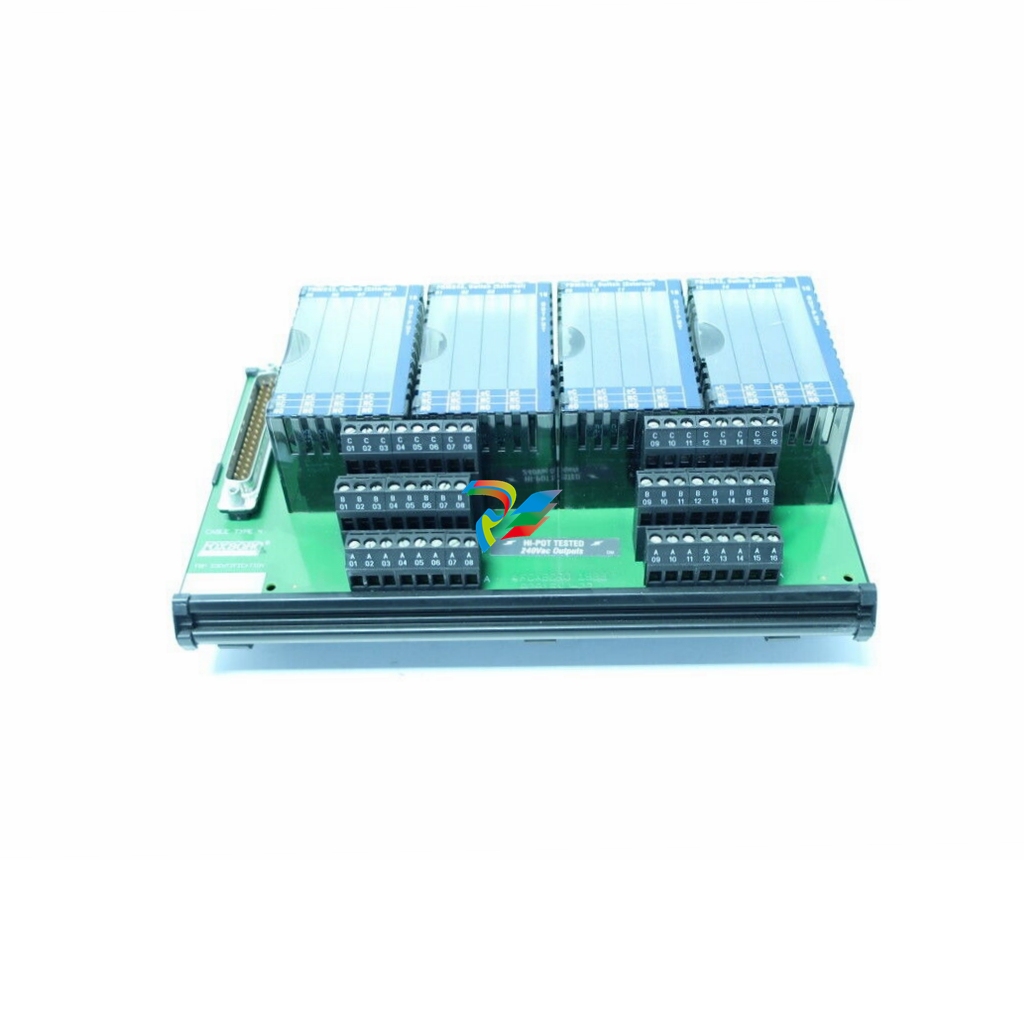 FOXBORO P0903ZP P0903ZQ Embedded System Debugging Module
 -
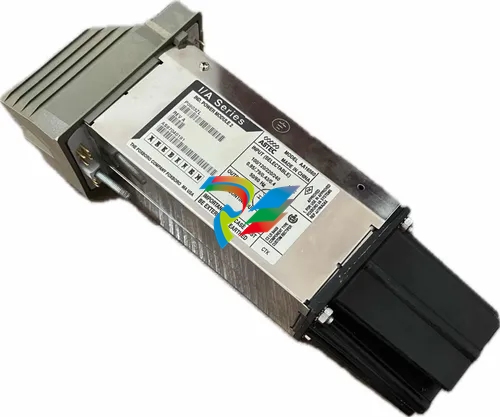 Foxboro P0903ZL P0903ZN Industrial power module
 -
 Foxboro P0903ZE I/A Series Fieldbus Isolator Module
 -
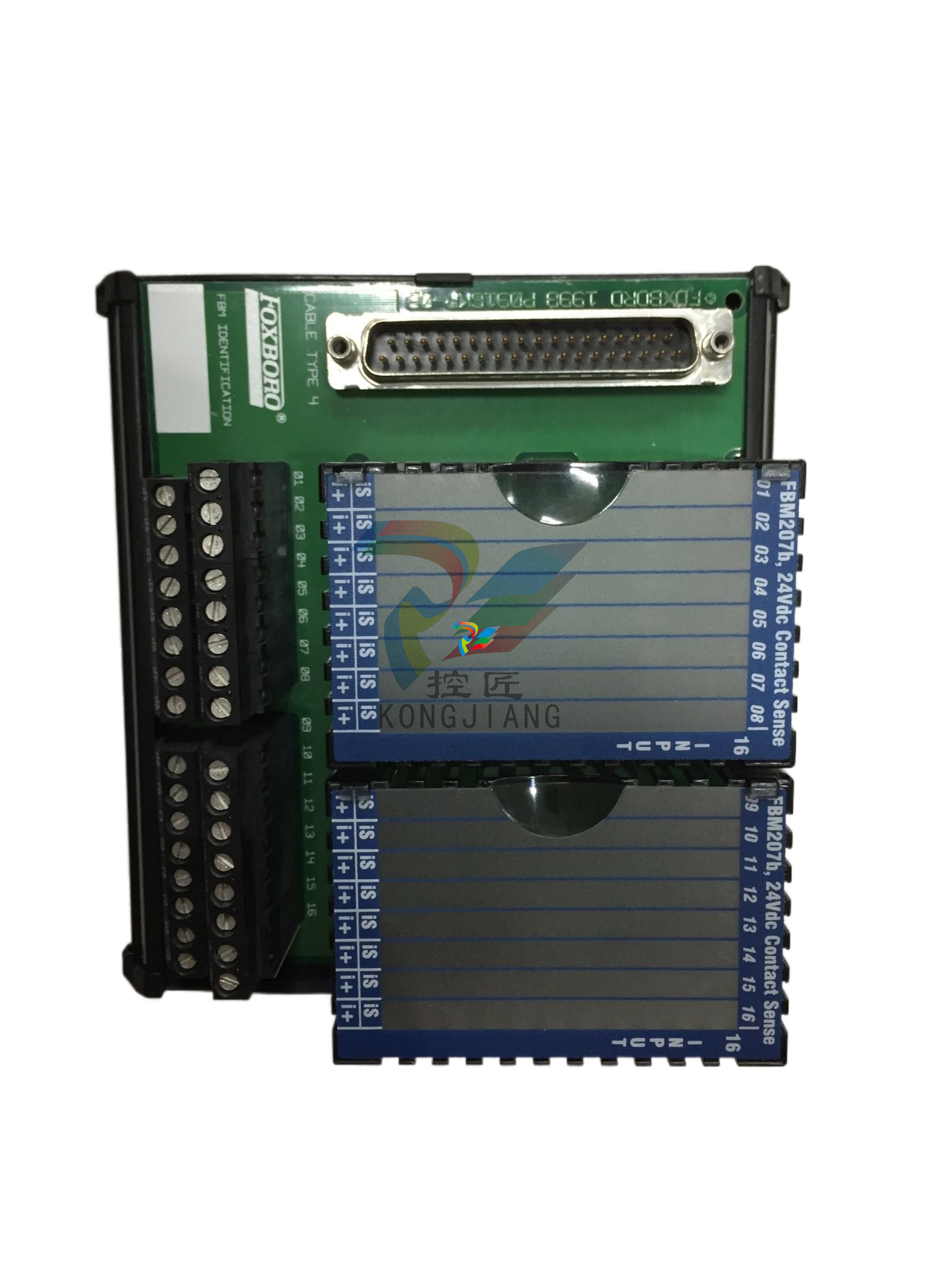 FOXBORO P0903NW Industrial Control Module
 -
.jpg) FFOXBORO P0903NQ Industrial power module
FFOXBORO P0903NQ Industrial power module -
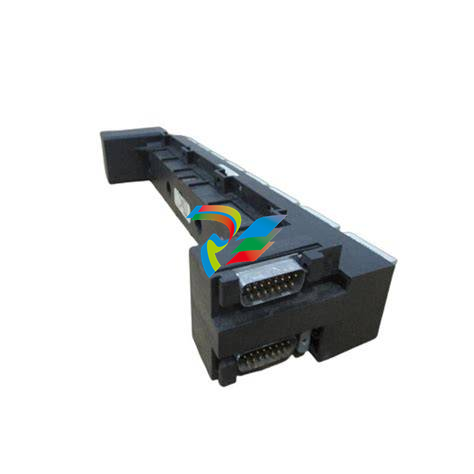 FFOXBORO P0903AA Control Module
 -
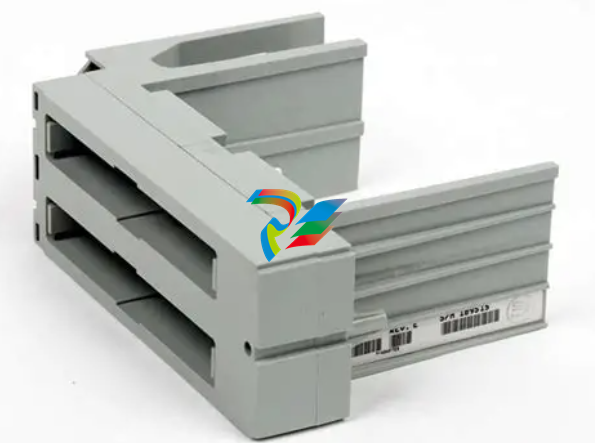 FOXBORO P0400DL Digital output module
 -
.jpg) FOXBORO P0400BJ Digital output module
FOXBORO P0400BJ Digital output module -
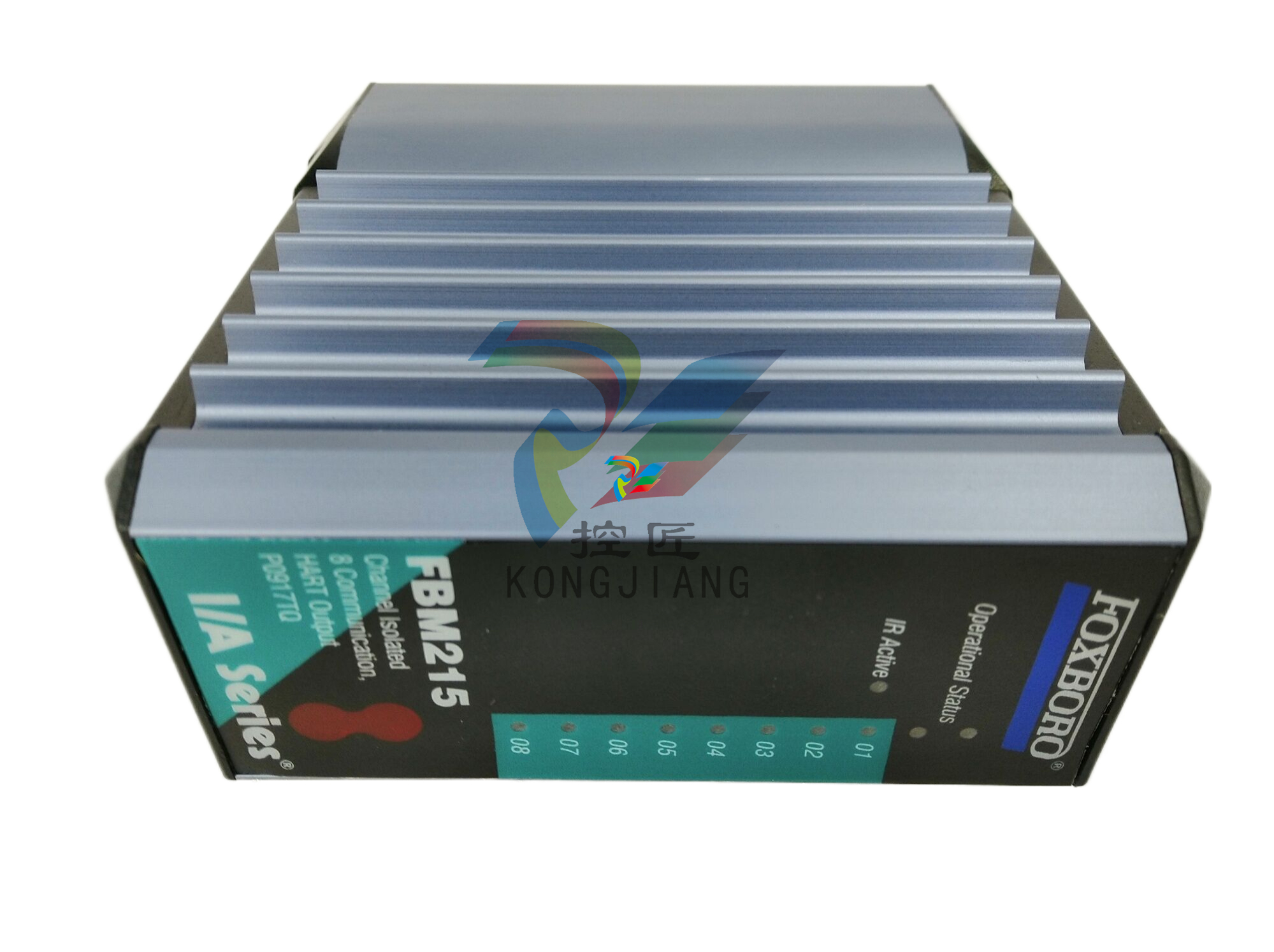 FOXBORO GW30 industrial control module
 -
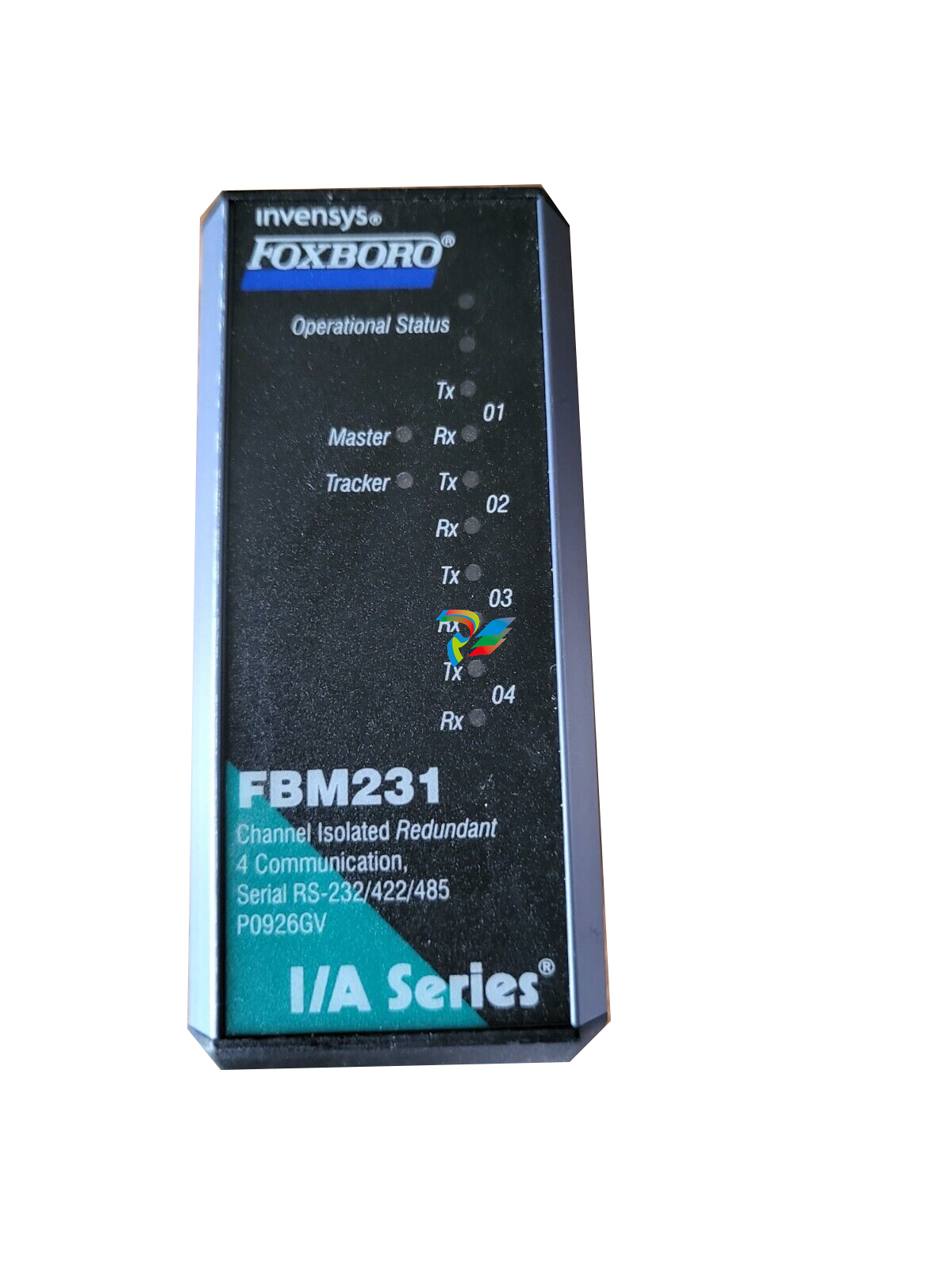 FOXBORO FBM231 Communication Output Module
 -
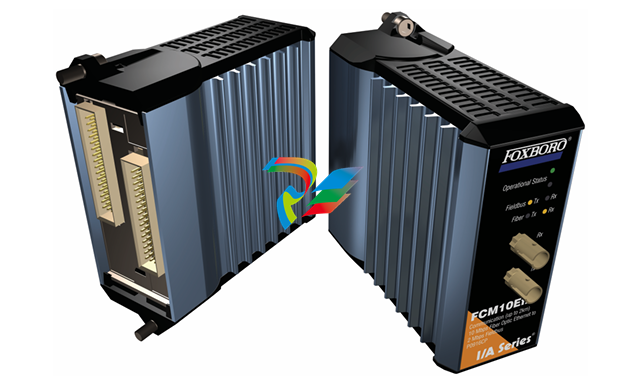 FOXBORO Fieldbus Communications Module, FCM10Ef
 -
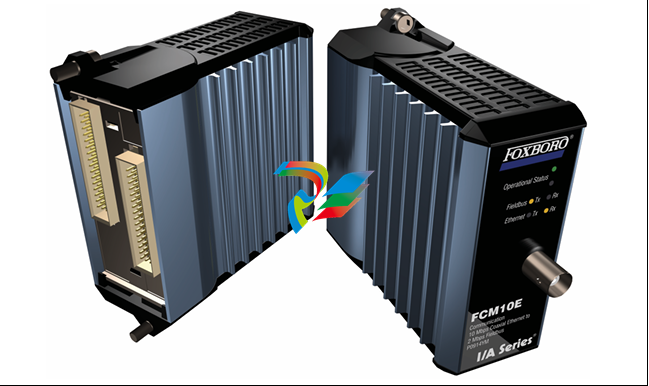 FOXBORO Fieldbus Communications Module, FCM10E