
Life Science Automation
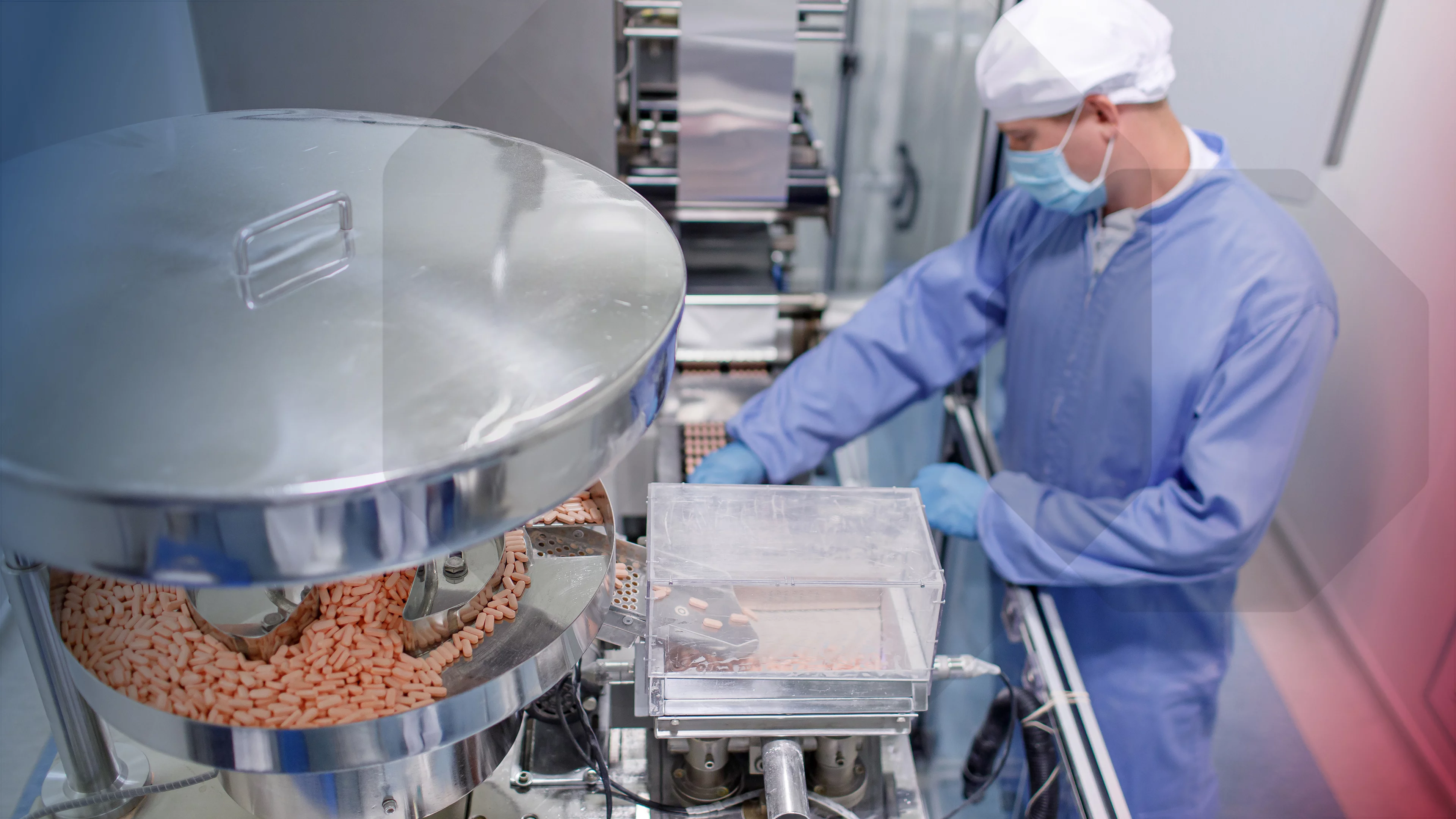
### Title: Life Science Automation: Revolutionizing Research and Healthcare In the realm of life sciences, automation has emerged as a transformative force, reshaping the way research is conducted, diagnostics are performed, and therapies are developed. Life science automation encompasses a wide range of technologies and applications that are driving innovation and improving efficiency across various sectors within this field. #### 1. Introduction to Life Science Automation Life science automation involves the use of robotic systems, advanced software algorithms, and sophisticated sensors to automate repetitive, time-consuming, and precise tasks in areas such as biology, medicine, and biotechnology. These automated processes aim to reduce human error, increase throughput, and enable more complex experiments and analyses that would be difficult or impossible to achieve manually. Robotic systems are at the core of life science automation. They can be programmed to perform tasks like pipetting, sample handling, and plate movement with high precision and consistency. For example, in a laboratory setting, robotic arms equipped with specialized pipetting tools can accurately dispense minute volumes of liquids into microplates for assays, ensuring that each sample receives the exact amount of reagent needed. This level of precision is crucial in experiments where even slight variations in liquid volumes can lead to inaccurate results.
Advanced software plays an equally important role. It allows researchers to design and program complex workflows, control the operation of robotic systems, and manage and analyze the vast amounts of data generated during automated processes. The software can also integrate with laboratory information management systems (LIMS) to streamline data sharing and ensure seamless coordination between different stages of research or diagnostic procedures. Sensors are used to monitor various parameters during automated processes. They can detect the presence or absence of samples, measure the quality of liquids (such as checking for contaminants or verifying the concentration of a particular substance), and monitor environmental conditions like temperature and humidity within storage areas or incubators. This real-time monitoring ensures that the automated processes are carried out under optimal conditions and any deviations can be quickly addressed. #### 2. Applications in Different Areas of Life Sciences - **Research and Development**: - In drug discovery, automation accelerates the screening of potential drug candidates. High-throughput screening (HTS) platforms use automated robotic systems to test thousands of compounds against specific biological targets in a short period. This enables researchers to quickly identify molecules with promising pharmacological properties, significantly reducing the time and resources required for the initial stages of drug development. - Genomics research benefits greatly from automation as well. Automated DNA sequencing machines can process large numbers of samples simultaneously, allowing for rapid sequencing of entire genomes. This has opened up new possibilities for understanding genetic variations, identifying disease-causing genes, and exploring personalized medicine approaches. Additionally, robotic systems can assist in gene editing experiments, such as those using CRISPR-Cas9 technology, by precisely delivering the necessary reagents and performing the required manipulations with greater accuracy than manual methods. - **Diagnostics**: - In clinical laboratories, automation has improved the efficiency and accuracy of diagnostic tests. Automated chemistry analyzers can measure multiple blood parameters (such as glucose levels, cholesterol levels, and enzyme activities) in a single run, providing doctors with a comprehensive picture of a patient's health status. Automated immunoassay systems detect the presence of specific antibodies or antigens in patient samples, facilitating the diagnosis of infectious diseases, autoimmune disorders, and certain cancers. - Point-of-care testing (POCT) is also being enhanced by automation. Handheld devices with automated functions are being developed to enable quick and convenient testing at the patient's bedside or in remote locations. These devices can perform tests for conditions like diabetes (by measuring blood glucose levels), heart disease markers, or infectious diseases, allowing for immediate results and timely medical interventions. - **Bioprocessing and Manufacturing**: - In the production of biopharmaceuticals, automation ensures consistent and high-quality manufacturing. Automated bioreactors control the growth conditions of cells used to produce therapeutic proteins (such as monoclonal antibodies). They can precisely regulate parameters like temperature, pH, dissolved oxygen levels, and nutrient supply, optimizing cell growth and protein production. Automated purification systems then separate and purify the target proteins from the complex mixture of cellular components, ensuring that the final product meets strict quality and safety standards. - For cell and gene therapies, automation is essential in processes like cell isolation, expansion, and modification. Robotic systems can handle delicate cell cultures with care, ensuring the viability and genetic integrity of the cells throughout the manufacturing process. This is crucial as these therapies rely on the precise manipulation and delivery of living cells for treating various diseases, including certain types of cancer and genetic disorders. #### 3. Benefits of Life Science Automation - **Increased Efficiency and Throughput**: Automation allows for the parallel processing of multiple samples and tasks, significantly increasing the speed at which experiments can be completed or tests can be performed. In a research laboratory, this means that more data can be generated in a shorter time, accelerating the pace of discovery. In a diagnostic setting, it enables clinics to handle a larger volume of patient samples, reducing turnaround times for test results. - **Reduced Human Error**: Manual operations in life sciences are prone to errors due to factors like fatigue, distraction, or inconsistent technique. Automated systems, with their precise and repeatable movements, eliminate many of these sources of error. For example, in pipetting tasks, automated pipettors can deliver accurate volumes of liquids every time, ensuring the reliability of experimental results and diagnostic test outcomes. - **Enhanced Data Quality and Reproducibility**: With automation, every step of a process is documented and controlled, making it easier to reproduce experiments or tests. The consistent operation of automated systems also generates high-quality data that can be more confidently analyzed and used for decision-making. This is particularly important in research, where reproducibility is a key factor in validating scientific findings. - **Improved Safety**: Some life science procedures involve handling hazardous substances or working with biological agents that pose risks to human health. Automation reduces the need for direct human contact with these materials, minimizing the potential for exposure and ensuring the safety of laboratory personnel. For instance, in handling radioactive tracers for certain medical imaging studies or working with infectious disease samples, robotic systems can perform the necessary tasks while keeping humans at a safe distance. #### 4. Challenges and Future Trends - **Cost and Complexity**: Implementing life science automation systems can be expensive, requiring significant investment in robotic equipment, software licenses, and maintenance. Additionally, these systems can be complex to set up and operate, demanding highly trained personnel to ensure their proper functioning. However, as the technology matures and becomes more widespread, costs are expected to decrease, and usability will likely improve. - **Data Management and Integration**: The large amounts of data generated by automated life science processes pose challenges in terms of storage, analysis, and integration with other data sources. There is a need for advanced data analytics tools and standardized data formats to make the most of this wealth of information. Moreover, ensuring data security and privacy is of utmost importance, especially when dealing with patient-related data in diagnostic applications. - **Interoperability and Standardization**: Currently, there is a lack of standardization among different automated life science systems, which can make it difficult to integrate them or share data between different laboratories or institutions. Efforts are underway to develop common standards and protocols to enhance interoperability, enabling seamless collaboration and the sharing of best practices across the life sciences community. - **Emerging Technologies**: The future of life science automation will see the integration of emerging technologies such as artificial intelligence (AI), machine learning (ML), and the Internet of Things (IoT). AI and ML can be used to analyze the vast amounts of data generated by automated processes, identify patterns, and make predictions that can further optimize research and diagnostic procedures. IoT will enable better connectivity between different automated devices and systems, allowing for more comprehensive monitoring and control of laboratory environments and bioprocesses. In conclusion, life science automation is revolutionizing the life sciences by improving efficiency, accuracy, and safety. Despite the challenges it presents, the continued development and adoption of this technology will have a profound impact on research, diagnostics, and the production of life-saving therapies. As we look to the future, the integration of emerging technologies will open up even more possibilities for innovation and progress in the life sciences.
-
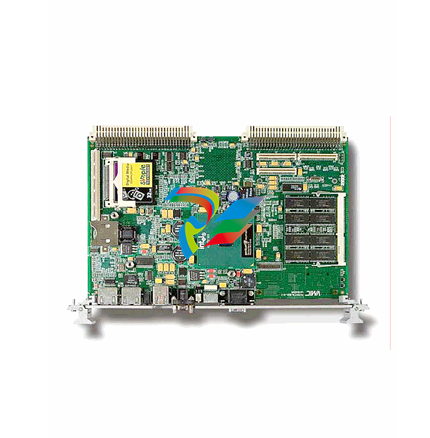 IS200EPMCH1GE Mark VIe Patch Cord Power Distribution Card
 -
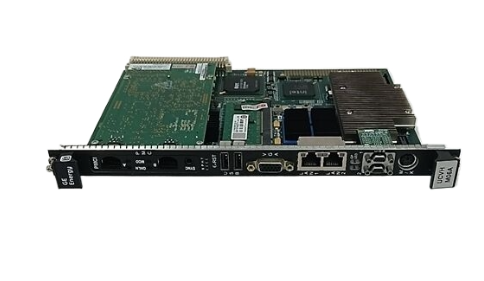 VMICPCI-7632-03310 IS215UCCAH3A 350-657362-003310J GE gas turbine system control processor board
 -
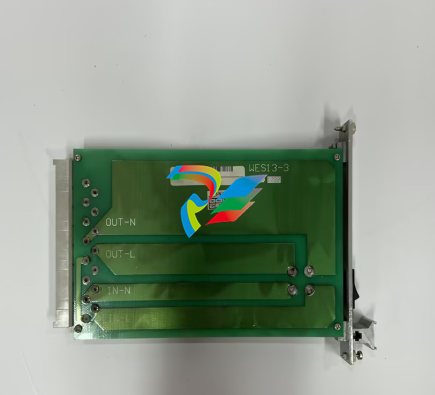 WEA13-13 2508-21001 Control Module / I/O Board
 -
.jpg) WES5120 2340-21004 Controller Main Module
WES5120 2340-21004 Controller Main Module -
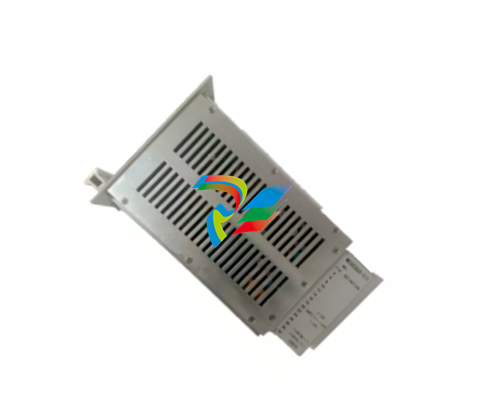 WES5120 2340-21006 Field Controller Master Unit Module
 -
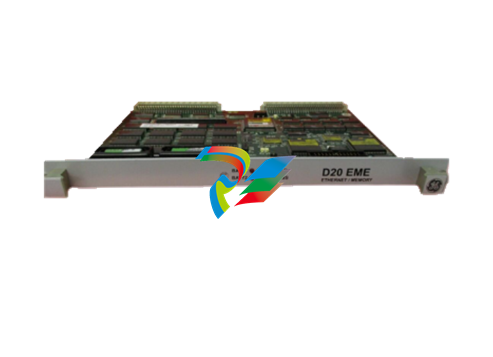 WESDAC D20ME 18-MAR-13 Excitation Control Module
 -
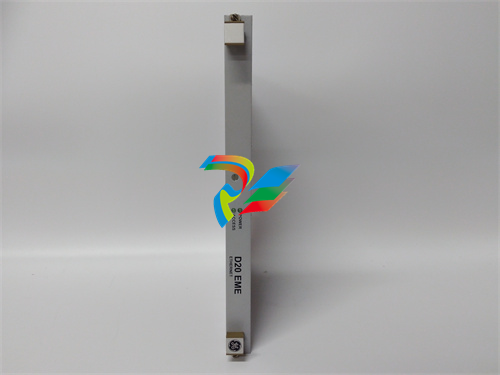 D20 EME 2400-21004 Ethernet communication and expansion module
 -
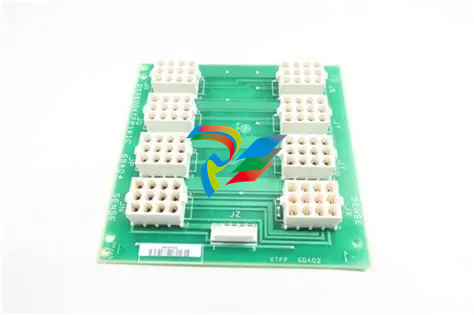 GE DS3800XTFP1E1C Thyristor Fan Out Board Brand
 -
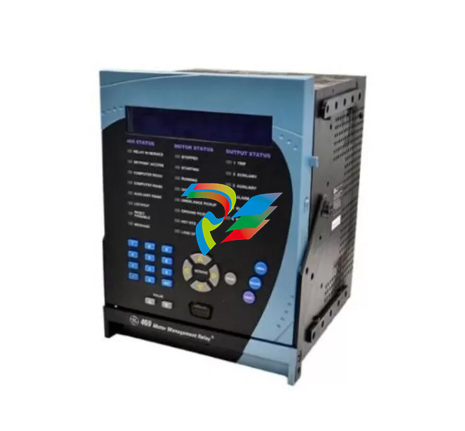 GE SR745-W2-P1-G1-HI-A-L-R-E Feeder protection relay
 -
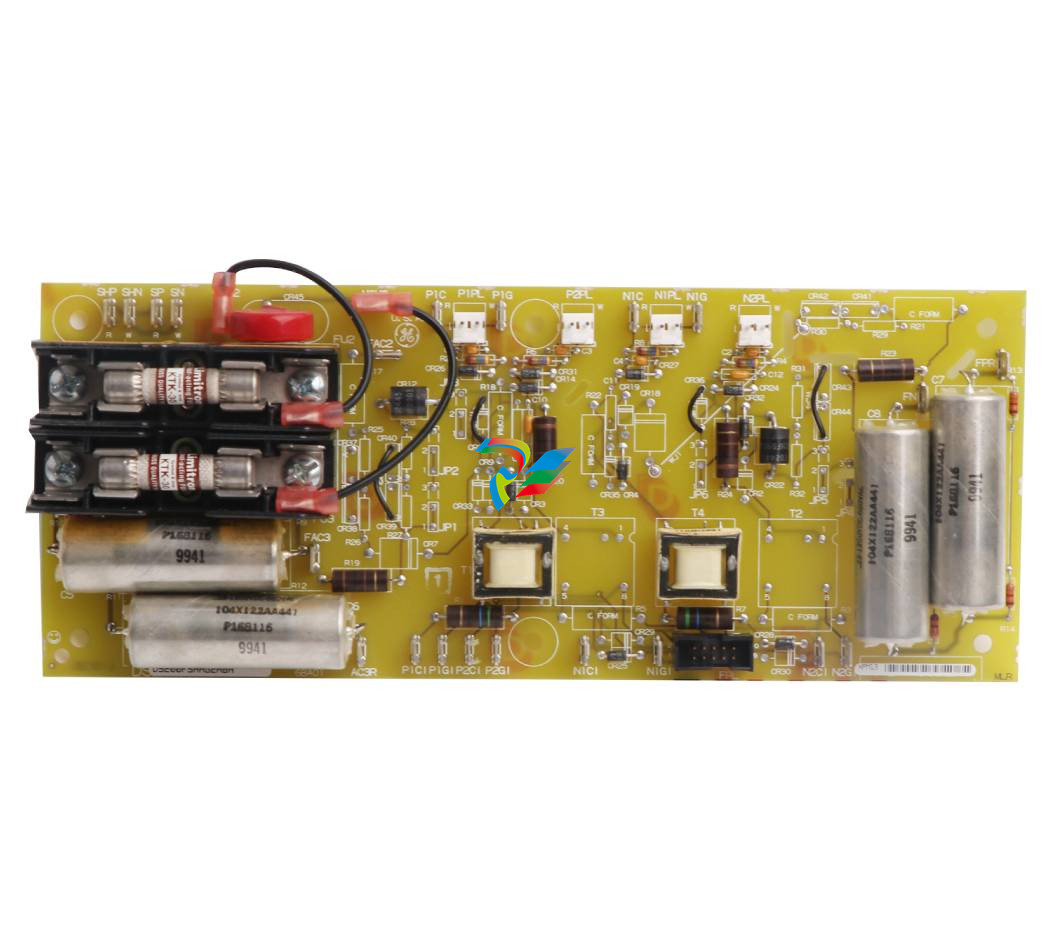 GE IS230TNDSH2A Discrete Output Relay Module Brand
 -
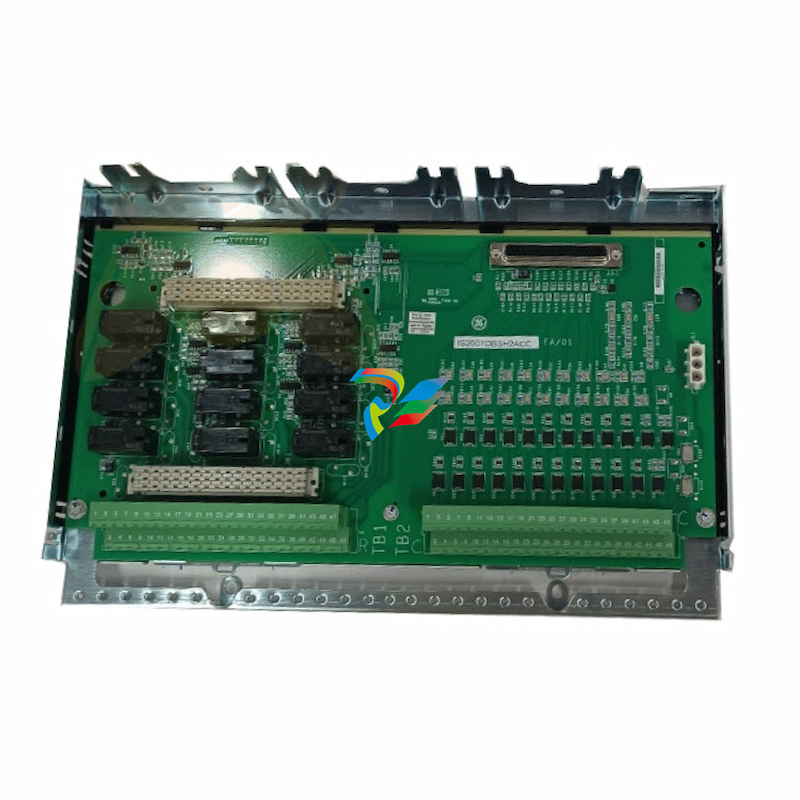 GE Fanuc IS200TDBSH2ACC Mark VI Terminal Board Brand
 -
 GE PMC-0247RC-282000 350-93750247-282000F Disk Drive
 -
GE PMC-0247RC-282000 350-93750247-282000F Disk Drive
-
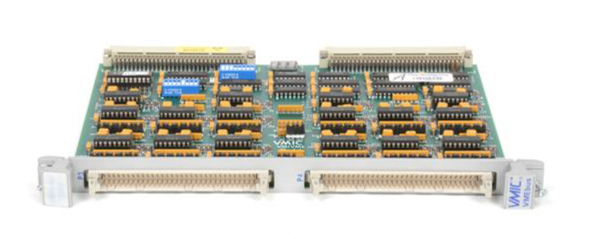 GE VMIVME-1150 Serial Communications Controller
 -
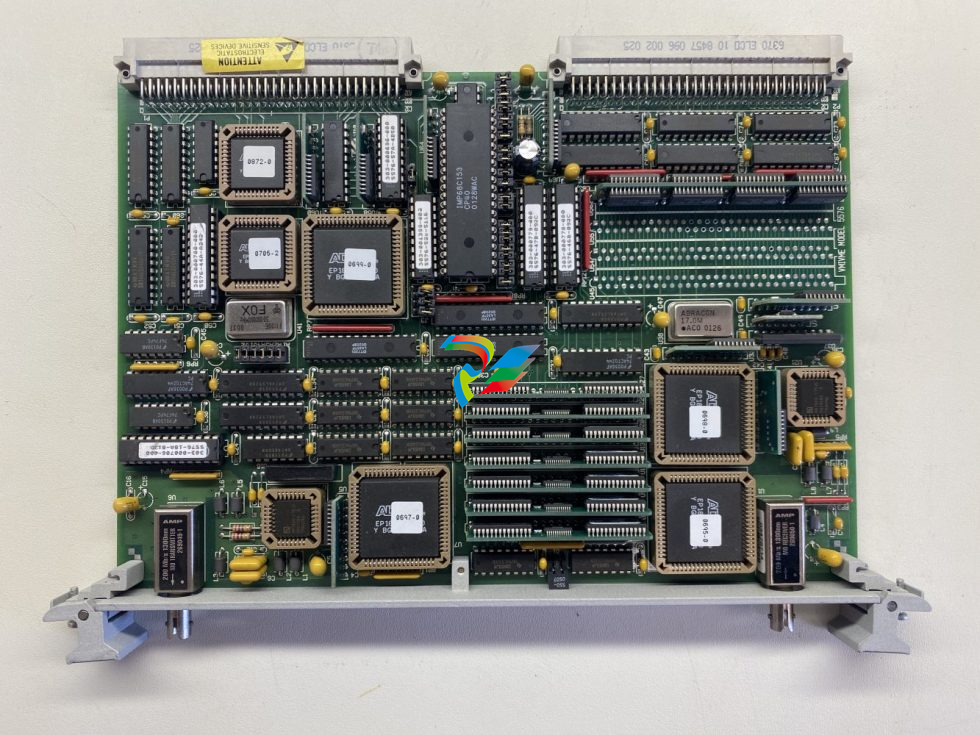 GE VMIVME-5576 Fiber-Optic Reflective Memory with Interrupts
 -
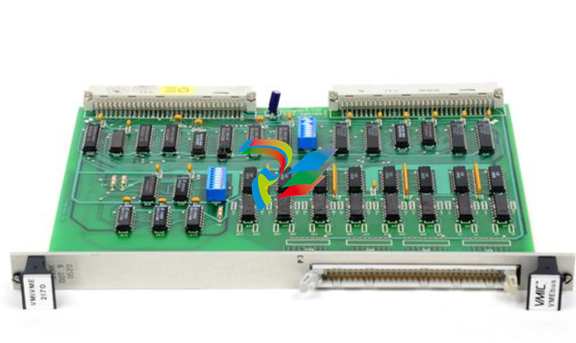 GE VMIC Isolated Digital Output VMIVME-2170A
 -
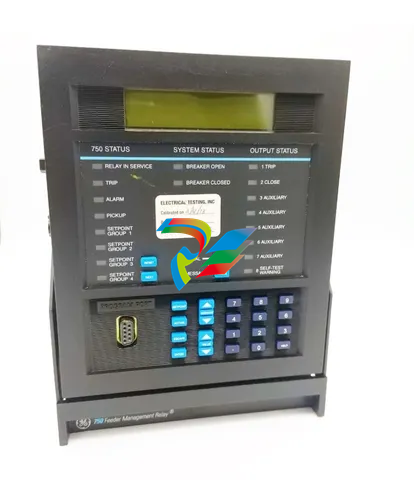 GE MULTILIN 760 FEEDER MANAGEMENT RELAY 760-P5-G5-S5-HI-A20-R-E
 -
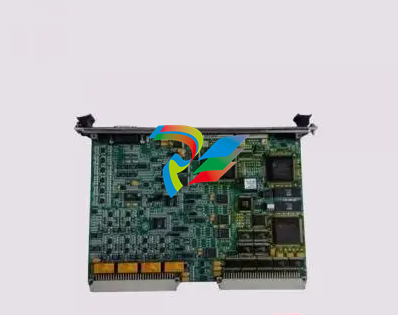 GE IS200AEPAH1BKE IS215WEPAH2BB Printed circuit board
 -
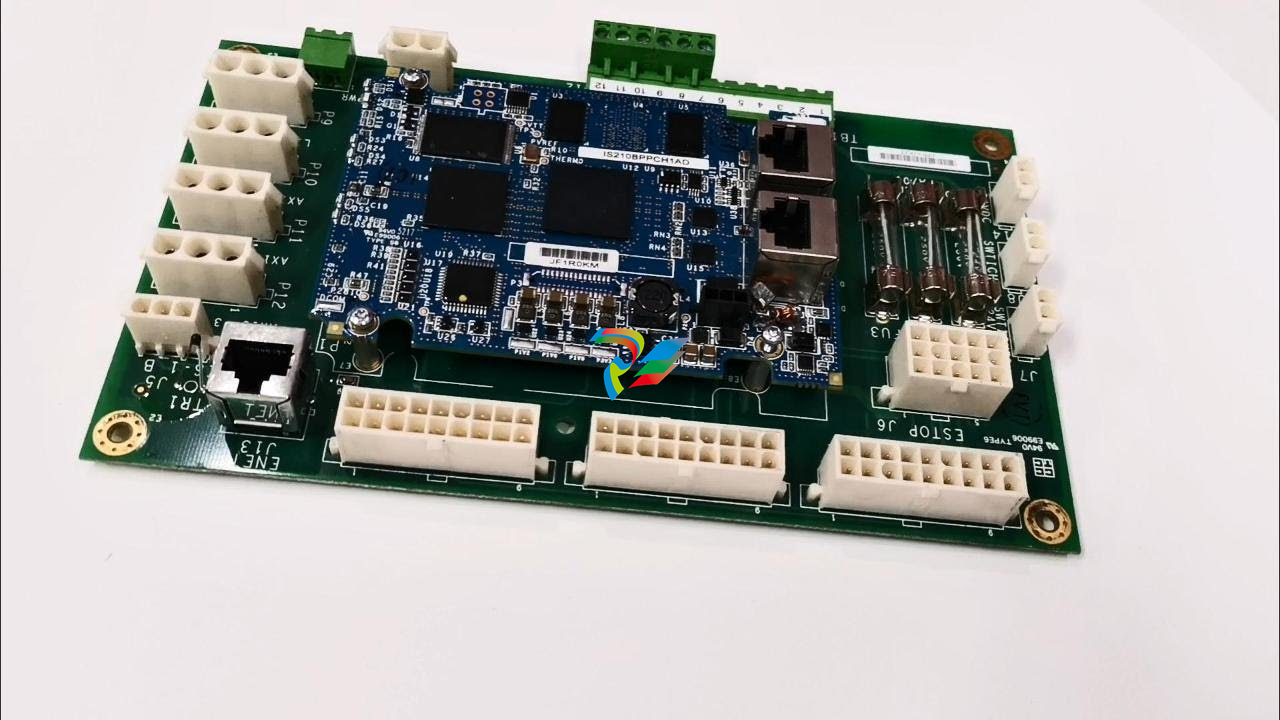 GE IS210BPPCH1A Mark VIe I/O Pack Processor Card
 -
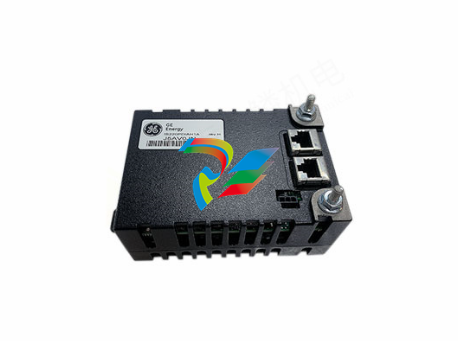 GE IS220PRTDH1A 336A4940CSP6 High-Performance RTD Input Module
 -
GE IS220PDIAH1BE 336A5026ADP4 Discrete Input Module
-
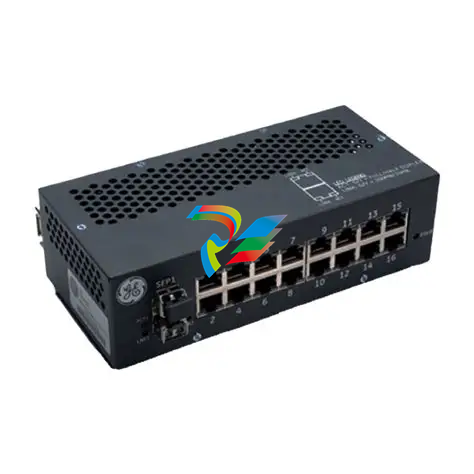 GE IS420ESWBH3A IONET Switch Module
 -
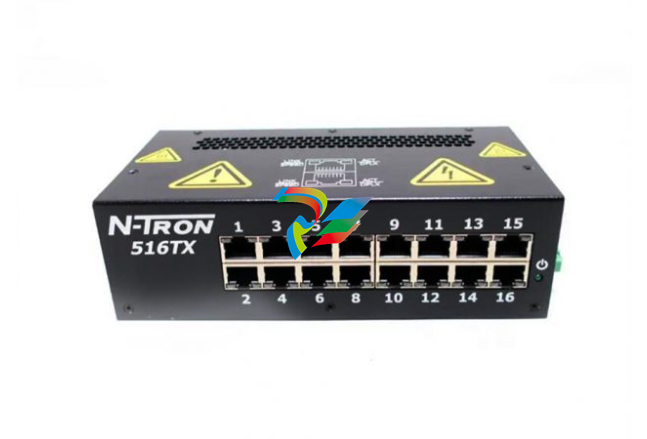 GE 516TX 336A4940DNP516TX 16-port Ethernet switch
 -
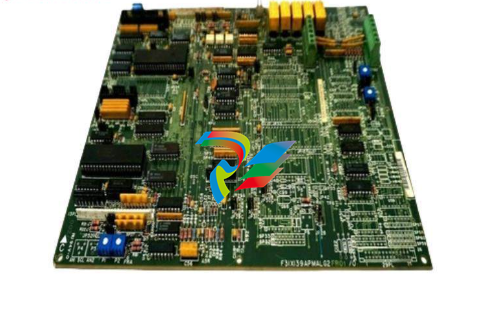 GE EVMECNTM13 Embedded control module
 -
GE EVPBDP0001 EVPBDP032 control module
-
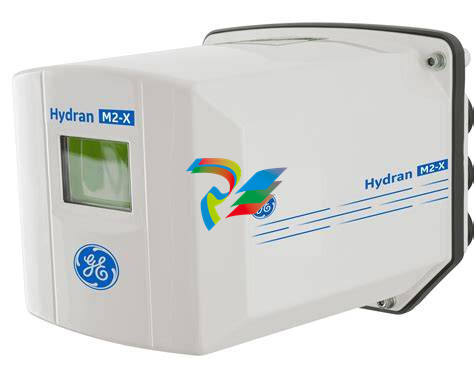 GE Hydran M2-X Enhanced Monitoring with Extended Sensor Life
 -
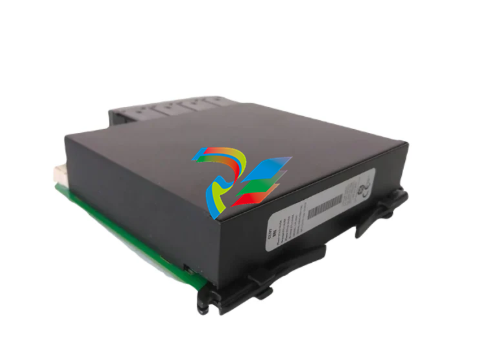 GE UR6CH Digital I/O Module
 -
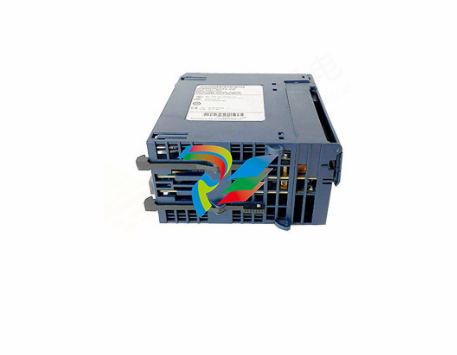 GE IC695CPU315-CD Central processing unit
 -
 GE 531X305NTBAMG1 DR Terminal Board
 -
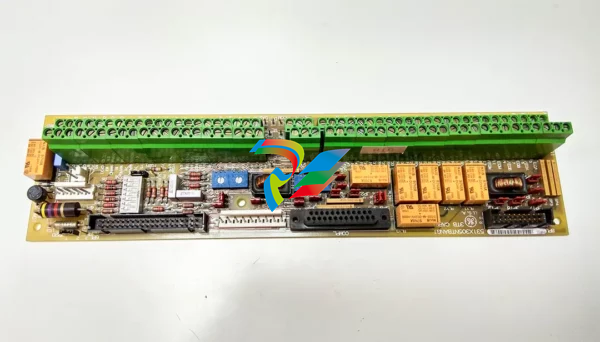 GE 531X305NTBALG1 NTB/3TB Terminal Board 531X Series
 -
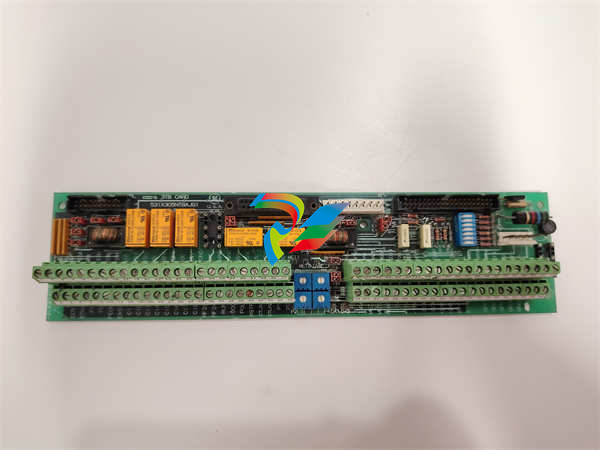 GE 531X305NTBAJG1 NTB/3TB Terminal Board.
 -
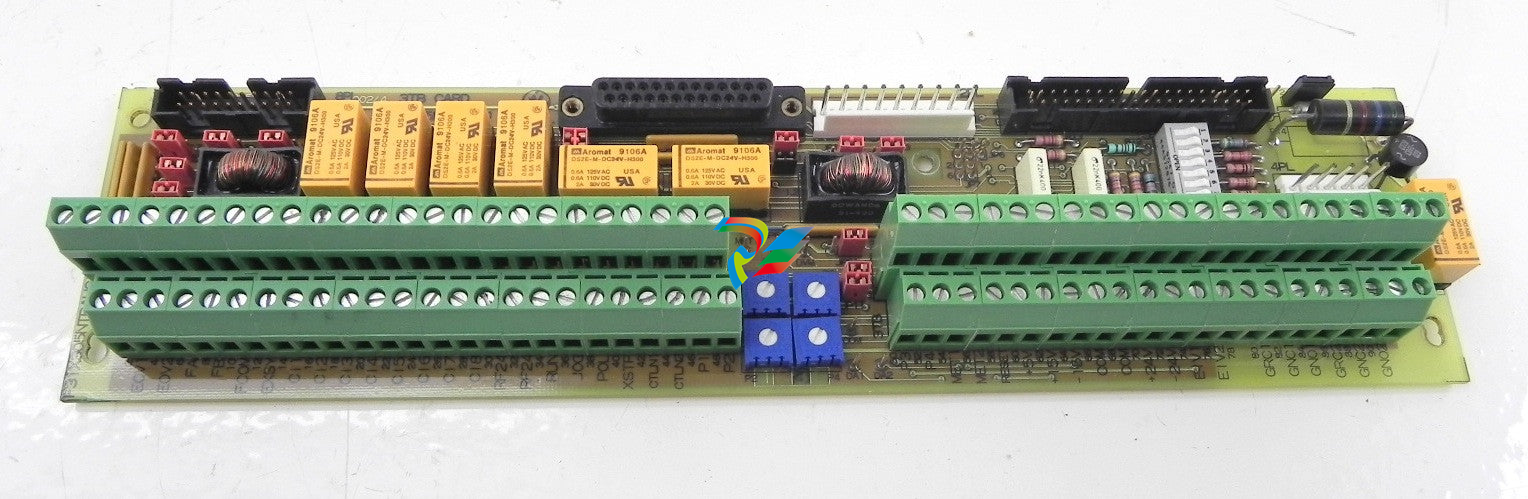 GE 531X305NTBAHG1 NTB/3TB Terminal Board 531X
 -
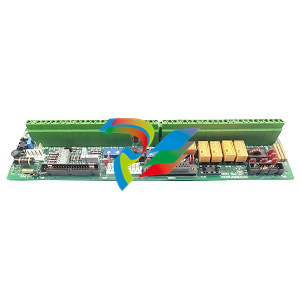 GE 531X305NTBAEG1 is a PCB that functions as a DR terminal board.
 -
General Electric 531X305NTBACG1 NTB/3TB Terminal Board 531X
-
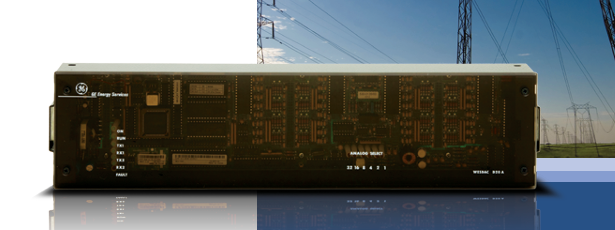 GE Digital Energy D20 Analog Input Module
 -
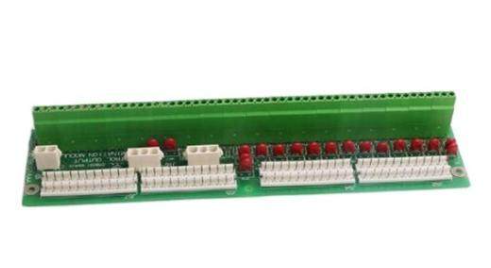 GE 94-164136-001 main board Control board
 -
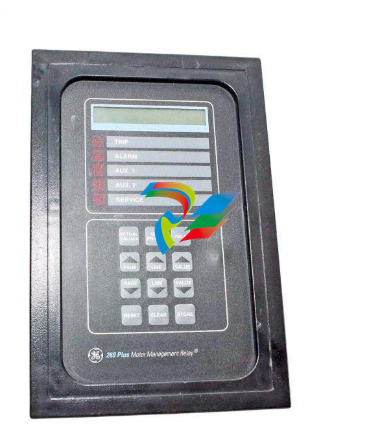 GE 269 PLUS-D/O-100P-125V Digital motor relay
 -
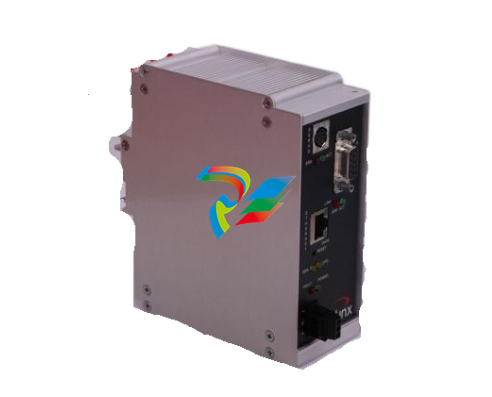 GALIL DMC-9940 High-performance motion controller
 -
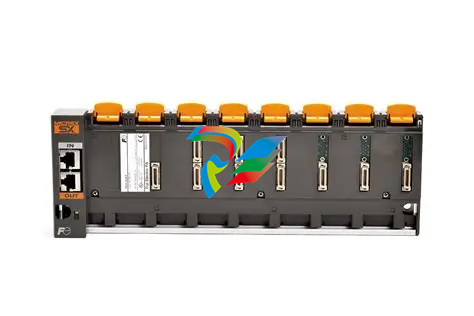 FUJI NP1BS-08 base plate
 -
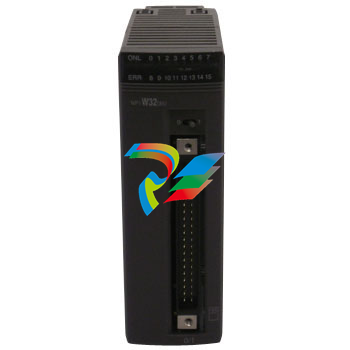 FUJI NP1Y32T09P1 Transistor drain type digital output module
 -
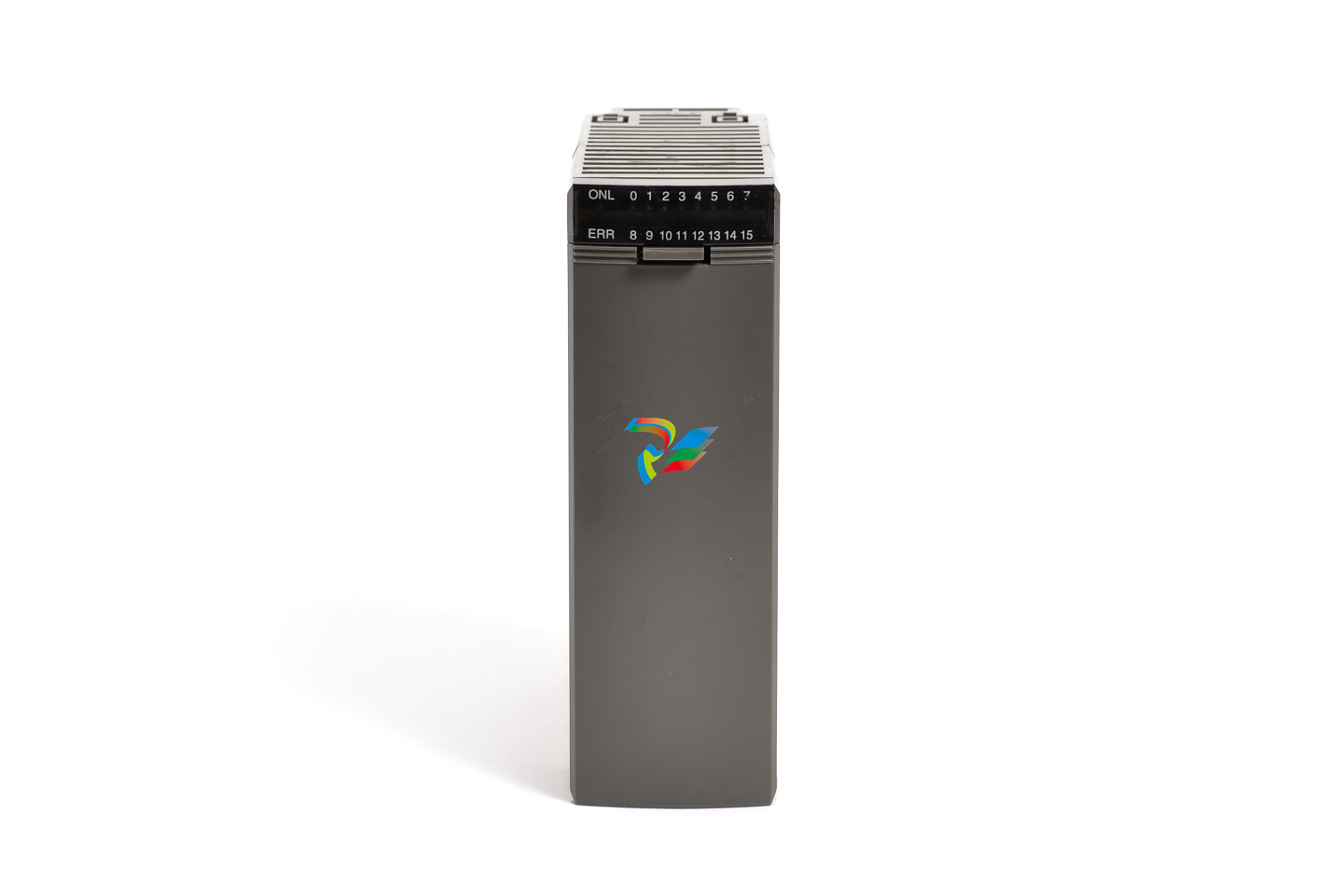 FUJI NP1Y16R-08 Digital Output Module
 -
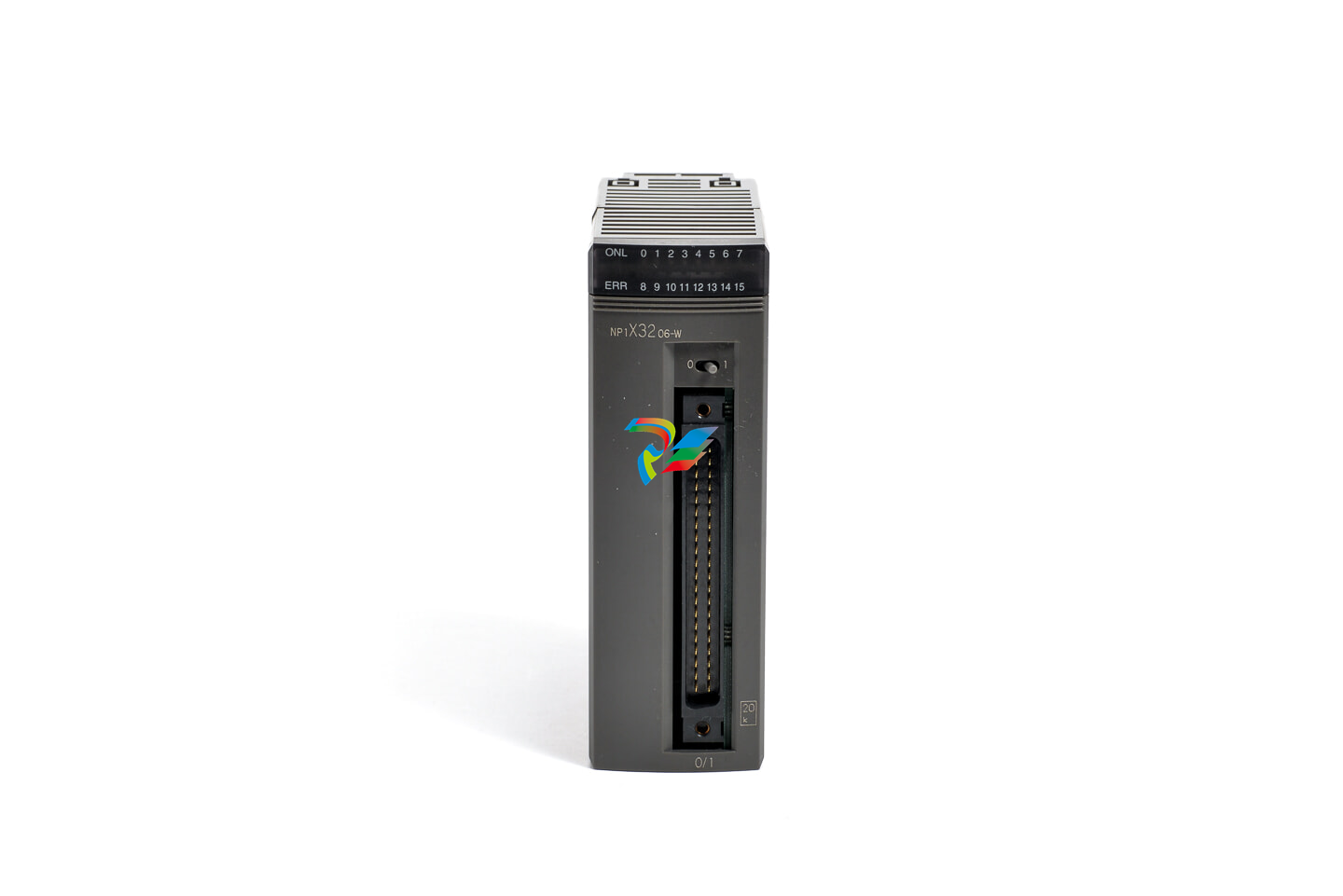 FUJI NP1X3206-A High-speed digital input module
 -
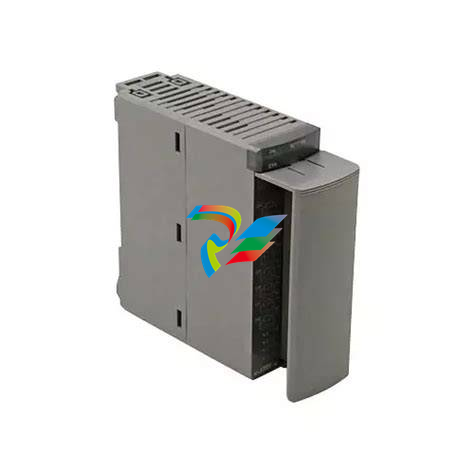 FUJI NP1AYH4I-MR current output module
 -
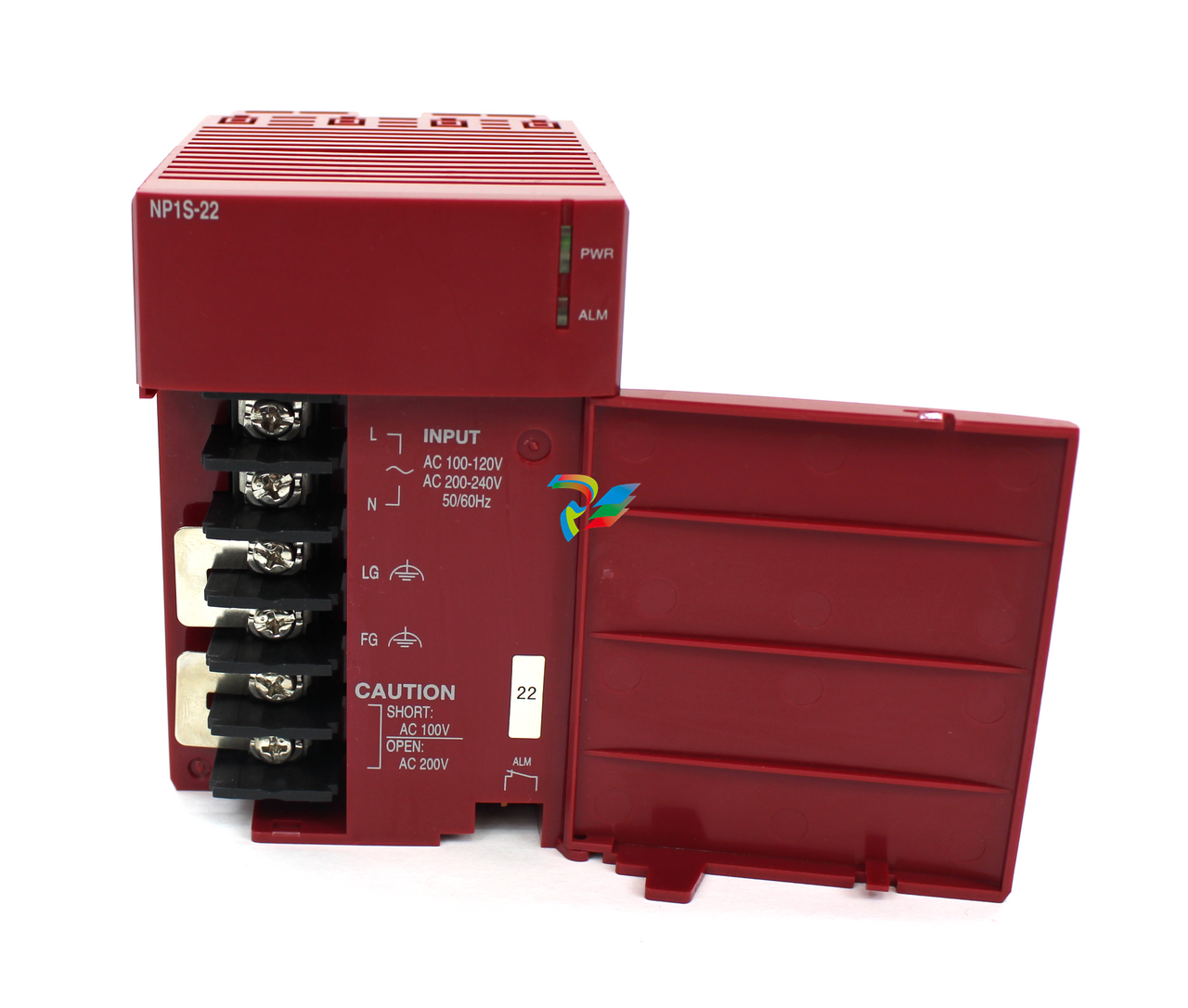 FUJI NP1S-22 Power module redundancy
 -
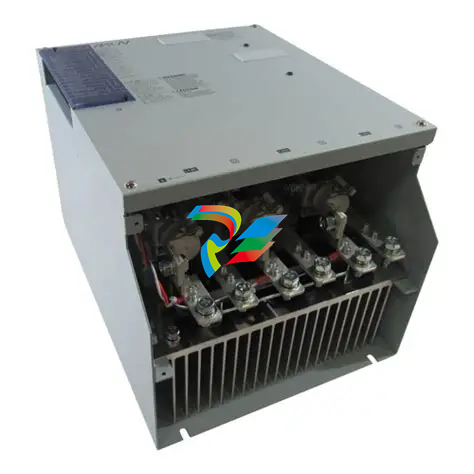 FUJI RPXD2150-1T servo drive module
 -
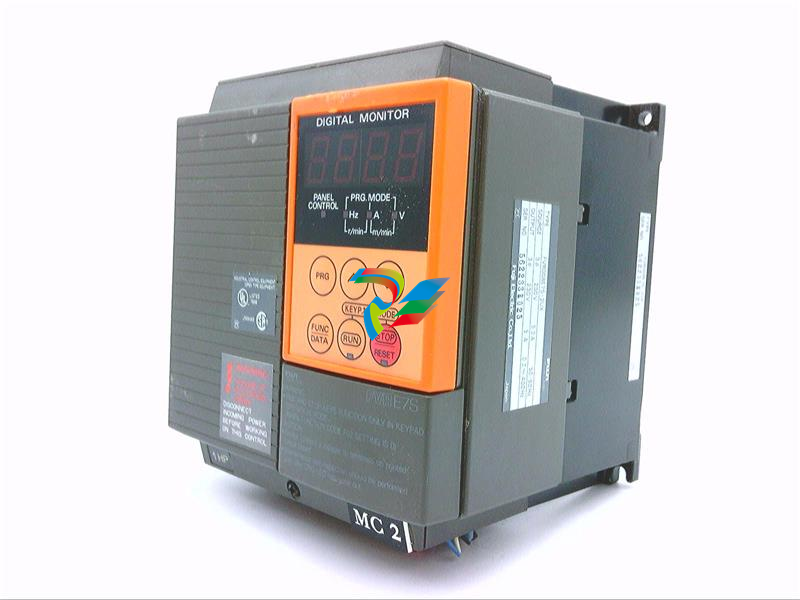 FUJI FVR008E7S-2UX Ac frequency converter
 -
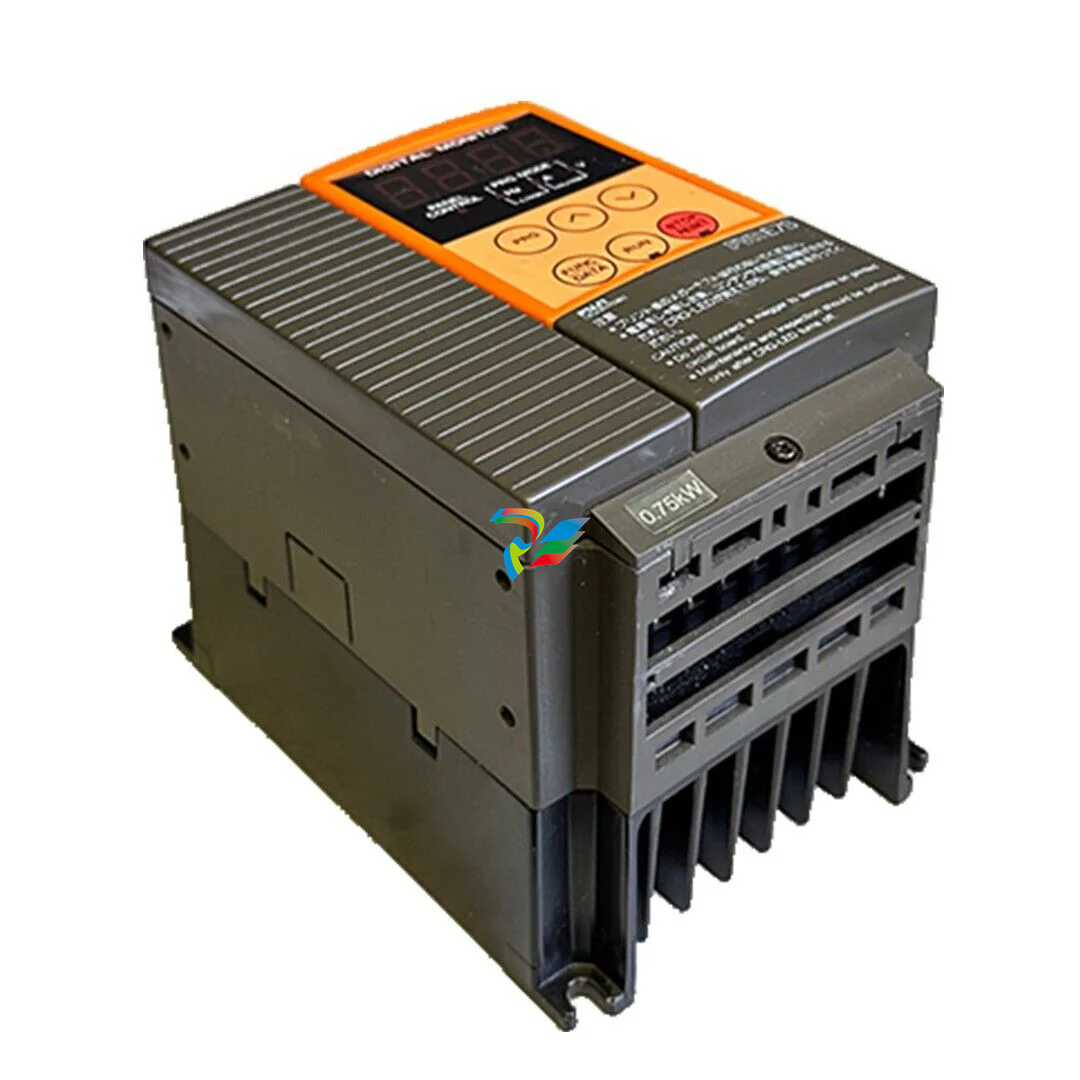 FUJI Ac frequency converter FVR008E7S-2
 -
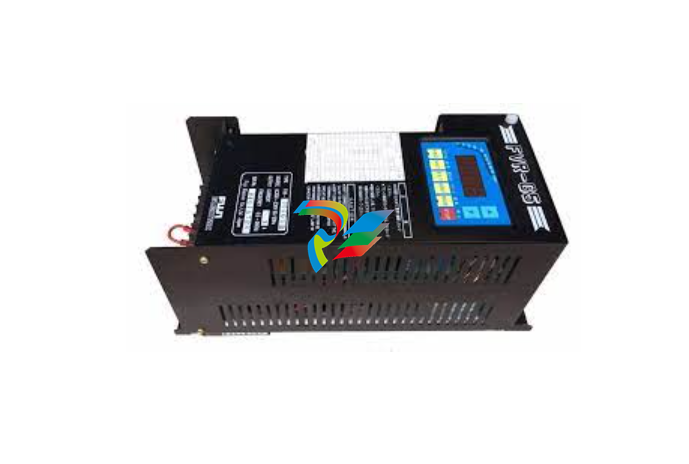 FUJI FVR004G5B-2 Small general-purpose frequency converter
 -
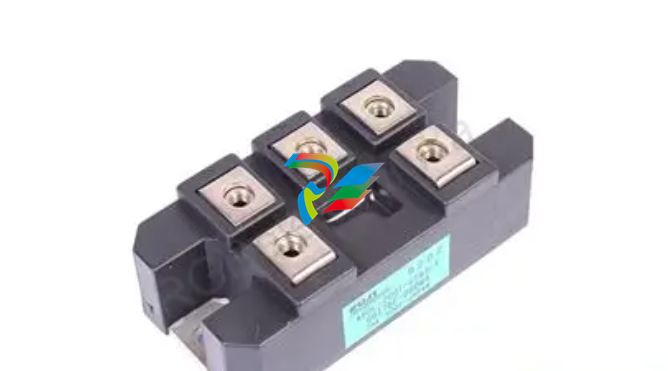 FUJI A50L-2001-0232 Industrial control module
 -
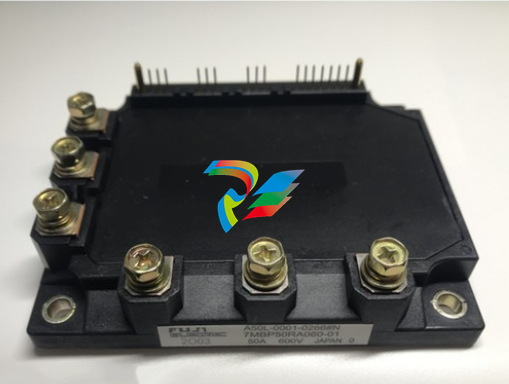 FUJI A50L-001-0266#N High-performance servo amplifier
 -
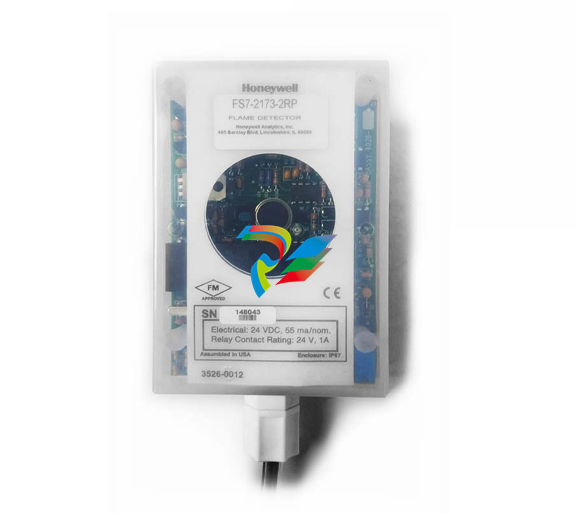 Honeywell FS7-2173-2RP Gas sensor
 -
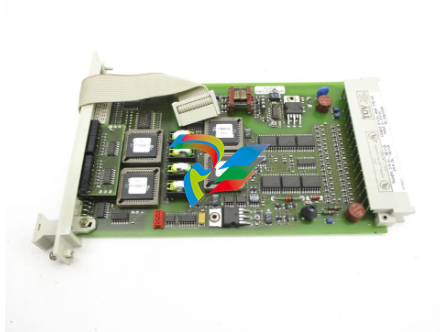 Honeywell 10106/2/1 Digital Input Module in Stock
 -
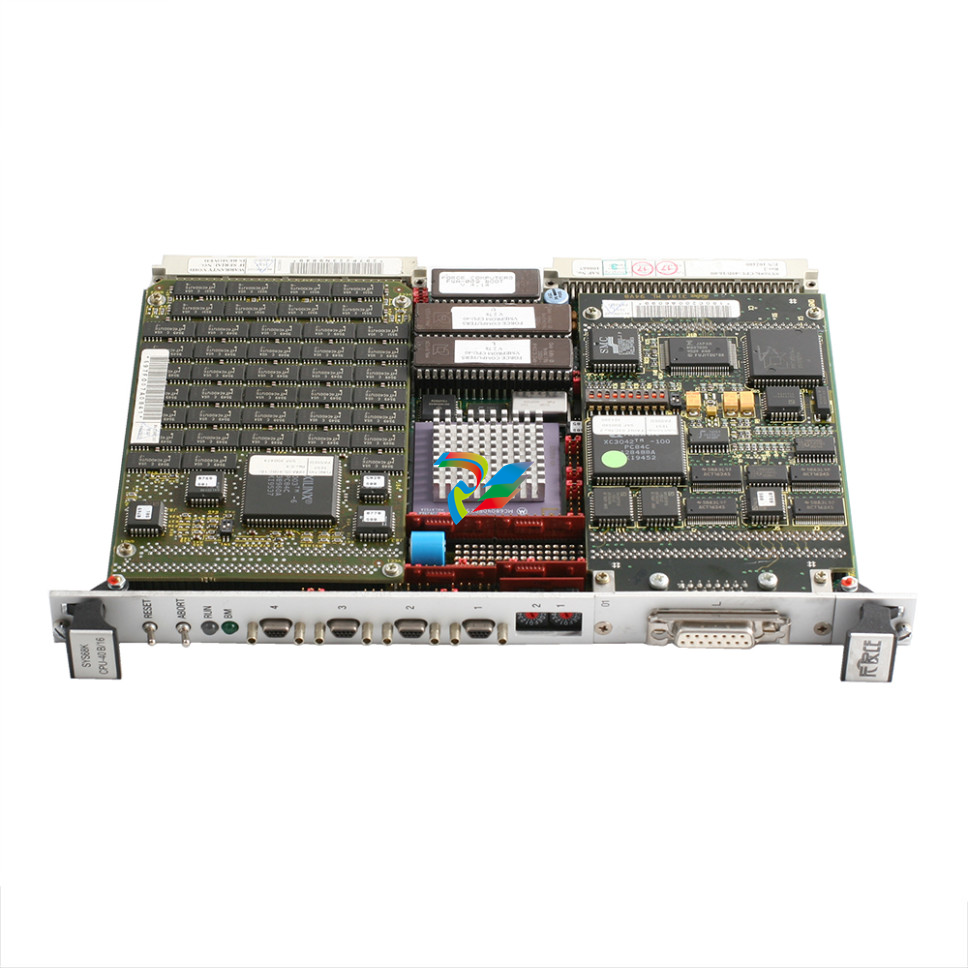 FRCE SYS68K CPU-40 B/16 PLC core processor module
 -
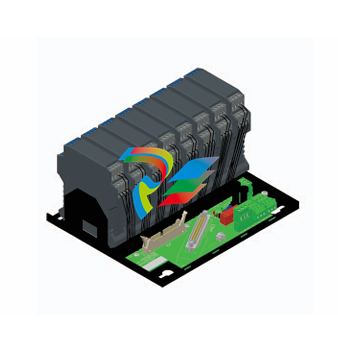 Foxboro FBM I/O cards PBCO-D8-009
 -
 Foxboro AD916AE Digital Control System (DCS) Module
 -
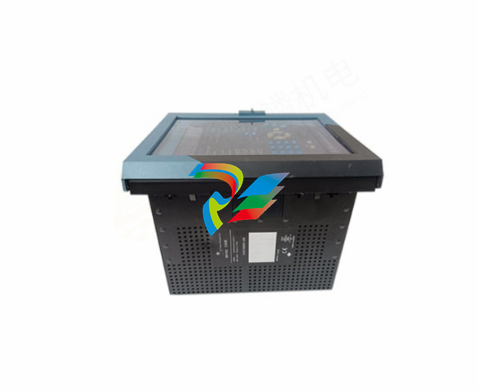 GE SR750-P5-G5-S5-HI-A20-R-E Multilin Relay
 -
.jpg) FOXBORO H90 H90C9AA0117S Industrial Computer Workstation
FOXBORO H90 H90C9AA0117S Industrial Computer Workstation -
FOXBORO RH928AW | I/A Series Relay Output Module
-
.jpg) Foxboro N-2AX+DIO Multi-functional input/output module
Foxboro N-2AX+DIO Multi-functional input/output module -
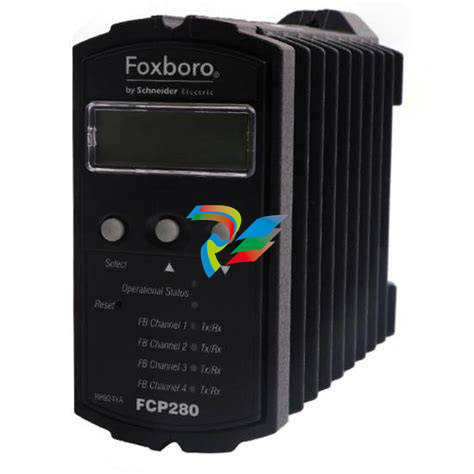 Foxboro RH924WA FCP280 Fiber Optic Network Adapter
 -
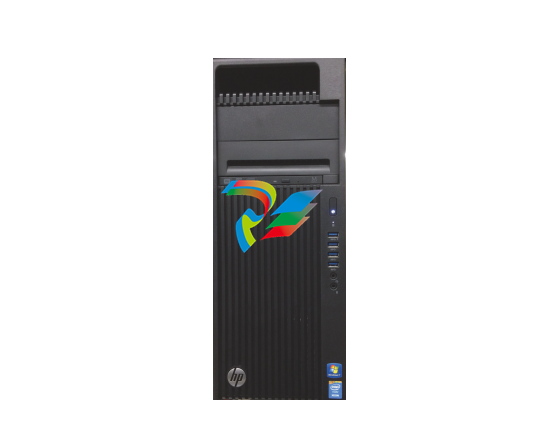 FOXBORO H92 Versatile Hardware Component In
 -
 Foxboro FBM218 P0922VW HART® Communication Redundant Output Interface Module
 -
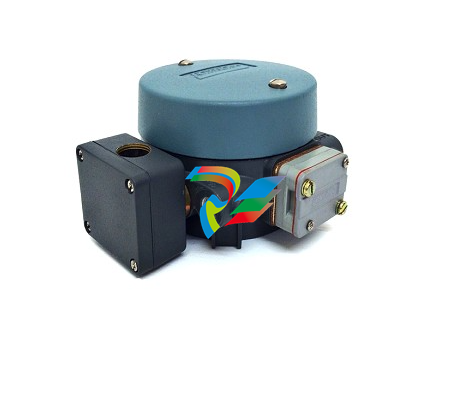 Foxboro E69F-TI2-J-R-S E69F Series Current-To-Pneumatic Signal Converter
 -
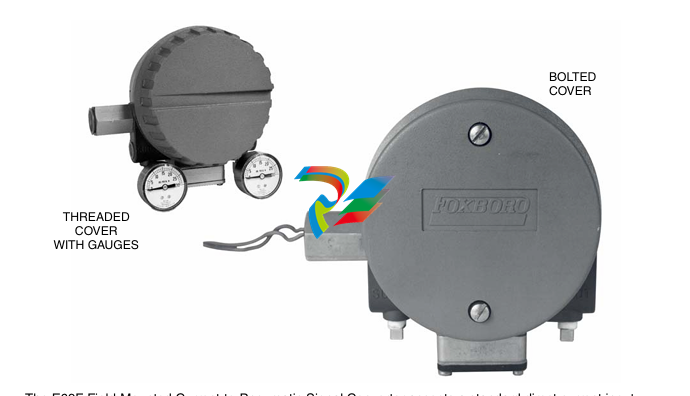 Foxboro E69F-BI2-S Converter
 -
.jpg) Foxboro H92A049E0700 The host of the DCS control station
Foxboro H92A049E0700 The host of the DCS control station -
 Foxboro H90C9AA0117S Industrial computer workstation
 -
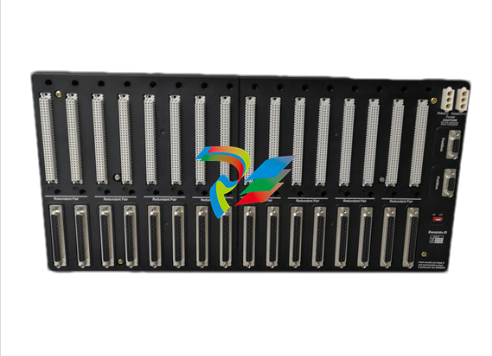 Foxboro RH101AA High-performance industrial control module
 -
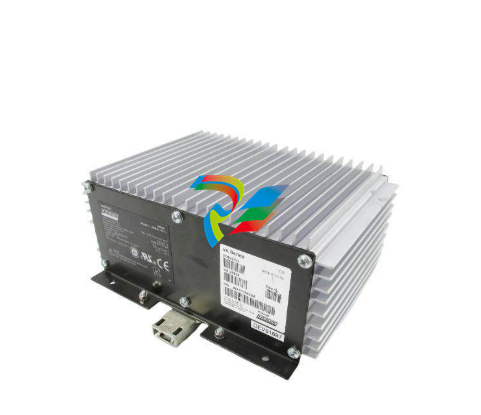 Foxboro P0922YU FPS400-24 I/A Series Power supply
 -
.png) FOXBORO P0973LN Chassis-based managed switch with independent power supply
FOXBORO P0973LN Chassis-based managed switch with independent power supply -
.jpg) FOXBORO P0926PA Input/output module
FOXBORO P0926PA Input/output module -
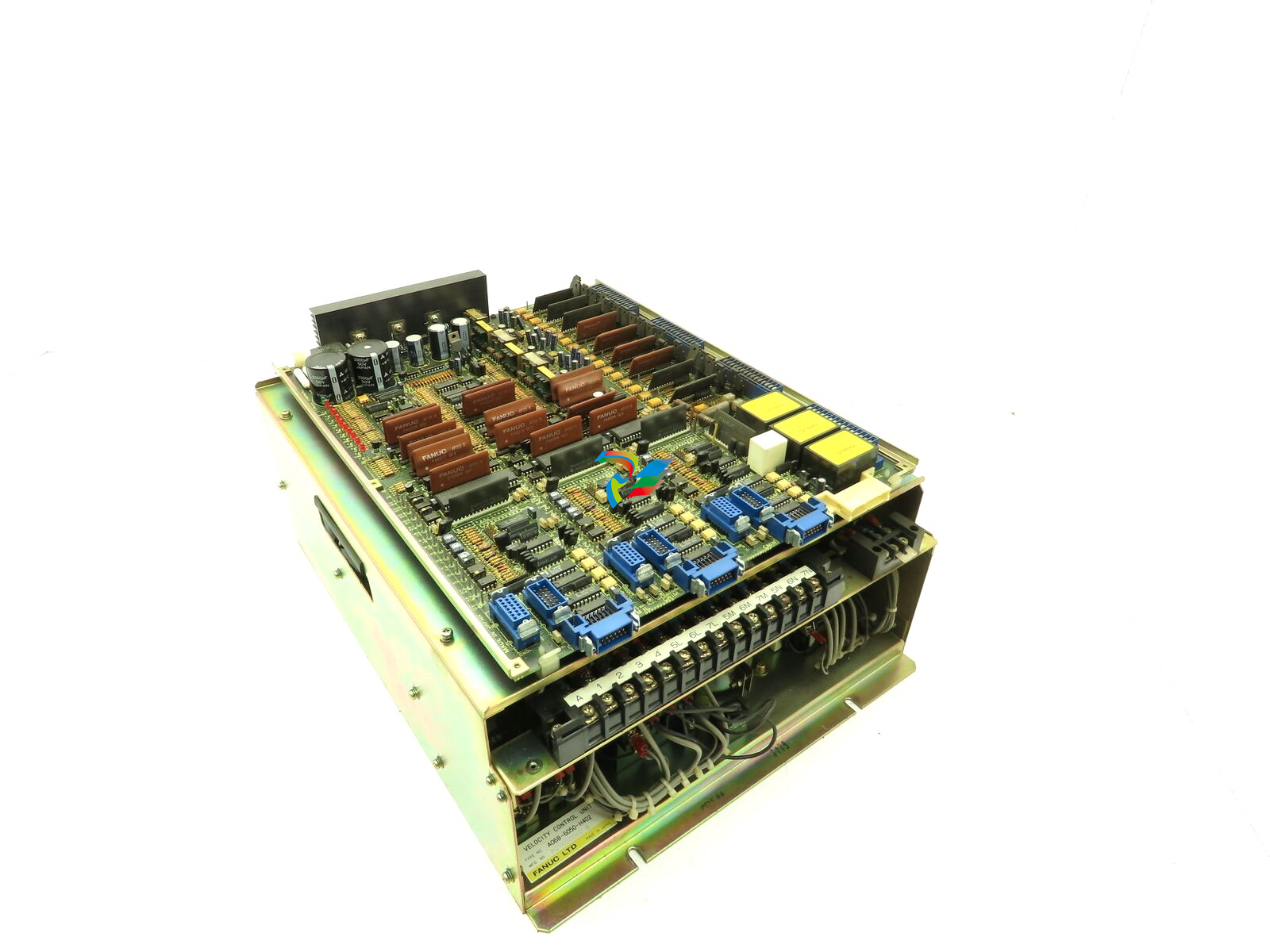 Fanuc A06B-6050-H402 3 AXIS ANALOG AC SERVO DRIVE
 -
.jpg) FOXBORO L0130AD L0130AE-0H Power module group
FOXBORO L0130AD L0130AE-0H Power module group -
_lVjBYb.jpg) FOXBORO 0399085B 0303440C+0303458A Combination Control Module
FOXBORO 0399085B 0303440C+0303458A Combination Control Module -
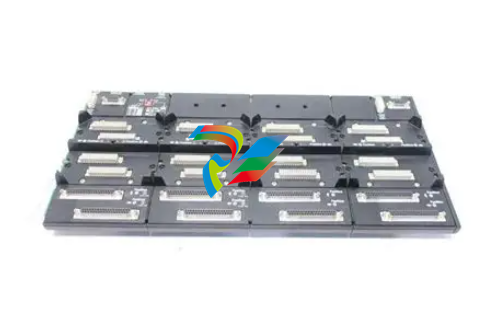 FOXBORO SY-0399095E (SY-0303451D+SY-0303460E) Process control board
 -
.jpg) FOXBORO 0399071D 0303440C+0303443B Input/Output (I/O) Module
FOXBORO 0399071D 0303440C+0303443B Input/Output (I/O) Module -
.jpg) FOXBORO RH924UQ Redundant Controller module
FOXBORO RH924UQ Redundant Controller module -
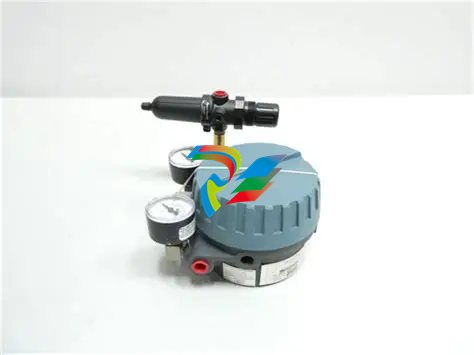 FFOXBORO E69F-TI2-S current pneumatic converter
 -
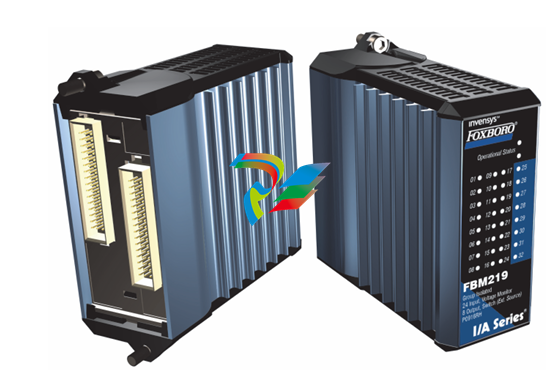 FOXBORO FBM219 RH916RH Discrete I/O Module
 -
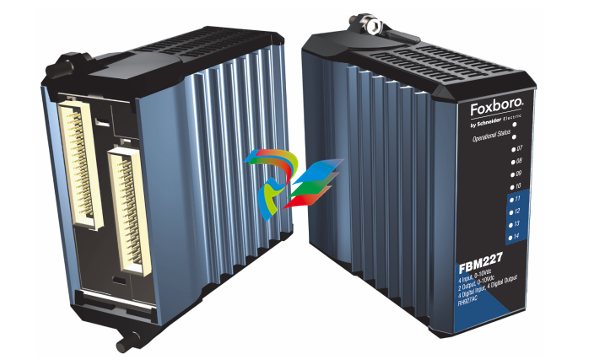 FOXBORO FBM227 P0927AC Module
 -
.jpg) FOXBORO 0399144 SY-0301059F SY-1025115C/SY-1025120E I/O module
FOXBORO 0399144 SY-0301059F SY-1025115C/SY-1025120E I/O module -
.jpg) FOXBORO SY-60399001R SY-60301001RB Industrial Control Module
FOXBORO SY-60399001R SY-60301001RB Industrial Control Module -
 FOXBORO 0399143 SY-0301060R SY-1025115C SY-1025120E Combined control board
 -
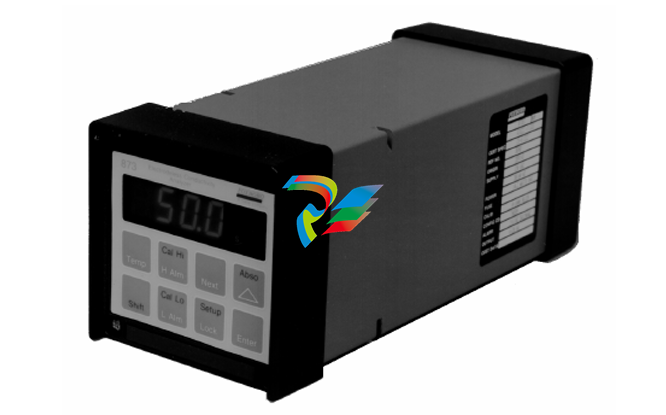 FOXBORO 873EC-JIPFGZ electrodeless conductivity analyzer
 -
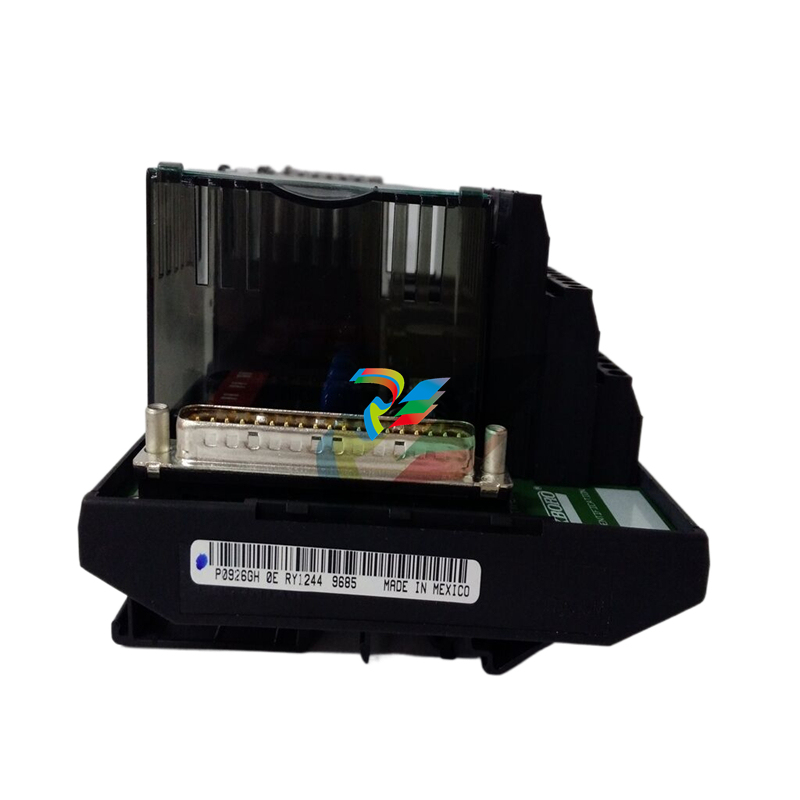 FOXBORO P0916PH (High-density HART I/O Module)
 -
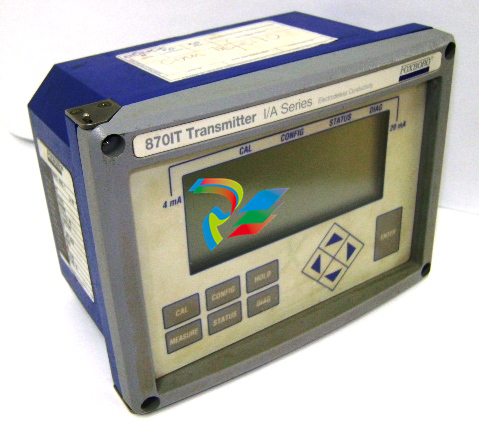 FOXBORO 870ITEC-AYFNZ-7 Intelligent Electrochemical Transmitters
 -
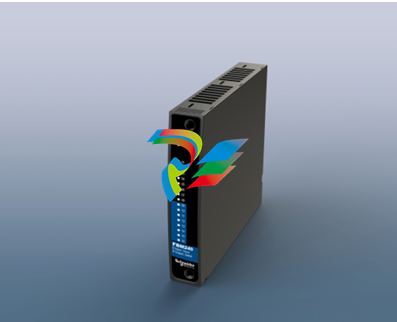 FOXBORO Compact FBM240. Redundant with Readback, Discrete
 -
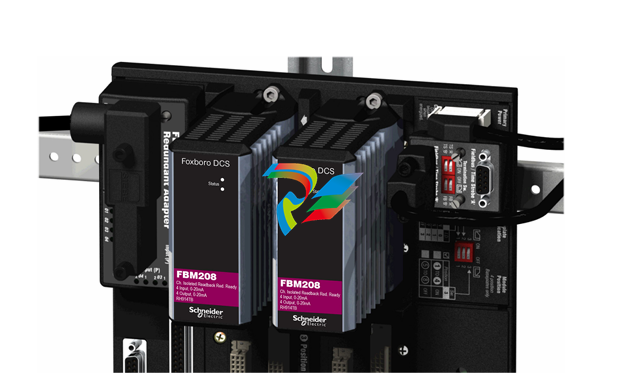 FOXBORO FBM208/b, Redundant with Readback, 0 to 20 mA I/O Module
 -
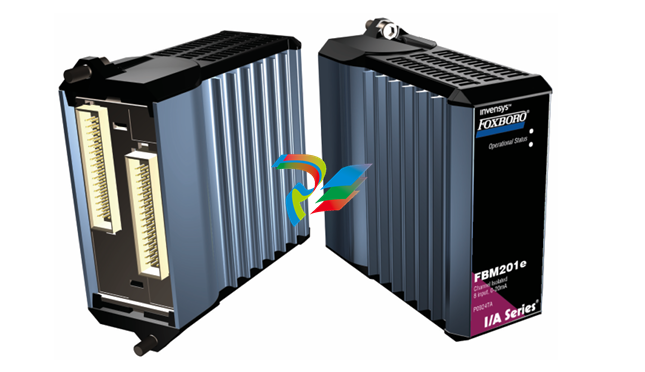 FOXBORO FBM201e Analog Input (0 to 20 mA) Interface Modules
 -
.jpg) FOXBORO P0916WG Terminal cable
FOXBORO P0916WG Terminal cable -
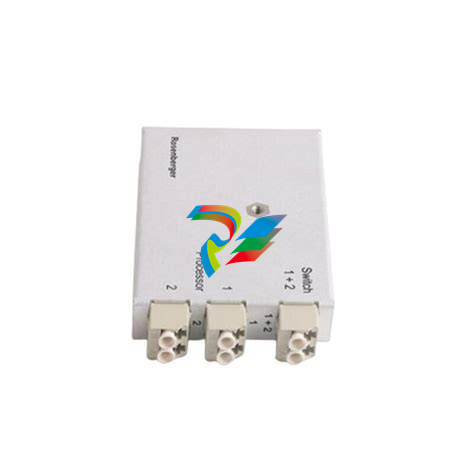 FOXBORO P0926MX 2-Port Splitter
 -
.jpg) FOXBORO AD908JQ High-Frequency Module
FOXBORO AD908JQ High-Frequency Module -
.jpg) FOXBORO AD916CC Processor module
FOXBORO AD916CC Processor module -
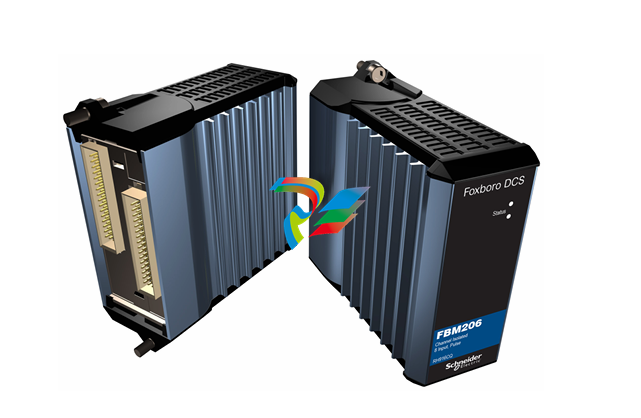 Foxboro DCS FBM206 Pulse Input Module
 -
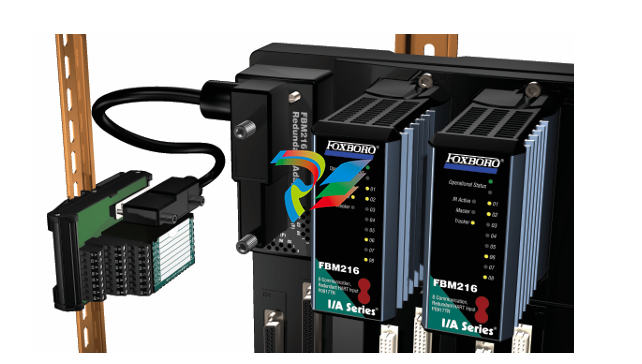 FOXBORO FBM216 HART® Communication Redundant Input Interface Module
 -
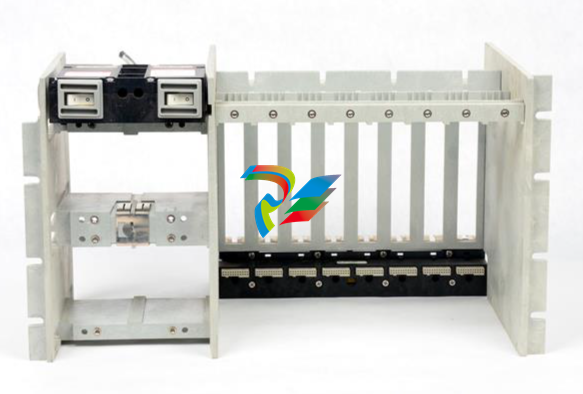 Foxboro p0903nu 1×8 unit sub-component module
 -
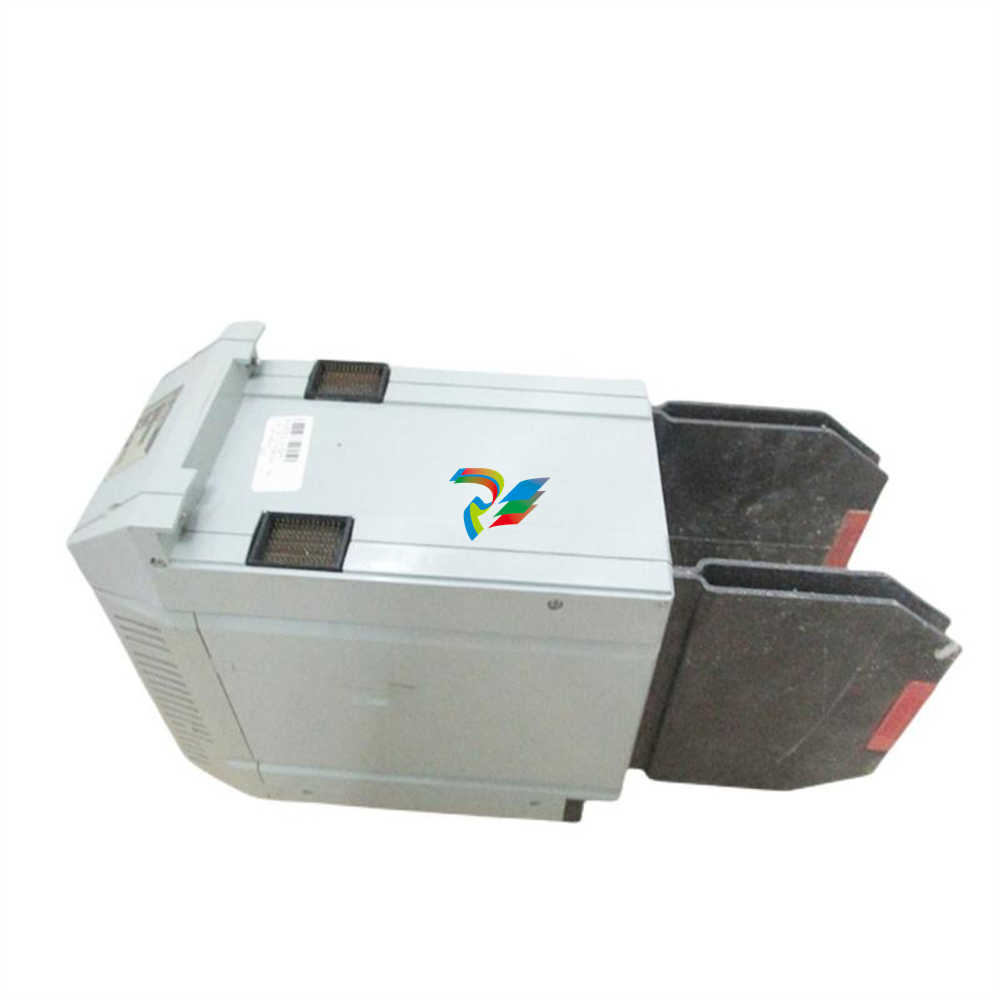 Foxboro P0911SM Industrial control module
 -
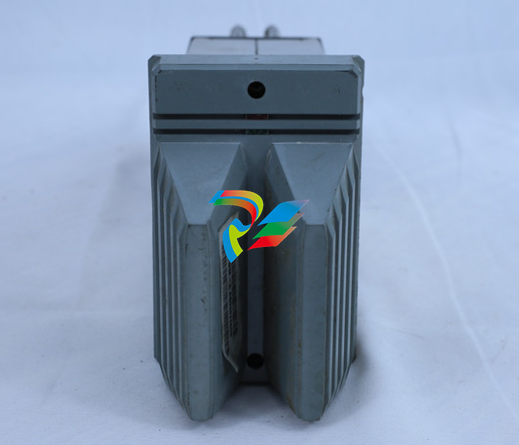 Foxboro CM902WM I/O module
 -
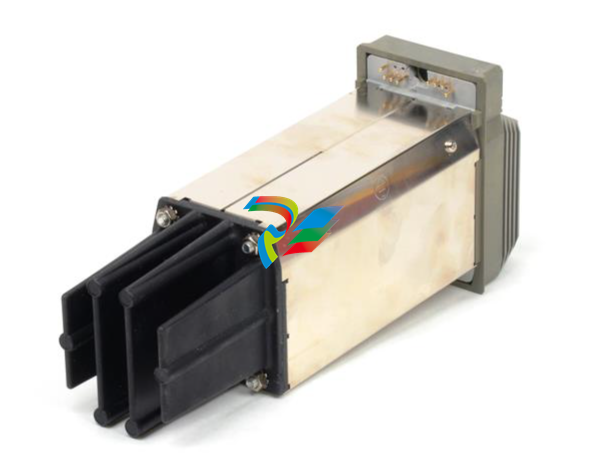 Foxboro CM902WL Power module
 -
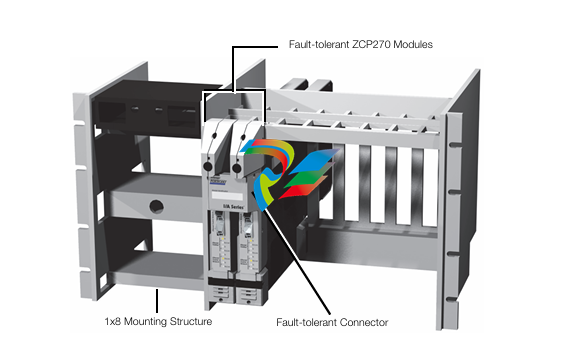 Foxboro P0972VA Industrial Control Module
 -
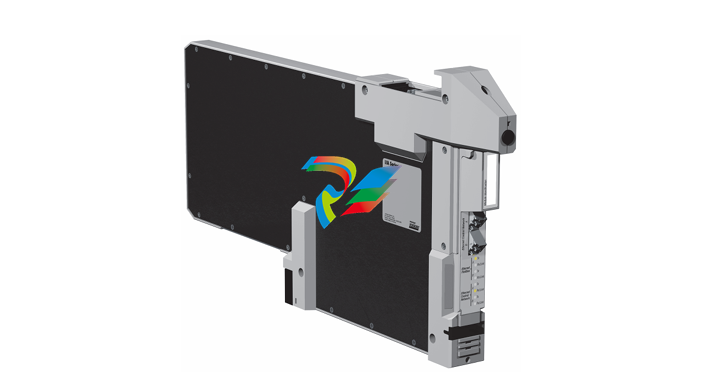 Foxboro Z-Module Control Processor 270 (ZCP270)
 -
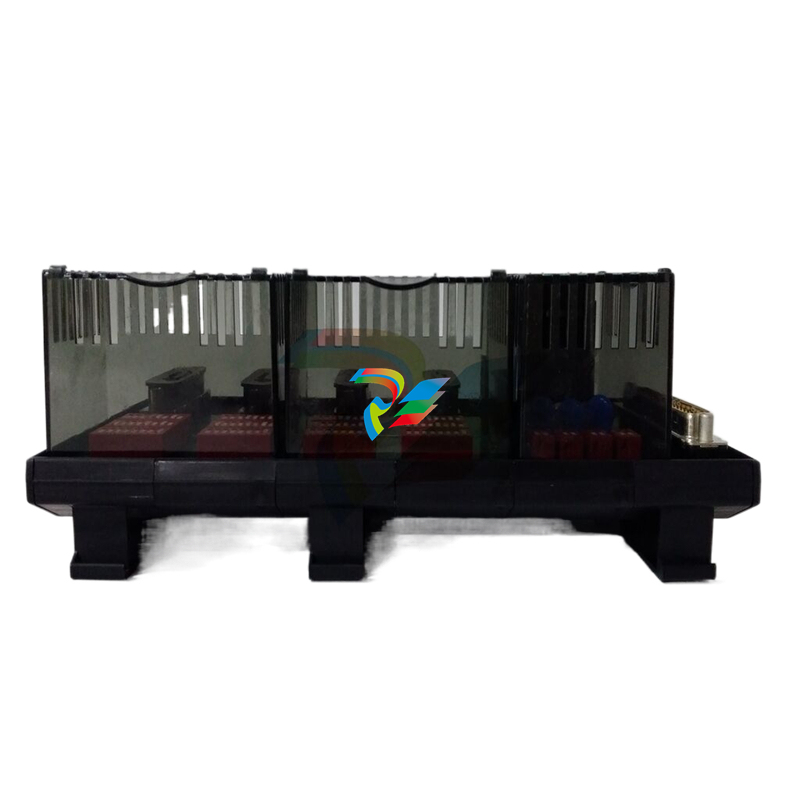 Foxboro PO916JS 16-channel terminal block module
 -
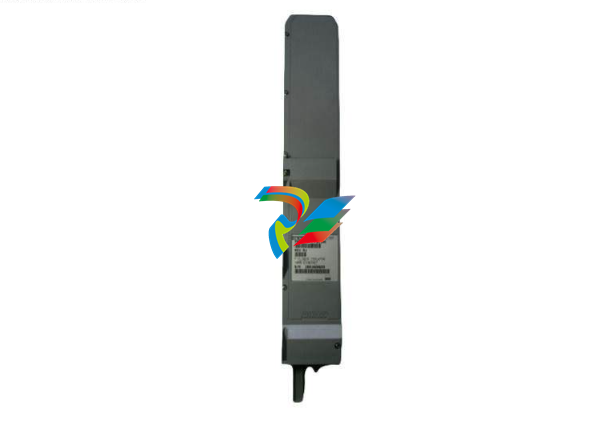 Foxboro PO911SM High-performance digital/analog input/output module
 -
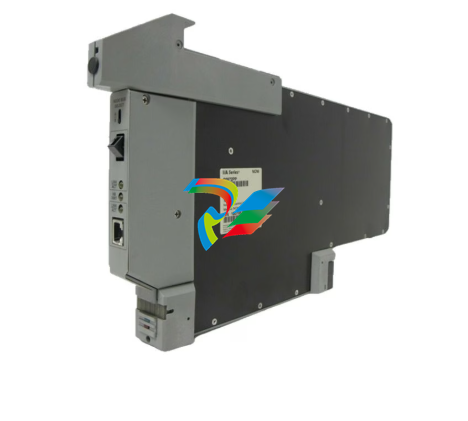 Foxboro P0972PP-NCNI Network Interface Module
 -
.jpg) FOXBORO P0971QZ controller module
FOXBORO P0971QZ controller module -
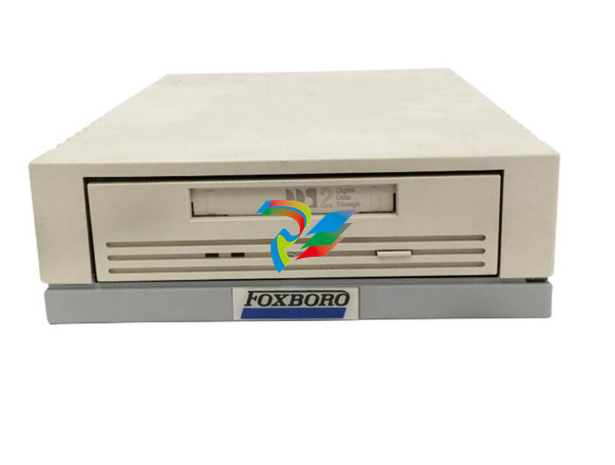 FOXBORO P0971DP Thermal resistance input/output module
 -
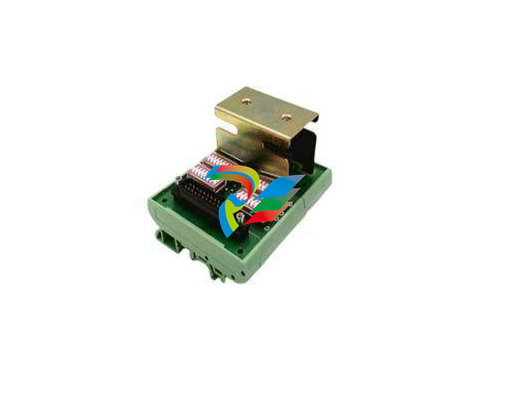 FOXBORO P0970VB Cable connector
 -
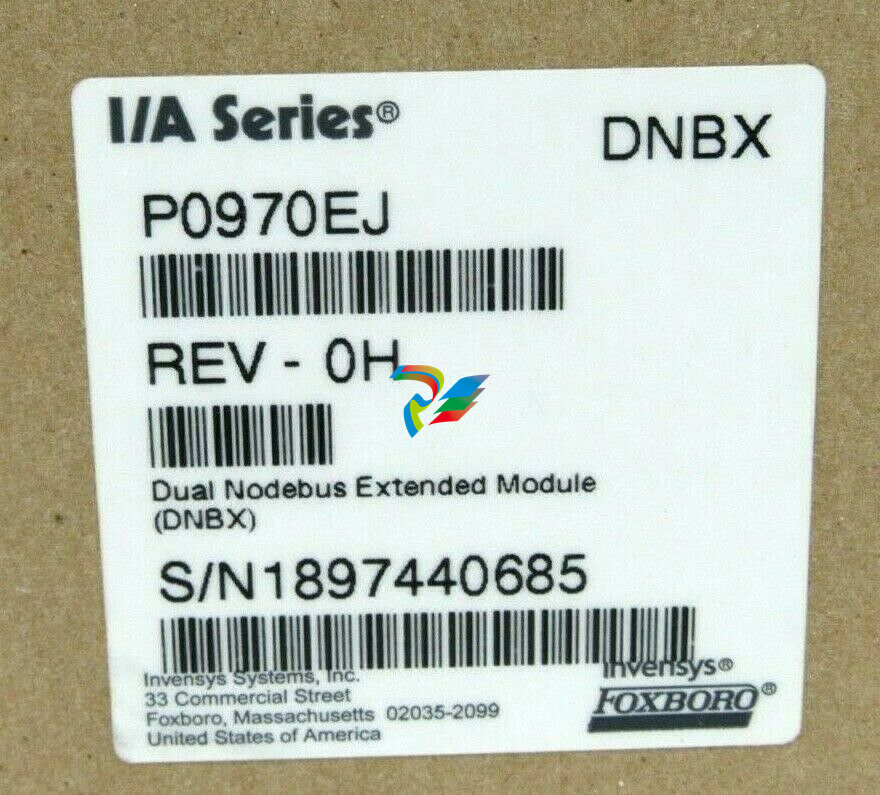 FOXBORO P0970EJ-DNBX Dual-node bus expansion module
 -
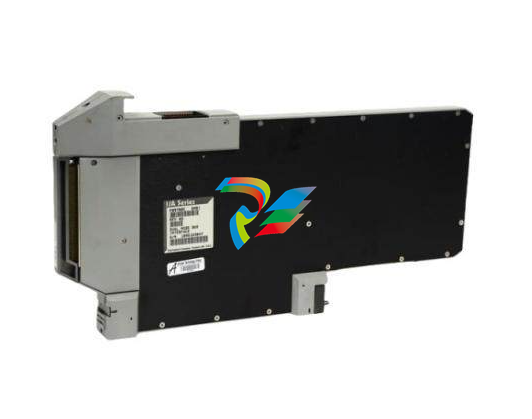 FOXBORO P0970BP Redundant power supply system
 -
.jpg) FOXBORO P0970BC-DNBI DeviceNet bus interface module
FOXBORO P0970BC-DNBI DeviceNet bus interface module -
.jpg) FOXBORO P0961FX-CP60S Main control CPU module
FOXBORO P0961FX-CP60S Main control CPU module -
.jpg) FOXBORO P0961EF-CP30B Network Interface Unit
FOXBORO P0961EF-CP30B Network Interface Unit -
.jpg) FOXBORO P0961CA Optical fiber local area network module
FOXBORO P0961CA Optical fiber local area network module -
.jpg) FOXBORO P0961BD-GW30B gateway processor module
FOXBORO P0961BD-GW30B gateway processor module -
.jpg) FOXBORO P0961BC-CP40B/I/A Series high-performance control processor module
FOXBORO P0961BC-CP40B/I/A Series high-performance control processor module -
FOXBORO P0960JA-CP40 High-performance control processor
-
FOXBORO P0926TM Control module
-
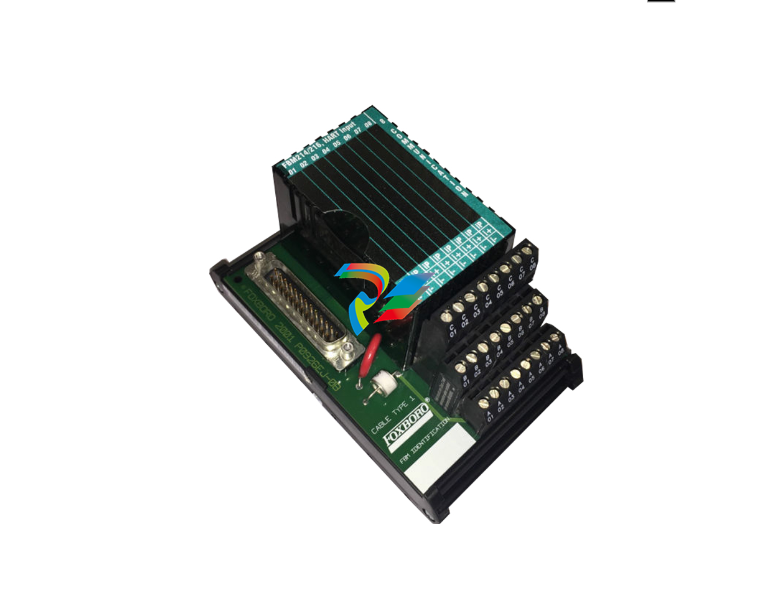 FOXBORO P0916BX Termination Assembly
 -
.jpg) FOXBORO P0916AE P0916AG P0916AW Thermal resistance input type DCS card module
FOXBORO P0916AE P0916AG P0916AW Thermal resistance input type DCS card module -
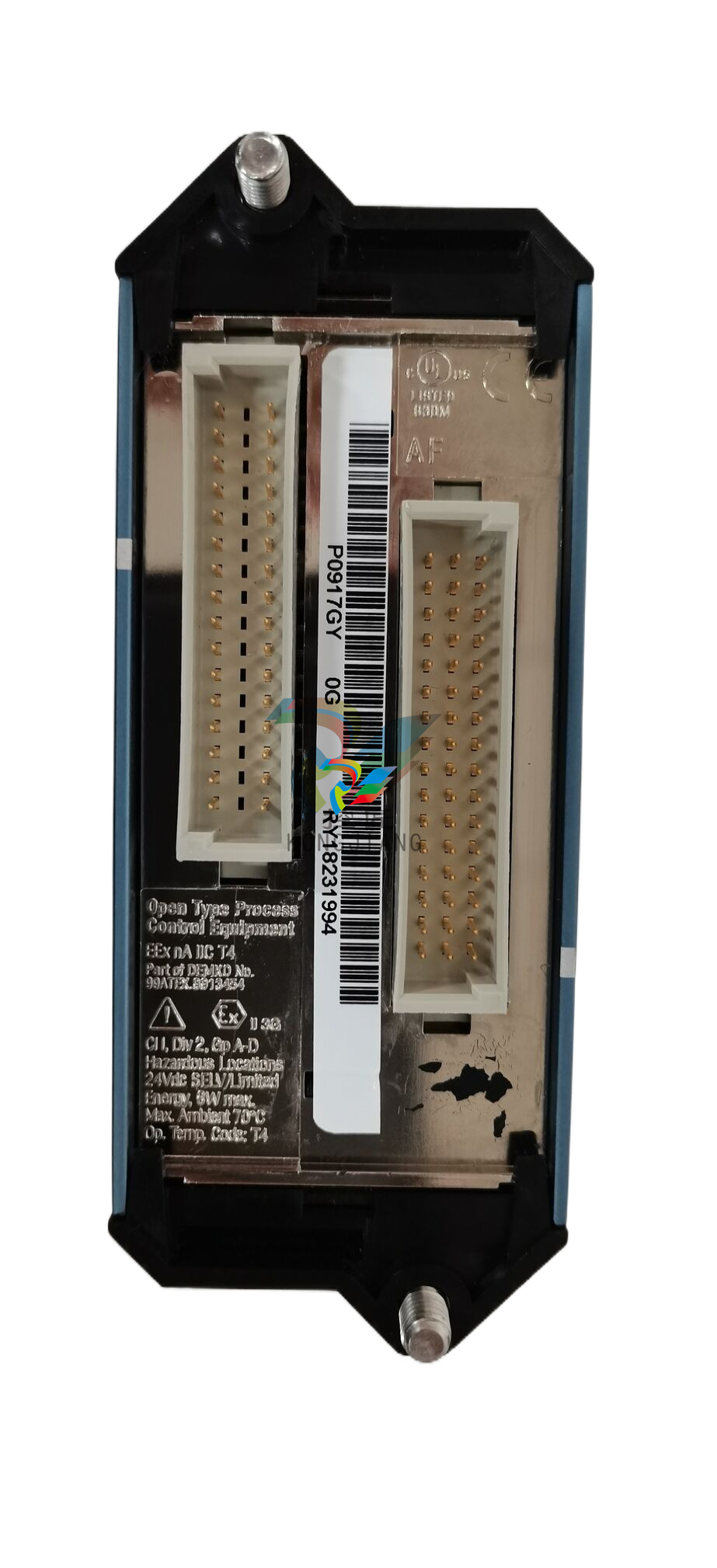 FOXBORO P0916AC FOXBORO distributed control system (DCS) compression terminal assembly
 -
.jpg) FOXBORO P0912CB High-performance interface module
FOXBORO P0912CB High-performance interface module -
.jpg) FOXBORO P0911VJ Thermal resistance input output module
FOXBORO P0911VJ Thermal resistance input output module -
.jpg) FOXBORO P0911QH-A High-precision module
FOXBORO P0911QH-A High-precision module -
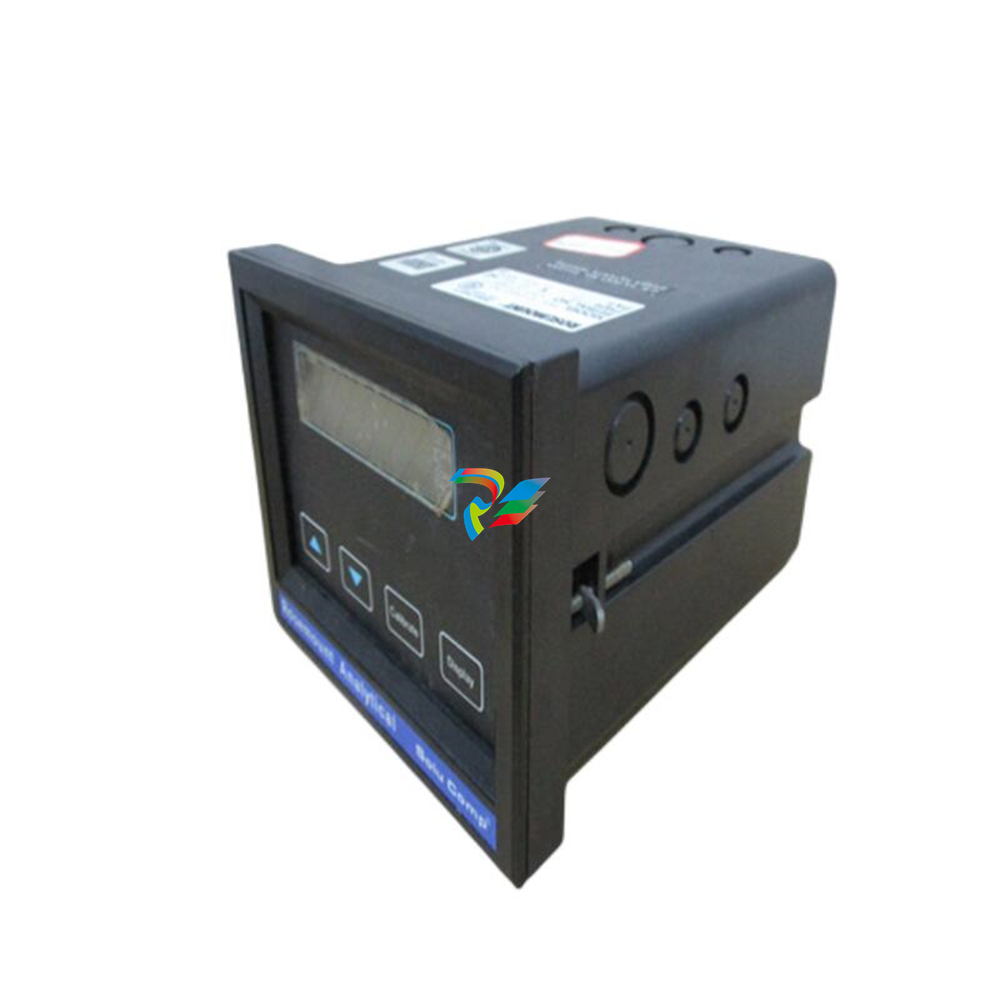 FOXBORO P0911QB-C P0911QC-C Thermal resistance input/output module
 -
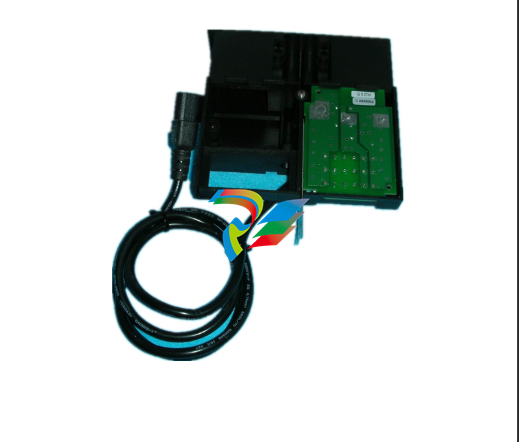 FOXBORO P0904BH P0904FH P0904HB Distributed Control system (DCS) module
 -
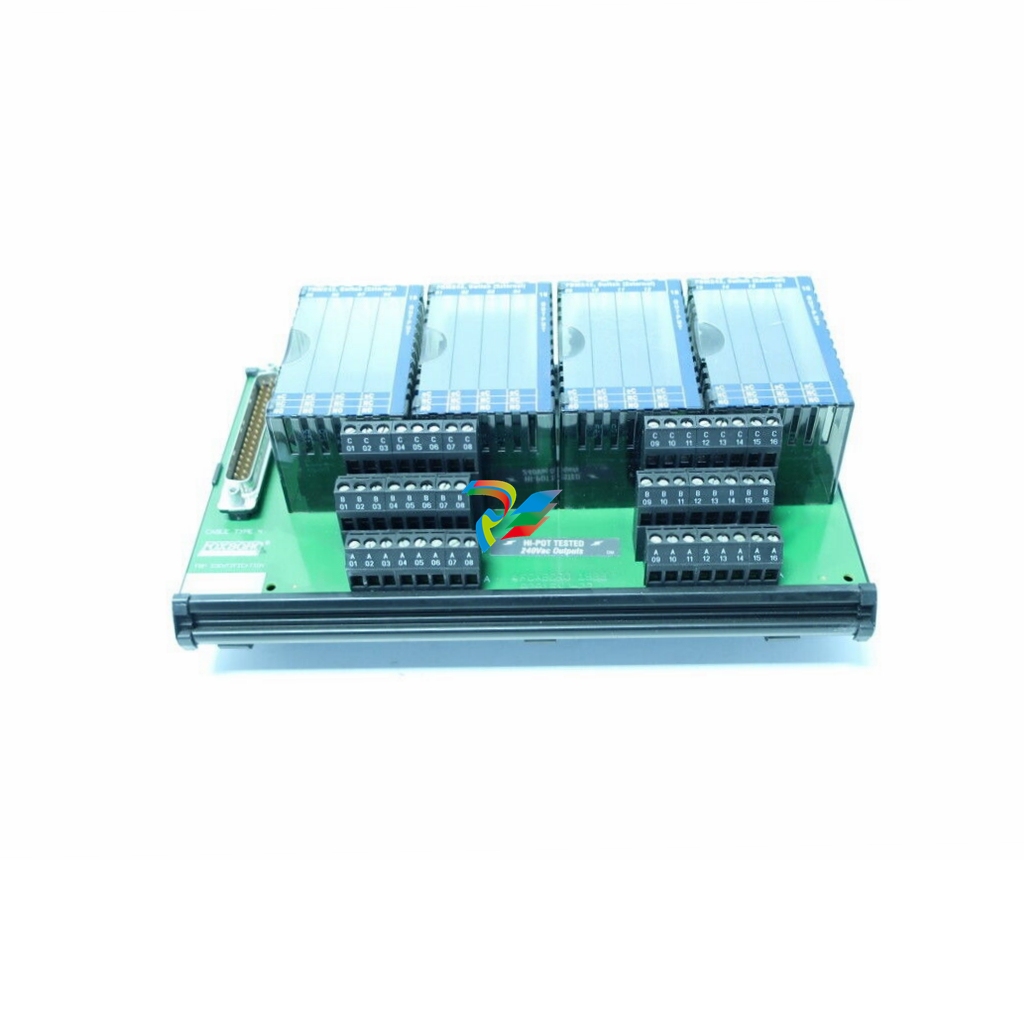 FOXBORO P0903ZP P0903ZQ Embedded System Debugging Module
 -
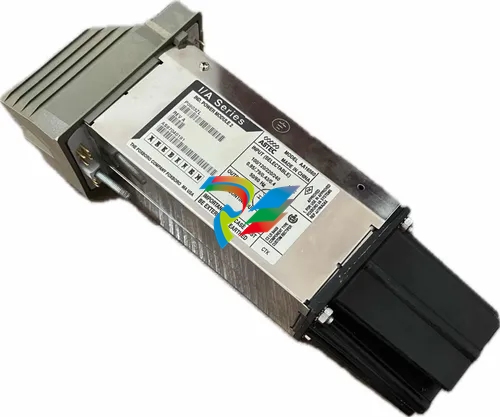 Foxboro P0903ZL P0903ZN Industrial power module
 -
 Foxboro P0903ZE I/A Series Fieldbus Isolator Module
 -
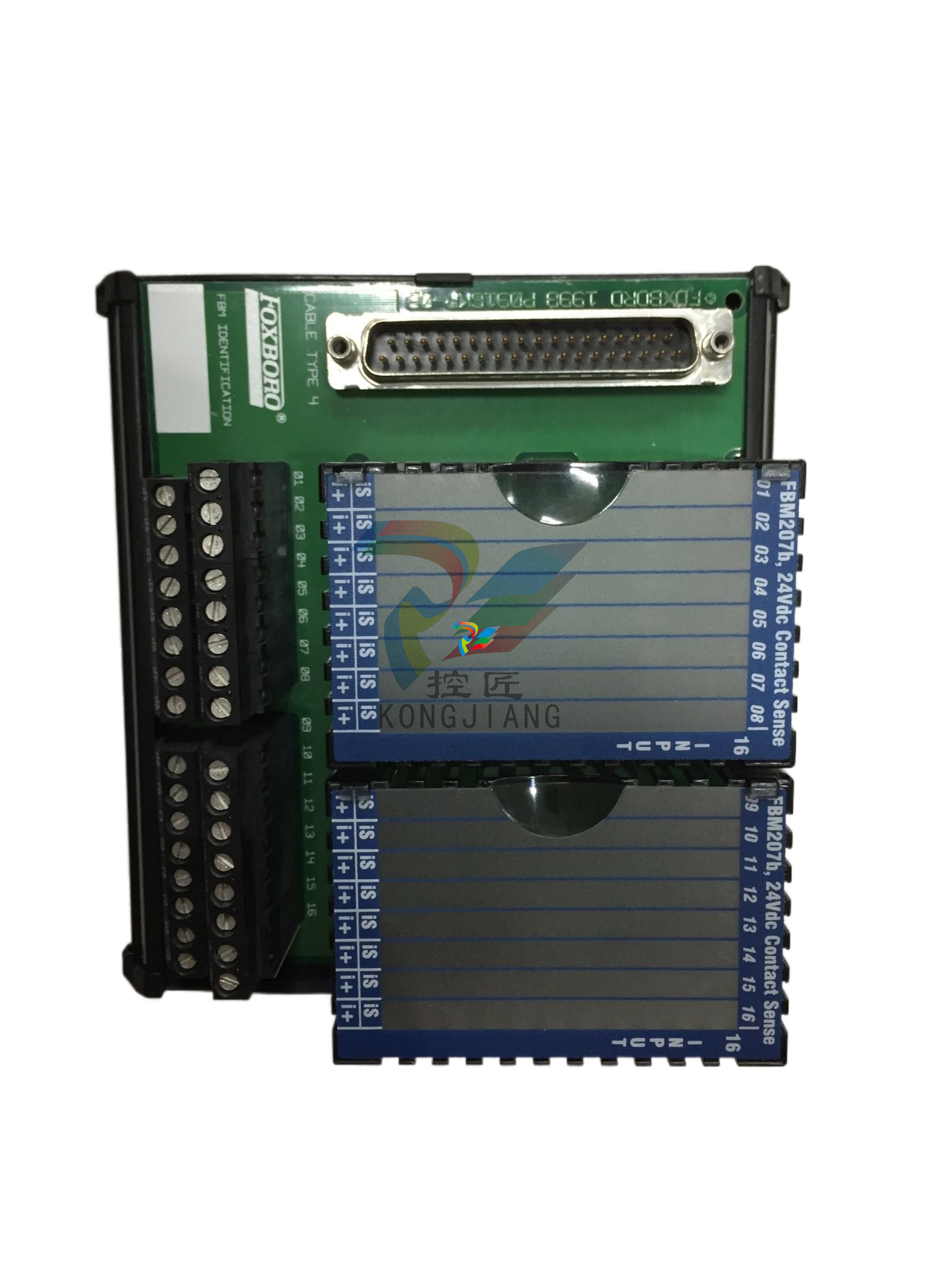 FOXBORO P0903NW Industrial Control Module