
The AI-Driven Transformation of Supply Chains: Trends, Benefits and Future Outlook
Significant advancements in AI are shaping the future of work across most industries at an unprecedented pace. It can be challenging to keep up with these rapid changes, decipher how these technologies can be applied and implement them into existing business practices. One industry that has been revolutionized top to bottom by AI developments is logistics and supply chain management; from automation and robotics to warehouse space optimization, AI is impacting 3PL business practices at all levels.

AI technologies shaping the supply chain
First, let’s dive into some of the ways that AI is already greatly impacting warehousing and supply chain management today. Advancements in AI-driven predictive analytics have transformed warehousing, becoming essential for business growth through simplified inventory management and optimized warehouse space. On the supplier’s side, it helps with demand forecasting to know when and how much inventory to have on hand at a given time. For supply chain companies, demand forecasting can help teams prepare and have adequate resources to service their customers–if more product is needed, it can be easily acquired and if less product is needed, inventory can be reduced to avoid overspending.
AI is extremely skilled at interpreting correlations across large datasets, which is a huge asset in warehousing. Properly analyzed data can provide useful, strategic insights and increase warehouse productivity through space optimization. AI can identify which combinations of products are most commonly ordered together and then assemble a new storage configuration plan to store those products closer together and make them more accessible. By analyzing historical sales data and market trends, AI can predict which products are most likely to be in demand and when, allowing brands to prepare and avoid unnecessary fulfillment bottlenecks. These enhanced capabilities help supply chain players to forecast more accurately and better prepare for what is to come.
Another key area of development is process automation, which provides more standardized processes to understand, complete and track tasks and projects, ultimately improving operational and cost efficiencies and streamlining automation throughout the supply chain. One example includes optimizing the ordering process, automatically replenishing stock when levels are low and coordinating with suppliers to ensure timely deliveries. From a business perspective, using AI for order fulfillment has tremendous benefits, particularly with reducing operational inefficiencies and costs. This not only benefits supply chain companies, but their customers as well. As suppliers receive improved services, faster shipping times and lower prices, the reduced costs can be passed along to the consumers, and increased efficiencies allow for orders to be shipped out more quickly and more accurately.
AI’s impact on reducing operational costs and improving accuracy in order fulfillment is invaluable. Increased efficiencies affect all areas of the business and lead to a decreased dependence on manual processes, directly impacting both costs and accuracy. Another key aspect is AI’s ability to optimize shipping and routing. For example, systems or solutions with rate shopping tools – where all shipments are automatically rated across all carriers using pre-set automations – leveraging AI helps to ensure that every shipment goes out in the most cost-efficient way without the need to manually select the shipping method. Lastly, another helpful AI tool is automated quality checks that allow for accuracy to be near 100% while maintaining those efficiencies that result in reduced costs.
Industry challenges in adapting to emerging AI technologies
While there are many clear benefits of utilizing AI in supply chain management, there are also some challenges. The first being the initial barrier of cost, as each system or program implemented comes with considerable startup costs and may take time before any direct return on investment can be seen given the high expense. Scalability and timing can also prove difficult; systems may be implemented at a certain volume that would not be as helpful or make as much sense for larger quantities as the business grows. This challenge primarily affects small to medium-sized enterprises because developing AI solutions are always going to be expensive, but there are tools already available that can be used for specific issues or problems that if used very directly, can provide benefits without considerable costs.
In an industry that, historically, has relied heavily on paper and manual entry for documentation, modern technologies have significantly improved the standardization of data and integration. Previous technology integrations required highly structured data, which was a notable barrier for many businesses in the supply chain. Today’s AI integrations allow for a more flexible approach, making them more accessible to a wide range of businesses and will lead to greater adoption across different transport carriers and warehouses as usability continues to improve over time.
Lastly, supply chain businesses must also consider the proper balance of implementing new technologies while still valuing human input and insights. Mixing AI technologies with human employees must strike a delicate balance when determining the right level of automation, but it is imperative to use both assets optimally. In the same vein, robotics technology has come a long way in terms of its sophistication, but it is not quite ready to be fully integrated into 3PLs which deal with a wide variety of different product sizes and weights, and is typically better suited for consistent form factors. This roadblock will likely change as the technology continues to evolve and becomes more sophisticated in handling complex and diverse situations.
What to expect from AI in the supply chain in the future
As someone on the frontlines of the 3PL world every day, I foresee many continued changes. In the coming years, we expect to see AI technologies continue to improve and become even more integral to supply chain operations. There will be further integration and more cohesive relationships between different platforms as some current limitations evolve over time. It will become increasingly vital for businesses to keep pace with the latest AI advancements and technology to stay ahead of the curve and not get left behind. As with any new technology, there may come some level of hesitation, but we have seen AI quickly adopted across so many different industries and it is not something that is likely to slow down. Adapting and innovating with these tools will be key for continued success. We expect these technologies to get better and bette
-
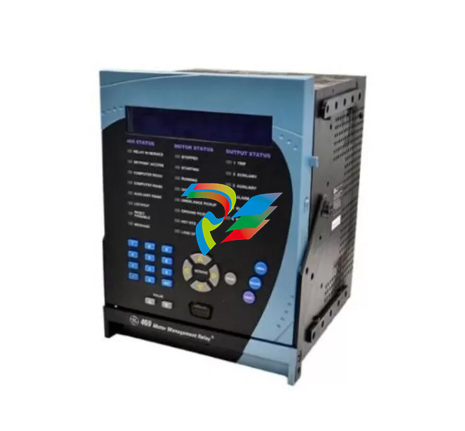 GE SR745-W2-P1-G1-HI-A-L-R-E Feeder protection relay
 -
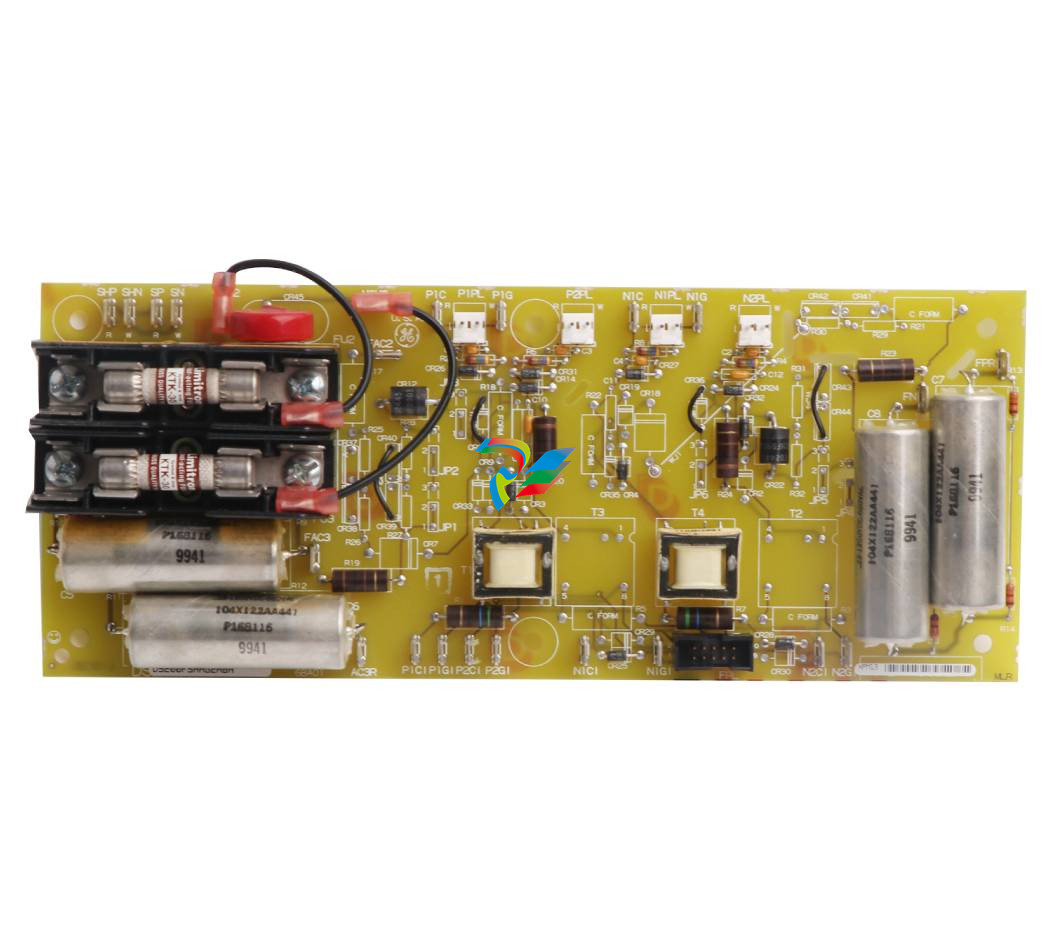 GE IS230TNDSH2A Discrete Output Relay Module Brand
 -
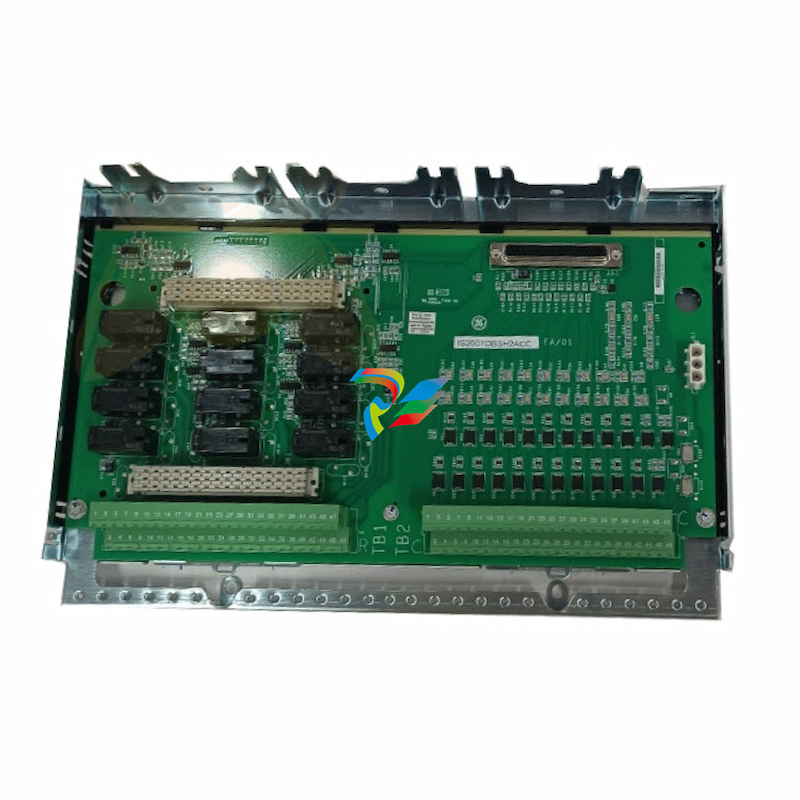 GE Fanuc IS200TDBSH2ACC Mark VI Terminal Board Brand
 -
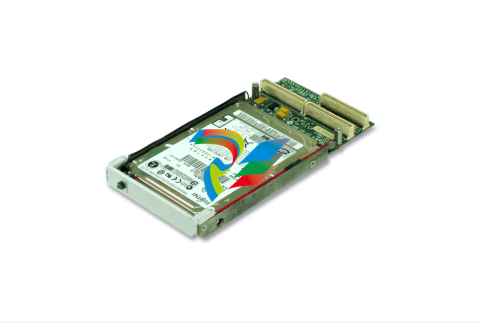 GE PMC-0247RC-282000 350-93750247-282000F Disk Drive
 -
GE PMC-0247RC-282000 350-93750247-282000F Disk Drive
-
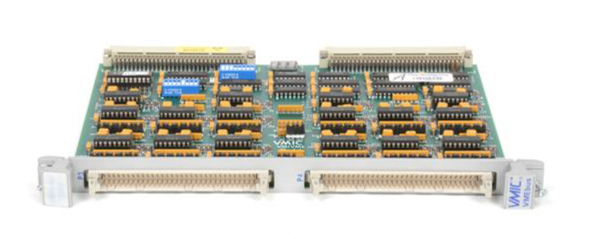 GE VMIVME-1150 Serial Communications Controller
 -
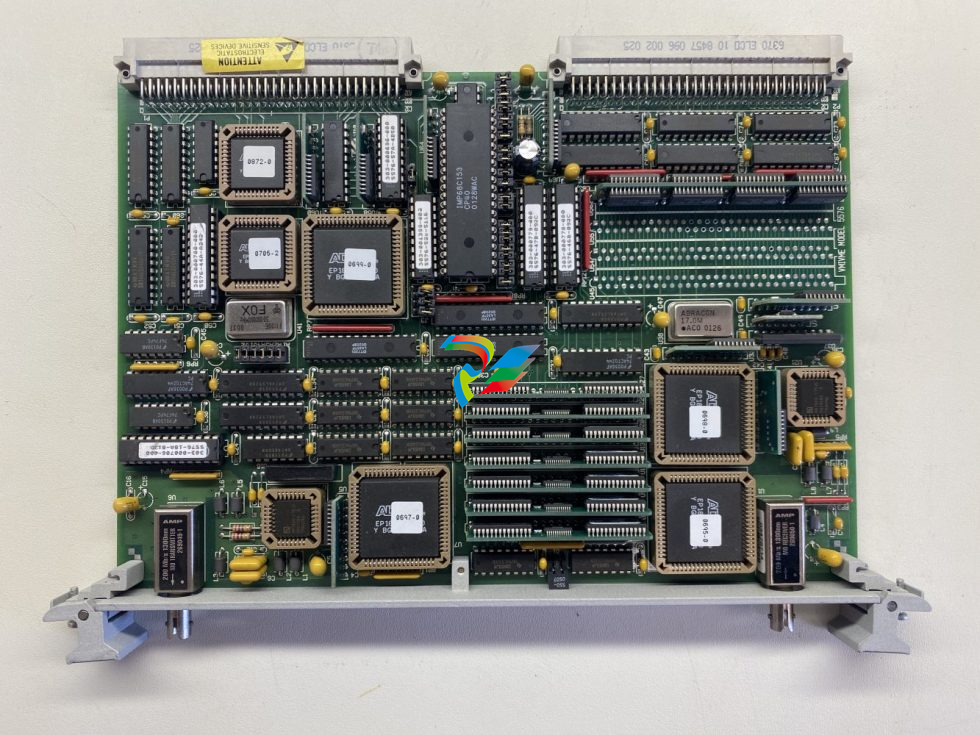 GE VMIVME-5576 Fiber-Optic Reflective Memory with Interrupts
 -
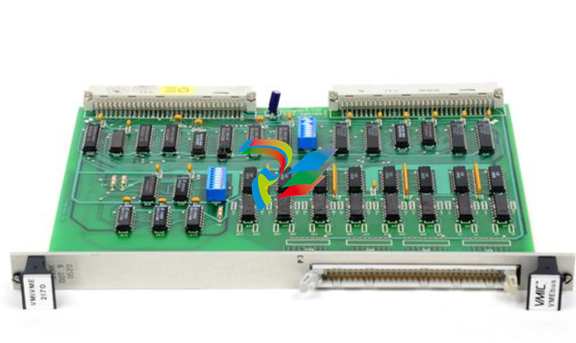 GE VMIC Isolated Digital Output VMIVME-2170A
 -
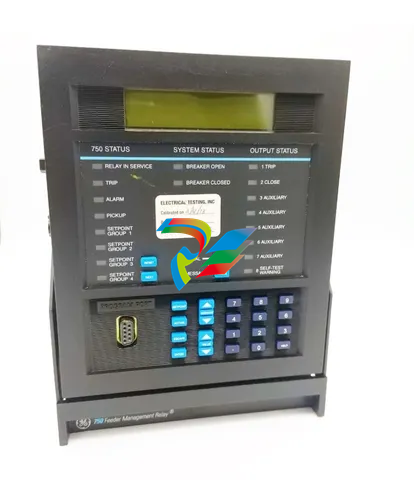 GE MULTILIN 760 FEEDER MANAGEMENT RELAY 760-P5-G5-S5-HI-A20-R-E
 -
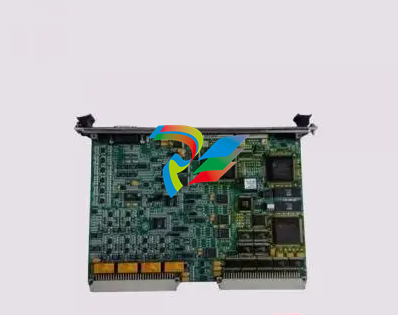 GE IS200AEPAH1BKE IS215WEPAH2BB Printed circuit board
 -
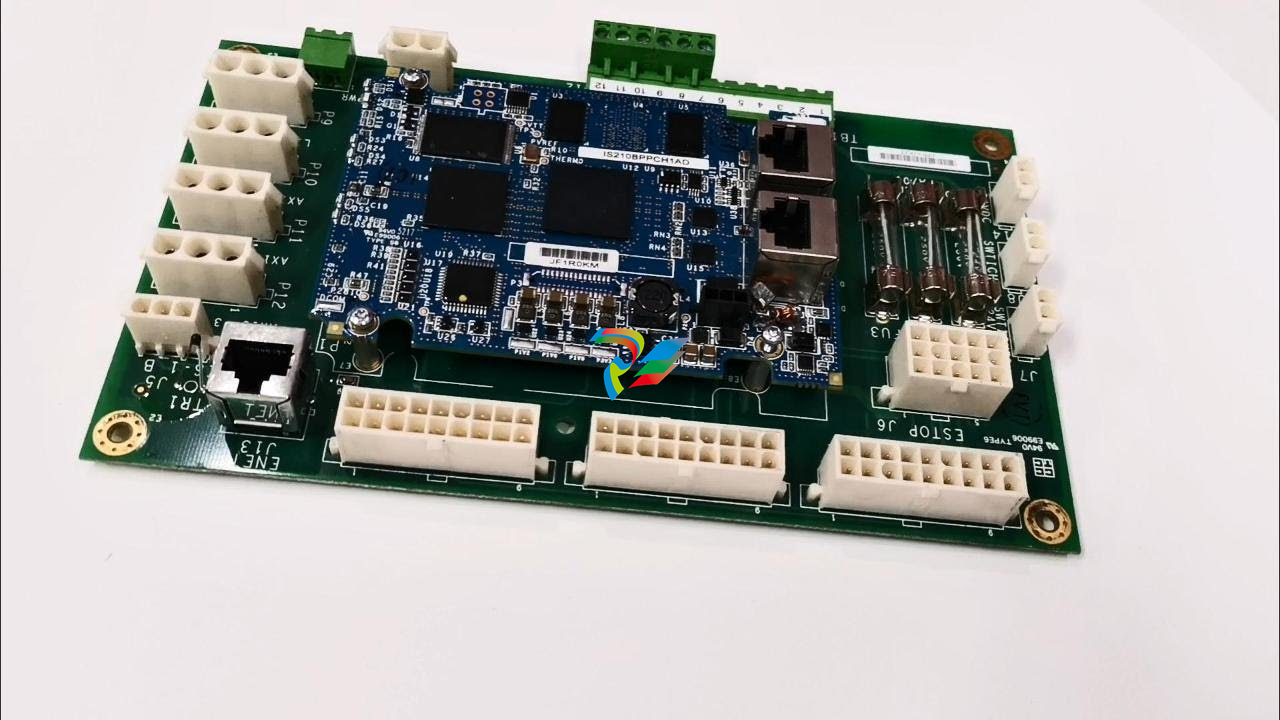 GE IS210BPPCH1A Mark VIe I/O Pack Processor Card
 -
 GE IS220PRTDH1A 336A4940CSP6 High-Performance RTD Input Module
 -
GE IS220PDIAH1BE 336A5026ADP4 Discrete Input Module
-
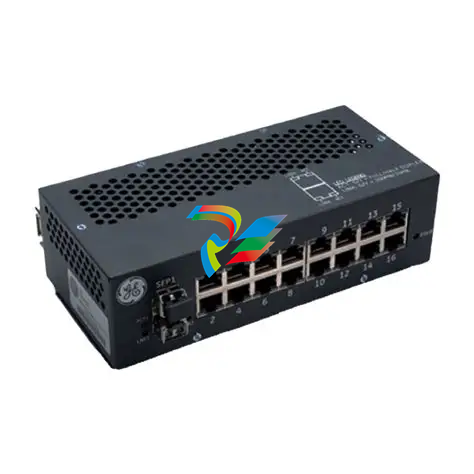 GE IS420ESWBH3A IONET Switch Module
 -
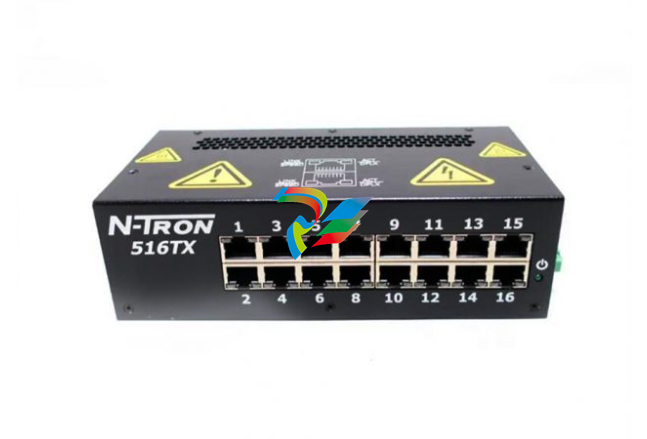 GE 516TX 336A4940DNP516TX 16-port Ethernet switch
 -
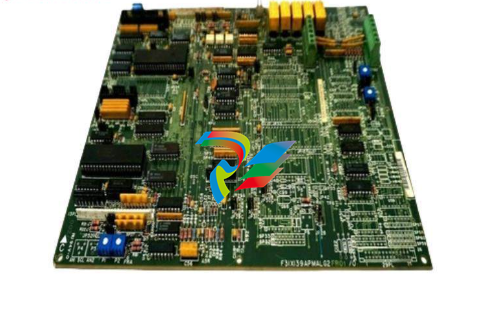 GE EVMECNTM13 Embedded control module
 -
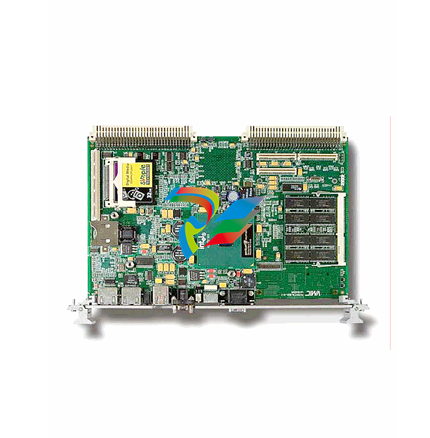 GE EVPBDP0001 EVPBDP032 control module
 -
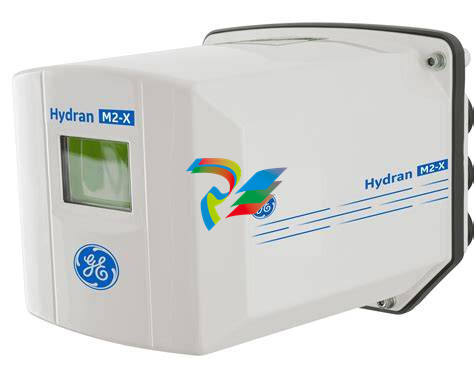 GE Hydran M2-X Enhanced Monitoring with Extended Sensor Life
 -
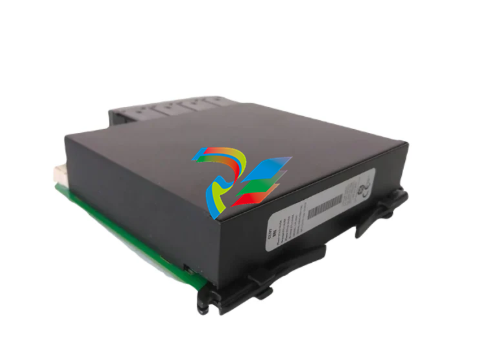 GE UR6CH Digital I/O Module
 -
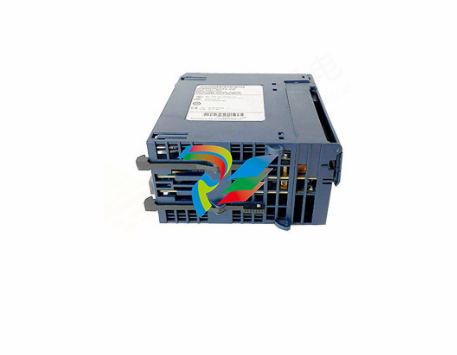 GE IC695CPU315-CD Central processing unit
 -
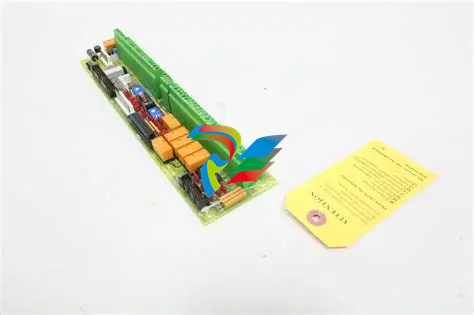 GE 531X305NTBAMG1 DR Terminal Board
 -
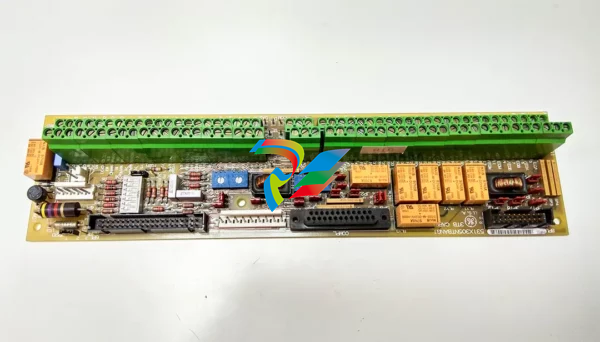 GE 531X305NTBALG1 NTB/3TB Terminal Board 531X Series
 -
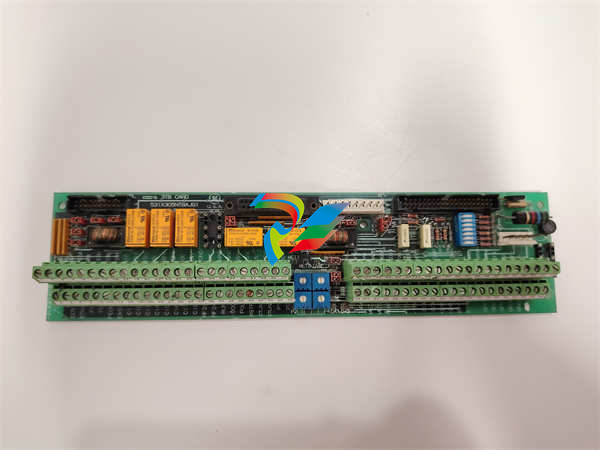 GE 531X305NTBAJG1 NTB/3TB Terminal Board.
 -
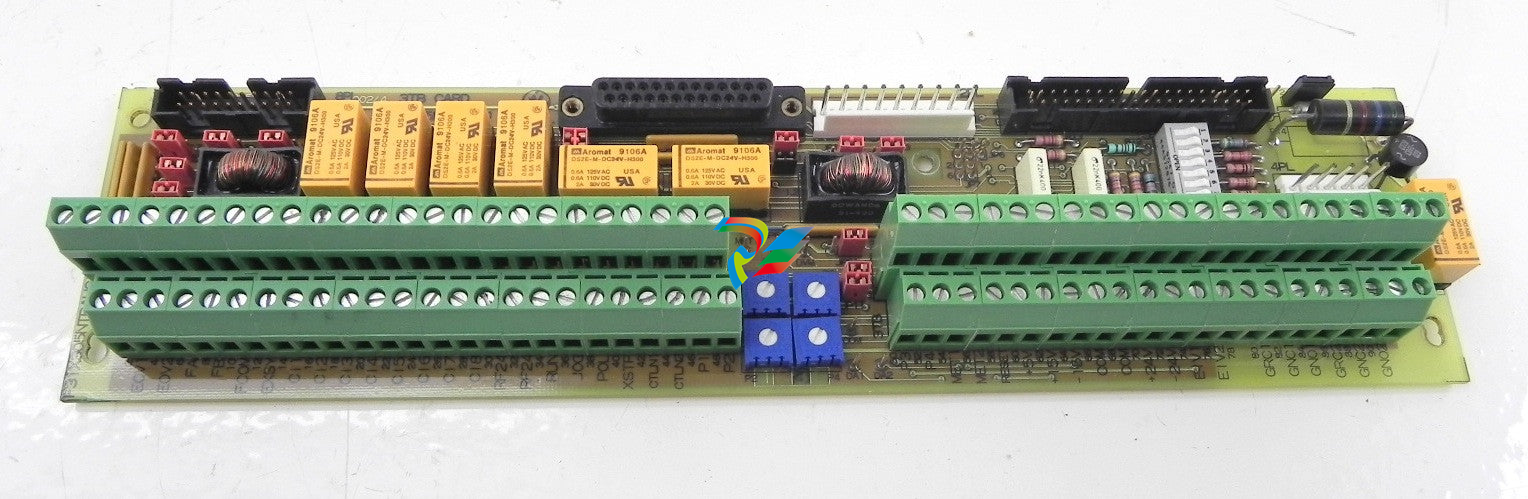 GE 531X305NTBAHG1 NTB/3TB Terminal Board 531X
 -
 GE 531X305NTBAEG1 is a PCB that functions as a DR terminal board.
 -
General Electric 531X305NTBACG1 NTB/3TB Terminal Board 531X
-
 GE Digital Energy D20 Analog Input Module
 -
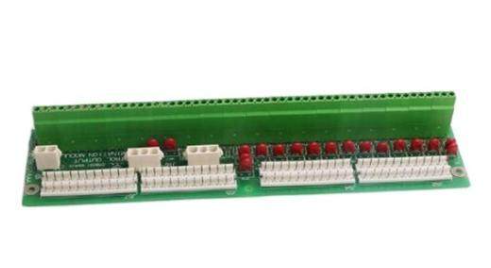 GE 94-164136-001 main board Control board
 -
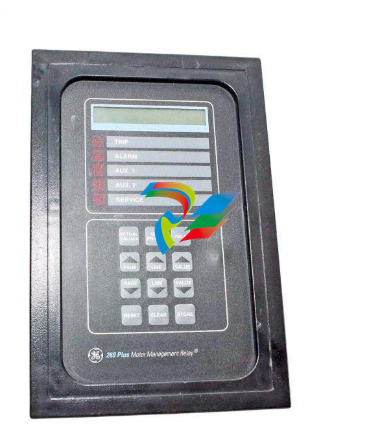 GE 269 PLUS-D/O-100P-125V Digital motor relay
 -
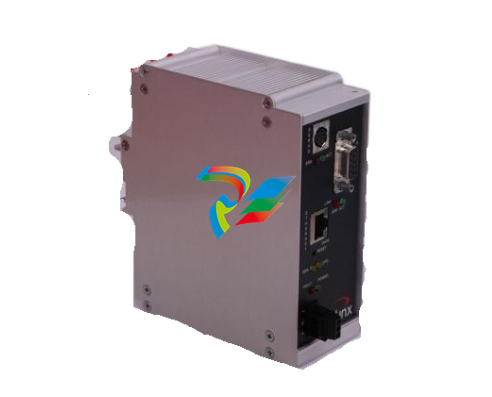 GALIL DMC-9940 High-performance motion controller
 -
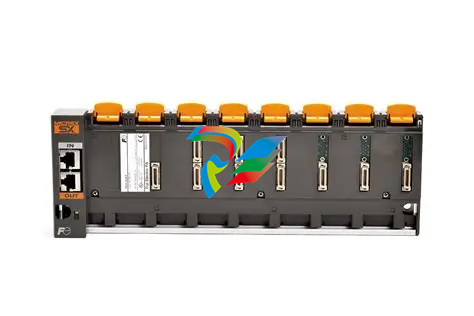 FUJI NP1BS-08 base plate
 -
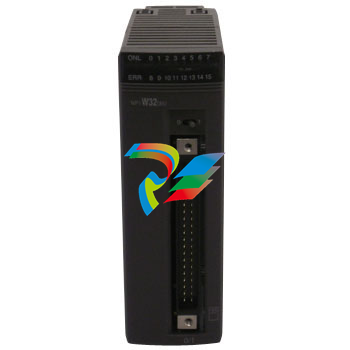 FUJI NP1Y32T09P1 Transistor drain type digital output module
 -
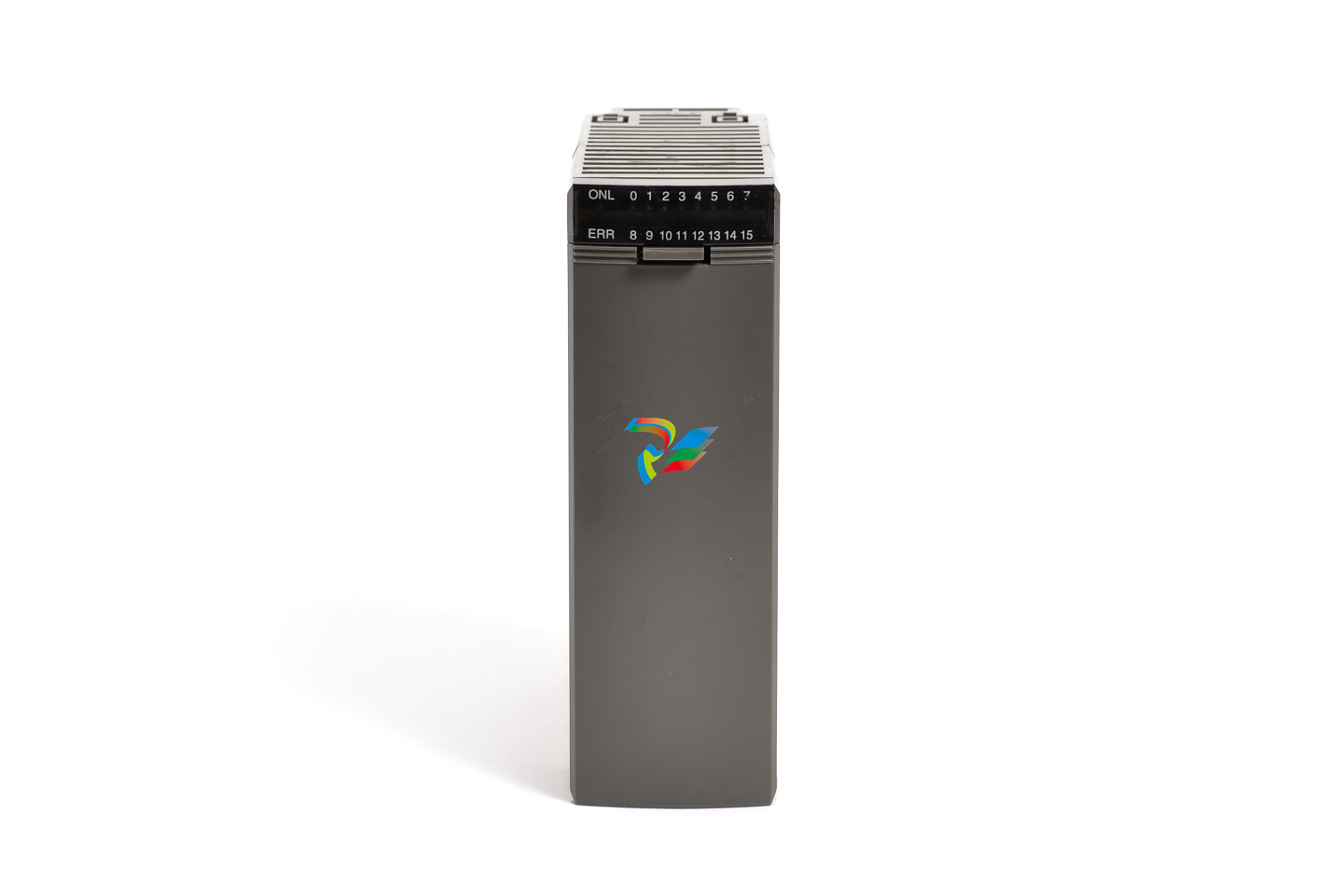 FUJI NP1Y16R-08 Digital Output Module
 -
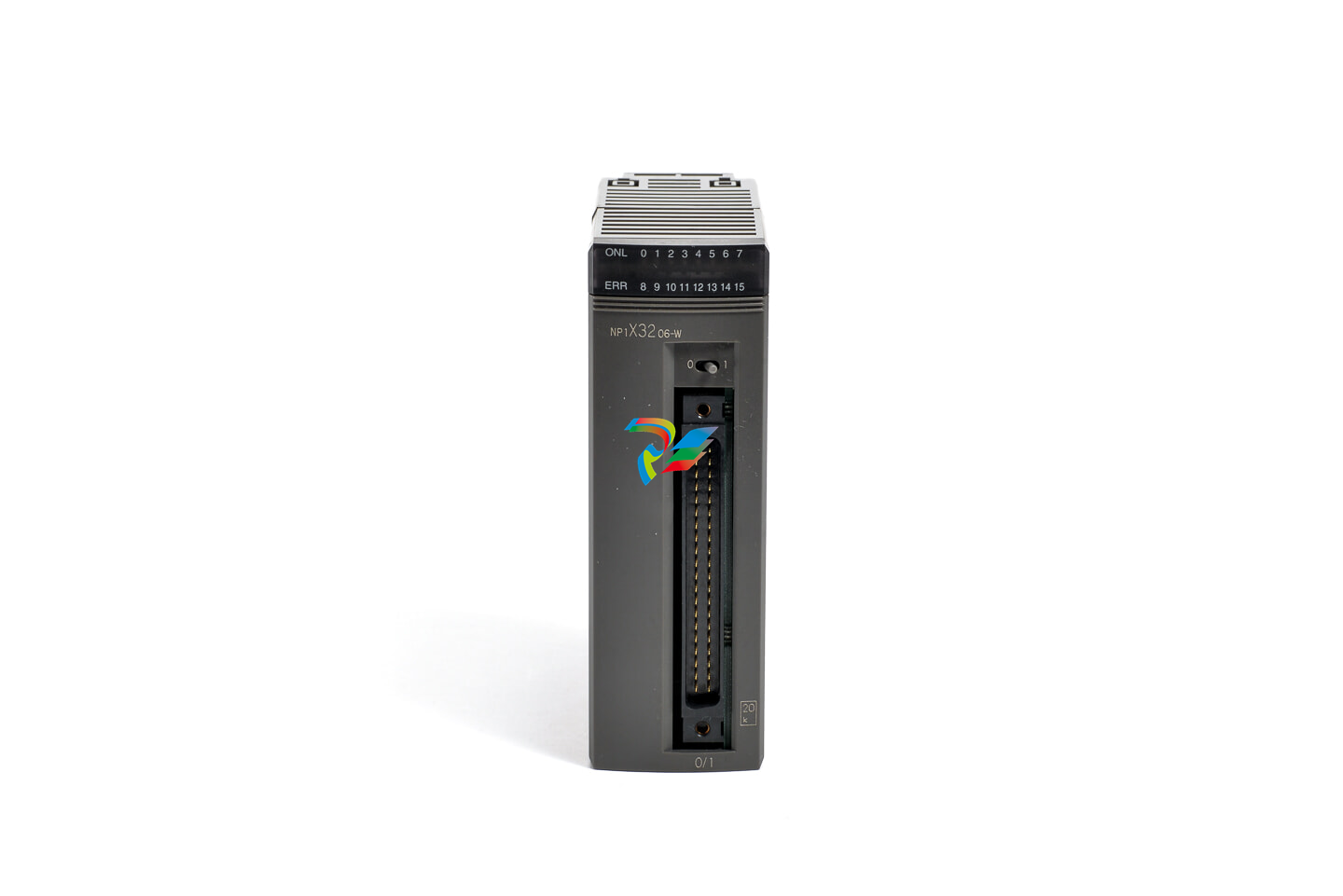 FUJI NP1X3206-A High-speed digital input module
 -
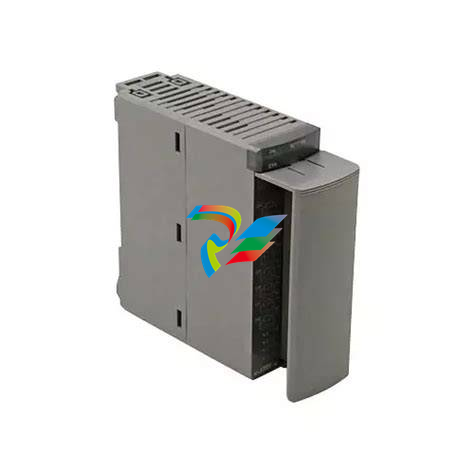 FUJI NP1AYH4I-MR current output module
 -
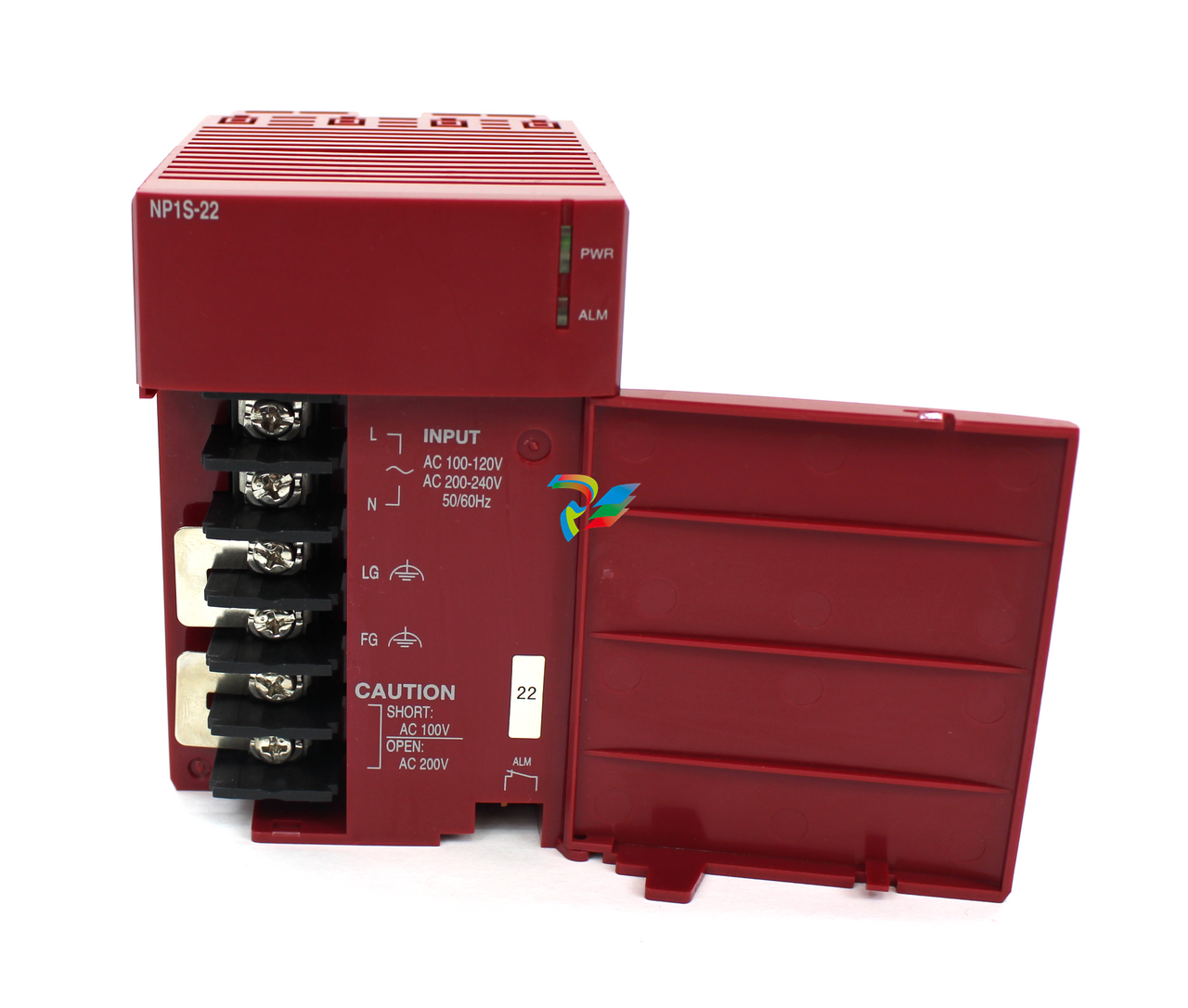 FUJI NP1S-22 Power module redundancy
 -
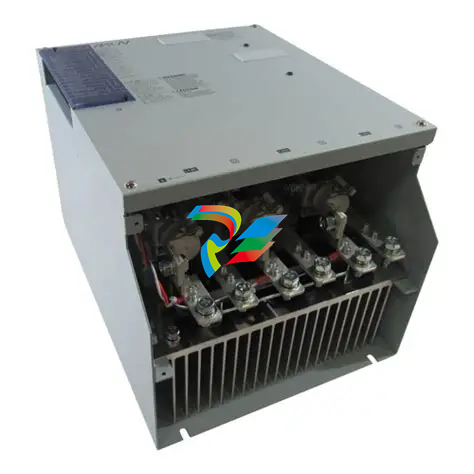 FUJI RPXD2150-1T servo drive module
 -
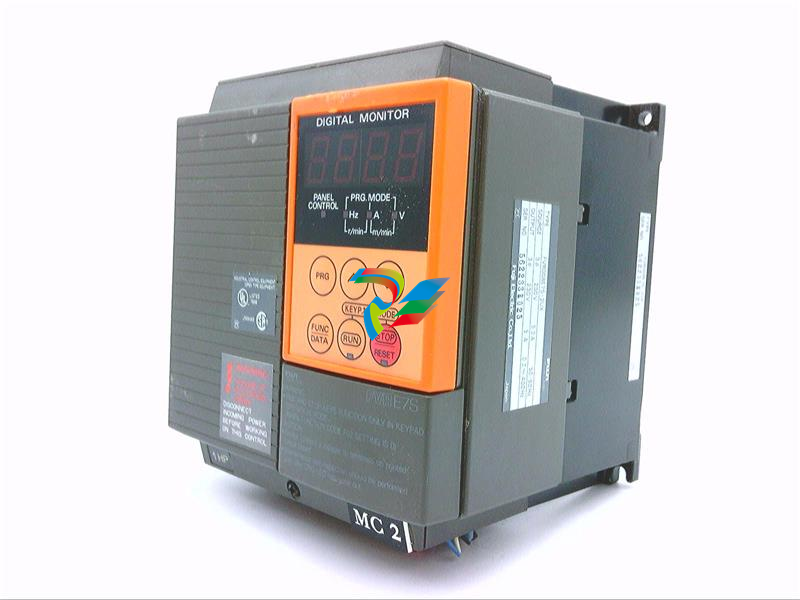 FUJI FVR008E7S-2UX Ac frequency converter
 -
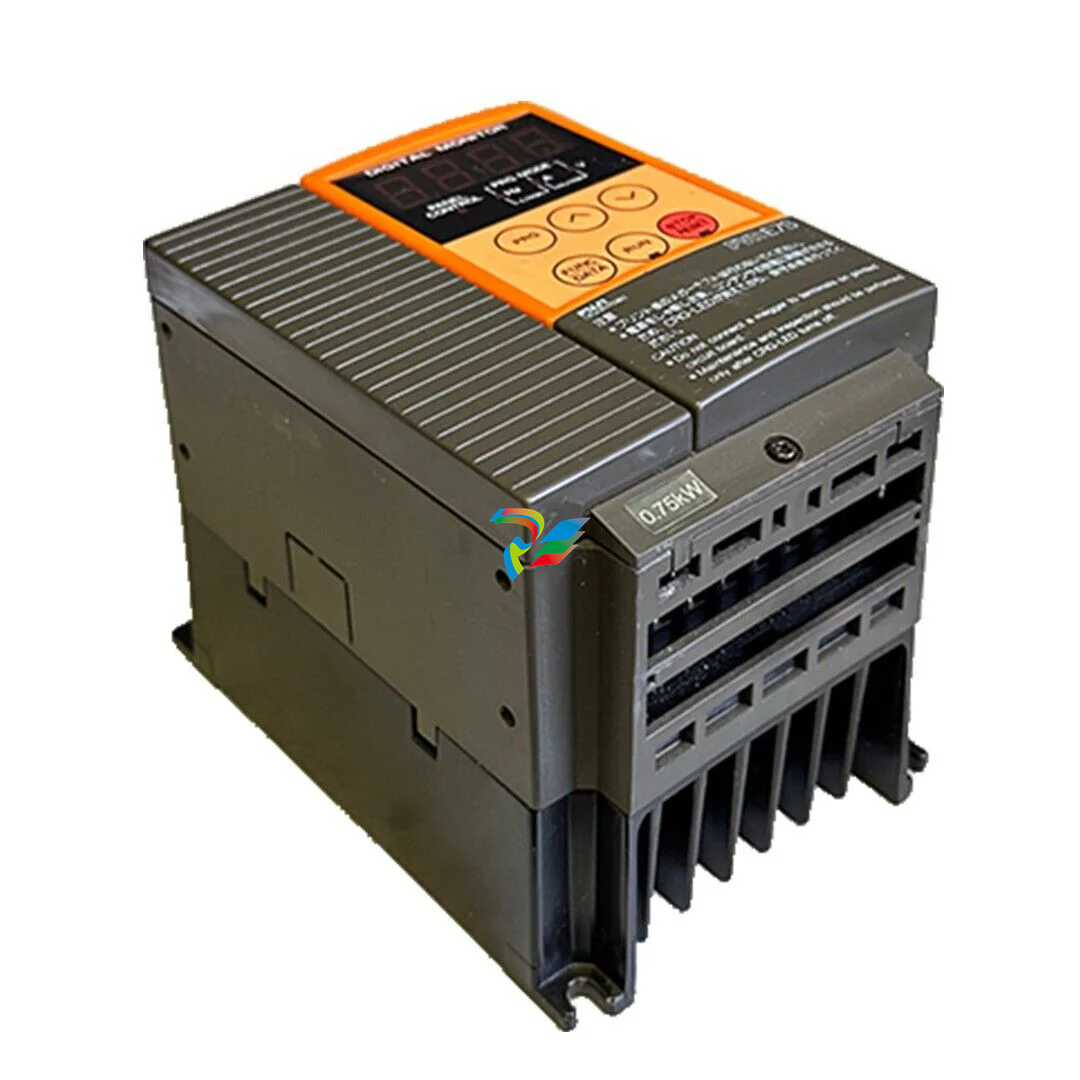 FUJI Ac frequency converter FVR008E7S-2
 -
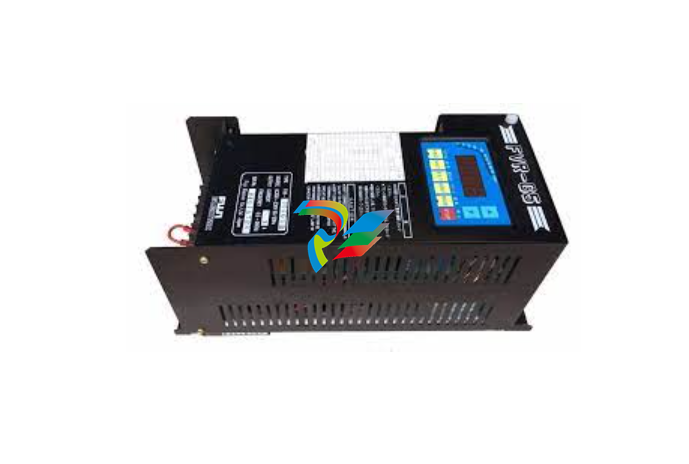 FUJI FVR004G5B-2 Small general-purpose frequency converter
 -
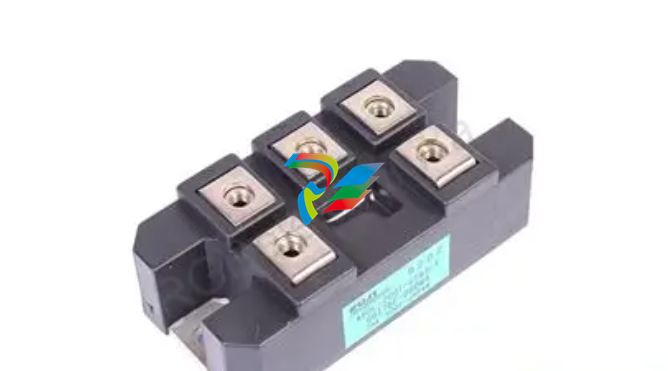 FUJI A50L-2001-0232 Industrial control module
 -
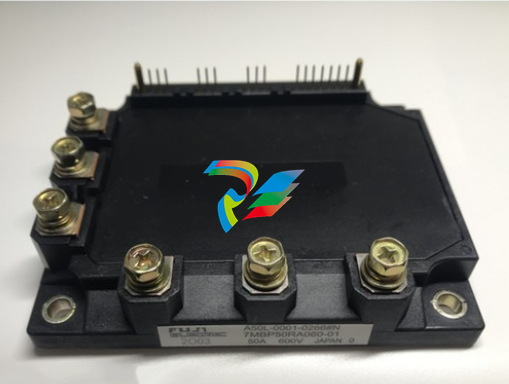 FUJI A50L-001-0266#N High-performance servo amplifier
 -
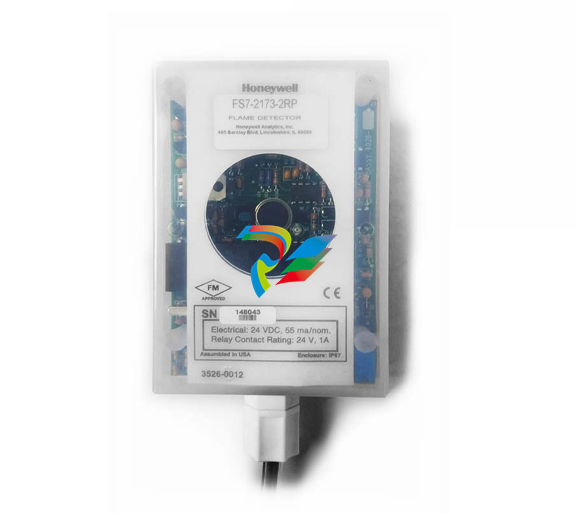 Honeywell FS7-2173-2RP Gas sensor
 -
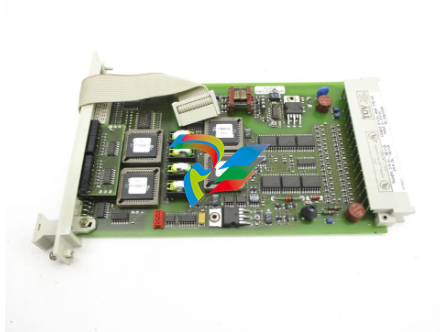 Honeywell 10106/2/1 Digital Input Module in Stock
 -
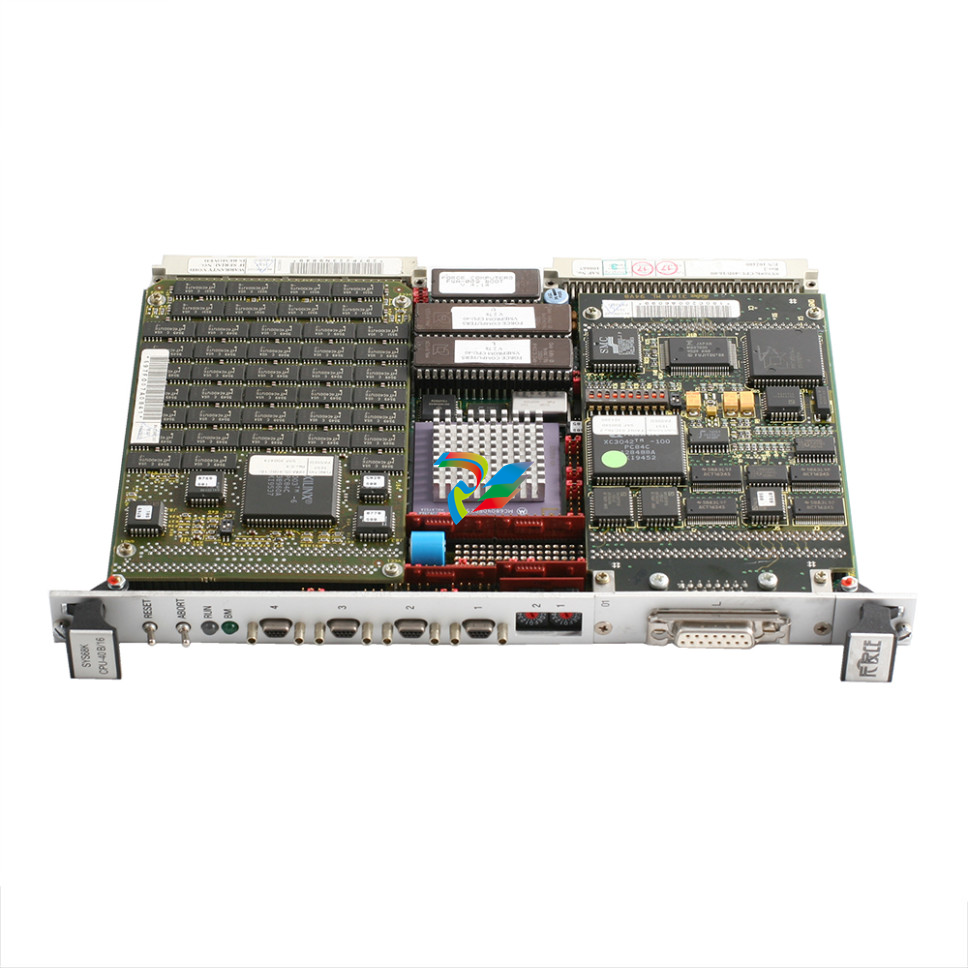 FRCE SYS68K CPU-40 B/16 PLC core processor module
 -
 Foxboro FBM I/O cards PBCO-D8-009
 -
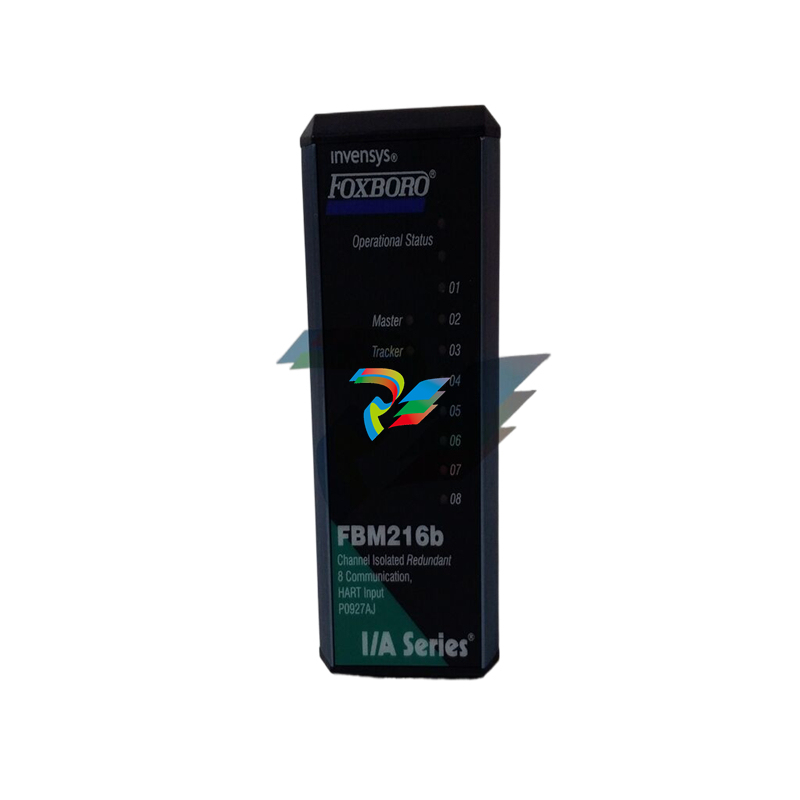 Foxboro AD916AE Digital Control System (DCS) Module
 -
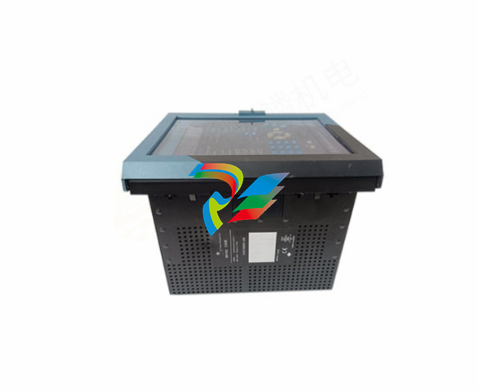 GE SR750-P5-G5-S5-HI-A20-R-E Multilin Relay
 -
.jpg) FOXBORO H90 H90C9AA0117S Industrial Computer Workstation
FOXBORO H90 H90C9AA0117S Industrial Computer Workstation -
.jpg) FOXBORO RH928AW | I/A Series Relay Output Module
FOXBORO RH928AW | I/A Series Relay Output Module -
.jpg) Foxboro N-2AX+DIO Multi-functional input/output module
Foxboro N-2AX+DIO Multi-functional input/output module -
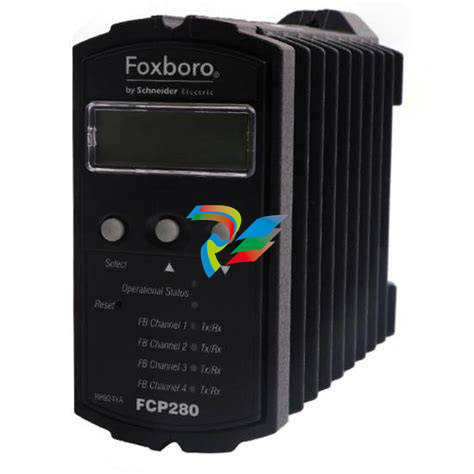 Foxboro RH924WA FCP280 Fiber Optic Network Adapter
 -
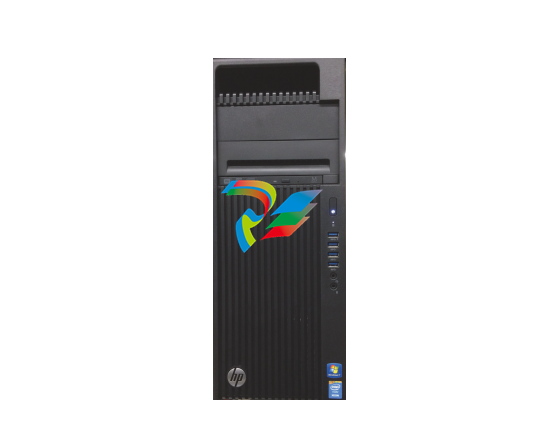 FOXBORO H92 Versatile Hardware Component In
 -
 Foxboro FBM218 P0922VW HART® Communication Redundant Output Interface Module
 -
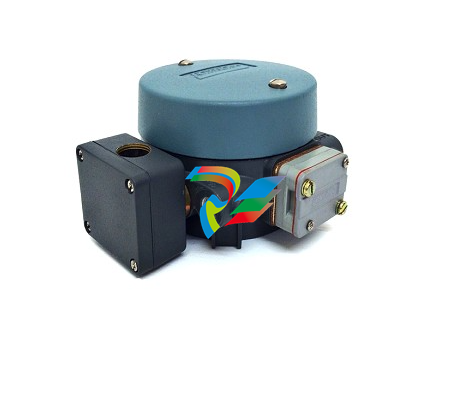 Foxboro E69F-TI2-J-R-S E69F Series Current-To-Pneumatic Signal Converter
 -
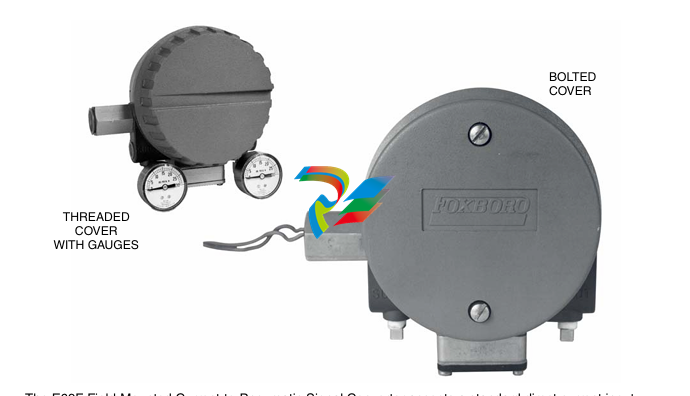 Foxboro E69F-BI2-S Converter
 -
.jpg) Foxboro H92A049E0700 The host of the DCS control station
Foxboro H92A049E0700 The host of the DCS control station -
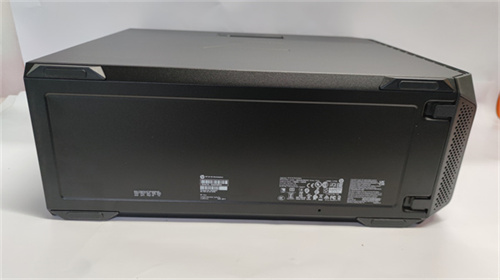 Foxboro H90C9AA0117S Industrial computer workstation
 -
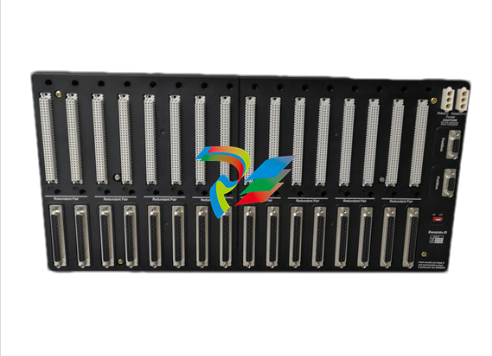 Foxboro RH101AA High-performance industrial control module
 -
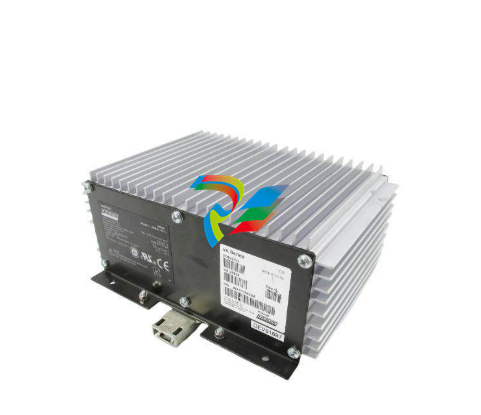 Foxboro P0922YU FPS400-24 I/A Series Power supply
 -
.png) FOXBORO P0973LN Chassis-based managed switch with independent power supply
FOXBORO P0973LN Chassis-based managed switch with independent power supply -
.jpg) FOXBORO P0926PA Input/output module
FOXBORO P0926PA Input/output module -
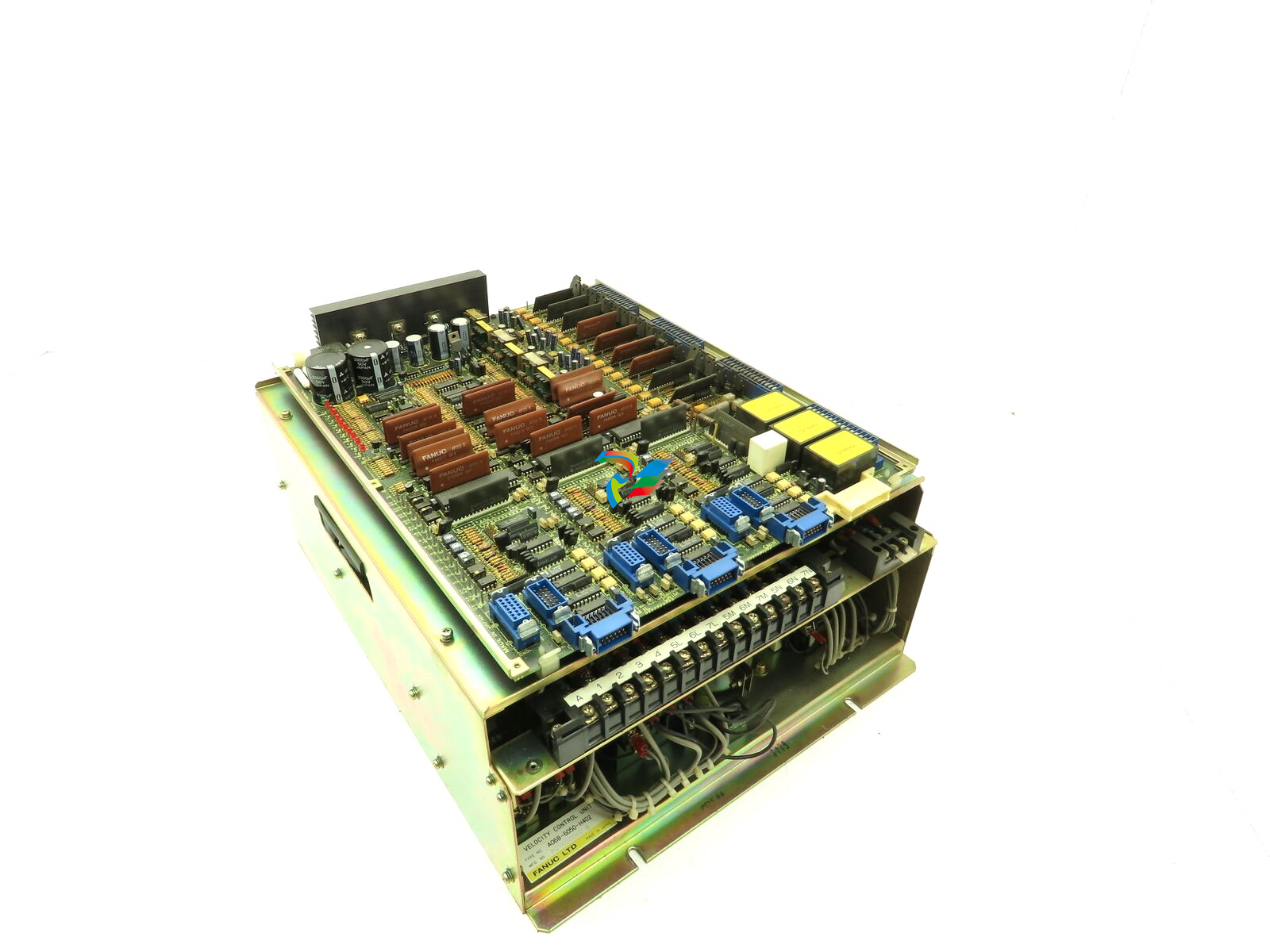 Fanuc A06B-6050-H402 3 AXIS ANALOG AC SERVO DRIVE
 -
.jpg) FOXBORO L0130AD L0130AE-0H Power module group
FOXBORO L0130AD L0130AE-0H Power module group -
_lVjBYb.jpg) FOXBORO 0399085B 0303440C+0303458A Combination Control Module
FOXBORO 0399085B 0303440C+0303458A Combination Control Module -
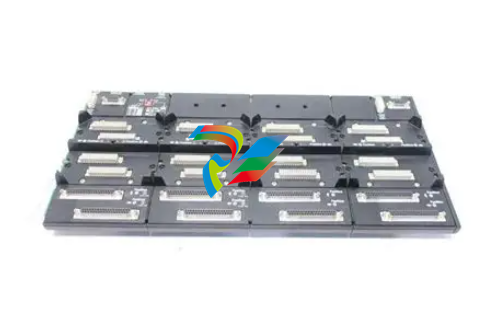 FOXBORO SY-0399095E (SY-0303451D+SY-0303460E) Process control board
 -
.jpg) FOXBORO 0399071D 0303440C+0303443B Input/Output (I/O) Module
FOXBORO 0399071D 0303440C+0303443B Input/Output (I/O) Module -
.jpg) FOXBORO RH924UQ Redundant Controller module
FOXBORO RH924UQ Redundant Controller module -
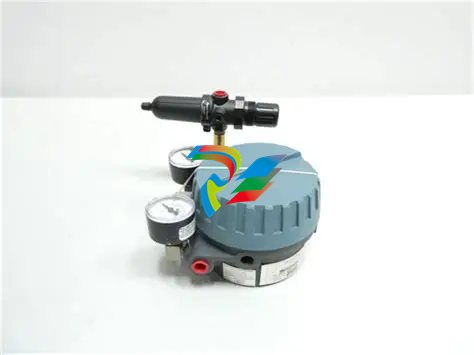 FFOXBORO E69F-TI2-S current pneumatic converter
 -
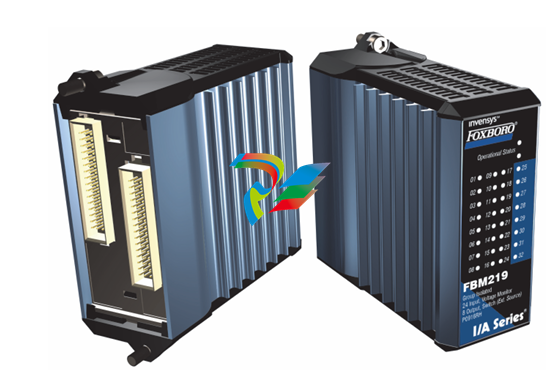 FOXBORO FBM219 RH916RH Discrete I/O Module
 -
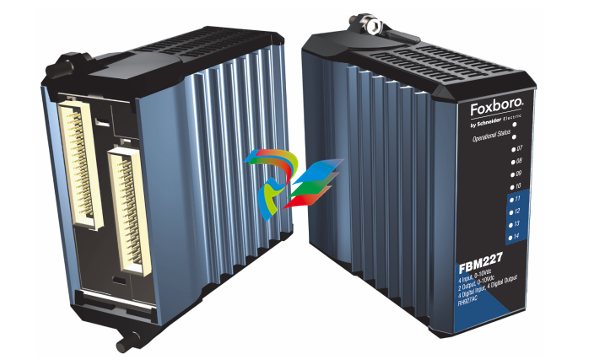 FOXBORO FBM227 P0927AC Module
 -
.jpg) FOXBORO 0399144 SY-0301059F SY-1025115C/SY-1025120E I/O module
FOXBORO 0399144 SY-0301059F SY-1025115C/SY-1025120E I/O module -
.jpg) FOXBORO SY-60399001R SY-60301001RB Industrial Control Module
FOXBORO SY-60399001R SY-60301001RB Industrial Control Module -
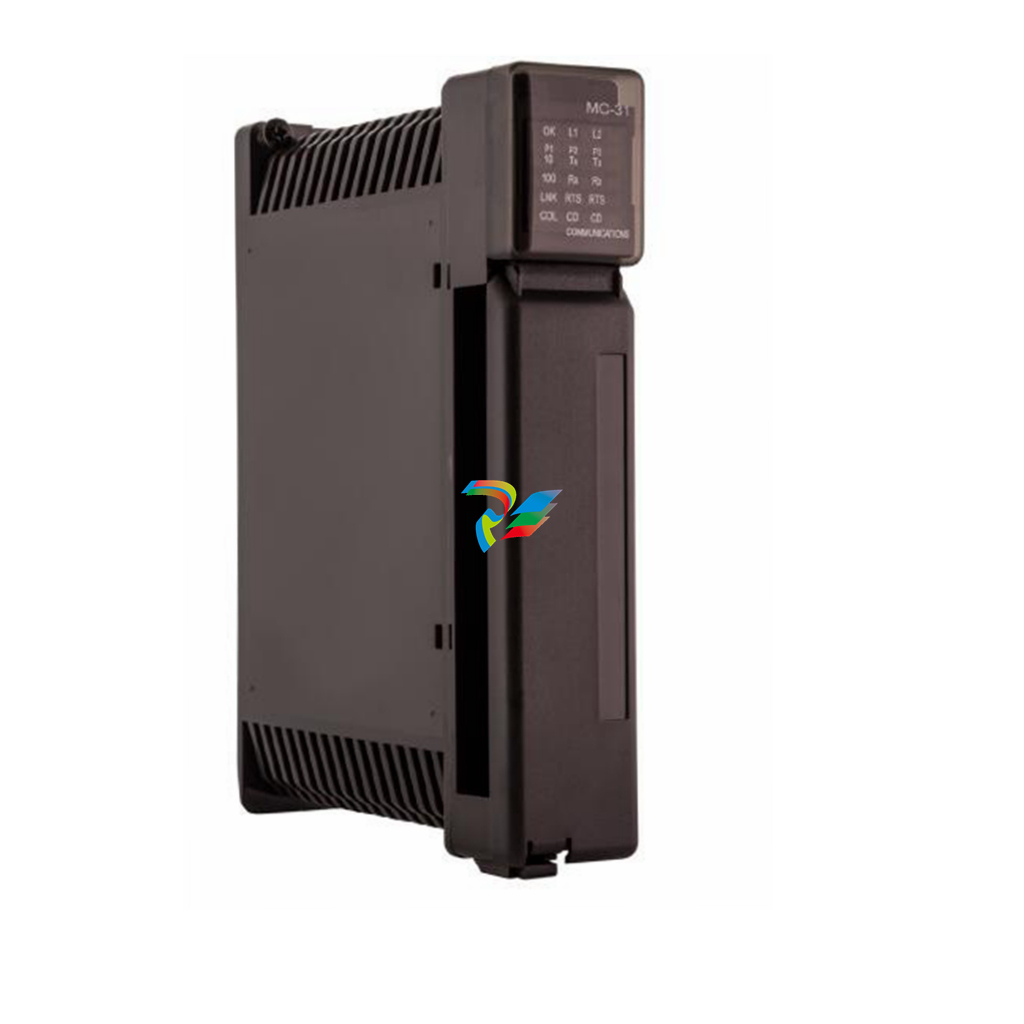 FOXBORO 0399143 SY-0301060R SY-1025115C SY-1025120E Combined control board
 -
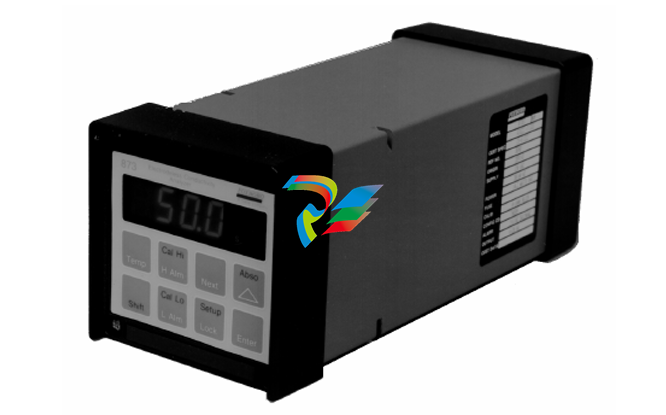 FOXBORO 873EC-JIPFGZ electrodeless conductivity analyzer
 -
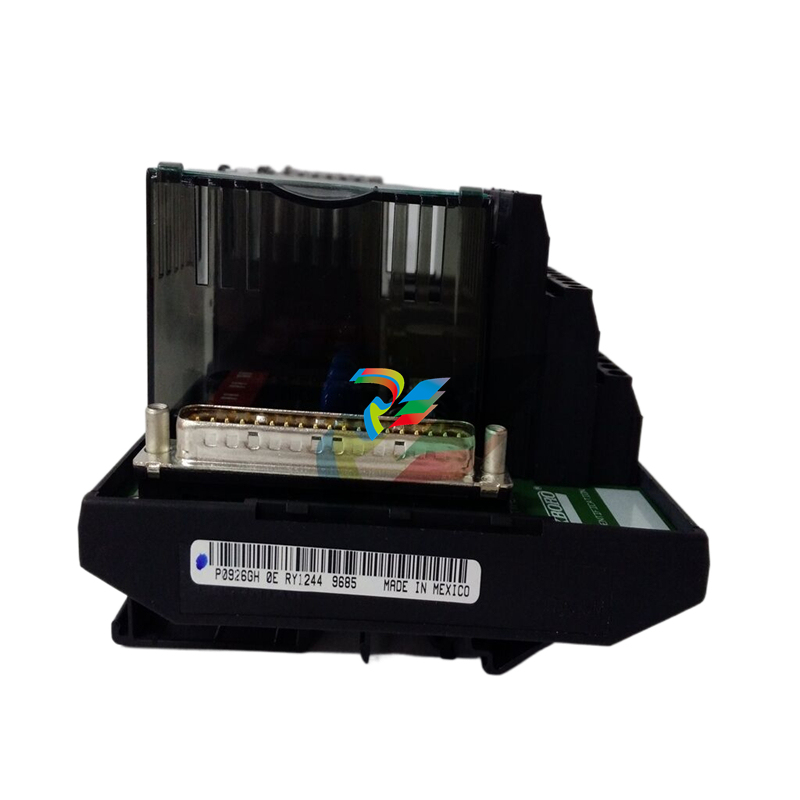 FOXBORO P0916PH (High-density HART I/O Module)
 -
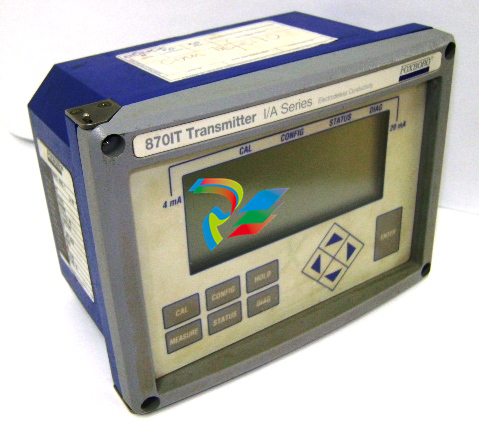 FOXBORO 870ITEC-AYFNZ-7 Intelligent Electrochemical Transmitters
 -
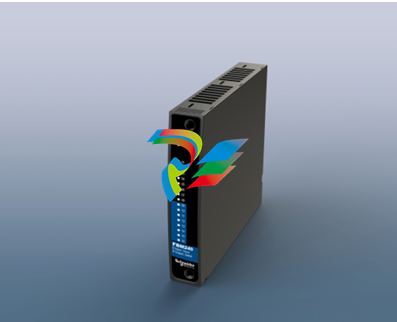 FOXBORO Compact FBM240. Redundant with Readback, Discrete
 -
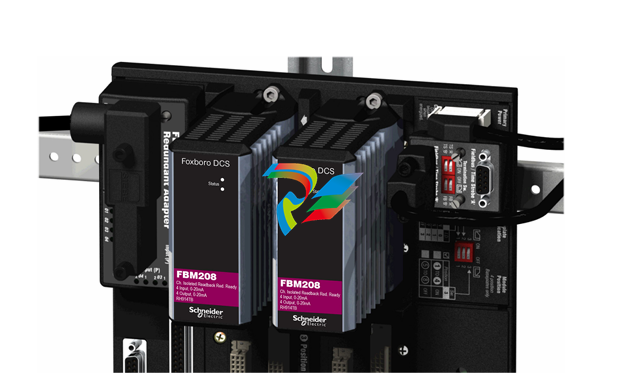 FOXBORO FBM208/b, Redundant with Readback, 0 to 20 mA I/O Module
 -
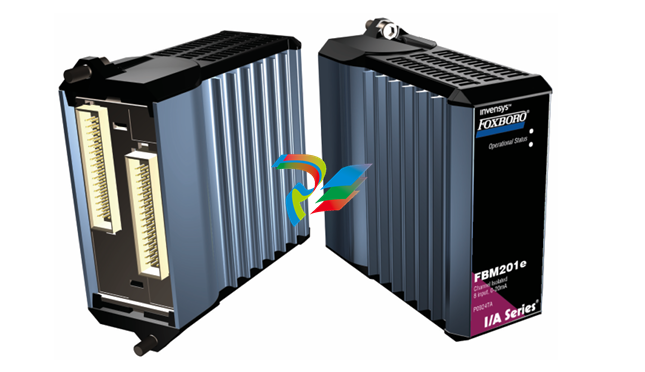 FOXBORO FBM201e Analog Input (0 to 20 mA) Interface Modules
 -
.jpg) FOXBORO P0916WG Terminal cable
FOXBORO P0916WG Terminal cable -
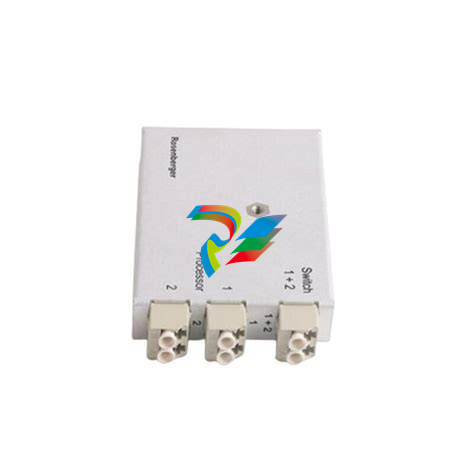 FOXBORO P0926MX 2-Port Splitter
 -
.jpg) FOXBORO AD908JQ High-Frequency Module
FOXBORO AD908JQ High-Frequency Module -
.jpg) FOXBORO AD916CC Processor module
FOXBORO AD916CC Processor module -
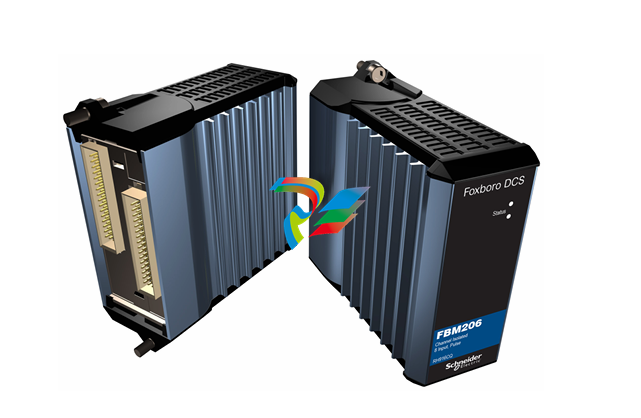 Foxboro DCS FBM206 Pulse Input Module
 -
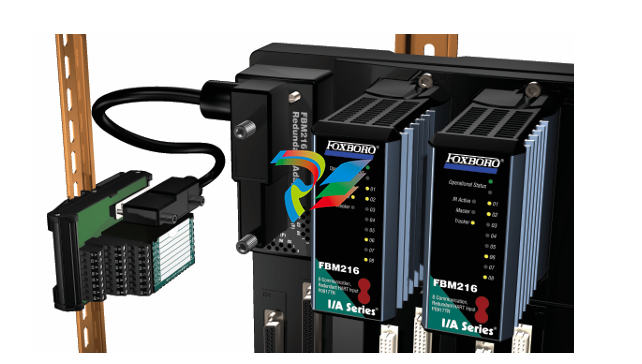 FOXBORO FBM216 HART® Communication Redundant Input Interface Module
 -
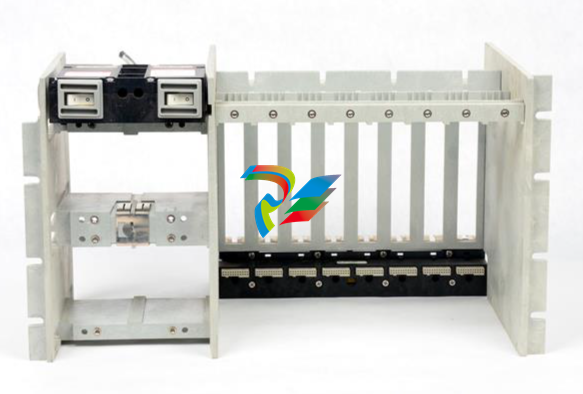 Foxboro p0903nu 1×8 unit sub-component module
 -
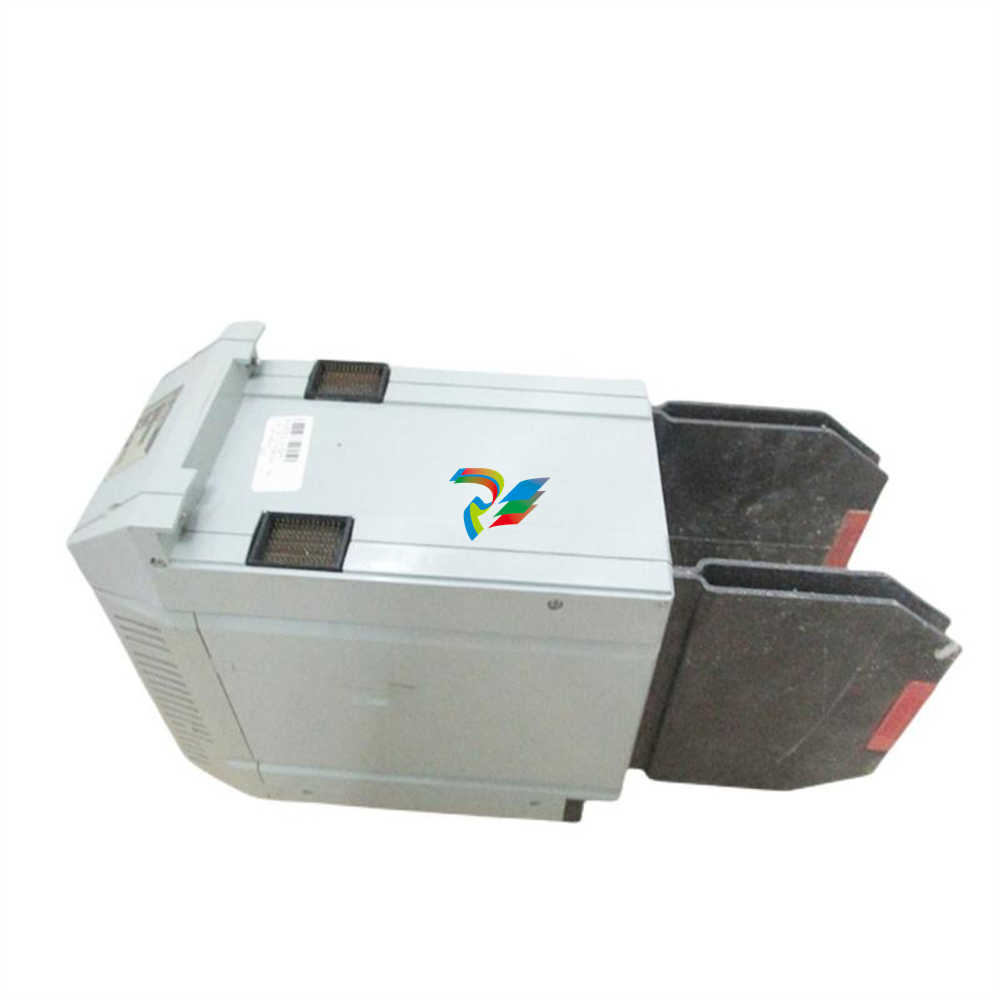 Foxboro P0911SM Industrial control module
 -
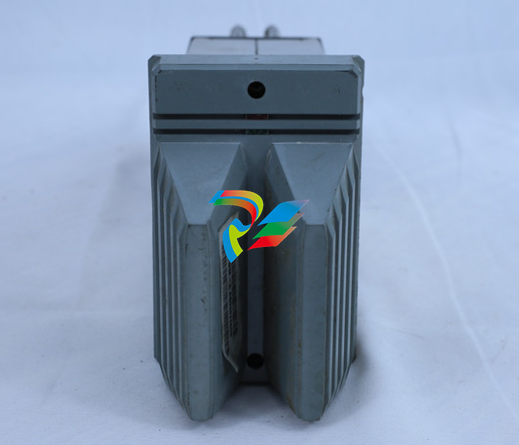 Foxboro CM902WM I/O module
 -
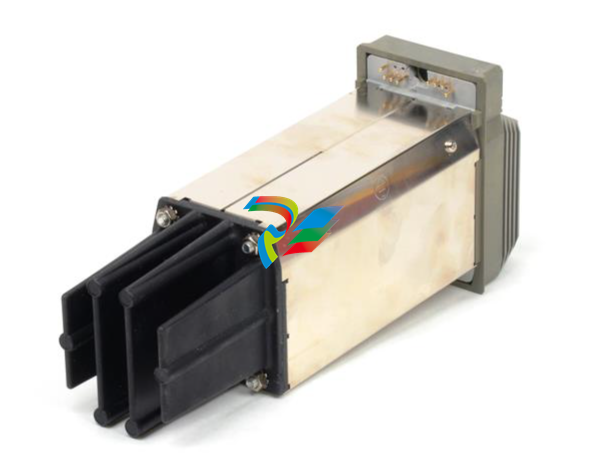 Foxboro CM902WL Power module
 -
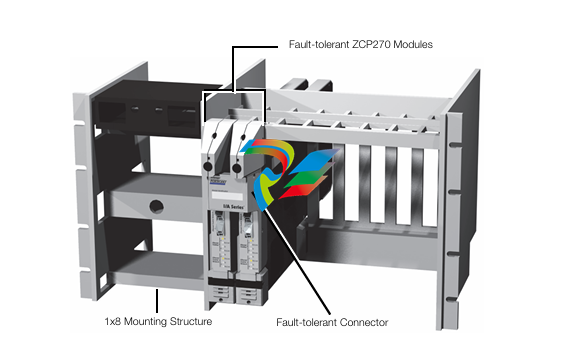 Foxboro P0972VA Industrial Control Module
 -
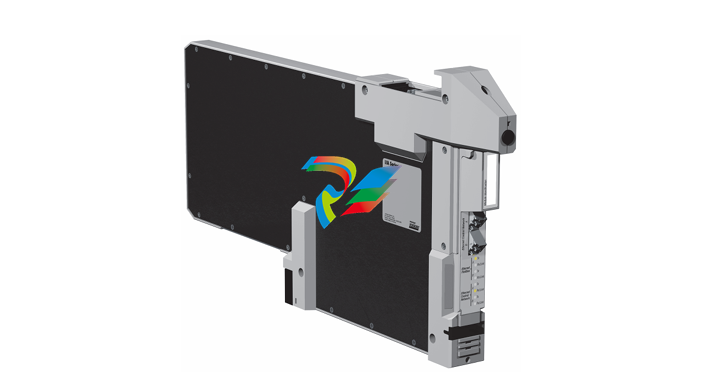 Foxboro Z-Module Control Processor 270 (ZCP270)
 -
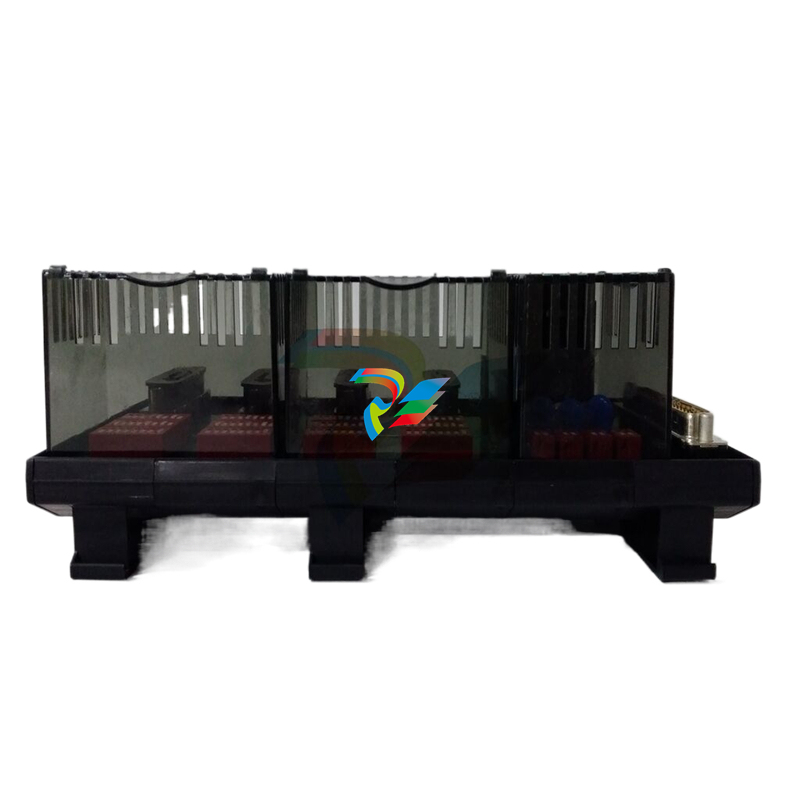 Foxboro PO916JS 16-channel terminal block module
 -
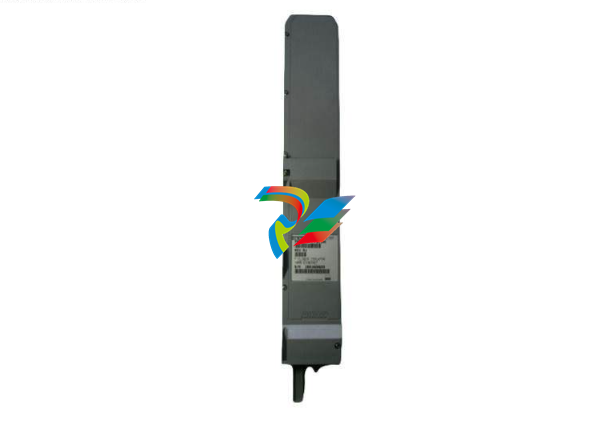 Foxboro PO911SM High-performance digital/analog input/output module
 -
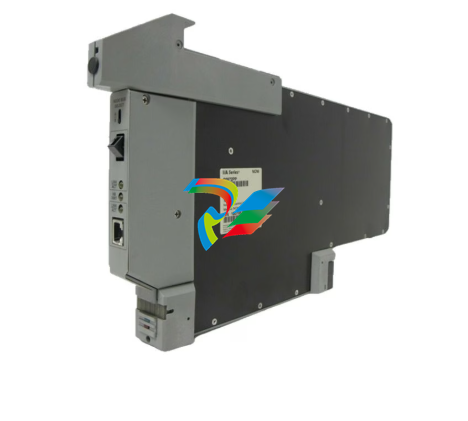 Foxboro P0972PP-NCNI Network Interface Module
 -
.jpg) FOXBORO P0971QZ controller module
FOXBORO P0971QZ controller module -
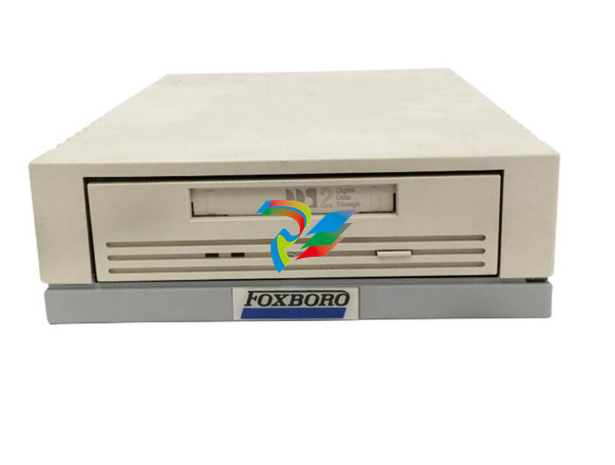 FOXBORO P0971DP Thermal resistance input/output module
 -
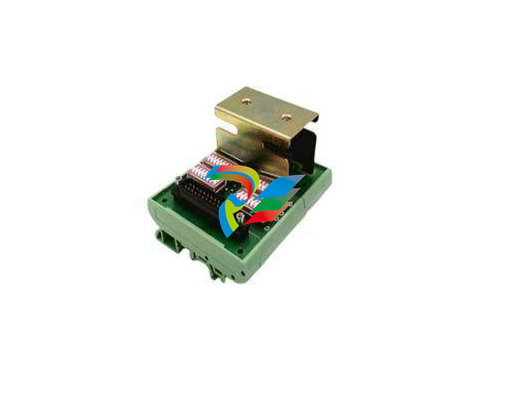 FOXBORO P0970VB Cable connector
 -
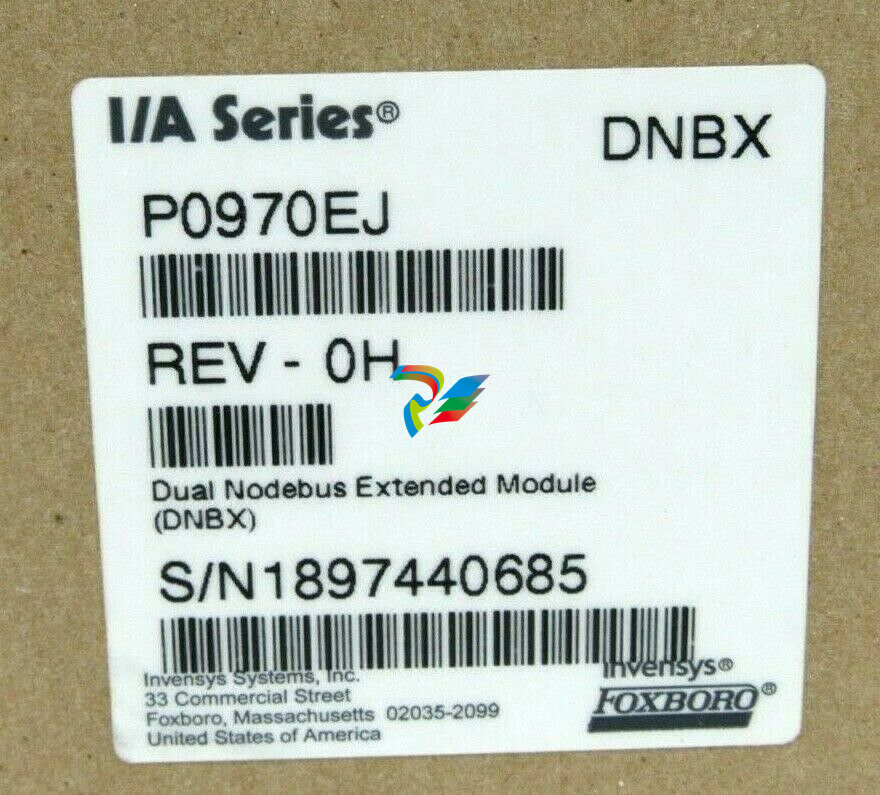 FOXBORO P0970EJ-DNBX Dual-node bus expansion module
 -
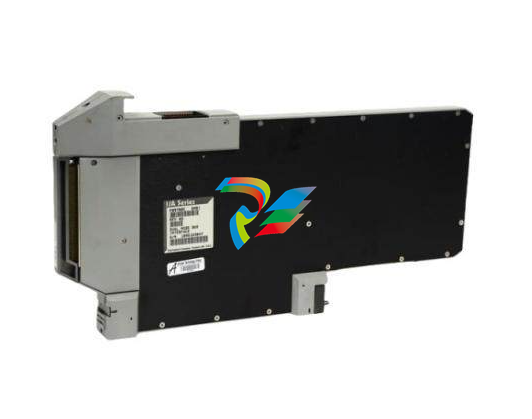 FOXBORO P0970BP Redundant power supply system
 -
.jpg) FOXBORO P0970BC-DNBI DeviceNet bus interface module
FOXBORO P0970BC-DNBI DeviceNet bus interface module -
.jpg) FOXBORO P0961FX-CP60S Main control CPU module
FOXBORO P0961FX-CP60S Main control CPU module -
.jpg) FOXBORO P0961EF-CP30B Network Interface Unit
FOXBORO P0961EF-CP30B Network Interface Unit -
.jpg) FOXBORO P0961CA Optical fiber local area network module
FOXBORO P0961CA Optical fiber local area network module -
.jpg) FOXBORO P0961BD-GW30B gateway processor module
FOXBORO P0961BD-GW30B gateway processor module -
.jpg) FOXBORO P0961BC-CP40B/I/A Series high-performance control processor module
FOXBORO P0961BC-CP40B/I/A Series high-performance control processor module -
FOXBORO P0960JA-CP40 High-performance control processor
-
FOXBORO P0926TM Control module
-
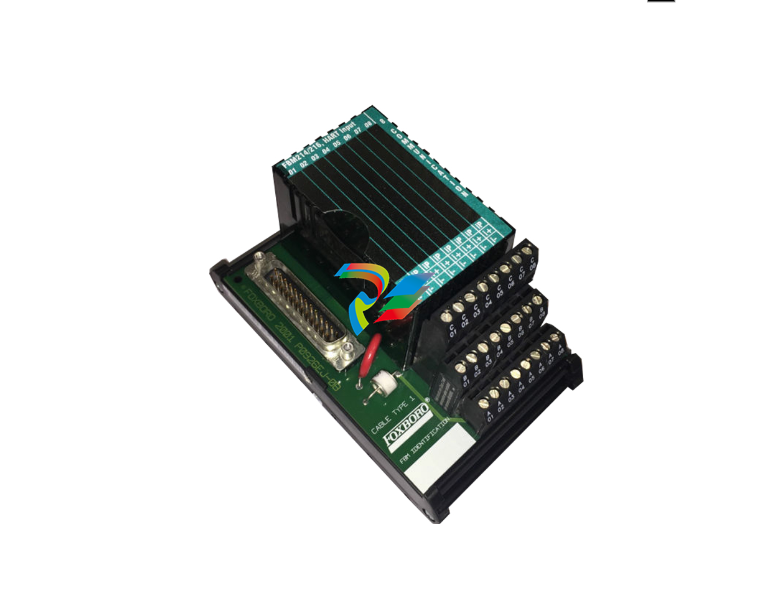 FOXBORO P0916BX Termination Assembly
 -
.jpg) FOXBORO P0916AE P0916AG P0916AW Thermal resistance input type DCS card module
FOXBORO P0916AE P0916AG P0916AW Thermal resistance input type DCS card module -
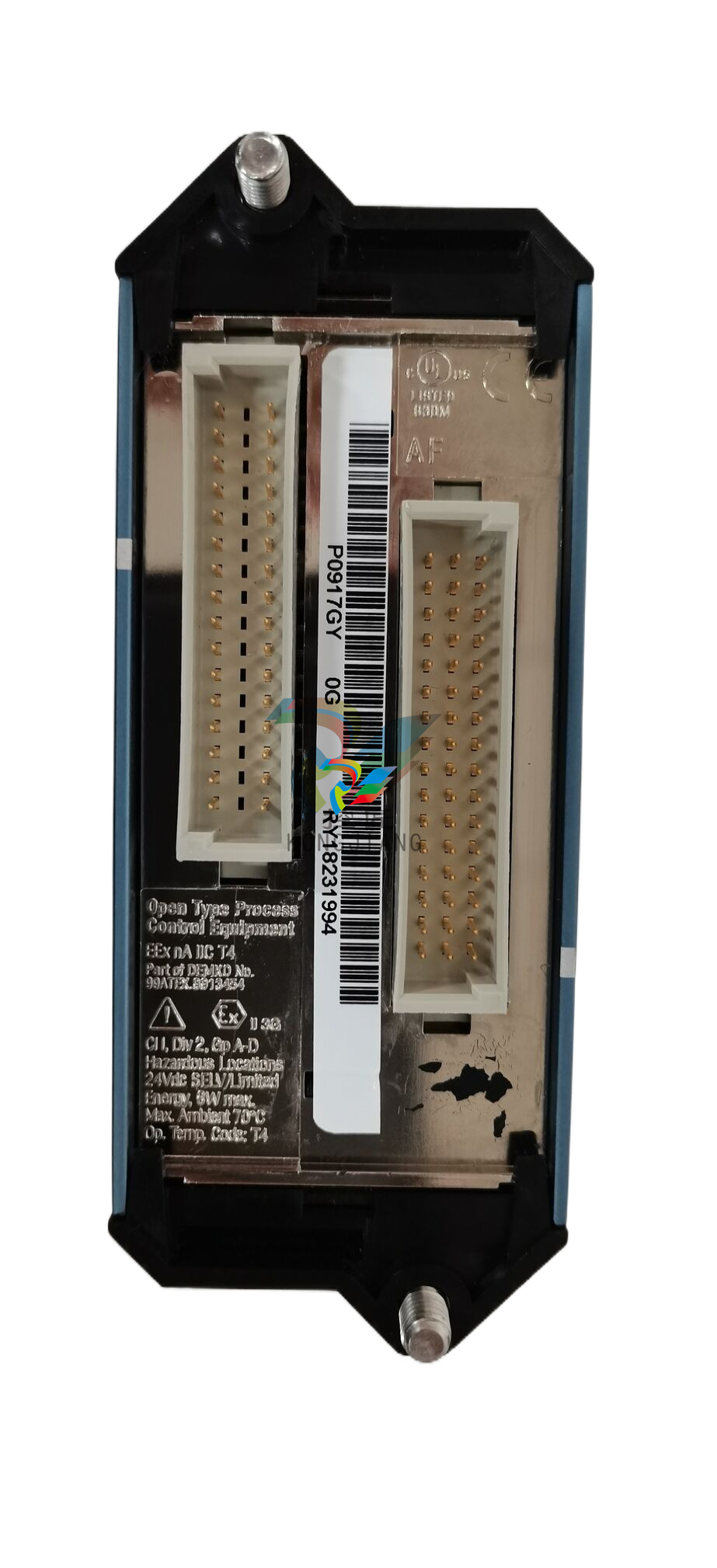 FOXBORO P0916AC FOXBORO distributed control system (DCS) compression terminal assembly
 -
.jpg) FOXBORO P0912CB High-performance interface module
FOXBORO P0912CB High-performance interface module -
.jpg) FOXBORO P0911VJ Thermal resistance input output module
FOXBORO P0911VJ Thermal resistance input output module -
.jpg) FOXBORO P0911QH-A High-precision module
FOXBORO P0911QH-A High-precision module -
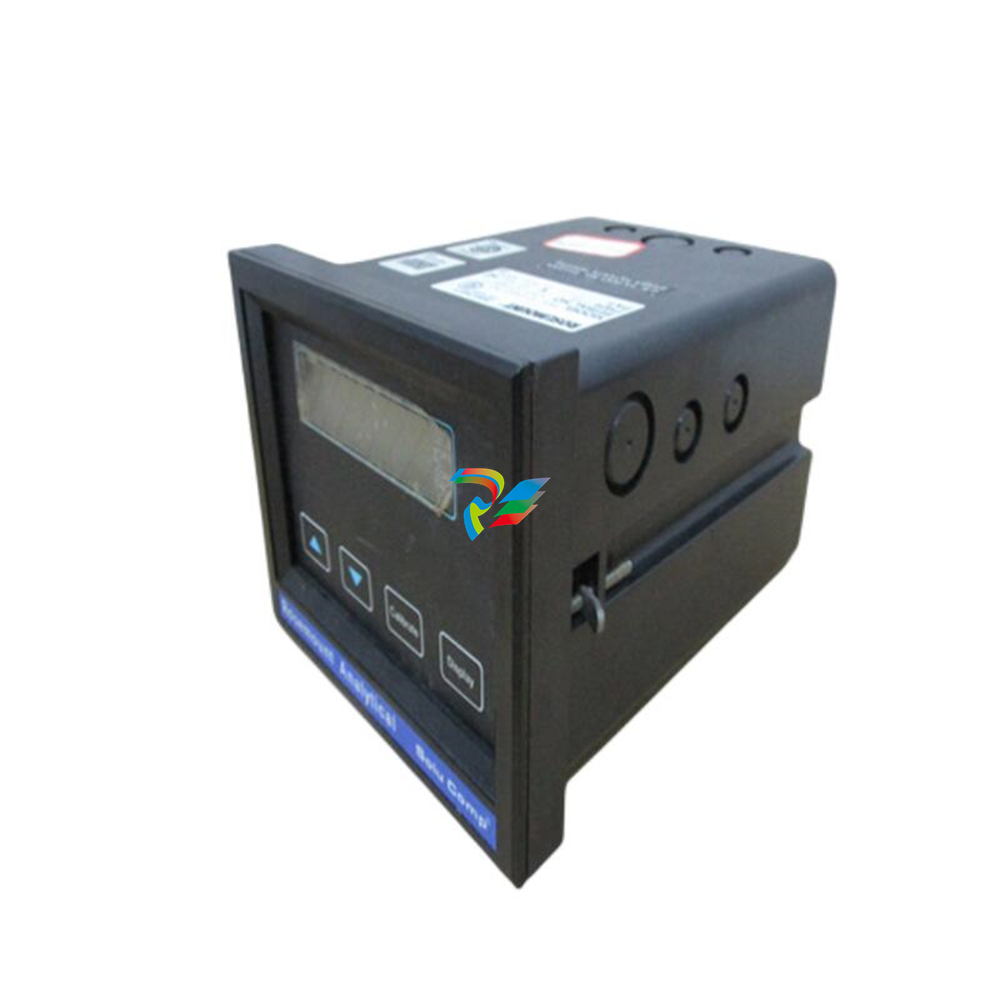 FOXBORO P0911QB-C P0911QC-C Thermal resistance input/output module
 -
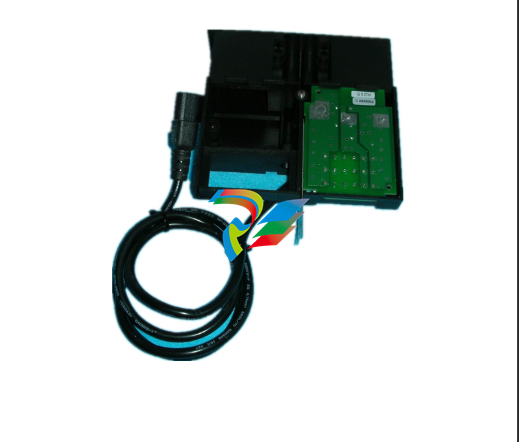 FOXBORO P0904BH P0904FH P0904HB Distributed Control system (DCS) module
 -
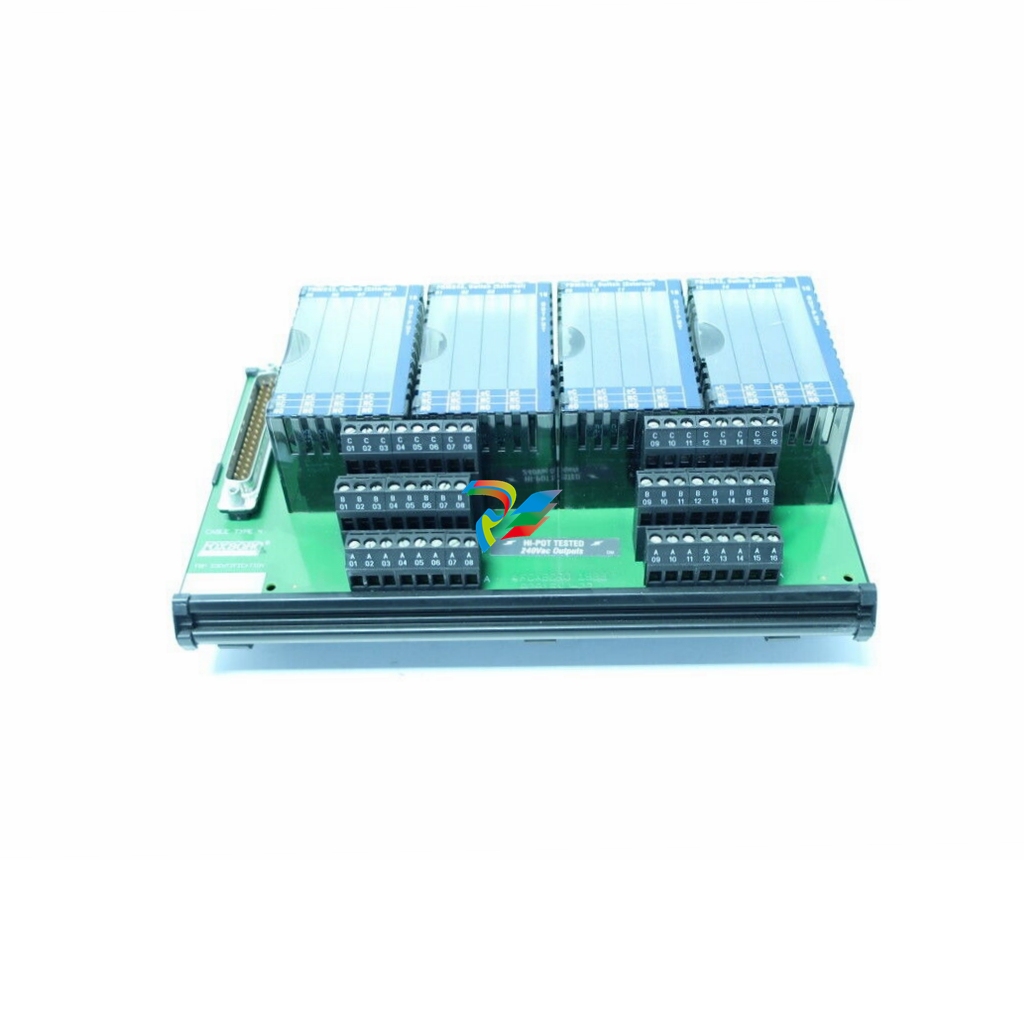 FOXBORO P0903ZP P0903ZQ Embedded System Debugging Module
 -
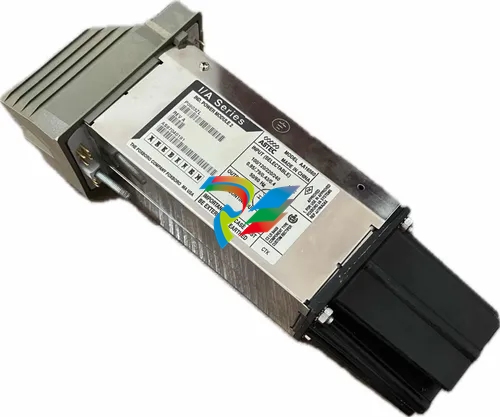 Foxboro P0903ZL P0903ZN Industrial power module
 -
 Foxboro P0903ZE I/A Series Fieldbus Isolator Module
 -
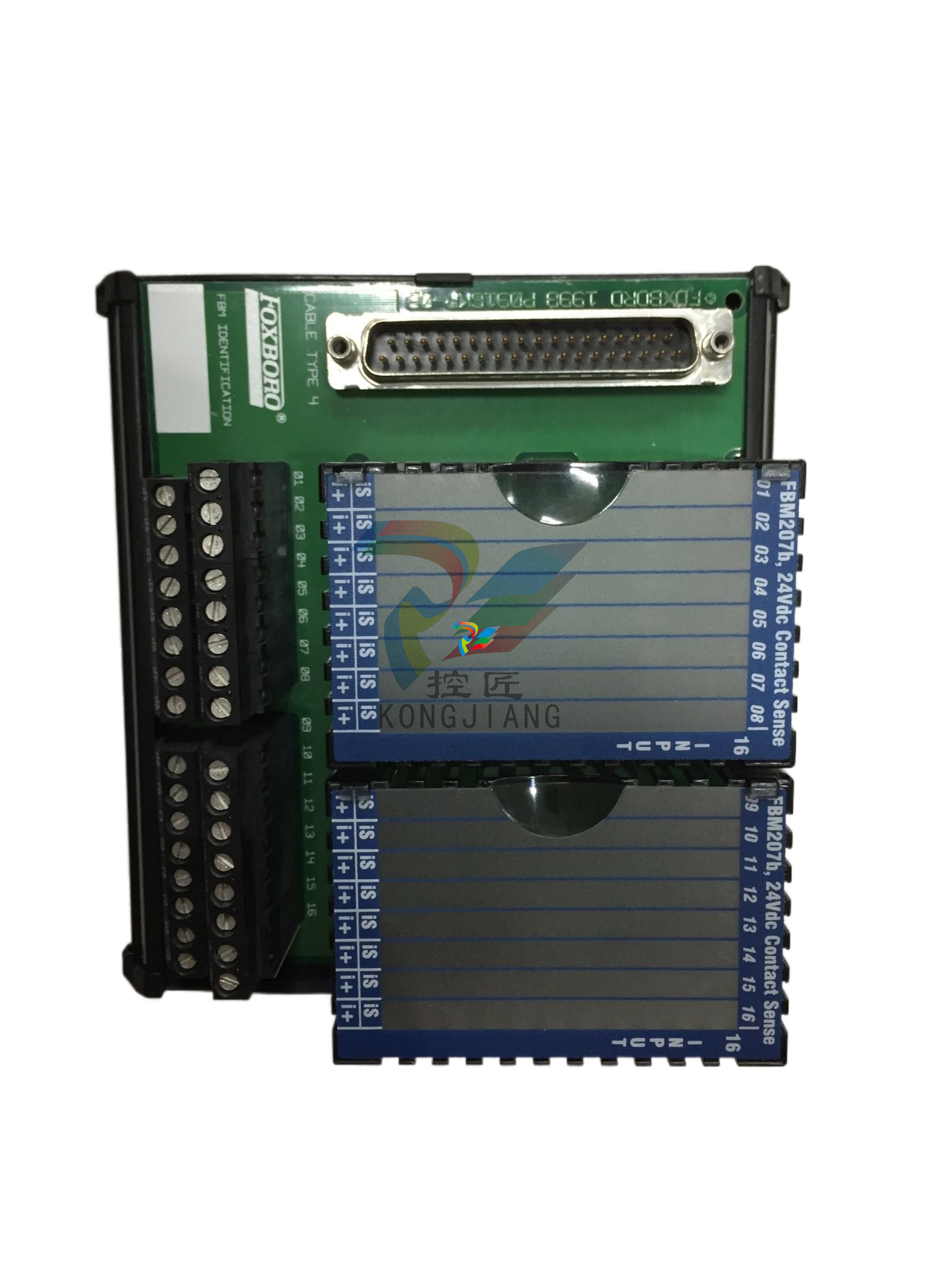 FOXBORO P0903NW Industrial Control Module
 -
.jpg) FFOXBORO P0903NQ Industrial power module
FFOXBORO P0903NQ Industrial power module -
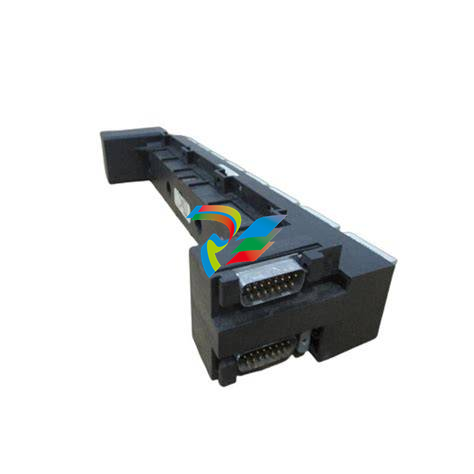 FFOXBORO P0903AA Control Module
 -
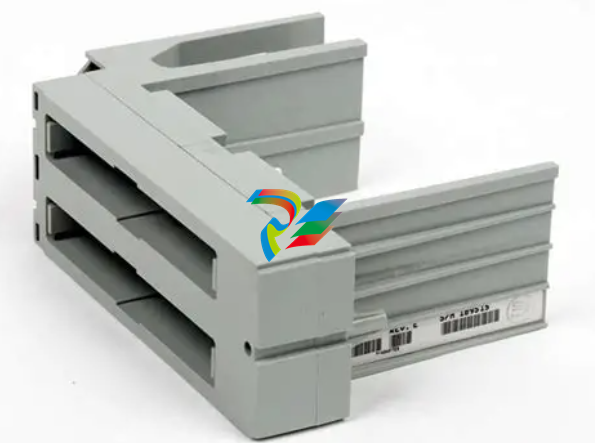 FOXBORO P0400DL Digital output module
 -
.jpg) FOXBORO P0400BJ Digital output module
FOXBORO P0400BJ Digital output module -
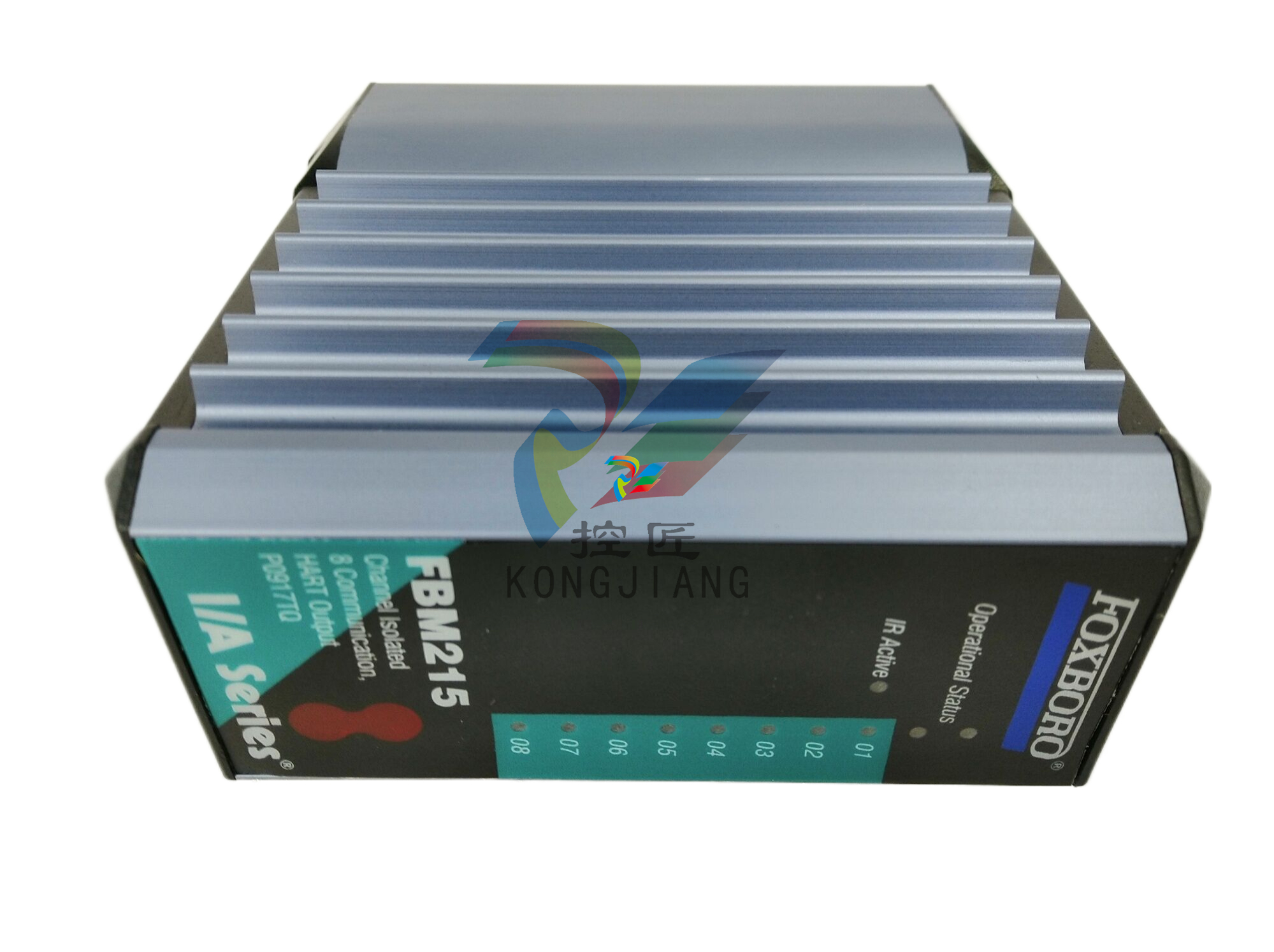 FOXBORO GW30 industrial control module
 -
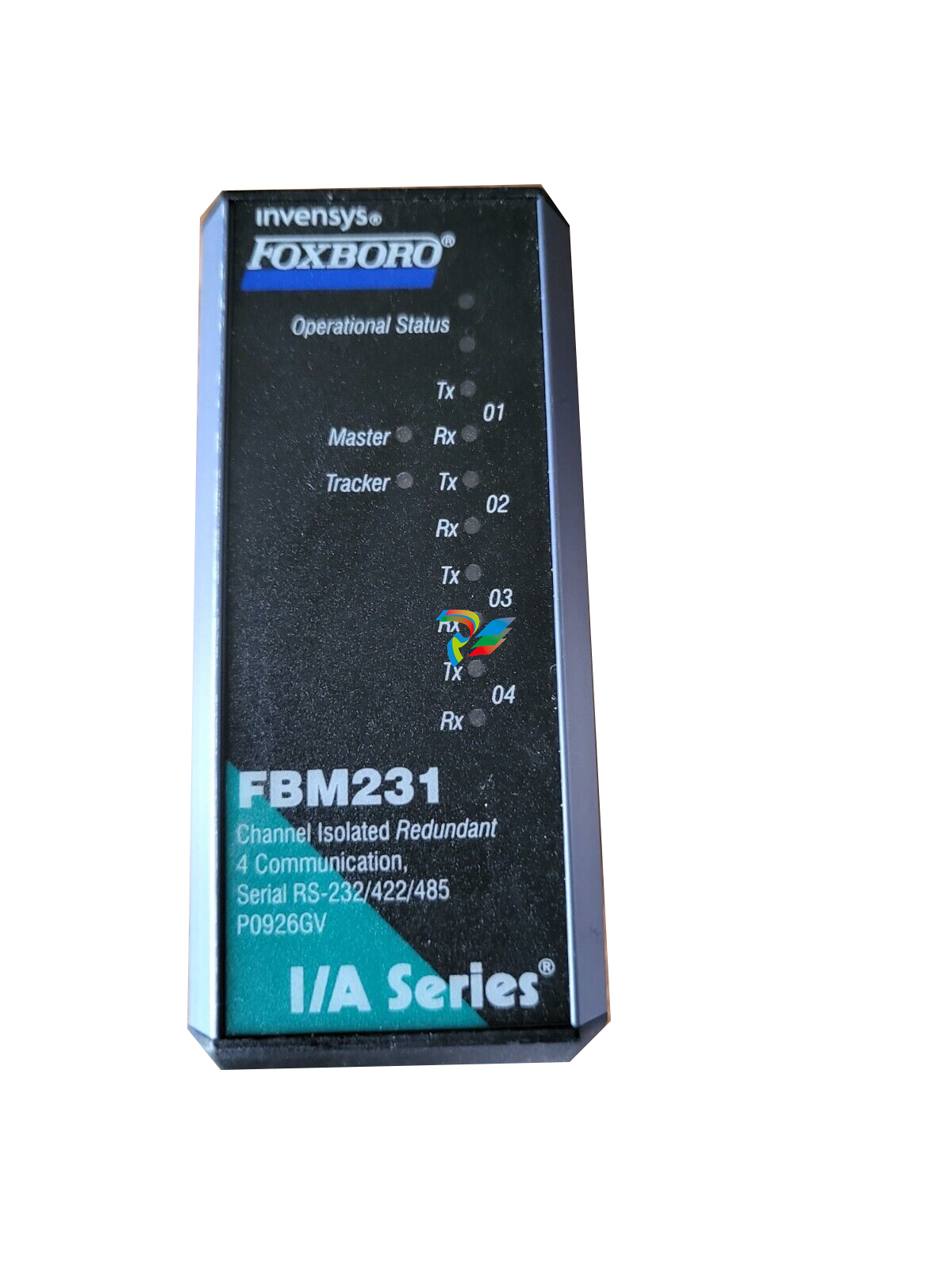 FOXBORO FBM231 Communication Output Module
 -
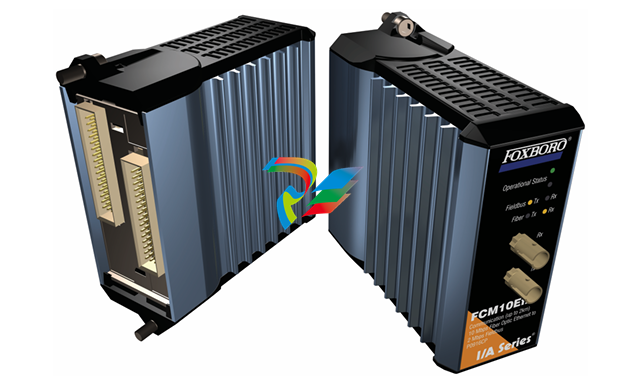 FOXBORO Fieldbus Communications Module, FCM10Ef
 -
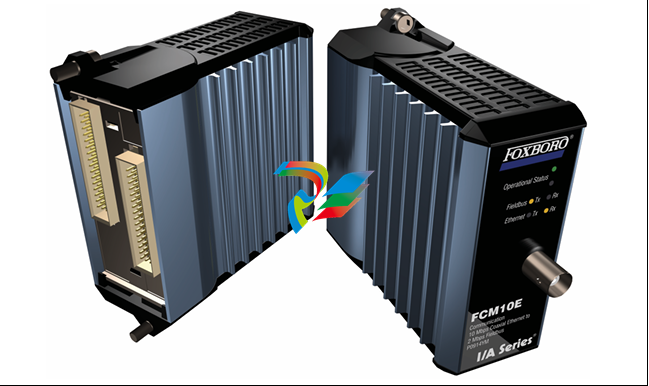 FOXBORO Fieldbus Communications Module, FCM10E