
Digital Transformation in 2024: A Guide

Imagine an intelligent plant, with no surprise equipment failures and no manual data collection–and how it could improve reliability. Imagine, no hidden equipment fouling and no undetected flaring–and what it could mean for sustainability. Imagine, no surprise loss-of-containment and no undetected leaks or spills–and how it could enhance safety. Finally, imagine no manual valves in the wrong position and no non-uniform temperature profiles–and how it could increase production. This is the vision of efficiency and performance that digital transformation promises for process plants. Since automation technology is essential to any digital transformation strategy, automation software and hardware selection is one of the most important decisions a plant can make.
Why: Plant operational challenges
First, to set some context, let’s outline the operational challenges that drive change in most plants today. Broadly speaking, these challenges fall into four operational domains: safety, sustainability, reliability and production. Inefficiencies in these areas are often linked to manual tasks, like data collection and interpretation.
Manual data collection, by reading mechanical gauges or using portable testing devices, is typically done too infrequently to predict problems and is very labor intensive. In some cases there may not be sufficient expertise on-site to interpret the collected data. This can cause a host of problems, including health, safety and environmental (HSE) incidents, over-consumption, flaring, emissions, equipment failure, process downtime, loss of containment and off-spec products.
How: Transformation of work
Plants can overcome these challenges by transforming how work is done across the major operational domains (Table 1) to become more situationally aware, more responsive, more predictive and more productive. When plant managers set aspirational goals like "zero" incidents, "zero" emissions and "zero" downtime, digital automation tools, including threat monitoring, performance monitoring, condition monitoring, process monitoring and remote valve control, make it possible to either meet them all or come very close.
Top-performing plants do this by automating data collection with sensors, automating data interpretation with analytics in artificial intelligence (AI) apps and automating workflow with ERP integration and alarms.
Table 1: Common digital automation use-cases
Health, Safety and Environment |
|
Sustainability, Energy Efficiency and Emissions |
|
Reliability, Maintenance and Integrity |
|
Production and Quality |
|
What: A new approach to automation
Many leading companies are deploying a new approach to plant automation that incorporates the latest advances in analytics, sensors, I/O schemes, wireless networking and edge computing to drive top-quartile performance. But the devil is in the details, so let’s look at some detailed recommendations for realizing this new type of digital transformation strategy that can be done fast and with low risk.
AI Analytics. Attempting to code custom software applications for analytics purposes, or paying a contractor to do it, is more difficult than one might think; it takes time and can be very costly because a business must usually pay for the entire development. Ready-made apps (Figure 1), on the other hand, involve no programming, no testing, no development cost, no delay and no pilot proof of concept. Ready-made apps are already widely in use, so they already offer a proven track record. Most have a rich feature set based on inputs from thousands of other users and so are more capable than custom-coded applications.

Maintenance and reliability engineers are typically not data scientists, so it isn’t wise to expose them to data science. It’s better to use analytics that require no historical data import, no data cleansing, no algorithm selection, nor any training runs or testing iterations, and do not use unfamiliar terminology. Such industrial analytics tools are much easier to use and require minimal upkeep, which is vital as talent is hard to come by.
An all-purpose data analytics app would furthermore require lots of customization for industrial use cases. Analytics software specialized for use cases in process plants offer domain-specific features, such as relevant dashboards, detail visualization capabilities and terminology (Figure 2), are easier to use and more capable.
Machine learning (ML) is one form of artificial intelligence (AI) that receives a lot of attention as of late, but it is not always the best form of analytics for all use cases (Figure 3). Many top-performing plants today instead employ engineered analytics with mechanistic AI for equipment and processes with well-known causes and effects and first principles. Mechanistic AI is deterministic, so very robust, and it is verifiable. Deep learning (DL), on the other hand, is used in non-process use-cases like image and speech recognition.

While they are ideal for simulation, design and training, it’s often not necessary to build models or digital twins to predict problems. Condition-based analytics tools use "agents" designed to recognize patterns or detect instability and are easier and less costly to deploy and maintain (Figure 4). 
Enterprise resource planning (ERP) systems handle business processes like accounts and inventory, but will not identify where there are utility leaks, which manual valves are in the wrong position, which heat exchanger is fouling, which process unit is about to have an upset, which pump is about to cavitate, etc. Instead, top-performing plants use specialized operations management automation systems consisting of software and sensors for energy management, condition monitoring and performance monitoring. These technologies use real-time data to provide notifications that pinpoint where in the plant the problem is (Figure 5). 
System Architecture. In these cases, cloud computing is optional. But if a plant does use the cloud, note that putting business administration and plant automation data in the same cloud instance would make security harder to manage. Many plant managers today use an independent cloud instance for plant data and apps as a cybersecurity zone along the lines of the IEC 62443 standard. Some data is passed between the office administration systems and plant automation systems as part of the automatic workflow. For instance, pump analytics notifies the ERP/CMMS when a pump problem is predicted. Dashboards can show both business and plant data.
IIoT/M+O Sensors. The familiar refrain, “You already have all the data,” is often not correct. Plants have lots of data, but it is mostly process data. Many plants don’t have enough real-time equipment data, because today that is collected manually using portable testers and reading gauges. The goal, therefore, is to automate that data collection by installing permanent sensors. 
It would be impractical to wire hundreds or thousands of additional sensors in an operating plant, and it would be impractical to cut, drill, or weld hundreds or thousands of additional process connections while the process is running. Instead, top-performing plants use advanced sensors that are wireless and non-intrusive and that bolt onto the outside of the equipment, clamp-on to the outside of the pipe, slip between existing flanges, or reuse existing process connections. These may be referred to as industrial internet of things (IIoT) or monitoring and optimization (M+O) sensors. Replacing mechanical pressure gauges with wireless pressure gauges, for example, is relatively easy (Figure 6).
Wireless Technology. Existing systems and devices in most plants like programmable logic controllers (PLC), distributed control systems (DCS) and vibration monitoring systems use Modbus and HART protocols. The easiest way to integrate these systems into new software and systems is to use their native protocols. Therefore, it’s best to use systems and software that support HART-IP and Modbus/TCP (Figure 7). This way no drivers need to be written or tested, and more data is transferred making the system more capable.
Hiring a developer to code software interfaces to custom APIs often results in costly lock-ins. This can be avoided by using systems and software with standard IEC62541 (OPC-UA) software interfaces. OPC-UA is widely supported in many edge devices, in all modern automation systems, in a large number of apps for all kinds of process automation functions, and in all modern data management platforms. No APIs need to be written or tested. OPC-UA also supports metadata for richer display, automatic server discovery and a structured information model (IM) for easy browsing of data. An operator can both read and write data, and the protocol is supported in all major cloud platforms. Lastly, OPC-UA provides transparent integration with older systems using OPC Classic.
Wireless sensor networking technologies originally designed for smart cities or agriculture do not integrate well with plant automation systems. Instead, most plants use standard IEC62591 (WirelessHART) wireless sensor networks. WirelessHART enables automatic data conversion to OPC-UA, HART-IP, Modbus and other industrial protocols without custom coding/programming to a non-standard API or scripting to parse vendor-specific data formats. This way data is easily integrated, and no sensor data is left behind. WirelessHART enables centralized sensor management such as configuration of remote sensors, and a single common app can be used for diagnostics of all sensors from multiple vendors. Other wireless technologies cannot achieve the same result.
As a result of this new approach to automation and transforming work, plants can operate safer, greener, longer and faster (Table 2).
Table 2: Operational excellence thanks to the new automation
-
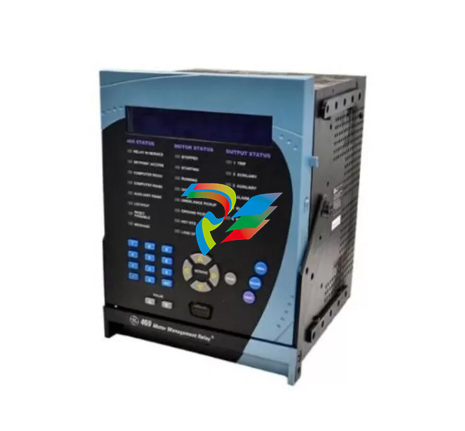 GE SR745-W2-P1-G1-HI-A-L-R-E Feeder protection relay
 -
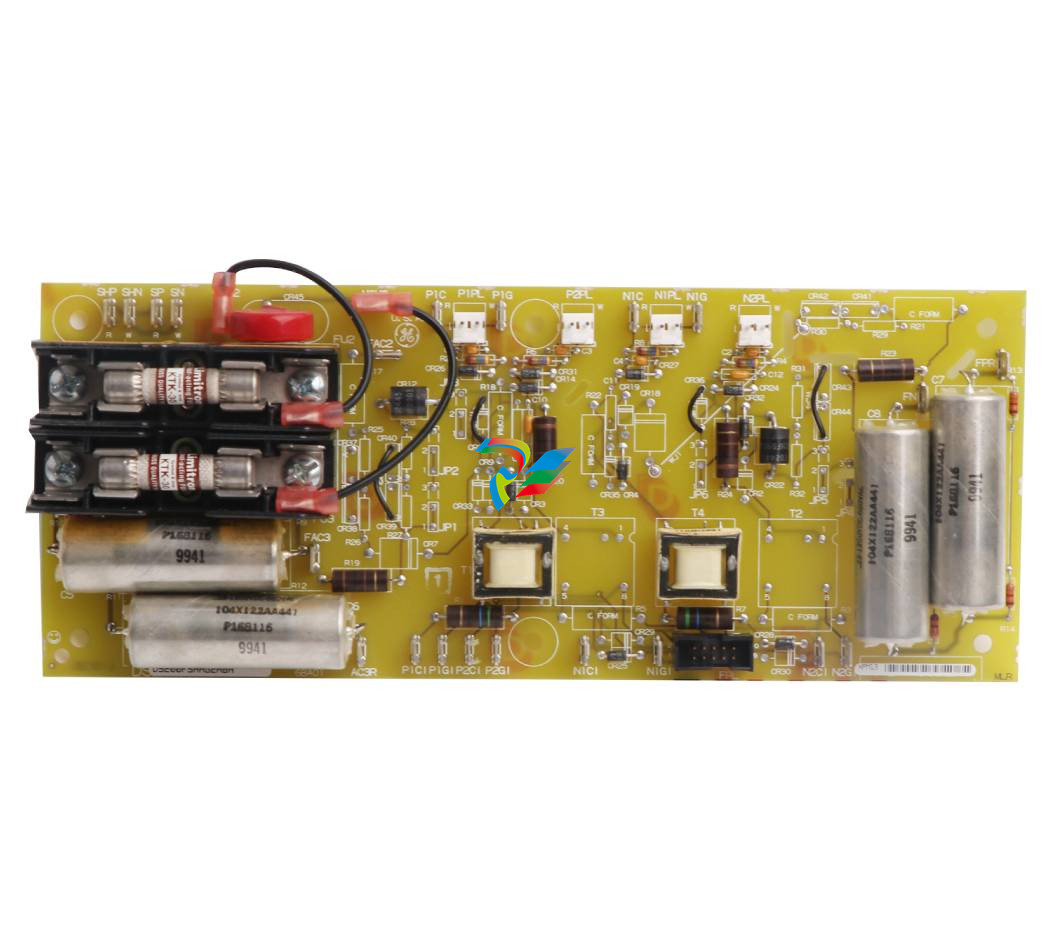 GE IS230TNDSH2A Discrete Output Relay Module Brand
 -
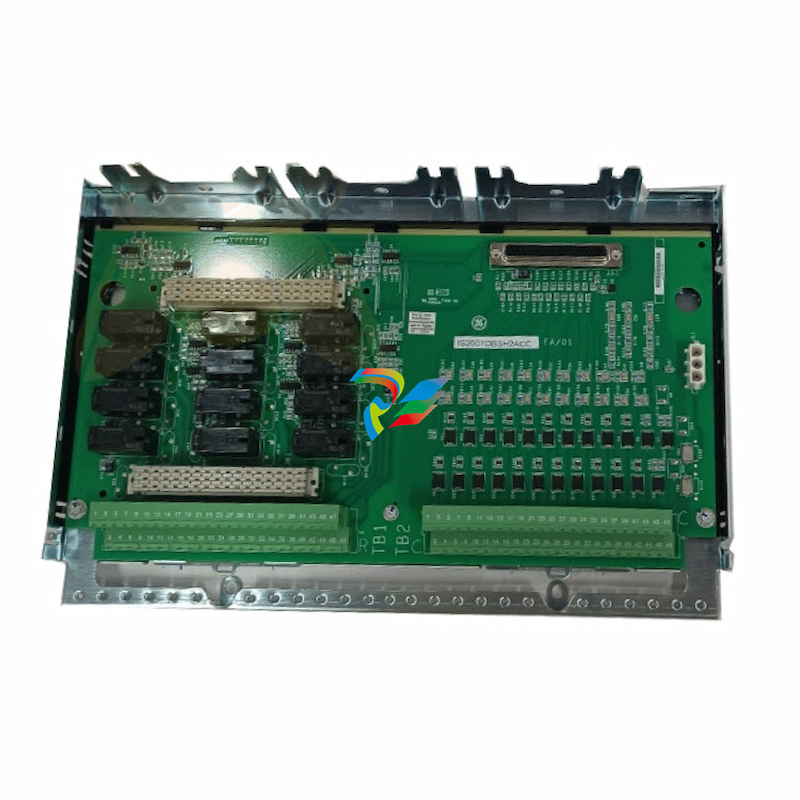 GE Fanuc IS200TDBSH2ACC Mark VI Terminal Board Brand
 -
 GE PMC-0247RC-282000 350-93750247-282000F Disk Drive
 -
GE PMC-0247RC-282000 350-93750247-282000F Disk Drive
-
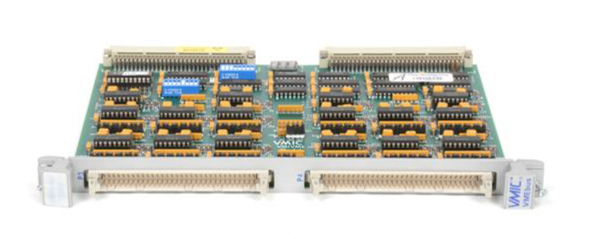 GE VMIVME-1150 Serial Communications Controller
 -
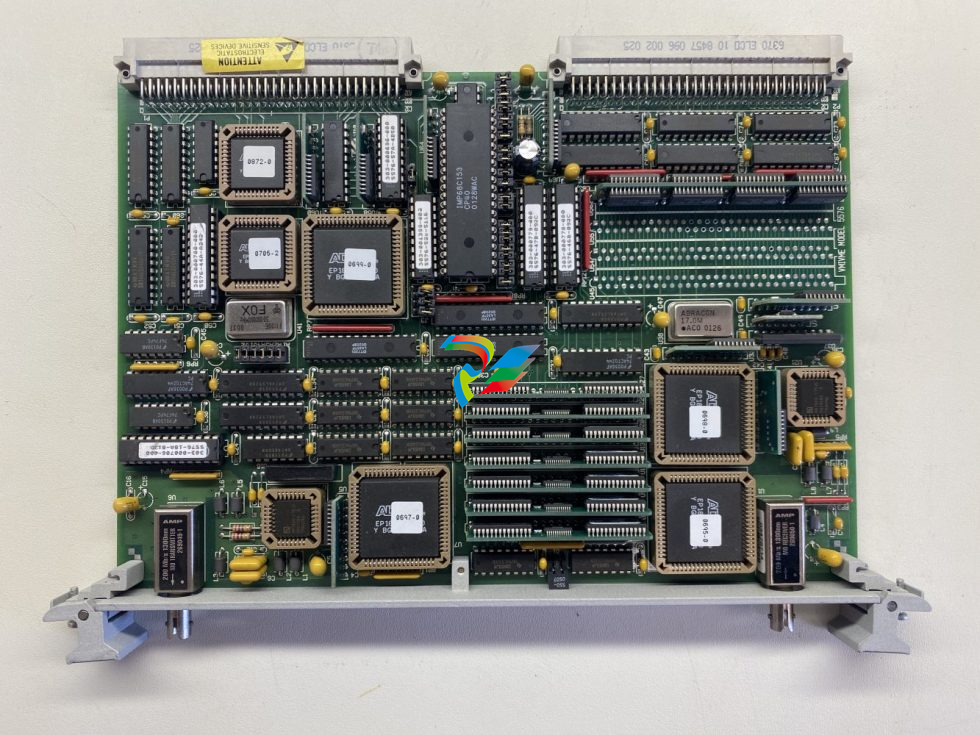 GE VMIVME-5576 Fiber-Optic Reflective Memory with Interrupts
 -
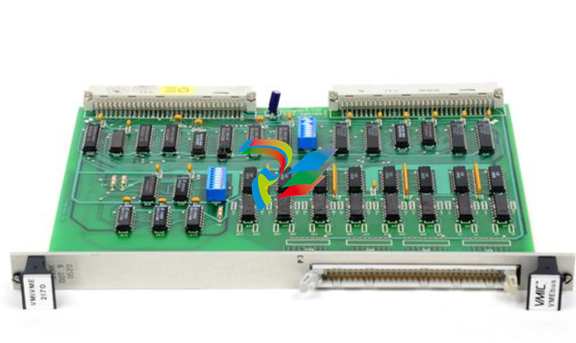 GE VMIC Isolated Digital Output VMIVME-2170A
 -
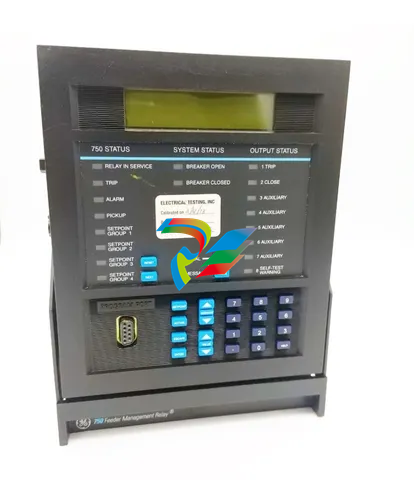 GE MULTILIN 760 FEEDER MANAGEMENT RELAY 760-P5-G5-S5-HI-A20-R-E
 -
 GE IS200AEPAH1BKE IS215WEPAH2BB Printed circuit board
 -
 GE IS210BPPCH1A Mark VIe I/O Pack Processor Card
 -
 GE IS220PRTDH1A 336A4940CSP6 High-Performance RTD Input Module
 -
GE IS220PDIAH1BE 336A5026ADP4 Discrete Input Module
-
 GE IS420ESWBH3A IONET Switch Module
 -
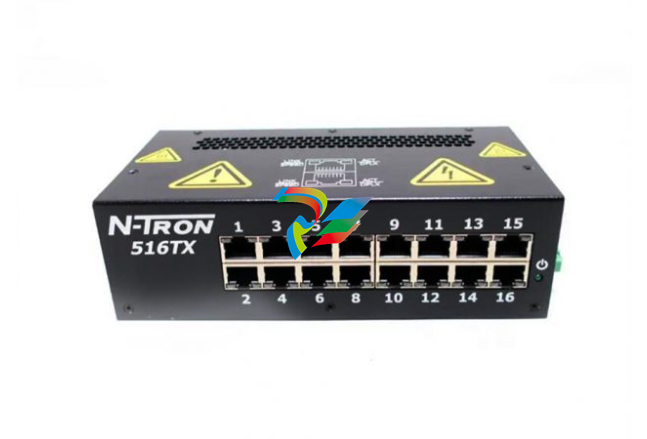 GE 516TX 336A4940DNP516TX 16-port Ethernet switch
 -
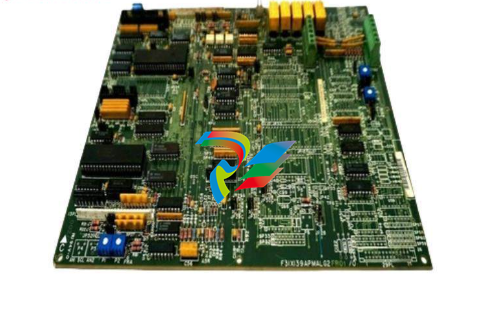 GE EVMECNTM13 Embedded control module
 -
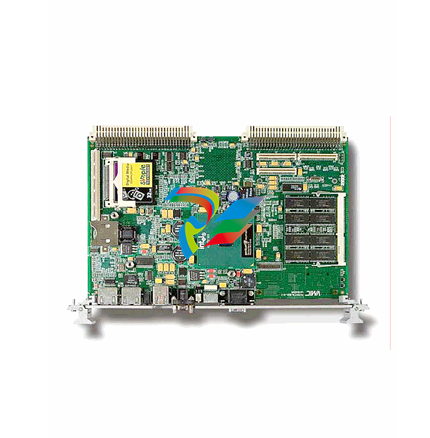 GE EVPBDP0001 EVPBDP032 control module
 -
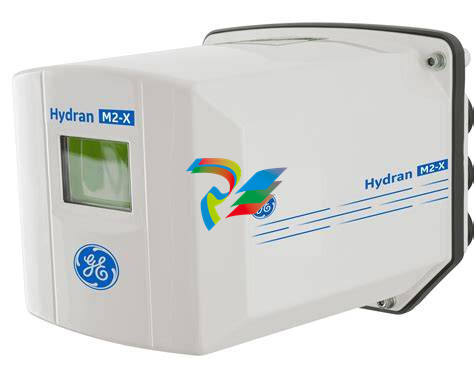 GE Hydran M2-X Enhanced Monitoring with Extended Sensor Life
 -
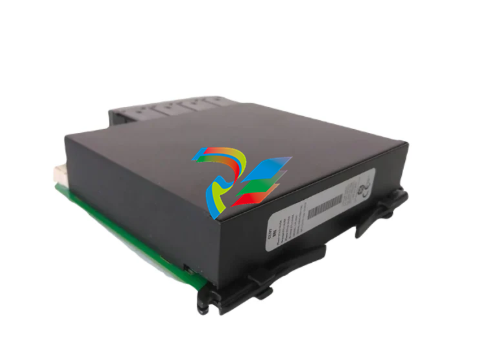 GE UR6CH Digital I/O Module
 -
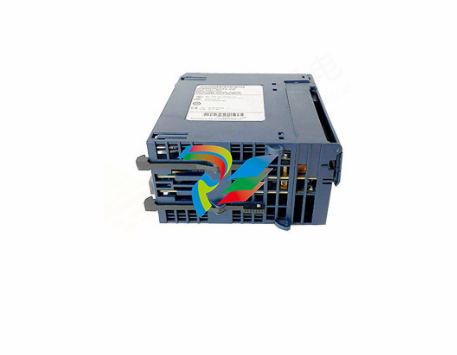 GE IC695CPU315-CD Central processing unit
 -
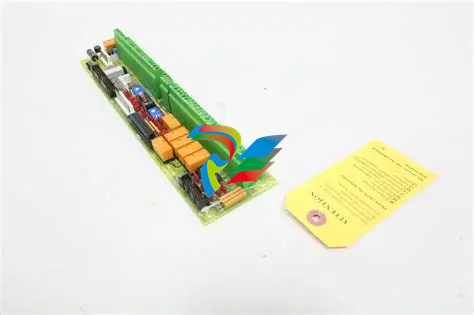 GE 531X305NTBAMG1 DR Terminal Board
 -
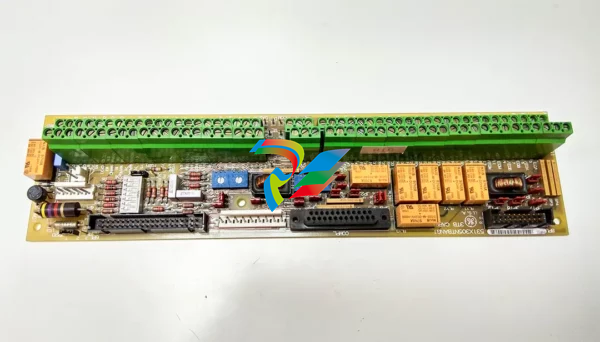 GE 531X305NTBALG1 NTB/3TB Terminal Board 531X Series
 -
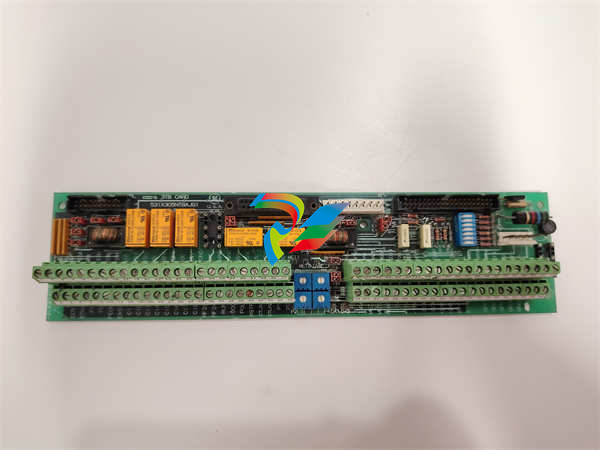 GE 531X305NTBAJG1 NTB/3TB Terminal Board.
 -
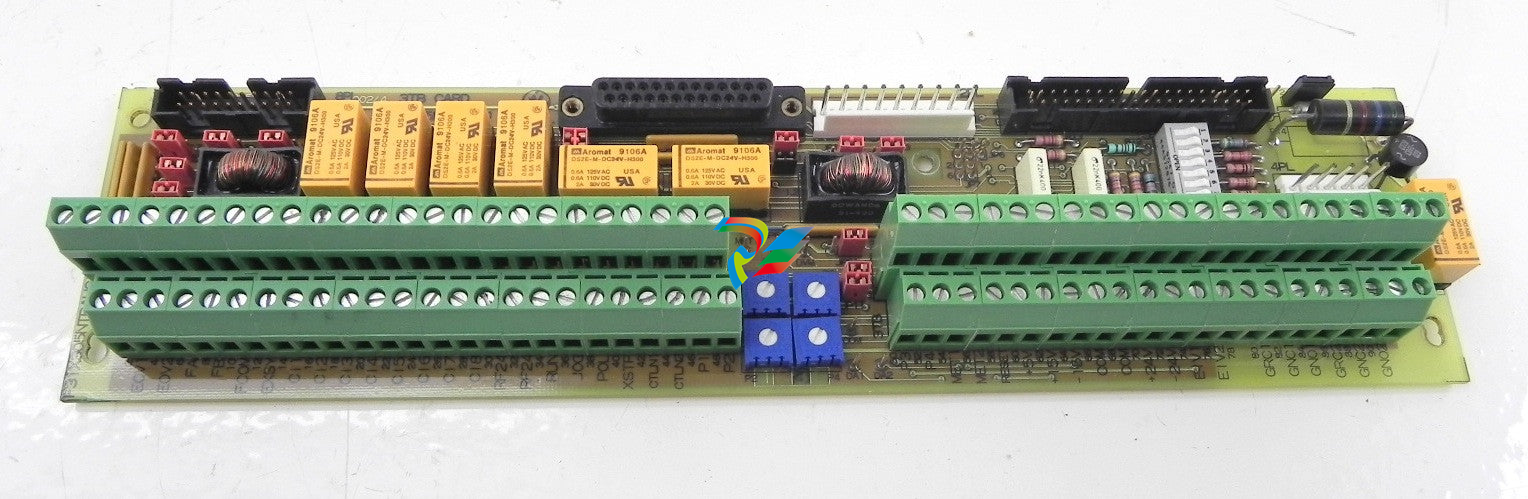 GE 531X305NTBAHG1 NTB/3TB Terminal Board 531X
 -
 GE 531X305NTBAEG1 is a PCB that functions as a DR terminal board.
 -
General Electric 531X305NTBACG1 NTB/3TB Terminal Board 531X
-
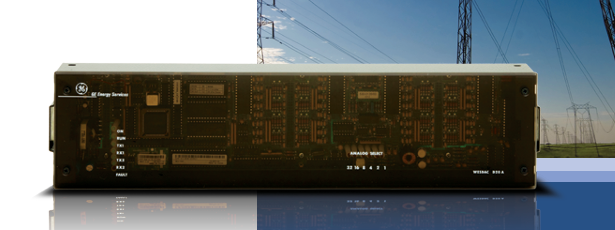 GE Digital Energy D20 Analog Input Module
 -
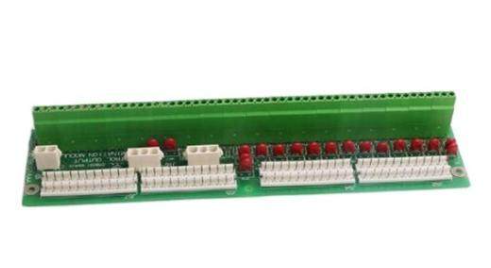 GE 94-164136-001 main board Control board
 -
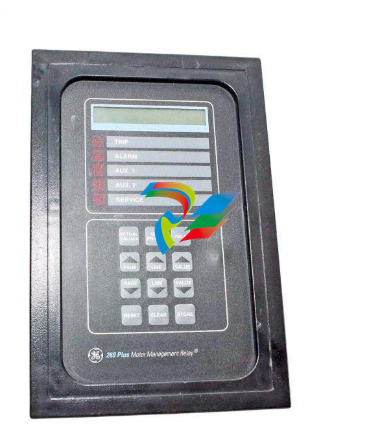 GE 269 PLUS-D/O-100P-125V Digital motor relay
 -
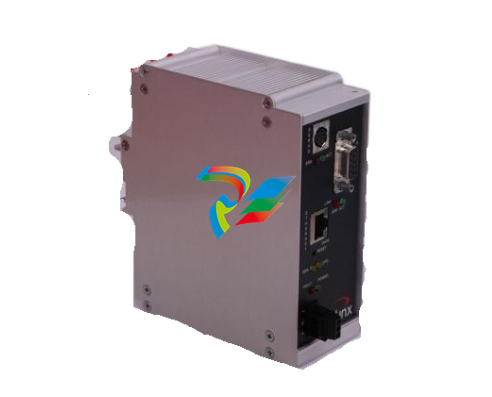 GALIL DMC-9940 High-performance motion controller
 -
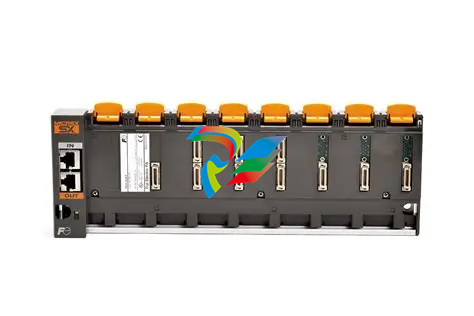 FUJI NP1BS-08 base plate
 -
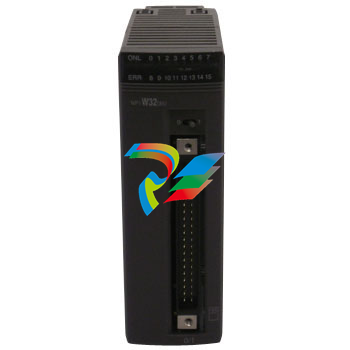 FUJI NP1Y32T09P1 Transistor drain type digital output module
 -
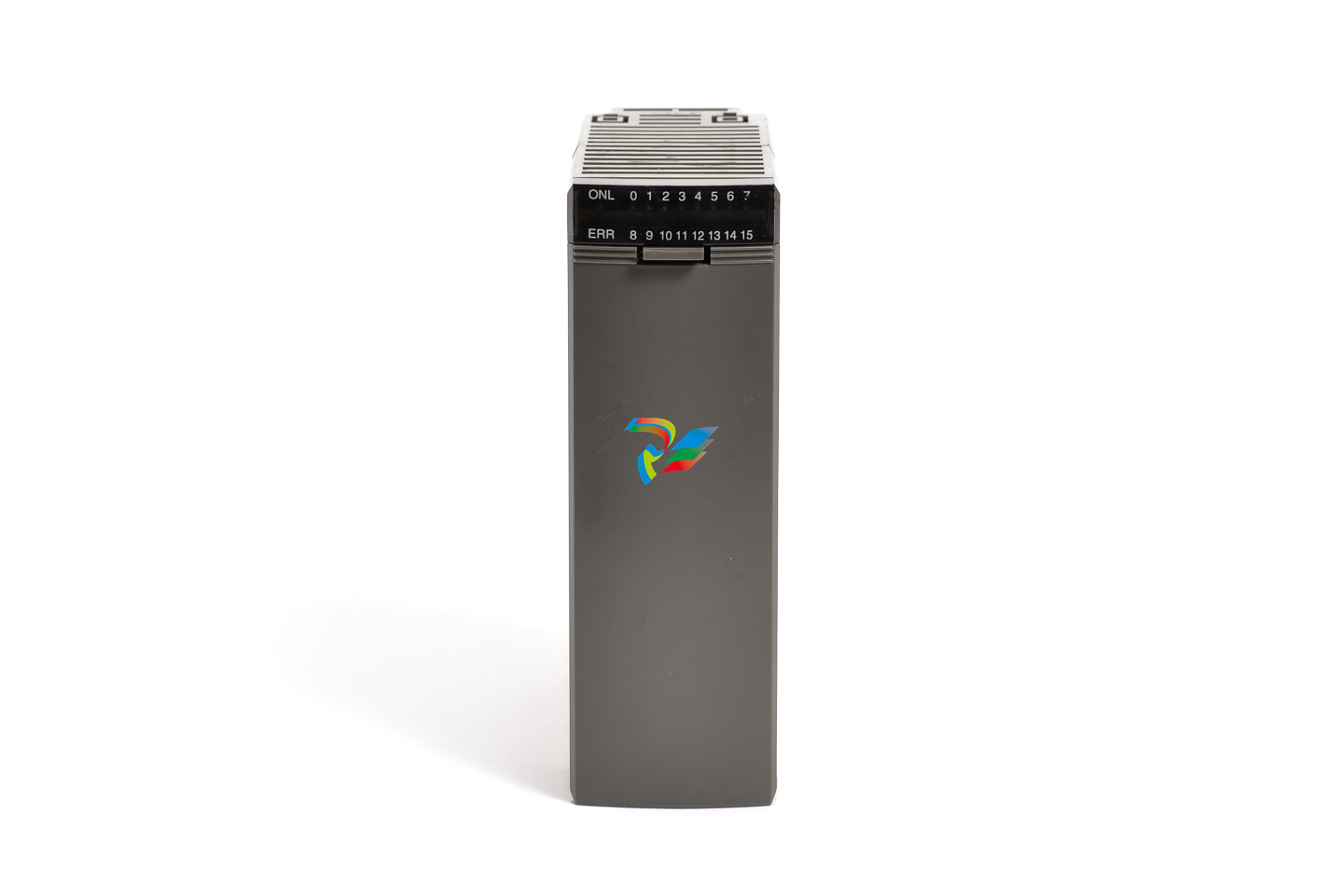 FUJI NP1Y16R-08 Digital Output Module
 -
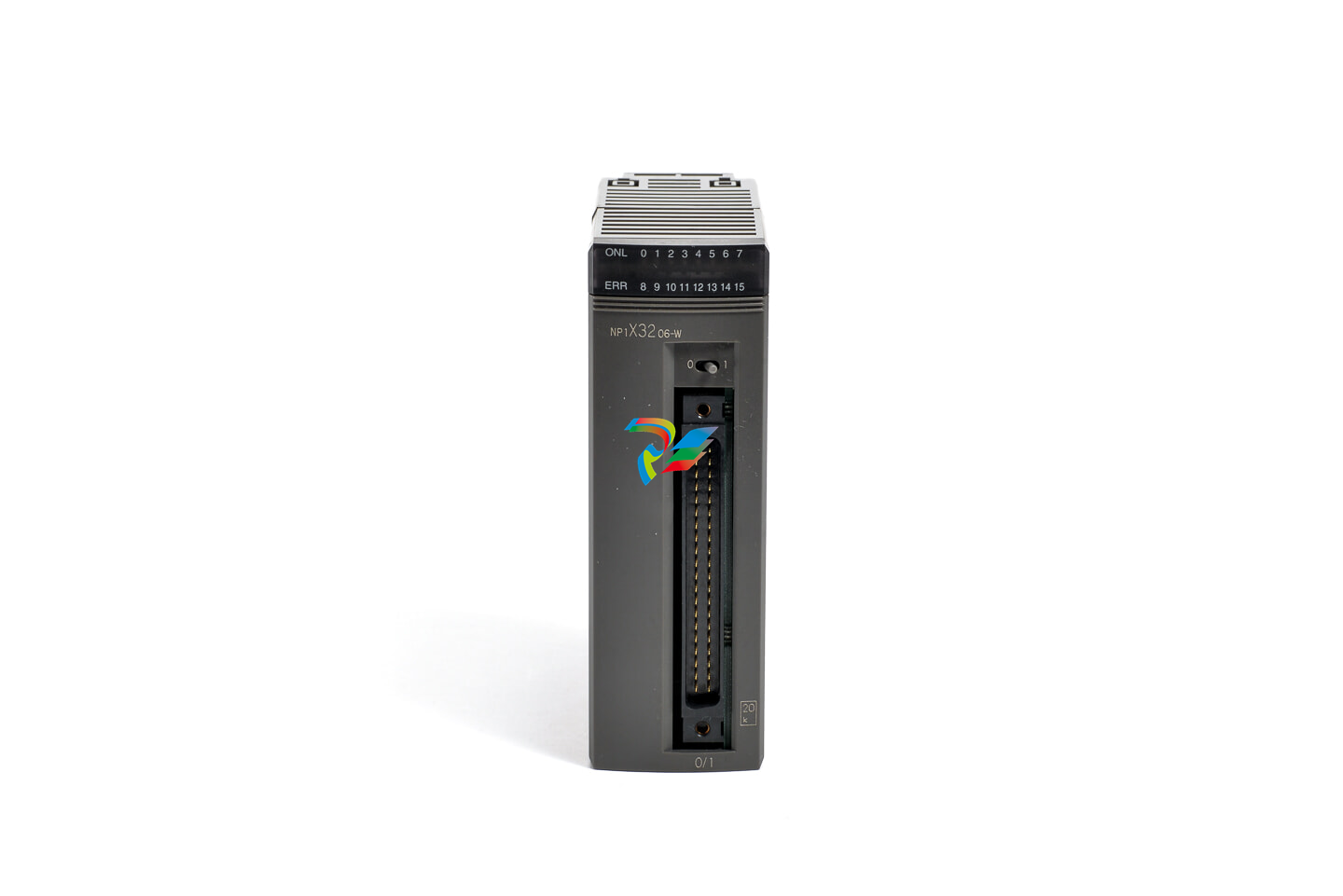 FUJI NP1X3206-A High-speed digital input module
 -
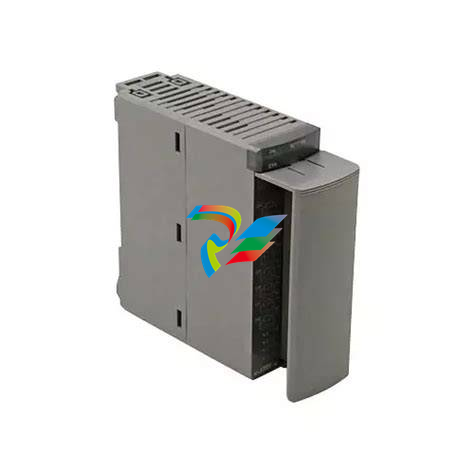 FUJI NP1AYH4I-MR current output module
 -
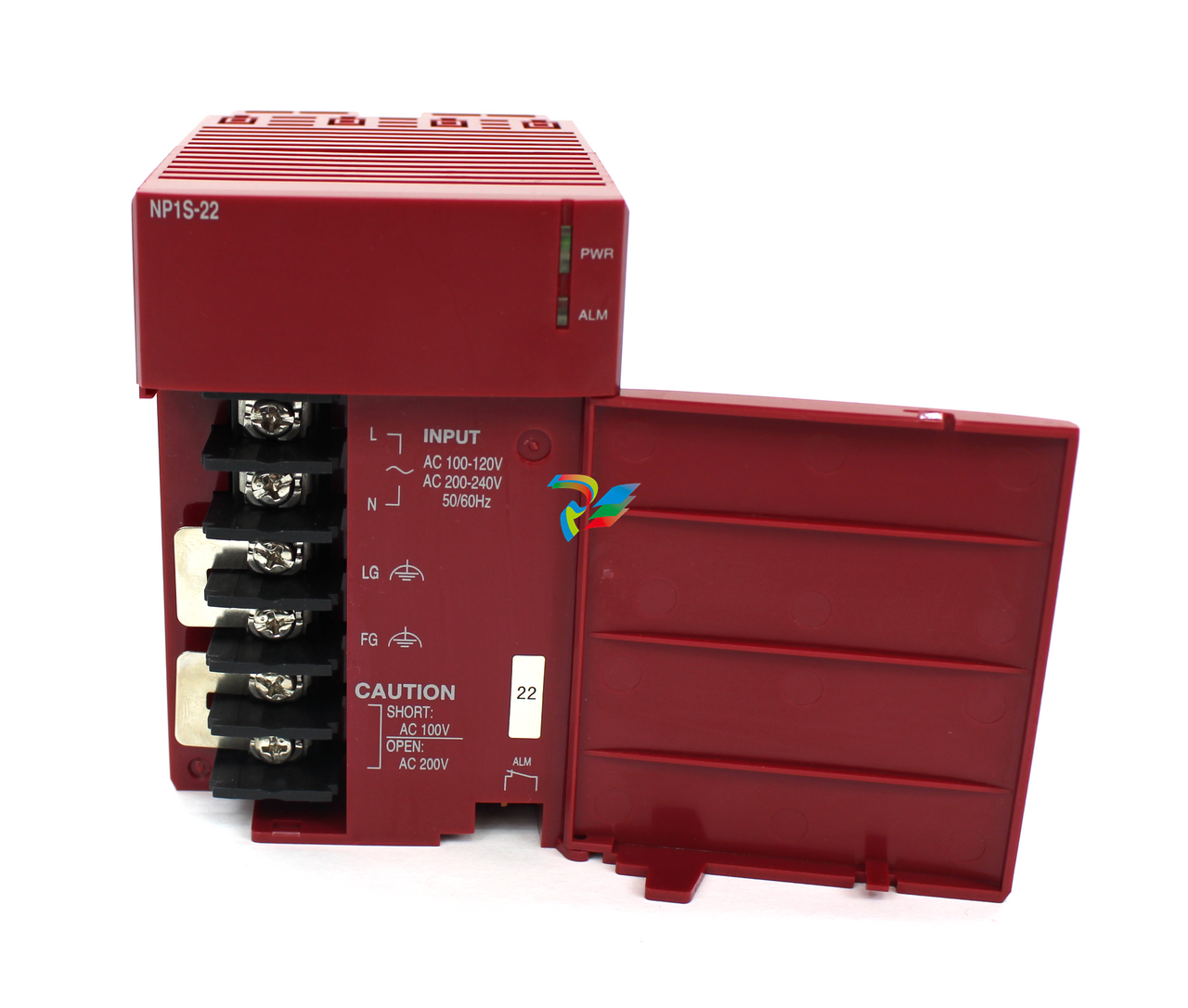 FUJI NP1S-22 Power module redundancy
 -
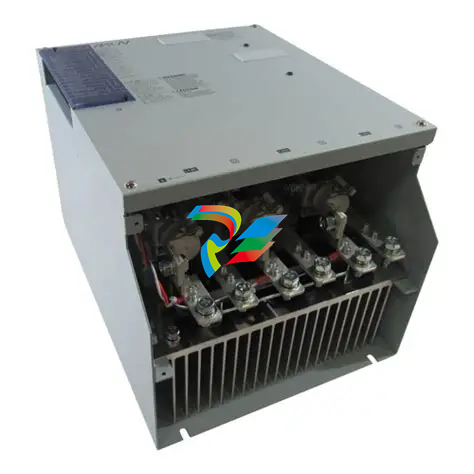 FUJI RPXD2150-1T servo drive module
 -
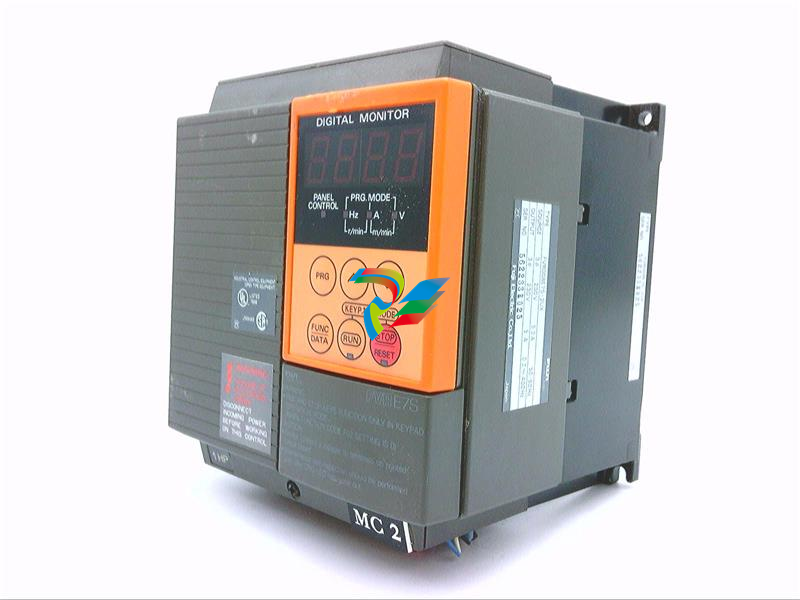 FUJI FVR008E7S-2UX Ac frequency converter
 -
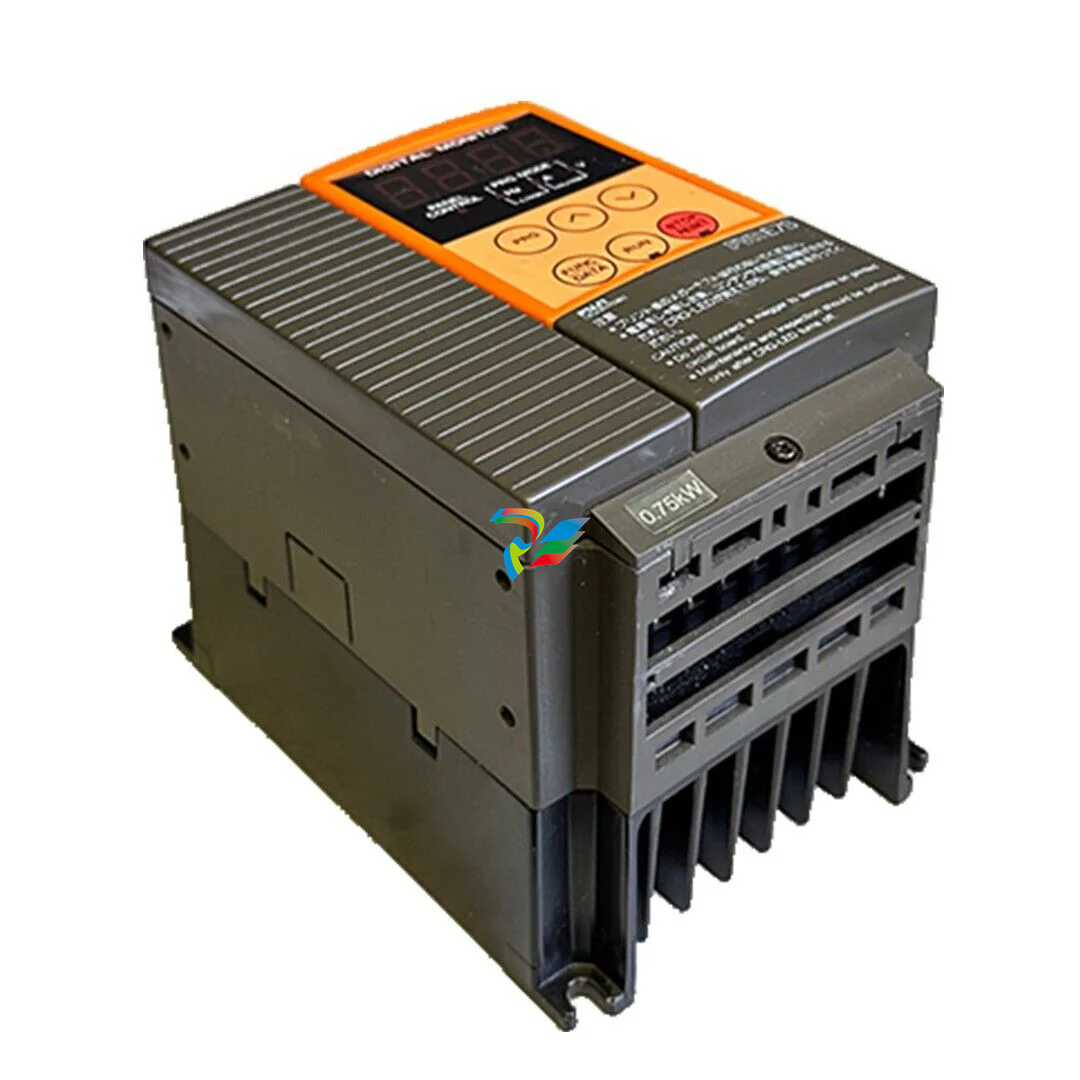 FUJI Ac frequency converter FVR008E7S-2
 -
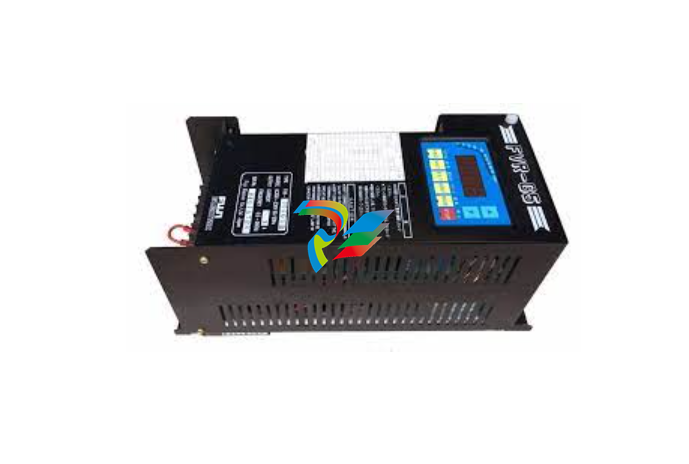 FUJI FVR004G5B-2 Small general-purpose frequency converter
 -
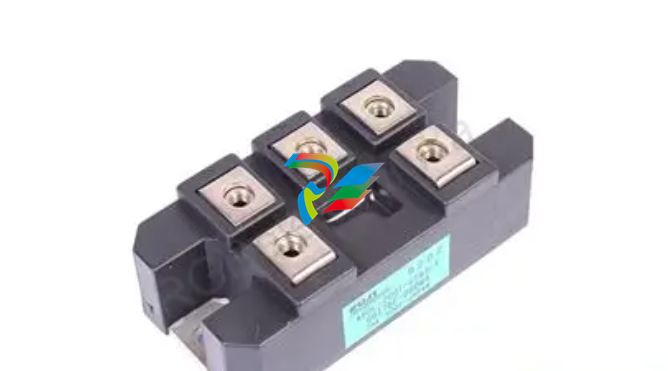 FUJI A50L-2001-0232 Industrial control module
 -
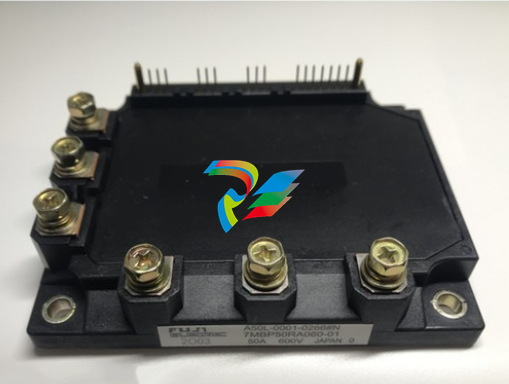 FUJI A50L-001-0266#N High-performance servo amplifier
 -
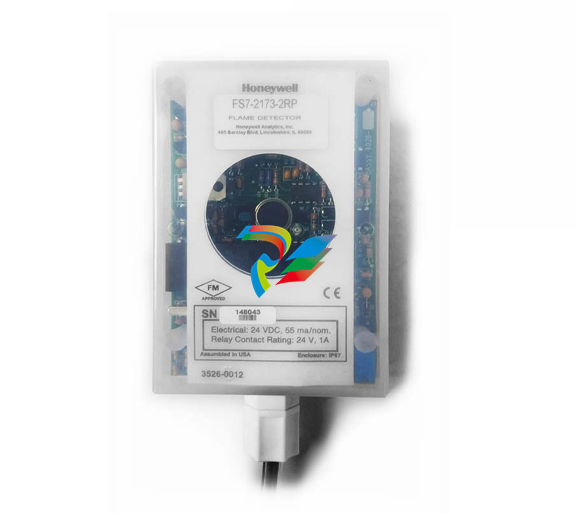 Honeywell FS7-2173-2RP Gas sensor
 -
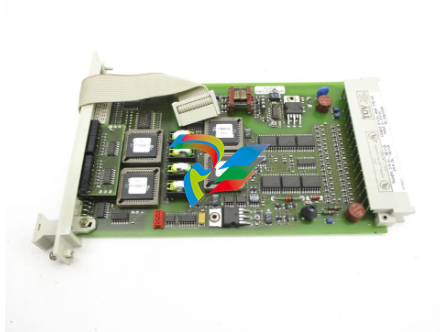 Honeywell 10106/2/1 Digital Input Module in Stock
 -
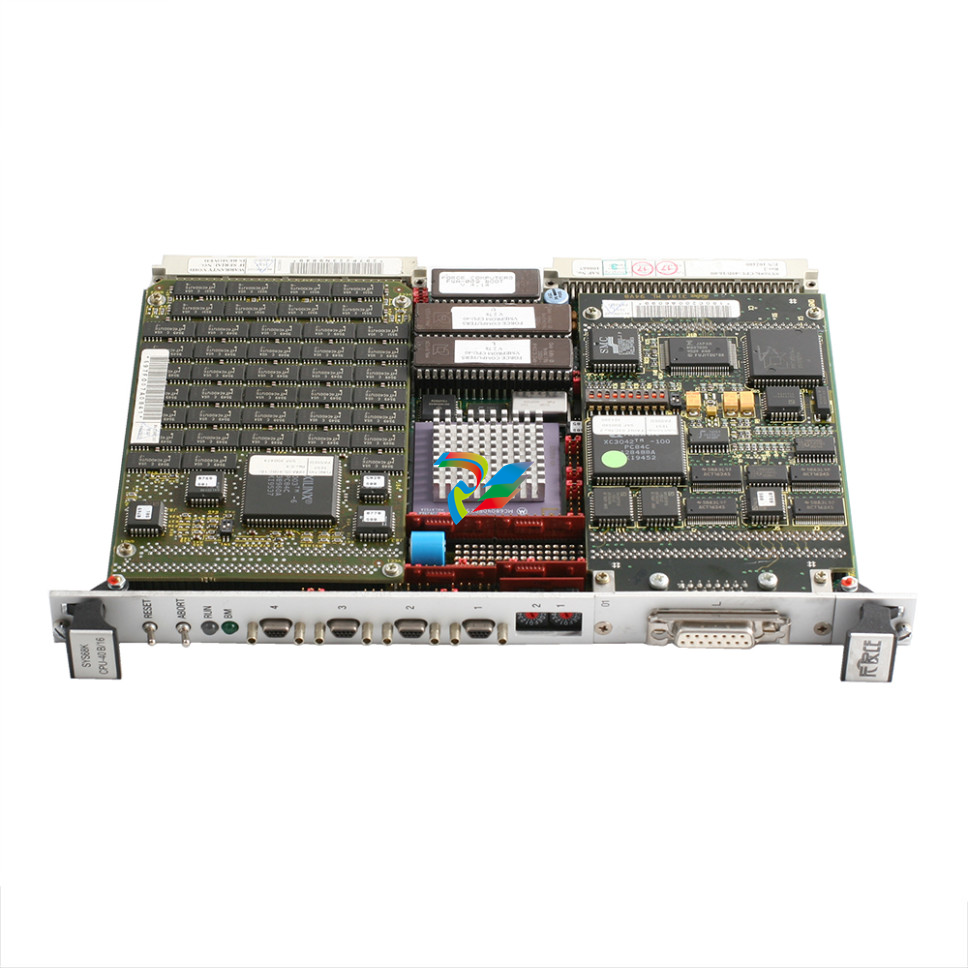 FRCE SYS68K CPU-40 B/16 PLC core processor module
 -
 Foxboro FBM I/O cards PBCO-D8-009
 -
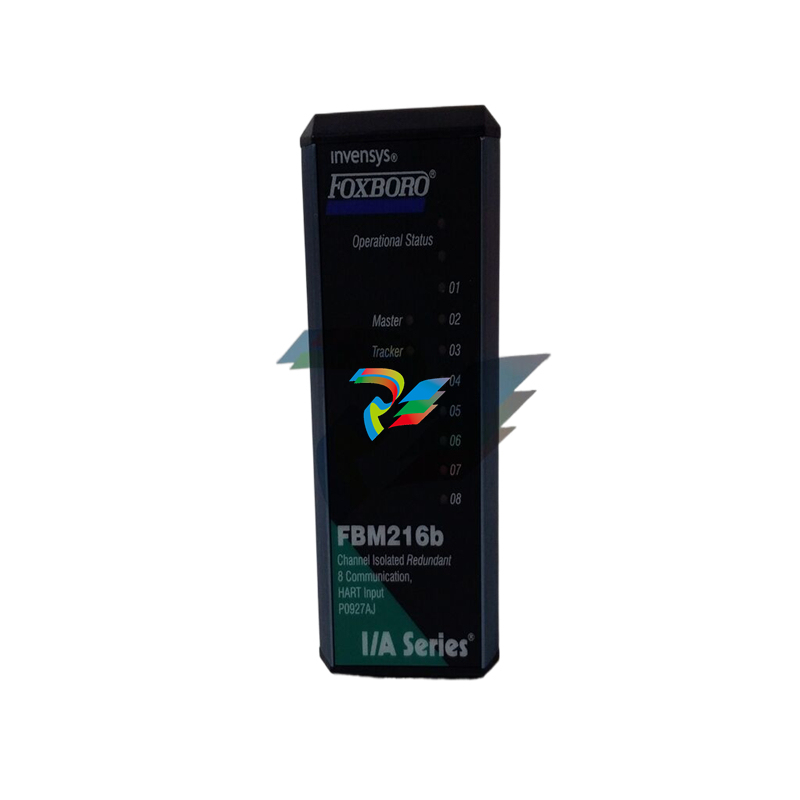 Foxboro AD916AE Digital Control System (DCS) Module
 -
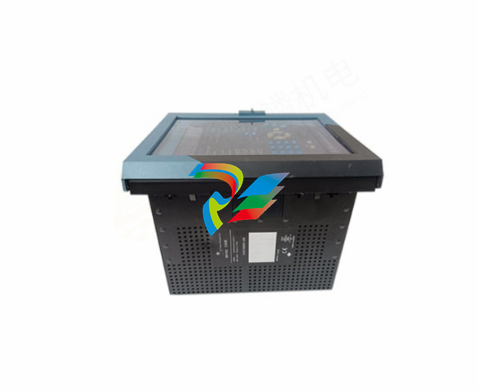 GE SR750-P5-G5-S5-HI-A20-R-E Multilin Relay
 -
.jpg) FOXBORO H90 H90C9AA0117S Industrial Computer Workstation
FOXBORO H90 H90C9AA0117S Industrial Computer Workstation -
.jpg) FOXBORO RH928AW | I/A Series Relay Output Module
FOXBORO RH928AW | I/A Series Relay Output Module -
.jpg) Foxboro N-2AX+DIO Multi-functional input/output module
Foxboro N-2AX+DIO Multi-functional input/output module -
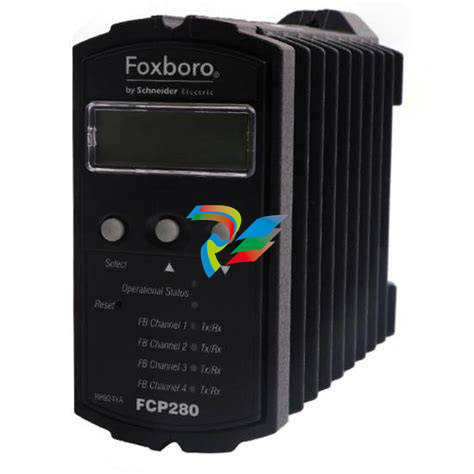 Foxboro RH924WA FCP280 Fiber Optic Network Adapter
 -
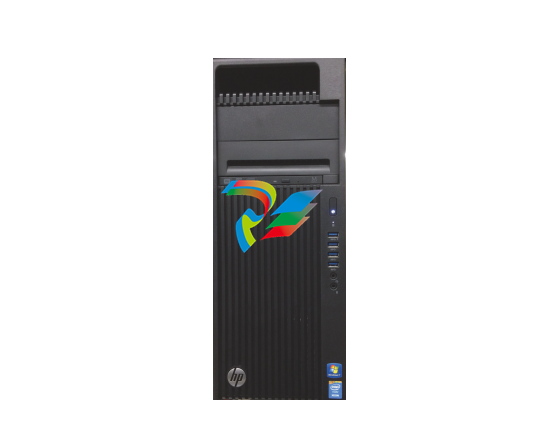 FOXBORO H92 Versatile Hardware Component In
 -
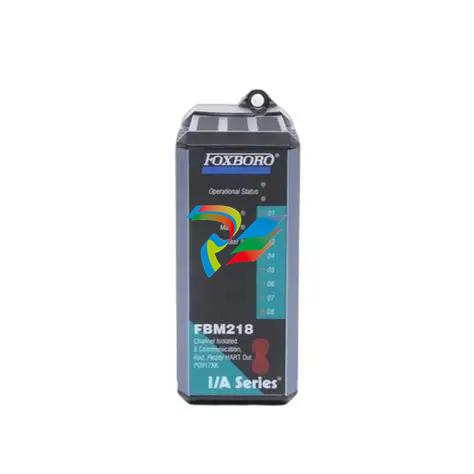 Foxboro FBM218 P0922VW HART® Communication Redundant Output Interface Module
 -
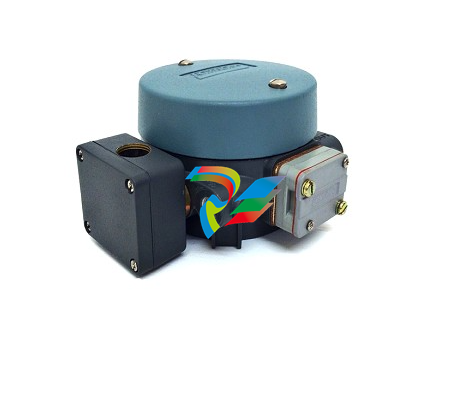 Foxboro E69F-TI2-J-R-S E69F Series Current-To-Pneumatic Signal Converter
 -
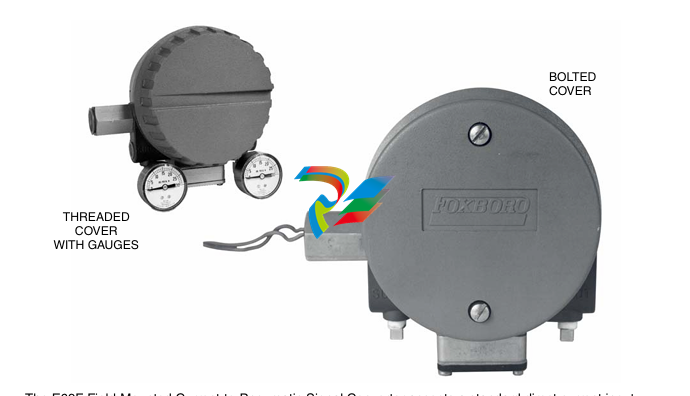 Foxboro E69F-BI2-S Converter
 -
.jpg) Foxboro H92A049E0700 The host of the DCS control station
Foxboro H92A049E0700 The host of the DCS control station -
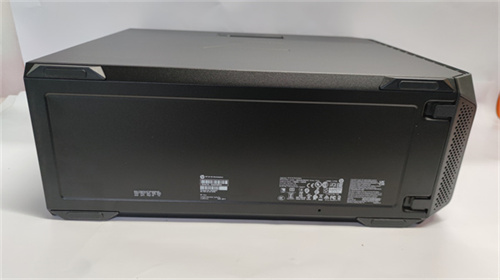 Foxboro H90C9AA0117S Industrial computer workstation
 -
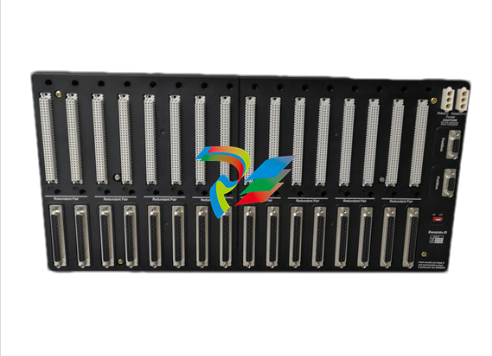 Foxboro RH101AA High-performance industrial control module
 -
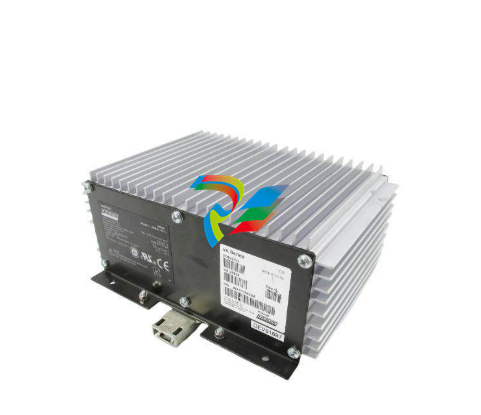 Foxboro P0922YU FPS400-24 I/A Series Power supply
 -
.png) FOXBORO P0973LN Chassis-based managed switch with independent power supply
FOXBORO P0973LN Chassis-based managed switch with independent power supply -
.jpg) FOXBORO P0926PA Input/output module
FOXBORO P0926PA Input/output module -
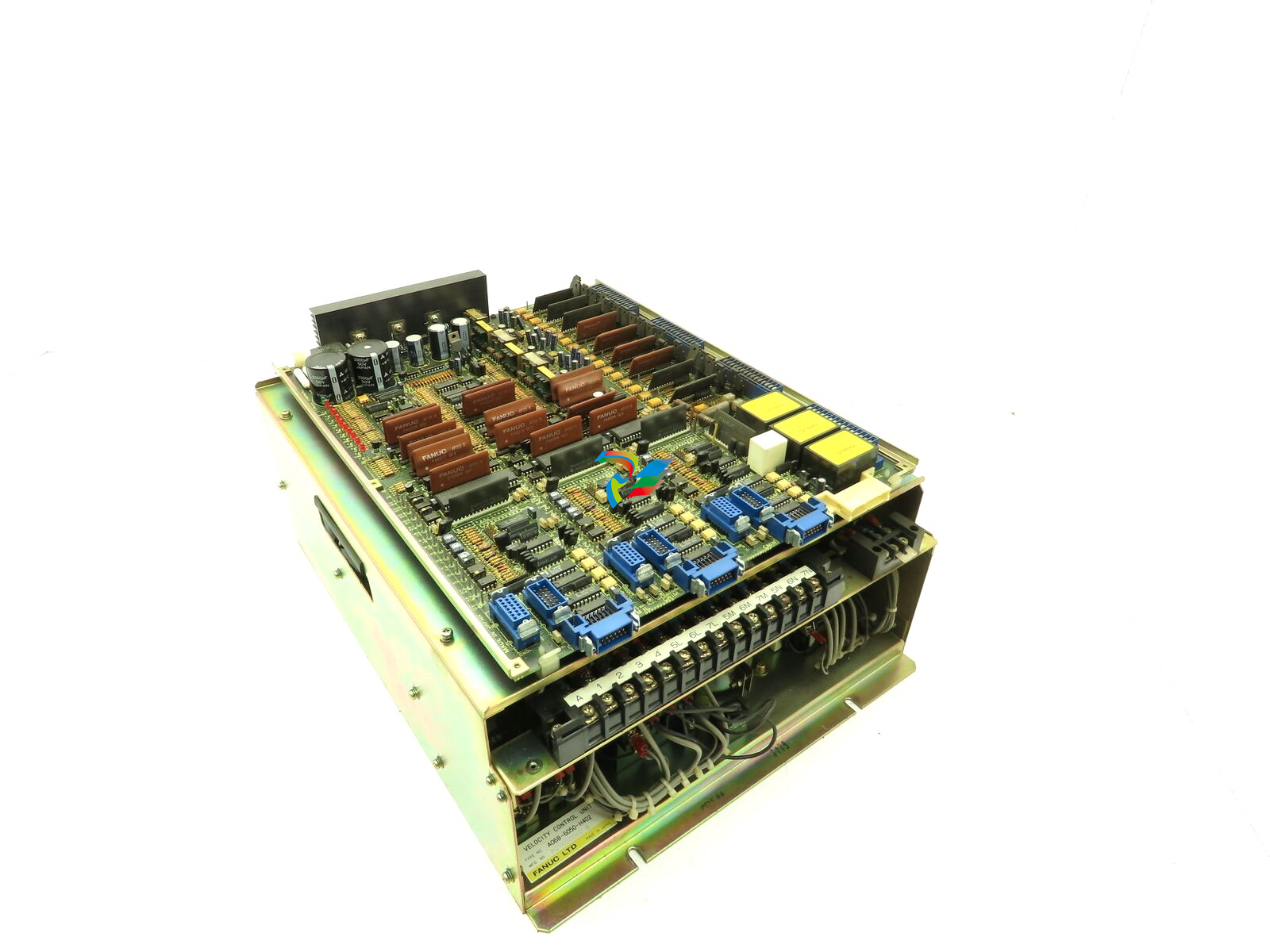 Fanuc A06B-6050-H402 3 AXIS ANALOG AC SERVO DRIVE
 -
.jpg) FOXBORO L0130AD L0130AE-0H Power module group
FOXBORO L0130AD L0130AE-0H Power module group -
_lVjBYb.jpg) FOXBORO 0399085B 0303440C+0303458A Combination Control Module
FOXBORO 0399085B 0303440C+0303458A Combination Control Module -
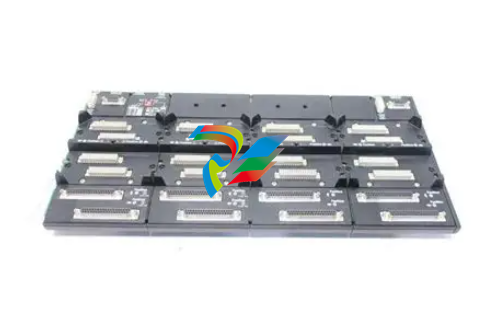 FOXBORO SY-0399095E (SY-0303451D+SY-0303460E) Process control board
 -
.jpg) FOXBORO 0399071D 0303440C+0303443B Input/Output (I/O) Module
FOXBORO 0399071D 0303440C+0303443B Input/Output (I/O) Module -
.jpg) FOXBORO RH924UQ Redundant Controller module
FOXBORO RH924UQ Redundant Controller module -
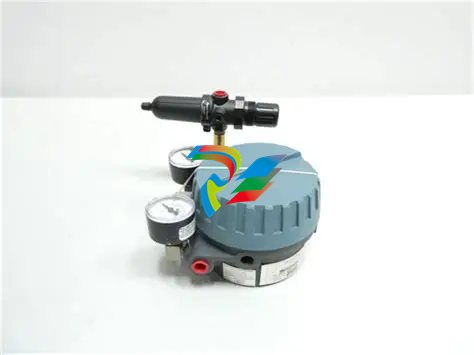 FFOXBORO E69F-TI2-S current pneumatic converter
 -
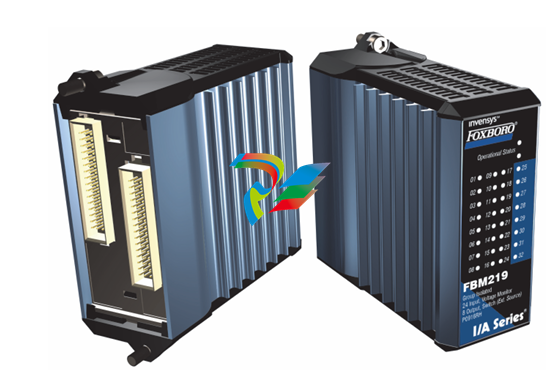 FOXBORO FBM219 RH916RH Discrete I/O Module
 -
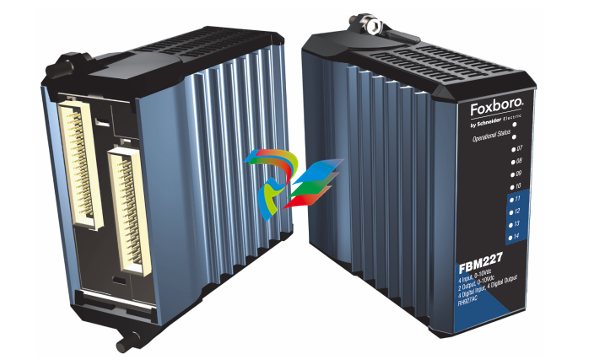 FOXBORO FBM227 P0927AC Module
 -
.jpg) FOXBORO 0399144 SY-0301059F SY-1025115C/SY-1025120E I/O module
FOXBORO 0399144 SY-0301059F SY-1025115C/SY-1025120E I/O module -
.jpg) FOXBORO SY-60399001R SY-60301001RB Industrial Control Module
FOXBORO SY-60399001R SY-60301001RB Industrial Control Module -
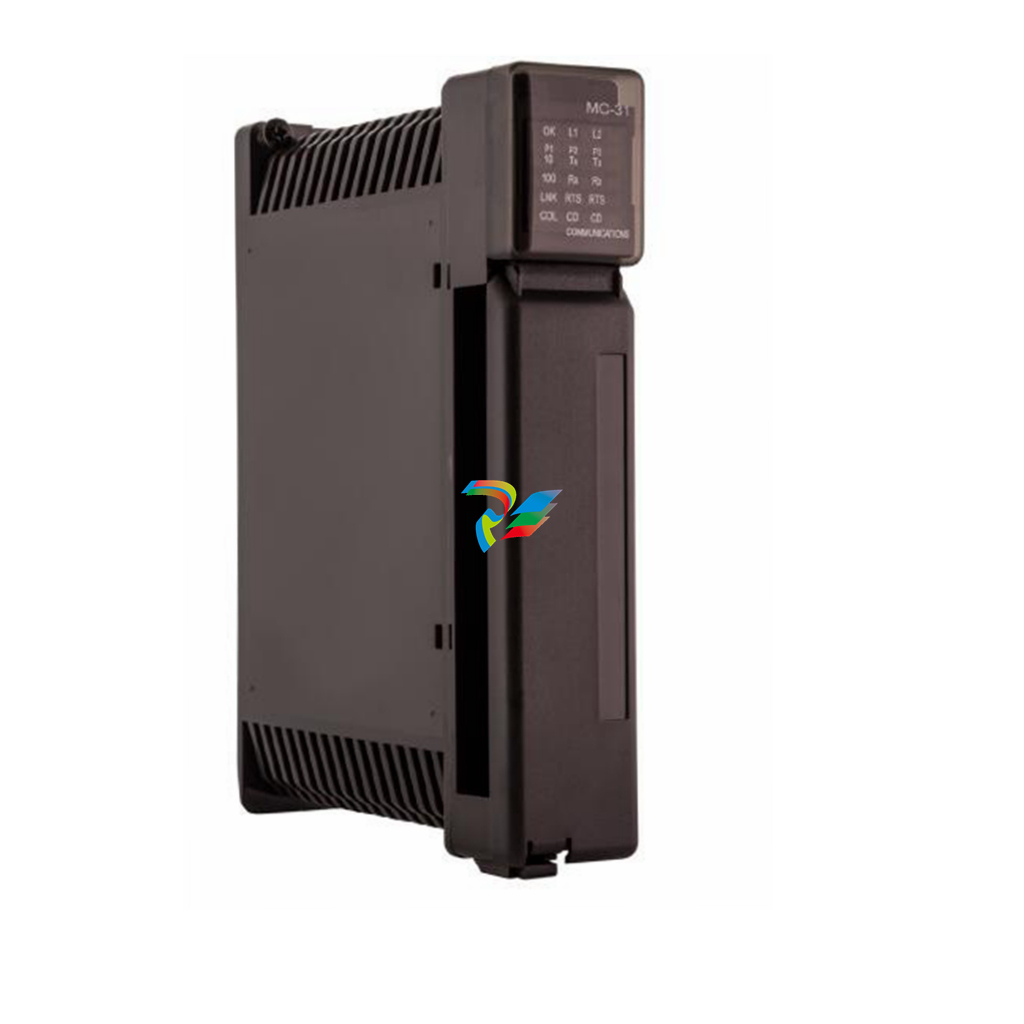 FOXBORO 0399143 SY-0301060R SY-1025115C SY-1025120E Combined control board
 -
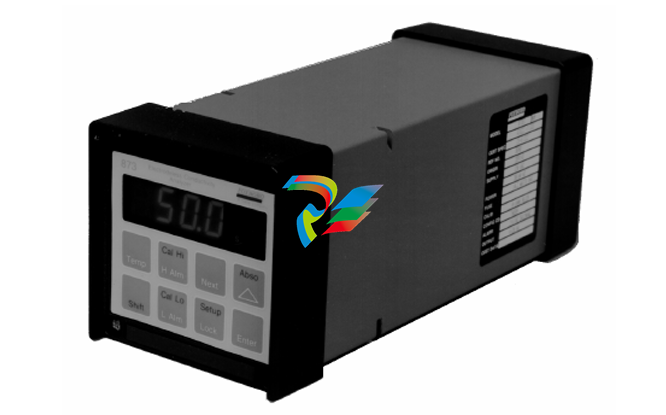 FOXBORO 873EC-JIPFGZ electrodeless conductivity analyzer
 -
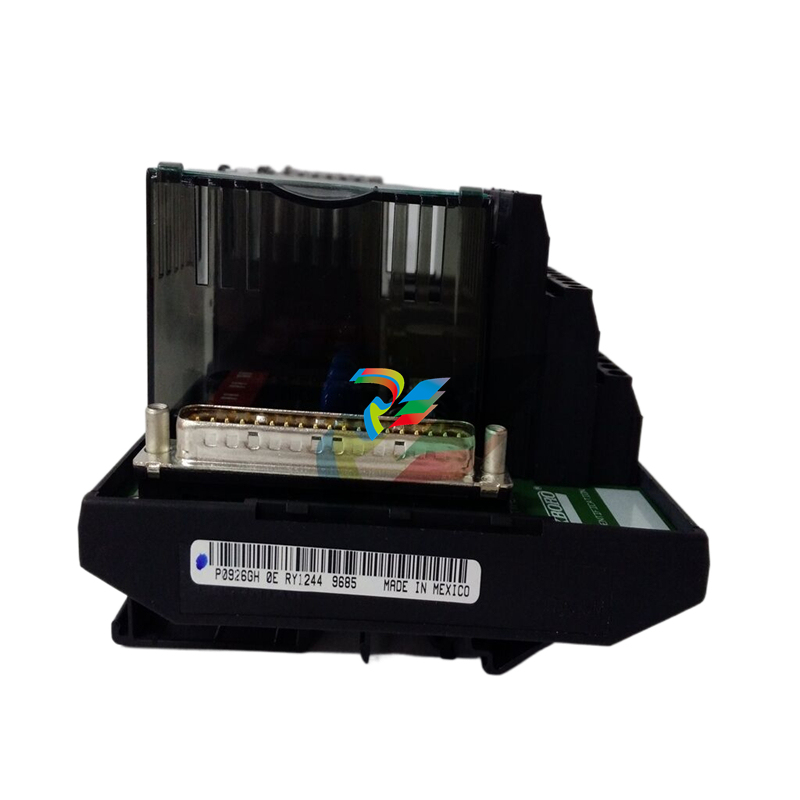 FOXBORO P0916PH (High-density HART I/O Module)
 -
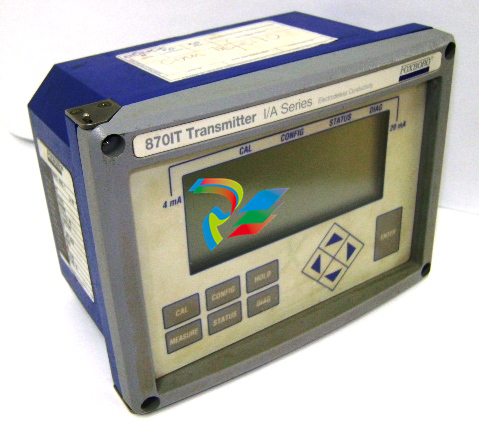 FOXBORO 870ITEC-AYFNZ-7 Intelligent Electrochemical Transmitters
 -
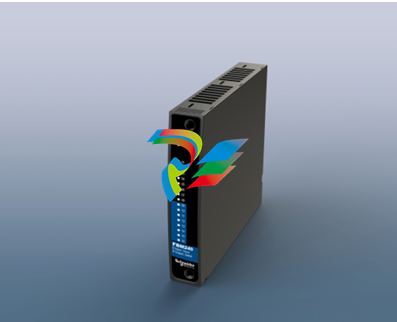 FOXBORO Compact FBM240. Redundant with Readback, Discrete
 -
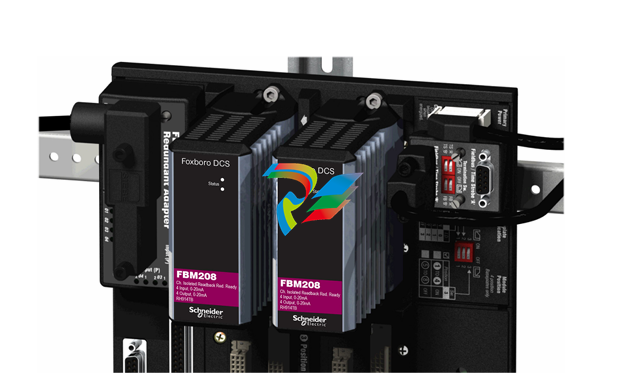 FOXBORO FBM208/b, Redundant with Readback, 0 to 20 mA I/O Module
 -
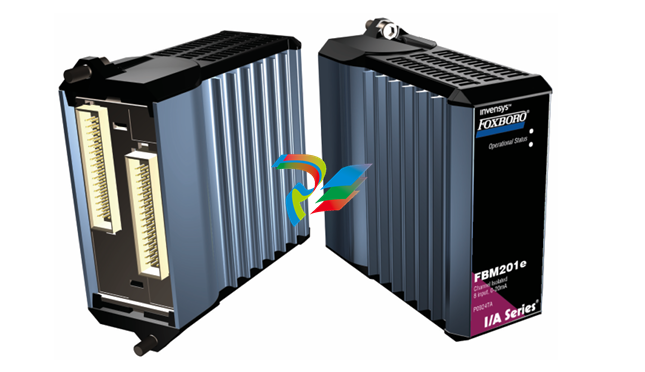 FOXBORO FBM201e Analog Input (0 to 20 mA) Interface Modules
 -
.jpg) FOXBORO P0916WG Terminal cable
FOXBORO P0916WG Terminal cable -
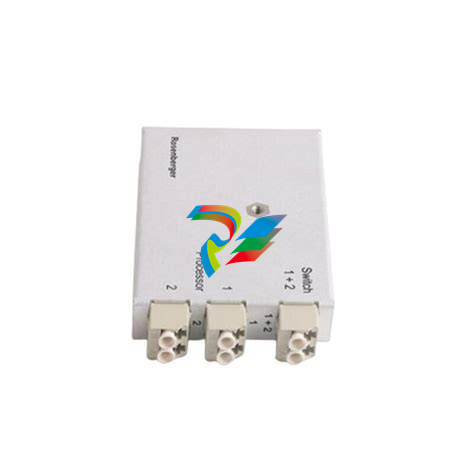 FOXBORO P0926MX 2-Port Splitter
 -
.jpg) FOXBORO AD908JQ High-Frequency Module
FOXBORO AD908JQ High-Frequency Module -
.jpg) FOXBORO AD916CC Processor module
FOXBORO AD916CC Processor module -
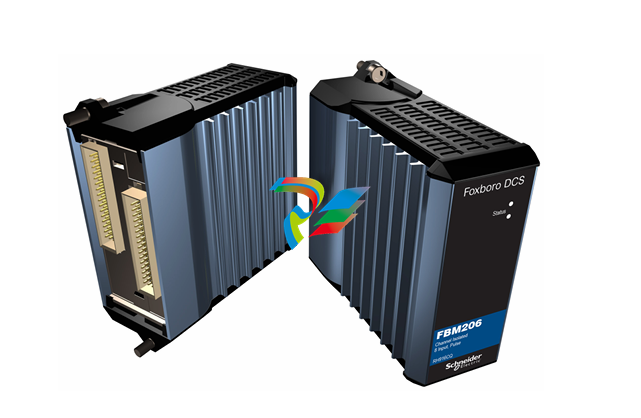 Foxboro DCS FBM206 Pulse Input Module
 -
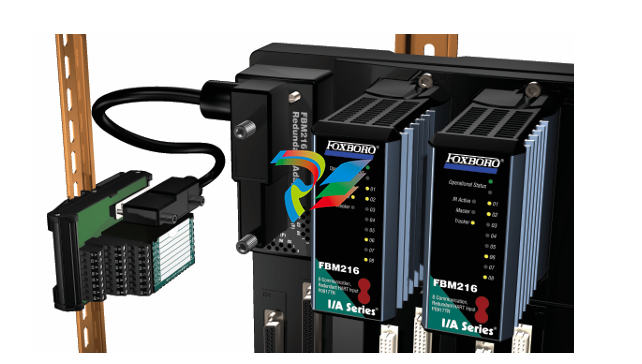 FOXBORO FBM216 HART® Communication Redundant Input Interface Module
 -
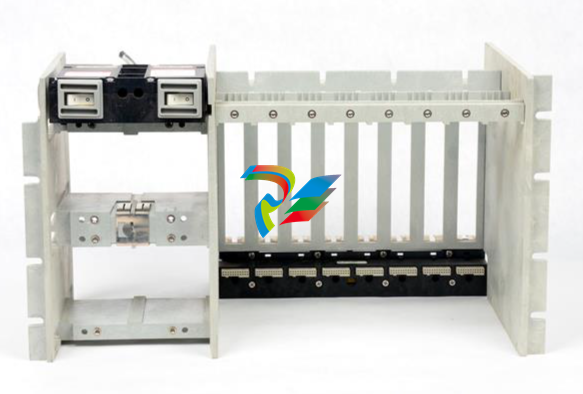 Foxboro p0903nu 1×8 unit sub-component module
 -
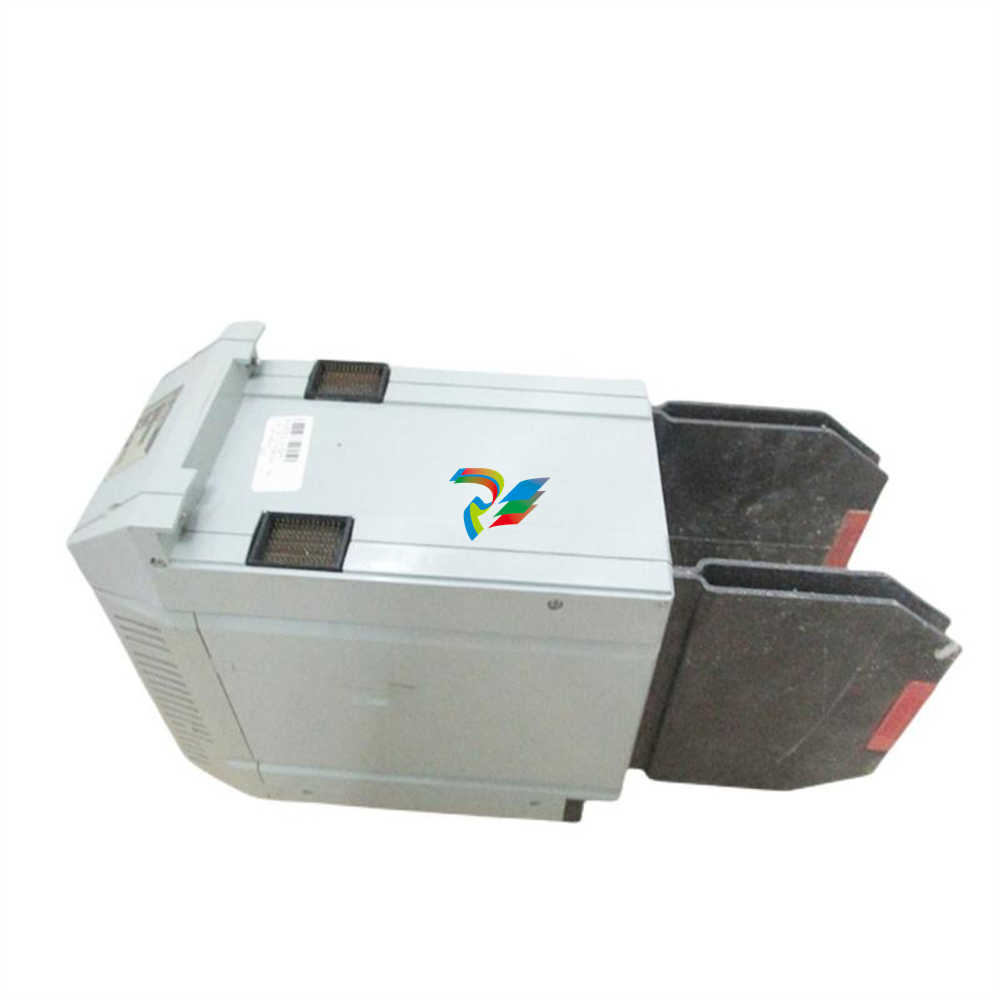 Foxboro P0911SM Industrial control module
 -
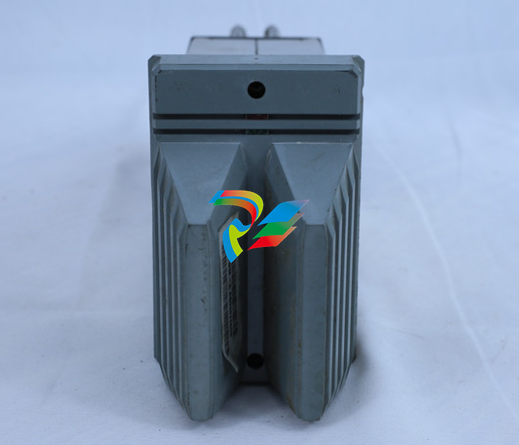 Foxboro CM902WM I/O module
 -
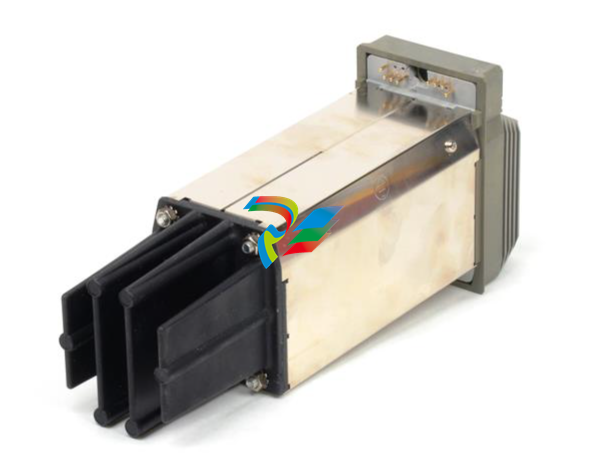 Foxboro CM902WL Power module
 -
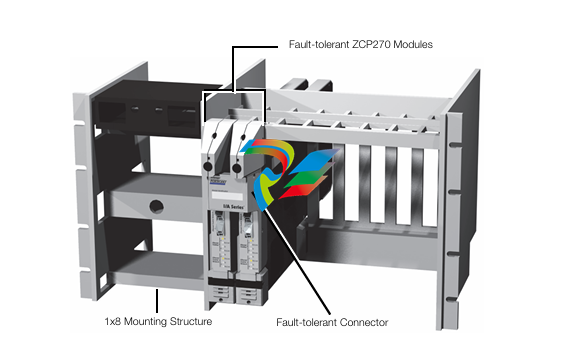 Foxboro P0972VA Industrial Control Module
 -
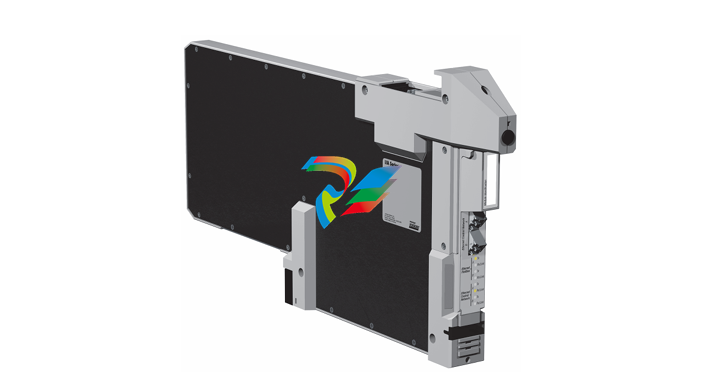 Foxboro Z-Module Control Processor 270 (ZCP270)
 -
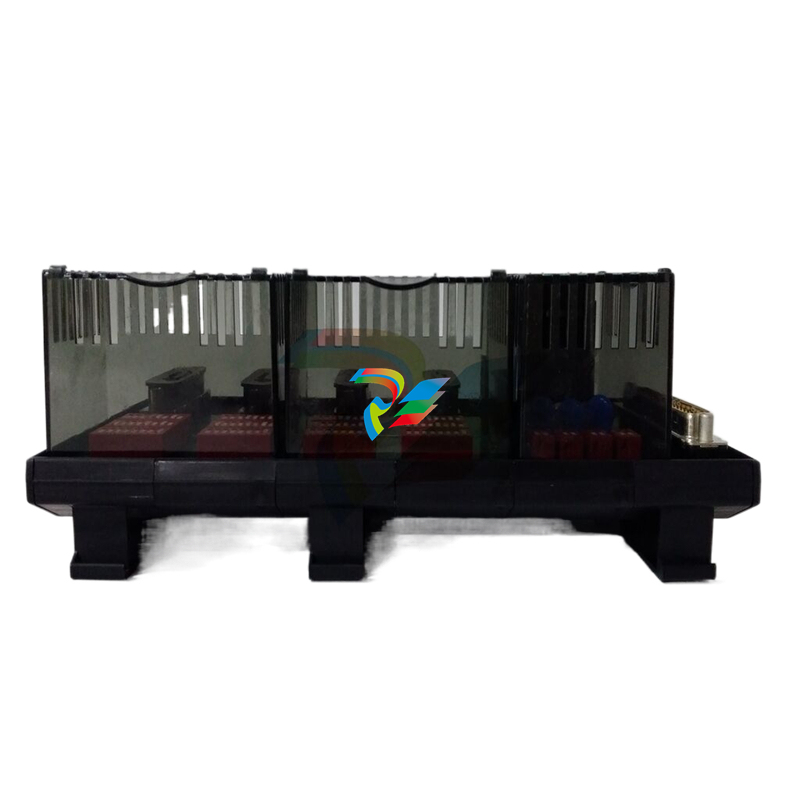 Foxboro PO916JS 16-channel terminal block module
 -
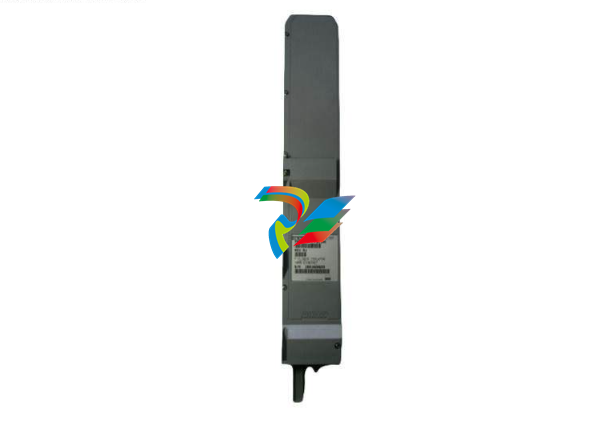 Foxboro PO911SM High-performance digital/analog input/output module
 -
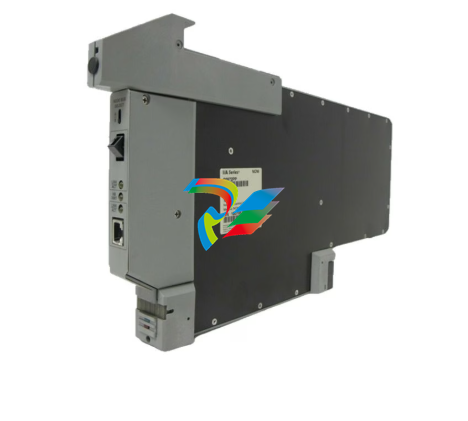 Foxboro P0972PP-NCNI Network Interface Module
 -
.jpg) FOXBORO P0971QZ controller module
FOXBORO P0971QZ controller module -
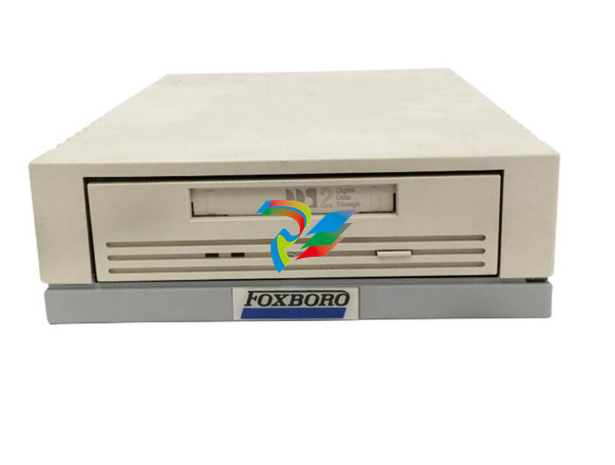 FOXBORO P0971DP Thermal resistance input/output module
 -
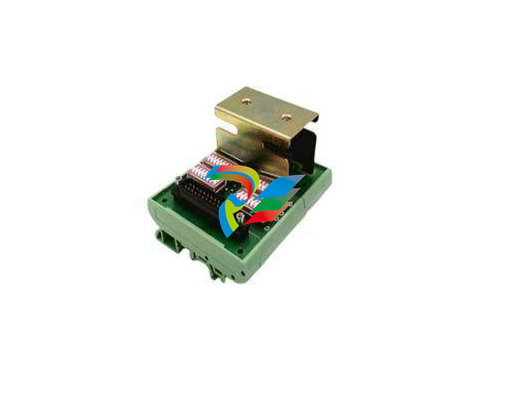 FOXBORO P0970VB Cable connector
 -
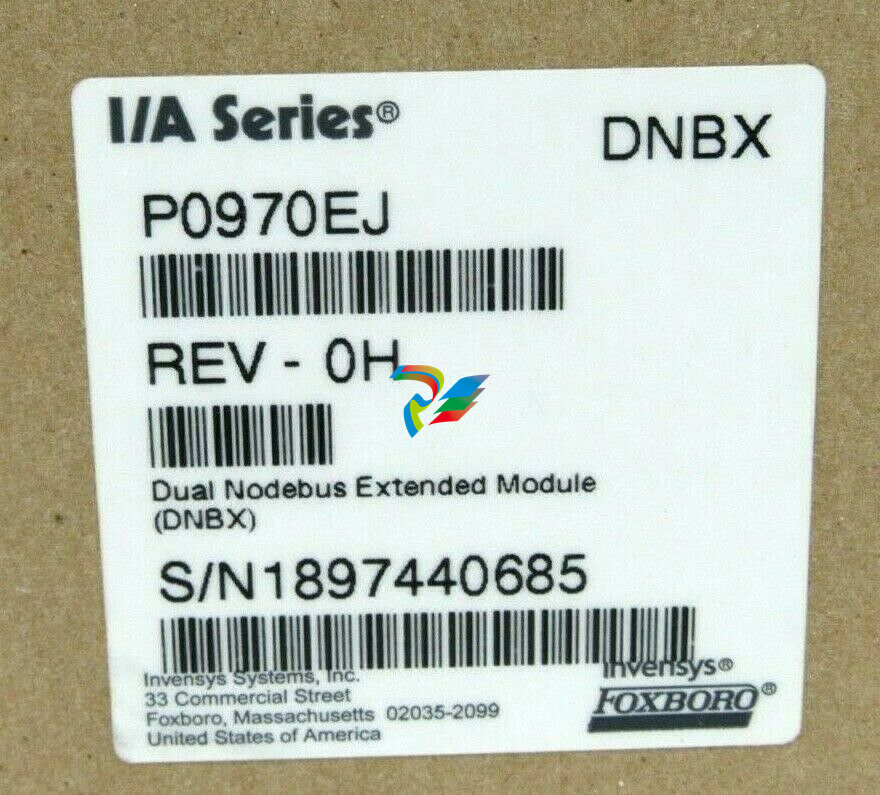 FOXBORO P0970EJ-DNBX Dual-node bus expansion module
 -
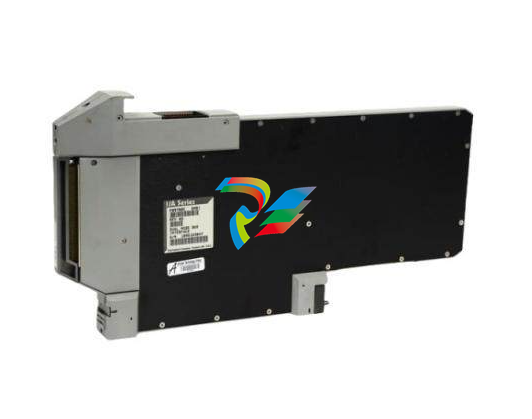 FOXBORO P0970BP Redundant power supply system
 -
.jpg) FOXBORO P0970BC-DNBI DeviceNet bus interface module
FOXBORO P0970BC-DNBI DeviceNet bus interface module -
.jpg) FOXBORO P0961FX-CP60S Main control CPU module
FOXBORO P0961FX-CP60S Main control CPU module -
.jpg) FOXBORO P0961EF-CP30B Network Interface Unit
FOXBORO P0961EF-CP30B Network Interface Unit -
.jpg) FOXBORO P0961CA Optical fiber local area network module
FOXBORO P0961CA Optical fiber local area network module -
.jpg) FOXBORO P0961BD-GW30B gateway processor module
FOXBORO P0961BD-GW30B gateway processor module -
.jpg) FOXBORO P0961BC-CP40B/I/A Series high-performance control processor module
FOXBORO P0961BC-CP40B/I/A Series high-performance control processor module -
FOXBORO P0960JA-CP40 High-performance control processor
-
FOXBORO P0926TM Control module
-
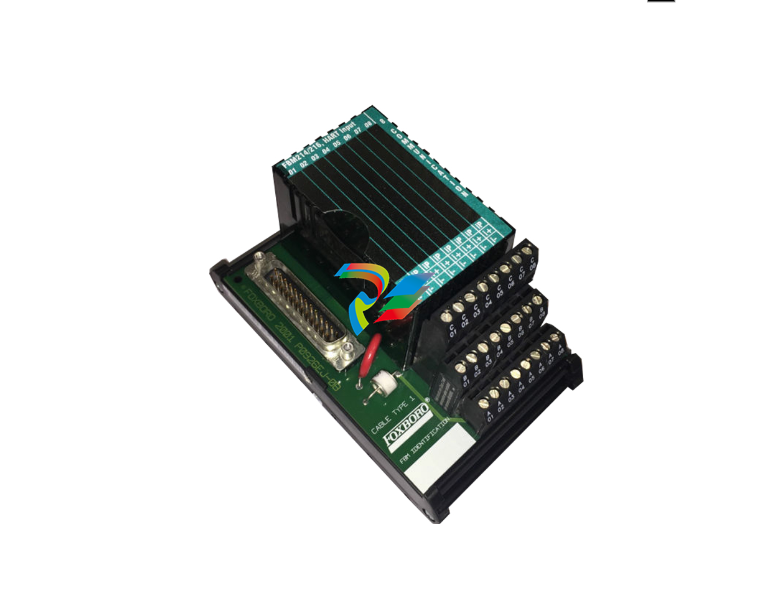 FOXBORO P0916BX Termination Assembly
 -
.jpg) FOXBORO P0916AE P0916AG P0916AW Thermal resistance input type DCS card module
FOXBORO P0916AE P0916AG P0916AW Thermal resistance input type DCS card module -
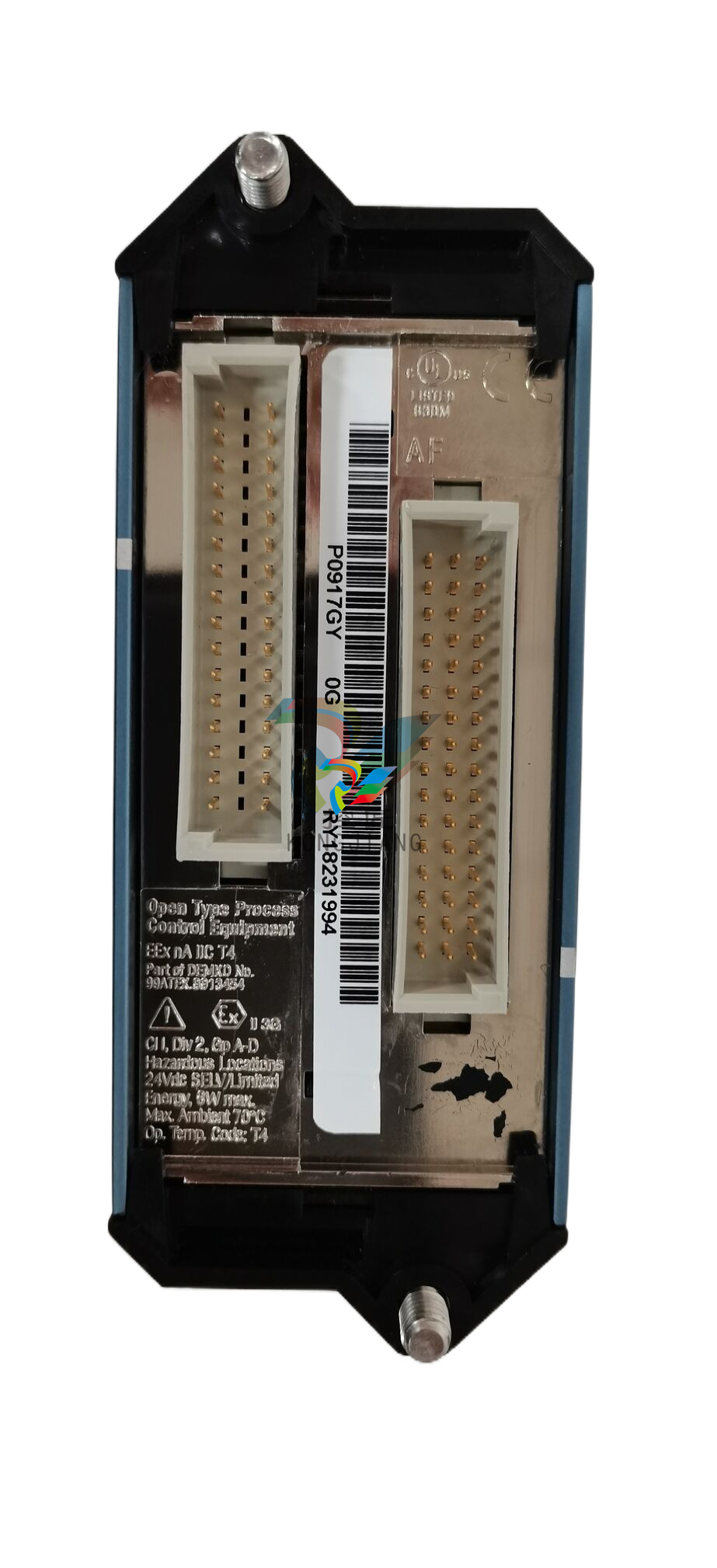 FOXBORO P0916AC FOXBORO distributed control system (DCS) compression terminal assembly
 -
.jpg) FOXBORO P0912CB High-performance interface module
FOXBORO P0912CB High-performance interface module -
.jpg) FOXBORO P0911VJ Thermal resistance input output module
FOXBORO P0911VJ Thermal resistance input output module -
.jpg) FOXBORO P0911QH-A High-precision module
FOXBORO P0911QH-A High-precision module -
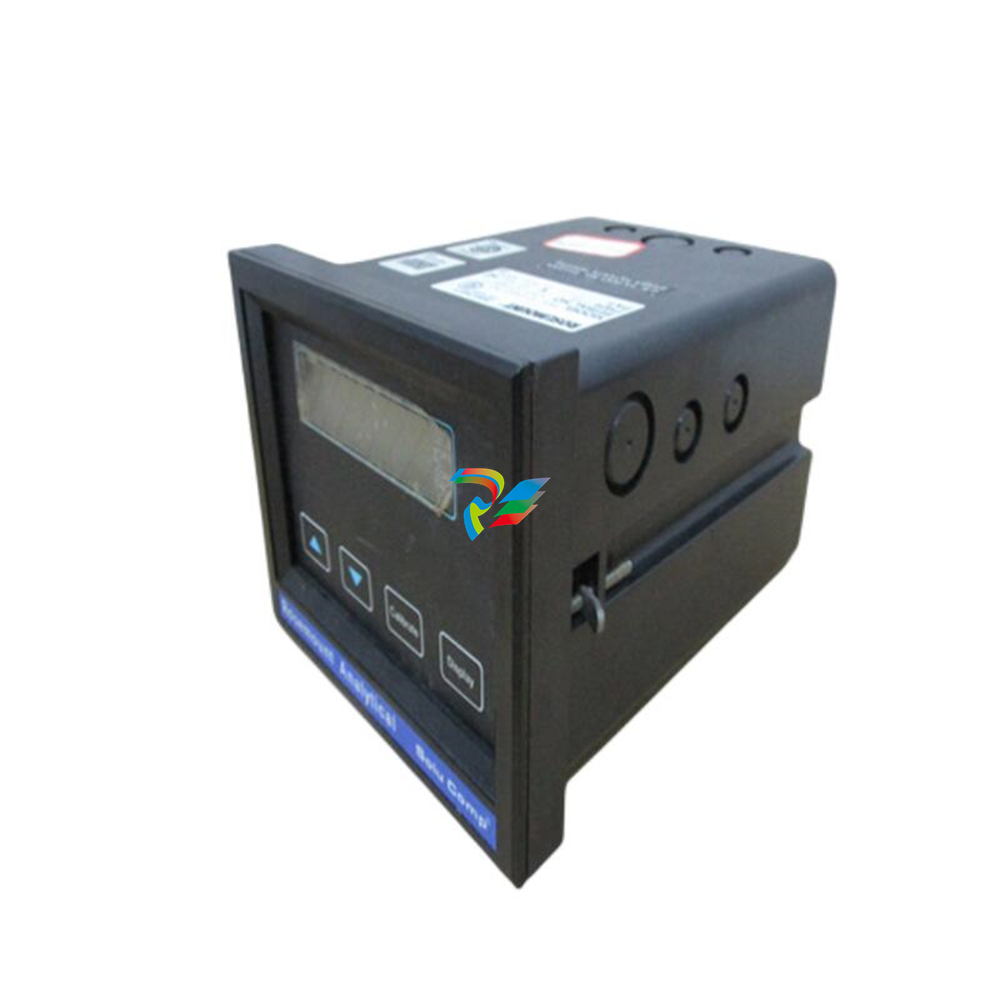 FOXBORO P0911QB-C P0911QC-C Thermal resistance input/output module
 -
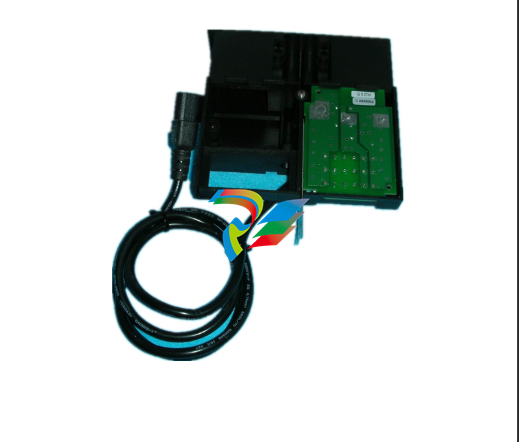 FOXBORO P0904BH P0904FH P0904HB Distributed Control system (DCS) module
 -
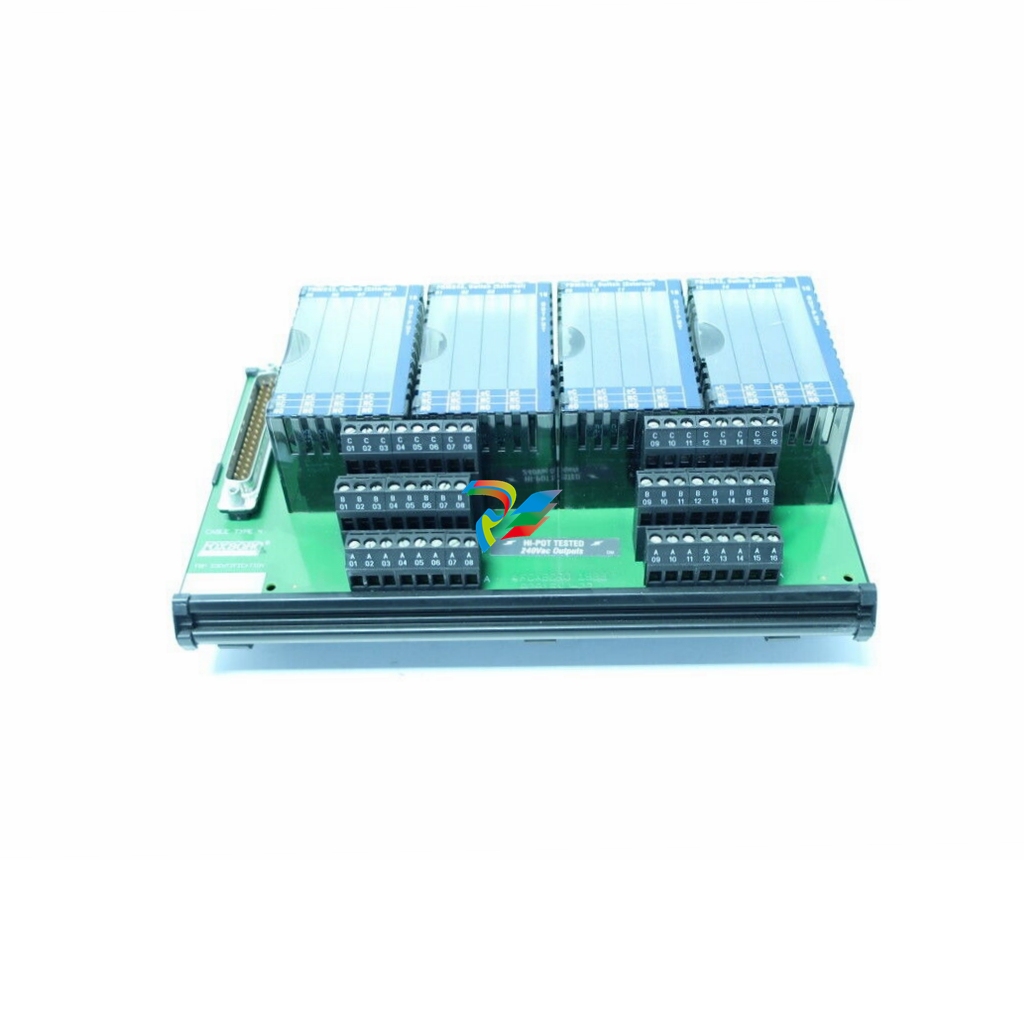 FOXBORO P0903ZP P0903ZQ Embedded System Debugging Module
 -
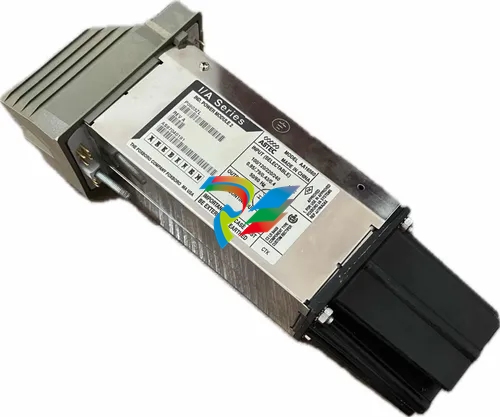 Foxboro P0903ZL P0903ZN Industrial power module
 -
 Foxboro P0903ZE I/A Series Fieldbus Isolator Module
 -
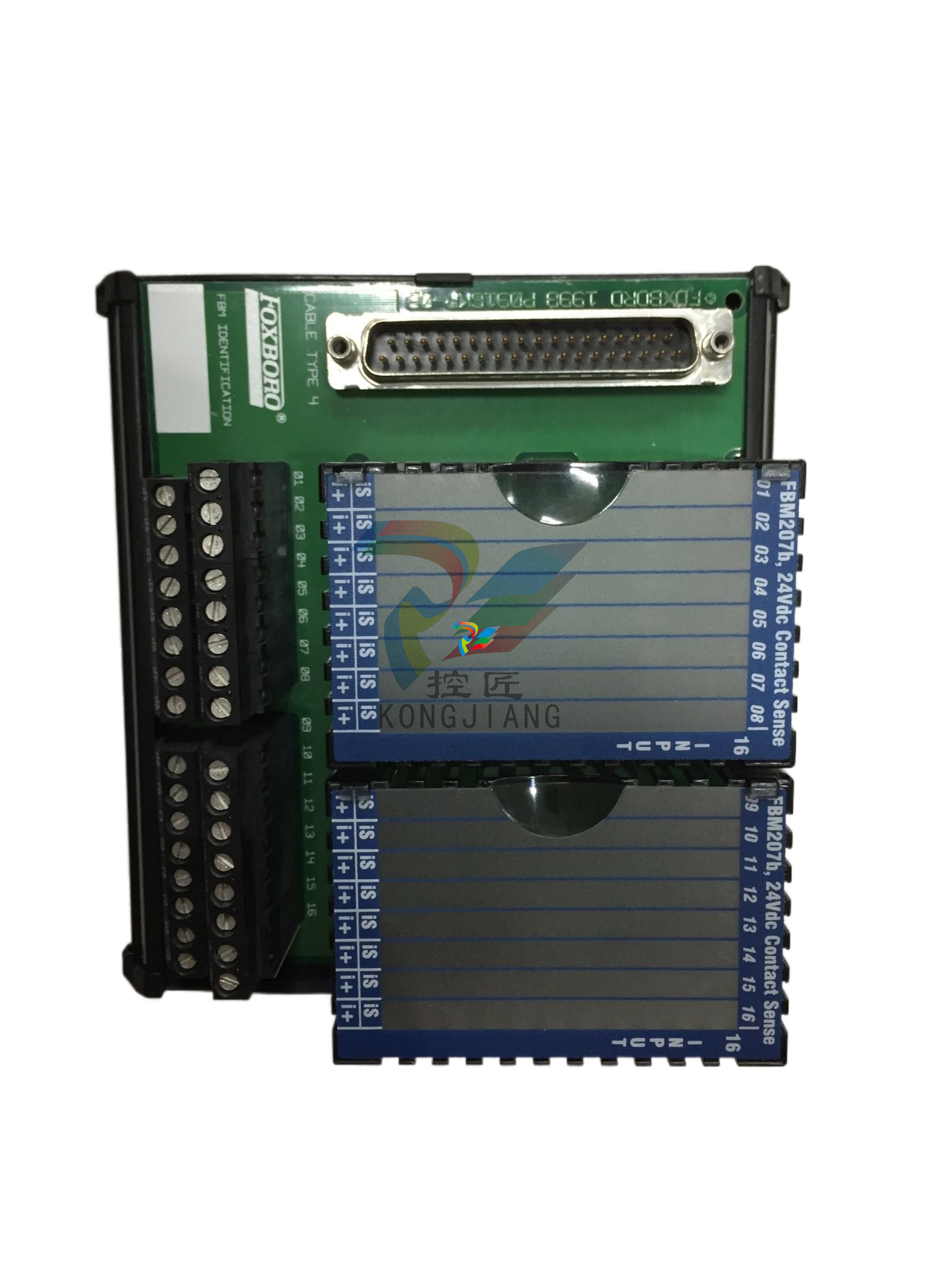 FOXBORO P0903NW Industrial Control Module
 -
.jpg) FFOXBORO P0903NQ Industrial power module
FFOXBORO P0903NQ Industrial power module -
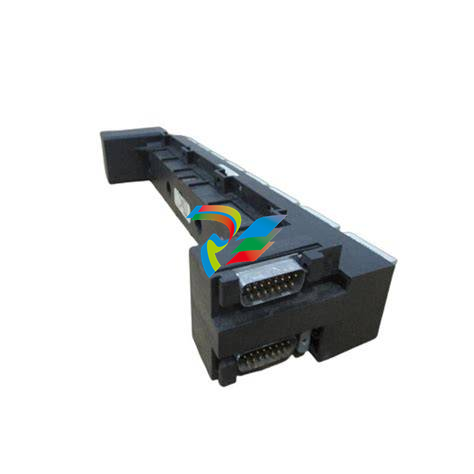 FFOXBORO P0903AA Control Module
 -
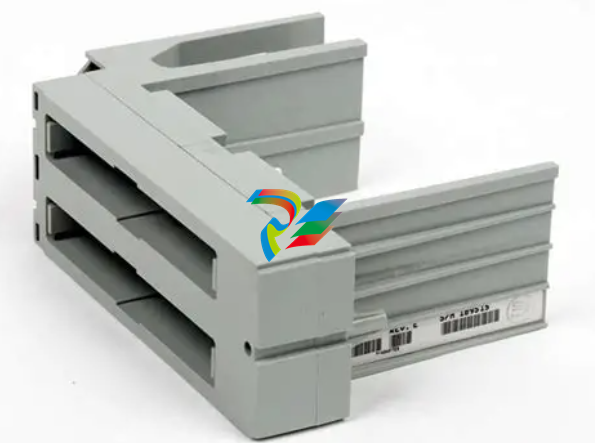 FOXBORO P0400DL Digital output module
 -
.jpg) FOXBORO P0400BJ Digital output module
FOXBORO P0400BJ Digital output module -
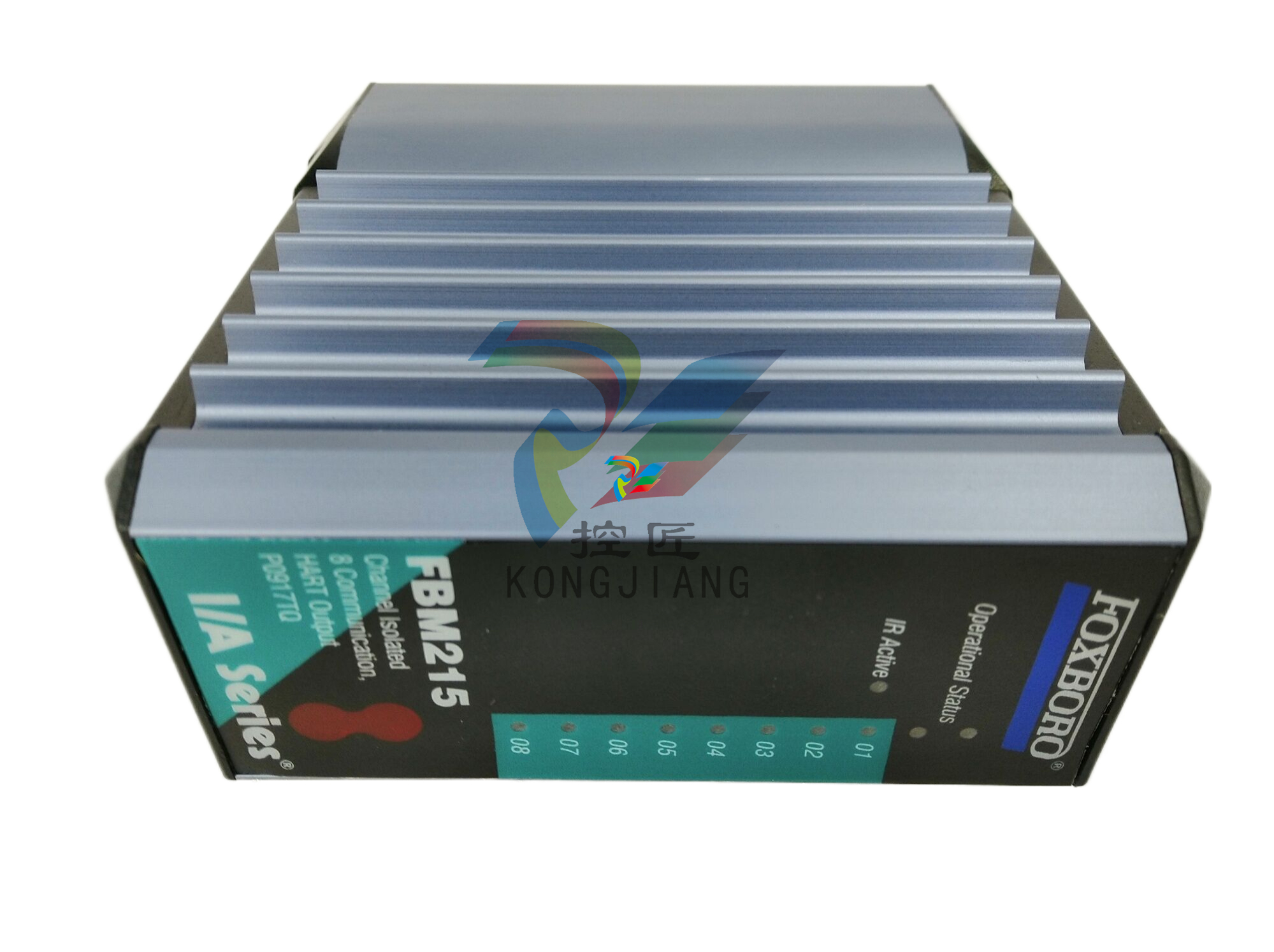 FOXBORO GW30 industrial control module
 -
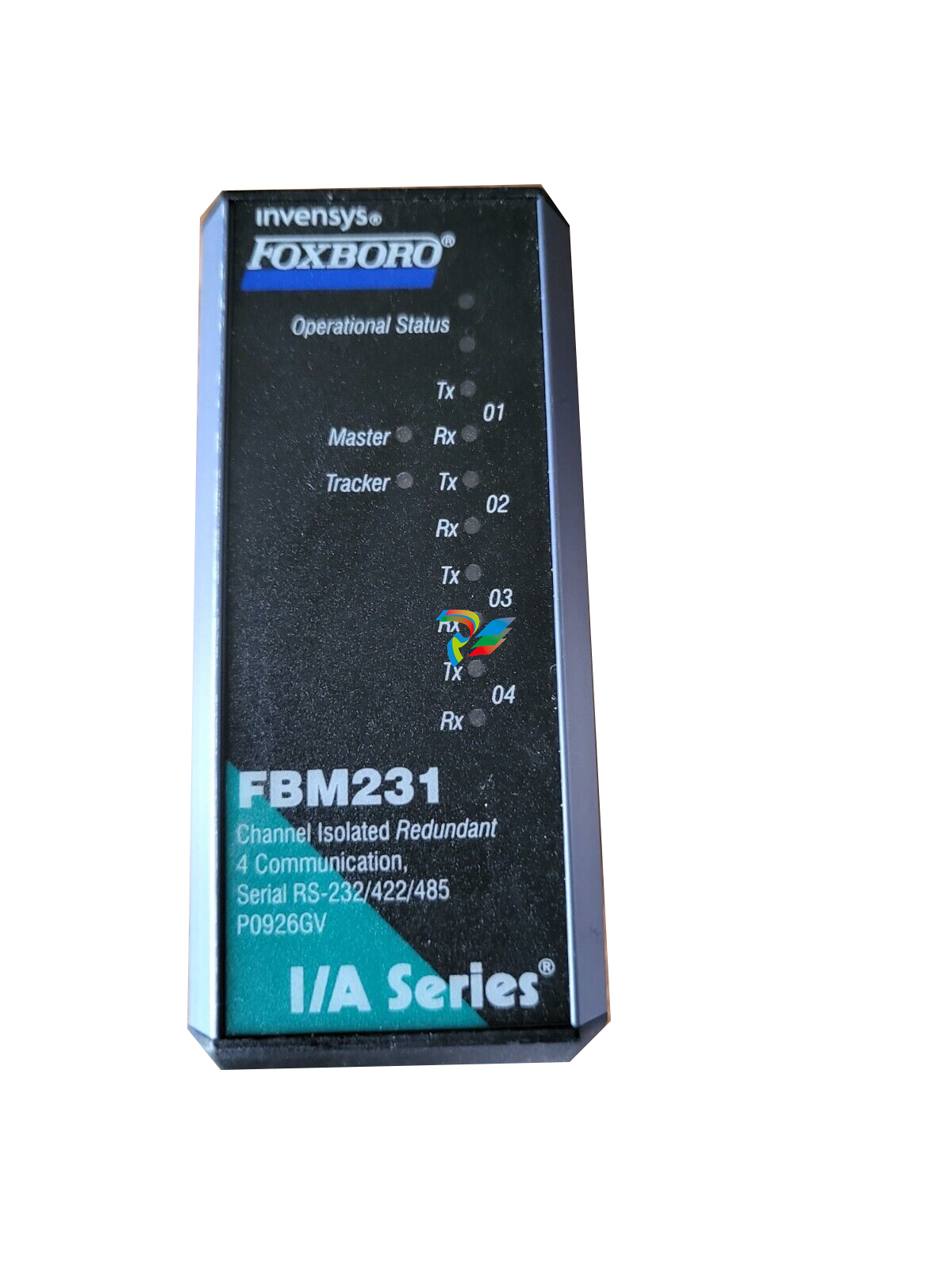 FOXBORO FBM231 Communication Output Module
 -
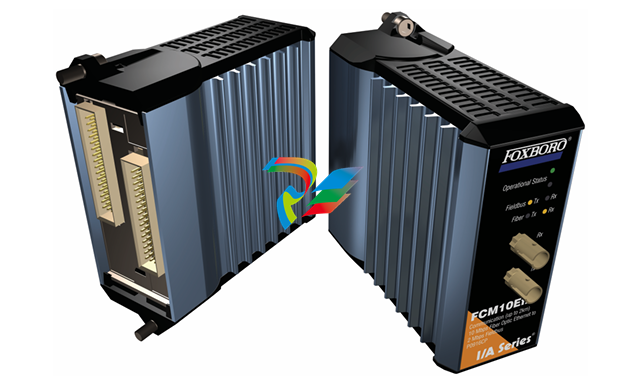 FOXBORO Fieldbus Communications Module, FCM10Ef
 -
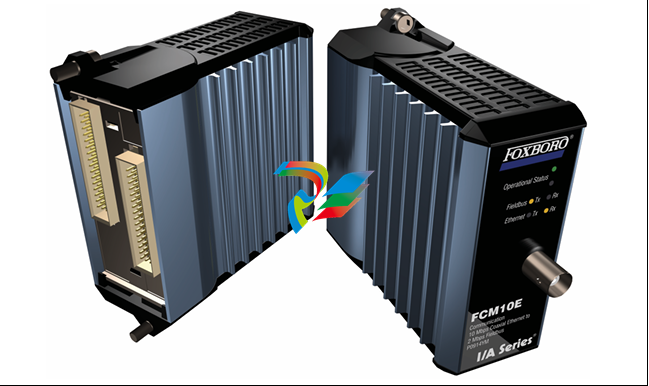 FOXBORO Fieldbus Communications Module, FCM10E