
Understanding the ISA/IEC 62443 Series of Standards

Digital transformation paves the way for businesses to improve efficiency, reduce errors, improve overall equipment effectiveness (OEE) and reduce costs. With the promise of operational technology (OT) advances, comes the need for protecting assets through painstakingly applying cybersecurity principles.
To ensure that businesses are on the same cybersecurity page, a best practice is to adopt and follow established criteria such as the ISA/IEC 62443 series of standards.
The International Society of Automation (ISA) established the ISA99 standards committee in 2002, recognizing the need to secure equipment and operations that comprise U.S. critical infrastructure against cyberattacks. Since then, ISA99 has published a comprehensive family of standards and technical reports purpose-built to address securing automation and control systems.
The ISA/IEC 62443 standards are submitted to the International Electrotechnical Commission (IEC) for global adoption as international standards ISA/IEC 62443. The ISA/IEC 62443 series of standards are endorsed by the United Nations. With use cases from more than 20 different industries, the ISA/IEC 62443 series of standards has demonstrated its utility in all industry verticals that use operational technology systems. In 2021, IEC recognized the series as a horizontal standard, meaning that they have been proven to apply to a broad range of different industries.
The IEC 62443 series of standards addresses cybersecurity for OT in automation and control systems. The series is divided into different sections and describes both technical- and process-related aspects of automation and control system cybersecurity. The series is also known as ISA/IEC 62443 in recognition of the fact that much of the initial development was done by the ISA99 committee of ISA.
Cybersecurity topics are divided by stakeholder category/roles including:
the operator
the service providers (system integration and maintenance)
the component/system manufacturers.
The different roles follow a risk-based approach to prevent and manage security risks in their activities. The ISA/IEC 62443 series of standards defines requirements and processes for implementing and maintaining electronically secure industrial automation and control systems (IACS). These standards set best practices for security and provide a way to assess the level of security performance. Their approach to the cybersecurity challenge is holistic, bridging the gap between OT and information technology (IT) as well as between process safety and cybersecurity.
900 volunteers contribute
Steve Mustard, president of National Automation Inc. and former ISA president (2021) explained the work that goes into creating and maintaining the standards. “It’s not just a standard, it’s a multiple set of documents,” he said. “The first versions were in 2005, ‘06, ‘07 and ‘08, and they’re being updated now because they get updated every five years. It became an IEC standard and incorporated Part 2-4 from IEC into that set.”
Mustard said there are around 900 volunteers from all over the world on the ISA99 committee. “Some write content, some review content and some vote on content. They’re in different companies. They’re asset owners, vendors, consultants and educators. They all contribute their time freely. Not all of them are members of ISA, but we’d like them to be,” he added.
“We also have a lot of experts from government organizations and non-government organizations,” continued Mustard. “They put a lot of time in, continuously developing different parts of the standard and technical reports, which are documents that help explain some of the detail in the normative versions of the standards and how you execute that. It’s a lot of work.”
Currently, there is certification for products and systems, and then the development lifecycle for vendors. These standards set cybersecurity benchmarks in all industry sectors that use IACS, including building automation, electric power generation and distribution, medical devices, transportation and process industries such as oil and gas and chemicals.
“Very soon, there will be a site-level assurance program,” explained Mustard. “Parts 2-1 and 3-3 [of ISA/IEC 62443] and many of the other parts of the standard are covering all the requirements in there, much like ISO27001. All the vendors who come along are providing their pieces, but someone has to put them together. The individual projects are great, but it’s the whole ecosystem that you have to certify or validate that the risk is being managed.”
Communicating with others
Chris McLaughlin, chief information security officer (CISO) at Johns Manville and one of the many ISA volunteers who are developing the standard, said, “I’d love for there to be an ISO certification at some point. What’s important to us is to be able to demonstrate to physical insurance providers that we have a program that’s working. But at the first stages, you’re just focused on getting all the pieces.”
McLaughlin said insurance companies are asking about cybersecurity. At Johns Manville, he said, “Our physical insurance companies have been doing cyber assessments at each one of our plant locations. Those are our big assets. It would be a big loss if you lost a whole production facility; that’s a significant impact, not just a short-term impact. The insurance companies are asking a lot more cyber questions; they’re asking for network maps. I don’t want to give my insurance provider all those details, so we say: ‘We follow these controls. This is how we generally do it, and we have a third party that has audited it.’”
Anna Burrell, an OT cybersecurity consultant with Deloitte, said, “You have to make sure you’re [implementing ISA/IEC 62443] across all of your estate. These cyber incidents don’t care if it’s on a site. It’s going to hit a business and it’s going to either come into your sites and your OT networks and move up, or it’s going to come in the top and move down. So how do you holistically manage all of that risk end to end?”
“ISA/IEC 62443 is a toolset,” explained Burrell. “It’s a standard to give structure and organization in a way that engineers understand. The way you choose to implement those controls works with other policies and standards. It references that it has to work in conjunction with organizational policies and it gives a structure and a common language. It helps people work together to say, ‘How are we going to do this?’”
Burrell said, “You can assure against [62443] because you can check things, but it’s not enforcing how you do things. I think that’s how it’s different and why it applies across industries and sites, projects and organizations. It’s much wider than necessarily some of the more specific [standards].”
The owner/system integrator relationship
Businesses that own automation assets must ensure system integrators are delivering systems that meet specified requirements. System integrators must be involved in the process. Part 2-4 of the standard helps integrators understand the asset owners’ needs so they can convey the essence of those needs to asset owners, which benefits the owner/integrator relationship.
Mustard expressed that Part 2-4 is very much about requirements for system integrators and maintenance providers. “It provides a comprehensive list of requirements that an asset owner would want from a vendor, system integrator or maintenance provider. They’re dealing with multiple organizations, which, without the standard, have their own set of requirements that are similar but not identical. If they all use the same standard, it makes their life a lot easier in terms of responding to the requirements,” he said.
Consider BP, for example, Mustard continued. When they have contracts for work in system integration or maintenance, they develop their own set of requirements that are BP-specific. If you go to Shell, they have their own. They build requirements based on what they have done in the past. They may not necessarily incorporate all the requirements that ISA/IEC 62443 has. “When you have a project, there’s a lot of requirements about basic cyber hygiene you need to do, and those get overlooked sometimes in contracts,” he said.
“If you use ISA/IEC 62443-2-4 as the basis, you have everything covered so you’re not going to forget anything. My recommendation is for asset owners to adopt Part 2-4, and also for the system integrators and maintenance providers to read and understand it and be prepared to respond when asset owners put out a request for services in line with that standard,” Mustard explained.
“The integrator delivers solutions that are meeting those requirements,” explained Burrell. “But ultimately, it’s up to the business who owns these systems to make sure the integrators are delivering systems that meet the requirements to the specified level while testing and validating that the services and the maintenance contracts have been done to meet the requirements and manage that risk across the business.”
“The integrators must deliver solutions to meet the requirements, to make sure that the technology can be implemented securely, or the components are certified and meeting those objectives,” Burrell continued. “But as an asset owner, you have to put that technology into your organization in the right way, make sure it’s meeting your need, and ensure the risk is being managed so that these systems are operating correctly while keeping yourselves safe and production working.”
Final thoughts
Training people on ISA/IEC 62443 is an ongoing task. “We find that there’s a shortage of talented people in this space,” said Andre Ristaino, managing director at ISA. “We’ve been funding the development of training classes. For product suppliers, there’s a class called ‘IC47.’ It covers the standards associated with product development. It’s a three- or four-day class, and it also has modules that address requirements for product assessors. We saw that there was a gap with the product assessors at our certification bodies. We’re trying to fill that void as well, and we expect to do additional training in the future.”
“The ISA/IEC 62443 series of standards is out there and information about what needs to be done by asset owners, system integrators and product suppliers is all in there,” said Mustard. “I think people need to follow it. I think product suppliers and system integrators need to do it regardless of whether asset owners ask them to do it because it’s the right thing to do. I think asset owners need to understand the totality of what they need to do, and it’s in there. Certification programs will help provide the verification that it’s being done.”
“Things have improved a lot,” continued Mustard. “A few years ago, we would be talking about 62443 and half the audience wouldn’t have known what it was. It’s encouraging to see so many people who already understand it, and where people are actually applying it and doing real practical things with it. I’m encouraged by that, but we still have a long way to go.”
Additional Resources on ISA/IEB 62443
More information on the ISA/IEC 62443 series of standards can be found on the ISA website. There you will find links to the following resources.
Published Standards and Technical Reports
ISA Cybersecurity Certificate Training Program
ISA Global Cybersecurity Alliance (ISAGCA) website
Quick Start Guide to ISA/IEC 62443
Guide to Security Lifecycles in ISA/IEC 62443
IACS Taxonomy Glossary
IACS Principal Roles and Responsibilities
Overview of ISASecure Certification for ISA/IEC 62443
IoT Security Maturity Model: 62443 Mappings for Asset Owners and Product Suppliers
ISASecure website for Supplier and Product Certification
This feature originally appeared in AUTOMATION 2024: 1st Annual OT Cybersecurity Trends Report.
-
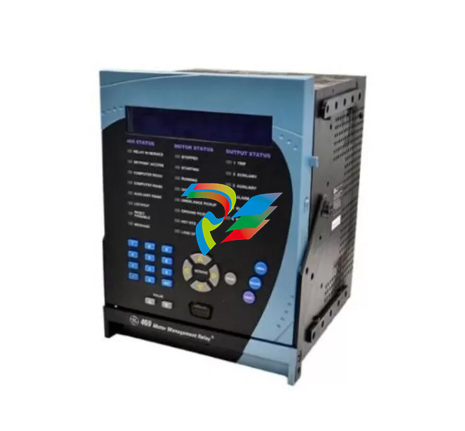 GE SR745-W2-P1-G1-HI-A-L-R-E Feeder protection relay
 -
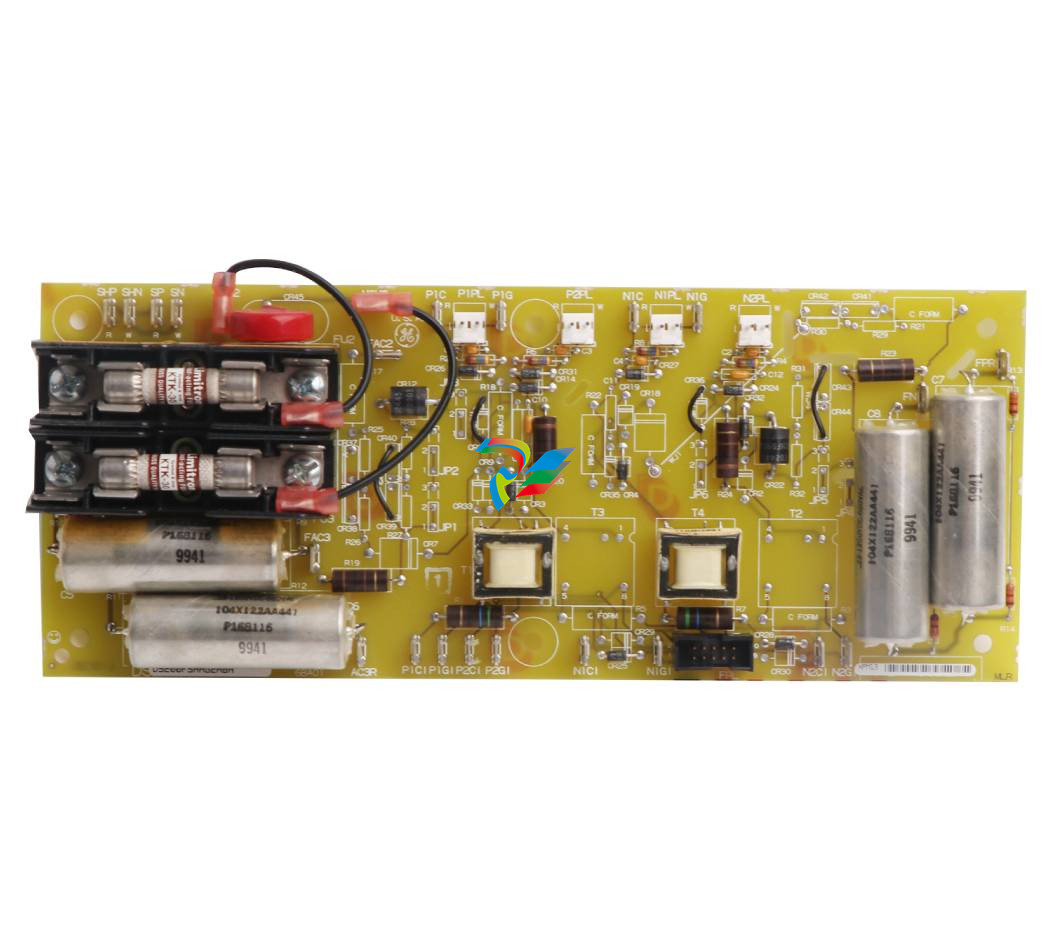 GE IS230TNDSH2A Discrete Output Relay Module Brand
 -
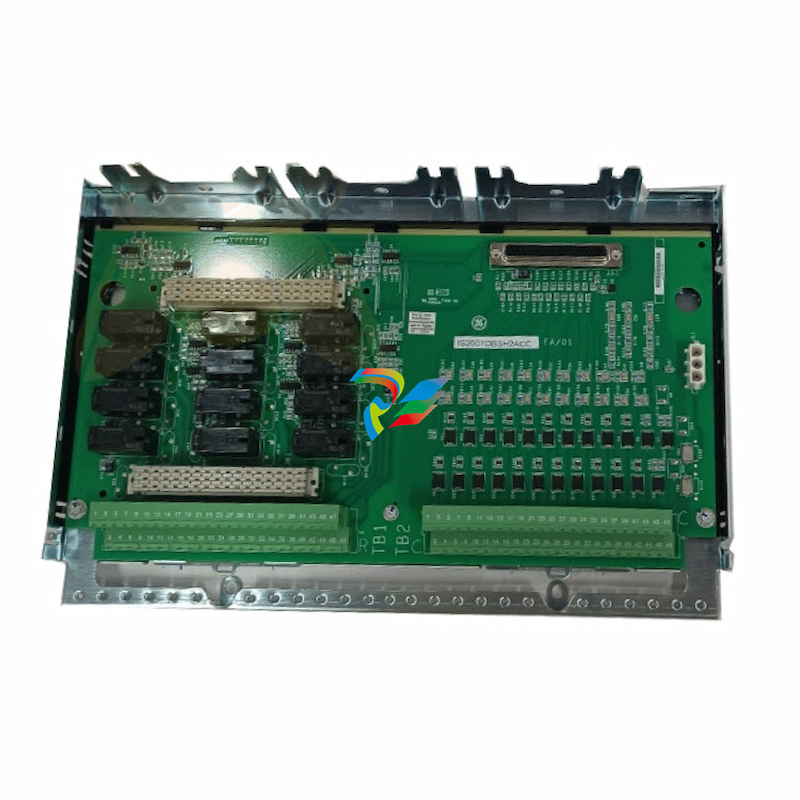 GE Fanuc IS200TDBSH2ACC Mark VI Terminal Board Brand
 -
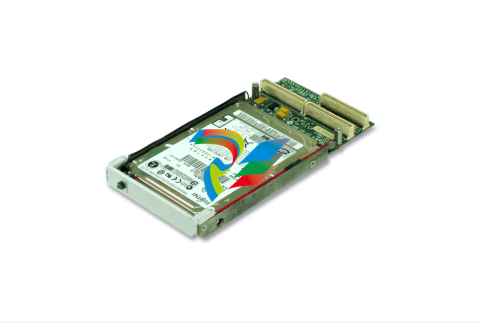 GE PMC-0247RC-282000 350-93750247-282000F Disk Drive
 -
GE PMC-0247RC-282000 350-93750247-282000F Disk Drive
-
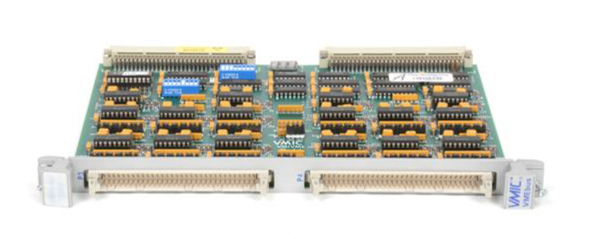 GE VMIVME-1150 Serial Communications Controller
 -
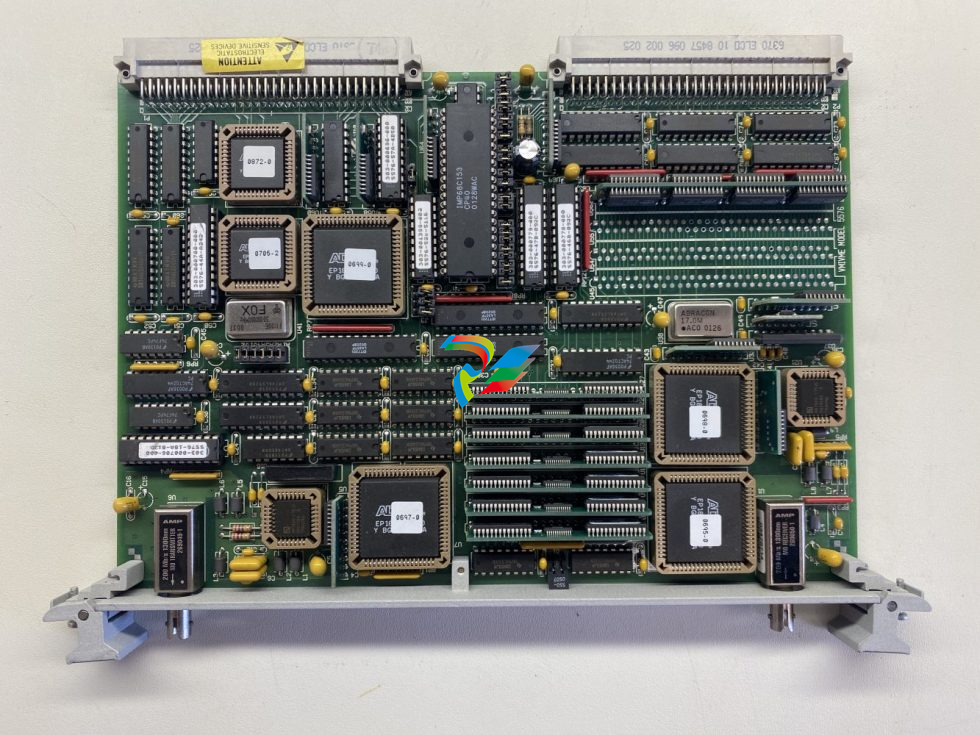 GE VMIVME-5576 Fiber-Optic Reflective Memory with Interrupts
 -
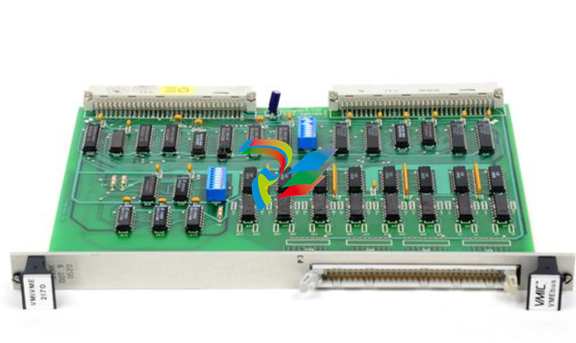 GE VMIC Isolated Digital Output VMIVME-2170A
 -
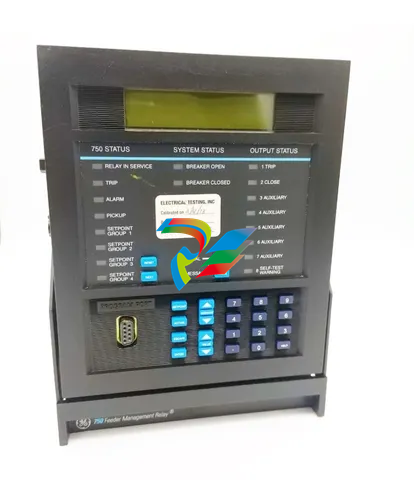 GE MULTILIN 760 FEEDER MANAGEMENT RELAY 760-P5-G5-S5-HI-A20-R-E
 -
 GE IS200AEPAH1BKE IS215WEPAH2BB Printed circuit board
 -
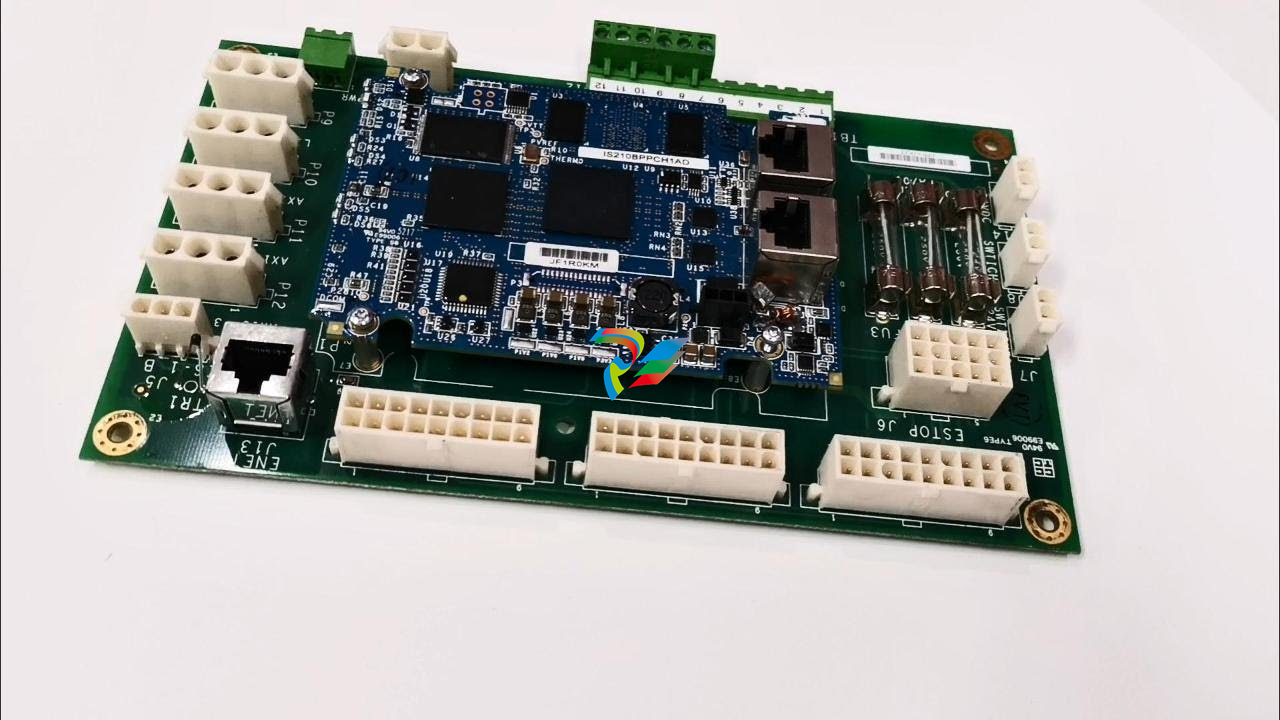 GE IS210BPPCH1A Mark VIe I/O Pack Processor Card
 -
 GE IS220PRTDH1A 336A4940CSP6 High-Performance RTD Input Module
 -
GE IS220PDIAH1BE 336A5026ADP4 Discrete Input Module
-
 GE IS420ESWBH3A IONET Switch Module
 -
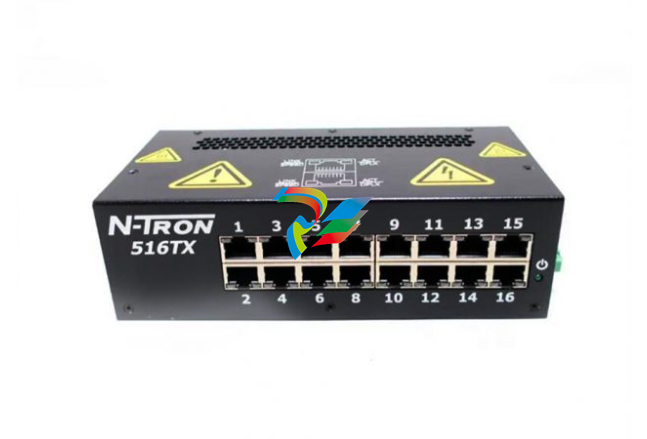 GE 516TX 336A4940DNP516TX 16-port Ethernet switch
 -
 GE EVMECNTM13 Embedded control module
 -
 GE EVPBDP0001 EVPBDP032 control module
 -
 GE Hydran M2-X Enhanced Monitoring with Extended Sensor Life
 -
 GE UR6CH Digital I/O Module
 -
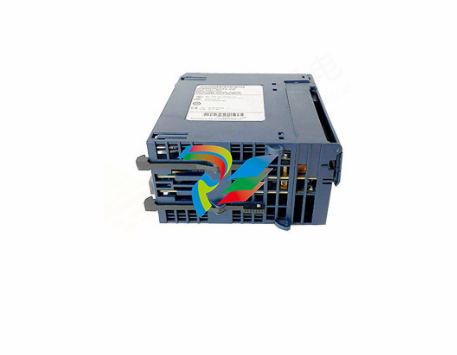 GE IC695CPU315-CD Central processing unit
 -
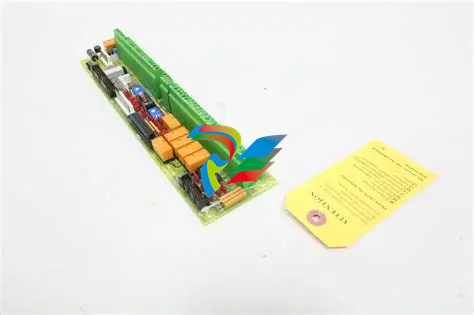 GE 531X305NTBAMG1 DR Terminal Board
 -
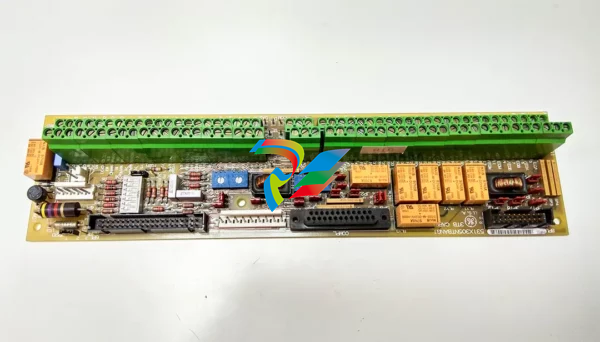 GE 531X305NTBALG1 NTB/3TB Terminal Board 531X Series
 -
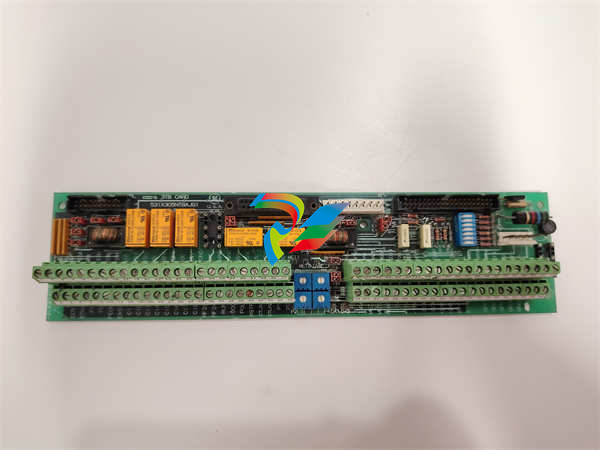 GE 531X305NTBAJG1 NTB/3TB Terminal Board.
 -
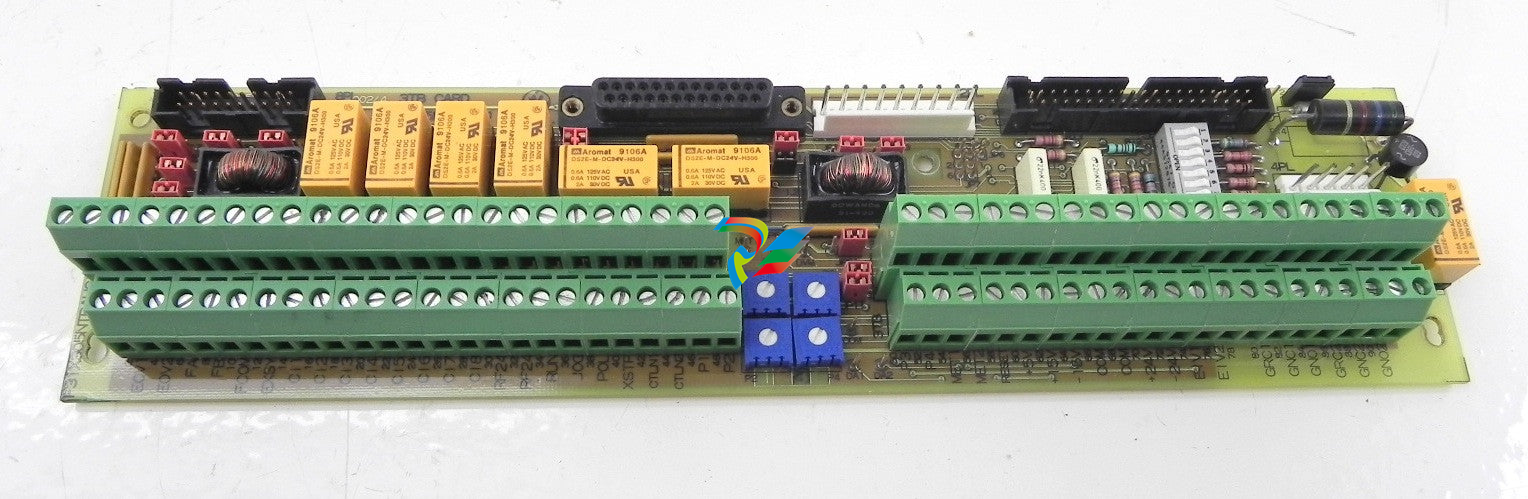 GE 531X305NTBAHG1 NTB/3TB Terminal Board 531X
 -
 GE 531X305NTBAEG1 is a PCB that functions as a DR terminal board.
 -
General Electric 531X305NTBACG1 NTB/3TB Terminal Board 531X
-
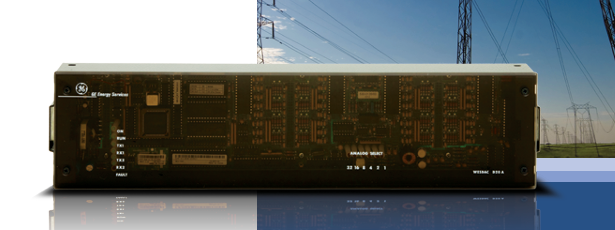 GE Digital Energy D20 Analog Input Module
 -
 GE 94-164136-001 main board Control board
 -
 GE 269 PLUS-D/O-100P-125V Digital motor relay
 -
 GALIL DMC-9940 High-performance motion controller
 -
 FUJI NP1BS-08 base plate
 -
 FUJI NP1Y32T09P1 Transistor drain type digital output module
 -
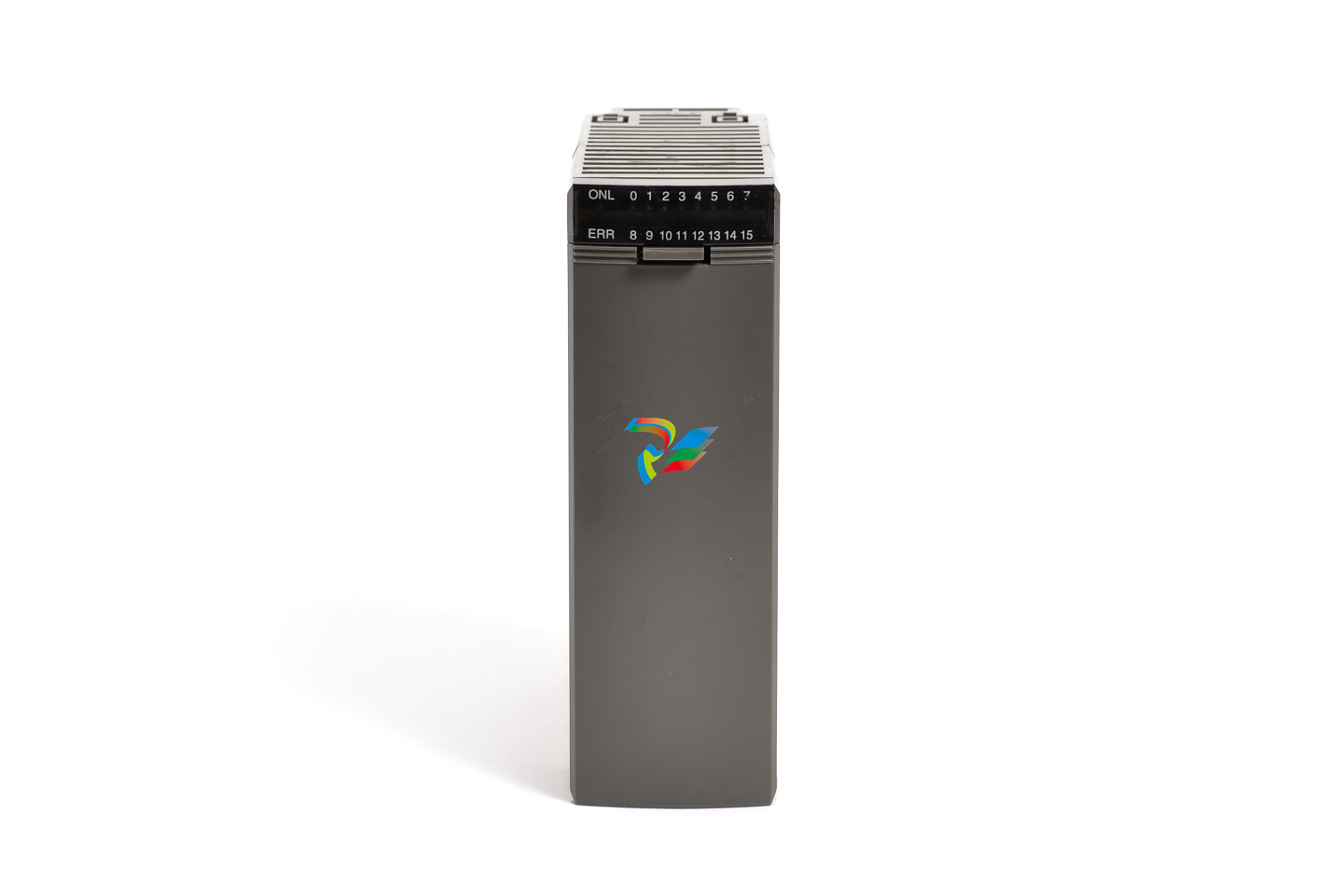 FUJI NP1Y16R-08 Digital Output Module
 -
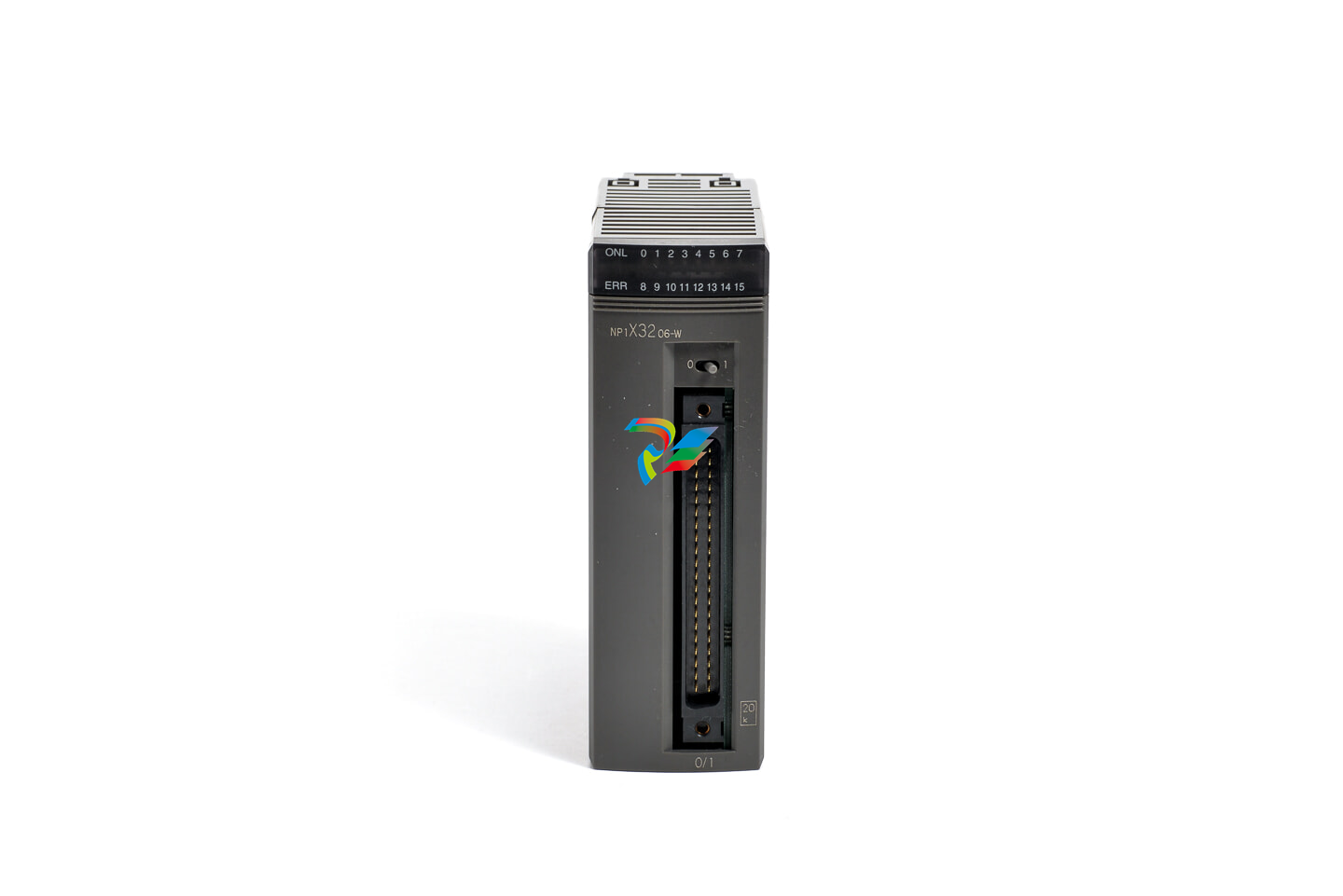 FUJI NP1X3206-A High-speed digital input module
 -
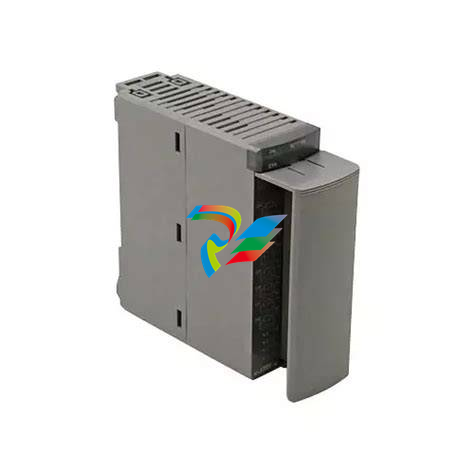 FUJI NP1AYH4I-MR current output module
 -
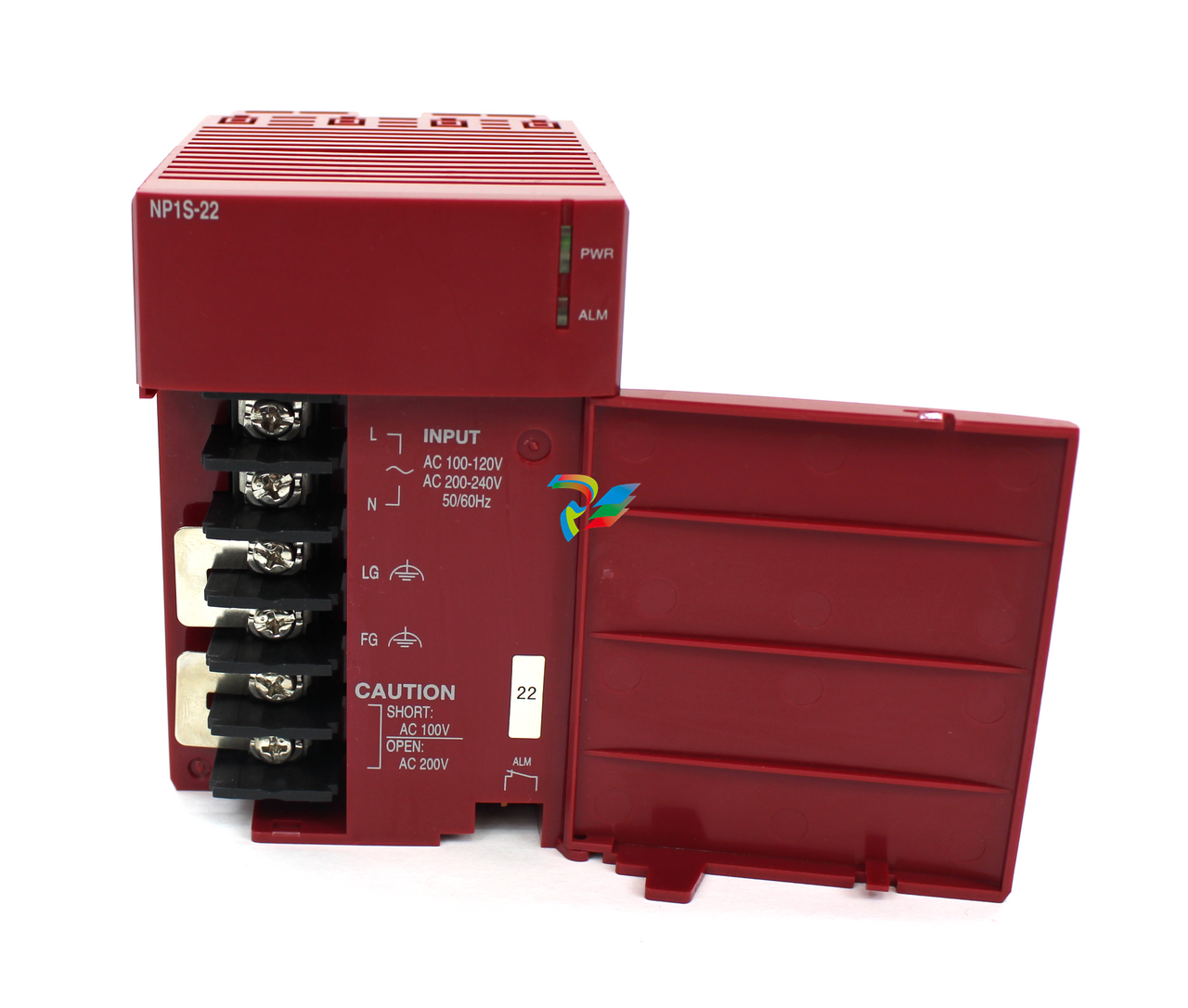 FUJI NP1S-22 Power module redundancy
 -
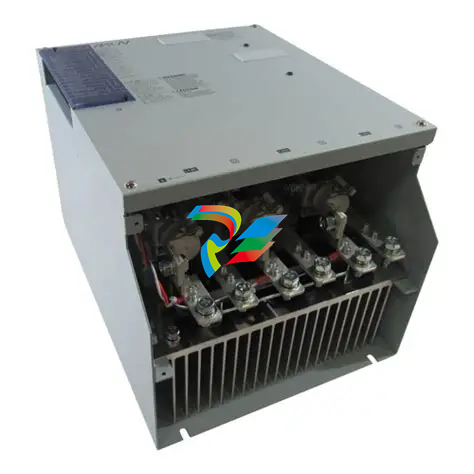 FUJI RPXD2150-1T servo drive module
 -
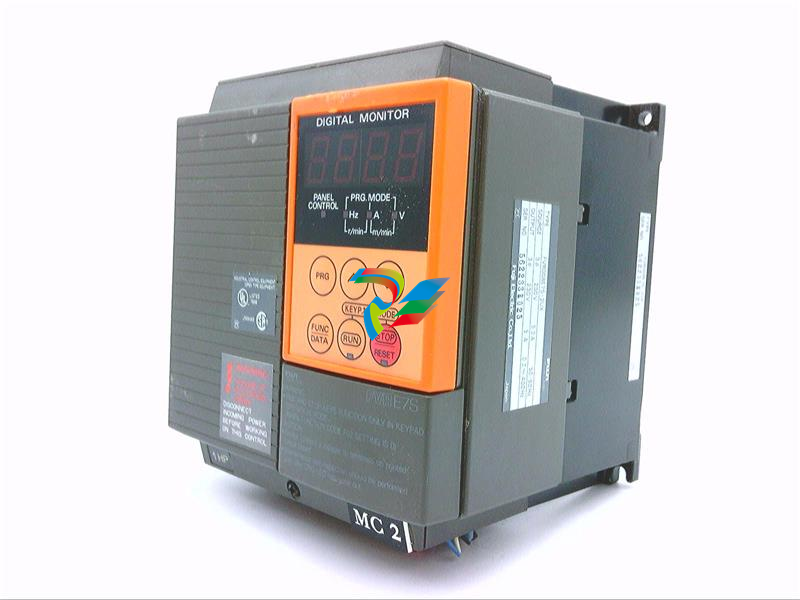 FUJI FVR008E7S-2UX Ac frequency converter
 -
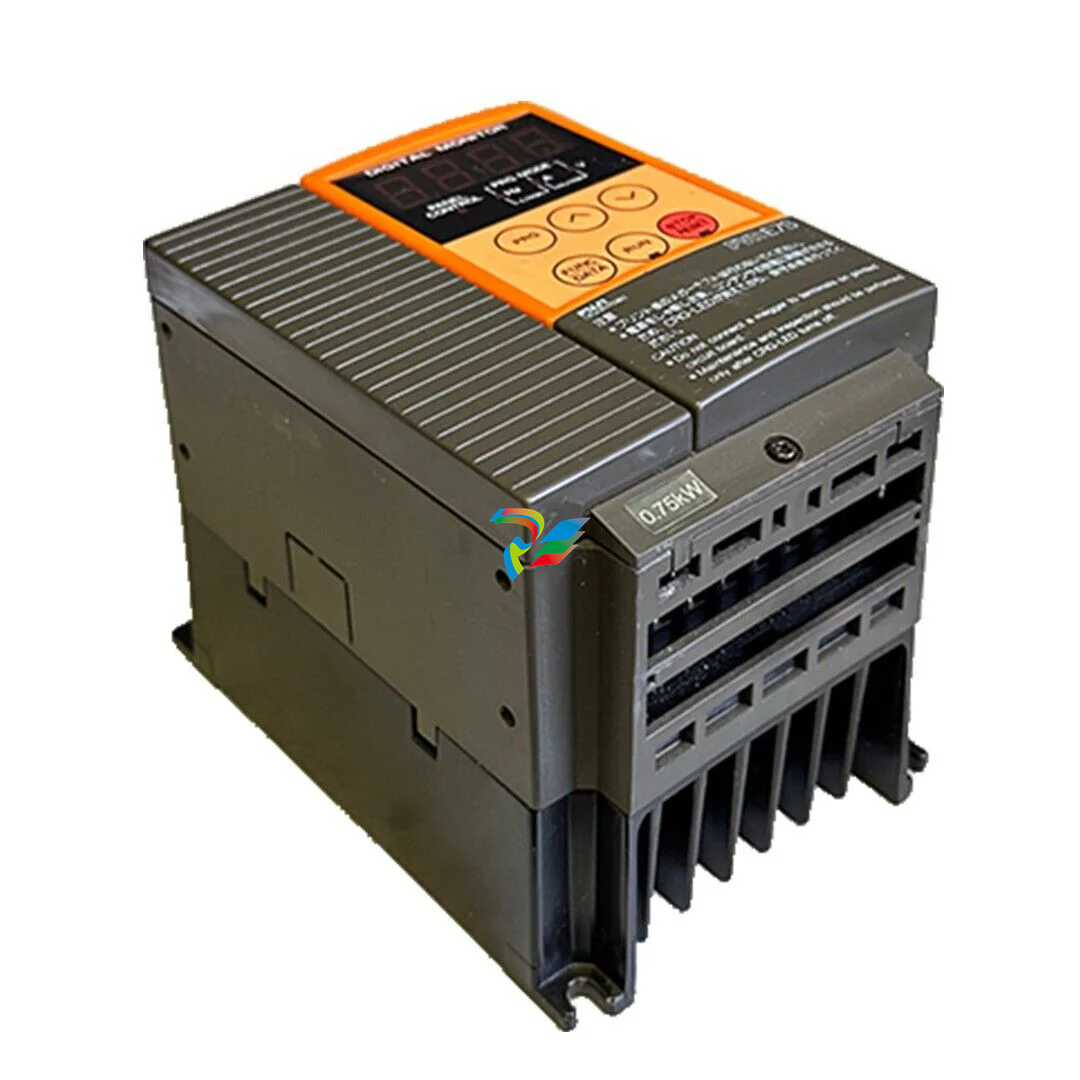 FUJI Ac frequency converter FVR008E7S-2
 -
 FUJI FVR004G5B-2 Small general-purpose frequency converter
 -
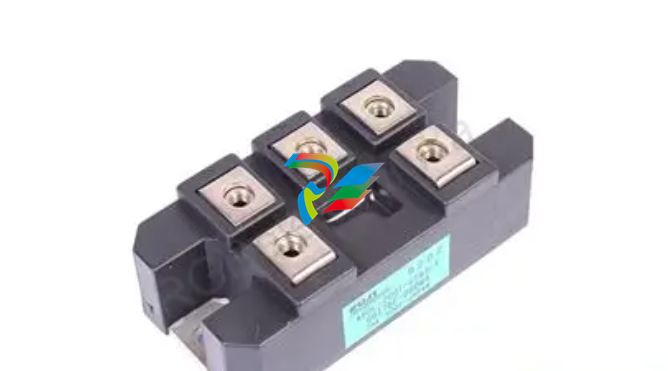 FUJI A50L-2001-0232 Industrial control module
 -
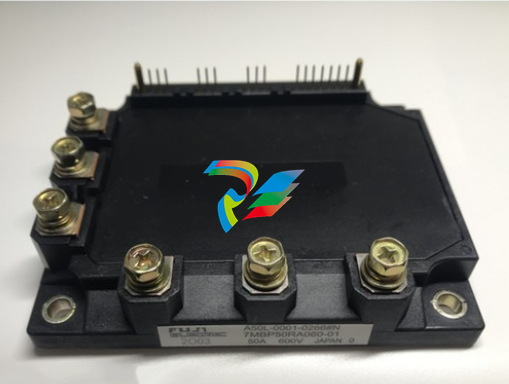 FUJI A50L-001-0266#N High-performance servo amplifier
 -
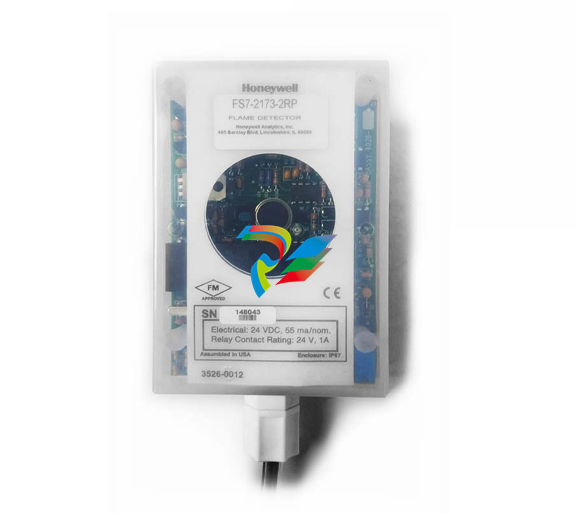 Honeywell FS7-2173-2RP Gas sensor
 -
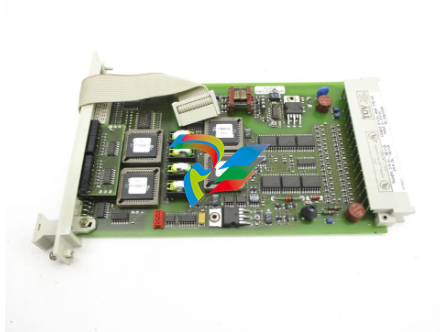 Honeywell 10106/2/1 Digital Input Module in Stock
 -
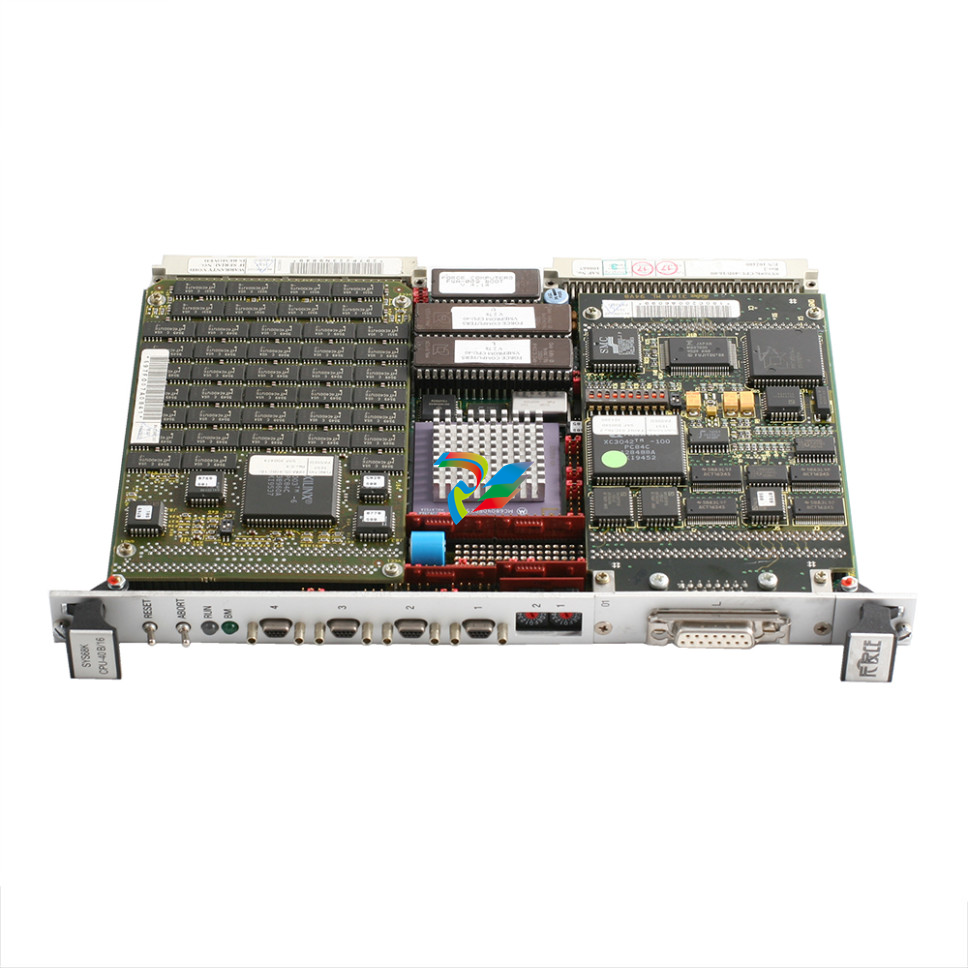 FRCE SYS68K CPU-40 B/16 PLC core processor module
 -
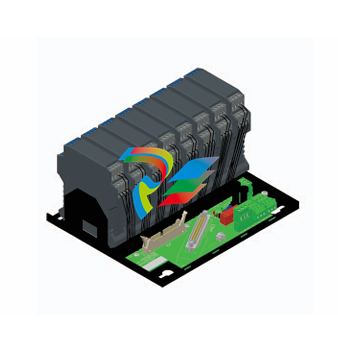 Foxboro FBM I/O cards PBCO-D8-009
 -
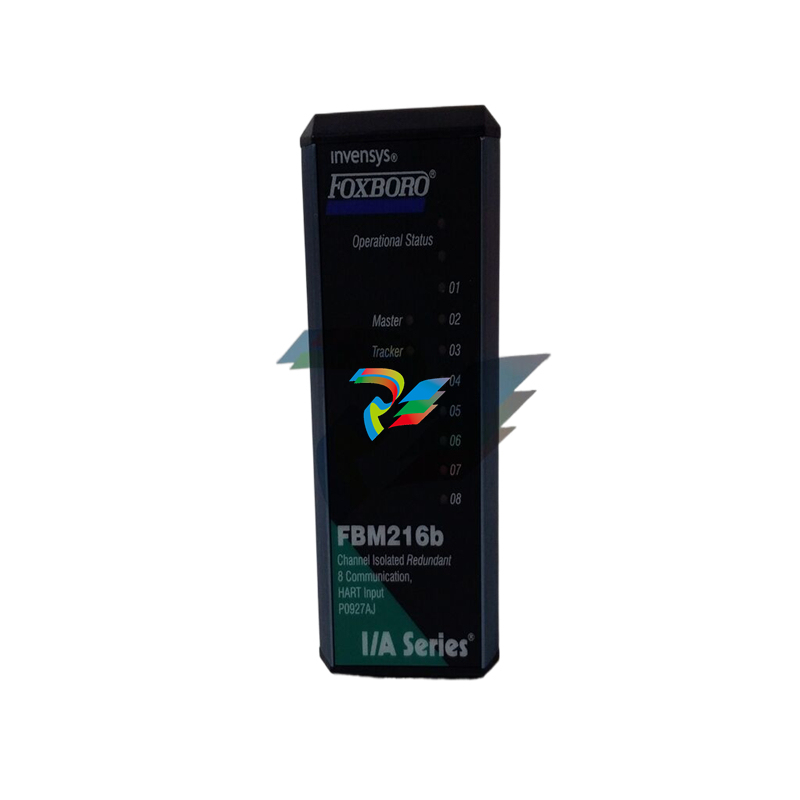 Foxboro AD916AE Digital Control System (DCS) Module
 -
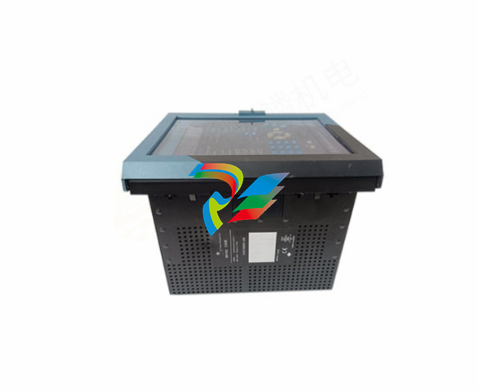 GE SR750-P5-G5-S5-HI-A20-R-E Multilin Relay
 -
.jpg) FOXBORO H90 H90C9AA0117S Industrial Computer Workstation
FOXBORO H90 H90C9AA0117S Industrial Computer Workstation -
.jpg) FOXBORO RH928AW | I/A Series Relay Output Module
FOXBORO RH928AW | I/A Series Relay Output Module -
.jpg) Foxboro N-2AX+DIO Multi-functional input/output module
Foxboro N-2AX+DIO Multi-functional input/output module -
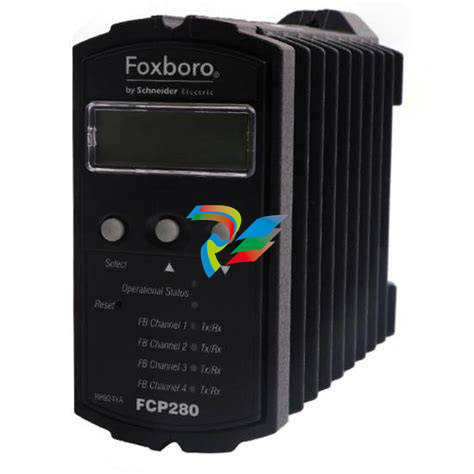 Foxboro RH924WA FCP280 Fiber Optic Network Adapter
 -
 FOXBORO H92 Versatile Hardware Component In
 -
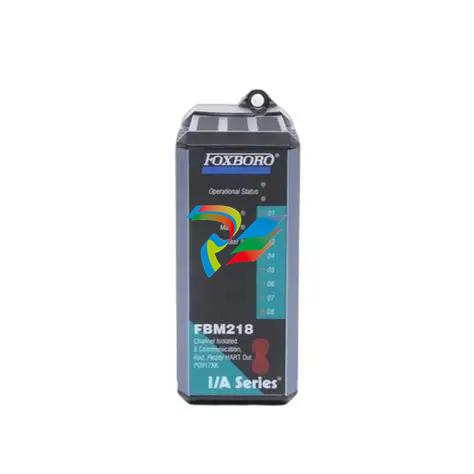 Foxboro FBM218 P0922VW HART® Communication Redundant Output Interface Module
 -
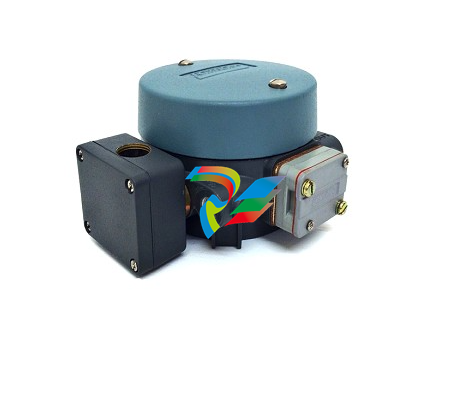 Foxboro E69F-TI2-J-R-S E69F Series Current-To-Pneumatic Signal Converter
 -
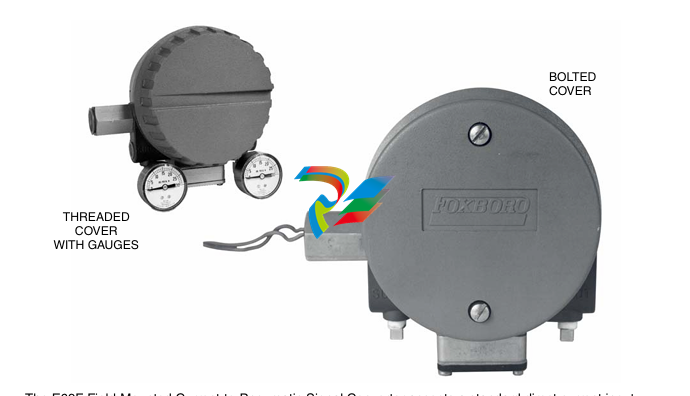 Foxboro E69F-BI2-S Converter
 -
.jpg) Foxboro H92A049E0700 The host of the DCS control station
Foxboro H92A049E0700 The host of the DCS control station -
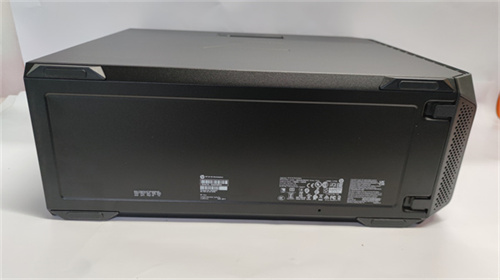 Foxboro H90C9AA0117S Industrial computer workstation
 -
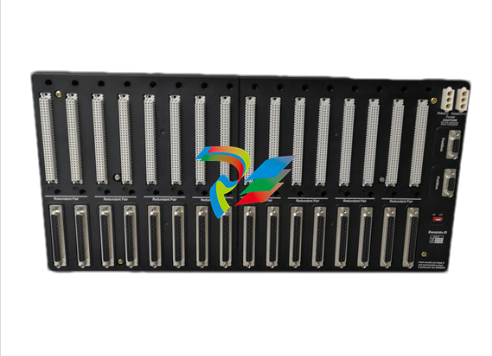 Foxboro RH101AA High-performance industrial control module
 -
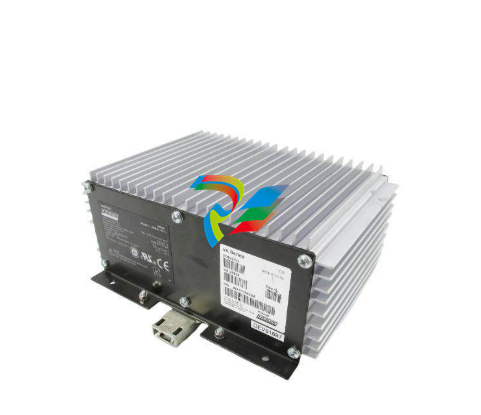 Foxboro P0922YU FPS400-24 I/A Series Power supply
 -
.png) FOXBORO P0973LN Chassis-based managed switch with independent power supply
FOXBORO P0973LN Chassis-based managed switch with independent power supply -
.jpg) FOXBORO P0926PA Input/output module
FOXBORO P0926PA Input/output module -
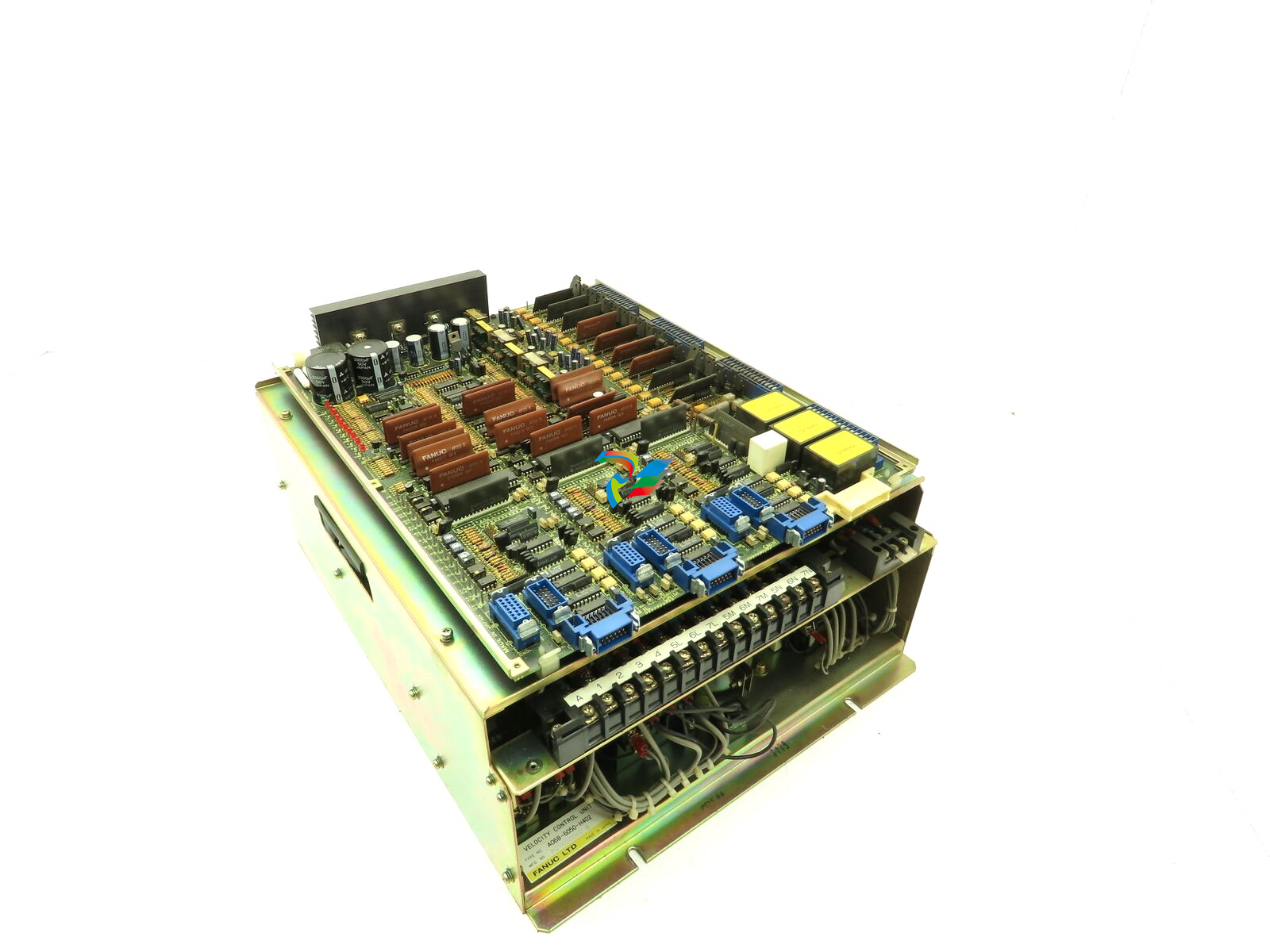 Fanuc A06B-6050-H402 3 AXIS ANALOG AC SERVO DRIVE
 -
.jpg) FOXBORO L0130AD L0130AE-0H Power module group
FOXBORO L0130AD L0130AE-0H Power module group -
_lVjBYb.jpg) FOXBORO 0399085B 0303440C+0303458A Combination Control Module
FOXBORO 0399085B 0303440C+0303458A Combination Control Module -
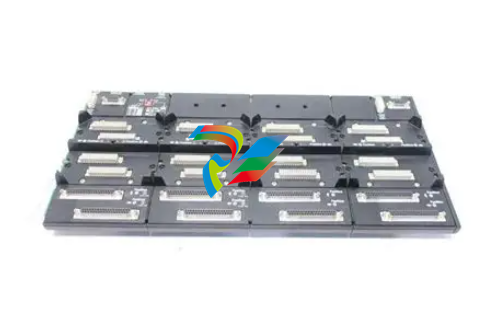 FOXBORO SY-0399095E (SY-0303451D+SY-0303460E) Process control board
 -
.jpg) FOXBORO 0399071D 0303440C+0303443B Input/Output (I/O) Module
FOXBORO 0399071D 0303440C+0303443B Input/Output (I/O) Module -
.jpg) FOXBORO RH924UQ Redundant Controller module
FOXBORO RH924UQ Redundant Controller module -
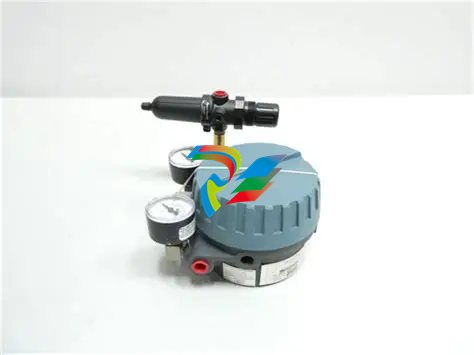 FFOXBORO E69F-TI2-S current pneumatic converter
 -
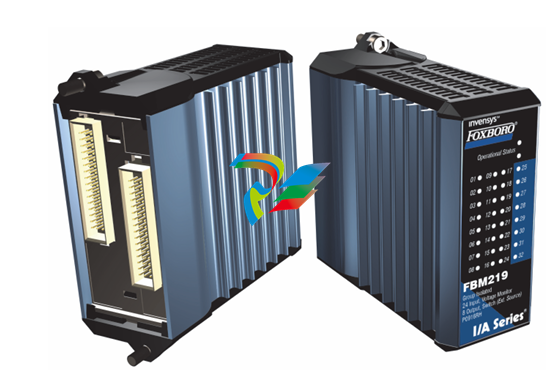 FOXBORO FBM219 RH916RH Discrete I/O Module
 -
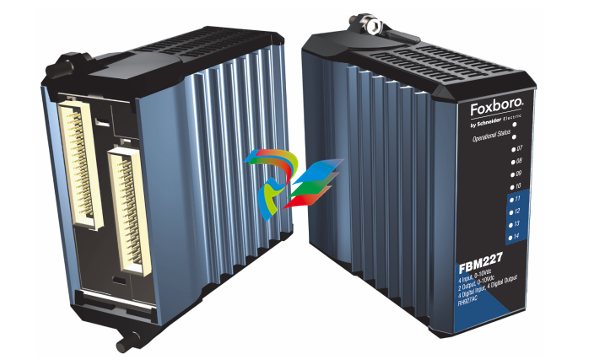 FOXBORO FBM227 P0927AC Module
 -
.jpg) FOXBORO 0399144 SY-0301059F SY-1025115C/SY-1025120E I/O module
FOXBORO 0399144 SY-0301059F SY-1025115C/SY-1025120E I/O module -
.jpg) FOXBORO SY-60399001R SY-60301001RB Industrial Control Module
FOXBORO SY-60399001R SY-60301001RB Industrial Control Module -
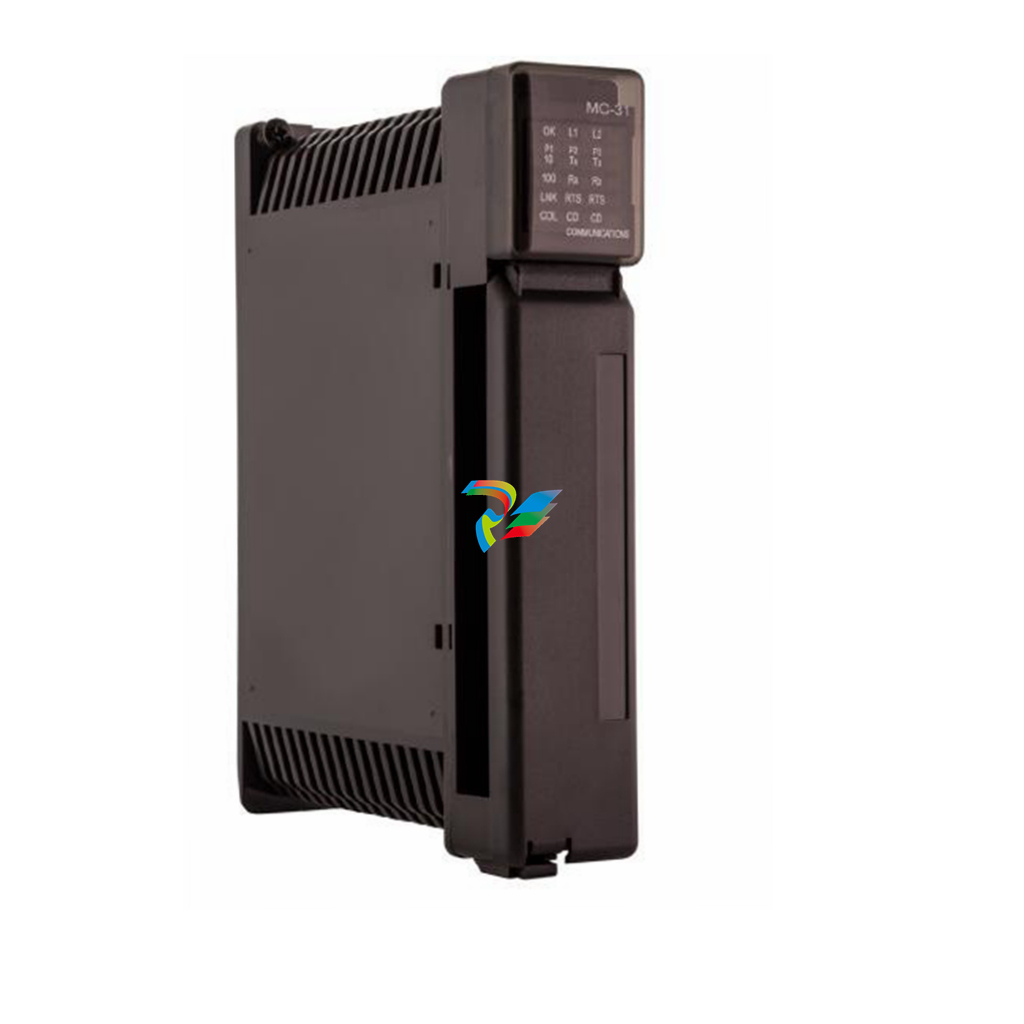 FOXBORO 0399143 SY-0301060R SY-1025115C SY-1025120E Combined control board
 -
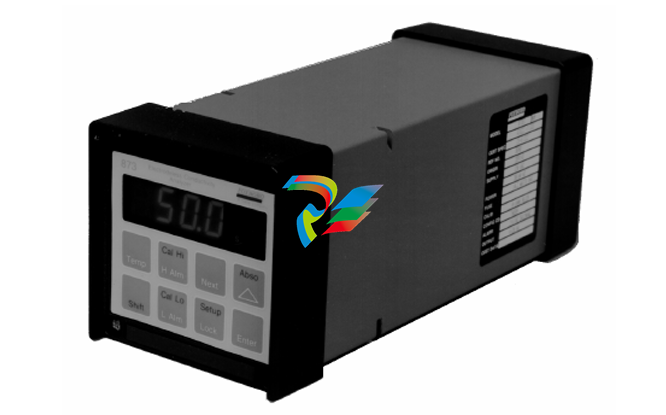 FOXBORO 873EC-JIPFGZ electrodeless conductivity analyzer
 -
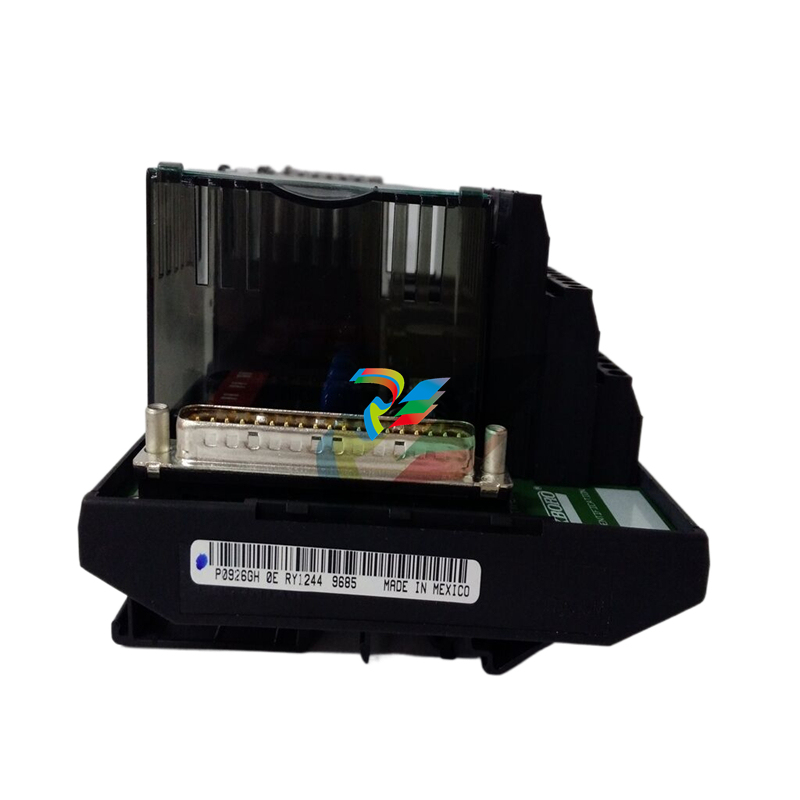 FOXBORO P0916PH (High-density HART I/O Module)
 -
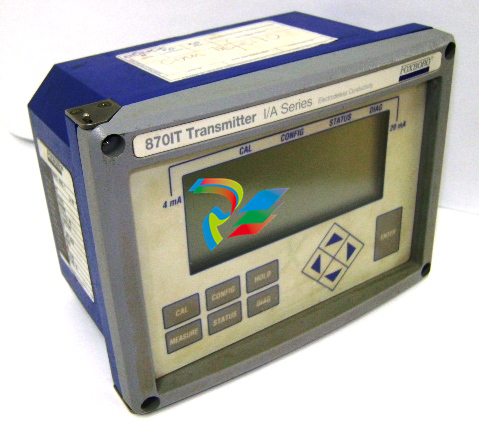 FOXBORO 870ITEC-AYFNZ-7 Intelligent Electrochemical Transmitters
 -
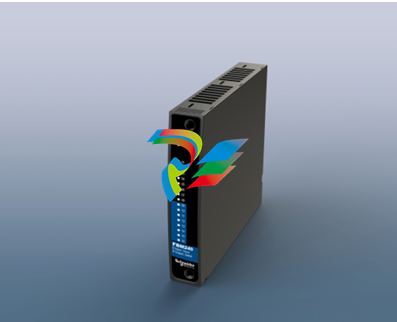 FOXBORO Compact FBM240. Redundant with Readback, Discrete
 -
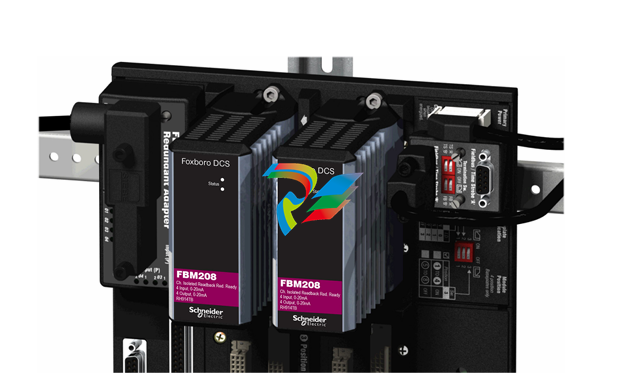 FOXBORO FBM208/b, Redundant with Readback, 0 to 20 mA I/O Module
 -
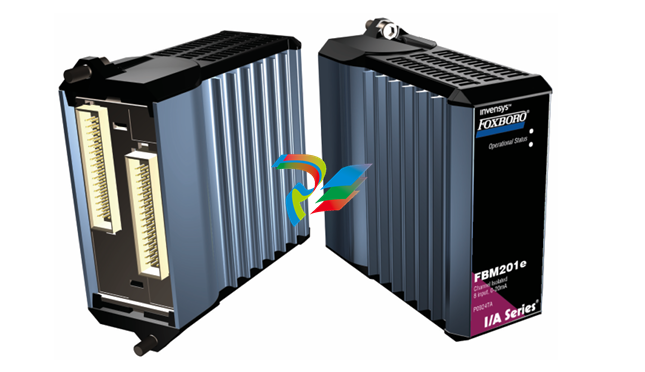 FOXBORO FBM201e Analog Input (0 to 20 mA) Interface Modules
 -
.jpg) FOXBORO P0916WG Terminal cable
FOXBORO P0916WG Terminal cable -
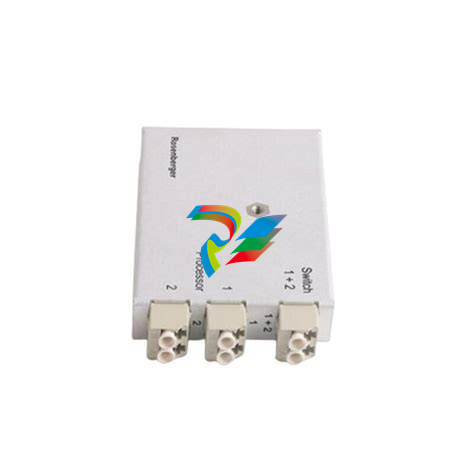 FOXBORO P0926MX 2-Port Splitter
 -
.jpg) FOXBORO AD908JQ High-Frequency Module
FOXBORO AD908JQ High-Frequency Module -
.jpg) FOXBORO AD916CC Processor module
FOXBORO AD916CC Processor module -
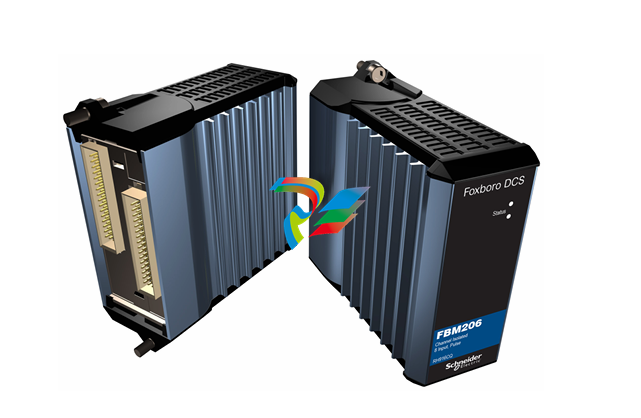 Foxboro DCS FBM206 Pulse Input Module
 -
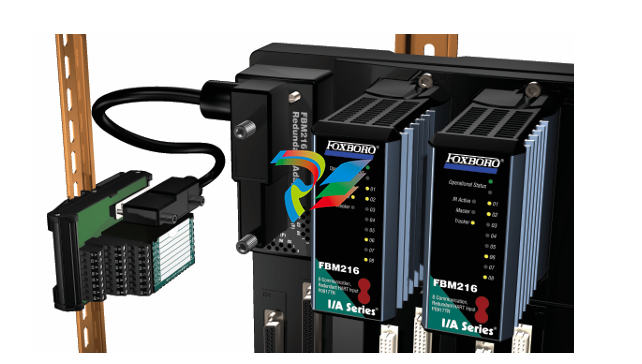 FOXBORO FBM216 HART® Communication Redundant Input Interface Module
 -
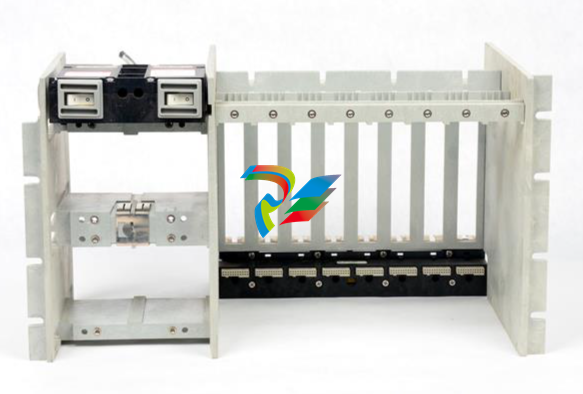 Foxboro p0903nu 1×8 unit sub-component module
 -
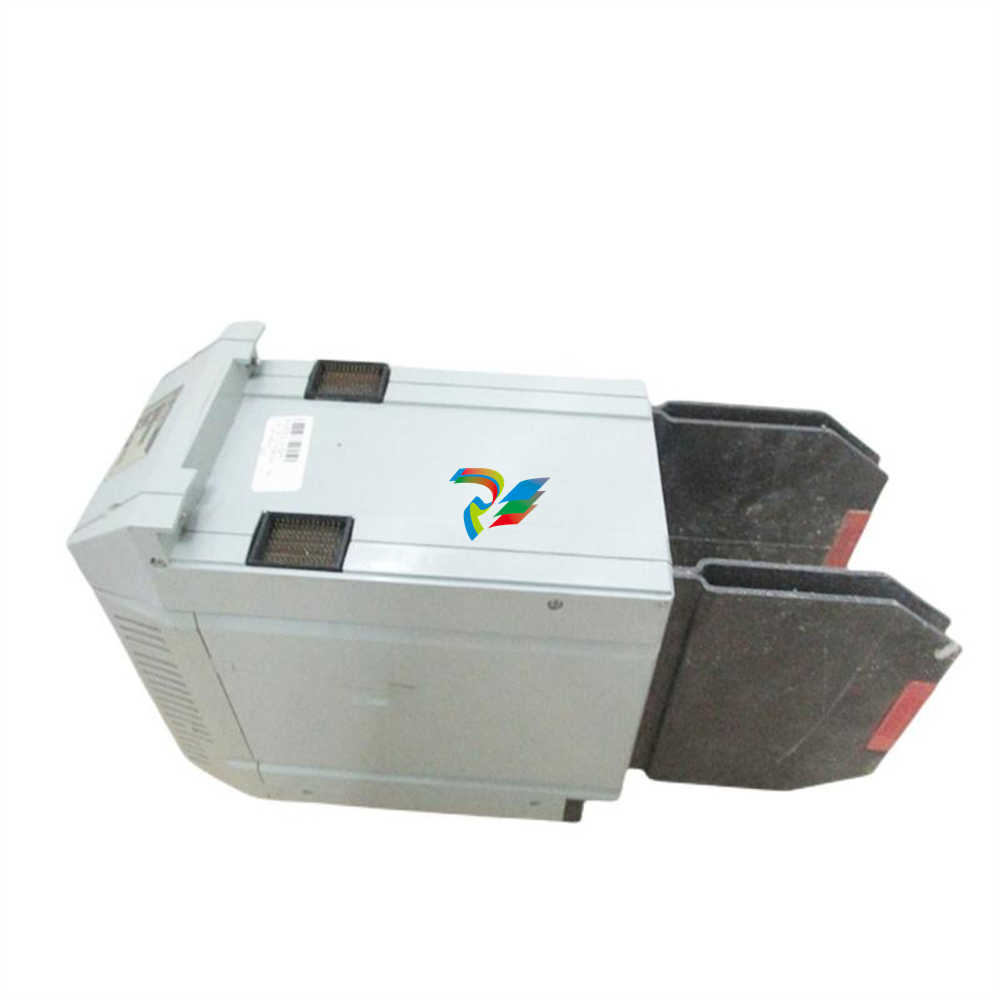 Foxboro P0911SM Industrial control module
 -
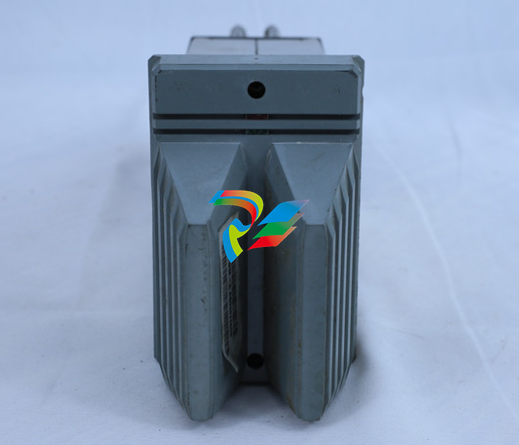 Foxboro CM902WM I/O module
 -
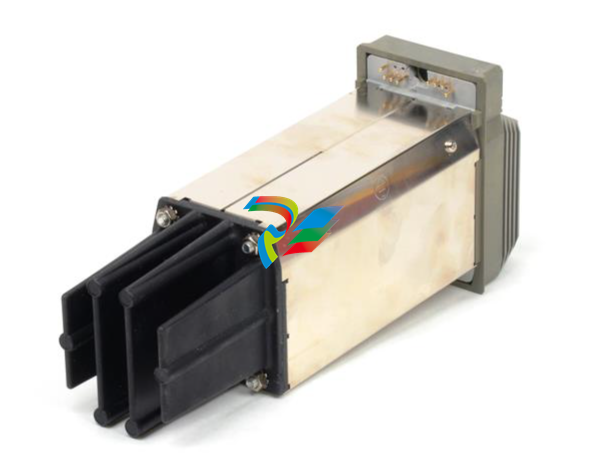 Foxboro CM902WL Power module
 -
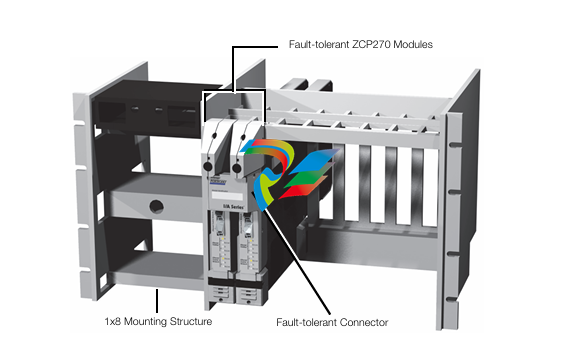 Foxboro P0972VA Industrial Control Module
 -
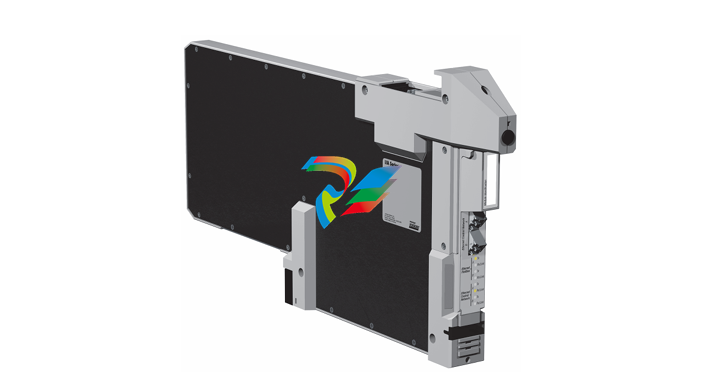 Foxboro Z-Module Control Processor 270 (ZCP270)
 -
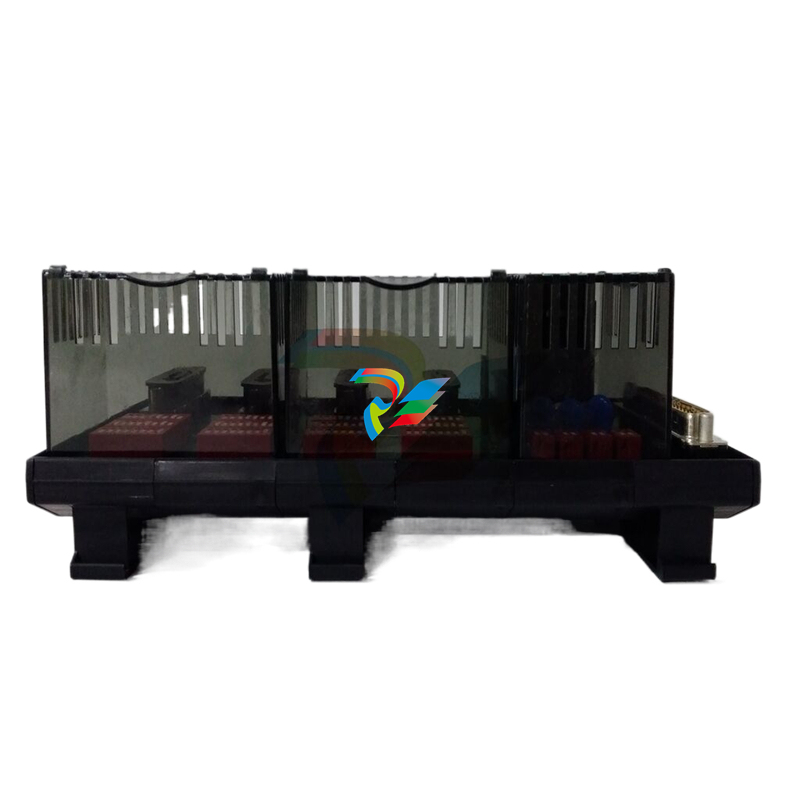 Foxboro PO916JS 16-channel terminal block module
 -
 Foxboro PO911SM High-performance digital/analog input/output module
 -
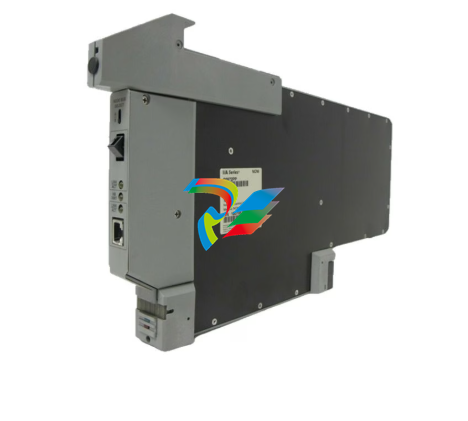 Foxboro P0972PP-NCNI Network Interface Module
 -
.jpg) FOXBORO P0971QZ controller module
FOXBORO P0971QZ controller module -
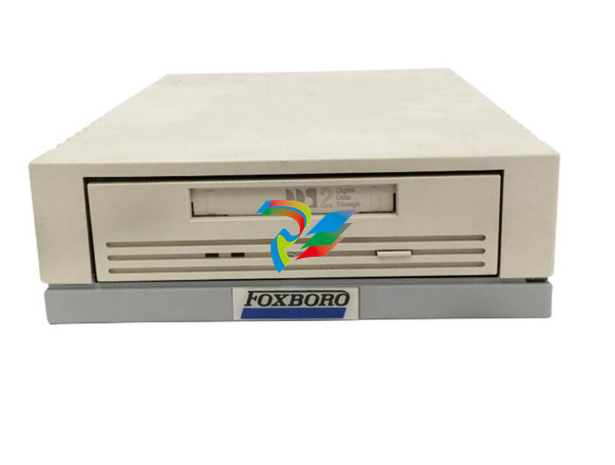 FOXBORO P0971DP Thermal resistance input/output module
 -
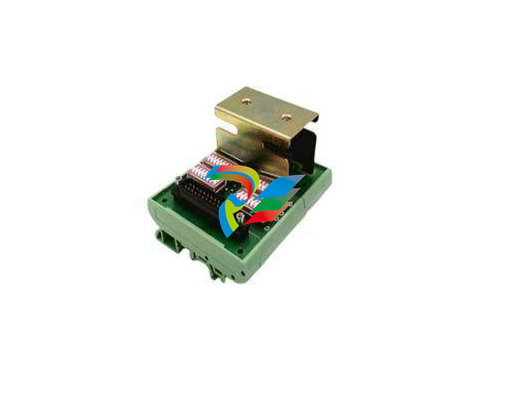 FOXBORO P0970VB Cable connector
 -
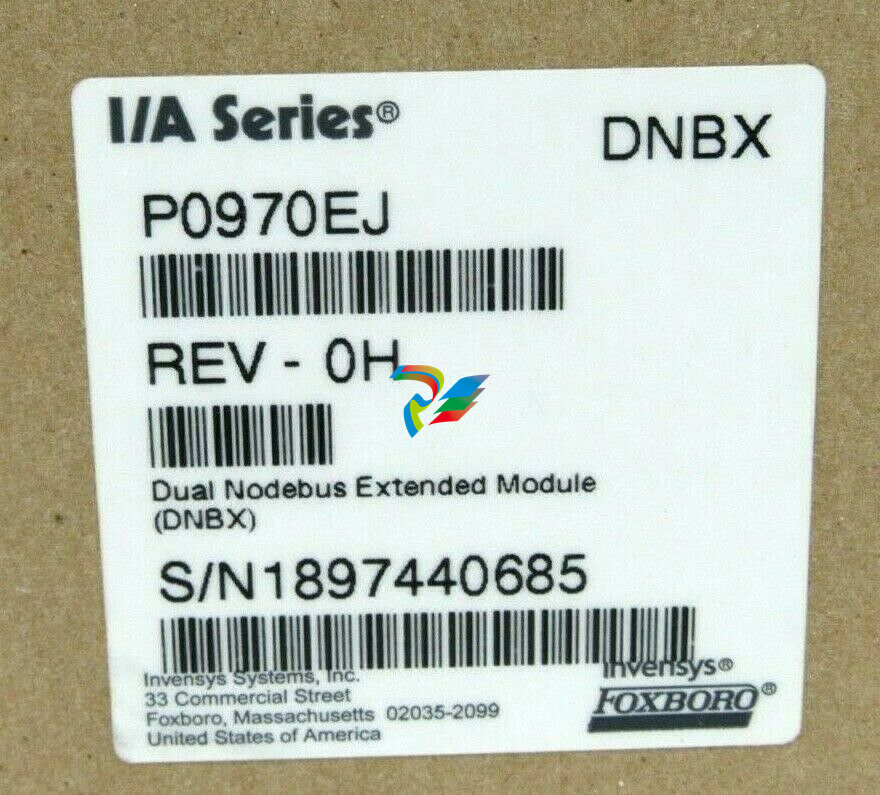 FOXBORO P0970EJ-DNBX Dual-node bus expansion module
 -
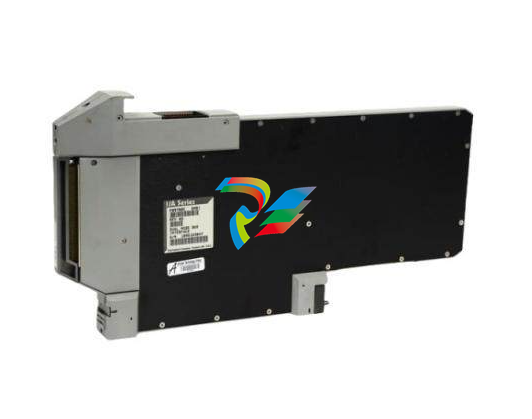 FOXBORO P0970BP Redundant power supply system
 -
.jpg) FOXBORO P0970BC-DNBI DeviceNet bus interface module
FOXBORO P0970BC-DNBI DeviceNet bus interface module -
.jpg) FOXBORO P0961FX-CP60S Main control CPU module
FOXBORO P0961FX-CP60S Main control CPU module -
.jpg) FOXBORO P0961EF-CP30B Network Interface Unit
FOXBORO P0961EF-CP30B Network Interface Unit -
.jpg) FOXBORO P0961CA Optical fiber local area network module
FOXBORO P0961CA Optical fiber local area network module -
.jpg) FOXBORO P0961BD-GW30B gateway processor module
FOXBORO P0961BD-GW30B gateway processor module -
.jpg) FOXBORO P0961BC-CP40B/I/A Series high-performance control processor module
FOXBORO P0961BC-CP40B/I/A Series high-performance control processor module -
FOXBORO P0960JA-CP40 High-performance control processor
-
FOXBORO P0926TM Control module
-
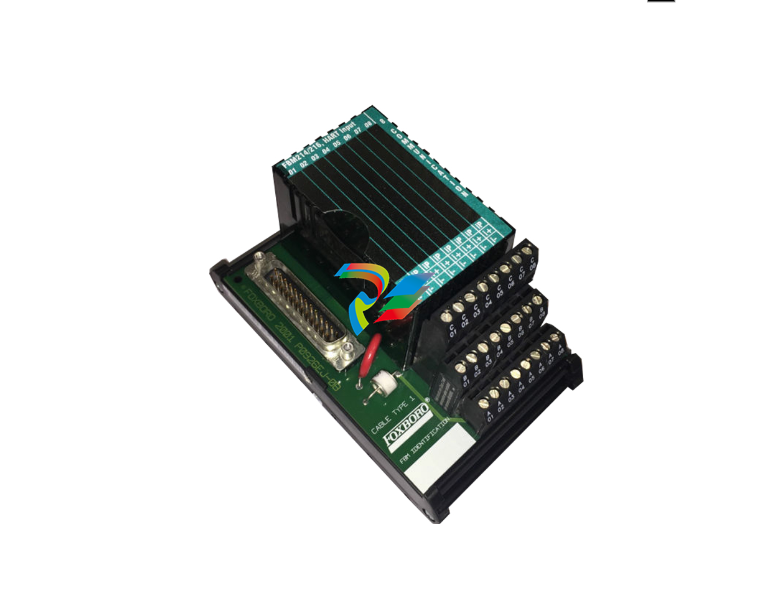 FOXBORO P0916BX Termination Assembly
 -
.jpg) FOXBORO P0916AE P0916AG P0916AW Thermal resistance input type DCS card module
FOXBORO P0916AE P0916AG P0916AW Thermal resistance input type DCS card module -
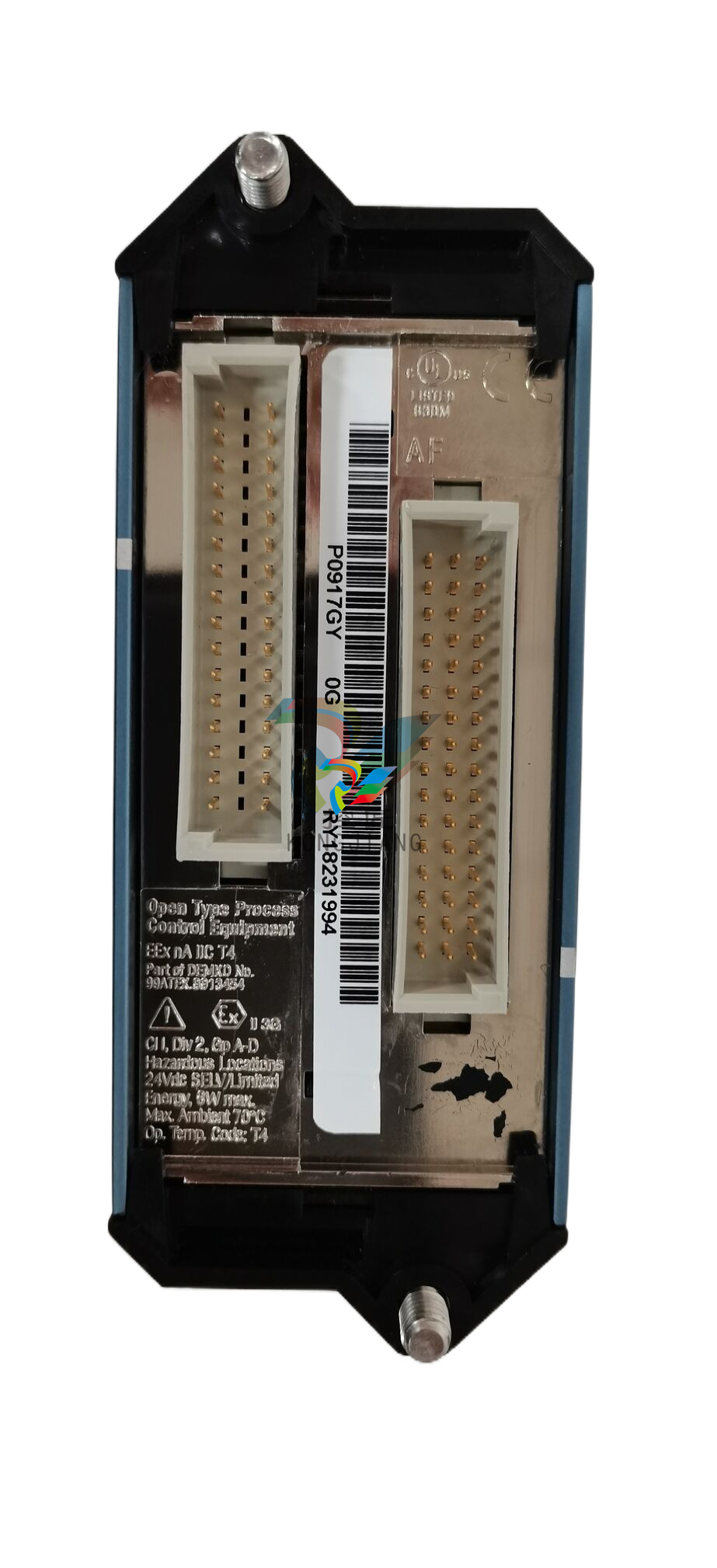 FOXBORO P0916AC FOXBORO distributed control system (DCS) compression terminal assembly
 -
.jpg) FOXBORO P0912CB High-performance interface module
FOXBORO P0912CB High-performance interface module -
.jpg) FOXBORO P0911VJ Thermal resistance input output module
FOXBORO P0911VJ Thermal resistance input output module -
.jpg) FOXBORO P0911QH-A High-precision module
FOXBORO P0911QH-A High-precision module -
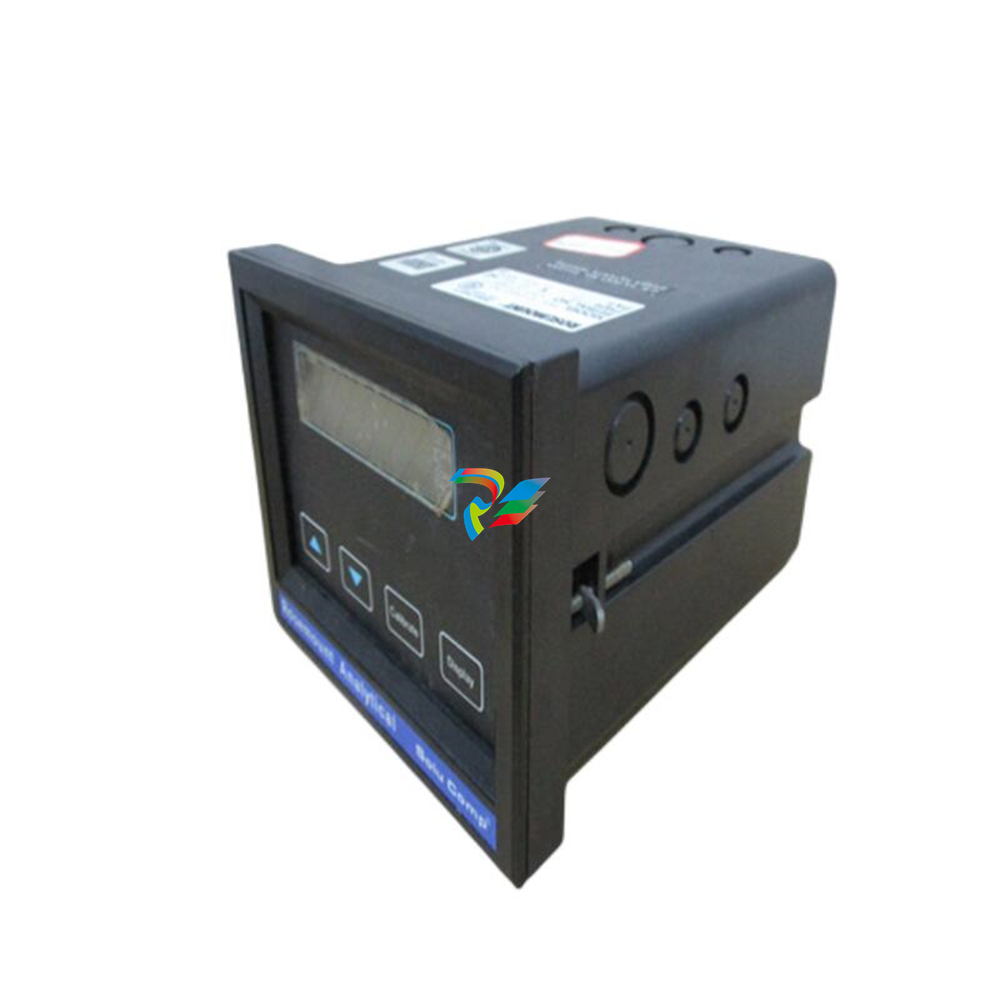 FOXBORO P0911QB-C P0911QC-C Thermal resistance input/output module
 -
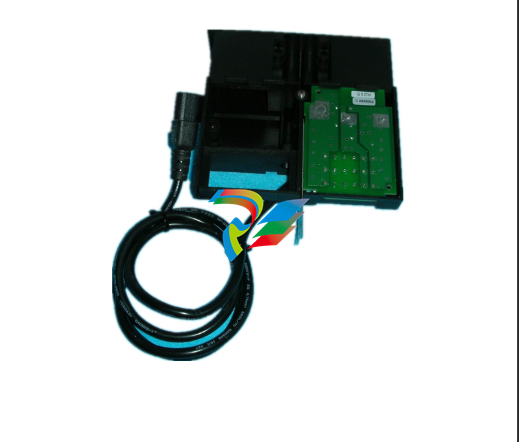 FOXBORO P0904BH P0904FH P0904HB Distributed Control system (DCS) module
 -
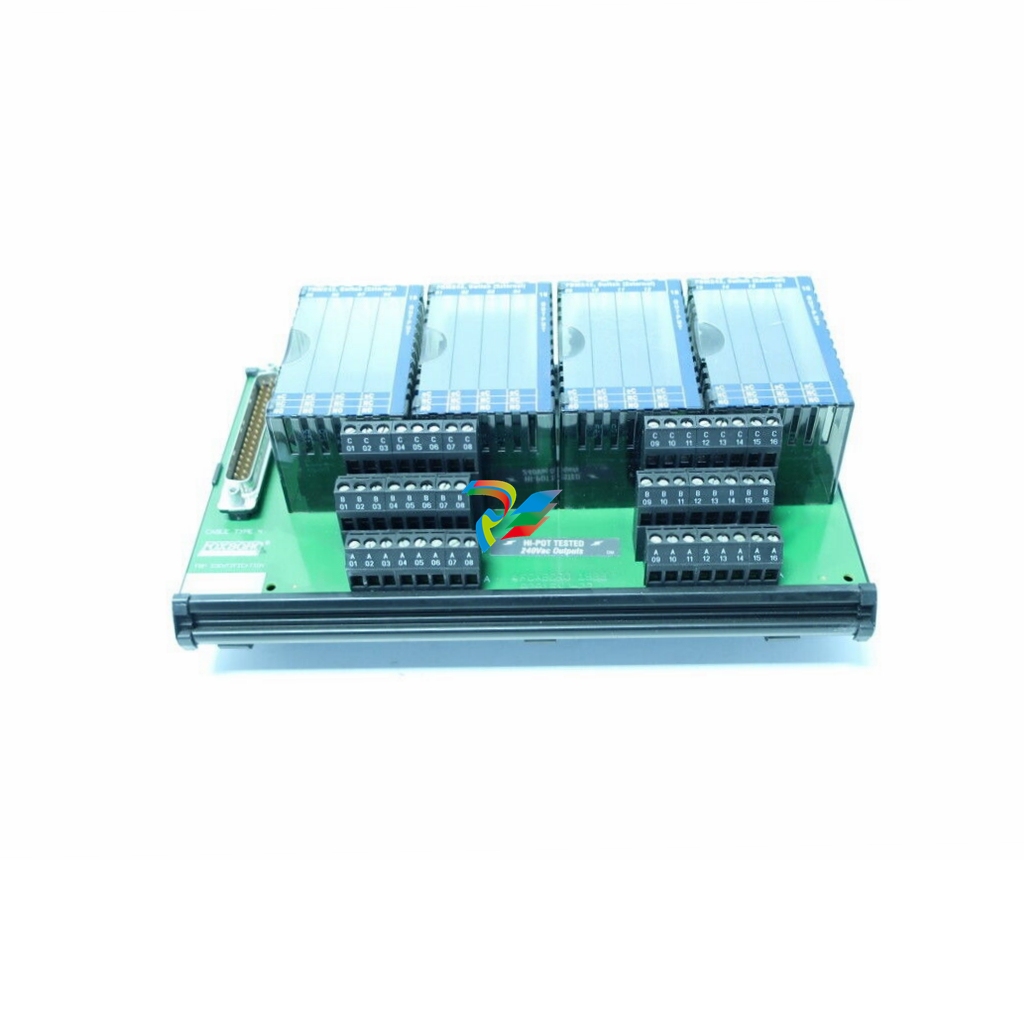 FOXBORO P0903ZP P0903ZQ Embedded System Debugging Module
 -
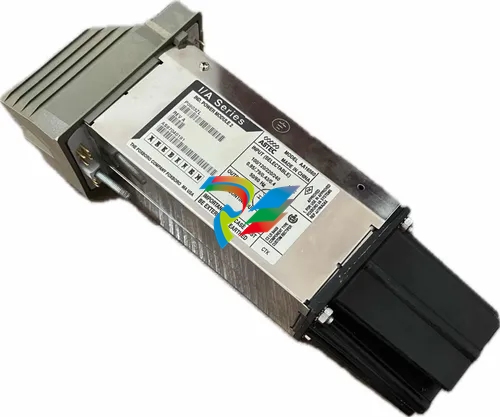 Foxboro P0903ZL P0903ZN Industrial power module
 -
 Foxboro P0903ZE I/A Series Fieldbus Isolator Module
 -
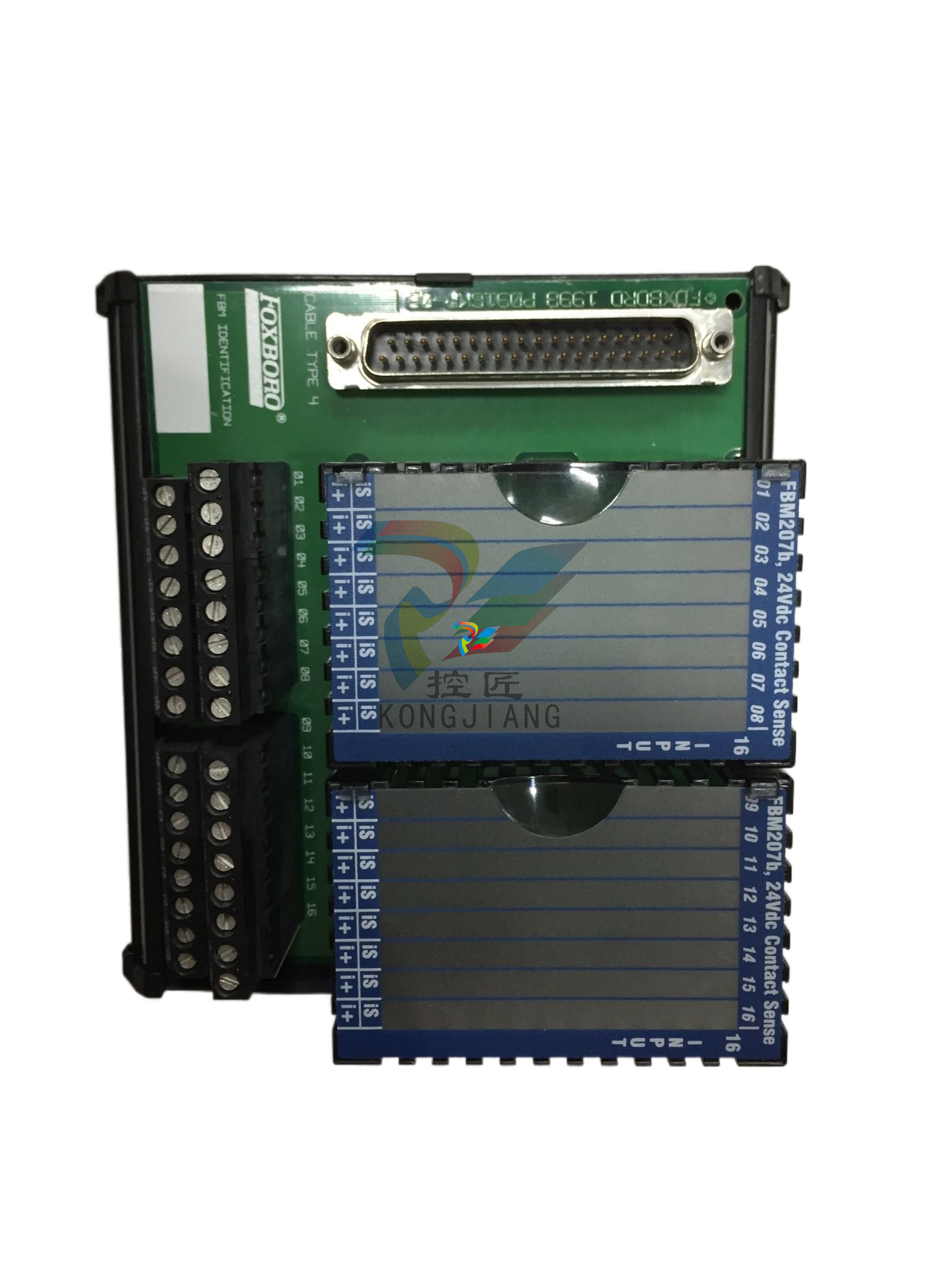 FOXBORO P0903NW Industrial Control Module
 -
.jpg) FFOXBORO P0903NQ Industrial power module
FFOXBORO P0903NQ Industrial power module -
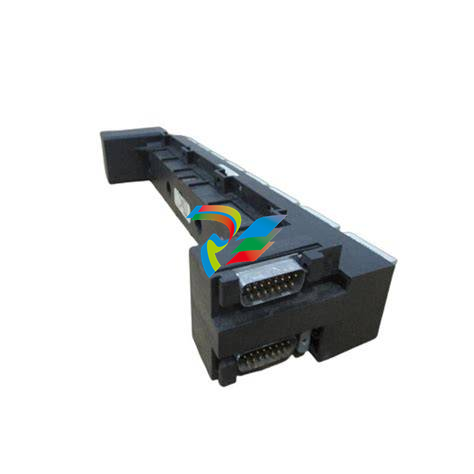 FFOXBORO P0903AA Control Module
 -
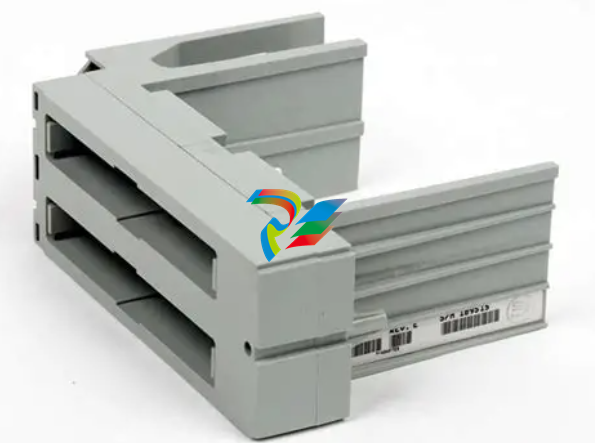 FOXBORO P0400DL Digital output module
 -
.jpg) FOXBORO P0400BJ Digital output module
FOXBORO P0400BJ Digital output module -
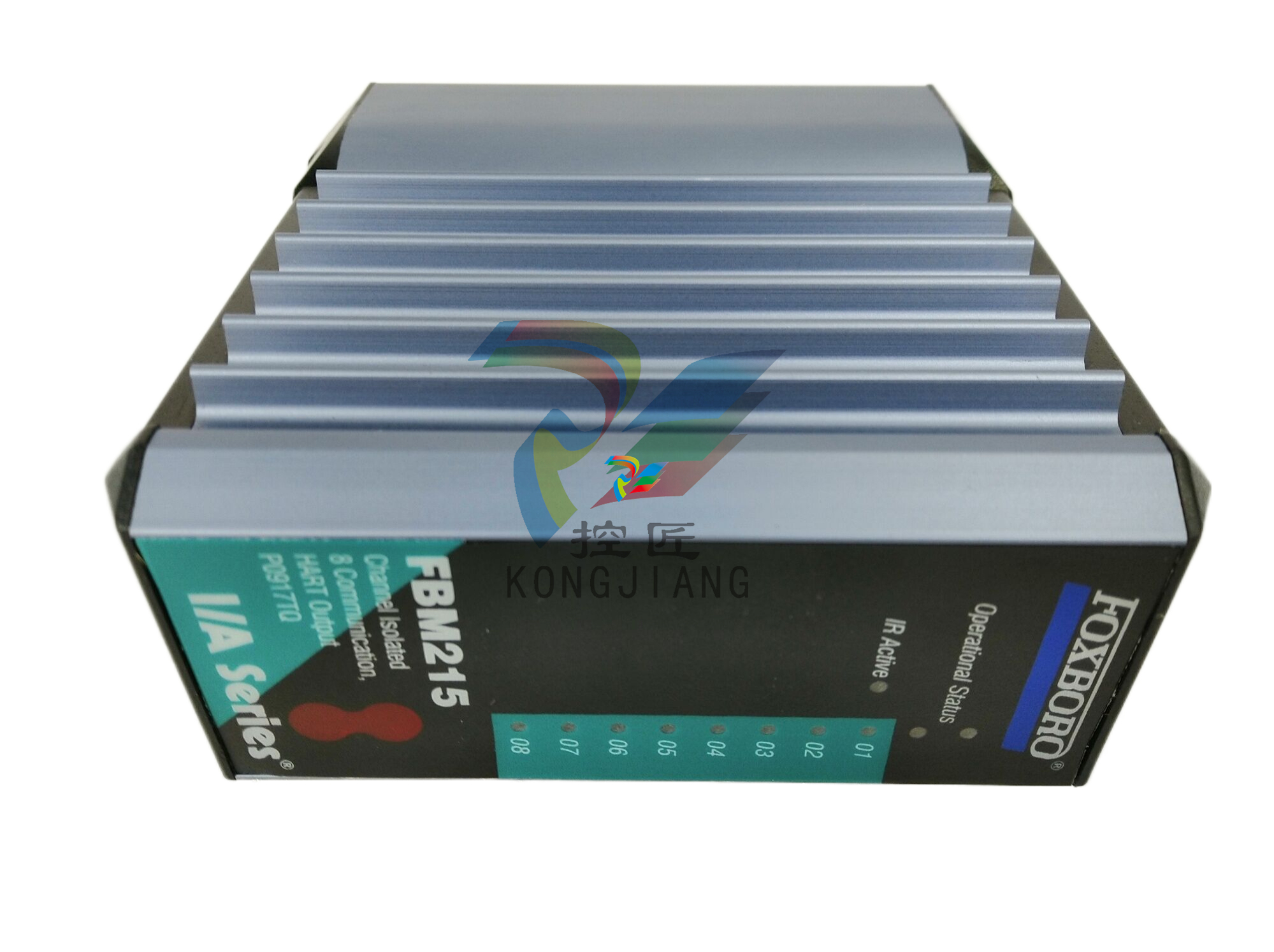 FOXBORO GW30 industrial control module
 -
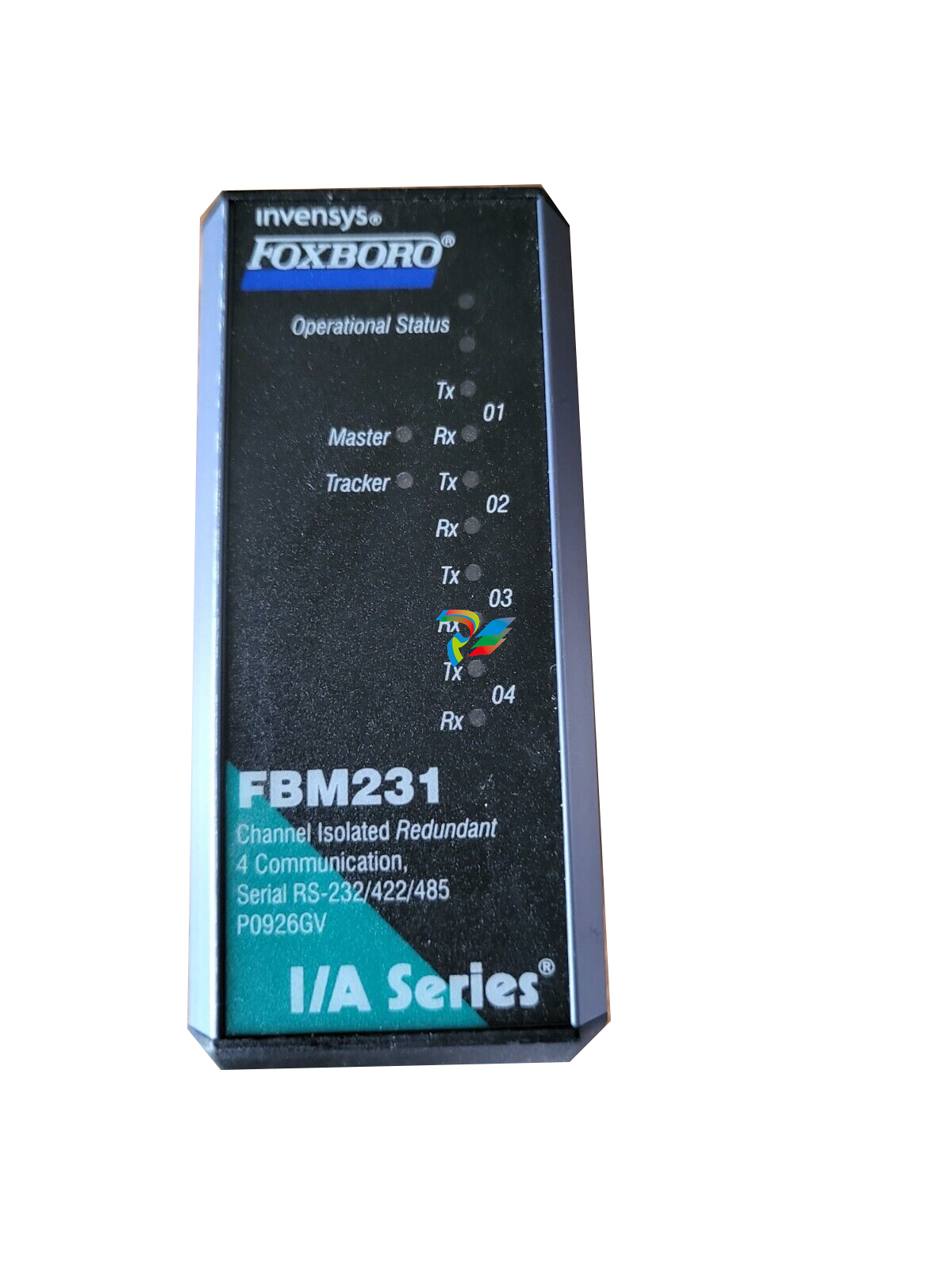 FOXBORO FBM231 Communication Output Module
 -
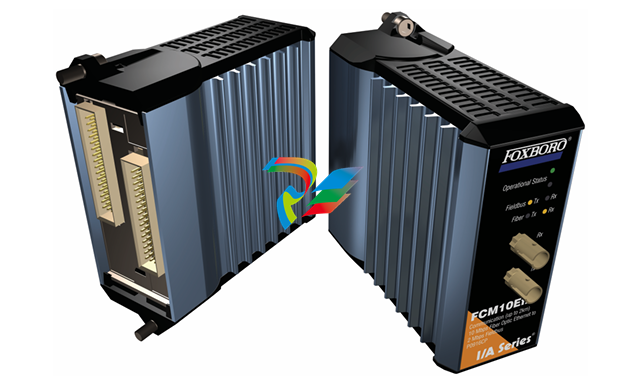 FOXBORO Fieldbus Communications Module, FCM10Ef
 -
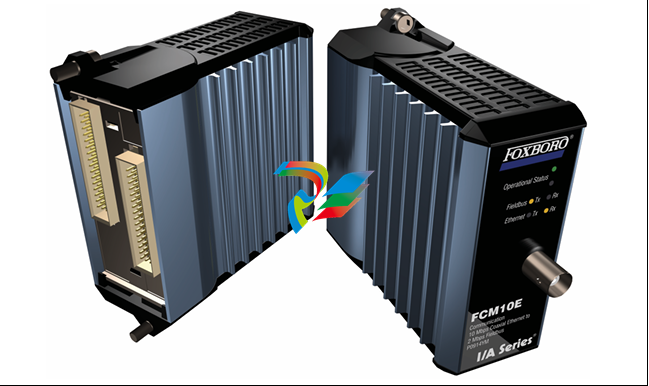 FOXBORO Fieldbus Communications Module, FCM10E