
Next-Gen Gas Sensors Will Redefine Industrial Safety

An industrial gas sensor could provide a crucial warning that tells someone their life is in danger and to evacuate immediately. Such hardware is critical in industrial environments, especially since gases are often a necessary component of production processes. Placing the appropriate sensors strategically throughout an area is an essential safety measure—outlined in various standards and regulations—that protects workers in many sectors today. (In the process industries, for example, ISA/IEC 61511 defines functional safety performance levels for safety instrumented systems.)
What are some examples of next-generation sensors that can alert people once gas amounts reach toxic levels?
Developing a sensor for continuous monitoring
A tricky reality of gas sensor use is that conditions can quickly change. Gathering readings only a few times an hour may not be frequent enough. It is far better to take them more often, giving people a more accurate picture of their surroundings. That is why researchers at MIT developed a gas sensor for industrial or domestic use that works continuously.
They focused on a material called a metal-organic framework that can reliably detect tiny gas traces. However, rapid performance degradation is its downside, and it occurs due to material saturation. To counteract that issue, they combined the metal-organic framework with a more durable polymer that is easier to process but less sensitive to gas.
The group worked with the polymers in a liquid form and the metal-organic framework in a powdered state, carefully mixing the two and depositing the resultant substance on a substrate, creating a thin coating. It maintained its baseline performance within a 5%-10% margin after 100 detection cycles, indicating its potential to remain dependable over the long term.
Although these sensor experiments involved nitrogen dioxide, the researchers believe they could adapt the setup to monitor for most toxic gases. Additionally, the formula could be particularly easy to integrate into existing settings. For example, people might apply coatings to exhaust pipes or chimneys, eliminating the need to mount sensors on walls or deal with other limiting factors.
The next step is to see how this innovation works in real-life environments. The associated results could show the commercial potential.
Maintaining safety and quality during welding activities
Welding is a widely used manufacturing technique that has become essential for joining materials. People choose from several main methods for their specific applications. They must also select the appropriate shielding gas, which forms a barrier around the weld, protecting it from potential defects. Earth’s air contains 78% nitrogen in addition to various other gases that could contaminate the weld zone, but shielding gases prevent that complication.
The quantity and concentration of shielding gases depend on the type chosen. However, many industrial welding facilities have sensors to monitor the environment. Although these settings have ventilation systems that move the gases away from the welder’s breathing zone, those additions must stay well-maintained to retain their effectiveness. Gas monitors in welding shops are important for keeping workers safe and ensuring gases are at or below safe levels.
The type of sensor chosen depends on factors such as the number of welding stations, the hazardous gases used, the room’s airflow patterns and active air current sources. In addition to improving staff safety, a gas sensor in a welding shop enhances quality. Fortunately, manufacturers offer innovative models to support demanding needs.
One example is a portable option that measures and analyzes the gas blends used in welding. The resultant information allows employees to check for contamination and verify that they use the suitable types and amounts of gases for their desired applications. More than 150,000 worldwide locations currently use such technologies.
Making hydrogen fuel adoption a safer prospect
Some organizations are exploring the opportunities associated with hydrogen fuel cells. Hydrogen is appealing because it does not emit pollutants during combustion or production. However, one of the challenges restricting widespread usage is this gas becomes explosive when mixed with air.
Designing an industrial gas sensor to keep the hydrogen levels low enough to prevent explosions would be a critical step in encouraging people to consider hydrogen for various applications, knowing they can do so safely. In one example, Dutch and Swedish researchers collaborated to design an optical device for detecting hydrogen.
It consists of several metal nanoparticles placed at an optimal distance based on the recommendations of an artificial intelligence tool. This highly precise approach paid off since the sensor picks up changes in hydrogen concentration a few hundred-thousandths of a percent small.
The process also revealed the sensor performed better with specific nanoparticle arrangements than with random ones. That change made this innovation more sensitive than previously developed hydrogen detectors of the same style.
This team verified that their sensor was the first to detect hydrogen optically in the parts-per-billion range. That excellent sensitivity gives teams ample warning, allowing them to detect leaks or other abnormalities before catastrophes strike. The group also created the sensor to have audible and visual alerts of elevated hydrogen concentrations, ensuring people will notice the notifications and act promptly.
Developments such as this new sensor should convince industrial leaders that improvements are underway to make hydrogen usage safe. Estimates suggest the hydrogen fuel cell’s market worth will surpass 130 billion USD by 2030. Progress such as what these researchers achieved could further expand adoption.
Creating a flexible, wearable sensor
Sometimes, the most practical choice is to have a person have an industrial gas sensor attached directly to them, mainly if they must perform risky duties. Researchers have demonstrated the possibilities by building a wearable nitrogen dioxide sensor individuals can attach to their clothing or skin.
It detects gas concentrations in a person’s breath or sweat, depending on how they apply the sensor. Although similar designs exist, this one’s breathability is a notable differentiator. The researchers clarified that making it porous would prevent moisture buildup that could cause skin irritation. They specifically developed the sensor to detect nitrogen dioxide and said patients with chronic obstructive pulmonary disease could benefit from using it because that gas can worsen the condition.
However, they said it would be possible to tweak it to broaden the scope to sense other gases, making it appropriate for use in industrial or military applications. Sensors such as this one that are comfortable to wear and versatile enough to fit numerous applications should have a bright future, especially as decision-makers explore options that prioritize safety and are comfortable to use without limiting productivity.
Industrial gas sensor innovations improve safety
These compelling examples show how researchers and manufacturers have made substantial progress in developing highly sensitive gas sensors for use in various industrial environments. This work and similar efforts go a long way toward maintaining and enhancing workplace safety.
This feature originally appeared on ISA Interchange.
-
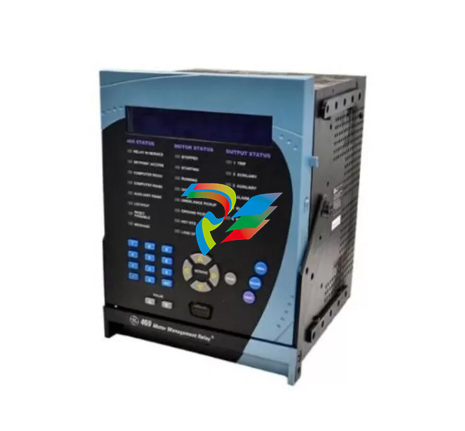 GE SR745-W2-P1-G1-HI-A-L-R-E Feeder protection relay
 -
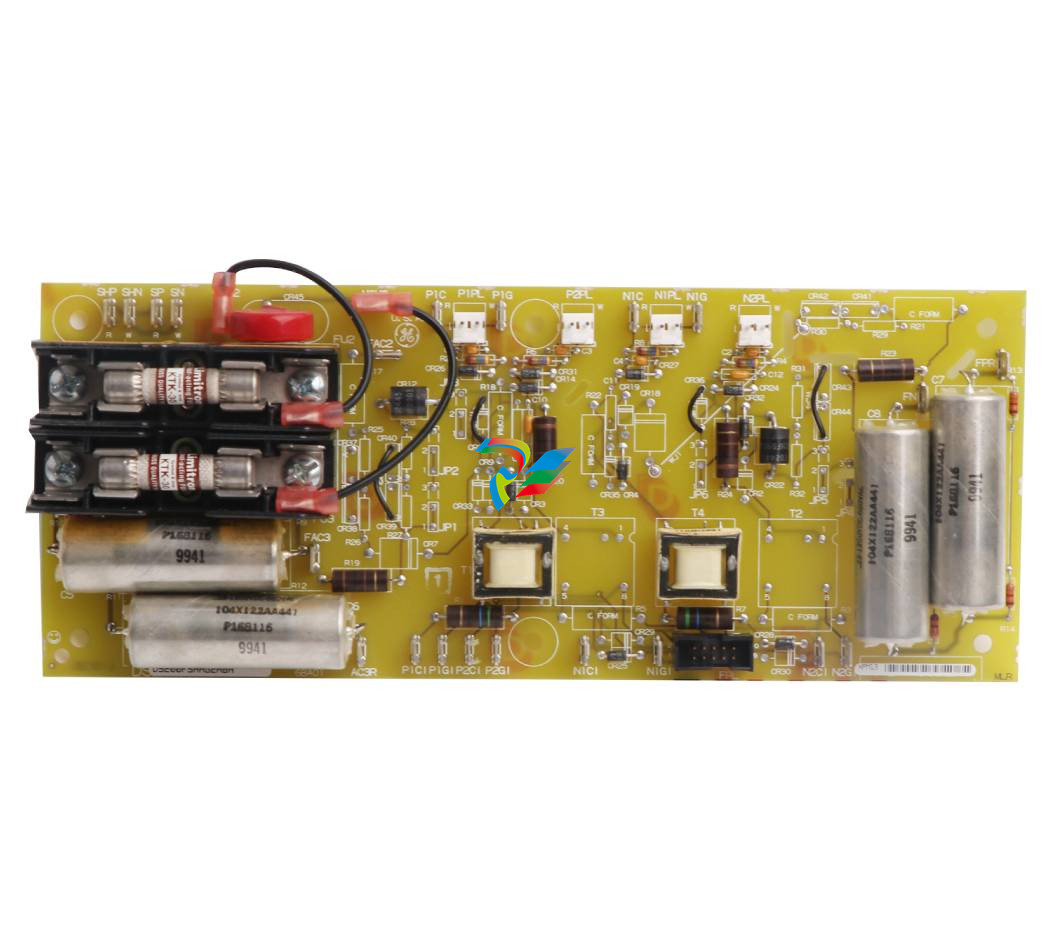 GE IS230TNDSH2A Discrete Output Relay Module Brand
 -
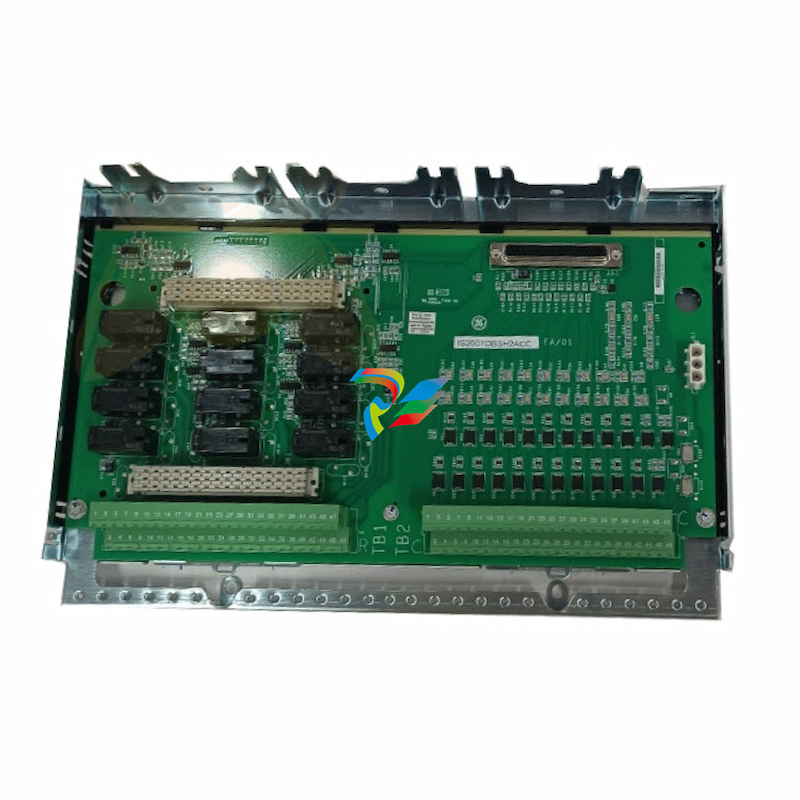 GE Fanuc IS200TDBSH2ACC Mark VI Terminal Board Brand
 -
 GE PMC-0247RC-282000 350-93750247-282000F Disk Drive
 -
GE PMC-0247RC-282000 350-93750247-282000F Disk Drive
-
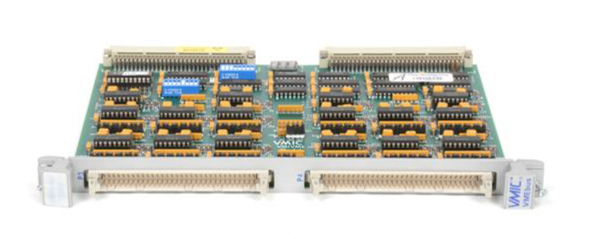 GE VMIVME-1150 Serial Communications Controller
 -
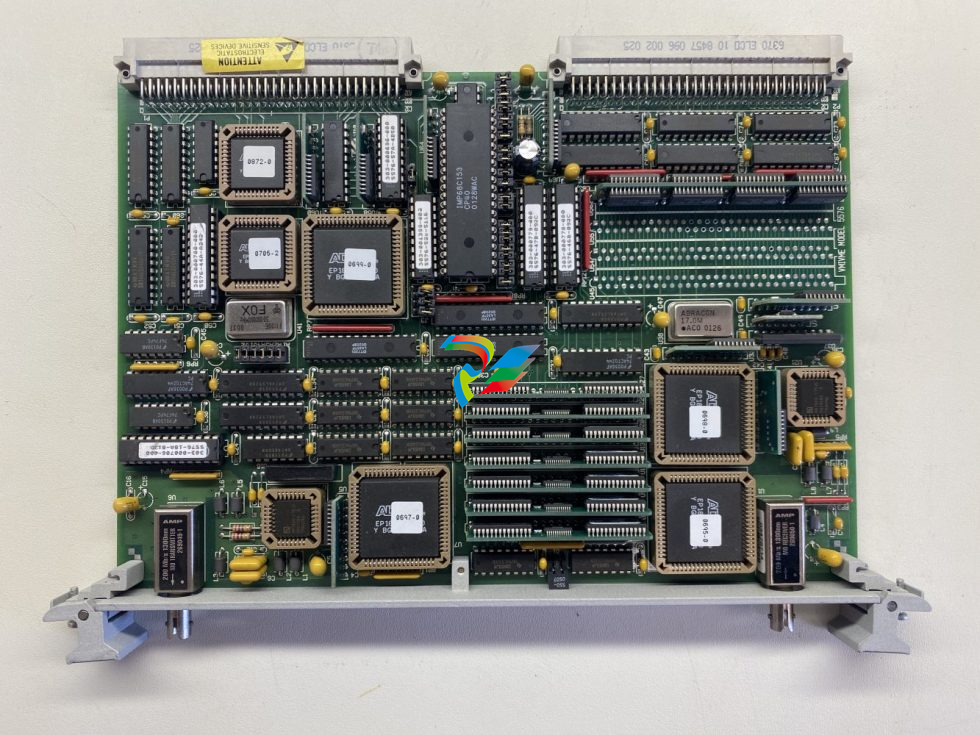 GE VMIVME-5576 Fiber-Optic Reflective Memory with Interrupts
 -
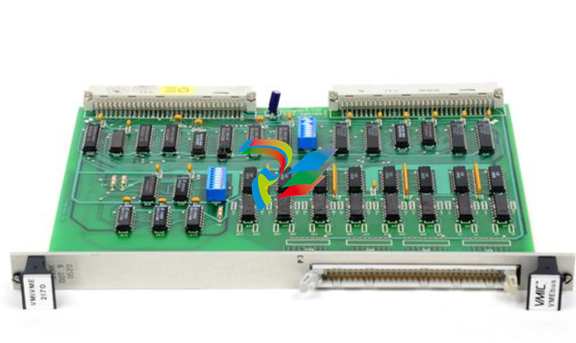 GE VMIC Isolated Digital Output VMIVME-2170A
 -
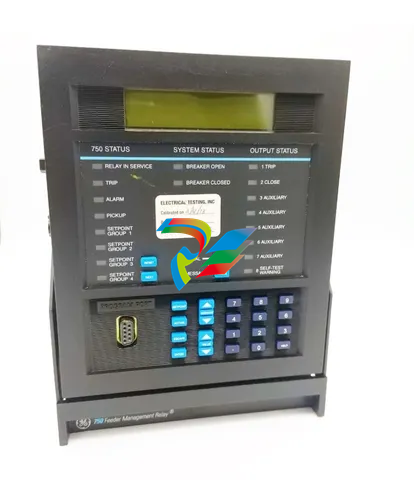 GE MULTILIN 760 FEEDER MANAGEMENT RELAY 760-P5-G5-S5-HI-A20-R-E
 -
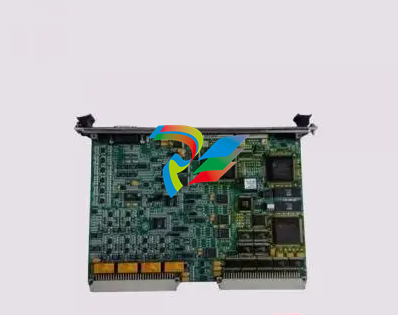 GE IS200AEPAH1BKE IS215WEPAH2BB Printed circuit board
 -
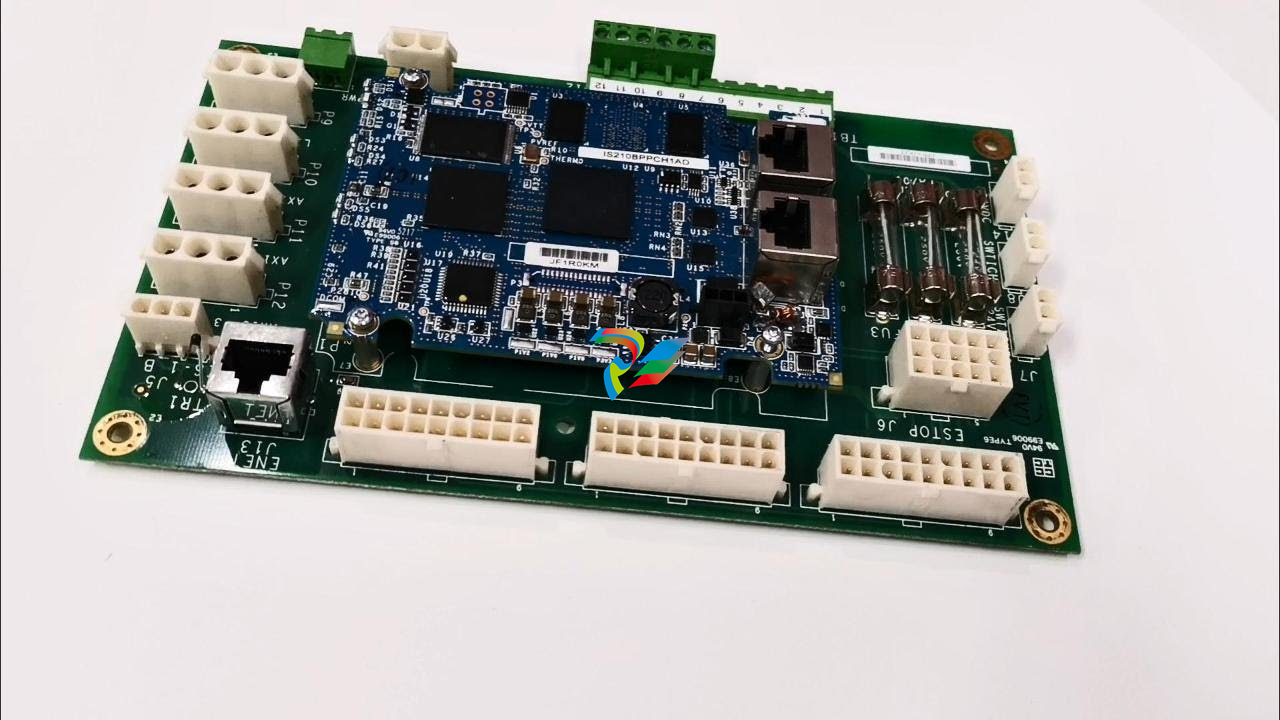 GE IS210BPPCH1A Mark VIe I/O Pack Processor Card
 -
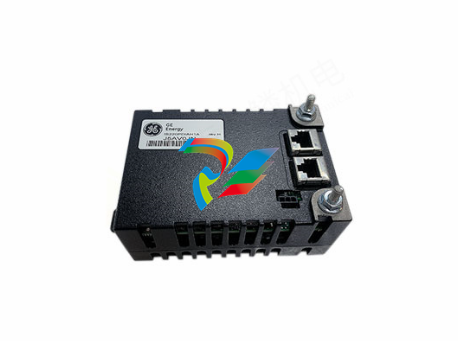 GE IS220PRTDH1A 336A4940CSP6 High-Performance RTD Input Module
 -
GE IS220PDIAH1BE 336A5026ADP4 Discrete Input Module
-
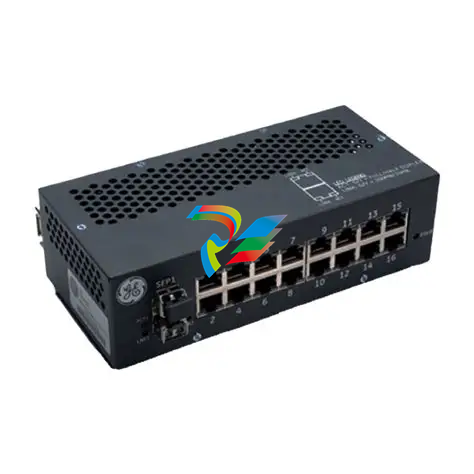 GE IS420ESWBH3A IONET Switch Module
 -
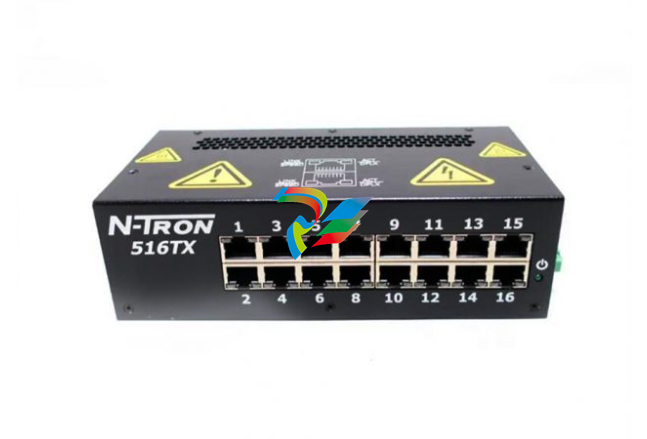 GE 516TX 336A4940DNP516TX 16-port Ethernet switch
 -
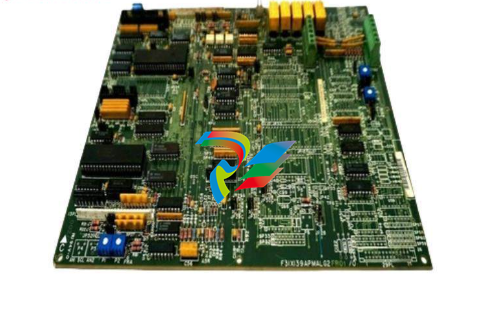 GE EVMECNTM13 Embedded control module
 -
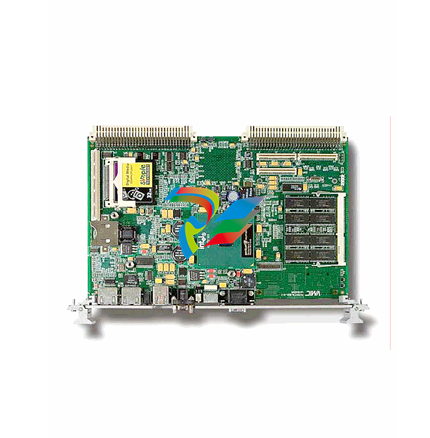 GE EVPBDP0001 EVPBDP032 control module
 -
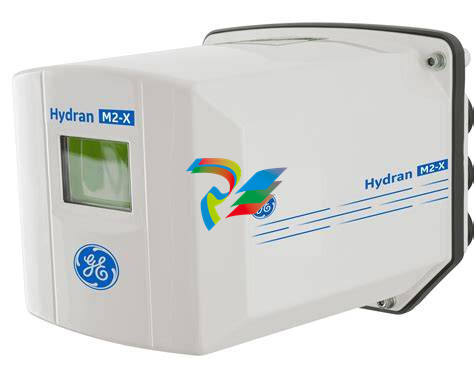 GE Hydran M2-X Enhanced Monitoring with Extended Sensor Life
 -
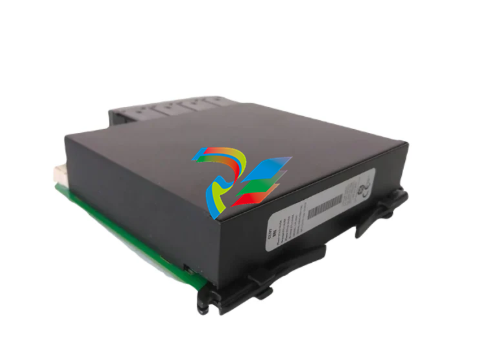 GE UR6CH Digital I/O Module
 -
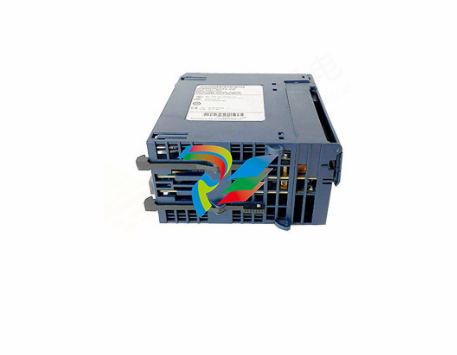 GE IC695CPU315-CD Central processing unit
 -
 GE 531X305NTBAMG1 DR Terminal Board
 -
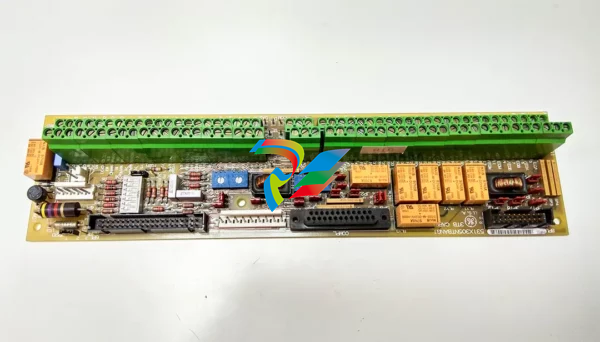 GE 531X305NTBALG1 NTB/3TB Terminal Board 531X Series
 -
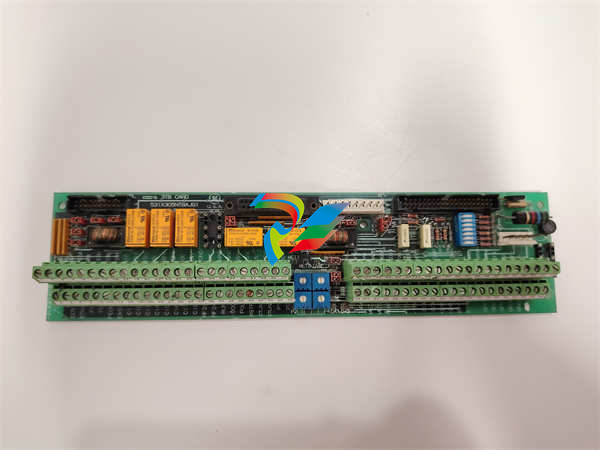 GE 531X305NTBAJG1 NTB/3TB Terminal Board.
 -
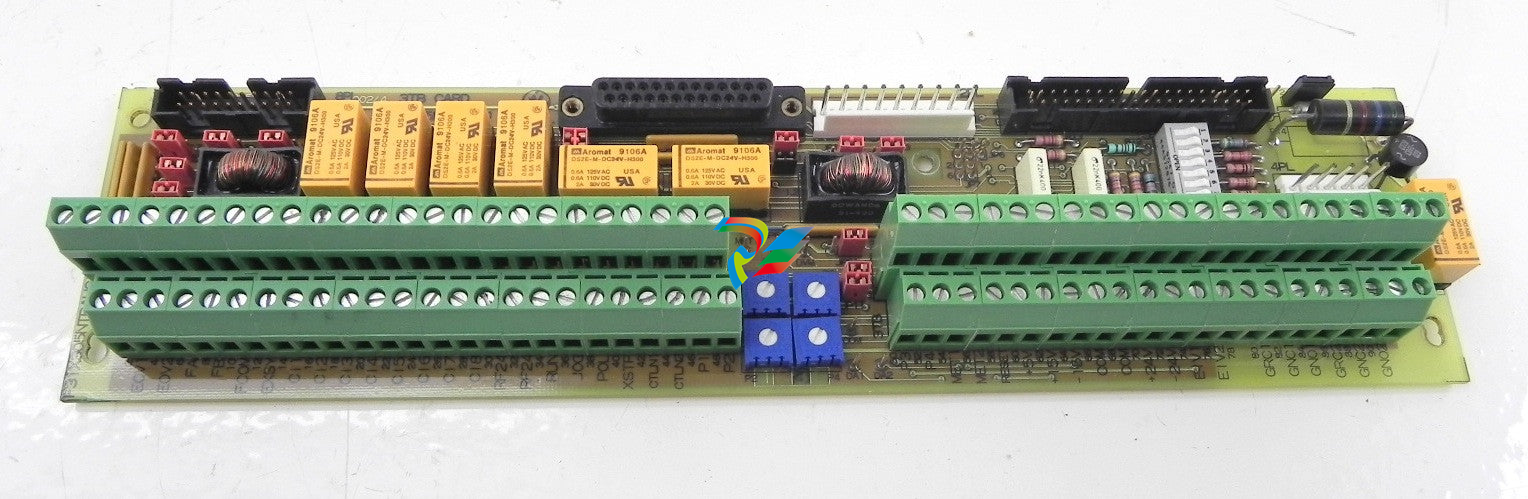 GE 531X305NTBAHG1 NTB/3TB Terminal Board 531X
 -
 GE 531X305NTBAEG1 is a PCB that functions as a DR terminal board.
 -
General Electric 531X305NTBACG1 NTB/3TB Terminal Board 531X
-
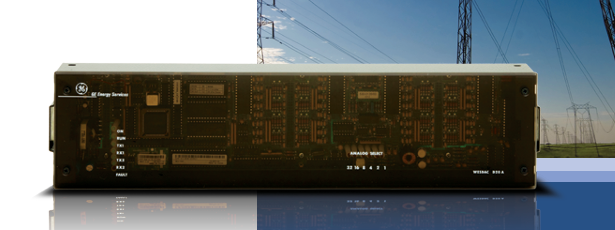 GE Digital Energy D20 Analog Input Module
 -
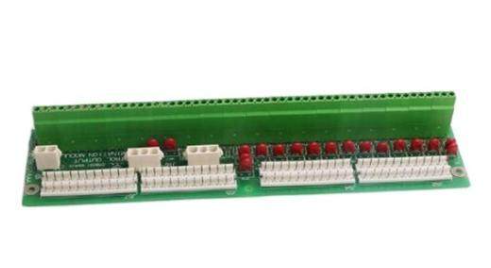 GE 94-164136-001 main board Control board
 -
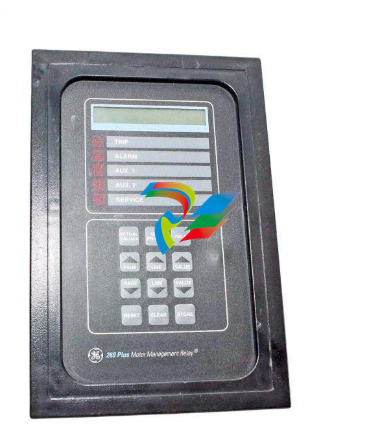 GE 269 PLUS-D/O-100P-125V Digital motor relay
 -
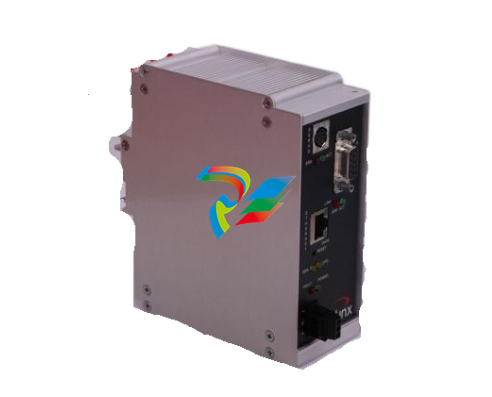 GALIL DMC-9940 High-performance motion controller
 -
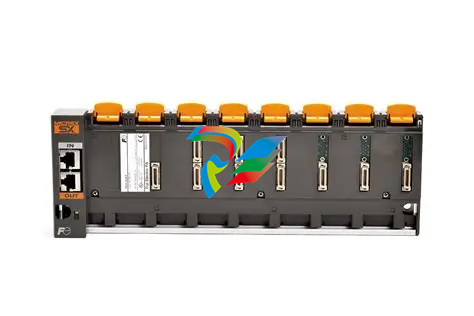 FUJI NP1BS-08 base plate
 -
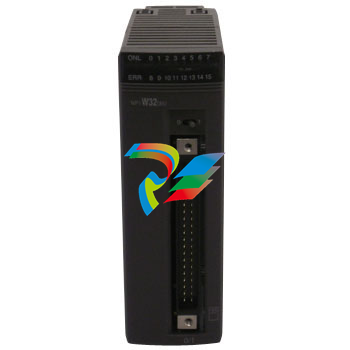 FUJI NP1Y32T09P1 Transistor drain type digital output module
 -
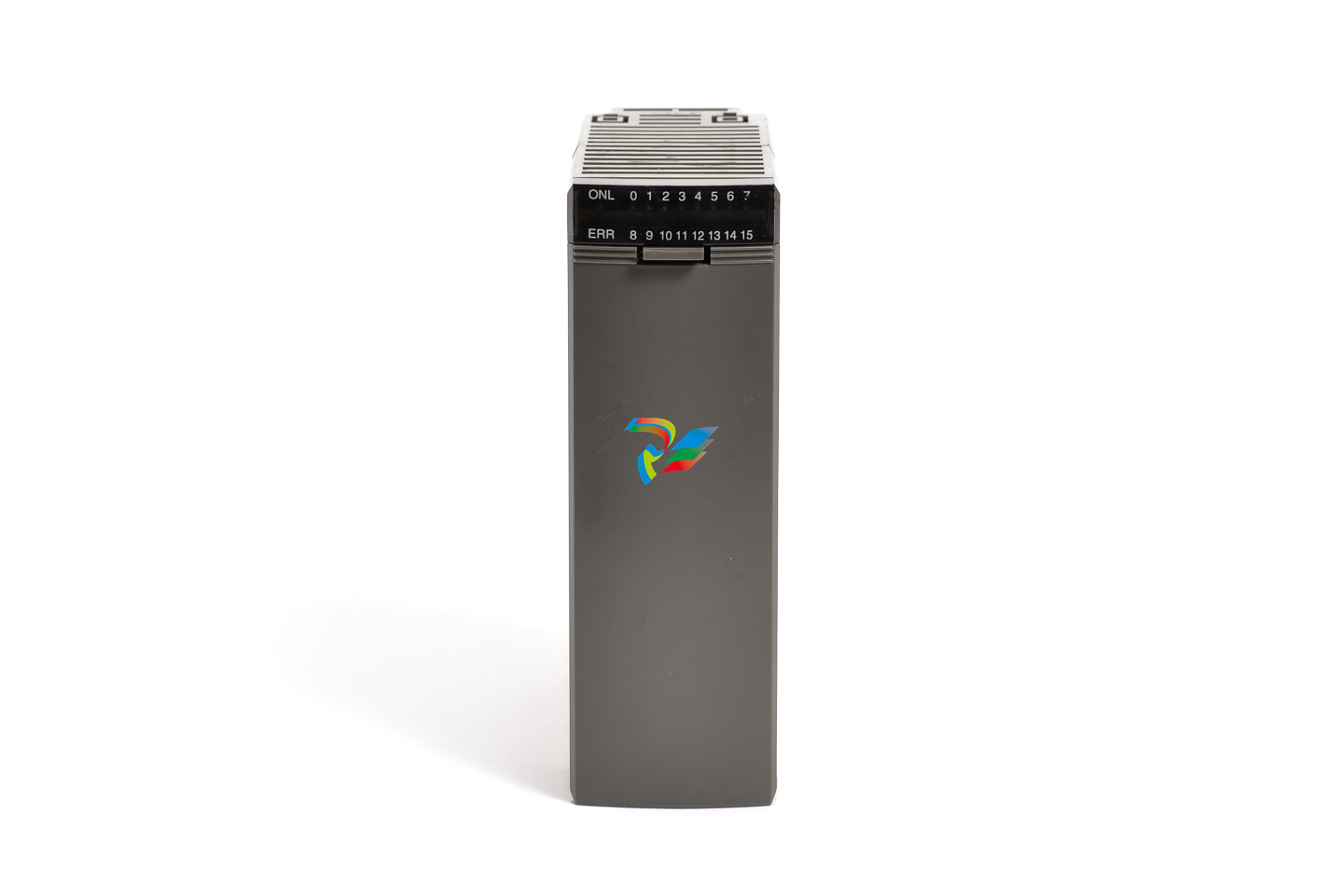 FUJI NP1Y16R-08 Digital Output Module
 -
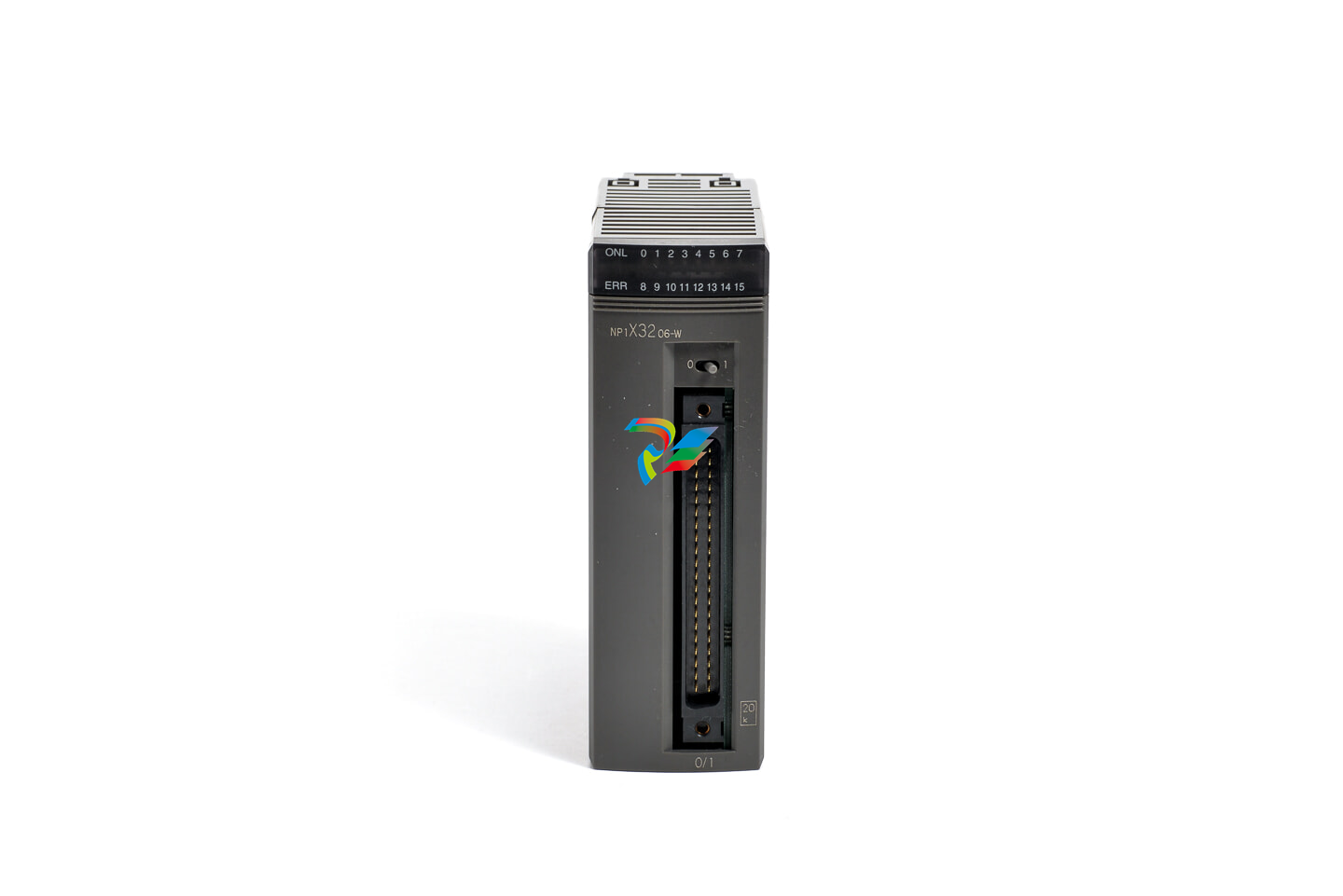 FUJI NP1X3206-A High-speed digital input module
 -
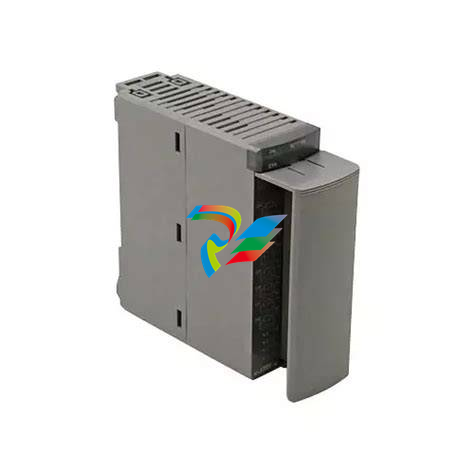 FUJI NP1AYH4I-MR current output module
 -
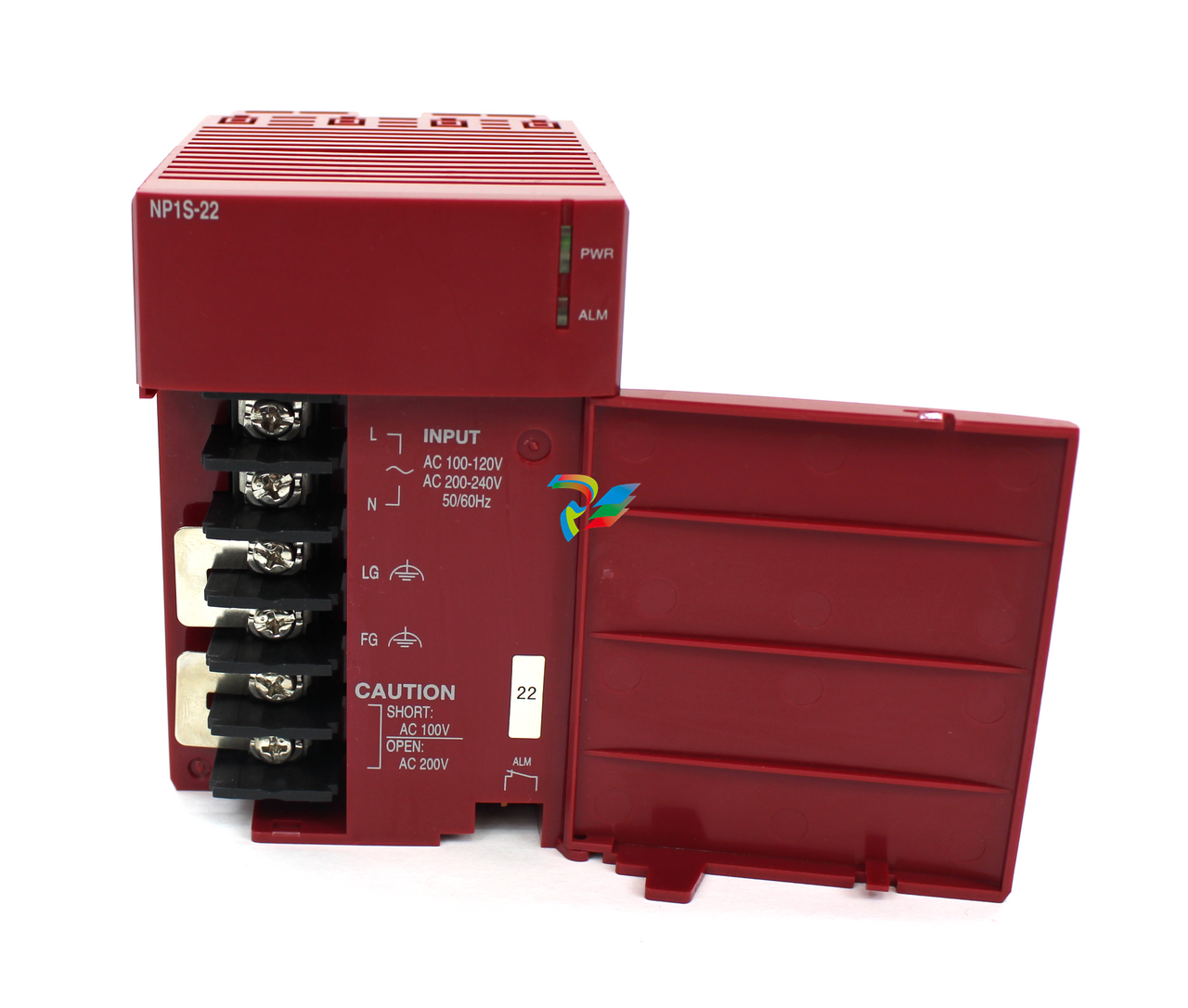 FUJI NP1S-22 Power module redundancy
 -
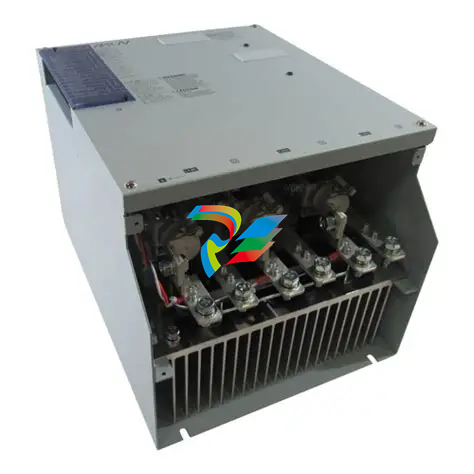 FUJI RPXD2150-1T servo drive module
 -
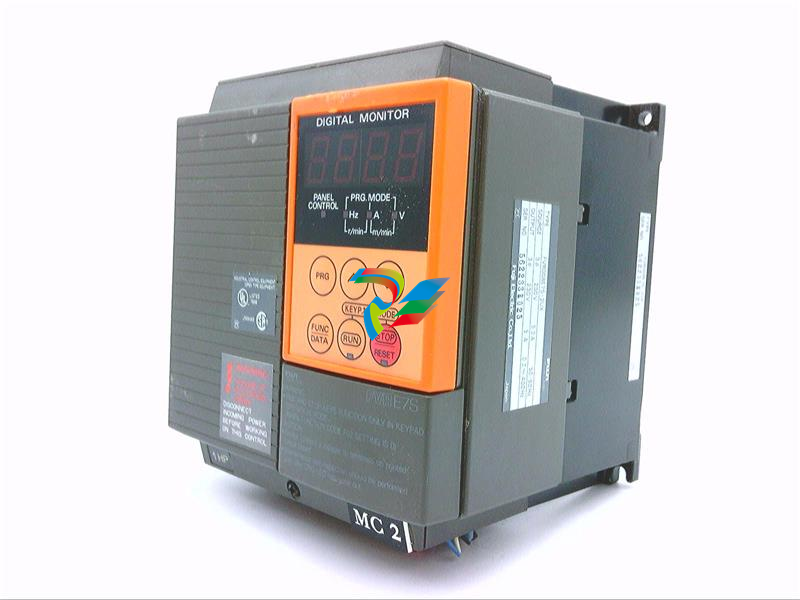 FUJI FVR008E7S-2UX Ac frequency converter
 -
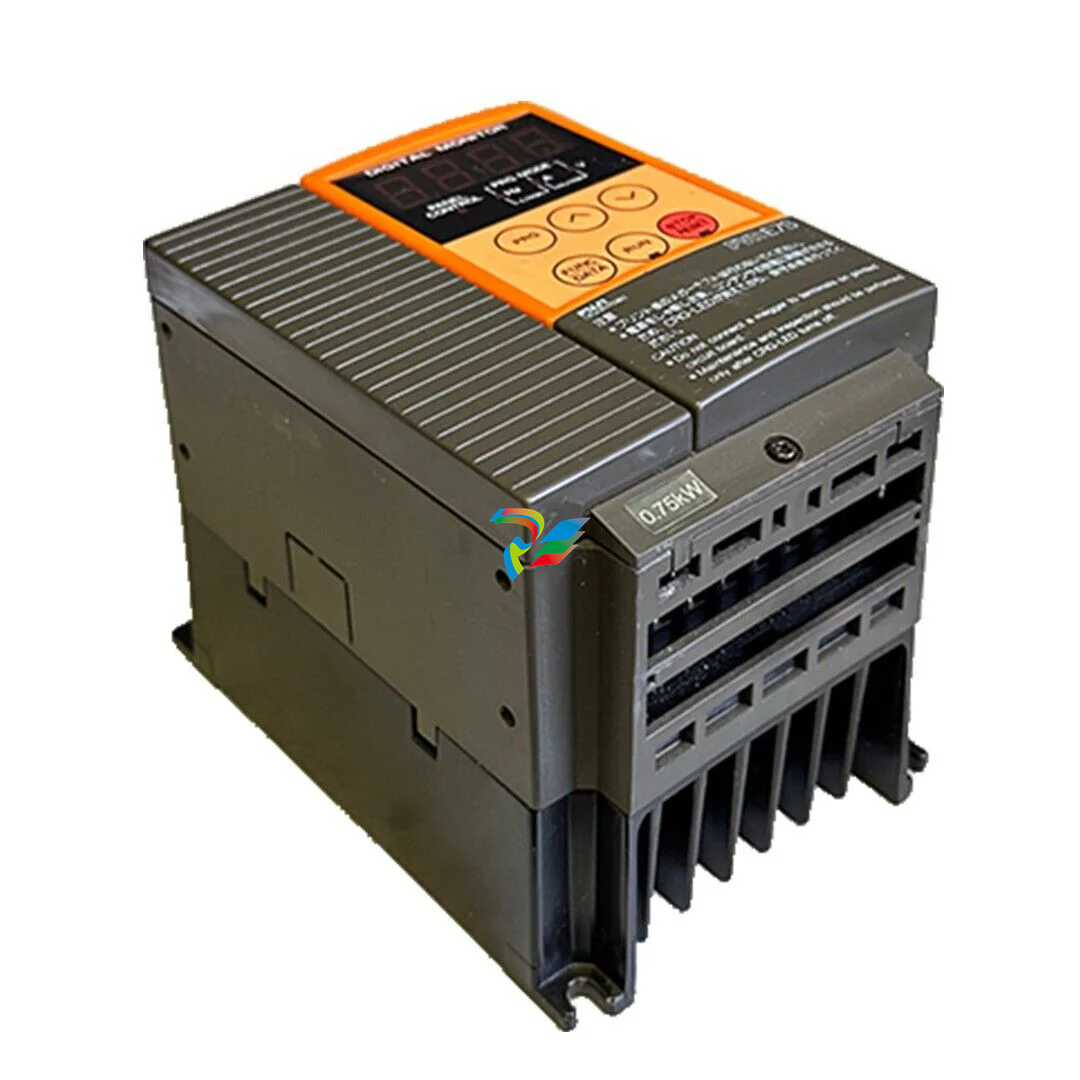 FUJI Ac frequency converter FVR008E7S-2
 -
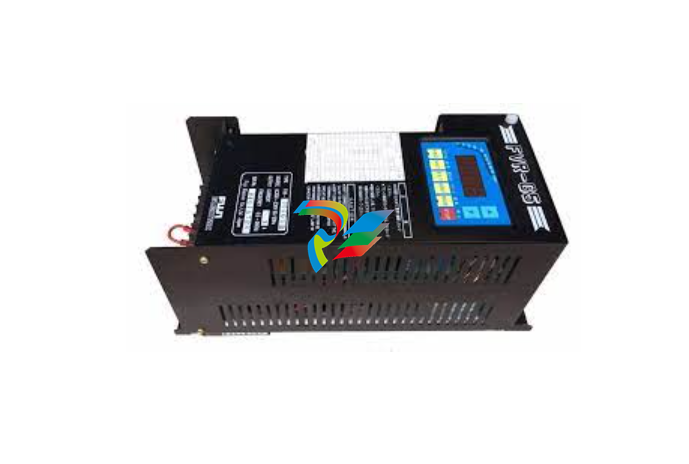 FUJI FVR004G5B-2 Small general-purpose frequency converter
 -
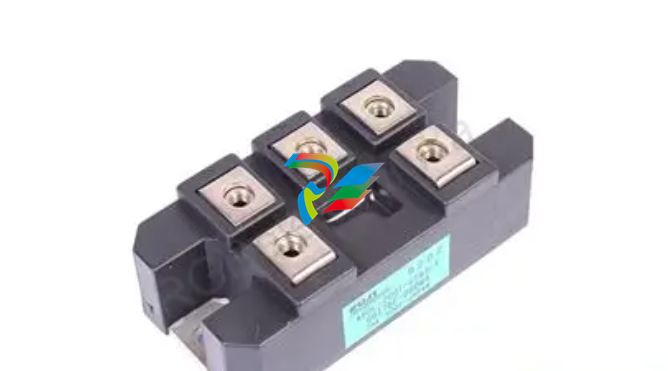 FUJI A50L-2001-0232 Industrial control module
 -
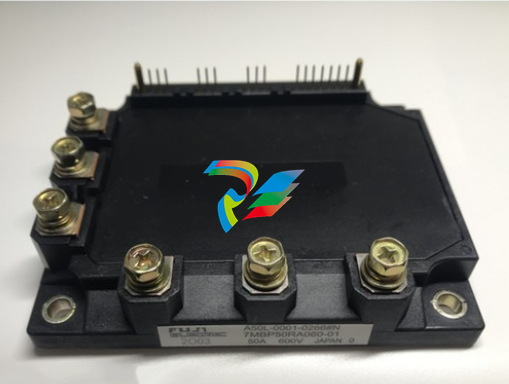 FUJI A50L-001-0266#N High-performance servo amplifier
 -
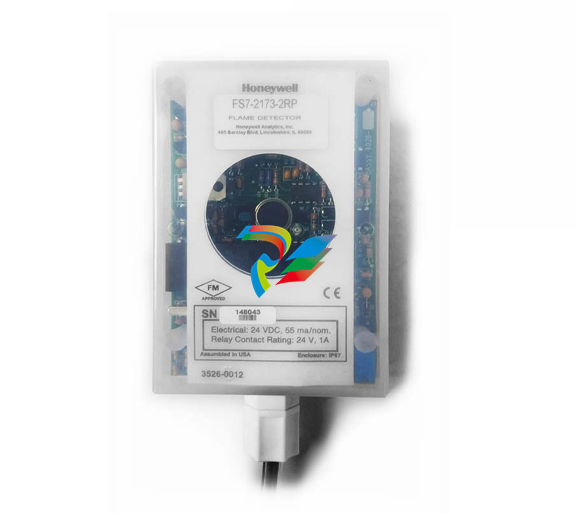 Honeywell FS7-2173-2RP Gas sensor
 -
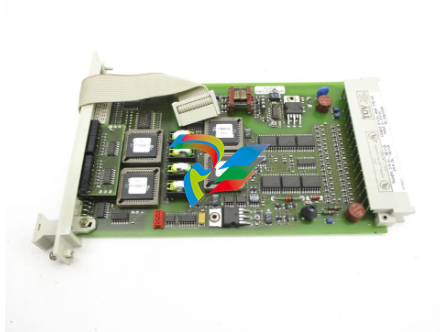 Honeywell 10106/2/1 Digital Input Module in Stock
 -
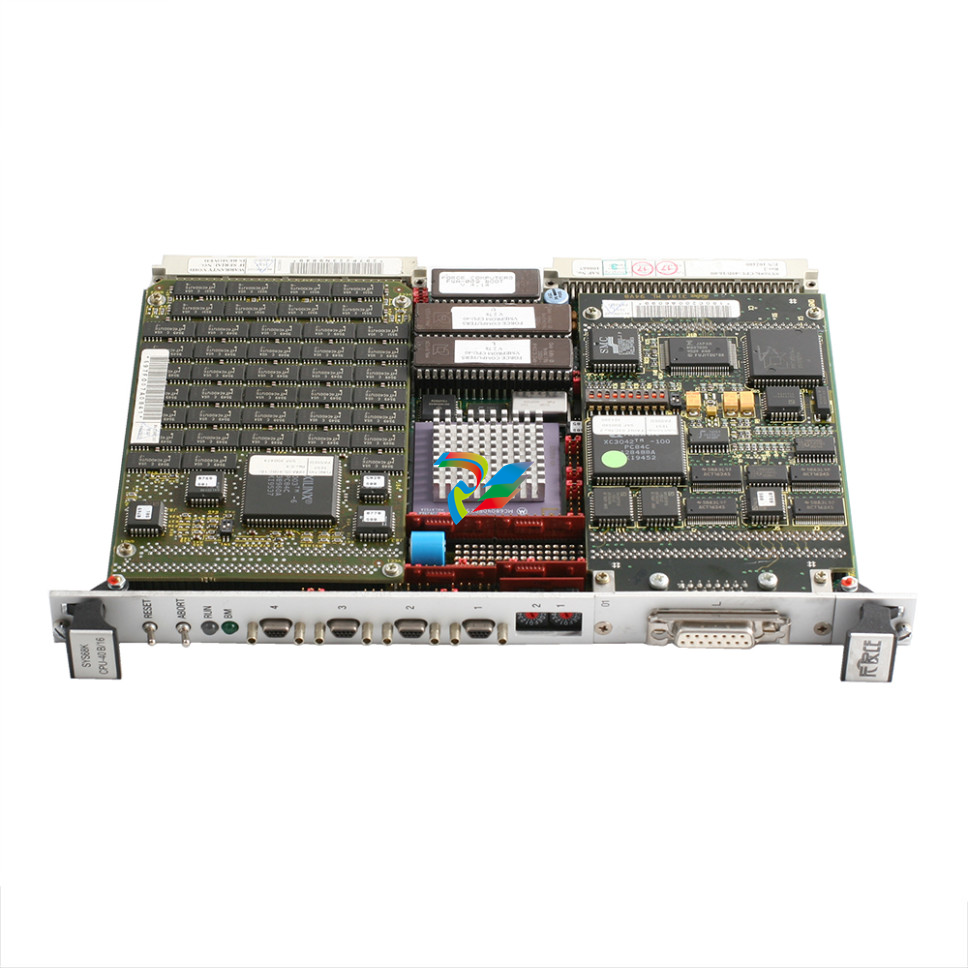 FRCE SYS68K CPU-40 B/16 PLC core processor module
 -
 Foxboro FBM I/O cards PBCO-D8-009
 -
 Foxboro AD916AE Digital Control System (DCS) Module
 -
 GE SR750-P5-G5-S5-HI-A20-R-E Multilin Relay
 -
.jpg) FOXBORO H90 H90C9AA0117S Industrial Computer Workstation
FOXBORO H90 H90C9AA0117S Industrial Computer Workstation -
.jpg) FOXBORO RH928AW | I/A Series Relay Output Module
FOXBORO RH928AW | I/A Series Relay Output Module -
.jpg) Foxboro N-2AX+DIO Multi-functional input/output module
Foxboro N-2AX+DIO Multi-functional input/output module -
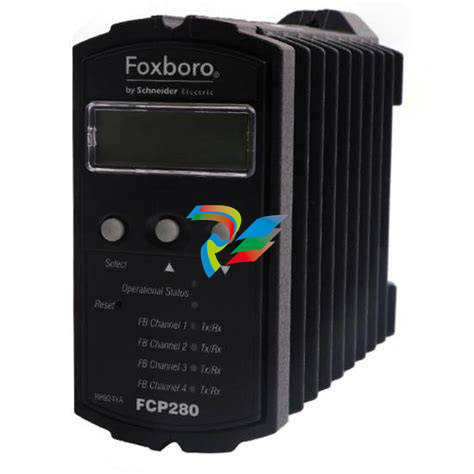 Foxboro RH924WA FCP280 Fiber Optic Network Adapter
 -
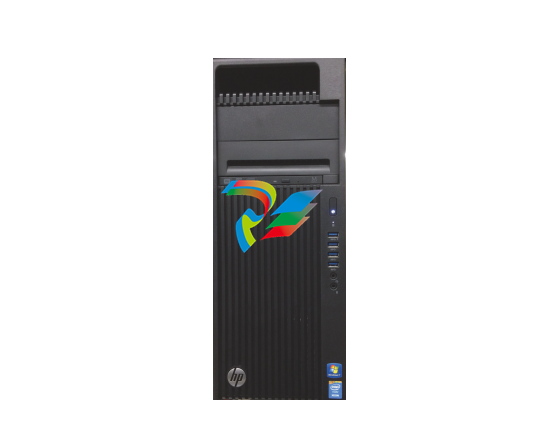 FOXBORO H92 Versatile Hardware Component In
 -
 Foxboro FBM218 P0922VW HART® Communication Redundant Output Interface Module
 -
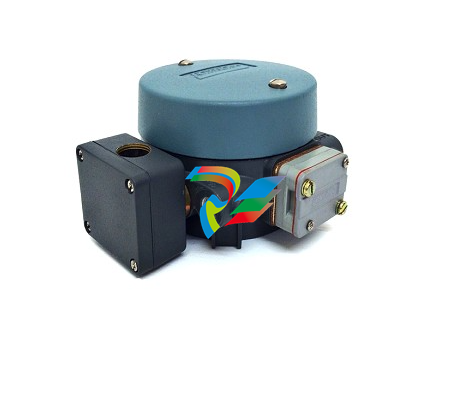 Foxboro E69F-TI2-J-R-S E69F Series Current-To-Pneumatic Signal Converter
 -
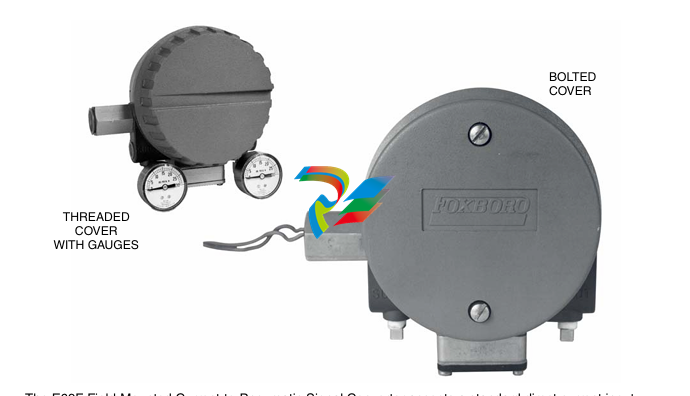 Foxboro E69F-BI2-S Converter
 -
.jpg) Foxboro H92A049E0700 The host of the DCS control station
Foxboro H92A049E0700 The host of the DCS control station -
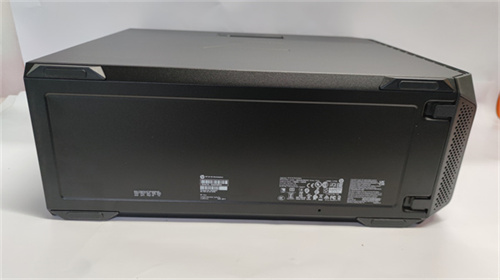 Foxboro H90C9AA0117S Industrial computer workstation
 -
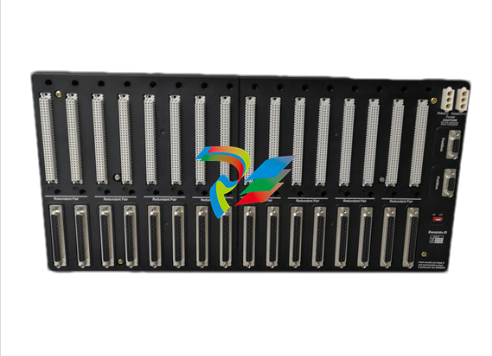 Foxboro RH101AA High-performance industrial control module
 -
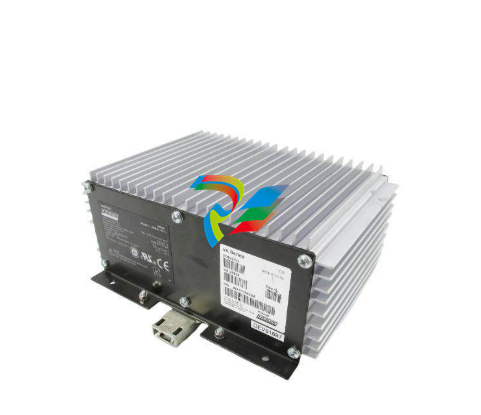 Foxboro P0922YU FPS400-24 I/A Series Power supply
 -
.png) FOXBORO P0973LN Chassis-based managed switch with independent power supply
FOXBORO P0973LN Chassis-based managed switch with independent power supply -
.jpg) FOXBORO P0926PA Input/output module
FOXBORO P0926PA Input/output module -
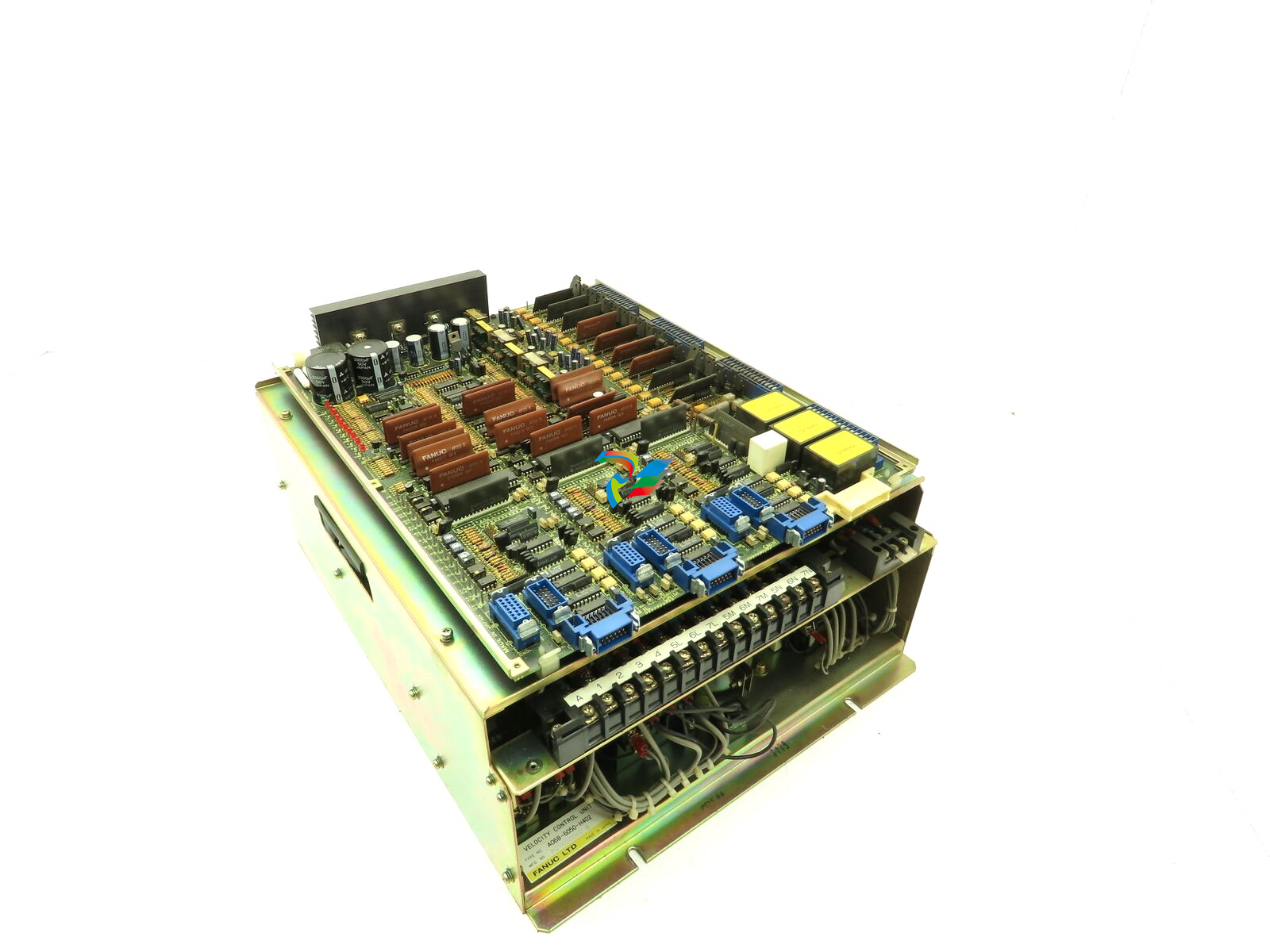 Fanuc A06B-6050-H402 3 AXIS ANALOG AC SERVO DRIVE
 -
.jpg) FOXBORO L0130AD L0130AE-0H Power module group
FOXBORO L0130AD L0130AE-0H Power module group -
_lVjBYb.jpg) FOXBORO 0399085B 0303440C+0303458A Combination Control Module
FOXBORO 0399085B 0303440C+0303458A Combination Control Module -
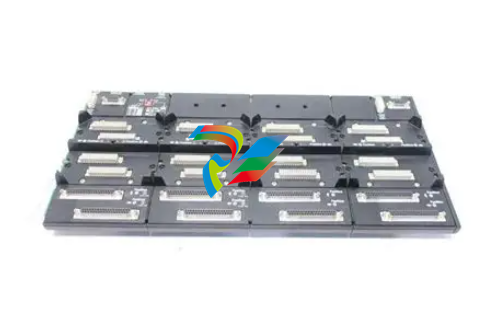 FOXBORO SY-0399095E (SY-0303451D+SY-0303460E) Process control board
 -
.jpg) FOXBORO 0399071D 0303440C+0303443B Input/Output (I/O) Module
FOXBORO 0399071D 0303440C+0303443B Input/Output (I/O) Module -
.jpg) FOXBORO RH924UQ Redundant Controller module
FOXBORO RH924UQ Redundant Controller module -
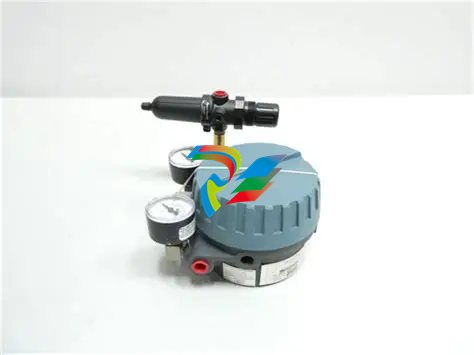 FFOXBORO E69F-TI2-S current pneumatic converter
 -
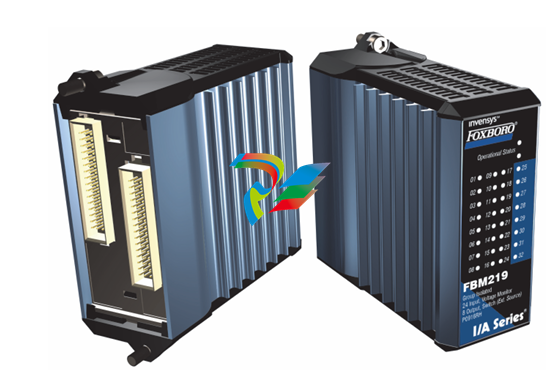 FOXBORO FBM219 RH916RH Discrete I/O Module
 -
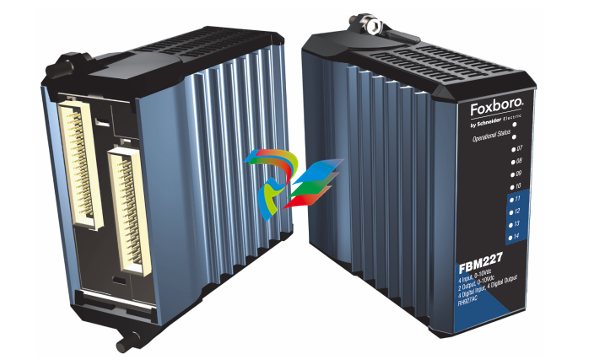 FOXBORO FBM227 P0927AC Module
 -
.jpg) FOXBORO 0399144 SY-0301059F SY-1025115C/SY-1025120E I/O module
FOXBORO 0399144 SY-0301059F SY-1025115C/SY-1025120E I/O module -
.jpg) FOXBORO SY-60399001R SY-60301001RB Industrial Control Module
FOXBORO SY-60399001R SY-60301001RB Industrial Control Module -
 FOXBORO 0399143 SY-0301060R SY-1025115C SY-1025120E Combined control board
 -
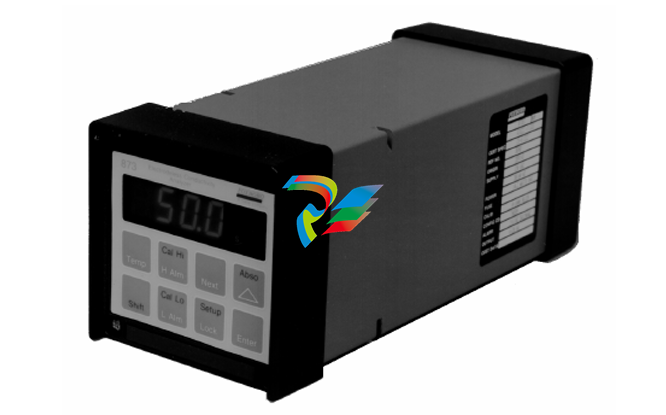 FOXBORO 873EC-JIPFGZ electrodeless conductivity analyzer
 -
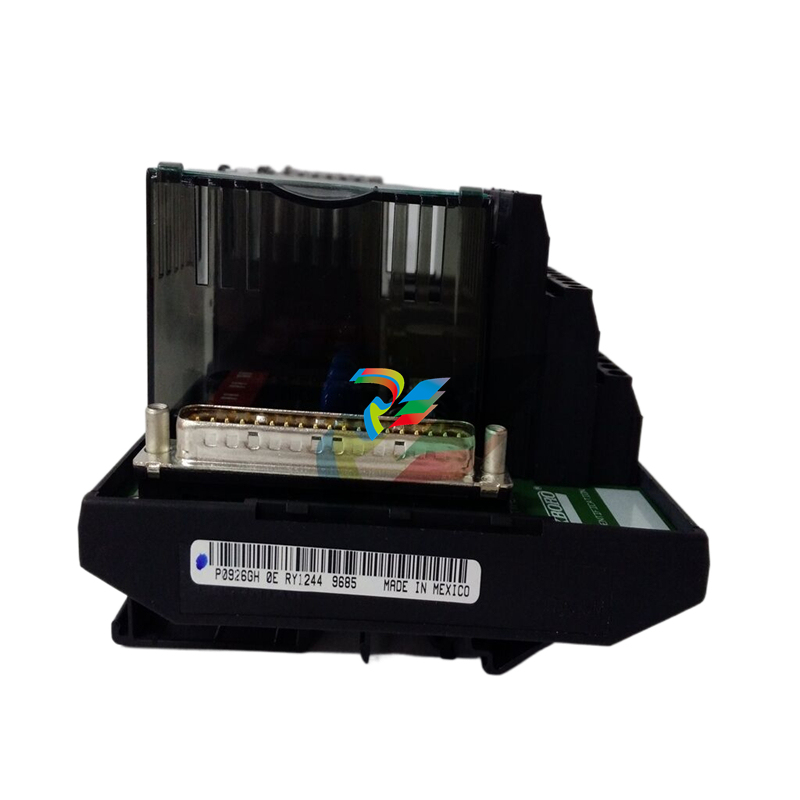 FOXBORO P0916PH (High-density HART I/O Module)
 -
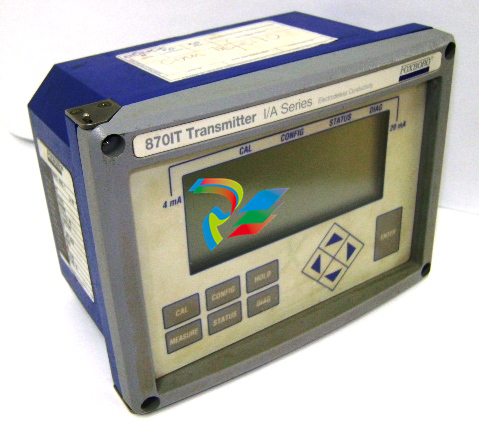 FOXBORO 870ITEC-AYFNZ-7 Intelligent Electrochemical Transmitters
 -
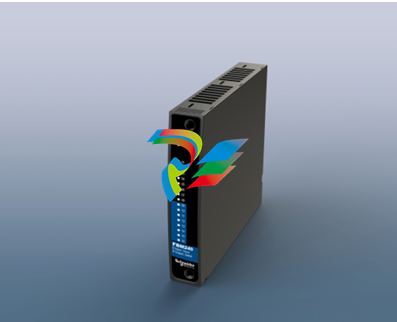 FOXBORO Compact FBM240. Redundant with Readback, Discrete
 -
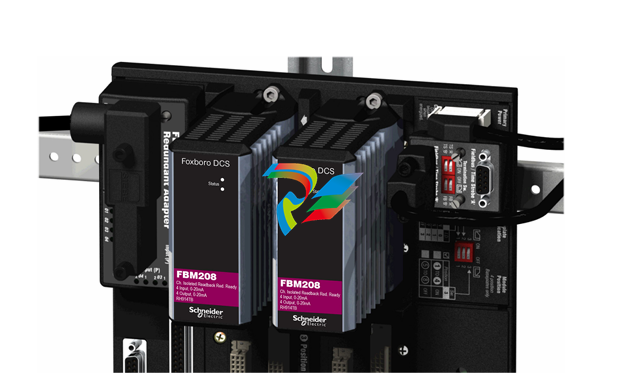 FOXBORO FBM208/b, Redundant with Readback, 0 to 20 mA I/O Module
 -
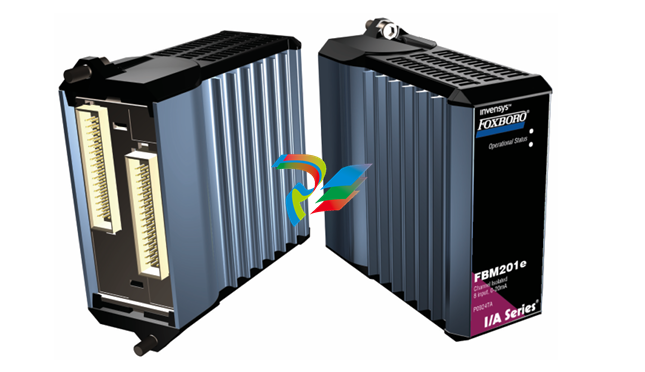 FOXBORO FBM201e Analog Input (0 to 20 mA) Interface Modules
 -
.jpg) FOXBORO P0916WG Terminal cable
FOXBORO P0916WG Terminal cable -
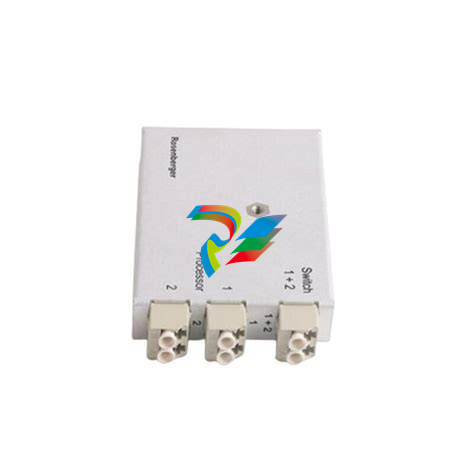 FOXBORO P0926MX 2-Port Splitter
 -
.jpg) FOXBORO AD908JQ High-Frequency Module
FOXBORO AD908JQ High-Frequency Module -
.jpg) FOXBORO AD916CC Processor module
FOXBORO AD916CC Processor module -
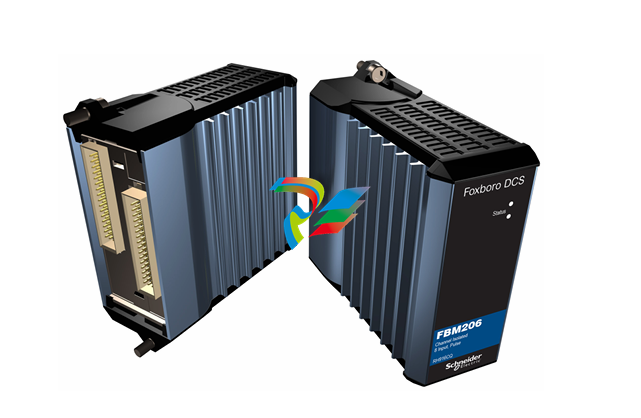 Foxboro DCS FBM206 Pulse Input Module
 -
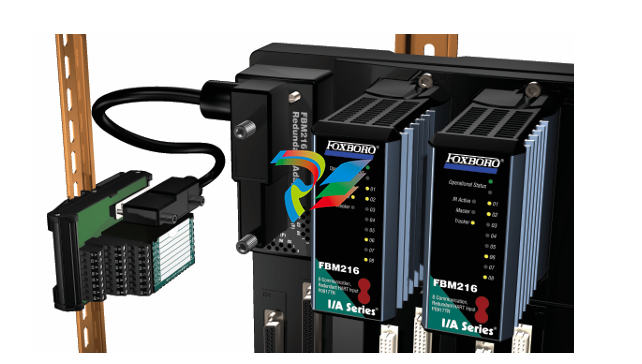 FOXBORO FBM216 HART® Communication Redundant Input Interface Module
 -
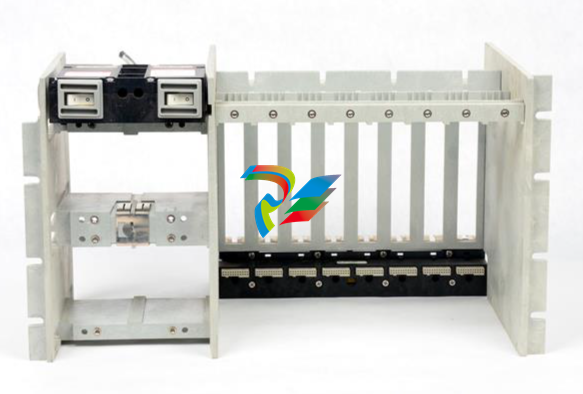 Foxboro p0903nu 1×8 unit sub-component module
 -
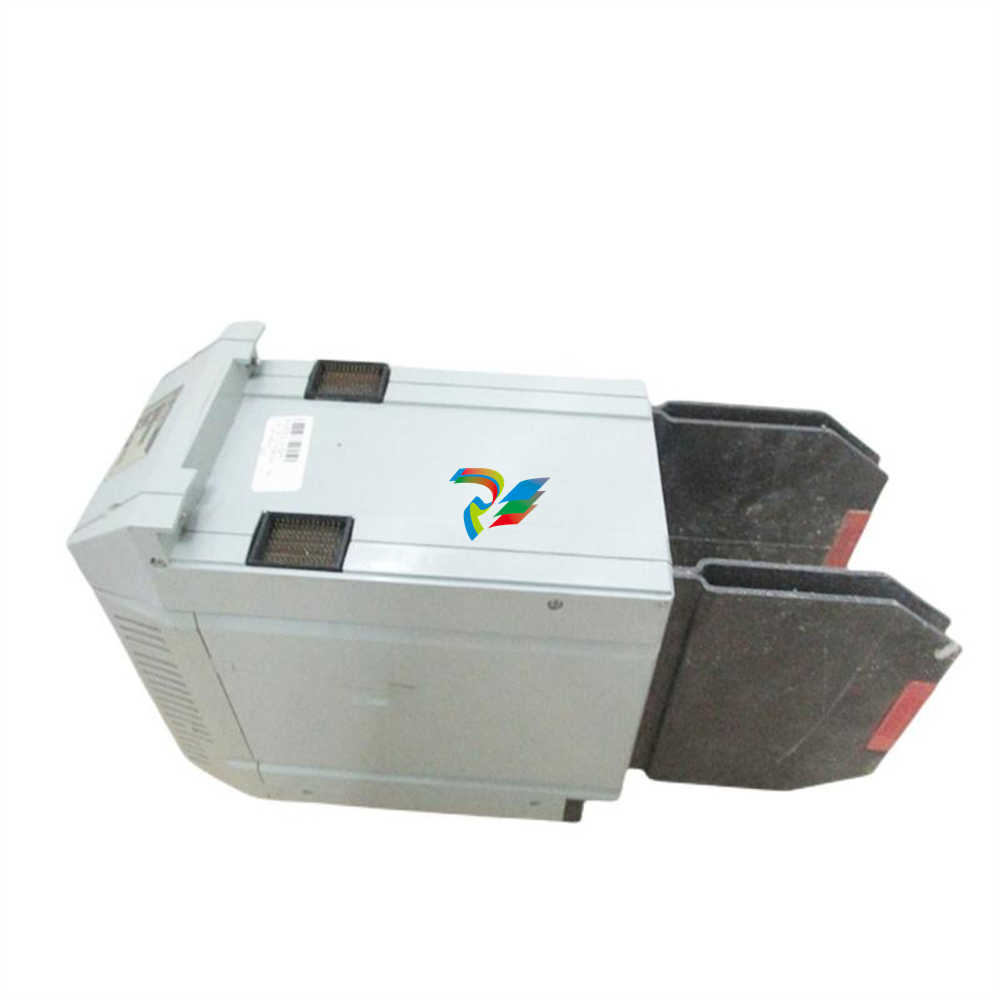 Foxboro P0911SM Industrial control module
 -
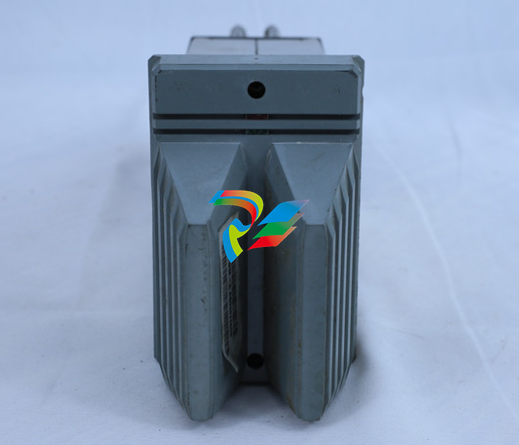 Foxboro CM902WM I/O module
 -
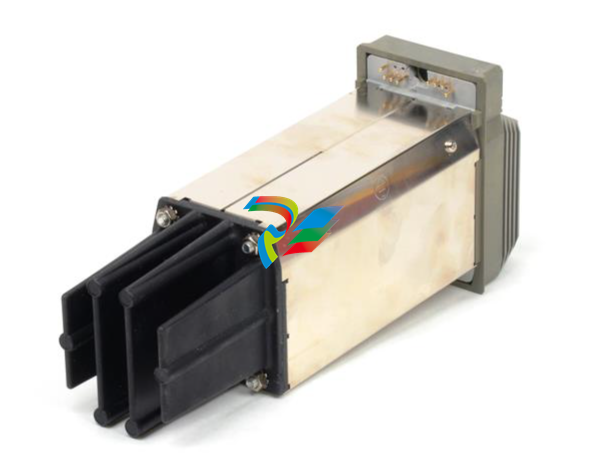 Foxboro CM902WL Power module
 -
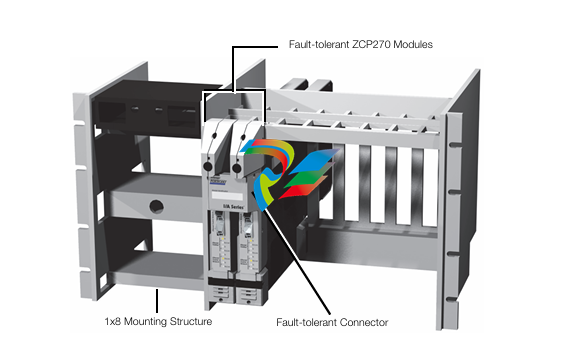 Foxboro P0972VA Industrial Control Module
 -
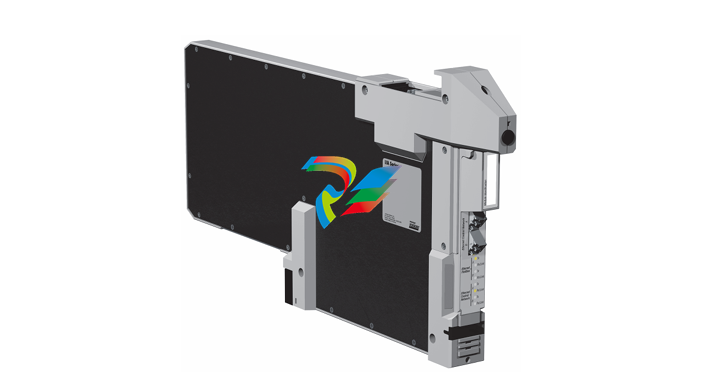 Foxboro Z-Module Control Processor 270 (ZCP270)
 -
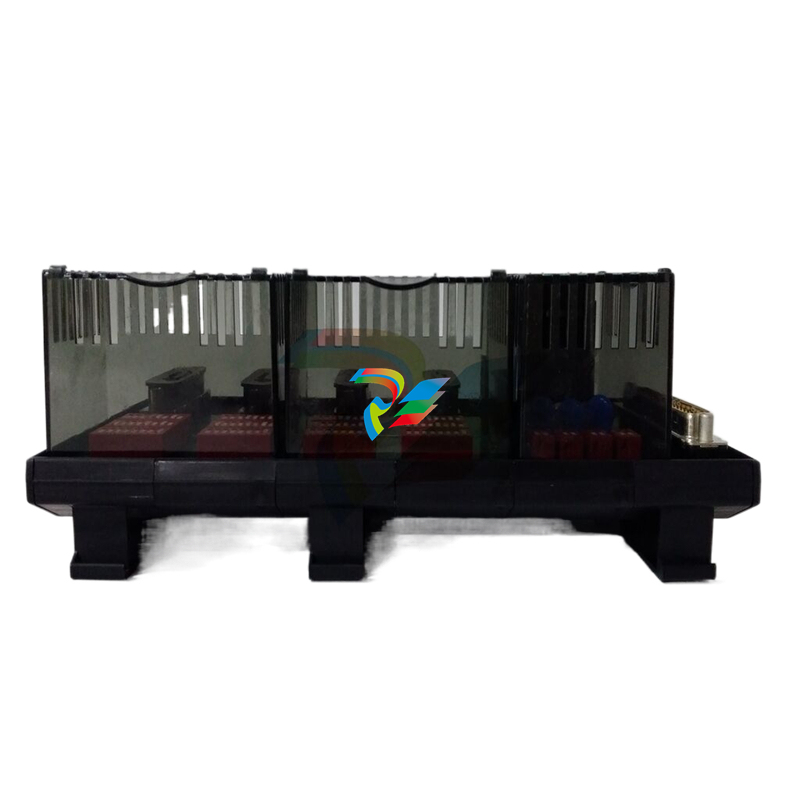 Foxboro PO916JS 16-channel terminal block module
 -
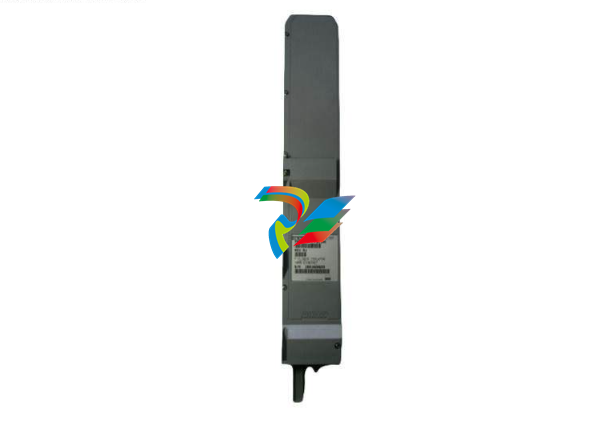 Foxboro PO911SM High-performance digital/analog input/output module
 -
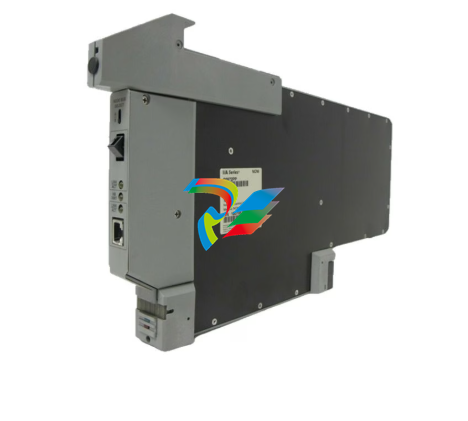 Foxboro P0972PP-NCNI Network Interface Module
 -
.jpg) FOXBORO P0971QZ controller module
FOXBORO P0971QZ controller module -
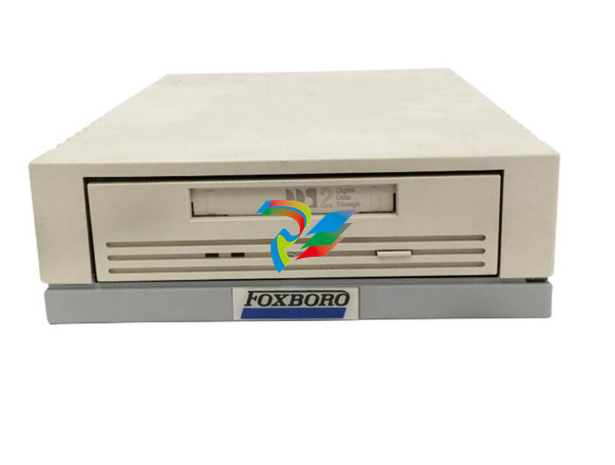 FOXBORO P0971DP Thermal resistance input/output module
 -
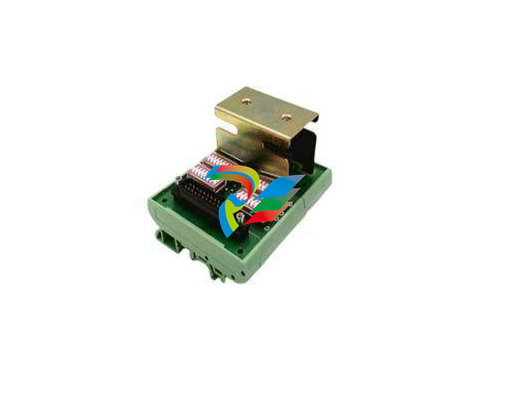 FOXBORO P0970VB Cable connector
 -
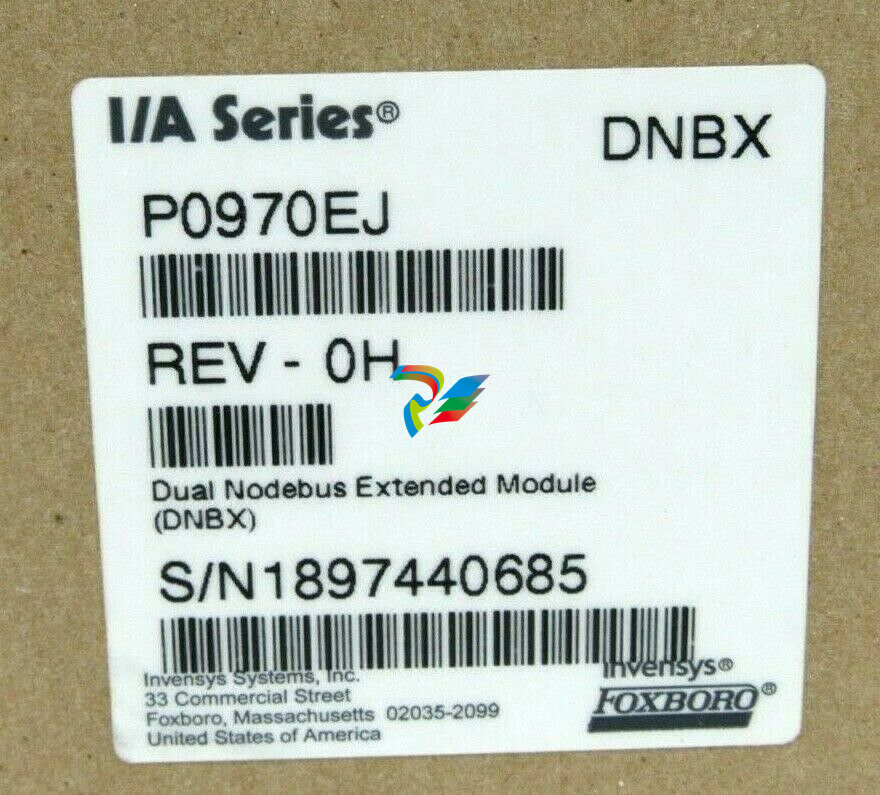 FOXBORO P0970EJ-DNBX Dual-node bus expansion module
 -
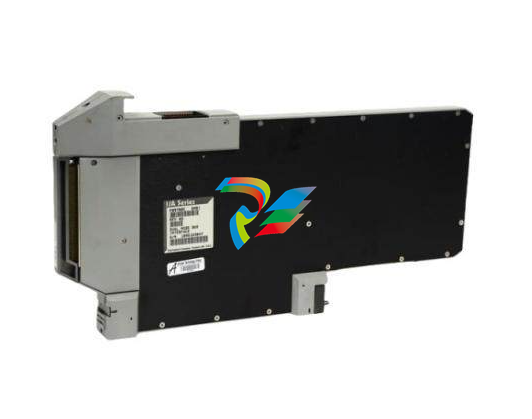 FOXBORO P0970BP Redundant power supply system
 -
.jpg) FOXBORO P0970BC-DNBI DeviceNet bus interface module
FOXBORO P0970BC-DNBI DeviceNet bus interface module -
.jpg) FOXBORO P0961FX-CP60S Main control CPU module
FOXBORO P0961FX-CP60S Main control CPU module -
.jpg) FOXBORO P0961EF-CP30B Network Interface Unit
FOXBORO P0961EF-CP30B Network Interface Unit -
.jpg) FOXBORO P0961CA Optical fiber local area network module
FOXBORO P0961CA Optical fiber local area network module -
.jpg) FOXBORO P0961BD-GW30B gateway processor module
FOXBORO P0961BD-GW30B gateway processor module -
.jpg) FOXBORO P0961BC-CP40B/I/A Series high-performance control processor module
FOXBORO P0961BC-CP40B/I/A Series high-performance control processor module -
FOXBORO P0960JA-CP40 High-performance control processor
-
FOXBORO P0926TM Control module
-
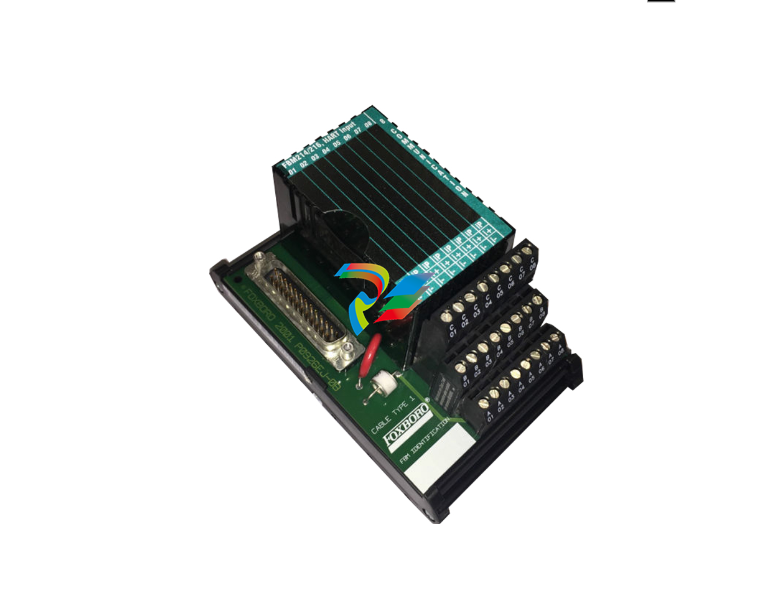 FOXBORO P0916BX Termination Assembly
 -
.jpg) FOXBORO P0916AE P0916AG P0916AW Thermal resistance input type DCS card module
FOXBORO P0916AE P0916AG P0916AW Thermal resistance input type DCS card module -
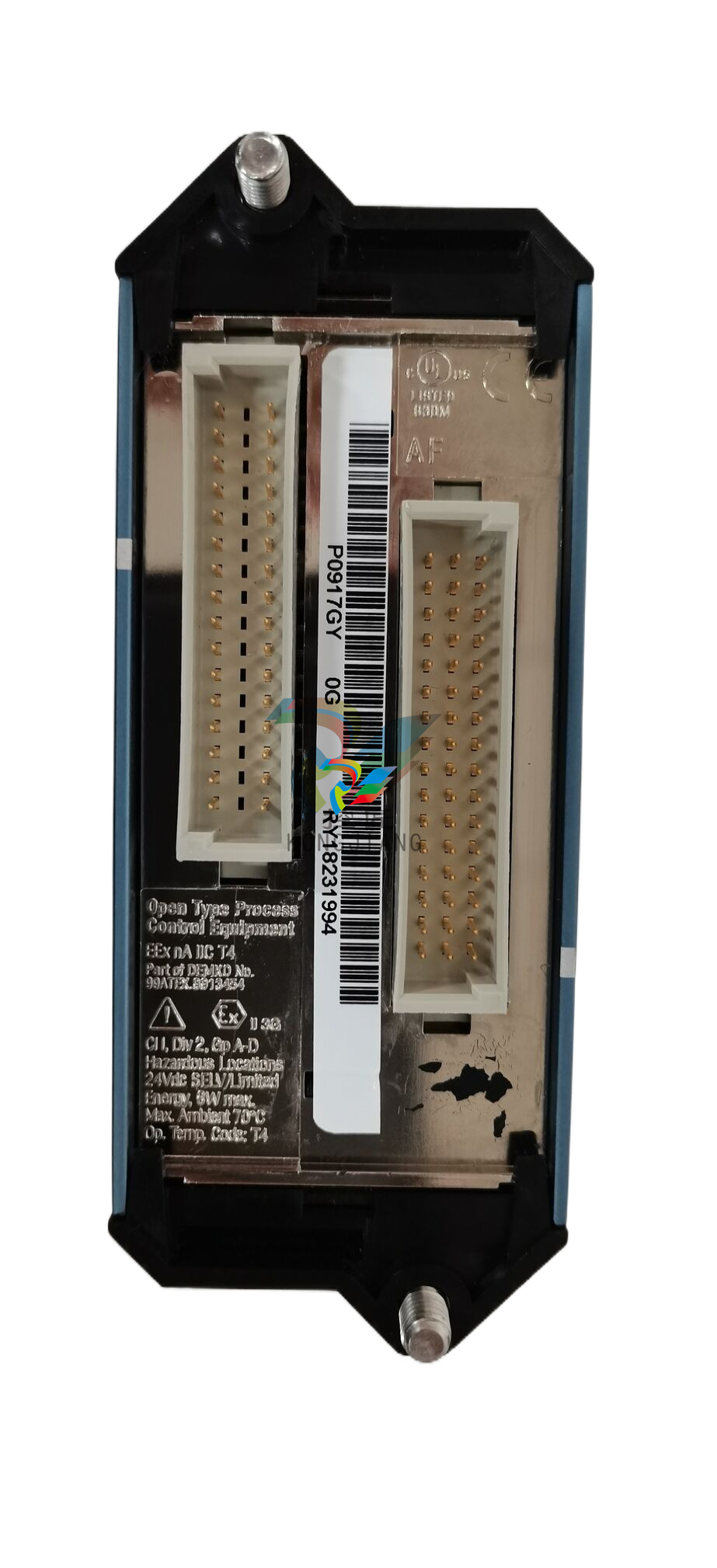 FOXBORO P0916AC FOXBORO distributed control system (DCS) compression terminal assembly
 -
.jpg) FOXBORO P0912CB High-performance interface module
FOXBORO P0912CB High-performance interface module -
.jpg) FOXBORO P0911VJ Thermal resistance input output module
FOXBORO P0911VJ Thermal resistance input output module -
.jpg) FOXBORO P0911QH-A High-precision module
FOXBORO P0911QH-A High-precision module -
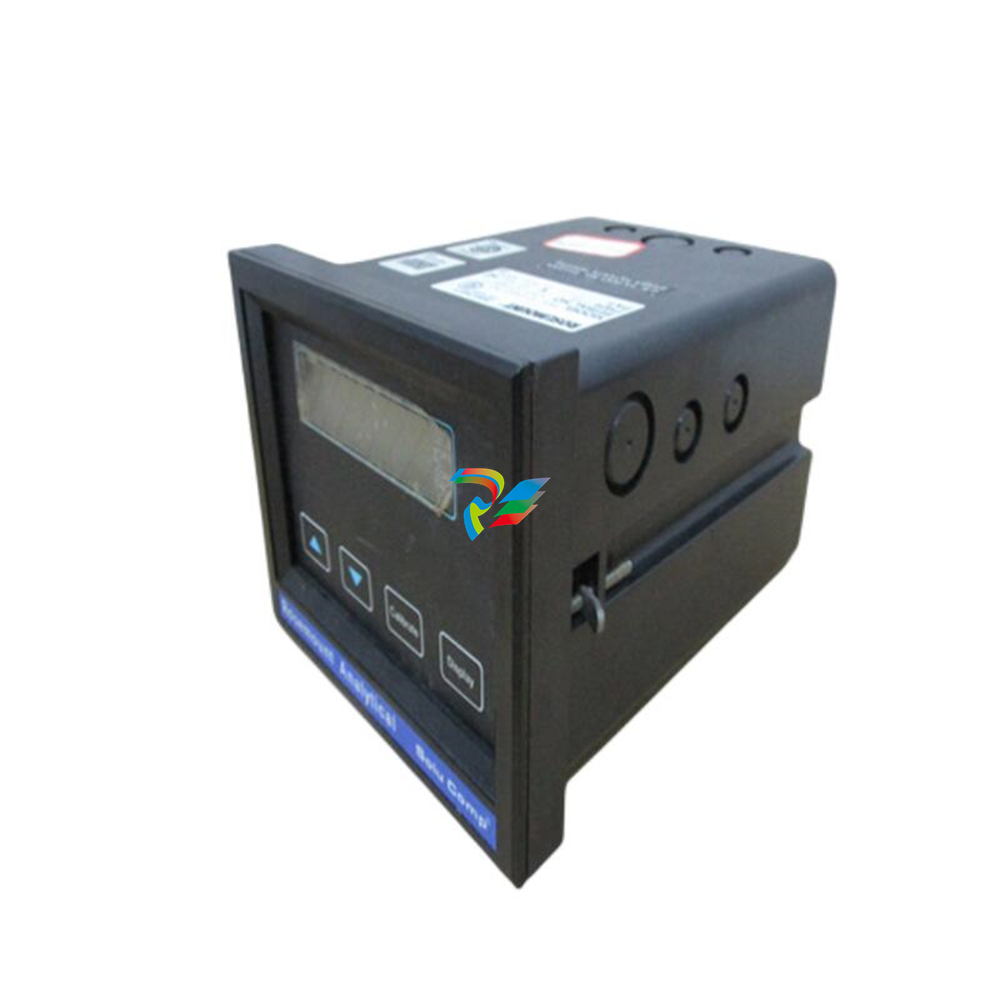 FOXBORO P0911QB-C P0911QC-C Thermal resistance input/output module
 -
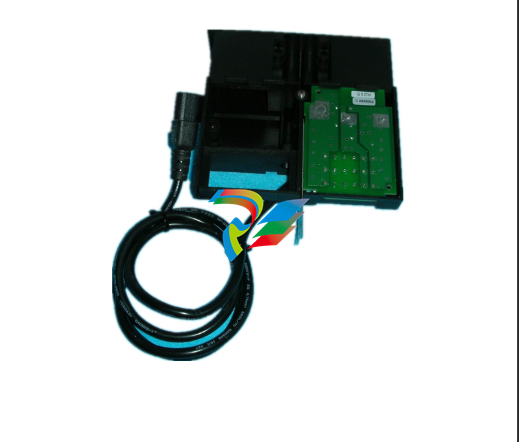 FOXBORO P0904BH P0904FH P0904HB Distributed Control system (DCS) module
 -
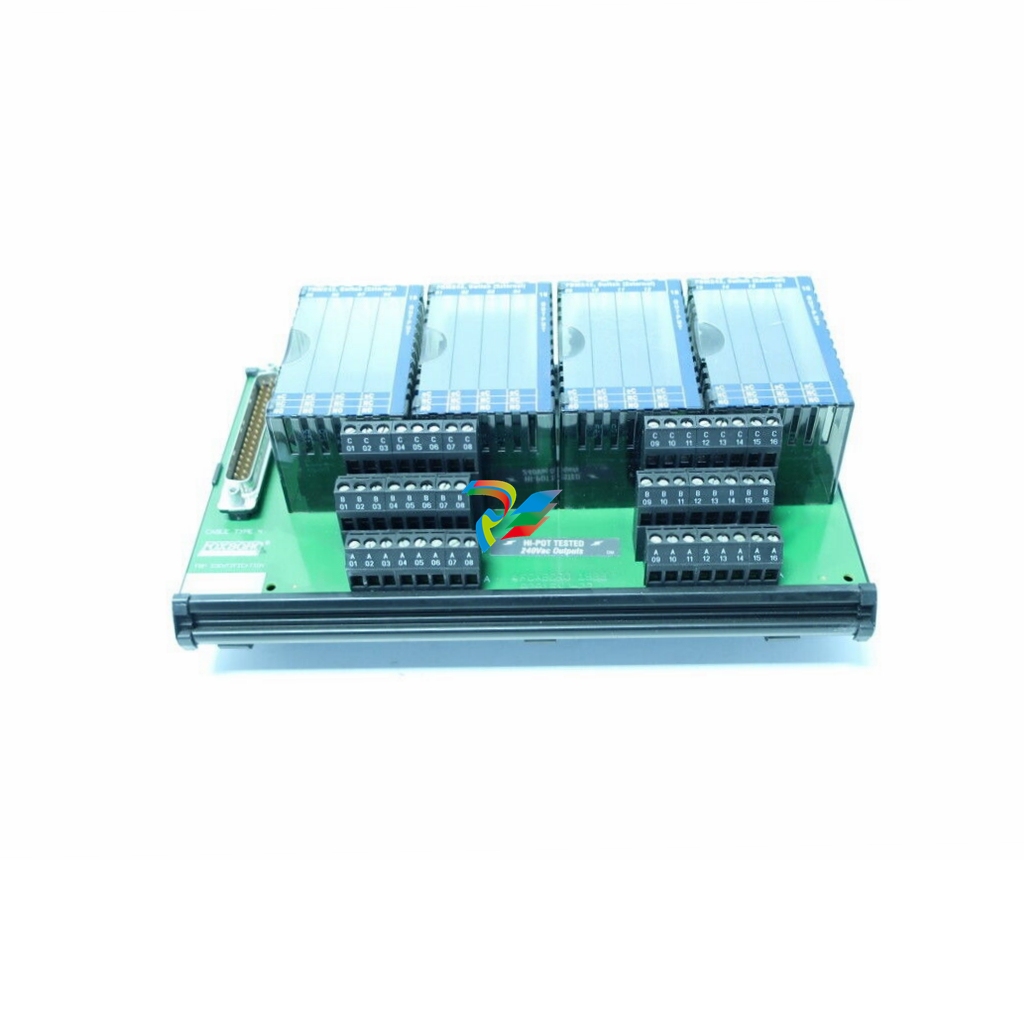 FOXBORO P0903ZP P0903ZQ Embedded System Debugging Module
 -
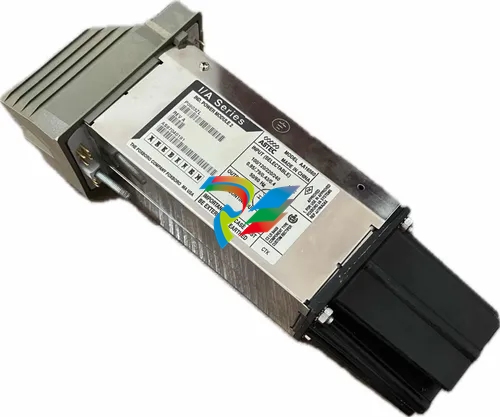 Foxboro P0903ZL P0903ZN Industrial power module
 -
 Foxboro P0903ZE I/A Series Fieldbus Isolator Module
 -
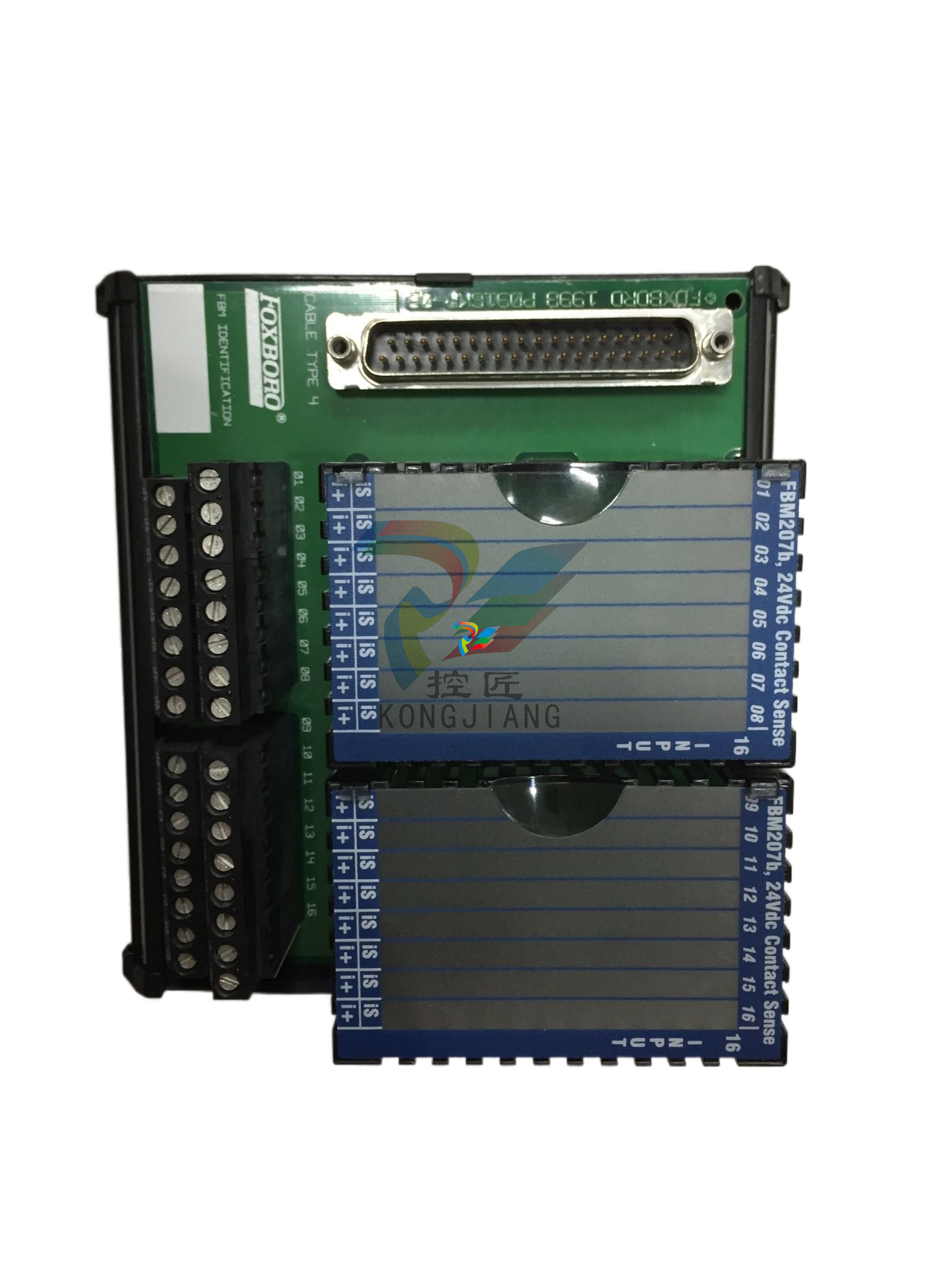 FOXBORO P0903NW Industrial Control Module
 -
.jpg) FFOXBORO P0903NQ Industrial power module
FFOXBORO P0903NQ Industrial power module -
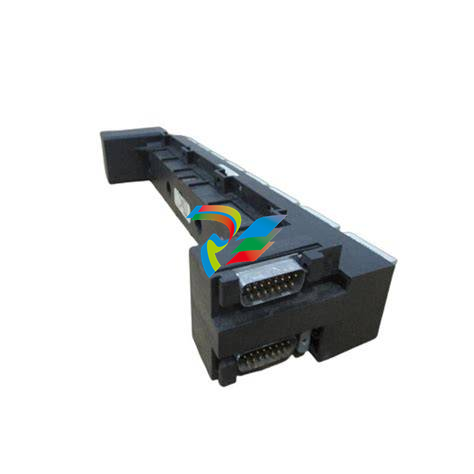 FFOXBORO P0903AA Control Module
 -
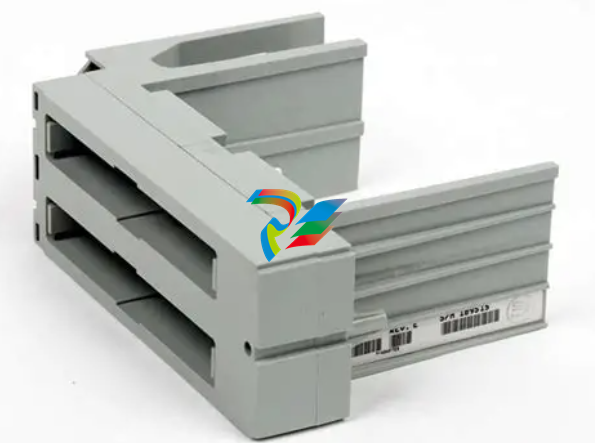 FOXBORO P0400DL Digital output module
 -
.jpg) FOXBORO P0400BJ Digital output module
FOXBORO P0400BJ Digital output module -
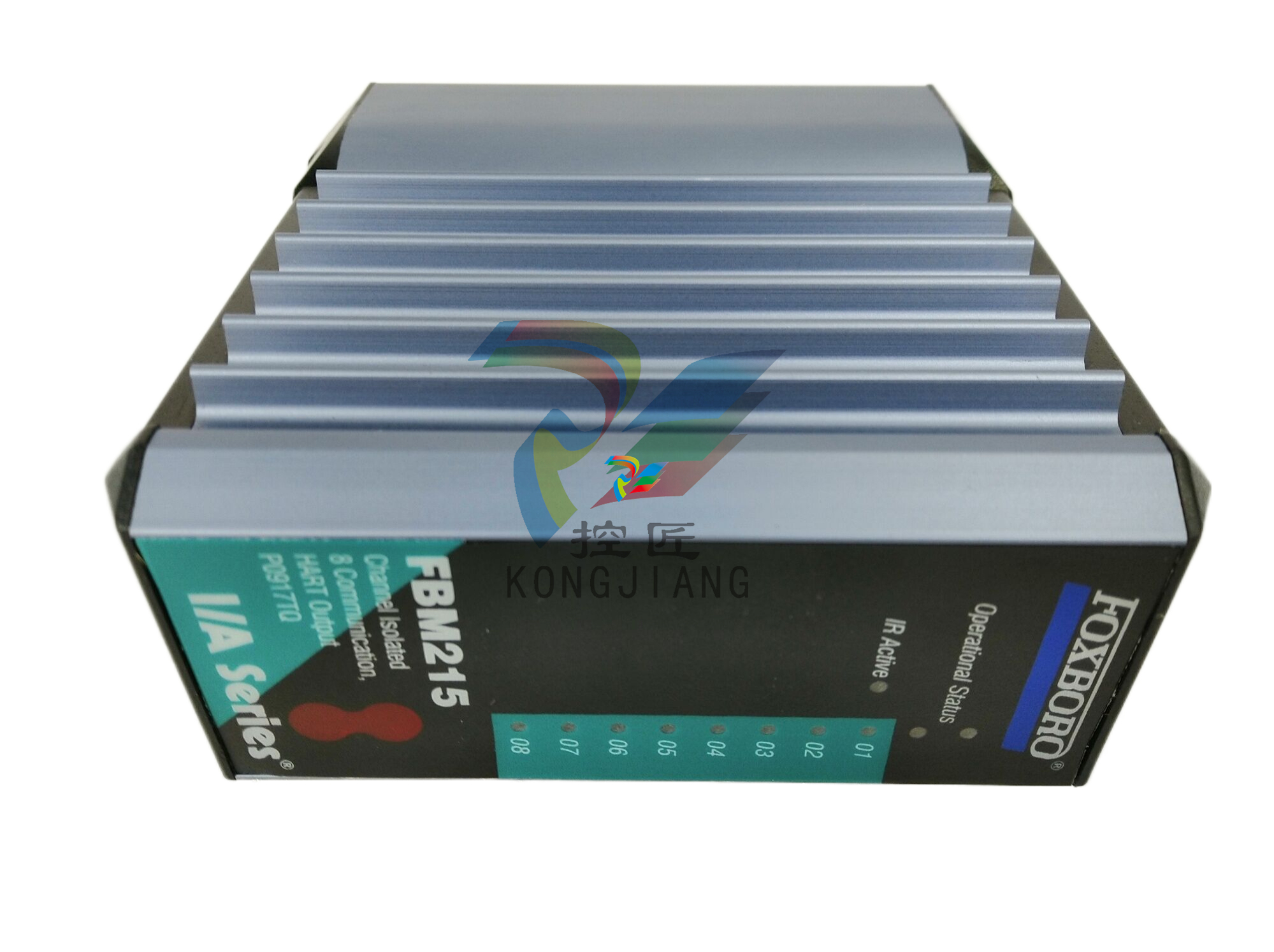 FOXBORO GW30 industrial control module
 -
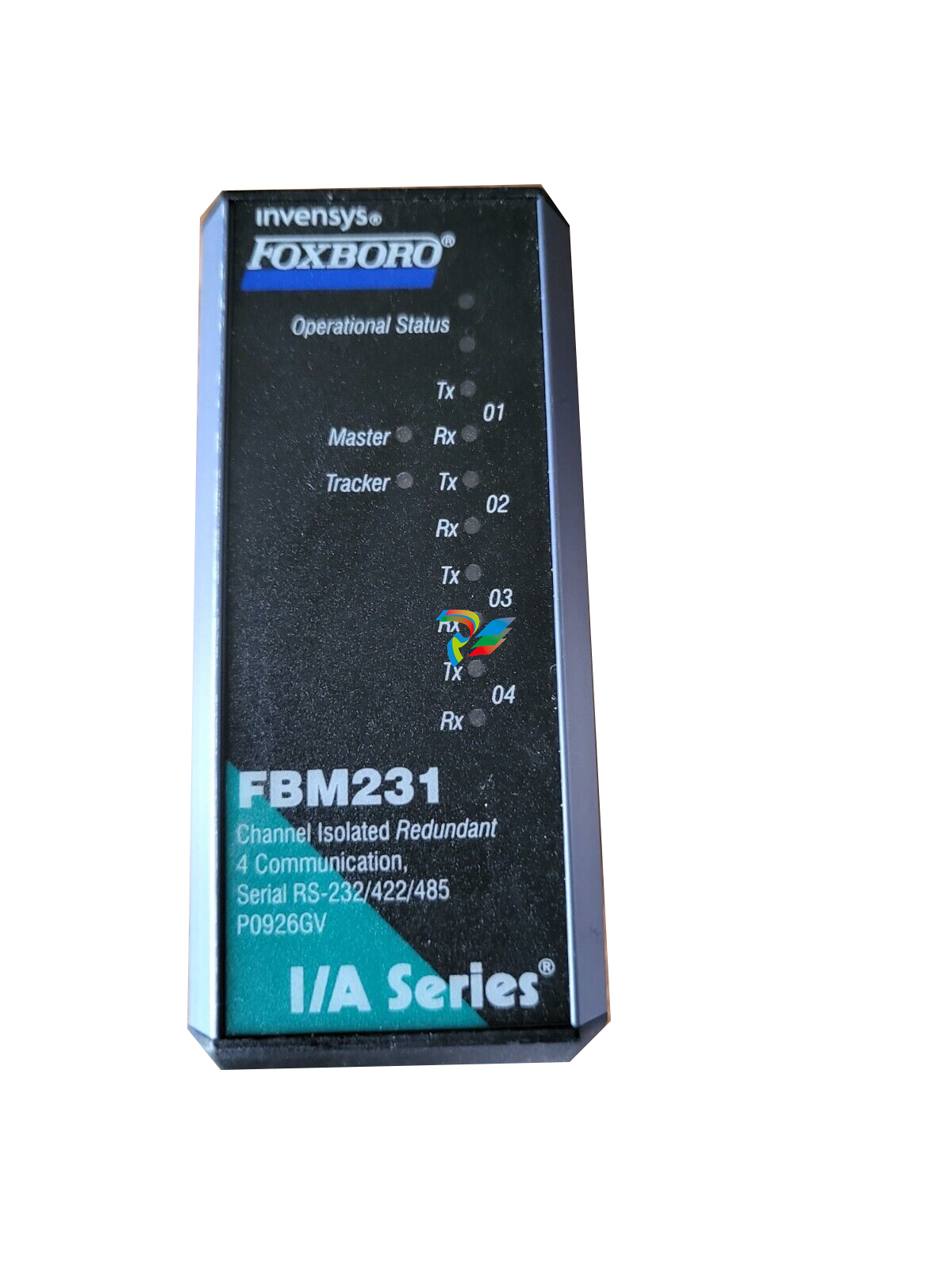 FOXBORO FBM231 Communication Output Module
 -
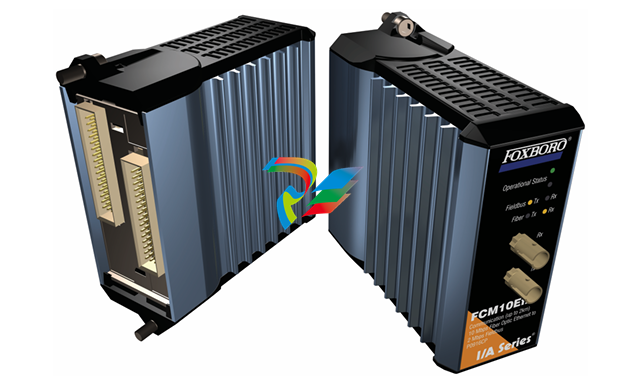 FOXBORO Fieldbus Communications Module, FCM10Ef
 -
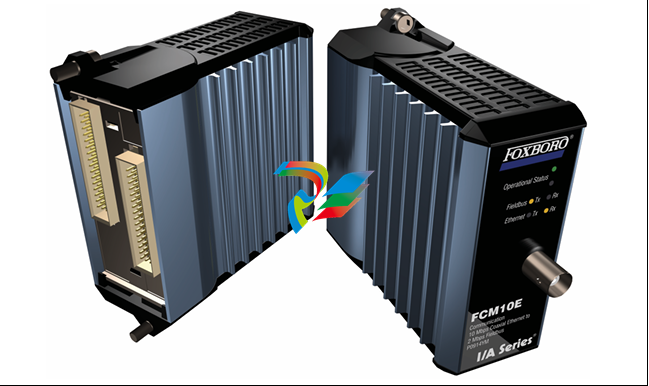 FOXBORO Fieldbus Communications Module, FCM10E