
Dive into the Rich History of 5 Groundbreaking Submarines
Submarines are mainstays in games, literature, children’s toys, and movies (a good submarine attack makes for some great TV), but are most recognized for their military success in the submarine warfare division (which, along with anti-submarine warfare, mine warfare, and mine countermeasures, make up the four divisions of underwater warfare).
The first battle submarine, coined the Turtle, was built to accommodate a single person and made its debut during the Revolutionary War in 1776. The Turtle resembled two adjoined tortoise shells, and while unsuccessful in its initial goal — to sneak below British ships to attach explosives — it succeeded in other areas. For example, it ticked the four submarine necessities: submerging, maneuvering, supplying air, and carrying out underwater missions.
While it never carried out an attack, submarine Turtle proved that these vessels were an essential tool for the defense sector.
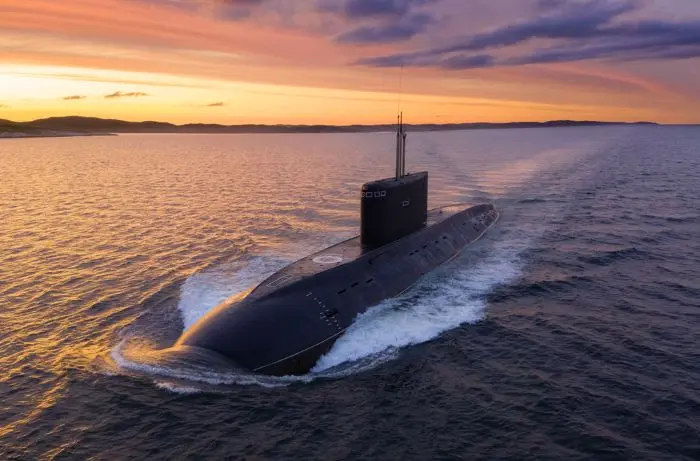
The First Submarines Weren’t for Combat
Playing a major role in the Cold War, nuclear-powered submarines are most often accompanied by speedy attack submarines that are at the ready in case of a hostile attack. But the first submarines weren’t actually designed for combat.
Non-combat submarine designs date as far back as 1578, when William Bourne envisioned an enclosed ship covered in leather. Such a submersible could ply the depths to discover unknown underwater secrets and even find lost treasure.
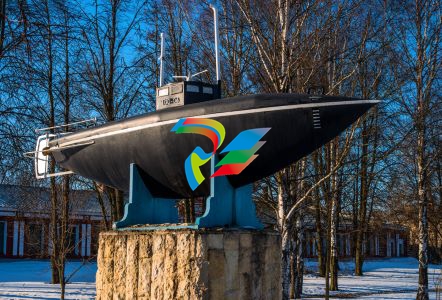
The Dutch engraver, alchemist, and innovator Cornelis Drebbel, born in 1572, is another important figure in submarine history. While working for England’s Royal Navy, Drebbel built the first navigable submarine in 1620, then designed two more — each larger than its predecessor. These submersibles were steerable vehicles supported by wooden frames covered in leather.
The dearth of nuclear technology in the 17th century necessitated a different propulsion system: oars. The biggest of these early paddle-based submarines held 16 people and cruised at a depth of 13-16 feet. It’s said that King James I enjoyed a trip on Drebbel’s diver, making James the first monarch to travel underwater in a submarine. While the submarine’s design was never adapted, it remains a historic first.
Famous Submarines Throughout History
Below, we explore five groundbreaking submarines that made their mark in history, including two used in USA naval operations.
1. H.L. Hunley — USA
2. Kaiten — Japan
3. Surcouf — France
4. HMS Anson — England
5. USS Nautilus — USA
Let’s take a closer look at each of these impressive subs.
1. The U.S.’s H.L. Hunley Sets the Stage
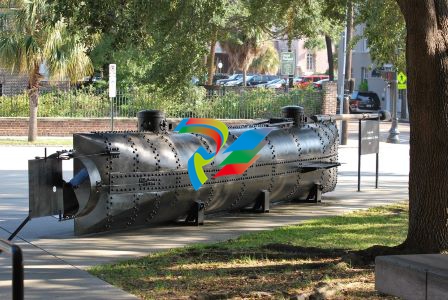
The first submarine to demonstrate the vehicle’s potential in the military was the H.L. Hunley, coined the first successful combat submarine in world history. However, during a test dive in August 1863, it suffered a disastrous sinking that resulted in the loss of five crew members. In October of the same year, again during testing, it sank again killing most of its crew — 21 in total. (Though tragic, this was nowhere near the death toll of the Soviet submarine B-37 accident in 1962 that claimed 122 lives, or the Russian Kursk nuclear submarine that killed 118 in 2000).
From this, a new strategy emerged for submarine building: keep the submarine partially submerged and attack opposing ships with a torpedo attached to a spar. On February 17, 1864, the H.L. Hunley made history as it attempted to break the Union blockade in Charleston Harbor and sunk the USS Housatonic, before vanishing without a trace. The cause of the disappearance remains unclear, but the submarine was found in 1995 and resurfaced in 2000.
2. The Japanese Kaiten — Human Torpedoes
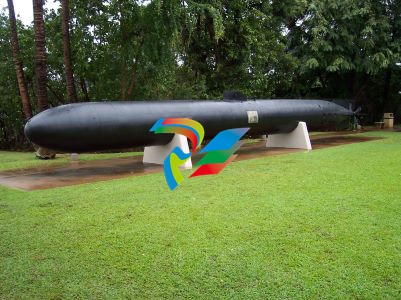
The Japanese Kaiten was a submarine in the most literal sense: it traveled below the water. However, this naval innovation lacked the amenities of other submersibles because it served a single purpose: it was a human torpedo with the ability to achieve speeds of over 40 mph, thanks to a 1,500-horsepower oxygen-kerosene engine. The first Kaiten was just a Type 93 torpedo engine compartment attached to a cylinder where the pilot sat.
The Kaiten, which can be loosely translated to "the heaven shaker,” was devised in the late stages of World War II. These vessels transported "mother” submarines, then launched near enemy ships. The Kaiten’s single pilot took charge of steering if the torpedo missed on its first attempt, but navigating was challenging.
3. Air and Sea: The French Surcouf’s Mysterious Fate
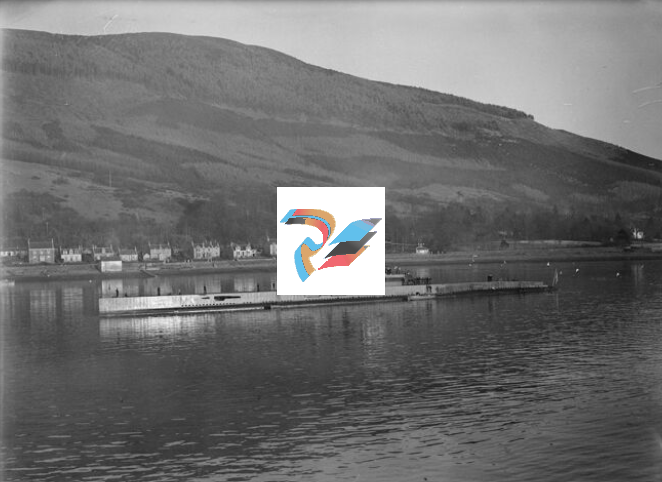
Inspired by the formidability of German World War I U-boat cruisers, France developed a unique submarine with a hangar. Commissioned in 1935, the Surcouf was the French Navy’s singular cruising submarine built for open-ocean surface raiding and was the largest ever built until the first Japanese I-400 class aircraft carrier came along in 1944. Named after French privateer and shipowner Robert Surcouf, this 350-foot-long innovation was powered by four drives, including two 3,800-horsepower Sulzer diesel-based engines for overwater function and two 1,700-horsepower electric motors for sub-sea navigation.
The Surcouf boasted a range of 10,000 nautical miles, as well as one standout feature not often associated with submarines: a watertight hangar with a specially designed MB.411 seaplane to provide recon and guidance. The Surcouf suffered a tragic, mysterious fate when it disappeared without a trace in 1942 while headed for Tahiti. It’s theorized that the submarine was inadvertently destroyed after a collision with a U.S. merchant freighter.
4. England’s Nuclear-Powered Submarine — HMS Anson

Past innovations and advancements in submarine technology made way for England’s more than $1 billion HMS Anson. The submarine was built by BAE Systems and commissioned into the Royal Navy submarine fleet in 2022. The Anson is a nuclear-powered combat agent powered by a Rolls-Royce nuclear reactor, with a near-320-foot-long frame and a displacement of 8,600 tons.
Armed with Tomahawk land attack missiles and Spearfish torpedoes, the submarine can cleave through the seas at over 30 knots. Advanced purification technology provides onboard air and water, allowing circumnavigation of the globe without resurfacing.
5. USS Nautilus — The World’s First Nuclear-Powered Submarine

The 320-foot USS Nautilus SSN-571 (not to be confused with the USS Nautilus SS-168 that sank two Japanese vessels and served with great merit in World War II) was commissioned in 1954 as the first-ever nuclear-powered submarine. USS Nautilus broke the record in 1955, for the longest submerged cruise while travelling at the highest submerged speed ever recorded at the time; 1,381 miles in just under 90 hours.
In 1958, the vessel also became the first submarine to complete a submerged transit of the North Pole. Decommissioned in 1980, the USS Nautilus was designated a National Historic Landmark and has been preserved at the Submarine Force Library and Museum in Groton, Connecticut, as a museum ship, receiving 250,000 visitors annually.
The Future of Submarines
Submarine design can only go up from here (well, not literally). To replace the U.S. Navy’s 14 aging Ohio-class submarines, a Columbia-class program will design and build 12 new ballistic missile submarines.
By 2031, the United States Navy has plans to replace each retiring Ohio-class boat with a new Columbia-class submarine. The new submarines give off less acoustic energy than a 20-watt light bulb and will cost a whopping $347 billion to come to fruition.
The future of submarines includes an increased number of autonomous underwater vehicles (AUVs), and the ability to handle more cargo. They may even be smaller. According to Steve Hall, CEO of the Society for Underwater Technology, while submarines may continue to be piloted, the crew will likely be smaller and pilot from a distance. The real question is, will command centers look like a Star Trek scene?
-
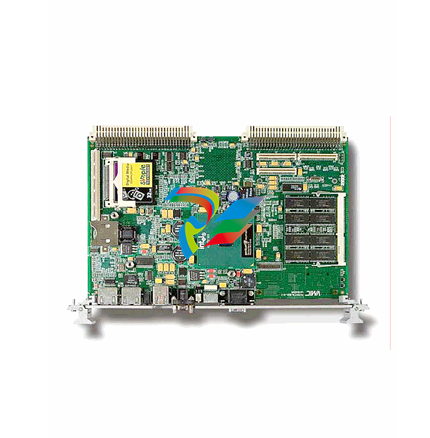 IS200EPMCH1GE Mark VIe Patch Cord Power Distribution Card
 -
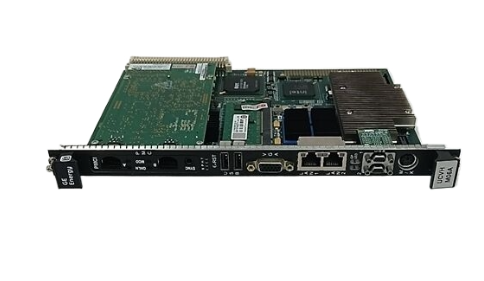 VMICPCI-7632-03310 IS215UCCAH3A 350-657362-003310J GE gas turbine system control processor board
 -
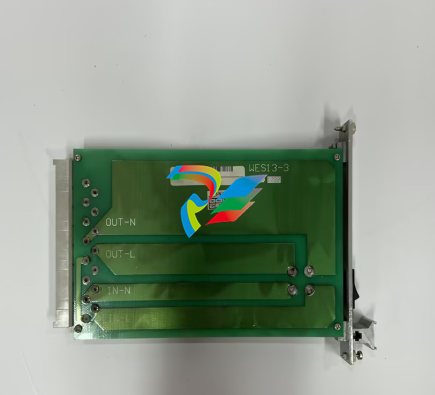 WEA13-13 2508-21001 Control Module / I/O Board
 -
.jpg) WES5120 2340-21004 Controller Main Module
WES5120 2340-21004 Controller Main Module -
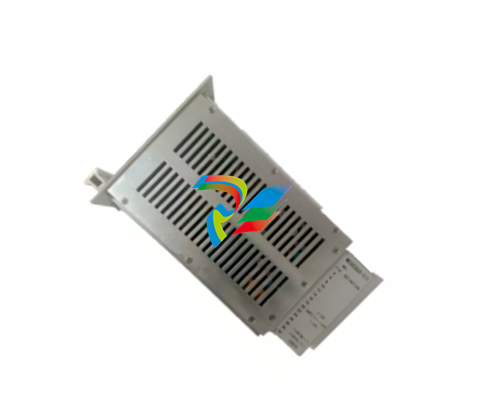 WES5120 2340-21006 Field Controller Master Unit Module
 -
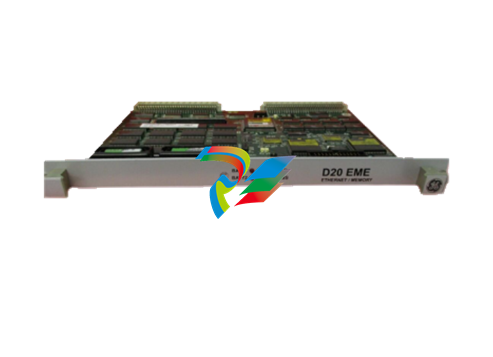 WESDAC D20ME 18-MAR-13 Excitation Control Module
 -
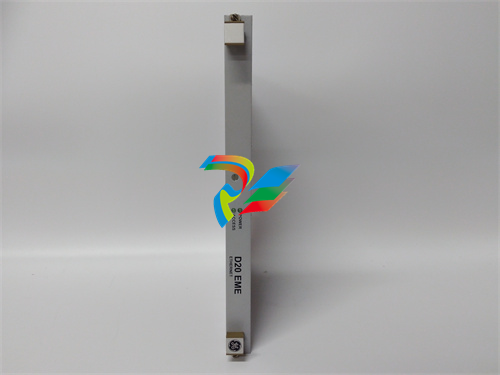 D20 EME 2400-21004 Ethernet communication and expansion module
 -
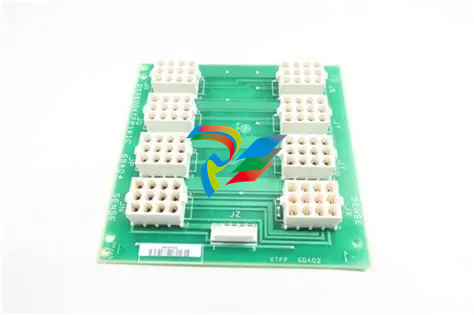 GE DS3800XTFP1E1C Thyristor Fan Out Board Brand
 -
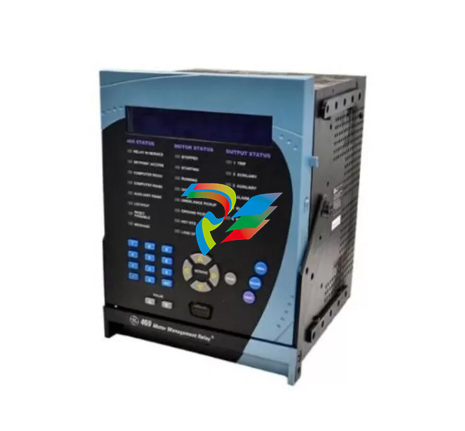 GE SR745-W2-P1-G1-HI-A-L-R-E Feeder protection relay
 -
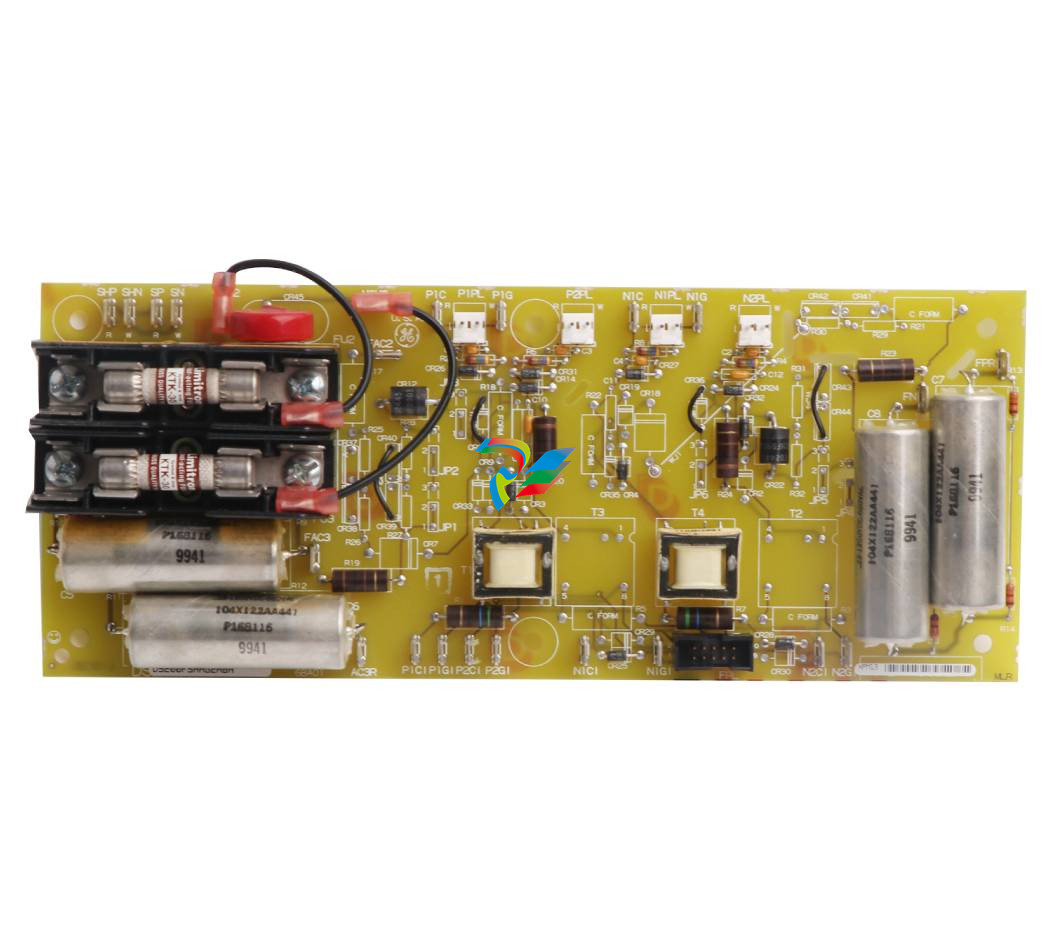 GE IS230TNDSH2A Discrete Output Relay Module Brand
 -
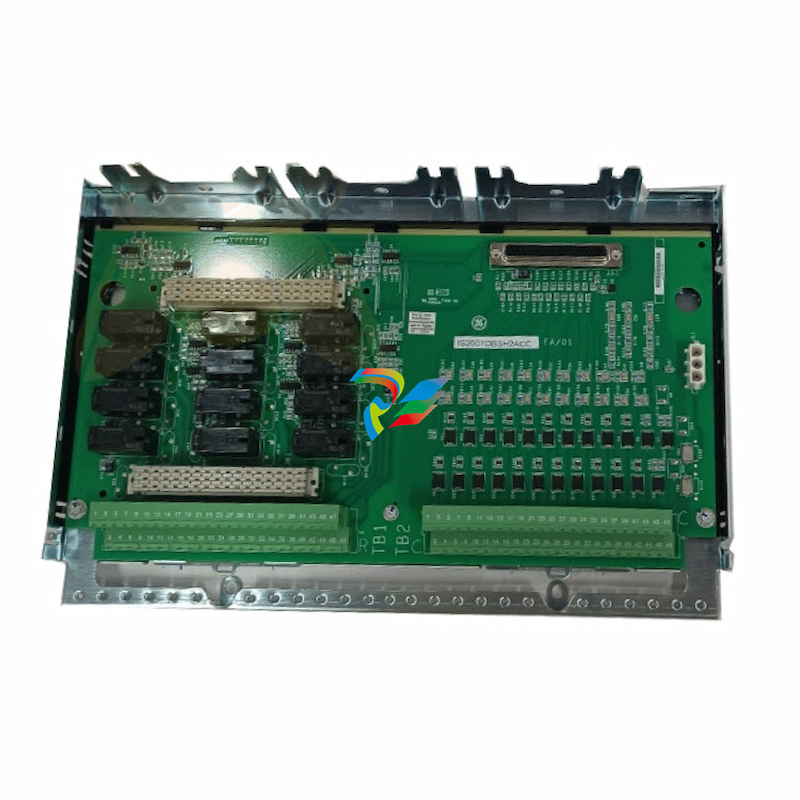 GE Fanuc IS200TDBSH2ACC Mark VI Terminal Board Brand
 -
 GE PMC-0247RC-282000 350-93750247-282000F Disk Drive
 -
GE PMC-0247RC-282000 350-93750247-282000F Disk Drive
-
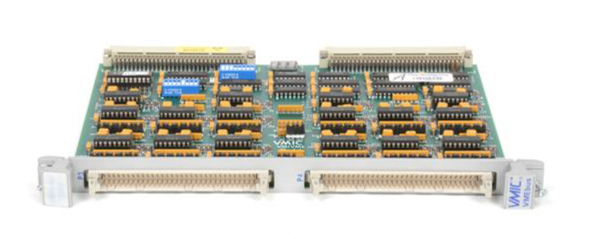 GE VMIVME-1150 Serial Communications Controller
 -
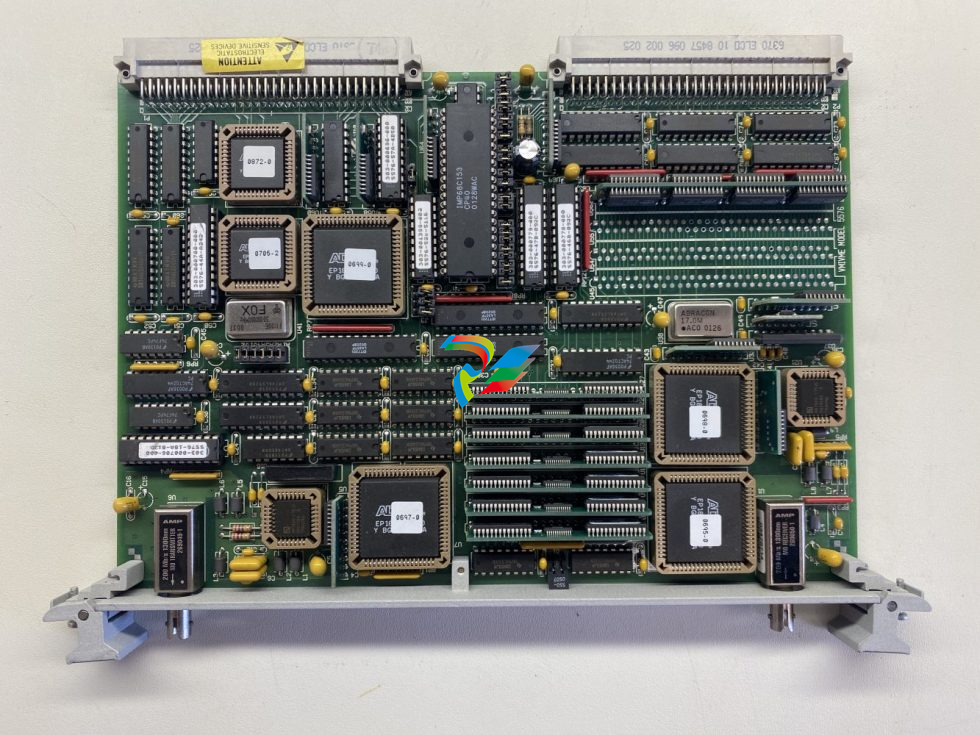 GE VMIVME-5576 Fiber-Optic Reflective Memory with Interrupts
 -
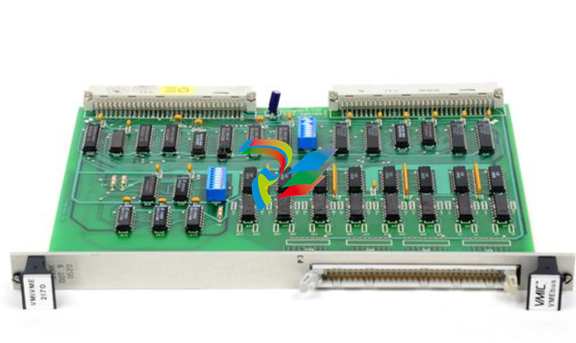 GE VMIC Isolated Digital Output VMIVME-2170A
 -
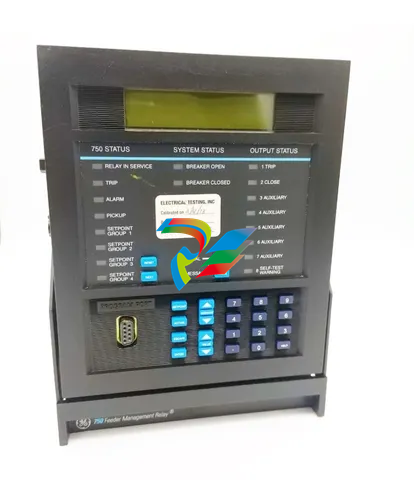 GE MULTILIN 760 FEEDER MANAGEMENT RELAY 760-P5-G5-S5-HI-A20-R-E
 -
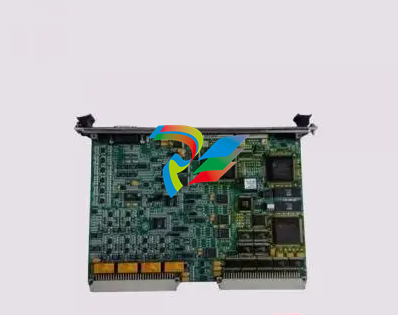 GE IS200AEPAH1BKE IS215WEPAH2BB Printed circuit board
 -
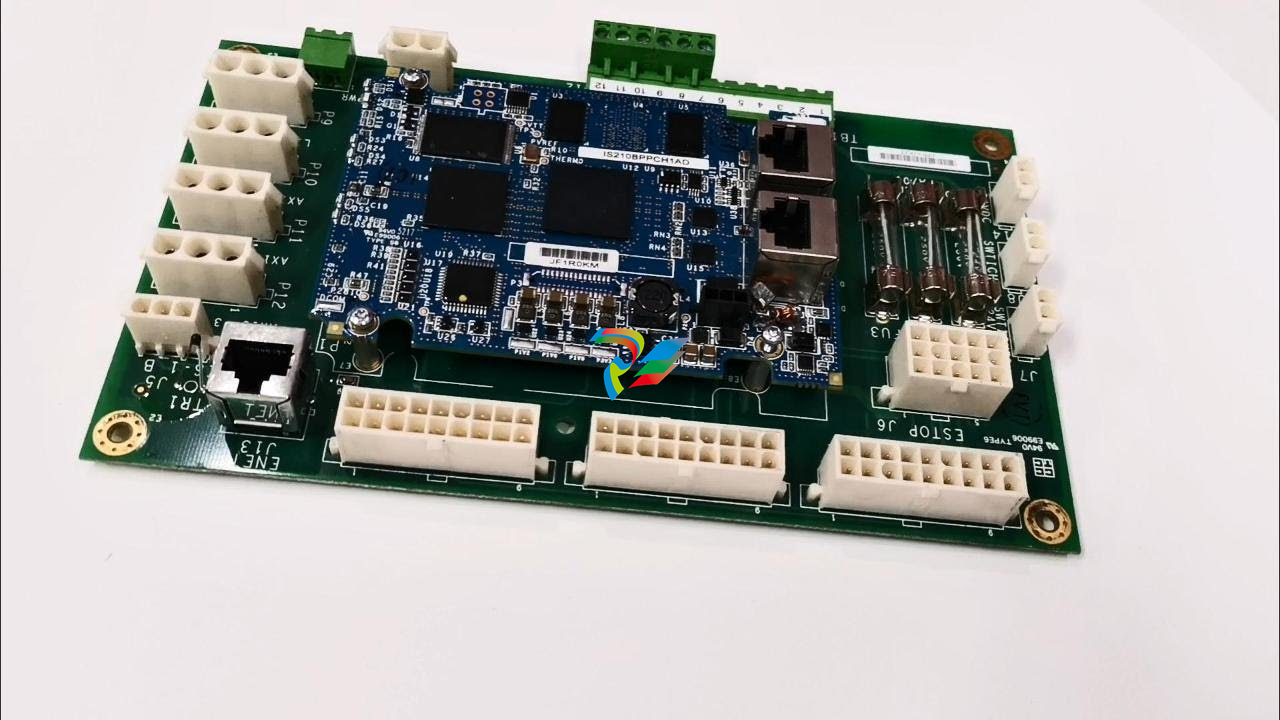 GE IS210BPPCH1A Mark VIe I/O Pack Processor Card
 -
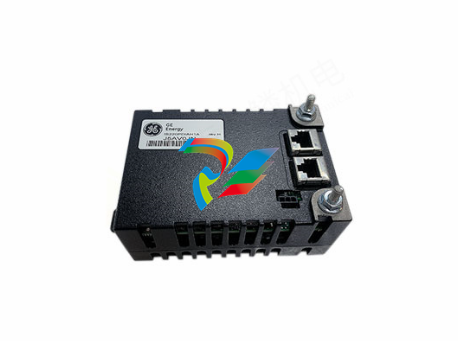 GE IS220PRTDH1A 336A4940CSP6 High-Performance RTD Input Module
 -
GE IS220PDIAH1BE 336A5026ADP4 Discrete Input Module
-
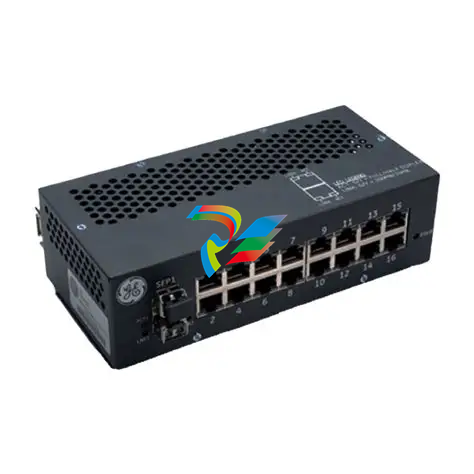 GE IS420ESWBH3A IONET Switch Module
 -
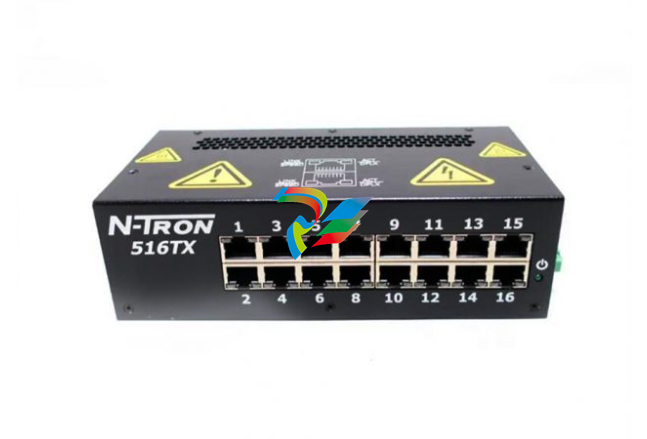 GE 516TX 336A4940DNP516TX 16-port Ethernet switch
 -
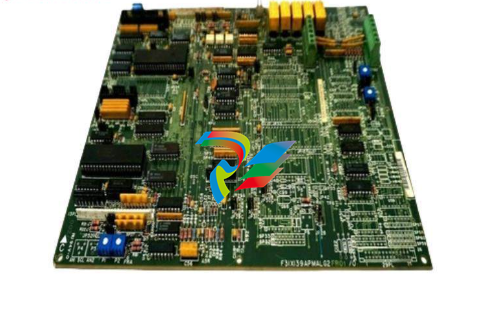 GE EVMECNTM13 Embedded control module
 -
GE EVPBDP0001 EVPBDP032 control module
-
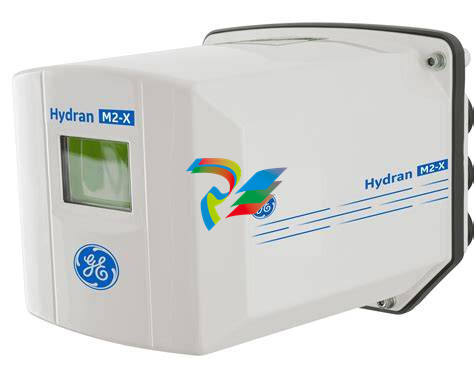 GE Hydran M2-X Enhanced Monitoring with Extended Sensor Life
 -
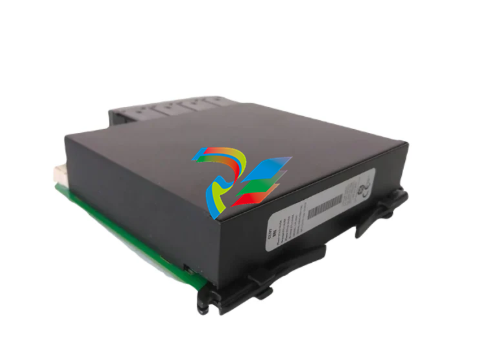 GE UR6CH Digital I/O Module
 -
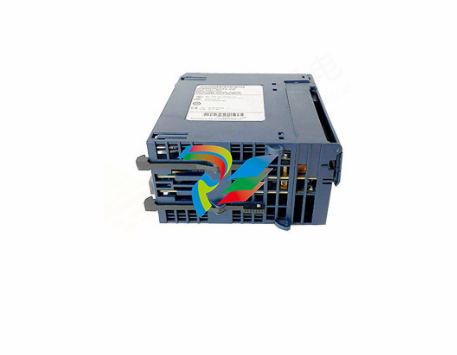 GE IC695CPU315-CD Central processing unit
 -
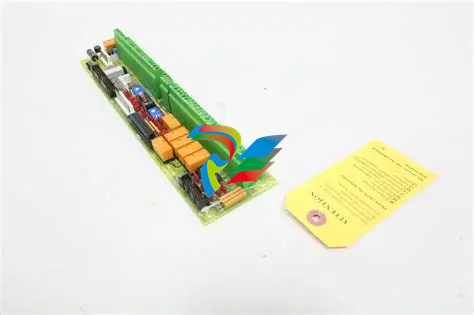 GE 531X305NTBAMG1 DR Terminal Board
 -
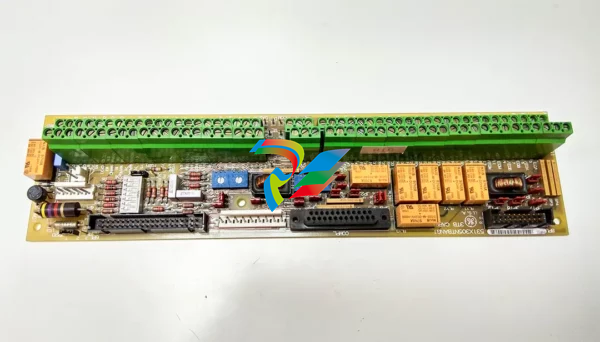 GE 531X305NTBALG1 NTB/3TB Terminal Board 531X Series
 -
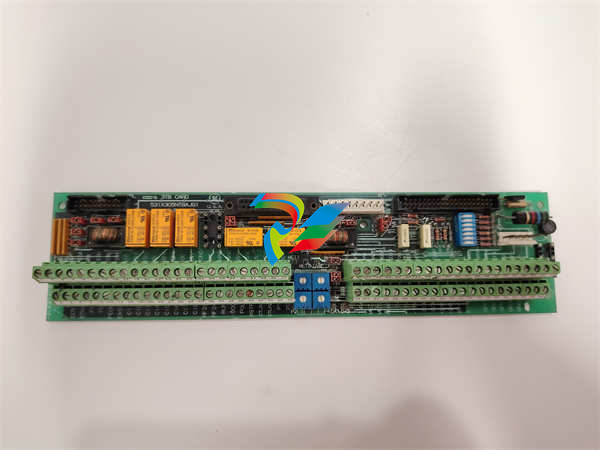 GE 531X305NTBAJG1 NTB/3TB Terminal Board.
 -
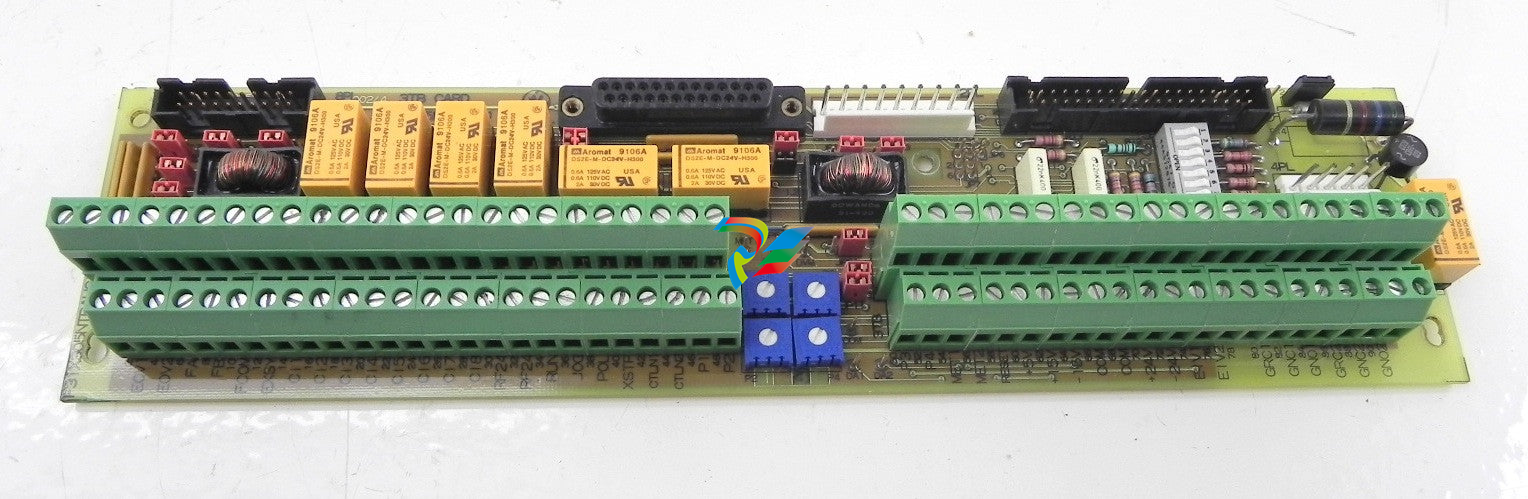 GE 531X305NTBAHG1 NTB/3TB Terminal Board 531X
 -
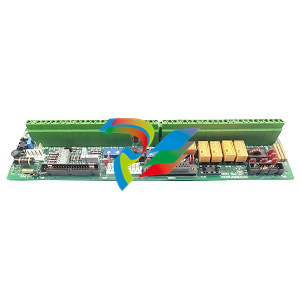 GE 531X305NTBAEG1 is a PCB that functions as a DR terminal board.
 -
General Electric 531X305NTBACG1 NTB/3TB Terminal Board 531X
-
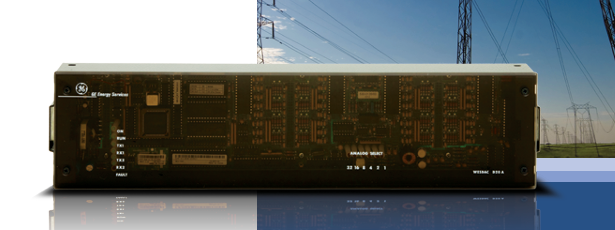 GE Digital Energy D20 Analog Input Module
 -
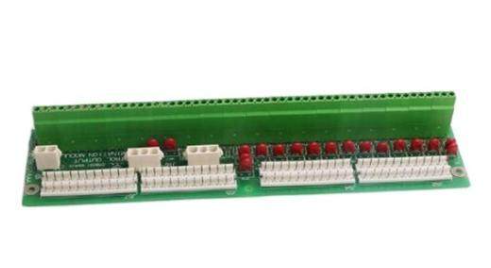 GE 94-164136-001 main board Control board
 -
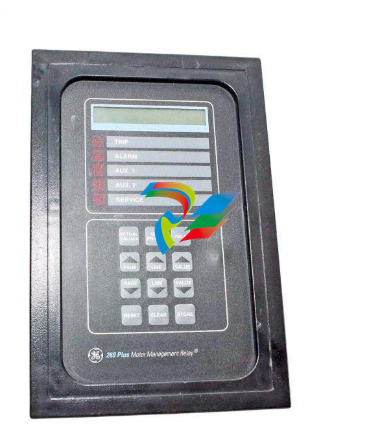 GE 269 PLUS-D/O-100P-125V Digital motor relay
 -
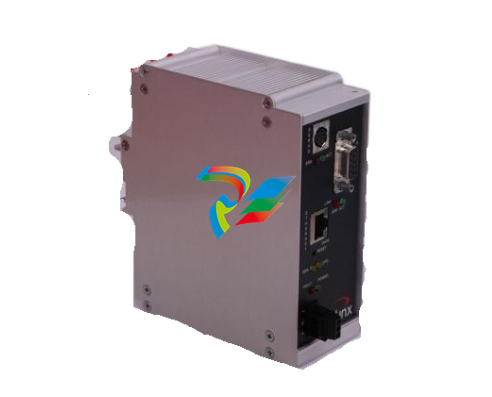 GALIL DMC-9940 High-performance motion controller
 -
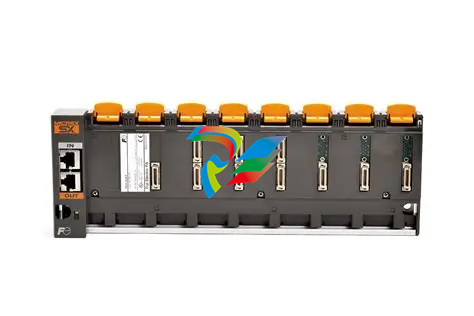 FUJI NP1BS-08 base plate
 -
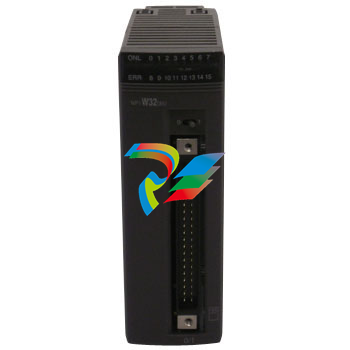 FUJI NP1Y32T09P1 Transistor drain type digital output module
 -
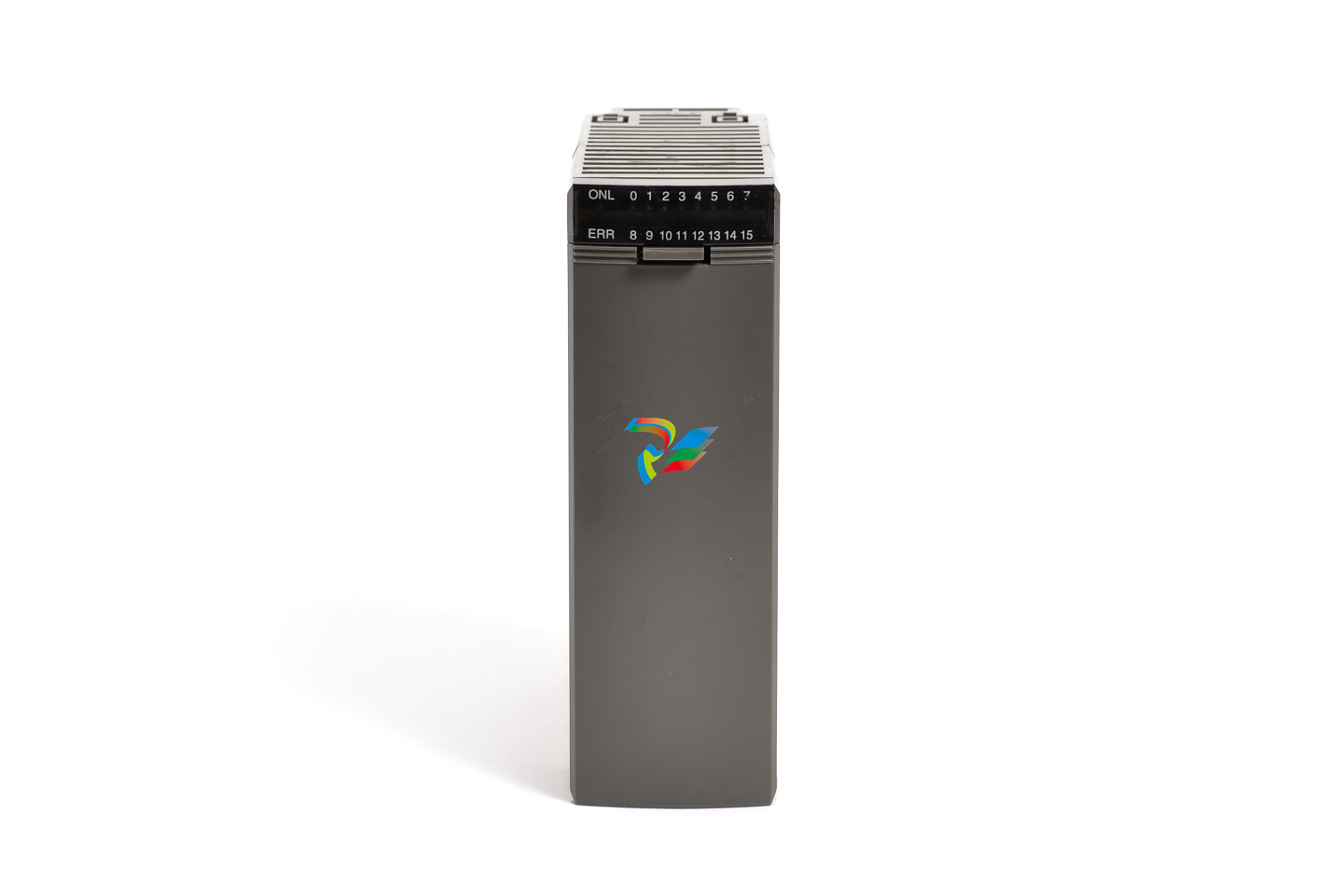 FUJI NP1Y16R-08 Digital Output Module
 -
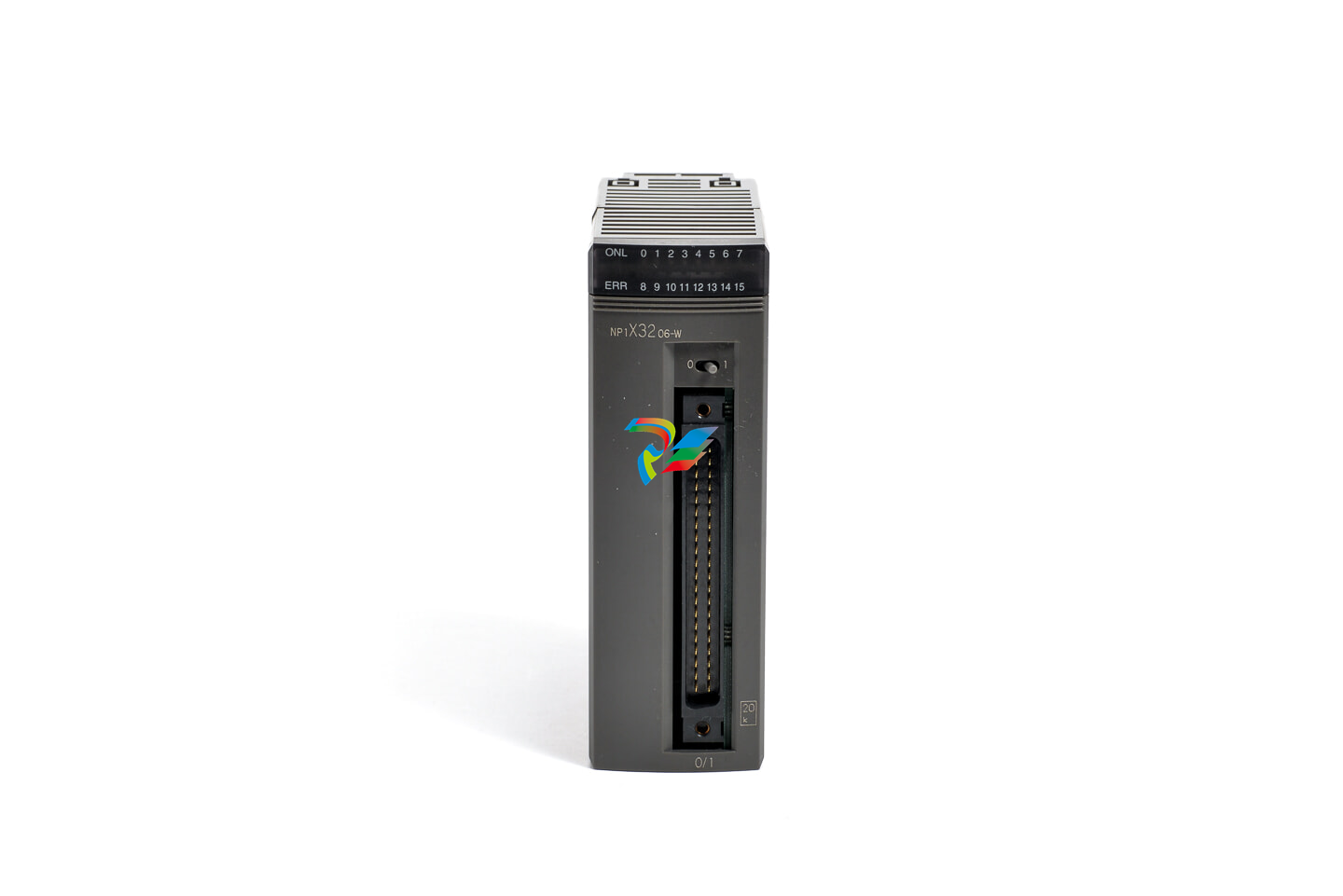 FUJI NP1X3206-A High-speed digital input module
 -
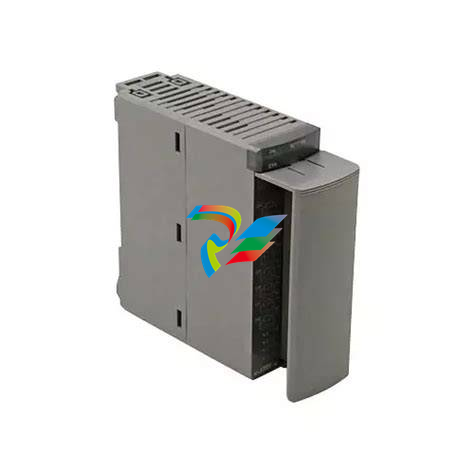 FUJI NP1AYH4I-MR current output module
 -
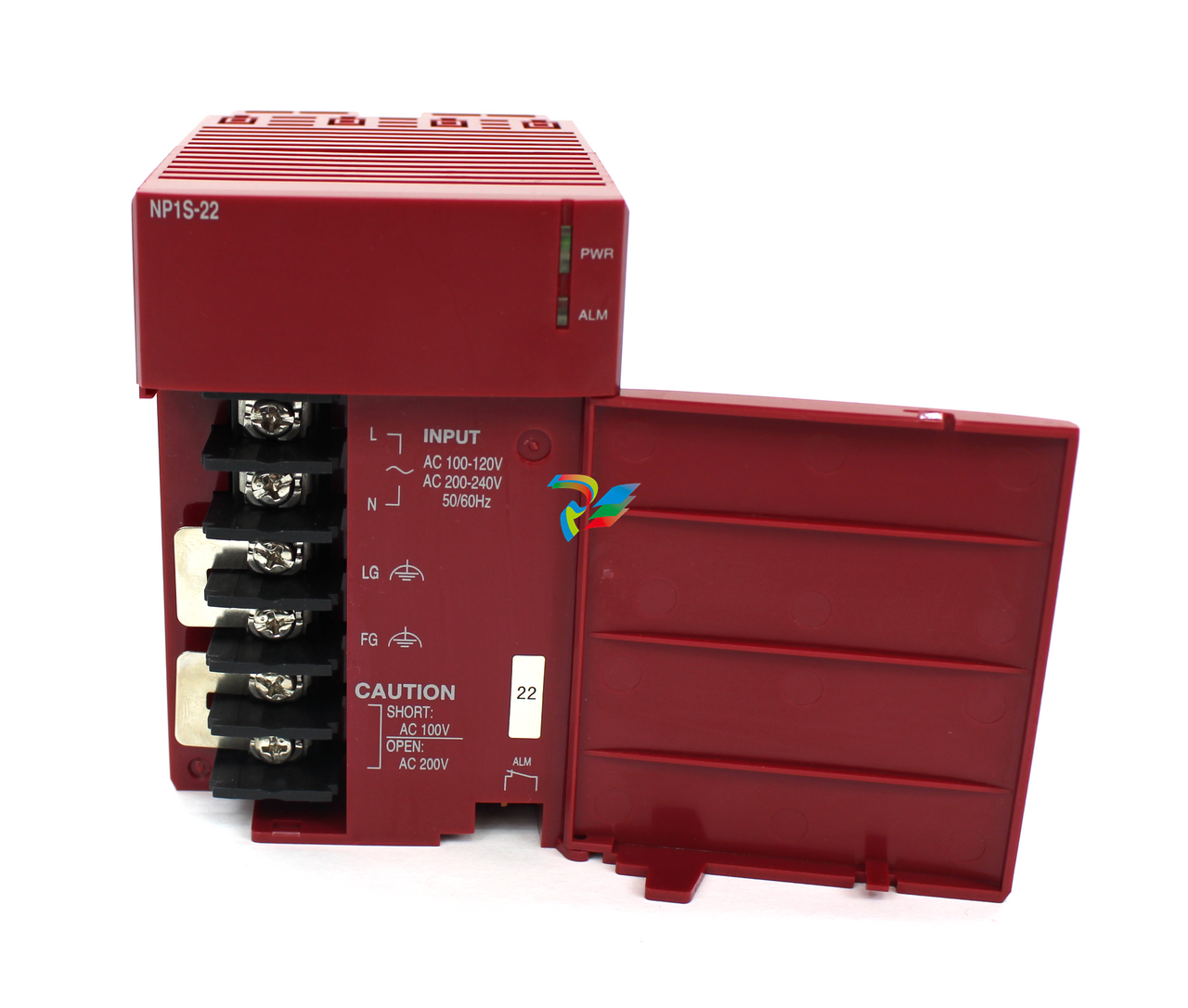 FUJI NP1S-22 Power module redundancy
 -
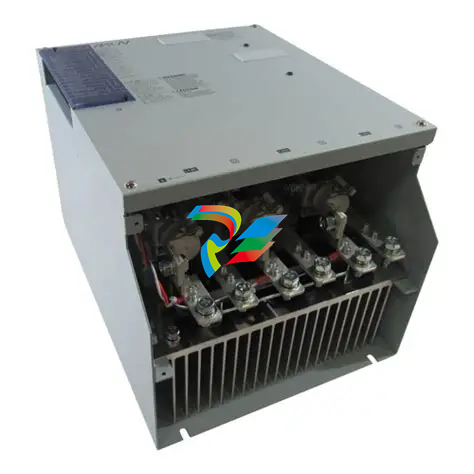 FUJI RPXD2150-1T servo drive module
 -
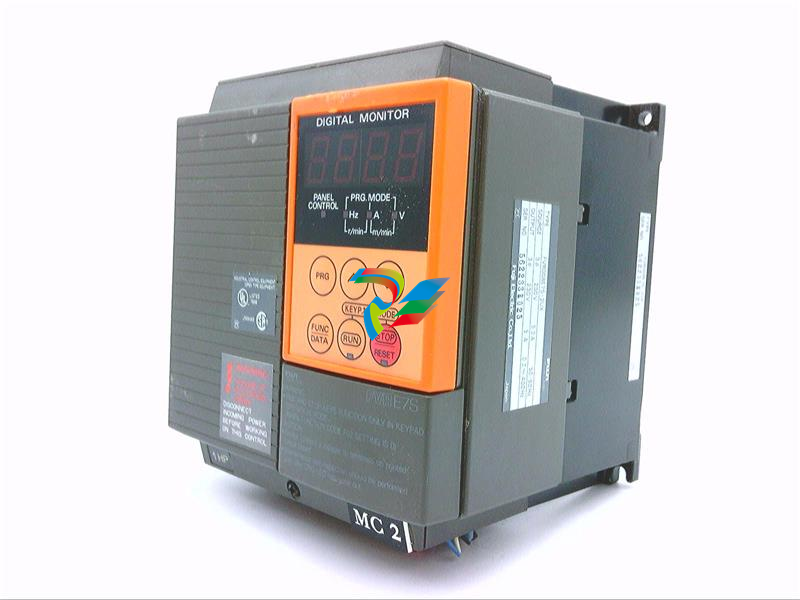 FUJI FVR008E7S-2UX Ac frequency converter
 -
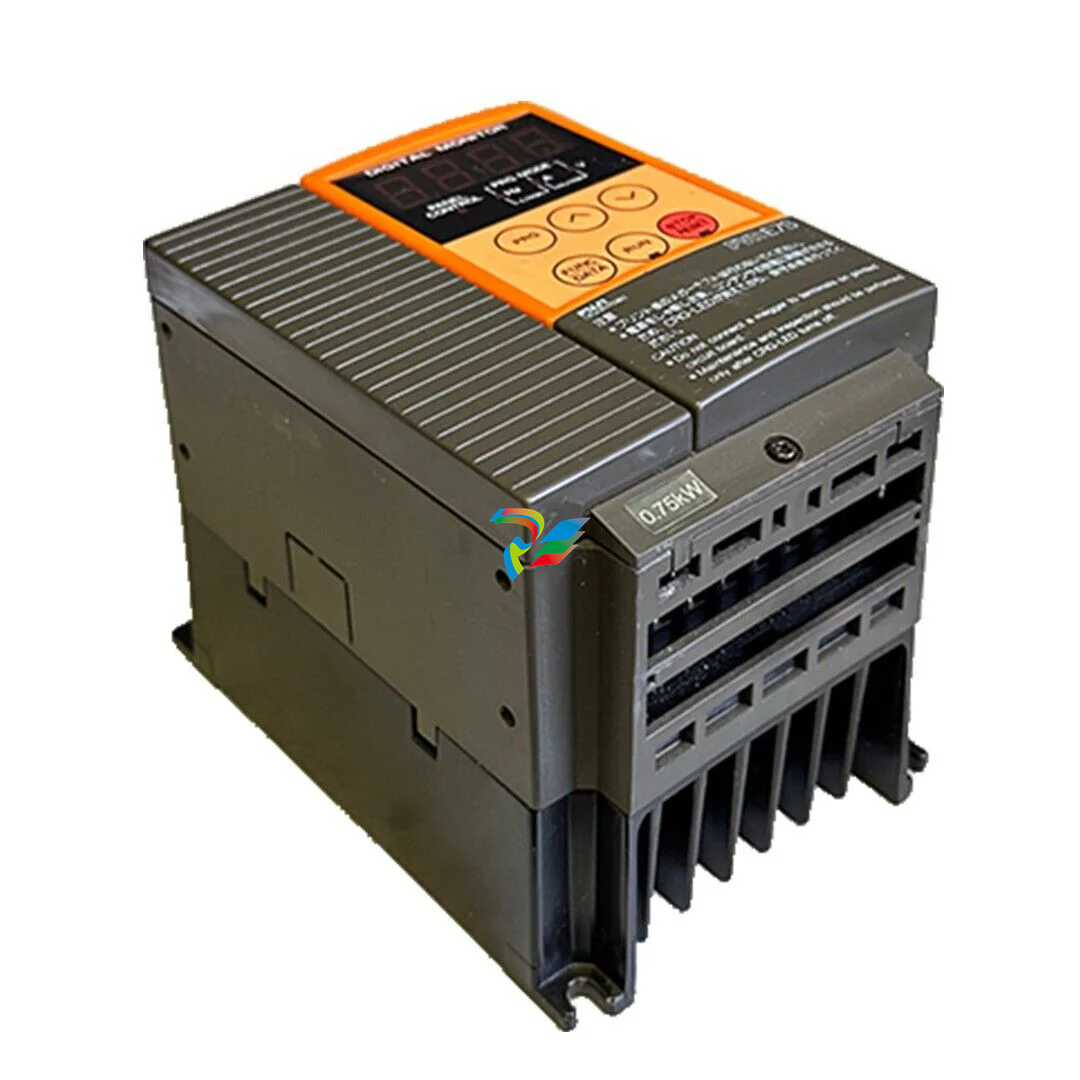 FUJI Ac frequency converter FVR008E7S-2
 -
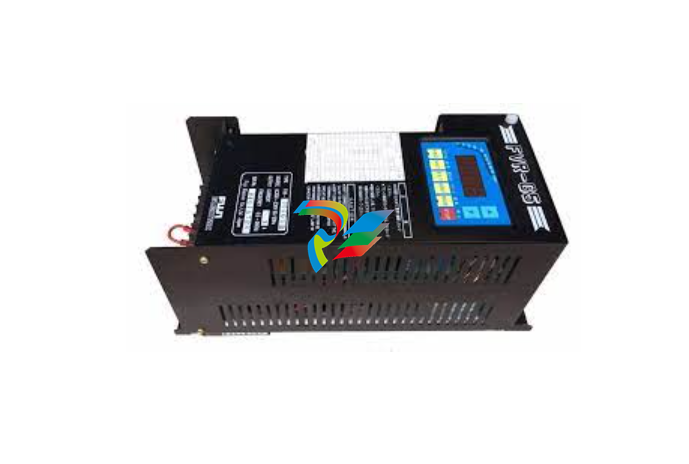 FUJI FVR004G5B-2 Small general-purpose frequency converter
 -
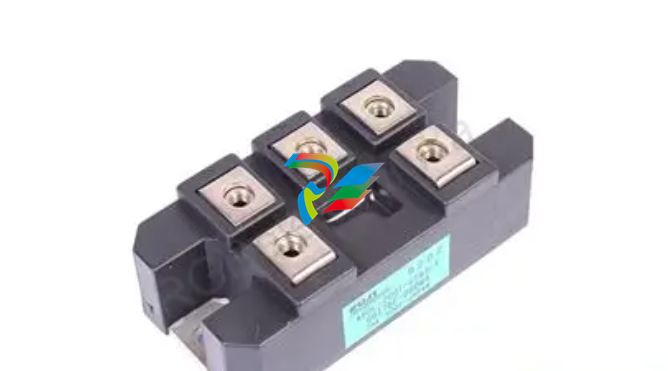 FUJI A50L-2001-0232 Industrial control module
 -
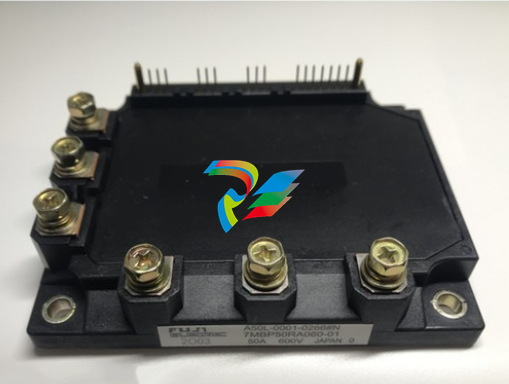 FUJI A50L-001-0266#N High-performance servo amplifier
 -
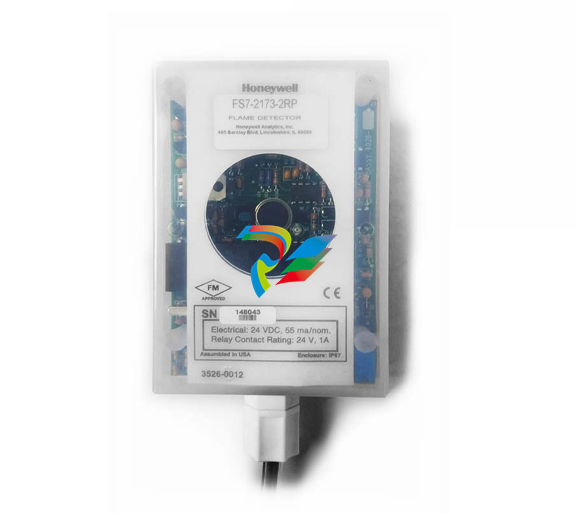 Honeywell FS7-2173-2RP Gas sensor
 -
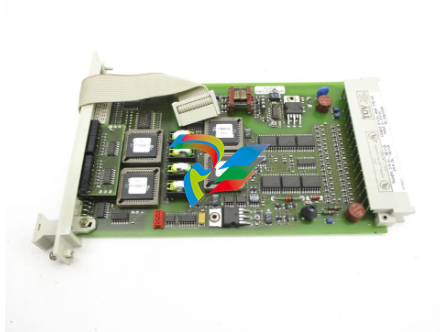 Honeywell 10106/2/1 Digital Input Module in Stock
 -
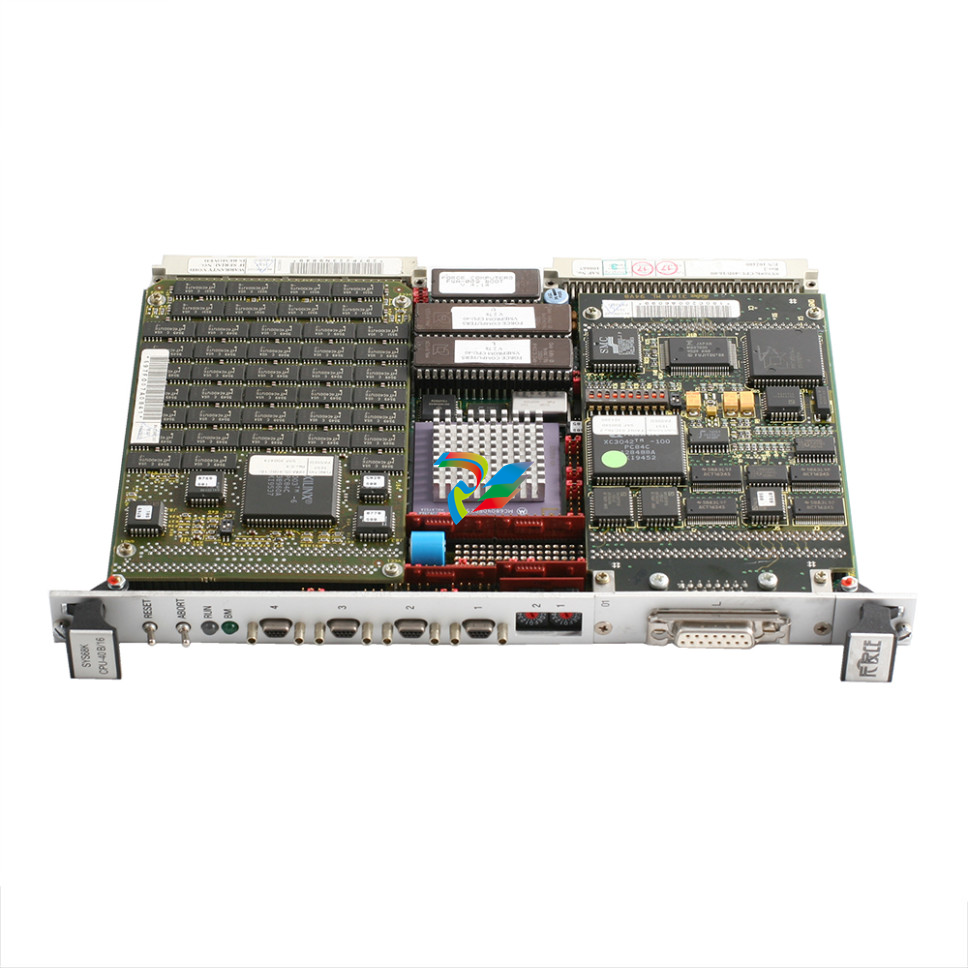 FRCE SYS68K CPU-40 B/16 PLC core processor module
 -
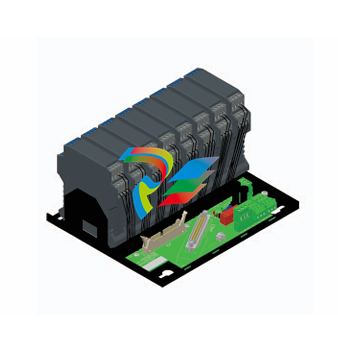 Foxboro FBM I/O cards PBCO-D8-009
 -
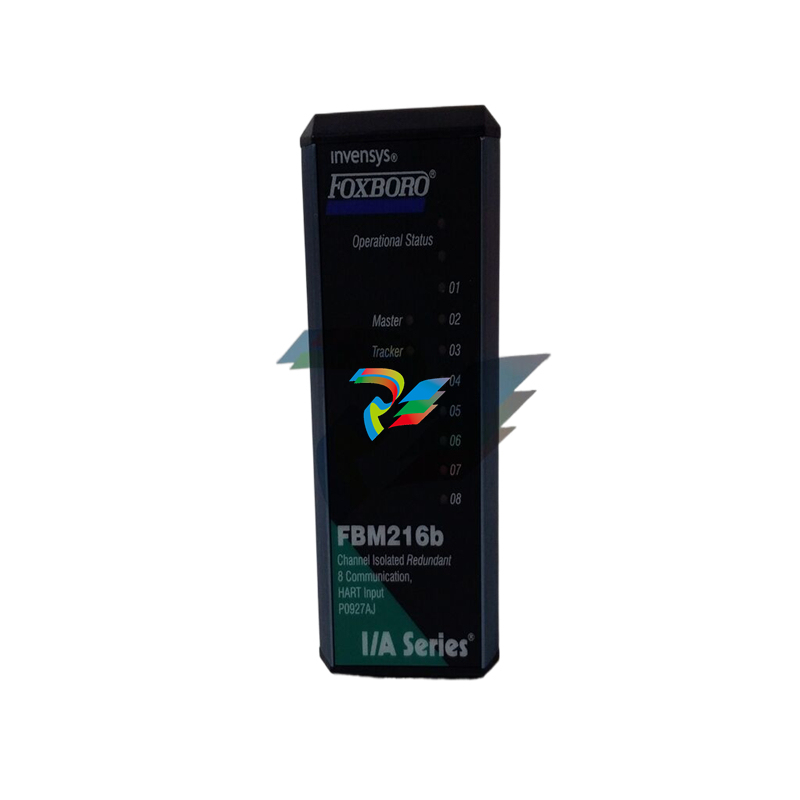 Foxboro AD916AE Digital Control System (DCS) Module
 -
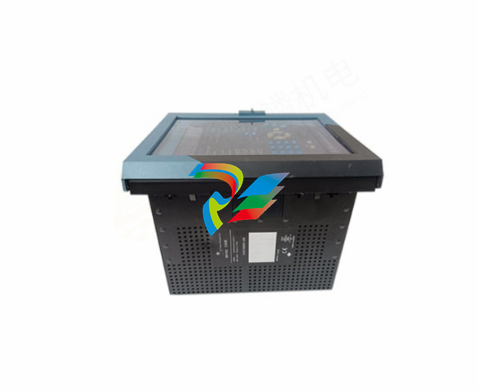 GE SR750-P5-G5-S5-HI-A20-R-E Multilin Relay
 -
.jpg) FOXBORO H90 H90C9AA0117S Industrial Computer Workstation
FOXBORO H90 H90C9AA0117S Industrial Computer Workstation -
FOXBORO RH928AW | I/A Series Relay Output Module
-
.jpg) Foxboro N-2AX+DIO Multi-functional input/output module
Foxboro N-2AX+DIO Multi-functional input/output module -
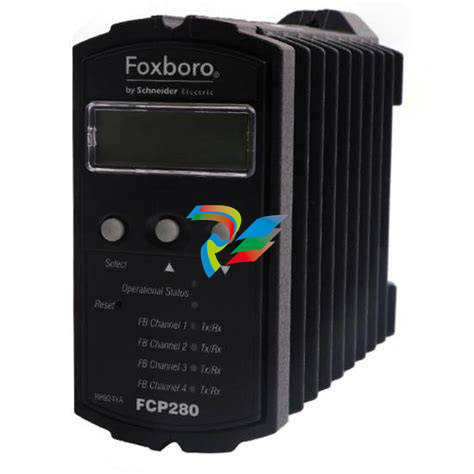 Foxboro RH924WA FCP280 Fiber Optic Network Adapter
 -
 FOXBORO H92 Versatile Hardware Component In
 -
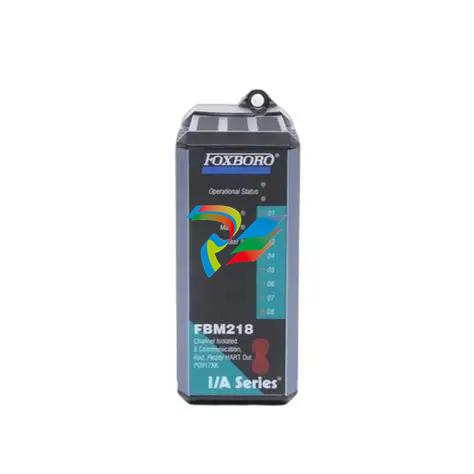 Foxboro FBM218 P0922VW HART® Communication Redundant Output Interface Module
 -
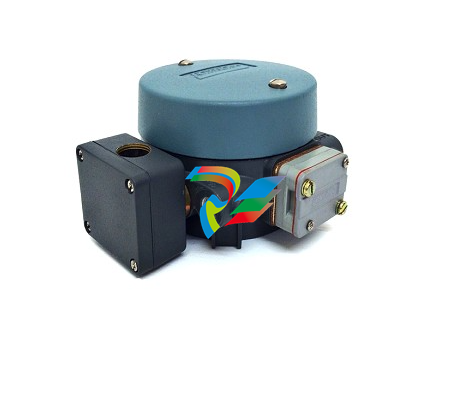 Foxboro E69F-TI2-J-R-S E69F Series Current-To-Pneumatic Signal Converter
 -
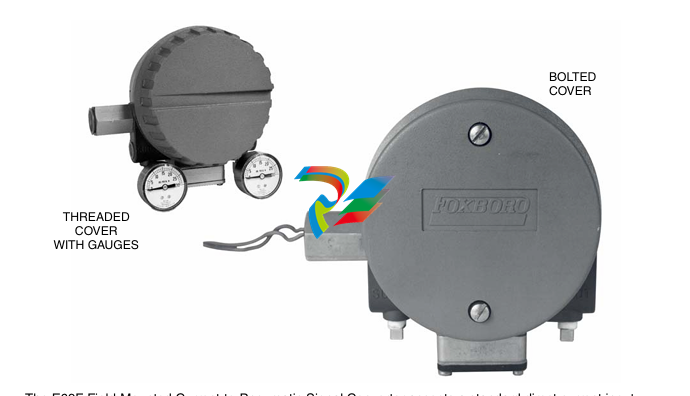 Foxboro E69F-BI2-S Converter
 -
.jpg) Foxboro H92A049E0700 The host of the DCS control station
Foxboro H92A049E0700 The host of the DCS control station -
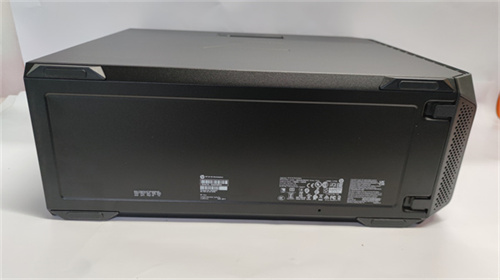 Foxboro H90C9AA0117S Industrial computer workstation
 -
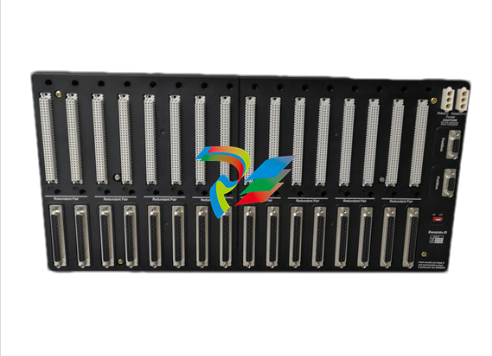 Foxboro RH101AA High-performance industrial control module
 -
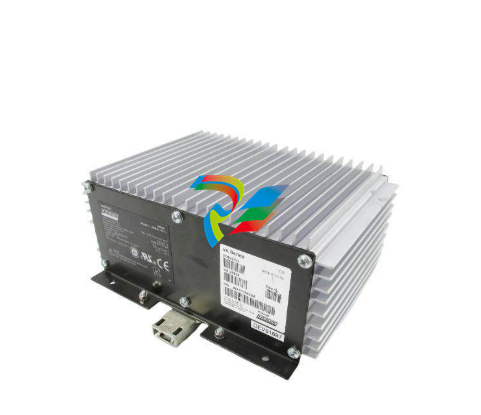 Foxboro P0922YU FPS400-24 I/A Series Power supply
 -
.png) FOXBORO P0973LN Chassis-based managed switch with independent power supply
FOXBORO P0973LN Chassis-based managed switch with independent power supply -
.jpg) FOXBORO P0926PA Input/output module
FOXBORO P0926PA Input/output module -
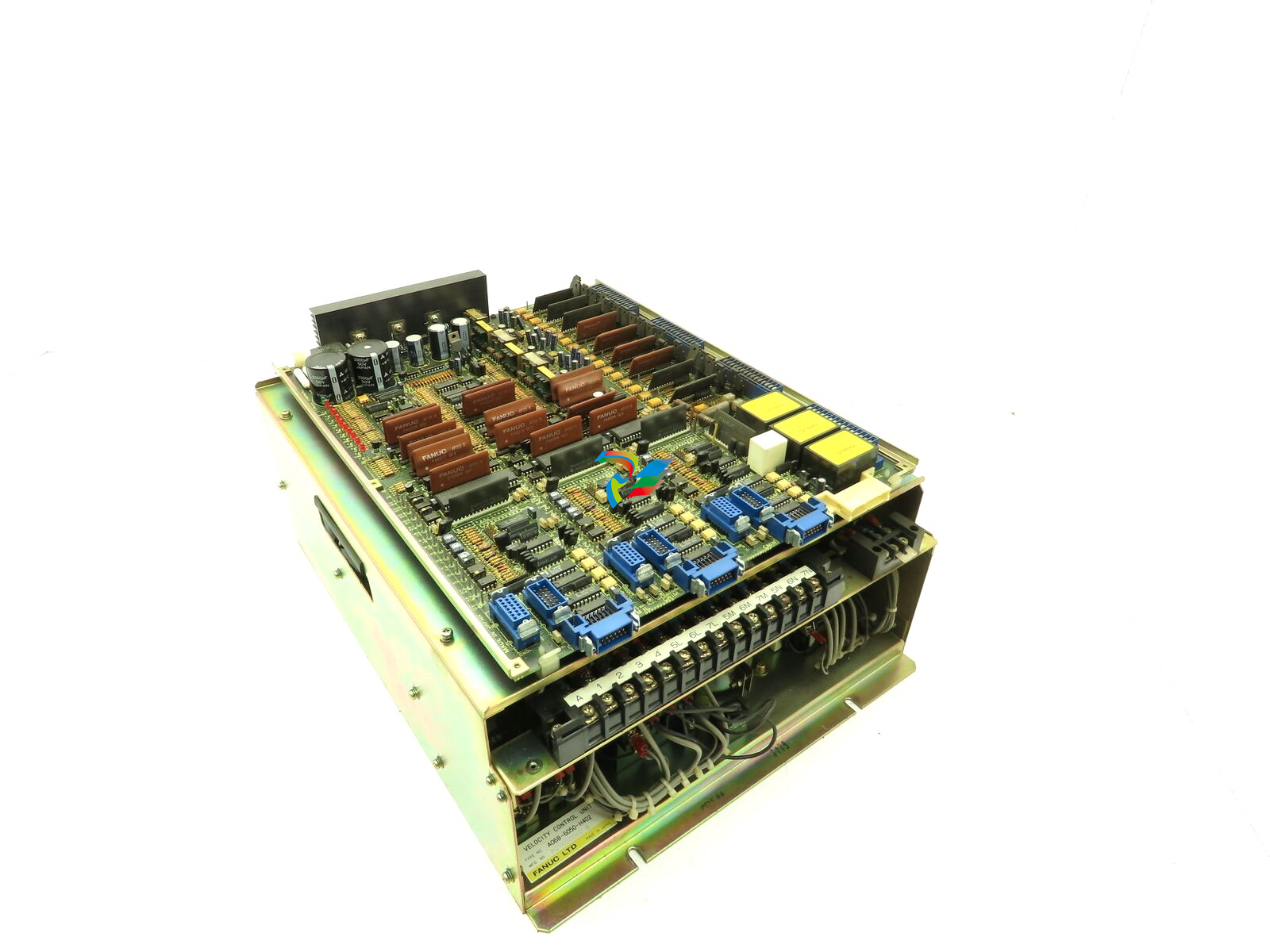 Fanuc A06B-6050-H402 3 AXIS ANALOG AC SERVO DRIVE
 -
.jpg) FOXBORO L0130AD L0130AE-0H Power module group
FOXBORO L0130AD L0130AE-0H Power module group -
_lVjBYb.jpg) FOXBORO 0399085B 0303440C+0303458A Combination Control Module
FOXBORO 0399085B 0303440C+0303458A Combination Control Module -
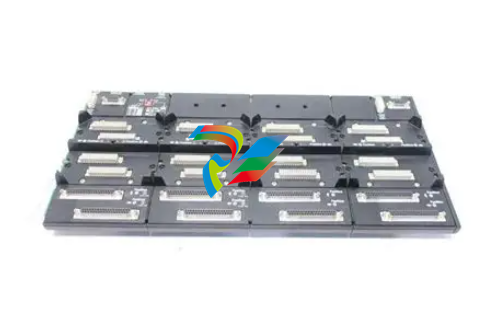 FOXBORO SY-0399095E (SY-0303451D+SY-0303460E) Process control board
 -
.jpg) FOXBORO 0399071D 0303440C+0303443B Input/Output (I/O) Module
FOXBORO 0399071D 0303440C+0303443B Input/Output (I/O) Module -
.jpg) FOXBORO RH924UQ Redundant Controller module
FOXBORO RH924UQ Redundant Controller module -
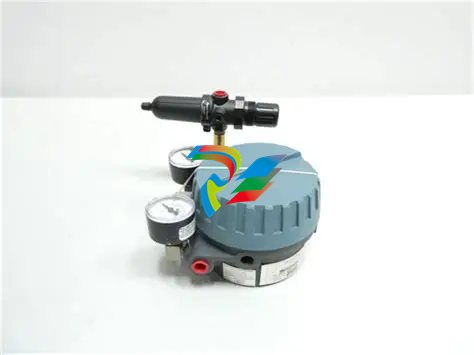 FFOXBORO E69F-TI2-S current pneumatic converter
 -
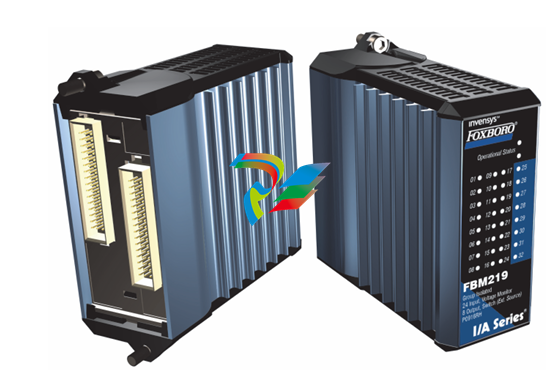 FOXBORO FBM219 RH916RH Discrete I/O Module
 -
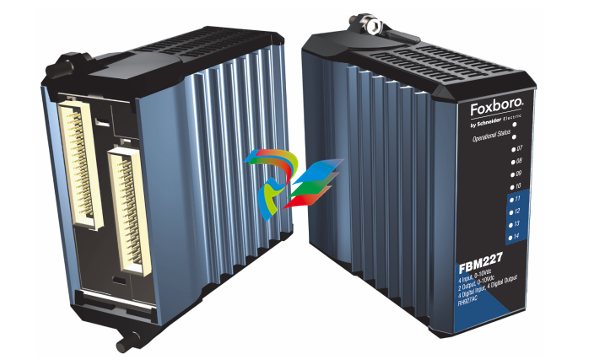 FOXBORO FBM227 P0927AC Module
 -
.jpg) FOXBORO 0399144 SY-0301059F SY-1025115C/SY-1025120E I/O module
FOXBORO 0399144 SY-0301059F SY-1025115C/SY-1025120E I/O module -
.jpg) FOXBORO SY-60399001R SY-60301001RB Industrial Control Module
FOXBORO SY-60399001R SY-60301001RB Industrial Control Module -
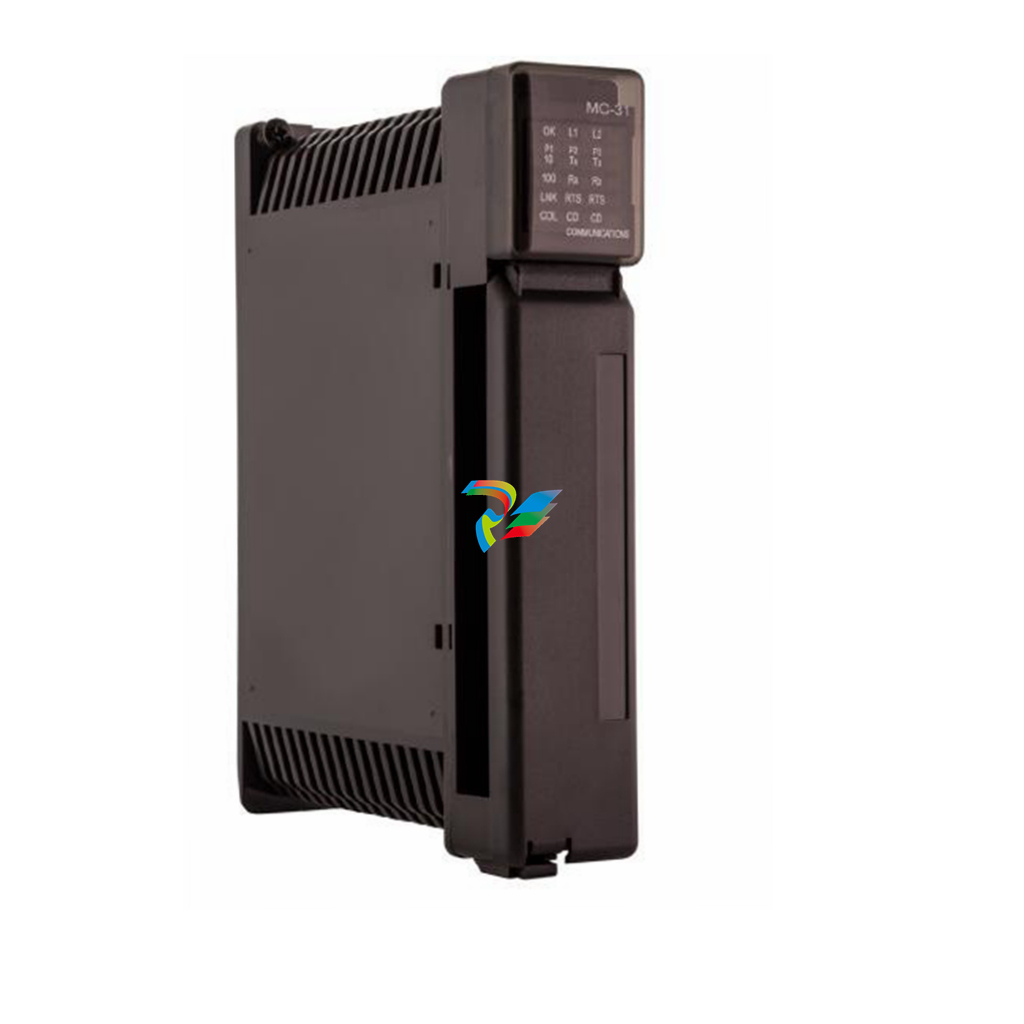 FOXBORO 0399143 SY-0301060R SY-1025115C SY-1025120E Combined control board
 -
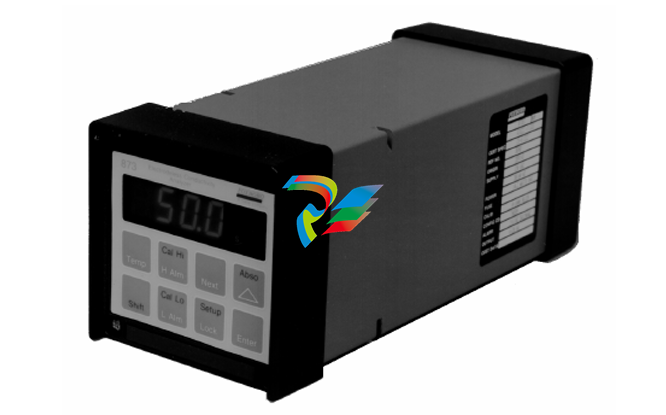 FOXBORO 873EC-JIPFGZ electrodeless conductivity analyzer
 -
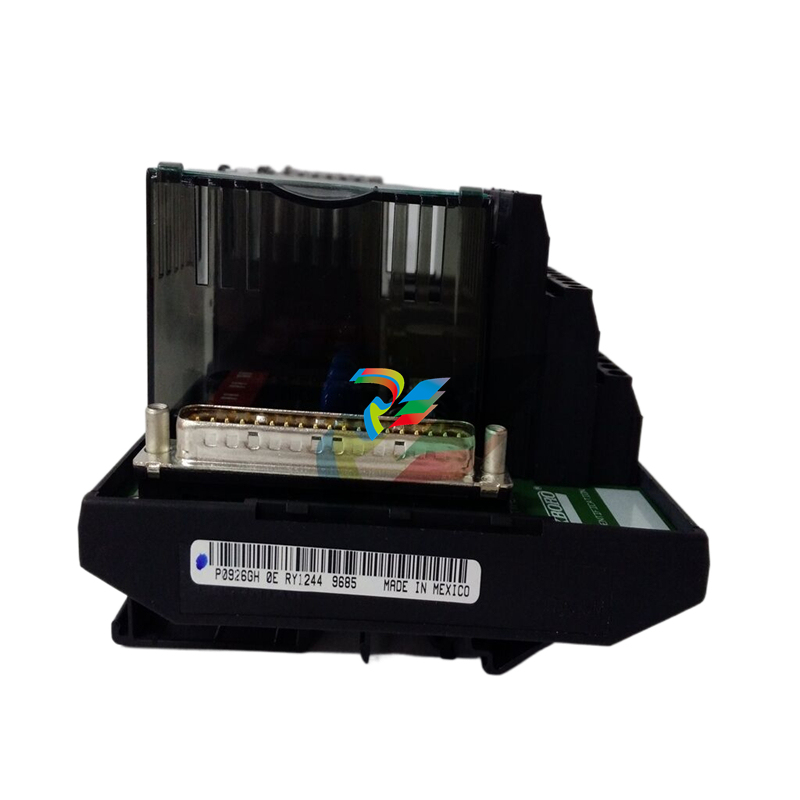 FOXBORO P0916PH (High-density HART I/O Module)
 -
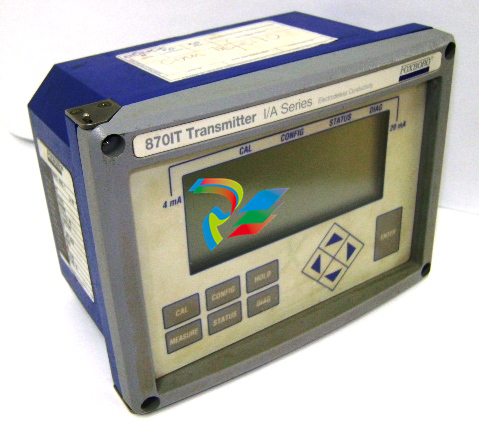 FOXBORO 870ITEC-AYFNZ-7 Intelligent Electrochemical Transmitters
 -
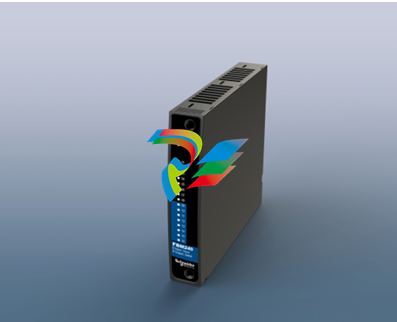 FOXBORO Compact FBM240. Redundant with Readback, Discrete
 -
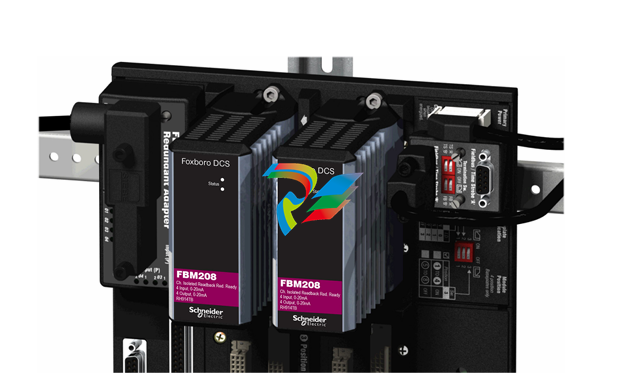 FOXBORO FBM208/b, Redundant with Readback, 0 to 20 mA I/O Module
 -
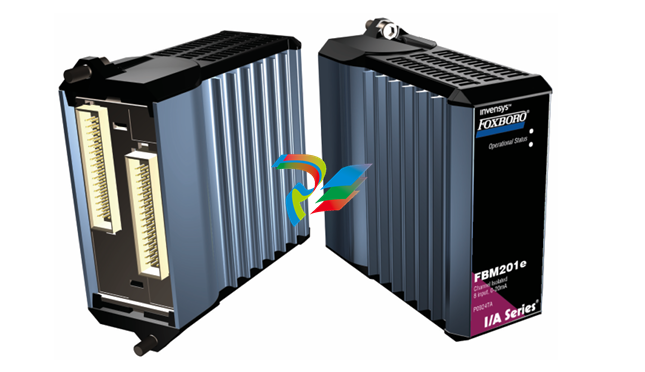 FOXBORO FBM201e Analog Input (0 to 20 mA) Interface Modules
 -
.jpg) FOXBORO P0916WG Terminal cable
FOXBORO P0916WG Terminal cable -
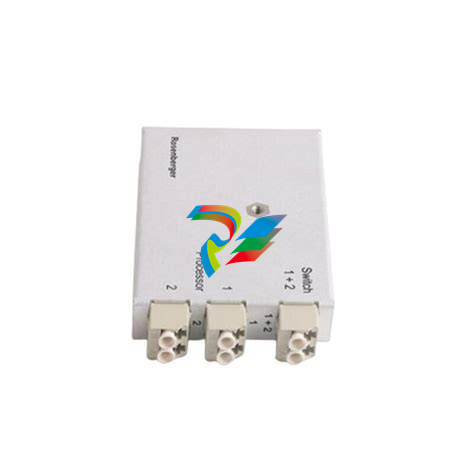 FOXBORO P0926MX 2-Port Splitter
 -
.jpg) FOXBORO AD908JQ High-Frequency Module
FOXBORO AD908JQ High-Frequency Module -
.jpg) FOXBORO AD916CC Processor module
FOXBORO AD916CC Processor module -
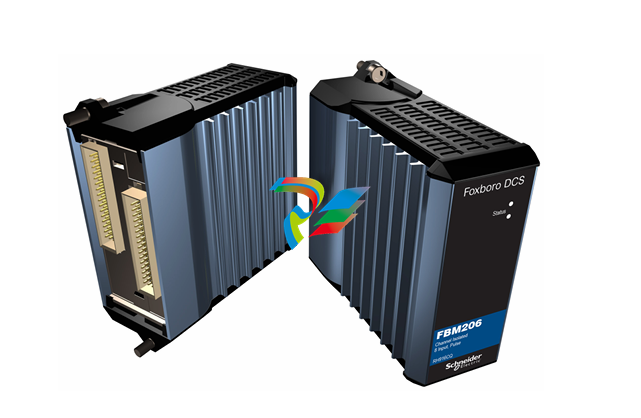 Foxboro DCS FBM206 Pulse Input Module
 -
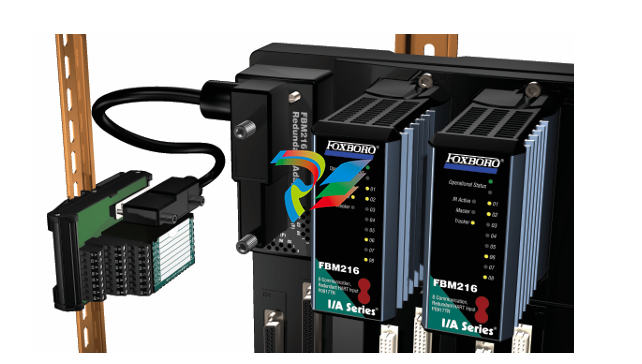 FOXBORO FBM216 HART® Communication Redundant Input Interface Module
 -
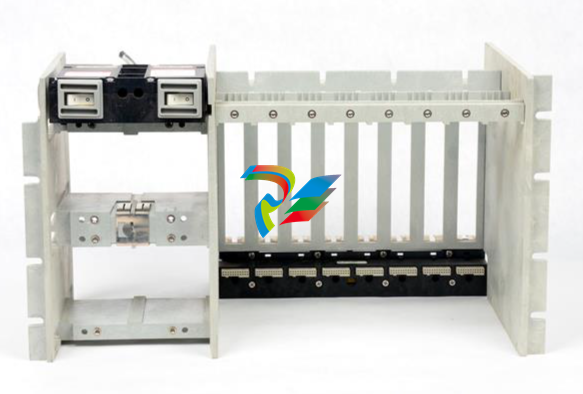 Foxboro p0903nu 1×8 unit sub-component module
 -
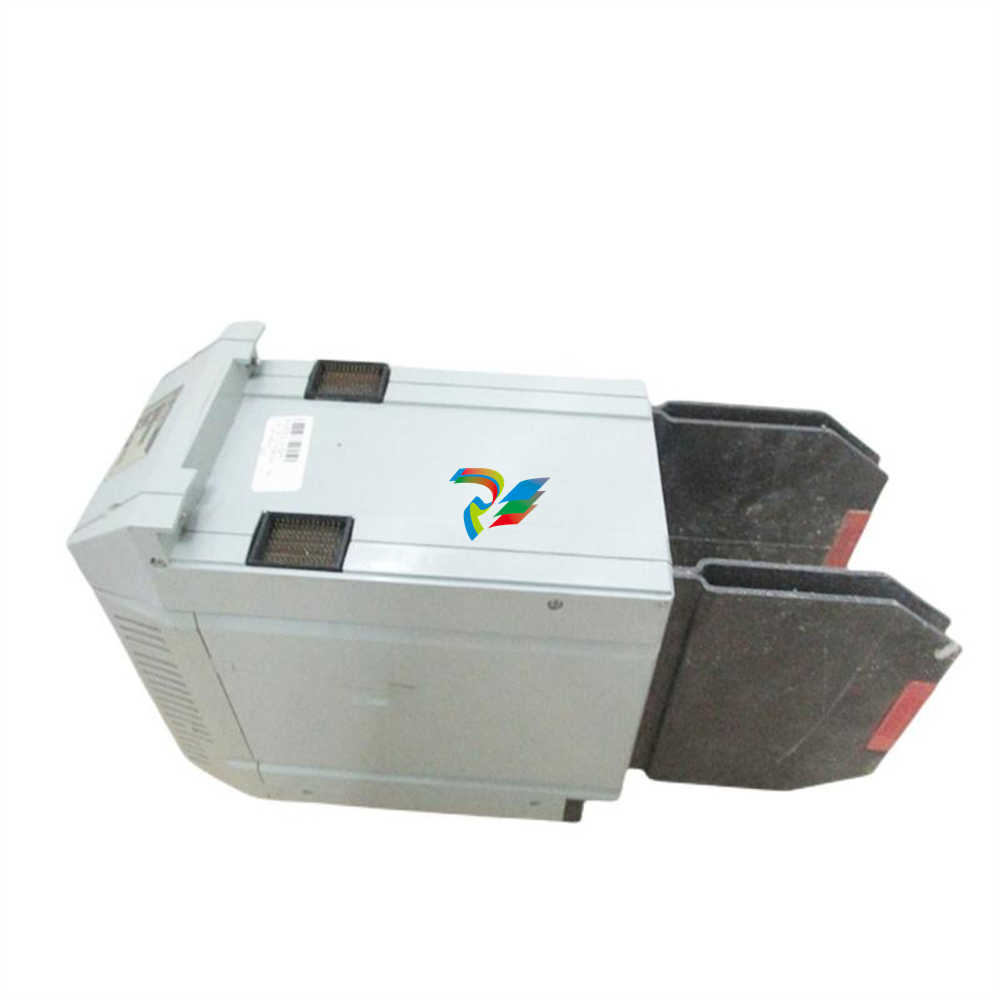 Foxboro P0911SM Industrial control module
 -
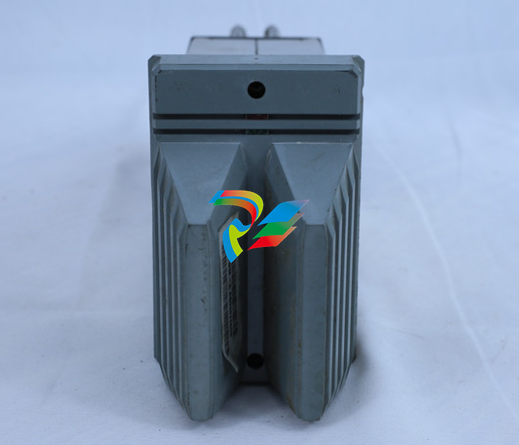 Foxboro CM902WM I/O module
 -
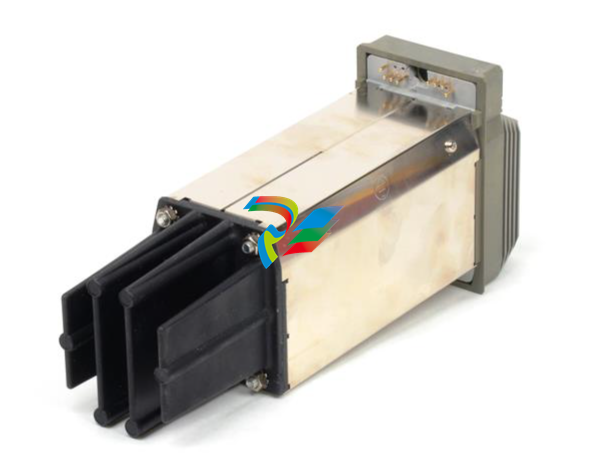 Foxboro CM902WL Power module
 -
 Foxboro P0972VA Industrial Control Module
 -
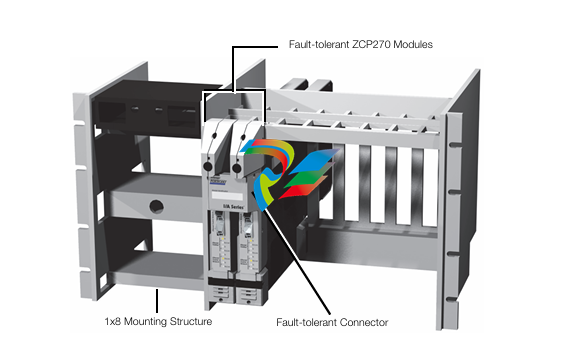
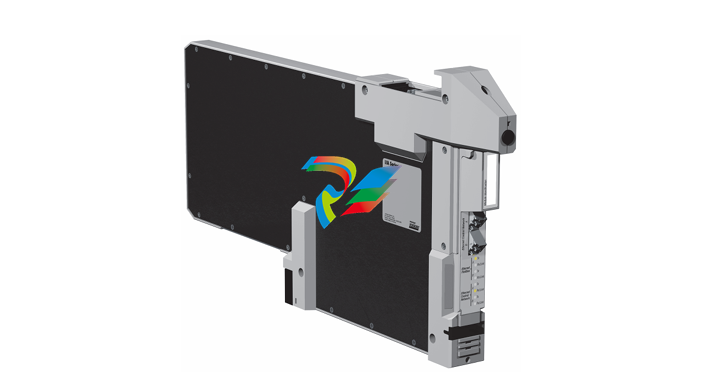 Foxboro Z-Module Control Processor 270 (ZCP270)
 -
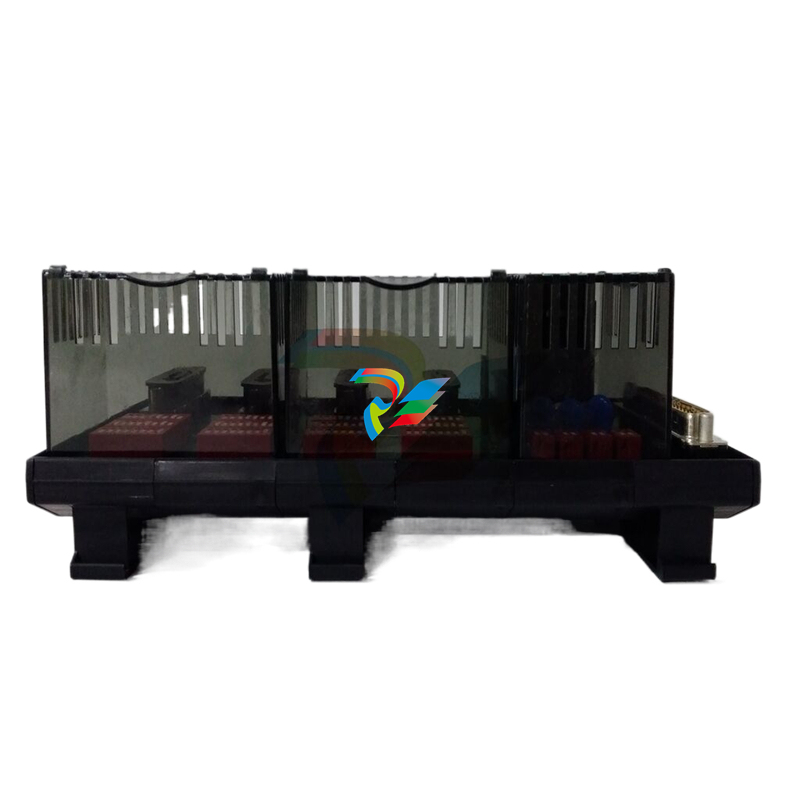 Foxboro PO916JS 16-channel terminal block module
 -
 Foxboro PO911SM High-performance digital/analog input/output module
 -
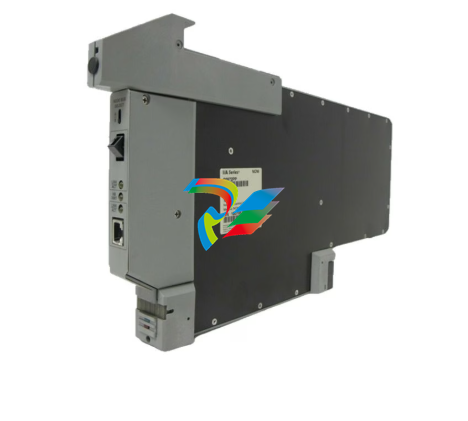 Foxboro P0972PP-NCNI Network Interface Module
 -
.jpg) FOXBORO P0971QZ controller module
FOXBORO P0971QZ controller module -
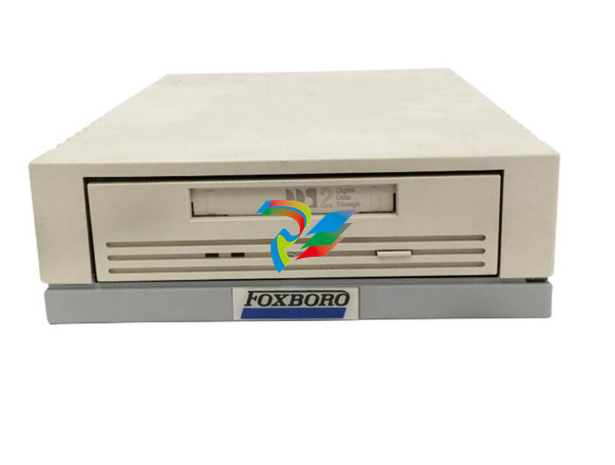 FOXBORO P0971DP Thermal resistance input/output module
 -
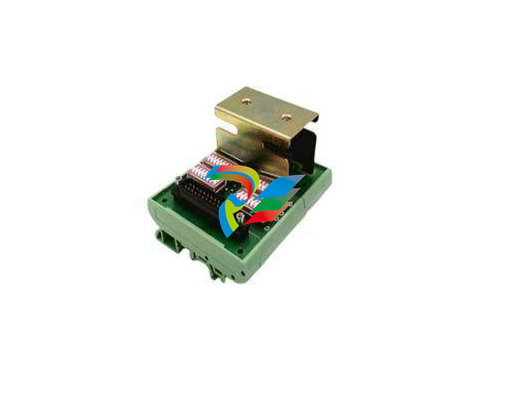 FOXBORO P0970VB Cable connector
 -
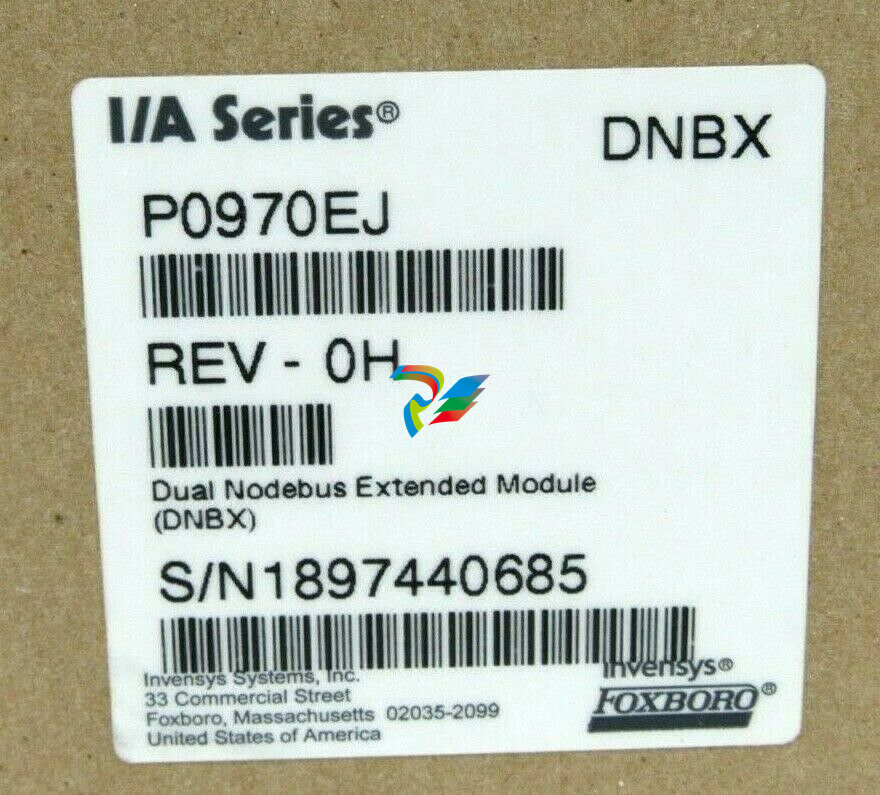 FOXBORO P0970EJ-DNBX Dual-node bus expansion module
 -
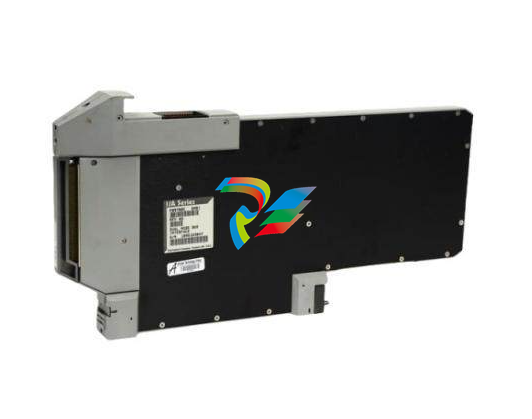 FOXBORO P0970BP Redundant power supply system
 -
.jpg) FOXBORO P0970BC-DNBI DeviceNet bus interface module
FOXBORO P0970BC-DNBI DeviceNet bus interface module -
.jpg) FOXBORO P0961FX-CP60S Main control CPU module
FOXBORO P0961FX-CP60S Main control CPU module -
.jpg) FOXBORO P0961EF-CP30B Network Interface Unit
FOXBORO P0961EF-CP30B Network Interface Unit -
.jpg) FOXBORO P0961CA Optical fiber local area network module
FOXBORO P0961CA Optical fiber local area network module -
.jpg) FOXBORO P0961BD-GW30B gateway processor module
FOXBORO P0961BD-GW30B gateway processor module -
.jpg) FOXBORO P0961BC-CP40B/I/A Series high-performance control processor module
FOXBORO P0961BC-CP40B/I/A Series high-performance control processor module -
FOXBORO P0960JA-CP40 High-performance control processor
-
FOXBORO P0926TM Control module
-
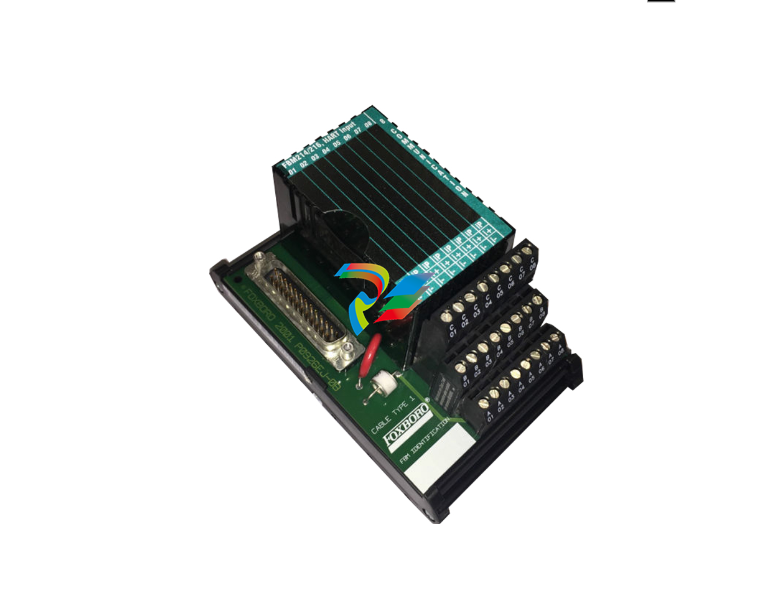 FOXBORO P0916BX Termination Assembly
 -
.jpg) FOXBORO P0916AE P0916AG P0916AW Thermal resistance input type DCS card module
FOXBORO P0916AE P0916AG P0916AW Thermal resistance input type DCS card module -
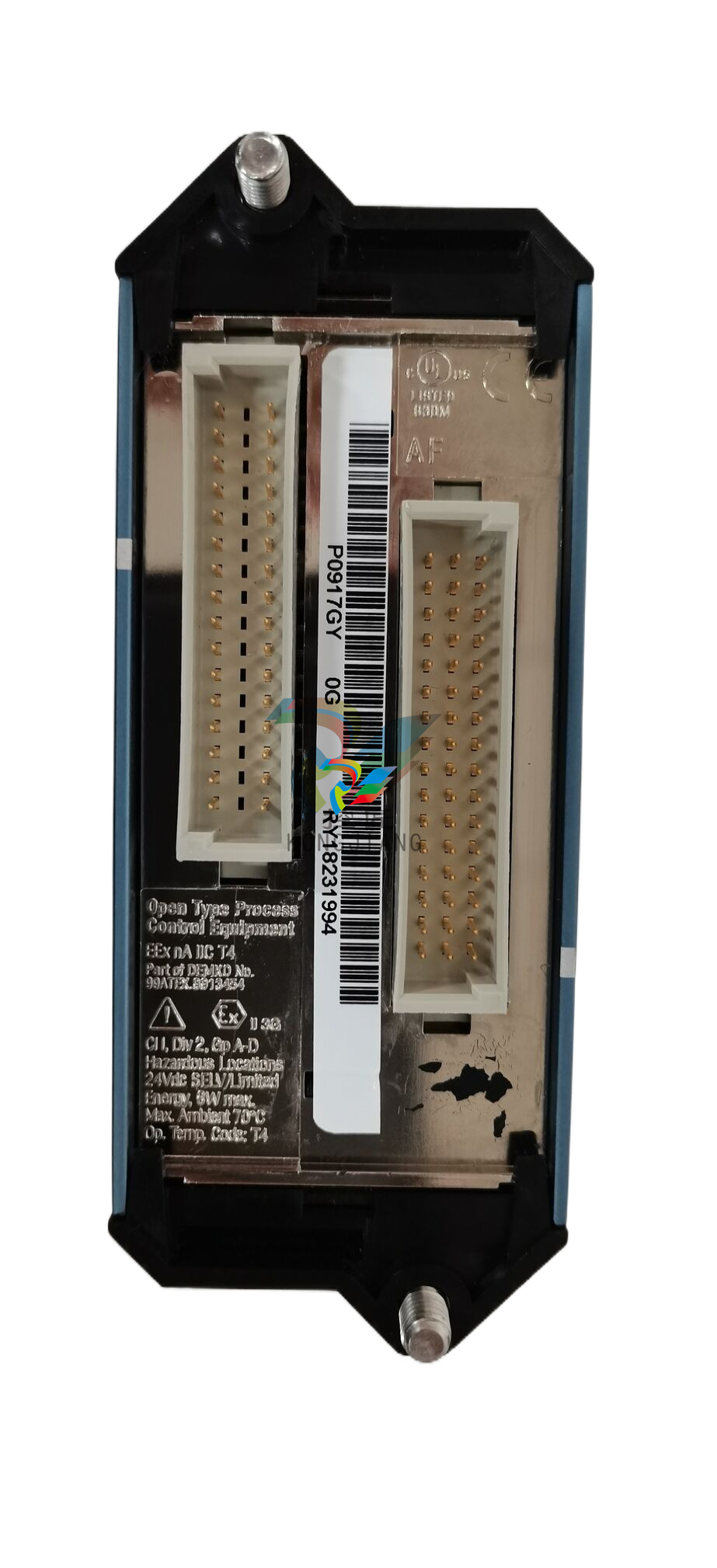 FOXBORO P0916AC FOXBORO distributed control system (DCS) compression terminal assembly
 -
.jpg) FOXBORO P0912CB High-performance interface module
FOXBORO P0912CB High-performance interface module -
.jpg) FOXBORO P0911VJ Thermal resistance input output module
FOXBORO P0911VJ Thermal resistance input output module -
.jpg) FOXBORO P0911QH-A High-precision module
FOXBORO P0911QH-A High-precision module -
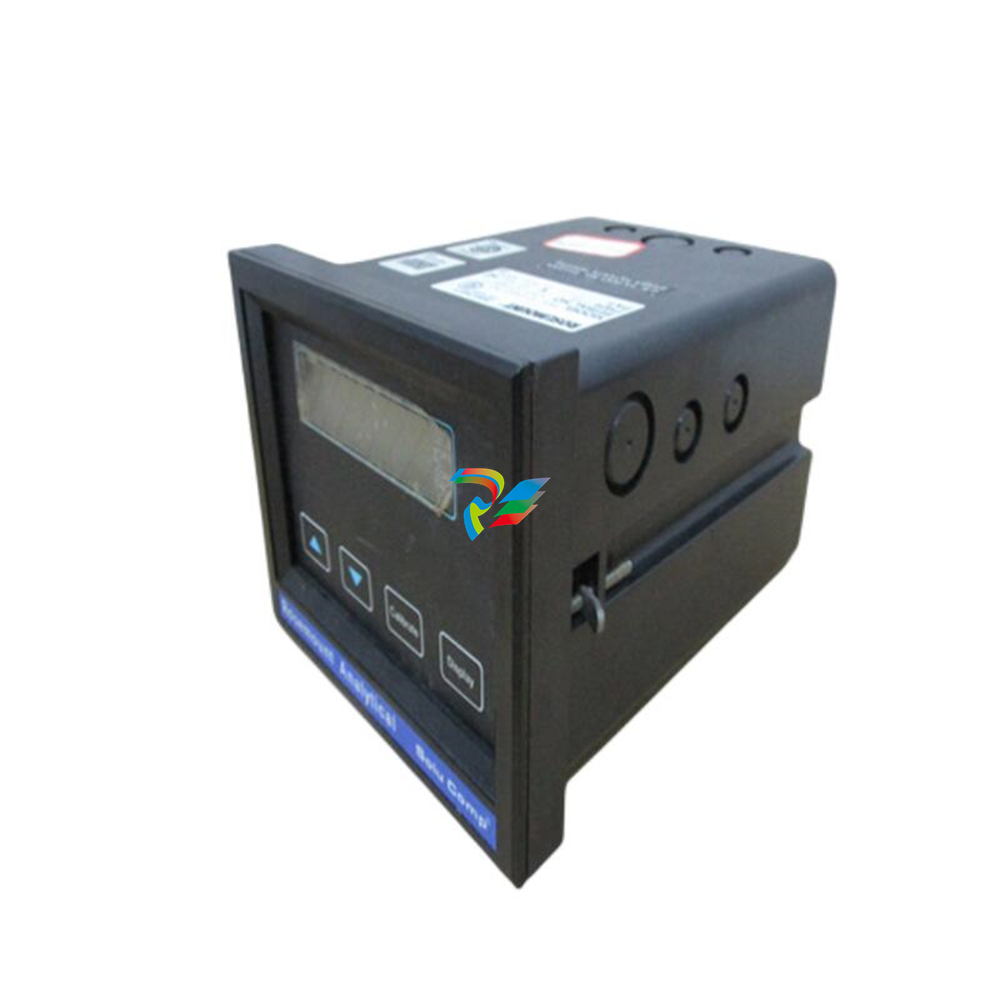 FOXBORO P0911QB-C P0911QC-C Thermal resistance input/output module
 -
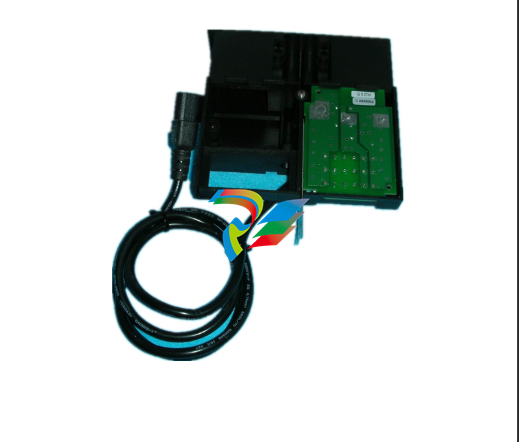 FOXBORO P0904BH P0904FH P0904HB Distributed Control system (DCS) module
 -
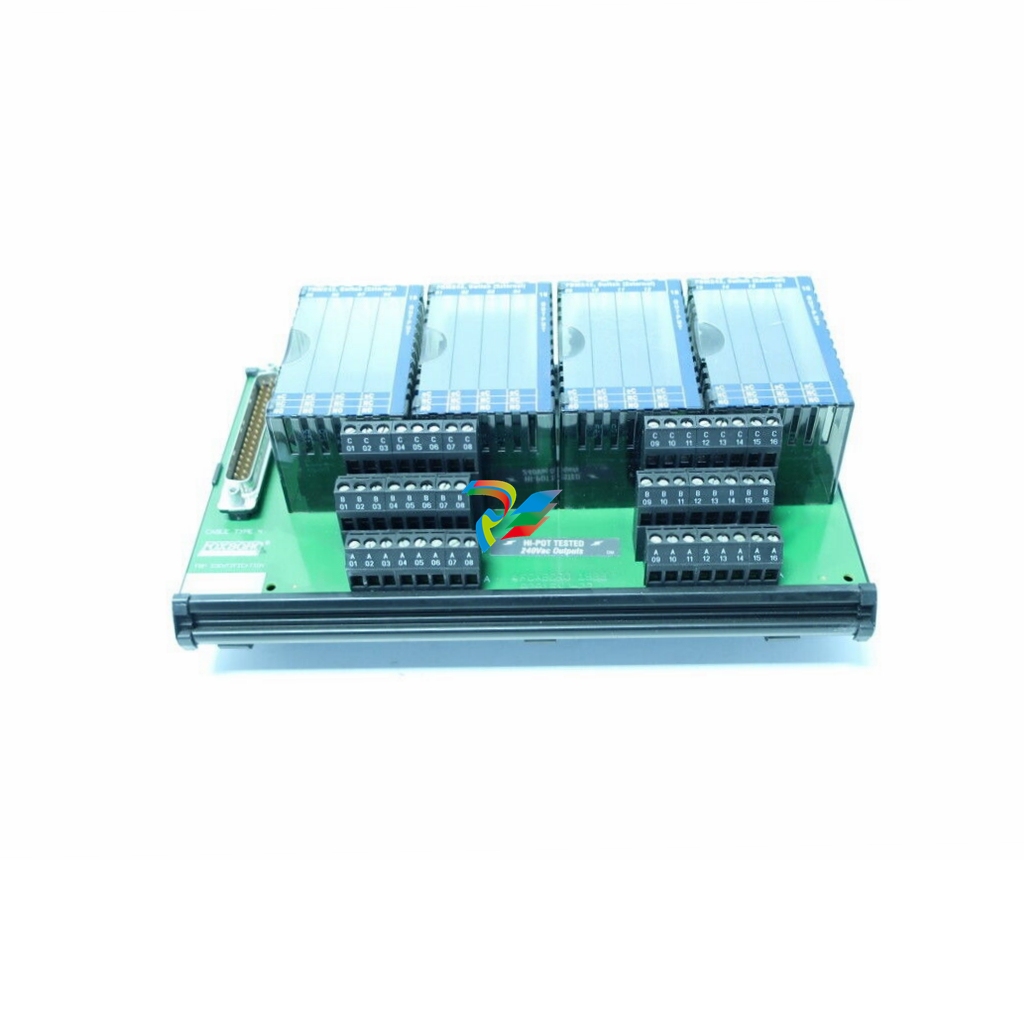 FOXBORO P0903ZP P0903ZQ Embedded System Debugging Module
 -
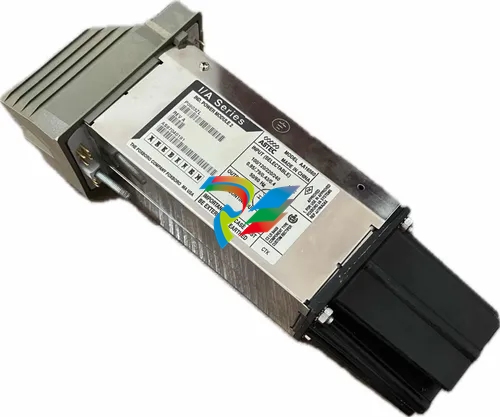 Foxboro P0903ZL P0903ZN Industrial power module
 -
 Foxboro P0903ZE I/A Series Fieldbus Isolator Module
 -
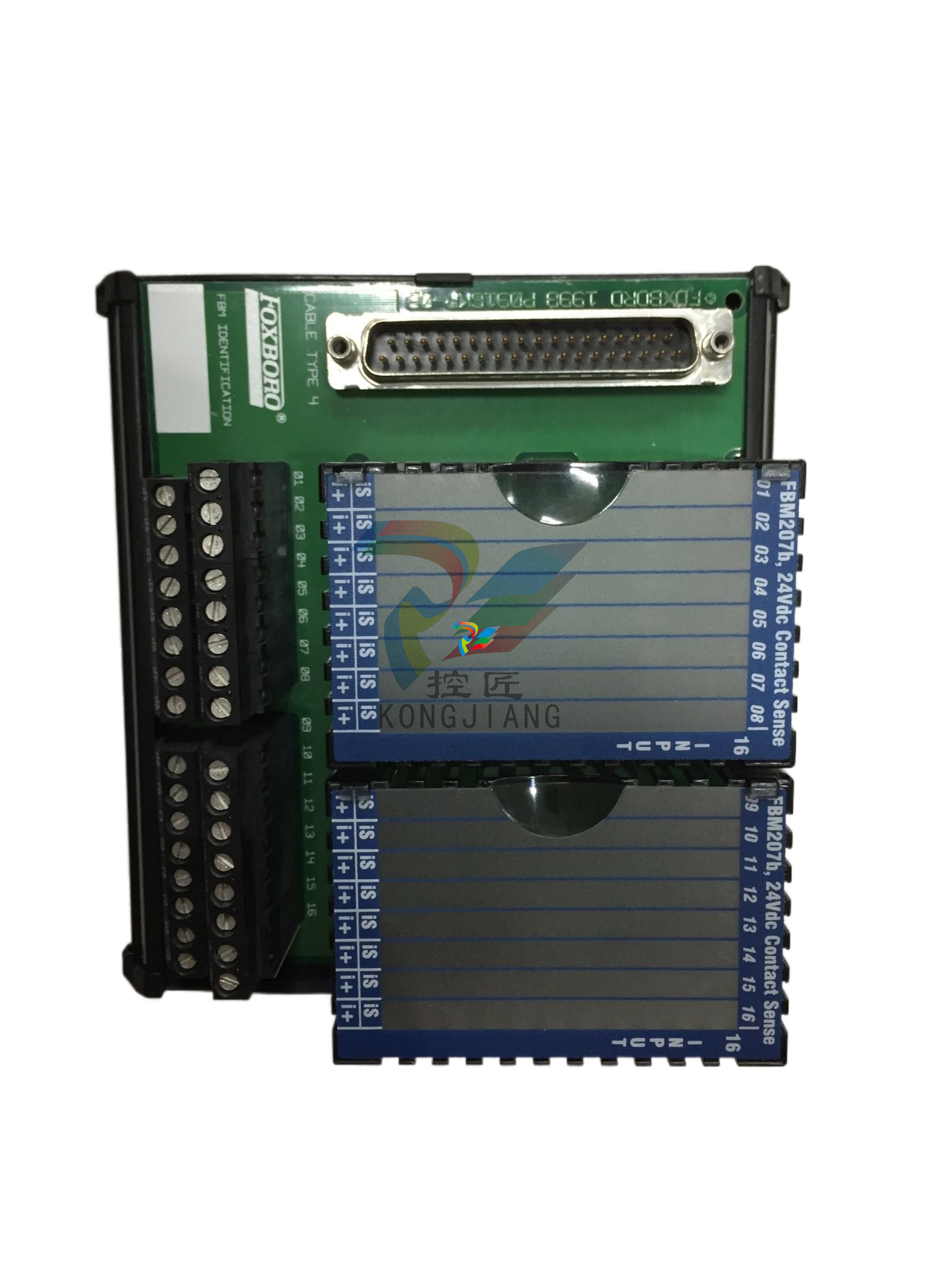 FOXBORO P0903NW Industrial Control Module