
How Industrial Ethernet Is Reshaping Industries

In the era of Industry 4.0, where machines communicate, automate and optimize processes, the need for robust and reliable networking solutions has never been more critical. Industrial Ethernet has emerged as the backbone of industrial connectivity, enabling seamless communications, enhancing efficiencies and paving the way for advances in various sectors.
Legacy connectivity methods such as serial, twisted pair, coaxial and other proprietary protocols and methods, are now giving way to standards-based Ethernet. This transition is being driven by several key factors such as the need for interoperability across diverse industrial devices, higher bandwidth for data-intensive communications, better integration with information technology (IT)-driven enterprise systems, lower costs incurred in using standard rather than proprietary products and more.
Today’s Ethernet can do much more than provide high-speed connectivity at lower costs. This article presents five key areas where Ethernet-based industrial switches can power smart operations of the future.
1. High-performance infrastructure
Industrial Ethernet helps build a highly resilient, high-performance infrastructure. More than the enterprise, industrial operations rely on continuous uninterrupted operations to meet production targets and deliver services. Network downtime or interruption can result in decreased productivity leading to significant financial losses.
Today’s industrial Ethernet combines enterprise-grade performance and scalability with industrial-strength reliability and resilience. It features multi- and 10-gigabit interfaces to connect high-bandwidth devices and features high switching capacity to handle many connected devices. Industrial Ethernet also enables software-defined networking for greater flexibility, scalability and programmability in network infrastructure.
Several Ethernet-based redundancy protocols are used in industrial networks to provide high availability and fault tolerance. These include high-availability seamless redundancy (HSR) that uses redundant paths for Ethernet frames allowing for seamless failovers in case of link or node failures.
Similarly, parallel redundancy protocol (PRP) is another standard where the transmitting mode sends duplicate frames over two independent channels and the receiving node discards any duplicates it receives, ensuring data integrity and protecting against packet loss.

Technologies such as device level ring (DLR) connect devices in a ring and allow for simple and cost-effective implementation without additional switches. Resilient Ethernet protocol (REP) provides a sub-50 millisecond failover using a loop-free topology with backup paths.
2. Built-in cybersecurity
Cybersecurity is top-of-mind for industries. Visibility into connected devices, their interactions and vulnerabilities is the first step in securing industrial assets. This visibility can be gained from deep packet inspection (DPI) of network traffic. Traditionally, industrial networks have duplicated traffic from their switches to feed into offboard DPI servers. However, this leads to extra cost and complexity in the network. Today’s Ethernet provides a much simpler solution. Industrial switches can themselves perform DPI and obtain visibility and security insights as noted in Figure 1.
Visibility informs the second step in securing operations. Once you know the identity of assets and traffic patterns, you can define access policies that selectively allow or deny traffic between assets, control systems and external entities. These policies segment the network and place limits around groups of assets creating zones and conduits as required by the ISA/IEC62443 security standards, restricting unimpeded flow of potential malware through the operations.
While zones and conduits can be carved through extensive placement of firewalls, it is much simpler for the industrial Ethernet switches themselves to enforce access policies, thereby avoiding the extra cost and complexity.
3. Zero-trust network access
Industrial Ethernet can enable zero-trust network access (ZTNA). The ability to access industrial assets remotely, especially ones that may be geographically distributed, can be invaluable. Using it, operations staff, vendors or contractors can log in to those assets without costly site visits to monitor, debug, configure or otherwise manage them.

The solution for such access has traditionally been virtual private networks (VPNs). The drawback for VPNs is that they are an always-on solution with all-or-nothing access to operational technology (OT) assets. Industrial organizations are starting to deploy zero trust network access (ZTNA) solutions as alternatives to always-on VPNs.
ZTNA is a security service that verifies users and grants access only to specific resources at specific times based on identity and context policies. ZTNA solutions consist of a trust broker, typically a cloud service, that mediates connections between remote users and OT assets by working with a ZTNA gateway onsite, responsible for creating a communication path to the assets and an outbound connection to the trust broker, as shown in Figure 2.
Existing ZTNA solutions deploy gateways in the industrial demilitarized zone (iDMZ). But in distributed field networks, there is generally no space to install dedicated gateway hardware. And in larger industrial networks, where IP addresses are often reused, many OT assets sit behind network address translation (NAT) boundaries and are not visible from the iDMZ. Industrial Ethernet switches are ideally suited to be ZTNA gateways because of their proximity to OT assets, saving the undesirable cost and burden of installing dedicated ZTNA gateway hardware in each location.
4. Power over Ethernet
Industrial Ethernet provides PoE and helps make operations more sustainable. Originally gaining popularity in enterprise IT settings, power over Ethernet (PoE) is becoming increasingly common in industrial settings. However, there are significant differences between the two environments.
Industrial environments can be harsh, with extreme temperatures, dust and vibrations. Both Industrial Ethernet equipment acting as power sourcing equipment (PSE) and powered devices (PD) must be ruggedized, allow for higher power levels, adhere to stricter safety standards and be more resistant to electrical noise and interference from electromagnetic fields.

Finally, power to critical devices in industrial environments must be maintained to avoid downtime or safety issues and therefore the PSE must be able to prioritize power to specified ports, maintain power through reboots and be able to report outages or overdrawn conditions for corrective actions.
Advances in IEEE PoE standards that define power supply levels from 15.4 W to 90 W have allowed an increasing array of devices that can be powered from sensors, IP-phones, surveillance cameras, POS systems and laptops; to high-wattage and high-bandwidth devices such as Wi-Fi 6/6E access points, digital signage, LiDAR equipment, 4KUHD PTZ cameras and displays.
Because of its importance to operations continuity, deploying PoE in industrial environments comes with important considerations. These include provisioning power backups and redundancies, heat dissipation and cooling, power management and monitoring and more.
Industrial Ethernet switches must be able to provide relevant telemetry to a central analytics dashboard to visualize the deployment, obtain insights and resolve potential issues before they disrupt operations.
Industrial Ethernet with PoE can also help in sustainability of operations. Not only does it eliminate the need to run extra copper cabling and steel conduits to each PD, but it also avoids ac-dc conversion at the device—which could save up to 20 percent of energy that would otherwise be lost. Power can also be more easily controlled by programmatic suspension of power to nonessential devices when not in use. Finally, ruggedized industrial Ethernet equipment can be placed in non-climatecontrolled environments, saving cooling costs.
5. Enabling Industry 4.0
Industrial Ethernet enables Industry 4.0. Industry 4.0 promises to transform operations by integrating advanced technologies such as the Industrial Internet of Things (IIoT), artificial intelligence (AI), big data analytics, cloud computing and robotics into industrial processes. It can help increase productivity and improve product quality through realtime data-driven decisions.
However, all this is possible only when accurate, timely process data is made available to the software applications in the data centers and cloud. Industrial Ethernet, as the conduit for network traffic, can extract relevant data, transform it into the required format, and securely transfer it to these applications.
Industrial Ethernet assists in faster datadriven decision-making. While applications in the data center and the cloud, fed by data from operations, can help derive insights and make operations decisions, there are timesensitive use cases where these decisions need to be made on the spot.
For example, in autonomous vehicles, faster capabilities can enable the real-time processing of data from sensors and cameras to make instant decisions and respond quickly to changes in environment. It can also support various smart city applications such as intelligent traffic management, public safety systems, environmental monitoring, etc.
In industrial settings, processing data locally can help monitor and control machinery and optimize processes. Traditionally, industrial PCs have been deployed to process data. However, edge-computing capabilities within Industrial Ethernet equipment can analyze data more efficiently, saving money, complexity and delays incurred in transit to offboard applications.
Industrial transformation
Industrial Ethernet has proven to be a critical component in driving transformation in various industries. Its ability to provide fast, reliable and secure communication has resulted in increased productivity, improved efficiency and enhanced decision-making processes. Industrial Ethernet has enabled the adoption of advanced technologies such as IIoT and Industry 4.0. This transformative power has led to optimized operations, reduced downtime, and ultimately, significant cost savings for businesses across the globe.
-
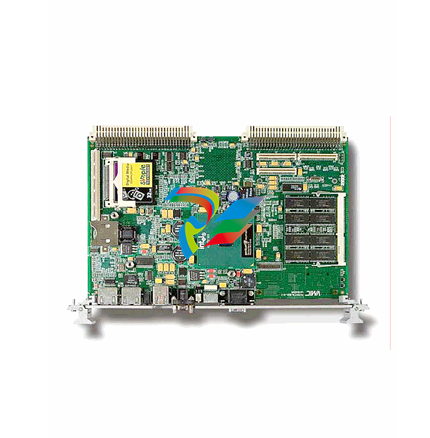 IS200EPMCH1GE Mark VIe Patch Cord Power Distribution Card
 -
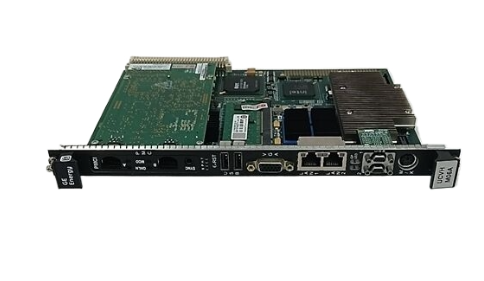 VMICPCI-7632-03310 IS215UCCAH3A 350-657362-003310J GE gas turbine system control processor board
 -
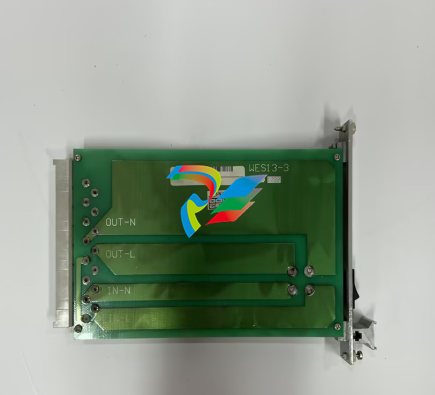 WEA13-13 2508-21001 Control Module / I/O Board
 -
.jpg) WES5120 2340-21004 Controller Main Module
WES5120 2340-21004 Controller Main Module -
 WES5120 2340-21006 Field Controller Master Unit Module
 -
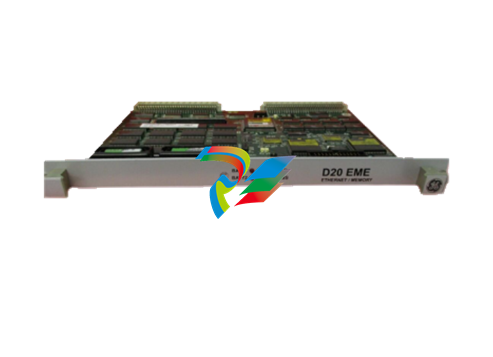 WESDAC D20ME 18-MAR-13 Excitation Control Module
 -
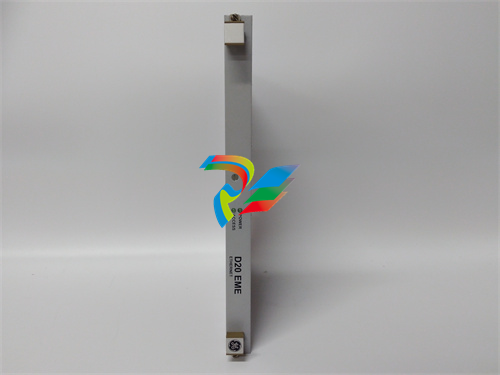 D20 EME 2400-21004 Ethernet communication and expansion module
 -
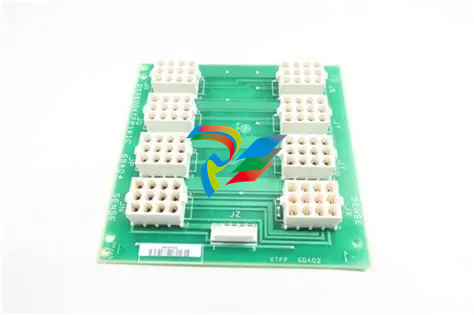 GE DS3800XTFP1E1C Thyristor Fan Out Board Brand
 -
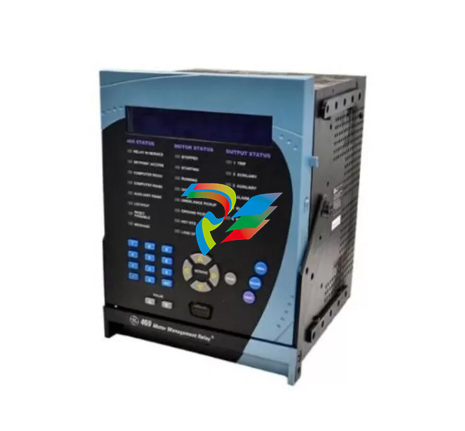 GE SR745-W2-P1-G1-HI-A-L-R-E Feeder protection relay
 -
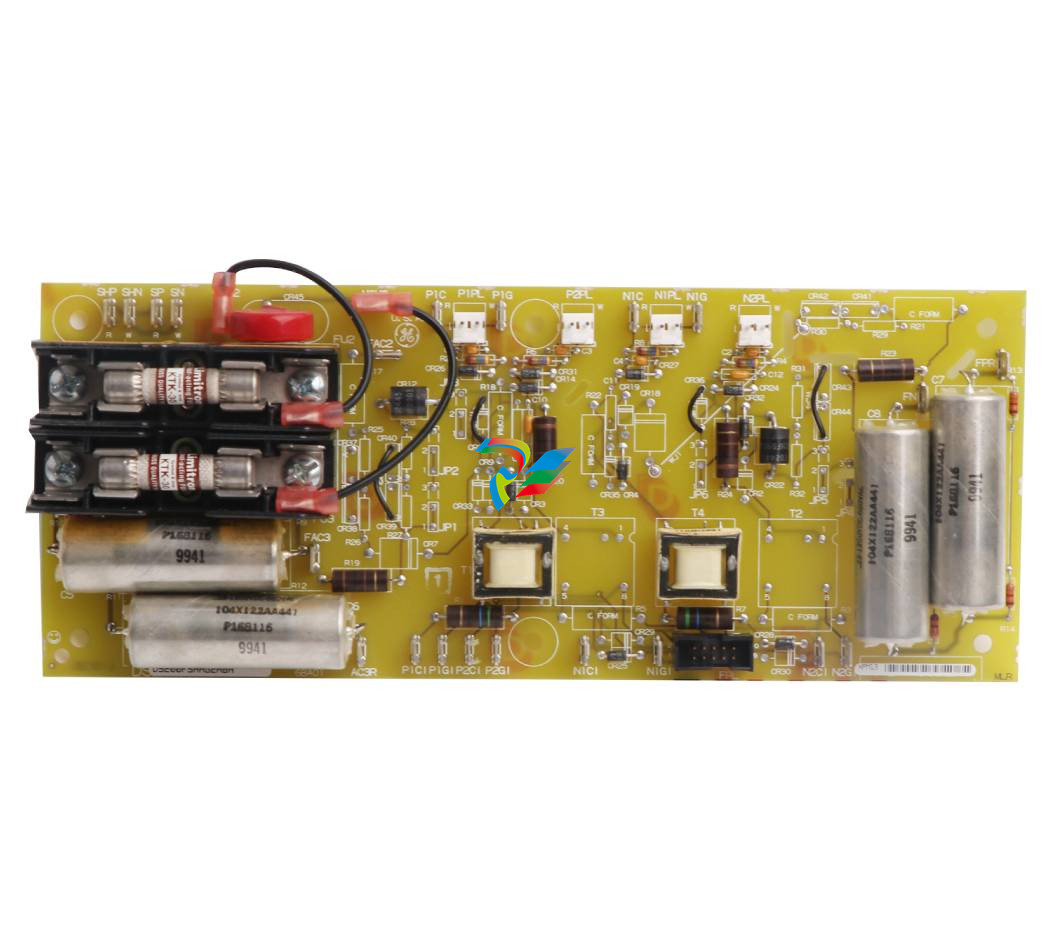 GE IS230TNDSH2A Discrete Output Relay Module Brand
 -
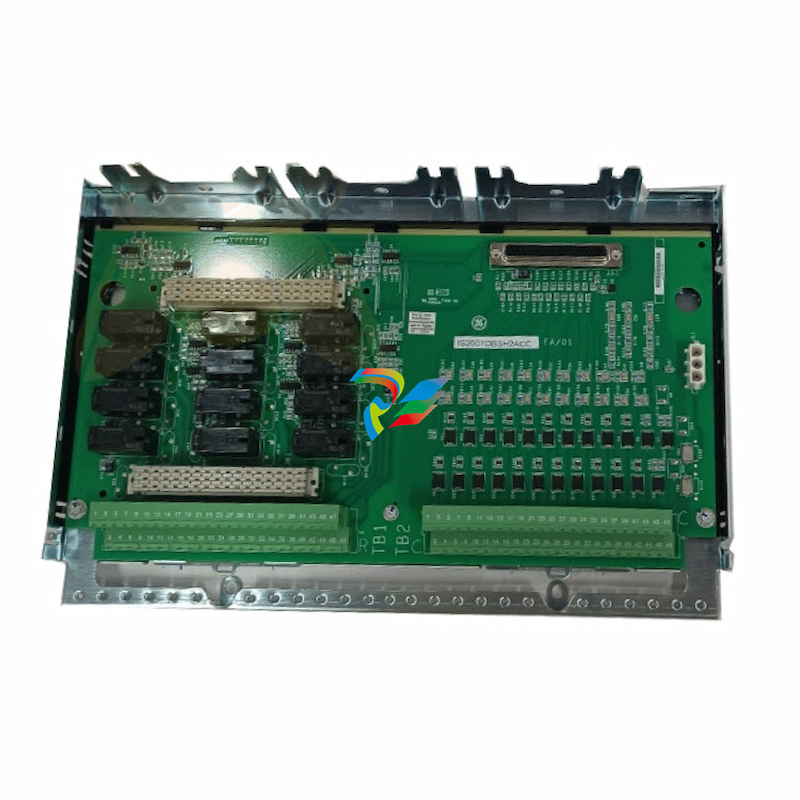 GE Fanuc IS200TDBSH2ACC Mark VI Terminal Board Brand
 -
 GE PMC-0247RC-282000 350-93750247-282000F Disk Drive
 -
GE PMC-0247RC-282000 350-93750247-282000F Disk Drive
-
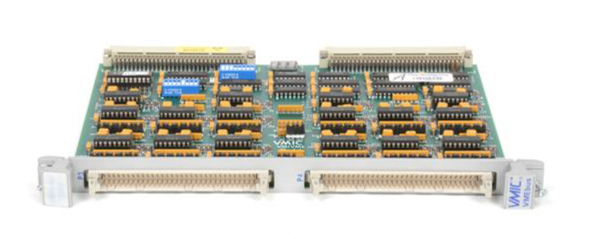 GE VMIVME-1150 Serial Communications Controller
 -
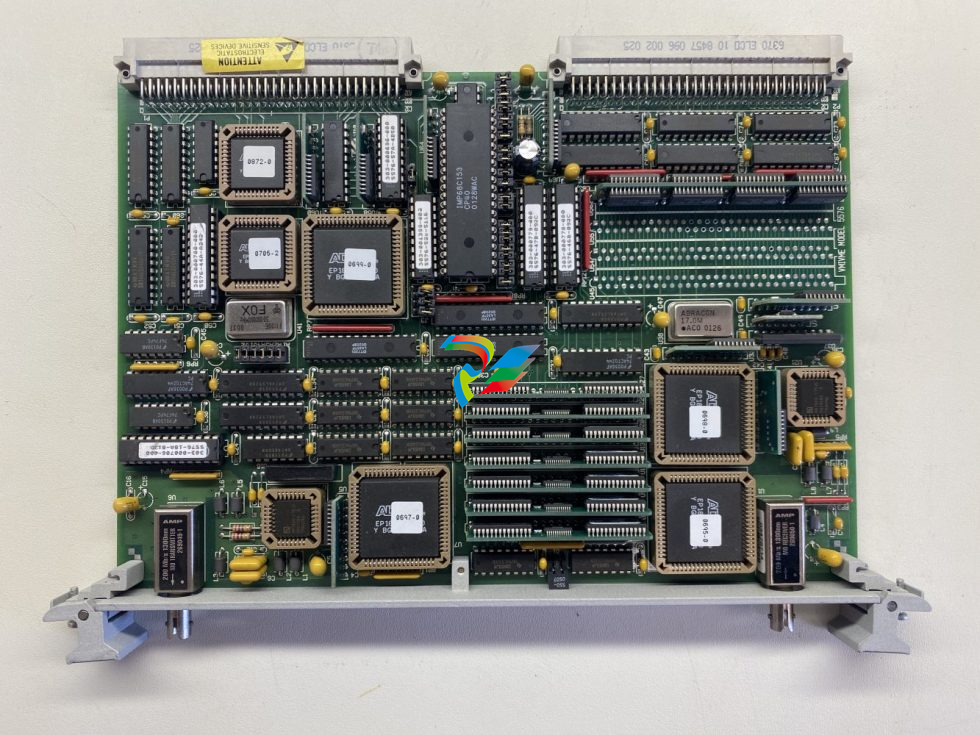 GE VMIVME-5576 Fiber-Optic Reflective Memory with Interrupts
 -
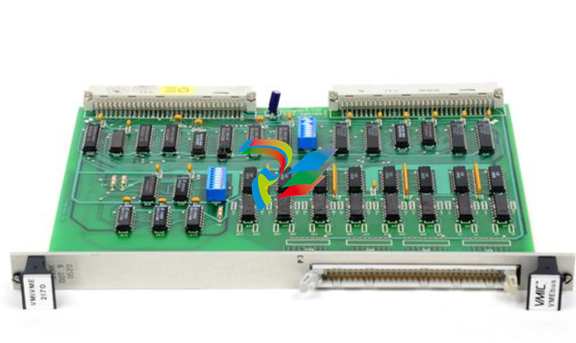 GE VMIC Isolated Digital Output VMIVME-2170A
 -
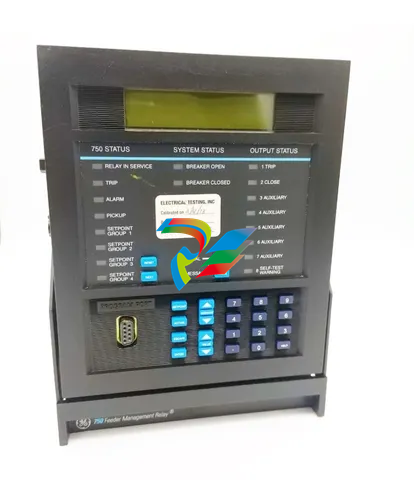 GE MULTILIN 760 FEEDER MANAGEMENT RELAY 760-P5-G5-S5-HI-A20-R-E
 -
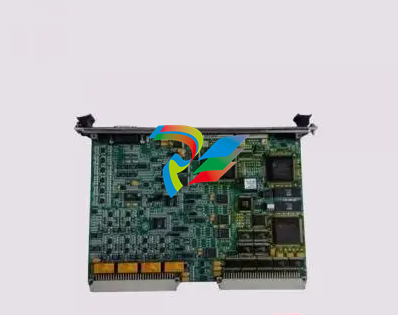 GE IS200AEPAH1BKE IS215WEPAH2BB Printed circuit board
 -
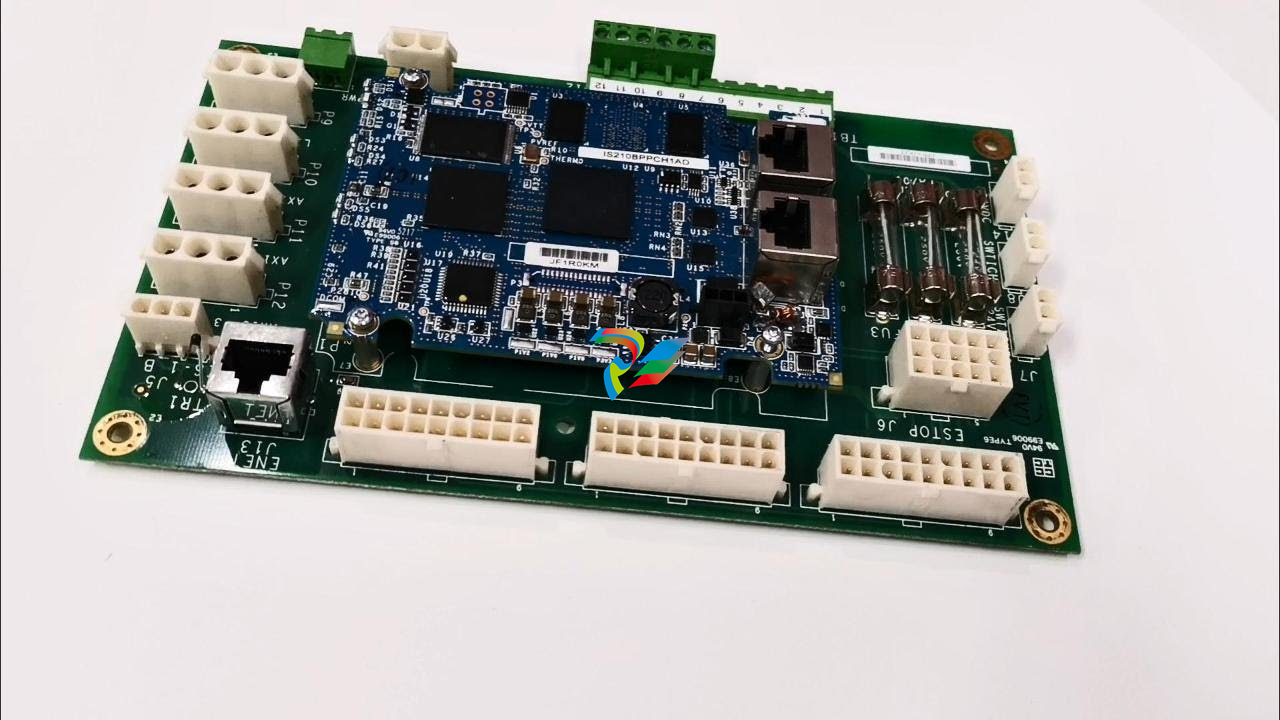 GE IS210BPPCH1A Mark VIe I/O Pack Processor Card
 -
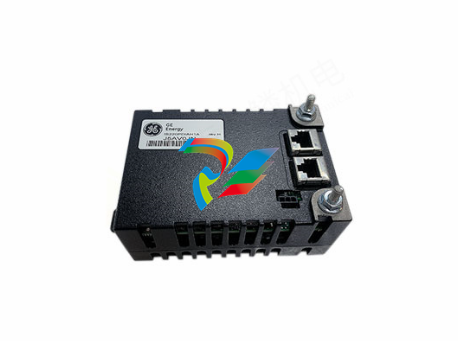 GE IS220PRTDH1A 336A4940CSP6 High-Performance RTD Input Module
 -
GE IS220PDIAH1BE 336A5026ADP4 Discrete Input Module
-
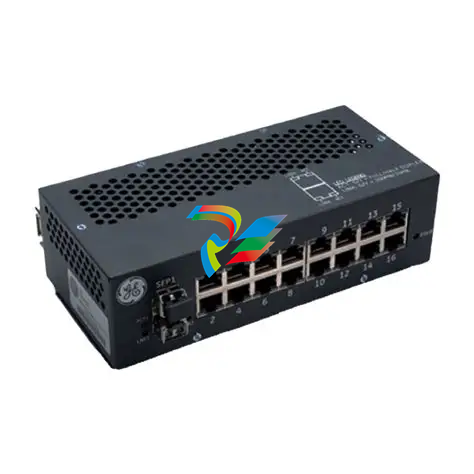 GE IS420ESWBH3A IONET Switch Module
 -
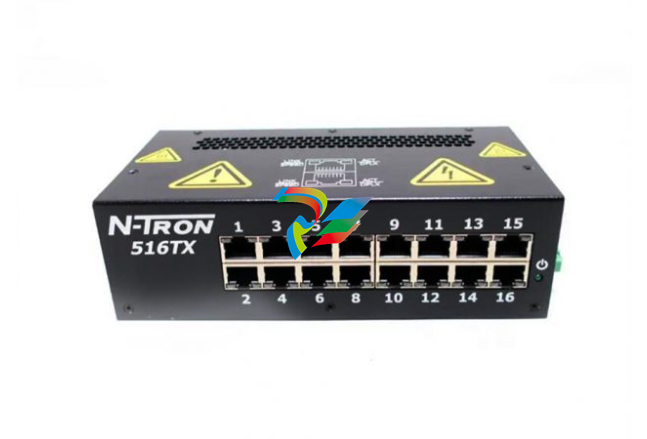 GE 516TX 336A4940DNP516TX 16-port Ethernet switch
 -
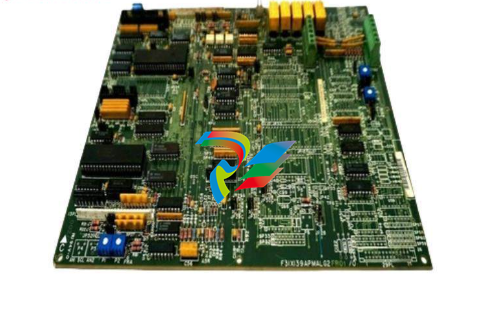 GE EVMECNTM13 Embedded control module
 -
GE EVPBDP0001 EVPBDP032 control module
-
 GE Hydran M2-X Enhanced Monitoring with Extended Sensor Life
 -
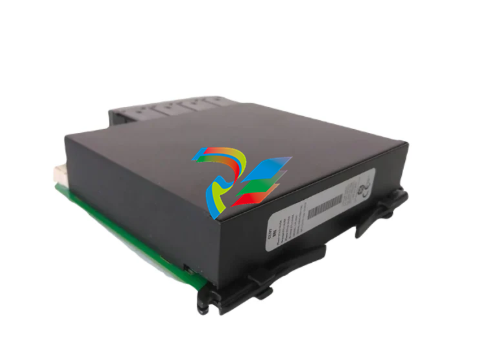 GE UR6CH Digital I/O Module
 -
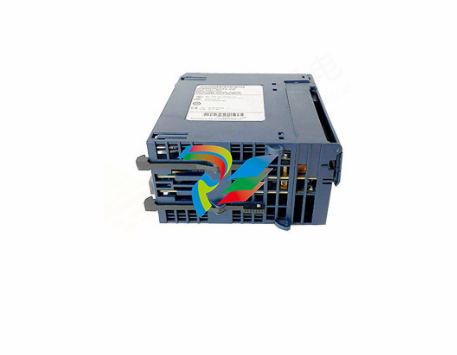 GE IC695CPU315-CD Central processing unit
 -
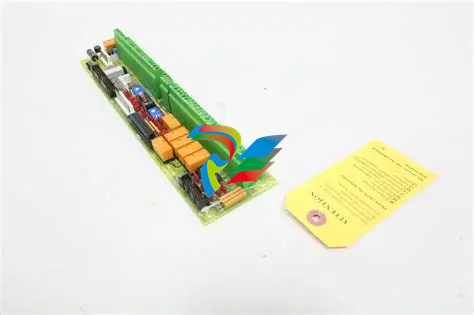 GE 531X305NTBAMG1 DR Terminal Board
 -
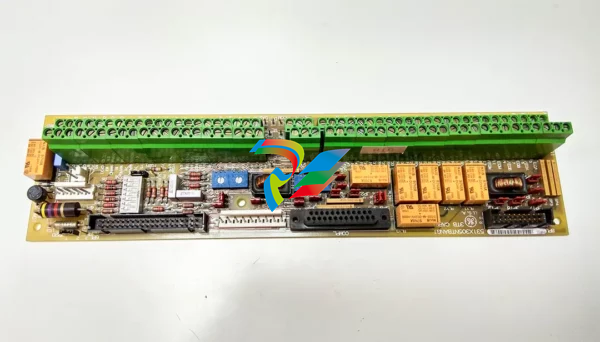 GE 531X305NTBALG1 NTB/3TB Terminal Board 531X Series
 -
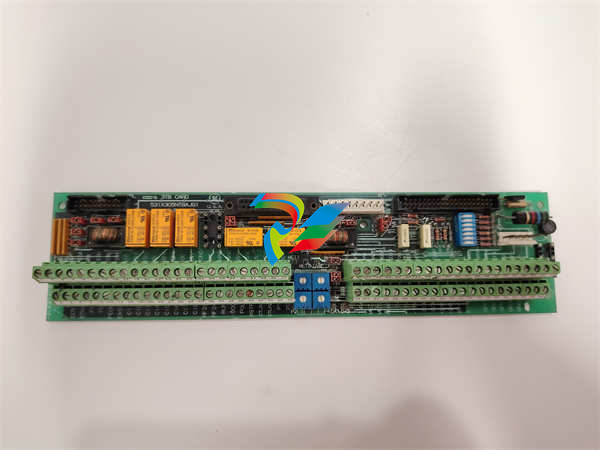 GE 531X305NTBAJG1 NTB/3TB Terminal Board.
 -
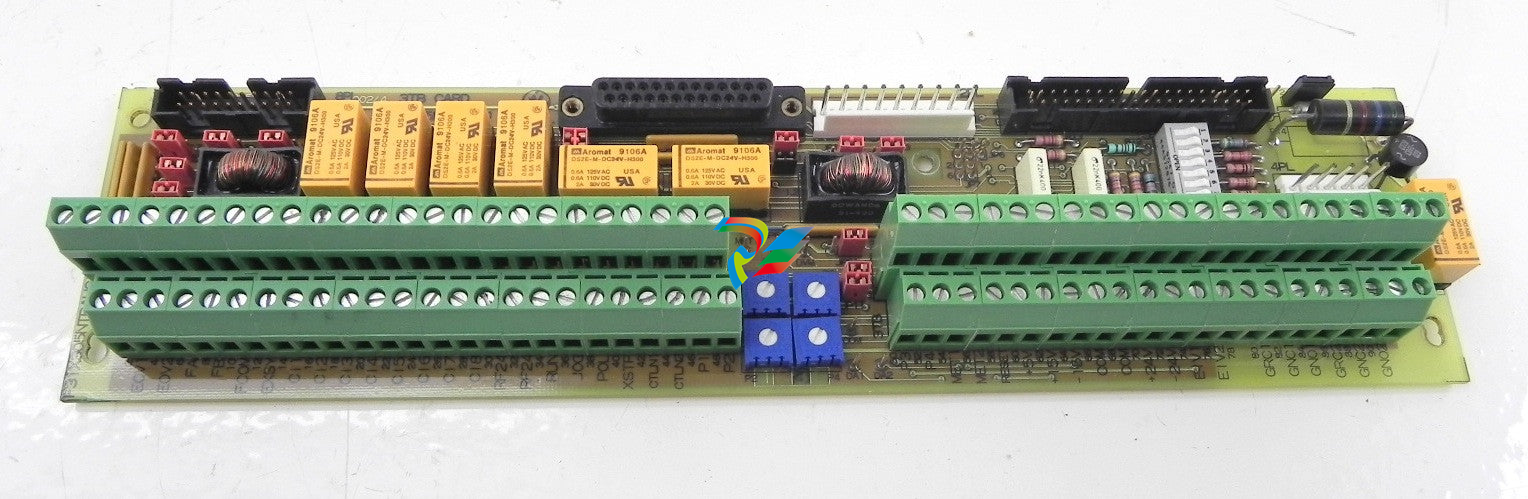 GE 531X305NTBAHG1 NTB/3TB Terminal Board 531X
 -
 GE 531X305NTBAEG1 is a PCB that functions as a DR terminal board.
 -
General Electric 531X305NTBACG1 NTB/3TB Terminal Board 531X
-
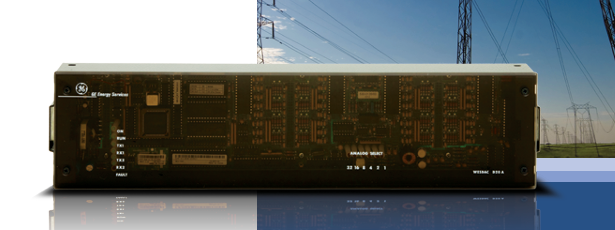 GE Digital Energy D20 Analog Input Module
 -
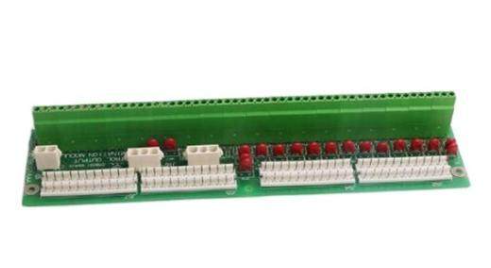 GE 94-164136-001 main board Control board
 -
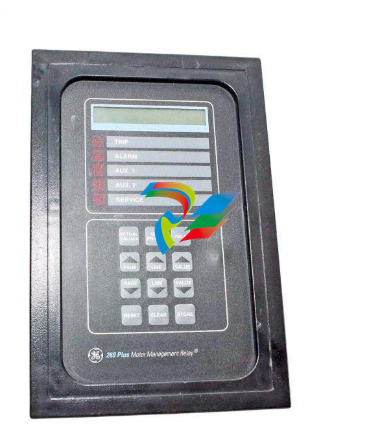 GE 269 PLUS-D/O-100P-125V Digital motor relay
 -
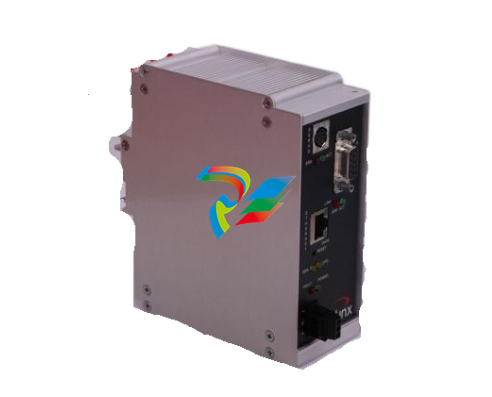 GALIL DMC-9940 High-performance motion controller
 -
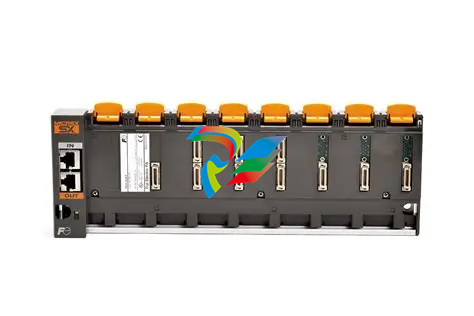 FUJI NP1BS-08 base plate
 -
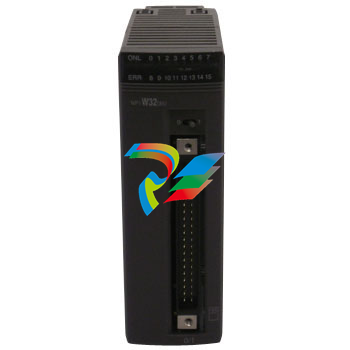 FUJI NP1Y32T09P1 Transistor drain type digital output module
 -
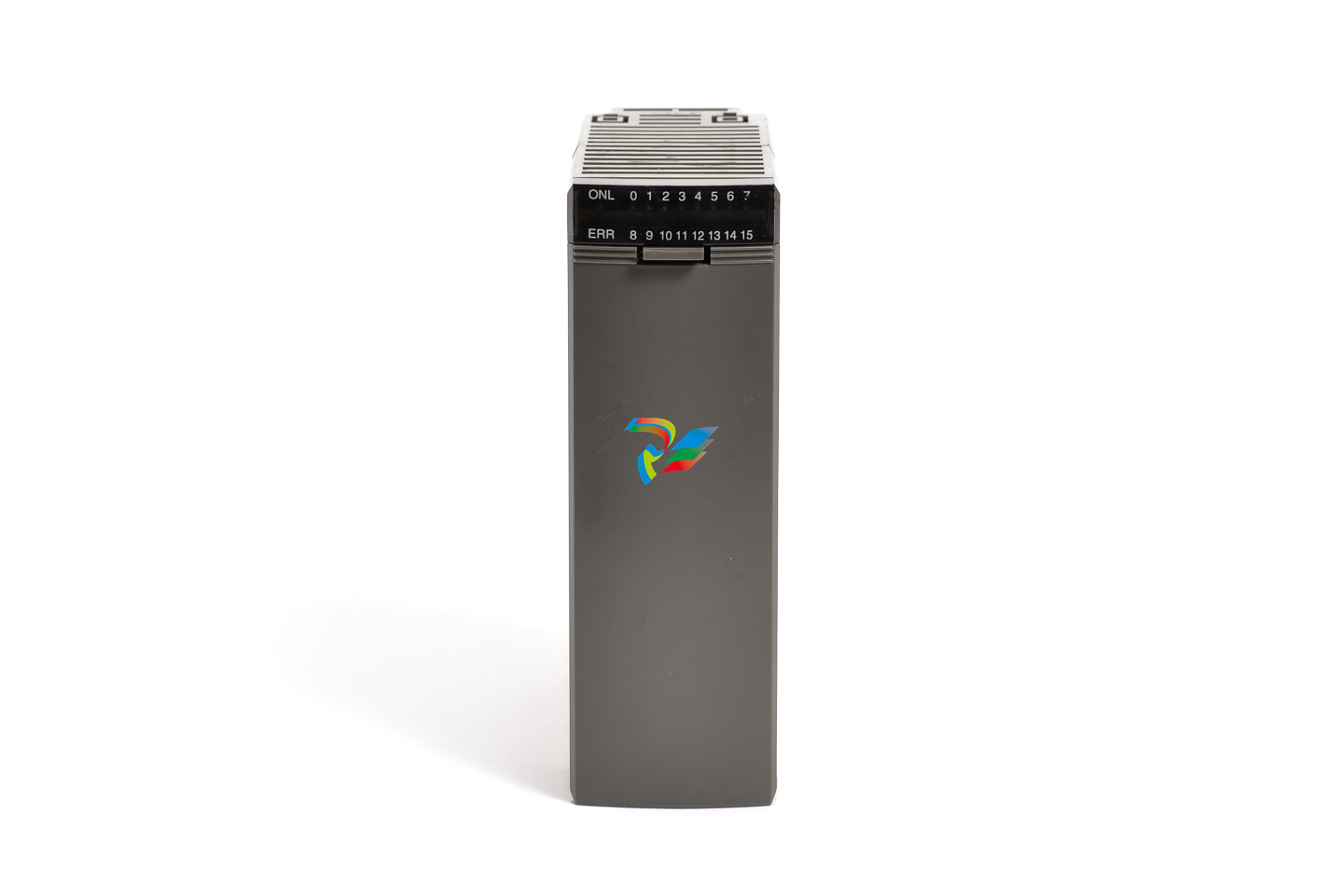 FUJI NP1Y16R-08 Digital Output Module
 -
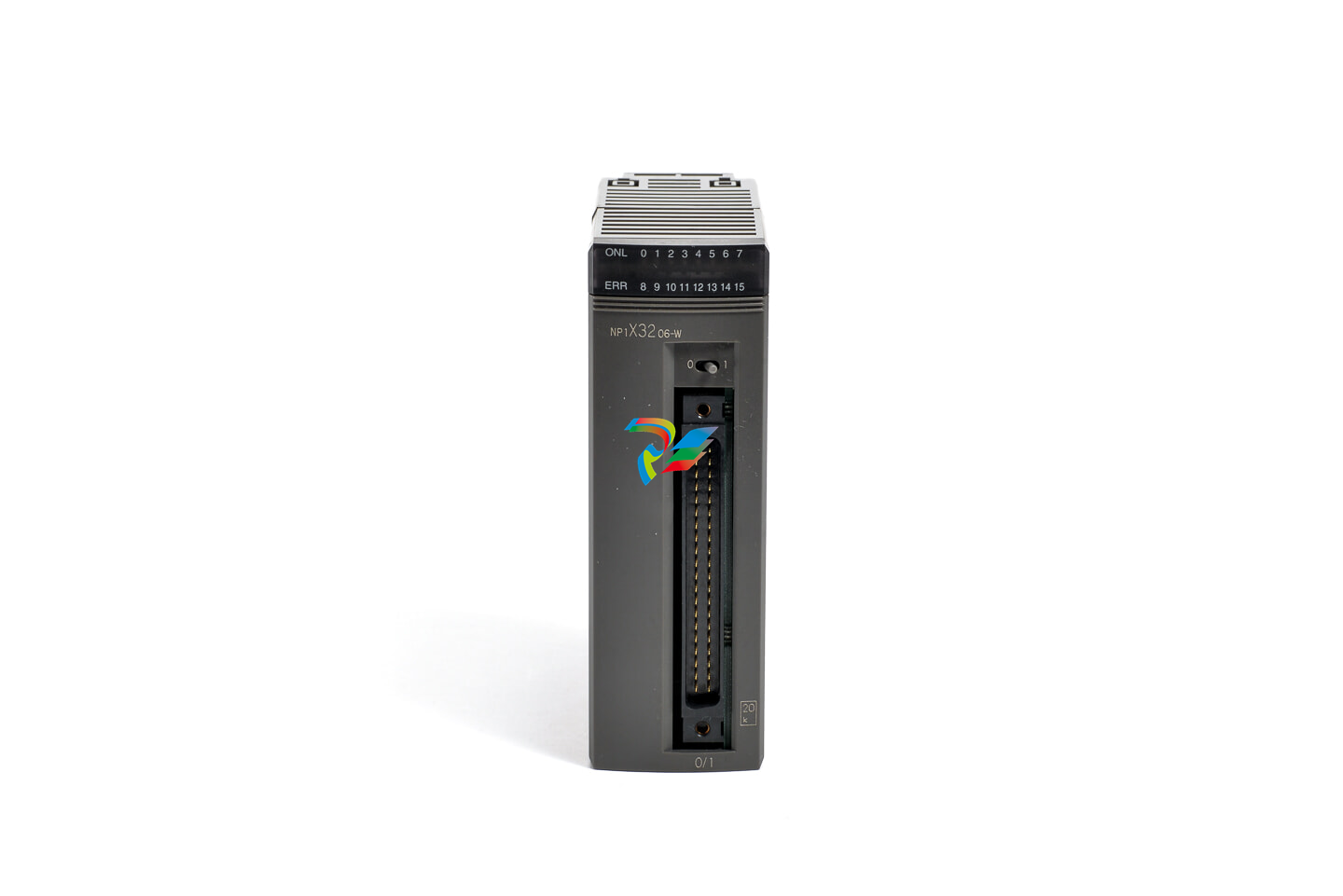 FUJI NP1X3206-A High-speed digital input module
 -
 FUJI NP1AYH4I-MR current output module
 -
 FUJI NP1S-22 Power module redundancy
 -
 FUJI RPXD2150-1T servo drive module
 -
 FUJI FVR008E7S-2UX Ac frequency converter
 -
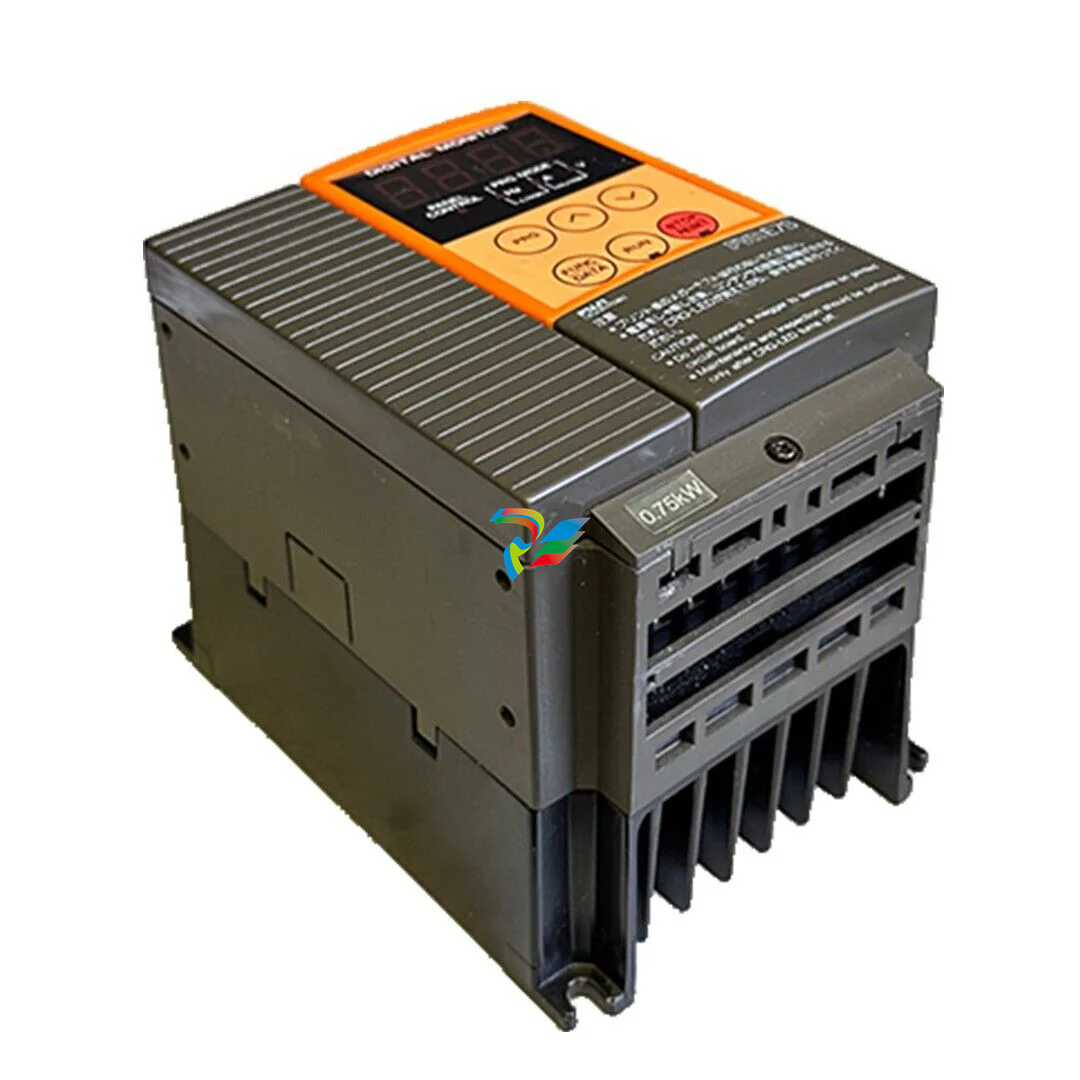 FUJI Ac frequency converter FVR008E7S-2
 -
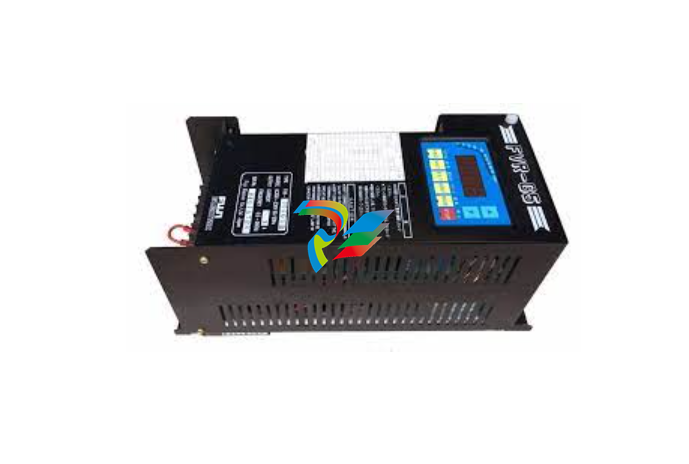 FUJI FVR004G5B-2 Small general-purpose frequency converter
 -
 FUJI A50L-2001-0232 Industrial control module
 -
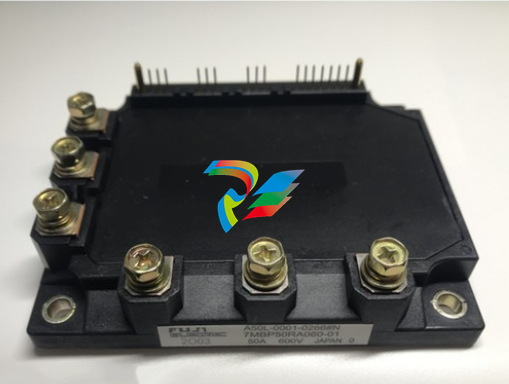 FUJI A50L-001-0266#N High-performance servo amplifier
 -
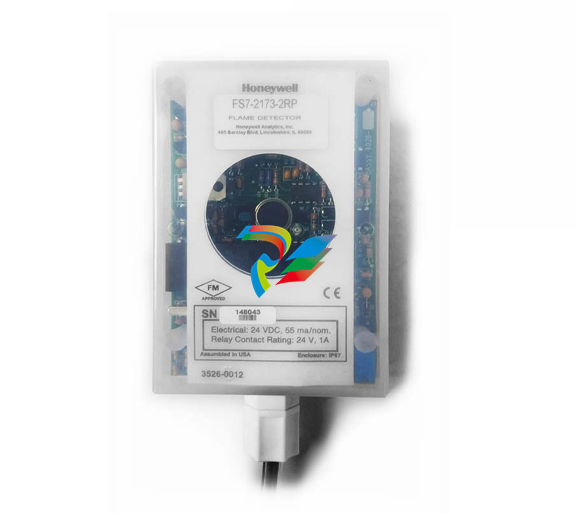 Honeywell FS7-2173-2RP Gas sensor
 -
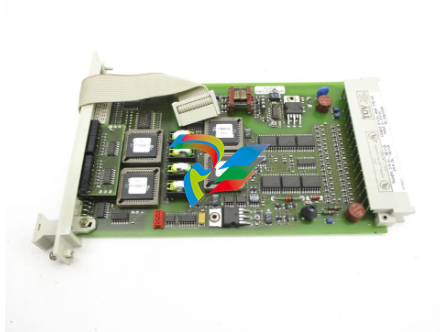 Honeywell 10106/2/1 Digital Input Module in Stock
 -
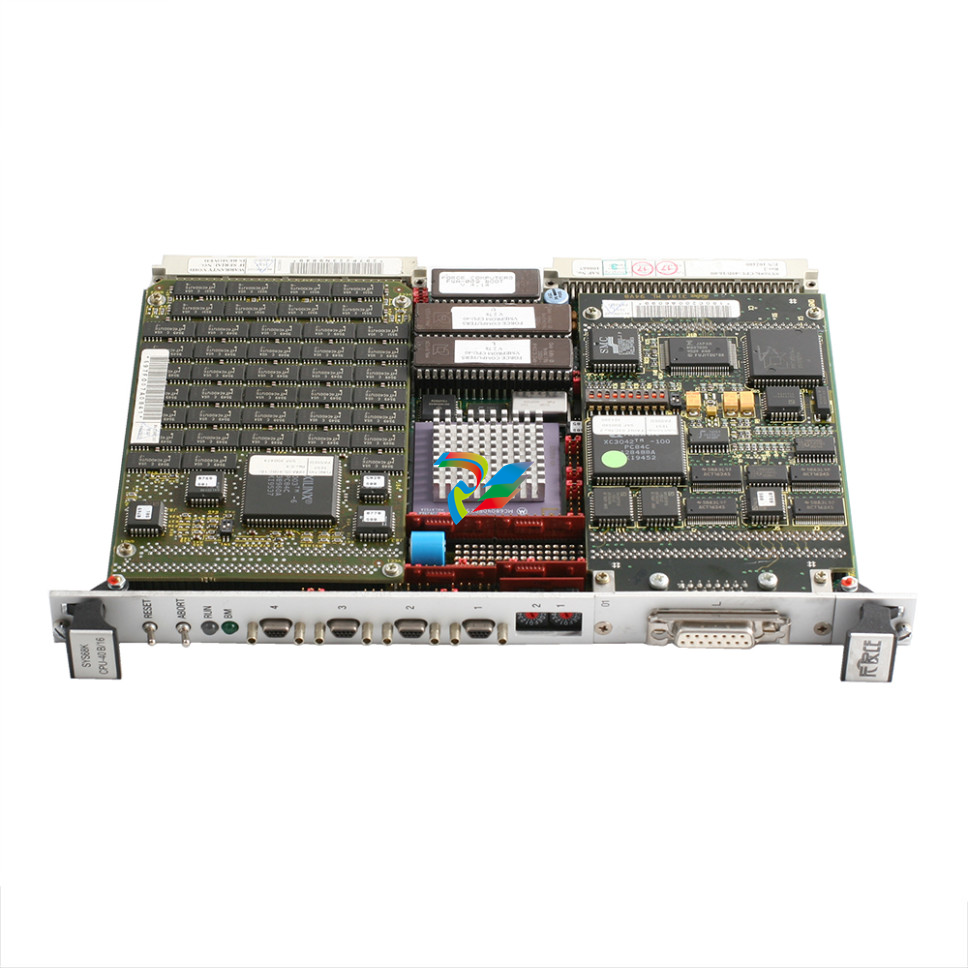 FRCE SYS68K CPU-40 B/16 PLC core processor module
 -
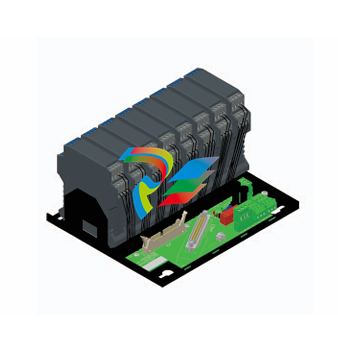 Foxboro FBM I/O cards PBCO-D8-009
 -
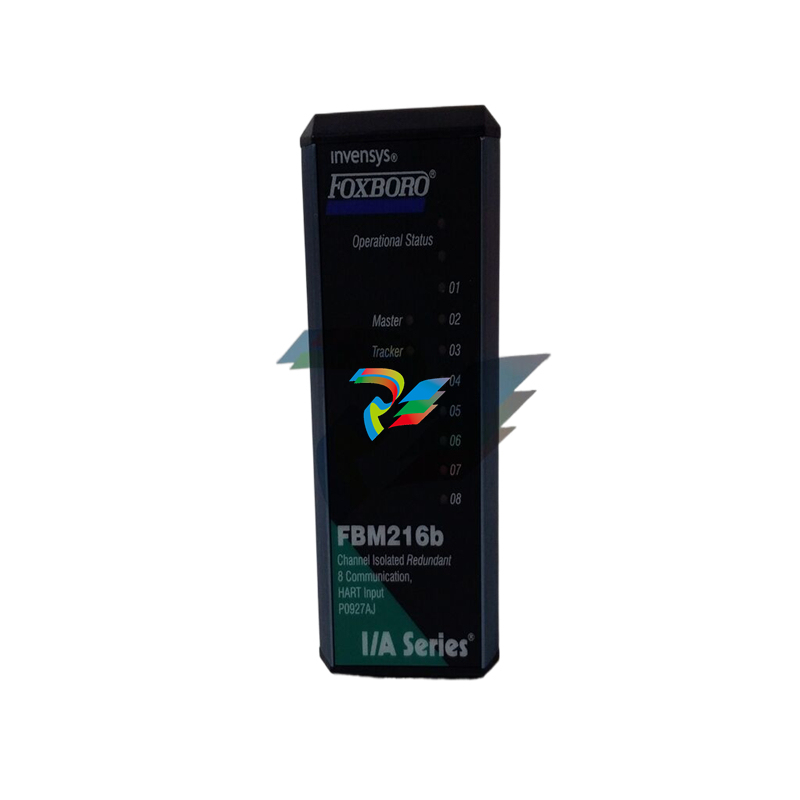 Foxboro AD916AE Digital Control System (DCS) Module
 -
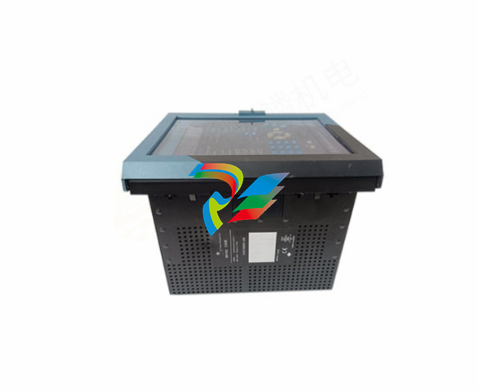 GE SR750-P5-G5-S5-HI-A20-R-E Multilin Relay
 -
.jpg) FOXBORO H90 H90C9AA0117S Industrial Computer Workstation
FOXBORO H90 H90C9AA0117S Industrial Computer Workstation -
FOXBORO RH928AW | I/A Series Relay Output Module
-
.jpg) Foxboro N-2AX+DIO Multi-functional input/output module
Foxboro N-2AX+DIO Multi-functional input/output module -
 Foxboro RH924WA FCP280 Fiber Optic Network Adapter
 -
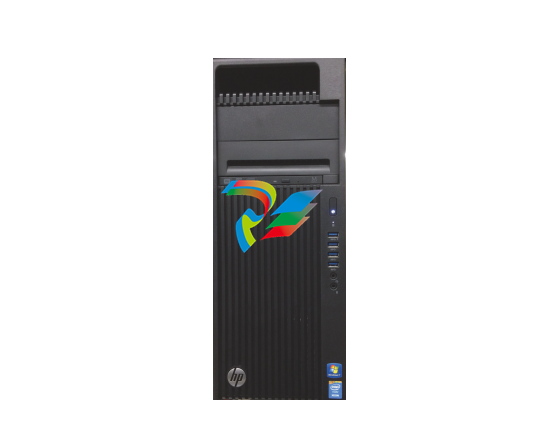 FOXBORO H92 Versatile Hardware Component In
 -
 Foxboro FBM218 P0922VW HART® Communication Redundant Output Interface Module
 -
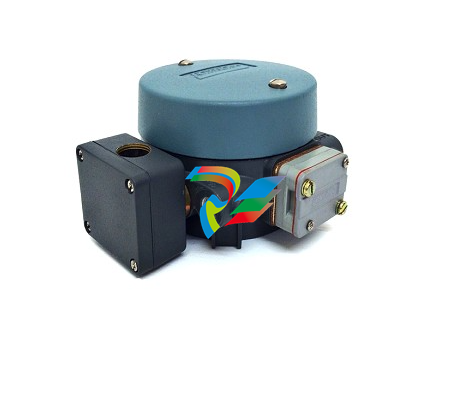 Foxboro E69F-TI2-J-R-S E69F Series Current-To-Pneumatic Signal Converter
 -
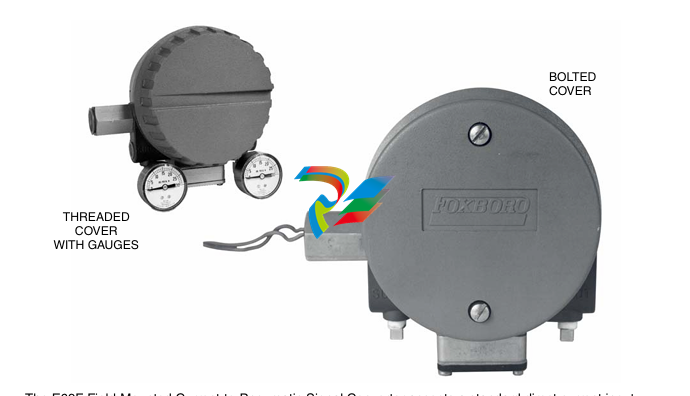 Foxboro E69F-BI2-S Converter
 -
.jpg) Foxboro H92A049E0700 The host of the DCS control station
Foxboro H92A049E0700 The host of the DCS control station -
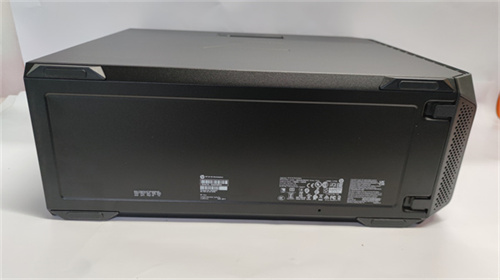 Foxboro H90C9AA0117S Industrial computer workstation
 -
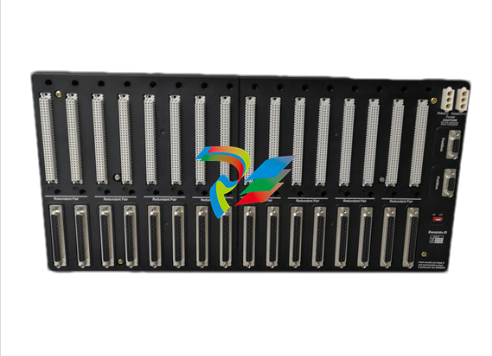 Foxboro RH101AA High-performance industrial control module
 -
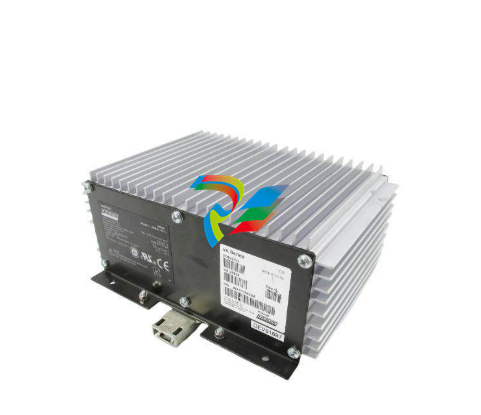 Foxboro P0922YU FPS400-24 I/A Series Power supply
 -
.png) FOXBORO P0973LN Chassis-based managed switch with independent power supply
FOXBORO P0973LN Chassis-based managed switch with independent power supply -
.jpg) FOXBORO P0926PA Input/output module
FOXBORO P0926PA Input/output module -
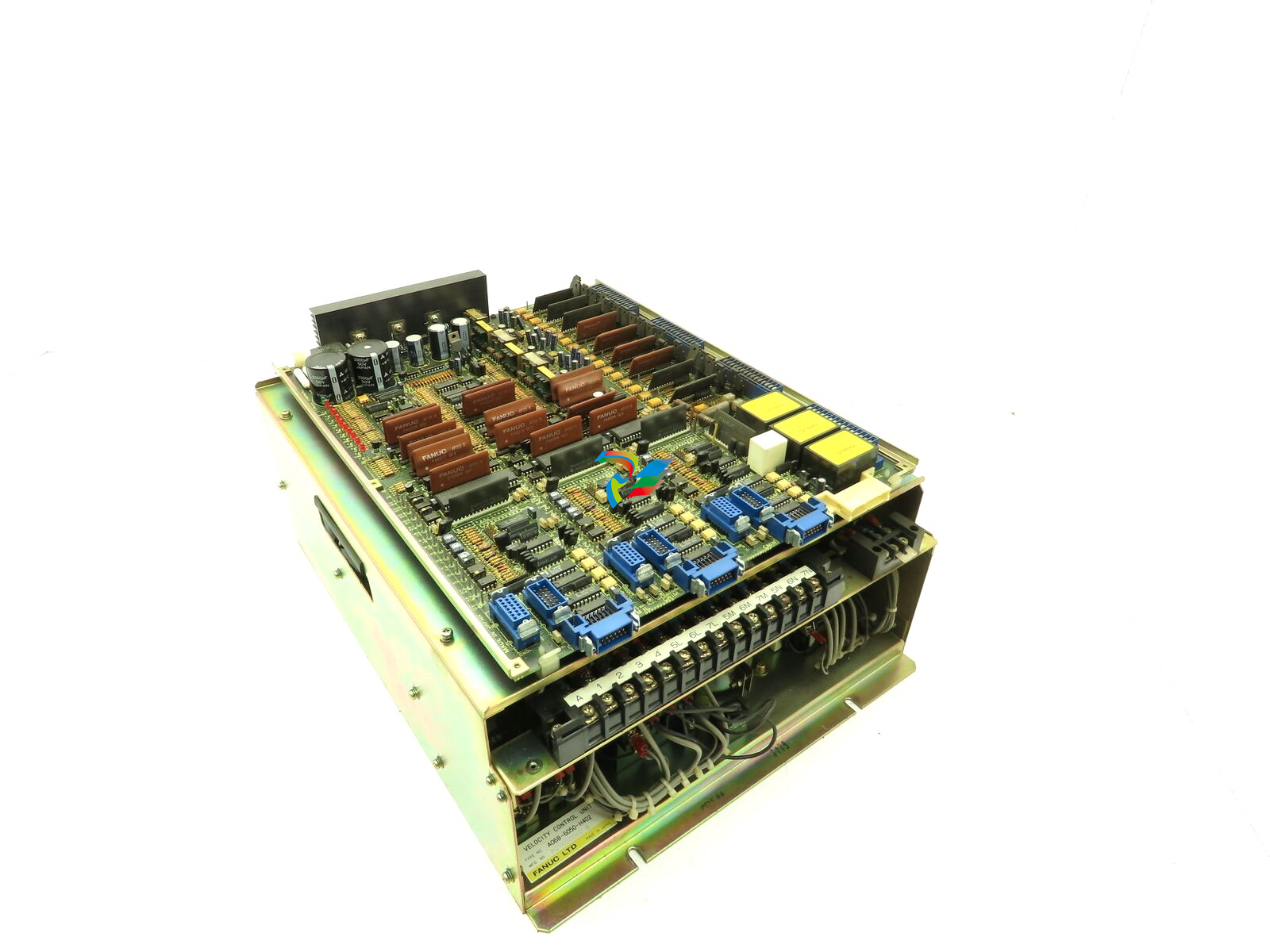 Fanuc A06B-6050-H402 3 AXIS ANALOG AC SERVO DRIVE
 -
.jpg) FOXBORO L0130AD L0130AE-0H Power module group
FOXBORO L0130AD L0130AE-0H Power module group -
_lVjBYb.jpg) FOXBORO 0399085B 0303440C+0303458A Combination Control Module
FOXBORO 0399085B 0303440C+0303458A Combination Control Module -
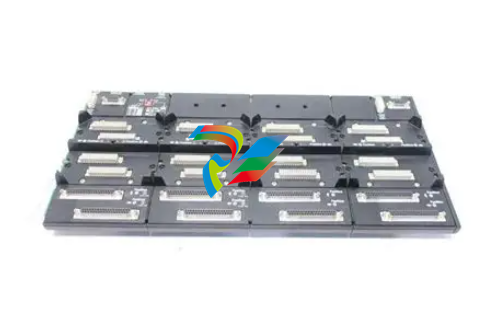 FOXBORO SY-0399095E (SY-0303451D+SY-0303460E) Process control board
 -
.jpg) FOXBORO 0399071D 0303440C+0303443B Input/Output (I/O) Module
FOXBORO 0399071D 0303440C+0303443B Input/Output (I/O) Module -
.jpg) FOXBORO RH924UQ Redundant Controller module
FOXBORO RH924UQ Redundant Controller module -
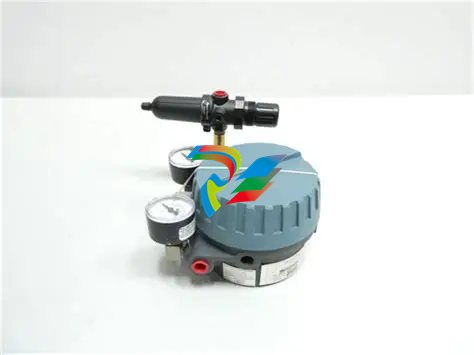 FFOXBORO E69F-TI2-S current pneumatic converter
 -
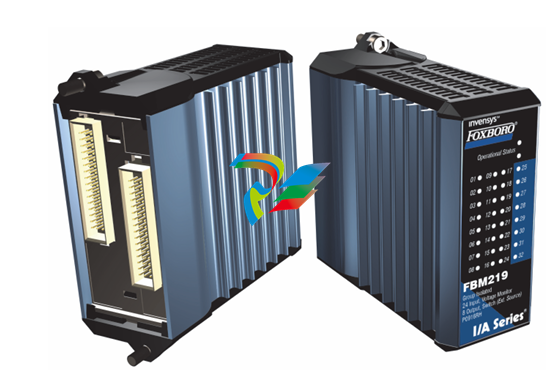 FOXBORO FBM219 RH916RH Discrete I/O Module
 -
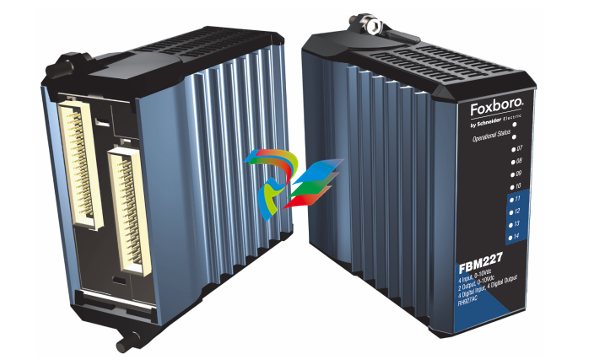 FOXBORO FBM227 P0927AC Module
 -
.jpg) FOXBORO 0399144 SY-0301059F SY-1025115C/SY-1025120E I/O module
FOXBORO 0399144 SY-0301059F SY-1025115C/SY-1025120E I/O module -
.jpg) FOXBORO SY-60399001R SY-60301001RB Industrial Control Module
FOXBORO SY-60399001R SY-60301001RB Industrial Control Module -
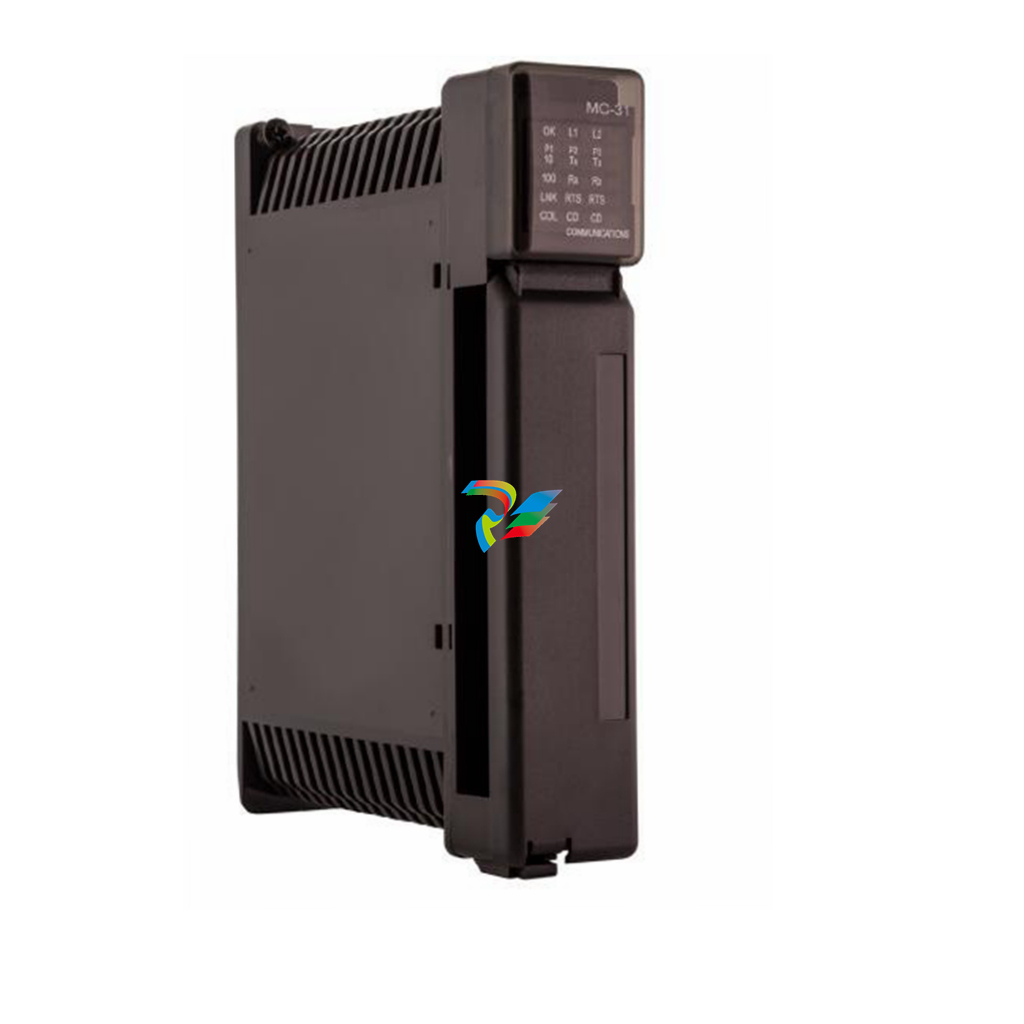 FOXBORO 0399143 SY-0301060R SY-1025115C SY-1025120E Combined control board
 -
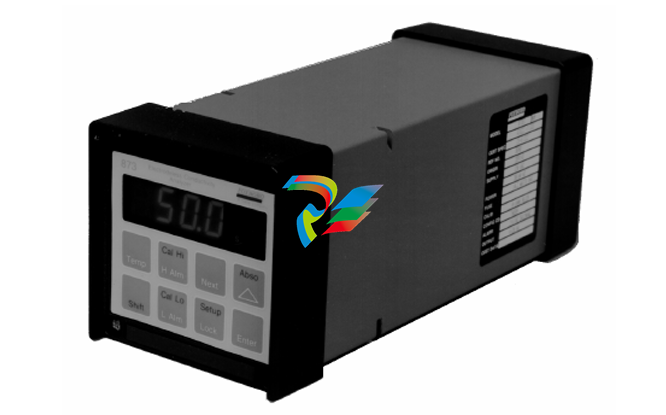 FOXBORO 873EC-JIPFGZ electrodeless conductivity analyzer
 -
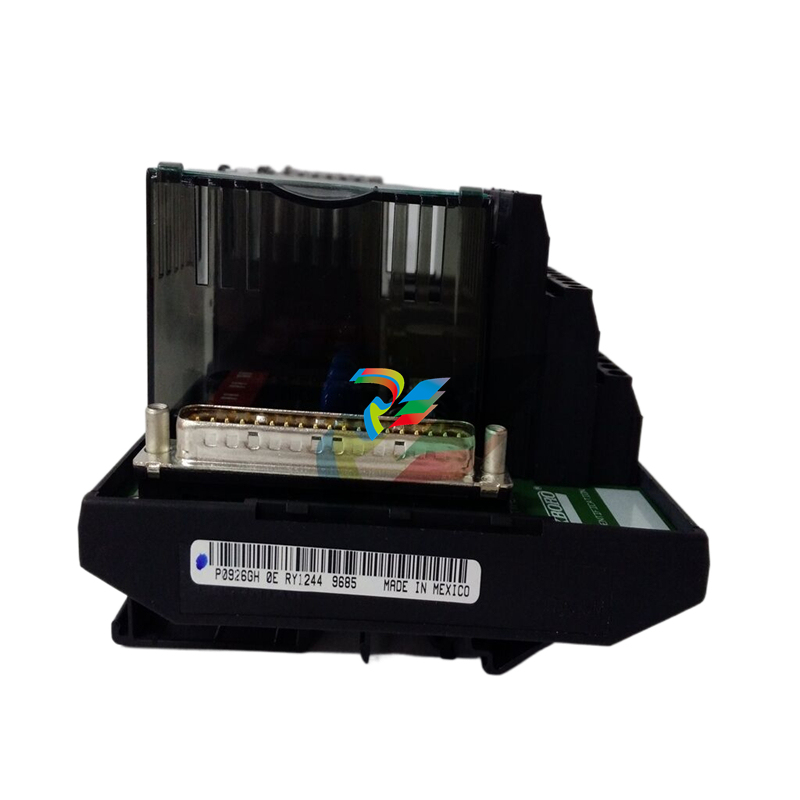 FOXBORO P0916PH (High-density HART I/O Module)
 -
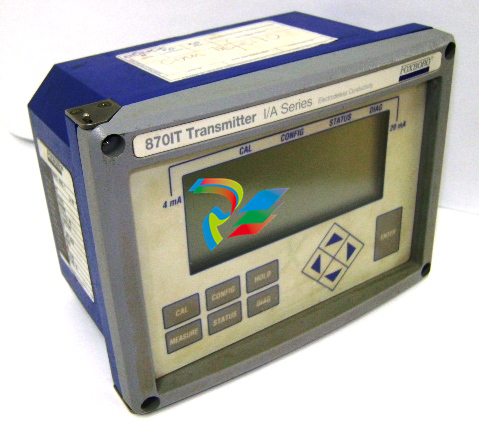 FOXBORO 870ITEC-AYFNZ-7 Intelligent Electrochemical Transmitters
 -
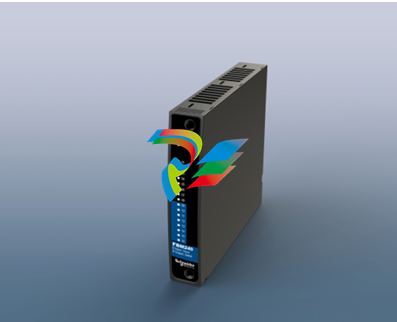 FOXBORO Compact FBM240. Redundant with Readback, Discrete
 -
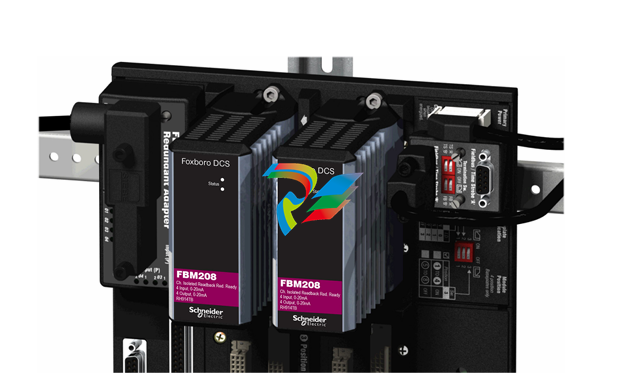 FOXBORO FBM208/b, Redundant with Readback, 0 to 20 mA I/O Module
 -
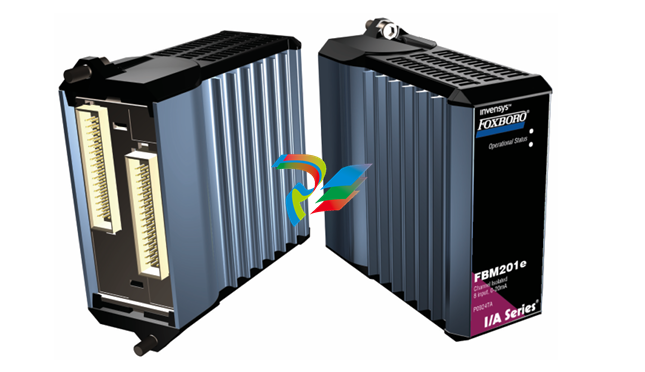 FOXBORO FBM201e Analog Input (0 to 20 mA) Interface Modules
 -
.jpg) FOXBORO P0916WG Terminal cable
FOXBORO P0916WG Terminal cable -
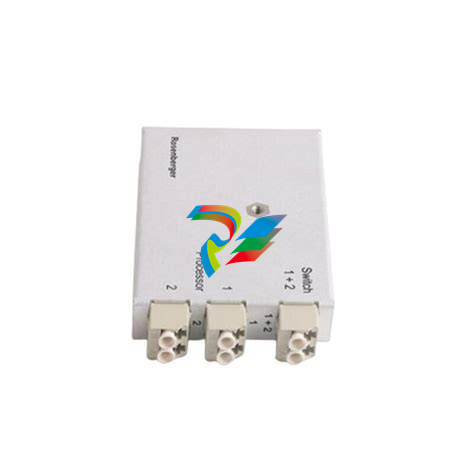 FOXBORO P0926MX 2-Port Splitter
 -
.jpg) FOXBORO AD908JQ High-Frequency Module
FOXBORO AD908JQ High-Frequency Module -
.jpg) FOXBORO AD916CC Processor module
FOXBORO AD916CC Processor module -
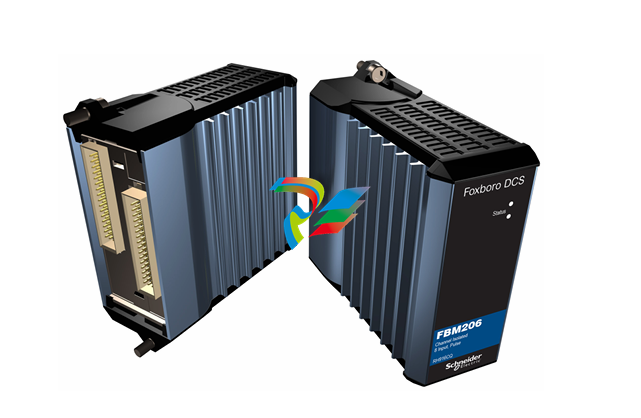 Foxboro DCS FBM206 Pulse Input Module
 -
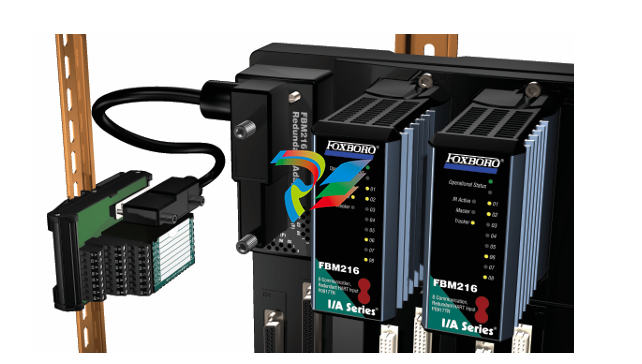 FOXBORO FBM216 HART® Communication Redundant Input Interface Module
 -
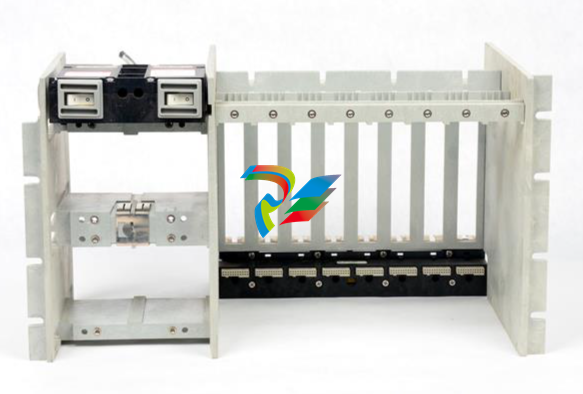 Foxboro p0903nu 1×8 unit sub-component module
 -
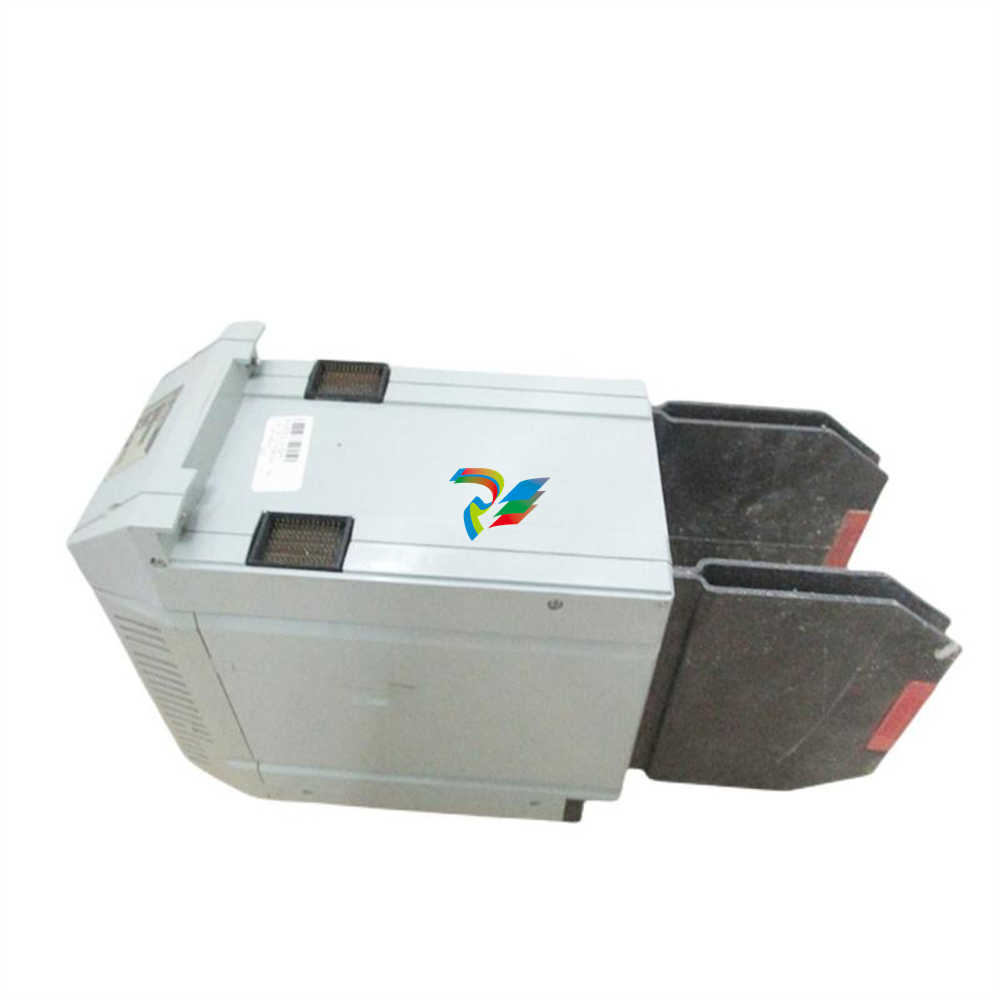 Foxboro P0911SM Industrial control module
 -
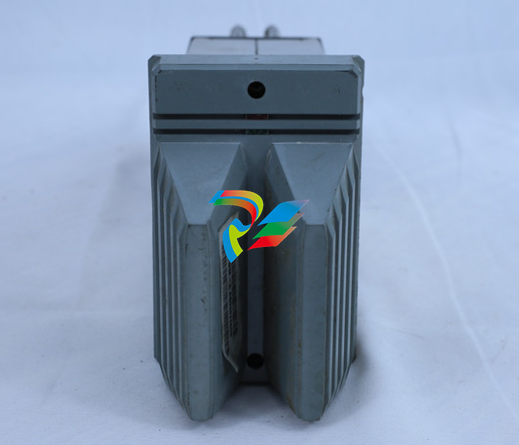 Foxboro CM902WM I/O module
 -
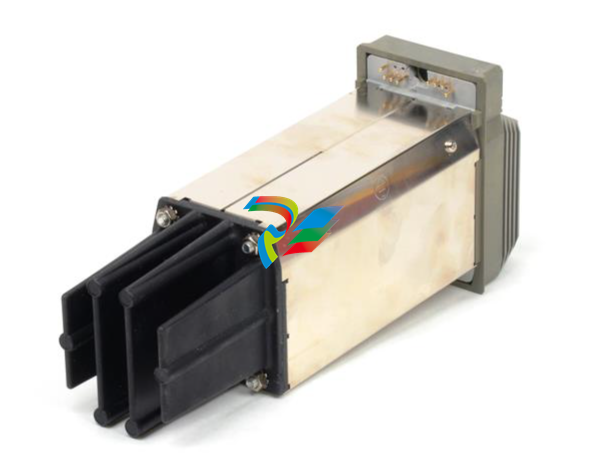 Foxboro CM902WL Power module
 -
 Foxboro P0972VA Industrial Control Module
 -
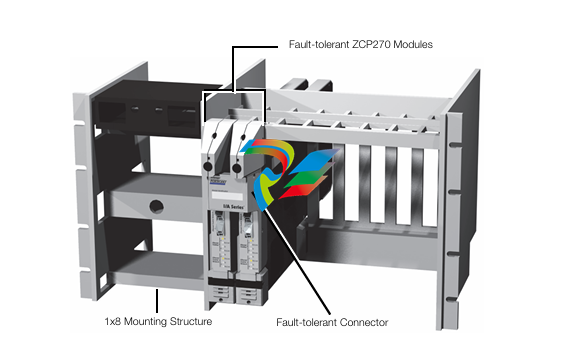
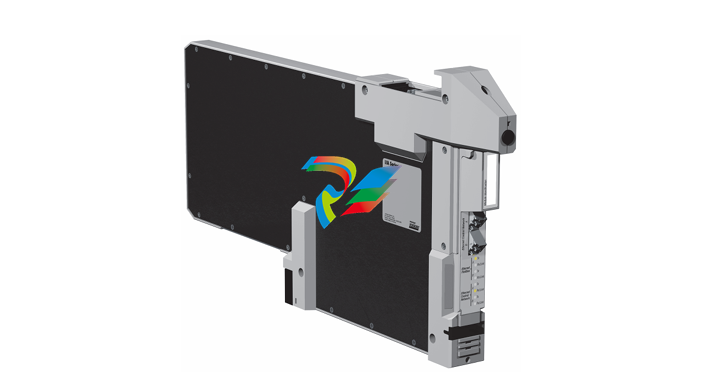 Foxboro Z-Module Control Processor 270 (ZCP270)
 -
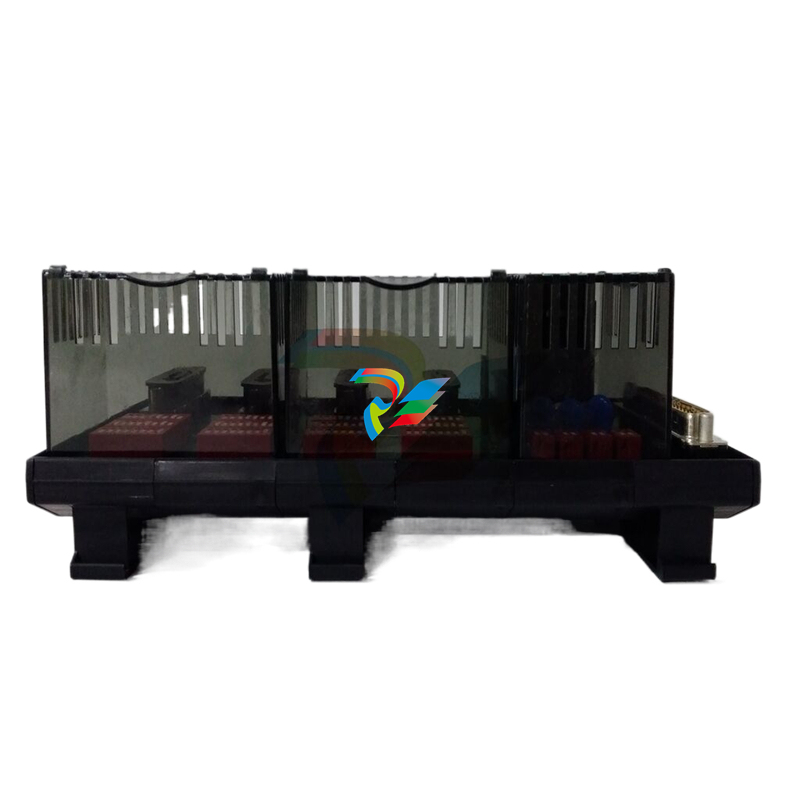 Foxboro PO916JS 16-channel terminal block module
 -
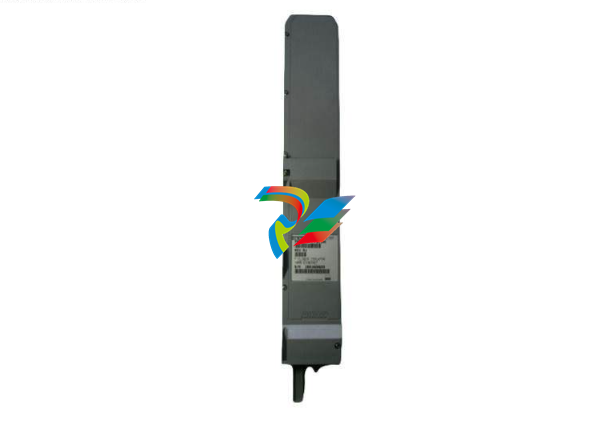 Foxboro PO911SM High-performance digital/analog input/output module
 -
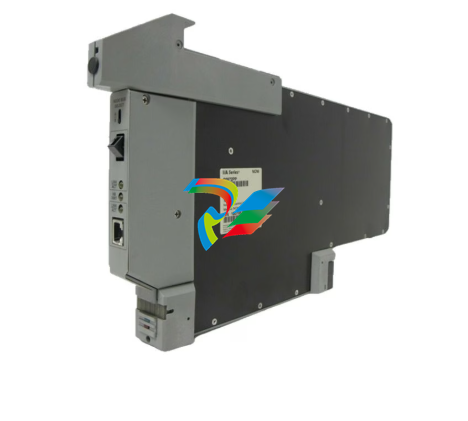 Foxboro P0972PP-NCNI Network Interface Module
 -
.jpg) FOXBORO P0971QZ controller module
FOXBORO P0971QZ controller module -
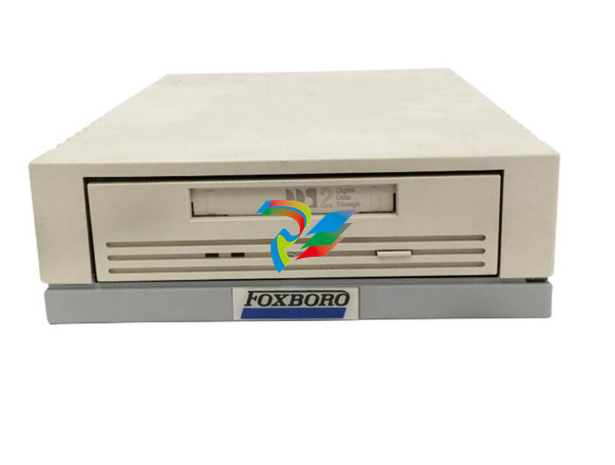 FOXBORO P0971DP Thermal resistance input/output module
 -
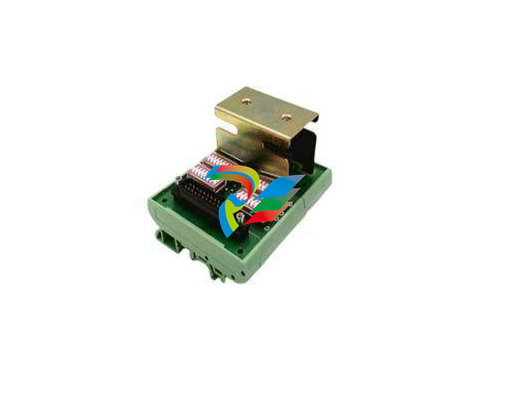 FOXBORO P0970VB Cable connector
 -
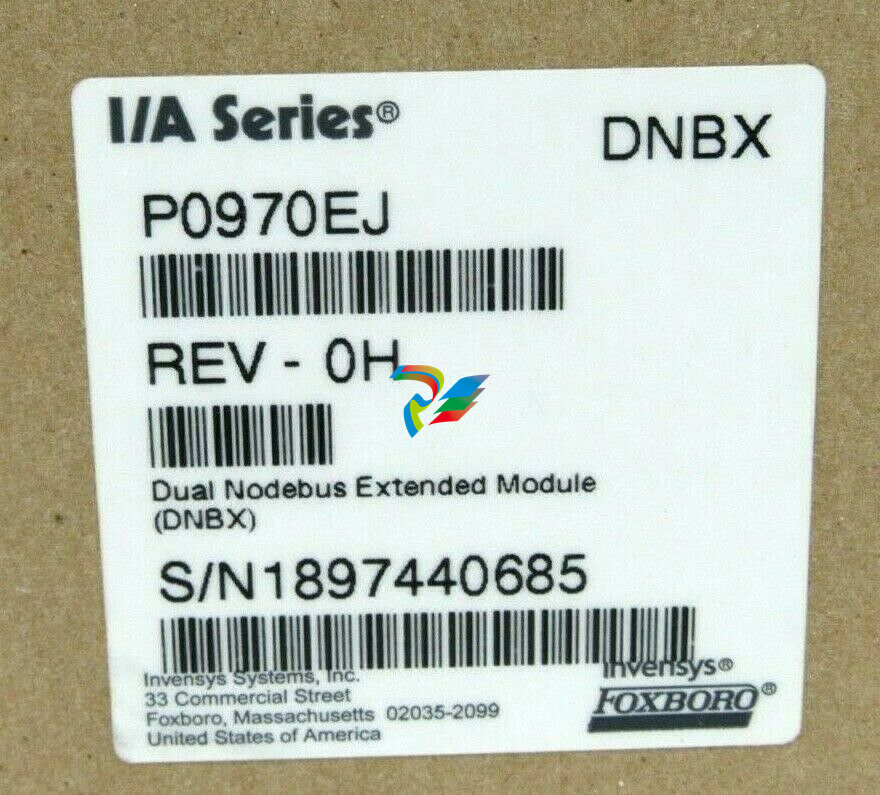 FOXBORO P0970EJ-DNBX Dual-node bus expansion module
 -
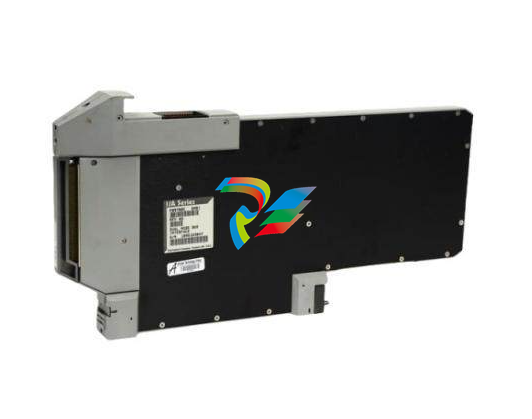 FOXBORO P0970BP Redundant power supply system
 -
.jpg) FOXBORO P0970BC-DNBI DeviceNet bus interface module
FOXBORO P0970BC-DNBI DeviceNet bus interface module -
.jpg) FOXBORO P0961FX-CP60S Main control CPU module
FOXBORO P0961FX-CP60S Main control CPU module -
.jpg) FOXBORO P0961EF-CP30B Network Interface Unit
FOXBORO P0961EF-CP30B Network Interface Unit -
.jpg) FOXBORO P0961CA Optical fiber local area network module
FOXBORO P0961CA Optical fiber local area network module -
.jpg) FOXBORO P0961BD-GW30B gateway processor module
FOXBORO P0961BD-GW30B gateway processor module -
.jpg) FOXBORO P0961BC-CP40B/I/A Series high-performance control processor module
FOXBORO P0961BC-CP40B/I/A Series high-performance control processor module -
FOXBORO P0960JA-CP40 High-performance control processor
-
FOXBORO P0926TM Control module
-
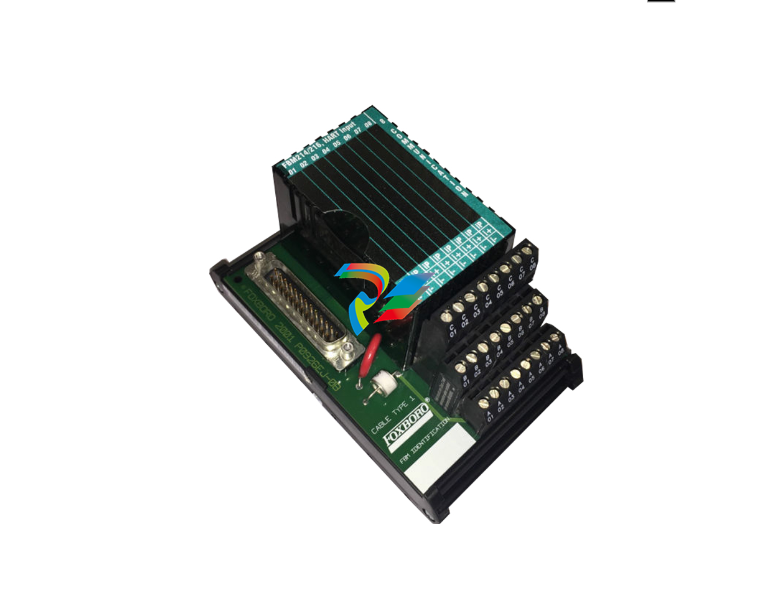 FOXBORO P0916BX Termination Assembly
 -
.jpg) FOXBORO P0916AE P0916AG P0916AW Thermal resistance input type DCS card module
FOXBORO P0916AE P0916AG P0916AW Thermal resistance input type DCS card module -
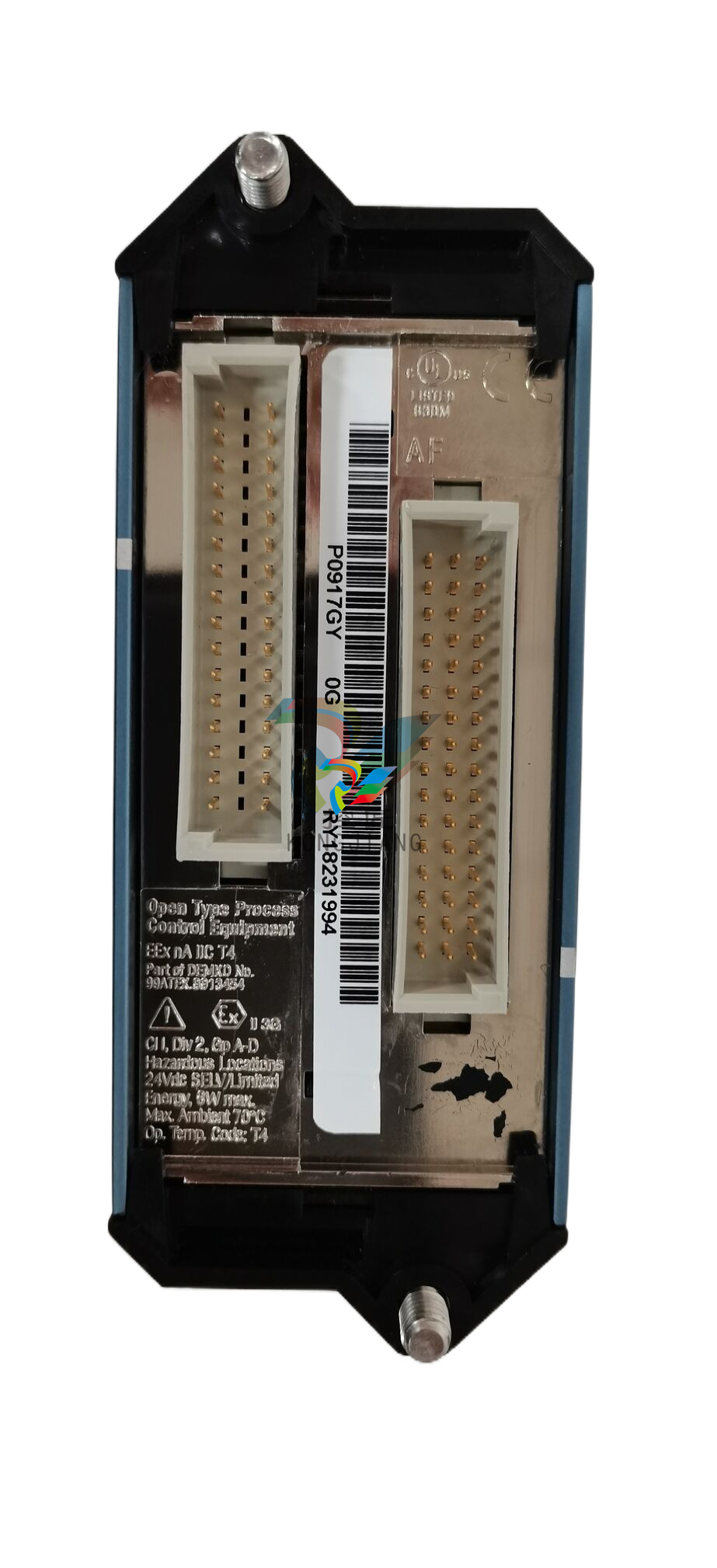 FOXBORO P0916AC FOXBORO distributed control system (DCS) compression terminal assembly
 -
.jpg) FOXBORO P0912CB High-performance interface module
FOXBORO P0912CB High-performance interface module -
.jpg) FOXBORO P0911VJ Thermal resistance input output module
FOXBORO P0911VJ Thermal resistance input output module -
.jpg) FOXBORO P0911QH-A High-precision module
FOXBORO P0911QH-A High-precision module -
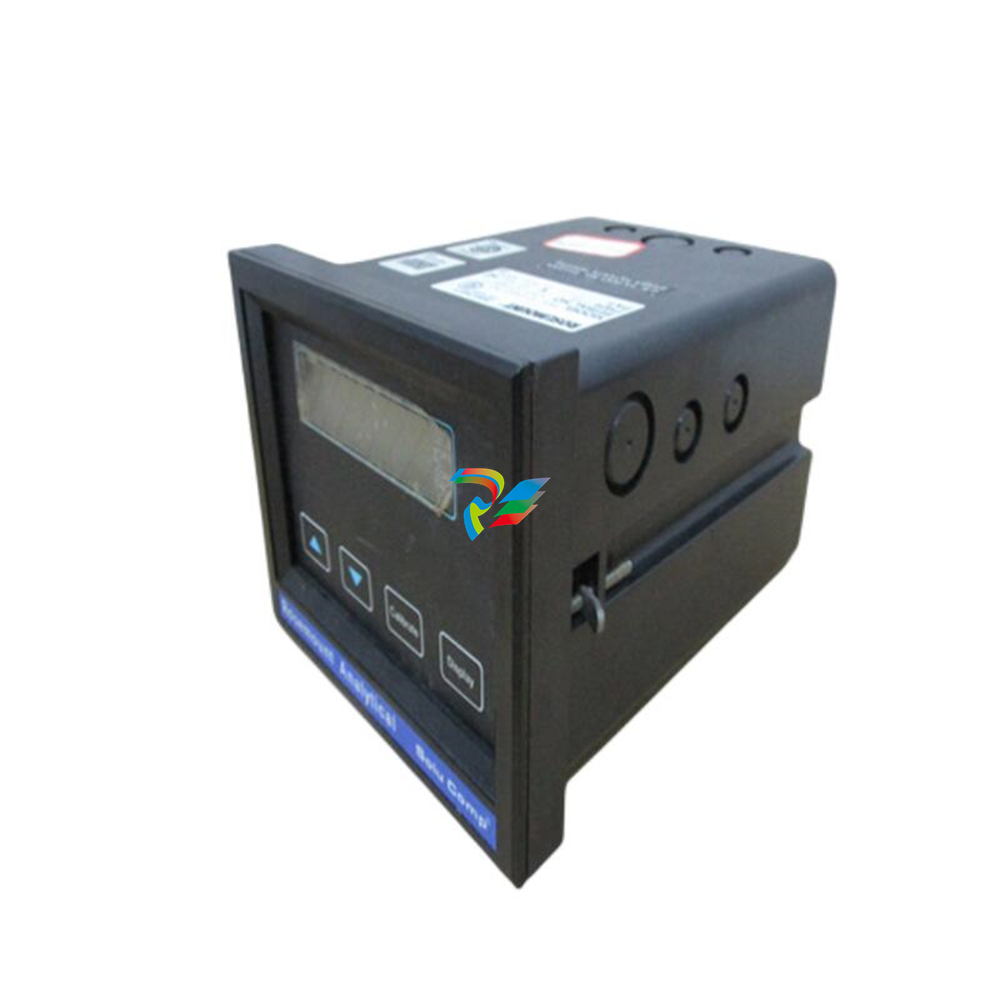 FOXBORO P0911QB-C P0911QC-C Thermal resistance input/output module
 -
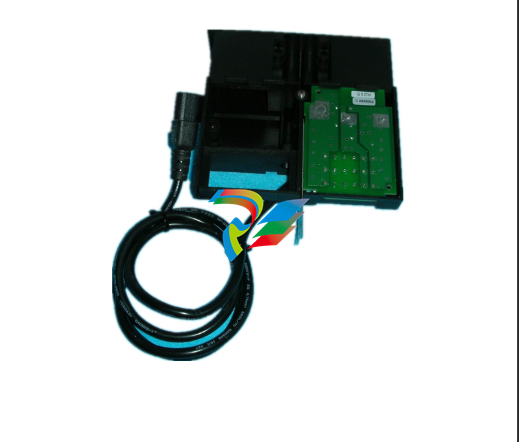 FOXBORO P0904BH P0904FH P0904HB Distributed Control system (DCS) module
 -
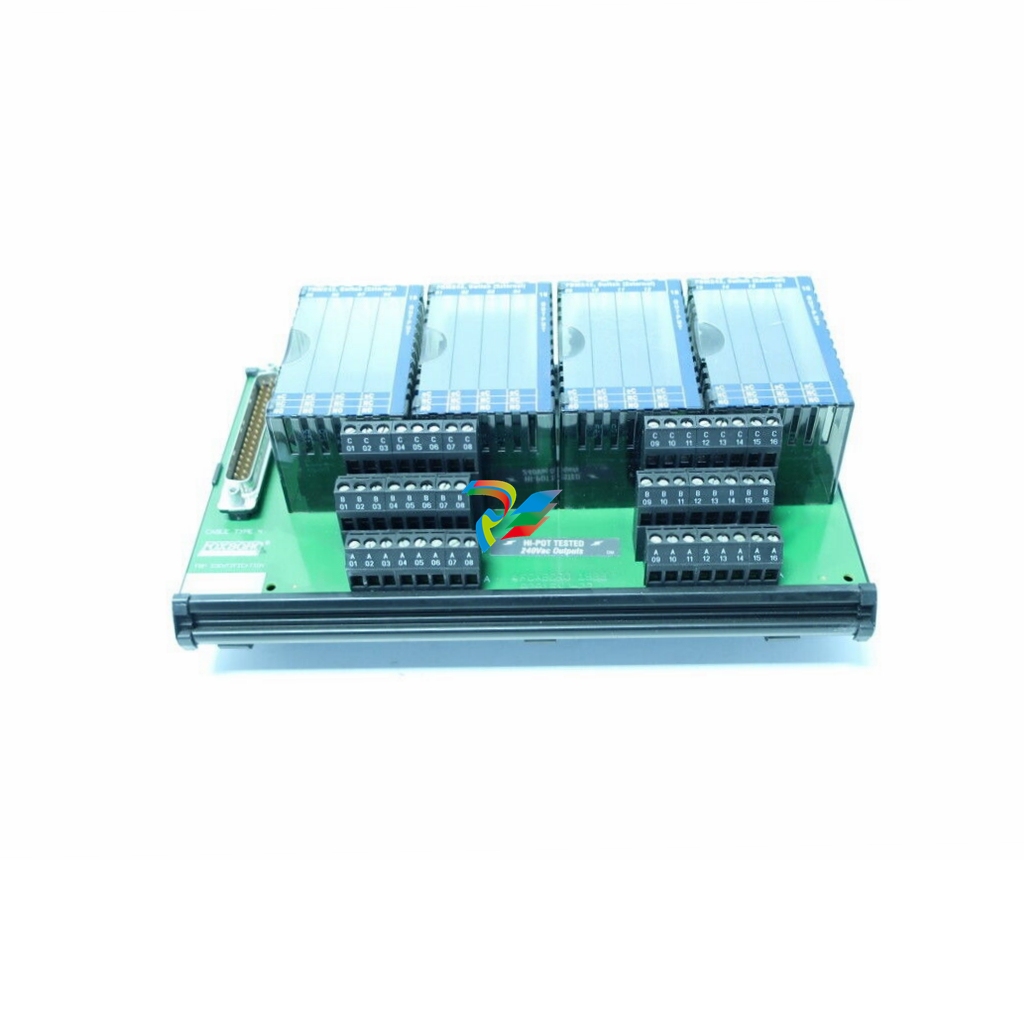 FOXBORO P0903ZP P0903ZQ Embedded System Debugging Module
 -
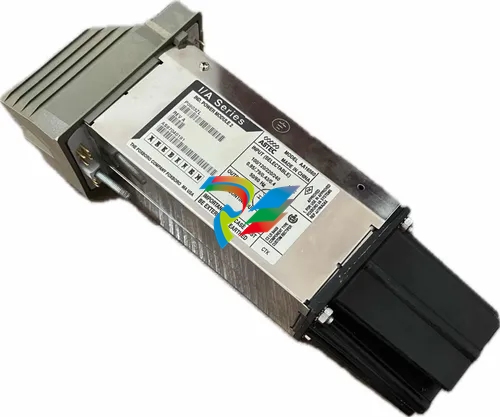 Foxboro P0903ZL P0903ZN Industrial power module
 -
 Foxboro P0903ZE I/A Series Fieldbus Isolator Module
 -
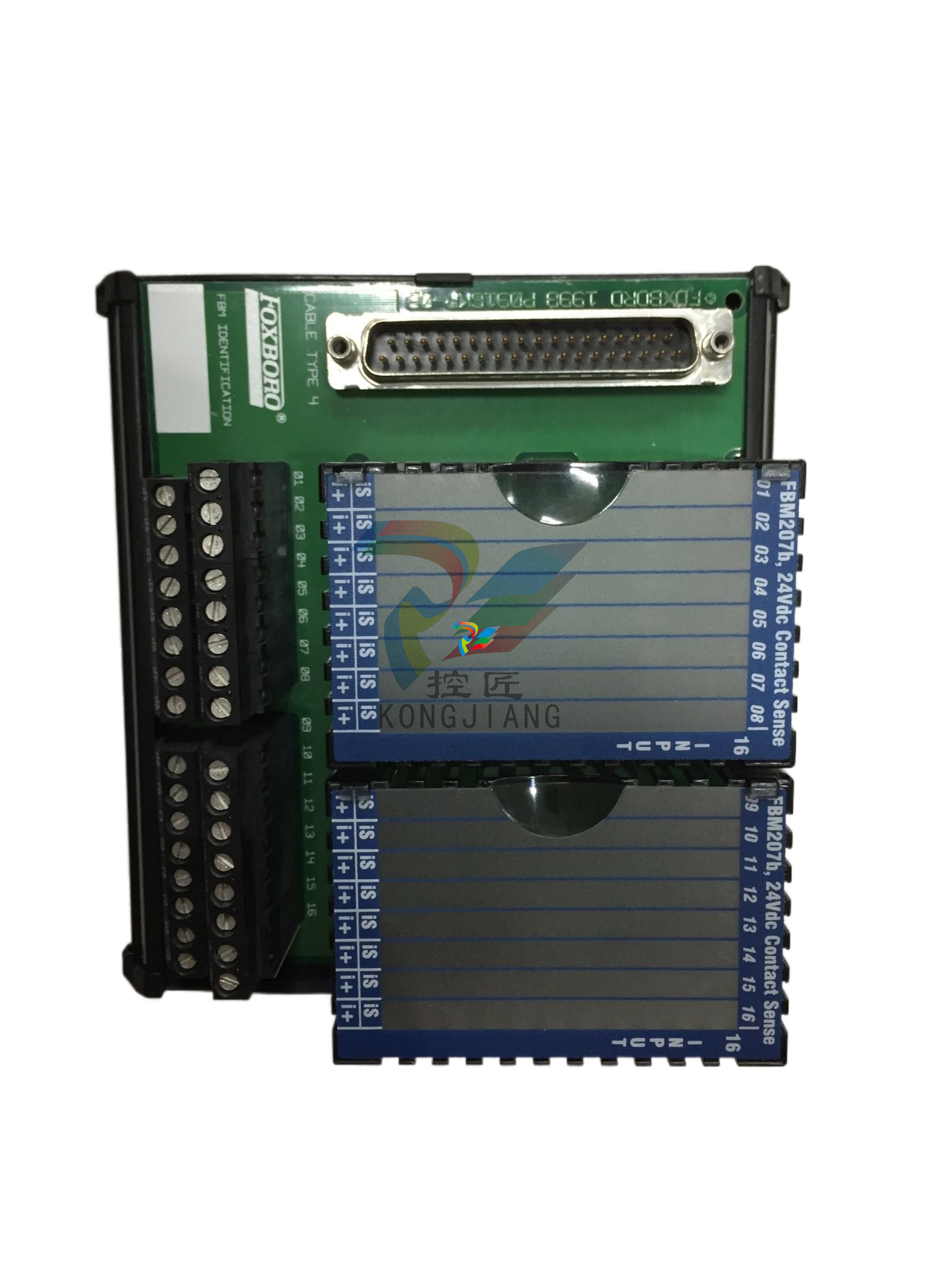 FOXBORO P0903NW Industrial Control Module