
The State of the Steel Industry in 2024
Steel is essential in everything from washing machines and surgical scalpels to airplanes and skyscrapers, making it the most commonly used metal on the planet and a bellwether industry for the global economy.
Strong and versatile, durable and ductile, steel continues to be at the core of the manufacturing, construction, and automotive industries — but the sector is affected by global issues and faces huge pressure to modernize production and ensure sustainability for the future.
Let’s explore the state of the steel industry in 2024.
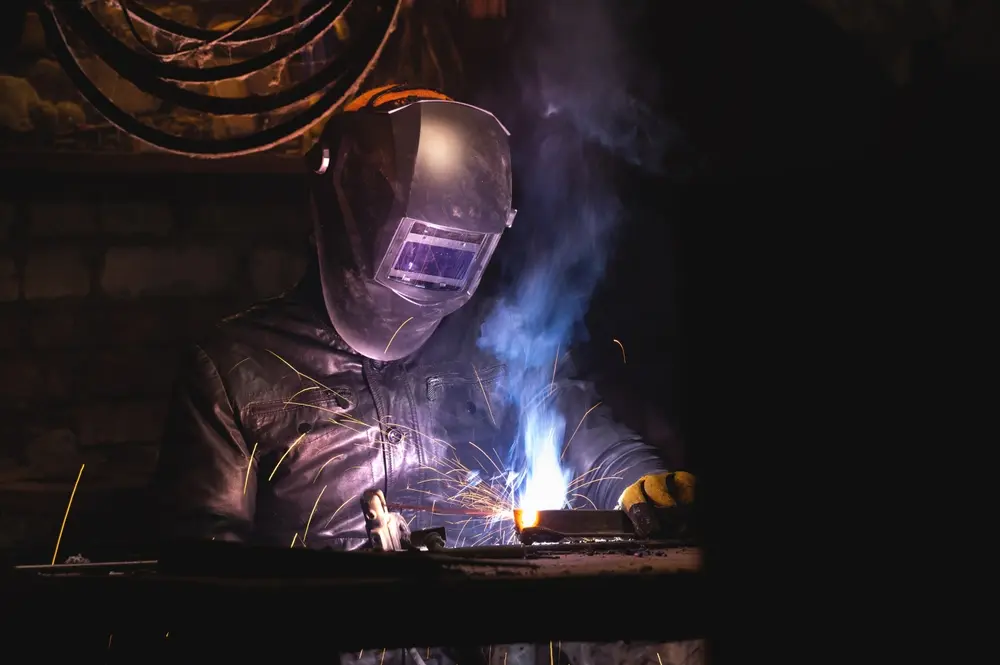
Unprecedented Disruptions
Global steel production took a serious hit when the COVID-19 pandemic and lockdowns descended in 2020. Demand plummeted, with automakers shutting their plants and construction projects paused.
When the industry rebounded, largely fueled by government stimulus packages, steel mills worldwide faced further challenges, including supply chain disruptions, workforce shortages, delays, and soaring freight costs. Steel prices rocketed, reaching $1,900 a ton, 300% more than pre-pandemic levels.
Just as the industry started to pick up, Russia invaded Ukraine, leading to an energy shortage and price spike and, thus, further turbulence to supply chains and increased costs for raw materials. Ukraine’s domestic steel industry, vital for maintaining its defense capabilities, has also been severely hampered by Russia’s missile attacks on energy infrastructure and labor shortages, with many workers drafted into the army.
Steel Production Today: By the Numbers
After the historic highs of 2021 and 2022, steel prices began falling in 2023 and into 2024. In June, they averaged $723 per metric ton, down 8.2% from the previous month.
The industry is gradually recovering: According to the World Steel Association, steel production has leveled at roughly 1.9 billion metric tons over the past two years.
Over 70% of steel is produced in Asia, mostly in China, where output was around one billion tonnes in 2022 and 2023. The second largest steel producer, India, however, increased production in 2023 by 12% from the year before, and Russia increased by 6%. The U.S. had a slight increase, producing 80 million tons. By contrast, many European countries reported a significant downturn.
Fluctuating Steel Demand
Despite recent cautious optimism among many manufacturers, it is clear that the steel sector will continue to be influenced by many shifting factors, not least the industries that rely on it.
The automotive industry, for instance, accounts for around 12% of steel demand but is undergoing a significant transformation with the shift toward electric vehicles (EVs). EVs still use traditional steel frames, but manufacturers increasingly call for high-strength steels, alternatives like aluminum or composites, for lighter and more fuel-efficient vehicles.
Meanwhile, construction, which accounts for more than half of total steel consumption, is seeing mixed trends across the globe. The U.S. housing market has slowed, mirroring a similar downtrend in building projects across developed economies, where the focus tends to be on renovation rather than brand-new construction.
However, in emerging markets, particularly in Asia and Africa, there is robust demand for steel as these regions develop urban areas and build new roads and bridges — though demand here can be sensitive to political instability and economic fluctuations.
Global Politics
Aside from the geopolitical conflicts in Ukraine and the Middle East, factors including overproduction in China and the U.S. presidential election also impact the steel industry.
The steel market in China is so large that even small policy changes can cause large global ripples. Thanks to the country’s floundering property market, which resulted in a huge surplus of steel, domestic demand dropped 3.3% in 2023 and continues to fall. As a result, it is being exported more cheaply overseas, much to the consternation of international governments.
In April, President Biden announced plans to triple tariffs on Chinese steel, last year, India imposed an anti-dumping duty, and Thailand has launched a formal investigation into steel imports.
Meanwhile, in the U.S., November’s presidential election may dramatically influence the steel sector. A new administration is likely to reintroduce tariffs on imports to protect the domestic market, while infrastructure spending plans, environmental regulations, and trade policies could also have a significant impact.
Labor Trends
Despite efforts to attract younger talent and upskill the workforce, the steel industry faces a shortage of skilled workers, especially as the most experienced people retire.
This challenge is exacerbated by the transition to modernized production: automation and digitalization require workers with new skill sets, which also means putting in place new training and education programs.
Spotlight on Sustainability
Ever-increasing environmental concerns coupled with regulatory pressures from governments and consumer demand for eco-friendly products have thrown the sustainability of steel to the fore. The industry is historically a massive polluter: iron and steel production collectively release about 7-9% of global greenhouse emissions. Decarbonizing steel is a multifaceted process, with carbon capture and storage, recycled materials, alternative power sources, and more efficient processes all playing a part.
The U.S. steel industry has reduced CO2 emissions by 37% since 1990, it recycles more than 14 million tons of steel each year (steel is the world’s most recycled material), and advances in steelmaking technology mean the alloy can be made with less than half the energy required 40 years ago, according to manufacturer Federal Steel Supply.
More than 70% of the country’s steel is now produced in more energy-efficient electric arc furnaces (EAFs), which use an electric current to melt recycled and scrap steel and iron instead of traditional, coal-fired blast furnaces.
Green Steel
The concept of green steel is gaining traction. This eco-friendly steel is manufactured with low or zero carbon emissions and is largely made in EAFs or hydrogen plants. The world’s first green steel plant in northern Sweden has secured $7 billion in funding and may kickstart operations next year. Fueled by hydrogen produced with renewable electricity, the process will reduce carbon emissions by up to 95% compared with blast furnaces.
Many of the world’s largest steel manufacturers plan to increase their use of electric or hydrogen-powered furnaces. However, producing green steel is expensive, and a report by the NGO Global Energy Monitor has described the journey to decarbonize as stagnant despite being vital if countries are to meet net-zero targets.
Other Steel Tech Innovations
Sustainability and technological innovation come hand in hand. Progress in digitization and automation is improving quality, efficiency, and optimization across the steel sector, enabling, for example, advanced monitoring sensors and predictive maintenance.
3D printing allows for easier complex and custom steel product production, with less waste and reduced energy consumption. Research and development activity has led to the development of high-strength steels, which are lighter, more durable, and invaluable to automotive and aerospace manufacturers.
The future of steel is likely to see manufacturers continue to integrate transformative technologies into their production processes, giving rise to smart factories that operate with greater flexibility, sustainability, and innovation.
-
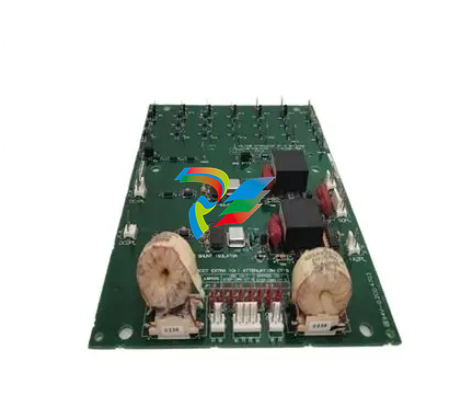 DS200SHVMG1AGE Analog I/O board
 -
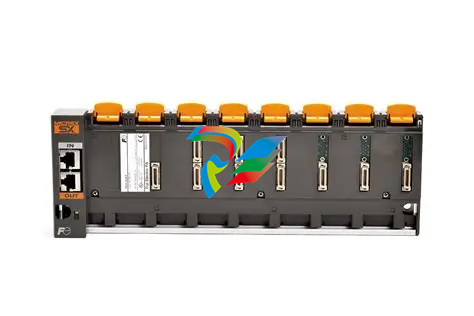 DS200SI0CG1A6A Input/Output Module
 -
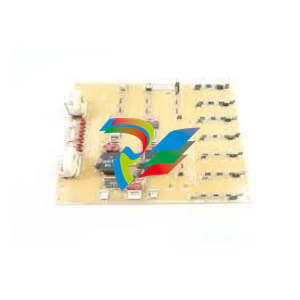 DS200SHVMG1AFE SCR High Voltage Interface Board
 -
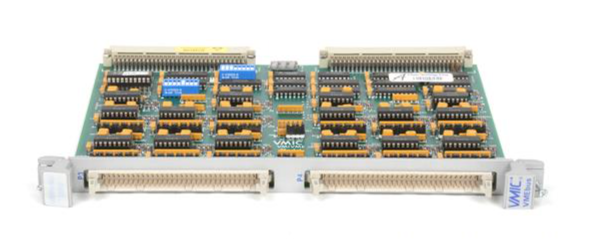 DS200RT8AG3AHC Relay Output Terminal Board
 -
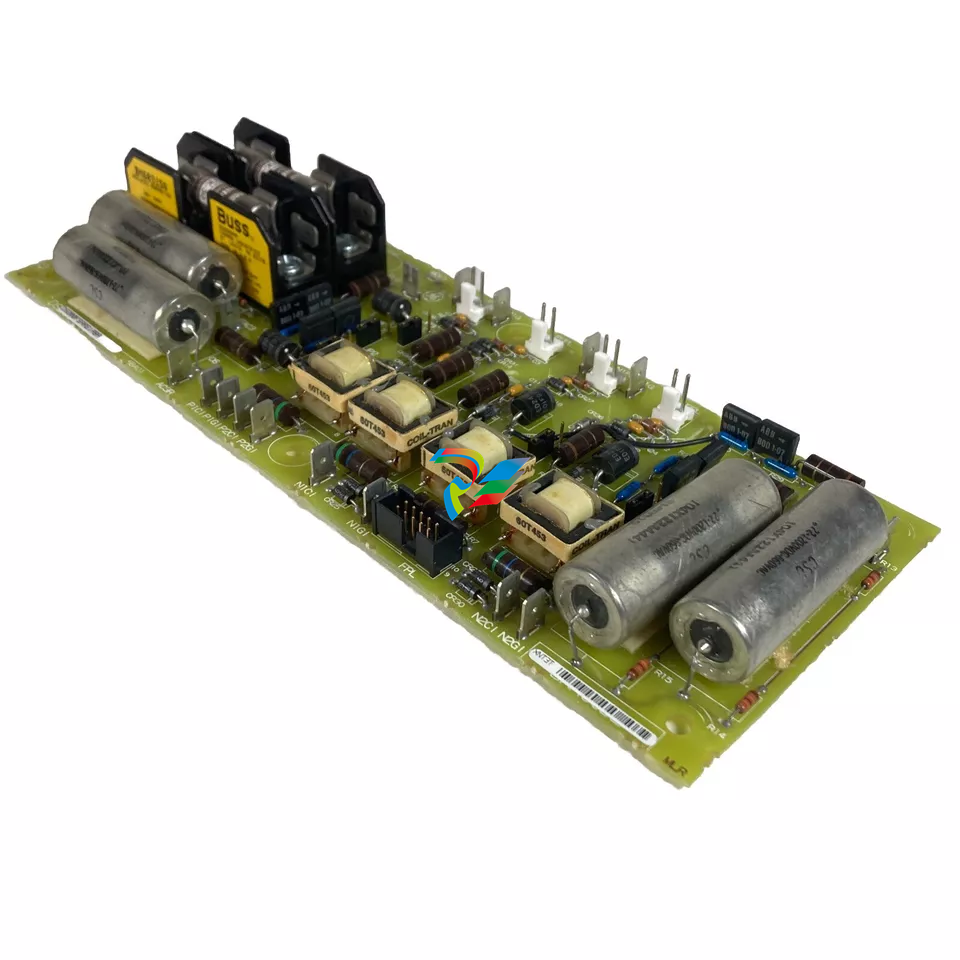 DS200FSAAG1ABA PCB Field Supply Gate Amplifier Board
 -
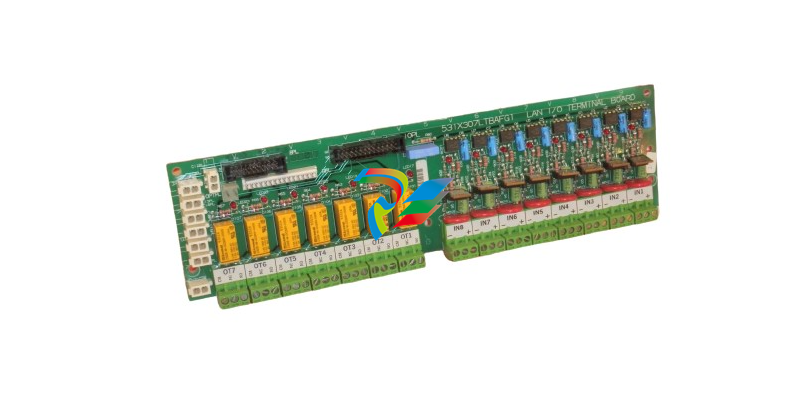 531X307LTBAFG1 F31X307LTBA LAN I/O Terminal Board
 -
 ABB AFS670 19" Ruggedized Switch AFS670-EREEDDDSSEEEEEEEPZYX05.1.0
 -
 NI Controller for VXI VXIPC-871B
 -
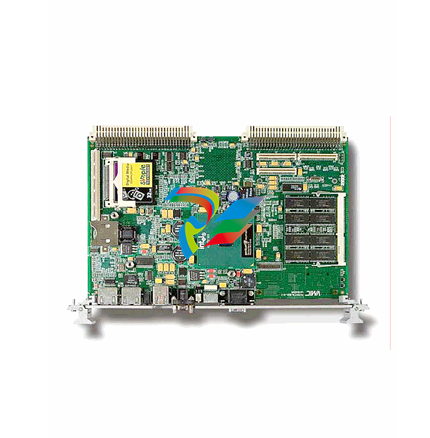 IS200EPMCH1GE Mark VIe Patch Cord Power Distribution Card
 -
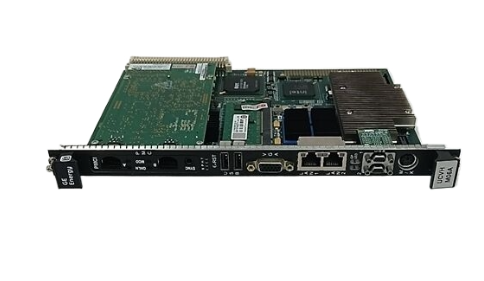 VMICPCI-7632-03310 IS215UCCAH3A 350-657362-003310J GE gas turbine system control processor board
 -
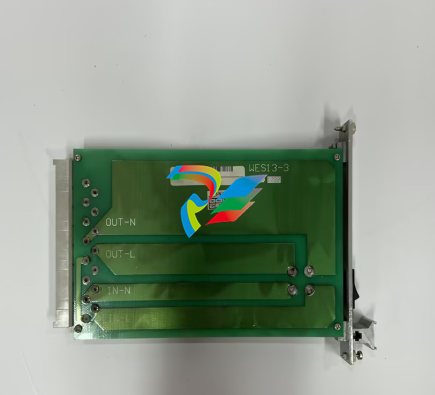 WEA13-13 2508-21001 Control Module / I/O Board
 -
.jpg) WES5120 2340-21004 Controller Main Module
WES5120 2340-21004 Controller Main Module -
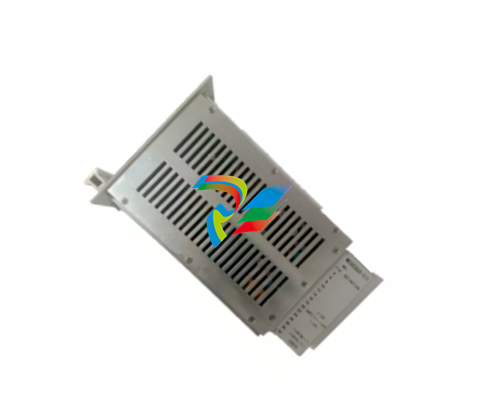 WES5120 2340-21006 Field Controller Master Unit Module
 -
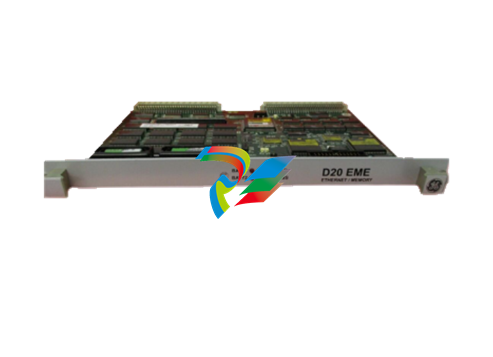 WESDAC D20ME 18-MAR-13 Excitation Control Module
 -
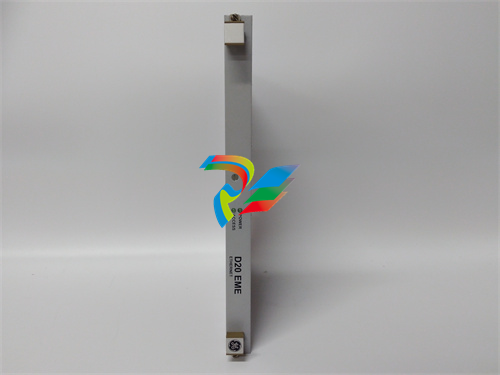 D20 EME 2400-21004 Ethernet communication and expansion module
 -
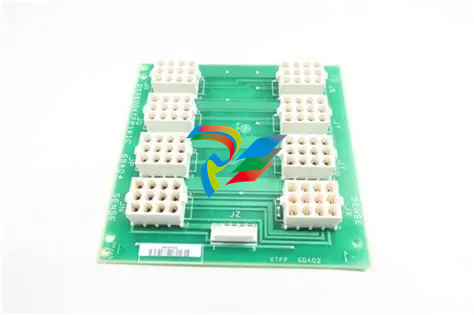 GE DS3800XTFP1E1C Thyristor Fan Out Board Brand
 -
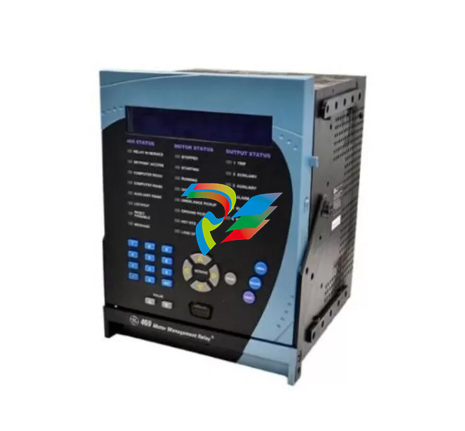 GE SR745-W2-P1-G1-HI-A-L-R-E Feeder protection relay
 -
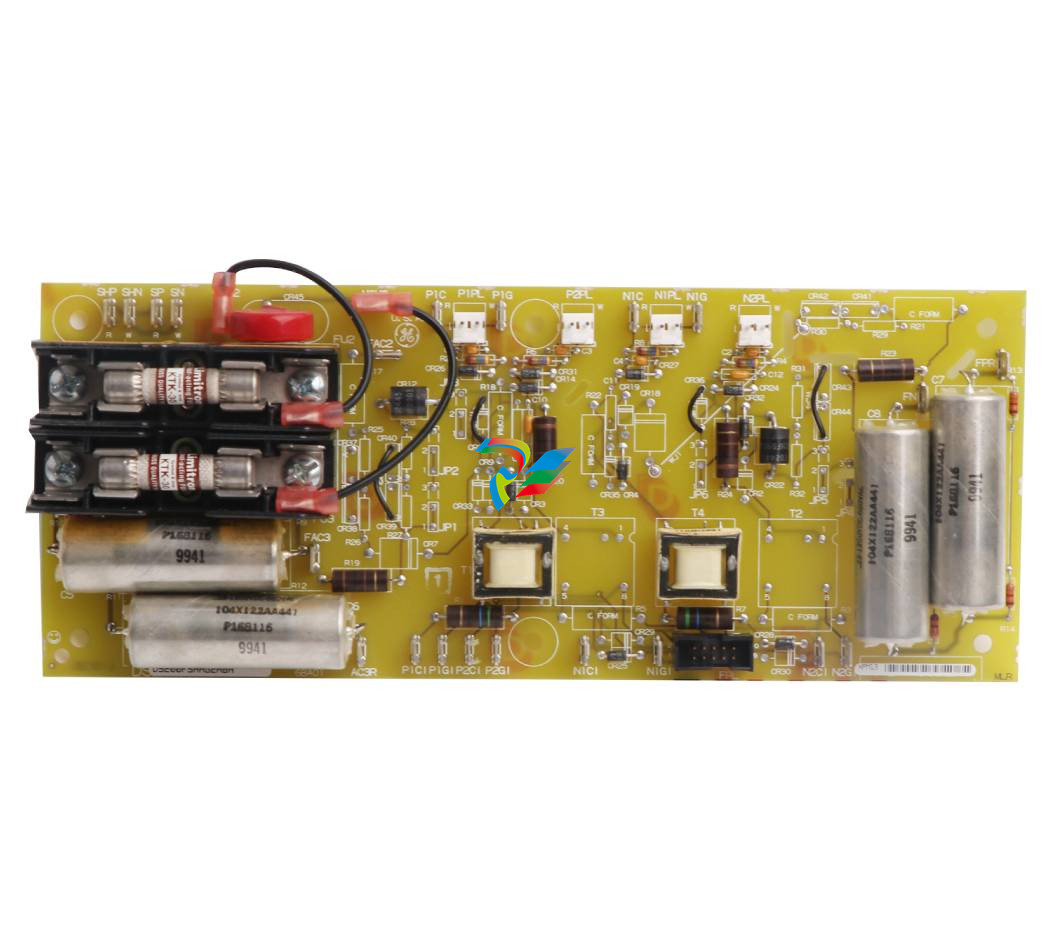 GE IS230TNDSH2A Discrete Output Relay Module Brand
 -
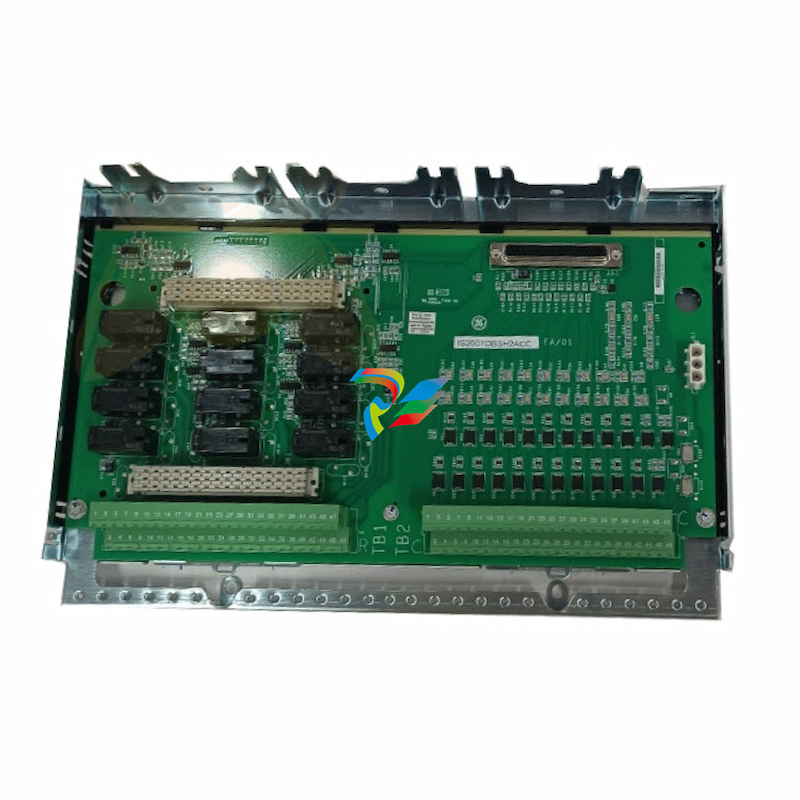 GE Fanuc IS200TDBSH2ACC Mark VI Terminal Board Brand
 -
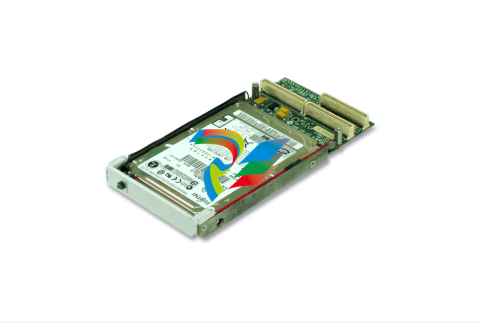 GE PMC-0247RC-282000 350-93750247-282000F Disk Drive
 -
GE PMC-0247RC-282000 350-93750247-282000F Disk Drive
-
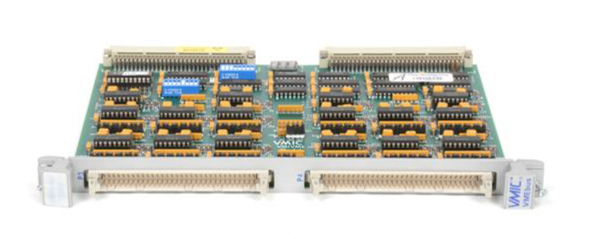 GE VMIVME-1150 Serial Communications Controller
 -
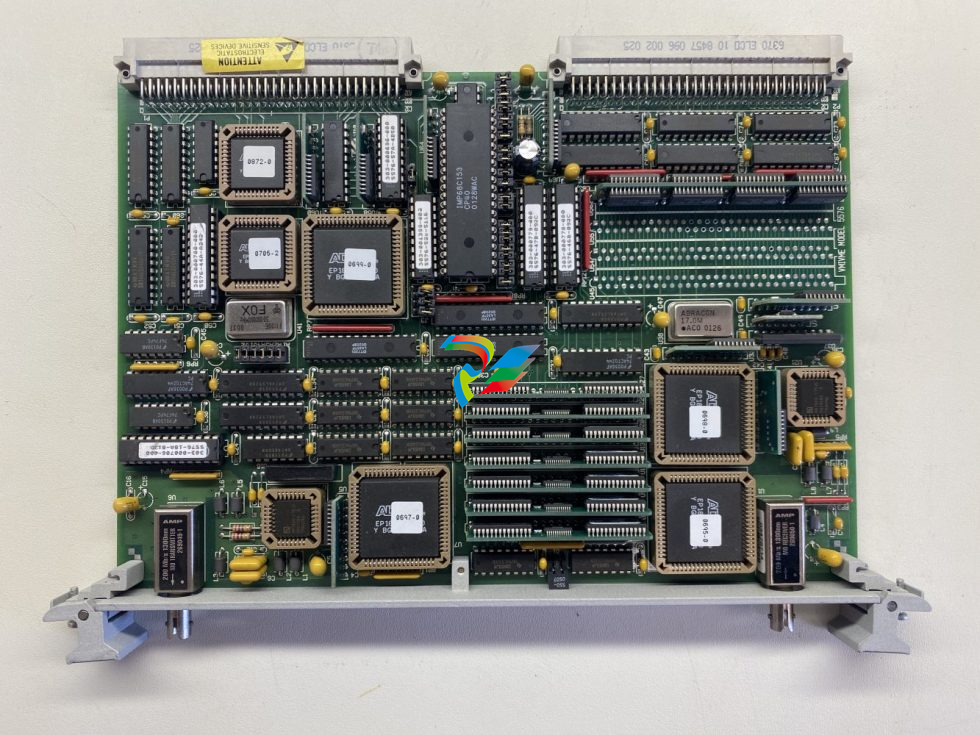 GE VMIVME-5576 Fiber-Optic Reflective Memory with Interrupts
 -
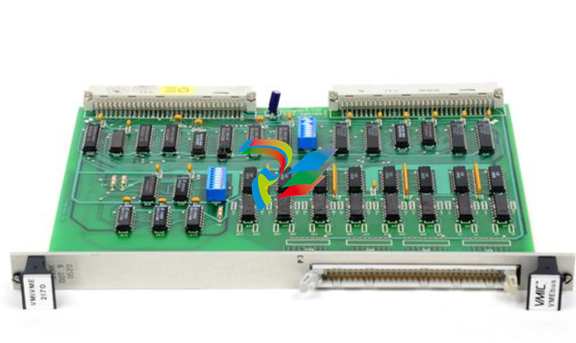 GE VMIC Isolated Digital Output VMIVME-2170A
 -
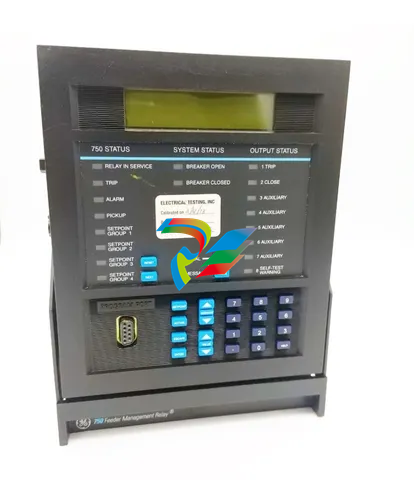 GE MULTILIN 760 FEEDER MANAGEMENT RELAY 760-P5-G5-S5-HI-A20-R-E
 -
 GE IS200AEPAH1BKE IS215WEPAH2BB Printed circuit board
 -
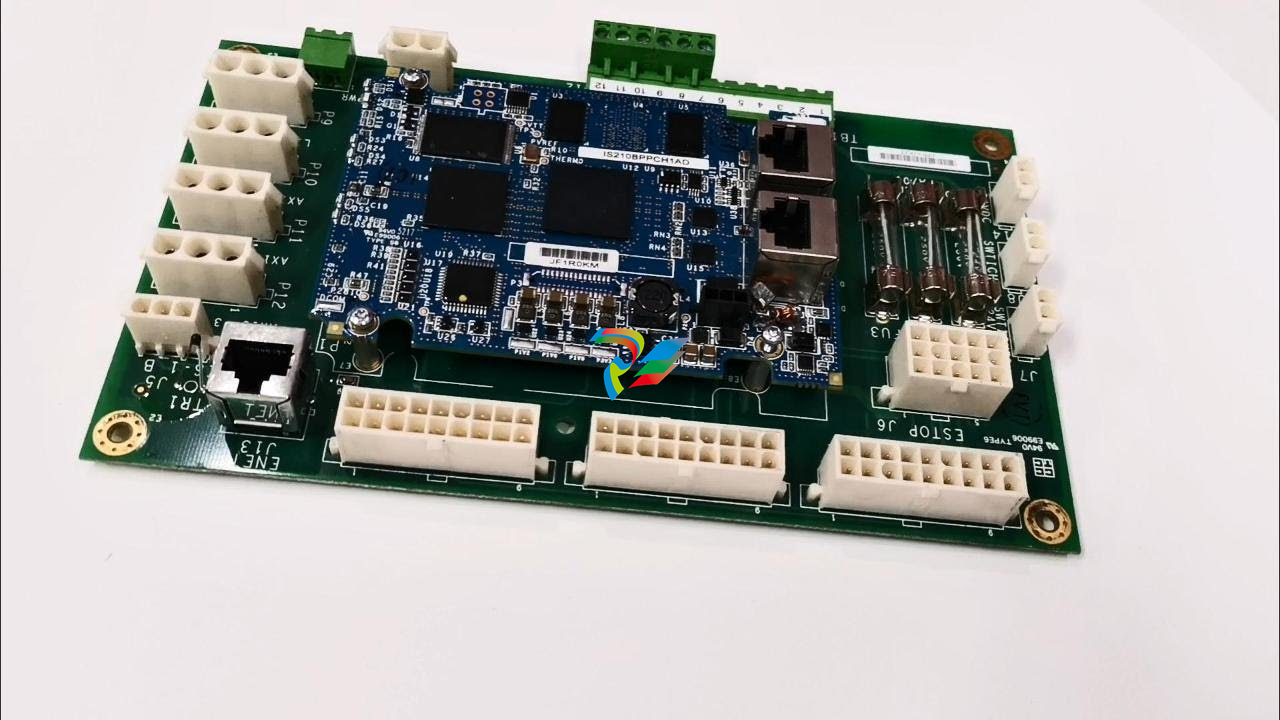 GE IS210BPPCH1A Mark VIe I/O Pack Processor Card
 -
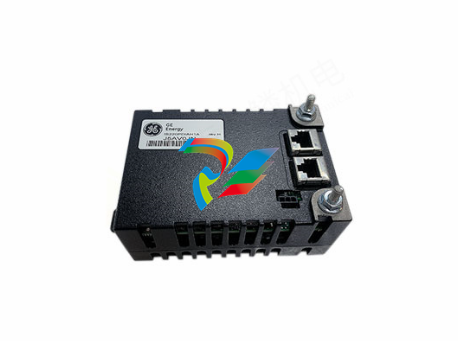 GE IS220PRTDH1A 336A4940CSP6 High-Performance RTD Input Module
 -
GE IS220PDIAH1BE 336A5026ADP4 Discrete Input Module
-
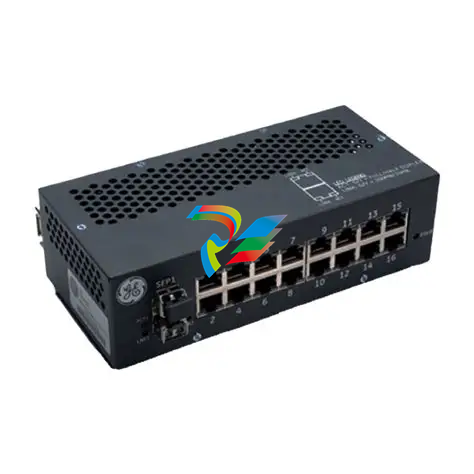 GE IS420ESWBH3A IONET Switch Module
 -
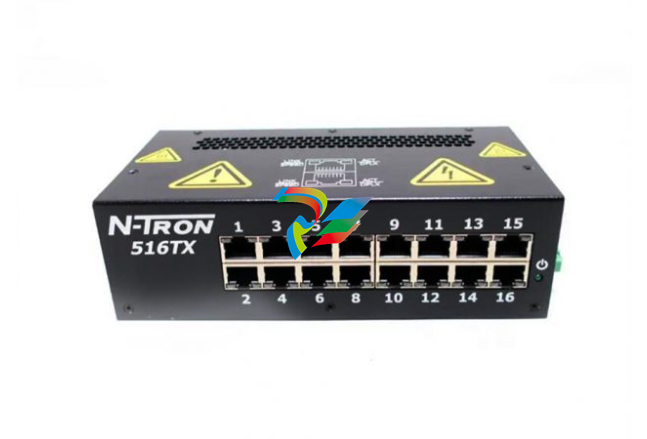 GE 516TX 336A4940DNP516TX 16-port Ethernet switch
 -
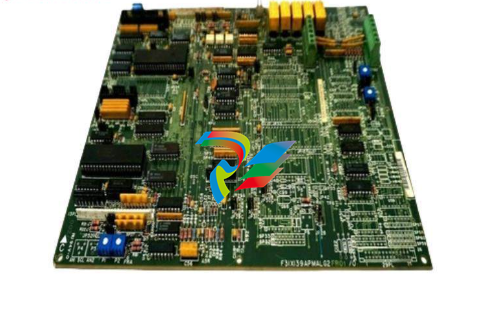 GE EVMECNTM13 Embedded control module
 -
GE EVPBDP0001 EVPBDP032 control module
-
 GE Hydran M2-X Enhanced Monitoring with Extended Sensor Life
 -
 GE UR6CH Digital I/O Module
 -
 GE IC695CPU315-CD Central processing unit
 -
 GE 531X305NTBAMG1 DR Terminal Board
 -
 GE 531X305NTBALG1 NTB/3TB Terminal Board 531X Series
 -
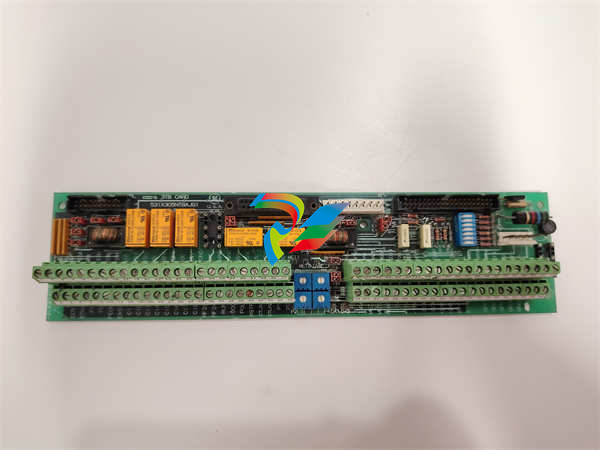 GE 531X305NTBAJG1 NTB/3TB Terminal Board.
 -
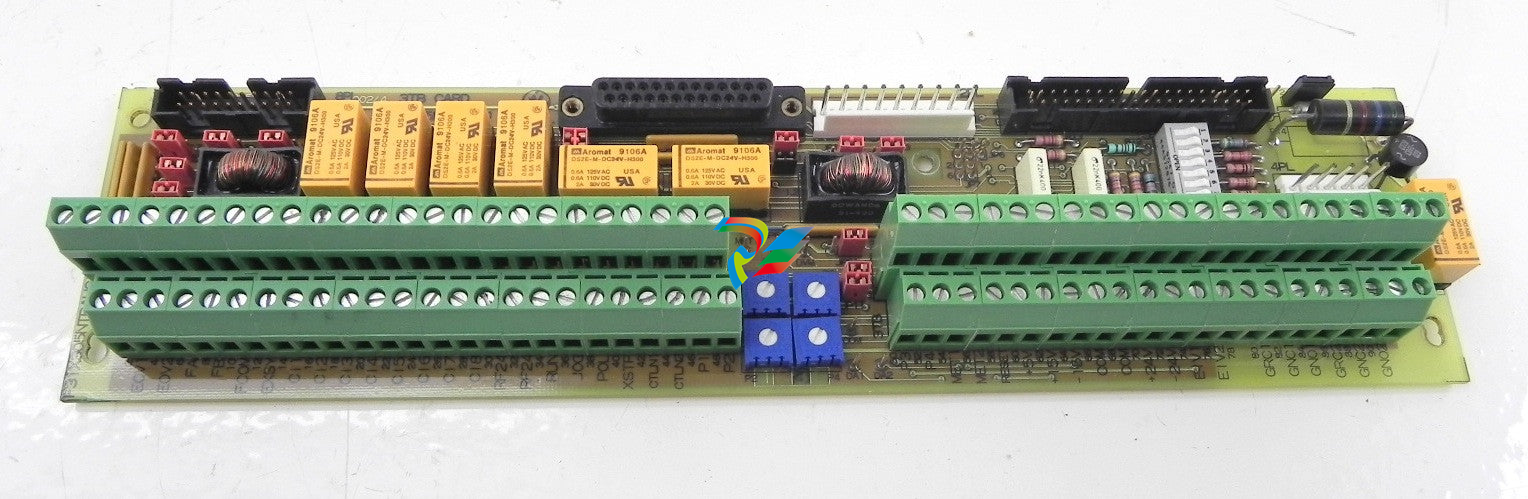 GE 531X305NTBAHG1 NTB/3TB Terminal Board 531X
 -
 GE 531X305NTBAEG1 is a PCB that functions as a DR terminal board.
 -
General Electric 531X305NTBACG1 NTB/3TB Terminal Board 531X
-
 GE Digital Energy D20 Analog Input Module
 -
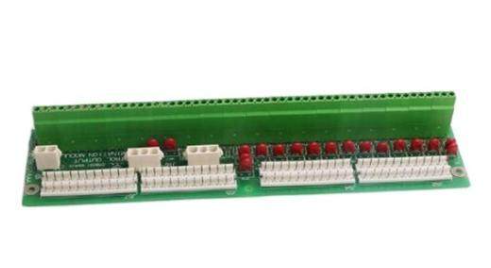 GE 94-164136-001 main board Control board
 -
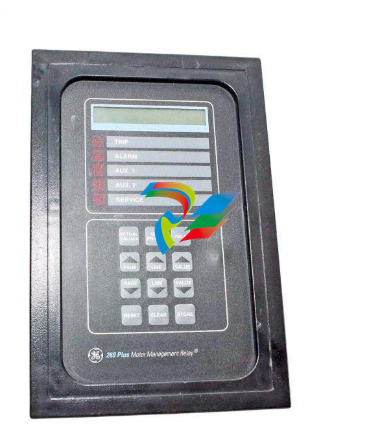 GE 269 PLUS-D/O-100P-125V Digital motor relay
 -
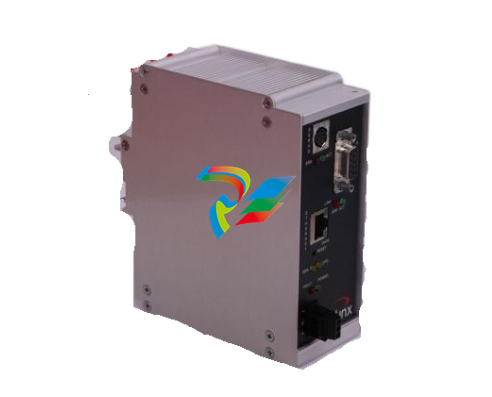 GALIL DMC-9940 High-performance motion controller
 -
FUJI NP1BS-08 base plate
-
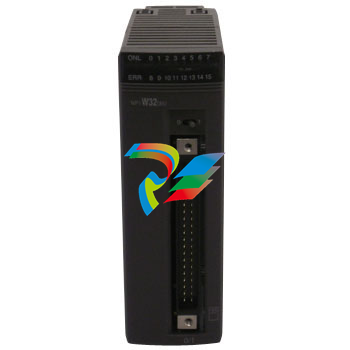 FUJI NP1Y32T09P1 Transistor drain type digital output module
 -
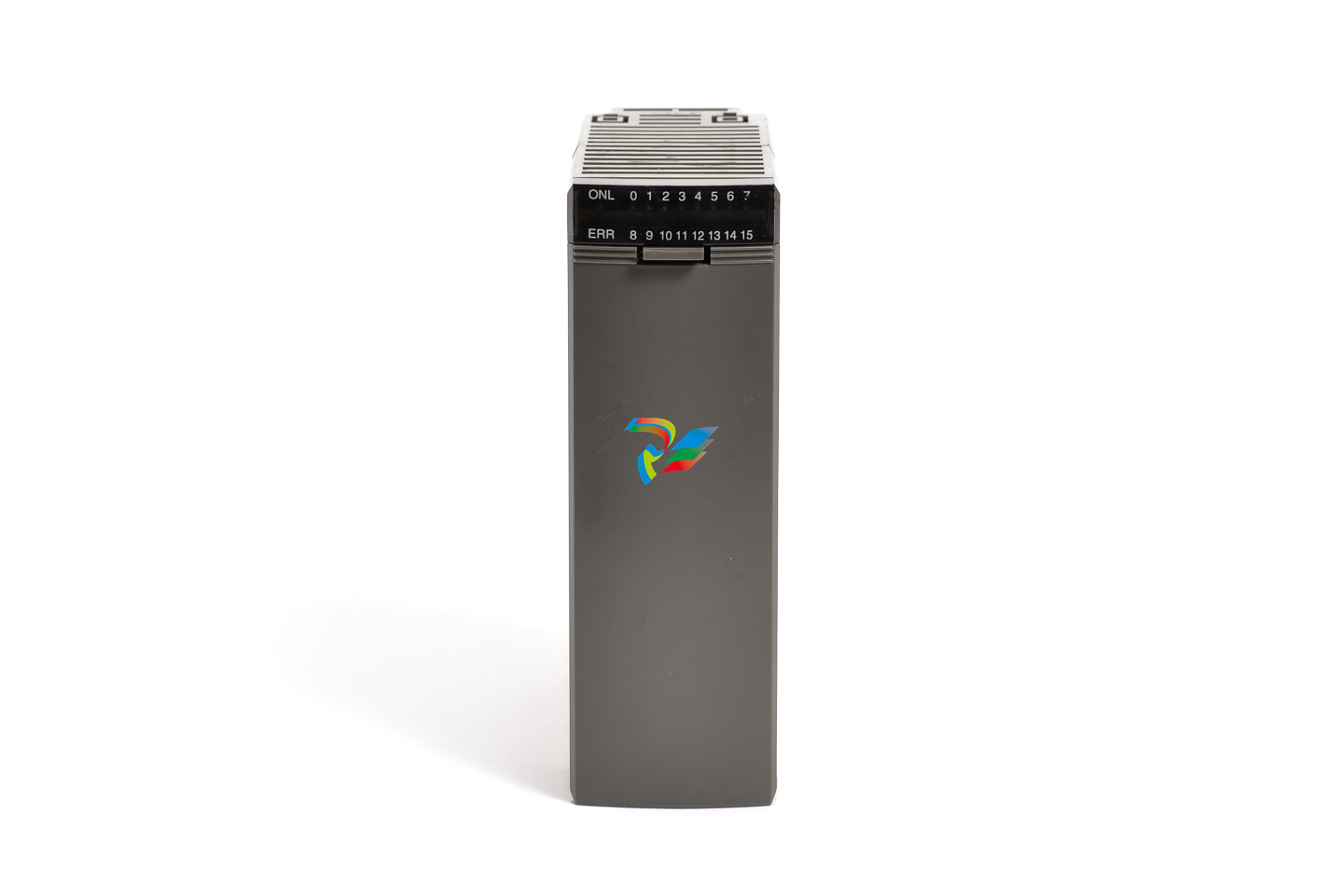 FUJI NP1Y16R-08 Digital Output Module
 -
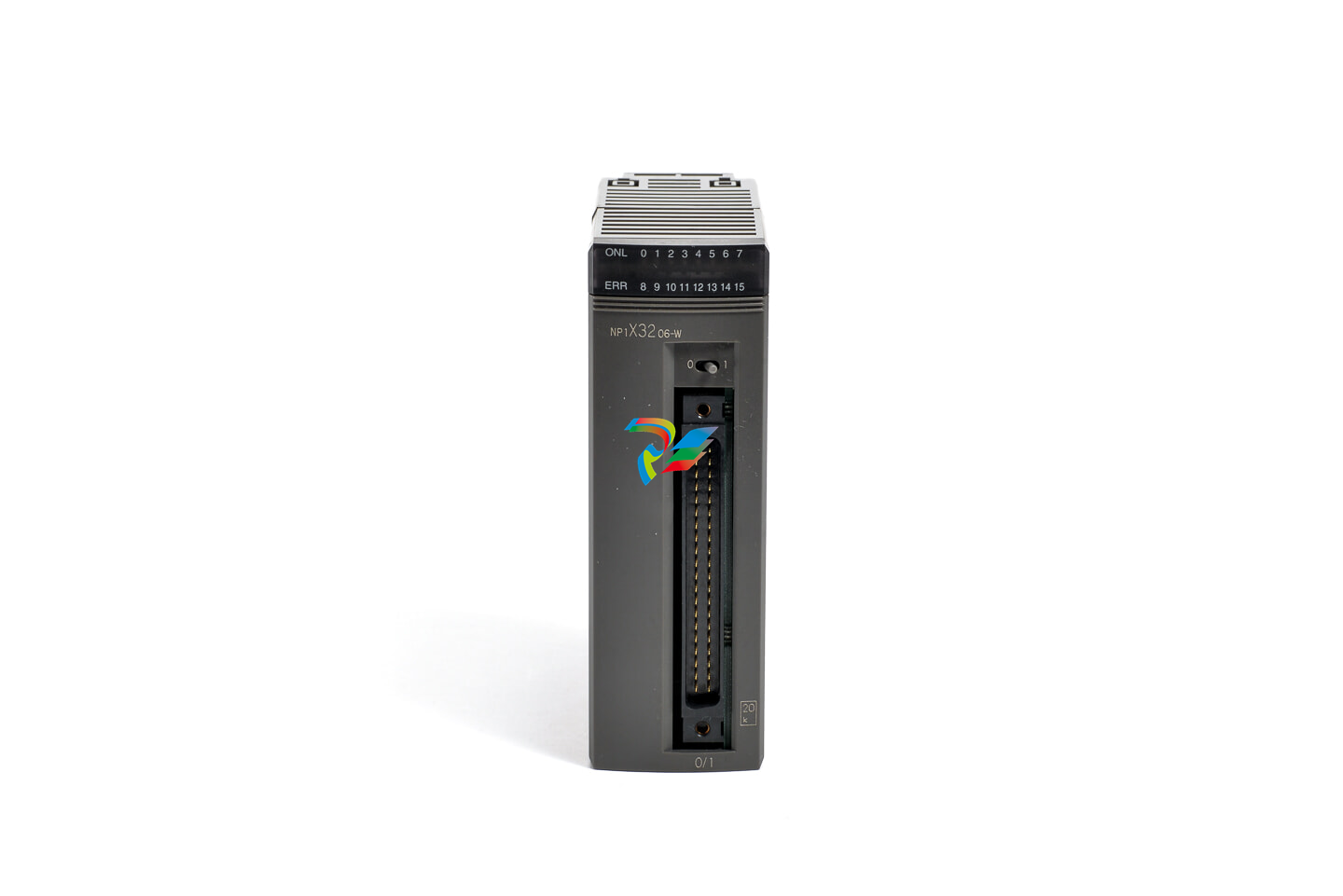 FUJI NP1X3206-A High-speed digital input module
 -
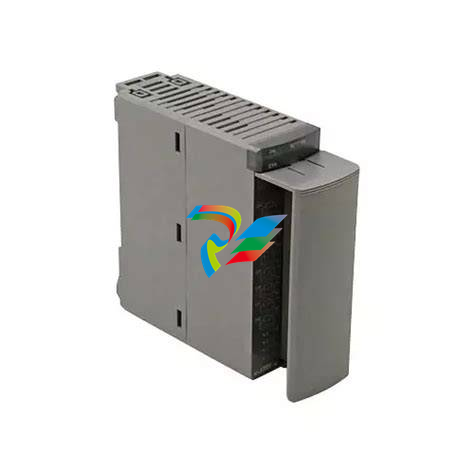 FUJI NP1AYH4I-MR current output module
 -
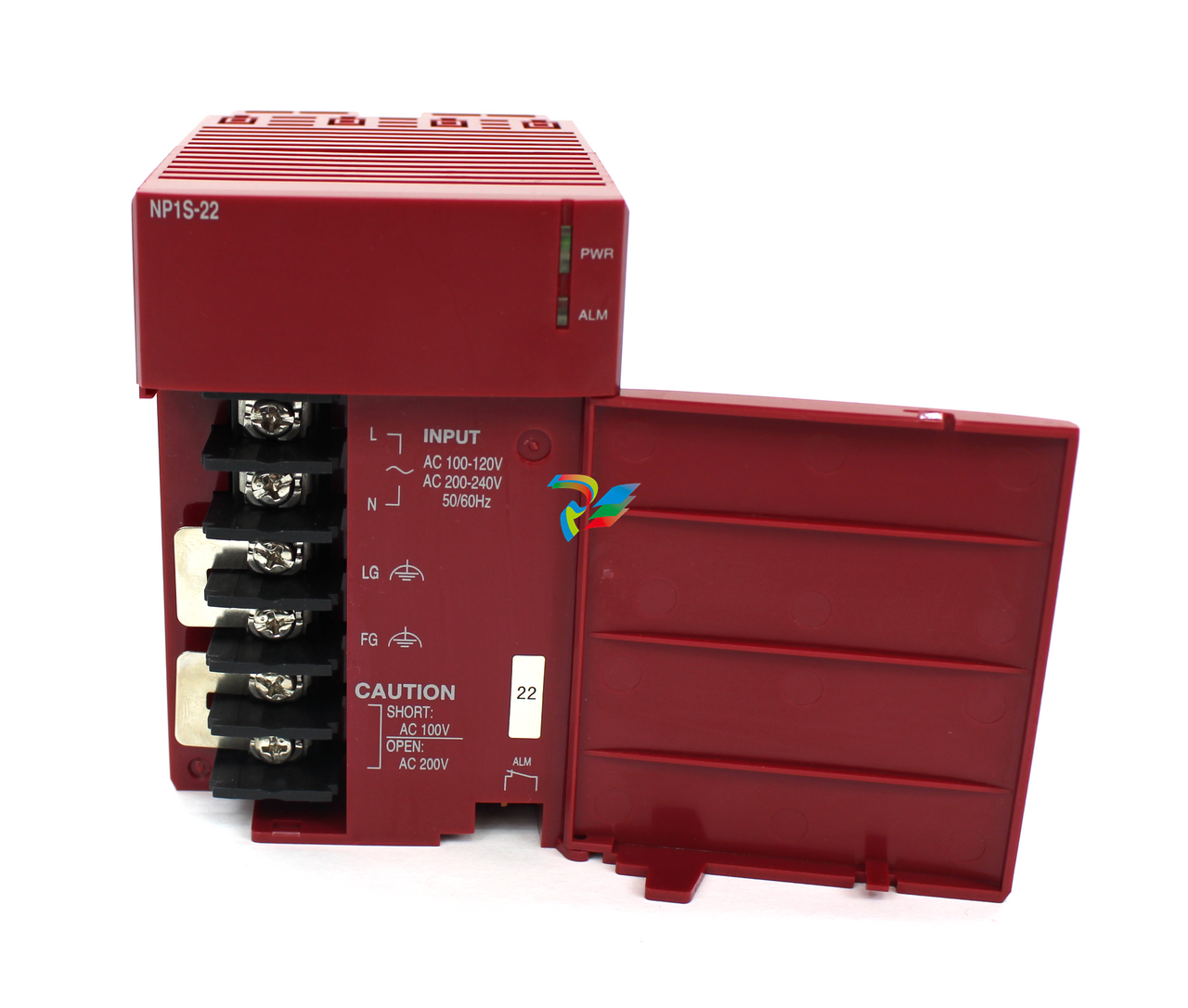 FUJI NP1S-22 Power module redundancy
 -
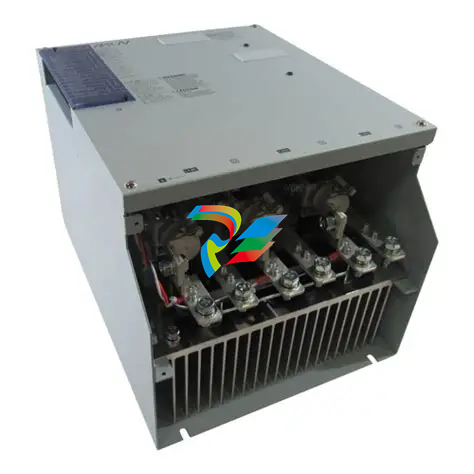 FUJI RPXD2150-1T servo drive module
 -
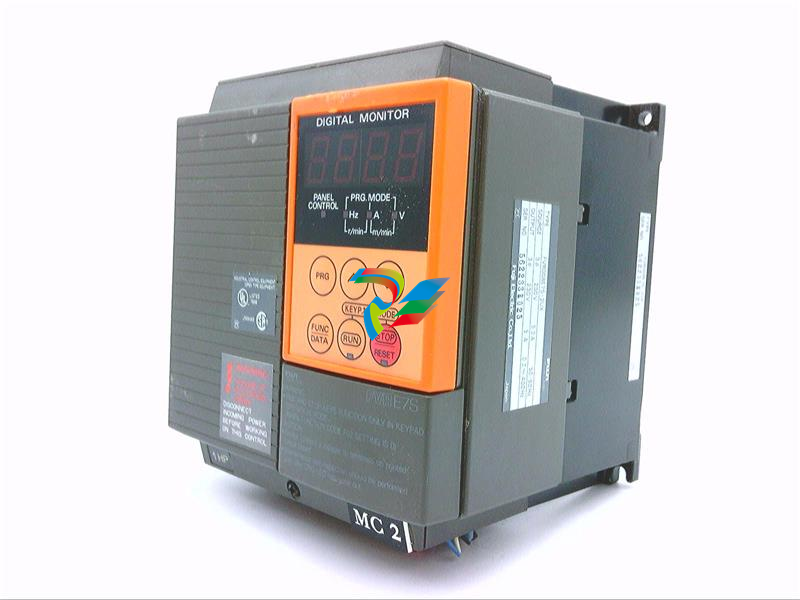 FUJI FVR008E7S-2UX Ac frequency converter
 -
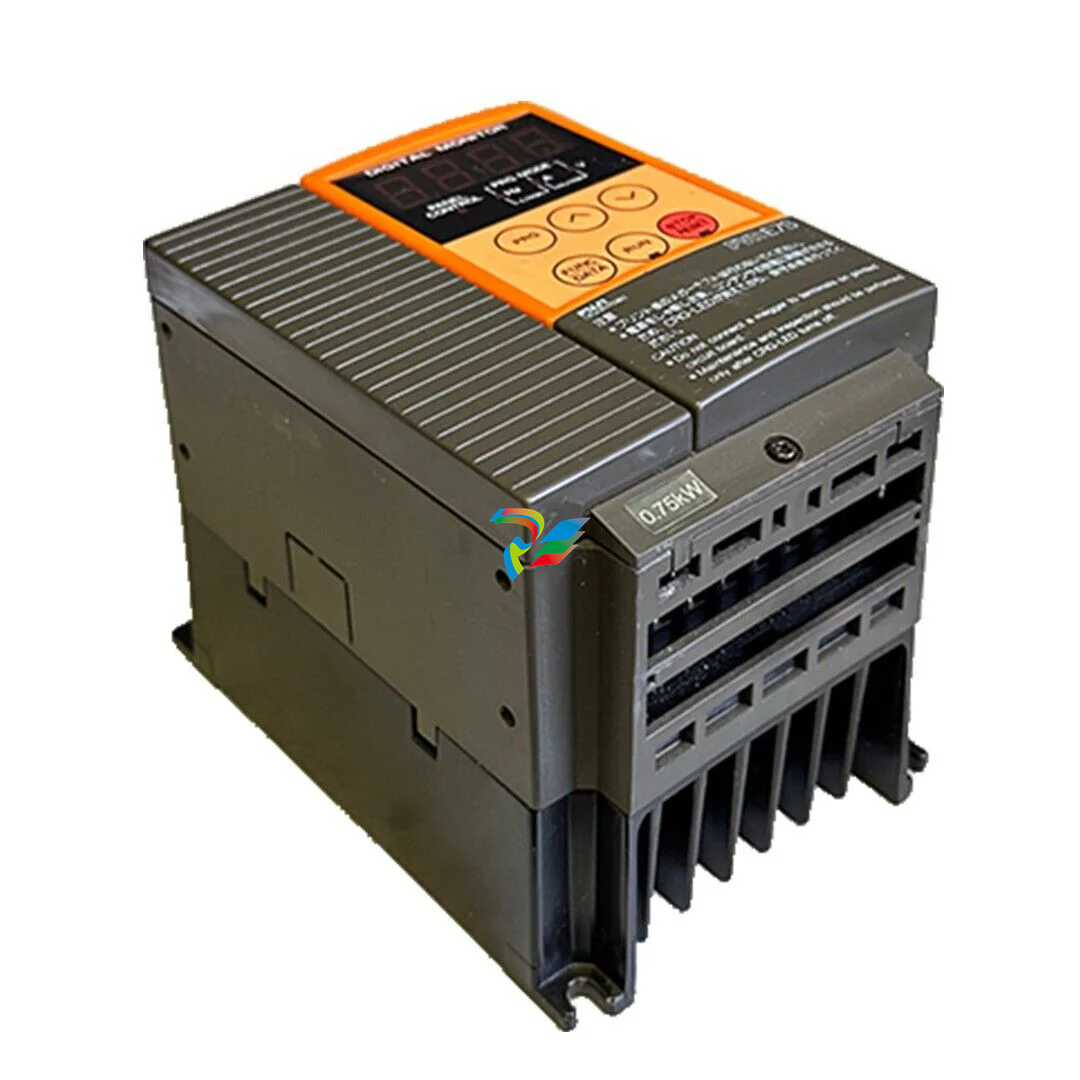 FUJI Ac frequency converter FVR008E7S-2
 -
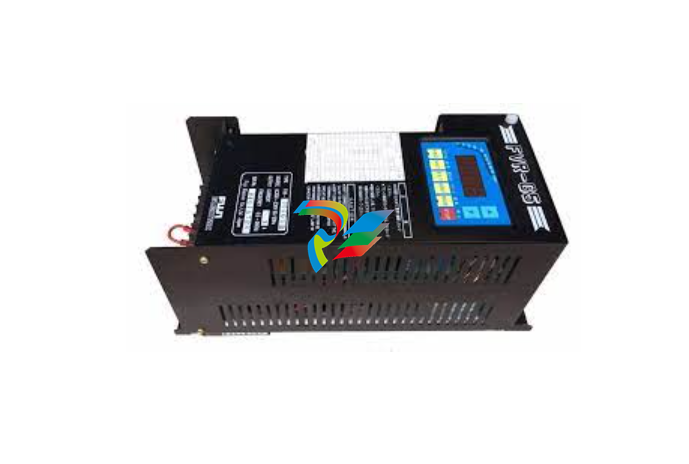 FUJI FVR004G5B-2 Small general-purpose frequency converter
 -
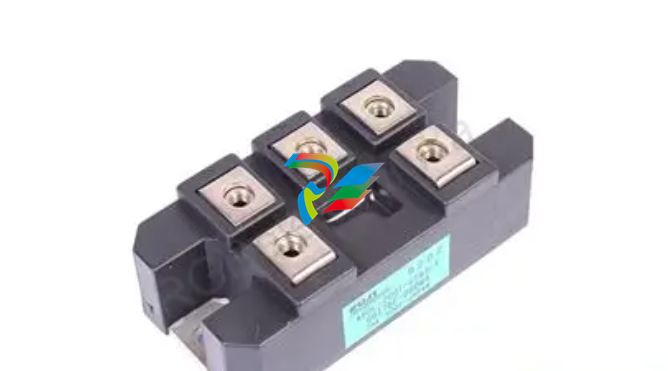 FUJI A50L-2001-0232 Industrial control module
 -
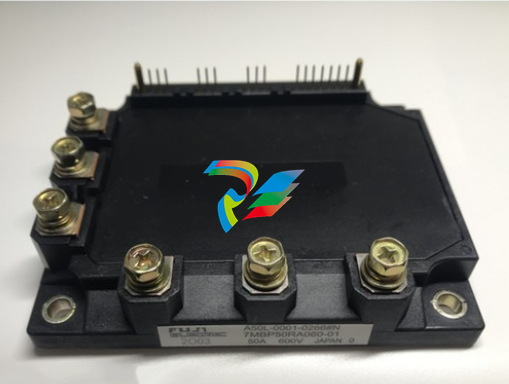 FUJI A50L-001-0266#N High-performance servo amplifier
 -
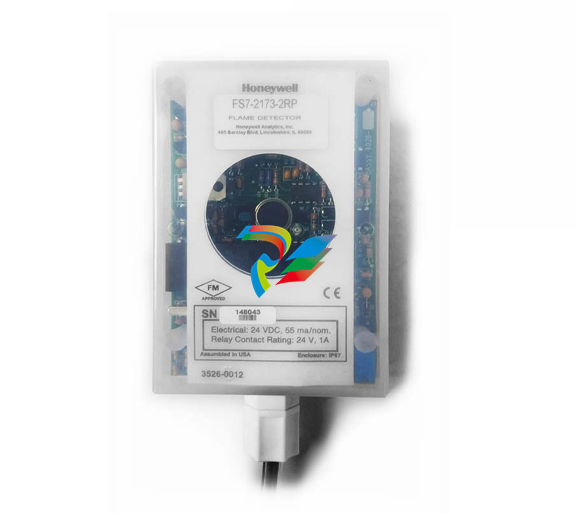 Honeywell FS7-2173-2RP Gas sensor
 -
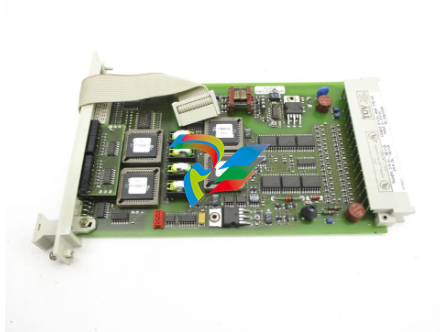 Honeywell 10106/2/1 Digital Input Module in Stock
 -
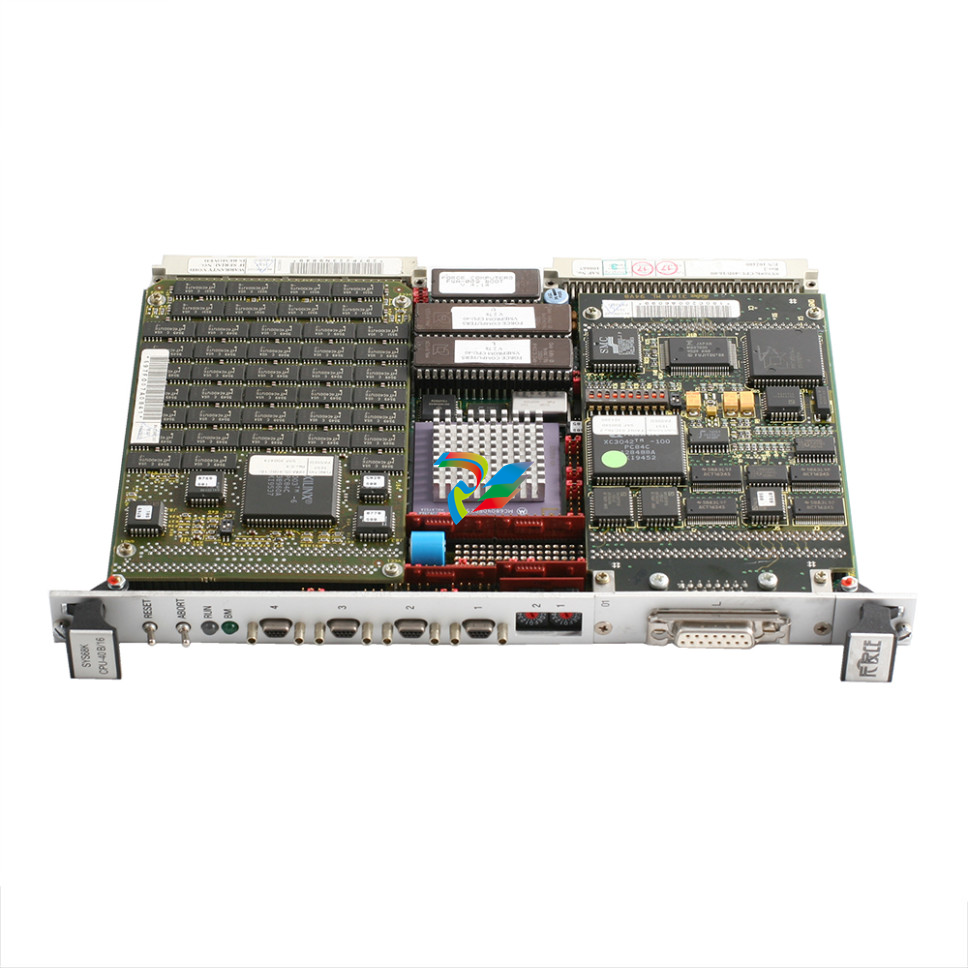 FRCE SYS68K CPU-40 B/16 PLC core processor module
 -
 Foxboro FBM I/O cards PBCO-D8-009
 -
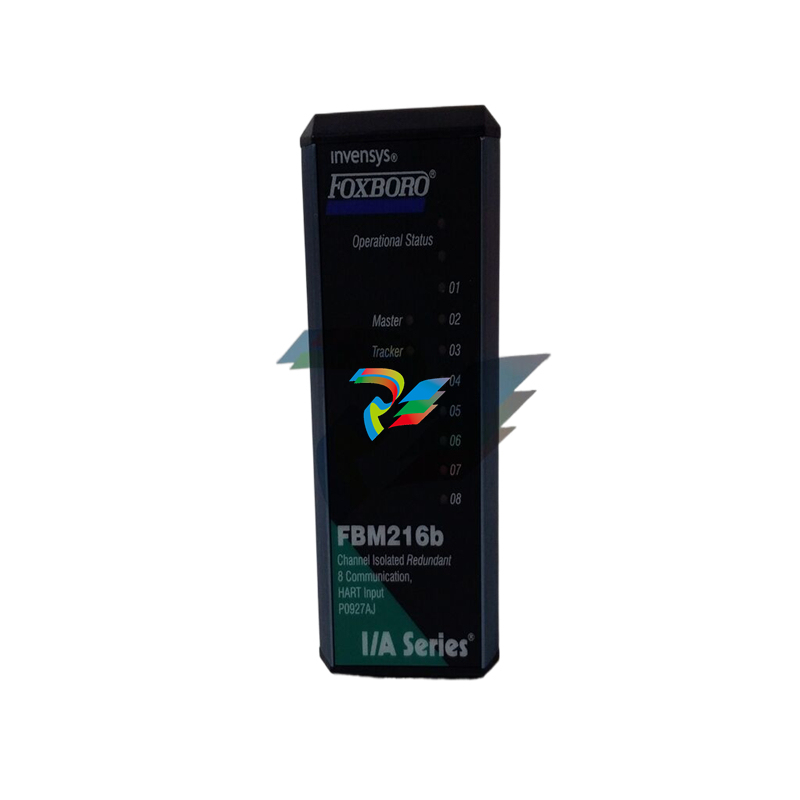 Foxboro AD916AE Digital Control System (DCS) Module
 -
 GE SR750-P5-G5-S5-HI-A20-R-E Multilin Relay
 -
.jpg) FOXBORO H90 H90C9AA0117S Industrial Computer Workstation
FOXBORO H90 H90C9AA0117S Industrial Computer Workstation -
FOXBORO RH928AW | I/A Series Relay Output Module
-
.jpg) Foxboro N-2AX+DIO Multi-functional input/output module
Foxboro N-2AX+DIO Multi-functional input/output module -
 Foxboro RH924WA FCP280 Fiber Optic Network Adapter
 -
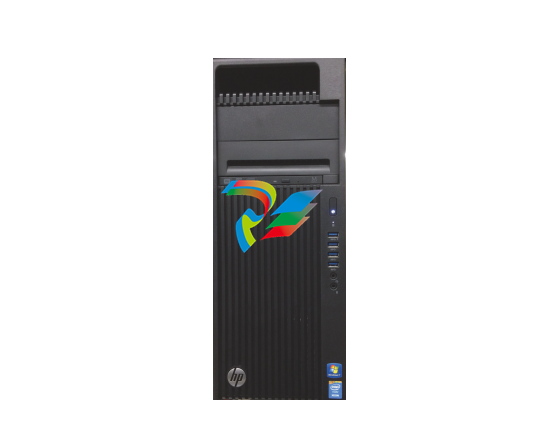 FOXBORO H92 Versatile Hardware Component In
 -
 Foxboro FBM218 P0922VW HART® Communication Redundant Output Interface Module
 -
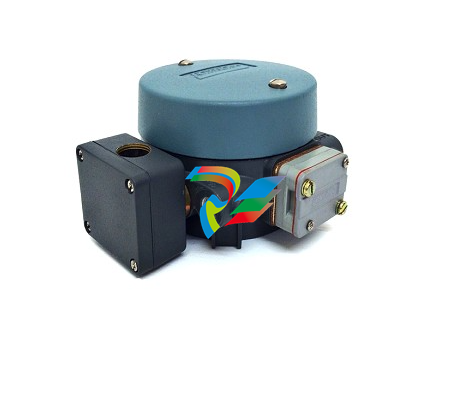 Foxboro E69F-TI2-J-R-S E69F Series Current-To-Pneumatic Signal Converter
 -
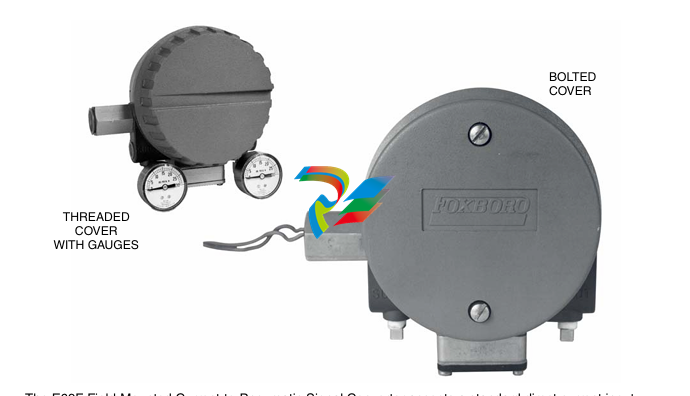 Foxboro E69F-BI2-S Converter
 -
.jpg) Foxboro H92A049E0700 The host of the DCS control station
Foxboro H92A049E0700 The host of the DCS control station -
 Foxboro H90C9AA0117S Industrial computer workstation
 -
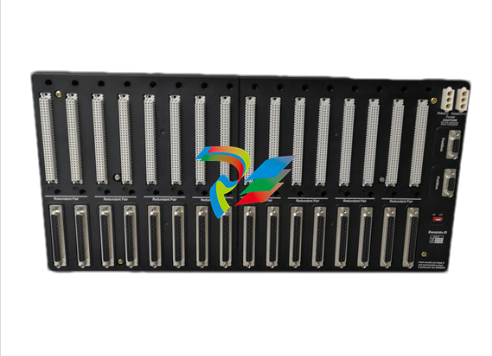 Foxboro RH101AA High-performance industrial control module
 -
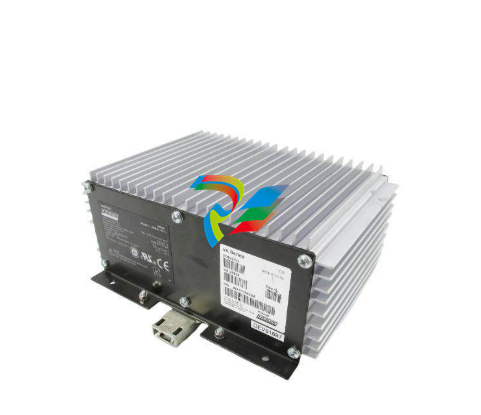 Foxboro P0922YU FPS400-24 I/A Series Power supply
 -
.png) FOXBORO P0973LN Chassis-based managed switch with independent power supply
FOXBORO P0973LN Chassis-based managed switch with independent power supply -
.jpg) FOXBORO P0926PA Input/output module
FOXBORO P0926PA Input/output module -
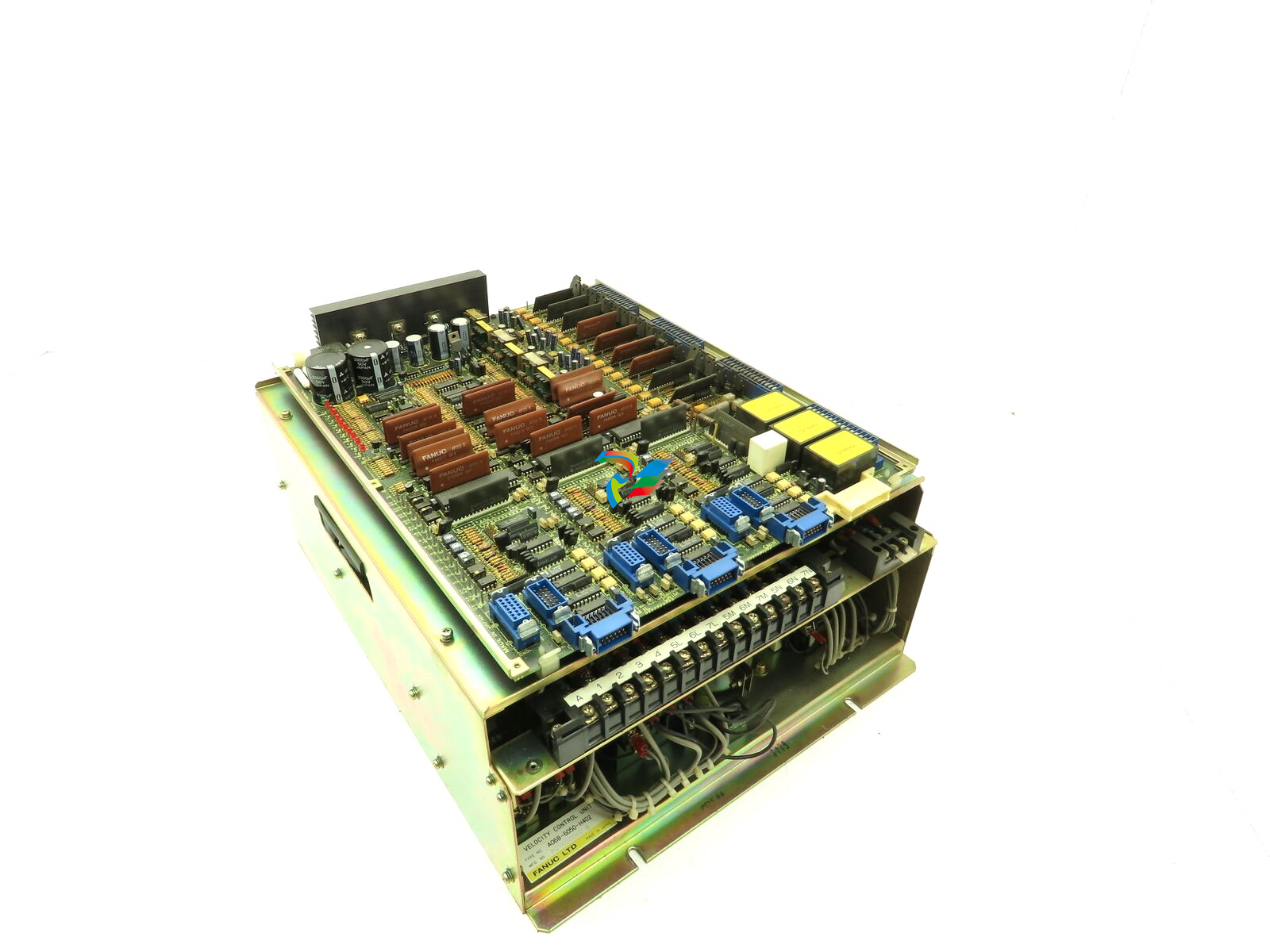 Fanuc A06B-6050-H402 3 AXIS ANALOG AC SERVO DRIVE
 -
.jpg) FOXBORO L0130AD L0130AE-0H Power module group
FOXBORO L0130AD L0130AE-0H Power module group -
_lVjBYb.jpg) FOXBORO 0399085B 0303440C+0303458A Combination Control Module
FOXBORO 0399085B 0303440C+0303458A Combination Control Module -
 FOXBORO SY-0399095E (SY-0303451D+SY-0303460E) Process control board
 -
.jpg) FOXBORO 0399071D 0303440C+0303443B Input/Output (I/O) Module
FOXBORO 0399071D 0303440C+0303443B Input/Output (I/O) Module -
.jpg) FOXBORO RH924UQ Redundant Controller module
FOXBORO RH924UQ Redundant Controller module -
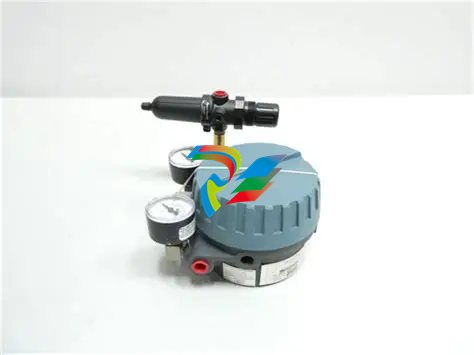 FFOXBORO E69F-TI2-S current pneumatic converter
 -
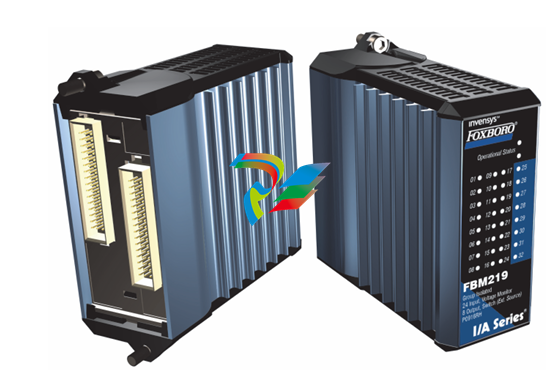 FOXBORO FBM219 RH916RH Discrete I/O Module
 -
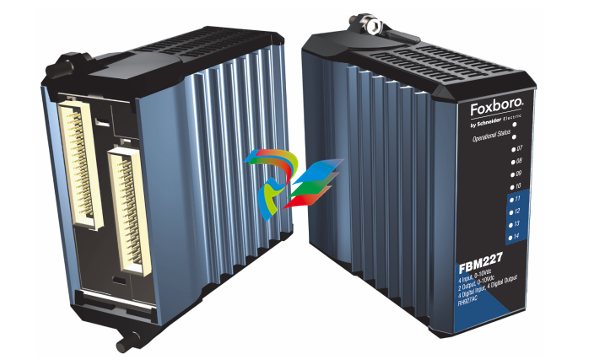 FOXBORO FBM227 P0927AC Module
 -
.jpg) FOXBORO 0399144 SY-0301059F SY-1025115C/SY-1025120E I/O module
FOXBORO 0399144 SY-0301059F SY-1025115C/SY-1025120E I/O module -
.jpg) FOXBORO SY-60399001R SY-60301001RB Industrial Control Module
FOXBORO SY-60399001R SY-60301001RB Industrial Control Module -
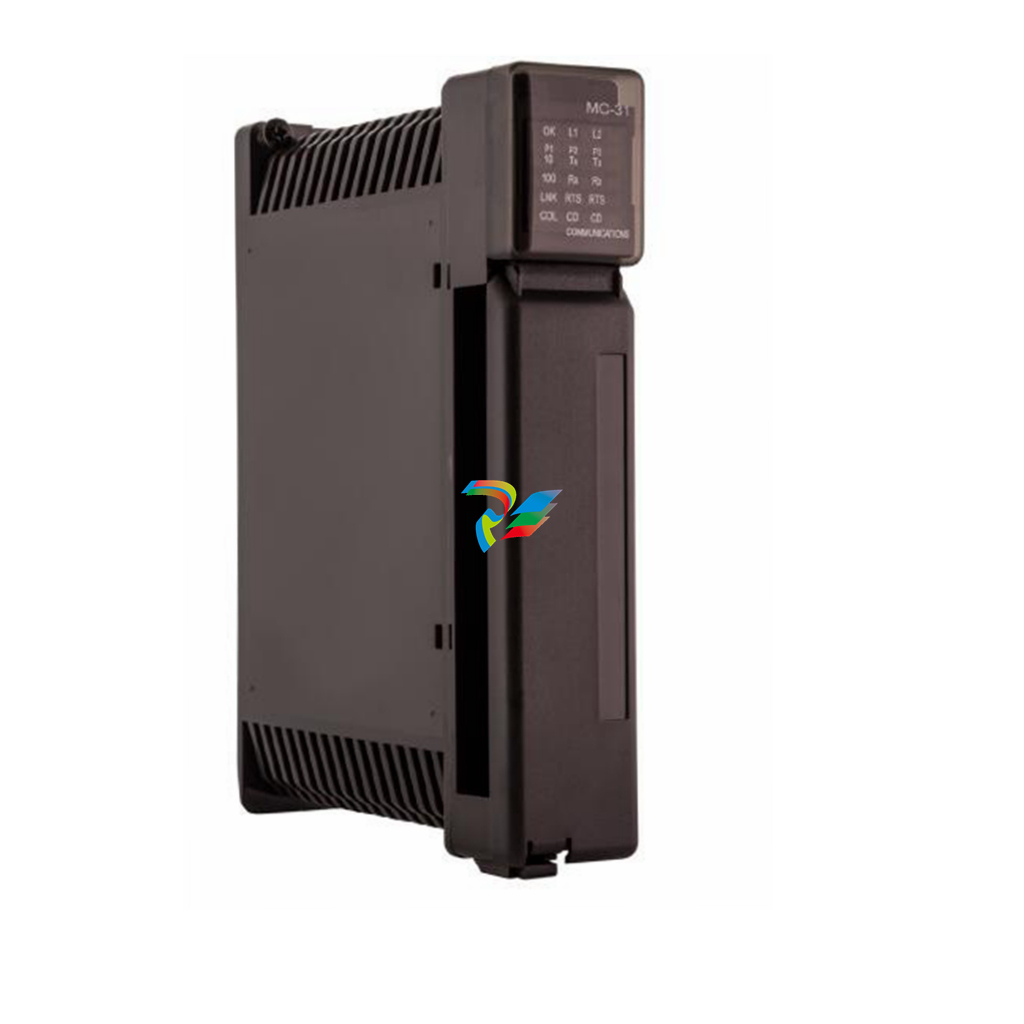 FOXBORO 0399143 SY-0301060R SY-1025115C SY-1025120E Combined control board
 -
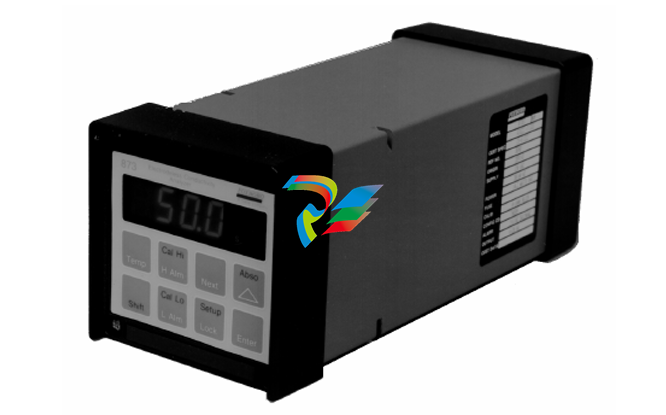 FOXBORO 873EC-JIPFGZ electrodeless conductivity analyzer
 -
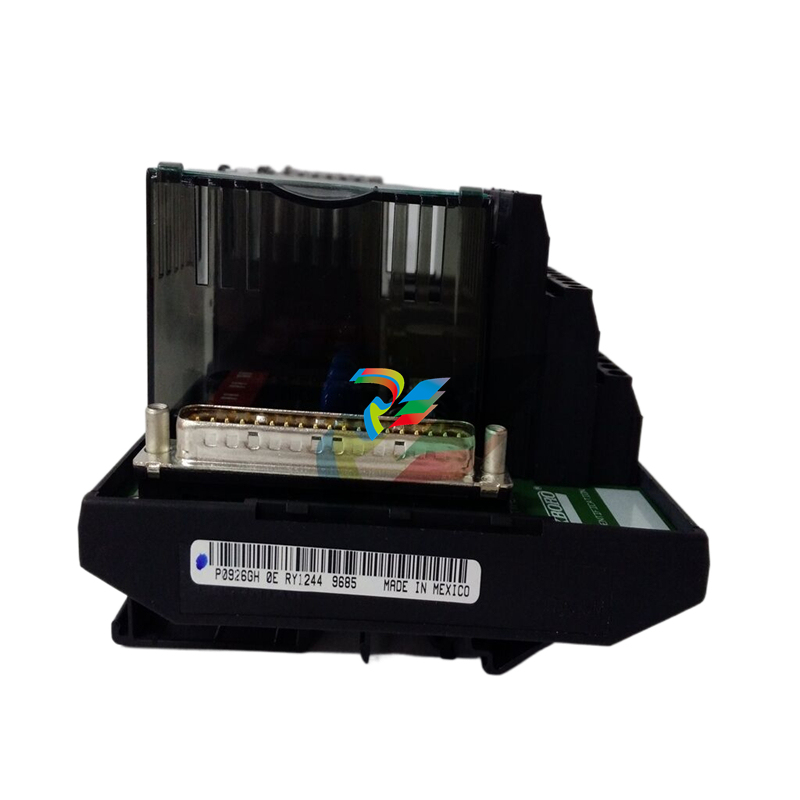 FOXBORO P0916PH (High-density HART I/O Module)
 -
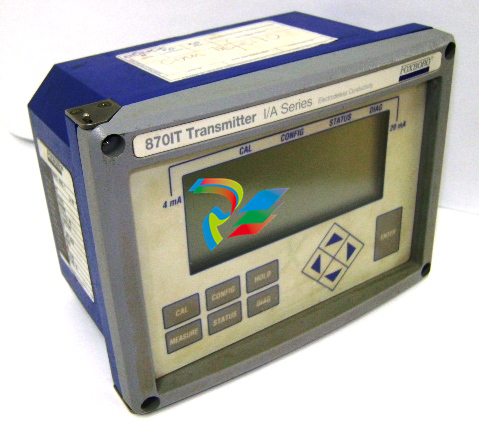 FOXBORO 870ITEC-AYFNZ-7 Intelligent Electrochemical Transmitters
 -
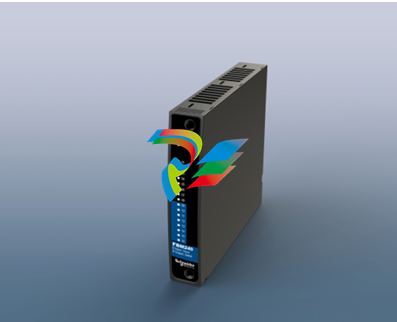 FOXBORO Compact FBM240. Redundant with Readback, Discrete
 -
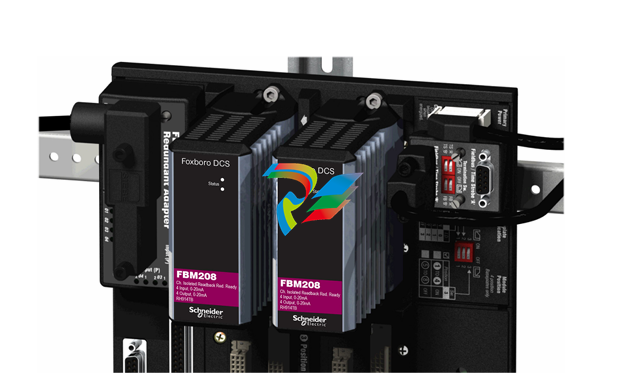 FOXBORO FBM208/b, Redundant with Readback, 0 to 20 mA I/O Module
 -
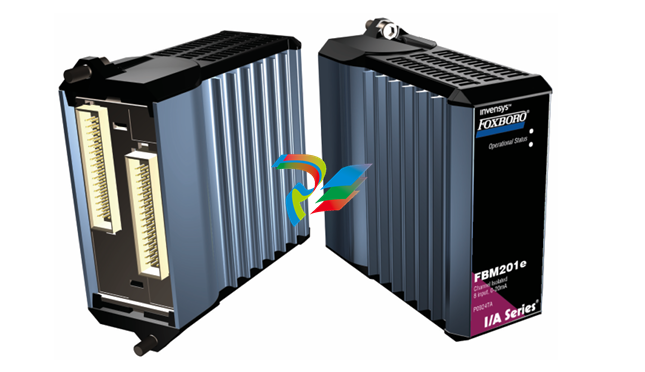 FOXBORO FBM201e Analog Input (0 to 20 mA) Interface Modules
 -
.jpg) FOXBORO P0916WG Terminal cable
FOXBORO P0916WG Terminal cable -
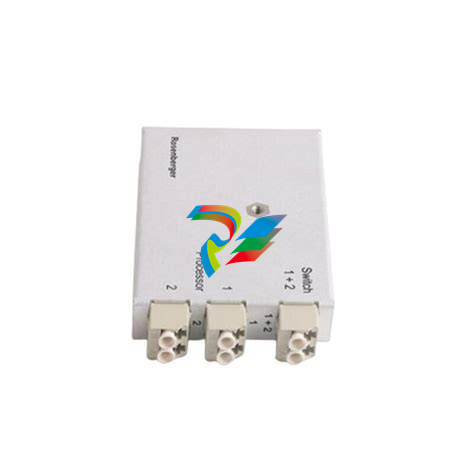 FOXBORO P0926MX 2-Port Splitter
 -
.jpg) FOXBORO AD908JQ High-Frequency Module
FOXBORO AD908JQ High-Frequency Module -
.jpg) FOXBORO AD916CC Processor module
FOXBORO AD916CC Processor module -
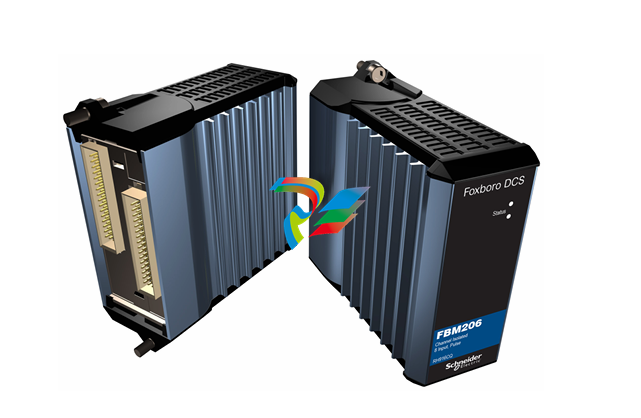 Foxboro DCS FBM206 Pulse Input Module
 -
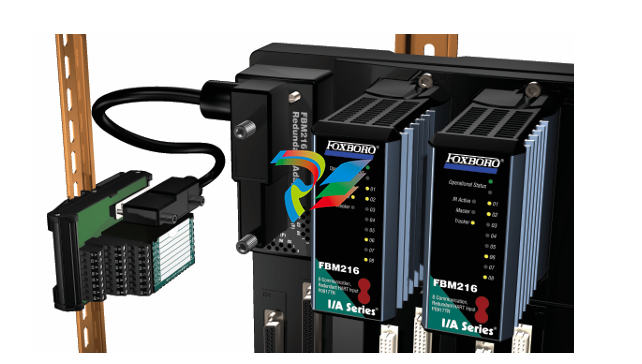 FOXBORO FBM216 HART® Communication Redundant Input Interface Module
 -
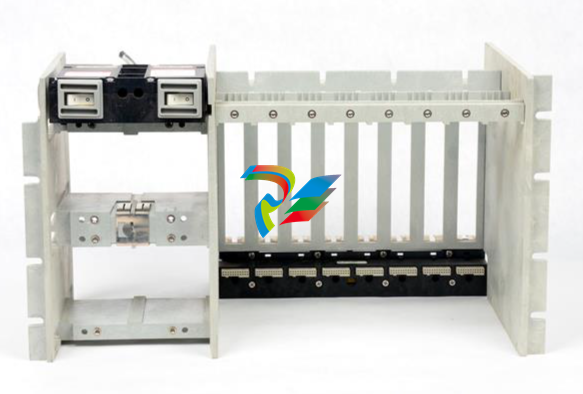 Foxboro p0903nu 1×8 unit sub-component module
 -
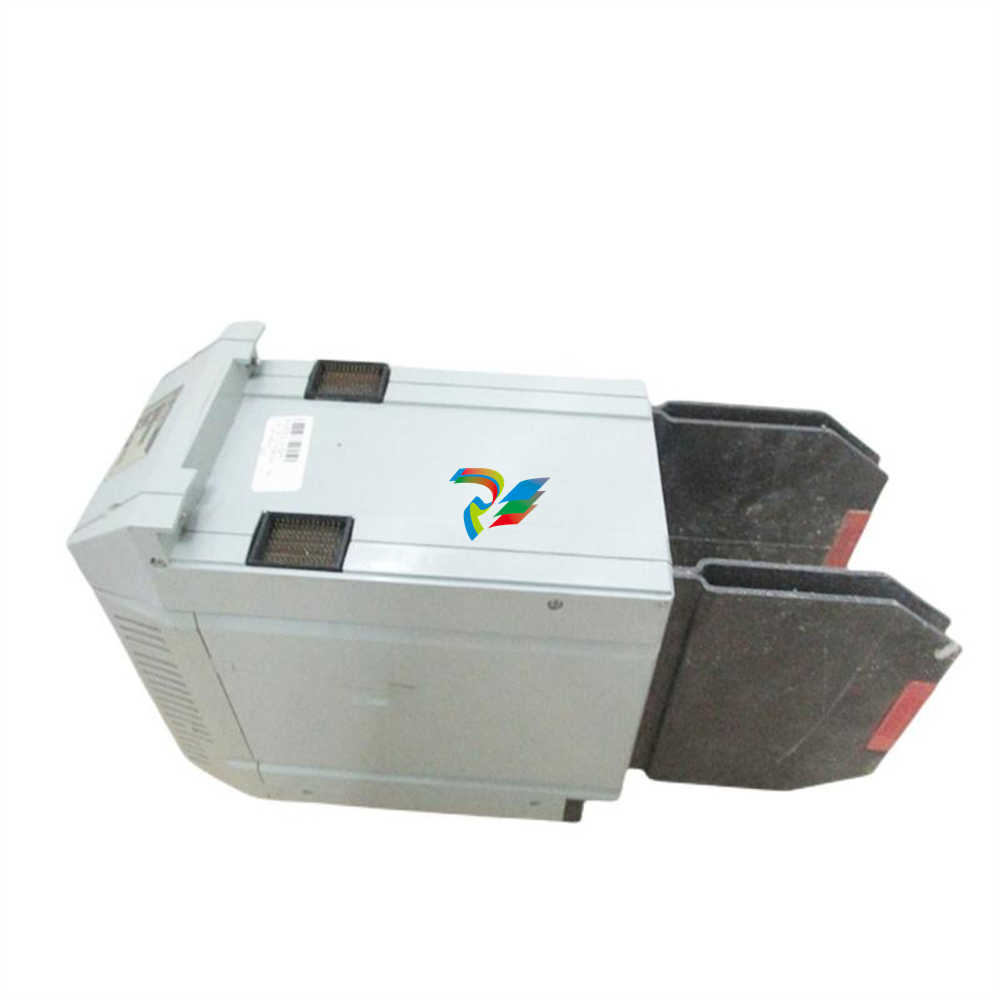 Foxboro P0911SM Industrial control module
 -
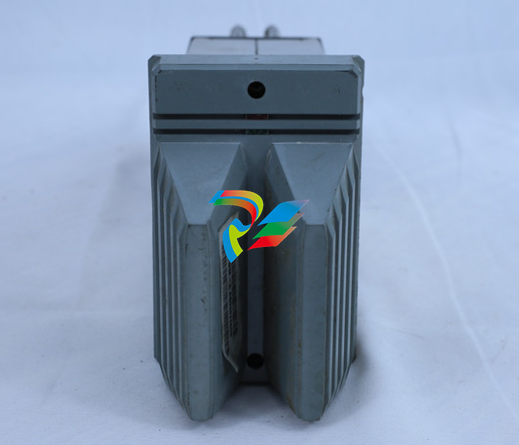 Foxboro CM902WM I/O module
 -
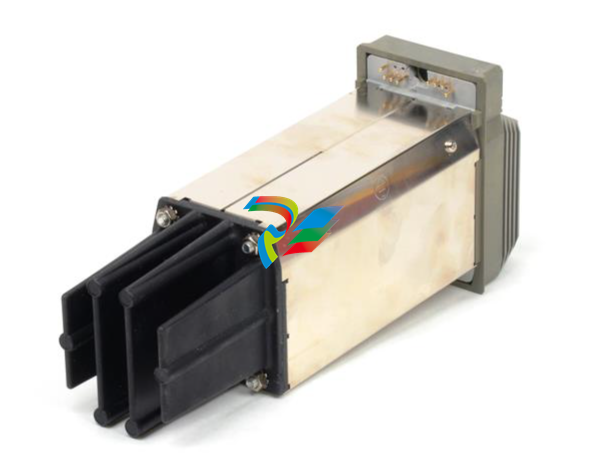 Foxboro CM902WL Power module
 -
 Foxboro P0972VA Industrial Control Module
 -
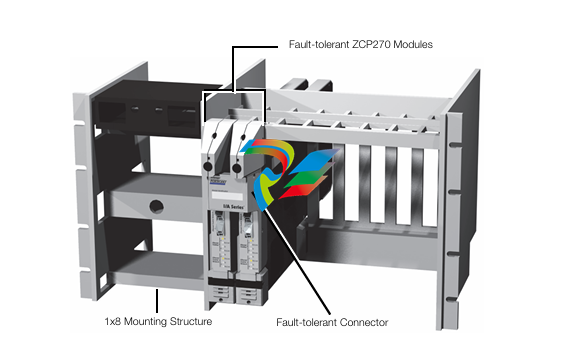
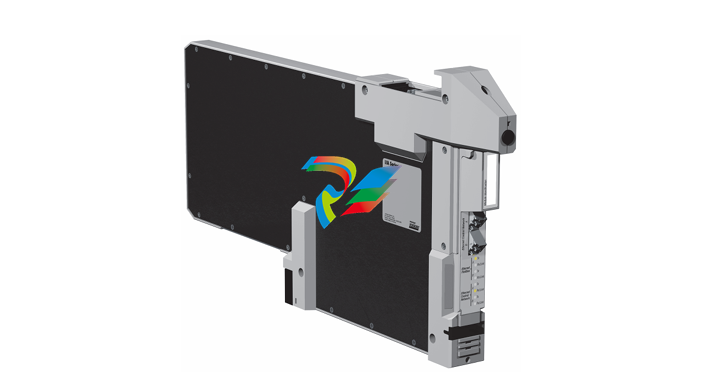 Foxboro Z-Module Control Processor 270 (ZCP270)
 -
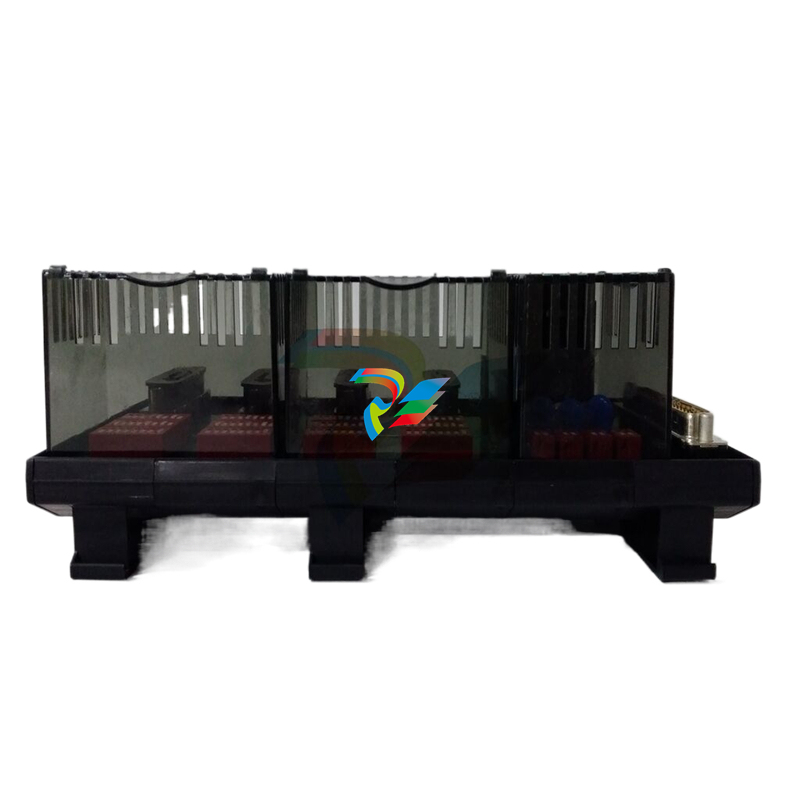 Foxboro PO916JS 16-channel terminal block module
 -
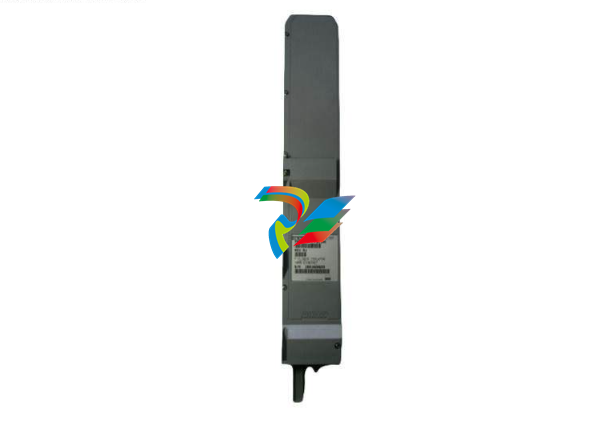 Foxboro PO911SM High-performance digital/analog input/output module
 -
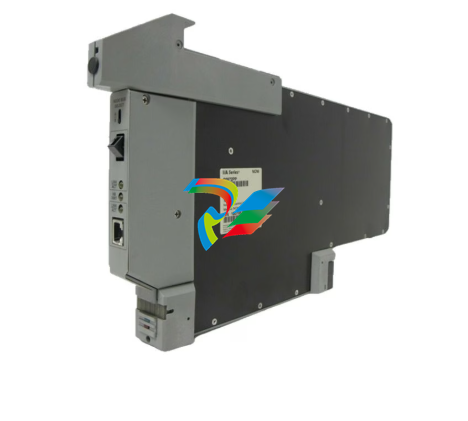 Foxboro P0972PP-NCNI Network Interface Module
 -
.jpg) FOXBORO P0971QZ controller module
FOXBORO P0971QZ controller module -
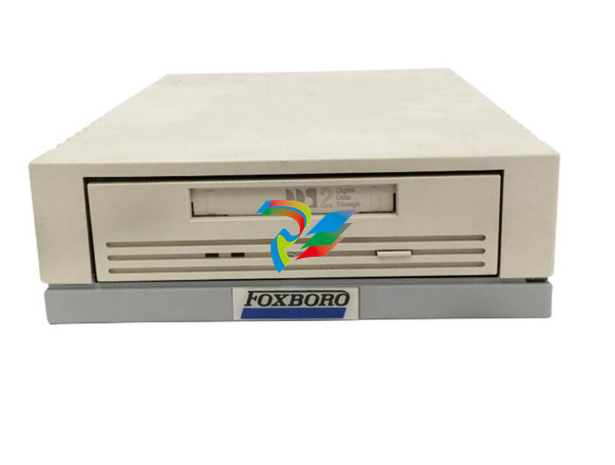 FOXBORO P0971DP Thermal resistance input/output module
 -
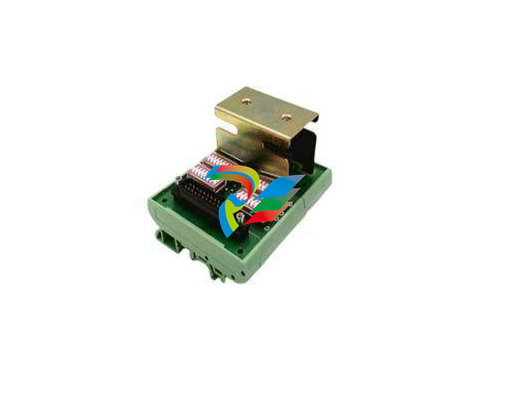 FOXBORO P0970VB Cable connector
 -
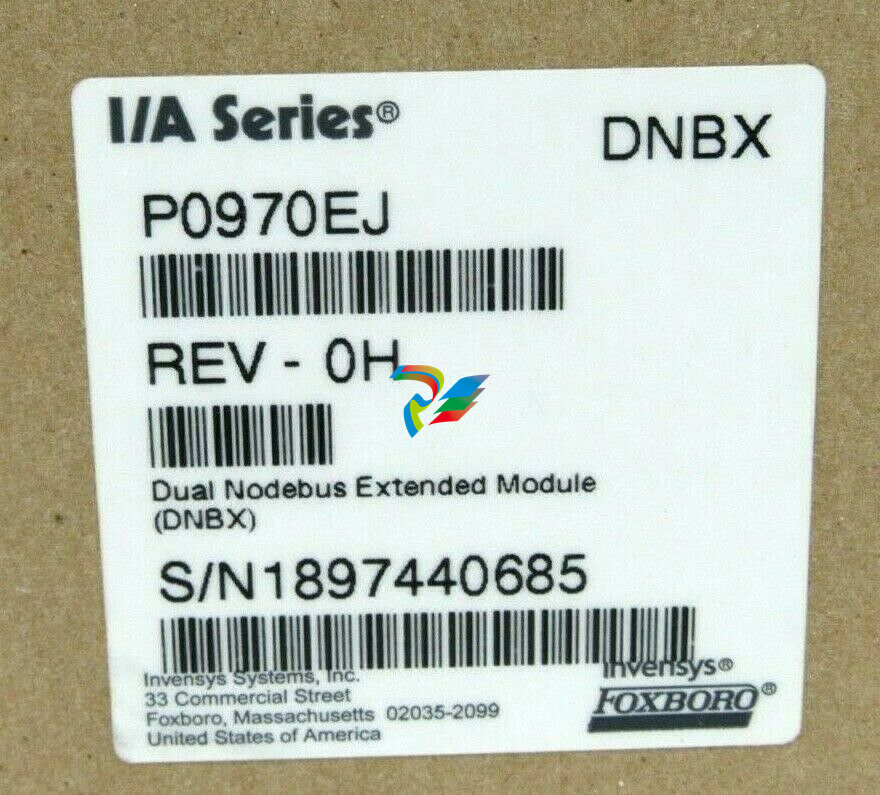 FOXBORO P0970EJ-DNBX Dual-node bus expansion module
 -
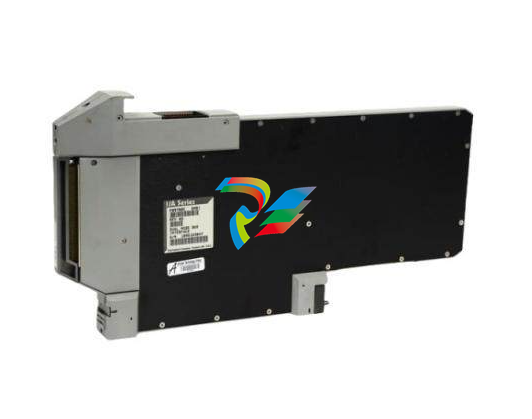 FOXBORO P0970BP Redundant power supply system
 -
.jpg) FOXBORO P0970BC-DNBI DeviceNet bus interface module
FOXBORO P0970BC-DNBI DeviceNet bus interface module -
.jpg) FOXBORO P0961FX-CP60S Main control CPU module
FOXBORO P0961FX-CP60S Main control CPU module -
.jpg) FOXBORO P0961EF-CP30B Network Interface Unit
FOXBORO P0961EF-CP30B Network Interface Unit -
.jpg) FOXBORO P0961CA Optical fiber local area network module
FOXBORO P0961CA Optical fiber local area network module -
.jpg) FOXBORO P0961BD-GW30B gateway processor module
FOXBORO P0961BD-GW30B gateway processor module -
.jpg) FOXBORO P0961BC-CP40B/I/A Series high-performance control processor module
FOXBORO P0961BC-CP40B/I/A Series high-performance control processor module -
FOXBORO P0960JA-CP40 High-performance control processor
-
FOXBORO P0926TM Control module
-
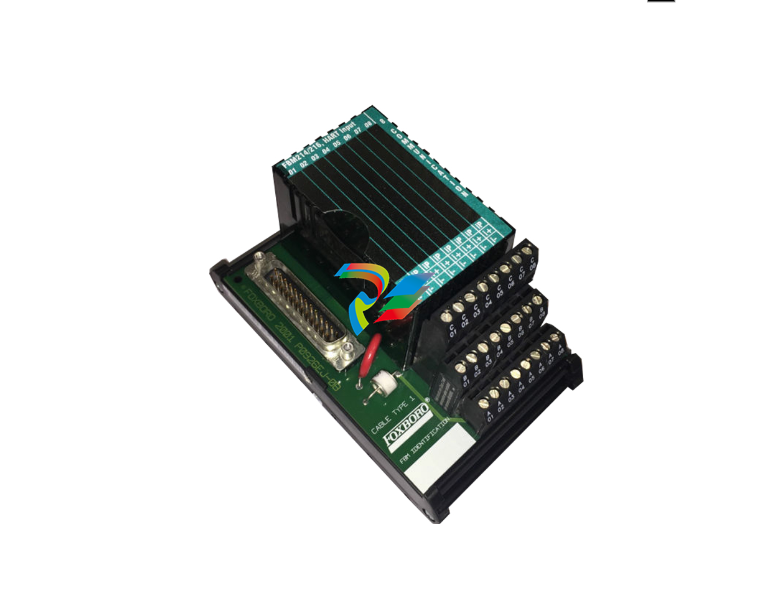 FOXBORO P0916BX Termination Assembly
 -
.jpg) FOXBORO P0916AE P0916AG P0916AW Thermal resistance input type DCS card module
FOXBORO P0916AE P0916AG P0916AW Thermal resistance input type DCS card module -
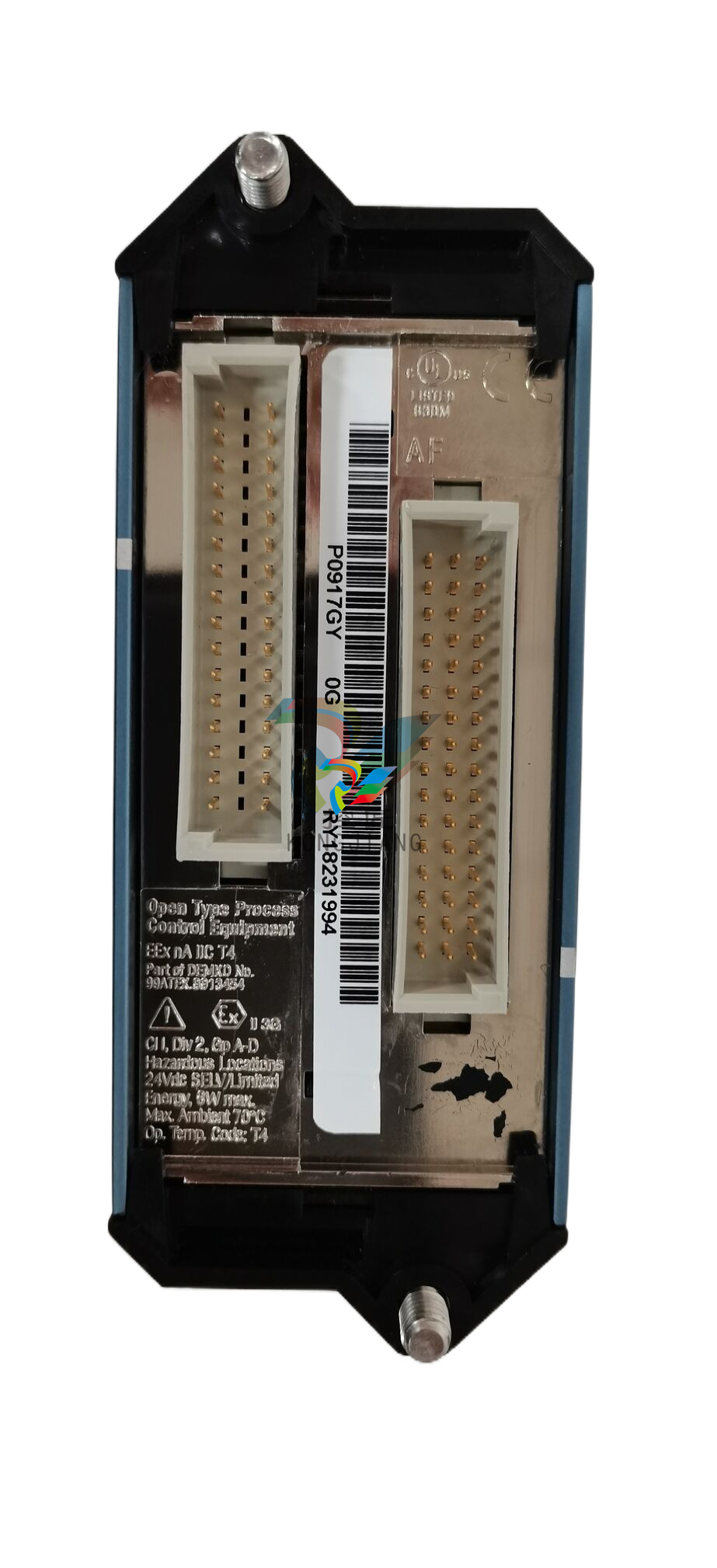 FOXBORO P0916AC FOXBORO distributed control system (DCS) compression terminal assembly
 -
.jpg) FOXBORO P0912CB High-performance interface module
FOXBORO P0912CB High-performance interface module