Motorola HPR431 / SYS431 / SYS443 / MFT543 Component Assembly
Motorola HPR431 / SYS431 / SYS443 / MFT543 Component Assembly
The Motorola HPR431 and its associated sub-boards (SYS431/SYS443 and MFT543) are specialized daughter-card components typically found within the Motorola ACE3600 or MOSCAD Remote Terminal Unit (RTU) architecture.
These modules function together as a "PCE I" (Processor Communication Extension) assembly.
They provide the physical and logical layers required for high-speed data processing and multi-channel communication in critical infrastructure SCADA networks.
Technical Parameter Table
| Parameter | Specification |
| Main Component | HPR431 (Processor/Carrier Card) |
| Sub-Boards | SYS431/SYS443 (System Logic), MFT543 (Multi-Function Transceiver/Interface) |
| Compatible Systems | Motorola ACE3600, MOSCAD-L, MOSCAD-M |
| Communication Protocol | MDLC, IP, Modbus RTU, DNP3 |
| I/O Interface | Multi-channel serial (RS-232/485) and Ethernet-ready |
| Processor Arch | Integrated 32-bit RISC |
| Operating Voltage | 12V DC (sourced from RTU backplane) |
| Memory Capacity | Supports Flash-based firmware storage and volatile RAM for buffering |
| Isolation | Channel-to-channel and channel-to-logic galvanic isolation |
| Operating Temp | -40°C to +70°C (Industrial Grade) |
Product Advantages and Features
Modular Flexibility: The combination of the HPR431 carrier and specialized sub-boards (SYS/MFT) allows for a customized communication stack tailored to specific site requirements.
Enhanced Multi-Tasking: By offloading communication tasks to the MFT543 and SYS443 sub-boards, the main RTU processor is freed to handle local logic and control tasks more efficiently.
Tough Industrial Design: Engineered to withstand the electrical noise and temperature extremes common in remote substations and outdoor enclosures.
Legacy Compatibility: Designed to bridge older MOSCAD communication standards with modern ACE3600 digital processing power.
Deterministic Timing: Ensures precise time-stamping of events (Sequence of Events/SOE) across the network, critical for electrical fault analysis.
Application Cases
Electrical Utility Automation: Monitoring and controlling reclosers, capacitor banks, and transformer sensors in distribution networks.
Water Treatment SCADA: Managing the complex telemetry involved in remote tank level monitoring and chemical dosing control.
Smart City Infrastructure: Acting as the reliable data link for traffic control systems and public warning sirens.
Natural Gas Telemetry: Providing low-power, high-reliability data transmission for pressure monitoring stations along cross-country pipelines.
Installation and Maintenance
Installation
Assembly: Sub-boards like the SYS431 and MFT543 must be carefully seated onto the HPR431 headers. Ensure all pins are straight and the plastic standoffs are locked.
Chassis Integration: The completed PCE I assembly should be slid into the RTU rack. Use the ejector tabs to ensure a flush connection with the backplane.
Grounding: Verify that the RTU frame is properly grounded to a common earth bar to prevent signal interference or damage from surges.
Maintenance
LED Diagnostics: Monitor the "Power" and "Link" LEDs. Intermittent flashing on the MFT543 usually indicates active MDLC data traffic.
Firmware Sync: When replacing a sub-board, ensure the firmware revision matches the current RTU software version to avoid "Module Mismatch" errors in the system log.
Cleaning: During annual inspections, use a non-conductive air duster to clear the sub-board gap of any accumulated debris.
Other Models in the Same Series
The Motorola ACE3600/MOSCAD ecosystem includes several related PCE and I/O modules:
01-W3839F-07A: A common PCE I revision including the HPR/SYS/MFT sub-assembly.
MVME2432 / 01-W3394F-03C: High-performance VME-based processor modules.
AP-4 01-W3394F-03G: Advanced access point and communication interface.
FLN4234A: The standard ACE3600 Central Processing Unit.
Unique Product Description
The Motorola HPR431 SYS431/SYS443 MFT543 assembly is the "multilingual" heart of a modern RTU.
While many industrial modules focus on a single task, this stacked architecture allows the system to speak multiple "languages" (protocols) simultaneously while maintaining a rugged, small footprint.
It is the invisible force that ensures a utility worker miles away knows the exact status of a remote valve or breaker, providing the high-speed data backbone necessary for a resilient and responsive grid.
| User name | Member Level | Quantity | Specification | Purchase Date |
|---|



-
 SHINKAWA VM-25 Condition Monitoring System UPDATED
 -
 SHINKAWA VM-5 SERIES OPTIONS
 -
 ABB SACO 64D4 Annunciator unit
 -
 ABB SPAU 140 C Synchro-check relay
 -
 EATON Instructions for the FP-5000
 -
 HONEYWELL TDC 3000X Advanced Process Manager
 -
 HONEYWELL ENHANCED MICRO TDC 3000
 -
 VIBRO-METER VM600Mk2/ VM600 RPS6U rack power supplies
 -
 VIBRO-METER VM600Mk2/ VM600 ABE056 slimline rack
 -
 VIBRO-METER VM600Mk2 RLC16Mk2 relay modules
 -
 VIBRO-METER VM600Mk2 MPC4Mk2 + IOC4Mk2 machinery protection and condition monitoring modules
 -
 VIBRO-METER VM600Mk2 CPUMMk2 + IOCNMk2 rack controller and communications interface module
 -
 VIBRO-METER VM600Mk2 CPUMMk2 + IOCNMk2 rack controller and communications interface module
 -
 ADLINK PCI/PCIe-7300A, cPCI-7300 32-CH 80 MB/s High-Speed Digital I/O Cards
 -
 ADLINK cPCI-7248/7249R 48-CH DIO & Timer/Counter Cards
 -
 ADLINK PCI-7230/7233/7234. LPCI/LPCIe/cPCI-7230 32-CH Isolated DIO Cards
 -
 ADLINK cPCI-6965 Series Value 6U CompactPCI® Intel® Core™2 Duo
 -
 ADLINK cPCI-6910 Series 6U CompactPCI® Dual-Core Intel® Xeon® Processor LV / ULV Universal Blade
 -
 ADLINK CPCI-6670 6U CompactPCI Low Power Pentium® III SBC
 -
 ADLINK cPCI-6625/6 Series 6U CompactPCI® PlusIO blade with Intel® Core™ i7/i3 Processor
 -
 ADLINK 3U CompactPCI CPU Modules
 -
 ADLINK CM-435 Extreme Rugged™ PC/104 Single Board Computer
 -
 ADLINK PCI-8254/8258 DSP-based 4/8-axis Advanced Motion Controllers
 -
 ADLINK NuPRO-E43 PICMG® 1.3 Full-Size LGA1151 with 6th/7th Generation Intel® Core™ i7/i5/i3
 -
 ADLINK DLAP-211-JNX/DLAP-211-JT2/ DLAP-211-Nano
 -
 Hirschmann RS30-1602O6O6SDAE compact OpenRail managed Ethernet switches
 -
Hirschmann RS30-0802O6O6SDAE Ethernet switch
-
 Hirschmann RS20-1600T1T1SDAE Management-type Ethernet switch
 -
 Hirschmann OCTOPUS 24M Limited Availability/Passive
 -
 Hirschmann MSP30-24040SCZ9MRHHE3A
 -
 Hirschmann MAR1040-4C4C4C4C9999SMMHRHHXX.X. Gigabit Ethernet Switch configurator
 -
 Hirschmann Industrial Ethernet Rail Switch SPIDER II, SPIDER II Giga, SPIDER II PoE
 -
 Hirschmann Industrial Ethernet Firewall EAGLE One
 -
 Hirschmann Industrial Security Router EAGLE20/30
 -
 Hirschmann Description and operating instructions RS2-xTX/xFX EEC
 -
 Basler Electric DECS-200 Digital Excitation Control System
 -
 Basler Electric GENERATOR PROTECTION SYSTEM BE1-GPS100
 -
 Jaquet FT3000 Speed measurement system
 -
 Hirschmann Industrial Ethernet Ruggedized Switch MACH1000 Family
 -
 Basler Electric BESTCOMSPlus®
 -
 ETEL AccurET MODULAR 300 EA-P2M-300-xxxxxA controller
 -
 Basler Electric ES Series Protection Relays
 -
 ABB Multifunction Protection and Switchbay Control Unit REF542plus
 -
 EMERSON AMS 2140 Machinery Health Analyzer
 -
 Hirschmann Industrial Ethernet Rail Switch RS20 Basic Family
 -
 GE Grid Solutions P40U Px40 USB Adaptor
 -
 ABB ontinuous Gas Analyzers AO2000 Series AO2040CU Ex Central Unit in Category 2G
 -
 ABB Advance Optima AO2000 Series Continuous gas analyzers Models AO2020. AO2040
 -
 Advance Optima Module Uras 14
 -
 SAACKE control optimization
 -
 SAACKE se@vis efficiency monitor
 -
 SAACKE se@vis pro
 -
 SAACKE se@vis eco
 -
 SAACKE se@vis compact
 -
 HIRSCHMANN Industrial ETHERNET Switch MICE MS20/MS30
 -
 HIRSCHMANN MICE Media modules
 -
 Kongsberg GL-10 Level Switch
 -
 B&R ACOPOSinverter P74 frequency converter
 -
 Beckhoff CX2020 | Basic CPU module (service phase)
 -
 Beckhoff CX1010 | Basic CPU module (service phase)
 -
 Beckhoff CX5120 | Embedded PC with Intel Atom® E3815
 -
 Beckhoff CP69xx-xxxx-0010 | Economy built-in Control Panel with DVI/USB Extended interface
 -
 Beckhoff CP29xx-0000 | Multi-touch built-in Control Panel with DVI/USB Extended interface
 -
 SAACKE Monoblock Rotary Cup Burner SKVJ-M
 -
 ABB Plantguard Fault Tolerant Technology Architecture and Software
 -
 OMRON H8PR-8/H8PR-8P H8PR-16/H8PR-16P H8PR-24/H8PR-24P Rotary Positioner
 -
 ABB PFSA107-Z42 DTU Stressometer Digital Transmission Unit
 -
 Nidec Mentor MP
 -
 IBA ibaNet-E
 -
 IBA FO Connection to Reflective Memory
 -
 IBA FO Connection to Siemens Systems
 -
 IBA Interface Cards For Fiber Optic Connections
 -
 IBA Field and Drive Buses
 -
 IBA ibaPADU-S Modular System
 -
 IBA ibaMAQS
 -
 STUCKE SYMAP®ARC
 -
 STUCKE SYMAP®R
 -
 STUCKE SYMAP®Compact
 -
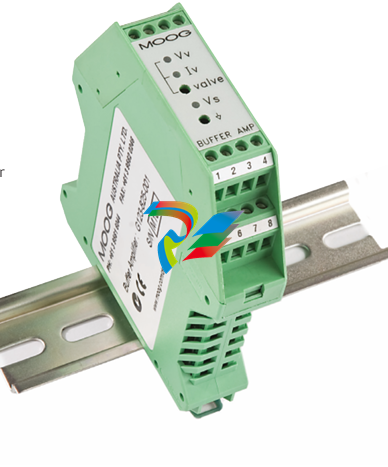 MOOG G123-825-001 BUFFER AMPLIFIER
 -
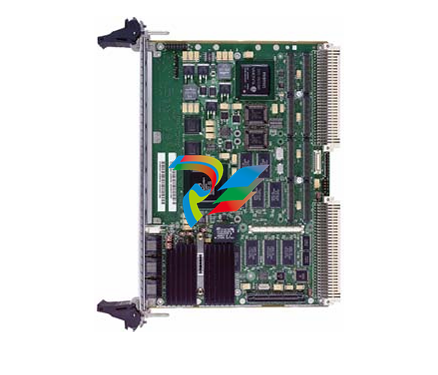 Motorola MVME5100 Series VME Processor Modules
 -
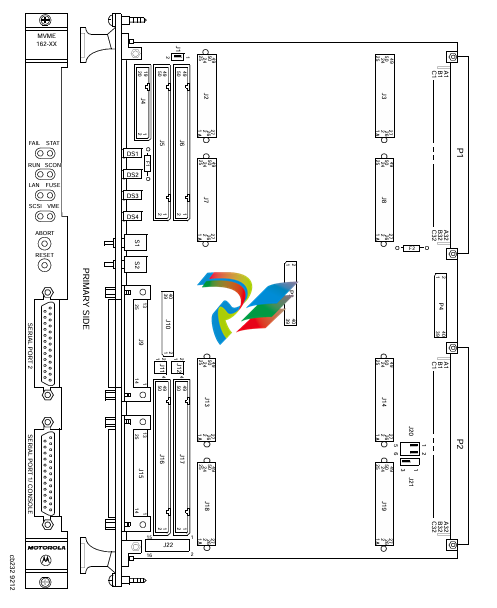 Motorola MVME162 Embedded Controller
 -
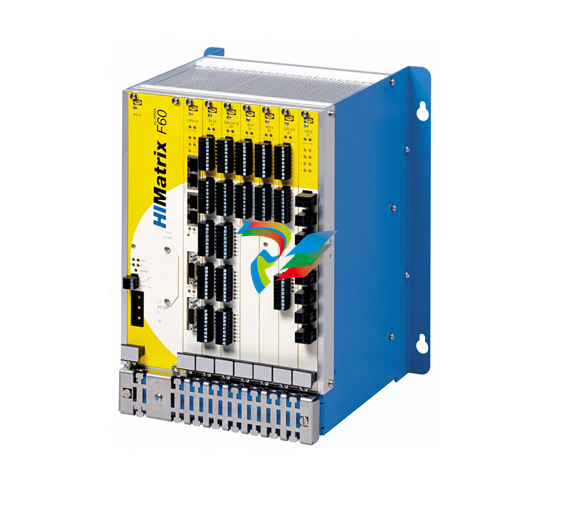 HIMatrix Safety-Related Controller System Manual for the Modular Systems
 -
 Motorola MVME2400 Series VME Processor Module
 -
 Sieger System 57
 -
 KONGSBERG MRU product line continuation
 -
 Woodward easYgen-3100/3200 Genset Control for Multiple Unit Operation
 -
 Woodward MFR 300 Multifunction Relay / Measuring
 -
 ABB AX410, AX411, AX413, AX416, AX418, AX450, AX455 and AX456 Single and dual input analyzers for low level conductivity
 -
 ABB AX410, AX411, AX416, AX450 and AX455 Single and dual input analyzers
 -
 Woodward easYgen-1400 Technical Manual Genset Control
 -
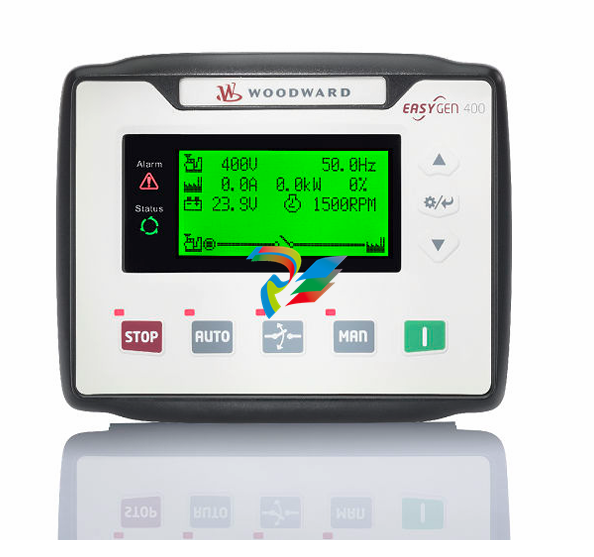 Woodward easYgen-400 Operation Manual Genset Control
 -
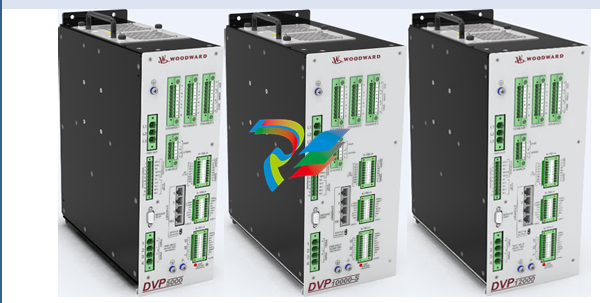 Woodward High Output Digital Valve Positioner (DVP)DVP5000/DVP10000/DVP12000
 -
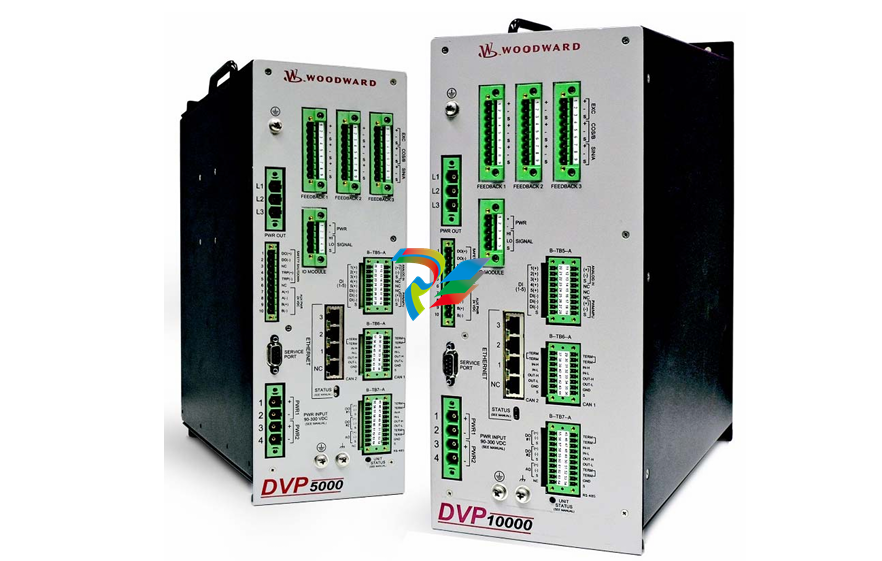 Woodward High Output Digital Valve Positioner DVP5000 and DVP10000
 -
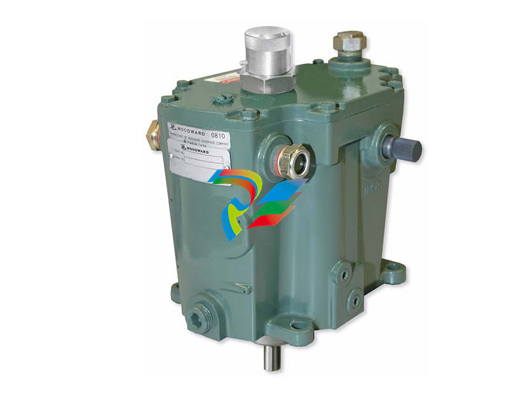 Woodward TG611-13/-17 Overspeed Test Device Conversion Kit
 -
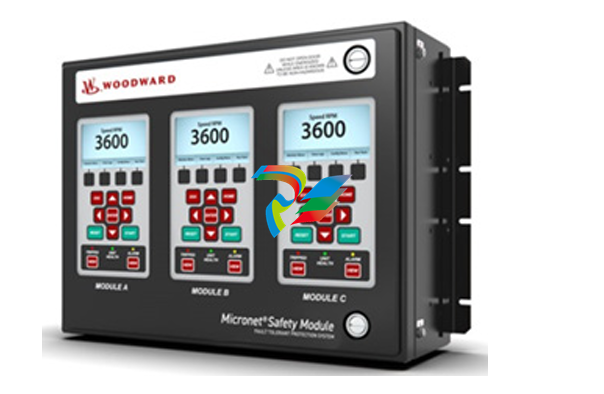 Woodward MicroNet Safety Module (MSM)
 -
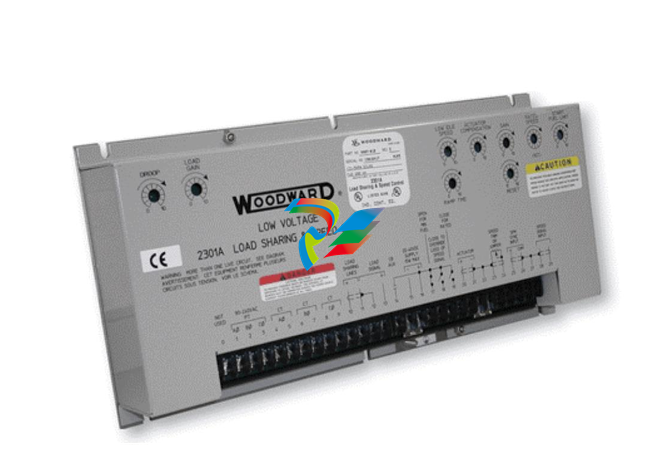 Woodward 2301A Electronic Load Sharing and Speed Control 9905/9907 Series
 -
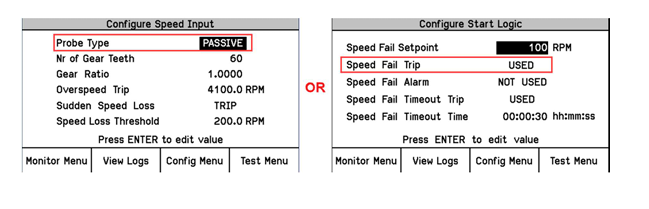 Woodward-Service Bulletin 01671
 -
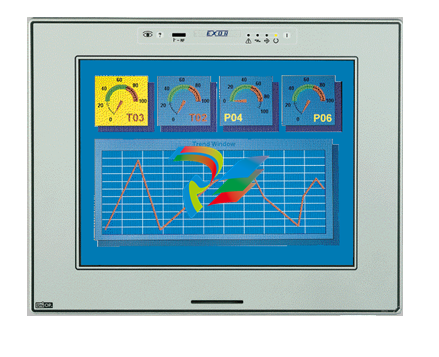
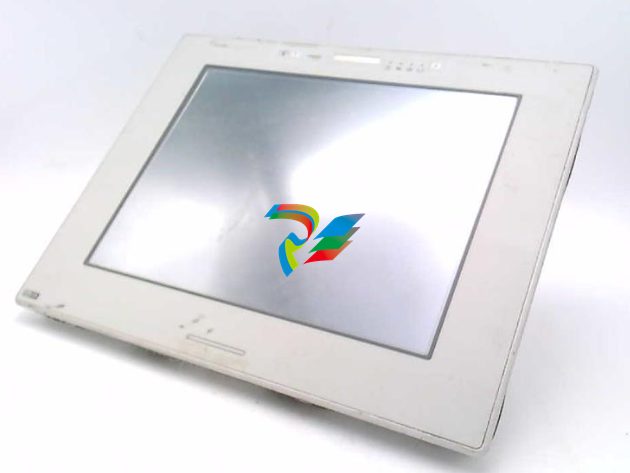 UniOP eTOP40B 12.1” TFT color display
 -
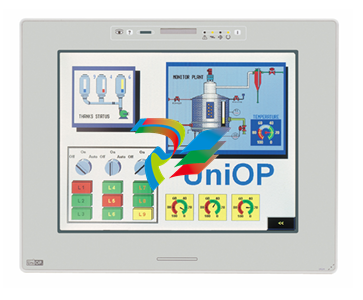
 UniOP eTOP40 TFT Color display
 -
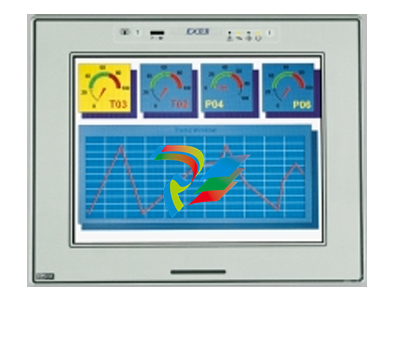
 UniOP eTOP33B 10.4” TFT color display
 -
 UniOP eTOP33C eTOP33-0050 Resistive touchscreen
 -
UniOP eTOP30. eTOP32 eTOP32-0050 Human-machine interface equipment
-
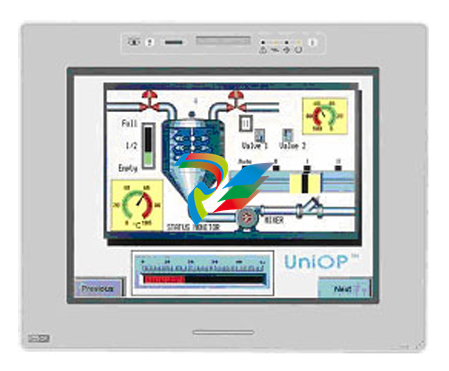 UniOP eTOP20B and eTOP21B eTOP20B-0050
 -
 UniOP eTOP12 eTOP12-0050 Advanced human-machine interface equipment
 -
 UniOP eTOP11 eTOP11-0050 HMI
 -
 UniOP eTOP06C HMI
 -
 UniOP eTOP06 HMI
 -
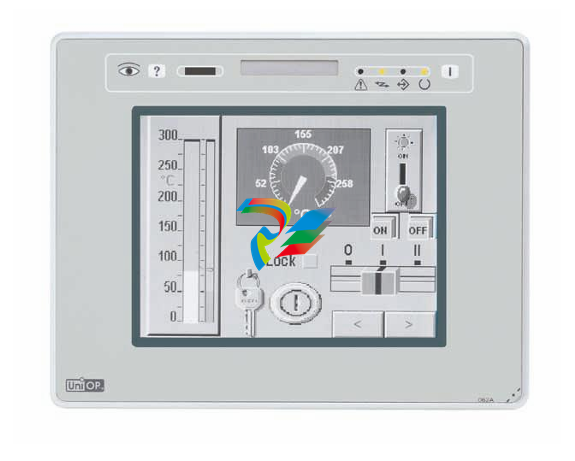 UniOP eTOP05EB eTOP05EB-DF45 HMI
 -
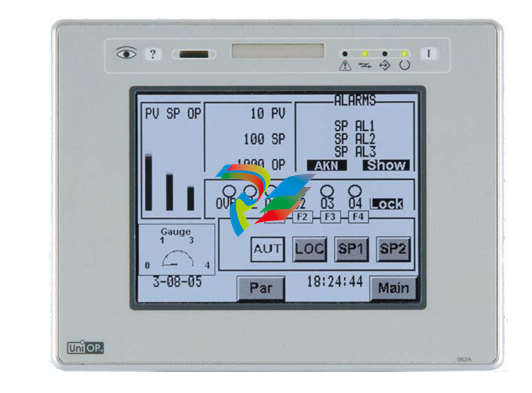 UniOP eTOP05. eTOP05P Human-machine interface equipment
 -
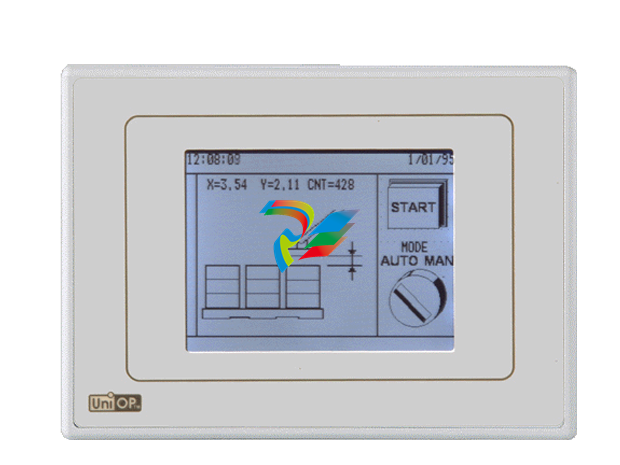 UniOP eTOP03 eTOP03-0046
 -
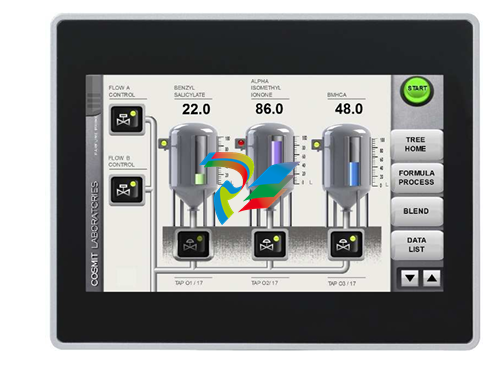 UniOP eTOP507 507U2P1 eTOP Series 500 Human-Machine Interface
 -
 UniOP eTOP307
 -
 UniOP ETT-VGA Human-machine interface touch unit
 -
 UniOP ePAD32B, ePAD33B and ePAD33BT ePAD33B-0350
 -
 UniOP ePAD05 and ePAD06
 -
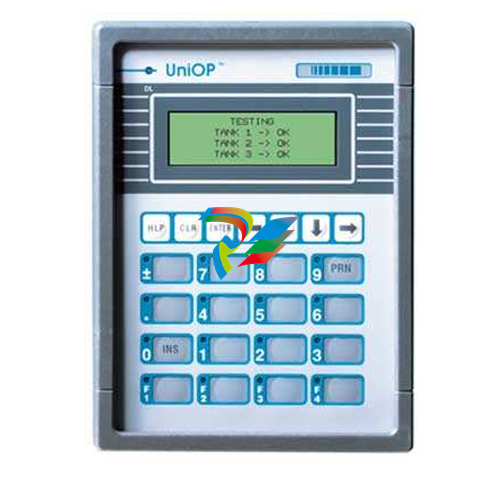 UniOP CP02R-04 Human-machine interface
 -
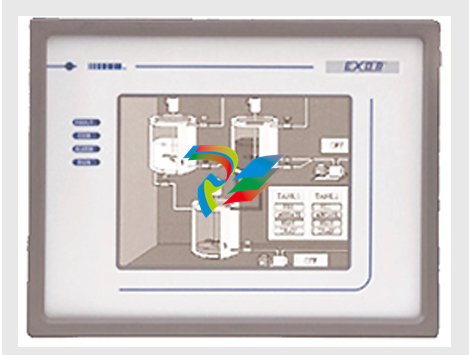 UniOP ERT-16 - Industrial PLC Workstation
 -
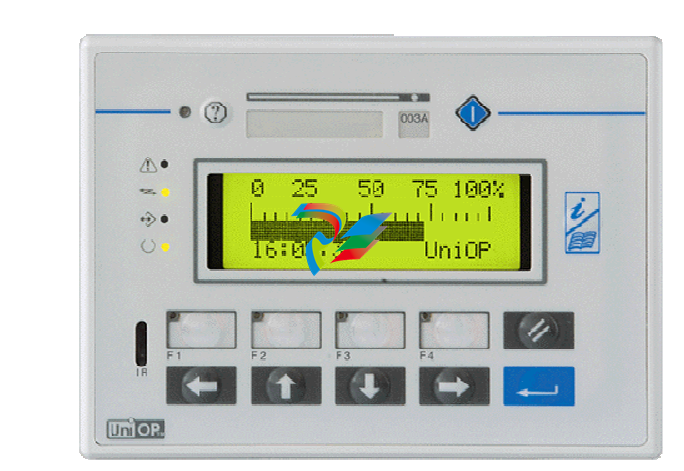 UniOP ePAD03 and ePAD04
 -
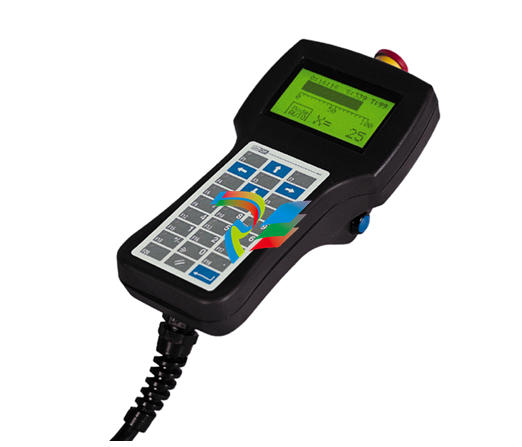 UNIOP EPALM10-DA71 state-of-the-art handheld HMI
 -
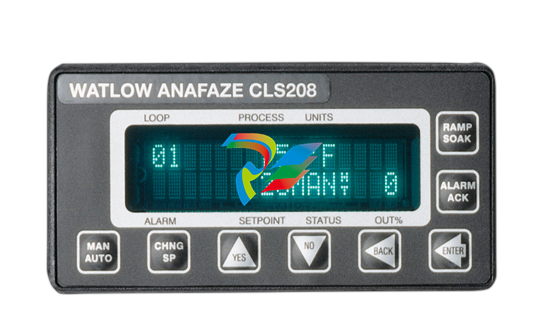 Watlow SERIES CLS200 SPECIFICATION SHEET
 -
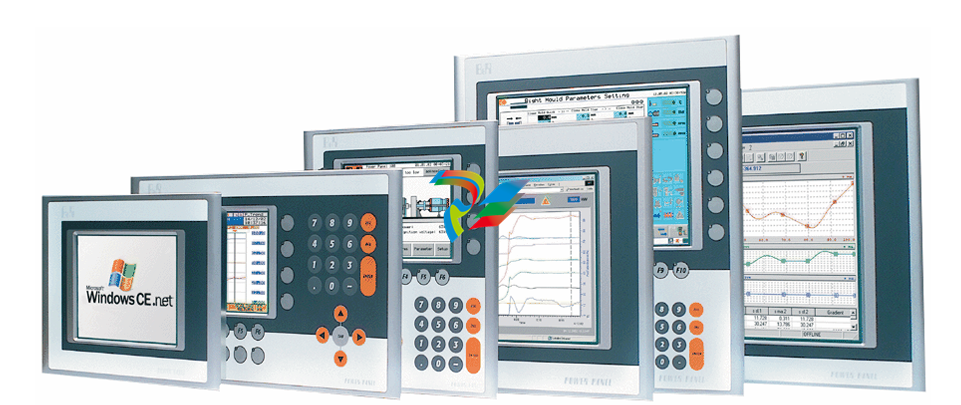 Detailed Explanation of B&R Power Panel 300/400: The Core of Industrial Automation Control
 -
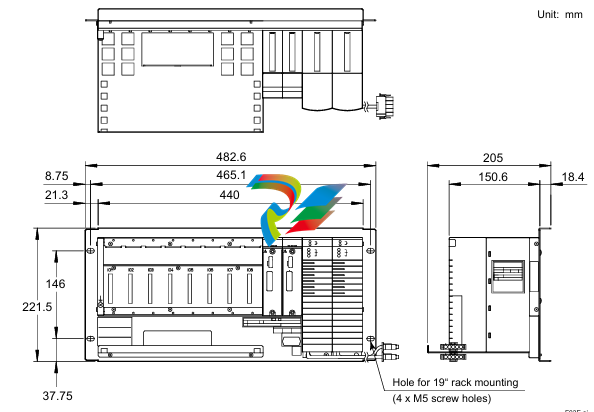 YOKOGAWA Models ANB10S, ANB10D, ANR10S, ANR10D Node Units (for FIO)
 -
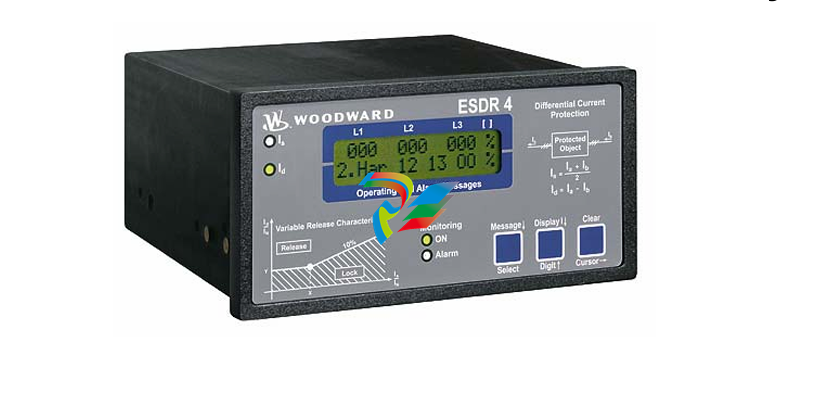 Woodward ESDR 4 Current Differential Protection Relay
 -
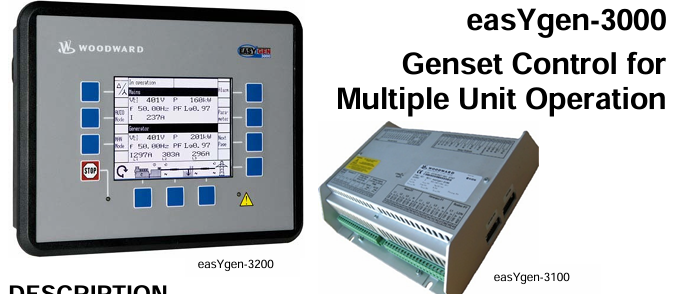 Woodward easYgen-3000 Genset Control for
 -
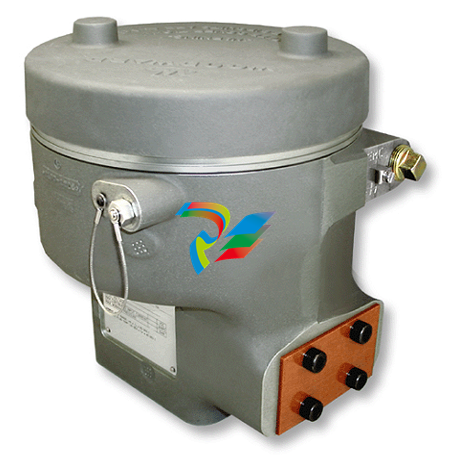 Woodward CPC-II Current-to-Pressure Converter
 -
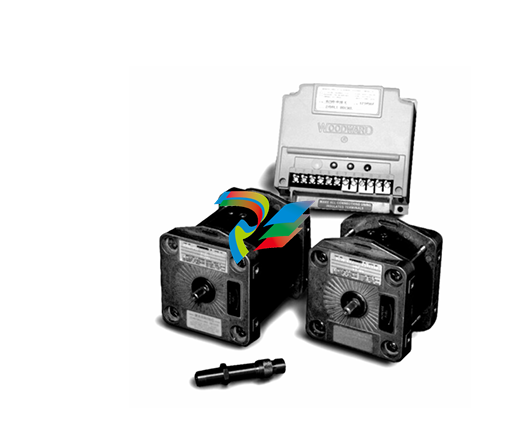 Woodward 8290-189-EPG-installation-manual 8290-044
 -
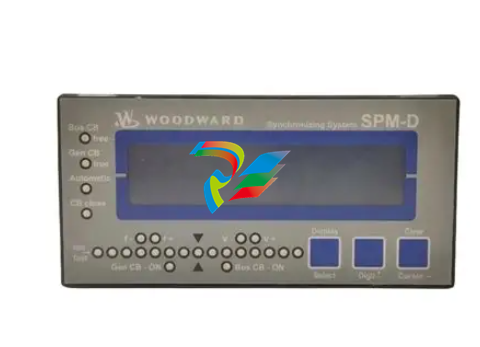 Woodward Product Change Notification 06946A
 -
 Woodward Product Change Notification 06912