ADLINK USB-1605 Removable screw terminal blocks or high-density D-Sub
ADLINK USB-1605 is a high-performance, USB 2.0 bus-powered data acquisition (DAQ) module designed for high-speed dynamic signal measurement, portable testing, and laboratory automation.
Product Overview
The ADLINK USB-1605 provides high-density analog input channels along with digital I/O in a compact, portable form factor. Featuring high-resolution analog-to-digital conversion, flexible sampling modes, and seamless plug-and-play USB connectivity, it turns any standard PC or laptop into a powerful measurement system without requiring internal expansion slots or external power adapters.
Technical Parameter List
| Parameter | Specification |
| Model | USB-1605 |
| Manufacturer | ADLINK Technology |
| Interface | USB 2.0 High-Speed ($480text{ Mbps}$), USB bus-powered |
| Analog Input Channels | 16-channel single-ended or 8-channel differential |
| ADC Resolution | 16-bit |
| Maximum Sampling Rate | Up to $500text{ kS/s}$ aggregate (or $250text{ kS/s}$ per channel depending on mode) |
| Input Range | Programmable: $pm 10text{ V}$, $pm 5text{ V}$, $pm 2.5text{ V}$, $0text{ to }10text{ V}$ |
| Onboard FIFO Buffer | Integrated memory buffer for stable continuous streaming |
| Digital I/O | 8 digital inputs / 8 digital outputs (TTL compatible) |
| Counters/Timers | 2-channel 32-bit general-purpose counter/timer |
| Connector Type | Removable screw terminal blocks or high-density D-Sub |
Product Features & Core Advantages
Plug-and-Play Portability: USB bus-powered design eliminates bulky AC adapters, enabling easy field testing and mobile DAQ applications.
16-Bit High-Resolution Sensing: Delivers superior signal integrity for precision measurements in noise-sensitive environments.
Flexible Software Support: Fully compatible with ADLINK Task-Oriented DAQ drivers (U-DAQ), MATLAB, LabVIEW, and standard Windows/Linux C/C++ API libraries.
Versatile Signal Range: Software-programmable gain settings allow seamless switching between small millivolt signals and standard $pm 10text{ V}$ sensor outputs.
Onboard Buffering: High-capacity FIFO buffer prevents data loss during high-speed streaming when host CPU usage spikes.
Model Classification
The ADLINK USB-1000 DAQ Series includes several models structured by sampling speed, resolution, and channel density:
ADLINK USB-1605: 16-bit, $500text{ kS/s}$ high-resolution USB DAQ module optimized for dynamic signal acquisition.
ADLINK USB-1210: 12-bit, high-speed multi-channel USB DAQ module built for general-purpose voltage logging.
ADLINK USB-2401/2405: 24-bit high-precision DAQ modules designed for thermocouple, RTD, and strain gauge sensing.
ADLINK USB-7230/7250: High-density isolated digital I/O USB modules specifically for industrial relay/sensor switching.
Environmental Tolerance Conditions
Operating Temperature: $0^circtext{C}$ to $+55^circtext{C}$ ($32^circtext{F}$ to $131^circtext{F}$)
Storage Temperature: $-20^circtext{C}$ to $+70^circtext{C}$ ($-4^circtext{F}$ to $158^circtext{F}$)
Relative Humidity: 5% to 95% (non-condensing)
Vibration Resistance: $5text{ to }500text{ Hz}$, $1text{ Grms}$ per IEC 60068-2-64
Shock Tolerance: $10text{ G}$ peak acceleration ($11text{ ms}$ duration)
Installation Method
1.Install ADLINK Driver & Software Package:Software Setup。
Download and run the ADLINK U-DAQ driver installer or PCIS-DAQ software library. Complete driver installation before plugging in the hardware.
2.Wire Sensors to Terminal Block:Wiring Setup。
Connect sensor leads to the removable screw terminal block. Use shielded twisted-pair cables for analog inputs to minimize EMI noise.
3.Connect USB Cable to Host Computer:Physical Setup。
Plug the USB cable into a USB 2.0/3.0 port on the PC. The host system will automatically detect the device and enumerate the USB-1605.
4.Run ADLINK Hardware Test Utility:Diagnostics。
Launch the U-DAQ Creator utility to test analog input channels, verify voltage readings, and confirm counter functionality.
Operating Instructions
Single-Ended vs. Differential Selection: Configure analog input modes in software—use Differential Mode for noisy environments or floating sources, and Single-Ended Mode to maximize available channel count (16 channels).
Sampling Rate Tuning: Set aggregate sampling rates according to Nyquist criteria (at least $2times$ the highest signal frequency; recommended $5timestext{ to }10times$ for precise waveform reconstruction).
Grounding Best Practices: Ensure sensor signal grounds are tied to AGND on the USB-1605 to prevent ground loops and erroneous voltage offsets.
| User name | Member Level | Quantity | Specification | Purchase Date |
|---|



-
 SAUTER AXT 201. 211: Thermal actuator for unit valves with stroke
 -
 SAUTER AXS 215S: Continuous actuator for unit valves, with stroke
 -
 SAUTER AXM 217S: Motorised actuator for unit valves with positioner
 -
 SAUTER AVM 321S, 322S: Valve actuator
 -
 SAUTER AVM234S: SUT valve actuator with positioner
 -
 SAUTER AVM 105. 115: Valve actuator
 -
SAUTER AVF 234S: SUT valve actuator with spring return
-
 SAUTER AVF124: Actuator with spring return
 -
 SAUTER AKM115SAF332: Smart Actuator for ball valve, BACnet/IP
 -
 SAUTER AKM115SA: Smart Actuator for ball valve
 -
 AKM 105S, 115S: Rotary actuator with SAUTER Universal
 -
SAUTER AKM 105. 115: Rotary actuator for ball valve
-
SAUTER AVM 234S: SUT valve actuator with positioner
-
 SELSEL-T401L Ultra-High-Speed Line Relay
 -
 SEL SEL-T400L Time-Domain Line Protection
 -
 SEL SEL-2664S Stator Ground Protection Relay
 -
 SEL SEL-787-2/-3/-4 Transformer Protection Relay
 -
 SEL SEL-787 Transformer Protection Relay
 -
 SEL SEL-751 Feeder Protection Relay
 -
 SEL SEL-700G Generator Protection Relay
 -
 SEL-487E Transformer Protection Relay
 -
 SEL-400G Advanced Generator Protection System
 -
 SEL SEL-387E Current Differential and Voltage Relay
 -
 SEL SEL-387A Current Differential and Overcurrent Relay
 -
 SEL SEL-387 Current Differential and Overcurrent Relay
 -
 SEL SEL-300G Generator Relay
 -
 SEL SEL-700BT Motor Bus Transfer Relay
 -
 CTI 2500 Series® Slice Ethernet Remote I/O System
 -
 CTI 2500 Series® Compact Programmable Automation Control System
 -
 CTI 2500 Series® Classic Programmable Automation Control System
 -
 CTI 2500 Series® Bases
 -
 SHINKAWA VM-25 Condition Monitoring System UPDATED
 -
 SHINKAWA VM-5 SERIES OPTIONS
 -
 ABB SACO 64D4 Annunciator unit
 -
 ABB SPAU 140 C Synchro-check relay
 -
 EATON Instructions for the FP-5000
 -
 HONEYWELL TDC 3000X Advanced Process Manager
 -
 HONEYWELL ENHANCED MICRO TDC 3000
 -
 VIBRO-METER VM600Mk2/ VM600 RPS6U rack power supplies
 -
 VIBRO-METER VM600Mk2/ VM600 ABE056 slimline rack
 -
 VIBRO-METER VM600Mk2 RLC16Mk2 relay modules
 -
 VIBRO-METER VM600Mk2 MPC4Mk2 + IOC4Mk2 machinery protection and condition monitoring modules
 -
 VIBRO-METER VM600Mk2 CPUMMk2 + IOCNMk2 rack controller and communications interface module
 -
 VIBRO-METER VM600Mk2 CPUMMk2 + IOCNMk2 rack controller and communications interface module
 -
 ADLINK PCI/PCIe-7300A, cPCI-7300 32-CH 80 MB/s High-Speed Digital I/O Cards
 -
 ADLINK cPCI-7248/7249R 48-CH DIO & Timer/Counter Cards
 -
 ADLINK PCI-7230/7233/7234. LPCI/LPCIe/cPCI-7230 32-CH Isolated DIO Cards
 -
 ADLINK cPCI-6965 Series Value 6U CompactPCI® Intel® Core™2 Duo
 -
 ADLINK cPCI-6910 Series 6U CompactPCI® Dual-Core Intel® Xeon® Processor LV / ULV Universal Blade
 -
 ADLINK CPCI-6670 6U CompactPCI Low Power Pentium® III SBC
 -
 ADLINK cPCI-6625/6 Series 6U CompactPCI® PlusIO blade with Intel® Core™ i7/i3 Processor
 -
 ADLINK 3U CompactPCI CPU Modules
 -
 ADLINK CM-435 Extreme Rugged™ PC/104 Single Board Computer
 -
 ADLINK PCI-8254/8258 DSP-based 4/8-axis Advanced Motion Controllers
 -
 ADLINK NuPRO-E43 PICMG® 1.3 Full-Size LGA1151 with 6th/7th Generation Intel® Core™ i7/i5/i3
 -
 ADLINK DLAP-211-JNX/DLAP-211-JT2/ DLAP-211-Nano
 -
 Hirschmann RS30-1602O6O6SDAE compact OpenRail managed Ethernet switches
 -
Hirschmann RS30-0802O6O6SDAE Ethernet switch
-
 Hirschmann RS20-1600T1T1SDAE Management-type Ethernet switch
 -
 Hirschmann OCTOPUS 24M Limited Availability/Passive
 -
 Hirschmann MSP30-24040SCZ9MRHHE3A
 -
 Hirschmann MAR1040-4C4C4C4C9999SMMHRHHXX.X. Gigabit Ethernet Switch configurator
 -
 Hirschmann Industrial Ethernet Rail Switch SPIDER II, SPIDER II Giga, SPIDER II PoE
 -
 Hirschmann Industrial Ethernet Firewall EAGLE One
 -
 Hirschmann Industrial Security Router EAGLE20/30
 -
 Hirschmann Description and operating instructions RS2-xTX/xFX EEC
 -
 Basler Electric DECS-200 Digital Excitation Control System
 -
 Basler Electric GENERATOR PROTECTION SYSTEM BE1-GPS100
 -
 Jaquet FT3000 Speed measurement system
 -
 Hirschmann Industrial Ethernet Ruggedized Switch MACH1000 Family
 -
 Basler Electric BESTCOMSPlus®
 -
 ETEL AccurET MODULAR 300 EA-P2M-300-xxxxxA controller
 -
 Basler Electric ES Series Protection Relays
 -
 ABB Multifunction Protection and Switchbay Control Unit REF542plus
 -
 EMERSON AMS 2140 Machinery Health Analyzer
 -
 Hirschmann Industrial Ethernet Rail Switch RS20 Basic Family
 -
 GE Grid Solutions P40U Px40 USB Adaptor
 -
 ABB ontinuous Gas Analyzers AO2000 Series AO2040CU Ex Central Unit in Category 2G
 -
 ABB Advance Optima AO2000 Series Continuous gas analyzers Models AO2020. AO2040
 -
 Advance Optima Module Uras 14
 -
 SAACKE control optimization
 -
 SAACKE se@vis efficiency monitor
 -
 SAACKE se@vis pro
 -
 SAACKE se@vis eco
 -
 SAACKE se@vis compact
 -
 HIRSCHMANN Industrial ETHERNET Switch MICE MS20/MS30
 -
 HIRSCHMANN MICE Media modules
 -
 Kongsberg GL-10 Level Switch
 -
 B&R ACOPOSinverter P74 frequency converter
 -
 Beckhoff CX2020 | Basic CPU module (service phase)
 -
 Beckhoff CX1010 | Basic CPU module (service phase)
 -
 Beckhoff CX5120 | Embedded PC with Intel Atom® E3815
 -
 Beckhoff CP69xx-xxxx-0010 | Economy built-in Control Panel with DVI/USB Extended interface
 -
 Beckhoff CP29xx-0000 | Multi-touch built-in Control Panel with DVI/USB Extended interface
 -
 SAACKE Monoblock Rotary Cup Burner SKVJ-M
 -
 ABB Plantguard Fault Tolerant Technology Architecture and Software
 -
 OMRON H8PR-8/H8PR-8P H8PR-16/H8PR-16P H8PR-24/H8PR-24P Rotary Positioner
 -
 ABB PFSA107-Z42 DTU Stressometer Digital Transmission Unit
 -
 Nidec Mentor MP
 -
 IBA ibaNet-E
 -
 IBA FO Connection to Reflective Memory
 -
 IBA FO Connection to Siemens Systems
 -
 IBA Interface Cards For Fiber Optic Connections
 -
 IBA Field and Drive Buses
 -
 IBA ibaPADU-S Modular System
 -
 IBA ibaMAQS
 -
 STUCKE SYMAP®ARC
 -
 STUCKE SYMAP®R
 -
 STUCKE SYMAP®Compact
 -
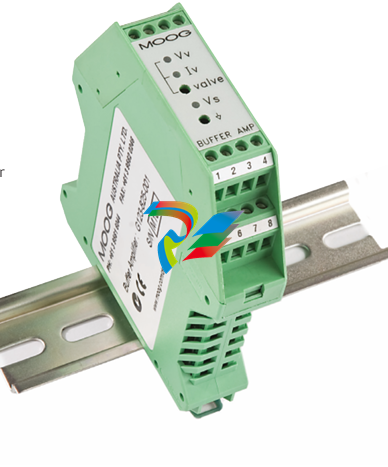 MOOG G123-825-001 BUFFER AMPLIFIER
 -
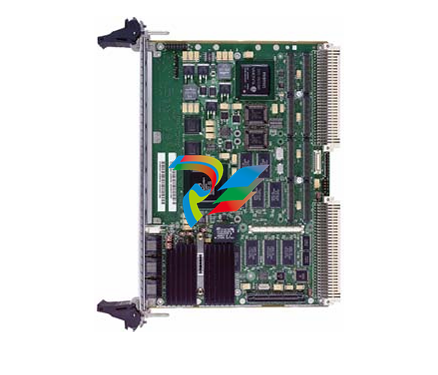 Motorola MVME5100 Series VME Processor Modules
 -
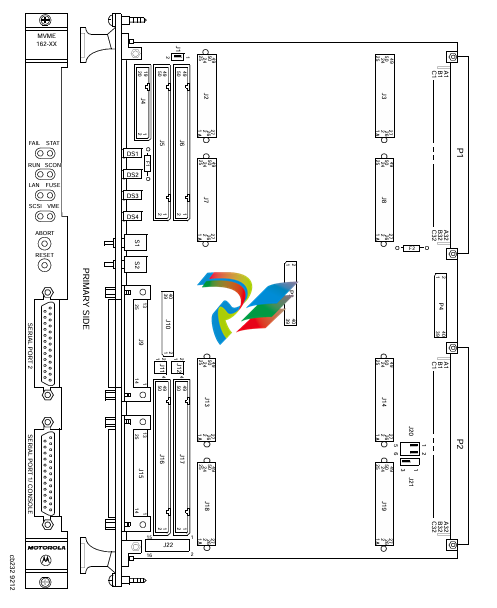 Motorola MVME162 Embedded Controller
 -
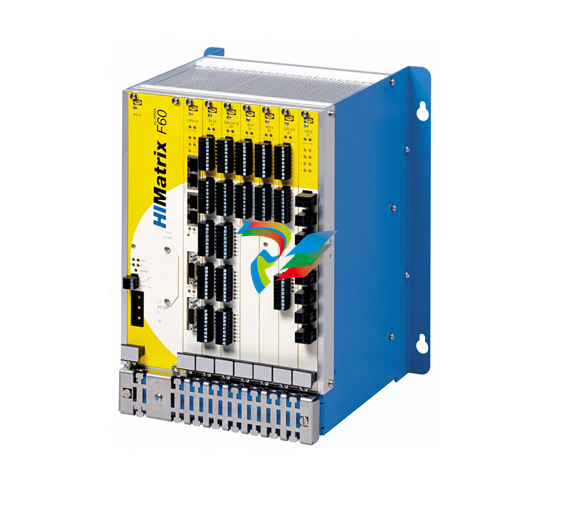 HIMatrix Safety-Related Controller System Manual for the Modular Systems
 -
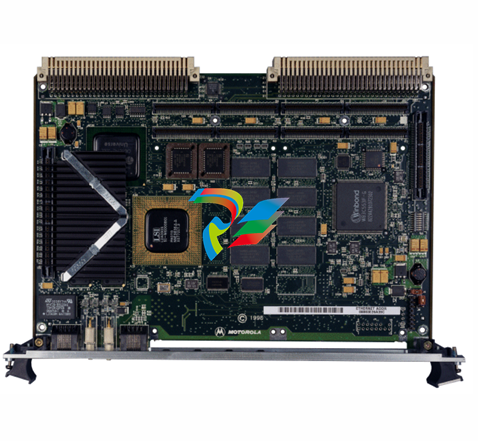 Motorola MVME2400 Series VME Processor Module
 -
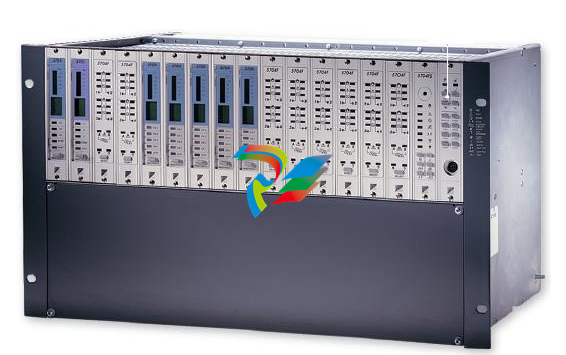 Sieger System 57
 -
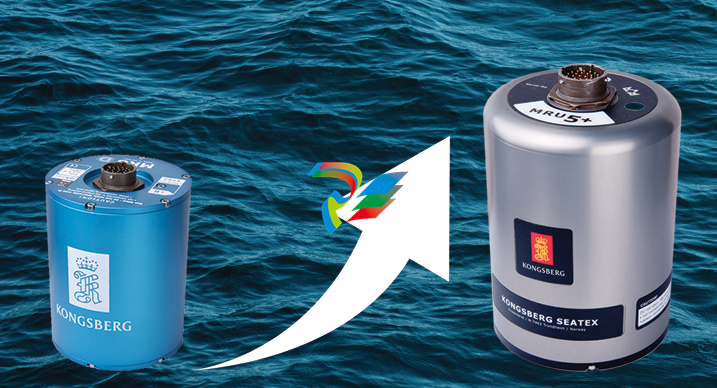 KONGSBERG MRU product line continuation
 -
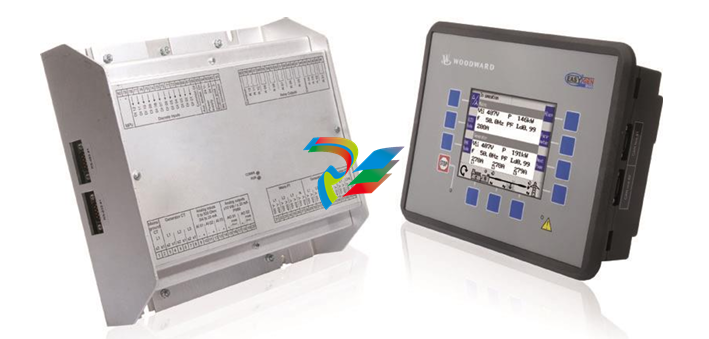 Woodward easYgen-3100/3200 Genset Control for Multiple Unit Operation
 -
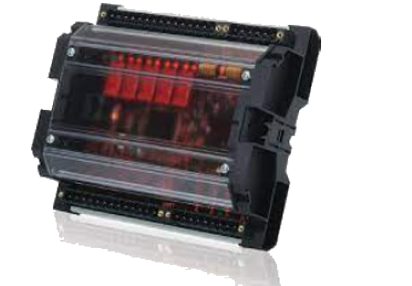 Woodward MFR 300 Multifunction Relay / Measuring
 -
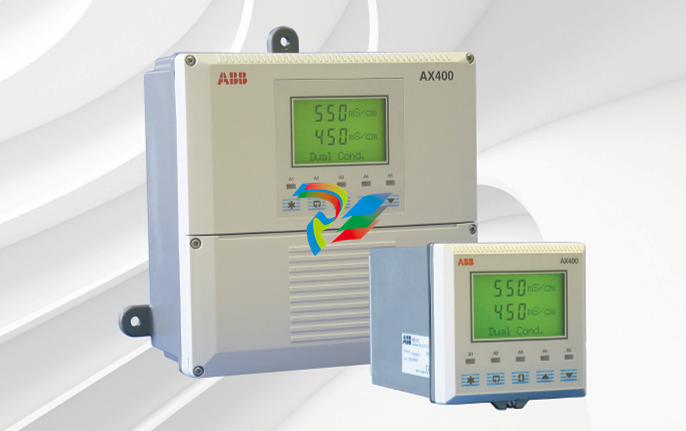 ABB AX410, AX411, AX413, AX416, AX418, AX450, AX455 and AX456 Single and dual input analyzers for low level conductivity
 -
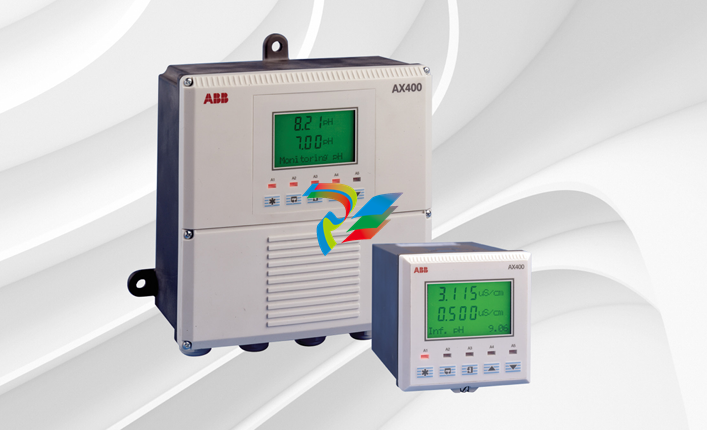 ABB AX410, AX411, AX416, AX450 and AX455 Single and dual input analyzers
 -
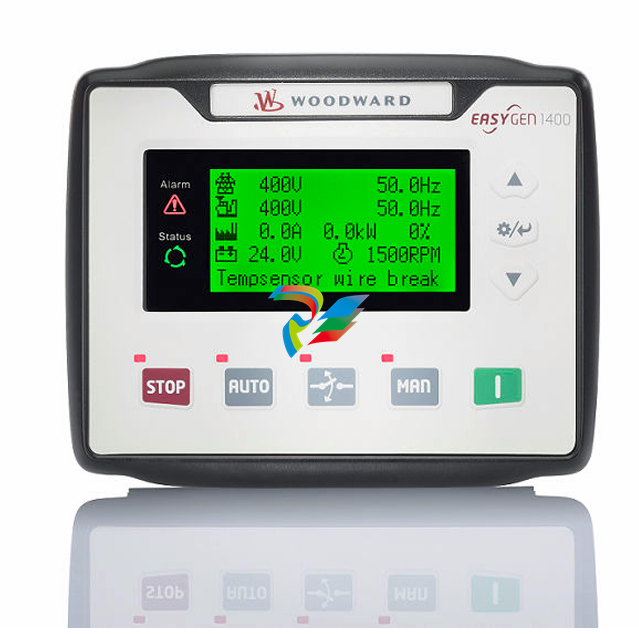 Woodward easYgen-1400 Technical Manual Genset Control
 -
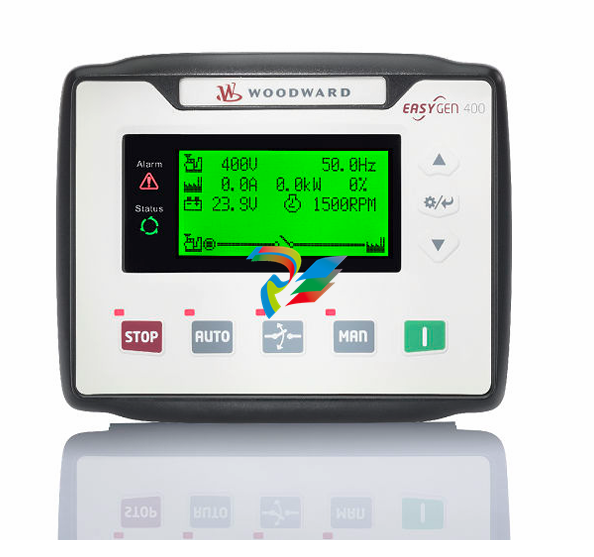 Woodward easYgen-400 Operation Manual Genset Control
 -
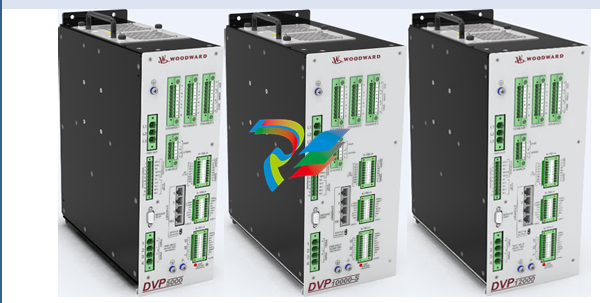 Woodward High Output Digital Valve Positioner (DVP)DVP5000/DVP10000/DVP12000
 -
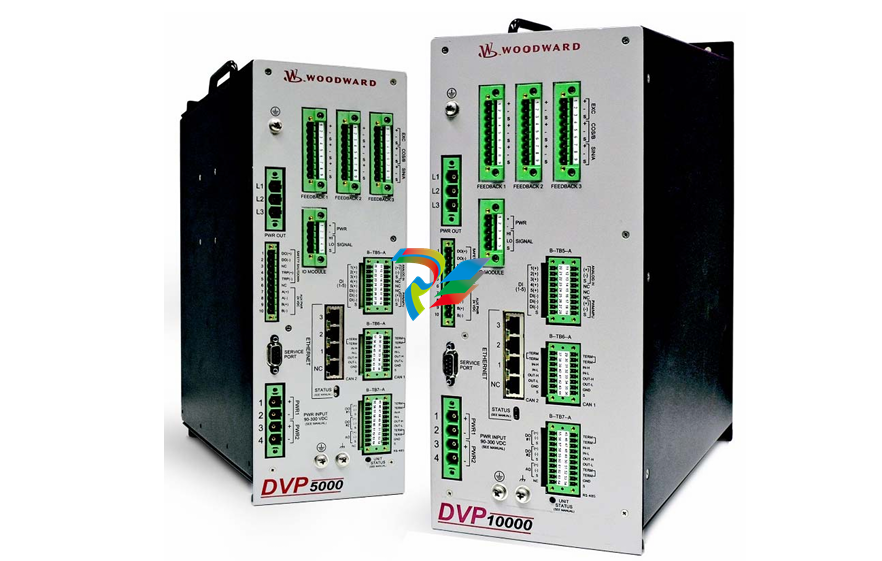 Woodward High Output Digital Valve Positioner DVP5000 and DVP10000
 -
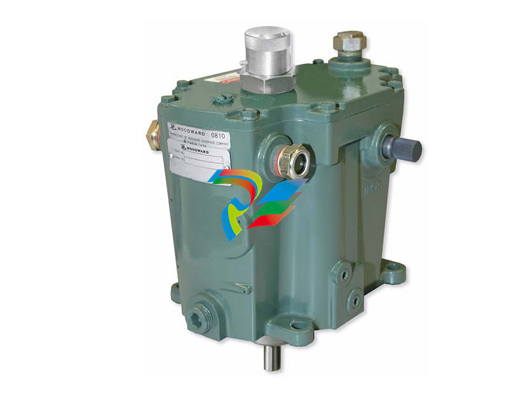 Woodward TG611-13/-17 Overspeed Test Device Conversion Kit
 -
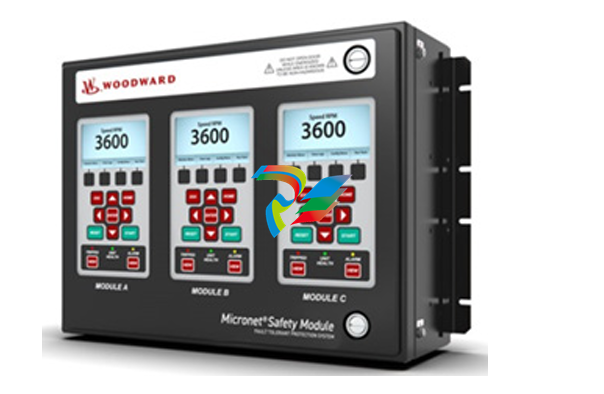 Woodward MicroNet Safety Module (MSM)
 -
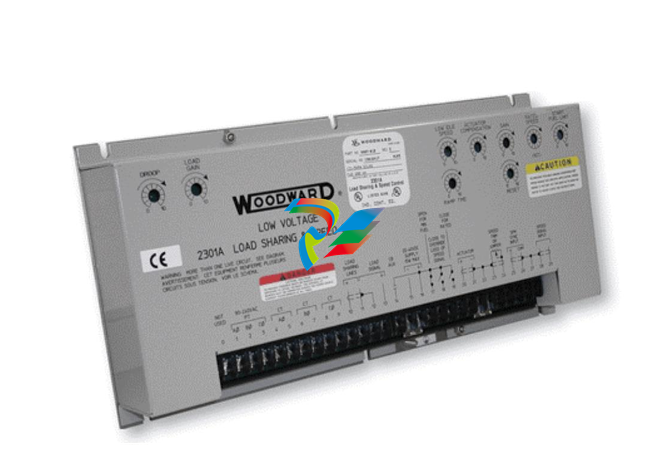 Woodward 2301A Electronic Load Sharing and Speed Control 9905/9907 Series
 -
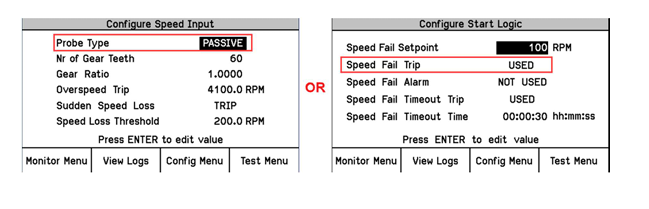 Woodward-Service Bulletin 01671