MicroNet Safety Module - Bulkhead Mount 8237-2492 Woodward
MicroNet Safety Module - Bulkhead Mount 8237-2492 Woodward
Overview
On January 30. 2018. Woodward will be releasing new “preferred” MSM models and a new Field
Software Conversion kit. The new MSM models include the same functionality as the older MSM
models but include many product improvements and enhancements requested by product line
users throughout the past years. After January 30. 2018. Woodward recommends customers who
are purchasing MSM units for use in new applications order part numbers from the “preferred”
part number list only.
This MSM software update provides enhanced math/computational functionality and adds over
100 logic blocks for use when programming this safety logic solver for a specific application.
The new Field Software Conversion kit can be purchased and used to upgrade/convert older
MSM models in the field to the new “preferred” MSM models by simply uploading/installing the
latest software program. Refer to below description of changes for a list of the improvements and
enhancements available. Refer to product manuals 35060v1 & 35060v2 for detailed product
information on these new “preferred” MSM models. Description of Changes
Description of Changes
New features
The following new computational blocks were added:
1. MULTIPLY block. Provides the product of all configured inputs. Up to five inputs per block.
Quantity 5.
2. DIVIDE block. Performs a divide function on the two inputs. Quantity 5.
3. ADD block. Provides the sum of all configured inputs. Up to five inputs per block. Quantity 5.
4. NEGATE block. Supports subtraction functionality by providing the negative value of the input.
Quantity 10.
Added the following new support blocks:
1. CURVE block (polygon): A 2-dimensional lookup based on a single, configured analog input. Up
to six breakpoints (coordinate pairs) can be defined. Values between breakpoints are
interpolated. Values beyond table-defined min or max are limited - equal to first or last point,
respectively; Quantity 2.
2. SWITCH block: Outputs one of two analog input values based on the status of the control input.
Example usage: selecting a default value for a calculation if an analog input is failed; Quantity
10.
3. CONSTANT block: Allows definition of a fixed analog value to be used in conjunction with the
math/analog blocks; Quantity 40.
4. ANALOG UNIT DELAY block: Loop breaking block for analog signals, to define execution order.
Asserts a unit delay; Quantity 10.
5. COUNTER block: Provides a count indication as well as a comparison output which indicates
when a count threshold is exceeded; Quantity 10.
6. PEAK HOLD block: Captures and holds both maximum and minimum signal values; Quantity 10.
7. PULSE DETECT block: Monitors an analog signal and is used to detect a sudden rise in value
followed by a drop. The output indicates a pulse was detected; Quantity 5.
8. EVENT FILTER block: Provides an indication that an excessive number of events have occurred
within the defined window of time. Typically used in conjunction with the PULSE DETECT;
Quantity 5.
Changes to existing logic blocks:
Speed Loss (sudden speed loss): made the failure threshold configurable and expanded the
action selection to include ‘not used’.
Analog Output: Changes the source for the analog output to be configurable, allowing it to be
connected to analog logic blocks.
Analog Redundancy Manager: Added a difference detection to the Analog Redundancy Manager
blocks, providing a difference comparison between the three inputs. The difference indication is
provided if the threshold is exceeded for the configured time delay.
Difference Detect: Modified the block inputs to allow connection to any of the internal analog
logic signals (previously allowed connection to shared input signals only).
Analog Inputs: Increased the allowed range of the analog inputs to +/- 999999.
LAG blocks: Added a derivative (rate of change) output value to the LAG block for use in the
configurable logic. The lag time constant data type was changed from a fixed-selection
enumerated list to a numerical value from 0.004 to 10.
Resettable Trip: Modified the function input to allow connection to any of the internal Boolean
logic signals (previously allowed connection to discrete input 1-10 only).
Auto Sequence Test: Added the test result displayed on the front-panel for the entire sequence,
not just the local module. Removed the Continue Input selection, allowing the Start Input to
provide both functions. Added inter-module halt option.
The analog comparator ON and OFF inputs were modified to allow connection to any of the
internal analog logic signals (previously these were constant values).
Change the User Defined Test set input to edge triggered so the test does not repeat if set is left
true.
Logic execution rate changes: The discrete inputs are scanned at 1 ms (previously 4ms) and the
configurable logic runs at 8ms (previously 4ms).
Note: all speed, acceleration, trip, and output functions are unchanged.
Other Improvements and Additions:
Chinese language support added as a configuration setting.
Increased allowable ranges for speed settings from 32000 to 80000 rpm to facilitate turbo
expander applications. The maximum speed frequency remains at 32kHz.
A configurable low-pass filter was added to the acceleration signal.
Front Panel Display changes:
o Speed display: The precision of the speed value on the front panel provides one decimal
precision when below 100 rpm. Configurable filtering added to the displayed speed value.
o Improved front panel performance, providing faster response to a key press.
o Analog Input display: Expanded the front panel display of the analog input to show the level
setpoints (e.g. Hi, Lo) as well as all the level status indications.
o Trip button (front panel): Toggles display between the Trip Log and the Trip Latch.
o Alarm button (front panel): Toggles display between the Alarm Log and the Alarm Latch.
o Added Shared Reset, Shared Start, and Shared Speed Fail Override display screens.
o Trip Latch inputs were rearranged to display more practical faults first (e.g. overspeed).
o Modbus: A) Included the outputs of all analog logic blocks as Modbus analog/register reads.
B) The address numbering (Boolean and register) changed to be consecutive, removing
huge gaps in numbering. C) Added Spare Boolean read registers to prevent errors
experienced by devices that queried in increments of 16. D) Added 20 scalable analog reads,
allowing the user to select the source and set the signal scaling (for very large or very small
analog signals).
Expanded the configurable logic Boolean connections to include both the local and shared
signals for start, reset, and speed fail override.
New logic connections added:
o Local and Shared Start
o Local and Shared Reset
o Local and Shared Speed Fail Override
o ARM block Difference Detected
o Outputs from the new analog blocks
MicroNet Safety Module - Bulkhead Mount, HV/LV, Independent Relays
8237-2492
MicroNet Safety Module - Bulkhead Mount, HV/HV, Independent Relays
8237-2493
MicroNet Safety Module - Bulkhead Mount, HV/LV, Voted Relays
8237-2494
MicroNet Safety Module - Bulkhead Mount, HV/HV, Voted Relays
8237-2495
MicroNet Safety Module - Panel Mount, HV/LV, Independent Relays
8237-2496
MicroNet Safety Module - Panel Mount, HV/HV, Independent Relays
8237-2497
MicroNet Safety Module - Panel Mount, HV/LV, Voted Relays
8237-2498
MicroNet Safety Module - Panel Mount, HV/HV, Voted Relays
*Documentation: Product Spec: 03375. Manuals: 35060V1. 35060V2. 26712
8237-2499
Conversion Kits
Old ProTech-GII models to new ProTech-GII models - Refer to PCN 06946 for details/limitations
8929-039
Old ProTechTPS models to new Input Voting ProTechTPS - Refer to PCN 06947 for details/limitations
8929-037
| User name | Member Level | Quantity | Specification | Purchase Date |
|---|



-
 CTI 2500 Series® Slice Ethernet Remote I/O System
 -
 CTI 2500 Series® Compact Programmable Automation Control System
 -
 CTI 2500 Series® Classic Programmable Automation Control System
 -
 CTI 2500 Series® Bases
 -
 SHINKAWA VM-25 Condition Monitoring System UPDATED
 -
 SHINKAWA VM-5 SERIES OPTIONS
 -
 ABB SACO 64D4 Annunciator unit
 -
 ABB SPAU 140 C Synchro-check relay
 -
 EATON Instructions for the FP-5000
 -
 HONEYWELL TDC 3000X Advanced Process Manager
 -
 HONEYWELL ENHANCED MICRO TDC 3000
 -
 VIBRO-METER VM600Mk2/ VM600 RPS6U rack power supplies
 -
 VIBRO-METER VM600Mk2/ VM600 ABE056 slimline rack
 -
 VIBRO-METER VM600Mk2 RLC16Mk2 relay modules
 -
 VIBRO-METER VM600Mk2 MPC4Mk2 + IOC4Mk2 machinery protection and condition monitoring modules
 -
 VIBRO-METER VM600Mk2 CPUMMk2 + IOCNMk2 rack controller and communications interface module
 -
 VIBRO-METER VM600Mk2 CPUMMk2 + IOCNMk2 rack controller and communications interface module
 -
 ADLINK PCI/PCIe-7300A, cPCI-7300 32-CH 80 MB/s High-Speed Digital I/O Cards
 -
 ADLINK cPCI-7248/7249R 48-CH DIO & Timer/Counter Cards
 -
 ADLINK PCI-7230/7233/7234. LPCI/LPCIe/cPCI-7230 32-CH Isolated DIO Cards
 -
 ADLINK cPCI-6965 Series Value 6U CompactPCI® Intel® Core™2 Duo
 -
 ADLINK cPCI-6910 Series 6U CompactPCI® Dual-Core Intel® Xeon® Processor LV / ULV Universal Blade
 -
 ADLINK CPCI-6670 6U CompactPCI Low Power Pentium® III SBC
 -
 ADLINK cPCI-6625/6 Series 6U CompactPCI® PlusIO blade with Intel® Core™ i7/i3 Processor
 -
 ADLINK 3U CompactPCI CPU Modules
 -
 ADLINK CM-435 Extreme Rugged™ PC/104 Single Board Computer
 -
 ADLINK PCI-8254/8258 DSP-based 4/8-axis Advanced Motion Controllers
 -
 ADLINK NuPRO-E43 PICMG® 1.3 Full-Size LGA1151 with 6th/7th Generation Intel® Core™ i7/i5/i3
 -
 ADLINK DLAP-211-JNX/DLAP-211-JT2/ DLAP-211-Nano
 -
 Hirschmann RS30-1602O6O6SDAE compact OpenRail managed Ethernet switches
 -
Hirschmann RS30-0802O6O6SDAE Ethernet switch
-
 Hirschmann RS20-1600T1T1SDAE Management-type Ethernet switch
 -
 Hirschmann OCTOPUS 24M Limited Availability/Passive
 -
 Hirschmann MSP30-24040SCZ9MRHHE3A
 -
 Hirschmann MAR1040-4C4C4C4C9999SMMHRHHXX.X. Gigabit Ethernet Switch configurator
 -
 Hirschmann Industrial Ethernet Rail Switch SPIDER II, SPIDER II Giga, SPIDER II PoE
 -
 Hirschmann Industrial Ethernet Firewall EAGLE One
 -
 Hirschmann Industrial Security Router EAGLE20/30
 -
 Hirschmann Description and operating instructions RS2-xTX/xFX EEC
 -
 Basler Electric DECS-200 Digital Excitation Control System
 -
 Basler Electric GENERATOR PROTECTION SYSTEM BE1-GPS100
 -
 Jaquet FT3000 Speed measurement system
 -
 Hirschmann Industrial Ethernet Ruggedized Switch MACH1000 Family
 -
 Basler Electric BESTCOMSPlus®
 -
 ETEL AccurET MODULAR 300 EA-P2M-300-xxxxxA controller
 -
 Basler Electric ES Series Protection Relays
 -
 ABB Multifunction Protection and Switchbay Control Unit REF542plus
 -
 EMERSON AMS 2140 Machinery Health Analyzer
 -
 Hirschmann Industrial Ethernet Rail Switch RS20 Basic Family
 -
 GE Grid Solutions P40U Px40 USB Adaptor
 -
 ABB ontinuous Gas Analyzers AO2000 Series AO2040CU Ex Central Unit in Category 2G
 -
 ABB Advance Optima AO2000 Series Continuous gas analyzers Models AO2020. AO2040
 -
 Advance Optima Module Uras 14
 -
 SAACKE control optimization
 -
 SAACKE se@vis efficiency monitor
 -
 SAACKE se@vis pro
 -
 SAACKE se@vis eco
 -
 SAACKE se@vis compact
 -
 HIRSCHMANN Industrial ETHERNET Switch MICE MS20/MS30
 -
 HIRSCHMANN MICE Media modules
 -
 Kongsberg GL-10 Level Switch
 -
 B&R ACOPOSinverter P74 frequency converter
 -
 Beckhoff CX2020 | Basic CPU module (service phase)
 -
 Beckhoff CX1010 | Basic CPU module (service phase)
 -
 Beckhoff CX5120 | Embedded PC with Intel Atom® E3815
 -
 Beckhoff CP69xx-xxxx-0010 | Economy built-in Control Panel with DVI/USB Extended interface
 -
 Beckhoff CP29xx-0000 | Multi-touch built-in Control Panel with DVI/USB Extended interface
 -
 SAACKE Monoblock Rotary Cup Burner SKVJ-M
 -
 ABB Plantguard Fault Tolerant Technology Architecture and Software
 -
 OMRON H8PR-8/H8PR-8P H8PR-16/H8PR-16P H8PR-24/H8PR-24P Rotary Positioner
 -
 ABB PFSA107-Z42 DTU Stressometer Digital Transmission Unit
 -
 Nidec Mentor MP
 -
 IBA ibaNet-E
 -
 IBA FO Connection to Reflective Memory
 -
 IBA FO Connection to Siemens Systems
 -
 IBA Interface Cards For Fiber Optic Connections
 -
 IBA Field and Drive Buses
 -
 IBA ibaPADU-S Modular System
 -
 IBA ibaMAQS
 -
 STUCKE SYMAP®ARC
 -
 STUCKE SYMAP®R
 -
 STUCKE SYMAP®Compact
 -
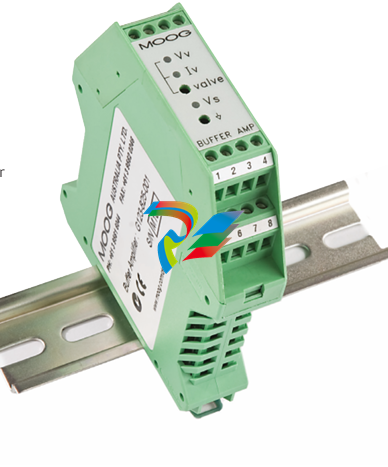 MOOG G123-825-001 BUFFER AMPLIFIER
 -
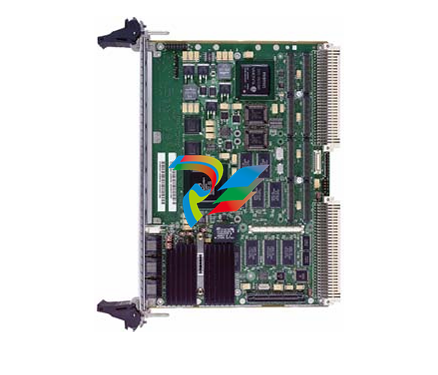 Motorola MVME5100 Series VME Processor Modules
 -
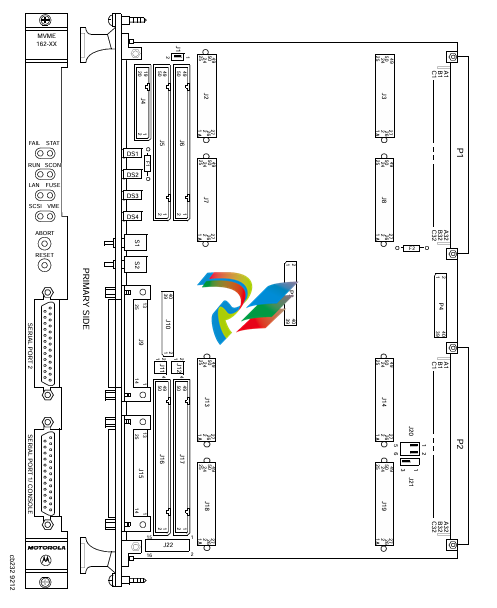 Motorola MVME162 Embedded Controller
 -
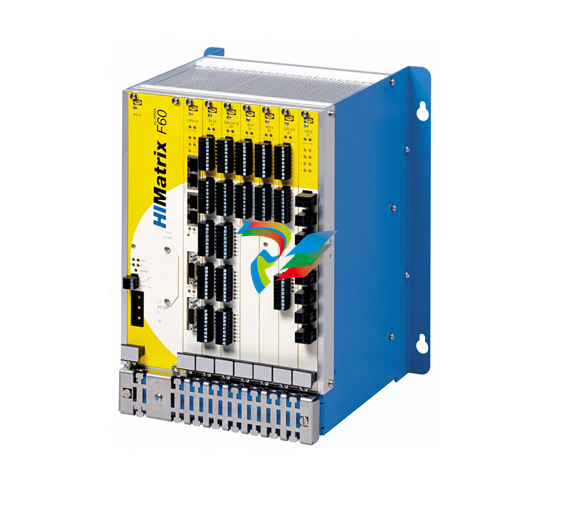 HIMatrix Safety-Related Controller System Manual for the Modular Systems
 -
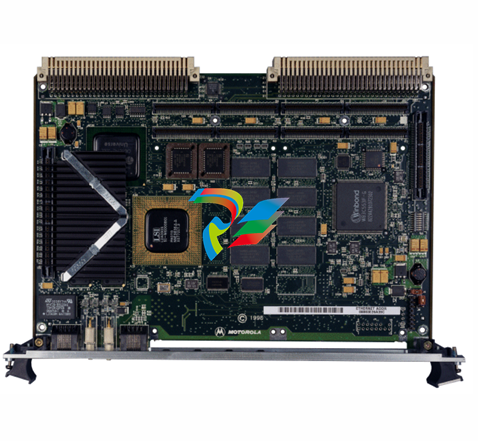 Motorola MVME2400 Series VME Processor Module
 -
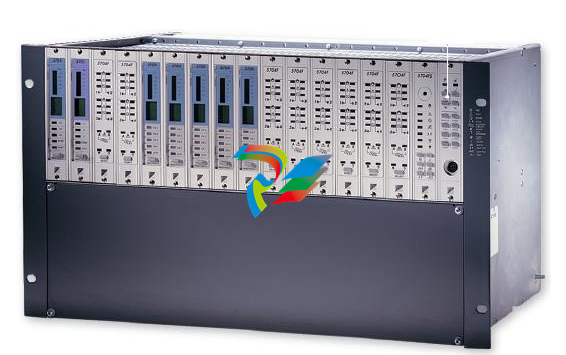 Sieger System 57
 -
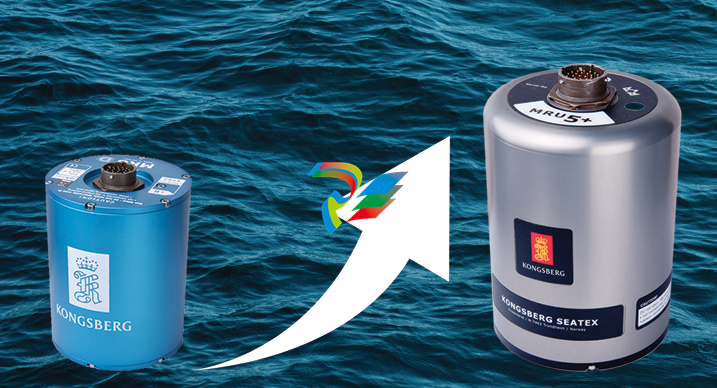 KONGSBERG MRU product line continuation
 -
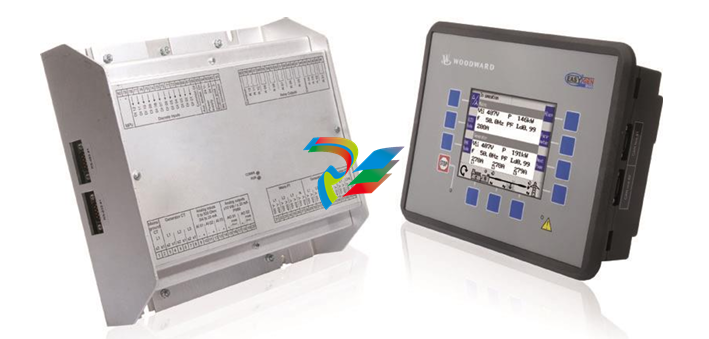 Woodward easYgen-3100/3200 Genset Control for Multiple Unit Operation
 -
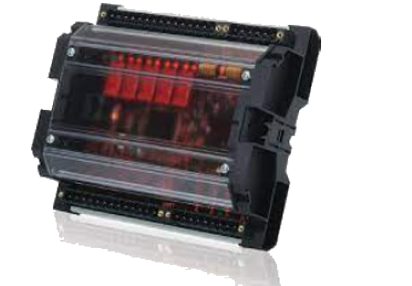 Woodward MFR 300 Multifunction Relay / Measuring
 -
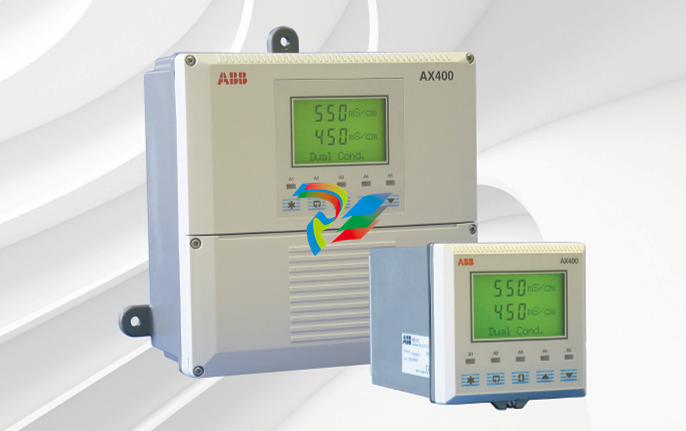 ABB AX410, AX411, AX413, AX416, AX418, AX450, AX455 and AX456 Single and dual input analyzers for low level conductivity
 -
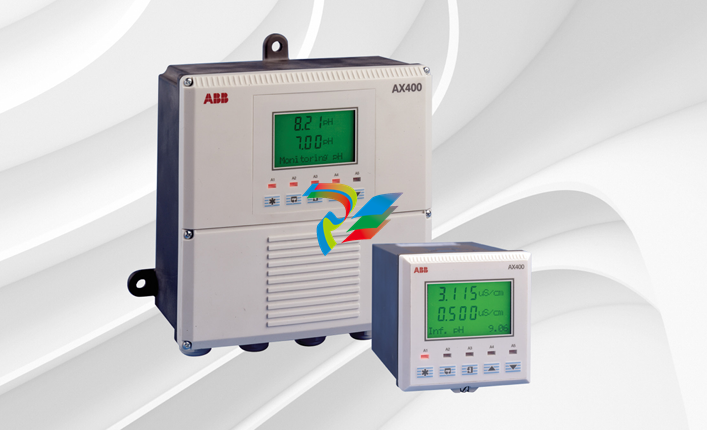 ABB AX410, AX411, AX416, AX450 and AX455 Single and dual input analyzers
 -
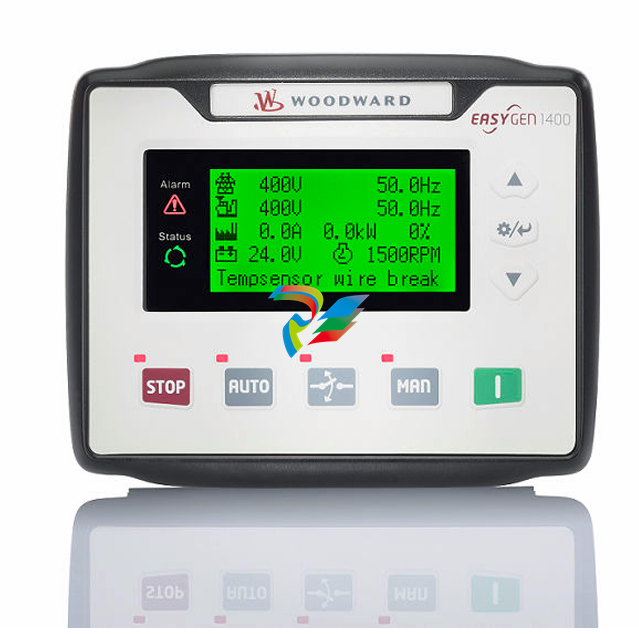 Woodward easYgen-1400 Technical Manual Genset Control
 -
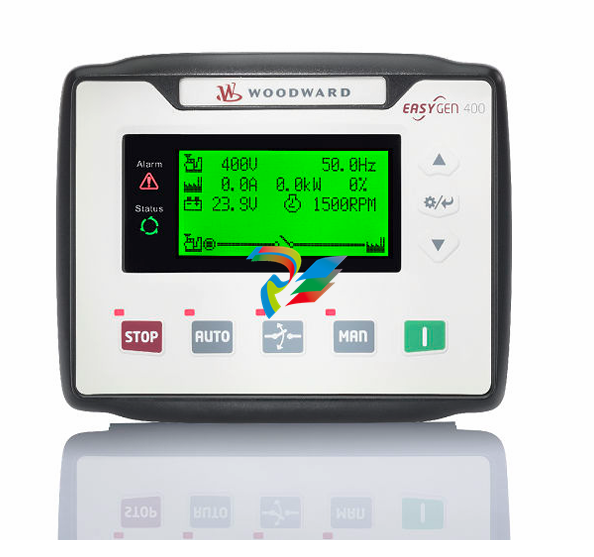 Woodward easYgen-400 Operation Manual Genset Control
 -
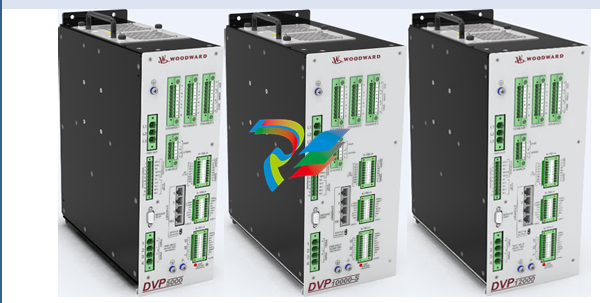 Woodward High Output Digital Valve Positioner (DVP)DVP5000/DVP10000/DVP12000
 -
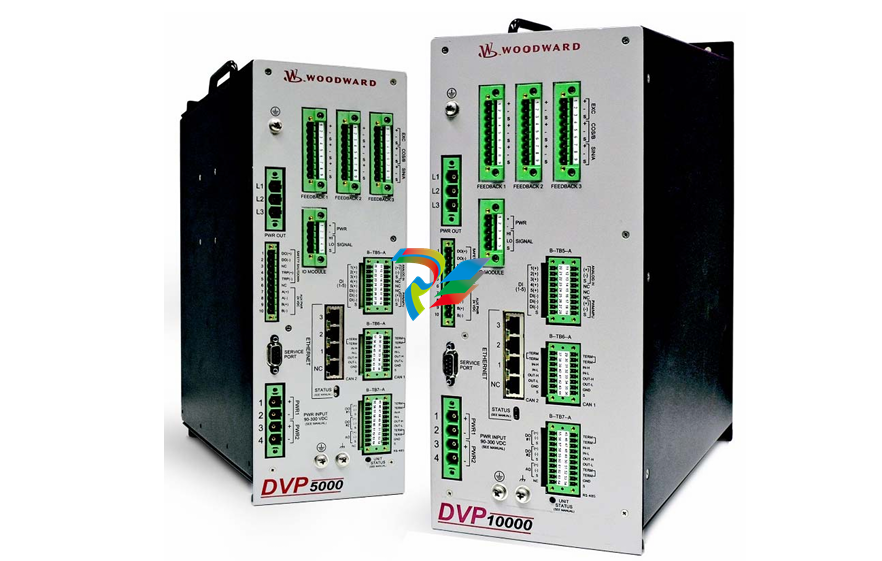 Woodward High Output Digital Valve Positioner DVP5000 and DVP10000
 -
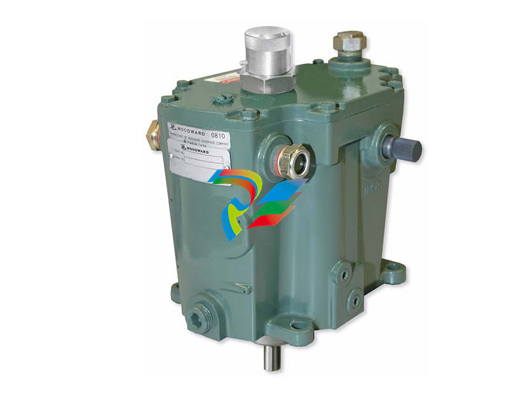 Woodward TG611-13/-17 Overspeed Test Device Conversion Kit
 -
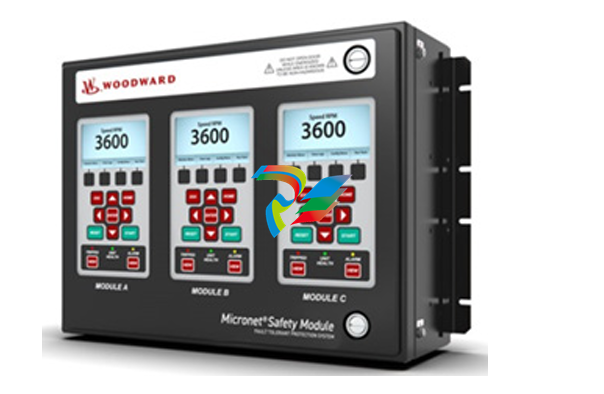 Woodward MicroNet Safety Module (MSM)
 -
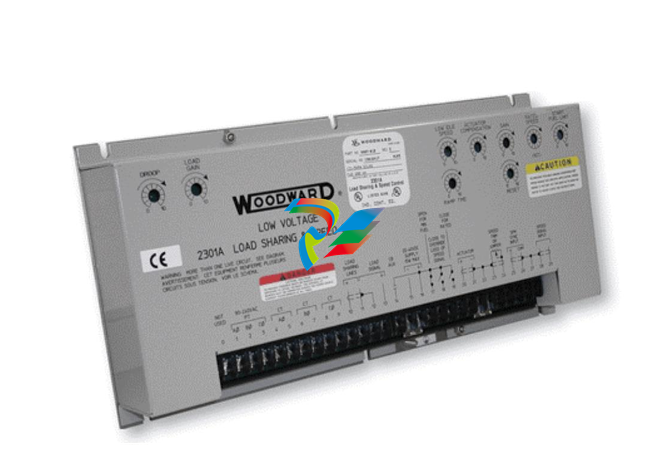 Woodward 2301A Electronic Load Sharing and Speed Control 9905/9907 Series
 -
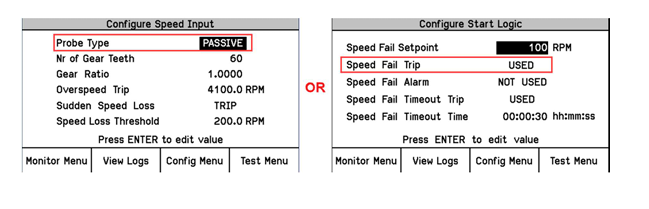 Woodward-Service Bulletin 01671
 -
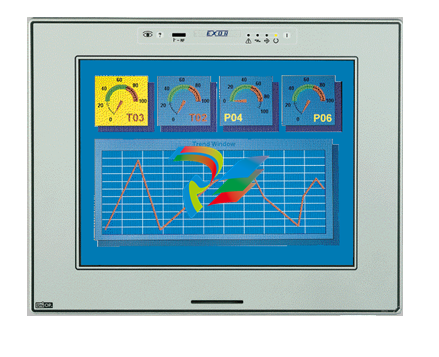
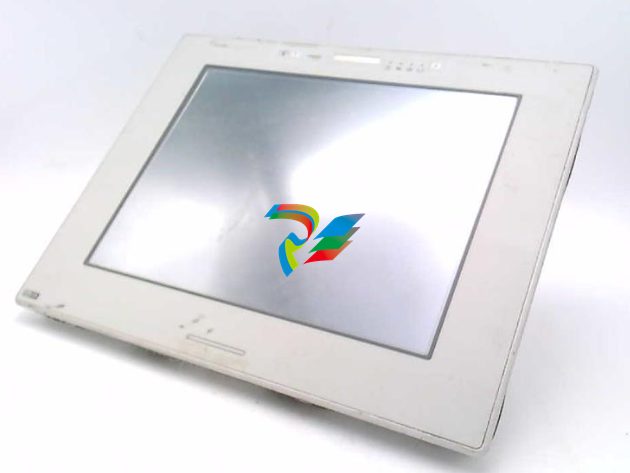 UniOP eTOP40B 12.1” TFT color display
 -
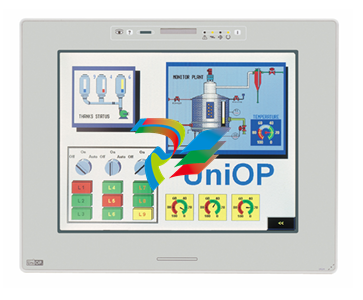
 UniOP eTOP40 TFT Color display
 -
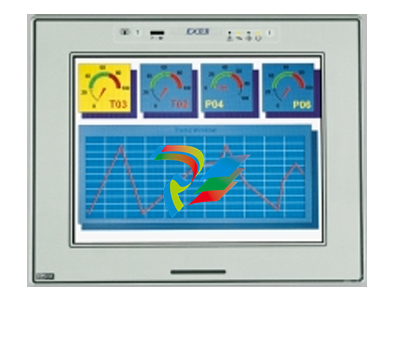
 UniOP eTOP33B 10.4” TFT color display
 -
 UniOP eTOP33C eTOP33-0050 Resistive touchscreen
 -
UniOP eTOP30. eTOP32 eTOP32-0050 Human-machine interface equipment
-
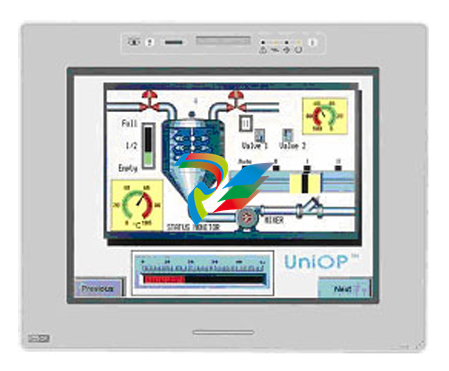 UniOP eTOP20B and eTOP21B eTOP20B-0050
 -
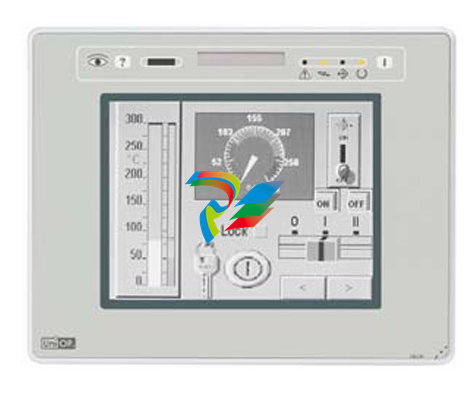 UniOP eTOP12 eTOP12-0050 Advanced human-machine interface equipment
 -
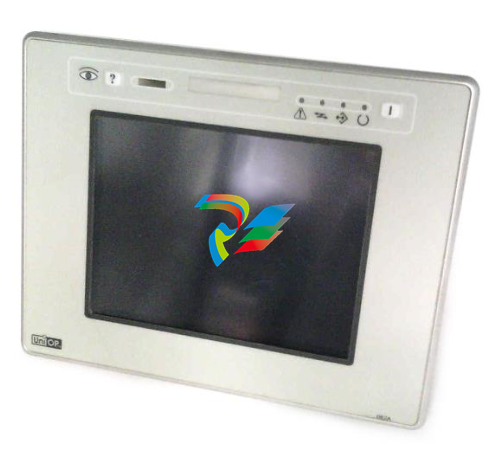 UniOP eTOP11 eTOP11-0050 HMI
 -
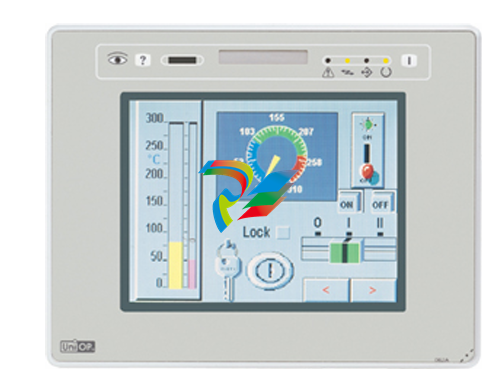 UniOP eTOP06C HMI
 -
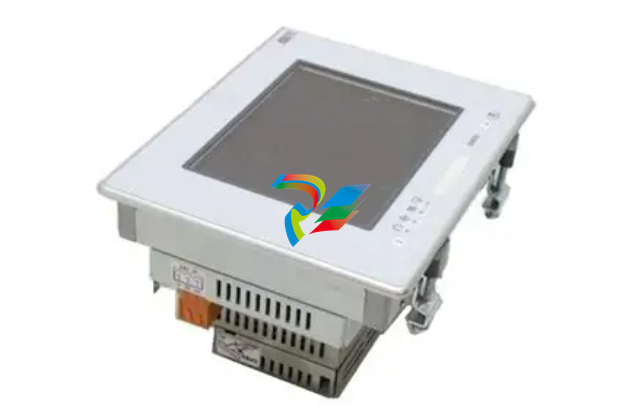 UniOP eTOP06 HMI
 -
 UniOP eTOP05EB eTOP05EB-DF45 HMI
 -
 UniOP eTOP05. eTOP05P Human-machine interface equipment
 -
 UniOP eTOP03 eTOP03-0046
 -
 UniOP eTOP507 507U2P1 eTOP Series 500 Human-Machine Interface
 -
 UniOP eTOP307
 -
 UniOP ETT-VGA Human-machine interface touch unit
 -
 UniOP ePAD32B, ePAD33B and ePAD33BT ePAD33B-0350
 -
 UniOP ePAD05 and ePAD06
 -
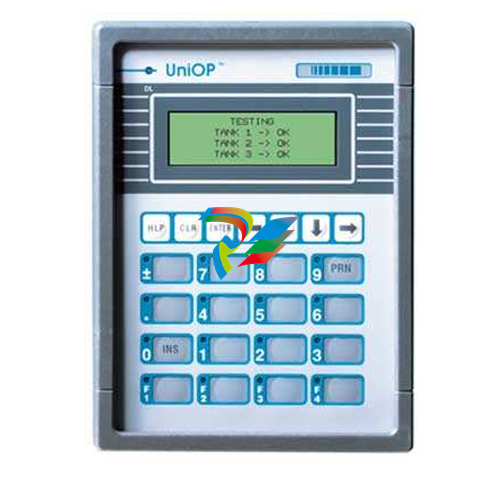 UniOP CP02R-04 Human-machine interface
 -
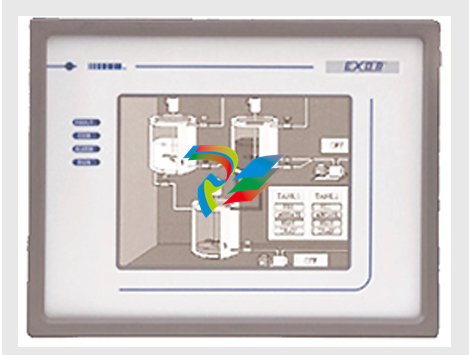 UniOP ERT-16 - Industrial PLC Workstation
 -
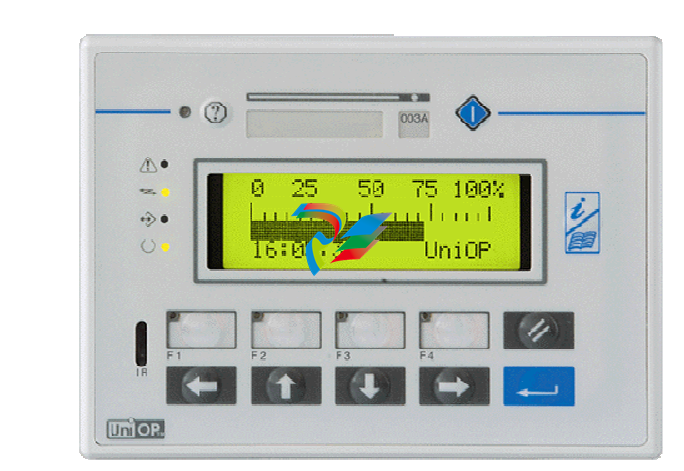 UniOP ePAD03 and ePAD04
 -
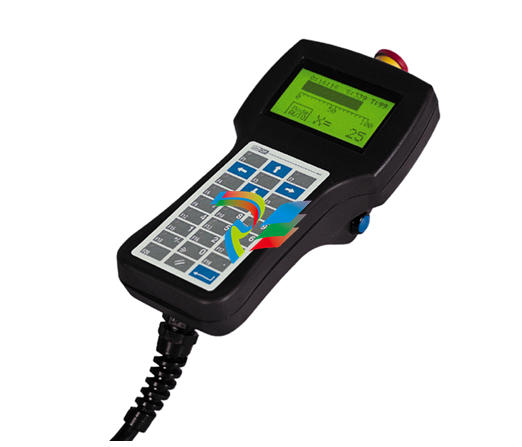 UNIOP EPALM10-DA71 state-of-the-art handheld HMI
 -
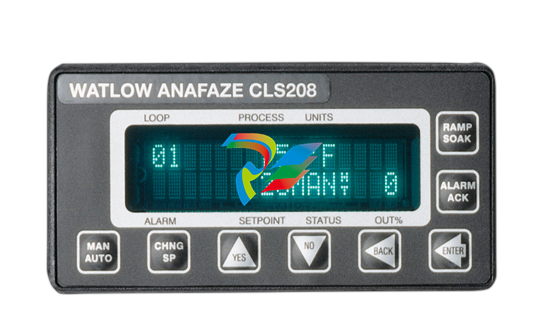 Watlow SERIES CLS200 SPECIFICATION SHEET
 -
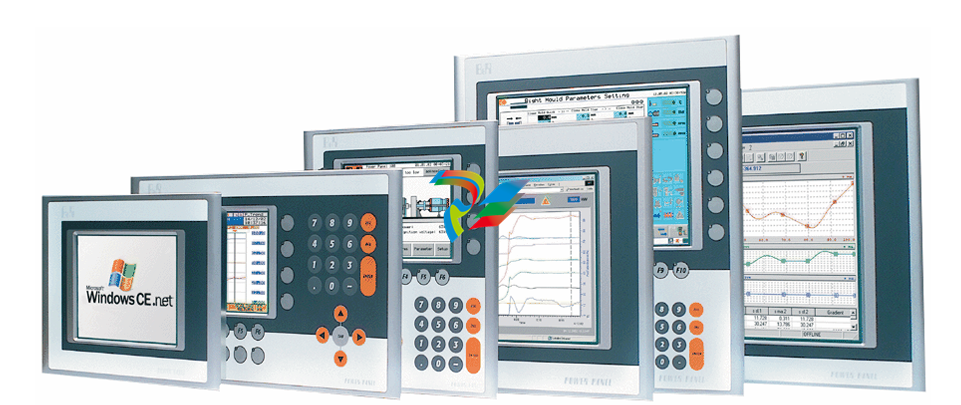 Detailed Explanation of B&R Power Panel 300/400: The Core of Industrial Automation Control
 -
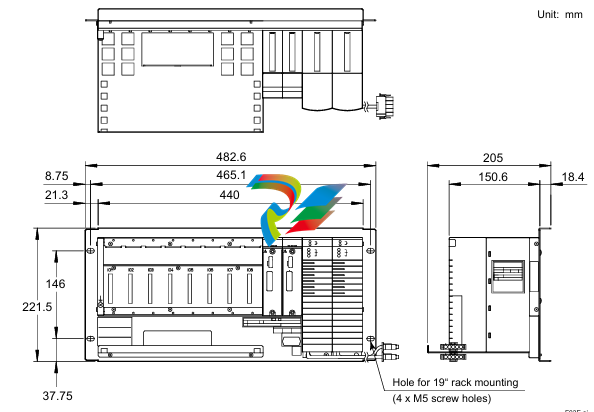 YOKOGAWA Models ANB10S, ANB10D, ANR10S, ANR10D Node Units (for FIO)
 -
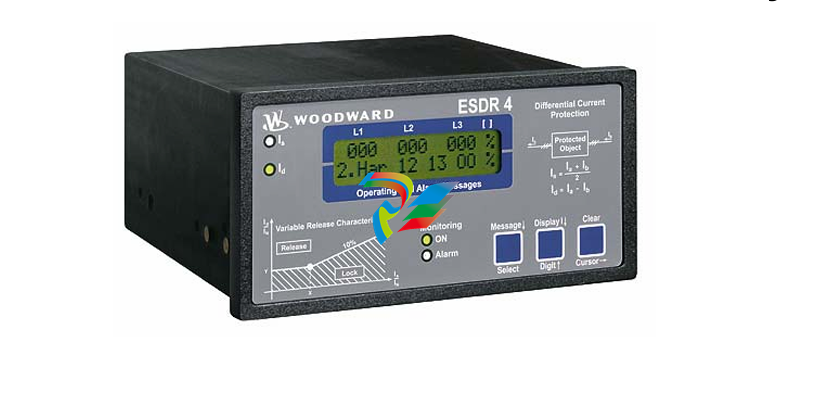 Woodward ESDR 4 Current Differential Protection Relay
 -
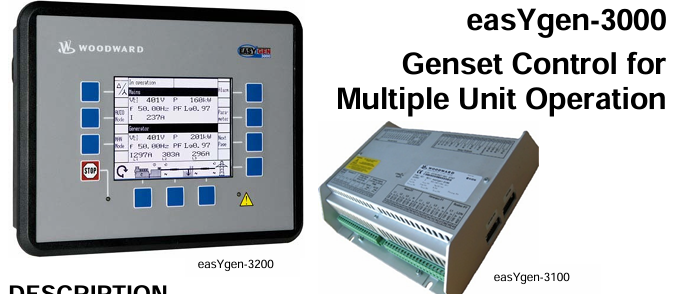 Woodward easYgen-3000 Genset Control for