Part Number IS200BPIHH1A Manufacturer General Electric Country of Manufacture As Per GE Manufacturing Policy Series Mark VI/VIe Function Module Availability In StockIS200BPIHH1A is a Bridge Personality Interface Board designed and developed by GE. The product is developed under the Drive Control series. It connects into a CABP board where it communicates through that and other boards. The BPIH board buffers control signals for the BICH board before they interface with the fiber-optic array. The board's subassembly acts as an RS-422 interface distributor for phase-related signals as they come and go from the BICH and FOSB boards. The Control Assembly Backplane links to the BPIH board, which communicates with the Bridge Interface and Control Board via CABP board signal routes. It is an auxiliary board that works with the larger Control Assembly backplane. All phase-related signals coming from or going to the FOSB or BICH boards can be interfaced and distributed by this board. This is accomplished using a fiber-optic array and twisted pairs with differential signaling. Features The majority of the board's bridge inputs/outputs (I/O) are routed to the Fiber-Optic Interface Board via the BPIH board subassembly. This is accomplished on a phase-by-phase basis using three identical wires dedicated to phase A, B, and C signals. It is intended to communicate with the (BICH) H-Bridge Interface and Control Board via the Control Assembly Backplane. The Bridge Interface and Control board's bridge routes much of the Input/Output to the FOSB Fiber-Optic Interface board via the subassembly. The board has two backplane connectors.
These are denoted by the letters P1 and P2. The board also has three additional connectors labeled JA through JC. These are BPIH subassembly plug connectors that mount into the faceplate connected to the circuit board. The board has a line of eighteen integrated circuits with a final integrated circuit near the board's center. TPC, TPX, TPB, and TPA are the designations for four sets of plated through-holes on the board. The front panels of the BICH board and BPIH board subassemblies contain high-density shielded connectors for these cables, ensuring shield continuity to the board rack chassis. On the BPIH board subassembly, control signals are buffered and interfaced with the FOSB board fiber-optic array through twisted pairs with differential signaling. Singular high-speed signals (such as VCO feedbacks) are terminated by a termination resistor at the receiving end. The RS-422 interface and distributor for all phase-related signals going to or coming from the BICH and FOSB boards is the BPIH board subassembly. BPIH is a subassembly on the Control Assembly Backplane that is commonly used as an auxiliary board. This board communicates with the BICH H bridge interface via three identical cables. Communication is done on a phase-by-phase basis (A/B/C). It is designed to fit into an Innovation series rack system. The Innovation Series is intended to fit into specific rack slots. Placing the board in the wrong slot may cause damage to the board or its components. Adhere to all replacement procedures outlined by the manufacturer in publications such as data sheets and manuals. If these publications are no longer available, this information is available in GE publication GEI-100417. Application Data There are no fuses, test points, LED indicators, or adjustable hardware on the BPIH board subassembly. There are three plug connectors (JA, JB, and JC) and two backplane connectors on the BPIH board subassembly (P1 and P2). Installation Procedure Place the board in the appropriate slot on the board rack. Because the Innovation Series boards/modules are built for certain rack spaces, placing the BPIH board subassembly into the incorrect slot can cause electronics damage. Begin seating the board by firmly pressing the top and bottom of the faceplate with your thumbs at the same time. Tighten the screws at the top and bottom of the faceplate to finish seating the board in the slot. To verify that the board is positioned squarely, tighten the screws evenly. Reconnect any electrical connections that were severed during step 3 of the board removal process. Snap the control cabinet door shut. Software In a ladder diagram format, application software is executed sequentially and represented in its dynamic state. Maintenance personnel have the ability to add, delete, or change analog loops, sequencing logic, tuning constants, and so on. To simplify editing, data points can be selected and dragged on the screen from one block to another. Other features include logic forcing, analog forcing, and frame rate trending. The documentation for application software is generated directly from the source code and printed on-site. This includes the primary elementary diagram, I/O assignments, tuning constant settings, and so on. The software maintenance tools are available in the HMI as well as as a separate software package for almost any Windows 95 or NT-based PC. System IONet Addressing The DHCP servers in the controllers assign IP addresses to IONet devices. The Host ID presented to the DHCP server is determined by the board type and serial number information stored on the terminal board's serial EEPROM. The I/O module can be replaced without having to update the toolbox or controller communication IDs because the Host ID is part of the terminal board. When replacing a terminal board, the user must associate the new Host ID with the configured device. To make this process easier, ToolboxST displays a list of unidentified devices that have requested IP addresses. When connecting an I/O pack to a main controller, IONet should only pass through five switches in series. Any configured IONet port on a controller or I/O module is constantly sending data, allowing the detection of faulty network cables, switches, or board components to occur immediately. When a fault occurs, the controller or I/O module generates a diagnostic alarm. IONets are class C networks. Each is its own network with its own set of subnet addresses. The IONet IP host addresses for the controllers are fixed. The ToolboxST assigns IP addresses to the I/O packs, and the controller automatically distributes the addresses to the I/O packs via a standard Dynamic Host Configuration Protocol (DHCP) server in the controllers. Output Processing The system outputs are the portions of calculated data that are transferred to external hardware interfaces and then to the various actuators that control the process. The output voting hardware votes on TMR outputs. Through simplex hardware, any system can output individual signals. The TMR system outputs are calculated independently by the three voting controllers. Each controller sends output to the I/O hardware associated with it (for example, the R controller sends output to the R I/O). A voting mechanism then combines the three independent outputs into a single output. Different signal types necessitate distinct methods for determining the voted value. Circuit Protection Fault current protection limits the current to what the system components can handle. Feedback from the branch circuit system Protection against ground faults in floating systems If possible, redundant applications Systems with multiple power applications run the risk of applying the incorrect power to a load or interconnecting power buses. To avoid this issue, the component employs specific connector conventions. Existing terminal board designs pose the greatest risk of incorrect connection. Regardless of whether the connection is AC or DC, these boards use a three-position Mate-N-Lok for power input. In addition, the existing boards have two parallel connectors for power daisy-chain wiring within a panel.BICH TO FOSB INTERFA
| User name | Member Level | Quantity | Specification | Purchase Date |
|---|



-
 CTI 2500 Series® Slice Ethernet Remote I/O System
 -
 CTI 2500 Series® Compact Programmable Automation Control System
 -
 CTI 2500 Series® Classic Programmable Automation Control System
 -
 CTI 2500 Series® Bases
 -
 SHINKAWA VM-25 Condition Monitoring System UPDATED
 -
 SHINKAWA VM-5 SERIES OPTIONS
 -
 ABB SACO 64D4 Annunciator unit
 -
 ABB SPAU 140 C Synchro-check relay
 -
 EATON Instructions for the FP-5000
 -
 HONEYWELL TDC 3000X Advanced Process Manager
 -
 HONEYWELL ENHANCED MICRO TDC 3000
 -
 VIBRO-METER VM600Mk2/ VM600 RPS6U rack power supplies
 -
 VIBRO-METER VM600Mk2/ VM600 ABE056 slimline rack
 -
 VIBRO-METER VM600Mk2 RLC16Mk2 relay modules
 -
 VIBRO-METER VM600Mk2 MPC4Mk2 + IOC4Mk2 machinery protection and condition monitoring modules
 -
 VIBRO-METER VM600Mk2 CPUMMk2 + IOCNMk2 rack controller and communications interface module
 -
 VIBRO-METER VM600Mk2 CPUMMk2 + IOCNMk2 rack controller and communications interface module
 -
 ADLINK PCI/PCIe-7300A, cPCI-7300 32-CH 80 MB/s High-Speed Digital I/O Cards
 -
 ADLINK cPCI-7248/7249R 48-CH DIO & Timer/Counter Cards
 -
 ADLINK PCI-7230/7233/7234. LPCI/LPCIe/cPCI-7230 32-CH Isolated DIO Cards
 -
 ADLINK cPCI-6965 Series Value 6U CompactPCI® Intel® Core™2 Duo
 -
 ADLINK cPCI-6910 Series 6U CompactPCI® Dual-Core Intel® Xeon® Processor LV / ULV Universal Blade
 -
 ADLINK CPCI-6670 6U CompactPCI Low Power Pentium® III SBC
 -
 ADLINK cPCI-6625/6 Series 6U CompactPCI® PlusIO blade with Intel® Core™ i7/i3 Processor
 -
 ADLINK 3U CompactPCI CPU Modules
 -
 ADLINK CM-435 Extreme Rugged™ PC/104 Single Board Computer
 -
 ADLINK PCI-8254/8258 DSP-based 4/8-axis Advanced Motion Controllers
 -
 ADLINK NuPRO-E43 PICMG® 1.3 Full-Size LGA1151 with 6th/7th Generation Intel® Core™ i7/i5/i3
 -
 ADLINK DLAP-211-JNX/DLAP-211-JT2/ DLAP-211-Nano
 -
 Hirschmann RS30-1602O6O6SDAE compact OpenRail managed Ethernet switches
 -
Hirschmann RS30-0802O6O6SDAE Ethernet switch
-
 Hirschmann RS20-1600T1T1SDAE Management-type Ethernet switch
 -
 Hirschmann OCTOPUS 24M Limited Availability/Passive
 -
 Hirschmann MSP30-24040SCZ9MRHHE3A
 -
 Hirschmann MAR1040-4C4C4C4C9999SMMHRHHXX.X. Gigabit Ethernet Switch configurator
 -
 Hirschmann Industrial Ethernet Rail Switch SPIDER II, SPIDER II Giga, SPIDER II PoE
 -
 Hirschmann Industrial Ethernet Firewall EAGLE One
 -
 Hirschmann Industrial Security Router EAGLE20/30
 -
 Hirschmann Description and operating instructions RS2-xTX/xFX EEC
 -
 Basler Electric DECS-200 Digital Excitation Control System
 -
 Basler Electric GENERATOR PROTECTION SYSTEM BE1-GPS100
 -
 Jaquet FT3000 Speed measurement system
 -
 Hirschmann Industrial Ethernet Ruggedized Switch MACH1000 Family
 -
 Basler Electric BESTCOMSPlus®
 -
 ETEL AccurET MODULAR 300 EA-P2M-300-xxxxxA controller
 -
 Basler Electric ES Series Protection Relays
 -
 ABB Multifunction Protection and Switchbay Control Unit REF542plus
 -
 EMERSON AMS 2140 Machinery Health Analyzer
 -
 Hirschmann Industrial Ethernet Rail Switch RS20 Basic Family
 -
 GE Grid Solutions P40U Px40 USB Adaptor
 -
 ABB ontinuous Gas Analyzers AO2000 Series AO2040CU Ex Central Unit in Category 2G
 -
 ABB Advance Optima AO2000 Series Continuous gas analyzers Models AO2020. AO2040
 -
 Advance Optima Module Uras 14
 -
 SAACKE control optimization
 -
 SAACKE se@vis efficiency monitor
 -
 SAACKE se@vis pro
 -
 SAACKE se@vis eco
 -
 SAACKE se@vis compact
 -
 HIRSCHMANN Industrial ETHERNET Switch MICE MS20/MS30
 -
 HIRSCHMANN MICE Media modules
 -
 Kongsberg GL-10 Level Switch
 -
 B&R ACOPOSinverter P74 frequency converter
 -
 Beckhoff CX2020 | Basic CPU module (service phase)
 -
 Beckhoff CX1010 | Basic CPU module (service phase)
 -
 Beckhoff CX5120 | Embedded PC with Intel Atom® E3815
 -
 Beckhoff CP69xx-xxxx-0010 | Economy built-in Control Panel with DVI/USB Extended interface
 -
 Beckhoff CP29xx-0000 | Multi-touch built-in Control Panel with DVI/USB Extended interface
 -
 SAACKE Monoblock Rotary Cup Burner SKVJ-M
 -
 ABB Plantguard Fault Tolerant Technology Architecture and Software
 -
 OMRON H8PR-8/H8PR-8P H8PR-16/H8PR-16P H8PR-24/H8PR-24P Rotary Positioner
 -
 ABB PFSA107-Z42 DTU Stressometer Digital Transmission Unit
 -
 Nidec Mentor MP
 -
 IBA ibaNet-E
 -
 IBA FO Connection to Reflective Memory
 -
 IBA FO Connection to Siemens Systems
 -
 IBA Interface Cards For Fiber Optic Connections
 -
 IBA Field and Drive Buses
 -
 IBA ibaPADU-S Modular System
 -
 IBA ibaMAQS
 -
 STUCKE SYMAP®ARC
 -
 STUCKE SYMAP®R
 -
 STUCKE SYMAP®Compact
 -
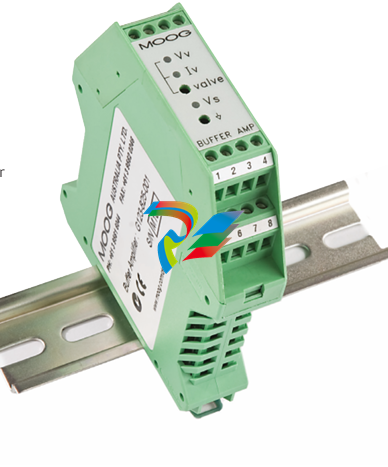 MOOG G123-825-001 BUFFER AMPLIFIER
 -
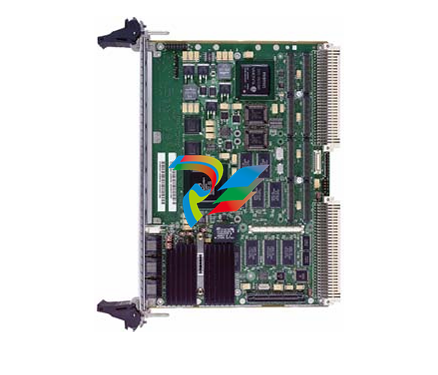 Motorola MVME5100 Series VME Processor Modules
 -
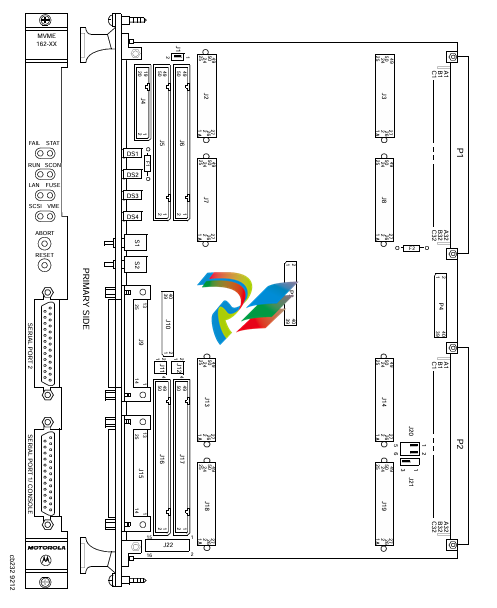 Motorola MVME162 Embedded Controller
 -
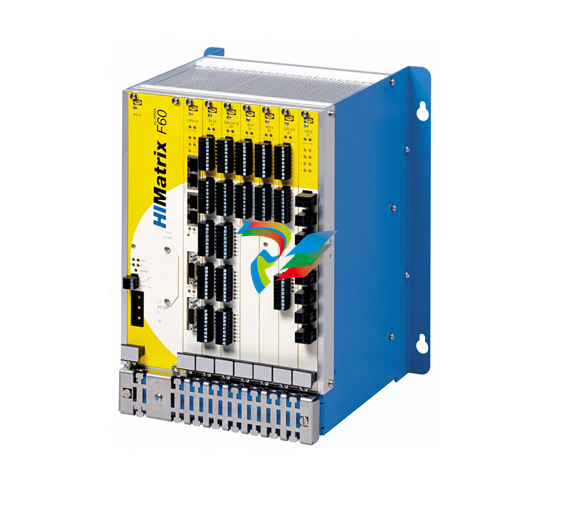 HIMatrix Safety-Related Controller System Manual for the Modular Systems
 -
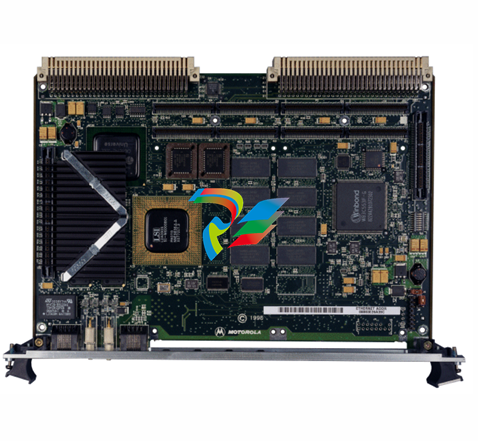 Motorola MVME2400 Series VME Processor Module
 -
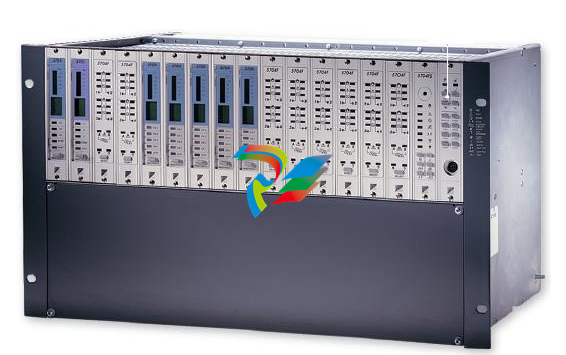 Sieger System 57
 -
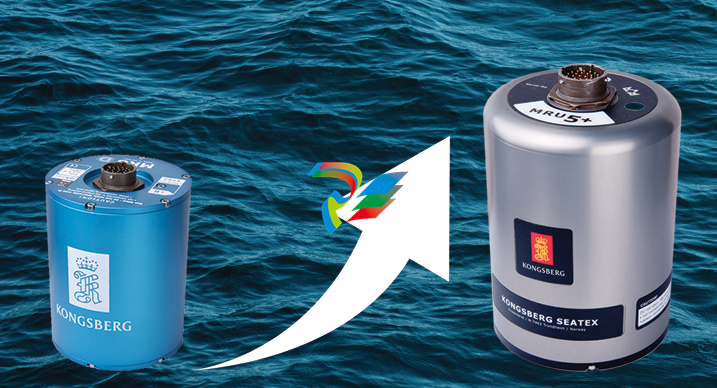 KONGSBERG MRU product line continuation
 -
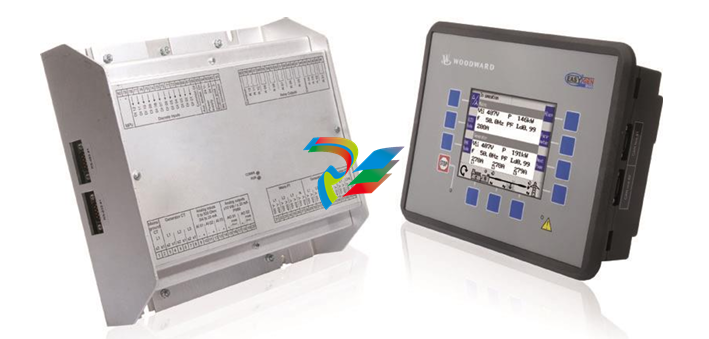 Woodward easYgen-3100/3200 Genset Control for Multiple Unit Operation
 -
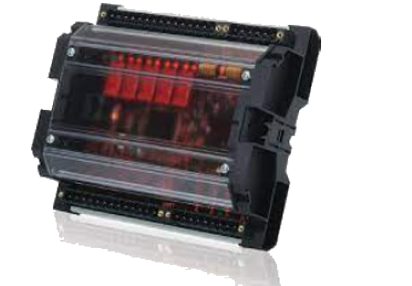 Woodward MFR 300 Multifunction Relay / Measuring
 -
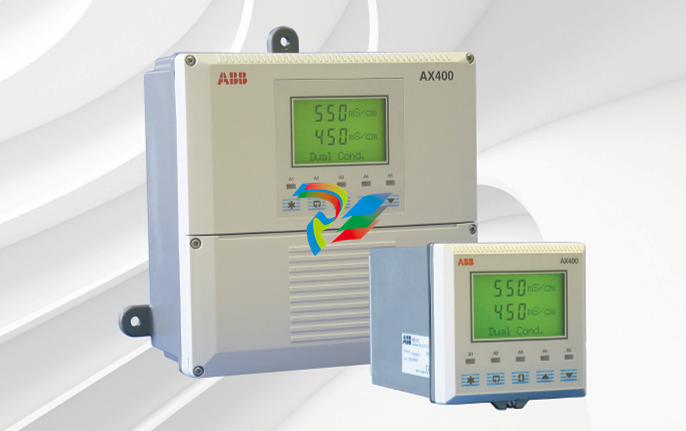 ABB AX410, AX411, AX413, AX416, AX418, AX450, AX455 and AX456 Single and dual input analyzers for low level conductivity
 -
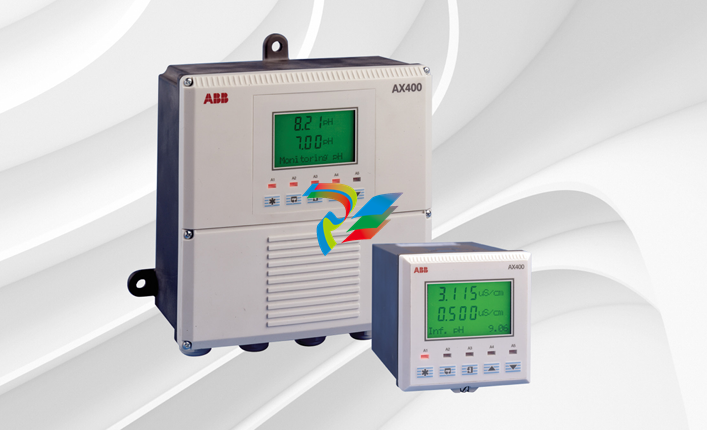 ABB AX410, AX411, AX416, AX450 and AX455 Single and dual input analyzers
 -
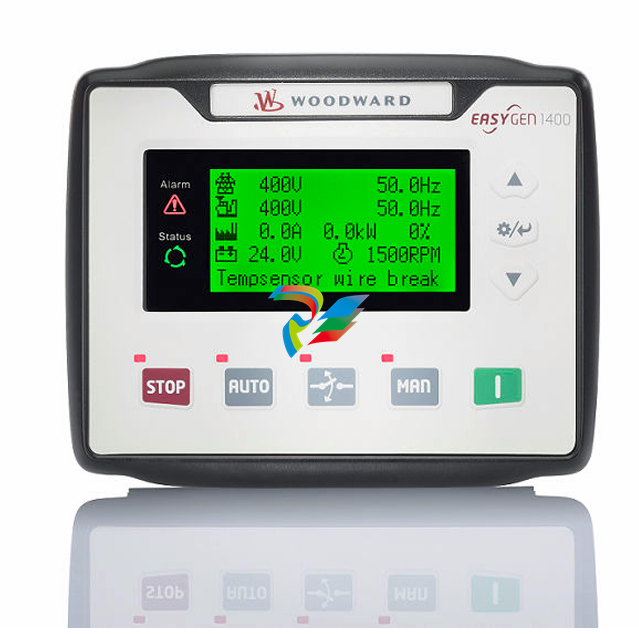 Woodward easYgen-1400 Technical Manual Genset Control
 -
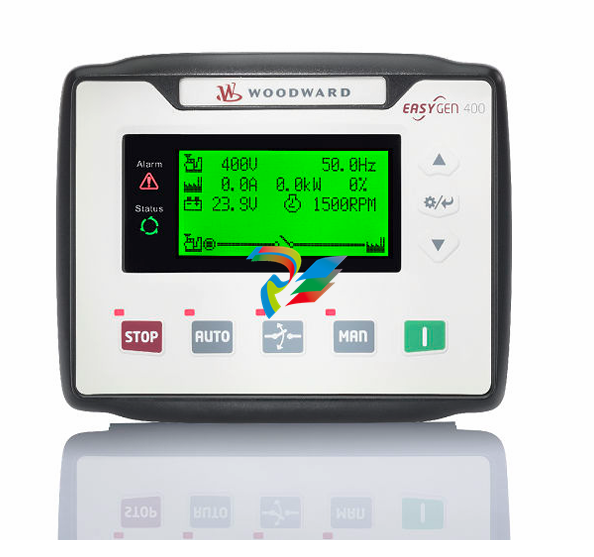 Woodward easYgen-400 Operation Manual Genset Control
 -
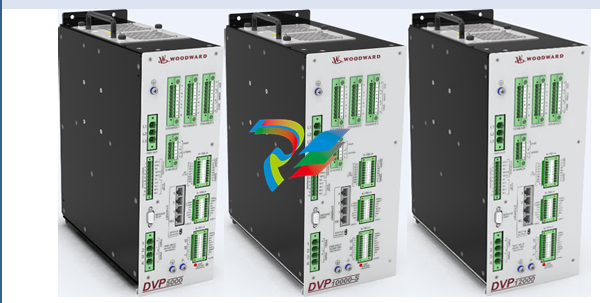 Woodward High Output Digital Valve Positioner (DVP)DVP5000/DVP10000/DVP12000
 -
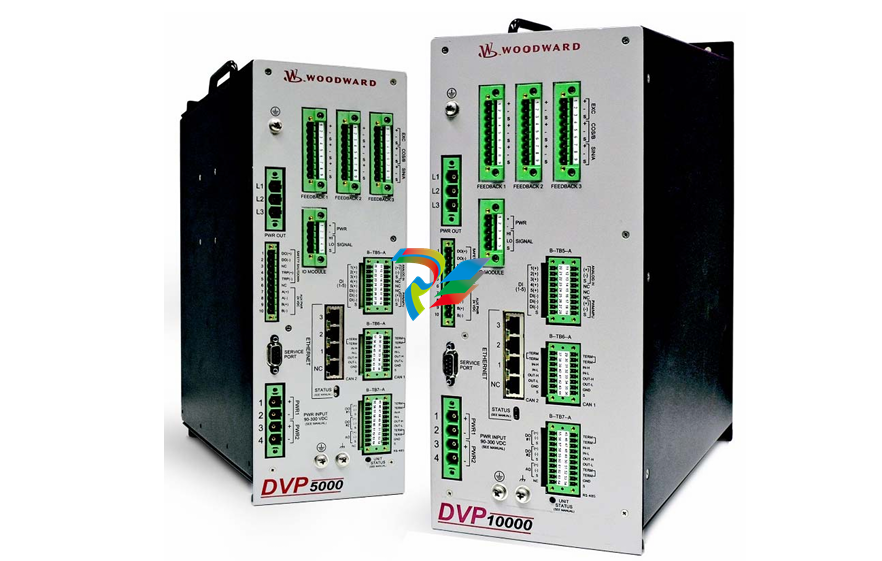 Woodward High Output Digital Valve Positioner DVP5000 and DVP10000
 -
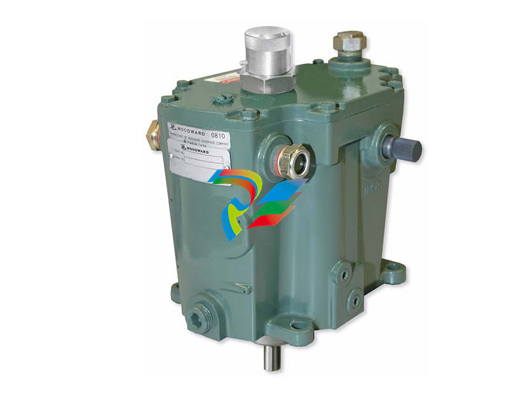 Woodward TG611-13/-17 Overspeed Test Device Conversion Kit
 -
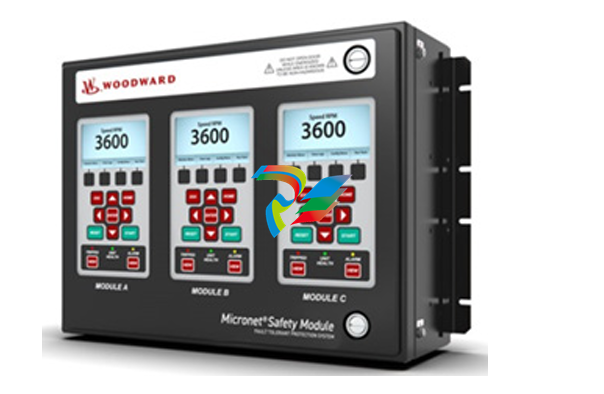 Woodward MicroNet Safety Module (MSM)
 -
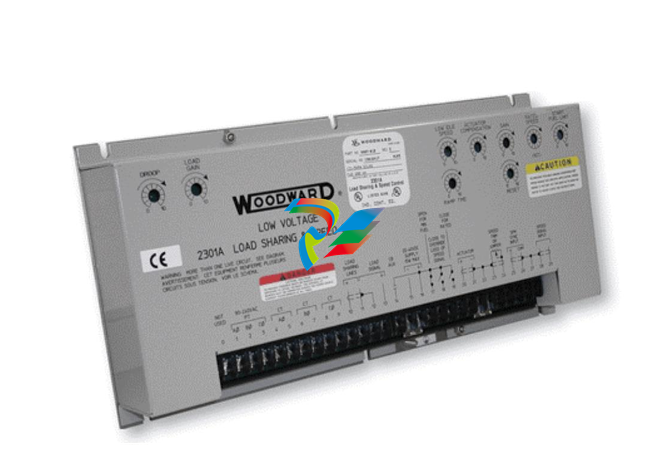 Woodward 2301A Electronic Load Sharing and Speed Control 9905/9907 Series
 -
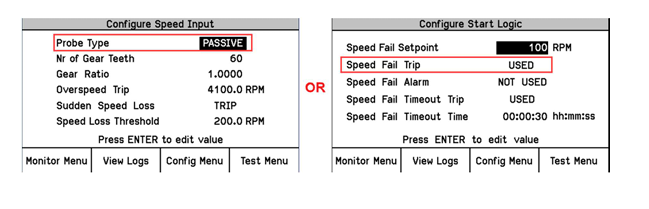 Woodward-Service Bulletin 01671
 -
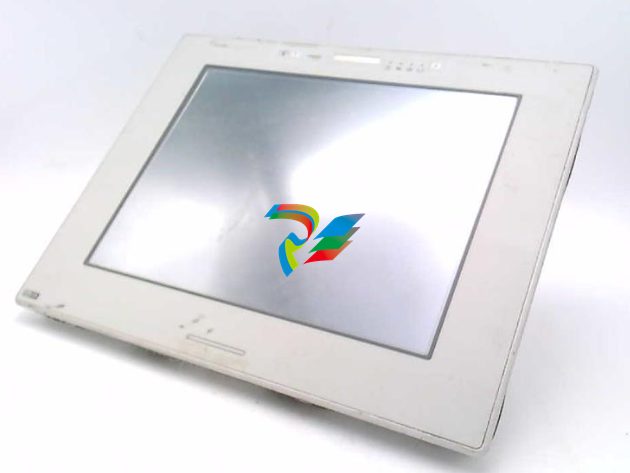 UniOP eTOP40B 12.1” TFT color display
 -
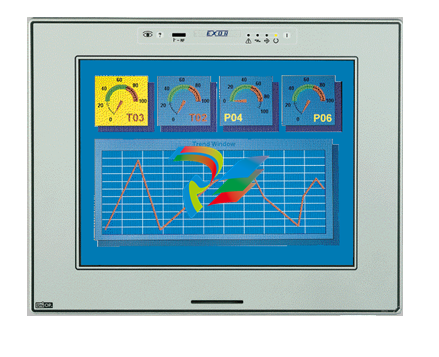 UniOP eTOP40 TFT Color display
 -
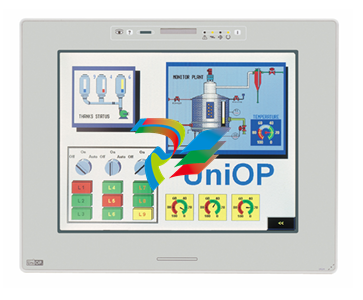 UniOP eTOP33B 10.4” TFT color display
 -
 UniOP eTOP33C eTOP33-0050 Resistive touchscreen
 -
UniOP eTOP30. eTOP32 eTOP32-0050 Human-machine interface equipment
-
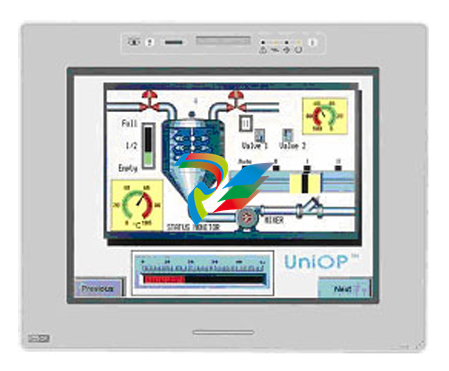 UniOP eTOP20B and eTOP21B eTOP20B-0050
 -
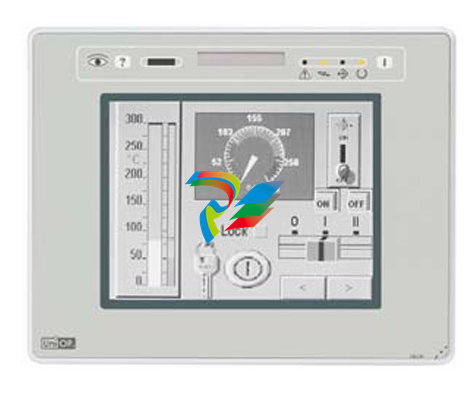 UniOP eTOP12 eTOP12-0050 Advanced human-machine interface equipment
 -
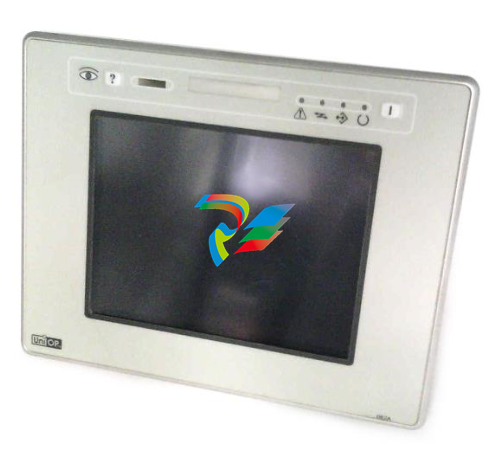 UniOP eTOP11 eTOP11-0050 HMI
 -
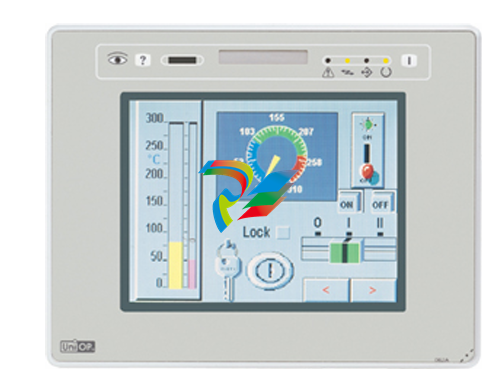 UniOP eTOP06C HMI
 -
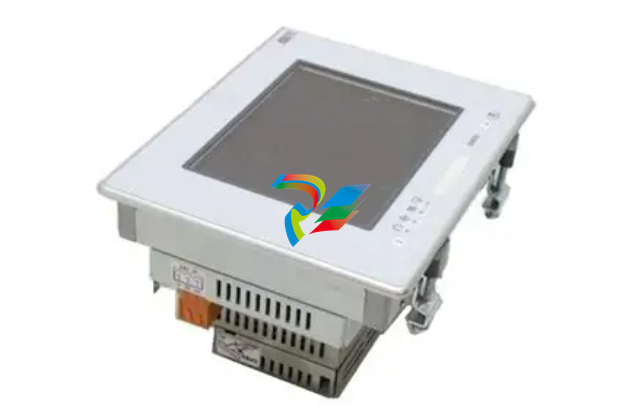 UniOP eTOP06 HMI
 -
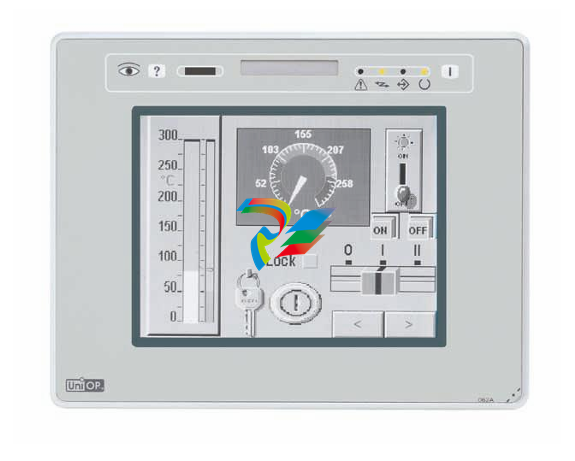 UniOP eTOP05EB eTOP05EB-DF45 HMI
 -
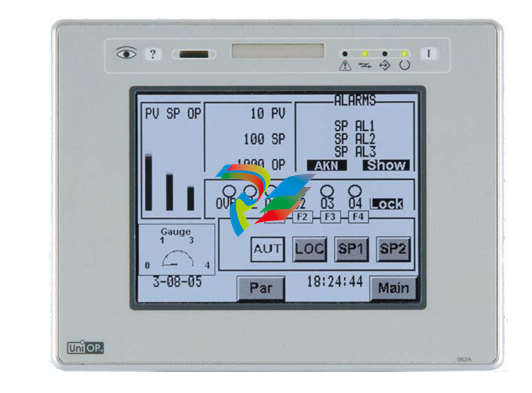 UniOP eTOP05. eTOP05P Human-machine interface equipment
 -
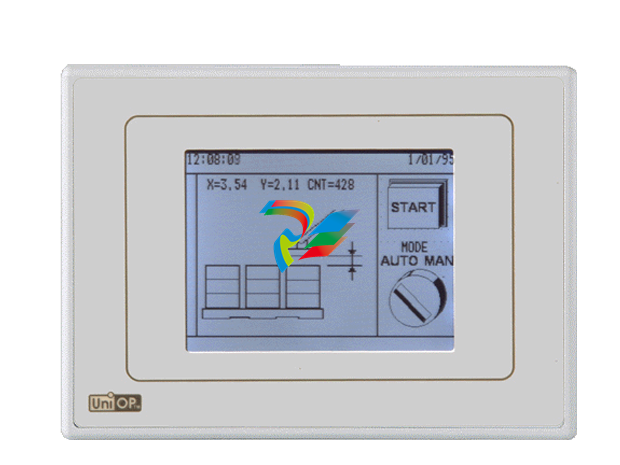 UniOP eTOP03 eTOP03-0046
 -
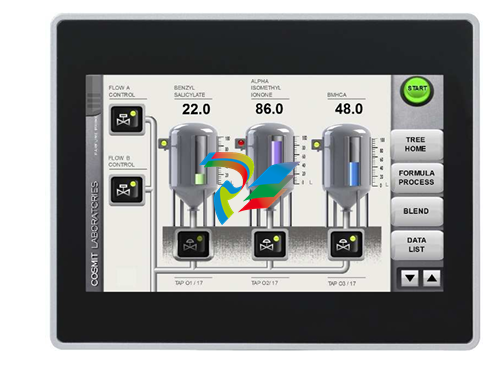 UniOP eTOP507 507U2P1 eTOP Series 500 Human-Machine Interface
 -
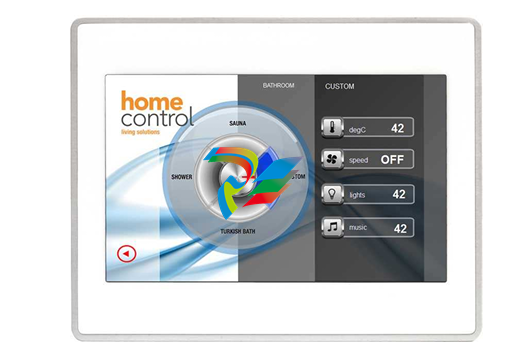 UniOP eTOP307
 -
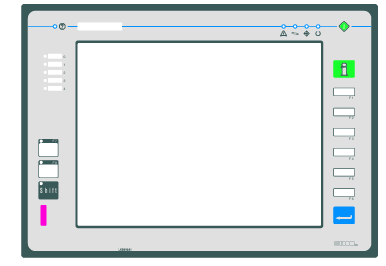 UniOP ETT-VGA Human-machine interface touch unit
 -
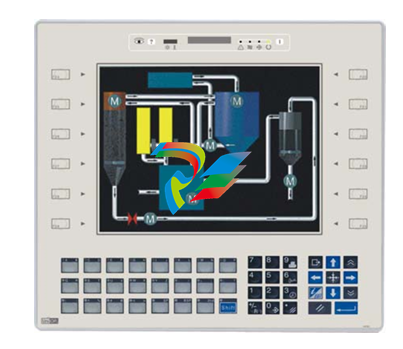 UniOP ePAD32B, ePAD33B and ePAD33BT ePAD33B-0350
 -
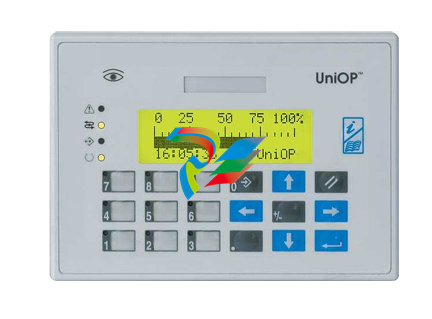 UniOP ePAD05 and ePAD06
 -
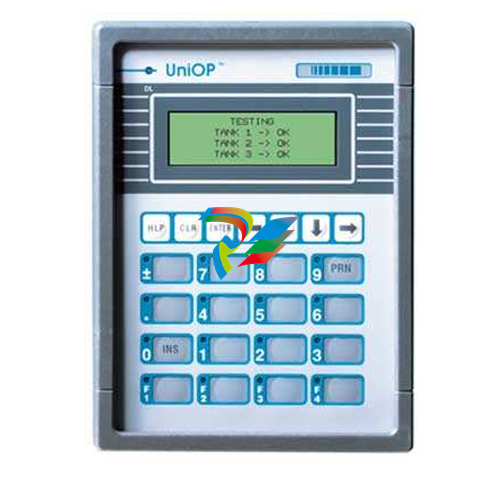 UniOP CP02R-04 Human-machine interface
 -
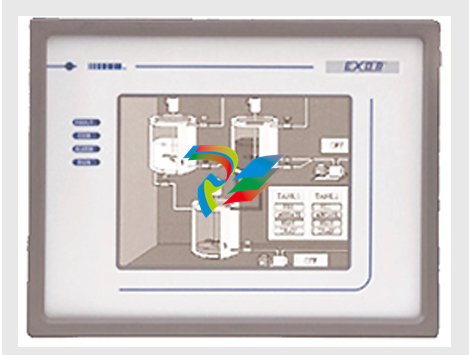 UniOP ERT-16 - Industrial PLC Workstation
 -
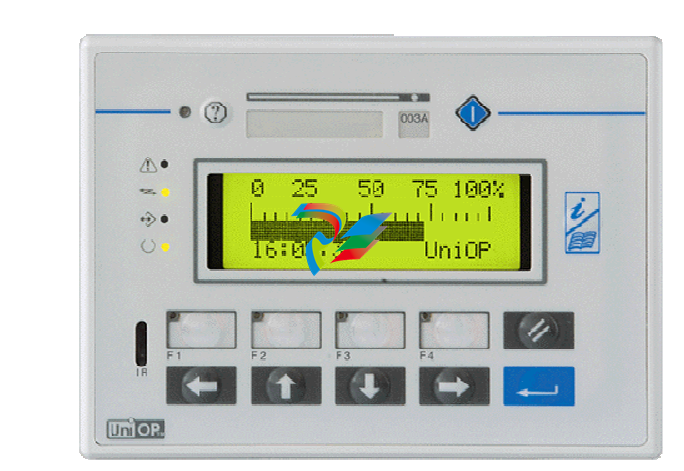 UniOP ePAD03 and ePAD04
 -
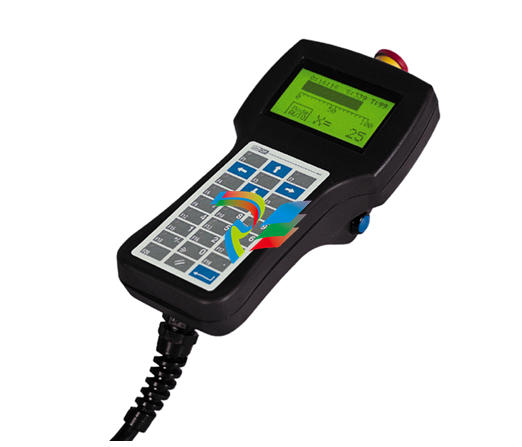 UNIOP EPALM10-DA71 state-of-the-art handheld HMI
 -
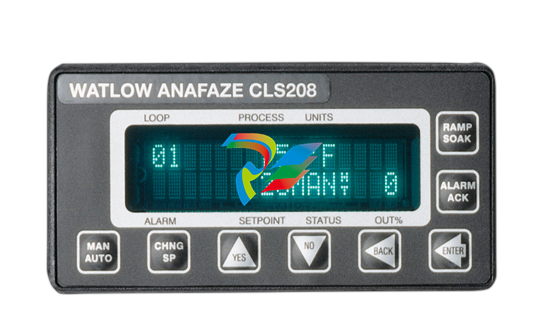 Watlow SERIES CLS200 SPECIFICATION SHEET
 -
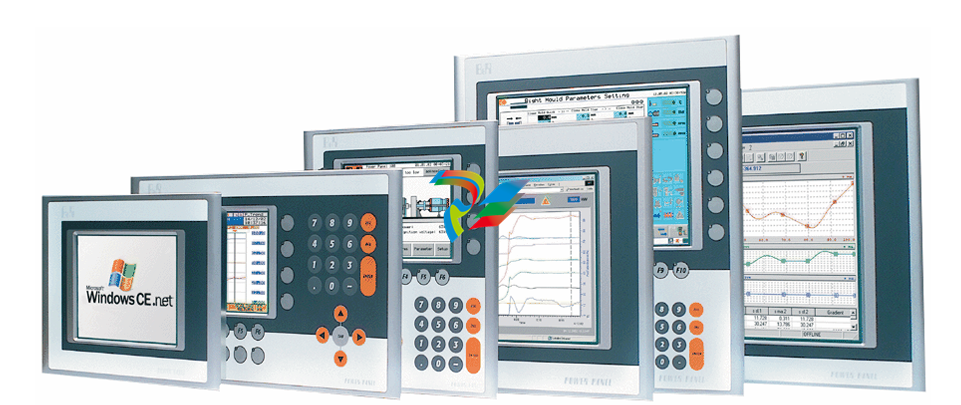 Detailed Explanation of B&R Power Panel 300/400: The Core of Industrial Automation Control
 -
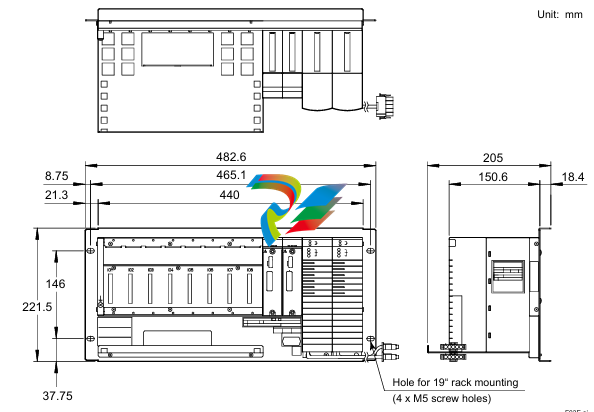 YOKOGAWA Models ANB10S, ANB10D, ANR10S, ANR10D Node Units (for FIO)
 -
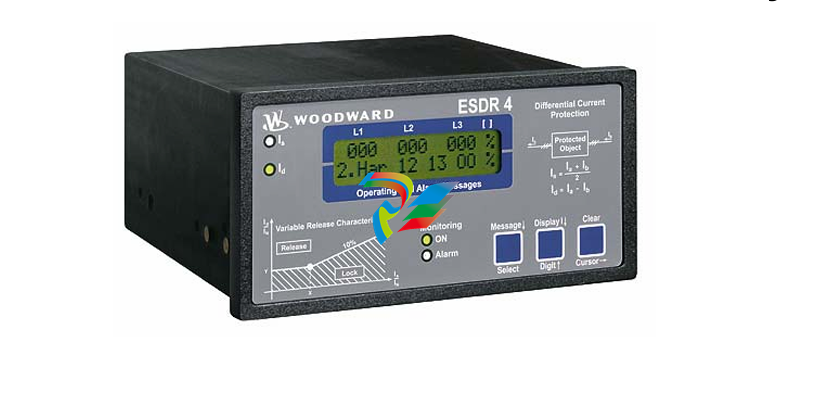 Woodward ESDR 4 Current Differential Protection Relay
 -
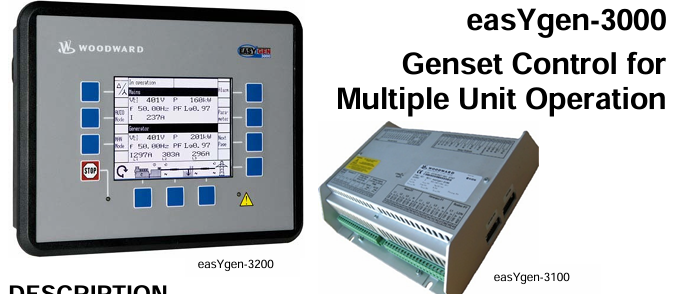 Woodward easYgen-3000 Genset Control for